
Home Blog Page 63

The Ideal Guide To Choosing The Right Flowers For Every Occasion

We’re here to sprinkle a bit of petal-infused joy into your lives. Today, we’ll be discussing the best flowers to send for every occasion – from Mother’s Day to 100th birthdays, and everything in between. So, let’s dive right into this beautiful bouquet of information!

Mother’s Day

Mum’s the word, and what better way to celebrate her than with a delightful arrangement of pink carnations? These lovely blooms symbolise a mother’s undying love, making them the perfect choice. Consider adding some pink peonies to the bouquet which symbolise love, friendship and happiness.

Moreover, in China peonies are often called “the queen of flowers” – something quite fitting for a matriarch. However if you want to add a touch of humour to your mother’s day gift, consider a bunch of snapdragons to represent her fierce protectiveness (and perhaps her occasional fiery temper!).

Father’s Day

Do away with the usual electric razor, bottle of whiskey or other stereotypical ‘dad’ gift and surprise the Old Man with a tender, perhaps unexpected gesture instead. Blue irises convey wisdom and faith, just like our dear old dads. Add some sturdy eucalyptus leaves to represent strength, and you’ve got a winning combination.

For A Loved One Far Away

When sending flowers remotely to a loved one living far away, the durability and longevity of the particular bloom is important. If you want to send flowers that will last longer and bring joy for days, opt for lilies, carnations, or chrysanthemums. These sturdy blooms are known for their long-lasting qualities, making them a perfect choice for delivery. 

In a long distance relationship and want to send a message of love and passion? According to Daily Blooms, a leading florist that’s delivered over a million flowers, a bouquet of roses is always a classic choice. And if you want to add a bit of brightness to someone’s day, even if you’re not there with them, you can’t go wrong with a bright and cheery bouquet of daffodils or sunflowers.

Letterbox flowers can be just the ticket on such occasions. These flowers are convenient because these fit through the letterbox, making them a perfect option for spreading joy without hassle. Whether you gift them to yourself or someone else, they are a great way to add beautiful nature to your home.

Read: 5 unique gift ideas that can be given on the same day remotely

Weddings

Love is in the air, and so are the sweet scents of peonies! These lush, romantic flowers symbolise a happy marriage and prosperity, making them a top choice for wedding arrangements. Plus, they come in various shades of pink, white, and red, allowing you to match the wedding’s colour scheme effortlessly.

Styling flowers seasonally is also worth considering – peonies are at their peak in late spring and early summer, while dahlias and hydrangeas make stunning autumnal alternatives.

Birthdays

First things first – let’s talk about age. Now, we all know that age is just a number, but when it comes to sending flowers, there are some birthday traditions worth noting. For example, when someone turns 18 or 21 (depending on family traditions), it’s customary to send a bouquet of red roses to symbolise love and admiration.

But what about the big 3-0? Well, if your mate is turning 30, it’s time to whip out the lilies! Lilies symbolise youthfulness and beauty, which is perfect for someone who’s starting a new decade of their life.

Now, if you’re lucky enough to know someone who’s celebrating their 50th birthday, you’re in for a real treat. The golden anniversary demands golden flowers, of course! A bouquet of yellow roses or chrysanthemums (which represent happiness and prosperity) is just the thing to make their day feel extra special.

But what about those in-between birthdays, you ask? Well, fear not! There are no hard and fast rules when it comes to flower-gifting in the UK. Just choose a bouquet that reflects your mate’s personality and taste, and you can’t go wrong.

Funerals

When it comes to expressing condolences, choosing the right flowers is important. The lily is a classic choice in times of sorrow, as it symbolises the restored innocence of the soul after death. White lilies, in particular, convey purity and a sense of peace. They also represent the hope for a bright future beyond the sadness of loss.

To make the gesture even more meaningful, incorporating the deceased’s favourite flowers or colours can add a personal touch. For example, adding roses in their favourite colour can be a beautiful way to pay tribute to their memory and celebrate their life. This thoughtful gesture shows the bereaved that you have taken the time to acknowledge their loved one’s unique personality and spirit.

Sending flowers to offer condolences is a touching way to show support and care during a difficult time. It’s a simple yet powerful gesture that can bring comfort and solace to those who are mourning. As you choose your sympathy flowers, keep in mind the symbolism and personal touches that can make them even more meaningful.

Design by IDEAL image © Gribanessa via Canva

Baby Showers

The UK has a stunning array of beautiful flowers to choose from that are perfect for a baby shower, and perhaps the most appropriate of all are delicate white lilies. These gorgeous blooms symbolise purity and innocence, making them the perfect gift for welcoming a new life into the world. Plus, their sweet fragrance will fill the room with a lovely aroma.

Or, how about soft pink roses? Pink roses are a traditional choice for baby showers, as they represent love, joy, and beauty. They’re also available in a range of shades, from pale blush to deep magenta, so you can choose the perfect hue to match the mum-to-be’s style.

Another popular choice is cheerful sunflowers. These bright and cheery flowers symbolise happiness and positive energy, making them a great way to spread some joy at a baby shower. Plus, their sunny yellow petals are sure to put a smile on everyone’s face.

Congratulations On A Newborn

To celebrate the arrival of a little bundle of joy, opt for delicate pastel-coloured tulips. These springtime flowers signify new beginnings and are perfect for welcoming a new life into the world. For a cheeky twist, throw in some baby’s breath – both for its lovely appearance and its amusingly appropriate name.

100th Birthday

Now, this is a rare and momentous occasion! For a centenarian celebration, consider an arrangement of vibrant yellow roses. These golden blooms represent joy, wisdom, and the accomplishment of a long, fruitful and ongoing life.

Anniversaries

Different anniversaries call for different flowers, don’t you know?

For a first wedding anniversary, carnations are a symbol of new love and commitment. Lily of the Valley is a perfect flower for a second anniversary, representing the return of happiness.

For a fifth anniversary, daisies symbolise innocence and true love, while for a tenth anniversary, daffodils celebrate ideas of rebirth and new beginnings (ideal for the aftermath of that seven year itch, don’t you think?).

Celebrate your 15th anniversary with roses, a classic symbol of love. Lilies represent devotion and purity for a 30th anniversary, while gladiolus symbolises strength and honour for a 40th anniversary.

For a golden anniversary, 50 years of marriage, the traditional flowers are yellow roses and violets. Yellow roses represent friendship and joy, while violets represent loyalty and devotion.

The Bottom Line

There you have it – a blooming marvellous guide to choosing the best flowers for every occasion. Remember, when selecting your floral arrangements, don’t be afraid to get creative and add a touch of humour or personalisation. After all, flowers are meant to bring joy and express our deepest emotions, so let your heart guide your choices. Happy flower-sending!


How To Establish A Bedtime Routine For Your Baby In 7 Simple Steps

0

This just in; an annual sleep survey carried out by The Lullaby Trust revealed that 44% of parents believe their little ones should be sleeping more. And with the hashtag #cantsleep trending in recent months, it seems like many have been struggling to get their heads down for the night, too.

It’s never too early to start a bedtime routine. Routines are essential, and the earlier you start, the sooner your little one is likely to recognise that there is a pattern of activity that precedes sleep. 

The final two hours of the day are particularly crucial in building a settled overnight sleep. Together with the baby’s sleep environment, the practices we have around sleep contribute to what is known as “sleep hygiene” – the better our sleep hygiene, the better the prospect of us, and our little ones, sleeping well. 

Here’s how to establish a bedtime routine for your baby in 7 simple steps.

Avoid Screens For At Least An Hour, Ideally Two, Before Bedtime

For great sleep, we want our little one to have a high level of sleep-inducing melatonin at bedtime. The blue light emitted by screens inhibits the production of this super-sleep hormone, so their use is best kept to earlier in the day.

A couple of hours before bed, turn all screens off for the whole family. Of course, checking your baby monitor later in the evening doesn’t count! If you are concerned about how your baby’s sleeping but don’t want to disturb them in the night, then these monitors can really come in handy.

When choosing a baby monitor, our pals over at Yourbaby.co.uk recommend asking yourself what features you want the monitor to have, with “sound, night vision, movement sensors, temperature recording, white noise, video, movement alerts, lullabies and two-way talk” all options.

Eat For Sleep

Aim for the last solid meal of the day to be around two hours before bedtime, though older children may need a bedtime snack if they no longer have milk at bedtime. 

Did you know that some foods, such as bananas, eggs, almond milk, and wholegrains like cereals or a slice of brown toast with low-sugar peanut butter, have sleep-promoting properties? On the other hand, sugary snacks and those with hidden caffeine (such as fizzy drinks and chocolate), are common sleep-blockers.  

Go With The Flow

When planning the best way to start a bedtime routine, know this; such routines work when there is a flow from the daytime area straight to the bathroom for a soothing bubble bath and then to the room where your child sleeps – with no detours in between. Going in and out of rooms is stimulating for a little one and can make the settling process harder. This is especially true if there is a return to a room that a child associates with daytime play. 

Timing Is Everything

For most children, no matter what their age, a bedtime routine of 30-40 minutes is perfect – from the point of going upstairs to them being in a position to fall asleep. This ensures the healthiest sleep and the happiest baby.

A Haven For Sleep

Great sleep has a lot to do with the environment. Using multisensory sleep cues works particularly well for babies and toddlers, and a spritz of that pillow spray we mentioned earlier, designed to complement comforting and peaceful bedtime routines, can really help.

Our sense of smell is incredibly powerful, and essential oils can help our whole body to relax and calm. The familiar smell and the actual act of spritzing can also become a cue for sleep, subconsciously helping a little one to become ready to settle. Allowing a child to take charge of the spraying is a great way of giving some age-appropriate control around bedtime – a useful tool in avoiding a bedtime standoff with an older toddler or preschooler! 

Wherever possible, keep the overnight sleep environment consistent with bedtime, all the way down to the multisensory sleep cues. 

Though it’s natural for your child to occasionally wake in the night, they’re much more likely to roll over and return to sleep if their sleep-space feels secure and familiar. An age-appropriate comforter can be a great tool in this regard – especially if they have been treated to their own spritz of pillow spray so that it also smells like sleep. Spritzing their comforter is a great technique for when you’re away from home, to remind your little one of home comforts and their everyday bedtime routine. 

For little ones who are inclined to suck, once sprayed it is important to tuck the comforter out of baby’s reach to keep them sleep-safe and to avoid them digesting the spray. 

A Cool & Comfortable Sleep Space

Temperature plays a crucial role in your baby’s sleep quality. A breathable mini crib sheet can help regulate your baby’s body temperature and provide a comfortable sleep. Keep the room temperature between 20-22°C (68-72°F) for optimal sleeping conditions. Consider using a room thermometer to monitor the temperature throughout the night, as babies can’t regulate their body temperature as well as adults. Remember to dress your baby appropriately for the temperature – a good rule of thumb is to dress them in one more layer than what you’re comfortable wearing.

This follows the same style and tone as the other tips while adding valuable information about temperature regulation and comfort that complements the existing content about creating an ideal sleep environment.

Keep It Consistent

Babies and young children thrive on consistency and predictability – knowing what comes next helps them feel secure. The same steps in the same order, even down to saying goodnight to the same three teddies, can make a real difference in how easily a little one settles down. Similarly, when a little one associates bedtime with smelling a certain way, the presence of that scent will be a powerful trigger for sleep. 

The Bottom Line

Once a child has a strong and consistent bedtime routine, it can help them adapt well to a change of environment and/or who puts them to bed as the routine itself provides security and becomes the cue for sleep. Once your baby is sleeping soundly, it’s time for you to recuperate your energy levels, too. Happy sleeping!  

To DIY Or Not To DIY? Home Improvement Projects When Only A Professional Will Do

0

Since when did it become uncool to have a home improvement wishlist? Come on, admit it; you’ve got one. We’ve all got one. And if you don’t, let us tell you: you’re missing out.

Allow us a moment of indulgent daydreaming about our dream home. For some, that wish list might detail several Lamborghinis parked in the drive, a drive which is, of course, paved with gold. Others might harbour more modest ambitions: a jacuzzi, perhaps, or one of those taps which instantly produces boiling water. Hey, some of us have a tea habit to tend to. Others still may simply long for their bathroom light to stop flickering.

Either end of the spectrum is entirely valid because, after all, what is a home without comfort?

It’s from this never-ending pursuit of comfort that DIY projects have gained such enduring popularity. There’s something undeniably satisfying about rolling up one’s sleeves and getting stuck in. In the right hands, doing the job yourself can save you money and prove rather rewarding to boot.

In the wrong hands, however, the outcome can be disastrous. If you’re wondering whether a task around the house is DIY-worthy or best left to the experts, read on. Here are some home improvement projects where only the professionals will do.

Structural Adjustments

Grand Designs and its ilk just love to effortlessly take down or knock through a wall, opening up a room to improve the flow of a home or granting more space to an already generous footprint. Oh, how they make it look so easy.

In reality, it’s anything but. Any structural adjustment to your home needs to be undertaken under the guidance of a structural engineer. Most walls and beams bear the weight of the house and keep it upright. If they are taken down or adjusted without proper precaution, the house could come crumbling down. And you don’t want that.

Concerning home extensions in particular, keep in mind that they were not approved as part of the original structure of your house. As such, they may require fresh approval before you can proceed knocking elements of them through or down. For this, you may need architectural blueprints to make an application for planning permission, thereby necessitating the services of an architect.

Electrical Projects

Electrocution, voltage overload and electrical fires are all compelling reasons to be wary of taking on DIY electrical projects. This is one area where rolling the dice simply isn’t worth it and could end up costing you far more than money if things go awry.

Indeed, the experts at TBE Electrical LTD advise that not only should you hire a professional, but it’s also wise to ensure they’re certified in the specific field you’re dealing with. This will give you peace of mind that they understand what they’re doing and, if anything goes wrong, they can be held liable.

That said, there are electronic tasks that require little professional input. Changing a lightbulb, for instance. We’re only half joking; if you’re looking to change the lighting fixtures permanently in your home, always get a professional electrician to help.

Structural Plumbing Issues

Few things will break your spirit quite like trying to fix a leaking pipe only for it to burst and flood the room. Here’s a tip: always turn off the mains when plumbing is under repair. Here’s an even better tip: call in a plumber.

Plumbing problems come in all shapes and sizes, from niggling annoyances like a dripping tap all the way to major leaks that can cause severe structural damage to your property if left to run riot. Generally speaking, you shouldn’t try to fix either yourself.

You should also be aware that your home plumbing extends beyond the pipes inside your house all the way to the main sewer line. By law, you are not liable for structural plumbing issues involving the main supply line and should not attempt any repairs. Be sure to alert the authorities immediately and file a complaint if there are more comprehensive issues occurring; it’s likely their responsibility to get things fixed.

Fumigation, Painting & Insulation

You might be wondering what links these seemingly disparate jobs. Well, the short answer is: chemicals. Not convinced? Consider that fumigation, painting, insulation and garden care using herbicides all involve substances that, whilst beneficial in the right, gloved hands, can pose serious health risks if deployed with reckless abandon and no prior expertise.

Paying a professional service provider may feel like an inconvenience, but it is far safer, particularly during the aftercare stage, when allowing your home sufficient time to aerate is essential.

Advanced Security Systems Installation

The do-it-yourself home security market has exploded in recent years, and you can see why; for a couple of hundred quid you can have a rather impressive home security system. Installing it correctly, however, is another matter entirely.

Security systems help you sleep a little easier at night, make no mistake. However, the irony of smart cameras is that they can end up being a security risk when installed incorrectly, due to their potential for hacking in such cases. If your home security system isn’t installed by a professional, you run the risk of your home being unprotected and prone to cyber attack and, potentially, physical intrusion.

It’s therefore essential to have a vetted security professional handle installation for you. This is particularly pertinent if your property enjoys the many benefits of smart technology and appliances.

Finally, it’s also sensible to seek professional assistance when installing a home security system since cameras placed or angled incorrectly could fall foul of privacy laws, unlawfully intruding on a neighbour’s personal space. Don’t get on the wrong side of the law; seek a professional in such instances.

The Bottom Line

In the broader scheme of things, almost every project presents a level of risk. The trick lies in choosing your battles wisely. Whilst some home renovation projects can be handled by an enthusiastic amateur, some simply shouldn’t be. By engaging a professional, you might even learn some valuable lessons on how to handle the problem next time. Win-win.

From Hatha To Vinyasa: 7 Potential Benefits Of Regular Yoga Practice

Yoga is used throughout the world to maintain a healthy body and mind, and has been for centuries. In recent years, it has increasingly gained popularity, thanks to people becoming more informed about its benefits. The ancient, sacred practice currently has around 300 million devotees worldwide, and with so many people taking part, yoga must be doing something right.

An inclusive, invigorating practice, yoga isn’t affiliated with a religion, belief system, or community, instead welcoming anyone to practice it and to reap its benefits without restriction. There are different types of yoga that have different aims and objectives to benefit those that practice each style, but the overarching theme is one of harmony; with the body, the mind and the universe. 

If you’re keen to learn more about this amazing discipline, then read on; from Hatha to Vinyasa, here are 7 potential benefits of regular yoga practice.

Strengthen Mental Capacity

Yoga has long been used to calm the mind, but amazingly, the ancient practice has the ability to strengthen the mind, too. Studies have found that experiencing a meditative state through practicing yoga can thicken the cerebral cortex – the part of the brain that controls awareness, attention, memory, thoughts, and language – when practiced over a long period of time. 

It’s this single intention to align my mind, with my body, with my breath that shouldn’t be underestimated, with this particularity of thought able to bring about that sense of serenity and clarity of thought so often associated with yoga and mindfulness practice.

In fact, that slowing of brain activity associated with both meditation and that peaceful final Savasana pose during yoga, has been shown to increase IQ, too. A study titled Consciousness and Cognition, via Inc.com, showed after four days of meditative practice, shows ‘’significant improvements in memory, cognition, and lowered stress levels.”

Increases Muscle

The importance of building and maintaining muscle shouldn’t be underestimated; we have 600 in the human body, and having healthy muscles and bones contributes to better balance, stability and increased energy levels. 

Not everyone likes to weight train, but did you know that regular yoga practice can not only increase your muscle mass but also your strength?

What’s more, building muscle strength through yoga is done in combination with improving your flexibility; two birds of paradise, one rock pose, you could say!

This isn’t something you would necessarily achieve merely by lifting weights. Yoga relies on eccentric contraction, leading to a toned physique. Whilst doing this, your muscles and joints increase in flexibility. What’s not to love?

Helps to Maintain Spinal Health

Yoga is considered a safe form of exercise as it’s generally not high intensity. As such, it can help your spine, and not just from the obvious muscle and strength improvements.

As we become older, the discs in our spines are prone to degeneration. It’s something that naturally occurs, although it can be delayed and further damage prevented with a good diet and exercise.

Many practitioners have found yoga particularly beneficial for managing spinal conditions. When used alongside traditional medical approaches, gentle yoga practices have shown promise as part of scoliosis treatment in adults, helping to improve posture and reduce discomfort through controlled, symmetrical movements.

Yoga can positively impact your spinal discs, which are like shock absorbers. By incorporating yoga into your life, you can help them remain supple and less likely to herniate. If this occurs, it could lead to disc compression, slipped discs, cauda equina syndrome, or a number of other painful conditions, which could result in requiring an operation.

Yep, this one comes approved by orthopaedic experts. According to Dr. Rachel Rohde, a spokeswoman for the American Academy of Orthopaedic Surgeons and an orthopaedic surgeon for the Beaumont Health System in Royal Oak, via Medicine Net, “Yoga is great for flexibility, for strength, and for posture and balance.” 

With gentle bends and twists, you’ll be helping to keep your discs supple and potentially avoiding future back pain. However, before embarking on any form of physical activity, you should seek advice from a  physician or other qualified medical professional.

Improves Balance & Posture

The practice of yoga naturally enhances your balance and postural alignment through its emphasis on controlled movements and held poses. Many yoga poses require you to maintain stability while distributing your body weight in various positions.

Through regular practice, you develop stronger core muscles and greater body awareness, which translates to better posture in your daily activities. Standing poses like Tree Pose (Vrksasana) and Warrior poses help practitioners find their center of gravity while strengthening the muscles that support proper alignment of the spine and pelvis. Since balance tends to decline with age, incorporating yoga into your routine can help maintain this essential physical skill throughout your life.

Promotes Healthy Blood Flow

Yoga can also help with blood flow around your body, especially in your hands and feet. This is down to the fact its practice promotes better oxygen flow around your body.

Stretching exercises are said to increase oxygen flow around your body as well as rid it of blood that’s deoxygenated. Inverted exercises encourage this type of blood to flow back to the heart before it reaches the lungs to become oxygenated. This can reduce swelling and other conditions. 

Raises Your Heart Rate

Any physical activity will generally increase your heart rate, and that’s essential for your health. This is because regularly getting your heartbeat faster than its resting rate helps train your heart to circulate nutrient rich blood and oxygen around the body properly.

Some forms of yoga can get the blood pumping more than others, although practicing any form of yoga will generally increase your heart rate. That said, some of the most popular high-intensity yoga practices include Ashtanga, Vinyasa flow, Bikram and more recently, a kind of hybrid, high intensity practice called HIIT Yoga.

Despite yoga not being high intensity, it can increase your resting heart rate, endurance, and increase oxygen intake by as much as 144%.

These advantages are similar to what you’d experience with aerobic exercise.

Reduces Hypertension

Often known as the silent killer, hypertension, more commonly known as high blood pressure, is rife in society. Caused by many issues, including smoking and stress, many people have no choice but to take medication to reduce this potentially deadly condition. 

Yoga poses involve breathing in a certain pattern which studies have found, over time, can not only reduce blood pressure but also relieve stress, one of the potential causes of hypertension, itself. 

One particular study conducted by The Lancet, a renowned British Journal, found that participants who practiced Savasana for three months found their blood pressure lowered. On average, participants’ systolic blood pressure rate, which is the figure on the top of your blood pressure reading, dropped by an amazing 26mmHg. Their diastolic rate decreased by 15mmHg. 

If that’s piqued your interest and you’re ready to start on your yoga journey, check out these 6 IDEAL tips for yoga beginners on how to get started.

How To Improve Garage Lighting In 7 Easy Steps

0

The garage can be used for parking and storage and as an area where you can handle all sorts of DIY projects, as well having the potential for being a gym or workshop.

Regardless of how you plan to use this area, learning how to improve garage lighting is important. You don’t want a dumbbell dropped on your foot or a nail through your thumb, after all, but when a space isn’t properly lit, accidents do happen.

The garage happens to be one of the darkest parts of the home. Usually, garages don’t have windows that allow natural in, so finding the best lighting solutions for your garage is the only way to improve things. 

Garage lighting should not be treated as an afterthought. When chosen and placed stylishly, lighting can maximise function. Most homeowners rarely consider lighting, and this is a big mistake. They only consider it when something fails. But with the garage used daily, it’s important to have lighting that works at its best. This ensures that safe passage is provided inside and outside the garage. 

With all that in mind, here’s how to improve garage lighting in 7 easy steps.

Illuminate The Entry

If you want to improve lighting in your garage, you need to add a sconce to ensure the entry door is illuminated. Regardless of whether the garage door is the main exit and entry point, adding a sconce on the side of the door is the best way to ensure that you get safe passage every time. 

If there is exterior wall space, you should add a sconce on either side. Having an installation at head height ensures that there is no blinding glare. Finding a good option for the entry point is the first step to improving lighting. 

Use Fixtures To Flank The Doors Of Your Car

To make things more comfortable whilst parking, working or relaxing in your garage, you need to see what you are doing. Backing out and pulling in, especially at night, can be tricky in a poorly lit space, but this can be fixed by the installation of fixtures near the garage door. 

Sconces can direct light in a certain direction, and this reduces glare. You may also opt for photocells that can turn the lights on and off as required. You may also add fixtures above the garage doors to help with illumination. 

Make Use Of Portable Lights

The other step to improve garage light is to invest in portable lights that can be moved. These are very good options and can be directed in a task-specific direction, offering illumination on work surfaces or shelves. You can also utilise portable lights to help you concentrate on any additional work projects you may be handling, if you wish.

Consider Motion Sensors

This is another very thoughtful way of lighting up the garage when needed. Motion sensors can be installed at specific points within the garage. The main aim of lighting up the area is to ensure that light is cast to the surrounding landscape and lighting up an area that is often very dark. When you have light sensors, lights will go on and off once they sense motion or lack of it.

This is one thing that can boost security and help keep both your garage and the wider home safer. In addition, this ensures that energy is not wasted and is made available when it is needed most. 

Install Up Lights

Up lights should be installed at the corners to help highlight the architecture. There are garages reflecting some amazing architectural designs often found in our homes, and wooden garages in particular benefit from accent lighting that draws attention to their natural grain and craftsmanship. Up lights are an important decision. These lights are also referred to as accent lights. These lights are so called because they accent the different features.

Whether you pick outdoor or indoor garage lighting, it makes sense to find wireless controls. This means you can control everything from within your home. This is one of the best ways of being in control.

In most garages, there is just one overhead which is not always enough. Having the best garage lighting ensures there is adequate light at all times throughout the day. With the right option, you can get the best outcomes.

LED Batten Lights

LED batten lights, commonly used in barns, can be used in the garage to provide consistent, ambient, and rich light. 

Generally easy to install and inexpensive, such lights are energy efficient compared to incandescent and halogen bulbs. LED batten lights don’t need any chemical reaction to produce light, ensuring a steady and consistent light supply throughout the years. 

And while we’re on the subject, check out these advantages of LED lights over traditional bulbs, of which there are many!

Invest In Dedicated Workbench Lighting

If you use your garage as a workshop, DIY space or home gym, general overhead lighting often falls short. Shadows cast by your own body can obscure the very area you’re trying to work on, which is far from ideal when you’re handling power tools or working with small components. Similarly, dim corners and uneven lighting in a gym setup can make it harder to maintain proper form or safely rack weights.

Installing dedicated task lighting above your workbench solves the workshop problem, while additional fixtures around your gym area ensure you can see what you’re doing during early morning or evening sessions. Strip lights or adjustable arm lamps positioned directly over your work surface provide focused illumination exactly where you need it. For gym spaces, consider bright, evenly distributed overhead lighting that eliminates dark spots.

Look for options with a high colour rendering index (CRI) of 90 or above, as this ensures colours appear true to life and makes it easier to spot details, imperfections or hazards. For maximum flexibility, consider lights with adjustable brightness. Dimmer controls allow you to dial up the intensity for intricate tasks or soften things for general use, giving you full control over your workspace environment.

The Bottom Line

Good garage lighting is about more than just being able to find your car keys. Whether you’re using the space for parking, storage, a spare bedroom, home gym or weekend projects, the right lighting setup makes everything safer, more practical and more enjoyable to use.

Start by illuminating entry points and parking areas for safety, then layer in task lighting and accent options based on how you actually use the space. LED fixtures offer the best combination of brightness, energy efficiency and longevity, while motion sensors and smart controls add convenience without wasting electricity.

With a bit of thought and relatively modest investment, you can transform a dim, underused garage into one of the most functional rooms in your home.

A Winter’s Tale: Amsterdam’s Most Festive Christmas Activities

As winter descends upon the Netherlands’ capital, Amsterdam transforms into a wonderland that rivals Europe’s most celebrated festive destinations. 

While Reykjavik and Copenhagen might dominate the seasonal spotlight, Amsterdam’s festive charm lies in its ability to blend Dutch traditions with contemporary celebrations, creating an atmosphere that’s both authentic and enchanting.

The Rijksmuseum’s Frozen Canvas

The Museumplein ice rink offers more than just skating—it’s a celebration of Dutch cultural heritage against the backdrop of the magnificent Rijksmuseum. The carefully crafted replica of the Magere Brug (Skinny Bridge) pays homage to Amsterdam’s architectural legacy, while skilled skaters and wobbly beginners alike share the ice in jovial camaraderie.

Beyond the standard €8 admission, visitors can enhance their experience by timing their visit to coincide with the sunset, when the rink’s lights create a magical glow against the museum’s façade. The adjacent Bistro, housed in a glass-walled pavilion, serves traditional Dutch winter warmers like erwtensoep (split pea soup) and speculaaskoffie (spiced coffee), perfect for watching skaters glide past.

The Museumplein Christmas Market deserves special mention not for its size—though 45 stalls is impressive—but for its curation of local artisans and food producers. Unlike many European Christmas markets that tend toward commercialisation, here you’ll find authentic Dutch craftsmanship alongside modern interpretations of traditional treats. Try the poffertjes (mini pancakes) with a contemporary twist, or sample locally-produced glühwein spiced according to centuries-old recipes.

Footsteps Through Frost: Walking Tours

Unlike summer’s crowded streets, winter offers a more intimate glimpse of Amsterdam’s hidden corners. Walking tours of Amsterdam via local guides help shine a light on special seasonal routes, weaving through the city’s lesser-known neighbourhoods, each with its own festive traditions. The Jewish Quarter, for instance, takes on special significance during December, when windows display both menorahs and Christmas lights, telling stories of Amsterdam’s diverse cultural heritage.

A Jordaan by Night tour reveals how locals transform their narrow streets into intimate festive galleries, with windows becoming advent calendars and doorways sprouting evergreen decorations. 

More fascinating are the coffee house tours—not the tourist variety, but traditional Dutch brown cafés where centuries-old winter traditions live on. Here, you might encounter the ritual of bischopswijn (mulled wine) making or learn about traditional midwinter bread-baking customs.

For photography enthusiasts, dedicated golden hour tours time their routes to capture the perfect moment when Christmas lights begin to twinkle against the deep blue winter sky. These tours typically end at cosy cafés where photographers can compare notes over traditional Dutch winter treats.

RAI’s Festive Labyrinth

The RAI Convention Centre’s Winter Paradise might initially seem like just another winter festival, but it distinguishes itself through its commitment to Dutch winter sports culture. The ice-curling rink, for instance, offers a uniquely Dutch take on the sport, complete with traditional scoring systems and expert instruction.

While the €18.50 entry fee might seem steep, savvy visitors should look for the combination tickets that include multiple attractions. The Wonder Slope, though artificial, provides an amusing introduction to winter sports for children, while the Après Ski village offers a surprisingly authentic recreation of Dutch alpine culture—yes, it exists!

Local tip: Visit during weekday afternoons when crowds are thinner and you can enjoy unhurried conversations with the local vendors who staff many of the traditional food stalls.

Illuminated Canals

The Amsterdam Light Festival has evolved from a simple light show into one of Europe’s most innovative outdoor art exhibitions. Running from late November through January, the festival showcases installations that engage with contemporary social issues while celebrating the city’s relationship with water and light.

While the canal cruises (from €27.50) offer the classic experience, the real magic happens on the lesser-known walking route. This 6.5-kilometre journey takes you through neighbourhoods rarely seen by tourists, offering intimate views of the installations and opportunities to discover local cafés and bars perfect for warming breaks.

For photography enthusiasts, the festival offers special photography tours led by local experts who can help you capture the perfect shot of light reflecting off the historic canals.

Sawdust & Sequins At Carré

The Wereldkerstcircus at Theater Carré represents more than just entertainment—it’s a living piece of Amsterdam’s cultural heritage. The 38th edition continues a tradition that has become deeply woven into the city’s festive fabric. While the international acts are impressive, pay special attention to the Dutch circus artists who maintain centuries-old traditions of street performance and theatrical arts.

Westerkerk’s Winter Echo

The free Wednesday concerts at Westerkerk offer more than just music—they’re a gateway to understanding Amsterdam’s religious and cultural history. During Advent, the programme seamlessly blends traditional Dutch carols with classical compositions, performed on one of the finest organs in the Netherlands. The acoustic experience within the church’s magnificent architecture creates an atmosphere that no purpose-built concert hall can match.

Amsterdam Winter Wisdom

  • The best time for photography in Amsterdam is during the blue hour (just after sunset), when the festival lights blend with the natural sky.
  • Many locals use the 9292 app for public transport planning during winter events.
  • Consider purchasing an I Amsterdam City Card for free public transport and museum access.
  • Book skating sessions at Museumplein online to avoid disappointment during peak times.
  • Several local cafés offer traditional Dutch Christmas treats only during December—ask for seasonal specials.

Amsterdam’s winter magic lies not in competing with more famous Christmas destinations, but in offering something uniquely Dutch: a celebration that combines tradition with innovation, commerce with culture, kid-friendly activities with later night options, and tourist attractions with authentic local experiences. 

Whether you’re gliding across the ice at Museumplein or discovering light art in hidden corners of the city, you’re participating in a centuries-old tradition of making the dark winter months a little brighter through communal celebration.

Dealing With Divorce Reasonably & Responsibly: 7 Key Tips

0

No one expects a marriage to break down when they’re saying their vows. It was never ‘I do – until divorce’ or ‘till divorce do us part’, surely, but unfortunately, for one reason or another, things sometimes turn out that way. 

Breakups are never easy, especially when you have made such a big commitment to one another, both in terms of poetic pledges and bureaucratic considerations, too. The process of a divorce can be very difficult: dividing assets, sorting out money, dealing with custody issues if you have children together, and more. 

Indeed, dismantling the life you built together, divvying it up, and having to start afresh can be a very daunting experience that causes a lot of heart and headaches. If you are at the beginning or in the middle of your divorce proceedings, there are still some steps you can take to do things in as wholesome a way as possible; here are 7 tips for dealing with divorce responsibly and reasonably.

No Stigma In Seeking Support

Friends and family are essential to you right now. You will need shoulders to cry on, friendly faces to cheer you up and on, and someone to vent your frustrations to. Your loved ones are your best support network, and will only be too willing to help.

If you have kids, you will more than likely need someone to babysit once in a while to give you a break or keep an eye on them while you’re dealing with the legal issues of your divorce. Make plans with the loved ones in your life, whether it’s a dinner date, a weekend away or something else during this time so that you have something to look forward to when it’s all over. 

Escapism matters, so find some positive distractions to help you think about something else during the day. This could be meeting with friends, or partaking in a hobby such as drawing, reading a good book, watching your favourite films or even going to the gym. Whatever brings you some joy, try to incorporate that into your daily or weekly routine. 

Legal Representation

Finding the best solicitors you can is crucial, though we appreciate that’s easier said than done when divorce itself is so expensive. If you’re on a low income or receiving certain benefits, professional legal aid can help cover the costs of legal representation, particularly in cases involving domestic abuse or child custody disputes. It’s worth checking your eligibility early on, as navigating the legal system without proper support can leave you vulnerable.

Even if you and your ex-partner have been civil with each other up to this point, when it comes to the legal side of things, the situation could become sour quite easily as the reality of the closure and finality dawns on both of you. 

Hopefully, it won’t come to that, but divorce is an emotional time for everyone involved, and things can change in a broken heartbeat. While initiating proceedings is now as easy as filling out a divorce application online, once the legal process begins, there’s not much opportunity to turn back and take stock. Tread carefully here, and instead channel your energy into mediated discussion and compromise wherever possible.

Would Somebody Please Think Of The Children?

If you do have children with your ex, they will need your support through this time, too. It can be a confusing and hurtful time for them just as much as it is for you, and they will feel the tension, even if it’s only expressed implicitly.

As you’ll know, children are super smart and intuitive, and will want what’s going on, so try to answer as honestly as you can. Spend as much quality time with them as possible, and do endeavour to keep discussions regarding your ex to a minimum around the kids. Most of all reassure your child or children that it isn’t their fault and that they’re loved, as always and forever. 

Fiscal Responsibility

Divorces are wickedly, unforgivably costly, and don’t have any regard for your emotional wellbeing. With rent, a mortgage, bills and every other life expense, it can all become overwhelming. 

It’s prudent during this tough time to keep an eye on your spending and stay on top of your finances to keep your head above the water. Save a little more than usual each month if you can to help you cover any unexpected costs that arise as a result of the divorce. If you’re concerned about your ex using your money or having access to certain financial accounts, speak to your solicitor about it; that’s simply not acceptable on anyone’s terms. 

Take Care Of Yourself

Studies suggest a link between divorce and the development of depression and anxiety so don’t be afraid to seek counselling should the onset of this occur. You can also make several lifestyle changes which can help nurture a calm, balanced headspace ideal for coping with the strains of a big change.

Factoring mindfulness and meditation into your daily routine can do so much for promoting the most positive, composed version of you possible during this difficult time. We’ve written more about that over here; so check it out. The mental health benefits of exercise are now firmly established too, so don’t neglect those daily runs or trips to the gym during the divorce process. The release of endorphins and opportunity to focus on some nourishment of body and soul will do you the world of good, there’s no doubt about that.

Keep Communication Clear & Civil

However tempting it might be to fire off a heated text at 2am, try to keep all communication with your ex as measured and practical as possible. Stick to email or messaging apps where conversations are documented, and avoid discussing contentious matters over the phone where misunderstandings can escalate quickly.

If direct communication proves too fraught, consider using your solicitors as intermediaries for anything beyond basic logistics. Some couples find it helpful to establish ground rules early on: perhaps agreeing to respond within 48 hours, or limiting discussions to specific topics. The goal isn’t to become best friends; it’s simply to get through this process amicably, without adding unnecessary conflict to an already difficult situation.

Don’t Rush Into Big Decisions

Divorce has a way of making you want to change everything at once. New haircut, new city, new career, new partner. While reinvention can be healthy, making major life decisions while you’re still in the thick of emotional upheaval rarely ends well.

Give yourself at least a year before committing to anything drastic like selling the house, relocating, or jumping into a new relationship. Your judgment is compromised right now, and that’s not a criticism; it’s just biology. The version of you making decisions six months from now will have a clearer head and better perspective. For now, focus on stability and getting through the immediate challenges before plotting your grand new chapter.

The Bottom Line

Divorce is one of life’s genuinely brutal experiences, but how you navigate it matters enormously for your future wellbeing and, if applicable, your children’s. Lean on your support network, get proper legal advice, protect your finances, and above all, be patient with yourself. This period won’t last forever, and the choices you make now will shape how you emerge on the other side. Handle it with care, and you’ll come through stronger for it.

How To Make The Most Out Of Your Trip To London 

What did you do last night? Well, we watched that episode of Anthony Bourdain in London, and although filmed over twenty years ago, one thing that remains true; “there is no other city like it in the world”.

Drenched in history yet firmly attached to the pulse of the future, London is a city that relishes in its contrasts; from East End grit to West End glamour, the royal splendour of Buckingham Palace set against the kinetic energy of Shoreditch’s graffiti-splattered streets, the solemnity of Westminster Abbey juxtaposed with the bustling rhythm of Borough and Billingsgate market – London is a city that serves up vibrancy in each and every one of its postcodes. 

There’s the outstanding museums, theatres, and live music venues hosting the best artistic talents in the world. Its cosmopolitan spirit is embedded in its flavourful cuisine, too – from multi Michelin-starred dining all the way to street food vendors in its plentiful markets selling dishes from around the globe. If you’ve got a craving for it, London is serving it.

Moreover, London’s cultural tapestry is as diverse as the people who call this city home. As Paddington (that famous bear from deepest, darkest Peru) once said, “In London everyone is different, and that means anyone can fit in.” 

London remains an endlessly fascinating capital, and undoubtedly one of the world’s greatest cities. If you’re planning a visit, then we’ve pulled together our top insider tips on how to make the most out of your trip to London.

Master The Tube, But Don’t Rely On It

The American writer James Geary once said that “London always reminds me of a brain. It is similarly convoluted and circuitous. A lot of cities, especially American ones like New York and Chicago, are laid out in straight lines. Like the circuits on computer chips, there are a lot of right angles in cities like this. But London is a glorious mess.” 

While we completely agree with this sentiment, don’t let the glorious mess of streets put you off from walking. Our number one tip for getting around London is to walk as much as you can. Indeed, despite its massive size, London is a very walkable city, especially in Central, where you can often simply stroll from place to place with maps and signposts to guide you.

That said, the London Underground, or ‘The Tube’, as it’s known, is an efficient way to get around the capital. The trick is to avoid rush hour on the tubes, when people are going to and travelling from work, with all the steely focus and excess stress that entails.  

Hop On & Off The Bus

London buses are also reliable and run like (relative) clockwork. If you want to experience more of London while you are travelling, buying a ticket on an open top bus tour is as sensible as it is cliched. Services that let you hop on and hop off at different stops so you can soak up the sights and then return to the route are a good option. The normal red buses are great for seeing the sights too. Easy and cheap (and in our view the best), two of our favourite routes include: 

  • The number 11: This bus begins at Liverpool Street and ends at Victoria Station. It passes many iconic must-see sights including St Paul’s Cathedral, Trafalgar Square, The Houses of Parliament and Westminster Abbey.
  • The number 73: Starting at Victoria and finishing in uber trendy Stoke Newington. Taking you past Buckingham Palace Gardens, Hyde Park, Marble Arch and along the whole stretch of busy Oxford Street and through Islington, you get to see London in all its glory.
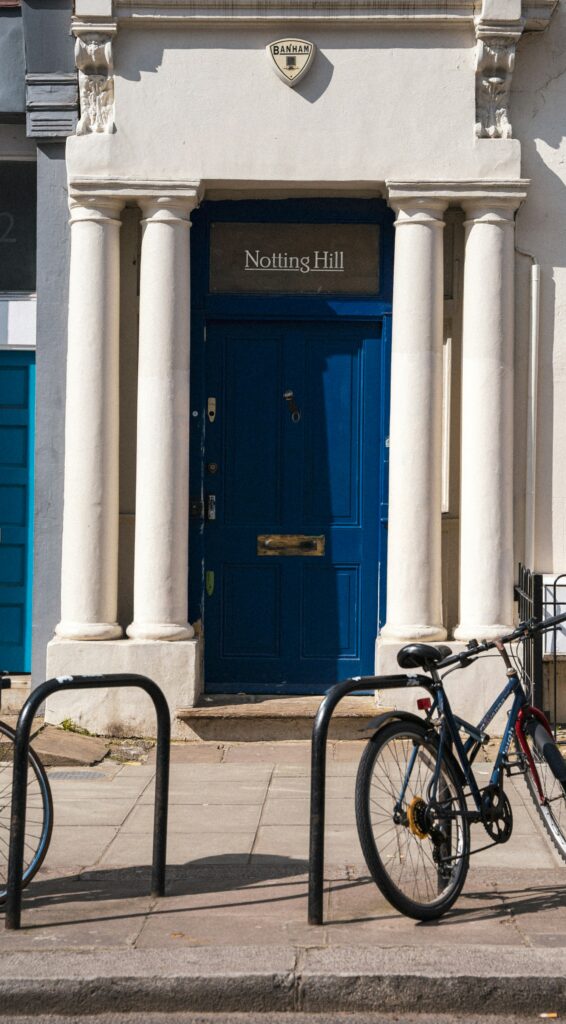
Photo by Hanson Lu on Unsplash

Take A Day Trip

We’re only a few points in and we’re already leaving London! However, if you’re visiting the capital, one of the first things you need to decide is whether you’re going to take advantage of the city’s prime position and excellent transport links in the form of a day trip.

Indeed, there are also lots of great day trips from London, taking you all over the U.K. Some of our favourites include: 

Oxford: The historic town of Oxford needs little in the way of introduction. From the famous dictionary to celebrated colleges made even more iconic by Harry Potter, Oxford is a household name around the globe. Just 45 minutes on the train from Paddington and around an hour and a half drive from Central London. The Oxford Tube shuttle bus service is perhaps your best bet here, though; it’s cheap, comfortable and efficient, running every 15 minutes, 24 hours a day.

Salisbury & Stonehenge: For a small city, Salisbury packs one hell of a punch culturally. There’s Salisbury Cathedral, which boasts the tallest church spire in the UK and the second tallest in Europe. What’s more, inside the cathedral you’ll find the best preserved copy (there are just four) of the groundbreaking document Magna Carta, which has sat in the cathedral’s Chapter House since 1215. Perhaps the highlight of the city and surrounding area, however, is Stonehenge, which is just 9 miles away from Salisbury. Catch the train from Clapham Junction, which will take an hour and fifteen minutes, and then take a short bus ride to Stonehenge from Salisbury station. 

Brighton: Brighton comes alive in the sunnier summer months with sunseekers and day trippers converging on its pebbles, bars, beachside eateries and renowned gig venues. It’s regularly named as the Happiest City in the UK, and is known as London-by-the-Sea for its cosmopolitan yet coastal vibe.

Catch the Gatwick Express from London Victoria or the ThamesLink from London Bridge, both of which will take you into Brighton city centre in no more than an hour.

If you’re planning a day trip on your final day in the city – checking out of your hotel but not catching your train home until evening – you’ll want somewhere to stash your stuff. Dragging a suitcase around the Bodleian or across Stonehenge’s windswept plains isn’t anyone’s idea of fun. Kings Cross bag storage is a solid option if you’re heading north to Cambridge or York, letting you explore unencumbered before doubling back for your departure.

See The Big Sights

No trip to London is complete without snapping a selfie with Big Ben in the background or admiring the Changing of the Guard at Buckingham Palace. Especially if it’s your first time in the city, you’ll want to see as many famous sights as possible.

This walking guide designed by Tourist England, which covers Buckingham Palace, Big Ben, Houses of Parliament, the London Eye, Shakespeare’s Globe Theatre, St Paul’s Cathedral and the Tower of London, is one of the best ways to see the main sights.

Try to make space in your itinerary for major museums, like the British Museum and Natural History Museum. Covent Garden is a charming, must-see spot to shop and dine, while Oxford Street is famed far and wide for its many massive stores and upscale boutiques. The world – or, at least, the city – is your oyster.

Stroll Through London’s Parks & Have A Picnic

Did you know that London is made up of roughly 50% public green and blue space, including 3,000 parks totalling 35,000 acres? Indeed, from Hyde and Regent’s Park to Green Park and Richmond Park, London is a city of parks.

London parks are more than just expanses of green; they are Londoner’s gardens, home to historic monuments, picturesque lakes, stunning gardens, and even herds of deer. Summer sees the parks come alive with concerts, festivals, and other events, making them the city’s cultural hubs.

If you visit on a sunny day, do as a Londoner would do and have a picnic in the park. If you want to picnic with a view, then head to Greenwich Park, which offers a spectacular skyscraper view of the city. If you’re feeling indulgent, you can even treat yourself to a pre-made picnic hamper Fortnum & Mason. Or, just do as Londoners do, and grab yourself a couple of cans…

Read: The IDEAL packing list for a trip to London 

Don’t Miss London’s Quirkier Attractions

The big landmarks are absolutely worth seeing, but London has so much more to offer if you scratch the surface just a little. It’s wise to include a couple of quirky or oddball attractions in your travel plan to make your trip truly memorable and different from all the other tourists strolling the city streets.

Examples of the more unusual things to see in London include browsing the neon light gallery of ‘God’s Own Junkyard’ and visiting The Victor Wynd Museum of Curiosities (otherwise known as the The Little Shop of Horrors) in London Fields. It houses a bizarre collection of oddities from around the world, including shrunken heads, taxidermy, and strange artefacts.

Enjoy These Quintessential London Meals

Fish & Chips: Although mostly associated with the seaside, most historians agree that the first chippie opened its doors in London thanks to a Jewish immigrant named Joseph Malin. As such, sampling a fish and chip meal is a London must.

Rock and Sole Plaice in Covent Garden is London’s oldest chippie still in operation. However, a favourite for Londoner’s is Poppies in Spitalfields, which has been in the fish and chips business since 1945. Besides the main event, we also recommend ordering a portion of the jellied eels. These slimy little critters have long been an emblem of London’s culinary scene for decades, and the owner is still keeping the memory alive here by having them on the menu.

Poppies in London Fish and chips

Pie & Mash Shop: Pie and mash has been a part of the London’s culinary history since the 19th century, reflecting the city’s working-class roots. The pie consists of a minced-beef filling, which historically contained leftover scraps of meat and vegetables, baked in a pastry crust. It is served with mashed potatoes and a thin green parsley sauce called liquor, which, despite its name, contains no alcohol. Some of the most famous pie and mash shops in London include:

  • Goddards at Greenwich: This is a family-run business that’s been in operation since 1890. They serve traditional pie, mash, and liquor seven days a week.
  • Manze’s: Offering pie and mash since 1902, this shop has three branches around London. Their original location on Tower Bridge Road is the longest continuously operating pie shop in the city.
  • F. Cooke: Open since 1862, F. Cooke is one of the oldest businesses serving pie and mash in London. Their Broadway Market shop is particularly famous.
  • G. Kelly: This family-run shop on Bethnal Green Road has been open since the early 20th century. All their pies are handmade on the premises.
  • A. Cooke’s Pie and Mash: Originally opened in 1899 in Shepherd’s Bush, this beloved spot had to close their original location in 2015. Fortunately, they reopened in the Goldhawk Road market in 2018.

A Full-English: The first ‘greasy spoons’ started to appear on East London high streets during the last half of the 19th century. As such, London is of course famous for its caffs, and is home to dozens of proper old school ones serving Full English breakfasts to hungry (or should that be hungover?) Londoners.

Join them at one of the places featured in our roundup of the best fry-ups in London…

ReadFancy a fry-up? The best sausage, bacon, eggs & the rest in London

fry up in London
Photo by Joel Goodman on Unsplash

Pre-Theatre Menu

The art of the prix fixe set menu has been perfected in London and ‘pre-theatre dining’ is a fabulous experience adding to the city’s vibrant theatre culture. It’s also a wonderful way to enjoy some of London’s top restaurants at fantastic prices. Some of our favourite pre-theatre menus include the ones at Social Eating House, Bocca Di Lupo and Wild Honey. 

& The Rest Of London’s Extraordinary Dining Scene

Just fish’n’chips and fry-ups London isn’t. London’s capital is thriving with culinary delights, and teeming with ingredients and preparations from every corner of the globe.

While there are stellar restaurants all over London, arguably the best place to find yourself hungry in the capital is Soho and the West End. The diversity here is remarkable, offering a global array of cuisines, from classic British fare to exciting international dishes. The area proudly hosts Michelin-starred establishments alongside budget-friendly options, catering to all tastes and wallets. 

There’s just something about Soho’s energy pulsing around its bustling eateries, with workers spilling out from the pubs and bars onto the streets in the evening; a vibe that can’t be beaten. Let us direct you to our roundup of 20 of the best places to eat in Soho for more on that. 

Read: 6 IDEAL beginner’s tips on dining out in Soho and Central London

Must-See Markets 

London markets are a must visit, too. There’s something for everyone. Portobello Road Market is an antique lover’s dream, boasting unique vintage finds. Columbia Road Flower Market is a visual delight with blooming displays. Camden Market is perfect for alternative fashion and vibrant street food. Greenwich Market, set within a World Heritage site, offers arts, crafts, and mouthwatering street food. Yep, as we said, there really is something for everyone.

The big one, of course, is Borough Market. It’s a market of international repute, dating back more than 1000 years and stocking some of the finest produce the city has to offer. It’s no surprise that discerning nearby restaurants stock their shelves, walk-ins and larders here. Fresh fruit and vegetables are at their brightest and most inviting in Borough Market, with fervent traders broadcasting their merits and extolling their virtues.

Another favourite for us is Spitalfields Market, which has a slicker, smoother feel than some of the more cobbled together markets in the city, but that’s not its detriment at all. It’s large, covered (great for sheltering from the ever present London rain) and has a great variety of the good stuff, both in stall and fully-realised restaurant form.

Visit London’s Diverse Areas

London, a melting pot of cultures, is home to myriad diverse neighborhoods, each with its own distinct charm. If you want to make the most out of your trip to London, pick a couple and explore them.

Brixton, brimming with Afro-Caribbean influences, boasts a vibrant covered market, iconic street art, live music venues, and global cuisine. Camden, the hub of alternative culture in the city, presents a blend of punk rock history, colourful markets, live music, and eclectic eateries.

Venture east to Shoreditch, an oasis for hipsters and techies, famed for its street art, trendy coffee shops, vintage stores, and vibrant nightlife. Then there’s Mayfair, synonymous with luxury and offering high-end shopping, world-class art galleries, and Michelin-starred restaurants.

Each district provides a unique lens into London’s kaleidoscopic cultural palette. Visiting these areas will not only experience the city’s rich past and bustling present, but also revel in its diversity, proving London to truly be a world in one city.

If it’s your first time, you may want to stay more central, so let us direct you to our article on 5 iconic places first timers should visit in Central London.

7 Things To Look For When Buying A Used Car

Looking around for the ideal used car can be a little stressful, to say the least, particularly if you’re working within the constraints of a tight budget and not wanting to end up with a banger. Not only will you be hoping for value for money, but also a car that you could love and maybe, just says a little about you. Getting a good deal on a used car, then, takes a a lot of work.

The scope of standard and variety in the used car marketplace is pretty mercurial, to say the least, and trawling through it, even when using website filters, can feel like you’re creeping along the M25 in a serious snarl-up. 

And that’s time which could be better spent on the open road. With this in mind, here are 7 things to look for when buying a used car.

The Right Dealer

Nope, not the one you find on the first night of Glastonbury up at the Stone Circle, but rather, a reputable, trustworthy provider of used cars…

With so many dealers and websites out there for you to consider – some scrupulous, some less so – start by seeking out a seller who you can trust, one with a sound reputation who will be honest when doing business with you.

The AA website, for instance, features thousands of used cars from a network of reputable dealers from every corner of the country. Autotrader and Cazoo are also nationwide and accountable. 

It’s also sensible to prioritise car manufacturers and models particularly well thought of in terms of reliability and longevity; Volkswagens, Volvos, Toyotas, Hondas, and Vauxhalls, in particular, fit this brief.

When you find the right dealer, you’re ready to begin checking out some cars and to do this thoroughly, this needs to be done face-to-face.

An Unblemished Exterior

First impressions count, so the first thing to do is to have a good look around the outside of the car. A full appraisal is crucial here; keep your eye open for scratches, dents and other evidence of wear and tear.

You’ll need to ascertain whether or not the car has been well looked after and so check things like the condition of the tyres and what brand has been used. Premium brands like Michelin and Continental are typically good indicators of a well-maintained vehicle.

It’s worth paying attention to the brake discs as well – according to autodoc.co.uk, the most reliable brake discs are produced by the following brands: BREMBO, RIDEX and ATE. These brands are recognised for engineering discs designed to maximise safety across diverse driving conditions.

If you’re happy that the exterior of the car looks in good nick, then further investigation is required – it’s time to get inside and under the skin of the vehicle.

A Telltale Interior

There are myriad things to consider here, but first off, assess the seats.  They can tell a story which speaks volumes about the state of the rest of the car. For example, if heavily worn but with relatively low mileage on the clock, this may be a sign that the mileage is not accurate.

If you’re happy that everything seat looks shipshape, other interior features to inspect include the windows (do they all go up and down, all the way, without any problems?) and the seat belts – safety first should always be the primary consideration, of course.

Dashboard Details

Make sure that all of the indicators on the dashboard display are in good working order and that the air con, driver display, sat nav and other accessories are functioning. Not only that, you want to ensure that the car comes with as many features as you feel is fair and just for the price, whether that be great safety features or a top of the range infotainment system.

Service History & Documentation

A comprehensive service history is worth its weight in gold when buying a used car. Request to see all maintenance records, MOT certificates, and the V5C registration document (also known as the logbook).

Pay particular attention to the service intervals – regular maintenance is a strong indicator of a well-cared-for vehicle. Look for stamps from reputable garages and main dealers, and check if any major repairs have been carried out. A complete paper trail can also help you verify the car’s mileage and ownership history, potentially saving you from costly surprises down the road.

Read: How to prepare your car for its MOT

Professional Inspection Worth

Before making your final decision, consider investing in a professional inspection from a qualified mechanic or automotive specialist. While this might seem like an unnecessary expense, it could save you thousands of pounds in potential repairs. A trained eye can spot issues that might not be immediately apparent during a test drive, such as underlying mechanical problems, signs of accident damage, or structural concerns.

Many organisations, including the RAC and AA, offer comprehensive pre-purchase inspection services that can provide you with detailed reports about the vehicle’s condition and highlight any areas of concern.

A First Drive Of Compatibility & Chemistry

Finally, never buy a car without having first taken it for a spin. In the first instance, you’ll want to know that it feels good to drive, if you have that natural connection with the four wheels. But actually driving the car will allow you to check up on a number of other integral elements; factors such as how the engine sounds, how the gearbox handles and how sharp the brakes are all symptoms revealing of the car’s state of health.

The best way to assess the condition of a car is to go for a test drive, you will come to know if it is the right car for you. You need to check out few things here:

  • Are you comfortable getting in and out of the car without bending and stooping?
  • Do you feel a good sense of spaciousness when you’re sitting in the driving seat?
  • Are the seats adjustable and comfortable?
  • Check the engine light; if it is on, it indicates a problem that needs sorting before any money changes hands.
  • Check the side view mirrors and rear-view mirror for visibility and blind spots.
  • Check out the tires if they are worn out.
  • Check the breaks to see if they are performing smoothly, or if they squeak or feel spongy.
  • Visually inspect the engine to see if there is any leakage of oil, steaming, cracked hoses, or belts.
  • Check out the mileage of the car; a car with high mileage has a greater risk that its mechanical components are worn out.
  • Check the air conditioning, headlights, brake lights, and indicators to see if they’re working properly.

After having a test drive, check the service records to make sure that the appropriate car maintenance has been seen to recently.

And with that, we hope that your latest car purchase is a satisfying and successful one!

Now, here are some ways to reduce the depreciation of your car once you’ve driven off the forecourt.

Whale Watching The World Over: 8 Of The Best Places To Spot Them

There’s something profound about witnessing a whale breach the surface – that moment when tonnes of cetacean muscle and grace pierce the boundary between their world and ours. It’s one of those things that you simply have to see once in your life, to make you feel truly insignificant. 

Because it’s good to be humbled sometimes. Whether you’re planning your first expedition or your fifteenth, here are 8 of the world’s most extraordinary whale watching destinations.

Hervey Bay, Australia

Queensland’s whale watching capital offers an experience unlike any other, particularly for those keen to observe humpback behaviour. Between July and November, these magnificent creatures transform the bay into their personal playground. Unlike other locations where whales simply pass through, Hervey Bay serves as a crucial stopover in their migration. The shallow, warm waters provide ideal conditions for mothers to nurse their calves and teach them essential life skills.

What truly sets this destination apart is the remarkable level of interaction. Local operators report that up to the vast majority of encounters involve curious whales approaching vessels – a phenomenon rarely seen elsewhere. The bay’s unique geography, protected by Fraser Island, creates mirror-calm waters that allow for exceptional viewing conditions.

Best time to visit: July to November, with peak activity in August and September when mothers and calves are most active in the bay’s warm waters.

Insider tip: Book a dawn patrol trip when the water is at its calmest and the whales are most active. Several operators offer hydrophone experiences, allowing you to listen to the hauntingly beautiful whale songs beneath the surface.

Wilhelmina Bay, Antarctica

Along the Antarctic Peninsula lies Wilhelmina Bay, nicknamed “Whale-mina Bay” by scientists for its extraordinary concentration of humpback whales. Here, in the austral summer, these magnificent creatures demonstrate sophisticated cooperative hunting techniques, creating spiral bubble nets to trap their prey.

While icy Antarctic cruises require careful planning and timing, the rewards are unmatched. The bay’s protected waters, backed by towering glaciers and curious penguin colonies, create an otherworldly setting for whale watching. The midnight sun of summer allows for extended viewing hours, while the crystal-clear Antarctic waters offer unprecedented visibility.

Expedition note: February brings the highest concentration of whales, as they feed intensively before their northern migration.

Best time to visit: November to March during the austral summer, with February being particularly rewarding as whales feed intensively before their northern migration.

Kaikoura, New Zealand

Perched on the edge of a submarine canyon that plunges two kilometres deep, Kaikoura offers perhaps the world’s most reliable whale watching. While most destinations are seasonal, here you can spot sperm whales year-round—thanks to the unique convergence of warm and cold currents that creates a rich feeding ground.

The resident sperm whales are all males, typically measuring up to 18 metres in length. They dive to extraordinary depths of up to 2,000 metres, hunting giant squid in the canyon’s inky depths. A typical encounter lasts about 10 minutes before these magnificent creatures dive deep, lifting their distinctive flukes high above the water—a photographer’s dream moment.

Expert advice: Consider combining air and sea tours. While boats offer intimate encounters, helicopters provide a extraordinary perspective on the whales’ true size and social behaviour.

Best time to visit: Year-round for sperm whales, but December to March brings additional species including blue whales and orcas.

Read: The best things for food and wine lovers to do in Auckland

Husavik, Iceland

This former fishing village has reinvented itself as Europe’s whale watching capital, and with good reason. The nutrient-rich waters of Skjálfandi Bay attract up to 23 different cetacean species, including the rarely seen northern bottlenose whale. What makes Husavik particularly special is the possibility of midnight sun whale watching—imagine photographing a blue whale against a pink-golden Arctic sky at 11 pm.

Local operators use traditional oak boats, which provide a more stable viewing platform and create less underwater noise disturbance. The surrounding landscape of snow-capped mountains and volcanic fields adds a dramatic backdrop to every sighting.

Local secret: Book a trip that includes a stop at Lundy (Puffin Island). The combination of whales and thousands of nesting seabirds makes for an unforgettable Arctic wildlife experience.

Best time to visit: May to September, with peak season in July and August when the midnight sun creates perfect conditions for evening whale watching.

Monterey Bay, California

The submarine canyon that cuts through Monterey Bay rivals the Grand Canyon in scale, creating a remarkable marine ecosystem that supports countless whale species. What sets this location apart is the diversity of feeding behaviours on display. Here, you might witness humpbacks engaging in bubble-net feeding, grey whales bottom-feeding in the kelp forests, or orcas hunting in coordinated packs.

The bay’s unique oceanography creates upwelling zones that concentrate nutrients and attract an abundance of marine life. This phenomenon means you’re likely to encounter not just whales, but also vast pods of dolphins, porpoises, and seasonal visitors like leatherback turtles.

Conservation note: The Monterey Bay Aquarium Research Institute actively studies the canyon’s unique ecosystem. Many tour operators participate in citizen science programmes, making your trip contribute to whale research and conservation.

Best time to visit: While whales are present year-round, December to April is best for grey whales, and June to September optimal for blue whales and humpbacks.

Peninsula Valdes, Argentina

This UNESCO World Heritage site presents an unrivalled spectacle of southern right whales gathering in sheltered bays. Between June and December, these magnificent creatures come so close to shore that you can observe them from coastal cliffs—a particular boon for those who prefer terra firma to rolling seas.

The region’s true claim to fame, however, lies in its resident orca population. These skilled hunters have developed a remarkable technique unique to this coastline: deliberately beaching themselves to catch sea lion pups on the shore. This extraordinary behaviour, passed down through generations, occurs primarily during February and March when seal pups are learning to swim.

Local insight: The clifftop trails near Puerto Pirámides offer excellent land-based viewing opportunities. Time your visit for high tide when whales often swim remarkably close to shore.

Best time to visit: June to December for southern right whales, with October being the peak month for mothers and calves. Orca sightings are most common in February and March.

São Miguel, Azores

In the middle of the Atlantic, the Azores archipelago sits at a crossroads of marine migration routes. These Portuguese islands offer perhaps Europe’s most diverse whale watching opportunities, with over 20 species regularly recorded in the surrounding waters. The resident population of sperm whales makes year-round sightings possible, while spring brings an abundance of baleen whales migrating north.

The islands’ volcanic origins create steep underwater walls and deep-water hunting grounds close to shore. This unique topography means you often encounter whales within sight of land—a rarity in most whale watching destinations.

Navigator’s tip: Book a full-day trip to maximise your chances of encounters. The calm, clear waters allow for excellent underwater visibility when whales dive.

Best time to visit: Year-round for sperm whales, but March to June brings the largest variety of species during the spring migration.

Tofino, British Columbia

This rugged outpost on Vancouver Island’s western coast offers more than just whale watching – it’s a masterclass in marine ecology. The annual grey whale migration brings some 20,000 individuals past these shores, but it’s the resident population of around 200 that makes Tofino special. These permanent inhabitants have developed unique feeding techniques, often swimming sideways along the sandy bottom to scoop up ghost shrimp.

The surrounding temperate rainforest adds another dimension to the experience. Bald eagles soar overhead, sea otters crack shellfish on their bellies, and black bears occasionally appear on the shoreline at low tide.

Nature note: The best viewings often occur during the herring spawn in early spring, when the waters teem with marine life.

Best time to visit: March to October for grey whales, with a special surge in March/April during the spring migration and again in September/October for the southern migration.

Before You Go

While timing and weather conditions play crucial roles in whale watching success, advance preparation can significantly enhance your experience. Taking motion sickness tablets 24 hours before your trip can help prevent seasickness, and morning departures typically offer calmer seas.

Most importantly, remember that these extraordinary creatures choose to interact with us on their own terms. This unpredictability is part of what makes each encounter so special—a genuine privilege rather than a guaranteed performance.

8 Domestic Swaps To Help Make Your Home Greener

The world is changing, the planet’s heating up, and unless we all endeavour to make big changes to the way we live our lives (here’s looking at you, Bezos, Branson and Musk), then the climate catastrophe will only worsen. And what’s worse than a catastrophe? It doesn’t bear thinking about…

But think about it we shall. Fortunately, there are some steps that individuals can take – even humble, non-billionaire ones – to help reduce their impact on the environment, and this action often starts at home. A home, it should be added, in dire need of energy-efficiency in the face of rising water, gas and electricity bills, and a cost of living crisis that shows no signs of abating.

With all that in mind, here are 8 domestic swaps to help make your home greener today.

G Rated White Goods For A

Investing in energy-efficient appliances may be a common advice you often read. But despite the question of the originality of this advice, it is still one of the most effective ways to cut your utility costs.

First things first; it’s important to get acquainted with energy efficiency ratings, which come attached to all new white goods., including freezers, fridges, washing machines and dishwashers. These scores range from G to A and just like that school report you used to dread, the closer that rating is to the start of the alphabet, the better.

Interestingly, investing in new white goods with A energy efficiency ratings isn’t only a good idea for your carbon footprint; it may well save you money in the long run, too. As This Is Money reported back in 2019, switching from a C-rated fridge freezer to A+++ rated one can save £113 a year…an investment in the future in more ways than one, don’t you think?

Read: Why is my energy bill so high? 5 electricity sucking home appliances

Your Current Energy Supplier For A Green Alternative

Monitoring your electricity and gas consumption can help you identify areas of improvement in energy efficiency. By using an online energy tracking tool or a monitoring device on your appliances, you can track how much energy you are using and make smart adjustments accordingly.

Regarding utility costs, every company has its own rates and deals, and it is always wise to compare electricity and gas tariffs to find the one that fits your needs and budget.

Prioritise UK energy companies who use clean, green energy wherever possible. Some of these include Bulb, Ecotricity, Octopus, Good Energy and so-called ‘green tariffs’ from energy companies who aren’t yet wholly committed to treading more lightly on the planet.

Incandescent Bulbs For LED

Another simple domestic swap that can make a big impact on the energy efficiency of your home is to swap out old incandescent bulbs for LED ones, the latter of which has several advantages over the former.

According to the US Department of Energy’s consumer resource Energy Saver, ‘’Residential LEDs…use at least 75% less energy, and last up to 25 times longer, than incandescent lighting.’’ When considering that the majority of domestic lighting is predicted to be LED by 2035, investing in these bulbs is also a wise investment in the future.

Non Programmable Thermostat For A Smart Version

Whilst we realise it’s somewhat perverse to say this when it’s so cold outside, the Energy Saving Trust recommend that you should set the temperature in your home to somewhere between 18°C and 21°C, which feels a little low in the current climate, don’t you think?

Instead of faffing around, constantly twisting radiator dials and tweaking ambient temperatures, wasting both your energy and your home’s in the process, consider investing in a smart thermostat, which does much of the hard work for you.

Using sensors in every room, it’s possible for smart thermostats to automatically heat and cool different parts of your home to maintain the optimum temperature within. Some of these smart HVAC systems can also detect whether someone is in a room and can be triggered to turn off if no one is there. Others can be used to save you money by trying to keep your energy usage within a certain quota, which is ideal for those looking to reduce their carbon footprint. 

Automated thermostats have been estimated to save hundreds in energy costs alone, so they are an investment well worth it, even before you consider the environmentally positive implications. If you’re interested to learn more, check out our guide on why you should switch to a smart thermostat.

©[ROSSHELEN] VIA CANVA.COM

Standard For Low Flow Shower Heads & Toilets

How strong is your flow when you’re in the bathroom? Whilst this might usually be an enquiry your GP makes, today, it’s one you should be considering in terms of the health of the planet.

Because by installing a low-flow showerhead and toilet, you can reduce your home’s water usage. The average shower in the UK uses an estimated 60 litres of water and lasts for 8 minutes. Buy by using eco-friendly shower heads that have been fitted with an integrated flow regulator, with newer models able to reduce the amount of water used by half whilst still providing a wonderfully refreshing shower experience. 

Sure, your shower head will feel a little less amazing, but you’ll be doing your bit for the environment and your energy bills. What’s not to love?

And did you know that flushing your toilet accounts for 14% of your domestic water usage. So, look beyond the shower and go further, investing in a low flush toilet, which uses significantly less water than a normal one. And while we’re considering your waterworks, it’s a good idea to fix any leaking taps in the house for good measure!

Single For Double Or Triple Glazing

Energy wastage; don’t you just hate to see it? So, you’ll likely bristle at this stat; 25% of the energy you buy to heat your home is being lost through single glazing, or older inefficient double-glazed windows. As the team at Swallow Glazing implore; now is the time to look at upgrading your windows to modern ‘A’ Rated windows. 

As stated in a government report on double glazing published in 2016, you could even save £150 by replacing your single glazing for double, due to the warmth kept in and energy saved domestically.

Though double glazing now comes as standard, due to building regulations introduced in April 2002, expect triple glazing to soon become the norm, since it improves the energy performance of regular double glazing by around 50%, according to Home Building. For any home aiming for net zero, such windows will become essential.

Regular Radiators For Smart Radiator Valves

Want to take your home’s heating efficiency to the next level? While smart thermostats are excellent for controlling your overall home temperature, smart radiator valves offer even more granular control over your heating system, room by room.

These clever devices replace your existing radiator valves and allow you to control the temperature of individual radiators through your smartphone or integrate them with your existing smart home system. Installing smart radiator valves could save you up to 30% on your heating bills – and that’s not including the environmental benefits of more efficient heating.

The beauty of smart radiator valves lies in their ability to create heating zones within your home. For instance, you might want your bedroom cooler during the day but warmer just before bedtime, while keeping your home office at a consistent temperature during working hours. These valves can even detect open windows and automatically turn off the radiator to prevent energy waste, or learn your daily routine to optimize heating patterns automatically.

Plus, many smart radiator valve systems can provide detailed energy usage data, helping you identify which rooms are using the most heat and adjust accordingly. It’s like having a personal energy efficiency expert monitoring every radiator in your home. Copy

A Well Kept Garden To One Full Of Foliage

Sure, it’s satisfying to look out on a well kept, carefully coiffured garden, but in terms of your domestic green credentials, it’s often more environmentally friendly to let your garden go a little. This is because, by doing so, you create a hospitable environment for all kinds of creatures and critters, providing them with shelter and a space for feeding and nesting. 

We realise you’re busy, but before you leave us, do check out these 11 ways to make your garden more wildlife friendly. You won’t regret it!

Thinking About Setting Up An Airbnb In London? Here Are The Details That Count

Here’s the thing; running a successful Airbnb in London isn’t about following a template. And yes, we understand the irony in that statement before we offer something of a template. 

While most hosts focus on thread counts and smart TVs, the properties that consistently book well nail something more fundamental: they give guests precise insights into their slice of the city.

The capital’s rental market demands this deeper knowledge. From the creative pulse of Shoreditch to the village feel of Richmond, each area attracts distinct guests with specific expectations. Meeting these expectations – and then exceeding them with insider knowledge – is what turns casual bookings into consistent income. Here’s how to make yours count.

Location, Location, Location…

First, understand your area’s unique appeal, and lean into it… 

East London’s Creative Quarter

In Shoreditch and Hackney, your typical guests are creative professionals and tech workers who value authenticity over luxury. Here, converting that Victorian warehouse space or period conversion requires thoughtful touches. Forget generic Ikea prints – connect with local artists to showcase their work on your walls. That breakfast bar isn’t just for morning coffee; it’s a workstation for digital nomads, so ensure it has multiple power points and consider providing a monitor.

The area’s famous street art means your local guide needs constant updating. Rather than just pointing guests to Brick Lane, create a curated walking tour of lesser-known spots like the ever-changing walls of Hoxton Square or the quiet back alleys of Redchurch Street. Partner with local coffee roasters like Allpress or Ozone to provide fresh beans – it’s these neighbourhood touches that earn five-star reviews.


South London’s Village Life

Greenwich and Dulwich attract a different crowd altogether. Here, families and history enthusiasts seek that elusive London village atmosphere. Your property should embrace this with a proper garden guide – not just the obvious Greenwich Park, but hidden gems like the Dulwich Picture Gallery grounds or the secret Thames Path routes that tourists rarely discover.

In these areas, kitchens matter. Guests often stay longer and cook more, inspired by local markets. Provide proper market baskets and a detailed trader guide for Greenwich Market or North Cross Road. Include tide times for riverside properties – it transforms a simple Thames view into an ever-changing showcase of London’s maritime heart.


West London’s Premium Touch

In areas like Notting Hill and Holland Park, luxury isn’t about gold taps – it’s about insider knowledge. Your guests are likely living out their Richard Curtis film fantasies, so help them discover the real neighbourhood beneath the tourist trail. Map out the quietest streets for those Instagram-worthy pastel house photos, and time their Portobello Road visits to avoid the crowds.

Create relationships with local businesses – the family-run deli that will deliver breakfast, the hidden mews cafe that makes London’s best flat white. During Carnival weekend, either market your place at a premium with a detailed survival guide, or close altogether – there’s no middle ground.


North London’s Cultural Corner

Islington and Hampstead attract theatre lovers and literary types. Your property here should stock local authors – a Zadie Smith novel for Willesden visitors, George Orwell for Islington guests. Create a cultural calendar that goes beyond the obvious – not just Angel’s Chapel Market, but the hidden Georgian squares perfect for summer reading.

The area’s restaurant scene is legendary, but skip the obvious chains. Instead, guide your guests to local institutions like Ottolenghi’s original Upper Street site or the historic pubs of Hampstead Heath. Provide detailed walking maps – the back routes from Highgate to Hampstead through ancient woodlands, or the hidden path to Camden that most locals don’t even know.


Central London’s Square Mile

For City of London properties, your target market is clear: financial sector professionals who demand efficiency above all. Here, your property manual should read more like a productivity guide. Map out the quickest routes to major institutions, the best spots for client meetings, and the quiet corners for important calls.

But don’t forget the area’s rich history – a Sunday morning guide to exploring empty alleyways and Roman ruins can transform a business trip into an adventure. Partner with local dry cleaners for emergency services, know your late-night food delivery options, and ensure your bathroom is stocked with premium grooming products.


The London-Specific Essentials

London’s weather and lifestyle demand certain amenities. A proper drying rack or washer-dryer combo is crucial – guests can’t rely on outdoor drying in our climate. A good umbrella stand by the door isn’t just practical, it’s thoughtful. Tea and coffee making facilities are non-negotiable in a British home – invest in a proper kettle and provide Yorkshire Tea or PG Tips alongside fancier options.

For summer listings, portable fans are essential – many London properties lack air conditioning. For winter, clear central heating instructions are crucial, especially for international guests unfamiliar with British boiler systems.

The Science Of London Photography

Capturing your London property requires understanding the city’s unique light. East-facing rooms shine in morning light, perfect for breakfast nook photos, while west-facing spaces need afternoon shoots. Capture both natural and artificial lighting – London’s winter means many guests will only see your space after dark for months at a time. Document how your space changes with the seasons, from summer’s long golden hours to winter’s cosy evening ambiance.

Read: How to prepare your house for Airbnb guests to ensure that 5-star review

Mastering London’s Market Rhythms

Each London neighborhood has its high seasons that extend beyond traditional tourist peaks. Wimbledon affects all of SW London’s pricing, while the London Marathon transforms East London’s market. Christmas lights season starts in early November around Oxford Street, while summer brings neighborhood festivals that locals plan for all year.

Consider offering longer stays during quieter periods, particularly targeting the growing number of business travelers who blend work and leisure. January through March might see lower tourist numbers, but business continues – make your space attractive to corporate travelers who’ll appreciate a home-like environment for extended stays.

A Personal Touch In A Global City

While professional management companies offer convenience, consider handling guest communication personally, at least initially. Understanding your guests’ needs firsthand helps you anticipate future requirements and continuously refine your offering. London visitors often return annually – building genuine relationships can transform one-time guests into loyal returners who treat your property like their London home.

Going The The Extra Mile

Install a smart lock system – London’s work culture means unpredictable arrival times, and international flights often mean early morning arrivals. A smart lock with a code is far more convenient than key handovers.

Provide an international adapter and a portable battery pack for sightseeing. Consider including a pay-as-you-go Oyster card with a small preload – it’s a small cost for you but a huge convenience for guests.

Navigating Regulations

Remember that London has a 90-day annual limit on short-term lets unless you have specific planning permission. Use this to your advantage by offering longer stays during off-peak periods. Ensure you have proper insurance and understand both your council’s specific requirements – they vary significantly between boroughs – and, crucially, how to get around the Airbnb 90-day rule, as there are indeed workarounds. 

The Bottom Line

The most successful London Airbnb properties don’t just offer a place to stay – they provide an authentic slice of London life, crafted by hosts who truly understand their corner of the city. Focus on creating these deeper connections, and you’ll build something truly special in London’s competitive market.

What Shopping Habits, Materials & Brands Are A Welcome Antidote To Fast Fashion?

As the environmental and ethical implications  of fast fashion become increasingly apparent, a paradigm shift in consumer behaviour is emerging. This shift is characterised by a move towards more sustainable shopping habits, materials, and brands that offer a welcome antidote to the disposable culture of fast fashion.

Indeed, the allure of cheap, trendy clothing that can be bought at a moment’s notice has been overshadowed by the pressing need for sustainability and ethical responsibility. As we become more aware of the impact our shopping habits have on the planet, the question arises: what are the antidotes to fast fashion?

Mindful Shopping Habits

The first step towards sustainable fashion is changing our shopping habits. Mindful shopping means taking a moment to consider the necessity and longevity of a purchase. It’s about moving away from impulsive buying and towards a more thoughtful approach to consumption.

Quality Over Quantity

Investing in high-quality garments that last longer is a welcome change. This means looking for well-made clothes, with attention to detail and durable materials. It’s about having a classic wardrobe that transcends seasonal trends, reducing the need to constantly buy new items.

Second-Hand and Vintage

The second-hand market is booming, and for good reason. Buying vintage or pre-loved items not only gives clothes a second life but also reduces the demand for new production. Charity shops, vintage boutiques, and online platforms like Depop and Vinted are treasure troves for unique finds that don’t cost the earth.

Renting, Swapping & Repurposing

For those occasions that require a special outfit, renting rather than buying is a sustainable choice. Similarly, clothes swapping with friends or through organised events can refresh your wardrobe without contributing to fast fashion. 

Here are some of the most popular clothes rental platforms in the UK:

  • HURR Collective – This platform is well-known for its peer-to-peer rental service, allowing users to rent out their own clothes as well as rent from others.
  • By Rotation – By Rotation markets itself as a social fashion rental app, where users can lend and rent designer outfits directly from each other.
  • My Wardrobe HQ – This site offers both rental and purchase options for designer clothes and accessories, with a focus on luxury fashion.
  • Rotaro – Rotaro is a fashion rental service that curates trendy pieces and also focuses on sustainability by offering carbon-neutral deliveries.
  • Hirestreet – Hirestreet is aimed at the affordable end of the market, offering rental dresses and outfits for events like weddings, parties, and other special occasions.
  • Girl Meets Dress – This is one of the UK’s first dress rental services, offering a wide range of dresses for various occasions.
  • Endless Wardrobe – They offer a three-way service: rent, buy new, or buy nearly-new, giving customers multiple options for accessing contemporary fashion.
  • The Devout – This is a subscription-based rental service offering everyday clothing as well as occasion wear.
  • Front Row – Front Row is a luxury-focused rental service offering pieces from high-end designer labels.

Breathing new life into existing garments through repurposing is another brilliant way to extend the lifecycle of your clothes. As the printing experts at MeowPrint.sg tell us, old t-shirts can be transformed with screen printing or block printing techniques, whilst iron-on or hand-sewn patches can cover worn areas whilst adding personality.

Even basic sewing skills can help reimagine tired pieces – try adding embroidered details, turning long-sleeved tops into summer versions, or incorporating contrasting fabric panels to create unique designs. These creative touches not only revitalise your wardrobe but also create one-of-a-kind pieces that reflect your personal style.

Capsule Wardrobes

Embracing the concept of a capsule wardrobe involves curating a limited selection of versatile pieces – the most versatile of linen dresses, a white t-shirt that goes with everything, a simple pair of jeans, for instance – that can be mixed and matched to create a variety of outfits. This approach encourages less consumption and more creativity with fewer items.

Read: The only 10 items you’ll ever need for the IDEAL minimalist wardrobe

Digital Detoxing from Fast Fashion

Reducing exposure to fast fashion advertising can help curb the temptation to buy impulsively. Unfollowing brands that promote fast fashion and subscribing to newsletters from sustainable brands can help realign shopping habits with personal values.

Sustainable Materials

The materials our clothes are made from have a significant impact on the environment. Sustainable materials are those that require less water, energy, and chemicals to produce, and have a lower overall environmental impact.

Organic Cotton

Organic cotton is grown without harmful pesticides and chemicals, making it a more eco-friendly alternative to conventional cotton. It also tends to be softer and may last longer with proper care.

Linen

Linen is a sustainable choice, derived from the flax plant, which requires minimal water and energy to produce. This natural fibre is known for its durability, which leads to a longer lifespan of linen clothes, reducing the need for frequent replacements. Fully biodegradable when untreated, linen is kind to the earth at every stage of its life cycle. When opting for linen, seek out organic certifications to ensure it’s free from harmful chemicals and check for fair working conditions within its production chain. This ensures that your linen choices are as ethical as they are environmentally sound.

Recycled Fabrics

Recycled polyester and nylon, made from post-consumer waste like plastic bottles, are increasingly popular. These materials help to reduce plastic waste and often require less energy to produce than virgin fibres.

Plant-Based Alternatives

Innovative materials like Tencel, made from wood pulp, and Piñatex, made from pineapple leaves, are renewable and biodegradable. They offer a sustainable alternative to traditional fabrics and are gaining traction in the fashion industry.

Hemp

Hemp is a highly sustainable crop that grows quickly, requires little water, and doesn’t need pesticides. It produces a fibre that is durable, breathable, and biodegradable, making it an excellent choice for eco-conscious clothing.

Wool

Ethically sourced wool represents a natural, renewable fibre that is both durable and biodegradable. When sourced from farms that practise sustainable grazing and animal welfare, wool can be a responsible choice for clothing.

Evaluating Brand Sustainability

Want to do your due diligence on which brands might be truer to their word on sustainability than others? Here’s how…

Transparency

A sustainable brand should be transparent about its manufacturing processes, supply chains, and business practices. Look for companies that provide detailed information about their factories, workers’ conditions, and the origins of their materials. Brands that are part of initiatives like the Fashion Transparency Index are often more open about their operations.

Certifications and Standards

Certifications can be a reliable indicator of a brand’s commitment to sustainability. Look for certifications such as Fair Trade, Global Organic Textile Standard (GOTS), OEKO-TEX, and B Corp, which ensure certain environmental and ethical standards are met.

Sustainable Packaging

Sustainable brands often use minimal packaging made from recycled or biodegradable materials. If a company is going the extra mile to reduce its packaging waste, it’s a good sign they are serious about their environmental impact.

Lifecycle Approach

Check if the brand takes responsibility for the entire lifecycle of its products. Brands that offer repair services, take-back programs, or recycling initiatives show a commitment to reducing waste and extending the life of their garments.

Initiatives To Support In The Fashion Industry

There’s plenty of good work going on, aimed at improving the eco-consciousness and ethical heart of the fashion industry. Here are a handful of initiatives well worth supporting…

Fashion Revolution

Fashion Revolution – and its aforementioned Fashion Transparency Index – is a global movement calling for greater transparency, sustainability, and ethics in the fashion industry. By supporting this initiative, consumers can help push for a systemic change in the way our clothes are sourced, produced, and consumed.

The Sustainable Apparel Coalition

The Sustainable Apparel Coalition (SAC) is an industry-wide group that includes brands, retailers, and manufacturers working to reduce the environmental and social impacts of apparel and footwear products. The SAC developed the Higg Index, a suite of tools that enables brands to measure their sustainability performance.

The Ellen MacArthur Foundation’s Circular Economy

The Ellen MacArthur Foundation promotes the transition to a circular economy, which aims to design out waste and pollution, keep products and materials in use, and regenerate natural systems. Their work in the fashion sector encourages brands to adopt circular business models.

1% for the Planet

1% for the Planet is a global network of businesses, nonprofits, and individuals working together for a healthy planet. Brands that are members commit to giving 1% of their annual sales to environmental causes.

The Clean Clothes Campaign

The Clean Clothes Campaign is an alliance dedicated to improving working conditions and empowering workers in the global garment and sportswear industries. By supporting this initiative, consumers can contribute to the fight for fair wages and safe working conditions for garment workers.

The Bottom Line

The antidote to fast fashion is a combination of mindful shopping habits, sustainable materials, and support for ethical brands. By making conscious choices about what we buy, who we buy from, and, ultimately, how we stock our wardrobe, we can reduce our environmental impact and encourage a more sustainable fashion industry. It’s not just about looking good; it’s about feeling good, knowing that our fashion choices are helping to make a positive change in the world.

48 Hours In Savannah: Georgia’s Graceful Southern Belle 

Draped in Spanish moss and steeped in American history, Savannah stands as one of the States’ most enchanting cities. This Georgian gem, with its perfectly preserved antebellum architecture, tree-canopied squares, and distinctly Southern charm, offers visitors a journey through time whilst maintaining a thoroughly modern pulse. 

Whether you’re drawn to its haunted histories, innovative culinary scene, or simply its gracious Southern hospitality, Savannah promises a memorable weekend escape.

Day 1: Historic Haunts & Southern Flavours 

Morning: Squares and Stories 

Begin your Savannah sojourn at The Collins Quarter on Bull Street, where Australian café culture meets Southern charm. Their avocado smash with local crab meat and signature spiced lavender mocha provide the perfect fuel for exploration. 

From here, join a walking tour with Savannah Walks, departing from nearby Chippewa Square (famous for its Forrest Gump scene). These expert-led tours provide fascinating insights into the city’s carefully planned layout of 22 historic squares, each telling its own story.

After your tour, stroll north along Bull Street, often called Savannah’s most beautiful thoroughfare. Take in the stunning architecture and pop into The Book Lady Bookstore, a charming independent bookshop housed in the basement of a historic building, where floor-to-ceiling shelves hold everything from rare first editions to contemporary bestsellers.

Midday: Market & Lunch 

Fancy a slice of home? Pop into Six Pence Pub on Bull Street for a pint, pre-lunch. This quirky British-Style ale house has a cosy, congenial atmosphere that we love. Next, continue north to City Market, a four-block open-air market that has been the heart of Savannah since the 1700s. Today’s incarnation houses art galleries, boutiques, and eateries in restored warehouses. Stop by the Georgia Tasting Room to sample local wines, including the unique Muscadine varieties native to the region.

For lunch, walk east to The Olde Pink House, housed in an 18th-century mansion. Their crispy scored flounder with apricot shallot sauce and grits is legendary. Request a table in the cellar tavern for an atmospheric dining experience.

For dessert, head to Leopold’s Ice Cream which is arguably Savannah’s most popular place for something sweet. This vintage parlour was established in 1919 by the three Leopold brothers, emigrated from Greece. The shop featured malts, milkshakes, and handmade ice cream crafted from family recipes. Their renowned Tutti-Frutti flavour became a local favourite, even winning the admiration of Oscar-winning songwriter Johnny Mercer.

Afternoon: Cultural Quarter 

After lunch, you’re perfectly positioned to explore the Telfair Museums, comprising three unique sites within walking distance. Start at the Telfair Academy, housed in a stunning Regency-style mansion, then move to the contemporary Jepson Center. Art enthusiasts shouldn’t miss the nearby Owens-Thomas House & Slave Quarters, one of the finest examples of English Regency architecture in America and a powerful testament to the city’s complex history.

Evening: Ghost Stories & Gastronomy 

As dusk falls, Savannah transforms. Join a ghost tour with Sorrel Weed Ghost Tour, operating from one of America’s most haunted houses on Madison Square. Even sceptics will appreciate the atmospheric storytelling and architectural insights.

For dinner, head to The Grey, housed in a renovated 1938 Greyhound bus terminal on Martin Luther King Jr. Boulevard. Chef Mashama Bailey’s innovative take on Southern coastal cuisine has earned international acclaim. The smoked collards and foie gras and grits exemplify her sophisticated interpretation of regional flavours. 

End your evening with a nightcap at Artillery, an elegant cocktail bar in a restored 1895 artillery store, conveniently located between your dinner spot and the historic district.

Read: 5 classic whisky cocktails for your next Mad Men party

Day 2: River Views & Southern Soul 

Early Morning: Cemetery Sojourn 

Start your day early with a visit to Bonaventure Cemetery, made famous by the book ‘Midnight in the Garden of Good and Evil’. This hauntingly beautiful cemetery, with its Victorian monuments and ancient live oaks, offers peaceful morning exploration. Join the first tour with the Bonaventure Historical Society to fully appreciate its artistry and stories. By starting here, you’ll beat both the heat and the crowds.

Late Morning: Riverside Rambles 

Return to the historic district and head to Clary’s Café, a local institution immortalised in the book. Their cornmeal pancakes, served with peach compote and local honey, make for a perfect second breakfast or early lunch. This beloved café sits just a few blocks from Savannah’s famous riverfront, making it the ideal starting point for exploring the city’s historic waterfront district.

From Clary’s, take a short walk north to River Street, the cobblestone heart of Savannah’s maritime history. Start at the eastern end, where historic cotton warehouses have been transformed into boutiques, galleries, and restaurants. The cobblestones here are ballast stones, left by ships after collecting cotton cargo in the 18th and 19th centuries. 

Continue west along the riverfront to the Plant Riverside District, a stunning transformation of a former power plant into Savannah’s most exciting entertainment destination. This architectural marvel houses an impressive array of restaurants, boutiques, and public spaces. Marvel at the chrome-dipped dinosaur fossils and geode installations in the grand lobby, or relax by the riverside fountains. 

For an elevated lunch experience, try District Seafood for fresh shellfish, or enjoy casual dining with river views at Myrtle. The district’s numerous rooftop bars offer some of the best views in Savannah – the rooftop at Stone & Webster Chophouse provides particularly spectacular vistas of the Talmadge Bridge and river traffic.

Or, for a lighter lunch, it’s got to be Vinnie Van Go-Go’s – a casual pizza joint known for its generous slices and thin-crust pies.

Afternoon: Local Life 

Head south to explore the Victorian District and Starland neighbourhood, where Savannah’s creative pulse beats strongest. Browse the vinyl collection at Graveface Records & Curiosities, then stop by Back in the Day Bakery for their famous ‘biscones’ – a clever hybrid of biscuit and scone.

Art enthusiasts should visit Sulfur Studios, a contemporary art space showcasing local talent. The adjacent Starland Yard offers a rotating selection of food trucks and pop-up vendors in a convivial outdoor setting – perfect for a casual late lunch.

Read: Where to eat the best fried chicken in London

Evening: Sunset & Supper 

Return to the historic district for your final evening. Begin at Peregrin, the rooftop lounge at Perry Lane Hotel, for sunset cocktails with views over Savannah’s spires and squares. Sorry Charlie’s Oyster bar is another good spot for sundowners. Their laid-back but lively rooftop offers another unique view of Savannah’s sunset. It’s also perfect for watching all the goings on in Congress St. and Ellis Square while you sip on a cold cocktail and slip down half a dozen oysters.

Follow this with dinner at Husk Savannah, where Chef Chris Hathcock creates sophisticated Southern dishes using strictly regional ingredients. The restaurant’s location in a beautifully restored mansion provides an appropriately gracious setting for your final dinner in the city. Their cornbread with bourbon-barrel aged butter is legendary, and the seasonal menu showcases the best of low-country cuisine.

End your night with a show at The Savannah Theatre, first opened in 1818. If it’s on when you visit, be sure to see Savannah Live – this two hour variety show showcases live music and dynamic performances that honour timeless classics from rock ‘n’ roll, Motown, and pop. The show tends to sell out so best to book your tickets well in advance.

Where To Stay 

For historic charm, book a room at the Hamilton-Turner Inn, an 1873 Second Empire mansion offering period furnishings and modern luxuries. The Perry Lane Hotel provides contemporary luxury in the historic district, while the Marshall House, Savannah’s oldest hotel, offers a blend of history and comfort, complete with supposedly haunted corridors.

Getting There & Around 

Fly into Savannah/Hilton Head International Airport, located 20 minutes from downtown. Most major US cities offer direct flights. Once in the city, walking is the best way to explore the historic district, though the free DOT shuttle connects major attractions. For ventures further afield, ride-sharing services are readily available.

A Few Savannah Tips 

Your weekend break in Savannah will be a wholly more pleasant one if you bear the below in mind…

  • Book popular restaurants in advance, especially for weekend dining. 
  • The city allows open containers in the historic district – ask for your cocktail “to go”. 
  • Many museums and homes are closed on Mondays. 
  • Spring (March-May) and autumn (September-November) offer the most pleasant weather.
  • First-time visitors should consider the Savannah Tour Pass, which includes entry to many attractions. 
  • Ghost tours book up quickly – reserve in advance. 
  • Comfortable walking shoes are essential – the historic cobblestones can be challenging.

The Bottom Line 

Savannah’s allure lies in its ability to transport visitors to a distant past maintaining a vibrant contemporary culture. In 48 hours, you can experience its historic grandeur, innovative culinary scene, and distinctive Southern charm. Whether you’re a history buff, foodie, or simply seeking a unique city break, Savannah delivers an enchanting escape that lingers in the memory long after departure.

Are SEO & E-E-A-T Compatible Or Competing?

0

Search Engine Optimisation has evolved dramatically since its inception. Gone are the days of keyword stuffing and link schemes. Today, successful SEO aligns perfectly with Google’s E-E-A-T guidelines – but many marketers still view them as opposing forces. Here, we talk to the digital marketing experts at Click Limits about how these two crucial elements of digital marketing can work together to create better content and improved search visibility.

Understanding E-E-A-T In Plain English

Google’s E-E-A-T guidelines might sound complex, but they’re actually straightforward quality markers. Experience, Expertise, Authority, and Trust form the backbone of how Google evaluates content quality. Think of them as answers to four simple questions:

Experience: Has the content creator actually done what they’re talking about? 

Expertise: Do they genuinely understand their subject matter? 

Authority: Do others in the field recognise their knowledge? 

Trust: Can readers rely on this information?

These elements work together to demonstrate content value. When content creators can show direct experience alongside their expertise, backed by industry recognition and consistent accuracy, they create the kind of high-quality resources that both users and search engines prefer.

Modern SEO: Quality Over Tricks

In just a few years, things have changed markedly. Today’s SEO focuses on helping search engines understand and categorise high-quality content. This means creating comprehensive content that answers user questions thoroughly, structuring websites so search engines can easily navigate them, ensuring fast loading times and good user experience, and building genuine relationships that lead to natural backlinks.

How E-E-A-T & SEO Work Together

When implemented correctly, SEO practices actually enhance E-E-A-T signals. Consider a medical website: proper SEO implementation includes clearly identifying the authors of medical content and their credentials. This same implementation strengthens the expertise and authority signals that E-E-A-T measures look for.

Similarly, good internal linking helps search engines understand your site structure while simultaneously demonstrating the depth of your expertise across related topics. When you link to authoritative external sources – another SEO best practice – you’re also building trust and showing your content exists within a broader context of expertise.

Workers Compensation

Practical Steps For Implementation

Starting with a new website or improving an existing one? Here’s how to align SEO and E-E-A-T effectively:

First, focus on demonstrating real experience. Document case studies, share specific examples, and provide detailed accounts of hands-on work. If you’re writing about photography, cooking, crafts, or any visual topic, use your own original photos to demonstrate hands-on experience. This creates naturally keyword-rich content while building experience signals.

Next, highlight expertise properly. Author bios shouldn’t just list qualifications – they should explain why these qualifications matter for the topics being discussed. This contextual relevance helps both search engines and users understand the value of the expertise.

Authority building comes through relationship development. Guest posting on respected industry sites, speaking at conferences, and contributing to professional discussions all create natural backlink opportunities while building authority signals.

Trust develops through consistency and transparency. Regular content updates, clear sourcing of information, and prompt correction of any errors support both SEO goals and E-E-A-T requirements.

Common Misconceptions & Pitfalls

Many websites fail to capitalise on the SEO-E-E-A-T relationship because they view them as separate initiatives. This leads to disjointed strategies where content is either optimised for search engines or written for expertise demonstration, but rarely both.

Another common mistake is focusing too heavily on technical SEO elements while neglecting content quality. While technical optimisation matters, it should support rather than lead content strategy.

Looking Forward

As search engines become increasingly sophisticated at evaluating content quality, the alignment between SEO best practices and E-E-A-T guidelines will only strengthen. Successful digital marketing strategies will need to integrate both elements seamlessly.

The key to success lies in understanding that both SEO and E-E-A-T share the same fundamental goal: connecting users with the most valuable, relevant content for their needs. When content strategy starts with this understanding, the technical elements of SEO naturally support the demonstration of experience, expertise, authority, and trust.

The Bottom Line

For website owners and content creators, the path forward is clear. Focus first on creating genuine value through demonstrated experience and expertise. Then ensure this value is properly signalled to both users and search engines through thoughtful SEO implementation.

Remember that both SEO and E-E-A-T are ongoing processes rather than one-time optimisations. Regular content updates, continuous learning, and consistent relationship building form the foundation of sustainable success in search rankings.

By viewing SEO and E-E-A-T as complementary rather than competing forces, websites can build stronger online presences that serve both their audiences and their visibility goals effectively.