As winter’s icy grip takes hold and frost blankets our gardens, many of us retreat indoors with barely a thought for our lawns until spring. However, these chilly months are surprisingly crucial for maintaining a healthy patch of green that you’ll be proud to show off when warmer weather returns.
Whilst your grass may appear dormant during winter, what happens beneath the surface during these months can make or break your lawn’s vitality come springtime. With proper attention now, you’ll be setting the stage for a lush, vibrant garden when the temperatures rise again.
The Winter Walking Dilemma
During frosty periods, your lawn becomes particularly vulnerable to damage. When frost forms, grass blades become brittle and crystallised, making them susceptible to breakage.
If you must traverse your lawn, wait until the frost has naturally thawed. Better yet, consider laying temporary pathways using wooden planks for essential winter garden maintenance tasks. For frequently used routes across your lawn, consider installing stepping stones—they’ll protect your grass whilst adding a charming design element to your garden.
Mastering Winter Drainage
Winter rainfall can wreak havoc on poorly draining lawns, leading to waterlogging and subsequent moss invasion. Keep an eye out for standing water, particularly after heavy downpours. If you notice persistent puddles, you may need to improve your soil’s drainage.
Winter is actually an excellent time to address drainage issues, as the reduced grass growth allows for easier implementation of solutions such as installing land drains or incorporating sharp sand into particularly boggy areas. For severe cases, consider installing a French drain system—whilst it represents a significant initial investment, it could save your lawn from long-term water damage.
The Battle Against Moss
Winter’s damp, shady conditions create the perfect environment for moss to flourish. While it might add a certain verdant charm to your winter garden, moss will actively compete with your grass for resources and space, potentially leading to bare patches come spring.
Rather than waiting until the problem becomes severe, take preventative action by ensuring good air circulation across your lawn. This might mean pruning overhanging branches that create excessive shade or using a spring-tined rake to gently lift the grass, allowing better airflow at ground level. Consider applying a winter-specific moss treatment when conditions allow—many professional products are specifically formulated to work effectively at lower temperatures.
The Art Of Winter Mowing
Contrary to popular belief, your mower shouldn’t necessarily be consigned to the shed all winter. During milder spells, when the grass is dry and temperatures are above 5°C, a light trim can help maintain lawn health. However, adjust your mower to a higher cutting height than usual—this extra length provides better protection for the grass roots during cold snaps.
Remember to avoid mowing when the grass is wet or frozen, as this can cause significant damage to both your lawn and your mower. When you do mow, ensure your blades are sharp—clean cuts heal better and are less likely to allow disease to take hold during the vulnerable winter period.
While many weeds become dormant in winter, others continue to thrive. These opportunistic plants can take advantage of your lawn’s slower winter growth rate to establish themselves. Keep an eye out for winter-active weeds like chickweed and annual meadow grass, removing them by hand when the soil is moist enough to allow for complete root extraction.
For larger weed infestations, consider consulting a lawn care professional about winter-safe herbicide applications, and check out buying guides and reviews at the weed killer experts at Posh to find out which item might be best for your garden. The key here is to tackle weeds before they set seed and create bigger problems for the spring.
Essential Equipment Maintenance
Winter offers the perfect opportunity to maintain your garden tools. Clean and sharpen your mower blades, service your strimmer, and ensure all equipment is properly stored in a dry place. Well-maintained tools will make your spring lawn care routine considerably easier and more effective.
Take time to clean and oil your tools after each use, paying particular attention to removing any wet grass or soil that could cause rust. Consider treating wooden handles with linseed oil to prevent weathering and cracking.
Preparing For Spring Success
As winter progresses, start planning your spring lawn care regime. Order seeds and treatments well in advance, and consider booking any professional services you might need—the best lawn care specialists often get booked up quickly as winter draws to a close.
Take advantage of milder winter days to assess your lawn’s condition and make notes of areas that might need special attention come spring. This forward-thinking approach will help you hit the ground running when the growing season begins.
The Bottom Line
Remember, winter lawn care isn’t just about maintaining appearances during the colder months—it’s about laying the groundwork for a spectacular spring revival. By giving your lawn the attention it needs during these challenging months, you’re investing in its future health and vitality.
With proper winter care, your lawn won’t just survive the cold season—it’ll emerge stronger and better prepared for the year ahead. After all, a well-maintained winter lawn is the foundation of a garden that will be ready to burst into life when those first warm days of spring finally arrive. Whether you’re a dedicated gardener or simply someone who appreciates a beautiful lawn, these winter maintenance steps will help ensure your grass remains healthy and resilient throughout the coldest months of the year.
The concept of living ‘off-grid’ has captured the imagination of many, conjuring images of a self-sufficient lifestyle that escapes the hellish hustle of modern life, free from the clutches of utility companies and, well, everyday responsibilities. But is this idyllic vision truly attainable in the UK, with its dense population and strict planning laws?
The answer is a tentative yes, and there are already intrepid Brits who are proving it’s not only possible but also profoundly rewarding.
The Feasibility Of Off-Grid Living In The UK
Firstly, it’s essential to point out thatliving off-grid means different things to different people, but at its core, it involves disconnecting from public utilities and creating a self-sustaining home.
In the UK, this can be challenging due to the climate, legalities, and the need for land. However, with advances in technology, a growing community of off-gridders, and a shift in societal values towards sustainability, the barriers are slowly being dismantled.
Legal Considerations
One of the biggest hurdles for off-grid living in the UK is navigating the planning permission process. The law requires that any residential dwelling has the right permissions, which can be tricky for non-traditional homes.
However, policies such as the One Planet Development in Wales are beginning to acknowledge and accommodate off-grid living.
Energy & Heating Considerations
A crucial aspect of off-grid living that many British homesteaders grapple with is heating their homes through the notoriously damp winters. While renewable energy can power electrical appliances, heating often requires a more robust solution. Oil tanks for home heating remain a common choice among off-grid communities, particularly in areas where natural gas connections aren’t available. These storage tanks need to be carefully positioned away from water sources and require regular maintenance and refilling by approved suppliers.
However, many off-gridders are moving towards hybrid systems that combine traditional heating methods with renewable alternatives. A well-designed setup might include a combination of oil heating for the coldest months, supplemented by wood-burning stoves, solar thermal panels for hot water, and excellent insulation to minimise overall energy consumption. Some pioneering households have even implemented ground source heat pumps, though these require significant initial investment and suitable land conditions.
The key is to develop a heating strategy that’s both reliable and sustainable. This might mean storing several months’ worth of fuel, whether that’s heating oil, wood, or other materials, and having backup systems in place for extreme weather conditions. It’s worth noting that proper insulation and thoughtful house design can dramatically reduce heating requirements, making the goal of sustainable warmth more achievable.
Technological Advances
Renewable energy technology has made leaps and bounds, making it more accessible and efficient. Solar panels, wind turbines, and rainwater harvesting systems are now more affordable and reliable, even in the less sunny British climate.
Practicalities Of Off-Grid Living In The UK
Transitioning to an off-grid lifestyle in the UK involves a myriad of practical considerations that extend beyond energy independence and housing. Healthcare, as mentioned, is paramount, and ensuring you have access to a GP within a reasonable distance is essential for both emergency and routine medical needs.
In terms of communication, an online PO box can serve as a flexible but stable mailing address. However, for those who require consistent internet access, whether for work or personal reasons, exploring satellite broadband or mobile data options is necessary, as traditional broadband services may not reach remote off-grid locations.
Transportation is another key practicality. Off-grid locations are often situated away from public transport routes, so having a reliable vehicle is important, and it may be worth considering an electric or hybrid model to align with sustainable living values. Regular travel to nearby towns for supplies, or in case of emergencies, should be factored into your planning.
Waste management is a further consideration. Without municipal services, you’ll need to establish a system for dealing with both household waste and sewage. Composting, recycling, and reducing waste through mindful consumption are all part of off-grid living.
Lastly (well, not lastly, there are so many more practicalities to consider), water access is also critical. While rainwater harvesting systems can provide for your water needs, they must be properly filtered and sometimes heated. For those not on a mains supply, boreholes or wells are an alternative, though they come with their own legal and environmental considerations.
Community Support
There’s a growing community of off-gridders in the UK, offering support, advice, and a shared pool of knowledge. This network is invaluable for anyone looking to make the transition. Here are a few places where such support can be found:
The Low Impact Living Initiative (LILI)
A non-profit organization that provides resources and runs courses on sustainable living.
Lammas Ecovillage is a pioneering project that has become a beacon of sustainable living. Established in 2009 under the Welsh Government’s One Planet Development policy, Lammas consists of nine households living on 76 acres of land. Each household is built from natural and recycled materials and is designed to minimize its ecological footprint.
The community supports itself through a combination of traditional farming, green technology, and eco-tourism. They have communal facilities, including a community hub building, and offer courses and workshops to share their knowledge and experience with others.
The Isle of Eigg, Scotland
The Isle of Eigg is a remarkable example of community-led sustainable living. In 1997, the islanders bought out the private landowner and took control of their future. By 2008, they had established their own off-grid electric company, Eigg Electric, which harnesses wind, solar, and hydro power to provide electricity to the island’s residents.
The system is designed to be robust and self-sufficient, ensuring that the community is not reliant on mainland power sources. The islanders are also committed to conservation efforts, preserving the natural beauty and biodiversity of Eigg.
Tinkers Bubble, Somerset, England
Tinkers Bubble is a small woodland community that has been living off-grid since 1994. The residents use environmentally friendly methods to manage their 40-acre land, including horse-drawn ploughs and wood-fired steam engines. They grow their own organic fruit and vegetables, keep bees, and manage the woodland for timber and firewood.
The community is also financially self-sufficient, selling their surplus produce at local markets. Their commitment to a low-impact lifestyle extends to their homes, which are built from local, natural materials and are designed to blend into the landscape.
Simon Dale’s Hobbit Home, Wales
Simon Dale’s ‘Hobbit Home’ is a testament to individual ingenuity and the potential of natural building techniques. With no prior experience in construction, Dale built a charming and eco-friendly home for his family using a chainsaw, hammer, and chisel, and with the help of friends and volunteers.
The house is dug into a hillside for low visual impact and natural insulation, with a roof covered in turf. It features a compost toilet, a gravity-fed water system, and solar panels for power. This home has inspired many others to consider alternative, sustainable ways of building.
The Hockerton Housing Project, Nottinghamshire, England
The Hockerton Housing Project is a co-housing community that consists of five earth-sheltered homes built to rigorous energy efficiency standards. The residents live a sustainable lifestyle, generating their own clean energy, harvesting rainwater, and growing food in their communal polytunnel and gardens.
The houses are designed to be passive solar homes, minimising the need for additional heating or cooling. The community also runs educational tours and workshops to promote sustainable living practices.
Scoraig, Scottish Highlands
Scoraig is an off-grid community accessible only by boat or foot, located on a remote peninsula in the Scottish Highlands. The residents here are a mix of long-term settlers and newcomers, all attracted by the prospect of a self-sufficient lifestyle. They generate their own power using homemade wind turbines and solar panels, and many grow their own food, keep livestock, and fish in the local waters.
The community is also home to a small school and a lighthouse, and they share resources and knowledge to maintain their off-grid way of life.
The Bottom Line
While off-grid living in the UK may not be for the faint-hearted, it is undoubtedly possible and increasingly viable. Sure, you might have to exercise a little poetic license in what ‘off grid’ actually means, and invest in a fair amount of gear to make it happen, but in doing so, you may well find a new meaning to life. Even if that meaning is how much you love having a Tesco Express just round the corner.
2025 looks set to be a bumper year for tourism in Turkey, with the country’s ‘Hello Turkiye’ campaign taking flight and tourist numbers predicted to soar, with numbers already up 70% since the pandemic.
On top of that, Turkey this year is set to take over France as Europe’s second most visited country. Yep, we said 2025 is going to be a bumper year here.
Of course, the majority of tourism in the country starts in the glorious capital Istanbul, a city as rich in diverse culture and history as you’ll find anywhere on the planet. Straddling Europe and Asia, and enjoying a unique vibe all of its own, it’s also one of the biggest cities in the world, and certainly one of its most influential, with must-see attractions, thought-provoking museums and historical monuments all over the city to enjoy.
Whether you are travelling with family, or you are taking your first solo trip, from the moment you leave the airport, you’ll find so much to entertain, stimulate and arouse here. To inspire your itinerary, here are 11 places to explore the culture and heritage of Istanbul in 2025.
Hagia Sophia
This building was one of the biggest cathedrals in the world for almost a thousand years, and it’s no wonder people from around the world travel to Istanbul to see this. In the 15th century, it was transformed into a mosque and then a museum in 1935, before being returned to mosque status this year; a colourful history, indeed. Before all of this, it was known as the centre of the Eastern Orthodox Church.
Standing tall over the city (though not quite as towering as Istanbul Sapphire, one of the world’s tallest skyscrapers), to say Hagia Sophia is enormous is an understatement. With its massive dome and walls embellished with Byzantine mosaic portraits of past emperors and representations of Christ, you can easily spend a morning or afternoon here, just taking in the majesty of the structure and its cultural significance in the country.
Topkapi Palace
Topkapi Palace, a beautiful, ornate structure and museum overlooking the Bosphorus, served as the residence for the Ottoman sultans in the 15th and 16th centuries and has so much to offer visitors. Open every day except Tuesdays, the large-scale rooms and chamber houses are open to the public and wandering them is actively encouraged; pay particular attention to the conversation-starting imperial collections like the 86-carat Spoonmaker’s Diamond.
There are four back-to-back courtyards surrounded by huge walls, though there is only one accessible to the public. In the other courtyards, only official visitors and members of the court can enter the space. Topkapi Palace still upholds its original layout from four centuries ago to this day and as such, it’s a historical site you do not want to miss.
No visit to Istanbul would be complete without experiencing the magnificent Bosphorus strait, the natural waterway that literally divides Europe and Asia. This iconic waterway has been the lifeblood of Istanbul for millennia, and today offers visitors countless ways to experience its majesty.
The best way to appreciate the Bosphorus is, naturally, from the water itself. Whether you’re looking for a Bosphorus cruise on a private yacht, a romantic sunset tour, or a full-day excursion to the Black Sea, there’s an option to suit every preference. Many of these experiences depart from Bebek or Kabataş, and as you sail, you’ll witness the city’s most stunning waterfront attractions, including the Dolmabahçe Palace, Rumeli Fortress, and the magnificent Bosphorus Bridge.
For those who prefer to stay on terra firma, the waterfront neighbourhoods offer their own delights. The Ortaköy district, with its baroque mosque and bustling weekend artisan market, is particularly charming. Here, you can sample the famous kumpir (stuffed baked potatoes) whilst watching the boats go by. Meanwhile, the Bebek area, with its luxurious yalıs (waterfront mansions) and sophisticated cafés, offers a glimpse into Istanbul’s more refined side.
Don’t miss the opportunity to dine at one of the many fish restaurants along the shore, particularly in areas like Arnavutköy or Sarıyer. The catch of the day, served with rakı (the local anise-flavoured spirit) and meze, tastes even better with the spectacular water views and the gentle sea breeze.
Blue Mosque
The Blue Mosque, also known as the Sultanahmet Mosque, is another historical must-see which will enlighten you on Istanbul’s culture and heritage immensely. With its instantly recognisable, iconic blue interior, it was built during Ahmed I’s reign in the 17th century and still stands still and resplendent to this day.
Each wall in the monumental mosque is embellished with 20,000 hand-painted blue tiles, and it’s a striking sight to behold, regardless of your faith. But the azure anointed walls aren’t the only reason why the interior stands out; natural light from the mosque’s 200 windows filters through in a magical, mystical way. The mosque’s six minarets, instead of the usual two, are another striking feature.
Just be cognizant of when you attend, as Sultanahmet is still a functional mosque and visiting during prayer isn’t permitted.
Basilica Cistern
To take a deep dive into a very deep past in Istanbul, you have to visit Basilica Cistern, which sits underground, close to Hagia Sophia. In Turkish, the Basilica Cistern is known as Yerebatan Sarnıcı and was built in the 6th century by Emperor Justinian I. He used it to house 80,000 m3 of water and ration it out to other palaces in the area. This water system is a complex and intricate attraction with hundreds of time-honoured Ionic and Corinthian columns.
You can even go below the ground to check out some of the underground compounds. One of the most noteworthy things to see here is the two-column bases, adorned with the upside-down head of Medusa. As you pass through the columns, you’ll feel water dripping from overhead, and history all around you.
Istanbul Archaeological Museum
This is known as Turkey’s first museum and is actually part of a collection of three (the others being the Museum of the Ancient Orient and the Tiled Pavillion), all housed in Gülhane Park, which is close to Topkapi Palace.
Founded in 1891, it’s still perhaps Istanbul’s most extensive collection of artefacts, with over a million (!) pieces to admire. It’s huge, so it’s wise to arrive early; you’ll need an entire day to get the most out of this tourist attraction.
Established in the late 19th century, the Archaeology Museum is home to Ancient Greek, Roman and Turkish artefacts. There are even some heirlooms from places like the Balkans, Africa, Mesopotamia and the Middle East. If you want to get familiar with the city (and country’s) unique, complicated past, then it’s here you should head.
Gülhane Park
Actually, let’s mention Gülhane Park in its own right, as is one of the biggest parks in the historic city, and a great place to escape to hustle and bustle of this furiously paced metropolis. Sitting proud in the city’s Eminönü district, and overlooking the Bosphorus strait and Marmara sea, the ideal time to come here is during springtime when you can see hundreds upon hundreds of tulips blooming, lending the place a hopeful, optimistic air in tune with Istanbul’s energy. The breeze coming off the water and shade lent by trees (which date back several centuries) make the park one of the best places in the city to cool off.
Grand Bazaar
If you love going shopping for trinkets and souvenirs unique to a city, then the Grand Bazaar is definitely the tourist attraction for you. Indeed, Grand Bazaar is one of the world’s biggest and oldest covered markets, home to hundreds of shops dispersed across too many streets to count (60ish, actually). It’s so big in fact, that it has its own prayer rooms, police station and pharmacy. Keep in mind that when shopping here, the name of the game is bargaining and bartering; all part of the experience when visiting Grand Bazaar’s 4000 stalls and shops. Of particular interest here are Turkish teas, Turkish delight and the country’s intricate, unique jewellery and ceramics.
Spice Bazaar
Treat the gourmet chef in you and indulge yourself with hundreds of stalls that sell spices, sweets, teas, dried fruits and other goods at the Spice Bazaar. Smaller than the Grand Bazaar, this shopping hub is also a great place to buy your family and friends souvenirs from your trip relating to Turkey’s incredible cuisine. It’s not just about food here; don’t be afraid to try the many traditional Turkish herbal remedies sold in the market, which are believed to help things like memory, immunity, digestion and overall health.
Finish your tour of this great market with a glass of pickle juice (yep, you read that right) in the market where locals often stop off for a reviving sup of the sour liquor. Often accompanied by balik ekmek (fish sandwiches) straight from Bosphorus, this is a refreshing, energising Turkish tradition we’d love to see become popular in the UK!
The ‘Asian Side’
Speaking of pickle juice, another place to sample it is across the river at Meşhur Özcan Turşulari, near to the Kadikoy underground station. It’s one of the most popular pickle vendors in town and has been selling the stuff since 1935.
The Asian side (or the ‘other side’) itself is a multicultural mix of Ottoman palaces, galleries, lively cafes and bars with a hipster vibe. Be sure to explore the Kadıköy district and its cool Moda neighbourhood in particular to experience a more laid back side to Istanbul and its culture.
Dolmabahçe Palace
Completing our list is the majestic Dolmabahçe Palace, a stunning example of Turkey’s transition into the modern age while still holding onto the grandeur of its past. Built in the 19th century, this palace served as the administrative centre of the Ottoman Empire in its final years and was home to the last of the Ottoman Sultans.
As you wander through its opulent halls and richly decorated rooms, you’ll be transported back to a time of lavish lifestyles and political intrigue. The palace’s architecture is a fusion of various European artistic influences integrated with traditional Ottoman design, making it a unique cultural gem. The grand ceremonial hall, with its 4.5-tonne chandelier, is a sight to behold, while the palace’s extensive collection of paintings, furniture, and decorative arts offers a glimpse into the imperial lifestyle.
Dolmabahçe Palace is not just a symbol of Istanbul’s imperial past but also a reminder of the city’s continuous evolution, embodying the spirit of ‘Hello Turkiye’ as it opens its doors to the world.
How Easy Is It For Brits To Move To Turkey?
For British nationals considering a move to the enchanting city of Istanbul or any other part of Turkey, the process is relatively straightforward, thanks to the warm bilateral relations between the UK and Turkey. However, there are some essential steps and legal requirements to be aware of.
Visa Requirements
Initially, British tourists can enter Turkey without a visa for short visits of up to 90 days within a 180-day period. For those looking to stay longer, whether for work, study, or retirement, you will need to apply for a visa and/or a residence permit.
Residence Permits
After your visa-free 90 days, if you wish to stay longer, you must apply for a residence permit. The Directorate General of Migration Management (DGMM) handles all applications, which can be done online through their e-residence system. Types of residence permits include short-term, family, student, and long-term.
Short-Term Residence Permit
This is suitable for those who wish to stay for longer than 90 days but do not intend to work. It’s often used by retirees or those who can support themselves financially without working in Turkey. You’ll need to provide proof of sufficient funds, health insurance, and a place to stay.
Work Permits
If you plan to live and work in Turkey as an expat, you’ll need a work permit, which also serves as your residence permit. Your employer in Turkey typically initiates this process by applying to the Ministry of Labour and Social Security. You can then enter Turkey with a work visa and complete the process.
Long-Term Residence Permit
After living in Turkey for at least eight years without significant interruption, you may be eligible for a long-term residence permit. This gives you more rights, similar to those of a Turkish citizen, but you must prove you have not received any social assistance in the past three years and have sufficient income to support yourself.
Buying Property
Purchasing property here can also lead to a residence permit. The process is relatively investor-friendly, with apartment prices in Turkey around 65% cheaper than in the UK. There is even a pathway to citizenship for those who invest a certain amount in real estate.
Healthcare and Insurance
All expatriates are required to have health insurance coverage to obtain a residence permit. You can either pay into the Turkish state health system (SGK) or purchase private health insurance.
Integration and Language
While not a legal requirement, learning Turkish will significantly enhance your experience and ease your integration into Turkish society. There are numerous language courses available in Istanbul and other cities.
Retirement in Turkey
Turkey is becoming an increasingly popular retirement destination for Brits due to its lower cost of living and Mediterranean lifestyle. As a retiree, you would apply for a short-term residence permit and show proof of a pension or other regular income.
Legal and Professional Advice
It’s highly recommended to seek legal and professional advice when moving to Turkey. Regulations can change, and having a professional guide you through the process can ensure you meet all the requirements and choose the best type of permit for your situation.
Indeed, while moving to Turkey requires some administrative work, the process is well-established and facilitated by the Turkish government’s desire to attract foreign residents and investors. With the right preparation and support, Brits can find the transition to life in Turkey to be a smooth and rewarding experience.
The Bottom Line
As you embark on your journey through Istanbul, let these 10 destinations be your guide to a city that is as timeless as it is dynamic, as rooted in history as it is forward-looking. Welcome to Istanbul, where every visit is an encounter with the soul of Turkey.
New year, new sleep routine? We’ve certainly heard of worse New Year’s resolutions, that’s for sure. And as we now enter the final month of 2024, don’t you think it’s time you should start making some that will actually count?
But just how do you achieve a better night of rest efficiently and economically? It all starts, unsurprisingly, with your bed.
Your bed is the centrepiece of your bedroom, and determines the quality of your work, rest and play, both directly and indirectly. It makes sense, then, to adorn it with a quality mattress.
As well as enhancing the look and feel of your bedroom, having a quality mattress will improve your sleep and help you rest more comfortably.
When shopping for a new mattress, you’ll want to consider your body type, preferred sleep position, and bedroom size at the forefront of thinking when buying a new mattress, whilst also considering the suitability of the material, whether it’s made from memory foam, latex, or an organic material.
Your budget is another crucial factor to consider. The price of a mattress varies hugely; you can find a decent quality mattress for as little as £250 or a luxurious one for upwards of £5000. Alternatively, you can design a customised mattress the suit your own unique needs. Decisions, decisions, indeed. You might want to sleep on it…
Anyway, let’s explore further on how to choose the right mattress for your bedroom.
The Lifetime Of A Mattress
The best age-proof mattress could last up to 25 years, and that longevity represents a worthwhile investment, both in your home and your sleep.
The average mattress lifetime today is around eight years. If you’ve used yours for longer than that, it’s time to upgrade, as it has likely absorbed a fair amount of sweat and may have begun to degrade in quality, sagging and no longer offering the support needed for a good night’s sleep.
According to scientific studies, a new mattress can even help you breathe better, lessen the risk of allergic reactions, alleviate back pain, promote better air circulation, be easier to clean, and, of course, help you sleep more soundly.
Whether you’re in the UK, the US or Canada, mattresses have standard sizes. It’ll be relatively easy to buy a mattress that fits your bed frame as long as you follow these standard sizes, though you may need to measure your bed to fit your bedroom’s design. An oversized mattress may drive you to distraction and look incongruous, whilst a small one could cause discomfort.
The standard mattress sizes and dimensions for your consideration are:
Small single: 75cm x 190cm
Single: 90cm x 190cm
Small double: 120cm x 190cm
Double: 135cm x 190cm
Kingsize: 150cm x 200cm
Super kingsize: 180cm x 200cm
Emperor: 200cm x 200cm
These standardised dimensions ensure you can find the perfect fit for any space or sleeping arrangement. Compact options like singles and doubles are ideal for smaller rooms or guest spaces, while the increasingly popular king and super king sizes offer generous space for couples. Emperor beds and other larger sizes are available for those seeking maximum sleeping area, but the most important factor is finding the right balance between your room’s dimensions, your lifestyle needs, and your comfort preferences.
Many people find that mid-range sizes offer the sweet spot between spaciousness and practicality, while still leaving enough room for bedside furniture and easy movement around the bedroom. If space-saving is a priority, consider foldable mattresses – they can stand upright in a closet or slide under a bed when not in use. Ideal for guest rooms or multi-use spaces.
Mattress Firmness
Firmness can be measured, too. As a rule of thumb, heavier people prefer firmer mattresses because they provide better support, whereas lighter people opt for softer or medium mattresses. But that is a very general rule. You should also consider personal preference and your natural sleeping position, of course.
Mattress firmness is graded on a scale of 1 to 10, with 1 being extra soft, 10 being extra firm and 6 (medium firm) generally considered the norm.
Of course, there are more esoteric concerns when considering the size, shape and placement of your mattress. The ancient Chinese practice of Feng Shui can help inform these decisions.
So far, so simple. But let’s be honest here; cleaning your mattress is another story entirely. If you have a washable one, it may take you an entire day to clean it. Instead, save your time by using a mattress topper and other accessories. That way, you can clean the outer layers and protect the mattress itself.
They also prevent the ruinous effect of spills, stains, sweat and the rest. Instead, you could peel the outer layers and throw them in the washing machine to save time. Let’s face it; nobody has time to clean a mattress and hang it out to dry, and washing it may actually do more damage than good.
No matter how you slice it, cleaning a mattress isn’t as easy as it sounds. So, choose easy-to-clean mattress accessories to save yourself from a housekeeping nightmare.
Sleep Better & Save The Earth
The last factor in choosing a mattress for your bedroom is mattress recycling. Yep, we’ve all seen mattresses chucked somewhere by the side of the road, often soiled and always unsightly.
Instead, it’s a conscious decision to choose a recycle-friendly mattress because sooner or later, you’ll need to replace it. Think ahead because discarded mattresses are a growing environmental concern, and check out our guide on eco-friendly mattresses here.
Does jam or cream come first on your scone? And how do you pronounce the damn thing? Do you cut your sandwiches into squares or triangles? Should the milk or tea go in the mug last?
Yep, for such a longstanding and beloved British tradition, and one which brings family and friends together, certain elements of an Afternoon Tea party aren’t half divisive. But really, these little vignettes and verbal duels are all part of what makes the spectacle of High Tea so enjoyable and so quintessentially British.
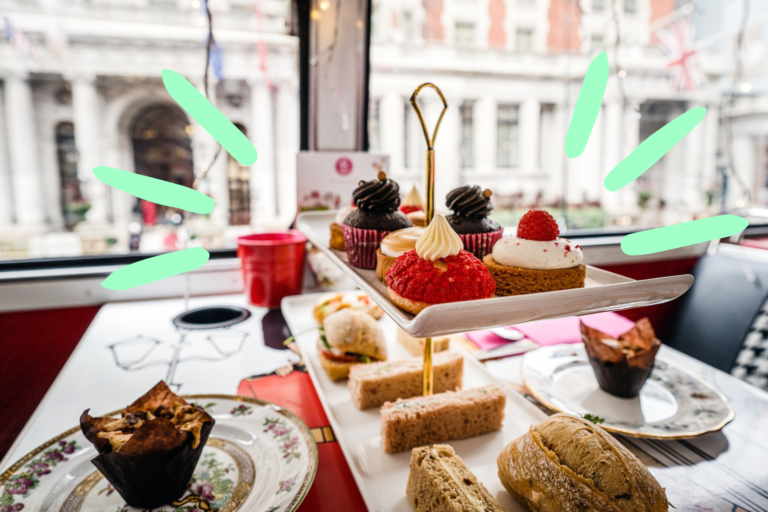
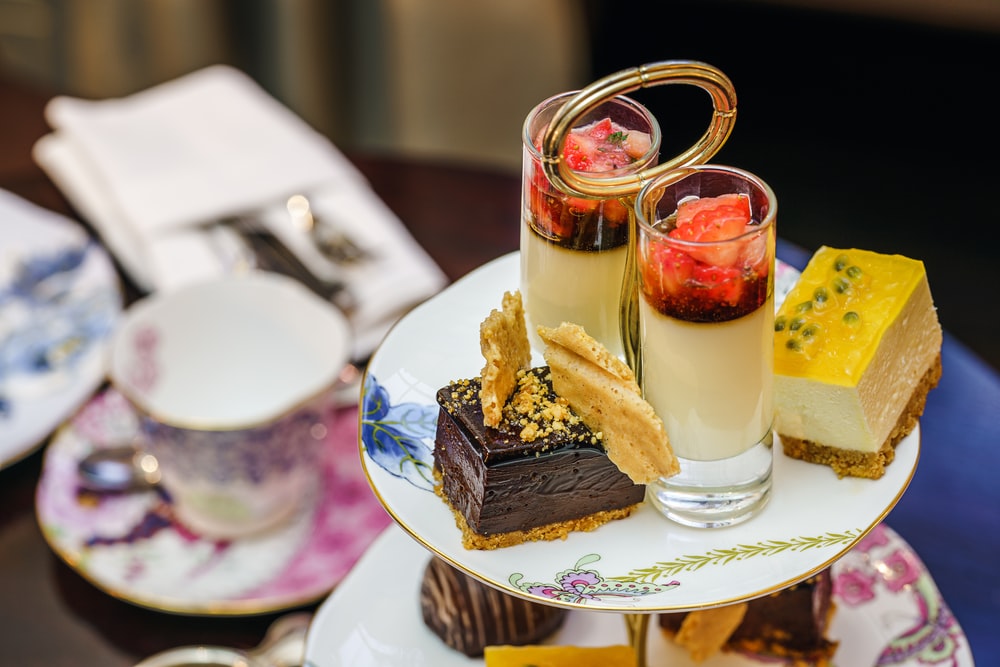
Indeed, afternoon tea is a British staple and immediately conjures images of grand dining halls and stacked silver trays of dainty sandwiches and cakes.
Whether you’re seeking out afternoon tea in this kind of location or you fancy hosting your own, we’ve come up with seven ways in which you can make it a unique gathering to remember. Here’s how to throw the perfect afternoon tea party with a twist.
Source The Set-Up From Charity Shops
First things first, you will need the basic equipment for your afternoon tea, for convenience of serving and more importantly, for the sake of custom. This includes a tiered cake stand where you will place the cakes and sandwiches. The cake stand is traditionally the centrepiece of the occasion, and this isn’t an item you should cut corners or get experimental with. Doing so might lead to all of your carefully curated savoury and sweet treats ending up on the floor.
Crockery – the teapots, teacups, plates, cutlery and cake knives used – also plays a defining role in any afternoon tea party. Ideally, this is the occasion you’ve been saving your best china for, but if you don’t own any, the daintiest crockery in your kitchen cupboards will do.
Alternatively, you could source your crockery from charity shops. Though, admittedly, it’s unlikely you’ll find a matching set, the shelves of your local Shelter or Oxfam are often blessed with exactly the kind of delicate china such an occasion demands.
Finally, add some lacy doilies and artfully folded napkins for that finishing flourish.
Traditional Tea Mixed With A Few Surprises
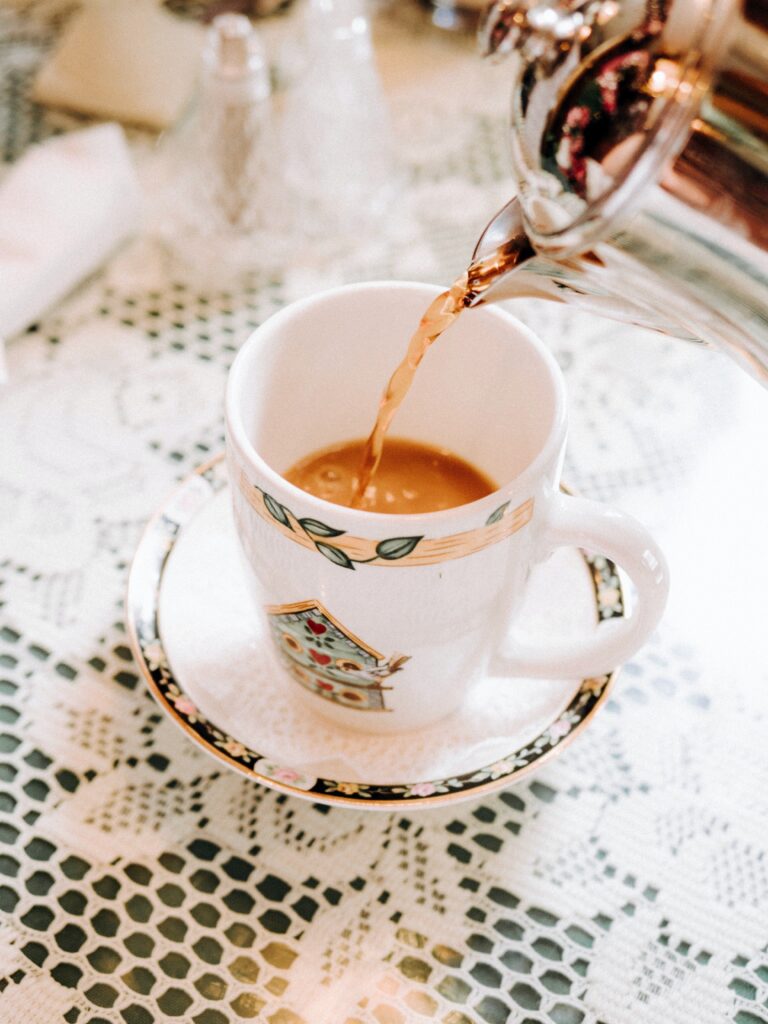
Without doubt the most important element of an afternoon tea is the tea itself. When your guests arrive, they will likely be parched and expectant. As such, it’s important to make sure you have tea ready and waiting for them. You should be very selective when choosing the beverages for your afternoon tea party. Most people expect only the finest, speciality teas to be served.
A traditional English Breakfast blend is a firm favourite, and Earl Grey a crowd pleaser, too. However, you could tempt your guests with something a little more unusual such as a power green tea, for the ultimate teatox, filled with antioxidants and nutrients. Or for the more daring, try a chilli chai tea for that fiery kick. On warmer days, try brewing an iced tea using your favourite tea and add slices of citrus fruits for a refreshing twist.
But in all honesty, guests will be expecting high-quality, loose-leaf teas. The aforementioned Earl grey or white rose and raspberry teas usually go down well. Throwing caution to the wind, of course, and serving coffee is totally acceptable, too, but if you don’t want to stray too far you could opt for green tea or jasmine tea.
We also suggest investing in proper tea-making equipment (like strainers or infusers) because this will bring out the very best flavours for your guests to enjoy. Go that extra mile, and your guests will be rewarded with the finest cup of tea.
You could, of course, forgo the tea altogether…
Not Tea Total
What, you thought this thing was just about drinking tea and eating scones? As with almost every British institution, a large part of the occasion is actually about providing cover for a cheeky afternoon drink. Not serving some bubbles, then, would be sacrilege.
Rather than splashing out on champagne, English sparkling wine provides the perfect alternative to complement your afternoon tea, and is so fashionable right now.
Pair your afternoon tea with local sparkling wine, Blanc de Blancs from Cotswold vineyard Woodchester Valley, an elegant English sparkling wine with aromas of baked apple, citrus and biscuit. For an added twist, why not serve your favourite tipple with a splash of elderflower or raspberry liqueur.
Scones Are Non-Negotiable
Not only will the tea selection have to be impressive, but the food you serve will also need to be exquisite and appropriate to the occasion.
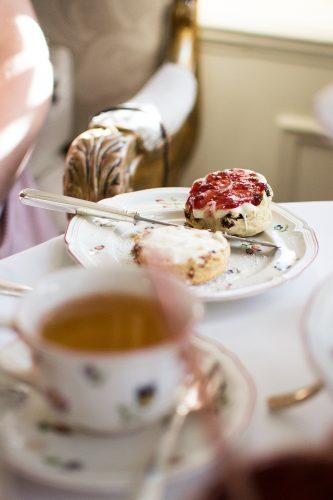
Whether you pronounce it ”scon” or ”scoooone”, the scone’s presence in the spread is non-negotiable. If you don’t serve them, then we’re afraid to say that it’s just having a cuppa with friends. Choose your pronunciation, and don’t falter.
Pledge allegiance to a method and stick to it; ‘the Devonshire’ dictates that you should smother a scone in cream before adding jam, while the groupies of ‘the Cornish’ persuasion insist jam should be applied first. But most importantly, serve the very best version you can muster (or buy them in – there’s no shame in that).
Of course, you’re here for afternoon tea with a twist, so why not mix things up with your scones, serving a veritable feast of global flavours in the form of coconut and mango scones, a luxurious buttermilk version, and a Mediterranean savoury version containing olives, sun-dried tomatoes and a basil cream.
Get Experimental With The Rest Of The Spread
Of course, any self-respecting host will serve up a wide variety of savoury and sweet treats for guests – though if the baking feels a bit ambitious, an afternoon tea delivery can take care of the heavy lifting.
Either way, make sure that you keep some of those classic ‘crowd pleasers’ on the menu, namely; egg mayonnaise sandwiches; cucumber with cream cheese and smoked salmon sandwiches; macarons; Battenberg; and éclairs.
Make sure everyone in the group is catered for, and provide more savoury foods such as scotch eggs, quiche and sausage rolls, accompanied with drinks for the non-tea drinkers such as a superfood smoothie for the ultimate health kick.
Think global, too; snack selections inspired by Turkey could form the basis of your own little kiraathane or go all the way back to the drink’s origins and sample some Chinese small plates while you enjoy a brew.
Turn Up The Entertainment
While the genteel nature of the afternoon tea is kind of the point for many, that might put off the party animals who are also fond of a French fancy.
Adding some disco tunes or a film might not be for the traditionalists – but if it’s your afternoon tea you can do what you like!
A few party games can liven up the atmosphere, although drinking varieties might not work so well with scalding hot water…
Things could be as raunchy or relaxed as suits your guests!
Make It Into A Tour
The afternoon tea is the classier sibling of the bottomless brunch, but both surely recoil in horror at their grubby cousin – the pub crawl.
Perhaps lessons could be learned from that marauding approach, however, if you can stand to put power to the pavement, you may be able to sample a composite afternoon tea from a number of establishments in your area. If you’re visiting somewhere new it might be a great way to get your bearings!
To help with that part of the plan, do yourself a favour and check out these 5 IDEAL afternoon teas in the UK. Now, shall I be mother?
Halfway through the 2020s, and the smart home features that once felt like science fiction are starting to look more like an inevitability. The technology is advancing fast, costs are dropping, and what seemed futuristic a few years ago is already cropping up in showrooms and new builds. So what might the fully connected, automated home actually look like by the end of the decade? Here are ten features we expect to become commonplace.
Seamless Integration Of Technology & Design
In 2030, smart home technology will likely be integrated seamlessly into our living spaces. This means that devices such as smart speakers, lighting systems, and security cameras will blend effortlessly with our interior design choices, creating a harmonious and unobtrusive environment.
One real-world example of a company that is currently integrating smart home technology seamlessly into living spaces is Google’s Nest. Nest offers a range of smart home products, including thermostats, cameras, doorbells, and smoke and CO detectors, that can be controlled via a single app. They are also now integrated with AI, though we’re not quite sure how we feel about that.
These products are designed to be aesthetically pleasing and minimalistic, allowing them to blend in with their surroundings and are compatible with a wide range of smart home platforms, such as Google Assistant and Amazon Alexa, enabling homeowners to control their devices with voice commands or through other smart devices.
Voice-Activated Control Systems
Voice assistants like Alexa, Google Assistant, and Siri have already made their way into many homes. By 2030, these voice-activated control systems will be even more advanced, allowing homeowners to manage everything from lighting and temperature to entertainment and security with simple voice commands.
Some future advances expected in the realm of domestic voice-activated control systems include:
More personalised interactions: Voice assistants are already able to recognise different voices and personalise responses and experiences based on that recognition. In the future, we can expect even more personalised interactions, including the ability to recognise emotions and adjust responses accordingly.
Integration with more devices: From smart homes to smart cars, voice-activated systems will continue to be integrated with more and more everyday devices. This means that controlling your environment will become even more seamless and intuitive, as you’ll be able to interact with everything around you using just your voice.
Enhanced language processing: As voice-activated systems become more advanced, they will be able to process more complex language and understand context even better. This will enable more natural and conversational interactions, making voice control feel even more intuitive and effortless.
Integration with AI: Artificial intelligence (AI) is already being used to improve voice-activated systems, and this trend is only going to continue. As AI becomes more advanced, voice control will become even more intelligent, predictive, and personalised.
Advanced Lighting Solutions
Smart lighting systems will become increasingly sophisticated, offering homeowners the ability to customise their home’s ambiance with precision. This could include colour-changing LED lights, circadian rhythm-based lighting schedules, and even holographic displays for immersive experiences.
The Philips Hue is arguably the leading company in smart automated lighting for the home. They offer a range of products such as smart bulbs, lamps, and lighting fixtures that can be controlled via their mobile app. Their commitment to integration with other smart home devices – you can control their lights using voice commands through Amazon Alexa and Google Assistant – and easy-to-use system set them apart.
Energy-Efficient & Sustainable Design
As concerns about climate change continue to grow, smart homes will prioritise energy efficiency and sustainability. Solar panels, green roofs, and rainwater harvesting systems will become standard features, while smart thermostats and energy management systems will help homeowners optimise their energy usage.
It’s likely that the control and even installation of such devices will be more inclusive, with home features like temperature, lights, and wall plugs all manageable remotely.
Windows have always been one of the home’s more passive features – they let light in, keep weather out, and that’s about it. By 2030, that’s set to change dramatically. Electrochromic glass, which can switch from transparent to opaque at the touch of a button (or automatically based on sunlight levels), is already being fitted in high-end builds and will likely become far more affordable and widespread.
Beyond tinting, smart windows could double as display screens, showing everything from the weather forecast to video calls, while maintaining transparency when not in use. Some manufacturers are also developing glass that generates solar energy without the need for rooftop panels, turning every window into a power source.
Privacy is another benefit – no more fumbling with blinds when the neighbours peer in. With smart glass, you can frost your bathroom window on demand or schedule your bedroom to go opaque at bedtime. Companies like View and Halio are already leading the charge here, and as production scales up, expect smart glass to become a genuine selling point in property listings by the decade’s end.
Smart Kitchens
In the not-too-distant future, smart kitchens will likely include a range of cutting-edge features that will revolutionise the way we cook and eat at home. One such feature could be smart fridges that utilise advanced AI algorithms to keep track of expiration dates, suggest recipes based on ingredients, and even place online grocery orders.
Smart ovens that can recognise different foods and adjust cooking times and temperatures without human intervention are also likely to become commonplace. Countertops that weigh ingredients, detect spills, and wirelessly charge devices are another possible addition. With the increasing sophistication of virtual assistants, smart kitchens could also be equipped with a voice-activated AI that can guide home chefs through recipes and answer any cooking questions they might have. The potential for innovation in this field is enormous.
Enhanced Security & Privacy
There are multiple benefits to ever-proliferating smart home systems – you can keep watch on your house even when miles away (sounds like a fun holiday!), the systems are sensitive and can easily trace unknown people and objects, and best of all, they can be customised to suit your needs.
In the future, smart security for the home will be more advanced and personalised. Smart cameras will have better image recognition, allowing for more accurate movement detection and alerts, as well as the ability to identify different people and animals.
Advanced AI systems will enable predictive analytics, which would allow homeowners to receive alerts when unusual activity is detected around the home. Integration with other smart home devices, such as smart locks and lighting, will allow for more comprehensive security measures.
Voice-activated assistants will also offer hands-free control over security systems, including the ability to arm and disarm alarms or lock doors remotely. Overall, smart security for the home will be more intuitive, personalised, and integrated, making it easier for homeowners to keep their property and loved ones safe.
Health & Wellness-Focused Design
Our living spaces will be designed with our health and well-being in mind. Air purification systems, ergonomic furniture, and smart sleep technology will be integrated into our homes to promote physical and mental wellness.
Smart home technology could also be employed to encourage physical activity by monitoring and measuring movement and activity levels and providing tailored exercise recommendations, not dissimilar to current innovations in the world of smart home gyms, just supercharged.
Additionally, smart homes could incorporate advanced non-invasive health monitoring (freaky) and diagnostic tools to track vital signs and detect early symptoms of illness, offering a truly holistic approach to health and wellness.
Virtual & Augmented Reality
By 2030, virtual and augmented reality technologies will have matured significantly, allowing for immersive entertainment experiences and virtual interior design tools. Homeowners will be able to ‘try on’ different home decor styles and furniture arrangements before committing to a purchase or renovation.
Finally, robotics and automation will play a significant role in the smart homes of 2030. From robotic vacuum cleaners and lawn mowers to automated laundry folding machines, these innovations will streamline household chores and free up more time for leisure and relaxation.
Some robots may be designed to perform highly specialised tasks, such as medical care or assistance for the elderly, while others may simply function as family companions, capable of engaging in conversation and providing entertainment. Hey, they might even replace your spouse…
The Bottom Line
The smart, automated home of 2030 promises to be an exciting blend of cutting-edge technology, sustainable design, and enhanced functionality. As we continue to innovate and push the boundaries of what’s possible, our living spaces will become more efficient, comfortable, and enjoyable than ever before.
Or, alternatively, a home that turns against you and ends up as your nemesis. Just saying…
In an ever-changing world, it’s not uncommon to find ourselves grappling with stress and uncertainty. Whether it’s personal challenges, work pressures, or broader societal issues, these factors can often leave us feeling overwhelmed and anxious. However, it’s essential to remember that we have the tools to navigate tough times effectively.
Today, we’re exploring practical strategies to help you maintain your wellbeing during stressful periods. From embracing open dialogue and maintaining a regular exercise routine, to smart eating habits, practising gratitude, and prioritising sleep, these tips are designed to help you stay grounded, resilient, and positive, no matter what life throws your way. Let’s dive in.
Take A Moment To Talk
Though it may sound counterintuitive, sitting down and facing up to your feelings and the increasingly troubling state of the world is a healthier, more holistic way to approach this tough time, we think.
Instead, try to take proactive steps to take stock of the turbulent situation we find ourselves in. A regular practice of mindful meditation can help you do just that; only ten minutes a day can do wonders for realigning your perspective. If you’re new to the wonderful world of ‘taking a moment’, there are plenty of apps offering guided meditations and mindfulness exercises for a monthly fee. If meditation doesn’t work for you, do still make the time just to sit still for a few minutes each day, enabling space for reflection on what is, for everyone, a really confusing time.
Try to remain open, frank and honest with those around you about how you’re feeling. A problem shared is a problem halved and all that, and you may just find others are experiencing similar feelings as you, and have advice to share through learned experience.
Home Gym Haven
When the sun is shining and the temperature mild, exercise is easy, whether that’s taking yourself for a run, embarking on a long stroll or getting down the gym in one, dry piece. Peering out the window now, imagining the rays of summer sunshine feels like another world ago. Yep, winter can bring about a very different approach to exercise, when the temptation of the sofa is often too strong to get you in your gym kit and out the door.
But during tough times, it’s especially important to remember just how hugely, immeasurably beneficial exercise is, for both the body and mind, with the NHS recommending 150 minutes of moderate-intensity activity a week, to boost mood, health and wellbeing, as well as keeping a whole host of issues at bay.
Don’t allow the longer, darker nights and colder temperatures to herald a more sedentary life until spring rolls around. Even if you’re not keen on going to the gym when the temperatures dip below freezing (hey, who is?) you can still get the blood pumping at home with some cardio and aerobic exercise, such as star jumps or running on the spot. It’s basic, we know, but it can make a worldof difference.
Diet Smarts
Of course, a healthy, balanced diet comes first, and is the most sustainable way to get all of the nutrition you need. That said, some choice supplements can help things to tick along nicely, too.
With more time spend indoors over winter, it might be tough to get enough that all important Vitamin D from the sun. Fortunately, there are various Vitamin D supplements out there, and as such, it might be sensible to stock up. Experts also advise taking a multi vitamin daily, one which contains Vitamin C as a priority, as well as zinc, to promote good metabolic function and strengthen the immune system.
Other supplements may soothe the stresses of a shift in the seasons. The amino acid L-Theanine can help reduce heart rate, inhibit the release of the ‘stress hormone’ cortisol and potentially, create a sense of relaxation approximately 30-40 minutes after ingestion. The good news is that it’s found in a cup of tea, but if you prefer, L-Theanine can also be bought in capsule form, for those crazy folk who don’t like tea.
Gratitude
Optimism can slip with the changing of the seasons, but in recent years experts have started recommending a new solution to help you put things in perspective; gratitude. Indeed, practicing gratitude is a great way to boost your emotional wellbeing, as it helps you appreciate the things you do have, rather than pining for unattainable, material items. Slowly but surely, your outlook changes, helping you take a more positive outlook on life.
Keeping a gratitude diary doesn’t have to involve writing down your hopes and dreams in essay form each night. Instead, most practitioners simply write down three things that they’re grateful for today, three things you enjoyed yesterday, or three things you’re looking forward to tomorrow, either just after waking up or just before bed, though of course, any time is fine. This is a wonderful way to gather your thoughts and learn to be thankful for what you’ve got.
Foster Social Connections
In times of stress, it’s easy to retreat and isolate ourselves. However, maintaining social connections can be a powerful antidote to feelings of anxiety and uncertainty. Reach out to friends and family, join local community groups, or engage in online forums that interest you. Remember, human beings are social creatures, and a sense of belonging can significantly boost our emotional wellbeing.
If you’re drawn to painting, start with a basic oil paint palette – a few primary colours, white, and some earth tones are all you need to begin exploring this rewarding medium. Don’t feel pressured to create masterpieces straight away; focus instead on the meditative process of mixing colours and applying paint to canvas.
Even simple exercises like creating colour swatches or painting basic still life compositions can help quiet a busy mind. They allow us to express ourselves, focus our minds, and achieve a sense of accomplishment. Plus, they can be a lot of fun! So, pick up that paintbrush, dust off that guitar, or start that blog you’ve been thinking about. Your mind will thank you for it.
The Importance Of Sleep
When the mind is racing, full of thoughts and concerns which haven’t had a productive outlet all day, it can be hard to get a full, replenishing night’s sleep. But being properly rested is so crucial to tackling stress and anxiety; according to the American Institude of Stress, ‘’anxiety and insomnia are two very common problems that may hamper your ability to fall asleep…both conditions can play off each other, making the other worse’’. And they’d know, right? Yep, this thing can be cyclical; get on top of one and you’ll likely develop a better control of the other.
Therefore, a good night’s Zzzeds must always be at the top of your list of priorities when taking care of yourself. Check out our tips on how to get more restorative sleep for more!
In the words of William Morris, “have nothing in your houses that you do not know to be useful or believe to be beautiful.” And while that’s certainly a maxim worth remembering, when minimalism is a necessity due to lack of floor space, well, it doesn’t quite have the same ring to it.
Indeed, eeking out real estate around the home can be tough when you live in a small apartment. But ‘small’ doesn’t necessarily have to mean compact or cramped. Yep, the good news is that there are interior design approved tricks out there to maximise the space you do have, both visually and physically. All it takes is a little know-how and a lot of creativity. With that in mind, here’s how to find more space in a small apartment in 8 simple steps.
Double Duty Furniture
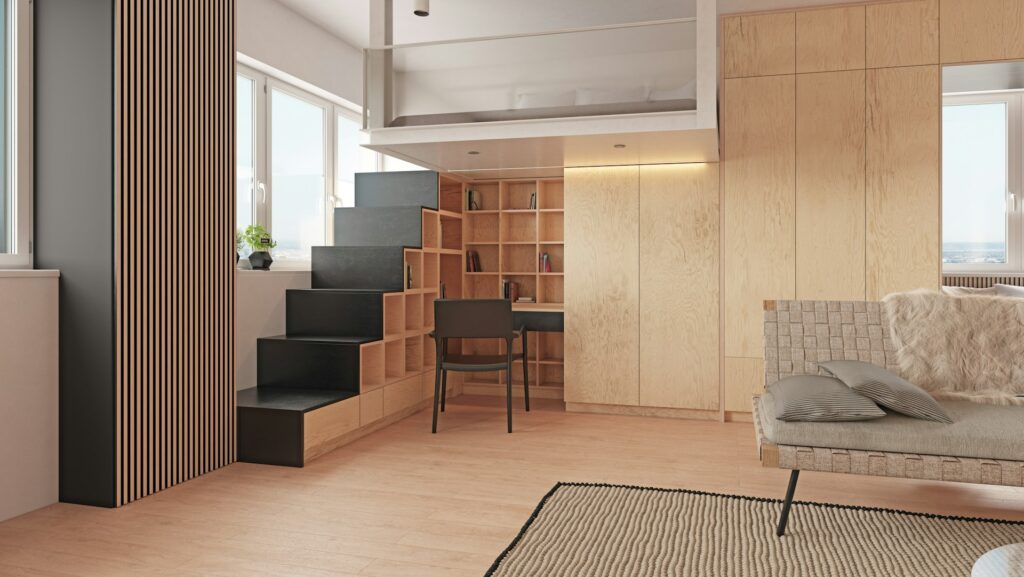
There are some really clever ways you can create space in your apartment involving practical but stylish furniture which boasts hidden storage potential.
Elle Decor points out that this ‘double-duty furniture’ not only looks stylish but gives you great storage options, and we couldn’t agree more with them. Indeed, furniture retailers are catching on, realising that there is a demand for maximising space in properties and are tailoring their offering to suit this. Storage benches or a simple footstool or poof which allows for storage does a great job of fusing the functional with a foolproof storage option.
Out Of Sight, Out Of Mind
Collapsible furniture is a fantastic resource that lets you enjoy all the functionality you need from a chair, table, desk or set of drawers, but only when you want it. When the item isn’t in use, you can seriously mitigate the space it takes up by reducing its size until its next outing is required.
Folding dining tables can be pulled away from the wall, used, then simply folded flat and returned to a corner again, whereas collapsible chairs can be folded and slotted under the bed or in a utility cupboard in between uses. It’s this flexibility which is so essential in small spaces, so do endeavour to seek collapsible or folding options as opposed to rigidly standing furniture.
Cut To Size Cabinets
In the quest to maximise space in a small apartment, one cannot overlook the importance of cut to size cabinets. Specifically designed to suit your space requirements, these types of cabinets can be the key to unlocking more room in sometimes compact living quarters.
Their main advantage lies in their customisable nature. They can be designed and built to fit the exact dimensions of your wall or corner, ensuring no precious space goes to waste. Furthermore, these tailored cabinets can be fashioned with numerous compartments, enabling organised storage and reducing clutter. In short, cut to size cabinets are a novel solution worth investing in when attempting to create more space in a small apartment.
Don’t Sweat The Small Stuff
Not just a great life tip, this applies to small apartments, too. What we mean is that you should prioritise finding storage solutions for the really bulky items as a matter of urgency, rather than worrying about a couple of rogue leads or shampoo bottles.
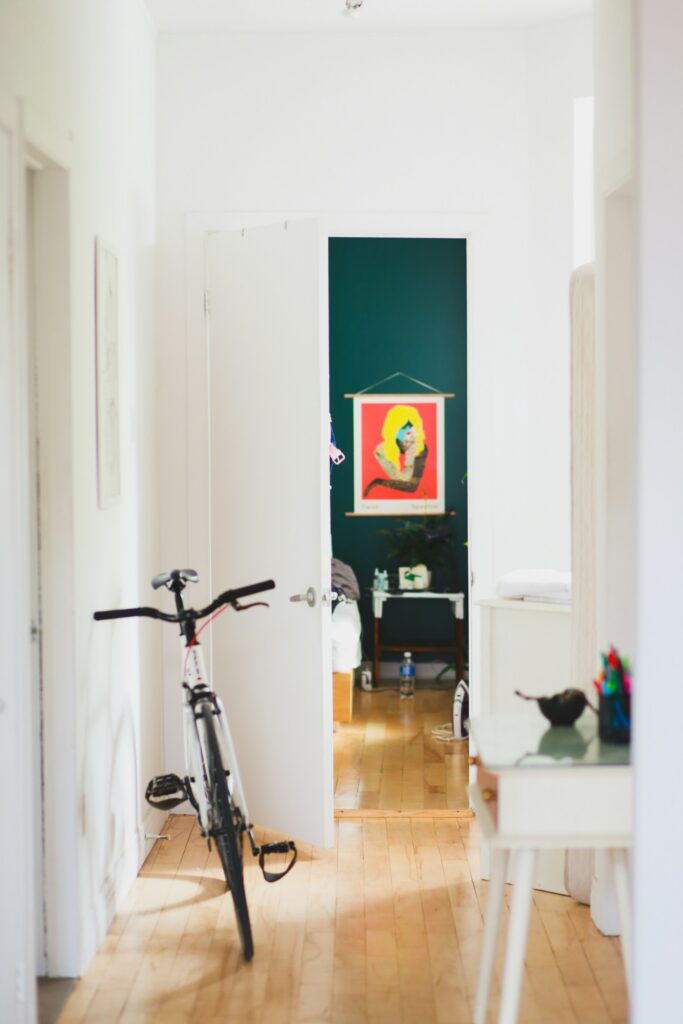
Because it’s the heavyweight kit which takes up so much room. If you’re a cyclist, for example, the amount of floor space a bicycle takes up is ridiculous, especially when squeezing past the handlebars is taken into account; a recipe for disaster and damage, no doubt.
As the team at Stash Bee, who offer self storage in Leicester, tell us, clever storage solutions for those big, bulky items is vital, so in the case of your trusty commuter-friendly wheels, get it up on a hook, on the wall. As for your cycling kit, just stuff it all in a bag and on the back of the bathroom door. Done!
Stash In The Bathroom
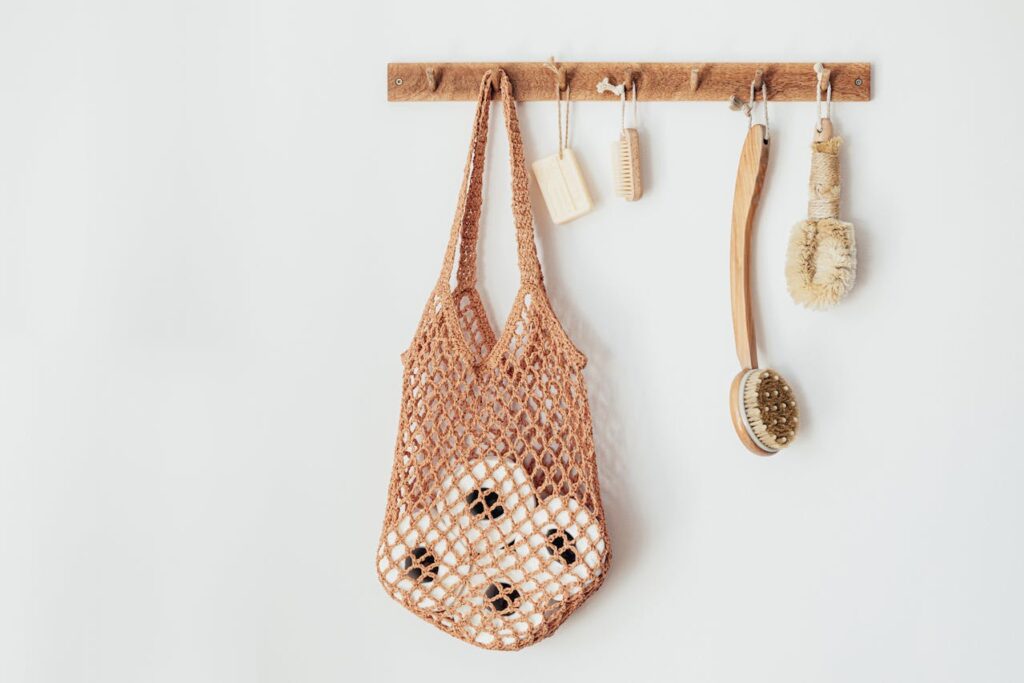
If your bathroom barely manages to play host to the basics, like toiletries and loo roll, without overflow (hmm, perhaps the wrong term there) it’s time to put the minimal space here to better use. Pull-out storage baskets, wall hooks, over-door hangers and shower caddies are all brilliant ways to get more bang for your bathroom-storage buck.
With more storage and hanging options in place, plenty more items can take up permanent residency in the bathroom, thus freeing up space in your bedroom, which let’s be honest, is more of a priority. Just be sure that you exercise a little caution, as there are certain things that shouldn’t be stored in a humid bathroom.
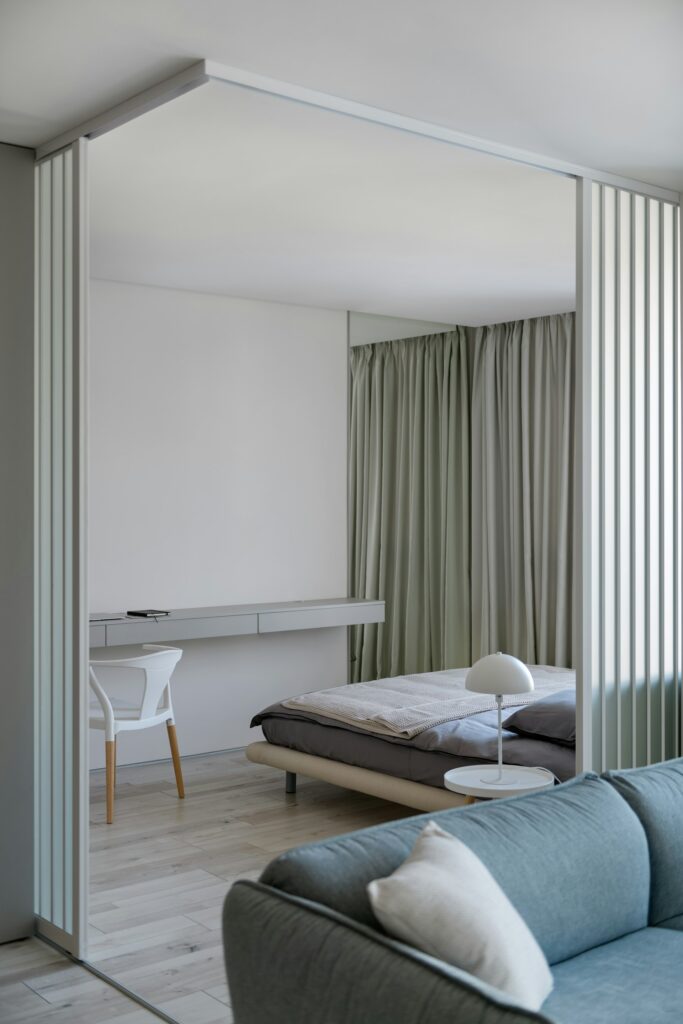
So Niche
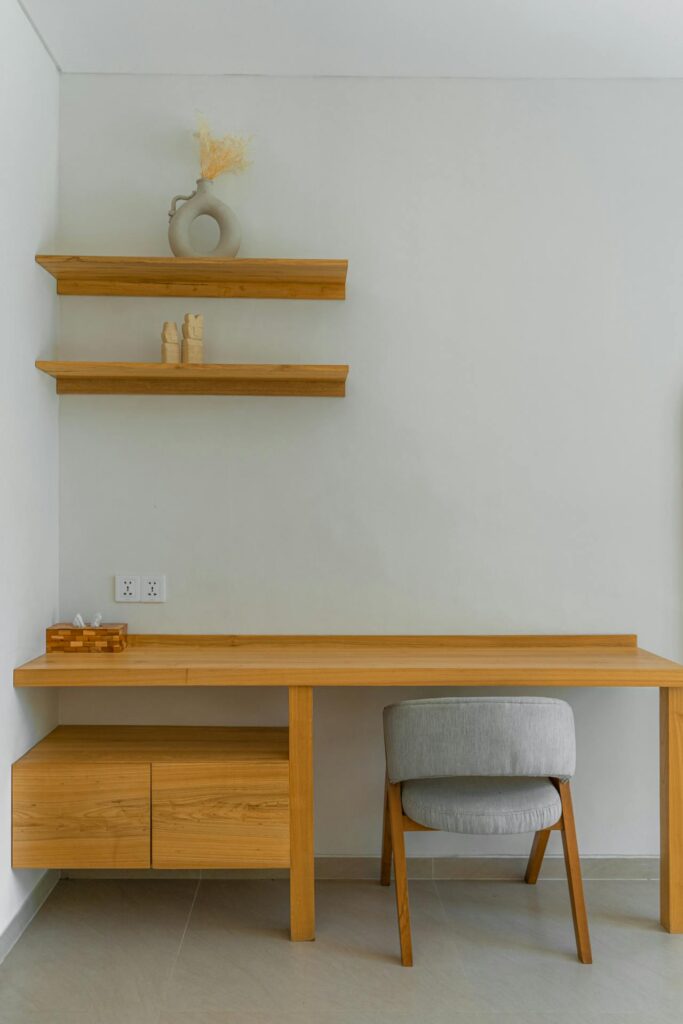
If you own a small apartment, you can decide to be more adventurous with permanent fixture adjustments which add space. Taking a few doors off can be a fun way to start, to get a more open-plan vibe working for you, but what about building shelving into all those empty wall niches, too? They might make good wall art display areas, but we’re focusing on space saving here, so populate that wall niche with as many shelves as you can fit, potentially doubling your storage. Floating shelves work best, as they leave a neater finish and look more contemporary. Additionally, consider installing floating tables, which provide functional workspace or dining surfaces without occupying floor space.
Get Crafty In The Kitchen
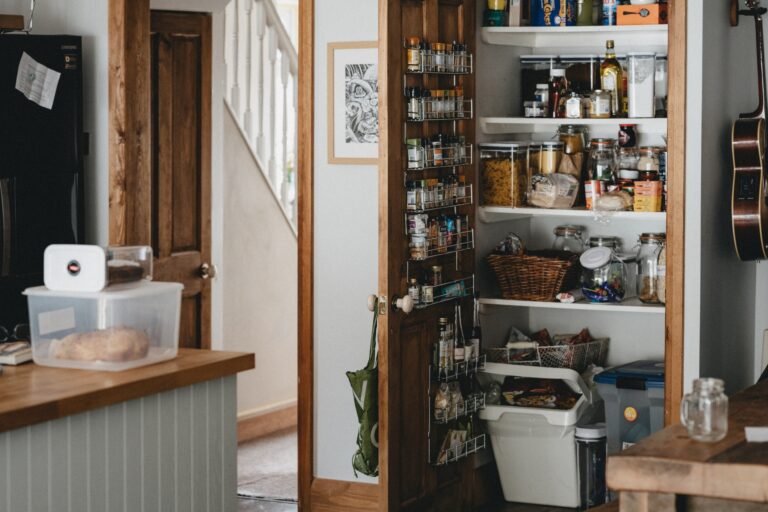
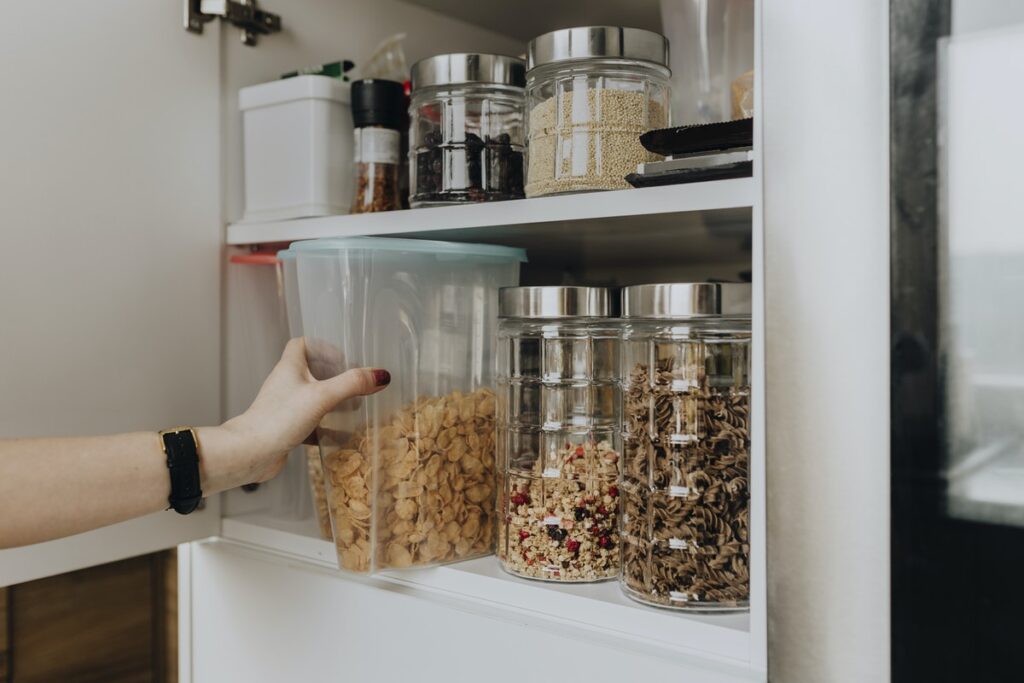
If you haven’t noticed how much space is wasted in your kitchen cupboards already, you will now we’ve mentioned it. Sorry about that. Indeed, the backs of your cabinet doors can often lay dormant but for a solitary tin of tuna, but really, this area represents prime real estate for integrated bins, shopping bag storage and even spice racks. Talk about practical kitchen improvements that make an aesthetic impact, too.
By clearing the bulky clutter out of the actual cupboards, you’ll be able to keep your surfaces clearer and free up floor space too. Without a freestanding bin, for instance, you’ve created a whole extra corner which you can move around in more effortlessly. And that’s why you’re here right?
You can also put your wall space to better use, by adding a pegboard with hooks that can easily house pans and Tupperware lids, both of which seem to eat up so much cupboard space. Yep, there are so many kitchen storage solutions out there, if only you look.
Not Just A Shoe Rack
We’ve all seen those door-mounted shoe holders with plastic pockets for your favourite footwear, but are you seeing the potential for more? We certainly are. A perfect solution for organising everything from cleaning products to first-aid supplies, medications and even toiletries, they can be hung inside a cupboard door, out of sight but still always within easy reach, and far better than being splayed out on the floor ready to be tripped over.
That’s not to say they don’t work well for shoes. Discarding bulky shoeboxes that need to be stacked and tessellated perfectly will free up an enormous amount of shelf or under-bed space that can be used for other storage needs. Sure, it’s a game of Tetris at every turn, but it’s worth it for the extra room and peace of mind you’ll create.
The Bottom Line
Small apartments don’t need to feel claustrophobic, as long as you decorate and innovate with space-saving initiatives in mind. By freeing up floor and cupboard space using simple tricks and hacks, you’ll lift the burden of clutter from your apartment, making it more peaceful, and most importantly, spacious place to spend time.
The European winter ski season is nearly upon us, with early December traditionally welcoming the requisite snow blanket over The Alps, and in turn heralding the opening of the proverbial gate into the continent’s greatest slopes.
This season is looking like a busy one, with Ski Mag predicted huge snowfall this winter. We don’t blame anyone seeking that sense of escapism after the couple of years we’ve all had, but for those still in the planning stage of their skiing holiday, let’s explore 7 of the best resort villages in the Swiss and French Alps for ski season 24/24.
Saas-Fee, Switzerland
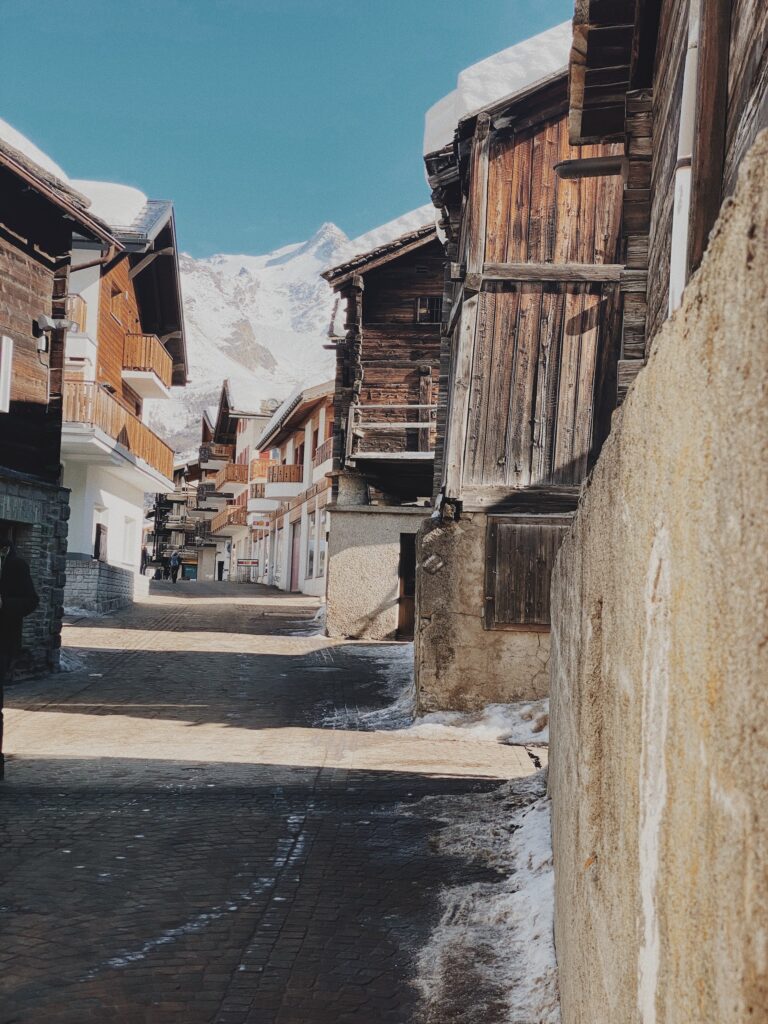
We start in Saas-Fee, a place known for both the quality and predictability of its snow. As any keen skier will attest, those two attributes are a perfect mix for a holiday on the slopes.
Nicknamed ‘the pearl of the Alps’, owing to its position amongst 13 peaks including Switzerland’s highest, the Dom, Saas-Fee boasts over 150 kilometres of ski slopes and 1’800 metres of vertical. Whilst this might sound like a hair-raising proposition, Saas-fee is actually well-known for being perfectly suited to beginner and intermediate skiers, with a practice slope and nearly 40 kilometres of beginner slopes.
The resort village itself is car-free, with a luxury ski chalet in Saas-Fee perfectly suited for a skiing holiday with the children… The family that skis together, stays together, after all.
Perched at 1,500 metres in Switzerland’s southwestern Valais canton, Verbier stands as the crown jewel of the 4 Vallées ski area, offering a staggering 410 kilometres of marked runs that cater to every skill level – though it’s particularly renowned for its challenging off-piste terrain that draws expert skiers from around the globe.
The resort has earned its reputation as one of the Alps’ most prestigious destinations, attracting a cosmopolitan mix of serious skiers and glamorous socialites. Mont Fort, reaching an impressive 3,330 metres, serves as the resort’s highest point and offers heart-stopping views of the Matterhorn and Mont Blanc massif. From here, expert skiers can tackle one of the most challenging black runs in the Alps, while intermediate skiers can find their sweet spot on the numerous red runs that criss-cross the mountain.
But Verbier’s appeal extends well beyond its slopes. The resort village pulses with an electric après-ski scene that rivals St. Moritz and Courchevel, with Le Rouge, Pub Mont Fort, and the infamous Farm Club drawing in crowds until the early hours. The town itself maintains its traditional charm with wooden chalets and cobbled streets, while housing some of Switzerland’s most exclusive boutiques and restaurants. Whether you’re seeking extreme skiing, luxurious accommodation, or simply that perfect Swiss Alpine atmosphere, Verbier delivers on all fronts.
Laax, Switzerland
If that all sounds a little pedestrian for you, then perhaps you might want to head north-east to Laax, which has been voted as the ‘World’s Best Freestyle Resort’ at the World Ski Awards for six years on the bounce.
Because of this, Laax has become one of the coolest (and that’s not just the temperature!) ski resorts in the world, populated by pros who head here to have a go on Laxx’s halfpipe, the world’s largest.
Here, the skiing happens in the midst of the Vorab Glacier (over 3’000 metres at its summit) and on the 225 kilometres of slopes, runs and trails of Vorab and four other interconnected mountains.
Laax is also revered for its environmental credentials, with the resort pioneering the concept of ‘greenstyle’, which aims to see the resort become the world’s first to be totally self-sufficient and use 100% sustainable resources. Bravo to that, we say!
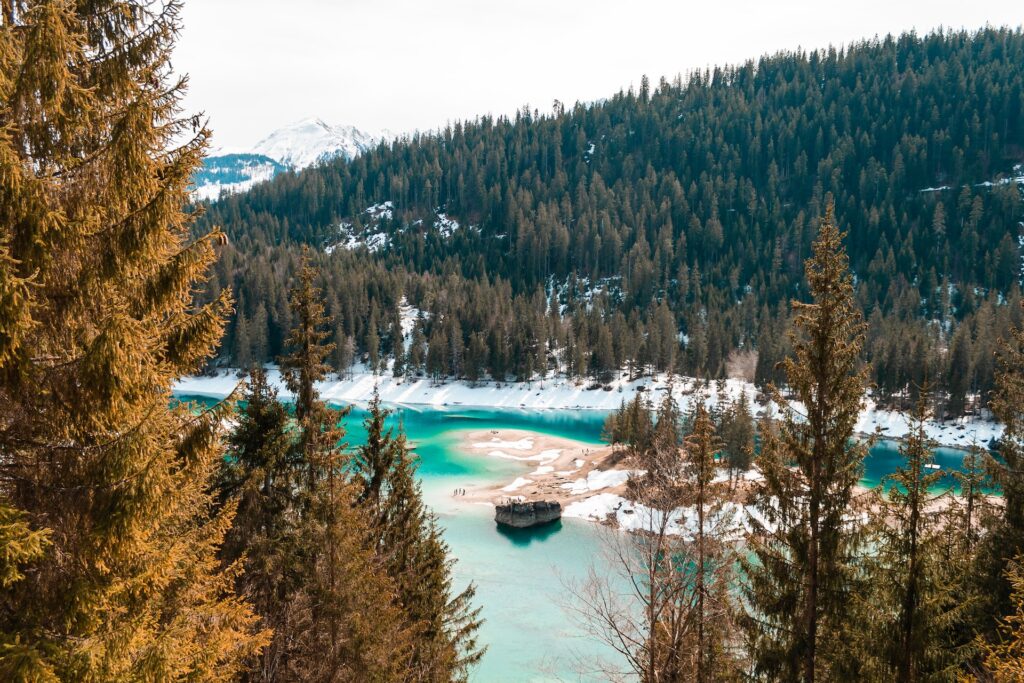
Away from the slopes and half-pipes, Laax is also ideal for winter hiking and is home to some of Switzerland’s most beautiful lakes.
Espace Killy, France
Named after Val d’Isere native and three-time Winter Olympic medal winner Jean Claude-Killy, Espace Killy combines the two iconic resorts of Val d’Isere and Tignes, coupling 300km of downhill skiing.
Situated close to the Italian border, Espace Killy is defined by the Grande Motte Glacier at its summit, which rises some 3600 metres above the group of villages that make up this high altitude ski resort.
In Tignes, the action is focused around Val Claret; the highest village at 2’300 metres and with direct access to the slopes (there are five lifts here, all within a few minutes of each other), as well as plenty of bars. In fact, there are two nightclubs in town notorious for debauchery, the Blue Girl and the Melting Pot.
Speaking of debauchery, Tigne’s sibling Val D’isère is famous on the snow circuit for its raucous apres-ski, a reputation which is defined largely by globally celebrated apres-ski bar La Folie Douce, where a level of impropriety is actively encouraged. It’s even earned Val D’isère the nickname of being ‘Ibiza on the Snow’.
It’s also here where you’ll find the infamous black downhill run, La Face. So, whether you’re looking to get off your face or tackle La Face, you’ll find Espace Killy an incredibly satisfying place.
Another collection of Tarentaise Valley resorts with a quirky name, Paradiski primarily encompasses La Plagne, Les Arcs and Peisey Vallandry. The former is particularly good for beginners and intermediate skiers, as it’s home to plenty of gentle runs and the longest ‘funslope’ in Europe, as well as a 1500m Olympic Bobsleigh which is now open to the public.
For something a little more full-throttle, the ski resort of Les Arcs was the first of its kind in Europe, boasting ski-in and out apartment access as standard and plenty of hair raising descents.
If you’re planning a ski holiday in Paradiski, it’s important to know that the villages here are, rather prosaically, named numerically. The original village, for instance, is Arc 1600, and the most party-heavy is Arc 1800. In Arc 2000, on the other hand, the ice bar known as Igloo Village attracts tourists to its freezing cold climes for cocktails and traditional Savoyard fare.
Nestled in the Tarentaise Valley of the Alps is Meribel, a ski resort which is part of the Three Valleys Ski area, the largest on earth with 600km of piste. It’s particularly suited to beginners, with green runs making up around a tenth of the total offering here, and the Easy Rider slopes safe and accessible for all.
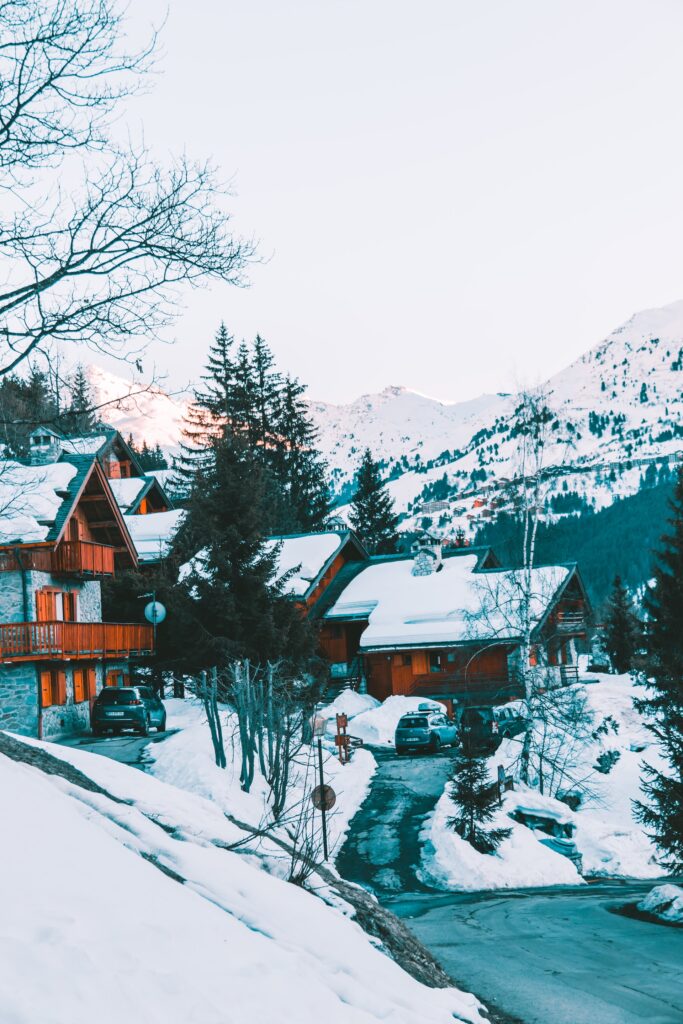
Ski season here lasts from early December to late April, and if you’re after a longer holiday with a greater frequency of challenging runs, Meribel is perfectly positioned between Courchevel and Val Thorens. That said, accommodation here is particularly lovely, andis a touch more affordable than its neighbouring resorts. When combined with the easy links between the Three Valleys ski resorts, this makes Meribel the perfect launchpad to hit the superb slopes of this region.
We finish, somewhat topsy-turvily, at the summit of the highest winter sports area in the Alps, Switzerland’s Zermatt. Here, altitudes reach almost 4’000 metres, with the resort resting in the shadow – or, rather, bathing in the glory – of the Matterhorn with Italy on the other side. In fact, at 3’295 metres in altitude, you’ll find the legendary Theodul Pass, which allows you to descend from Switzerland’s side of the Matterhorn down into Italy via a spectacular sloping trail.
So spectacular it is, that we’ve run out of superlatives and energy to ski onwards. Now, where’s the best bar for a spot of apres-ski?
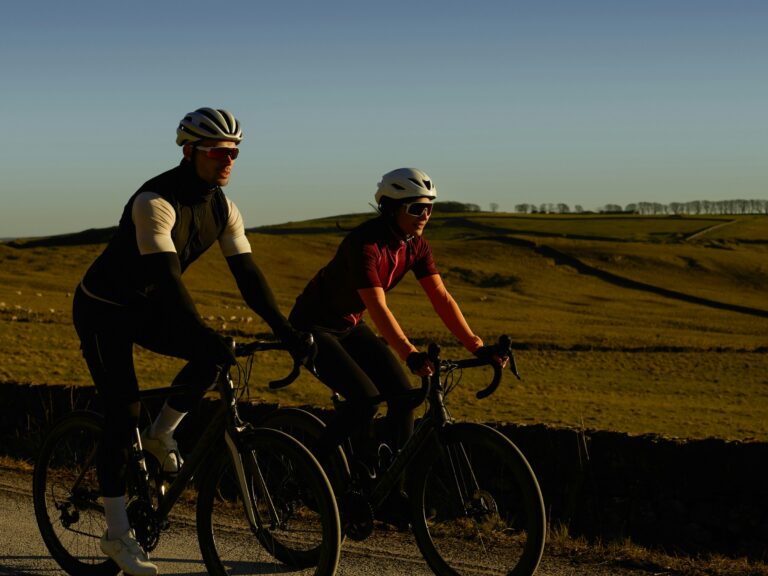
There’s something almost poetic about exploring Italy by bicycle. Perhaps it’s the way the morning mist clings to Tuscan cypress trees as you climb yet another hill, or how the Ligurian Sea sparkles beyond each hairpin bend of the Cinque Terre.
In a country where life moves at a speed that entirely depends on when you had your last espresso, cycling offers a rhythm that feels just right – fast enough to cover ground, slow enough to absorb every detail.
And you can only, truly absorb every detail if your mind isn’t fixated on plotting your next move the whole damn time. We’re here to lighten the load, metaphorically speaking, and help you get ahead with the planning side of things, so you can luxuriate in that feeling of the open road properly, fully and without tedious distraction.
With that in mind, here are some suggested itineraries that piece together sections of Italy’s most beautiful roads, many immortalised in the country’s great cycling races. You’re in for one hell of a ride…
The Chianti Classic
Route: Florence to Siena loop (suggested itinerary)
Distance: Approximately 200 km
Duration: 3-5 days
IDEAL for: Intermediate cyclists who appreciate combining cultural visits with their riding. The route offers plenty of opportunities to stop at historic towns, vineyards, and local restaurants, making it perfect for those who view cycling as part of a broader Italian experience rather than purely about covering distance.
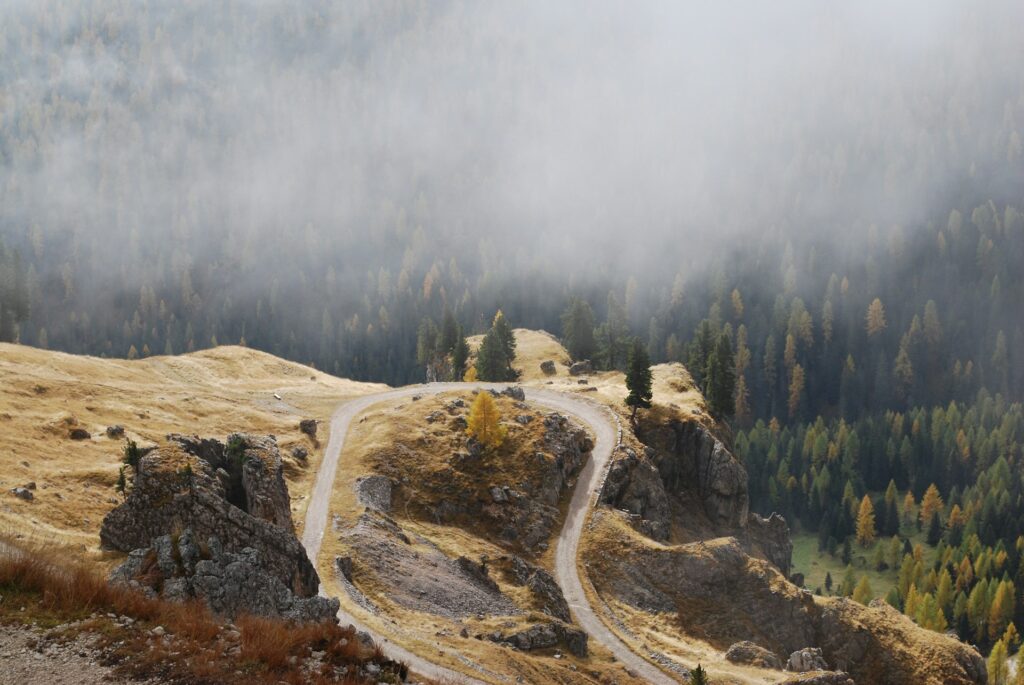
This suggested route through Tuscany’s undulating landscape incorporates sections of the famous Strade Bianche race, known as “Italy’s most beautiful race”. The white gravel roads that give the race its name create one of cycling’s most spectacular one-day events each March, when professional riders battle over the steep hills of Siena province. Our leisure-paced itinerary follows some of these iconic gravel sections while also taking in the classic Tuscan landscape between Florence and Siena.
The route can be customised to your preferences, but we suggest including the stretch through Gaiole in Chianti, where the famous L’Eroica vintage cycling event starts each October. This non-competitive celebration of cycling heritage attracts thousands of enthusiasts riding pre-1987 bikes along the historic white roads. It’s also massively popular with motorcyclists.
Insider Tip: The majority of cycling tours in Italy are timed for May or September, to avoid both the summer heat and crowds. The morning light in these months is particularly magical for cycling through the Tuscan countryside, and you’ll find many agriturismi (farm stays) more readily available for overnight stops.
IDEAL for: Experienced cyclists and climbing enthusiasts who relish steep ascents and technical descents. This route is best suited to those with good fitness levels and experience in mountain riding.
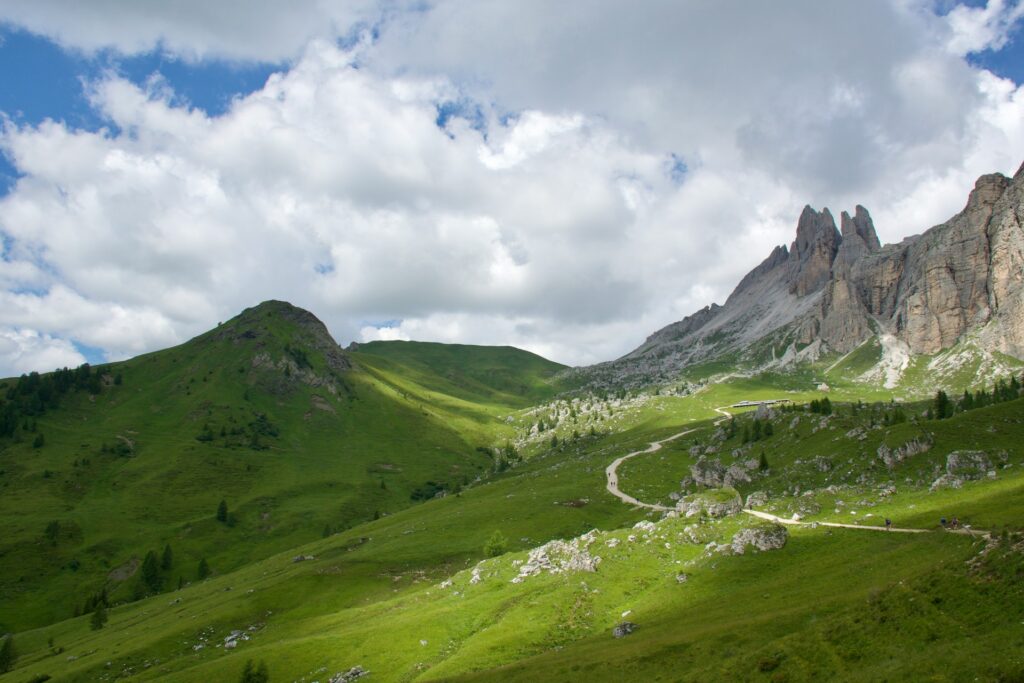
This challenging circuit incorporates some of the most famous climbs in professional cycling. The Passo Giau (2236m), regularly featured in the Giro d’Italia, was the scene of Egan Bernal’s epic solo victory in the 2021 edition through the snow. The Passo Falzarego (2105m), another Giro favourite, has been crossed more than 40 times in the race’s history.
You can adapt this route to your abilities by choosing which passes to tackle – the classic combination of Giau and Falzarego makes for an unforgettable day, while adding the Passo Pordoi (2239m), known as the ‘Queen of the Dolomites’, creates an even more epic challenge. This pass has been crossed more times than any other in Giro history and hosts the Cima Coppi (highest point) of the race when included in the route.
Insider Tip: Start your ride no later than 7am to avoid afternoon thunderstorms, which are common in the Dolomites during summer months. Always carry a lightweight waterproof jacket and arm warmers, as temperatures can vary dramatically between valleys and mountain passes.
Sicily’s Coastal Circuit
Route: to Cefalù (suggested itinerary incorporating Giro di Sicilia routes)
This suggested itinerary pieces together sections of the Giro di Sicilia race route, including parts of the dramatic coastal road that regularly features in this spring stage race. The route through the Madonie Mountains follows roads used in the 2023 edition, where Damiano Caruso thrilled local fans with a decisive attack on the final climb.
The beauty of this route is its flexibility – you can follow the flatter coastal sections for easier riding, or challenge yourself on the inland climbs that have tested professional riders in both the Giro di Sicilia and the Giro d’Italia’s Sicilian stages.
Insider Tip: The coastal roads can get busy with traffic, particularly in summer. Plan to tackle these sections early in the morning and save the quieter inland routes for later in the day. Local cyclists recommend carrying extra water during the summer months, as drinking fountains are less common than in northern Italy.
Route: Conegliano to Valdobbiadene (following sections of the Giro d’Italia time trial route)
Distance: 60 km
Duration: 1 day
IDEAL for: Wine enthusiasts and photographers who enjoy a challenging day ride. This route suits cyclists who appreciate a good climb followed by a rewarding glass of Italy’s finest sparkling wine.
This route follows parts of the spectacular 2020 Giro d’Italia time trial course, where Filippo Ganna powered to victory through the UNESCO-listed Prosecco vineyards. Known locally as the ‘Strada del Prosecco’, these roads have also featured in the Giro Rosa (now the Women’s Giro d’Italia), offering challenging climbing among some of Italy’s most prestigious wine estates.
Insider Tip: Book your vineyard visits in advance, as many require reservations. The best time to cycle this route is during the harvest season (late August to early October) when the vines are heavy with grapes and the whole region buzzes with activity.
The Great Lakes Tour
Route: Lake Como to Lake Garda (suggested itinerary incorporating Il Lombardia routes)
Distance: 180 km
Duration: 2-3 days
IDEAL for: Confident cyclists who enjoy varied terrain and dramatic scenery. Perfect for those who want to combine challenging riding with opportunities to explore historic lakeside villages and elegant villas.
This suggested route connects two of Italy’s most famous lakes via roads that have witnessed some of cycling’s greatest moments. The section around Lake Como incorporates parts of Il Lombardia’s finale, including the famous Madonna del Ghisallo climb – a chapel at its summit serves as cycling’s spiritual home and houses a fascinating museum of cycling history. The route to Lake Garda can be customised to include varying degrees of challenge, from the gentle lakeside roads to more testing climbs in the pre-Alpine foothills.
Insider Tip: The roads around Lake Como can get extremely busy, especially on weekends. Plan your departure from Como for early Sunday morning when traffic is at its lightest, and consider taking the ferry across some sections of the lakes to avoid the busiest stretches of road.
The Bottom Line
While these suggested routes piece together some of Italy’s most beautiful cycling roads, they should be viewed as starting points for planning your own adventure. The joy of cycling in Italy lies in the flexibility to adapt your route based on your interests and ability – whether that means tackling the same legendary climbs as your cycling heroes or meandering through quiet backroads in search of the perfect gelato stop.
Yes, that was us. We also mentioned Christmas. As the festive season approaches, the hunt for the perfect gift begins in earnest, with all the stress, strain and eleventh hour shopping that involves.
Jewellery, with its timeless appeal and personal touch, remains a favourite (see: easy) choice for many. This year, the trends in jewellery are as dazzling as ever, blending classic elegance with contemporary flair. Whether you’re shopping for a loved one or treating yourself, here are the key jewellery trends to look out for this Christmas.
Sustainable & Ethical Jewellery
Sustainability is not just a buzzword; it’s a movement that’s reshaping the jewellery industry. This Christmas, more people are opting for pieces that are not only beautiful but also ethically sourced and environmentally friendly. Look for brands that use recycled metals, conflict-free diamonds, and fair-trade gemstones. These pieces often come with a story, adding an extra layer of meaning to your gift.
Name Necklaces
Name necklaces have surged in popularity, becoming a cherished trend for their personal and sentimental value. These pieces, often crafted in elegant scripts or bold block letters, allow you to wear your name or the name of a loved one close to your heart. They can be customised in various metals, including gold (still the most enduringly popular choice), silver, and rose gold, and sometimes adorned with small gemstones for an extra touch of sparkle.
A gold name necklace, in particular, isn’t only a stylish accessory but also a meaningful gift that celebrates identity and connection. This Christmas, a name necklace can be a thoughtful and intimate present, perfect for showing someone special just how much they mean to you.
Personalised Pieces
Personalisation continues to be a significant trend, making jewellery gifts even more special. From initials and names to birthstones and zodiac signs, personalised jewellery allows you to create a unique piece that reflects the recipient’s personality. Consider custom-engraved pendants, bracelets with meaningful dates (perhaps, you know, the big December 25th), or rings featuring birthstones for a truly bespoke gift.
Bold & Colourful Gemstones
This season, it’s all about making a statement with bold and colourful gemstones. Rich hues like emerald green, sapphire blue, and ruby red are particularly popular, adding a festive touch to any outfit, even a Christmas jumper. Multi-coloured gemstone pieces are also in vogue, offering a vibrant and playful alternative to traditional jewellery. These eye-catching pieces are perfect for those who love to stand out.
Vintage & Retro Styles
Nostalgia is a powerful trend, and vintage-inspired jewellery is making a strong comeback, and what’s more kitsch than Christmas?
Think art deco designs, Victorian-era motifs, and retro styles from the ’60s and ’70s. These pieces often feature intricate detailing and unique craftsmanship, making them a thoughtful and timeless gift. Vintage jewellery not only adds a touch of elegance but also tells a story, making it a cherished keepsake.
Layering & Stacking
Layering and stacking remain popular trends, allowing for a personalised and versatile look. Delicate necklaces of varying lengths, stackable rings, and mix-and-match bracelets offer endless possibilities for creating a unique style. This trend is perfect for those who love to experiment with their jewellery and create different looks for different occasions.
Pearls With A Modern Twist
Pearls are a classic choice, but this season they come with a modern twist. Think asymmetrical designs, baroque pearls, and pieces that combine pearls with other materials like gold and silver. These contemporary takes on a timeless gem add a touch of sophistication and elegance, making them a perfect gift for someone with a refined sense of taste.
Mixed Metals
Gone are the days when you had to choose between gold and silver. This season, mixing metals is not only acceptable but encouraged. Jewellery that combines different metals, such as gold, silver, and rose gold, offers a contemporary and versatile look. This trend allows for greater flexibility in styling and ensures that the piece will complement any wardrobe.
Nature-Inspired Designs
Finally, nature-inspired jewellery is another trend that’s gaining popularity. Pieces featuring floral motifs, leaves, and animal designs bring a touch of the natural world into your jewellery collection. These designs often have a whimsical and organic feel, making them a delightful gift for nature lovers. Expect this one to be even bigger in 2025.
The Bottom Line
This Christmas, the jewellery trends are as diverse as they are dazzling. From sustainable and personalised pieces to bold gemstones and vintage styles, there’s something to suit every taste and style. Whether you opt for a timeless classic or a contemporary statement piece, jewellery remains a gift that speaks volumes. So, as you embark on your festive shopping, let these trends guide you in finding the perfect piece that will light up the season and bring joy to your loved ones.
We’ve all been there – that bittersweet moment when you’re heading home from the Lake District, already dreaming of your return. Perhaps you’ve found yourself wondering: why leave at all? If those majestic fells and glittering waters have captured your heart, here are seven spectacular spots where you might just want to put down roots.
Keswick: The Cultural Hub With Mountain Views
Nestled between the mighty Skiddaw and the serene Derwentwater, Keswick offers the perfect blend of outdoor adventure and market town charm. Its thriving arts scene, with the Theatre by the Lake and countless galleries, means you’ll never be short of cultural stimulation. The twice-weekly market has been running since 1276, and you’ll find everything from artisanal cheeses to locally crafted jewellery. The robust tourism industry means plenty of employment opportunities, whilst excellent schools make it ideal for families.
A Local’s Insight: “The secret to living in Keswick is knowing the quiet spots. While tourists flock to Derwentwater’s main beaches, locals head to the secluded eastern shore for peaceful picnics. And don’t miss Thursday nights at the Dog & Gun – that’s when all the mountain guides gather to swap stories over Cumberland sausage and tatties.”
Cockermouth: Georgian Elegance Meets Modern Living
Don’t let its amusing name fool you – Cockermouth is one of Cumbria’s hidden gems. Wordsworth’s birthplace boasts immaculately preserved Georgian architecture, independent shops, and a flourishing food scene. The town sits just outside the National Park boundary, meaning property prices are more reasonable than in the heart of the Lakes. Yet you’re still only a stone’s throw from Buttermere and Crummock Water, some of the region’s most spectacular lakes.
A Local’s Insight: “The best thing about Cockermouth is how the seasons change our routines. Summer evenings are spent in beer gardens along the River Cocker, while winters mean cosy afternoons in The New Bookshop with their legendary hot chocolate. And always get your veg from the Friday market – Sandra’s organic stall has been feeding local families for generations.”
Kendal: The Gateway To The Lakes
Known as the ‘Auld Grey Town’ thanks to its limestone buildings, Kendal offers the perfect compromise between urban amenities and rural charm. With excellent transport links to Manchester and London, it’s ideal for those who need to maintain connections with bigger cities. The town’s rich history is evident in its medieval ruins and Victorian architecture, whilst its contemporary arts centre and thriving festival scene keep things decidedly current.
A Local’s Insight: “Everyone thinks Kendal Mint Cake is our claim to fame, but there’s so much more to food here. The Farmers’ Market at the end of each month is where you’ll find the real treats – especially the Kendal Creamy cheese from Winter Tarn farm. And if you’re commuting, the trick is to catch the 7:42 train – it’s always less crowded than the 8:15.”
If you want to be in the thick of it, Ambleside delivers. This bustling town sits at the head of Windermere, surrounded by fells and waterfalls. Yes, it gets busy with tourists, but there’s a reason they come – the location is unbeatable. The community is tight-knit, with many independent businesses and a strong outdoor sports scene. The University of Cumbria campus adds a youthful energy, whilst the countless hiking and climbing opportunities on your doorstep mean adventure is always calling.
A Local’s Insight: “Living in Ambleside, you learn to embrace the rain – we call it ‘liquid sunshine’. The real local hangout is the Golden Rule pub, unchanged since the 1930s. Skip the tourist cafes and head to Rattle Ghyll for your morning coffee – that’s where you’ll find all the mountain guides planning their day.”
Ulverston: Coastal Charm With A Festival Spirit
This market town near the Furness Peninsula offers a different take on Cumbrian life. With views across Morecambe Bay and easy access to the Lake District, you get the best of both worlds. Ulverston’s Festival Town status means there’s always something happening, from the lantern procession to the dickensian festival. The town’s most famous son, Stan Laurel, would surely appreciate its continuing creative spirit.
A Local’s Insight: “The best thing about Ulverston is how the community comes together. During the lantern festival, everyone leaves their doors open for brews and biscuits. For the best local produce, bypass the supermarket and head to Gillam’s tearoom – their Cumberland rum nicky is made to a 200-year-old recipe.”
Kirkby Lonsdale: Picture-Perfect Living
If you’re seeking quintessential English charm, look no further. The medieval town of Kirkby Lonsdale, perched above the River Lune, offers views so stunning that Turner painted them and Ruskin praised them. The town centre is a conservation area, packed with characterful buildings and independent shops. Despite its timeless appearance, it’s remarkably well-connected, sitting at the intersection of Cumbria, Lancashire, and Yorkshire.
A Local’s Insight: “The Sunday morning walk from Devils Bridge to Ruskin’s View is a local tradition – but go early before the visitors arrive. We all do our shopping at Boots the Butcher, where they still hang the game in the window, and Plato’s bakery for their legendary sticky toffee bread and butter pudding.”
Brampton: Northern Tranquility
For those who prefer to be slightly off the beaten track, Brampton offers peaceful living with easy access to both the Lake District and Hadrian’s Wall. This market town maintains a genuine working community feel, with property prices that won’t make your eyes water. The surrounding countryside is less visited than the central Lakes but no less beautiful, with the romantic ruins of Lanercost Priory and the wild beauty of Geltsdale nearby.
A Local’s Insight: “Everyone thinks the action is all down in the Lakes, but we’ve got our own treasures up here. The walk along Hadrian’s Wall at sunset is magical – and you’ll often have it to yourself. The Saturday market is the heart of the community – that’s where all the gossip gets exchanged over Cumberland sausage butties.”
Modern Developments In Traditional Settings
While Cumbria’s charm often lies in its historic buildings and traditional architecture, the region isn’t frozen in time. New developments are thoughtfully appearing across these communities, designed to complement their surroundings while offering modern comfort and energy efficiency. Searching for new builds in Cumbria can offer a glimpse into the area’s growth and suitability for your needs. From eco-friendly housing estates in Kendal to carefully planned riverside apartments in Cockermouth, these newer options often come with advantages like lower maintenance costs and better energy ratings – particularly welcome during those long Cumbrian winters.
The Bottom Line
Before you pack your bags, remember that Cumbrian life comes with its own challenges. Winters can be long and dark, public transport in rural areas is limited, and some communities can feel isolated. However, if you’re seeking a lifestyle where natural beauty, community spirit, and outdoor adventure combine, these towns offer some of the finest living opportunities in Britain.
The key is to spend time in your chosen location during different seasons. Rent before you buy, chat with locals in the pub, and imagine yourself not just visiting, but truly living there. The Lakes have inspired countless artists, poets, and dreamers over the centuries – perhaps it’s time to write your own Cumbrian story.
The bathroom is having a moment. Once a purely functional space, it’s now the experimental playground of interior designers and tech innovators alike. Our predictions suggest that 2025 will take this evolution even further, with boundary-pushing designs that merge cutting-edge technology, sustainable practices, and wellness-focused features. Here’s what’s set to reshape our bathrooms in the coming year.
Steam Shower Cabins
Leading our predictions for 2025 is the mainstream adoption of steam shower cabins. No longer reserved for luxury spas and high-end resorts, these self-contained units are poised to become increasingly popular in residential bathrooms across the UK. Steam shower cabins offer the perfect blend of functionality and indulgence, providing traditional shower capabilities alongside the therapeutic benefits of steam bathing.
The latest steam shower cabin models coming to market feature chromotherapy lighting, bluetooth speakers, and aromatherapy diffusers. What makes them particularly appealing is their space-efficient design – perfect for British homes where bathroom space is often at a premium. Manufacturers have made significant strides in energy efficiency, with 2025 models projected to use up to 30% less water and energy compared to traditional steam rooms.
Sound-Scaping Bathrooms
One of the most innovative trends we’re anticipating for 2025 is the emergence of acoustic design in bathrooms. Advanced sound absorption materials and directional speakers are being integrated into bathroom architecture to create immersive audio environments. These systems can generate anything from rainfall sounds to forest ambience, whilst simultaneously minimising echo and improving acoustic privacy – a particular concern in modern open-plan homes.
Manufacturers are developing smart acoustic tiles that can actively cancel unwanted noise while enhancing desired sounds, creating a truly personalised sensory experience. Some systems even incorporate infrasonic frequencies known to promote relaxation and wellness.
Hydrotherapy Baths
Making a triumphant return in 2025 are hydrotherapy baths. Modern hydrotherapy systems combine water jets, air baths, and whirlpool functions to create a holistic therapeutic experience that promotes relaxation, rejuvenation, and relief from muscle tension. These baths are not merely about luxury—they are also about promoting overall wellness, with advanced models offering customizable massage options and essential oil diffusion.
With cutting-edge engineering, the latest hydrotherapy baths are designed for maximum efficiency and minimal water usage, making them a sustainable choice for the eco-conscious consumer. Integrated smart technology allows users to control water temperature, pressure, and jet cycles via a mobile app, ensuring a fully personalized bathing experience.
Bioactive Materials
Moving beyond traditional antimicrobial surfaces, 2025 will see the introduction of truly bioactive materials in bathroom design. These revolutionary surfaces actively respond to their environment, adapting their properties based on humidity levels and usage patterns. Self-cleaning surfaces incorporating photocatalytic materials will become more widespread, whilst new generations of smart tiles can change their texture to prevent slipping when wet.
Perhaps most excitingly, we’re seeing the development of surfaces that can monitor environmental bacteria levels and adjust their antimicrobial properties accordingly, providing an extra layer of hygiene without excessive chemical use.
Textured Surfaces
The sleek, minimalist surfaces that dominated previous years are giving way to more tactile, textured finishes. From three-dimensional tile patterns to ribbed glass panels and fluted vanity units, these textural elements add depth and interest whilst maintaining a sophisticated aesthetic. What makes this trend particularly interesting is how it manages to bridge the gap between modern design and traditional aesthetic sensibilities.
Particularly popular are hand-crafted ceramic tiles featuring subtle variations in texture and finish, creating an artisanal feel that adds character to contemporary bathrooms. These surfaces are often paired with matt finishes in neutral tones, creating a sensory-rich environment that feels both timeless and welcoming. The combination allows homeowners to embrace modern textures without completely abandoning the warmth and familiarity of more old fashioned aesthetic elements.
Micro-Gardens & Living Walls
While plants in bathrooms aren’t new, 2025 will see the integration of sophisticated micro-garden systems specifically designed for bathroom environments. These self-maintaining ecosystems use smart sensors to monitor and adjust lighting, humidity, and nutrition levels, ensuring optimal plant health with minimal intervention.
Vertical garden systems are being developed with built-in irrigation and drainage that connects directly to bathroom plumbing, whilst special varieties of plants are being cultivated specifically for bathroom environments, selected for their air-purifying properties and ability to thrive in humid conditions.
Climate-Responsive Design
As climate change continues to impact our daily lives, 2025’s bathrooms will incorporate adaptive features that respond to environmental conditions. Smart ventilation systems will automatically adjust based on external weather conditions and internal humidity levels, whilst new-generation heating systems will use predictive technology to optimise energy usage based on household routines and weather forecasts.
These systems will integrate with home automation networks to achieve optimal efficiency, potentially reducing energy consumption by up to 40% compared to traditional bathroom heating and ventilation systems.
Digital Water Management
Water conservation takes a technological leap forward in 2025 with the introduction of AI-powered water management systems. These sophisticated setups can detect leaks in real-time, monitor water quality, and even predict maintenance needs before issues arise. Smart shower systems will feature digital water meters that gamify conservation, turning sustainable usage into an engaging daily challenge.
The most advanced systems will incorporate water recycling features, treating and repurposing greywater for toilet flushing and plant irrigation, significantly reducing household water consumption.
Chromatic Comfort
Moving beyond basic chromotherapy, 2025 will see the introduction of dynamic colour-changing surfaces that respond to various factors including time of day, water temperature, and even the user’s mood (detected through smart sensors). These surfaces can shift from energising morning colours to calming evening tones, supporting natural circadian rhythms and enhancing the emotional impact of the space.
Special mention goes to new electrochromic glass technology, which allows windows and shower screens to change opacity and tint on demand, eliminating the need for traditional blinds while offering enhanced privacy options.
The Bottom Line
As we stand on the threshold of 2025, these emerging trends signal a fundamental shift in how we think about bathroom design. The bathroom of tomorrow is set to become more than just a functional space – it will be an adaptive environment that actively contributes to our wellbeing while respecting environmental boundaries, all with a little maximalism thrown in for good measure.
From steam shower cabins to bioactive materials and smart acoustic design, these innovations promise to transform our daily routines into experiences that nurture both body and mind. As these technologies continue to develop and become more accessible, we can expect to see even more exciting developments in the years to come.
Yes, Vienna has the Spanish Riding School. Yes, it has Schönbrunn Palace. And yes, you can queue for an hour at Hotel Sacher for that famous chocolate cake.
But Vienna’s real charm lies beyond these tourist hotspots, in the neighbourhoods where Beethoven was afraid to set foot and Mozart certainly never lived (we say neither of those with real conviction).
While tour groups shuffle through the Hofburg, we’ll show you where actual Viennese people spend their time, eat their meals, and find their joy in Austria’s captivating capital.
Getting There & Around
Direct flights from London’s Heathrow and Gatwick take about two hours to Vienna International Airport. Skip the expensive taxis (€40+) and take the CAT (City Airport Train) for €11, which reaches Wien Mitte station in just 16 minutes. From there, Vienna’s excellent U-Bahn system can get you anywhere.
For transport around the city, invest in a 48-hour Vienna transport pass (€15.30). While the historic centre is walkable, you’ll want to explore further afield. Vienna’s public transport is famously efficient – even at 3am, the night buses will get you home.
For those seeking more flexibility and comfort, particularly for exploring Vienna’s outer districts or venturing into the Vienna Woods, consider hiring a bus with a driver. Several reputable companies offer private bus rental services with professional drivers who know the city inside out – our pick is 8rental, who we’ve had good experiences with previously.
This option is particularly valuable for groups or those wanting to create their own itinerary, especially for reaching attractions like the Kahlenberg viewpoint or the wine villages of the Wachau Valley. Prices typically start from €300 per day for a minibus with driver, and most companies can arrange bespoke tours with pick-up and drop-off at your accommodation. Book through your hotel or the tourist office for the best rates.
Day 1: Markets & Modern Vienna
Morning: Vienna’s Famous Coffee Culture Without The Queues
While tourists pack into Café Central and Demel, start your day at Café Korb on Brandstätte. This 1960s time capsule serves proper Viennese coffee without the pomp. Sigmund Freud was a regular, but today it’s where artists and writers gather over Melange (Vienna’s answer to a cappuccino) and perfectly scrambled eggs. The basement jazz club hints at its edgier side.
For something even more local, walk to Café Telegraph in the 9th district. Their house-made pastries rival any café in the city, but here you’ll be surrounded by Viennese starting their day with coffee and the morning papers.
Midday: The Other Market
Forget the Naschmarkt – it’s now more tourist trap than food market. Instead, head to Karmelitermarkt in the 2nd district (Leopoldstadt). This formerly Jewish quarter has become Vienna’s most exciting food neighbourhood. On Saturdays, local farmers bring their produce, and young chefs run stalls selling everything from Austrian natural wines to contemporary takes on traditional cuisine.
Look for Kaas am Markt’s mountain cheeses, and don’t miss the handmade Buchteln (sweet yeast buns) at Gebäckstube. For lunch, grab a table at Karmelitermarkt Stall 21’s, where traditional Viennese dishes meet modern cooking. Their seasonal lunch menu changes daily, but the Erdäpfelgulasch (potato goulash) is a regular fixture.
While the masses queue for the Kunsthistorisches Museum, take the U4 to Hietzing and discover the Otto Wagner Hospital. This stunning Art Nouveau complex is still a working hospital, but its copper-domed church is open to visitors. The grounds offer one of Vienna’s most photogenic spots, yet you’ll rarely see another tourist.
Next, head to the 7th district’s Spittelberg quarter, a maze of beautifully preserved Biedermeier streets. Pop into the galleries along Burggasse – Improper Walls showcases emerging Austrian artists, while Frühsorge Contemporary regularly features challenging new work.
Evening: Dining Locally
Book ahead for Gasthaus Rebhuhn, hidden in a residential corner of the 8th district. This modernised Beisl (traditional tavern) serves updated Viennese classics without the tourist markup. Try the seasonal mushroom gulasch or their contemporary take on Tafelspitz (boiled beef). The wine list focuses on small Austrian producers, particularly from the nearby Wachau Valley.
For after-dinner drinks, avoid the touristy bars of the 1st district and head to If Dogs Run Free in the 6th. This cocktail bar, popular with Vienna’s creative crowd, serves innovative drinks in a space that feels more Berlin than classical Vienna.
Day 2: Green Spaces & Hidden Places
Morning: Breakfast Club
Begin your day at Café der Provinz in the 8th district. This charming French-Austrian hybrid serves an excellent organic breakfast in a cozy setting. Their house-made granola and eggs Benedict with local ham have earned them a devoted following among neighborhood residents.
Mid-Morning: The Other Palace
Skip Schönbrunn and head to Neugebäude Palace in the 11th district. This Renaissance castle, commissioned by Emperor Maximilian II, is criminally overlooked. Though the actual building is no longer open to visitors, the sprawling grounds offer peaceful walking trails and a real sense of place.
Lunch: Market Fresh
Return to the city for lunch at Café Sperl in the 6th district. This historic café-restaurant, dating back to 1880, serves excellent traditional Austrian cuisine in a stunning setting. While it’s beautiful enough to be in guidebooks, it remains a genuine local institution where Viennese regularly enjoy their lunch. Their Gulasch and house-made pastries are particularly noteworthy.
Afternoon: Urban Village
Take the D tram to Nussdorf, where Vienna dissolves into vineyards. This former wine village, now part of the 19th district, offers hiking trails through working vineyards. Stop at Heuriger Kierlinger, a traditional wine tavern where local winemakers serve their latest vintages alongside simple, home-cooked food. The view over Vienna from their garden is spectacular.
If it’s raining, explore the Werkbundsiedlung instead. This 1932 housing estate in the 13th district features 70 modernist houses designed by different architects, including Adolf Loos. It’s a fascinating contrast to central Vienna’s imperial pomp.
Evening: Modern Vienna
End your trip at Mraz & Sohn in the 20th district. This two-Michelin-starred restaurant serves some of Vienna’s most innovative food in an unpretentious setting far from the tourist trail. The ‘neighbourhood’ tasting menu offers a contemporary take on Viennese cuisine that’s worth the splurge.
For a more modest but equally authentic final meal, try Gasthaus Wolf in the 4th district. This modernised Beisl serves traditional Viennese dishes with thoughtful updates. Their wine list focuses on natural wines from small Austrian producers.
A Few Vienna Tips
The Vienna Pass is rarely worth it unless you’re planning to visit every major museum.
Many restaurants close on Sundays – book Saturday dinner well in advance.
Avoid restaurants advertising ‘traditional Viennese cuisine’ in English – they’re likely tourist traps.
The best views of Vienna aren’t from the tourist spots but from the Bahnorama tower at the main station.
Most museums are free on the first Sunday of each month.
For custom tours away from tourist hotspots, several companies offer private bus hire with knowledgeable local drivers who can create bespoke itineraries focusing on hidden gems and authentic experiences.
The Bottom Line
Vienna’s tourist trails are well-worn for a reason – the city’s imperial heritage is genuinely impressive. But step away from the crowds, and you’ll find a vibrant, modern city where tradition and innovation coexist in fascinating ways.
From modernist housing estates to hidden wine taverns, contemporary art galleries to neighbourhood markets, this ‘other Vienna’ offers rewards that more than match its famous attractions.
Ah, the elusive dream of a high-paying job right out of the gate. We’ve all been there, fantasising about earning big bucks straight after graduation or when making a career change in search of pastures new and pay cheques high.
Well, my friends, today is your lucky day! Nope, we’re not about to offer you a position here at IDEAL. But rather, today we’re exploring 15 fantastic UK jobs with impressive entry-level salaries and even more jaw-dropping top salaries. So grab a cuppa, sit back, and let’s dive into the world of high-earning potential in our guide to earning big from the get-go.
Investment Banker
Starting the list with a bang, investment bankers can expect an entry-level salary of around £30,000-£40,000. But hold onto your hats because the top salary can reach a staggering £150,000+ with bonuses! To enter this lucrative field, you’ll need a degree in finance, economics, or a related subject, as well as excellent analytical and communication skills.
Software Engineer
As a software engineer, you can anticipate an entry-level salary of £25,000-£35,000, with top earners raking in £70,000+. A degree in one of the highest paying college majors, such as those in computer science, software engineering or a related field is required, along with strong problem-solving and programming skills.
As a mobile solutions architect, you can expect an entry-level salary of £28,000-£35,000, with top earners making £80,000+. While many start using a no-code app builder, you’ll need a degree in computer science or equivalent experience, along with strong technical skills and an understanding of mobile platforms. The role requires creativity, problem-solving abilities, and keeping up with the latest mobile technology trends.
Pharmacist
With a starting salary of £26,500, pharmacists can eventually earn up to £70,000+ at the top of their game. You’ll need a Master of Pharmacy (MPharm) degree and registration with the General Pharmaceutical Council (GPhC) to get started, as well as excellent communication and attention to detail.
Actuary
Actuaries can expect a starting salary of £25,000-£35,000, with top earners bringing home a cool £100,000+. A degree in maths, statistics, or a related subject is required, along with strong analytical and problem-solving skills.
Dentist
Say “ahh” to an entry-level salary of £31,355 for dentists, with the potential to earn up to £104,000+ as a consultant. You’ll need a Bachelor of Dental Surgery (BDS) degree and registration with the General Dental Council (GDC) to enter this field, as well as great manual dexterity and communication skills.
Marketing Manager
Marketing managers can look forward to an average UK salary of £25,000-£30,000 when starting, with top earners making £60,000+. A degree in marketing, business, or a related field is required, along with creativity, communication, and strategic thinking skills.
Architect
Designing your way to success, architects can expect a starting salary of £27,500-£35,000, with top earners making £70,000+. You’ll need a degree in architecture and registration with the Architects Registration Board (ARB), as well as creativity, technical knowledge, and project management skills.
Civil Engineer
As a civil engineer, you can anticipate an entry-level salary of £24,000-£30,000, with top earners bringing in £80,000+. A degree in civil engineering or a related field is required, along with strong problem-solving and communication skills.
Physiotherapist
Helping people move better, physiotherapists can expect a starting salary of £24,907, with the potential to earn up to £60,000+ as a consultant. You’ll need a degree in physiotherapy and registration with the Health and Care Professions Council (HCPC), as well as excellent communication and empathy skills.
Physician Associate
With a starting salary of £27,000-£35,000, physician associates can eventually earn up to £50,000+. A postgraduate diploma or master’s degree in physician associate studies is required, along with communication, empathy, and attention to detail.
UX Designer
User experience (UX) designers can look forward to a starting salary of £25,000-£35,000, with top earners making £60,000+. If you choose to pursue a career in UX design, you’ll need a bachelor’s degree in design, computer science, or a related field is required, along with creativity, problem-solving, and communication skills.
Optometrist
Helping people see clearly, optometrists can expect a starting salary of £25,000-£30,000, with top earners making £60,000+. You’ll need a Bachelor of Optometry (BOptom) degree and registration with the General Optical Council (GOC), as well as attention to detail, communication, and customer service skills.
Starting at £25,000-£40,000, solicitors can earn up to £100,000+ as partners in large firms. To enter this field, you’ll need a law degree (LLB), Graduate Diploma in Law (GDL), or equivalent, followed by the Legal Practice Course (LPC) and a two-year training contract. Communication, analytical thinking, and attention to detail are essential skills.
Air Traffic Controller
Last but not least, air traffic controllers can expect a starting salary of £17,000-£21,000 during training, with top earners making £100,000+ in senior roles. At least five GCSEs at grades 9-4 (A*-C), including English and maths, are required, along with successful completion of the National Air Traffic Services (NATS) training programme. Concentration, decision-making, and communication skills are crucial.
The Bottom Line
And there you have it – 14 UK jobs with fantastic entry-level salaries and even more impressive earning potential as you climb the career ladder. Whether you’re just starting your career journey or considering a switch, there’s something for you out there.
All salary estimates come from information provided by the government’s official career’s advice platform, Prospects.