Home Blog Page 85

8 Signs Your Kitchen Is In Need Of A Makeover

Kitchens haven’t earned the heart of the home moniker for nothing. Beyond their functional purpose as a space for meal preparation, kitchens are also a place for bonding and entertaining, where one gets to spend quality time with family members or socialise when hosting parties. For most people, the kitchen is simply a happy place that offers a safe and relaxing escape from daily worries. 

However, not even this well-beloved room is immune to the passage of time. In fact, precisely because it’s the go-to space for all sorts of activities, the kitchen is much more prone to wear and tear than other areas of the house that don’t see nearly as much foot traffic. The signs of time are more noticeable in the kitchen and that can affect not only its functionality but also its aesthetic appeal. 

This means that kitchens require regular changes and upgrades to ensure they remain in good condition and maintain their status as the hub of the home. But when exactly is the right time to give your kitchen a makeover? 

Is it when you’ve run out of storage space and can’t stumble across utensils everywhere or when your design no longer aligns with the current trends and features of modern kitchens? Since these types of projects don’t usually come cheap, you have to make sure you’re making a smart move and not just throwing your money out the window recklessly. 

So, if you’re having a hard time deciding what to do, here are the tell-tale signs you should be looking out for. 

Your Needs Have Changed 

Sometimes, people’s needs change and their houses simply don’t keep up with them. When this happens, the kitchen is the first room to tell you it’s time to make some adjustments. So, if the kitchen you once thought ideal doesn’t seem so perfect anymore, it might be because it could use some improvements to make it more suitable for your present lifestyle. 

Maybe your family has expanded and you need more space now, or you’re cooking more ambitiously than you used to, and you’d like to have a kitchen that responds to the budding Masterchef in you. No matter what your needs might be, if your kitchen doesn’t support them, a quick upgrade is the only way to fix the problem.
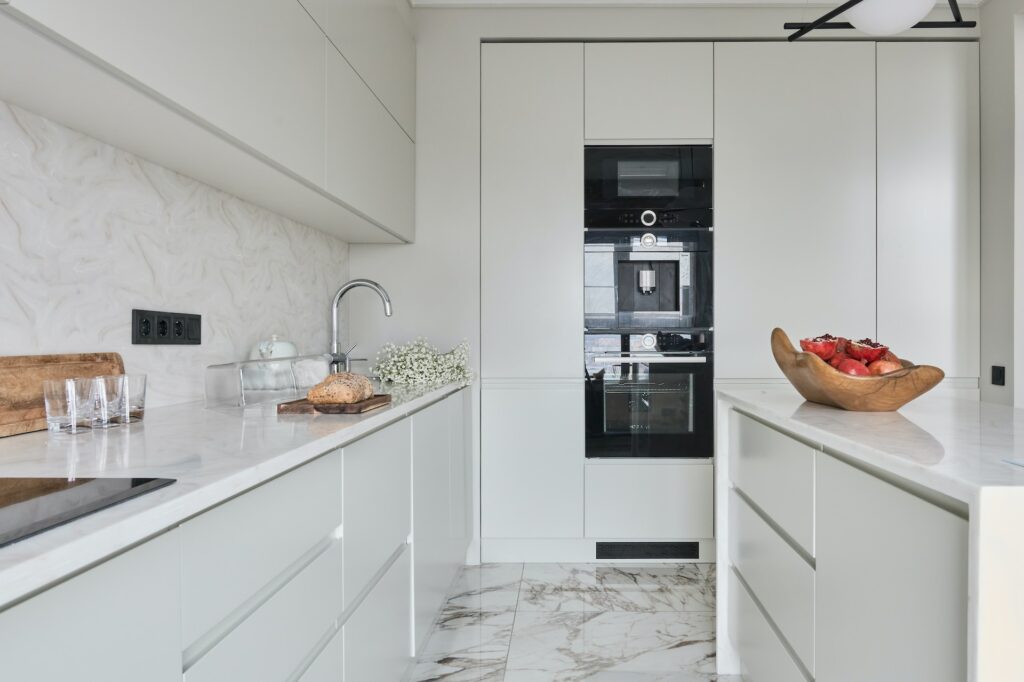
Insufficient Storage & Work Space  

There are a lot of things that can affect a kitchen’s functionality, but the lack of space is definitely the most annoying one of them all. Even if you have a good-sized kitchen, you can still stumble across this all-too-common conundrum. And it doesn’t really matter how often you cook. You still need a certain amount of space to store groceries, appliances and utensils, prep your meals and simply move around the room. 

Cluttered countertops and messy cabinets and drawers are clear signs that you’re dealing with a serious lack of space. Similarly, if your kitchen’s layout has you running around from one corner to another and your cabinets are threatening to burst open anytime, you have more than enough reasons to start thinking about renovating your kitchen.   

Worn-Out Or Damaged Furnishings & Fittings 

As we’ve already mentioned, kitchens are subjected to a lot of wear and tear through intense use. Steam, heat, daily movement, moisture and occasional accidents like water leaks represent an unfortunate combination of factors that can take a toll on kitchen cabinets, flooring and all other fittings and elements present in this room. 

When the signs of wear and deterioration become too notable to be ignored and turn into an aesthetical and practical nuisance, a renovation project can help you bring your kitchen back to life. If you’re replacing cabinetry, it’s worth looking beyond off-the-shelf options; the premium bespoke kitchens at JS DECO are a case in point; their Wakefield workshop produces everything from scratch to your exact dimensions, using materials like birch plywood and Fenix NTM laminates with Blum lifetime-warranty hardware fitted as standard.

Should you be operating on a tight budget and can’t afford to invest in an entirely new kitchen, you can replace only the elements that are beyond salvage and recondition the rest. Keep in mind that your budget should also account for the kitchen dismantling and removal cost, as properly disposing of old cabinets, appliances, and fixtures is an essential part of any renovation project.
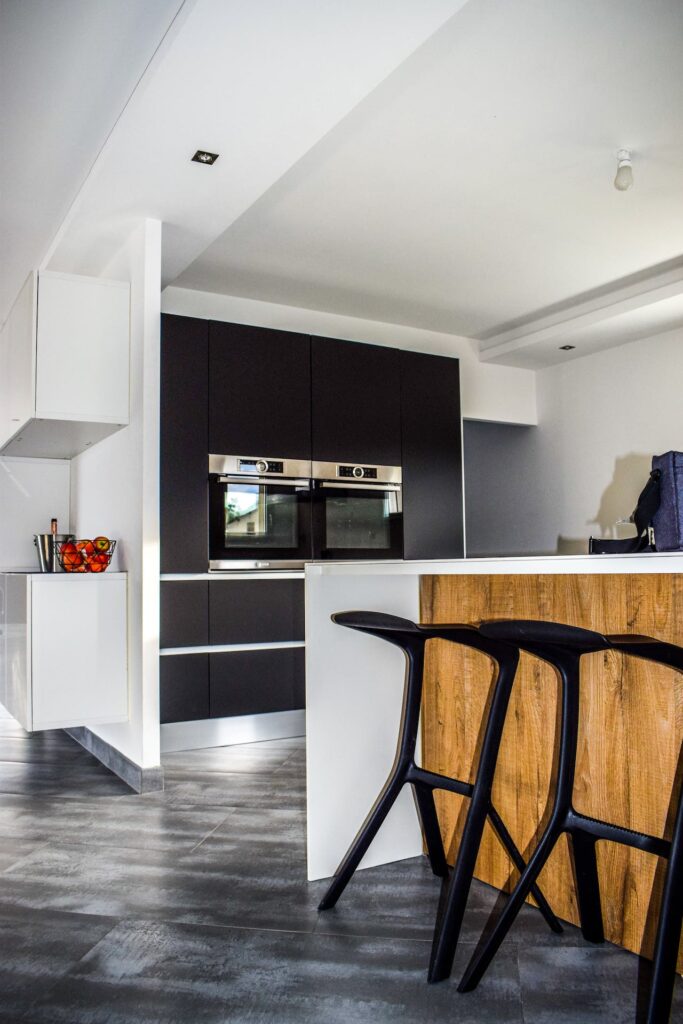
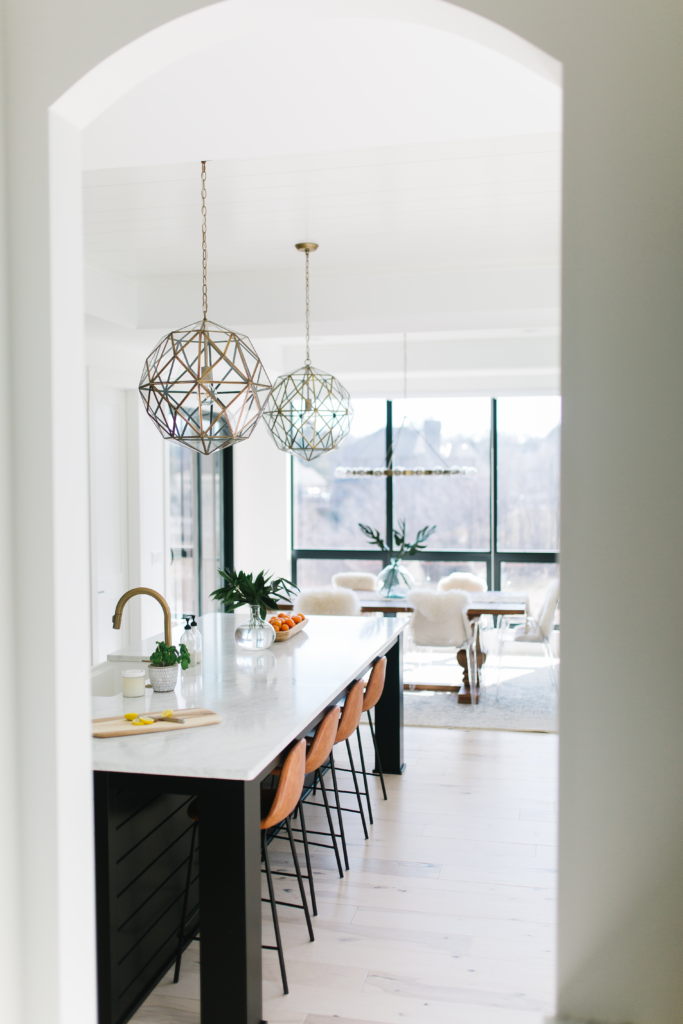
Your Kitchen Looks Outdated 

You don’t have to wait until your kitchen falls into disrepair to consider an upgrade. In fact, it’s best not to reach this point in the first place. That’s what constant maintenance work and regular improvements are for.

So, even if your kitchen is in great shape and all your cabinets, drawers and appliances work perfectly, you can still plan for a renovation. Sometimes, an outdated style is just as bad as dealing with an impractical space. Fortunately, a simple makeover can improve your kitchen’s visual appeal and restore it to its former glory. 

Inefficient Appliances 

You don’t really realise how important kitchen appliances are until one of them breaks down or starts showing signs of malfunction. We’ve become somewhat dependent on kitchen equipment and our daily routines are significantly impacted if they don’t function properly.   

That’s why you should consider replacing your appliances when they become inefficient and invest in contemporary models that can help you save time and money, and make your life easier. And since appliances should match the style and design of the room, you might also want to renovate your kitchen to create a cohesive space. 
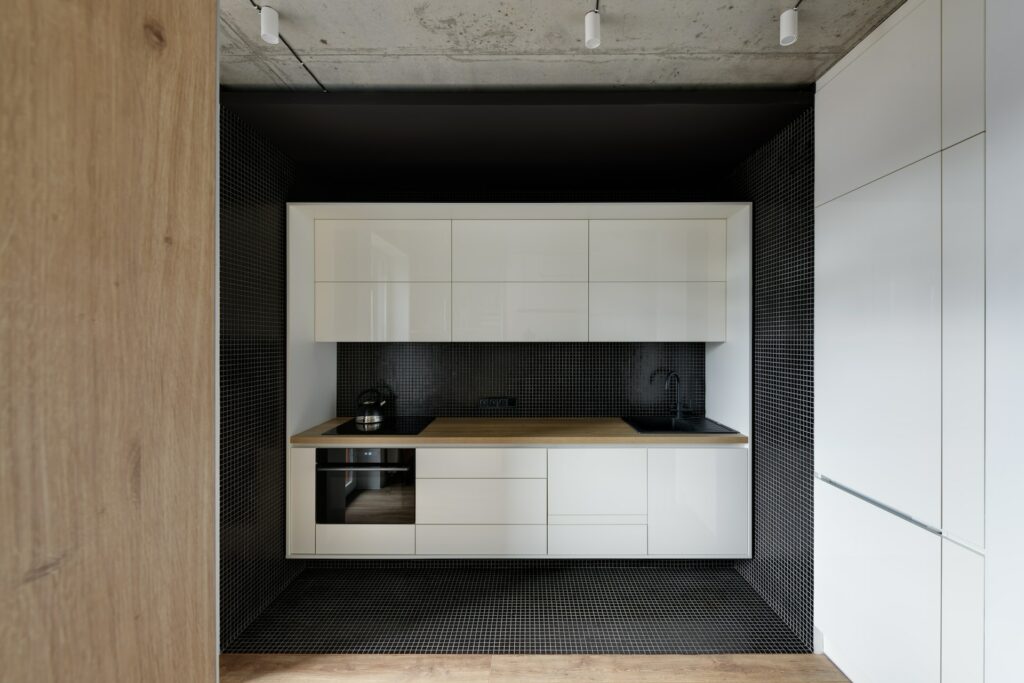
Safety Concerns Are Mounting

When your kitchen starts posing safety risks, it’s no longer just about aesthetics or convenience – it’s about protecting your family’s wellbeing. Old electrical systems that can’t handle modern appliances, loose cabinet doors that threaten to fall off their hinges, sharp edges on deteriorating countertops, or slippery flooring that your kitchen mat can no longer cover up, are all red flags that shouldn’t be ignored.

Perhaps your gas connections have become unreliable, or the layout forces you to reach over hot surfaces to access essential items. Maybe drawers no longer close properly, creating trip hazards, or your old cooker hood fails to adequately remove smoke and fumes. These safety issues tend to accumulate gradually, making them easy to overlook until an accident happens.

A kitchen renovation allows you to address these hazards comprehensively, incorporating modern safety features like soft-close drawers, anti-slip flooring, proper ventilation systems, and updated electrical wiring that meets current safety standards. After all, the heart of your home should be a place where you feel secure, not one where you’re constantly worried about potential accidents.

You’ve Fallen Out Of Love With Your Kitchen 

Whether it’s the layout, the outdated design, worn-out appliances and furnishing, your changing needs or a combination of all these factors, if you no longer enjoy spending time in your kitchen and that feeling of comfort and cosiness is long gone, a renovation might be in order. There’s really no reason to settle for a lacklustre kitchen when you have the possibility to turn this room into an oasis of peace and comfort that everyone will enjoy. 
It’s Impossible To Keep Clean

If you find yourself constantly battling against grime and grease, and no amount of scrubbing seems to restore your kitchen’s sparkle, it may be a clear indicator that your kitchen is crying out for a renovation. Older kitchens, especially those with intricate designs or hard-to-reach nooks, can harbour dirt and bacteria, making them challenging to maintain. Modern kitchens are designed with hygiene and ease of cleaning in mind, featuring sleek surfaces, non-porous materials, and clever storage solutions that minimise clutter and the accumulation of dirt.

Moreover, if the layout of your kitchen hinders a smooth cleaning routine or if the materials used for worktops and flooring have become porous and stain-prone over time, these issues can compound the difficulty of keeping your kitchen clean. Upgrading to durable, low-maintenance materials and a layout that supports a streamlined cleaning process can transform your kitchen into a space that not only looks effortlessly clean but also requires less effort to maintain that standard of cleanliness.

In essence, a kitchen that demands excessive time and effort to clean is a kitchen that detracts from the joy and functionality of the space. By opting for a makeover, you can introduce modern, easy-care materials and a layout that simplifies maintenance, ensuring that your kitchen remains a hygienic, odour free and welcoming space for all who use it.

The Bottom Line

Kitchen renovations aren’t exactly the sort of projects homeowners look forward to, but the benefits of having a practical and great-looking kitchen far exceed the time and money investment. So, if any of the tell-tale signs above sound familiar to you, it might be time to get ready for a kitchen upgrade. 
Restaurant Review: Gambrinus, Lisbon

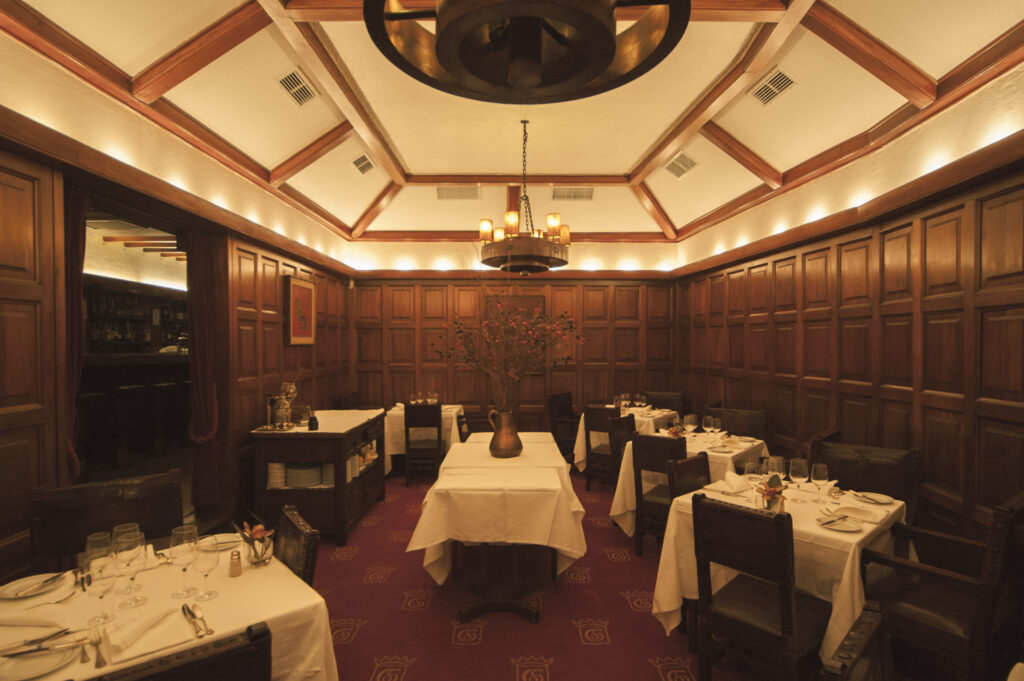
We hate to throw around the word ‘institution’ willy nilly, but Gambrinus is just that. An old-school spot that has been open for close to a century, the vibe here is fine dining, white tablecloths and silver service, all with a focus on seafood.

Although named after the legendary King Gambrinus, the patron saint of beer and good times, the prototypical rowdy and raucous Lisbon seafood spot this ain’t. Instead you’ll find a more subdued, subtle atmosphere. Sometimes, it’s what you need in such a lively city.

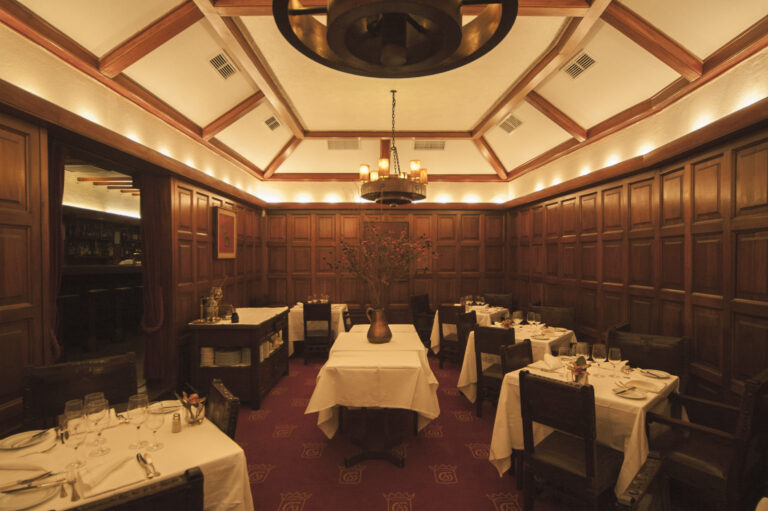
Indeed, Gambrinus feels like you’re stepping back in time, its ambience remaining more or less unchanged since they remodelled the restaurant in 1964 – think dark wooden panelling, red carpets and immaculate linen tablecloths. In the main dining room hangs a gorgeous tapestry representing the four seasons, whilst glimmering in the smaller dining room is a stained glass depiction of the beer-swigging from a glass King Gambrinus himself. Service is attentive, almost reverent. 

There’s a danger that the food might be something of an afterthought at Gambrinus, but with decades of experience cooking seafood, the guys on the stoves certainly know what they’re doing. Sure, it’s old fashioned cooking  – correct and classic – all the way down to the Iranian caviar on the menu, but it works. 

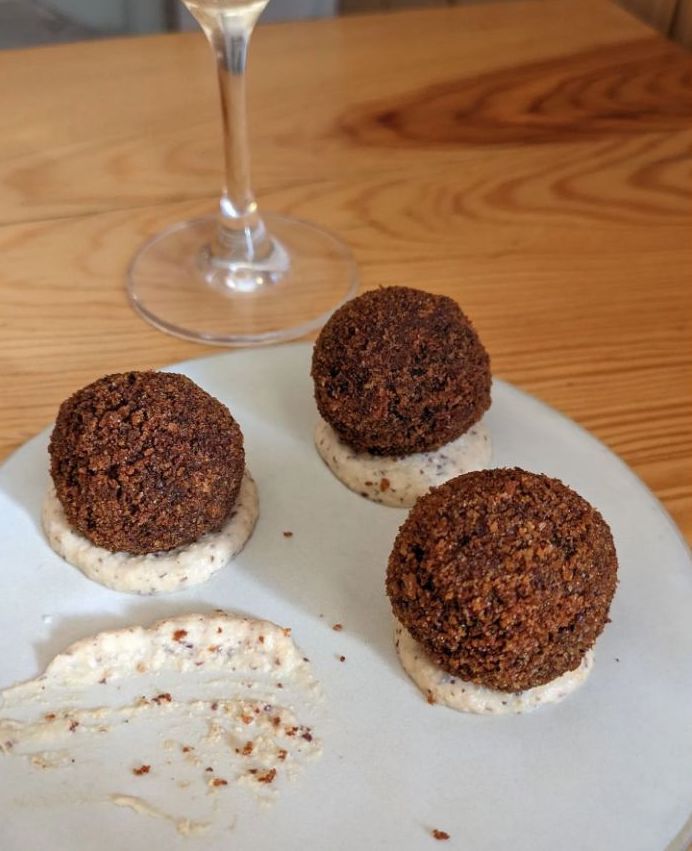
All that said, we’re here for a perch at the restaurant’s iconic wooden bar. It’s one of our favourite spots to dine solo in Lisbon, and you’ll find us here, swigging a Gambrinus tulip beer (a blend of ‘white’ and dark beer) while snacking on toasted almonds and slices of butter-slathered rye bread in between courses of hot (a rare thing in the city!) beef croquettes with Colman’s mustard. They sure do love their mustard in Lisbon.

Order a plate of gossamer thin serra ham and the restaurant’s signature prego, too, which is one of the best you’ll find in the city. They also serve another sandwich, the sandes de rosbife, which sees perfectly rare beef with tartare sauce sandwiched between that rye bread. Order all three plates and you’ve got one hell of a meal. And, one hell of a carb overload.

If you’re here with guests and want to impress, don’t skip the crepe suzette, prepared tableside. Or, do as we do and finish your meal with a balloon coffee prepared in a mad scientist-like syphon coffee maker, alongside a slice of their custardy, salty abade priscos pudding. 

It’s worth noting that the Gambrinus is also famous for its pies; partridge pie served on Mondays and lobster pie on Thursdays. A fine excuse to visit more than once in a single week, we think.

Address: R. das Portas de Santo Antão 23, 1150-264 Lisboa, Portugal 

Website: gambrinuslisboa.com

Restaurant Review: Pigmeu, Lisbon

Ideal for going the whole hog – trotters, tails, testicles and all…

It’s long been our opinion that everything’s better with bacon, which is probably why we love this restaurant so much. A haven for swine superfans, Pigmeu offers a variety of pork dishes that will have your local Babe quivering in fear.

You’re already familiar with the culinary philosophy of nose-to-tail eating. You know the one that exalts the neglected, often underappreciated parts of animals. This is the focus of Pigmeu, whose relationship with the hashtag #detudoumporco (a Portuguese pun which means nose-to-tail eating) has become something of a mission statement. Yep, it’s all offal, snouts, pig’s ears, trotters and tails here, and it’s all bloody delicious.

Miguel Azevedo Peres, the mastermind behind the restaurant, comes from Lisbon. However, his family hails from Bairrada in central Portugal, a region famous for its many suckling pig restaurants – and boy we’re glad he’s brought those vibes to the capital.

Start with the pig heart empanadas. Based on Chef Miguel Peres grandmother’s recipe, but with a few tweaks. Served with spicy kimchi on the side – the acidity balances the earthy intensity of the heart perfectly.

Order the sainhas too. A flap resembling a fan with several small folds that connects the pig’s intestines, here the offal (the redanho) is slowly fried to golden perfection. Traditionally, sainhas is a snack prepared on pig slaughter days. At Pigmeu, you can enjoy this crunchy and delicious treat from Monday to Saturday.+

The bifana here has become known, affectionately we should add, as the “porcalhona”, translating to something along the lines of “filthy”, and is an enjoyably messy affair that escapes its fermented sweet potato bread and renders your white T-shirt unsalvageable. You don’t resent it one bit.


Of course, this is all foreplay for the main event; the suckling pig that’s been slowly cooked for 12 hours. A must order if you’re coming with friends, it’s sensational and all the things you can want from your pork. That is, crunchy crackling, fat-drenched and salty. Also of note is the black pig ‘cut of the day’, which changes daily.

Whatever you order, the whole thing is held together by oh-so-rich and savoury sauces that are – a contentious claim, perhaps – the restaurant’s true trump card. An interesting, all-Portuguese, mostly-natural wine list seals the deal.

When it comes to the sweeter side of things, the pudim abade de prisco is where it’s at. This flan-like Portuguese dessert made with port and caramel gets its mellow savoury notes from – you guessed it – pork. The chocolate mousse with crispy bacon shards on top is a sexy ol’ thing, too. Vegetarians need not apply.

Website: pigmeu.pt

Address: R. 4 de Infantaria 68, 1350-274 Lisboa, Portugal

What Are Some Of The Healthiest & Most Versatile Cooking Oils?

Sure, we could debate whether any oil could truly be considered ‘healthy’ or ‘unhealthy’ until the cows come home, bringing with them their delicious butter and turning all our heads. But what is certain is that not all cooking oils were created equal, and some are certainly healthier than others. 

‘Healthy’ can, of course, mean different things to different people, but in many cases, it’s actually the way in which cooking oils respond to heat that helps us define how good (or at least, not bad) they are for you.

This is because, as the Heathline explains, when oils reach their smoke point, they begin to break down, oxidising and releasing free radicals, which can be harmful to our health. So, the first thing you want to look for in a ‘healthy’ cooking oil is a high smoke point.

The process in which the oil has been extracted matters, too. Virgin oils are those which have been extracted without the use of (often harmful) chemicals, ideally being cold-pressed, with extra virgin being the very most pure in that respect. Refined oils that have been thoroughly processed should be avoided where possible.

Finally, an oil’s chemistry and composition is essential to determining where on the ‘healthy’ spectrum it falls. Generally speaking, oils that are sources of monounsaturated and polyunsaturated fats are significantly better for us than those that are saturated. Olive oil, for instance, is high in monounsaturated fats. 

On the flip side, you’ll find plenty of the saturated stuff in butter. An easy (and admittedly, simplistic) way to remember which fats might be healthier is that saturated fats tend to be solid at room temperature, whilst monounsaturated are liquid. The latter, generally speaking, is preferable.

Everything in moderation, of course, but with smoke point, extraction method, chemical composition, nutritional value and deliciousness in mind, here are some of the most healthy and versatile cooking oils.

Rapeseed Oil

In the last decade and a half, rapeseed oil has experienced a huge surge in popularity in the UK, powered in part by its fabulous flavour, but also because of its reported health benefits. 

It has less unhealthy saturated fat than most other cooking oils, and it’s also full of antioxidants, vitamin E and omega-3 and omega-6, meaning it can have a positive impact on everything from your skin and eyes to your heart, when enjoyed in moderation. 

Rapeseed oil is highly versatile, being used for roasting and frying (it has a high smoke point), and salad dressings, in particular. 

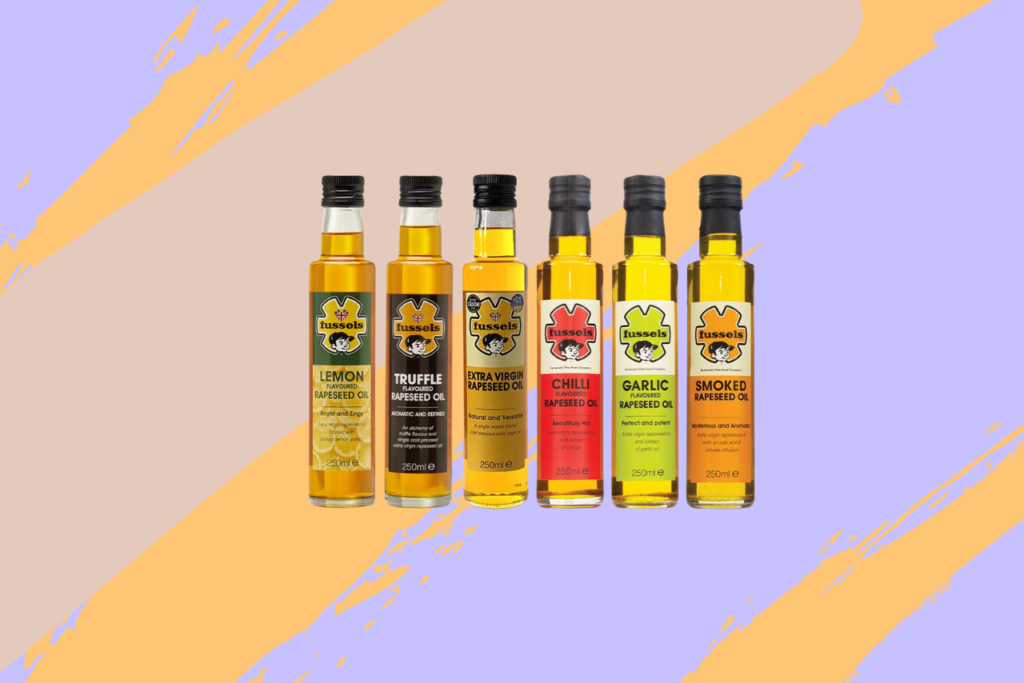
On top of plain rapeseed oil, you can get cold-pressed, extra virgin rapeseed oils ideal for salad dressings, and infused rapeseed oils to really enhance your cooking if you’re keen to add some new flavours to the mix. It is made from the seeds of rapeseed plants and is one of the only oils grown and produced in the UK, making it a sustainable choice, too.

Olive Oil

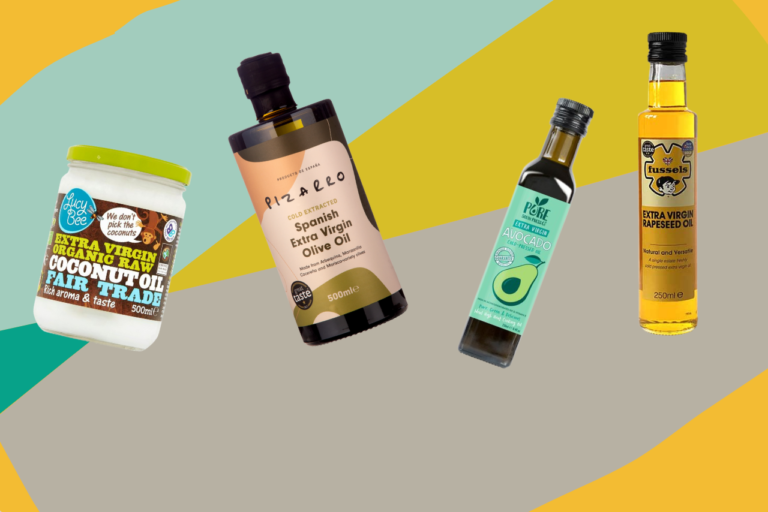
Olive oil is almost certainly what first comes to mind when you think of healthy fats. And the rumours are true; it is, by all accounts, the healthiest oil, full of monounsaturated fats and containing plenty of antioxidants, which may reduce your risk of chronic conditions. These antioxidants are also considered to have anti-inflammatory properties. Another benefit that olive oil is often linked with concerns heart health; what’s not to love?

For cooking, ‘regular’ olive oil is perhaps a better choice, its relative high smoke point a result of it being refined. Extra virgin olive oil loses some of its highly-prized flavour compounds when heated, so it’s best to reserve the high quality stuff for salad dressings and that final little drizzle over a bowl of pasta. In such instances, it has to be one of the tastiest ingredients on the planet.

To be warned; as the Artisan Olive Oil Company report, extra virgin olive oil is one of the most frequently counterfeited food products in the world, with some estimates suggesting up to 80% of what’s sold as ‘extra virgin’ may be adulterated or mislabeled. To ensure you’re getting the real deal, it’s crucial to buy from reputable suppliers who can trace their oil back to specific orchards and harvest dates.

Anyway, another great thing about olive oil is that it is the backbone of the fabled Mediterranean diet, and pairs so beautifully with fresh vegetables, fish, beans, pulses and wholegrains, which we all need more of in our diet. The perfect excuse to eat more? We’re sold!

Avocado Oil

Avocado oil, pressed from the beloved brunch fruit, is another popular choice for a healthy and versatile cooking oil, boasting a higher smoke point than olive oil alongside reported benefits for the cardiovascular system.

That said, it can be rather expensive, and with a scrutinising spotlight currently shining on our excessive avocado consumption and the harmful social and environmental aspects of producing the fruit, this might not be the most sustainable oil choice, even if it is a healthy one. 

When it comes to buying avocado oil, make sure you choose brands that use smaller, organic farms, as these are usually more sustainable. Also, like other purchases, make sure you look out for the Fairtrade label.

Coconut Oil

Although it’s high in saturated fat (note that it’s solid at room temperature) coconut oil is considered by some to be a smart option, not only as a healthy cooking oil, but also skin and hair care.

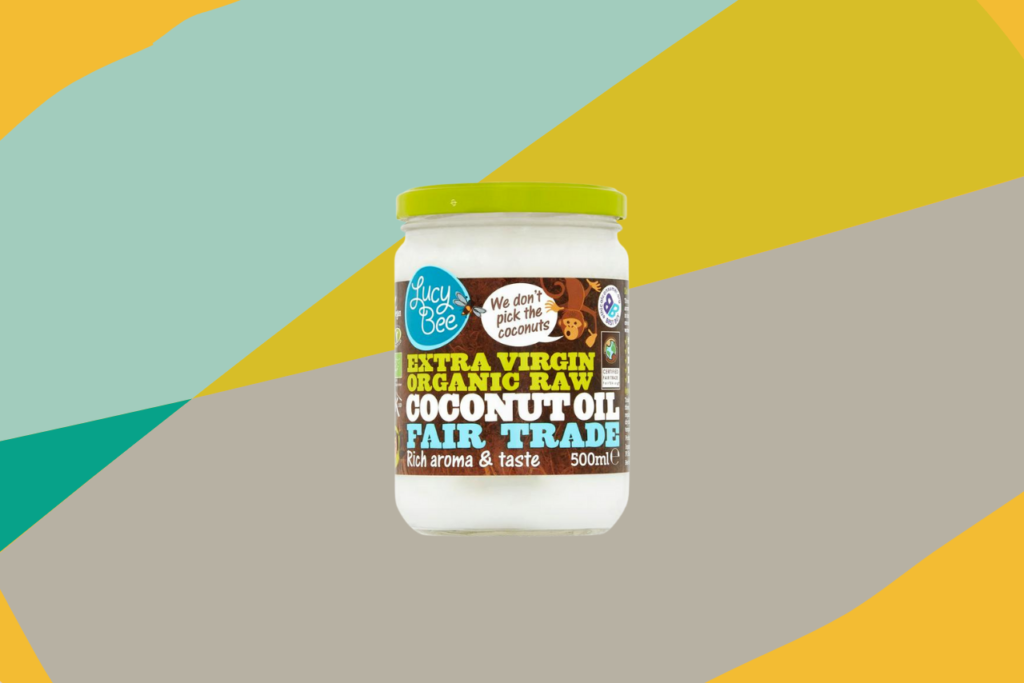
However, is it really a healthy option? As with olive oil, you can get virgin coconut oil, which increases the quality and amounts of nutrients, such as vitamin E, and polyphenols, which boast antioxidant and antimicrobial properties. Coconut oil also contains lots of medium-chain fatty acids, which may, according to some studies, promote weight loss.

Although highly popular, delicious, and versatile, the fact it’s saturated means coconut oil can boost cholesterol. And as with all saturated fats, there is an increased risk of heart disease with excessive consumption. 

Accordingly, with doubt cast over its reported health benefits, coconut oil is one that should be enjoyed only in moderation, though we wouldn’t want to deny anyone the occasional massaman curry, that’s for sure.

Is It Culturally Appropriate To Wear Lederhosen To Oktoberfest?

0

Oktoberfest in Munich is a world-renowned festival that attracts millions of visitors from across the globe. With its roots deeply embedded in Bavarian culture, the festival is a vibrant celebration of tradition, beer, and camaraderie. 

One of the most iconic symbols of Oktoberfest is the traditional attire: lederhosen for men and dirndls for women. But for those visiting from outside Bavaria, a question often arises: Is it culturally appropriate to wear lederhosen to Oktoberfest in Munich?

Understanding Lederhosen

Lederhosen, which translates to “leather trousers,” are knee-length breeches traditionally worn by men in the Alpine regions of Germany, Austria, and Switzerland. 

Historically, they were the working attire of peasants and hunters, valued for their durability and practicality. Over time, lederhosen have evolved into a symbol of Bavarian heritage and are now commonly worn during festivals and cultural events.

The Significance Of Traditional Attire At Oktoberfest

Oktoberfest, which began in 1810 as a royal wedding celebration, has grown into a massive festival that showcases Bavarian culture. Traditional attire plays a significant role in this celebration, with many locals donning their finest lederhosen and dirndls. Wearing these garments is a way for Bavarians to express pride in their heritage and to maintain a connection to their cultural roots.

Visitors & Traditional Attire

For visitors, wearing traditional Bavarian attire can enhance the Oktoberfest experience. It allows them to immerse themselves in the local culture and participate more fully in the festivities. However, the question of cultural appropriation often arises. Is it respectful for non-Bavarians to wear lederhosen, or could it be seen as trivialising a significant cultural symbol?

Respect & Authenticity

The key to wearing men’s lederhosen respectfully lies in understanding and honouring the culture behind it. Here are a few guidelines to consider:

  • Quality and Authenticity: Invest in authentic lederhosen rather than cheap imitations. High-quality lederhosen are made from genuine leather and crafted with care. Wearing authentic attire shows respect for the tradition and the craftsmanship involved. ‘Sexy’ versions may be somewhat frowned upon.
  • Understanding the Tradition: Take the time to learn about the history and significance of lederhosen. Understanding the cultural context can deepen your appreciation and ensure that you wear the attire with the right mindset.
  • Respectful Behaviour: Wearing traditional attire comes with the responsibility to behave respectfully. Oktoberfest is a time for celebration, but it’s important to remember that it’s also a cultural event with deep roots. Avoid behaviour that could be seen as disrespectful or mocking (particularly behaviour fuelled by an excess of beer, such as public urination/copulation etc.).
  • Engage with Locals: Engage with Bavarians and learn from them. Many locals appreciate when visitors show genuine interest in their culture. Asking questions and showing curiosity can lead to meaningful interactions and a richer experience.

The Local Perspective

Interestingly, the vast majority of Bavarians welcome visitors who choose to wear traditional attire. They see it as a sign of respect and appreciation for their culture. However, it’s important to approach this with sensitivity. Avoid overly stereotypical or exaggerated versions of the attire, and steer clear of mixing elements from different cultures in a way that could be seen as disrespectful.

The Bottom Line

Wearing lederhosen to Oktoberfest can of course be considered culturally appropriate if done with respect and understanding. It’s an opportunity to immerse yourself in Bavarian culture and participate more fully in the festivities. 

Oktoberfest is a celebration of Bavarian heritage, and by approaching it with the right mindset, you can contribute to the festive spirit while honouring the rich cultural traditions that make this event so special. Prost!

Next, let’s think about the best food to pair all that beer with. You know what to do.

10 London-Centric SEO Tips To Help Elevate Your Local Presence

London is not just any city; it’s a sprawling, diverse metropolis with a unique digital ecosystem. To truly stand out in this competitive market, you need more than just basic SEO strategies. Together with London based SEO experts Maratopia, here are some city-specific SEO tips that will help you dominate the local search landscape.

Hyper-Local Keyword Research

London is a city of neighborhoods, each with its own character and audience. Go beyond generic local keywords and dive into hyper-local keyword research:

  • Neighborhood Nuances: Use tools like Ahrefs or SEMrush to find keywords specific to areas like “Boutique hotels in Hackney” or “the best restaurants in Notting Hill”.
  • Local Slang and Terms: Incorporate local slang and terms that Londoners genuinely use. For example, “best chippy in East London” or “top boozers in Soho.” No need for all of that “apples and pears” stuff, mind.
  • Event-Specific Keywords: Target keywords related to local events, such as “tickets for Wimbledon 2024” or “Christmas markets in Southbank.”

Optimise For London’s Boroughs

London is divided into 32 boroughs, each with its own local government and community. Tailor your SEO strategy to target these specific areas:

  • Borough-Specific Pages: Create dedicated landing pages for each borough you serve. For example, “Plumbing Services in Islington” or “Hair Salons in Kensington and Chelsea.”
  • Local Schema Markup: Use schema markup to provide search engines with detailed information about your business, including the specific boroughs you operate in.

Read: 22 up-to-date SEO tips for 2024

Leverage London’s Landmarks & Attractions

London is home to iconic landmarks and attractions that draw millions of visitors. Use these to your advantage:

  • Landmark-Based Content: Create content that ties your business to famous landmarks. For example, “Best Cafes Near the British Museum” or “Top Things to Do Around the Shard.”
  • Geo-Targeted Ads: Use geo-targeted Google Ads to reach people searching for activities near these landmarks.

Engage With Local Influencers & Bloggers

London has a vibrant community of influencers and bloggers who can amplify your reach:

  • Local Influencer Partnerships: Collaborate with London-based influencers who align with your brand. For example, a fitness brand could partner with a local fitness influencer to promote a new gym in Shoreditch.
  • Guest Blogging: Write guest posts for popular London blogs and include backlinks to your site. This not only drives traffic but also boosts your domain authority.

Utilise London’s Public Transport Data

London’s public transport system is a key part of daily life. Incorporate this into your SEO strategy:

  • Transport-Related Content: Create content that helps users navigate the city. For example, “How to Get to Camden Market by Tube” or “Best Bus Routes for Sightseeing in London.”
  • Google Maps Integration: Ensure your business is accurately listed on Google Maps and includes information on the nearest tube stations and bus stops.

Capitalise On London’s Events & Festivals

London hosts numerous events and festivals throughout the year. Use these to create timely and relevant content:

  • Event-Specific Landing Pages: Create landing pages for major events like “London Marathon 2024” or “Chelsea Flower Show Tickets.”
  • Seasonal Content: Develop content around seasonal events, such as “Best Winter Activities in London” or “Summer Festivals in London 2024.”

Optimise For Voice Search

Voice search is becoming increasingly popular, especially in a fast-paced city like London. Optimise your content for voice search queries:

  • Conversational Keywords: Use natural, conversational language in your content. For example, “What’s the best way to get to the V&A Museum?” or “Where are the best eats near the O2 Arena?”
  • FAQ Pages: Create FAQ pages that answer common questions Londoners might ask about your business or industry.

Read: 7 steps to perform voice search optimisation for your content

Engage With Local Communities Online

London has a plethora of online communities and forums where locals discuss everything from restaurant recommendations to local news:

  • Local Forums and Groups: Participate in local forums like Reddit’s r/London or neighbourhood-specific Facebook groups. Provide valuable insights and subtly promote your business.
  • Nextdoor: Use platforms like Nextdoor to engage with your local community and promote your services.

Read: The best neighbourhoods in London for students

Monitor Local Competitors

Keep a close eye on your local competitors to stay ahead in the game:

  • Competitor Analysis: Use tools like Ahrefs or SEMrush to analyse your competitors’ keywords, backlinks, and content strategies. 
  • Local Reviews: Monitor competitors’ reviews on platforms like Google My Business and TripAdvisor to identify gaps and opportunities for your own business.

Utilise London’s Media Outlets

London is home to numerous media outlets that can provide valuable backlinks and exposure:

  • Press Releases: Send press releases to local newspapers, magazines, and online publications about your business updates or events.
  • Local PR Agencies: Consider working with a local PR agency that has established relationships with London’s media outlets.

The Bottom Line

Mastering London-centric SEO requires a deep understanding of the city’s unique characteristics and a strategic approach tailored to its diverse neighborhoods and communities. Stay proactive, keep adapting, and watch your business thrive in one of the world’s most dynamic cities.

How To Maximise The Potential Wellness Benefits Of Your Sauna Session

The sauna, a sanctuary of warmth and well-being, has been a staple in health and wellness routines for centuries. Originating from Finland, the practice of sauna bathing has spread globally, becoming a beloved ritual for relaxation and health. However, to truly reap the myriad benefits of your sauna session, it’s essential to approach it with mindfulness and preparation. Here’s how you can maximise the potential benefits of your sauna experience.

Understanding The Sauna & Its Growing Popularity

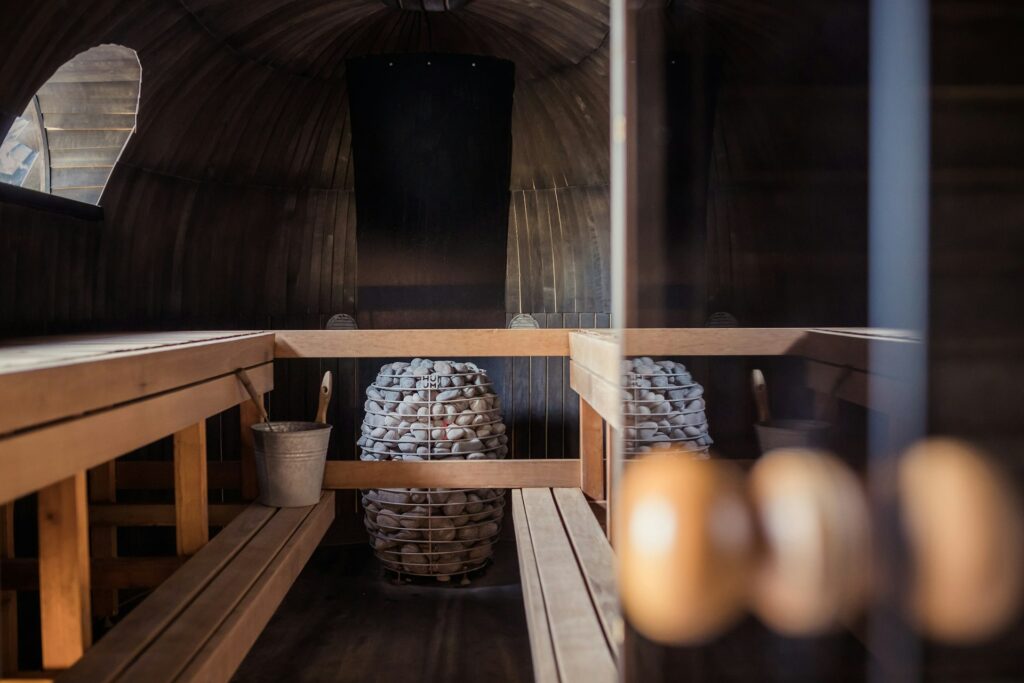
Before delving into the ways to enhance your sauna session, it’s important to understand what a sauna is and how it works. A sauna is a small room or house designed as a place to experience dry or wet heat sessions. The high heat and steamy environment induce perspiration, which is said to have numerous health benefits (though the science is by no means clear cut here, it should be said).

The growing popularity of home saunas reflects a widespread desire for wellness and relaxation within the convenience of one’s own living space. With a range of options from infrared to traditional steam models, home saunas cater to diverse needs and preferences, making them an increasingly common feature in modern homes with the space to accommodate them.

Market Trends & Consumer Demand

The home saunas market is witnessing a phenomenal rise in demand, reflecting a broader trend in home wellness investment. Saunas have long been a staple in commercial wellness locations such as spas, gyms, and hotels. Now, they are increasingly becoming a sought-after feature in private residences. This shift is driven by a growing consumer emphasis on health and self-care, coupled with the desire for convenient, at-home wellness solutions.

Several factors contribute to the burgeoning popularity of home saunas:

  • Diverse offerings: From compact 1-person models to larger, communal spaces, and from indoor installations to the modern outdoor sauna, there’s a sauna to fit every home and lifestyle.
  • Ease of installation: Modern saunas come with user-friendly installation guides, and some brands offer professional installation services.
  • Technological advancements: Innovations in sauna design, such as infrared heating and smart controls, enhance the user experience.
  • Health benefits: The well-documented physical and mental health advantages of sauna use are compelling reasons for their inclusion in-home wellness regimes.

As consumers become more educated about the benefits and accessibility of home saunas, the market is expected to continue its upward trajectory, fuelled, in part, by those potential wellness benefits.

We’ve written a whole piece on the wellness benefits having a sauna might bring, but if you’re looking to take things up a notch and actually maximise those benefits, then stay with us here…

Pre-Sauna Preparation

Hydration Is Key

Begin by ensuring you are well-hydrated. The intense heat of a sauna will make you sweat profusely, and it’s vital to prepare your body by drinking plenty of water beforehand. Dehydration can lead to dizziness and fainting, which is certainly not conducive to a beneficial sauna session.

Eat Lightly

It’s advisable to eat a light meal before entering the sauna. A heavy meal can make you feel lethargic and may affect your body’s ability to regulate heat. Opt for a snack that’s easy to digest, such as fruits or a small serving of nuts.

Choose The Right Time

Timing is everything. Choose a time when you can relax without feeling rushed. A hurried sauna session is counterproductive. The reported benefits of the sauna are best experienced when you can fully relax and decompress.

During The Sauna Session

Gradual Exposure

Start with a lower temperature and shorter duration, especially if you’re a beginner. Gradually increase both as you become more accustomed to the heat. This allows your body to adjust and can help prevent any adverse reactions.

Position Matters

Where you sit in the sauna can affect your experience. Heat rises, so the higher benches are hotter. If you’re new to sauna bathing or sensitive to high temperatures, start on the lower benches and work your way up.

Breathe Deeply

Practice deep breathing to help your body relax and detoxify. Inhaling through your nose and exhaling through your mouth can help you withstand the heat for longer periods.

Listen to Your Body

Pay attention to how you’re feeling. If you start to feel dizzy, nauseous, or uncomfortable in any way, it’s time to leave the sauna. There’s no benefit to pushing yourself beyond your limits.

Timing

The duration of your sauna session is crucial for a safe and effective experience. Here’s a concise guide to help you time it just right:

Begin With Short Intervals

Newcomers should start with 5 to 10-minute sessions, gradually increasing to a comfortable duration without exceeding 30 minutes.

Personal Tolerance

Each individual’s optimal sauna time varies. Aim for 15 to 20 minutes, but always heed your body’s cues. If discomfort arises, it’s time to exit.

Temperature Considerations

The higher the heat, the shorter your session might be. Traditional saunas are hotter than infrared ones, which may allow for slightly longer stays.

Multiple Shorter Sessions

Consider several brief visits with cooling breaks in between, rather than a single long session, to prevent overheating.

Post-Sauna Care

Cool Down Gradually

After your sauna session, it’s important to allow your body to cool down gradually. A sudden change in temperature can be a shock to the system. Sit in a cooler area, step into a lukewarm shower, or take a dip in a pool if one is available.

Rehydrate & Replenish

Drink water or an electrolyte-replenishing drink to rehydrate. You’ve lost a significant amount of fluids through sweating, and it’s crucial to replace them to prevent dehydration.

Rest

Allow yourself some time to rest. Your body has just been through a detoxifying process, and resting will enable it to reap the full benefits of the sauna session.

Enhancing Your Sauna Experience Even Further

Aromatherapy

Introduce essential oils like eucalyptus or lavender to create a soothing atmosphere. The heat will help disperse the fragrance, enhancing your relaxation and respiratory experience.

Sauna Accessories

Consider using sauna-specific accessories such as a headrest, backrest, or a towel for comfort. These can make your stay in the sauna more enjoyable and relaxing.

Regular Sessions

Do as the Finnish do, and incorporate sauna sessions into your regular wellness routine. Consistency is key to experiencing the long-term benefits, which include improved circulation, relaxation, and potentially even better sleep.

The Bottom Line

A sauna session can be a deeply rejuvenating experience, but it’s not merely about sitting in a hot room. By preparing properly, being mindful during the session, and taking care of yourself afterwards, you can maximise the potential benefits of your sauna experience. Remember, the goal is not just to endure the heat, but to enjoy and benefit from it. So, next time you step into the warmth of a sauna, take these tips to heart and emerge feeling refreshed, detoxified, and blissfully relaxed.

The Beginner’s Guide To Starting A Watch Collection, Even On A Budget

0

Whether you’re a novice horologist or a seasoned aficionado, the world of watch collecting offers an exciting realm of discovery, style, and investment. This guide is designed to help you navigate the intricate world of timepieces, from identifying your unique style to understanding the nuances of watch maintenance. We’ll provide you with the essential knowledge and tips to build a collection that not only reflects your personality but also stands the test of time. So, fasten your straps and prepare to dive into the captivating world of watch collecting.

Understand Your Style & Preferences

Before you dive into the world of horology, take a moment to understand your personal style and preferences. Are you drawn to the sleek minimalism of a Bauhaus design, or do you prefer the rugged functionality of, say, a dive watch? Your collection should be a reflection of your personal style and the occasions you’ll be wearing your watches.

Learn The Basics Of Horology

Horology, the study of timekeeping, is a fascinating field. Understanding the basics will not only enhance your appreciation for your collection but also help you make informed decisions. Learn about the different types of movements (quartz, automatic, manual), complications (features beyond just telling time), and materials used in watchmaking.

Read: 5 hobbies IDEAL for challenging your curiosity

Start With Affordable Brands

You don’t need to break the bank to start your collection. Brands like Seiko, Citizen, and Timex offer quality timepieces at affordable prices. These watches are perfect for beginners as they offer a variety of styles and functionalities.

Buy Pre-Owned Watches

Pre-owned watches can be a great way to add quality pieces to your collection without paying the full retail price, and you can often find Swiss watch brands online for less than you might on the high street. Websites like Watchfinder & Co., Chrono24 and Authentic Watch Co. offer a wide range of pre-owned watches from luxury brands. Always ensure you’re buying from a reputable source to avoid counterfeit watches.

Attend Watch Shows & Auctions

Watch shows and auctions are excellent places to learn more about watches and potentially find great deals. You’ll have the opportunity to see a wide range of watches, from vintage pieces to the latest releases, and meet fellow enthusiasts.

Storing Your Watch Collection Safely

Proper storage is a crucial aspect of maintaining your watch collection. It not only keeps your timepieces safe but also helps to preserve their value and functionality. Here are some tips on how to store your watch collection safely:

  • Invest in a Watch Box or Case – A watch box or case is a must-have for any collector. It provides a dedicated space for each watch, preventing them from knocking against each other and causing scratches. Look for a case with soft, non-abrasive lining, like felt or velvet, to protect your watches from damage.
  • Consider a Watch Winder – If you have automatic watches in your collection, a watch winder can be a worthwhile investment. Automatic watches rely on movement to keep them wound, and if left stationary for too long, they can stop. A watch winder keeps them moving and ensures they’re always ready to wear.
  • Control the Environment – Extreme temperatures and humidity can damage your watches. Try to store your collection in a cool, dry place, away from direct sunlight. If you live in a particularly humid area, consider using silica gel packets in your watch box to absorb excess moisture.
  • Keep Them Clean – Before storing your watches, ensure they are clean and dry. Wipe them down with a soft cloth to remove any dust or moisture. If your watch is water-resistant and has been exposed to saltwater, rinse it with fresh water and dry it thoroughly before storage.
  • Store Bracelets and Straps Properly – The brand of strap helps determine the storage method, too. Tag Heuer watch straps, for instance, differ from those of Rolex in terms of material and design, necessitating specific care and storage solutions to maintain their quality and longevity. Leather straps should be kept in a cool, dry place away from direct sunlight to prevent cracking, while metal straps might require regular polishing and should be stored in a way that avoids scratches. It’s generally a good idea to store watch straps separately to maintain their condition and longevity. 
  • Safe Storage for Valuable Pieces – If you have particularly valuable or sentimental pieces in your collection, consider storing them in a safe or safety deposit box. This provides an extra layer of security against theft or damage.

Watch Maintenance & Regular Cleaning

Maintaining the lustre and functionality of your watch collection goes beyond proper storage. Regular cleaning and maintenance play a pivotal role in preserving the beauty and precision of your timepieces and, ultimately, protecting your investment.

When it comes to cleaning, a gentle approach is best. For the watch case and bracelet, use a soft, lint-free cloth to wipe away any dust or smudges. If your watch is water-resistant, you can use a slightly damp cloth for a more thorough clean. However, remember to avoid getting leather straps wet as this can cause them to warp or crack.

For a deeper clean, particularly for metal bracelets or water-resistant watches, a mild soap solution and a soft brush can be used. After cleaning, ensure the watch is thoroughly dried to prevent any moisture damage.

Maintenance extends to the inner workings of your watch as well. Mechanical watches, both manual and automatic, should be serviced every 3-5 years by a professional. This involves cleaning, oiling, and adjusting the movement to ensure it continues to keep time accurately. Quartz watches, on the other hand, require less maintenance. A battery change every 2-3 years is usually sufficient.

Remember, each watch in your collection is a masterpiece of craftsmanship. By dedicating time to their cleaning and maintenance, you’re not only preserving their aesthetic appeal but also ensuring their longevity and performance.

Get Insurance

Once you start building your watch collection, it’s important you start thinking about protecting your investment. This is where watch insurance comes in. Watches can represent a significant financial investment, so they need to be insured. 

Because of this, you’ll need to keep a detailed record of your watch collection since it will make appraisal easier. The detailed record includes documents like purchase receipts, estimates, service records, and photographs of each piece.

Servicing

After taking care of the outer part of your watches, you should also care for the mechanical parts as well. However, unlike the cleaning, this doesn’t have to be done frequently. For mechanical watches, servicing once in 3–5 years is more than enough. This servicing will involve cleaning, oiling, and calibrating the watch to ensure accuracy and longevity. 

For your quart watches, servicing could be as basic as changing the battery or re-sealing the watch to prevent moisture from seeping in.

The Bottom Line

So, there you have it, a comprehensive beginner’s guide to getting the most out of your watches by starting a collection. Starting out as a watch collector may not be smooth sailing. However, if you give it enough time, it’ll definitely grow into a pastime you’ll fall in love with.

Bucket List Buildings: The World’s Most Gravity Defying Steel Structures

Travellers have different ideas of what constitutes bucket list nirvana, from natural wonders to ancient structures, the hottest tropical summer, skies filled with colour or the most exotic supper. Man made, modern structures may not be the first item to tick off the itinerary, but for lovers of buildings, they are the highest priority, and not just literally.

It could be said that steel is the silent sentinel in the skyline, the unsung hero of high-rise. It’s the material that has made the modern marvels of architecture possible, allowing structures to soar to dizzying heights and span vast distances without succumbing to the pull of gravity. These feats of engineering don’t just defy expectations; they defy physics itself.

For those with a penchant for the vertiginous and the visionary, here are a handful of steel structures that not only reach for the sky but grasp it firmly. These bucket list landmarks are a testament to the audacity of architects and the might of metal. Join us as we scale (or cross) them; with the help of UK-based Steelo, here are the world’s most gravity defying steel structures.

The Shard, London

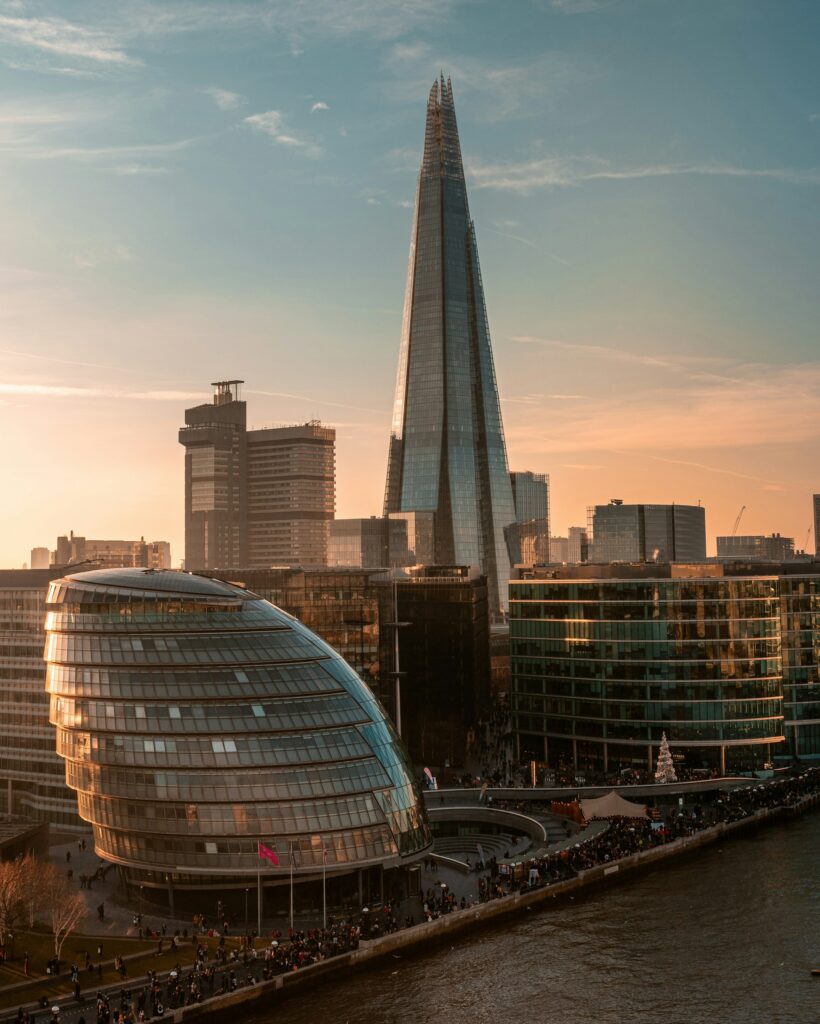
Dominating the London skyline, The Shard, also referred to as the Shard of Glass, is a 95-storey supertall skyscraper that pierces the heavens above the city. Designed by the Italian architect Renzo Piano, this structure is the tallest in the United Kingdom and the seventh-tallest building in Europe. Its construction began in March 2009 and was completed in November 2012.

The Shard’s unique glass façade, consisting of 11,000 panes, reflects sunlight and the sky above, changing its appearance with the weather and seasons. Visitors can ascend to The View from The Shard, an observation deck on the 72nd floor, offering a 360-degree, 64-kilometre panoramic view of the city, making it a must-see for any architecture enthusiast.

Read: 5 of the best restaurants near the Shard

The Gherkin, London

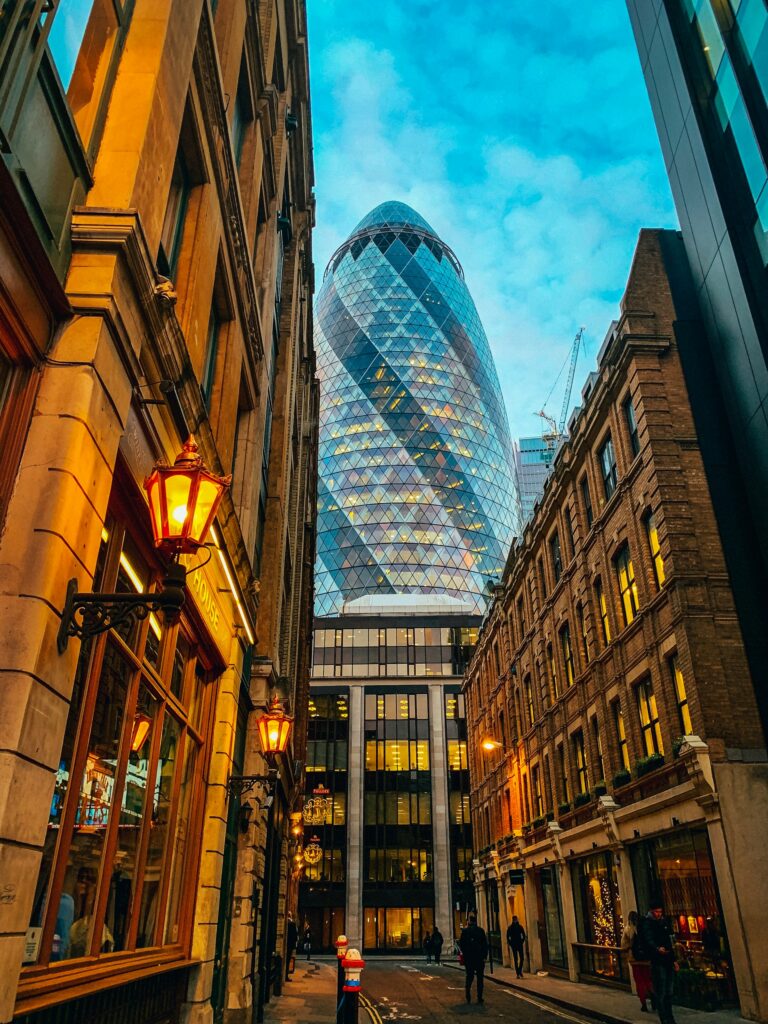
30 St Mary Axe, commonly known as The Gherkin for its distinctive shape, is another architectural marvel in the heart of London’s financial district. Completed in 2003 and standing at 180 metres, this commercial skyscraper was designed by Sir Norman Foster and his team.

The building’s energy-efficient design, with its aerodynamic shape, allows air to flow around and reduce wind deflection, making it a pioneer in environmentally sustainable design. The Gherkin’s spiralling pattern of glass panels provides a mesmerising view from both inside and out, making it a standout structure in London’s sea of buildings.

The Lotus Temple, New Delhi

While not a skyscraper, the Lotus Temple in New Delhi is a remarkable steel structure worth mentioning. Completed in 1986, this Bahá’í House of Worship was designed by Iranian architect Fariborz Sahba and has won numerous architectural awards. The temple is shaped like a lotus flower, with 27 free-standing marble-clad ‘petals’ constructed of steel and concrete.

The Lotus Temple is not only a symbol of architectural innovation but also a place of unity, welcoming people of all religions to worship or meditate in its tranquil environment. Its nine surrounding ponds and gardens add to the serenity, making it a peaceful retreat from the bustling city.

Brooklyn Bridge, New York

No trip to the Big Apple is complete without taking a bite out of the Brooklyn Bridge. Now more than 125 years old, it carries at least 150,000 vehicles and pedestrians daily between Manhattan and Brooklyn, New York’s two most famous districts. It’s one of the city’s highlights, giving you amazing views of Manhattan and the East River. Only from here can you really appreciate the scale, the sheer enormity of the New York skyline.

It’s quite the feat of engineering too, with cables and columns providing strength and majesty to pedestrians and transport alike. And best of all, it’s free. It also has some great spots to eat nearby, if you’ve worked up a hunger traversing its walkway.

The Bird’s Nest Stadium, Beijing

As the name implies, this isn’t your conventional, identikit stadium structure. The Beijing National Stadium was built for the 2008 Olympics and its one of the world’s most impressive accomplishments in the field of structural engineering, requiring at its height 17’000 workers to achieve the vision of chief architect Li Xinggang.

The Bird’s Nest also saw some of the best accomplishments in Olympic history, with Usain Bolt breaking records left, right and centre on the venue’s famous track. That wasn’t the last time the steel structure will frame an international sporting event; we have the 2022 Winter and Paralympics to look forward to, held in the shadow of the great stadium.

Read: A guide to the best Beijing neighbourhoods for expats

Sydney Harbour Bridge, Sydney

To see the Sydney Harbour Bridge lit up at night, illuminating – and being illuminated by – the harbour below is one of life’s greatest man made sights. ‘The Coathanger’, as it’s nicknamed, took more than 100 years from initial proposal to formal opening, going through many guises, shapes, structures and souls in the process.

For unforgettable, panoramic views of Sydney, you can scale the bridge, either in the day, by twilight or at night. We think the latter is the optimum time as you can get the best of day and night and watch the sunset over the harbour and the city lights come on. It also offers one of the best views of another amazing architectural wonder, the Sydney Opera House.

Long Biên Bridge, Hanoi

Psst, Hey you bridge bridge lover. With 19 steel beams on 20 supporting columns, we couldn’t not mention Long Biên Bridge in Hanoi. It was the first bridge to cross the red river and has become one of the city’s symbols of peace and a source of national pride. Built between 1898 and 1902, the bridge is degraded in some areas after over a century’s worth of traffic, but is still in use today and a magnificent sight to behold.

The Empire State Building, New York

One of the world’s most iconic structures, the Empire State Building has captured hearts and minds since its inception in 1931. Even though its boast as tallest building in the world has slowly shrunk as the title has gained a more competitive edge – and has been outsourced to the East – the tower’s stature as the shimmering crown of the New York skyline remains.

The building has also played host to many iconic scenes in some of Hollywood’s best loved films; King Kong’s scaling of it, its hosting of the inaugural romantic meeting in Sleepless in Seattle (one of our favourite films ever) and as the arena for a monumental fight in Superman II, to name but a few.

Burj Khalifa, Dubai

Complete with a structural steel spire and awesome views of Dubai from its observation deck, Burj Khalifa is officially the world’s tallest building, much to the chagrin of our previous two entries. This monumental feat occured in 2008, and 160 floors and 10 years later, it still holds the title. If your pockets are as deep as the tower is tall, then you can enjoy a stay in such opulent sounding lodgings as the Armani Hotel Dubai. If not, you could simply pass the time scaling the building in ‘the world’s longest travelling elevator both in distance and by time’; now there’s a mouthful.

Taipei Tower 101, Taipei

Like the Empire State Building, Taipei 101 was also once the tallest building in the world. Located in the Xinyi District and standing at 1,667 ft (508 m), building this enormous skyscraper in a country prone to earthquakes and typhoons was no mean feat. Indeed, many thought that it was absurd to build something so tall here. How they have been proved wrong.

Y. Lee & Partners, the architects of the tower, defied people’s expectations and designed a tower which is both structurally resilient and flexible, and has since become known as one of the world’s great architectural masterpieces. The skyscraper uses a huge steel ball (known by experts as a TMD) which counterweights the tower’s strength during natural disasters, keeping it upright – just incredible.

Locals love the food court, located on the bottom floor, while tourists can enjoy unparalleled views of the city from it’s observation deck on the 89th floor. Oh and did we mention that it has one of the world’s fastest elevator, which rises in increments of 8, owing to the number’s lucky connotations in the country.

The Eiffel Tower, Paris

We end at the the most recognisable steel structure on Earth, the Eiffel Tower stands as an iron lady watching over Paris. Completed in 1889 for the Paris Exposition, Gustave Eiffel’s masterpiece was initially intended as a temporary structure, much to the horror of today’s tourists who flock to it by the millions each year. Standing at 330 meters (1,083 feet), it held the title of world’s tallest structure for 41 years.

What makes the Tower truly remarkable is its lattice construction – 18,038 individual metal parts held together by 2.5 million rivets. This open framework design allows wind to pass through, giving the structure its stability and grace. The Tower actually sways 6-7 centimeters in the wind, a dance invisible to the naked eye but crucial to its survival.

Visitors can ascend via stairs or elevators to three different levels, with the summit offering breathtaking 360-degree views extending up to 70 kilometers on a clear day. At night, the Tower transforms into a glittering beacon with 20,000 light bulbs creating a sparkling display every hour on the hour – a sight that never fails to enchant, whether it’s your first or fiftieth viewing.

The Eiffel Tower perfectly embodies the theme of your collection – a steel structure that not only reaches for the sky but has become synonymous with the very city it graces, proving that sometimes the most audacious architectural risks yield the most timeless rewards.

The Bottom Line

In the quest for architectural splendour, steel has proven to be the backbone of modern marvels, shaping cityscapes and inspiring awe. From the historic charm of the Brooklyn Bridge to the futuristic allure of the Burj Khalifa in Dubai, these structures are testaments to human ingenuity and the relentless pursuit of progress. Each building, with its unique design and story, offers a different perspective on the world and a new height of appreciation for the steel that holds them aloft.

Whether you’re a seasoned traveller or an aspiring explorer, these gravity-defying structures deserve a place on your bucket list. They are not just buildings; they are symbols of cultural identity, innovation, and the indomitable human spirit. So, pack your bags, charge your camera, and prepare to be uplifted by the world’s most magnificent steel structures.

Subtle & Sophisticated: 8 Interior Design Trends For S/S 2024  

Over the past few years, the world of interior design (and the world, full stop, quite honestly) has undergone a significant transformation. Driven by a whole host of factors, from technological advancements to evolving aesthetic preferences, all the way to the ‘C’ word we best not mention right now, the domestic space is looking very different to just a decade ago.

As we continue to adapt to these changes, our approach to interior design and our understanding of ‘sophistication’ have also evolved, shaping a whole new take on ‘contemporary’ interior design and redefining what it means to create a sophisticated living space.

From the resurgence of bold colours and natural materials to the increasing influence of fashion on interior design, we have witnessed a dynamic shift in design sensibilities. The growing emphasis on sustainability and eco-friendly practices has further propelled designers to explore innovative ways to incorporate these values into their work. 

On top of that, the rise of smart homes and the integration of technology into our domestic spaces have revolutionised the way we interact with our surroundings, pushing the boundaries of functionality and aesthetics.

Perhaps above all else, in 2024 it has become increasingly evident that the concept of ‘sophistication’ has transcended traditional notions of luxury and exclusivity. Today, sophistication encompasses a harmonious blend of style, comfort, and practicality, reflecting our desire for spaces that not only look visually appealing but also cater to a fast-changing world.

Join us as we delve deeper into some of the second half of 2024’s major interior design trends, and how they can add a sense of contemporary sophistication to the home.

Biophilic Design

Biophilic design is an architectural and interior design approach that focuses on incorporating elements of nature into built environments. In 2024, this trend will become increasingly popular as people seek to create a stronger connection with the natural world within their homes. 

This can be achieved through the use of natural materials like wood, stone, and plants, as well as by incorporating elements such as natural light, water features, and green walls. By integrating nature into our living spaces, biophilic design aims to promote overall well-being, reduce stress, and improve air quality.

Via Canva

Earthy Colour Palettes

As homeowners look for ways to create calming and serene environments, earthy colour palettes will dominate sophisticated interior design in 2024. These warm, organic tones, such as terracotta, sage green, and muted blues, help to create a sense of grounding and connection to nature. In addition to wall colours, these hues can be incorporated through textiles, furniture, and accessories, allowing for a cohesive and harmonious atmosphere throughout the home.

Minimalist Luxury

The minimalist luxury trend is all about simplicity, elegance, and functionality. In 2024, expect to see a focus on clean lines and guiding curves, monochrome colouring often in the starkest of whites, high-quality materials, and expertly crafted furniture pieces that prioritise function over form. This approach creates an uncluttered, refined atmosphere that exudes sophistication without being ostentatious. 

As the team at Juliettes Interiors tell us, “minimalist luxury emphasises the importance of quality over quantity”, encouraging homeowners to invest in fewer, but more exceptional, items for their living spaces.

Geometric Patterns

2024 is also seeing the continued popularity of geometric patterns, adding visual interest and texture to modern spaces. These patterns, including lines, circles, diamonds, and other shapes, can be incorporated in various ways, such as wallpaper, textiles, and accent pieces. Inspired by Art Deco, Mid-Century, and Contemporary aesthetics, geometric designs offer a unique touch of sophistication and style. 

As homeowners seek to refresh their interiors after the pandemic’s rather clinical influence on our domestic spaces, the versatility of geometric patterns allows for both bold statements and subtle accents, making them a timeless and adaptable choice for the upcoming year.

Herringbone tiles in beige, grey, or white are particularly on-trend this year. Not only is this pattern both elegant and timeless, but its subtle lines help add understated texture to your kitchen or bath without overdoing it. And in 2024, that sense of of subtlety is what ‘sophistication’ is all about.

Read: 5 throwback interior design trends that have stood the test of time

Textured Fabrics 

Adding depth and dimension to your interior design, textured fabrics will be a popular choice for upholstery and soft furnishings in 2024. Materials such as bouclé, velvet, and linen offer a luxurious feel while providing visual interest and tactile appeal. These rich textures can be used on sofas, armchairs, cushions, and curtains to create a cosy, inviting atmosphere that feels both elegant and comfortable.

Statement Lighting 

In 2024, lighting will take centre stage as bold, sculptural fixtures become a key design trend. These eye-catching pieces serve not only a functional purpose but also act as works of art, elevating the overall aesthetic of your home. From oversized pendant lights to dramatic floor lamps, statement lighting can transform a room and create a focal point that captures attention and sparks conversation.

Read: IDEAL lighting tips that will transform your room’s appearance

Vintage Accents

Incorporating vintage or antique pieces into your interior design adds a layer of sophistication, history, and personality to your space. And hey; who wouldn’t want to hark back to more simple times with the state that the world is in right now?

In 2024, homeowners will be on the lookout for unique, one-of-a-kind items, such as mid-century modern furniture, Art Deco accessories, or antique rugs, to make a statement in their homes. Mixing these vintage accents with contemporary design elements creates an eclectic, curated look that is both timeless and stylish.

Multi-Functional Spaces 

As remote work and flexible lifestyles continue to evolve, multi-functional spaces will become increasingly important in 2024. Homeowners will continue to seek clever design solutions that maximise the functionality of their homes without sacrificing sophistication. This might include built-in storage, convertible furniture, and adaptable layouts that allow rooms to serve multiple purposes, such as a home office that doubles as a guest room or a living area that can easily transition into an entertainment space. 

By embracing versatility and adaptability, homeowners can create stylish, efficient living spaces that cater to their ever-changing needs.

Speaking of which, our ever-changing need is now to use the bathroom. We’re off!

Sleeping Better: How Light Affects Your Sleep

0

We are a nation of sleep-deprived souls. A recent report by the University of Southampton revealed that one in four of us suffer from sleep problems, though that figure, we imagine, could be significantly higher. Perhaps some particularly tired folk forgot to respond to the survey.

Interestingly, light – of various shades and sources – can have a marked impact on both the quality and quantity of our sleep. If you’re wondering how light affects your sleep, then you’ve come to the right place. Let’s find out more…

Melatonin & How Light Affects It

The hormone melatonin is crucial to the sleep-wake cycle. When it’s dark, your brain starts to release melatonin, which readies your body for sleep.

As a result, the natural timed rise of melatonin in the body is interrupted by evening light exposure, delaying the transition to sleep. Therefore, you should try and get as much sunshine as possible during the day to keep yourself alert. In the hours leading up to bed, avoid overexposure to light, particularly that pesky blue stuff that comes off your phone.

As the Sleep Foundation so succinctly put it, ‘’Darkness prompts the pineal gland to start producing melatonin while light causes that production to stop…In doing so, it facilitates a transition to sleep and promotes consistent, quality rest.’’ 

Light exposure in the lead-up to bed and during the night has been linked to poorer sleep. It reduces the time spent in REM sleep, leading to you feeling tired the next day and less focused.

Perhaps the worst thing you can do, then, if you’re awake in the night, is to reach for your phone to scroll and swipe in the dark. This will stimulate melatonin production and confuse your brain into thinking it’s morning; you don’t want that.

How To Get Better Sleep Through Light?

The impact of light on sleep is well documented. Early morning exposure to natural light stimulates our circadian rhythm, which awakens us and makes us feel alert. The effect of late-night exposure to light is similar: light interferes with a healthy sleep cycle, making it more difficult to fall asleep and keeping us awake longer.

Insufficient darkness in the night can also lead to frequent instances of waking up. Thus, it is important to reduce the amount of light in your room, either through curtains, blackout blinds, or even via a sleep mask.

Blue Light & Its Effects On Your Sleep

We mentioned earlier the detrimental effects of blue light on sleep. Screens – both from your smartphone and your TV – emit this artificial light strongly, disrupting your brain and body’s ability to prepare for sleep by blocking the sleep-inducing hormone melatonin. 

Because of this impact on rest, it’s generally advised that you should put down all devices for at least an hour before bed, enabling you to instead focus on a healthy, hygienic bedtime routine.

The amount of natural light (from the sun) you’re exposed to during the day can also affect your sleep, but this time positively. This is because natural light in the day helps wake you up, providing energy and stimulation, and helping you expend your energy in a sustainable way, in turn leading to a welcome tiredness when bedtime rolls around.  

Red Light & Its Effects On Sleep

Some people have begun to extol the virtues of red light therapy on sleep. According to a study published in the Journal of Athletic Training, via Men’s Health, ”30 minutes of red-light exposure improved sleep and melatonin levels.”

Other studies suggest exposure to red light during the night may help you feel more alert and less groggy come morning time. Proponents of the technique generally use red light therapy machines at home, prior to bed, to potentially promote relaxation and to make the most of its other reported benefits in the domestic setting. It should be noted, however, that these studies are small and research is ongoing.

How Does Light Impact Your Health?

Short-term exposure to bright lights in the evening may cause sleep disturbances, which, in turn, can have a detrimental impact on your health.

Artificial and natural light can impact the human body in many ways. Humans are sensitive to certain wavelengths of light. The blue and UV components of light are associated with the potential development of skin lesions in those with chronic actinic dermatitis and solar urticaria, as well as more a more general risk of premature ageing.

How Does Light Exposure During The Day Impact Your Sleep?

There are many factors that affect sleep quality. For example, exposing yourself to white light during the day can help you fall asleep faster and sleep more deeply. The onset of sleep is dependent on light. A bright, white light at the onset of the night will set the body clock to wakefulness. However, bright light before bed will cause the body’s circadian rhythms to be disrupted and disrupt your sleep.

Strategies To Improve Sleep & Health In The Presence Of Light

Studies have found that a person’s exposure to nighttime light impacts their circadian rhythms and health. The Defense Meteorological Satellite Program, via Cleveland Clinic, found that people who spend most of their nights in front of the television or computer are significantly less likely to sleep well. They also have lower quality sleep and report waking up confused and tired. Even the smallest amount of artificial light can interfere with your sleep.

The Bottom Line

Light exposure and its effects on sleep can’t be denied. By practising proper sleep hygiene, reducing the amount of blue light before bed and embracing natural light in the morning, you give yourself the best chance of getting a good night’s sleep.

Book In July & Prepare For Hangovers: The Ultimate Office Christmas Party Planning Timeline

Ah, the office Christmas party – a time-honoured tradition that brings together colleagues for a night of festive fun, questionable dance moves, and the occasional awkward encounter by the photocopier. But behind every successful soirée is a meticulous planner (that’s you, that is) who started their preparations long before the first mince pie hit the shelves. 

If you want to ensure your office Christmas party is the talk of the town (for all the right reasons, of course), here’s your ultimate planning timeline.

July: The Early Bird Catches The Venue

While the sun is still shining and the thought of the festive season (brrrrr!) seems a distant anxiety dream, now is the perfect time to secure your venue. 

All the decent Christmas venues get booked up well in advance, and you don’t want to be left scrambling for a location come November. 

Even less desirable; you have to host the event in your office after discovering everywhere’s booked out. We all know how demoralising it is to be drinking a tinny from your desk, wondering if you might just check your emails…

Consider the size of your team, the vibe you’re aiming for, and any special requirements (like a dance floor for those inevitable conga lines).

Checklist:

  • Research and book the venue. Think about quirky locations like a historic manor house or a trendy rooftop bar. Your local Vodka Revs won’t do here.
  • Confirm the date with key stakeholders and team members. Avoid clashing with other major events like the office bake-off final.
  • Start a preliminary guest list. Don’t forget to include the office dog if he’s a regular attendee!

August: Theme & Entertainment

With the venue sorted, it’s time to think about the theme. Whether you’re going for a classic winter wonderland, a glamorous Great Gatsby affair, or something quirky like a retro 80s night, a theme can add a fun twist to the festivities. Once you’ve decided, book your entertainment – DJs, live bands, or even a magician can elevate the evening.

Checklist:

  • Decide on a theme. How about a ‘Christmas Around the World’ theme with different cultural decorations and foods?
  • Book entertainment. Consider a comedian who can roast the boss (gently, of course). Unless you’re the boss – then you might just want to hire a hype man.
  • Start brainstorming decoration ideas. Think about hiring a snow machine for that extra wintery touch, and to discourage colleagues and charges making their own machine in the toilet cubicles.

September: Catering & Drinks

No Christmas party is complete without a feast. Whether you’re opting for a sit-down meal, a buffet, or a selection of canapés, now is the time to finalise your catering. Don’t forget to consider dietary requirements and preferences. And, of course, ensure there’s a well-stocked bar to keep the merriment flowing.

Checklist:

  • Choose a catering company and menu. Maybe include a DIY hot chocolate bar with all the trimmings. 
  • Plan the drinks menu. How about a signature cocktail named after your company?
  • Arrange for any special dietary requirements. Don’t forget the pizza and the vegan sausage rolls!

October: Invitations & RSVPs

With the major details in place, it’s time to send out the invitations. Whether you go for traditional paper invites or a snazzy e-vite, make sure to include all the essential details: date, time, venue, dress code, and RSVP instructions. Encourage early responses to help with final numbers.

Checklist:

  • Design and send out invitations. Consider a fun video invite featuring the office mascot.
  • Track RSVPs. Create a festive spreadsheet with a countdown to the big day.
  • Follow up with any non-responders. Maybe send a cheeky reminder with a Christmas meme.

November: Final Touches

As the big day approaches, it’s time to finalise the finer details. Confirm all bookings, arrange transport if necessary, and start thinking about Christmas gifts, party favours or prizes for any planned games or competitions. This is also a good time to brief any speakers or performers.

Checklist:

  • Confirm all bookings and arrangements. Double-check the snow machine is ready to go.
  • Arrange transport if needed. Consider hiring a vintage double-decker bus for a fun ride home.
  • Plan party favours or prizes. How about personalised baubles with each employee’s name?

December: Showtime!

The day has arrived! Ensure you have a team in place to help with setup and any last-minute hiccups. Once the party starts, your job is to enjoy the fruits of your labour and ensure everyone has a fantastic time. Don’t forget to capture the memories with plenty of photos – and maybe a few videos of those dance moves for posterity.

Checklist:

  • Oversee setup and decorations. Make sure the mistletoe is strategically placed.
  • Ensure all suppliers and entertainment are on track. Have a backup playlist ready in case the DJ’s laptop crashes.
  • Enjoy the party! Maybe start a friendly competition for the best Christmas jumper.

The Night’s End: Hangover Supplies Goody Bags

As the night winds down and the last few revellers reluctantly leave the dance floor, it’s time to hand out a little something extra – hangover supplies goody bags. These thoughtful packages can include essentials like bottled electrolyte water, painkillers, mints, and perhaps a cheeky breakfast bar to help ease the morning after. It’s a small gesture that shows you care and adds a personal touch to the evening.

Checklist:

  • Prepare hangover-cure goody bags. Include a funny note like “Survival Kit: Use Wisely!”
  • Include items like bottled water, painkillers, mints, and breakfast bars. Maybe add a mini bottle of Bloody Mary mix for the brave.
  • Hand out the goody bags as guests leave. Make sure to have a few extra for those who might need a double dose.

The Bottom Line

After the confetti has settled and the hangovers have been nursed, take some time to reflect on the event. Give yourself a well-deserved pat on the back – you’ve pulled off the ultimate office Christmas party!

Hey, could we get an invite next year? Hey? Hello? 

Which Car Is Best Suited To British Potholes?

Daily journeys on the potholed asphalt of British cities, country roads with potholes and dirt tracks are a harsh reality for many drivers in the United Kingdom. Choosing the right car can be the deciding factor between a comfortable journey and a daily shake-up on roads that are far from always meeting European standards.

Let’s cut to the chase for those who don’t have enough time to digest this thing properly: The Toyota RAV4 is best suited to British roads, offering maximum comfort and reliability on uneven surfaces thanks to its soft suspension and high ground clearance. 

On the other hand, the Volkswagen Golf Estate is the right choice for those who value precise handling and are willing to sacrifice some comfort for stability. 

Finally, the Hyundai Tucson is a sensible budget compromise with acceptable off-road capabilities but less refined suspension. All three cars get the job done, but each in their own way.

The battle for asphalt: three philosophies for conquering bad roads. When it comes to choosing a car for our challenging road conditions, car manufacturers offer radically different approaches. The Volkswagen Golf is an unexpected hero among station wagons with its stiff suspension and precise handling. The Toyota RAV4 brings with it a compromise – a soft suspension that gently absorbs bumps. The Hyundai Tucson plays the role of the people’s hero – an affordable SUV that does its job honestly for a reasonable price.

Suspension As The British Driver’s Main Ally

The state of the roads in the UK leaves much to be desired – from the streets of London to the motorways of Scotland, drivers encounter potholes, cracks and uneven surfaces. In such conditions, the car’s suspension works non-stop, protecting the body from damage and keeping the wheels in contact with the road.

As AUTODOC UK points out: “Noises when driving over bumps indicate suspension spring failure. It is dangerous to continue driving the vehicle and it is recommended to replace the spring as soon as possible”.

However, if you regularly drive on potholed city streets or venture off the beaten track, choosing the right car is just as important. Meet the Volkswagen Golf, a well-balanced wagon with confident handling and a solid suspension.

Volkswagen Golf & The Iron Grip Of The German School

Choosing the Spartan path, the German station wagon boasts stiff suspension and flawless handling. On the broken asphalt of British roads, the Golf behaves like an experienced fighter: every bump is controlled, every reaction is predictable. Yes, it is less comfortable than its crossover competitors, but its handling is confident.

According to data from the source AUTODOC, “Volkswagen accounted for 5.8% of the global car market in 2024, placing it behind Toyota (10.7%) but ahead of BYD (4.5%) and Honda (4.4%). The Group maintained its global second-place ranking by unit sales, delivering over 9 million vehicles worldwide.” Hyundai accounts for 4.30% of the world market.

Toyota Rav4 As The Diplomat Among Crossovers

The Japanese mid-size crossover has chosen a philosophy of compromise and succeeded in it. The RAV4’s suspension is tuned to absorb shocks without transmitting jolts to the cabin. Increased ground clearance adds confidence on particularly rough sections of British B-roads and country lanes.

The RAV4 may seem less exciting to drive than the Golf, but for long journeys on the UK’s challenging roads, it is virtually perfect. It is no coincidence that Toyota leads the global market with a 10.7% share, and the RAV4 remains one of the brand’s best-selling models and a popular choice among British families.

Hyundai Tucson As The People’s Champion

The Korean crossover plays the role of budget hero in this story. Decent ground clearance and soft suspension cope well with British roads, but without much refinement. On uneven surfaces, you’ll notice significant body roll and less stable handling, especially at speed.

Nevertheless, the Tucson offers good value for money, making it a sensible choice for budget-conscious British buyers. Hyundai accounts for 4.30% of the world market – a modest but stable position that reflects the growing popularity of the Korean brand.

The Final Verdict For Every Budget

Maximum comfort and durability: Toyota RAV4  –  the undisputed leader for those who value smooth handling and reliability.

Thrill and control: Volkswagen Golf Estate – for drivers who are not willing to sacrifice handling for comfort.

Reasonable savings: Hyundai Tucson – a compromise option that is not without its flaws, but justifies its price.

Whichever car you choose, remember that the condition of the suspension is critical for safety. Regular inspections and timely repairs – especially if you hear any unusual noises – will help you avoid serious problems and extend the life of your vehicle.

The Ideal Italian Barbecue: 5 Summery Italian BBQ Dishes & Their Perfect Wine Pairings

It’s hard to imagine summer right now, with it raining every day and temperatures barely troubling 20°C. But let’s take a moment to dream of sunnier times and the perfect Italian barbecue. When we think of Italian wines, many of us picture big, bold reds like Barolo and Barbaresco. 

However, Italy’s wine repertoire is vast and varied, often featuring delicate wines that are perfectly suited to outdoor drinking and light, bright barbecues. With that in mind, here are 5 of our very favourite, super summery Italian BBQ dishes and their ideal wine pairings, perfectly suited for transporting us to a sun-drenched Italian garden, even if just in our minds.

Barbecued Bruschetta with Tomato and Basil

Start your Italian barbecue with an absolute that captures the essence of summer. Serve as a starter or with the other dishes on this list for a generous Italian barbecue spread.

Recipe

Ingredients:

  • 1 loaf of sourdough, sliced
  • 4 ripe tomatoes, diced
  • 1 clove garlic, minced
  • 10 fresh basil leaves, chopped
  • 2 tbsp extra virgin olive oil
  • Salt and pepper to taste

Instructions:

  1. If using gas, preheat the barbecue to medium-high heat (around 200-230°C). To check the heat of a coal barbecue, hold your hand about 12 cm above the grill grate. If you need to pull your hand away after 2 to 4 seconds, the heat is high.
  2. Brush the sourdough slices with olive oil and barbecue for 2-3 minutes on each side until golden and slightly charred.
  3. In a bowl, combine the tomatoes, garlic, basil, and remaining olive oil. Season with salt and pepper.
  4. Spoon the tomato mixture onto the barbecued bread slices and serve immediately.

The Perfect Wine Pairing

Vermentino – This light, crisp white wine from Sardinia or Tuscany has a zesty acidity that complements the fresh tomatoes and basil, while its subtle minerality enhances the smoky notes from the barbecue.


Lemon and Herb Marinated Chicken Skewers

Serve with grilled seasonal summer vegetables like courgette and aubergine, or a fresh green salad. Or, you know, both…

Recipe

Ingredients:

  • 500g chicken breast, cut into cubes
  • Juice of 2 lemons
  • 3 cloves garlic, minced
  • 2 tbsp fresh rosemary, chopped
  • 2 tbsp fresh thyme, chopped
  • 4 tbsp olive oil
  • Salt and pepper to taste
  • Wooden skewers, soaked in water

Instructions:

  1. In a bowl, mix the lemon juice, garlic, rosemary, thyme, olive oil, salt, and pepper.
  2. Add the chicken cubes to the marinade, cover, and refrigerate for at least 1 hour.
  3. If using gas, preheat the barbecue to medium-high heat (around 200-230°C). To check the heat of a coal barbecue, hold your hand about 12 cm above the grill grate. If you need to pull your hand away after 2 to 4 seconds, the heat is high.
  4. Thread the marinated chicken onto the skewers.
  5. Barbecue the skewers for 10-12 minutes, turning occasionally, until the chicken is cooked through and slightly charred.

The Perfect Wine Pairing

Soave – A refreshing white wine from the Veneto region, Soave’s citrus and herbal notes mirror the marinade’s flavours, while its crisp acidity cuts through the richness of the barbecued chicken.


Barbecued Sardines with Fennel and Orange Salad

Serve as a main course with a side of crusty bread to soak up the delicious juices, or as part of a seasonal seafood platter. This one works as a light lunch, too, by the way, using tinned sardines in place of the grilled fish guys.

Recipe

Ingredients:

  • 8 fresh sardines, cleaned
  • 2 tbsp olive oil
  • Salt and pepper to taste
  • 1 fennel bulb, thinly sliced
  • 2 oranges, segmented
  • 1 tbsp white wine vinegar
  • 1 tbsp fresh dill, chopped

Instructions:

  1. Preheat the barbecue to medium-high heat (around 200-230°C). To check the heat of a coal barbecue, hold your hand about 12 cm above the grill grate. If you need to pull your hand away after 2 to 4 seconds, the heat is high.
  2. Brush the sardines with olive oil and season with salt and pepper.
  3. Barbecue the sardines for 3-4 minutes on each side until cooked through and slightly charred.
  4. In a bowl, combine the fennel, orange segments, white wine vinegar, and dill. Toss to mix.
  5. Serve the barbecued sardines with the fennel and orange salad.

The Perfect Wine Pairing

Verdicchio – From the Marche region, Verdicchio offers a perfect balance of acidity and fruitiness, with hints of green apple and almond that complement the sardines and the citrusy salad.

Read: How to grill a whole fish on the BBQ


Porchetta-Inspired Barbecued Pork Belly

This one takes the flavours and fattiness of the Italian classic porchetta, but saves on the fuss of stuffing and rolling. Serve as a main course with roasted potatoes and a simple green salad, or slice thinly for sandwiches.

Recipe

Ingredients:

  • 1kg pork belly, skin scored
  • 4 cloves garlic, minced
  • 2 tbsp fennel seeds
  • 2 tbsp fresh rosemary, chopped
  • 2 tbsp fresh sage, chopped
  • 4 tbsp olive oil
  • Salt and pepper to taste

Instructions:

  1. Preheat the barbecue to medium-low heat (around 150-170°C). To check the heat of a coal barbecue, hold your hand about 12 cm above the grill grate. If you need to pull your hand away after 5 to 7 seconds, the heat is medium.
  2. In a bowl, mix the garlic, fennel seeds, rosemary, sage, olive oil, salt, and pepper to form a paste.
  3. Rub the paste all over the pork belly.
  4. Place the pork belly on the barbecue, skin side up, and cook for 2-3 hours, until the meat is tender and the skin has rendered some of its fat, ready for crisping.
  5. Head inside (a faff, we realise, but crispy skin is worth it) and place the pork belly, skin side up, around 10cm under a medium grill, until the skin crisps up and crackles invitingly.
  6. Let the pork rest for 10 minutes before slicing.

The Perfect Wine Pairing

Chianti Classico – This medium-bodied red wine from Tuscany has enough structure to stand up to the rich, fatty pork, with bright cherry and earthy notes that enhance the herbs and spices.


Barbecued Peaches with Mascarpone and Honey

Serve as a light and refreshing dessert on its own, or with a scoop of vanilla ice cream for extra indulgence.

Recipe

Ingredients:

  • 4 ripe peaches, halved and pitted
  • 2 tbsp olive oil
  • 250g mascarpone cheese
  • 2 tbsp honey
  • Fresh mint leaves for garnish

Instructions:

  1. Preheat the barbecue to medium-high heat (around 200-230°C). To check the heat of a coal barbecue, hold your hand about 12 cm above the grill grate. If you need to pull your hand away after 2 to 4 seconds, the heat is high.
  2. Brush the peach halves with olive oil.
  3. Barbecue the peaches for 3-4 minutes on each side until caramelised and tender.
  4. In a bowl, mix the mascarpone cheese with 1 tbsp of honey.
  5. Serve the barbecued peaches with a dollop of mascarpone and a drizzle of the remaining honey. Garnish with fresh mint leaves.

The Perfect Wine Pairing

Moscato d’Asti – A lightly sparkling, sweet wine from Piedmont, Moscato d’Asti’s floral and peachy notes echo the barbecued peaches, while its effervescence and acidity balance the richness of the mascarpone.

The Bottom Line

As we wait for the rain to pass and the sun to return, these Italian BBQ dishes and their wine pairings offer a tantalising glimpse of summer. Whether you’re planning a future gathering or simply dreaming of warmer days, these combinations are sure to bring a touch of Italian sunshine to your table. Cheers to la dolce vita!

And if you’re looking for further inspiration, check out these two great ways to do lamb leg on the barbie; one fast and one slow!

The Ideal Alternative Wedding: Quirky Swaps For Wedding Day Traditions

Weddings are a celebration of love, unity, and the beginning of a new chapter. While traditional weddings have their charm, more couples are seeking to infuse their big day with personal touches that reflect their unique personalities and love stories. If you’re looking to break away from the conventional and add a bit of quirkiness to your wedding, here are some delightful alternatives to traditional wedding day elements.

Venue: From Banquet Halls to Botanical Gardens

Traditional wedding venues like banquet halls and churches are timeless, but why not consider a more unconventional setting? Botanical gardens, rustic barns, or even a charming library can provide a stunning backdrop for your nuptials. Imagine saying your vows surrounded by blooming flowers or amidst the cosy, book-lined walls of a historic library. These unique venues not only offer a picturesque setting but also create a memorable experience for you and your guests.

Attire: Ditch The White Dress

While the classic white wedding dress is beautiful, it’s not the only option. Brides today are embracing coloured gowns, from soft pastels to bold, vibrant hues. Consider a blush pink, a deep emerald, or even a striking red dress. Grooms can also step away from the traditional black tuxedo and opt for suits in shades of blue, grey, or even patterned fabrics. The key is to choose attire that makes you feel confident and reflects your personal style.

Reception: Food Trucks & Picnic Style

Instead of a formal sit-down dinner, why not opt for a more relaxed and fun dining experience? Food trucks offer a variety of delicious options and can cater to different tastes and dietary requirements. Alternatively, a picnic-style reception with blankets, cushions, and picnic baskets filled with gourmet treats can create a laid-back and intimate atmosphere. These alternatives encourage mingling and create a more casual, enjoyable vibe.

Entertainment: Interactive & Immersive Experiences

Traditional wedding entertainment often includes a DJ or live band, but there are many other ways to keep your guests entertained. Consider hiring a magician, a caricature artist, or even setting up a DIY craft station. For a truly immersive experience, you could have a themed wedding with actors playing characters from your favourite book or film. These interactive elements not only entertain but also create lasting memories for your guests.

Honouring Heritage: The Cultural Importance Of Maiden Names

Incorporating the cultural importance of maiden names into your wedding can be a beautiful way to honour family heritage and traditions. Instead of the bride automatically taking the groom’s surname, consider hyphenating both surnames or even creating a new family name that combines elements of both. This not only respects the bride’s family history but also symbolises the union of two families. Including maiden names in wedding invitations, programmes, and place cards can also be a subtle yet meaningful nod to this tradition.

Decor: Eco-Friendly & DIY

Instead of splurging on expensive floral arrangements and decorations, consider eco-friendly and DIY options. Potted plants, succulents, and dried flowers are sustainable alternatives that can be repurposed or given as gifts after the wedding. DIY decorations, such as handmade bunting, paper lanterns, and personalised photo displays, add a personal touch, make a big impact and can be a fun project to work on together before the big day.

Favours: Personal & Practical

Traditional wedding favours like sugared almonds or miniature bottles of alcohol are lovely, but why not give your guests something more personal and practical? Homemade jams, personalised candles, or even small potted plants make thoughtful and memorable gifts. You could also consider donating to a charity on behalf of your guests, adding a meaningful touch to your celebration.

Ceremony: Personalised Vows & Unique Rituals

Traditional wedding vows are heartfelt, but writing your own can add a deeply personal touch to your ceremony. Share your love story, your promises, and your dreams for the future in your own words. Additionally, consider incorporating unique rituals that hold special meaning for you as a couple. This could be a handfasting ceremony, a unity painting, or even planting a tree together. These personal elements make your ceremony truly one-of-a-kind.

Photography: Candid & Creative

While posed photos are a staple of wedding photography, candid shots often capture the true essence of the day. Hire a photographer who specialises in documentary-style photography to capture those spontaneous, heartfelt moments. Additionally, consider setting up a photo booth with quirky props and a Polaroid camera for guests to snap and take home instant memories.

The Bottom Line

Your wedding day should be a reflection of who you are as a couple. By incorporating these quirky swaps for traditional elements, you can create a celebration that is uniquely yours. Whether it’s through personalised vows, a non-traditional venue, or interactive entertainment, these alternatives ensure that your wedding is not only memorable but also a true representation of your love story. Embrace the unconventional and make your big day as extraordinary as your journey together.