Every luxury travel list you’ve read this year includes the same names. Santorini. The Amalfi Coast. Ibiza, for some reason, again. These are fine places to spend a lot of money, but spending a lot of money has never been the same thing as travelling well. The most interesting corners of Europe right now are the ones coasting on neither reputation nor hype. They have the hotels, the food, the landscape and the cultural weight to back up their prices, and they haven’t yet been flattened by the sheer volume of people trying to photograph them.
That distinction matters more than ever. According to the 2026 Virtuoso Luxe Report, two thirds of luxury travel advisors surveyed expect demand to rise this year, with more than half predicting higher spending per trip. More money chasing the same handful of destinations doesn’t make those destinations better. It makes them busier, more expensive, and increasingly indistinguishable from one another. The smartest travellers in 2026 aren’t looking for the most famous postcode. They’re looking for the places where the density of exceptional experiences still outweighs the density of other tourists.
With all that in mind, there are five European destinations that earn the word luxury in 2026, rather than just charging for it.
Pantelleria, Italy
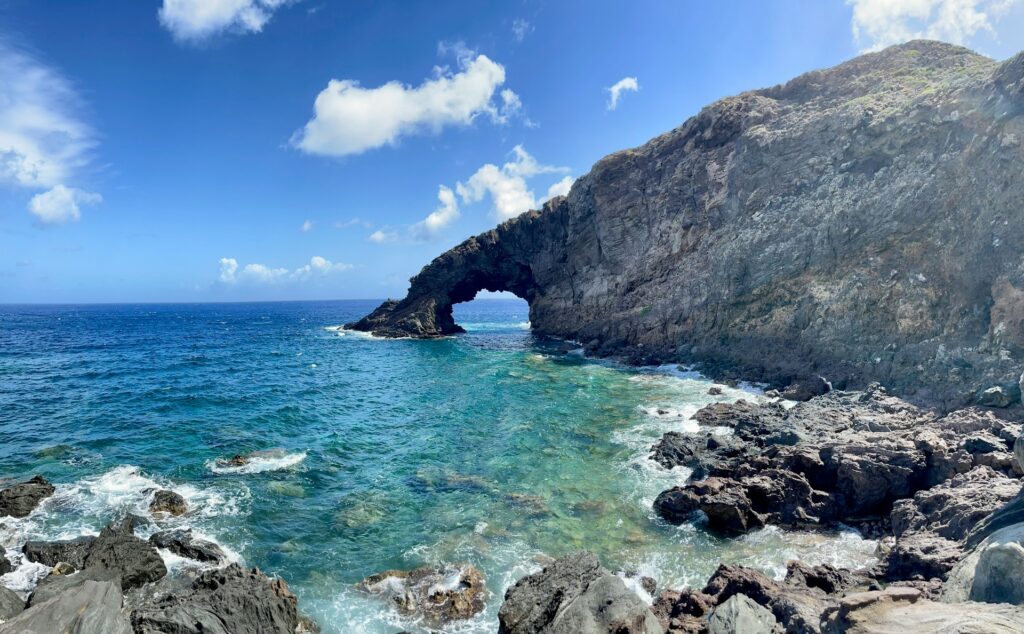
If you’ve never heard of Pantelleria, that’s rather the point. This volcanic speck sits in the strait between Sicily and Tunisia, closer to North Africa than to mainland Italy, and it has spent decades being the retreat that Italy’s most discerning travellers keep to themselves. Giorgio Armani has a place here. So did Truman Capote. The island doesn’t have sandy beaches, it doesn’t have a club scene, and it doesn’t try to be the next anything. What it does have is exclusivity born from geography rather than a velvet rope: black lava cliffs dropping into cobalt water, natural thermal pools fed by volcanic springs, and a craterous inland lake called Specchio di Venere, the Mirror of Venus, where you can coat yourself in mineral-rich mud and bake in the sun like a Roman senator.
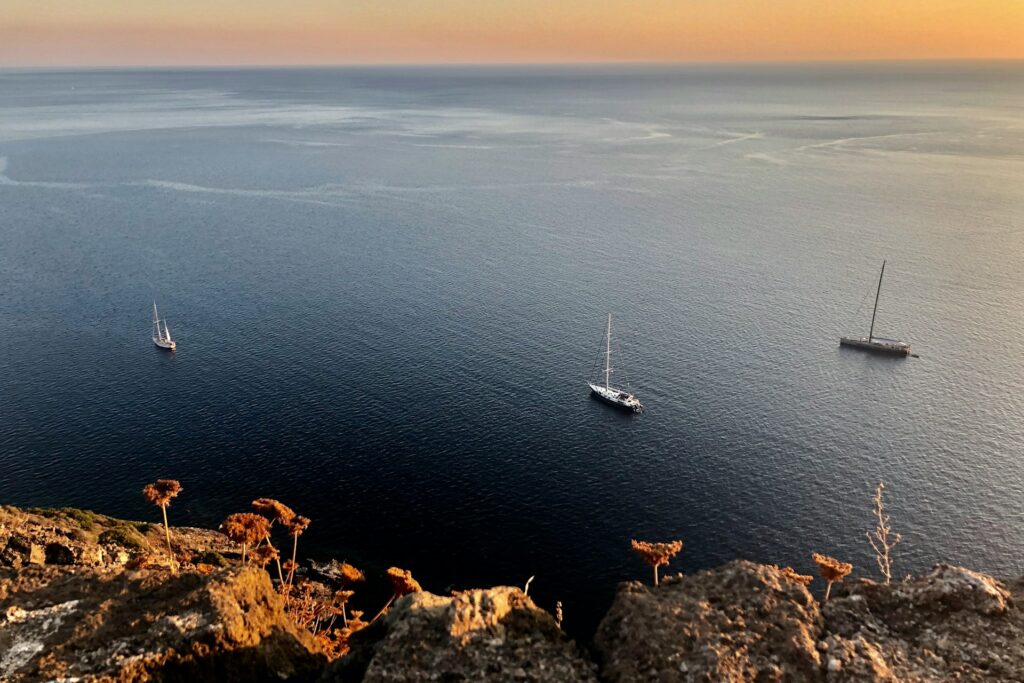
What you do on Pantelleria is eat, swim, drink and not much else, and every element of that routine is exceptional. The cuisine fuses Sicilian and Arab traditions, built around wild capers considered among the finest in the world and fresh seafood served simply in harbour-front restaurants. The local Zibibbo grapes produce Passito di Pantelleria, a sweet amber wine whose cultivation method carries UNESCO protection, and you’ll drink it cold on a terrace watching the sun drop behind Tunisia.
The accommodation matches the island’s character: most visitors stay in converted dammuso houses, thick-walled cubes of volcanic stone with domed roofs originally designed to collect rainwater, now fitted out as private villas that feel less like holiday rentals and more like permanent expressions of the landscape. Indeed, Pantelleria asks nothing of you except that you slow down, and in 2026 that feels like the most radical luxury proposition going.
Istria, Croatia
Croatia’s northwestern peninsula has been building a case as a serious luxury destination for years, and 2026 is when the evidence becomes difficult to ignore.
Start with the food, because that’s what Istria leads with. The truffle hunting here, both black and white, rivals anything coming out of Piedmont. The olive oil regularly wins international awards. The peninsula’s winemakers are producing Malvasia and Teran that compete with bottles from far more established regions, and the farm-to-table dining culture operates without any of the performative nonsense that phrase usually implies. Meneghetti Wine Hotel, set among its own vineyards near Bale, holds a Michelin recommendation and feels closer to a Tuscan estate than anything you’d expect on the Croatian coast.
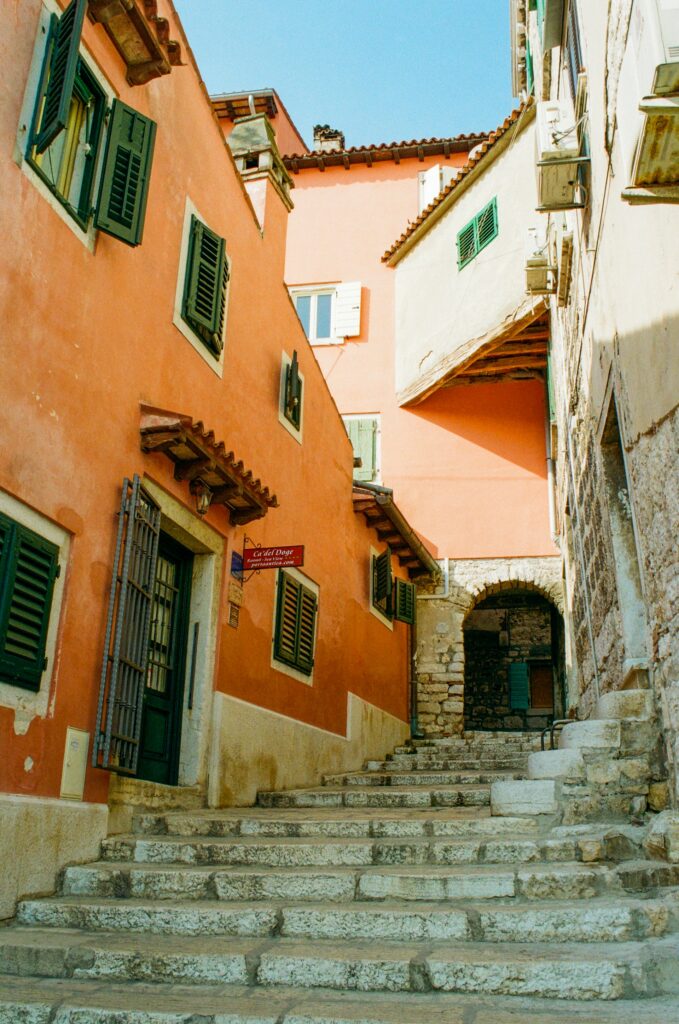
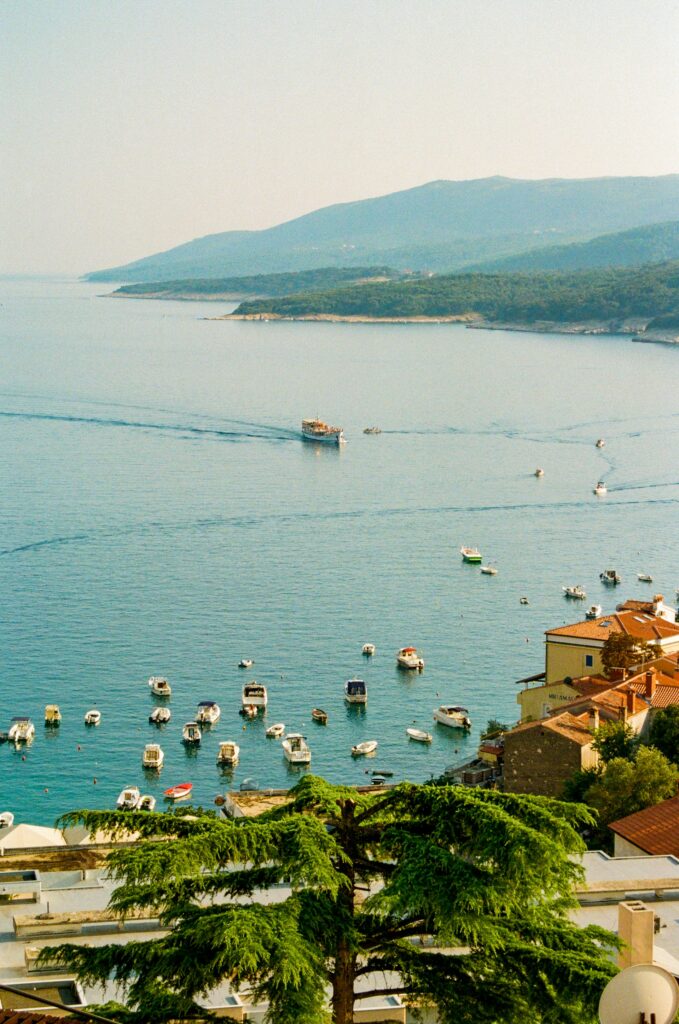
That food culture sits within a landscape that compresses the best of southern Europe into a single compact peninsula: hilltop medieval towns, Adriatic coastline, rolling interior farmland thick with olive groves. Rovinj, perched on its own promontory, draws inevitable comparisons to Venice, but the comparison flatters the wrong city. Venice lost its living food culture decades ago, but Rovinj’s is thriving.
The hotel infrastructure is now catching up to all of this. San Canzian in Buje is expanding in 2026 with new stone-built villas set among car-free lanes and olive groves. Anantara is arriving at Adriatic Istria Resort near Savudrija, marking the Thai luxury brand’s first Croatian property. And a massive new Pical Resort in Porec, backed by 200 million euros of investment and featuring Croatia’s first ESPA spa centre, is also due to open this year. The raw material in Istria has always been exceptional. The infrastructure is finally matching it.
The Alentejo, Portugal
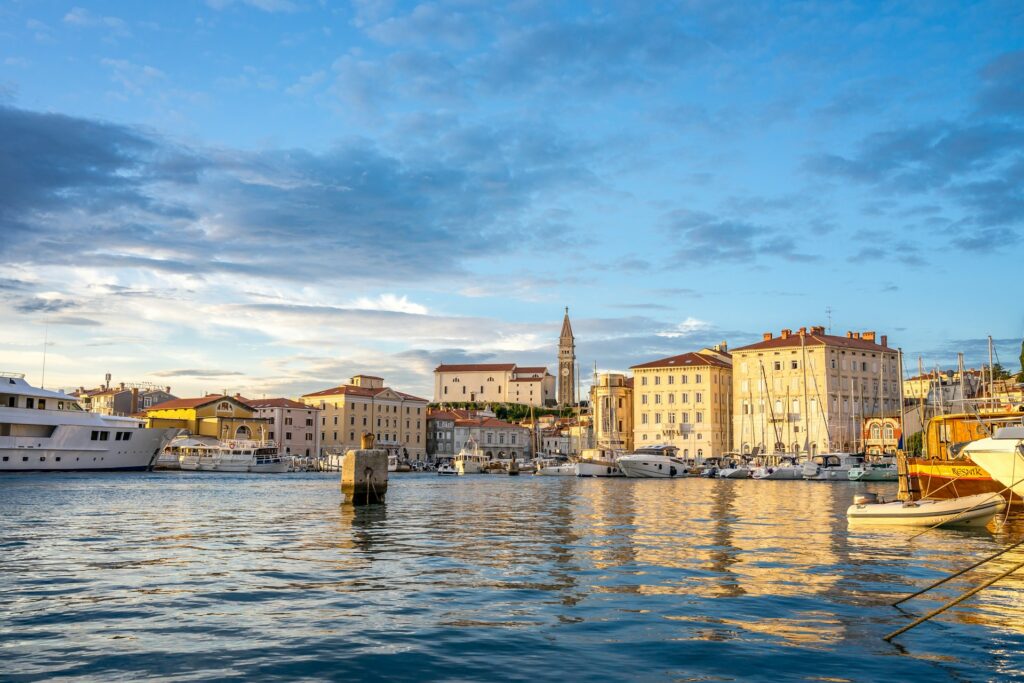
Portugal’s luxury conversation has been dominated by Lisbon and the Algarve for years. The Alentejo, the vast, sparsely populated region stretching south of the Tagus to the Algarve border, remains largely off the radar for British travellers. This is a mistake, and one worth correcting before everyone else does.
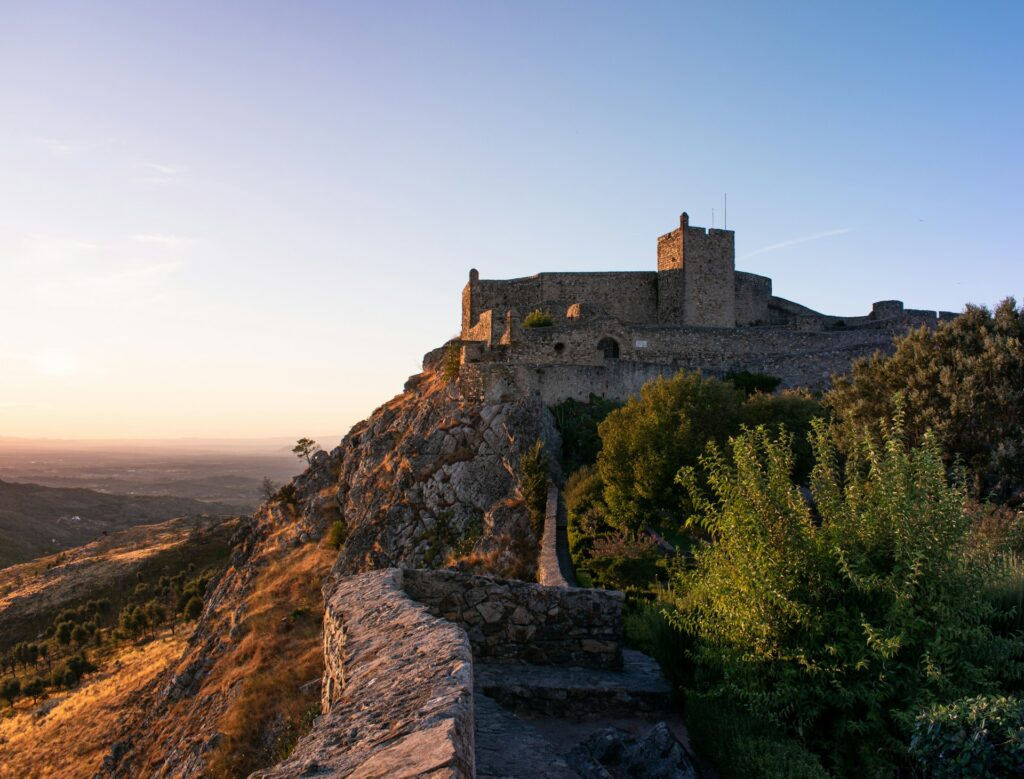
The region’s appeal starts with scale. This is one of the least densely populated corners of western Europe, and that emptiness is the luxury. You can walk a pristine Atlantic beach for an hour without seeing another person. You can drive for twenty minutes between vineyard estates without passing another car. The landscape is huge and open: golden plains of wheat and cork oak forest, marble quarrying towns where the stone is so abundant it gets used for doorsteps and kerbs, fortified hilltop villages that look out across empty countryside toward Spain. In a continent where exclusivity is increasingly manufactured, the Alentejo’s comes from the land itself.
The hotel scene reflects that character. Sao Lourenco do Barrocal, a restored 200-year-old farming estate near Monsaraz set among ancient holm oaks and vineyards, is widely regarded as one of the finest rural hotels in Europe, and it earns that reputation through restraint rather than extravagance. Sublime Comporta, where the Alentejo meets the coast, sits among rice paddies and pine forests near white-sand beaches.
The food ties everything together: built around black Iberian pork, bread-based dishes like migas and acorda, fresh seafood from the coast and local olive oil, it’s among the most satisfying regional cooking in southern Europe. A bottle of excellent Alentejo wine costs what a glass does in the Algarve. The value here isn’t about being cheap. It’s about getting more substance for your money than almost anywhere else on the continent.
Oslo, Norway
Scandinavia rarely features in luxury destination roundups, and the reasons for that are largely outdated. Oslo has spent the past decade transforming itself into one of Europe’s most architecturally ambitious and culturally rich cities, and the result is a destination that offers something no Mediterranean rival can: world-class urban culture with immediate, uncrowded access to genuine wilderness.
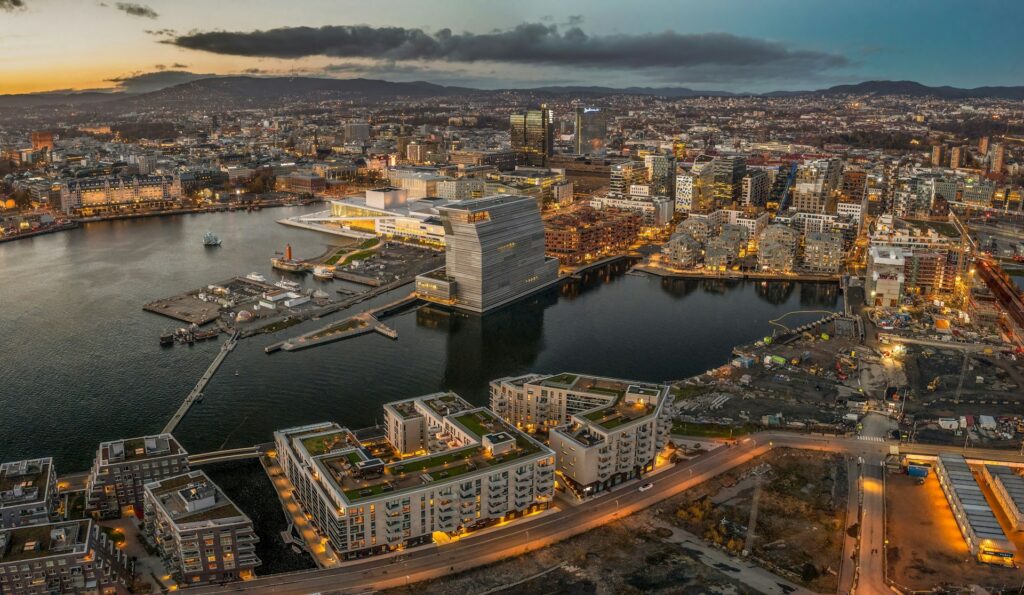
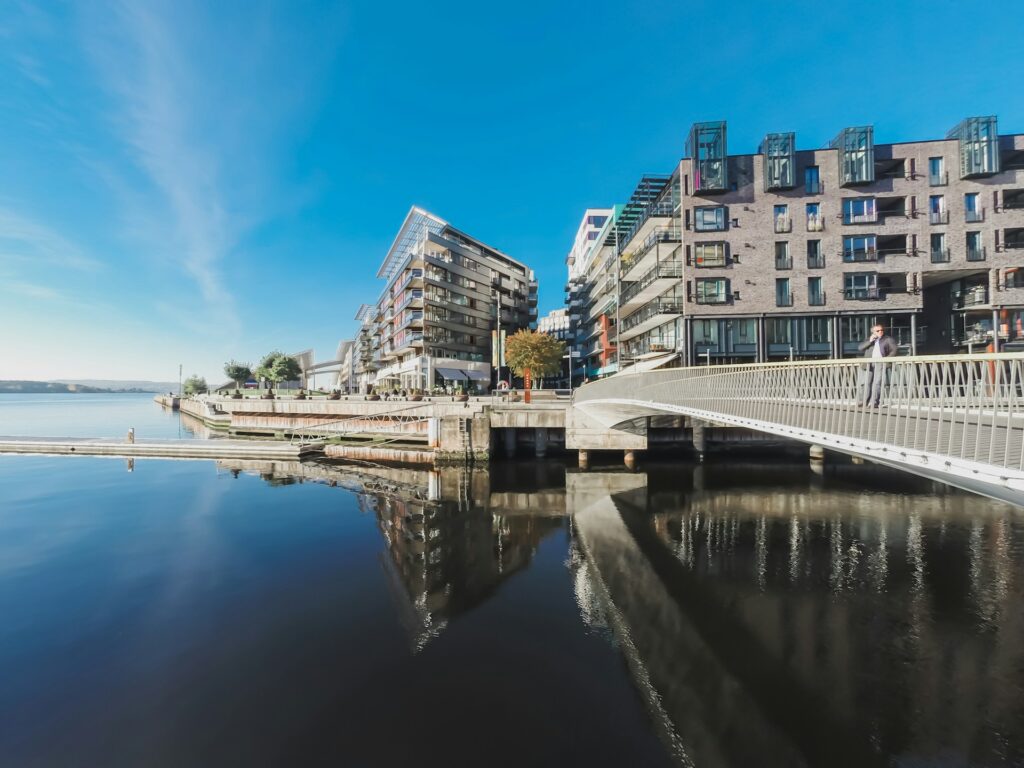
The waterfront tells the story most clearly. The Bjorvika district, anchored by the angular Oslo Opera House and the Munch Museum, has reshaped the city’s entire orientation toward the fjord. The National Museum, the largest art museum in the Nordic countries, sits across the water. The restaurant scene runs at a level that would surprise anyone whose impression of Norwegian food stops at smoked salmon.
The hotel offering has caught up. Sommerro, housed in a restored 1930s Art Deco building in the Frogner district, opened with 231 rooms, seven restaurants and bars, a rooftop pool, and a gilded theatre, and it functions less as a hotel than as a self-contained cultural quarter. The Thief, positioned on its own peninsula at Aker Brygge with over 400 original artworks and panoramic fjord views, remains the city’s most design-forward address.
But Oslo’s strongest card is what sits just beyond the city limits. A private boat from Aker Brygge takes you into the Oslofjord’s pine-clad archipelago within minutes. In summer, the light barely fades. You can swim in a sheltered cove, eat lunch on deck, and be back in a Michelin-level restaurant for dinner. That combination of metropolitan polish and immediate natural grandeur is something no amount of money can buy on the Cote d’Azur, because it simply doesn’t exist there.
Read: 9 Essential Places To Visit On A Norwegian Fjord Cruise
The Peloponnese, Greece
Everyone goes to the islands. The Cyclades get the magazine covers, the Ionians get the family bookings, Crete gets the package deals. Meanwhile, the Peloponnese, the vast peninsula that hangs off southern mainland Greece, contains more concentrated historical significance than anywhere else in Europe and a food and wine culture that runs as deep as anything in the islands, without the crowds or the markup.
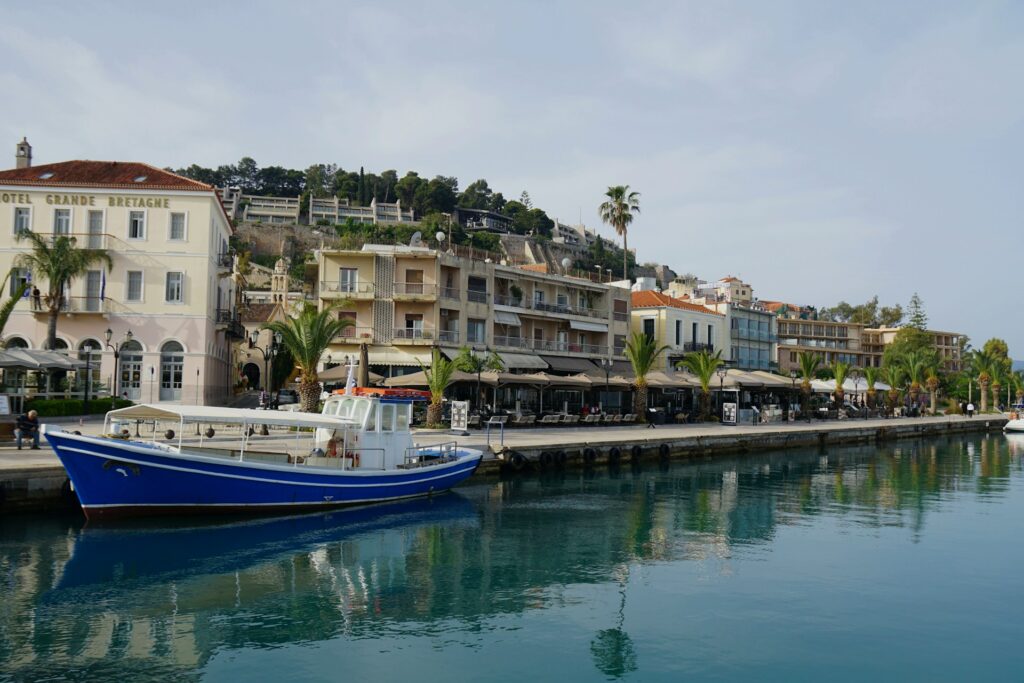
Nafplio, the first capital of modern Greece, is a handsome port town with Venetian architecture and a hilltop fortress. Ancient Olympia, Mycenae, Epidaurus and Mystras are all within reach. The Mani, the remote, tower-studded finger of land at the peninsula’s southern tip, has its own microculture and a stark beauty that feels more like the edge of the world than a two-hour drive from Athens. Between these anchor points, the landscape shifts from olive groves and vineyards to mountain villages and coastal swimming spots, all connected by roads that remain mercifully free of tour buses.
The accommodation anchoring the region is at the highest tier. Amanzoe, set on a hilltop near Porto Heli, is arguably the most prestigious hotel address in Greece: a modern Acropolis of pavilions and villas, each with a private pool, looking out over olive groves to the Aegean. Costa Navarino clusters four branded resorts on the west coast, including a Mandarin Oriental and a W, around championship golf and a long stretch of Ionian coastline. Kinsterna near Monemvasia occupies a restored Byzantine-era estate where the food and wine come directly from the property’s own land.
Those after full privacy over a hotel setting can look to specialists like Villas In Luxury, who curate standalone properties across the peninsula and beyond. It’s a different rhythm to hotel life: your own pool, your own kitchen, your own terrace overlooking whichever stretch of coastline or olive grove you’ve chosen, without sharing any of it with other guests.
What ties all of these options together is the destination itself: the Peloponnese offers a depth of history, landscape and cuisine that island-hopping, by its nature, cannot. You can spend a week here and still feel like you’ve only begun.
The Bottom Line
The places that genuinely reward a luxury traveller in 2026 aren’t the ones fighting for space on Instagram. They’re the destinations with food traditions measured in centuries, landscapes that haven’t been smoothed out for mass consumption, and hotel scenes built on substance rather than name recognition. Capri and St Tropez aren’t going anywhere. But if you’re spending serious money on a European holiday this year, you might as well spend it somewhere that gives you something back.
A little luxury from further afield next; here are Phuket’s best luxury resorts. Go on, you know you want to…