*This post was written in collaboration with CapCut Creative Suite*
Embarking on a creative journey often begins with a single, yet pivotal step: finding the right tools to bring your vision to life. Enter CapCut’s Creative Suite, the all-in-one editing solution that’s been making waves in the digital realm. Whether you’re a budding photographer, an aspiring graphic designer, or a business owner looking to spruce up your marketing materials, CapCut offers a seamless gateway to a world where your images are not just seen but truly experienced.
Signing up to CapCut is more than just gaining access to an array of sophisticated editing tools; it’s about unlocking a treasure trove of possibilities that can transform the mundane into the magnificent. With a user-friendly interface and a plethora of features tailored to enhance, innovate, and inspire, CapCut is the companion you need on your creative odyssey.
In this article, we’ll guide you through the simple yet exciting process of signing up for CapCut’s Creative Suite. Prepare to embark on a journey where your artistic flair is the only limit to what you can achieve. Let’s dive into the world of CapCut, where every click brings you closer to mastering the art of visual storytelling.
Why Is This Particular Web Picture Editor Gaining Popularity?
The filters in CapCut are a big reason why the web picture editor is so popular. For your convenience, we have grouped the filters into smaller sections. In addition to enhancing the image, they aim to inspire your inner artist. You can apply the ideal filter to company commercials and other samples based on your needs and purposes, transforming mundane photos into works of art with CapCut’s breathtaking filters.
Follow These Steps To Create An Account
Here are the four steps that will lead you towards making an account and editing your photo with the CapCut creative suite.
Step 1: Sign up to an online photo editor
Signing up for a free account is the first step to using CapCut’s Collage Maker and accessing its range of picture editing capabilities. Creating an account with CapCut is simple, and once you do, you’ll have access to a wealth of tools for artistic photo editing. To save your projects and gain access to CapCut’s sophisticated editing features, this step is important. Following that, First, go to CapCut’s main menu and select “Create new.” Pick a template that speaks to the subject of relationships and love, then choose “Collage” from the menu. Investigate various designs that make use of grids, heart shapes, or any other imaginative arrangement.
Step 2: Photos uploading without limitation
The second step in an online photo editor like CapCut allows you to import photos, using the upload button.
Step 3: Modifications
Step no three lets users edit their photos without any hassle with batch edit images, photo background remover, old photo restoration, image upscaling, photo color correction, transparent background, AI portrait generation, photo colorizer, image style transfer, low-light image enhancement, etc.
Step 4: Share or download watermark-free files
In the last step, You can export your picture collage when you’re happy with it. Use the “Export” button to change the file’s resolution and name. Select “Advanced Settings” to customize the format, frame rate, and quality. The photo collage will be available for download or direct sharing to platforms like Facebook and Instagram once the export process is finished.
The Bottom Line
With CapCut’s filters, your project will take on a whole new appearance. Modern graphic artists can’t do without CapCut’s creative suite. Everyone from seasoned pros to newcomers to the profession considers it one of the top graphic design toolkits due to its intuitive interface, rich feature set, and adaptability.
For those who enjoy mixology or trying new things, winter offers an opportunity to experiment with different ingredients and concoctions that aren’t typically used during the rest of the year.
During the colder months, brown spirits like whiskey get most of the love, but today, we’re here to talk about gin. Yep, we know, a refreshing gin spritz is the ideal summer drink, however, the botanical notes of original gin also lend themselves to winter. Juniper at the heart of gin’s flavour profile is reminiscent of evergreen trees, a fitting tribute to the season, don’t you think? And when mixed with seasonal ingredients like citrus and cinnamon, gin’s complexity is only enhanced.
So, let’s explore these simple yet delightful gin cocktails for winter together!
Winter Gin Cocktail Recipes
Hot Gin Toddy
When the winter chill sets in, nothing beats the comfort of a Hot Gin Toddy. This classic gin winter cocktail is a perfect blend of warmth and sophistication. The Hot Gin Toddy is not just a drink; it’s a hug in a mug, making it the ideal companion for a cozy winter evening by the fireplace. Here’s how to make it:
Ingredients:
100ml original gin
50ml honey
15ml lemon juice
Lemon zest
Hot water
A cinnamon stick (for garnish)
Cloves (optional)
Instructions:
In a heatproof glass or mug, combine gin, hot water, honey, and lemon juice.
Stir well until the honey is dissolved.
If desired, add a couple of cloves for extra winter spice.
Garnish with a cinnamon stick for a fragrant twist or with a lemon wheel for a zesty finish.
Cranberry Gin Fizz
Bring the festive spirit to your winter gatherings with the vibrant Cranberry Gin Fizz. This winter cocktail with gin is a burst of flavors that captures the essence of the season. The Cranberry Gin Fizz is perfect for adding a splash of colour and merriment to your winter festivities. Here’s how to concoct this cheerful drink:
Ingredients:
100ml original gin
50ml cranberry juice
25ml simple syrup
25ml fresh lime juice
Soda water
Fresh cranberries and rosemary (for garnish)
Instructions:
Fill a shaker with gin, cranberry juice, simple syrup, and lime juice.
Shake well until the mixture is chilled.
Strain the concoction into a glass filled with ice.
Top it up with club soda for that delightful fizz.
Garnish with fresh cranberries and a sprig of rosemary for a festive touch.
Mulled Gin Punch
Embrace the cozy vibes of winter with a steaming cup of Mulled Gin Punch. This fantastic concoction infuses the aromatic spices of traditional mulled beverages with the kick of gin. Sip on this delicious gin cocktail for winter by the fireplace, and let the rich blend of spices and gin envelop you in the warmth of the season. Here’s how to whip up this warming elixir:
Ingredients:
2 cups apple cider
150ml original gin
1 orange (sliced)
1 lemon (sliced)
6-8 cloves
2 cinnamon sticks
1 star anise
50g honey or brown sugar (adjust to taste)
Instructions:
In a pot, combine apple cider, orange slices, lemon slices, cloves, cinnamon sticks, star anise, and honey (or brown sugar).
Bring the mixture to a gentle simmer over low heat.
Let it simmer for 15-20 minutes to allow the spices to infuse.
Remove from heat and stir in the gin.
Strain the punch into mugs, ensuring you capture those flavourful fruit slices.
Garnish with a cinnamon stick or a slice of orange for a festive touch.
Rosemary Gin & Tonic
Give your classic G&T a winter makeover with the aromatic infusion of rosemary. This Rosemary Gin and Tonic brings a herbal note to the familiar, creating a refreshing yet cozy winter drink with gin. The cocktail is a sophisticated yet simple winter sipper, combining the crispness of gin with the earthy essence of rosemary. Here’s the recipe:
Ingredients:
50ml gin
150ml tonic water
Ice cubes
Fresh rosemary sprigs
A wedge of lime
Instructions:
Fill a glass with ice cubes for that perfect chill.
Pour in the gin, letting it cascade over the ice.
Add the tonic water, gently stirring to combine.
Take a fresh rosemary sprig, give it a quick twist to release the oils, and drop it into the glass.
Squeeze a wedge of lime over the drink for a zesty kick.
Optionally, garnish with an additional sprig of rosemary for a fragrant flourish.
Winter Negroni
The Negroni, a cocktail known for its perfect balance of bitter and sweet, gets a winter makeover in this recipe. This gin winter cocktail maintains the bitterness of the classic version but adds a seasonal touch that’s perfect for sipping by the fireside. Here’s how to craft the Winter Negroni:
Ingredients:
25ml original gin
25ml sweet vermouth
25ml Campari
Orange peel (for garnish)
Nutmeg
Cinammon stick
Ice cubes
Instructions:
Fill a mixing glass with ice cubes.
Pour in the gin, sweet vermouth, and Campari.
Stir the ingredients well for about 15-20 seconds to achieve the ideal dilution.
Strain the mixture into a glass filled with fresh ice.
Express the oil from an orange peel over the drink by twisting it.
Grate over nutmeg. Drop the cinnamon stick into the glass and the orange peel or use it as a garnish on the rim.
The Bottom Line
Although Christmas is over, winter still wraps its chilly arms around us, so these wintertime gin cocktails can bring warmth and cheer. Whether you’re curled up by the fireplace or hosting a post-New Year gathering, these creations offer a delightful taste of the season. So, gather your ingredients, embrace the spirit of the season, and savor the joy of winter in every sip.
You know what they say about the journey being just as important as the destination? Well, when you’re considering a predictably damp and drab hour’s trundle along the M6, perhaps that sentiment doesn’t hold up to the usual scrutiny.
That is the danger of the proposition when only the functionality of getting from A to B (or, in this case, Glasgow to Edinburgh) is driving you forward. But if you open up your minds and your schedule just a little, and treat the drive as something of an adventure, then you’ll quickly find there’s so much to discover on the road connecting Scotland’s two biggest cities.
The Scottish Knowledge, In Practice
With that in mind, and with help from local taxi drivers Caledonian Cabs, who bring their own version of The Knowledge to the table, here are 7 must-see attractions on your drive from Glasgow to Edinburgh.
Falkirk Wheel
Located about halfway between Glasgow and Edinburgh, the Falkirk Wheel stands as a testament to Scotland’s commitment to innovation. It’s not your ordinary boat lift; designed to link the Forth and Clyde Canal with the Union Canal, this rotating wonder lifts and lowers vessels gracefully, all while providing an unforgettable spectacle for onlookers.
Visitors have the opportunity to witness the Falkirk Wheel in action and even take a boat trip on the surrounding canals. The panoramic views from the top of the wheel are nothing short of breathtaking, offering a unique vantage point of the surrounding landscapes.
For those planning a visit, the Falkirk Wheel offers guided tours, educational experiences, and a visitor center where you can delve deeper into the history and mechanics of this engineering marvel. Be sure to check the opening hours and any special events to make the most of your visit.
Linlithgow Palace
Found via a 20 minute diversion off the M8 motorway (don’t worry, you can rejoin the M9 onwards to Edinburgh), the majestic ruins of Linlithgow Palace are a must-see attraction for history lovers of all ages.
It’s the birthplace of Mary, Queen of Scots, and has played a central role in the lives of the Stewart monarchs. The palace, although now in ruins, has a memorable regal aura, with towers and courtyards inviting all visitors to explore the very chambers where kings and queens once walked.
The architectural grandeur of Linlithgow Palace is unmatched. The intricate stonework, majestic gateways, and the iconic fountain in the courtyard are a story of craftsmanship from a bygone era. The palace offers an immersive experience for history enthusiasts and casual visitors alike, and the best part? You also get to enjoy the breathtaking views of Linlithgow Loch while you’re there.
For story lovers, guided tours are available to give you deeper insights into the history behind the ruins. You can check for any special events or exhibitions that may coincide with your visit but even if there are none, you’ll still have a great time visiting the palace.
Stirling Castle
While traveling between Scotland’s major cities, consider taking an optional but highly rewarding detour to the historic city of Stirling, where Stirling Castle perches atop a volcanic hill.
The fortress boasts unparalleled views of the surrounding landscape and stands as a symbol of Scotland’s turbulent history and royal prestige. From the Battle of Stirling Bridge to the coronation of Mary, Queen of Scots, the castle’s walls resonate with tales of courage, intrigue, and political drama. Make sure to explore the Great Hall, the Royal Palace, and the beautifully restored Renaissance gardens that showcase the castle’s rich heritage.
One of the highlights of visiting Stirling Castle is the breathtaking panoramic view it offers of the surrounding landscape, including the Wallace Monument and the Ochil Hills. The vantage point shows a captivating perspective on the strategic importance of the castle and the natural beauty that stretches beyond its walls. And it’s a stunning place to take some memorable photos of your trip.
While Stirling Castle adds a slight detour to your journey, the experience it offers is well worth the visit. Check the opening hours, guided tour options, and any special events taking place during your travel dates to make the most of your time at this iconic Scottish fortress.
The Kelpies
The Kelpies are two colossal equine sculptures that rise majestically from the landscape near Falkirk – a must-see attraction for anyone who travels the roads from Glasgow to Edinburgh.
Towering at 30 meters (98 feet) in height, these iconic structures draw their inspiration from the mythical water spirits known as kelpies. According to Scottish folklore, these shape-shifting entities often took the form of horses and were believed to inhabit the country’s lochs and rivers. The sculptures, crafted with intricate details, pay respect to the mystical aspect of the Scottish heritage. Designed by artist Andy Scott, The Kelpies are a harmonious blend of art and engineering.
Visitors to The Kelpies are in for a sensory treat. You can take a stroll around the sculptures to appreciate their sheer scale and intricate craftsmanship or enjoy a guided tour, for a more immersive experience. As day turns to night, The Kelpies undergo a magical transformation illuminated by a subtle interplay of lights. Nighttime visits offer a different perspective, allowing you to witness the sculptures in a new light.
Parking and visitor facilities are available in the area, and you can check for any scheduled events or nighttime illuminations during your visit, to get the most out of your experience.
The Queensferry Crossing, completed in 2017, is a testament to 21st-century engineering. Its three graceful towers, standing at varying heights, create a visually stunning effect as they rise against the expansive sky. The cable-stayed design showcases Scotland’s commitment to pushing the boundaries of modern infrastructure.
Gifting panoramic views of the Firth of Forth, the iconic Forth Bridge, and the Forth Road Bridge, the Queensferry Crossing not only facilitates a seamless journey between Glasgow and Edinburgh but also offers a unique travel experience.
There are designated viewpoints and rest areas along the route, allowing travelers and photography enthusiasts to stop and appreciate the crossing. Make sure to check for any traffic updates or planned maintenance activities that might affect your journey.
Rosslyn Chapel
A mere detour from your main route will lead you to the enigmatic Rosslyn Chapel, located in the village of Roslin. This 15th-century chapel gained worldwide fame through Dan Brown’s novel The Da Vinci Code, but its allure goes far beyond literary fame. Intricate carvings and mysterious symbolism adorn its interior, sparking theories and legends that have intrigued visitors for centuries.
The chapel is a masterpiece of Gothic architecture, and its Apprentice Pillar and Green Men carvings are just a few of the highlights that await your keen eye. The visitor centre provides insightful exhibitions, and guided tours are available to unravel the chapel’s many secrets.
The Royal Botanic Garden Edinburgh
Before reaching the heart of Edinburgh, consider a tranquil retreat to the Royal Botanic Garden Edinburgh. Founded in 1670, this living museum is one of the world’s leading botanical gardens, offering a serene escape with its 70 acres of beautifully landscaped grounds.
Discover a diverse collection of plants from around the globe, walk through the lush Queen Mother’s Memorial Garden, or explore the Victorian Palm House. The garden’s elevated position also offers splendid views of the Edinburgh skyline, making it a perfect spot for contemplation and relaxation.
The Bottom Line
Sure, you could buckle up in Glasgow, put your Billy Connolly audiobook on the car stereo and your pedal to the metal, and be in Scotland’s capital city within the hour. But to do so would be to miss out on some of Scotland’s most intriguing, historically significant urban sites. Once in a while, it’s wonderful to touch base with the past of a place whose present has become so familiar, don’t you think?
In the ever-evolving, always-innovating world of modern graphic design, staying ahead of the curve is not just about creativity and talent. It’s also about leveraging the right tools that can streamline your workflow, enhance productivity, and let your creative juices flow unimpeded. As we step into the second month of 2024 and our creative juices truly start flowing, the digital toolbox available to designers is more diverse and user-friendly than ever before.
Here’s a curated list of 12 beginner-friendly apps and online tools that are transforming the graphic design landscape this year.
Adobe Illustrator
Adobe Illustrator continues to set the standard as the industry leader in vector graphics design. It’s an invaluable tool for creating logos, icons, typography, and complex illustrations for any medium. Illustrator’s integration with Adobe Creative Cloud allows for seamless file sharing and collaboration. A standout feature is the recent ‘Auto-Extract’ which simplifies the process of turning hand-drawn sketches into vector graphics.
Adobe Acrobat DC
Adobe has redefined what it means to work with PDFs with its Acrobat DC product. Features like editable scans, which turn paper documents into editable digital files, and the capability to sign and send documents from any device, make this tool incredibly powerful. Adobe Acrobat DC is constantly updated to ensure compatibility with the latest hardware and software integrations.
If you’re looking to streamline your operations even further in that department, then something simple and straightforward like PDF Guru’s online PDF editor will be right up your street.
Boasting a powerful editor that allows users to make a variety of changes to their PDFs, such as editing text, redacting information, and adding new elements like images and text boxes, one of the key reasons PDF Guru is easy to use is its intuitive interface, which simplifies the process of converting, creating, and modifying PDF files.
Users can quickly upload documents, make necessary changes, and download the updated files without any complicated steps. The service requires no setup, meaning it’s accessible directly through a web browser on any operating system, including Windows, Mac OS, Linux, iOS, or Android.
Affinity Designer
This vector graphic design software from the team at Serif has gained popularity for its one-off purchase model and strong performance. Its precision and professional-grade tools make it ideal for creating concept art, print projects, logos, icons, UI designs, and mock-ups.
Affinity Designer stands out due to its real-time performance, where gradients, effects, and adjustments are previewed live without any lag.
Procreate
Specially designed for Apple’s iPad, Procreate is favoured by digital artists for its natural drawing experience and tactile interaction. With its extensive range of brushes and AR-based ‘Reference Companion’, artists can draw with an immediacy that feels akin to traditional media. Procreate now integrates a sophisticated animation toolset, allowing for rich animated content generation.
Aperty
Skylum’s Aperty is an AI-powered portrait retouching software that streamlines professional photo editing. Developed with photographer Julia Trotti, it offers quick, natural-looking results through its Retouch, Reshape, and Creative modes. Its standout “Studio Light” feature creates virtual lighting setups with realistic shadows after the shoot. The AI processes locally without internet connection, ensuring privacy while handling both RAW and JPEG files, making it an efficient solution for portrait photographers who want to spend less time editing.
Adobe Photoshop
Photoshop is arguably the most famous image editing software and has become synonymous with photo editing itself. It excels at retouching, compositing, and presenting detailed colour correction controls. Photoshop’s advanced features enable 3D design and high-quality pattern creation. The newer versions offer enhanced AI-based selection tools, making intricate edits more accessible than ever before.
CorelDRAW Graphics Suite
Not only does CorelDRAW offer powerful vector illustration capabilities, but it also covers versatile tools for layout, photo editing, and typography. The suite includes Corel PHOTO-PAINT and Corel Font Manager, offering an integrated approach to design and asset management. With features like ‘LiveSketch’, designers can convert free-form sketching into precise vector curves directly on their devices.
Canva
Canva democratises design through user-friendly templates and an intuitive interface. Beyond simple graphics, Canva allows users to create videos, presentations, and even websites. A notable feature is ‘Magic Resize’, which automatically adjusts designs to various formats for social media, posters, or advertisements, significantly saving time.
Photo by MART PRODUCTION
GIMP
With extra caution exercised when searching for this one on Google, GIMP provides sophisticated tools necessary for high-quality image manipulation. From retouching to restoring to creative composites, the possibilities are limitless. Recent updates have improved GIMP’s interface, layer management, and plugin support, further closing the gap between it and premium alternatives.
Affinity Photo 2
An update from its predecessor, Affinity Photo 2 delivers a seamless photo editing experience and has been optimised for performance. It rivals other editing tools with its non-destructive workflow, RAW editing capability, and advanced HDR merge feature. This makes it an attractive option for photographers and designers alike.
Pixlr
With AI-based features such as ‘Playful’, that adds decorative elements to images, and ‘Glitch’, for artistic distortion effects, Pixlr is continually innovating. It’s an excellent choice for quick, browser-based edits, including a variety of filters and overlays, catering to social media content creators.
While you’re here, we’ll tell you another tool that graphic designers – or anyone, for that matter – will find useful; this rundown of 7 strategies to help you strike the right balance between work and wellness.
Caregiver burnout is a well-known phenomenon – to people who are not suffering from it, that is. When you are working as a carer, you tend to be working long, physically demanding hours, and sometimes it can be hard to acknowledge that you’re tired, let alone admit that you might be suffering from burnout.
Finances might be tight, time short, and you may not be able to plan your day or your week properly, having to react to the needs of your loved one as issues arise. Because of these unique pressures, caregiver burnout can manifest itself in physical, emotional and mental exhaustion.
Some symptoms of such burnout include withdrawing from family and friends, feeling irritable, losing interest in hobbies, changes in appetite and weight, erratic sleep patterns, and getting ill more frequently.
How To Avoid Caregiver Burnout
But your caring work is vitally important, and your loved one needs you to be there for them. The stresses of the job cause fear, frustration and worry, and it can become overwhelming at times. In such cases, looking after number one is just as important as looking after your loved one; here are 8 self-care and support tips for carers to help prevent caregiver burnout.
Ask For Help
Proud, humble people (as caregivers so often are) can struggle to ask for anything. Asking for help with your loved one – your relative, your responsibility – can be chastening.
But there are assistance programmes, respite homes and grants that can help you to cope with everything from your finances to your own mental health. No one will judge you for asking for help; caring is an impossibly hard job, after all.
Use Respite Care
If you have a respite centre close to your home, don’t be afraid to use it. You can enjoy a couple of hours of distraction-free shopping, take a nap, or use the time to phone a friend…those everyday things that you deserve!
The most simple form of respite care sees your loved one temporarily move into residential care, which is akin to a hotel stay, but with the typical infrastructure of the residential or nursing home.
If the respite centre does overnight stays, you could even treat yourself to a spa day – or simply an untroubled day with no alarms dragging you out of bed or away from what you are doing. Sounds blissful, right?
Carer’s guilt is a common phenomenon. But remember that no one can give more than their all, and the fact that you’re dedicating this chapter of your life to a loved one is selfless and generous. Don’t be too hard on yourself for feeling worn out or needing external assistance and support, whether that’s in the form of the best home care services in your area, or simply a sympathetic ear when you need one.
Find Support
There are plenty of in-person and online support groups for carers, and joining one of these can be such a relief. Even if you lurk on the fringes of a social media group, realising that others have the same doubts and fears as yourself can make you feel better about your own supposed shortcomings. Check out the Carers UK Forum, which is part of the UK’s only national member charity for carers, in particular.
As well as this, other members of the group could have valuable advice and tips for you on how to cope, who to reach out to and more. A friendly voice can make the difference between a terrible day and a good one, so don’t be afraid to see what’s out there.
Carers UK also host weekly online ‘Care for a Cuppa’ meetups for all caregivers in the UK, as well as a Listening Support Service for those needing more formal advice from professionals within the care world.
You should also check out the Carers Trust, who provide online support for carers, enabling them to access help, advice and breaks from caring. And finally, the NHS has a dedicated Social Care and Support Guide with lots of information on the support carers are entitled to.
Look After You
When your loved one has complicated needs, taking time for yourself can seem like a luxury. Self-care certainly isn’t a luxury; you cannot care for them if you are ill yourself. Make sure you look after four main factors essential to good health: eat right, drink enough water, get some gentle exercise every day, and ensure you get enough sleep. Being healthy and alert will help your caring duties seem less onerous.
Read Up & Be Realistic
If your loved one has a diagnosis that has a progression of decline, read up on the condition so you know what to expect as the illness progresses or worsens. Working your hardest for someone only to have their decline worsen can make you feel guilty. But age-related diseases have their own timetable and understanding that there is nothing you could have done can stave off that heart-rending guilt that you otherwise might feel.
Support Line offer a useful directory of illness-specific support lines and useful websites for carers.
Charitable Grants
Your time is precious, and you don’t want to waste any by chasing rainbows, but there are a number of charities who offer grants to help carers cope with their duties.
These range from disability vehicles so you can take your loved one out and about, to help and advice with finances, all the way to home improvements that make it easier for you to cope at home. Spend a little time each week seeing what’s out there, putting your name down when you are eligible.
The Carers Trust have a useful guide here on the grants and discounts that could be available to you.
Organise A Carer’s Assessment
It’s also a good idea to contact adult social services at your local council to organise a carer’s assessment. This assessment sees someone from the council’s dedicated team come for a face-to-face chat with you about how you’re coping. They will then recommend various support networks and options available to make your life easier.
The Bottom Line
Looking after someone 24/7 is not a full-time job; it’s actually more like 3 full time jobs! Don’t do this thing alone; there is support out there available and tailored to your specific needs.
When travelling abroad, it should go without saying that managing your finances is crucial to ensure a smooth and hassle-free experience. But such a penny-counting, cost-concerned approach can sometimes run counterintuitively to the kind of spontaneous, free-wheeling holiday that you so richly deserve.
That’s why, increasingly, cash-smart tourists and business travellers are taking the financial headache out of their next holiday by using travel money cards or travel-friendly debit and card cards when making everyday transactions and withdrawals abroad.
In today’s rapidly evolving financial landscape, traditional methods of carrying cash or relying on standard bank cards are becoming outdated. The rise of digital banking and specialized travel cards has revolutionized how we handle money while exploring the world. These innovative financial tools not only offer enhanced security features but also provide real-time tracking of expenses, instant currency conversion, and the flexibility to manage multiple currencies in a single account.
The best prepaid travel and debit cards offer competitive exchange rates, low fees, and often zero overseas ATM fees, making them a popular choice for tourists doing things on a budget and luxury travellers who resent all those additional fees, equally. Whether you’re planning a weekend city break in Europe or embarking on a month-long adventure across continents, having the right travel card can mean the difference between spending your time worrying about transaction fees and fully immersing yourself in the travel experience.
It should be noted that some foreign ATM providers might charge their own fees for using their machines. This means you may still incur additional costs when withdrawing cash abroad. Even so, the smart money is on using a card designed for travel.
With that in mind, today we’re exploring the best UK prepaid travel and debit cards, IDEAL for taking the financial headache out of your next holiday.
Revolut
For frequent travellers seeking convenience and versatility, the Revolut card is a noteworthy contender among the best travel credit cards, offering seamless transactions and efficient currency management.
Revolut is a widely-used travel money card that enables users to spend money in more than 150 currencies without incurring fees, as well as being able to hold 28 different currencies on your card. In addition, you can withdraw up to £200 per month from ATMs without any extra charges (or make withdrawals up to 5 times a month – whichever is the first to happen), with a 2% fee applied after that limit.
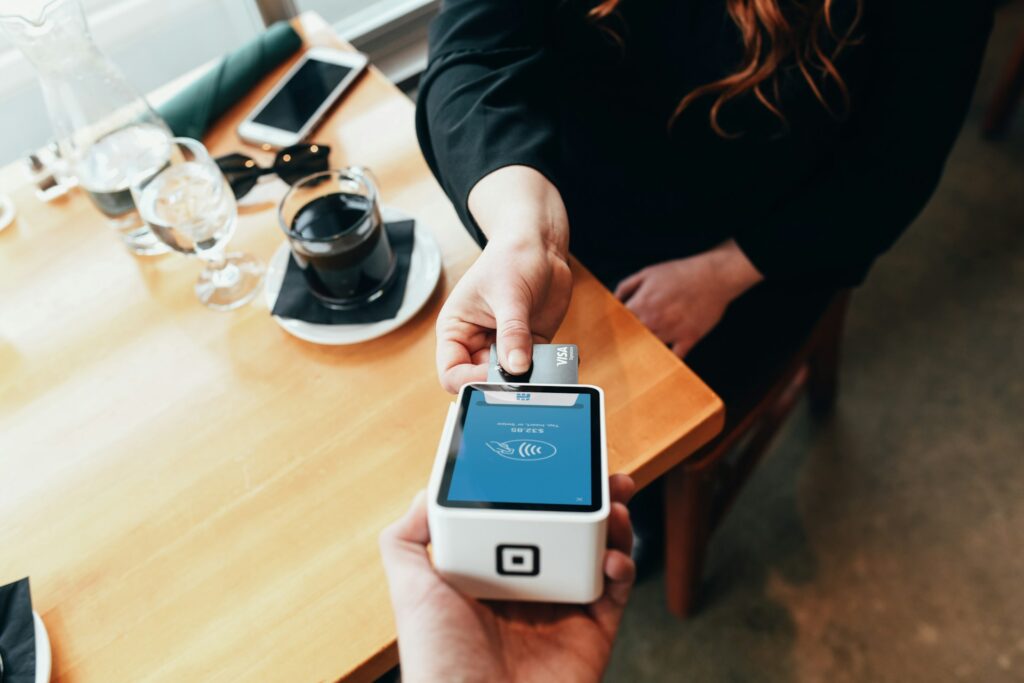
With a Revolut card, shopping abroad feels simple. It works just like a debit card, so you can pay with it wherever Visa is accepted. All you have to do is top-up your wallet with your debit or credit card, and you can exchange and store up to 28 currencies. Whenever you make a purchase, your card will take the funds from the appropriate currency automatically.
Pros: – Competitive exchange rates – No fees for currency conversion – Instant spending notifications – Ability to freeze/unfreeze the card via the app – Budgeting and analytics features
Cons: – 2% fee for ATM withdrawals over £200 per month, or a limit of five free withdrawals a month – No cashback or rewards program – Limited customer support
Wise (formerly TransferWise)
Wise offers a multi-currency account and a contactless Mastercard debit card, allowing users to hold and convert over 50 currencies at the real exchange rate. The card comes with low conversion fees and no transaction fees for most currencies.
Additionally, users can withdraw up to £200 per month from ATMs without incurring any charges. After that, they’ll charge you a fixed fee of £0.50 per transaction. If you take out more than £200 in one month, you’ll be charged an additional 1.75% on top of that.
Pros: – Transparent and low fees – Real exchange rate – Free ATM withdrawals up to £200 per month – Integration with Apple Pay and Google Pay
Cons: – 1.75% fee for ATM withdrawals over £200 per month – No rewards program – Limited customer support
EasyFX
EasyFX is a prepaid multi-currency Mastercard that allows users to hold and spend in up to 15 currencies, including EUR, USD, AUD, and CAD. The card offers competitive exchange rates and no fees for currency conversion or overseas ATM withdrawals.
That said, when using the prepaid card, you will be charged £6 for a replacement or an additional card, and £25 if you want to investigate a disputed transaction. Paying for your transfer using your bank account can also expose you to a few other charges not controlled by EasyFX.
The card also suffers from some incompatibility with certain payment methods; credit cards, maestro cards, and prepaid cards are not accepted for topping up your EasyFX account. Only Visa and Mastercard debit cards are accepted.
Pros: – Competitive exchange rates – No fees for currency conversion or overseas ATM withdrawals – Mobile app for easy account management – Instant card lock/unlock feature
Cons: – Limited number of supported currencies compared to other cards – No cashback or rewards program – Charges may apply for certain services, such as card replacement, and there are some compatibility issues
Skrill
Skrill provides a prepaid Mastercard that can be used internationally, offering users the ability to spend in multiple currencies. The card links directly to your Skrill digital wallet, allowing for easy management of funds across different currencies. As one of the pioneering digital payment solutions in Europe, Skrill has established itself as a reliable option for international travelers who need to manage multiple currencies efficiently.
The platform’s integration with its digital wallet service means users can instantly access their funds and make real-time currency conversions, making it particularly useful for frequent travelers or digital nomads who need to manage money across different countries. It also offers fast deposit speeds, making Skrill a preferred payment method for online casinos, interestingly.
The card comes with a sophisticated mobile app that allows users to track spending, manage currency conversions, and receive instant notifications for all transactions. For travelers concerned about security, Skrill offers advanced fraud protection features and 24/7 account monitoring to ensure peace of mind while spending abroad.
Pros: — Competitive exchange rates — Real-time transaction notifications — Instant access to converted funds — Seamless integration with digital wallet — Wide international acceptance
Cons: — Annual card fee may apply — ATM withdrawal fees higher than some competitors — Limited customer support options — Some services may have additional charges
Monzo
Monzo is that most vibrantly coloured of digital banks that offers a contactless Mastercard debit card and a user-friendly mobile app. The card comes with no fees for spending abroad and allows users to withdraw up to £200 per month from ATMs without any charges, with a 3% fee applied after that limit. For this reason, many travellers who prefer a streamlined spending experience (and a slimmer wallet!) choose to use Monzo instead of a prepaid travel card.
What sets Monzo apart in the digital banking landscape is its innovative approach to travel notifications and security features. The app automatically detects when you’re abroad and sends you helpful local spending insights, including real-time currency conversion rates and nearby ATM locations. Additionally, their intelligent fraud detection system adapts to your travel patterns, reducing the likelihood of your card being unnecessarily blocked while maintaining robust security measures.
Pros: – No fees for spending abroad – Free ATM withdrawals up to £200 per month – Real-time spending notifications – Savings features and budgeting tools
Cons: – 3% fee for ATM withdrawals over £200 per month – No multi-currency account or currency conversion features – No rewards program
Starling Bank
Starling Bank is a digital-only bank offering a contactless Mastercard debit card and a multi-currency account. Users can hold and spend in over 30 currencies and 67 different countries with no fees for currency conversion. Additionally, Starling Bank offers unlimited free ATM withdrawals worldwide.
Additionally, Starling offers 24/7 customer support to assist users with any questions or issues they may encounter while using the service. The bank account also comes with a range of budgeting tools, including real-time spending notifications and categorization of expenses, which can be helpful for travellers looking to manage their money effectively while on the go.
With its user-friendly interface, competitive exchange rates, and fee-free transactions, Starling is a popular choice for those who want a hassle-free way to manage their finances while travelling abroad.
Pros: – No fees for currency conversion – Unlimited free ATM withdrawals worldwide – Integration with Apple Pay, Google Pay, and Samsung Pay – Real-time spending notifications and budgeting tools
Cons: – No cashback or rewards program – Limited customer support – No option to lock/unlock the card via the app
Caxton FX
Caxton FX offers a prepaid multi-currency Mastercard that allows users to hold and spend in up to 15 currencies, including EUR, USD, AUD, and CAD. The card comes with competitive exchange rates and no fees for currency conversion or overseas ATM withdrawals.
The platform has built a strong reputation among business travelers and holiday makers alike, thanks to its robust currency management system and travel-oriented features. Caxton FX’s rate alert service is particularly noteworthy, allowing users to set target exchange rates and receive notifications when their desired rates become available. This feature helps travelers maximize their currency exchange value by timing their conversions strategically.
Pros: – Competitive exchange rates – No fees for currency conversion or overseas ATM withdrawals – Mobile app for easy account management – Instant card lock/unlock feature
Cons: – Limited number of supported currencies compared to other cards – No cashback or rewards program – Charges may apply for certain services, such as card replacement
The Bottom Line
When choosing a travel money card, it’s important to consider the exchange rates, fees, and benefits offered by each card to determine which one is best for your specific needs and budget. By using a travel money card or debit card with travel-friendly terms and features, you can manage your money effectively and avoid the high exchange fees and transaction charges often associated with using credit or debit cards abroad.
Now, where will you head to next… The Bahamas, perhaps?
As you age, keeping your adult teeth and mouth healthy can be challenging due to an increased risk of health conditions that make you more vulnerable to dental problems. After a lifetime of chewing, grinding, general wear and tear, medications and medical conditions, alongside a decrease in dental care, oral health problems become more prevalent as you age.
Dental Conditions To Be Aware Of In Older Adults
These problems can result in a range of symptoms such as inflamed gums, bleeding gums, tooth pain, or even gum infections, which can typically be treated or managed by regular visits to your dentist. In this guide, we cover the 9 common dental conditions all older adults should be aware of, as well as advice on prevention, treatment and management.
Tooth Decay
Tooth decay can lead to cavities, which are decayed areas of your teeth that develop into tiny openings or holes and lead to pain, infection, and even tooth loss. Tooth decay is often a result of a build-up of plaque and tartar due to poor dental hygiene and a diet of sugary foods, snacking between meals, and a decrease in saliva production, which leads to high levels of sugar and acid in the mouth.
Medical conditions can also play a role in tooth decay; for instance, using a toothbrush can be more challenging for those with arthritis and is often impossible for people suffering from dementia.
Prevention is the best way to avoid tooth decay as you age which involves brushing your teeth twice a day with fluoride toothpaste, drinking water after each meal, and decreasing the amount of sugary food you consume.
Additionally, switching from a manual toothbrush to an electric one may be easier for those with arthritis and is often more effective than using a traditional toothbrush. Suppose tooth decay is a concern, or you’ve begun to notice pain; well, you do have options available to you, including fluoride rinse fillings or crowns to combat advanced decay.
Gum Disease
Gum disease, also known as periodontal disease, is a common problem typically caused by a build-up of plaque and tartar due to poor dental hygiene, diet, and smoking. The symptoms of gum disease normally include irritated, red, and bleeding gums; however, there is more than one type of gum disease. The symptoms can present differently, which is why it is essential to visit your dentist frequently to spot gum disease early.
Gingivitis is a type of gum disease where there is inflammation of the gums due to bacteria build-up where the teeth meet the gum tissue. Gingivitis can advance and develop into a serious gum infection that causes damage to the gum tissue and the bone that supports the teeth, and this condition is called periodontitis.
However, gum disease is preventable and treatable with proper dental care, which includes visiting your dentist regularly as well as flossing and brushing daily.
Receding Gums
A common problem often caused by smoking, poor dental hygiene, gum disease, teeth grinding, or a family history of dental health conditions is gum recession. In this gradual process, gums shrink away from teeth.
As gum recession progresses, teeth appear to lengthen and may become more sensitive as the tooth’s root becomes exposed. If left untreated, gum recession can increase the likelihood of developing gum disease and tooth loss and significant damage to oral tissue.
However, in the same way as gum disease, this condition is preventable by practising good oral hygiene, avoiding sugary foods, and quitting smoking. Suppose you notice signs of your gums receding. In that case, you must visit the dentist as soon as possible to best address the issue and discuss treatment options such as deep cleaning, scaling, or surgical gum grafts. Only then, can you smile with more confidence as you move forward in life.
Dry Mouth
Many people over the age of 40 experience decreased saliva productions, a common condition known as dry mouth or xerostomia. Still, as Meadowbank dental, a dental clinic in Edinburgh, reassures us, it is also a common side effect of many medications, including antidepressants. When you have decreased saliva production, sugar and acids build up more readily in the mouth, resulting in cavities and leading to other dental conditions such as gum disease.
Aside from cavities and gum disease, a reduction in your saliva production can also cause dry, cracked lips and a swollen tongue, making it more difficult to speak and swallow. To avoid the negative consequences of dry mouth, you must drink plenty of water while avoiding food and drinking high in sugar. Additionally, lozenges and chewing gum are often used to stimulate saliva production alongside mouth rinses as they can help prevent the build-up of sugars and acid.
Oral Cancer
As with many cancers, the risks of oral cancer increase with age, especially in people who regularly smoke or drink. You must visit your dentist frequently as many oral cancers have few symptoms, and your dentist will be able to spot abnormal changes in your mouth with regular examinations. Early identification is the perfect way to ensure a positive prognosis. Your dentist can also assist you in assuring that your gums and surrounding tissue are as healthy as possible.
Missing Teeth
Missing tooth is a problem that can occur due to poor dental hygiene or accidents and injuries; however, as you age, your risk of losing teeth increases. Missing teeth can affect how you eat or speak, and even if it is not noticeable, it can significantly impact the quality of your life. Your remaining teeth may shift into uncomfortable positions, and, in some cases, a missing tooth can also lead to bone loss around the area.
As dentistry has advanced over the years, so have the treatments for missing teeth, and you no longer need to live with gaps in your mouth. Your dentist can advise you on the best cause of action and which treatments suit you, such as bridges, dentures, dental crowns, or dental implants.
Sensitivity
When eating food, if you notice hot or cold food cause you to wince, you may be suffering from a common dental problem called sensitive teeth. Sensitivity can occur for many reasons, such as tooth decay, fractured teeth, worn fillings, gum disease, worn teeth, and exposed roots.
However, sensitive teeth can be treated, and your dentist will typically recommend desensitizing toothpaste or treatments based on the cause of your sensitivity. To prevent tooth sensitivity, you need to ensure you are keeping a proper oral hygiene routine. Still, if you are unsure if there is anything more you need to do at home, your dentist can provide you with expert advice to improve your dental care.
Teeth Crowding
Teeth crowding is a common problem as you age, as your teeth can shift and move over time, leading to increased difficulty in cleaning, erosion, and damage to the gum tissue. The first indicators that you may have teeth crowding is usually food getting stuck in new places within your mouth and discomfort in how they fit together. If you leave teeth crowding untreated, it can result in an accelerated decay of your teeth, which is why you must visit your dentist at the first signs of changes or discomfort.
Root Decay
Root decay is particularly prevalent among older adults, often due to receding gums which expose the roots of the teeth to plaque and acids. Unlike the crowns of your teeth, the roots do not have a protective enamel layer, making them more susceptible to decay. Factors such as dry mouth, which reduces the protective benefits of saliva, and dietary habits can exacerbate this condition.
Symptoms of root decay can include sensitivity, pain, and in severe cases, infection. To prevent root decay, it is crucial to maintain excellent oral hygiene, use fluoride toothpaste, and possibly incorporate fluoride rinses as recommended by your dentist. Regular dental check-ups are essential for early detection and treatment, which may include fillings, fluoride treatments, or even root canals if the decay has reached the nerve of the tooth.
The Bottom Line
Maintaining oral health as you age is crucial for overall well-being and quality of life. Prevention remains the best defense against these conditions, with proper brushing, flossing, and professional cleanings as the cornerstone of good oral hygiene. Additionally, lifestyle choices such as a balanced diet, limiting sugar intake, and avoiding tobacco can significantly reduce the risk of dental problems.
Remember, it’s never too late to start taking better care of your teeth and gums. By staying informed and working closely with your dental care provider, you can tackle these common issues head-on and keep your smile healthy and bright well into your golden years.
Gold has always been synonymous with luxury and opulence. From the grandeur of ancient empires to the high-octane glamour of modern-day red carpets, gold has never truly left the fashion lexicon.
Crucially, this time, it’s not just about jewelry. With much broader ambitions, gold is weaving its magic into fabrics, accessories, and even footwear, proving that all that glitters can be gold. Here’s how to embrace this timeless trend with style and sophistication.
Understanding The Gold Rush
Before we delve into the ‘how-tos’, let’s understand why gold is making such a strong comeback. Fashion, in its cyclical nature, often looks to the past for inspiration. With recent trends favouring the bold and the beautiful – think ’80s power dressing and ’90s logomania – gold fits right in. It’s a statement. It’s confidence. It’s a nod to the past with a firm foot in the present.
Jewelry: The Classic Choice
Gold jewelry is the most obvious and timeless way to incorporate this trend. But the key to keeping it sophisticated is balance. A chunky gold necklace can serve as a centrepiece, so let it shine by pairing it with a simple black turtleneck. For a more bohemian look, layer delicate gold chains of varying lengths.
Remember, with gold, less is often more. If you’re donning statement earrings, consider skipping the necklace to let those golden beauties have their moment. Equally important is to ensure everything aligns with your personality and unique sense of style – rather surprisingly, flourishes of gold jewelry don’t suit superfluousness.
Fabrics: The Bold Statement
Gold fabrics are a daring choice, but when worn correctly, they exude elegance. If you’re feeling adventurous, a gold silk blouse or a metallic-threaded blazer can elevate your outfit. The trick is to anchor these statement pieces with neutral tones. Pair a gold skirt with a white shirt, or a gold blazer with black trousers. The contrast will ensure your golden garment shines without overwhelming the senses.
Accessories: The Subtle Nod
If you’re not ready to commit to gold clothing, accessories are your best friend. A gold belt cinched at the waist, a clutch, or even a pair of gold-framed sunglasses can add a touch of luxury to your ensemble. Footwear, too, can be gilded; a pair of gold loafers or heels can add a playful yet polished finish to both casual and formal outfits.
Makeup: The Gilded Glow
Gold isn’t just for your wardrobe; it’s also making a splash in the beauty world. A gold highlighter can give your skin a warm, radiant glow. For the more avant-garde, gold leaf can be applied to the face for a striking effect. When it comes to eye makeup, a sweep of gold eyeshadow can brighten the eyes, and for a night out, a gold eyeliner can add a touch of drama.
Mixing Metals: The Modern Twist
The old rule of ‘never mix your metals’ is outdated. Today’s trends are about breaking rules and expressing individuality. Pairing gold with silver, rose gold, or even gunmetal can create a textured, contemporary look. The key is to do so with intention. Choose pieces that complement each other in weight and design, and distribute them evenly throughout your outfit to maintain a cohesive look.
Tailoring: The Fit That Flatters
When incorporating gold into your wardrobe, especially with statement pieces like a blazer or trousers, tailoring is key. Gold, being an eye-catching hue, draws attention to the lines and fit of your clothing. Ensure that each piece fits impeccably.
A well-tailored gold jacket or pair of trousers can look effortlessly chic and expensive, while ill-fitting gold attire can appear gaudy. If you’ve fallen for a gold garment that isn’t quite right, invest in a good tailor. The right fit will make all the difference, allowing the gold to complement your figure rather than overwhelm it.
Playing with textures can add depth to your gold fashion pieces and prevent your look from becoming too one-dimensional. A matte gold leather bag, a pair of shiny gold brogues, or a top with gold sequin embellishments can each bring a different vibe to your outfit.
Combining different textures within the gold spectrum creates visual interest and keeps the look modern. For instance, a velvet dress with gold foil detailing can offer a tactile dimension that’s both luxurious and trendy.
Occasion: The Right Time & Place
While gold can certainly be dressed up or down, considering the occasion can help guide your gold fashion choices. For daytime events, keep gold accents minimal and lean towards matte finishes or smaller pieces of jewelry. In the evening, feel free to embrace more shimmer and shine, as gold can add a celebratory feel to your outfit. A gold cocktail dress or a sophisticated suit with gold thread can make a bold statement at a formal event.
Always consider the setting and dress code – gold can be versatile, but it should always be worn appropriately to avoid looking out of place.
The Golden Rule: Confidence
Ultimately, the most important aspect of wearing gold is to do so with confidence. Gold is a statement, and it requires a certain level of self-assurance to pull off. Whether you’re wearing a simple gold ring or a full-on metallic dress, wear it with your head held high. After all, the most stylish accessory you can have is confidence.
The Bottom Line
Gold is back, but did it ever really leave? This timeless trend offers a multitude of ways to add a touch of glamour to your wardrobe. Whether through jewelry, fabrics, accessories, or makeup, gold can be incorporated into any look, providing that you do so with balance and poise. So go ahead, embrace the gold rush, and let your style shine as brightly as this most precious of metals.
In the ever-evolving landscape of digital marketing, video content has emerged as a powerhouse for brand promotion and audience engagement. To better harness this dynamic tool, brands must craft a video marketing strategy that resonates with their target audience and aligns with their marketing goals.
Maximising The Impact Of Your Videos
So just how can you ensure your videos land? Here’s a start…
Establish Clear Objectives
The first step in leveraging video for your brand is to establish clear objectives. Are you aiming to educate your audience, generate leads, or convert customers? Once your goals are set, understanding your audience becomes crucial. This involves not only identifying who they are but also discerning what content they find valuable and engaging.
The Enduring Power Of A Good Story
Storytelling is at the heart of effective video marketing. Your brand’s narrative should be compelling and memorable, personalising your company and humanising its offerings to the target audience. Consider incorporating real people and customer testimonials into your videos to foster trust and authenticity.
Producing High Quality Content Is Easier Than Ever
Creativity should not be constrained by production limitations. With the advent of smartphone cameras and simplified production techniques, high-quality video content is more accessible than ever. Embrace these tools to create personal and relatable content.
Additionally, simple-to-produce vertical videos have become a trend, particularly on platforms like TikTok, where users expect content to be tailored to their mobile viewing experience.
As Kay Hsu told Ad Week recently, ‘’The traditional horizontal 16:9 format is being turned on its head.’’ Don’t get left behind.
Crowdsourcing Creativity & Feedback
User-generated content (UGC) is another innovative approach to video marketing. Encouraging your audience to create and share their own videos about your brand can significantly boost visibility and engagement. Live streaming is also gaining traction, offering a real-time connection with viewers and an opportunity for immediate feedback.
The Re-Emergence Of Long Form
It’s undeniable that short-form video content continues to dominate social media channels, with platforms like TikTok and Instagram Reels leading the way.
Interestingly however, as the video marketing experts at Perspective Pictures point out, there’s also been a resurgence of long-form content recently, which allows for deeper storytelling and can be particularly effective on platforms like YouTube or on a brand’s own website.
Budget Smarts
Lastly, maintaining a realistic budget and timeline is essential. Video marketing doesn’t have to break the bank; with careful planning and resource allocation, you can produce impactful videos that meet your financial constraints.
Mastering Video SEO
In the evolving landscape of SEO, video content has become a critical component for enhancing online visibility and engagement. As we navigate through 2024, several best practices have emerged to optimise video SEO effectively.
To ensure that videos are easily discoverable, it is recommended to dedicate a standalone page for each video, complete with a descriptive title and ensuring the video remains the focal point of the page. This approach is echoed by experts who emphasise the importance of keyword research, suggesting a breakdown into upper, middle, and lower funnels to better target potential viewers.
Video File Naming
The use of engaging thumbnails and optimising video file naming conventions with keywords are also highlighted as key strategies to improve video rankings on search engines. Additionally, implementing schema markup for videos can enhance their visibility in search results, while leveraging transcriptions and closed captions not only improves accessibility but also contributes to SEO efforts.
Optimising For Voice Search
Voice search is another area that has seen significant growth, with predictions indicating that voice search queries will double to 2 billion per month by 2024. This underscores the importance of optimising content and keywords for voice search to cater to this expanding user base.
Understanding The Visual Search Landscape
Furthermore, technical SEO continues to grow in significance, with an increased dependency on the technical back-end of websites to achieve success in search rankings. This includes understanding the visual search landscape and creating content that is both engaging and relevant to the audience’s interests.
To stay ahead in the competitive field of SEO, it is crucial to keep abreast of the latest trends and techniques, such as sophisticated AI connectivity and headless content management for omnichannel experiences. By adhering to these best practices and embracing the technological advancements within the realm of SEO, content creators and marketers can optimise their video content to achieve higher search engine rankings and greater online presence.
The Bottom Line
Video marketing offers a plethora of opportunities for brands willing to innovate and adapt to the preferences of today’s digital consumers. By crafting a strategic approach that incorporates storytelling, user engagement, and SEO optimisation, your brand can effectively harness the power of video to captivate and convert your target audience.
No matter how much time you spend researching a holiday destination, we’ve all experienced hotels, hostels and Airbnbs that don’t quite look like the pictures advertised.
We’ve all felt our hearts sink at least once when entering a hotel room for the first time, only to be met by the smell of damp, the sight of outdated decor, and a sense of dinginess you thought you left behind in your university halls.
Have you ever been so frustrated by what you’ve walked into that you wanted to put the website’s photos side by side with reality for all to see? Since you can’t exactly return a bad holiday, it’s essential you distinguish the properties that oversell themselves from the genuine articles; you know the ones that make you go ‘’wow’’ when you step into the lobby, and the rooms that you never want to leave (you probably should leave your room; you’re on holiday, after all).
And remember; if it’s too good to be true, it probably is. Here are 8 hacks to check that your hotel is the real deal.
Tripadvisor Photos
You probably already use TripAdvisor every time you book anywhere, even a local restaurant, if only for the often hilarious responses from the owners to negative reviews.
While you can’t trust every review you read on there, since people are naturally drawn to the complaining in this country, you can usually trust the photos, which give a more accurate depiction of how things look within a venue, without the sheen of photoshop, editing software and staging.
Unlike travel companies, the average reviewer isn’t paid (usually) to take photos of the hotel in a favourable light, so has no reason to show you anything but the reality, good or bad.
Of course, approaching reviews with the requisite caution is recommended, whether that’s on Tripadvisor, or on one of the many other hotel review sites, such as Oyster, Expedia, Booking.com, Trivago, and even Google and Facebook reviews.
Be aware that influencers, social media savants, disgruntled rivals or slighted guests may all have an agenda, either to post overly fawning or outrageously critical reviews, and each and every one should be treated with caution.
Look out for those reviewers with suspect, computer-generated usernames (John948433939382, stand up), and disregard any who only post a single review, as these have almost certainly come from a bot-farm. Instead, scrutinise the photographs on Tripadvisor for clues, like a detective doing their due diligence, only for holidays.
Before booking any city hotel, take a virtual walk around the neighborhood using Google Street View. While the images might not be current, they can give you a good sense of the area’s safety, cleanliness, and convenience. Look for things like proximity to public transport, the general upkeep of nearby buildings, and whether the hotel’s exterior matches their website photos. Just remember to check when the Street View images were taken – there’s usually a date stamp in the corner. This can be particularly helpful in urban areas where the immediate surroundings significantly impact your stay.
Browse The Website
Planning your holiday through a booking website – a middleman, if you will – is the easiest and most common method of finding holiday accommodation, but if that’s your plan, you should always check your chosen hotel’s website, too.
If the hotel you’re eyeing up doesn’t have a website (or, if it redirects you to Facebook), that’s a red flag right there. If they haven’t made the effort or got the budget for a website, what else are they skimping on?
The website (or your booking mediator) may also provide information about when the hotel, rooms and shared spaces were last updated or renovated – as a guide, if this has happened in the last four years, you’re probably safe. Any older than that and you might find an antiquated space not in line with your expectations.
Always Read The Fine Print
A maxim for life, this one, and certainly true when booking a hotel.
This is more about the cost than the quality of your stay, sure, but let’s be honest here; how can you comfortably enjoy your holiday with the threat of additional, hidden fees looming over you? If you use a booking site, you may have to either pay online or be expected to pay at the hotel itself – this is where extra costs may appear, unannounced and uninvited.
Just as flight companies are known for doing, some booking sites will purposefully try to hide certain information from you, especially when it comes to additional fees. Before you book, be sure to read the fine print and check for anything that looks suspicious. Some classic hidden fees to look out for include:
Resort fees, which are sometimes referred to as an ‘urban’ or ‘destination’ fee and most commonly found in the US, charge you for on-site amenities, regardless of whether you used them or not.
In-room safes, which you pay for the privilege of using, even if you don’t.
Additional person fees. If you’re travelling as a couple, some hotels will charge you an additional fee for that second person.
Early or late check-in fees. Yep, while this one is pretty self-explanatory, it’s still inexplicable.
Wi-Fi fees. Sure, many hotels offer complimentary Wi-Fi, but many will charge extra for this.
If the fees start to add up, or the services provided aren’t quite as they seemed on the rest of the listing, then it might be worth choosing somewhere different.
Too Good To Be True?
Have you ever seen an absolutely stunning hotel advertised, with everything you’re looking for, even the things on your ‘nice to have’ list, at a too-good-to-be-true price? Be wary. Be very wary.
Aside from being wary, there are a few things to do to check if your potential accommodation is good or too-good-to-be-true. Firstly, research other accommodation options in the area. Are the prices in line with your chosen one? If not, there’s almost certainly a reason the prices are so low, and it might be a red flag. We all love a good deal, but be suspicious – you’d expect the best hotels and resorts to be pricey because they provide quality services. It just makes sense.
Also (and we do realise this sounds rather silly), check that the price displayed in your hotel search is for the entire length of your holiday, rather than for a single night. Each and every accommodation booking platform – whether it’s for a rental home or hotel – displays things slightly differently, and sometimes, what appears to be a fantastic price for a 5 night stay turns out to be an exorbitant price for just one night.
Cross-Reference Across Multiple Platforms
Just as TripAdvisor reveals a hotel’s true colours, it’s worth broadening your search across multiple booking platforms. Each site can show different perspectives, photos, and importantly – pricing. Specialist platforms often reveal hidden gems and better deals. Daybreakhotels.com, for instance, specialises in luxury hotel bookings at significantly reduced rates (up to 75% off) by offering daytime access. While this might sound too good to be true – remember our earlier point about suspiciously low prices – in this case, the discounts are legitimate since you’re booking premium hotels during their quieter daytime hours.
When using any specialist booking platform, apply the same verification tactics we’ve discussed: cross-reference the hotel on other sites, check recent guest photos, and read current reviews. This extra diligence helps ensure you’re getting both a genuine deal and the quality you expect, whether you’re booking for overnight or daytime use.
Check Real-Time Social Content
Browse recent public posts and location tags on social media platforms like Instagram to see current, unfiltered snapshots of the hotel. Unlike professional photos that might be years old, these give you a real-time view of the property. Focus on public posts that show common areas, room views, and amenities – especially those posted during the season you plan to visit. This can reveal whether that “oceanfront view” is really as advertised or if the “recently renovated” pool area actually matches current photos. Look for recurring themes in captions and comments, but stick to publicly shared content rather than reaching out to individuals directly.
Call The Hotel
This is a bit of a sneaky/cheeky one, but it’s a really quick and easy test of the superficial standards of a place. By calling the hotel, you can get a good idea of what their customer service is like. Are they friendly, helpful and accommodating? Great, they’re still an option. But if you get bad service, either they don’t answer, don’t call you back, or are just plain rude, then we think it’s safe to assume that their service standards might not be up to scratch.
You can ask something like “do you have capacity on [insert date]?” They’ll probably just tell you to book online, but it’s all about how they tell you that. And yes, it might just be that that one person is having a bad day, but are you willing to take that risk?
The Bottom Line
The ultimate goal of a hotel is to make a profit from people like you with whatever marketing tactics work, that’s just life. But that doesn’t mean you can’t use a few tactics of your own. Hopefully with the help of these simple hacks, you can find your dream hotel and enjoy a truly amazing getaway! And when you do, would you mind if we tagged along?
Golf is not just a game of skill and strategy; it’s a sport with a longstanding tradition of style. For women who are both golf enthusiasts and fashion aficionados, dressing for the course is about blending functionality with finesse. Whether you’re a seasoned pro or a beginner just stepping onto the green, knowing what to wear can enhance your game and boost your confidence. What’s not to love?
Understanding The Intricacies Of Golf Dress Codes
Before we explore the fashion-forward options of female golf attire, it’s crucial to understand that most golf courses have a dress code. These guidelines are in place to maintain the sport’s decorum and tradition. Though dress codes differ from club to club, typical rules include no denim, no athletic wear like gym shorts or sweats, and no revealing tops. It’s always a good idea to check with the golf course you’re playing at for specific regulations.
Understanding the nuances of this dress code can help ensure that you’re always course-ready and can focus on your game without any fashion faux pas. Let’s expand on the key elements of the golf dress code for a clearer picture of what’s expected on the green.
Tradition & Etiquette
The dress code in golf is deeply rooted in the sport’s history. Golf originated in Scotland in the 15th century, officially becoming a sport in 1744, and it has always been associated with a certain level of decorum. This tradition has carried through to modern times, where the dress code is seen as a way to honour the game’s storied past. It’s not just about looking good; it’s about showing respect for the sport, the course, and your fellow players.
Course-Specific Rules
This one bears repeating; while there is a general standard for golf attire, it’s important to recognise that dress codes can vary significantly from one course to another. Private clubs, for example, often have stricter and more detailed dress codes than public courses. Some may require a specific style of clothing or prohibit certain colours or patterns. Always check the specific rules of the course you’re playing. This information can usually be found on their website or by calling the clubhouse.
Golf attire is designed to be functional. It should allow for a full range of motion to enable the golfer to swing freely. Clothing is often made from high-tech, performance fabrics that wick away moisture, provide ventilation, and offer some stretch. This functionality is a key aspect of the dress code, as it ensures that players are equipped to handle the physical demands of the game.
Professionalism & Appearance
Though there’s most definitely been a shift in expectations in recent years, a neat and professional appearance is expected on the golf course. This means shirts should be tucked in, and clothes should be clean, pressed, and free of tears or frays. The dress code is not just about individual expression; it’s about contributing to the overall ambiance of the golfing environment. A well-dressed golfer is seen as someone who takes the game seriously and respects the course and its members.
Safety & Comfort
Safety and comfort are also considered in the dress code. Golf shoes with soft spikes contribute to safety by providing stability during the swing and while walking on varied terrains. Comfort is addressed through the use of breathable fabrics and designs that protect against weather conditions, such as UV protection for sunny days or insulated layers for cold weather.
Inclusivity & Modern Trends
While tradition plays a significant role in the dress code, there’s also a growing recognition of the need for inclusivity and the embrace of modern trends. Golf wear for women has come a long way, with many courses and golf apparel brands are updating their guidelines and offerings to be more inclusive of different body types, fashion preferences, and cultural practices. This evolution is helping to make the sport more accessible and appealing to a broader audience.
The Basics Of Female Golfing Attire: Comfort Meets Class
So, let’s dive into the essentials of women’s golf attire and how to make a statement from the first tee to the final putt.
Tops
When it comes to tops, opt for a polo-style shirt. This classic golf staple is both chic and sporty. Look for shirts made from breathable, moisture-wicking fabrics to keep you cool and dry throughout your game. Sleeveless polos are acceptable on most courses during warmer weather, but spaghetti straps are usually a no-go. If you prefer something with more coverage, a long-sleeve polo or a light sweater can be perfect for cooler days.
Bottoms
Skirts and skorts (a combination of a skirt and shorts) are popular choices for female golfers. They offer a feminine touch while providing the freedom of movement needed for those powerful swings. Golf skirts typically come with built-in shorts underneath for added comfort.
If skirts aren’t your thing, tailored golf pants or capris are also appropriate and can be just as stylish. Shorts are acceptable on many courses, but they should be of a modest length (much to the quite rightful chagrin of some), typically just above the knee.
Dresses
Golf dresses are a newer trend and are quickly becoming a favourite for their simplicity and style. They’re designed specifically for golf, with the same performance fabrics as tops and bottoms, and often include pockets for convenience and undershorts for coverage.
Footwear
Golf shoes are essential; they provide the grip and stability you need to power through your swing. Today’s golf shoes come in various styles, from traditional to modern athletic looks, and even sandals designed for golf. Make sure they’re comfortable and fit well, as you’ll be doing a lot of walking. If you’re playing at a more upscale club, metal spikes might be frowned upon, so opt for soft spikes or spikeless golf shoes.
Accessories: The Finishing Touches
Accessories present the welcome opportunity for a little individual expression and creative styling.
Gloves
A good golf glove can help you maintain a firm grip on your club. Gloves are typically worn on the ‘lead’ hand — the one at the top of the club — so if you’re right-handed, you’ll wear a glove on your left hand, and vice versa.
Hats and Visors
Protecting your face and eyes from the sun is important. A visor or a cap can help with this and also prevent your hair from becoming a distraction. Plus, they’re a great way to add a pop of colour or personality to your outfit.
Sunglasses
Invest in a pair of quality sunglasses that will protect your eyes from UV rays and help you track your ball in flight. Look for styles that won’t slip off when you’re taking your swing.
Sunscreen
Not technically part of your outfit, but an essential accessory nonetheless. Always apply sunscreen to exposed skin to protect against sunburn and long-term skin damage.
Making It Your Own
While adhering to the dress code, don’t be afraid to express your personal style. Play with colours and patterns, or add a statement belt to cinch your waist and add a touch of elegance to your ensemble. Brands are now offering more fashion-forward golf clothing that’s both course-appropriate and stylish.
The Bottom Line
Dressing for golf is about finding the right balance between respecting the traditions of the game and expressing your personal style. It’s about being comfortable, confident, and ready to play your best game.
With the right attire, you’ll look the part and feel the part, which can make all the difference in your performance. So, the next time you’re gearing up for a day on the course, remember that in the world of women’s golf, fashion and function are the perfect pairing for a hole-in-one look.
It’s one of parenting’s most enduring frustrations; you invest in a new wardrobe for your child and within weeks the whole ensemble is either too small or suddenly considered deeply, desperately uncool.
Indeed, as parents, we’re all too familiar with the rapid pace at which our children grow and the ever-changing landscape of childhood trends. It can feel like a never-ending cycle of shopping for clothes that will only be worn for a short period before they’re outgrown or out of style.
However, with a bit of strategic planning, you can select pieces for your child’s wardrobe that will not only withstand the test of time but also accommodate those inevitable growth spurts. Here are 10 essential items to consider.
The Quintessential Denim Jacket
A denim jacket is a perennial staple that transcends seasons and trends. Opt for a classic, medium wash that pairs well with virtually anything in your child’s closet. Look for adjustable button tabs at the waist, which can be altered as your child grows. A denim jacket can be layered over summer dresses or paired with a cosy jumper in cooler months, making it a versatile choice for any time of the year.
Adjustable-Waist Trousers
Trousers with adjustable waistbands are a godsend for parents. They allow you to tighten or loosen the waist as needed, providing a custom fit as your child grows. Choose neutral colours like navy, black, or khaki for maximum versatility. Durable fabrics like 100% organic cotton, twill or corduroy can withstand the rough and tumble of playtime while maintaining a smart appearance.
The Classic White Shirt
A crisp white shirt is a wardrobe workhorse that can be dressed up or down. For boys, a button-down oxford shirt offers a timeless look, while girls might prefer a soft blouse with a Peter Pan collar. Select a cotton blend with a touch of stretch to ensure comfort and longevity. Roll up the sleeves for a casual look or pair it with a smart skirt or trousers for formal occasions.
An All-Season Raincoat
The unpredictable British weather calls for a reliable raincoat. Choose a waterproof design with a detachable hood and a breathable lining. A longer style will provide more coverage and can accommodate a growing child. In the case of both boys and girls raincoats, reflective elements are a practical addition for safety during darker evenings. Go for a bright colour or a classic yellow to add a cheerful pop on dreary days.
Durable Leather Shoes
When it comes to buying footwear for children, quality is key. Leather shoes mould to the shape of the foot, providing comfort and durability. Classic styles like Mary Janes or brogues never go out of fashion and can be worn with a variety of outfits. Opt for shoes with a reinforced toe cap to resist scuffing and a flexible sole to support natural movement.
Dungarees
Dungarees are a timeless wardrobe staple for children due to their durable construction that withstands rough play and frequent washes. Their adjustable straps and roomy fit easily accommodate growth spurts, ensuring longevity. The classic design transcends fleeting trends, offering a versatile piece that can be dressed up or down for any occasion.
Stretchy Leggings Or Joggers
For days when comfort is paramount, a pair of stretchy leggings or joggers is invaluable. They allow for freedom of movement and can be worn under dresses or with a casual tee. Select a thick, high-quality fabric to avoid transparency and ensure they stand up to active play. A drawstring waist can accommodate a growing child, and reinforced knees will prolong the life of the garment.
A Special Occasion Outfit
It’s always useful to have a go-to outfit for special occasions, celebrations and parties that can be mixed and matched with other wardrobe items. A smart pinafore dress or a tailored waistcoat and trousers set can be updated with different shirts or accessories for a fresh look each time. Choose classic silhouettes and avoid overtly trendy details to ensure these pieces can be worn for years to come.
A Robust Puffer Jacket
A puffer jacket is an absolute must-have for those chilly days when your child needs an extra layer of warmth. Opt for one with a water-resistant outer shell and a detachable hood for versatility. A puffer jacket with a ‘grow with me’ feature, such as extendable sleeves, can be particularly useful, allowing the jacket to fit over multiple seasons.
Neutral colours like navy or black are timeless, but a vibrant hue can make your child easy to spot on busy playgrounds or during outdoor adventures.
The Evergreen Polo Shirt
The polo shirt is a chameleon of children’s fashion; it’s smart enough for a family gathering and casual enough for a picnic playdate. Look for polos made from a cotton-pique blend, which offers breathability and ease of movement. Features like reinforced plackets and fade-resistant fabric will help the polo shirt endure frequent washing and active play.
With a range of colours available, you can choose a few to rotate through your child’s wardrobe, ensuring they always have a go-to option for any occasion.
The Bottom Line
Investing in these ten key pieces will not only provide your child with a wardrobe that can withstand the whims of fashion but also the rapid growth phases that children go through.
By choosing quality over quantity and opting for adjustable and versatile items, you’ll find that your child’s clothing can last through multiple seasons and perhaps even be handed down to younger siblings, making these choices not only stylish but also sustainable and economical.
Ageing is an inevitable and intricate part of the human experience, a journey that transforms the physical body and the intricacies of our mental and emotional landscapes. As our loved ones gracefully traverse this path, it becomes increasingly apparent that our role as caregivers and family members is pivotal in shaping the quality of their lives. Beyond the wrinkles and greying hair lies a wealth of wisdom and experience, and our commitment to enhancing their well-being is a testament to the love and respect we hold for those who have journeyed alongside us.
Ageing, often accompanied by a unique set of challenges, prompts us to explore innovative strategies that go beyond conventional norms. From the subtle nuances of cognitive shifts to the profound impact of emotional well-being, it’s essential to empower caregivers and family members to navigate this delicate chapter with grace and intention. With that in mind, here are some key steps to take to help improve quality of life for ageing loved ones.
Help Improve An Elderly Loved One’s Quality Of Life
Understanding The Ageing Process
The first step in enhancing the quality of life for ageing loved ones is gaining a deeper understanding of the ageing process itself. Aging involves a myriad of changes, both biological and psychological. From declines in muscle mass and bone density to shifts in cognitive function, recognizing these changes is crucial. By understanding the challenges associated with ageing, caregivers can better tailor their approach to meet the specific needs of their loved ones.
Prioritising Mental Health & Emotional Well-Being
Mental health, often regarded as the cornerstone of overall well-being, becomes increasingly significant as our loved ones navigate the intricate tapestry of ageing. The emotional landscape of seniors is as diverse as the experiences that have shaped their lives, and addressing the complexities of this terrain is essential for fostering a fulfilling and balanced quality of life.
Loneliness, a silent companion that can affect many seniors, often stems from changes in social dynamics, loss of friends or a spouse, or physical limitations that hinder the ability to engage in once-loved activities.
Recognising the impact of loneliness on mental health, caregivers and family members can play a pivotal role in establishing regular social connections. Encouraging participation in community events, facilitating interactions with friends and family, or introducing seniors to clubs and groups aligned with their interests can be powerful antidotes to the isolating effects of ageing.
Creating A Safe & Supportive Living Environment
The physical environment in which an ageing loved one resides can significantly impact their quality of life. Creating a safe and supportive living space involves addressing issues such as accessibility, and home modifications, and ensuring that essential needs are met.
This kind of support can of course also be provided by professionals whose services include home care, senior care management, and occupational therapy. From installing handrails to reducing tripping hazards, small adjustments can make a big difference in promoting independence and safety for elderly individuals.
Promoting Healthy Ageing Through Nutrition & Exercise
Maintaining physical health is a cornerstone of a well-rounded approach to ageing gracefully. In this section, we delve into the symbiotic relationship between nutrition and exercise, recognising their profound impact on the overall well-being of our ageing loved ones.
Nutrition plays a pivotal role in supporting the body through the ageing process. As metabolism slows and nutrient absorption becomes more challenging, a well-balanced diet becomes increasingly crucial. Adequate intake of essential nutrients, including vitamins, minerals, and proteins, can contribute to maintaining muscle mass, bone density, and overall vitality.
Caregivers and family members can collaborate with healthcare professionals to create meal plans that align with individual health needs and dietary preferences. This ensures that each bite is a step toward optimal well-being.
Navigating Healthcare & Medication Management
As our loved ones age, the healthcare landscape becomes increasingly complex, necessitating a vigilant and informed approach to ensure comprehensive well-being. Navigating healthcare and managing medications are integral aspects of elder care, demanding a careful balance between proactive health management and respect for individual autonomy.
Effective communication with healthcare professionals is paramount in providing optimal care for ageing individuals. This involves establishing open channels of dialogue, actively participating in medical appointments, and seeking clarification on treatment plans and diagnoses. Caregivers and family members can serve as advocates, ensuring that healthcare providers are well-informed about the unique needs and preferences of their ageing loved ones.
Addressing Cognitive Health & Memory Care
Cognitive health becomes a focal point as our loved ones age, and addressing the complexities of memory care is integral to ensuring a fulfilling and dignified quality of life. This section delves into the multifaceted nature of cognitive well-being, offering guidance on fostering mental acuity and providing compassionate support for those facing conditions like dementia or Alzheimer’s disease.
Engaging in activities that stimulate the mind is essential for maintaining cognitive function. From puzzles and games that challenge memory to creative pursuits such as painting or writing, these activities can help keep the brain active and resilient. Furthermore, maintaining social connections plays a crucial role in cognitive health. Regular interactions with friends, and family, or even participation in group activities can provide mental stimulation and emotional support. Finding a senior living home that offers personalised memory care, dignified living, and other methods of providing stimulation for older people is crucial to maintaining good memory.
Financial Planning & Legal Considerations
As individuals age, financial planning and legal considerations become increasingly important. Nuanced, delicate items such as estate planning, long-term care insurance, and navigating legal documents like wills and powers of attorney come into play here. Understanding and addressing these aspects can provide peace of mind for ageing individuals and their families.
The Bottom Line
Enhancing the quality of life for ageing loved ones requires a holistic and proactive approach. By understanding the ageing process, prioritising mental health, creating a safe living environment, promoting healthy ageing practices, navigating healthcare, addressing cognitive health, and considering financial and legal aspects, caregivers and family members can make a significant positive impact.
Each individual’s journey through ageing is unique, and tailoring these strategies to meet specific needs ensures a more fulfilling and comfortable life for our elderly loved ones. Through empathy, patience, and a commitment to their well-being, we can create a supportive and loving environment that allows our ageing family members to thrive.
Go to Vegas and leave with money still in your wallet? What kind of crazy world do you live in? One of abstinence, asceticism and early nights, no doubt. But no, doing Vegas with affordability in mind is possible.
In fact, a little mindful behaviour towards your money in the City of Sin can actually unearth hidden gems, unlock potential and be a whole lot more adventurous than simply staying on the strip and at the tables. We’re here to help you do it right, with these; our 9 insider tips on making your trip to Vegas a little kinder on the wallet.
Opt For Off-Strip Hotels
The allure of the Strip is undeniably enticing, but remember that this prime location comes with a premium price tag. Instead, consider staying in off-Strip hotels or vacation rental homes. These accommodations offer facilities akin to the Strip’s ritzy hotels but at gentler prices. Additionally, the local flavour of these establishments could add an incomparable charm to your Vegas trip.
Many of these off-Strip properties have undergone significant renovations in recent years to compete with their flashier counterparts. You’ll often find yourself with more spacious rooms, better parking options, and a more relaxed atmosphere. Places like The Orleans, Gold Nugget, and Red Rock Casino Resort offer exceptional value for money, with full-service casinos, multiple dining options, and entertainment venues on-site.
Plus, most off-Strip hotels provide complimentary shuttle services to the Strip, making it easy to access all the main attractions whilst saving substantially on accommodation costs.
Go Midweek
Sure, should you be going to Vegas, you’ll likely be wanting the fully blown, 100%, everything goes experience. As such, you might think that the weekend is the time when the City of Sin is at its most sinful. You’d be wrong; Las Vegas is a 24 hours a day, seven days a week, 365 days a year type of place, with the volume turned up to eleven every day without fail.
The only difference in the timing of your trip is this; the midweek is far more affordable when it comes to booking a hotel (a whopping three times more at the weekend, if you can secure a room at all) and getting a lower table limit, should you be spending time in the casinos.
Book Your Own Excursions
Tour operators and hotel concierges in Vegas often mark up their excursion prices significantly. Instead, arrange your own trips to places like the Grand Canyon, Red Rock Canyon, or Death Valley. By booking directly with local tour companies or hiring a car and driving yourself, you can save upwards of 30% on these memorable day trips. Many of these natural wonders are within a few hours’ drive, and the journey itself becomes part of the adventure, with stunning desert landscapes along the way.
Practise That Poker Face In Advance
Las Vegas is of course synonymous with casinos, and it’s often said that a trip to Sin City is incomplete without a flutter on the tables. However, it’s crucial to remember that at the heart of these glitzy casinos lies an industry designed to profit. As such, walking into a Vegas casino without any knowledge or practice can be a quick way to part with your hard-earned money. It’s highly recommended to brush up on your table skills and understand the rules of other casino games before you arrive.
Whether it’s online poker platforms, mobile blackjack apps, or organising a friendly casino night at home, there are numerous ways to develop your gambling skills. By doing so, you can step into the dazzling world of Vegas casinos with confidence, giving yourself the best chance of leaving with your wallet in a healthy state.
Happy Hour Drinks & Food
Early in the day, in the middle of the afternoon, late at night; there’s no rhyme or reason to happy hour in Vegas, but one thing’s for sure – somewhere, anytime, there will be discounted food and drink specials on offer.
Happy Hour is one of the best ways to be kind to your wallet on your trip to Las Vegas, and a place that we have to mention is the High Roller Happy Half Hour. For thirty minutes, you can ride the world’s tallest observation wheel and enjoy the delights of an open bar. For a daytime ticket you’ll have to put down $60, however, considering you’ll get a spectacular view of the city combined with free drinks, you’ll definitely get your money’s worth.
Free Drinks & Floor Shoes
Inside the casinos you don’t necessarily have to spend big to have a good time, either. The Flamingo’s Wildlife Habitat sees 15 acres devoted to flamingoes, pelicans, tropical birds and fish which you can see for free. Equally as impressive, The Silverton Casino boasts a massive, 117’000 gallon aquarium complete with swimming mermaids. The casinos also put on regular, free to view floor shows for gamblers, punters and curious members of the public alike.
At Circus Circus, the world’s largest permanent circus (and recently announced for sale), you can watch some pretty incredible, gravity bending stunts, and at the Rio Hotel you can get stuck into the carnival atmosphere with floats, costumes and boundless energy. And if you’re looking to keep refreshed for free, as long as you’re dropping money into a machine or playing at one of the tables, you’re nearly guaranteed to have a filled glass and perhaps some snacks to keep you standing too.
And if you’re lucky, you can even score free drinks watching someone else play or just standing around the casino floor. Just remember when the fun stops, stop.
Explore Old Las Vegas
While the bright lights glitz and glamour is alluring, one night can be enough when it’s such a full throttle place to be. Instead of spending all your time on the main drag, emptying out your purse metaphorically with every step you take, consider instead devoting some of your time to downtown Las Vegas.
In doing so, you’ll reap the reward of cheaper hotel rooms, cheaper food and low limit gambling. This side of town is the real deal, where it all started; the historic heart of Las Vegas and also home to the renewed business district. Arguably there’s more going on here then on the strip, and if you scratch the surface just a little, you’ll find a more affordable and more fun city awaits.
Never Pay Full Price For A Show
Shows in Vegas are notoriously expensive, with some of the residencies from huge, international artists commanding the highest ticket prices in the world. There are ways around this, however. Look for discounts online and even in the local newspapers. Many shows offer matinee or late-night discounts with the same level of entertainment but at a reduced rate.
Aside from buying online, lookout for any of their nine booths on and around Las Vegas Boulevard, from the Premium Outlet Mall north of The Strip to the Town Square Mall on the south end. Another savvy approach is to check with your hotel’s concierge desk, as they often have access to last-minute discounted tickets that haven’t sold. Some venues also offer substantial discounts if you’re willing to queue for same-day tickets at the box office, sometimes offering savings of up to 50% off the original price.
Public Transport
Finally, where possible, make use of the city’s efficient public transport. The Vegas Deuce on the Strip, for example, runs 24/7 and costs just a few dollars for a full day pass. Not only will this save you a bundle on cab fares, but it’s also one of the best ways to experience the vibrant Vegas buzz up close.
For those venturing beyond the Strip, the Regional Transportation Commission (RTC) operates an extensive network of buses that connect downtown Las Vegas with residential areas and popular attractions. Consider purchasing a multi-day pass if you’re staying for several days – it works out significantly cheaper than individual journeys and gives you the freedom to hop on and off as you please. Plus, during the scorching summer months, the air-conditioned buses provide a welcome respite from the desert heat.
Phew.
We’re heading to another towering temple to the big bucks next, and dining out in Dubai. Care to join us? No? We don’t blame you.
As the French novelist Proust once said, ‘’Let us be grateful to the people who make us happy; they are the charming gardeners who make our souls blossom’’.
And if you’re looking to make a companion truly bloom, to truly show appreciation and gratitude, then say it with a gift.
But as everyone knows, choosing the ideal gift can be an intimidating experience at the best of times. This is particularly true for those friends who love to travel. Because for those who are always on the move, ‘things’ aren’t exactly appreciated. They collect memories, after all.
That said, there are still some practical, fun purchases you can make which will be greatly appreciated. With that in mind, together with the travel package experts at Travelfika, here are 10 IDEAL gift ideas for your travel obsessed friend.
A Scratch Map
For the friend who has an insatiable wanderlust (or, you know, a tedious tendency to box-tick), a scratch map is a delightful way to document their travels. It’s a wall map coated in a scratch-off material, allowing the traveller to reveal the colourful countries and regions they’ve visited. It’s not just a way to track their journey, but also a piece of interactive wall art that tells a story of adventure. Each scratch will unveil a new colour and remind them of the memories made in each destination. It’s a gift that keeps on giving, as it will grow and change just as they do with each new experience.
A Power Bank
There’s nothing more unfashionable than being late, lost and involuntarily off-the-grid. It’s an avoidable truth of modern travel, that if you’re to get anything done with ease, then you’re going to need to be online.
You’re going to need maps, to check in with family, to capture those all-important ‘take me back’ moments on Instagram and so much more. The portable power bank and universal adapter combo, then, is pretty much essential. Gift your friend the ability to never be lost again, to always have a translation at hand, and to have full battery to capture those perfect, Instagrammable sunsets.
Collapsible Water Bottle
Nothing says you’re an eco-conscious, ‘tread lightly’ traveller like a reusable water bottle. If it’s collapsible, too, then it can fit snugly in your friend’s backpack. A double win, we think. In countries where it gets hot and humid, and the tap water isn’t drinkable, such a bottle can be a true companion.
A Photo Mug Or Personalised Photo Book
Everyone loves a customised gift, right? And when you’re on the road for extended periods, without the warm embrace of friends a family, sometimes a little reminder of home can be just the ticket.
Consider gifting your travel obsessed friend a photo mug with pictures. There are different apps and tools on the internet to help you make a personalised collage of pictures on the mug, and every time they take it out to enjoy a hot drink in their hostel, they’ll be reminded of home. Lovely stuff.
Perhaps even better though is creating a personalised photobook filled with special memories you two share together? You can be super creative and fun with this, selecting the images you want to add, writing little notes near them and customising your own cover page for it. Who wouldn’t want to receive that?
A Passport Purse
Yep, we know what you’re thinking. Giving your friend a passport purse rather implies they lose stuff regularly. But as any experienced traveller will tell you; stress is significantly reduced by having all your important stuff (cards, cash, passport) in one place. But ‘all the eggs, one basket’, do we hear you cry?
I’m afraid we’re going to have to disagree here. Because effective, carefree travel must strike a fine balance between organisation and chaos, and this is a simple step towards the former, setting you free to focus your attention on the latter. Lovely!
A Portable Blow Dryer
Just because you’re on holiday doesn’t mean you let your hair go wild, right? Let your hair down, sure, but wild? Nah.
Due to all those transitions from sea to sand, from swimming pool to sun lounger, a portable blow-dryer is going to come in handy. Your friend will be grateful for dry, gorgeous locks, but more than that, they’ll be grateful for having you as a friend.
A Backpack
You know what they say, your next holiday will only be as good as the bag on your back. Or something like that. But it’s an invented saying that actually rings rather true, and reaches certainty when discussing longer trips and travelling. Because without comfort, space and security, a jaunt across the globe with all your worldly possessions straining at your shoulders can become a very tiresome burden indeed. So, take a load off your friend with the gift of a backpack.
And to make it truly personal, consider adding some custom pins to decorate it – not only do they help make the bag more easily identifiable at baggage claim or in hostel common rooms, but they’re also a fun way for them to showcase their personality and travel achievements while on the road.
Travel Pillow & Eye Mask
We know the particular type of traveller because we are one; they dismiss comforts which others bring on those long coach rides, declaring their fellow travellers ‘amateurs’ for bringing a travel pillow and eye mask along.
But the comfort is undeniable. And who cares what other people think, anyway? Help your friend travel free from conformity and in loads of comfort by giving them a travel pillow and eye mask as a present. And hey, if you buy this one from a gift item wholesaler, you could get yourself one, too!
Noise-Cancelling Headphones
You’ve helped your friend have a peaceful, distraction free journey with that pillow and eye mask combo. But aren’t you concerned about them getting bored or struggling to sleep on those marathon flights and inevitable coach journeys?
For those who can only sleep in the presence of total silence, then noise cancelling headphones are the perfect gift, allowing them to enjoy entertainment and serenity in equal measure while they travel. Your friend’s fellow passengers might thank you too for eliminating that noise bleed from Justin Bieber on repeat!
A Language Learning Subscription
In a world that’s more connected than ever, language barriers can still be a significant hurdle for avid travellers. Why not gift your friend a subscription to a language learning app or online course? This thoughtful present can help them pick up essential phrases and engage more deeply with the cultures they encounter.
Whether it’s a few months’ subscription to an app like Duolingo or Babbel, or a more comprehensive course from providers like Rosetta Stone, this gift is perfect for the globetrotter who loves to immerse themselves fully in new places. Plus, it’s a gift that’s as portable as they are – all they need is their smartphone or tablet.
The Bottom Line
Choosing the perfect gift for a travel-obsessed friend needn’t be a journey fraught with uncertainty. The key is to find items that blend practicality with a touch of personal sentiment, ensuring that your gift not only serves a purpose but also carries a piece of home along with them.
From the practicality of a power bank to the nostalgia of a personalised photo book, each of these 10 gift ideas is designed to enhance the travel experience and show your friend that you understand and appreciate their wanderlust. So, go ahead and pick the one that resonates most; it’s sure to be the companion they didn’t know they needed, making their travel memories even more special.