Home Blog Page 190

6 THINGS TO DO ON A LIVERPOOL WINTER GETAWAY

Liverpool is an exciting and intoxicating place to visit at any time of year, sure, but as anyone who has visited in winter will attest, the City of Scouse in the colder months is a whole other spectacle entirely.

The city famed for its footy and the Fab Four has cold weather activities and attractions for all the family, from its Christmas Market and revered museum all the way to its cosy pubs. So, if you’re visiting this festive season and are wondering how to fill your itinerary, you’ve come to the right place; here are 6 top things to do on a Liverpool winter getaway.

GETTING THERE

Liverpool is the fifth most visited city in the UK, and transport links in and out of the city are regular and reliable.

The train from London Euston to Liverpool Lime Street (the city’s main station) takes around 2 and a half hours and will set you back around £65 for a single ticket. Considerably cheaper is the London to Liverpool coach with ticket prices starting at around £20. Do be aware that your journey will be considerably longer, too; it should take you just under 5 hours from London Victoria or London Golders Green coach stations to Liverpool One bus station in Canning Place.

GET INTO THE HOLIDAY MOOD WITH THE LIVERPOOL CHRISTMAS MARKET 

The Liverpool Christmas Market is a yearly winter market located in Liverpool’s St John’s Gardens, William Brown Street and the area around the north entrance of St George’s Hall. The event features rides and a funfair, alongside holiday food, crafts, and plenty of warming drinks. 

For the kids, Santa’s Village is always popular, with its Big Wheel and Bavarian snow slide delighting the little ones. Adults will find there’s fun to be had in the market’s festival themed bars; we just love the Alpine Lodge, which serves gorgeous mulled cider, and its karaoke cable cars. 

Open every day from Friday 12th of November to Thursday 23rd of December, with the exception of Remembrance Sunday (this year on the 14th of November).

LEARN ABOUT THE CITY’S RICH HISTORY IN THE MUSEUM OF LIVERPOOL

Liverpool can get more than a little chilly during the winter months, but fortunately, much of the best entertainment in the city happens indoors, and for free!

The Museum of Liverpool is a fascinating museum that showcases Liverpool’s history, people, and remarkable global significance. And the best part? It’s free entry with no need to book in advance. Do be aware that the museum is closed from the 24th to the 27th of December.

Here, you’ll find art, botanical collections, oral testimonies, and archaeological artefacts, with the museum placing a firm focus on interactive exhibitions and a particular emphasis on women’s and LGBTQ+ rights.

Perhaps the highlight of the museum, though, is the opportunity to explore a top-secret WWII bunker hidden underground in the Western Approaches exhibition, offering a fascinating glimpse into Liverpool’s past. With 50+ private chambers and a recreated tavern and street, this is a terrific pastime for a cold day in Liverpool

WALK AROUND THE ROYAL ALBERT DOCK

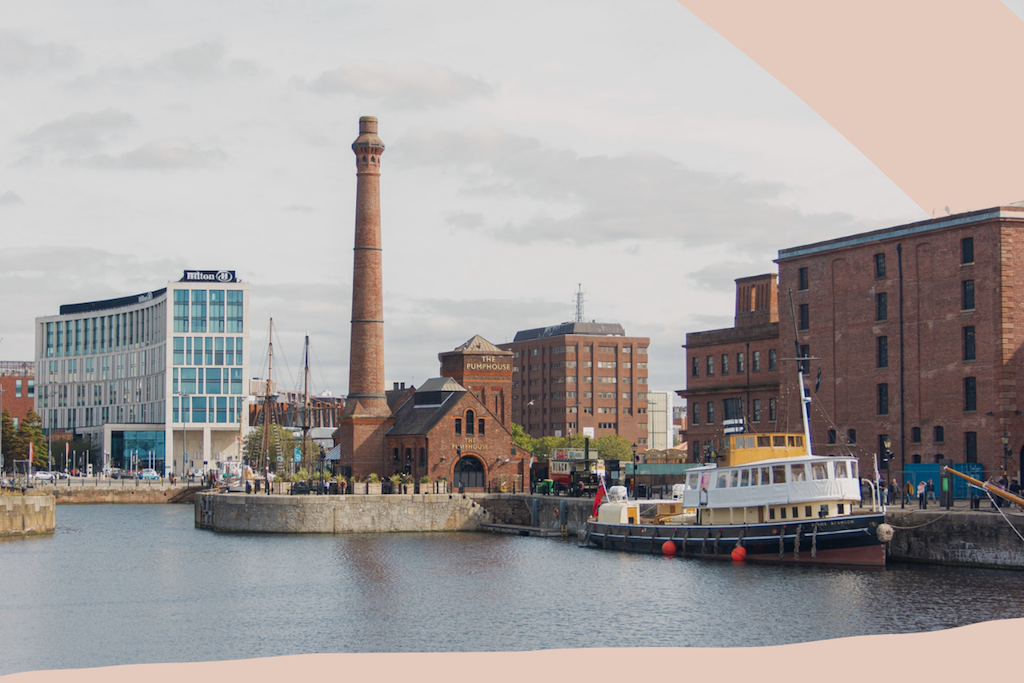
A view of Liverpool’s Royal Albert Dock from across the water is one of the city’s most iconic images, made up of docks and buildings along the shoreline, and reflecting Liverpool’s rich industrial heritage. 

The Royal Albert Dock, which has been standing since 1846 and employs iron and masonry instead of wood, was the world’s first non-combustible storage system. Though the Royal Albert Dock is superb at any time of year, it’s more special around the holidays. Take a stroll around the dock to see all of the holiday lights, look for Bella and Bertie dressed up for the holidays, and enjoy a beer or a festive meal at one of the countless taverns and restaurants.

And if the kids get restless, the Mattel Play amusement park is found at the dock, too. Divided into three interactive, themed play zones, Bob the Builder, Thomas the Tank and Fireman Sam, there are vehicles to ride, costumes to try on and games to play within the 13’000 party paradise, all based on the popular children’s T.V programmes. All of this costs just £12. This one is best suited to toddlers.
APPRECIATE ART AT TATE LIVERPOOL

Tate Liverpool is a well-known art gallery that houses the Tate Collection (alongside Tate Britain and Tate Modern in London, and Tate St Ives in Cornwall) a distinguished collection of British and international art dating from the 16th century to the present day. The museum’s permanent collection, located on the Royal Albert Dock, spans centuries and includes modern pieces by the Guerrilla Girls and works by Henri Matisse, though British art is the uniting theme.

In addition to the Tate Collection, exclusive temporary exhibits and activities are hosted here for the winter. Right now, the gallery is hosting an insight into Lucian Freud’s portraits, running until the 16th January, as well as an exhibition of 80 works by the artist, painter, designer and collaborator Lucy McKenzie. 

GET A GLIMPSE OF THE BEATLES’ HISTORY

A visit to Liverpool would feel somewhat perverse without visiting some of the city’s historic sites relating to the Beatles. Whether you’re a major Beatles fan, know only a few songs, or don’t know of them at all, you’ve come to the perfect location to explore arguably the biggest ever band ever to have done it.

The Beatles Story, located in the Royal Albert Dock, is the world’s most significant exhibition dedicated only to chronicling the story of The Beatles’ journey to stardom. This interactive experience takes you on a journey through the Fab Four’s history, covering everything from the early days of The Quarrymen through the endless gigs at The Cavern Club, Beatlemania sweeping over the world, and their respective solo careers, too.

You can also experience the remarkable collection of historical music artefacts while walking through at your leisure and listening to the multimedia audio guide available in twelve different languages.

Then, head to the Cavern Club, arguably the world’s most famous concert venue. It’s a renowned basement that witnessed seven decades of fantastic music and has hosted The Beatles 292 times on their magnificent stage! The Cavern Club is open seven days a week for a variety of live music in the pulsing core of Liverpool’s legendary music scene. You never know who you’ll stumble into, from rock’n’roll to acoustic gigs, Beatles covers bands and touring musicians.

The heritage of the Cavern Club doesn’t stop at the Beatles, however. Incredibly, the Rolling Stones, the Who, Stevie Wonder, Oasis, Adele, the Arctic Monkeys and Queen have all graced the stage in the club’s illustrious history. 

Make sure you check out the Cavern Wall of Fame opposite the venue, which documents the groups who played at the original venue, as well as those acts from the city who reached number 1 in the UK charts. Wow!

Read: 5 IDEAL things for music lovers to do in Liverpool

SEE THE CITY SKYLINE IN RADIO CITY TOWER

The Radio City Tower is one of Liverpool’s most famous sites. The tower (St John’s Beacon is its official name) is part of the St Johns Shopping Centre and looms large some 400 feet above the city centre, offering 360-degree views of Merseyside, the Wirral and even North Wales. 

On crisp and clear winter days, you can see as far as Snowdonia and even Cumbria. The observation deck remains available to the public today; however, the remainder of the structure is mainly used for radio station services. Fear not; you won’t have to clamber up several flights of stairs to reach the top. Lifts are available.

Adult tickets cost just £7. Do check the site’s current opening hours before visiting, as COVID restrictions have affected the tower’s usual times.


5 REASONS TO CHOOSE THE MIDDLE EAST AS A HOLIDAY DESTINATION IN 2022

The cradle of civilisation, an economic centre, a connector of continents and the home of hospitality… no superlative can emphasise just how important the Middle East is. Yet as a travel destination for some Brits, it’s often overlooked. 

This looks set to change as the decade progresses, with Al Jazeera reporting this month that travel to the Middle East in 2022 is set to be the easiest it’s ever been. This is down to a variety of reasons; Saudi Arabia has launched tourist visas for the first time, relations are increasingly being normalised between nations, Oman has loosened visa restrictions for over 100 countries, and the region has endured the global pandemic as capably as anywhere.

Next year, Qatar will come under the global spotlight as it hosts the World Cup, with some optimists hoping its legacy, against a backdrop of deserved criticism, will be the opportunity to present the Arab world as a welcoming, hospitable region.

Whilst that remains to be seen, there are certainly some incredible experiences to find in the region. With that in mind, here are 5 reasons to choose the Middle East as a holiday destination in 2022.

TO TRAVERSE THE JORDAN TRAIL

675 kilometres separated into 8 different stages, and a combination of hiking and history like no other on the planet, the opening of the Jordan Trail in 2016 was a huge moment for the country and the whole of the Middle East.

The hiking path traverses the entire length of the country, taking in ancient villages, the famous Dead Sea wadis (canyons), the crusader castle at Kerak, Roman and Byzantine ruins, and the archaeological sites at Petra, which is considered one of the world’s great wonders, before finishing up at the Red Sea. 

This has led to the National Geographic declaring the Middle East to be the world’s next great hiking destination, with several other fantastic walking trails opening in recent years. Some of the best in the region include Egypt’s Sinai Trail, the Lebanon Mountain Trail, and the Palestine Heritage Trail. 

To walk these newly established ancient routes is to experience the rich culture and warm hospitality of the region firsthand, gaining a very different perspective on the Middle East. For those seeking a spiritual journey, the region also offers unique opportunities for Catholic tours to the Holy Land, providing a profound connection to the biblical landscapes and historical sites that have shaped religious history.

DIG DEEP INTO ISTANBUL’S HISTORY

Turkey is due a bumper year in 2022, too, with the country’s fastest ever metro line set to open in Istanbul, connecting the international airport with the downtown neighbourhood of Gayrettepe. 

With Turkey’s Ministry of Tourism and Culture and Go Turkey’s new campaign touting that ‘’Istanbul is the new cool’’ earlier this year, it looks likely that the country’s biggest city is set for an influx of tourism.

The true appeal of the city, however, is the blending of that ‘new cool’ with the most incredible heritage and history. Here, you’ll find one of the biggest religious structures in the world, the Hagia Sophia, which the flight and holiday experts describe as ‘’a museum that has had several identities since its construction in 537, once a church and then a mosque, the extraordinarily beautiful monument is now must-see attraction in Istanbul’’.

The list goes on; other must-sees include the Topkapi Palace, the Blue Mosque, the Süleymaniye Mosque, the Basilica Cistern and so much more besides. For a rundown of some of the best places to explore the culture and heritage of Istanbul, click here.

THE NEW FASHION CAPITAL OF THE WORLD, DUBAI

From paths trodden since the dawn of time to newly built routes that stretch skywards; as Dubai’s megamalls and world record holding towers have been raised in recent years, so the City of Gold’s fashion scene has taken off in tandem.

And sure, whilst you’ll find all the biggest fashion houses here (as well as the world’s biggest shopping mall), Dubai is so much more than opulence and ostentation; there are unique boutiques, bespoke and exclusive tailors, and an ancient appreciation for the art of textile. What’s more, there are plenty of outlet villages in Dubai, where remarkably for a place of such luxury, you can even snag yourself a bargain. 

The City of Gold also hosts the Dubai Shopping Festival, between late December and early January, where fashion takes over its entire 35 km². This year and the next, after 2020’s was cancelled, it’s set to be bigger and better than ever.

Read: Things to do in Dubai for fashionistas

SAMPLE BEIRUT’S BURGEONING WINE SCENE

Lebanon is one of the world’s oldest wine producing countries, with historic texts from as long ago as 725 BC referencing the gorgeous fragrance of its wine. Nowadays, the country produces nearly 9 million bottles of wine annually, with reds made from the Cabernet Sauvignon, Merlot and Rhone varietals particularly revered.

In hip, cosmopolitan Beirut, you’ll find modern wine bars and craft beer joints housed downtown, with some of the best located in the Bab Idriss and Basta neighbourhoods. We love the Vin Sur 20 (Beirut’s oldest wine bar), the Vertical 33 Wine Tasting Room and HOOCH Boutique and Drinkery, in particular. 

We also can’t wait for the funky, hip as anything Electric Bing Sutt to reopen, whenever and wherever that may be. This amazing all day bar was grabbing international acclaim before it was destroyed in Beirut’s port blast last year; we’ll be keeping a keen eye on what owners Jad Ballout and Issey Lin do next.

You can also use Beirut as a base for exploring its surrounding valleys and vineyards. The Bekaa Valley, home to the country’s modern wine producing industry and to the world renowned Châteaux Musar, is just a two hour’s drive from the city. It boasts several wineries well worth a visit.

Read:7 things you should know before your trip to Dubai

ENJOY THE BEST VEG & VEGAN FOOD IN THE WORLD IN TEL AVIV

Israel has the most plant based eaters per capita in the world, with an estimated 13% and 5% of the world’s population identifying as vegetarian and vegan respectively; that’s 400’000 people in total, roughly. 

The culinary capital Tel Aviv is one of the best places in the world for lovers of vegetables, with over 400 dedicated vegetarian and vegan friendly restaurants in Tel Aviv. 

As a country, Israel has a reputation of being highly accommodating to vegan travellers, with Middle Eastern cuisine, and Israeli in particular, celebratory of freshness, vegetables and pulses. Hummus, falafel and lentils all find a home here, and some of the world’s best versions are found in Tel Aviv. And then there’s the bread… Oh, the bread, the best of which might be found at Abouelafia Bakery near the Carmel market area. While you’re here, a trip to Carmel market itself is a must.

Tel Aviv’s vegan offerings aren’t restricted to highly nutritious plant based diets though, as Israel is one of the first countries in the world to host vegan versions of many well known and loved brands. Pizza company Dominoes, for instance, chose Israel as the first country to try out the vegan versions of their well loved pizza classics. Well, you’ve twisted our arm!

5 IDEAL CLEANING TIPS FOR CHRISTMAS

The countdown to Christmas often leaves households busier than ever, with a stack of chores longer than Father Christmas’s delivery list. Organising your home for the big day, whether that’s a simple affair with just you and your partner or a fully blown family fiesta, can be stressful. However, it doesn’t have to be this way. Take the stress out of Christmas with these, our 5 ideal cleaning tips for Christmas. 

AN EARLY CHRISTMAS PRESSIE?

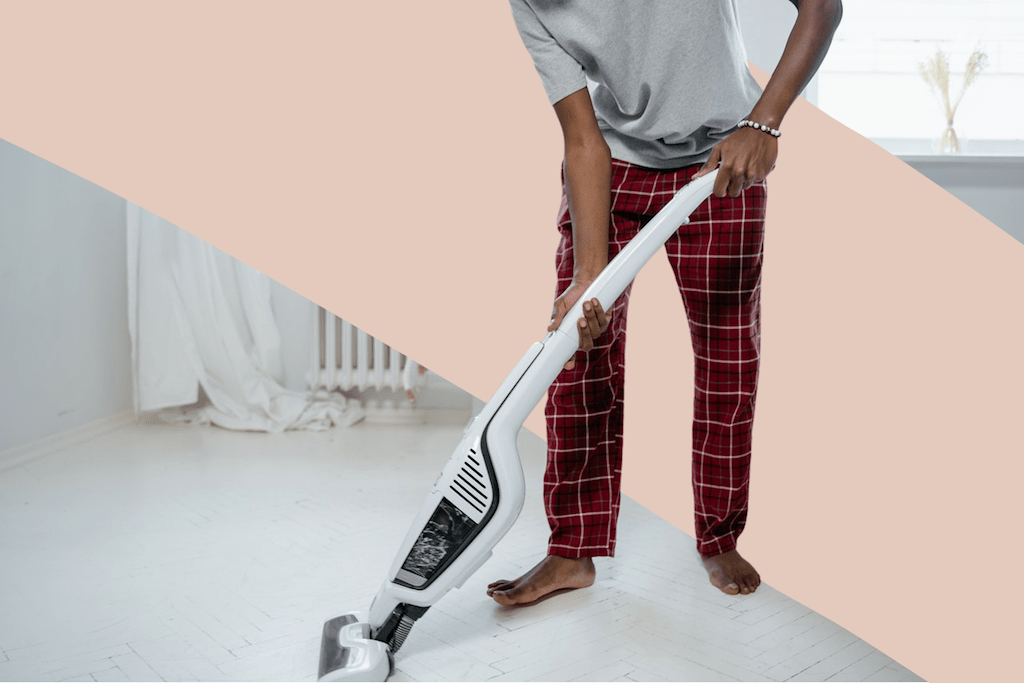
When Christmas comes around, the hoover gets extra use; there are all the Christmas crumbs from after-dinner cheese boards and mince pies enjoyed on the sofa to deal with, not to mention the ever falling avalanche of pine needles. If your old, cordless hoover is a chore itself to pull out of the cupboard, has bad suction, and keeps overheating, then it might be time to treat yourself to a new one. 

Here at IDEAL we’re huge fans of cordless vacuums. They’re lightweight, easy to maneuver, and compact to store. Moreover, you don’t have to deal with the faff of falling over cords. Dyson’s range of cordless vacuums are arguably the best, however, they do tend to be on the pricier side so it’s worth searching for discounts if you’re going to buy one as an early Chrismas present for yourself. ‘Tis the season for seeking a discount, after all.

We’re also big on steam cleaners which make cleaning turkey stock that gets splashed on the kitchen floor and those sprouts that get dropped and squashed a breeze. Moreover, they also help in disinfecting and sanitising your home without using harsh chemicals, which is better for our health and the environment, no matter how much you love using pine fresh floor cleaner for extra Christmas ambiance.

Photo by MART PRODUCTION from Pexels

GET THE OVEN DONE IN ADVANCE

Your oven will no doubt be getting extra use over the Christmas period, as such it’s a good idea to give it a thorough clean both inside and out; no one wants smoke filling the room from accumulated grease on Christmas Day. Moreover, a dirty oven with old burnt on grease could ruin your chances of cooking the perfect turkey.

To help save time cleaning your oven, use an oven cleaner like Oven Pride to stop you from scrubbing for hours on end. All you have to do is place the racks in the plastic bag provided and add the 2-in-1 cleaning solution, pouring the remaining solution inside the oven. Leave this to get to work for 24 hours and rinse down with gloves and hot soapy water – then you’re good to get cooking!

If cleaning the oven is something you really don’t want to tackle, then no one would judge you for getting a professional oven cleaner in. However, the festive period is an oven cleaner’s busiest time of year; it’s a good idea, then, to book your slot a few months in advance. If you’ve left it too late for this Christmas, then it’s something to consider for next year!

Ideal tip: Not all professional oven cleaners are created equal. Some have special vans where they dismantle your whole oven and take it into their van for a proper, thorough clean. Others just give it a scrub in situ, daring to charge the same price as the more thorough cleaners. Bear this in mind when getting quotes from oven cleaners. 

Read:  9 hacks to make your home feel festive this Christmas

LESSEN THE LOAD 

On Christmas Day there is always tons of washing up. Lessen the load by doing all your prep in advance. Prepare sides like your cranberry and bread sauce a month in advance and consider making a flavour-packed gravy master stock in the weeks leading up to Christmas Day. Other elements like pigs in blankets, stuffing, and parsnip puree can be made in advance and frozen, too. Simply whipping out and defrosting these the day before means less mess and washing up; in other words, more time to enjoy some Christmas fizz.

For some, it can be impossible to enjoy Christmas dinner with the impending threat of a huge mountain of washing up looming over them. Rather than letting all the dirty pans build up into a mess, remember to clean as you go. If you have a dishwasher, fill it with all your pots and pans and let the dishwasher do its thing while you eat. Not only will this help everyone enjoy a more relaxed and merry meal, but it will also help you, the Masterchef, put the finishing touches to your Christmas dinner in a clean and tidy kitchen. 

HAVE SALT & STAIN REMOVER TO HAND

It’s not Christmas if somebody doesn’t spill a glass of red wine on a cream coloured carpet.

Quickly tackle any accidents that happen throughout the day by having a stain remover to hand. For fast, swift action on those carpet stains, we’re huge fans of Dr. Beckmann Carpet Stain Remover which comes with a built-in brush. For furniture mishaps, Vanish Carpet Cleaner + Upholstery Stain Remover Spray with Oxi action does the trick. 

Ideal tip: When it comes to removing red wine stains, the trick is to act fast and blot up as much as you can with a paper towel. Cover the stain with table salt until you can’t see the red wine stain anymore, let it dry and then hoover up the salt, then get to work with the stain remover. Job’s a good’un. 

START EARLY

The key to avoiding Christmas cleaning chaos is to start early. We’re broken down what needs doing, day by day in our ideal guide on ‘The 24 Day Cleaning Countdown to Christmas”. Merry Cleanmass! 

7 IDEAL GIFTS TO GIVE A BOOKWORM THIS CHRISTMAS

Nope, we’re not talking about the larva of a wood-boring beetle that feeds on the paper and glue used in books. Buying them a gift would be a little bit out there. Instead, we’re talking about your friend who loves to read books.

But you knew that anyway, right?

And we realise that for many, the ideal gift for a book lover is, obviously, a book. But in reality, buying a present for your pal who loves literature is harder than you think – they might already have that book, or read it, or dislike the author, or have asked for it from somewhere else…

The list goes on, and the pitfalls of present buying for a book lover only gets deeper. 

We’re here to help you negotiate this tricky task. If you’re keen to dream up something unique, surprising and thoughtful for your friend, then you’ve come to the right place; here are 7 IDEAL gifts to give a bookworm this Christmas.

EBOOK VOUCHER 

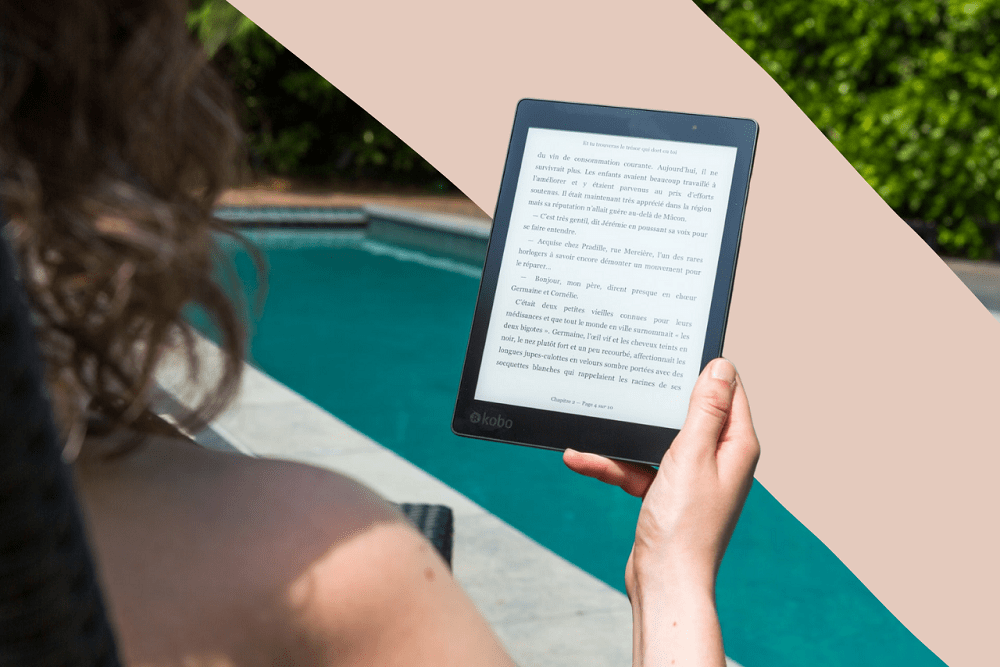
Assuming your bibliophile buddy already has an e-reader like a Kindle, Kobo Nook or iPad, then consider gifting some vouchers for them to use. Of course, the voucher will vary depending on which e-reading device they own – so make sure you find that out first – but giving the gift of autonomy is a much welcome present, don’t you think?

If buying a voucher is a little too impersonal, you could buy them a book online and set the delivery date for Christmas day. Alternatively, you could also put together a little Christmas eCard full of working coupons for their type of e-reader – a thoughtful gift if you’re a little strapped for cash this year. 

Read: 5 IDEAL ways to save money on your festive shopping

E-BOOK PILLOW 

Tired arms – they’re one of the chief occupational hazards of being an avid book reader. Indeed, the body often gives up before the mind when it comes to reading, with injuries sometimes sustained by those who truly love to read, all in pursuit of that last page. That’s why the invention of the e-book pillow is such a welcome one for bookworms.

Gifting your pal with an e-book pillow allows them to read with more durability and longevity than their arms alone could ever muster.

NOISE-CANCELLING HEADPHONES 

A bookworm may well appreciate a pair of noise-cancelling headphones. A bookworm needs peace and quiet to concentrate on the chapter of their book – you know, the kind of silence you’d find in a library.  

Noise-cancelling headphones can replicate this, helping to shut down the domestic life buzzing around them, other people on the train, and even the noise of roadworks and other disturbances. A pair of these headphones will not only help enhance your beloved bookworm’s reading experience, but they can also listen to their favourite audiobook and cancel out background noise in the process – a double whammy, indeed, but don’t expect to ever talk to them again!

A NIGHT OUT AT A LITERARY THEMED COCKTAIL BAR IN LONDON

If your bookworm friend likes a tipple or two, combine their love of books and booze by taking them to a literary themed cocktail bar. 

  • The Drawing Room –  
  • The Library Bar at The Lanesborough
  • Martini Library at The Arch London
  • Scarfes Bar
  • Tiffany’s Library at The Covent Garden Hotel, London 
  • The Library at Electric House, London 

If you hadn’t noticed, there are lots that go by the name of ‘library’ on this list – you could always turn it into a cocktail crawl of bars of the same name. 

Or if you’re looking a little further afield, some of the best library-themed bars in the rest of world include Greydon House in Nantucket, The Library at The Nomad Hotel in New York, Pulitzer’s Bar in Amsterdam, Bar and Books in New York, and The Library Bar at Saint James, Paris. Speaking of travelling further afield… 

A TRIP TO ONE OF THE WORLD’S OLDEST & MOST BEAUTIFUL BOOKSTORES

One of the best things about books is that they let you travel without moving your feet. But if you’re looking to splurge on your book loving pal, then why not take them on a trip to see one of the world’s most beautiful bookshops? Yep, we’re talking about Lello’s bookstore in Porto. 

Not only is it one of the world’s oldest and most beautiful bookshops, but rumour has it that JK Rowling took inspiration from Lello’s for her Harry Potter books. With its winding staircase and intricate wooden interior, this place oozes a certain “Hogwartsian” ambience. Another rumour flying around is that the Hogwarts’ uniform was inspired by the black capes of Porto’s students…wow!

BATHROOM CADDY 

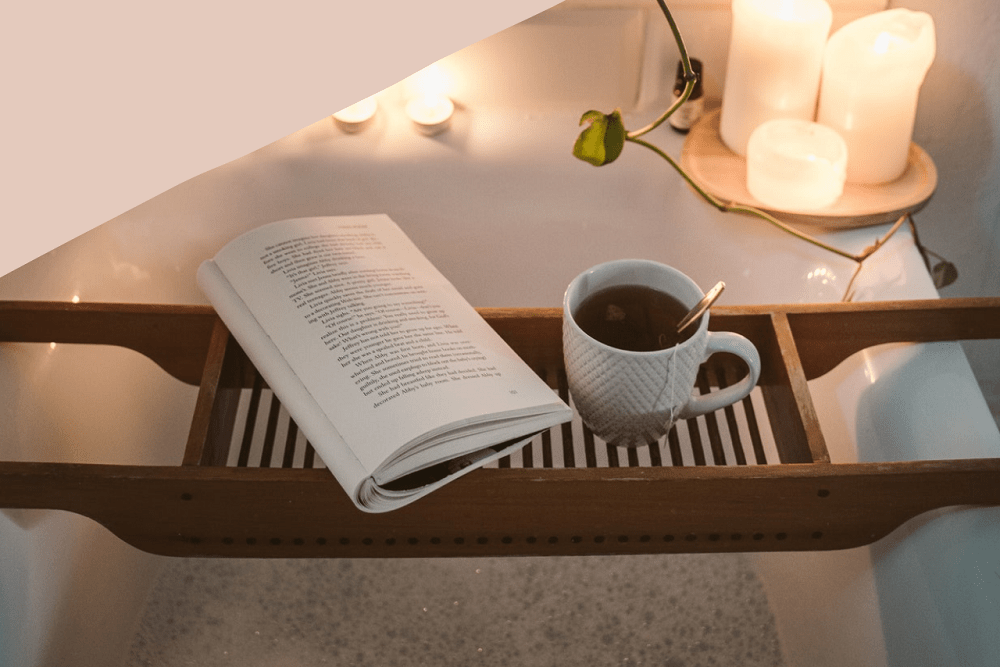
Reading in the bath is one of life’s pleasures. Deploying a bathroom caddy during bathtime allows you to relax with a glass of wine balanced in front of you alongside that book, perfectly positioned at the right angle for reading. And no wet pages, too…bliss. 

A MUG WARMER

Picture this; you settle down with a steaming cup of tea and your favourite book. You get completely gripped by the chapter you’re reading. But when you finally come to take a sip of your tea, it’s stone cold. For book readers, this is a common and annoying occurrence. The last thing you want to do is to get up to warm up your drink when you’re lost in the pages of a good book. The solution? A mug warmer, of course.

As the Independent explains, “Mug warmers come in the form of heated coasters or as mugs with heating elements to maintain a perfect drinking temperature, and some will even let you know when your drink gets there’’. Let us direct you to their article on the best mug warmers for 2021. 

CANDLE THAT SMELLS LIKE BOOKS 

Bibliosmia…we all love it, don’t we? Bibliosmia comes from the Greek words for ‘book’ and ‘smell’…that lovely smell of old books that so many savour is undeniable, but why is it so pleasurable? 

As the guys over at Interesting Literature explain, “Bibliosmia or book-smell is caused by the chemical breakdown of compounds within the paper. What we’re smelling is the slow death of the book, albeit over a very long period of time”.

Some clever people have captured that smell in candle form. So, why not check out these 9 Candles That Smell Like Books from the guys over at Bustle? And with that, we’ll leave you to your book.

HOW TO SAVE YOUR HOME FROM THE DAMP THIS SEASON

What’s that musty smell? That’s one refrain you don’t want your guests to be playing this festive season and a telltale sign of dreaded damp in your home. 

If you live in Britain, no doubt at some point you’ll have resided in a dwelling that is less than dry. Here at IDEAL, one of our editors rented a basement flat in London that sprouted a mushroom-type growth on the wall in winter – a not so uncommon occurrence it seems. 

Indeed, The Times tells the story of one homeowner who found a mustard-coloured mushroom-type growth proliferating between the back wall of her son’s bedroom wardrobe and the outside wall, and let’s be honest here; we’re surprised this merited an article in a national newspaper. It’s that commonplace.

Perhaps unsurprisingly, too, The Independent highlights that 61% of renters in the UK have suffered damp, mould or leaking roofs. However, it’s’ not just renters that have a damp problem. In fact, it’s undeniable; Britain, as a whole, has a damp problem.

As Birmingham Mail explains “British houses are so damp due to a mixture of the nation having one of the oldest housing stocks in Europe and damaging building practices’’. This is because  “Solid single skin brickwork, which makes up much of UK housing, is more prone to damp than double skin with cavity walls”. This explains a lot.

Moreover, the damp weather we experience here in the UK combined with increasing rainfall due to the climate crisis only exacerbates the problem, making our homes more vulnerable to damp. So, the big question; how can you protect your home from the dampness of the season? Read on…

WHAT IS DAMP?

Damp is not something that can be easily defined, but an easy way of imagining it is like fog. You know that misty stuff you see rising off fields on a cold morning? Or, if you’ve ever stood at the edge of a lake and felt the damp hit your face on a warm day? Damp is like that, but indoors. 

Damp isn’t actually the problem; it’s a symptom of a deeper, lurking issue, and, as such, it’s what causes it that we need to be aware of. Water can cause problems anywhere in your home — inside walls, basements, under floorboards and generally anywhere you might not normally see it. 

If you have water coming through a ceiling or a wall, then it could be affecting floors below, too. Advanced Damp tell us that dampness can go unnoticed for long periods of time before making its presence known via damage such as peeling wallpaper (a telltale sign), mould, mildew, and staining caused by excess moisture seeping into porous materials such as wood. 

With this, we’re looking at a considerable amount of structural damage that needs rectifying quite urgently if we’re to avoid further problems and an unhealthy indoor environment.

WHAT CAUSES IT?

The most common form of damp is indoor condensation, with approximately 1 in 5 houses suffering from condensation dampness. This type of damp comes about from our day-to-today living; cooking, showering and even breathing. Combined with poor heating and ventilation, over time, condensation can get into the walls and form damp patches; this is when mould begins to grow. 

Leaking pipes, a hole in the roof and other structural inadequacies can also cause dampness.  If the source of your dampness isn’t immediately apparent, then now is the time to call in an expert to find it and suggest further steps that need taking.

CAN YOU DO SOMETHING?

If your home suffers from condensation dampness, good ventilation is the best remedy.  The answer might be as simple as opening a window regularly to improve the ventilation of your home. However, this is less than ideal in winter. Modern ventilation systems like extractor fans in your bathroom and kitchen can reduce condensation, but in the bedroom and living room, other solutions are required. 

This might be anything from pointing a dehumidifier at an area until it stops soaking up moisture, or even something as extreme as re-plastering or replacing tiles. As the team at KP, a plasterer in Kent service, recommend, re-plastering is often necessary as a preemptive measure, to ensure structural damage is prevented before it becomes irreparable.

Whatever it is that you need to do, if you’re experiencing damp problems, then being proactive and identifying the cause will give you more chance of stopping further damage.

PROACTIVE METHODS OF REDUCING DAMP

Preventing indoor damp means being aware of its causes and taking a proactive approach to removing them. One of the most common causes is condensation, so try turning up heating or adding insulation or draft strips to windows, for example. If you have noticed pooling water somewhere, then laying down waterproof material such as tiling could help protect your home from further problems too. 

Above all, spotting it early is key because once structural damage has been done, it becomes exponentially more difficult — and expensive — to rectify. If you are concerned that your home is suffering from damp problems, then avoiding these issues becoming more serious by looking at causes early on will save money and make life easier in the future. With some straightforward maintenance like checking air vents for the build-up of dust or getting rid of standing puddles of water where possible, you could avoid nasty surprises later on down the line. 

WHAT ROOMS IN THE HOUSE ARE USUALLY DAMP?

Damp often starts in the bathroom. This can be due to high humidity levels caused by too many people taking showers or baths at the same time, especially if they are long hot soaks! 

The room might also not have enough ventilation, leading to an excess of moisture build up. Kitchen dampness is often down to one thing: poor insulation. This means there’s cold air coming in from somewhere — probably a window — which leads to condensation forming on walls and surfaces. Look around for any signs of leaks, whether that’s rain seeping in through windows or rusting metalwork on your roof, perhaps. 

Laundry rooms are often like dungeons when it comes to storing towels or other washing materials because of the moisture they contain. If there’s not enough ventilation, this can cause damp to accumulate, which might ultimately lead to mould growing on walls.

WHY IS IT BETTER TO CALL PROFESSIONALS?

Calling in a professional to deal with damp issues could end up saving you time, money, and headache. In addition to removing any moisture from your home, an expert will also be able to spot the underlying cause of the problem and recommend preventative steps for avoiding further problems in the future. 

With thermal imaging cameras available on most damp-related jobs these days, technicians can identify even the slightest changes in temperatures, pinpointing the affected area. It might not cost you any more to get an expert than it would if you tackled damp issues yourself, because many insurance companies cover the costs of certain types of treatments for homeowners.

THE BOTTOM LINE

Spotting damp early is key. With some simple maintenance like checking air vents for a build-up of dust or getting rid of standing puddles of water where possible, you could prevent it from becoming more serious, which could ultimately lead to an expensive repair job.

The next step in protecting your home from all the elements are these 5 key domestic fire safety checks for winter.

WFH, FLEXI TIME OR BACK IN THE OFFICE: WHICH TYPE OF COMPUTER IS RIGHT FOR YOU?

Buying a computer can be a complicated and confusing process, with impenetrable jargon, data and deals looking to trip you up at every turn of your mouse’s scroll wheel.

Last year, as much of the population bedded in to their home offices and made plans to WFH ad finitum, PC sales experienced their first big growth in ten years. Now that a hybrid model of working has come into play, it seems likely that more adaptable computer models will likely be the beneficiary, sales wise, in order to meet the demand of flexible working’s needs. 

As confusion and uncertainty reigns supreme over our working and social lives, so in tandem does purchasing a new computer present some puzzling decisions. Whilst we’re assuming you’re not completely new to computers (you are reading this on one after all), if you’re struggling with the basics regarding what you might need moving forward, then you’ve come to the right place; whether you’re working from home, doing flexi-time or back in the office, here’s which type of computer is right for you.

BASIC LAPTOPS

For those who tend to use their computers for typing, writing and riffing, a basic laptop is the most suitable choice, providing you with a machine that will be able to do the work you need without forcing you to spend a fortune. A machine like this will be good for basic tasks like checking emails and writing documents, though it may take a while to boot up. 

The main downside with a basic laptop is that you can’t run especially advanced software or even stream with ease. Such laptops also tend to be rather clunky, cumbersome and difficult to transport easily. That said, if you’re using it solely for emails and writing, and not intending to always be on the move, a basic laptop should be fine.

TRAVEL LAPTOP

Similar to a basic laptop in terms of firepower, travel laptops are ideally suited for those intending to do just that; travel. Their portability is their USP; they’re slimline, lightweight and boast a narrower screen width, making them suitable for bringing with you wherever you go. 

A travel laptop is the ideal choice for a digital nomad who is keen to travel light but still work on-the-move. That said, they possess little in the way of processing power, making more advanced tasks difficult to complete. If you need to run software that needs a powerful laptop, perhaps an ultrabook might suit you better…

ULTRABOOKS

Ultrabooks are essentially thin laptops that have been designed to be as fast as possible. Machines like this don’t tend to have dedicated graphics and won’t be good for gaming, but their CPU will be powerful enough to handle complex software like Photoshop and FL Studio. When buying an ultrabook, it’s important to note that different styles of this type of device are designed for different purposes, tools, platforms and software.

NETBOOKS & TABLETS

Even more portable (and, potentially, processing poor) are netbooks and tablets, which are ideal for those who like to read news, watch videos, and scroll while on the move. They’re not best suited for working from home or for digital nomads who need to write and email while travelling, but when bought with a connectable keyboard, a netbook or tablet can be a capable replacement for a travel laptop in the short term.

OFFICE/HOME DESKTOPS

Many office workers who moved to home working in early 2020 invested in a home desktop to enable more diligent task completion and deadline meeting. Generally speaking, machines like this won’t be suitable for gaming, but they will have enough power to handle tasks like emails and word processing.

For those WFH, desktops provide the best option in terms of comfort; the screens are larger, the mouse and keyboard more ergonomically sound, and therefore, are less likely to lead to repetitive strain injury or desk-related posture issues.

What’s best, though, is that you can upgrade a machine like this, giving you the chance to make it more powerful as your needs (and the demands of software) increase. This means that a basic machine like this can have the potential to be a gaming computer in the future.

GAMING DESKTOPS

Gaming desktops give you a lot more power than a basic home or office option, with a dedicated graphics card that will make it possible to run your favourite games. A gaming desktop computer can be a good choice for those who want to play games, run complex or demanding software, and enjoy content streaming. Of course, though, you need to make sure that the gaming computer you choose is able to run the games you want to play.
As you can see, there are a lot of different types of computers on the market. This article only scratches the surface, and it will always be worth doing some research to make sure that you’re choosing the right computer for the tasks you want to perform. 

THE IDEAL GUIDE TO FINALISING A PROPERTY PURCHASE FREE FROM EMOTION

Moving house is regularly listed as one of the most stressful life events a person can endure. Indeed, a 2015 poll revealed that six out of ten Brits regarded moving house as their most stressful life event, above having their heart broken, divorce, and starting a new job.

No wonder, then, that so much emotion is attached to the process of buying a new house, with prospective buyers often looking for that special ‘connection’ with a property in all the wrong places.

Getting an offer accepted can feel like a weight has been lifted and emotions can be replaced with a cool-headed pragmatism, but in reality, this is only the start of the stress.

Unfortunately, with emotions having played such a crucial role in your property search’s journey up until now, it can be surprisingly difficult to suddenly put your practical head-on to finalise the deal. To ensure an emotion-free purchase that’s all about making a viable investment rather than following blind desire, there are some practical steps you can take. These are those; our IDEAL guide to finalising a property purchase free from emotion. 

ACKNOWLEDGE EACH CHECK AS A HURDLE CLEARED

A house purchase can be a lengthy process, on average taking 15 weeks after an offer has been accepted for everything to be finalised.

It’s a good idea to have a visual checklist assembled that takes into account the various elements of the process, with reasonable timescales listed next to them helping to keep everything in perspective. 

It should be noted that over 300’000 property sales fell through last year, a 12% rise on 2019. The most common reasons include the lack of mortgage pre-approval, and a building survey or homebuyer report revealing something untoward. 

To mitigate the risk of these eventualities, you should keep track of each key check in the process, including the hire of a solicitor, the approval of a mortgage, the completion of a building survey, and so on, enabling you to visualise your timeline as it ticks down. View each item ticked off as a hurdle cleared; this will prevent you from blindly carrying on with the house purchase if, say, your building survey revealed significant structural damage. 

This clinical approach will avoid costly errors and potential disappointment in the long run.

AVOID OVER VISUALISING 

It’s also essential that you avoid fantasising about a property that, at this point, may never belong to you. As tempting as it can be, it’s especially worth avoiding arranging additional viewings that see you measuring if there’s space for your sofa, room for all your kitchen kit, or even storming round to meet the neighbours enthusiastically but, let’s face it, prematurely. 

Instead, it’s worth drawing an emotional barrier around your potential future property, at least until you have a completion date or, even better, a signed and sealed contract. This doesn’t only refer to viewing and visualising the inside of the property; avoid driving past the house, too, as you’re only setting yourself up for major disappointment should things fall through. 

BE REALISTIC ABOUT DELAYS, BUT DON’T PUT UP WITH THEM FOREVER

Timescales for property purchases vary a great deal depending on the size of your chain, any setbacks experienced along the way, and even the speed that your solicitors operate.

Not knowing your precise timeline can make it far harder to remain distant enough to pull the plug when things stretch out for so long that completion begins to feel unlikely (and costly). Hence why it’s also vital that you take a little time to understand timescales. 

As we mentioned earlier, an average-sized property chain with few hiccups should take just over three months to complete, making this a pretty good baseline to go off of. Equally, taking the time to read the initial paperwork that your solicitor sends outlining the size of your chain and the situations of everyone in it can help you to build a more realistic picture. 

By then adding around a month or two onto the end of that timescale for unexpected setbacks like mortgage delays and the need for further surveys, you can thus set a clear date by which you would ideally like to have moved. And, once you’ve made a note of that date, you should be far better positioned in sticking to your guns and making that difficult decision to pull out before the wait gets out of hand. 

Read: 5 checks to do when buying your first home

KEEP YOUR OPTIONS OPEN

While it’s not necessarily a great idea to continue searching property listings once you’ve had an offer accepted, it’s also not all that wise to delete your accounts and assume that the search is over, just because you’ve had an initial offer accepted.

Instead, emotion-free purchases are ultimately about keeping your options open. The reality is that, right now, you and your new home haven’t made any kind of commitment to each other, meaning that it doesn’t pay to put too many eggs in this one basket. 

Remember, there will always be another property to fall in love with. You want to make sure that you keep options open by leaving your realtor accounts on standby, and, again, avoiding making purchases made with this specific property in mind. This way, if you do have to return to the drawing board, it’ll be far easier to do so with speed and clarity, increasing the chances that you’ll quickly stumble across a new home that steals your heart, and shows you exactly why that first purchase didn’t go to plan in the end.

THE BOTTOM LINE

Emotion-free home purchases can feel impossible, and we aren’t denying that you’ll need to work to keep your focus steady here. However, keeping your head in the game is your best possible chance at ensuring that a purchase truly is the right option for you. Good luck, and might we expect an invitation to the housewarming party?

Looking for a further dose of realism? Check out these 4 major changes to the UK housing market in 2021.

4 AREAS OF A NEW PROPERTY YOU SHOULD PERSONALISE FIRST

When you first move into a new property, the first few weeks can pass by in something of a daze. Moving home is always an uphill struggle, from changing addresses and getting set up with new suppliers to the actual ordeal of the move itself. 

It has been particularly difficult recently for anyone buying or selling a home, as the property market’s first time buyer inflation has caused so many headaches and worries. After going through such a long process, sometimes all you want to do once you’ve moved in is leave the boxes where they are and order a takeaway. For the rest of the month…

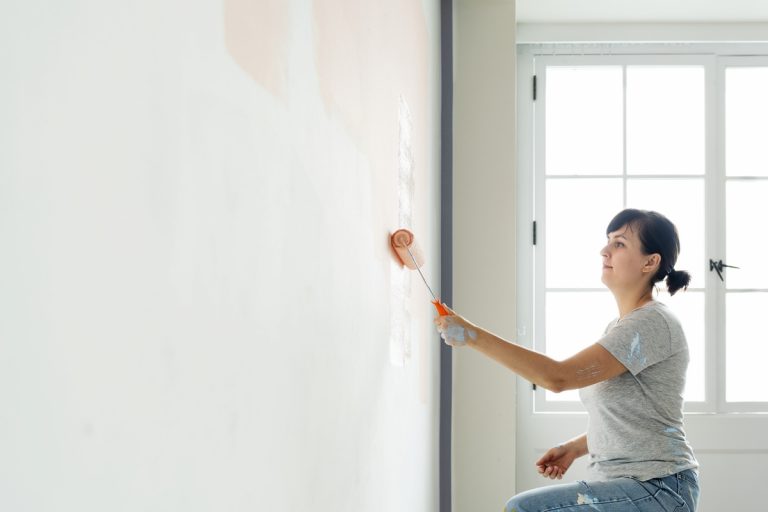
But as understandable as this impulse is, it is frankly a mistake. The longer we put off the process of making a new home our own, the more likely we are to leave things the way they are for too long. Sure, we might introduce a lick of paint and replace some of the existing furniture with our own, but when it comes to all those big ideas that we had for finally achieving our dream home, it can all slip out of our grasp very quickly. 

Don’t settle for less. To help you make sure that you hit the ground running in your new home, we have put together a list of the areas that you should focus on first to make sure that this new house or flat feels like your new home and not just a new place that you have moved into. Let’s get started; here are 4 areas of your property you should personalise first.

GET STARTED IN THE KITCHEN

It’s the heart of the home, and you’d rather have your own, healthy and beating, than a transplant, right?

During the last two years, many of us have been flexing our culinary muscles more and more. It may have started with banana breads and sourdough, but now, many have got a little more ambitious. 

As we head into the holiday season, it seems fair to say a lot of us are relishing the prospect of putting bold new spins on some of the festive classics and introducing some international flavours to a festive feast that’s grown a little tired. If you fancy yourself a foodie and you want to get cracking in your new kitchen as soon as possible, then you really should make sure it feels like your own space sharpish. 

Let’s start with some of those big-ticket items. Did your heart sink when you moved in and saw the oven that you were going to be working with? Did you see the fridge in your new home and ask yourself how on earth you were going to fit in all of your ‘projects’? Did the phrase ‘now we’re cooking with gas’ feel less appropriate than ever?

The longer you leave swapping out these big appliances, the harder it is going to get to replace them; physically and emotionally. In terms of those bigger pieces, it’s much easier to bring your own chosen appliances before there’s the clutter and obstacles of everyday life in the way.

On a more macro level, you should consider just how you cook in your kitchen, and design the room to boast proper kitchen workflow, of which we’ve written about here. Check it out!

MAKE YOUR THRONE YOUR OWN

We each have our own dream bathroom, don’t we? Every one of us has a checklist of what we would like to have in our perfect bathroom. We have a vision of what kind of bath we would like (brass feet…check), the shower head that would help us truly relax, all the way down to the sink and faucets. Yep, we really are that sad.

This might be why it’s true that bathroom projects can quickly become sinkholes of time and money. Don’t put off personalising yours. 

Fortunately in the bathroom, the perfect personal touches don’t always require tradespeople tearing your home apart. Additions and features as simple as a painting or two, a waterproof Bluetooth speaker and new blinds will all help tailor the room to your unique needs. A word on those blinds; as the experts at lifestyleblinds.com tell us, it’s essential to ensure they’re moisture resistant and, ideally, completely waterproof. 

GET OUT FRONT EARLY ON

We’ve all spent so much time inside our homes over the last couple of years that it can almost be easy to forget how important the exterior is. But just think back to when you first looked at your new property and remember how you felt when you first arrived.

Now that more and more of us are heading back to the office, it is more important than ever to feel like we are being welcomed back with open arms when we return home. Sure, there is only so much you can do with a flat, but if your new property is a house then there are so many different options available to you. 

Start with the front garden if you have one. Think about what plants make you think of home, and which can be easily managed if you are on a busy schedule. Does your front door need a new coat of paint? How about your windows? Something as simple as a window box can remind you that this is your property that you are returning to. 

Read: 4 ways to enhance the exterior of your home on a budget

And whilst we’re on the subject of plants and greenery, you should also think about how you can start getting your garden ready for the spring (yep, we realise that winter’s barely begun). There is nothing less inspiring than arriving in a new home and seeing that the previous owners have completely neglected their garden. 

While there are some limits to what you can do in the dead of winter, you can do your research on what you can be planting early on to make sure that you have some lovely bursts of colour and brightness waiting for you when the sun starts shining a little more confidently. 

A COMFORTING, COSY LIVING ROOM 

We all know how important the living room is over the winter, especially over the holiday season. The kitchen may be the beating heart of any home, but the living room is where we come together to regroup and relax, to binge on box sets, play board games and enjoy each other’s company. 

It has been a brutally tough couple of years, and you want to make sure that your living room feels like it’s truly yours, especially at this time of year now that we can have a family Christmas again. That means that you should not just accept the sofas and set-up that you find when you move in. 

Try to avoid unpacking anything in the living room before you have looked at it with fresh eyes and asked yourself if you are genuinely happy with how it is all laid out. Think about what you want to have as the focal point, whether that is a fireplace, a television, or something else. Is there a way that you can make the space feel warmer? Is there a way that you can make it feel brighter? 

Remember that this is a space where you should feel comfortable and relaxed, so do not be afraid to make big changes. And with that, we’re off to cast an appraising eye over our own home…

8 DIFFERENT TYPES OF BUSINESS STRUCTURES FOR STARTUPS IN THE UK

Starting a business in the United Kingdom can be a prohibitively complex endeavour, especially if you’re an expat. Bureaucracy will inevitably stalk you at every turn, involving issues such as tax payment, documentation, administration, company structure and importantly a visa you will need to work in the UK.

As you know, there are different types of businesses and you have to choose carefully the type that fits your company structure. You will need expert advice on the legalities of the business, but as a starting point of reference, here are 8 different types of business structures for startups in the UK.

FREELANCING

Freelancing is also called sole trading in the UK. If you want to work as a sole trader in the United Kingdom, you first have to register yourself as self-employed. When you work as a freelancer, you get to keep all your business profits after tax has been deducted, but you must make sure that you pay your income tax and National insurance on time. You are also liable for any losses that your business may incur.

After registering and starting your business, you need to make arrangements for taking payments from clients, this can be done by using invoice templates. Due to the nature of freelance work, invoice payments can often be delayed or forgotten for a significantly longer time than when a more ‘professional’ looking business is involved. As such, it’s a good idea to use invoices that look legitimate in order to push clients to pay more speedily.

There are so many apps and invoicing softwares available online, but for a tool with a simple, approachable format, download this invoice template; it’s free and easy to use.

GENERAL PARTNERSHIP

This is another type of business that includes two or more people or companies collaborating together as partners. With responsibilities, the business profit is shared equally. Both the partners have to pay tax on their shares and are responsible for their losses and their debts too. This kind of business is ideal for people who are involved in several small businesses.

LIMITED PARTNERSHIP

This type of business is similar a general partnership business as discussed earlier but the difference is that one partner is fully involved in running the business and is responsible for handling debts. The other partner is a limited partner that means they handle all the financial affairs or have invested financially in the business.

LIMITED LIABILITY PARTNERSHIP (LLP) 

This type of business involves a written agreement between the partners and should be registered with the UK’s registrar of companies, also called Companies House. This is the most common type of business structure for startups.

PRIVATE LIMITED COMPANY (LTD)

Private limited companies are considered as a separate entity. These companies are also registered at Companies House and need at least one director and a shareholder. The company has its shares which are restricted to be traded outside the company or publicly.

PUBLIC LIMITED COMPANY (PLC)

This type of business is different from limited companies, in PLC the shares can be traded publicly. These shares can be listed on a stock exchange. 

UNLIMITED COMPANY

In the UK, this type of business is not so common. The shareholders are liable to pay debts, that means these debts can be covered with personal assets if the business is unable to pay its debts.

SOCIAL ENTERPRISE

This type of business in the UK invests its profits in charity and social welfare, then distributing it among the shareholders. Social enterprise has a business structure similar to that of limited companies.

Whatever business you are interested in starting, make sure that you maintain your business with automated invoicing and support guides. This will navigate you through running your business expertly.

*Anything written by IDEAL Magazine is not intended to constitute financial advice. Always consult with an independent financial advisor or expert before making an investment or any personal finance decisions.*

HOW TO CHOOSE A DESIGN FOR YOUR NAILS ACCORDING TO THE LATEST TRENDS

It’s common knowledge that you don’t have to go with the crowd when it comes to fashion, but let’s just put it out there; the same rules apply for choosing a design for your nails, too! When it comes to nails, there is no such thing as a one-style-fits-all formula for you to follow, and this hands you something of an opportunity when painting yours. 

And whether you like your nails to take inspiration from a monochrome design classic, be loud and proud, or even asymmetrical, we’ve got all the latest trends covered today. But if you’re not sure where to start on the road to manicured fingers and toes, you might just find inspiration here, too; here’s how to choose a design for your nails according to the latest trends.

SHORT NAILS

The trend of short nails is here to stay, with even the most stylish of celebs opting for nail art designs that are eye-catching but subtle enough not to take away from their streamlined appearance. 

No matter your hand size or shape, you can still wear a design that complements your look, and if you prefer short acrylic nails in particular, there are so many different options you can have fun with. 

A nail design based on an abstract pattern is perfect for you because it will allow you to showcase your personal style with as many or as few colours as you like. You can even create the illusion of a pointed tip without having the usual, requisite length by using matte colour, while metallic shades will add a luxe look. For the perfect finishing touch, you can team your nail design with some chic rings or simply leave it bare for a look that perfectly accentuates a more laid-back style.

NEW TAKE ON THE CLASSIC

If you like classic styles with a twist, stay right where you are and get yourself some French tips. This trend is also a good DIY option as long as you have a steady hand. The twist comes with the colours. Instead of having the white tip fade into the natural nail colour, you paint it in whatever way you like. 

Some of the most stylish ways to do this are with metallic or glitter polish colours that will lift your look without overpowering it. You can also opt for some funky stickers on your tips if you’re feeling particularly playful while keeping them polished and neat on the side. Another way to wear French tips is via some chic nail art designs that can be worn on natural nails or acrylic ones, depending on your preference.

COLOUR BLOCKING

This trend will keep the colours fresh for days if you want it to, with super bright hues making an appearance along with classic nude, pink and red shades. If you want to test out the trend but feel like its look is way too bright for your taste, choose to wear just one vibrant nail hue at a time – it will narrow down the focus of your design while still making sure you get all the attention. 

Another idea to try this trend with would be by painting each nail in a different colour or by mixing and matching some nail stickers. Whatever you choose, the colour possibilities are endless, and this trend is a great way to update your look without going too overboard or taking yourself too seriously.

MONOTONE-ISH

If you don’t like the idea of classic nude nails, but feel like going with bold colours wouldn’t suit your style – go monotone. Pick a shade you like – beige, blue, red – anything really, and paint each nail in a different hue of that one colour. That’s the key to this trend – all different shades of one colour – and you can even make your own. 

If you’re not sure where to start, pick a shade that works well with your skin tone and then go from there – it will be fun to play around with shades until you find something that rocks your world. If your style is more toned down, but want to add a bit of flair, go for a nude monotone look. On the other hand, if you like to really stand out, go for some brighter shades instead.

CHIC MINIMALIST

The path to perfect nails begins here. This trend can be found everywhere – from the runways to your local mall. Everyone wants a piece of it because it’s super stylish, low maintenance and yet eye-catching at the same time. It’s basically a style that says ‘less is more’. If you want to try out this look, there are several ways for you to go about it. 

Choose a matte colour and stick to one single accent nail – this is your chance to use some glitter or sequins with the matte finish you always wanted. Another way to rock this look is by adding a simple dot at the base of each nail in a darker colour. Another way is to play with lines – a nude nail with just one or two straight lines at different heights is the way to go for this look. 

MOODY FLORAL

Every year, all the fashion magazines talk about how floral prints are back in a big way. And for good reason too! Floral patterns are always so versatile – you can make them as moody or as bright as you want to, depending on your style, and you can also mix several patterns together to create something unique. A popular trend right now is to paint your nails in a dark colour like black, or dark blue, and then paint some abstract floral patterns using different colours.  

The patterns are reminiscent of certain paintings – looking from afar, it’s pretty clear that it’s supposed to be a flower of some sort, but up close you can’t quite figure out which one it is. A good idea to try with this trend is by also going for a contrasting matte colour – maybe a bright hue on your ring finger, another pattern painted on the middle, and the third design with a matte finish at the base of each nail.

BRIGHT AND BOLD

If you’re the type of person who likes to wear clothes that pop, then bright and bold nails are just for you. This trend has been around for years now – some say it started in the 80s with neon colours on huge platforms. But whatever your personal thoughts about this trend might be, one thing is clear – people love it so much that it is slowly becoming a classic. 

This trend is basically an opportunity for you to stand out and make a statement with your nails – whichever colour you choose, you’re bound to draw attention and get compliments on them no matter where you go. On the other hand, you can choose only one colour for your entire nail but have several different designs on each finger.

STEPS TO ENSURE YOUR BUSINESS IS GREEN

Whether your business is in the production and manufacturing sector, warehousing and logistics, or knowledge or service-based, you will need power. Energy to drive computing, plan logistics and run machinery and office spaces is simply a must-have for the modern business. Based on the current debates and government priorities, it is clear that the future of any business must be green, and the basis of this will be green energy and the reduction of carbon-based fossil fuels. 

The future is indeed one of green and renewable energy, but until that time, there are a number of ways to ensure that your business energy uses are in line with current trends.

IS YOUR SUPPLIER GREEN AND AWARE OF THE NECESSARY CHANGES AFOOT?

One of the aspects of energy supply that many a business ignores is the supplier themselves. As a business, we generally think of the type of energy being purchased and supplied rather than the nature of the supplier. Your supplier must be green in principles, nature and function; there is no point having the cheapest energy around only for it to be damaging the climate and your immediate environment.

There’s no shame in outsourcing more local or (relatively speaking) niche concerns regarding the environment in which your company is based and depends on. Whether that’s stormwater prevention plan companies in Houston or hurricane damage mitigation in Ha Noi will be location specific, sure, but the premise of harnessing local knowledge to help you company be more intuitive towards the climate remains.

The association with businesses that are not green and sustainable in today’s socially aware and online context is likely to do major damage to your brand. Yes, it is necessary to do the energy price comparisons at places like businesscomparison.com, but then you need to look further into the supplier that has the best price point to see if their business is sustainable and worthy of your purchases.

IS YOUR MONEY BEING INVESTED IN GREEN SOLUTIONS?

As we already mentioned, it is expected that the future of all energy consumed will be green, and in order for this to materialise, there is a need for investment and research in this sector.

Any energy supplier that is worth its sustainably sourced salt must have a program of development in this regard and it is something that should be public and common knowledge. These are the businesses that you should be getting your business energy from.

Not only will such development make your future energy cheaper, but it is a known fact that companies in future fuels, green energy and infrastructure will thrive in years to come. If anything, the current energy crisis should show that what we need is stable forward-looking suppliers.

Don’t stop there; as is so often the case in the running of a successful business (let alone a sustainable one), it’s essential that you invest in people, too. Make sure your staff are well-trained and, therefore, well-versed in all things lean and green, and if you’re keen to go that extra mile, then perhaps even invest in an online MBA in Sustainability for members of your team.

Read: The benefits of sustainable packaging to your business in 2021

LOOK INTO A HYBRID USE STRUCTURE

There is now the ability and technology available to make a considerable number of these green changes as an individual business, using solar panels that feed into the local grid or turning waste agricultural products into biogas. These are available options that should be mixed with traditional ones like widely available energy such as gas, petroleum and electricity to run your business.

The manner in which your business selects and implements an energy strategy must be forward-looking. Price is important, but it is also as important to begin to create and establish the green credentials that customers and clients are now looking for.

This will entail being aware of current trends in the energy sector as well as being able to mix and match your energy in preparation for changes that will affect us all. The future depends on these changes, and it is pertinent for any current business to protect this future for any possible growth and development of the business itself.

HOW TO IMPROVE YOUR FOCUS IN 6 SIMPLE STEPS

There’s no denying that the internet has made us very fragmented in our way of working. We’re distracted by memes, notifications, compulsively checking the news, and even ou…… 

Hey, hey, hey! Back in the room! 

We saw you hovering over the ‘add new tab’ button there. No wonder that the term ‘attention economy’ has been coined recently, positing that human attention is a scarce resource and applying economic theory to it. And in more sinister hands, it’s become increasingly clear in recent years that human attention is sometimes twisted, massaged and manipulated to the ends of a shady Silicon valley source. 

Worryingly, research has found that those who were constantly distracted by phone and emails experienced a 10% drop in their IQ. On the flip side, better concentration makes life easier and less stressful, enabling us to be more productive and appreciative of the moment. If you’re looking for some simple steps on how to improve your focus, then you’ve found them here. Now, let’s see if you get to the end of the article without getting distracted…

ENJOY A GOOD BREAKFAST

Breakfast; you’ve probably heard it’s the most important meal of the day, right? And for good reason too.  When done right, breakfast has the power to boost brain power, help memory,  help you control your weight, replenish your stores of energy, and generally inform healthier food choices throughout the day. Moreover, it can help you focus and be more alert. 

Cognitive function and memory improve as a result of people having breakfast. Studies have shown that when people eat breakfast, things like concentration, memory, and energy all improve, making them more alert as well.

Consider adding a handful of blueberries to your cereal as research suggests that eating blueberries can boost concentration and memory for whopping five hours after consumption. Blueberries are high in antitoxins and flavonoids As Psychology Compass explains “flavonoids are consumed, they activate an enzyme that stimulates the flow of oxygen and blood to the brain – helping with our memory as well as our ability to focus and learn new information”

Read: How to optimise your morning meal routine

INCORPORATING CBD INTO YOUR MORNING

While the jury is still out on how CBD can help you focus, some studies suggest that CBD oil could boost focus by allowing a readier flow of serotonin to the brain, reducing anxiety and improving attention in one fell swoop. Research has also suggested that CBD oil may improve wakefulness, though studies are ongoing and so far inconclusive.

Consider adding CBD to your morning coffee, kickstarting your day and giving you a sense of purpose. Or try adding a few drops of the oil to your daily cup of Joe or an energising breakfast smoothie and soon you’ll have developed a new routine with added benefits.

When it comes to mixing CBD and coffee, research is still emerging. That said, there’s a lot of anecdotal evidence out there to suggest it can do you good. It’s been reported that it can amplify alertness while taking the edge of some of the other effects that caffeine can have like the jitters. 

GET MORE SLEEP

When you sleep, your brain uses the time to ‘recharge’ itself, and not getting enough of the good stuff can be hugely impactful on our cognitive function. Indeed, the right amount of sleep is so good for your productivity and performance, and an insufficient or excessive amount of it so bad, that it’s often suggested that sleep should be prescribed by doctors.

By getting enough sleep each night – between 7 and 8 hours is best for cognitive performance and quick thinking – you’ll feel more alert and focused when you wake up. 

DRINK WATER 

Research reveals that ‘’dehydration may affect cognitive performances as water accounts for 75% of brain mass’’. Water helps the brain build new cells, facilitates waste removal, and even helps the brain regulate temperature.

In the UK, it’s recommended that between six and eight glasses of fluid are drunk each day. However, that’s easier said than done. Some easy ways to include more water in your diet include drinking herbal tea, keeping a jug of water by your bed and even setting reminders on your phone to prompt you to have another glass.

PUT YOUR PHONE AWAY

We know, we know, we just told you to use your phone. However, excessive mobile phone use is wrecking our attention span. As the Guardian explains in their article titled The Lost Art of Concentration, we now experience an interruption every 8 minutes, equating to 60 times you’re distracted during an 8 hour working day.

No wonder it’s tough to get anything done! Rather than keep you (we can feel you’re going to get distracted in a minute), we’ll redirect you to these 9 IDEAL tips to help you digital detox. Just one more paragraph to go…

BE MORE SOCIAL

Dr. Salinas, a neurologist with Harvard-affiliated Massachusetts General Hospital, explains in Harvard Health Publishing that “Being more social also helps with focus, since you have to listen to conversations and retain information”, which is a lovely excuse to see your mates more, don’t you think? Schedule in some screen-free time with friends today, and reap the benefits of better concentration tomorrow.

6 TOP TIPS FOR YOUR FESTIVE BRATISLAVA BREAK

Ideal for planning the best trip to Slovakia’s capital

Pitched along the Danube River and bordered closely by both Austria and Hungary, Slovakia’s capital Bratislava is something of a Central European cultural powerhouse. 

Known as the Little Big City, it boasts baroque palaces, a glorious, looming Renaissance castle that overlooks the city, cathedrals and churches aplenty, and a medieval, pedestrianised Old Town. All of this refined, atmospheric architecture and a tight knit city centre make Bratislava ideal for an elegant, eminent European winter getaway.

Indeed, while Bratislava is delightful all year round, it’s Christmas when it really seems to shine – quite literally, as the city is illuminated by thousands of Christmas lights and the stark reflection of snow covered streets. Just lovely.

If you’re planning a festive Bratislava break, then here are 6 top tips to help you get the most out of your holiday.

GETTING THERE

Bratislava is a two hour direct flight from Stansted, with Ryanair offering return flights for just £16. Wow.

Should you wish to embark on a whistle stop tour of some of Europe’s other top Christmas markets, Bratislava is only about 40 minutes from Budapest, two hours from Vienna and approximately four hours from Prague, with direct trains connecting them all.

The number 61 connects the airport to the city’s main train station, Hlavna Stanica; it leaves every 20 minutes and takes around 25 minutes. 

From Hlavna Stanica, you can catch the number 93 bus or tram 1 and you’ll arrive in the city’s Old Town within 10 minutes. This is likely where your accommodation will be, and should be; it’s just beautiful in this part of town.

Alternatively, a regular old taxi takes about 15 minutes to reach the city centre from the airport. If you’re travelling with a large group of people, consider booking a Bratislava airport taxi in advance. Choose a personal vehicle, minibus or bus, ranging from 4 passengers to a maximum of 49 seats in case of large trips. Job done, now let’s get festive…

THE CHRISTMAS MARKETS OF BRATISLAVA

You know the type; Christmas Markets with little wooden huts offering high quality handcrafted gifts and delicious festive food…we just love them. 

The good news is that this type of market springs up all over the historic centre of Bratislava during the Christmas period. Markets can be found in the main square (Hlavné námestie), as well as Františkánske square, the courtyard of the Old Town Hall, Hviezdoslav Square, the Square of Milana R. Štefánika, and Primacial Square – all within walking distance of each other. 

Wander from square to square with a glass of something warm in your hand – we recommend going for punch (punč) instead of mulled wine. The honey, lavender and rose flavoured punch is something of a Slovakian speciality, as is a cinnamon apple version! Or, a glass of local medovina – honey wine – will warm the cockles on a wintery Slovak evening.

If you’ve worked up an appetite, then the smell of delicious local specialities wafting through the market is hard to resist. Luckily, there are lots of high tables set up around the various markets to encourage you to enjoy the offerings from festive stalls while soaking up the atmosphere. 

The lokše (baked potato pancakes) are a must try – both sweet and savoury options are served up in the markets, and we’d recommend trying both. Or, if you’re after something a little different, try the liver and plum jam mixed with poppy seeds. 

The Bratislavské rožky is another Slovakian speciality speciality. As Taste Atlas explains, they’re something akin to a croissant; “crescent-shaped pastry [is[ filled with poppy seeds or the C-shaped variety…is filled with ground walnuts” Both are equally delicious. 

Then of course there’s Slovak Trdelnik – chimney cake – to try. Rolled dough is wrapped around a stick then cooked on a rotating spit, gently caramelising before being topped with a sugar and walnut mix. Yep, the Slovaks love the sweet stuff over Christmas, and a visit here in the festive season is as delicious as it sounds.

Wash it all down with a shot of traditional hriatö – a hot toddy made from honey, goose fat and, of course, alcohol, and you’re good to go. Yep, we did say goose fat…it works!

Flavio Vallenari via Canva

TAKE IN THE VIEWS

The Old Town Hall of Bratislava is an excellent example of Gothic architecture and is a sight to behold. Another sight to behold is of Bratislava from the top of the town hall’s tower. Enjoy sweeping views over the surrounding rooftops and of the twinkling lights of the Christmas markets daily, except Mondays, from 10am until 5pm during the weekdays and from 11am until 6pm at the weekends. 

For a different kind of vantage point, the city’s Sky Bar offers some of the best city vistas, with particularly amazing views of St. Martin’s Cathedral and Bratislava Castle. Slovakia is famous for plum spirit Slivovica, so why not order one of those whilst you’re up on high? Other Slovakian liquors you should try include Tatratea (made with tea), Demänovka herbal liquor, Karpatské brandy and Bentianna honey liquor…all as dangerously delicious as the next.

SAVOUR SOME SLOVAK CUISINE

When visiting Bratislava in the winter months, you’ll need some hearty fare to warm your cockles…average daily temperatures hover around freezing during December, January and February. 

Fortunately, Slovak cuisine is just the ticket for freezing days and even colder nights – think veal, goose cutlets, and thick venison goulash, hearty stews, warming soups and much more besides. For traditional Slovak cuisine, visit the revered restaurant Modra Hviezda, which offers seasonal wild game cooked beautifully. The restaurant’s special ‘Duck Feast’ is a thing to behold; if it’s on the menu, order it.

If you can’t nab a table, Modra Hviezda’s sister restaurant, Hradna Hviezda, is located in the castle; it boasts a similar menu and is incredibly atmospheric.

Zylinder is another of the city’s best restaurants. Housed in the historic Hviezdoslav Square, it offers traditional dishes from the cuisine of the Austro-Hungarian empire, all given a refined, modern touch. Superb.

Alternatively, the Old Town is full of traditional bistros and homely restaurants selling Slovakia’s famous steamed dumplings…duck into one whenever the cold gets too much and warm yourself up!

TAKE IN A SEASONAL SHOW & ART EXHIBITION

Come Christmas, Bratislava has a rich and varied cultural program, with theatre, opera, classical music, and much more in the city. The Slovak National Theater, a Neo-Renaissance-style building opened in 1886, shows the Nutcracker every year, and this whimsical ballet should be on your holiday ‘must see’ list if you’re keen to get in the festive spirit.

Bratislava’s museums and art galleries are also at their best in winter. As Visit Bratislava tell us, the Danubiana, Kunsthalle and Nedbalka galleries, as well as the Bratislava City Gallery and Bratislava City Museum all have exhibitions this winter, with the latter two specialising in classical European art, in particular.

A WINTER WALK 

Bratislava is famous for its green spaces, and come winter, they turn into an enchanting winter wonderland. Perhaps for the duration of the season, we should refer to them as ‘white spaces’, but anyway…

Horský Park, right next to the town centre, is a particularly wonderful place for a winter stroll. Or, if you’re feeling adventurous, take a trip to the Bratislava Lesný Park (Bratislava Forest Park) an hour’s walk or 15 minute bus ride northwest of the Old Town. Here, you can go tobogganing, ride a cable car 450 metres high to the top of Kamzík Hill, or even ride down a dry bobsleigh run! Regardless of what you do, we think it’s safe to say that you won’t get bored here.

Back at ground level, why not walk along the banks of the Danube River, crossing the futuristic ‘UFO’ bridge, one of the city’s more modern iconic landmarks.

A NOTE ON GOVERNMENT GUIDELINES AND RESTRICTIONS 

Due to the pandemic, governments across the world have put in place measures to help curb the spread of the virus. The Slovak government is one of them. On the 25th of November, the government introduced a curfew to run until the 9th of December from 5:00 AM to 1:00 AM. 

According to the Public Health Authority Decree, foreigners may enter the country through internal borders and air borders so long as they comply with the quarantine measures. Entry is only allowed to those who are fully vaccinated. Check out the latest UK government guidance on entering and leaving Slovakia here, but be aware that this is subject to last minute change.

CONSIDERATIONS WHEN CHOOSING THE RIGHT VAN FOR YOU

0

So you’re considering buying a van! Congratulations. It seems like you’re not the only one. As reported by the BBC earlier this year, van sales have been soaring amid the home delivery boom brought on by lockdown. 

While some are buying vans for businesses, others are choosing to buy one, convert it and go travelling – and after the last few years we’ve all been through, we don’t blame them. There are also others who are considering living in a van full time – a response to our growing housing crisis, but that’s a whole different discussion… 

Anyway, for whatever reason you might be thinking of buying a van, here are some considerations when choosing the right one for you. 

NEW OR USED?

The first and the most obvious thing that you should consider is the price of the van and your budget. Can you afford a new van, or is a secondhand vehicle more in your price range?

SMMT recently reported that all van types have seen a big price rise, so it may be with considering a used van to mitigate the overall rising cost here. If you decide to get a second-hand van, you might be able to get a more affordable one. Moreover, buying a secondhand van means you may be able to drive a ‘better’ vehicle than your budget may otherwise have allowed. 

That said, and while buying secondhand is usually cheaper, it should be noted that vans lose a ton of value as soon as they’re driven out of the lot.

However, generally speaking, it’s not just the price tag on a used van that tends to be cheaper when you’re buying secondhand; insuring your second-hand van will usually be a less costly process than buying insurance for a brand new model, too.

Read: 5 IDEAL tips for keeping your business van safe 

THE HEIGHT OF THE VAN 

The next thing you’ll want to check is the roof height of the van you’re considering. Choosing a van with the wrong roof height could be one of your biggest regrets. To help you decide what roof height is appropriate for your own unique needs, you should consider both what you’ll be transporting in the van, and what bridges and tunnels you might be going under in your local area and beyond. 

WHAT’S THE PAYLOAD?

The payload of a van is any load (weight) carried by a vehicle, including passengers. The experts from Your New Can dealership explain that it’s important to know what payload your van can handle. 

As a brief breakdown, small vans have a maximum payload of around 667 to 1000 kg, medium vans range from approximately 750 to 1600 kg, and larger vans clock in between 1000 and 1600 kg, roughly.

Some of the best vans for a larger payload include the Citroen Relay, the Peugeot Boxer and the Renault Master. Speaking of size….

THE SIZE OF THE VAN 

Before you go to your nearest dealership, you’ll need to think about what you’re going to be using the van for. What you’re going to use the van for will affect the size of the van you’re going to need. 

If you’re going to be using your new van to drop off and pick up your children along with any sports equipment, you might want to consider getting a small van. These tend to cost less to both purchase and run. Moreover, they are more manoeuvrable than larger vehicles – ideal if you need to fit into that small parking space!

Medium-sized vans available are helpful if you have more than the average load to transport daily. If you require a reference for this size of a van, a Chevy Astro is a good example of a medium-sized van. 

If you’re looking to get a new van for business, such as construction or mobile business, then you’ll want to get a larger vehicle. 

Or perhaps you’re considering turning your van into a mobile home? The rear seats in a large van can fold into a bed, and plenty of storage options already fit with it. Large vans are a great starting point that can be easily modified or take on extra additions. 

If you’re considering living in your van full-time, then you might want to get an extra-large van. An extra-large provides more space for storage and comfortable living areas. These vans are extra long or extra wide, or both. 

It’s important to note here that there are certain restrictions on converting a van into a campervan. Let us direct you to the DVLA site for more information on that. 

WHAT TO CHECK BEFORE BUYING A NEW VAN 

It doesn’t matter how much research you did beforehand; investing in a new van can still be a risky step. It’s impossible to know for sure if you’ve made the right choice until you’ve properly driven your van but there are some basic checks you can make before you sign on the dotted line. 

You’ll want to do some checks in and around the van. Firstly, you’ll want to check for leaks, the transmission fluids and the oil. Any transmission fluid or oil leakage should be considered a red flag. 

Next, you’ll want to check if the van makes any weird sounds. You might not be able to figure out where the sound is coming from, but at least you’ll know that there may be something wrong with the van. 

The next things that you should thoroughly check are the brakes and the tires. You don’t want just to do a quick glance. With tires, you’ll need their tread. You might be able to use a low tread as a negotiating chip when it comes to discussing the price. 

And with that, we hope you’re ready to hit the open road in comfort and style. Have a safe journey!

5 SIMPLE TIPS TO TRANSFORM YOUR OUTLOOK ON LIFE

Do you feel as though a negative outlook on life is holding you back? Do you wish you could be more positive but struggle to actually break out of negative thought patterns? 

Don’t worry, it’s not just you! We’re actually hardwired to be negative. This is known as negativity bias and may even be an evolutionary development. Indeed, it doesn’t matter how many times we’re told to “look on the bright side” and align ourselves with people who think the “glass is half full”; the truth is that humans are inherently negative.

We all go through circumstances in life that may make us feel down or helpless, but if your pessimistic outlook is more habitual, it’s time to make a change. One of the most powerful things you can do for yourself is to accept that your outlook on life is in your own hands — and that you have the power to shift it.

So how do you keep the bad stuff from sticking? There are some simple and practical ways to rewire your brain for positive thinking. To get you started on your journey to a more positive outlook, here are some tips that may help you change your perception and live more happily.

SURROUND YOURSELF WITH POSITIVE PEOPLE

Most people are heavily influenced by the behaviours of the people around them and may even mimic these subconsciously. As well as applying to the things people say and do, this can also relate to their outlook. Surrounding yourself with positive, motivated people can do wonders for your perception of yourself, help you make the most of opportunities and give you the drive to go after what you want.

Radiators are people who exude warmth and energy. Drains are those people who suck all of the life and energy out of you, leaving you feeling negative and down. Get rid of the latter and surround yourself with the former. Or better yet, share this article with them and spread the positivity! Viva la revolution, and all that.

TRACE THE NEGATIVITY BACK TO ITS SOURCE

Next time you catch yourself having a negative attitude towards something, try to trace this negativity back to its source. Is this pessimism or self-doubt coming purely from you, or is it someone else’s opinion that’s got stuck in your head? Are those feelings of negativity related to something subconscious or historic? Tracing them back to their source could help you understand your feelings more astutely.

If the root of your negativity is related to a past experience or relationship, you may be able to loosen its hold over you by making a conscious effort to stay positive in situations that would usually trigger a negative thought process. Try looking at your past differently and use it as an opportunity to strive for a more positive future. Over time, your thoughts and habits may just change for the better.

KEEP A GRATITUDE JOURNAL

For many people, the idea of a gratitude journal makes them cringe, but you’d be amazed at how beneficial this simple practice can be. Try taking yourself away from distractions and allow yourself some time to relax, whether by listening to music, meditating or doing some reading. When you feel ready, write down three things in your journal that you’ve felt grateful for today. These things can be small or big, from fleeting moments that made you smile to achievements at work.

When you get into the habit of keeping a gratitude journal, you’ll find there are always a few things to be grateful for, even on the toughest of days. Some days, this might be something as tiny as a comforting cup of tea or a television show that made you laugh, but these small moments of joy can help you focus on the good things and process your thoughts and feelings in a more positive way.

BE HONEST WITH YOURSELF ABOUT YOUR FEELINGS

Ignoring a negative emotional mindset won’t make it go away – these feelings are a sign that there’s an issue to be rectified. When you have negative thoughts, think about what it is that’s making you feel this way. For example, if you wake up feeling terrible about the idea of going to work, ask yourself why this is and what you could do about it. Perhaps you’re under too much pressure, or you feel you’re not being challenged enough in your current role? These are both things you may be able to rectify by taking action.

CONSULT AN EXPERT

Whether your outlook on life is constantly holding you back or you just want to feel a bit more upbeat and motivated, talking to an expert could help. A professional coach with accredited life coach training will be able to work with you to transform your outlook, helping you shift your thought patterns and see things from a new perspective. Moreover, they can offer the right amount of discipline and a fair amount of accountability to help you focus on positive things.

Talking things through with a life coach will give you the extra support you need to live a happier, more fulfilling life.

Read: What is the difference between a life coach and a therapist?

THE BOTTOM LINE

Just as you shouldn’t expect the first bicep curl in the gym to immediately bring you bigger muscles, so you shouldn’t expect you can instantly become more positive. It takes time.