Home Blog Page 9

5 Of The Best Luxury Wellness Retreats At Lake Garda

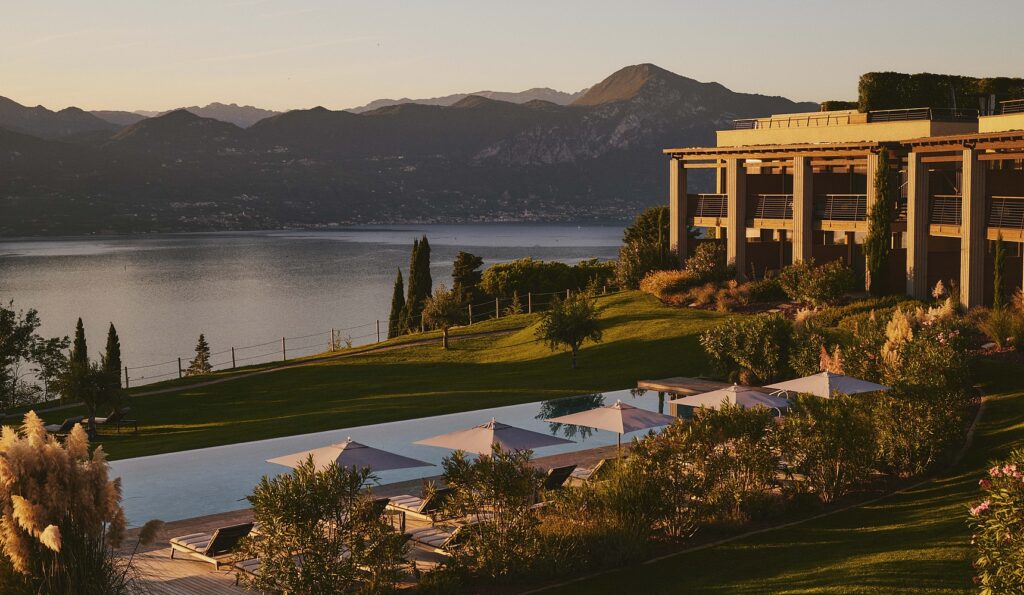
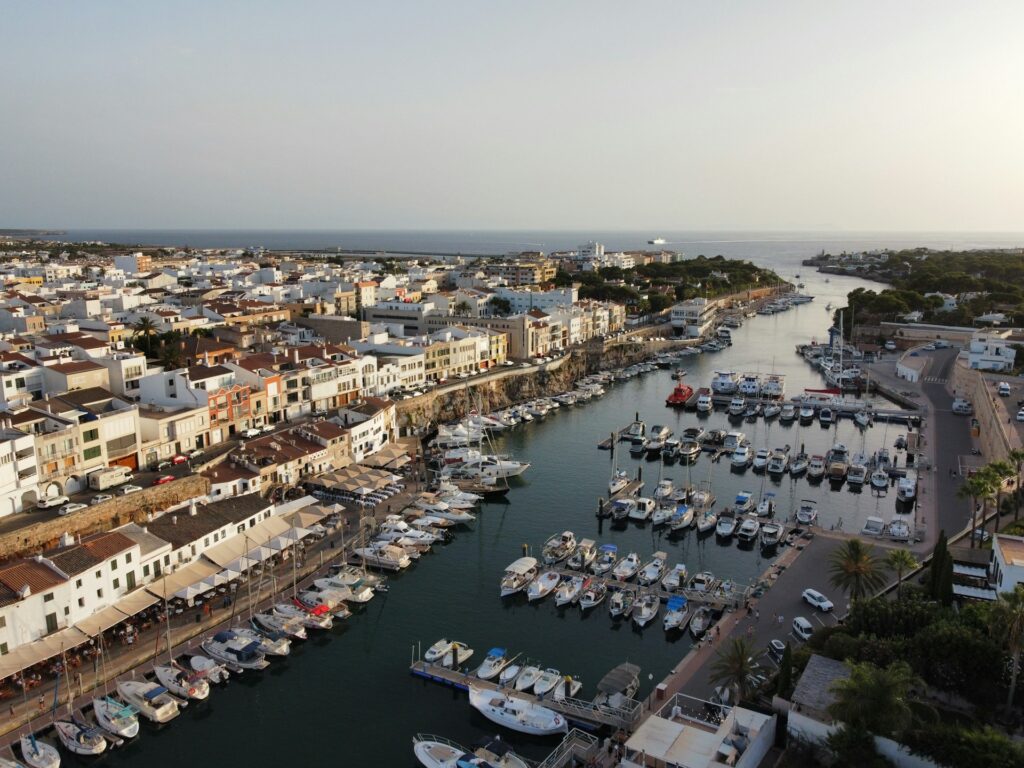
Lake Garda has always drawn visitors for its light. Italy’s largest lake sits at the point where the Alps begin to loosen their grip on the landscape, and the result is a microclimate that allows olive groves, lemon trees and palms to flourish on shores backed by mountains that still hold snow well into spring. The Romans came here for the same reasons people come now: the air, the water and a sense that the ordinary rules of northern European weather do not apply.

In recent years, the lake’s western and eastern shores have developed a serious wellness infrastructure to match the setting. Where once Lake Garda’s hotel scene was dominated by historic grand hotels and family-run pensioni, a new tier of five-star properties has emerged, each building its spa programme around the landscape rather than bolting it on as an afterthought.

The approaches vary widely, from a clinical wellness method rooted in Chinese medicine to a sensory retreat designed by South Tyrolean architects, but the constant is the lake itself: the views, the Mediterranean vegetation and the particular quality of light that has made this stretch of northern Italy feel like somewhere further south for centuries. With that in mind, here are 5 of the best luxury wellness retreats at Lake Garda.

Stroblhof Lake Garda, Gargnano

Ideal for a Sky Pool at 33°C and a family that’s been perfecting this for 350 years…

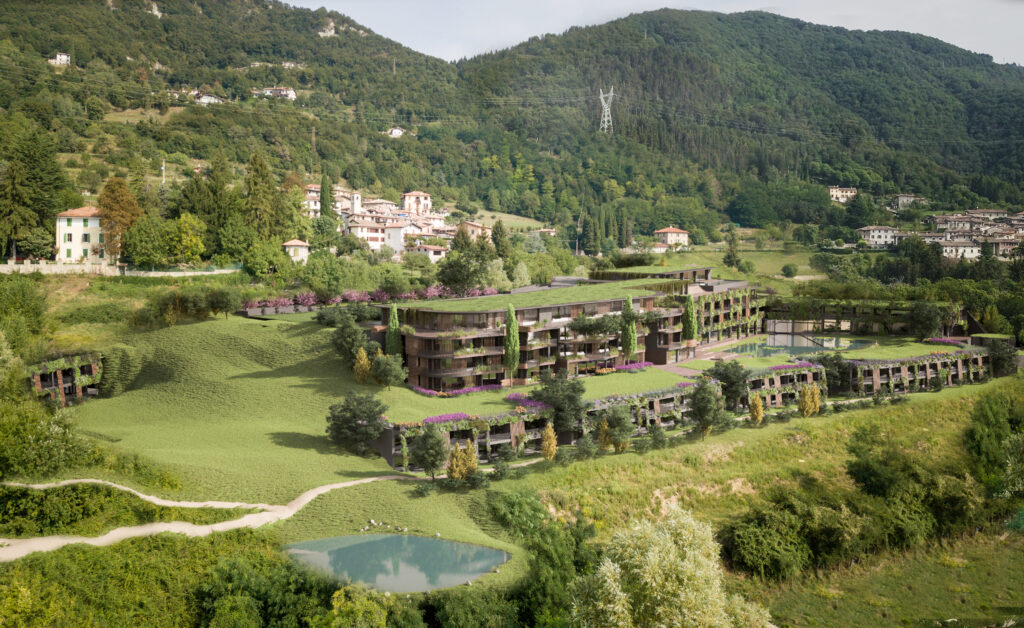
The Pircher family’s hospitality story begins not at Lake Garda but in South Tyrol, where the original Stroblhof in St. Leonhard in Val Passiria has operated as an inn since 1658. Four generations later, hosts Hansjörg and Sara Pircher spotted an opportunity on the western shore of Garda: a large, forested plot high above the town of Gargnano, inside the Parco dell’Alto Garda nature park, with unobstructed views across the lake. They signed the purchase in 2018, navigated a pandemic and the complexities of Italian planning permissions, and opened the Stroblhof Lake Garda as a five-star resort that brings the family’s South Tyrolean spa expertise to a Mediterranean setting.
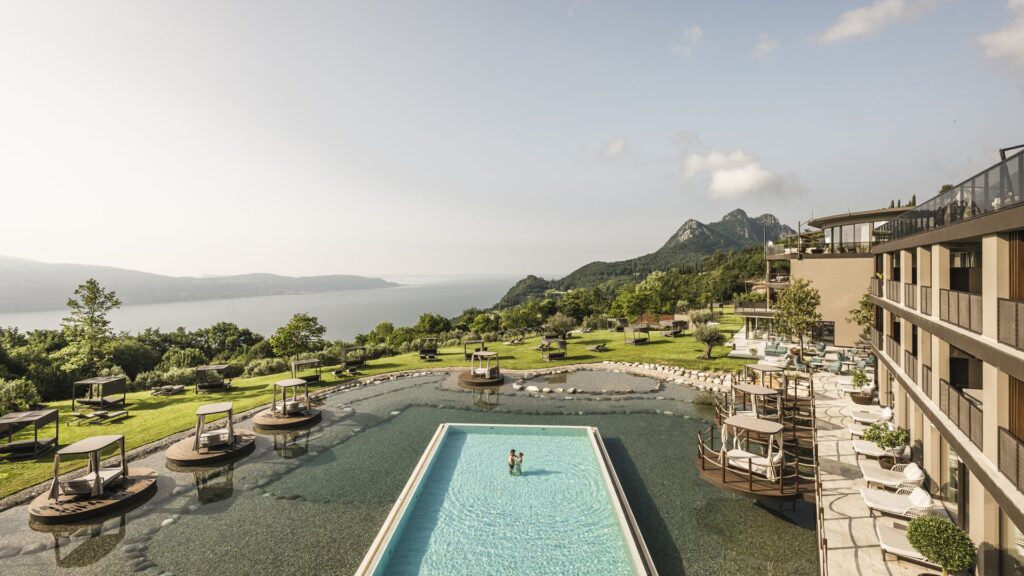
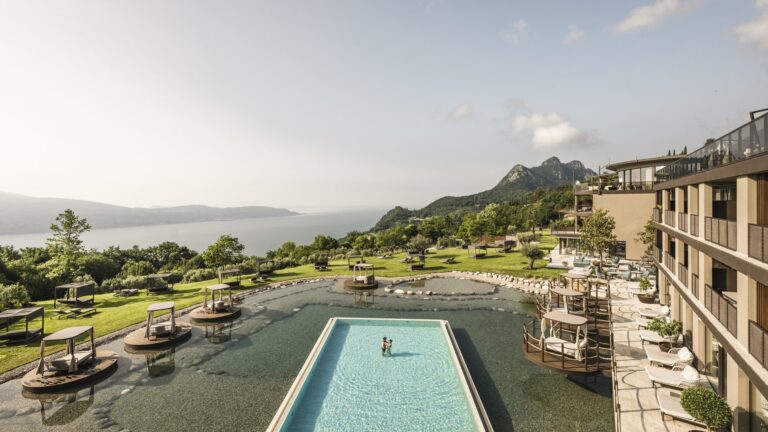
The wellness offer centres on water. The headline is the adults-only Sky Pool, heated to 33°C and reserved for guests aged 16 and over, with panoramic views across the lake that are, by any reasonable measure, among the best on Garda. Below it, an 800m² natural bathing pond with its own infinity edge provides a chemical-free alternative, and an indoor-outdoor pool connects the spa interior with the terrace.

The sauna area includes a Finnish sauna and a steam bath. On the treatment side, the menu leans into the resort’s South Tyrolean roots (the Herbal Stamp Massage, heated alpine herbs wrapped in linen and drawn across the body on a film of essential oil, is the standout), though the range runs wider than that, from the 80-minute Lomi Lomi Nui, a Hawaiian full-body technique performed with the lower arms, to Thalgo’s Source Marine facial, a marine skincare ritual using algae extracts to target dehydration and dullness, and couples’ rituals for two. A yoga deck overlooking the lake completes the picture.

The resort is built for families in a way the others on this list are not. A miniclub, teenie lounge and weekly activity programme sit alongside the adults-only Sky Pool without the two worlds colliding. The spatial separation between the family zones and the adults-only areas is well managed, and the premium half-board arrangement, built around Italian and Mediterranean cuisine with an emphasis on regional ingredients, serves both audiences. For guests who want to be active beyond the spa, the resort runs a weekly programme covering water sports, hiking, cycling, road biking and golf, all drawing on Gargnano’s position on the lake’s western shore.

Website: stroblhof-gardasee.com

Address: Via della Quiete, 50, 25084 Formaga BS, Italy


Lefay Resort & Spa, Gargnano

Ideal for a 4,300m² spa with its own medical philosophy and over 100 awards to prove it…

Lefay is, by most reckonings, the best-known wellness destination on Lake Garda and one of the most awarded spa hotels in Europe. It occupies an 11-hectare natural park of olive groves and woodland above Gargnano on the western shore, with views across the lake that guests and critics have been writing about since the resort opened. It is an adults-only property with over 100 international awards to its name, including the Sunday Times’ overall winner of the 50 Best Spas in the World in 2025.

The spa covers 4,300m² and is built around the proprietary Lefay SPA Method, developed in collaboration with an international medical team and blending Classical Chinese Medicine with Western scientific research. In practice, this means that wellness programmes here go beyond the standard massage-and-sauna offering: multi-day retreats address specific conditions including insomnia, chronic stress, detoxification and weight management, with treatments that stimulate energy pathways and acupuncture points alongside more conventional therapies.

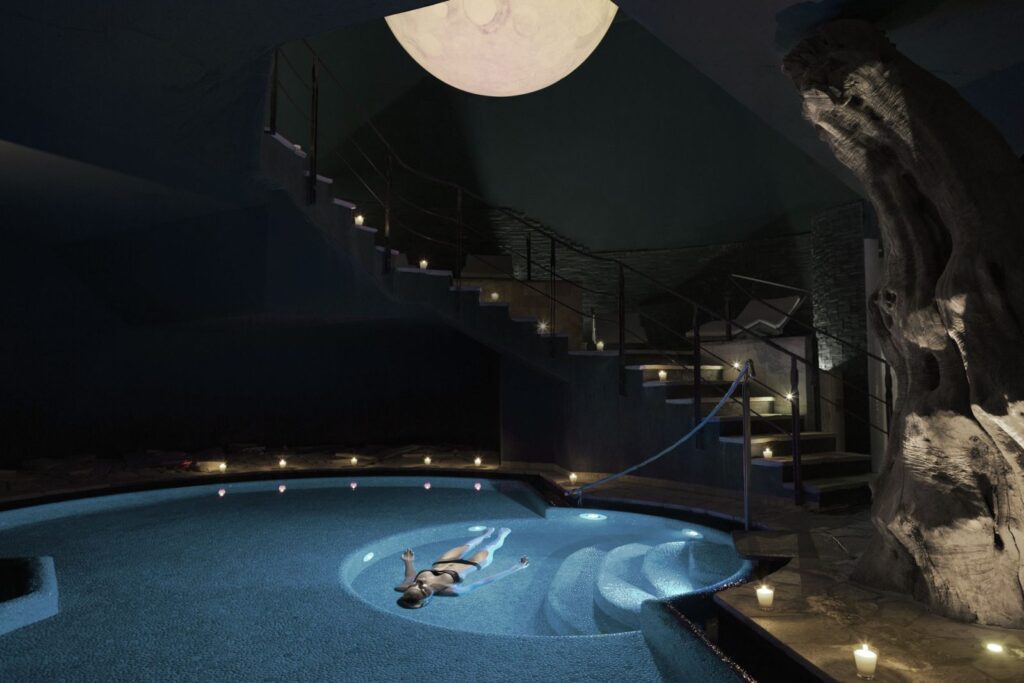
The signature energy massages, colour-coded to address specific imbalances (yellow for anxiety, green for digestion), has previously won the European Health & Spa Award for Best Signature Treatment, and moxibustion (the heat therapy derived from Classical Chinese Medicine) features across several of the multi-day programmes. The facilities include six saunas (one ladies-only), five relaxation areas, a salt lake, an indoor-outdoor saltwater pool, a 25-metre outdoor swimming pool, a Jacuzzi and a Kneipp path.

Dining plays a central role in the wellness philosophy. The Vital Gourmet cuisine takes a modern approach to the Mediterranean diet using fresh, seasonal ingredients, with the option of a dedicated detox menu for guests on specific programmes. The restaurant, La Grande Limonaia, is designed to evoke the traditional lemon houses that once lined this stretch of the shore. The kitchen leans heavily on ingredients grown on the resort’s own Lake Garda and Tuscan olive estates, and Gargnano’s lemons appear throughout, in sauces, compotes and dressings that give the menu a distinctly local character.

The second restaurant, Gramen, takes this further: a meat-free, dairy-free fine-dining room where two tasting menus (one built around lake fish and seafood, one exclusively vegetable) draw on herbs and plants harvested from the resort’s therapeutic energy garden. Rooms and suites are spacious and lake-facing, and the top-tier Royal Pool & Spa Suite comes with its own private infinity pool and dedicated concierge. A free shuttle runs to Gargnano village for guests without cars.

Website: lagodigarda.lefayresorts.com

Address: Via Angelo Feltrinelli, 136, 25084 Gargnano BS, Italy


Grand Hotel Fasano, Gardone Riviera

Ideal for a Michelin-starred dinner followed by a spa built inside a Habsburg hunting lodge…

The Grand Hotel Fasano’s history is unusually rich, even by Lake Garda standards. Built in 1888 as a hunting lodge for the Austrian imperial family, it was later frequented by the poet Gabriele D’Annunzio, the painter Gustav Klimt and the writer Paul Heyse. In 1989 it was designated a National Heritage Site by the Italian Ministry of Culture. Today it operates as a five-star family-run hotel and a member of The Leading Hotels of the World, set within a 12,000m² lakeside park of palms, magnolias and banana trees with a private jetty and direct access to the shore.
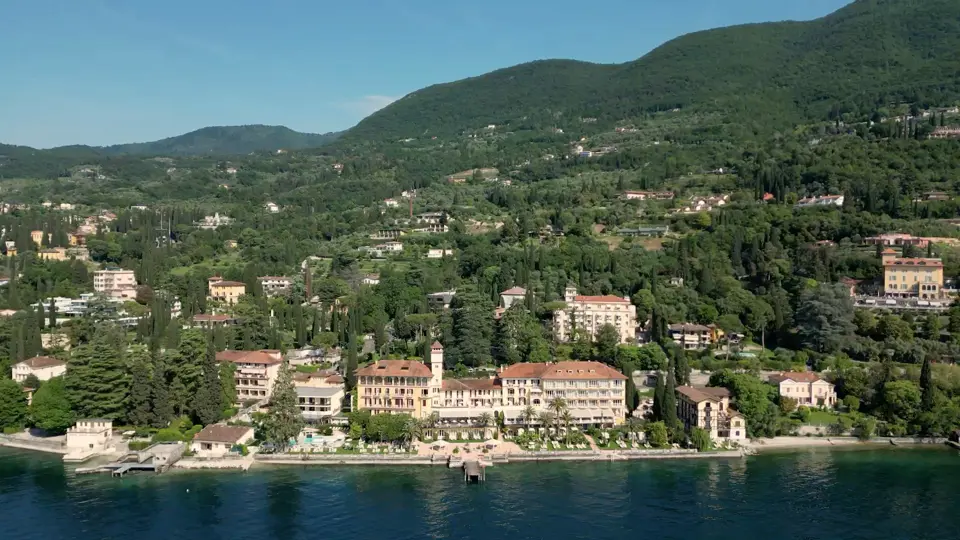
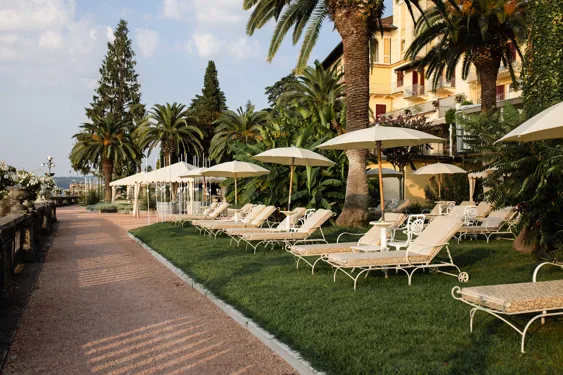
The AQVA Spa was fully renovated in 2023 and expanded again in 2025 with the addition of a new spa wing containing four suites connected to the wellness centre by elevator. The spa now covers over 3,500m² and includes indoor and outdoor swimming pools connected by a tunnel passage, three saunas, two steam rooms, two hot tubs (one indoor, one outdoor), a Kneipp therapy path, chromotherapy showers, a gym and a spa garden on the lake. Treatments draw on the French Sothys Paris product range, and the signature 1888 GHF treatment, a face and body massage using scented butters inspired by the property’s gardens, nods to the hotel’s founding year.
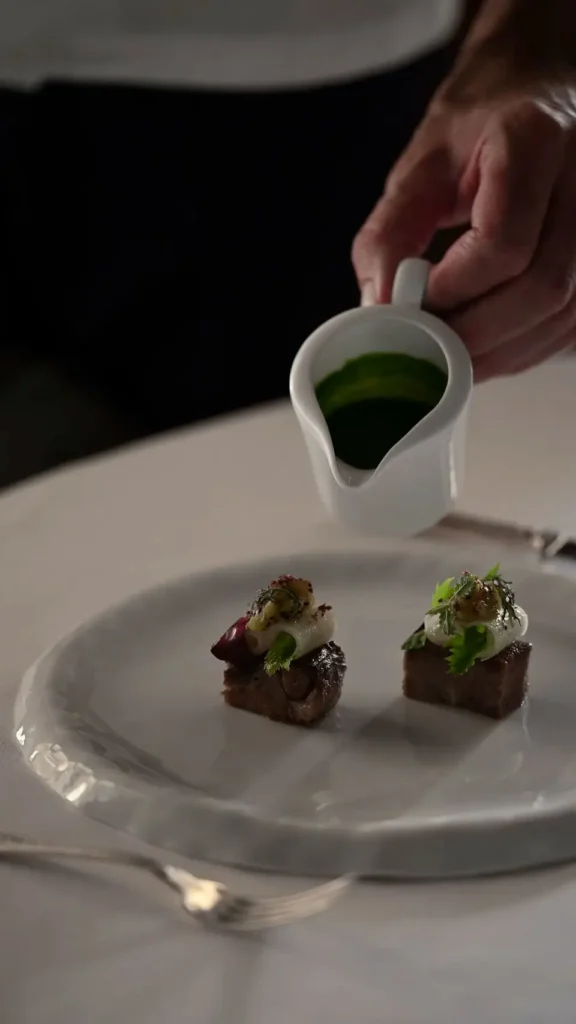
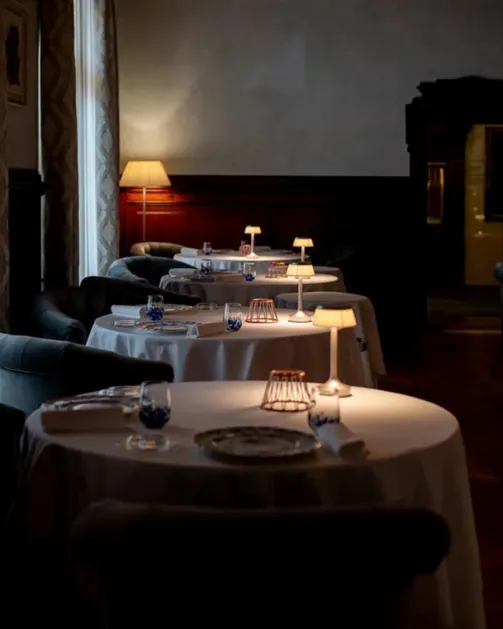
The culinary offer is the strongest on this list. Il Fagiano, the signature restaurant led by chef Maurizio Bufi, was awarded a Michelin star in 2024 and serves a menu that draws on both northern and southern Italian traditions. Bufi’s Puglian background shapes the menu throughout: lampascioni, bottarga and langoustine all appear, while northern traditions hold their own in the pearà sauce (a Veronese bread and bone marrow preparation) and ravioli filled with goat, shiitake and barley miso. The risotto with lemon, burrata and liquorice has become something of a signature.

Three further dining options, including the lakefront Trattoria Il Pescatore and the park-set Magnolia Restaurant, give guests range without leaving the grounds. The hotel is seasonal, operating from April to October, and the combination of heritage, gastronomy and renewed spa facilities makes it an option that few properties on the lake can match for depth of experience.

Website: ghf.it

Address: Corso Giuseppe Zanardelli, 190, 25083 Gardone Riviera BS, Italy


Cape of Senses, Torri Del Benaco

Ideal for Tibetan singing bowls and an infinity pool on the shore no one else thought to build on…

Cape of Senses is the newest and most architecturally distinctive property on this list. Opened on the eastern shore of Lake Garda in Torri del Benaco, it was designed by Hugo and Alessia Demetz of Demetz Architects to follow the contours of the hillside, with a curved, low-slung structure clasped into the terrain roughly 200 metres above the lake. The owners, the Margesin family from Lana in South Tyrol (who also run the eco-resort ALPIANA Green Luxury in Völlan), wanted a property that prioritised the senses, and the architecture delivers: every aspect faces the lake, and the scalloped terraces create pooled spaces for dining, relaxation and contemplation.
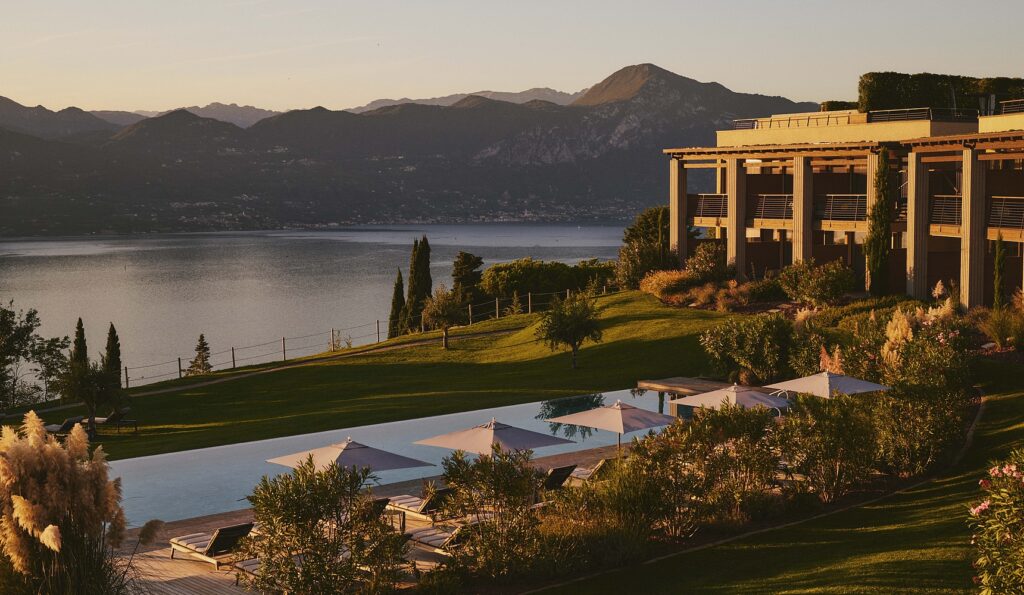
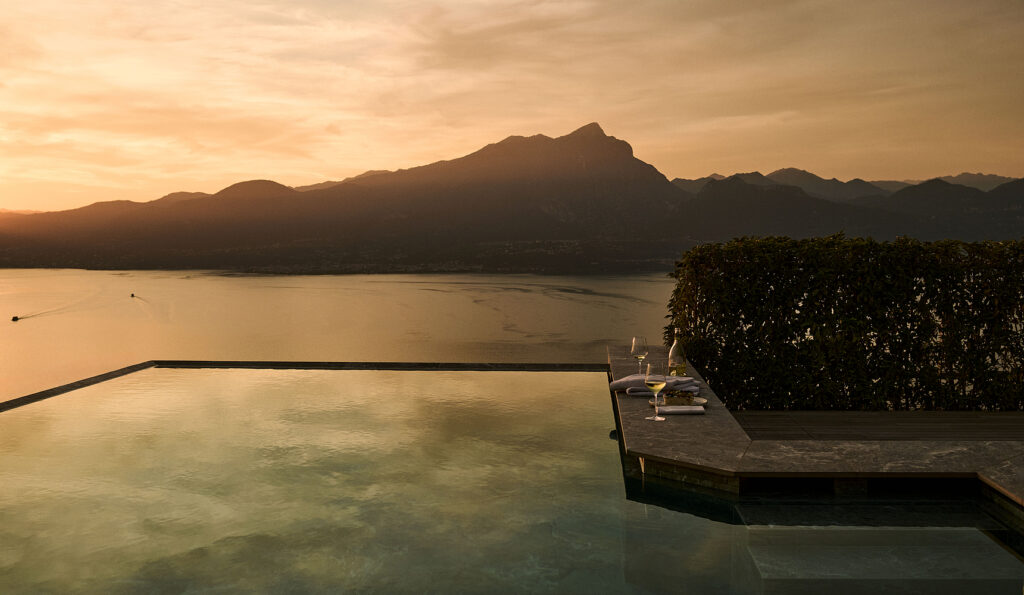
The Senses SPA covers 2,000m² and takes a holistic, nature-connected approach to wellness. Treatments use medicinal herbs, aromatic salts, essential oils and lava stones, and the signature Inner Sounds treatment incorporates Tibetan singing bowls. A Finnish sauna, organic sauna and steam room are complemented by heated indoor and outdoor pools, a sports pool and an exclusive private spa for guests seeking total seclusion. The tea corner, stocked with dried flowers and herb infusions from the surrounding area, is a characteristic touch. Morning yoga sessions take place on an outdoor platform set among the olive trees and green meadows, with the lake below.

The resort is adults-only (14+) and a member of Small Luxury Hotels of the World. Its 55 suites come in six categories, rising to the Sky Pool Suite Deluxe with its own 6×3 metre rooftop pool, sunbathing area and gazebo for sleeping under the stars. Two restaurants, Al Tramonto and the Osteria La Pergola, serve Italian and international cuisine with a focus on local, seasonal ingredients. The eastern shore location gives Cape of Senses a different perspective on the lake from the western shore properties that dominate this list, and the town of Torri del Benaco, with its medieval castle, pebbly beaches and fragrant citrus groves, is a short drive downhill.

Website: capeofsenses.com

Address: Località le Sorte, 37010 Torri del Benaco VR, Italy


Read: Venetian Specialties: What To Eat & Drink in Lake Garda


A-ROSA Lake Garda, Salò

Ideal for VINOBLE grape-seed treatments above the bay where Salò meets the Alps…

The A-ROSA was the first five-star hotel to open in the Gulf of Salò, and its position on the hillside above the bay gives it a panorama that takes in the lake, the surrounding mountains and the rooftops of one of Garda’s most handsome towns. The property belongs to DSR Hotel Holding, a German group that started with river cruises and now operates resorts in Kitzbühel, Sylt, Travemünde and Kleinwalsertal alongside the Lake Garda property. The interiors, designed by Berlin-based Bost Interior Design, blend Nordic restraint with Mediterranean warmth, and the colour palette takes its cues from the local landscape: the dark ochre of Salò’s rooftops, the silvery green of olive trees, the deep blue of the lake.
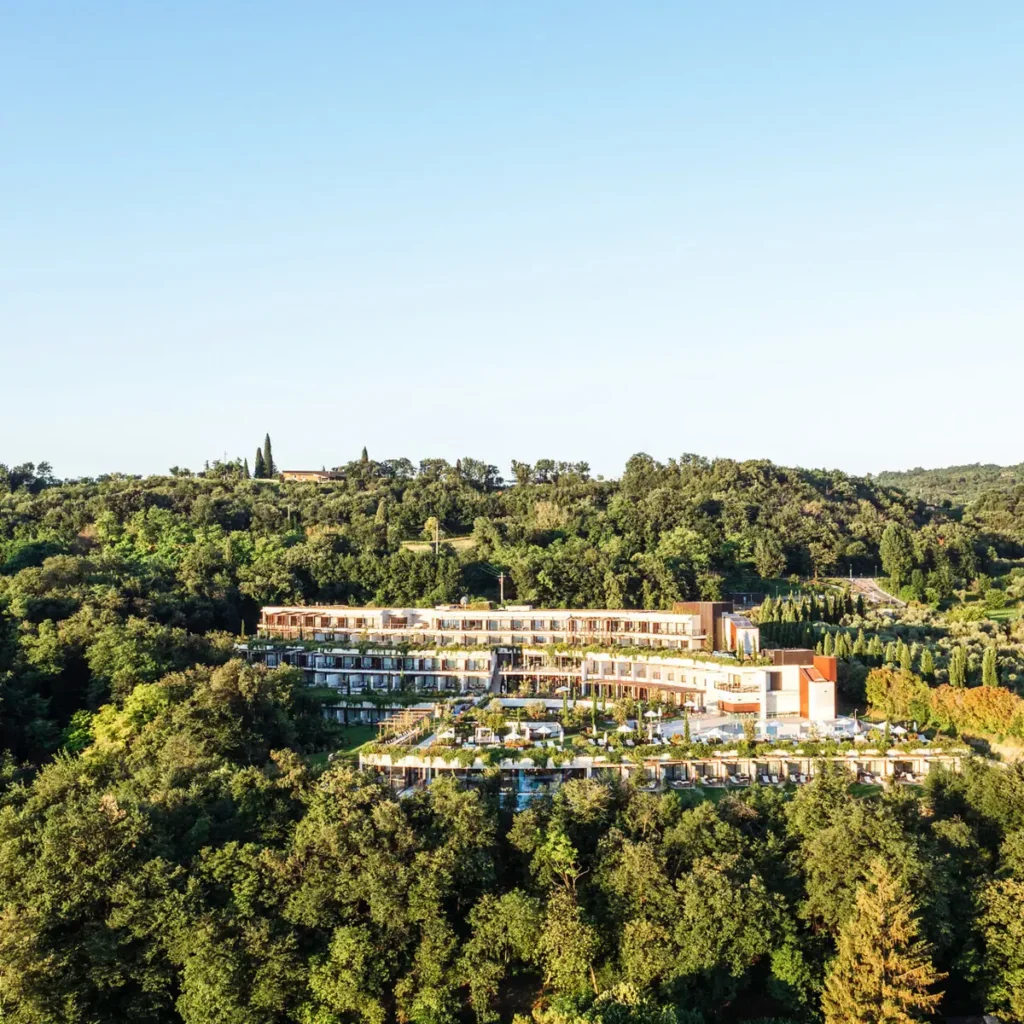
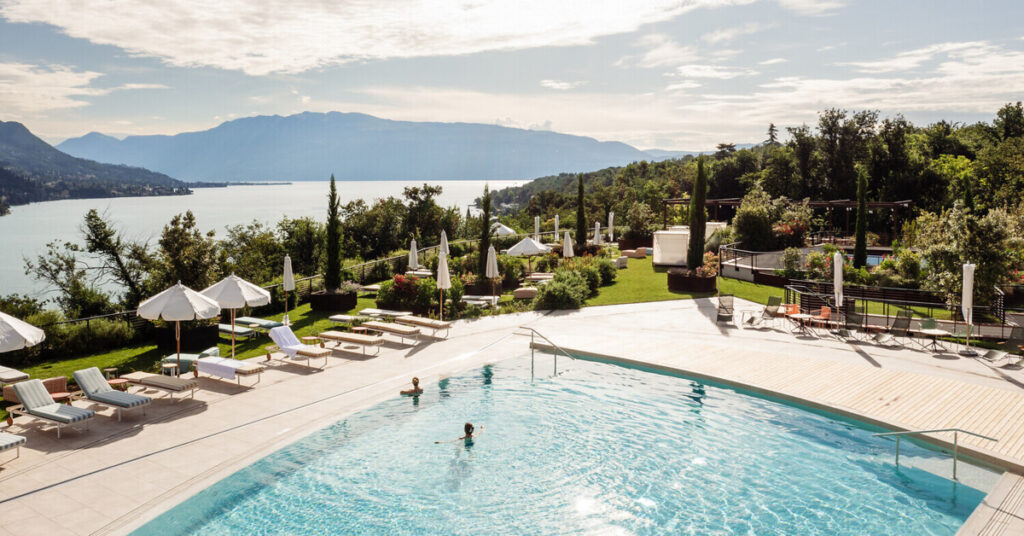
The SPA-ROSA spans 1,900m² and includes indoor and outdoor pools connected via a direct passage, a garden pool with a pool bar overlooking the bay, a bubble pool and four saunas: a 90°C Finnish sauna, a herbal sauna, a 65°C bio sauna and a 45°C peeling sauna. Private spa suites are available for guests who want treatments in a more intimate setting. The product range comes from VINOBLE Cosmetics, an Austrian vegan skincare line made from grape-seed extracts, and the signature A-ROSA Ritual builds a full treatment around this range. A SPA Remedy Bar serves revitalising teas and custom-blended peelings and oils.

The hotel sits above Salò but connects to the town via a woodland path (roughly 30 minutes on foot) or a complimentary shuttle. Salò’s three-kilometre lakefront promenade, its restaurants and its position as the starting point for ferry trips around the lake make it a strong base for guests who want to combine spa time with exploration. Free bike rental is included for guests, and the rooftop terrace, with views across the gulf to the Alps, is the kind of feature that earns a property repeat visits.

Website: arosahotels.co.uk

Address: Via del Panorama, 47, 25087 Salò BS, Italy

The Bottom Line

The lake, the light, the olive groves and the mountain backdrop do as much for your state of mind as any treatment menu. Whether you want a clinical wellness method backed by Chinese medicine, a Michelin-starred dinner followed by a soak in a renovated Habsburg spa, or simply a heated pool at 33°C with nothing between you and the water but the view, Lake Garda’s luxury wellness offer is now strong enough to stand alongside the best in the Alps.

Dawn Patrol: 8 Ways To Make Morning Exercise A Habit

0

Morning exercise? We couldn’t imagine anything worse. Several more hits of the snooze button please, then the whole wake up routine condensed into five minutes in the bathroom. That was, until we exerted some serious willpower, reframed how our AM should look, embraced the power of an early bird’s workout and learnt how to become embrace the power of a good morning workout.

The benefits are huge; a sense of achievement, a positive outlook for the rest of the day, and more free time in the evening. Join us, with these; our 8 ways to help you become a morning exerciser.

Set Up Everything The Night Before

We know what it’s like. Truly. Hearing that alarm go off and looking for any excuse not to get up, out and exercise. Raindrops on the windows? Result. Early morning meeting? Just this once. Gym kit not packed? No chance am I doing it now.

So, while you may not be able to control the weather or have as much autonomy as you’d like over work, you can make things easy for yourself in the morning by having everything set up and ready to go the night before. That means having your work clothes and lunch laid out and ready, as well as your gym bag packed, including toiletries, a water bottle and your headphones. You can also have a snack ready to eat, and coffee waiting to be brewed. Then it’s as easy as rolling out of bed and onto the treadmill.

Have A Solid Bedtime Routine & Wake Up Rituals

It’s incredible that only in the last few years we’ve woken up to the power of sleep and started to acknowledge its vital role in our health and wellbeing. And if you’re going to exercise early and effectively, you need to catch those zeds effectively.

Let’s flip the clock and start at bedtime. If you’re going to sleep well, it’s important to follow a routine, preferably one which is regular and unwavering. That means a consistent turn in time, a downing of tools (particularly those which emit that pesky blue light) an hour or two before bed, as well as perhaps a meditation and warm bath, and a concerted effort to keep your bedroom cool. We’ve written more about the IDEAL bedtime routine over here, by the way.

It’ll also stand you in good stead once at the gym if you wake up in the best possible way each day. Once you’ve opened your eyes, don’t dwell in bed checking Twitter. Get up, get the curtains open and get amongst it as soon as possible. 

Morning Exercise Multi-Tasking

You don’t actually have to drag yourself to the gym each day to qualify as a ‘morning exerciser’. Sometimes our hectic schedules don’t grant us the time to get in a full workout, but a little stretching of the limbs can go a long way to lifting our spirits and setting us in the right frame of mind for the day. At the very least, take the time to engage in a few morning salutations and stretches to limber up for what’s to come.

Reframe the way you think about ‘exercise’, too. Exercising can be incorporated into practically any daily activity, and it’s easy and cheap to do. Squat at the fridge, take the stairs, park further away from the entrance, or walk-lunge on your way to the bathroom. Walk, cycle or run to work. Get in 15 minutes early and do some press ups somewhere quiet before you start work. Every little helps.
Buddy Up

There’s no motivation quite like having a companion smashing your door down and rousing you from your slumber dressed in head-to-toe lycra. Peer pressure, when executed positively, is some stimulus.

So, enlist a work colleague or friend to join you on your journey; the companionship and camaraderie is sure to spur you on. Make sure they’re similarly driven to get fit and committed to braving the mornings to do so. The most detrimental thing you can do is find an ally who encourages flakiness. Even better, get involved in morning group exercise classes. The power of peer pressure is exponential, after all.

Find A Team Sport That Sticks

There’s a particular kind of accountability that kicks in when other people are waiting for you on a court, a pitch or a patch of scrubland at 7am. Miss a solo gym session and only your conscience notices. Miss a team one and you’ve let down six other bleary-eyed souls who dragged themselves out of bed on your behalf. Suddenly the snooze button loses its appeal.

Pickleball is having its moment, and that momentum is worth riding if you’re trying to build a habit. Courts are springing up across the UK, the learning curve is forgiving enough that you won’t humiliate yourself on day one, and communities like Pickleball People are making it easier than ever to find a morning session near you, connecting players to clubs and courts up and down the country. The crowd tends to be the sort who’ll notice your absence and give you grief about it next time, which is precisely the point. But if paddle sports leave you cold, the fringes are where things get interesting.

Consider kabaddi, the South Asian contact sport that’s essentially tag crossed with wrestling, now played by a growing number of UK clubs. Or walking football, which trades sprints for strategy and is one of the fastest-growing participation sports in the country.

Sepak takraw, often described as volleyball played with the feet, has a small but devoted following and will do more for your flexibility than any yoga class. Korfball, the mixed-gender Dutch hybrid of basketball and netball, rewards teamwork over individual flair. Even something like Real Tennis, played in only a handful of courts nationwide, comes with a morning league and a community that takes attendance seriously.

The more niche the pursuit, the stronger the bonds tend to be, and the harder it becomes to bail. Find your tribe, however odd, and the mornings start to look after themselves.

Reward Yourself

Incentivising your morning workouts can be a powerful motivator. Set small, achievable goals and reward yourself when you meet them. This could be as simple as enjoying a delicious, healthy breakfast post-workout, treating yourself to a new piece of gym gear, or even allowing some extra relaxation time in the evening. By associating your morning exercise with positive rewards, you’ll create a cycle of motivation and achievement. Over time, these rewards will help solidify your morning exercise habit, making it something you look forward to rather than dread.

Embrace The Power Of Music

Music has an incredible ability to energise and motivate us, making it a perfect companion for your morning exercise routine. Create a playlist filled with your favourite upbeat tracks that get your blood pumping and your feet moving. The right music can transform a sluggish morning into an invigorating start to the day. Whether it’s pop, rock, or electronic beats, find what works for you and let the rhythm drive your workout. Additionally, consider using wireless headphones to avoid any tangled distractions and keep your focus solely on your exercise.

Warm Up & Down Completely

If you don’t fancy hobbling around for the rest of the day, muttering that the early bird catches nothing but pain, then you’ll need to warm up prior and warm down after comprehensively. This is particularly important with morning exercise as your body is still stiff and susceptible to injury from a long night of laying down. Cold mornings only serve to emphasise the threat. Don’t skip this part because time is scant. Instead, give the muscles which will be getting a going over a good stretch.

So, if you’re running, pay particular attention to your calves, thighs and hamstring. If you’re lifting weights, your biceps, triceps and shoulders will need a good stretch. Job done.

Is Your Dog Eating The Right Food? Here’s How To Tell

Since you’ve arrived here unabated and unprompted, it’s clear you know that the role of a pet parent extends far beyond the simple pleasures of cosy cuddles and joyous games of fetch. You also know, deep down, that the kibble you’ve been scooping into the bowl each morning deserves a bit more thought than a cursory glance at the packaging. So let’s get into it: what should your dog actually be eating, how much of it, and what are the warning signs that something’s off?

Getting The Basics Right

Dogs need a balanced diet built around proteins, healthful fats, carbohydrates, and a full spectrum of vitamins and minerals. That much is obvious. What’s less obvious is how wildly the quality varies between brands.

A high-quality dog food will list a named meat source as its first ingredient, not vague “meat derivatives” or grain fillers. When scanning the label, look for a clear breakdown of protein percentage (ideally around 25% for adult dogs), identifiable fat sources, and minimal use of artificial preservatives or colourings. If the ingredients list reads like a chemistry textbook, that’s your cue to put it back on the shelf.

The Scales Don’t Lie: Keeping Your Dog At A Healthy Weight

Just as with humans, maintaining an optimal weight is crucial to your dog’s overall health. Being underweight or overweight can lead to a host of problems, from joint stress to reduced immunity. Regular vet check-ups offer an invaluable resource for monitoring their weight and health status, but you can keep tabs at home too. Run your hands along their ribcage; you should be able to feel the ribs without pressing hard, but they shouldn’t be visibly protruding either.

If your dog needs to shed a few pounds, specialist weight management foods can help. These are formulated to be lower in calories while remaining rich in nutrients and fibre, so your dog feels satisfied without the excess. That said, always consult your vet before making significant dietary changes.

It’s Not Just What, But How Much

Portion control is where many well-meaning owners slip up. The feeding guide on the packaging is a starting point, but it’s just that: a starting point. Adjust according to your dog’s size, age, breed, and activity level. A working Border Collie and a sofa-loving Pug have very different caloric needs, even at the same weight.

Few topics divide dog owners quite like the raw feeding question. Advocates argue that a diet of raw meat, bones, and organs mirrors what dogs evolved to eat, and can lead to shinier coats, healthier teeth, and better digestion. Sceptics, including many vets, point to the risks of bacterial contamination (salmonella and E. coli being the main concerns), nutritional imbalance if meals aren’t carefully formulated, and the practical challenges of handling raw meat safely at home.

Read: 10 Of The Best Dog-Friendly Hotels In The UK

Raw vs Commercial: The Big Debate

The truth, as ever, sits somewhere in the middle. Raw feeding can work well, but it demands research, planning, and ideally guidance from a veterinary nutritionist to ensure your dog gets everything they need. If you’re considering the switch, don’t go cold turkey (so to speak); introduce raw elements gradually alongside their existing food and monitor closely for any digestive upset.

Mealtime Monotony? The Spice Of Variety

Consistency is key in a dog’s diet, but a bit of variety can deliver a broader range of nutrients and keep mealtimes interesting. Dog-safe fruits and vegetables (think blueberries, carrots, green beans), lean meats, and certain types of fish all make worthwhile additions. But the danger list is worth memorising.

According to Modern Vet’s guide to pet nutrition and food safety, xylitol, an artificial sweetener commonly found in sugar-free peanut butters and chewing gum, is one of the most dangerous substances a dog can ingest, capable of triggering a sudden drop in blood sugar and even liver failure within hours. Chocolate, grapes, raisins, onions, and garlic should all be avoided too.

Hydration Nation: Don’t Forget About Water

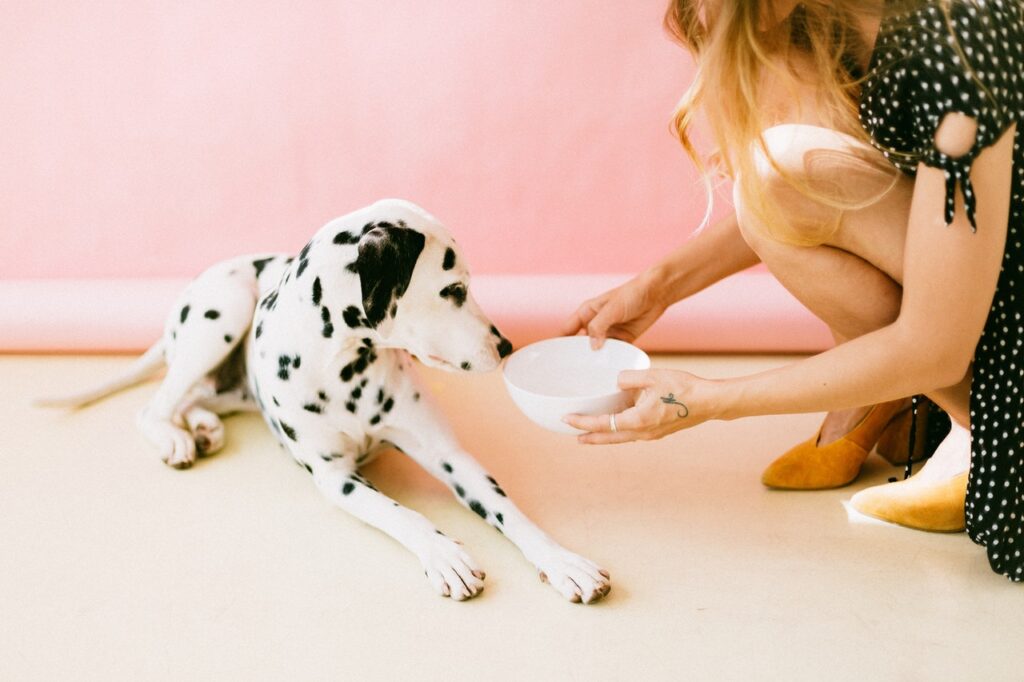
Keeping your dog well-hydrated supports everything from digestion to temperature regulation. Fresh, clean water should be available at all times, and it’s worth noting that a study published by the University of New England, Australia, found that dogs often prefer their water cold. Adding a few ice cubes to the bowl on warm days or after exercise is a simple way to encourage them to drink more.

Keep an eye out for signs of dehydration: lethargy, dry gums, and loss of skin elasticity (gently pinch the skin on the back of their neck; it should spring back immediately). If you notice any of these, contact your vet.

Treats: Snack Smart, Not Hard

Treats are a brilliant training tool and bonding mechanism, but they add up faster than most owners realise. As a rule, they should account for no more than 10% of your dog’s daily calorie intake. Lean meats, pumpkin puree, and dog-safe vegetables like cucumber or carrot sticks are all solid alternatives to shop-bought treats, and remember to factor them into the day’s overall calorie count.

Age Is More Than A Number: Dietary Changes Through Life Stages

A puppy’s nutritional needs are radically different from a senior dog’s. Puppies need more calories and higher protein to fuel their rapid growth, while older dogs typically benefit from fewer calories and more targeted nutrients supporting joint health and cognitive function. Adjusting their diet according to their phase of life is one of the simplest things you can do to keep them thriving at every stage.

Watch Out For Food Allergies & Intolerances

Dogs can develop food allergies or intolerances just as humans can, with common culprits including dairy, beef, wheat, and chicken. Symptoms to watch for include persistent itching, recurrent ear infections, and digestive issues like vomiting or diarrhoea. If you suspect an allergy, your vet may recommend an elimination diet to identify the trigger, which involves stripping the diet back to a single protein and carbohydrate source, then reintroducing ingredients one at a time.

Timing Is Everything

Regular feeding times aren’t just convenient; they support healthy digestion and help prevent overeating. Most adult dogs do well on two meals a day, while puppies may need three or four smaller servings to sustain their energy levels. Try to feed at roughly the same times each day, and resist the urge to leave food out for grazing, which makes it much harder to monitor how much they’re actually eating.

The Bottom Line

Every dog is different, and there’s no single diet that works for all of them. But with a bit of attention to what you’re feeding, how much, and how your dog responds, you can build a nutrition plan that keeps them healthy, energetic, and content. When in doubt, your vet is always the best port of call.

Here’s to the boundless joy our beloved four-legged family members bring to our lives. After all, they are more than pets; they are part of the family.

The Best Brunch In Soho, London

Last updated April 2026

Brunch and Soho. Soho and brunch. Bro-ho. Sunch…

Rather strangely for a place where the bedraggled and the hungover so often congregate, these words don’t actually feel like the most natural of bedfellows. Perhaps it’s the fact that brunch is more of a neighbourhood thing, and not many of us are lucky/cursed enough to live in Soho

Maybe it’s that dining in Soho is more synonymous with high jinx, debauchery and, you know, nightlife. Or, maybe it’s that, by the time everyone can stomach food in this neck of the woods, it’s time for lunch…

…Anyway, these are all just sweeping statements in service of an introduction. In reality, there are plenty of great places to enjoy brunch in Soho, whatever your stripes, likes and appetites. Here are just a few of them; our favourite brunches in Soho, London.

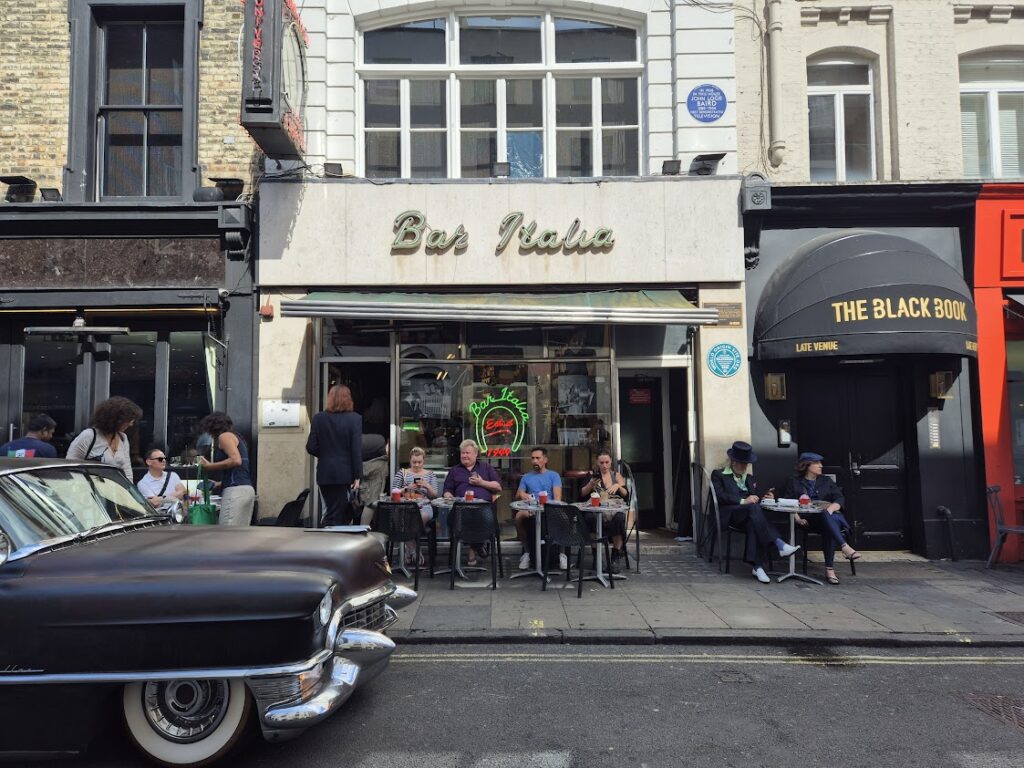
Bar Italia, Frith Street

Ideal for espresso, Esportazione and early morning eating…

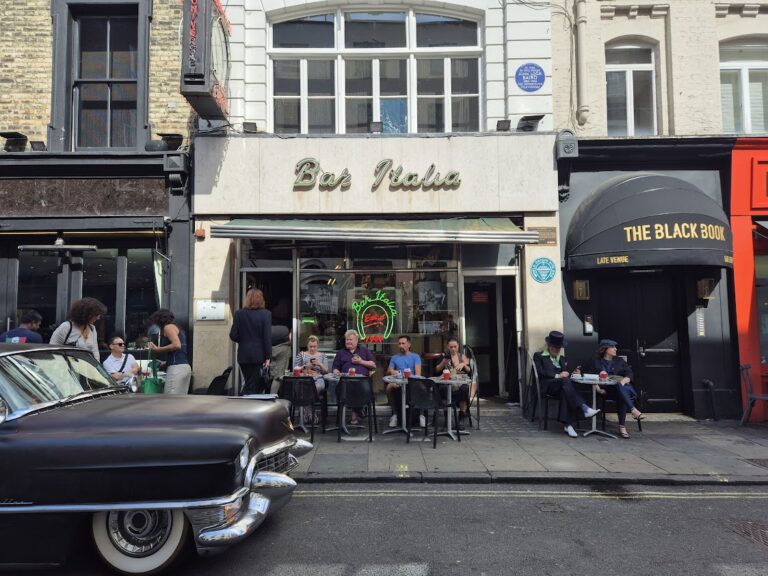
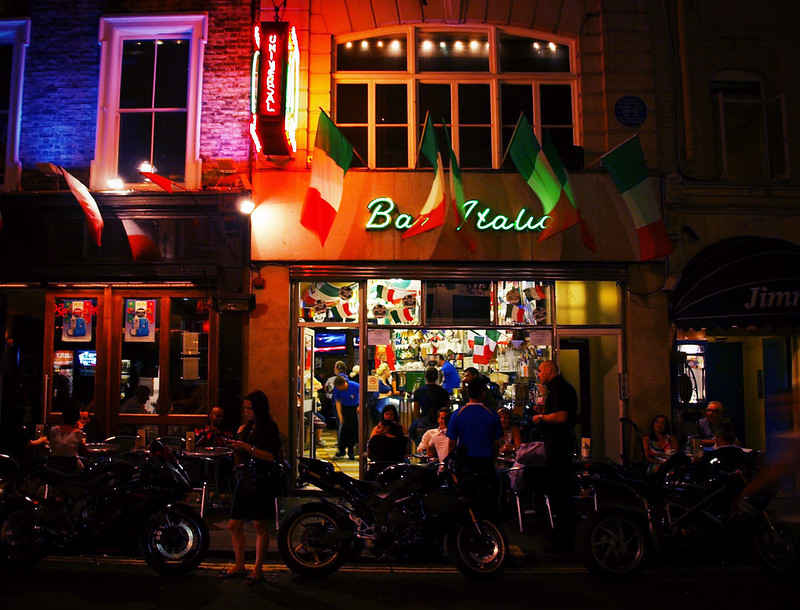
We start our brunch crawl of Soho at one of the neighbourhood’s most beloved ol’ girls, Bar Italia. Sitting pretty on Frith Street since 1949 and soaking up Soho’s revellers for just as long, Bar Italia is open daily from 7am to 5am, allowing you to get ‘brunch’ at the beginning or end of the day/night, however the mood takes you.

It’s where all the broken people go, sure, but it’s also where plenty of well put together folk do their thing. Either way, if you’re looking for the ultimate Italian breakfast, of a pastry, double espresso and a ciggy, this is your spot. 

For something a little heftier, Bar Italia also does ciabatta rolls with Italian sausage or bacon. Lovely stuff, and for just £4.20, an absolute steal in this part of town. In this city. In this country…

Bar Italia now has a second outpost at Outernet on Tottenham Court Road, which opened in January of last year year – though for the full experience, the original remains the one to visit.

When: Breakfast is available from 7am daily

Website: baritaliasoho.co.uk

Address: 22 Frith St, London W1D 4RF 

Read: The best places for pasta in Soho


Imad’s Syrian Kitchen, Kingly Court

Ideal for a soul-nourishing Syrian vegetarian breakfast…

For something decidedly more nourishing, both for stomach and soul, head to Imad’s Syrian Kitchen in that wretched old place, Kingly Court. 

More than just a restaurant; Imad’s Syrian Kitchen is a testament to resilience and passion. Helmed by Syrian restaurateur Imad Alarnab, who fled Damascus in 2015 amid the ravages of war, this kitchen is a love letter to Syrian cuisine and the country itself. 

With a journey that saw him cooking for fellow refugees across Europe before settling in London, Imad’s story adds heartfelt seasoning to every dish served, with the warmhearted man working the room every time we’ve eaten here.

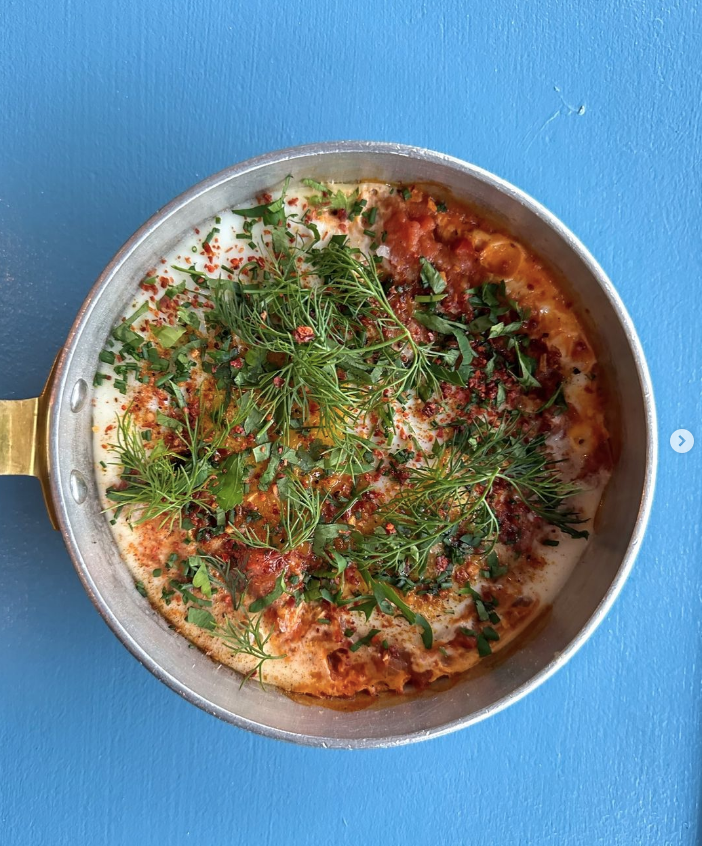
It’s the kind of hug you want from your brunch, setting you up for the day in some style. And that’s before you’ve even tried the glorious fatteh from the all-vegetarian breakfast offering here, which runs from Monday to Saturday from 8:30am to 11:30am. Rich and, erm, fatteh, fried shards of flatbread are layered with spiced chickpeas and a tahini-spiked yoghurt, the whole thing then topped with melted ghee. Woof. Equally good is a gold-standard shaksuka, here topped with dill fronds for a bit of added intrigue and elegance.

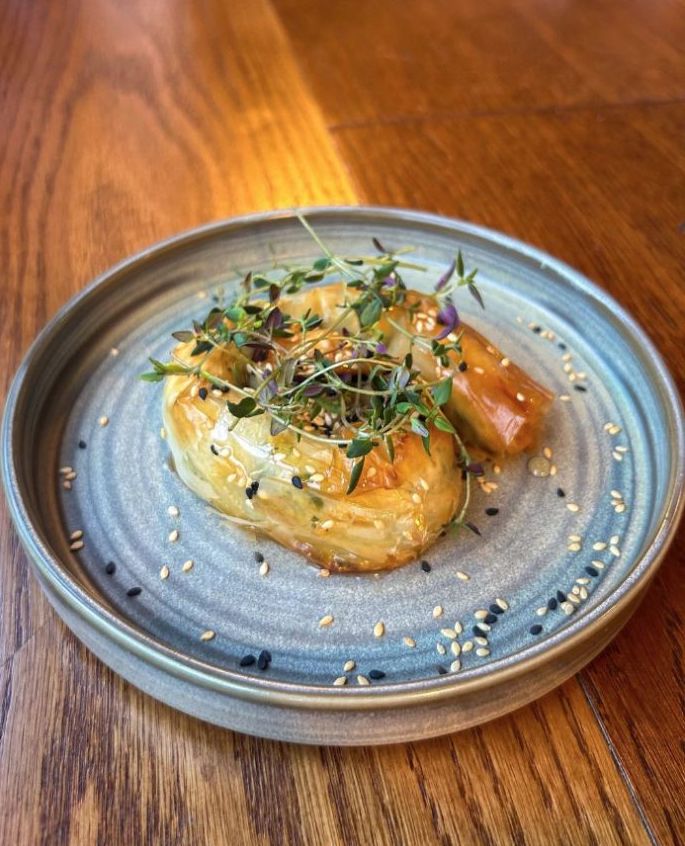
If you prefer to start your day with something sweet, the riaayiq asal has got your name on. This deceptively simple dish sees flaky cheese-filled filo pastry baked until golden before being drizzled with honey. It is fantastic.

Though Imad might chastise you for having coffee so early in the day and point you in the direction of his beloved mint tea, we can’t resist a stiff, viscous Syrian coffee here, blessed with the unmistakable  perfume of cardamom. Together with the dining room’s unstoppable flow of natural light, the deal is very much sealed, whatever the day chooses to throw at you. On hotter days, the Damascus ice tea, made with hibiscus, pomegranate molasses, lemon juice, and agave, is a revelation. 

And if you do insist on your brunch being meat based, then on Sundays the brunch menu at Imad’s Syrian Kitchen is a little different, with the usual breakfast menu supplemented by a few classics from the broader menu. 

The restaurant’s popularity shows no signs of waning – Imad’s has held a Michelin Bib Gourmand for its great value cooking for the last four years, and Imad himself has recently opened Aram by Imad at Somerset House, bringing his signature hospitality to a second London location.

When: Breakfast is served Monday to Saturday, from 8:30am to 11:30am. A broader brunch menu is served on Sundays from 11am.

Websiteimadssyriankitchen.co.uk

Address: 2.5, Top Floor, Kingly Ct, Carnaby St, Carnaby, London W1B 5PW


Koya, Frith Street

Ideal for a restorative bowl of something soul-warming…

A few doors down from Ronnie Scott’s is Koya, a slender corridor of a Japanese noodle bar that’s been essential London eating (brunch or otherwise) since 2010. Here it’s walk-ins only, no bookings, queues down the street – the hallmarks of a place that’s earned its reputation through delivering on its promise.

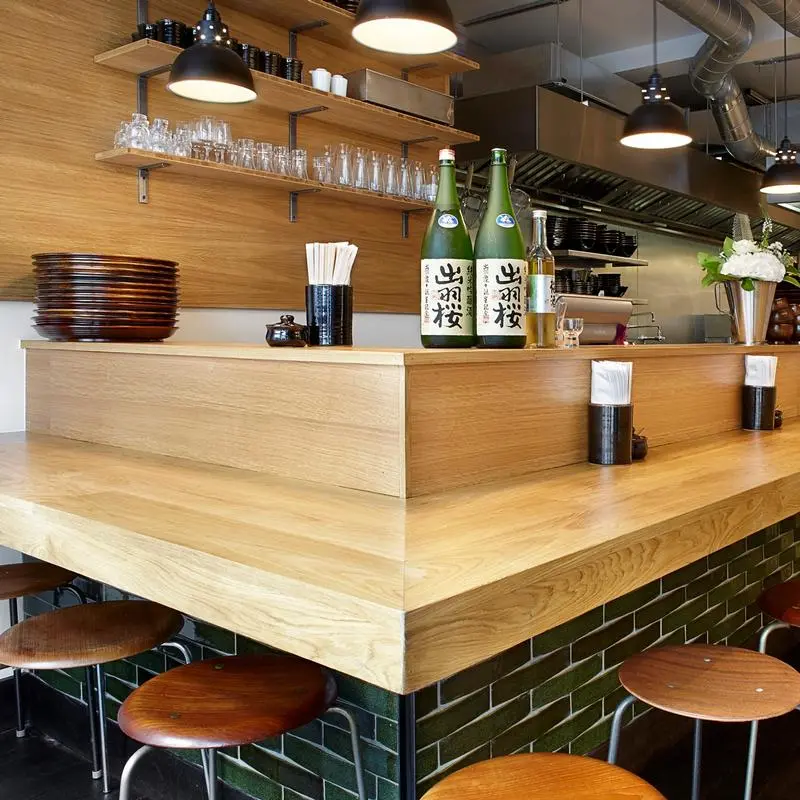
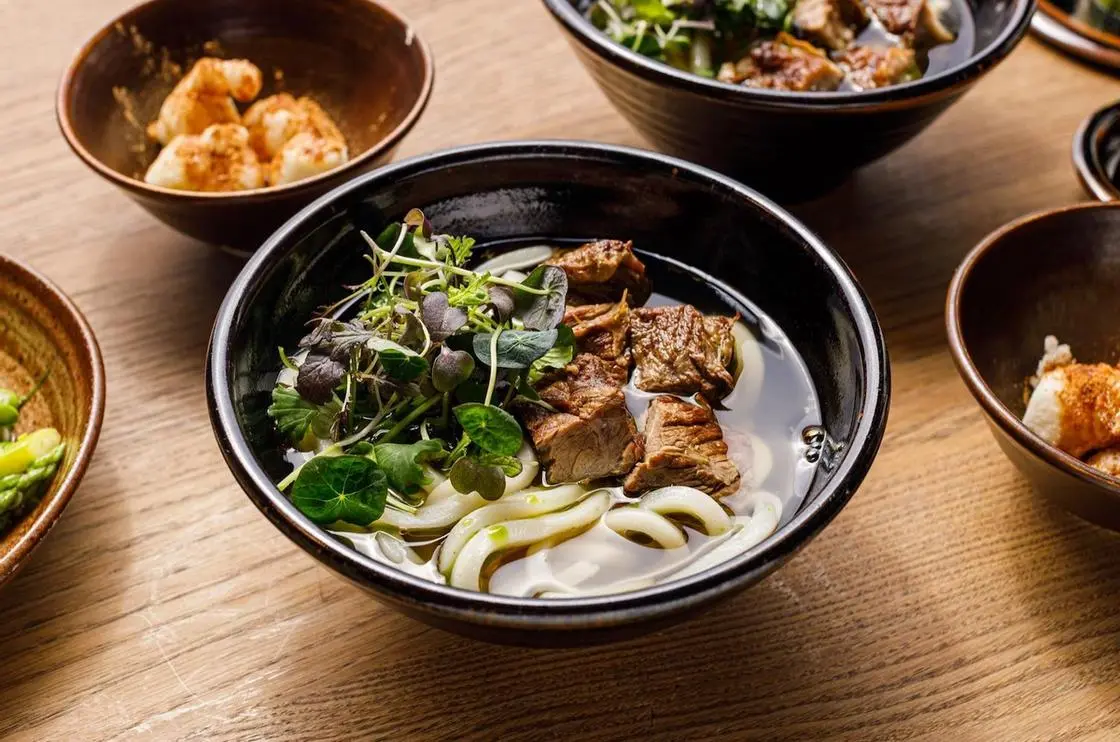
Inside, it’s all counter seating and bowed heads. Around 25 spots line the open kitchen, where you can watch the chefs work their way through the morning’s udon, the noodles made fresh on-site daily and possessing that unmistakable bounce and chew you only get from the real thing. It’s a meditative sort of place, well-suited to solo dining or a catch-up with one other person. Any more than two and you’ll struggle to explain the nuance of your latest life dramas.

Leave them at the door, as this is a place to be nourished. The breakfast menu, served until midday, offers something genuinely different to the usual poached eggs and sourdough (must. not. reach. for. the. avo. cliche) line-up. For the traditionalists, the Japanese breakfast (around £17) is textbook: grilled mackerel, rice, miso soup and an assortment of pickles. It’s the kind of thing that sets you up without weighing you down, clean and restorative in that distinctly Japanese way. Add an onsen tamago – a softly poached egg in chilled dashi – if you want something extra to tinker with.

For the globe-trotting, the English Breakfast udon (around £16) is one of the city’s cult classic brunch options. Thick-cut bacon, a gloriously runny fried egg and earthy shiitake mushrooms sit atop springy udon in a light broth. It shouldn’t work, this collision of fry-up and noodle bar, but it absolutely does – the pig fat enriching the broth, the egg yolk breaking and coating the noodles.

Simpler still, a kama tama – just udon, raw egg and soy – is the purist’s choice, the heat of the noodles gently cooking the egg into a silky coating. It’s comfort food at its most elemental.

To drink, there’s Japanese barley tea, hot ginger tea, or if you’re feeling robust, a beer. The whole thing will set you back under £20, and you can be in and out in half an hour if the day demands it.

When: Open daily, 10am to 10pm. Breakfast served until midday. Walk-ins only

Website: koya.co.uk

Address: 50 Frith Street, London W1D 4SQ


Temper Soho, Broadwick Street

Ideal for a smoky, carnivore-baiting spread…

It’s probably clear by now that brunch in Soho doesn’t need to only be about bacon, eggs and a builder’s. The area caters to all tastes and budgets, and at our next spot for a fine Soho brunch, the proposition is very different to either vegetarian Syrian food or an espresso and Esportazione.

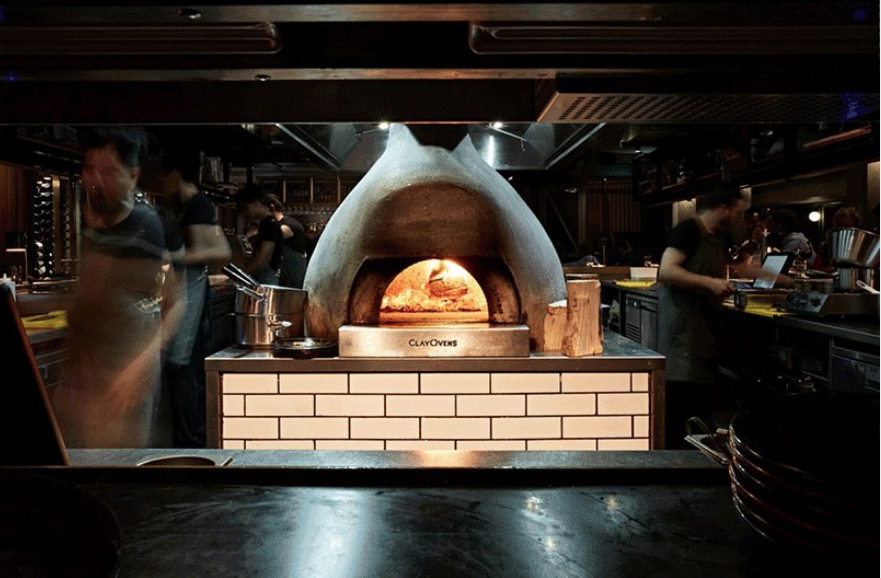
Temper Soho is a one-of-a-kind barbecue restaurant tucked in beneath Broadwick Street in a vast basement space, its grungy, below street-level surrounds apropos with the mise en scene of live fire cooking and the nose-to-tail ethos of the restaurant and its founder, Neil Rankin.

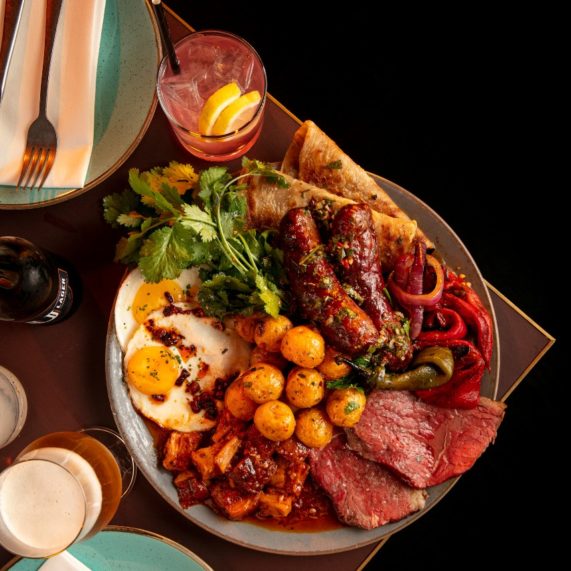
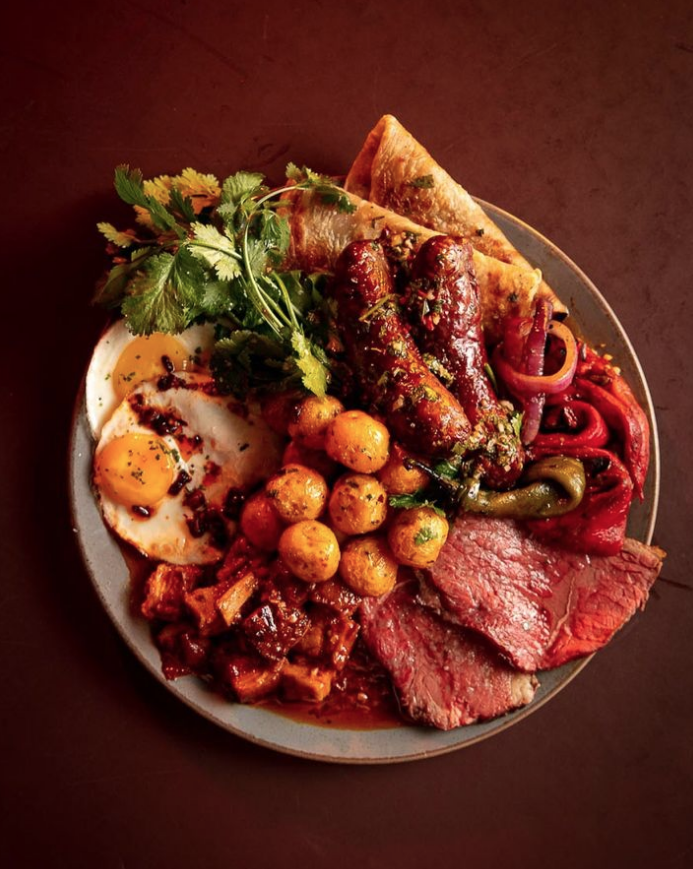
Brunch here is a reassuringly raucous affair, both on the plate and in the room. Available from midday to 3pm every Saturday, it’s an all-in for £45 affair. This figure, a bargain in today’s economy, gets you a brunch platter of epic, carnivorous proportions, stacked with coal-roasted belted Galloway beef, smoked beef sausages and pork burnt ends. 

And that’s just the meat! Potatoes with gochujang butter, fried eggs, charred peppers, pickled chillies, paratha and chimichurri…it’s all there, it’s all very extra, and it’s all likely to make tackling those stairs back up to Broadwick Street feel like you’re climbing a mountain. And that’s before you factor in the one and a half hours of free flow lagers, wine, prosecco and margaritas that’s also included in that £45. Come up for air, it’s smokey down here.

When: Brunch is served from midday to 3pm every Saturday

Website: temperrestaurant.com

Address: 25 Broadwick St, London W1F 0DF


Dishoom Carnaby, Kingly Street

Ideal for going beyond bacon naan…

Does Dishoom even need introducing anymore? We’re all au fait with the mission statement, of paying homage to the storied Irani cafés of old Bombay. Since its inception in Covent Garden in the heady days of 2010, we’ve all demurred over the house black dal (before noticing even better versions in other places across town). 

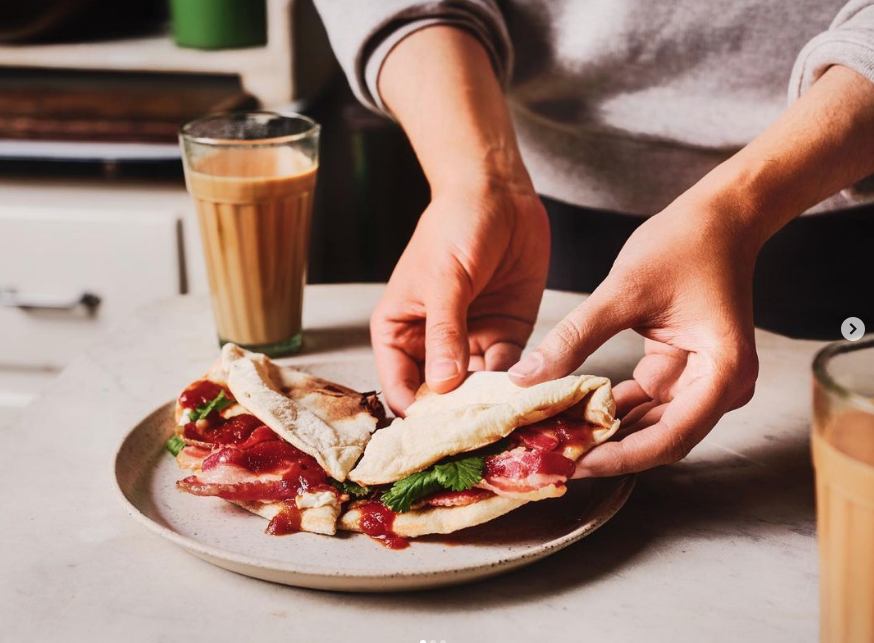
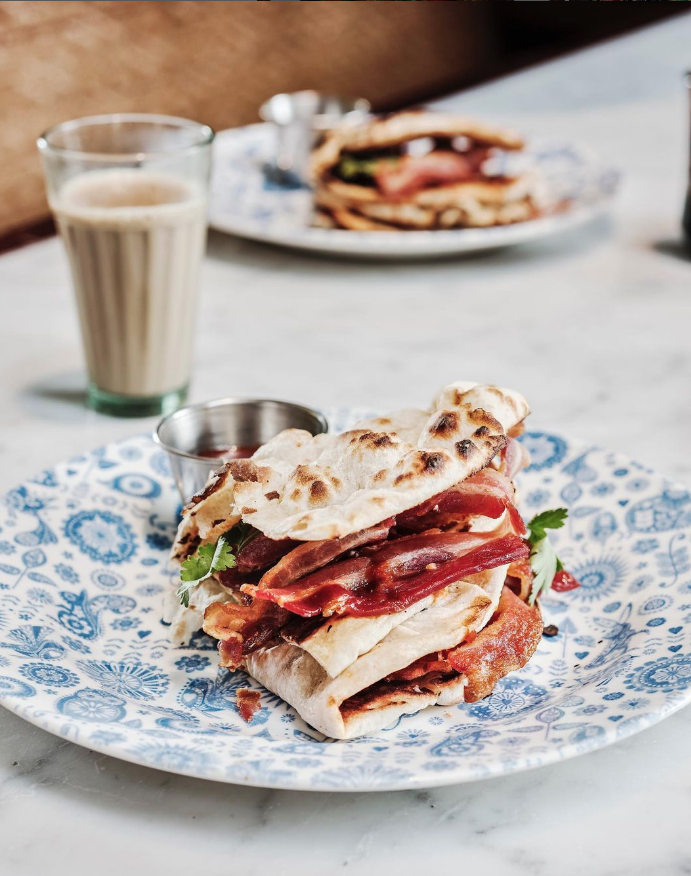
And we’ve all, at one time or another, smashed back a bacon naan roll and erroneously declared it the best bacon sarnie in London.

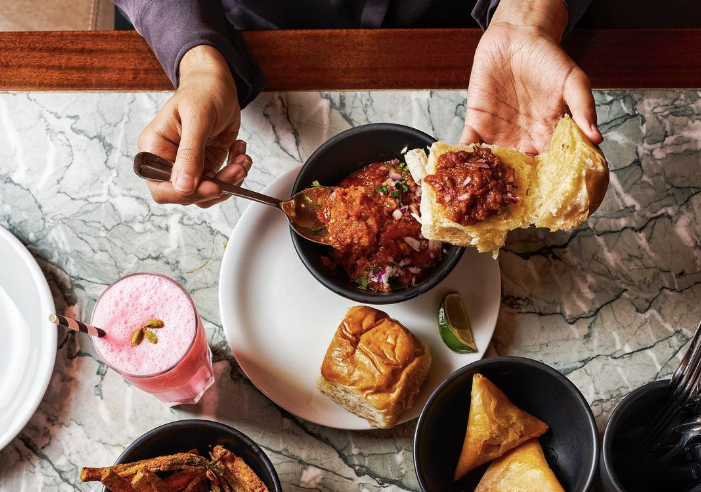
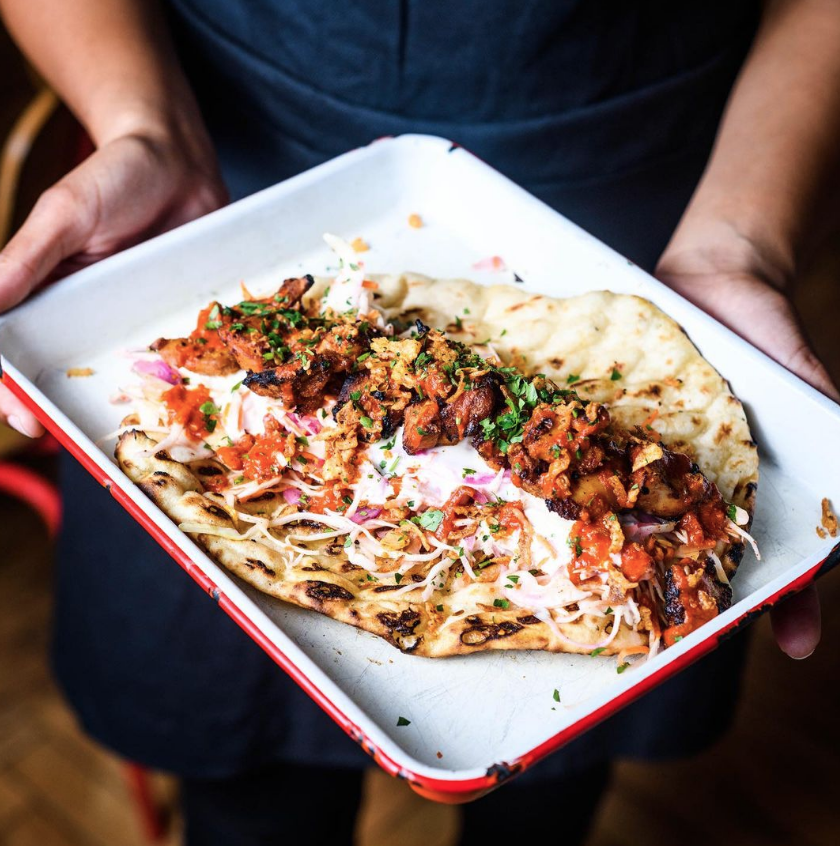
Served from 8am to 11.45am on weekdays and from 9am to 11.45am on weekends, it’s become Dishoom’s most famous dish. Featuring (not even sure why we’re doing this) crisp, smoked streaky bacon wrapped in a fresh naan, accompanied by chilli tomato jam and cream cheese, it’s as good as it ever was, but the bacon naan roll (£11.50, incidentally) isn’t the only brunch dish on offer at the Carnaby branch of Dishoom.

There’s also Kejriwal, an enjoyable dish of two perfectly fried eggs (no snotty white here) sitting on chilli cheese toast, or a Parsi three egg omelette that uses diced green chilli to pleasing effect.  

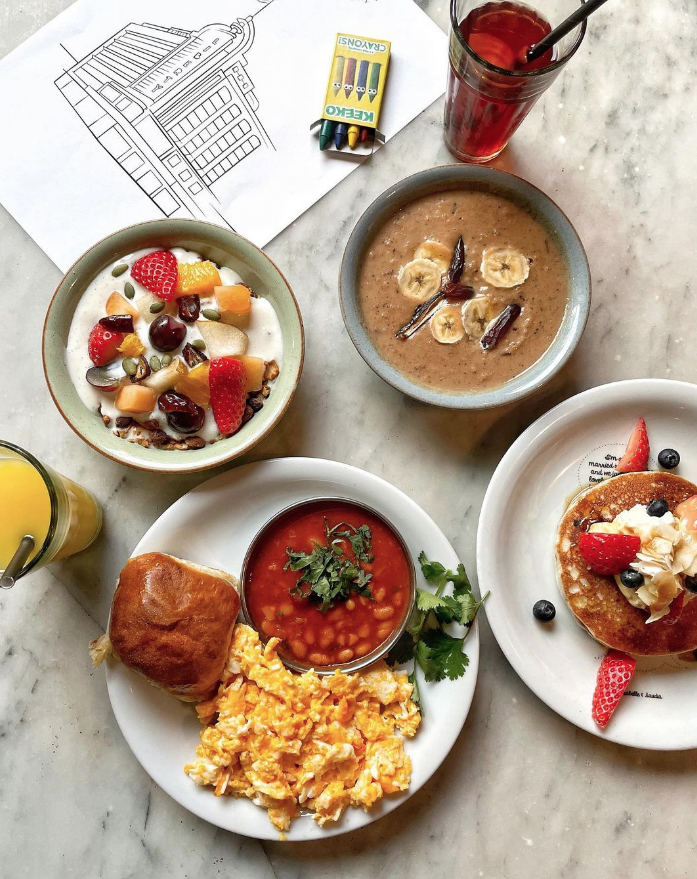
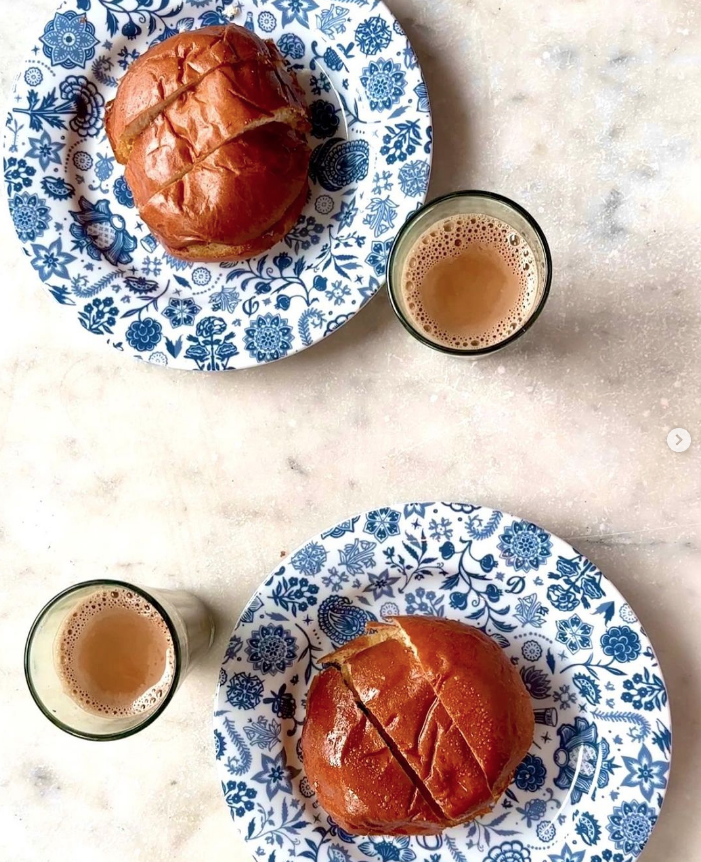
For the sugar heads, the Irani café staple bun maksa is satisfying in its simplicity; buttered brioche soldiers are served alongside steaming, spicy chai, the former to be dipped in the latter. Or, date and banana porridge, this one bottomless and re-uppable, also hits the spot.

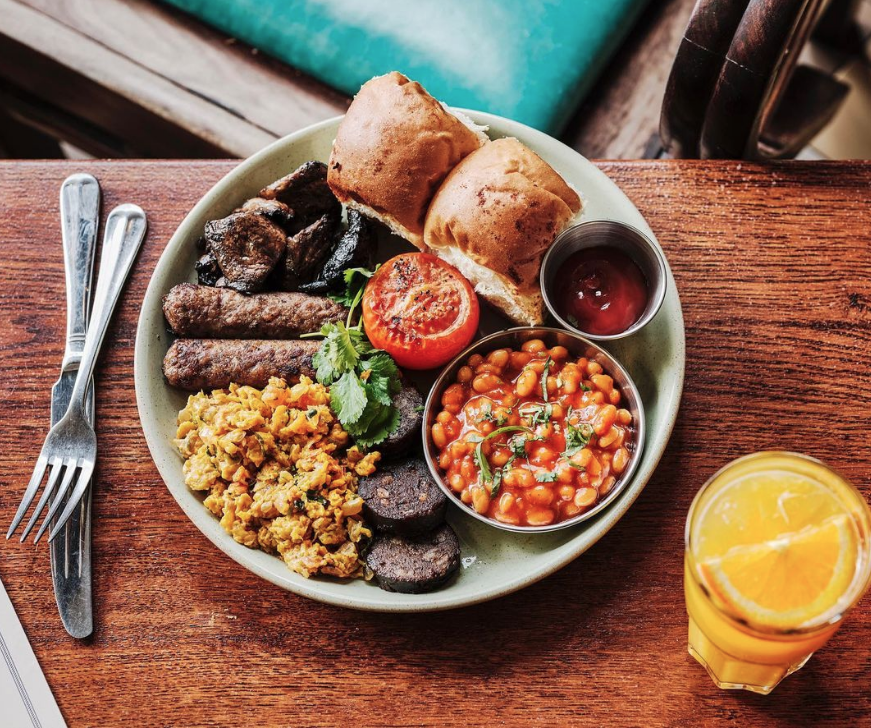
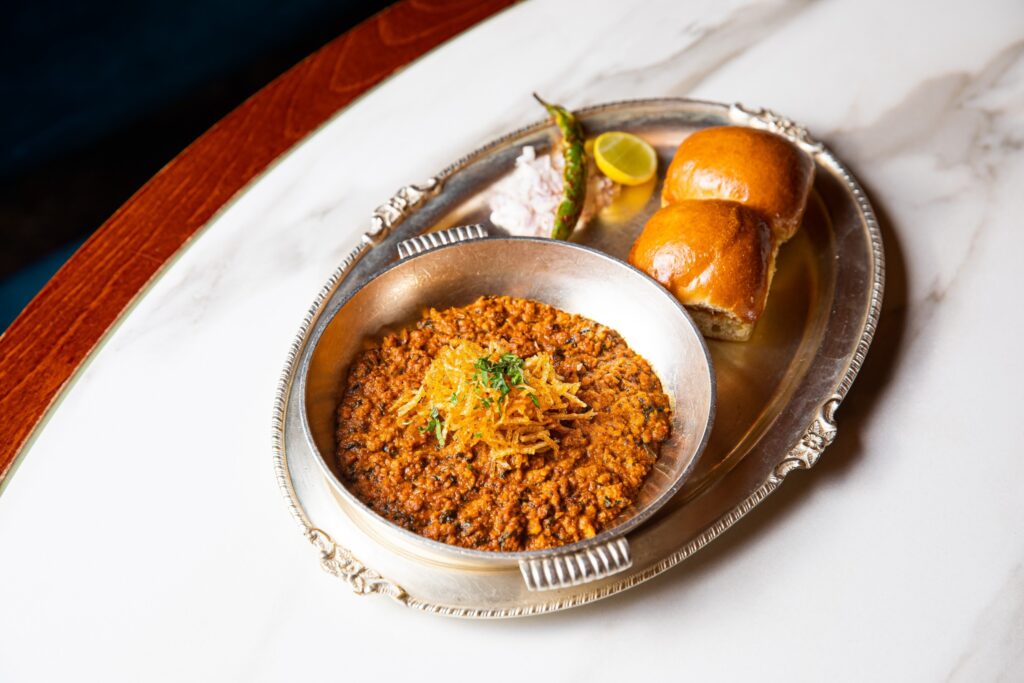
But for us, the best brunch dish at Dishoom isn’t anything sweet, nor is it egg related. It’s not the country-conquering bacon naan roll, either. The killer dish here, without question, is the keema per eedu. Here, spiced minced chicken, salty and heady as hell, is studded with lovely little nuggets of diced chicken liver. Plonked on the plate unceremoniously, because we don’t need anyone tweezering our brunch, it’s topped with two fried eggs. The obligatory accompanying buns are there to be filled. Love this one – yours for £17.50.

It’s a salty beast, as we said, but a lovely little mango and fennel lassi or the signature masala chai will soothe and cleanse you. The sins of last night though? They’re never getting cleansed…

When: Brunch is served from 8am to 11.45am on weekdays and from 9am to 11.45am on weekends

Website: dishoom.com

Address: 22 Kingly St, Carnaby, London W1B 5QP


Balans No 34, Old Compton Street

Ideal for a fry-up steeped in traditional but not too much oil…

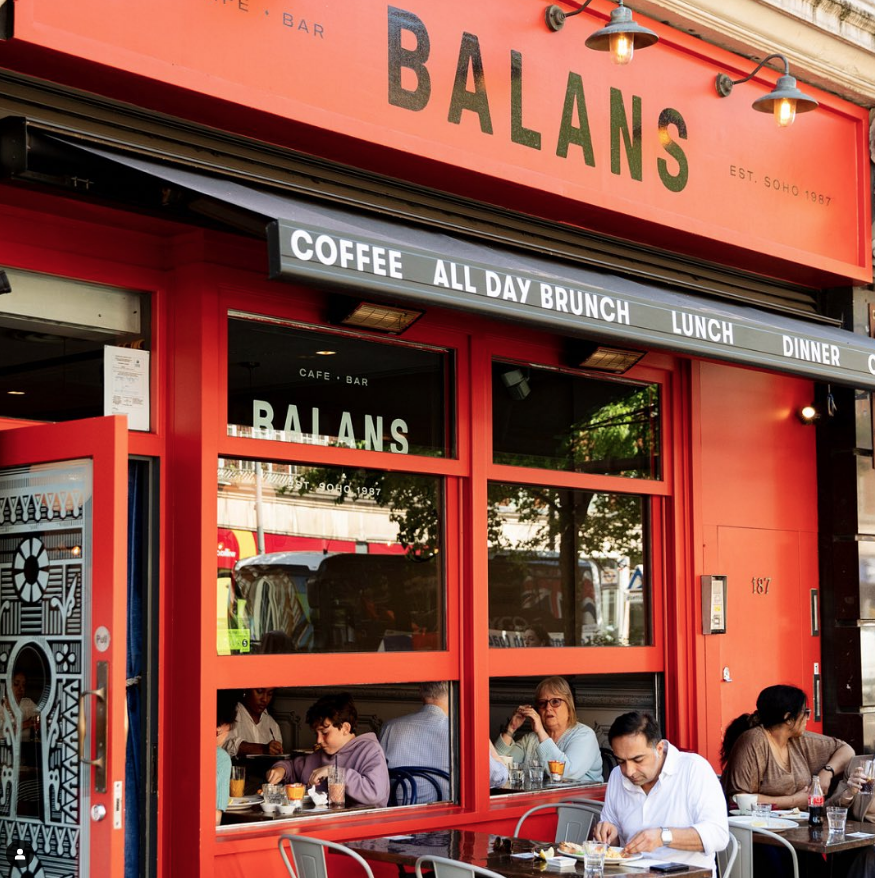
Steeped in history and still packing plenty of charm, Balans Soho No.34 is an iconic spot in Soho with a legacy dating back to 1987. Initially known as The Old Compton Café, this quaint corner eatery set out to offer delicious food around the clock, quickly becoming a local favourite in a neighbourhood that used to be London’s 24 hour party hub.

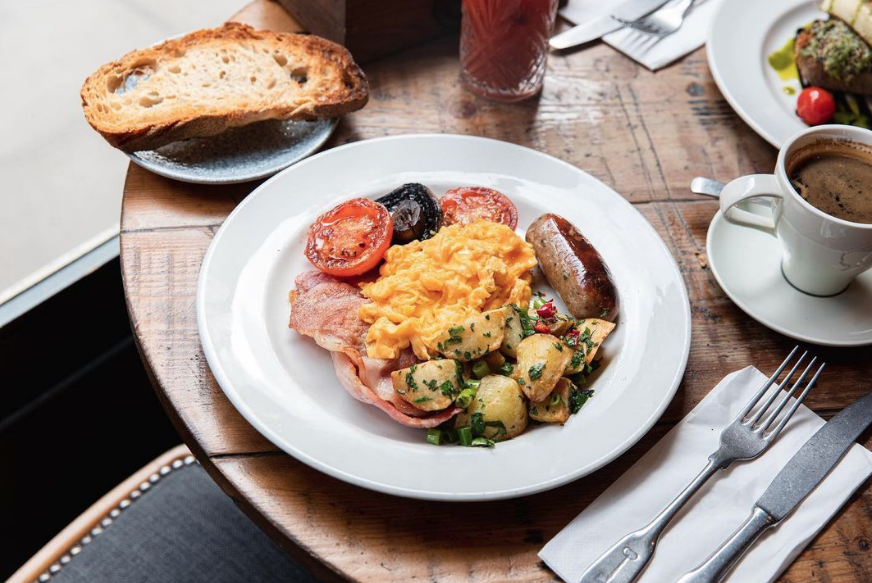
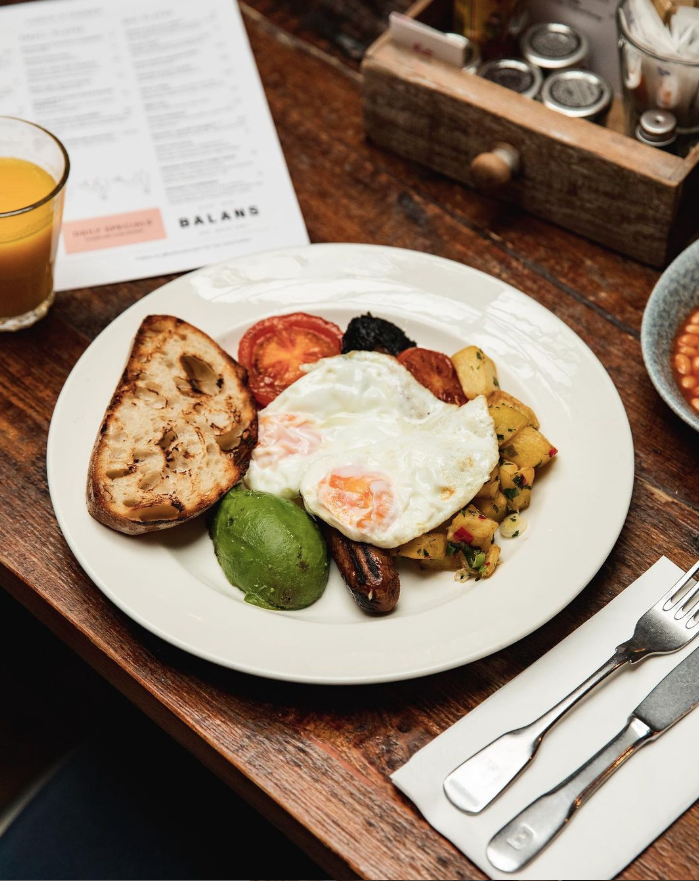
Those days have long gone since London’s night tsar keeps clocking off early, but a decent, wholesome brunch at Balans remains, sprawling from 8am to 5pm each day. We’ve taken a while to introduce a proper Full English to our rundown of the best brunches in Soho, but a fine one is served here – no fuss, no frippery, just a damn good version that sees you right and isn’t offensively greasy, too.

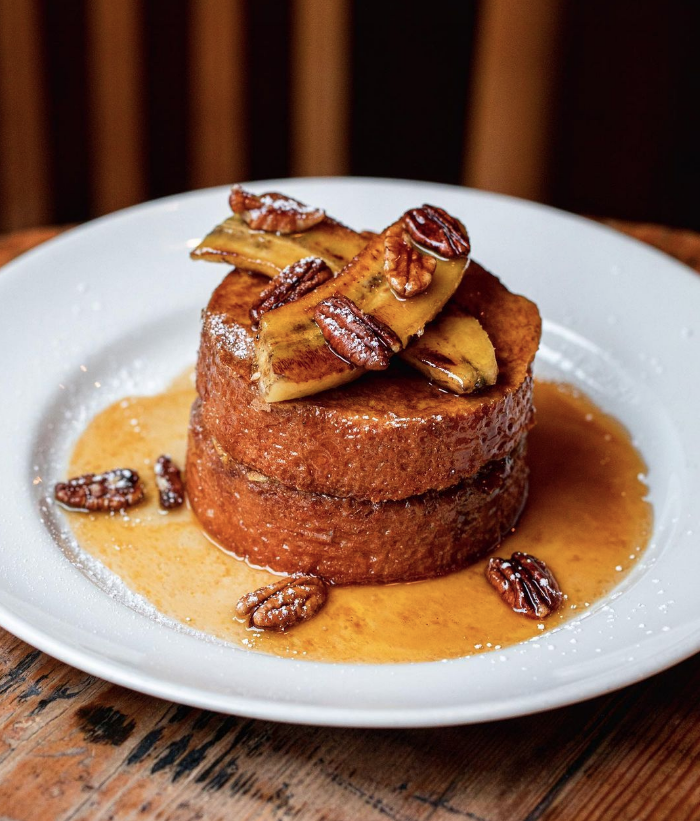
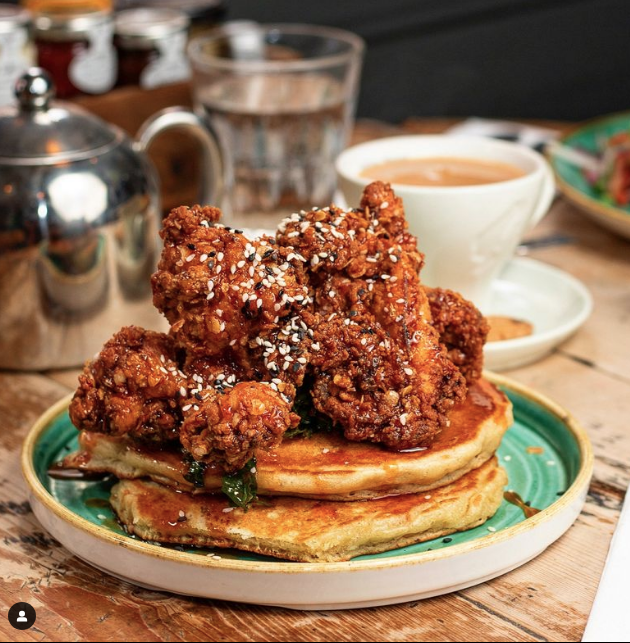
The famous French toast is a must-try, too with caramelised banana, warm maple butter and pecans. For something a little less conventional, fried chicken pancakes with spicy Korean honey and kimchi salsa is a fine dish indeed, and one to put the hairs on your chest and the burn in your heart early doors. Pair it with a couple of pert Breakfast Martinis, pray you’ve packed some Gaviscon, and watch Soho slowly open up. Heaven.

When: Open from 9am daily, brunch is served until 5pm

Website: balans.co.uk

Address: 60-62 Old Compton St, London W1D 4UG 


Kapara, St James Court

Ideal for alfresco late brunching in the heart of Soho…

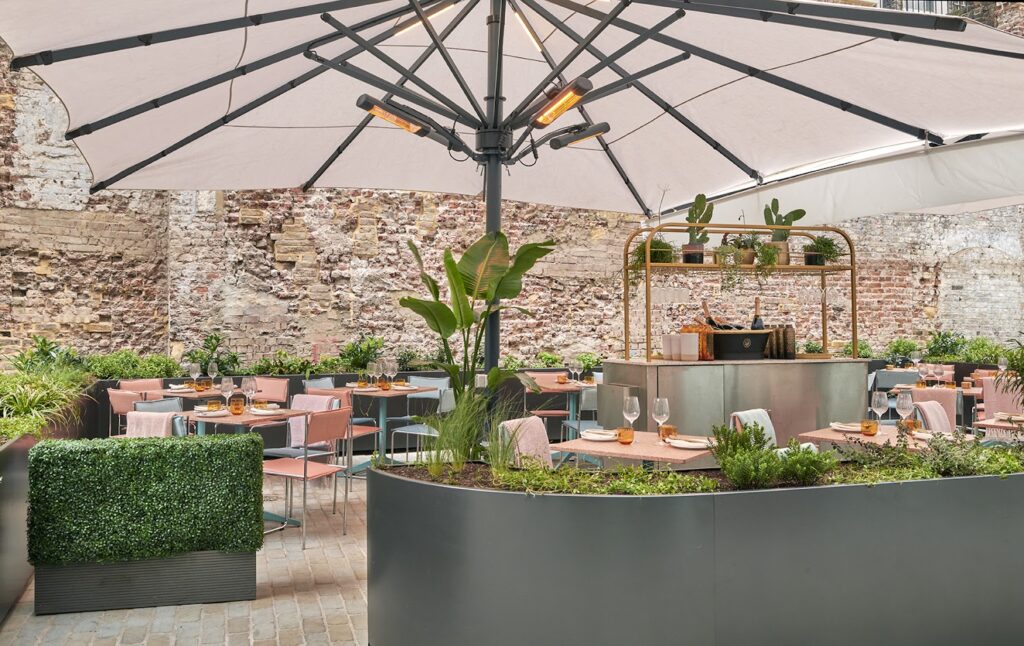
Just a short hop from Tottenham Court Road Station, Kapara occupies an enviable position, with a large terrace that manages to be slap bang in the middle of the action but also far enough removed from the road the offer a bit of intimacy. 

A restaurant based around a playful, Middle Eastern-inspired theme, there’s a sense of fun and theatre about the peach-hued, curvaceous furnishings. That’s carried through to the outdoor space, where throbbing music and the soundtrack of lively chatter interweave and entangle. 

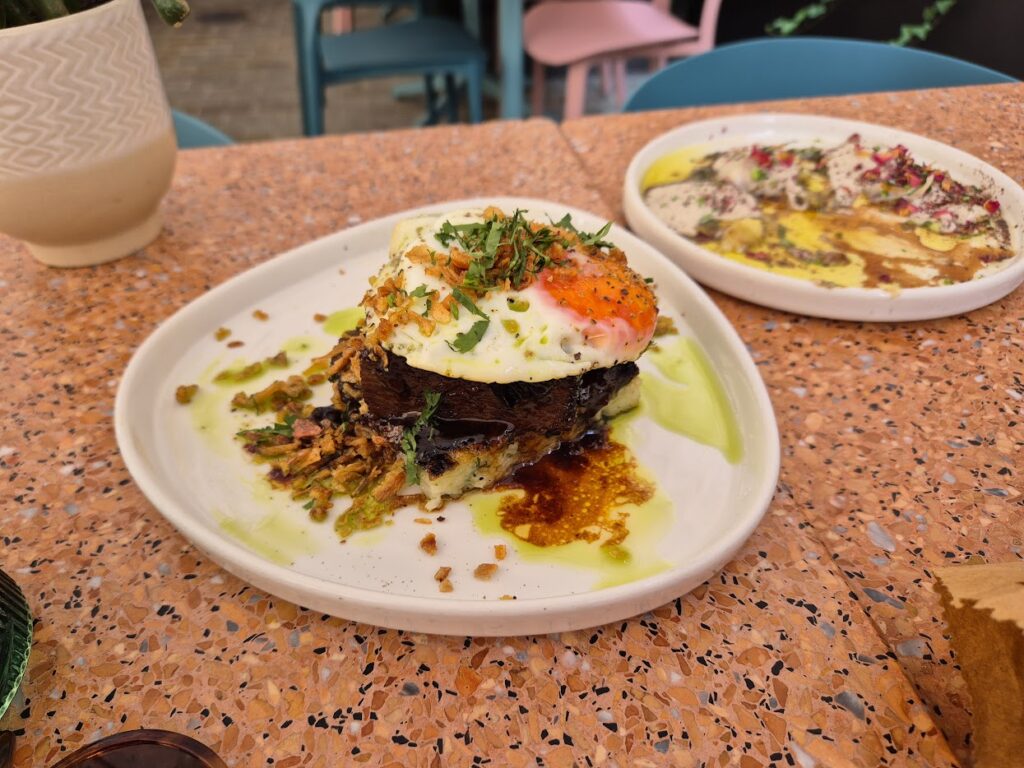
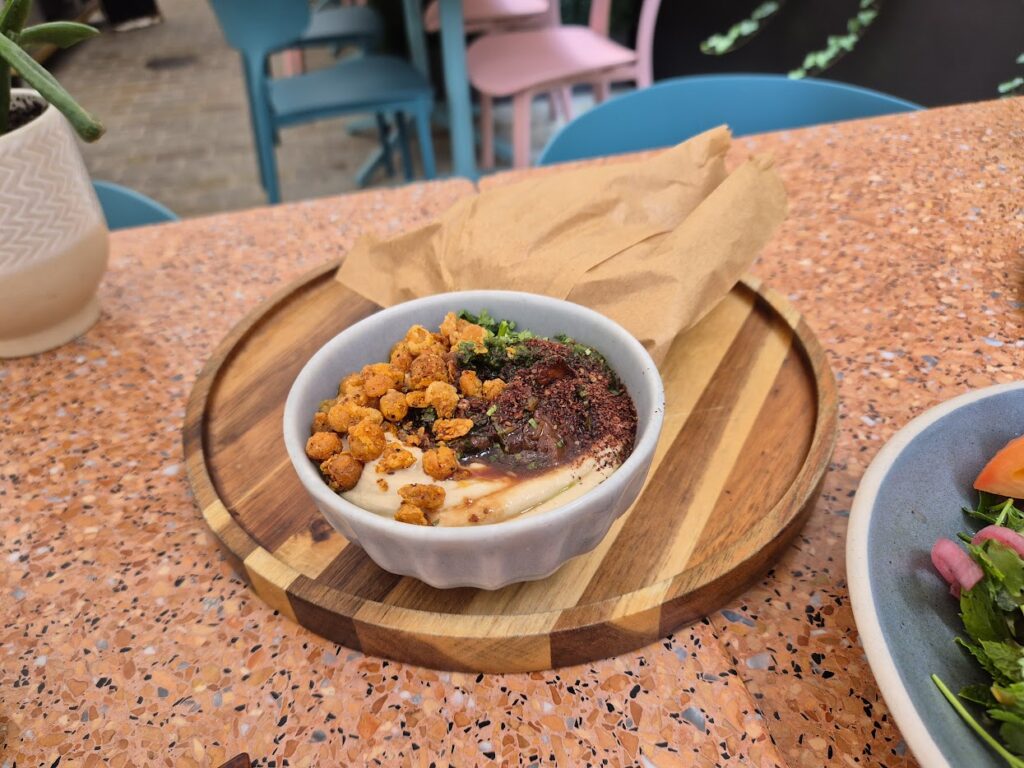
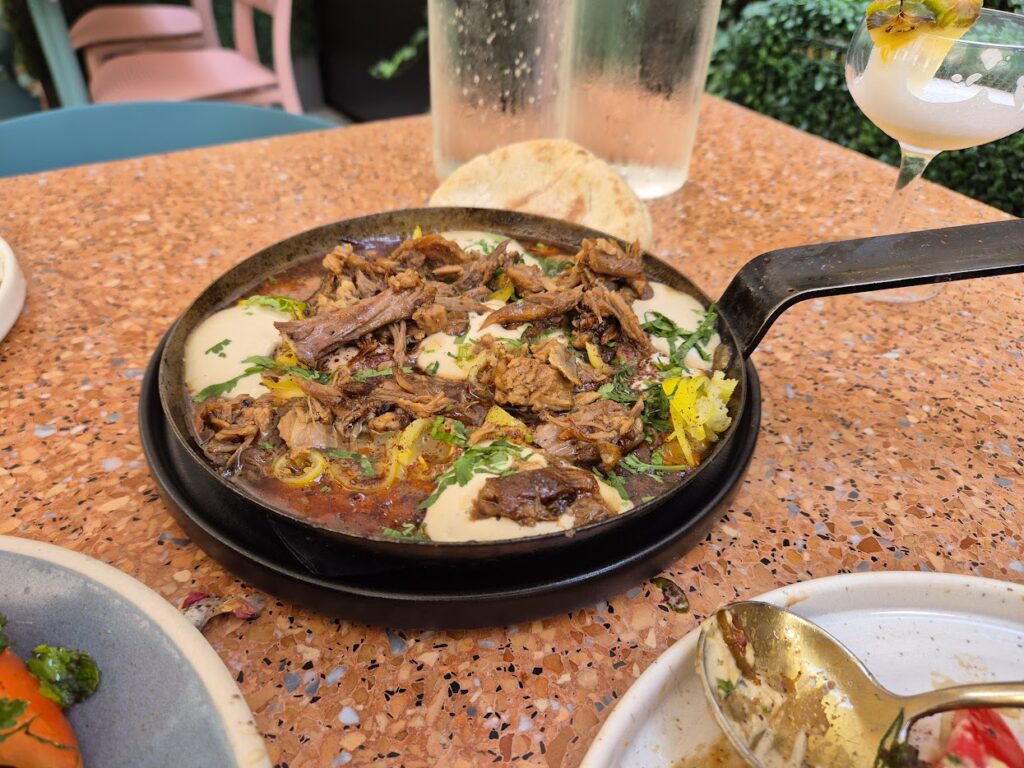
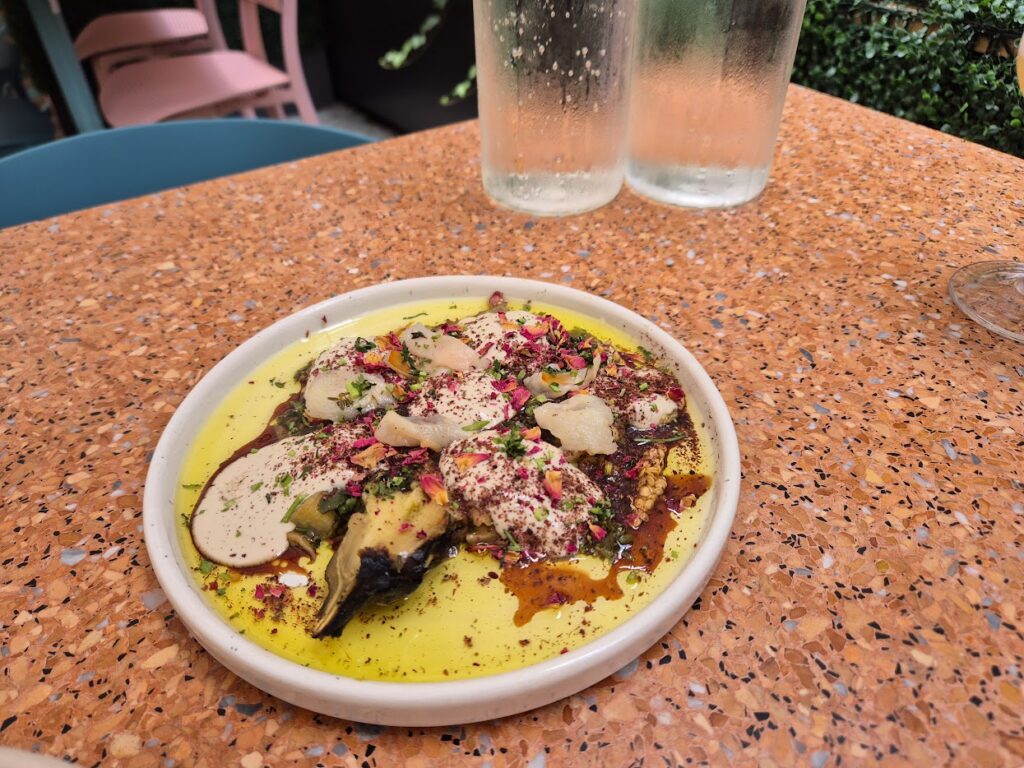
The brunch menu is all killer no filler, with a round of six or so mezze (none of which top £7) followed by larger plates that are priced fairly in the mid teens. From the former section of the menu, the hummus ‘katan’ is particularly good, a gorgeous muddle of long-braised aubergine and tomato, both collapsing and sweet, that’s given piquancy by a good dusting of sumac. You can add slow-braised lamb and make it a more fulfilling affair.

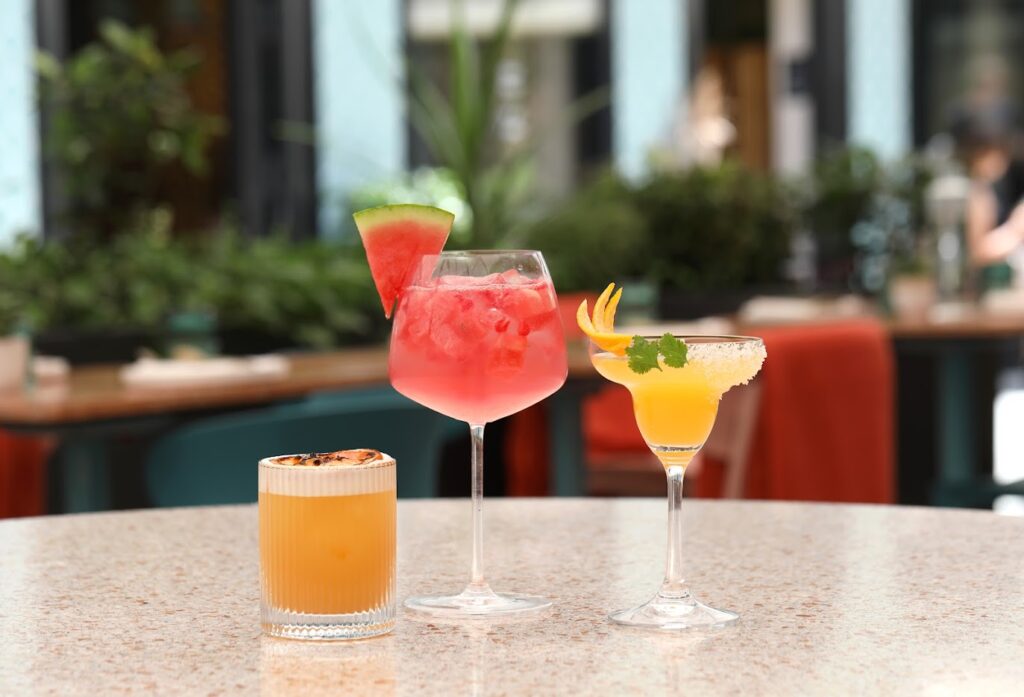
It’s from the larger plates that things get more recognisably ‘brunchy’; go for the harissa and hake, whose prosaic billing belies the fact that it’s an expertly conceived cousin of the fish finger sandwich. For £19, it’s on the premium end of the brunch experience, but for a spot on the gorgeous terrace in the sun, ideally clutching an on-brand Watermelon Spritz that’s the same shade as the decor, it’s worth those extra few coins.

As well as Kapara’s excellent brunch, the restaurant does a set lunch deal that’s hard to top in this part of town; for just £25, you get two courses and a side, with the likes of light, enlivening ceviche of black bream, scotch bonnet and nectarines, or crispy chicken thighs in an orange & harissa glaze featuring on the menu.

When: Brunch is served on Saturdays and Sundays from 11am

Website: kapara.co.uk

Address: 14 Greek St, James Court, London W1D 4AL 


Lina Stores Delicatessen, Brewer Street

Ideal for a satisfying Italian breakfast from a Soho doyenne…

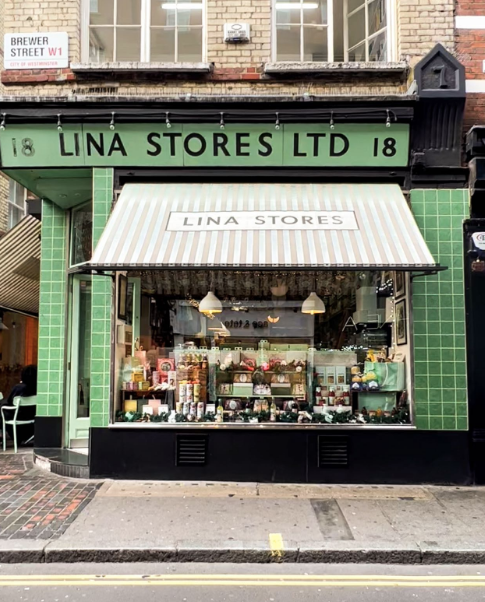
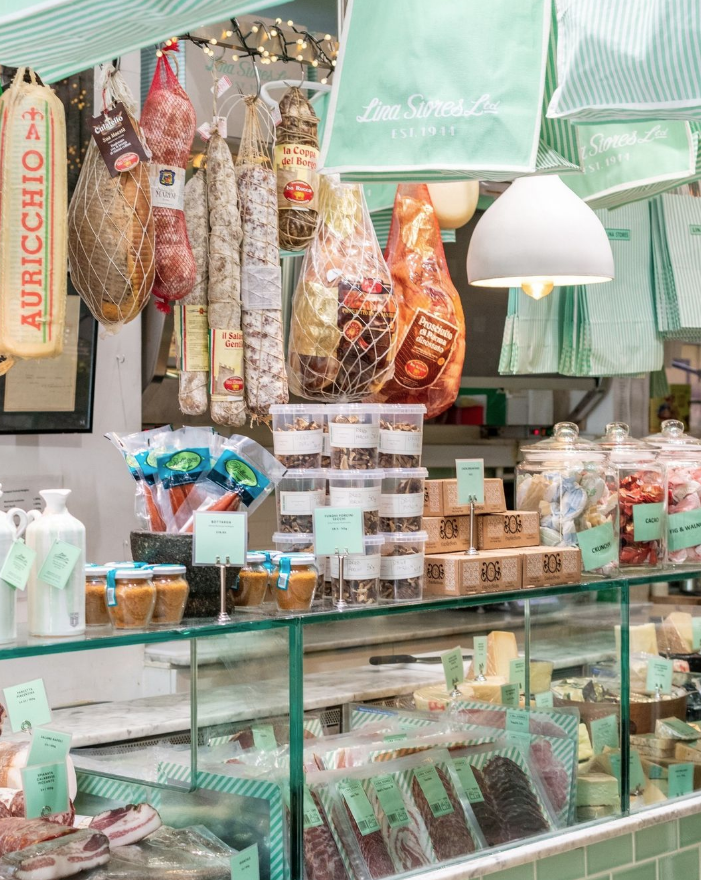
When it comes to brekkie in Soho, there’s no place quite like Lina Stores Delicatessen on Brewer Street. Established in 1944 by the indomitable Lina (not a single publication knows her surname) from Genova, this iconic spot – the original of a burgeoning army – has been serving the best of Italian deli bits to Londoners for nearly 80 years. 

Today, the kitchen is headed by the talented Masha Rener, an experienced chef from Umbria who’s passionate about Italian produce, and it’s that sourcing that makes the breakfasts at the inaugural Brewer Street branch so satisfying.

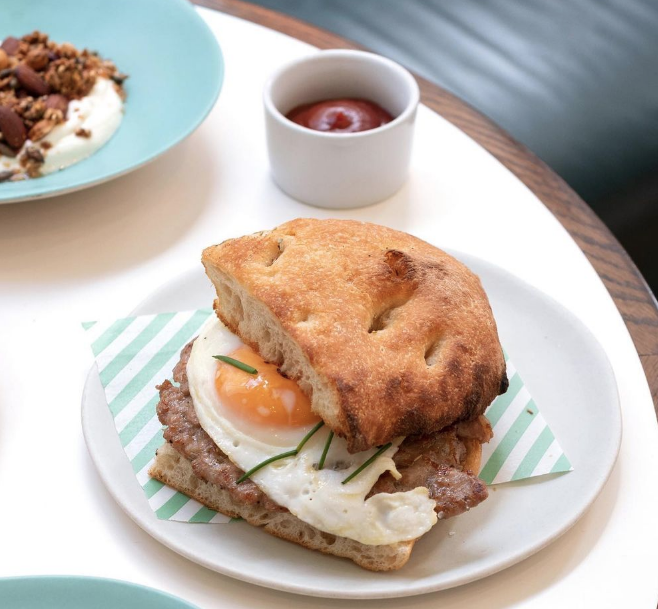
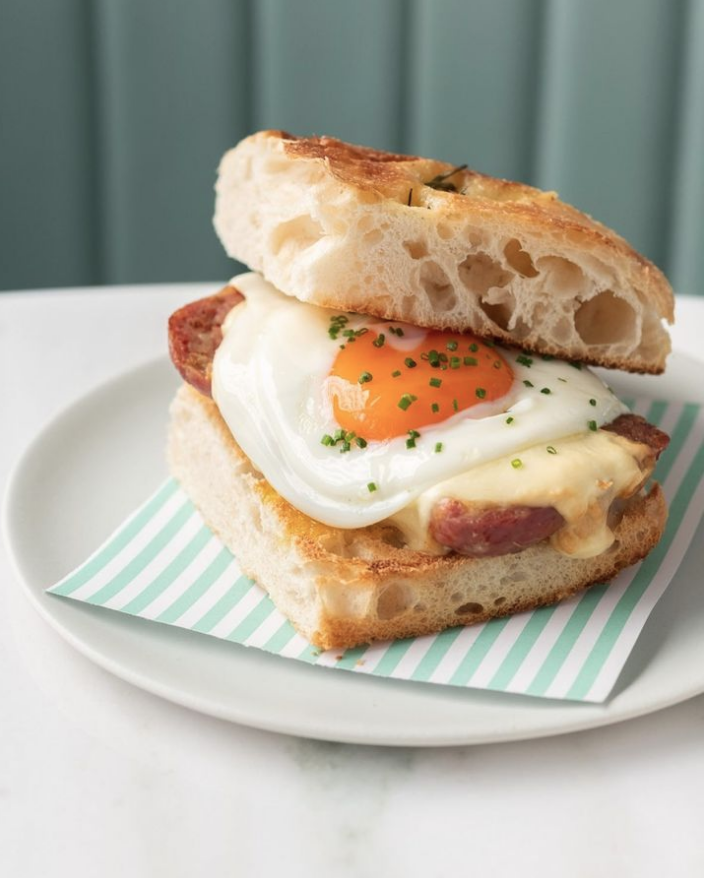
The paninis are the most substantial breakfast item at Lina, with a rundown of 10 all using the excellent house focaccia, and all priced between £7.95 and £9.95. Our go-to order is the Tuscan sausage, salty and fennel spiked, melting Scamorza cheese, and fried egg number, which is as generous a breakfast as you’ll find in Soho for under a tenner.

Even better, and a rare find in London, is Lina’s parigina, a typical Neapolitan street food that sees a square of pizza dough topped with, here, spinach and ricotta (£4.50) before that’s then topped with puff pastry. Sounds odd, tastes bloody excellent with a coffee. 

Also excellent with a coffee, if you feel your sweet tooth needs satisfying, there’s a fine range of dolci, the moist, fragrant orange and almond cake feeling sufficiently breakfasty, we think. Enjoy it all standing at the counter, in typical Italian style, or take a seat at one of the outdoor tables if it’s warm and pleasant. 

When: Open for breakfast from 10am daily, except Sundays, when things get going an hour later, at 11am

Website: linastores.co.uk

Address: 18 Brewer St, London W1F 0SG 


Far East Bakery, Chinatown

Ideal for a wholesome Chinese breakfast to put a spring onion in your step…

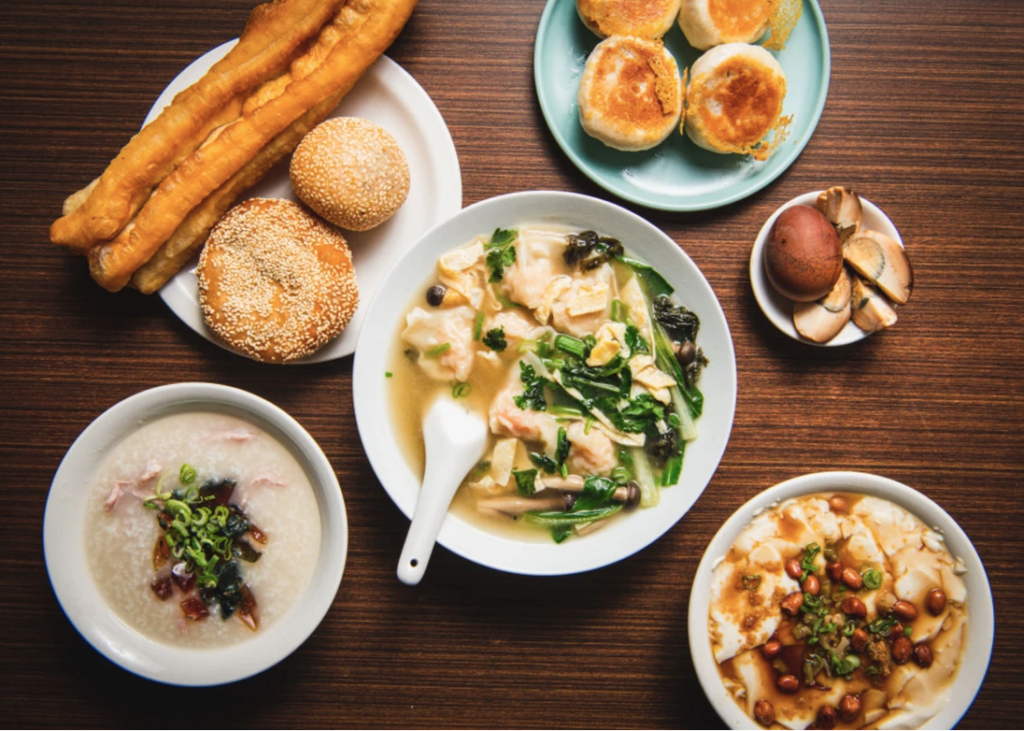
Chinatown’s earliest riser, Far East Bakery has the breakfast needs of Gerard Street taken care of with its dumplings, soups, bakes and other Chinese breakfast dishes. 

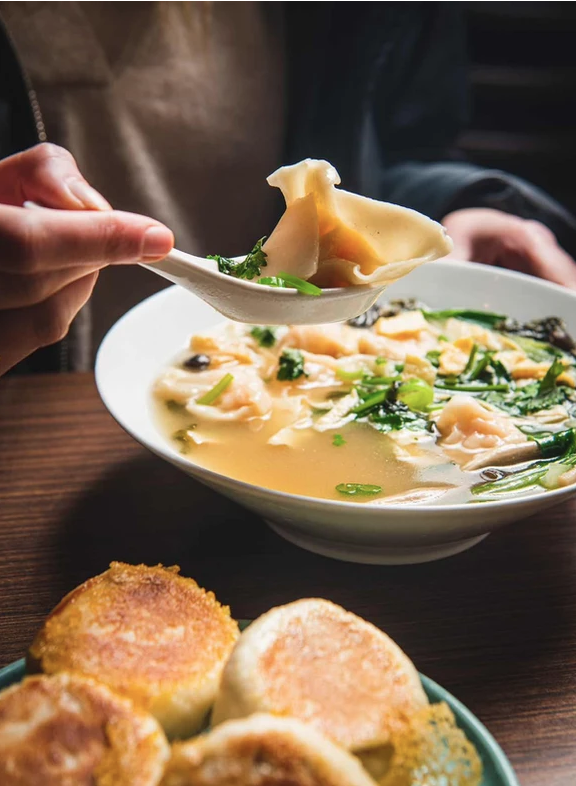
Serving breakfast from 9am to 5pm (can we even call that ‘brunch’?!), this bakery keeps the menu clear and concise, with the soup dumplings an obvious highlight. For £12.80, the pork, prawn and chive wonton soup is a winner, though if we’re feeling fancy we might add a few pan-fried bao to our order, which arrive with whimsical, doily-like fried edges. 

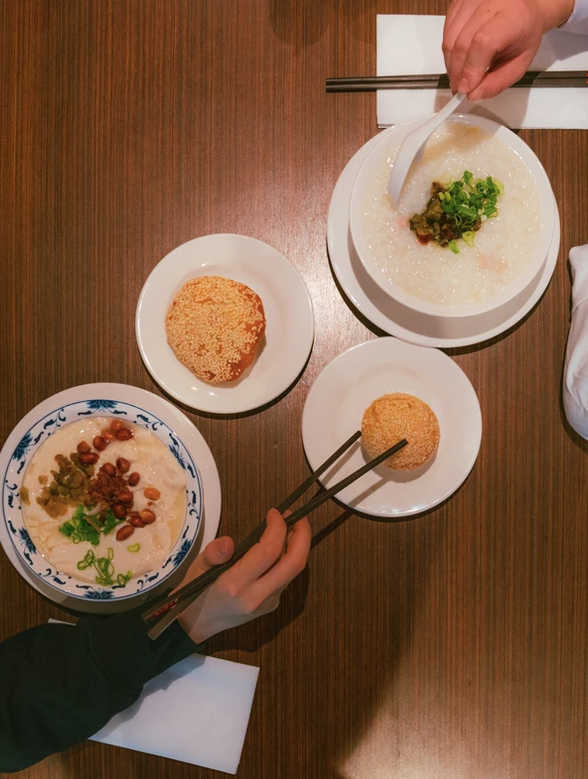
Best of all, though, is a simple bowl of salted bean curd that wobbles like a pannacotta when you nudge it. It’s dressed simply with peanuts and pickles. It’s all you need; a glorious antithesis to the fry–up or stack of pancakes that will lay you low for the whole day. This bowl of nourishment, priced keenly at just £5.80, will give you a welcome spring in your step.

We haven’t tried the sweet rice wine with egg yet, but we certainly plan to.

When: Open from 9am daily

Website: fareast1962.co.uk

Address: 13 Gerrard St, London W1D 5PS 


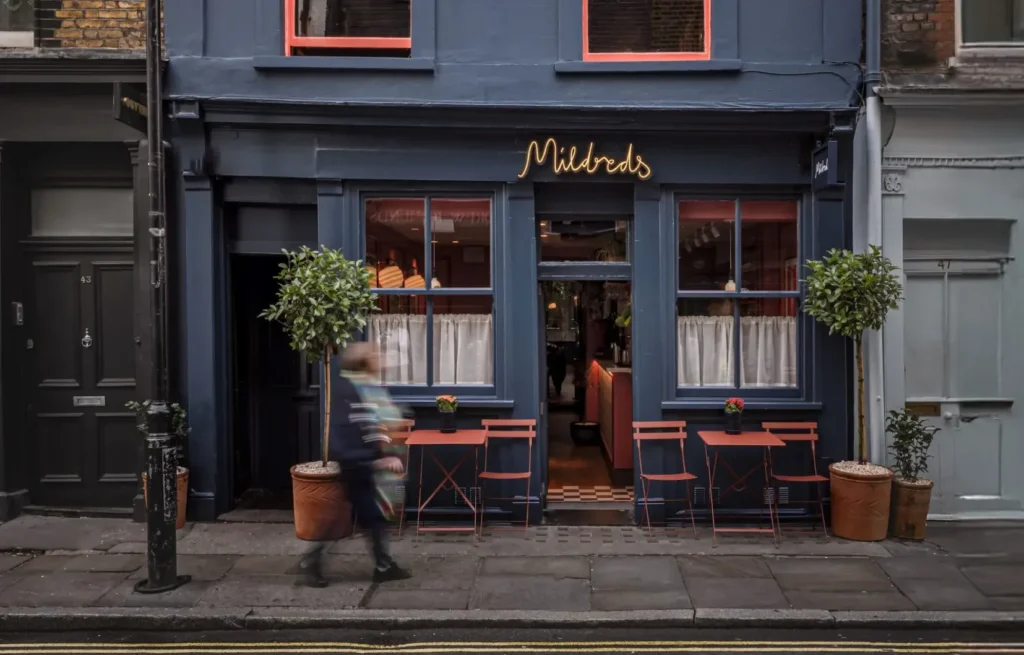
Mildred’s, Lexington Street

Ideal for a vegan breakfast that’s had some thought go into it…

We realise that we haven’t covered the explicitly vegetarian side of Soho brunching yet, so we’ll end at Mildred’s on Lexington Street, where all your plant-based breakfast needs are taken care of.

Co-founded by Jane Muir and Diane Thomas in 1988, this (at least, then) pioneering eatery boasts a storied history of serving vegetarian, and now fully plant-based, cuisine. The restaurant’s name pays homage to Mildred Cooke, the historical figure tied to Stamford, yet the vibe here is anything but antiquated. 

With a brunch menu of global dishes, from grilled Roman artichokes with hemp Caesar salad (good stuff) to southern fried seitan burgers (less so), there’s plenty of thought and effort gone into these dishes, making a welcome change from the usual avocado on toast that the vegetarians get sidelined with.

When: Open for brunch from 9am daily

Website: mildreds.com

Address: 45 Lexington St, Carnaby, London W1F 9AN

Alongside that there Mildred’s, check out where else to eat great vegan food in Soho. We hope you find what you’re looking for!

The Best Restaurants Near Bond Street

Last updated April 2026

The gleaming heart of London’s luxury shopping universe, Bond Street remains the place where credit cards go to die and personal shoppers earn their keep. Between the Hermès windows and Cartier sparkle, the queues for Selfridges and the exclusive boutiques that don’t even display price tags, you’ll work up quite an appetite.

Fortunately, the streets radiating out from Bond Street station offer everything from Michelin-starred restaurants to more approachable neighbourhood spots happy to feed the fashion-conscious and the badly dressed without discrimination. 

We’ve pounded the pavements from New Bond Street to Grosvenor Square (gaining several stone in the process) to bring you the restaurants that provide escapism, distraction or just a simple refuel, before you hit the shops once again. Here are the best restaurants near Bond Street.

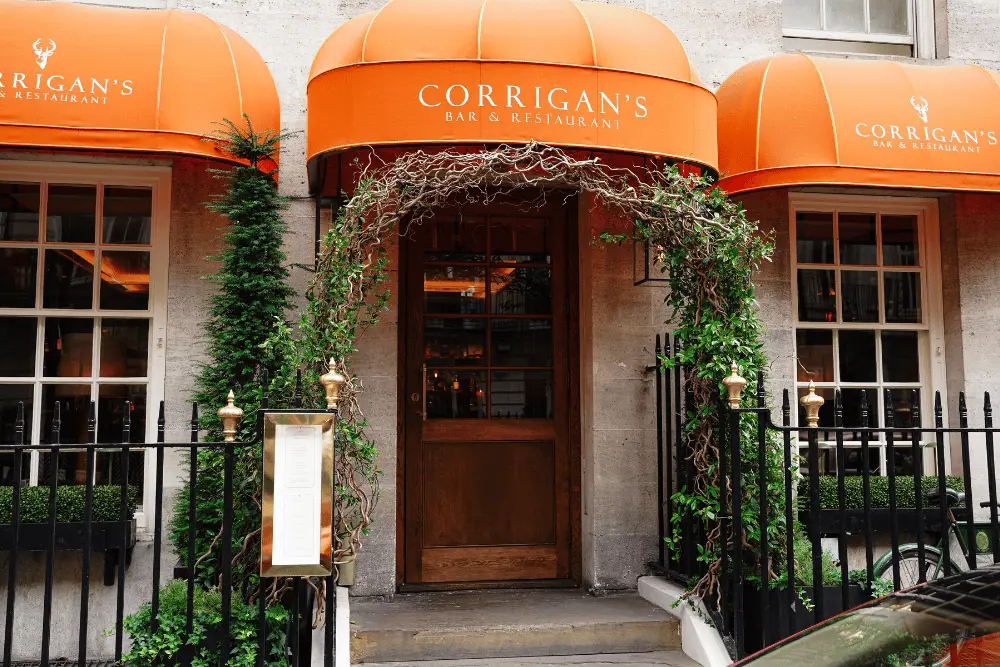
Corrigan’s Mayfair, Upper Grosvenor Street

Ideal for proper British cooking and power lunches

Five minutes from Bond Street station on Upper Grosvenor Street, the flagship of chef Richard Corrigan continues to prove that British and Irish cooking can hold its own against just about any cuisine in the world. Or, at least, any in a few mile radius of here…

This is clubby dining room perfection, all leather banquettes and warm lighting, the kind of place where deals get done over well-executed dishes, and everyone leaves blinking into the light wondering how best to cancel all of their afternoon meetings.

The Menu du Jour (£38 for three courses at lunch, £48 at dinner) represents genuinely good value for Mayfair, particularly when those courses might include smoked bone marrow agnolotti with Jerusalem artichoke or carpaccio of pig’s head with chicken liver and foie gras. Not for the squeamish, perhaps, but brilliant if you’re game. Or, indeed, love game.

Dickie’s Bar downstairs serves excellent cocktails if you fancy arriving early, whilst the Peter Hannan côte de boeuf for two has become a signature dish amongst the city’s carnivores. If you feel tired just reading all that, the butter-poached haddock with parsnip and cured egg yolk shows the kitchen’s lighter side, confirming that their pitch-perfect cooking extends well beyond meat.

Do be warned; the ‘cheapest’ (all relative, of course; we’ll come to that in a minute) bottle here is £42 for a Languedoc white, though wines by the glass start from a more reasonable (again, relative; Mayfair, and all that) £9.50.

Book ahead if it’s the weekend, or try your luck at the bar counter for walk-ins.

Website: corrigansmayfair.co.uk

Address: 28 Upper Grosvenor St, London W1K 7EH


BiBi, North Audley Street

Ideal for progressive Indian that breaks all the rules

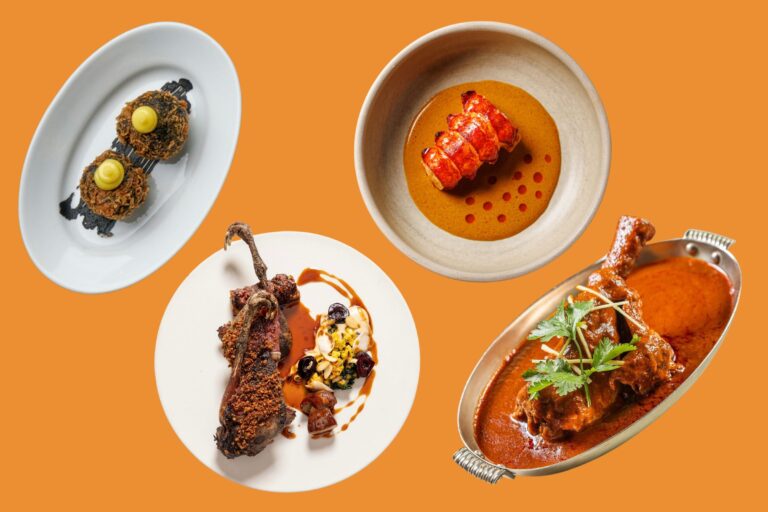
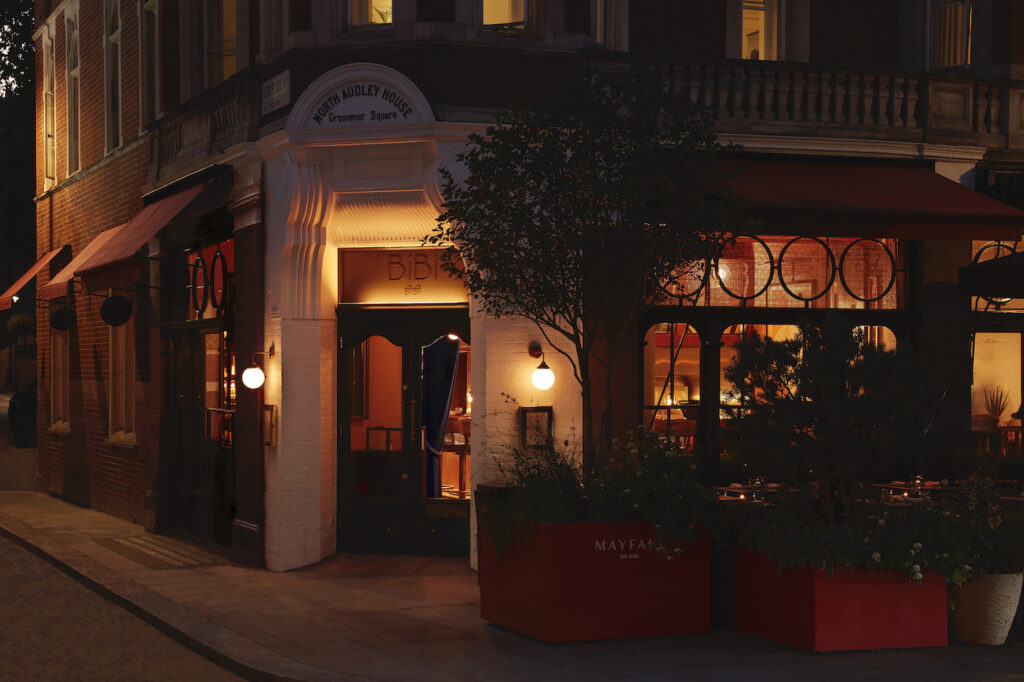
Chet Sharma’s intimate 33-seater on North Audley Street has been collecting awards faster than you can say “Wookey Hole cheese papad” — their genius take on Quavers, if you’re asking. Having worked at L’Enclume, Moor Hall and Mugaritz, Sharma brings fine dining technique to dishes inspired by his Punjabi heritage in a handsome room with a classy, weighty feel.

The restaurant is named after his grandmothers (bibi being a term of endearment for grandmother across the Indian subcontinent) and their recipes provide the foundation, all filtered through Sharma’s multi-star training and applied to premium British produce. So, that’s family classics like Sharmaji’s Lahori chicken sharing billing with ajwaini scallop dressed with Wiltshire truffle and achari British Wagyu beef.


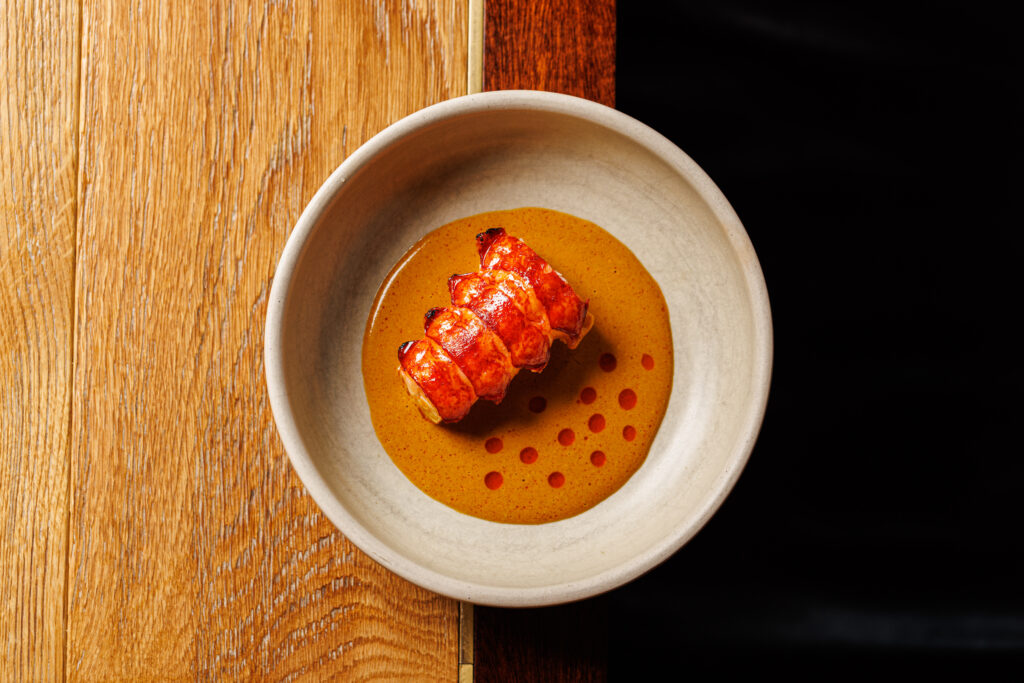
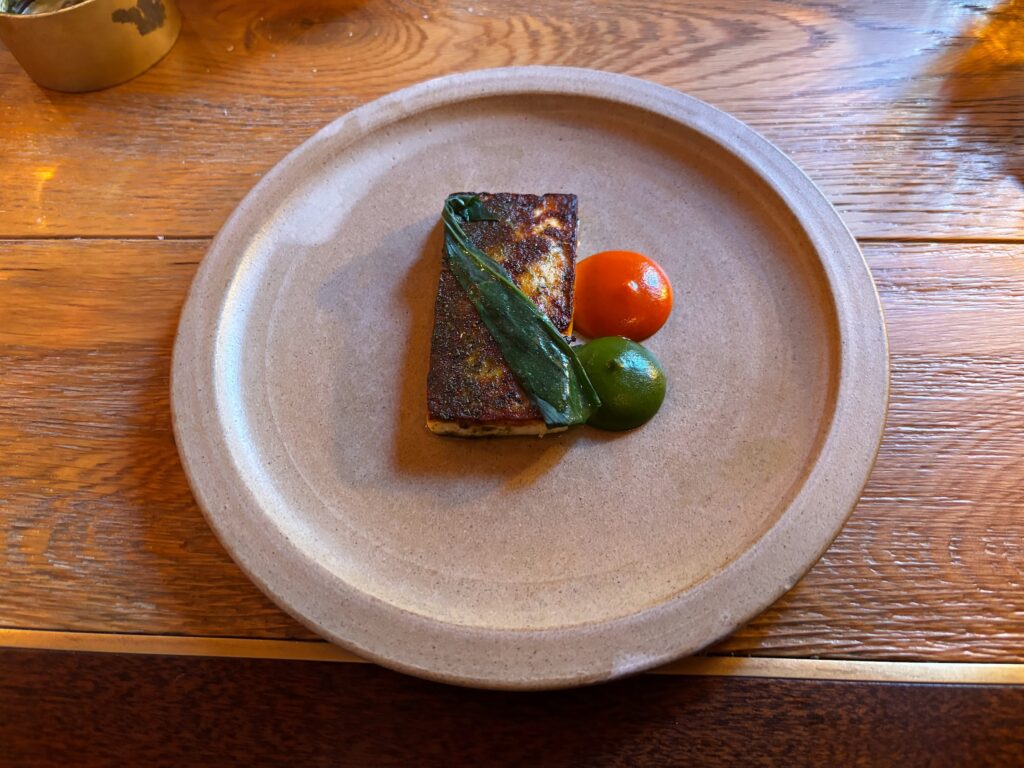
A recent visit spring visit saw the lunch menu keenly priced at £65 for four courses: a bright Hamachi and blood orange nimbu pani, Cotswold’s paneer, a tight, hugely enjoyable bun of Texel lamb nihari, that family chicken curry and its accoutrements, and a seasonal rhubarb and ginger kulfi.

There’s no a la carte; this is what you get, and it’s nice to submit to the occasion for what initially feels like a steal, especially in this part of town. Then you open the wine list. Bottles barely dip below £100 and head skyward fast after that, with Salons and Krugs stretching into four figures and even a solid Burgundy costing several hundred. Corkage at £70 a bottle suddenly looks like a shrewd move when most of the list costs multiples of that. Dinner is a single tasting menu at £145, incidentally.

Pitch up at the 13-seat counter if you can. It faces the open kitchen and provides dinner theatre, though the mango wood-lined main room has its charms too.

Named Restaurant of the Year by GQ in 2022 and currently placed at number 32 in the National Restaurant Awards, booking ahead is recommended. They can’t accommodate children under 12 due to licensing, which honestly suits the grown-up atmosphere. 

Website: bibirestaurants.com

Address: 42 N Audley St, London W1K 6ZP


Scott’s, Mount Street

Ideal for seafood in Mayfair’s most storied dining room

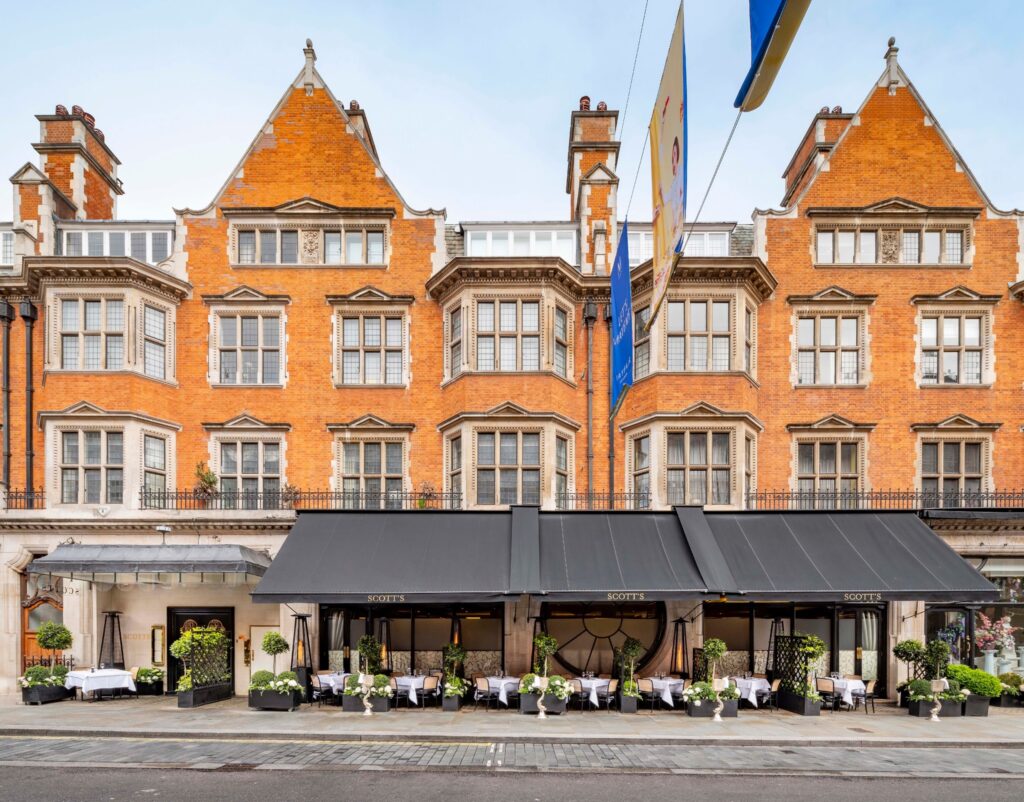
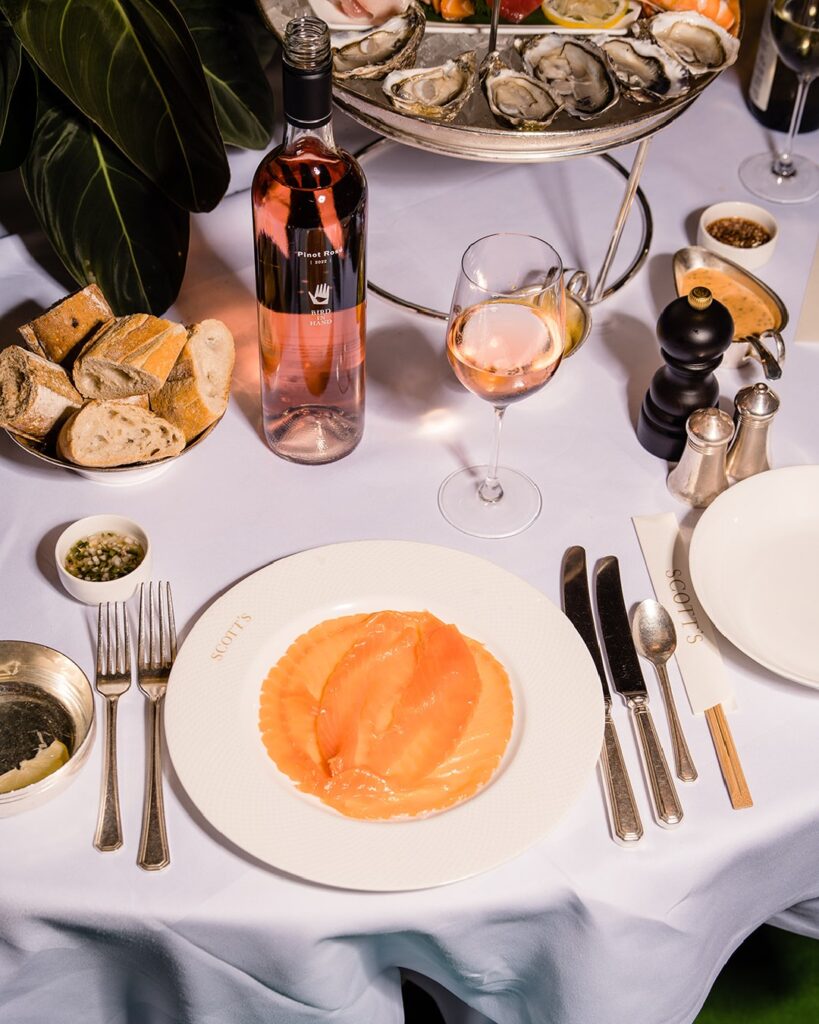
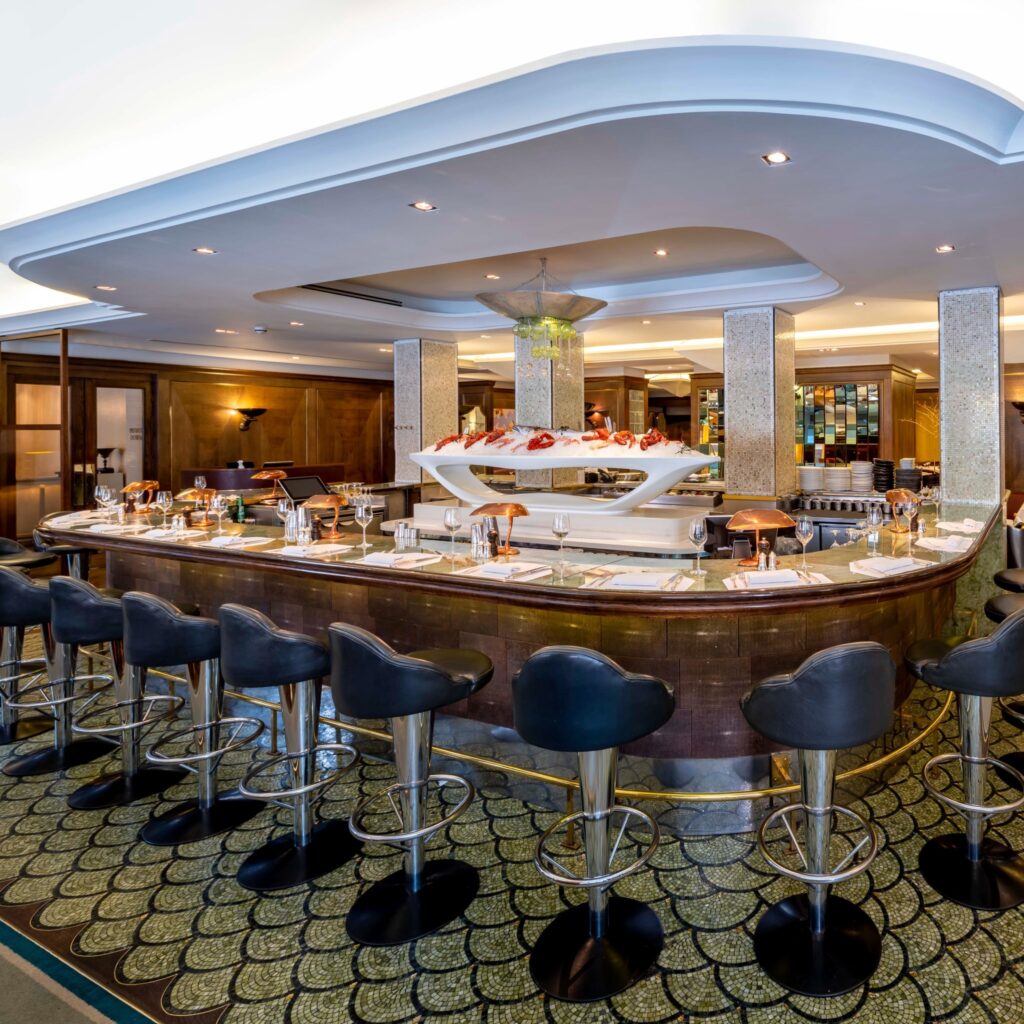
Just a few minute’s walk from Bond Street station, Scott’s has been serving the finest seafood since 1851, when it started life as an oyster warehouse. This is where Ian Fleming conceived James Bond’s martini preference, and where the burgundy leather banquettes beneath antique glass columns still whisper of old-school glamour.

The onyx-topped oyster bar finished in stingray skin (no idea, either) remains the heart of the operation, where champagne and Colchester natives make perfect sense at any hour. Dover sole arrives butter-poached (at £56, you’d hope they’d butter poach you too), the roasted shellfish platter for two represents the apex of British seafood, and the lobster thermidor consistently earns superlatives after all these years, despite its retrograde feel. Or, perhaps, because of it…

Interestingly, if you’ve got money to burn, Scott’s has recently launched their own exclusive Chablis collection, crafted in collaboration with Château du Val de Mercy. The ‘Exclusif a Scott’s’ range includes a Petit Chablis 2023 (£82), benchmark Chablis 2023 (£125, £22 by the glass), and Chablis 1er Cru Côte de Jouan 2023 (£155) – each meticulously chosen to complement the restaurant’s seafood-focused menu with their distinctive mineral backbone and crisp acidity.

The pavement terrace fills quickly in decent weather, whilst two private dining rooms cater to those requiring discretion. Some bar counter seats accommodate walk-ins.

Website: scotts-mayfair.com

Address: 20 Mount St, London W1K 2HE


Gymkhana, Albemarle Street

Ideal for two-Michelin-starred Indian dining in heritage club surroundings

Five minutes from Bond Street on Albemarle Street, Gymkhana earned its second Michelin star in February 2024, cementing its position as London’s leading Indian restaurant. The interiors evoke the private clubs of the Raj era – jade green and dark timber upstairs channel Calcutta mansions, whilst the basement glows in Kashmiri red with hunting trophies from the Maharaja of Jodhpur.

It’s an intoxicating room, and that’s even before the tandoori masala lamb chops arrive, heady with cardamom and thrumming with cumin. Bolstered by walnut chutney, they are an impossibly succulent affair. For those who derive pleasure from getting their hands messy in a two star, the kid goat methi keema comes with pau rolls for DIY assembly. 

And then, it’s on to the showstoppers. The wild muntjac biryani emerges in puff pastry, dramatically opened tableside to release saffron-scented steam. Kasoori chicken tikka showcases the tandoor’s mastery, impossibly tender but still blackened and blistered in all the right places. God, it’s all so good.

A subject of some controversy lately, dinner requires a £100 per person minimum spend, taken as deposit against the final bill, though the £75 lunch set menu offers exceptional value for two-star cooking. Either way, bookend (treat yourself to a sharpener and a night cap, you deserve it) your meal at the exclusive cocktail lounge 42 upstairs features Indian-inspired drinks alongside extensive gin and whiskey collections.

Book up to two months ahead, and you will need to book. Reservations open at 6am GMT daily.

Website: gymkhanalondon.com

Address: 42 Albemarle St, London W1S 4JH


Kanishka by Atul Kochhar, Maddox Street

Ideal for spice-forward elegance that won’t destroy your budget…

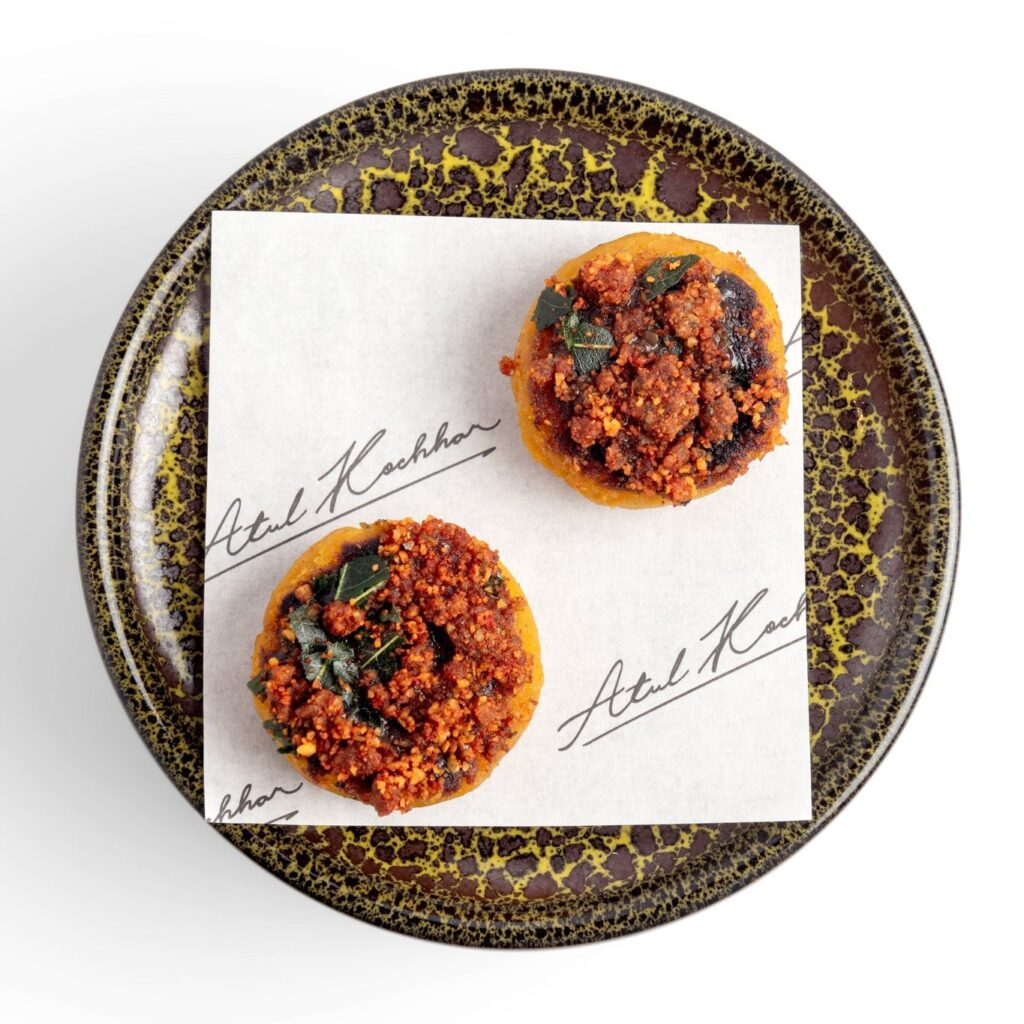
Atul Kochhar was the first Indian chef to win a Michelin star back in 2001, and his Maddox Street restaurant (two minutes from Bond Street) shows he hasn’t been resting on his laurels. 

It’s still Michelin-level (a plate, admittedly), but the prices here fly in the face of both that recognition and its Mayfair location. The express lunch at £29.50 for two courses might be Central London’s best-kept secret, particularly when those courses could include Devon crab bonda or Gangtok momos with Kentish lamb. 

From the larger menu, the black dal alone justifies the journey, though at these prices you can afford to explore widely. Do so with the signature chicken tikka pie perfectly encapsulates Kochhar’s Anglo-Indian approach – familiar yet surprising. The New Forest venison keema and raw beef pepper fry with fermented Tellicherry peppercorns continue on a theme, showcasing a confidence with spicing that many fine dining-leaning Indian restaurants in London lack.

Website: kanishkarestaurant.co.uk

Address: 17-19 Maddox St, London W1S 2QH


Kroketa, St Christopher’s Place

Ideal for Spanish tapas without the West End markup

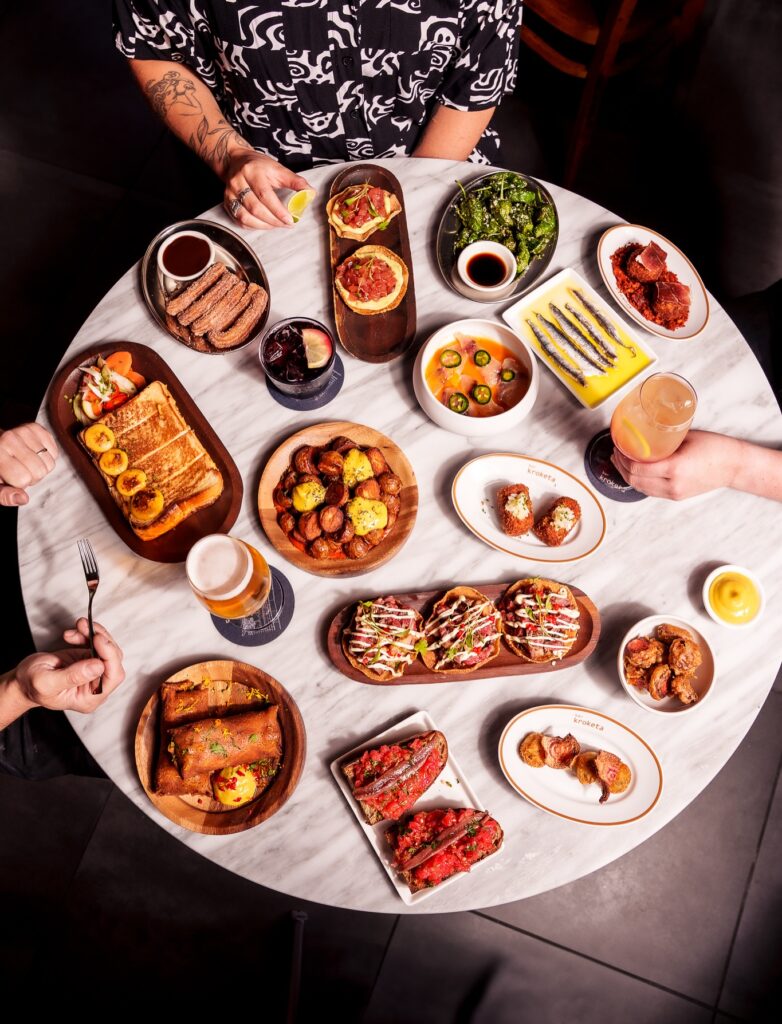
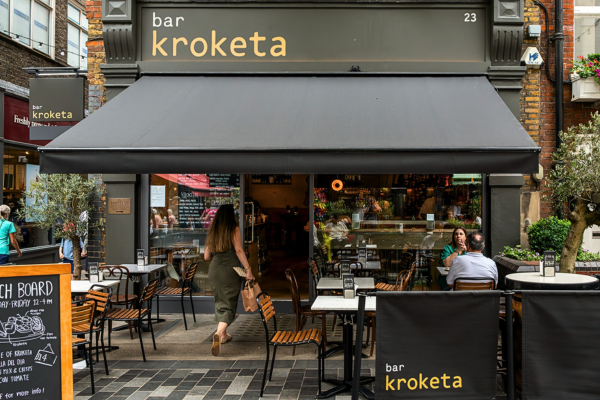
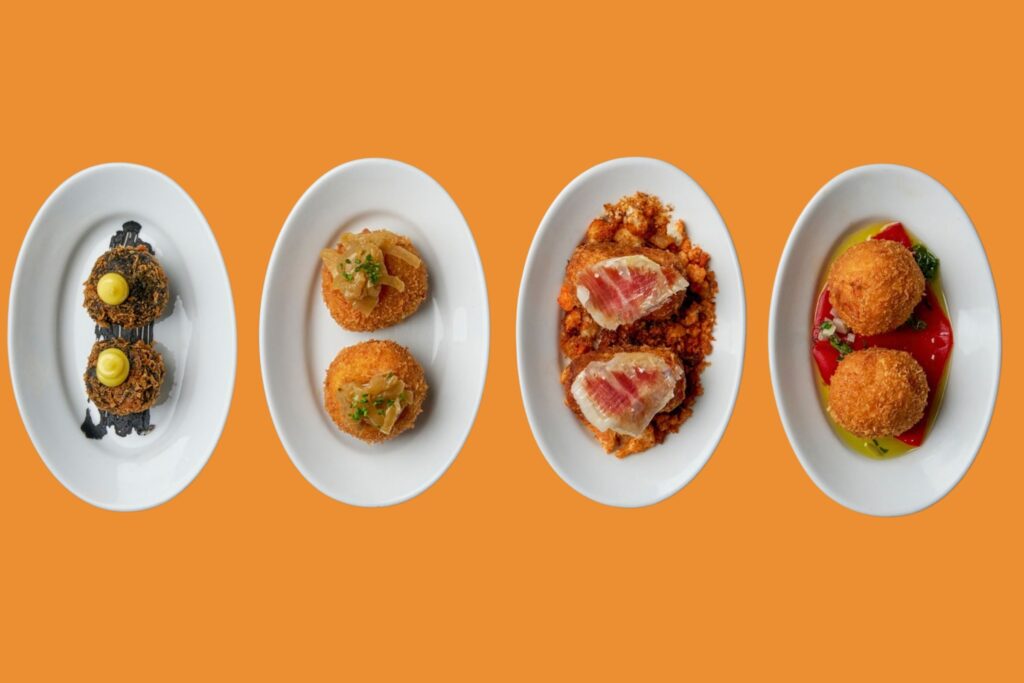
Just around the corner from Bond Street station, this lively Spanish bar has made the humble croqueta its calling card. The St Christopher’s Place location offers excellent value in an area not known for budget dining, with four pairs of croquetas for £24 and most small plates under £10.

The blackboard menu changes weekly but always features their signature crispy croquetas – the black squid ink with aioli and ham versions consistently please the crowds. Beyond the eponymous dish, the flame-grilled pork pintxos with chimichurri and classic tortilla show impressive technique for the price point. There are even sweet croquetas to finish; the salted caramel provides a particularly indulgent finale.

The vibe channels northern Spanish bars with counter seating perfect for solo diners and small groups up to four (no reservations for larger parties). Expect Spanish covers of English songs, enthusiastic staff who genuinely care about the food, and an atmosphere that feels more Madrid than Mayfair. Open from 12pm daily, it’s the perfect place for a mid-shop pitstop. And yes, we realise that’s a clumsy rhyme scheme, but we’re keeping it anyway…

Website: kroketa.co.uk

Address: 23 Barrett St, London W1U 1BF


Naya, North Audley Street

Ideal for patisserie perfection with royal connections

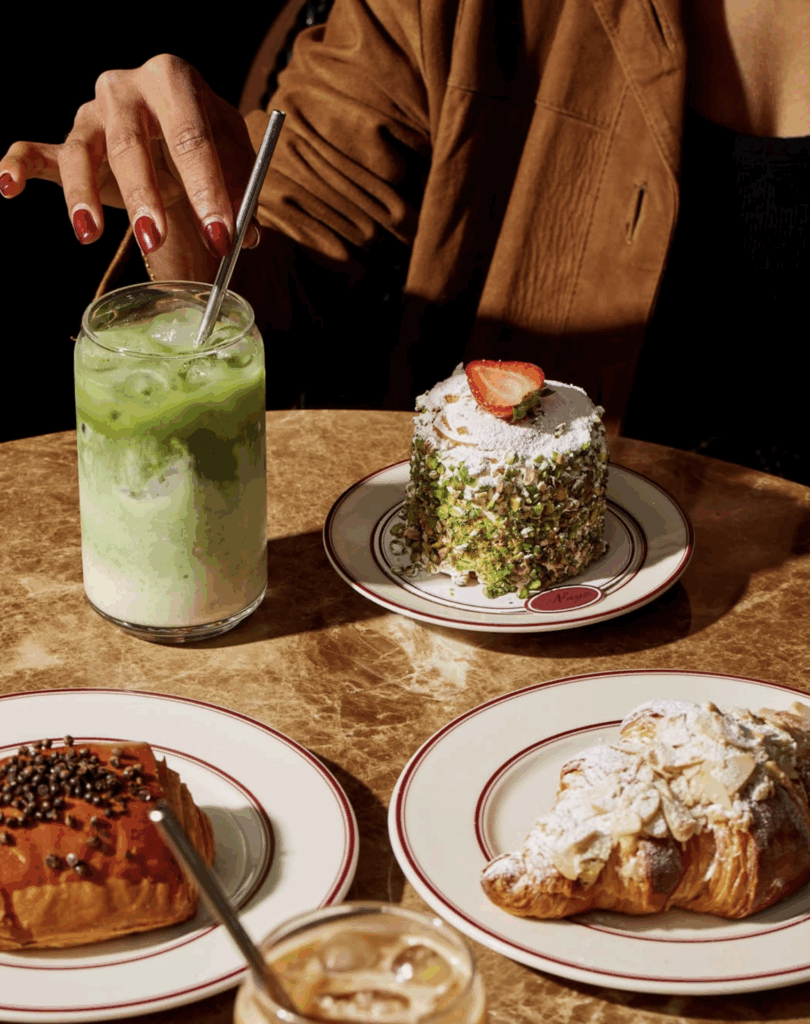
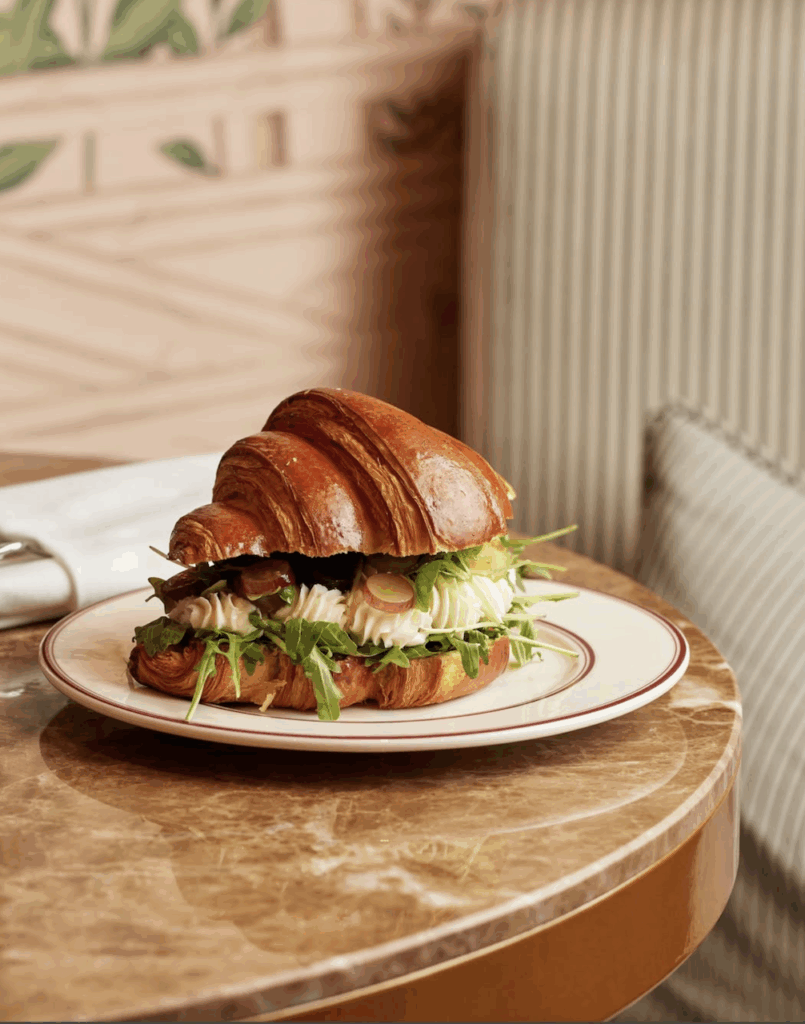
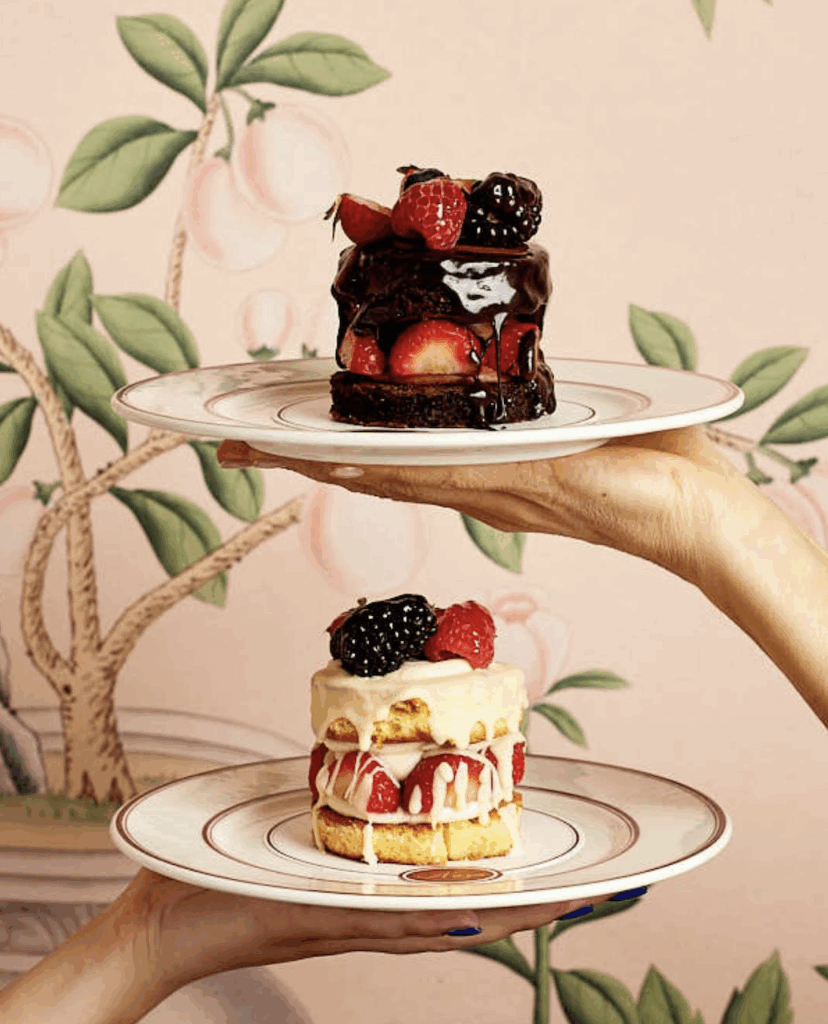
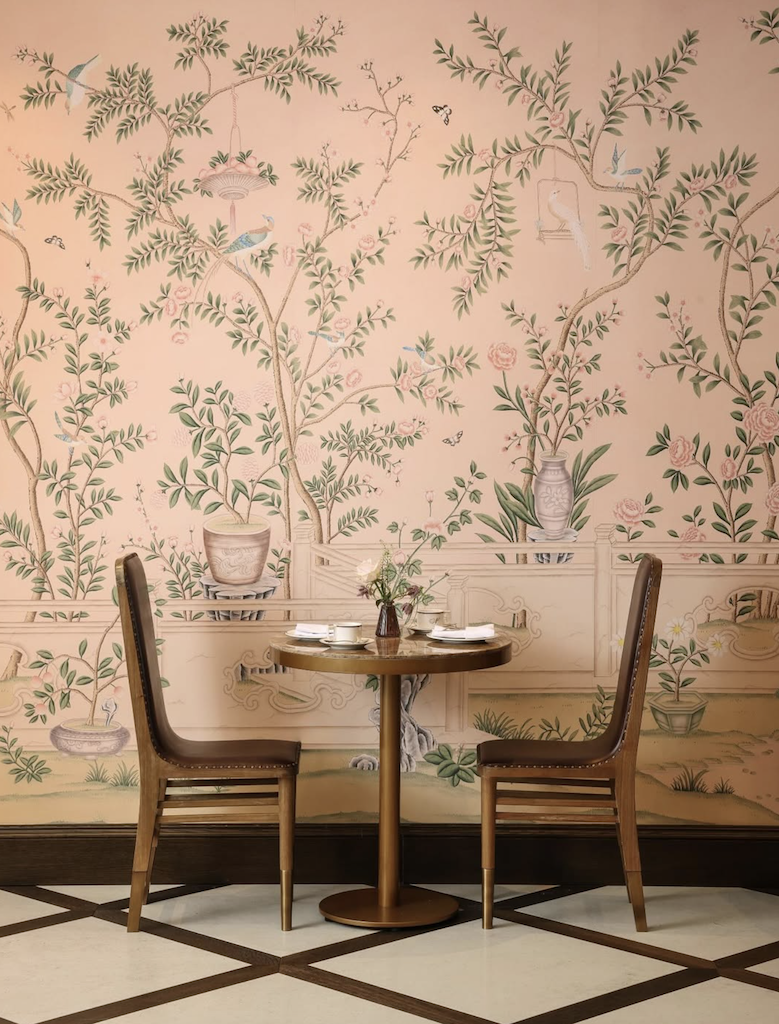
India Hicks (King Charles III’s goddaughter) has teamed up with the fourth-generation Ayan brothers from Turkish chocolatier dynasty Pelit to create Mayfair’s most talked-about new patisserie. Sitting pretty on North Audley Street, the de Gournay wallpaper and leopard print accents scream expensive good taste, and the chocolates and other sweet treats taste good. What’s not to love? Except, you know, the suspicion that the taxpayer has contributed to this place…

Anyway, the chocolate éclairs represent seven decades of Turkish chocolate expertise, the Basque cheesecake is just the right side of oozing, and the magnolia pudding has already spawned a thousand Instagram posts. They serve wine and barista-made coffee if you fancy making an afternoon of it, plus lobster rolls for those requiring something savoury before the sugar assault begins.

Website: nayaandco.com

Address: 16 N Audley St, London W1K 6WL


Carbone London, Grosvenor Square

Ideal for Italian-American theatre and tableside Caesar salads

The hardest reservation in New York has finally crossed the Atlantic, taking residence in the former US Embassy building at The Chancery Rosewood. This is where you come for red-sauce Italian-American glamour if you manage to get let in. And, to be honest, you haven’t managed to score a table at The Dover.

The spicy rigatoni alla vodka is the restaurant’s signature dish across the pond for good reason, though the veal parmigiana and branzino deserve equal attention. Waiters in maroon tuxedos perform tableside Caesar salads and bananas Foster with the kind of showmanship that’s sometimes missing from the sometimes self-conscious London dining scene.

Yes, it’s expensive. And sure, you’ll struggle to get a table unless you’re famous. But the Murano sconces, jewel-toned seating and general sense of occasion make this worth the effort. This is where Rihanna and Taylor Swift eat in New York, which tells you everything about the vibe they’re cultivating. It tells you quite a lot about the quality of the food too, quite honestly.

Speaking of red sauce joints, why not check out our rundown of London’s best New York-style restaurants next? 

The Best Restaurants Near Clapham Junction

Last updated April 2026

Let’s park the Battersea/Clapham border debate once and for all, in favour of finding great food together and forgetting arbitrary quarrels about where one area starts and another begins. Instead, we’re here to break down barriers, borders and bread, all in the time it takes to wait for a train.

Whilst Clapham Junction might be the busiest train station in Europe, its restaurant scene is arguably a little less relentless, but you’ll still find plenty of great places to eat within walking distance of the station. So, without further ado, here are our picks on where to eat near Clapham Junction; the best restaurants near Clapham Junction.

Taverna Trastevere, St John’s Hill

Ideal for authentic Roman cuisine and traditional, crowd pleasing pasta dishes…

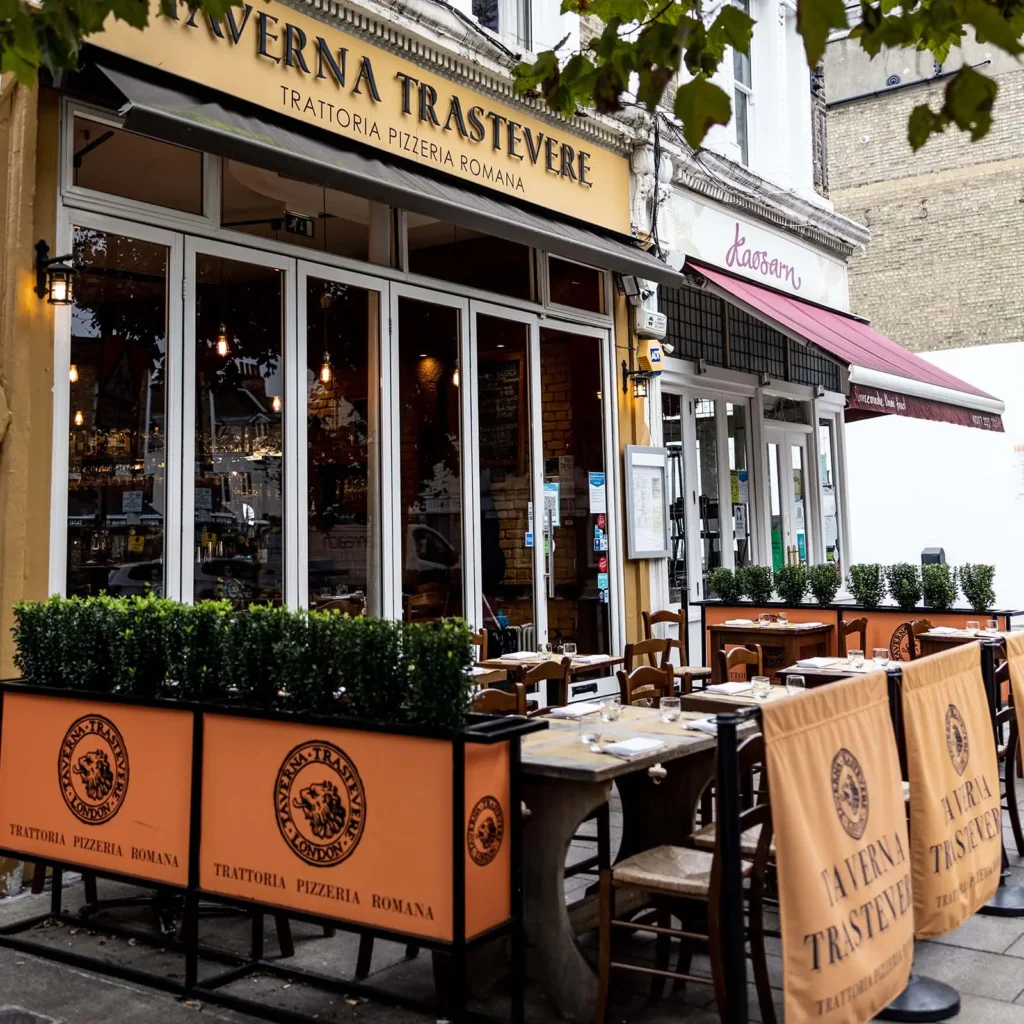
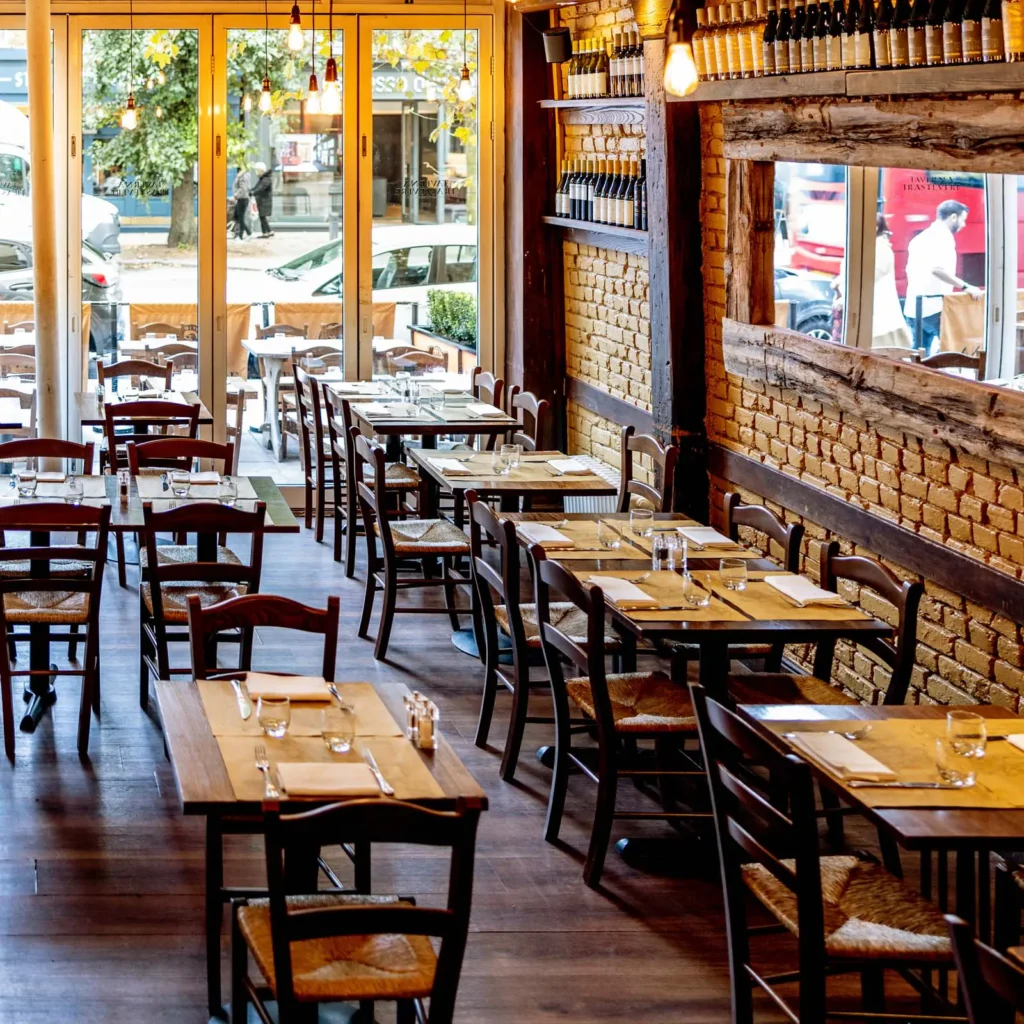
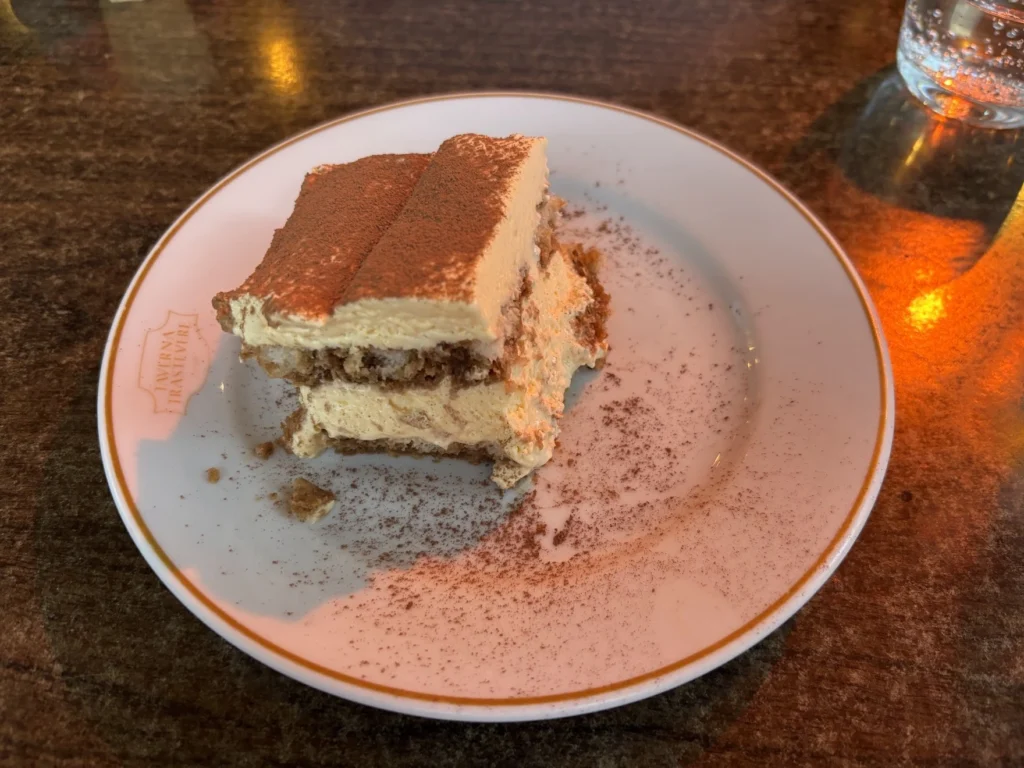
A five-minute walk up St John’s Hill from Clapham Junction, Taverna Trastevere brings a genuine slice of Rome to South London. Opened in 2019 by life-long friends Nicolas Vaporidis and Alessandro Grappelli, this split-level restaurant has quickly established itself as one of the area’s most authentic Italian dining spots. The interior is exactly what you want from a Roman restaurant – all warm wooden beams, terracotta walls, and soft lighting that makes everyone look like they’re in a Fellini film.

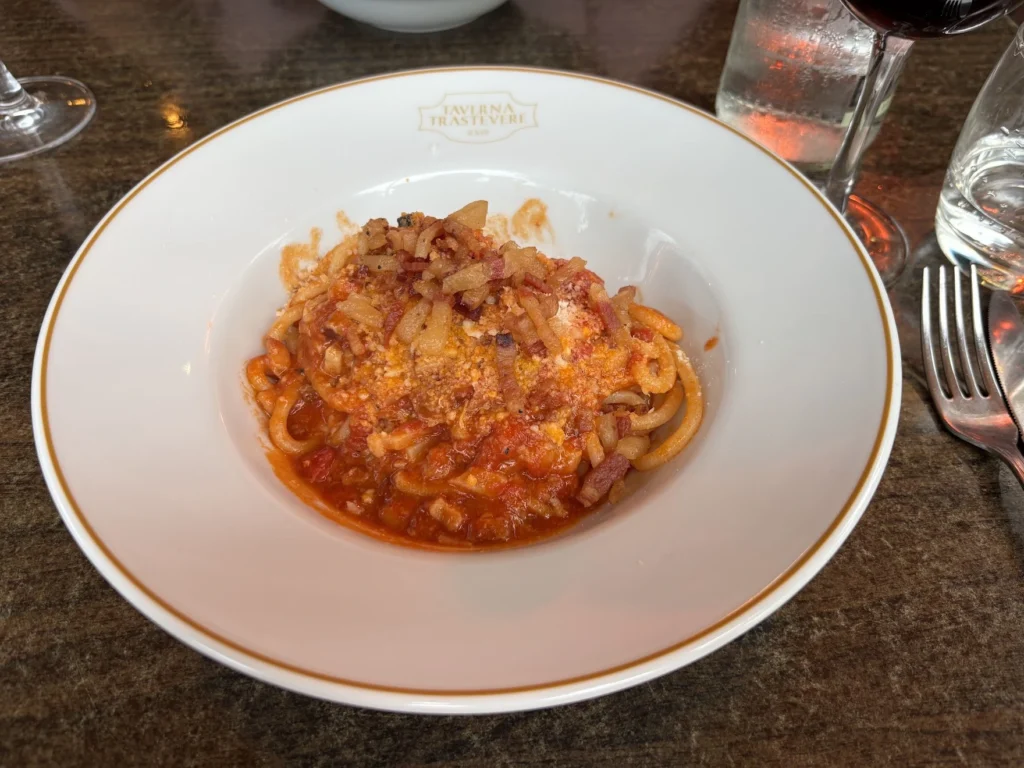
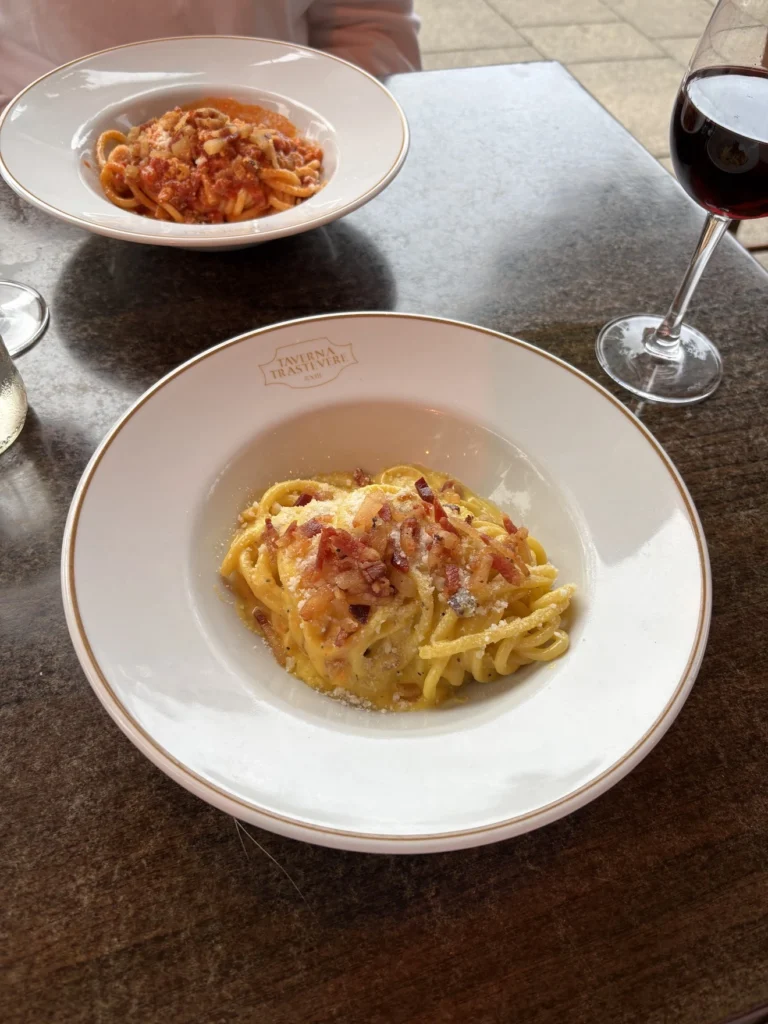
The menu reads like a greatest hits of Roman cuisine, with particular attention paid to the holy trinity of pasta dishes that define the Eternal City – carbonara, cacio e pepe, and amatriciana (we’re sorry, alla Gricia), which all clock in above £18. While that might seem steep for pasta, the quality more than justifies it. Under the guidance of Roman chef Ivano Paolucci, these classics are executed with impressive precision – the carbonara, in particular, is increasingly spoken about in lofty, hyperbolic terms, with a growing crowd of pasta aficionados and Tory TikTokers making the pilgrimage to SW11 to try it.

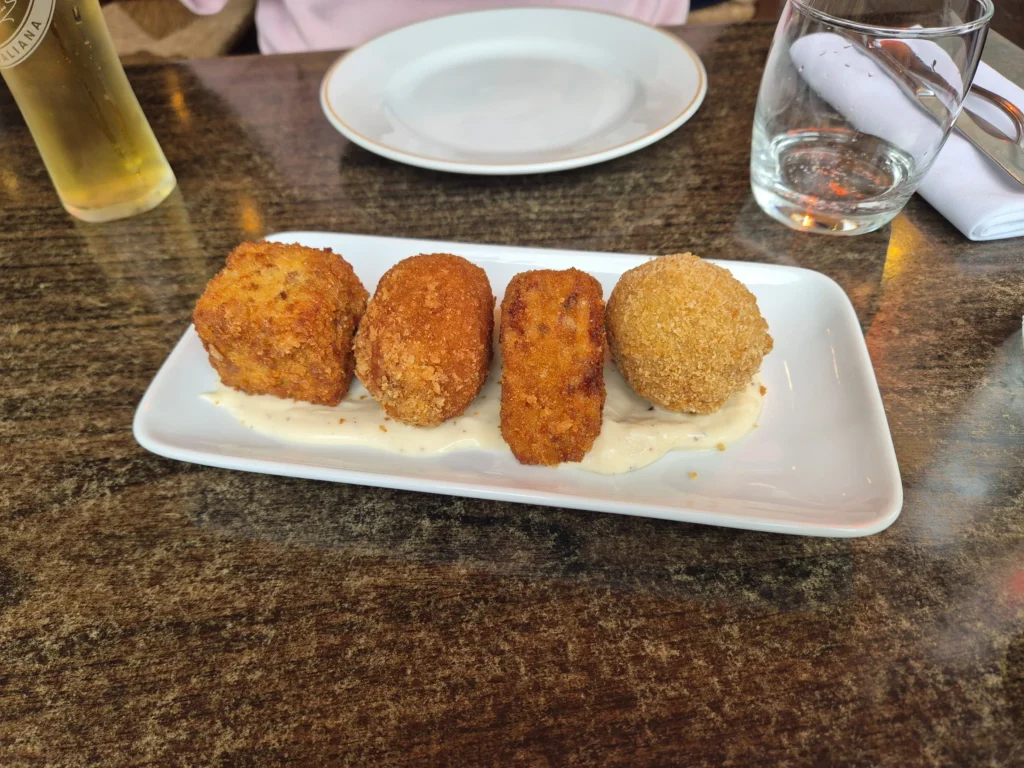
The antipasti selection shines – don’t miss the suppli alla Romana (£8), those perfectly crafted rice balls with a molten mozzarella centre that are a street food staple in Rome. The fritto misto (£14) here, confusingly, isn’t lovely, fried tiny fish and tentacles, but rather, various suppli variations and cacio e pepe croquettes that’ll have you fighting over the last bite. And then, admittedly, regretting doing so as a wave of heaviness hits you.

For mains, the saltimbocca is a standout, the veal escalope cooked sympathetically and generously perfumed with sage, while the pizza menu offers excellent Roman-style thin crust options. The wine list is thoughtfully Italian-focused – their house white, a fresh and juicy Trebbiano, and red, a crisp Montepulciano d’Abruzzo, both start at £6 per glass.

The restaurant oozes that warm, convivial atmosphere of a traditional Roman taverna, complete with outdoor seating perfect for summer dining. The service style matches this vibe – attentive but refreshingly unpretentious, with an all-Italian staff adding to the authentic experience.

Taverna Trastevere is open daily for lunch and dinner, making it equally suitable for a casual weekday pasta fix or a more elaborate weekend feast. While prices reflect the central London location and quality of ingredients (expect to pay around £40-50 per person for three courses with wine), the cooking’s unwavering commitment to Roman traditions makes it a worthy addition to the area’s dining scene.

Website: tavernatrastevere.com

Address: 112 St John’s Hill, London SW11 1SJ


Kaosarn, St John’s Hill

Ideal for homely Thai food and BYOB drinks…

Clapham Junction station and the surrounding area certainly isn’t short on supermarkets and cash machines, which feels like an odd way to start an article about the best restaurants in Battersea, but bear with us.

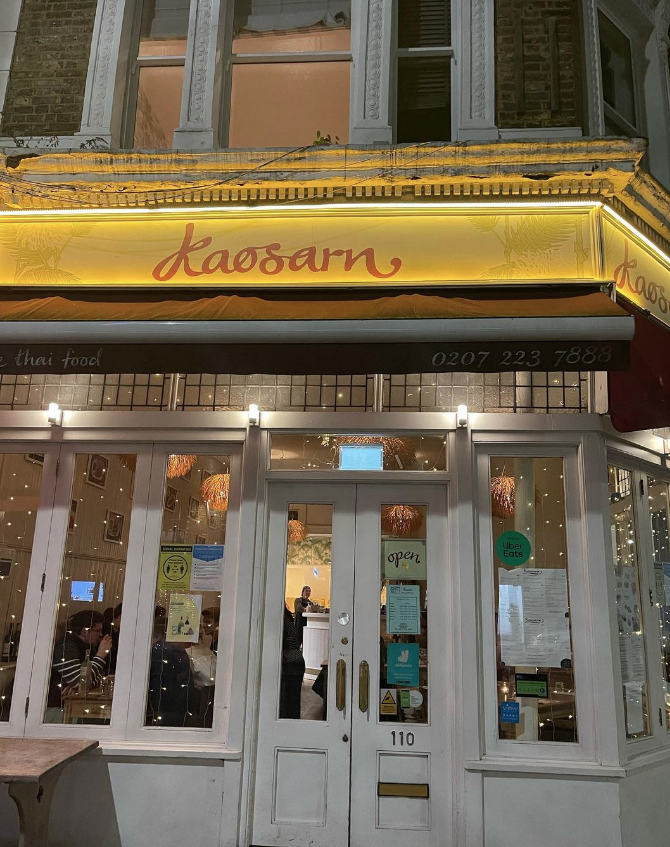
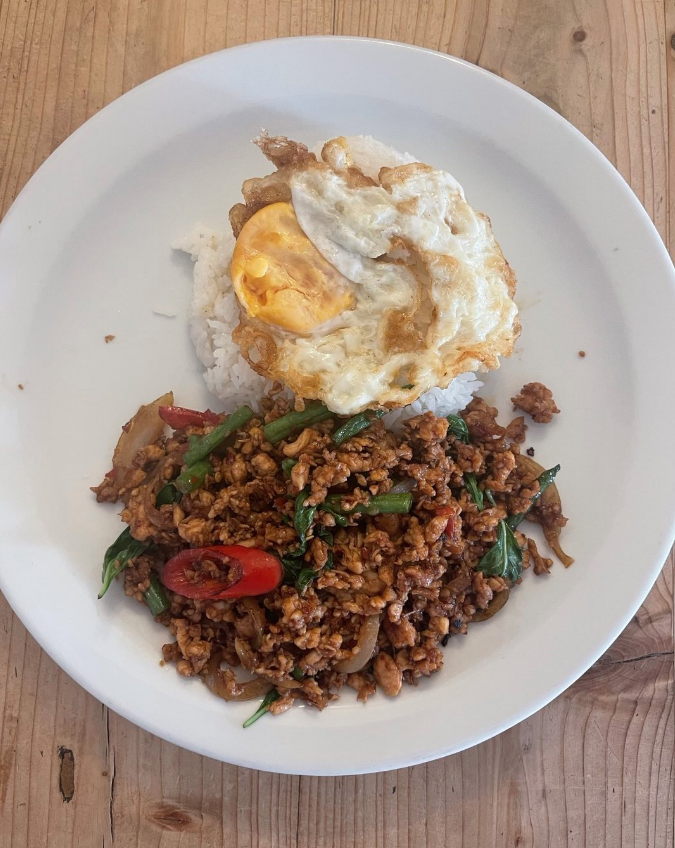
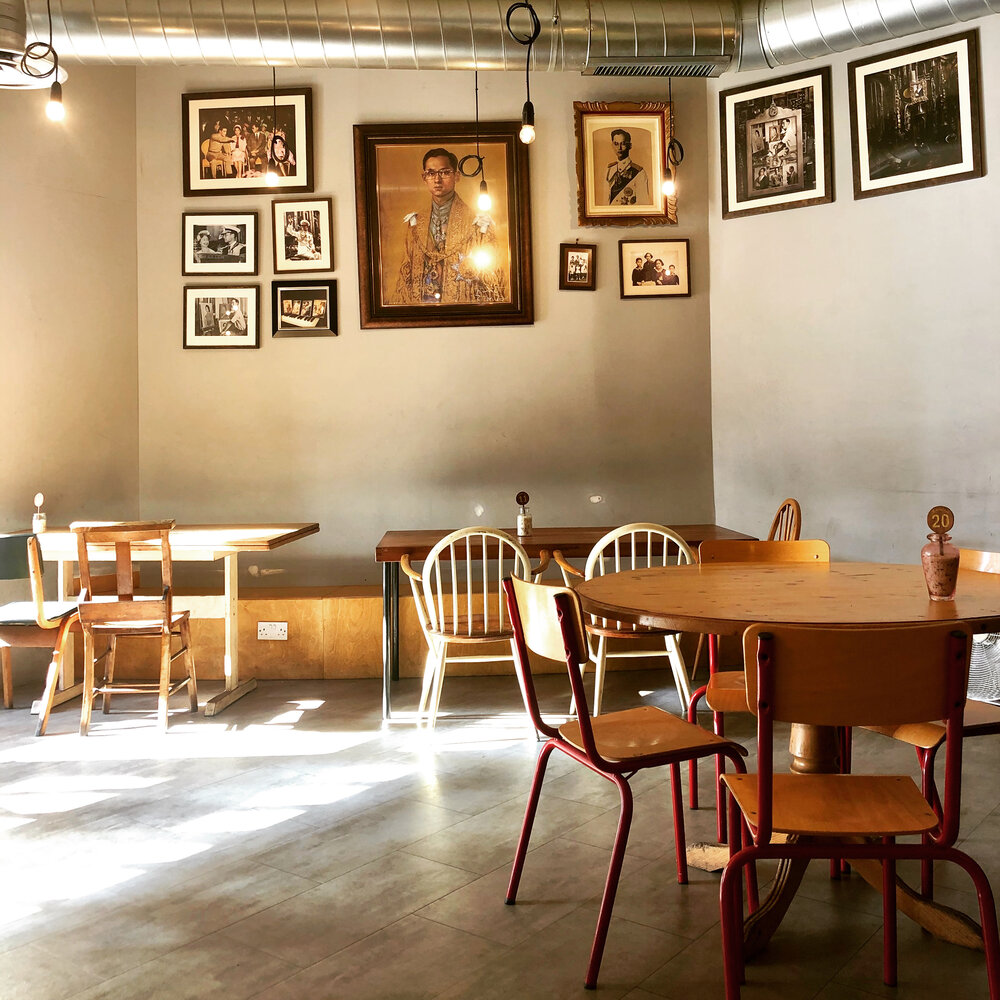
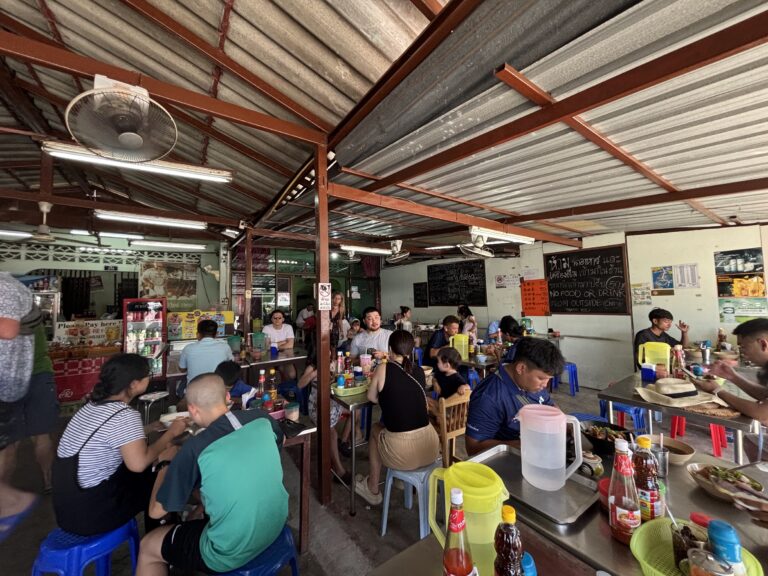
You’ll need both for Kaosarn, a Thai bring-your-own-booze, cash-only restaurant whose no-frills, no-frippery mentality extends to the food in the best possible way. Here, the flavours are bold and upfront, with a country-spanning menu of the classics sure to perk up even the weariest of train-traveller. 

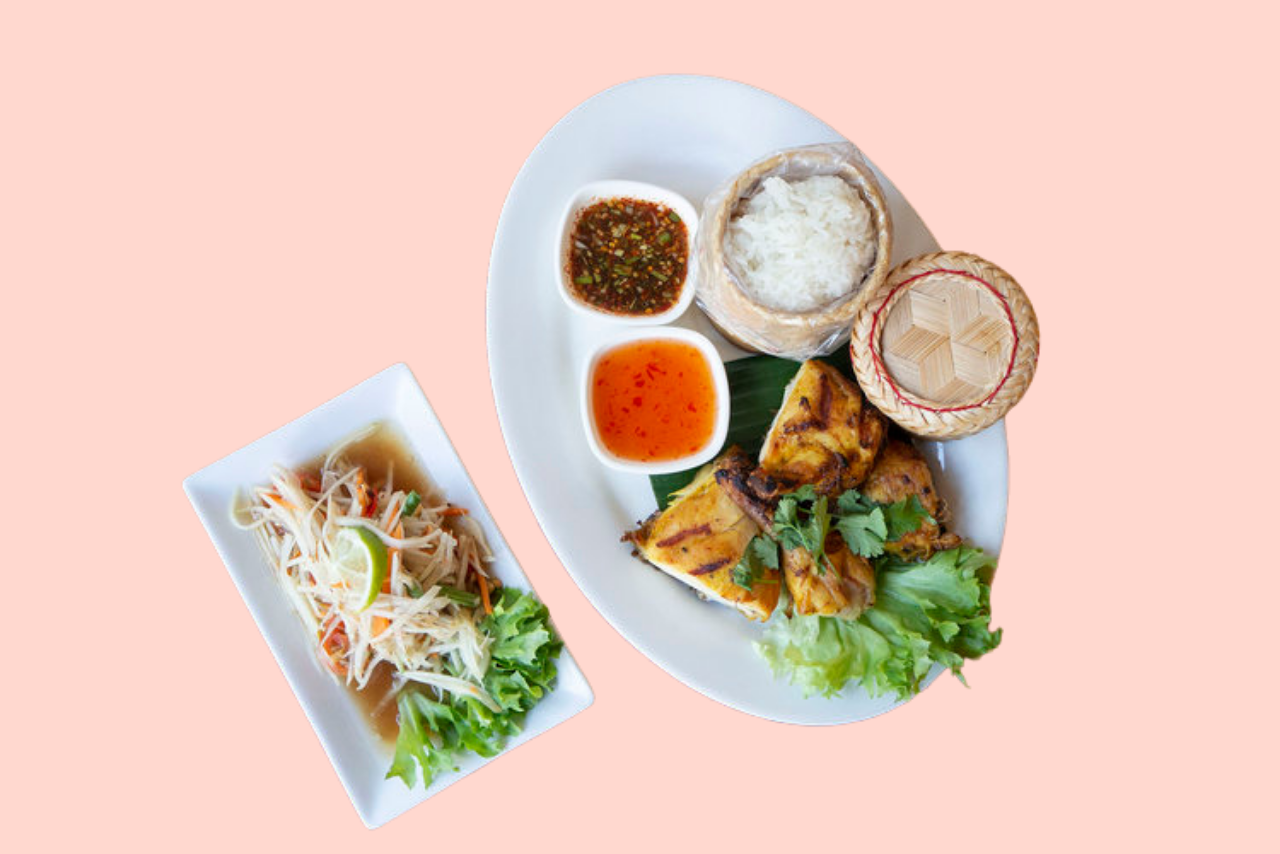
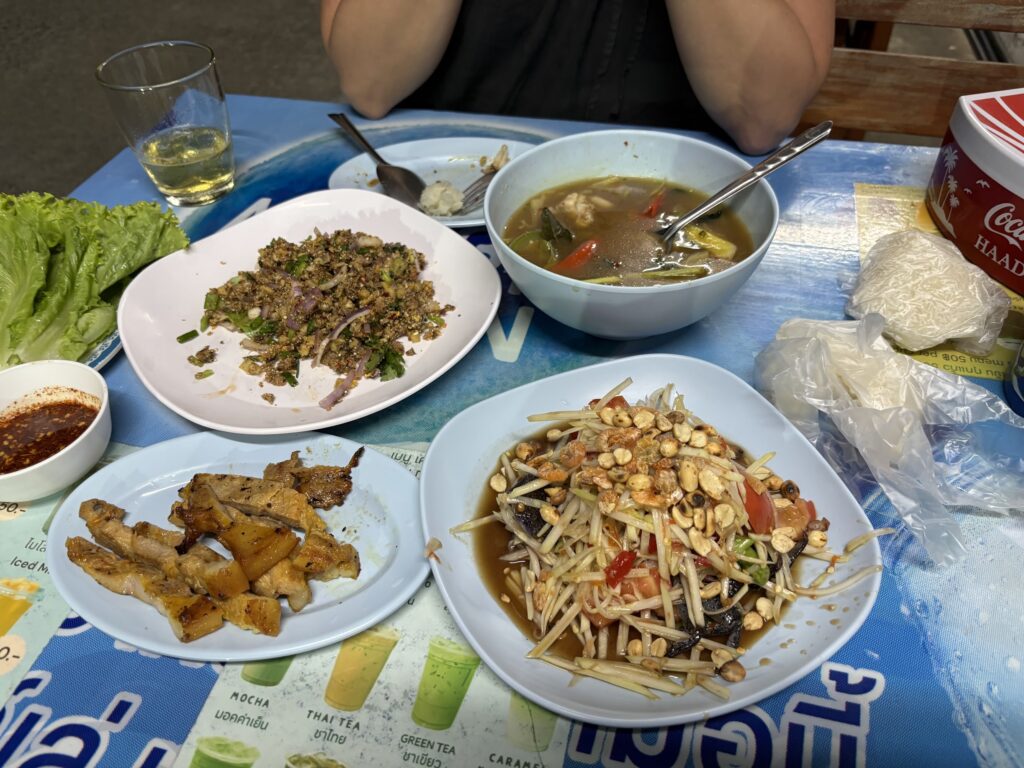
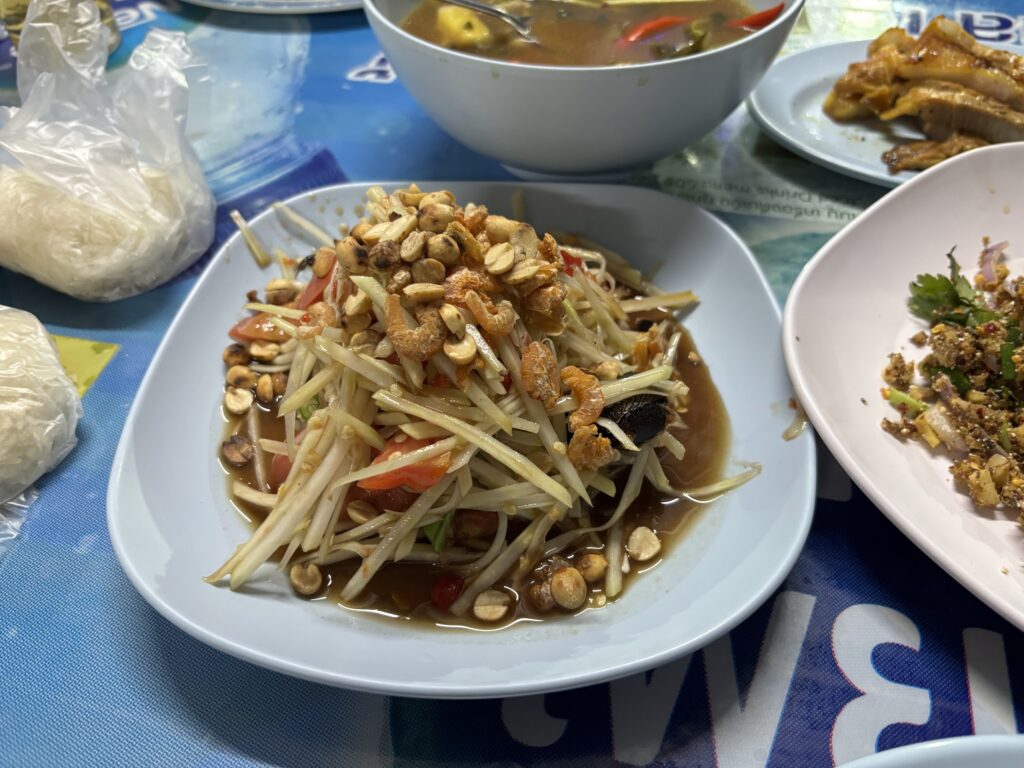
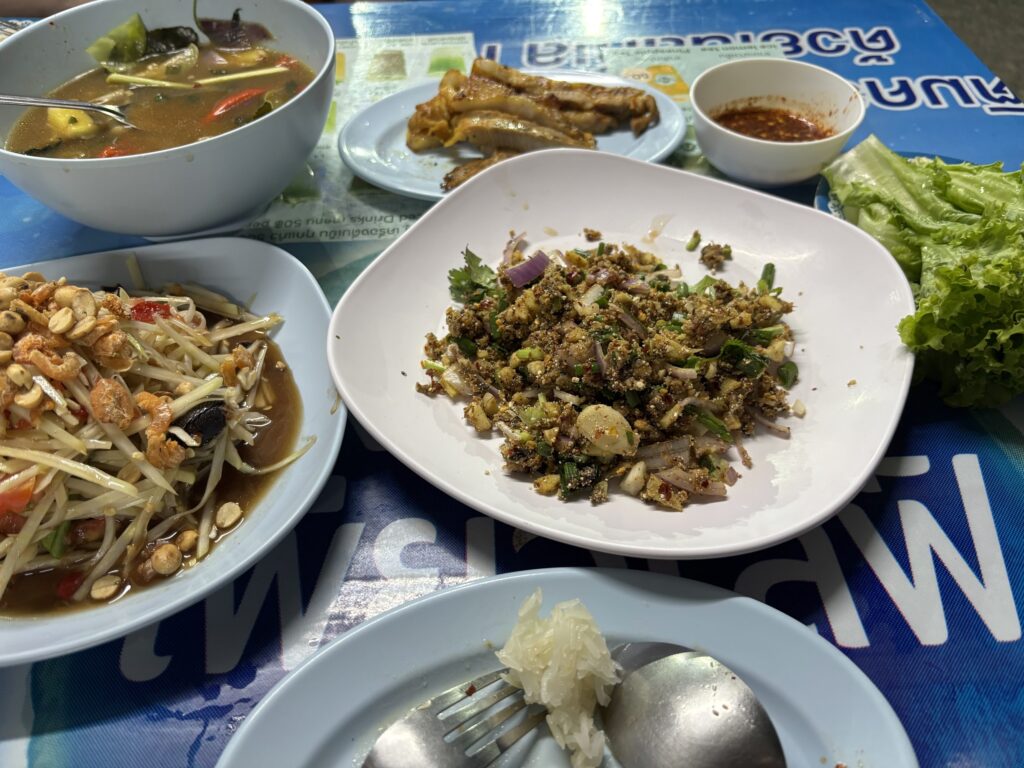
The restaurant’s Bangkok-style som tam was once named as one of Time Out’s best 100 dishes in London, and it certainly does the job. Order it alongside some grilled chicken (gai yang) and a basket of sticky rice (khao niao) and you’ve got an enlivening, uplifting Thai meal for less than £20.

Website: kaosarnlondon.co.uk

Address:110 St John’s Hill, London SW11 1SJ


Pizzeria Pellone, Lavender Hill

Ideal for some of South London’s best Neapolitan pizza…

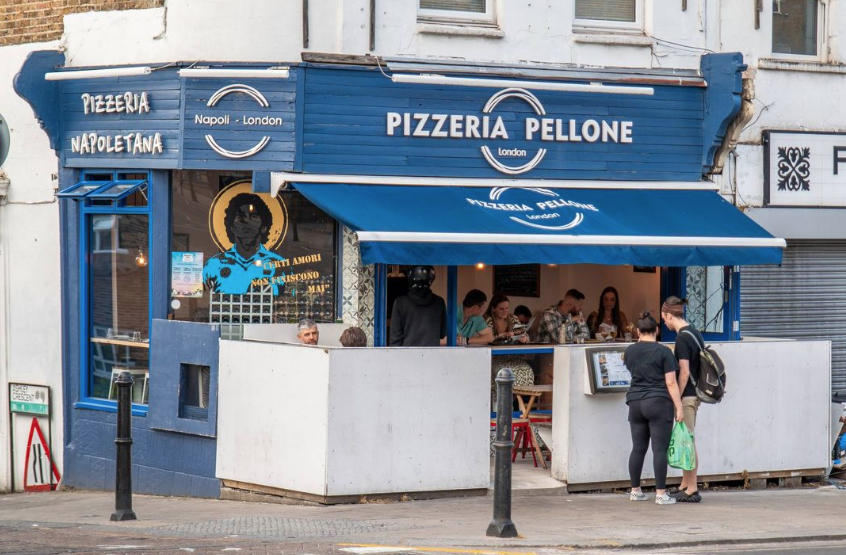
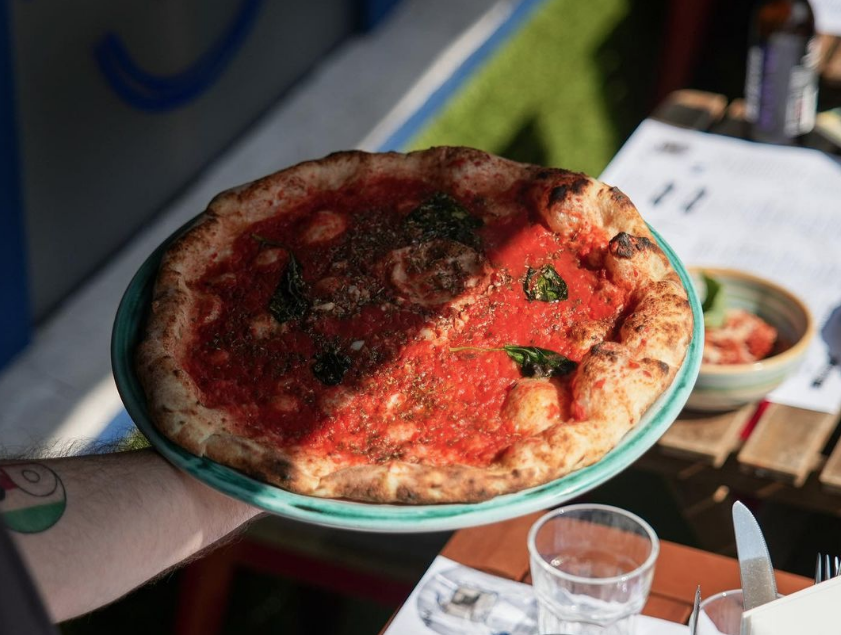
Pizzeria Pellone on Lavender Hill is something of a game of two halves. The first side of the menu is Franco Baresi style; austere, traditional and masterful in its mistake-free delivery. The latter feels somewhat inspired by Roberto Baggio; creative, joyful and exciting. 

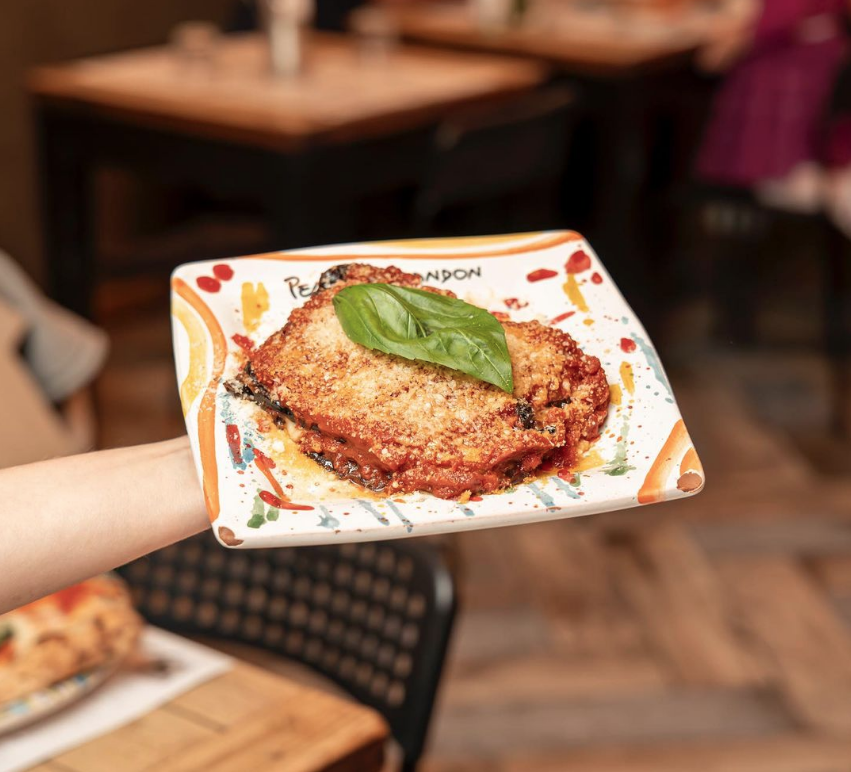
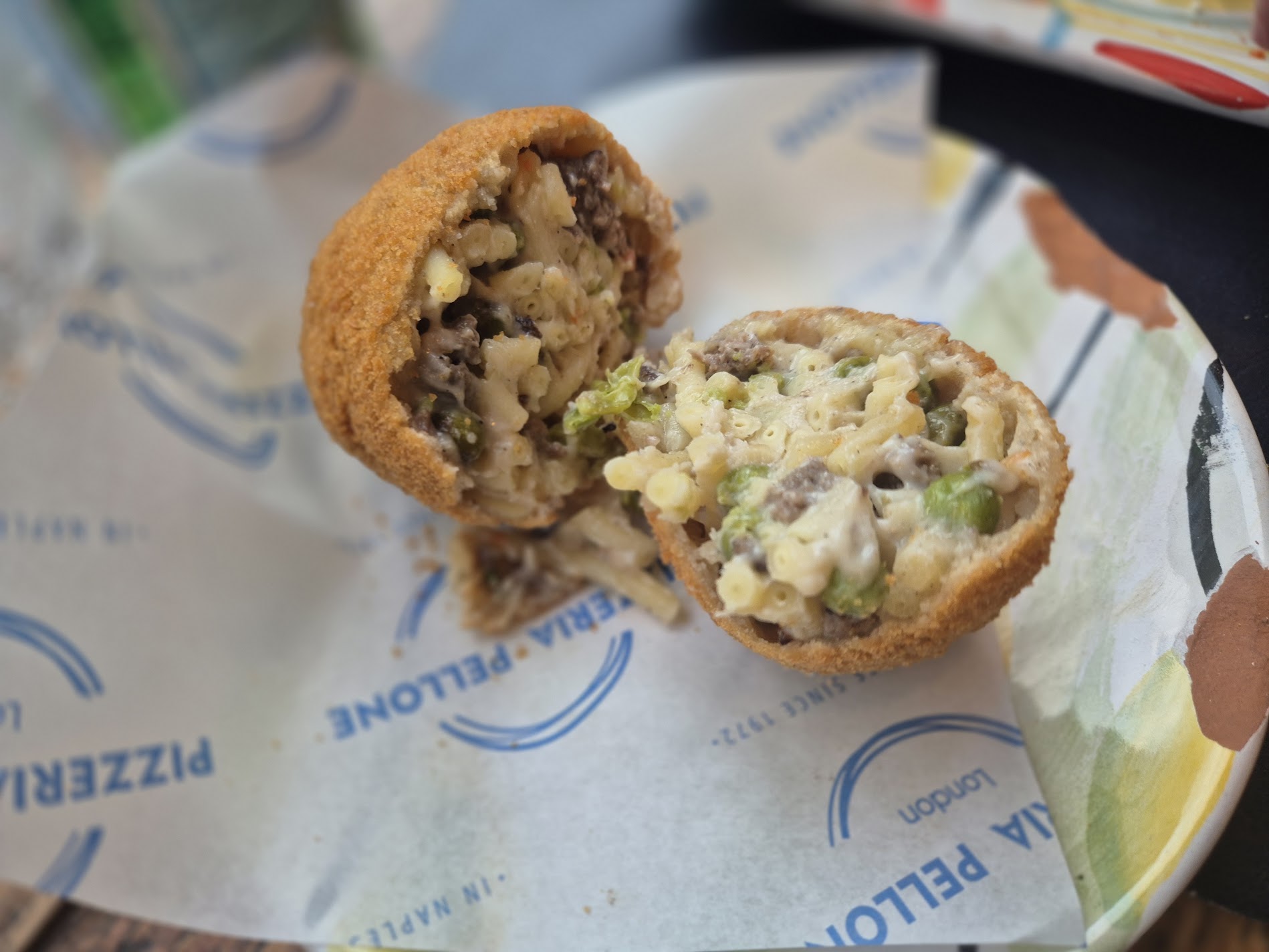
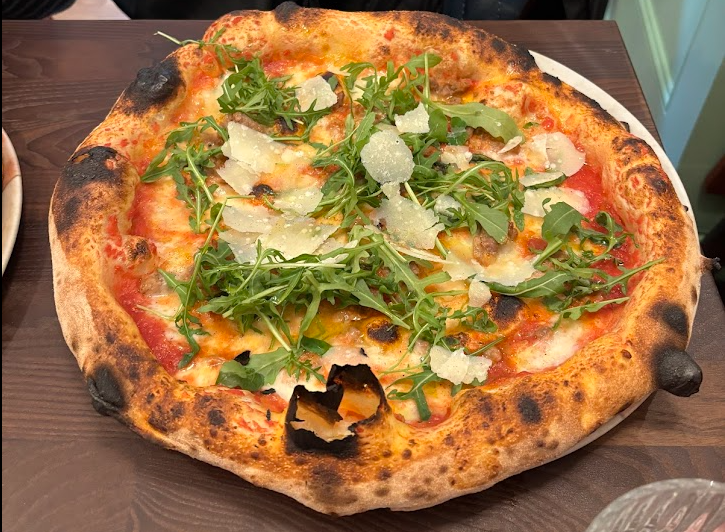
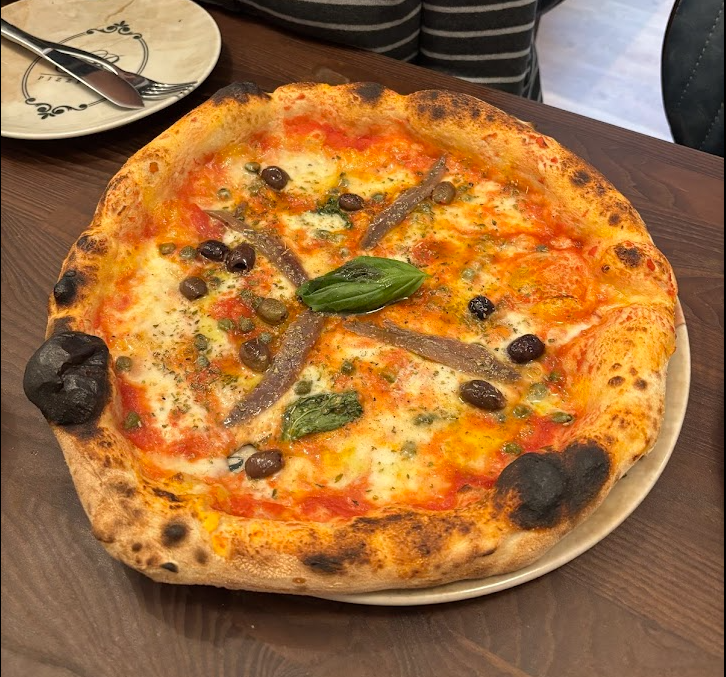
Enough of the football analogies; this is superb pizza, make no mistake, with authentic Neapolitan recipes here using Caputo flour, Gustarosso tomato sauce and Buffalo Mozzarella straight from Campania. That comes as no surprise; the family owns five Pizzeria Pellones in Naples, and their restaurants in the Motherland regularly receive plaudits.

That said, it’s in the Pizze Le Pizze Gourmet section of the menu where the real excitement lies; the white pizzas here are superb and the Calzone Fritto, heavy on the black pepper and punchy with housemade salami, is a cult classic.

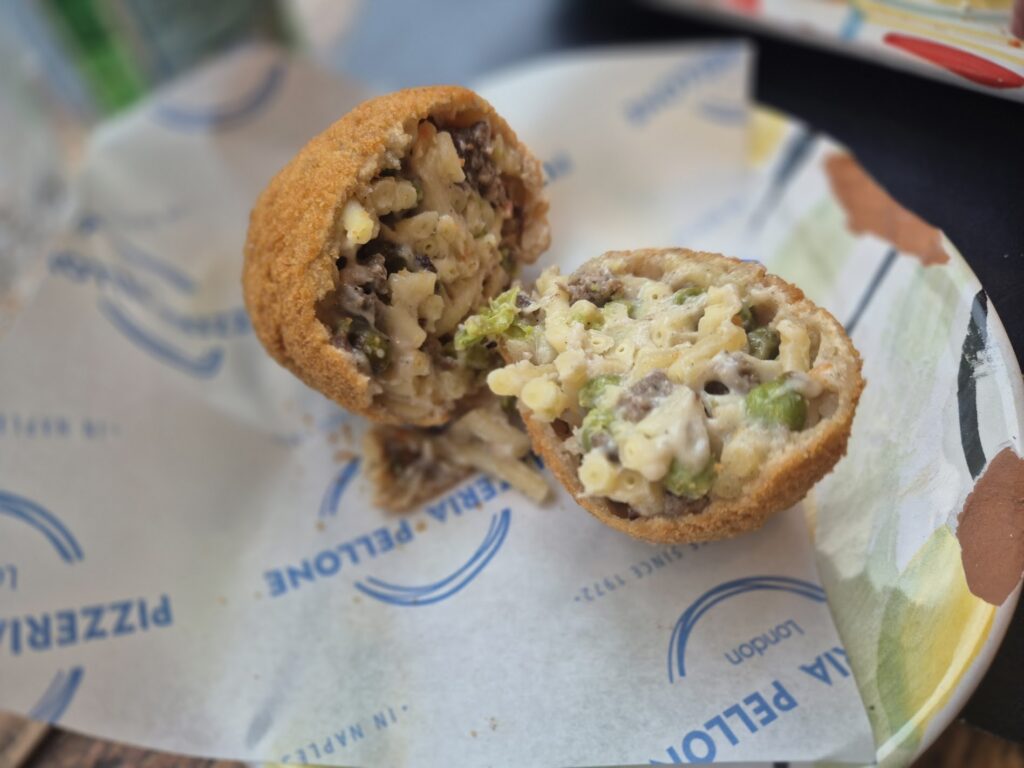
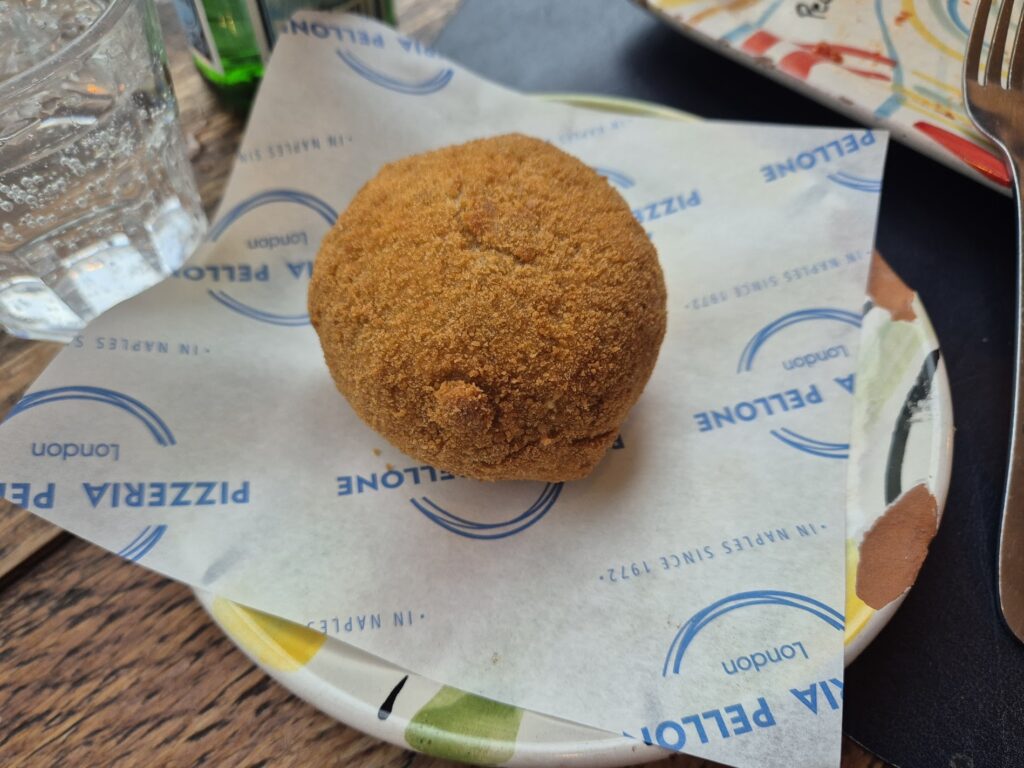
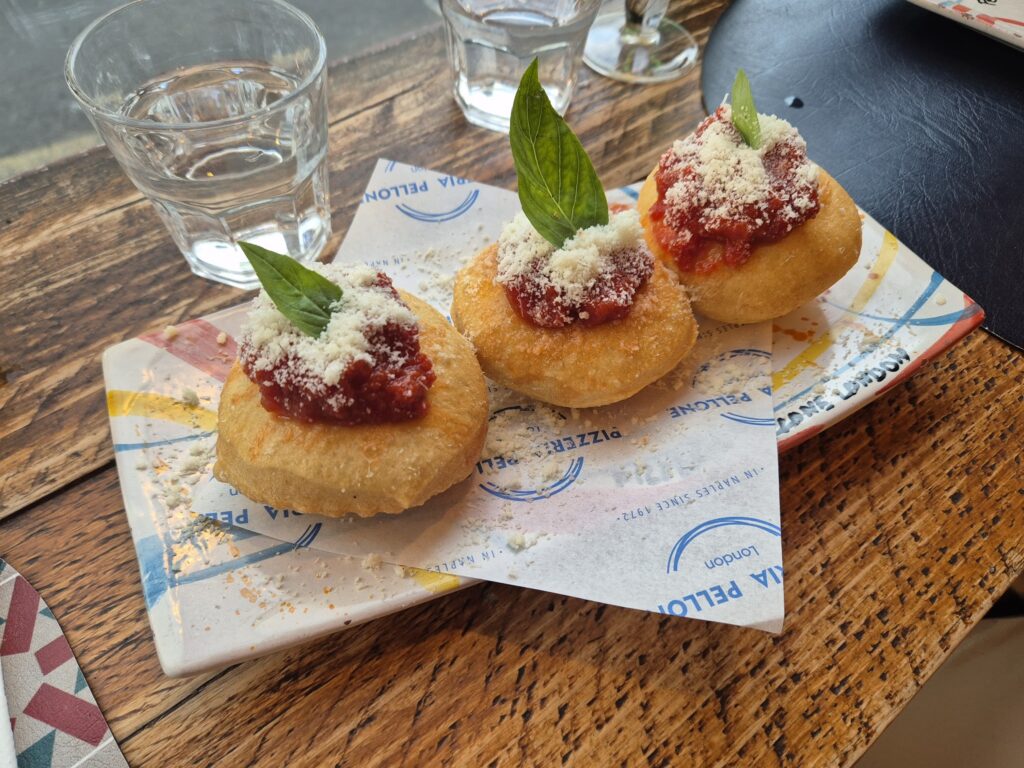
Perhaps precede all of this with a trio of montanare classiche, that absurdly satisfying Naples streetfood snack of golden but greaseless dough (how do they do that?) topped with marinara sauce and parmesan. It’s such a good version here.

With Pizza Pellone currently available on Deliveroo and Uber Eats, this could very well be the best takeaway Neapolitan pizza in South London, too. 

Considering the restaurant is just a fifteen-minute walk from Clapham Junction station and the pizzas take just a minute to cook in Pellone’s roaring hot wood-fired oven, if your train is delayed and you’re looking for a quick, delicious feed in the meantime, then this is the place to head. Or, they’ll deliver to the station; back of the net!

Website: pizzeriapellonelondon.co.uk

Address: 42 Lavender Hill, London SW11 5RL


Viet Caphe, St John’s Hill

Ideal for an exemplary banh mi, one of the best we’ve had outside of Vietnam…

Looking for an even faster, equally as satisfying meal close to Clapham Junction, that can be assembled to-go within just a few minutes? Keen to pair that with one of the most silky and luxurious liquid pick-me-ups on the planet? If you answered in the affirmative, then it’s to Viet Caphe you should head.

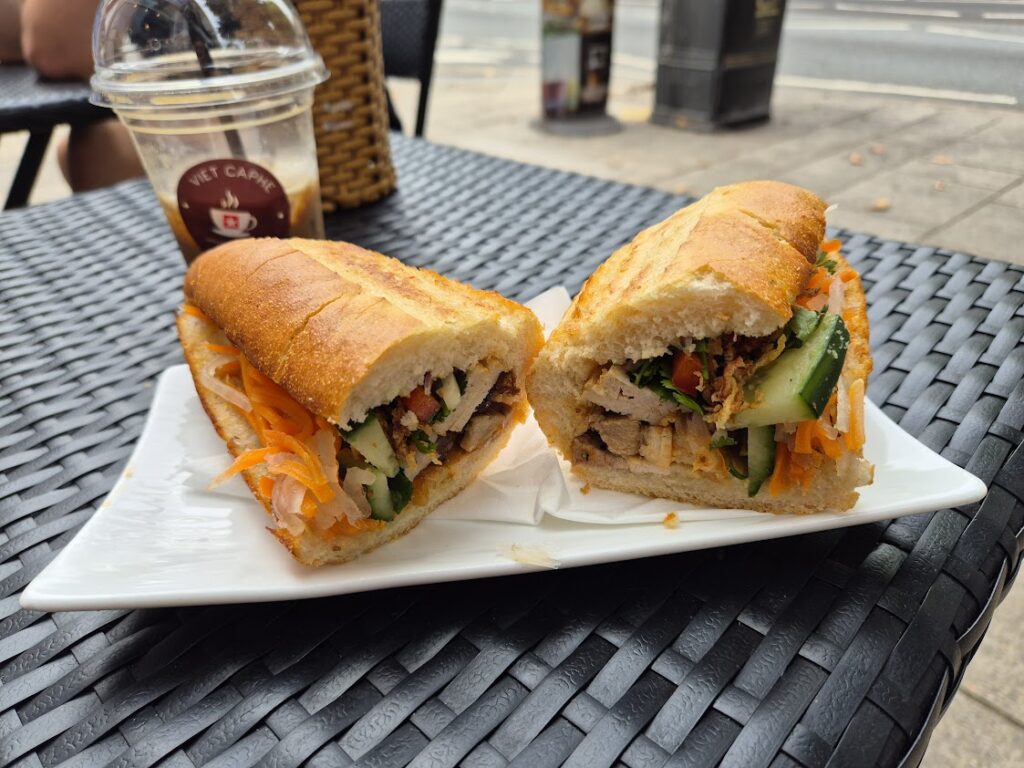
Opened in 2024, these guys are already knocking out some of the best banh mi in the city alongside a small selection of other light Vietnamese lunchtime staples like bun cha and summer rolls. 

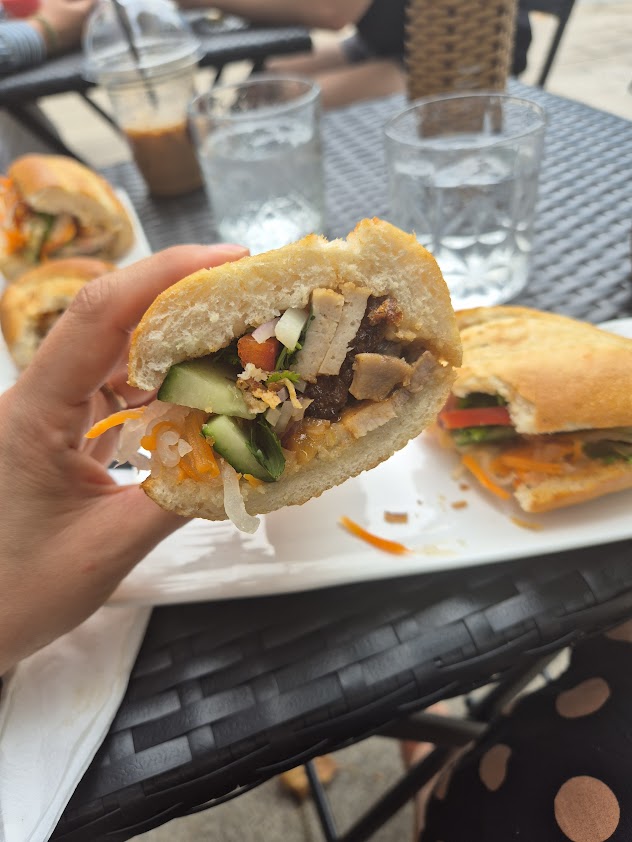
Anyway, back to that banh mi, which comes in a rundown of around nine (and growing) versions, most of which revolve around pork. We enjoyed the crispy pork version, which was generously filled with fatty pork belly and crackling, coriander and pickles, with all the rich mouthfeel and piquant cut through that entails. A glorious, exemplary banh mi, and one of the best we’ve had outside of Vietnam. We can’t wait to go back and get stuck into their menu more comprehensively.

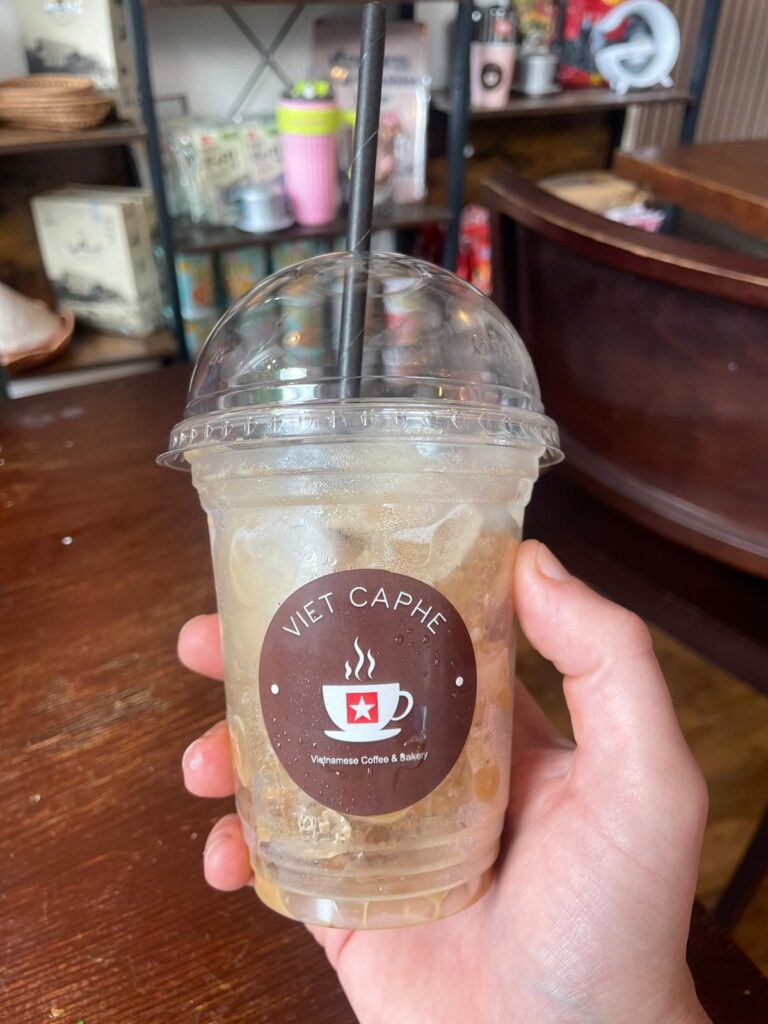
Right now, the restaurant is unlicensed, but they also do a fine Vietnamese iced coffee – strong, sweet and indulgent – that can also be taken away. Now that’s a train picnic your fellow passengers will be casting covetous glances at.

Just leave Clapham Junction at the St John Hill’s exit and head up that hill for five minutes. Look for the pastel pink building and block, italics capitals of VIET CAPHE, and know you’re in business.

Address: 127 St John’s Hill, London SW11 1SZ


Hana, Battersea Rise

Ideal for when you fancy Korean comfort food but can’t be arsed to trek to New Malden…

Hana, seven minutes up from Clapham Junction (turn left out of the station, not right), is a family-run Korean spot has been pleasing SW11 palates with faithfully rendered Korean comfort cooking since 2012. The 20-seat space might be small, but when the stone bowl bibimbap arrives hissing like an angry cat and its aroma beckons you in like a waving one, you’re know you’re among as many friends as you could possibly need.

The restaurant once had Michelin recognition (genuinely not sure why they don’t anymore; it’s as good as ever), though you wouldn’t know it from the prices. The family who run it named the place after their daughter Hannah (Hana means ‘one’ in Korean), and there’s something rather lovely about how they’ve stuck to traditional Korean cooking while making Battersea locals feel at home. Inside, it’s all dark wood furnishings, pretty hanging lamps, and service that knows when to chat and when to leave you to your soju. If you truly don’t feel like chatting, you can bury yourself deep in the bowels of the place, behind a translucent byeongpung, and, erm, bury yourself deep in a bowl from the place. That’s a sentence that really doesn’t work, but we’re leaving it in anyway…

The bossam (£16.50) arrives as slow-cooked pork belly with lettuce wraps. No fancy garnishes here; just meat that is tender and fat that is wobbly, ready to be wrapped up with their ferocious house kimchi. Their bulgogi gets its sweetness from fruit marinades, while the homemade Hana mandu are plump dumplings (hey, how about we start calling these guys ‘plumplings’? guys? GUYS?) that put Itsu’s efforts to shame.
But it’s the dolsot bibimbap that really shows what they’re about. That stone bowl comes out nuclear-hot, raw beef cooking as you mix everything together with house gochujang. At under fifteen quid, it’s the kind of dish that ruins you for the watered-down versions you’ll increasingly find on the high street. There’s a round of complimentary banchan too, just as it should be.

Most dishes hover around £10-15, portions are generous enough that you’ll waddle back to the station, and after 14 years in the same spot, they’ve clearly worked out what the neighbourhood wants. Closed on Mondays.
Address: 60 Battersea Rise, SW11 1EG

Instagram: @hana_korean


Tamila, Northcote Road

Ideal for soul-stirring South Indian food that will ruin your local brunch spot forever…

South Indian cooking has landed on Northcote Road with Tamila, the latest venture from the team behind north London favourites The Tamil Prince and The Tamil Crown. Since opening in October 2024, it’s quickly made an impact, not for its curries so much, but more for its brunch. Quickly, it’s become the kind of place that makes you question why you ever waited 45 minutes for mediocre eggs Benedict on a particularly ropey Sunday morning. That Gail’s a minute down the road? It’s not longer getting a look in…

Unlike its pub-dwelling siblings up north, Tamila takes a more casual approach. The space is simple – whitewashed walls, wooden tables, booth seating – but the aroma of spices blooming that drifts from the open kitchen brings all the ambience you need here. That, and the steady stream of dosas floating past your table that will have you flagging down the waiter before you’ve even taken your coat off. That sounds like we’re planning to wear those dosas. Come to think of it, they’d make good sleeves…

…Speaking of those dosas – they’re the real deal. The masala version comes as a golden-brown crisp scroll hiding spiced potato masala within, served alongside coconut chutney and sambar that you’ll want to ask for extra of. At £9, it’s also one of the best value breakfasts in the area. The medhu vadai, those savoury lentil doughnuts that could teach their sweet cousins a thing or two about depth of flavour, are another morning winner.

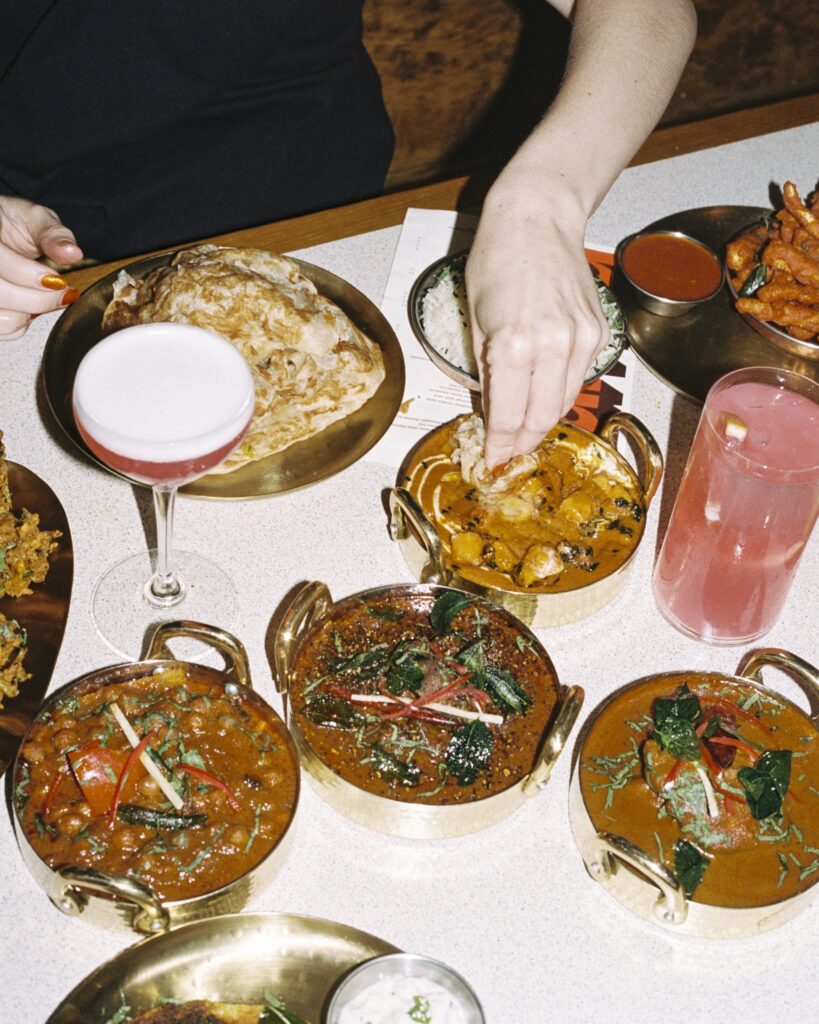
As day turns to evening, the kitchen becomes a different thing, but it’s still satisfying, generous grub that serves up enough intrigue to represent a decent alternative to the area’s more old school curry houses. The Thanjavur chicken curry brings complex, layered spicing and the Chettinad lamb curry carries enough punch to wake up even the weariest commuter. Their dhal is treated with the respect it deserves here – creamy, deeply flavoured, and perfect with their exemplary rotis.

The Gunpowder Margarita has been proving particularly popular with the always-thirsty Northcote Road crowd. If that’s a little bracing, there’s a house Tamila lager that does exactly what you want it to, and a concise wine list that won’t frighten the accountants, who you’ll be dining next to, most likely.

Such has been the success (this place boasts a healthy bottom line, we’d wager) of this south London outpost that a second Tamila has now opened in Kings Cross, and the original earned a Bib Gourmand in the 2026 Michelin Guide announcment. Now a third – and the largest yet – has just opened on Poland Street in Soho. But there’s something special about this Northcote Road spot. Tamila feels like it’s been here forever, even though it’s only just getting started.

Website: tamila.uk

Address: 39 Northcote Rd, London SW11 1NJ


Osteria Antica Bologna, Northcote Road

Ideal for home style, comforting Italian food…

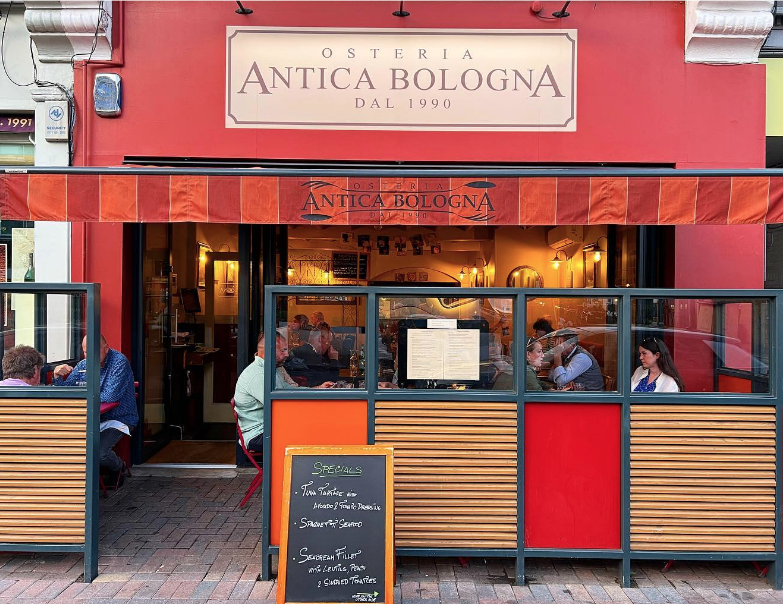
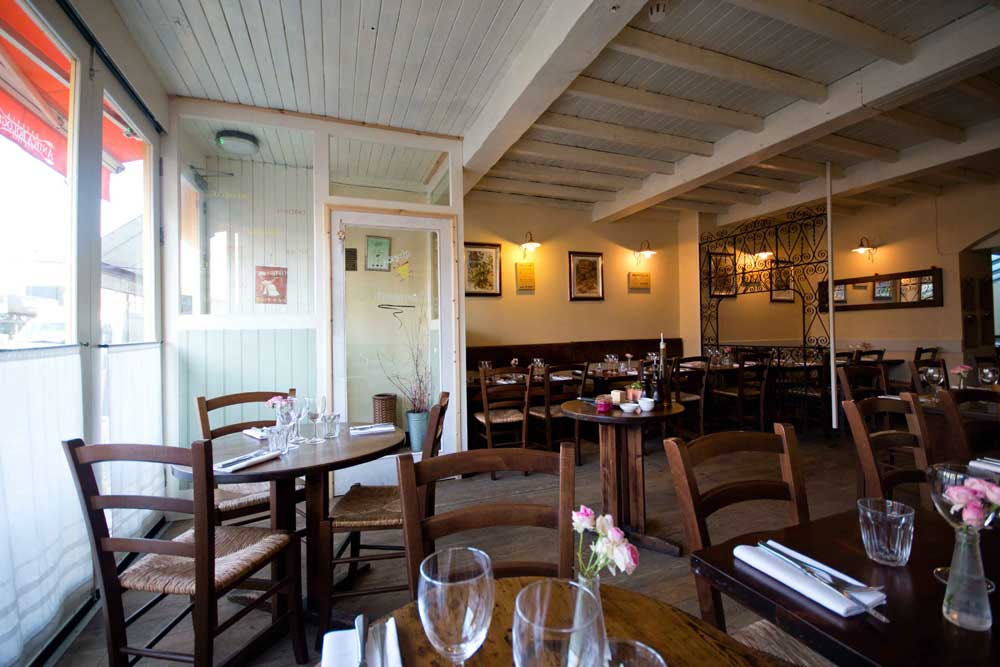
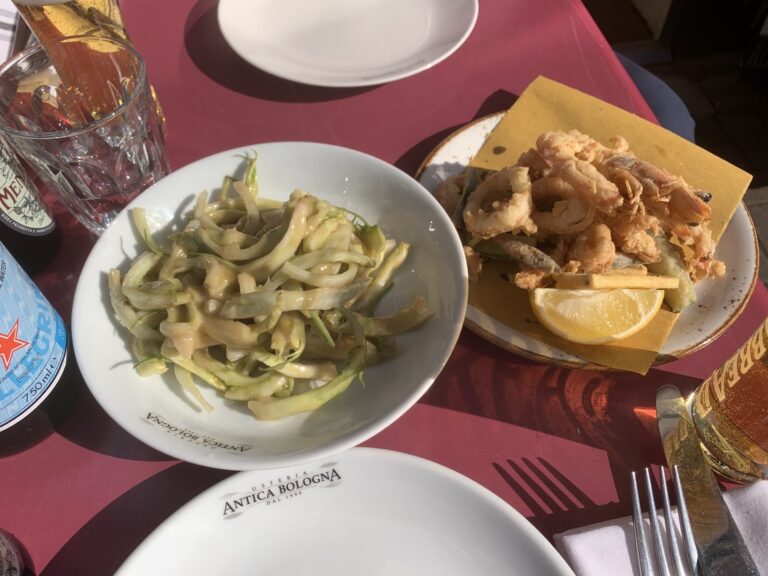
On a street largely defined by mid-range chain eateries, Northcote Road’s best ‘neighbourhood’ restaurant is Osteria Antica Bologna, a warm and welcoming Italian which has been in the same spot for over two decades and does all of the simple, rustic things just right.

So, that’s freshly made pasta, ragus that taste like they’ve been bubbling since the restaurant opened, risotto that’s genuinely cooked to order (please allow for 20 minutes) and, if you’re feeling particularly ravenous, a Bistecca alla Fiorentina, that famous chargrilled T-bone steak beloved of Tuscany.

Osteria Antica Bologna

With affordable wine by the glass and a convivial atmosphere every night of the week (except Mondays, when it’s closed), it’s no wonder that Osteria Antica Bologna is such a hit with the locals. 

Website: osteria.co.uk

Address: 23 Northcote Rd, London SW11 1NG


Ploussard, St John’s Road

The ideal neighbourhood restaurant and natural wine bar…

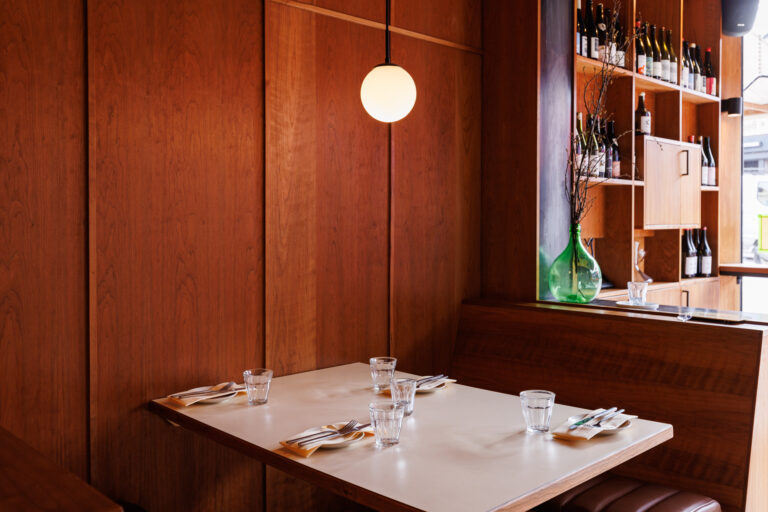
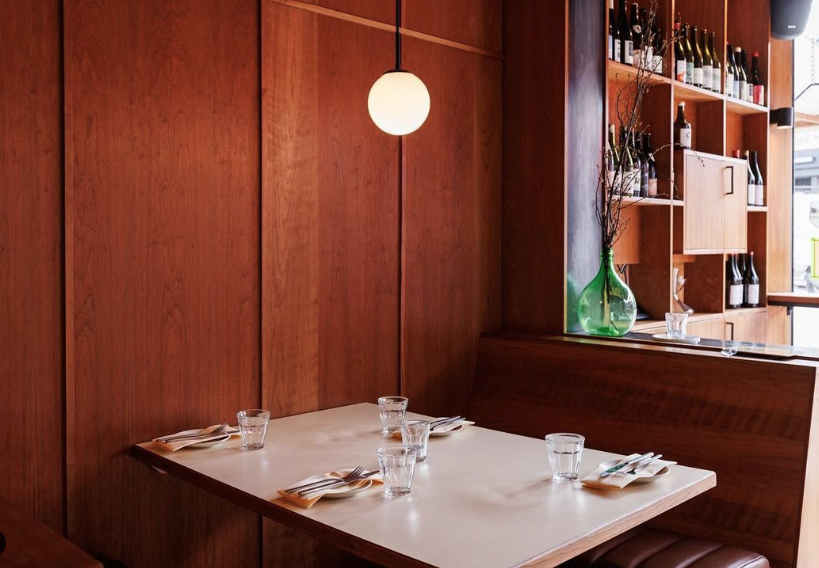
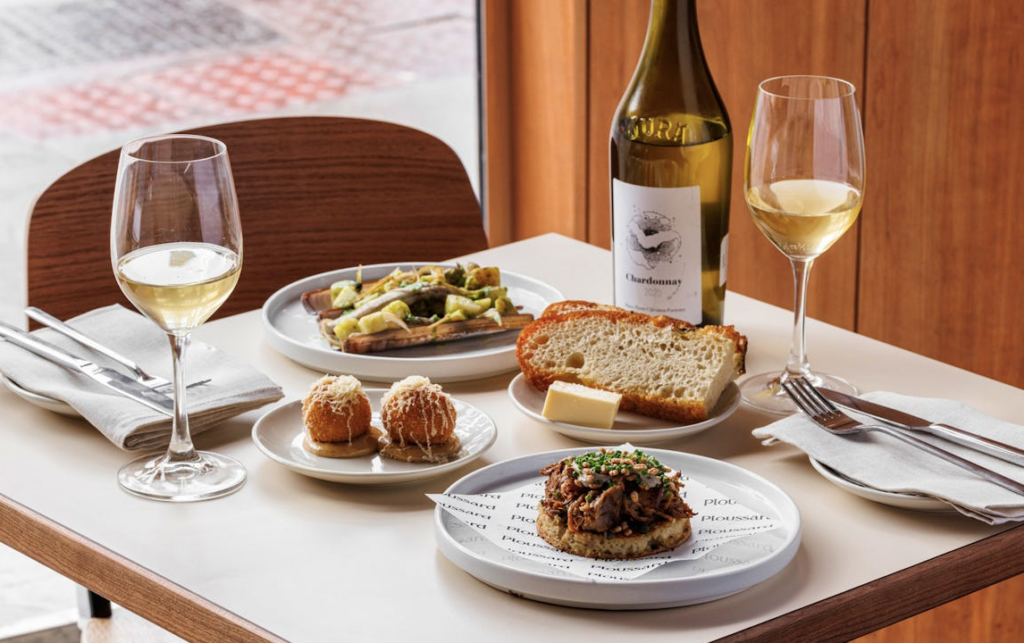
It’s the type of place that this corner of town has been crying out for; a natural wine bar that just happens to do deceptively simple, simply delicious things with seasonal British produce, ready to rival the steady stream of openings out East that seem to have perfected this concept.

Enter Ploussard, which ticks all of the boxes above and then some, all in a space that manages to be both austere but warm, the gentle, oscillating thrum of chatter and clinking classes soundtracking the sharing of plates and your own vital conversation.

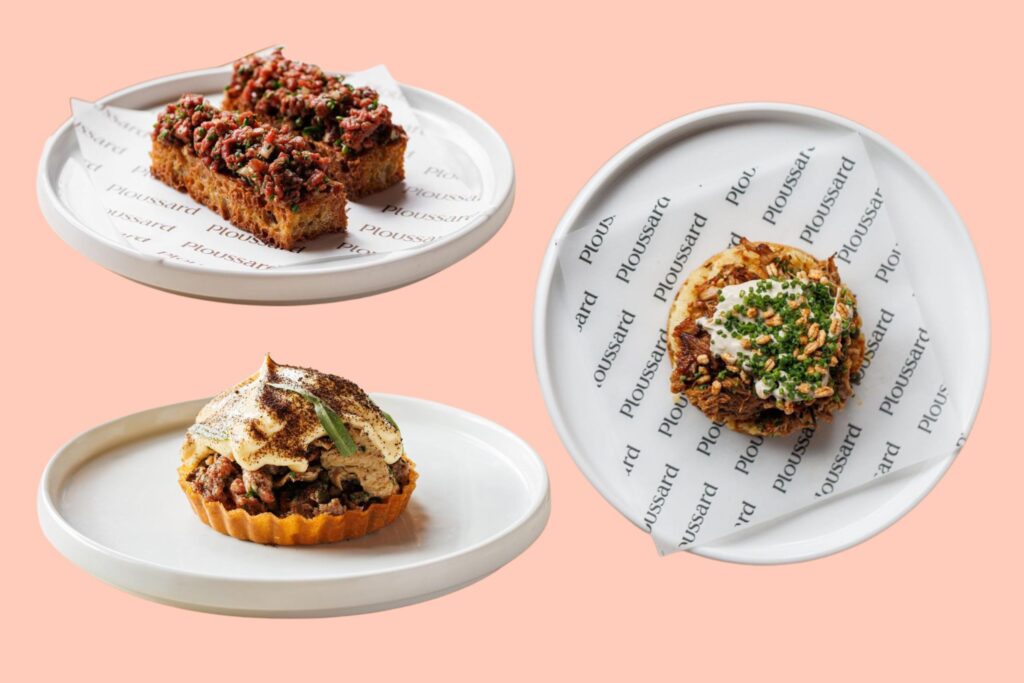
Of those plates, the black pudding tempura with pear is as vibey and as delicious as it sounds, but try sharing one; it’s not possible. Even better – at their very best in fact – was a hulking, fist-sized scallop with a totally unnecessary but totally delicious chicken wing and smoked butter sauce. The two dishes actually worked beautifully in tandem, in fact – the ol’ black pudding and scallop combo bringing a whole new meaning to the sharing plates concept. Yours, as a pair, for £30 (though do be aware that the menu changes regularly, so these two may not be on right now).

Though it’s positioning itself as a neighbourhood bistro of sorts, in the mould of Paris’ bistronomy movement, this isn’t a place to just pop in for a quick glass of wine on your way home from work; Ploussard, named after a prized French red grape variety typically grown in the eastern region of Jura, is already packed out every night of the week (except Sundays, when the doors remain bolted).

That said, it’s much easier to simply stroll in on a weekday lunch, and relax into this (relatively) new Battersea gem. With several wines sold by the glass for just under a tenner, it’s a place we can see ourselves relaxing into rather a lot in 2026.

Website: ploussardlondon.co.uk

Address: 97 St John’s Rd, London SW11 1QY


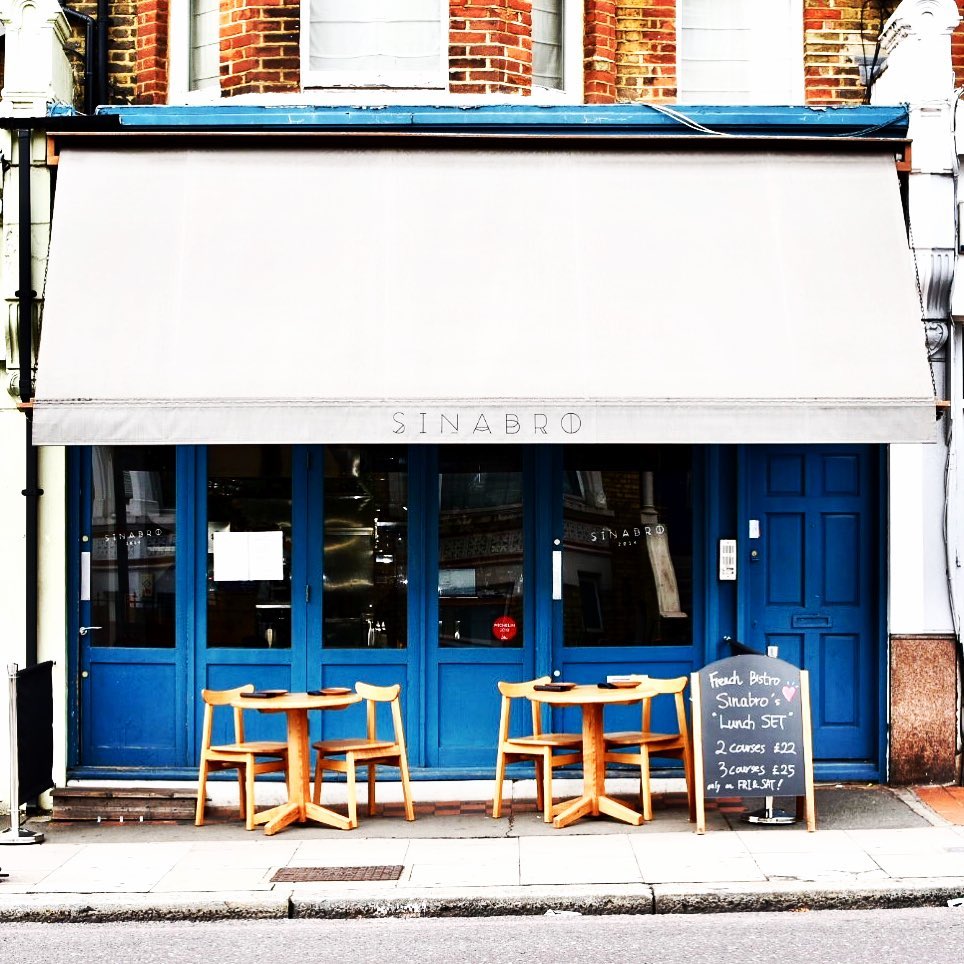
Sinabro, Battersea Rise

Ideal for modern French food with some global flourishes…

This creative counter-dining restaurant on Battersea Rise would be impossible to get into were it in Hackney or out west on Westbourne Grove.

As it stands, with this part of Clapham offering up a different type of dining scene, you can usually expect to get a table (or rather, bar stool) at fairly short notice at French chef Yoann Chevet’s brilliant restaurant.

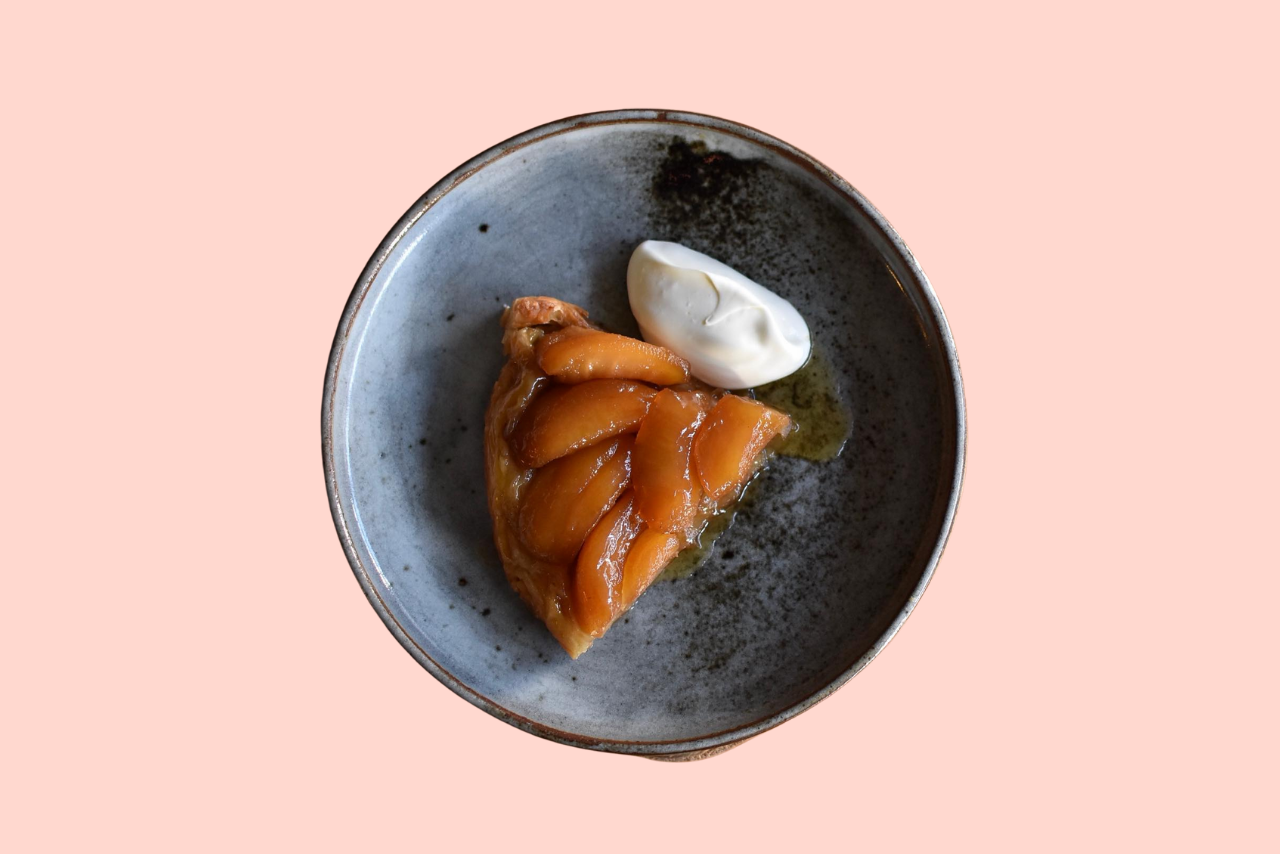
Do so, and you’ll be rewarded with a no choice four-course menu for a bargain £65, which falls broadly under the ‘modern European’ bracket but with a few Asian flourishes – think open ravioli of braised beef with kimchi and tofu.

Don’t worry, you’re not being experimented on with ill-thought fusion food; dishes here are light, perfectly poised and full of flavour. A must visit if you’re in Battersea!

Website: sinabro.co.uk

Address: 28 Battersea Rise, London SW11 1EE


Song Hong, Lavender Hill

Ideal for family-cooked Vietnamese food rooted in the Red River Delta…

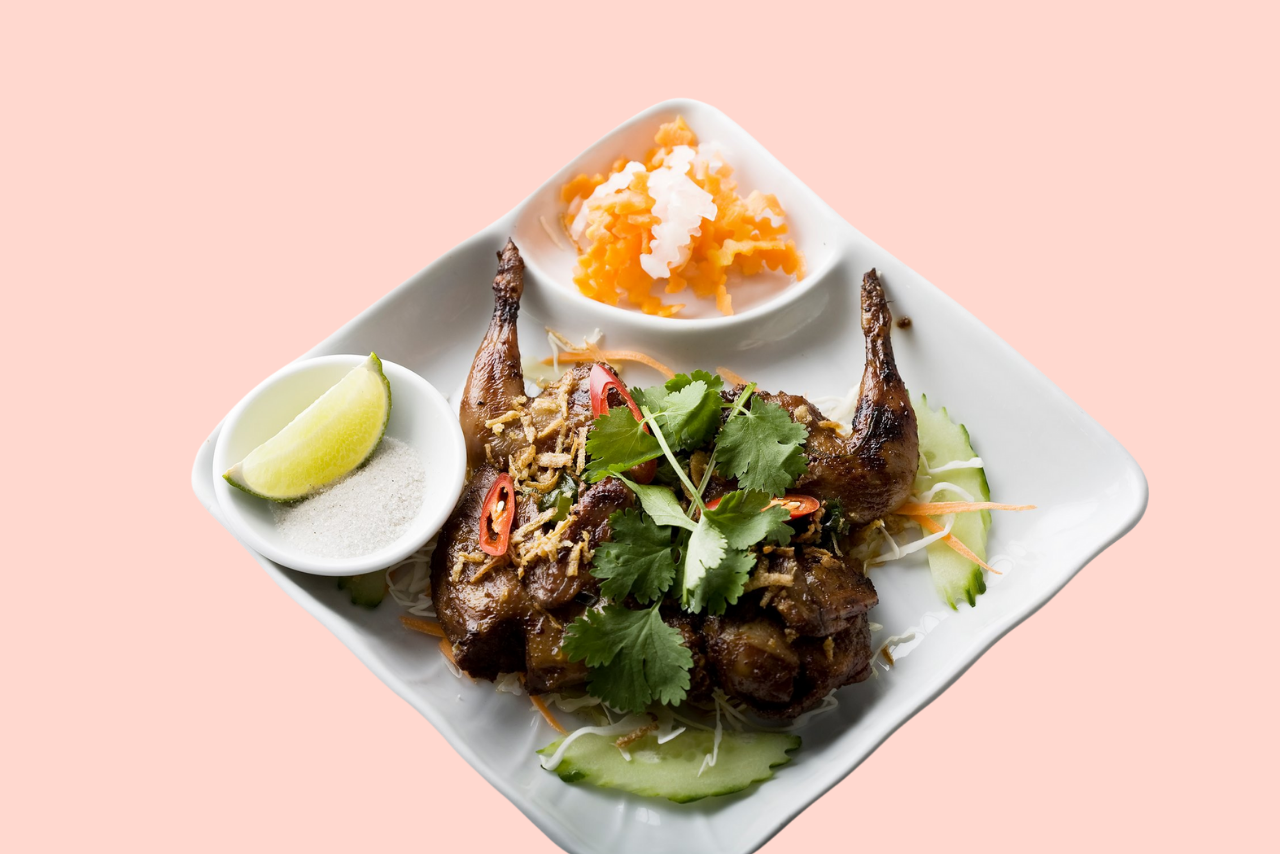
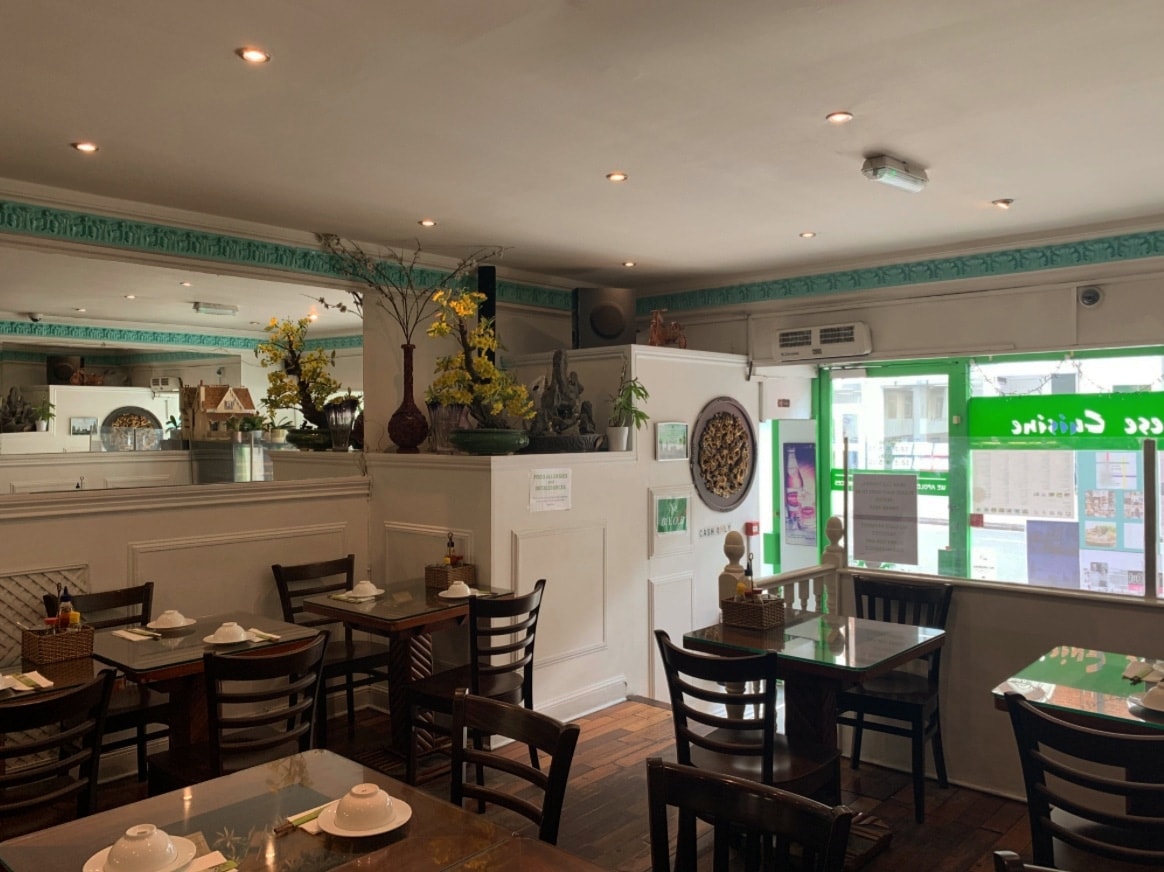
This spot on Lavender Hill was formerly home to Mien Tay, one of our favourite Vietnamese restaurants in the city. When it changed hands, we feared the worst, but Song Hong, its replacement, has carved out its own identity and earned its place on this list in the process.

Where Mien Tay drew from the south of Vietnam, Song Hong takes its name (and its recipes) from the Red River Delta up north, the region where the family who run it originates. And it really is a family affair; Thủy Mai and her husband do the cooking, their older children work the floor, and the whole operation radiates the kind of warmth you can’t fake. Décor remains pleasingly stripped back and functional, letting the food do the talking, in typical Vietnamese spirit. Oh, and it’s still BYOB (with a small corkage fee) and cash only. All together now: “Tram Phan Tram!” What’s not to love?

The menu covers plenty of ground, but it’s the less obvious dishes that reward the curious. The grilled quail is wonderfully burnished, the grilled squid with mustard greens even better, and the curried goat with galangal brings a fragrant, peppery heat that lingers well after the last spoonful. From Haiphong comes a fried fish vermicelli noodle soup, served with the full spread of shredded banana blossom, beansprouts, coriander, lime and chilli. The pho is solid too, if you’re after something more familiar, and at £10–15 a head before drinks, you’ll waddle home having spent less than you would on a round in most SW11 pubs.

Address: 180 Lavender Hill, London SW11 5TQ

Instagram: @songhong.restaurant


Trinity, Clapham Common

Ideal for Michelin-starred fine dining…

The best fine dining option in the area, this Clapham stalwart run by the effervescent, proudly classical chef Adam Byatt has been given a new lease of life in recent years, it seems, via its increasing ubiquity on TopJaw, and Byatt’s downright educational cooking instructionals on Instagram, that have honestly been feeding our weeknight dinner inspiration for the past few months.

It’s been a landmark period for Byatt, even by his lofty standards. In early 2025, he was recognised with Michelin’s Mentor Chef Award – a nod to his role in nurturing talents like two-star chefs Tom Sellers and Angelo Sato – and last summer saw the opening of Brasserie Constance, his Thames-side brasserie at Fulham Pier, and it’s already been added to the Michelin Guide. As Trinity approaches its 20th anniversary this year, it’s clear that Byatt’s influence on London dining shows no sign of waning.

A Michelin star felt like it came late for Trinity in 2016, but boy was it well-deserved. This is not to say it wasn’t superb before the little red book finally recognised its exceptional celebration of British ingredients with flair and respect – but Michelin’s acknowledgement of Trinity as one of the best restaurants in London is pleasing nonetheless. The restaurant has a particular affinity with game, and a visit in grouse season is a must. 

If fine dining isn’t your thing, chef Byatt also operates a more casual, small plates affair upstairs – suitably named Trinity Upstairs – where the cooking is as attentive and precise as its big brother down on the first floor, but at a more accessible price.

Website: trinityrestaurant.co.uk

Address: 4 The Polygon, London SW4 0JG


Renaissance Pizzeria, Battersea Rise

Ideal for proper Neapolitan pizza from an award-winning pizzaiolo…

Marco Fuso opened Renaissance Pizzeria at the Clapham Common end of Battersea Rise in late June 2025, bringing his considerable reputation to what’s been a notoriously difficult site. The Lecce-born pizzaiolo has spent years collecting international awards, running MFP Consultancy where he’s trained hundreds of professional pizza chefs across Europe and beyond, and developing his own professional-grade flour. Now he’s got his own restaurant, and the pizza lives up to the pedigree.

The dough uses Fuso’s proprietary flour blend and gets treated with the kind of obsessive attention that has won all those awards. Tender but structurally sound bases with the requisite puffed crusts arrive with a pleasing leopard-spotted char, the cornicione has genuine structure rather than just air, and toppings stay generous without drowning the whole thing in heartburn. The margherita demonstrates exactly why Fuso bothers with all this – San Marzano tomatoes, imported buffalo mozzarella, and that distinctive fresh olive oil he won’t shut up about. It works, and to our mind there’s no need to stray further into the menu when the classic is this good.

If you do wish to maraud through the menu, the Zucca Piccante shows what happens when someone who truly understands the form starts gently experimenting – a sweet and suave pumpkin sauce meeting Italian sausages and ‘nduja, with plenty of that extra virgin olive oil. It’s excellent, and will keep those ‘pizza is boring’ pricks at bay while you enjoy your margherita in peace.

The dining room aims for Renaissance-inspired elegance, which in practice means fairly restrained décor with playful touches – historical figures holding pizza slices, that sort of thing, and there’s a small terrace that fills quickly when the weather cooperates. The acoustics haven’t been sorted yet, so expect volume when it’s busy. Not to worry; Renaissance is hitting its stride quite nicely in this corner of Battersea, and things can only get better from here, we think.

Open Tuesday to Friday from 5pm, Saturday and Sunday from noon. Closed Mondays.

Website: renaissancepizzeria.com

Address: 1 Battersea Rise, London SW11 1HG


Rosa’s Thai Cafe, Northcote Road

Ideal for classic Thai curries and regional specialities…

The second Thai restaurant on our list, and for good reason; could there be a better cuisine at reinvigorating a commuter who’s been worn out by the cut and thrust of the capital, all in the time it takes to wait for that connecting train to Epsom? We certainly don’t think so.

Rosa’s Thai has outposts all over London, with the restaurant gaining popularity for its affordable, punchy Thai dishes with origins from across The Kingdom. The Clapham branch has found a home on Northcote Road, and in a street largely defined by pizzas and burgers, the enlivening hit of chilli and smoke is – even if a little functional – most welcome. 

Go for the stir-fry dishes, as Rosa has real woks and burners out back and that all-important ‘hei’ can be sensed on the plate. The chilli and basil stir fry is a very satisfying one plate wonder, akin to Bangkok’s beloved pad gra pao, but using Thai basil instead of the holy stuff. Regardless, it does the job.

The restaurant also focuses on regional specialities. We’re particularly fond of coming here for an order of chicken larb, papaya salad and a side of sticky rice which all hail from the Isaan province in North-East Thailand.

As their website boasts, the restaurant group serves 11’000 pad Thais a week. We’re a little embarrassed to admit just how many of that number were us. 

Website: rosasthaicafe.com

Address: 54 Northcote Rd, London SW11 1PA


Bababoom, Battersea Rise

Ideal for chicken shish, falafel and halloumi kebabs…

Excuse the name that calls to mind Thierry Henry suavely, sexily peddling a Renault Clio, and instead turn your attention to the gorgeous, keenly priced kebabs being produced at Bababoom, Battersea Rise’s premier Middle Eastern-inspired restaurant.

With the charcoal grill licking up flames from noon daily, we’d argue that Bababoom is best enjoyed at lunchtime, where one of London’s best deals is found; a properly massive, laden chicken shish, falafel or halloumi kebab and a drink (the frozen lemonade is ace) for just £10. Yep, ten pounds, and that drink can even be beer, which you’d likely be paying around a tenner for alone in some corners of the city. This one runs weekdays until 5pm.

And sure, there’s definitely a lurking suspicion that this place is run by some local toffs, but that inclusive pricing might suggest otherwise. Get involved!

Website: bababoom.london

Address: 30 Battersea Rise, London SW11 1EE


Prezzemolo & Vitale, St. John’s Road

For the ultimate grab and go meal just moments from Clapham Junction station, Prezzemolo & Vitale, a relatively recent addition to the area, has brought an authentic taste of Sicilian gastronomia culture to this little corner of south west London. 

With shops already thriving in Chelsea, Notting Hill, Borough Market and Wimbledon, the Battersea branch of Prezzemolo & Vitale is housed in the revamped Arding & Hobbs building on St John’s Rd. This Sicilian deli-cum-cafe is stacked with a wide selection of premium Italian charcuterie, cheeses, pasta and olive oil, as well as some items you’ll struggle to find in your local Waitrose, such as guanciale and bottarga.

There’s also an impressive array of seasonal produce imported directly from Italy on a weekly basis – Marsala black tomatoes and Ribera oranges, stand up. So far, so do-it-yourself…

But for a train picnic, you’ll be properly set up here too, with the counter on your left as you enter the deli (still haven’t decided what to call this place!) well appointed with homemade Italian classics that eat incredibly well lukewarm.

Seeing as the gaff (still haven’t decided…) is Sicilian, the caponata is particularly good. A really good version actually, salty, sweet and sour, in that order, and so good lumped across the freshly baked focaccia that’s also sold here. The parmigiana di melanzane and beef lasagne look great, too. Next time, next time…

On top of all that, Prezzemolo & Vitale’s own brand of Italian ice cream, including esoteric flavours like Gianduja, Fior di Panna, and Tiramisu, is available here (or to go) for all the sugarheads out there. Unsurprisingly, the coffee here more than does the job, too.

Website: prezzemoloevitale.co.uk

Address: 1-7 St John’s Rd, London SW11 1QL

5 Of The Best Boutique Hotels In Marylebone

Marylebone seems to have branded itself as a village in recent years, and to its credit, it actually feels like one. Though undoubtedly moneyed and honeyed, the neighbourhood has always resisted the homogenising pull of the chain hotel, favouring instead a collection of independents and design-led properties that feel more like staying with a well-connected friend than checking into a room.

The tree-lined streets, the Sunday farmers’ market, the independent shops on Chiltern Street and the High Street all add up to a part of London that wears its sophistication lightly. Its best hotels do the same: small in scale, strong on personality, run by people who care about the wallpaper and the cocktail list in equal measure; places where the owner personally chose the door handles and someone has thought about what records to leave by the turntable. If you’re in the neighbourhood for the weekend, and seeking somewhere with some character, are 5 of the best boutique hotels in Marylebone.

The Zetter Marylebone

Ideal for collectors, aesthetes, and anyone who appreciates a good fish finger sandwich…

The Zetter Marylebone is a 24-room Georgian townhouse on one of the neighbourhood’s quieter residential streets, and everything about it feels personal. The interiors are dense with antiques, dark leather and oriental rugs, and it’s furnished like a collection, not a catalogue.

That collector was designer Russell Sage, who spent three years sourcing 10,000 objects to fill the building, taking his cue from Sir John Soane’s Museum: the same magpie instinct, the same refusal to leave a surface bare. The lift is papered with vintage pages of Punch. Even the fire exit signs have been daubed over antique paintings. It’s the kind of place that could only be British, and couldn’t be anywhere but London.

The rooms range from compact Deluxe Doubles to the Junior Suites, each with their own layout. The one to book is Lear’s Loft: 45 square metres across the entire top floor, with a super king bed, its own staircase, a dressing room and a claw-footed bath on the roof terrace. Throughout the hotel, beds are by Hypnos, bathroom products by Verden, and every room has a BOSE or Marshall speaker.

The Parlour, on the ground floor, is a highly curated cocktail bar and all-day dining room. With its crimson walls, collections of bound books and grandfather clocks, it’s a gorgeous space to while away a few hours – the kind of room where you sink into the sofa and lose track of time. Come winter when the fire is roaring, it’s one of the best spots in London. The cocktail list balances the classics (a Vesper Martini at £16) with house signatures like the Apiary (Woodford Reserve bourbon, black bee honey, Amaro Averna, £16) and the Sloane Sling (Diplomático rum, Champagne cordial, pineapple, £20). It all feels pleasingly inventive without being showy. 

The food leans into British classics – pork scratchings, sausage rolls with brown sauce, triple cooked chips with the chef’s own curry mayo; bar snacks good enough to ruin your dinner plans. The Cornish crab crumpet with Chapel & Swan smoked salmon is the one to order, though if you want something more substantial, the cheeseburger built on beef shin and bone marrow patties is hard to argue with. Don’t actually argue with it or you’ll be ushered to a more shadowy corner. Some say you can judge a hotel by its club sandwich; we’d argue that in England, the fish finger sandwich is the better measure, and the Zetter’s passes with flying colours; it’s gorgeous.

Afternoon tea (Wednesday to Sunday, £75 with a Newby’s teapot, £90 with Lanson) is traditional or vegan, with coronation chicken sandwiches, vanilla and buttermilk scones. We hope they never take the lemon drizzle cake or strawberry entremet off the menu. Breakfast is excellent, too.

The Zetter is one of those hotels that people come back to, and the group is expanding too, with a third London property due to open in April 2026 near the British Museum.

Website: thezetter.com

Address: The Zetter Marylebone, 28-30 Seymour St, London W1H 7JB


Dorset Square Hotel

Ideal for a charming Regency escape with a love of cricket and colour…

This is where Firmdale Hotels started. Tim and Kit Kemp’s first opening, back when designer-led London townhouse hotels were still a new idea. It sits on the edge of Dorset Square, a Regency garden square that was the original site of Thomas Lord’s first cricket ground from 1787 until 1810, before Lord eventually relocated to what is now the current ground at St John’s Wood in 1814.

Kit Kemp has made something charming of that history rather than just nodding to it. Cricket bats – some signed by the likes of Sir Gary Sobers – are hung like artworks, wardrobe handles are miniature leather balls, and Victorian cricketers peer out from corridor walls and guest room alcoves. In the Drawing Room, bats fan across the mantelpiece alongside a gallery wall of cricketer portraits, and somehow none of it tips into theme pub territory. Painted in warm terracotta pink, with a fireplace, an honesty bar and views of the leafy square below, it’s one of our favourite spots in the hotel to settle in for an hour.

There are 38 rooms, every one individually designed – each its own colour world, with saturated walls, curtains that clash with the cushions and every element chosen to push the palette further rather than calm it down. They range from 10-square-metre singles to the Marylebone Room at 35 square metres, with soft blue linen walls, floor-to-ceiling library shelves and Kit Kemp’s signature oversized printed headboard. Granite bathrooms with walk-in showers are standard throughout, with RIKRAK, Kemp’s own bath product range, in every room.

Two Accessible Deluxe King rooms on the ground floor have wide doorways, emergency alarms and adapted bathrooms – a genuine consideration given how few period townhouse hotels can offer it. If you can, request a garden-facing room: several overlook the square directly, and in the morning light floods through the tall Regency windows.

The Potting Shed is where the cricket theme is pushed further. Cocktails are called Silly Midwicket, Body Liner and LBW, all at £15, and the restaurant is anchored by two Peter Rocklin paintings that draw on the square’s cricketing past. On the back wall, an art installation by ceramicist Martha Freud lines the room: hundreds of porcelain cups, each bearing a seemingly random word, which light up in sequence to spell out cricketing sayings. Her grandfather would probably have had something to say about the hotel’s obsession with bowled maidens and sticky wickets. 

Food-wise, the restaurant does seasonal British cooking with a breezy confidence, with a ‘dish of the day’ at £25 including a glass of wine (Friday is beer-battered fish and chips, Saturday is the house burger) and a Sunday roast at £27. Afternoon tea is £40, or £52 with a glass of Rathfinny Rosé from Sussex. 

Marylebone Tube is a two-minute walk. Baker Street is even closer.

Website: firmdalehotels.com

Address: Dorset Square Hotel, 39-40 Dorset Square, London NW1 6QN


Holmes Hotel London

Ideal for those who like their London hotel with a plot twist…

We’ve done our detective work on this one. Before it was a hotel, this was Bedford College for Women, established at the end of the 19th century in a row of Georgian buildings dating back to the 1790s. The aristocracy used to rent these houses for the London Season, swapping their country estates for a few months of balls, dinner parties and visits to Buckingham Palace. Now the four buildings on Chiltern Street house 118 rooms, a two-AA-rosette restaurant and a cocktail bar with a Sherlock Holmes theme that’s carried off with enough lightness that it feels like wit rather than fancy dress.

Sherlock Holmes was, famously, a terrible sleeper – three-day cocaine binges and violin solos at 3am are not conducive to a good night’s rest. Or so we’re told. Holmes Hotel does better. The beds are sumptuously comfortable, the kind even the most notorious insomniac would find hard to resist. If you do find yourself staring at the ceiling, the towering headboards are covered in dense passages from the Conan Doyle stories, which should do the trick faster than counting sheep. Should you really be of the same disposition as Holmes and restlessness drive you out into the corridors, each floor has its own framed riddle to solve, complete with surrounding artwork that doubles as clues. 

The rooms to pay attention to are the Townhouse Loft Suites: 50 square metres over two floors, with a roll-top bath, separate rainfall shower, and a record player with a stack of LPs. It’s a mystery why they don’t have a curated in-room audiobook of the Holmes stories queued up and ready. The obvious immersive touch, and one that would complete the experience rather neatly. We solved this particular case by downloading one on Audible.

The interiors throughout mix original Georgian features with Tom Dixon and Muuto furniture, limited-edition prints from Nelly Duff Gallery, and throws by Simon Key Bertman. Bathroom products are Gilchrist & Soames in the rooms, Molton Brown in the suites.

Kitchen at Holmes is where the hotel really earns its keep. The menu has a strong Mediterranean and Middle Eastern pull: lamb kofta with tahini, labneh and pickled mushrooms; octopus with potatoes, chorizo and za’atar; monkfish wrapped in guanciale with parsley cream. We’re rather glad that the weekday menu doesn’t lean into the Holmes theme with cold suppers and uninspiring roasts. The cocktail menu however does. Don’t miss the Holmes Breakfast Martini with orange marmalade if you’re keen to get drunk on brand.

The gym, Piggy Doyle’s – named for Arthur Conan Doyle’s boxing nickname – is free for all guests around the clock, and worth a visit for the fit-out alone: NOHrD’s handcrafted wooden equipment, a leather-clad punching bag and atlas stones give it the feel of a Victorian boxing gymnasium rather than the usual hotel afterthought.

Baker Street Tube, with five lines, is a two-minute walk. This is also the street where Chiltern Firehouse stands, currently closed for restoration following a fire in February 2025, with an April 2027 reopening pencilled in.

Website: holmeshotel.com

Address: Holmes Hotel London, 83 Chiltern St, London W1U 6NF


The Grazing Goat

Ideal for those who want a proper pub, a serious kitchen, and a bed upstairs…

The name is not an affectation. New Quebec Street sits on land where Lady Portman once grazed her goats, and the hotel’s own explanation of itself – a country pub stacked six floors above a quiet Marylebone backstreet – makes more sense when you know that. 

The ground floor at number 6 is a proper pub, with open fireplaces, oak floors and huge sash windows. A terrace out front is one of the better spots in this part of London on a warm evening, tucked far enough from Oxford Street to feel like an entirely different city.

The food tells a different story to the surroundings, though. All meat comes from high-welfare UK farms via Walter Rose & Son in Wiltshire and Taste Tradition in North Yorkshire, both specialists in native rare breeds. Fish is day-boat from Cornwall. The flour is regeneratively grown by Wildfarmed. The sourdough is baked by Seven Seeded a few miles away. And Cubitt House has recently partnered with the Nevill Holt Estate in Leicestershire to rear their own free-range Hubbard chickens, slow-grown outdoors, and Tamworth pigs, a heritage breed raised entirely on natural feed and farm foraging for at least six months.

The menu that comes out of all this is a long way from a standard pub kitchen. Beef tartare with Montgomery Cheddar and dripping sourdough. Pan-fried Chalk Stream trout with Aleppo pepper. Iberico pork chop with roasted apple and rosemary. Angus steaks from flat iron at £31 to a porterhouse for two at £98. Seasonal oysters at £5 each. Yes, we realise we’re just breathlessly listing at this point, but doesn’t it sound good? On Sundays, the roast is served family style for tables of four or more at £30 a head, with choices including Angus beef rump with bone marrow and slow-roasted lamb leg with fresh mint sauce. It’s a lovely place to spend a Sunday afternoon, make no mistake.

Upstairs, eight rooms across three floors, each with Cotswold Company emperor and king-size beds and 100 Acres botanicals in the bathrooms. The interiors have a modern country-house feel – wooden panelling, sash windows, the occasional creak of floorboard that reminds you this is not a purpose-built hotel. Rooms look out over New Quebec Street, which is quiet enough to make the proximity to Oxford Street feel improbable.

Cubitt House runs eight pubs across London, several with rooms upstairs, and there’s experience behind the model. With only eight rooms here, weekends go fast. 

Website: cubitthouse.co.uk

Address: The Grazing Goat, 6 New Quebec St, London W1H 7RQ


The Marylebone Hotel

Ideal for those who want big-hotel reliability without sacrificing boutique character…

The biggest hotel on this list is, in some respects, the hardest one to write about – not because there’s nothing to say, but because the challenge it sets itself is an unusual one. At 248 rooms, it has no right to feel personal. And yet…

The Marylebone sits between Welbeck Street and the pedestrianised cobbles of Marylebone Lane, and from the lobby onwards the design does something interesting with scale. The hotel’s own description of its public spaces – characterised by inviting nooks and crannies – undersells what that actually means in practice: rooms that fold into one another, each with its own atmosphere, none of them feeling like a hotel corridor with chairs in it.

That sensibility carries through to the bedrooms, which have had a recent refresh and feel more considered than a hotel of this size has any right to: bold-patterned wallpapers, mid-century furniture, marble-lined bathrooms, each room with its own character rather than the replicated neutrality that 248 rooms usually demands.

At the top end, The Harley and The Wimpole terrace suites (from £1,225) come with covered all-weather terraces, a fireplace and television built into the wall, slate and cedar wood décor – Scandi cabin logic applied to a central London rooftop. The Marylebone Suite steps it up further at £1,785.

The hotel operates two food and drink venues that could each hold their own without the hotel behind them. 108 Brasserie has its own entrance on the cobbles of Marylebone Lane, marked by brick-red frontage and a foliage-lined terrace that draws in neighbourhood regulars as reliably as hotel guests – modern European cooking with strong English anchors, from Devon crab crumpet to Black Angus steaks sourced from Surrey. The brasserie also makes its own 108 Gin with Hawkridge Distillery, infused with locally foraged botanicals and Irish honey from Cork, available exclusively here and worth ordering in a Martini before you look at anything else on the list.

The Cocktail Bar, reached through the hotel’s main entrance, is the more interesting operation, and the kind of bar that the denizens of Marylebone would talk about regardless of where it sat. The menu is built around local landmarks, each drink a compressed piece of neighbourhood history: a rum-and-Cognac punch after Dickens’ own recipe from his home on Devonshire Terrace; brandy and vermouth around John Lennon’s time at 34 Montagu Square; a five-rum blend nodding to the old condemned route from Newgate to the Tyburn gallows, when prisoners would stop at Marylebone inns for a final drink. There’s even a Sherlock Holmes cocktail – Redbreast whiskey and Del Maguey mezcal – which, given that Baker Street is a ten-minute walk away, feels like the bar earning its geography (we realise we’re getting a little repetitive in that respect).

Rooms start from £305. Guests get complimentary access to an on-site Third Space health club with an 18-metre pool, gym and spa – rare enough in central London that it genuinely changes the calculus for anyone staying more than a night.

The hotel has also partnered with Rebase Recovery, a subterranean wellness studio a short walk away on Welbeck Street, to create the Suite Health package: a two-day reset built around contrast therapy, infrared saunas, ice baths and deep-tissue massage, with recovery supplements and pressed juices waiting in the room on return. It starts from £1,115 per night including breakfast and treatments for two – not a casual add-on, but worth knowing about if the trip is as much about rest, relaxation and recovery as it is about a proximity to the city lights. Can’t we have both, you ask? In Marylebone, you most certainly can.

Website: doylecollection.com

Address: The Marylebone, 93 Marylebone High St, London W1U 4RD

Since you’re in the area, here’s our roundup of best restaurants in Marylebone, London.

7 Smells In Your Home You Should Never Ignore

The term ‘nose blind’ has certainly entered the popular lexicon in recent years, whether that’s referring to a side effect of COVID-19, your colleague whose garlic bread habit has become an increasingly visible concern, or, most commonly, the aromas in your home that you can’t discern but your guests most certainly can.

Every home has certain smells, from laundry detergent to preferred cooking ingredients, and not all of these are unpleasant. Some, however, might be indicative of a serious, potentially dangerous issue that needs attending to. In these (and, frankly, most) cases, trying to cover up the smell isn’t enough. Instead, you need to go to the source of these 7 smells in your home you should never ignore. 

Sewerage

Sewerage fumes don’t just smell bad, they can also be toxic and even flammable. The most obvious cause of sewerage smells is a blocked sewer; you’ll know if this is the case, because the smell will be coming from your drain. 

Rather than this unwelcome intrusion into your bathroom and beyond being caused by overuse, as it were, sewer smells in your home are more often due to sewer gas coming from a rarely used toilet or sink

This is caused by the p-trap drying out or potentially becoming clogged. Though the former can be fixed by simply running water through it regularly, responsive drainage experts will be able to help with the latter, removing any blockage safely and cleanly.

As the experts at PlumbingSell tell us, broken seals or burst pipes could be another cause, and fixing them will definitely require a plumber.

Read: 10 IDEAL questions to ask when first viewing a house

Rotten Eggs

The odour of rotten eggs could be caused by a crate of forgotten eggs, sure, but it could also be down to a gas leak. A chemical called mercaptan that smells like rotten eggs is added to natural gas so that we can easily detect when there is a gas leak. 

A gas leak is of course serious and requiring of urgent attention – natural gas is highly flammable and contains carbon monoxide which is highly toxic. If you suspect that there is a gas leak in your home, open as many windows as you can and then go outside before calling out an emergency gas engineer.

Burning

A burning smell is never a good sign unless you’ve just lit a barbie. If you’re not cooking anything, you may want to check electrical outlets around your home – smoke or scorch marks could be a sign that an outlet is damaged and that an electrical fire is imminent. 

In such situations, your best option is to turn off the electrics at the mains and get an expert to take a look immediately. Experienced electricians will be able to identify the source of the problem and make the necessary repairs before things escalate.

Fishy Smells

Plastics used in some outlets and some cases of damaged wiring can produce an unpleasant fishy smell when overheated. If you haven’t left any fish out on the counter and you smell fish, consider checking each outlet in your home. This smell could be another early warning sign that an electrical fire is about to break out and you should call out an electrician.

Of course, if you’ve just enjoyed a fish supper, you might want to put that phone down.

Mould

Many of us know the distinctive musty smell of mould. Living around mould is not good for our respiratory health, so you should try to find the source as soon as you start to smell mould in your home. 

Most mould is clearly visible on walls and ceilings, but sometimes our homes can contain hidden outbreaks in cupboards or behind appliances. Try to follow the smell to find the source so that you can get rid of the mould. There are anti-mould sprays you can use to get rid of the mould, as well as homemade solutions using either bleach or vinegar. 

That said, it’s important to be aware that the cause of mould may be structural, potentially down to leaking pipes, rising damp, or rain seeping into your property through either a damaged roof or window frame. As we said, mould can have a detrimental impact on your health, so it’s essential you get it seen to. A professional mould removal service is your best bet, here.

Strong Chemical Smells

If you haven’t been using chemical products and you start smelling chemicals, this could be a concern. Such chemicals may be toxic to inhale, so it’s important to find the source.

Unusual chemical smells can have many sources – a common one being formaldehyde used in furniture. New furniture or furniture placed too close to a radiator may start to produce this smell. Open windows to air the room after buying new furniture or move the furniture away from radiators.

Read: How to determine if a cleaning product is indeed eco-friendly

Has Something Died In Here?

If it smells like something has died in your home, it’s possible that this may indeed be the case. Animals like mice or birds can get into homes where they may die and start to decompose. This smell can be very unpleasant and may attract a further pest intrusion; start looking behind sofas, up chimneys and under floorboards immediately!

The Bottom Line

Your home’s scent profile is something you become nose-blind to over time, but certain smells demand immediate attention rather than a scented candle. From the rotten egg odour that signals a potentially lethal gas leak to the fishy whiff of overheating electrics, these aren’t mere nuisances; they’re warnings.

The key takeaway? Never try to mask a persistent, unexplained smell. Track it to its source, ventilate the space, and call in the appropriate professional before a minor inconvenience becomes a major emergency.

A Day Exploring London’s Canals & The Thames: 9 Things To Do

Forget everything you thought you knew about London’s waterways. Those murky, forgotten channels snaking through the capital? The industrial relics gathering crisp packets and shopping trolleys? It’s time to look again.

London’s extensive canal network tells a different story entirely. These aren’t just remnants of the Industrial Revolution gathering dust and debris. They’re vibrant arteries of culture, gastronomy, and surprisingly good times, where narrowboats bob alongside penthouses and street art blooms on brick walls that have witnessed centuries of history.

So grab your most comfortable walking shoes, download a decent map app, and prepare to see London from an entirely different angle. Here’s how to spend an ideal day exploring the capital’s most scenic canal stretch, from Little Venice through to Angel, covering roughly 5 miles of towpath and city streets.

Start Your Journey At Little Venice

Begin where the Grand Union Canal meets the Regent’s Canal at Little Venice. Despite its rather grandiose moniker, sometimes attributed to poet Robert Browning, this triangular island where the waterways converge actually lives up to the hype.

Grab a flat white (other coffees are available) from Café Laville, which is perched alongside the canal with prime people-watching opportunities. Watch the narrowboats navigate the junction with the skill of seasoned London taxi drivers, and marvel at the floating gardens that put your windowsill herbs to shame. The Victorian terraces reflected in the water here are Instagram gold, but more importantly, they’ll give you a real sense of just how elegant London’s canals can be.

Read: The best restaurants in Maida Vale

Take A Narrowboat Trip Along Regent’s Canal

Book yourself onto one of the narrowboat trips that run from Little Venice to Camden Market. London Waterbus Company offers regular services that’ll have you gliding past the back gardens of millionaires and the loading bays of supermarkets with equal fascination. Alternatively, Jason’s Trip, the historic 1906 canal boat, normally operates April to October.

The 45-minute journey takes you through the heart of London at a pace that makes the Elizabeth Line look positively frantic. You’ll pass through the 272-yard Maida Hill Tunnel, built in 1816 and still doing sterling service, cruise past Regent’s Park where you can spot the aviary in London Zoo, and dock right at Camden Lock. It’s tourism, yes, but it’s also the most civilised way to appreciate just how extensive this network really is.

London waterbus company

Explore Camden Market & Lock

Camden Market might be touristy enough to make genuine Londoners wince, but the lock itself is genuinely fascinating. Here the canal drops down towards King’s Cross, and you can watch the lock-keeper operate the Victorian mechanisms that still regulate water levels today, much as they did two centuries ago.

The market stalls spilling over towards the water create a unique atmosphere where canal boats and leather jacket vendors coexist in surprising harmony. Grab some street food from the Filipino truck that usually parks near the bridge, and find a spot along the towpath to watch the boats queuing for the lock like aquatic traffic at rush hour.

Read: The best restaurants in Camden

Photo by Call Me Fred on Unsplash
Photo by Javier Martinez on Unsplash
Photo by Georg Eiermann on Unsplash

Walk The Towpath To King’s Cross

The stretch between Camden and King’s Cross offers some of London’s finest canal-side walking. The towpath here transforms from tourist territory into something altogether more authentic and more interesting. Industrial heritage meets modern regeneration as you pass under railway bridges decorated with murals that would cost thousands in a Shoreditch gallery.

Keep your eyes peeled for the Camley Street Natural Park, a two-acre nature reserve that feels like stepping into a nature documentary. Reed beds, willow trees, and more bird species than you’d expect in Zone 1 create an oasis that most Londoners don’t even know exists. The contrast between this green haven and the glass towers of King’s Cross beyond perfectly captures London’s ability to surprise.

Discover Coal Drops Yard

As you approach King’s Cross, the canal curves past Coal Drops Yard, a shopping and dining destination built into converted Victorian coal storage facilities. The industrial architecture here is spectacular, all soaring brick arches and iron girders, but it’s the way the development integrates with the canal that’s really clever.

Pop into El Pastor for excellent tacos, or treat yourself to something from the weekend artisan market. The outdoor seating areas overlook the canal, making this one of the few places in London where you can eat excellent food while watching narrowboats chug past laden with bicycles and geraniums.

Coal Drops Yard London Kings Cross
Photo by Samuel Regan-Asante on Unsplash

For other restaurant suggestions in the area, this comprehensive guide to London will see you right.

Navigate Around The Islington Tunnel

Here’s where things get interesting, and where you’ll need to leave the towpath temporarily. The Islington Tunnel stretches for 960 yards under the borough, and while narrowboats can navigate it, there’s no pedestrian access through the tunnel itself. Instead, you’ll take a pleasant detour through some of Islington’s most characterful streets, following the signs that mark the tunnel’s route above ground.

The tunnel was hand-dug through London clay in the early 1800s, and boats still have to be ‘legged’ through by crew members lying on their backs and walking along the tunnel walls. This street-level walk gives you a real appreciation for the engineering feat happening beneath your feet, and you’ll emerge at the tunnel’s eastern end feeling like you’ve conquered a piece of Victorian London.

Stop For Lunch In Angel

The Angel area offers canal-side dining that ranges from gastropub classics to fine dining. The Narrowboat pub, although a Young’s, serves decent food in surroundings that embrace the nautical theme without going overboard.

For something more upmarket, book a table at Ottolenghi Islington at 287 Upper Street. While not directly canal-side, it’s close enough to count and the perfect spot to recharge. The walk from the towpath up to Upper Street also gives you a chance to appreciate how the canals integrate with London’s neighbourhoods rather than cutting through them.

Read: The best restaurants in Islington

Continue East To The Thames

From Victoria Park, the final stretch of towpath leads to Limehouse Basin, where the Regent’s Canal finally meets the Thames. It’s a satisfying moment: you’ve traced this waterway from its western junction at Little Venice all the way to the river, completing the full story of a canal built to connect these two points over 200 years ago.

The Thames is beautiful at dusk, and if you’ve timed your day well, this is where the light rewards you. Once you hit the river, you’re barely a mile from the Tower of London. A riverside walk west along the path brings you there in about 20 minutes, and a Tower of London tour makes for a fitting end to a day spent with London’s infrastructure through the ages. You’ve walked a route built to haul coal and timber across a growing city, and now you’re standing in a fortress that predates those canals by seven centuries. It puts the whole day into perspective.

Finish With A Drink On The River

After a day that’s taken you from one waterway to another, it only seems right to end it on the Thames itself. The stretch between the Tower and Tower Bridge is packed with riverside pubs and bars, and finding one with an outdoor terrace overlooking the water shouldn’t take long. The Dickens Inn at St Katharine Docks is tucked just east of the Tower in a converted 18th-century timber warehouse, with tables right on the marina. Or cross Tower Bridge to the south bank and grab a table at somewhere along Shad Thames, where old spice warehouses now house restaurants with views back across the river.

Either way, you’ll be sitting beside the Thames with a drink in hand, looking at a river that’s been the reason for London’s existence since the Romans showed up. Not a bad way to end a walk that started on a canal most Londoners forget is even there.

Essential Information

  • The full Little Venice to Tower of London route takes a full day including stops, so start early
  • The Little Venice to Angel stretch alone is roughly 5 miles; continuing to Limehouse adds another 4
  • Remember that the Islington Tunnel section requires walking through city streets, not along the towpath
  • Towpaths can be muddy after rain, so wear appropriate footwear
  • Most pubs and cafés along the route accept card payments
  • For detailed canal maps, try the Open Canal Map app or visit Canal & River Trust website
  • Best visited April-October for maximum daylight and minimal misery

The Bottom Line

London’s canals offer something increasingly rare in the capital: the chance to slow down and see the city as it actually is, rather than as a tourist attraction. Yes, you’ll encounter other walkers and the occasional tourist boat, but you’ll also discover hidden parks, stumble upon brilliant street art, and experience London at walking pace rather than Tube speed. It’s not the most efficient way to get across town, but it might just be the most rewarding. Sometimes the best journeys are the ones that take you somewhere unexpected.

Now that the evening’s drawing in, we’re off for some live music at one of London’s best jazz bars. Care to join us?

The Best Restaurants Near Karon Beach, Phuket

Karon has one of the most beautiful beaches in Phuket, three kilometres of white sand that never feels crowded even in high season, and golden, dappled sunsets that still stop you in your tracks even when you’ve seen a thousand of them.

You might expect dining to match. At first glance, it does not, and the options are dispiriting: waterfront seafood restaurants that double up as American diners, beach clubs where everyone is too busy preening to care about their supper, and a long stretch of Patak Road lined with places that all seem to serve the same laminated menu. You won’t go hungry, but it’s not quite what you came for on the world’s best island for eating.

But scratch the surface just a little and the picture changes. Hidden up the hill, a dine-on-water steakhouse and a tin-mining-themed dining room have turned a boutique hotel into an unlikely culinary outpost. Down side sois from Karon’s main drag – the one with Russian pharmacies, Nepalese tailors and Irish pubs – you’ll find Isaan som tam shacks and decades-old noodle shops feeding the people who actually live here. 

There are a few really capable places to eat in and around Karon. You just have to know where to look. This is where to look; the best restaurants near Karon Beach, Phuket.

Tanuan Somtam

Ideal for fiery Isaan food set back from the tourist trail…

Sniffing out a good som tam restaurant in the higher ground of a Thai beach town requires a fair amount of intuition, the wisdom accrued from too many throbbing sweet carrot and cabbage versions, and obviously a little luck. Tanuan Somtam is Karon’s best spot for Isaan food, bar none. It might be its only Isaan spot worth your time, quite frankly. 

Down a soi on Taina Road, a few minutes’ walk from the beach but a world away from anything aimed at tourists, all the tells of an excellent Isaan meal are here. Blue plastic tablecloths with Doraemon doing his thing. Grab-sponsored bunting and a Coke-branded cutlery caddy. A freestanding fridge you wrestle open to fetch a beer. And, of course, the pok pok pok pok pok that brings on a Pavlov in those who know.

Since you’re here, you might as well go all in, and the som tam pla raa is nicely funky and antagonistically hot. The grilled catfish laap is pasty and homogeneous, just how I like it. Crunchy, too, with big boulders of khao kua hefty enough to chip a tooth on. 

A herbal gaeng om tastes like something made from whatever was growing out the back that morning – for better or for worse, it’s a bit of a lottery, which is half the fun. Grilled pork neck arrives with a jaew dipping sauce that carries smoked, round heat – not the performative chilli of tourist restaurants, but a slow, persistent burn that sits with you until the next day.

There is a second branch of Tanuan in Phuket’s Wichit district, which tells you the locals rate it. But you’ve already figured that out by the constant stream of grab drivers picking up pounded salads to go. Someone’s in for a good dinner tonight.

Nominally open every day from 9am to 9pm, but this varies on the whim of the family running the place. You’ll get change for 500 THB (£12.50) here for a huge spread for two.

Address: 17/2 Taina Rd, Karon, Mueang Phuket District, Phuket 83100


The Pad Thai Shop

Ideal for a perfectly wokked pad Thai at budget prices…

Pad Thai gets a rough deal from the culinary cognoscenti, dismissed as too sweet, too cloying, too familiar. This is unfair. A good pad Thai, cooked fast over high wok heat with the right balance of tamarind, fish sauce and palm sugar, is objectively delicious. The Pad Thai Shop on the back road between Karon and Kata has been proving the point for years. 

It is not much to look at, which, without wishing to labour the point, is reassuring. A corrugated roof, a yellow signboard half-obscured by plants, a Lonely Planet clipping that looks like a pirate’s map, and various prohibition signs taking aim at clearly one-off, incredibly specific infractions: no dogs in bathing suits allowed, that kind of thing.

To the left, you order at the counter. Behind, the wok station fires away – clak clak clak – and the food comes out when it’s ready, wrapped in banana leaf for takeaway or plated up if you’re staying. 

Beyond the pad Thai, the guay tiew gai (chicken noodle soup, this one quite brooding and sweet) is excellent, and there are pots of crushed peanuts, dried chilli and tamarind on every table so you can fine tune your bowl to taste. No more blaming your pad Thai for being too sweet, then.

There’s a secondary operation dedicated to mango smoothies, freshly blitzed to order, which obviously hit the spot too. Most dishes hover around 60 baht, which is impressive value considering how popular this place is with tourists. It is always packed, and the crowd is a cross-section of Karon at its most democratic: stragglers off the beach, solo construction workers, Thai families, all eating the same thing at the same metal tables. Heaven, really.

Cash only and closed Sundays.

Address: 12 3, Tambon Karon, เมือง Phuket 83100, Thailand


CHAR’D

Ideal for the best steak in Karon with the theatrics to match…

Hidden away up a steep hill at the southern end of Karon, the Avista Grande is the kind of hotel you wouldn’t find unless you were looking for it. 

It’s worth making the effort. CHAR’D is its evening restaurant, set around a shallow pool in the hotel’s central courtyard where you take your shoes off and dine with your feet in the water. It sounds gimmicky. It is not. A breeze comes in from the sea, the water is cool, and there is something faintly illicit about paddling your feet in a place this polished. 

CHAR’D centres everything around a Kopa charcoal grill oven, and the smoke carries across the courtyard before you have even opened the menu. Chef Nair has worked in hotel dining across the world, picking things up and absorbing the global palate along the way, and the menu leans Californian surf-and-turf as a result, with Phuket lobster and imported F1 wagyu cross sharing top billing. 

The best thing on the menu is a straightforwardly delicious lobster bisque that shows off the kitchen’s judicious touch. In a rich, deep broth that doesn’t have a hint of the coppery note that plagues lesser versions, crisp bits of grilled lobster are sprinkled over the soup like croutons. It’s both grounding and decadent.

Crispy Phuket prawns with pineapple salsa and a shichimi dressing keep things carefree, as does splashing your dining companion with your feet. An Australian Black Angus ribeye (a cool 2000 THB – £50, ish) boasts wall-to-wall pink, perfect cuisson, and the Phuket seven-colour lobster, grilled whole with a crack of pepper, carries that same charcoal confidence. It arrives at the table in a box, wreathed in smoke with a disco light, somehow managing to land on the right side of fun. A Caesar salad finished tableside feels like the ideal accompaniment.

Chef Nair knows how to get the most out of these premium ingredients, no doubt about it, in a way lacking elsewhere in Karon. Despite the presentation – edible flowers, sparklers, disco lights – there’s an admirable restraint to his cooking.

Then, the shackles are off as crêpes suzette is flambéed tableside with Cointreau, flames licking up in the open air and setting fire to my assertion about admirable restraint. Joy ripples across the open-air courtyard, other diners turning at the fireworks with undisguised delight. I ponder getting caught up in the flames momentarily, and how there’s easy extinguishing within reach. Just dive in.

It is a ridiculous scene, and completely wonderful too. And then your phone falls through the table slats and into the water, and all you can do is laugh.

Address: 38 Soi, Luang Phor Chuan Rd, Karon, Phuket 83100, Thailand

Website: avistagrandephuketresort.com

Read: Where to find the best steak in Phuket


Portosino

Ideal for exquisite views and a Sunday Bollywood brunch..

Portosino is the all-day dining restaurant at Avista Grande, the same hotel that houses CHAR’D, and it operates in a different register entirely. Where CHAR’D is theatre and fire, Portosino is the workhorse: breakfast buffet, lunch, dinner, seven days a week. The interior plays on Phuket’s tin-mining heritage with suspended rail tracks overhead, mine-style lamps and metal-framed partitions, and there is a dessert trolley styled as a mine cart that trundles past your table in charmingly ponderous fashion.

The menu here covers Thai, international and Indian, which sounds like a kitchen spreading itself too thin, but the Indian side of things is what sets Portosino apart from every other hotel restaurant on this stretch of coast. A dedicated ‘Grande Indian Menu’ runs from vegetable samosas and hara bhara kababs through to a lamb shank rogan josh and a Phuket giant tiger prawn moilee – a South Indian coconut curry using local prawns that bridges the gap between where you are and where the spices come from. Both curries are intricately seasoned and generously portioned, and clock in at around 500 to 700 THB, which is in the £12.50 to £15 region back home. 

There is a Sunday Indian brunch with a DJ spinning Bollywood, and it has developed the kind of following that fills a hotel restaurant with people who do not stay at the hotel.

The Thai side of the menu is worth paying attention to as well. A dedicated Phuket Specialities section includes moo hong, pork belly stewed for four hours with garlic, peppercorns and coriander root, and Phuket phad mee Hokkien, a wok-fried yellow noodle dish with dark soy that traces its lineage to the Hokkien Chinese settlers who shaped the island’s food culture. These are dishes rooted in Phuket’s Baba Yaya Peranakan heritage, and are somewhat rarer in hotel dining rooms. The menu even comes with a page explaining the history, which reads like a kitchen that cares about where its recipes come from. It’s a nice touch.

Upstairs, the Dim Sun rooftop bar has stunning sunset views over the Andaman and a more contemporary small plates menu: crispy shrimp bao, crab and leek arancini with togarashi, Rajasthani tawa lamb chops. There is no dim sum on the menu.
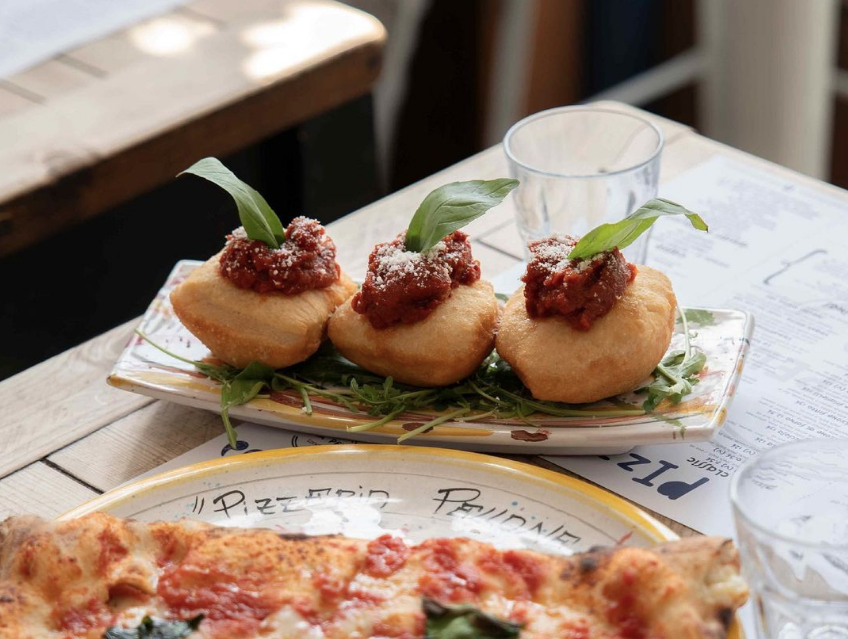
Address: 38 Luang Phor Chuan Rd, Karon, Mueang Phuket District, Chang Wat Phuket 83100, Thailand

Website: avistagrandephuketresort.com


Manow Bistro & Bar

Ideal for a reliable, easy-going dinner on Karon’s main drag…

Manow sits at the entrance to Diamond Cottage Resort on Karon Road, technically closer to Kata than Karon, though the distinction matters more on a map than it does on the ground.

Manow is a relatively new opening, and it feels like it. The place works in stages. The street-level bar is open to the street, lively without being loud and the kind of place that you’d happily spend hours people watching. Up a level, the main dining room is bright and well thought out, with a large illuminated tree as a centrepiece. It’s open and breezy, but elevated just enough from the road to give you a vantage point for watching the evening traffic of Karon drift past below. Higher still, an upper terrace does the quieter work, suiting a long dinner for two in a way the lower levels simply don’t.
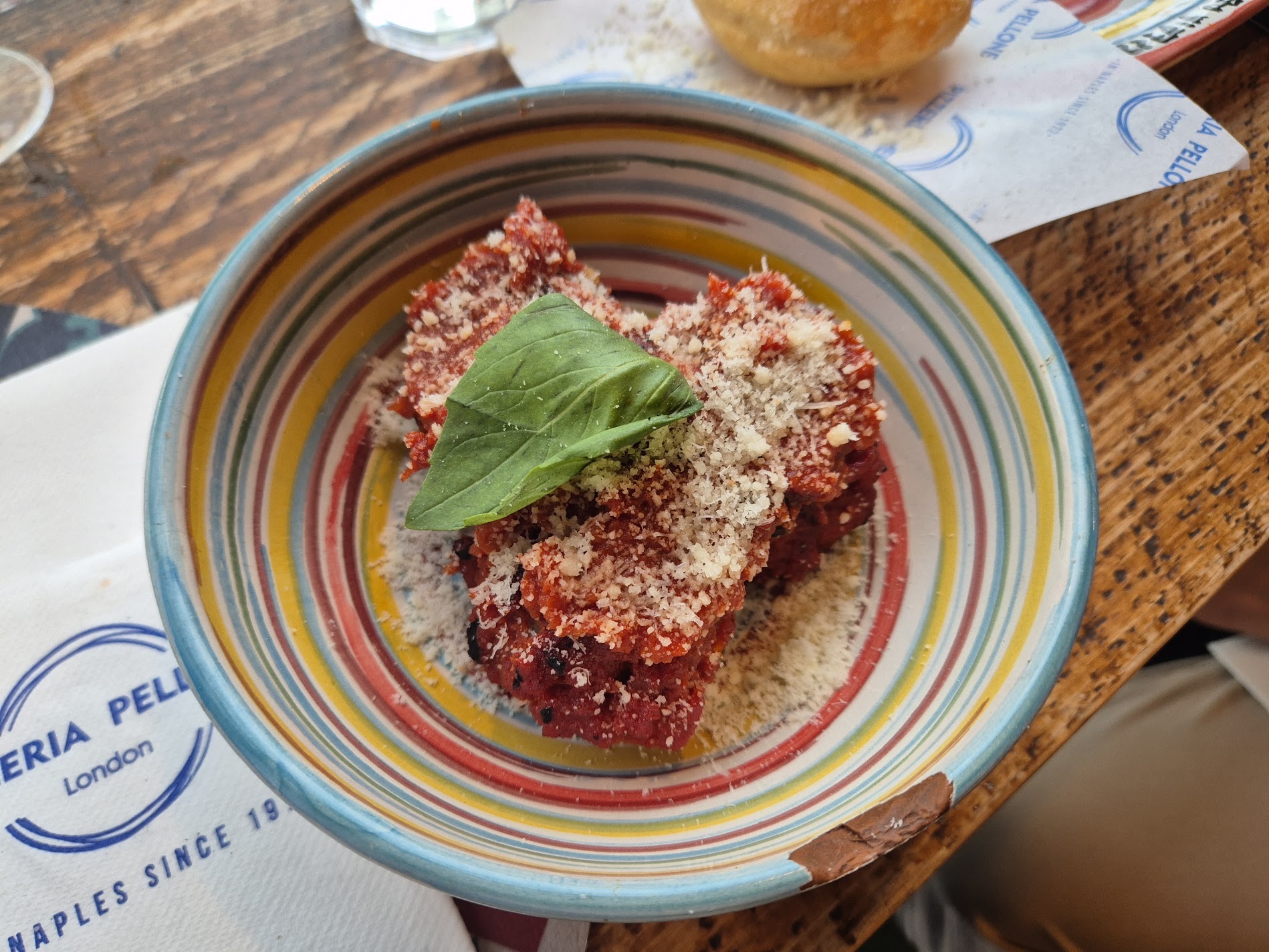
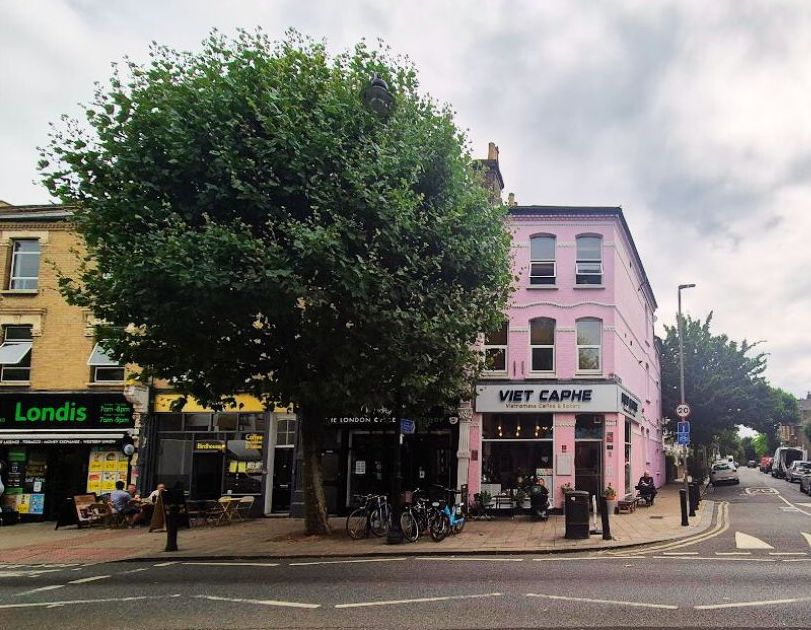
The menu moves between Italian and Thai without fully committing to either, but that’s welcome when you’ve got a disparate crowd to satisfy, or a fussy squad around the dinner table. The bolognese here is textbook; rich and meaty. The burger is built well and stays structurally sound until the last bite. On a strip where decent food is rarer than it should be, both are worth remembering. There is live music most evenings, which is nicely pitched and not too intrusive. 

Prices are mid-range, portions are large, and there’s cold beer, too. It is the kind of place you end up going back to because it does enough things well that you stop looking for alternatives. The recent renovation makes it the most pleasant perch on this drag by some distance.

Address: 6 Karon Rd, Karon, Mueang Phuket District, Phuket 83100, Thailand

Website: whitesandbluesea.com/diamondcottageresortandspa/restaurant


+39 Italian Street Food

Ideal for Roman pizza by the slice & aperitivo hour on the terrace…

Sure, it might technically be Kata, but who’s counting?

Named after Italy’s international dialling code, +39 has been serving Roman pizza alla pala from a small spot on Kata Road for a decade now, which makes it something of an institution by island standards. The Italian expat crowd that packs the place most evenings tells you everything you need to know about whether it is any good. They’re all perched on the handful of terrace seats out front, drinking Aperol spritz and telling you it’s good.

Alla pala is one of Rome’s native pizza styles: an oblong base baked directly on the oven floor, slid in on a long wooden paddle, with a high-hydration dough that produces a crust that is crisp on the outside and surprisingly airy within. The format here is closer to street food than sit-down restaurant. You choose your slices from a rotating selection behind the counter, from 130 baht, wait for them to be warmed through, and eat them at a table or take them to the beach. A three-slice mix at 400 baht is the smartest way to graze, and an aperitivo deal of one cocktail and two slices for 400 baht runs from 5pm to 8pm. 

The selection changes as trays come in and out of the oven, but the speck e zucca is the one to time your visit around if you can: pumpkin, gorgonzola and scamorza on a crisp Roman base, smoky and sweet. The gricia carbonara with pancetta and pecorino is rich and salty and very much a glass-of-wine slice. Or, indeed, a cold Singha from the 7/11 across the way.

The majority of ingredients are imported from Italy, and the owner Virginia runs the place with the kind of pride in provenance that you feel the moment you walk in. This is the best pizza in Karon, no doubt, and one of our favourites on Phuket as a whole, in fact.

Address: 48, 26 Kata Rd, Karon, Mueang Phuket District, Phuket 83100, Thailand

Instagram: @plus39italianstreetfood


A Blanket & A Pillow 

Ideal for sunset, clifftop drinks with your feet up…

A Blanket & A Pillow is not really a restaurant. It is a hillside cafe-bar built into the rocks between Karon and Kata, with bamboo terraces, bean bags, hammocks and swings cascading down a steep cliff to the sea. The name comes from a Thai-Chinese idiom about immigrants arriving with nothing but a blanket and a pillow. The Bunyawong family who run it started the place during Covid, building most of it themselves. 

The food is secondary to the setting: Thai lunch boxes from 80 baht, spaghetti, cakes, smoothies. You order at the counter, get a buzzer, and find somewhere to sit. The point is the view. At sunset, looking out over the Andaman from one of the lower platforms with a cold drink in your hand, it is one of the best spots on this side of the island. 

A few things to know: it is closed on Mondays, the kitchen shuts at 6pm, and it gets rammed with people taking photos from about 5pm onwards. Go earlier if you want (relatively speaking, of course) uninterrupted views.

Address: 10/1 Laemsai Road Tumbon, Karon, Muang, Phuket 83100, Thailand

Instagram: @ablanketandapillow

Tidy Desk, Tidy Mind: Daily Tasks To Keep Your Office Clean Without Any Effort

‘Al Desko’. The ‘coffice’. The ‘meeting marathon’. ‘Deskercise’. Another ‘workation’. With the lines increasingly blurred between work and play, increasingly in favour of even more work, it can feel next to impossible to attend to the smaller tasks when at the office.

Yep, that’s the excuse we’re giving for a desk piled high with papers, empty crisp packets and random earbuds, when really, the cause might really be a dereliction of basic duty in terms of a daily tidy up.

The benefits of a tidy workspace are undeniable: the potential for increased productivity, reduced stress, and a clearer mind. The good news is that keeping your office clean doesn’t have to be a Herculean effort. 

With that in mind, here are a few simple daily tasks that can help you effortlessly maintain a tidy desk and a tidy mind.

The Power Of Small, Consistent Actions

The key to a perpetually clean office lies in the power of small, consistent actions. By incorporating a few simple habits into your daily routine, you can prevent clutter from accumulating and keep your workspace in top shape. Here are some innovative and surprising ideas to help you achieve a tidy desk with minimal effort.

The Two-Minute Rule

One of the most effective ways to keep your desk tidy is to adopt the two-minute rule. If a task takes less than two minutes to complete, do it immediately. This could include filing a document, throwing away rubbish, or putting away office supplies. By tackling these small tasks right away, you prevent them from piling up and creating clutter.

The End-of-Day Reset

Before you leave the office each day, spend just five minutes resetting your workspace. This involves clearing your desk of any papers, tidying up supplies, and wiping down surfaces. This simple routine ensures that you start each day with a clean and organised desk, setting a positive tone for the day ahead.

The One-In, One-Out Rule

To prevent your desk from becoming overcrowded, implement the one-in, one-out rule. For every new item you bring into your workspace, remove one item. This could apply to office supplies, personal items, or even digital files. This rule helps maintain a balance and prevents unnecessary clutter from accumulating.

The Weekly Declutter Session

Set aside 10-15 minutes each week for a quick declutter session. Use this time to go through your desk drawers, filing cabinets, and other storage areas. Get rid of items you no longer need, organise supplies, and ensure everything is in its proper place. Regular decluttering prevents clutter from building up and keeps your workspace functional.

The Digital Detox

Our virtual workspace can become just as cluttered as our physical one. Take a few minutes each day to organise your digital files, delete unnecessary emails, and clear your desktop. A tidy digital workspace can enhance your productivity and reduce mental clutter.

Read: 12 digital detox tips that actually work

Know When To Call In The Pros

There’s only so much a daily desk tidy can achieve when the carpet hasn’t been vacuumed in a fortnight and the communal kitchen is developing its own ecosystem.

For the bigger jobs – deep-cleaning floors, sanitising shared spaces, keeping bathrooms presentable – it pays to bring in a commercial cleaning service. Outsourcing the heavy stuff means you can focus your five-minute end-of-day reset on your own patch, safe in the knowledge that someone else is handling the rest.

The Power Of Labels

Labelling your storage areas can be a game-changer for maintaining an organised office. Use labels for drawers, shelves, and containers to ensure everything has a designated place. This not only makes it easier to find items but also encourages you to put things back where they belong.

A Desk Drawer Organiser

Invest in a desk drawer organiser to keep your supplies neatly arranged. Use compartments to separate pens, paperclips, sticky notes, and other items. An organised drawer prevents supplies from becoming a jumbled mess and makes it easier to find what you need.

The Minimalist Approach

Adopting a minimalist approach to your workspace can significantly reduce clutter. Keep only the essentials on your desk and store the rest out of sight. A minimalist desk not only looks tidy but also promotes a sense of calm and focus.

Plant Power

Adding a small plant to your desk can have surprising benefits. Not only do plants (potentially) improve air quality, but they also create a sense of order and tranquillity. Choose a low-maintenance plant that requires minimal care, such as a succulent or a snake plant.

The Sticky Note Strategy

Instead of letting sticky notes pile up on your desk, use a designated board or wall space for them. This keeps your desk clear while still allowing you to keep important reminders and notes visible. A corkboard or whiteboard can be a great addition to your workspace for this purpose.

The Bottom Line

Maintaining a tidy desk and a tidy mind doesn’t have to be a time-consuming or overwhelming task. By incorporating these ingenious and surprising daily habits into your routine, you can effortlessly keep your office clean and organised. Remember, the key is consistency and small, manageable actions. With a tidy workspace, you’ll enjoy increased productivity, reduced stress, and a clearer mind, allowing you to focus on what truly matters.

7 Spring 2026 Sun Escapes That Don’t Need A Long-Haul Flight

Spring in the UK has a way of promising more than it delivers. You get one warm Saturday, buy a bag of charcoal, then spend the next three weekends staring at drizzle through the kitchen window, Googling whether charcoal goes mouldy.

The alternative is a short flight south, and the good news is that some of Europe’s most reliably sunny corners sit within a couple of hours of London. With Middle East airspace disruptions making long-haul travel slower, pricier and less predictable, short-haul has never looked more appealing. No complicated routing, no twelve-hour flights, and no need to plan months ahead. Most of these destinations are served by budget carriers running multiple flights a week, which means you can book on Tuesday and be eating lunch in the sun by Thursday.

Here are 7 places where spring sunshine is close to guaranteed, all reachable on a direct flight in around three hours or less.

The Algarve, Portugal

With over 3,000 hours of sunshine a year, the Algarve is statistically one of the sunniest places in Europe, and in April it delivers on that promise: daytime highs around 19-22°C, nine hours of sun a day, and very little rain. More importantly, the crowds that pack out the beaches in July and August simply aren’t there yet.

The stretch of coastline between Lagos and Tavira is where the Algarve earns its reputation. Sandstone cliffs drop into hidden coves, the water is a startling blue-green even in early spring, and the clifftop walking trails between Carvoeiro and Praia da Marinha are threaded with wildflowers from March onwards. The Seven Hanging Valleys coastal path is one of the finest short hikes in southern Europe, and in April you can walk it without passing more than a handful of people. The sea is still cold (around 17°C), so this is a sunbathing-and-walking trip rather than a swimming one, but that’s a fair trade for having the coastline largely to yourself.

Eating in the Algarve goes well beyond the grilled sardines that the region is famous for, though those are still excellent and absurdly cheap by UK standards. Look for cataplana, a copper-pot seafood stew native to the region, and percebes (goose barnacles, pulled from the rocks along the wild west coast and unlike anything else you’ll eat in Europe).

Faro’s waterfront and Lagos’s old town both have restaurants worth eating at in their own right, not just as fuel stops between beaches. Expect fresh fish cooked over charcoal, rice dishes loaded with clams and prawns, and local wines from the Algarve’s small but growing number of producers.

Flights from London take under three hours, with easyJet, BA, Ryanair, Jet2 and Wizz Air all running regular direct services.

Mallorca, Spain

Mallorca in spring bears almost no resemblance to its summer self. The package-holiday resorts along the south coast are still winding up for the season, but the interior of the island is at its best: the Serra de Tramuntana mountains green and laced with wildflowers, the roads busy with road cyclists who know this is the optimum window before the heat arrives.

The GR 221, the long-distance trail that runs through the Tramuntana from Pollença to Andratx, is spectacular in April. The section from Valldemossa to Deià winds through centuries-old olive groves and past dry-stone terraces with views down to the coast, and it ranks among the best day-walks anywhere in the Mediterranean. You don’t need to be a serious hiker to enjoy it, either. The villages along the way (Deià, Sóller, Fornalutx) are small and beautiful, with enough good restaurants and cafés to turn a walk into a full day out.

For something more dramatic, the drive out to Cap de Formentor at the island’s northeastern tip is one of the great European coastal roads, with sheer drops to the sea on both sides and views that stretch to Menorca on a clear day. The road ends at the Far de Formentor lighthouse, built in 1863 and perched 210 metres above the water. From mid-May the road is closed to private cars during the day, but in April you can drive the whole thing without restrictions.

Palma deserves more than a transit stop. The Santa Catalina neighbourhood has an exciting food and bar scene that’s developed rapidly over the past decade, the old town around the cathedral is handsome without being overly polished, and the Mercat de l’Olivar is the kind of covered market where you can eat your way through the morning on cured meats, local cheese, and fresh oysters. Accommodation is significantly cheaper than in summer, and you can fly from London in about two and a half hours with easyJet, BA, Jet2 and Ryanair.

Read: Where to eat traditional Majorcan food in Palma

Málaga & The Costa Del Sol, Spain

For a city that most British visitors associate with the gateway to Marbella and the package-holiday strip, Málaga has built one of the strongest cultural offerings in southern Europe over the past fifteen years.

The Museo Picasso Málaga (housed in a 16th-century palace in the old town), a Centre Pompidou outpost (the first outside France), the Carmen Thyssen Museum, the CAC contemporary art centre, and dozens of smaller galleries have turned the city centre into something approaching an open-air museum district. The old town is compact enough to walk in an afternoon, the Alcazaba and Gibralfaro castle give you views across the port, and the restaurant scene has long since caught up with the cultural one, with 19 entries in the Michelin Guide including five one-starred restaurants.

April brings daytime temperatures around 20-22°C with eight or nine hours of sunshine, and the city has a street-level energy that the beach resorts further along the coast can lack. If you do want a beach, head east towards Nerja rather than west towards Marbella. The coastline is less developed, the water is cleaner, and Nerja itself, perched on a clifftop with views along the coast, is worth a day trip or an overnight stay.

Málaga also works as a base for exploring inland Andalusia. Ronda is about an hour and a half by car, Granada two hours, and both are at their best in spring before the summer heat makes sightseeing uncomfortable. Head the other direction along the coast and you hit Fuengirola, which has shed its package-holiday reputation and now has a strong food scene, particularly for seafood along the Paseo Marítimo. If you’re the type to rent a car and move around, Málaga gives you a range that a resort town can’t.

Direct flights from London take around two hours 45 minutes, with BA, easyJet, Ryanair and Jet2 all operating the route.

Marrakech, Morocco

In summer, Marrakech regularly pushes past 40°C, which turns the medina into something closer to an endurance event than a holiday. April is the window when the city is at its most liveable: daytime highs around 25-26°C, warm enough for long afternoons on riad rooftops, cool enough that you can actually enjoy walking through the souks without needing to retreat to the shade every twenty minutes.

The Jardin Majorelle is the headline attraction and worth the entrance fee, but the real pleasure of Marrakech is less structured than that: the orange trees and jasmine in riad courtyards, the bread being pulled from wood-fired ovens in the medina backstreets, the evening atmosphere around Jemaa el-Fna when the food stalls set up. The souk shopping is better when you’re not melting, too.

Spring is also the best window for getting out of the city. The Atlas Mountains are close enough to reach in under two hours by car, and the Ourika Valley is the most accessible route, with the drive up through terraced Berber villages and snow-capped peaks above offering a complete change of scenery. For something more ambitious, the drive over the Tizi n’Test pass, one of the most spectacular mountain roads in the world, takes you through the High Atlas and down towards the Souss Valley.

Riads are extraordinary value compared to equivalent boutique accommodation in Europe. A place with tiled courtyards, a plunge pool, and proper home cooking will cost a fraction of what a comparable hotel would run you in southern Spain or Italy. Before you book any last-minute holidays, it’s worth comparing riad prices across a few booking platforms, as rates can vary significantly for the same property. Direct flights from London take around three and a half hours with easyJet, BA and Ryanair.

Malta

Valletta is barely a kilometre across, but it contains more listed buildings per square metre than almost any other city in Europe. Baroque churches, Knights of St John fortifications, a grand harbour that turns gold in the late afternoon light: the Maltese capital punches absurdly above its weight for a place you can walk end to end in fifteen minutes. It won European Capital of Culture in 2018, and the investment that came with it, particularly in the restaurant and bar scene, has changed the character of the city in lasting ways.

In April, temperatures reach around 20°C with eleven hours of sunshine, and you can walk Valletta’s narrow streets without the shoulder-to-shoulder crowds of summer. The restaurant scene has expanded fast, with several places doing serious work with Maltese ingredients: rabbit braised in wine, lampuki (dolphinfish), fresh ricotta, capers from Gozo. The wine is worth exploring too, particularly bottles made from indigenous grapes like Girgentina and Gellewza, which you won’t find anywhere else.

Beyond Valletta, the island is small enough to cover in a few days. The megalithic temples at Ħaġar Qim and Mnajdra predate the Egyptian pyramids by several centuries. Mdina, the old fortified capital in the centre of the island, is eerily atmospheric, all silent streets and heavy stone walls. And the ferry to Gozo takes half an hour and lands you on a much less developed island with good swimming, walking, and a pace of life that feels properly removed from the mainland.

Direct flights from London take just over three hours, with BA, easyJet, KM Malta Airlines and Jet2 all running services from Gatwick, Heathrow and Stansted.

The Côte d’Azur, France

The French Riviera in spring, before the yachts arrive and the hotel prices triple, is one of the best-value cultural trips in Europe. The temperatures are milder than further south (around 17-19°C in April, rising into the low twenties by May), but the coast has a clarity and calm that the summer season tends to crowd out. The light is extraordinary, which is why Matisse and Bonnard painted here, and why the hilltop towns of the arrière-pays (Èze, Saint-Paul-de-Vence, Mougins) look their best before the heat haze sets in.

Nice is the anchor. The old town is excellent for eating: socca from Chez Pipo, pissaladière from a market stall, seafood on the Cours Saleya. The art museums (MAMAC, the Matisse Museum, the Chagall Museum) are first-rate and rarely crowded in spring. Antibes has the Picasso Museum in the Château Grimaldi and a covered market that’s one of the best in Provence. And if you want to go walking, the Cap d’Antibes coastal path runs along the headland between rocky coves and Belle Époque villas, with views across to the Esterel mountains.

It’s not a beach holiday in April, the sea is still around 15-16°C, but for food, art, and coastal walking with the Mediterranean below you, it’s hard to argue with. Nice is under two hours from London with BA, easyJet and Ryanair.

Menorca, Spain

For a different kind of spring sun-seeking sojourn, Menorca’s UNESCO Biosphere Reserve status has kept the coastline largely free of the high-rise hotels and mega-resorts that line long stretches of the other Balearic islands. The result is an island where the beaches are backed by pine forest rather than apartment blocks, and where the development pressure that has reshaped much of the Spanish Mediterranean hasn’t taken hold in the same way.

In spring, before the summer visitors arrive, the island feels noticeably unhurried. April temperatures sit around 18-20°C, which is warm enough for comfortable days outdoors but not beach-swimming weather. What it is perfect for is walking sections of the Camí de Cavalls, the 185km coastal path that circles the entire island. You don’t need to do the whole thing. Individual stretches between the calas (coves) on the south coast are some of the most beautiful short walks in the Balearics, and in April you’ll often have the beaches entirely to yourself.

Ciutadella, on the western tip, is the prettier of the island’s two main towns: honey-coloured sandstone buildings, a harbour lined with excellent restaurants, and in spring a calm that tourist towns rarely hold onto once the season starts. Mahón, on the eastern end, has one of the largest natural harbours in the Mediterranean and a gin distillery (Xoriguer) that’s been operating since the British occupation in the 18th century.

Menorca produces its own semi-soft, slightly tangy cheese (Mahón-Menorca), and Fornells on the north coast is the place to eat caldereta de langosta, a rich lobster stew that’s been the local speciality for generations. A growing number of small producers across the island are working with native ingredients in ways that reward anyone willing to eat beyond the harbour-front tourist menus.

Flights from London take around two and a half hours. EasyJet runs year-round services from Gatwick and Ryanair flies from Stansted, though Jet2 and BA add routes from May onwards, so availability in early spring is more limited than in summer.

The Bottom Line

The case for short-haul spring sun has never been stronger. Flight times are short, shoulder-season pricing keeps costs manageable, and the destinations on this list offer far more than just a sunlounger and a pool bar. You can be on a clifftop in the Algarve or eating grilled fish in a Maltese harbour three hours after leaving Gatwick. These are places that reward the kind of trip you can put together in a week’s notice, and spring is the window to see them at their best, before the summer crowds and the summer prices arrive.

The Post-Workout Skincare Mistakes You’re Probably Making

You finished a brutal gym session, the endorphins are flowing, and you feel untouchable. But between the salt, the heat, the friction and the cortisol spike that comes with any high-intensity effort, your face has been through something closer to a stress test than a spa day. Most people towel off and carry on with their morning. And most people are getting the next five minutes completely wrong.

The post-workout window matters as much for your skin as it does for your muscles. Exercise can be one of the best things you do for your complexion – it boosts circulation, strengthens your immune response and supports the trillions of microorganisms that keep your skin balanced. But the way most of us handle the aftermath undoes a lot of that good work. Here are the mistakes worth correcting.

Rushing To Wash Your Face The Moment You Stop

The standard post-workout skincare advice is to wash your face as soon as you finish exercising. It sounds logical – you’re sweaty, so wash it off. But your skin is temporarily more permeable after exercise, thanks to increased blood flow and dilated pores, and reaching for a cleanser at this precise moment can strip an already-disrupted barrier even further. 

A 2025 review in Microorganisms found that intensive exercise elevates sweat production, raises skin pH and increases mechanical friction, all of which shift the microbial composition of your skin. Hitting that freshly destabilised environment with a foaming cleanser is like pressure-washing a surface that’s already been sandblasted.

The better approach is to give your skin five to ten minutes to begin cooling naturally. Blot (don’t rub) with a clean towel if you need to. When you do cleanse, use lukewarm water and a gentle, low-pH skincare formula that lifts sweat and oil without taking your natural moisture with it. Dermatologist Tamia Harris-Tryon at UT Southwestern has put it simply: if the water is hot enough to clean your pots and pans of oil, it will strip the natural oils from your skin too.

Blaming Sweat For Your Breakouts When It’s Actually Cortisol

If you break out more during heavy training blocks, the instinct is to blame sweat and dirty gym equipment. But the more likely culprit is hormonal. High-intensity exercise triggers a cortisol spike, and cortisol stimulates your sebaceous glands to produce more oil, weakens collagen and elastin, and impairs your skin’s barrier function. 

A 2018 study in Scientific Reports found that elevated cortisol in the skin’s outer layer directly correlated with deteriorated barrier function. So while you’re scrubbing your face raw trying to get rid of the sweat, the real problem is happening beneath the surface.

You can’t eliminate the cortisol response, nor would you want to – it’s part of how your body adapts to training. But you can support your skin through it. Products containing niacinamide help regulate the oil production that cortisol triggers, whilst ceramide-rich moisturisers replenish the epidermal lipids it depletes. If your skincare routine doesn’t account for what’s happening hormonally during a hard training block, you’re treating the symptom and missing the cause.

Read: How to feel more energised in the morning in 8 IDEAL hacks

Having Nothing In Your Gym Bag For The Gap Between Finishing & Showering

There’s usually a lag between finishing your workout and actually being able to wash your face – you’re stretching, chatting, driving home, grabbing a coffee. During that window, the bacteria in your sweat are settling into your pores and the salt is drawing moisture out of your skin. Most people just leave their face to marinate until they get to a shower, which is one of the easiest mistakes to fix.

Hypochlorous acid (HOCl) spray is the answer, and it’s the most underrated product in post-workout skincare. Your white blood cells naturally produce this molecule to fight bacteria and reduce inflammation. In a spray, it does the same thing on the surface of your skin: antimicrobial, anti-inflammatory, and gentle enough that it won’t disrupt your microbiome. 

Dermatologists are increasingly recommending it as a post-workout bridge – a spritz that neutralises bacteria, calms redness and supports your skin’s pH balance without requiring you to touch your face with gym hands. Keep a bottle next to your water bottle. It buys your skin valuable time.

Skipping Moisturiser Because Your Skin Already Feels Oily

This is one of the most common post-workout mistakes, especially among men, and it creates a vicious cycle. When you sweat, you lose minerals and electrolytes, and your skin’s moisture barrier takes a hit. Post-exercise, transepidermal water loss – the rate at which moisture escapes through your skin – increases measurably. Your face might feel oily, but what’s actually happening underneath is dehydration. And dehydrated skin compensates by producing even more oil, which leads to more congestion, which makes you even less inclined to moisturise. The cycle continues.

A lightweight, water-based moisturiser breaks that loop. It sinks in fast, doesn’t feel heavy, and gives your barrier the support it needs to stop overcompensating. If you’re training hard and frequently, look for products with hyaluronic acid to bind moisture and ceramides to rebuild the barrier. This isn’t an optional extra – it’s as fundamental to your skin’s recovery as protein is to your muscles.

Assuming You Don’t Need SPF After An Indoor Workout

Post-workout skin is temporarily more vulnerable to UV damage. You’ve just increased blood flow to the surface, cleared out your pores and thinned your barrier slightly through sweat and friction. Even the walk from the gym to your car counts. Up to 80% of UV rays penetrate cloud cover, and standard window glass blocks UVB but still lets through a significant amount of skin-ageing UVA. If you trained indoors and assume you’re covered, you’re not.

If the idea of applying thick sunscreen after getting clean fills you with dread, look for mineral or zinc-based formulas with a matte finish. Modern formulations are so light they feel like nothing. This is the single most effective anti-ageing step in any skincare routine, full stop, and skipping it after exercise – when your skin is at its most exposed – is the worst possible time to forget.

Stopping Your Skincare Routine At Your Chin

The neck and chest have thinner skin, fewer oil glands and are prime territory for sweat to pool during exercise. Yet most people stop everything at the jawline and then wonder why they’re dealing with irritation and breakouts on their neck and chest. 

During a workout, sweat collects in the folds of the neck and across the décolletage, creating exactly the warm, damp conditions that bacteria thrive in. Tight workout clothes make it worse, trapping sweat against the skin for the duration of your session and well beyond it if you don’t change promptly. 

If you’re cleansing, moisturising and applying SPF to your face but ignoring everything below it, you’re leaving the most vulnerable skin on your body completely unprotected. Take every product all the way down to the collarbone, and change out of damp gym kit as soon as you can.

The Bottom Line

None of these mistakes are catastrophic on their own, but stack them up over months and years of regular training and they add up to a complexion that’s working against you rather than with you. 

The fixes are simple: wait a few minutes before cleansing, carry a hypochlorous acid spray for the in-between window, moisturise even when your skin feels oily, never skip SPF after a session, and take everything below the jawline. Five minutes of the right post-workout care is worth more than a twelve-step evening routine that ignores what your skin actually went through at 7am. How about that, then?

Where To Eat In Phuket Old Town, Thailand

The island of Phuket is a place of wild, clashing contradiction. There’s the brash and bawdy Phuket depicted in popular culture, localised on Patong Beach, where you can buy anything, do anything and get yourself into all manner of scrapes, some very silly, some very serious; a microcosm of an image of Thailand we hope is soon confined to the past.

Then there is the striking natural beauty of the island, the forty pristine beaches and the serene, multicultural Old Town, with its colourful Sino Portuguese architecture, Chinese temples and shrines, and unique cuisine representative of this rich diversity.

Oh, the food; a truly glorious amalgamation of the island’s heritage and celebratory of its inherent contrasts, with Chinese, Malaysian, Singaporean and Muslim influences abound. So, if you’re visiting Phuket, skip the sleaze and instead dive into a world of culinary curiosity; here’s where to eat in Phuket Old Town.

A word of warning: Phuket is arguably the breakfast capital of the world, and eating well here means setting an alarm. The island’s best dim sum, roti and kanom jin spots are heaving by 7am and sold out by mid-morning. Raya and One Chun are great for lunch, while Royd and Heh are more special occasion dinner options, though both open for lunch at weekends. Always check opening hours on Google before heading out, and have a backup in mind; many of these places close without warning from time to time.

Roti Taew Nam

In Phuket Old Town you’ll see (and hear!) skilled chefs slapping roti on street corners, some cooking over charcoal, some over gas flame. They’re served all day out of polystyrene boxes that seem to add to the seasoning for some inexplicable reason. But even better is an early morning in a sticky shophouse, where a traditional breakfast of roti with a small side bowl of heady, aromatic curry sauce goes down. Whether you add an over-easy egg is up to you. We do. Equally popular is a sweet version, with banana and condensed milk. The one constant is the flaky, layered pastry and crispness guaranteed by the chef’s commitment to cooking things to order.

Roti Taew Nam has been doing its thing for generations, and it remains one of the Old Town’s finest examples of the form. A meal where you utter “breakfast of champions” without a hint of irony. Enjoy with a sweet coffee and perhaps an extra order of mataba, a stuffed roti of shallots, chicken and aromatic spicing. Open only from 7am until midday, daily.

Address: 6 Thep Krasattri Rd, Tambon Talat Yai, Mueang Phuket District, Phuket 83000, Thailand


Nom Jeen Phuket

Roti and curry for breakfast not your thing (who are you)? Then it’s time to try Phuket’s other famous breakfast; kanom jin noodles. These thin fermented rice noodles, delicate and giving, are enjoyed all over Thailand, but in Phuket they’re most often taken in the early morning, served cold with a selection of small bowls containing all sorts of goodies. 

Spicy curry sauces rich with coconut cream are omnipresent, but you’ll also find a generous amount of vegetables native to Southern Thailand too, such as bitter beans and man pu leaves. 

Nom Jeen Phuket occupies a beautiful colonial style building around 1km northeast of the Old Town, and serves one of the finest versions on the island. Open from 7am until after lunch.

Address: 63/14 Rumpattana Rd, Ratsada, Mueang Phuket District, Phuket 83000, Thailand


Khanom Chin Pa Mai

Right in the centre of town, Khanom Chin Pa Mai is another excellent place to get your kanom jin fix. The same cold rice noodles, the same spread of curries and sides, and the convenience of being slap bang in the Old Town itself. 

Open from 6:30am until 1pm.

Address: V9PP+J4G, Talat Nuea, Mueang Phuket District, Phuket 83000, Thailand


Mee Ton Poe

With origins in China’s Fujian province, a bowl of hokkien noodles is the quintessential Phuket lunch. Egg noodles with a little bite and bounce are served over a rich, deep ‘gravy’ and, generally, seafood, pork and veggies. The optional soft boiled egg enriches further, and adding fish balls will certainly do no harm at all. The centrally located Mee Ton Poe has a fanatical following and is always busy with Thais and farangs alike. A surefire sign that they’re doing something right.

Address: 214, 7-8 Phuket Rd, Tambon Talat Yai, Muang, Phuket 83000, Thailand


Kota Khao Man Gai

It sounds simple, perhaps even too simple, but Phuket’s khao man gai – chicken fat rice, essentially Thailand’s take on Hainanese chicken rice – is a brilliant example of how a few ingredients, cooked with care, can be so much more than the sum of its parts. 

The chicken is poached and tender, every grain of rice is lightly graced with chicken fat, and alongside is a sauce of soy, ginger and chilli and a little chicken broth, too. After all the curries, it’s a real stomach settler, and is comforting, nourishing and most importantly, delicious. 

Kota Khao Man Gai, a very brief stroll from Mee Ton Poe, arguably serves the island’s definitive version.

Address: 16-18 Soi Surin, Mueang Phuket District, Phuket 83000, Thailand


Raya Restaurant

Raya opened in 1994, long before Phuket Old Town had become the dining destination it is today. Madam Rose’s family recipes have been served out of this grand old mansion on Dibuk Road ever since, and the restaurant’s success has spawned sister spots One Chun and Chomchan in Phuket, as well as a second Raya in Bangkok. Some regulars will tell you the quality has dipped slightly as the fame has grown, and that One Chun now edges it on the food, but Raya remains essential.

The moo hong – sweet, super tender pork belly – hails from Phuket but its flavour profile owes much to the Chinese settlers in the region. There’s tons of black pepper in the braise, as well as soy sauces both light and dark, and oyster sauce too. A big part of the restaurant group’s success is down to this amazing bowl, their version’s recipe a secret and such a fine take on a southern classic. You’ll see it on every table.

Address: 48/1 Dibuk Rd, Tambon Talat Yai, Mueang Phuket District, Phuket 83000, Thailand


One Chun

Named after the day its owner was born – ‘wan chan’ means Monday in Thai – One Chun is Raya’s sister restaurant, opened some fifteen years later by Madam Rose’s niece, Khun Prang. It occupies a heritage shophouse on Thepkrasattri Road, decked out with vintage radios, old clocks and black-and-white television sets; the retro decor is Khun Prang’s tribute to her grandmother, whose recipes still form the backbone of the menu. It’s a livelier, younger counterpart to Raya, with lower prices and a Michelin Bib Gourmand.

Fresh crab is big news in Phuket, and the amount of the stuff in One Chun’s yellow crab curry feels downright philanthropic. In England, being this liberal with the crab would bankrupt a restaurant. Here, it’s standard. The gaeng som, served stylishly in a brass wok, is a textbook version, too.

Address: 48, 1 Thep Krasattri Rd, Talat Yai, Mueang Phuket District, Phuket 83000, Thailand


Chuan Chim

Chuan Chim is one of Phuket’s oldest food shops, and has been feeding Phuket Town for over 70 years, the initial clientele entirely local, now the split closer to 50/50. The room on Montri Road is plain and the service is brisk, but the wok cooking is serious – everything to order, fast and smoky. Like One Chun, Phuket’s superb fresh crab features heavily; the crab and curry powder stir fry is the dish to order, but the deep-fried squid with garlic and pepper and the pad krapow are both strong. Cheap, too, though you’ll be footing a laundry bill after; every guest leaves thoroughly seasoned with charcoal here.

Address: 37/3 Montri Rd, Tambon Talat Yai, Mueang Phuket District, Phuket 83000, Thailand


Roti Chaofa

Not quite Old Town, but well worth the detour to East Chaofa Road. Around a third of Phuket’s population is Muslim, descended largely from Malay traders who crossed from Kedah and the peninsula, and their contribution to the island’s food is enormous; roti, massaman, satay and khao mok gai all come from this tradition. Roti Chaofa is one of its finest expressions. This Thai-Muslim roti shop has been open since the 1980s, getting through over 10kg of dough a day, each roti stretched thin on the grill in a style closer to Malaysian roti canai. 

The Roti Chaofa sign is in Thai only; you can walk past it without knowing you’re there. But once you’re inside, it goes on for ages, a long, narrow dining room with a chaotic energy and humidity levels somehow even higher than the taxi we took here, the one with broken aircon. 

It’s the curries that make enduring that heat an actual pleasure. The goat curry is extraordinary, rich, deeply spiced, the meat gnarly, gristly and perfect too. The chicken massaman is tangy and sweet, not like the cloying ones in fancier venues up the road. And the roti is the vessel for everything. On the way in, buy some of the fried chicken from the lady out front; she runs her own operation, separate from the restaurant, and it’s not to be missed. Wash it all down with one of their sweet milky coffees. Get there early; popular dishes sell out according to the mood of the room, it’s cash only, and they close by 1.30pm. 

Plenty of caveats, but worth every one of them.

Address: 44 E Chaofah Rd, Tambon Talat Nuea, Mueang Phuket District, Phuket 83000, Thailand


Por Pia Sod at Lock Tien Food Court

Por pia sod – fresh spring rolls – are one of the great Hokkien-style snacks of the Old Town. Soft rice paper is stuffed with braised pork, red pork, tofu and bean sprouts, then topped with a sweet and savoury sauce that ties the whole thing together. They’re cheap, they’re quick, and they’re the kind of thing you can eat three of before you’ve decided whether to sit down.

Image © Streets of Food

Lock Tien Food Court, Phuket’s oldest and most storied food court, is the place to try them. The spring roll stall here has been making them for generations, the recipe passed down through the family along with the rest of Lock Tien’s Hokkien specialities. The food court relocated from its original spot at the Dibuk-Yaowarat intersection to new premises on Bangkok Road in 2025, but the same family, the same recipes, and the same loyal crowd followed it south. Open 9am to 5pm daily.

Address: 59/14 Bangkok Rd, Tambon Talat Nuea, Mueang Phuket District, Phuket 83000, Thailand


Kanom Jeen Mae Ting

A long-established kanom jin restaurant on Satun Road and one of the best places on the island to eat this dish. Mae Ting is a relative of the Pa Mai kanom jeen shop just down the same road (and just up this same article); between them, the family has been feeding this stretch for decades. 

The format is classic: cold fermented rice noodles at the counter, a spread of curries to choose from (crab, chicken, fish belly, and for the brave, kaeng tai pla, a pungent fermented fish innard curry that’s pure Southern Thai) and a generous side platter of fresh vegetables – bitter beans, man pu leaves, long beans, pickled veg, sliced pineapple. The pastes and noodles are made fresh daily. The gravies are deliberately thin; it’s the vegetables that make the dish, and finding the right combination of leaves and pickles at your table is half the point. Get there before 9am for the best selection; past 10, ingredients start running out.

Address: 63 Satun Rd, Tambon Talat Nuea, Mueang Phuket District, Phuket 83000, Thailand


Boonrat Dim Sum

Phuket’s most famous dim sum restaurant, and a proper Old Town institution. Boonrat has been here for more than a century, four generations of the same family, the original recipes brought from mainland China and adapted over time to suit Phuket tastes. 

The queues out front every morning speak volumes and it’s hard to walk past without joining, even before you know what you’re queuing for. Students fuelling up before school, old men reading newspapers over tea, whole families getting their morning fix; everyone’s here and it’s all democratic in the sense everyone has to wait in line longer than they’d expect

Boonrat Dim Sum at Hotel Verdigris

Once you’re through, choose your dishes from the steamer at the front that contains up to 50 different items daily, starting at around 13 baht a piece, sit down, and they bring them to your table. The dim sum is Thai-Chinese Phuket style rather than Hong Kong style: smaller, more delicate, with a distinctive thick, sweet and spicy tamarind dipping sauce – ‘nam choi’ – that marks the style. Go for the steamed pork and shrimp dumplings, the seaweed-wrapped minced pork, and the rice noodle rolls. The jok (Thai-style congee) is excellent too.

Opens as early as 5.30am and often sells out by mid-morning. There are now three branches; the original on Bangkok Road is the Old Town one.

Address: 26 41 Bangkok Rd, Tambon Talat Nuea, Mueang Phuket District, Phuket 83000, Thailand


Heng Heng 

A Phuket Town dim sum and breakfast spot on Vichit Songkram Road serving Thai-Chinese staples including dim sum, jok and a solid range of fried and steamed dishes. Less hectic than Boonrat and the staff speak good English, which helps at 7am when you’ve come to dust off the previous night’s excesses. Speaking of which, the real draw at Heng Heng is the bak kut teh – a brooding, peppery, herbal pork and mushroom broth earthy enough to match whatever state you arrive in. A good hangover has met its equal here.

Interestingly, the lovely Hotel Verdigris on Yaorawat Road (where these photos above were taken) includes those last three places in its unique, hugely impressive breakfast a la carte – dim sum from Boonrat, kanom jeen from Mae Ting, bak kut teh from Heng Heng – brought in by the staff each morning and laid out on a long table in a sunlit room.

It’s a wonderfully civilised way to eat your way through Phuket’s breakfast culture without having to put your make-up on and leave the building. Which, when considering that hangover from the last paragraph you’re nursing, makes this one sound even better.

Address: 88/4 Vichitsongkram Rd, Tambon Talat Nuea, เมือง Phuket 83000, Thailand


Jejai Dim Sum

Another strong dim sum option. Jejai does excellent steamed buns with a choice of eight fillings; fried crab roll is the standout. A bit further from the Old Town centre, near the bus station, but well worth seeking out, and actually a more pleasant place to chill and take your time over your impossibly cute kanom jeeb as a result.

There’s a display fridge of dim sum and a singular chicken feet soup out front. Simply take some tongs, select what you want and carry it back to your table. The server will tot up your bill at the end according to how many bowls are on your table. How simple is that??

Address: Phoonpon Rd, Tambon Talat Nuea, Muang, Phuket 83000, Thailand


A Pong Mae Sunee

A street food stall with a Michelin Bib Gourmand, and all it makes is one thing: khanom a pong, a traditional Phuket coconut crepe. The family has in this spot for over 50 years, and it’s a credit to them that they’re not bored stiff yet. Perhaps they’re egged on by just how good the offcuts are here. The batter (rice flour, coconut milk, sugar, egg yolk, yeast) is cooked in tiny woks over charcoal, producing something crispy on the outside, soft and sweet and gooey within, and just five baht a piece. It’s probably the cheapest Michelin listed bite in the world.

A word of advice: eat these as soon as they’re cool enough. After even half an hour, they’ve lost their lustre. Fresh is best, baby!

Address: Soi Soon Utis, Tambon Talat Nuea, Mueang Phuket District, Phuket 83000, Thailand


Royd

Phuket’s best special occasion Thai restaurant, bar none. At Royd, Southern Thai food gets the fine dining treatment from chef Mond, a Phuket-born chef whose cooking draws on his family’s roots in the region and a serious classical training that he wears lightly. Tasting menus of six to eight courses, seasonal and local, served to just 20 people. 

The food is technically ambitious but never clinical with it – this is spicy, sour, punchy southern Thai cooking that happens to arrive in formats you weren’t expecting. Royd is featured in the Michelin Guide (there are rumours of a star incoming), and Chef Mond won the Michelin Young Chef Award earlier this year. There’s so much more to come from this place.

You can read our whole review of Royd here.

Address: 95 Dibuk Rd, Tambon Talet Nuea, Mueang, Phuket 83000, Thailand

Website: restaurantroyd.com


Toh Daeng (Old Town)

Just next door is Toh Daeng. The Old Town sister restaurant of the fantastic Toh Daeng at Baan Ar Jor, a heritage mansion up at Mai Khao Beach where the family grows its own ingredients on the surrounding farmland.

This Dibuk Road outpost is a passion project of Khun Todd, the owner’s grandson, and carries the same striking dark red colour scheme (toh daeng means ‘red table’). The food draws from the family’s 100-year-old recipes, cooked with locally sourced, organic ingredients and boasting an undeniable freshness and verve, shown with most clarity in a simple stir-fry of cabbage, baby shrimp and fish sauce. 

The crispy noodles with prawns in tamarind is a signature, and the asam pedas, a sour fish curry, riffs on Phuket’s relationship with Penang. It’s unlike anything else in town. The whole operation runs as a social enterprise: half the profits fund education, housing and healthcare for children in the family’s home community of Mai Khao. What’s not to love here?

Address: 97 Dibuk Rd, Talat Nuea, Mueang Phuket District, Phuket 83000, Thailand


Go Benz

The place for a late-night bowl of something fortifying in Phuket, Go Benz is a big open-air roadside canteen on Krabi Road just north of the Old Town centre that fills up before its 5pm opening time and stays packed until 1.30am.

As with the very best Thai street food places, it’s a microcosm of the neighbourhood; families having a jovial supper at 6, post-party crowds at midnight eking the last splashes of fun from the evening, delivery riders idling outside, couples in the first throes of romance trying to slurp impossibly slippery noodles seductively…

The thing to order is the kuay jab, scrolls of silky rolled rice noodle in a peppery, deeply porky bone broth that you will think about for days. It thinks about you for days, too, lingering on the t-shirt you wore to eat it. The khao tom haeng is the other signature, built from the same parts (crispy pork belly, minced pork, offal, fried garlic) but served over rice with the broth on the side. Either way, you’ll want to order a couple of supplementary rounds of crispy pork (moo krob) with sweet soy sauce before it sells out, which happens most nights. Closed Mondays.

Address: V9MM+V2W, Krabi, Tambon Talat Nuea, Mueang Phuket District, Phuket 83000, Thailand


Blue Elephant Phuket Cooking School & Restaurant

Blue Elephant occupies the Phra Pitak Chinpracha Mansion, built in 1903 by a Chinese tin baron who made his fortune during Phuket’s mining boom and modelled the place on the grand houses of Penang. It sat empty and crumbling for decades before a two-year restoration, overseen by the Thai Fine Arts Department, turned it into what it is now: mustard-yellow Sino-Portuguese grandeur, Italian floor tiles, feng shui bones, banyan trees older than the building. Chef Nooror Somany Steppe, who founded the Blue Elephant chain in Brussels in the 1980s with her Belgian husband, runs the kitchen. 

The Phuket branch has the strongest Peranakan focus of any in the group, developed over more than a decade with a local Peranakan association and Rajabhat Phuket University. The Peranakan tumee king mackerel, a fenugreek curry with turmeric sticky rice wrapped in banana leaves, and the giam goi, an old Phuket street-style steamed crab dumpling with caramelised tamarind, are the right dishes to help you get lost in the heritage feel of the place. The cooking school, set in the old central courtyard, is well worth a morning of your time.

Address: 96 Krabi, Talat Nuea, Amphoe Mueang Phuket, Phuket 83000, Thailand

Website: blueelephant.com


La Gaetana

Proof that Phuket Old Town isn’t only about Thai food. La Gaetana is a tiny, family-run Italian on Phuket Road, just south of the Old Town centre, run by Gianni Ferrara and his Thai wife Chonticha. Gianni does the cooking, Chonticha runs the room, and between them they work every table, every night. The space has just six tables, sunflower yellow walls, old family photos and a blackboard of specials that changes nightly.

Gianni imports his ingredients from Italy and makes everything in-house: the pasta, the sourdough bread, the gelato, the limoncello. His fettuccine with crab meat in tomato sauce is a family recipe from Campania, and the cooking is rooted in that southern Italian tradition, though the blackboard specials roam further. The bottarga linguine, when it appears, is superb. If you can’t decide, ask Gianni; he’ll recommend a dish and pair a wine to it. He always gets it right. There’s a reason La Gaetana has survived a quarter of a century on an island where most Western restaurants last for so much less.

Address: 352 Phuket Rd, Talat Yai, Mueang Phuket District, Phuket 83000, Thailand

Read: The best Italian restaurants in Phuket


Heh

On Yaowarat Road, Heh is chef Oat Nattaphon Othanawathakij’s aim to bring Melbourne to the Andaman. After nearly a decade cooking in Australia, he opened here in 2019. 

The cooking is contemporary Australian in spirit, built around whatever the Andaman’s fishermen bring in that day. Fish is dry-aged and processed in-house, and the short, frequently changing menu treats the catch with real intelligence. The charred broccoli with anchovy-miso sauce and crispy fish scales has become a signature, and the charcoal-grilled wagyu short ribs nod to his Melbourne years. 

The room is minimal and unfussy, built around a century-old mangosteen tree that grows up through the middle of it. We’d love to say chef Oat forages from inside the dining room, which would be a unique concept, but sadly there was no mangosteen on the menu the last time we stopped by. 

Heh has been in the Michelin Guide since 2024, and was named in Tatler Asia’s Best Restaurants in Thailand last year.

Address: 158 Yaowarad Rd, Tambon Talat Yai, Mueang Phuket District, Phuket 83000, Thailand

Website: hehphuket.com


Marni

The Old Town’s best pizza by a country mile is served from a converted shophouse on Montri Road near the Clock Circle. Marni is the sister restaurant to Five Olives in Cherngtalay; the same team, the same contemporary Neapolitan dough, but a smaller, more focused room. Five indoor tables, a few more on the terrace, and a menu that sticks to pizza, a few pastas and wine.

The Neapolitan-style pizzas have a contemporary approach, with a cornicione so inflated it borders on theatrical and a centre that stays thin and pliable, all baked in a wood-fired oven. The truffle burrata prosciutto is the one most tables seem to order, and if you’re in a decadent mood, it hits the spot. Honestly, the margherita is better; perfect, in fact.

The wine list is more serious than you’d expect, with a decent natural showing. Marni has ranked in the 50 Top Pizza Asia-Pacific list for four consecutive years, placing 39th in 2026.

Address: 95, 18 Montri Rd, Talad yai, Mueang Phuket District, Phuket 83000, Thailand

Instagram: @marniphuket


Five Loaves Burgers

Sometimes, you just want a burger. There’s no shame in that, even in one of Thailand’s most fabulous food centres. At the Old Town’s eastern peripheries, Five Loaves has accrued a decade of experience, perfecting the humble hamburger and expanding to three more as a result. The original has a retro, rustic interior and it serves as a welcome pit stop when the cumulative heat of a day’s eating calls for a cold room and a plate of something familiar and filling.

The burgers use Australian beef, the buns are baked in-house with a slightly sweet, chewy texture, and you can build your own from beef, pork or chicken with a generous choice of toppings and sauces. The Infinity Burger, a double-patty stack of cheddar, bacon and a fried chicken nugget, is the crowd-pleaser. It’s the best burger in the Old Town, and our deviation from Thai food is now done. It all got a bit weird back there.

Address: 169 1 Phangnga Rd, Tambon Talat Yai, เมือง Phuket 83000, Thailand

Instagram: @fiveloavesburgersphuket


Su Chat ‘Since 1987’ Ice Cream

We hope you saved room for dessert and, more specifically, for Phuket’s first fried ice cream, and still the best. Su Chat has been operating in the Samkong neighbourhood since 1987, almost four decades of scooping coconut and egg ice cream, battering it and frying it to order. You choose your scoops and your toppings (sticky rice, red beans, sliced banana, Milo powder) and they assemble the lot. It’s not fancy, and the shopfront gives nothing away, but the fact that it’s lasted this long in a city with no shortage of competition tells you everything. A fitting final stop.

Address: 371 26 Yaowarad Rd, Talat Yai, Mueang Phuket District, Phuket 83000, Thailand


Neung Nom Nua

A Phuket original that’s since expanded to Bangkok, where it now draws hour-long queues on Banthat Thong Road. The concept is simple: shokupan, the pillowy Japanese milk bread, toasted with fresh butter until crisp on the outside and cloud-soft within, then diced, skewered and served with a choice of dipping sauces. There are 19 to pick from; the pandan with coconut milk custard, salted egg yolk custard and Hokkaido milk cream are the top three for a reason. Order a medium set, choose three dips and pair it with one of their flavoured milks (Thai tea, butterscotch and pink milk are all good). 

Address: 94 Patiphat Rd, Tambon Talat Nuea, เมือง, Phuket 83000, Thailand


O-Aew Pae Dibuk Road

O-aew is as close to a signature dessert as Phuket gets. Brought by the Hokkien Chinese settlers and found almost nowhere else in Thailand, it’s a soft, clear jelly made from the seeds of a fig tree, mixed with a little banana, sliced into rectangles and served over shaved ice with sweet syrup, red beans and black jelly. 

The o-aew shop at 78 Dibuk Road has no English signboard but it’s all on display out front so ordering is easy. These guys make each bowl to order from real o-aew seeds rather than gelatin powder, and the result is cool, slippery, gently sweet and supremely refreshing in the afternoon heat. It costs next to nothing. There’s a reason every local knows this place.

Address: 78 Dibuk Rd, Talat Nuea, Mueang Phuket District, Phuket 83000, Thailand

9 Chef’s Tips On Freezing Food Properly & Safely

These are unprecedented times indeed, with a climate catastrophe and a cost of living crisis both in full swing. And suddenly, a new perspective on our store cupboards, fridges and freezers is forming. Wasting even a little carrot peel feels frivolous, new, delicious recipes are emerging out of an emerging sense of necessity, and food waste has become the ultimate enemy. Well, perhaps not the ultimate enemy. That title is reserved for something else we won’t mention by name right now.

Anyway, we digress. If you’re to prevent unnecessary food waste and save a few bob along the way, then responsible freezing is essential. It’s not just a matter of stuffing everything in there like Tetris and hoping it survives. There’s an art to this thing. Here are 9 chef’s tips on freezing food properly and safely, IDEAL for avoiding waste and making ingredients last longer.

Label & List

A methodical approach to your storage is hugely helpful when you’re more stocked up than usual and you’re having home cooked food for every meal. Responsible documenting of what’s gone in and when will ensure no food goes to waste, and you’ll know exactly what’s in there without having to get elbows deep in ice. 

Label everything, and include the date of freezing, too; contrary to popular belief, that frosty treasure chest doesn’t preserve food for eternity. Make a list of all the things you have in your freezer – both raw products, and leftover meals you’re looking to get more legs from – and stick it on the fridge for any easy reference point.

Blanch Before You Freeze

If you’ve got a glut of fresh vegetables, maybe a haul from the allotment or a market shop that got a bit ambitious, blanching them before freezing is the single best thing you can do to preserve colour, texture and nutritional value. Without this step, enzymes continue to break down the veg even at sub-zero temperatures, leaving you with something drab and flavourless when you come to use it.

The process is simple. Bring a large pan of salted water to a rolling boil, drop the veg in for a minute or two (the exact time depends on what you’re working with; green beans need a couple of minutes, peas barely 30 seconds), then transfer straight into iced water to stop the cooking. Drain thoroughly, pat dry, and freeze in a single layer on a tray before bagging up. That last bit, the tray freeze, stops everything clumping together into one solid mass, so you can grab a handful whenever you need them.

Pack It Properly

Food in your freezer needs to be packed properly to avoid spoilage. If it’s not stored well, its properties will deteriorate, leaving you with an unpleasant texture upon reheating or worse, an inedible product. 

Freezer burn, in particular, is the enemy of sustainable storage. To avoid this unfortunate occurrence, you should reduce your food’s exposure to air; double wrapping with cling film is great, but tin foil and an airtight freezer bag provide even better protection.

Stackable food storage containers with tight-fitting lids are another solid option, especially for soups, stews and sauces that don’t lend themselves to wrapping. They’re reusable, too, which makes them a greener alternative to single-use plastics over time.

Portion Size Control

If you have the freezer space or willpower to find it, then freezing ingredients and portions separately, into small, single units is the best way to avoid waste. Consider the quantities you’re likely to need for recipes or mealtimes, so when you need to use them, you’re not defrosting surplus stuff that might then end up in the compost. You don’t want to have to defrost a whole pack of mince when you’re only cooking for two.

The 6 Month Rule

While different types of food have varying freezer lives, as a rule of thumb you shouldn’t keep stuff in your freezer for longer than 6 months. After around three months, the signs of freezer burn may start to appear, regardless of how diligently you wrapped the product. Like professional food operations and restaurants, keep a ‘first in, first out’ mantra in mind to maintain stock rotation according to how long it’s been stored. 

Cool Not Cold

The modern fridge freezer comes with separate temperature controls for each compartment, but many people still set their freezer to the coldest possible temperature thinking it’s the best approach. However, the ideal freezer temperature is -18°C, and anything significantly colder won’t actually help your food last longer. In fact, extremely low temperatures can lead to severe freezer burn and unnecessarily high energy consumption.

Consider investing in a freezer thermometer to monitor the temperature accurately – they’re relatively inexpensive and can help ensure your frozen goods maintain their quality whilst keeping your energy bills in check. If you notice ice crystals forming more quickly than usual on your food, it’s a tell-tale sign that your freezer might be running too cold.

Does It Freeze Well?

Some ingredients and complete dishes freeze beautifully, ready to bring out at a moment’s notice and warm up. Some don’t. Raw eggs, for instance, will expand and crack in the freezer. And that’s a mess you don’t want to be dealing with. 

What’s more, mayonnaise and other egg-based sauces will curdle, as does cream cheese, single cream and cottage cheese. That said, other dairy products like butter and margarine, and most hard cheeses freeze well.

On top of that, courgettes, cucumbers and other veg with a high water content end up limp and mushy, and fried food will go soggy and lose that crispy reason you fried it in the first place. Research before freezing to avoid waste.

Defrosting & Thawing

Not only do you need to freeze your food properly to avoid waste. You also need to defrost it in the safest, most efficient way, too. 

So, ideally, take things out the day before you want to use them, and for meat or fish, this is pretty much essential to give it the time it needs to thaw in the fridge safely. When you’re thawing meat, always leave it on a plate.

Never refreeze food that has been defrosted. If you need to defrost something to cook with immediately, you can use the suitable setting on your microwave. You should, however, check your microwave manual for appropriate time specifications.

How To Maintain Your Fridge

To ensure your freezer is working efficiently, it’s important to defrost it from time to time and give it a proper clean. If your freezer isn’t effectively freezing food, or if it’s leaking water, it means it’s not working properly. 

Be aware that a freezer functions more economically when it’s full, so fill the gaps in there with water bottles to keep everything ticking along nicely. And with that, we wish you happy, economical, nutritious cooking ahead! Check out our tips on storing meat safely for more of this sustainable content.