
Home Blog Page 90

7 Ideal Tips For Beating Exam Stress

With so much at stake, it’s no wonder that students find the exam period so stressful. And often, university isn’t an environment entirely conducive to strict, regimented study and steely focus. There are distractions; of the pub, Neighbours, friends in adjacent rooms with gossip to share, this article to read…and sometimes, getting your head down and into a book can be the last thing on your mind.

But your future may depend on it, so it’s time to get cracking. But first, breathe. Here are 7 IDEAL tips for beating exam stress.

Take A Stroll

Though it may seem counterintuitive to already be imploring you to put your book down, the benefits of taking yourself away from study and into the great outdoors shouldn’t be underestimated. A change of scenery can oftentimes be all that your brain needs to recharge and reset itself, giving you a clean slate to start over again when you get back to work.

When learning and storing information, the subconscious needs time to process. If you overwork yourself and overload your brain with too many facts to handle, you risk burnout and you’ll likely end up not doing half as much revision as you would have with small breaks in between.

Read: 5 IDEAL tips for walking more everyday

Plan A Study Routine

Time management, in terms of study and downtime, is one of the essential skills learnt and perfected at college and university. The key, of course, is finding that happy medium. Don’t fall into the trap of spending every minute of your day tied to your textbooks or to the bar; work smarter, not harder, we think. 

Great time management, in essence, comes down to advance planning and scheduling ahead, whether that means dedicating a set time every week to doing laundry or batch cooking to making sure you’ve got enough coffee in to see you through the week without several trips to Costa (other cafe merchants are available) – especially during those late night study sessions.

And then, of course, there is the studying itself to be timetabled. Students who make a strict plan are always the ones who tend to excel during exam periods. The temptation is to leave everything until the last possible minute, but our brains just don’t work well under that kind of pressure. Instead, lay out your study aims carefully, devotedly, and stick to it accordingly.

Get Those All-Important 8 Hours

Late-night study sessions and early lectures are a regular part of life at school, college and university, but it goes without saying that you won’t be able to function if you’re not getting a nightly dose of those magic eight hours.

You might think that pulling an all-night revision session is the best way to prepped and primed for your exam the next day but depriving yourself of sleep is one of the worst things you can do. Indeed, we’d go as far as to say that you should be paying as much attention to getting eight hours per night as you are with your revision in the day. 

It can be tempting to burn the candle at both ends, whether you’re gearing up for redoing A Levels or finding yourself in a race against time to finish your dissertation, but a lack of sleep will ruin your concentration, impair your memory and deplete your confidence, meaning retaining information learnt in lectures will be tougher.

Don’t make things difficult for yourself unnecessarily; to get the best quality sleep possible, avoid caffeine and other stimulants late in the day, give heavy boozing sessions a miss and try to limit any daytime naps. Of course, as with most things in life, an everything in moderation approach should do you fine.

Eat Dark Chocolate

Some good news, at last! Dark chocolate and the antioxidants it contains can do wonders for brain power, helping you to be able to focus better and lifting mood with each glorious bite. Other brain food also credited with giving your mind a little more magic include fatty fish such as salmon and trout, blueberries and nuts. The fact they all happen to be utterly delicious is merely coincidence.

Read: 10 ingredients that could make you smarter

Consider Getting A Tutor

Sometimes, no matter how hard you try to wrap your head around a particular concept or subject, it just won’t click. That’s where the expertise of a tutor can prove invaluable. Having someone who can break down complex topics into digestible chunks, identify your weak spots, and provide personalised guidance can be the difference between scraping by and truly excelling.

The beauty of modern technology means you’re no longer limited to whoever happens to be available in your local area. Platforms like Edumentors connect students with qualified tutors who specialise in exactly what you’re struggling with, whether that’s advanced calculus or Shakespearean sonnets. A good tutor won’t just help you memorise facts; they’ll teach you how to think critically about the subject matter and develop problem-solving strategies that will serve you well beyond exam season.

Don’t view getting extra help as a sign of weakness – it’s actually a sign of maturity and self-awareness. The most successful students are often those who recognise when they need support and aren’t afraid to seek it out.

Practice Mindfulness & Breathing Exercises

When exam stress reaches fever pitch and you can feel your heart racing as you stare at yet another practice paper, it’s time to take a step back and breathe. Mindfulness and breathing exercises might sound a bit new-age, but there’s solid science behind their effectiveness in reducing anxiety and improving focus.

Start simple: try the 4-7-8 breathing technique. Breathe in for four counts, hold for seven, and exhale for eight. Do this three or four times whenever you feel overwhelmed. It’s remarkable how something so basic can reset your nervous system and bring you back to a calmer state.

Consider downloading a mindfulness app or following along with YouTube meditation videos specifically designed for students. Even just five minutes of guided meditation before a study session can help clear mental clutter and improve your ability to absorb information. Plus, these techniques aren’t just useful for exams – they’re life skills that will help you manage stress long after you’ve left university behind.

Limit Distractions

With several devices blinking in tandem in your room, it can be pretty hard to limit distractions when beginning a study session. And while it may sound difficult, It’s a good idea to completely remove yourself from the temptations of social media during this time. Should you have sufficient willpower, use it, but otherwise, you can install limiters on your phone which shut you out from your favourite apps during designated parts of the day; a useful trick when you need to get your head down.

Instead, use things like TikTok and Snapchat as rewards for doing solid hours of work, rather than having them be a tool of procrastination when you should be doing more important revision. Go a step further and take yourself to a library, and leave your phone off or at home, for an even steelier focus. 

5 Actionable Technical SEO Tips For Small Business Websites

As a small business owner there are tons of things competing for your attention, and unless you’re technically minded or operating in the SEO industry, it’s unlikely that technical SEO best practice is the highest priority.

But hear us out: this is something that’s definitely worth getting right, and the sooner you do it, the bigger the benefit you’ll see. Laying solid technical SEO foundations paves the way for more web traffic, a better user experience of your website and, ultimately, more sales. 

It doesn’t have to be complicated, either. Here are 5 actionable steps that small business owners can take to strengthen their SEO foundations. 

Set Up Tracking

The first step is simple: set up tracking, so that you can monitor the impact of your SEO efforts. Technical SEO is heavily data-driven, and metrics like page views, bounce rate, and time on page can give valuable insights into user behaviour.

You can use the following tools to track key SEO metrics:

  • Google Analytics: a free suite of tools that measures how customers behave across your websites and apps 
  • Google Search Console: a reporting tool that lets you measure search traffic and performance

Using both tools requires creating a Google Account, verifying ownership of your domain, and adding tracking code to your website to allow Google to collect data.

Set Up Benchmarks

Once tracking is set up it’s a good idea to benchmark performance at the outset of your SEO efforts. Without these it’s a guessing game as to whether or not your work is having an impact on performance.

The most valuable benchmarks are those which matter most to your business, so it’s worth spending some time figuring out which metrics to track. Some ideas to consider:

  • Traffic source: a breakdown of where traffic is coming from, i.e. direct, organic, social and so on – useful if an SEO goal is to drive more organic traffic
  • Average rank: a top-level metric showing visibility in search engines – useful if your goal is to increase search engine visibility
  • Conversion rate: the ratio of people taking a desired action (i.e. making a purchase or signing up to your newsletter) – useful to track engagement with commercial outcomes

We recommend documenting these figures and collecting them again periodically so that SEO performance can be tracked over time. 

Get A Technical SEO Audit

With tracking and benchmarking in place, the next step is to commission a technical SEO audit for your website. Think of this like a car service: a comprehensive analysis by the experts, identifying any potential issues and outlining the path forward.

A technical SEO audit looks at your site’s performance with reference to current SEO best practice, and analyses how your site’s health impacts its ability to rank. Here are some areas that such an audit might cover:

  • Crawling and indexing: how search engines discover and access your site, and any gaps that might be limiting visibility
  • On-page health: how your pages are structured and organised, and the potential impact on visibility
  • Page speed: how quickly your pages load, and any issues that might be slowing your site down
  • Mobile checks: how your site looks on mobile and tablet devices

Nail Down The Basics

After commissioning an SEO audit you’ll have a list of actions to work through, varying in levels of complexity. It’s worth starting with the basics first – that is, the stuff that will bring your site in line with best practice fundamentals. This includes:

  • Write good meta data: each page should have a meta title that accurately summarises its content, and a meta description that expands on this to signal the page topic to search engines
  • Write good headings: each page should have a hierarchy of headings, with a single H1 heading giving the page title, and H2 and H3-level headings outlining subtopics
  • Create a sitemap, upload it to search engines: a sitemap is a dynamic document that shows search engines how content is organised on your site. Linking your sitemap to Search Console ensures Google has an up to date understanding of your site and its content
  • Create a robots.txt file: this is a file that gives instructions to search engines on how to crawl your sites, specifying any areas that they should ignore. 

With the basics in place you can move onto addressing the progressively more complex issues identified in your SEO audit.

Optimise For Mobile

For nearly a decade Google has used responsive design as a ranking factor, meaning that unresponsive sites will find it harder to rank. Making sure your site displays correctly on all devices is one of the best things you can do to give your site the best chance at ranking well and attracting traffic.

Nowadays many website builders like Wix and Squarespace offer responsive design as standard, as do themes on CMS platforms like WordPress. But it’s always worth manually auditing your site to flag any issues that occur on specific devices. Resolving these and delivering a consistently positive browsing experience across different devices will stand your site in good stead to rank well.

The Bottom Line

For small business owners, SEO is not always the priority. But there’s a very strong case for ring-fencing some time to lay down the fundamentals: a site with strong technical SEO will be better placed to rank higher on search engines, attract more visitors, and convert them to paying customers.

Top 11 Cars To Consider When Expanding Your Family

Got a bun in the oven? Are you eating for two? Or, are you simply planning on a larger family somewhere in the not too distant future? Asides from potentially moving somewhere larger to make room for the pitter patter of more tiny feet, you may also need a new set of wheels since you’ll be spending the next 18 years ferrying your kid and their friends from pillar to post and back again.

With that in mind, below you’ll find 11 cars that are perfect for an expanding family, with both new and potentially used cars listed to help cater for all budgets. Let’s dive in…

Citroen Grand C4 Picasso (2014-2018)

The spaceship-like Picasso is an excellent seven-seat people carrier popular with growing families. There’s a huge amount of space inside, the third-row seats are individual, and there are loads of cubby holes for the kids to get their stuff tidied away in. Best of all, it soaks up Britain’s potholed roads with aplomb.

The Citroen C4 Grand Picasso also boasts a panoramic windscreen and large windows, ensuring a bright and airy cabin that enhances the driving experience. The flexible seating arrangement allows for various configurations, making it easy to adapt to different family needs, whether it’s a long road trip or a quick school run.

Renault Grand Scenic (2016-2020)

Another French seven-seater makes the list. The Grand Scenic is full of clever features, such as the third row of seats folding down at the touch of a button. The ride is also super comfortable, especially at faster speeds. Interesting engines too, with a clever diesel hybrid on offer.

The Renault Grand Scenic also includes a host of safety features, such as lane departure warning and automatic emergency braking, providing peace of mind for parents. The interior is well-appointed with high-quality materials, and the infotainment system is intuitive, keeping everyone entertained on long journeys.

Volkswagen Tiguan (2016-present)

The Volkswagen Tiguan is a versatile and stylish SUV that has become a favourite among growing families. With its robust build quality, spacious interior, and advanced technology, the Tiguan offers a compelling package for those in need of a reliable family vehicle. The second row of seats slides and reclines, providing ample legroom, and the boot offers a substantial 615 litres of space, expanding to 1,655 litres when the rear seats are folded down.

The infotainment system includes Apple CarPlay and Android Auto, and safety features like adaptive cruise control and emergency braking are standard. Inside, the cabin is designed with top-notch materials, ensuring comfort and quality for every journey.

You might pay for the privilege, with the Tiguan starting at around £30’000, though according to VW prices on IAAI, used models sell for significantly less.

Dacia Jogger (2022-present)

The first new car on the list. Dacia, the Romanian purveyors of very well priced cars, has released a seven-seat estate-come SUV that’s been mopping up awards. It’s a huge car that looks great, and it costs the same amount as a typical used car of the same size. What’s not to like?

The Dacia Jogger also impresses with its practicality, offering a modular roof rail system and a spacious boot that can accommodate all the family’s gear. The Jogger’s efficient engines ensure low running costs, making it an economical choice for budget-conscious families without compromising on space or comfort.

Peugeot 5008 (2016-present)

Don’t be fooled by the SUV-alike looks. This 5008 is secretly an MPV with seven individual seats that all fold flat into the floor. Importantly, you can also fit three bulky Isofix child seats side-by-side in the middle row. The engine range is punchy and efficient too. 

The Peugeot 5008 also features a sleek and modern interior, complete with Peugeot’s i-Cockpit, which includes a compact steering wheel and a high-mounted digital display. This setup not only looks futuristic but also enhances driving ergonomics, making long drives more comfortable and enjoyable for the driver.

By Kate_sept2004 from Getty Images Signature

Mercedes GLB (2019-present)

Another new car. And another MPV hiding in SUV clothing. In many respects the GLB offers a similar formula to the 5008 above, but it puts its mechanicals in a more appealing package thanks to a plush interior and enviable badge. A 302bhp AMG version is also up for grabs if you really want to put the fear of god into the little ones.

The Mercedes GLB also stands out with its advanced driver assistance systems, including adaptive cruise control and lane-keeping assist, ensuring a safe and stress-free driving experience. The interior is spacious and versatile, with the option to fold down the third row for additional cargo space when needed.

Vauxhall Zafira Tourer (2012-2018)

With five seats in place the Zafira Tourer can hold some 710 litres worth of luggage. With all five seats down you get a maximum of 1,860 litres. There’s enough room with seven seats for a couple of soft bags, but there are loads of storage compartments – Vauxhall says up to 30.

The storage system between driver and passenger is set on rails, so your cup holders and armrest can move back to reveal another deep storage hole. In other words, if you value flexibility above all else, this one’s for you.

Additionally, the Zafira Tourer offers a range of efficient engines, ensuring that you can find a model that balances performance and fuel economy to suit your family’s needs.

Read: 10 IDEAL second hand family cars

Fiat 500L MPW (2013-2017)

If your family is growing to the point where your Fiat 500 is now too small, the Italian firm has an alternative. The L MPW is essentially a really stretched 500 with seating for seven and a big boot. Sure, it won’t win any beauty prizes. But it maintains a lot of the charm of the OG 500.

The Fiat 500L MPW also comes with a variety of personalisation options, allowing you to add a touch of individuality to your family car. The interior is designed with practicality in mind, featuring numerous storage compartments and a user-friendly infotainment system to keep everyone entertained on the go.

Ford S-Max (2014-present)

The S-Max is for all intents and purposes, a sporty version of the Ford Galaxy. And you know what? For a flexible and practical family haulier, it really drives well. Petrol and diesel engines are on offer and they pull well, but it’s the handling that’s really special. It drives as well as a much, much smaller car.

The Ford S-Max also includes advanced safety features such as blind-spot monitoring and traffic sign recognition, ensuring a secure driving experience. The interior is spacious and comfortable, with plenty of legroom for all passengers, making it an ideal choice for long family trips.

BMW 2 Series Active Tourer (2021-present)

BMW may not call this an MPV, but it is. The Active Tourer brings with it a strong engine lineup and loads of room inside. It’s also a really good steer.

It certainly feels like a BMW to drive, with the interior also typically BMW, meaning it’s brimming with the latest tech. What’s more, BMW repair and maintenance is generally fast and efficiently done. Result!

Mercedes V-Class (2014-present)

Luxury MPVs don’t get much more practical than this. The V-Class brings with it the usual trappings of Mercedes, but adds in a huge slice of space. And best of all, the ride quality is superb. It floats where others crash and bump, ensuring a calm and serene ride for your little ones.

Now we’ve got the wheels covered, let’s zoom out a little, and explore these 6 simple ways to prepare for a new arrival in the family. No, not the car, silly…

7 Tips For Helping Elderly Family Members Preserve Their Independence

0

Let’s re-frame things a little; ageing is a stage of life which those who make it to are lucky to experience. Respect earned, a rich life lived, a wisdom accrued; there’s so much to feel positive about in those autumn years. However, ageing is also sometimes characterised by a decline in mental and physical vitality.

If you have a loved one still keen on independence and autonomy, but also in need of a little care, then there are steps you can take to make life as easy as possible for them. With that in mind, here are 7 tips for taking care of independent elderly family members. 

Prepare The Home

Whether an elderly loved one is moving in with you so you can assist with care, or they’re staying put, at home, there are some adjustments you’ll need to make to the domestic space to make life as easy as possible. 

Start by making sure that there’s less necessity to go upstairs. If possible, their bedroom should be on the ground floor, or a stairlift is installed. Make sure countertops are at the correct height and items, especially in the kitchen and bathroom, can be reached with no struggle. Ensure surfaces below foot are slip resistant, and windows are easily accessible and don’t require any force above 2kg (the recommended, manageable amount).

If you’re looking for more advice on this, check out our 5 IDEAL questions to ask before moving house after retirement.

Assisted Mobility

Mobility issues increase as we age, and can come in all forms, including involuntary shaking, an inability to rise, or struggling to stand for long periods. For individuals who have mobility issues, they can be a challenge, and the same goes for those who look after them. These issues can often make caregivers feel helpless and burnout, with many wondering what they can do to offer their support.

That shouldn’t mean all independence is lost if mobility issues develop. Consider investing in an adapted vehicle to help your loved one with their mobility and independence. If your loved one requires the use of a wheelchair, having an adapted vehicle can help them to feel more capable and independent.

Read: Supporting a loved one with mobility issues

Hire Help

If you’re not available to look after your loved ones or give them the complete, undivided attention they might need, consider hiring a helper to avoid caregiver burnout. This helper may come to your home and spend time with elderly loved ones when you are not available, or a live-in care assistant will do just that; live with your elderly relative and provide care. Though this isn’t cheap, sometimes you just can’t put a price on peace of mind.

When considering professional care support, take time to explore all available options. Home care agencies can provide vetted carers for anything from a few hours a week to full-time live in care, depending on your loved one’s needs. Many families find that starting with occasional help for specific tasks – perhaps housework, shopping, or companionship – allows their elderly relative to adjust gradually to accepting support. When choosing a care provider, look for agencies that are regulated by the Care Quality Commission, check references thoroughly, and arrange an initial meeting where your loved one can meet potential carers.

It’s worth noting that the growing demand for live in care jobs means there’s an increasing pool of experienced, compassionate carers available, giving you more choice in finding the right match. Consider their personality match as much as their qualifications; the right carer can become a trusted companion who enhances your loved one’s quality of life rather than making them feel dependent. Remember, good professional care should support independence, not replace it.

Keep A Dialogue Open

Though physical wellbeing is, of course, crucial in old age, it’s equally vital for your loved one’s mental health to remind them of their value and importance. This can be done through regular phone calls and visits, as well as ensuring your relative always has something in the diary or on the calendar to look forward to; psychologically important in those autumn years.

If making phone calls is tough for your elderly relative, consider investing in a smart home hub device, such as an Amazon Echo with Alexa, or Apple’s Siri; the hands free nature, as well as simplicity of use, can be really useful for those elderly people who struggle with mobility or cognitive function.

Keep Track

If your elderly loved ones are living alone, there are other useful ways to check in on them regularly. Aside from those calls we mentioned, motion sensors are also reliable for keeping track of them, to check if there’s been a fall or other issue when no one is around. Though ‘tracking’ perhaps sounds intrusive, for some it offers security and a sense of serenity.

Beyond motion sensors, consider smart home technology that can provide subtle monitoring without feeling invasive. Smart kettles can alert you when your loved one makes their morning cuppa, confirming they’re up and about. Video doorbells allow them to see who’s visiting without having to rush to the door, whilst also letting family members check who’s coming and going. GPS tracking devices, which can be discretely attached to keys or worn as a watch, provide peace of mind if your loved one enjoys walks but sometimes becomes disoriented.

Many of these devices can be connected to smartphone apps, allowing multiple family members to share monitoring responsibilities. The key is finding the right balance between safety and privacy – always discuss these options openly with your loved one to ensure they feel comfortable and maintain their dignity whilst benefiting from the added security these technologies provide.

Take Care Of Medicine & Appointments

As people age, medication, medicine and doctor’s appointments become a more regular concern. Things can get mixed up, forgotten, or misplaced, due to poor memory, worsening eyesight or distraction.

Get involved; label meds with bold letters, keep drugs in separate cabinets to reduce the chances of mixing them up and invest in pillboxes which are broken down into days. Also try to play a more active role in arranging (and even attending) their GP’s appointments, as information given here can sometimes be forgotten or misconstrued once they’ve got home from the surgery.

Establish Emergency Protocols

Even the most independent elderly loved ones need a safety net in place for unexpected situations. Create a comprehensive emergency plan that includes clearly displayed contact numbers for family members, neighbours, and medical professionals. Consider investing in a personal alarm system or medical alert device that your loved one can wear – these devices can automatically alert emergency services or designated contacts if a fall is detected or if help is manually requested.

Make sure your elderly relative knows exactly what to do in various emergency scenarios, from power cuts to medical emergencies. Keep a well-stocked emergency kit in an easily accessible location, including torches, batteries, a first aid kit, essential medications, and non-perishable food items. If your loved one lives alone, establish a daily check-in routine – whether that’s a morning text, a quick call, or a neighbour popping round for a cuppa.

It’s also worth creating a folder with important documents, including medical history, current medications, allergies, and advance directives. Share copies with relevant family members and ensure your loved one’s GP has up-to-date information. This preparation not only provides peace of mind but also ensures that in any emergency, help can be provided quickly and effectively, preserving their independence whilst keeping them safe.

It’s not only physical help that can preserve an elderly loved one’s independence. Check out these 5 ways to provide your elderly relatives with emotional support as they age for more on this sensitive though vitally important subject.

“Always Book On A Tuesday”: Debunking Myths & Sharing Secrets For Nabbing Cheap Flights In 2024

As the world continues to recover from the pandemic, the prospect of flying somewhere far flung more enticing than ever. However, the financial impact of several extremely turbulent years has made actually affording those flights prohibitive to pretty much everyone but the super-rich. And they have access to private jets anyway, right? How life continues to infuriate in myriad, malevolent ways…

Anyway, today we’re debunking some common myths and sharing some trade secrets to help you secure the cheapest possible flights in 2024. Buckled up and ready for take off? Here we go…

Myth #1: Last-minute bookings always guarantee the best deals

Contrary to popular belief, last-minute bookings do not always offer the lowest prices. Airlines have grown savvy to consumers trying their very own ‘’who blinks first?’’ contest, and may actually increase fares closer to departure dates, knowing that desperate travellers will start blinking ferociously and ultimately pay a premium.

To nab a cheap flight, start searching for tickets at least three months in advance, with the sweet spot being around six weeks before departure.

That said, last-minute holidays allow you to tailor your trip around a sense of spontaneity, free from the usual preparation stress that long term planning entails. Booking last minute often means you’re free to enjoy the moment rather than getting bogged down by the pressure of arranging the perfect holiday. And you can’t put a price on that, hey?

Secret #1: Be flexible with travel dates and times

One of the most effective ways to secure a cheap flight is by being flexible with travel dates and times. Midweek departures, especially on Tuesdays and Wednesdays, often have lower fares than weekend flights (not to be confused with booking on a Tuesday or a Wednesday – more on that later). Red-eye flights can also be more budget-friendly and, in our opinion, are the best way to beat jet lag if you’re travelling far.

Myth #2: Booking directly with the airline is always cheaper

While it may seem logical that booking directly with an airline would result in the lowest fares, this is not always the case. In fact, third-party websites and travel agencies may sometimes offer exclusive deals and discounts that are not available through the airline’s website. 

It’s important to compare prices across multiple platforms before making a final booking decision, and always keep an eye out for hidden costs and add-ons, which often arrive covertly before that very last click.

Read: 5 tips for making the most of your time waiting for a flight

Secret #2: Use fare comparison websites and set up price alerts

It’s so obvious, there must be a catch. But in our (and many others’) experience, price comparison sites do generally yield the best deals. To ensure the best possible deal, use fare comparison websites like Skyscanner, Kayak, or Google Flights. These platforms aggregate prices from various airlines and booking sites, allowing travellers to compare options easily. 

Additionally, setting up price alerts can notify travellers when fares drop for their desired route. Whilst the three platforms mentioned above offer such alerts, there a more niche, customisable options available, too:

  • Momondo: With a colourful, user-friendly platform, Momondo excels in aggregating deals from smaller and budget airlines. Their ‘Price Calendar’ and ‘Flight Insights’ help you make informed decisions to secure the lowest fares.
  • Airfarewatchdog: A dedicated team of travel deal hunters, Airfarewatchdog scours for the latest steals. Sign up for email alerts and let the experts take care of finding the best prices for your chosen destination.
  • Hopper: A mobile-first app, Hopper uses a unique data-driven predictive algorithm to estimate flight price trends. Receive notifications on price changes, suggestions on when to book, and exclusive in-app deals tailor-made for your travel goals.

Myth #3: Using incognito mode guarantees lower prices

Ignore browser tracking myths. The idea that using incognito mode while browsing for flights will yield lower prices is a widely circulated piece of fiction. While it is true that some websites use cookies to track browsing history and potentially increase prices based on demand, most airlines and booking sites employ more sophisticated pricing algorithms. Although using incognito mode may not hurt, it is not a foolproof method for securing cheaper flights.

Secret #3: Book flights during off-peak or shoulder seasons

Travelling during off-peak seasons can result in significant savings on airfare. For example, visiting Europe in the autumn or winter months can be much more affordable than during the busy summer season. Research the destination’s peak travel times and plan accordingly.

If you can’t tolerate those off-peak, downbeat vibes, then consider traveling during the shoulder season, which typically falls between May and early June or late August through mid-October. These periods often see lower demand, leading to more affordable flight options.

Myth #4: Budget airlines always offer the cheapest fares

While budget airlines often have lower base fares, they frequently tack on additional fees for baggage, seat selection, and other services. These fees can quickly add up and negate any initial savings. 

Before booking with a budget airline, be sure to read the fine print and compare the total cost with other airlines. To offset the potentially unexpected expenses of budget airlines, consider looking for promotions online. You’ll find Ryanair coupons, Easyjet promo codes, and Wizz Air discounts fairly easily via a Google search. Whilst they won’t save you heaps, you might be able claw back a little spending money – and hey, that first holiday cerveza will taste all the better knowing you’ve earned it.

Secret #4: Consider alternative airports

Though budget airlines may not always offer the cheapest full package, using alternative, budget airports may well reduce the cost of your trip. When searching for flights, consider flying into or out of nearby airports. In many cases, smaller or less popular airports offer lower fares due to decreased demand. 

New York’s Newark, for instance, often tends to receive more affordable flights than its main airport than JFK, whilst Don Mueang in Bangkok is generally a little easier on the wallet than Suvarnabhumi.

Of course, these secondary airports do tend to be a little further from the centre and may require additional transportation to reach your final destination – which needs to be taken into account when considering money-saved – but it can lead to substantial savings when done right.

Secret #5: Join airline loyalty programs and sign up for credit card rewards

Airline loyalty programs and credit card rewards can provide opportunities to earn points or miles that can be redeemed for discounted or free flights. Research various programs to find the best fit based on personal travel preferences and spending habits. You’ll also find airport loyalty programs – consider signing up to your most frequently used airport.

Of course, finding the seats earning the points is only half the battle; finding the actual ‘award seats’ available for booking is the real challenge. Many airline websites only show their own availability or are notoriously slow. This is where specialist tools are essential.

AwardFares is a powerful search engine designed specifically to find and track open award seats across multiple airline alliances and frequent flyer programs in real-time. By searching this way, travellers can bypass high cash prices and use their points to secure premium cabins (like Business or First Class) for a fraction of the cost – often yielding the single cheapest way to fly on a given route.

Myth #5: Loyalty programs are always worth it

Yep, we realise this rather contradicts our previous paragraph, but do you really think an international corporation wants to give you a genuinely good deal? While loyalty programs can offer perks such as free checked bags and priority boarding, they may not always be worth the effort. 

Often, travellers must fly frequently with the same airline to accrue enough points for significant rewards. Additionally, loyalty program members may be subject to blackout dates and limited availability. Before committing to a loyalty program, weigh the potential benefits against the effort and cost of achieving them.

Secret #6: Follow airlines and travel companies on social media

Airlines and travel companies often announce special promotions and flash sales on their social media channels. Following these accounts can help travellers stay informed about the latest deals and act quickly when an opportunity arises.

Myth #6: Booking flights on a Tuesday evening yields the cheapest flights

Contrary to popular belief, there is no magical day of the week to book flights for the lowest fares. While many people believe that Tuesday nights offer the best deals, this is simply not true. Flight prices can fluctuate throughout the week, so it’s crucial to stay vigilant and monitor prices regularly.

While many people believe that booking flights on certain days of the week can result in cheaper fares, there is no evidence to support this claim. However, it is true that booking flights several weeks in advance can often result in lower prices.

Secret #7: Don’t be afraid to negotiate

While it may seem unconventional, travellers should not hesitate to contact airlines directly and ask for discounts or upgrades. In some cases, airlines may be willing to accommodate requests, especially if flights are not fully booked. 

Similarly, it’s also worth being bold enough to request an upgrade to business or first class, in a polite, respectful manner, of course. Don’t ask, don’t get, hey?

Myth #7: The longer the layover, the cheaper the flight

While layovers can sometimes lead to cheaper fares, they also increase the risk of delays and cancellations. Booking non-stop flights can help you avoid these potential disruptions, often resulting in a more comfortable flight experience, and save you money in the long run. After all, when you’ve got 12 hours to kill in Singapore Changi Airport, what else are you going to do but spend?

Secret #8: Positioning flights

If you’re planning an international trip, consider using positioning flights to save on airfare. This strategy involves booking a separate, cheaper flight to a major airport with more affordable international connections. Just be sure to allow enough time between flights to account for any potential delays.

Myth #8: Booking round-trip tickets is always cheaper

While round-trip tickets can sometimes offer cost savings, it is not a hard and fast rule. In some cases, booking two one-way tickets with different airlines can result in significant savings. Always compare the total cost of round-trip and one-way tickets before making a decision.

The Bottom Line

Finding affordable flights in 2024 requires research, flexibility, and a willingness to occasionally inconvenience yourself. But rest assured; there are still savings to be made. Bon Voyage! 

Hang on, you haven’t actually bought your ticket yet…

The Best Free Things To Do In New York’s Upper West Side

New York City is known for its hustle and bustle, iconic landmarks, and vibrant culture. It can also be a pretty premium  place to visit, cost-wise, and that’s putting things mildly.

In fact, on average, couples can expect to pay approximately $3,547 for a 7-day trip to New York, which, in this economy, feels like a frankly obscene figure. Fortunately, in a city of great juxtaposition, of great wealth and crippling poverty, of high rises and dive bars, there’s just as much fun to be found for free as there is for thousands of dollars.

And the Upper West Side, a charming neighborhood in Manhattan with plenty of history and heritage, is one of the best places to do your day on a budget, boasting a plethora of free activities for visitors and locals alike, helping the area and city showcase its best side, in the richest way possible. And all without having to put your hand in your pocket!

So, let’s dive in; here are the best free things to do in New York’s Upper West Side.

Central Park

We had to start here, Central Park is one of New York’s must-visit destinations, and while not exclusive to the Upper West Side neighbourhood, its western border runs along Central Park West, making it easily accessible for visitors to the neighbourhood. 

The park offers countless free activities, including walking tours, bird watching, sunbathing on the Great Lawn, and exploring attractions such as the Alice in Wonderland statue, Bethesda Terrace, and the Conservatory Garden. Central Park also hosts free events throughout the year, such as Shakespeare in the Park and SummerStage concerts. What’s not to love?

Read: 6 of the world’s most romantic places to propose in 2023

Riverside Park

Spanning over four miles along the Hudson River, Riverside Park is a stunning green oasis in the heart of the city. Designed by Frederick Law Olmsted and Calvert Vaux, the same duo responsible for Central Park, Riverside Park offers breathtaking views of the river, lush greenery, and various recreational facilities. 

Take a leisurely stroll or bike ride along the waterfront, check out the boats at 79th Street Boat Basin, have a picnic on the grass, or enjoy a game of tennis or basketball at one of the many courts available. The park also features playgrounds, dog runs, and seasonal events like outdoor movies and concerts, some of which are free to enjoy.

American Museum Of Natural History

Although the American Museum of Natural History charges admission, it operates on a pay-what-you-wish basis, meaning you can choose to donate any amount for entry. Be aware that this does need to be booked in advance, in a time-specific slot, and the offer is only available to residents. That said, you simply have to enter a resident-specific postcode to access this feature, which could perhaps be your hotel’s? Just sayin’…

Anyway, this world-renowned museum houses fascinating exhibits on everything from dinosaurs to outer space. Highlights include the Hayden Planetarium, the Hall of Ocean Life, and the Rose Center for Earth and Space. Be prepared to spend several hours exploring this vast museum (it’s a hard life).

Photo by Aditya Vyas on Unsplash

The Cathedral Church of St. John the Divine

As one of the largest cathedrals in the world, the Cathedral Church of St. John the Divine is an architectural marvel worth visiting. Free guided tours are available on a first-come, first-served basis, offering insight into the history and design of this magnificent building. Additionally, the cathedral hosts various free events throughout the year, including concerts, lectures, and art exhibitions.

Read: 7 IDEAL tips for taking the kids to New York

Grant’s Tomb

Located in Riverside Park, Grant’s Tomb is the final resting place of Ulysses S. Grant, the 18th President of the United States, and his wife, Julia Dent Grant. This impressive mausoleum is open to the public free of charge and offers a glimpse into the life and legacy of this influential figure in American history.

The Soldiers’ & Sailors’ Monument

Dedicated to the Union Army soldiers and sailors who served during the Civil War, the Soldiers’ and Sailors’ Monument is another historical landmark worth visiting in the Upper West Side that won’t cost you a dime to do so. Situated at the entrance of Riverside Park, this grand monument features intricate sculptures and plaques detailing the history of the Civil War, and is a fascinating spectacle. 

Lincoln Center For The Performing Arts

While many performances at the prestigious Lincoln Center come with a price tag, the complex itself is worth exploring for its stunning architecture and public art installations. Additionally, Lincoln Center offers free events throughout the year, such as live performances during the summer at the outdoor plaza and guided tours of the campus. Check out the Center’s list of free upcoming events for more on that.

Photo by José Pablo Domínguez on Unsplash

The New York Public Library – St. Agnes Branch

The St. Agnes Branch of the New York Public Library is a charming and historic Carnegie library located on picturesque Amsterdam Avenue. Aside from offering a quiet place to read or work, the library hosts free events and workshops for all ages, including book clubs, writing workshops, and children’s storytimes. Yep, the kids are definitely going to love this one. As will your wallet…


GreenFlea Market

Every Sunday, the GreenFlea Market sets up shop on Columbus Avenue between 76th and 77th Streets. This open-air market features a mix of vintage clothing, antiques, handmade crafts, and delicious food. Even if you don’t plan on purchasing anything, browsing the unique offerings and soaking in the lively atmosphere is a fun and free way to spend an afternoon.

Street Art & Murals

The Upper West Side is home to several impressive street art murals that showcase the neighbourhood’s creative spirit. Take a self-guided walking tour to discover these colourful and thought-provoking works of art scattered throughout the area.

Art enthusiasts will appreciate the chance to see an original Banksy piece in the neighbourhood. The elusive street artist’s ‘Hammer Boy’ can be found on the Upper West Side, providing a unique and exciting scavenger hunt for fans (we won’t reveal where it is here!).

Similarly, for those interested in architecture and history, a self-guided walking tour of the Upper West Side is an excellent way to discover the area’s stunning brownstones, historic landmarks, and picturesque side streets. You can also embark on a literary walking tour of Brooklyn, which is easily accessible from the Upper West Side.

While the Upper West Side offers a plethora of free activities and attractions, the New York Pass can further enrich your visit by providing access to some of the neighborhood’s most iconic and must-see destinations, as well as other top attractions throughout the city. Here’s how the New York Pass can complement your budget-friendly exploration of the Upper West Side.

Consider The New York Pass

The New York Pass is a digital sightseeing pass that grants you entry to over 100 of New York City’s top attractions, tours, and experiences. Available for durations ranging from 1 to 10 days, the pass offers both convenience and significant savings, making it an excellent addition to your travel plans.

Key Benefits

  1. Cost Savings: The New York Pass can save you up to 50% on admission fees compared to purchasing individual tickets. This is particularly beneficial if you plan to visit several paid attractions in addition to the free ones.
  2. Skip-the-Line Access: Many popular attractions included in the pass offer skip-the-line privileges, allowing you to bypass long queues and maximize your time exploring the city.
  3. Wide Range of Attractions: The pass covers a diverse array of attractions, including several located in or near the Upper West Side:
    • American Museum of Natural History: While the museum operates on a pay-what-you-wish basis for residents, the New York Pass provides guaranteed entry without the need for advance booking.
    • Central Park Bike Tours: Enhance your visit to Central Park with a guided bike tour, included with the pass.
    • Lincoln Center for the Performing Arts: Enjoy guided tours of this iconic cultural complex, showcasing its stunning architecture and public art installations.
  4. Digital Convenience: The New York Pass is entirely digital, accessible via your smartphone, eliminating the need for physical tickets and making it easy to manage your itinerary on the go. You can also use a New York pass comparison to make further savings on this already useful item.
  5. Free Guidebook: The pass comes with a free digital guidebook, offering detailed information about each attraction, including opening hours, directions, and insider tips.

The Bottom Line

We think it’s fair to say that New York’s Upper West Side is brimming with free activities and attractions that cater to a wide range of interests. From lush parks and world-class museums to historic landmarks and bustling markets, there’s something for everyone to enjoy in this vibrant and diverse neighbourhood. 

Don’t get caught out by the slang here; instead, check out these tips we’ve pulled together on some of the local lingo and other things Brits should learn before moving to New York

Now, shall we see you at that Banksy mural? If you can find it, that is!

Summer Jewellery Trends 2024: The Ultimate Guide To Sparkle & Shine

As the sun graces us with its golden rays, it’s time to refresh our jewellery boxes. Adding a little bit of sparkle and shine to even the most simple of summer dresses can make all the difference.  A bangle here and an anklet there can transform any ordinary summer outfit into something altogether more chic. 

Whether you’re lounging by the beach, dancing at a festival, or sipping cocktails at a rooftop bar, these jewellery pieces will ensure you shine brighter than the summer sun. Here are the must-have accessories that will elevate your summer style.

Layered Necklaces: The More, The Merrier

Layering isn’t just for winter clothes anymore. This summer, it’s all about stacking those necklaces. Mix and match delicate chains with bold pendants, and don’t be afraid to combine different lengths and styles. Think gold chains paired with colourful gemstones or minimalist pieces layered with statement pendants. The key is to create a look that’s uniquely you.

Read: 7 top tips for looking after your jewellery to ensure its longevity

Colourful Beads: A Splash Of Fun

Bring a burst of colour to your ensemble with vibrant bead jewellery. From chunky beaded necklaces to playful bracelets, these pieces are perfect for adding a fun, bohemian touch to your summer wardrobe. They’re perfect for beach days and summer festivals alike.

Since it’s summer, look for beads in bright, tropical hues like turquoise, coral, and sunny yellows. Alternatively, look for a colour that resonates with you. In certain cultures, it’s believed that different colour gemstone beads can contain healing energies or powers – whether that be protection, good luck or positive energy. Blue gemstone beads are thought to promote calm feelings, encouragement, honesty and spirituality whereas yellow gemstone beads can help promote feelings of contentment, intelligence, joy and wisdom.

Shell Jewellery: Ocean-Inspired Elegance

Channel your inner mermaid with stunning shell jewellery. This trend is making waves with everything from delicate shell earrings to bold puka shell chokers. Pair them with your favourite sundress or bikini for an effortlessly chic, beach-ready look. Shell jewellery is the perfect way to bring a touch of the ocean to your everyday style.

Those stunning shell earrings and anklets are more than just a style statement, they’re eco-friendly too. Shells are a natural byproduct of the ocean, making them a renewable resource. Unlike synthetic materials that can take centuries to decompose, shells are biodegradable. This means that when you’re done with your shell jewellery (though we doubt you’ll ever want to part with it), it won’t sit in a landfill for eternity. Instead, it will naturally break down and return to the earth. Moreover, many brands that create shell jewellery are also committed to ocean conservation efforts. 

Read: Tips for wearing statement jewellery pieces to help you pull it off perfectly

Modern Pearl Jewellery: Classic With A Twist

Pearls are no longer just for your grandmother’s jewellery box. Yep, if you think pearls are just formal and stoic, you’re wrong.  This summer, modern pearl jewellery is taking centre stage. Think asymmetrical designs, mixed materials, and unexpected shapes. Whether it’s a pair of edgy pearl earrings or a contemporary pearl choker, these pieces add a touch of sophistication to any outfit.

Big Hoops: Go Bold Or Go Home

Big hoops are back and bigger than ever! These statement earrings are a summer staple, adding a touch of glamour to any outfit. Whether you prefer classic gold or silver, or something more daring like colourful enamel or embellished designs, big hoops are a must-have. They’re versatile enough to wear with anything from a casual tee to a sleek evening dress.

Cuff Bracelets: Arm Candy Galore

Cuff bracelets are making a strong comeback this summer. These bold pieces can be worn solo for a minimalist look or stacked for maximum impact. Look for cuffs in a variety of materials, from sleek metals to colourful enamel and even leather. They’re perfect for adding a touch of edge to your summer outfits.

Wooden Jewellery: Natural Beauty

Embrace the beauty of nature with wooden jewellery. This trend is all about earthy, organic vibes. Think wooden bangles, statement necklaces, and even earrings. These pieces are perfect for adding a rustic, boho touch to your summer style. Plus, they’re lightweight and comfortable, making them ideal for hot summer days.

Petal Jewellery: Floral Fantasy

Since forever jewellery makes have looked to nature for inspiration, and there isn’t anything much more inspiring than flora and fauna when it comes to beauty. Indeed floral designs are a perennial favourite, and this summer, petal jewellery is blooming everywhere. 

From delicate flower-shaped earrings to bold petal necklaces, these pieces are perfect for adding a the beauty of the botanical to your look. . Opt for pieces in soft pastels or vibrant hues to match your summer wardrobe.

The Bottom Line

Whether you prefer bold and daring or subtle and chic, there’s something for everyone. So go ahead, mix and match, and let your jewellery do the talking. After all, summer is the perfect time to shine!

Now we’ve got our jewellery sorted, here’s some tips on how to find the ideal swimsuit coverup for beautifully stylish day on the beach.

Where Are Some Of The Best Celebrity Chef Restaurants In Vegas?

0

Las Vegas, the city of lights, is a veritable onslaught for the senses. It’s not just about the casinos and the shows; it’s also a gastronomic playground – in a way that could be described as scintillating or soul-destroying, depending on your outlook. True to form, the city is home to a whole host of restaurants helmed by celebrity chefs, each one promising a unique culinary experience and the perfect way to part with your winnings or drown your sorrows. 

But with so many restaurants to choose from in this city of excess and greed, it can be hard to know which menus are genuinely worthy of your ever-shrinking attention. Aiming to field the question “Where are some of the best celebrity chef restaurants in Vegas”, here we get really, really full finding out…

Giada, The Cromwell

First on our list is from chef Giada De Laurentiis, and her eponymous restaurant, Giada, at The Cromwell. This Italian eatery offers a fresh, Californian take on traditional Italian cuisine. The menu is filled with light, flavourful, refined dishes like Lemon Spaghetti and Veal Chop Saltimbocca. The restaurant’s warm, inviting atmosphere and stunning Strip views make it a delightful dining experience. Is it worth the hype? Yes, indeed. Giada’s is a refreshing change from the heavy, meat-centric Vegas bro-food.

Gordon Ramsay Hell’s Kitchen, Caesars Palace

Next, we have the fiery, frenetic Gordon Ramsay’s Hell’s Kitchen. Located at Caesars Palace, this restaurant is a real-life incarnation of the hit TV show. The menu is packed with Ramsay’s signature dishes like Beef Wellington and Sticky Toffee Pudding. The atmosphere is electric, and the food is, quite simply, divine (in a satisfying, satiating, carry me out of here on a stretcher kinda way). 

With dishes and decor inspired by the show – hey, perhaps you can even get a chef to come and belittle you as you dine – it’s not just a meal; it’s a theatrical experience. 

The restaurant is such a Vegas institution, in fact, that Ramsay’s Hell’s Kitchen has recently been immortalised as a video slot which hopes to capture some of the intensity of the show and restaurant, riding the wave of the popularity of online casinos that seek to bottle Vegas magic for the home market.

Emeril’s New Orleans Fish House, MGM Grand

Emeril Lagasse brings a taste of the Big Easy to the desert with Emeril’s New Orleans Fish House at the MGM Grand. The menu is a seafood lover’s dream, with dishes like Creole Boiled Blue Crab Legs and New Orleans BBQ Shrimp. The restaurant’s casual, laid-back atmosphere is a refreshing change from the typical Vegas glitz, glamour and gaudiness.

Interestingly, The MGM Grand, where Emeril’s is housed, was voted as one of the most popular gambling spots in Las Vegas, receiving a near-perfect score of 9.3 out of 10 for game quality, atmosphere and dealer etiquette from online commentators. 

Hakkasan, MGM Grand

Michelin-starred Hakkasan brings its brand of modern Cantonese cuisine to the MGM Grand with all the dramatic flair Vegas demands. This isn’t your neighborhood Chinese takeout – think Roasted Silver Cod with Champagne and Chinese Honey, or Crispy Duck Salad that costs more than your plane ticket here. The restaurant’s dark, moody interior with its intricate wooden screens and blue lighting creates an atmosphere that’s part upscale dining, part nightclub – which makes sense, considering there’s an actual Hakkasan nightclub downstairs.

The dim sum selection is exceptional (if you’re willing to pay $18 for four dumplings), and the Hakka Rib Eye with jasmine tea smoke is a carnivore’s fever dream. Is it worth the astronomical prices? If you’ve just won big at the tables, absolutely. If not, well, there’s always the food court. But for those seeking elevated Chinese cuisine in a setting that screams “I’m in Vegas and I don’t care about my credit card bill,” Hakkasan delivers in spades.

Nobu, Caesars Palace

Master Chef Nobu Matsuhisa’s restaurant, Nobu, is a haven for sushi lovers. Located in Caesars Palace, Nobu offers an innovative fusion of traditional Japanese cuisine with South American flavours. The world-famous Black Cod with Miso is a standout, and the sushi is some of the best you’ll find in Vegas. Though, considering you’re dining in the desert, the bar might be quite low.

Restaurant Guy Savoy, Caesars Palace

Another hugely famous Vegas celebrity chef restaurant is the eponymous Restaurant Guy Savoy at Caesars Palace. This Michelin star-worthy casino restaurant offers a French culinary experience like no other, with a menu that is testament to Savoy’s culinary genius, featuring several of his iconic dishes, including Artichoke and Black Truffle Soup and Crispy Sea Bass. The service is impeccable, and the wine list is extensive. Is it worth the hype? Absolutely. It’s a splurge, but one that’s well worth it for a special occasion.

Wolfgang Puck’s Spago, Bellagio

Phew; I thought we’d be stuck dining in Ceasar’s Palace forever, like some gluttonous, gastro-gloating nightmare…

…But move on we do, to Spago. Wolfgang Puck, the chef who arguably started the whole celebrity chef trend, has his flagship restaurant, Spago, located in the Bellagio. Known for its modern American cuisine, Spago offers a menu that changes with the seasons, ensuring fresh and innovative dishes. 

The Smoked Salmon Pizza is a classic favourite. With its patio overlooking the Bellagio fountains, Spago offers not just a meal, but a complete dining experience. Is it worth a visit? Most definitely. Spago is a classic that continues to impress.

José Andrés’ Bazaar Meat, SLS Las Vegas

Spanish chef José Andrés brings his culinary magic to Vegas with Bazaar Meat at SLS Las Vegas. This is not your typical steakhouse. Bazaar Meat offers a variety of unique meat dishes, from suckling pig to wild boar sausage. The Foie Gras Cotton Candy is a must-try. Is it worth a visit? Absolutely. Bazaar Meat offers a carnivorous adventure that’s hard to match. In fact, the food here is genuinely excellent.

Read11 of the world’s most luxurious foods and how to recreate them at home for less

Tom Colicchio’s Craftsteak, MGM Grand

Top Chef’s Tom Colicchio brings his farm-to-table philosophy to Vegas with Craftsteak at the MGM Grand. The restaurant specialises in high-quality steaks and a selection of fine, organic ingredients. Aside from big slabs of medium-rare meat, the Lobster Bisque and Braised Short Ribs are also standout dishes. Well, this is a decadent city to dine when you’re on a roll…

L’Atelier de Joël Robuchon, MGM Grand

We end at the celebrity chef’s celebrity chef restaurant, L’Atelier de Joël Robuchon at the MGM Grand. Though chef Robuchon is sadly no longer with us, his memory lives on in this once 3 Michelin-starred restaurant (the Las Vegas edition of the guide only existed for two years, in 2008 and 2009, before being shelved), which offers a unique, interactive dining experience. Diners sit at a counter overlooking the kitchen, watching as the chefs prepare their meal. The menu features Robuchon’s innovative takes on French cuisine, with dishes like Le Caviar and La Caille. 

The Bottom Line

The celebrity chef restaurants in Vegas are not just about star power; they deliver on their promise of a memorable dining experience. Each restaurant offers a unique culinary journey, making them well worth a visit. So, next time you’re in Vegas, why not treat your taste buds to a celebrity chef experience? You won’t be disappointed.

A Super Fast & A Super Slow Way Of Cooking A Leg Of Lamb On The BBQ

Cooking a leg of lamb on the BBQ can be a delightful experience, offering a surprising diversity in flavour and texture depending on the method you choose. Today, we’ll explore two distinct approaches: a super fast method using a boneless, butterflied leg of lamb, and a super slow method involving a smoked, low and slow bone-in leg of lamb. Each technique brings out unique qualities in the meat, ensuring a memorable meal for any occasion and timeframe!

Method 1: Super Fast – Boneless, Butterflied Leg of Lamb

The boneless, butterflied leg of lamb is perfect for those who want a quick yet flavourful BBQ experience. By removing the bone and flattening the meat, you increase the surface area, allowing for faster cooking and more even seasoning. If you’re not confident on how to prepare boneless leg of lamb, your butcher should happily oblige. This method is ideal for a weeknight dinner or a spontaneous BBQ gathering.

Step-by-Step Guide

Ingredients:

  • 1 boneless, butterflied leg of lamb (approximately 1.5-2 kg)
  • 12 cloves of garlic, minced
  • 6 or so anchovy fillets, finely chopped
  • 4 tablespoons fresh rosemary, chopped
  • 4 tablespoons fresh thyme, chopped
  • 1 lemon, zested and juiced
  • 6 tablespoons olive oil
  • Salt and pepper to taste

Instructions:

Preparation

  • Lay the butterflied leg of lamb flat on a large cutting board. Trim any excess fat and pat the meat dry with paper towels.
  • In a small bowl, combine the minced garlic, chopped rosemary, thyme, lemon zest, lemon juice, olive oil, salt, and pepper. Mix well to form a marinade. Alternatively, you could pound all of the marinade ingredients in a pestle and mortar, which produces even more flavourful results.

Marinating

  • Rub the marinade all over the lamb, ensuring it is evenly coated. For best results, let the lamb marinate for at least 1 hour at room temperature, or refrigerate for up to 24 hours for a more intense flavour.

Preheating the BBQ

  • Preheat your BBQ to high heat (around 230-260°C). If using a gas grill, turn all burners to high. For a charcoal grill, ensure the coals are white-hot and spread evenly (hold your hand a few centimetres above the coals – if you need to pull away in two to four seconds, it’s the right level of heat). 

Grilling

  • Place the lamb on the grill, skin-side down. Sear for 4-5 minutes until nicely charred.
  • Flip the lamb and continue to grill for another 4-5 minutes on the other side.
  • Reduce the heat to medium (around 180-200°C) and continue to cook for an additional 10-15 minutes, flipping occasionally, until the internal temperature reaches 60°C for medium-rare. If you’re grilling over charcoal, the heat will have reduced to medium naturally, but if it feels too hot, move the lamb to a position over indirect heat.

Resting

  • Remove the lamb from the grill and let it rest for 10 minutes. This allows the juices to redistribute, ensuring a moist and tender result.

Serving

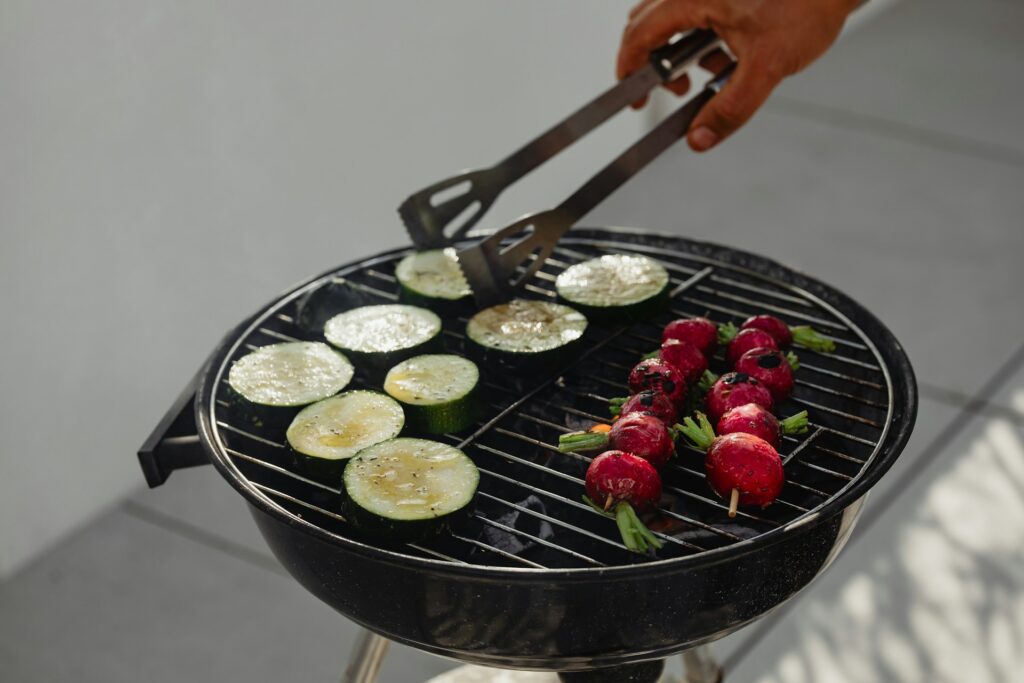
  • Slice the lamb against the grain and serve with your favourite sides. A fresh green salad or grilled courgettes and aubergine should complement the lamb beautifully. A salsa verde feels almost obligatory here.

Read: BBQ vegetable recipes from Daniel Watkins, Acme Fire Cult

Method 2: Super Slow – Smoked, Low and Slow Bone-In Leg of Lamb

For those who enjoy a leisurely cooking process and the deep, smoky flavours that come with it, the smoked, low and slow bone-in leg of lamb is the way to go. This method requires patience but rewards you with incredibly tender, flavourful meat that falls off the bone.

Step-by-Step Guide

Ingredients:

  • 1 bone-in leg of lamb (approximately 2.5-3 kg)
  • 12 cloves of garlic, sliced
  • 6 tablespoons fresh rosemary, chopped
  • 6 tablespoons fresh thyme, chopped
  • 3 tablespoon smoked paprika
  • 2 tablespoon ground cumin
  • 6 tablespoon olive oil
  • Salt and pepper to taste
  • Wood chips (hickory or applewood recommended)

Instructions:

Preparation:

  • Make small incisions all over the leg of lamb and insert the garlic slices into the cuts.
  • In a small bowl, combine the chopped rosemary, thyme, smoked paprika, ground cumin, olive oil, salt, and pepper. Rub this mixture all over the lamb, ensuring it is well coated.

Setting Up the Smoker:

  • Preheat your smoker to 110-120°C. If using a charcoal smoker, light the coals and let them burn until they are covered with white ash. Add wood chips to the smoker box or directly onto the coals for a smoky flavour. 

Alternatively, you can smoke on a charcoal grill:

  • Indirect Heat Setup: Arrange the charcoal on one side of the grill to create a two-zone cooking area. This allows you to cook the lamb with indirect heat, preventing it from burning and ensuring a slow, even cook.
  • Adding Wood Chips: Soak wood chips in water for at least 30 minutes before adding them to the coals. This helps them smoulder and produce smoke rather than burning up quickly. Place a handful of soaked wood chips directly on the hot coals.
  • Maintaining Temperature: Adjust the air vents on your grill to control the temperature. Open vents increase the temperature, while closing them reduces it. Aim to keep the grill temperature steady at 110-120°C.
  • Placing the Lamb: Place the lamb on the grill grate over the side without coals (indirect heat). Close the lid and let the smoke work its magic.

Smoking

  • Smoke the lamb for approximately 4-5 hours, maintaining a consistent temperature. Add more charcoal and wood chips as needed to keep the smoke going and the temperature steady.
  • Check the internal temperature of the lamb periodically. You’re aiming for an internal temperature of 93°C for fall-off-the-bone tenderness.

Basting (Optional)

  • Every hour, you can baste the lamb with a mixture of olive oil, lemon juice, and herbs to keep it moist and add extra flavour.

Resting

  • Once the lamb reaches the desired internal temperature, remove it from the smoker and wrap it in aluminium foil. Let it rest for at least 30 minutes. This resting period is crucial for the juices to redistribute and the meat to become even more tender.

Serving

Carve the lamb, slicing against the grain. The meat should be incredibly tender and infused with a rich, smoky flavour. Serve with some grilled flatbreads and a mint yoghurt sauce for a classic pairing.

The Bottom Line

Whether you opt for the quick and convenient boneless, butterflied leg of lamb or the indulgent, slow-cooked smoked bone-in leg of lamb, both methods offer a unique and delicious BBQ experience. 

The fast method is perfect for those short on time but still keen on serving up a flavourful, clearly grilled, medium-rare meat, while the slow method is ideal for a relaxed weekend barbie with plenty of beers, allowing you to savour the process and the results – not to mention the classic gathered-around-the-grill chat!

And if you’ve got any leftover lamb, you’ll find some fantastic suggestions for re-deploying it here. So, when can we expect our invite over to yours for dinner?

Nostalgia Trip: The Best UK Holidays To Relive Your Childhood

What’s the first holiday you remember going on in the UK? Whether it was building sandcastles in Cornwall, playing the penny slots in Brighton or flying a kite in the Lake District, most of us Brits have similar nostalgic memories of childhood holidays in good ol’ Blighty.  

According to research, nine in ten (91 per cent) of Britons feel nostalgic when they think back to their childhood holidays. Moreover, the same poll has revealed that 94 per cent of us agree that trips as a child were some of the best of our lives.

Sure, some might say that nostalgia is a disease and sentimental longing can make us blind to the good stuff in our present. But there’s something magical about revisiting the places that shaped our childhood. In fact, we’d argue that reliving positive memories from yesteryear can significantly boost our mood.

Unsurprisingly, Bloomberg reports that summer in the UK is “increasingly about escaping to Brighton, Margate, Cornwall and the Barry Islands, rather than Greece, Italy Or Spain”, just like we used to before package holidays and cheap international flights made far-flung travel so much easier. 

Indeed, while holidays in the recent years have certainly gotten more exotic, it’s often the ones spent closer to home that are remembered most fondly. Today, we’re taking a road trip down memory lane to recreate the journeys so many of us went on as children. Care to join us? 

Brighton, East Sussex

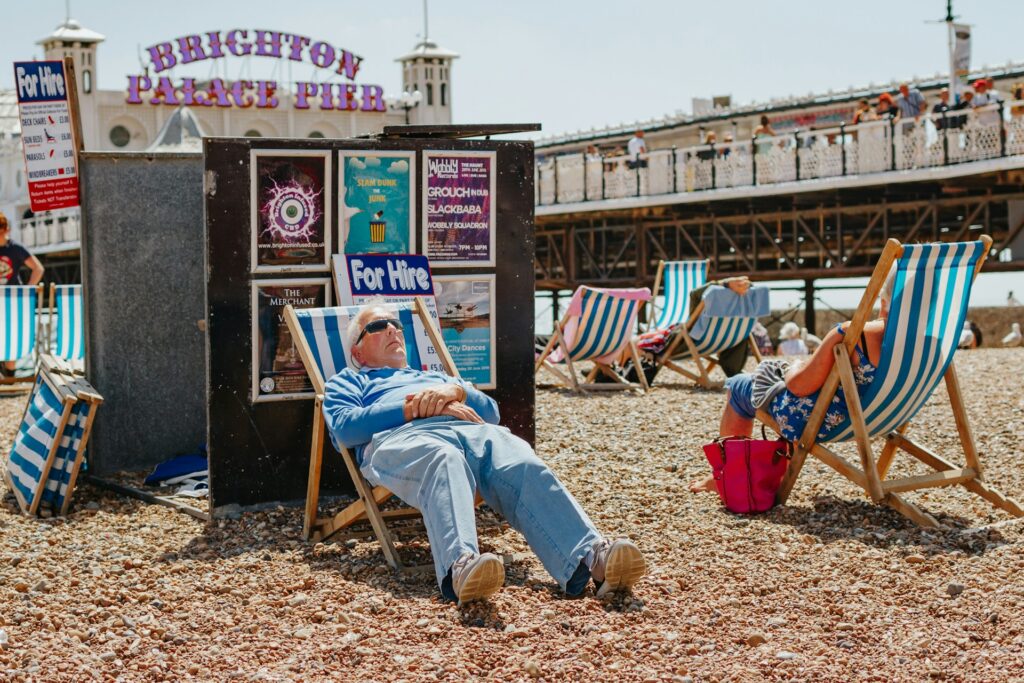
We had to start here. A salty, summer saunter along the most cliched of British piers, checking out cheesy souvenir shops and playing penny slot machines, a tub of pickled cockles in one hand, a My Whippy in the other, and sand between our teeth; if there’s a more quintessential British day out, we haven’t found it.

Even on a wet, windswept summer’s day, Brighton Pier has so much to offer. The seaside resort is one of only two Grade I-listed piers in England. Opened in 1866, the West Pier was originally built as a promenade with an open deck and a splutter of small buildings before a central bandstand was built in 1875 and a theatre added a decade later.

Unfortunately, the West Pier now stands derelict and only a partial frame of its former self remains. However, the Grade II-listed Brighton Pier, built in 1899, still stands proud; a curious hybrid of modern installation inside a Victorian shell. Today, packed with amusement arcades, rides, churros stands and more, Brighton’s second pier is thriving and the ideal place to make memories-on-sea.

Aside from promenading down the front, there’s plenty to do elsewhere in Brighton. Wandering around the lanes, a collection of narrow, densely packed streets home to independent shops, boutiques and restaurants, is a favourite pastime of ours. In fact there’s so much to do in Brighton, we’ve written a whole rundown of the 7 of the best things to do in Brighton… Do check it out sometime.

Hayle, Cornwall

Caravans, Cornwall, the coast, cod, cakes (and scones)…has there ever been a more perfect set of ingredients for a holiday?

Amongst many British families, memories of holidays in Cornwall are handed down from generation to generation. No doubt your grandparents took your parents somewhere in Kernow (the Cornish term for the county). Then, your parents, in turn, took you, and similarly, you may take your own children. 

Our nostalgic memory of camping in Cornwall was in Hayle, which in our humble opinion boasts the best beach in the county, with 3 miles of golden sand. We have many fond memories of reading books in Hayle’s Sandy dunes, eating sandy prawn sandwiches and waiting for the jingle of the ice cream man coming along the beach to serve us thirst-quenching calippos

Nothing beats the community spirit and sense of camaraderie you experienced while on a camping holiday in Cornwall as a kid. Playing cards in the rain in a caravan and eating charred sausages on the BBQ is part and parcel of the fun. Fast forward a decade or two, and Hayle was recently voted as the best coastal staycation town anywhere in the country.

Granted World Heritage Status in 2006, the town itself is charming, with quaint shops and cafes. Nearby, you can visit the iconic St Ives, renowned for its art scene and picturesque harbour. For family fun, Paradise Park offers a delightful wildlife sanctuary and the scenic Hayle Estuary is a haven for birdwatchers. This part of Cornwall is also one of the best places in the county to get a pasty, with Hayle home to Philps Pasties Headquarters. No surprise, then, thet eating one on Hayle’s Gwithian Beach is one of life’s greatest pleasures.

Read: 7 staycation ideas for an incredible holiday in Cornwall

Forest of Dean & Wye Valley, Gloucestershire

Anyone who wants to experience a Great British escape should consider a holiday in The Forest of Dean. This moss-cloaked corner of ancient England, located in the western part of Gloucestershire and nestled between the Severyn and the Wye, is England’s largest oak woodland. It’s also reputed to be J.R.R. Tolkien’s inspiration for the forests of Middle Earth.

Visitors can explore the dense, ancient woodlands of the Forest of Dean, which are perfect for hiking, cycling, and wildlife spotting. Indeed, it’s a place where the air is thick with the sound of birds and the grunting of wild boar. 

The forest’s history stretches back for decades and, most notably, from the time of the Norman conquest in 1066 until 1971, the Dean was a Royal Forest. Then, it was used by the Normans as their hunting ground, stocked with deer and wild boar.

The nearby Wye Valley, with its stunning river landscapes, provides opportunities for canoeing, kayaking and fishing. For a truly nostalgic experience, you can even stay in a treehouse.

Nestled deep in secluded Gloucestershire’s ancient woodland, The Hudnalls Hideout treehouse is perhaps our favourite. Accessed via a suspended wooden bridge from a woodland track, this luxurious treehouse is exclusively for adults. Complete with a woodland sauna with a window overlooking the surrounding woodland and and a gorgeous copper bath for long soaks. There is even a bar, and if you’re super quiet, from your perch in the trees, you may even spot those elusive boar that we mentioned (twice) earlier roaming about the woods. It’s also the ideal spot to play Robin Hood and Maid Marian, in an adult way. 

Read: The UK’s most magical treehouse stays for 2024.

Shannklin, Isle Of Wight

Epic car journeys are surely one of the biggest childhood holiday memories for Brits, and none were quite so long as making the trip to the Isle of Wight, especially since you had to wait to get the ferry over. Although from London you can get to the Isle of Wight in less than 2 hours, when you’re a kid those 2 hours can seem like an eternity. 

The Isle of Wight is, in many ways, the quintessential British holiday destination; warm but windy, refined and rustic, often gaudy yet occasionally glamorous, it encapsulates the Great British summer getaway rather succinctly. 

Shanklin is one of the Isle of Wight’s most famous seaside resorts. It’s a charming place with a traditional seafront promenade vibe – think Punch and Judy, buckets and spades. The promenade is bustling with amusements including traditional arcade games and bowling. If you’re feeling peckish several cafés and kiosks serve up the usual seaside fare like fish and chips, hotdogs and ice cream.

Shanklin’s sandy beach makes it perfect for a spot of swimming and there are a range of beach huts and deckchairs to hire for those who want to take their time with the spectacular views. Sounds idyllic to us.

Read: The best restaurants on the Isle Of Wight

Whitby, North Yorkshire 

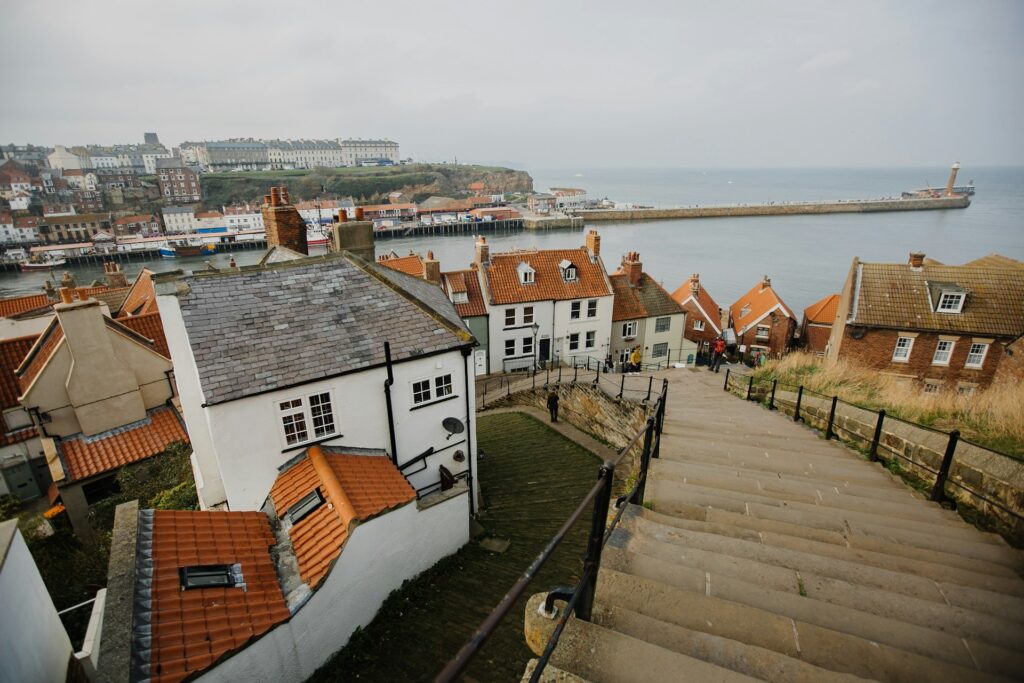
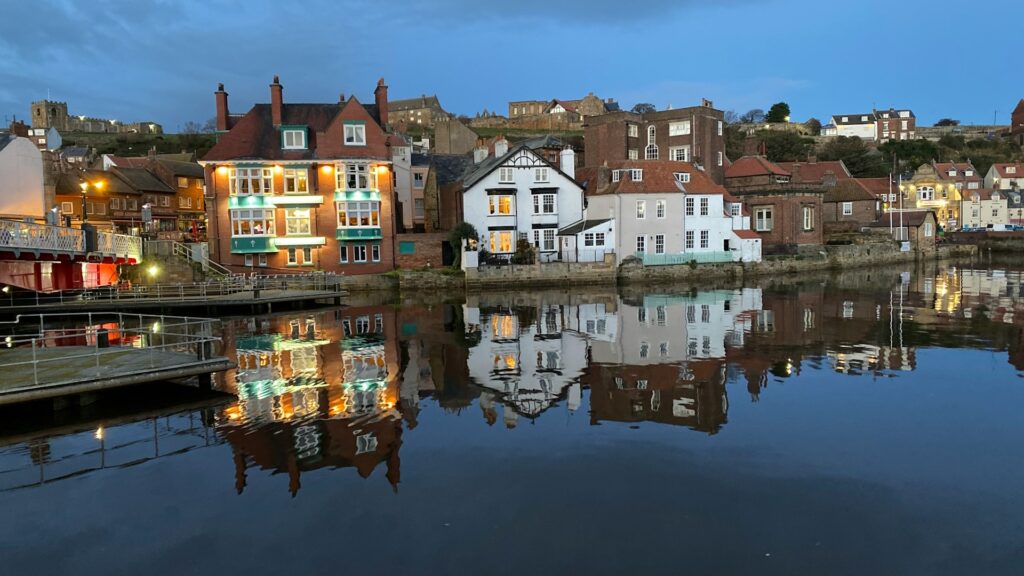
Whitby is yet another seaside town that tops lists of Brits favourite nostalgic holidays. This seaside port town, complete with a lovely beach, amusement arcades and a popular promenade, is one of our favourite places in North Yorkshire. With a bustling harbour and busy fishing port bringing in catches of cod, pollock, mackerel and so much more, Whitby is ideal for visitors with a penchant for deliciously fresh fish too.

Infact, if you’re looking for a restaurant which serves up some of the best in the country, look no further than Quayside, a lovely restaurant overlooking Whitby harbour which was previously winner of the prestigious Fish and Chip Shop of the Year. 

If you fancy having a go at catching your own fish dinner, Whitby West Pier is an all time favourite for anglers all over Yorkshire. Of course, no traditional trip to the seaside would be complete without sampling an old-fashioned afternoon tea room. Enter the award winning Botham’s of Whitby on Skinner Street. Their apricot and orange tea bread is particularly popular with the locals (and us!).

Windemere, The Lake District

A recent study showed nearly one third of the nation (that’s 27%) go back to their childhood holiday destination every few years and, unsurprisingly, the Lakes was one of the most popular childhood locations. Proudly named as a UNESCO World Heritage site, the Lake District’s breathtaking landscapes and range of outdoor activities – both active and languid – make it a year-round attraction for us Brits.

Windemere is the largest of the lakes and somewhere many Brit’s happiest childhood memories come from. It’s the kind of place where you learn to skim stones across the lake’s surface, where you clamber over rocks of the surrounding peaks and have a picnic or two, enjoying classic Lakeland souvenirs like fudge and Kendal mint cake. 

The Bottom Line 

Whether playing the penny machines in the arcade in Brighton, eating sandy sandwiches on the beach in Cornwall or jumping into lakes in the Lake District the great British tourism industry is booming, and we’re very much here for it.

The Symbolic Significance Of Gemstones In Men’s Wedding Jewellery

When it comes to wedding jewellery, the focus often tends to lean towards the bride’s sparkling accessories. However, men’s wedding jewellery, particularly rings adorned with gemstones, carries a wealth of symbolism and tradition that deserves equal attention. Gemstones are not merely decorative elements; they are imbued with meanings and beliefs that have been passed down through the ages

With that in mind, here we take a look at the symbolism of different gemstones in men’s wedding jewellery, considering deeper significance of these precious stones and how they can add a layer of personal meaning to a groom’s wedding band.

Sapphires: The Stones Of Wisdom

Sapphires, with their deep blue hue, are associated with wisdom and nobility. In medieval times, sapphires were favoured by royalty and clergy for their supposed ability to protect against envy and harm. For the modern groom, a sapphire wedding band can symbolise a pledge of loyalty and sincerity. The stone’s durability, second only to diamonds, also makes it an excellent choice for everyday wear, representing a love that is both wise and enduring.

Diamonds: The Epitome Of Endurance

As the reputable goldsmiths at Pruden and Smith tell us, the diamond is a symbol of invincibility and enduring love for good reason, and remains the most popular choice for wedding rings. Its name, derived from the Greek word ‘adamas’, means ‘unconquerable’, a fitting metaphor for a marriage that is meant to withstand the tests of time. For men, diamond wedding bands are not just a statement of elegance; it is a testament to the strength and resilience of the bond they are committing to.

The brilliance of a diamond is particularly striking when set in a men’s platinum ring, creating a perfect harmony between the stone’s clarity and the metal’s lustrous white sheen. The diamond’s clarity and brilliance are often seen as reflective of a transparent and pure relationship, where honesty and trust are paramount.

Rubies: The Heart’s Guardian

Rubies, known for their vibrant red colour, are often referred to as the ‘king of gems’. They symbolise passion, protection, and courage. In some cultures, rubies are believed to safeguard the heart from evil, making them a poignant choice for a wedding ring. A ruby-studded band for a groom signifies a fierce and protective love, one that is willing to face challenges head-on.

Emeralds: The Harbingers Of Hope

Emeralds are enchanting gemstones, coloured with the lush green of spring, symbolising growth, fertility, and new beginnings. They are often associated with hope, renewal, and the promise of a prosperous future. For a groom, an emerald in his wedding band can represent the hope and optimism he carries into his marriage, a commitment to nurturing and supporting the relationship as it blossoms over time.

Onyx: The Anchor Of Stability

Onyx is a striking gemstone, typically black with white banding, known for its grounding properties. It is believed to absorb and transform negative energy, promoting emotional stability and resilience. In the context of marriage, an onyx wedding band can symbolise the solid foundation upon which a couple builds their life together, offering strength and support through life’s inevitable ups and downs.

Turquoise: The Talisman Of Good Fortune

Turquoise, with its distinctive blue-green colour, has been revered for centuries as a stone of protection and good luck. It is thought to bring peace to the home and harmony to relationships. A turquoise inlay in a groom’s wedding band can serve as a talisman to ward off misfortune and ensure a harmonious marriage, filled with tranquillity and happiness.

Garnet: The Pledge Of Devotion

With their rich, deep red lustre, garnets have been treasured throughout history as symbols of faith, loyalty, and devotion. These stones were once carried by warriors for protection and by travellers for guidance. In a marriage context, a garnet-adorned wedding band represents an unwavering commitment between partners. The stone’s association with the heart chakra makes it particularly meaningful, symbolising the sacred bond between two souls and the promise to remain faithful through all of life’s journeys.

Lapis Lazuli: The Stone Of Truth

Lapis lazuli, instantly recognisable by its deep celestial blue flecked with golden pyrite, has been prized for millennia as a stone of truth, wisdom, and royalty. Ancient civilisations believed it to encourage self-awareness and honesty. For the modern groom, a lapis lazuli inlay in his wedding band can signify a commitment to truthfulness and integrity within the marriage. This stone serves as a daily reminder of the importance of open communication and the courage to speak one’s heart, essential qualities for a lasting partnership.

Amethyst: The Beacon Of Tranquillity

Amethyst, a violet variety of quartz, is a stone of spiritual protection and purification. It is believed to calm the mind and soothe emotions, promoting a sense of peace. For a groom, an amethyst wedding band can be a symbol of the inner tranquillity and balance he brings to the marriage, a reminder to maintain a calm and loving presence within the partnership.

The Bottom Line

The gemstones chosen for men’s wedding jewellery are far more than mere adornments. They carry with them a rich tapestry of symbolism and meaning, each stone offering a unique message and sentiment. When selecting a gemstone for a wedding band, it is worth considering these deeper implications, as they can add a personal and significant dimension to this most important piece of jewellery. 

Whether it’s the enduring love represented by a diamond or the wisdom of a sapphire, the gemstone you choose can be a powerful emblem of the values and hopes you hold for your married life.

How To Prepare For Your Car For Its MOT: 5 Common Reasons For A Fail

Attention, car owners! Wait, woah, woah, woah; get your eyes back on the road! We’re in motion here…

Sorry about that. Phew. Now that you’re safely parked and your engine’s turned off, let’s start again.  

Attention, car owners! If your car is more than three years old, it will need to be annually submitted for an MOT to ensure it is sufficiently roadworthy. 

Of course, the MOT (Ministry of Transportation) test is nothing new – its first version was introduced in 1960 – and you probably already know that, but regardless, we have your attention now, so stay with us.

Initially, the MOT wasn’t as nearly as thorough or extensive as it is now; just a quick, cursory once over and you were on your way. But as vehicles have become more advanced, these routine checks have focused on an ever larger number of systems.

Wondering why your neighbor’s driveway has been empty all morning? Well, it’s that time of year again – their car is due for its annual MOT check. This crucial inspection has been keeping Britain’s roads safer since 1960, examining everything from tire treads to emission levels. While some drivers dread this yearly ritual, it’s actually a helpful way to catch small issues before they become major headaches. Just remember: if your vehicle is over three years old, booking that MOT check isn’t just good practice – it’s the law.

In Great Britain, vehicles that are older than three years must pass the test every year. In short, it’s illegal to drive without an up to date MOT (though some exceptions and exemptions do apply). Cars that are used only on small islands are exempted from this routine check; Jura, Sark, we’re looking at you. What’s more, tractors and vehicles manufactured before 1960 are also exempted from MOT.

It should be noted that in Northern Ireland, the regulations about MOT are somewhat different. Vehicles that are over 4 years old (not 3) require an MOT test if their owners intend to use them. On the other hand, the law in Northern Ireland doesn’t grant exceptions on the basis of where the vehicles are used. 

But what checks should you expect? Well, an MOT includes a vast array of checks all over your vehicle, many of which you can’t anticipate or prepare for. That said, there are always a few things you can investigate yourself ahead of time to help reduce the chances of your car failing.

With that in mind, here’s how to prepare your car for its MOT and 5 of its most common causes for a fail.

Tyres

If it’s been a while since you decided to buy new tyres for your car, this could be a quick and easy place to start to ensure your car is roadworthy moving forward. Otherwise, it might not be moving forward, at all.

The minimum legal depth of tyre tread in the UK is 1.6mm across the central 75 per cent of the tyre and around the entire circumference. Insufficient tread depth will result in your vehicle failing its MOT, make no mistake. 

A simple way to assess your tyres (without using a mechanic, of course) is to place a 20p piece in one of the grooves; if you can see the outside rim of the coin, you will need new tyres. 

If the tread is fine, make sure the size and type of tyre you have fitted is compatible with the information in your vehicle handbook. While you’re at it, check the tyre pressure, too.

If you’re still not tired of all this tyre talk, stick another few coins in the parking metre, and check out these 5 IDEAL tips for keeping your tyres healthy.

Lights

We hope this isn’t a lightbulb moment for you, but we’ll repeat it nonetheless; if you have a blown bulb, then your car will not pass its MOT.

With the ignition – not the engine – turned on, spend a few minutes checking all your lights are operating as they should, using a family member, friend or window reflection to check the brake lights as you gently press the pedal. If they’re not working, replacing a bulb is a quick and easy fix. Check out this instructional from WikiHow, or for model-specific instructions, check your car’s manual.

Of the 31.7% of cars that failed their initial MOT test between July and September in 2019, 13.9% were due to lamps, reflectors and electrical equipment – more than any other category, meaning this is one area it’s essential to shine a light on.

Windscreen

Make sure there are no cracks in your windscreen and your wipers are in good working order. Even a small chip in the driver’s line of vision can cause a failure.

Replace a wiper if it is unable to give you a clear view of the road ahead and top up your washers to ensure they can sufficiently clean the windscreen.

Inside your car, if you have a phone holder attached to the windscreen it is best to remove it if it could be deemed to be interrupting your view of the road. Ditto any comedy fluffy dice hanging from the rearview mirror. As MOT in Leeds experts Fixter tell us, exterior and rear view mirrors should be checked and, if necessary, adjusted before every journey. The more precisely you do this, the smaller the blind spot will be.

Quick Interior Checks

Whilst inside your car, test the horn, handbrake, seatbelts and mirrors for any issues. Take a close look at your dashboard to see if there are any warning lights showing up. If there are, consult your vehicle handbook to find out what it means and look to get the issue fixed before your MOT.

Check that your seatbelts extend and retract smoothly, and that they lock when you pull them sharply. Ensure all seats are firmly secured and don’t wobble when pushed. Your brake pedal shouldn’t feel spongy or go down too far when pressed, and the clutch pedal (if you have a manual car) should engage smoothly.

Give your steering wheel a check too – there shouldn’t be excessive play in any direction, and it shouldn’t make any unusual noises when turned. Finally, test all your windows to make sure they open and close properly, as this is one of the most common reasons for a failure; stuck windows can be a safety hazard and may affect your MOT result.

Bumpers, Body Work & Under The Bonnet

Locate the master cylinder to cast an eye over the level and condition of your brake fluid. If it’s below the minimum line, it’ll need topping up. It’s worth completely changing if it’s not a clear or amber colour.

It’s also important to check your oil levels, as with insufficient oil the garage will be unable to carry out the necessary emissions checks. Pull out the dipstick and clean it before putting it back in place. If the oil level shown when you take it back out is between the minimum and maximum marks, you do not need to do anything.

Just as crucial as what’s under the hood is what protects your car from the outside. Give your bumpers a thorough inspection – both front and rear. While minor scuffs won’t typically cause an MOT failure, any sharp edges or significantly damaged bumpers that could pose a risk to pedestrians will result in a fail.

Check that your bumpers are securely attached and haven’t worked loose over time. A wobbly bumper isn’t just an aesthetic issue; it’s a safety concern that MOT testers take seriously.

Pay particular attention to any cracks that extend beyond surface level, as these could compromise the bumper’s structural integrity. Also ensure that any fog lights or sensors integrated into your bumpers are properly functioning and secured, as these are part of the MOT’s electrical equipment checks. While you’re at it, check that the number plate is firmly attached to the bumper (if that’s where it’s mounted on your vehicle) – a loose plate is another common cause for MOT advisories that’s easily fixed before the test.

The Bottom Line

It’s unlikely you’ll be able to carry out enough tests to completely guarantee your car will pass its MOT but conducting these checks will certainly raise its chances of avoiding failure.

And if you’re keen to learn more, check out these 6 things you need to know about MOTs and driving.

What Is The Difference Between A Therapist & A Life Coach?

Perhaps you’re at a fork in the road in your career and you’re wondering which path to pursue next? Or, maybe you’re looking to rekindle your relationship with your partner after a period of turbulence and turmoil?

When you decide you need guidance in your personal or professional life, it can be difficult to navigate what route you should take and what type of service you should seek. 

If you are stressed about a family dynamic, work, or a relationship, and don’t feel comfortable seeking the advice of a friend or family member, then you might wonder whether therapy or a life coach is the best move for you. In fact, the two are incredibly different and serve well defined purposes, with the latter very much not a replacement for the former.

We’re here to explore the distinctions today. Here are some of the key differences between a therapist and a life coach.

What Is Therapy?

There are a few different types of mental health professional who operate under the bracket of therapy or provide counselling services.

Different professionals offer different services and opportunities, but in general, when we think of a ‘therapist’, we’re typically thinking of an individual who falls into one of these main three categories:

Psychiatrists: Psychiatrists are trained to help medicate you (if need be) based on your challenges. You can think of psychiatrists as a sort of blend between psychologists and a traditional doctor; not only do they understand the intricacies of mental health, but they also understand how to utilise medical technique to address it.

Psychologists: Psychologists are usually trained to help investigate your feelings and help you navigate your emotions and relationships, but in the UK, they cannot prescribe medicine for any mental health issues. 

Licensed Professional Mental Health Counsellor: These professionals may have different educational backgrounds or training than their counterparts in the profession, but they are still legally licensed to provide therapeutic care and are knowledgeable about a range of holistic measures to cope with various presenting issues.

There are also therapists who specialise in substance abuse counselling, and therapists who specialise in family counselling or couples counselling. If you are in need of someone who can walk you through the more emotional aspect of life, a therapist can do that with you. 

Why Do People Seek Therapy?

Unfortunately, therapy is sometimes still stigmatised. But, the view of seeking help has certainly made significant progress in recent years; what was once a taboo topic is now becoming more normalised as people become aware of the importance of practising self-love, self-compassion, and personal growth. 

It’s often said that the more work you put into therapy, the more you will likely get out of it. Therapists can help you identify negative behavioural or thought patterns, give advice on managing stress and emotions, and continuously help you evolve as an individual.

Talking therapies are available on the NHS, provided by accredited NHS practitioners. You can find an NHS psychological therapies service (IAPT) here, though it should be noted that waiting lists are currently lengthy. You will need to be registered with a GP to gain access to such therapies. These are intended to help with a variety of issues, including:

  • depression
  • generalised anxiety
  • social anxiety
  • panic and agoraphobia
  • other phobias
  • obsessive-compulsive disorder (OCD)
  • post-traumatic stress disorder (PTSD)
  • irritable bowel syndrome (IBS)
  • body dysmorphic disorder

Alternatively, you can seek access to talking therapies privately. The cost of a private counselling session varies hugely, ranging from £10 to £70. Always make sure that the therapist you are considering has been accredited by the Professional Standards Agency – you can search their register on their website.

Some charities may also be able to help facilitate and cover the cost of your access to therapy. These include Cruse Bereavement Care, Rape Crisis England & Wales, Relate, Samaritans and Victim Support.

What Is A Life Coach?

A life coach is arguably centred around less of the emotional parts of life and more on literal life choices, particularly regarding your career. 

For instance, a life coach might help you figure out what you want to do professionally. They might provide career counselling while you are pivoting careers, interviewing, or exploring your passions. 

Rather than focusing on the past, like most therapists, a life coach will likely encourage you towards the future. They can help you map out what you would like to accomplish and help you set goals for how to succeed. 

A life coach might also come in the form of a fitness coach. They help you reach milestones that you have been aspiring towards. 

Another emerging area within life coaching is soul counselling. This type of coaching delves deeper into aligning your life choices with your inner values and spiritual beliefs. Soul counselling can help you find a sense of purpose and fulfilment by connecting your professional and personal goals with your core self.

A life coach is also more likely to tell you their opinion of what you should do whereas a therapist will likely take a more hands-off approach when necessary to help you reach the conclusion you needed to reach on your own. As such, it’s unethical for life coaches to provide guidance on any aspects of your life which fall under a medical or mental health remit.

Life coaches aren’t regulated by any official, NHS-approved bodies, though they do have groups of accreditation bodies that carry with them a code of ethics and conduct, and an established complaints procedure.

Check out the Life Coach Directory to find out more about these bodies, and should you be considering enlisting the services of a life coach, always ensure they are on this directory.

Why These Relationships Matter

Truth be told, the relationship to your counsellor or coach is one of the most important factors in your wellbeing and therapeutic success.

That is why working with the right person who can guide you through your struggles without judgement is imperative. 

If you do not think your therapist or life coach is the right fit for you, try working with someone else before you give it up entirely. Don’t worry about seeming rude or ungrateful in any way; these professionals work with many individuals and often understand just how crucial it is to find someone who actually works well with you.

The Bottom Line

Depending on what sort of insight you’re looking to access, a therapist, life coach, or even a combination of the two might be an appropriate choice to take control of various aspects of your life.

*This article is not intended to replace medical advice, diagnosis or treatment given by a qualified mental health professional. Instead, this article only provides information, not advice. For any medical enquiries, always consult your GP first*

From Kodo Incense To The Smells Of Sento: The Many Relaxing Aromas Of Japan

Fragrance holds a profound place in Japanese culture, serving as a bridge to achieving a Zen state of mind. Rooted deeply in Zen Buddhism, both in its Indian origins, Chinese formalisation and Japanese interpretations, the use of scent is not merely about pleasure but about fostering a serene and mindful existence. 

From the ancient art of Kōdō incense ceremonies to the soothing aromas of traditional Japanese baths, discover how these scents are used in The Land of the Rising Sun to help cultivate a tranquil and centred life.

Kōdō Incense

Kōdō, which translates to “the way of incense”, is an ancient Japanese art form with a long history. It has developed into a very sophisticated cultural practice that goes beyond the simple act of burning incense. Kōdō ceremonies offer a multisensory experience intended to cultivate mindfulness and inner peace and are steeped in tradition and etiquette.

Attendees of a Kōdō ceremony take in the delicate scents of carefully chosen incense woods in a calm and soothing environment. Some woods, like sandalwood, which has a creamy, calming scent, and agarwood, which has a deep, woodsy aroma, are carefully prepared and burned in accordance with certain procedures.

It’s not just about the smell; it’s also about paying close attention to how the smoke moves and enjoying the aroma in the company of others. This methodical and deliberate way of using incense greatly adds to the general calming effect of the Kōdō ritual.

Read: The quintessential guide to relaxing aromas for every room in your home

Other Incense Varieties

Apart from the incense used in Kōdō ceremonies, Japan has several other incense scents, each with special qualities related to relaxation.

Floral incenses evoke a sense of springtime renewal and tranquillity. Examples of such fragrances are sakura (cherry blossom) and hinoki (cypress). Woody incense, such as jinko (made from the leaves of the maidenhair tree) and kyara (a rare and valuable variety of agarwood), provide a rich, balancing scent that encourages mindfulness.

Japanese fragrances are often centred around earthy aromas, such as green tea with its fresh, vegetal aroma and mugwort with a slightly herbal scent help people feel more connected to nature and more at ease. These varied scent profiles provide a range of olfactory experiences and cater to personal preferences, all of which are helpful in promoting calmness and inner tranquillity.

Essential Oil Scents

In Japan, the use of essential oils for therapeutic purposes – aromatherapy – is becoming more and more popular. With the invention of aroma diffusers, modern technology has made it easier to use essential oils in daily life. On the other hand, the popularity of aromatic baths, spas and saunas have led to an increasing use of authentic yet modern fragrances in daily life.

The aromatic molecules of essential oils, sourced from a range of plants, are released into the surrounding air using aroma diffusers. Various native plants in Japan are used to extract essential oils, many of which have been shown to have calming effects.

For example, lavender essential oil is widely available in Japan and is a popular relaxation oil worldwide. The citrus fruit yuzu, which is indigenous to East Asia, has a distinct and uplifting aroma that is said to foster feelings of calm and peace.

Another popular essential oil is shiso (perilla), which has a fresh, slightly spicy scent that is both invigorating and calming. Additionally, the sweet and floral aroma of osmanthus, a native flowering plant, is cherished for its ability to soothe and uplift the spirit.

People can design a unique and calming aromatic environment in their homes by using essential oils and aroma diffusers in their everyday routines.

Aromatic Bath Salts

In Japan, taking a bath has great cultural significance and is closely linked to the ideas of self-care and relaxation. Sento, or traditional Japanese baths, have long been important hubs for relaxation and social contact in Japan. Many Japanese households prioritise having a luxurious at-home bathing experience in the modern era.

An abundance of aromatic bath salts and powders are easily accessible to improve this ritual. These products frequently contain natural ingredients, such as citrus fruits like grapefruit and the aforementioned yuzu, which have energising and stress-relieving scents, or hinoki (Japanese cypress), which is known for its calming, woodsy aroma.

Additionally, the inclusion of matcha (green tea) bath salts, with their fresh and slightly grassy scent, can provide a rejuvenating and detoxifying experience. The subtle, sweet fragrance of plum blossom bath salts is another favourite, known for its ability to relax the mind and body.

The modern Japanese bath greatly enhances a sense of relaxation and well-being, thanks to the combination of warm water, the delicate fragrance of bath additives, and the act of self-care itself.

Onsen: The Natural Hot Springs

In addition to sento, Japan is renowned for its onsen, natural hot springs that are rich in minerals and believed to have therapeutic properties. Onsen baths are a cherished part of Japanese culture, offering a unique and deeply relaxing experience. The mineral content of the water varies by location, providing different health benefits such as improved circulation, relief from muscle pain, and skin nourishment.

The experience of soaking in an onsen is often enhanced by the surrounding natural beauty, whether it be mountains, forests, or coastal views. The combination of the warm, mineral-rich water and the serene environment creates a profound sense of relaxation and rejuvenation.

Many onsen also incorporate aromatic elements, such as adding yuzu fruits to the water during certain seasons, which not only enhances the sensory experience but also provides additional health benefits. The scent of yuzu, with its bright and uplifting citrus aroma, is particularly popular during the winter solstice, known as “Yuzu-yu”.

The Aroma Of Tatami Mats

Tatami mats, traditional Japanese flooring made from rice straw and woven rush grass, have a distinctive and soothing scent that is deeply ingrained in Japanese culture. The fresh, grassy aroma of new tatami mats is often associated with purity, simplicity, and a connection to nature.

Tatami mats are commonly used in Japanese homes, tea rooms, and temples, and their scent is an integral part of the Japanese living experience. The natural fragrance of tatami is said to have calming and grounding effects, making it an ideal addition to spaces intended for meditation, relaxation, and mindfulness practices.

Over time, as tatami mats age, their scent evolves, becoming more subtle yet still retaining its earthy and comforting qualities. This enduring aroma serves as a reminder of the passage of time and the beauty of natural materials.

The Bottom Line

Japan’s open arms (and open nostrils!) embrace of subtle aroma brings with it a mindful approach to relaxation, inviting us to slow down, appreciate the present moment, and find solace in the beauty of scent – whether through a dedicated Kōdō ceremony or simply enjoying a fragrant bath. 

Next up, why not join us for some Japanese etiquette tips? Could come in handy, after all!

8 Of The Best Things To Do On Your Holiday To Split, Croatia

Affectionately dubbed the Pearl of the Adriatic sea, Split is Croatia’s second largest city and an incredibly unique one at that. Indeed, no other city can say that it was built inside a Roman palace, but that’s not where the intrigue to this great city ends. It also boasts easy access to both the Adriatic islands and the Apennine peninsula, leaving the city in a truly enviable geographical position, making it just the spot for a holiday of sailing, seafood and everything in between.

It also leaves visitors with so much choice for their itinerary, that it can be hard to narrow things down. Fear not, we’re here to help, with these; our 8 of the best things to do on your holiday to Split, Croatia.

Get Lost In The Old City

The first thing you should do on your trip to Split is visit the old town, squeezed within the walls of the Diocletian’s palace and a Unesco World Heritage site dating back to A.D 295. That is some serious history right there. So, while just wandering around the narrow alleyways and watching the locals go about their business is certainly enough to satisfy a day, within the old Roman complex there are some sites that just have to be seen. 

At Split’s heart is The Cathedral of St Domnius, one of the oldest places of worship in Europe. This complex church is filled with murals, carved altars and most importantly, the mausoleum of Emperor Diocletian. Be sure to climb the adjoining Romanesque style bell tower for excellent views of the city and to hunt out the Temple of Jupiter, which has a headless black granite sphinx from Egypt guarding it. 

The main city square, Narodni Trg (the People’s Square), which sits next to the palace, is an impressive expanse of white marble carving dotted with busy cafes. When you’re done looking around the palace, pull up a chair at one of the many cafes and settle into a spot of people watching.

If you decide to stay on until dark, the passageways and corridors of the Roman Palace are crammed full of bars and restaurants, some behind unmarked doors, others tucked into a secret nook or cranny, earning itself a reputation as being Croatia’s finest bar crawl. It’s certainly its most historic. 

Stroll Down Split Riva

This promenade which lies on the south side of the Diocletian palace is perfect for a morning coffee or sunset stroll. Lined with palm trees and benches, cafes and restaurants, and looking out over the peaceful turquoise waters of the bay, Split Riva is ideal for something slow-paced to help you get settled into the day. However, bear in mind that the majority of the food on the promenade is pretty overpriced – best to stick to drinks, we think, and to watch the boats bob in the harbour. 

If you’re here at sunset – a truly beautiful time of day in Split, as the rays hit the bay just so – then order a carafe of wine and settle in. Croatian wine is beginning to garner a great reputation worldwide, and there are around 300 geographically defined wine regions in Croatia. Lovely stuff.

When choosing somewhere to stay in Split we’d recommend finding somewhere a little away from the promenade as, like the food here, accommodation can get overpriced close to the Riva.

Explore The Pakleni Islands

Just a short boat ride from Split, the Pakleni Islands are a must-visit for anyone seeking a slice of paradise. This archipelago, often referred to as the “Hell’s Islands” (though their beauty is anything but hellish), offers a series of secluded beaches, hidden coves, and crystal-clear waters perfect for swimming, snorkelling, and sunbathing.

You should rent a boat or join a guided tour to hop between the islands, each with its own unique charm. The island of Palmizana is particularly popular, known for its lush botanical garden and vibrant beach bars. Whether you’re looking to relax on a quiet beach or enjoy a lively seaside atmosphere, the Pakleni Islands have something for everyone. Accordingly, as the team at Condor Yachting advise, you’ll want to set aside a whole day for a boat tour here.

Swim At Bacvice

If you visit in the summer, Spilt can get hot and sticky. Best, then, to cool off at one of its famed beaches. Bacvice is the closest beach to the heart of the old town and perhaps the best swimming spot in all of Split. While its shallow waters get pretty busy on hot, humid days, that also means it’s a place full of life, youth and spirit. Here you’ll see people playing Picigin, a traditional ball game that was born in Split. It’s played in shallow water and while we’re not well versed in the complex rules, the aim is to stop the ball from touching the water, and you’ll find people doing so with acrobatic flair. 

After your swim (and your round of picigin, if you dare) you may well have worked up an appetite. Fortunately, this part of town is famed for its street vendors selling sweet corn and irresistible Croatian style doughnuts named Fritule, which are tiny, deep fried goodies flavoured with generous slugs of Grappa. 

Discover The Blue Cave

A visit to the Blue Cave on the island of Bisevo is an unforgettable experience that should be on every traveller’s itinerary. This natural wonder is famous for its mesmerising blue light, created when sunlight passes through an underwater opening and reflects off the white sandy bottom of the cave. The best time to visit is between 11 am and 1 pm, when the sunlight is at the perfect angle to illuminate the cave in a stunning blue hue.

The Blue Cave is approximately 70 kilometres (about 43 miles) from Split. The journey typically takes around 1.5 to 2 hours by speedboat, depending on sea conditions and the specific route taken. Tours to the Blue Cave often include stops at other nearby attractions, such as the Green Cave and the picturesque fishing village of Komiza on the island of Vis. Be sure to bring your camera, as the ethereal beauty of the Blue Cave is truly a sight to behold.

Visit The Klis Fortress

Back on dry land and for a dose of history and some of the best panoramic views of Split and the surrounding area, head to the Klis Fortress. Perched high on a hilltop, this medieval fortress has played a significant role in Croatian history, serving as a defensive stronghold against various invaders over the centuries. Today, it is perhaps best known as a filming location for Game of Thrones, where it stood in for the city of Meereen.

Wander through the ancient stone walls, explore the small museum detailing the fortress’s history, and take in the breathtaking views of the Adriatic Sea and the city below. The Klis Fortress is a perfect blend of history, culture, and natural beauty, making it a must-visit on your trip to Split.

Climb Marjan Hill

If the busy city centre and throbbing crowds of Bacvice become too much, head towards Marjan Forest Park which overlooks the city on high. Affectionately referred to as the ‘lungs of the city’, this is where locals come to walk, run, jog and ride bikes, with the shaded trails that pass through the park’s pine forests providing welcome relief from everything both up above and down below.  

The views from this nature reserve over the city and Split’s surrounding islands are simply breathtaking. You’ll also find a first-century Jewish cemetery here (the third oldest in Europe), as well as cave dwellings that were once home to Christian hermits and several medieval chapels. You just have to contend with the 314 steep steps first; no wonder the Splicani are such a healthy looking bunch!

Read: From Sailing To Seafood: 5 Reasons Why You Might Want to Visit Croatia ASAP

Diet Like You’re Diocletian 

Given its geographical location, the cuisine here is greatly influenced by other Mediterranean countries, including the use of neighbouring Italian and Hungarian ingredients and cooking techniques, as well as taking cues from Turkey due to their occupation of Croatia in the 16th and 17th centuries. This rich and diverse array of influences makes for a fascinating, unique cuisine.

With the Adriatic coastline as its larder, Croatia is particularly renowned for its seafood dishes. Yep, the ocean plays a starring role in Split cuisine and here you’ll find platters of grilled or fried seafood piled high in nearly every restaurant; the calamari and lightly floured and fried whitebait in this part of the world is arguably the best you’ll find. While you could easily eat this everyday, there are a few dishes you should particularly seek out…

A must try is skampi na buzaru which translates as ‘shrimp stew’. This coastal speciality sees scampi (huge langoustine, usually) cooked in a suave sauce of tomatoes, garlic, wine and a special spice mix, then thickened with breadcrumbs. In many local taverns (konoba) you’ll find buzaru dishes served with pura – polenta.

Another specialty you can’t miss in split is ‘Crni Rizot’, a squid risotto made jet black and funky via its ink. And keep your eye out for Dalmatian Brodetto, a fish stew with an assortment of treats from the sea like dent fish, sea bass, and conger eel. Locals will tell you that the best fish for this stew scorpionfish, but that’s up for you to conclude. For something simple, you can’t go wrong with a plate of baked octopus, usually served with potatoes, in this part of the world. 

If you need a change from fish, a plate of Pasticada (stewed beef) will see you right. The dish dates back to the Ancient Greek and Roman cuisine, and is defined by its complex sweet and sour sauce, made so by an intricate balance of sweet fruit, red wine and balsamic vinegar. Come hungry, and you’ll be richly rewarded!