
Home Blog Page 124

7 Smart Strategies For Limiting Impulsive Spending

Does impulse spending regularly get the better of you and your budget? Have you ever been in a situation where you promise yourself you’ll save money for that big holiday or house deposit, but you then find yourself splurging at the last minute on something you really don’t need? 

You’re not alone.

According to Fashion Network UK, impulse buys add up to £37 billion annually. They go on to break down the top items we buy without thinking; ”56% of impulse purchasers buy clothing. Food and drink is next on 49%. Meanwhile home accessories are bought by 34% of people on impulse, with shoes being bought by 27% and jewellery by 22%”.

Hey, we’ve all been there. In fact, doing so is part of human nature; Psychology Today points to the reasons why we impulse buy, suggesting loss aversion, heuristics and a misdirected desire to ‘save’ all play a part.  

In understanding those motivations, we can adopt some precautionary measures to prevent making those unnecessary purchases that just end up gathering dust in the attic or adding to landfill.

So, for the sake of both your bank balance and the environment, here’s how to limit impulsive spending and budget better.

Think Before You Buy

Before clicking “buy it now” or taking that impulse purchase up to the counter, stop and think for a second. In fact, why not make it ten seconds? Treat yourself to a time out before every buy, counting down from ten slowly and then looking at the bigger picture regarding your purchase.

Ask yourself; do I really want or need this thing or did it just look enticing in the heat of the moment? Analyse your own reasons for picking the item up or clicking on it, and ask yourself if this is something you’re actually going to use, where it will logically fit in your house, and if your finances genuinely allow for this transaction to take place. 

Sometimes, the rush of making a frivolous purchase is better than the reality of the product you end up with. That’s down to dopamine, with an anticipatory thrill similar to that felt by drug addicts occurring in some shoppers. Once you get home with your product and the crash has begun, things might look very different; remember that.

Make It Physically Harder To Spend

If you find yourself idly perusing your favourite shopping platforms during your lunch breaks or walking past your favourite stores on the way home from work each day, it’s a good idea to address those triggers and change your habits accordingly. The more you distance yourself from your triggers, the harder it will be to spend. 

As the London-based accountants GSM so sagely suggest, it’s also a good idea to be wary of saving your cards details for retail sites like Amazon or ASOS on your computer for easy checkout. It’s all too easy to buy things with one click. However, if you have to enter your payment information, it may make you think twice before you buy.

Avoid Using Credit Cards

Credit cards are an impulse buyer’s best friend. They make you feel as if you have unlimited access to funds when in reality you’re just buying yourself into the headache of debt further down the line. 

While it’s always good to have credit cards for larger purchases (they offer protection against fraud, for one), try to keep them left at home, locked away or hidden wherever possible. Instead, consider investing in a prepaid card to curb your impulse spending habits. You can ‘upload’ a set amount to the card every month which is within your budget, and stick to it.

Budget Better

Speaking of budget, it’s time to set yourself one, and a limited one at that. Planning your finances and taking a more holistic look at your budgeting, there are plenty of apps to help you manage your precious pounds. We recommend Yolt, Emma and Money Dashboard, in particular. All of them do the hard work for you and are free to use, though there are paid options if you need a bit more help – yep, we realise the irony of that, too.

Read: 5 tips for bargain lovers to save money on Black Friday & beyond

Organise Your Wardrobe

As previously mentioned, Brits impulse buy clothes a lot. For many, it’s because we think we have nothing to wear. The answer; an organized wardrobe where you can see all of your clothes and know exactly what you own via a cursory appraisal alone.

In IDEAL’s article on curating the ideal closet (yes, we’re citing our own work), to help avoid impulse buying it was recommended to catalogue all your clothes so you know exactly what you own using the digital wardrobe app Whering. Hey, we couldn’t agree more. With. Ourselves.

Limit Late Night Access To Apps

Picture this; it’s after midnight and you know you should be asleep. Instead, you’re surfing the web, culminating in you buying a waffle maker that you’ll only use once. Regretable late-night online shopping is a problem for many of us, and we speak from experience (however good those waffles taste).

As reported by the Guardian, research suggests that “bedtime browsing by sleepless Brits in the middle of the night has resulted in a 23% increase in nocturnal spending”. The answer? Limit access to your apps at night and leave your phone in another room.

Something To Look Forward To

Finally, perhaps the best possible way to cut back on impulse spending is to give yourself one big goal to look forward to. This could be anything from saving up for a dream holiday to that car you’ve always wanted or that new kitchen you’ve been promising to get for months. Having that goal will give you something to save for and a tangible reason to cut back on your excess spending. Which is why you came here in the first place, right?

5 Practical Kitchen Improvements That Make An Aesthetic & Functional Impact

When it comes to renovating your kitchen, it’s easy to fall into the trap of favouring trendy but largely impractical ideas. Thanks to magazines and websites that showcase some of the cleanest and most fashionable designs, homeowners can sometimes fall prey to overambition, but without the financial backing or knowledge to pull it off. 

But ‘trendy’ doesn’t necessarily translate as current, modern and in fashon. In fact, there are loads of kitchen trends for 2023 that people are already adopting for their new builds which are easy to pull off. Whether it’s soothing colours or large communal spaces, there are a lot of different ways to renovate and redesign your kitchen.

But we need to ask the all-important question; does it make a difference?

Today, we’re going to take a look at practical kitchen improvements which make a real impact on the way you use them, and how you cook and eat in the space. Instead of only bringing the look of the space bang up to date, here are 5 practical kitchen improvements that make an aesthetic and functional impact. 

Countertop Upgrades

Countertops play a central role in the functionality of your kitchen. Simply put, these surfaces stand out, especially if you’re leaving them largely clear of clutter. If you have a communal kitchen island that is fairly large, then it’ll typically have ample space that you can use for prep or storage. To make an impact, you want these countertop surfaces to look great, too.

Replacing these wholesale can be quite expensive, especially if you’re going for a sleek look which ties in with the rest of the kitchen. However, countertops aren’t just for looks. They help to protect your kitchen and when making bread or pastry, also represent the surface most conducive to clean, delicious results! Yep, a smooth and clean surface is going to make a huge difference to certain cooking methods, and as such, it’s well worth your time to invest in a new countertop. Sure, you may need a bar stool or two to complement your new setup, but in doing so, you can create an inviting space perfect for cooking and entertaining.

If you’re interested in a practical upgrade to your kitchen, then replacing damaged or dull countertops is one of the best moves you can make. Whilst we’re a big fan of wood effect worktops and concrete worktop, granite surfaces arguably make the most worthwhile investment, as they’re durable and won’t suddenly go out of fashion in the near future! Phew.

New Backsplashes

Backsplashes are primarily designed and installed to protect your walls from different spills and splatters from the kitchen. Yep, we’ve all had a bolognese sauce which has gone rogue and ended up adorning the wall; backsplashes (and lower hob heat) are your greatest defence against this.

Practicality aside, backsplashes have also become a key component of kitchen design, and have come a long way since their first use in older kitchens. Now, they can serve both form and function.

There’s a huge range of different materials that you can use for your backsplash. Ceramic tiles are the most common, but you can even deploy marble or wood. If you’re designing your kitchen around something specific, stand out aesthetic, then unique materials like stainless steel or marble can be used.

Some people have even experimented with vinyl peel stickers and an entire chalkboard wall to create a very specific design for their kitchen. Rather than thinking conservatively, there are backsplash ideas to suit any taste. The world is your oyster; just don’t spill the accompanying tabasco on the wall.

Diverse Storage Options

Kitchens can get very cluttered, very quickly, especially if you have a lot of single-use appliances such as a rice cooker, spiraliser or coffee machine, all on the surface. Whilst these appliances are incredibly useful if you use them a lot, they don’t half take up unnecessary room if you don’t. 

There comes a point when you realise that your kitchen has become overcrowded, and it’s negatively affecting the functionality and flow of the space. If this realisation has dawned on you recently, you’ll want to look for smart ways to add more storage to your kitchen. This will be highly dependant on your kitchen and how much space you currently have, but here are a couple of ideas to help you out:

  • First, try to declutter your kitchen. Remove anything that you don’t use very often, ideally for good. Be ruthless, but if there are things such as extra plates and cutlery sets that you might use in the future, then store them elsewhere.
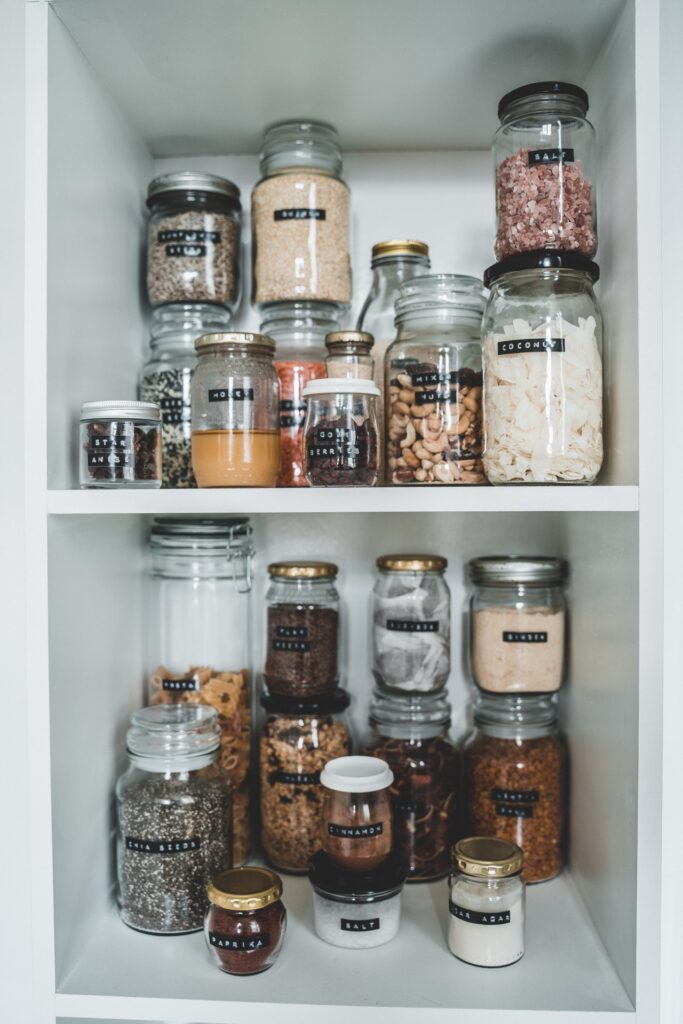
  • Next, consider adding a few more cupboards and shelves if space allows for it. Look around your kitchen and if you see a bare wall; that’s a candidate for a cupboard or shelf, right there. It may be difficult to maintain a consistent design if you can’t source the same cupboards that you currently have, so a shelf may be the best option. Open shelving, in particular, can be economical with the scant space you have, with the added bonus of showing off some of your fancy pickle jars and interesting spices to the world! Or at least, to visitors.
  • Think vertically. Invest in functional, flexible items like vertical space racks and consider hanging your pots and pans on the wall instead of storing them in a cupboard. This frees up more space inside your cupboards and is an effective way to use space.
  • Finally, if you have a lot of wine bottles cluttering your kitchen, installing a wine fridge or rack under the counter or in a cabinet could be a good way to keep them neatly stored out of sight. Philip from Expert Wine Storage says; “Our customers often get in touch with us to try and reduce the amount of wine bottles they have stored around their kitchens. Having a dedicated space for your wine bottles really helps to keep your kitchen decluttered!”. He might be right, you know…

Storage space can be difficult to create in a cluttered kitchen, but it’s a practical kitchen improvement that we would highly recommend. It takes a lot of time, but it’s well worth the effort and investment; your cooking will thrive because of it.

Lighting

Another kitchen upgrade that delivers both aesthetic and functional benefits is the installation of new lighting fixtures.

Good lighting is key to a functional kitchen, enhancing visibility for cooking and preparation tasks and showing off your kitchen in its very best light. You can consider the installation of under-cabinet lights to illuminate those beautiful countertops we mentioned, or pendant lights above an island to add focused illumination where needed.

In terms of aesthetics, stylish fixtures can act as a focal point in the kitchen, adding character and setting the ambiance of the space. Whether rustic, modern, or classic, there’s a wide range of lighting options that can perfectly complement your existing interior style. In addition, dimmable lights offer flexible control over the mood and energy of the kitchen.

Upgrading lighting can significantly enhance a home’s visual appeal and functionality. According to PropertyMesh, a platform that provides real estate insights, well-planned lighting improvements can also influence buyer perceptions and overall property value.

Upgrading The Everyday Fixtures & Appliances

Think about your daily routine in the kitchen and consider what tasks feel needlessly obstructive and lengthy, and what processes feel unnecessarily slow. For example, do you find it difficult to wash dishes because you don’t have much space to dry them? Perhaps get yourself a dish drying rack or even a dishwasher if you have space. Do you find that your kitchen sink is a bit too small? Consider swapping it out for a larger one and change the taps while you’re at it so you have more control over where the water goes.

Go further and look deeper. Do you find certain places in your kitchen hard to clean? Maybe your microwave is in an awkward position or perhaps you have an old stovetop that can be replaced with something like an integrated version with more features.

Modern, slick appliances are increasingly affordable in an ever more competitive market, and their addition may well make your life easier in the kitchen, as well as bringing a cutting edge look to the room. And that’s why you arrived at this article in the first place, right?

Empowering Lone Workers: Key Strategies To Maximise Safety In The UK

The United Kingdom is home to a considerable number of lone workers ranging from social care professionals, community nurses, estate agents, to postal staff, and more. These individuals often carry out their roles without the direct supervision of colleagues or the security that a standard office environment might offer. 

As such, safety can be a prominent concern that directly affects their wellbeing and productivity. Today, we’re delving into some effective strategies that can make a world of difference in ensuring lone worker safety. Join us.

Leveraging Technology: The Power Of Lone Worker Apps

One of the most effective and innovative solutions for solo worker safety in this digital age is the use of the lone worker app. These apps are designed to offer fast and effective help in case of emergencies. For instance, StaySafe is a widely-used app in the UK that offers GPS tracking, missed check-in alerts, and even a ‘man-down’ feature that signals when a worker hasn’t moved for a certain period of time.

Another potent tool is SoloProtect, an app that offers both reactive and proactive safety measures. It includes a ‘Red Alert’ feature which immediately connects workers to a response team in case of an emergency, as well as a ‘Yellow Alert’ function for recording potentially hazardous situations.

The Importance Of Self-Defence Training

While technology like apps can be lifesaving, it’s essential to provide physical strategies as well. Offering lone workers self-defence training can be pivotal in building their confidence, and equipping them with practical skills that can be used if ever they find themselves in dangerous situations.

Courses like those offered by the British Self Defence Governing Body (BSDGB) not only teach physical techniques but also cover laws surrounding self-defence, de-escalation tactics, and risk assessment. Encouraging lone workers to enrol in these types of courses could significantly enhance their personal safety.

Read: 7 self defence tips everyone should know

Creating Comprehensive Lone Worker Policies

While apps and self-defence training are incredibly beneficial, organisations must also foster a culture of safety through a comprehensive lone worker policy. This policy should cover risk assessments, procedures for reporting incidents, and should be regularly reviewed and updated to ensure it meets the evolving needs of workers.

The UK’s Health and Safety Executive (HSE) provides in-depth guidelines on creating an effective lone worker policy. It’s a crucial resource for businesses seeking to enhance the safety of their lone workers.

Effective Communication & Regular Check-Ins

Regular check-ins can be as simple as a phone call or a text message, but they play a crucial role in ensuring safety. They help monitor the wellbeing of workers in real-time and provide a platform for workers to report any immediate concerns or threats to their safety.

The Power Of Education & Awareness

Last but not least, raising awareness about potential risks associated with lone working and educating workers about best safety practices is vital. Organisations can host workshops or training sessions that cover topics like situational awareness, safe travel practices, and mental health support.

Some of the best UK organisations who can provide training on lone worker safety include:

  • BSIF (British Safety Industry Federation): This federation offers a wide range of training programmes specifically designed for the safety industry, including Lone Worker Safety.
  • StaySafe: StaySafe offers a comprehensive lone worker safety solution, including an app and a hub where employers can monitor the safety of their lone workers. They also offer training and education about lone worker safety.
  • IOSH (Institution of Occupational Safety and Health): IOSH, based in the UK, offers a variety of courses and resources focused on lone worker safety.
  • The Lone Working Group: This group is an offshoot of The Health and Safety Matters (HSM) organization and offers not just training but also best practice advice on Lone Working.
  • Worthwhile Training: This organisation provides bespoke training on a variety of subjects, including safety for lone workers.
  • The Health and Safety Group: This group provides a wide range of safety training courses, including those specific to lone workers.
  • SoloProtect: SoloProtect delivers a comprehensive range of solutions for employers wishing to protect their staff, the majority of which are operating alone. This includes training on best practices.
  • Reliance Protect: They offer a suite of lone worker safety services, including device-based solutions, apps and training support.
  • Lone Worker Solutions: They offer a wide range of protective services, including Safe Hub, a multi-device application that offers a comprehensive range of lone worker protection features.

The Bottom Line

Workplace safety is a right, not a privilege, and for those in the lone workforce in the UK, it’s a topic that needs constant attention. By adopting strategies such as levering lone worker apps, initiating self-defence training, creating comprehensive policies, maintaining frequent communication, and educational initiatives, lone workers can feel more secure, healthier, and more productive in their roles.

Remember, a safe worker is a happy worker!

Thinking Of Expanding Your Business? Here Are Some Different Avenues To Explore For Growth

Isn’t starting a business exciting? There’s so much potential and plenty to be proud of already! 

Now comes the real challenge – growing it. Just as you wouldn’t expect a tree to sprout overnight, companies can take some time to start blooming too. Developing your business requires no small measure of patience, and each phase of your company’s lifecycle will present fresh obstacles to overcome. 

Though businesses are in a period of struggle and turbulence, there has been some optimism surrounding growth in recent times. If you want to expand your business, then you should know that you’re not even close to being out of options to explore.  

Below, we’ve explored three different ways of growing your business exponentially. Take a look.

Explore Franchises

Franchising is like buying a business blueprint. You’re leveraging a successful brand and its proven business model, allowing you to sidestep some of the risks associated with growing your business alone. 

As a franchisee, you’ll start by choosing a franchise that suits your interests, skills, and financial capabilities. Do your homework: understand the brand, its target market, and the support it provides to its franchisees. The Franchise Local have the ultimate guide to franchising on their website, and we highly recommend browsing it. They explain what to look for in franchise opportunities. Moreover, they also maintain a directory where you can browse hundreds of businesses looking to take on more franchisees. 

You’ll sign a franchise agreement once you’ve picked your perfect franchise. Remember, this is an important legal document, and having it reviewed by a solicitor is always a good shout. Upon becoming a franchisee, you get to run your own business, but with the backing of an established brand. You’ll typically receive initial training, resources, and ongoing support from the franchisor, helping you to navigate your business journey as your part of the venture grows

Embrace E-commerce

Surprisingly, not every enterprise is as committed to ecommerce as one might expect in today’s digital era. An online presence can significantly boost your revenue, even if you run a brick-and-mortar shop.

Start by setting up a user-friendly website or joining an e-commerce platform. Consider what your customers want – easy navigation (for all devices), clear product descriptions, and secure payment options. 

And let’s not forget about SEO. It’s your best mate in the world of e-commerce, helping your business show up among the first results of online searches. Also, consider offering delivery options that meet your customers’ needs, whether that’s next-day delivery or click-and-collect. Convenience is key, so ensure it informs every aspect of your firm’s digital presence. 

Partner Up

Ever heard the saying, “Two heads are better than one”? This can of course apply to businesses too. 

Strategic partnerships can help you tap into new customer bases, share resources, or even develop new products. Find a company that aligns with your business ethos and can bring something valuable to the table. With strong enough ties, businesses can cut back costs (thanks to discounts and heightened productivity) and grow mutually as a team.  

You could even work with competitors. It might seem dicey, but if there’s ever a time when your company needs to lobby for industry-wide change, competitors can rally for the greater good. After all, everyone benefits from greater trading conditions. You could also oversee joint marketing campaigns together too. Greed isn’t the way to grow a business – in fact, compromise often is!  

Harmonious Hosting: A Guide To Effective House Viewings With Occupied Tenancies

Hosting a property viewing – let alone selling the place – with tenants still in situ can be a delicate juggling act, requiring a balance of respect for your current tenant’s rights and privacy, while also showcasing your property to potential new tenants or buyers. Yet, to ensure a harmonious, respectful, and legal process, there are steps UK-based landlords can take. These are those.

Clarity & Communication

Informing your tenants about your intention to sell is not only courteous, but it also fosters a cooperative atmosphere. Clear, open, and regular communication is key, ideally by letter (or email) to ensure there’s a paper chain for all parties to refer back to.

Pursuant to provisions in the Housing Act 1988 (Section 21), landlords must provide at least two months’ written notice of an intention to gain possession of the property. This pre-emptive measure ensures your tenants are aware of the changes ahead, thus minimising disruptions.

Remember that future viewings should be scheduled at mutually convenient times. The Equality Act of 2010 obliges landlords to make reasonable adjustments for tenants with disabilities in such circumstances.

Respecting Tenants’ Rights

In accordance with the Landlord and Tenant Act 1985, tenants have the right to ‘quiet enjoyment’ of their rented accommodation. This means that although landlords retain the ownership, tenants are entitled to live undisturbed.

Therefore, you must give your tenants at least 24-hour notice before a viewing, as stated in the 1985 Landlord and Tenant Act, or give reasonable notice if no fixed term is provided in the rental agreement. It’s worth noting that tenants can refuse access if it’s not convenient, even with notice.

Maintaining A Presentable Property

Keep the property in good condition to attract potential buyers and potentially increase your property’s value. Regular inspections and maintenance checks will ensure the house remains appealing, though do be aware, of course, that such regular inspections may be violating your tenants’ privacy. Plus, involving your tenants in this process can make them feel valued and more likely to cooperate during the house viewings.

Virtual Viewings

Virtual viewings – which grew in popularity during the pandemic – can greatly benefit landlords looking to sell their homes by respecting their tenant’s privacy and maintaining a positive landlord-tenant relationship. 

By eliminating the need for multiple in-person visits, which can potentially disturb the occupants’ peace, this tenant-friendly selling strategy allows for 24/7 accessibility, creating more opportunities for prospective buyers to see the property and increases the chances of a quick and successful sale. 

Reward Cooperation

Consider ways to incentivise tenant cooperation. You could offer a rent reduction or other benefits to recognise their contribution to the viewing process – their peace and privacy has been disturbed, after all. It’s about maintaining a positive landlord-tenant relationship and keeping lines of communication open.

Read: How to make your buy-to-let property appeal to tenants

Securing Personal Belongings

For landlords looking to sell their house with tenants in situ, it’s essential that you respect their privacy whilst any viewings are being conducted, too. Buyers should be advised against taking photographs during viewings to respect the tenant’s personal space. Remember, you’re selling the property, not the possessions in it!

Professional Estate Agents

Hiring a professional, familiar with UK laws and experienced in liaison between tenants and potential buyers, could ease the process. An estate agent can ensure viewings are done within legal guidelines, respecting both the seller and tenants’ rights, which certainly takes a load off. 

Legal Standing – Assured Shorthold Tenancies (AST)

Buyers must understand that if they purchase a property with an Assured Shorthold Tenancy (AST), they purchase it with the sitting tenants, meaning they inherit the tenant and the terms of the existing lease. Hence it’s not just a property sale, it’s a tenancy purchase. The buyer becomes a landlord until the AST ends.

The Bottom Line

Selling a property with tenants can be complex, but with careful handling, it doesn’t have to be stressful. Fostering an environment of respect, understanding, and open communication ensures a smooth transition for everyone involved. After all, your property was their home, and it’s in everyone’s best interest to maintain a positive, welcoming atmosphere, both for the potential new owners and for the current tenants.

Freddo Cappuccino: A Delicious Greek Summer Coffee Drink

The scorching Mediterranean sun calls for a refreshing escape, and in Greece, there is no better companion than a tall, frothy glass of Freddo Cappuccino. 

This delightful Greek coffee drink has taken the summer scene by storm, captivating both locals and visitors with its invigorating flavours and creamy charm.

Today, we’re embark on a sensory journey through the world of Freddo Cappuccino, exploring its origins, the art of its preparation, and the sheer joy it brings on a sweltering summer day.

What is Freddo Cappuccino? The Origins & History

Freddo Cappuccino is a delightful Greek coffee drink that has gained some serious popularity in recent years. The name “Freddo” translates to “cold” in Italian, candidly capturing the essence of this chilled coffee creation.

Freddo Cappuccino is characterised by its layered composition of espresso, ice, and frothy milk. It is skilfully prepared by combining these elements in a way that creates a refreshing blend of flavours and textures.

Espresso, that famed coffee drink with many delightful variations, is the core of this beverage.

Freddo Cappuccino originated around the 1990s has become an integral part of Greek coffee culture, reflecting the country’s love for coffee and its vibrant social scene. It has also gained recognition beyond Greece, with cafes and coffee shops worldwide embracing this refreshing drink and offering their unique interpretations.

“Frappe and Freddo are more than just iced coffee drinks in Greece. They are a way of life! Drinking iced coffee all year round is something that Greeks savor immensely.” – TheGreekReporter.com

Over the years, the drink has evolved and adapted to different preferences and variations. Some add a touch of sweetness with flavoured syrups, while others experiment with different milk alternatives. Hey, whatever floats your boat…

Design by IDEAL image © Ruben Ramos via Canva

What You Need For The Recipe

Here’s what you’ll need to make a Freddo Cappuccino.

Coffee Beans

You can use any of your favourite coffee beans depending on your taste. 

However, we’d recommend opting for medium-dark or dark roasted beans as they bring out the bold and full-bodied flavours that pair well with the creamy froth and chilled elements of Freddo Cappuccino. 

Milk

The type of milk used can greatly impact the taste and texture of the final beverage. Traditionally, Whole milk is used for preparing Freddo Cappuccino.

For those who prefer non-dairy options: Almond milk, oat milk, soy milk, and coconut milk are some popular choices. These alternatives can offer a unique flavour profile and different textures.

Ultimately, the best milk for your Freddo Cappuccino depends on your personal preference and dietary needs. It’s worth trying different options to discover the combination that brings you the most satisfaction.

Flavourings or Sweeteners

To add a touch of sweetness to your Freddo Cappuccino, you can add granulated sugar to the recipe. Or you can try other sweeteners like brown sugar, maple syrup, or agave nectar.

To give a unique touch of flavour to your Freddo Cappuccino you can also try sweet syrups like vanilla, caramel, hazelnut, or chocolate.

Espresso Machine

Freddo Cappuccino typically starts with a shot of strong espresso as its base. 

While there are alternative methods to make strong coffee, such as using a moka pot or a French press, an espresso machine provides the necessary tools and precision required to achieve the authentic taste and texture of a Freddo Cappuccino. 

Blender or Mixer

A blender or mixer is commonly used to blend ice cubes and espresso, as well as to obtain the frothy and creamy milk texture in a Freddo Cappuccino.

It helps to whip the milk into a velvety foam, which is then layered over the iced espresso.

Instead of an electric blender or mixer, you can also use manual devices like handheld milk frothers, whisks, or cocktail shakers.

How To Make Cappuccino Freddo

Here’s a step-by-step guide on how to make this refreshing Greek Freddo Cappuccino.

Ingredients

A double shot espresso (60 ml)

Half cup of whole milk (100 – 120 ml)

A glass full of ice cubes

Sugar or sweeteners (As required)

Step-by-Step Instructions

  1. Prepare the espresso: Brew a double shot of espresso in your espresso machine. Use around 18 to 20 grams of coffee grounds and the yield should be around 40-45 grams.
  2. Sweeten (Optional): If desired, add sugar or a sweetener of your choice to the espresso while it’s still hot. Stir well to dissolve the sweetener.
  3. Blend the ice cubes and espresso: Add ice cubes to your espresso and blend the mixture by shaking it in an electric blender or cocktail shaker.
  4. Froth the milk: Pour cold milk into a blender or mixer. Blend the milk until it becomes frothy and airy. You can also use handheld milk frothers or whisk. This step helps to create the signature creamy foam for your Freddo Cappuccino.
  5. Prepare the glass: Fill a tall glass with ice cubes. The ice will help to chill the drink and maintain its refreshing temperature.
  6. Layer the espresso and milk foam: Now add already cold Espresso to the glass filled with ice cubes and add pour the frothed milk on top of the espresso, creating a layer of creamy foam.
  7. Optional flavourings: If desired, you can add flavourings or syrups such as vanilla, caramel, or hazelnut to enhance the taste of your Freddo Cappuccino. 
  8. Stir and enjoy: Mix the layers of espresso, milk foam, and flavours with a spoon or straw to create a harmonious blend of flavours. 

Sip and savour your homemade Freddo Cappuccino, enjoying the rich coffee taste, creamy foam, and refreshing coolness.

Remember, you can adjust the proportions of espresso, milk, and sweeteners according to your preference. Feel free to experiment with different flavourings, syrups, or even whipped cream as toppings to personalise your Freddo Cappuccino.

A Few Frequently Asked Questions

Is Freddo Cappuccino Sweet?

Yes, Freddo Cappuccino does have a touch of sweetness to it. Typically, a small amount of sugar is added to the espresso while it’s still hot to give it a subtle sweetness. This helps to balance the rich and intense flavour of the espresso.However, if you prefer, you can also order or prepare it without any sugar.

Are Freddo Cappuccino & Frappuccino The Same Thing?

No, Freddo and Frappe are not the same. They are different Greek iced coffee drinks with distinct flavours and preparation methods.

The main difference lies in the way they are prepared. Freddo is made with espresso, served over ice with frothy milk, while Frappe is made with instant coffee, water, and sugar, and shaken to create a frothy texture.

What Is The Difference Between Cappuccino & Freddo Cappuccino?

A traditional cappuccino is served hot and consists of equal parts espresso, steamed milk, and milk foam, resulting in a warm and creamy beverage. On the other hand, Freddo Cappuccino is a refreshing Greek variation prepared by blending ice with the same ingredients. 

Cheers to a sip of pure caffeinated bliss!

How To Plan The Best Garden Party For Kids

0

According to recent research, a parent spends an average of £191 on their children’s birthday party. And whilst they can, occasionally, go without a hitch, more often than not they are full of hiccups and tantrums galore. And that’s just the parents. 

For nearly £200 a pop, that’s a whole lot of stress! As the guys at Closer say “Children’s parties – fun in theory, an absolute bloody nightmare in practice’’ and we couldn’t agree more. That said, such events aren’t all doom and gloom, and with the proper planning and preparation, they can even – whisper it – be fun. With that in mind, here’s how to throw the best garden party for kids.

Have A Theme

The first step of planning any children’s birthday party is to choose a theme. Having a pre-arranged theme can pull an event together and allows you to create a backdrop against which you can choreograph the finer details. In many ways, rather than being restrictive, a themed party focuses the mind of both organiser and attendee, eliminating that dreaded ‘paradox of choice’ from the costume and culinary choices, equally. 

Plan the theme around your kid’s latest interest, be it Dora the Explorer or Postman Pat. Alternatively, something broad and generic allows for a looser interpretation of the brief which can be liberating for all those parents out there who don’t have the time to pull a dedicated outfit together. Here are just a few ideas:

  • Mad Hatters Tea Party
  • Mini Olympics
  • Teddy Bear’s Picnic
  • Circus Extravaganza 
  • Pirates
  • Jungle or Zoo

To really pull your theme, hire in some people and props to keep the kids entertained. Speaking of which…

Hire In Props & Enteraintment

Why not hire some people to provide the entertainment for you? Not only will it make your life so much easier, but it will definitely be popular with your pint-sized guests, too. In fact, according to the guys at Metroparent, doing so has become something of a status symbol. They say that “having party performers is practically the new pinata or pin-the-tail-on-the-donkey when it comes to the most brag-worthy birthday party attractions.”

The children’s entertainment industry for parties is huge and you can hire in a professional party entertainer to suit any niche interests, hobbies and tastes. As the Guardian reports, the business  “providers of specialised themed parties for children aged three to 12 years is booming. Popular themes have included the circus, princesses; superheroes, pirates; zombies, and Mamma Mia, with a team of trained performers on hand to bring the party to life”.

Very Well Family suggest that “When hiring an entertainer for your child’s party — whether you have it in your home or another location, ask key questions like how long their performance is, how much space they need and if they will be in costume the whole time. (Some companies have their performers change costumes mid-party, which can be confusing for young children.)”.

You can even hire prop party packages in a range of exciting themes, from Circus Circus to Alice in Wonderland, with bouncy castle packages available to add that extra bit of excitement. Have all of the kids wear themed boys and girls’ fancy dress to suit the entertainment, and you’ll create an unforgettable experience.

Yes, these elements can be expensive, and may feel frivolous even, but they represent the magic dust you’ll be sprinkling over kids birthday party, so pull no punches here. 

Let The Games Begin

Traditional party games never go out of fashion; from pass the parcel to musical chairs and our personal favourite, sleeping lions, they’re the bedrock of any great children’s party. Whilst you might put the majority of your focus into the snacks and refreshments, in the end, the quality of the games is what determines whether or not the party sinks or soars, stinks or roars. Some of the best games include:

  • A treasure hunt
  • Scavenger hunt
  • Pin the Tail on the Donkey
  • Simon Says
  • Musical statues 
  • Duck, duck goose 
  • Egg & spoon race

This isn’t something you should simply freestyle. A child’s birthday party demands organised fun. That said you need to be flexible with your party plans, especially if the party is for pre-school kids. The folks over at Very Well Family say “Spontaneity is always fun, but for a preschool birthday, scheduling (with some wiggle room) is the way to go…try planning activities over a short time span — 10 to 15-minute intervals.”

Oh, and to avoid waterworks, make sure you have prizes for all the kids!

Invitation Info

This needs to include all the basic info and anything else that parents might want to know. The essentials are: 

  • The time and location of party
  • Pick up times 
  • If the adult is also invited to stay
  • The RSVP details and deadline 
  • The birthday party theme 
  • Parking suggestions near your home
  • Asking if the invited child has any allergies
  • If food will be provided

Remember that if the parents leave the kids with you – don’t panic! – make sure you have their contact number in case of an emergency. And if you haven’t received an RVSP, do bear in mind that parents are busy and sometimes invitations get lost in all the chaos of family life, so follow up with a friendly phone call if you don’t hear back – they’ll probably appreciate the reminder, too.

Invite The Adults Too

Inviting adults will make your life considerably easier, rather than having to keep an eye on a cabal of marauding little ones all on your own. Having other parents, friends and relatives to help guide activities and clean up the mess can reduce your stress levels several notches, so do remember to mention this on the invitation if you’re keen to share the load. 

Co-hosting the party with another parent who has a child’s birthday coming up can lighten the load even further, particularly financially. 

Finger Food & Cake

Chances are the kids will be too excited to eat, and so eager to play that they won’t be able to stay in one place long enough to have a ‘meal’. And that’s a good thing; at least they’re having loads of fun! But they will need to eat, so prepare easy, accessible finger food for everyone.

You can’t go wrong with pizza, cake, ice cream and sausage rolls, though not necessarily in that order. Basically, anything which can be held in one hand and isn’t too messy is perfect.

If you’re inviting adults, ask them to bring a dish to the party to share. That way, every child’s esoteric, fussy tastes will be taken care of!

Be Ready For Rain Or Sun

Last summer, we saw a heatwave with temperatures reaching highs of near 40degrees in some parts of the country. These sticky, sweltering temperatures certainly aren’t ideal for the little ones, so make sure you have lots of shade provided, which will also cover for any rain, too!  

Consider hiring out a gazebo and arranging games that involve water; think paddling pools, water slides and activities that accommodate bursting balloons! Be sure to have plenty of sunscreen on hand, too. If it’s going to be too hot – or rainy – for the little ones, be flexible and have a backup date on the invitations planned.

Speaking of backup dates, every outdoor party needs a rain plan, too. Either have an alternative ‘rain date’ on the invitation, or consider moving to an alternate indoor location. Hey, we said this thing needed precision planning! 


From Food To Followers: How To Turn Your Culinary Tastes Into A Social Media Enterprise

As anyone who’s been bombarded with Thomas Straker’s butter rochers or Mob’s daily nduja recipes will attest, food is big business on social media. 

If you’re keen to take a bite out of this ever growing market, then you’ll also know that carving out a distinct identity is crucial to establishing your presence. 

It’s not just about slapping your ingredients down on a chopping board with a particular rhythm anymore; your unique cooking style and the language you use around your food (see What Willy and his ‘’pepper noir, pepper blanc, pepper rouge’’ bit) become your brand’s ‘flavour’, and the thing that sets you apart from the crowd. 

As an amateur chef, healthy eating coach or UK farming advocate, you might have a particular interest or expertise, such as vegan cuisine, gluten-free baking, fitness meal prepping, or farm-to-table cooking, and it’s this niche you have to exploit. 

In the world of social media, everything begins with you. You are the brand, but you have to build on that foundation and prepare yourself for the responsibilities of consistent content creation and community curation. There are software tips to help you get started on the right foot and cook up a storm online. Once you have a following, you can start to turn likes and shares into money in your bank account.

Content For Starters

Creating engaging content that resonates with your audience is the bread and butter of any successful social media influencer. As a culinary influencer, your content must be both appetising and informative, serving as a digital feast for your followers. 

Firstly, focus on your visuals. High-quality images and videos are essential. Showcase your dishes in the best light, experiment with different angles, and don’t forget about the aesthetics of your surroundings. Use editing tools to enhance your visuals, but keep it natural to maintain authenticity. 

Secondly, your content should tell a story. Whether it’s the origin of a recipe, your experience preparing it, or the health benefits it offers, every dish has a tale to tell. Engage your followers with storytelling to evoke emotion and connection. Offering valuable information such as detailed recipes, cooking tips, nutritional facts, or meal planning guides can add an educational aspect to your content, making it more valuable to your followers. 

Lastly, engage with your audience. Encourage them to try your recipes and share their experiences. Respond to comments and questions to build a sense of community. Remember, appetising content not only attracts followers but also entices them to stay.

Consumer Engagement Is The Main Course

As a social media influencer, building an engaged following is as much about creating relationships as it is about providing excellent content. A loyal and interactive audience is crucial to your enterprise’s success, so it’s essential to use effective strategies to facilitate connection and engagement.

One way to build engagement is by encouraging user-generated content. Ask your followers to recreate your recipes and share their experiences using a dedicated hashtag. Not only does this create a sense of community, but it also provides you with valuable content that you can share on your page, thus giving your followers a sense of recognition and involvement.

Another strategy is to frequently interact with your followers. Respond to comments, answer direct messages, and engage in discussions. This shows your followers that you value their opinions and contributions, thereby building a stronger relationship with them.

Holding contests or giveaways is another effective strategy to engage your audience. They generate excitement, increase your reach, and offer a fun way for your followers to interact with your brand.

Regular and consistent posting keeps your followers updated and increases your visibility online, helping you cultivate a thriving and engaged community around your culinary enterprise.

The Secret Ingredient Is Technology

Running a social media-influencing enterprise is not just about creating engaging content and networking; it also requires efficient and reliable digital operations. For a smooth-running computer system, consider integrating software solutions that optimise your device’s performance and increase productivity, like disk cleaners or software that keeps drivers and software up to date.

File shrinking software can compress large files, such as high-resolution videos and images, which are integral to your content creation process. This not only saves storage space but also facilitates easier and faster file sharing, crucial when collaborating with team members or business partners. Smallpdf’s pdf compressor is perfect for trimming down bloated files, giving you masses of space back on your hard drive without deleting anything. The files are smaller but contain the same information and images. 

Using the right software tools helps make your business more resilient and adaptable. Regular maintenance of your digital workspace is like keeping your kitchen clean and organised; it enables you to work more efficiently, preventing potential issues that could disrupt your service. 

Sweet, Sweet E-commerce

Using your social media influence to establish an e-commerce business can be a profitable way to monetise your culinary passion. However, this transition requires strategic planning and thoughtful execution.

Start by understanding your audience’s needs and preferences. What kind of products or services would they find valuable? This could range from a cookbook featuring your unique recipes to a line of kitchenware, meal kits, or even online cooking classes. Once you have a clear idea, you can then create a business plan to outline your objectives, strategies, and potential challenges.

You need to build a user-friendly e-commerce website. Make sure it’s aesthetically pleasing, easy to navigate, and secure for transactions. Showcase your products or services with enticing descriptions and high-quality images. 

Social media platforms can serve as effective marketing channels for your e-commerce venture. Regularly promote your products on your social media pages and consider paid advertisements to reach a larger audience.

Customer service is key in e-commerce. Be prompt in answering queries and resolving issues. After all, a satisfied customer is more likely to become a repeat customer, and they might bring even more followers to your platform. Always stay true to your brand’s values and vision. Your loyal followers have supported your journey because they resonate with your brand; make sure your e-commerce venture enhances this connection.

Garnishing Your Creation

Once you’ve built a solid following and a recognisable brand as an amateur chef or healthy eating coach, you can start to build a business. Strategic partnerships and affiliations can provide a lucrative revenue stream while also enhancing your brand visibility.

Partner with brands that align with your niche and values. For instance, if you’re cooking vegan food, you might collaborate with plant-based food companies. Sponsorships involve promoting a brand’s products or services in your content in exchange for payment or free products.

Affiliate marketing is another potential source of income. You promote a product and earn a commission for every sale made through your referral link. Selecting affiliate partners whose products you genuinely love, and use can enhance your credibility and result in higher conversion rates.

You might also consider paid partnerships with other influencers, where you collaborate on content or events. This can increase your reach by exposing your brand to their followers. While these partnerships can be profitable, it’s crucial to maintain your authenticity. Overly promotional content can deter followers. Always disclose your affiliations and strive for a balance between monetised and organic content. This ensures your followers continue to value and trust your brand.

Begin your social media profile by identifying what makes your culinary journey unique, and cater your content to highlight these qualities. Authenticity is key. Having a genuine passion for your niche not only piques interest but also builds trust and loyalty among your audience. 

By sharing your story, your food philosophy, and your journey openly you form deeper connections, ultimately creating a more engaged and loyal following ready to join you as you make your transition into entrepreneurship and build a business from your passion for food.

Perfect Pairings: 11 Stylish Summer Shoes To Wear With Jeans

When it comes to summer fashion, finding the right shoes to wear with jeans can be a game-changer. Whether you’re heading to a casual brunch date with friends or a weekend getaway with your beau, the perfect pair of shoes can elevate your denim-defined look to dizzy new heights. Here are 11 stylish summer shoes to wear with jeans.

Classic White Trainers

Starting off our list are classic white sneakers, which are an absolute must-have for any denim lover. These versatile shoes add a touch of casual elegance to your jeans, making them perfect for everyday wear. Pair them with cropped jeans or roll up the cuffs for a trendy look.

Or, go further. As the team at from Lace Lab sagely advise, even small details like swapping in fresh laces can take your sneakers and denim pairing to the next level.

A few classic trainer and jeans pairings that we’re particularly fond of:

  • Adidas Stan Smith: Classic, minimalist design perfect for casual wear.
  • Nike Air Force 1: Clean, timeless look, pairs well with any style of jeans, and can provide pops of colour if the whole starched white thing is too much for you.
  • Converse Chuck Taylor All Star Low Top: Versatile and suits both skinny and flared jeans.
  • Puma Cali: Offers a bit more chunkiness, great with straight-leg jeans.
  • New Balance 574: Provides a sporty look and complements well with denim.
  • Reebok Classic Leather: A chic and comfortable option.
  • Vans Old Skool: A skate style shoe that can add a cool edge to your outfit.
  • Superga 2750 Cotu: Offers a slightly more feminine silhouette.
  • Veja Esplar: A sustainable brand with a fashionable, sleek design.
  • Common Projects Original Achilles: Offers a luxury, streamlined design.

Espadrilles

Espadrilles embody a certain laid-back elegance that makes them an exceptional summer staple and their versatility makes them the perfect partner to denim. To showcase this chic combo, pair slim-fit or skinny jeans with espadrille flats for a sophisticated, streamlined look that elongates the legs. 

For a breezy, boho-inspired ensemble, you can also consider pairing them with a relaxed boot-cut or flared jean. High-waisted jeans and a playful, platform espadrille can create an irresistibly retro vibe. 

Play with different washes of denim to further diversify your look – light-wash jeans for a more summer, beachy feel, or dark-wash for a more polished look. And remember, a pair of crisp white jeans with tan espadrilles is the ultimate nod to a Mediterranean style. 

Strappy Sandals

When the temperature rises, strappy sandals become a go-to option, their delicate straps and open design creating a breezy and feminine look that perfectly complements jeans. Here are some of our favourite pairings:

  • Skinny Jeans: Strappy sandals look best when worn with skinny jeans since they sit nicely atop the sandals without covering them. This can create a streamlined silhouette.
  • Cuffed Jeans: If you’re wearing boyfriend jeans or straight-cut, cuff the hems to show off your strappy sandals. It adds an effortless chic to your look.
  • Cropped Jeans: Another great way to show off your sandals is to wear cropped jeans. This style is especially good for summer when you want to be a bit more breezy.
  • Distressed Jeans: The rugged look of distressed jeans pairs well with the delicate design of strappy sandals. It’s a nice balance of tough and tender.
  • White Jeans: For a breezy summer look, pair your strappy sandals with white jeans. It creates a fresh and clean look that’s perfect for warm weather.
  • With a Statement Belt: Pair your jeans and strappy sandals with a statement belt. It adds an extra touch of sophistication and ties the look together.
  • High-waisted Jeans: High-waisted jeans with a tucked-in top can highlight your waistline and make your legs look longer when paired with strappy sandals.

Block Heel Mules

Block heel mules strike the perfect balance between comfort and style. With their chunky heels and slip-on design, they have the ability to effortlessly elevate your look.

For a flattering aesthetic, try wearing them with cropped or ankle-grazing skinny jeans; this style will show off the mules nicely. Another option is to cuff your straight or boyfriend jeans to create a laid-back yet fashionable look. Mules can also add a classy contrast to distressed jeans. 

Platform Sandals

If you want to add some height while keeping it comfortable, platform sandals are the way to go. These shoes provide extra support and elongate your legs, making them a fantastic choice for flared or bootcut jeans. Opt for neutral tones to create a sleek and sophisticated look ideal for festivals, beach barbies and casual workplace Fridays, equally.

Slip-On Sneakers

For an easy and casual summer vibe, slip-on sneakers are a go-to option. These fuss-free shoes offer both comfort and style, making them perfect for running errands or hanging out with friends. Pair them with skinny or boyfriend jeans for a laid-back yet fashionable ensemble.

Vans Classic Slip-On and Steve Madden Gills Fashion Sneaker are excellent options for casual slip-on sneakers that pair well with jeans due to their timeless, versatile design. For a more luxurious look, Gucci’s Ace sneaker offers high-fashion appeal, while Nike’s Court Royale AC Slip-On caters to the sporty aesthetic. 

For those conscious about the environment, Allbirds Wool Loungers provide a blend of comfort, style, and sustainability. What’s not to love?

Wedge Sandals

Wedge sandals are a summertime staple that effortlessly adds a touch of sophistication to your denim outfits. The elevated heel provides both style and comfort, making them suitable for a whole host of occasions. 

Choose a nude or metallic shade to create a chic and versatile look that goes particularly well with skinny or slim-fit jeans, allowing for the wedge to be completely visible and hence can elongate your legs. A cropped or ankle-length jean can also perfectly showcase your sandals and works great for a casual summer look. 

Light-washed denim can complement nude sandals for a daytime look, while darker denim might pair well with metallic wedges for an evening out. White or pastel-colored jeans can also work wonderfully with nude or metallic wedge sandals, creating a fresh and chic summer style.

Ankle Boots

Transitioning into the cooler summer evenings without breaking stride? Ankle boots are your best friend. These versatile shoes pair exceptionally well with jeans, adding a hint of rockstar swagger to your outfit. Opt for suede or leather boots in neutral colours for a timeless and trendy combination.

High Heels

Pairing high heels with jeans in the summertime is a stylish sartorial choice that can up your fashion game. Whether it’s for a day out shopping or a night out with friends, this pairing can strike a perfect balance between casual and chic. Here are some tips on how to pull off this look:

The first step is to select the right jeans. For summer, opt for a lighter wash that gives off a casual, fun vibe. Skinny jeans are a popular choice as they are snug and show off the heels well. Alternatively, you can opt for cropped or boyfriend jeans that stop at the ankles, allowing the heels to be the star of the show.

Of course, your choice of heel matters, too. While you can technically wear any kind of heel with your jeans, certain styles tend to work better for a chic summer look. Strappy or open-toe high heels are a great choice for summer as they keep your feet cool and add a sexy edge to your look. Block heels, on the other hand, can provide a more comfortable, yet stylish option for a day out.

Hi Tops

Similarly, hi top trainers can serve a similar function to ankle boots, helping you strut with confidence as the temperature falls in time with the sun setting. Pair your bright white hi tops with turned up, washed jeans for a look Lana Del Rey would be proud of. 

For this look, we’re particularly in love with Nike Blazer Mid ‘77s, currently available at a cut price in the Nike sale by Super Sales.

Slides

Lastly, slides offer a relaxed and effortless style that’s perfect for hot summer days. These slip-on shoes come in various designs, from minimalist to embellished, allowing you to customize your look. Pair them with cropped or rolled-up jeans for a fashion-forward ensemble.

The Bottom Line

Finding the best shoes to wear with jeans doesn’t have to be a daunting task. Step into summer in one of these ten pairs, and you’ll be strutting, shimmying and sashaying through the hottest season with grace, style and sass!

Flaunt Your Fabulous: 8 Trending Plus-Size Evening Wear Styles For 2023

Get ready to flaunt your fabulousness. Whether you’re attending a gala, a guest at a summer wedding, or simply heading for a night out on the town, we’ve got you covered for every starlit occasion, with these 8 trending plus-size evening wear styles for 2023. 

Statement Sleeves 

The first trend currently taking the fashion industry by storm is statement sleeves. They add an air of sophistication and drama to any outfit. From bell sleeves to puff sleeves, there’s an array of options to choose from. Not only are they an instant style booster, but they also provide some cover for those who are a bit conscious of their arms. Pair your statement sleeve top or dress with minimal jewellery to let the sleeves take the centre stage!

Flattering Wrap Dresses 

There’s a reason why wrap dresses are a must-have in every wardrobe – they’re universally flattering. The adjustable waist tie allows you to customise the fit, highlighting your curves in all the right places. A wrap dress cinches in at the waist, accentuating your curves and creating an hourglass silhouette. They come in a variety of styles, from satin to floral, making them perfect for any evening event. You can never go wrong with this classic pick.

Choose wrap dresses with V-necklines to elongate your neck and draw attention upwards. Pair them with statement accessories and heels to complete your sophisticated look.

Sequin Shine 

What’s evening wear without a little glam? Sequins are a fashion-forward trend that adds that touch of opulence to any look. A sequined dress or even a sequin-clad blazer paired with plus size evening trousers can instantly brighten your ensemble. This style is particularly great for those who love to shine and dazzle at their evening functions. Remember, we’re here to make a statement, not to blend in!

Velvet 

Luxe velvet is a fabric that screams luxury and elegance, making it a perfect choice for your evening wear. A velvet dress or blazer brings a regal touch to your outfit. Choose jewel tones like emerald, ruby, or sapphire to truly stand out.

Bold Jumpsuits 

Who said evening wear only meant dresses? Ditch the conventional and opt for a bold jumpsuit instead. Jumpsuits are one of the most versatile styles out there, allowing you to go from casual to glam in no time. Opt for a jumpsuit with a belt or a cinched waistline to highlight your curves in all the right places.

Flowing Maxi Dresses

Maxi dresses are a timeless choice for any evening occasion. Opt for flowing fabrics like chiffon or georgette that drape beautifully over your curves. Look for styles with strategic draping or empire waistlines to accentuate your assets and create an elegant silhouette. Experiment with vibrant colours or bold prints to express your personal style.

Off-Shoulder & Cold Shoulder Styles

Off-shoulder and cold shoulder styles are perfect for showcasing your shoulders and collarbones while providing a touch of glamour. These styles draw attention away from areas you may feel less confident about, allowing you to focus on your beautiful features. Choose fabrics with stretch or elastic for comfort and ease of movement.

High-Low Hemlines

High-low hemlines are a trendy choice that adds a playful element to your evening wear. These dresses feature a shorter front hemline and a longer back, creating an eye-catching effect. Opt for lightweight fabrics that flow gracefully as you move, experimenting with different colours and patterns to find the perfect high-low dress that suits your personal style.

The Bottom Line

Gone are the days when plus-sized folk had limited options for evening wear. The fashion industry has evolved, offering a wide range of stylish choices that celebrate our curves and promote body positivity. From flowing maxi dresses to trendy jumpsuits, there is something for everyone. 

So, get ready to stun in the latest plus-size evening wear trends and remember, it’s not about the size you wear, but the confidence you bring to the table. Embrace your unique beauty, go that extra mile to express your own unique sense of personal style, and shine bright at every occasion.

What Does It Take To Become A Dance Teacher In The UK?

Becoming a dance teacher is a rewarding career choice for those passionate about dance and education. In the UK, this profession offers a diverse range of opportunities to inspire and nurture young talents, from casual operations run out of home dance studios all the way to global enterprises franchised from Bath to Bombay. 

Today, we’re hoping to provide you with the inspiration to follow your dream to become a dance teacher here in the UK. All stretched and warmed up? Then turn the music on and let’s dive in…

Qualifications

To embark on a successful journey as a dance teacher in the UK, acquiring relevant qualifications is crucial. The most common pathway is to pursue a degree in dance or performing arts from a reputable institution, or a Level 3 qualification in Performing Arts Dance.

Many universities and colleges across the UK offer specialised dance programs that provide comprehensive training in various dance forms, pedagogy, choreography, and performance skills. Additionally, obtaining a teaching qualification such as a Postgraduate Certificate in Education (PGCE) can enhance your employability and open doors to teaching in schools.

To teach in a state school, you’ll need qualified teacher status (QTS). If you aim to be a lecturer in a university, you’ll need a postgraduate qualification or a recognised profile as a professional performer, along with teaching experience.

For those who wish to teach privately, professional qualifications, awards and certificates, such as those offered by the Royal Academy of Dance, can lend some serious credibility to your business.

Photo by Anastasia Hisel on Unsplash

Career Prospects

The demand for qualified dance teachers in the UK remains consistently high. As a dance teacher, you can explore a variety of career paths. Some choose to work in private dance studios, where they teach a wide range of students, from beginners to advanced dancers. 

Others find fulfilment in teaching within educational institutions, such as primary and secondary schools, colleges, or universities. Furthermore, opportunities exist in community centres, youth organisations, and even professional dance companies. With experience and expertise, you may also consider establishing your own dance school or joining established dance academies.

In short, the future job prospects for dancers and dance teachers are promising. As My Future report, ‘’employment of dancers and choreographers is projected to grow 27 percent from 2021 to 2031, much faster than the average for all occupations.’’ 

About 2,700 openings for dancers and choreographers are projected each year, on average, over the decade.

Popular Places To Teach

London, being the cultural hub of the UK, offers numerous opportunities for dance teachers. Accordingly, the opportunities for finding a dance studio for hire in London are much broader in scope than any other UK urban centre. 

Indeed, the city boasts prestigious dance schools, renowned performing arts institutions, and a vibrant dance community. Manchester, Birmingham, Edinburgh, and Glasgow are also known for their thriving dance scenes. 

However, it’s important to note that opportunities can be found throughout the country, including smaller towns and cities. Local dance schools, community centres, and educational institutions often seek passionate dance teachers to inspire their communities.

People dancing in a fitness class

Average Salary

However passionate you are about dance, it’s still important that you’re able to earn a living. Well, you’ll be pleased to hear that the average dance teacher salary in the United Kingdom is £37,553 per year or £19.26 per hour. Entry-level positions start at £31,944 per year, while most experienced workers make up to £48,785 per year. However, salaries can vary depending on factors such as location, experience, and the type of institution where you teach.

The Bottom Line

Becoming a dance teacher in the UK is an exciting and fulfilling journey that requires dedication, passion, and a solid foundation of qualifications – as well as plenty of moves, of course! 

Remember, this profession allows you to inspire and educate future generations of dancers while contributing to the vibrant dance culture of the UK.

Property Development 101: Funding Ideas For Your Next Project

0

Property development is an endeavour which is as unpredictable as it is exciting. But we didn’t need to tell you that, right? There are opportunities to learn, to grow, to fail and to bounce back, for sure, but most importantly, property development represents a chance to make some serious stacks. However, before you jump in, you must have the necessary property financing in place. A rare case of ‘accumulate before you speculate’, perhaps?


Whether you are a developer with many years of experience or a newbie about to embark on your first project, funding will always be crucial to the success or failure of your development.

Fortunately, there are several methods you can employ to get the property development funding you need to both start and complete your next venture. With that in mind, here are some common property development funding ideas for your next project.

Traditional Bank Financing

One of the most common ways to fund property development projects in the UK is through traditional bank financing. Banks offer loans specifically tailored for property development, such as development finance or commercial mortgages (more of that in a moment).

These loans typically require a deposit, feasibility studies, business plans, and collateral. Interest rates and terms vary depending on the lender and the project’s risk profile.

Commercial Mortgages

You can use a commercial mortgage to buy commercial property such as shops, offices and industrial units — essentially anything that isn’t a residential property. Like private mortgages, they help you spread the cost of a significant purchase over several years. However, if you want to develop a residential property or you need extra funding to renovate a commercial property, you’ll need to explore other, more suitable options.

The most straightforward commercial mortgages are taken out by existing organisations that want to buy the premises where the business already operates. These are the ones most likely to succeed in the application process as the groundwork is already laid.

Typically, the borrower is a business rather than an individual. The type of business, its financial health, and the nature of the property all play crucial roles in determining the mortgage’s terms, including the interest rates. It’s essential, then, to calculate the commercial mortgage rates you’ll pay well in advance of application, to ensure your business can swallow the cost.

Photo by Antoni Shkraba: https://www.pexels.com/photo/woman-in-white-long-sleeve-using-a-laptop-while-having-a-phone-call-5244059/

Part Exchange (PX)

Part-exchange schemes (PX) are an ideal solution for property developers, as they offer a way for customers to sell their current property and move into a new one as swiftly as possible. A PX enables you to avoid unwanted expenses or delays that occur during conventional house sales, such as agency fees and broken property chains. 

Part exchange lets you grow your business and keep your customers satisfied. If you need a quick, hassle-free sale to fund a development, property financing with a PX may well be the best solution. Do be aware that you may not generate the same amount on a sale as you would a standard deal on your property, but the swiftness and lack of bureaucracy makes this an appealing option for some.

Buy-To-Let Mortgages

Buy-to-let mortgages can be an ideal solution if you intend to buy, refurbish and rent out a property for several years. Much like residential mortgages, your income will determine whether or not you qualify for a buy-to-let mortgage and how much you can borrow. This type of mortgage also restricts you to a single property.

If you want to begin a project involving several properties, you will need to look at alternative funding solutions. While these mortgages aren’t ideal for a property in need of substantial development, they can prove fantastic for getting a foot on the development ladder.

Bridging Loans

Bridging loans are short-term loans designed to bridge the gap between the purchase of a property and the sale or refinancing of that property. They can be an effective funding solution when quick access to capital is needed. Bridging loans usually have higher interest rates and fees compared to traditional bank financing but offer greater flexibility and faster approval processes.

Joint Ventures

Entering into a joint venture (JV) partnership can be an attractive option for property developers looking to pool resources and share risks. In a JV, two or more parties contribute capital, skills, or assets to a property development project. Each party shares in the profits or losses according to their agreed-upon percentage. JVs can be formed with individuals, companies, or institutional investors.

Crowdfunding

Crowdfunding has gained popularity as an alternative funding method for property development projects. Through online platforms, developers can raise funds from a large number of individual investors who contribute smaller amounts. Crowdfunding offers access to a wider investor base and can be particularly useful for smaller-scale projects. However, it is important to comply with regulatory requirements and ensure transparency in project details to attract potential investors.

Development Finance Institutions (DFIs)

Development finance institutions are specialised lenders that provide funding for property development projects, especially those with a social or economic impact. DFIs offer long-term loans, grants, or equity investments to support sustainable development initiatives. In the UK, examples of DFIs include Homes England, who aim to promote affordable housing and urban regeneration.

Mezzanine Financing

Mezzanine financing fills the gap between the developer’s equity and the senior debt provided by banks. It is a hybrid form of financing that combines elements of debt and equity. Mezzanine lenders provide capital in exchange for higher interest rates and an option to convert their loan into equity if certain conditions are met. This type of funding can be useful when traditional bank financing falls short.

Government Support Schemes

The UK government offers various support schemes to encourage property development and address specific housing needs. Right now, the Levelling Up Home Building Fund aims to do just this. Additionally, local authorities may offer grants or loans for regeneration projects in specific areas.

Guranteed Purchase

If you need to sell a home for property development funding, and you need to do so quickly, your best bet could be a guaranteed purchase service. This not only speeds the process up, but it also removes a lot of the hassle of a conventional sale on the housing market. Companies that provide this type of service employ property specialists who help sellers who are either struggling to sell their home or need to do so fast. 

You’ll get a guaranteed offer (regardless of the property’s condition), and you’ll save time (otherwise spent marketing the property and negotiating on price) and money (in solicitor’s fees, surveys and more). When property financing, a loss or delay can derail a project and have a severe impact on your reputation as a developer, so speed and certainty are vital.

How To Better Protect Your Smartphone From Damage

We don’t think we’re putting it mildly when we say that our smartphones have become the essential piece of kit that keeps the modern world’s cogs turning.

From sending emails to making video calls, capturing moments, or navigating unfamiliar terrain, these pocket-sized computers serve us in innumerable ways. So much so, in fact, that it was reported back in 2018 that one in ten millennials would rather lose a finger than give up their smartphone

Two things come to mind when reading that headline. One; we’re surprised that figure isn’t way higher. And two; given our increasing reliance on our smartphones in the five years following that survey, we wonder whether we’d be looking at a full house, ten out of ten, in 2023.

No wonder, then, that we all seem to live in constant terror of breaking our phones, and their vulnerability to both physical and digital damages. Whether it’s a minor scratch or a hacked system, the fear of damaging our beloved gadgets is real. 

Fear no further; there are things you can do to protect your smartphone from damage, many of which won’t cost you a dime. These, my friends, are those.

Use Protective Accessories

One of the most practical steps to protect your smartphone is through use of protective cases. A shock-absorbent, sturdy case can offer significant protection to your phone against accidental drops or direct impacts. Screen protectors, typically made of tempered glass, are another effective measure to prevent scratches and scuffs on your screen. Both items are available in brand and model specific designs, whether that’s a Pixel screen protector, screen protector for Google phones or a protective case for an iPhone.

Avoid Exposure To Extreme Temperatures

Smartphones, like many other electronic devices, don’t fare well under extreme temperatures. Leaving your phone in a hot car in summer or exposed to freezing temperatures during winter can cause serious internal damage to your device. Always keep your smartphone in a cool, dry place to prevent damage from temperature changes.

Keep Your Phone Away From Water

Even if your smartphone boasts an impressive IP rating for water resistance, it’s a good idea to keep it away from water anyway. Don’t take your phone to the bath or pool, even if it’s momentarily for a quick picture. Remember that water damage often nullifies warranty claims.

Regularly Update Software

Protection from damage isn’t only physical; it’s digital too. Smartphone manufacturers regularly roll out software updates that are crucial for the overall security of your device, fixing security loopholes and protecting your data from malicious attacks. Make a habit of installing these updates as soon as they are released.

Install Antivirus & Firewall Apps

There’s no dearth of harmful malware and viruses that can infiltrate your device, corrupt data, or invade your privacy. Use trustworthy antivirus and firewall apps to provide digital protection. These software act as barriers to various online threats.

Read: 9 essential social media cybersecurity tips for 2023

Use Safe Charging Practices

Smartphone batteries are sensitive and can get damaged if not managed properly. Avoid overcharging your phone or using off-brand chargers. These may not meet safety regulations and can overheat your phone, or affect battery health negatively.

Additionally, check that the charger is not heating up excessively during use or visibly damaged, as these foreshadow potential overheating.

Clean Your Phone Regularly

Dirt and dust can sneak into the small crevices of your device and cause problems over time. Regularly clean your phone with wipes meant for electronic devices. Avoid using harsh chemicals that can damage the touchscreen.

Instead, to safely clean your phone, use a microfibre cloth to gently wipe the screen and body of the smartphone, which will remove dirt and dust without scratching the surface. For more thorough cleaning, consider using a bit of water or alcohol-based solution specifically designed for electronics, but make sure not to let any liquid enter the charging port, the audio jack, or any other openings.

Avoid Overstuffing Your Phone

Last but not least, an organised phone is a functional phone. Keep your apps in check, delete unnecessary files, and maintain as much free space as you can. Overstuffed phones can slow down, overheat, and eventually, lead to related hardware issues.

Apps like Google Photos can help manage your photos in the cloud to save space, and Files by Google can assist in identifying and deleting unnecessary or rarely used files. Additionally, offloading apps you don’t frequently use or using lite versions of apps (like Facebook Lite or Messenger Lite) can also prevent your phone from becoming overstuffed.

In the UK, popular and effective apps for clearing phone storage include Files by Google, which helps manage your files and easily frees up space; and AVG Cleaner for Android, which cleans junk files, identifies large files, and offers a photo clean up feature.

Apple also has built-in tools within the settings for managing storage on an iPhone. Go to Settings > General > iPhone Storage and it will provide suggestions on how to optimise your storage, like offloading unused apps or reviewing large attachments. 

The Bottom Line

The lifespan and efficiency of your smartphone largely depends on how you handle and care for it. From using protective accessories to keeping software updated, from using safe charging practices to maintaining internal storage, every little measure contributes towards its protection. Remember, a little care goes a long way in protecting your handheld wonder from damage!

Ideal London Eats: Kiln, Brewer Street, Soho

Thai restaurants seem to be one of the fastest-growing dining segments in London at the moment. Plaza Khao Gaeng and Speedboat Bar, both much rave-reviewed, are relatively recent additions to the city. The guys behind Som Saa are set to open a Southern Thai grill restaurant in Borough market. Oh, and the award winning restaurant group JKS also have another Thai venture on the horizon, this time slated to be under the iconic chimneys of Battersea Power Station

But one Thai joint that remains a firm favourite – for us and so many of London’s diners – is Kiln. For us, there’s no restaurant quite like it in Soho.

Billing itself as a Thai grill, Kiln is quite the sensory spectacle, with bar seating overlooking flames, coals and clay pots. The vibe transports you right out of central London and to somewhere altogether hotter and more rustic.

The restaurant works proudly with a close clutch of suppliers, with fish sourced directly, daily, from fishing boats in Cornwall, and heritage vegetables earning equal billing on the menu to protein. During game season, that menu comes alive with jungle curries of wood pigeon or wild mallard and minced laab salads of raw venison (whose season runs from April through October, incidentally).

But even better, and on more consistently throughout the year, is cull yaw, a type of mutton from retired female ewes that has been fattened with high degrees of welfare in mind. The meat has an incredible depth of flavour, and has been making appearances on the menu of several acclaimed London restaurants in recent years. At Kiln, it’s often served as a collar chop accompanied by a spicy dipping sauce, or in grilled skewers with a little sprinkle of cumin. Just so damn delicious.

Address: 58 Brewer St, London W1F 9TL

Website: kilnsoho.com

Read: The best Thai restaurants in London

Ideal London Eats: The French House, Dean Street, Soho

Located at 49 Dean Street, this historic pub and dining room has been a beloved Soho institution since its inception in 1891. Originally known as the York Minster, it was run by Victor and Gaston Berlemont, a Belgian father and son duo, from 1914 to 1989. The name was changed to ‘The French House’ after the fire at York Minster in 1984, and it has since become a popular haunt for artists, writers, and food enthusiasts alike.

Today, The French House is helmed by the talented chef Neil Borthwick, who brings his extensive culinary experience to the table. Before taking over the reins at The French House, Borthwick worked at prestigious establishments such as The Connaught, where he met his wife, chef and national treasure Angela Hartnett, and Merchants Tavern, which he co-founded with Hartnett. His impressive resume also includes stints at Gordon Ramsay’s restaurant and under renowned chef Michel Bras.

The dining room at The French House has a storied past, having been opened by Fergus and Margot Henderson in 1992. Fergus later left to establish the iconic St. John restaurant in Smithfield, while Margot continued to run the dining room for several years with Melanie Arnold. Over the years, the dining room has seen the likes of Anna Hansen as head chef and even hosted Polpetto by Florence Knight. Those are some serious shoes to fill, but rest assured, chef Neil Borthwick has bloody massive feet.

Borthwick’s culinary prowess is evident in the hearty, fuss-free French cuisine served at The French House. On our last visit, a baked scallop the size of your palm, bathed in wild garlic butter and a reduction of vermouth, was exquisite. A foie gras terrine, served with a particularly rich slice of brioche (even by brioche’s usual well-to-do standards), was even better.

Yep, it’s that kind of place; one where you’ll need to be carried out, either because of a heart attack or that you’ve drank too much. Regardless, you’ll be leaving happy.

Address: 49 Dean St, London W1D 5BG