With a handful of the best Peruvian restaurants in London operating under the watchful eye of chef Martin Morales, it could be said that he has something of a monopoly on the Peruvian food scene in London.
And rightly so – he is, after all, a well-known ambassador of Peruvian food and arts, and since moving to the UK at the age 11, Morales has managed to bridge the far-flung gap between these two cuisines effortlessly.
Though we were sad to see the Shoreditch outpost close, the Soho rendition of Ceviche remains the mothership; an affable, animated restaurant defined by a central counter running the length of the narrow bar space. For those who prefer their elbows untouched, there’s a dining room out back, too.
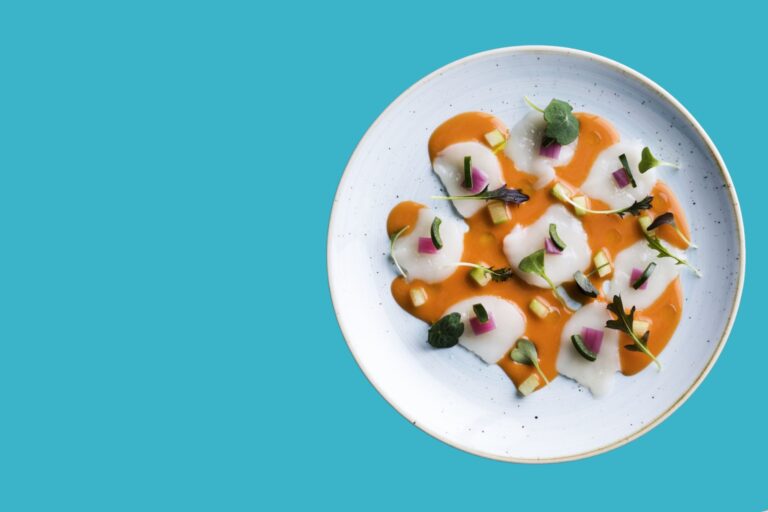
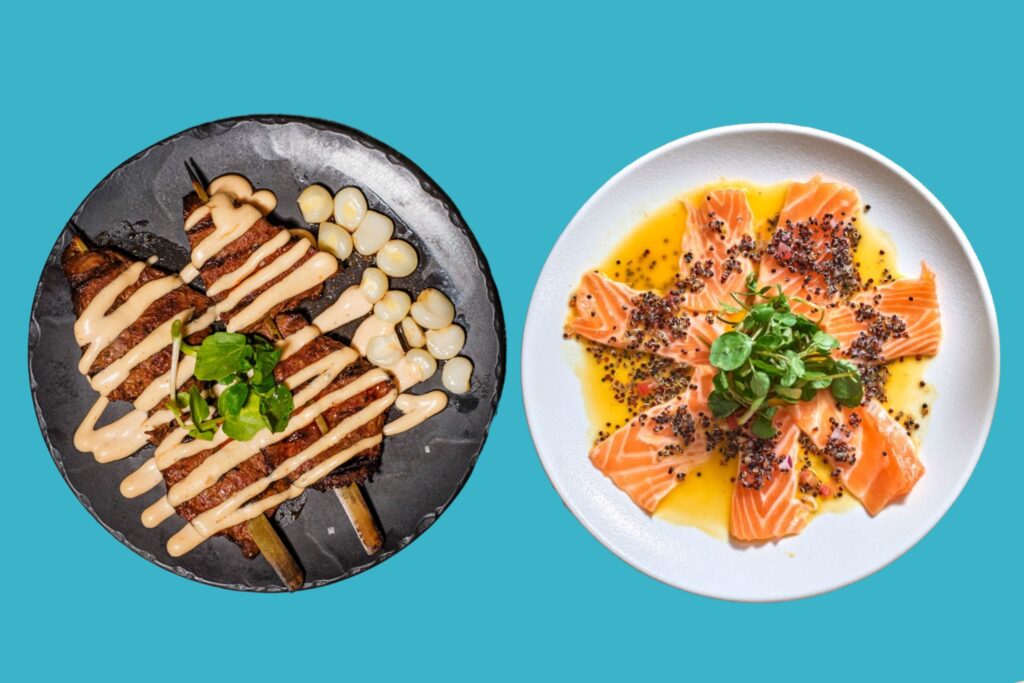
Ceviche is named after Peru’s national dish (we didn’t need to tell you that) and what never fails to impress us is how many versions there are of this light, vivacious dish that’s all about celebrating the main ingredient. Here, there’s a theatre to the slicing and dressing of the fish that makes a perch at that counter the right move.
You’d be foolish to only go in raw, though. The charcoal grill plays a major role here, too, with the Peruvian love of barbecuing offal all present and correct here. The beef heart skewers are fantastic, and their smoked chilli marinade that turns into a self-saucing experience on the plate, even better.
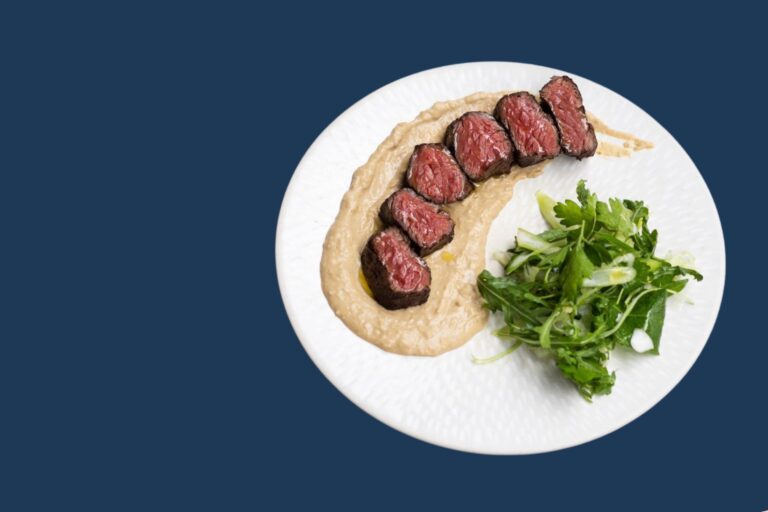
Founded by siblings Zoë and Layo Paskin, this award-winning restaurant has garnered rave reviews for its modern Jerusalem-style cuisine, which draws inspiration from the rich cultures of Southern Spain, North Africa, and the Levant. The result is a kaleidoscopic of colours and flavours, where plates of hummus, baba-ganoush and fire-kissed meats meet a contemporary, fine-dining style of cooking. The results are magic.
The Paskin duo, who previously owned a nightclub called The End, ventured into the restaurant business after a serendipitous visit to Machneyuda, a renowned eatery in Jerusalem. Their passion for Middle Eastern food led them to create The Palomar, which has since become a cornerstone of Soho’s vibrant dining scene, a place where shots of arak are taken down with almost as much vigour as you’ll find in the ever-present, za’atar spiked labneh, perfect for pulling through with the just grilled house pita.
It’s that kind of place; one which encourages you to roll up your sleeves and get stuck in, tearing, sharing and toasting as you go. What could be better than that on a dreary Tuesday night in the capital?
Recently, The Palomar underwent a stunning redesign, courtesy of architect studio Archer Humphryes. The revamped space, dubbed ‘The Palomar 2.0’ features a lengthened dining counter, velvet-lined booths, and larger tables to accommodate groups of up to ten guests. The front windows now open on warm days, allowing diners to immerse themselves in the hustle and bustle of Soho while enjoying their meal. Although, to be quite honest, you’ll find just as much hustle and bustle inside.
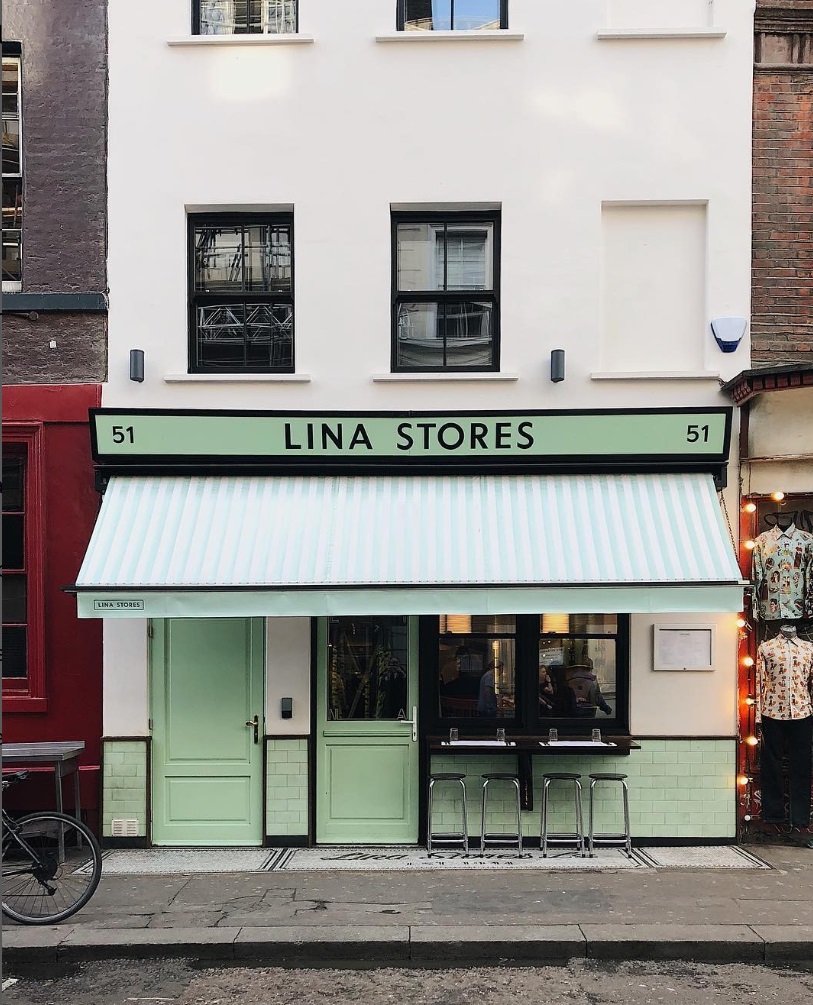
The pasta scene in London has arguably never been better; from Peckham’s Artusi and London Bridge’s Padella all the way to Shoreditch’s Manteca, the best Italian restaurants in London offer an embarrassment of riches in the form of unleavened dough. Indeed, London is brimming with excellent Italian restaurants, some new and some old. Lina stores, a beloved Soho institution, falls into the latter camp.
Serving authentic Italian cuisine since 1944, Lina Stores was originally a delicatessen and over the years expanded its offerings to include fresh homemade pasta, sweets, cured meats, and cheeses, all imported straight from Italy.
Today, it has locations all over London with the Greek Street branch being an extension of their original delicatessen nearby on Brewer Street. With its iconic ice-cream parlour pastel facade, it’s undeniably one of the best places for pasta in the city.
The continuity between the two establishments has created a cohesive identity, with both locations situated just around the corner from each other; a keen sense of place-and-time providing the ultimate seasoning for the restaurant’s capably prepared fresh pasta dishes.
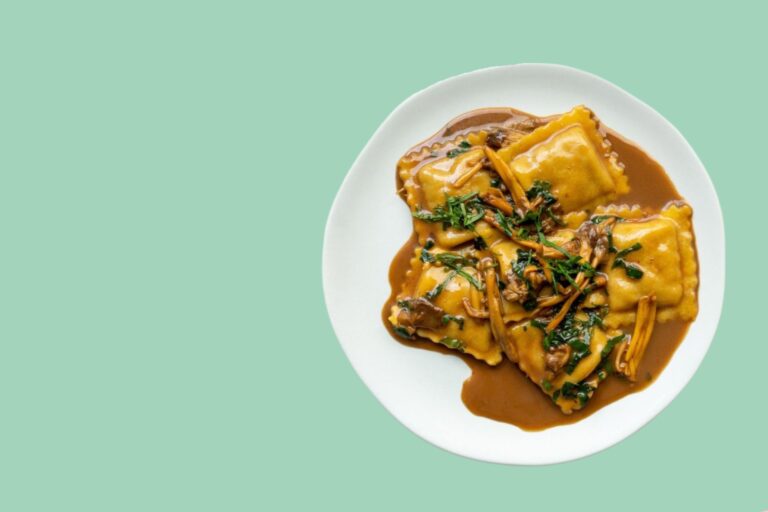
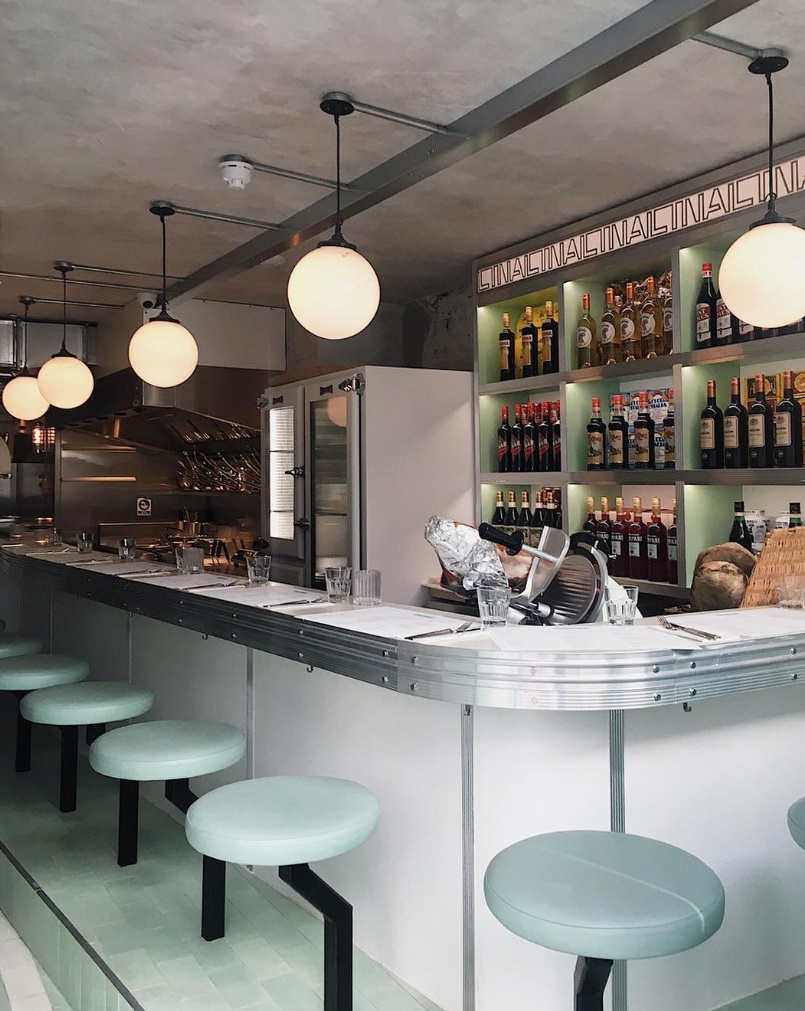
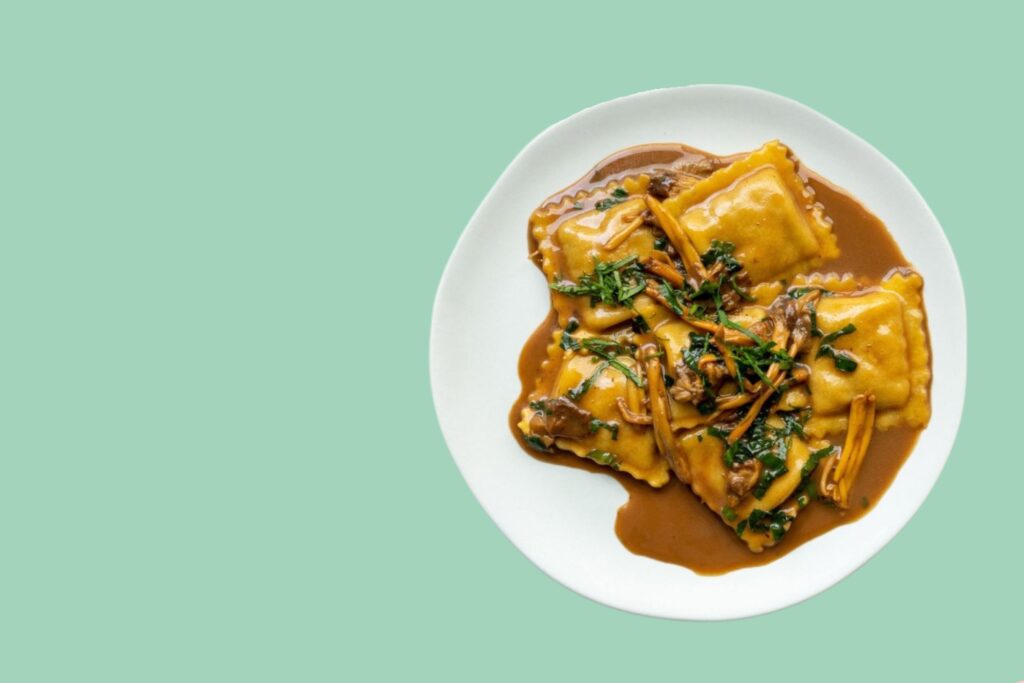
Our advice is to pull up a stool at their 12 seater bar in front of the open kitchen and prioritise the pasta. Here, the more restrained the dish, the better, in our mind. So, that’s a simple bowl of spaghetti plainly but poetically dressed with Amalfi lemon, pink peppercorn and drifts of Grana Padano – it’s one of the most simple yet sensational pasta plates in the city.
For those keen to try as much of the menu as possible, Lina is on the more affordable end of the dining out in Central London price spectrum, with that amalfi lemon number clocking in at just £7.50 – assess your hunger and then order as many of these as you can rationalise! Follow this up with a single scoop of pistachio gelato and luxuriate in this very austere version of paradise.
Buying a house is one of the most significant investments that anyone will make during their life. While it’s a massive financial investment, it’s also a surprisingly complicated process – you don’t just go into a shop and hand over your card, unfortunately.
It’s generally not something that you’ll do alone, and people often use the assistance of conveyancers and real estate solicitors. Do you really need them though?
What Is A Conveyancer?
In short, a conveyancer is an individual who is specifically trained in property laws, and deals solely with that legal area. They’re primarily used to draft contracts and deal with issues associated with the transfer of ownership between buyer and seller. While they’re highly specialised in this single legal area, they’re not fully qualified solicitors, and as a result, the amount of things they’ll be able to help you with is more limited compared to a solicitor.
Photo by Alena Darmel: https://www.pexels.com/photo/a-family-with-a-real-estate-agent-7642095/
What Is A Solicitor?
Without wishing to condense this complex role into a single paragraph or two, a solicitor is a fully qualified legal professional with extensive training in a broader range of legal issues. While solicitors receive more in-depth general legal training, they can also specialise in a single legal area, such as property law.
You don’t legally require a solicitor to buy a property. If the transaction looks as though it’ll be straightforward, and there are no potentially problematic circumstances that are predicted to arise, then it’s often cheaper to not use a solicitor, who will tend to have relatively high fees compared to a conveyancer.
That being said, whether or not you want to use one will depend on the situation you’re in. If the transfer is getting complicated, with planning problems or other more complex legal dilemmas, then the advice of a fully qualified solicitor can be invaluable.
If you feel like you may be more comfortable with the help of a solicitor, then it’s often best to involve them from the beginning. Legal assistance is almost always most effective as a preventative measure – legal issues are easier to avoid than they are to sort out after the fact.
At the end of the day, the decision of whether you should hire a solicitor, a conveyancer, or both, will depend on the specific circumstances of your sale.
If you feel like you want to be more informed about the overall process, and predict that there could be potential issues, then it’s best to play it safe and engage a solicitor. If it’s looking to be a straightforward sale, then you’ll likely be ok with just a conveyancer. It will come down to issues such as your budget and how comfortable you are with the overall situation.
The Queen in the Cyclades is one member of royalty we’re keen to pledge allegiance to. We’re not alone; Mykonos welcomes a loyal following of millions each year, all more than willing to burn their bare feet on the island’s hot sand.
Not only famous for being one of the world’s premier party destinations, it’s also one of its most luxurious; a beautiful island with unique charms. With so many exclusive villas, chic mansions and diversity of accommodation spread across the island, choosing the one that best suits your needs is crucial to your dream holiday going off without a hitch. We’re here to help with that; our 5 factors to consider when choosing a villa in Mykonos.
Beaches…
Location, location, location; surely the defining feature of any holiday. Certainly, this is true for Mykonos. Since you’ve chosen an island for your dream holiday, we’re going to assume you want to be near some sand. Mykonos has more than 25 beaches, most of which tick the idyllic box emphatically. They are, however, hugely variable, ranging from the small to the sprawling, and from quiet coves to hedonistic, 24 hour wild parties on the sand, so choose your villa’s proximity to these places wisely.
If you like an organised beach with beach bars, sunbeds and umbrellas for rent, then head to Elia, Platis Gialos, Kalo Livadi or Ornos. These ones get pretty busy, and noisy from jet skis and pumping beats, but they’re convenient and have a great energy. Be aware that nudism is well accepted in Mykonos and there are specific beaches where birthday suit bathers can enjoy the sea and the sun without any disturbances. The nudist friendly beaches of the island are Paradise, Agios Sostis and Panormos.
Fear not; Mykonos can do secluded spots, too. Ftelia, Fokos and Kapari never get too crowded and have plenty of resorts and top quality villas close by; ideal for a more family friendly feel. And for beachside vibes with great restaurants attached, Nammos at Psarou Beach, Principote at Panormos Beach and Alemagou at Ftelia Beach all have their own restaurants offering great healthy dishes with Mediterranean menus of, primarily, fresh fish and seafood.
…& Bars
Mykonos is a famed party destination, and if you’re looking for a luxury villa holidays close to the action then you’ll want to be positioned close to the island’s capital, because let’s face it, there are times when you’d like to dance with shoes on your feet rather than with sand between your toes. Mykonos Town itself, locally known as Chora, is where most of the livelier partying goes down, with plenty of lovely villas set into the hills overlooking the bay. You’ll find the bars and clubs at ground level right on the water.
If you prefer dancing outdoors, you can go to Cavo Paradiso, the famous night club built on the rocks over Paradise Beach; it’s a 7km from Chora, but regular shuttle buses run there, as well as water taxis.
Room With A View
To most people visiting Mykonos for their summer holidays, being able to see heart-stopping the shimmering Aegean Sea, and watch the island’s famed sunsets is non-negotiable. And rightfully so.
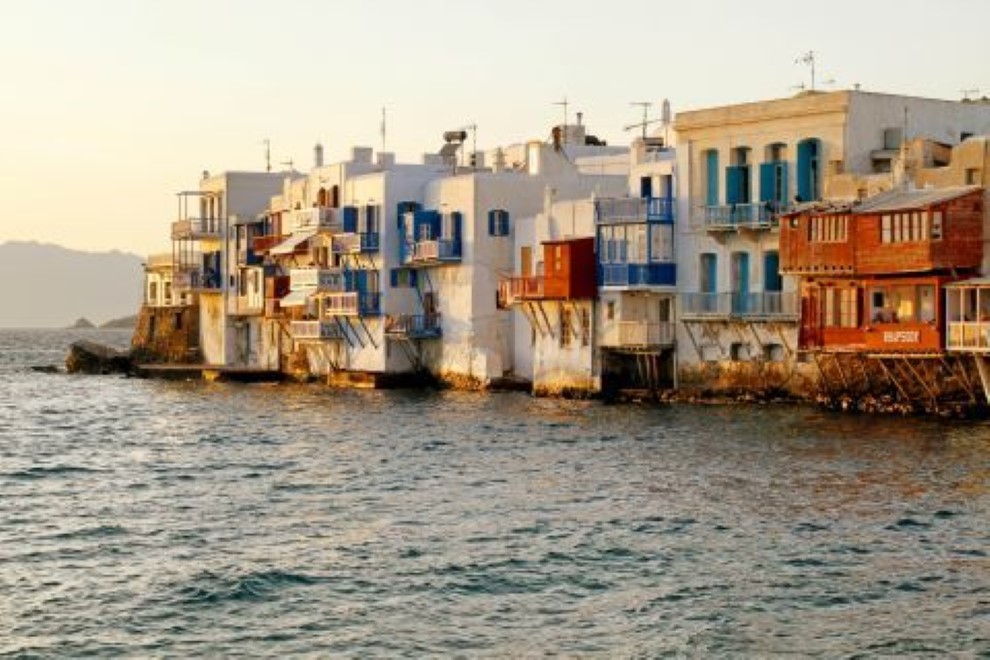
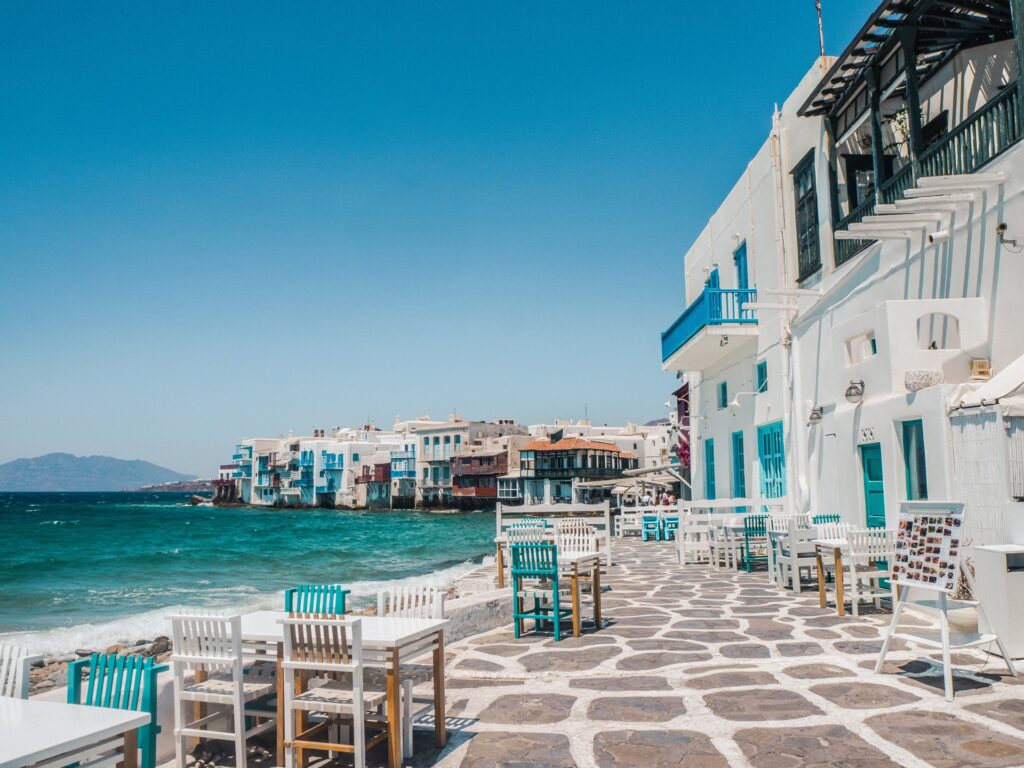
The Cyclades, as well as the other Greek islands, are home to incredible panoramas and the sunsets are as romantic as you like. As such, a west facing villa is probably your best choice, though facing east will see great sunrises each day. This spectacle is at its most striking when viewed from the charming, cobbled neighbourhood of Little Venice, where you can sit with a coffee or something stronger and watch nature’s finest performance go down.
There are some excellent villas in this little corner of Mykonos, particularly on Kampani and its surrounding sidestreets. Mykonos Town’s Old Port offers similar views, though, like Little Venice, it does get busy.
A unique spot with great views is Castle Panigirakis, a little set back from the old town and on a hill, which means the vibe is more peaceful and the views even more uninterrupted. What’s more, the castle now has rooms you can rent; just lovely.
The Size & Functionality Of The Property
How many of you will be spending your holidays at Mykonos? Will it be just you and your partner? The entire family? Large groups of friends? Several couples together? A couple of families with their children who wish to share space, yet, in different mansions? Questions, questions, questions. No matter the case, it’s critical to have your privacy ensured and find a villa that is just the right size for you. Consult reviews accordingly.
Being on top of one another is certainly nobody’s cup of tea, so check the square footage of the property before booking. Make sure it has enough bedrooms and living, dining, and lounging areas for all of you to enjoy. Extra features, such as guest houses with individual entrances and private balconies, are pluses for large groups.
Services Provided
Want to make that Mykonos holiday extra dreamy? Consider enlisting the help of VIP services. You can find properties on the island equipped with things like private infinity pools overlooking the Aegean Sea, spacious dining and living areas, built-in BBQs, a wine cellar, a personal gym, a private theatre, jacuzzis, lovely gardens to enjoy your morning cup of tea, private terraces, fully equipped outdoor pool bars and kitchens, and many more.
Be scrupulous and discerning, because Mykonos more than likely has what you’re looking for. You just have to ask!
Egypt isn’t just full of historical wonders, but also boasts incredible marine landscapes and with them, snorkelling opportunities almost unparalleled anywhere else on the planet. Almost…
The Red Sea, known for its exceptional visibility and vibrant marine life, is where the action is in this part of the world, that’s for sure. Wondering where the very best snorkelling spots in Egypt are? Together, let’s dive in…
Sharm el-Sheikh
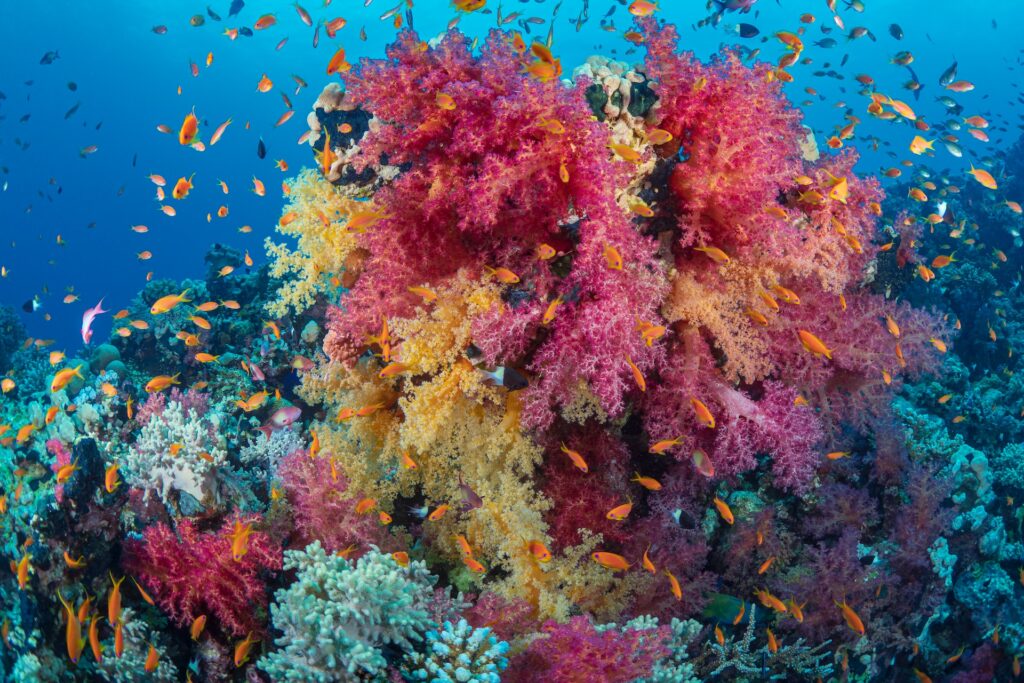
Nestled between the desert of the Sinai Peninsula and the Red Sea, Sharm el-Sheikh has fantastic coral reefs and a plethora of aquatic species. It’s home to several locally managed snorkelling sites, including Ras Mohammed National Park, an oasis of biodiversity with over 200 coral species and 1000 species of fish. Naama Bay is another popular area, lined with beach resorts that provide direct access to snorkelling sites.
Ras Mohammed National Park
So good it deserves its own entry, and located at the southern tip of the Sinai Peninsula, Ras Mohammed National Park is a paradise for snorkelers. The park boasts vibrant coral reefs teeming with colourful fish species such as butterflyfish, angelfish, and parrotfish. Snorkelers can also encounter sea turtles, dolphins, and even reef sharks in this marine protected area.
Dahab
Just north of Sharm el-Sheikh is Dahab, quieter but equally blessed with snorkelling possibilities. The Blue Hole, a sinkhole with a plethora of marine life, is the most famous here. It’s a semi-closed underwater cavern starting at 6 metres and plunging down to 100 metres. It lures snorkelers with its astonishingly clear water and diverse sea life, housing multiple fish species and vibrant coral formations.
Marsa Matruh
Marsa Matruh is unique to this list, as it’s the only spot here situated along the Mediterranean coast of Egypt, making it a somewhat lesser-known treasure for the country’s snorkelling enthusiasts.
Known for its clear seawater that ranges in shades of blue and green, the beauty of Marsa Matruh’s underwater realm is enhanced by the lack of pollution. This pristine environment is a haven for rich biodiversity, providing shelter to different species of fish, vibrant corals, and other marine life. In the warmer months, it’s not uncommon to see playful dolphins surfacing near the coast. The city itself, with its laidback atmosphere and hospitable locals, complements the snorkeling experience, making Marsa Matruh an attractive destination for those looking to connect with nature while enjoying a peaceful getaway.
This once laid-back fishing village has morphed into a bustling city, but its coastal attractions haven’t dimmed. Hurghada boasts several snorkelling sites, each with its beauty. Giftun Island, part of the Giftun Island National Park, has preserved coral reefs teeming with tropical fish. Another must-visit is Mahmya, a private beach on the southern shores of Giftun Island, where snorkelers can swim amidst dolphins and luminous reefs.
Marsa Alam
A less crowded snorkelling hub is Marsa Alam, favoured by experienced snorkelers and scubadivers for its drastic drop-offs and strong currents. The Samadai Reef or “Dolphin House” is a pristine snorkelling area, known for its resident spinner dolphins that can be spotted year-around. Elphinstone Reef, another spectacular site, is a lengthy coral reef attracting oceanic whitetip sharks, reef sharks, and other large pelagic fauna.
Situated near Marsa Alam, Abu Dabbab Bay is a haven for snorkelers seeking encounters with sea turtles. The bay is home to a large population of green sea turtles, making it an ideal spot for observing these gentle creatures in their natural habitat. Snorkelers can also explore the seagrass beds and vibrant coral gardens that attract various fish species.
Taba
For those seeking seclusion, Taba offers unspoiled snorkelling sites. Home to some protected areas, such as Fjord Bay which houses rare fish and coral types. Taba’s unparalleled beauty makes it an excellent location for serene snorkelling.
Tiran Island
Located in the northern part of the Red Sea, the disputed Tiran Island is renowned for its pristine coral reefs and abundant marine life. Snorkelers can explore the famous dive sites like Jackson Reef and Gordon Reef, where they can encounter exotic fish species, including clownfish, lionfish, and moray eels.
What Are Some Rules & Regulations Regarding Snorkelling In Egypt?
Like any activity abroad, there are rules and regulations you should be aware of:
Permits: For certain protected areas, like Ras Mohammed National Park, permits are required. Check with your tour operator or local authorities.
Protected Marine Life: Do not disturb or touch the coral reefs or marine life. Egypt takes the protection of its marine biodiversity very seriously.
Snorkelling Gear: In general, you are required to have appropriate snorkelling gear. This includes a mask, snorkel, and fins. We’re particularly fond of the Agulhas range of free-diving gear, which is sturdy and reliable.
Supervision: Many areas require that snorkelling be done under the supervision of a guide, especially in areas known for strong currents.
Depth & Distance: There might be regulations on how deep you can snorkel and how far you can go from the shore or your boat, mainly for safety reasons.
Diving Sites: Certain areas popular with snorkelers are shared with divers. Be aware of your surroundings and follow any guidance to avoid interfering with other water users.
Commercial & Drop-off Snorkelling: For commercial snorkelling activities and drop-off snorkelling that typically takes you out in open water, different rules apply, and participants usually have to be of a certain age and bear a certain health level.
Please note, rules and regulations vary and can change, so it’s always a good idea to check with local authorities or your tour operator before starting your snorkelling adventure.
When Is The Best Time To Go Snorkelling In Egypt?
Remember, the best time to snorkel in Egypt is typically from March to November when the sea temperatures are warm and conducive for the activity. So, pack your gear and get ready for the most spectacular underwater experience in the land of Pharaohs.
The Bottom Line
Egypt offers much to the snorkelling enthusiast, from the crystal clear waters of Sharm el-Sheikh to the rugged coastline of Marsa Alam. The country’s rich underwater ecology and diverse marine life make it a true snorkelling paradise.
Back in 2021’s turbulent days, in the midst of lockdown 3.0, the UK’s leading relationship charity, Relate, published research about the effect of the pandemic on the country’s domestic harmony.
They reported that ‘’Almost half of the couples (45%) felt that lockdown put a real strain on their relationship’’, with health and money worries, a perceived claustrophobia at home, and uncertainty about the future all cited as catalysts for this increasing friction.
As we enter the second half of 2023, and now that a sense of normality has somewhat resumed, many couples are taking stock of just how the past three years of upheaval and unpredictability has impacted their relationship. Given time to process the enormous change we’ve all gone through, some couples have been left concerned about the strength of their relationship, and eager to rekindle a bond left broken by the pandemic.
With that in mind, here are 5 signs that the spark has gone in your relationship and the IDEAL ways to fix them.
You’re Spending More Time On Your Phone Than On Your Partner
After the first lockdown in 2020, it was reported that the UK’s internet use had soared to record levels, with adults spending a quarter of their waking day online during lockdown. Hey, quite honestly, we’re surprised it’s not even more.
Yep, those overexcited Screetime Reports have delivered some serious, serial home truths each and every week. Often, this has been to the detriment of our relationships, and it seems that, due to the addictive nature of our devices, this is one habit that’s going to be tough to break.
Now that restrictions are starting to lift and the ‘real’ world once again becomes available, if you’re still seeking solace in scrolling instead of looking up and into the eyes of your partner, then it might spell a more pervasive problem.
It’s so important to give your full attention to the quality time you do spend together as a couple. If you’re trying to connect to everybody but your partner via your phone while you’re spending ‘quality’ time together, well, it just sends the wrong signal. Instead, switch yours to aeroplane mode once a while.
Conversation Is Always Functional Rather Than Fun
If you find that all of your conversations with your partner revolve around ‘when?’ and ‘where?’ and concern only planning, without any of the fun, frivolity and flirting which once defined your exchanges, then it’s a surefire sign that the spark has gone.
Reframe how you think about conversations; we’re all waiting for our turn to speak and so often don’t pay enough attention to the details up to that point. But there’s so much value to be gained from taking a moment and really, truly opening your ears to your partner. Instead of the usual ‘what’s for dinner?’ and ‘where are we meeting your friends for a drink?’, endeavour to pepper your exchanges with more niche, esoteric subject matter.
Remember to regularly pay compliments and ask how your partner is feeling, not only what they’re doing. In doing so, you’ll find a sense of intimacy is gradually restored.
You’ve Stopped Going On Dates
Yep, we realise we just discouraged too much planning and constant discussion of dates in the diary. But there is one type of date you should still be making time for; those of a romantic kind.
Doing so gives you time away from your screens, your work life, the household chores and daily errands, all of which became somewhat blurred and indistinguishable during lockdown and home working.
It’s time to take back control. If you’ve stopped going out on dates, it’s suggestive that both of you are no longer excited about luxuriating in each other’s company. But now the wolrd has opened up again, why not take the opportunity to organise a night out away from home, and learn to cherish each other again?
Intimacy Has Dwindled
We’re not only talking about the sexual side of the relationship, here. While sex is hugely important, and for some, the defining contributor to a harmonious domestic environment, keeping up the intimacy goes much further than the birds and the bees.
Sometimes keeping things affectionate by simply hugging and kissing more often, holding hands while watching TV or strolling, and even saying ‘I Love You’ with increased frequency, is just as important.
Of course, the state of your sex life does say a lot about the overall health of your relationship, too, and if that side of things needs spicing up, then don’t be afraid to try new things to ignite the passion once again. Whether that takes the form of discussing fantasies, booking a dirty weekend away or introducing sex toys into the bedroom is up to you. Even more important than actions, though, are words; keep the dialogue regarding your sex life open and honest, and you stand a better chance of rekindling it.
You’re Not Spending Any Time Apart
We realise that the huge increase in home working has made spending time apart difficult, even as many have returned to the office in some form or another. But all those hours in each other’s company, without extracurricular activities or engagement with friends, family and colleagues, has likely left your relationship feeling somewhat insular.
This can, in turn, lead to complacency. As the old saying goes, ‘’absence makes the heart grow fonder’’ and this is certainly true to lovers who endeavour to do their own thing from time to time. In fact, as a survey by Travelodge (via Thrive Global) found, ‘’8 out of 10 people credited their happy marriage with being able to have a break from each other, while 75% also felt that spending that time apart helped keep things exciting in the bedroom.’’
This feels more important than ever following the insular, sometimes claustrophobic year, we’ve all had.
Take the time to focus on your own hobbies and interests, too, to ensure you retain that individuality which first so appealed to your partner. Doing so will equip you with the tools to deal with the challenges which lie ahead on your own terms, rather than via an over-reliance on your partner. Your relationship will be stronger for it, trust us!
The fitness world – just like any good session in the gym – has its ebbs and flows, its ups and its downs. First came Arnie, in the sixties (rumour has it that there were no weights lifted before him). Then, the classic bodybuilding days of the 1970s and early 1980s saw competitive lifting and bodily sculpting go mainstream.
Next, the era of mass-monsters began. A concerning time, the 1990s and the early 2000s were full of “Xtreme” bodybuilders, achieving unattainable, unsustainable physiques, sometimes regrettably via the use of performance enhancing drugs.
Nowadays, the tide has turned, and the collective consciousness has shifted again. Sustainable, wholesome bodybuilding is making a comeback, with DOMs, bulking and shredding all terms you’ll find in the vernacular, but chemical help now a taboo. If you’re wondering how bodybuilders best maximise their gains without using steroids, then read on.
Eat Clean
Natural bodybuilders have to eat clean. And honestly, there’s not much room for error. Those ‘cheat’ days you’ve seen extolled on the Instagram pages of PTs…they just don’t cut it in the professional world.
Yes, you can still follow the bulk and cut. But when you bulk up, you need to stick to nutrient-dense foods that will pack the most punch. Sweet potatoes, a good steak, chicken breasts, and green leafy vegetables are your friends. Get used to them, get to know them, learn to listen to their needs and which seasonings they respond best to. Particularly that last one; you’re going to be eating a lot of them.
Once you cut out the nonsense in your diet, regardless of what macro-molecule class it’s in (there are tons of horrible protein sources), you will start to see more and more solid results. Eat clean. Eat often.
Speaking of protein, you’ll also want to familiarise yourself with one of the most common bodybuilding aids in the community; peptides.
Peptides are short chains of amino acids, which are the building blocks of protein, promoting faster muscle repair and the maintaining of muscle tissue, and are often said to be a natural alternative to anabolic steriods.
You can find peptides occurring naturally in plenty of common ingredients, including meat, shellfish, lentils, seeds and soy. If you’re keen on eating clean, the latter might be a better option.
Pyramid Sets
For natural bodybuilders, sets and reps are their bread and butter. They don’t just stick to the three sets of ten that’s been popular with bit part players since the 1980s. Instead, one of the best, most effective weight related exercise regimes is called the reverse pyramid. If you’re wondering how to do reverse pyramid training, just think of the tip of a pyramid as fewer reps and the base of the pyramid as more. Got it? Now flip it upside down. Heavy, isn’t it?
Let’s take the bench press…
Assuming your one-rep max is 100kg (you’re either flattered or enraged just reading that, huh?), your 12 rep max should float around 70kg. Start there. Do 12 reps, immediately add more weight, and do 10 reps. Add even more weight and do 8, so on and so forth. This is to be done solely on compound movements. Those are your mass builders, not boring bicep curls.
You can choose your rep scheme, depending on your goals, sure, but power building usually floats from 12 to 5. Try it out, then try flipping that imaginary pyramid on its head.
Pre-Exhaustion
Natural bodybuilders are all about microtrauma in the muscle. The more tiny tears you can cause a muscle over a consistent duration of time, the more muscle you will theoretically gain. Because of this, a lot of natural bodybuilders like to pre-exhaust a muscle, which is a technique made famous by Muhammad Ali.
He said: “The set doesn’t start ‘til it hurts.”
We’re not advocating seeking pain here, but bringing a muscle closer to mechanical failure before a set allows you to use less weight and isolate the contractions, priming the muscle for recovery. And it’s in that recovery that bulk and muscle gain is achieved.
Hydration Stations
The body comprises 60% of it, so neglecting proper water consumption represents a rookie error if ever there was one. As such, it’s vital to focus on proper hydration pre-workout, consuming the correct amount of water during it, and also refuelling with the good, liquidy stuff after your workout, too.
Being parched can lead to fatigue and confusion, and in the gym, this isn’t what you want. If you are having a hard time fighting brain fogs before or during a workout, drinking more water might be the solution.
One of the biggest mistakes gymgoers make is to allow themselves to be dehydrated when they’re working out, which results in them losing bodyweight in fluids and making exercise feel harder, in turn reducing productivity and the body’s ability to recover properly.
Professionals recommend that you drink water regularly throughout the day to stay hydrated. As a general rule, drink 300-500 ml 2 hours before your workout, 80-100 ml 10 minutes before training, 100-150 ml every 10-15 minutes during exercise and more than 200 ml after training. To make sure you are drinking enough water within your workout to restore the fluids you lose, weigh yourself before and after physical activity. You shouldn’t lose more than 2% of bodyweight.
The Bottom Line
With these four steps, of pyramid training, pre-exhaustion, and clean eating and drinking, you’ll give yourself the best chance of gaining sustainable muscle in the gym. In doing so, you’ll also stand yourself in good stead to keep and expand on those gains. Good luck!
Famed for its picturesque charm and idyllic tranquillity, the Lake District offers a unique tapestry of shimmering lakes, dense woodlands, and lofty peaks. This natural paradise is an ideal destination if you yearn for an authentic wild camping experience, away from the buzz and bustle of everyday life.
Before diving into our list of secret spots for wild camping in the Lake District, it’s essential to remember that wild camping in England and Wales is technically against the law unless you have permission from the landowner. However, it is generally accepted in higher fell (mountainous) areas, provided campers follow the Countryside Code. This includes camping above the highest fell wall, arriving late, leaving early, and leaving no trace of your visit.
Now, let’s explore the isolated, tranquil spots for wild camping in the Lake District, perfect for wilderness lovers and solitude seekers.
Sprinkling Tarn
Nestled among the grand peaks of Seathwaite Fell, Sprinkling Tarn is an attractive spot for wild camping. With glistening waters and the Great End Crag as its backdrop, the location offers breathtaking sunset views. By day, you can explore nearby peaks like Scafell Pike and Great Gable. Despite its beauty, Sprinkling Tarn is far enough from common walking routes to ensure a peaceful night under the stars.
Nestled within a natural amphitheatre of high fells and despite its isolation, the tarn is accessible through a trek from Seathwaite in Borrowdale, making it an appealing spot for wild campers looking for an unforgettable backdrop.
Ennerdale Water
This remote setting is off the regular tourist track, making it a perfect place for campers seeking solitude. With forestry around one side, and rugged hilltops circling the other, Ennerdale Water couples tranquillity and expanse in a way few other places in the Lake District can. The surrounding area is also less crowded due to the access policy, so it’s an ideal place for wild camping if you desire seclusion.
Angle Tarn
Perched above Ullswater, Angle Tarn is a remote but reachable camping spot. With its remarkable views over Patterdale, lush greenery, and the shelter provided by surrounding crags, it provides an idyllic site for wild camping. As a top tip, why not watch the sunrise over the eastern fells for a truly magical start to the day?
Situated in the middle of Windermere and Coniston, Grizedale Forest is a wildly exciting destination. Its vast expanse offers plenty of secluded spots for wild camping. During the day, you can explore various trails or indulge in artistic admiration as numerous sculptures dot the forest. In the evening, the chiming sounds of birds and rustling leaves create an orchestra, enhancing the tranquil atmosphere of this most gorgeous Lake District spot.
Buttermere
Buttermere correctly secures its place amongst the most tranquil camping spots in the Lake District. With its stunning lake, gentle waterfalls, and impressive mountain views, it is the perfect place to unwind. Moreover, the classic walk around the lake’s perimeter is not too strenuous, making it an excellent choice for all fitness levels.
Hay Stacks
Hay Stacks, a favourite spot of Lake District aficionado, Alfred Wainwright, offers a scenic wild camping site. With rugged terrains and Tarns dotted around its summit area, the high-level circular walk around the Haystacks offers a unique experience. The effort required to reach the location guarantees peace and quiet, well worth it for the natural beauty seeping out of every corner.
Great Langdale
This valley in the heart of the Lake District is a campers’ paradise. Abundant with craggy peaks, stunningly beautiful tarns, and beautiful rivers, it provides a plethora of things for campers to enjoy. The area contributes itself to beautiful hikes, and the Bowfell and Crinkle Crags are rewarding climbs that offer amazing views. Wild camping here means waking up to a cinematic view every morning.
Priest’s Hole, a small sheltered hollow on the face of Dove Crag, appeals to those with a taste for the dramatic. Access to this natural cave requires a degree of hiking experience, as the paths are less trodden and can be steep. However, the panorama overlooking Dovedale and Brother’s Water is worth every step, making it one of the region’s best-kept secrets.
Eskdale
If you dream of a serene night by a gentle river, look no further than Eskdale. This elongated valley with the River Esk running through it offers perfect wild camping spots with stunning vistas of Scafell and Woolpack Point. During the day, Hardknott Roman Fort and Stanley Ghyll Waterfall are within reach.
Easedale Tarn
Easedale Tarn, near the charming town of Grasmere, is an excellent choice for first-time wild campers. While it’s easily accessible with a short hike from Grasmere, the tarn still offers beautiful natural surroundings, a sense of isolation, and magnificent views over Helm Crag, Gibson Knott, and Calf Crag.
This place offers a reflective view of the Tarn and surrounding mountains, unmatched in all else. A relatively easy hike through charming woods and across streams leads you to this ideal wild camping spot. Surrounded by fells, you’d be hard-pressed to find a better place to wake up to a Lake District sunrise.
The Bottom Line
Dotted with mesmerising tarns and punctuated with radiant landscapes, the Lake District serves as a canvas for wild camping lovers to paint their adventure-filled stories. With respect for the environment and sticking to the wild camping code, this experience allows one to connect with nature at its purest, creating memories that will last a lifetime.
Remember, the ideal wild camping experience hinges on leaving no trace of your visit. Ensuring that these spots remain untouched helps preserve their natural beauty and tranquillity for future generations of campers. Happy wild camping!
*Wild camping is not technically illegal in England and Wales as long as you gain the landowner’s permission. However, most of the land in the Lake District is privately owned, and the traditional right to roam does not include a right to camp. While wild camping is tolerated in higher fell areas, campers are strongly requested to be discreet, to leave no trace of their visit, and to camp above the highest fell wall, well away from towns and villages.
Please check the National Parks UK website or other official resources for any recent changes to wild camping guidelines or restrictions. Be aware that it is always essential to follow leave no trace principles and respect the environment when wild camping.*
Milan, the fashion capital of Italy and, to many, the world, is renowned for its high-end shopping, historical landmarks, and vibrant culture. While it may be associated with luxury, there are several areas in Milan that offer budget-friendly accommodations without compromising on convenience or charm.
Today, we’re in the shadow of Madonna, exploring some of the city’s more affordable accommodation options and neighbourhoods. With that in mind, here’s where to stay in Milan if you’re travelling on a budget.
Navigli
Situated along the picturesque Naviglio Grande canal, the Navigli neighbourhood is known for its bohemian atmosphere and lively nightlife. This area is dotted with trendy bars, quaint cafes, and vintage shops. The abundance of affordable guesthouses and budget hotels makes it an excellent choice for budget-conscious travellers. Some hotels offering rooms at reasonable prices in Navigli include Hotel Minerva, Hotel La Vignetta, and Hotel Milano Navigli.
There’s plenty of public transport bases here too, including trams, buses, and the Porta Genova railway station, which is just a fifteen minute ride to Milano Centrale.
Navigli also offers plenty of budget-friendly activities that can enrich your travel experience without breaking the bank. Take a stroll along the picturesque Naviglio Grande, one of Milan’s iconic canals, where you can indulge in people-watching and admire the quaint surroundings.
Visit the Mercato Metropolitano, a food market offering affordable local delicacies, or check out the monthly antique market where you can browse through the countless stalls selling unique relics from the past. If you’re a fan of art, stop by Vicolo dei Lavandai and enjoy the countless murals that adorn its walls for free. Finally, end your day at Darsena, Milan’s old harbour, for a serene sunset view, a simple pleasure offering unforgettable memories.
Porta Ticinese
Located just south of the city centre, Porta Ticinese is a vibrant neighbourhood that blends history with a youthful energy. It is home to the iconic Porta Ticinese arch and is surrounded by charming streets filled with boutiques, markets, and street art. The area offers a range of budget accommodations, including Hotel Dei Fiori, Hotel Marte, and Hotel Five.
Travellers staying in the neighbourhood will find plenty of wallet-friendly dining options. Some popular choices include Aethos Pizza & Bar, known for its delicious Italian pizza and intimate atmosphere, and Chihuahua Tacos, offering a taste of Mexican and Latin cuisine.
For dessert lovers, Il Negozietto del Gelato serves some of the best ice cream in Milan, while Be Bop provides a delightful selection of gluten-free dishes. If you’re looking for a refreshing drink (hey, who isn’t?) Madison Bar offers a variety of cold, crisp lagers, creative cocktails and finger food that clocks in at under €10 a plate.
Sempione
Sempione is the cheapest area on our list, offering budget-friendly accommodation options near the city’s largest park, the unforgettable Sforza Castle, and Chinatown. Some affordable hotels in this area include the AC Hotel Milan Sesto and Grand Hotel Villa Torretta.
Of course, in any area with a Chinatown, there are going to be affordable, delicious food options, and Sempione is no exception. Don’t miss out on these five cracking places:
Ravioleria Sarpi: Known for offering some of the best dumplings in Milan.
Al Mercato Noodle Bar: A trendy spot famous for its Asian-inspired noodle dishes.
Da Lisa, Enoteca & Osteria: Known for its fusion of Italian and Chinese cuisine.
Ristorante Yuebin (Yuebinlou): Famed for its excellent Chinese seafood dishes.
Ramenamano: Serves delicious Chinese and Asian cuisine.
Isola
Nestled north of the city centre, Isola is an up-and-coming neighbourhood with a trendy and artistic vibe. It is known for its diverse community, modern architecture, and vibrant street life. Isola offers a mix of budget-friendly hotels and hostels, such as Hotel Zara Milano, Hotel Metrò, and Ostello Bello.
Be sure to visit the historic Castello Sforzesco, or admire the stunning architecture of Galleria Vittorio Emanuele II. Bargain hunters can browse through the Sinigaglia Flea Market, and finish up at the Vinyl Pub, where cocktails are cheap, cheerful and eminently chuggable.
Brera
Brera is one of Milan’s most historic and picturesque neighbourhoods. Its narrow cobblestone streets are lined with art galleries, antique shops, and charming cafes, ideal for sipping espresso and intermittent strolling. While it is considered an upscale area, there are affordable accommodations available, including Hotel Ritter, Hotel San Giovanni, and Hotel Palazzo delle Stelline.
Busto Arsizio
If you’re travelling to Milan on a budget, consider setting up your base in Busto Arsizio, a hidden gem just a stone’s throw away from the fashion capital. This charming city is only about 30 kilometres north of Milan and promises a wealth of affordable options without compromising on the authentic Italian experience.
Busto Arsizio is particularly known for its inexpensive accommodation, offering not only cheap hotels but also family-run guesthouses and B&Bs at rates significantly lower than those in central Milan. Popular options include Tommy Vitello B&B and the Jet Hotel.
The excellent transport links between the cities make hopping back and forth for sightseeing and shopping in Milan both economical and effortless, with a quick and affordable Milan airport transfer between nearby Malpensa airport and Milan city centre a wise option for those staying in Busto Arsizio.
Città Studi
Città Studi, meaning ‘City of Studies’, is home to several universities and educational institutions. And with them, you’ll find student prices to match. This vibrant neighbourhood has a youthful atmosphere and offers budget-friendly options for students and travellers alike. Recommended hotels in Città Studi include Hotel Dieci, Hotel Florence, and Hotel Sara.
The area has a thriving nightlife, thanks to its student population, and offers a good range of Italian trattorie, including the superlative Crono and Trattoria Bertamè. Trams provide quick connections to the city centre, and the Duomo is only a 30-minute walk away if you’re based in the southern part of the district.
The Bottom Line
Milan may be known for its luxury, but there are plenty of budget-friendly areas that offer comfortable and affordable accommodations. Whether you prefer the bohemian charm of Navigli, the artistic vibe of Isola, or the historical allure of Brera, each neighbourhood has its own unique appeal. By choosing one of these areas, you can experience the best of Milan without breaking the bank.
Going for dinner with Billie Piper? Well, if you are, you’d do well to remember this handy mnemonic for navigating your way around Soho, as the letters indicate the order of this most famous of district’s streets. So, that’s Greek, Frith, Dean, Wardour, Berwick, and Poland…
Today – Billie or no Billie – we’re stopping off for dinner on Dean, a street that boasts some of London’s most beloved restaurants, all within walking distance of one another, and just a stone’s throw from Oxford Circus to boot.
Everything’s in such close proximity in fact, and the al fresco vibe so convivial – continental even – that you could comfortably spend a whole day here, taking a leisurely brunch at Dean Street Townhouse before effortlessly transitioning into lunch perched at the counter of one of London’s most capable, confident tapas bars.
A few afternoon pints in a Soho institution to follow, before dinner at any one of the strip’s many esteemed eateries. Finish with a show at Ronnie Scott’s Jazz Club and that’s a Dean Street day done right.
It’s been too long. Anyway, don’t let us dictate your day (or maybe, just a little). Instead, take your pick from these; the best restaurants on Dean Street, Soho.
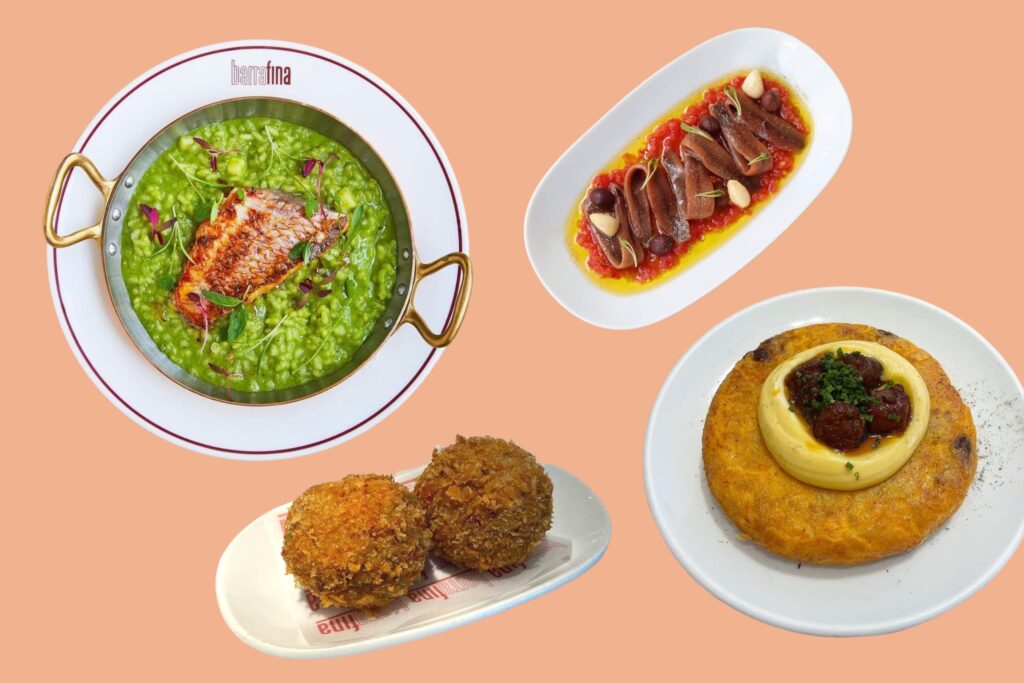
Barrafina
Ideal for Michelin star tapas in Soho…
Design by IDEAL images via Barrafina Facebook
Sixteen years ago, the iconic Soho tapas bar Barrafina opened its first location on Dean Street and was instantly met with rapturous reception – no introduction needed. Co-founded by restaurateurs Sam and Eddie Hart, the restaurant promised a no-booking policy and a dedication to showcasing ingredients-led dishes, offering a brand of dining that wasn’t nearly as common as it is today.
At the helm of Barrafina’s culinary success is chef director Angel Zapata Martin, a champion of authentic Spanish tapas in the UK. With previous experience working in renowned restaurants like the 3-Michelin starred El Racó de Can Fabes, the chef brings his expertise in Spanish cuisine to every dish served at Barrafina, whether that’s in the deceptively simple pan con tomate, topped perhaps unconventionally with finely sliced chives, or on the imposing Bomba, a classic croquette from the backstreets of Barcelona. An oozing tortilla topped with an unnecessary (though totally welcome) piping of aioli seals the deal.
That said, it’s on the portable, personal chalkboard of specials – constantly doing the rounds of the L-shaped central counter here – where the real joy is found, with fresh fish hooked off the ice display opposite to order, and kissed by the plancha within seconds. If there’s ever a whole John Dory on, dressed simply with quality sherry vinegar and fried slices of garlic that are almost bitter, then make it yours.
Only 23 coveted seats exist around the illustrious counter (modelled on the beloved Cal Pep of Barcelona), creating an energetic yet intimate atmosphere with the buzzing of patrons and primarily Spanish staff. It’s a spot on a stool that will leave you feeling complete contentment.
Barrafina Soho had held a Michelin star since 2014, but recently – inexplicably – lost it. Perhaps the inspectors just wanted to better their chance of snagging a quick table?
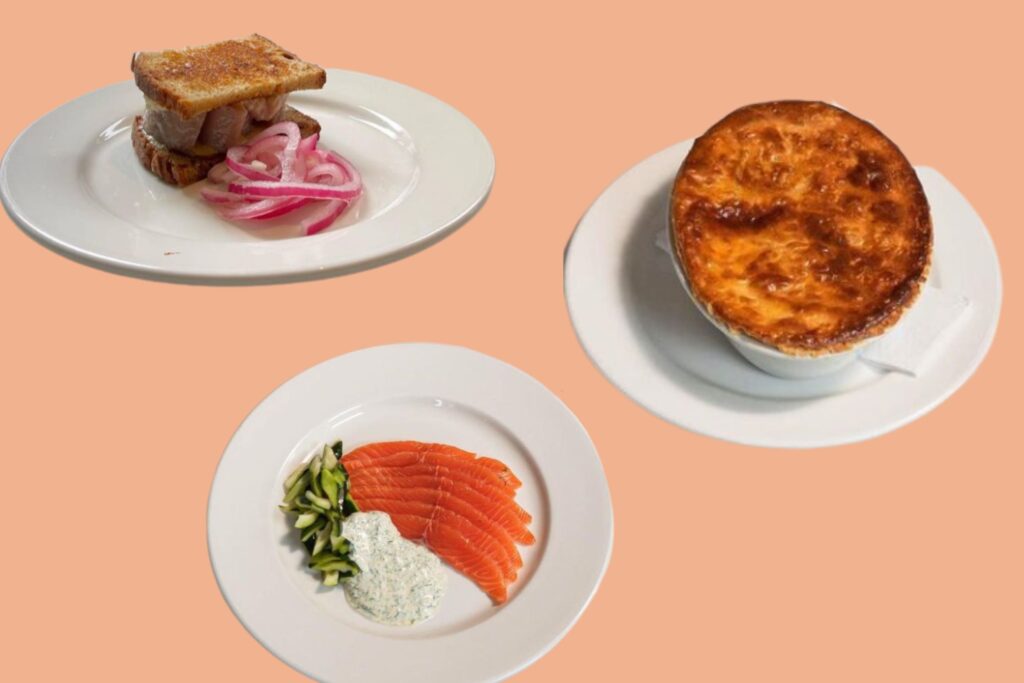
Ideal for smoked eel sandwiches, proper pies with pastry bottoms and decadent desserts, all in the most Soho of surrounds…
Design by IDEAL images via Quo Vadis Instagram
Originally founded by Italian entrepreneur Peppino Leoni at the start of the 20th century, Quo Vadis has come a long way – from its beginnings as a notorious brothel to being the home of Karl Marx, who wrote Das Kapital within its walls. This year, Quo Vadis underwent a grand renovation, expanding the restaurant’s capacity to 40 covers and ushering in a new era of sophistication and luxury. Today, Quo Vadis continues to captivate all who visit with its timeless appeal.
Some constants remain, and the beating heart of the modern day Quo Vadis isn’t as much the building, per se, but the renowned, charismatic chef behind the last decade of evolution, Jeremy Lee.
Lee, a tall Scottish cook with a passion for regional British produce, has been at the helm of Quo Vadis since 2012. Known for his bold and generous culinary creations, Lee is a rare phenomenon in the London food world – a chef universally adored for his dedication to simple, delicious food. With the voice of a thespian and the culinary generosity of the old French masters, Lee has made Quo Vadis very much his own.
Thankfully, the new look Quo Vadis hasn’t led to a complete reworking of Lee’s signature dishes; the smoked eel and pink pickled onion sandwich is still here and still bloody satisfying, and there’s always a pie – golden, pastry bottom intact, filled generously – on the menu. Desserts are, unsurprisingly, as good as ever; don’t miss out on the simultaneously nostalgic but grown-up rice pudding served with rhubarb and pistachio.
Of course, part of the appeal of Quo Vadis are the larger rooms upstairs designed for intimate (or, let’s face it, debauched, group dining). This legendary restaurant boasts not one, not two, but three private dining rooms on its second floor, with a capacity of over thirty guests in each. Whether you’re planning an octogenarian’s birthday celebration or an orgy, this is the space for you.
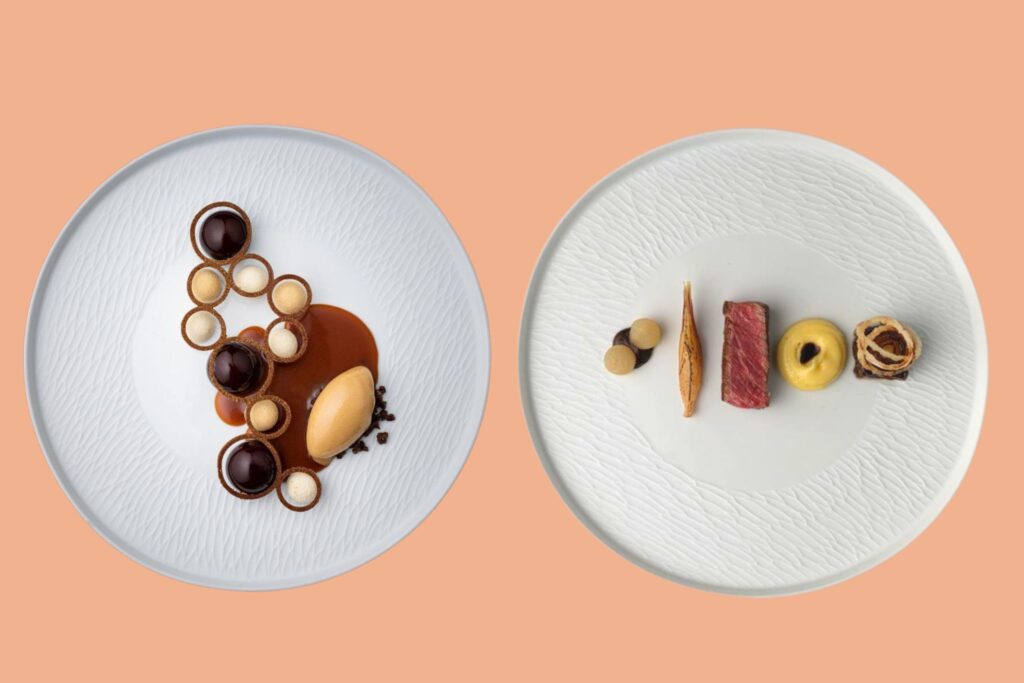
Ideal for creative Californian cuisine in an elegant, intimate dining room…
Design by IDEAL images via Sola Instagram
Fast becoming regarded as one of the best luxury restaurants in London, minus all the unnecessary frippery associated with that kind of experience, SO|LA is the place to eat on Dean Street if you’re looking for a fuss-free fine dining experience.
Opened in 2019 by the talented, Spanish-born but American raised Victor Garvey, it didn’t take long for the accolades to come knocking at this light and airy interpretation of Californian’s coastal flavours. A Michelin star followed just a year later.
Victor Garvey, a chef with an international outlook, honed his skills in renowned restaurants across Spain, Los Angeles, Las Vegas, Tokyo, Copenhagen, and Marbella before opening SO|LA. That rich and diverse experience shows in his creative Californian cooking, all served in an elegant, intimate dining room adorned with abundant plants and sculptural lighting, evoking the lush greenery, soft sunshine and laid back luxury of The Golden State.
The menu at SO-LA is testament to Garvey’s passion for using top-quality ingredients and showcasing them in simple yet innovative dishes. On the menu right now (and likely only for the next month or so), a tartlet of smoked eel, tear-drop peas and sharp/sweet bonito jelly is as fresh an interpretation of a dewy spring day in the UK as we’ve ever tasted, all garnished with that Californian eclecticism, lightness of touch and confidence in the ingredient.
Even better was a tail of langoustine, arriving on a rock before being flambeed tableside, the flames threatening the starched white napkin the rock was resting on. Served with foie gras and ginger, it’s a thrilling dish of high camp. Well, this is the heart of London’s theatre district, after all.
With a no choice tasting menu at both lunch and dinner (clocking in at £99 and £165, respectively) and a tight wine list made up of proudly, resolutely Californian wines aside from its champagne section, the vision here is one of brevity and levity, both in the dining room and on the plate.
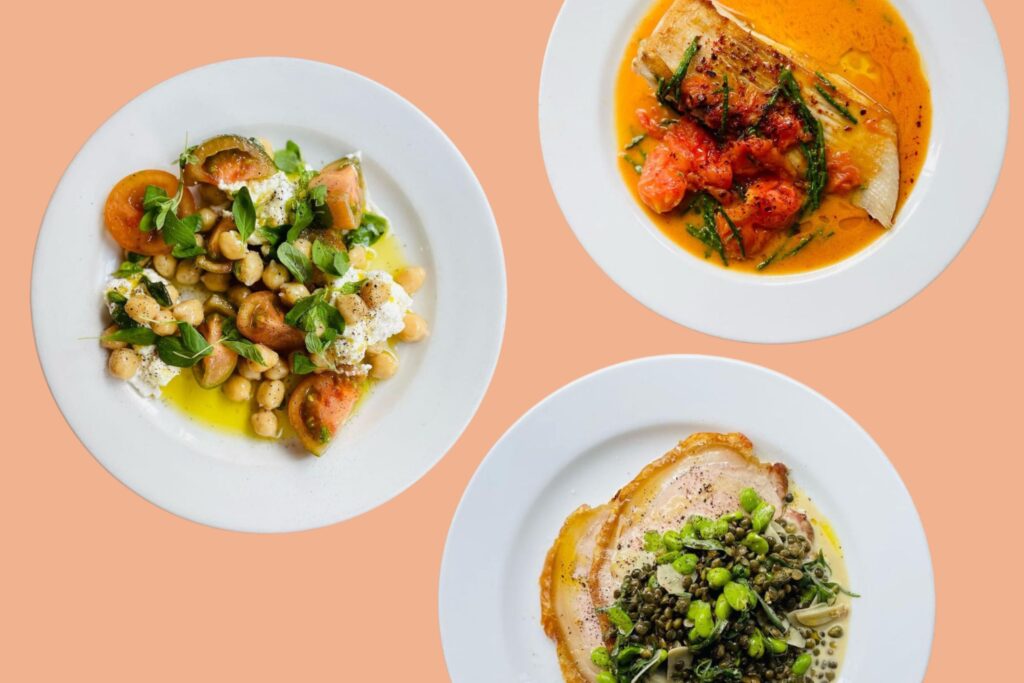
Ideal for an eclectic natural wine list and thoughtful, seasonal sharing plates…
Design by IDEAL images via Ducksoup Instragram
Not only is the eponymous dish absent on the menu at Ducksoup, but the focus of the bar/restaurant, it could be argued, actually falls just as enthusiastically on its natural wine list as it does the food.
That’s not to say that the loosely Italian, hyper seasonal menu at Ducksoup is an afterthought. Though the prosaic name and somewhat brooding entrance don’t give much away about what lies within, once you’re ensconced at the intimate counter seating – not as much knocking elbows with neighbours as spilling your sauce’s splashback on them – you’re going to get fed.
It’s one of the best places to eat well as a vegetarian in Soho, too. The chef, Tom Hill, has a particularly wicked way with beans, and a recent dish of braised butter beans and chickpeas, adorned with a soft, oozing goat’s cheese, was knock-out. Again, apologies to those neighbouring diners of ours, though…
Anyway, back to that wine, which is an eclectic, rule breaking bunch of biodynamic bottles from a rotating cast of just three or four producers, keeping things intimate and interesting. On our last visit, we were enamoured with a Malvasia from producer Mates Skerlji, which boasted an energetic brininess perfectly suited to a dish of mussels and braised fregola. Divine!
The restaurant has recently added a couple of ducklings to the family, expanding to include Rawduck in Hackney and a third restaurant soon to open in Battersea.
Ideal for indulgent French fare in a Dean Street institution…
This historic pub and dining room has been a Soho institution since its inception in 1891. Originally known as the York Minster, it was run by Victor and Gaston Berlemont, a Belgian father and son duo, from 1914 to 1989, and quickly became a popular gathering place for writers like Brendan Behan and Dylan Thomas.
Though it’s always been known as ‘’The French’’ by those who patronised it, the name was finally changed to ‘The French House’ after a fire in 1984, the sign bearing the ‘York Minster’ name destroyed and the affectionate title used by patrons officially adopted.
The Dining Room at The French House has an equally storied past, having been opened by the inimitable Fergus and Margot Henderson in 1992. Fergus later left to establish the iconic St. John restaurant in Smithfield, while Margot continued to run the dining room for several years, before herself departing to open Rochelle Canteen, one of our (and many, many other’s) favourite spots in the city. Big shoes to fill indeed…
Today, The French House is helmed by the talented chef Neil Borthwick, who brings his extensive culinary experience and massive feet under the table. Before taking over the reins at The French House, Borthwick worked at prestigious establishments such as The Connaught, where he met his wife, the famed chef Angela Hartnett, and Merchants Tavern, which he co-founded with Hartnett. His impressive resume also includes stints at Gordon Ramsay’s restaurant and under renowned chef Michel Bras.
Borthwick’s culinary prowess is evident in the hearty, fuss-free French cuisine served at The French House, and the dishes here have earned his iteration of this storied establishment a coveted spot at Number 40 in the current UK’s Top 100 Restaurants List.
This is opulent, old school French cooking at its finest, with a whole head (yes, a whole head) of confit garlic served atop a slice of sourdough toast, just begging to be crushed into its pores with the most gentle of caresses. A properly piquant goat’s curd joins the party because, well, why not?
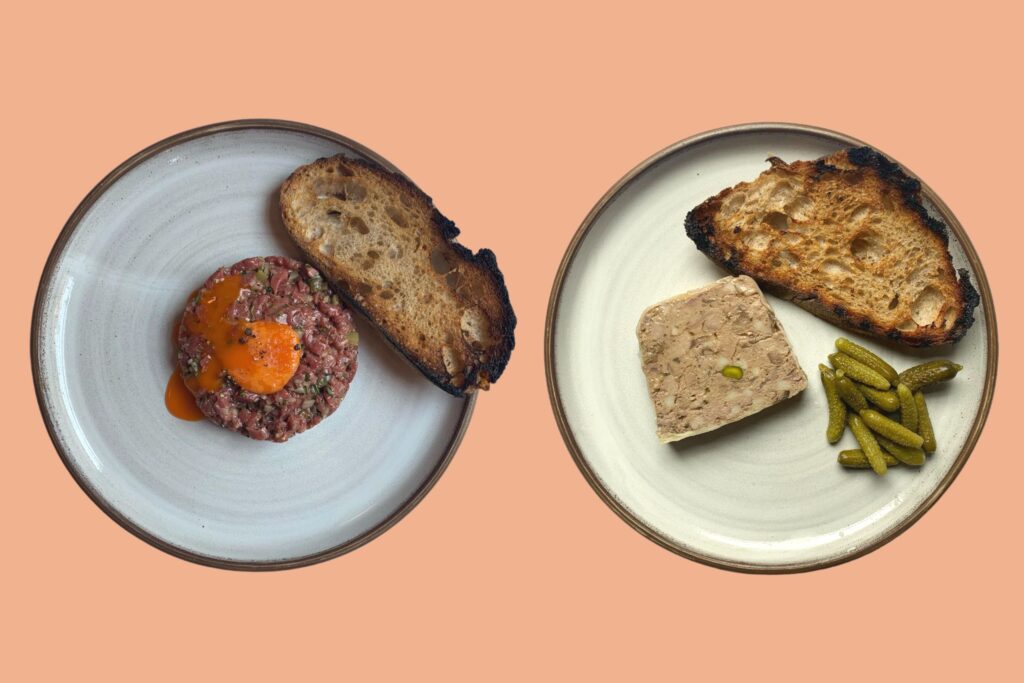
Follow with a whole roasted dover sole, served on the bone and dressed in copious amounts of nut brown butter. Deploy the excellent house rillettes and chunky beef tartare almost as side dishes, and have a very happy heart attack on the way out.
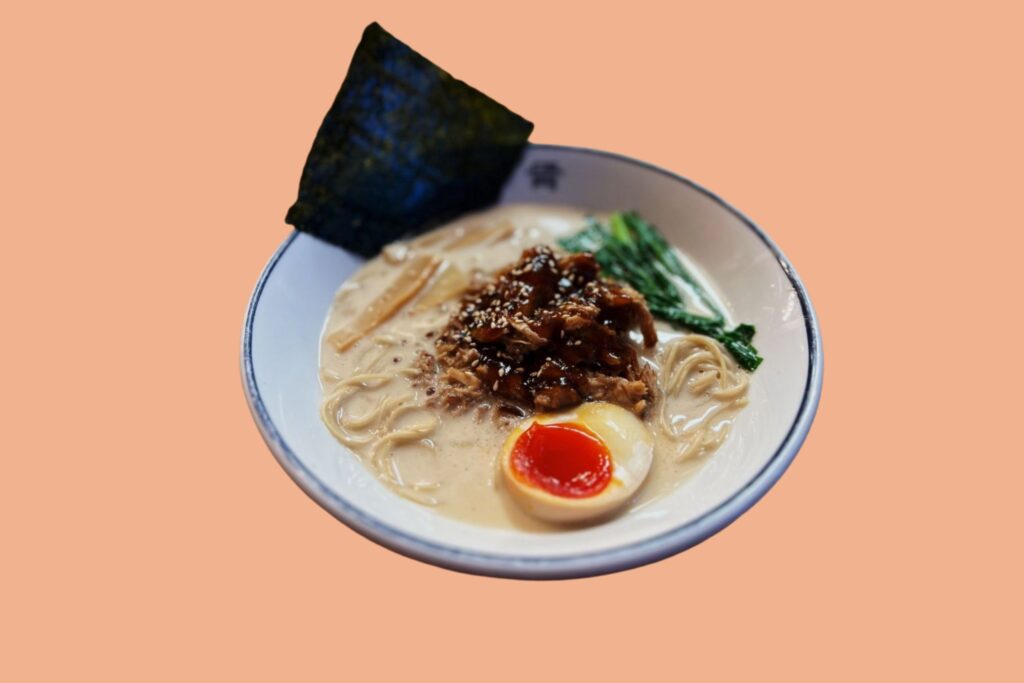
Next up, we’re heading to Tonkotsu, whose namesake noodle dish is one of the finest in the city, let alone just Soho.
The team at Tonkotsu takes pride in their homemade noodles, which are crafted daily using their custom-made noodle machine and a precision pH level that’s top secret. Their Classic Tonkotsu Ramen is, of course, the must-try here, with its silky pork bone broth, slices of fatty but tender roast pork belly, and noodles cooked for 32 seconds. Yep, this is meticulous work indeed, but it’s still a bowl that bears plenty of its soul; the perfect balance, we think.
Opened in 2012 by co-founders Ken Yamada and Emma Reynolds, the restaurant is the result of the duo’s painstaking (and futile) search for great ramen in London. Because, as the ancient Japanese proverb intones, ‘’if you want something done properly, do it yourself, innit?’’.
Prior to opening Tonkotsu, Ken and Emma ran a series of pop-up ramen events at their sushi and katsu joint, Tsuru, for six months. Their dedication to authenticity led them to make their own noodles in-house, setting them apart from other ramen shops.
Keep an eye out for the restaurant’s guest chef collaborations, usually released to celebrate Tonkotsu’s birthday in the capital. Recent rippers have included Jose Pizzaro’s Iberico pork ramen with piquillo peppers, served with a shot of sherry, and, last year, chef John Chantarasak’s ramen/khao soi mash-up.
Address: 63 Dean St, London W1D 4QG, United Kingdom
Ideal for a restaurant full of fun and frivolity that still takes its pizzas very seriously indeed…
Design by IDEAL image via Pizza Pilgrims Instagram
The Dean Street branch of Pizza Pilgrims was their first permanent site, and to many, it’s still the best iteration of this much loved pizza chain.
Come for the wood-fired Neapolitan, get tempted by the Double Pepperoni and Spicy Honey (it works), and stay for several delicious Gin and Pocellos, their own version of Limoncello – just delicious. Pizza Pilgrim’s mantra is ‘In Crust We Trust’, and they stay true to this pledge with a base of lightness, chew, a hint of sourness and the requisite heat blisters that are the hallmark of a true pizza from Southern Italy. Their arancini balls make an excellent starter, too.
Though it’s always a laugh tucking into your pizza around the restaurant’s central fussball table, if you’re not a child it’s even more fun to get takeaway, a few cans and head to Soho Square.
It feels as though, in recent years, Nepali food has experienced a well-deserved surge in popularity in the UK.
In 2019, the Nepali Times predicted Nepali cuisine was about to ‘go global’, and so it has come to pass, at least in this small corner of the world.
Momo trucks have become increasingly ubiquitous at festivals across the UK. A fine-dining iteration of the country’s cuisine is due to open in Fitzrovia later in the year following an appearance on Million Dollar Menu. And in 2020, MasterChef: The Professionals saw one of its most popular ever contestants, the London-based Nepali chef Santosh Shah, reach the final.
But if you’re going to try this diverse, delicious cuisine first-hand and at its finest, then you simply have to go to the source. The rich and diverse Nepali gastronomy, influenced by traditional Indian, Tibetan, and Chinese elements, offers a heady, intoxicating blend of spices, flavours and textures that you won’t find anywhere else on the planet.
So, whether you’re visiting Nepal to scale Everest or get spiritual, don’t miss out on the chance to savour these local dishes, ones that perfectly encapsulate the spirit of Nepali culinary heritage. Here are 9 local dishes to try on your holiday to Nepal.
Dal Bhat
Design by IDEAL image by 3dan3 via Canva
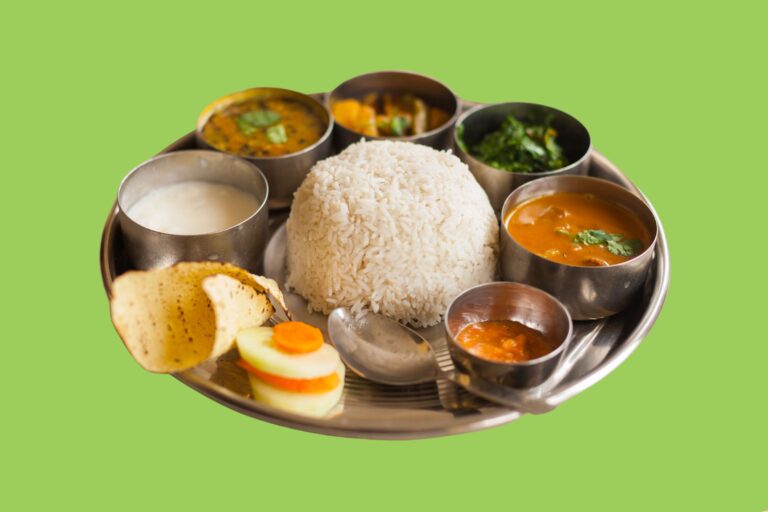
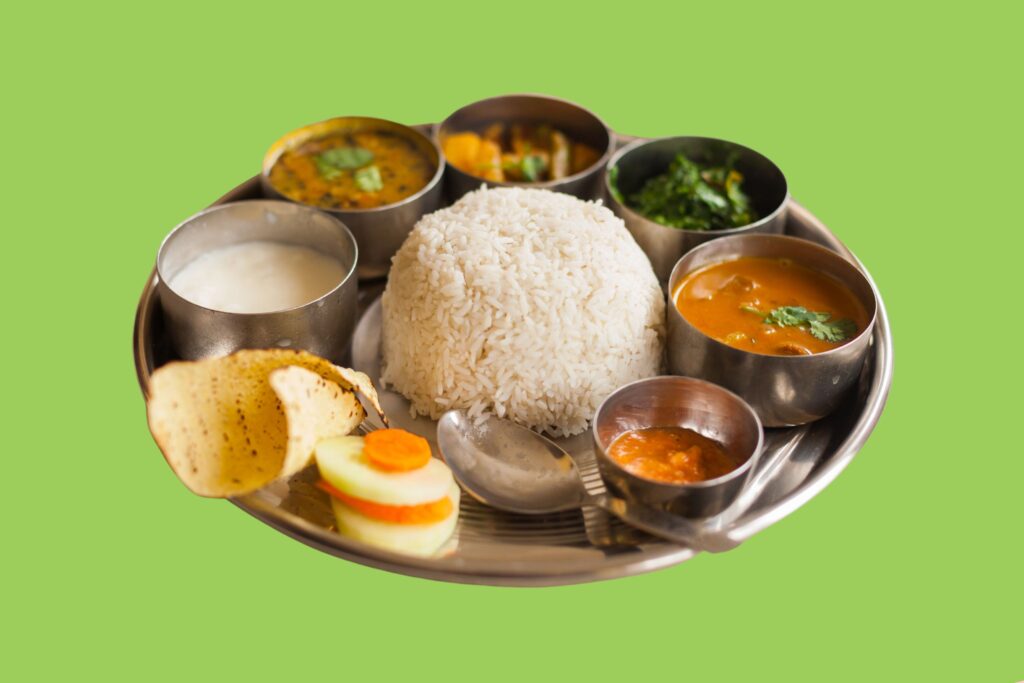
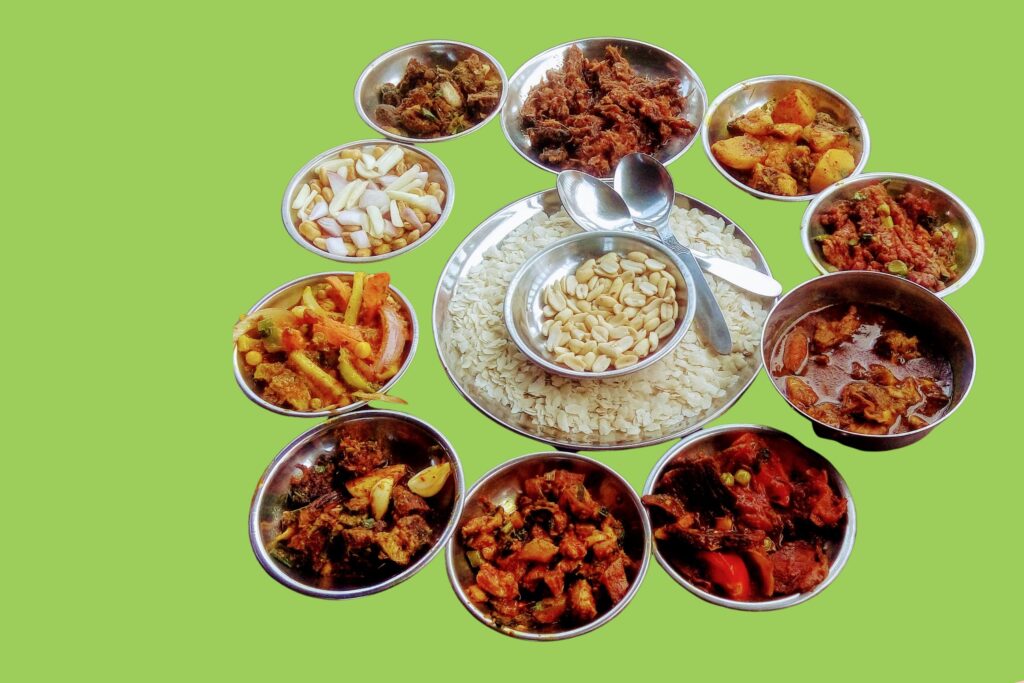
No trip to Nepal is complete without tasting the quintessential Nepali platter of Dal Bhat. This staple meal, enjoyed twice a day – typically in the mid-morning and then the evening – by most Nepalis, consists of steamed rice (bhat) served with a hearty lentil soup (dal), accompanied by a variety of vegetable curries, pickle (achar), and sometimes meat. The dish’s simplicity belies its satisfying and comforting nature – perfect for providing the energy required for treks through the Himalayas.
There is a huge variety of Dal Bhat eaten across the country. Just a few of the most popular include:
Classic Dal Bhat Tarkari: This is the most common form of Dal Bhat, which includes rice, lentil soup, and a vegetable curry (tarkari). The dal can be made from various lentils like pigeon peas (arhar), black lentils (masoor), or mung beans (mung daal). Tarkari often consists of seasonal vegetables like spinach, cauliflower, or potatoes cooked with spices and herbs.
Dal Bhat with Saag: In this version of Dal Bhat, the meal is accompanied by saag, which is a leafy green vegetable dish. Saag can be made from spinach, mustard greens, or other green leafy vegetables. It is usually sautéed with garlic, ginger, and spices, then served alongside the traditional lentil soup and rice.
Pahadi Dal Bhat: This is a popular variation in the hilly regions of Nepal. Pahadi Dal Bhat features a unique combination of rice, lentil soup, and side dishes like gundruk (fermented leafy greens), kinima (fermented soybean), and other locally available vegetables.
Newari Dal Bhat: The Newari community in Nepal has their own unique twist on Dal Bhat. It is often served with flattened rice (chiura) instead of steamed rice and accompanied by a variety of side dishes like spicy vegetables, pickles, and offal meat dishes.
Thakali Dal Bhat: Thakali Dal Bhat has its origins among the Thakali community in the Mustang district of Nepal. This variation includes rice, black lentil soup, and a wide range of side dishes, such as marinated meat, spicy potatoes, and gundruk. It is typically served with a tomato-based pickle, achaar, for additional flavour.
Momos
Images by Shashikant Durshettiwar & Kailash Kumar via Canva
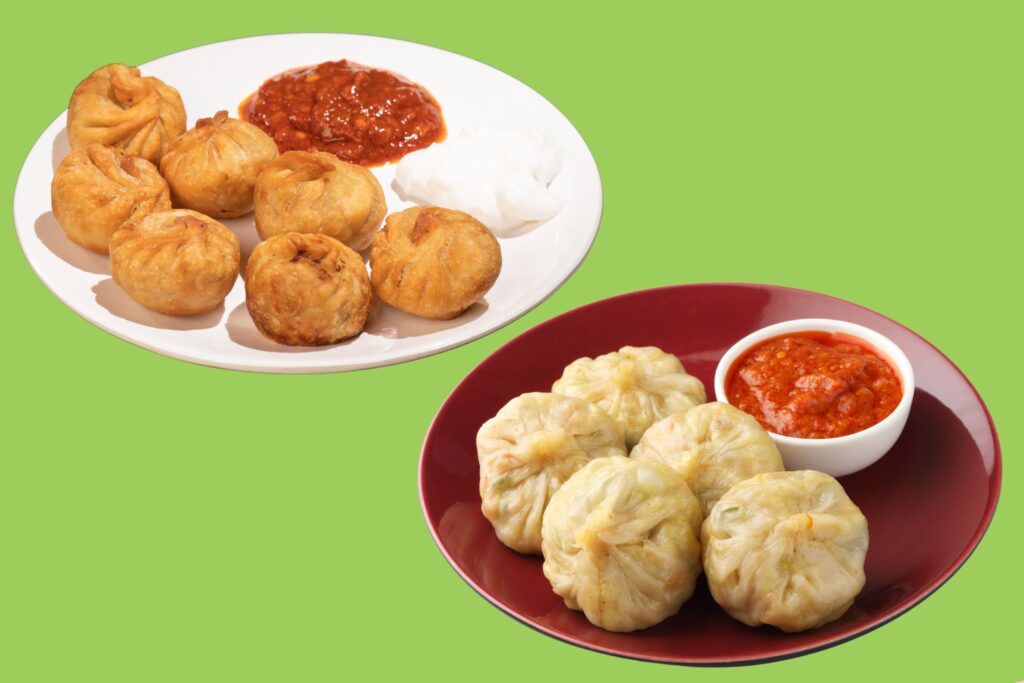
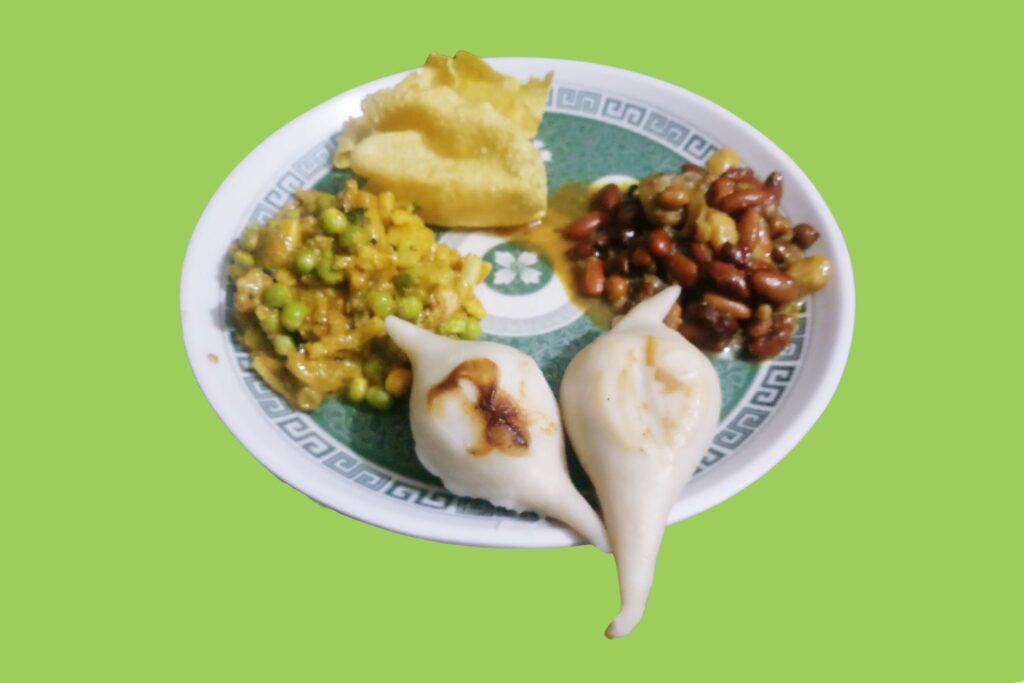
Arguably Nepal’s most well-known national dish on these shores, Momos are tantalising Nepali dumplings that have become a beloved street food throughout the nation. Made by filling thin dough with various ingredients such as minced meat (chicken, buff, or pork), vegetables, or cheese, they are then either steamed or fried to perfection. Dip these flavourful bundles of joy in a tangy tomato-based achaar, and you have a heavenly treat that’s hard to resist.
On your holiday to Nepal, it’s pretty much obligatory you try these versions of momo, at the very least:
Steamed Momo: Also known as Bhutuwa momo, these are the most common type of momo. The dough is filled with a mixture of minced meat (chicken, pork, or buffalo) or vegetables, and then steamed. The momos are served with a side of achaar.
Kothey Momo: Kothey momos are a hybrid between steamed and fried momos. They are first steamed and then pan-fried on one side, resulting in a golden crisp texture on the fried side while maintaining a soft, steamed texture on the other.
C-Momo: This rendition of momo is served in a hot, spicy, and slightly thick sauce. The steamed momos are stir-fried with a generous amount of sauce made from tomatoes, garlic, ginger, and chilli pepper, creating a flavorful, saucy dish.
Jhol Momo: Jhol momo features steamed momos immersed in a thin, flavorful, and mildly spicy Jhol Achaar sauce. This tomato-based sauce is seasoned with a mixture of spices, sesame seeds, and ground peanuts, giving the momos a tangy and nutty taste.
Tandoori Momo: Inspired by Indian tandoori cooking, tandoori momo are marinated with yoghurt and spices like cumin, coriander, and garam masala, then grilled or baked in a tandoor oven or regular oven. This gives the momo a smoky, charred flavour and unique texture.
Chatamari Momo: In this fusion variation, momo fillings such as minced meat or vegetables are wrapped in a thin and crispy rice flour-based pancake (chatamari) instead of the usual dough. Chatamari momo combine the flavours of two popular Nepali dishes: momo and chatamari.
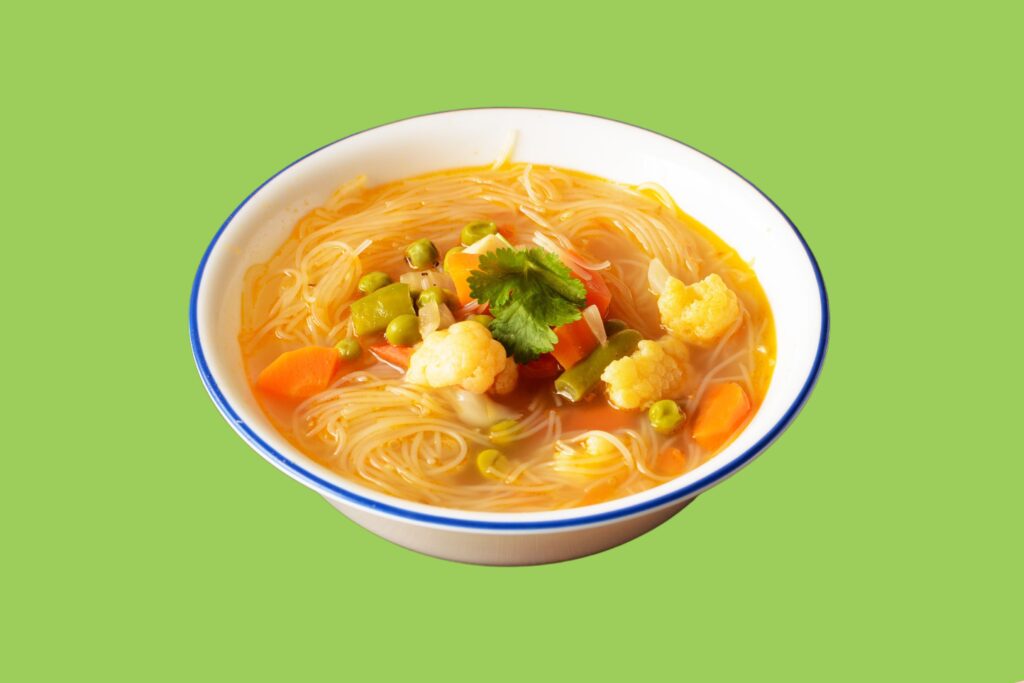
A warm bowl of Thukpa is perfect after a chilly day spent trekking in the Nepalese mountains. This cosy noodle soup, with Tibetan origins, combines succulent pieces of meat (most often marinated chicken, goat or yak meat), vegetables, and noodles in a flavorful broth. Infused with local spices, Thukpa is both comforting and invigorating, making it a favourite among trekkers and locals alike.
You’ll often find vegetarian versions, too, that deploy tofu or paneer. Just delicious.
Sel Roti
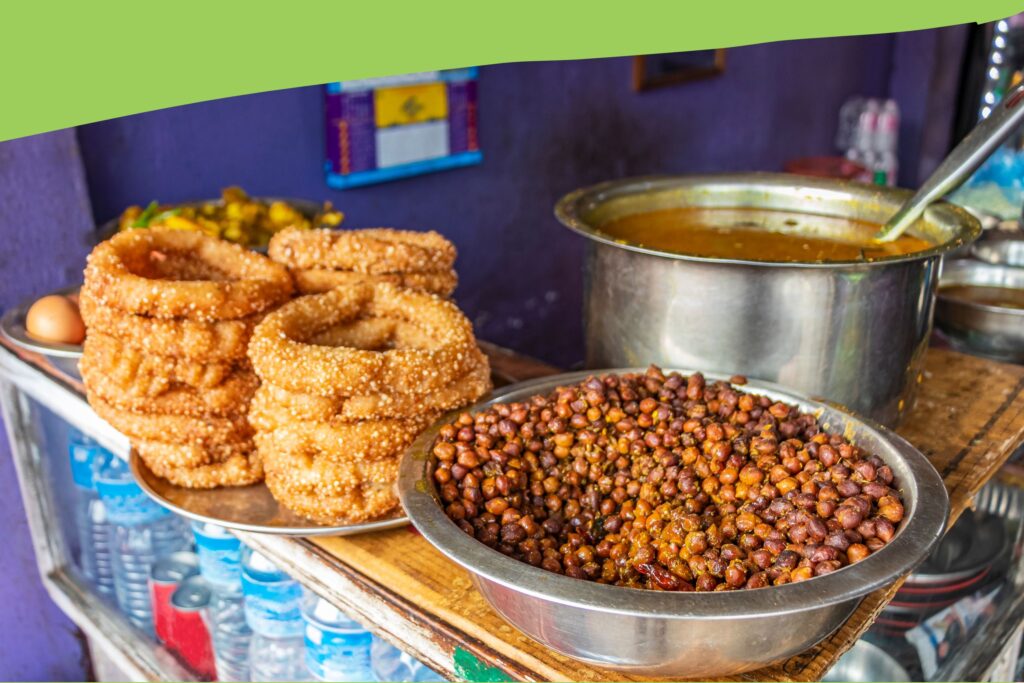
Sel Roti is a unique deep-fried rice flour ring that is both crunchy and fluffy. It is a traditional homemade sweet and is commonly consumed during Nepali festivals like Dashain and Tihar (Diwali). Often eaten with a side of yoghurt, tea, or curry, Sel Roti offers a delightful experience for those with a sweet tooth.
Dhido
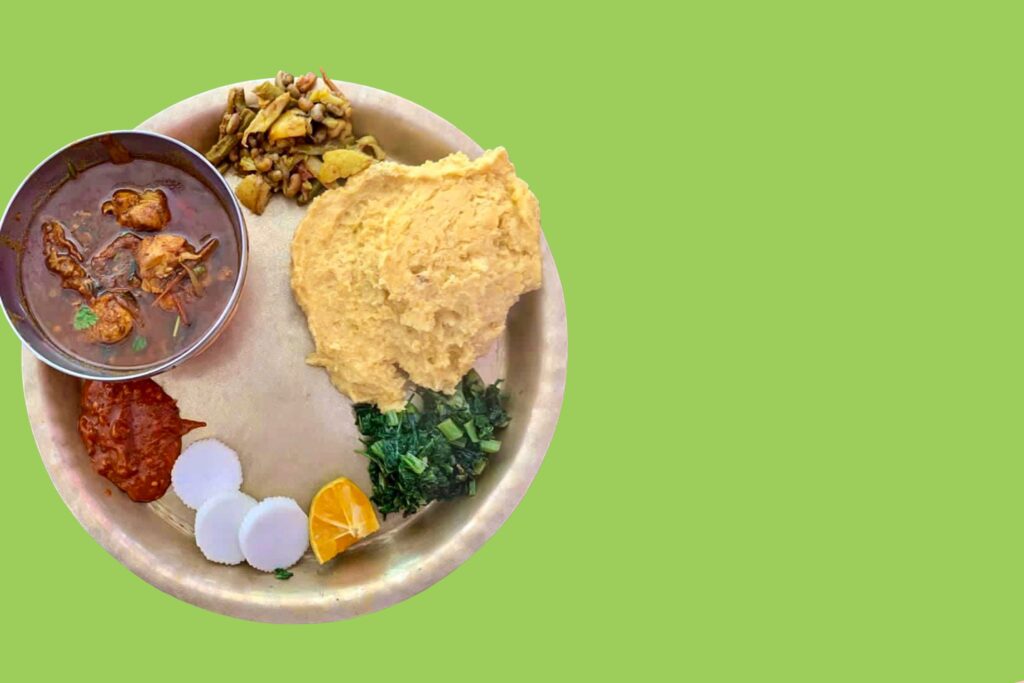
A traditional and nutritious alternative to rice, Dhido is a thick porridge made by continuously stirring a mixture of water and either cornmeal or millet flour until it thickens. This mountain staple is typically consumed with a side of vegetable curry, pickle (achar) or spicy gundruk soup (fermented leafy green). Don’t miss the chance to appreciate this earthy and fulfilling dish when visiting rural areas of Nepal.
To make your own at home, you’ll need:
2 cups of millet, corn, or wheat flour (depending on your preference)
4 cups of water
A pinch of salt
1 tablespoon of ghee or oil (optional)
Here’s what to do:
Boil the water in a large pot. Add a pinch of salt to taste.
When the water comes to a rolling boil, slowly add the flour to the pot while continuously stirring with a wooden spoon. Make sure to avoid forming any lumps.
Keep stirring the mixture continuously to avoid sticking to the bottom of the pot. The dhido should start thickening as you cook it.
Lower the heat once the mixture begins to come together. At this point, if you prefer a creamier consistency, you can add ghee or oil.
Cook for another 10-15 minutes while continuously stirring, ensuring it doesn’t stick to the bottom. The dhido is ready when it becomes thick, shiny, and forms a dough-like consistency.
To serve, wet your hands with water and carefully scoop out a portion of the hot dhido. Roll it into a ball and flatten it slightly. Place it on a serving plate and repeat the process for the remaining dhido.
Enjoy Nepali Dhido with your choice of accompaniments, such as vegetable curry, lentil soup (dal), or yoghurt.
Some variations of dhido may also include spices mixed into the dough, like cumin seeds or turmeric powder for added flavour and colour. You can experiment with adding different spices or ingredients to personalise the dish to your taste.
Choila
Originating from the Newari community, Choila is a spicy grilled meat dish that is delicately spiced and with just the right amount of bite (many Nepali prefer their grilled meats to have a pleasing chewiness).
Traditionally prepared using water buffalo meat, modern variations of the dish also feature chicken or duck. Marinated with a spice mix containing cumin, garlic, ginger, turmeric, and coriander, Choila is enjoyed with chiura (beaten rice) and an array of other Newari side dishes.
Yomari
Yomari is an exquisite Newari delicacy typically prepared during the Yomari Punhi festival. Made from rice flour dough, these sweet dumplings are filled with a mixture of chaku (cane sugar) and khoa (clarified milk solids). Shaped like a fish, these sweet treats hold a special cultural significance and offer a delightful glimpse into the rich culinary heritage of Nepal.
The festival of Yomari Punhi’s importance cannot be overstated. Here, people prepare and enjoy Yomari in the Newar community. Celebrated during the winter months, Yomari Punhi marks the end of the rice harvest season and is a way to express gratitude to gods and goddesses for the good harvest. On this day, people also exchange Yomari as gifts, symbolising love and friendship.
According to local mythology, Yomari was first made by a couple from Panauti – a small town in Nepal – who offered it to the gods. As the gods were pleased, they blessed the couple, and the tradition of making Yomari began. It reflects the significance of food offerings in Nepali culture and the belief in divine blessings. Family members often come together to prepare Yomari, creating a wonderful sense of community.
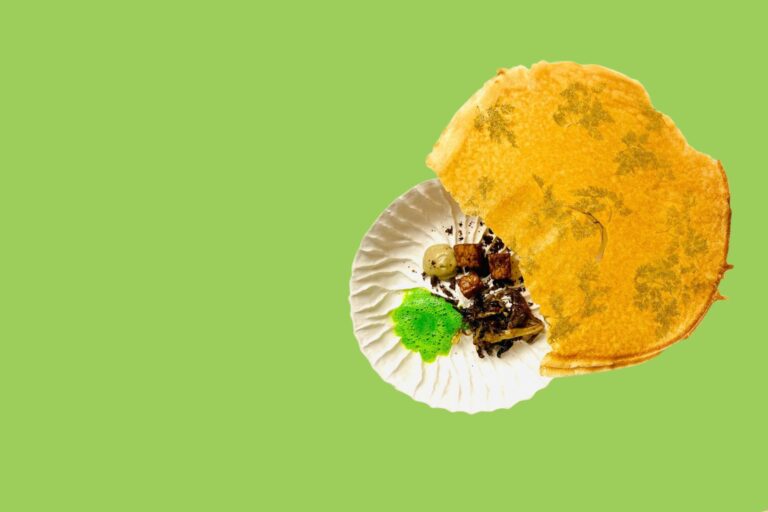
Often referred to as ‘Nepali pizza’, Chatamari is another Newari speciality well worth savouring. It is a thin, round rice flour crepe topped with minced meat, vegetables, and spices, cooked to crisp perfection on a flat pan. This versatile dish can also be enjoyed as a meal or a snack, and pairs particularly well with a hot, sweet and milky chiya tea, lassi, or even raksi, a locally brewed rice spirit. Do go easy with the latter, though; it’s strong!
Juju Dhau
Translated as ;King of Yogurt’, Juju Dhau is a creamy and delightful dessert hailing from the ancient city of Bhaktapur. It’s made by setting fresh buffalo milk sweetened with sugar inside a clay pot. The unique method and environment lend it a distinct flavour and texture that represents the perfect closing act to your trip (and our article) to Nepal.
Are you yearning to explore vibrant cultures, savour exotic flavours, or simply escape the British drizzle this summer? For students itching to spread their wings and venture beyond their university campuses, the world really is your oyster, with technology helping make so many elements of travel smoother than ever before.
With that in mind, we’ve put together this treasure trove of insightful advice and budget-friendly hacks, tailored to ensure every wide-eyed globetrotter makes the most of their adventures — without leaving their common sense (or their wallets) behind. So grab your sunnies, dust off your backpack, and let’s get cracking on crafting the trip of a lifetime.
Don’t Be Afraid To Go Solo
If you’re eager for an adventure this summer but can’t find a pal to go with you, don’t be scared to take a ‘solocation’.
We get it; going to a foreign country alone may feel intimidating, but it needn’t be. In fact, there are some pretty pleasing perks to doing things solo. You can grab the last seat on a flight without the need to consult with anyone else. You can park yourself on that single stool at the hottest streetfood ticket in town. You can squeeze into a skytrain without worrying if there’s extra room for a companion…
Indeed, being on holiday with nobody else means you only have to cater for your own needs. Should an unexpected opportunity arise, you can jump on it! It is your holiday, and yours alone to enjoy.
ISIC, which stands for International Student Identity Card (ISIC), will help identify you as a student in over 130 countries. But this isn’t just some badge of honour or proof of being a card-carrying scholar. Nope, this card is the only student ID that is internationally recognised for student discounts around the world.
As the budget student airline experts at Flyla tell us, your ISIC can be used to help you sign up for a whole host of money-saving options, from getting discounted fares on flights and trains to getting as much as 15% off any accommodation that’s part of Hostelling International, as long as you’re a member (membership is just £8.95).
But that’s not all; UNESCO’s International Student Identity Card’s unlocks discounts on access to more than 150’000 sites worldwide, and many guides provide ISIC-related cut price tours, too. There really is no reason not to carry yours!
Though received travel wisdom suggests that you should always take out a small amount of cash in the country you’re travelling, this isn’t perhaps as pertinent as it once was, with the proliferance of easily accessible ATMs and modern, progressive banks ready to waive withdrawal fees to get you on board.
App-based banks such as Monzo and Starling are excellent options for students looking to manage their money while travelling (and not carry loads of cash around). On both platforms, you can allocate your travel budget to different pots or spaces. You can even lock Monzo pots to add in a layer of caution to your spending.
When it comes to credit cards, the Halifax Clarity stands out as a particularly keen travel companion, offering fee-free transactions worldwide. You also don’t have to pay fees when you pay for goods in shops or restaurants either, all providing you pay off your credit card in full each month. That said, you will be charged interest on cash withdrawals until you pay off the balance.
FairFX’s currency cards are also popular with travellers, boasting a streamlined approach that eliminates hidden costs while travelling, ensuring stress-free financial management on-the-move.
Whichever you choose, it’s a good idea to bring more than one prepaid travel card with you, just in case one gets lost or stolen.
Ideal Tip: When you’re visiting another country and paying for something with a credit card, you’ll be asked if you want to pay in your home or the local currency. This option for paying in your home currency is called dynamic currency conversion. However, it can lead to hefty fees. Always pay in the local currency as your bank will convert the charge at favourable conversion rates for you.
Stay Connected (But Not Too Much)
While it’s important to stay connected with loved ones back home, don’t let technology consume your entire trip, especially social media.
Sure, social media may have revolutionised the way we travel and certainly provides tonnes of inspiration, but according to a survey by Booking.com, half of Gen Z (53%) think too much emphasis is placed on social media when travelling.
As reported by the Bangkok post; “Many Gen Zers travel for the sake of social media. Some 60% of Gen Z surveyed said they’re interested in travelling that will look good in pictures – this is no way to travel.”
Social media can wait. Immerse yourself in the present moment instead. Engage with locals, strike up conversations, and create memories that will last a lifetime. Remember, the best stories are often the ones that can’t be shared online!
Safety First
That said, it is essential to exercise a little caution when on-the-go. Give your friends, family and yourself some peace of mind and let them know a rough itinerary of your holiday before you go, so if they don’t hear from you then they will know where they should contact.
Consider using a GPS tracker; there are numerous apps – Bsafe and NOONLIGHT are two popular ones – which allow loved ones to know your activity, offering them peace of mind that you are safe. If, in an emergency, they can’t locate you, then they will be able to alert the necessary authorities.
Securing your possessions is important, too. As a student traveller, you’re likely to be on a budget, making it all the more crucial to safeguard your things and invest in travel insurance. The thrill of exploring new destinations can quickly sour if you find yourself the victim of theft or loss. Here are some practical tips to keep your belongings secure:
Be Discreet with Valuables: Flaunting expensive gadgets or jewellery can make you a target for thieves. Use inconspicuous bags and keep your valuables close to your body. Consider a money belt or a hidden pouch for your passport and money. When staying in hostels or shared accommodations, use lockers or safes provided.
Stay Organised: Keep your belongings organised and take inventory before and after each leg of your journey. Knowing exactly what you have allows you to quickly notice if something goes missing. Use luggage locks and always keep your bags zipped and secured. Better still, MAX cases provide a whole suitcase that’s about as secure as it comes.
Backup Important Documents: Scan or photograph important documents such as your passport, travel insurance policy, and visas. Store these digitally in a secure cloud service or email them to yourself. This way, if your documents are lost or stolen, you can access copies quickly.
Travel Insurance: While it may seem like an additional expense, travel insurance is a safety net you shouldn’t ignore. It can cover the cost of lost or stolen belongings, medical emergencies, trip cancellations, and other unforeseen circumstances. As a student, you may be more prone to taking risks or trying adventurous activities, which makes having insurance all the more pertinent.
Health and Possessions Cover: Ensure your policy includes health cover and coverage for your possessions. The NHS won’t cover you abroad, and replacing lost items without insurance can be costly. Check the fine print for exclusions and make sure high-value items are covered.
Emergency Contacts: Keep a list of emergency contacts, including the local embassy or consulate, emergency services, and your insurance provider. Having these contacts readily available can save precious time in a crisis.
Stay Alert: Finally, always be aware of your surroundings. Pickpockets and scammers often target tourists, especially in crowded places. Trust your instincts—if something doesn’t feel right, remove yourself from the situation.
Phew, after that rather maternal interlude, let’s get back to living in the moment! While it’s essential to have a rough itinerary, don’t be afraid to deviate from it. Some of the most memorable experiences happen when you least expect them. Embrace spontaneity and seize opportunities that come your way. Whether it’s exploring hidden gems or joining a local festival, allow yourself to wander off the beaten path.
Being A Respectful Tourist
Deserving of its very own subsection, let’s dive in…
Watch What You Wear
Being a respectful tourist may require dressing up more conservatively than you may do back home, particularly when visiting places of worship or someone’s home, but also as you stroll the streets of your new destination. Thinking of going topless as you strut around Hanoi, Havana or Honolulu? Just don’t.
Ethical Photography
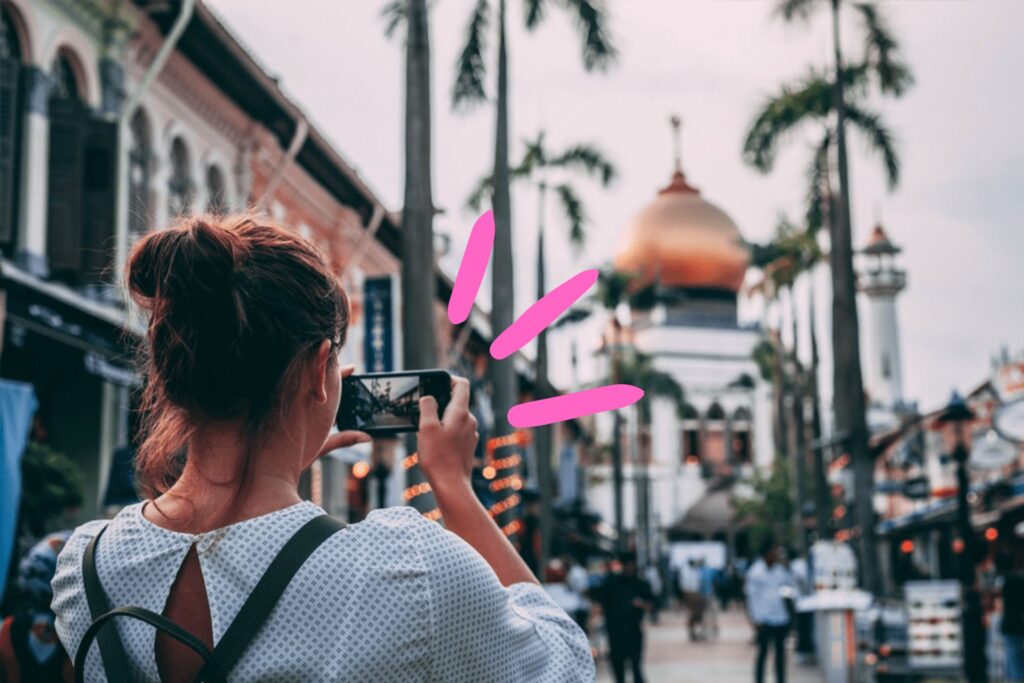
When it comes to taking travel photos, you need to be mindful of who or what is within shot. If you’d like to take a picture of someone, be it a shopkeeper or a hawker cooking on the street, be polite and gain their consent first. When in places of worship, look for signs and obey them; taking photos is usually forbidden.
Cultural Differences Of Gestures
Student travellers should be mindful of the diversity of gestures globally, too. For instance, while in the States and the UK, the ‘thumbs up’ gesture is ubiquitously appreciated as a sign of approval, in parts of the Middle East, it can be perceived as offensive. Similarly, in Japan, beckoning someone with your palm upward, as customary in several western cultures, is considered uncouth, and reserved for pets; instead, the Japanese beckon with the palm facing down and fingers waving.
In Bulgaria and Iran, shaking your head may sometimes mean ‘yes’, and nodding ‘no’ – quite the opposite of many other cultures. Thus, it is imperative to attune oneself with the cultural nuances of the host country to promote respect and understanding. Remember, the ability to communicate effectively and adapt culturally is as crucial as your backpack or your guide book.
Leave No Trace
As responsible travellers, it’s our duty to preserve the beauty of the places we visit. First, don’t mess with Mother Nature. Avoid littering, recycle when you can, and use public transport or your own two feet instead of taxis or rented cars whenever possible. Say ‘no’ to single-use plastic. Use refillable water bottles, bring your own bags when shopping, and carry reusable cutlery. If you’re checking out awesome cultural spots, remember it’s ‘look, don’t touch’—don’t disturb anything.
When it comes to choosing a gift for the man in your life, we often find ourselves bewildered by the stereotypes and clichés indicative of traditional masculinity. The man you adore deserves better – a unique, personalised present that truly reflects his vibrant quirks and multifaceted essence. To save you from the pitfalls of uninspired choices, we’ve curated a list of 10 imaginative customisable gifts that are sure to please the fantastic man in your life.
A Pottery Workshop Experience
Unleash the artist within the man you cherish with a custom pottery workshop experience. There are many fantastic pottery studios all across the UK, offering to tailor sessions according to individual preferences. He’ll adore learning the ropes from skilled artisans and take home a handcrafted masterpiece to showcase his creative prowess.
With pottery known for its therapeutic benefits, he’ll return home feeling refreshed and invigorated. This makes for one of the finest experience days for him, combining the joy of creation with a memorable and hands-on learning adventure.
A Cooking Class Of Their Favourite Cuisine
Does the man in your life consider himself a culinary connoisseur or perhaps wishes to hone his skills? Gift him the opportunity to enhance his gastronomic talents with a personalised cooking class.
Ranging from perfecting a classic British dish to exploring far-flung cuisines, these courses can be customised to create an unforgettable experience. Couple it with a customised apron and perhaps a trip to their favourite restaurant, and you’ve got the perfect recipe for a cherished memory.
For the practical kings, a personalised key ring is the perfect blend of sentimentality and everyday utility. It’s a memento the man in your life can keep close by at all times. With countless customisation options available, including materials, colours, and designs, you can create a key ring that complements his personal style.
Choose a meaningful engraving, like a favourite quote or an important date, to add a heartfelt touch. In addition, you can collaborate with local artisans or seek out eco-friendly options to show your support for sustainable practices. The end result is a unique and symbolic gift that will act as a daily reminder of your love and appreciation.
A Custom Photo Book
In this digital age, printed photos often feel like a relic of the past. Remind him of your shared memories and bond by gifting a personalised photo book. Featuring photos that highlight adventures and milestones, along with captions capturing the emotion behind each moment, a custom photo book is a visual journey that’ll warm his heart and fill him with affection.
A Personalised Playlist or Mixtape
Music can stir our deepest emotions, etch memories into our minds and create an ambience like no other. Create a personalised playlist or mixtape featuring tracks that have shaped your relationship or his favourite tunes from diverse genres. It’s a heartfelt way to remind him that you cherish the moments you’ve spent together and pay attention to his taste in music. And as every fella will attest, being listened to while you drone on about your unique taste in tunes is one of life’s greatest gifts…
A Tailormade Fragrance Experience
Fragrance can evoke powerful emotions, so why not offer the man in your life the opportunity to create his signature scent? Several UK-based perfumeries offer consultations and guided sessions – allowing him to blend and mix fragrances that resonate with his personal style. Encapsulated in a custom bottle bearing his name or a message, this gift is a luxurious way to celebrate his individuality.
Some places offering these fascinating experience include:
Floris London – This iconic British brand offers bespoke fragrance experiences at their flagship store in London.
Perfume Studio – They have locations across the UK, offering create-your-own perfume experiences.
4160 Tuesdays – This London-based perfumery offers various workshops and perfume-making experiences.
Cotswold Perfumery – Located in the picturesque village of Bourton-on-the-Water, they offer perfume-making courses.
Nose to Tail – Based in Glasgow, specialist perfumer Clare Tucker offers a variety of perfume-making workshops. Perhaps you could take your fella for a cheeky craft beer or two afterwards?
Bespoke Jewellery
While it might not be everyone’s go-to gift idea for a man, a bespoke piece of jewellery is a sophisticated and stylish way to celebrate your appreciation for him. Whether it’s an elegant silver cufflink, a personalised leather bracelet or a custom-engraved necklace, partnering with a local jeweller can elevate your present to new heights. A unique piece of jewellery serves as a testament to your unwavering bond and connection.
If the man in your life is an avid traveller with a taste for adventure, consider gifting him a personalised world map or UK adventure map. Pinpoint your beloved’s past trips and colour-code them based on his experiences. Include events you’ve shared, like the first date or a memorable weekend away. It’s a visually stunning and ongoing reminder of the places he’s been and the incredible bond you share.
A Bespoke Skincare Kit
Acknowledge his dedication to self-care by gifting a tailor-made skincare kit. Several UK-based boutique brands offer kits that can be customised based on his skin type, lifestyle and preferences. Opt for products with natural ingredients and healing properties to complement his penchant for environmentally-friendly practices. This personalised kit serves as a token of your genuine love and support.
A One-Of-A-Kind Artwork
Commission a local artist to create a bespoke piece inspired by the man you treasure. It could portray anything from his favourite cityscape to an abstract rendition of his energies and vibes. A one-of-a-kind artwork immortalises his place in your heart and adds a personal touch to his surroundings while promoting local talent.
The Bottom Line
As you search for the perfect gift idea, remember: it isn’t the price tag that matters most, but the thought and affection that goes into the present. Our list of customisable gift ideas offers several striking, modern, and diverse options as unique and captivating as the man in your life. Whichever choice you make, the smile on his face and the appreciation in his eyes will make it all worthwhile.
If you’re vegan, then you’ll know that there are countless restaurants in Soho, let alone the whole of London, coming up with creative ways to make delicious food without a single ounce of butter in sight. Indeed, cooking without animal products is no longer seen as a constraint, but rather an opportunity to be creative. Leading the way for this kind of cooking, Gauthier, right in the beating heart of Soho, has been doing creative things with style and flair using plant-based products for years now.
This much loved and lauded vegan only fine dining restaurant has an admittedly chequered history. As one of the few three rosette, (former) Michelin-star restaurants focusing on vegetables and plant-based cuisine, Gauthier subverts the traditions of your classical French fine-dining experience.
The restaurant is headed up by Alexis Gauthier, a once-controversial figure who was an Alain Ducasse protege and has held multiple awards and accolades for over 12 years.
That controversy – intense protests regarding his restaurant’s use of foie gras – caused Alexis to suddenly switch to veganism and the chef has never looked back.
Gauthier seemed to take these protests to heart – and fair ducks to him – at first removing foie gras from the menu before committing to overhauling the entire thing, which is now a wholly vegan affair serving as testament to just how good vegan dining can be.
Unlike some British culinary institutions that tend to treat vegetables as an afterthought or distraction, at Gauthier they are everything – the main focus – paired with herbs and spices to create decadent combinations. And in true decadent style, the food here is delivered as a tasting menu, inviting diners to luxuriate in leek terrine with plant caviar (made from kelp), tomato ravioli, a stuffed courgette over bouillabaisse, and so much more.
The interior takes up three floors of a regency townhouse and oozes a sense of traditional class. Here, the elegant dining rooms boast white-linen-cloaked tables, appearing somewhat like a dressed-up living room in a stately home. In the best possible way of course…
Gauthier Soho claims to be the first classical French fine-dining vegan restaurant in the world, and whilst many others have since followed suit, it still represents one of the UK’s best treats for vegans looking to dine out in style.