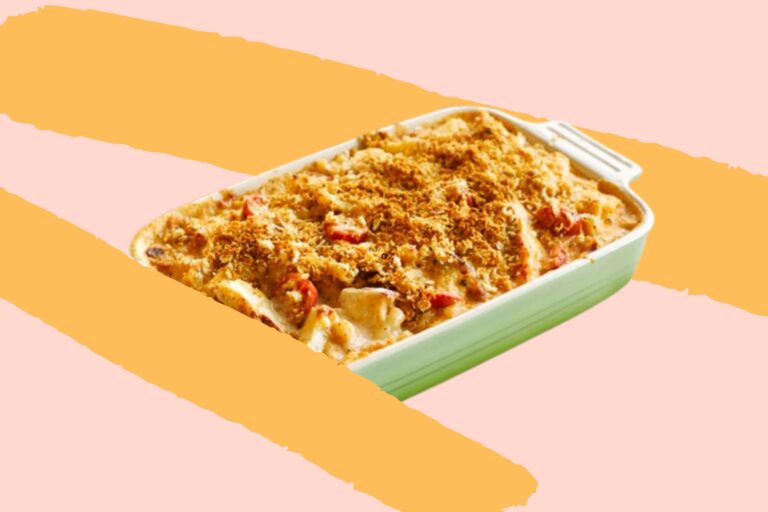
225-250g leftover Stilton or any other blue cheese, rind removed
2 cloves garlic, crushed
300ml vegetable stock
4 tsp cornflour
WHAT YOU NEED TO DO
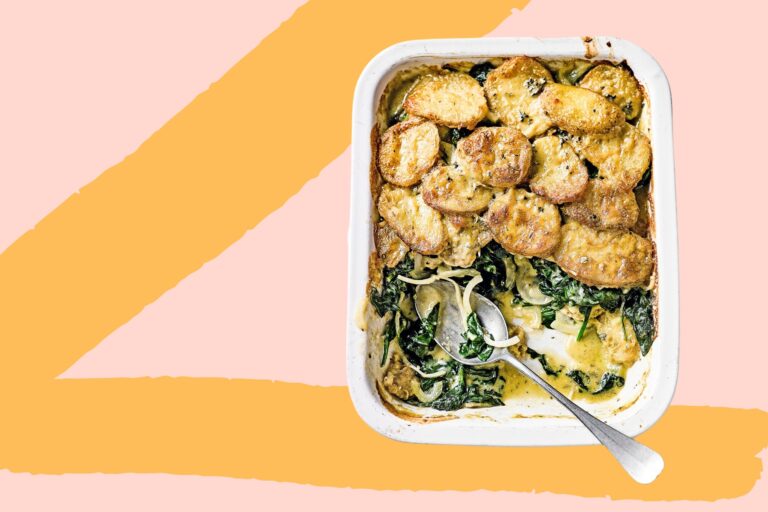
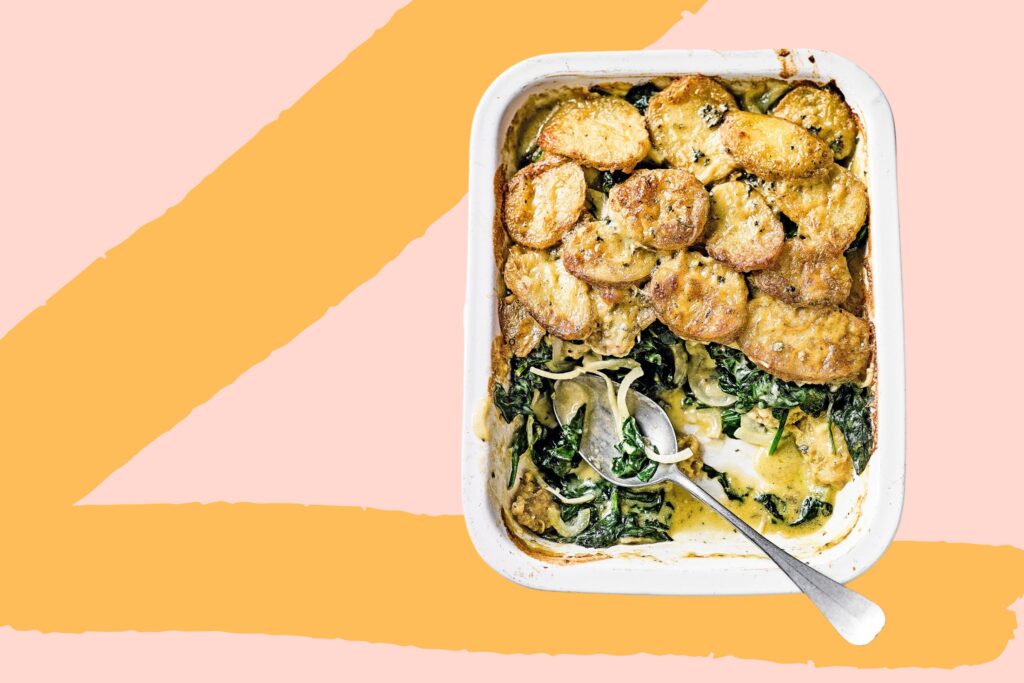
Preheat the oven to 200°C, gas mark 6. Pack the spinach into a saucepan, cover with a lid and cook gently for 2-3 minutes until wilted. Drain in a colander and spoon half into the base of a shallow baking dish. Arrange half the onion and potato slices on top, then layer with the remaining spinach, onion and potatoes.
Crumble the cheese into a saucepan and add the garlic and stock. Cook gently, stirring frequently for a few minutes until the cheese has melted into the sauce. Blend the cornflour in a small bowl with 2 tbsp water and add to the pan. Heat until bubbling and thickened. Pour over the potatoes and bake for about 40 minutes until the potatoes are crisp and the sauce is bubbling. Serve with a leafy salad.
IDEAL tip: Cooking for a crowd? This is rich and cheesy so only small portions are required. For really hearty appetites or when cooking for larger numbers, cook some sausages in the oven alongside the bake.
Preparation time: 10 mins, plus 10-15 mins chilling
Cooking time: 30 minutes
Total time: 50 minutes to 55 minutes
Serves: 4
WHAT YOU’LL NEED
250g floury potatoes, such as King Edward, peeled and diced
300g sweet potatoes, peeled and diced
200g Savoy cabbage, finely chopped
25g butter
1 bunch salad onions, finely chopped
50g cheddar cheese, grated
Dried rosemary
25g plain flour
3 tbsp olive oil
WHAT YOU NEED TO DO
Put the white potatoes in a pan and cover with a little cold water. Place a lid on the pan and bring to the boil. Cook for 5 minutes then add the sweet potatoes and continue cooking for a further 9-10 minutes until tender. Steam the cabbage over the pan for the last 4-5 minutes until just tender, or microwave on high for 1-2 minutes.
Remove the cabbage, drain and set aside. Drain the potatoes in a colander then return them to the pan. Add the butter then season and mash until smooth. Mix in the salad onions, cheese, rosemary and the cooked cabbage. Combine well then leave to cool.
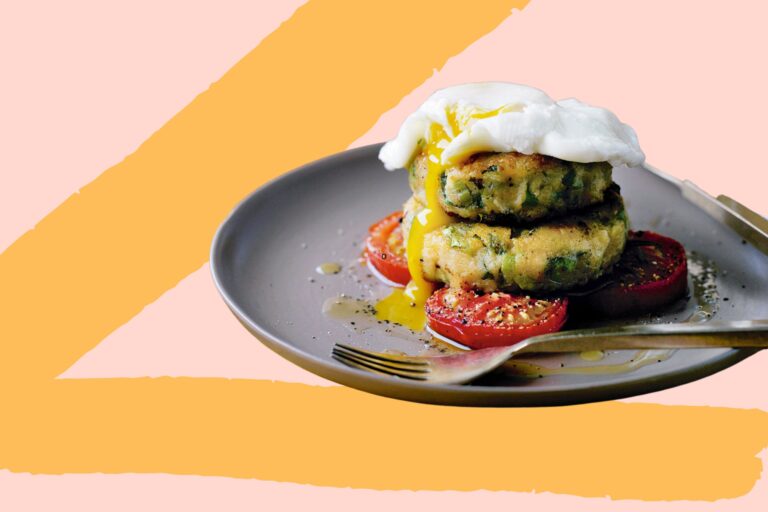
Divide the mixture into 8. Dust the worktop and your hands with the flour, then form the mixture into small, round patties about 2cm thick. Place in the fridge for 10-15 minutes to chill.
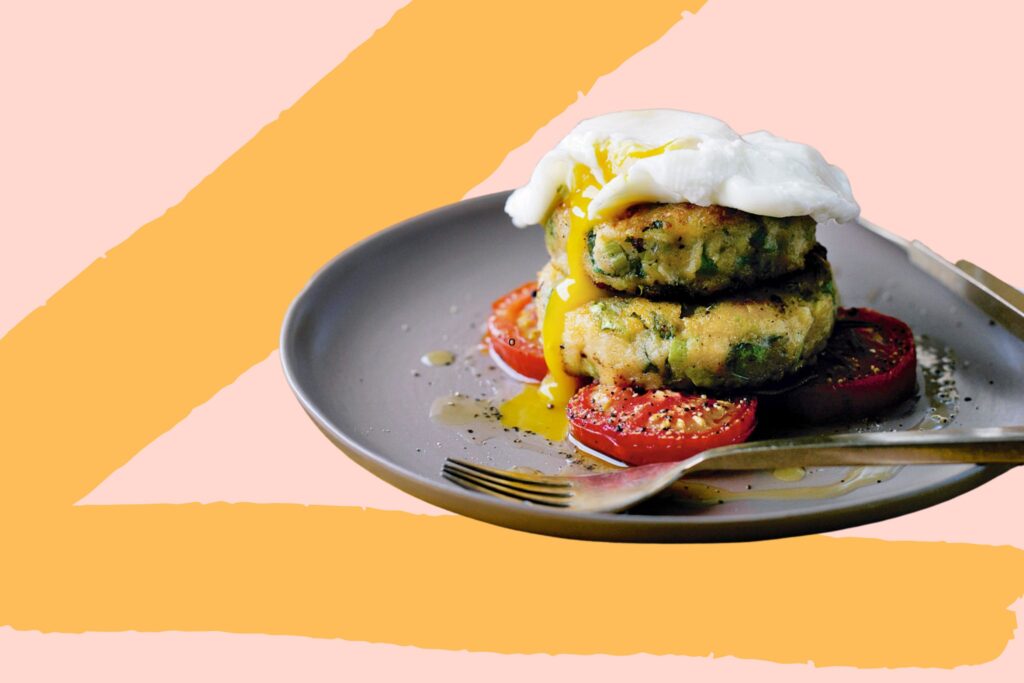
Heat half the oil in a large frying pan and gently fry 4 of the patties for 2-3 minutes on each side until lightly golden. Add the rest of the oil and cook the remaining patties, keeping the first batch warm in the oven. Serve topped with a poached egg and oven-roasted tomatoes.
Preheat the oven to 180˚C, gas mark 4. Roll the pastry on a floured surface to the thickness of a £1 coin. Place a 23cm x 4cm loose-bottomed tart tin on a baking sheet and line with the pastry, pressing it right into the corners. Leave the edges overhanging, prick the base and chill for 20 minutes.
Line the rested pastry case with parchment and baking beans. Bake for 20-25 minutes until the edges are golden brown. Remove the baking beans and cook for a further 10 minutes or until the base is a light golden colour. Cool for a few minutes then use a serrated knife to trim off the overhanging pastry.
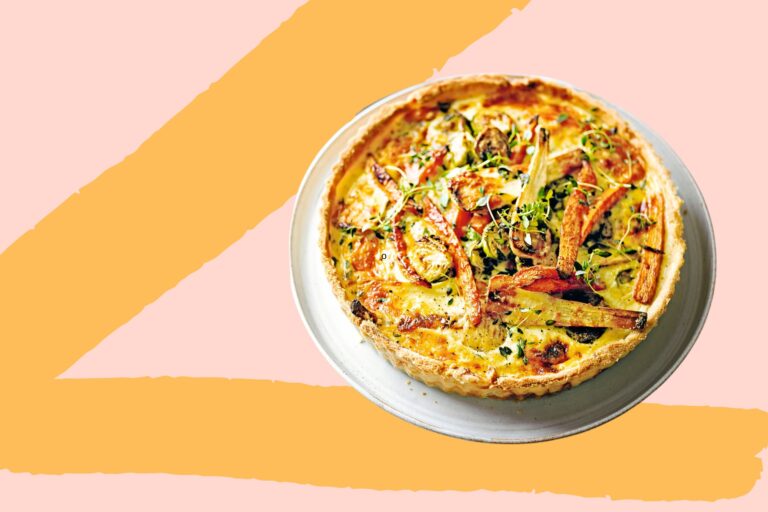
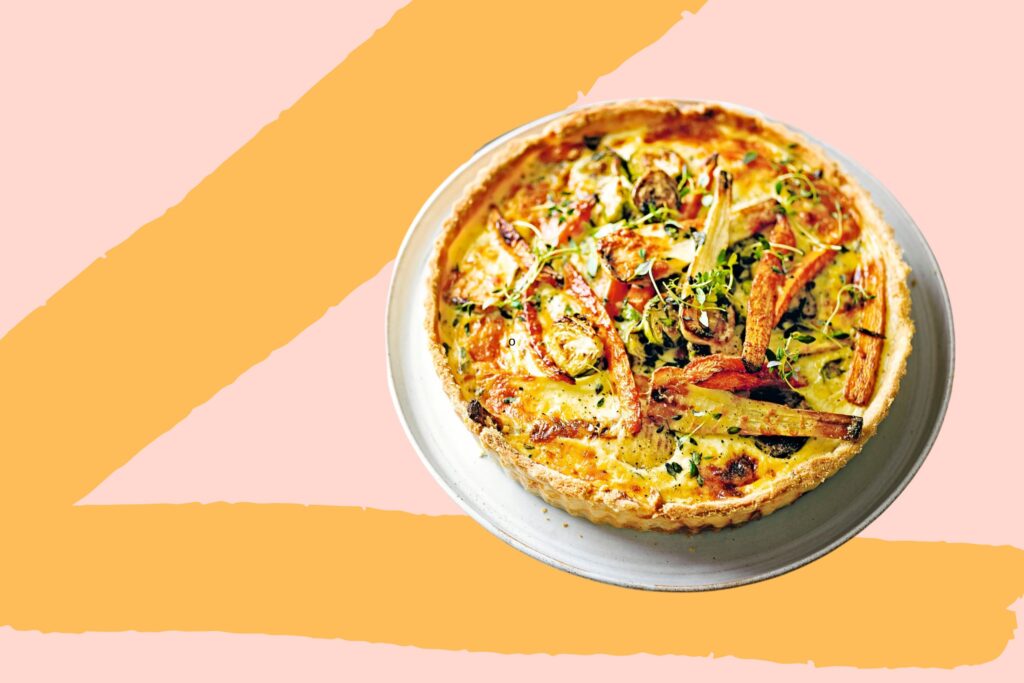
Fill the pastry case with the leftover veggies and most of the cheese. Whisk the eggs, cream, milk and thyme leaves together until smooth, season well and pour in the tart case. Scatter over the remaining cheese and bake for a final 30-35 minutes, or until just set in the middle. Cool for 5 minutes, remove from the tin and then transfer to a cooling rack. Serve at room temperature or chilled with some mixed leaves.
…IDEAL for those who love the flavour of something wood-fired.
A dome oven. An arched vault and a rip roaring temperature. But let’s face it; a pizza oven is so much more than that. It’s your ticket to flavourtown, and that wood fired taste which works so incredibly well, not only on pizzas but also for breads, meat and fish.
Its actual form differs depending on regions or users’ preferences. The best example for this is the positioning of the chimney. In southern Italian regions, they tend to place it at the front, just above the mouth of the oven, whilst in northern parts, it’s most often located in the back.
Sometimes pizza ovens don’t even have a chimney — it minimises heat loss and allows for keeping high temperature contained inside for longer. The material used is consistent however; traditional pizza ovens are made of clay or bricks and cement because of their heat retention. Lit in the morning, they can often keep burning all day.
Anyway, the good news if you’d like the luxury of one at home is this; you can build them yourself or buy already manufactured and easy to assemblewood-fired ovens made of high-quality refractory materials. We’re here today to talk about the former; here’s how to build your own pizza oven in your garden in 5 simple steps, IDEAL for those who love the flavour of something wood-fired.
But First, How Does A Wood-Fired Pizza Oven Work?
No matter how it’s built, the main cooking principles stay the same. Firstly, a fire is made in the back end of the oven and allowed to heat up. The shape and material of the dome allows it to store heat and later radiate it back (the base does it too). When the oven reaches the desired temperature, embers and ashes are removed so we can put our dough on a cleaned surface.
& What Kind Of Fuel Should Be Used?
The type of fuel used is vital as it greatly affects the taste of the final product. The first choice should obviously be wood (clue’s in the name), but it can’t be just any type. The wood of conifer trees (softwood) should be avoided, as it burns too fast and contains a lot of resin and essential oils which can alter the taste great and produce a lot of soot.
The most preferable wood comes from beech, cherry or gean (Prunus avium). Alternatively, charcoal made from hornbeam, ash or birch can be substituted. As a last resort, although not recommended, wood briquette could be used but it can’t have even the slightest addition of softwood, if you want your pizza to taste deliciously, authentically wood fired.
Of course, if fuel is a concern and you’re keen to for something potentially more environmentally-conscious, consider a propane pizza oven out back. The guys are quick, efficient and easy to clean, using a greener fuel source than wood or charcoal, which means less smoke and fewer pollutants released into the air while cooking outdoors.
As the guys at Sabra Pizza tell us, ”With a propane pizza oven, you don’t have to worry about preheating, waiting for the temperature to stabilize, or dealing with hot spots and cold spots like you do with other types of ovens. This makes it easy to get your pizzas made quickly and consistently every time.”
A hugely efficient alternative to all this building and burning lark, perhaps?
Anyway, back to the building and burning…
Step 1 – Place & Base
There are two very important rules regarding wood-fired oven placements: it mustn’t be set near storage places for flammable materials and it shouldn’t be exposed to strong winds.
Once you’ve chosen its place, you need to make the foundations of your oven. The easiest way to do this is by digging a hole and pouring a slab of cement into it. After it solidifies, you can assemble the walls of the base.
Again, you can use cement slabs or small lintels as flagstones, especially if you plan to store some wood under the oven while cooking. In that case, you should leave two open walls, ensuring better airflow and keeping the wood dryer. It’s recommended that you make an outline of the floor before going forward, as it gives an idea of space needed for all the layers.
Step 2 – Bottom Insulation
When the base is ready, it’s time for some bricklaying. For the bottom layer (under the oven floor) walls you can use normal red bricks and cement. After completing the outline, the next step is making the insulation layer. This step is essential, as proper insulation is key to the pizza oven’s effectiveness.
You can use professional products for this or in true DIY fashion use the wine bottle insulation method. The what now? Just lay wine bottles evenly and fill the gaps between them with clay (you can mix in some sawdust), leaving a little room for their thermal expansion. The clay should be soaked overnight and then mixed to ‘double cream’ consistency.
Step 3 – Oven Floor
After the insulation layer is set and ready, the floor takes priority. But before you start laying fire bricks, firstly you have to put a layer of build soil mix under them. This provides a firm base without the need of clay or cement. You should start with the best fitting bricks in the middle and work your way outward.
Step 4 – Dome
Next up, you should draw an outline of your dome on the floor bricks, using a marker pen since this will be visible even if the bricks get wet. You’ll need a lot of clay; at least 10-13 litre (about 3 gallons) buckets. And yet even more sand will be required for the mixture and for the form (the model, if you will). When making the sand form, use a stick to measure height in the middle so you’ll know how high you’ll need go. The sand form should be compacted down and shaped into a perfect dome. After you complete the form, put a layer of dampened newspapers onto it; this will help when emptying the finished dome.
You still with us? After that, you need to make the clay-sand mix. The first layer of the dome should be 10 cm (about 4″) thick. Just grab a handful of the mixture, make it into a solid ball and add one by one from the bottom until the top is reached. When it’s ready, you can even out the surface with a plastering trowel.
Step 5 – Drying & Finishing Touches
Before you can finish your oven and cook something delicious, you’re going to have to wait for the dome to dry to the point that it won’t collapse. Depending on weather conditions, it may take from a few days to as long as 3 weeks (if it’s really wet weather). If it’s raining, you should keep the whole oven under a tarpaulin.
Once it’s sufficiently dry, the time has come for cutting out the mouth hole (and one for the chimney, if you so fancy) and removing the inner sand form. While cutting the mouth, you should keep in mind that the door should at least 63% of the total dome height.
All is left after that is to add two layers of sand and clay mixed with some straw to properly insulate the dome — the first one 10 cm (about 4″) thick and the second 2,5 cm (1″). As a finishing touch, you can add a thin layer of clay to even out the surface.
A good ol’ fashioned British roast dinner just spells home to us; a comforting hug of a meal and a spread we crave wherever we are in the world. And one of the best bits, we think, is the leftovers, whether that’s the joint of meat itself, or the tasty trimmings, such as roast potatoes and vegetables. We just love getting creative with the stuff we were too stuffed to eat on the Sunday, and here are just some of our favourites; our 5 IDEAL recipes for your roast dinner leftovers.
Fried Chicken (Or Turkey) & Chips
For many, roast chicken is the ultimate Sunday lunch. The crispy skin, the moist flesh, the tempting aromas wafting from the kitchen…yes, it’s one of the finest meals known to grace the family dinner table, that’s for sure. This fried-chicken recipe works best if you strip the carcass while it’s still warm; the meat comes away a lot easier than letting the bird go cold. And if you’ve got any scraps of skin left, turn them into crispy chicken skin, adding a finishing touch of finesse to your chicken and chips.
Ingredients
two generous handfuls of chicken chunks/strips, carved from the carcass
1tbsp cayenne pepper
1tbsp freshly ground black pepper
1tbsp dried oregano
1tbsp fresh thyme, leaves picked and chopped
pinch of salt
100ml buttermilk
2 large eggs, beaten
50g plain flour
500g King Edward or Maris Piper potatoes
sunflower oil
Method
Beat the eggs into the buttermilk, then place the spices and herbs in a plastic bag and shake well to mix. Dip each chicken piece into the milk and egg mixture, then place in the bag and shake until each piece is evenly coated.
Heat a wide pan, with enough sunflower oil to come up to halfway, to a temperature of 180˚C, then gently lower each piece of chicken to the pan. Cook the chicken for 10-15 minutes, turning regularly so that it doesn’t stick.
For the chips, cut the potatoes into chip shapes (it’s up to you whether you peel them; personally, I don’t!), then parboil in salted water for 5 to 10 minutes. Drain well.
Lightly oil a baking tray and place in an oven preheated to 200˚C. Let the tray warm up, then after five minutes, add the chips, and turn them gently so they all get a light coating of oil. Roast for 40 minutes, turning once. If you’re short on time, a good substitute is Skin On Fries from McCain – there’s no need to parboil, and they’re ready in half the time.
Once the chicken and chips are done, drain on kitchen paper and serve. All it needs now is a cold beer. Or two.
Shepherd’s Pie
As the weather gets colder (it’s pretty brrr out there right now, huh?) a good pie is a great way to warm up the soul. This is a traditional dish that turns leftover roast lamb into a satisfying bowlful. You can make it with beef – a cottage pie – but we’re going to stay with the classic recipe here.
Peel and chop the onions and garlic finely, then add to a large pan with some olive oil. You don’t want them to colour, but you do want them to reduce in volume and soften in the heat. Strip the rosemary sprig of its leaves, chop them very finely and add to the pan, then peel and chop the carrots into similar sized pieces as the onions, and add those.
Let the vegetables and herbs cook for 5-10 minutes until they are softened. Chop up the lamb so that it resembles coarse mince – you don’t want big chunks of meat in a shepherd’s pie – and add to the pan. Let the mixture brown slightly, then add the stock and red wine. Bring the contents to a boil, then turn down the heat and let it simmer for one hour.
Peel the potatoes and place them in a saucepan. Cover with cold water, bring to the boil and cook for 15-20 minutes, or until they’re tender to the point of a knife. Drain, add salt, pepper and a generous knob of butter, and mash. How many lumps you leave is at your discretion.
Let the filling and mash cool slightly, which will prevent them from sinking into each other. Then, place the filling into a Pyrex tray and gently spoon (or pipe elegantly) the mash on top. Make ridges into the mash with the back of a fork, then bake at 190˚C for 45 minutes, or until the top is golden brown. Serve with buttered peas and broccoli.
Spicy Beef Salad
The strong, assertive flavour of beef lends itself well to spices, whether that’s hot ones like chilli, or aromatic types like cumin and coriander. This spicy beef salad using ingredients popular in South East Asia is vibrant, refreshing and punchy, and is a very perky little dish indeed. Though it must be said, if you used lots of herbs popular in European cooking, like thyme and rosemary, to season your beef during its roasting, there might be a jarring contrast of flavour.
Add the lime juice to a large bowl, then add the fish sauce and sugar. Mix well. Grate (or pound in a pestle and mortar) the ginger and garlic into the bowl, then finely slice the chillis – you can remove the seeds and membrane to reduce the heat – and add them to the bowl, too. Peel the carrot and slice into very thin strips, then chop the spring onions and add both to the bowl.
In a dry frying pan, roast the peanuts and sesame seeds for a couple of minutes. Be careful, they burn very easily. Once lightly brown, take off the heat and add to the bowl.
Sear the beef slices very quickly in the same frying pan with just a touch of oil, then add to the bowl. Mix well, and serve.
Root Vegetable Soup
Soup is always a winner in autumn and winter, and this one is particularly good. The vegetables you’ll be using have already been roasted, so they’ll add an extra layer of flavour that raw vegetables simply don’t have, so you have a head start on already.
Ingredients
olive oil
leftover vegetables from your roast dinner
2 onions
a few sprigs of fresh thyme
1 litre of vegetable or chicken stock
single cream
a loaf of sourdough bread
Method
Heat a deep saucepan on the hob, then add a thin layer of olive oil. Peel and slice the onions, then add to the pan and allow to soften, though not brown. Pick the leaves of thyme, chop finely, and add them to the pan, then add all of your leftover vegetables from the roast dinner. Cook over a moderate heat for 4-5 minutes.
Add the stock to the pan, and allow the soup to warm for a good 5 minutes. Remove from the heat, and use a stick blender to thicken the soup. Spoon a little cream over the soup, and serve with a large slice of sourdough, toasted if you wish.
Potato & Vegetable Hash
This is a great brunch dish that handily uses up all of your leftover potatoes and vegetables and turns them into a delicious snack or main-meal accompaniment. Don’t skimp on the horseradish; it adds a welcome fiery kick.
Ingredients
leftover roast potatoes
leftover vegetables
2tsp horseradish sauce
sprig of fresh thyme
plain flour
olive or sunflower oil
Method
Chop up the potatoes and add to a bowl along with the other vegetables. Strip the thyme sprig of its leaves and finely chop, then add to the bowl with two generous spoonfuls of horseradish. Season with salt and pepper.
Chill the mixture for 15 minutes so that the hash doesn’t break up when you cook it. Take a small handful of the mixture and fry it to check the seasoning. Adjust accordingly. Mould the mixture into chunky disc; they shouldn’t be too thin. With each one, coat in flour, shake to get rid of any excess, then fry for 6-7 minutes on each side until golden brown.
Serve on their own, or with a poached egg for a satisfying brunch dish.
Last year, and for each year of the decade before, Melbourne was named first or second ‘World’s Most Liveable City List’. Consistently, Australia’s second city scores incredibly high in such studies, with content residents citing high satisfaction with the quality of life unparalleled across the glove.
It’s not difficult to see why they’re so happy. A cosmopolitan, diverse community, inclusive and artistic vibes, boutique cafes and restaurants, a thriving street food scene and wide open, green spaces to match, we think it’s fair to say that Melbourne has plenty going for it. Visitors, it seems, agree.
If all of this praise has got you opening up a second tab and searching for cheap flights, firstly, then check out these; our 5 IDEAL things to do in Melbourne as a tourist.
Visit Federation Square & Flinders Street Station
Flinders Street Station is an attraction you’ll have no doubt seen in brochures and online when planning your trip to Melbourne. Considered to be the beating heart of the city, and its busiest station to boot, it’s on the Victorian heritage register and, on an aesthetic level, is simply gorgeous.
Right outside the Station is Federation Square, which plays host to cultural and arts events (more than 2000 a year, at last count), and serves as a meeting point for the city, as well as boasting some eye catching architecture.
The Australian Centre for Moving Image can be found in the square and, let’s face it, you can’t miss it; the building’s facade needs to be seen to be believed! Running with that theme, the National Gallery of Victoria also calls Fed Square home, and again, the building’s design is also truly unique.
Just a five minute walk south east from there, the Planetshakers Melbourne church hosts praise and prayer with a difference, putting on live concerts, participatory prayer sessions and plenty of other youthful, vibrant ways to connect with God.
Walk Around & See The Street Art & Small Alleyways
Melbourne is known as one of the street art capitals of the world, with the city’s expressive, creative soul on display at every turn. As such, simply walking around and seeing the street art is a must while here.
There are designated areas designed for creators to contribute to the character of the city. And contribute they do; just opposite that Federation Square we mentioned earlier is Hosier Lane, a cobbled lane which is the focal point of much of Melbourne’s rightly revered street art scene. Don’t stop there; make sure you also head to the Keith Haring mural on Johnston Street, as well as Centre Place, close to Flinder Lane, for more great street art. Or, you could just stroll; you’re bound to find some truly intriguing pieces on your travels.
As Visa Envoy, a migration agent in Melbourne, recommends, if you’re looking for an easy way to experience the city and catch as many of the iconic street art sites as you possibly can, all with the added expertise of a local, then you could consider going on a guide tour, as there are plenty of hidden gems and backstories you won’t simply find on Google.
Old Melbourne Gaol is a museum in central Melbourne which casts light on the history of the city’s more nefarious side. The building was once a prison and execution site, and you can now see a range of artifacts from those times in the museum. If you’re of a squeamish disposition, caution is advised; things can get a little graphic and a lotta scary down here! And should you happen to be visiting during Halloween, some consider the museum to be haunted, meaning it’s quite the backdrop for a spooky Halloween tour.
Visit The Botanic Gardens
If you need a break from the hustle and bustle of the city, which let’s face it, at some point you will, or if you simply appreciate being in nature, which let’s face it, everyone does, then the Botanic Gardens are a must. They’re frequented by local walkers and joggers, tourists and most importantly of all, a gorgeous 8,500 plant species. Now, that’s a tonic.
Just a thirty minute drive south east of Melbourne, Half Moon Bay (named so because of its crescent shape) is located in the suburb of Black Rock and represents the perhaps the finest stretch of sand within easily reachable distance of the city. The bay leads up to a sandy beach, which makes for a comfortable, relaxing day in the sun. It’s a great place to snorkel and swim, and is particularly beloved of surfers, making it a quintessential Aussie day out, even if you’re only spectating.
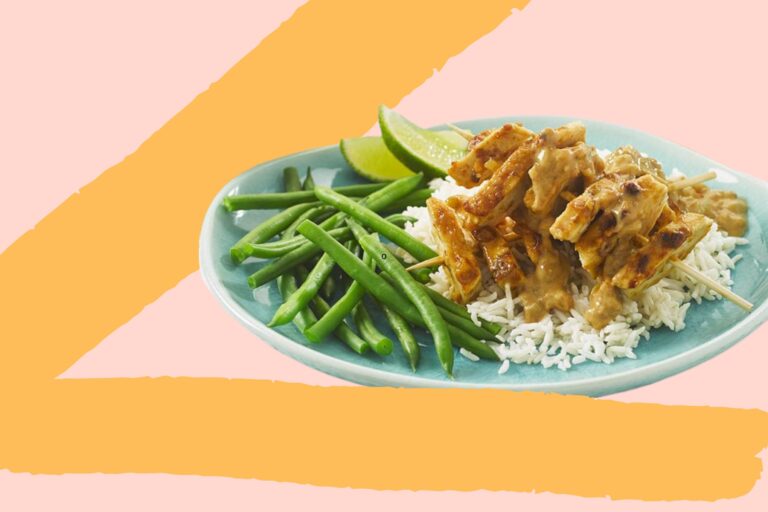
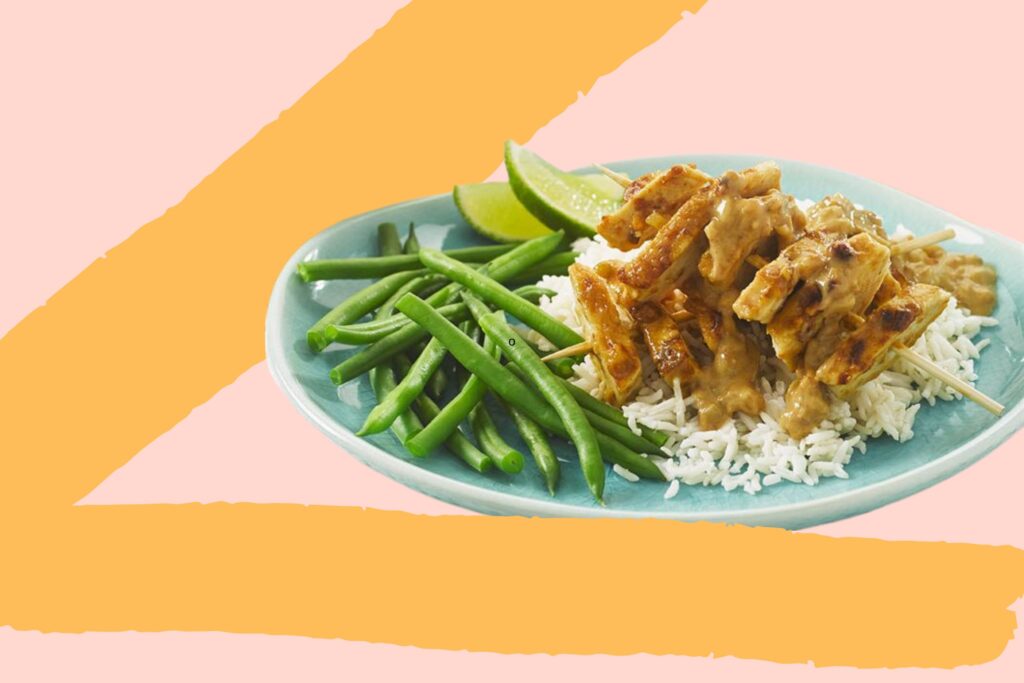
Looking for something a bit different to do with your leftovers this year? This Thai inspired recipe from Bernard Matthews, providers of great tasting poultry products, is IDEAL.
Ingredients
300g Bernard Matthews Roast Turkey Breast Chunks (3, 100g packs)
Wooden Skewers
1 onion
1 clove of garlic
150g peanut butter (chunky or smooth)
1 tbsp soy sauce
1 tbsp honey
1 tsp dried chilli flakes (optional)
150ml coconut milk
Method
Switch on the grill. Then slide the roast turkey chunks onto the wooden skewers and put on a tin foil lined tray.
Take the onion and the garlic clove and dice them both. Add a drizzle of oil to a small frying pan and fry the onion and the garlic clove.
Once this is done, add to a bowl along with the peanut butter, soy sauce, honey and dried chilli flakes.
Stir all together then add the coconut milk and continue to stir until everything is mixed in and then pour into serving dish. Brush some of the satay sauce over your turkey chunk skewers and put under the grill for 6 minutes or until thoroughly warmed through, then serve with the rest of the satay sauce with white rice & green beans.!
We know what you’re thinking; we’ve been through this before. Turkey can be a tad dry, to put it mildly. Chicken doesn’t feel festive enough. Ditto a cracking cut of pork, regardless of how crackly that crackling is….
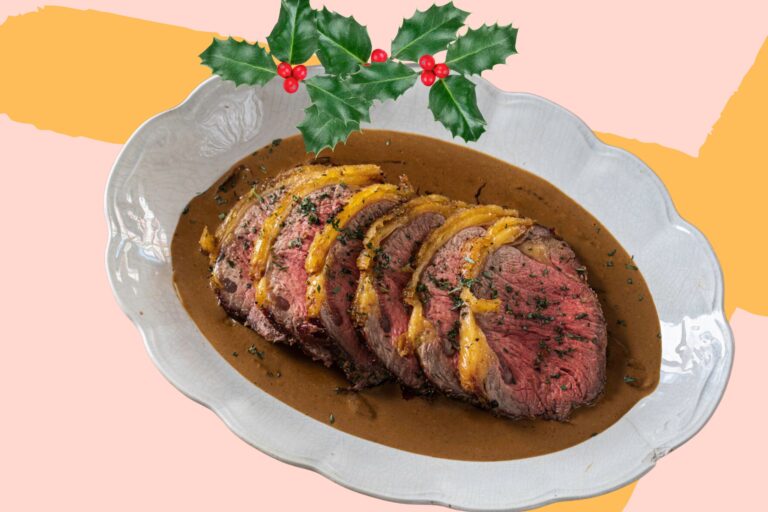
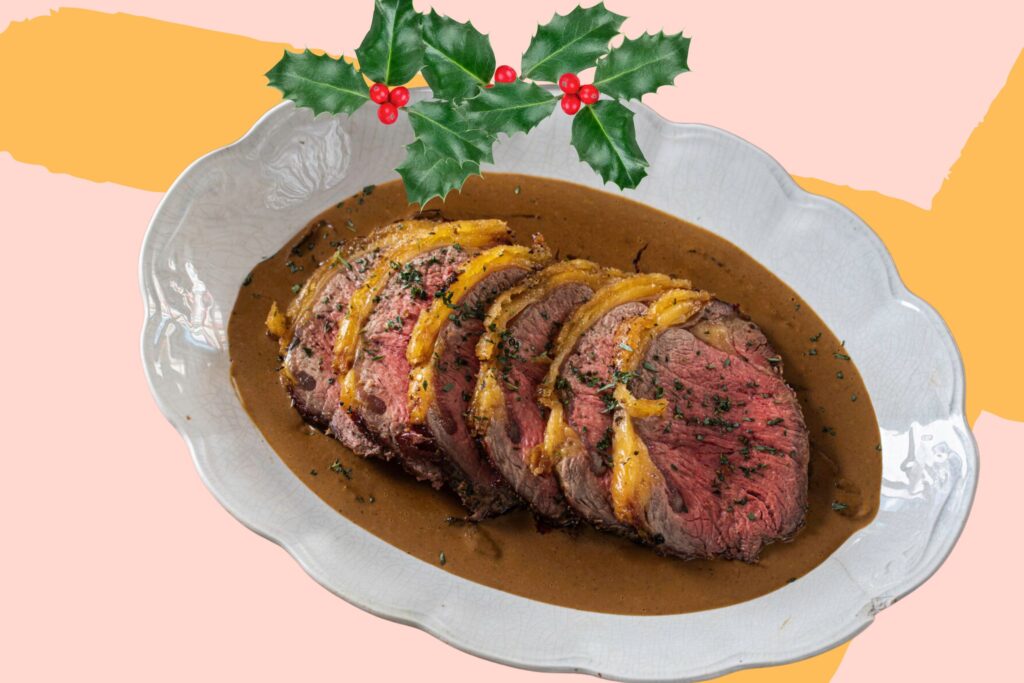
A joint of beef, then, blushing pink in the middle and with the requisite char on the outside, is the perfect alternative, bringing a tender touch and a festive flourish to the Christmas dinner table.
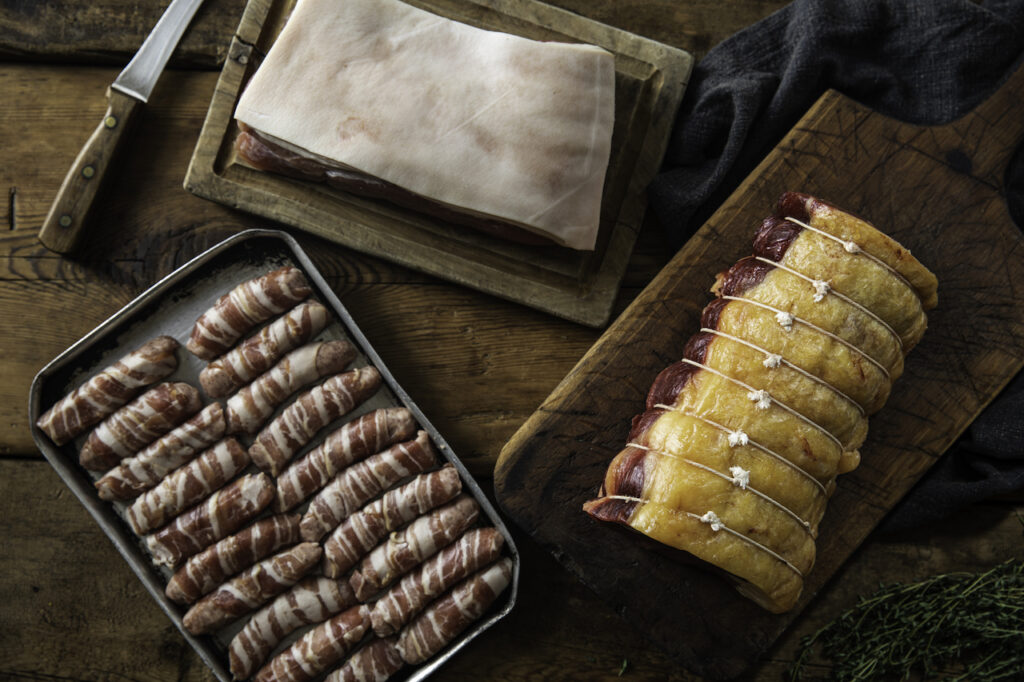
Here, we’ve spoken to the revered butchers to some of the UK’s best restaurants, Swaledale, whose Christmas Boxes this year include a 2kg, 28 day dry-aged rolled sirloin alongside pigs in blankets and a dry-cured ham rump, on how to cook your beef perfectly for a very special festive lunch.
Beef? For Christmas? Really?
Just as prized cattle were held back for Christmas in times gone by, we also hold back our Dexter, Highland and Lowline cattle, ensuring optimal flavour following long summer and autumn months grazing on the lush, green pastures of the Yorkshire Dales.
Recently we have seen a resurgence in beef being served at Christmas, with Jorge Thomas (Director of Swaledale) noting a 15% increase in beef orders from previous years. The rolled Sirloin, which we’re cooking today, is proving particularly popular this year – King James would approve!
The Christmas Box
The Christmas box will happily feed 8 people. If you’ve got a smaller group coming for Christmas, then the leftovers are going to be pretty special!
Chop the juniper, thyme and salt together until all is very fine and then mix in the pepper.
Season the whole joint generously with herb salt.
Pour a little sunflower oil into a large saucepan and, over a medium heat, carefully and evenly brown the fat side of the joint.
Remove and put on a trivet in a roasting tray fat side up.
Roast the beef until a thermometer reads 49°C, then remove from the oven and rest for at least 20 minutes. Pour any resting juices into the sauce at the end.
This cut of beef is so simple to cook to a blushing medium rare, and is super easy to carve, too! What better way to celebrate Christmas than that?
About Swaledale Butchers
Swaledale are a specialist butchery team with a whole-carcass, nose-to-tail philosophy for heritage and native breeds of cattle, sheep and pigs, slow grown and free to roam on small farms and smallholdings dotted around the wildly beautiful Yorkshire Dales.
All of their grass-fed beef is dry-aged on the bone for a minimum of 28 days to maximise flavour. The Himalayan salt chamber is stacked full of prime steaks and roasting joints where, as if by magic, the salt wall creates the perfect environment to tenderise the meat for heightened succulence and depth of flavour.
Swaledale’s meat is Always Fresh Never Frozen®, butchered to order, vacuum packed, and shipped in recyclable packaging to arrive safely insulated and ready to enjoy. And most importantly of all, it tastes bloody delicious!
What’s the best festive side dish? Bread Sauce? Maybe. Red Cabbage. It’s up there. Roasties? Give me five and call me Christmas…
All that said, there’s only one winner in the IDEAL household, and that’s our cute little porcine pals peeking out from under their streaky duvets.
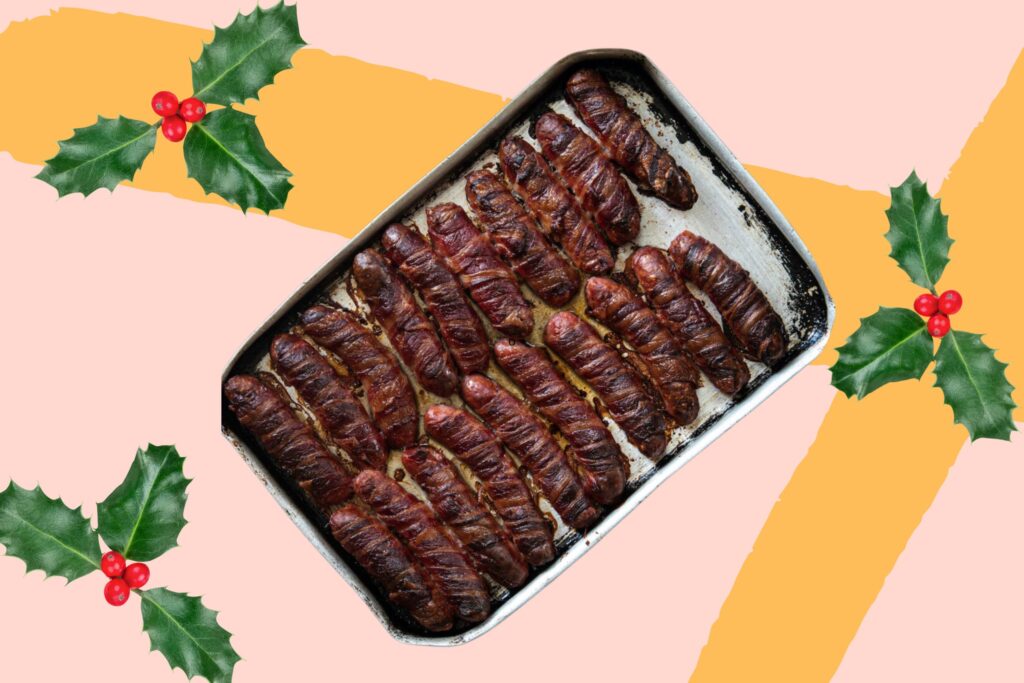
Yep, from a rather convoluted description, we hope you’ve gathered that, today, we’re talking about pigs in blankets, which, in recent years, have appeared in all sorts of festive iterations, from a pigs in blankets/toad in the hole mash up, all the way to foot long versions, which, if you don’t mind us saying, rather defeats the point of them.
Call us traditional, but one of the best bits about the Christmas feast is stealing at least two of those finger-sized fellows from the roasting tray while no one is looking. You can’t make a discreet getaway with a foot long ‘big’ in blanket, after all!
If it’s not broke, why fix it, hey? But a list of tips on cooking pigs in blankets? You must be mad! Don’t we just chuck them in a roasting tray and hope for the best?
Well, no actually…
You’d be surprised how many people mess up this Christmas dinner staple, but with a little care and attention, your pigs and blankets can be taken to dizzy new heights.
Part of Swaledale butcher’s super-celebratory Christmas box, here the acclaimed butchers share their top tips on cooking pigs in blankets.
A Word On Cooking Times
Cooking times will vary depending on how crisp you like your bacon. Ideally, the bacon should have a satisfying crunch and a gnarly golden-brown colour at the edges, which sould take around 20 to 25 minutes in a preheated oven.
If you are limited on oven space (as is often the case at Christmas), you can pan-fry your pigs in blankets on a medium heat for 10-15 minutes. This is our preferred method, not just from a convenience perspective, but because the resulting sausage retains more moisture while the bacon achieves a similarly crisp result.
Best Way To Cook Pigs In Blankets
Remove your pigs in blankets from the packaging, and pat dry any moisture.
Preheat oven to 200ºC/Fan 180ºC/Gas 6.
Place on a non-stick baking tray.
Put them on the top shelf of your oven for 20-25 minutes until cooked through.
Don’t be shy of leaving them a little longer in the oven if necessary — crispier bacon works much better with the sausage meat.
London, North East and Wales have topped the list of those parts of the UK serving up the biggest portions on Christmas Day – with families in Wales dishing up the most turkey, London adding the most bread sauce and the North East delving into the biggest helping of gravy.
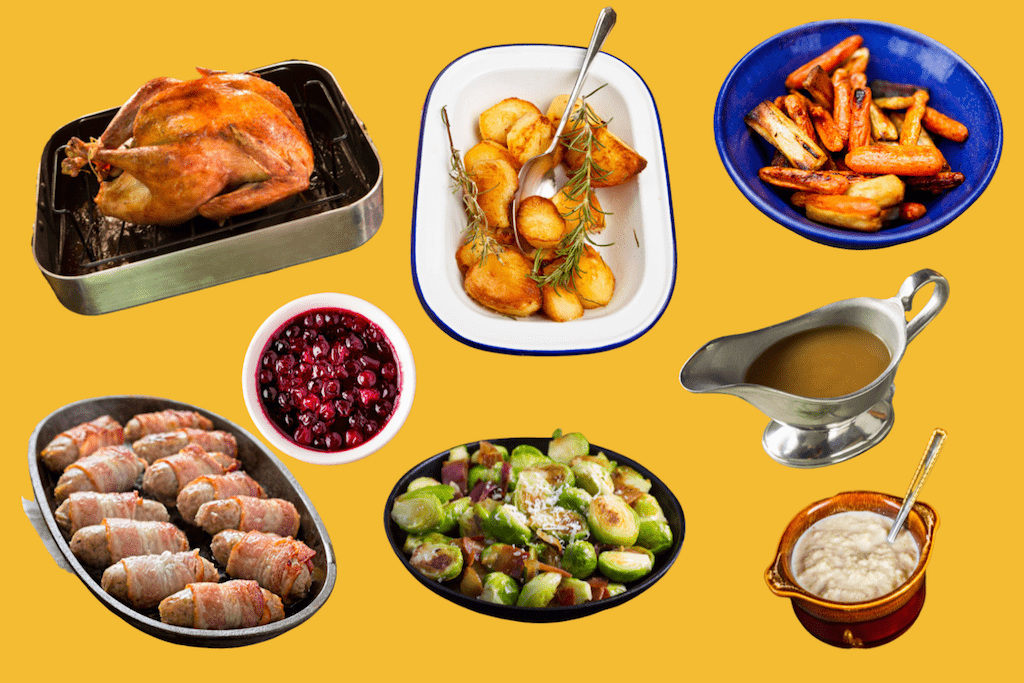
SPAR UK surveyed 2,000 adults and found that the average Brit will tuck into three slices of turkey, four pigs in blankets, four roast potatoes, two Yorkshire puddings, five brussels sprouts and 100 ml of gravy on Christmas Day.
The poll also discovered that confidence is high when it comes to cooking skills, with two thirds surveyed (63%) proud to say that their whole family loves their Christmas dinner and over half (53%) believe their dinner couldn’t be any better.
Cooks in Northern Ireland were the most confident with over three quarters (76%) agreeing that the family love their Christmas dinner, but only half (51%) in the West Midlands said the same. And when it came to perfecting every element of the meal, nearly a quarter (22%) of over 55s strongly agreed that their Christmas dinner couldn’t get any better.
However, half (50%) believe there is too much pressure to create the perfect dinner and over a quarter (26%) admit that at least one ingredient always ends up burnt. More than a third (37%) also revealed that they don’t eat very much after cooking their Christmas dinner, as many feel the stress after preparing one of the most important meals of the year.
Furthermore, 54% said they always go overboard with how much food they need, with two thirds (65%) of families in Northern Ireland cooking too much for dinner.
Alongside the traditional ingredients, a third (33%) do things a little differently with mashed potato as part of their dinner – whilst a quarter (24%) opt for beef over turkey or as well as. In the North East, 15% surveyed have up to 6 slices of Turkey with their dinner – the most in the UK, but surprisingly it is Northern Ireland who have the most Yorkshire Puddings, with 8% having 5 to 6 on their plate.
Only 1 in 10 cook a Nut Roast alternative for Christmas Day but this is the most popular in Brighton with 1 in 5 (20%) including it as part of their dinner, followed by 18% in Bristol.
Two thirds (67%) will sit down to eat their Christmas dinner with friends and family between 1pm and 4pm, and most families tuck into their meal at 3.10pm – traditionally just after the usual slot for the Queen’s Speech but the first for King Charles this year.
Over 55s usually eat the earliest on Christmas Day at 2.40pm and families in the North East tuck in just after 2pm, nearly two hours before Londoners who enjoy dinner at 3.45pm.
Jamie Seymour from SPAR UK commented: “Christmas dinner is always an exciting but stressful part of the festive season, especially when you’re trying to get your timings right or if you’ve forgotten the pigs in blankets! Our research shows that we all love sitting down for dinner with our nearest and dearest, so if you do forget anything for the big day our stores can take some of the pressure off.”
Vegas is a city that’s known for its casinos, but how about when you want to take a break from the bright lights and darkened rooms of The Strip and enjoy a properly mixed cocktail? You could, of course, retire to your hotel room, avail yourself of the minibar and forget about the tables, but that would be to miss out on all the fun of Vegas’ famous hospitality.
Instead, stay on The Strip and you’ll find you’re in luck; Sin City is also home to some of the best bars in the world. Here are five unique cocktails you can sip on your next trip to Vegas.
Margarita
The Margarita is a Mexican cocktail consisting of tequila, orange liqueur, and lime juice. It is one of the most popular cocktails in North America and is traditionally served in a glass with a salt-rimmed rim. This tequila-based drink is perfect for those who are looking for a strong but refreshing beverage.
Where can you find the best Margarita in Vegas? Well, Eater Vegas has written an extensive list of 14 places to order Margaritas in Las Vegas, with La Comida, Viva Mercado’s, and Nacho Daddy some of their favourite places to enjoy this fabulous cocktail.
For something a little sweeter, try a Pina Colada. This rum-based cocktail is made with pineapple juice and cream of coconut, and is garnished with a slice of fresh pineapple. A rum-based cocktail that originates from Puerto Rico, it is typically served in a tall glass with ice cubes and garnished with a slice of fresh pineapple or a maraschino cherry.
Where can you find the best Pina Colada in Vegas? We haven’t had a better version than those served at The Golden Tiki.
If you’re in the mood for something fruity but not too sweet, the Cosmopolitan is a great choice. This vodka-based cocktail is made with cranberry juice, lime juice, and triple sec, and is garnished with a lime wedge.
There are many different ways to make a Cosmopolitan, but the most common recipe calls for two parts vodka, one part cranberry juice, one part Cointreau, and a squeeze of fresh lime juice. Some bartenders also like to add a dash of bitters or a splash of club soda to their Cosmopolitans, though that is, of course, up to you!
Where can you find the best Cosmopolitan in Vegas? Why, where else but at The Cosmopolitan? The hotel also features the world’s largest chandelier. Wow!
Scorpion Bowl
If you’re looking for something a little more unusual to drink on your trip to Vegas, why not try the Scorpion Bowl? This rum-based cocktail is made with orange juice, lemon juice, orgeat syrup, and passion fruit syrup, and is garnished with a cherry. Fruity!
Where can you find the best Scorpion Bowl in Vegas? Served in many of Vegas’ legendary tiki bars, our favourite Scorpion Bowl in the city is probably found at Frankie’s Tiki Room.
The Zombie
The Zombie cocktail is the perfect drink for those on a night out in Vegas. It’s strong, flavorful, and guaranteed to impress. This rum-based cocktail is made with lime juice, grapefruit juice, grenadine syrup, and simple syrup, and is garnished with an orange slice and a cherry. Doesn’t that sound good?
Where can you find the best Zombie in Vegas? We’re going to say that the one at The Stratosphere reaches pretty dizzy heights.
So, there you have it – five delicious and unique cocktails to try the next time you’re in Vegas or anywhere else, for that matter.
Christmas dinner is arguably one of the most cherished family feasts in the British calendar year. On 25th December, dinner tables across the country become lavished with gigantic Yorkshire puddings, crispy roast potatoes and vibrant buttered greens. It’s not surprising that amongst the cooking chaos, side dishes can often be overlooked.
We’re championing the humble side-dish and rescuing it from the side-lines. Read on for a roundup of delicious accompanying plates that you should be placing atop your dinner table this Christmas.
Balsamic Brussels
You either love them or you hate them – but this dish is likely to convert even the most adamant sprout sceptics. Cook your Brussels in a balsamic glaze combining balsamic vinegar with sugar, then add cranberries. Be careful not to get carried away when adding the fruit as going cranberry-crazy can make the dish too tart and this may overpower the sprouts.
IDEAL Tip: Adding a handful of crisped-up, smoked bacon lardons to the mix adds a smoky, salty counterpoint. And hey, why not throw in a few roasted, sliced chestnuts, too? It is Christmas, after all.
Cauliflower cheese is already a well-loved staple for many, however the goats cheese variety adds an earthy flavour to the indulgent dish. Prepare the side as you would with standard cauliflower cheese, then add in six small cubes of goats cheese before baking – you won’t regret it! Walnuts and a light breadcrumb layer on top will add a heavenly crunch to the dish.
IDEAL Tip: A shaving of seasonal white truffle brings a sprinkle of pure luxury to this one.
Edible Baubles
From the tree to the table – what could be more festive than baubles of the edible kind? Encase balls of sausage meat in bacon and serve with a cranberry sauce. This tasty treat is as versatile as it is more-ish – roll them out as Christmas Day canapés or as a Boxing Day snack.
IDEAL Tip: For a hilarious prank on a sprout-hating member of the family, why not roll a raw sprout in melted chocolate, sprinkle it with chopped hazelnuts, then wrap it in gold foil and pass it off as a Ferrero Rocher?
Deconstruct Your Stuffing
Deconstructed stuffing is the new, fancy way to present the tasty side dish. After all, stuffing doesn’t have to be served looking unappetising and slightly soggy. Cook onion and celery in butter over medium heat until golden brown, then transfer to a bowl and whisk in chicken stock and eggs. Finally, stir in torn focaccia and bake in the oven until golden brown.
IDEAL Tip: Or, you could just serve a more classic Christmas stuffing using sausage meat of course!
Fruity twist
Interested in adding a fruity twist to your Christmas vegetables? Sticky roasted parsnips and Chantenay carrots can be combined with slices of red eating apples. Simply roast the vegetables for 20 minutes with oil, honey and coriander seeds then add the fruit and cook for a further 20 minutes. This one is for life – not just for Christmas!
IDEAL Tip: To give an interest foil to all that sweetness, reduce equal parts – hear us out – fish sauce, water, sugar and lime, alongside some minced garlic and chilli, until it reaches a glaze-like consistency. That’ll put some fire in grandpa’s belly!
*Archived. Originally written with the help of Hunter 486
With the Christmas countdown officially started, now is the time when thoughts turn to the ever-important family Christmas Card and how to capture that perfect photo.
Family photos are a creative alternative to Christmas cards and an opportunity to share a wonderful family picture with loved ones, near and far. It’s the perfect time to capture the magic of childhood and family life, with a festive backdrop, of course – and with the right planning and setting it can be a lot of fun for everyone.
That said, setting up and taking a family portrait can be difficult, depending mainly on the ages of any children involved, so with some suggestions from photography expert Sadia Barlow Photography, here’s how capture the perfect, festive family portrait and make the photo session as easy and relaxed as possible.
Get An Early Night
The last thing you want is bleary, puffy eyes in your family photo. “Are you okay? You look so tired” is not the response you want when people receive your Christmas card.
Alongside dehydration and eating too much salty food, not getting enough sleep can cause facial puffiness, especially around the eyes so make sure you get a good rest.
Sadia says “make sure the whole family is well rested and have full tummies from breakfast or lunch. Hungry and tired children, and indeed adults, can be a recipe for playing up so a full stomach and rested mind is highly advisable”.
A good night’s sleep and a good feed will hopefully keep everyone in a holly, jolly mood.
The best results come when everyone is co-ordinated, whether its soft pastel colours and gentle textures, or bright vivid block colours.
So how to you choose? Well, Sadia explains; “You know your family best, so decide on the colours which best suit your family and dress accordingly”.
If you’re not sure where to start, we consider getting your family to wear slightly different shades of the same colour. Try to avoid everyone doing too “matchy matchy,” as wearing matching outfits will draw the eye to your clothes instead of your lovely faces, that is unless you’ve decided to go for matching Christmas pyjamas.
Think About The Timing
Sadia highlights that “young children may have a nap incorporated into their daily routine”. So be sure to think about this when you take your photo. The last thing you want is a grumpy looking child, or an asleep one for that matter.
If the photo shoot is outdoors, then light will also impact on the timing. The best source of lighting is, of course, the sun. But make sure not to shoot under bright lighting – this may result in unwanted shadows on your family’s face.
If you’re shooting indoors and cannot use the natural light, consider purchasing an off-camera flash which essential when you don’t have enough natural light or sunlight doesn’t come from the right direction. It helps redistribute the light and will highlight your family’s best features.
As you plan the perfect moment to take your photo, consider capturing a short video of your family interacting. You can easily turn this video to flipbook, creating a charming keepsake to treasure alongside your family portrait.
Don’t Worry About Posing
If you’re getting your holiday photo shot professionally, Sadia tells us that “the best quality family shots come from organic interactions and movement. As professional photographers, we prompt the family to some extent but often, we get the best results when families are allowed to group together in a natural, more dynamic way, and leave us to choose the best moment to hit that shutter button”.
Finally, Sadia offers some wise words of encouragement;”For a more festive feel, add a Santa hat, some mistletoe, or wrap up some empty boxes in festive paper and have the children hold Christmas props. These can also be a great distraction for young children and sometimes generates the most relaxed, happy photos. Be creative, don’t over think it and just have fun!”
And with the perfect family portrait taken, it’s time to turn your attention to the all-important festive feast. Here, some of our favourite chefs share their top tips on how to pull off Christmas lunch like a pro. Do check it out, and we can’t wait to see your photos!
As a professional hairdresser or salon owner, you already know just how important it is to master the art of blending weft hair extensions with the client’s natural hair. Doing so helps the final result looks as full, healthy and natural as possible… And there’s not much more important than that in your business, hey?
Today, we’ve teamed up with the experts at HairMadeEasi to go through the most important steps required to ensure best practice at your salon. With that in mind, here’s a professional’s guide to the art of blending weft hair extensions.
Ensure The Hair Extensions You’re Working With Are Thick
Working with properly thick weft hair extensions is ideal to achieve that flawlessly natural look. Generally speaking, the more hair the extensions have, the better the blending process will be, helping you achieve the most attractive end result for your client, and them to leave your salon satisfied with both your service and their new look.
Regardless of your customer’s natural hair type – thin or thick – their hair sizeis what you need to take into consideration. Natural short hair will need more hair in the extensions for complete coverage.
Always Style The Client’s Hair Extensions
When it comes to curling hair extensions, the process is not any different from curling natural hair. The majority of professional hairdressers choose to use curling irons for a wavy look.
Are you one of them? If not, all you need to do to get started is use a wand with a one inch diameter barrel. Remember to always apply heat protectants to the clients’ hair, and do check out this guide on the best shampoos for tape-in hair extensions, too.
Make Sure You Layer The Hair Extensions Really Well
Since you’re a hair expert with years of experience, you’re aware that layering the hair extensions efficiently is key. You can’t get away with doing it wrong or not well enough. Otherwise, your client won’t return to your salon.
Distribute the clip-ins equally, tease your client’s hair around the parting, and add clip-ins to the top. This will help hide the customer’s natural hair really well. Disperse the clip-ins uniformly, add clip-ins near the top, and tease toward the hair parting.
And if you don’t boast years of experience but still want to achieve that salon-worthy hair at home, then click here for a guide on doing just that.
Make The Hair As Smooth As Possible
Smoothing out your customer’s hair before starting the blending process is crucial, and not doing this for the client will risk their hair getting severely damaged. All is not lost; you can use a hair serum to mix those resistant strands into the lengthy locks that will make them smooth.
Never apply products close to your customer’s roots, as that will ruin their look by making their hair look oily, which is never something a client is actively seeking!
Is smoothing your clients’ hair before blending something you spend enough time on? You don’t want to risk not using enough product and doing damage to the customer’s hair – that would rather defeat the point of them seeking haircare from a professional, after all.
Here are some further tricks to help you offer your clients the best experience possible, as well as the most beautiful end result.
Wash the hair extensions thoroughly before applying them.
Grab your customer’s lowest hair area and make a braid.
Clip the wefts higher on the client’s head.
Are you already doing all this in order to help your clients have the best experience at your salon? There’s always room for growth and improvement, especially in your industry.