

Home Blog Page 253

10 IDEAL SELF CARE TIPS WHILE STUDYING FROM HOME FOR ADULT STUDENTS

This is a trying time for everyone, but spare a special thought for students. A period of uncertainty and instability doesn’t exactly couple well with focus and self-discipline, and study can be stressful even at the best of times. 

Indeed, many students will suffer from a mental health difficulty at some point during their studies and these issues can present themselves in myriad different ways. This propensity to stress and its adverse consequences may only be heightened by having to study from home at the moment, without a dedicated workspace, less obvious access to university materials, and no chance for face to face contact with peers and tutors.

Nonetheless, there are ways to look after yourself right now; check out our 10 IDEAL self care tips while studying from home.

ROUTINE RULES

Just because you’re not attending an actual university doesn’t mean you shouldn’t consider making a routine or timetable and trying to keep to it. Within that schedule, you need to make sure you include regular breaks, time for work, and some time to have fun, too. 

Routines and timetables have been shown to help you stay focused and will give you a better idea of what you need to get tasks done and to the best of your ability. During uncertain times, this is essential.

Try and set meaningful, manageable goals throughout the day of what you need to complete. Use not having to attend an actual university to your advantage; no time spent having to travel to campus, and a greater flexibility of when you meet your deadlines, self imposed or otherwise.

SET UP A DEDICATED WORKSPACE

If possible, it’s a good idea to set up a work area that is separate from your relaxing space, compartmentalising work and downtime succinctly and benefiting both in the process. Differentiating between revision and recreation is so vital when both occur within the same four walls. This will not only help to make you more productive while you are working, but it can also help improve your sleep and the quality of the time you spend relaxing. 

KEEP THE BODY ACTIVE TOO

Exercise is a brilliant way to relax after a long day of studying. Why not consider taking up yoga? Or maybe time your daily walk to coincide with the conclusion of meeting your targets each day? 

There are a number of reasons why physical activity is good for our bodies – improving our joints and having a healthy heart are just two examples, but evidence also shows that physical activity is great for our brains too. Some have even gone as far as to suggest that exercise makes us smarter. 

As such, we need to change how we think about physical activity so that we stop seeing it as a chore and start valuing the myriad benefits it brings. Exercise can help us to feel good about ourselves, enable us to feel connected to our surroundings, gives us some control over our lives, and can raise the ol’ self esteem, too.

SET REALISTIC GOALS

We’ve already said that having a routine can help with your mental health, but we also need to make sure that we set goals that are achievable. By doing this, you’re more likely to see yourself progressing through your studies, which in turn will give you the confidence and motivation you need to reach your goals. 

Don’t motivate yourself by trying to do too much. Instead, take some time each week to sit down, take stock and plan what you want to achieve each week. You’ll find your motivation increases each time you manage to tick off one of the goals on your list.

CONSIDER EXTENDED ONLINE STUDY

Until a few years ago, there wasn’t even a serious option to study online. However, in the past 10 years, this has changed dramatically. Online universities offer a wealth of courses, in all disciplines, from standard MBAs to doctorates and more. We now no longer need to leave the house to study for a PhD or a DBA, instead, it can all be done from the comfort of home. Right now, that’s obviously a huge blessing. If you’re clueless about the difference between a PhD and a DBA, check out this useful article on Aston Online which explains.

Many students are worried about what the world of study will look like post Coronavirus. But rest assured that online study will be available and adapting to suit new needs. We think that knowledge might bring some comfort.

There are multiple online tutor and revision services available, like Tutorspot.co.uk, Tutorful and Tutorhouse, who boast a wide variety of subjects and levels of study from GCSE to graduate. Finding a tutor online has never been easier.

COMMUNICATE

Just because you’re studying online, from home, doesn’t mean you can’t ask for help or talk to your peers. Staying in contact through social media channels or online discussion boards will not only stop you from feeling isolated, but will also allow you to get the help you need from your tutors when you require it. 

Remember, you are in the same boat as many others – studying online, while perhaps juggling family commitments or a full-time job.

Turning to others for support – whether it be tips on time management or support with a particular module – can give you the impetus, different perspectives, and advice you need to complete your studies successfully. 

What’s more, your tutor is there to help you when you need it – whether you’re struggling to get an assignment completed on time or if you’re struggling with a particular topic. 

DON’T BE TOO HARD ON YOURSELF 

Remember that although studying is important, so is your mental wellbeing. Take some time out to do something you enjoy or to relax, each and every day. Whether that means spending time simply lying on your sofa. watching your favourite film, taking a leisurely bike ride through the local park, or reading a book before going to sleep, giving yourself that ‘me time’ to relax will help you recharge so that you’re ready to take on another day of studies. It’s a holistic, all encompassing approach; every aspect of your life benefits from a little self care each day.

GET ENOUGH SLEEP

Getting sufficient sleep is extremely important. We all know how we feel when we’ve not had enough sleep – irritable, grumpy and distracted. But getting a proper, regular night’s Zzzeds can have the opposite effect, enabling us to study to our full potential. Make sure you’re getting enough, and that your bedtime routine is well managed to fully enable this. That means responsible drinking (if any), perhaps a bath time before bed, and certainly no screens in the run up to sleep. Check out a more comprehensive rundown of the IDEAL bedtime routine here.

EAT WELL 

Many students find themselves snacking or eating food which simply isn’t as healthy as it should be, due to time and financial constraints. But good practice when it comes to nutrition and diet can have a huge impact on how we feel. Make sure you’re eating plenty of fruit, vegetables, grains and pulses of different colours, as well as having your fair fill of mood boosting foods, too.

BE MINDFUL

Mindfulness and meditation have been shown to help reduce stress and make us feel better, more composed and with a greater sense of gratitude for our lot in life. And the best bit? It doesn’t take a lot of time to complete a guided meditation session and it can be easily fitted into your daily schedule. Result! Check out out guide to 5 of the best mindfulness and meditation apps that will lead you through guided meditations.

Besides meditation, there are several other natural ways that you can reduce stress, and up your studying game. You could try adding a few herbal supplements to your diet, whether that’s Valerian root capsules or a cup of passionflower tea. All of these natural ingredients have been associated with reducing the symptoms of anxiety and stress, (yes please)!

With all these self care tips, you’ll soon perfect your studying regime, and feel way more relaxed. Good luck!


5 CREATIVE USES FOR LEFTOVER WINE

Aside from hangovers, one of the other great tragedies of wine is that once opened, it doesn’t keep for long. So unless you, like the professionals, have access to a Coravin wine system which lets you pour a glass while keeping the wine preserved, you’re left with two options.

First, you could finish the bottle for the sake of it, but we all know that’s a practice not exactly rooted in responsible drinking. Or, you could keep it “for tomorrow”, which so often leads to forgetting about it and ultimately, the wine ending up poured down the sink.

But wine is surprisingly versatile and can be put to a fair few uses beyond drinking it. So, next time you find yourself with leftover wine, don’t feel like you have to finish it there and then – nor do you have to resign yourself to watching it swirl down the drain. Instead, we’ve teamed up with the experts at Cult Wines to bring you these 5 creative uses for leftover wine.

ICE CUBES

Here’s one interesting way you can preserve your wine for future use. Pour leftovers into an ice cube tray and once frozen, transfer them to a freezer bag or container – they’ll be ready to go whenever needed. 

Not for regular drinking, mind. Rather, we’re talking about adding them to white wine for quick cooling without the dilution of regular ice, or saving them for recipes that call for small volumes of wine, such as to lend body to saucers or stews. This way, you won’t need to open a whole bottle just to cook (unless you want to, of course).

VINEGAR

Yes, as anyone who’s taken an inadvisable slug from a long leftover bottle will tell you, wine that’s been sitting a while will turn into vinegar if left to its own devices. The finished result will be far from palatable, though; this certainly isn’t a quick route to aged balsamic or the like.

That said, it is possible to make a very enjoyable vinegar from leftover wine by following a simple recipe – a great addition to the condiment cupboard of budding chefs, gourmands and budding home cooks alike. Check out the Epicurious guide to making your own vinegar from leftover wine, though be warned, it should take around 3 months before it’s ready! 

Alternatively, world famous Danish restaurant Noma’s excellent book ‘The Noma Guide to Fermentation’ has loads of useful information on making your own vinegar, along with some other invaluable insights and recipes. Check it out!

WINE SYRUP

Have more of a sweet tooth? Use your leftover wine to make a tasty syrup that can be used on ice cream, fresh fruit, pancakes and whatever else your cravings command. You can even make it with individual flavourings, such as vanilla bean or fresh ginger. The Kitchn has an easy three-step recipe for leftover wine syrup that takes less than half an hour and tastes bloody great.

GREASE REMOVER

If you’ve got a bottle of leftover white that’s realistically passed the point of consumption in any shape or form, it can still be put to good use as a grease stain remover. Stir up a mixture of white wine and baking soda and apply to grubby patches on your garage floor, outdoor pathways or patio. Let it sit for a few minutes and then wipe away – good as new!

COMPOST BOOSTER

It turns out that plants like a glass of the good stuff as much as we do – in a different format, of course. Pouring red wine into your compost bin activates the good bacteria already present in the mixture, helping your plants and garden to grow. Just be sure to keep your compost bin’s moisture under control once you add the wine. You may need to add a few more dry ingredients, such as cardboard, to compensate for the added moisture.

Now we’ve got leftovers on the mind, why not check out our tips on the 5 IDEAL things to do with your leftover onions and shallots. 

5 ACRONYMS EVERY FOOD MANUFACTURING COMPANY SHOULD KNOW

0

DQMOT, BSF IDK WCA 2TXT W/LOA. Did you get that? Nope, us neither, and we wrote it. LMAO. Actually, allow us to explain. It says ‘Don’t quote me on this, but seriously folks I don’t know who cares anyway to text with lists of acronyms’. And honestly, who does care?

Well, quite a lot of people actually. Once the preserve of quirky memes and teenage internet exchanges trying to keep things under the radar, acronyms are now also used in technical industries to save breath, time and paper space.  

Indeed, the world of food manufacturing has its very own language, a seemingly incomprehensible jargon that ties together sentences, thoughts, and processes into manageable forms. If you’re to understand this industry, it’s essential you get to grips with its vernacular. With that in mind, here are 5 acronyms every food manufacturing company should know.

FDA

This acronym stands for the Food and Drug Administration. Sometimes it is referred to as the USFDA to distinguish it as a United States organization. A federal agency within the US Department of Health and Human Services, the FDA was formed in 1906 and is headquartered in Silver Spring, Maryland. With over 200 field offices and 13 labs, this organization has a huge role in the manufacturing industry because it is responsible for protecting and promoting public health safety. 

The FDA does this through the control and supervision of food safety and the implementation and enforcement of guidelines that dictate the quality of food products, medication, vaccines, medical devices, cosmetics and more.

WHO

Who? Well, the World Health Organization is a bit like the FDA, but on a much larger scale. The WHO is a specialized agency of the United Nations which carries the responsibility for international public health. The mandate for the organization is broad and includes advocating for universal healthcare, monitoring health risks to the public, coordinating responses to emergencies of a health nature, and the promotion of good health.

The WHO was formed in 1948 and is headquartered in Geneva, Switzerland. Over 8,500 people are employed by WHO in 147 different countries.  These are divided into six different regional divisions. The office for the Americas is in Washington, DC. 

They play an important role within the food manufacturing industry because they monitor and regulate various aspects of food and nutrition security.

THE ALCOA RULE

This is essentially a principle implemented by the FDA concerning the information collected and stored on a data logger. It focuses on defining data integrity and how it is achieved in industries regulated to monitor environmental conditions. The letters A-L-C-O-A explain what the guidelines are for all forms of recordkeeping in these industries: Attributable, Legible, Contemporaneously recorded, Original (true copy), and Accurate.

Surprisingly, these guidelines are less than 20-years-old. The FDA added ALCOA in the 2003 21 CFR (Code of Federal Regulations) Part 11 data integrity rule. These are industry standards and ALCOA is the tool that puts all forms of data collection on the same page making it easy for compliance. Many companies conduct internal audits on their data integrity to ensure that they are meeting or exceeding ALCOA standards.

RH

Relative humidity is the measuring unit that defines the ratio of the partial pressure of water vapour to the equilibrium vapour pressure of water as measured at any given temperature. This is quite different from measuring humidity, which is simply the amount of water vapour present in the air. Measuring humidity can help determine a change in weather conditions that could result in rain, fog or any other type of weather event.

The instrument used to read RH is called a hygrometer. Depending on the model, readings are either digital or analogue and the numbers indicated refer to the percentage of humidity being recorded. Comfortable levels of humidity range from 30% to 60%. Less humidity can result in dry conditions whereas higher humidity can create conditions conducive to the growth of mould and mildew possibly resulting in rot, rust and warping damage to all kinds of materials. 

Food manufacturing relies on RH to measure the humidity (and safety of products) in fridges, freezers and transit.

GXP

Good practices (GxP) are the framework of guidelines used to standardize the production of products that end up in the hands of a consumer. GxP is of particular note in food production, medical device and aerospace industries with individual specifications aimed at each industry. The framework permits regulated industries to measure and maintain performance as it relates to compliance with requirements.

There are many different ways of identifying good practices through acronyms. According to Dickson, the “x” in the GxP designation helps to define the precise source of the good practices it represents. For example, if the good practices are laboratory-based, the designation becomes GLP. If the guidelines focus on distribution, it will read GDP. For manufacturing, it is GMP. If a lowercase “c” appears at the beginning of any GxP notation (cGxP) it refers to current standards.

THE BOTTOM LINE

LOL looked like jargon when it first appeared. Indeed, even a former Prime Minister of the UK used it erroneously (to be fair, it’s probably one of his lesser mistakes). But now, where would we be without the ability to succinctly sum up how we’re actually, genuinely laughing at something? 

In turn, what might first appear to be jargon in the food manufacturing industry is actually essential terminology to be learnt and memorised if you’re to get ahead in the trade. Like learning a new language, if you’re to be conversant in this ever changing world, it’s time to LOBH.

THE IDEAL PACKING LIST FOR A TRIP TO LONDON

Should you be heading to the Big Smoke for a weekend city break but have no idea what to pack, firstly, you’re not alone! The weather’s totally fickle, the vibe of each neighbourhood forever shape-shifting from smart to casual to ‘what even is that?’ and beyond, and the demands of the big city often require a fashion switcheroo halfway through the day.

Fortunately, you’ve come to the ideal place (pun intended) to get guided. We understand the pain you’re going through right now, trying to second guess the climate, the city and the culture. With that in mind, here’s the IDEAL packing list for a trip to London.

WEATHER READY 

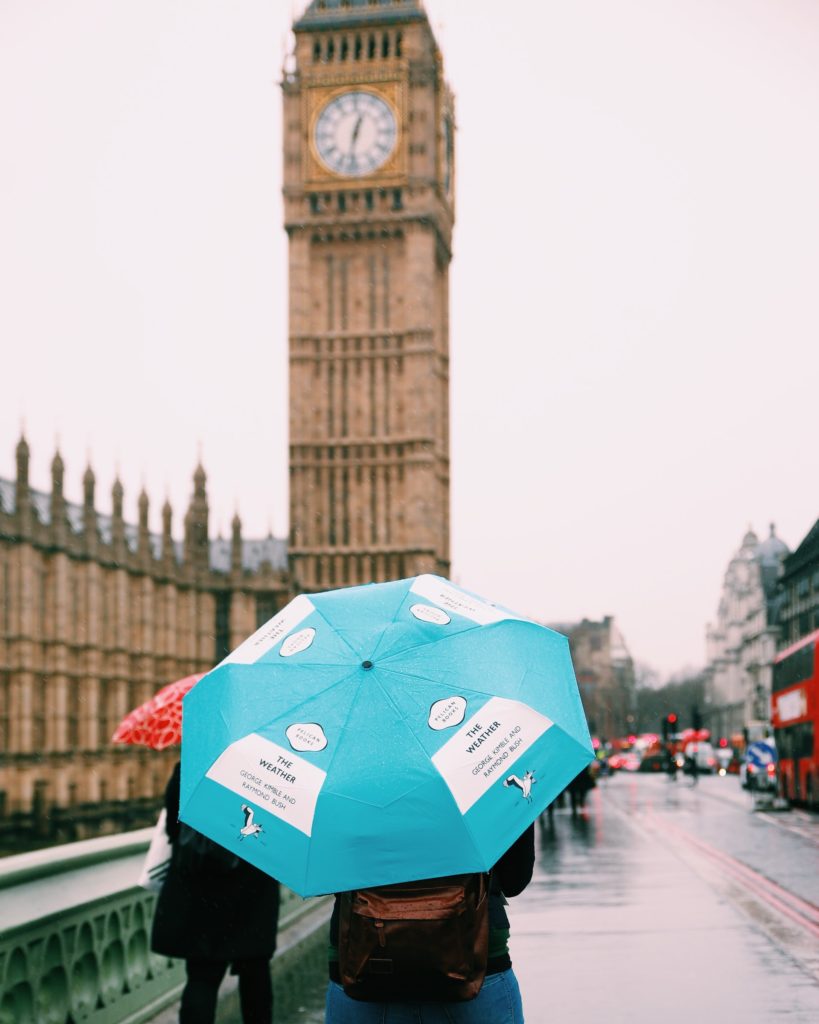
Damp, drizzling and with perenially grey skies – yep this is what London is famous for. However, while the weather in the capital is perenially unpredictable, you can bet that it rains a lot (about 164 days of rain a year, to be precise). 

Since the weather’s this changeable, it’s sensible to wear layers and always have something waterproof to hand. An umbrella is advisable, but make sure it’s sturdy enough to withstand the wind yet small enough to fit in your handbag. And if you also decide to pack a rain poncho, no one will judge you. 

Frankreporter via Canva

LONDON STREET STYLE 

Unless you want to stick out like a tourist, save those “I heart London” t-shirts for when you get home. Despite what us residents may sometimes say, London is one fashionable city and the pavements of the capital act as a runway, with photographers capturing the coolest cats for street style features in magazines and more.

Indeed, Londoners are famous for a style which straddles the cool with the causal. That said, it’s also a pretty eccentric city – you can wear your wackiest outfit and people won’t bat an eyelid. 

Of course, if you’re most comfortable in a pair of jogging bottoms and an oversized hoodie, or if you feel more fantastic in a floor length gown, then just go for it – the beauty of London is that you can wear whatever you want, so embrace your own personal style and have fun with your outfits.  

TUBE TALK

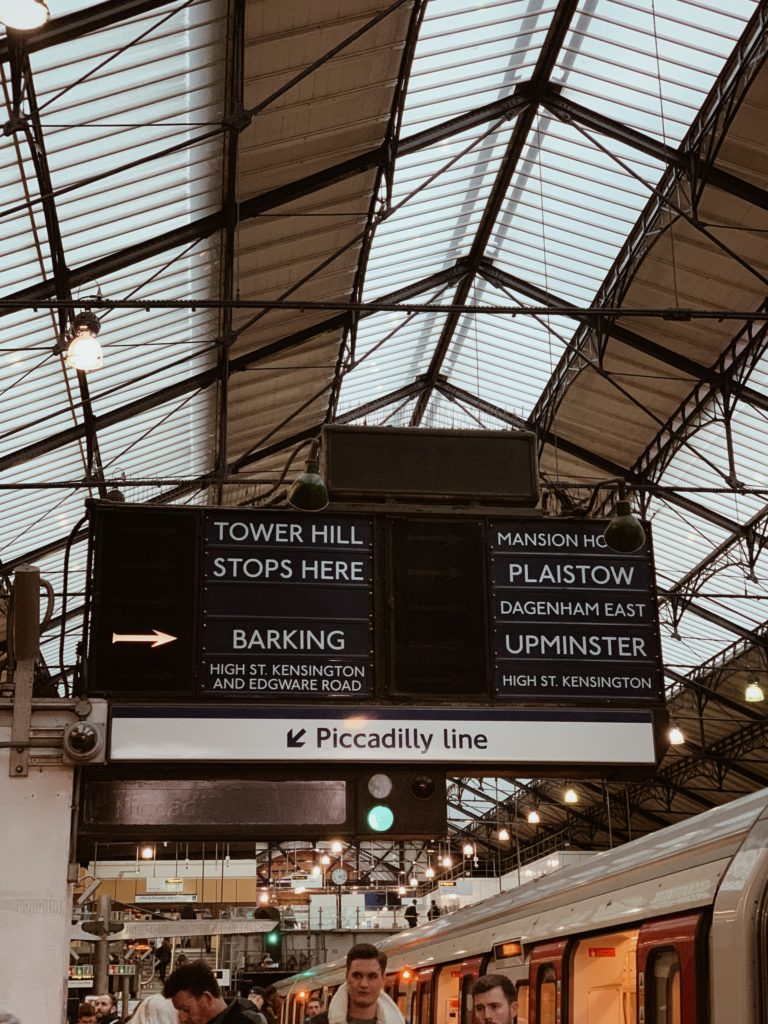
London wouldn’t be able to function without the tube. It’s the quickest and most useful method of transport in the capital. And as a tourist, no doubt you’ll be using it a lot. 

As such, you need to be tube ready. Pack a tube map or better yet, download Citymapper and TFL London on your phone for quick and easy access to the latest timetables and the best routes. Also, make sure you bring a contactless travel card like Monzo for efficient payments (there’s not much need for an Oyster card anymore if you’re only in the city for a day or two). 

When it comes to bags, a big backpack will be your (and your fellow passenger’s) worst enemy. It’s a pretty massive faux pas to wear a pretty massive bag, taking up valuable space for another passenger to squeeze into. Don’t be that guy.

In the scorching summer months, a handheld fan for the tube makes for an excellent companion; it gets hot down there. No not down there, silly, we mean down under the ground. You’ll also hear TFL announcers encouraging you to carry a bottle of water with you – advice not to be ignored – and rumours of temperatures reaching 40°C below the city’s surface. Prepare for the worst.

COMFORTABLE FOOTWEAR 

London is an eminently walkable city. Indeed, the best way to get a feel for each of London’s unique boroughs is to stroll the streets and take it all in. Therefore, packing comfortable footwear is essential for your London trip. You don’t want pesky blisters ruining your trip (come to think of it, you should also pack some plasters). 

Bear in mind that London has a number of cobble-stoned streets, so make sure the soles of whatever shoes you’re wearing are thick enough to deal with them. Leave the heels at home unless you’re heading out to a fancy restaurant and want to dress up. 

SUMMER ESSENTIALS

London in the summer can get sweltering and in the last few years has seen several heatwaves with temperatures rising well above 30°C for prolonged spells. During the season, avoid jeans as they can get hot, sticky and uncomfortable to walk in. Opting to wear fabrics which stop your skin from breathing and trap in moisture will make your trip pretty unbearable. A rookie error to assume London will be forever cold, we think. 

To survive London’s enduringly sticky summer days, go for breathable summer fabrics like linen, cotton and chambray, as well as moisture-wicking underwear for maximum comfort in such hot settings. 

Don’t forget to pack sunscreen and a pair of sunglasses which will come in handy for your free walking tour in London. The addition of a summer scarf and a lightweight, easy to carry handbag will be useful if you decide to enjoy one of London’s many parks or need to cover your hair from a sudden bout of rain.

SPRING & AUTUMN OUTFITS

Spring and Autumn in London are for the large part very pleasant seasons with temperatures in the early to mid teens. That said, the weather can be changeable during this time. One minute you’ll be kicking yourself for leaving your jacket at home and the next, you’re sweating profusely because you dared to wear a pair of tights.  

As such, wearing layers is a good idea at this time of year. If you want to fit in with the Brits, in Autumn there’s nothing more British than a classic trench coat – sleek and stylish, offering function and fashion in droves. And don’t forget to pack a pair of comfortable ankle boots; they’re the perfect in-between-season shoe.

WINTER WEAR

Skating at Somerset House, strolling along the Southbank with a mulled wine in hand or enjoying the festive delights of Winter Wonderland –  there are loads of outdoor activities to be enjoyed when Winter comes around in London. While temperatures don’t often drop to below freezing and snow in London isn’t all that common, if you’re visiting during the Christmas period, expect it to be cold. 

Accordingly, a warm winter jacket is a must for London tours during winter. Pack anything you need to keep you warm because it can get really chilly outside. Warm sweaters, gloves, scarfs, jeans, and hats – you name them, you need to wear them! Warm boots are a must, and make sure they’re waterproof; keeping your feet and lower legs warm and dry is essential to great day out in London. 

HOW MUCH DO I NEED TO EARN TO GET A MORTGAGE OF £250,000?

Your IDEAL questions answered.

The housing market’s trials and tribulations certainly aren’t at the top of most people’s agendas right now. But while the only thing that’s certain right now is that we’re living in uncertain times, we still have to stay positive. 

One area that’s come to a halt over the last few weeks has been buying a new home. Indeed, the coronavirus has wreaked havoc on the housing market. In time, though, we’ll be back viewing homes and applying for mortgages. It’s important to note, then, that this post is based on all pre Coronavirus figures.

But for now, if you’re looking to get ahead of the game and well informed for when the housing market is open for business once again, then read on; here’s your IDEAL questions answered on how much you need to earn to get a mortgage of £250’000.

WHAT’S THE AVERAGE HOUSE PRICE ROUND HERE?

The average house price in the UK is £231,185, so a mortgage of £250,000 would be a little above average. If you’re hoping to get on the property ladder and wondering how much you’d need to earn to be able to afford a £250,000 property, then read on. 

We’ll also look at how long it will take you to pay off a £250,000 mortgage and how much you can expect to pay every month. And finally, we’ll look at how much deposit you will need to save for a £250,000 mortgage.

CAN YOU CUT TO THE CHASE PLEASE?

Unfortunately, there isn’t a clear answer to the question “how much do I need to earn to get a mortgage of £250,000?” This is because lending decisions will vary by lender. And lenders will also look at each application individually. This means that someone earning an identical salary to you could find it easier or harder to secure a £250,000 mortgage. If you’d like a more detailed breakdown, Point Me To are experts here, and will point you in the right direction of mortgage brokers who have expertise in the divergent factors affecting the final decision.

To understand how mortgage decisions work, we first have to look at the factors lenders will consider. These include:

  • Your earnings
  • Your source of income
  • Your savings
  • Your credit score and history
  • Your deposit

I’LL ASK PLAINLY & SIMPLY, ONE MORE TIME FOR GOOD MEASURE: IN IDEAL CIRCUMSTANCES, HOW MUCH DO I NEED TO EARN TO GET A MORTGAGE OF £250,000?

If you find a lender willing to give you 5 times your annual salary, you would need to earn £50,000 a year to be able to borrow £250,000. If the lender is only willing to lend four times your annual salary, you would need to earn £62,500 per year to meet the threshold.

In a joint mortgage application, this could be split between two people, so one could earn £30,000 while the other earns £20,000 per year. If you’re self-employed or running your own business, your lender would only consider your profit and not your entire income.

HOW MUCH DEPOSIT WOULD YOU NEED?

It’s worth remembering that you might not need to borrow £250,000 if this is the value of the property. On a property of this value, the lender would expect the buyer to provide a deposit, whether it’s your first investment or you’re buying a second home. The deposit is typically between 5-25% which would decrease the amount you are borrowing by between £12,500 and £62,500. 

With a 25% deposit, you would only need to be earning £46,875 per year to buy a house worth £250,000 on a mortgage that is 4 times your annual salary.

However, with only a 5% deposit, you would need to be earning £59,375 per year to buy the same home with a mortgage that is 4 times your annual salary. 

This is why the value of your deposit is so important.

HOW MUCH WILL MONTHLY REPAYMENTS BE FOR A £250,000 MORTGAGE?

Another thing to consider will be your monthly repayments. Lenders will want to make sure you can always meet your financial obligations, so your monthly incomings and outgoings will be carefully scrutinised.

Your monthly repayments will vary depending on the type of mortgage you choose and the rates you are offered.

For example, to purchase a £250,000 house with a 20% deposit over 25 years with an interest rate of 3.5% and mortgage fees of 3% you would pay £1,032 per month. The total repayable would be £309,491.

To purchase the same home with a 25% deposit over 30 years with an interest rate of 3.5% and mortgage fees of 2.5% you would pay £863 per month. The total repayable would be £310,807.

While you might be able to reduce your monthly payments, increasing the loan term will increase the total amount you have to pay back over time. 

Small changes to your application can have a huge impact on your monthly finances, which is why it is so important to seek specialist help when applying for a mortgage. Working with a mortgage broker, such as those available through NicheMortgageInfo can help you to secure the best possible deal on your mortgage.

PREPARE YOUR BIKINI BRASILENO: DISCOVER 5 OF THE BEST BEACHES IN BRAZIL

BEST BEACHES IN BRAZIL

We don’t think we’re putting our neck on the line here when we say that no country on the planet is more associated with joy and abandon. 

Think about it. The bright yellow shirts playing the beautiful game with such a sense of fun. The samba music played even brighter. The vibrant, raucous Carnival, the Caipirinhas which just taste of sunshine, and the even greater warmth of the people….yep, Brazil is a country synonymous with the good times.

And the best place to track down so much of this joie de vivre? It has to be Brazil’s most famous focal point for frivolity; the beach. The sand, the sun, the beautiful people, the bikinis….oh the bikinis. Known in South America as fio dental, or “dental floss”, the Brazilian bikini is one of the country’s greatest exports. Though it was outlawed in 1961 by the then president, Janio Quadros, it’s now the ubiquitous attire of the country’s hallowed sand. 

That’s enough waxing lyrical. Grab your bikini brasileño and pair of Havaiana flip flops, and let’s discover 5 of the best beaches in Brazil together.  

COPACABANA, RIO DE JANEIRO 

We had to start here, the most famous beach in the world, complete with it’s very own song and enough iconic imagery to fill a gallery. The confluence of sea and sand against the backdrop of Rio – where nature meets man-made – is one of life’s most spectacular sites, and simply has to be experienced up close and in person to be truly believed. 

Spanning some 4km, the beach has a vibrant atmosphere; there’s always a game of keepy-up being played and a party in full swing somewhere along the strip.

BEST BEACHES IN BRAZIL

IPANEMA, RIO DE JANEIRO

Another blissful beach, another questionable song. If you’re like the girl from Ipanema and like to walk to the sea in Brazil, make sure it’s on this beach. And remember not to go walking in your Havaianas here; Ipanema is also one of Brazil’s hottest beachwear brands, offering stylish sandals of their own. 

The beach itself begins where Copacapbana ends, separated by the Arpoador stone and its peninsula. Locals generally view Ipanema as the slicker, more fashionable sibling to Copacabana’s brash, bolshy tendencies. As such, there are hip restaurants and groovy boutique shops aplenty along the stip directly behind the beach. 

BEST BEACHES IN BRAZIL

PRAIA DE ITACAREZINHO, BAHIA

Head to the sleepy, laid back town of Itacare, in the northeastern state of Bahia, and you’ll be blessed with one of Brazils most beautiful beaches; Praia de Itacarezinho. 15km south of the town and lined with palm trees and white soft sand, this 3.5km sandy stretch has a more low down and languid feel than the high octane beaches of Rio, largely untroubled by the restless energy of the country’s famous party destinations. 

So, that’s not beer bottles dug deep into the sand, no footballs disrupting your afternoon snooze, and samba only played at just the right level. Bliss…

PRAIA DO FUTURO, FORTALEZA

On a warm day, there’s nothing better than strolling down Fortaleza’s Avenida Beira Mar (that’s ‘avenue bordering the sea’ in Portuguese). With high-rise hotels and buildings lining one side, and on the other a promenade running along the beach with barracas, ice cream stalls and street food vendors everywhere, it’s a glorious scene. 

Fortaleza is famous for it’s urban beaches and the beautiful Praia do Futuro beach is a must visit. The beach is located just ten minutes from the popular Beira Mar Avenue, though we’d we recommend catching a taxi here as it’s a little out of the way. The beach is fantastic for swimming and has lots of lovely beach barracas for snacks, drinks or something off the grill.

Speaking of which, the area has several delicious regional delicacies available from vendors on the beach. Our favourite is the local crab, and insiders tell us that the barracas come alive on Thursday nights when all the locals come out to enjoy a spot of crab eating and some Brazilian country music. If that’s provoked an appetite, check out our tips on what to eat in Fortaleza for more.

PRAIA DE PIPA, RIO GRANDE DO NORTE

Pipa Beach sits right on the tip of Brazil’s nose, and is Brazil’s most eastern point, actually much closer to Africa than the south of the country. It’s a vast expanse of perfect golden sand, calm waters and unique surrounding landscapes. There are several gorgeous stretches found around the town of Natal and village of Pipa, but arguable the finest beach in all of Brazil, Baia dos Golfinhos, should be your first port of call. Simply stunning.

Be aware that, for better or for worse, the village isn’t so sleepy, and is a premier party destination for Brazilians and tourists alike, particularly between the months of December and February. That said, the picture perfect beaches more than make up for Pipa’s bars and boisterousness, whether you’re reclining on the sand or spotting the local dolphins who love to frolic close to the shore.

Now you’re all set and ready to explore Brazil’s beautiful beaches, would you care to send us a postcard telling us your favourite? Boa Viagem!

5 IDEAL THINGS TO DO ON YOUR BIRMINGHAM DAY TRIP

For those getting stuck into a passionate North versus South, which one is better debate, spare a little thought for the Midlands. So often overlooked or undervalued, this cherished part of the UK has so much to offer if you just scratch the surface just a little.

And it’s the union’s second largest city which our focus falls on today. We say ‘today’, but in all honestly, Birmingham’s rich cultural program, exciting culinary scene and lively nightlife could have you entertained for weeks, as much to rival any of its more vaunted cousins above or below. Bostin’, indeed.

With that in mind and by no means exhaustive, here are just a few hand-picked highlights for anyone considering a trip to the Second City; our 5 IDEAL things to do on your Birmingham day trip.

ENJOY THE DIVERSE CULINARY DELIGHTS

From budget to blowout, Birmingham offers a plethora of exciting restaurants, street food options and markets, all well equipped to satiate even the most discerning of diners.

When it comes to Indian food, Birmingham does arguably the best stuff outside the South Asian subcontinent. There’s no better place to begin your adventure into all things curry, spice, rice and naan (disclaimer: other dishes do exist) than the Balti Triangle. This concerted cluster of curry houses along Ladypool Road, Stoney Lane and Stratford Road is world famous for the quality and authenticity of the food within. Here, Imran’s is a proper, perenially popular curry house with BYOB as standard. Oh yes. 

Or, if you’re looking for something more refined, then a ten minute drive north-west to Ladywood will bring you to Opheem, a Michelin starred Indian restaurant from celebrated chef Aktar Islam. Just delicious.

There’s more than just curry to Birmingham’s food scene, though. Much more. Pop into the Bull Ring Indoor Market to take a look at one of the best fish markets in the country. And with a taste for all things oceanic provoked, visit George Smith Shellfish, located in the Birmingham Food Market. This third-generation family business offers a feast of crustacean goodness, including jellied eels, fresh dressed crabs and just shucked oysters. 

We also can’t resist a visit to Birmingham’s Chinese Quarter. For a lunch of dim sum, we love Chung Ying Garden. And it would be rude not to finish a day’s eating with a Honk-Kong style egg tart from Wah Kee Bakery… 

Phew. We’re full now.

DIG INTO DIGBETH 

Recently named as one of the coolest areas in Britain, you’ll definitely know when you enter Birmingham’s distinct Digbeth district. Situated right next to the city’s coach station to the south-east of the centre, it’s a a hub of creativity, curiosity, bohemian vibes, offbeat fashion and funkiness. 

Home to the Custard Factory, a collection of digital hubs, cafes and boutique shops, as well as the famous JFK memorial mosaic and the Rainbow Venues – a group of groovy watering holes, bars, dancefloors and performance spaces – there’s something for everyone here.

While you’re in this hippest neck of the woods, pay a visit to Digbeth Dining Club, situated underneath the railway arches, where you’ll find some cracking independent street food stands. The perfect place to spend a day exploring which inevitably collapses into a raucous night on the tiles, we think.

EXPLORE BIRMINGHAM’S JEWELLERY QUARTER 

Did you know that an estimated 40% of British jewellery is made in Birmingham’s jewellery quarter? Well now that you do, it would be rude not to do a little window shopping. 

This self proclaimed urban village sits on the north-eastern edge of the city’s centre and plays host to many independent jewellers. It’s also home to indie stores, trendy bars and art galleries. Noticing a pattern here? Yep, Brum is full of quirky, unqiue places other than its famous Bullring to spend your money.

Make sure you visit The Hive while you’re here to learn more about the Jewellery Quarter and its intriguing history. Which brings us to our next point….

GET TO KNOW THE CITY 

You can’t truly get under the skin of a place without first understanding its history. A good place to start is the Birmingham Museum and Art Gallery (BMAG). Housed in a Grade II* listed city centre landmark building, here you can explore the city’s heritage and travel back in time all the way to the the Second City’s medieval beginnings. A prominent permanent history collection here is ‘Birmingham: its people, its history’, and is well worth a look. Don’t stop there. There are a few historic walking tours of the city showcasing the heritage of this great place. Or, another more novel way to get to know Brum is by going on a Peaky Blinders tour, which will take you back to Victoria times via the streets of Birmingham. Floppy caps are optional.

And while we’re going on tours, one of The Cadbury factory is a must. Cadbury’s chocolate is Birmingham’s homegrown pride and joy, and this fun themed day trip is the perfect outing for chocoholics and history buffs alike. With experiences ranging from a nostalgic gallery of Cadbury’s classic advertising campaigns over the years to a chocolate tasting adventure, this is a unique way to explore the living history of a much-loved brand. And how often do you get the chance to jump out of an Easter egg? Not often, we’re guessing.

CARRY ON IN AN CANAL 

It’s rumoured that Birmingham has more canals than Venice. Fact check alert – technically this is being a little liberal with the ol’ truth, as the exact number depends on where you draw the city’s boundaries. However, what is true is that Brum has one of the most intricate canal networks in the world. If you’re looking to experience life on the water here, then you can explore the 35 miles of canal network on narrowboats or even on foot; there are pathways alongside the majority of the routes.

Should you be considering an extended stay in Birmingham, or even thinking about moving here, you won’t be stuck for convenience when getting around – if everything else on this list doesn’t keep you entertained, the city has great transport links, including BHX airport. 

Getting into the city is easy enough. Birmingham boasts a busy international airport, so if you want to take the car, check out SkyParkSecure.com to pre-book your parking. Or, should you be keener to do things more sustainably, the city’s Air Link system connects the airport to Birmingham International Train Station.

5 IDEAL THINGS TO DO IN SOCHI, RUSSIA

The Russian resort city of Sochi, looking out over the Black Sea in Russia’s southwest and close to the country’s border with Georgia, is a place like no other. A favourite holiday destination for tourists from all over Russia and other countries which were part of the former Soviet Union, its uniqueness lies in the fact that it’s both a beach and ski resort, all in the same place.

This is why the city was able to host the 2014 Winter Olympics but also boasts beaches beloved of thousands of people for several months of the year. The Winter Olympics certainly helped to make Sochi a household name around the world, showing off its beauty and versatility in droves, and global interest in the city has been on the up ever since. As such, there’s never been a better time to visit the Black Sea resort; it’s received an investment of around 500 billion rubles (around $7 billion) for regeneration as a result of the event. 

To help you pen your itinerary perfectly, we’ve gathered insider tips and advice to bring you these; our 5 IDEAL things to do in Sochi, Russia.

RELAX ON THE BEACH

Despite its reputation for being a fiercely cold country, in weather and disposition, we all know what happens if we assume, right? And you know what word you can make from stereotype? ‘Eyesore’. Sohci’s beaches certainly aren’t that.

Ignore that clumsy segway; Russians just love heading to the beach, and Sochi’s gorgeous seafront (an 100 mile stretch of coastline, no less) is well equipped to deal with the influx of visitors each summer. The water of the Black Sea is pleasantly warm during the summer months, making it great for a long, languid swim or just a quick dip of your toes. 

That said, it’s important to be aware that most of the beaches on the strip are private, and under the jurisdiction of the hotels which back onto them. You can buy a daily pass at resorts, though, and enjoy the beach just as guests of the hotel would.

One of the most popular pastimes of Russian beachgoers is to snack and have a beer. To cater to this ever pressing need, there are plenty of traditional food vendors up and down the beach serving up Russian favourites like corn on the cob, baklava, and trubochka, which is a sweet, tube shaped pastry. All delicious with an ice cold drink, we think! 

SINGING FOUNTAINS

The Winter Olympics saw a large part of Sochi being redeveloped to create the Sochi Olympic Park. While the athletes may have left, there are many parts of the Olympic Park still in operation today and some of the ultra-modern spectacle remains. 

Unsurprisingly, then, the Park is a great place to head for entertainment. One of the parts of Sochi Olympic Park still going strong is the Singing Fountains, which dance to music with a mix of different colours and a whole load of high camp. 

Though they’re not quite on the same scale as the fountains outside the Bellagio hotel in Las Vegas, for instance, they’re certainly very beautiful; the show lasts about an hour and is regularly enjoyed by locals and visitors alike. 

CASINO SOCHI

There’s a fair bit of glitz and glamour going on in Sochi and speaking of the City of Sin, Casino Sochi is a Las Vegas style casino on the Russian Black Sea coast which lays claim to being one of the country’s premier gaming destinations.

It hosts a round of the European Poker Tour every year, and this is one of the biggest tournaments of its kind in the world, watched by poker fans globally.

If poker isn’t your thing, there’s plenty of other things going on at Casino Sochi. Its casino has a range of other classic table, card, and slot games, while its bars and restaurants serve up some of the best food and drinks in the city. There’s also a regular schedule of other entertainment options to make your visit a enjoyable experience even if gambling’s not your thing. 

IMERETINSKAYA EMBANKMENT

Russians love walking along embankments with their friends; it’s basically a national pastime! As such, you’ll see this happening in cities all across the country, from St Petersburg to Vladivostok and beyond. Sochi certainly delivers the opportunity for visitors to do like the Russians, with a long and very pleasant embankment alongside the Black Sea. 

Like the boardwalk in Atlantic City, there are plenty of places to get a bite to eat or something to drink along the strip, as well as options for bike hire. You can walk almost all the way to the Olympic Park, with just a short stroll on dry land required, partly to cross the Mzymta River. The views of the Olympic Stadium and the mountains behind, as well as regular firework displays, make for an eminently agreeable backdrop to your stroll.

SOCHI PARK

If an agreeable stroll doesn’t exactly get your pulse racing, and you want something a little more adrenaline inducing, then the Sochi Park theme park may be for you. While it doesn’t quite compare to some of the larger theme parks found elsewhere in Europe and North America, there are several white knuckle rides that most definitely fall into the “extreme” category. 

Sochi Park is split into different areas, each telling the story of a different Russian fairytale, with characters from these stories frequently walking around the park. It has all of the classic theme park rides like merry-go-rounds, teacups, and swings as well as inverted roller coasters. For thrill seekers, the main attraction is Quantum Leap, the fastest, highest ride in Russia, with several loops and plenty of severe drops. Prepare for your hair to be well and truly raised!

Sochi may not seem like an obvious choice but it’s a unique destination that’s a little different to many other resorts around the world. Additionally, if your flight to Russia brings you into Moscow, then you have the perfect opportunity to enjoy a whistle-stop tour of the capital as well.

THE IDEAL GUIDE TO PACKAGING DOS AND DON’TS FOR YOUR UK BUSINESS

Sending a parcel may look easy, but the art of packing and packaging your parcel isn’t quite as simple as it seems. With so many businesses currently looking to grow online yet operating at decreased capacity, or from unusual premises and now finding out about the logistics of delivery for the first time, a refresher about packaging seems pertinent.

The way you package your parcel will, of course, depend on what kind of item you are sending, where it’s being sent and what kind of requirements and guidelines are set by your courier or parcel service. But apart from that, the basics remain the same. Get acquainted with them here; this is the IDEAL guide to packaging dos and don’ts for your UK business.

BRAND NEW BOX FOR FRAGILE CONTENTS

Do choose a brand new box if the contents are fragile. This is one of the essential considerations with regards to sending parcels. Recycled, rescued boxes are better for the environment and should always be used in cases where the contents of your package are durable or won’t be damaged. That said, if you’re sending something delicate, use a box that’s brand new and preferably double-walled so you can have better peace of mind regarding the safety and protection of your item.

MATERIAL MATTERS

Don’t be stingy with the packaging material. Here’s another factor that can affect how well-protected your item is within the box or container: the packaging material. No matter what size of box you use for your item, you need to make sure that you also make use of packaging materials for the interior of the box. These packaging materials include bubble wrap, sturdy parcel tape, foam peanuts, and the like. 

And try not to be stingy with these materials, either – the more materials you use, the better. This is especially true for the layers of filler or padding within the box’s empty space that will cushion the item and protect it from damage once it is transported. In fact, the experts at Send Parcel Now recommend having at least five centimetres of padding between the box’s sides and the item itself. 

PRIVACY

Don’t advertise unnecessary information to those who don’t need to know about your parcel’s contents. Indeed, you don’t have to write the details of the actual contents of the parcel on the exterior of the box; you can simply include all these pertinent details when you book with the courier or parcel delivery service. Accordingly, branded packaging (where the contents are obvious from the exterior) isn’t necessary. 

LABELLING & SIZE

Don’t send a package or parcel which is smaller than A4 size. We say this because you’ll need to be able to stick printed labels onto your package, and the label won’t adhere properly if it ends up becoming wrapped or wound around the parcel multiple times. 

MAKE IT EASY TO IDENTIFY

Do take note of any distinguishing features on your parcel once you’ve securely wrapped and labelled it. This will help you identify your parcel if necessary later on, just in case it gets misplaced, lost, sent to a different address or returned to sender (you). With Royal Mail doing a difficult job at this time, make things easier for everyone here!

DOUBLE LABEL

Do make it a point to print out two copies of the parcel’s label once your chosen courier or parcel delivery services sends you one. Stick the first copy on the outside of the box, and stick the other one inside the box in case the exterior label gets loose or falls off. 

4 SPARE BEDROOM DECOR IDEAS FOR THE IDEAL GUEST ROOM

Spare room; we owe you an apology. For too long you’ve been a dumping ground for stuff, a hastily assembled, half arsed home office, and a place where only our most drunk friends crash. We’re sorry.

From now on, we pledge to make more effort. But how do you transform this unloved space into somewhere that any guest would be pleased to stay in – and one that your friends or family will be desperate to come back to? Here’s how; our 4 spare bedroom decor ideas for the ideal guest room.

COMFORT IS KEY

If you are hoping for someone to stay in this room, emerge refreshed and want to come back, then you’ll want to ensure that they have a great rest. As such, comfort is key.

Begin with the most important item – the bed. If splashing out on a new mattress isn’t an option, consider investing in a mattress topper to replicate a similar effect but for much less investment. Indeed, a topper can transform a lumpy, bumpy and uncomfortable mattress into one which will have you ‘oohing and ahhing’ every time you slip into your bed. 

To maximise the potential of the room, consider opting for twin beds for guests who may not want to share a bed. Go further in the comfort stakes and add an armchair – somewhere guests can relax in peace and quiet when they’ve gotten bored of you.

AMPLE STORAGE

Your visitors and guests will likely bring bags and their belongings into the room so making sure that there is enough space to store their items will be essential. A guest can really feel ‘at home’ when their stuff is packed away neatly and out of sight. The opposite is true when you’re dressing out of a messy, open suitcase each morning. Crucial, then, to empty out a section of your closet for your guests and make storage options ample and varied. If you don’t want guests to access your wardrobe, then think of some smart alternatives.

For instance, you can put hooks on the back of doors, provide a laundry bag, install open shelves and place a clothing rail with hangers. Under-bed storage containers or drawers are always useful for putting away larger items or bags. Such storage is ideal space is particularly tight; the experts at Divan Beds Centre suggest that ”this is particularly worthwhile when space in the home is at a premium as the large, spacious drawers can really make a difference in providing additional storage”. We couldn’t agree more.

COLOUR

Try to avoid garish colours and patterns that don’t always encourage relaxation. Every guest will have divergent tastes, and you’re never going to satisfy everyone if you opt for a divisive hue in your guest room. Instead, go for something neutral, such as off white, beige, or a subtle, understated yellow.

For pops of colour, add splashes of vibrancy via the bedding, curtains and cushions – we just love the cushion designs from Voyage Outlet – that you choose for the room. That juxtaposition between sophisticated, subtle paintwork and an ebullience in the finishings works well, we think.

ADDED EXTRAS

It’s the finer details and small touches which give your guest a proper, welcoming experience. Give your visitors a selection of books to read or board games to play when they want a bit of free time to themselves. Fold towels neatly and place at the end of the bed, hotel room style, and perhaps even gift your guests some travel shampoo, conditioner and shower gel bottles. Have a radio or, better yet, Amazon Alexa set up and they may never want to leave!

5 TIPS FOR BUYING FROM AN ONLINE PHARMACY SAFELY

The internet has changed so much, so quickly. Even a few years ago, the only way to have access to medication was via your GP, a hospital or high street pharmacy. But nowadays, customers don’t have to leave the house to buy drugs or get a prescription. Instead, websites that specialise in medicine disposal have developed highly advanced systems to meet customers’ needs at just the click of a button.

But with convenience, sometimes comes risk. And an important question lingers over this process; is buying medication online safe? Well, when done with those who provide safeguards and guarantees, it is. Look for the type of online pharmacy which uses questionnaires, has medical professionals on their team and are accredited by regulatory agencies who monitor the industry. Yep, there are ways to be scrupulous and these are those; our 5 tips for buying from an online pharmacy safely.

APPROACH WITH CAUTION

There are dozens of websites that offer drugs at the lowest prices. But as the experts so often say; if something seems too good to be true, it probably is. 

Unfortunately, there are sites out there in the online pharmaceutical world ready to scam you, by selling faulty or out of date product. It’s therefore important to protect yourself by making thoughtful decisions when buying medicine online. 

Look for telltale signs such as the fact a site sells prescription medicines at lower prices without requiring a valid prescription. Rather than being convenient, this should set alarm bells ringing. 

Though low prices are good news if genuine, really low prices are suspicious and could point to fakes.

CHECK THE PHARMACIST

Legitimate professional online pharmacies should provide the user with the chance to consult with a licensed pharmacist who will answer all your questions and provide the best course of action to help customers to get informed about their health condition, the best medicines matched to their needs, and an explanation of how to use the drug. 

You should be able to talk with one by phone, chat, or e-mail and the pharmacist you engage with should be registered with the General Pharmaceutical Council. Their website provides a quick and easy search facility to ensure the practitioner you’re dealing with is genuine and licenced.

CHECK THE LICENSE

Aside from the pharmacist, all online pharmacies must be registered and regulated with legislation to protect the public. When people’s health is concerned, fortunately, a plethora of regulations have to be followed when it comes to selling drugs, especially online. 

There are organisations that specialise in approving pharmacies, for both physical and online outlets. You can check any online dispenser on the website of National Association of Boards of Pharmacy or check on The Medicines and Healthcare products Regulatory Agency in the US, and the aforementioned General Pharmaceutical Council in the UK.

Any reputable online pharmacy will also have a physical address of the company. 

ACCREDITATION

What’s more, online pharmacies should have accreditation from several bodies. These include the Medicines and Healthcare products Regulatory Agency (MHRA), the General Pharmaceutical Council (GPhC), which holds a record of all pharmacies it has accredited, and the Care Quality Commission (CQC), who accredit online pharmacies.

CHECK THE MEDICATION AFTER YOU RECEIVE IT

If you do decide to buy medication from a website (or any medication for that matter, regardless of the type of pharmacy you use) be sure to check if all the information on your prescription is correct, and if dosage matches the prescription if the packaging is intact, and most importantly if the expiration date is listed on the packaging. 

Do your due diligence; your continued health, safety and wellbeing is so important.

8 OF THE BEST TRAVEL LAPTOPS

Ideal for business or leisure.

Whether you regularly go abroad for work or you’re planning a few months of solo adventuring, you’ll know that so often a functioning, convenient laptop is your best travel companion.

The reasons that laptops have become such an essential piece of kit for intrepid travellers are myriad. Firstly, they present an opportunity to be plugged in and connected from anywhere, to anywhere, in the world. Next, they also allow for photo documenting, travel planning and more, in real-time, on the road. Finally, having one grants the opportunity for a fully flourishing digital nomad existence. 

Loads of reasons to get the best you can afford, then. Here’s our favourites; these 8 of the best travel laptops, IDEAL for business or leisure.

MACBOOK AIR

The MacBook air is named as such because of its incredible weightlessness, coming in at just 1.29 kilos.  On top of that, it has 10 hours of battery life – long enough to put a sizeable dent in an overseas flight before you ever have to reach for your charging cord.

It runs on the 1.8 GHz Dual-Core Intel Core i5 Processor for speedy functioning and 128 GB SSD for all your documents. Plus with a Mac, you can always use the remote desktop for Mac feature and access your main computer from anywhere.

Some sacrifices do have to be made. The MacBook Air likely is neither powerful enough or has sufficient storage space if you’re dealing with a lot of videos or complex software editing. But it should be able enough to complete most photo editing tasks as well as simple work on documents.

Another problem with the Mac is the hefty price tag. The Macbook Air comes in at about $980 on Amazon, depending on the model. That said, for those on-the-go, it’s size and weight is incredibly convenient.

MICROSOFT SURFACE BOOK

The Microsoft Surface Book is only a touch heavier, at 1.46kg and also boasts a solid 8-hour battery life. The Surface Book series are essentially tablets and laptops rolled into one, giving them extra versatility when the occasion calls for it.

Still, like the Macbook Air these are models on the pricier side, clocking in at between $500 and $1000, depending on the model and the features you opt for.

ACER CHROMEBOOK

The Acer Chromebook has consistently positive Amazon reviews, and at only $300, it’s affordable for most travellers. It weighs in at a heavier 2kg, sure, but boasts of a whopping 12 hours of battery life to boot.

On top of that, the thin aluminium style gives it a mac-style appearance, without the hefty price tag. If affordable appearances are your thing, then you’ve found your travel companion.

The Acer Chromebook comes with 32 GB of internal storage. Since it’s a Chromebook, most of your data is automatically backed up on the cloud, making it easy to access should you ever lose your laptop.

On top of that, it has a luxurious anti-glare screen if you find yourself working outdoors under the sun and want to engage with your laptop without squinting. Perhaps when you’re relaxing poolside, hey?

LENOVO IDEAPAD

If you need something to get work done while you’re on the road, but you’re a bit, should we say, accident-prone, consider the Lenovo Ideapad. It’s a bare-bones (and bare budget) computer that can easily check emails and handle projects that aren’t very CPU intensive.

It comes in at 1.43 kg and should last you a full workday without needing a charge. And at an extremely budget-friendly $190, you won’t be too heartbroken if it gets lost, damaged, or stolen. As long as you’ve backed up your projects, that is.

MACBOOK PRO

Okay, we just had to. Because no laptop list is complete without a MacBook Pro. They’re powerful enough to edit videos, and the screen is big enough that you can appreciate life’s kaleidoscope of colours, too.

If you’re already an iPhone user, your data will span across all your devices, and the built-in FaceTime app makes it easy to stay connected. The battery can last for 10 hours, and despite its impressive spec, it only weighs 1.36kg.

But MacBooks come with a (very) hefty price tag. Even the cheapest models will cost you about $1200, and you’ll likely need to get additional accessories since the newer models of the Macbook don’t come with a USB drive.

DELL XPS

So you like the MacBook Pro, but you can’t bear to pay that much for it? Join the club! You can save a few hundred dollars by opting for the Dell XPS instead, which has the same memory and storage as the cheapest Pros.

It also has more power, a better battery life, and it’s even lighter, at just 1.36kg, with a sleek all-aluminium body, and fingerprint ID for added security.

Still, it’s not exactly budget-friendly, ranging from $900 to $2000, depending on the exact model and specifications. But if you need a powerful laptop for video editing or gaming, consider the Dell XPS a good fit.

ACER ASPIRE

The Acer Aspire is the perfect laptop for travelling writers since it has a 12-hour battery life, and a backlit keyboard, which is awesome for dimly lit planes, outdoor trips, or late nights spent in a hostel trying to keep the noise (and brightness) down.

The Aspire runs on Windows 10, but you can change this if Microsoft’s operating system isn’t to your liking. What’s more, this neat laptop also comes with 2 GB of RAM dedicated to graphics, should you intend to include a lot of photo editing in your writing.

ASUS ZENBOOK

First, the headline grabbing part; the Asus Zenbook 13 can run for up to a whopping 14 hours without needing a charge. Wow! When you do charge it, it reaches 60% capacity in only 49 minutes, so you can get back on the road in no time.

It also comes in at only 1.13kg. It’s made with a sleek aluminium frame and three USB ports, making it easy to use a wireless mouse and keep all your documents in safe external storage simultaneously.

THE BOTTOM LINE

There are travel laptops out there to fit any budget and requirements. We hope your choice finds you success on the open road for many years to come!

5 IDEAL STEPS TO BUILDING A SUCCESSFUL CAREER AS AN INTROVERT

No, we don’t mean having ‘introvert’ as your job title. Although come to think of it, that would render the rest of the article redundant, right? Editor, I’m clocking off!….

Still here actually. No, we mean that it’s eminently possible to still have a successful career in any profession even though you’re perhaps not the loudest, most confident person in the room. 

But as any introverts will attest, their approach to the job search and networking is sometimes committed with trepidation, with interviews causing a particular panic. That shouldn’t mean introverts are any less useful to an organisation.

In fact, they’re indispensable players. Introverts are often skilled listeners, as well as being thoughtful and analytical. And by not seeking the limelight, craving plaudits and a regular ego massage, they’re often the most productive workers, too. 

Rest assured, there are ways to build your career into a huge success story without getting overwhelmed. Start slow, take things in your stride with easy jobs for introverts at first, and slowly transition to the more challenging ones as you learn to adjust and thrive in a new environment.

But there’s more to it than that. Let’s get into it; our 5 IDEAL steps to building a successful career as an introvert.

KNOW YOURSELF

Introverts tend to possess a strong sense of self-awareness, which puts them at a significant advantage when job hunting. As an introvert, you can draw on one of your strengths – a strong understanding of who you really are – in telling a story about your career and yourself. That, in turn, will surely help you in selling yourself as the perfect fit and give you leverage when negotiating an offer, since you are bringing value to the table with clarity.

Introverts should know their personal brands – what they’re known for, what they’re good at – and express it in a way that gets valued later in the negotiation. Indeed, this approach benefits hugely from that sense of being ‘genuine’.

PREPARE

An extrovert’s confidence can sometimes be misplaced. Or at the very least, opportunities may be taken for granted. Introverts, on the other hand, approach tasks with the seriousness it deserves. So, harness that energy by preparing diligently for any opportunity which arises.

The tendency for introverts to really take the time to learn more about a company and prepare for a conversation in advance gives them an advantage over their competitors, particularly in the interview process.

For one, you’re going to wow your potential employers with your knowledge of their industry and intricacies of the business. More importantly, you get an excellent chance to think through how to provide an answer to common interview questions and convincingly explain how some of your specific experiences will relate to the role you’re trying to fill.  

WALK THE WALK

We hate to get all pseudo-psychologist on you, but non verbal communication is hugely important in an interview. And since the typical introvert tends to speak less, the necessity for a confident straight posture, a head held high, and maintained (but not creepy) eye contact is even more pressing.

More important than impressing others though, is the fact that standing tall is related to self-assurance and self-respect. It’s a self fulfilling prophecy, then; adopt good practice when it comes to non-verbal communication, and you’ll begin to feel more confident in return.

TALK THE TALK

You think this is a game, huh? This, my friend, is most certainly not a drill. A rehearsal. A warm up. This right here, is the real thing. 

Experts have always emphasised that to make a serious, long-lasting impression, it’s not what you say, but rather, how you say it. Really think about the flow of your words and their cadence, avoid speaking too fast, and pay close attention to the tone of your voice. Stress the important points, pause before and after them, and exercise restraint on function words, such as articles, conjunctions and prepositions.

That’s not to say that what you say isn’t important too. Most introverts may find that being the centre of attention is, frankly, terrifying. But practice makes perfect. Introverts can learn – master, even – excellent conversational skills by joining professional public speaking organisations which will nurture this valuable life skill.

Always try to view a chance to speak in public as a challenge and not as something to be feared and avoided. You should embrace any speaking opportunity to prepare yourself for those times when you’ll really need such a skill to shine.

PLAY THE GAME

What we mean here is that you should be flexible. While such advice may feel like you’re going straight against your very nature, a little social chameleon-ism brings great benefits. In fact, it helps in protecting your well-being in the workplace as it gives you the chance to develop healthy relationships with others. This doesn’t mean compromising the essence of who you are; playing the game merely involves showing the different parts of your personality to different individuals so that you can better relate to each of them. We all do this anyway, right? Make a virtue of it.

THE BOTTOM LINE

Being an introvert in this world isn’t always easy. It’s even more challenging to strive for a successful professional career in an environment so skewed to the boisterous, obnoxious and overbearing. 

The silver lining here is that the world isn’t static. In fact, public opinions have now begun to shift. Introverts often perform better in more progressive, forward thinking work environments. And the more engaged and valued a worker is, the better they perform.

IDEAL HEALTH: STAYING HEALTHY AND HAPPY IN ISOLATION

0

For those suffering from cabin fever right now, noses pressed to the window longing for an adventure, we don’t need to remind you how strange things are feeling. Unfortunately, prolonged periods indoors like this can have a negative impact on your health, both physically and mentally. 

The sudden obstacles standing in the way of exercise, increased drinking and comfort eating, and the lack of meaningful connections caused by social distancing measures, while understandable, are causing many of us to feel out of sorts and lacking motivation. With that in mind, here’s our top tips on staying healthy and happy in isolation.

CHECK IN WITH YOURSELF

Round the city, round the clock rolling news coverage of news so seismic it’s hard to comprehend can take its toll on your mental health. And with screens always on, always updating and demanding your attention, it can be really tough to take a moment to comprehend what’s going on.

But it’s vital you do take a moment and check in with yourself. If constant screen time is distracting you from your true feelings, issues might be bubbling under below the surface. Anxiety can often be latent, but if not acknowledged, it can also often worsen.

Confront it; use the time to meditate regularly and take stock of the situation. Just ten minutes a day can do wonders in realigning your perspective. If you’re new to the wonderful world of ‘taking a moment’, there are plenty of apps offering guided meditations and mindfulness exercises for a monthly fee. 

If meditation doesn’t work for you, do still make the time just to sit still for a few minutes each day, enabling space for reflection on what is, for everyone, a really confusing time.

TAKE REGULAR EXERCISE

The daily permitted exercise is one of the only opportunities to get outside, breathe some fresh air and see some sights beyond your four walls. If you can, then, you should make the most of the chance to have a daily walk or run. Just make sure you take an alcohol hand gel with you to keep sanitised after touching surfaces whilst on the move.

That said, many people are currently preferring to take their exercise indoors, doing their workouts in their front room using household objects or free weights. Indeed, there’s still so much to be said for good old push-ups, star jumps, lunges and sit-ups, all of which will get your body moving, blood flowing and boost your feel-good hormones to boot. 

And if you haven’t been living on mars recently (we know you haven’t; trips of that length are banned) then we’re sure you’re aware of all of the home workout YouTube channels currently experiencing huge popularity. Get involved!

DON’T LET YOUR DIET GO TO THE DOGS

Oh man. How we’d love right now to fill our faces with cake, croissants and everything else unhealthy beginning with the letter C. And sure, a little comfort eating during this difficult time is fine. That said, it’s still important to get your fill of vitamins and nutrients during this time, particularly so your immune system remains strong.

So, make sure you keep your diet packed with fresh fruit and vegetables. If the panic buying and threat of supply chain collapse have vanquished your local supermarket’s fresh stuff, there’s still plenty of nutrition to be found in the frozen fruit and vegetable section. Peas, spinach, broad beans and sweetcorn are all particularly good from frozen. 

Though your store cupboard may be more narrow minded than usual, filled with pasta, tinned tuna and baked beans, it’s still important to eat a balanced, varied diet. A simple way to do so, without paying too much lip service to nutrition or calories, is to ‘eat the rainbow’. As in, try to consume as many colours as you can. In doing so, you’ll get an efficient balance of all the good stuff.

TAKE A LOAD OFF

This trying time is particularly testing for our elderly loved ones and those with mobility issues. Those cherished strolls around the block to clear our thoughts, those Joe Wicks exercise videos to blow off steam…many don’t have the luxury of being able to participate.

One of the biggest challenges for many elderly and disabled people is that home carers are finding it harder to help, especially when the carer is a family member who’s in isolation. So, where you can and it’s deemed safe to do so, lend that extra hand. If you’re able and well, offer to get shopping in for any elderly neighbours, too. Check in with your local mutual aid group to find where your generosity can be utilised best.

What’s more, help is at hand in the form of technology for those struggling with mobility around the home. There are many mobility and medical devices that can help you live more comfortably at home, so investing in a good riser chair or bath lift can make life easier for loved ones at home.

KEEP TALKING

Communication and community has never been more important, though it also feels tougher than ever to keep connected. But making the effort is essential; keep talking to others as much as possible, either pick up the phone, connect over social media or send an email. If you are living alone there are groups that provide companionship phone calls, which can provide a vital line of communication for people feeling alone and isolated.

With the above in mind, check out our tips on 4 ways to stay connected and keep a sense of community during self isolation. We’ll see you on the other side for a cuddle and a pint!

*This article is not intended to replace medical advice, diagnosis or treatment given by a qualified health professional. Instead, this article only provides information, not advice. For any medical enquiries, always consult your GP first*

7 WAYS TO MANAGE STRESS AND ANXIETY

0

IDEAL for a holistic approach to your health and wellbeing.

Now more than ever, many people are feeling the strain of stress and anxiety. This is a common enough issue at the best of times, and global events have only accelerated this. With introspection and looking inwards the only option at times, you could do much worse than making the most of the opportunity for a little self care right now.

Fortunately, there are various tools at your disposal to address that feeling of stress and burden. With that in mind, here are 7 ways to manage stress and anxiety, IDEAL for a holistic approach to your health and wellbeing.

POSITIVE SELF-TALK

Believe it or not, our internal monologue has a huge impact on your stress levels, dictating our mood way more than we give it credit for. The thoughts running through our minds, and in particular the way we talk to ourselves – our self-talk – can impact incredibly on our wellbeing.

By developing positive self-talk habits, we set ourselves up to better deal with stress and anxiety. Often we are much, much harsher in the way we talk to ourselves than how we talk to anyone else; a product of evolution and risk avoidance, according to some psychologists. 

It’s important to be aware of the skewed nature of this kind of negativity and self-criticism. Instead, cultivate a practice of being kind to yourself and positive about potential outcomes.

BREATHE

Another very simple but highly effective tool for reducing stress and anxiety is our breath. Conscious breathing can be hugely effective in reducing stress and anxiety. Indeed, even a few minutes of deep breaths can have a big impact.

One of the reasons this is so effective is that it calms our sympathetic nervous system. This is the system in our body that developed to deal with hazardous conditions and is related to the “fight or flight” response that was very useful in humans’ early history. However, these kinds of responses are less helpful in modern life. By breathing slowly and mindfully, we calm our heart rate, and reduce this nervous response. 

Of course, the most well known way of channelling this breath control is through mindful meditation. Check out our tips on the 5 best meditation and mindfulness apps for 2020 which can help you get started. 

EXERCISE YOUR MIND & BODY

Physical activity is absolutely critical to emotional wellbeing. In fact, exercise may even be more effective in treating mental issues than medication, according to recent research.  Regular exercise helps to improve your mood, reduce stress, boost energy, and improve self-esteem.

This doesn’t mean you need to become a gym-junkie: even a short walk every day can be highly beneficial. And right now, that’s all you’re getting.  Taking time out to exercise your mind is important too. Studies have shown that just six minutes of reading can help reduce stress levels by up to 60 percent. Go get it!

GET ENOUGH SLEEP

When we suffer from stress and anxiety, our sleep can often suffer, as we lay awake tossing and turning, or stay up late with insomnia looking to the ceiling for answers. 

Though it can be hard to avoid when you’re stressed, not getting enough sleep is so counterintuitive to a nurturing a more peaceful mind. Sleep can actually be a powerful antidote to these issues so it is important we get enough; at least seven hours of solid, quality sleep per night is recommended. 

If you struggle to get to sleep, a good bedtime routine can help. Set aside one to two hours before bedtime to wind down, steering clear of electronic devices during this time. Incorporating mindful activities such as relaxation or yoga during this time can also be very effective.

DIET RIGHT

Our physical and emotional health are closely linked. When we are stressed or anxious, our physical health suffers. Equally, better physical health helps to support our emotional wellbeing, and minimise the symptoms of stress and anxiety.

Healthy eating is crucial to not only ensuring that our bodies are healthy, but having the right vitamins and nutrients can also help to control our stress and anxiety. In the same way, physical activity, getting enough sleep and drinking enough water is integral to our emotional wellbeing. 

CBD OIL

CBD oil, a product derived from the cannabis or hemp plant, is believed to be helpful in managing stress and anxiety. Though studies are still in their early stages, some evidence is emerging that shows the potential useful impact of CBD oil in this area. This is because CBD is said to change the way receptors in the brain respond to serotonin and therefore helps to manage the symptoms of anxiety.  

Additionally, it’s been suggested that CBD oil reduces cortisol, the body’s natural stress hormone, thus lessening stress and associated symptoms. It should be noted that studies into CBD’s efficacy are ongoing and largely inconclusive.

SPEND TIME WITH LOVED ONES

One of the best ways to reduce stress and anxiety is to spend time with close friends and family. Though right now this isn’t possible physically, keeping connection virtually and over the phone is still important. The people closest to us represent invaluable support that is highly useful in getting us through the tough times. 

Our loved ones not only give us important emotional support, they are also important because they provide a sense of belonging and self-worth. The latter is important in many ways, but in particular when dealing with anxiety or depression. Finally, studies have shown that spending time with friends and family can release the natural stress reliever oxytocin, especially in children.