Changeable weather, uncertain times, boredom…no wonder we’re craving comfort food. You know, the stuff that fills your tummy and warms your soul, like your childhood blanket, only edible.
For those cutting back on red meat and wanting to get as much delicious, nutritious veg as possible, this one’s for you. The good guys at Waitrose have shared their IDEAL recipe for vegetable lasagne here.
Preparation time: 30 minutes
Cooking time: 30 minutes
Total time: 1 hour
Serves: 4
WHAT YOU’LL NEED
2 Aubergines, cut lengthways into 1cm slices 200g Mixed Romano Peppers, halved lengthways and deseeded 2 tbsp olive oil 400g can Chopped Italian Tomatoes 1 sprig rosemary, leaves chopped 25g pack basil, shredded 9 sheets (265g) fresh lasagne 400g pack Waitrose 1 San Marzano Tomatoes, thickly sliced 350g tub essential Waitrose Cheese Sauce, warmed (Or make your own béchamel) 50g Parmigiano Reggiano, grated
WHAT YOU NEED TO DO
1. Preheat the oven to 200°C, gas mark 6, and warm a griddle over a high heat.
2. Toss the aubergine slices and peppers in the oil and griddle, in batches, for 4-5 minutes until slightly charred and softened.
3. Heat the canned tomatoes with the rosemary and half the basil, then spoon a little into a 2-litre ovenproof serving dish. Top with 3 sheets of lasagne and half the griddled vegetables and fresh tomatoes. Spoon over half the tomato sauce and then 3 tbsp cheese sauce. Add a further 3 sheets of lasagne, the remaining vegetables and tomatoes, the remaining tomato sauce and then the last 3 sheets of lasagne. Spoon over the remaining cheese sauce.
4. Mix the Parmigiano and remaining basil. Sprinkle over and bake for 30 minutes or until golden.
Here at IDEAL we’re suckers for seafood, especially fried squid. Give us a crisp cluster of calamari on a plate and we’re happy chappies. Whilst we could, of course, go out and eat at our favourite restaurants serving squid, there’s also something pretty special about making your own. With that in mind, our friends at Waitrose have shared this recipe for calamari with garlic and salt to satisfy our calamari cravings.
Preparation time: 20 minutes + 2 hours drying time
Cooking time: 10 minutes
Total time: 30 minutes + 2 hours drying time
Serves: 4
WHAT YOU’LL NEED
FOR THE CHILLI SALT
1 red Thai chilli, deseeded and roughly chopped 1 small garlic clove, peeled 3 tbsp sea salt flakes
FOR THE CALAMARI
350g squid ½ x 284ml tub buttermilk Vegetable oil for deep frying 50g plain flour 50g corn flour
TO SERVE
Lemon wedges Garlic mayonnaise
WHAT YOU NEED TO DO
1. First, make the chilli salt. Put the chilli and garlic into a pestle and mortar with half of the salt. Pound together until you have a bright red paste and there are no whole pieces of chilli left. Stir in the remaining salt then spread out on a large plate and leave to dry for about 2 hours.
2. Meanwhile, slice the squid into thin rings and combine with the buttermilk in a large bowl. Cover and chill in the fridge for 30 minutes.
3. In a deep pan, preheat the oil for deep frying to 180°C. Combine the flours in a large bowl and season with plenty of salt and pepper. Drain the squid from the buttermilk, shaking off any excess, then dredge in the seasoned flour. Fry in the oil in batches for 2 minutes until golden brown, then drain on kitchen paper. Season with the chilli salt and serve with lemon wedges and garlic mayonnaise.
Can we put ‘escapism’ on our CVs after months of lockdown? We hope so.
Anyway, housebound travellers looking for somewhere new to explore from the comfort of their sofa are in luck – the good guys over at Visit Florida have compiled a list of ways to virtually experience the Sunshine State, including a video playlist with 14 videos that bring you some of the best outdoor Florida experiences, a calendar of virtual events taking place throughout April and May, and the Beach Finder Tool that allows you to virtually roam 825 miles of Florida’s coastline. Phew.
So, where do we sign up? Here, actually; our 12 brilliant ways to virtually explore Florida right now.
VISIT FLORIDA’S VIRTUAL VIDEO PLAYLIST
Armchair travellers can sit back and enjoy more than five hours’ worth of video footage on Visit Florida’s YouTube channel. Watch the sunset on the beach whilst sitting around a crackling wood fire, take a dip in Crystal River and swim with manatees, take a horseback ride along the beach on Hutchinson Island and even kayak your way through Rainbow Springs State Park. It’s the best we can do right now, hey?
VIRTUAL FLORIDA EVENTS IN APRIL AND MAY
Whatever your passion, or if you’re looking to ignite a new one, Visit Florida’s virtual calendar has something for everyone to enjoy from their home screens throughout April and May. You can find the full calendar here, but here are a few of our highlights:
FROST SCIENCE AT HOME
The Phillip and Patricia Frost Museum of Science in Miami has a new digital platform, providing a learning series for children. It gives visitors the opportunity to explore free educational resources, videos, DIY science activities and behind-the-scenes content. It also offers a 360 degrees exploration of a museum’s top exhibitions. Fantastic!
DIVING IN THE FLORIDA KEYS
No swimwear is required for this virtual diving tour of Dry Tortugas National Park, though you could watch it in the bath, if you wish. Dive a shipwreck, swim through the third-largest coral reef in the world and tour a Civil War-era fort. One of the most awe-inspiring sights at the park is the historic Fort Jefferson and its natural beauty that just might inspire a trip there in the future.
TAKE A LOOK AROUND THE BILTMORE HOTEL
A favourite amongst celebrities since its opening in 1926, the Biltmore Hotel is Miami’s most elegant National Historic Landmark. Featuring a sizable library of 360-degree panoramic views, the Biltmore’s virtual tour takes from the Main Lobby through to the Fontana Courtyard and the iconic pool.
LEARN ABOUT THE HISTORY OF FLORIDA
Enjoy virtual tours and Florida stories with a truly engrossing history dating back centuries. From Miami to the Panhandle, you can uncover the rich history of the Sunshine State with the Florida Stories app. It features story scripts written by history experts that are designed to increase your knowledge about local communities.
VISIT THE DALI MUSEUM
Art lovers from all over the world have long enjoyed the superb Dali Museum in St. Petersburg, Florida, which has an astounding collection of over 2,400 Salvador Dalí works. Now, anyone can view these works through a free 360-degree tour of the museum, as well as enjoying some special online-only exhibits.
GO BEHIND THE SCENES AT BUSCH GARDENS
While Tampa’s famous, safari-centric theme park is closed to visitors, you can still see and even interact love with animals, rides and other favourite exhibits and areas from a new vantage point. Busch Gardens has been taking its Facebook fans along to an elephant birthday party, snack time for sloths, a flaming flock walk, a ride on Cheetah hunt and more each day, so check out the latest times and get involved!
SHINE MURAL FESTIVAL
In recent years, St. Petersburg’s colourful urban murals have become internationally revered, in part thanks to the SHINE Mural Festival, which takes visitors on several stops via foot or bike. Now, you can enjoy the 90-plus murals from the comfort of your home, complete with vivid descriptions of the artwork, info on the artists and other fun facts.
FLORIDA ORCHESTRA CONCERTS
As a special treat to classical music fans, each Thursday the Florida Orchestra is now broadcasting live recordings. Experience Some of the most powerful moments from the Tampa Bay Times Masterworks series, which includes Ravel’s Bolero, Gershwin’s Cuban Overture, Beethoven’s Leonore Overture No. 3 and Mason Bates’ Mothership.
VIRTUAL ORLANDO TOURS
Orlando is one of the world’s top playgrounds for theme parks, water parks, entertainment and attractions and the COVID-19 shutdown has left many craving the comfort and fun of their favourite spots. With this in mind, Visit Orlando now provides more than 100 virtual experiences including 360-degree tours, Facebook Live broadcasts, theme park thrills and more. Perhaps you could set up a slide in your front room and imagine you’re on one of the roller coasters?
LIVE ENTERTAINMENT FROM FLORA-BAMA
You can’t sip your margarita with your toes in the sand while listening to live tunes, but you can find a nice spot in your home, pop the top on the beer and join the iconic bar’s daily live stream on Facebook. During performances, give them a shoutout from where you’re listening and make song requests. Lovely stuff.
With the weather warming up and the pollen count rising, hayfever season has loudly announced itself with a massive sneeze. And just when you thought it was safe to stay indoors for ages, the UK’s estimated 13 million sufferers are realising that locking down is no barrier to the irritating allergy.
It’s important to note that pollen sailing through open windows isn’t the only allergen that can set off hay fever and other reactions. Indeed, indoor allergens such as dust mites, dead skin and animal fur can also cause an allergic response.
We’ve teamed up with Lisa Evans, spokesperson for MyJobQuote, who was eager to reassure Brits working from home and staring at screens through red, running eyes, that there are in fact ways to mitigate hayfever’s and dust’s effects. These are those; our 8 IDEAL tips for dealing with hayfever and dust allergies at home.
AIR PURIFIER
An air purifier is one of the best places to begin enforcing dust and hayfever prevention. Using an air purifier in your home, which is specially designed to remove dust and airborne particles, will help alleviate the symptoms of allergies.
If your home flooring is mostly carpeted, dust and pollen can gather between the fabrics. Vacuuming regularly can dislodge any dust from your flooring and avoids any build-ups. Changing carpets to hard flooring can be a great help in stopping dust and pollen collection too, though obviously right now, that’s not an easy option.
MOPPING FLOORS
If you have laminate, tile or wooden flooring, mopping it regularly is a must to get rid of that dust which is setting off sneezing fits and giving concerned neighbours reason to keep two metres away from you. We would suggest using warm water with a splash of vinegar to mop most efficiently.
CHOOSE NON-TOXIC CLEANING PRODUCTS
Toxic cleaning products create airborne particles that encourage dust and pollen to spread. When purchasing cleaning products, do check the labels to ensure they’re non-toxic as it can definitely help out. Following better eco cleaning advice is also far kinder to our planet.
CLEAN OUT THE CLUTTER
Clutter represents a hot spot for dust accumulation and getting rid of clutter around the home will make your life a lot easier in your attempt to create a dust-free environment. Be ruthless; if you don’t need it, get rid of it! Donate items to charity (via your local Mutual Aid group) or take your soon-to-be permitted trip to the skip.
SEAL THE GAPS
Keeping windows and doors shut, and sealing windows and doors correctly can help prevent pollen from entering the home. Any cracks in walls and ceilings also need to be filled in order to reduce the likelihood of unwanted, insidious visitors.
KEEP OUT THE DIRT
Keeping out intrusion from the outside is near impossible – but you can reduce it. Placing good quality doormats down and taking off your shoes when you enter your home will limit the amount of dirt brought in. Also, if you’re outside for your daily exercise, don’t walk or run on grass if possible, and when you return home, shower immediately and change your clothes afterwards.
CLEAN BED SHEETS REGULARLY
Bed linen is a prime nesting place for dust and dust mites. Make sure you clean your sheets not only after you soil them, but at least once a week as good practice, to get rid of any unwanted critters and dust.
Looks like we’ll be staying put a little longer. And whilst we’re definitely happy with taking one for the team, staying home, and preventing that second wave, it’s certainly true that we’re noticing the effect that these extended periods of self-isolation is having on our skin.
As well as this, factors such as emotional stress and our changing diets can lead to breakouts and skin irritation. To combat this, we spoke to Chanelle Rosa, Aesthetic Specialist at Candela Medical, who provided her top 5 IDEAL tips on how to maintain healthy skin indoors.
CONTINUE TO USE SPF
Although you’re indoors, you may still be susceptible to the sun’s harmful ultraviolet rays, which can sometimes penetrate through windows and glass and do damage to your skin. Not only will a daily SPF protect you from sunburn, but it will prevent premature ageing, wrinkles and skin cancer.
As we’re spending more time indoors, we also need to protect our skin from the blue light radiating off our phones, laptops and TV screens. Indeed, recent studies have suggested a link between screen exposure and skin damage. Since blue light (also known as HEV) can contribute to hyperpigmentation, skin inflammation and collagen degradation, you should always use an SPF of at least 15 and top it up every four hours.
MOISTURE, MOISTURE, MOISTURE
The air indoors tends to be drier and can lack humidity, causing the skin to dry out and be more prone to flaking. The best way to combat this is by using a rich moisturiser to hydrate and relieve the skin.
If you have skin conditions such as eczema and rosacea, it’s best to use fragrance free, thick lotions which are suitable for all skin conditions as some moisturisers may cause skin irritation or a burning sensation. There are plenty of lotions designed for specific skin conditions, so remember to do your research and always patch test on a small section of skin before applying the product elsewhere.
GO EASY ON THE ALCOHOL
Whilst having a drink or two might provide you with some much needed relief during this tough time, alcohol is a diuretic, meaning it will dehydrate you regardless of the quantity you are drinking.
With the skin being the largest organ in your body, it is no surprise that even moderate drinking can lead to dehydration having a significant impact on your skin. The morning after a session, it’s common for the skin to appear dull, and feel drier and more blotchy.
This is due to acetaldehyde, a toxic by-product of the enzyme released when drinking alcohol. As your body works to flush out this toxin and replenish hydration levels, it begins to store the water it does have and stops delivering the amount of oxygenated blood to your skin, which keeps it feeling hydrated. This can make your skin appear dull the next day and fine lines may appear more visible, as hydrated skin often smooths over the appearance of wrinkles…
REMEMBER TO HYDRATE
If you’re working from home, it’s easy to get distracted with your workload and forget to drink regularly, especially without colleagues offering to make a round every so often. But, in order to help your skin glow, you need to make sure it’s hydrated from the inside out.
The phrase ‘8 by 8’ is useful at keeping track of how many glasses of water you consume before the end of the day; simply drink eight glasses of water by 8pm and you’ll have had your fill for the day. However, there is no need to over hydrate as this will not add any benefit.
TRY TO KEEP UP A REGULAR ROUTINE
Whilst social distancing is a great opportunity to go makeup free, let your hair grow wild and nails heal, your skincare routine should not be relaxed if you want to emerge blinking into the sunlight after lockdown looking luscious.
When it comes to skincare, consistency is key to avoiding a dehydrated complexion, congestion and future breakouts. Throughout the day your skin can become oily, dead skin cells can accumulate and bacteria, viruses and pollutants can harbour on your skin. This is why daily facial washing with a cleanser is so important. For a great skincare routine, we recommend starting off with a cleanser, then using a toner, serum and moisturiser. Exfoliation with a facial scrub can be included in your homecare routine, with the frequency dependant on skin type.
Gardening brings countless benefits to both our physical and mental health and it’s the perfect way to lift spirits during this period of isolation. Whether it’s a grand, landscaped affair, a few small plants on a terrace, or even tending to some homegrown herbs on a windowsill, looking after plants keeps the mind active while you’re at home, giving you something to nurture, to tend to, and creating a beautiful space for others to enjoy, too. You might even end up with some fresh fruit and vegetables to enjoy at the end of it.
So, let’s keep calm and keep gardening, with Gillian Daines, Gardener at Audley Villages, who has shared her 5 IDEAL ways to do just that for RHS National Gardening Week.
SPEND TIME PLANNING THE SPACE
Before you rush out to buy your seeds from the supermarket or online, it’s best to first plan out the space you’re hoping to make pretty. Think about how you can practically use it throughout the year, about how much you can realistically fit in, and which types of seed will be best suited here.
Bear in mind the sun, the direction of the wind and also the soil type. Once you’ve looked into what you’d like to plant, wait until after it’s rained to actually get cracking, as the damp soil will be more welcoming to new seeds.
GET STARTED WITH PERENNIAL PRODUCE
Perennial fruits, vegetables and herbs, which include strawberries, garlic, basil and tomatoes, are a good starting point for those wanting to get planting, as they typically live for more than two years, meaning you don’t need to dig or re-pot each year.
Do keep in mind that if they are growing well, they tend to deplete the nutrients in the soil so you should use compost to keep the soil quality up. Planting herbs also has the added benefit of repelling insects due to their strongly scented leaves.
COMPANION PLANTING
To make the most of the space you have, plant complementary plants next to each other. They tend to forge mutually beneficial relationships which provide nutrients, keep away pests and improve pollination. Nature’s wonderful isn’t it?
Avoid planting members of the same family together as they will fight for the same nutrients, so keep your onions away from your leeks, amongst other things! A prime example of a symbiotic relationship between crops is garlic and carrots, as the strong scent of the former deters carrot root fly. And vampires, too.
THINK ABOUT THE SEASONS
We can spend days nurturing our gardens and then the Great British weather barges in, unannounced, and its unruly presence can lead to a less than successful outcome for your crops and plants.
If you plan out what you’re planting to have a succinct relationship with the seasons then you should really be growing something every month, even in the winter. Vegetables like broad beans and peas grow well throughout the colder months and brassicas are usually planted in early summer. Check out our spring gardening tips during self isolation for a deeper dive into what’s good to plant right now.
BRING THE GARDEN INDOORS
If you have limited outdoor space, a windowsill is a great option for plants, too, and can bring a hugely positive impact to the atmosphere and ambience of the home. There are certain house plants that provide a brilliant service to the domestic setting, from purifying the air we breathe to adding colour and fragrance to our indoor space, and even reducing stress at times. It’s even possible to grow your own herbs and vegetables, many of which will thrive in the warmer indoor temperatures.
Ideal for those looking to be a little kinder to the environment this year.
It’s estimated that nearly five million tonnes of plastic is used in the UK every year, half of which is packaging, while six out of ten (60%) Brits admit they need help to reduce the amount of plastic they use. And you know what they might say about the other 40%? They’re liars.
As the government’s proposed ban on single-use plastics will likely be postponed until late 2020 due to the impact of the Covid 19 pandemic, we’ve teamed up with online metals retailer, metals4U, to suggest these 10 eco-friendly alternatives for everyday disposable items, IDEAL for those looking to be a little kinder to the environment this year.
REUSABLE TEA BAGS
A handy alternative to disposable tea bags, reusable tea infusers made of metal or plastic are a great option for those looking to reduce the waste they cause making Britain’s favourite brew. Additionally, tea strainers give you the option to add more tea leaves to customise the strength of your brew, reducing the need to double up on teabags. That’s two wasteful birds killed with one sustainable stone, then.
With an estimated 4.7 billion plastic straws used every year in England, we should all be looking for a better. And the best? Reusable, washable, sturdy straws made of stainless steel or bamboo. These can be washed and reused, and metal, in particular, will last for a long time.
BAMBOO PAPER TOWELS
Whilst paper towels are recyclable and washable dishcloths are a good reusable alternative, if you’re looking for an eco-friendly hybrid then bamboo paper towels could be the perfect choice for you.
These paper towels are disposable, but can be reused for a long period of time. Not only that, but they are fully biodegradable and made from sustainable sources. Music to our ears, that.
BEESWAX CLING FILM
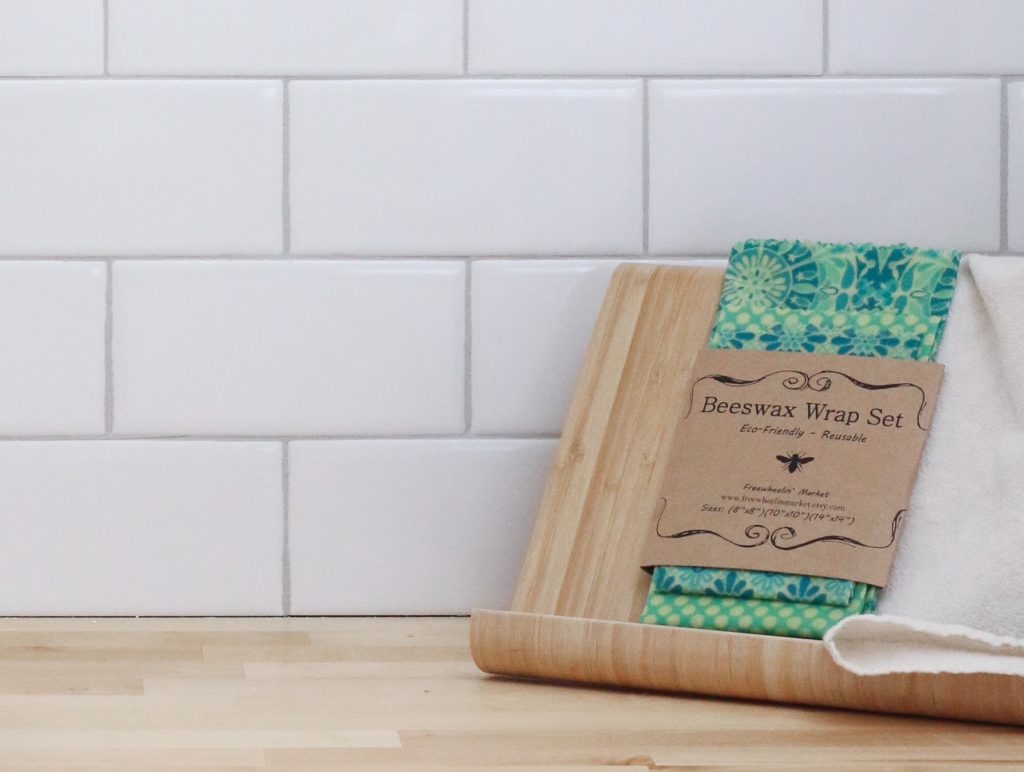
One of the worst culprits for single-use plastic is cling film; more than 1.2 billion metres (or 745,000 miles) of the stuff is used by households across the UK each year – that’s enough to go around the world 30 times!
Beeswax cling film works in exactly the same way as plastic cling film, but without the environmental damage caused by the disposing of plastic. The wrap is reusable, and you can even make your own by simply melting down beeswax and soaking cloth in the liquid.
Whilst a plastic flask goes some way to eliminating the usage of disposable bottles, a stainless steel bottle is a longer-lasting, better quality option. Not only that, but the metal is less likely to leach chemicals into the liquid than plastic.
WOODEN OR BAMBOO TOOTHBRUSHES
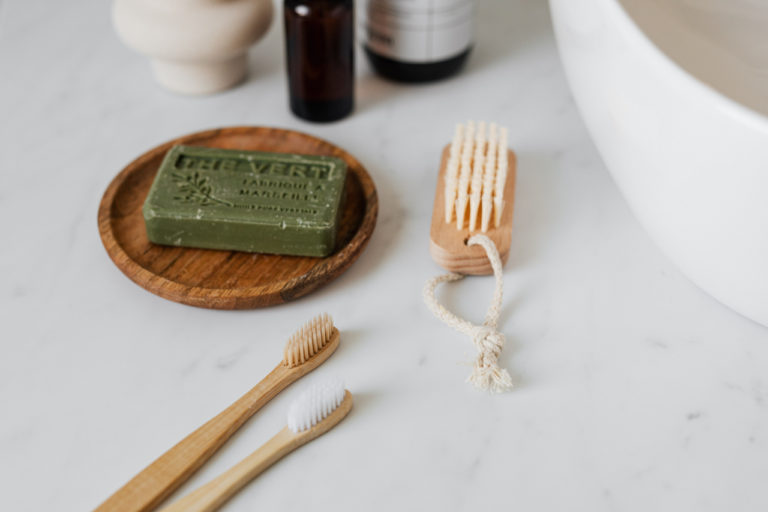
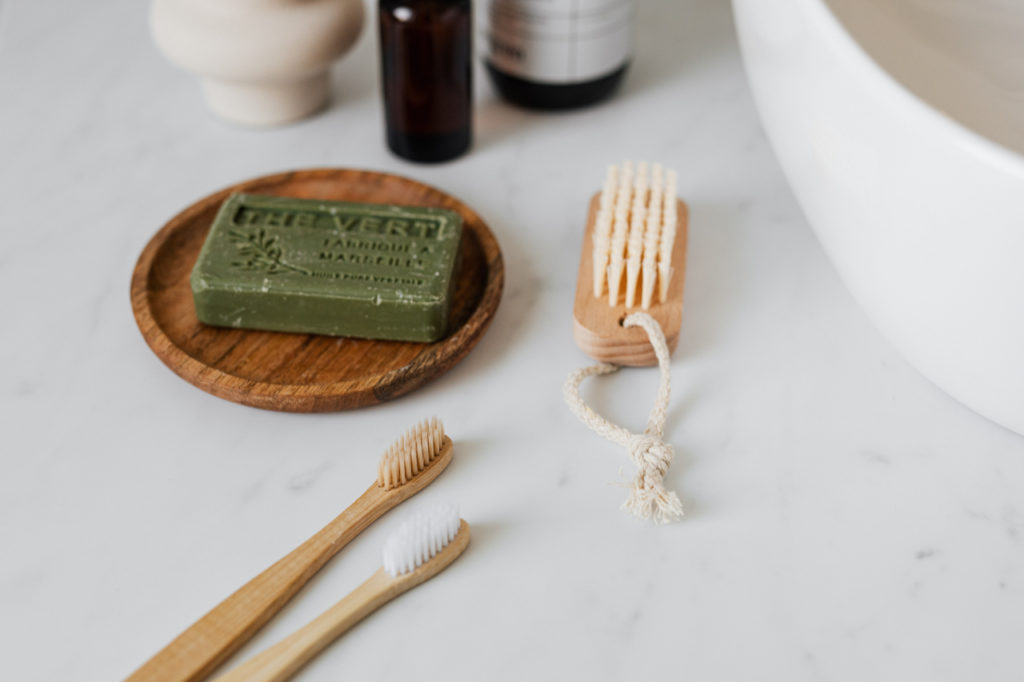
Most people own a disposable toothbrush for holidays or weekends away, but instead of buying a plastic toothbrush for everyday use, from now on it might be better to purchase a wooden or bamboo toothbrush instead.
These eco-friendly alternatives are just as effective as plastic manual toothbrushes but are far less damaging to the environment when disposed of, and don’t remain in landfill for eternity.
COMPOSTABLE BIN BAGS
Biodegradable bin liners are the perfect alternative to conventional bags and work well for collecting garden waste that can be composted. Not only that, but when used for household rubbish, they will naturally biodegrade whilst in landfill, reducing the amount of harmful plastic pollution we’re constantly contributing to our lovely planet.
ECO-FRIENDLY PICNIC SETS
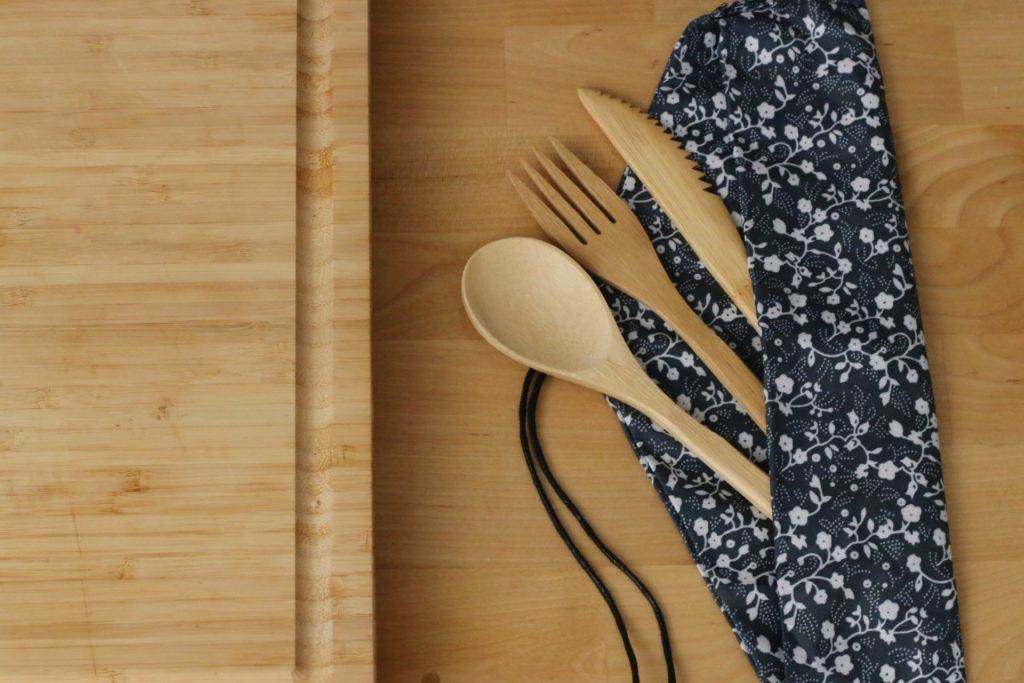
Whilst there may not be much opportunity for picnics in the current Covid climate, cutlery and plate sets made out of materials such as wood or bamboo are a great option for those bottom of the garden picnics, and once purchased will be ready and waiting for future days out, too.
These sustainable sets can either be disposed of or washed and reused., What’s more, they also make a good alternative to plastic crockery and metal cutlery for young children.
REUSABLE EAR CLEANERS
Plastic stemmed cotton buds are one of the world’s worst pollutants amongst single-use plastics, and one of the focuses of the proposed, now postponed ban, with an estimated 1.8 billion thrown away every year, 10% of which are flushed down toilets and end up polluting waterways or the sea.
You can pick up a reusable ear wax remover for a relatively low cost. These can be either metal, or rubber, and can be easily cleaned and reused instead of being thrown away.
FABRIC SHOPPING BAGS
Although retailers have been banned from providing plastic bags for free, they are still available in shops for a small fee, and are still commonly used and not recycled. Eco-friendly alternatives, made of fabric or other natural materials such as hemp, can be reused regularly and will biodegrade once disposed of.
Paul McFadyen, Managing Director of metals4U, said: “It’s clear people are embracing eco-friendly initiatives more and more, and it’s great to see that so many have a passion for helping to improve the environment.
“Plastic is an amazingly versatile material, but it has its downsides and we should try our best to minimise the amount we use in everyday life. That’s why reusable alternatives made from metal or biodegradable materials are the best option, especially for things we use often, as this will reduce our carbon footprint, as well as save us money.”
Ideal as a great side dish to pasta, soup or as a dish all of its own.
This recipe from our friends at Waitrose for roast garlic & rosemary bread is so much better than the stuff they sell in the shops. The key here is good olive oil and properly proving the dough. Trust us on this one.
Preparation time: 20 minutes + proving
Cooking time: 1 hours
Total time: 1 hour 20 minutes + proving
Serves: 8
WHAT YOU’LL NEED
2 bulbs garlic 1 tbsp olive oil 400g strong white bread flour, plus extra for dusting 100g fine ground semolina, plus extra for dusting 1 tsp sea salt 7g sachet fast action dried yeast ½ tbsp golden caster sugar ½ x 20g pack fresh rosemary, leaves stripped 50ml Italian extra virgin olive oil Sea salt to sprinkle
WHAT YOU’LL NEED TO DO
1. Preheat the oven to 200°C, gas mark 6. Place the whole garlic bulbs on a sheet of foil. Drizzle with olive oil and close the foil up to form a packet. Sit on a baking sheet and place in the oven to bake for 40 minutes until soft and caramelised. Leave to cool.
2. Place the flour, semolina, salt, yeast and sugar into the large bowl of a stand mixer with a dough hook attached. Add 300ml lukewarm water and mix until combined into a soft, smooth and springy dough.
3. Tip the dough onto a floured surface and shape into a ball. Place back in a clean, oiled bowl and leave to rise for at least 30 minutes until doubled in size.
4. Sprinkle semolina into a 20cm x 30cm tin. Tip the dough out of the bowl and knock back. Pat into the tin, pressing into the corners with your fingers, making lots of dents across the surface.
5. Squeeze the garlic cloves from their papery skins and push into the indentations.
6. Toss the rosemary in half the olive oil and scatter over the bread. Sprinkle with sea salt flakes. Leave to rise for a further 20 minutes.
7. Drizzle generously with the remaining olive oil and place in the oven to bake for 20 minutes, until risen and golden. Remove from the oven and leave to cool before cutting into 8 lengths.
Ideal for those looking for an easy yet delicious indulgence.
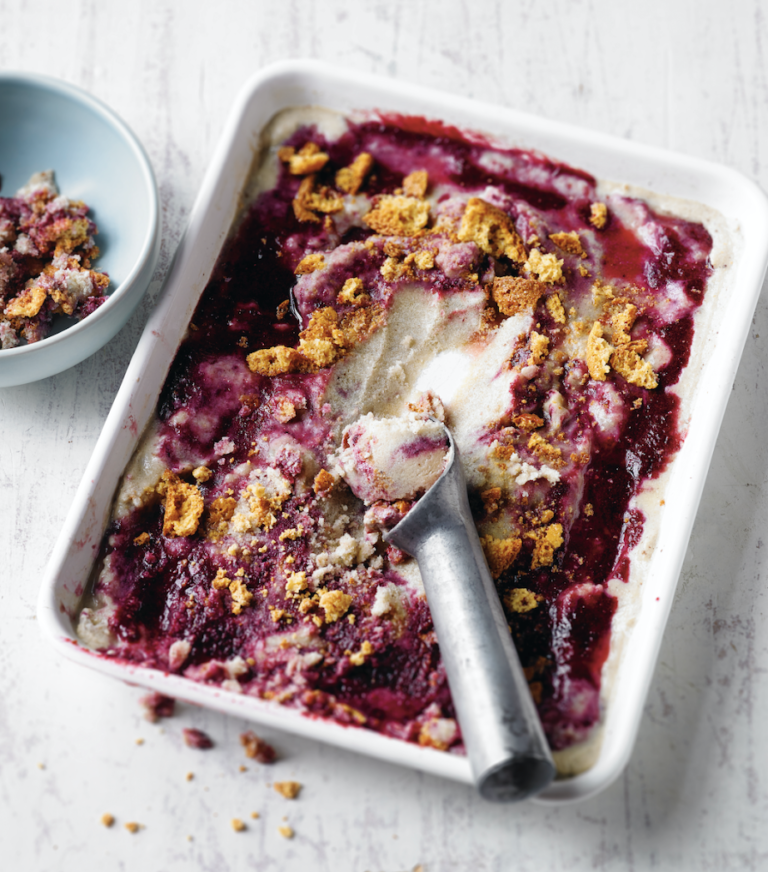
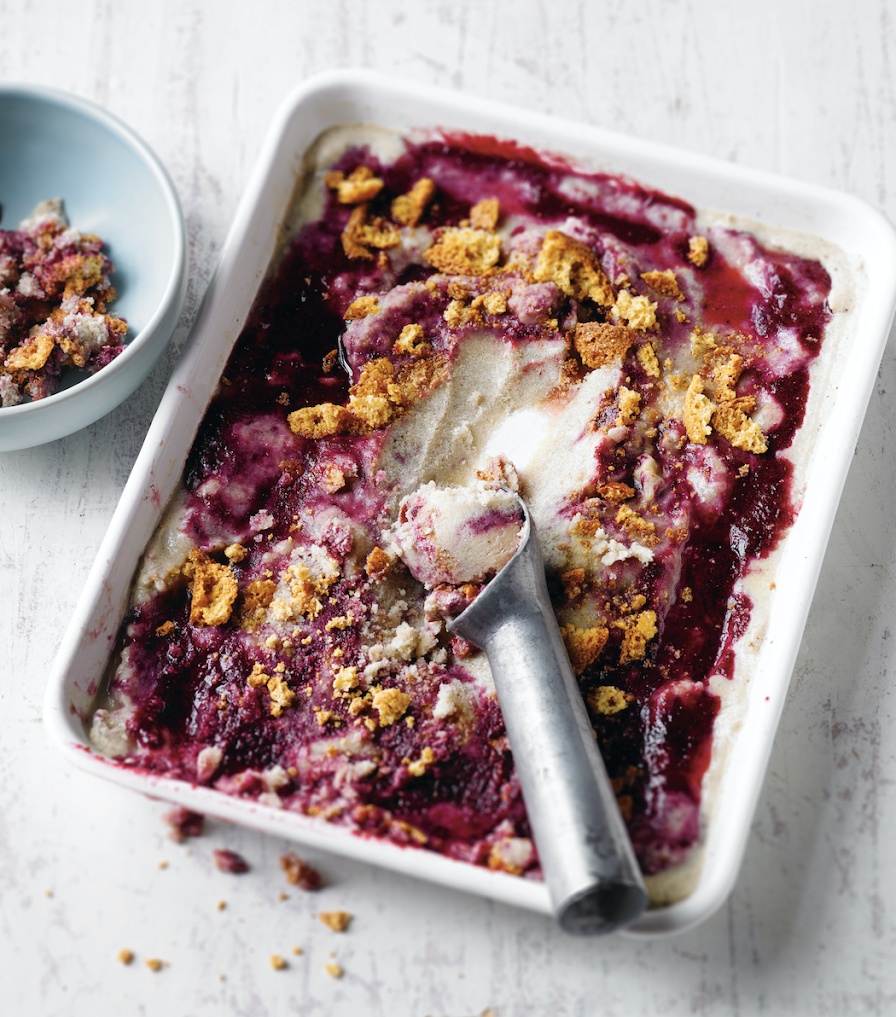
You deserve a treat you gorgeous thing. Whether you’ve been juggling work, childcare or just simply getting by during this trying time, a little sweet, indulgent way to end the meal is what’s called for. Our friends at Waitrose have shared this delicious cherry, vanilla & amaretti crumb gelato which we just can’t get enough of. Check it out below!
Preparation time: 20 minutes + freezing
Cooking time: 10 minutes
Total time: 30 minutes + freezing
Makes: 1 litre
WHAT YOU’LL NEED
4 large Free Range Egg yolks 150g caster sugar 1 litre unsweetened almond milk 1 tsp vanilla powder or essence 250g cherries, pitted 50g caster sugar Juice of ½ a lemon 100g amaretti biscuits, crushed
WHAT YOU NEED TO DO
1. Whisk the egg yolks with the caster sugar until combined.
2. In a pan, warm the almond milk with the vanilla powder (or essence), then add a ladleful to the egg yolks. Stir to combine then pour all of this egg mixture back into the remaining almond milk.
3. Stir continuously over a low heat until slightly thickened and the mixture coats the back of a spoon. This will take up to 10 minutes – take care not to rush this stage or the eggs will scramble. Remove from the heat, tip into a bowl and cover with clingfilm, pressing the film onto the surface to prevent a skin forming. Chill before churning.
4. Whizz the cherries in a blender with the sugar and lemon juice, and set aside.
5. Pour the cooled custard into an ice cream machine and churn for 20 minutes until thick. If you don’t have an ice cream machine, tip the mixture into a tub, freeze for 2 hours then stir with a fork to break up any large crystals. Repeat the stirring every few hours until the ice cream is smooth and frozen.
6. Pour the cherry juice over the ice cream and swirl with a spoon. Scatter over the amaretti crumbs and freeze overnight. Remove from the freezer 15-30 minutes before serving to soften slightly.
Ideal for an easy Italian supper of maximum flavour and minimum fuss.
If you were to write a list of all the ingredients which make the IDEAL midweek supper, we think it might go a little something like this; minimum effort, a one pan wonder to limit the washing up, hopefully it can feed the whole family, and it’s ready in under an hour. Are we getting close? This one ticks all the boxes.
With the good guys at Waitrose, here’s a cracking recipe for one pan beef lasagne with ricotta and basil.
Preparation time:10 minutes
Cooking time:25 minutes
Total time: 35 minutes
Serves: 4
WHAT YOU’LL NEED
1 tbsp olive oil 400g 5% fat Aberdeen Angus beef mince 200g pack Cooks’ Ingredients Soffritto 400g can chopped Italian tomatoes with olive oil & garlic 400g can essential Lentils, drained 6 fresh lasagne sheets, halved lengthways 3 tbsp ricotta 40g finely grated Parmigiano Reggiano 6 basil leaves, shredded, plus extra leaves to serve
WHAT YOU NEED TO DO
1. Heat ½ tbsp oil in a large ovenproof frying or sauté pan over a high heat. Add the mince, breaking it up with a wooden spoon. Season and fry for 5 minutes until browned, then tip into a bowl.
2. Add the remaining ½ tbsp oil to the pan, fry the soffritto over a medium heat for 2-3 minutes, then return the meat and stir in the canned tomatoes, lentils and 200ml water. Simmer for 5 minutes, then nestle in the pasta sheets and simmer for another 5 minutes.
3. Preheat the grill to high. Mix the ricotta with 1 tbsp Parmigiano and the shredded basil leaves. Season and add a splash of water to loosen if needed. Arrange spoonfuls over the lasagne and sprinkle over the remaining cheese. Grill for 5 minutes until golden. Scatter over the remaining basil leaves to serve.
This just in; fitness influencers’ YouTube views have increased by 1,943% over the past month, showing the huge demand for home workout tips during this difficult time.
Indeed, with no personal training, the gym floor or fellow fitness fanatics to push you through your workout, doing it at home may seem like a challenge. No wonder, then, that millions are tuning in to online fitness streams to guide them during this lockdown.
In response to a massive demand for home workout tips and tricks from the professionals, we’ve teamed up with charitable social enterprise, Better, to give you these tips from fitness influencers and personal trainers on how to get the most from your home workout.
PREPARE YOUR WORKOUT SPACE TO MAKE LIFE EASIER
Mark Ross is a fitness influencer and personal trainer who has been providing live stream workouts and advice to his followers throughout the lockdown in the UK. He seeks to promote positivity among his followers and clients to ensure they retain their passion for fitness, so motivation is crucial for him. He said:
“Being in ‘a zone’ is massive for focus so this includes setting up a space at home that is your gym area and choosing the right music playlists to motivate you throughout your workout!”
Life Coach Lee Chambers agrees and says you should prepare the physical and mental space for your workouts in advance, including clearing some space in a particular room, and within in your calendar to commit your mind to the exercise.
“Staying motivated while spending a lot of time in the same environment is vital. Make it easy to exercise by placing the things that you need, whether it be equipment, clothing, or resources exactly where you need them so when its time, you can start. Book in your exercise like you schedule a meeting, at a specific time.”
“Got space for a wall calendar? Mark with a big tick when you have achieved your exercise of the day; it makes it an enjoyable habit to keep pursuing. No space? How about using a journal or diary instead; writing down your small wins, and areas for improvement and focus.”
STAY FOCUSED AND FOLLOW A STRUCTURE
‘’Structure gets results! A daily structure puts you into a routine, and a routine will help with all the important bits: a morning walk, stretching, food prep, work, lunch, snacking, reading, workout and tracking. Consistency gets results!” Mark said.
Wise words, indeed. Because working hard on this routine and structure now might even help you to carry this consistency over to everyday life and stay on track in the gym once they reopen.
Samantha McGowen, a personal trainer and influencer concurs, saying that having a plan both in the gym and at home is crucial: “If you don’t have a plan, it’s like going for a drive and not knowing where you’re going. Write your plan out on paper or your phone, visualise it and get stuck in.”
Faye Edwards, fitness presenter and influencer said that her top tip is to “programme the week with a balance in mind incorporating strength, mobility, cardio, mindfulness and something fun! Take each day as it comes without putting too much pressure on yourself.”
THINK ABOUT NUTRITION TOO
You might learn something new! Working from home may mean your daily structure has been drastically altered with the lack of a commute and no office to walk into every morning. It is key to avoid this affecting your healthy eating and nutrition habits this spring. Take the time to learn new healthy recipes you can follow. Mark says “everyone’s working day is different and personalised and achievable routines transform into results; a balanced diet at home being an essential part.”
Lee Chambers continues: “Nutrition can be quite challenging in isolation, but at the same time, now is the perfect moment to either learn to cook new recipes, or to start meal prepping with your spare time to make keeping a consistent eating schedule a breeze.”
DO WORKOUTS YOU CAN ENJOY
The perfect way to keep your motivation high and interest strong is to make sure you are exercising in a way you can enjoy and works for you.
Chambers suggests trying ‘’something new but do something you enjoy. It’s a challenging time in isolation, but it’s the perfect time to try new things, to find a way of keeping fit that resonates with you.”
“Research proves that if you enjoy your exercise and movement, it is much easier to stay consistent and get the long-term benefits. With fitness, the outcome isn’t as important as the process of gradually getting that little bit better every day.”
GET CREATIVE
In isolation and without gym equipment, you might think your potential for effective exercises is limited, but influencers and personal trainers say this isn’t the case. David James Seed, a fitness and fashion influencer provided a fitness hack for the perfect all-round workout.
“With everyone stuck home during this time, it’s key to use your surroundings and materials to keep fit. One thing I’ve been doing since I was 16 when I couldn’t get access to a gym, is loading a rucksack with bottles of water, sometimes two – one on my front and one on my back – and doing pushups, pull-ups, squats, lunges, curls, extensions and abs. A rucksack is all you need to add that extra resistance and keep the workouts intense!” he continued to say “HIIT workouts with a rucksack is great to keep up the cardiovascular fitness, whilst building up your muscle!”
Lee Chambers goes one step further – change your mindset and there’s so much fitness potential around you: “Have steps? You can climb a mountain. Have a garden? You can run a 10K. Have a handbag? Perfect replacement for a kettlebell.”
And that’s the can-do attitude we need during lockdown, don’t you think?Better have created an online hub to assist staying active and motivated when working out at home. It comes complete with virtual fitness classes, tips for keeping children active and instructions on how to access Better’s library e-resources. Find out more here: www.better.org.uk
Staying safe at home, with an excuse to park yourself on the sofa and binge your favourite programs and drinks. And get paid to do it…well, it would’ve been the dream just a few months ago. But these four walls have got a little too familiar now, don’t you think?
If you’re one of those lucky people blessed with an outdoor space, the picture may look a little different. Space to breathe, to move, to swing cats if that’s what your thing…so for heaven’s sake, make the most of it!
Indeed, in these difficult, uncertain times, your garden is a surefire, proven way to increase your wellbeing and promote positive mental health. And with lockdown in one form or another set to continue for a while yet, it’s more important than ever to not only enjoy your garden now, but also get it set for the summer months, too. With that in mind, here are 5 IDEAL spring gardening tips during self isolation.
SPRING CLEAN
Let’s start with the most obvious – a spring clean. Before you start anything else out there, get your rake out (no innuendos here) and clear all the leaves and debris which have built up over the winter. Now is the perfect time to pull all those weeds out too, in preparation for more action in the coming months. If you’re looking to kit out your shed, then several power garden tools like a lawn mower, string trimmer, and leaf blower will help speed up the cleaning process with efficiency and accuracy. Check out useful online gardening tool resource OccupyTheFarm to help you choose the best equipment for each job.
The colder months will have also taken a toll on your soil. All that rain will not only have compacted it, but also washed away valuable nutrients that help your plants to thrive. Take decisive action; top up the soil and be sure to add some mulch which not only improves your soil, but also gives your flower beds a neat and tidy appearance. Moreover, mulch helps soil retain its moisture in summer and helps to prevent weeds from growing.
Spring also represents the best season to tidy up and renew your lawn too. Give your grass a good cut and if you’re starting a new lawn, now’s the time to lay turf or sow your seeds.
PREP & PRUNE YOUR PERENNIALS
Perennials aren’t demanding plants – therein lies their beauty. Indeed, they’re easy to grow and maintain, and are an economic choice for many gardeners. One of the best times to plant perennials is in Spring (March to early May) when the ground is moist but the weather warming. Use this enforced period of downtime to add them to your beds and borders.
For any perennials you already have, this is the season to give them some TLC.
Take care to freshen up the soil around your perennials with that much needed mulch. Since many perennials grow quickly and form big clumps, you can keep them performing and blooming beautifully by dividing them up, allowing each space to grow.
DEAR APRIL
Vegetable gardens are surprisingly holistic in their health benefits. The most obvious, of course, is an access to freshly grown, freshly picked produce – particularly handy at a time when we’re all travelling to the supermarket less.
April represents the most ripe and fertile time to sow some seeds and hardier crops, with beetroot, carrots, leeks, lettuce, potatoes, parsnips and peas all traditionally entering the soil this month. Take this opportunity, then, to turn couch potatoes into real ones this month. Give yourself a headstart with our IDEAL beginner’s guide to growing your own produce.
HARDY ANNUALS
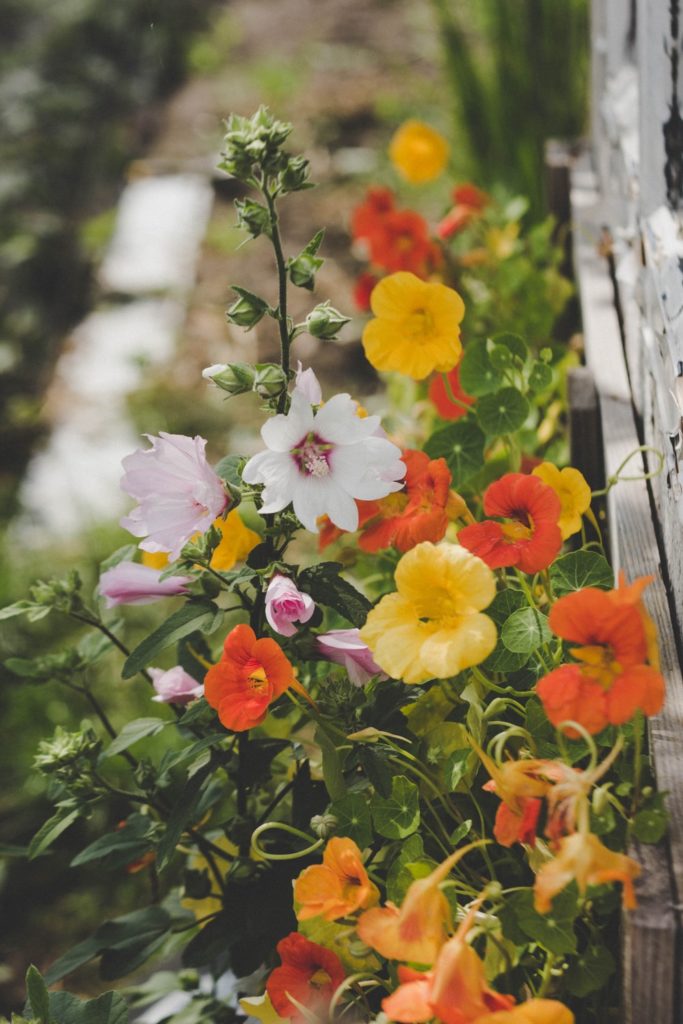
Away from the edible side of things, April is also prime time to sow some hardy annuals, such as pot marigolds, annual chrysanthemums, sunflowers and nasturtiums. Actually, you could put the latter in your food; a really pretty addition to the plate, we think.
And the good news is that some of those hardy annuals not only look great in the garden, but they also offer nectar and pollen to bees, so you’ll be doing your bit for the environment, too!
THE WHOLE NINE YARDS
So you’ve prepped and pruned your garden, sown some seeds and planted veg…now what about some chairs so you can enjoy all your hard work? Consider some ‘all-weather seating’ that can withstand the ever changing whims of Mother Nature with ease. We’re fans of lounge sets, in particular, since they’re super sociable and comfortable, too.
And since we won’t be going out to many restaurants in the foreseeable future, now’s the time to get your garden primed and prepped for some convivial party cooking. A decent, charcoal barbeque is essential (no gas for us, thanks) since it imparts that wonderful smokey flavour. If you’re not wrestling smoke and spitting flames, then you might as well cook your meat in your oven, right?
Aside from that, some decent barbeque utensils, like durable tongs, a fork, and even those awesome grilling baskets (particularly good for fish) will see you through. And if you really want to go all out consider installing an outdoor pizza oven to bring a taste of Italy to your garden.
Just because you’re intent on getting your Spring garden just right, doesn’t mean you should be frivolous with your watering in the process. Check out our 5 IDEAL water saving tips for your garden this spring to things as sustainably as possible.
Starting a business is a hugely exciting, but also hugely daunting, time. This isn’t just a stable paycheck and a tedious day-to-day job for eternity. Here represents a step into the unknown; a deep dive into the uncertainty pool; a jump into unchartered territory.
Indeed, running your own company requires consistent problem solving. It means late nights. Early mornings. Working through lunches. Not having lunches. It takes a lot of work, and even if you have the willingness to put in that work, you still might falter due to a lack of vision and skill. We’re here to talk about the latter today; here are 6 IDEAL skills you need to start a business.
INVESTABILITY
“Joey, I think you’re highly investable”, says Deborah Meaden. The other Dragons nod their approval. Some cast covetous glances at you. You feel strangely violated. She’s also got your name wrong.
Yep, if you’re described by those with more money than you, or sense, as highly investable then you’ve nailed one of the most important skills needed to start a business. But what exactly is this seemingly fluid, forever changing concept of investability?
Well, it’s all about your character and the energy you give off, we think. So, that’s competence, professionalism, accountability, transparency, just the ‘right’ level of honesty…..harness these attributes and personify them, and you’ll be putting your first few steps on the road to business success.
FORESIGHT
A successful business owner is both constantly evaluating and predicting; looking back at past mistakes and successes in order to devise new and innovative plans for future progress. Being able to balance that fine juggling act is no easy task, but doing so is essential to early business success.
This ability to map out company prosperity going forward isn’t only defined by financial gains; it also places emphasis on HR, on brand building, on reach and an ever increasing visibility. In fact, business success in the early years is rarely about the money.
TIME MANAGEMENT
Starting a new business, especially if you’re not used to working from home or are trying to set up what now seems to be termed a ‘side hustle’, can be time consuming. That is why time management skills should be one of the key areas you focus on and prioritise. The old mantra of ‘work smarter, not harder’ should be replaying in your mind constantly. Be productive, not busy, and you’ll achieve so much more.
GREAT COMMUNICATION
If you want to work with others, effectively communicating what you want, in a delicate but decisive way, is vital. You need to be able to teach new skills and procedures to employees without boring them into submission or coming across as dictatorial.
Because there’s nothing more certain, even more so than death and taxes, than the fact there will be bumps in the road. These might appear in the form of a dispute between colleagues, an issue with your suppliers or even with local ordinances. The point here is that every business has its problems and there is no way to avoid issues altogether. What you can do, however, is improve your conflict management and communication skills so that you can better prepare your business and its response.
TAKE ME TO YOUR LEADER
Though some might call great leadership ‘an art’, this is a skill which you can nurture just like any other, we think. Being a great leader means acknowledging your own personal shortcomings and working to be a better person so that you can inspire your team each and every day.
Don’t worry; there’s not one catch-all definition of leadership. Instead, it’s a fluid, ever-adapting, always-evolving quality and one which needs to respond to a diverse set of needs. Above all else, being able to listen is just as important as being able to communicate. You’d do well to remember that.
THE ABILITY TO PERSONALLY DEVELOP
Having the chance to learn is one of life’s great gifts. Cherish it. For your business to succeed, you should never stop learning. To keep your mind sharp and the inspiration flowing, personal and professional development should always be at the forefront of everything you do.
What you actually learn could be specially designed courses from companies like corporatecoachgroup.com that will help you develop your communication, time management, leadership and more, or it can be a looser interpretation of learning, with a focus on soft skill acquisition and development. How you define your learning goals may well define your business success.
Did you know that using an image on your blog post can increase your views by 94%? Yep, adding the perfect photo to your blog or website is important for both marketing and aesthetics, and can play a crucial role in making your company more visible and viable.
That said, it’s crucial you make sure you are not using someone else’s work and that you’re carefully paying attention to any copyright restrictions that may be in place.
Fortunately, you can buy photos for commercial use or find free photos online that are copyright-free and royalty-free from so many sources online these days. Plenty of artists are happy to distribute their photography on royalty-free and copyright-free websites, and often, images are released under a Creative Commons Zero (CC0) licence which means the image is free to use, even for commercial purposes with no attribution required.
Many traditional stock photo websites offer a variety of licenses depending on how you plan to use the photo. With that in mind, here are 8 IDEAL places to find photos for commercial use online.
UNSPLASH
Unsplash offers royalty-free, copyright-free images of a variety of different subjects, all free to use under the Unsplash license. You will not find cheesy or low-quality images on this website – the sheer quality of the photos on held here is second to none. In particular, Unsplash is one of the best sites to use if you’re looking for beautiful images of different countries and cultures around the world.
PEXELS
Pexels offers copyright-free pictures and photos. While all of the photos are free to download and use, there are some restrictions in place here which you must follow under the Pexels license. We’re also fans of Pexels stock of video footage which are free for personal and commercial use, too.
PIXABAY
Pixabay offers free, royalty-free pics, illustrations, vectors, videos, and music. Similar to Pexels, there are several “do’s and don’ts” you must follow under the Pixabay license. This is another site whose terms and conditions you’ll need to read carefully if you’re going to use their free images, music or videos, but once you’ve got your head around the small print, the photos on these sites are ideal for when you need high-quality images to use on your website, blog, or projects.
KABOOMPICS
We’re huge fans of Kaboompics which come under the Kaboompics License. This is a royalty-free service for stock images created and run by photographer extraordinaire Karolina. All photos on Kaboompics can be used for free for commercial and noncommercial use and no attribution is required (but greatly appreciated if you do).
One of our favourite things about this site is that each photo here comes with a complementary colour palette, generated from the photo and corresponding HEX colours.
This site has different membership levels. For $19 a month under their business plan you can get access to their premium photos which are free to use for commercial use. For £4 a month you can get unlimited premium downloads for personal use, or from their free collection, you can download up to ten images a day, for both personal and commercial use.
SHUTTERSTOCK
Shutterstock images come with a standard license, but you can also purchase an enhanced license if need be. Shutterstock offers a monthly subscription or an on-demand image pack to download images whenever you need to.
ADOBE STOCK
Adobe Stock images come with a standard license, but you can also purchase enhanced, extended and editorial licenses. Adobe Stock offers a monthly subscription or you can purchase credits to use whenever you like. While many of the photos on Adobe Stock are paid, they do also offer some free images to use.
GETTY IMAGES
Getty Images’ photos come with a standard license, but you can also purchase a rights-managed or rights-ready license if you require it. These guys offer several on-demand packs based on the number of images and/or photos you need.
With Getty, you can purchase a low-resolution image pack, a medium resolution image and video pack, or a high-resolution image and video pack. Be warned; the licenses on these sites are lengthy and complex. Always read them scrupulously to ensure that you’re abiding by the terms.
BOTTOM LINE
If you are using a photo from any of these sites, make sure you read and strictly abide by the license and restrictions.Whether you buy photos for commercial use or enjoy free photos, you have many options to choose from whenever you need a stunning image for your project. Don’t forget to bookmark your favourite site and never miss a picture again!
Ideal for those looking for something different from their lockdown lunch.
With so much focus at the moment on simple midweek suppers, spare a thought for poor ol’ lunch. Finding the motivation and drive to rustle up two great meals each day is a stretch with the storecupboard bare and trips to the supermarket monitored by overzealous law enforcement.
Don’t worry, we’ve got something to let a little sun shine over your lunch this week. With Waitrose, here’s the IDEAL recipe for bruschetta with slow roasted tomatoes.
Preparation time: 15 minutes
Cooking time: 25 minutes to 30 minutes
Total time: 40 minutes to 45 minutes
Serves: 4
WHAT YOU’LL NEED
500g Waitrose Pome Dei Moro Tomatoes, halved 2 cloves garlic, crushed 25g pack basil, shredded 25g pine nuts 4 tbsp Italian extra virgin olive oil 1 Waitrose Mixed Olive Ciabatta, cut into 16 slices 50g Sacla’ Sun Dried Tomato Pesto
WHAT YOU NEED TO DO
1. Preheat the oven to 180°C, gas mark 4. Place the tomatoes, cut side up on a large baking tray and scatter over the garlic, half the basil and the pine nuts. Then drizzle over 2 tbsp oil, season and bake for 25-30 minutes.
2. Place the bread slices on another large baking tray, and brush with the remaining oil, season and bake on a lower shelf for the last 20 minutes of the tomatoes’ cooking time until crispy and golden.
3.Spread the bread with the pesto, top with the tomatoes, drizzle with the leftover juices. Then sprinkle over the remaining basil and serve.