
Home Blog Page 64

Made In Italy: Why Italian Elegance Will Be 2025’s Biggest Interior Design Trend

0

As British homes embrace a return to thoughtful luxury, the allure of Italian design mastery has never been more pronounced. 

The ‘Made in Italy’ movement, with its emphasis on exquisite craftsmanship and timeless sophistication, exists beyond fashion; it is also poised to dominate interior design in 2025, offering an antidote to the stark minimalism that has dominated recent years. This shift reflects a broader cultural movement away from disposable furnishings towards investment pieces that tell a story and improve with age.

Lounging As An Art Form: Italian Upholstery 

At the heart of this resurgence lies a renewed appreciation for artisanal excellence. Take B&B Italia’s iconic Camaleonda sofa, reimagined for contemporary spaces. Its modular design, wrapped in butter-soft leather or sumptuous bouclé, embodies the versatility modern homes demand whilst paying homage to Italian artistry. 

In London townhouses and countryside manors alike, these high-end furniture pieces are becoming the cornerstone of elegant living spaces. The revival of Flexform’s Groundpiece sofa, with its deep seats and architectural proportions, further demonstrates how Italian design seamlessly blends comfort with sophistication. Meanwhile, Minotti’s Connery collection, with its precise tailoring and innovative materials, offers a masterclass in contemporary luxury.

Image via minotti.com

Natural Luxury: The Marble Revolution 

The marble renaissance is another hallmark of Italian design’s influence, particularly as sustainability concerns drive interest in natural, enduring materials. Salvatori’s innovative use of stone in their bathroom collections demonstrates how traditional materials can be transformed into contemporary masterpieces. 

Their Silk Georgette® limestone, with its gentle waves and subtle tonality, brings warmth to spaces that might otherwise feel clinical. The trend extends beyond bathrooms – Antolini’s dramatic book-matched marble slabs are being used as statement walls in entrance halls, while Margraf’s innovative thin marble panels are revolutionising kitchen splashbacks and furniture surfaces.

Image via salvatoriofficial.com

Illuminating Excellence: Italian Lighting Design 

Lighting, too, has fallen under the spell of Italian craftsmanship. Flos’s arrangements of mouth-blown Murano glass pendants are illuminating drawing rooms across Britain, while Artemide’s architectural pieces blur the line between functional lighting and sculptural art. 

The Tolomeo lamp, a staple in Italian homes, has found its way into British studies and reading nooks, its refined lines epitomising the marriage of form and function. Foscarini’s experimental approach, particularly their Twiggy floor lamp and Caboche collection, demonstrates how traditional Venetian glass-making techniques can be reimagined for contemporary spaces.


The Heart Of The Home: Dining In Style 

In the dining room, Poltrona Frau’s masterful leather-wrapped tables paired with Cassina’s Cab chairs create an atmosphere of understated luxury. These pieces aren’t merely furniture; they’re investments in heritage, each bearing the marks of generations of Italian craftsmanship. 

The trend for convivial dining has sparked renewed interest in Giorgetti’s (who opened their first UK store in West London in 2019) extended dining tables, whose innovative mechanisms transform from intimate four-seater to generous entertaining spaces. Riva 1920’s solid wood pieces, crafted from ancient kauri and briccola wood, bring environmental consciousness to luxury dining.


Cucina Moderna: The Italian Kitchen Revolution 

The kitchen, long dominated by German efficiency, is witnessing an Italian revolution. Boffi’s handcrafted cabinetry, with its seamless integration of marble and brushed brass, offers a warmer approach to contemporary kitchen design. Their bespoke islands, particularly in rich walnut finishes, have become the heart of sophisticated homes. 

Valcucine’s ergonomic innovations and sustainable materials are setting new standards for luxury kitchens, while Scavolini’s collaboration with diesel brings an industrial-chic aesthetic to traditional Italian craftsmanship. The integration of Gaggenau appliances within these Italian designs creates a perfect synthesis of German engineering and Italian style.


Living The Italian Way 

As we move into 2025, the influence of Italian design extends beyond individual pieces to encompass an entire philosophy of living. It’s about creating spaces that feel both grand and intimate, where every element has been carefully considered and masterfully executed.

This approach is evident in the way Italian brands are approaching whole-room concepts: Edra’s unconventional seating arrangements encourage conversation, while Baxter’s leather innovations create environments that engage all the senses. 

In an era where authenticity is increasingly precious, the enduring appeal of ‘Made in Italy’ lies in its unwavering commitment to excellence and its profound understanding of how we wish to live.


Sustainability & Heritage 

Italian design’s emphasis on longevity and quality aligns perfectly with contemporary concerns about sustainability. Brands like Kartell are pioneering new recycled materials without compromising their distinctive aesthetic, while Moroso’s use of traditional craft techniques ensures their pieces can be repaired rather than replaced. This commitment to sustainability extends to production methods – many Italian manufacturers are investing in solar power and water recycling systems, ensuring their environmental impact matches their products’ longevity.

As we embrace this renaissance of Italian design, we’re not just following a trend – we’re participating in a centuries-old tradition of living beautifully. The investment in Italian pieces goes beyond the monetary; it’s an investment in craftsmanship that will be appreciated for generations. 

The Bottom Line

The future of Italian design looks set to continue this trajectory of innovation grounded in tradition. As we see increased integration of smart technology and sustainable materials, Italian manufacturers are proving that luxury and responsibility can coexist. 

The next wave of Italian design promises to be even more exciting, with brands like B&B Italia and Molteni&C already experimenting with biodegradable materials and modular designs that can adapt to changing living patterns. This constant evolution, always in dialogue with the past, ensures that Italian design will remain at the forefront of interior style for years to come.
The Ideal All-British Christmas Cheeseboard

While France and Italy might dominate continental cheese-making conversations, Britain’s dairy heritage stands proudly alongside Europe’s finest. In fact, at the 2023 World Cheese Awards, the UK landed two cheeses in the top 16, with another three awarded ‘Super Gold’ status. 

We don’t speak of the 2024 awards – the UK’s best cheeses were conspicuous in their absence after getting stuck in customs. We can, however, speak with a quiet confidence about the quality of the country’s cheese this year, having eaten a hell of a lot of the stuff (we played no part in the customs seizing of the cheese, honestly).

From the rolling hills of Somerset to the rugged Yorkshire dales, these isles produce some of the world’s most exceptional cheeses. As winter draws in and festive preparations begin, there’s no better time to celebrate this rich tradition with a carefully curated Christmas cheeseboard that champions the best of British. Here’s how to curate yours…

A Traditional Cheddar

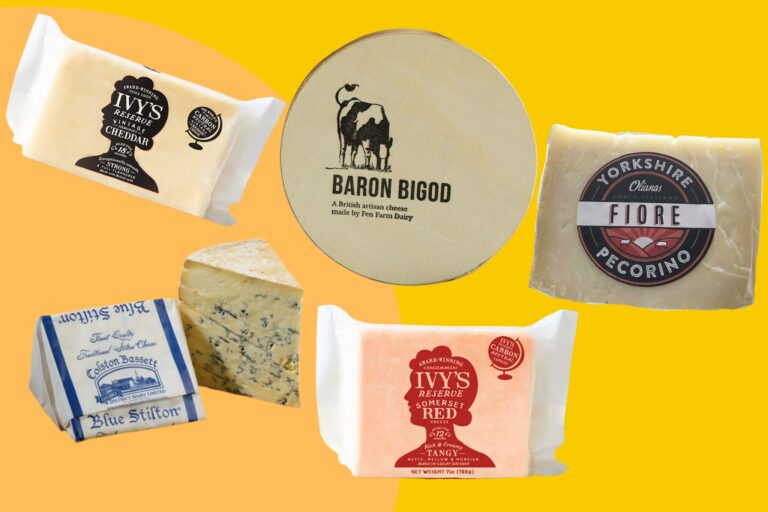
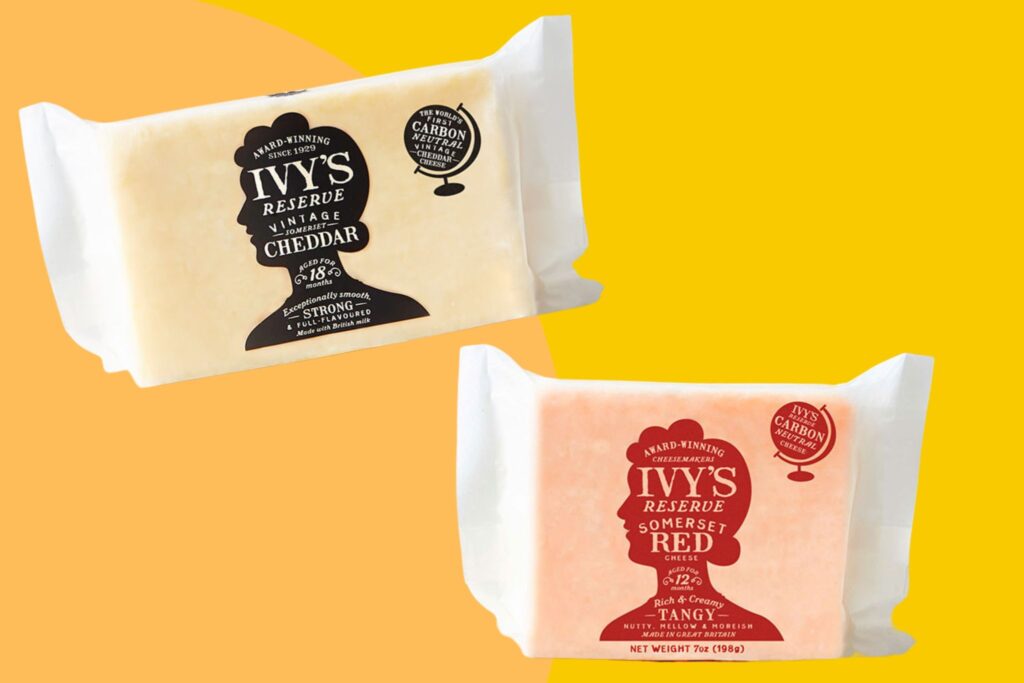
At the heart of any self-respecting, gently patriotic British cheeseboard sits a proper cheddar – all pert, taut assertiveness and salty crunch – and Ivy’s Reserve Vintage Cheddar represents everything remarkable about traditional British cheese-making.

This genuine Somerset treasure, matured for 18 months under wood, delivers an unmatched depth of flavour: complex and slightly sweet at first, developing into rich, nutty notes with that coveted crystalline crunch that the true cheese-heads seek out with a vision bordering on myopic. It’s also the world’s first carbon neutral cheddar – as if you needed any more excuses to get some in!

For a touch of contrast (and to satisfy Aunt Mavis’ fear of anything remotely pungent on the board), the same producer’s Somerset Red offers a younger, more easy-going profile that sits beautifully alongside that Reserve Vintage. Don’t mistake its approachability for simplicity though – this cheese brings a beautiful buttery smoothness and creamy tanginess that makes it incredibly versatile. And for those with one eye already on the 26th, its exceptional meltability transforms boxing day leftovers into sublime comfort food, particularly in a decadent mac and cheese.

A Touch Of Blue

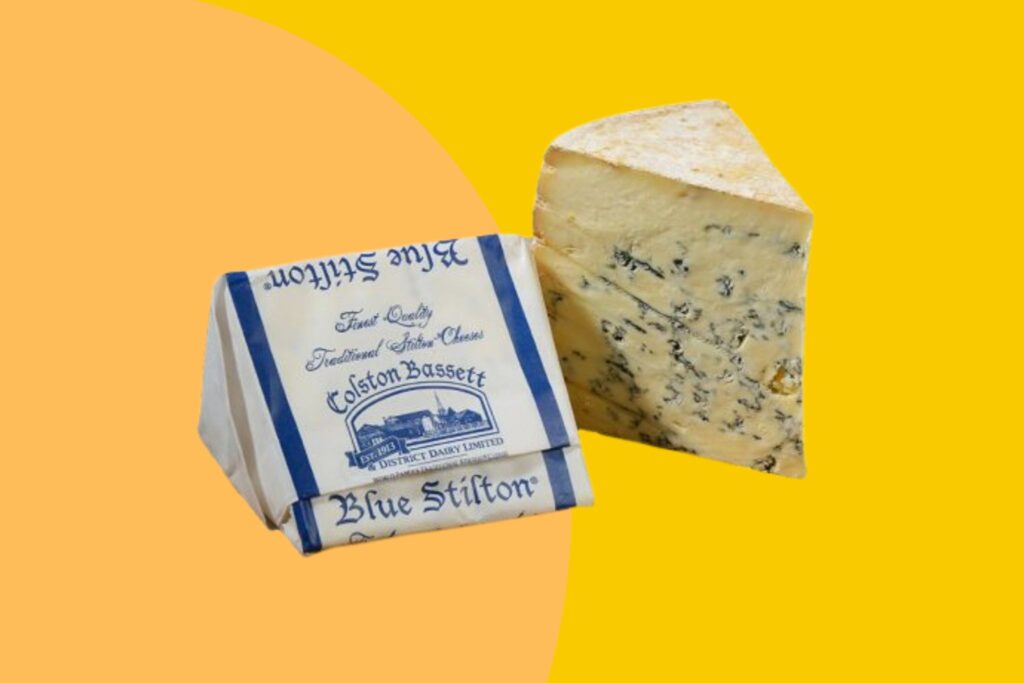
No discussion of British cheese can ignore Stilton, and Colston Bassett’s iteration stands as perhaps the finest example of this protected cheese. Made in Nottinghamshire using traditional methods that span generations, this king of British blue cheeses offers a fascinating flavour journey that even has the French reluctantly conceding it’s quite nice. 

Its initial sharp, salty tang gives way to a complex, almost sweet finish that lingers pleasantly. The paste should be butter-yellow with even blue-green veining throughout – a sign of perfect maturation. At room temperature, it develops an almost fudgy texture that spreads beautifully on crusty bread or those now soggy crackers you only bring out at Christmas.


Something Soft & Creamy 

While French Brie is a go-to for good reason, Britain’s Baron Bigod from Suffolk’s Fen Farm Dairy has been turning heads in the cheese (and restaurant) world for some time now. This raw milk cheese, made from the milk of Montbeliarde cows, represents British cheese-making at its most innovative. The texture should be silky-smooth, with a bloomy white rind protecting the cream-coloured paste within. Expect mushroomy, earthy notes balanced by a delicate buttermilk sweetness. When perfectly ripe, it develops a gorgeous flowing texture that cheese lovers have, erm, wet dreams about.

Their truffled cheese, with a layer of their own milk mascarpone, infused with the finest black truffles, is one of the bestselling cheeses. With enduring notes of warm earth, barnyard, and mushrooms, its truffle flavour is delicate enough not to overpower the wider cheeseboard.

An Artisanal Surprise & Table Talking Point

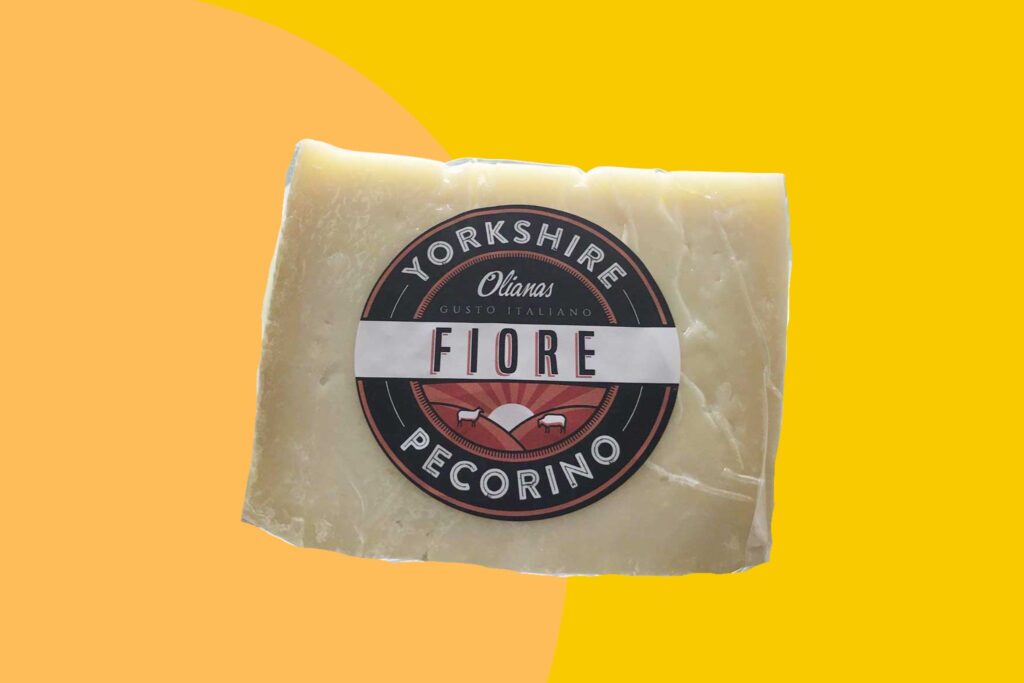
Yorkshire Pecorino might raise eyebrows among purists, but Mario Olianas’s creation proves that innovation and tradition can coexist beautifully. Made in Adel, Leeds, using traditional Italian methods but with Yorkshire sheep’s milk, this cheese brings together the best of both worlds. The result is a hard cheese with a distinctive sharp, slightly salty profile and a subtle sweetness from the rich Yorkshire milk. Its firm, slightly crumbly texture provides a wonderful contrast to the softer cheeses on the board.

Perfect Pairings & Accompaniments

What kind of sick fuck is just eating slices of the good stuff unadorned? We all know that the right accompaniments elevate a good cheeseboard to a great one. A house-made quince, orange and chestnut chutney brings warming winter spices and the requisite festive fruit notes that complement the stronger cheeses beautifully. The quince provides body and sweetness, while orange adds brightness and chestnuts bring an earthy, festive dimension.

Don’t stop there; it’s Christmas, after all. For us, a good cheddar is brought to indulgent life with a bed of quality butter under it; the guys at Ivy’s Reserve know this too, and sell some truly gorgeous butter alongside their cheeses. Made from whey cream, which is created as part of the cheesemaking process, it’s all you need atop your cracker to really set the cheddar off. Call us crazy, but we think the traditional, nostalgic Hovis wheatgerm digestives are just perfect for this combo.

For a lighter option (you could – should – of course have both), a Bramley apple, cranberry and rosewater jelly offers a delicate balance of sharp and sweet, with the rosewater adding an unexpected but welcome floral note that pairs particularly well with the softer cheeses.

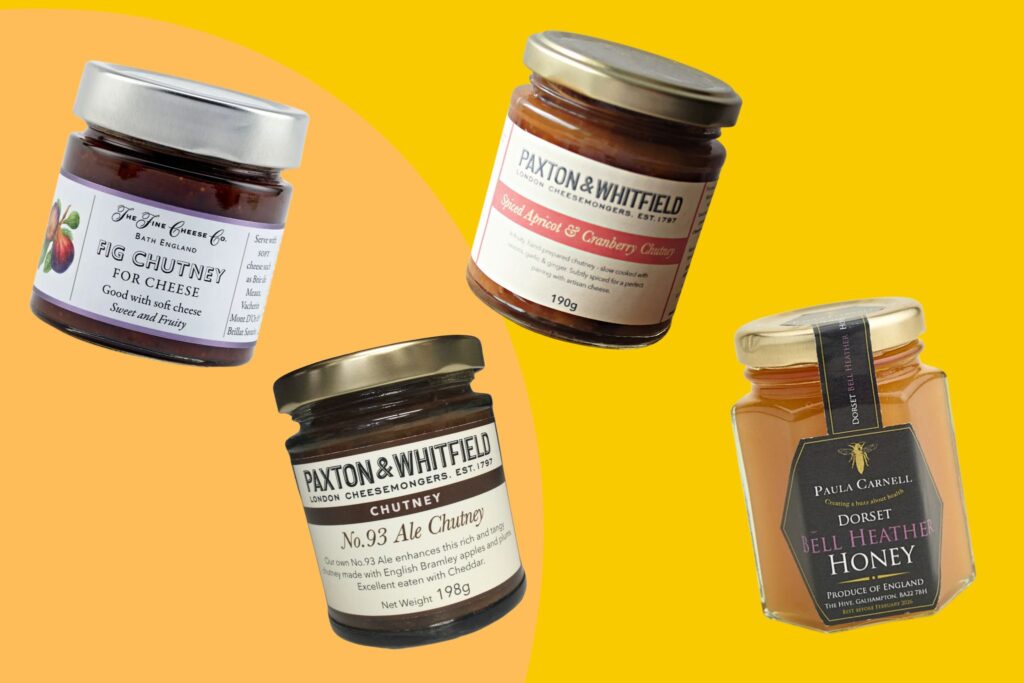
Of course, we don’t all have time to make our own chutneys. For the soft cheese on our board, we’re fans of The Fine Cheese Co’s Fig Chutney for Cheese – it’s sweet and sour, with warming Christmas spices.

Paxton and Whitfield’s spiced apricot and cranberry chutney, slow-cooked with onions, garlic and ginger, pairs particularly well with stilton. For that cheddar, the same company’s No. 93 Ale Chutney is a rich and tangy number made with Bramley apples, plums and real English ale – a truly best of British chutney, if ever there was one.

The choice of crackers deserves careful consideration too. Peter’s Yard sourdough crackers provide a robust, crisp base that stands up to stronger cheeses while adding their own subtle flavour – we’re particularly fond of their rosemary and sea salt ones. Whilst a little ubiquitous this year, their quality is undeniable. Don’t stop there; Miller’s Damsel charcoal wafers not only look striking on the board but offer a delicate, mineral note that complements the cheese without overwhelming it.

A scattering of Yorkshire walnuts (excellent with the blue cheese), some Dorset heather honey (particularly good with the Baron Bigod), and perhaps some grapes and/or dried fruit complete the board, adding both visual appeal and textural contrast.

Drinks To Match

Drinks pairings can transform the cheese experience entirely. English sparkling wine, particularly Nyetimber’s Classic Cuvée, works brilliantly across the board. Its fine bubbles and crisp acidity cut through the richness of the cheese, while its subtle toast and apple notes complement without overwhelming.

For something stronger, Chase Oak-Aged Sloe Gin provides a seasonal touch – its sweet-tart profile and subtle oak influence work particularly well with the stronger cheeses. Meanwhile, a good English pale ale like Timothy Taylor’s Landlord, with its complex citrus backbone and clean, hoppy finish, creates magic when paired with the vintage cheddar.

Speaking of which, the cheddar’s sharper notes and firm texture marry splendidly with Somerset Pomona, a fortified wine akin to port but made with apple juice and cider brandy. The sweetness of the Pomona balances the savoury depth of a mature cheddar, creating a delightful contrast.

For more ideas check out our article on pairing the best of British cheese with the best of British wine. For non-alcoholic options, a no-ABV Somerset cider or a craft apple juice provides both refreshment and regional authenticity.

Serving Tips

Temperature is crucial when serving cheese. Remove the selection from the fridge at least an hour before serving to allow the flavours and textures to develop fully. Arrange the cheeses from mildest to strongest, moving clockwise around the board, to help guests navigate the flavour journey.

Present each cheese with separate knives to prevent mixing of flavours, and consider labelling each variety with small cards that include tasting notes – guests will appreciate the guidance, and it adds a professional touch to the presentation.

This carefully considered selection showcases the finest of British cheese-making tradition while offering something for every palate. From the complex, award-winning cheddars to the creamy Baron Bigod, each cheese brings its own character to create a truly memorable Christmas cheeseboard that celebrates Britain’s rich dairy heritage. 

Next, let’s serve up some Christmas cocktails to keep the party going. Cheers!

Crémant For Christmas: Ideal Festive Food & Fizz Pairings

First world problem klaxon; you’re hosting Christmas dinner, and while everyone expects champagne, your wallet is feeling distinctly un-festive. But before you reach for that bottle of Prosecco (and the subsequent Gaviscon), there’s a sophisticated secret the French have been keeping: Crémant – the ideal trade up treat for Christmas.

This sparkling sophisticate is crafted using the same traditional method as champagne – perfected by none other than the famous Benedictine monk Dom Pérignon himself – but produced outside the hallowed Champagne region.

And here’s the festive miracle – it’s sold at a fraction of the price of the sparkling wines of Champagne, they offer exceptional value for money, often coming in at half the price of non-vintage Champagne. With Waitrose reporting a 51% surge in Crémant sales, it seems the secret is well and truly out. If you’re looking to stock up for Christmas, crémant should be your go to fizz.

So, as we deck the halls and prep the turkey, let’s explore some magnificent Crémant and festive food pairings that’ll have your guests thinking you’ve splashed out on the fancy stuff. And the best part? Most of these bottles come in at a very merry £9-£18.

Arthur Metz Crémant d’Alsace Organic & Bio

The ideal apéritif…

We know we promised Crémant and food pairings, but you’ll need a fizz on hand which works well without food. So, kick off your festivities with this organic and biodynamic beauty from Arthur Metz (£15, Ocado). Golden in colour with a fruity and floral bouquet that’ll have your guests swooning, it brings peach, apple, and citrus to the party, with subtle roasted notes that linger longer than your in-laws.

What makes this sparkler particularly special is the meticulous attention that’s paid during production – every grape is hand-harvested, ensuring only the finest fruit makes it into your glass. The result? Unmatched bubble finesse and a generous, smooth sensation that sets the perfect tone for your festive celebrations.

Serve this as an apéritif and watch your guests mentally upgrade your hosting status to ‘seriously sophisticated’.

Grapes: Auxerrois, Chardonnay, Pinot Blanc, Pinot Grigio, Pinot Noir, Riesling

Arthur Metz Crémant d’Alsace Organic & Bio, Alsace, France (£15 Ocado)


Salasar Crémant de Limoux

Ideal for Christmas canapes

At £13 from Ellis Wharton, this historic house (founded in 1890, darling) brings you a delicate sparkler from vines 300m above sea level. Expect lots of stone fruits & floral notes paired with hints of brioche and toastiness and plenty of bubbles. With notes of lemon zest too, it pairs particularly well well with fatty fried foods like tempura or your M&S Indian street food snacks, as well as soft cheeses, too. It’s ideal, then, for your Christmas morning smoked salmon and cream cheese blinis.

Grape Varieties: 90% Chardonnay and Chenin, 10% Pinot Noir

Salasar Crémant de Limoux, Limoux, France (£13, Ellis Wharton)


Calvet Crémant de Bordeaux Rosé:

Ideal to pair with those Christmas Crémant cranberry bellinis…

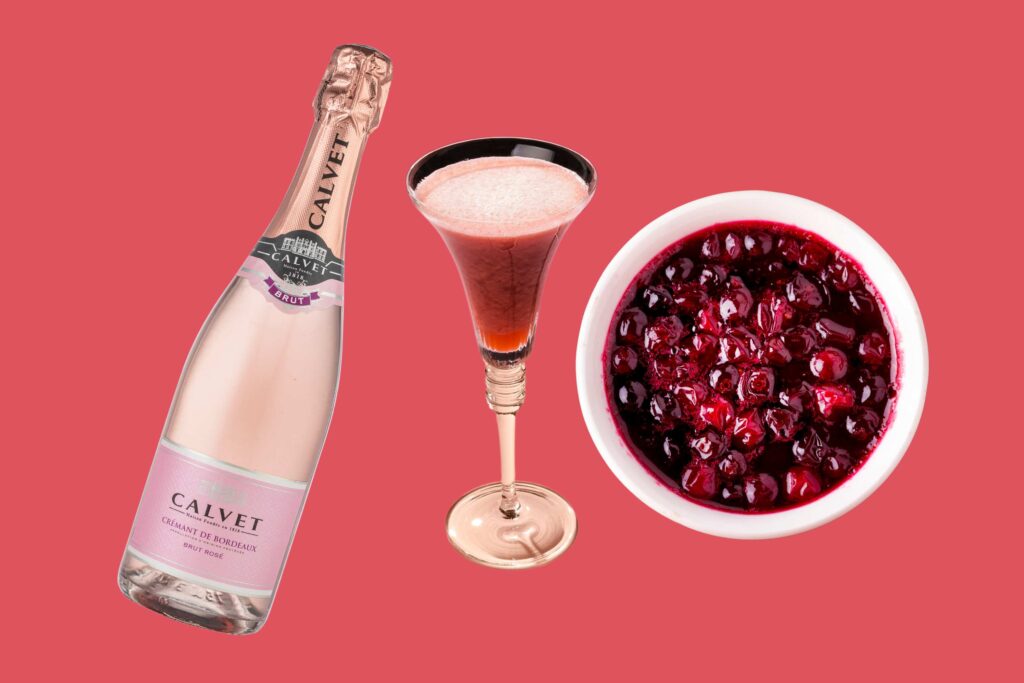
This soft and fruity sparkling rosé (£12, Ocado) brings an expressive bouquet of fresh raspberry and lime aromas to your festive cocktail menu. Made with Merlot and Cabernet Franc grapes in the heart of Entre-deux-Mers, it pairs beautifully with cranberries and redcurrants and therefore makes a killer Christmas cranberry bellinis. 

Its highly aromatic profile delivers a long and complex finale that makes it perfect not just as an aperitif, but as your Christmas dinner wingman. Those fruity notes will  complement cranberry sauce, a cranberry mimosa and even cranberry Wensleydale cheese if you’re feeling adventurous with your festive cheeseboard. 

Grape Varieties: 90% Merlot, 10% Cabernet Franc

Calvet Crémant de Bordeaux Rosé, Bordeaux, France (£12, Ocado)


LaCheteau Crémant de Loire

Ideal with crab…

Looking for something to pair with that showstopping crab starter? This £16 gem from Ocado is your new best friend. With its straight and lively attack (fancy wine speak for “it’s got personality”), well-structured body, and persistent effervescence, it’s got enough zing to make seafood sing. Those notes of lemon, tangerine, and exotic fruits? They’re practically doing a Christmas conga with your crustacean. The persistent effervescence ensures each bite of crab remains as exciting as the first.

Grape Varieties: 70% Chenin Blanc, 20% Cabernet Franc, 10% Chardonnay

Lacheteau Crémant de Loire, Loire, France, (£16, Ocado)


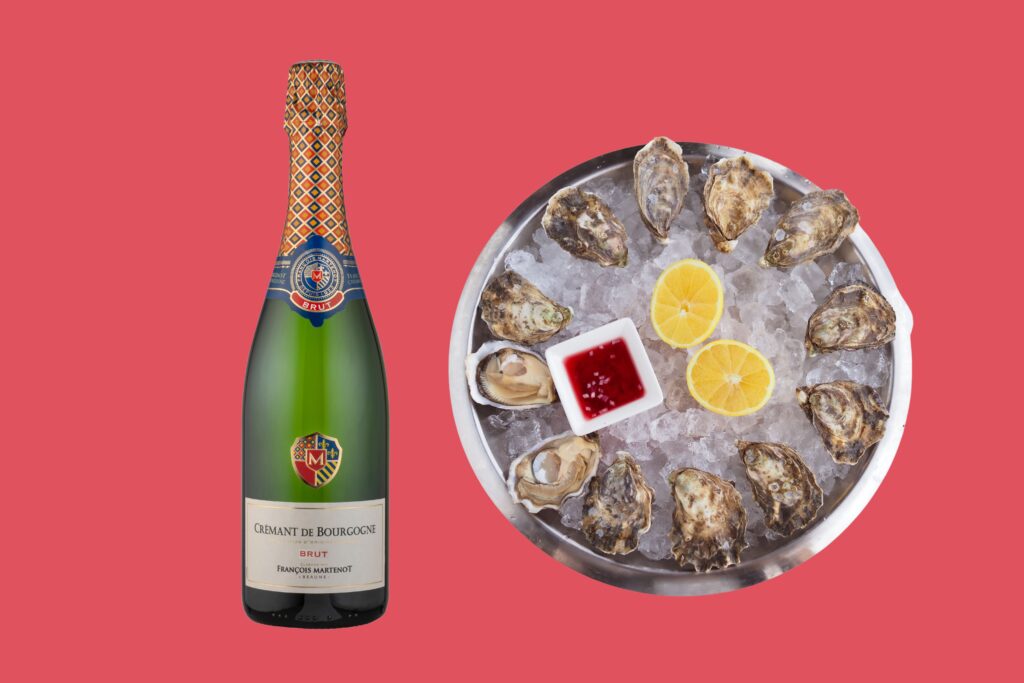
François Martenot Crémant de Bourgogne

Ideal with oysters…

If you’re feeling particularly fancy (it is Christmas, after all), this £18 bottle from Ocado brings all the finesse and aromatic intensity you’d expect from Burgundy. Its pale yellow hue and great freshness make it the perfect partner for oysters – because nothing says “I’ve got my life together” quite like serving oysters at Christmas.

Grapes: 65.41% Chardonnay, 0.59% Pinot noir, 29.74% Gamay, 4.84% Aligoté

François Martenot Crémant de Bourgogne, Bourgogne, France, (£18, Ocado)


Carod Crémant de Die

Ideal with seared scallops…

For just £11.90 (Amazon), this tiny French appellation delivers big on flavour. Coming from small plots along the Drôme valley, this buttery beauty combines aromatic richness with a fresh finish that’s “to die for” (their words, but we’re not arguing). 

It’s the kind of wine that’ll have your guests asking where you discovered it. Partner it with perfectly seared scallops for a starter. With its fine, light mousse and lovely pale gold colour, plus those delicate notes of apple and green, it perfectly elevates the delicate sweetness of said scallops. 

Grape Varieties: 85% Clairette Blanche, 10% Aligoté, 5% Dry Muscat

Carod Crémant de Die, to die for edition, Die, France (£11.90, Amazon)


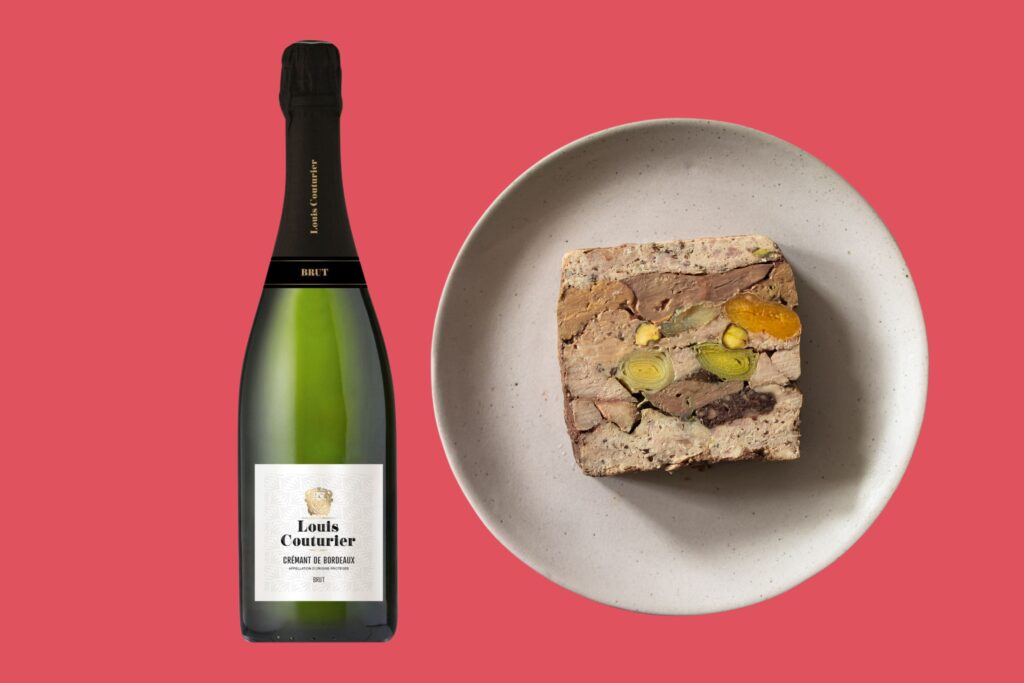
Louis Couturier Crémant de Bordeaux

Ideal with pâté

At just £12 from Morrison’s (or a jolly £10 from Tesco – £9 with Clubcard!), this deliciously fresh Crémant brings the best of Bordeaux to your Christmas table. This generous crémant shows plenty of character with every sip. Expect a symphony of peach and nectarine flavours, with expressive aromas of lemon sorbet and brioche, all enveloped with fine, delicate bubbles.

Smooth and taut in the mouth, it’s perfect paired with creamy pâté for a starter that’ll have everyone thinking you’ve spent far more than you actually have. The wine’s fresh and lemony character cuts through the richness of the pâté while those brioche notes complement the flavour beautifully.

Grape Varieties: 60% Sémillon, 40% Merlot

Louis Couturier Crémant de Bordeaux, Bordeaux, France (£12, Morrison’s and £10, Tesco (£9 with Clubcard))


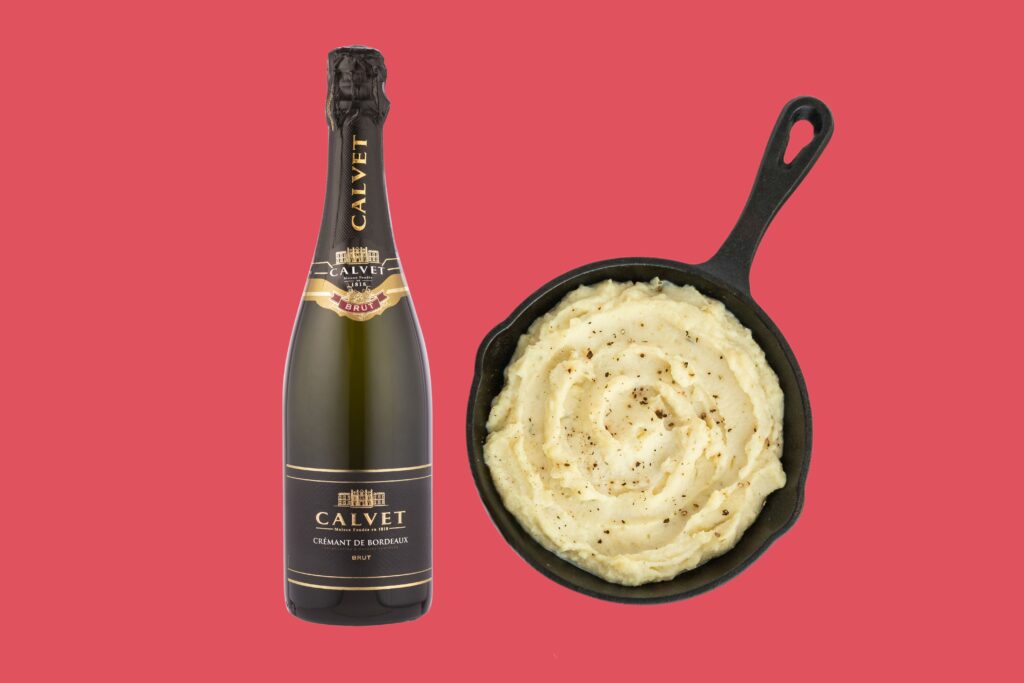
Calvet Crémant de Bordeaux Blanc

Ideal with bread sauce…

For £11 from Ocado, this golden-yellow beauty with its fine and persistent bubbles offers a fresh and balanced palate that’ll elevate your traditional bread sauce to new heights. Expressing notes of yellow fruit and toasted brioche touches that complement the creamy, nutmeg-spiced sauce perfectly – because someone finally figured out how to make bread sauce sophisticated.

Grape Varieties: 70% Sémillon, 30% Cabernet Franc

Calvet Crémant de Bordeaux Blanc, Bordeaux, France (£11, Ocado)


François Martenot Crémant de Bourgogne Rosé:

Ideal with fruit desserts

Who says you can’t pair bubbles with dessert? This pale pink number (£18, Ocado) with its fine bubbles and subtle flavours of redcurrant and raspberry is like Christmas in a glass. The attack is wonderfully frank in the mouth (that’s wine speak for “it makes an entrance”), revealing fruity and persistent aromas that give way to a dry and balanced finish.

Those fruity and lengthy aromas make it a dream partner for your fruit-based puddings. Christmas trifle, anyone? This remarkable gourmet partner proves that sometimes the best things in life come with bubbles.

Grapes: 65.41% Chardonnay, 0.59% Pinot noir, 29.74% Gamay, 4.84% Aligoté

François Martenot Crémant de Bourgogne Rosé, Bourgogne, France (£18, Ocado)


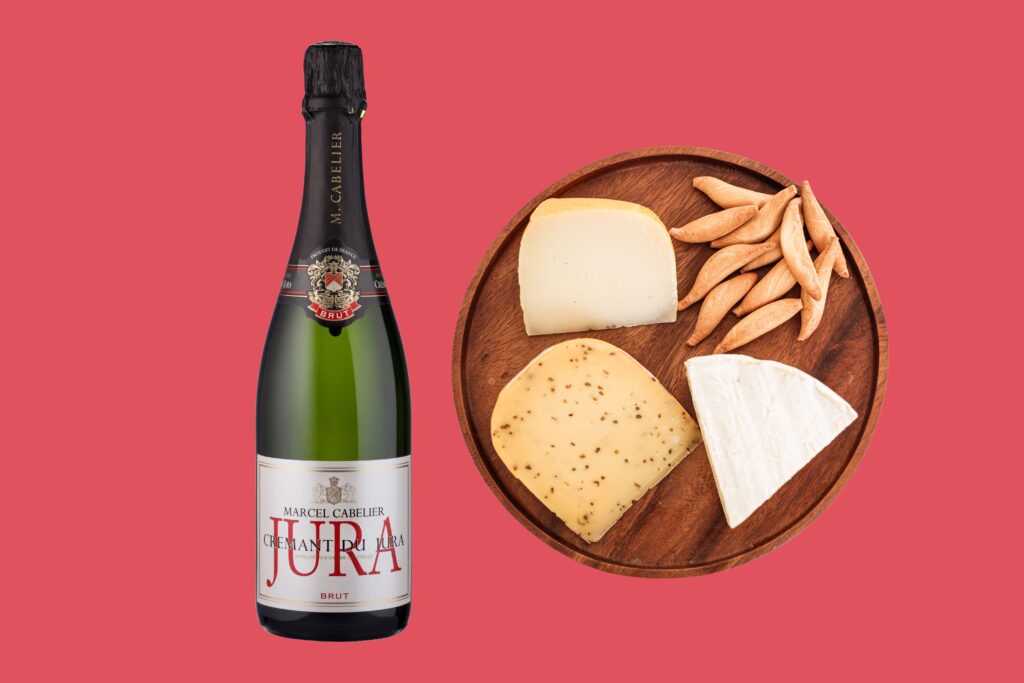
Marcel Cablier Crémant de Jura:

Ideal with your festive cheeseboard

When it’s time for the cheese course (aka the best part of Christmas dinner), reach for this elegant, harmonious Chardonnay-based Crémant (£14.88, Xtrawine). It’s particularly magnificent with cheese from its home region – think Comté or Emmental. Because when in Jura, do as the Jurassians do. The secret to its complexity? Each bottle is aged for at least a year, developing a sophisticated profile of floral notes, ripe citrus flavours, and toasty brioche that will have your cheese board singing carols.

Marcel Cablier Crémant de Jura, Jura, France (£14.88, Xtrawine)


Cave de Lugny Crémant De Bourgogne

Ideal for an all rounder…

This elegant, dry cremant made with 100% chardonnay grapes, grown on the slopes of the Lugny district, in the Mâconnais, Southern Burgundy is a great all rounder. It has a biscuity and honey flavour, with a tiny touch of ginger spice. It pairs perfectly with crab, lobster and oysters. Its brioche notes make it ideal for pate, too. It also works well with Indian inspired curries, should you be turning those turkey leftovers into a Boxing Day curry.

Finally, we’ve just learned that Andy Murry likes to have sushi for his Christmas day lunch (no comment, indeed) but he’ll be pleased to know that this cremant pairs perfectly with with sushi, too.

Grapes: 100% Chardonnay

Cave de Lugny Crémant De Bourgogne, Burgandy, France (£16.99 Waitrose)

The Bottom Line

While champagne might get all the glory, Crémant is the savvy host’s secret weapon this Christmas. With its champagne-worthy quality and Prosecco-beating price tag, it’s the ultimate hack for festive entertaining. These sparkling alternatives bring all the sophistication you need for your Christmas feast, without the eye-watering price tag of their champagne cousins.

So this festive season, let’s raise a glass to Crémant – the sparkling wine that proves you don’t need to remortgage your chimney to serve something spectacular. Your guests will be impressed, your wallet will be relieved, and you’ll look like the most sophisticated host this side of the Channel. Now that’s what we call a Christmas miracle!

And if anyone asks where you discovered these magnificent pairings? Well, some Christmas secrets are best kept under wraps…

So, You’re Hosting Your First Christmas This Winter?

As the older generation gets older, the younger generation assumes responsibility for honoring family traditions. Your parents might have hosted Christmas for every year of your life, but for one reason or another — maybe they lack the energy to host, maybe they have downsized their home — they aren’t doing it this year. And, for one reason or another — you are the oldest child, you have the largest house, you are most enthusiastic about the holiday — you have taken up the host’s mantle.

However, your parents probably made Christmas look easy. As a major holiday, Christmas involves all sorts of traditions big and small that you must honor — or else you will suffer the wrath of the rest of your family. If you want to celebrate Christmas as you are accustomed to, you need to start planning the event for your home, ASAP. Here are a few tips to help make your first Christmas a true success.

List Your Most Important Traditions

Every family celebrates Christmas slightly differently, and when you host the holiday, you will inevitably put your own spin on your family traditions. Still, before you start changing the holiday, you should have a complete picture of all the important elements involved in Christmases past. You can begin by listing out any tradition you remember, big or small, but you might ask members of your family to contribute traditions that they cherish, so you can be certain that you are not forgetting a key component of Christmas.

Some of the most important traditions to maintain are those that add structure to the holiday. For example, if the Christmas season kicks off with a family trip to chop down a real tree, you should allocate a space in your home and invest in accessories for the tree, like Christmas tree stands, skirts, lights and toppers. You will also need to schedule various events on Christmas Eve and Christmas Day, like cookie baking, formal feasts, present openings and more.

However, you should not be afraid of cutting traditions that cause excessive stress for many members of the family. For example, if you and your cousins put on a Christmas pageant or play when you were younger but the next generation is staunchly opposed to performing, you might replace it with a Christmas movie binge, a Christmas board game tournament, a Christmas craft or some other group activity. Traditions should cause joy, not strife, and as the host, you get to decide which traditions stick around.

Reimagine Your Space

Your home is likely to see more people visit during the Christmas season than it typically welcomes for the entire rest of the year. As the Christmas host, you will need to reimagine your interior spaces as entertaining spaces capable of fitting as many people as will celebrate the holiday with your family.

There are two main areas of interior design that matter during holiday festivities: room flow and seating. There should be a natural flow to your interior spaces, allowing guests to enter your home and navigate easily to the spaces you intend for them to be. To achieve this, you may need to rearrange the furniture in your entryway and foyer, creating more openness and wider walkways to facilitate movement. Next, you need to be certain that there are enough places for your guests to settle comfortably during your events. You may need to put some less functional pieces of furniture into storage and rent or borrow tables, chairs and sofas to achieve your seating goals.

Outsource, Outsource, Outsource

If you are a type-A person, you might be tempted to retain control over every element of your family’s Christmas celebrations — but this is a mistake. There are far too many components of Christmas to keep track of, especially over the course of Christmas Eve and Christmas Day, and assuming the full responsibility of the holiday will only cause you stress and grief.

At least for your first few holiday seasons, you should work with your siblings or other close loved ones to share Christmas responsibilities. The easiest traditions to break up and distribute are the various Christmas feasts. You might assign different family members total control of different feasts — for example, one person handles the Christmas morning breakfast while another takes on Christmas dinner — or you might make each feast into more of a potluck. Then, you can spend less of your time sweating in the kitchen and more of your time enjoying the company of your loved ones.

Clean Up Before Christmas Ends

Before you allow anyone to leave your final Christmas celebration, you must enlist them to help you clean up and get organized for the end of the season. Guests usually do not mind wrapping up leftover food, washing and drying dishes, tossing out garbage and performing other simple clean-up duties, and many hands can accomplish so much more in much less time than your two hands alone.

Time brings change, even to tradition-laden holidays like Christmas. Fortunately, you can make the most of your first time hosting Christmas, and with the right preparation, you should be able to give everyone memories that will last a lifetime.

We realise that we haven’t covered Christmas dinner in the detail it deserves. Well, we’ve done just that here, so head on over and cook the greatest turkey of your life.

Where To Find The Best Pho Vit (Duck Noodle Soup) In Hanoi

Pho has a tangled history, and the facts about its origins are more murky than a bowl of the good stuff that’s had too much tương ớt added. Some say it was born of necessity – the French colonialists slaughtering cows for steak and such, and resourceful Vietnamese chefs making use of the leftover bones and scraps to glorious effect. 

Others believe that it was simply an adaption of the French dish pot-au feu, which shares a certain phonetic similarity to ‘phở’. That supposition – a French one – has been largely debunked. There are others still who say that the term pho came from ‘pham’, which is the Vietnamese pronunciation of fen – the Chinese word for flat rice noodle. 

Despite some disagreement about its origins, the most common consensus is that pho came from southeast of Hanoi (reportedly out of Nam Dinh Province, sixty miles from the capital) and eventually made its way all over Vietnam, with different regions putting their own spin on the soup.  

There’s even been a pho festival this year, providing the opportunity for tourists and locals to get to know and enjoy the different flavours of pho that are associated with regions across the country. Vietnam is said to be preparing a dossier to be submitted to UNESCO to inscribe Vietnamese Pho with World Heritage status – the festival is in lead up to this. 

Lesser known outside Vietnam is duck Pho.

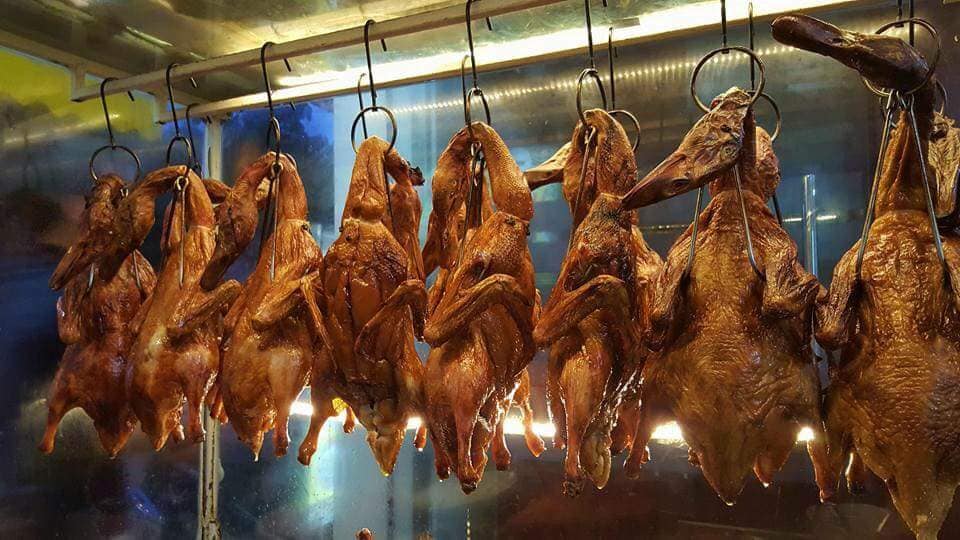
Breaking away from tradition, duck pho has become popular in Hanoi recently. A speciality from the mountain regions in the Northeast of Vietnam, it’s bloody good on one of Hanoi’s surprisingly chilly winter evenings. 

Ideal for Michelin-recommended duck pho

Area: Hoan Kiem (Old Quarter)

If you’re looking for the best duck pho in Hanoi, the easiest and most accessible place to try a bowl is at Don Duck in the Old Quarter. Recommended by the Michelin guide, as the name suggests this restaurant specialises in all things duck. The owner Kiem is a lovely guy and will gladly explain the provenance of his ducks to you so we don’t have to. He – and his cooks – prepare this beautiful bird in all the ways you can imagine. We’re here for the duck pho, of course…

Don Duck’s pho has an unmistakable fattiness from the natural coverage of the duck. Warm spices give a subtle nuance to the aromatic broth. While this isn’t the cheapest pho in town, it’s an interesting and delicious one. 

Since you’re here, order a bowl of spring rolls to start, the dipping sauce of which is made using their six-hour duck bone broth and more than 20 spices. It’s a complex thing, and totally worth an order.

Address: 29 P. Bát Đàn, Cửa Đông, Hoàn Kiếm, Hà Nội, Vietnam

Facebook@Don-Duck


Vit Quay Quan Lang

Ideal for a provincial duck pho

Area: Ha Dong District

Vịt Quay Quán Lạng is a renowned restaurant on the outskirts of Hanoi city centre, celebrated for its delectable roast duck dishes. Originating from the Lang Son province in Northern Vietnam, the star of the menu is, of course, the eponymous roast duck (vit quay), which blesses their pho.

This dish combines the rich, savoury flavours of roasted duck with the aromatic and comforting qualities of pho to great effect. Clear and aromatic from a low and slow simmering of duck bones, herbs and spices, the broth itself is typically lighter than a beef pho but still rich in flavour. 

While you’re here, try a bowl of pho chua (sour pho); a lesser-known but totally refreshing variation of pho that hails from the northern regions of Vietnam, particularly Lang Son. Unlike traditional pho, which typically emphasises savoury notes above all else, pho chua is known for its tart, tangy flavour profile. If you’ve had your fill of traditional pho, as we now have, consider this variation for a change.

Address: 164 P. Nguyễn Văn Lộc, P. Mộ Lao, Hà Đông, Hà Nội 12110, Vietnam 

Facebook:@Vitquayquanlang

Let’s zoom out, and check out Hanoi’s broader street food scene next. Join us; you know you want to.

Where To Find The Best Pho Chay (Vegetarian Noodle Soup) In Hanoi

Purists may baulk at the notion of a vegetable-based pho, but pho chay, the vegetarian version of the Vietnamese national dish, can be a deeply hearty, savoury affair. Dried wood ear mushrooms bringing plenty of umami, whilst ginger, spring onions, soy sauce, and spices add deeper layers and plenty of warmth.

Vegetarian pho, or pho chay, originated from the Buddhist cuisine of Vietnam, where monks adapted traditional meat-based pho by creating imitated beef, chicken, and vegetarian broths. 

Influenced by Buddhist principles of ‘ahimsa’ or non-violence, pho chay avoids not only meat but also root vegetables and strong-smelling plants like onions and coriander. This results in a distinct version of pho that lacks the familiar aroma and flavour of traditional pho, but is still a delicious bowlful.

Here’s where to find some of the best pho chay in the city…

Pho Chay

Ideal for an unassuming yet exemplary vegetarian pho

Area: Hai Ba Trung District 

The restaurant, on the same strip as the original Pho Thin from earlier, doesn’t look like much from the outside. But then, not many pho shops do, exactly. Pho Chay is particularly unassuming, so narrow and branded in the same yellow-and-green as a famous local bank that we thought it was an ATM on our first visit.  

Step over the threshold and pull up one of just four stools, and order a baby or big bowl. Whichever size you go for, this one is defined by the popular meat alternative seitan, which here does a fine job of masquerading as beef. Plenty of deep fried treats (tofu, slices of quay akin to croutons…that kind of thing) bring a much-needed sense of textural contrast. The salted lime drink here is as refreshing as it comes on a hot Hanoian day. Mmm, electrolytes…

Address168 P. Lò Đúc, Đống Mác, Hai Bà Trưng, Hà Nội, Vietnam


Pho Suong Co Muoi

Ideal for 100% vegan pho

Area: Hai Ba Trung District 

We’ve already spoken about Pho Suong’s legendary beef pho before on IDEAL. Well, they also do a great vegan beef pho, clearly stating that no animal has been used, which is reassuring in a country that sometimes plays a little loose with the whole ‘chay’ description.

Billing it as a bowl for everyone, the cooks here say that “if you’ve had enough of salty dishes, then the delicious and thick vegetarian pho is very suitable to cleanse your body between those daily meals of fish and meat”.

Again, perhaps the idea of a vegan diet hasn’t been totally taken onboard, but this Pho Suong’s pho chay is a satisfying thing whichever way you look at it.

Address: 1a P. Đặng Thai Mai, Quảng An, Tây Hồ, Hà Nội, Vietnam

For something decidedly meatier and also a little left of centre, Hanoi does great duck pho, too. You know what to do.

7 Ways To Make Christmas Morning Even More Special

Christmas morning… For children, it’s unsurpassed for magic, sparkle and spectacle, with stockings to unpack, presents to open, Santa to spot and an intense level of excitement that makes sleeping a single wink the night before impossible.

But for adults, Christmas morning tells a very different story; one of hangovers and trepidation, of enduring small talk and a longing for lunch to begin.

Reconnect with your childlike wonder over Christmas and make the morning as enjoyable as the rest of the day. If you’re looking to change things up on your usual Christmas day, start with these; our 7 ways to make Christmas morning even more special. 

Do All Of Your Food Prep In Advance

First things first, if you want to enjoy Christmas morning, you don’t want to be stuck in the kitchen, slaving away at the stove and checking your watch nervously. Instead, get ahead with these preparatory steps:

  1. Prepare your cranberry and bread sauce a month in advance and freeze it.
  2. Make a gravy master stock with plenty of flavour in the weeks leading up to Christmas Day. Then, you can whip out on the day; simply add the juice from the turkey on the day and whisk in some cold cubes of butter for a delicious and hassle free gravy.
  3. Pigs in blankets and stuffing balls can be made in advance and frozen, too. 
  4. If you’re looking for easy ways to pimp up your vegetables quickly, consider a bacon butter made ahead of the day.
  5. Peel all of your potatoes on Christmas Eve and keep them in water in the fridge overnight.
  6. Brine your turkey on Christmas Eve. Then, even if you forget to baste it regularly the next day, it’ll still be super juicy and tender.
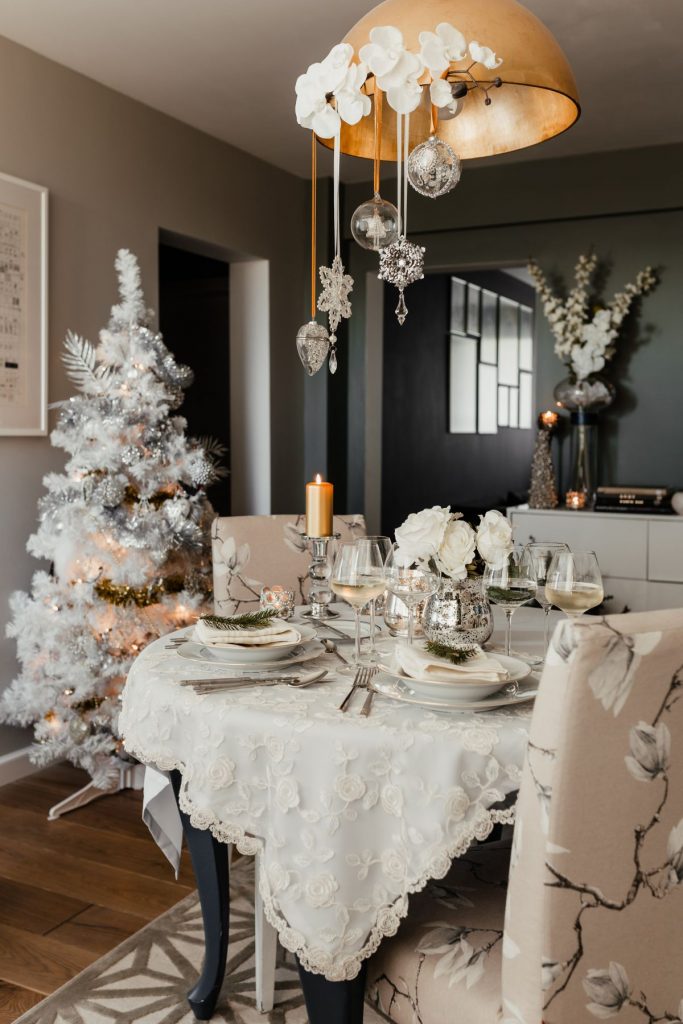
  7. You could even lay the dining table the night before.

By preparing in advance, there will also be less cleaning and washing up to do on Christmas morning, leaving you to enjoy the start of the day with a glass of fizz in hand. Remember, successful and unstressed little elves will always do some prep work ahead of time! 

Create A Magical Christmas Morning Atmosphere

Transform your living space into a winter wonderland before anyone wakes up. Dim the overhead lights and rely instead on the warm glow of fairy lights, candles, and your Christmas tree illumination. The soft, twinkling ambience will make the morning feel truly enchanting from the moment everyone enters the room.

Consider adding some subtle festive scents to complete the sensory experience—perhaps lighting a cinnamon or pine-scented candle, or using a reed diffuser with seasonal fragrances. You might even scatter some fresh pine sprigs around the mantelpiece or windowsills for that authentic Christmas tree aroma.

If you’ve got a fireplace, get it crackling early—there’s nothing quite like the cosy warmth and gentle sounds of a real fire to make Christmas morning feel special. Even if you haven’t got a real fire, many smart TVs now offer realistic fireplace videos that can create a similar effect whilst keeping everyone toasty.

Begin With An Extra Special Christmas Coffee

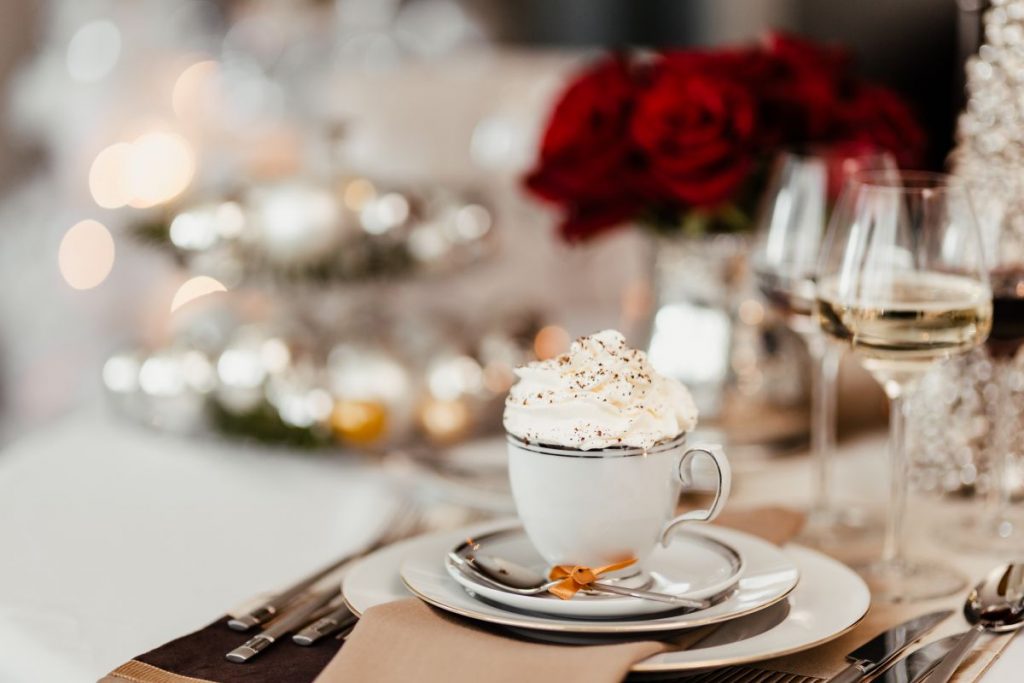
To get into the spirit of the day, why not add in some festive ingredients that can spice up your usual morning beverage. Whether you want an indulgent, creamy texture or a buzz of something stronger, Christmas morning should be all about indulgence. So, turn the festive frivolity up several notches by topping your mug with plenty of sprinkles and lashings of whipped cream.

You can really get into the Christmas spirit by infusing the flavours of the festive season into your coffee, too. Consider toasting some star anise, cinnamon and cloves, then letting them steep in your pot of coffee for a few minutes as it brews, blessing it with festive flavour. Or, add a shaved curl of orange peel and a grating of nutmeg to your mug. 

If you’re looking to go that extra mile and recreate your favourite Starbucks Christmas coffees, such as the Toffee Nut Latte, Gingerbread Latte and Eggnog Latte, at home, then check out our article on how to do just that here

And as if we hadn’t spoiled you enough already, here are 10 ways to add Christmas magic to your coffee, too.

Cook A Festive Breakfast

A Christmas morning breakfast needs to set you up for the day, with something hearty, generous but not too meaty (you don’t want to spoil the turkey later, of course). How about a smoked salmon bagel with poached eggs and hollandaise for an extra special start to proceedings that won’t fill you up too much? Or, on the sweeter side of the spectrum, we think a slice of this cranberry and orange drizzle cake paired with some fresh fruit sounds rather delicious!

This should be washed down with a Buck’s Fizz; a Christmas morning staple, if ever there was one. Simply mix two parts sparking wine with one part orange juice, the fresher the squeezed orange juice, the better the result. However, if you’re not keen on orange juice, Prosecco with pomegranate juice is arguably even more refreshing.

A Canape & Christmas Drinks Kinda Morning

Christmas morning, soundtracked by the laughter of good friends and family (and Wham!), and scented with mulled wine… What could be better? If you have loved ones who live nearby, consider asking them around for canapes and Christmas drinks to kick the morning off right. 

Of course, you don’t want to be rushing around in the morning actually making the canapes. If you’d like to impress your guests with your cooking skills, simply make lots of little bites in advance that you can cook from frozen; think onion bhajis, samosas, spring rolls, and cheese gougeres. Or, for ease, no one’s judging you for sticking a few Iceland party food platters in the oven.

If you’re serving a drink to match the Christmas morning canapes, Prosecco is the connoisseur’s choice; it’s noticeably sweeter than Champagne and generally less astringent, making it a more considered, palatable affair for a pre-midday drink. Plus it’s more affordable. A win-win, you might say! 

For something that fills the house with the scent of Christmas, a warming pot of mulled wine is an easy drink to serve. Or, if you want to make something a little more impressive, consider making a batch of Christmas rum punch, which will put the spirit of Christmas into your guests, quite literally.

Go All-In On The Festive Fashion   

Dressing the part as soon as you wake up is a great way to welcome in the day, and can help you and the family differentiate the day from the uniform of PJs we’ve mostly been in for the last two years. With cameras likely flashing when you open your gifts, you want to be looking the part from the get-go.

Our personal favourite is some festive or fancy pyjamas paired with high heels and some Christmas costume jewellery. The world of Christmas novelty jewellery can be a fun one, spreading cheer to all. Think Jingle Bell earrings and bauble necklaces; the brasher and bolder, the better we say! We’re particularly fond of brooches that play music and the earrings that light up…aren’t you? 

Whether you stay in your best Xmas pyjamas, opt for a novelty jumper or change into your Christmas day frock in all its sequinned glory as soon as you wake up, wearing your festive outfit in the morning is a sure-fire way to declare loudly and proudly that you’re into the Christmas spirit. 

Curate The Perfect Christmas Morning Soundtrack

Music sets the mood for the entire day, so create a carefully crafted playlist that builds excitement and nostalgia in equal measure. Start with gentle, warming Christmas classics as people are waking up—think Bing Crosby and Nat King Cole—then gradually transition to more upbeat festive favourites as the gift-opening excitement builds.

Include a mix of traditional carols, beloved Christmas pop songs, and perhaps a few guilty pleasures that will have everyone singing along. Don’t forget to add some instrumental Christmas music for those quieter moments between the chaos of unwrapping presents.

Set up the music system the night before and have your playlist ready to go at the touch of a button. The right soundtrack will weave through the morning’s activities, creating that perfect Christmas atmosphere that’ll have everyone humming along and feeling properly festive.

Have a good one! 

The Great Unplugging: Your No-Nonsense Guide To Going Digitally Native In 2025

Remember when we thought turning off notifications was revolutionary? Those digital detox tips from last year already feel antiquated, let’s be honest.

As we hurtle towards 2025, we’re drowning in a digital soup that’s thicker than ever – and those gentle little ‘put your phone in another room’ suggestions feel about as effective as bringing a paper umbrella to a hurricane.

Let’s get real: Social media clearly has both positive and negative impacts, but in 2025, we need proper, grown-up solutions for a world where we’re all convinced Jeffrey Bezos is listening to our conversations in the pub. Welcome to your guide to the radical art of digital rebellion – because half-measures just won’t cut it anymore.

Why Now? Because, Honestly, It’s Getting Weird Out There

Picture this: You’re having dinner with friends, and everyone’s watch is quietly judging their posture. Your smart ring is monitoring your stress levels (spoiler: they’re high because you’re being monitored), and somewhere in your house, your fridge is passive-aggressively adding oat milk to your shopping list. We’ve gone from being digital users to digital hostages, and Stockholm syndrome has set in hard. And yes, we realise there’s a certain irony to the fact you’re probably reading this on your smartphone…

Design by IDEAL image © via Canva

The New Rules of Digital Rebellion

The Monthly Digital Exodus (And Why It’s Not As Scary As It Sounds)

Forget hour-long digital breaks – they’re the equivalent of thinking a slice of cucumber in your burger counts as a salad. Instead, we’re talking about a full weekend of glorious digital nothingness every month. Picture yourself waking up to actual birdsong instead of Twitter notifications. Radical? Perhaps. Life-changing? Absolutely. Here’s how to do it properly…

The Friday night ritual begins with the ceremonial Unplugging of Everything. Yes, everything. Your WiFi router becomes a very expensive paperweight. That smart home hub? Give it the weekend off. Tell your family you’re going ‘old school’ and give them your neighbour’s landline for emergencies (buy them chocolates in advance – trust us on this).

What happens next is where it gets interesting. That first Friday evening might feel like you’ve lost a limb. By Saturday morning, you’ll start noticing things – like how your coffee tastes different when you’re not scrolling through Instagram, or how your cat has apparently been doing this hilarious thing with their tail for years and you’ve just never had the presence of mind to notice.

The Analogue Palace Revolution

Instead of treating tech-free spaces like sad little corners of denial, we’re going to turn them into temples of analogue joy. Your bedroom? It’s about to become so deliciously retro-cool it hurts.

Start with sound: Get yourself a proper record player – and yes, vinyl really does sound better, snap, crackle and all. Add some decent speakers, and suddenly your bedroom is a concert hall without a single notification in sight. The ritual of choosing a record, carefully placing the needle, and actually listening to an album in order? Pure magic.

Next up: Light. Chuck out those app-controlled bulbs and invest in some proper mood lighting. Himalayan salt lamps, anyone? They’re kitsch, but they work. Add some proper candles (not those tired tea lights you’ve had since uni), and suddenly your room feels less like a Best Buy showroom and more like a sanctuary.

Read: 8 ways to feng shui your bedroom

The Art of Intentional Inconvenience

Here’s where we get controversial: What if making things harder is actually making them better? It’s time to embrace what we’re terming ‘beneficial friction’ – the art of making technology just annoying enough to be mindful about using it.

Start with your phone. That sleek, beautiful thing? It’s going on a diet. Delete every app that you wouldn’t confidently tell your grandmother about. Email? Gone from your phone. Social media? Goodbye. Your phone should be as dumb as legally possible while still being able to call your mum. Not dumb. Don’t call your mum dumb. Grrr; got in a pickle here…

But here’s the twist: For every app you delete, add something analogue to your life. Deleted your meditation app? Buy a singing bowl (your neighbours will be too immersed in their chocolates to notice). Removed Instagram? Time to learn actual photography – with film. There’s something wonderfully pretentious about carrying a film camera, and we’re here for it.

The Quarterly Digital Purge (Or: How To Marie Kondo Your Cyber Life)

Every three months, you’re going to scorch-earth your digital life. It’s like a spa day for your online existence, but instead of cucumber water (clearly got cucumbers on the mind here), you’re drinking the sweet nectar of digital minimalism.

Here’s the process: First, delete every app on your phone. Yes, every single one. Now, before you have a panic attack, understand that this is temporary. The trick is in what happens next: For the next two weeks, only reinstall apps when you actually need them. Not want them – need them.

What you’ll discover is fascinating. Those 48 apps you had? Turns out you only use about seven of them with any real purpose. The rest were just digital comfort blankets.

The Art Of Aesthetic Minimalism

This is possibly our favourite hack for 2025: Turn your entire digital world grey. Not just your phone – everything. Your laptop, tablet, smart watch, the lot. Colours are emotional manipulators, and tech companies know this. Going greyscale is like putting on digital sunglasses – suddenly, everything is less urgent, less damn needy, less ‘click me now!’

The Physical Revival Movement

Here’s something radical: Start a Physical Things Club. Yes, it’s exactly what it sounds like. Monthly meetups where everyone brings something completely analogue to share. Vintage cameras, typewriters, board games, instruments – anything that doesn’t need charging.

These gatherings become something special. Picture it: A room full of people actually looking at each other, handling physical objects, sharing stories. No one checking phones because phones aren’t invited. It’s like time travel, but with better coffee and fewer diseases.

The Unexpected Benefits (Or: What Actually Happens When You Go Radical)

The real magic happens about three months in. You’ll start noticing changes that go way beyond “I sleep better now.” Your attention span? It comes back like a boomerang. Creative ideas? They start flowing when your brain isn’t constantly processing notifications.

But the really interesting stuff is in your relationships. Conversations become deeper when neither person is waiting for their phone to buzz. Memories feel more solid when you’re not experiencing them through a screen first. Even your sense of direction improves when you’re not outsourcing it to Google Maps.

Making It Sustainable (Without Becoming That Person)

Here’s the thing about digital detoxing in 2025 – it’s not about becoming a tech-refusing hermit. It’s about being a digital rebel with a cause. The goal isn’t to never use Instagram again; it’s to use it on your terms, when it adds value to your life.

Form a support group. Call it something ironic like ‘The Luddites’ Brunch Club’or ‘Analog Anonymous.’ Meet regularly. Share victories (“I went a whole weekend without Whatsapp!”) and setbacks (“I tried to double-tap a physical photo”). Make it fun, make it social, make it slightly ridiculous.

Looking Forward (Through Analog-Tinted Glasses)

As 2025 begins to emerge on the horizon, we’re not just talking about a digital detox anymore. We’re talking about a digital revolution. One where we use technology instead of letting it use us. Where our devices enhance our lives instead of consuming them.

The real luxury in 2025 won’t be having the latest smartphone – it’ll be having the confidence to own a flip phone. The ultimate status symbol won’t be being always connected – it’ll be being deliberately disconnected.

So here’s to 2025: The year we take back our attention, reclaim our time, and maybe, just maybe, remember what it feels like to be bored. Spoiler alert: It’s actually kind of wonderful.

Ideal Christmas Cooking Tips From Some of Our Favourite Chefs

We could all use a spot of indulgence after the year we’ve had, so why not try out one of our chefs’ top tips for an extra special Christmas lunch? From how to achieve the crispest of roast potatoes to the ideal turkey alternatives, we’ve got you covered. Here are the IDEAL Christmas cooking tips from some of our favourite chefs.

Vivek Singh, Executive Chef and CEO of The Cinnamon Collection 

“I’m a firm believer in trying different things – it’s always exciting when you accidentally discover something that tastes amazing. This year, why not try sprinkling spice onto your roasts? It will add a whole new dimension. You can also marinade meats in spice mixes overnight to bring new layers of flavour.”

www.thecinnamoncollection.com

Kerth Gumbs, Head Chef of Fenchurch and BBC Two’s Great British Menu 2020 Finalist

“As well as brining your turkey to avoid it being bland and dry, I also like to prepare a butter and spice mixture (it can be any spice you like) to rub over it before cooking. Keeping the butter cold allows me to roll it out with a rolling pin. Then, by running my fingers under the skin of the turkey breast, I create a gap that allows me to spread the butter mixture directly on to the flesh of the bird. This is a very good way to help the meat stay moist, tender and fragrant.”

By rimmabondarenko via Canva

Callum Graham, Head Chef of Bohemia at The Club Hotel & Spa, Jersey

“Getting your timings right is one of the hardest things for a lot of people when it comes to cooking on Christmas Day. I’d recommend writing a list of everything you need to do with times against each activity, from when the oven needs to go on and be pre-heated, right through to taking out the turkey and allocating resting time. It sounds simple, but it can be really helpful to have it all down on paper so nothing gets forgotten.”

“Preparation is really key for Christmas Day and anything you can prepare ahead of time you should do. Alongside peeling and cutting your vegetables on Christmas Eve, you could also make your cauliflower cheese so that it’s ready to just pop into the oven the next day. My top tip would be to make your Yorkshire pudding batter 24 hours before its needed, as that gives it ample time to rest and helps ensure you’ll get a good rise.”

www.theclubjersey.com

Jorjon Colazo, Head Chef of Aquavit London

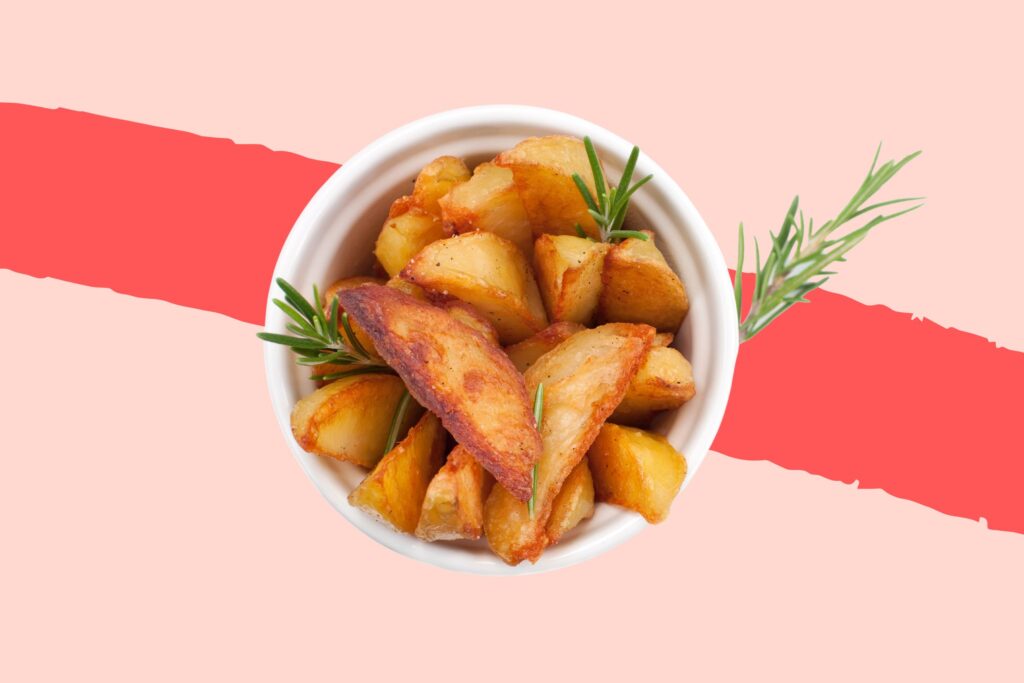
“To make sure you get really crisp potatoes, once you’ve par-boiled them, leave them to cool down slowly to room temperature before putting them in the oven. This helps the potatoes to dry out a little, and if there’s less moisture when they go in the oven they will end up super crisp on the outside, and perfectly fluffy on the inside.”

“Make your life easier on the big day by doing as much prep as you can. I always opt for cold starters at Christmas that I can make the day before, like a prawn cocktail for example. That way, you can just take them out the fridge and put them on the table and you’re ready to go, leaving you more time to focus on the important things. Also make sure to put plenty of drinks in the fridge in the run up to Christmas so they’re nice and chilled. No one likes warm bubbles!”

www.aquavitrestaurants.com

By inerika via Canva

Michael Carr, CD Reddington Pub Company

“For something a little different this Christmas, why not opt for duck instead of turkey. I’d recommend removing the legs first and roasting them in a baking tray alongside some juniper and chopped carrots. Once the legs are almost cooked, lay the duck breast or crown on top so they can roast together and come out at the same time, and this way you won’t dry out the breast. Serve with red cabbage, sprouting broccoli, Brussels fried off with bacon, roast potatoes, and plenty of cranberry jam – delicious!”

Oliver Marlowe, Owner Chef Director, The Hunter’s Moon

“To make sure you don’t end up with a dry turkey on the big day, I’d recommend brining your bird in a 10% salt to water liquid mix overnight prior to cooking. The salt dissolves some of the muscle proteins, meaning the meat contracts less while in the oven so therefore it loses less moisture. It really gives a game changing depth of flavour, and makes it very difficult to overcook so there’s one less thing to worry about on the big day!”

www.huntersmoonlondon.co.uk

5 Tips For Cooking The IDEAL Turkey on Christmas Day

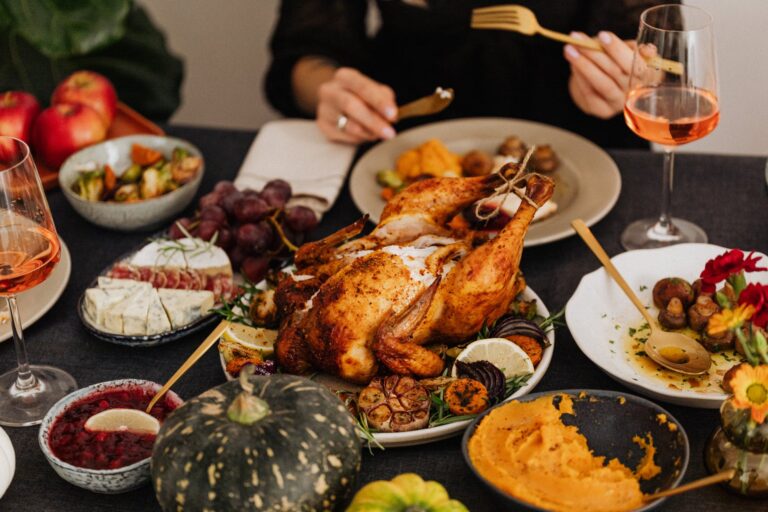
With Christmas just around the corner, it’s time to prepare for the big one, the true meaning of the festive season; dinner. With the help of Michelin starred Bohemia, here are our 5 tips for cooking the IDEAL turkey on Christmas day.

INVEST IN A TURKEY

Don’t scrimp on the main event. Spending that little extra on an organic or free-range turkey is totally worth it. Not only is it ethically sourced – conscious relatively clear, then – it will also have better nutritional benefits and deliver on clarity and depth of flavour. If there’s one day where money seems no object, it’s Christmas. The bird, then, is a worthy investment.

PREPARATION IS KEY

Wash and thoroughly dry the cavity of the bird before leaving it to reach room temperature. This is essential, and a step not to be neglected. Next, putting a moderate amount of softened butter under the skin of the bird will ensure it remains moist. Finally, truss the legs together so it retains its shape throughout cooking. Follow these simple steps, and you’ll have an absolute showstopper of a centrepiece. 

FESTIVE FLOURISHES

Stuff the cavity of the turkey with herbs, citrus fruits and an onion to add flavour. However, it is important to ensure there is space for heat to circulate, so don’t stuff it in too tightly. To make the stuffing seasonal, add some festive favourites such as cranberries, chestnuts, sage and clementine zest; just be sure to balance them thoughtfully as they’re a highly perfumed, citrusy bunch!

GLORIOUS GRAVY

For many, the meal hinges on the gravy. Don’t dispose of the caramelised juices left behind by the turkey as they make the perfect base for your sauce; there’s so much flavour lurking in that murky looking bottom of the pan. Adding Madeira, a tbsp of plain flour and quality stock to these, then reducing with fair vigour, will make your gravy rich and delicious.

STRESS-FREE CARVING 

Good news for those always in a flap when adding the finishing touches; the final half hour needn’t be concerned with the bird. Leave the turkey to rest for at least 30 minutes before carving to allow the meat to relax, making carving easier and the flesh juicier. Separating the breasts from the legs and thighs will make carving a lot more manageable as you can simply slice the breast meat, and the rest should fall off the bone.

48 Hours In Ljubljana: Slovenia’s Storybook City

Nestled between the Alps and the Adriatic, Ljubljana might be Europe’s most enchanting capital you haven’t visited yet. This pocket-sized city, with its emerald river, castle-crowned hill, and streets that feel lifted from a fairytale, manages to pack all the culture of its larger neighbours into a delightfully walkable centre. While tourists flock to nearby Venice or Vienna, those in the know slip away to Slovenia’s capital, where dragons guard bridges and local wines flow freely in cobblestone courtyards.

Slovenia’s capital city has undergone a remarkable transformation since gaining independence in 1991. The pedestrianised centre, once clogged with traffic, now hums with café life and street musicians. This renaissance, coupled with the city’s commitment to green initiatives (it was named European Green Capital 2016), has created one of Europe’s most liveable – and loveable – capitals.

Day 1: Dragons & Delicacies 

Breakfast: Coffee and Culture 

Begin your Ljubljana story at the city’s beating heart – the Central Market, conveniently located between the Triple Bridge and Dragon Bridge. This open-air feast designed by beloved architect Jože Plečnik stretches along the Ljubljanica River, offering a crash course in Slovenian food culture. The colonnade’s elegant arches shelter vendors selling everything from foraged mushrooms to mountain cheese and local honey.

Start with a coffee at Črno Zrno, where locally roasted beans and the gentle morning bustle of market traders create the perfect Ljubljana awakening. Their cold brew, steeped for 12 hours, is a summer favourite among locals. For breakfast, explore the market’s dairy section, where farmers from surrounding villages sell fresh cottage cheese and sour milk – traditional Slovenian breakfast staples.

The market’s indoor section, housed in a striking modernist building, focuses on meat and fish. Look for vendors selling traditional Slovenian dried meats like pršut (air-dried ham) and zaseka (minced lard spread), perfect for picnic provisions later.

Morning: Castle Views 

Take the funicular up to Ljubljana Castle for sweeping views over terracotta roofs to distant Alpine peaks. While the funicular offers the easiest ascent, the walking path through the forested hill provides a lovely alternative, taking about 20 minutes through chestnut trees and offering occasional glimpses of the city below.

The castle’s Viewing Tower offers the best panoramas, but don’t miss the Museum of Slovenian History for context about this fascinating crossroads of European culture. Time your visit for noon to watch the firing of the cannon – a tradition dating back to 1813. The castle’s Chapel of St George, with its recently restored Gothic frescos, provides a peaceful respite from the tourist crowds.

The castle’s permanent exhibition on Slovenian history is particularly well-curated, offering interactive displays about everything from Roman Emona to the country’s independence. The Virtual Castle experience, using augmented reality to show the fortress’s evolution over centuries, is worth the extra few euros.

Lunch: Market Treasures 

Return to ground level for lunch at Klobasarna, a tiny spot specialising in Carniolan sausage, Slovenia’s protected national dish. These hearty sausages, served with fresh horseradish and mustard, offer a taste of traditional Slovenia. Pair it with local craft beer from nearby Human Fish Brewery, whose copper-coloured ale has won international awards.

For dessert, walk a few steps to Cacao, where they serve multiple varieties of potica, Slovenia’s traditional rolled pastry. The walnut version is classic, but the tarragon one offers an intriguingly different sweet-herbal flavour that’s unique to Slovenian cuisine. If you’re still hungry, pop over to Puffy Lil’ Pancakes – while it’s not a traditional Slovenian treat, it’s one of our favourite spots in the city for a pick me up.

Afternoon: Urban Exploration 

After lunch, follow the riverbank northeast to the famous Dragon Bridge, where four copper dragons stand guard. These fearsome creatures aren’t just decorative – according to legend, they wag their tails when a virgin crosses the bridge. The dragons have become such a symbol of the city that you’ll find their image everywhere from manhole covers to the local football club’s crest.

From here, it’s a short walk to the emerging Poljane district, where you’ll find an engaging mix of local life and historic architecture. Take Poljanska cesta towards the Metelkova Mesto, a former military barracks turned autonomous cultural centre that showcases the city’s alternative spirit. This ‘city within a city’ hosts numerous cultural events, from experimental theatre to electronic music nights. During the day, it’s a fascinating spot for photography, with every surface covered in murals, sculptures, and installations.

Just next door, the Ethnographic Museum offers fascinating insights into Slovenian folk culture, from beekeeping traditions to carnival costumes. The museum’s rooftop café provides another perspective on the city, particularly lovely at sunset. The whole area forms part of the Museum Quarter, making it easy to museum-hop if you’re culturally inclined. 

If you’re keen to buy your tickets for all of this complex in advance, then you can find tickets at HelloTickets.co.uk for events all around the world, including in Ljubljana.

Evening: Riverside Dining 

As dusk falls, the riverside comes alive. Secure a table at Michelin-starred Strelec Restaurant, housed in the castle’s archer’s tower. Here, modern interpretations of Slovenian cuisine meet medieval architecture. Their tasting menu showcases local ingredients like Istrian truffles and Piran sea bass, while the wine list features excellent Slovenian vintages from the Vipava Valley.

Chef Igor Jagodic’s creative takes on traditional dishes might include dried beef soup with buckwheat dumplings or their signature rabbit with wild garlic and nettle puree. The medieval-themed dining room, complete with suits of armour and candlelight, adds to the atmospheric experience. Book well in advance and request a window table for the best views over the illuminated city.

For a nightcap, head to Kolbiri Cocktail Bar, where local spirits like borovička (juniper brandy) feature in innovative cocktails. Their terrace offers prime people-watching along the riverside promenade.

Day 2: Art, Architecture & Alpine Flavours 

Breakfast: Waking Up With The Market 

Start your second day at the Open Kitchen (Odprta Kuhna) in Pogačarjev trg, just behind the cathedral, if you’re visiting on a Friday between March and October. This weekly food market brings together Slovenia’s best chefs for an outdoor feast. The variety is impressive – from traditional gjerpje (buckwheat crepes) to modern fusion cuisine.

On other days, head to Le Petit Café on Trg Francoske revolucije for their legendary poached eggs and house-made sourdough. Their breakfast board, featuring local cheese, honey, and fruit preserves, offers a perfect taste of Slovenian morning traditions. The café’s location, in a quiet square surrounded by some of Ljubljana’s finest baroque architecture, provides a peaceful start to the day.

Morning: Plečnik’s City 

Dedicate your morning to discovering the works of Jože Plečnik, the architect who gave Ljubljana its distinctive character. The Plečnik House, his former home and studio, offers fascinating insights into his vision for the city. The house remains much as he left it, complete with his drawing tools and personal library.

Follow this with a walk along the Triple Bridge and through the colonnaded Central Market, both masterpieces of his urban design. The National and University Library, another Plečnik masterpiece, showcases his distinctive style – look for the massive black marble doorway and the dramatic “dark-to-light” symbolism in the main staircase.

A lesser-known Plečnik site worth visiting is the Church of St Michael in the Marshes, located in the Trnovo district. Its unconventional design includes elements inspired by Ancient Greek architecture and local building traditions. The nearby Trnovo Bridge is unique – it’s the only bridge in the world that supports a row of trees and was designed to double as a town square.

Lunch: Local Flavours 

Tuck into lunch at Julija, a charming restaurant in the old town serving traditional Slovenian cuisine with a contemporary twist. Their štruklji (rolled dumplings) and mushroom soup showcase the best of local, seasonal ingredients. The restaurant’s wine cellar stocks an impressive selection of Slovenian wines – ask for a recommendation from the lesser-known Štajerska region.

Don’t miss their house-made bread, baked twice daily using heritage grain varieties. The mushroom soup, made with foraged fungi when in season, is a particular highlight. For the full experience, try their tasting plate of traditional Slovenian cold cuts and cheeses, including unique items like pumpkin seed oil cheese from Prekmurje.

Afternoon: Green Escape 

Spend your afternoon in Tivoli Park, Ljubljana’s green heart. This sprawling park houses the International Centre of Graphic Arts in a baroque mansion. The surrounding gardens and woods offer peaceful walking trails and surprising art installations. The park’s design, another Plečnik project, seamlessly blends formal gardens with natural woodland.

The Jakopič Promenade, the park’s main avenue, regularly hosts outdoor photography exhibitions. Look for the century-old trees marked with plaques – some are rare specimens planted during the Austro-Hungarian period. The Park Café offers a perfect pit stop for a slice of prekmurska gibanica, a traditional layered cake combining poppy seeds, walnuts, cottage cheese, and apples.

For art lovers, the Modern Gallery’s permanent collection provides an excellent overview of 20th-century Slovenian art. The sculpture park outside offers a peaceful spot for contemplation.

Evening: Wine and Dine In Style

End your stay at JB Restaurant, where chef Janez Bratovž crafts sophisticated dishes that have earned international acclaim. The restaurant’s wine cellar houses an impressive collection of Slovenian wines, and the sommelier’s knowledge adds another layer to the dining experience. The tasting menu might include modernised versions of traditional dishes like štruklji or innovative combinations like their signature chocolate-covered olive oil drops.

The cellar focuses particularly on orange wines from the Brda region, Slovenia’s answer to Tuscany. The sommelier offers excellent pairing suggestions, often highlighting small producers who don’t export beyond Slovenia’s borders.

Beyond The City 

While Ljubljana’s charm lies in its compact centre, some of Slovenia’s most spectacular sights lie just beyond. Lake Bled, with its fairy-tale island church and clifftop castle, is just 55 minutes away. The vast cave systems of Postojna and Škocjan can be reached in under an hour. The wine regions of Vipava Valley and Goriska Brda are perfect for day trips. 

Getting There & Around 

Direct flights operate from London Stansted and Gatwick to Ljubljana Jože Pučnik Airport, with a flight time of roughly two hours. The airport shuttle runs every hour to the city centre, taking about 30 minutes and costing €4. Alternatively, a taxi will set you back around €40.

Once in the city, you’ll find most sights within walking distance – Ljubljana’s compact centre is one of its greatest charms. The efficient bus network fills any gaps, while the BicikeLJ bike-sharing system offers a more active way to explore. Just remember to purchase an Urbana card from any tourist office for public transport.

A Few Ljubljana Tips 

Here are a few little tips to make your 48 hours all the more smooth and enjoyable…

  • The Ljubljana Card offers free public transport and entry to major attractions, including the castle funicular. 
  • It pays for itself if you’re planning to visit at least three attractions. Most museums close on Mondays, but the castle remains open year-round. 
  • The best views of the castle are from the Nebotičnik skyscraper’s rooftop café – time your visit for sunset. 
  • Local markets are busiest (and best) on Saturday mornings – arrive before 10am for the freshest produce. 
  • Many restaurants close on Sundays – book ahead for weekend dining. 
  • The tourist office offers free guided walks every Friday morning (in English) – an excellent introduction to the city’s history. 
  • Consider visiting during December when the riverside Christmas market transforms the city into a winter wonderland.

The Bottom Line 

Ljubljana may be one of Europe’s smallest capitals, but it packs an outsized punch. In just 48 hours, you can experience a uniquely preserved medieval core, innovative cuisine, and a cafe culture that rivals any European capital – all without the crowds that plague its more famous neighbours. This storybook city proves that sometimes the best adventures come in small packages.

Whether you’re scaling castle walls, hunting dragons, or simply sipping coffee by the river, Ljubljana’s charm lies in its ability to feel both timelessly historic and thoroughly modern. It’s a city that invites slow exploration, where each cobblestone street might lead to a hidden courtyard or an undiscovered café. While 48 hours barely scratches the surface, it’s enough time to fall under the spell of Slovenia’s enchanting capital.

Next up, we’re failing to scratch the surface once again, in Europe’s cheapest city break, Podgorica. Care to join us?

6 Practical Considerations When Building Your Garden Room

0

Not to be confused with sheds or conservatories, garden rooms have soared in popularity due to the architectural and aesthetic edge they give to outdoor gardens and open areas. As stand-alone outside buildings, garden rooms can serve multiple functions, from introducing a home office with extra privacy all the way to adding a dedicated gym to a property.

Given the events of the last two years, this repurposing of domestic spaces is hardly surprising. Representing a cost-effective alternative to traditional home extensions – average price predictions start at £3’400 – garden rooms have provided homeowners across the UK with some respite from sometimes claustrophobic domestic spaces during the pandemic. With working from home set to continue, interest in garden rooms remains high.

If you’re considering adding one to your property, then here are 6 practical considerations when building your garden room.

Added Value & Saleability

Firstly, as you’re drawing up your budget for your garden room, it’s important to consider the added value and saleability of such a project, so you can factor it into your plans.

As Property Price Advice reports, ‘’A garden room will allow you to expand the space in your home without intrusive and sometimes complicated extensions, while simultaneously adding value.” 

Predictions vary on just how much value a garden room might add, as they differ hugely in size, function and materials used, but generally, expect to see between 5% and 15% added.

Image courtesy of Cabinmaster

Consider Planning Permission

Depending on the form and scale of the construction, you may need multiple levels of planning clearance. However, different rules may apply to building garden rooms in the UK, based on your region of residence.

In short, garden rooms must be constructed 2.0m away from the property’s boundary with a maximum overall height of 2.5m from the existing ground level. A single-storey garden building can have a maximum eave height of 2.5m, with a maximum overall height of 4.0m for a dual-pitched roof and 3.0m for a pent-roofed building. Planning permission will be needed if the overall height exceeds these roof heights.

It’s likely you won’t have permitted development rights if your home is a listed building, or it’s in a designated area, such as in a national park or Area Of Outstanding Beauty. Always check with your local council if you’re not sure whether or not you need planning permission.

Power Source

Depending on how you plan to use your garden room, you’ll probably need to provide it with a power source. The type of power source you use should comply with building regulations. As the experts at West Yorkshire Electrical sagely advise, you’re going to need an SWA cable installed, running from your property to the space, in order to provide your garden room with that essential WiFi connection and charging sockets. It’s best to defer to a professional electrician on this one.  

You’ll first need to ensure that your garden room is waterproof, or a professional electrician won’t be able to complete the job. Look for an electrician who is a member of a recognised body such as NICEIC, to ensure their work is up to scratch.

Read: Things to consider when building your home from scratch

Image courtesy of Cabinmaster

Plumbing

Your garden room may also need a plumbing system, should you be intending for the space to have multifunctional and diverse features, such as an integrated shower or a kitchenette. You’ll need two pipes for your garden room; one for bringing fresh water into the room and one for removing the waste water created. Be aware that any pipework has to be buried at 750mm underground, under floorboards or via a small trend that’s dug into your garden. 

You may also need to invest in a pump station for waste water removal. Again, you’ll need to avail yourself of a registered professional for this one; it’s not something you should attempt to DIY.

Natural Light & Glazing

When designing your garden room, careful consideration of natural light is paramount. The positioning and size of windows and glazed doors not only impacts the room’s functionality but also affects its energy efficiency throughout the year. South-facing glazing can create a lovely bright space but may lead to overheating in summer months without proper planning.

Double or triple glazing is worth the investment, as it helps maintain a consistent temperature whilst reducing energy costs, somewhat winter-proofing your garden room in the process. Consider incorporating roof lights or lantern windows to maximise daylight without sacrificing wall space. However, do be mindful of neighbouring properties when plotting window placement, as overlooking concerns could affect planning permission.

Many homeowners opt for bi-fold or sliding doors, which create a seamless connection between the garden room and the outdoor space whilst flooding the interior with natural light. These can be particularly effective when paired with extended roof overhangs or external blinds to manage solar gain during warmer seasons.

Heating Source & Insulation

If your space is on the smaller side, an electric radiator – portable and wall mounted – will likely do the job of heating your garden room. Insulating the walls, ceiling and floor will go further in keeping the heat in, and will also prevent damp from building up in the room. 

Also popular are convection heaters, which work incredibly quickly, meaning there’s no need to preheat your garden room. For both electric radiators and convection heaters, you can fit a timer and thermostat, helping you control the temperature precisely and economically.

For larger garden rooms with a bigger budget to play with, underfloor heating is a luxurious option. Of course, you’ll need the appropriate plumbing work completed for this to be a viable option.

Finally, if sustainability is your priority, then generating solar heat is another smart choice. This generally works by having solar panels installed on the roof of your garden room. Though the initial installation does tend to be costly, the running and maintenance costs of solar panels is relatively low.

The Bottom Line

From a market point of view, as a separate functional unit, building a garden room can raise the value of your property while also providing a secluded space for privacy and comfort. And domestically, what could be better than that?

10 Tips To Help Make Your Wedding Everything You Dreamed It Could Be

Your wedding is your big day, sorry, your Big Day. It’s your time to shine, to sparkle and to celebrate, and you’ll want to ensure that every element is as special as possible, so that it lives in your memory and the memories of your guests, forever more.

That said, and with those grand proclamations dispensed with, the stress of micromanaging all of those disparate elements can quickly turn your dream wedding into a nightmare build-up if you’re not careful.

Fortunately, there are lots of simple things you can do to ensure that your wedding day is extra special, unforgettable and loads of fun; here are 10 tips to help make your wedding everything you dreamed it could be.

​Get Serious – And Be Ruthless – With the Guest List

Your wedding day is primarily for you and your fiancé, and you should do everything you can to ensure it is a special day. Some people want it to be as close-knit an affair as possible, perhaps only inviting the closest of friends or family members. Others, however, will see this as an opportunity to celebrate with as many people from across their life as possible.

The decision, ultimately, is yours. If that means leaving annoying relatives and friends who are guaranteed to bring the mood down and cause a scene off the guest list, so be it. Invite only those who will make your day that bit more special and ignore anyone who tries to bully you into changing your guest list; it’s not their day, it’s yours.

Get Creative With Your Wedding Invitations

Your wedding invitations set the tone for the rest of your wedding, which is why it can be a whole lot of fun to make them special and unique. Choose a theme for your wedding and match your invitations to that theme, whether that’s dictating the general colour palette, thematic elements or floral direction. Speaking of which…

Show Off Your Own Unique Style

White lace might be the traditional wedding dress look, but if that’s just not your thing, don’t be afraid to mix things up and wear something that you truly love.

Do a Millie Mackintosh and get married in a suit and an oversized hat or an Olivia Palermo and get married in a tulle skirt and cardigan. Alternatively, do a Kurt Cobain and get married in your pyjamas, wear a bright red flamenco dress or parade around in a 50s prom dress. Personalised, matching wedding cufflinks are also a lovely way to show off your own unique sense of style as a couple, on the special day and at the reception.

As Brides so eloquently writes, “Who says the bride has to be dressed in white or even in a dress for that matter? Weddings are never cookie-cutter affairs—and neither are brides!”.

We couldn’t agree more. It’s your wedding, and there are no rules.

Floral Frivolity

Rather than blowing the budget on gaudy bouquets not in keeping with the occasion or wedding venue, simple seasonal flowers are a lovely idea to anchor the day in a sense of time and place. Not only that, but flowers in bloom will look more resplendent and likely be more affordable too, due to their relative abundance. It’s a win-win-win!

Fortunately, the months of May through September (‘wedding season’, as it were) see a gorgeous variety of summer blooms. Channel rustic arrangements with elements of the wild British countryside; a lovely idea, particularly if your wedding is taking place in these surrounds. This creates a subtle synergy to the disparate elements of the day that tends to work beautifully.

Weave In Personal Touches and Family Traditions

Your wedding is a celebration of your unique love story, so don’t shy away from incorporating elements that reflect your journey together or honour your heritage. This could mean displaying photos from your relationship milestones, incorporating family heirlooms into your ceremony, or creating a signature cocktail named after how you met.

If you have meaningful cultural or family traditions, find ways to blend them into your celebration – perhaps your grandmother’s special blessing, a traditional dance from your culture, recreating your first date in miniature form as part of the entertainment, or transforming your reception space with atmospheric lighting like a starlit dance floor to create that perfect romantic setting. These personal touches not only make your wedding distinctively yours but also create talking points that help guests feel more connected to your story. Remember, these intimate details often become the most cherished memories of the day.

Pick The Perfect Music

Whether you want to have a live band or a DJ at your wedding reception, it is important that you take the time to make the perfect choice. First of all, you should look for musicians and DJs who play the kind of music you want to hear. If you like rock music, don’t be shy about having it at your wedding, the same goes for classical, techno or any other genre. It’s your wedding, and you should be happy. However, do try to have a diverse playlist, so that there is something for everyone to get up and dance to.

Secondly, make sure you choose a DJ or band that have a good reputation for being reliable, and if possible check them out before booking to avoid disaster on the big day.

Create Your Own Playlist

Sure, Wonderwall and Mr. Brightside covers are great, but if you really want to make your wedding day special, work with your DJ or band to create the perfect playlist to keep you and your guests dancing all night long.

After all, you are the best people to know about your musical tastes and the tastes of your guests, so you should be able to create a personalised playlist to keep everyone happy.

If you need some fairly MOR inspiration, earlier this year Billboard rounded up the ‘Best 30 Wedding Songs of All Time‘ which include; Prince and the Revolution’s ‘Kiss’, Black Eyed Peas’ ‘I Gotta Feeling’, and Shania Twain’s ‘You’re Still the One’. And if you really want a challenge, try not to include any breakup songs on your playlist – you’ll be surprised how many popular weddings songs are about just that!

Go For Unique Food Choices

Most weddings have very similar meal options, and it can get very boring very quickly, so if you want to make your wedding special and ensure your guests are pleasantly surprised, make your meal a bit different. Get interactive with huge sharing platters, dish up a curry or swap your dessert for a candy stand – do anything that will make your wedding breakfast stand out from the rest! 

Hey, you could even go really wild and just call it a ‘lunch’ or ‘dinner’…

Snacks

As well as putting on a unique meal, why not serve up some tasty snacks during and after your wedding reception? Hire a popcorn machine, set up a sweet stall, order burgers and fries or bring out the chocolate fountain to give your guests a little treat later on in the evening.

Keeping the party fueled with late-night party food is always a good idea. Theknot.com suggest serving a helping of Chinese noodles like lo mein in little take-out boxes and any leftover can be taken home by guests. We love the idea of hiring a pizza or taco truck, too.

If you’re having an outdoor wedding, consider hiring a coffee van for guests who need a little pick-me-up. 

Don’t Be Afraid To Be Specific With Your Photographer

Your wedding day doesn’t only have to be extra special on the day, the memories of it can be really special too, which is why it is so important to choose a really talented photographer who can capture every moment of the day perfectly! Don’t be afraid to instruct your photographer to have some fun and take lots of candid shots either because these are often the most fondly remembered as time goes by.

Most importantly, don’t forget to have fun and enjoy the experience. After all, you’ll only get married once!

Festive Spirits: 8 Elegant Cocktails For Christmas Entertaining

As stockings hang by the fireplace and the scent of mulled wine and pine needles fills the air, there’s nothing quite like a perfectly crafted cocktail to capture the magic of Christmas. From sophisticated aperitifs to indulgent after-dinner treats, we’ve crafted 8 special serves that reimagine classic cocktails with a festive twist, perfect for everything from Christmas Eve gatherings to Boxing Day brunches.

A Berry Merry Paloma 

Let’s face it; holiday drink recipes are a dime a dozen, and if you’re going to truly impress your guests, you’ll need to get creative. That’s where our Berry Merry Paloma comes in.

The traditional Mexican favourite gets a yuletide makeover with the addition of fresh cranberry juice, creating a sophisticated pink-hued highball that’s both tart and refreshing. Fresh grapefruit juice mingles with premium silver tequila and a splash of cranberry, while a hint of lime adds brightness. Topped with soda and garnished with a frosted cranberry skewer, it’s Christmas in the Yucatan.

Berry Merry Paloma 

Recipe:

  • 50ml premium silver tequila
  • 25ml fresh pink grapefruit juice
  • 15ml fresh cranberry juice
  • 15ml fresh lime juice
  • 10ml agave syrup
  • Soda water to top
  • Garnish: frosted cranberries, grapefruit wedge (optional)

Method: Shake all ingredients except soda with ice. Strain into an ice-filled highball glass. Top with soda water. Garnish with frosted cranberries and, if you’re feeling it, a grapefruit wedge.


The Christmas Morning Mary 

Our festive take on the breakfast cocktail classic comes adorned with sugared cranberries and a warming blend of Christmas spices. Perfect for Christmas morning present-opening or Boxing Day brunches, this spiced serve balances premium vodka with rich tomato juice and a carefully chosen blend of seasonal aromatics.

Recipe:

  • 50ml premium vodka
  • 120ml good quality tomato juice
  • 15ml fresh lemon juice
  • 3 dashes Worcestershire sauce
  • 2 dashes Tabasco
  • Pinch each of celery salt, fresh black pepper, ground cinnamon, ground star anise
  • Small grating fresh horseradish
  • Garnish: lemon wedge, celery stick, sugared cranberries, rosemary sprig

Method: Roll ingredients between two shakers with ice. Strain into an ice-filled glass with a spiced salt rim. Garnish with your lemon wedge, celery, cranberries and rosemary.


An Elegant Christmas Eve Fizz 

Elevate your Christmas Eve celebrations with this elegant creation featuring Crémant d’Alsace as its sparkling base. Fresh pear juice and a house-made thyme and ginger syrup bring seasonal warmth, while the bubbles add festive frivolity. Perfect for toasting as you wrap those final presents.

Recipe:

  • 20ml pear eau de vie
  • 15ml thyme and ginger syrup*
  • 100ml cremant d’Alsace
  • Garnish: thin pear slice, thyme sprig

*Thyme & ginger syrup: Simmer 200g sugar, 200ml water, 6 thyme sprigs and 50g sliced ginger for 10 mins. Strain and cool.

Method: Add eau de vie and syrup to a champagne flute. Top with cold cremant. Garnish with pear and thyme.


Mulled Negroni 

This crimson beauty takes the Italian classic into Christmas territory with the addition of mulled wine-infused vermouth and a dash of Christmas pudding bitters. The deep red hue perfectly matches your Christmas decorations, while the complex flavour profile makes it an ideal pre-dinner aperitif.

Recipe:

  • 30ml London dry gin
  • 30ml mulled wine-infused red vermouth*
  • 30ml Campari
  • Garnish: orange twist, bay leaf

*Mulled vermouth: Warm 500ml red vermouth with 2 cinnamon sticks, 4 cloves, 1 star anise, orange peel for 10 mins. Cool and strain.

Method: Stir all ingredients with ice until well-chilled. Strain into a rocks glass over a large ice cube. Garnish with orange twist and bay leaf.


The Frost Queen Martini 

Crystal clear yet full of festive character, this elegant serve combines premium gin with a dash of pine-infused dry vermouth and just a whisper of cardamom bitters. Served in a frozen coupe and garnished with an olive (because nothing else will ever do here), it’s as pure as fresh-fallen snow but with a warming holiday heart.

Recipe:

  • 60ml premium gin
  • 10ml pine-infused dry vermouth*
  • 2 drops cardamom bitters
  • Garnish: a single olive on a toothpick

*Pine vermouth: Infuse 200ml dry vermouth with 2 fresh pine sprigs for 24 hours. Strain.

Method: Stir ingredients with ice until very cold. Strain into a frozen coupe glass. Garnish with your olive.


The Arctic Russian 

The beloved White Russian dons its winter coat with the addition of vanilla-infused vodka and a hint of nutmeg. Rich coffee liqueur and fresh cream create the classic layered effect, while a dusting of freshly grated nutmeg creates a starlit night effect on top. If you’re a mint lover, consider adding a splash creme de mente for a pepperminty twist

Recipe:

  • 45ml vanilla-infused vodka*
  • 25ml coffee liqueur
  • 25ml fresh double cream
  • Garnish: fresh grated nutmeg

*Vanilla vodka: Infuse 700ml vodka with 2 split vanilla pods for 48 hours.

Method: Build in order over ice in a rocks glass. Float cream on top. Finish with freshly grated nutmeg.

Read: 10 ways to add Christmas magic to your coffee


The Winter Citrus Sour 

Rosemary and clementine unite in this seasonal sour that captures the essence of Christmas morning. Premium gin provides the base, while fresh clementine juice and rosemary-infused sugar syrup bring seasonal sweetness. A silky egg white foam is garnished with a fine mist of Angostura bitters and a sprig of charred rosemary.

Recipe:

  • 50ml London dry gin
  • 25ml fresh clementine juice
  • 15ml rosemary syrup*
  • 20ml fresh lemon juice
  • 1 egg white
  • 3 drops Angostura bitters
  • Garnish: charred rosemary sprig

*Rosemary syrup: Simmer 200g sugar, 200ml water and 4 rosemary sprigs for 10 mins. Strain and cool.

Method: Dry shake ingredients, then shake with ice. Double strain into a chilled coupe. Garnish with bitters and charred rosemary.

Read: 5 winter gin cocktails IDEAL for this season


Santa’s Nightcap 

This indulgent dessert cocktail combines Irish cream liqueur with premium vodka and a measure of rich chocolate liqueur. Think of it as a grown-up version of the milk and cookies left out for Father Christmas, served in a martini glass with a rim of crushed candy cane and a light dusting of cocoa powder.

Recipe:

  • 40ml Irish cream liqueur
  • 30ml premium vodka
  • 20ml chocolate liqueur
  • Garnish: crushed candy cane rim, cocoa powder dusting

Method: Shake ingredients with ice until well-chilled. Strain into a candy cane-rimmed martini glass. Dust with cocoa powder.

The Bottom Line

Each of these cocktails has been crafted to bring the magic of Christmas to your celebrations while honouring the principles of classic mixology. They’re perfect for everything from Christmas Eve gatherings to post-dinner digestifs on the big day itself. Remember to source the finest ingredients and, most importantly, to serve with a generous measure of Christmas spirit. After all, ’tis the season to be jolly!

Note: All recipes serve one. For syrups and infusions, prepare in advance and store refrigerated in sterilised bottles.

The Ideal Guide To Styling Aviator Sunglasses So They Don’t Look Naff

Though we realise that we’re in the depths of winter, the shortest day of the year isn’t far away and sunglasses aren’t exactly required, you know what they say about fixing the roof whilst the, erm, sun is shining? Think we might abandon this clumsy introduction, you know…

…Let’s start again. Aviator sunglasses have been a timeless accessory since their inception in the 1930s. Originally designed for pilots, these iconic shades have transcended their utilitarian roots to become a staple in fashion. 

However, despite their classic appeal, aviators can sometimes veer into corny territory if not styled correctly. We’re here to help you stay on track, navigate the dos and don’ts of wearing aviator sunglasses, and ensure you look effortlessly chic rather than tragically outdated.

Understanding The Aviator Aesthetic

It’s essential to understand what makes aviators unique. Their teardrop shape, thin metal frame, and double bridge design are distinctive features that set them apart. Aviators exude a cool, laid-back vibe, often associated with a sense of adventure and rebellion.

The design was initially crafted to provide maximum coverage and protection for pilots’ eyes, which is why the lenses are large and cover a significant portion of the face. This utilitarian origin gives aviators a rugged, functional appeal that has been embraced by fashion icons and celebrities over the decades.

The aviator aesthetic is also deeply rooted in pop culture. From Tom Cruise’s iconic look in Top Gun to the effortlessly cool style of musicians like Freddie Mercury, aviators have been a symbol of nonchalant confidence and timeless style. Understanding this heritage can help you appreciate the versatility and enduring appeal of aviators, making it easier to incorporate them into your wardrobe with authenticity and flair.

Face Shape & Aviators

Firstly, let’s think about whether aviators are right for you at all. Choosing the right pair of aviators – or, choosing them at all – involves considering your face shape first. 

Aviators are generally flattering on most face shapes due to their balanced proportions and versatile design. However, certain styles can frame your features more effectively:

  • Oval Faces: Almost any style of aviators will suit an oval face, as this shape is well-balanced and versatile. Feel free to experiment with different sizes and lens colours.
  • Round Faces: To add definition and length to a round face, opt for aviators with a more angular design. The teardrop shape can help elongate the face and add structure.
  • Square Faces: Aviators with rounded edges can soften the strong jawline and angular features of a square face. Look for frames that are slightly wider than your face to balance proportions.
  • Heart-Shaped Faces: For heart-shaped faces, which are wider at the forehead and narrower at the chin, aviators with a wider top and narrower bottom can help balance the face. Avoid overly large frames that can overwhelm your features.
  • Oblong Faces: If you have an oblong face, choose aviators with larger lenses to add width and balance to your face. Frames with a double bridge can also add a touch of sophistication and break up the length of your face.

Choosing The Right Pair

Frame Material

Aviators come in various materials, from classic metal to modern plastic. Metal frames, particularly in gold or silver, are timeless and versatile. They can be dressed up or down, making them a safe bet for most occasions. Plastic frames, on the other hand, offer a more contemporary look but can sometimes appear cheap if not chosen carefully. For a sense of understated cool, opt for high-quality plastic frames in neutral colours to avoid looking naff.

Lens Colour

The lens colour can significantly impact the overall look of your aviators. Traditional reflective green or grey lenses are versatile and understated, while mirrored or coloured lenses can add a bold statement. If you’re aiming for a classic look, stick to neutral lens colours. For a more modern twist, experiment with subtle tints like blue or brown, but avoid overly flashy colours that can detract from the sophistication of the aviators.

Fit & Size

Aviators are known for their oversized lenses, but it’s still worth considering the size. Too large, and they can overwhelm your features; too small, and they lose their iconic appeal. Ensure the bridge sits comfortably on your nose, and the arms fit snugly without pinching. The bottom of the lenses should ideally rest just above your cheekbones.

Aviator Glasses 

Aviator glasses, as opposed to sunglasses, offer a unique way to incorporate the iconic aviator shape into your everyday look. Opt for metal frames in classic colours like gold, silver, or black, and pair them with clear or blue light blocking lenses for a modern twist. 

These glasses can add intellectual charm and retro flair to both smart-casual and relaxed outfits, ensuring the rest of your ensemble is polished and cohesive.

Aviator Styling Tips

Casual Cool

Aviators naturally lend themselves to casual outfits. Pair them with a simple white t-shirt, well-fitted jeans, and a leather jacket for an effortlessly cool look. This combination harks back to the rebellious spirit of aviators, reminiscent of icons like James Dean and Tom Cruise in Top Gun. Finish the look with a pair of classic trainers or boots.

Or, go even more casual, and pair your aviators with a band T-shirt and a pair of Lakai skate shoes, or something more relaxed like a hoodie and joggers. This laid-back style is perfect for weekend outings or casual meet-ups with friends. 

Smart Casual

For a smart-casual ensemble, aviators can add a touch of relaxed sophistication. Combine them with a crisp button-down shirt, chinos, and loafers. A lightweight blazer can elevate the outfit further, making it suitable for brunches or casual meetings. Stick to neutral colours and avoid overly busy patterns to keep the focus on the aviators.

Beach Ready

Aviators are perfect for beach outings, providing both style and sun protection. Pair them with swim shorts, a linen shirt, and espadrilles for a laid-back yet stylish beach look. A straw hat can add an extra layer of chic while protecting you from the sun. Opt for mirrored lenses to reflect the bright beach environment, but ensure the rest of your outfit remains understated.

Formal Flair

While aviators are inherently casual, they can be incorporated into formal attire with the right approach. Choose a pair with a sleek metal frame and neutral lenses. Pair them with a tailored suit in a classic colour like navy or grey, or even a saree or qipao. Ensure the rest of your accessories, such as your watch and shoes, are equally refined. This look works best for outdoor events or summer weddings where a touch of nonchalance is appreciated.

Common Pitfalls To Avoid

Overly Flashy Lenses

While mirrored and coloured lenses can be fun, they can also quickly look tacky if not styled correctly. Stick to subtle tints and avoid overly reflective or neon lenses unless you’re at a festival or similar event.

Mismatched Styles

Aviators have a distinct style that doesn’t always pair well with certain fashion trends. Avoid wearing them with overly formal or avant-garde outfits that clash with their laid-back vibe. Instead, aim for a cohesive look that complements the aviators’ aesthetic.

Poor Fit

Ill-fitting aviators can ruin your entire look. Ensure they sit comfortably on your face without slipping down your nose or pinching your temples. If necessary, visit an optician to adjust the fit.

The Bottom Line

Aviator sunglasses and glasses are versatile and timeless accessories that can elevate a variety of outfits when styled correctly. By choosing the right pair and following these styling tips, you can ensure your aviators look effortlessly chic rather than naff. Remember, the key is to embrace their laid-back, adventurous spirit while keeping your overall look cohesive and well-balanced. So, go ahead and rock those aviators with confidence!