
Home Blog Page 68

7 Ultra Lucrative Careers You Never Knew Existed

Ever dreamt of earning those eye-watering City bonuses without the soul-crushing 100-hour weeks? While everyone’s nattering on about tech startups and cryptocurrency, there’s a whole world of seriously well-paid careers that rarely make the headlines. Here are 7 jobs that could have you living the champagne lifestyle – no Silicon Valley grind required.

Ethical Diamond Authenticator

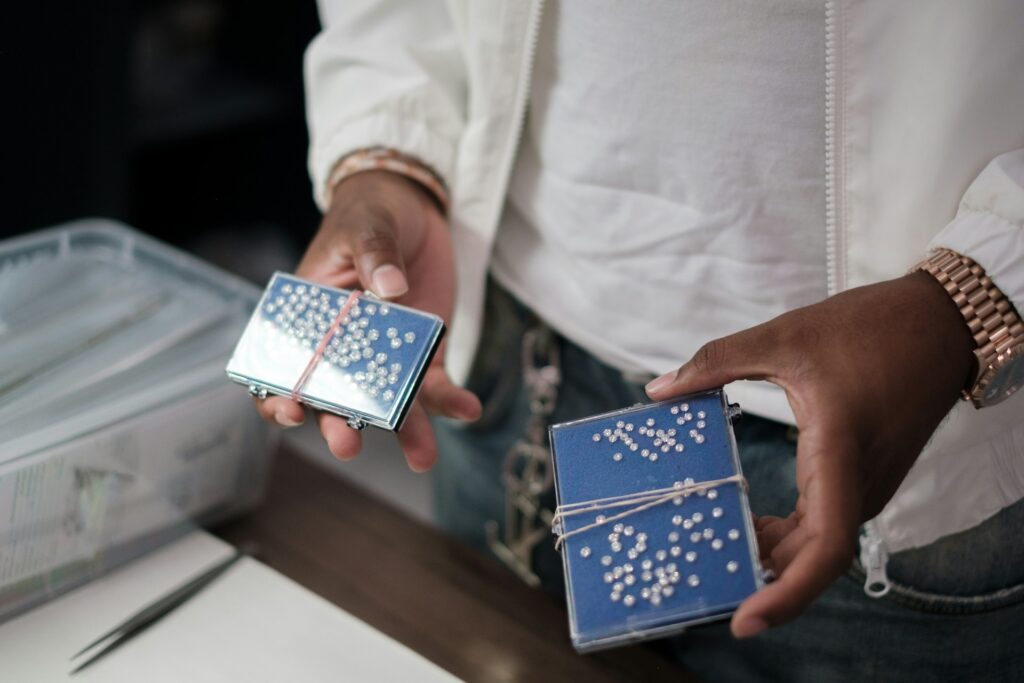
With the lab-grown diamond market booming and sustainability concerns in the jewellery industry at an all-time high, top authenticators are commanding astronomical fees for their expertise. These gemological detectives can earn upwards of £300,000 annually, travelling the globe to authenticate precious stones for auction houses and private collectors.

The job involves far more than just peering through loupes. Today’s authenticators need to master cutting-edge spectroscopy technology, understand blockchain certification, and keep up with the latest synthetic diamond developments. They’re part scientist, part detective, and part diplomat – especially when telling a client their “priceless” family heirloom might not be quite what they thought.
Family Office Talent Scout

Ever wondered who helps the ultra-wealthy manage their empires? Family office recruitment specialists are the ultimate matchmakers, connecting mega-rich families with the crème de la crème of financial wizards, property gurus, and investment mavens. These headhunters can earn fat commissions of £50,000+ per placement, plus retainers that would make your eyes water.

But here’s the juicy bit – it’s not just about filling positions. These specialists are trusted advisers who often become indispensable to their wealthy clients. They need to understand everything from succession planning to family dynamics (yes, that means diplomatically handling those awkward conversations about which cousin should really be managing the family’s art collection).

Those behind the Cora family office recruitment service tell us that the most successful family office recruiters build networks that rival the Queen’s Christmas card list. They’re regulars at exclusive members’ clubs, charity galas, and private banking events. And while a financial background helps, what really matters is having the emotional intelligence to read between the lines of what wealthy families actually need – versus what they say they want.

Private Island Development Consultant

Forget regular property development – these specialists help billionaires turn their island dreams into reality. From ensuring sustainable water supplies to designing helipad locations, they’re earning seven-figure salaries making paradise perfect.

The real challenge? Balancing luxury with logistics. You need to know how to import Italian marble to a remote location, set up satellite communications that can handle Netflix binges, and ensure the champagne stays perfectly chilled despite tropical temperatures. Environmental impact assessments and local government relations are also part of the package – because even billionaires need planning permission.

Space Tourism Safety Director

As commercial space travel takes off, someone needs to keep those stellar tourists safe. These directors combine astronautical expertise with luxury hospitality knowledge, commanding salaries that are truly out of this world – often exceeding £500,000 annually.

The role involves everything from developing emergency protocols to ensuring the champagne pours properly in zero gravity. You’ll need to understand both rocket science and the psychology of high-net-worth individuals who expect five-star service even in orbit. Plus, you’ll be responsible for training crews to handle everything from medical emergencies to PR crises in space.

Legacy Winery Broker

Fancy selling châteaux to the super-rich? Legacy winery brokers specialise in matching vintage vineyard estates with wealthy buyers. A single sale can net commissions in the millions, but it’s not just about the real estate.

These brokers need to understand terroir, vintage variations, storage techniques and wine market trends. They’re often called upon to advise on everything from modernising production facilities to developing luxury wine tourism experiences. The most successful ones have little black books filled with contacts from Bordeaux to Napa Valley, and they know exactly which Chinese billionaire is looking to add a French vineyard to their portfolio.

wine tasting

Digital Privacy Concierge

In an age where privacy is the ultimate luxury, these tech-savvy specialists help high-net-worth individuals maintain their digital anonymity. From scrubbing online presences to creating unhackable communication systems, they can earn £200,000+ per client.

The job requires constant vigilance and staying ahead of the latest digital privacy threats. You might start your day auditing a client’s smart home security, spend the afternoon setting up encrypted messaging systems for their family office, and end by managing their children’s social media presence. Knowledge of international privacy laws, cybersecurity, and social engineering is essential.

Sustainable Superyacht Designer

Combining green technology with ultimate luxury, these designers are making waves in the maritime world. With sustainability now a must-have for the mega-wealthy, top designers can command seven-figure fees per project.

The challenge? Creating vessels that are both eco-friendly and utterly luxurious. Think solar-powered cinemas, hydroponic gardens for farm-to-table dining at sea, and zero-emission toys (electric jet skis, anyone?). The best designers understand both marine engineering and luxury lifestyle trends, creating floating palaces that won’t cost the Earth – figuratively speaking, at least.

The Bottom Line

While these roles might sound like fantasy jobs, they’re very real and increasingly in demand. The key to breaking in? Start in adjacent industries – luxury retail, private banking, or high-end hospitality are good launching pads. Build a network, develop your expertise, and most importantly, learn to speak the language of luxury.

Remember, discretion is everything in these worlds. Your ability to keep secrets might be more valuable than your CV. And while traditional qualifications help, what really matters is your ability to understand and anticipate the needs of the world’s wealthiest individuals.

Fancy a career change? The path might not be straightforward, but the rewards could be astronomical. After all, someone has to help billionaires design their islands and authenticate their diamonds – why not you?

Editor’s Note: Salary figures are approximate and can vary significantly based on experience, location, and client base. All roles require extensive experience and typically come with significant responsibilities.

What’s The Point of Drinking Decaf Coffee? Well, There Are Several…

The mention of decaf coffee often elicits scoffs from coffee purists worldwide. “What’s the point?” they wonder, dismissing it as a pointless alternative. Yet beneath this common scepticism lies a sophisticated beverage that’s carving its own meaningful niche in modern coffee culture.

The Modern Decaf Renaissance

Gone are the days of watery, flavourless decaf. Today’s speciality decaf beans, particularly those processed using the Swiss Water method, retain remarkably complex flavour profiles. Master roasters now treat decaf with the same reverence as their caffeinated counterparts, creating beans that boast notes of chocolate, caramel, and even delicate fruit undertones.

The Psychology Of Coffee Rituals

The ritual of coffee drinking runs far deeper than its chemical effects. There’s something profoundly comforting about wrapping one’s hands around a warm mug on a chilly evening, inhaling those familiar aromatic compounds that trigger memories and pleasure responses in the brain. Decaf allows for these cherished rituals without disrupting sleep patterns or adding to daily caffeine intake.

Read: 7 surprising benefits of drinking coffee

Creativity & Concentration

For those in creative professions, decaf offers an unexpected advantage. While caffeine can enhance focus, it can also increase anxiety and restlessness—not ideal when trying to tap into a creative flow state. Decaf provides the familiar comfort of coffee without the jitters, allowing for extended periods of relaxed concentration.

The Social Equaliser

Decaf has become a social equaliser in contemporary society. It allows those who are sensitive to caffeine, pregnant, or managing certain health conditions to participate fully in coffee culture. From business meetings to catch-ups with friends, no one needs to feel left out of the social aspects of coffee consumption.

A More Refined Palate

Decaf drinkers often report developing a more nuanced appreciation for coffee’s natural flavours. Without caffeine’s bitter notes dominating the palate, subtle flavour characteristics become more apparent. It’s rather like how removing alcohol from wine can highlight its underlying fruit characteristics.

The Environmental Perspective

The environmental angle deserves consideration. Many Swiss Water process decaf facilities have made significant strides in sustainability, often surpassing their traditional coffee processing counterparts. Supporting these initiatives through conscious decaf consumption contributes to the broader movement towards sustainable coffee production.

A New Coffee Culture

As society increasingly seeks balance in modern life, decaf coffee represents more than just a caffeine-free alternative—it’s a conscious choice to engage with coffee culture on different terms. Whether someone is cutting back on caffeine, exploring new flavour profiles, or simply fancies a late-night cuppa without the midnight consequences, decaf deserves its place in the modern coffee landscape.

What To Look For When Buying Decaf

The quality of decaf coffee varies significantly based on several key factors. The decaffeination process itself is crucial – look for beans processed using the Swiss Water method, which avoids chemical solvents and better preserves the coffee’s natural flavours. Alternatively, beans decaffeinated using the CO2 process also maintain excellent taste profiles.

The best decaf coffee uses freshly roasted beans, which make all the difference. Premium decaf should display a roast date, and the beans should be used within three months of this date. Whole beans, ground just before brewing, will provide the freshest cup—pre-ground decaf can lose its flavour more quickly than regular coffee due to the processing it undergoes.

When selecting decaf, pay attention to origin. Single-origin decafs, particularly those from renowned coffee regions like Colombia or Ethiopia, often offer more distinctive and complex flavour profiles than blends. Look for descriptive tasting notes on packaging—quality decaf should have as detailed flavour descriptions as regular coffee.

The next time someone questions the point of decaf coffee, perhaps the better question is: “Why limit ourselves to just one way of enjoying one of life’s greatest pleasures?”

The Turkish Riviera: The Ideal Guide To Turkey’s Best Beach Destinations

Where the Aegean meets the Mediterranean, Turkey’s magnificent coastline plays host to some of the world’s most compelling landscapes. Each bay and peninsula tells its own story across more than 8,000 kilometres of shore, from the dramatic mountain-backed coves of the Turquoise Coast to the protected coves of the Aegean. 

Here, millennia of civilization have shaped a coast where ancient ruins emerge from crystalline waters, and traditional gulets still ply routes once navigated by Byzantine traders. From the wind-carved inlets of the Datça Peninsula to the sophisticated marinas of Göcek, these remarkable shores draw visitors year-round with a rare blend of natural beauty, living history, and vibrant coastal culture. 

With all that in mind, and with a steely focus on the listicle format kicking in, here are some of Turkey’s best beach destinations. 

The Turquoise Coast

Antalya: The Gateway to the Mediterranean

The ancient harbour city of Antalya presides over a coastline that would be remarkable even without its archaeological riches. Here, the Taurus Mountains plunge dramatically into the sea, creating a string of intimate coves and sweeping bays that have drawn travellers since Roman times.

The city’s Lara Beach district has evolved into an sophisticated enclave of international resorts, yet manages to retain its essential Turkish character. Local families still gather at sunset for traditional çay in the beachfront gardens, while fishing boats dock at dawn with the day’s catch. Beyond the city limits, the coast road winds past the ruins of Phaselis, where three ancient harbours lie half-submerged in crystalline waters.

In contrast, Konyaaltı Beach offers a more urbane experience. Antalya holidays tend to revolve around the promenade, the city’s culinary heart, where restaurants serve refined interpretations of Aegean cuisine. Reserve a table at legendary 7 Mehmet, which has been open for the best part of the century and whose menu spans some 650 dishes. The beach itself, a striking blend of dark pebbles and turquoise water, stretches for seven kilometres beneath the mountains.

The Hidden Coast Of Kaş

South of Antalya, the resort town of Kaş clings to cliffs above the Mediterranean. Unlike its busier neighbours, Kaş has preserved its traditional character and remains a serene spot to sojourn – whitewashed houses draped in bougainvillea line narrow streets that wind down to a working harbour. The town’s beaches are small but spectacular, particularly Kaputaş Beach, where a golden strand is framed by towering limestone cliffs. 

The surrounding coastline reveals hidden coves accessible only by boat or foot. Hire a traditional gulet from Kaş harbour to explore these secluded spots, including the submerged ruins of Kekova, where ancient Lycian tombs emerge from crystalline waters.

The Aegean Coast

Fethiye’s Natural Wonders

The Fethiye region represents the apotheosis of Turkey’s coastal beauty. The famous Blue Lagoon at Ölüdeniz appears in countless travel photographs, yet no image can capture the startling gradients of blue in its waters or the way the lagoon changes colour throughout the day. The protected status of the lagoon has preserved its pristine condition, though this means development is restricted to the adjacent resort town.

Less visited but equally striking is Butterfly Valley, named for the endemic Jersey tiger butterflies that gather in its narrow gorge. Access requires either a boat journey from Ölüdeniz or a challenging descent down the cliffs, but the reward is a pristine beach framed by 350-metre rock walls. Stay at the valley’s basic but charming eco-camp to experience dawn over the Mediterranean in splendid isolation.

The Sophisticated Shores Of Bodrum

The Bodrum Peninsula has long attracted Turkey’s creative class, from writers and artists to musicians and architects. This cultural heritage manifests in thoughtfully designed hotels and restaurants that complement rather than compete with the landscape. The peninsula’s western shores offer the finest beaches, particularly at Türkbükü, where sophisticated beach clubs like Maçakizi have elevated coastal relaxation to an art form.

Bitez Beach, a sweeping bay of coarse golden sand, presents a more traditional face of the peninsula. Here, family-run pensions sit alongside elegant boutique hotels, while traditional gulets bob in the harbour. The beach’s orientation makes it a renowned windsurfing destination, particularly in the afternoon when the meltemi winds provide ideal conditions.

The Untamed Datça Peninsula

The narrow Datça Peninsula remains one of Turkey’s least developed coastal regions, despite its spectacular beauty. The ancient Greeks believed the peninsula’s air had healing properties, and there’s certainly something therapeutic about its wild landscapes and crystal-clear waters. The peninsula’s southern coast harbours numerous small beaches, including Palamutbükü, where simple restaurants serve exceptional seafood mere steps from the water.

At the peninsula’s tip lies Knidos, an ancient city scattered across a dramatic headland. The city’s two harbours, one on the Aegean and one on the Mediterranean, testify to its historical importance. Today, these same harbours provide shelter for yachts, while the nearby beach offers swimming in waters of exceptional clarity.

The Evolution Of Turkish Coastal Culture

Turkey’s beach culture has evolved significantly over recent decades. Traditional fishing villages have developed into sophisticated resorts, yet many maintain their authentic character. Local life still revolves around the kahvehane (coffee houses) and weekly markets, where fishmongers and farmers sell their produce. The most successful resorts have managed to integrate international tourism with local traditions, creating spaces where visitors and residents coexist harmoniously.

The country’s approach to coastal development has also matured. New regulations protect against overdevelopment, while restoration projects have revitalised historic buildings into boutique hotels and cultural spaces. This sustainable approach ensures these magnificent shores will continue to enchant visitors for generations to come.

The Future of Turkey’s Coast

Turkey’s beach culture has evolved significantly over recent decades. While holidays to Turkey are perfect for beachgoers, the country offers a deeper coastal experience that sets it apart from other Mediterranean destinations. Traditional fishing villages have developed into sophisticated resorts, yet many maintain their authentic character. 

Local life still revolves around the kahvehane (coffee houses) and weekly markets, where fishmongers and farmers sell their produce. The most successful resorts have managed to integrate international tourism with local traditions, creating spaces where visitors and residents coexist harmoniously.

When To Visit

The Turkish coast enjoys a classic Mediterranean climate, with long, hot summers and mild winters. The premium months for beach visits span from late May through early October, though high summer can be intensely hot. September offers particularly appealing conditions, with warm seas and cooler evenings, plus the bonus of fewer visitors. Winter brings its own charm, with dramatic storms and cosy tavernas serving seasonal specialities like hamsi (Black Sea anchovies) and wild mushrooms.

Whichever way you play it, make sure you bookend your trip exploring the history and culture of Istanbul; an opportunity not to be missed.

Not Another Article About Cold Water Swimming: 6 Fascinating Fitness Retreats For 2025

0

Remember when a fitness retreat meant a bit of yoga on the beach and a green smoothie by the pool? Those days are firmly behind us. While cold water immersion and its devoted tribe of ice-plunging enthusiasts continue to dominate wellness headlines, the landscape of fitness holidays has evolved into something far more intriguing. Today’s transformative programmes are pushing boundaries that many didn’t even know existed.

For those willing to venture beyond the standard spa-and-HIIT format, a new world of physical challenges awaits. From ancient Japanese mountain training to cutting-edge movement science, forward-thinking operators are redefining what a fitness holiday can be. These aren’t just exercises in a different location – they’re complete reimaginings of how we can challenge our bodies and minds.

Here are 6 remarkable and verified programmes that go beyond the ordinary. Each offers a unique approach to physical development, and none involves posting shivering selfies from an ice bath.

Yamabushi Training – Mount Haguro, Japan

The Yamabushi monks of Mount Haguro have opened their ancient tradition to international participants through Megurun, a local tour operator. This austere three-day programme involves waterfall meditation, mountain climbing, and traditional ascetic practices. Participants wear white pilgrimage robes, eat traditional mountain vegetarian cuisine (Shojin Ryori), and learn meditation techniques passed down through generations of mountain priests.

Ideal for: Meditation practitioners, spiritual seekers, and those interested in traditional Japanese culture. Suits individuals looking to combine physical challenge with deep spiritual practice.

Fitness level required: Moderate to good. Must be capable of hiking mountain trails and withstanding cold water exposure. Mental resilience more crucial than physical prowess.

What you’ll gain: A mental reset like no other. You’ll develop monk-like clarity (literally), laugh in the face of cold showers forever more, and master meditation techniques that actually work in real life. Plus, you’ll experience an authentic slice of Japanese spiritual culture that most tourists never see.

Read: The best wellness retreats in England


MovNat Wilderness Retreat – New Mexico, USA

Founded by Erwan Le Corre, MovNat’s wilderness retreats in Mexico’s Tulum offer a radical departure from conventional fitness. Participants spend five days learning natural movement skills including climbing, jumping, lifting, and carrying in the wilderness. Unlike standard bootcamps, the focus is on developing practical movement skills and environmental adaptability. The programme includes shelter building, food foraging workshops, and natural navigation techniques alongside physical training.

Ideal for: Outdoor enthusiasts, functional fitness devotees, and anyone feeling disconnected from natural movement patterns. Perfect for those seeking practical survival skills alongside fitness.

Fitness level required: Moderate. Must be able to walk for several hours and comfortable with basic bodyweight movements. No specific skills needed, but good general health essential.

What you’ll gain: You’ll move like you did as a kid again, but better. Expect to develop an almost sixth sense for navigating any terrain, plus proper survival skills that’ll make Bear Grylls proud. Your body will thank you with better balance, real-world strength, and the kind of endurance that comes from playing in nature rather than counting reps.


Crete Retreat with Kayla Marie – Crete, Greece

Nestled in the stunning landscapes of Crete, renowned fitness coach Kayla Marie offers a week-long holistic fitness retreat via the fitness holiday exerts at More Life Adventures. The programme is designed to rejuvenate both body and mind through a combination of high-intensity interval training, strength conditioning sessions, and restorative yoga classes. Sure, this retreat is a little more formulaic and less intense than the other retreats on our list, but participants will also explore the island through guided hikes, include nutritious meals sourced from local organic produce, and engage in workshops focusing on mental wellness, nutrition, and lifestyle coaching.

Ideal for: Fitness enthusiasts, health-conscious individuals, and anyone looking to combine rigorous physical training with mental wellness practices. Also suits those keen to explore the natural beauty and culture of Crete.

Fitness level required: Moderate to high. Participants should have a good base level of fitness and be prepared for both intense workout sessions and hiking terrain.

What you’ll gain: You’ll come away fitter, stronger, and more balanced. The fusion of intense training sessions and mindfulness practices ensures comprehensive physical and mental gains. Expect to leave with enhanced performance, a refreshed outlook on health, and unforgettable experiences from one of Greece’s most beautiful islands.


Parkour Generations – Lisbon, Portugal

Parkour Generations, one of the world’s leading parkour organisations, runs immersive urban movement retreats in Lisbon’s historic quarters. The city’s unique architecture and terrain serve as a natural gymnasium. Beyond basic parkour techniques, participants learn about urban architecture analysis, risk assessment, and the philosophy of natural movement. The programme includes training with founding members of the parkour discipline.

Ideal for: Adventure sports enthusiasts, movement coaches, physical educators, and anyone fascinated by urban exploration and dynamic movement.

Fitness level required: Good to excellent. Should have decent upper body strength and jumping ability. Previous movement training beneficial but not essential.

What you’ll gain: You’ll never look at a city the same way again. Stairs, walls, and rails become your playground as you develop an almost superhero-like confidence in movement. Plus, you’ll build the kind of functional strength that comes from actually using your body rather than just pumping iron.

Read: A guide to Lisbon’s best beaches


XPT Life – Hawaii, USA

Created by big-wave surfer Laird Hamilton and former professional athlete Gabby Reece, XPT Life offers performance breathing and extreme conditioning retreats on Kauai. The programme combines underwater weight training, heat and ice exposure protocols, and high-intensity pool training. Participants learn breathing techniques derived from free-diving and stress management practices used by elite athletes.

Ideal for: Athletes looking to enhance performance, stress management practitioners, and those interested in pushing their physical and mental boundaries through breath work.

Fitness level required: High. Must be a strong swimmer and comfortable in water. Good cardiovascular fitness essential.

What you’ll gain: Prepare to develop lungs like a dolphin and the stress response of a zen master. You’ll learn to use your breath as a superpower, recover from workouts like an elite athlete, and handle temperature extremes like it’s no big deal. Perfect for impressing friends at the next spa day.


Fighting Monkey Practice – Across Europe

Created by movement researchers Jozef Frucek and Linda Kapetanea, the Fighting Monkey retreats in Switzerland, Slovakia, Greece, Finland and Belgium aim to challenge conventional fitness paradigms. The programme combines complex movement patterns, partner work, and cognitive challenges to develop adaptability and resilience. Sessions take place in both indoor spaces and natural environments, with participants learning unique movement practices that bridge artistic expression and physical preparation.

Ideal for: Dancers, martial artists, movement therapists, and anyone interested in the intersection of cognitive development and physical practice.

Fitness level required: Moderate. More important is an open mind and willingness to explore unconventional movement patterns.

What you’ll gain: Your body and brain will start working together in ways you never imagined. You’ll develop movement creativity that makes dancers jealous, problem-solving skills that transfer well beyond exercise, and the kind of physical adaptability that makes you ready for anything life throws your way.

The Bottom Line

What sets these retreats apart is their established methodologies and proven track records. Each programme is led by recognised experts in their fields, many of whom pioneered their respective movement disciplines. 

These aren’t trend-chasing wellness experiences but deeply researched approaches to human movement and adaptation, offering genuine opportunities to learn from world-class practitioners in their respective fields, often in locations specifically chosen for their training potential. What could be better than that?

Note: All programmes require different levels of fitness and preparation. Some involve exposure to extreme conditions or challenging physical activities. Medical clearance may be required. Booking information and current prices are available directly through the organisations’ websites.

Whether Fast Food Or Fine Dining, These Are The 7 Key Ingredients Of Truly Great Service

0

From bustling street-food vendors to Michelin-starred establishments, all the way to five star hotel restaurants with room service, the fundamentals of exceptional service remain remarkably consistent. While the settings may differ dramatically, the core elements that delight customers and keep them coming back are universal. Here are the 7 essential ingredients that combine to create truly memorable service experiences.

Genuine Warmth & Recognition

The moment a guest walks through your doors, they should feel genuinely welcomed. This isn’t about rehearsed greetings or robotic smiles—it’s about authentic human connection. Whether it’s remembering a regular customer’s usual order at a coffee shop or acknowledging a first-time visitor’s special occasion at a fine dining venue, personal recognition creates an immediate emotional bond.

What to say: “Lovely to see you again, Mrs Chen. Your usual table by the window is ready.” 

What not to say: “Welcome to [insert restaurant name]. Today’s special is…” whilst staring at your phone

Anticipatory Service That Never Intrudes

The finest service operates like a well-orchestrated dance, with staff anticipating guest needs before they arise whilst remaining beautifully unobtrusive. This requires keen observation and perfect timing—knowing when to top up water, clear plates, or offer assistance without interrupting conversations or meaningful moments.

What to say: “I notice you enjoy spicy food. Our chef has just prepared a special Szechuan dish that might interest you.” 

What not to say: “ARE YOU STILL WORKING ON THAT?” shouted across the table mid-conversation

Consistent Excellence Through Systems

Behind every smooth service operation lies a robust framework of systems and processes. Modern hospitality demands both time-tested protocols and innovative solutions. Mapal’s feedback and engagement solution is a core example of this, enabling restaurants to maintain consistent service standards and improve productivity, all whilst gathering valuable customer insights across multiple locations.

What to say: “I’ve noted your preferences in our system to ensure we can better serve you next time.” 

What not to say: “Sorry, the regular manager isn’t here, so I’m not sure how we usually handle this…”

Knowledge As A Cornerstone

Whether explaining the provenance of ingredients in a casual eatery or discussing wine pairings in a high-end restaurant, staff knowledge builds trust and enhances the dining experience. This expertise should extend beyond the menu to include awareness of dietary requirements, allergens, and the ability to make informed recommendations.

What to say: “The lamb is sourced from the Yorkshire Dales and pairs beautifully with our Rioja Reserva.” 

What not to say: “Um, I think it’s like, kind of spicy? Let me ask the kitchen… again.”

Recovery With Grace

Even in the finest establishments, things occasionally go wrong. The true measure of service excellence lies not in perfection, but in how gracefully issues are resolved. Swift acknowledgement, sincere apology, and proper compensation aren’t just about fixing problems—they’re opportunities to demonstrate commitment to guest satisfaction.

What to say: “I sincerely apologise for the delay. Let me sort this out immediately and bring you some complimentary nibbles while you wait.” 

What not to say: “The kitchen’s really backed up tonight. Not my fault though—I just work here!”

Cultural Awareness & Adaptability

Today’s dining scene serves an increasingly diverse clientele. Outstanding service requires cultural competency and the flexibility to adapt to different expectations, customs, and preferences. This might mean understanding cultural dietary requirements in a fast-food chain or recognising appropriate formalities in fine dining.

What to say: “Would you prefer chopsticks or western cutlery? We’re happy to provide either.” 

What not to say: “Oh, you don’t eat that? But it’s just a tiny bit of [ingredient]—surely it won’t matter?”

The Art Of Farewell

The end of a dining experience is as crucial as its beginning. A warm farewell, genuine thanks, and perhaps a small gesture of appreciation can transform a satisfactory meal into a memorable experience that guests will want to repeat—and recommend to others.

What to say: “Thank you for dining with us. Please enjoy these house-made chocolates for the journey home.” 

What not to say: “Yeah, bye then!” whilst already turning away to clean tables

The Bottom Line

These seven elements transcend price points and service styles, creating the foundation for exceptional hospitality. When combined thoughtfully and executed consistently, they transform ordinary transactions into extraordinary experiences that build loyalty and drive success in an increasingly competitive industry.

The most successful establishments, regardless of their market position, recognise that these ingredients must be carefully measured and blended to create their own unique service recipe. In doing so, they don’t just serve meals—they create memories that keep guests coming back for more.

From Appropriate Presents To When You Should Leave: The Ideal Guide To Baby Shower Etiquette

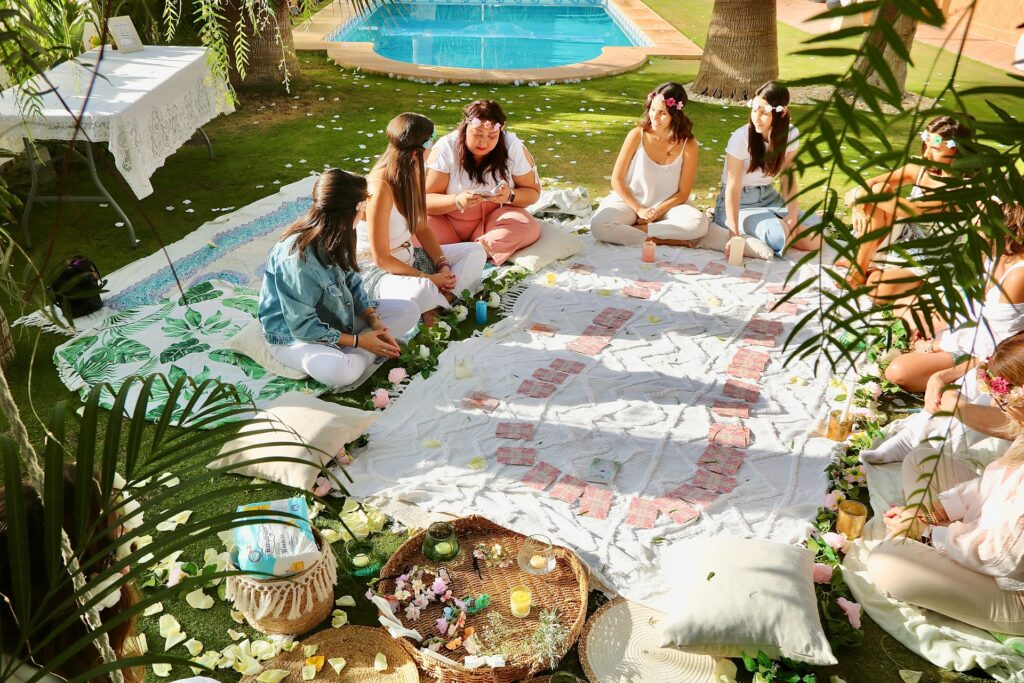
Modern day baby showers are a tradition that began in the post-war USA, a celebration of new life and a show of support for expectant parents. 

Their introduction to UK culture has been a much more recent development and, accordingly, getting invited to a baby shower can be a source of some confusion for guests. How should I respond to the invitation? What time should I arrive? Is it shots of tequila and chatting in the kitchen until dawn? To help you navigate this special occasion, we’ve pulled together this comprehensive guide to baby shower etiquette, British style. Let’s do this…

The Invitation

Receiving a baby shower invitation is a clear indication that you hold a special place in the parents-to-be’s hearts. They’re inviting you to share in their joy and anticipation of their new arrival. It’s not a summons, but a warm request for your presence.

When you receive the invitation, it’s important to RSVP promptly. This not only shows your respect for the effort the host is putting into organising the celebration, but it also helps them plan the event better. If you can’t attend, a polite decline with a brief explanation is appreciated. It’s also a nice gesture to send a card or a gift, even if you can’t make it.

The Perfect Present

Choosing the right gift for a baby shower can be a daunting task. While it’s easy to be swayed by adorable baby clothes, remember that babies outgrow them quickly. Instead, opt for something that will be useful for a longer period. To help narrow down your options, it’s worth thinking about whether you want to go practical or personal.

Practical Gifts

While it’s easy to be swayed by adorable baby clothes, remember that babies outgrow them quickly. Instead, opt for something that will be useful for a longer period.

Baby care essentials are always appreciated, and items like bottle sterilisers make life significantly easier for new parents. The Momcozy bottle steriliser and dryer, for instance, combines sterilising and drying functions, saving time and kitchen space – something sleep-deprived parents will genuinely value. Other practical winners include a nappy changing kit, a baby swing, or a baby carrier.

If you’re unsure, a gift voucher for a reputable baby store is a safe bet. It allows the parents to choose what they need most.

Personal Gifts

If you’re keen to make things more meaningful, personalised baby gifts are a wonderful choice. Books are particularly special, as they can be used for bedtime stories for years to come, and adding a personal inscription makes them genuine keepsakes.

Other thoughtful options include embroidered blankets, engraved silver keepsakes, or handmade items that show you’ve put real thought into the gift. Either way, remember that the value of your gift lies in the thought you put into it, not the price tag.

The Dress Code

Baby showers are generally relaxed events, but it’s always best to check the invitation for any dress code. If none is mentioned, a smart-casual outfit is usually a safe choice.

Avoid wearing anything too extravagant or uncomfortable. Remember, the focus of the day is the mum-to-be and the upcoming arrival, not fashion statements.

The Venue

The venue of the baby shower can greatly influence its atmosphere and etiquette. If the baby shower is hosted at someone’s home, the event is likely to be more intimate and casual. In this case, offer to help the host with setting up or cleaning up. It’s a small gesture that can go a long way.

On the other hand, if the organiser has decided that the event is held at a hired venue, it might be a bit more formal. Make sure to respect the venue’s rules and be mindful of other guests. Remember, whether it’s a home or a hired venue, the focus should always be on celebrating the upcoming arrival and making the parents-to-be feel loved and supported.

The Arrival

Arriving on time for a baby shower is crucial. Late arrivals can disrupt the event’s flow and cause unnecessary stress for the host. Aim to arrive 10-15 minutes early. This gives you time to settle in, greet the host, and mingle with other guests before the event officially starts.

The Gift Opening

During the baby shower, there’s usually a time set aside for the parents-to-be to open the gifts. This can be a fun and exciting part of the event, as everyone gets to see the thoughtful gifts. It’s important to react positively and enthusiastically, regardless of the gift being opened (yes, some of them may be pretty – very – cringe). Remember, it’s the thought that counts.

The Food & Drink

Baby showers often feature a spread of food and drink. While it’s not a formal meal, it’s still important to show good manners. Wait until the host invites everyone to start eating, take a modest portion initially, and remember to compliment the host on the food. 

If alcohol is served, it’s crucial to drink responsibly. This isn’t an event where getting smashed, jumping on the kitchen counter and singing George Michael is (necessarily) tolerated.

The Games

Baby shower games are a tradition designed to foster camaraderie and keep guests entertained. They range from guessing the baby’s weight to a nappy changing race.

Even if you’re not a fan of such games, participate with enthusiasm. It’s all in good fun and helps create a lively, memorable event. Plus, you might even win a prize!

The Departure

Knowing when to leave a baby shower can be a bit tricky. You don’t want to be the first to leave, but you also don’t want to overstay your welcome. A good rule of thumb is to stay at least until after the gifts have been opened.

If the party seems to be winding down, that’s your cue to say your goodbyes; this isn’t a ”one for the road” type of function. Make sure to thank the host before you leave and express your excitement for the new arrival.

The Thank You Note

After the baby shower, it’s customary for the parents-to-be to send thank you notes. This is their way of expressing gratitude for your presence and presents. If you receive one, no response is necessary. It’s simply a token of appreciation.

The Follow-Up

That said – though certainly not an obligatory response to that note – it’s a nice gesture to send a pretty excessive, gushing message to the parents-to-be or the host, thanking them for the invitation and expressing how much you enjoyed the event. This not only shows your appreciation but also reinforces your support for them during this exciting time.

The Bottom Line

Baby shower etiquette doesn’t have to be complicated. It’s all about being respectful, thoughtful, and considerate. Here’s to new beginnings and the joy they bring!

5 Of Ireland’s Best Stag & Hen Destinations

0

Ireland and Northern Ireland have long been favourites for pre-wedding celebrations, and it’s not hard to see why. With friendly locals, a legendary pub scene, and activities ranging from river cruises to go-karting, the island offers everything needed for an unforgettable send-off. Recent shifts in European travel have only strengthened their position, with Dublin seeing a 35% increase in UK stag and hen bookings from 2019 to 2024, whilst Belfast has emerged as a party hotspot with hen do bookings spiking by 227% since lockdown.

Whether you’re after traditional Irish charm, coastal adventures, or city nightlife that goes until dawn, these five destinations deliver. Here are the island’s best spots for stag and hen parties.

Carrick-On-Shannon

Ideal for the real deal, cliched hen party…

Often dubbed the stag and hen capital of Ireland, this County Leitrim town has built its reputation on delivering unforgettable weekends. Situated on the River Shannon, Carrick-on-Shannon combines riverside charm with a lively party scene, all within two hours’ drive of both Dublin and Belfast.

The Moon River booze cruise has become legendary. Running on Saturday evenings, this cruise offers a DJ, fully stocked bar serving wines, beers, teas, and Irish coffee, plus a champagne reception on arrival. The Boogie Bus collects groups from outside Murtagh’s Bar before departure, perfectly timed to kick off your night in the town’s pubs and clubs. For daytime entertainment, Carrick offers Ireland’s largest indoor go-karting track with Grand Prix sessions, paintballing, bubble football, and gin distillery tours at The Shed.

What sets Carrick-on-Shannon apart is the sheer volume of stag and hen-friendly venues. The town has embraced its party town status, with accommodation providers, restaurants, and bars all geared towards groups. 

Dunnes Bar spans three floors with live music and sports screens, whilst The Prince of Wales Bar offers cocktails and live entertainment. Cryan’s Bar (Teach Ceoil) is a traditional pub with a massive emphasis on live music. It’s unpretentious, fun, and offers good value. The only challenge? Bumping into other stag and hen parties is practically guaranteed, though many consider this part of the appeal.

Cork

Ideal for a bride-to-be who considers herself a foodie…

Ireland’s second city punches well above its weight when it comes to stag and hen destinations. Cork delivers a sophisticated alternative to the party-town atmosphere of Carrick-on-Shannon, combining culinary excellence with outdoor activities and a nightlife scene that rivals Dublin’s without the capital’s price tag. 

The city, which has seen a 22% increase in UK stag and hen bookings from 2019 to 2024, boasts an enviable location on the River Lee that makes it perfect for water-based activities. Cork Harbour Cruises offers bespoke party experiences aboard the Cailín Óir, with capacity for up to 100 people and sunset cruises. On land, groups can visit Blarney Castle to kiss the famous stone, tour the Jameson Distillery, or head to Adventure Park near Cork Airport for go-karting and paintballing.

Cork’s food scene is exceptional, earning it the title of Ireland’s culinary capital. There are plenty of Michelin recommended restaurants in the area – where fans of Goldie – a seafood restaurant that bases it’s menu around the latest catch from the West Cork coastline. Elsewhere, The English Market, operating since 1788 is one of the oldest municipal markets in the world and remains a foodie’s paradise.

There are great gig venues all over Cork including the Opera House and Live at St Luke’s. When night falls, Washington Street becomes the epicentre of nightlife. Reardens is Cork’s largest pub venue for live music with multiple bars and a nightclub upstairs called Havana Browns. The Oliver Plunkett offers traditional Irish music and pub grub, whilst Crane Lane Theatre provides an eclectic mix of live performances and themed nights. Dwyers sits alongside Reardens and has established itself as one of Cork’s best bars with live music. For something sophisticated, The Voodoo Rooms provides a two-floor venue with craft cocktails and a rooftop dance floor.

Read: 10 of the best things to do in the Rebel County, West Cork

Dublin

Ideal for a historic Irish hen party experience…

The capital Dublin remains a powerhouse for pre-wedding parties, combining historic pubs with modern entertainment. Temple Bar’s famous atmosphere sits alongside activities that cater to every taste, from the Guinness Storehouse to kayaking on the River Liffey.

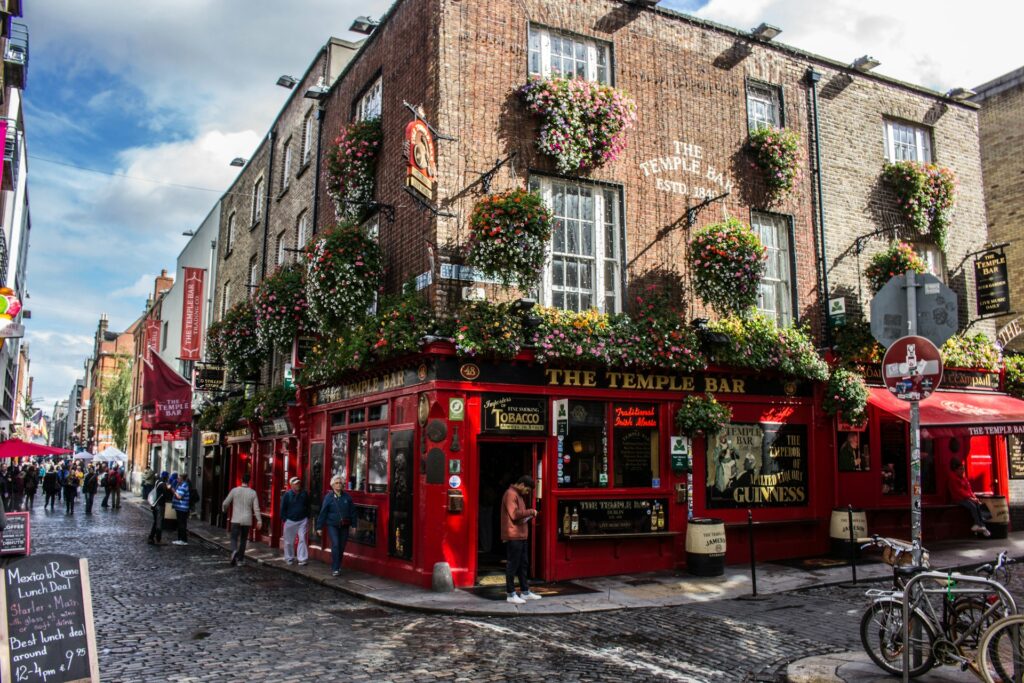
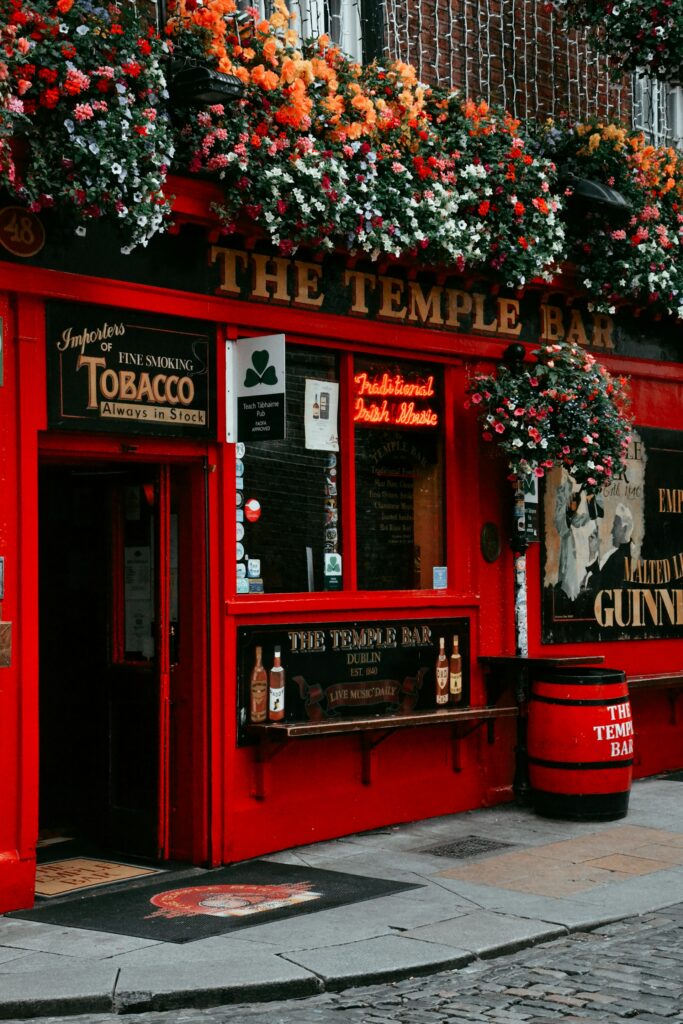
Temple Bar remains the beating heart of Dublin’s party scene. The Temple Bar pub itself draws crowds for live music and atmosphere, whilst Fitzsimons Bar offers entertainment seven nights a week across multiple venues including a rooftop garden and secret cellar bar. 

Beyond Temple Bar, Copper Face Jacks on Harcourt Street is Dublin’s most legendary club, whilst Bad Bobs provides live music every weeknight. The Brazen Head, dating back to 1198, claims to be Ireland’s oldest pub. Drury Street, Camden Street, and George’s Street all offer their own collection of bars and late-night venues, from cocktail spots to fine dining restaurants to dance floors.

For groups wanting something different, the Penthouse Casino and Card Club in Swords offers blackjack, roulette, poker, and slot machines, with the Wright Venue nightclub next door. Beyond gaming tables, the city serves up everything from whiskey distillery tours (where you can learn to pour the perfect pint at The Guinness Academy) to river activities.

Belfast

Ideal for a cheaper, but no less brilliant alternative to Dublin…

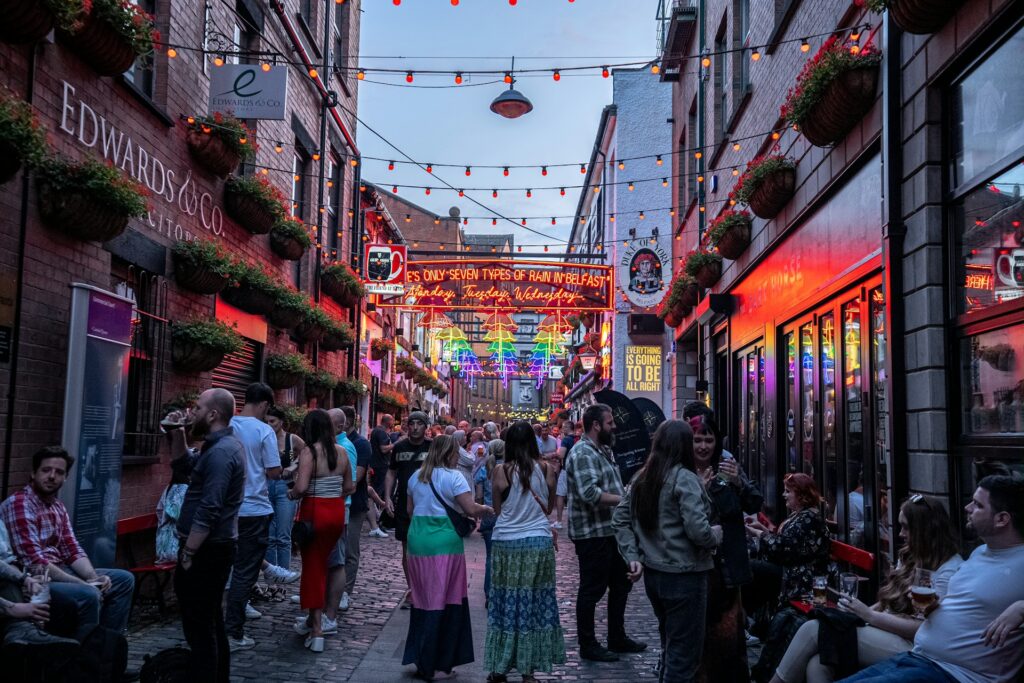
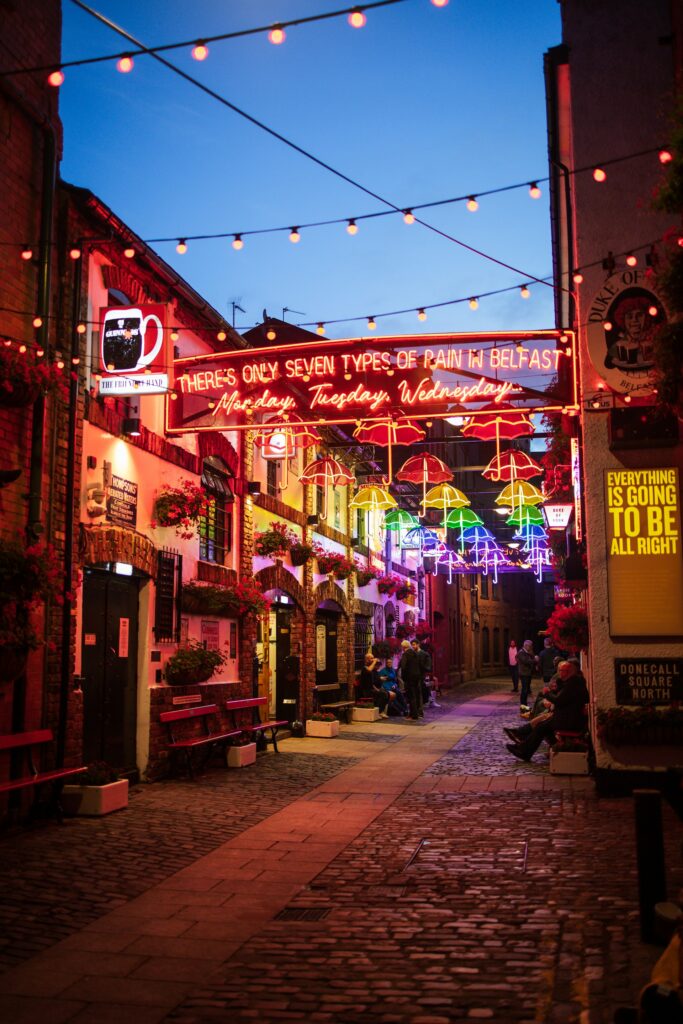
Belfast has quietly become one of Europe’s hottest stag and hen destinations. The Northern Irish capital isn’t technically in Ireland, but it’s offering exceptional value for money. A pint of Guinness in the aforementioned Temple Bar regularly approaches €10, whilst Belfast delivers comparable nightlife at roughly half the price.

The Cathedral Quarter buzzes with trendy bars and traditional pubs. The Dirty Onion draws crowds for craft cocktails and live music in a relaxed atmosphere, whilst Limelight Belfast (a nightclub housed in a former church) keeps the party going with top DJs and live bands until the early hours. Ten Square Hotel in the city centre offers hen packages with afternoon tea in the Loft Bar overlooking City Hall.

For daytime activities, Let’s Go Hydro provides cable wakeboarding and an Aqua Park, described as one of the best in the UK. The city’s friendly locals add to the appeal, and the compact city centre means you can walk between venues without expensive taxis. 

Attractions like the Titanic Museum and Game of Thrones filming locations sit nearby, whilst the Cathedral Quarter hosts everything from cocktail masterclasses to cabaret shows combining comedy, drag performances, and burlesque.

Galway

Ideal for a bride-to-be who likes pubs…

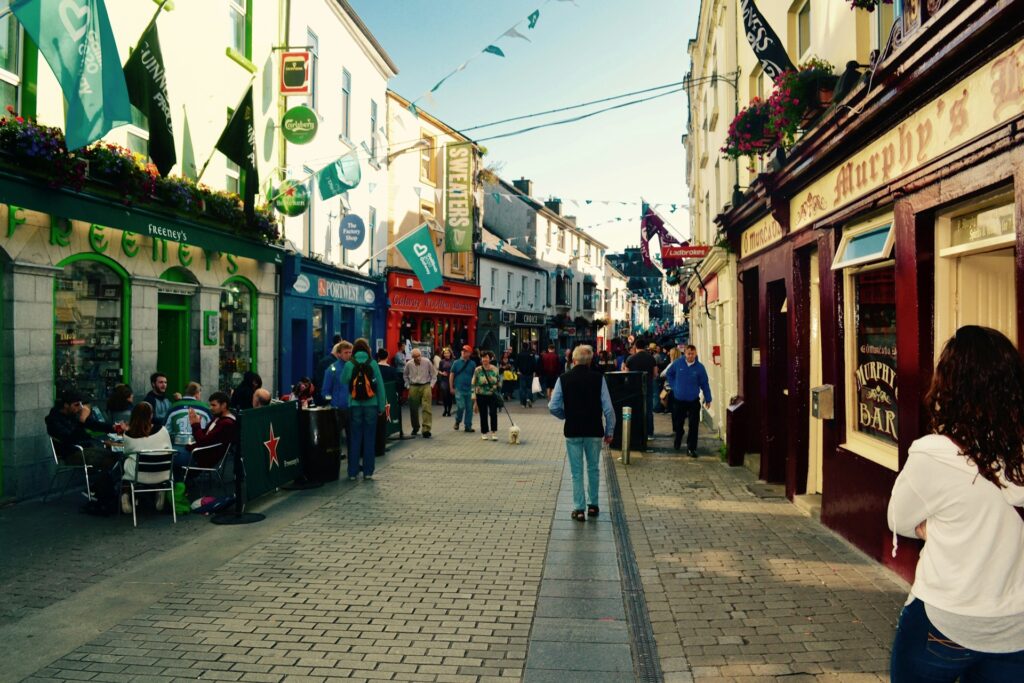
With 475 pubs for a county population that works out to one for every 506 people, Galway’s party credentials are impeccable. The city’s combination of cobbled streets, traditional Irish music, and a youthful energy fuelled by its large student population makes it one of Ireland’s most atmospheric destinations for stag and hen parties.

The River Corrib party boat runs on Saturday evenings, offering a champagne reception on arrival, DJ entertainment, and a fully stocked bar whilst you cruise down one of Ireland’s rivers. Back on dry land, Galway’s pub scene is legendary. 

Monroe’s offers free live music seven nights a week, The Quays is arguably Galway’s most well-known late bar with live music and a mix of locals and visitors, whilst Roisín Dubh is the go-to spot for student events midweek with a great lineup at weekends. For late-night dancing, Coyotes Late Bar features three themed areas including a sports bar section, two dance floors, and a bucking bronco. The recently reopened Cube nightclub above McGettigans pub at the top of Eyre Square adds another option.

Cocktail masterclasses are available at multiple venues across the city. We’re fans of Grace’s cocktail bar which you’ll find inside one of Galway’s most historic bars – The Skeff.  Located in the heart of Eyre Square, this place has been part of the fabric of Galway City since 1850. Elsewhere,  An Púcán in the heart of Galway offers a spacious back bar with exposed brickwork, neon lighting, live bands and DJs every weekend, plus an award-winning garden. 

Galway strikes a balance between traditional Irish culture (you’ll hear live trad sessions spilling out of pubs) and modern party facilities. It’s compact enough to navigate on foot, the locals are welcoming to stag and hen groups, and the atmosphere is genuinely infectious, making it one of the best long weekends in Ireland, regardless of whether you’re part of a stag or hen party.

Personal Stories In Silver & Gold: The Evolution Of Memorial & Alternative Jewellery

In an era where personal expression meets craftsmanship, memorial and alternative jewellery has emerged as a powerful medium for storytelling, remembrance, and meaningful connection. From Victorian-era lockets containing snippets of hair to modern pieces incorporating unexpected materials, these distinctive accessories carry stories that transcend their decorative purpose.

The Renaissance Of Memory Keepers

Traditional memorial jewellery has undergone a remarkable transformation over the centuries. While the Victorians favoured jet and hair artwork in their mourning pieces, contemporary artisans are pushing boundaries with innovative materials and techniques. 

Today’s memory keepers range from digital lockets displaying cherished photographs to bioengineered gems containing DNA sequences.

Living Memories: Plants & Organic Materials

One fascinating trend involves incorporating preserved flora into jewellery. Artisans carefully preserve flowers from significant occasions – weddings, births, or memorable locations—within crystal-clear resin. These botanical time capsules capture fleeting moments in perpetuity, whether as pendants, rings, or earrings.

Ashes To Art: Contemporary Cremation Jewellery

Made by professional jewellers who specialise in memorial pieces, ashes jewellery represents a profound way to maintain a physical connection with loved ones who have passed. 

Each stunning keepsake statement piece of jewellery contains a small portion of cremation ashes, transformed through various techniques. Options range from hand-blown glass beads with swirling patterns to laboratory-created diamonds, each piece telling its own unique story.

Textile Treasures

Wedding dress beads, baby clothes, and other meaningful fabrics find new life in contemporary memorial pieces. Skilled artisans preserve these textiles in resin or transform them into delicate beads, creating wearable memories that honour significant life events or beloved individuals.

Digital Revolution In Jewellery

Smart jewellery bridges the physical and digital worlds. NFC-enabled pieces can store photographs, voice recordings, or written messages, accessible through smartphone apps. These technological touchstones offer a modern approach to preserving and sharing memories.

Sound Wave Signatures

Personal audio recordings—a loved one’s laughter, a baby’s heartbeat, or a favourite song—can be transformed into visual wave patterns and etched onto metal surfaces. These pieces capture auditory memories in elegant, abstract designs that hold deep personal significance.

DNA Preservation

Scientific advances have made it possible to preserve DNA within crystal structures or polymer materials, creating unique pieces that carry genetic memories. These sophisticated items blend cutting-edge technology with traditional jewellery craftsmanship.

Choosing Your Memory Keeper

When selecting memorial or alternative jewellery, consider these factors:

  • The durability of materials for long-term wear
  • The piece’s subtlety or statement potential
  • Care requirements and maintenance
  • The artisan’s experience with your chosen technique
  • The story you wish to preserve

Contemporary Craftsmanship

Today’s memorial and alternative jewellery artisans combine traditional metalworking skills with innovative techniques. Many offer bespoke services, working closely with clients to create pieces that perfectly capture their intended meanings and memories.

Looking Forward

As technology advances and artistic techniques evolve, the possibilities for memorial and alternative jewellery continue to expand. These pieces represent more than just accessories—they are tangible links to our most significant memories, relationships, and experiences.

The future promises even more innovative ways to preserve our stories in wearable form, from biodegradable pieces that honour environmental values to augmented reality features that could bring new dimensions to memorial jewellery.

The Bottom Line

Whether choosing a piece to honour a loved one, commemorate an important moment, or carry a personal story, today’s memorial and alternative jewellery offers meaningful ways to keep precious memories close. Consider consulting with specialist jewellers who can guide you through the various options and techniques available.

8 Alternatives To Traditional Wedding Rings

Ideal if you’re looking to celebrate your love a little differently…

A time-honoured sign of the commitment couples make to one another, wedding rings – or bands – have been around since forever. The original wedding rings were made of braided reeds and then, in the later Egyptian years and during the Roman Empire, these were upgraded to bands of ivory or bone, with names engraved on the inside. Throughout the years they have evolved to become the simple bands most of us recognise today. 

Wedding bands are also highly personal pieces of jewellery which say a lot about the wearer’s ethos, aesthetic and outlook on life. If you like the idea of wearing a wedding band, but aren’t keen on traditional rings, then why not choose something unique? For some inspiration, here are 8 alternatives to traditional wedding rings, IDEAL if you’re looking to celebrate your love a little differently. 

Engraved Fingerprint Wedding Rings

We’d all love that unique, one-of-a-kind ring, and the knowledge that no one else in the world has one. It’s not such a far-fetched idea; personalising your wedding rings with each other’s fingerprints and capturing your partner’s one-of-a-kind fingerprint is pretty unique if you ask us. 

Fingerprints make a beautiful and completely unique textured pattern on the ring. We’ve seen elegant designs with the fingerprint stamped into an oval (a bit like the shape of a signet ring) and others with the fingerprint all the way around the band, both of which have their virtues. Either way, it’s a deeply sentimental way to show your love – or, at least very useful if you ever want to frame them for a crime. 

There’s nothing more unique than engraved fingerprint rings. Since your fingerprint is personal only to you, the act of sharing that level of intimacy with your partner is both a true display of commitment and a really special thing.

Custom-Made

A simple and obvious idea if you’re looking for an alternative to a traditional wedding band – get one custom made. From rings made to reflect your favourite film or TV show to wedding rings that combine your birth stones, custom-made rings have an extra-special touch. A personal, unique and custom-made wedding ring has far more individuality than a standard, store-bought band. Moreover, it can hold more meaning to you personally, and as a couple, and is a great choice for celebrating your own unique love. 

Michelle Fantaci, owner of Michelle Fantaci Fine Jewelry tells Brides Magazine “The nature of custom or one-of-a-kind is that the metal, gemstone, and style options could be anything within the realm of possibility’.

‘It’s a beautiful thing to celebrate your personal love story with a ring that is unique and meaningful to you.”

Blue Diamonds

If you’re after something truly extraordinary, consider a blue diamond wedding band. These exceptionally rare gems are amongst the most coveted in the world, lending an air of sophistication and uniqueness to your symbol of eternal love. Unlike their traditional white counterparts, blue diamonds get their mesmerising colour from trace amounts of boron within their crystal structure, making each stone subtly different from the next.

Whilst they might be famously associated with the infamous Hope Diamond, blue diamonds needn’t be quite so dramatic (or cursed!) for your wedding band. Modern jewellers often work with smaller blue diamonds in elegant arrangements, perhaps nestled amongst white diamonds or set solo in a minimalist band. The deeper blue varieties command eye-watering prices, but lighter, more subtle hues – think whispers of sky blue or gentle aqua tones – can be more accessible whilst still maintaining that air of exclusivity.

What’s particularly lovely about blue diamonds is how they break with tradition whilst still honouring the timeless appeal of diamonds as symbols of enduring love. They’re also remarkably durable, scoring the same perfect 10 on the Mohs scale as their colourless cousins – meaning your ring will be as resilient as your relationship.

Whether you opt for a single statement stone or a delicate pavé of tiny blue brilliants, these gems offer a sophisticated twist on the classic diamond wedding band. Plus, there’s something rather poetic about choosing a blue diamond – after all, you’ve already found something rare and precious in your partner, so why not have a ring to match?

Soundwave Rings

Customisation has been a buzzword in jewellery for the past few years and apart from fingerprint rings, we don’t think you can get much more customised than engraving your partner’s voice on your wedding ring.

Their voice? Come again? It’s true; sound waves, similar to fingerprints, are completely unique to an individual. You can record your wedding vows or pet names for each other, or perhaps the song that you had your first dance to, then have the soundwaves visualised before jewellery engraving takes place on a ring of your choice, making a beautiful, totally unique pattern. 

Tattoos

If you’re looking to throw tradition out of the window entirely, then consider a finger-ring tattoo. Hipper, more fashionable and a real ‘till death do us part’ commitment, this one’s for life, that’s for sure.

Finding the design you want is the hard part. For inspiration, look to Beyoncé and Jay-Z, who got matching tattoos of the Roman numeral four on their ring fingers, representing their lucky number and also their birthday dates. Or, consider a pattern with each other’s initials intertwined in it, a design with a single knot to show that you’ve tied the knot. 

Whether you think a tattoo is the ultimate sign of commitment or simply well suited to those prone to losing things, this one could be for you! 

Read: The biggest trends in wedding invitations and stationery

Consider A Symbolic Ring

Wedding rings themselves are a symbol of love and commitment, and the complete circle of the band symbolises no beginning and no end – an everlasting love, indeed. Many people also opt for a trilogy engagement ring which symbolises the relationship’s past, present and future for this reason.  

Why not go a step further with the symbolism? We love the thought of a wave ring that symbolises the ups and downs of life, acting as a reminder that your marriage will likely face trials and tribulations – in sickness and in health, for richer for poorer, after all.  

We’re also fans of braider rings – the intertwining strands represent your two lives interwoven, symbolising infinite strength and unity. We could all do with a bit of that, right now?

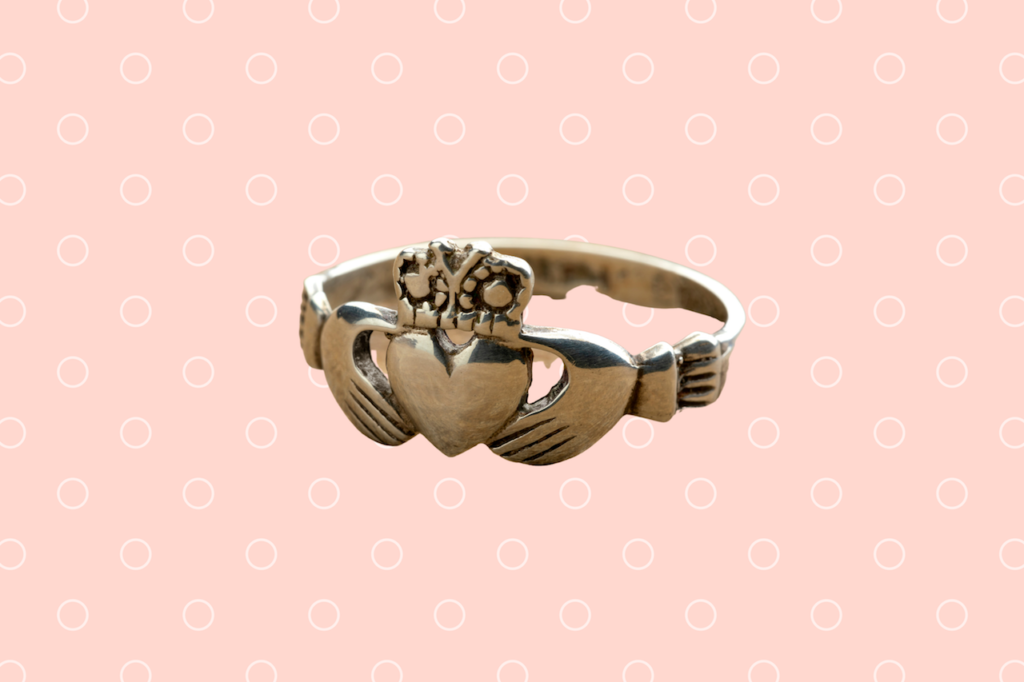
Consider Claddagh wedding rings, too, which the Irish exchange as a sign of devotion. If you wear it with the heart pointing towards you, it means you belong to somebody, with the hands representing friendship, the crown representing loyalty, and the heart… well, you know what that represents, right?. 

Or, perhaps a Japanese knot ring which offers an interpretation of the Japanese enmusubi – a knot tie which signifies the destiny of union.

Finally, modern couples are increasingly drawn to options like a stylish brown tungsten ring, which symbolises strength and durability while offering a contemporary aesthetic.

The beauty about choosing a ring with symbolism in mind is that anything can have great meaning to you, as a couple. The world is your oyster! Now, there’s an idea for a ring…

Stacking Rings

Here at IDEAL, we love stack wedding rings. Trendy and fun, they offer a great alternative to a traditional wedding band, and that’s why you’re here, right? 

While fashion has only recently favoured this trend, in Scandinavia it’s somewhat traditional for women to wear three rings; one for engagement, one for marriage and one for motherhood.

Stacking rings can symbolise other things, too. Many brides like the idea of wearing two wedding rings around their engagement ring for symmetry. To others, the symbolism of the engagement ring being ‘sealed in’ with two bands is appealing…However, sometimes it’s simply a question of wanting more sparkle.

Indeed, if you want an excuse to wear more rings, consider one for other big occasions like anniversaries or the birth of a baby. The beauty about stacking rings is that each ring can be in a different metal, engraved with a different message, or embellished with a different gemstone – the end result will always be completely unique and sentimental to you. 

Gemstone Bands 

Gemstone bands offer a vibrant alternative to traditional wedding rings, allowing couples to infuse personal significance and color into their symbol of commitment. Each gemstone carries its own story and meaning, such as sapphires for wisdom, rubies for passion, or emeralds for growth, enabling partners to choose a stone that resonates with their relationship’s unique narrative. These bands can be customised in various cuts and paired with different metals, creating a design that reflects individual style and holds the potential to become a treasured family heirloom.

Opting for a gemstone band also presents an opportunity for ethical and sustainable choices, such as selecting stones that are responsibly mined or lab-created. When choosing a gemstone wedding band, it’s important to consider the stone’s durability and the care it will require, ensuring that this emblem of love is not only beautiful and meaningful but also practical for everyday wear. With a gemstone band, couples can celebrate their union with a ring that’s as distinctive and enduring as their love.

The Bottom Line

For something so small, so light, and so easily lost, wedding rings carry so much weight. Whilst tiny in stature, this ever-elegant piece of jewellery has one hell of a message to convey; of love, of memories, and of future promises. We hope you find a ring to reflect your very unique love. 

And if you’re looking for other ways to go against the grain, check out our article on 5 alternative wedding dress ideas, IDEAL for non-traditional brides who love to break with conformity.

Getting Started With Knitting: The Kit You Need

Knitting is experiencing a remarkable renaissance, captivating a new generation of crafters eager to master this timeless art. Beyond offering a mindful escape from our fast-paced world, knitting empowers you to craft exquisite, personalised pieces that tell their own unique stories. Whether you’re embarking on your first knitting adventure or rekindling an old passion, creating your starter kit is your first step into this rewarding world. The best part? You don’t need to break the bank – once you’ve invested in quality basics, the only limit is your imagination.

Your Choice of Yarn

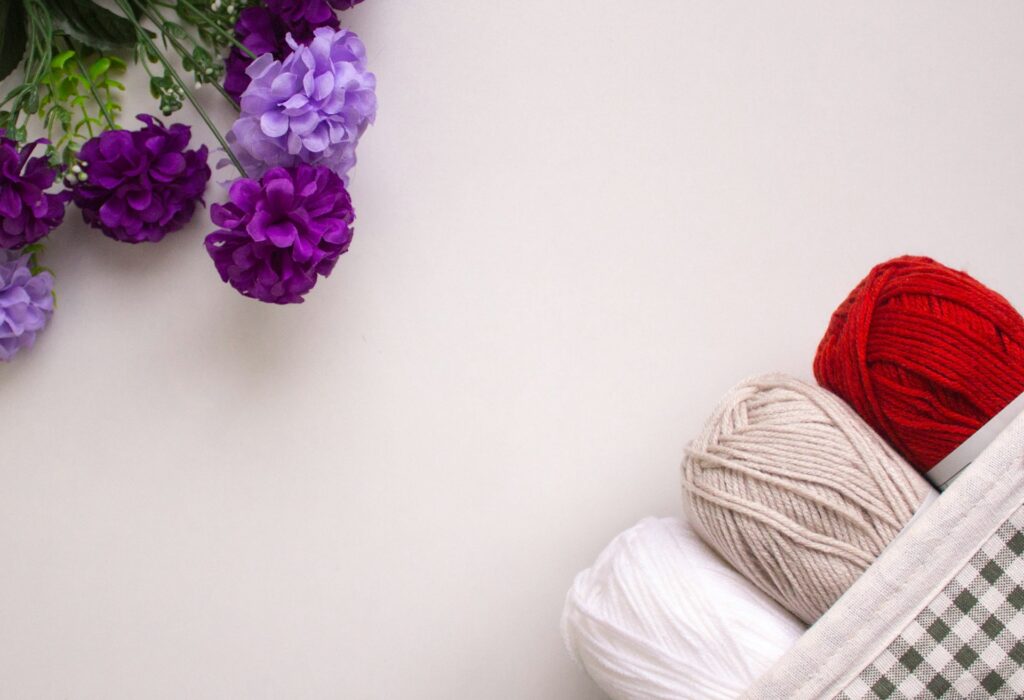
Selecting your yarn is perhaps the most enchanting part of beginning your knitting journey. Imagine running your fingers through skeins of luxurious fibres, each one promising endless creative possibilities. While the choices might seem overwhelming – from whisper-soft merino to rustic tweeds – beginners should consider starting with a forgiving, slightly elastic wool. These flexible fibres are perfect for learning, allowing you to easily undo and restart as you perfect your technique.
Quality Knitting Needles

Think of knitting needles as your magic wands – choosing the right ones can transform your knitting experience. While metal needles might gleam enticingly, bamboo or wooden needles are your best allies when starting out. These natural materials offer just the right amount of grip, keeping your stitches exactly where you want them while you develop your confidence.

For beginners, medium-sized straight needles are your perfect companions as you master the fundamentals. As your ambition grows, consider adding circular needles to your collection. These versatile tools open up a world of possibilities, allowing you to craft everything from cosy hats to sophisticated jumpers with professional-looking results.

Read: How to live a more vintage lifestyle in 2024

Scissors & Sewing Needles

The difference between a good project and a great one often lies in the details. Invest in a pair of sharp scissors dedicated to your knitting – they’ll become your trusted allies in achieving those crisp, professional finishes. A sturdy sewing needle with a generous eye isn’t just useful – it’s essential for weaving in ends and adding those polishing touches that make your work truly shine.

Storage Solutions

Keeping your knitting organised is essential for any crafter, whether you’re just starting out or you’re a seasoned pro. A dedicated knitting bag or basket will help keep your yarn tangle-free and protect your works in progress. Look for a storage solution with separate compartments to keep different coloured yarns apart, and consider a zip-up section for your needles and accessories. Many crafters find that having their knitting stored neatly makes it easier to pick up their project whenever they have a spare moment.

Read: What are 2024’s leading trends in sustainable fashion

Beginner-Friendly Patterns To Start With

Whilst there are countless patterns available for knitters of all skill levels, it’s worth starting with something straightforward to build your confidence. Knitted blanket patterns for beginners are particularly good starting projects, as they typically use simple, repetitive stitches that help you master the basics. Square or rectangular patterns are ideal, as they don’t require complicated shaping or technical knowledge. You might start with a basic garter stitch blanket, which uses the same stitch throughout, or try a simple striped pattern to practise changing colours.

A Knitting Community

Consider joining a local knitting group or online community to share your progress and learn from others. Many yarn shops host regular knitting circles where you can meet fellow crafters, get advice on tricky stitches, and share pattern ideas. Social media platforms are also excellent resources for connecting with other knitters, finding inspiration, and troubleshooting any challenges you encounter along the way. Having a supportive community can make your knitting journey much more enjoyable and help you stay motivated as you develop your skills.

A Camera To Document Your Journey

Every stitch tells a story, and your knitting journey deserves to be documented. Photographing your progress isn’t just about tracking improvement – it’s about celebrating every milestone, from your first wonky stitches to your most impressive achievements. These visual memories become both inspiration and testimony to your growing expertise, encouraging you to push your boundaries and try new techniques.

Winter Sun Protection 101: Don’t Get Complacement Because Of The Cold 

0

Brrrr. As winter’s icy grip takes hold and grey skies become the norm, many Britons are hastily packing away their sunscreen along with their autumn wardrobes. It might be sensible to hold back here. It’s a common misconception that leads to unnecessary skin damage; and the winter sun, though less obvious in its effects, can be remarkably potent—especially when combined with environmental factors unique to the colder months.

Whether you’re navigating city streets with their wind tunnels between buildings, hitting the slopes for a half-term ski holiday, or simply commuting to work on frosty mornings, your skin faces silent but significant UV exposure. The deceptive nature of winter sunshine lies in its subtle warmth; whilst you might not feel the immediate heat on your skin, those UV rays are quietly at work, potentially causing lasting damage.

Why Winter Sun Protection Matters

We’ve all been caught out: feeling the unexpected warmth of winter sunshine through a car window or getting caught off-guard by sunburn on a crisp, cloudy day. What many don’t realise is that winter sun can be particularly deceptive. 

Even on the cloudiest days, UV rays pierce through the cover, reaching your skin with surprising intensity. When snow blankets the ground, it creates a double-whammy effect, reflecting up to 90% of UV radiation back onto your skin. This reflection, combined with the increased UV exposure at higher altitudes, makes winter sports particularly risky for sun damage.

Your Winter Protection Strategy

The foundation of winter sun protection is remarkably simple: a broad-spectrum SPF 30 or higher should be your daily companion, even on overcast days. Think of it like your winter coat—it’s non-negotiable when you step outside. Apply it after your moisturiser and before heading outdoors, giving it time to form a proper protective barrier.

Winter activities demand special attention to sun protection. Whether you’re skiing down slopes, hiking mountain trails, or simply driving on bright days, your skin faces increased UV exposure. Urban environments can be particularly tricky in winter, with snow and ice creating unexpected reflective surfaces that bounce UV rays towards your skin from multiple angles.

Often-Forgotten Areas

While most of us remember to protect our faces, winter sun protection requires a more comprehensive approach. Your lips are particularly vulnerable to sun damage and windburn, so an SPF-containing lip balm is essential. The backs of your hands face constant exposure, especially while driving or during outdoor activities. Don’t forget about your ears and neck—areas often exposed even in winter gear. Perhaps most surprisingly, the under-chin area needs protection too, as reflected light from snow can reach places you’d never expect.

Making It Work in Winter

Effective winter sun protection requires more than just slapping on some sunscreen before leaving the house. Apply your sunscreen at least 20 minutes before heading outside to allow it to form an effective barrier. During extended outdoor activities, reapplication every two hours is crucial—yes, even in winter. Use enough product to ensure proper coverage; a teaspoonful for your face is a good measure to keep in mind. 

The best sunscreen in the UK contains a combination of both physical and chemical filters suitable for our climate and typically grey weather conditions. Look for broad-spectrum protection that includes ingredients like titanium dioxide or zinc oxide for immediate protection, combined with chemical filters such as octinoxate or avobenzone. British weather’s notorious unpredictability means your sunscreen should also offer good water resistance and stability in varying temperatures.

Additional protection measures can enhance your sun safety strategy. Here are the essentials:

  • Wraparound sunglasses to protect your eyes and surrounding skin
  • A winter hat with a brim for added face protection
  • UV-protective clothing for winter sports
  • Regular breaks in shaded areas during peak UV hours

Beyond Sunscreen

Winter sun protection extends beyond just blocking UV rays. Your skin faces a complex set of challenges during colder months, requiring a holistic approach to care. The harsh winter air can strip moisture from your skin, making it more vulnerable to damage. Combat this by pairing your sun protection with proper hydration – both topical and internal. Use a richer moisturiser under your SPF, and maintain gentle cleansing practices to preserve your skin’s natural barrier.

Seasonal Transitions

As the seasons shift, your skin protection strategy should evolve too. The transition to winter often requires adjusting your routine to accommodate both sun protection and increased moisture needs. Consider switching to a more hydrating sunscreen formula, and pay attention to how your skin responds to different conditions. Keep multiple SPF products handy for varying activities and weather conditions.

Remember, sun protection isn’t a seasonal concern – it’s a year-round commitment to your skin’s health. While winter brings its own unique challenges, maintaining consistent UV protection remains crucial for preventing premature ageing and maintaining healthy skin. By understanding and adapting to winter’s specific demands, you can keep your skin protected and healthy throughout the colder months.

Porto Travel Guide: Your Essential Guide To Northern Portugal’s Historic Port City

Seeking inspiration for your next holiday? Porto has emerged as one of Europe’s most compelling destinations, offering visitors a rich blend of historical architecture, cutting-edge culture, and world-renowned wine heritage. 

Forget Lisbon for a moment. Instead, stick with us for everything you need to know to plan and execute an unforgettable trip to Portugal’s second-largest city.

Getting There & Around

Porto International Airport (OPO) connects directly with major European cities and offers seasonal flights from the US. From the airport, the metro (Line E) reaches the city centre in 30 minutes for €2.60. Alternatively, taxis cost approximately €25, while Uber and Bolt operate extensively throughout the city.

Alternatively, Porto is a popular pitstop on cruises centred around the Iberian coast.

Best Time To Visit

Weather plays a crucial role in planning your Porto visit. The high season runs from June through September, with average temperatures between 18-25°C (64-77°F), though this also brings peak accommodation prices and larger crowds. 

For a more balanced experience, consider visiting during the shoulder seasons of March-May or October-November, when you’ll find mild weather, fewer tourists, and better hotel rates. Winter visitors (December-February) will encounter occasional rain and cooler temperatures between 5-15°C (41-59°F), but can take advantage of the lowest prices of the year.

Pre-Trip Planning

Following Brexit, UK residents now need extra preparation time for Portugal travel. Since October 2023, British passport holders can travel to Portugal (and other Schengen countries) for up to 90 days in any 180-day period without a visa. However, your passport must have been issued within the previous 10 years and have at least 3 months’ validity remaining after your planned departure date. 

While you won’t need to schedule Schengen visa appointments, it’s still wise to start planning three months ahead, especially for summer visits when accommodation in Porto fills quickly, particularly during festivals like São João (June 23-24).

Where To Stay

Porto’s diverse neighborhoods each offer distinct experiences for visitors. The Ribeira district, part of the UNESCO heritage site, puts you in the historic center with immediate access to major attractions and riverside dining.

Cedofeita attracts those interested in shopping and art galleries, offering a more local atmosphere away from tourist crowds. Vila Nova de Gaia, home to the famous wine cellars, provides river views and generally cheaper accommodation. For an upscale experience, consider Foz do Douro, where the river meets the ocean, offering beach access and a sophisticated residential feel.

Accommodation costs vary significantly by location and season. Budget travelers can find decent hostels for €20-30 per night, while mid-range hotels typically run €80-120. Luxury accommodations, particularly in prime locations, start from €200 per night.

Must-See Attractions

Porto’s architectural heritage deserves thorough exploration. São Bento Station, free to enter, showcases 20,000 hand-painted tiles depicting Portuguese history – arrive early morning to avoid crowds and capture the best photos. The Porto Cathedral (Sé do Porto) charges €3 entry and offers stunning views over the city, plus Gothic cloisters adorned with traditional azulejo tiles. Open from 9:00-12:30 and 14:30-19:00, it’s best visited mid-morning.

The Palácio da Bolsa, Porto’s former stock exchange, requires advance booking for its €10 guided tours. Allow 45 minutes to explore this 19th-century marvel, particularly the Arab Room with its elaborate gilded decorations.

Wine Tourism & Tasting

The port wine cellars of Vila Nova de Gaia represent an essential Porto experience. Popular houses like Taylor’s, Graham’s, and Sandeman offer tastings ranging from €15-25, with options for various port styles and ages. Most houses require advance booking during peak season, and tours typically include 2-3 wine samples plus an informative session about port production. The more expensive tastings often feature older vintages and private tours of the cellars.

Food & Dining

Porto’s culinary scene ranges from historic cafes to modern interpretations of Portuguese classics. The iconic francesinha, a multi-layered meat sandwich smothered in beer sauce, typically costs €8-12 and is large enough to share. 

Traditional restaurants serve excellent bacalhau (salt cod) dishes for €12-18, prepared in countless ways. For a quick lunch, visit Casa Guedes, famous for their pork sandwiches (€5-7). The historic Café Majestic offers a glimpse into Porto’s past, though expect to pay premium prices for the ambiance. For modern Portuguese cuisine, Cantina 32 serves innovative dishes in a relaxed setting, with dinner averaging €30-40 per person.

Transportation Tips

The city’s public transport network is efficient and affordable. A single metro trip costs €1.20, while day passes offer unlimited travel for €7. The vintage trams, particularly Line 1 along the riverside, provide scenic tours for €3.50 one-way. The Funicular dos Guindais saves steep climbing for €2.50. However, most attractions lie within 20-30 minutes’ walk of the centre, making Porto an eminently walkable (or cyclable) city.

Day Trips Worth Taking

The Douro Valley warrants a full-day excursion, accessible by train from São Bento station for €10.55 one-way. The journey takes 2-2.5 hours through spectacular river valleys. Organised wine tours start from €70, including lunch and tastings at multiple quintas (wine estates).

Medieval Guimarães, Portugal’s first capital, makes an excellent alternative day trip. Trains depart regularly (€3.25 one-way, 75 minutes) to this UNESCO World Heritage site, known for its remarkably preserved castle and old town.

The Bottom Line

Porto rewards advance planning but doesn’t demand an extravagant budget. Allow at least three full days to experience the city’s essentials: one for the historic center and port caves, another for food exploration and contemporary arts, and a third for either coastal walks or a Douro Valley excursion. 

First-time visitors should prioritize staying in Ribeira or Vila Nova de Gaia, especially if your visit is brief. Though summer brings perfect weather, May and late September offer the best combination of pleasant temperatures, reasonable prices, and manageable crowds. 

Book wine tours and notable restaurants in advance, but leave room in your schedule for spontaneous wandering – some of Porto’s most memorable experiences come from stumbling upon neighborhood tascas or joining locals for sunset drinks along the Douro.

What Are Some Of The Best Ways To ‘Pimp Your Ride’ On A Budget?

Ideal for those looking to kit out their car on the cheap.

Once upon a time, in a land not far from here, your four wheels were purely functional; if they got you from A to B efficiently, then the owner was satisfied.

But image and appearance matter so much in the modern world, and vehicle customisation has risen hugely in popularity, even after the globally successful show Pimp My Ride stopped being produced, its illustrious run ending in 2007.

Whether you’re pining for a return of the Xzibit fronted TV hit, a high-speed race car fan, a Fast & Furious franchise lover, or simply someone who spends a lot of time in their car and is seeking extra comfort, you might be wondering how to ‘pimp’ your ride in a way which doesn’t cost a fortune.

Frankly, that’s understandable during a cost of living crisis that shows no signs of abating just yet, but rest assured, customising your car can be done with thrift at the forefront of your thinking.

With that in mind, and to assuage your fears on the financial side of things, here are some of the best ways to pimp your ride on a budget, IDEAL for those looking to kit out their car on the cheap.

Get Wheel Soon

The wheels to your car are like shoes on your feet; not only are they functional, but they also provide aesthetic intrigue when deployed with the right, light touch. 

Manufacturers have cottoned on, and now wheels are customisable in a hugely diverse, often bespoke, manner. Whilst that TV programme we’re nostalgic for often saw custom alloy wheels as the foundation of the car’s makeover, for a cheaper alternative, you can simply get a paint job done on your wheels or use neon colours for added vibrancy.

It is possible to do this yourself, but you’ll need to invest in degreaser, sandpaper at various grits, car wheel primer, sealer and car wheel paint, among other items. In that case, it may be more cost-effective (and certainly more simple) to hire an expert to do this job.

Embellishing your wheels by adding spinners or hubcaps is another easy way to give your car a bit of swagger.

ReadLooking to customise your car? Here are some factors you should consider

Personalised Plates

Many are put off by the apparent high price of such a purchase. Don’t be. Though private number plates do differ in price considerably, there are cheap private plates available, with a collection of initials and four numbers starting out as low as £25.

Once you have an idea in mind for what you’re after, check the government’s official ‘buy a personalised number plate’ platform via the DVLA to see if it’s available and within the UK’s legal parameters. Should you find that your desired configuration of numbers and letters is available, then you can either buy your plate via the website, or for rarer combinations, enter into DVLA number plate auctions and bid away.

Light ‘Em Up!

The use of lights, especially LED lights, on your car might be one of the most cost-effective methods to customise your car and catch the eye of passersby. Quite literally! 

Of course, you should check the legality of such lighting first, as there are several laws surrounding the volume, brightness and frequency of customised lighting in your vehicle, but in general, neon lights around the wheelbase, the wing at the back, or around the doors are permitted by UK law. Customising your headlights, on the other hand, may incur police interference.

As the team at Puddlelights.co.uk tell us, puddle lights are another brilliant addition that combines style with practicality. These small LED lights sit beneath your door mirrors or under the doors themselves, illuminating the ground when you unlock your car or open the door. Not only do they add a touch of luxury (many high-end vehicles come with them as standard), but they also help you avoid stepping in, well, puddles. Better still, many aftermarket puddle lights can project your car’s logo or a custom design onto the pavement, and kits start from around £15.

Should you be keen on eye catching vibrancy without the concern about breaking the law, a new paint job might be a more conservative choice. Regardless of the state of your car under the hood, at least it will look the part!

You Need Your Windows Tinted

Window tints have been a popular option across the world for minimal yet appealing customisation of the car, making the user feel like they’re James Bond, a drug dealer or the chauffeur to a celebrity. Joking aside, they add a certain je ne sais quoi to your vehicle, and on a more practical level, may block UV rays from fading your car’s upholstery, cool down your car, and reduce the sun’s glare while you’re driving.

Once again, UK law is fairly strict on the level of tint permitted, both on the windscreen and front side windows; vehicles must allow a minimum 75% of light through the front windscreen and 70% through the front side windows. Failure to comply will lead to a ‘prohibition notice’ (which means your car can’t be on the road until the tints are amended), a court summons or a fine.

Perhaps surprisingly, there are no laws or guidance on tinting your rear windscreen or rear passenger windows.

Spruce Up The Interior

Whilst the exterior of your car is what catches the eye of onlookers, it’s the interior where you’ll actually be spending your time. Fortunately, upgrading your car’s cabin needn’t cost the earth.

A set of quality seat covers can transform the look and feel of your vehicle whilst protecting the original upholstery from wear and tear. Whether you opt for sleek leather-effect covers, sporty mesh designs, or something with a bit more personality, prices start from as little as £20 for a full set.

Don’t overlook the steering wheel, either. A new steering wheel cover not only provides better grip and comfort during long drives, but also adds a touch of style to your cockpit. Pair this with some all-weather floor mats to keep things pristine underfoot, and you’re already halfway to a refreshed interior.

For those seeking a bit more ambience, consider installing some subtle interior LED lighting strips along the footwells or under the dashboard. These can create a pleasant glow for night driving without causing distraction, and most kits are plug-and-play, requiring no professional installation.

Finally, small touches like a new gear stick knob, dashboard organisers, or even a quality air freshener can make your daily commute feel considerably more premium without the premium price tag.

The Bare Accessories Of Life

There are also a whole host of great accessories you can install in your car to give it the wow factor to passengers (as well as making your ride more comfortable for yourself).

Rather than list them here, we’ll direct you to our article on the 6 IDEAL car accessories to improve your next road trip. Enjoy!

7 Of The Best Products That Will Upgrade Your Bathroom Experience

Ideal for a moment of bliss in the bath…

If you’re a regular reader of IDEAL, then you’ll know just how much we love a good soak. Hey, perhaps you’re reading this in the bath, candles lit and foamy fingers scrolling. Actually, rather daringly, we’re writing this one from the tub, and may we just say how glad we are to be sharing this steamy experience with you. Hmmm, this has got a little weird, let’s start over…

If you’re a regular reader of IDEAL, then you’ll know just how much we love a good soak. But after several years of the same bath, the water has got a little tepid. If, like us, you’re on the lookout for new and exciting ways to improve your bath time experience, beyond the usual soak, scroll and stare, then you’ve come to the right place; here are 7 of the best products that will upgrade your bathtime experience.  

Bath Salts & Aromatherapy Oils

Let’s talk about transforming your regular soak into a proper spa-worthy experience. Whilst bubble bath is lovely, there’s something rather sophisticated about creating your own aromatic sanctuary with proper bath salts and essential oils.

High-quality Epsom salts, enriched with magnesium, aren’t just about creating that fancy spa feeling – they actually help soothe tired muscles and reduce inflammation. Chuck in a few drops of lavender essential oil for relaxation, eucalyptus for when you’re feeling under the weather, or rosemary to invigorate your senses. The brilliant thing about creating your own blend is that you can adjust the scents to match your mood or the time of day.

For the truly committed, consider investing in an essential oil diffuser for your bathroom. Paired with your bath salts, it creates a proper aromatherapy chamber that would make even the poshest spa green with envy. Just remember to keep the window slightly cracked – there’s nothing worse than getting light-headed from too much eucalyptus whilst you’re trying to achieve zen.

Whirlpool Jets

Hey, we promised we’d reinvigorate your bathtime experience, and what better way to do that than by bringing the bubbles? Nope, we’re not talking about an excessive bout of flatulence or popping champers in the tub (more of that later, actually), but rather, we’re exploring the possibility of turning your bath into a jacuzzi.

There are, in fact, loads of gadgets out there that can turn your tub into a jacuzzi using the power of whirlpool jets. The Conair Dual Jet Bath, available on Amazon, is one such gadget. The guys at Well + Good introduced us to this one, and say that “The force of air that the jets propel underwater against your back (or neck or shoulders) make it feel extra-special. You get the double-whammy of a soak and the bubbles that are enough to feel like a pseudo-massage”. We couldn’t be more grateful to have discovered it!

That said, to truly turn your bathtub into a jacuzzi, why not invest in a real jacuzzi bathtub, or rather, a whirlpool bath? This thing isn’t as far fetched as it sounds.

A Bath Tray

You’ve just slipped into the bath and managed to adjust to the scorching hot temperature of the water. The bubbles are sitting just right and your hands are wet…

The last thing you want to be doing right now is getting back out to grab that drink or change the background music. Actually, we’re shuddering at the thought. Keeping things close to hand isn’t much better; balancing things on the side of the tub (hello wet books) or leaning out to grab what you need (hello wet floor) is never ideal.

A tub tray might just be the solution to your problems. The tray lays along the length of your bath and allows you to store drinks, books, magazines and gadgets close to hand, but also in safety and dryness. 

Deploying one during bath time allows you to relax with a glass of wine balanced above you, alongside that book you’ve finally got the time to read. It’s the ultimate hack to recreate a lavish, luxurious spa day experience at home, and the good news is that you can get a decent tub tray for as little as £15 online, with high-end models costing around £60. 

A Wine Holder Glass

Speaking of that glass of the good stuff, if you like to drink a glass of wine in the tub (who doesn’t?) then this one may well revolutionise your bathtime supping experience. 

Let’s be honest here for a moment; when it comes to wine holders for baths, not all have been created equal. Some, in fact, lead to a lot of spilt wine and a concerning colour to the bath water. 

In our experience, the best of the bunch and a number one seller on ebay is the SipCaddy. As Bustle explains ‘’Basically, the creators came up with a cup holder meant for cans, bottles, cups, and wineglasses — even those with stems. That is brilliant in and of itself, but what separates it from all the other novelty items for sale on the Internet is that the cup holder is attached to a heavy-duty suction cup.’

‘According to the product website, the suction cup can stick to non-porous surfaces made of plastic, ceramic, metal, glass, and mirrored material, and it is capable of holding up to seven pounds.”

We couldn’t agree more. And if drinking wine in the bath is your thing, then you’ll too be wondering how you ever lived without a bathroom wine glass holder before. 

A Bath Pillow

As we’ve already established, there are a few things that can ruin a long, luxurious soak in the bath. These include the doorbell ringing, the fire alarm going off and the cold hard edge of the tub digging into the back of your neck. 

In the past, we’ve used rolled-up towels to support our heads. However, if you too have done this, then you’ve probably already felt that sinking feeling when that carefully crafted towel falls into the bath the moment you shift position slightly. Enter the bath pillow, designed to support your neck, be totally waterproof, and perch perfectly on the end of the tub – in other words; the ideal solution to that irritating crick in the neck.

If you want to go all out, invest in a full body bath cushion which supports and provides comfort for the whole body. If you’re thinking about investing in that whirlpool bath we mentioned, then definitely get one of these, too; the two work beautifully together! 

LED Colour-Changing Bath Lights

Now, here’s something that might sound a bit naff at first, but bear with us. These waterproof LED lights can transform your ordinary bathtub into something rather magical. Unlike those tacky disco lights from your uni days, modern bath lights offer a subtle, sophisticated glow that can completely alter the ambiance of your bathroom.

Most models come with a remote control (because nobody wants to be fishing around in the water to change settings) and offer various colours and lighting modes. Fancy a calm blue to help you unwind after a manic Monday? Or perhaps a warm amber glow to complement your candlelit soak? The choice is yours.

The real beauty of these lights lies in their versatility – pop them in whilst the kids are having their bath time and suddenly you’re the coolest parent ever (though do watch out for over-excited splashing). Use them during your own evening soak, and you’ve got yourself a proper spa-like chromotherapy session. Some models even sync with your bathroom speaker, creating a mini light show that responds to your carefully curated bathtime playlist.

Just remember to check the waterproof rating before purchasing – you want something that’s going to last longer than your average rubber duck. And whilst we’re on the subject, ensure you’re buying from a reputable seller; nobody wants dodgy electronics anywhere near their bathwater, thank you very much.

A Bathroom Speaker 

The idea of a long, languid soak for hours seems wonderful on paper, but many people (even us!) get bored in the tub surprisingly soon after settling in. 

Enter the waterproof, wireless speaker, designed with clever suction cups to keep the thing stable and dry, and able to keep you entertained for hours in the tub if that’s your wish. Catch up on the news, listen to your favourite podcast, or sing along to your favourite songs in the tub…one of life’s greatest pleasures, we think.

Many also have a built-in microphone and hands-free speaker phone option should you wish to share your musical talents (or your water) with friends. Or you could, you know, simply catch up on some gossip with your pals while you soak. Here at IDEAL, we like to play a zen playlist while relaxing in the bathtub to create that at home spa experience, the dripping of the sink’s broken tap bringing a relaxing, waterfall-esque quality to the whole affair. But that’s just us.

The Bottom Line

We’ve been extolling the virtues of baths for so long, we think it’s time to go run one! Before you do the same, why not check out our article on 6 IDEAL ways to have the best bath ever at home? You won’t regret it!

The Best Cities In The UK For Bottomless Brunch

Bottomless brunch has become a beloved tradition in the United Kingdom, offering a delightful fusion of breakfast and lunch accompanied by endless cocktails or bubbly. While there are numerous cities across the UK that offer this indulgent experience, here are some of the very best for bottomless brunch.

London

London is undoubtedly the epicentre of bottomless brunch in the UK. You’ll find a plethora of trendy venues offering an array of cuisines and drinks. The Breakfast Club in London Bridge is a popular choice, known for its delicious pancakes and creative cocktails. For a more upscale experience, Duck & Waffle in Heron Tower offers stunning views of the city and a luxurious brunch menu.

For something a little different, we’re huge fans of the bottomless brunch at Mexican restaurant Santo Remedio. So much so, in fact, that we’ve included it on our list of the best places to eat Mexican food in London. Alternatively, the modern Spanish brunch at Aqua Nueva close to Soho hits the spot, too.

For those seeking a theatrical experience, Sketch in Mayfair offers a surreal setting in their pink-hued Gallery room, where bottomless champagne flows freely alongside dainty finger sandwiches and perfectly crafted pastries. The experience is elevated by classical string quartet performances on weekends.
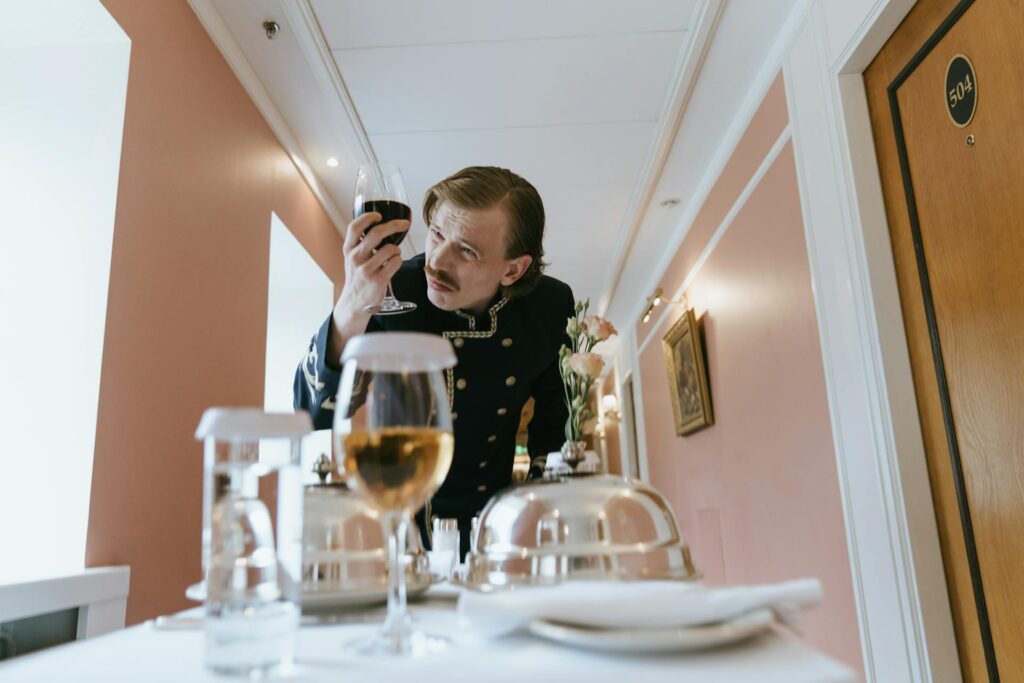
Meanwhile, tucked away in Shoreditch, Gloria has become a cult favourite for their Italian-inspired bottomless brunch. Their maximalist décor and generous portions of authentic pasta dishes, paired with endless prosecco or their signature Spritz Gloria, create an atmosphere that’s both indulgent and playful.

You can check out more places to eat in Central London here, should the above be fully booked.

Read: The best brunch in Soho

Manchester

Manchester boasts a vibrant bottomless brunch scene. Menagerie in Salford is a chic venue offering a glamorous brunch experience with bottomless Prosecco. Evelyn’s Café Bar in the Northern Quarter is a more relaxed option, famous for its hearty brunch menu and inventive cocktails.

The city’s creative Northern Quarter also hosts Common, a laid-back spot that’s mastered the art of casual yet quality bottomless brunch. Their Korean-inspired chicken and waffles, paired with unlimited spicy Bloody Marys or local craft beers, exemplify Manchester’s innovative culinary scene.

Read: The most iconic sandwiches in Manchester

Nottingham

Let’s turn our attention to Nottingham next. This East Midlands city has a growing reputation for its bottomless brunch offerings. One standout venue is Das Kino, located in the Lace Market area. This unique venue combines unlimited sourdough pizza with free flowing prosecco and ping pong, creating a lively and entertaining atmosphere. 

Another fantastic Nottingham option is Pitcher & Piano on High Pavement. Nestled in a historic building, this venue serves up a delightful brunch with choices like smoked salmon and cream cheese bagels or a full English breakfast. The bottomless drinks include prosecco, bloody marys, and Aperol spritzes.

Nottingham’s bottomless brunch scene continues to evolve, with more venues joining the trend and offering unique experiences for brunch enthusiasts

Edinburgh

Scotland’s capital city doesn’t disappoint when it comes to brunch. Badger & Co on Castle Street offers a delightful brunch menu, complete with bottomless drinks. For a unique twist, The Lioness of Leith is known for its Mediterranean-inspired brunch and free-flowing mimosas.
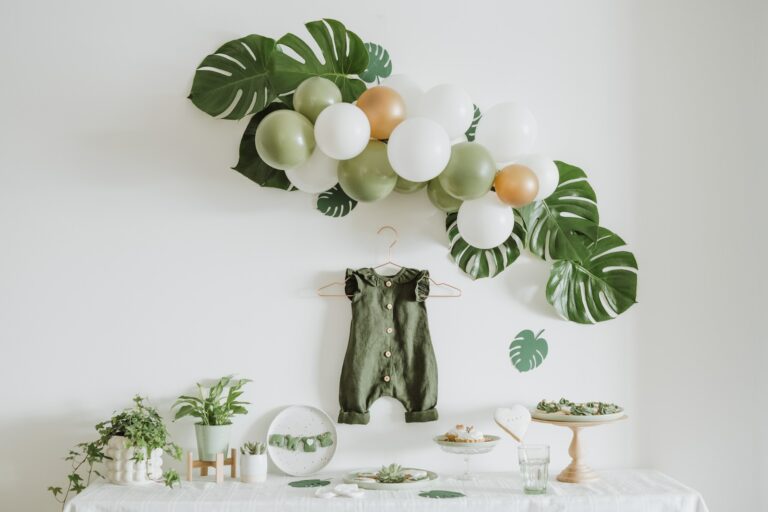
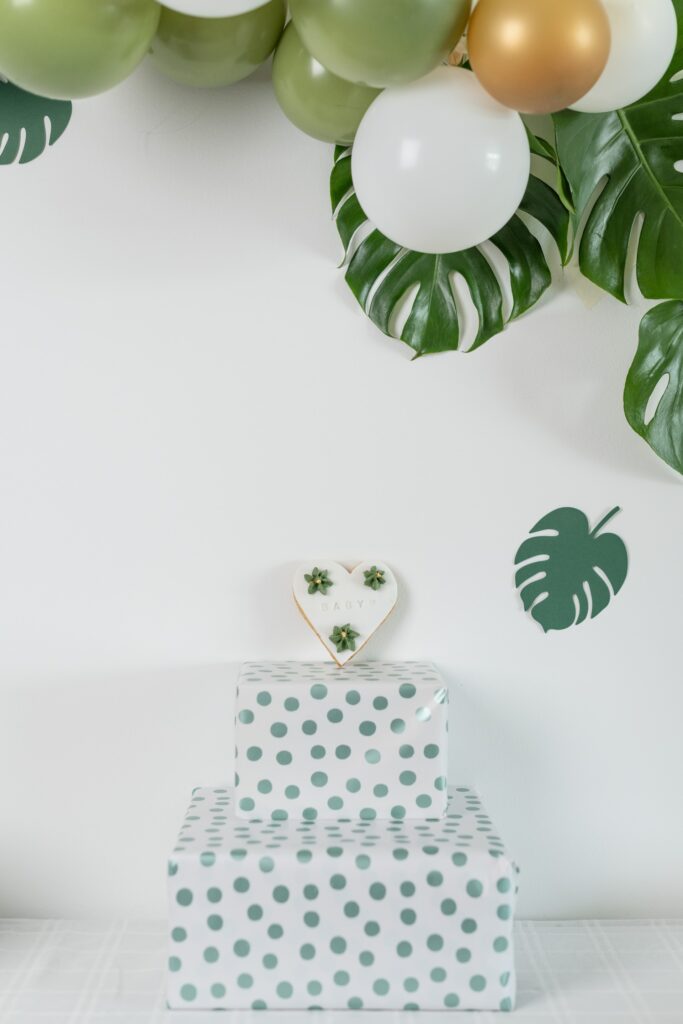
Rose Street Garden has become the talk of the town with its glass-roofed courtyard setting, perfect for year-round brunching regardless of Scotland’s famously unpredictable weather. Their Scottish-fusion menu includes haggis bon bons and Highland Benedict, alongside unlimited prosecco or Edinburgh Gin cocktails.
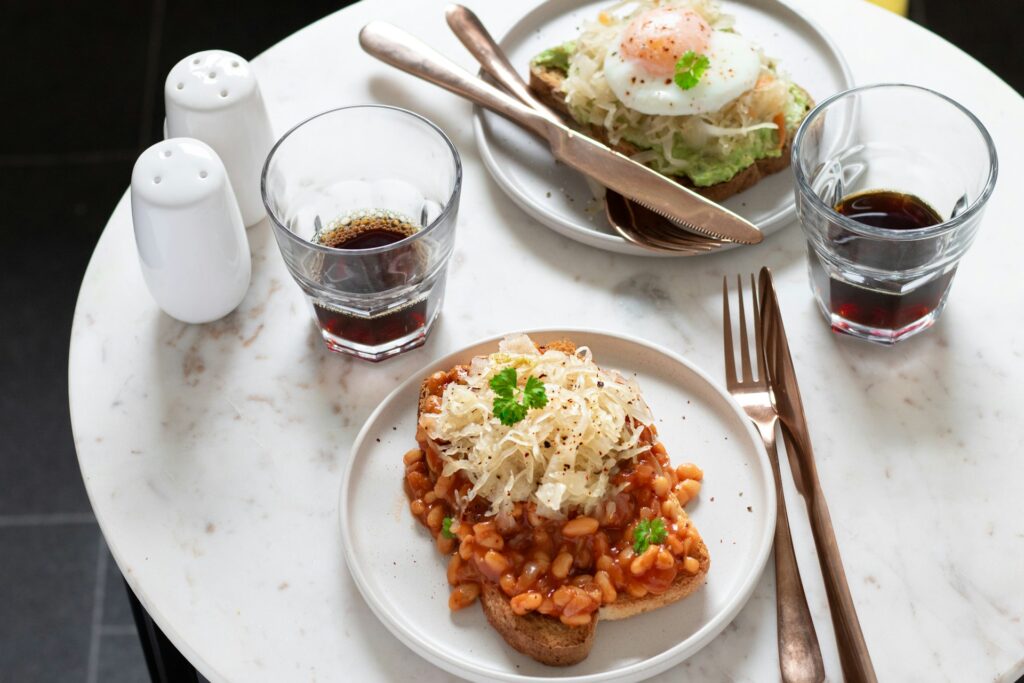
The Witchery by the Castle offers a more opulent take on bottomless brunch, with its Gothic dining room providing a dramatic backdrop for dishes featuring Scottish seafood and game, paired with unlimited champagne.
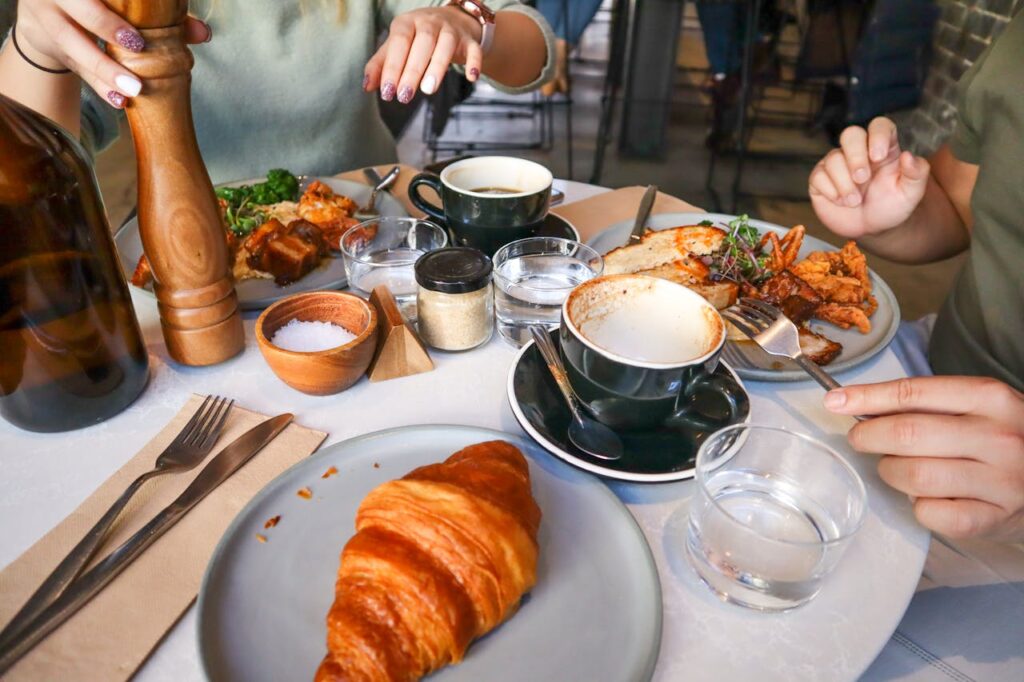
Read: The best vegan restaurants in Edinburgh

Birmingham

In Birmingham, Gas Street Social near the canal is a popular spot for bottomless brunch, offering a diverse menu and creative cocktails. The Plough in Harborne is a cosy pub that serves a hearty brunch with unlimited drinks.

Alternatively, The Lost & Found, housed in a Grade II listed building, offers themed brunches in their botanical paradise, complete with Victorian-inspired cocktails and locally sourced produce. Over in the Jewellery Quarter, Saint Kitchen has earned a cult following for their modern British brunch menu featuring house-made crumpets and locally roasted coffee, alongside free-flowing prosecco or their signature Birmingham Iced Tea.

Bristol

Bristol’s food scene is second to none, and the city’s bottomless brunch venues are as diverse as the city itself. No. 4 Clifton Village offers an elegant brunch experience, while The Florist in the city centre provides a botanical-themed setting with bottomless options.

The city’s independent spirit shines through at Bambalan, perched above Colston Street with panoramic views of the city. Their Mediterranean-inspired bottomless brunch features mezze platters and wood-fired flatbreads, alongside spritzes and local cider. In Clifton, Amoeba has carved out a niche with their fusion bottomless brunch, offering everything from Korean fried chicken to Somerset brie toasties, all served with unlimited natural wines or local craft beers. These venues perfectly capture Bristol’s reputation for culinary innovation and sustainability

Brighton

Of course, no list of bottomless brunch destinations in the UK would be complete without everyone’s favourite place for a hen-do, Brighton. Rather than keep you here (those mimosas are waiting), we’ll instead redirect you to our rundown of the best places to eat brunch in Brighton. Cheers!

The Bottom Line

Whichever corner of the UK you find yourself in, you’ll find bottomless brunch options by the bucket load. Whether they end up in smashed flutes and slapped faces or a meal of good cheer and plenty of laughter depends on where you choose to imbibe. The above locations will see you right, we think.