
Home Blog Page 92

The Ideal Weekend In Manchester For United Fans (When It’s Not Match Day)

We begin by stating the obvious somewhat; Manchester is not just a city. For Manchester United fans, it’s a shrine to footballing excellence and a treasure trove of Red Devil history. If you’re planning a weekend in Manchester when the team isn’t playing, there’s still a wealth of football-related experiences waiting for you. Here’s how to immerse yourself in the culture of one of the world’s most famous football clubs; Manchester United.

Friday

Friday Evening: Settling Into The Red Heart Of Manchester

Begin your weekend by checking into one of the city’s best (and surely most immersively United) hotels; Hotel Football. Owned by the Class of ’92 – a group of legendary players including Gary Neville and Ryan Giggs – and with views overlooking Old Trafford, it’s the perfect base for your Red Devils retreat.

In the evening, head to the Bishop Blaize, a ‘Spoons known for its pre-match atmosphere. It’s a place where chants have echoed for years, and the walls are lined with United history.

Saturday

Saturday Morning: The Hallowed Turf Of Old Trafford

Start your day with a pilgrimage to the United stadium. On match days, you can enjoy a family day out at Old Trafford with Ticket-Compare, sure, but on down-days, you can still get involved in the action with a museum and stadium tour, which allows fans to walk down the tunnel to the famous pitch and take a seat in the home dugouts. Prices for the Old Trafford tour start at £28 for adults and £15 for children.


Saturday Afternoon: In the Footsteps Of Legends

After soaking in the grandeur of Old Trafford, take a walk to Stretford End, the stand famous for housing the most vocal of United’s supporters. Nearby, find the United Trinity statue, honouring George Best, Denis Law, and Sir Bobby Charlton. Pay your respects at the Munich Memorial Clock, which stands outside the stadium, a poignant reminder of the club’s resilience.

For lunch, head to Red Café at Old Trafford, open on non-match days between 9am and 4pm. Here, you can dine amidst the glory of United, with a menu inspired by the sport. 

Next, venture to the lesser-known Clayton Blackmore Bridge or the Bridge of Sighs, named after the former United player. It’s a symbolic crossing point for fans on match days and a quiet place to reflect on the club’s connection to its community.

If you’ve got time, consider a visit to the Trafford Training Centre in Carrington (open from 9am to 5:30pm), where you can sometimes catch a glimpse of the youth teams in training. It’s a chance to see the future stars of United and the club’s investment in nurturing talent, though do be aware that access can be restricted.

Photo by Surya Prasad on Unsplash

Saturday Evening: Dining With United Flair

For dinner, it’s got to be Cafe Football, a football-themed restaurant owned by Gary Neville and Ryan Giggs that’s just a two minute walk from Old Trafford. Get stuck into some Rashford’s Rolls (spring rolls) or a Scholesy (a steak suet pudding, for some reason). 

Later, enjoy a drink at The Trafford, a pub frequented by fans for generations, where the spirit of United is as strong as the ale.

Read: Where to eat near Old Trafford

Sunday

Sunday Morning: City Centre Sports Discovery

Begin your Sunday with a visit to the National Football Museum on Todd Street, an essential destination for any football enthusiast. This modern cathedral to the beautiful game offers an unrivalled collection of football memorabilia and interactive exhibits that delve into the sport’s vibrant history, not just in Manchester, but across the entire world.

Hungry for lunch and with the kids? Head to the Hard Rock Cafe just a two minute walk from the National Football Museum. Kids can eat from the Messi Menu and fantasise about a time when he might have wanted to play for the club.

Or, if you’re looking for somewhere fancier, head to one of the city’s excellent restaurants, because sometimes food is better without tenuous connections to the footy.


Sunday Afternoon: The Fabric Of United

In the afternoon, explore the Manchester United Foundation’s community projects. You might have the opportunity to volunteer or visit places transformed by the foundation’s work, such as local schools and community centres, showcasing the club’s commitment to its roots.

Sunday Evening: A Toast To United’s Triumphs

Conclude your weekend with a quiet evening at the Sir Alex Ferguson Stand, where you can book a private dining experience overlooking the pitch. It’s a serene and luxurious way to reflect on the history and success of Manchester United.

Lastly, stop by the Stretford Enders Bar, where the walls are a gallery of United’s finest moments, and the conversation is always about the beautiful game.

The Bottom Line

Your weekend in Manchester may not coincide with the roar of a match day crowd, but the echoes of past glories and the whispers of future triumphs are always in the air. For a United fan, Manchester is more than a city; it’s a living museum dedicated to the red half of a footballing dynasty. 

Whether you’re tracing the steps of United legends or making new memories in fan-favourite haunts, Manchester offers a unique and intimate experience for those who chant “Glory, glory Man United.” Or, even for those who chant ‘’the referee’s a wanker”, quite honestly…

Summer Slushies: 5 Recipes Using British Fruit & Vegetables

As the British summer unfurls its warm embrace (pedants, we realise it’s not 20th June, but it’s 21°C out the!), the time will soon be ripe to indulge in the upcoming season’s bounty. The sun-drenched days call for refreshing sips that not only quench your thirst but also celebrate the vibrant produce of the Isles. Enter the summer slushie: a frosty concoction that’s as playfully silly as it is satisfying. 

Here, we’ve curated five delightful recipes that spotlight British seasonal fruits and vegetables, transforming them into icy treats that are perfect for sipping in the garden, at a picnic, or simply as a pause in your day. So, grab your blender, and let’s take a big, thirsty gulp of chilled bliss with these five summer slushy recipes. Aaaaaahhhhh…

Strawberry & Mint Majesty

Nothing heralds the British summer quite like the arrival of strawberries. These ruby-red jewels are the star of Wimbledon, sure, but really they’re ready to grace your glass a little earlier in the year, with beautiful British strawberries beginning to crop up in mid-May. 

Our Strawberry & Mint Majesty slushie is a regal affair, blending the classic flavours of British summertime with a minty freshness that dances cooly on the palate.

Ingredients:

  • 2 cups of fresh British strawberries, hulled
  • A handful of fresh mint leaves
  • 2 tablespoons of honey or to taste
  • Juice of 1 lime
  • 1 cup of crushed ice

Method:

Blend the strawberries, mint leaves, honey, and lime juice until smooth. Add the crushed ice and pulse until you achieve a slushie consistency. Serve immediately, garnished with a sprig of mint and a strawberry slice.

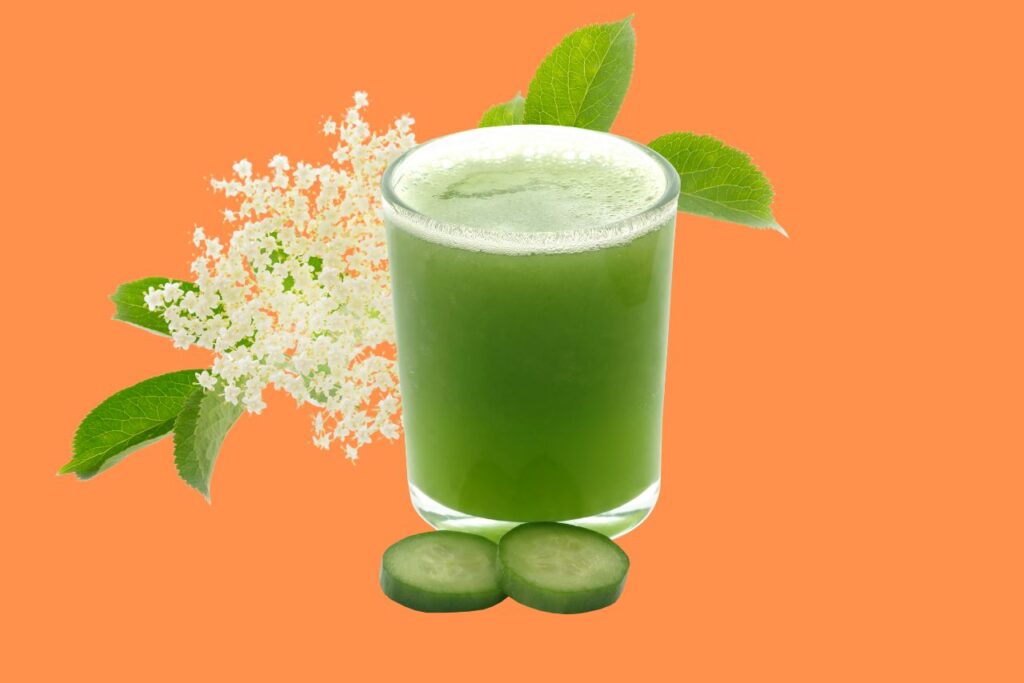
Cucumber & Elderflower Elixir

Design Via Canva

The cucumber, with its crisp and cooling qualities, is a quintessential part of the British vegetable patch (or Pimms jug!). 

Paired with the floral notes of elderflower, this slushie is a sophisticated refresher that’s perfect for those increasingly balmy afternoons in the countryside or city park.

Ingredients:

  • 1 large British cucumber, peeled and chopped
  • 4 tablespoons of elderflower cordial
  • Juice of 1 lemon
  • 1 cup of crushed ice
  • Sparkling water (optional)

Method:

Puree the cucumber, elderflower cordial, and lemon juice until smooth. Add the crushed ice and blend until slushy. For an effervescent twist, top with a splash of sparkling water. Serve with a slice of cucumber and a lemon twist.

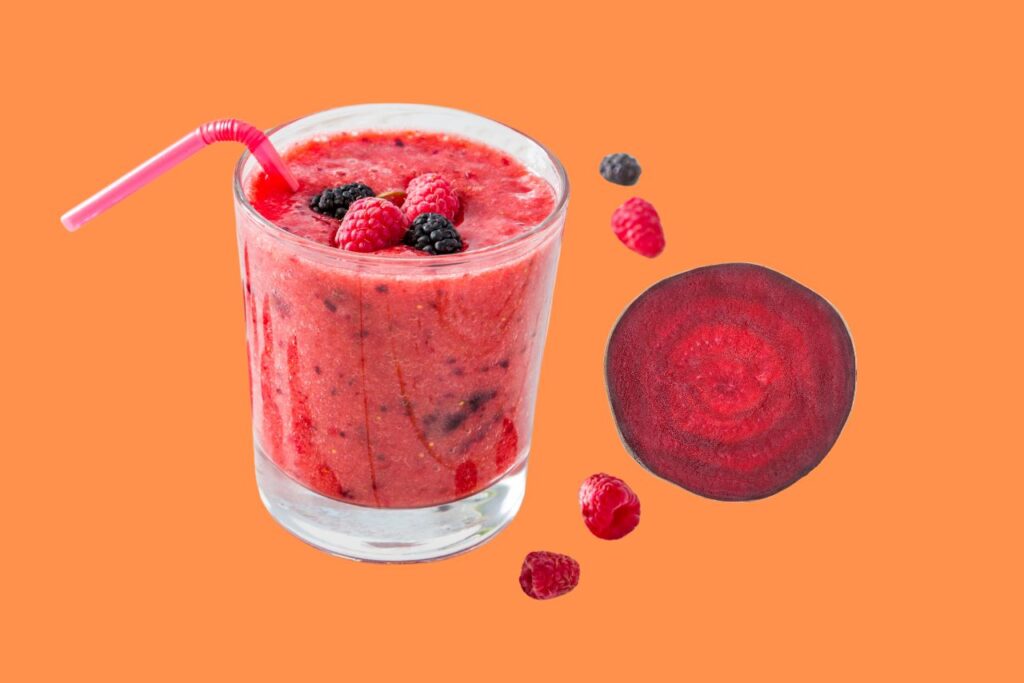
Raspberry, Blackberry & Beetroot Blast

Design Via Canva

Raspberries, blackberries and beetroot are an unlikely duo that create a slushie with a stunning hue and a nutritional punch. The earthiness of the beetroot is beautifully balanced by the tart sweetness of the raspberries, making this slushie a conversation starter at any summer gathering.

Ingredients:

  • 1 cup of fresh British raspberries
  • Quarter cup of British blackberries
  • 1 small cooked beetroot, peeled and chopped
  • 2 tablespoons of maple syrup or to taste
  • Juice of 1 orange
  • 1 cup of crushed ice

Method:

Combine the raspberries, beetroot, maple syrup, and orange juice in a blender and whizz until smooth. Add the crushed ice and blend to a slushie consistency. Pour into glasses and garnish with a few whole raspberries.

Apple & Blackberry Twist

As the summer wanes, blackberries begin to stud the hedgerows, and apples weigh down the orchard boughs. This slushie pays homage to the classic British crumble, with a tangy twist that’s as refreshing as a walk through the fields.

Ingredients:

  • 2 cups of British apples, cored and sliced
  • 1 cup of fresh British blackberries
  • 2 tablespoons of golden syrup
  • Juice of 1/2 a lemon
  • 1 cup of crushed ice

Method:

Blend the apples, blackberries, golden syrup, and lemon juice until smooth. Add the crushed ice and blend until you reach a slushie consistency. Serve in tall glasses with a blackberry and apple slice garnish.

Pea & Mint Cooler

For something truly unique, this Pea & Mint Cooler is a celebration of the humble garden pea, elevated to new heights with the addition of mint and citrus. It’s a verdant, velvety slushie that’s as surprising as it is delicious.

Ingredients:

  • 1 cup of fresh British garden peas, blanched and cooled (frozen is fine as a replacement)
  • A generous handful of fresh mint leaves
  • 2 tablespoons of agave syrup or to taste
  • Juice of 1 lemon
  • 1 cup of crushed ice

Method:

Blend the peas, mint leaves, agave syrup, and lemon juice until smooth. Add the crushed ice and blend until you have a fine slushie texture. Pour into glasses and garnish with a sprig of mint and a few whole peas.

Equipment

To transform these British fruits and vegetables into the quintessential summer slushies, you’ll need the right blender. While a commercial slushy machine is ideal for churning out consistently smooth and icy drinks, it’s not a practical option for everyone at home. Here’s what you can use to make these recipes at home:

High-Powered Blender

A high-powered blender is the cornerstone of any slushie-making setup. It needs to be robust enough to handle the crushing of ice to achieve that perfect slushie consistency. Look for blenders with strong blades and a sturdy motor. Features like pulse mode and variable speed control can also be helpful for fine-tuning the texture of your slushie.

Immersion Blender

For those with limited kitchen space, an immersion blender can be a good alternative. While it may require a bit more effort to get the ice perfectly crushed, it’s a great tool for quickly blending up the fruit and vegetable bases of your slushies.

Ice Crusher

If your blender isn’t powerful enough to crush ice finely, consider investing in a dedicated ice crusher. This tool can help you prepare the crushed ice before adding it to your fruit and vegetable mixtures, ensuring a smoother blend.

A Note On Measurements

You might have noticed that in our slushie recipes, we’ve used cups. When it comes to crafting the perfect summer slushie, the ease and speed of preparation are key. You want to be out there enjoying the sun, not stuck inside fiddling with scales and weights. Using cups is convenient here, especially when dealing with less precise ingredients like crushed ice. It’s about getting the proportions right without getting bogged down in the nitty-gritty.

Indeed, when you’re in the throes of slushie-making, often with ice melting at the speed of light, a quick scoop of a cup is much more practical than weighing each ingredient. It’s about keeping the process as cool and breezy as the slushies themselves!

The Bottom Line

Each of these summer slushies offers a unique way to enjoy the fruits and vegetables that grow on this green and pleasant land. They’re not just drinks; they’re a celebration of British summertime, in all its fleeting, sun-soaked glory. So, raise your glass and toast to the start of the season – with a slushie in hand, of course!

Or, with one of these iced summer coffee recipes, if you need a proper pick-me-up…

5 Air Fryer Recipes To Try This Weekend

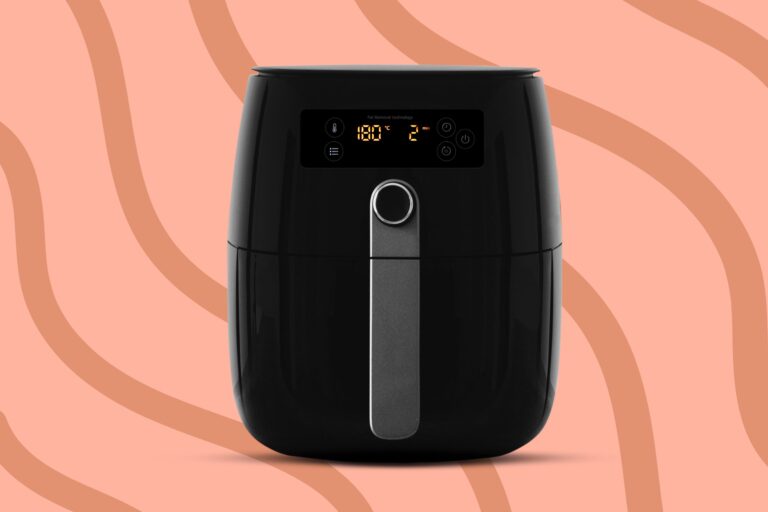
Did you watch Jamie Oliver’s new show devoted to the must-have kitchen gadget of the moment?  If you didn’t, then all you need to know is that Jamie Oliver has jumped on the culinary bandwagon to present you with Jamie’s Air Fryer Meals. 

We’re confident that you’ve all heard of air fryers by now. But for the few of you hiding behind their old-fashioned aga stove, essentially an air fryer is just a little oven with a basket that you put food into. Hot air circulates inside and makes things lovely and crisp without you having to dunk your food into a vat of oil. They are ideal for cooking things quickly and are often a healthier way to cook a meal, too. 

Unsurprisingly, Google searches for air fryers peaked after the show was aired. Yep, Google Trends found the following search terms rising:

  • Ninja Double Stack Air Fryer (up 450%)
  • Jamie Oliver Air Fryer Chicken (300%)
  • Jamie Oliver Air Fryer Scones (190%)
  • Lamb Chops (90%)

It is estimated that 12 million UK households now own an air fryer to help make quick and easy meals and, according to YouGov, 50% of Brits say they have used an air fryer and like it. 

With other top chefs including Nigella Lawson and Gordon Ramsay also jumping on the new culinary bandwagon, community retailer SPAR has pulled together 5 inspiring recipes from TikTok and Instagram for you to try at home this (or any other!) weekend (or day). 

Crispy Skin Roast Chicken

Roast dinners are all about timings but getting the perfect, juicy chicken can take just an hour thanks to the air fryer. Simply prepare the chicken by using oil or butter and the herbs of your choosing, making sure the whole chicken is covered. Turn over after 30 minutes and voila, no messy basting involved! 

Ideal’s Top Do’s and Don’ts For The Crispiest Air Fryer Chicken…

Do’s:

  1. Do preheat your air fryer: Preheating ensures that the chicken starts cooking immediately, leading to a crispier skin.
  2. Do season generously: Use a good amount of oil or butter and your favorite herbs to coat the chicken thoroughly.
  3. Do turn the chicken halfway: This ensures even cooking and crispiness on all sides.

Don’ts:

  1. Don’t overcrowd the basket: Make sure there’s enough space around the chicken for air to circulate.
  2. Don’t forget to check the internal temperature: Ensure the chicken reaches an internal temperature of 165°F (75°C) to be safe to eat.
  3. Don’t skip resting the chicken: Let the chicken rest for a few minutes after cooking to retain its juices.

Read: 5 benefits of an air fryer oven over deep fat frying and ovens

Air Fryer Lasagne

Air fryer Lasagne means building your dish straight into the air fryer draw. So simply make your bolognese and bechamel sauce as you normally would, and then add two serving spoons of your bolognese mix to your air fryer and layer on fresh pasta and sauce. Build to your preference and cook for 30 minutes. Follow Planet Food’s video here to see how to do it at home. 

Ideal Do and Don’ts for air fryer lasagne…

Do’s

  1. Do use fresh pasta: Fresh pasta cooks better and faster in the air fryer.
  2. Do cover with foil if needed: If the top is browning too quickly, cover it with foil to prevent burning while the inside continues to cook.
  3. Do let it rest: Allow the lasagne to rest for a few minutes after cooking to set and make it easier to slice.

Don’ts:

  1. Don’t forget to check halfway: Check the lasagne halfway through cooking to ensure it’s not burning.
  2. Don’t forget to grease the dish: Lightly grease the dish or air fryer drawer to prevent the lasagne from sticking.
  3. Don’t use too much sauce: Excess sauce can make the lasagne soggy.

Jammy Egg Bagels 

If you are looking for an easy brunch idea or something to elevate your WFH lunches, Jammy Egg Bagels is the new trend to try out. Air fryers are perfect for cooking eggs and by adding a bagel with your favourite fillings you can create some dream combinations. Take a look at Bored Of Lunch’s Egg Bagel with Pesto and Cheese for a satisfying dish made in just 7 minutes! 

Do’s:

  1. Do use fresh eggs: Fresh eggs will give you the best texture for jammy yolks.
  2. Do experiment with fillings: Try different combinations of fillings to find your favorite.
  3. Do toast the bagel: Toasting the bagel before adding the egg can add an extra layer of crunch.

Don’ts:

  1. Don’t overcook the eggs: Keep an eye on the cooking time to ensure the yolks remain jammy.
  2. Don’t overcrowd the air fryer: Cook the eggs in batches if necessary to avoid uneven cooking.
  3. Don’t forget to season: A little salt and pepper can enhance the flavor of the eggs and bagel.

Melt & Mix Chocolate Chip Cookies

One for the sweet lovers, these Melt and Mix Cookies from Steph Cooks Stuff have been bookmarked thousands of times.

Her recipe means you just have to mix all your ingredients together (including a good amount of chocolate chips!), roll out the mixture into a log shape on cling film and pop in the fridge for 30 minutes. When it’s chilled, slice into 1cm wide sections and you have your cookies ready for baking! Put them into your air fryer for 7 minutes and you’ll have hot cookies any time of day. 

Do’s:

  1. Do chill the dough: Chilling the dough helps the cookies hold their shape and enhances the flavor.
  2. Do use good quality chocolate chips: High-quality chocolate makes a big difference in taste.
  3. Do slice evenly: Slice the dough into even sections to ensure uniform cooking.

Don’ts:

  1. Don’t overcrowd the air fryer: Leave enough space between cookies for air to circulate.
  2. Don’t overbake: Keep an eye on the cookies to prevent them from becoming too hard.
  3. Don’t skip the cooling step: Let the cookies cool slightly before eating to set properly.

Salmon Bites & Garlic Cream Sauce

A delicious way to enjoy salmon as a quick midweek meal, these Salmon Bites with Garlic Cream Sauce from Sauced Up Foods are an easy recipe for the air fryer. 

Cut your salmon into bite-sized pieces, add the spices or herbs you like and place them evenly into the air fryer. Make a garlic cream sauce with garlic, butter, cream, lemon and parsley and serve over mashed potatoes. 

Do’s:

  1. Do cut the salmon evenly: Evenly sized pieces ensure uniform cooking.
  2. Do preheat the air fryer: Preheating helps achieve a crispy exterior on the salmon bites.
  3. Do make the sauce fresh: Freshly made garlic cream sauce enhances the dish’s flavor.

Don’ts:

  1. Don’t overcook the salmon: Salmon cooks quickly, so keep an eye on it to avoid drying it out.
  2. Don’t overcrowd the basket: Ensure there’s enough space for air to circulate around the salmon bites.
  3. Don’t forget to season: Proper seasoning is key to bringing out the flavors of the salmon and sauce.

If these recipes have got you opening up your amazon app to research the best air fryers out there, then first read our article on things to consider before buying an air fryer.

The Healthiest Snack Ideas To Help Fight Mid-Morning & Mid-Afternoon Hunger Pangs

As the clock strikes 11am or 4pm (or, you know, both) do you find yourself ravenously rummaging through your packed lunch or scrambling to the vending machine in search of a quick fix for that hunger pang?

You’re not alone. These times are notorious for the onset of insatiable hunger, with office workers across the nation cracking open another packet of crisps or a Snickers bar to tide them over until it’s a more socially acceptable time to eat lunch.

It doesn’t have to be this way. Instead, there are plenty of healthy, satisfying, satiating snacks out there that will see you right during those mid-morning and mid-afternoon bouts of hunger. These are those.

Mid-Morning Munchies

Regardless of whether you had a hearty breakfast, 11am hunger pangs are not uncommon. The key is to choose snacks that provide a good balance of protein, fibre, and healthy fats to keep you energised and satisfied until lunch.

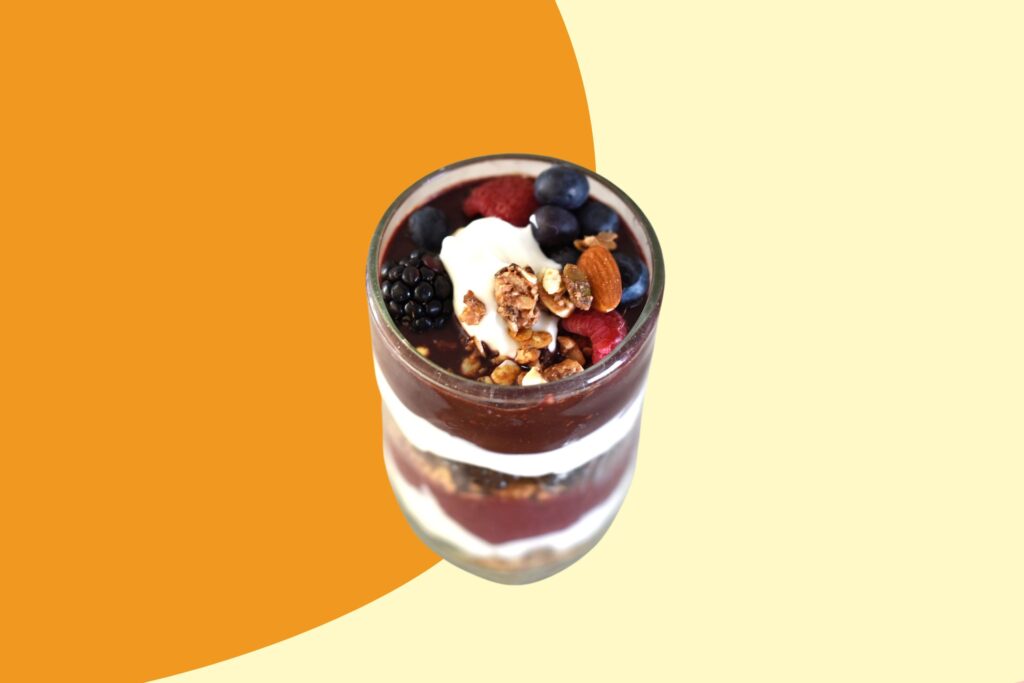
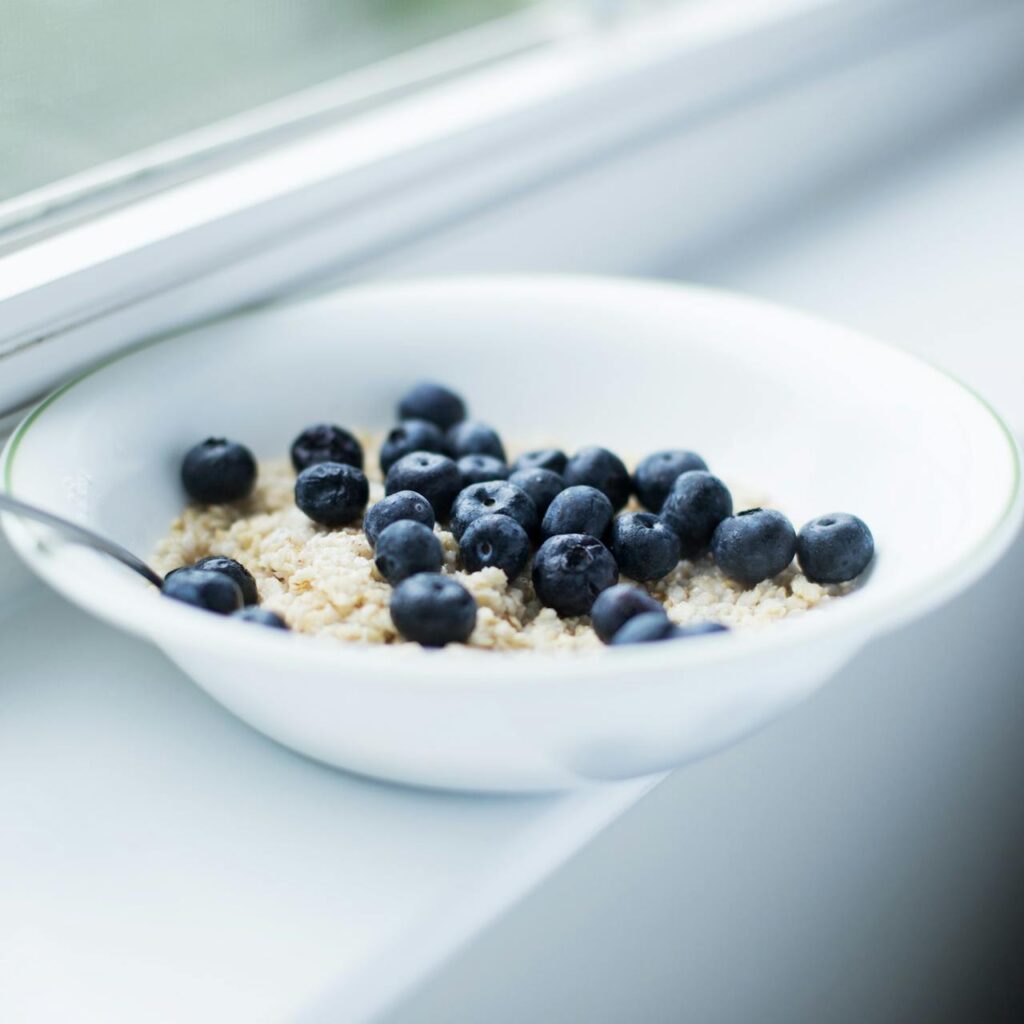
Greek Yoghurt with Berries

Greek yoghurt is brimming with protein, keeping you full for longer, while berries offer a delightful burst of antioxidants and essential nutrients. Opt for fresh, organic berries and plain, low-fat yoghurt for a perfect mid-morning snack. If you’re feeling fancy, chuck a few crushed nuts over the top. Just watch out for any misophoniacs – the sound of you crunching on those nuts might just get you hauled in front of HR.

Nut Butter on Whole Grain Toast

A small slice of whole grain toast smeared with almond or peanut butter provides a good source of both protein and fibre. If you’re feeling adventurous, sprinkle it with some chia or flax seeds for an extra dose of omega-3 fatty acids and a little textural intrigue to boot.

Read: 7 of the best healthy office snacks

Hard-Boiled Eggs

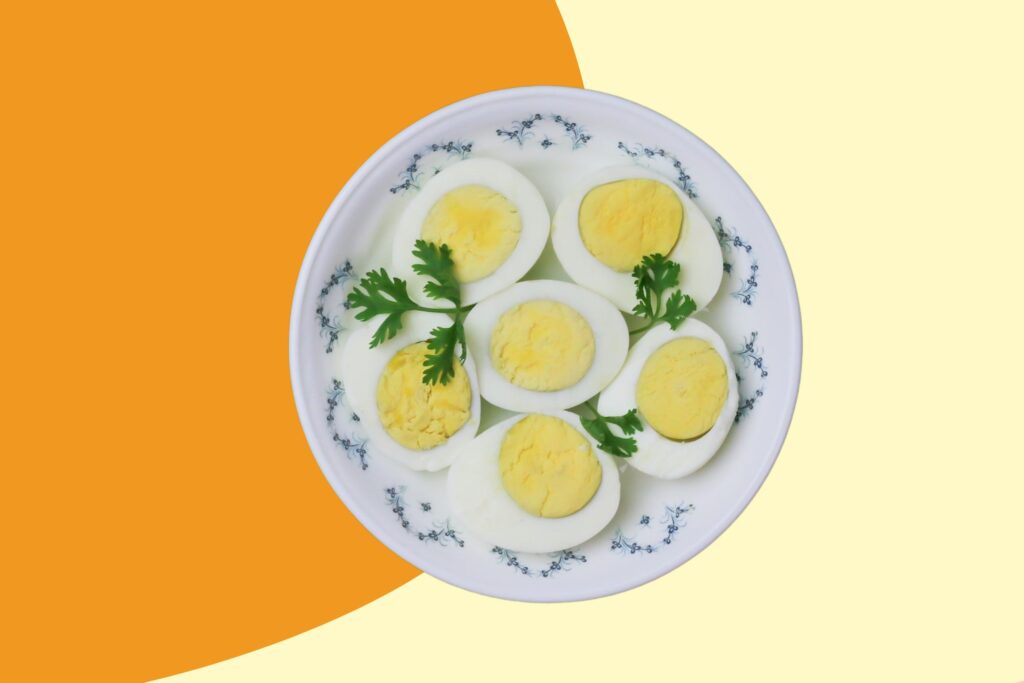
Eggs are nature’s own power-packed snack, rich in protein and choline, an essential nutrient for brain health. Keep a few hard-boiled eggs in the fridge (or in your coat pocket) for a quick snack to peel and eat. Just be warned – in communal or coworking spaces, breaking out the boiled eggs may elicit the chagrin of your colleagues rather than their envy.

Chia Pudding

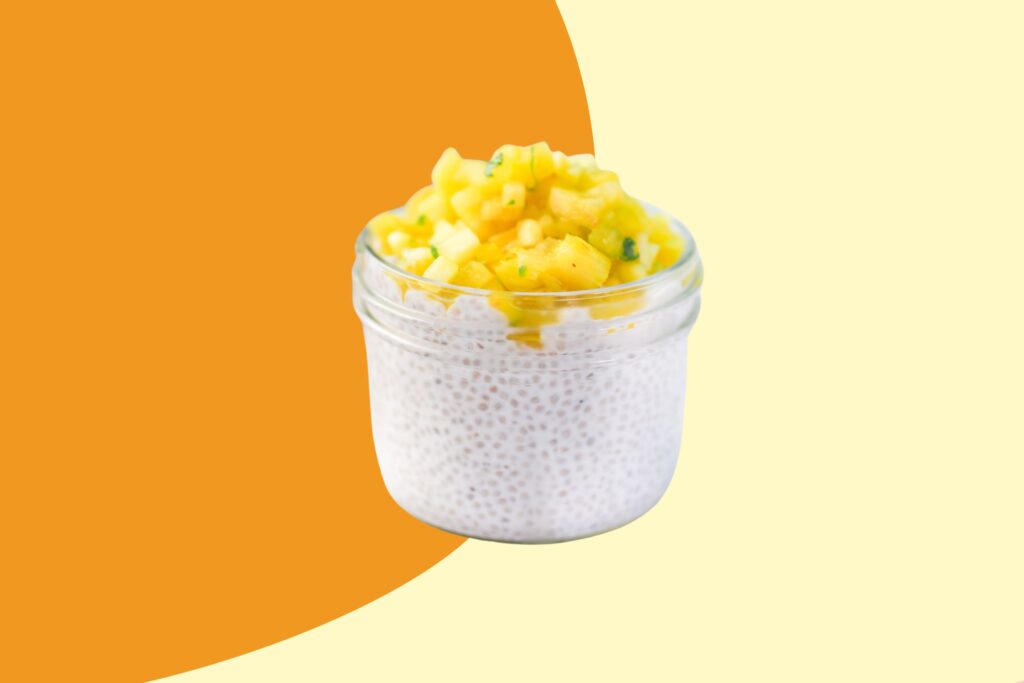
This superfood snack is not only easy to prepare but it’s also loaded with fibre, protein and healthy fats. Simply mix chia seeds with your choice of milk (dairy or plant-based), let it rest for a few minutes and voila, your chia pudding is ready. Add a dash of honey or a few berries for some natural sweetness.

Smoothies

Smoothies are the perfect snack to get your daily dose of fruits and even sneak in some vegetables. Try a combination of spinach, banana, and kiwi with a spoonful of Greek yoghurt and a dash of honey for a deliciously nutritious smoothie. If you’re keen to follow the ultimate wellness trend of 2023, check out these sea moss smoothie recipes. You won’t regret it! Actually, you might…

Mid-Afternoon Munch

The dreaded 4pm slump is all too familiar for many of us. Rather than reaching for a bar of chocolate or a packet of crisps, try out these healthier options that are sure to curb your cravings until dinnertime without the guilt.

Hummus & Veggie Sticks

Hummus is an excellent source of plant-based protein and heart-healthy fats. Pair it with an array of colourful, crunchy crudites such as carrots, peppers, or cucumber for a refreshingly wholesome snack.

Read: The best vegan and vegetarian restaurants in London

Trail Mix

A homemade trail mix of nuts, seeds, dried fruit, and dark chocolate can serve as a fantastic energy-boosting snack. This nutritious concoction provides a balanced intake of proteins, healthy fats, and a hint of sweetness to satisfy your sweet tooth. Just remember, moderation is key due to the high calorie content of a proper trail mix.

If that’s a concern, then for a pick-me-up without any calories, consider packing some energy boost glucose chews and tablets in your lunch box.

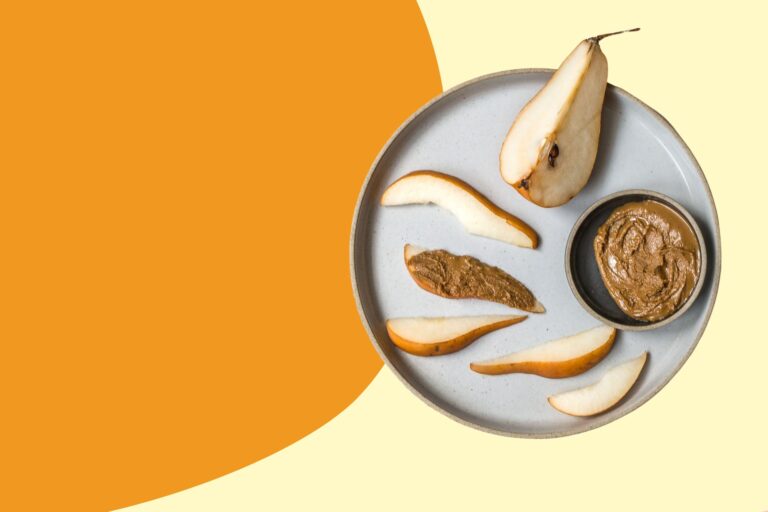
Apple or Pear with Nut Butter

The fibrous goodness of apple paired with a nutrient-dense nut butter makes an ideal combination for a filling and satisfying snack. Choose organic, freshly grown apples and natural, unsweetened nut butter for optimal health benefits.

Oatcakes with Avocado

Oatcakes are a great source of complex carbohydrates that give you a steady release of energy. Top them with avocado, which is filled with heart-healthy monounsaturated fats to keep you feeling satisfied until dinner time. Add a sprinkle of chilli flakes or a dash of lemon juice for extra flavour.

Air-Popped Popcorn

Popcorn isn’t just for the cinema. Air-popped popcorn is a whole grain, high in fibre and low in calories, making it an ideal snack to keep you going through the afternoon. Try sprinkling a little nutritional yeast on top for a faux-cheesy, high-protein kick.

The Bottom Line

Whether those hunger pangs tend to strike at 11am or 4pm or both, remember that your body is asking for nourishment, rather than to be admonished. Treat it kindly, and feed it wisely. 

Make your snacking an opportunity to complement your daily nutritional intake rather than a regrettable indulgence. The next time you’re scheduling your daily meals, spare a thought for these nutritious and delicious snacks that will not only satisfy your cravings but also fuel your day productively. Now, where did I put my tub of nut butter?

Designing Your Baby’s First Room: Trends & Essentials

Creating a perfect nursery is one of the most exciting aspects of preparing for a new addition to the family. Beyond just a space for sleep, your baby’s first room is where many firsts will happen – from the first night at home to the first steps. Given the importance of this space, it’s important to consider both style and functionality. Here’s a guide on how to create a beautiful and practical nursery for your little one!

Choose A Theme

Choosing a theme can give you a clear direction for selecting everything from the colour palette to the decorations. Popular themes include nature-inspired motifs, soft geometric patterns, and classic storybook characters. These can be subtly integrated through wall art, bedding, and accessories, creating a cohesive and inviting environment. A well-chosen theme not only enhances the aesthetics of the nursery but also stimulates the cognitive and visual development of your baby.

Choose The Right Baby Cot

The cot is often the centrepiece of the nursery, so selecting the right one is a big step! Look for models that blend safety, comfort, and style. The latest trend is towards cots that convert into toddler beds, providing longevity beyond the baby years. A quality baby cot with a mattress that ensures safety standards is essential. 

When choosing a cot, consider the material and finish. Solid wood cots not only offer durability but also come in various finishes that can match your chosen theme. Ensure that the paint or finish is non-toxic and low VOC (volatile organic chemicals). 

Some cots come with additional storage like drawers underneath, which can be extremely useful for storing bedding, clothes, and other necessities, keeping them handy but out of sight.

Functional Furniture

In addition to the cot, consider other furniture pieces such as a changing table, a comfortable chair for feeding and soothing, and adequate storage. Multi-functional furniture that can serve more than one purpose, like a dresser with a changing top, can be a great space-saver in smaller rooms.

A well-chosen chair is great for those late-night feeds or just for comforting your baby. Look for a model that offers good back support and has gentle rocking or gliding motion.

Storage is another critical aspect of nursery design. Choose pieces that offer versatility and functionality. Shelving units with bins or baskets can be used to store toys and books, while a dresser can organise clothes and essentials. Opt for furniture with safety latches and soft-close drawers to prevent fingers from getting pinched.

Consider the future use of each piece. Many changing tables can be converted into regular dressers, and shelves might be adapted for use in any room of the house. This approach not only saves money in the long run but also maintains a familiar environment for your child as they grow.

Soothing Colours & Textures

The colour scheme of the nursery has a big impact on the look and feel of the room. Pastels like soft blues, pinks, and greens continue to be popular for their calming effect. However, more parents are choosing neutral tones such as greys and creams, which can grow with the child and lend themselves well to future redecoration.

Choosing the right colours can influence the mood of the room. Soft blues are known for their calming effect, making them a perfect choice for a sleep-friendly environment. Greens, which symbolise nature and growth, can create a serene and refreshing atmosphere. 

Neutral tones like grey, taupe, or beige provide a sophisticated backdrop that allows you to play with colourful accents in decorations and textiles. This flexibility is useful as it makes updating the look of the nursery simpler as your child grows. 

Textures also play a role in the nursery’s environment. Soft fabrics like cotton, muslin, or chenille can add depth and sensory experience for your baby. Use these materials in curtains, rugs, or upholstery to balance the colour scheme and enhance the overall comfort of the room.

Lighting Matters

Soft, layered lighting can create a soothing atmosphere and is practical for nighttime feeds without being too harsh. Consider a combination of overhead lights, a dimmable bedside lamp, and maybe even some fairy lights for a magical touch. Blackout curtains or blinds are a great option to make daytime naps a bit easier!

Safe & Sound

Safety and babyproofing are paramount in any nursery. Ensure that all furniture is sturdy and secured. Keep cords from blinds and curtains out of reach, and plug covers in unused electrical outlets. Regularly check toys and decorations for any potential hazards, like small parts or loose threads.

Personal Touches

Finally, adding personal touches can make the nursery feel special. Framed family photos, handmade decorations, or a keepsake shelf can all add warmth and personality to your baby’s first room.

Personalising the nursery can be a delightful aspect of the preparation. Consider creating a feature wall with framed ultrasound images or photos from your maternity shoot. Handmade items such as knitted blankets, custom paintings, or crafted mobiles not only add uniqueness to the space but also can be cherished as keepsakes in years to come.

Remember, the nursery is a space where you will spend a lot of time, so include comforts for yourself as well. A soft throw on the feeding chair, a good reading lamp, and perhaps a small coffee station can make those long nights more comfortable.

The Bottom Line

Creating a nursery is a blend of practical considerations and personal style. By focusing on these essentials, you can design a space that is both functional and beautiful, ensuring it’s a place where your baby—and you—will love to spend time.

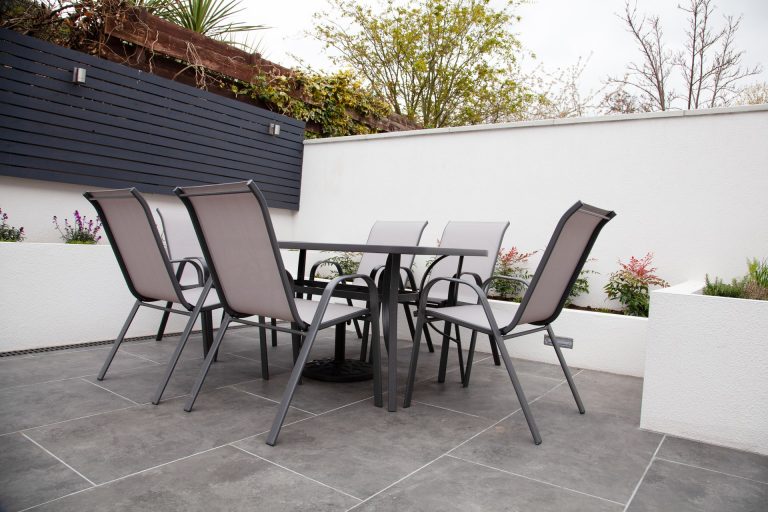
How To Protect Your Garden Furniture From The Elements, Whatever The Weather

The Great British weather… As unpredictable as a soap opera plotline and twice as dramatic. But lo and behold, the mercury is creeping up, and the sun has decided to grace us with its presence more frequently. It’s that time of year when our gardens become the stage for barbecues, lazy afternoons, and the occasional over-ambitious vomit-drenched garden party (was it the excess of Pimms or the pink chicken? We’ll never know).

Anyway, with the weather finally warming up, it’s also time to think about protecting your beloved garden furniture from the elements – because, in the UK, a sunny morning can often turn into a scene from The Tempest by tea time.

So, how do you keep your garden furniture looking brand new? Here are some tips that will help you protect your outdoor pieces from everything Mother Nature throws at them – be it rain, shine, or the occasional hailstorm in July.

Invest In Quality Covers

The first line of defence for your garden furniture is a good quality cover. Look for garden furniture covers that are made from durable, waterproof materials and make sure they fit snugly over your furniture. This will keep your pieces dry during those surprise downpours. And remember, a flapping cover is about as useful as a chocolate teapot, so ensure they come with ties or Velcro straps to keep them secure when the wind picks up.

Store Cushions Inside

While it might be tempting to leave your cushions out so your garden always looks guest-ready, it’s a sure-fire way to invite mildew and fading. Store your cushions inside when not in use, or invest in a waterproof storage box that can double as a bench. That way, your cushions stay as plump and colourful as a row of prize-winning marrows at the village fete.

Mind The Metal

Metal furniture can survive a downpour, but it’s not invincible. To prevent rust and corrosion, apply a protective layer of car wax or a specialised metal protector once a year. It’s a bit like waxing your car, except you’ll be buffing your bistro set instead of your bonnet.

Treat Wood With TLC

Wooden furniture adds a touch of class to any garden, but it requires a bit of pampering to stay looking its best. Before the season kicks off, give your wooden pieces a good clean and apply a protective oil or stain. This will not only enhance the natural beauty of the wood but also provide a barrier against the sun’s UV rays and damp conditions. Think of it as sunscreen for your sun loungers.

Consider Seasonal Shelter

If you have the space, consider moving furniture into a shed or garage during the off-season. If that’s not an option, then a well-secured tarpaulin can also do the trick. It’s a bit like tucking your furniture into bed for a long winter’s nap.

Regular Maintenance

Regular maintenance is key. Check for any signs of wear and tear and address them promptly. Tighten any loose screws, sand down any rough spots, and touch up paint if necessary. It’s the little things that make a big difference.

Embrace The Power Of Feet

Elevate your furniture, literally. Most garden furniture comes with some form of feet, but these can often be quite short, leaving the legs susceptible to sitting in damp grass or on wet decking. Consider investing in some risers or stand-offs to lift your furniture a few more inches off the ground. This will improve airflow, reduce rot, and keep your furniture from developing those unsightly, damp sock-like stains on their feet. Plus, it gives your furniture that haughty, ‘I’m too good for puddles’ look.

Go For The Undercoat

Your metal and wooden furniture could do with a bit of undercoating too. Use a primer specifically designed for outdoor use to give your furniture an extra layer of protection against rust, rot, and the ravages of rain and shine. It’s the unsung hero of the furniture protection world, working tirelessly behind the scenes to keep your garden set looking dapper.

Rotate For Even Wear

Sunlight can be as selective as a cat deciding where to nap. It doesn’t hit all parts of your furniture equally, which can lead to uneven fading. To combat this, rotate your furniture periodically to ensure an even tan – or, in this case, an even lack of tan. This is particularly important for soft furnishings, which can fade faster than a British suntan in October. By rotating your cushions and moving your chairs around, you’ll ensure that all sides age gracefully, like a fine English wine or a beloved leather cricket ball.

Be Mindful Of The Lovely, Inquisitive Wildlife

Lastly, remember that your garden is a haven for wildlife, and while it’s lovely to watch birds and squirrels frolic, they can also leave their mark on your furniture. Consider bird deterrents or simply embrace the fact that your garden is a thriving ecosystem – droppings and all.

The Bottom Line

Protecting your garden furniture from the elements is a bit like preparing for a British summer holiday – hope for the best, but plan for the worst. With these tips, your garden furniture will stand the test of time, come rain or shine, and you’ll be ready to host at a moment’s notice – because if there’s one thing we Brits know how to do, it’s to make the most of the sunshine when we get it. Cheers to many splendid afternoons in your well-kept garden oasis!

7 Must-Have Accessories For The Luxury, Eco-Conscious Traveller

Sure, there are those who preach that they ‘collect memories, not things’. There are others who extol the virtues of only carrying the clothes on their back when on the road. But as any truly seasoned traveller will attest, they are also the ones asking to borrow your phone charger. They are the ones suffering from athlete’s foot from barefoot walking, and staying put in the same hostel, in the same town for far too long, rather than actually getting out there and exploring.

Don’t be that guy or gal. A few smart investments prior to your big trip can make things move seamlessly and succinctly once you’re on it, and offer a comfort which puts you in the best possible position to see as much of the world as your eyes can manage. With that in mind, here are 7 must-have accessories for the luxury-eco-conscious traveller.

A Designer Eco-Friendly Waterproof Jacket

Should you be doing your trip in the carefree, spontaneous style which seems to define the term ‘travel’, then let’s face it, there are times when you’re going to get caught short in a storm and get tropically, biblically wet. That shouldn’t worry you; it means you’re somewhere far-flung, unpredictable and on foot, seeing the sights and doing it right. 

But there’s no bigger buzzkill to that footloose-and-fancy-free style than getting ruined by the inclement weather. A trendy, in fashion and on point jacket, which is waterproof and not just water repellant (not the same thing and not offering the equivalent level of protection) is a must, then. Better still is one specifically designed with a long cape-like back, for travellers to place over their bags to keep possessions dry, too.

Look for one crafted from sustainable materials that doesn’t sacrifice style for functionality. A jacket with an extended rear hem can double as protection for your backpack, ensuring your belongings stay dry as you wander through the unpredictable weather of both farflung and domestic destinations.

A Solar-Powered Charger & Universal Eco-Adapter

Yep, we realise we said ‘stylish’. But there’s nothing more unfashionable than being late, lost and involuntarily off-the-grid. It’s an avoidable truth of modern travel, that if you’re to get anything done with ease, then you’re going to need to be online.

You’re going to need maps, to check in with family, to capture those all-important ‘take me back’ moments on Instagram and so much more. The portable power bank and universal adapter combo, then, is pretty much essential. The former is much more convenient than traipsing around a city looking for a cafe with a socket to charge your phone. And we speak from experience. And the latter has every unfamiliar plug set up covered, so you can focus on getting out of your comfort zone in far more interesting ways.

Keep things sustainable with a solar-powered charger, which ensures that you remain connected and ready to document your journey without relying on disposable energy sources. Pair it with a universal travel adapter made from recycled materials to cover all your charging needs while minimising your carbon footprint. This dynamic duo is essential for the modern, eco-minded traveller.

An Ethically Sourced Leather Passport Holder

Any experienced traveller will tell you; stress is significantly reduced by having all your important stuff (cards, cash, passport) in one place. But ‘all the eggs, one basket’, do we hear you cry? I’m afraid we’re going to have to disagree here. Because effective, carefree travel must strike a fine balance between organisation and chaos, and this is a simple step towards the former, setting you free to focus your attentions on the latter. Lovely!

Opt for a design that features multiple card slots, a dedicated passport compartment, and even a space for coins, all while making a subtle statement about your commitment to luxury and sustainability.

Nothing screams luxury like leather travel accessories but let’s be honest, nothing screams unethical like leather, either. That’s where the ethically sourced stuff comes in. Opting for ethically sourced leather ensures that while you’re indulging in the tactile pleasure and durability of leather, you’re also supporting responsible manufacturing practices that prioritize animal welfare and environmental sustainability.

It’s a conscious choice that reflects a traveler’s respect for the planet and its inhabitants, aligning with a modern ethos of travel that’s as much about global stewardship as it is about personal exploration. This way, your passport holder isn’t just a stylish accessory, but a testament to your values and a positive footprint in the places you visit.

A Biodegradable Phone Case

In an era where smartphones are as essential as passports, protecting your device is non-negotiable. However, traditional phone cases can be a source of plastic waste. Enter the biodegradable phone case – a perfect accessory for the luxury, eco-conscious traveller.

These cases are typically made from plant-based materials like wheat straw or bamboo fibre, which offer the same protection as conventional plastic but with the added benefit of being compostable at the end of their life cycle. Not only do they safeguard your phone from the rigours of travel, but they also make a statement about your commitment to sustainability.

Eco-Friendly Sunglasses

Sunglasses are a travel staple, shielding your eyes from the glare of exotic locales while adding a touch of glamour to your look. For the environmentally aware jet-setter, sunglasses crafted from sustainable materials such as recycled ocean plastic, bamboo, or FSC-certified wood are the perfect blend of fashion and eco-responsibility.

These materials not only reduce the environmental impact but also offer durability and a unique style that stands out. Many eco-friendly sunglasses come with high-quality, polarised lenses offering superior UV protection, ensuring that your travel experience is both luxurious and mindful of the planet’s well-being.

A Grown-Up, Low-Impact Backpack

The stereotypical backpacker doesn’t exactly scream style; Singha beer vests and a hacky-sack attached to the right foot? We’re not sure it’s a mood set to feature in Fashion Week anytime soon. And one of the least groovy aspects of the ‘gap yah’ look? In our view, the huge bag, adorned with stitched on labels and well-worn trainers hanging off the sides. 

While it must do the job, choose a backpack like you would any other accessory and make sure that it works with your wardrobe. Minimal branding and detailing will guarantee longevity and neutral shades are always a sound choice.

However, if you normally wear monochrome outfits, consider a bag that will give your look a pop of colour. Most importantly, aim to strike the right balance between size and comfort; too massive and the whole trip becomes a struggle, but too small and the bag loses its purpose and point.

The ideal backpack would be crafted from organic cotton or hemp, both known for their durability and minimal environmental footprint, or from recycled polyester, which repurposes plastic waste into a chic, water-resistant fabric. Alternatively, cork offers a unique, lightweight option that’s also renewable, while waxed canvas provides a water-resistant finish with an aesthetically pleasing patina that develops over time. 

And if you’re to truly get the most from your bag, check out these; our 5 IDEAL accessories for your backpack when travelling.

A Stainless Steel Water Bottle

Tell you what’s not cool; single use plastic. Keep using it and there won’t be a planet left to travel, make no mistake. Eliminating the use of plastic bottles, full stop, is an issue of utmost importance.

So, a reusable, refillable water bottle represents both a must have accessory to keep you hydrated in those hotter climes (or heavy hangovers) and a statement item that says you care deeply about the most important issues of the day. We love the sturdy, silver ones available at the most recent Glastonbury Festival; super cool and keeps the water extra cool, too.

Indeed, sustainability is the ultimate statement of luxury, so opt for a sleek, stainless steel water bottle that not only keeps your drinks at the desired temperature but also serves as a testament to your commitment to the environment. Select a bottle with a design that stands out at the most exclusive events and destinations, ensuring you stay hydrated in style.

The Best Restaurants In Lincolnshire, England

A county renowned for its rich agricultural heritage and historical significance, Lincolnshire offers a culinary landscape as diverse as its history. Home to one of the four surviving copies of the original Magna Carta, Lincoln Castle stands as a testament to the region’s storied past. 

The county is also famous for its unique local delicacies, such as the Lincolnshire sausage, known for its distinctive herby taste, and the Lincolnshire plum bread, a succulent tea loaf filled with dried fruit and spices. These traditional foods reflect the county’s deep-rooted connection to its fertile lands, which produce more wheat, cereals, pumpkins, and potatoes than anywhere else in the UK.

In addition to its historical and agricultural significance, Lincolnshire boasts a vibrant food scene that caters to a variety of tastes. From Michelin-starred temples of fine dining to cosy, humble cafes, the county offers a whole host of dining experiences that highlight its local produce and culinary traditions. Here are just a handful of the very best of them; the best restaurants in Lincolnshire. 

Winteringham Fields, Winteringham

Nestled in the picturesque village of Winteringham, Winteringham Fields is a culinary gem that has garnered a reputation for its exquisite fine dining experience, winning the county’s only Michelin Star in the process. The restaurant is housed in a charming 16th-century manor house, which exudes a sense of historical grandeur and rustic elegance. The building itself is a testament to the rich heritage of the region, with its period features and beautifully maintained gardens providing a serene backdrop for an unforgettable dining experience.

The culinary mastermind behind Winteringham Fields is chef Colin McGurran, a familar face from his two triumphant appearances on BBC’s Great British Menu and appearances on Saturday Kitchen. 

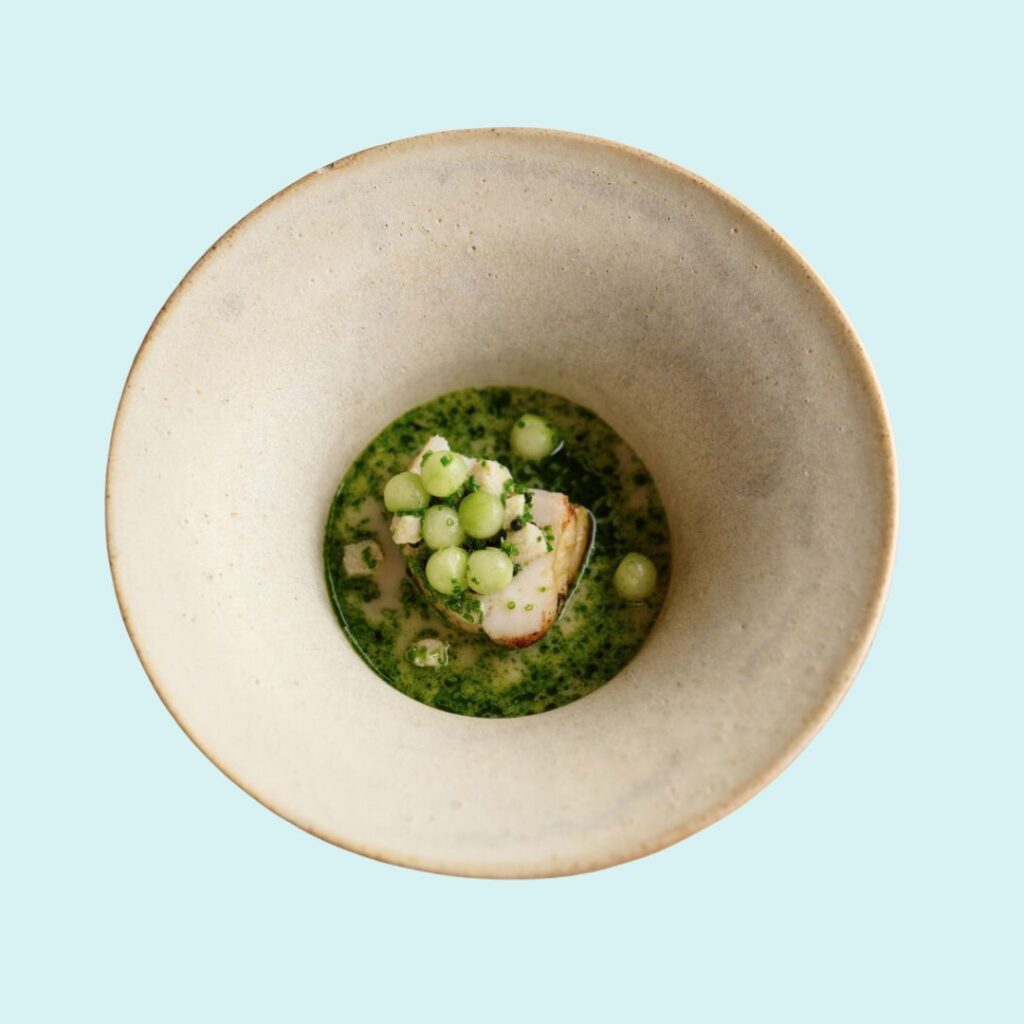
McGurran has transformed Winteringham Fields into something of a place of culinary pilgrimage, with an innovative approach to modern British cuisine evident in every meticulously crafted dish, all a celebration of locally sourced ingredients and seasonal produce. The tasting menus are a highlight, priced at £99 per person at lunch and £170 per person in the evening. Expect light and flavourful dishes like cured chalk stream trout, apple, buttermilk and dill, or a ‘celebration of spring lamb’ paired with wild garlic, morels and yoghurt.

Sure, this is a special occasion kind of place, but what a special place it is. Booking ahead is highly recommended.

Website: winteringhamfields.co.uk

Address: 1 Silver St, Winteringham, Scunthorpe DN15 9ND


The Olive Branch, Clipsham

The Olive Branch in Clipsham is a quintessential English country pub that has been elevated to new heights with its award-winning cuisine and warm, inviting atmosphere. The building itself dates back to the 17th century and retains much of its original charm, with exposed beams, roaring fireplaces, and cosy nooks that make it the perfect spot for a leisurely meal. The pub’s garden is equally enchanting, offering a tranquil setting for al fresco dining during the warmer months.

At the helm of The Olive Branch’s kitchen is Chef Sean Hope, whose dedication to using the finest local ingredients has earned the pub recognition in the Michelin Guide, with a Michelin Plate award. The menu is a delightful blend of traditional British fare and contemporary culinary techniques, with dishes that are both comforting and sophisticated. Diners can expect to find hearty classics with a Mediterranean accent, like pan seared pollock with artichoke couscous and bouillabaisse, or rump and belly of Launde Farm lamb with smoked aubergine and dauphinoise potato.

The Olive Branch also boasts an impressive wine list, carefully curated to complement the diverse flavours of the menu.

There are a number of menus available, aimed at inclusivity and suitability for every pocket. The ‘lunch for less’ option is a steal for the quality of cooking, with three generous courses keenly priced at £35.

Website: theolivebranchpub.com

Address: Main St, Clipsham, Oakham LE15 7SH


Belton Garden Centre Café

It’s not all gastropubs with Big Red Book ambitions in Lincolnshire. For those interested in a more casual yet equally delightful setting, the Belton Garden Centre Café offers a quintessentially British experience. Known for its hearty and wholesome meals, this café serves up classic dishes such as full English breakfasts and afternoon teas with homemade cakes and scones. 

Set within the scenic grounds of the Belton Garden Centre, diners can enjoy their meal surrounded by lush greenery and floral displays, adding an element of tranquility to the dining experience. The café prides itself on using locally sourced ingredients, supporting local farmers and producers, which is evident in the humble but satisfying nature of their dishes. Go for the Belton Bap, here caressing the famous local Boston sausages, plump and peppery, and a homemade onion marmalade. Magic.

Website: beltongardencentre.co.uk

Address: Belton Garden Centre, Belton, Grantham NG32 2LN


The George of Stamford, Stamford

Estate agents in Lincolnshire will tell you that Stamford is one of the county’s most sought after towns, a prosperous, bustling place with a dynamic property market.

The George of Stamford certainly doesn’t harm the town’s reputation, an iconic establishment that has been welcoming guests since the 16th century. This historic coaching inn is steeped in history, with its grand architecture and period features providing a glimpse into the past. The building’s elegant interiors, complete with antique furnishings and opulent decor, create a luxurious yet inviting atmosphere that is perfect for a special dining experience.

Though there are several dining areas offering a more casual experience, the real fireworks go down in The Oak Room Restaurant, with the culinary team here led by Executive Chef Mark Tomeo, who brings a wealth of experience and a passion for seasonal, locally sourced ingredients. The menu is a celebration of British cuisine without unnecessary pomp or frippery. The beef wellington, blushing and with properly burnished pastry, is a highlight. The expertly made accompanying bearnaise sauce certainly does no harm!

The George also offers an extensive afternoon tea service, featuring a delectable array of finger sandwiches, scones, and pastries that are perfect for a leisurely afternoon indulgence. 

Interestingly, the winelist here using a cash mark up system, taking a much lower percentage on the more expensive wines, thus favouring the bigger, bolder bottles. This means you’ll find plenty of premium drops in the mid forties and fifties – a relative bargain.

Website: georgehotelofstamford.com

Address: 71 High Street St Martin’s, St Martins, Stamford PE9 2LB


The Six Bells, Witham on the Hill

The Six Bells in Witham on the Hill is a delightful country pub that offers a perfect blend of traditional charm and contemporary dining. The pub is housed in a historic building that dates back to the 17th century, featuring original stone walls, wooden beams, and a thatched roof that adds to its quaint and inviting atmosphere. 

The culinary experience at The Six Bells is overseen by Head Chef Mark Collins, who brings a wealth of experience and a passion for local produce to the table. The menu is diverse, crowd pleasing affair. Diners can enjoy a range of dishes, from classic pub favourites like fish and chips to more refined offerings such as venison loin with red wine jus, rotisserie chicken and even wood-fired pizzas. 

The Six Bells also prides itself on its selection of real ales and fine wines, making it a popular choice for both food and drink enthusiasts. 

Website: sixbellswitham.co.uk

Address: Main Street, Witham on the Hill, Bourne PE10 0JH


The Comfy Duck, Laceby

Located within the Oaklands Hall Hotel in Laceby, The Comfy Duck is a contemporary restaurant that has quickly become a favourite among food enthusiasts. The restaurant’s modern decor, with its sleek lines and stylish furnishings, creates a chic and comfortable dining environment. The building itself, a grand Victorian mansion, adds a touch of elegance and sophistication to the overall experience.

Head Chef Mike Hambling (the owner of one of the most impressive beards we’ve ever seen) leads the culinary team at The Comfy Duck, bringing his expertise and creativity to the table. Perhaps surprisingly, duck isn’t thoroughly represented on the menu, with the vibe more respectively elevated pub classics like a gorgeously juicy minted lamb burger, or Lincolnshire bangers and mash whose onion gravy has an inviting sheen. 

A selection of lighter lunch bites are available between midday and 2pm.

Website: thecomfyduck.co.uk

Address: Hall Hotel, The Oaklands, Barton St, Laceby, Grimsby DN37 7LF


Cognito, Lincoln

Lastly, Cognito stands out with its eclectic menu that borrows from the culinary culture of Japan for an enjoyable menu of sushi, gyoza, yakitori, bao buns and more, with enough variety to satisfy just about all members of the squad.

The only restaurant on our list that’s in the city of Lincoln itself, a lot of the most exciting cooking at Cognito comes from the small dishes section of the menu, where the kitchen allows itself to get a little playful with breadcrumbed then deep-fried oysters with a dressing of lemongrass, ginger and chilli, or tacos of tuna tataki with avocado puree that have been dusted with a Korean spice togarashi spice blend.

Ignore the daft names and pair it all with one of Cognito’s signature cocktails. Though you won’t enjoy ordering the No Fox Given out loud, you will enjoy drinking it. A mix of premium 42 below vodka, raspberry liquor and passionfruit, it’s a real eye opener.

Website: cognitouk.com

Address: 10 Park St, Lincoln LN1 1UF

Next up, we’re heading north, to check out the best restaurants in Leeds. Care to join us?

How Will AI Affect the Fashion Industry?

The fashion industry, known for its creativity and constant evolution, is on the brink of a technological revolution. Artificial Intelligence (AI) is poised to transform every facet of fashion, from creative aspects like design and production all the way to marketing and retail. As we consider the myriad ways AI will impact this vibrant sector, it becomes clear that the future of fashion is not just about trends and fabrics, but also about data and algorithms.

AI In Fashion Design

One of the most exciting applications of AI in fashion is in the realm of design. Traditionally, fashion design has been a highly manual and labour-intensive process, relying heavily on the creativity and intuition of designers. However, AI is now enabling designers to push the boundaries of their creativity.

AI-powered design tools can analyse vast amounts of data from fashion shows, social media, and historical trends to predict future styles. These tools can generate new designs based on this data, offering designers a wealth of inspiration and allowing them to experiment with new ideas more freely. For instance, AI can suggest colour palettes, fabric combinations, and even entire outfits that align with current trends and consumer preferences.

Personalised Shopping Experiences

In the retail sector, AI is revolutionising the way consumers shop for fashion. Personalisation is the key to modern retail, and AI is making it possible to offer highly tailored shopping experiences. By analysing customer data, such as past purchases, browsing behaviour, and social media activity, AI can recommend products that are likely to appeal to individual shoppers.

Virtual fitting rooms, powered by AI, are another innovation enhancing the shopping experience. These tools allow customers to try on clothes virtually, using augmented reality (AR) to see how different items will look on them without physically trying them on. This not only improves customer satisfaction but also reduces the rate of returns, which is a significant issue in online fashion retail.

Optimising Supply Chains

The integration of AI with fashion ERP (Enterprise Resource Planning) software is streamlining supply chain management in the fashion industry. Fashion ERP software, enhanced with AI capabilities, can predict demand more accurately, optimise inventory levels, and reduce waste. By analysing sales data, market trends, and even weather patterns, AI can forecast which products will be in demand and when, allowing brands to plan their production and distribution more efficiently.

Moreover, AI can help in identifying inefficiencies in the supply chain and suggest improvements. For example, it can analyse the performance of different suppliers and recommend the best ones based on factors such as cost, quality, and delivery times. This leads to a more agile and responsive supply chain, capable of adapting quickly to changes in consumer demand.

Enhancing Customer Service

AI is also transforming customer service in the fashion industry. Chatbots and virtual assistants, powered by AI, are becoming increasingly common on fashion retail websites. These tools can handle a wide range of customer queries, from product information and order tracking to returns and refunds, providing instant support and freeing up human agents to handle more complex issues.

Furthermore, AI can analyse customer feedback and sentiment from various sources, such as social media and online reviews, to gain insights into customer preferences and pain points. This information can be used to improve products and services, ensuring that brands stay in tune with their customers’ needs and expectations.

Sustainable Fashion

Sustainability is a growing concern in the fashion industry, and AI is playing a crucial role in addressing this issue. By optimising production processes and reducing waste, AI can help fashion brands become more sustainable. For example, AI can analyse patterns in fabric cutting to minimise waste, or predict the exact amount of material needed for a production run, reducing excess inventory.

AI can also help in developing sustainable materials. Researchers are using AI to discover new fabrics and materials that are environmentally friendly and have a lower carbon footprint. This not only helps in reducing the environmental impact of fashion but also meets the growing consumer demand for sustainable products.

The Threats Of AI To The Fashion Industry

While the integration of AI into the fashion industry brings numerous benefits, it also poses several significant threats that stakeholders must carefully consider. As with any technological advancement, the adoption of AI comes with its own set of challenges and potential downsides.

Job Displacement

One of the most pressing concerns is the potential for job displacement. AI and automation can perform tasks that were traditionally done by humans, such as design, inventory management, and customer service. This could lead to a reduction in the need for human labour in certain areas, resulting in job losses. For instance, AI-powered design tools might reduce the demand for junior designers, while automated customer service systems could replace call centre staff.

Loss of Creativity and Human Touch

Fashion is inherently a creative industry, and there is a fear that over-reliance on AI could stifle human creativity. While AI can generate designs based on data and trends, it lacks the emotional depth and personal touch that human designers bring to their work. The unique, innovative ideas that come from human intuition and experience might be overshadowed by data-driven designs, leading to a homogenisation of fashion.

Data Privacy and Security

The use of AI in fashion relies heavily on data, including personal information from customers. This raises significant concerns about data privacy and security. Fashion brands must ensure that they are compliant with data protection regulations and that they have robust security measures in place to protect customer data from breaches and misuse. Any lapse in data security could lead to a loss of consumer trust and potential legal repercussions.

Ethical Considerations

AI algorithms can sometimes perpetuate biases present in the data they are trained on. In the fashion industry, this could manifest in various ways, such as reinforcing stereotypes or excluding certain demographics from marketing and product recommendations. Brands need to be vigilant about the ethical implications of their AI systems and strive to create inclusive and fair algorithms.

Dependence on Technology

An over-reliance on AI and technology can make fashion brands vulnerable to technical failures and cyber-attacks. If a brand’s AI systems were to malfunction or be compromised, it could disrupt operations, leading to financial losses and damage to the brand’s reputation. Ensuring that there are contingency plans and human oversight in place is crucial to mitigate these risks.

Environmental Impact

While AI can help in making fashion more sustainable, the technology itself is not without environmental costs. The development and operation of AI systems require significant computational power, which in turn consumes a large amount of energy. This could offset some of the environmental benefits gained from more efficient production processes. Brands need to consider the overall environmental impact of their AI initiatives and seek ways to minimise their carbon footprint.

The Bottom Line

AI is revolutionising the fashion industry, enhancing design, personalising shopping, optimising supply chains, improving customer service, and promoting sustainability. However, it also brings challenges like job displacement, reduced creativity, data privacy issues, ethical concerns, technological dependence, and environmental impact. 

Addressing these proactively can ensure a balanced integration of AI, combining data-driven insights with human creativity. This approach promises a future for fashion that is not only innovative and efficient but also inclusive and sustainable.

Visiting Twickenham For The Day: What To Do Before The Rugby Kicks Off

Twickenham, with its quaint charm and bustling atmosphere on match days, is a destination that offers more than just the thrill of rugby. Standing proud in the heart of (and somewhat presiding over) its own corner of South West London, this suburban enclave is pretty much synonymous with the sport, its iconic Twickenham Stadium the largest dedicated rugby union venue in the world. With a capacity of 82,000, it’s really something to behold when England play a home international. 

Although it is the home to the England national team, fans of all rugby union teams regularly make the pilgrimage to this cathedral of rugby. But there’s a wealth of experiences to be had before the whistle blows and the crowds roar. Here’s how to make the most of your day in Twickenham before the big game.

Where To Stay In Twickenham

Twickenham offers a variety of accommodation options that cater to different preferences and budgets, ensuring your stay is comfortable and convenient.

The Alexander Pope Hotel

A standout choice, this elegant pub and hotel combines comfort with history, offering guests a unique stay. Its proximity to Twickenham Stadium makes it an ideal spot for rugby fans; its location on the Thames ideal for the morning stroll we’re going to suggest in a minute or so. The pretty beer garden certainly does no harm. 

London Twickenham Stadium Hotel

Situated within the iconic Twickenham Stadium itself, this hotel, which was recently taken over by the Radisson RED brand, offers an unparalleled experience for sports enthusiasts. With 156 guest rooms overlooking the rugby pitch, it’s a dream stay for any rugby fan. If you’re flush with cash and thinking well in advance, you could even book a Pitch View Suite, which has, yep, views of the actual pitch. There are six of them, and cost £240 a night. Wow!

Be warned; it’s pretty much impossible to book on actual match days. 

Premier Inn London Twickenham Stadium

Known for its reliability and comfort, the Premier Inn near Twickenham Stadium (around a 20 minute walk) is perfect for those looking for a familiar stay without breaking the bank. It’s also conveniently located, making your trip to the game hassle-free. Rooms start from £87 a night.

The Red Cow, Richmond

For a more traditional English experience a little further from the ground in leafy Richmond, Th

e Red Cow offers cosy, well appointed rooms with a warm pub atmosphere. It’s a great option for those looking to soak up some local culture. Though it’s around an hour’s walk to the stadium, it’s one beautiful stroll. Rooms start from £104 a night.

Twickenham Guest House

The Twickenham Guest House is ideal for travellers seeking a homely environment. It’s affordable and located close to local attractions (and just 500 metres from Twickenham Stadium), making it a smart choice for budget-conscious visitors. Rooms start at just £45 a night.

20 The Barons Luxury Serviced Apartments

If you prefer a more self-sufficient stay, these luxury serviced apartments offer space, privacy, and all the comforts of home, wrapped up in an elegant package. A half hour walk from the stadium, you’ll pay for the privilege here; apartments start at £220 a night.

A Beautiful Day Spent Exploring Twickenham

Assuming you’ve woken up in this leafy suburb of London, then, here’s how to spend a lovely day in Twickenham…

A Morning Stroll Along the Thames

Begin your day with a leisurely stroll along the River Thames. The Twickenham Embankment is a picturesque spot, perfect for soaking in the serene riverside views and watching the rowers glide by. If you’re feeling peckish, there are plenty of cafes where you can grab a coffee and a bite to eat while enjoying the tranquillity of the river. Just be warned; it can get a little windy along here!

By Purple Images via Canva

Explore Twickenham’s Historic Heart

Twickenham is steeped in history, and a visit to its historic heart is a must. Take a walk through Church Street and immerse yourself in the charm of its independent shops, boutiques, and antique stores. Don’t miss the Twickenham Museum, where you can delve into the local history and learn about the area’s connection to rugby.

Twickenham Museum is closed until mid-May for renovation work.

A Pint (& Perhaps Even A Pie) At The Eel Pie Pub

Too early for a drink? It’s match day, so it might be alright to let your hair down (responsibly). Assuming you have hair, of course…

Anyway, no visit to Twickenham is complete without experiencing the warm hospitality of a traditional pub here. The town boasts several historic inns where you can enjoy a pint of real ale and – if the mood takes you in that strange, liminal pre-lunch slot – a hearty pie. The Eel Pie Pub, named after the famous Eel Pie Island, is a favourite among locals and visitors alike. It’s the perfect spot to mingle with rugby fans and soak up the pre-match atmosphere.

Eel Pie Island by Bernard Allum via Canva

Visit The World Rugby Museum

Rugby enthusiasts should not miss the chance to visit the World Rugby Museum, located within Twickenham Stadium itself. Here you can explore the rich history of the sport, see memorabilia from legendary matches, and even test your rugby skills in the interactive gallery.

Lunchtime

As lunchtime approaches, Twickenham offers a variety of dining options. From gastropubs serving up modern British cuisine to cute cafes with a selection of sandwiches sliced on the diagonal, as it should be, and salads, there’s something to satisfy all members of the squad here. 

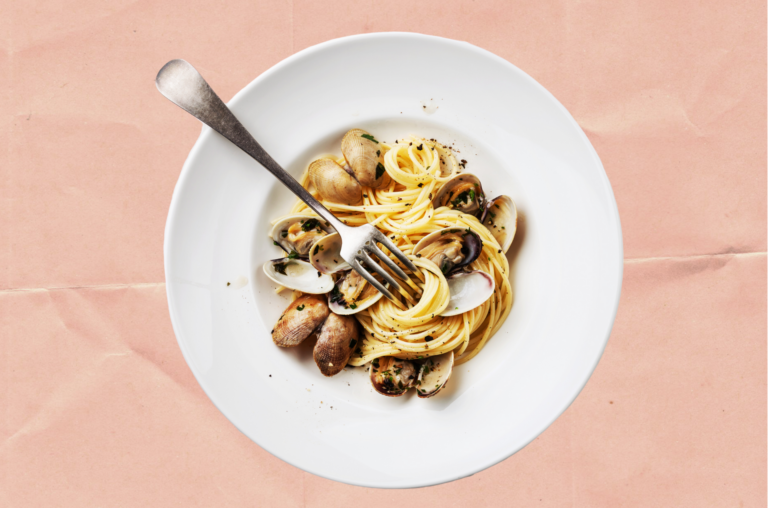
Perhaps our favourite place to eat in Twickenham itself is Masaniello, a Neapolitan restaurant that does great, blistered pizzas alongside some gorgeous shellfish pasta dishes. Get the spaghetti alle vongole here; it’s marvellous!

For a more upscale experience, Dysart Petersham, just across the Thames on the peripheries of Richmond Park, holds a Michelin star.

A Walk in the Park

After lunch, take a stroll in one of Twickenham’s green spaces. Marble Hill Park is a popular choice, with its Palladian villa and sprawling grounds. Alternatively, York House Gardens offers a more secluded experience with its stunning statues and ornamental garden.

Should you have followed our advice and headed to Dysart Petersham, then a long and leisurely amble through Richmond Park makes sense. Mind those deer!

Read: An insider’s guide to foraging on Hampstead Heath

Pre-Match Festivities at Twickenham Stadium

As match time approaches, head to Twickenham Stadium and join in the pre-match festivities. The atmosphere is electric, with fans from all over the world coming together to celebrate their love of rugby. Enjoy the fan zone debauchery in the West Fan Village (you’ll need a valid ticket), grab – or even buy, if you’re feeling fancy! – some official merchandise, and perhaps indulge in one last pint before taking your seat.

The Bottom Line

Twickenham is more than just a venue for rugby; it’s a welcoming community that offers so much entertainment beyond the ol’ oval ball. 

Whether you’re a die-hard rugby fan or simply looking for a day out with a difference, you might just find it at Twickenham. Just don’t ask for any further clarification on the rules of the damn sport.

7 Top Tips For Cooking The Best Spaghetti Alle Vongole: The Ideal Recipe

With parloude clam season kicking into gear and summer not so far away, there feels no more appropriate dish to celebrate the season than Spaghetti alle Vongole – clams with spaghetti, chilli and garlic. 

One of Italy’s greatest bowlfuls, its simple majesty gets us every time; briny clams, freshly cooked, the crisp acidity of white wine, a little chilli and garlic heat, and a slippery emulsified sauce of clam juice clinging to strands of pasta…during summer we could live off the stuff.

And all of this can be made in the time it takes to boil your pasta.

Though it’s certainly a simple dish to prepare, the line between the good and the great is minuscule. We’re here for the latter today; we only want the best Spaghetti alle Vongole recipe out there. With that in mind, here are 7 top tips for cooking the best spaghetti alle vongole: the IDEAL spaghetti with clams, chilli and garlic recipe.

The Purging Of Sand & Sins

Before you do anything, you’re going to need to prepare your clams. As we’re sure you know, clams can accumulate rather a lot of sand, which can end up in the bottom of your pasta bowl and between your teeth if you don’t take precautionary steps before cooking.

We’re going to purge our clams of sand around an hour before cooking them, by sitting them in lightly salted (some use flour), cool tap water, in the fridge. The clams will take in some of the water, and spit out all that sand nestled in their shells. All you have to do is drain the water and wash all that sand away. There might also be some sand nestled in the crevices of the clam shell; giving them a gentle scrub should remove it.

If you have any clams which are open here, and resolutely refusing to shut after being tapped lightly, then discard them. They’re dead and shouldn’t be eaten. Likewise, if any shells are cracked or broken, chuck them. There’s no point taking any risks here. 

You’ll need around 200g of purged clams (we’re using palourde, sometimes called carpet shell) per person.

Choosing The Right Pasta

Yep, we realise we’ve already said spaghetti several times and the pasta chosen has defined the name of the dish. That said, linguini would be equally appropriate here. Just select a good quality dried spaghetti or linguini with a rough exterior; the small blemishes and imperfect surface are key to holding onto your sauce

We’re going for dried here as it’s easier to achieve that all important al dente finish. What’s more, the dried stuff tends to be starchier, which is essential in such a seemingly sparse dish, for creating a sauce.

So, put a pan of water to a strong rolling boil, season it to be as salty as the sea. Gather roughly 100 grams of dried spaghetti per person, ready to submerge soon.

Chilli Chat

Some use fresh chilli, some use dried. Some daredevils use both. Though we adore the spicy kick of capsicum in just about anything, we’re not simply throwing it in for the sake of it. There’s nowhere to hide with this dish, so every element must be carefully considered.

But we do love the interplay between smoky, dried chilli and fruity, fresh stuff here, so we’re including both, added at different stages to emphasise their inherent, unique qualities. 

To prepare (per person) crush a couple of dried bird’s eye chillis in a pestle and mortar, and thinly slice one fresh red bird’s eye chilli, too.

Got Garlic?

Garlic is essential to this Spaghetti alle Vongole recipe, perfuming the oil and in turn, the clams, and adding depth, pungency and umami to the emulsified sauce. We’re going to be cooking everything last minute here, with screaming hot oil. Crushed or finely chopped garlic will burn quickly under such conditions, so for the best Spaghetti alle Vongole, it’s traditional to instead thinly slice your garlic.

So, thinly slice two garlic cloves per person.

What About Wine?

White wine brings acidity to the dish, standing up succinctly to the briny clams and combining with the pasta water and your spicy, garlicky oil in an event of pure alchemy to create your sauce. You don’t need much, since you want the alcohol to burn off quickly. A dry Pinot Grigio is perfect here.

Pour around 25ml of Pinot Grigio per person ready for cooking. Enjoy a glass yourself if you’re so inclined.

By Lisovskaya via Canva

A Pot With A Lid & Briny Bathtime

To cook your clams and combine your sauce, you’ll want a pan with a tightly fitting lid. Go find one. Go.

With your pasta water boiling, it’s time to begin cooking. 

Submerge 100 grams of dried spaghetti per person in your boiling, salted water, timing around six minutes.

‘Alexa, set a timer for six minutes’.

Your pasta should need around 8 minutes (check out the packet for detailed instructions) to cook to al dente, but we’re going to finish the cooking of the pasta in the clam pot.

Place your other pan on a high heat, and add a good glug of olive oil (around two tablespoons per person). When the oil is hot, add the 2 crushed dried chillis and your 2 sliced garlic cloves. Allow them to cook for around 30 seconds, but not to colour.

Then, add your 25ml of white white, and your cleaned, purged clams to the pot. Attach your tight fitting lid and give it a shake. Wait for a couple of minutes for alchemy to begin.

Once all of your clams have started to open, discard any which haven’t; they’re no good to you. Then, using a pair of tongs, lift your half cooked pasta into the clam pot, along with a good ladleful of starchy pasta water. This will allow the pasta to really soak up the delicious sauce. 

Continue to cook until the pasta is al dente and the pasta water has emulsified with the wine and garlicky, spicy olive oil mixture. A few shakes of the pot will help to combine the sauce into a homogenous unit. Check the sauce; it should be salty already, but add more salt if it needs it.

Some add a few cubes of unsalted butter here, to create a more luscious sauce. 

Herbs

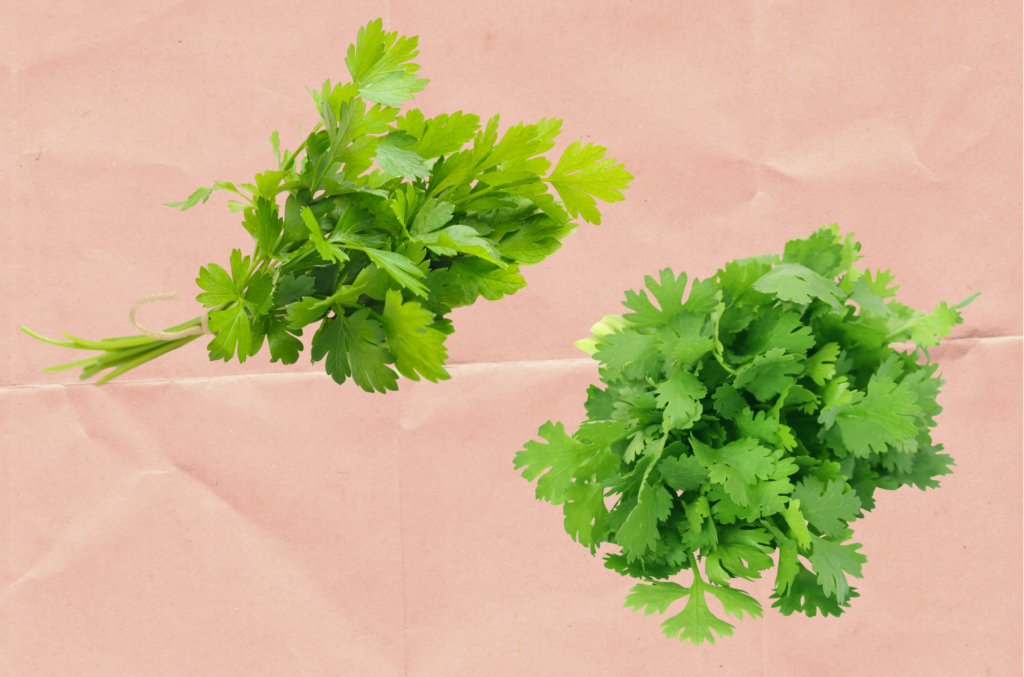
It’s time to serve. Traditionally, parsley would adorn this dish, but we (heresy, we accept) love coriander with our Spagehtti alle Vongole, equally. 

Run your knife gentle through a handful of parsley and coriander and top your bowl of pasta with the herbs and your freshly sliced red chilli. Add parmesan at risk of offending folk, or enjoy as nature and Italy intended, without it.

The Recipe For The Ideal Spaghetti Alle Vongole

Serves one (just multiply the amounts to suit your table).

You’ll need:

  • 100 grams of dried spaghetti
  • 200g of purged clams
  • 2 dried bird’s eye chillis, crushed
  • 1 fresh red bird’s eye chilli
  • 2 cloves of garlic, thinly sliced
  • 2 tablespoons of olive oil
  • 25 ml white wine (a dry Pinot Grigio is ideal)
  • A handful of parsley or coriander
  • A few cubes of cold, unsalted butter

The Method:

  • Put a pan of water onto a strong rolling boil, and season it to be as salty as the sea. Add your pasta to the boiling water, and time around 6 minutes.
  • Put a deep frying pan with a tightly fitting lid onto a hot flame or stove and add 3 to 4 tablespoons of olive oil.
  • Add the dried bird’s eye chillis and sliced garlic to the oil and cook for thirty seconds, making sure not to colour.
  • Add your purged clams and white white to the same pan, attach the lid and give it a good shake. Allow to cook for a couple of minutes until they open, and discard any which don’t.
  • After around six minutes of your pasta boiling, using a pair of tongs, lift your part cooked pasta into the clam pot, along with a good ladleful of starchy pasta water. 
  • Continue to cook until the pasta is al dente but cooked through, and the pasta water has emulsified with the wine and garlicky, spicy olive oil mixture. A few shakes of the pot will help to combine the sauce into a homogenous unit. Check the sauce; it should be nicely seasoned already, but add more salt if it needs it.
  • If using, add your cubed butter to the pan and shake to emulsify off the heat.
  • Top with herbs and enjoy with a cold glass of white wine.

How Office Design Can Reduce Workplace Stress

Given that many of us are overloaded with work and faced with tight deadlines, it’s no wonder that stress is increasingly common in the workplace. But just because it’s common doesn’t mean a workforce under pressure and anxious should simply be accepted.

Should you be a responsible business owner who cares for the welfare of their employees, or you’re the member of an HR team charged with taking care of ergonomics, this one’s for you; here’s how your office design can reduce workplace stress.

Let The Air Flow

According to research by the World Green Building Council and reported by Forbes contributor Alan Kohll, increasing fresh air to workstations and reducing pollutants within the office space can make the workforce 11% more productive.

The simplest (this one’s up for some debate, we have to concede) way to clean up the air indoors is through the addition of plants. The Peace Lily, Boston Fern and Devil’s Ivy are all said to be plants which have air purifying qualities. Still, you could go further by installing air filtration systems, or at the very least, flinging open a few windows from time to time.

A Healthy Larder

Does your office have its own larder? If not, perhaps the workplace could be redesigned to accomodate one, with office design services from Maris or other such companies helping to pick up much of the slack here, by doing much of the heavy lifting, design wise.

Sadly, you’ll have to move your own cereal boxes in there once it’s ready. In all seriousness, a designated area for nutritious office snacks will foster a holistic approach to health within the workplace, which can contribute massively to reducing the collective stress of your company.

Embrace Biophilic Design

Incorporating elements of nature into the office design not only improves air quality but also enhances the connection employees feel with the natural world, which can significantly reduce stress levels. Consider integrating living walls, natural wood finishes, and water features to create a serene and inviting workspace.

Prioritise Acoustic Comfort

Noise pollution in the office can be a significant source of stress. Introduce sound-absorbing materials such as acoustic panels or partitions, and designate quiet zones where employees can work without disturbance. This can help to create a more peaceful environment that supports concentration and reduces cognitive stress.

Foster A Culture Of Mindfulness

Create a dedicated space for relaxation and mindfulness practices, such as meditation or yoga sessions. Encouraging employees to take short, mindful breaks throughout the day can help them manage stress and maintain mental clarity.

Implement A Comprehensive First Aid Programme

Ensure that employees have access to first aid training and that your office is equipped with appropriate first aid kits. As Safe Haven, who offer first aid courses in Banbury, tell us, this not only prepares your team to handle health emergencies but also contributes to a sense of safety and well-being in the workplace.

Introduce Flexible Workspaces

Office space planning used to be so rigid, but there’s now an increasing demand for a more fluid style of working. So, aim to offer a variety of workspaces that cater to different tasks and working styles, such as collaborative areas, private pods, and breakout zones. This flexibility can help reduce the feeling of being ‘trapped’ at a desk and allows employees to choose a setting that best suits their current needs.

Encourage Digital Detox Zones

In an age where technology is omnipresent, it’s important to provide areas where employees can take a break from screens. Designate tech-free zones where staff can disconnect, read a book, or engage in face-to-face conversations, which can help to lower digital stress and promote social interaction.

Offer Colour Therapy

The psychology of colour can play a significant role in influencing mood and stress levels. Incorporate calming colours such as blues and greens into the office palette to create a tranquil atmosphere that can help soothe and focus the mind.

Allow Natural Light To Shine Through

No one wants to work in a dingy, dark room. It’s only headaches which seem to percolate in such environments, not ideas and innovation. Natural light, on the other hand, is superb for raising morale. Indeed, Cornell’s Department of Design and Environmental Analysis found that employees who sit within 10 feet of a window reportedly had 84% fewer eyestrain instances, headaches and blurred vision symptoms.

Therefore, it pays to be strategic about how you illuminate your office. Adding skylights and shifting large, bulky furniture away from windows could help you to maximise sunlight. If your office has no natural light or windows at all, it may be time to move to a new office that’s bright and airy.

Give Employees An Easy Means Of Exercise

The average workstation probably doesn’t lend itself well to users doing the occasional push-up or star jump, which is why your office should make it easy for your workers to get their physical exercise elsewhere. After all, exercise boosts blood flow, energy and alertness, and has been proven time and time again to lower stress levels. 

Therefore, provide stairs which your staff can use instead of a lift, add some storage space for bicycles they could use for commuting, and even consider adding shower facilities for those who like to run to work or work out in their lunch break.

If you’re going to make storage space for bikes, go a step further and offer your employees the Cycle to Work Scheme. Studies show that those who cycle to work show lower levels of stress that those who arrive by car.

Ensure Your Staff Are Sitting Comfortably

When used to describe workplace furniture, ergonomics is full of meaning. The right ergonomics can, for your staff, reduce muscle fatigue as well as the severity of musculoskeletal disorders. These MSDs are a leading cause of lost work time. As a general rule, office furniture that would allow users to easily alternate between sitting and standing is ideal, but you should also mix up where exactly you let your staff work, enabling a fluidity conducive to comfort. If you have the money, invest in some standing desks to promote a less sedentary approach to the working day.

Provide Ergonomic Assessment & Training

Beyond offering ergonomic furniture, provide regular ergonomic assessments and training to ensure that employees are using their equipment correctly. This proactive approach can prevent discomfort and injury, thereby reducing stress associated with physical strain.

And with these words ringing in your ears, and your new found warmth found, why don’t you give your staff the afternoon off? They deserve it.

Power Of The Sisu: Embracing The Art Of Inner Strength In The Finnish Lakeland

Ideal for a thrilling and invigorating adventure…

Finland has been crowned the World’s Happiest Country for the seventh year in a row, which holds a valuable lesson for the rest of the world. The secret, apparently, lies in embracing your inner ‘sisu’, the 500-year-old national concept that embodies qualities like stoic determination, hardiness, bravery, tenacity, and resilience. The term is deeply embedded in Finnish culture and is considered by many as a key psychological construct that encapsulates the Finnish spirit.

The concept of sisu has been a part of Finnish culture for centuries, but it gained international attention through modern-day, modish books, discussions and blokes doing podcasts on the topic of resilience and personal fortitude. It’s sometimes used in motivational contexts, encouraging individuals to tap into deep reserves of personal power and perseverance.

So, how to you embrace your inner sisu? Go to Finland of course. Visit Finland tell us that the Finnish Lakeland is the ideal destination to cultivate this resilient mindset, with its ice-cold lakes, numerous saunas, and activities that allow its visitors to tap into their inner sisu.

Dare To Take The Plunge Into Wild Ice Swimming

Ideal for invigorating the body and boosting mental wellbeing…

Come on in, the water’s fine! The chilly temperatures in Finland don’t deter the locals from embracing the outdoors, including the popular practice of ice swimming. Wild ice swimming can invigorate the body, boost mental well-being, and enhance circulation through the shock of cold water immersion in natural settings. It’s a very Finnish activity that’s believed to contribute to national happiness. 

Finland’s largest lake, Lake Saimaa, is the ultimate destination for travellers who want to tap into their inner sisu and unlock that internal strength. Jumping into the fresh Finnish waters, with temperatures ranging from 18 to -0.5 degrees, a plunge into the vast lakes in the region is proven to boost feel-good hormones, enhance blood circulation, boost the immune system, and increase calories burned. Even just splashing your face with cold water will stimulate the vagus nerve, which results in an anti-inflammatory response. Immersing yourself in icy water takes things to another level, and is a wonderful way to feel alive, exhilarated and fill up on endorphins.

HOW: Book a chilly ice floating session in the Oravi Channel in Finnish Lakeland; prices start from €39 per person for a 1-hour session. 

Recharge & Relax With Finnish Sauna Culture

Ideal for a steamy, spiritual and stress-busting experience…

Finland, a nation of 5.5 million people, is estimated to have over three million saunas, making it the ultimate destination for experiencing the smoke and steam of the beloved activity. The tradition is so valued here that it’s on the UNESCO list of the intangible cultural heritage of humanity. 

“Sauna culture in Finland is an integral part of the lives of the majority of the Finnish population,” says Unesco. “Sauna culture, which can take place in homes or public places, involves much more than simply washing oneself. In a sauna, people cleanse their bodies and minds and embrace a sense of inner peace.”

At the heart of the sauna is the word löyly (pronounced low-lu) which translates to steam or heat. It refers to the steam that rises from the hot stones when water is thrown on them in a sauna. It’s an essential part of the sauna experience and each sauna has a different löyly which can vary according to the time of day as the heat drops and rises. When sauna-goers manage to hit the 15-minute mark when the löyly is high, well that’s when the true challenge comes, and those inside need to embrace the sisu. 

So, where can you experience the best Finnish sauna culture? Head to the scenic landscape of Inkoo (Ingå), where Finnish nature meets serene luxury, is The Forest Spa at The Hilltop Forest Resort. A gem set 60 km outside of Helsinki in Lakeland, where guests are invited to the elevated forest retreat complete with an exclusive spa experience. Thoughtful details, including a pre-lit wood-burning sauna, pre-ordered drinks, a pre-heated outdoor hot tub, and plush pre-fluffed towels, ensure a seamless and indulgent stay. Guests will immerse themselves in Nordic luxury, surrounded by the calming ambience of the forest, for a truly serene and private spa escape.

HOW: To book a private 90-minute spa reservation during a stay at Hilltop Forest, prices start at €159 for two guests, €30 / additional guest. Private spa slots are also available for non-guests.

Race Through The Arctic On A Snowmobiling Adventure

Photo by Jérémy Stenuit on Unsplash

Hitting speeds of over 100mph, snowmobiling is one of the most exhilarating activities in the Arctic. Those brave enough or those pushing themselves to embrace the sisu can hop on a snowmobile and race through the Finnish Lakeland. The beautifully expansive frozen lakes and snowy forests are made for the activity, offering those brave enough a chance to explore deep into the wilderness and push out of their comfort zones. Those wanting the extra challenge can even snowmobile during an evening tour, getting the chance to view the northern lights over the lakes. 

HOW: Get exhilarated with Safari Suomi’s snowmobile tour through Finnish Lakeland, with prices starting at €95 per person. 

Dig Deep On A Snow Shoeing Trek Through Finnish Lakeland

Travellers wanting to test their sisu could also put their strength to the test through a long snowshoe hike through Finnish Lakeland. Snowshoeing is one of the most popular winter activities across Finland and a great way to test your mental strength through the beautiful national landscape of Finland. This activity is a great way to explore the forests in thick snow and enjoy the solitude of the wilderness.

HOW: Book a snowshoeing tour with Koli Nature Centre, Ukko, with prices starting at €38 per person for a 1.5-hour tour. 

7 Group Activity Ideas, Ideal For Looking After The Wellness Of Your Family

It’s amazing how much a global pandemic, cost of living crisis, and general sense of global upheaval can shift the parameters of what ‘family time’ entails. After two years of living within touching distance, under each other’s feet and very much on each other’s nerves, new friendship and feuds were inevitably formed within the family unit.  

The pressures, stresses and strains of such a fast changing world shouldn’t simply be ignored. Instead, families can take several proactive steps to nurture an atmosphere of understanding and support within the home. 

Where spending time together is concerned, quality and quantity needn’t be two warring, disparate factions. If you’re keen to look after your family’s health and happiness whilst spending quality time together, then read on; here are 7 fun group activities IDEAL for looking after the wellness of your family.

Grow, Forage Or Pick Food Together

Did you know that children are five times more likely to eat salad when they have grown it themselves? Yep, research carried out by Ohio State University and Cornell University in New York found that children who learn to grow vegetables are more likely to eat healthily.

Moreover, for parents concerned about their child’s diets, the benefits of growing your own produce at home are myriad. You can exercise control over the pesticides, growth hormones and other chemicals used in crop production.

What’s more, you can eliminate plastic use by simply strolling into your back garden and picking what you need with your hands. Oh, and did we mention that with a back garden plot as small as 4ft x 4ft (1.2m x 1.2m) you could potentially (with a lot of time, effort) supply vegetables all year round for as little as £50.

If you don’t have enough space to grow your now produce and can’t get access to an allotment, consider picking your veg instead. There are lots of places where you can go as a family to pick your own veg in the UK.

Build Things Together

Engaging in building projects as a family can be an incredibly rewarding experience, fostering creativity, teamwork, and a sense of accomplishment. It could be something as small as movie themed LEGO sets or as comprehensive as erecting a treehouse in the garden, but the key is to work together towards a common goal.

Building activities can range from simple DIY crafts to more complex projects like assembling furniture or constructing a birdhouse. These tasks not only teach valuable skills such as problem-solving, planning, and manual dexterity but also provide a platform for family members to communicate and collaborate effectively.

For younger children, starting with something manageable like a Lego set or a model kit can be a great introduction to the joys of building. As they grow older and more confident, you can tackle more ambitious projects together. Imagine the pride and joy of completing a treehouse, a garden shed, or even a piece of furniture that the whole family contributed to.

Moreover, these building projects can be a fantastic way to spend quality time together, away from screens and daily distractions. They offer a chance to bond over shared achievements and create lasting memories. Plus, the finished product serves as a tangible reminder of your collective effort and time spent together.

Get A Group Gym Or Sports Club Membership

If you are looking for a way to boost everyone’s physical health, keep family members active and provide your clan with an excuse to get out of the house, then have you considered a group gym membership?

Plenty of gyms out there offer group rates and discounts if multiple people sign up, with some specifically offering family memberships at vastly reduced rates and applicable to the wide variety of activities which leisure centres, swimming pools and gyms offer. 

Finding the motivation to go to the gym by yourself can be tough, but heading there with the family provides the incentive for everyone to keep fit and have some fun, too! As we all know, regular exercise has, time and time again, been shown to be fantastic for the mental health and wellbeing of adults and children alike. 

Where the latter is concerned, a study published by the Lancet Journal last year and reported on in the New York Times suggested that ‘’even light activity — and a corresponding decrease in the amount of time that kids spent being sedentary — was linked to better mental health as they got older.’’ 

What’s more, exercising together, whether it’s in the gym or playing as a family football team, can strengthen your bond as a family unit, further improving wellness. You could even all buy matching jerseys to really cement that bond. Result!

The Family That Cooks Together, Stays Together

Planning, preparing and cooking family meals together can be a hugely bonding experience for parents and children alike. Not only can this shared process help bring families closer together, but it can also nurture an appreciation of healthy eating, a better understanding of ingredients, and of course, teach the little ones some life skills, too! 

Not to mention, if you plan your meals together as a family, you can teach your children about budgeting and foresight in an approachable, easy to understand way!

Instead of having everyone go their own way once the food has been made, have the family sit together at the table, screen and worry free, and simply converse. Sure, the ‘’how was your day?’’ questions might get a little tired when every damn day is the same right now, but this chance to appreciate the food you cooked together and the process which led up to it can provide fresh conversation pieces each and every day.

Volunteer Together

Though volunteering to improve your own wellbeing isn’t exactly the definition of altruism, lending a helping hand in the community as a family is a great way to give back and to bond as a unit.

Indeed, there have been a number of studies which suggest life satisfaction and overall well being may be improved through volunteering, with many charities and community organisations offering the option for families to do so in a group. 

Some of those include the National Trust, The Conservation Volunteers, and the RSPB, although local groups offer a wider scope of opportunities.

In doing so, your children will cultivate compassion and kindness, and the family as a whole will have the opportunity for new, stimulating projects to participate in together.

Speaking of cultivating kindness…

Cultivate A Culture Of Kindness

If there’s one key skill to instil in your children during family time, it’s kindness. Teaching your children to be kind—not just to others, but to themselves—is something that will serve them well beyond your family, and later in life, and is certain to improve the wellness of your family as a whole. 

You can communicate these values through family-time activities like volunteering, baking for the homeless, sorting through old toys to donate to charity, and other actions which are altruistic and beneficial to the community.

In recent years it’s become ever more pressing to educate your children about climate change, too. Endeavour to make this a shared family activity through trips to botanical gardens, inner city farms and conservation areas. The ultimate fusing of education, the great outdoors, and family fun, we think.  

By Kate_sept2004 from Getty Images Signature

Schedule Regular Family Date Nights

We all know the importance of couples having date nights. However, the same concept – of making a concerted effort to spend more quality time together – might be applied to families, too. Enter the family date night. 

The best family date night includes something that everyone likes to do. Don’t alienate one member of the family by doing something that they don’t like to do – remember the point is to have fun together. Keep tabs on seasonal and special events in your area to maintain intrigue and excitement, and let different family members alternate in choosing the theme, place or event for the next night. 

Setting designated family time and doing the same activities together can be a great bonding experience. Some activity ideas include: 

  • Watching a movie together
  • A trip to the museum
  • Playing a board game
  • A new activity like rock wall climbing or biking
  • Going to the fair or a theme park
  • Having a picnic
  • Taking a scenic drive

Really, any activity that’s designed to bring you together and have fun, without any motive other than enjoying each other’s company, is suitable. The key here is to ensure this time is free from distractions like mobile phones, so you can genuinely connect.

Read: How to improve your bond with friends and family

The Bottom Line

Though times have been tough for the family unit lately, it looks like there’s going to be some positivity emerging in the months ahead, with outdoor activities and community engagement set to get going once again after a protracted period of downtime. Why not embrace the lifting of restrictions by using the time to improve the wellness of your family in the fun and active ways we mentioned above. Good luck!

*This article is not intended to replace medical advice, diagnosis or treatment given by a qualified health professional. Instead, this article only provides information, not advice. For any medical enquiries, always consult your GP first*

Brain Food: 10 Ingredients That Could Make You Smarter

The quest for enhanced cognitive function is as old as humanity itself. From the ancient Greeks to modern-day biohackers, the allure of boosting brainpower has always been compelling. In our fast-paced, information-saturated world, the ability to think faster, remember more, and maintain concentration is invaluable. 

Fortunately, the key to unlocking some of these cognitive boosts may lie in the very sustenance we consume daily. Together with U2 Tuition, who connect students with Oxbridge educated tutors, here’s a rundown of 10 brain-boosting ingredients that could potentially make you smarter.

Oily Fish: A Sea Of Omega-3

Omega-3 fatty acids are the stars of the brain food universe. Found in abundance in oily fish such as salmon, trout, mackerel, and sardines, these essential fats are vital for brain health. They build brain and nerve cells, essential for learning and memory. Omega-3s also offer added benefits for mental health, potentially reducing the incidence of depression and anxiety.

Read: How to grill a whole fish on the BBQ


Blueberries: Berries For Brainpower

These little blue wonders are packed with antioxidants, including flavonoids, which have been linked to improvements in cognitive processes. Studies suggest that blueberries can not only improve memory and cognitive function but may also delay cognitive decline. 

Their protective compounds help reduce inflammation and oxidative stress, which can contribute to brain ageing and neurodegenerative diseases.


Turmeric: The Golden Spice Of Cognition

Curcumin, the active ingredient in turmeric, crosses the blood-brain barrier and can directly enter the brain and benefit the cells there. It’s a potent antioxidant and anti-inflammatory compound that has been linked to the following brain benefits: improved memory, easing depression, and the growth of new brain cells. It’s a spice that not only adds flavour to your meals but also cognitive clarity.


Broccoli: A Vegetable For The Mind

Broccoli is high in compounds called glucosinolates. When the body breaks these down, they produce isothiocyanates, which are known to reduce oxidative stress and lower the risk of neurodegenerative diseases. This green veg is also a great source of vitamin K, which is known to enhance cognitive function and improve brainpower.


Pumpkin Seeds: A Snack For Synapse Support

Pumpkin seeds are rich in many micronutrients that are critical for brain function, including copper, iron, magnesium, and zinc. Zinc is crucial for nerve signalling, magnesium is essential for learning and memory, copper helps control nerve signals, and iron deficiency is often characterised by brain fog and impaired brain function.

Dark Chocolate: Indulgence With A Cognitive Twist

Dark chocolate and cocoa powder are packed with a few brain-boosting compounds, including flavonoids, caffeine, and antioxidants. Flavonoids are thought to enhance memory and also slow down age-related mental decline. Just remember, moderation is key; a square or two of dark chocolate can provide these benefits without adding too much sugar to your diet.

Read: 8 of London’s best chocolate cocktails


Nuts: A Kernel Of Truth For Brain Health

Nuts, especially walnuts, are good sources of protein, healthy fats, and fibre, which can boost heart health. Since heart health is linked to brain health, nuts can be beneficial for your brain too. Walnuts, in particular, are high in a type of omega-3 fatty acid called alpha-linolenic acid (ALA), which helps lower blood pressure and protects arteries, which is good for both the heart and brain.


Oranges: A Dose of Vitamin C For Cognitive Sharpness

Just one medium orange can provide the daily dose of vitamin C, an essential antioxidant that fights free radicals that can damage brain cells. Moreover, vitamin C supports brain health as you age and may protect against conditions like Alzheimer’s disease.


Eggs: The Whole Egg For Whole Brain Health

Eggs are a rich source of several B vitamins and choline, the latter of which is used to create acetylcholine, a neurotransmitter that helps regulate mood and memory. The B vitamins have several roles in brain health, including supporting the nervous system and reducing the level of homocysteine in the blood, which is associated with a higher risk of stroke, cognitive impairment, and Alzheimer’s.

Read: How to cook the IDEAL egg, 5 ways


Green Tea: Brew For The Brain

As well as improving alertness, green tea can benefit the brain by enhancing memory and attention. The key active component, L-theanine, can cross the blood-brain barrier and increase the activity of the neurotransmitter GABA, which has anti-anxiety effects. It also increases dopamine and the production of alpha waves in the brain.


The Bottom Line

Incorporating these ingredients into your diet can contribute to better brain health and function. However, it’s important to remember that no single food is a silver bullet for cognitive enhancement. A balanced diet, regular exercise, and keeping your brain engaged through learning and social interaction are all crucial for maintaining brain health.

So, the next time you’re at the supermarket, consider adding some of these ‘smart’ foods to your basket. Your brain might just thank you for it with sharper thinking, better memory, and improved mood.