
Home Blog Page 106

7 Top Tips On Looking After Your Hair This Festive Season

The unpredictability of party season can wreak havoc on many of our well worn routines. Erratic turn ins mean we rarely get our 8 hours of zeds, a dodgy diet of mulled wine and mince pies has us feeling sluggish, and our Christmas skincare regime becomes an exercise in damage limitation. Oh, and let’s not forget our hair; whilst we usually dedicate huge amounts of time and energy on nourishing our locks correctly, Christmas seems to put paid to that. 

But it shouldn’t have to be this way. Taking care of your hair needn’t be expensive and time consuming, with these; our 7 top tips on looking after your hair this festive season.

Short, Warm Showers

Yep, when the weather outside is nippy, and the hangover from last night’s office party is strong, there can be a temptation to have that shower long, languid and like a sauna. But this is extremely unwise for hair health. If the water cascading down is piping hot, it’s liable to shock your scalp, possibly even burning it. It’ll also dry out your scalp and hair, making it brittle and damaging the roots in the process. Instead, a short, warm shower with less regularity than you might take in warmer months will do your hair the most good.

Resist The Urge To Overstyle

The same goes for your appliances; heat, it seems, is very much the enemy of healthy winter hair. Indeed, hairdryers, straighteners, curling tongs…all of these tools in your arsenal can dry out your hair and scalp, leaving it susceptible to damage, dryness and those dreaded split ends. Instead, embrace a more natural look, as well as the deployment of heat protection sprays and leave-in conditioners. 

Avoid Tight Hairstyles

Similarly, and while it might be tempting to pull your hair back into a tight bun or ponytail for that Christmas party, it’s best to avoid such hairstyles during the winter months. Tight hairstyles can cause tension on your hair follicles, leading to breakage and hair loss. Instead, opt for loose, comfortable hairstyles that allow your hair to breathe. If you must tie your hair up, use a soft hair tie and avoid pulling too tightly.

Keep Hydrated

Sure, you probably thought summer was the time when hydration was so key. And it is. But it’s equally important in winter, particularly for your skin and hair. Just as plants, trees and crops need water to grow and look their very best, so your hair does, too. And if you’re hydrated on the inside, it’ll certainly show on the outside, too. 

Keeping hydrated and your thirst quenched will reach your hair, giving it a luscious look which winter sometimes works pretty hard to rob you of. It’s also been suggested that dandruff is reduced by a healthy routine of h2o consumption. There really is no reason not to reach for another glass of the good stuff. Go on then, what are you waiting for?

Invest in a Good Quality Hair Mask

Winter can be harsh on your hair, leaving it dry and brittle. And when you see just how much a hair transplant costs, you’ll be grateful for more simple protective measures. One of the best, it should be said, is a good quality hair mask, which can provide your hair with the extra nourishment it needs during the festive season. 

Look for a mask that contains natural ingredients like coconut oil, shea butter, or argan oil. Apply the mask once a week, leaving it on for at least 20 minutes before rinsing. This will help to restore moisture and shine to your hair, leaving it looking healthy and vibrant.

Diet Diligence

The festive diet is notoriously unhealthy. Not only is this bad for your waistline, but it can also affect your hair. So, during this period of copious canapes, Quality Street, eggnog and the rest, make sure that you’re also eating plenty of food rich in natural oils (avocados, nuts, salmon, mackerel and olives), as well as fruit and vegetables high in Vitamin A, C and E (oranges, tomatoes, carrots) to give your body the tools it needs to keep your hair looking healthy. 

Also make sure you eat plenty of eggs, if your diet allows, since they are an excellent source of both protein and biotin, nutrients said to encourage hair growth. Hmm, maybe that eggnog is alright, after all.

Don’t Step Out With Wet Hair

Party season is one long anecdote of being in a rush to get somewhere, never quite in the right mindset or outfit to shine. And we’ve certainly all been there; you’re showered and in a mad dash to hit the town. You only have time for one thing and you need to make a decision; hair or make up? The only solution, sadly, is to step out with hair still wet. 

But this is a huge mistake where hair health is concerned. Firstly, you’ll catch a cold you crazy thing. But more pertinently, stepping out with locks still soaking can cause them damage; when wet hair meets the biting cold air of winter, it can become less supple and more vulnerable to breakage.

The Bottom Line

The festive season, with all its merriment and indulgence, can often leave our hair feeling neglected. However, with these seven top tips, you can ensure your locks remain luscious and healthy throughout the party season. 

Remember, it’s not just about the external care, but also about nourishing from within. Hydration, a balanced diet, and avoiding heat and tension on your hair are all key. So, this Christmas, while you’re decking the halls and jingling the bells, don’t forget to give your hair the care it deserves. After all, healthy, shiny hair is the best accessory you can wear to any festive gathering.

From Venues To Refreshments: How To Throw Your Own Mini Festival Next Summer

Didn’t manage to get Glasto tickets, huh? Don’t have any faith in the re-sale, either? Planning to throw your own function to make up for it, too, hey?

The final throes of festival season may only be two months gone, with the aptly named End Of The Road bringing the curtain down on the UK’s summer-long party only in September, but already we’re casting our minds to 2024 and what’s in store, festival wise.

Though our calves are still aching and our palms stinging, all that’s left now is a melancholy that we’ll have to wait another nine months for more of the same. Of course, this is only exacerbated by See Ticket’s pesky ‘in a queue’ purgatory, but sometimes, out of disappointment, great ideas are born…

…So, next year, why not organise your own party? Pub gardens, abandoned warehouses, fields…they’re all there for the taking! Here are some top tips on how to throw your own mini festival next summer.

Find A Venue

Without one, your festival is nothing more than a few mates in your garden congregated around some cans. Fortunately, the UK has all manner of venues for hire which could do the job of hosting a soiree just swimmingly. Should a family member or friend be lucky enough to live somewhere with a spacious garden, then it’s time to call in the favours. This is ideal territory, as it’s budget friendly and circumnavigates a whole lot of red tape.

Otherwise, a local pub with a beer garden roomy enough for tents and gazebos is a good bet; alcohol licensing and sales will all be in hand, too, allowing you to focus on the finer details. Or, you could go old school rave style, incognito and cloak’n’dagger, sending out a text on the day of the event directing attendees to a secret location. Though that sounds like a lot of excitement, the murky legality and potential fines should probably put you off.

Of course, when considering a venue you need to think about parking provisions, whether there are overnight accommodation options (rooms to rent or even outdoor tent space) and if toilets are provided.

Tickets & Wristbands

Early on in the organisational process, you want to define the purpose of your festival. Do you simply want to host a party for pals, and spend the day glass in hand enjoying yourself? Are you looking to test the temperature for future ventures of a more serious kind? Perhaps you’re hopeful of earning some serious coin from your festival? These considerations will determine your ticket price (if you’re planning of selling tickets, at all) of course.

Imperative to any event of this kind is to have some wearable branding, which stays with punters throughout their festival experience and beyond. This helps in two ways; firstly, and administratively, it’s an easy way for security to identify who is part of the event and who has bought a ticket.

Secondly, and just as crucially, the inclusive, part-of-the-club branding of the best festivals is massively enhanced. Stamps are useful, but wash off too quickly and don’t last long on the hand or in the memory.  A personalised wristband is a far better option, particularly as so many cherish them as keepsakes long after their ears have stopped ringing. 

Music Matters

Arguably the defining feature of your event and a decision which somewhat dictates the flow of the festival, the clientele, mood and more. Decide whether your line up will be genre specific (for instance, trance) appeal-to-all (ABBA tributes anyone?) or be more fluid (open mic). It’s wise to have a budget set aside for this, not least out of respect for gigging artists. Musicians have got to eat, and here’s nothing worse than trying to coerce an artist with ‘free exposure’. The line up is your key tool in promotional endeavours and social media campaigns, so curate carefully and conscientiously. 

Refreshments

One of the most important aspects of any festival is keeping your guests well fed and watered with both ample food and drink provisions. You can provide all of the raucous entertainment you could dream of, but without refreshments (solid and liquid) things just aren’t going to kick off.

Rumbling stomachs and empty glasses are one of the main buzzkills of any event, so make sure you’ve got food stalls aplenty. For a real talking point, steer clear of the usual hog roast and hot dog stands and go for something more unique; Vietnamese pho, vegan burgers…you get the picture.

Secure The Right Equipment

No festival is complete without the right equipment. From the stage setup for your musicians to the sound system that will carry their tunes to every corner of your venue, it’s crucial to have the right gear. Don’t forget about lighting, especially if your festival is going to run into the evening hours.

Portable toilets, or ‘portaloos’ as they’re affectionately known, are a must-have for any outdoor event. Ensure you have enough to cater to your expected crowd size and remember to arrange for their regular cleaning.

Signage is another key aspect. Clear, visible signs directing attendees to different areas of the festival (like stages, food stalls, toilets, and exits) can make the experience much smoother and enjoyable for everyone. There are companies who cover all aspects of festival party hire who can help facilitate a broad order of all these component parts.

Plan For Safety & Security

Safety should be a top priority when planning your festival. Hire professional security personnel to maintain order and ensure everyone’s safety. You should also have a first aid station and trained medical staff on hand to deal with any emergencies.

Consider the potential risks and hazards of your venue and plan accordingly. For instance, if your festival is in a field, make sure there are no dangerous dips or holes that could cause accidents.

Think About Sustainability

Modern day festivals are increasingly striving to be more sustainable, and yours should, too. Make your festival eco-friendly by encouraging recycling, reducing waste, and using sustainable products wherever possible.

You could provide recycling bins around the venue, use compostable plates and cutlery at food stalls, and encourage attendees to bring their own reusable water bottles. You could even offset the carbon footprint of your event by investing in renewable energy projects or tree planting initiatives.

Be Considerate Of Others

If your festival is within or close to a residential area, then it’s crucial that you let neighbours know about it beforehand, perhaps even by offering them an invite. To be extra safe make sure that you’re obeying the local noise pollution laws if the event is going to go on late – and let’s be honest, what festival doesn’t? Nothing ruins a party quite like local police having to pay a visit to tell you to keep it down, so keep one step ahead on that count.

The Bottom Line

Throwing your own mini festival is no small feat, but with careful planning and a dash of creativity, it can be an unforgettable experience. Remember, the key to a successful festival lies in the details – from securing the right venue and equipment, to serving the best drinks, all the wya to ensuring the safety of your attendees and being mindful of your environmental impact.

So, as you start planning for your festival next summer, keep these tips in mind. And remember, the ultimate goal is to create a space where people can come together, enjoy great music, delicious food, and create memories that will last a lifetime. Or, at least the ringing in your ears will…

8 Budget Purchases That Can Boost Your Home’s Energy Efficiency & Its Value

In the quest to make our homes more energy-efficient and, in turn, valuable, we often overlook the simple, budget-friendly solutions that can make a significant difference. Overlook no more; here are 8 cost-effective purchases that can not only enhance your home’s energy efficiency but also increase its value.

LED Light Bulbs: A Bright Idea For Energy Savings

Switching to LED light bulbs is another simple yet effective way to boost your home’s energy efficiency. LEDs use significantly less energy than traditional incandescent bulbs and last up to 25 times longer. This means lower electricity bills and fewer bulb replacements, saving you money and increasing your home’s value in the eyes of energy-conscious buyers.

Insulated Curtains: A Stylish Solution For Energy Efficiency

Insulated curtains, also known as thermal curtains, are a fantastic way to improve your home’s energy efficiency. These curtains are designed with a special thermal backing that helps to block out the cold in winter and keep the heat out in summer. This means less reliance on heating and air conditioning, leading to lower energy bills. Plus, they come in a variety of styles and colours, allowing you to enhance your home’s decor while also boosting its energy efficiency and value.

Draught Excluders: Seal The Deal On Energy Efficiency

Draught excluders are a cost-effective solution to a common problem: heat loss through gaps around doors and windows. By sealing these gaps, draught excluders prevent warm air from escaping and cold air from entering, reducing the need for heating and thus lowering energy costs. Plus, they’re easy to install and can add a cosy, well-maintained feel to your home, boosting its appeal to potential buyers. According to the Energy Saving Trust, draught proofing may even save you around £100 a year.

By Firn from Firn via Canva

Carpet Underlay: The Unsung Hero Of Energy Efficiency

When it comes to energy efficiency, carpet underlay is a hidden gem that many homeowners overlook. This humble addition to your flooring can work wonders in improving your home’s insulation, thereby reducing energy costs.

Carpet underlay works by creating a barrier between your floor and the carpet, trapping heat and preventing it from escaping. This means your home stays warmer in the winter and cooler in the summer, reducing the need for excessive heating or air conditioning.

Moreover, a quality carpet underlay can also enhance the lifespan of your carpet, providing an extra layer of protection against wear and tear. This not only saves you money in the long run but also adds value to your home, making it a win-win investment. It’s sensible, then, to invest in the best carpet underlay you can afford, as the difference in efficacy between a quality and a mediocre one is marked.

Smart Thermostats: Intelligent Savings

Smart thermostats may be more of an investment than the other items on this list, but they can pay for themselves in energy savings. These devices allow you to control your home’s heating and cooling remotely, ensuring you only use energy when you need to. 

Some models can even learn your schedule and adjust the temperature accordingly, maximising efficiency. As a bonus, smart thermostats are a popular feature among homebuyers, making them a smart addition to any energy-efficient home.

By Helen Ross via Canva

Energy-Efficient Appliances: A Worthwhile Investment

While they may cost more upfront, energy-efficient appliances can save you a significant amount of money in the long run. From fridges and washing machines to dishwashers and ovens, these appliances use less energy and water than their standard counterparts, reducing your utility bills and your home’s environmental footprint. Moreover, they can be a major selling point for potential buyers, adding to your home’s overall value.

Water-Saving Showerheads: A Simple Swap For Big Savings

Water-saving showerheads are a quick and easy way to reduce your home’s water usage. These devices use less water than traditional showerheads without compromising on pressure, helping you to save on your water and energy bills (since less water needs to be heated). Plus, they’re generally easy to install and can give your bathroom a modern, eco-friendly touch that’s sure to impress potential buyers.

Read: 9 additions to your home to make it more sustainable

Solar-Powered Outdoor Lights: Illuminate Your Home’s Value

Solar-powered outdoor lights are a cost-effective way to enhance your home’s kerb appeal while also improving its energy efficiency. These lights charge during the day and automatically light up at night, providing a warm, welcoming glow without adding to your electricity bill. They’re also a great way to show potential buyers that your home is both beautiful and energy-conscious.

The Bottom Line

Improving your home’s energy efficiency doesn’t have to break the bank. With these budget-friendly purchases, you can reduce your energy costs, increase your home’s value, and make a positive impact on the environment.

Timing Is Everything: When To Prune Shrubs For Optimum Health & Growth

Pruning shrubs at the correct time is key to ensuring they grow healthy, producing plenty of lush green foliage and fabulous flowers. In fact, did you know that pruning shrubs can actually make them grow bigger? An annual prune can stimulate vigorous growth, ensuring the plant remains happy and healthy. 

However, to have this effect, it’s important you get the loppers out at the right time of year. The perfect time to prune a shrub depends on the type of plant and the nous of the person holding the shears, but if you feel that know-how is a little lacking, then fear not; with the help of Gardeners Dream, here’s our guide on when to prune shrubs for optimum health and growth.

Spring-Flowering Shrubs

Most shrubs that produce flowers in spring can be pruned immediately after flowering. Early flowering shrubs include lilac, forsythia, ribes, and rhododendron. This means getting the secateurs out in summer

While it may seem odd to prune deciduous shrubs at the height of the growing season, there is a good reason to do so. Pruning spring-blooming shrubs at this time of year removes many of the green leaves that store nourishment. 

Doing so prevents strong leafy growth, and provides the space and energy for even more flower buds to form the following spring. New flower buds appear on last year’s growth with spring-flowering shrubs. Therefore, pruning immediately after flowering gives the plant plenty of time to produce fresh new growth before the season is out.

When pruning spring-flowering shrubs, cut back the oldest stems first. Doing this allows new growth to flourish with an abundance of gorgeous blooms. Aim to cut back around a third of the stems down to ground level.

Summer-Blooming Shrubs

Late flowering shrubs, such as buddleia, fuchsia, and hydrangea paniculata, benefit from pruning from early spring. These plants flower on the current season’s growth, so pruning before growth begins affords them plenty of time for new growth to mature before flowering.

The best time to prune is as early in the season as possible without risking frost damage to the cut stems. Avoid winter pruning, as this can lead to weak branches and damage younger stems.

You may wish to lightly prune the summer and autumn flowering shrubs in late summer or late autumn to remove spent flowers before the dormant season.

When To Prune Evergreen Shrubs

The ideal time for pruning evergreens is early spring to mid-spring, just before the growing season begins. Wait until the risk of frost has passed to prevent frost from damaging the cut stems. If the evergreen shrubs in question bloom in early spring, hold off until after flowering. Remove about a third of the shrub’s old stems to allow newer stems to flourish.

Informal hedges only need pruned once a year to keep them happy and healthy in their natural form. However, a more formal hedge may require up to three pruning sessions a year to maintain its neat size and attractive shape. When pruning hedges, check for nesting birds before you start. Disturbing a bird nest that is being used or built is an offence, so carefully inspect the area before you begin chopping away.

How To Prune A Shrub

Start by examining the plant for any signs of damage, diseased wood, or overgrown shoots. Remove any damaged or dead stems first, then remove crossing branches. If the plant appears overcrowded remove around a third of the branches, concentrating on old wood to let new stems thrive.

Summer and autumn flowering shrubs that bloom on new growth cope well with a harder prune and can be cut back quite far in early spring.

When pruning a shrub make a clean cut diagonally just above an outward-facing bud. Ensure the secateurs point downwards, away from the bud, to ensure water doesn’t pool in the cut, damaging the remaining stems.

What Tools Do You Need For Successful Pruning?

Using the right tools for the job makes light work of pruning trees and shrubs. It also helps prevent pruning scars and reduces the amount of stress the plant goes through. Clean cuts allow the plants to heal faster and continue producing new growth.

Loppers

Loppers are a useful tool for cutting medium-sized branches. If the piece you wish to cut is too thick for secateurs but not quite wide enough to require a power tool, loppers will do the job just right. Loppers come in bypass and anvil versions and usually have quite long handles, making it easy to reach taller branches.

Pruning Saw

A pruning saw is a useful hand-cutting tool for cutting thicker branches. Most pruning saws can deal with branches over 5cm in circumference. They boast strong-toothed edges to help make the job easier and are slim enough in design to fit neatly between the branches.

Secateurs

Secateurs are like mini loppers. They do much the same job but are small enough to hold in one hand, which makes them easy to use on stems and thin branches. Secateurs are handy for deadheading spent blooms and trimming overgrown shoots.

Hedge Shears

Similar to loppers, hedge shears use a scissor-like bypass motion to prune hedges, returning them to a neat, manicured state. They are well-suited for trimming new shoots and removing any branch tips that make the hedge look untidy.

Power Tools

Power tools aren’t usually necessary for the routine pruning of shrubs. However, they can get the job done a lot faster and with less physical effort. Hedge trimmers and chainsaws are the most commonly used power tools for pruning trees and shrubs.

The Bottom Line

Pruning trees and shrubs keeps them looking neat, but it also improves the plant’s health and helps it form new growth. Regular pruning is the best way to keep your garden shrubs free of dead and damaged branches. It also helps prevent diseases from spreading quickly through a plant.

Whether your garden is filled with evergreen or deciduous shrubs, they all benefit from being at least lightly pruned annually. Avoid pruning from early to late winter, as dormant pruning can damage the plant. As a general rule, the best time to prune shrubs is from early spring to late summer, depending on when the plant flowers.

Next, if you’re wondering which vegetables, fruits and herbs thrive in raised garden beds, then you know what to do.

21 Fresh & Fulfilling Wellbeing Resolutions For 2024

As we prepare to turn the page on 2023 (hey, perhaps we chuck the whole damn book in the fire?) and step into the uncharted territory of 2024, it’s time to rethink our approach to wellbeing. With that in mind, here are 21 fresh and fulfilling resolutions to inspire your journey towards a healthier, more vibrant you.

1. Embrace The Art Of Doing Nothing

In our fast-paced world, doing nothing can feel like a luxury. This year, make time for purposeful idleness. Or, as it was deemed recently, going ‘goblin mode’. Whether it’s staring out the window, daydreaming, or simply sitting in silence, give yourself permission to just be.

2. Dance Like Nobody’s Watching

Cliché alert! Who said exercise has to be a chore? Turn up your favourite tunes and dance like nobody’s watching. It’s a fun, liberating way to get your heart pumping and your body moving.

Read: How to find new motivation for exercise

3. Take The Plunge

Ice baths, once the preserve of athletes, are gaining popularity for their potential health benefits, including improved circulation and recovery after exercise. If you’re up for a challenge, take the plunge and try an ice bath. Remember to consult with a health professional before starting any new health practices.

4. Make Friends With Your Neighbours

In our digital age, it’s easy to overlook the people living right next door. This year, make an effort to connect with your neighbours. Whether it’s a friendly hello, a shared cup of tea, or a neighbourhood gathering, fostering a sense of community can greatly enhance your wellbeing.

5. Adopt A ‘One New Thing A Month’ Rule

Keep life interesting and your mind engaged by adopting a ‘one new thing a month’ rule. It could be trying a new recipe, learning an instrument, visiting a new place, or reading a book on a topic you know nothing about. It’s a fun way to keep learning and growing throughout the year.

6. Become A Culinary Adventurer

Instead of focusing on diets, become a culinary adventurer. Explore new cuisines, experiment with unfamiliar ingredients, and discover the joy of creating and savouring meals that nourish your body and soul. Why not try a new recipe from a different cuisine every week?

7. Sleep Under The Stars

Quality sleep is essential, but who says it has to be indoors? Whenever you can, sleep under the stars. It’s a magical way to connect with nature and reset your internal clock.

8. Hydrate With Herbal Infusions

Drinking water is important, but it can get boring. Spice things up by exploring the world of herbal infusions. They’re a tasty way to stay hydrated and can offer a host of health benefits.

9. Start A Compliment Exchange

Positive relationships are key to wellbeing. Start a compliment exchange with your loved ones. It’s a simple way to spread positivity and strengthen your bonds.

10. Listen To Your Body’s Whispers

If something feels off, don’t wait for it to start shouting. Listen to your body’s whispers and consult your GP if something is worrying you. Whether it’s getting your eyes tested, attending regular private testicular cancer screening, or arranging to get that nagging pain in your back seen to, it’s a proactive approach to health that can make all the difference.

11. Start A ‘Good News’ Journal

Gratitude is powerful, but let’s take it a step further. Start a ‘Good News’ journal where you record positive news stories from around the world. It’s a reminder that even in challenging times, there’s a lot of good happening.

12. Create A Personalised Soundtrack

Music has the power to uplift, soothe, and inspire. This year, create a personalised soundtrack for your life. Choose songs that make you feel good, motivate you, or simply bring a smile to your face.

13. Try Laughter Yoga

Laughter is the best medicine, and laughter yoga combines the power of laughter with the benefits of yoga. It’s a unique, fun way to boost your mood and reduce stress.

14. Cultivate An Indoor Herb Garden

Bring the farm to your kitchen by cultivating an indoor herb garden. It’s a delightful way to add fresh flavours to your meals and may (but probably won’t, honestly) also improve indoor air quality.

15. Master The Art Of Power Napping

Power naps can boost your mood, alertness, and creativity. Learn to master the art of power napping and give yourself permission to recharge during the day.

Read: 6 IDEAL reasons you should nap more often

napping, sleeping

16. Experiment With Fermented Foods

Fermented foods are a powerhouse of probiotics that can boost your gut health. Experiment with making your own sauerkraut, kimchi, or kombucha at home.

17. Learn A New Dance Style

Dance is a wonderful way to express yourself and stay fit. Next year, learn a new dance style. Whether it’s salsa, tap dance, or belly dancing, let your body move to a new rhythm.

18. Start A Book Exchange Club

Reading can expand your horizons and reduce stress. Start a book exchange club with your friends or neighbours. It’s a fun way to discover new books and share your favourites.

19. Try Forest Bathing

Forest bathing, or shinrin-yoku, is a Japanese practice of immersing oneself in nature and soaking in the forest atmosphere. It’s a unique way to connect with nature and reap its therapeutic benefits.

20. Practice Mindful Eating

Mindful eating is about savouring your food and being fully present while you eat. It can enhance your enjoyment of food and help you tune into your body’s hunger and fullness cues.

21. Create A Vision Board

A vision board is a powerful tool to visualise your goals and aspirations. Create a vision board for your health and wellbeing goals. It’s a fun, creative way to stay motivated and focused on your journey.

The Bottom Line

As we continue our journey into 2024, let’s embrace these unique resolutions and create a year filled with health, happiness, and unexpected adventures. Here’s to a vibrant, fulfilling 2024!

How To Train Your Dog To Be Less Stressed On Holiday

0

As the winter chill sets in and the days grow shorter, for those with particularly strong foresight (or a desperate need for escapism, of course), now feels like the perfect time to start planning for the sunnier days ahead. 

As you get lost in the nether regions of Skyscanner searches or Anthony Bourdain outtakes for inspiration, the colder months also represent the ideal opportunity to prepare your furry friend for the adventures to come. After all, our pets are part of the family, and their comfort is just as important as ours. 

So, how can you train your dog to be less stressed on holiday? Here’s how; these practical tips and techniques to ensure your canine companion is as relaxed and ready for summer as you are. Here’s how to train your dog to be less stressed on holiday.

Before The Holiday

The hard work starts here. To truly prepare your dog for a streefree holiday, it’s important to begin the training well in advance. Here’s how…

Understanding Your Dog’s Stresses & Triggers

Before we dive into the training techniques, it’s crucial to understand what might be causing your dog’s stress. Changes in environment, long car rides, unfamiliar faces, or simply breaking from their routine can all contribute to your dog’s anxiety. Recognising these triggers is the first step towards helping your dog cope better with travel.

Gradual Exposure

One of the most effective ways to reduce your dog’s stress is through gradual exposure. Start by taking your dog on short trips to local parks or nearby towns. This will help them get used to travelling and experiencing new environments. Gradually increase the duration and distance of these trips, always ensuring your dog is comfortable and at ease.

Training & Commands

As the experts at Southend Dog Training recommend, training your dog to respond to certain commands can be incredibly helpful in managing their stress. Commands like ‘sit’, ‘stay’, or ‘quiet’ can help your dog feel more in control and less anxious in unfamiliar situations. Remember, consistency is key in training.

Establish A Routine

In the months leading up to your holiday, it’s beneficial to establish a routine with your dog. This could include regular feeding times, walks, and play sessions. Once your dog is accustomed to this routine, try to maintain it as closely as possible while on holiday. This consistency can help reduce your dog’s stress by providing a sense of familiarity amidst the new surroundings.

Socialisation

Socialising your dog with other animals and people can significantly reduce their stress levels. Start by introducing your dog to friends and family members who they don’t see regularly. You can also arrange playdates with other dogs, or simply let them get to know other canine companions when you’re out strolling. This will help your dog become more comfortable around unfamiliar faces, reducing their anxiety when they encounter new people or animals on holiday.

Practice Separation

If you plan to leave your dog alone in a holiday home or hotel room, it’s essential to prepare them for this. Start by leaving your dog alone at home for short periods, gradually increasing the duration. This will help your dog become accustomed to being alone and reduce their stress when you’re out exploring on your holiday.

Desensitisation To Travel

If your dog gets stressed during car rides or flights, start desensitising them to these experiences. For car rides, start with short trips around the block, gradually increasing the duration and distance. For flights, play airplane sounds at home to get your dog used to the noise. You can also use a crate for these exercises to mimic the experience of being in a plane’s cargo hold.

Visit The Vet

A few months before your holiday, schedule a visit to the vet. They can check your dog’s overall health and provide advice on managing stress. They might also recommend calming aids or medication if necessary.

Trial Run

Consider doing a trial run by taking a short holiday or weekend getaway with your dog, ideally to a dog-friendly hotel where they’ll get properly pampered! This will give you a chance to see how your dog reacts and identify any potential issues that need addressing before the main holiday.

Consult A Professional

If your dog’s stress levels continue to be high despite your best efforts, it might be time to consult a professional. A vet or a professional dog trainer can provide personalised advice and strategies to help your dog cope better.

During The Holiday

There’s plenty you can do during the holiday, too, to keep your dog chilled out and loving life…

Create A Comfort Zone

Dogs are creatures of habit, and they find comfort in familiarity. When on holiday, bring along their favourite toys, blankets, or even their bed. This will create a sense of familiarity and comfort, reducing their stress levels, even in the face of hustle and bustle.

Keep Calm & Carry On

Dogs are incredibly perceptive and can pick up on our emotions. If you’re stressed or anxious, your dog is likely to mirror these feelings. So, keep calm, maintain a positive attitude, and your dog will follow suit.

Maintain Regular Exercise

Even while on holiday, it’s important to keep your dog active and engaged. Regular exercise can help burn off excess energy, reduce anxiety and contribute to your dog’s overall sense of wellbeing. Try to stick to your dog’s usual exercise routine as closely as possible, whether that’s a morning jog, an afternoon game of fetch, or an evening walk.

Use Calming Aids

There are various calming aids available that can help reduce your dog’s stress. These include pheromone diffusers, calming treats, and anxiety wraps.

Red light therapy for dogs (also called photobiomodulation) is another emerging option – studies published in veterinary journals have shown that specific wavelengths of red and near-infrared light can help reduce cortisol levels and promote relaxation in anxious dogs. Whilst more research is needed, portable red light therapy devices designed for pets offer a non-invasive option that some veterinarians now recommend alongside traditional calming aids. These can be particularly useful during travel or when staying in a new environment.

Always consult your vet before introducing any new calming aids to your dog’s routine.

Provide Plenty Of Distractions

Keeping your dog distracted can help reduce their stress levels. Bring along a variety of toys, chews, and puzzles to keep your dog entertained. This can be particularly useful if you need to leave your dog alone for a period of time.

The Bottom Line

As we hunker down for the winter, let’s use this time wisely to prepare our dogs for the summer holidays. With patience, consistency, and a lot of love, you can train your dog to be less stressed on holiday. So when the sun finally shines, you and your furry friend can enjoy a relaxing, stress-free holiday together.

Remember, a soothed dog is a happy dog, and a happy dog makes for a fantastic holiday companion. So, let’s start training today for a soothing summer tomorrow!

Steps To A Straighter Smile: How To Choose The Right Tooth Aligner

0

Ideal if you’re after a killer straight smile…

A smile is one of the first things people notice about us. Dazzling or derelict, it’s one of the key contributors to that all-important first impression, and increasingly, people are paying good money to make it count. This is why so many people covet the widest, whitest smile and because of this, braces are becoming increasingly popular with adults. Indeed, a recent report from the British Orthodontic Society found an 80% increase in adult patients (up from 75% in 2016) getting orthodontic treatment.

But how do you find one which fits both your mouth and lifestyle? We’re asking the big questions today; here’s how to choose the right tooth aligner for you, IDEAL if you’re after a killer straight smile.

The Expense

First things first, straight teeth don’t come cheap; fees for private orthodontic treatment are usually around £2,500. They can, however, be much higher if you’re after any extras.

That said, there are lots of different companies that provide teeth aligners, which means that the cost can vary widely between different providers and even from one orthodontist to another. The price varies depending on how much work your teeth need.

Metal, Ceramic Or Clear?

As Surrey Braces, a long standing orthodontist in Surrey, explains, ceramic braces and clear aligners are often favoured by adult patients because they are less noticeable than metal. Ceramic braces are made from translucent materials and are pretty discrete while clear aligners are thin clear flexible plastic ‘mouthguards’ which fit closely over the teeth and are more or less invisible. Metal aligners, simply put, are more noticeable.

That said, as The Dental Lounges, a top dentist in Wimbledon, so sagely suggest, metal braces and ceramic braces tend to be more effective at adjusting teeth, and since they are attached to your teeth – you don’t have to worry about losing or misplacing them. However, if discretion is your priority, clear teeth aligners are best, with many wearers reporting that they’re barely noticeable to the naked eye.

Orthodontist Visits

It can be difficult for busy people to find the time to visit their orthodontist. If this sounds like you, then you need a tooth alignment option that does not require too many visits to the orthodontist. The standard timeline of teeth alignment involves a first meeting with an orthodontist, where they take a number of x-rays of your mouth and head and do a full oral exam. Once that is done, they will come up with a treatment plan.

The orthodontist will then give you a choice between traditional braces and aligners. For traditional braces, you’ll be required to visit the orthodontist every four to six weeks. In general, a user needs to wear braces for at least three years and if you are very busy, you might find the number of orthodontist visits during those three years to feel excessive.

As for aligners, you will be given a set that you need to wear for 22 hours a day. Each set must be worn for at least two weeks, and since the orthodontist already has your treatment plan, they can mail you the new sets when you need them. This reduces the number of visits you need to make to the orthodontist. For those with work and family commitments which seem to eat up all their hours, aligners might be a better bet.

Comfort Considerations 

The comfort of your braces or aligner is of paramount importance and will determine how happy the wearer is with the solution they choose. In general terms, braces offer a little more discomfort and require more upkeep than aligners. This is largely because they are harder to clean than clear aligners. Though you can remove aligners to clean your teeth and then replace them,  you cannot do the same with metal braces, which makes cleaning teeth harder. What’s more, food tends to get stuck on and in braces, which can be an inconvenience.

One thing to note is that no matter the teeth alignment solution you go with, there will be some discomfort as your teeth realign. 

Oral Health

Braces may have a higher impact on oral health than aligners because of the potential for food to get stuck in braces and the increased difficulty of cleaning and flossing associated with wearing them. As for aligners, you can remove them, clean your teeth, clean them separately and put them back on. This level of hygiene may well lead to better oral health outcomes.

See The Final Results

Another good way of choosing the right teeth aligners is to see the results for yourself. Orthodontists should provide a portfolio with before and after pictures of their patients, which will shed light on the various results of different teeth alignment solutions. At the end of it, a brighter, whiter smile awaits.

48 Hours In Tirana: The Best Things To Do In Albania’s Capital City

This just in; if you’re looking for an affordable weekend getaway from London, then Tirana, Albania’s thrusting, thriving capital city – is the cheapest destination to fly to from London, with single flights clocking in at just a tenner.

That is one cheap city break, but it’s not just the affordability that should appeal about Tirana. This vibrant city, brimming with culture, history, and a lively nightlife; a veritable hidden gem just waiting to be discovered. If that rather generic introduction (and price point) has done enough to persuade you to open that second tab and fire up the Skyscanner, then let’s dive into the details; here’s our guide to the perfect 48 hours in the city in Tirana, Albania.

Getting There From The UK

You can fly direct to Tirana from Luton International Airport or London Heathrow, with Wizz Air for the former and British Airways for the latter. Flights take around 3 hours. Remember to get your Luton or Heathrow parking booked in advance for the smoothest possible arrival and return.

Alternatively, the Piccadilly Line and the Elizabeth Line both connect Heathrow to Central London. You’ve also got the Heathrow Express train service, which leaves from London Paddington every fifteen minutes. For Luton, a Thameslink train connects London’s St Pancras International station to Luton Airport Parkway.

Day 1: Discovering The Heart of Tirana

Breakfast

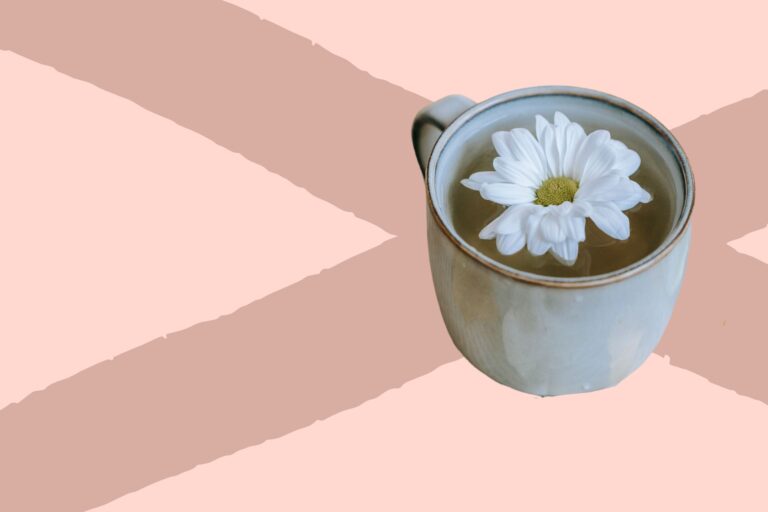
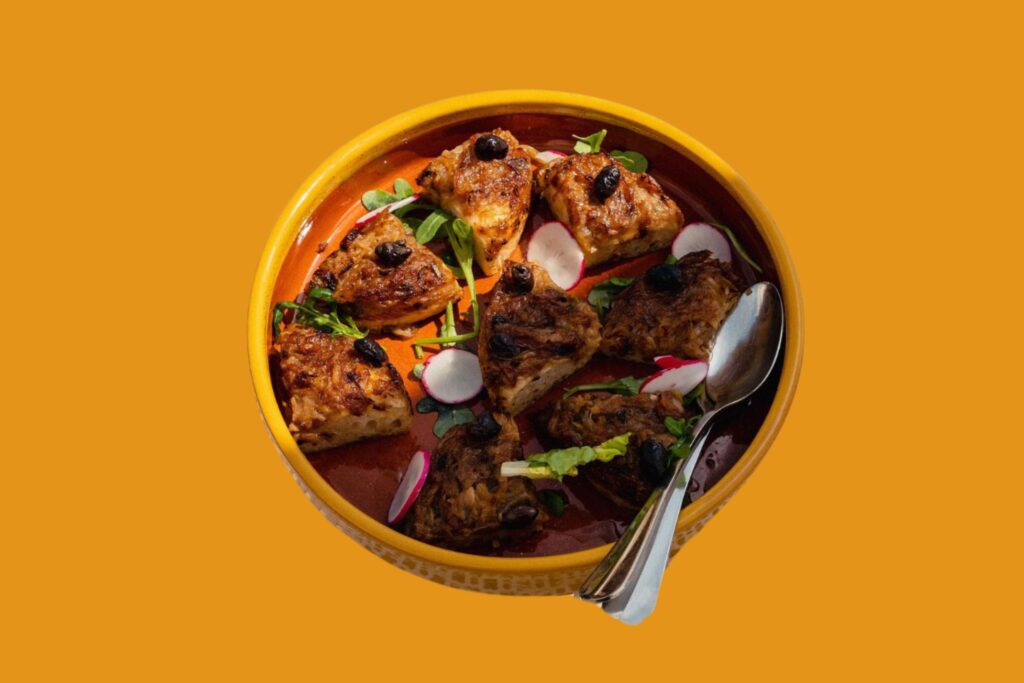
Kickstart your day with a traditional Albanian breakfast at Komiteti Kafe Muzeum. This cosy café-cum-museum is known for its unique blend of history and gastronomy. Here, you can savour trahana – a hearty soup made from grain and yoghurt, or byrek – a flaky pastry filled with cheese, spinach, or meat. Pair it with a cup of mountain tea, a popular Albanian herbal tea, and you’re all set for the day.

by prophoto via Canva

Morning: Skanderbeg Square

Continue into the heart of the city, Skanderbeg Square. Named after the national hero, Gjergj Kastrioti, the square is surrounded by fascinating buildings like the National History Museum (which we’ll visit in the afternoon), the Palace of Culture, and the Et’hem Bey Mosque. Don’t forget to snap a picture with the equestrian statue of Skanderbeg himself.

Lunch: Oda Restaurant

For lunch on your first day, make your way to Oda Restaurant, just a 15 minute stroll east of the square. Nestled in a traditional Ottoman-style house, this restaurant offers a unique dining experience. The menu features a variety of traditional dishes, but the tavë kosi – a baked lamb and rice dish served with a yoghurt sauce, is a must-try. The rustic decor and warm hospitality make it a perfect spot for a leisurely lunch.
Afternoon: National History Museum

After a leisurely lunch, head back to Skanderbeg Square and into the National History Museum for a deeper look. The museum’s facade, adorned with a massive socialist-realist mosaic, is a sight to behold. Inside, you’ll journey through Albania’s rich history, from ancient Illyrian times to the post-communist era

Photo by Abenteuer Albanien on Unsplash

Dinner: Zgara Tirones

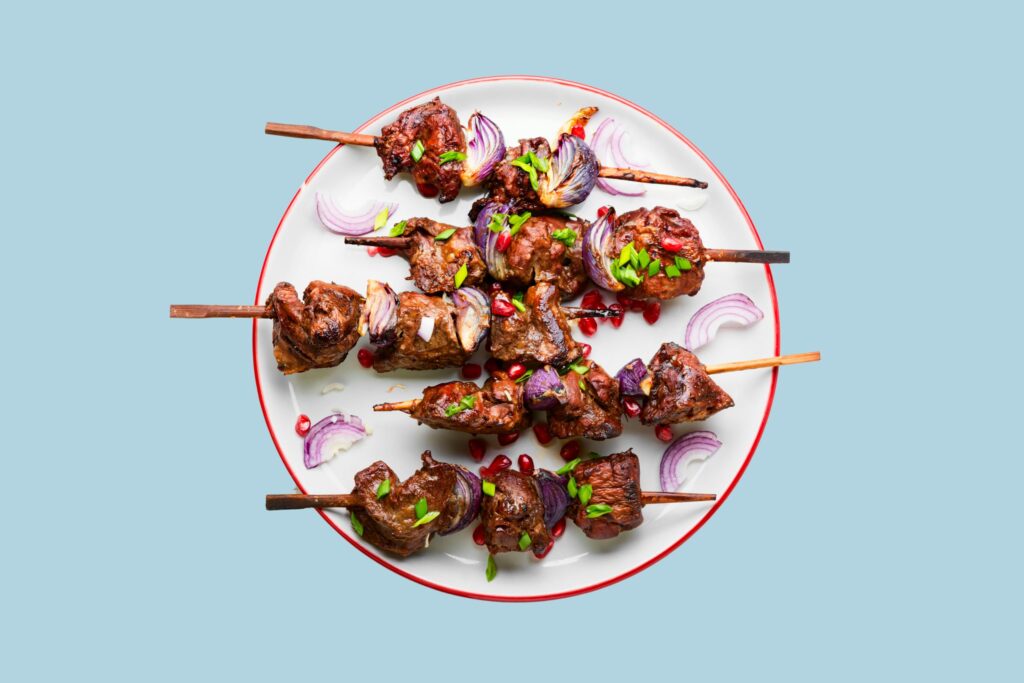
After a day of exploring, settle down for a hearty dinner at Zgara Tirones. This popular grill house is the perfect place to sample Albania’s meat-centric cuisine. Try the qebapa – small grilled sausages, or the rostilj – a mixed grill platter. Pair your meal with a glass of raki, a traditional Albanian spirit, for an authentic dining experience.

Evening: Blloku

As the sun sets, make your way to Blloku, the city’s most vibrant neighbourhood. Once an exclusive area for communist leaders, Blloku is now the heart of Tirana’s nightlife. With a great range of groovy bars, clubs, and restaurants, it’s the perfect place to unwind and experience the city’s modern vibe.

Late Evening: Radio Bar

One of those places is Radio Bar. This retro-themed bar is known for its eclectic decor, featuring vintage radios, old televisions, and antique furniture. With a wide selection of cocktails and a laid-back vibe, it’s the perfect place to unwind after a day of sightseeing. If you’re lucky, you might even catch a little live music.

Day 2: Exploring The Landscapes, Food & History Of Tirana

Morning: Dajti Mountain National Park

On your second day, take a cable car ride to Dajti Mountain National Park. The breathtaking views of Tirana from the top are worth the early start. If you’re an adventure enthusiast, there are plenty of hiking trails to explore.

Brunch: Restaurant Piceri Era

Worked up an appetite? Head back in to town (around a 45 minute drive from the national park), and to Restaurant Era Piceri for brunch. Open from 11am, this charming eatery – back in Blloku, incidentally – is famous for its traditional Albanian cuisine. Try the fërgesë, a delicious dish made from peppers, tomatoes, and cottage cheese, served with fresh bread. Or, if you have a sweet tooth, go for petulla, small fried dough balls served with honey or jam. Wash it down with a cup of Turkish coffee, a staple in Albanian households.

Lunch: Mullixhiu

Or, if you’re looking for a long, leisurely and languid lunch on your second day, then treat yourself to a feast at Mullixhiu. This upscale restaurant is renowned for its innovative take on traditional Albanian cuisine. Try the ‘pilaf’ – a fragrant rice dish cooked with meat and vegetables, or the ‘qofte të fërguara’ – fried meatballs served with a tangy sauce. The restaurant’s modern ambiance and creative dishes make it a culinary hotspot in Tirana.

Afternoon: Bunk’Art

In the afternoon, delve into Albania’s communist past at Bunk’Art. This former nuclear bunker turned museum offers a unique insight into the country’s history. The dimly lit corridors and thought-provoking exhibits create an immersive experience that’s not to be missed.

Dinner: Piazza Piano Bar

On your second evening, head to Piazza Piano Bar for a delightful dinner. This stylish restaurant offers a mix of Albanian and Mediterranean cuisine. Opt for the seafood risotto or the stuffed eggplant for mains, and end your meal with trileçe, a popular dessert made from three types of milk. The restaurant’s elegant setting and live piano music create a perfect atmosphere for a relaxing dinner.

Image via @piazzatirana

Evening: New Bazaar

End your day at the New Bazaar (Pazari i Ri), a vibrant market area teeming with fresh produce, traditional Albanian food, and local crafts. It’s the perfect place to grab a drink, pick up some souvenirs, and soak up the local atmosphere.

The Bottom Line

Tirana, with its unique blend of history, culture, and modernity, offers an unforgettable experience for travellers. On top of that, it’s just a tenner away. What’s not to love?

For some ideas closer to home, check out these 7 autumn day trip ideas that are 2 hours or less from London. Go on; you deserve a break.

In-Home Care vs. Nursing Homes: Comparing Costs & Outcomes 

0

Let’s face it; not every discussion can be a frivolous one about what’s for lunch or if there will ever be a boy born who can swim faster than a shark.

Sometimes, the more important questions need a little floor space, too. And few decisions are more crucial than choosing the right care for an elderly loved one. Generally speaking, in-home care and nursing homes are two main options, each with its unique approach to providing support, costs, and outcomes. Today we’re taking a closer look at these differences to help simplify this crucial choice. 

Differences In Approach 

In-home care offers personalised services in one’s home, from basic help to full-time medical care. Its standout features are flexibility and customisation. Conversely, nursing homes provide a structured environment with 24-hour supervision and medical support suited for those needing constant, intensive care. 

Costs 

In-home Care Costs

The costs depend on the required level of care, including services like personal care and meal preparation, which are often key components of an aged care package. Key considerations include: 

  1. Caregiver Qualifications: Higher rates for caregivers with specialised skills or qualifications
  2. Service Frequency and Duration: Full-time care costs more than part-time or occasional care
  3. Additional Services: Costs may increase for extra services like transportation or medication management
  4. Location Impact: Costs can differ based on regional living expenses
  5. Insurance and Aid: Coverage for in-home care varies by insurance policy and government programs, with specific eligibility criteria
  6. Long-Term Planning: Anticipate changes in care needs and costs over time

Understanding these factors helps ensure you can make informed decisions and plan effectively for the best possible care for your loved ones. 

Nursing Home Costs

These are usually higher, encompassing comprehensive care. Key points include: 

  1. Pricing Variations: Costs vary based on care level and location. Specialised care units, like those for dementia, often cost more
  2. Additional Fees: Expect extra charges for physical therapy, special diets, or activities
  3. Insurance and Government Aid: Some costs may be covered by insurance or government programs, though eligibility varies
  4. Out-of-Pocket Costs: Families should plan for additional expenses not covered by insurance or government assistance
  5. Cost Increases: Beware of potential cost increases over time due to inflation or changing care needs

These key factors affect how much you’ll need to shell out if you choose the nursing home route, aiding financial planning and decision-making. 

Outcomes 

In evaluating the outcomes of in-home care versus nursing homes, it’s important to consider the distinct advantages and limitations each option presents, especially in terms of physical health, mental well-being, and social interaction.

In-Home Care Outcomes

Below are some of the key in-home care outcomes…

  • Enhanced Comfort and Familiarity: In-home care allows individuals to remain in their familiar environment, which can significantly reduce stress and promote mental well-being.
  • Tailored Care: It offers personalised care plans that adapt to the changing health needs of the individual, providing a more focused and responsive care approach.
  • Independence and Autonomy: This option often leads to a higher sense of independence for the individual, as they can maintain their daily routines and lifestyle to a greater extent.

Nursing Home Outcomes

Similarly, here are some outcomes you can expect from nursing homes…

  • Comprehensive Health Care: Nursing and care homes (differentiated by the levels of support provided) offer extensive medical care and supervision, beneficial for those with serious health conditions requiring constant monitoring.
  • Structured Social Engagement: These facilities often have structured programs and activities that facilitate social interaction, crucial for mental health and combating feelings of isolation.
  • Safety and Accessibility: Nursing homes are designed with the safety and accessibility needs of the elderly and disabled in mind, reducing the risk of accidents and injuries.

Both in-home care and nursing homes have their unique strengths.  The choice between the two depends on the individual’s health needs, personal preferences, and the level of care required.

Factors To Consider When Making Your Decision 

When deciding between in-home care and nursing homes, several key factors need to be taken into account: 

  • Individual’s Medical Condition: Assessing the complexity of the individual’s health needs is crucial. Chronic or severe conditions might necessitate the constant care available in nursing homes. 
  • Family Support and Involvement: The ability and willingness of family members to participate in care can significantly influence the choice. In-home care might require significant family help, both emotionally and logistically, whereas nursing homes can alleviate daily caregiving duties but change family interaction dynamics. 
  • Lifestyle Preferences: Consider the individual’s lifestyle and social needs, whether they prefer the community aspect of nursing homes or the privacy and familiarity of their own home. 
  • Long-Term Financial Planning: While nursing homes are generally more expensive, extensive in-home care can lead to significant costs over time. 

Legal & Ethical Considerations 

Understanding the legal and ethical dimensions of elder care is crucial. Families must navigate legal aspects related to guardianship, power of attorney, and healthcare directives. Meanwhile, ethical dilemmas may arise when balancing autonomy and safety. 

Advance care planning, including living wills and durable powers of attorney, can provide clarity and ensure seniors’ wishes are respected. Seeking legal counsel and involving ethical committees in decision-making can help address complex issues and uphold seniors’ rights and dignity. 

The Bottom Line 

Choosing between in-home care and nursing homes is a pivotal decision that significantly shapes an individual’s life experience. This choice should be made with careful consideration of the person’s health requirements, financial circumstances, and personal desires. Each path offers distinct advantages and poses unique challenges in terms of cost, autonomy, and opportunities for social engagement.

Ultimately, this decision isn’t just about selecting a care setting—it’s about choosing a lifestyle that best aligns with one’s needs and values, ensuring dignity, comfort, and fulfilment in their later years.

Restaurant Review: Ojo, Bangkok

Ideal For Fine Mexican Dining On High…

Though 15’000 kilometres away and on disparate sides of the globe, there are many similarities to draw between the food of Thailand and Mexico.

Both warmly ensconced in the Coffee Bean Belt, with parts of southern Mexico sharing the 19th parallel north circle of latitude with Thailand, the countries share a keen sense of vivacity on the plate. 

Chilli, lime and coriander feature prominently, with both culinary cultures placing great emphasis on the cherished communion of a shared meal, whether it’s in the bowl of fragrant jasmine rice that defines the Thai dinner table, or the tortillas so fresh that their air pockets have yet to deflate central to the Mexican one

The supporting cast, of salsas singing with youthful energy, nahm prik relishes throbbing with umami, of rust-coloured stews and curries cooked low and slow, are all there to make the sharing go further and last longer. Meals are to be luxuriated over, the contents of the next one debated over rice and tortillas. 

It’s no surprise, then, that Bangkok boasts some of the finest Mexican restaurants outside of El Tri, with a handful or notable recent openings only raising the gourmand game higher. Today, we’ve endured dizzy heights and savoured delicious bites to check out arguably the best iteration of Mexican fine dining in all of Asia; Ojo, Bangkok.

Ojo

Sitting proud on the 76th floor of Bangkok’s tallest building the King Power Mahanakhon, and seemingly having even loftier ambitions than its 300 metre-high standing, Ojo is one of Bangkok’s most exciting recent openings.

Though the restaurant is still in its infancy, having only been open for just shy of 9 months, it’s already made a big impact on the city, with its provocative, pink ‘space-age, retro glam’ design and intricately composed dishes that fuse Mexican ingredients cooking sensibilities with the odd Thai flourish, making waves and earning raves. A star in the next Bangkok Michelin guide seems almost assured.

The restaurant is the brainchild of boutique hotel group The Standard and chef Francisco “Paco” Ruano, who has already stamped his mark on the food world as chef-owner of Alcade, a forward-thinking, boundary-pushing restaurant in Guadalajara that was last year named the 51st best in the world

‘Ojo’ loosely translates as ‘eye of god’, though we’re not sure if they’re referencing the vantage point that the restaurant enjoys overlooking Bangkok, the financial clout of the aforementioned boutique hospitality group, or the enigmatic chef’s creative vision. Either way, the results – both in the dining room and on the plate – are pure magic… 

Though we’d hesitate to call the food here ‘fusion’, there are certainly some cleverly deployed Thai touches throughout the menu, whether it’s in the khao khua (toasted sticky rice) sprinkled over bruleed, roasted bone marrow, or a young coconut ‘ceviche’ anointed with a gorgeous dressing that combines coconut milk ‘tigre de leche’ and fermented soybeans. 

Similarly, there’s the fragrant lift of makrut lime leaf in a perfectly poised octopus ceviche (add sea urchin for an extra 500 THB… You know you want to), and the indulgent addition of white crab meat from the prized Thai blue swimmer crab, alongside ikura red caviar, to the signature Ojo guacamole

Of course, no punches are pulled in the chilli department, which will be music to the ears of Bangkok diners known for their love of robust flavours, even in the fine dining department.

Speaking of music, the soundsystem here is as rich sounding as we’ve heard anywhere, the slinky grooves of Sly Stone, Teddy Pendergrass and co. seemingly shimmering off the liquid gold walls and sashaying gracefully across a room defined by elegant curvature, the work of internationally renowned designer Nopadon “Ou” Baholyodhin.

Don’t let that distract you from the mains arriving though, with protein-led plates flanked by a whole host of supporting actors, from dips to relishes, pickles to a basket of fresh herbs, and, of course, a steaming basket of freshly pressed tortillas. Fortunately, the generously proportioned round tables afforded to each dining party means all the dipping and assembling is easy going, and no expensive glassware crashes to the ground in the scrum to build the perfect bite.

Though those mains comprise catnip to carnivores (head to tail beef terrine ‘birria’ with burnt onion and fermented chilli, anyone?) and the grilled fish bathed in adobo was certainly enticing, arguably the best dish to land on that spacious table is also the most simple; a take on the Mexican street food snack-cum-salad esquites. Here, a clutch of baby corn cobs arrive coated gently with jalapeno mayonnaise under drifts of freshly grated pecorino. You lift one up by the silks, drag it through the cheese, and pop it back, feeling closer to heaven each time you do so.

Hold on to that high; cocktails, too, boast an impressive parade of world class tequila and mezcal. Created by the celebrated mixologist Milk Thanaworachayakit, who has a reputation for her “no-nonsense spirit forward drinks,” the unambiguous, ingredient-led cocktails and the modern Mexican menu have a seemingly symbiotic relationship, speaking of clarity of flavour, first and foremost.

The This Isn’t Piña Colada, with coconut washed mezcal, pineapple and lime, is refreshing and just a touch sour, whilst still maintaining the essence of its creamy, sweet sibling. Ojo’s signature, sunset chasing Sangre De Mezcal, an adaptation of a drink that’s available at Chef Paco’s Guadalajara mothership, arrives as roselle-rendered as the seat you’re sipping it on; nuanced and invigorating, it’s a must-try.

If your thirst isn’t yet quenched, Ojo’s wine list is equally as considered as its surroundings, with a progressive list of bold, lively wines marked out by three categories; whether they were made by Asian winemaker or brewer, by female producers, or if the wine is raw, with no addition or intervention. Of the latter, we found much to like in the eclectic 2019 Brash Higgins ‘ZBO’, both cloudy and intoxicating, and redolent of white pepper, ginger and mango, all of which feel appropriate for the city where Ojo has found its feet.

A city, it should be said, which can be admired via the panoramic, open-air observation deck directly above the restaurant. With trips up to that deck – the ‘Mahanakhon Skywalk’ – costing punters close to 1000 THB per person, and Ojo offering a complimentary trip up there as part of the restaurant experience, suddenly an admittedly steep bill doesn’t feel quite so vertiginous.

Though certainly not your average neighbourhood taqueria, Ojo has already established itself as one of Bangkok’s premier destination restaurants, and is arguably already Asia’s best Mexican. 

That said, if you suffer from a fear of heights, perhaps you might want to stay at ground level…

Not to worry; there’s culinary joy to be found perched on just about every stool, Bangkok streetside. Check out Chinatown’s T&K Seafood for grilled blood cockles, cold ones, and good times.

How To Prepare For A Spray Tan In 10 Simple Steps

Ideal for those who are missing their usual dose of winter sun.

For those who simply love to bask under the sun’s rays – well, for everyone, actually – this is a testing time. As we approach the shortest day of the year, with the mornings dark and the evenings bleak, it can feel like Vitamin D has never been so far out of reach.

Spare a thought for our complexion. We think it’s fair to say that we’re not exactly looking radiant right now, with visages not exactly boasting that sunkissed aesthetic. If you’re going to take matters into your own (or, more likely, a technician’s) hands, then here’s how to prepare for a spray tan in 10 steps, IDEAL for those who are missing their dose of winter sun.

Firstly, A Patch Test

Particularly pertinent if you’re spray tanning for the first time, it’s essential that you have a patch test prior to your spray tan, firstly, to ensure that the formula being used isn’t going to irritate your skin, and secondly, to check that the colour is correct! Clearly, Donald Trump regularly skips this step…

Wax Or Shave Your Body The Day Before

On the day before your scheduled spray tan, you should shave or wax any areas of your body which you usually include in your shaving or waxing routine. Clear skin is necessary for an even tan but you should avoid shaving on the same day as your spray, as this may leave you susceptible to razor bumps which result in an uneven finish and are, of course, a little irritating, too.

Not only that, but shaving on the day of your spray session isn’t advisable as it will open the pores of your skin, resulting in pore-clogging. This, in turn, could lead to acne and blemishes. 

Exfoliate, Exfoliate

Exfoliation is perhaps the most important part of your spray tan preparation, helping to get rid of dead skin cells from the body and priming your skin for its shiny new coating, presenting an even layer to receive the spray. 

If exfoliation isn’t done, these dead cells would receive the spray, and take the tan with them when they bid farewell to your body. This leaves a patchy finish, which, of course, you want to avoid.

To exfoliate effectively, you can use a scrubbing lotion to shed dead skin cells. Beauticians do caution, however, to only scrub gently; go too hard and you run the risk of irritated skin after the tan. If you’re doing your beauty regime from home, be cautious and kind in your approach. 

Prime Your Skin Prior

Jules Von Hep, co-founder of self-tanning brand Isle of Paradise tells Good Housekeeping that you should prime your skin before tanning “In order to get the most out of your spray tan, I always recommend priming your skin with a pH-balancing spray just before your spray tan appointment. This will help your skin reach an optimum of pH of 4.5, which can help the tan absorb deeper into the skin and therefore last longer.” 

According to the magazine, “your natural skin typically has a pH of between 4.7 and 5.57, so bringing it to a 4.5 will help it match the pH of the tanning solution, meaning it will absorb faster”. Whilst we’re not suggesting you get a degree in chemistry, it does pay to get in tune with your skin’s pH levels.

Skip The Moisturiser

On the day of your spray tan, avoid applying any lotions, creams, or oils. These can create a barrier on your skin, preventing the tan from absorbing evenly.

Take A Shower Before Your Spray Tan

It’s advisable to take a gentle shower with a moisturising lotion to get rid of sweat prior to your spray tan. Having a spray tan with post-workout, sweaty skin risks an uneven finish. Do avoid using soap during your pre-spray shower, as it will make your skin overly dry. 

The best way to get the desired results from a spray tan session, whether that’s at home or in a beauty salon, is to receive the spray on natural skin with no makeup or deodorant. Remove it all prior to your spray tan session.

Read: What are the health benefits of taking a cold shower?

Don’t Combine A Facial With Your Spray Tan Treatment

During a day of pampering, it only feels natural that getting both a facial and a spray tan will be included on the itinerary. This would be a rookie error; the facial opens up your pores, leaving them prone to clogging and blackheads post spray. Separate these two treatments by putting a day (at least) between them.

Nail Varnish

A decent spray tan should get as near to 100% body coverage as possible. This is great news, and guarantees a natural finish. That said, you do want to avoid your fingernails and toenails receiving a good dose of tan; the very opposite of a natural finish, don’t you think? There’s a simple way to avoid this happening; just apply nail varnish before you receive your spray.

Tie Your Hair Back

Because no one wants to emerge from their spray tan session with hair the same colour as their skin, right? As Touch & Glow, a leading hair salon in Edgware, advise us, it’s important you tie back your hair back, tightly to your head, prior to getting sprayed. Job done.

Aftercare Is Key

After your spray tan, avoid showering, sweating, or applying any products for at least 8 hours. This allows the tan to fully develop. Once you do shower, pat your skin dry and moisturise daily to prolong your tan.

Looking to do more with your beauty regime, but this time from the comfort of home? Check out these 5 IDEAL tips for a DIY pedicure.

Thinking About Installing Heated Towel Rails? Here Are Some Key Things To Consider

Swapping out an old radiator for a heated towel rail can help make a room look completely different. On top of that, it can make your post-shower experience feel completely different, with those bath towels of yours extra welcoming and snuggly after some time spent getting railed.

While towel rails might be considered rather trendy, it’s this combination of the aesthetic with the physical which makes them a popular investment. That said, and while it is easy enough to buy one for your home, you don’t want to buy a rail that creates unforeseen problems.

Though we won’t be able to turn you into a towel rail expert today, we will clue you in on what to look out for when shopping for one, especially if you’re shopping online. With that in mind, here are some key things to consider when buying heated towel rails.

The Pipe Entry

Locating the pipe that comes up from the floor and connects to a radiator…how hard can that be? Well, when looking at towel rails – whether it’s a fancy Stelrad electric towel rail or something a little more basic – things change a little. Unlike the traditional angled valve connection that radiators need (that’s where the connection is 90° up and in), most towel rails require a straight connection where the pipe is flush and goes directly in the rail. 

How does that affect you? Well, you’ll need to get a tape measure out and calculate your pipe centres. Radiators tend to have a wider pipe centre. You don’t want to buy a rail and only realise when hanging up that it is narrower (or wider) than the pipes it has to connect to.

The Heat Output (& Size)

Towel rails traditionally have a lower heat output than radiators of the same size; they’re here to warm your towels primarily and not heat your home, after all. In most cases, you would be switching from a horizontal radiator to a vertical rail; this lets you get away with having a bigger overall size. 

Should you be keen for your heated towel rail to double up as a radiator proper, double-check its heat output. This is measured by BTU (British Thermal Unit), which should be clearly labelled on any radiator you’re considering. DIY.com have a handy Radiator BTU Calculator, which you can use to assess the particular needs of your bathroom according to its size.

The Placement

Unless you’re getting an electric towel rail, don’t go thinking you can stick one anywhere you like; though it does sit flush to the wall, they’re still reliant on that pipe entry we mentioned earlier. That said, you want to keep pipe exposure to a minimum, with radiator installation ideally done by a professional to ensure its appearance as well as its functionality. A lovely new towel rail high up on a wall with exposed pipes running up from the floor to meet them just isn’t a good look.

The Colour

If you’re buying a towel rail to match other radiators in a room, try your best to match their colour, or risk an aesthetically jarring effect. Having a rail that is a completely different colour, or even just a few shades off, can really throw off the look of a room, and make things look cobbled together rather than curated.

The Accesories

Speaking of keeping the look right, always make sure your valves, wall stays, and any other accessory you’re using on a towel rail matches the finish of the radiator and existing fittings in a room. Adding a rail to existing fittings (let’s say anthracite brushed colour and white valves) will give your new installation a cheap look. 

And don’t forget, if you are planning some big changes at home, our home & interiors section has dozens of helpful articles on everything from spring cleaning and maximising space to dressing windows and creating a luxury bathroom experience.

15 Of The World’s Most Spectacular Sea Pools 

As the world becomes increasingly urbanised, the desire to connect with nature and experience its wonders remains timeless. One such marvel is the sea pool, a perfect blend of the ocean’s grandeur and the tranquillity of a swimming pool.

These man-made wonders have been ingeniously constructed along coastlines worldwide, providing a safe and refreshing way to immerse yourself in the beauty of the sea, all from a unique vantage point. Keen to take a closer look? Swimsuits at the ready; let’s dive into 15 of the world’s most spectacular sea pools.

Bondi Icebergs Pool – Sydney, Australia

Nestled along the iconic Bondi Beach in Sydney, Australia, Bondi Icebergs Pool is a spectacular seawater pool that has been a local treasure since 1929. This pool offers swimmers a front-row seat to the powerful Pacific Ocean, with waves crashing over the pool’s edge. The adjacent Bondi Icebergs Club is the perfect place to relax and enjoy stunning ocean views after your swim.


Ocean Pool at Bronte Beach – Sydney, Australia

Sydney seems to be a haven for sea pool enthusiasts, and the Ocean Pool at Bronte Beach is another gem on the city’s eastern coast. Surrounded by natural rock formations, this pool provides a tranquil swimming experience with waves gently cascading in. The panoramic views of the Tasman Sea make it a favourite spot for locals and tourists alike.


Giola Lagoon – Thassos, Greece

By mmpile from Getty Images via Canva

In the idyllic Greek island of Thassos lies Giola Lagoon, a stunning natural pool. Surrounded by smooth, rocky formations and accessible via a short hike, this sea pool offers a refreshing swim with unparalleled views of the Aegean Sea. The emerald-green water makes it feel like a hidden oasis. 

For those looking to explore the enchanting waters of Greece further, catamaran charters in Greece are an excellent option. Setting sail from Thassos Island, you can embark on a nautical adventure to discover not only Giola Lagoon but many other picturesque coastal destinations that Greece offers. 


Devil’s Pool – Victoria Falls, Zambia

Located at the precipice of Victoria Falls in Zambia, Devil’s Pool offers a heart-pounding, once-in-a-lifetime adventure. During the dry season, when water levels are lower, visitors can swim right up to the waterfall’s edge, peering over the abyss. The adrenaline rush and the sheer natural beauty of this pool are incomparable.


Bogey Hole – Newcastle, Australia

Constructed by order of Lieutenant-Colonel James Thomas Morisset in 1820, Bogey Hole in Newcastle, Australia, is a historic sea pool that remains a local favourite. Hewn from solid rock, this pool offers a unique blend of history and natural beauty, providing swimmers with a serene escape from the bustling city nearby.


Sao Tome & Principe’s Natural Pools – West Africa

Located in the Gulf of Guinea, São Tomé and Príncipe is an island nation known for its lush rainforests and pristine coastline. Along the rocky shores of the islands, you’ll find numerous natural pools formed by the relentless crashing of waves against volcanic rocks. These hidden gems offer a secluded and wild swimming experience in the heart of Africa.


Blue Pool – Bermagui, Australia

Photo by Sean Gatz on Unsplash

We’re sensing something of a theme here…

Nestled on the south coast of Australia’s New South Wales, the Blue Pool in Bermagui is a geological wonder. Surrounded by striking orange rocks, this sea pool gets its name from its vibrant blue waters, creating a surreal contrast. It’s an idyllic spot for swimming and snorkelling, with the potential for encountering marine life in the clear, shallow waters.


Garachico Natural Pools – Tenerife, Spain

The volcanic origin of Tenerife, part of Spain’s Canary Islands, has gifted the island with unique natural pools. The Garachico Natural Pools, formed by volcanic eruptions in the 18th century, have been shaped into inviting, crystal-clear seawater pools. Surrounded by black volcanic rock, these pools offer a peaceful escape on this beautiful island.

Read: 7 IDEAL tips for a group holiday in Tenerife


Queen’s Bath – Kauai, Hawaii, USA

Photo by Roberto Nickson on Unsplash

Hawaii’s Kauai Island is renowned for its natural beauty, and Queen’s Bath is a prime example. Nestled along the northern shore of the island, this sea pool is a unique geological formation. It is a natural tide pool that allows swimmers to soak in the beauty of the ocean while being sheltered from the powerful waves.


Tidal Pools in St. Peter Port – Guernsey

The island of Guernsey, located in the English Channel, boasts a collection of picturesque tidal pools. These pools fill and empty with the tides, providing a unique swimming experience. The striking coastal landscape and crystal-clear waters make it an enchanting destination for sea pool lovers.

Champagne Pools – Fraser Island, Australia

Fraser Island, located off the coast of Queensland, Australia, is known for its pristine beaches and unique natural formations. The Champagne Pools, nestled along the eastern shore of the island, are rock pools that fill with seawater and create a bubbling effect as waves crash over the rocks. It’s a natural spa experience in the heart of a World Heritage-listed island.


La Piscine Naturelle – Saint-Pierre, Réunion Island

The French overseas department of Réunion Island, in the Indian Ocean, is home to La Piscine Naturelle, a stunning sea pool. This natural pool is nestled in volcanic rock formations and provides a safe haven for swimmers. The contrast of the turquoise waters against the black volcanic rocks creates a mesmerising visual.


Fairy Pools – Isle of Skye, Scotland

Photo by Sheng L on Unsplash

While Scotland may not be known for its tropical beaches, it boasts some breathtaking natural pools. The Fairy Pools on the Isle of Skye are a series of crystal-clear pools fed by waterfalls and surrounded by dramatic mountain landscapes. Brave swimmers can take a dip in the chilly waters while immersing themselves in Scotland’s rugged beauty.

Read: 9 of Scotland’s best road trips


Devil’s Tear – Nusa Lembongan, Indonesia

Tucked away on the tranquil island of Nusa Lembongan in Indonesia, Devil’s Tear is a natural sea pool that offers a mesmerising display of nature’s power. This unique sea pool is carved into the rugged coastline, surrounded by dramatic cliffs and lush tropical vegetation. What sets Devil’s Tear apart is the awe-inspiring phenomenon that occurs when the Indian Ocean’s waves collide with the rocky cliffs, creating a cascading explosion of water, mist, and foam. It’s a spectacle that evokes both wonder and a sense of adventure.


San Alfonso del Mar Pool – Algarrobo, Chile

While the previous sea pools on this list embrace the natural beauty of their surroundings, the San Alfonso del Mar Pool in Algarrobo, Chile, takes a different approach. It’s not a natural sea pool but deserves a mention for its sheer size and extravagance. It holds the Guinness World Record as the world’s largest swimming pool, covering 20 acres and holding 66 million gallons of seawater. The pool offers the experience of swimming in the sea but within the confines of a man-made paradise.


The Bottom Line

Sea pools are remarkable creations that allow us to connect with the ocean in unique and stunning ways. From natural tidal pools formed by volcanic activity to grand man-made wonders that redefine the concept of swimming pools, these 15 sea pools from around the world offer something for every aquatic enthusiast. 

Whether you seek tranquillity, adventure, or simply a refreshing dip in breathtaking surroundings, these sea pools are sure to leave you with unforgettable memories of the beauty and power of the sea. So, the next time you’re planning a vacation or looking for a new swimming experience, consider visiting one of these remarkable spots.

9 Top Tips For Clearing Out The Clutter Before You Move House

Can you hear that? It’s the sound of old football sticker albums hitting the scrap heap. It’s the sound of the once used, now rusty pasta maker meeting its own maker (the bin). But more than anything, it’s the sound of heart strings being tugged across the land, as items of sentimental value are thrown away.

Instead, turn it into a tune of decluttering clarity, with a simple, methodical approach. Here’s how to play it right; our 9 top tips for clearing out the clutter when you move house.

Give Yourself Time

Foresight is a valuable thing. Combine it with a much needed ruthless streak, and this whole process of shedding a little domestic weight might not be so difficult after all. So, start the decluttering process at least two months before you move to get yourself well and truly ahead.

If you’ve been living somewhere for 10 years, do you really think you’re going to be able to get through all the things you’ve accumulated the weekend before moving day? Such a clearout is a process, and requires a little-by-little approach to prevent it from becoming overwhelming.

Get Rid Of Items Before You Move (Not After!)

It makes no sense to bring clutter with you. There’s the packing it away, the transporting it, and the unpacking, only to realise you’ve no space for it in your new crib and it’s surplus to requirements anyway.

Then, there’s another trip to the skip to make. Negate the need for all these redundant extra journeys and that superfluous weight by being completely ruthless before you move. Every step of the moving process will be easier and lighter for it. As Howe from Melbourne Furniture Removals says, “The more ruthless you can be in your decluttering, the less truck space you occupy and ultimately the sooner furniture movers take to complete the job – saving you money.”

Read: The transformative power of having a clean home

Does The Item Bring You Joy?

If you’ve been bingeing on tidy guru Marie Kondo’s YouTube channel, then you’ll know that unless an item sparks joy in your heart, you should let go of it. Nope, not disrespectfully throw it in the bin. But rather, carefully consider each item, hold it close to you, and see if you envisage a future together. If you don’t, then it’s best to bid a kind and gentle farewell to that particular culprit of clutter and move on. Yep, the KonMari method, as its known, can certainly help here.

Create A ‘Maybe’ Box

Sometimes, the decision to keep or discard an item isn’t as straightforward as we’d like. For such items, create a ‘Maybe’ box. This is where you can temporarily store items that you’re unsure about. The rule is simple: if you haven’t used or missed the item after a set period (say, six months), then it’s time to let it go. This approach allows you to make decluttering decisions without the pressure of immediate finality, making the process less daunting.

Digitise Your Memories

In the age of digital technology, there’s no need to hold onto physical copies of everything. Old photos, letters, and documents can take up a lot of space and are susceptible to damage over time. Consider digitising these items to preserve them better and free up physical space. There are numerous services available that can help you scan and store these memories securely online. Remember, the goal isn’t to erase your past, but to make it more accessible and less cluttered.

Involve The Family

Decluttering shouldn’t be a solitary task, especially when you’re moving house. Involve your family in the process. Make it a fun activity where everyone gets to decide what they want to keep, donate, sell, or discard. This not only lightens your load but also gives everyone a sense of participation and ownership in the move. Plus, it’s a great way to teach younger family members about the importance of organisation and letting go of unnecessary items.

Adopt The ‘One In, One Out’ Rule

Once you’ve successfully decluttered and moved into your new home, it’s important to maintain the state of uncluttered living.

As Vella, a Dallas move out cleaning service, so sagely suggest, you should adopt the ‘One In, One Out’ rule when settling in to your new home. For every new item you bring in, one item should leave. This helps to keep your possessions at a manageable level and prevents the accumulation of clutter over time.

It’s a simple, yet effective strategy to ensure your new home stays as serene and clutter-free as the day you moved in.

Have A Carboot Sale Or Donate To A Charity Shop

Sustainability and a deep regard for our environmental impact has never been more vital. Simply commiting items to landfill in the name of a clearout, in the current climate, can feel pretty callous and irresponsible. Instead, embrace what some have coined a ‘circular’ attitude to goods, and donate anything and everything you can to a charity shop or sell it on at a carboot sale. In doing so, you’ll reduce the demand for new stuff. We know it’s only a small gesture, but every little helps, right?

Get Professional Help

Or, you could commit to doing things in reverse. Instead of decluttering, and throwing stuff away, you could only pack up the items you need for moving and leave the rest to a professional home clearing service or express waste removals company. This is basically a declutter, but in reverse, with a dedicated company doing the hard work of physically moving the stuff, as well as finding a legal way of disposing of it. The nuclear approach, some might say, but we did say it was high time to be cutthroat.

The 7 Essential Steps To Take In A Dental Emergency

0

Accidents happen every day and in every way. And the teeth, it seems, are no exception. From sports injuries caused by rogue baseballs to an over-enthusiastic munching on a particularly sticky piece of toffee, dental emergencies can happen to anyone. Some issues that may have the sirens flashing in your mind are actually much less serious than you think in reality. 

And, on the flip side, dental emergencies that seem innocuous might actually be the ones requiring immediate attention. The right course of action, at the right time, could be the difference between a full complement of gleaming white teeth and cheeks missing a few chompers. Here then, are 7 essential steps to take in a dental emergency. 

Don’t Panic

First and foremost, keep calm. Panicking will only exacerbate the situation. Take a deep breath and remember that dental emergencies are common and can be managed effectively with the right approach.

Take Pain Medication

Although a broken tooth might seem like cause for panic, a cool head (in more ways than one) is required to deal with it properly. Your tooth could be chipped, fractured or cracked and it may seem like nothing is immediately wrong with your tooth if you cannot identify where the crack is. This means that dental emergencies such as this one can sometimes go untreated for a longer period of time than they are supposed to. Nullifying the pain is the best way to locate exactly where the issue is.

So, if you’ve injured yourself and find that you have a cracked, fractured or chipped tooth, you should immediately take the correct over-the-counter pain medication in order to combat the obvious pain that will occur as a result of this injury, as well as applying ice packs to the swelling.

Apply First Aid

While you’re waiting to see your dentist, apply first aid. As the expertsg at Complete Smile, an emergency dentist in North London, tell us, if there’s bleeding, gently apply pressure with a clean cloth. If a tooth has been knocked out, handle it by the crown (not the root), rinse it with milk, and try to reinsert it into the socket. If that’s not possible, keep it in a glass of milk until you can see your dentist.

Seek Diagnosis

Whether you’ve suffered damage during contact sport, a falling over when tipsy or, heaven forbid, a violent altercation, there are many different situations in which a dental emergency can occur.

Although it’s often difficult to self-diagnose when the issue is realted to your teeth, it’s always necessary to consult a professional in order to diagnose a problem such as this. To pre-empt action if a dental emergency occurs, check out dental practice options in your area equipped to deal with a crisis. Out-of-hours NHS services are the best bet for affordable, efficient care. 

Store A Knocked-Out Tooth Or Shrapnel Correctly

Genuinely invaluable advice from Hockerill Dental, a dentist in Bishop Stortford, here; if your tooth has been knocked-out for any reason, you must save the tooth in order for your dentist to reattach it. Make sure that you wash it in either water or milk – no soap should ever be used during this process – and store it in a moist area. Make sure that the root is still intact in order for your dentist to reattach it if possible. 

Avoid Eating & Drinking

If possible, avoid eating and drinking, especially hot or cold foods and beverages, as they may exacerbate the pain. If you must eat, opt for soft foods and avoid the area of the mouth that’s affected.

Remember, Prevention Is Better Than Cure

As always, it’s important to remember that emergencies are far less likely to occur if you take the necessary steps to look after your teeth in the first place. This means brushing properly and twice daily, using a fluoride mouthwash, flossing and attending regular dental check-ups.

*This blog post is intended to provide general advice and information about handling dental emergencies. It is not intended to replace professional medical advice, diagnosis, or treatment. Always seek the advice of your dentist or other qualified health provider with any questions you may have regarding a dental condition or treatment. Never disregard professional medical advice or delay in seeking it because of something you have read on this blog. If you think you may have a dental emergency, call your dentist or your local emergency number immediately.*