Home Blog Page 130

7 Amazing Things To Do in Maui, Hawaii, On A Budget In 2023

Aloha and welcome to the tropical paradise of Maui, Hawaii. Known for its lush landscapes, pristine beaches, and vibrant, one-of-a-kind culture, Maui is an idyllic holiday destination if ever there was one.

Known as The Valley Isle, it’s also one of the world’s more expensive places to visit, with IDEAL Magazine of all publications recently naming it one of their 5 dream luxury holiday destinations for 2023.

Pronouncements (and adjectives) like that might have you assuming that Maui might be prohibitively expensive to all but the most well-heeled of globetrotter.

You’d be wrong. Whether you’re searching for affordable activities to enjoy while you’re here or you’re looking to get under the skin of the island and experience the ‘real’ Maui up close and personal, then you’ve come to the right place. With that in mind, we’ve teamed up with the good guys at Maui Resort Rentals to bring you these 7 great things to do in Maui, Hawaii, on a budget in 2023.

Explore The Road To Hana By Car Or Bicycle

The legendary Road to Hana is a must-see when visiting Maui. This scenic drive stretches over 64 miles along the eastern coast of the island, offering breathtaking views of waterfalls, rainforests, and rugged cliffs. The journey itself is an adventure, with over 600 curves and 59 bridges to navigate. 

The drive can take anywhere from 7 to 12 hours round trip, depending on the number of stops made along the way. Some of the main tourist sites include Paia Town, Twin Falls, Garden of Eden Arboretum, Honomanu Bay, Halfway to Hana Stand, Upper Waikani Falls, Hanawi Falls, and Hana Lava Tube, all of which can be admired without having to spend a dime.

To fully appreciate the beauty of this scenic drive, it’s recommended you split the journey into two or more days – to keep things budget-friendly, there are plenty of camping spots along the route. Non-resident camping in the famous Waiʻānapanapa State Park is just $30 per night, per pitch. Booking online in advance is essential.

Photo by Jamaal Cooks on Unsplash

While there are guided tours available, you can save money by renting a car and exploring at your own pace. Pack a picnic lunch, bring your camera, and prepare for a memorable day of sightseeing. The cheapest daily car rental rate is around $45.

For an even more affordable traverse, and if you’re a fit and proficient cyclist, then biking the famous stretch of road is one of the best ways to see Maui up close and personal. Bike rentals come at the fraction of the daily price of hiring a car.

Read: The most Instagrammed holiday destinations in the United States

Visit Haleakalā National Park

Haleakalā National Park is home to the dormant Haleakalā Volcano, which stands at over 10,000 feet above sea level. The park offers a variety of hiking trails, ranging from short walks to multi-day treks, catering to all fitness levels. 

Though the hikes are certainly a wonderful way to see the volcano from a variety of angles, it’s at the summit that the real fun begins; watching the sunrise or sunset from the peak of Haleakalā is as breathtaking as it comes. Although there is an entrance fee for the park, it is relatively inexpensive and well worth the cost for the unforgettable experience.

Photo by Georgia de Lotz on Unsplash
Photo by Luke Richardson on Unsplash

Passes, which are valid for three days, cost $30 per private vehicle (of up to 14 people), $25 per motorcycle, and $15 per pedestrian or bicycle.

There are also several admission fee-free days throughout the year. They are as follows:

  • January 16, 2023: Martin Luther King, Jr. Day (same rules apply next year)
  • April 22, 2023: First day of National Park Week
  • August 4, 2023: Great American Outdoors Act Anniversary
  • September 23, 2023: National Public Lands Day
  • November 11, 2023: Veterans Day

Relax On Maui’s Beautiful Beaches

In Maui, Hawaii, most beaches are free to enter and open to the public, though do be warned that there are a few exceptions, where at some state beach parks and natural reserves, parking and/or entry fees are charged. These fees help manage overcrowding and preserve the fragile shoreline environments, though even these tend to be affordable.

In South Maui, Makena State Park and Ahihi-Kinau Natural Area Reserve in Kanahena (on the way to the famous La Perouse Bay) charge entrance fees of $5, with parking $10 per vehicle. In East Maui (Hana area), advance reservations and parking/entry fees are required for the previously mentioned Waianapanapa State Park, which is famous for its black sand beach.

Despite these exceptions, there are just so many idyllic, completely free beaches to enjoy in Maui. Hamoa Beach, located at the Hana end of Maui on that famous Road to Hana you’re already planning to traverse, is considered one of the most beautiful beaches on the island. Featuring a wide, golden shore and brilliant aquamarine waters, it’s backed by a thick forest of Hala trees. If there’s a more quintessentially Hawaiin view, we haven’t found it!

Another beach well worth checking out is Maluaka Beach in South Maui, which offers soft sand, crystal-clear water, and lava rock formations. Kapalua Bay Beach on West Maui is also highly regarded for its beauty; so much so, in fact, that it was rated the best beach in America in 2018 by Dr. Beach.

While all beaches in Maui are technically public, it’s essential to respect private property when accessing them. Most beaches that front private property have public access easements, so look for public beach access signs and park in designated public parking areas.

Discover Maui’s Rich History & Culture

Maui has a fascinating history and culture that can be explored without spending a fortune. Visit the historic town of Lahaina, once the capital of the Hawaiian Kingdom and a bustling whaling port. Stroll down Front Street, lined with art galleries, shops, and restaurants housed in beautifully preserved 19th-century buildings. Don’t miss the massive Banyan Tree, planted in 1873, which now covers an entire block. Entrance to the Lahaina Heritage Museum is free, offering a glimpse into the island’s past.

Don’t stop there; The Maui Historical Society’s Hale Hōʻikeʻike at the Bailey House showcases the history and heritage of Maui in a historic structure dating back to the mid-1800s. Admission is just $10 for adults, $8 for seniors and $4 for kids and young adults. Toddlers and babies go free. Do be aware that Hale Hōʻikeʻike is only open Tuesday through Friday, from 10am to 2pm.

For art enthusiasts, Makawao, located on the mid-slopes of Haleakalā volcano, is a thriving arts community that was once named one of the top 25 arts destinations in the United States. Here, the Hui No’eau Visual Arts Center, housed in a 1917 mansion that is the only historic estate on the island that is free to enter, offers tours, exhibitions, and classes in various artistic mediums, from ceramics and jewellery making all the way to floral painting. Do be aware that you’ll have to pay for some of these.

Hike The Waihee Ridge Trail

For those who love hiking and stunning vistas, then, firstly, you’ve come to the right place; Maui is full of them! But more importantly, the Waihee Ridge Trail, a moderately challenging 5-mile round trip hike that takes you through lush forests and offers panoramic views of the Pacific Ocean, Waihee Valley, and Makamaka’ole Falls, is easily accessible and totally free to tackle, making it an ideal budget-friendly adventure.

Savour Affordable Local Cuisine

While dining out on the island can be expensive, there are plenty of budget-friendly options that offer mouthwatering meals without breaking the bank. 

Leoda’s Kitchen & Pie Shop in Olowalu is a must-visit for anyone craving farm-fresh American comfort food and scrumptious desserts (the banana cream pie has an island-wide reputation). This cosy eatery with a plantation-era aesthetic offers a variety of sandwiches, mini pies, and other tasty treats at affordable prices. 

For lovers of locally caught seafood, South Maui Fish Company is the perfect spot to enjoy some of the freshest fish on the island. The owners catch all their fish themselves, and the poke bowls are especially popular, often selling out due to their sub $20 price tag.

Also on the island’s south coast, another great option for seafood enthusiasts is Coconut’s Fish Cafe, named (by themselves) to be ‘’Maui’s top rated fast-casual fish restaurant’’. Known for their fish tacos packed – the coconut shrimp is also a must-try – you’ll get plenty of bang for your buck here.

Photo by Katie Musial on Unsplash

If you’re in the mood for some top quality local Hawaiian cuisine, we’re in love with the food truck operation over at Kalei’s Lunch Box. Their Da Big Kahuna combo plate lunch clocks in at under $20 and features Mochiko chicken, hamburger steak, and Asian-crusted Mahi, offering a taste of the best Hawaii has to offer.

Zippy’s is another local favourite, known for its legendary plate lunches and delicious chilli. The chain also houses Napoleon’s, one of the best bakeries on the island, offering local flaky pastry turnovers with fruit fillings called Napples. Yours for just $5.

For more sweet stuff, head to Maui institution Matsumoto Shave Ice for a refreshing Hawaiian must-try dessert. It’s arguably the most popular shave ice store in the state and sells more than 1,000 bowls a day, with 33 flavours, including classics like lemon, blue pineapple and banana.  

Finally, don’t miss out on Komoda, an iconic bakery that has been serving fresh Hawaiian-style baked goods since 1916. Their cream puffs, donuts on a stick, and guava malasadas are simply irresistible.

Or, simply follow your nose; there’s also a fish being grilled and a cold beer being cracked somewhere on the island! Sounds like heaven to us…

Attend A Free Cultural Event Or Festival

Throughout the year, Maui hosts various cultural events that are open to the public and often free of charge. 

Every February (we realise this is one to pencil in for 2024), keep an eye out for the annual Maui Whale Festival, which celebrates the migration of humpback whales to the island’s warm waters and every day coincides with World Whale Day. The festival features live music, educational talks, and some amazing whale-watching opportunities. It is also, you guessed it, free to attend.

For something more regular, don’t miss the island’s Maui Friday Town Parties, held every Friday evening in different towns across the island. These lively gatherings feature live entertainment, local food, arts and crafts vendors, and special offers from market traders, merchants and more. 

Speaking of Fridays, another event well worth attending if you’re on the island in early December is the Lahaina Second Friday Town Party, where you can enjoy live entertainment, food, and local crafts.

Another semi-regular highlight is the monthly Hawaiian Music Concert, held under the stars at the historic Baldwin Home Museum in Lahaina on the last Thursday of each month. 

If you’re seeking something a little more casual, various shopping centres across the island host free Polynesian dance shows, lei-making lessons, and other activities that celebrate Maui’s unique culture. Get involved!

10 Small Dog Breeds With Huge Personalities

As a dog enthusiast, it’s only natural to be beyond excited about bringing a new pup home to experience the joy it brings to your life, and you to theirs. 

That said, if you live in a home that an estate agent might charitably describe as ‘’cosy’’, then it’s also only natural that the arrival of the latest canine member of the family might bring with it a fair amount of trepidation. 

‘’Which beloved ornament is getting knocked over first?’’, ‘’Whose spot on the sofa is getting usurped next?’’ and ‘’Will I really be just as comfortable sitting on the floor’’ are all natural concerns as you welcome home your new pup, anxious about whether you’ve chosen the best breed to fit your lifestyle.

But while bigger canines are undoubtedly fun to play around with and offer loads of affection, if you’re concerned about space at home, then don’t discount the little guys. Smaller dogs make up for their tiny size with a huge dose of personality. They love ferociously and are just as eager to please and be helpful as a Mastiff or Rottie. 

So, before you make up your mind, check out our list of ten pint-sized pooches famous for their unique attitudes. Here are 10 small dog breeds with huge personalities. 

Mini Dachshund

If you’ve been looking at Mini Dachshund puppies for sale and are considering whether their one-of-a-kind nature fits your home, then you’ll no doubt have already fallen in love with their characteristically elongated bodies, huge eyes, and uniquely wide paws. 

These dogs have an astounding history involving their larger counterparts hunting down badgers in underground burrows. Looking at these little sausages on legs, it might be hard to believe, but if you research the standard-size doxie, you’ll see they can weigh upwards of 15 kilograms. A formidable force indeed!

The good news is most of today’s Dachshunds are all about play. They still have a lot of energy to burn, but remember that their short legs aren’t designed for long runs; a simple stroll around the garden may often suit them better

Read: How to ensure that your garden is safe for your new puppy  

Bichon Frise

Another pooch well-known for having an adorable personality is the Bichon Frise. This breed is not only intelligent but determined to bond with you, which makes them especially charming and sociable toward strangers, pets, and in public situations. You’ll love their fluffy coats since they are hypoallergenic and don’t shed much compared to other dogs.  

Maltese

Sure, you probably already love the long flowing coat of the Maltese that makes it seem to float across floors as it trots, and that’s great, as these little guys thrive on attention. This is one of the friendliest furry friends you could ever own. Whether you have cats, a large family or like to go for public walks, this dog will enjoy every moment. Of course, dogs that get this attached can suffer from separation anxiety, so make sure you are available to give them the attention they need.

Read: 10 of the best dog-friendly hotels in the UK

Pug

If you love Shar Peis but simply don’t have the space, consider a Pug! This short canine has all the cute wrinkles you love and a hilarious sense of grandiosity about them. That’s right, these guys don’t understand how small they are, which can make for hilarious antics when playing. These dogs thrive on companionship and come with their own funny sound effects because of their smooshed snout. 

Chihuahua

It’s hard to think of any other breed than the Chihuahua when considering small dogs with huge personalities. These little pups are ridiculously popular because of their size and attitudes. While they love to play, be dressed up, and shown off, they can also be territorial and impatient. 

If you decide to get one of these adorable friends, make sure to train and socialise it to reduce the risk of it nipping at strangers and kids.

Toy Poodle

If you worry that small dogs just don’t have a high level of athleticism, think again. The Toy Poodle loves to exercise and perform agility games for fun. Like their larger counterparts, minis are ready to play. Because they have high intelligence, like the standard, training is a rewarding experience for these little guys. So, even though they average about 6 pounds, they have a ton to offer you and your family.

Boston Terrier

If you want a playful, friendly, low-maintenance pup, look no further than the Boston Terrier. Also known as “the American Gentleman,” Bosties are famous for being good-natured and attention-seeking. However, if you scold them, they might pout for a while because their feelings are hurt. 

These small companions love to exercise and chew, so if you decide to add one to your home, make sure you have plenty of chewies and toys around for entertainment when you’re busy. Also, be warned; Boston Terriers are infamously picky eaters. Just sayin’

Russell Terrier

Russell Terriers are sharp little pooches with a long history of hunting and sports. Their intelligence is wickedly sharp compared to other breeds making them ideal for a variety of tasks. If you’re an outdoors person, you’ll enjoy having one of these dogs along to play fetch, hunt rodents, and more. Of course, canines with this level of energy need regular exercise and stimulation. 

Shih Tzu

If you want a dog with a chillax personality, Shih Tzus have long been the go-to animal companion to act as a friend, lap warmer, and a family favourite. This breed has roots dating back a millennia in Tibet and is happy to hang around the house more than racing through a park. This canine only gets a little heavier than 8 – 16 pounds. So, these are smaller than Chihuahuas but are still small enough to be easily managed in an apartment or condo.

Pomeranian

Rounding out today’s list of personable small dog breeds is the Pomeranian. These dogs have been a favourite of royalty and everyday families for hundreds of years. With their poofy coats and fox-like faces, their energy is palpable in everything they do. 

They love to play and will also let you know when someone’s approaching your home, even if you already know your guest has arrived. Fortunately, a quick jaunt around the block is enough to wear them out and help burn off this drive for a few hours. 

The Bottom Line

With any dog, always consider the pros and cons of the breed you bring into your home, but with small dogs in particular, it’s essential to bear in mind that they are more fragile. One wrong jump off of a couch or lap could mean a trip to the vet. If you have small children, teaching them proper handling to avoid injury to both them and your dog will be especially important. 

But with all that said and done, small dogs can be some of the most adorable additions to the family you could dream of. Now, shall we see you when you’re next out on your walkies together? Oh, go on…

The Science Of Baking: The Vital Role Of Each Ingredient In Producing Fault-Free Bakes

Baking is an art that requires precision, patience, and a deep understanding of the ingredients involved. For amateur bakers, it’s especially crucial to grasp the vital role that key ingredients play in the baking process, as this knowledge can significantly impact the quality of their bakes, elevating them to dizzy new heights in the most dexterous, well-informed of hands.

The foundation of any successful bake lies in the harmony between its core components: flour, sugar, fats, leaveners, eggs, salt, and dairy. Each ingredient serves a specific purpose, contributing to the texture, flavour, and appearance of the final product, and only in understanding each one’s role can budding bakers produce fault-free bakes. 

This knowledge also empowers aspiring bakers to troubleshoot issues, make substitutions when necessary, and experiment with new techniques and flavour combinations, all in the time it takes to read an article. What’s not to love?

So, embark on your baking journey with confidence, armed with the knowledge of the essential ingredients and their functions, and watch your skills flourish, with this guide to the vital role of each ingredient in producing fault-free bakes.

Flour

Flour, a humble yet indispensable ingredient in the world of baking, plays a crucial role in determining the texture, structure, and overall success of your baked goods. As a key component in various recipes, from bread and cakes all the way to a proper gravy, flour is truly a must-have staple in every kitchen.

The magic of flour lies in its protein content, which affects the formation of gluten – an elastic network that provides structure to baked goods. When mixed with water, the proteins in wheat flour interact and form gluten, which stretches to contain the expanding leavening gases during rising. The protein content varies among different types of flour, resulting in diverse textures and structures in the final product.

For instance, cake flour, with its low protein content, yields a softer texture and lower-gluten end result, perfect for light and airy treats. On the other hand, bread flour, with its high protein content, produces a firmer texture and higher-gluten end result, ideal for chewy and sturdy yeast breads.

Also be aware that the choice between bleached and unbleached flour can also impact the performance of your baked goods. Bleached flour undergoes a chemical process that alters its protein structure, making it more suitable for delicate pastries, while unbleached flour retains its natural state and works well for most recipes. 

Eggs

Eggs are truly the unsung heroes of the baking world. These versatile ingredients play a crucial role in creating the perfect texture, flavour and appearance of our favourite baked goods. From cakes and cookies to meringues and pastry creams, eggs work their magic in various ways, making them an indispensable part of any baker’s toolkit.

One of the primary functions of eggs in baking is providing structure and stability to batters and doughs. As the proteins in eggs coagulate during the baking process, they create a network that helps hold everything together, giving shape and form to the final product. This is especially important when working with light flours like pastry or cake flour, where eggs act as a binding agent to prevent the baked goods from becoming too crumbly or falling apart.

Eggs also contribute to the leavening process, helping baked goods rise and achieve a light, airy texture. When beaten, whole eggs or egg whites alone can incorporate air into the batter, creating a foam that expands in the oven and gives cakes and other treats their desired volume.

In addition to their structural benefits, eggs play a significant role in enhancing the flavour, colour, and aroma of baked goods. The yolks, rich in fat, add depth and tenderness to the final product, while the whites help create a lighter, more delicate texture. The natural yellow hue of egg yolks also lends a visually appealing golden-brown colour to the crust of pies and bread, making them look as delicious as they taste.

Moreover, eggs serve as emulsifiers, helping to create smooth batters and mixtures by blending ingredients that might not otherwise combine well, such as oil and water. This emulsifying action contributes to the overall volume and texture of the baked goods, ensuring a uniformly open cell structure and a desirable mouthfeel.

Sugar

Sugar, the sweet and seemingly simple ingredient, plays a surprisingly complex and crucial role in the world of baking. While it’s well-known for adding sweetness and flavour to our favourite treats, sugar also serves several other essential functions that contribute to the overall success of baked goods.

Firstly, sugar is responsible for the texture of our baked delights. When sugar and water molecules come together, they establish a strong bond that has a substantial impact on the texture in two ways: it keeps baked goods soft and moist, and it creates a tender crumb. 

Because of the link that forms between sugar and water, items like icing, cakes, muffins, and brownies don’t dry out too quickly. Additionally, sugar interferes with the coagulation of proteins, resulting in a more tender and softer crumb when added to cake recipes.

Another important function of sugar in baking is its role in browning and caramelization. As sugar heats up, it caramelises, promoting the appealing golden-brown colour we associate with perfectly baked goods. This process also contributes to the formation of new aromas and flavours through the Maillard reaction, where sugar reacts with proteins in the presence of heat.

Sugar also plays a vital role in leavening. When sugar is creamed with butter or mixed with other liquid ingredients, it creates thousands of tiny air bubbles that lighten the batter. These bubbles enlarge and elevate the batter during baking, causing it to rise in the pan. Furthermore, sugar’s hygroscopic properties allow it to hold onto moisture, providing structure for gas expansion in the oven and promoting lift and rise in baked goods.

Lastly, sugar acts as a stabiliser in certain recipes, such as foam-type cakes, where it interacts with egg proteins to stabilise the whipped foam structure. This stabilisation is essential for achieving the desired texture and consistency in these delicate creations. 

Fats

Fats, such as butter and oil, play a crucial role in the world of baking. They not only contribute to the flavour and richness of baked goods but also have a significant impact on their texture and structure. 

Butter, a solid fat at room temperature, is known for its ability to create light and tender textures in cake batters. When creamed with sugar, it forms tiny air pockets that trap steam and carbon dioxide, allowing the cake to rise during baking. Additionally, the water content in butter evaporates, creating flaky layers essential for pie crusts and biscuits.

On the other hand, oil, a liquid fat at room temperature, contributes moistness to baked goods more reliably than butter. This is because oil remains liquid at room temperature, while butter solidifies. Oils and fats also reduce the development of gluten in baked products, giving them a crumbly texture. By breaking down gluten into shorter strands, fats and oils act as “shorteners,” coating the flour and preventing it from absorbing water, which hinders gluten formation.

When it comes to health, replacing butter with monounsaturated oils like olive oil can lead to better heart health outcomes and reduced bad cholesterol levels, as well as being much less likely to cause inflammation. Should the characteristic grassiness of olive oil not feel suitable for your next bake, it might be a good idea to consult an anti-inflammatory foods list for appropriate substitutions.

Substituting butter with a ‘healthy’ oil in baking can be done using a 3/4 ratio (e.g., replacing 1 cup of butter with ¾ cup of oil). For coconut oil, a 1:1 ratio can be used. It’s important to note that oil doesn’t provide the same leavening help as butter, which may result in a denser texture in some baked goods.

Other Leavening Agents

Though we’ve already mentioned the role of eggs, sugar and butter in the rising process, other leavening agents play a vital role in achieving fault-free bakes too. 

Leavening agents play a crucial role in the world of baking, as they are responsible for giving baked goods their light and airy texture. These agents, which include baking soda, baking powder, yeast, and whipped egg whites, work through various chemical reactions to create gas bubbles that cause dough or batter to rise.

Baking soda, also known as sodium bicarbonate, is a popular leavening agent used in recipes like cakes, muffins, and cookies. When combined with an acidic ingredient and a liquid, baking soda becomes activated, producing carbon dioxide gas. This gas allows baked goods to rise and become fluffy, resulting in soft and tender treats. Yum!

On the other hand, baking powder is a two-in-one chemical leavening that combines sodium bicarbonate with a powdered acid, such as tartaric acid. When moistened, a chemical reaction occurs, producing carbon dioxide gas that inflates cookies, cakes, and pancakes. Baking powder eliminates the need for additional acidic ingredients, making it a versatile option for various recipes.

Yeast, a living organism, is another essential leavening agent used in bread-making. As yeast ferments sugars present in the dough, it produces carbon dioxide gas, causing the dough to rise and develop a light, airy texture. Yeast-leavened breads often have a distinct flavour and aroma, making them a favourite among many bakers.

Whipped egg whites also play a vital role in adding height, lightness, and delicate texture to baked goods. Beating or whisking egg whites stretches the protein strands and incorporates air into the mixture. This technique is commonly used in soufflés, cakes, and meringues, contributing to their signature fluffy and airy qualities.

Dairy

Dairy products hold a special place in the world of baking, playing a crucial role in creating perfect bakes that are not only delicious but also have an irresistible texture and appearance. From butter to milk, yoghurt to cream cheese, these ingredients are the secret weapons of bakers, helping them achieve the desired taste, texture, and colour in their baked goods.

One of the primary reasons dairy is vital in baking is its ability to provide moisture. Baked goods can easily become dry and crumbly without the right balance of ingredients, and dairy products help to keep them tender and moist. Additionally, dairy contributes to the soft crumb structure in cakes and bread, ensuring a delightful mouthfeel with every bite.

Dairy products also play a significant role in enhancing the flavour of baked goods. The rich, creamy taste of butter and milk adds depth and complexity to the overall flavour profile of cakes, cookies, and pastries. Moreover, dairy ingredients like yoghurt and buttermilk can impart a subtle tanginess that elevates the taste of various baked treats.

Another essential function of dairy in baking is its contribution to the browning process. The proteins and sugars present in dairy products, such as lactose, promote the Maillard reaction, which results in the characteristic golden-brown crust on bread, cookies, and biscuits. This not only makes the baked goods visually appealing but also adds a delightful crunch to their texture.

Furthermore, dairy ingredients like milk and cream can improve the stability of batters and doughs, thanks to their protein content. These proteins form a network within the mixture, strengthening its structure and allowing it to rise properly during baking. This results in baked goods with an even, consistent texture and a satisfyingly light crumb.

And with that valuable information now proving in that beautiful brain of yours, we can’t wait to taste your next bake!

6 DELICIOUS FOODS THAT ARE HIGH IN ZINC

Ideal for those looking to optimise their diets today.

Zinc is an essential nutrient found in the cells throughout our bodies. Essential, in this instance, doesn’t only mean ‘important’, mind. 

When we refer to essential nutrients, we actually mean compounds which are crucial to us for growth and good health, but that the body isn’t able to produce or store. As such, you have to get these essential nutrients either through your diet, by eating foods high in zinc, or via supplements, like zinc tablets or capsules.

Just like many other nutrients, zinc helps to support a healthy immune system and accelerates wound healing. It is also needed for cell division and contributes to the structure of strong bones.

With so many key roles to play in supporting our body, it’s important to ensure that we all meet our recommended daily zinc intake – 9.5 mg for a male, 7 mg for a female, and not exceeding 25 mg in a day, if you’re asking.

Though the average zinc consumption of the UK adult population is between 10 and 15 mg daily (actually higher than the average necessary), some folk do fall short. Luckily, this deficiency is easy enough to remedy, as zinc is present in some of the country’s favourite ingredients. With that in mind, here are 6 delicious foods that are high in zinc, IDEAL for those looking to optimise their diets today. 

DAIRY

Dairy provides a whole range of nutrients, and one of these is zinc. This is particularly the case with milk and cheese, as these dairy products contain high levels of bioavailable zinc. Bioavailable basically means that it can be easily absorbed and used beneficially by your body.

The majority of dairy products also contain high levels of calcium and vitamin D, which also both contribute to the normal functioning of bones. If you’re keen to optimise your cheese intake, then interestingly, cheddar and parmesan are some of the most zinc-rich cheeses out there. Food for thought, indeed.

EGGS

You may be surprised to learn that eggs also contain reasonable amounts of zinc. Eating one large egg will contribute towards your zinc intake, while also providing you with many other nutrients, including selenium and B vitamins. Plus, they’re absolutely delicious! If you’re stuck for inspiration, check out these tips on the most foolproof way to cook five different types of egg preparation.

RED MEAT

Unfortunately for vegetarians and vegans, meat is one of the best sources of zinc out there. This is particularly true with red meat including beef, lamb and pork, though chicken is also a fantastic source of the stuff, and a much healthier option, generally. In fact, just 140 g of chicken (half a large chicken breast) will provide you with 20% of your daily zinc.

It is worth noting that, although high in zinc, you must eat red meat in moderation. According to the British Heart Foundation, eating large amounts of red meat has been linked to the increased risk of heart disease. For vegans seeking good sources of zinc, beans, chickpeas and lentils all have plenty of the good stuff, as well as nuts, which we’ll discuss a little later.

SEAFOOD

Should you be a pescatarian or simply a big shellfish lover, then good news; seafood, particularly oysters, lobster and crab (hey, this zinc stuff has expensive taste) is absolutely packed with the stuff!

Oysters, in particular, contain exceptionally high amounts of zinc, with a single oyster giving you half your daily recommended amount. Another excuse to feast on the world’s most divisive bivalve; don’t mind if we do!

If you’re looking to do just that, then check out these 7 IDEAL ways to enjoy oysters.

NUTS

Nuts are a tasty snack, and are eaten the world over because of their extraordinary health benefits, full of healthy fats and fibre. Eating any of the following nuts will help you to maintain your zinc levels:

  • Cashews
  • Pine nuts
  • Peanuts
  • Almonds

When it comes to establishing which nut will be the most valuable for your daily value of zinc, look no further than cashews, which are the most zinc rich and also, whisper it, the most delicious, too (don’t @us, almonds).

DARK CHOCOLATE

We thought you’d never mention it. But any excuse to eat more chocolate is alright by us, and you might, too, be delighted to learn that dark chocolate contains zinc. 

Although a tasty treat, it’s worth remembering that any type of chocolate is extremely calorific. Unfortunately, this means that eating too much dark chocolate may have some unwanted consequences. Try to keep consumption to a minimum, but the occasional square certainly won’t do any harm!

THE BOTTOM LINE

As you can see, there are many foods out there that contain zinc. If you feel that you aren’t getting enough zinc through diet alone (what, you’re not relishing the chance to eat more oysters and chocolate?) then consider using zinc supplements for added benefits. 

9 Ideal Tips To Help You Digital Detox in 2023

We’re all guilty of spending too much time on our screens – hey, you’re looking at one right now and we appreciate the delicious irony we’re sharing in this moment together – but unplugging can restore a little tranquillity to your ‘always on’ lifestyle.

With our ever-growing reliance on being online due to lockdown restrictions, we think it’s more important than ever to spend some quality time away from screens, with our own thoughts or those of our partners and family. According to research people devote about a third of waking time to mobile apps and a staggering 4.8 hours a day. Those are some serious sessions, and for many, approximately 4 hours may even sound pretty modest!

According to a study sponsored by Vision Direct and conducted by OnePoll.com, the modern human will spend about 34 years of their lives staring at computer, phone or television screens. Yikes.

Though the term ‘digital detox’ has earned a slightly suspect reputation, beloved of influencers who like to live, love and laugh, the benefits can actually be huge. Don’t let your scepticism get in the way of putting down your phone and actually looking up to appreciate the world. With the help of The Body Shop, here’s 9 IDEAL tips to help you digital detox in 2023. 

BE MINDFUL OF SCREENTIME 

Try to be mindful of your screen time, which (for us, anyway) has reached pretty shocking heights during this extended period of social isolation and lockdown. But knowledge is power, and recognising that you’ve been using your phone too much is the first step in reducing your time spent swiping, scrolling and clicking. You could set limits or reminders or even use monitoring apps to prompt you; iOS and Android have built in Screen Time management tools.

TELL PEOPLE 

Let friends and family know that you’re trying to cut back on your screen time usage, so they can support you and be aware there might be a delay in your reply. Sometimes it’s that pressure which hangs over you, urging you to reply, which keeps you checking your phone.

TURN OFF NOTIFICATIONS 

Turn off all banner-style notifications, pop-ups or sound alerts on your apps so you’re not constantly prompted to pick it up and have another look. There can be something rather alluring about that notification ‘ping’ or little red circle with a number inside; and that’s because such notifications are deliberately designed that way, to reel you in and give you an addictive rush-like feeling. Resist.

TECH-FREE BEDROOM 

Are you guilty of taking your phone to bed with you and scrolling through your Facebook and Twitter timeline well into the night? We’ve all been there, and we’ve all felt the related insomnia as a result.

Make your bedroom a tech-free zone. Keep your phone in another room overnight, on silent, and if you need an alarm clock to wake you up, invest in an old fashioned one. Simple.

AIRPLANE MODE

Hands up who’s tried to reduce their smartphone usage only to find that they’re using it more than ever after a few days of effort? Hello? Hello? Hands up we said! Is anyone listening? Oh, everyone’s on their phones…

Sometimes, when willpower alone isn’t enough to bring down your screen time, you have to get stricter; put your phone on airplane mode and only switch it on when you need to use it. The act of having to take it off airplane mode and wait for WiFi connection can serve as a jolting reminder of your compulsive usage; so many times, we pick up our phone purely through muscle memory. Rewrite this learned behaviour.

BATHROOM BAN

Don’t take your phone into the bathroom. In doing so, you could make this tech-free zone your very own spa. Use your focus to tune in to the senses and enjoy a long soak in a foamy bubble bath or slather on your favourite skincare products. Or, simply cherish that time spent sitting on the can to do some musing.

ARM’S LENGTH

Often times, phones are most distracting when they’re in our eye-line or we can feel them in our pockets.

In fact, a study published in the journal Social Psychology via Time Magazine in 2014 found that ”just having it visible nearby may distract you from complex tasks”. And let’s face it; phones have got way more distracting since then.

So, adopt an ”out of sight, out of mind” mantra when it comes to your smartphone, placing it in a different room or a bag when you’re trying to work, relax or engage with a loved one on any kind of meaningful level.

IT’S BLACK AND WHITE

Convert your screen to black and white to reduce the urge to check it constantly (and stay ‘checking it’ for way too long once it’s unlocked). Suddenly the lure of the internet becomes far less appealing.

Once again, science backs this up. In Observer’s article ‘‘Grayscale Can Cure Smartphone Addiction”, they point out that ”by stripping away all the neuron-stimulating colors on your phone, you are less motivated to check your phone even without any calls ringing or notifications buzzing”, citing studies done on our reward system as evidence.

SPRING CLEAN SOCIAL MEDIA 

Spring clean your social media. When you scroll through your feed, think about which posts make you feel good and which ones do the opposite. If what you’re seeing is taking away from your confidence or frame of mind, you can block, mute or unfollow.

Need more help on your journey to less screen time? Here’s 5 IDEAL ways to beat mobile phone addiction.

7 Self Defence Tips Everyone Should Know

Recent violent crime statistics in the UK reveal a concerning trend, having tripled since the start of the new millennium to reach record highs of 2.1 million crimes against the person in 2021/2022. Shockingly, the highest annual figure for sexual offences was also recorded in this period.

In light of these alarming figures, learning self-defence is more important than ever. Self-defence classes not only teach individuals how to protect themselves and others but also improve situational awareness, self-confidence, and mental health. 

By equipping people with the skills to respond effectively to aggressive or dangerous situations, self-defence training can play a crucial role in enhancing personal safety and fostering a sense of empowerment in an increasingly uncertain world.

But First, Something Of A Side Note

Learning self-defence techniques can undoubtedly provide individuals with a sense of security and empowerment. However, relying solely on these methods to stay safe is not enough, especially when considering the connotations and broader societal context of placing the onus on the victim to reduce crime.

That said, while that oft repeated mantra “don’t teach women how not to get raped, teach men not to rape” is all very well and good, as one Guardian columnist once eloquently put when it comes to self defence;

“I am not about to sit around waiting for a mammoth cultural shift before I feel safer on the streets. Until society changes, what’s wrong with any woman equipping herself with some of the skills that could (and the word “could” is crucial here – there are no certainties) give her a fighting chance? Self-defence is not my responsibility; it is my choice, just as it is every woman’s choice”.

So, in the name of a sense of empowerment and building of both strength and resilience, here are 7 self defence tips that could save your life.

Be Aware Of Your Surroundings

One of the most critical aspects of self-defence is being aware of your surroundings. Always pay attention to what is happening around you, and avoid distractions such as using your phone or wearing headphones while walking alone. Keep an eye out for potential threats and be ready to react if necessary. Trust your instincts; if something feels off, remove yourself from the situation immediately.

Maintain Strong Body Language

Displaying confidence through body language can deter potential attackers. Walk with purpose, keep your head up, and maintain eye contact with those around you. This sends a message that you are not an easy target and may cause potential assailants to think twice before approaching you. Additionally, practising self-defence techniques can help build confidence in your ability to protect yourself, further enhancing your assertive body language.

Learn Basic Physical Self-Defence Techniques

Investing time in learning basic self-defence techniques can be life-saving. Several martial arts disciplines focus on self-defence, such as Krav Maga, Brazilian Jiu-Jitsu, and Muay Thai. These classes teach practical skills that can be used in real-life situations. 

Even if you cannot commit to regular classes, consider attending a self-defence workshop or watching instructional videos online. Some key physical defence techniques to learn include escaping from various holds, striking vulnerable areas on an attacker’s body, and using everyday objects as improvised weapons.

Use Your Voice

Your voice can be a powerful self-defence tool. If you feel threatened, do not hesitate to yell or scream to draw attention to the situation. This can startle an attacker and alert others nearby, who may intervene or call for help. Practice projecting your voice loudly and confidently, and consider using phrases like “back off” or “leave me alone” to communicate boundaries and possibly even your intent to defend yourself.

Read: 5 ways to improve your communication with others

Consider Carrying Personal Safety Devices

In the United Kingdom, the laws surrounding personal safety devices for self-defence are quite strict. It is illegal for any member of the public to carry a lethal or non-lethal self-defence weapon, and doing so can result in imprisonment. However, there are a few legal alternatives available for individuals seeking to protect themselves.

One of the most common legal self-defence products in the UK is a personal security alarm, also known as a rape alarm. These devices are inexpensive and can be purchased from local police stations, supermarkets, and other retailers. They emit a loud noise when activated, drawing attention to the user and potentially deterring an attacker.

Also, whilst carrying pepper spray is illegal in the UK (and carries the same legal penalties as carrying a firearm does), there are legal alternatives available, such as the Safehaus Criminal Identifier. This product temporarily marks an attacker with a brightly coloured dye, making it easier for law enforcement to identify them later.

It should be said that the use of such personal safety devices may risk exacerbating a situation.

Develop An Escape Plan

In any dangerous situation, your primary goal should be to remove yourself from harm’s way as quickly as possible. Identify potential escape routes and safe locations in your daily environment, such as well-lit areas with people present. 

If you find yourself in a threatening situation, try to put distance between yourself and the attacker, using obstacles like parked cars or furniture to slow them down. Remember that your safety is more important than your belongings; if an attacker demands your wallet or phone, it’s safer to comply and then seek help once they have left.

Trust Your Instincts

Your instincts are a powerful tool in assessing and responding to danger. If something feels off or you sense that someone may pose a threat, trust your gut and take action to protect yourself. This may involve crossing the street, entering a store or public building, or contacting a friend or family member for assistance. It is always better to err on the side of caution and prioritise your safety.

Read: 6 items to invest in to increase the safety of your loved ones

The Bottom Line

While it is impossible to predict every potential threat, being prepared and knowledgeable about self-defence can significantly increase your chances of staying safe. By practising these seven tips, you can take control of your personal safety and feel more confident in your ability to protect yourself and your loved ones. 

Remember that awareness, assertiveness, and preparedness are key factors in effective self-defence, and by cultivating these skills, you can reduce your vulnerability and navigate the world with greater peace of mind.

It should be noted, of course, that these techniques are certainly not catch-all and applicable as best practice in every situation.

How To Grill A Whole Fish On The BBQ: 6 Simple Steps

Phew. Do you think it’s safe to declare that the worst of the winter weather is behind us now? With the Met Office predicting sparkling Easter sunshine, barbecues which haven’t seen nearly enough action during a dreary March (try saying that after a few cans) are getting dusted off, cleaned down and prepared for a month of spring-time grilling, and we can’t wait. 

We’ll pass on the burgers, sausages and floury baps this time. For us, there’s nothing better than setting up a barbeque on the beach and grilling a whole fish to perfection, so the skin is blistered and smoky, and the flesh inside flaking and moist.

They say place, time, set and setting all affect flavour so much, and a grilled whole fish on the barbeque, on the beach, feels like the aptest realisation of this idea. Such a technique requires minimal effort and minimal accompaniment; just a squeeze of lemon and a sprinkle of salt and we’re happy. 

That said, so many Brits are a little tentative about barbequing whole fish, fearing over or undercooking it, leaving half of the skin and all of the flesh on the grill, or, heaven forbid, getting a few bones stuck in the ol’ teeth. It’s time to raise our BBQ game, and really, it couldn’t be easier. We’re here to reassure you with these tips; here’s how to grill a whole fish on the BBQ in 6 simple steps. 

Why Cook Fish Whole?

First, why grilled whole fish on the barbeque, and not fillets? Well, first and foremost, we’re prioritising flavour here, and cooking fish whole reliably tastes fantastic, as the bones contribute huge amounts of flavour to the final product. 

What’s more, grilling a whole fish is far more forgiving than fillets; the high, temperamental heat of the barbeque or an indoor grill can eviscerate fish fillets in seconds, but fish bones add succulence, structure and protection against the open flame’s unpredictability. Put simply, it’s pretty hard to overcook a fish when it’s whole, unless you seriously take your eye off the ball and onto the rosé. 

Finally, a whole grilled fish makes for such a gorgeous centrepiece for an outdoor feast; dramatic, enticing and adding that sense of occasion that any great barbeque should boast. 

It also rhymes with ‘Sole’ – a great grilling fish – and ‘coal’. So, that’s settled, then; whole it is.

Catch Of The Day

So, what fish works best on the barbeque, you ask? Well, firstly, let’s go for something seasonal, which is better for reasons of both sustainability – it’s better to eat fish when it’s abundant to avoid depleting stock levels, and not in their particular species’ breeding or spawning season – and of flavour. Always look for fish which has been line caught and MSC certified, a marker of sustainable fishing practices in this country. 

In April, in season and ideal for grilling, brill and turbot are particularly good, as is monkfish (a whole tail works so well), bream, mackerel, sardines, and lemon and megrim sole. We particularly love oily fish on the barbecue, as the skin seems to blister and bubble just so, lending the whole affair that smoky flavour we’re coveting. Mackerel and sardines, especially, seem to respond so well to the grill.

As always when buying fish, ensure that you’re getting the freshest you can find. Buying from a fishmonger is always preferable to those found on ice in the supermarket, as you’ll be supporting smaller, often family-run operations, the quality and treatment of the product is usually better, and the fishmonger will have a huge wealth of knowledge on what’s good right now, if only you ask.  

You can check if your fish is fresh by looking it straight in the eye; their peepers should be bulging, not sunken, and clear and shiny, not milky or bloody. Fresh fish should smell of the sea, and not at all fishy, and its skin should be glistening and vibrant (older fish looks dull and brown), with no visible damage or blemishes. Finally, your fish’s gills should be bright red.

Preparing Your Fish Your Grilling

To prepare your fish for grilling, the work starts at the fishmonger. Ask your fishmonger to do the hard work for you and clean the fish for grilling; this means gutting and scaling it. We prefer if the head is kept on; better for presentation purposes, we think, and there are some tasty morsels of flesh lurking in there, too. Personally, we don’t score our fish for grilling; it tends to dry it out more, and prematurely releases some of the juices which we’d love to keep in. 

Though there’s so much to be said for the simplicity of a whole grilled fish, unadulterated except for a few flakes of salt, there are ways you can impart flavour beforehand if you so wish. Why not try a spice rub, as you would with meat, of toasted fennel, cumin and coriander seeds? Or, marinate the fish with olive oil, (just a little) salt and pepper, and garlic for an hour or two before grilling. Be careful not to introduce citrus too early, or overdo the salt, or you’ll cure the fish.

If you’re using round fish (like mackerel or seabass), then consider stuffing the cavity with sliced onion, fennel and lemon to impart flavour and intrigue to the inner flesh. Or, why not take inspiration from Thailand, and stuff your fish’s belly with bruised lemongrass and makrut lime leaf? This adds a delicious aroma to the flesh, and the smoke coming off the barbie. 

Finally, if you’re looking for a really interesting fish prep method which keeps the skin super moist, you could cover your fish in a salt crust prior to grilling. Simply coat the skin completely in a little water or beaten egg white an hour or so before you intend to cook it, and apply coarse sea salt all over. Allow to firm up in the fridge before grilling.

Whichever way you’re doing things, do remember to salt liberally a few moments before grilling, and add a few flakes after it’s cooked, too.

How To Prevent Your Fish From Sticking To The Grill

So many keen grillers steer clear of barbequing whole fish because of its tendency to stick to the grill bars. And yep, this does happen to the best of us from time to time.

But if you’re wondering how to prevent your fish from sticking to the grill, the answer is all in the heat. Sure, you could wrap your whole fish in foil before barbequing, but that rather defeats the point, don’t you think? We want the flavour of coals or wood here!

Instead, just ensure your coals (and grill) are both super clean and super hot. In general, it’s best to clean your grill when it’s hot, as the grease and debris scrape off with ease; simply skewer half an onion with a fork and use this makeshift device to rub at the grill until it’s shiny. 

Next, the coals need to be white-hot and glowing (after the flames have died down), and the grill itself needs to be super hot, too. You should only be able to hold your hand over the barbeque grill for a second; yep, we want it that hot. 

Then, brush the fish skin and grill bars with a little oil just before you place it on the barbeque. By ensuring the coals are glowing (but not flaming) and the grill scrupulously clean and hot, you’ll prevent your fish sticking to the barbeque.

Better yet, if you’re planning on doing this thing a few times, invest in a specially designed fish basket (sometimes called a clamp), which gives you more control of turning the fish, and prevents it sticking. This also allows you to grill at a lower heat without fear of the fish sticking. Sometimes, a slow-grilled fish can be totally delicious, too.

How To Tell If Your Whole Grilled Fish Is Done

Depending on the size of your fish, it may only need a couple of minutes on either side – for red mullet and smaller mackerel – or perhaps nearer 15 minutes in total for a whole sea bass. There’s no one correct timing or catch-all rule here, as fish varies in size and plumpness enormously. Instead, use your intuition to tell when it’s done; once the skin starts crisping up, it’s likely the flesh is cooked, too. Remember, this cooking-fish-whole thing is pretty forgiving. 

Alternatively, take a knife and check in the fattest, fleshiest part of the fish. Gently pull back the skin; the flesh should have turned from translucent to opaque, and should easily flake. If you’re being extra scrupulous, a meat thermometer should read 63°C at the thickest part. 

Allow to rest for a couple of minutes before everyone tucks in for the juiciest results!

What To Eat With A Whole Grilled Fish

As we mentioned, when whole grilled fish is this good, and the flavour of the coals imparted, you want to keep things really simple elsewhere to let the fish shine. 

Grilled or boiled seasonal spring vegetables are the natural accompaniment here. In April, asparagus and spring onions are abundant and respond to the barbecue incredibly amiably. Simply brush them with olive oil prior to grilling; make sure you take them far enough on the barbecue to achieve those all-important grill marks; just delicious! 

Or, some parboiled new potatoes, kissed with coals before serving, work so well with fish, too. We also adore pickled rhubarb or a rhubarb chutney with oily fish; so perfect at this time of year.

A squeeze of lemon and sprinkle of salt is all you need here, but we certainly won’t say no to some sauces either. We particularly love a salsa verde using fresh, seasonal green herbs and loads of anchovies and capers with whole grilled fish, particularly the oily kind. Equally, a homemade tartare sauce with flakes of smoky grilled fish is spring on a plate to us. We’d serve the latter with plaice, turbot or sole especially. 

Anyway, all this chat has made us hungry; we’re off to the fishmongers. Good luck with your grilling and we hope our invite’s in the post!

6 Of The Best Private Dining Rooms For Large Groups In London

Whilst we’d never want to be presumptuous without first exchanging greetings and pleasantries, let’s cut to the chase; can we assume you’ve arrived here because you’re looking for a particular type of London restaurant in which to enjoy a leisurely Christmas lunch? 

One with a private dining room large enough for a decent gaggle, perhaps to enjoy a festive, fine-dining flecked feast, but without it actually being roast turkey, pigs in blankets, and the rest?

Are we in the right ballpark? Or rather, in the right restaurant…

Because no group of friends wants to convene in the weeks leading up to Christmas for a massive roast. It somewhat ruins the spectacle of the big day, don’t you think?

Instead, there are a whole host of London restaurants accommodating large groups in a dedicated space, serving precise, celebratory plates to satisfy the whole squad in the lead-up to Christmas. And not a cranberry sauce in sight. 

With that in mind, here are 6 of the best private dining rooms for large groups in London.

City Social, City of London 

Part of chef Jason Atherton’s growing restaurant empire, City Social offers a private dining room that can accommodate up to 22 guests or a Chef’s Table experience for 11 lucky diners.

The restaurant boasted a Michelin star above the door before its removal in the 2025 guide, and commands a hefty £95 per person festive menu, accordingly, but that price tag opens the door to some serious indulgence, from duck and truffle terrine with pickled dates all the way to a huge centrepiece Lake District rib eye steak with glazed carrots and triple-cooked chips.

With the interior combining noir furniture with gold trimmings and a reflective ceiling, you’re in for a sophisticated/Scarface-inspired soiree at City Social. The dining room also offers stunning views of the inner-London skyline, making this experience particularly worth doing in the evening for the ultimate view of the city’s twinkling lights.

Address: Tower 42, 25 Old Broad St, London EC2N 1HQ

Website: citysociallondon.com


Quo Vadis, Soho

This legendary restaurant boasts not one, not two, but three private dining rooms on its second floor, with a capacity of over thirty guests in each. There are two festive menus here; £65 or £95 per person, featuring chicken pie on the former and roast sirloin on the latter as their main courses, respectively. All the trimmings are, of course, included.

Formerly a brothel and home to Karl Marx – not at the same time – this location has a colourful past that’s carried through in its decor, with stained glass windows and bright wallpaper tinting creating a distinctive interior. 

Address: 26-29 Dean St, London W1D 3LL

Website: quovadissoho.co.uk


Brigadiers, City of London

For something a little different, why not try this excellent Indian barbeque joint? With four private dining rooms, free-flowing beers, giant sports screens, and a party atmosphere all year round, if the family enjoys their festive celebrations on the frivolous side, this could be for you. 

The Christmas menu here, running from the 21st of November to the 30th of December, is £65 per person; a relative steal in the city. For the table, you’ll enjoy a turkey tikka masala pot pie, pork and prawn biryani, pumpkin missi rotis, and so much more.

Although the interior doesn’t look distinctively ‘curry house’, with it instead being more royal and regal looking thanks to its dark leather seating and deer busts mounted to maroon walls, the taste is as authentic as it comes and sure to wow you this festive period.

Address: 1-5 Bloomberg Arcade, London EC4N 8AR

Website: brigadierslondon.com


Bao, Fitzrovia ***now sadly closed***

Bao Fitzrovia offers a unique Taiwanese dining experience in their semi-private space that overlooks their open plan kitchen in their basement area. 

Able to seat between 6-12 people on their grand marble table, the private dining experience provides Ping Paan Platters, a mix of seafood and fragrant and delicately flavoured meats. You can also get their signature stir fry noodles, which are enriched with various flavours native to the Taipei region and, of course, a selection of bao buns.

To ensure a merry old time, grab some of their Taiwanese-inspired guest cocktails that have been sourced and curated from some of the restaurant’s favourite bars. These include negronis with an East Asian twist and their Kaji Coffee blend of bourbon, coffee and miso butter. Yep, it’s as good as it sounds.

If you’re not one for groups (which leads us to wonder why you have landed on this page), then pull up a solo dining seat at the central wooden kitchen counter in their main restaurant inspired by the Edward Hopper painting Nighthawks.

Though Bao Fitzrovia is now sadly closed, three branches of the restaurant group – Bao Battersea, Bao Shoreditch and Bao Borough – offer karaoke rooms that serve up both the restaurant’s signature dishes and some serious good times, for a maximum of 14 people.

Read: 5 IDEAL places to eat the best bao buns in London

Address: 31 Windmill St, London W1T 2JN

Website: baolondon.com


Bocca Di Lupo, Soho

The phrase ‘Bocca di Lupo’ loosely translates as break a leg in Italian. Typically a phrase to offer luck, you would have hit the jackpot when dining at the restaurant. The interior of the private dining room in this confident Italian restaurant is supremely cosy, using delicate tones and lighting to craft a warm environment reminiscent of an upper-class living room from the early 1920s. 

The private dining experience can host between 12 and 32 people, with the sweet spot being 20ish, so you’re not feeling crowded and the kitchen isn’t overwhelmed. With a set menu price at £52, it’s a good value option for the quality of the cooking here. You’ll get access to an expertly crafted wine list and a personal chef dedicated to your event only, creating memorable dishes over the evening that draw from the full catalogue of classics from Bel Paese, from hat to heel and everything in between.

From the main menu, the sea bream baked in salt and ceremoniously cracked open at the table is a real treat, paired thoughtfully with the bitter hit of grilled treviso, whilst in the depths of game season, partridge braised with chestnuts and marsala sees chef Jacob Kennedy’s cooking truly shine, boasting the requisite festive flourish to boot!

Should your group have their heart set on pushing the boat out, you can also get a roast suckling pig to feast on, which creates a brilliant showpiece and adds to the spectacle of the private dining experience. Perhaps not one to order with veggies in the squad, though?

Address: 12 Archer St, London W1D 7BB

Website: boccadilupo.com


Sketch, Mayfair

If you have a small party of people with particularly luxurious tastes, you can enjoy a seriously indulgent private dining experience at Sketch. It’s in these illustrious surrounds that Millicent Fawcett gave her first speech for women’s enfranchisement in 1869, laying the foundations for women to get the vote – and what better reason to raise a glass or two of the restaurant’s signature Fantasmargarita than that?

Today it offers triple Michelin-starred cuisine (one of only five restaurants in the capital to hold this honour) in the Lecture Room & Library, serving some of the most extravagant meals that the capital has to offer, all prepared by chef Daniel Stucki.

It’s an intimate experience, only having room for eight guests, yet it offers its diners a lavish experience, with the room decorated with gorgeous bouquets and draping curtains. 

The food is served set menu-style, where you can choose from the tasting or a la carte. Here you can enjoy delights such as pumpkin gnocchi served with white truffle and squid with olive oil, or sample some pan-fried Scottish scallops glazed with an orange reduction. 

Be warned, it’s going to cost you; the tasting menu costs £190 per person, although that price is subject to change.

Address: 9 Conduit St, London W1S 2XG

Website: sketch.london

What First Timers Need To Know About Leasing A Car

Many of us want to drive a flash, shiny new car – with all the implications of success that it garners – but simply can’t afford the costs associated with buying one. Thankfully, buying a car isn’t the only option available – you can also go down the lease route.

Leasing a car can be a great way to get behind the wheel of a new ride, without having to commit to full-on ownership. If this is your first time looking into leasing, there are a few things you need to know before you sign above the dotted line. In this article, we’ll cover the basics of leasing a car and offer some important insights, to help you make an informed decision on which lease is right for you. 

So, we’ve teamed up with Pink Car Leasing who have offered some valuable insights on what first timers need to know about leasing a car. Let’s dive in…

Understand The Details Of Your Lease

When you lease a car, you’re essentially renting it for a set period of time (usually two to three years) and a set number of miles (usually 10,000 to 15,000 per year). You’ll make monthly payments on the car, just like you would with a loan, but at the end of the lease term, you’ll return the car to the dealership. It’s important that you’re fully aware of the details of your lease before you sign up, so that you’re not faced with unexpected costs or commitments.

Be Realistic With Your Budget

Before you start shopping for a lease, it’s important to be clear on how much you can actually afford to spend each month. In general, lease payments are lower than loan payments, but you might still need to factor in insurance, maintenance, and any other associated costs – if they’re not already included in the lease that is. Make a budget and stick to it.

However, it can get tricky when there are hidden costs attached to the lease. To simplify the process, consider using a car lease comparison site to explore various options and find the best deal for your needs. These platforms can help you compare lease terms, monthly costs, and additional perks offered by different providers. Similarly, tools like loan calculators or budgeting apps can give you a clearer picture of your financial commitments, ensuring you make an informed decision.

Think About Your Driving Habits

A lot of leases come with mileage restrictions, so it’s important to think about how much you drive before signing a lease. If you exceed the mileage limit, you’ll likely be charged a fee for every mile you go over the limit. 

Additionally, if you know that you don’t treat your cars well, leasing may not be the most suitable option for you if the lease states that you’re responsible for any damage beyond expected wear and tear.

Read: 4 IDEAL tips for using your lease car abroad

Keep The Car In Good Condition

Some lease agreements allow you to treat the car however you like – not all of them though. To avoid costly end-of-lease fees, it’s important that you keep the car in good condition. You’ll only have the car for a few years, and the dealership will often take care of any necessary maintenance. It’s something to be aware of though – treat the car like you own it and you should be fine.

Leasing a car can be a great option for those who want to drive a new car every few years, without being faced by many of the more irksome sides of car ownership

As with all contracts, it’s important that you’re fully aware of what you’re signing up to – read the fine print, and make sure that you’re able to keep up with all of the monthly payments. If you keep these basic points in mind, you should be well-equipped to make an informed decision when it comes to choosing the right lease agreement for you.

12 Ideal Dishes To Try In Hawaii

We all know that Hawaii is a jaw-droppingly, mind blowingly, loin stirringly beautiful collection of islands. We’ve seen pictures of the vistas, the mountains, the jungle. We’ve longed after the golden sands and we’ve celebrated (and longed after, too, actually) the island’s most famous son, Barack Obama.

But what we maybe haven’t given as much thought-time to is the food. That needs to change, as the cuisine can be just as stunning as the tropical panoramas – well, almost. A melting pot of local and imported flavors in the middle of the Pacific Ocean, Hawaiian food stands alone in its unique, delicious identity.  

The Aloha State is a multicultural mash of diverse influences and meal time in Hawaii is the ideal opportunity to delve a little deeper into the island’s history. Savouring the sea’s bounty and taking elements from the Japanese, Chinese, Korean, and Filipino, who came to the island in the 19th Century to work the sugar cane and pineapple fields, dishes tend towards the punchy and surprisingly hearty, with plenty of spice, citrus and verve.

So, if you want grinds so good it breaks the mouth –  pidgin slang in Hawaii for damn fantastic food – then read on. Here are 12 IDEAL dishes to try in Hawaii.

MALASADAS

A dish originating in Portugal, whose workers came to Hawaii in the 1800s to work the sugar cane fields,  this sugary doughnut without a hole is Hawaii’s favourite fried treat. Rich, buttery dough, served hot from the fryer and covered in cinnamon sugar, malasadas are one of those ‘must-have’ local foods everyone seems to be eating or eulogising about on the island.

Some are filled with custards and different fruity fillings, some are enjoyed plain and unadorned; it’s simply a matter of personal preference, and no one will judge you for either. Leonard’s bakery in Honolulu is arguably the best place to get a dozen or so (you won’t be able to have just one, so don’t fight it).

©[bonchan] via Canva.com

SHAVE ICE

Hawaiian shave ice (not shaved ice, incidentally) is just what is says on the tin. The shavings come from an ice block, and are flavoured with psychedelic coloured syrups of the full range of the rainbow; if you feel the island hasn’t given you enough vibrancy! Exotic flavours are the ones to go for – local ingredients like quava, pineapple and passionfruit are bestsellers.

Sweetened condensed milk is sometimes drizzled over the top, and at the bottom lies something called a ‘snow cap’; a scoop of vanilla ice cream or adzuki bean paste. The island’s tropical weather means there’s never a moment where shave ice isn’t appropriate, especially when the air is hot and sticky, and the mouth parched.

Shave ice is everywhere on the island, but if you want to whittle it down to just one purveyor, then Matsumoto, a family owned business which has been around for half a century, is probably the most famous of all for a fix.

©[StevoWa] VIA CANVA.COM

POKE

From humble beginnings in Hawaii where local fisherman would haul in their catch, season it with what’s to hand and eat it there and then, to a cult dish served at street food stalls and upscale restaurants across the world, poke has been enjoying its moment in the limelight for quite some time now. However, unlike ceviche, it’s not actually cured with any citrus juices; a common misconception.

There’s no better place to try this dish of cubed, marinated raw fish than its true home, Hawaii.  Refreshing in hot weather and packed with flavour,  poke is everywhere on the island – you’ll find it at grocery stores, gas stations, unimposing surf shacks and Hawaii’s seafood counters, all offering endless varieties of the stuff.

Traditionally poke is cubed tuna marinated in soy sauce and sesame, but it comes in many forms – the word actually means to slice or to cut crosswise into pieces – so expect to see it in lots of different shapes and sizes.

MANAPUA

This is Hawaii’s version of the char siu bao and a reflection of the Chinese influence on the island. In the 19th century, over 50,000 Chinese immigrants came to the island, bringing with them their famous barbecued pork-filled steamed dumplings, which fast became a hit with the locals and were given the name manapua. These soft and pillowy buns have changed in size and filling over the years, but one consistent remains; their deliciousness.

SPAM MUSUBI

Spam, you say? Yeah right! But don’t knock it till you’ve tried it in its sexy, Hawaiian form. Slices of the stuff sit atop a block of sticky white rice, wrapped in Nori and often seasoned with Furikake; there’s a lot more to this simple snack then just spam, that’s for sure. Spam was widely consumed in Hawaii during World War II and this sushi inspired creation is believed to have been invented by the Japanese in the internment camps during the war, using whatever ingredients were available.

Its popularity has endured and you’ll find  “moo-soo-bee’ (as it’s pronounced) in convenience stores all over the island. It’s undoubtedly the island’s favourite go-to snack, often eaten for lunch too, for those in a hurry.

©[ ahirao_photo] via Canva.com

PLATE LUNCH

Cheap, filling and full of carbs; the ‘plate lunch’ is the quintessential go-to Hawaiian meal, enjoyed by workers of all trades for lunch. It’s a dish that also showcases the cultural melting pot that is Hawaii. Standard plate lunches usually consist of exactly two-scoops of white rice, macaroni salad and one meaty main of your choosing, for instance Huli Huli chicken – Hawaii’s version of version of grilled teriyaki chicken

If you’re feeling greedy and are after lunch with more than one entree, then this is called a mixed plate.  Get it at the iconic Rainbow Drive- In, reportedly Obama’s favourite spot.

LOCO MOCO

Dubbed Hawaii’s ultimate comfort food, Loco Moco is fast food done right. It’s a dish of white rice, topped with a hamburger patty, lashings of brown gravy and topped with a fried egg. It has the power to satisfy any surfer’s insatiable appetite after hours in the ocean and is also a mighty fine hangover cure after too many sundowners.

LAULAU

In contemporary Hawaii, there are so many exciting dishes to try, reflecting the open arms of the island in their showcasing of global influences. However, there are some pre-contact dishes, native to Hawaii, which also merit a place at the table. Laulau is one of them; loosely defined as pork, chicken or beef, salted butterfish and taro leaves wrapped in ti leaves and steamed.

Back in the day it was cooked in an underground Hawaiian oven called an imu. Today the irresistible package is simply steamed until the insides are tender. The parcel seals in all the flavours and unique taste of the taro leaf permeates throughout the fillings, creating an intoxicating mouthful every time.

KALUA PORK

The Hawaiians love to party and no trip to the island would be complete without watching a hula dance and having a feast. There’s a name for such a festivity; a luau. The centrepiece of this huge, celebratory meal is a pork shoulder, traditionally cooked underground for hours until meltingly tender. Smokey, salty and so good, this is one not to miss.

LOMI LOMI SALMON

A luau wouldn’t be a luau without a side of lomi lomi Salmon. The name comes from the word to massage, and you’re bound to see spas offering lomi-lomi massages around Hawaii, but don’t get confused. Although eating fresh salmon while getting massaged sounds pretty good to us, this sadly isn’t what’s on offer. Lomi is made from salting salmon, and lomi alludes to how the ingredients are ‘massaged’ into the cubed salmon form of their finish.

SAIMIN

This is Hawaii’s noodle soup – similar to ramen – but oh so different. Its roots are in Japan and China, but over the years, it’s become uniquely Hawaiian. So much so, in fact, that it even has a place on branches of Hawaiian McDonald’s secret menu  (although we suggest eating it somewhere more authentic). It’s made of egg wheat noodles, dashi broth and commonly topped with kamaboko (fish cakes), char siu (Chinese barbecued pork) and a boiled egg. Spring onions add extra bite and textural fancy.

Alkaline and soothing, and imbued with comfort, saimin is ideal any time of day – especially if you’ve had a few to many at last night’s luau.

HAUPIA

After a sweet treat that’s cold, clean and refreshing to enjoy under the Hawaiian sun? This is a traditional coconut milk based Hawaiian dessert sure to quench and cool. A gelatin like consistency, it’s best served chilled and cut into small pieces. You’ll often see this one topping wedding cakes.

7 Lucrative Programmer & Developer Jobs In The UK For 2023

”Learn to code”. What used to be a catchphrase of careers advisers who had all but run out of ideas has now become one of the best pieces of advice a young and ambitious advice-seeker could have received.

That’s because the growth of the tech industry, both in the UK and the wider world, has become seemingly unstoppable, with demand for skilled programmers and developers particularly on the rise. 

As 2023 cranks into gear and advances in technology and its effects on the way we work continue to dominate the headlines, it is important for those looking to enter or advance in the field to be aware of some of the more lucrative opportunities available. 

Today, we’re outlining some of UK’s top programmer and developer jobs, for those seeking a lucrative career in the industry. 

Machine Learning Engineer

Machine learning engineers are responsible for developing algorithms and models that enable machines to learn from data in a whole variety of fields, from clinical medicine to sports and beyond. Additionally, they train and retrain systems as needed, extend existing ML libraries and frameworks, and collaborate with data scientists and other team members to create efficient self-learning applications.

With the increasing importance of artificial intelligence (AI) and machine learning in various industries, these professionals are highly sought after.

Average salary: £60,000 – £70,000 per year
Starting salary: £40,000 – £50,000 per year

Data Scientist

Data scientists are like modern-day treasure hunters, sifting through heaps of raw data to uncover valuable insights. Their main responsibilities include collecting and analysing data, creating solutions for business problems, and presenting their findings in an easy-to-understand manner. 

They use a mix of technical, analytical, and communication skills to help organisations make informed decisions. If you’re into solving puzzles and making sense of complex information, a data scientist role might just be your calling.

Average salary: £55,000 – £65,000 per year
Starting salary: £35,000 – £45,000 per year

Full Stack Developer

Full stack developers are like the Swiss Army knives of the tech world. They handle both front-end and back-end coding, making sure websites and apps look great and run smoothly. Their main roles include designing user interactions, building servers and databases, and even dabbling in mobile platforms. These tech-savvy folks work closely with design teams to create engaging web pages and ensure everything works seamlessly from start to finish.

Full stack developers have expertise in both front-end and back-end development, allowing them to build complete web applications. Candidates must be skilled in multiple programming languages and frameworks, making them valuable assets to any development team.

Average salary: £50,000 – £60,000 per year
Starting salary: £30,000 – £40,000 per year

Read: 5 fulfilling, energetic jobs if you feel your career is stuck in a rut

Cyber Security Analyst

Cyber security analysts protect organisations from cyber threats by monitoring networks, identifying vulnerabilities, and implementing security measures. With the number of cyber attacks forever growing, and seemingly only exacerbated by global geopolitical tension, these professionals are in high demand across a whole variety of industries.

Average salary: £45,000 – £55,000 per year
Starting salary: £25,000 – £35,000 per year

Software Engineer

Software engineers are the tech-savvy wizards who bring ideas to life by designing, developing, and maintaining software systems. They dive deep into the world of coding, create flowcharts to map out solutions, and ensure that everything runs smoothly. These experts also have a knack for problem-solving, as they’re always on the lookout for bugs and glitches to fix. 

Software engineers design, develop, and maintain software applications for a wide range of industries. Those who are successful in the field possess strong problem-solving skills and are proficient in one or more programming languages.

Average salary: £45,000 – £55,000 per year
Starting salary: £28,000 – £38,000 per year

Mobile App Developer

As a mobile app developer, your main gig is to create awesome apps for smartphones and tablets. You’ll be coding, designing user interfaces, and making sure your app runs smoothly on different platforms. And though you might not be responsible for the next TikTok or Tinder, you’ll be working with an ambitious team with big ideas, which is always inspiring!
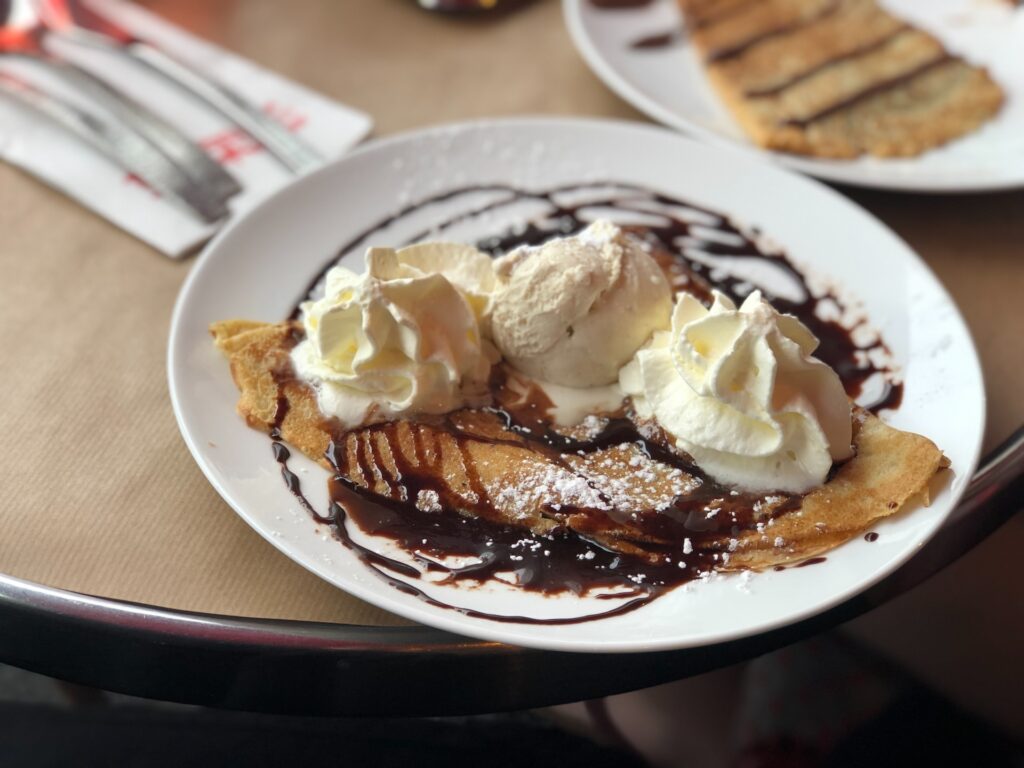
Mobile app developers create applications for smartphones and tablets, working with platforms like iOS and Android. They are skilled in programming languages such as Swift, Objective-C, Java, and Kotlin.

Average salary: £40,000 – £50,000 per year
Starting salary: £25,000 – £35,000 per year

DevOps Engineer

DevOps engineers juggle multiple responsibilities to ensure smooth sailing for development and operations teams. They’re responsible for building, testing, and maintaining infrastructure and tools, while also automating processes to speed up software development, testing, and updates. 

These tech-savvy pros use their expertise in tools like Jenkins, Maven, and Git to create seamless workflows, and they’re always on the lookout for the best technologies to fit business needs.

Such engineers have to be capable in automating workflows, managing infrastructure, and monitoring system performance.

Average salary: £55,000 – £65,000 per year
Starting salary: £35,000 – £45,000 per year

The Bottom Line

As the tech industry continues to grow, opportunities for programmers and developers in the UK will only increase. By focusing on the most lucrative positions, professionals can maximize their earning potential and enjoy rewarding careers. Whether you are just starting out or looking to advance in your field, consider these high-paying jobs as you plan your next move.

All salary estimates and averages have come from research conducted by Glassdoor and Payscale.

5 Of Our Favourite Apres-Ski Bars In France

Ideal for letting your hair down after a day on the slopes.

Here’s a question we’re yet to find the answer to; what could be more enjoyable than setting off for a day’s fun with friends and family, as you ski or snowboard on pristine powder in some of the world’s most spectacular locations?

But as anyone who’s been skiing will attest, it’s not only about the adrenaline-fuelled antics on the slopes. Indeed, no day spent conquering challenging runs would seem quite so special if it didn’t end with a superb soiree.

With that in mind, a guide to the best places to go on the piste. Together with the experts at Alpine Elements, here are 5 fab French apres-ski bars, IDEAL for letting your hair down after a day on the slopes.

PUB LE SKI LODGE, LA TANIA 

Located right at the bottom of Troika and opposite the Post Office in the middle of La Tania, Pub Le Ski Lodge has become an institution which has kept its offering of food, drinks and entertainment fabulously fresh over the years. 

Tasty bar food is served every day, happy hour is from 4-6 PM and there’s live music each evening – a failsafe recipe for apres-ski fun which will have Pub Le Ski part of your daily routine on your next holiday here. 

Tip: For pre-ski, this place opens at 10am. Check out their twitter page, @PubLeSkiLodge for updates.

LE SHOOTERS BAR, AVORIAZ

If you want to party hard in Avoriaz, Le Shooters Bar is the best place to light the fuse for a fantastic night out. 

With live music and over 50 types of alcoholic shots to choose from, this is one venue which can have you fun and frivolous fast; a great meeting for new and old friends alike who share your passion for skiing, snowboarding or simply celebrating life.

Tip: For more Avoriaz apres-ski highlights, read this Telegraph guide.

SMITHY’S TAVERN, ALPE D’HUEZ

Nestled in the heart of the resort’s old sector, Smithy’s opened in 2002 and has been perennially popular ever since. 

As well as tasty Tex-Mex burgers and grilled treats, live bands and DJs play every Wednesday, there are regular happy hours and theme nights, plus there’s a different drinks promo every 10 minutes on Sundays. With all this activity, it’s no wonder that you’re almost guaranteed to see table dancing in this vibrant venue – if the spirit takes you, join in the carnival and don’t be shy!
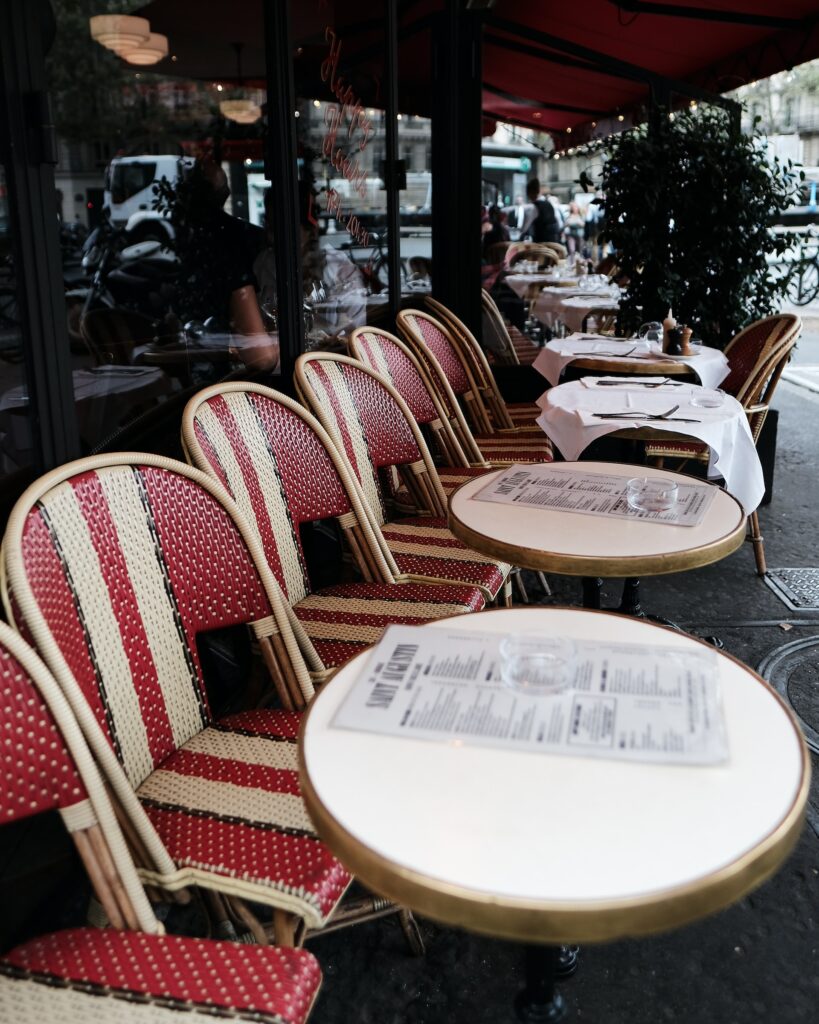
Tip: Wear your best dancing shoes at Smithy’s!

LA FOLIE DOUCE, VAL THORENS

If you’re after something properly rowdy, then visit the world-renowned apres ski bar ‘La Folie Douce’ where table dancing and partying on the piste is actively encouraged. 

Here, the entertainment kicks off every afternoon at 3pm, and sees dancers, live music and DJ’s make this area of Tignes as hot as an Ibiza nightclub, without melting the snow.

Tip: Merch is available at Folie shop to commemorate your time here.

THE LOOP BAR, TIGNES LE LAC  

Another firm favourite for apres ski sessions is the ski in/ski out Loop bar at the bottom of the Trolles slope in Le Lac. Open since 2007 and still going strong, their huge sun terrace is legendary and has some of the best live bands in the Alps. Bliss. 

Tip: The three hour long Happy Hour, from 3pm to 6pm, is great value.

If you’re new to the sport, and will be starting out on the beginner slopes, not to worry; check out our 5 IDEAL tips for first time ski and snowboarders and prepare for some fun!

How To Have A Beautiful Wedding That Doesn’t Break The Bank

Over the years, weddings in the UK have become increasingly expensive, with costs rising significantly in recent times. A decade ago, the average wedding cost was around £20,000, but by 2019, this figure had soared to nearly £32,000. The impact of the COVID-19 pandemic saw a temporary dip in 2020, with the average cost dropping to £9,100 due to restrictions on gatherings.

However, as restrictions eased, the average wedding cost in 2021 rose to £17,300, and by 2022, it reached £18,400, marking a 6% increase from the previous year. This escalation in costs can be attributed to various factors, including higher venue hire fees, which increased by 10.5% compared to 2021, and wedding photography costs, which rose by 8%

Because of this, many couples are now opting for more personalized and intimate celebrations, inviting fewer guests and focusing on creating memorable experiences for less money. With nearly half of all couples (47%) going over their initial wedding budget in 2022, and with the UK in the throes of an ongoing cost of living crisis, something’s got to give. If you’re wondering just how to have your dream wedding, but on a budget, in 2023, then you’ve come to the right place…

Set A Realistic Budget

Before you start planning your dream wedding on a budget, it’s essential to establish a cost-ceiling that you can comfortably afford. Discuss with your partner and any family members contributing to the wedding to determine a clear figure. Keep in mind that having a long engagement allows you to save more money for the big day.

Choose A Unique & Affordable Venue

Instead of opting for a lavish country estate or posh hotel, consider alternative venues such as pubs, village halls, or even sports clubs. These options often have lower hiring costs and provide more flexibility in terms of decoration, catering, and event flow. These venues are often more affordable and offer greater flexibility in terms of decoration and catering. Additionally, getting married during off-peak seasons or on a weekday can help you secure better deals on your chosen venue.

Of course, your venue is perhaps the most crucial decision when planning your wedding (except the identity of your spouse, of course!). Researching potential wedding venues in detail is essential in finding the ideal location that doesn’t cost a fortune, considering size, amenities and accessibility. Furthermore, visiting the site of possible venues is recommended to ensure it meets your expectations.

Be Strict With Your Guest List

Reducing the number of guests at your wedding can significantly cut costs on food, drinks, and other expenses. Consider hosting a smaller, more intimate wedding and involve close friends and family in other ways, such as readings during the ceremony.

Read: 7 tips for being a great wedding guest

Opt For DIY Elements

Save money by taking on some tasks yourself, such as creating digital invitations, arranging your own flowers, or setting up a DIY treat table instead of an expensive wedding cake. This not only cuts costs but also adds a personal touch to your special day. Feel free to get creative and incorporate personal touches that reflect your and your partner’s personalities. 

You can enlist the help of (willing) friends and family members to assist with decorating the venue. Not only will this save you money, but it will also add a personal touch to your wedding.

Hire Amateur Or Budget-Friendly Suppliers

When researching suppliers for your wedding, prioritize those that fit within your budget and match your desired style. Don’t be afraid to hire amateur photographers, musicians, or caterers who may offer their services at a lower cost but still deliver quality results.

Professional wedding photography and videography, in particular, can be pricey, but you can save money by hiring a talented student or an up-and-coming professional. Reach out to local art schools or photography clubs to find someone who is looking to build their portfolio. While they may not have extensive experience, they could still capture beautiful images and videos of your special day at a fraction of the cost.

Go For A Buffet Over A Sit-Down Meal

Buffet-style catering is often more affordable than a formal sit-down meal, allowing you to save on food costs without compromising on variety and taste, encouraging a more relaxed and social atmosphere among your guests. Think about serving a limited selection of drinks or asking guests to bring their own alcohol (BYOB) to reduce beverage costs.

Make Smart Wardrobe Choices

Instead of splurging on designer wedding attire, consider renting or buying pre-owned dresses and suits. You can also ask your bridesmaids and groomsmen to wear their own outfits or choose affordable options that can be worn again for other occasions. This not only saves money but also promotes sustainability.

The Bottom Line

A beautiful and memorable wedding needn’t have to break the bank. Remember that the most important aspect of your special day is celebrating your love and commitment with your partner, surrounded by your closest friends and family. And what could be more celebratory and loving that that?

How To Make A Small Kitchen Look Bigger

They say that the kitchen is the heart of the home, but when that heart is so compact that its arteries are getting clogged, then it’s safe to say that the most important room in the house won’t be functioning to its full potential.

A small kitchen can leave homeowners frustrated as it feels cramped and cluttered, making it difficult to cook and entertain guests. 

However, with some smart design tricks and organisation tips, including using lighter colours and clever storage solutions, you can make your small kitchen look and feel more spacious. For more essential tips on making your small kitchen look bigger, keep on reading…

How To Choose The Best Design For Your Small Kitchen

Before you settle on the most suitable kitchen design for your small space you will want to consider elements such as functionality, layout, storage, aesthetics, budget, and lighting. 

Make the most out of the space you have by keeping designs practical and efficient, with essential features that match your cooking needs. Ensure the space is adequate to keep your small kitchen organised, while lighting will also play a crucial role in making the space feel brighter and more spacious. 

Whatever design you opt for, you will want it to reflect your own personal style as well as complement the rest of your home. Be sure to consider your budget and look for affordable solutions, such as ready-to-assemble cabinets and cost-effective materials.

Here are 10 fantastic tips for making your small kitchen look bigger…

Use A Light Colour Scheme For Small Kitchens

Choose small kitchen cabinet colours and wall paints that are light, such as white, pale neutrals, or pastels. These colours will all help to make a kitchen look bigger as they reflect lighter and create an open, airy feel. Dark colours can absorb light, overwhelming your kitchen space and making it feel smaller. 

Maximise Natural Light

Create the illusion of space by allowing as much natural light as possible to enter your kitchen by installing larger windows or skylights. If installing large windows would mean you lack privacy, use window vinyl to distort the view without impacting the light . 

Install Open Shelves

Replace upper cabinets with open shelves to make your kitchen feel more spacious. Open shelves also allow you to display your favourite dishes and accessories, adding a personal touch to the space. Consider using matching containers or baskets to keep things organised and visually appealing.

Use Glass Cabinet Doors

If you need upper cabinets, or don’t like the idea of open shelving, use glass doors to make your kitchen appear larger. Glass reflects light and adds depth to your space. You can also consider using frosted or tinted glass for a more unique look.

Use Reflective Surfaces

Mirrors, glossy backsplash tiles, and stainless-steel appliances reflect light, making your kitchen look brighter and more spacious. If you have some free wall space, consider adding a mirror on one wall to create a visual illusion of more space. If you have a dark kitchen and you want to make it brighter to open up the room, reflective surfaces are a great tool. 

Remove Clutter

Keep your countertops clean and clutter-free. Use vertical storage solutions, such as magnetic knife strips and pegboards, to save counter space. Installing a kitchen island can also help to maximise the availability of storage to you. 

Read: The transformative power of having a clean home

Use Smaller Appliances

Choose compact and multi-functional appliances that can be stored easily when not in use to help free up counter space and make your kitchen look less cluttered. Consider appliances such as a combination microwave and oven or a compact dishwasher. 

When it comes to how to display kitchen appliances, many of these items can be built into the kitchen units now which also keeps everything neater and more uniform. 

Create A Focal Point

Add a focal point, such as a colourful backsplash or a piece of artwork, to draw the eye away from the small space. This creates a visually interesting element and takes attention away from the size of the kitchen.

Consult A Kitchen Design Specialist

Consider consulting a kitchen design team for advice on how to optimise your small kitchen design. They can provide guidance on layout, storage, and materials, and may suggest creative solutions you haven’t considered as well as saving you money by avoiding costly DIY mistakes.

A professional fitter can also ensure that your small kitchen design is functional and safe, considering factors such as ventilation, electrical wiring, and plumbing.

Opt For A Minimalist Design

Simplify the design of your small kitchen by avoiding unnecessary decorative elements and sticking to clean lines and simple shapes. Using minimalist designs, such as a monochromatic colour scheme, can help to create a brighter, more open space. 

What Should You Avoid When Trying To Make A Small Kitchen Bigger?

When trying to make a small kitchen look bigger, there are certain things you should avoid to prevent the space from feeling cramped or cluttered, these include:

  • Dark colours – keep clear of darker colours on your walls or cabinets, as they absorb light and make the space feel smaller.
  • Too much clutter avoid overcrowding your kitchen with too many accessories, appliances, or decorative items, as they can make the space feel cluttered and cramped.
  • Bulky furniture bulky furniture, such as oversized kitchen islands or tables, can take up too much space and make the kitchen feel smaller.
  • Lack of storage – insufficient storage solutions can overwhelm small spaces, avoid cluttered worktops and consider creative storage solutions. 
  • Poor lighting – using inadequate lighting can make the space feel dark and confined. Consider installing bright and energy-efficient lighting, such as LED lights, to make your small kitchen look brighter and more spacious.

Key Summary

  • A small kitchen can be made to look and feel more spacious by implementing smart design tricks and organisation tips, such as using light colours and maximising natural light.
  • To choose the best kitchen design for your small space, consider elements such as functionality, layout, storage, aesthetics, budget, and lighting.
  • When trying to make a small kitchen look bigger, avoid dark colours, too much clutter, bulky furniture, lack of storage, and poor lighting.

The Bottom Line

By implementing these design tricks and organisation tips, you can relieve your frustrations of having a small kitchen by making the room feel more spacious. Remember to use light colours, maximise natural light, install open shelves, or glass cabinet doors, use reflective surfaces, remove clutter, use smaller, more ergonomically-friendly kitchen appliances, and create a focal point to make your small kitchen look bigger.

And with that, we can’t wait to be invited over for your next dinner party!

5 Of The Best Family-Friendly European Ski Resorts For 2023

Europe is home to some of the world’s most spectacular ski resorts, offering a perfect blend of pristine slopes, luxurious accommodation options, and memorable family experiences. As the 2023 season draws to a close for many of the continent’s most beloved resorts, there’s still time for one last hurrah before the snow melts away and the skis are packed away for another year.

Indeed, there are several standout destinations that cater specifically to families looking for a fun-filled getaway on the slopes. 

Today, we’ve enlisted the help of the team at family ski holidays with Ski Famille to bring you these 5 of the best family-friendly European ski resorts for 2023. 

Avoriaz, France

Nestled in the heart of the Portes du Soleil ski area, Avoriaz is a charming, car-free resort that offers a safe and welcoming environment for families. Skiers and snowboarders of all levels can enjoy an extensive range of pistes while taking in the breathtaking Alpine scenery; Avoriaz boasts 130 km of pistes, which are part of the larger Portes du Soleil ski area, which has 650-700 km of interconnected slopes. 

One of the key features that make Avoriaz a top choice for families is its dedicated children’s village, known as Village des Enfants. Here, kids aged 3-16 can participate in ski lessons, snowboarding classes, and various other snow-related activities under the supervision of qualified instructors. 

On top of that, the resort offers a variety of off-slope entertainment options, including an aquatic centre, ice-skating rink, and cinema. Simply put, the little ones aren’t going to get bored here (and neither are the big ones!).

Avoriaz is open until 23rd April 2023.

Alpbach, Austria

Alpbach is a picturesque village in the Austrian Tyrol region, renowned for its traditional wooden chalets and stunning mountain backdrop. As part of the Ski Juwel Alpbachtal Wildschönau ski area, visitors have access to 109 km of slopes, catering to both beginners and experienced skiers.

Family-friendliness is at the heart of Alpbach’s appeal, with numerous ski schools and childcare facilities available to ensure that parents can enjoy some time on the slopes while their little ones are well taken care of. Off the slopes, families can bond over activities such as tobogganing, snowshoeing, and horse-drawn sleigh rides. In the evenings, the cosy village atmosphere provides the perfect setting for relaxing by the fireplace and indulging in delicious local cuisine.

Avoriaz is open until 16th April 2023.

Read: The IDEAL gourmet guide to Meribel, The French Alps

La Plagne, France

La Plagne is a vast ski resort in the French Alps, encompassing ten villages and forming part of the Paradiski ski area. With 425 km of slopes and an altitude range of 1,250 to 3,250 metres, La Plagne offers a diverse skiing experience suitable for all ages and abilities.

The resort is particularly well-suited for families, thanks to its wide, gentle slopes that are ideal for beginners and children. There are numerous ski schools available, as well as a dedicated family park with fun obstacles and jumps for kids to enjoy. 

Beyond skiing, La Plagne offers a wealth of activities, including ice-skating, sledging, and even an Olympic bobsleigh track for thrill-seekers. The variety of accommodation options, from self-catered apartments to luxury chalets, ensures that there is something to suit every family’s needs and budget.

Avoriaz is open until 29th April 2023.

Ruka, Finland

Sitting proudly above the Arctic Circle, Ruka is a unique ski destination that offers a magical winter wonderland experience for families. With 34 slopes and a season that typically lasts from October to May, visitors can enjoy a truly extended ski holiday in this Finnish resort.

Ruka is an excellent choice for families, as it offers a comprehensive range of services designed to cater to their needs. These include ski schools, childcare facilities, and a dedicated children’s play area known as Rosa & Rudolf Family Park. Moreover, Ruka’s location provides the opportunity for families to witness the enchanting Northern Lights and participate in activities such as reindeer safaris, dog sledding, and snowmobiling.

Avoriaz is open until 11th April 2023.

Selva Val Gardena, Italy

Situated in the heart of the Dolomites, Selva Val Gardena is a charming Italian ski resort that forms part of the extensive Dolomiti Superski area. With 1,200 km of slopes to explore, families can enjoy a diverse skiing experience while marvelling at the dramatic mountain scenery.

Selva Val Gardena places a strong emphasis on family-friendliness, offering a range of services and facilities to cater to visitors of all ages. The resort’s ski schools are known for their high-quality instruction, ensuring that children can develop their skills in a safe and supportive environment. Off the slopes, families can take part in activities such as ice-skating, sledging, and exploring the local Ladin culture through museums and traditional cuisine.

The Bottom Line

Europe’s vast array of ski resorts offers something for everyone, but these five destinations stand out for their commitment to providing an exceptional family-friendly experience. From dedicated children’s areas and ski schools to off-slope activities and enchanting surroundings, Avoriaz, Alpbach, La Plagne, Ruka, and Selva Val Gardena are set to be the top choices for once last go on the snow before the 2023 European ski season comes to a close.

But before you ski off into the distance, do check out these golden rules for a safe and successful family skiing trip. You won’t regret it!