When we think about self care and wellbeing the first thing that comes to mind might not be volunteering and helping others – but new research has revealed that by volunteering for just a few hours each month you can improve your mental health.
The study of 2,000 adults, commissioned by community retailer SPAR, found that two thirds of those who volunteer (67%) believe that volunteering improves their well-being because giving back to others feels good.
A quarter of people looking to volunteer soon added they wanted to get involved to improve their mental health – so how can we help others and help ourselves this summer?
Get Involved With Your Community
Communities have played a vital role in our daily lives over the last few years and there is a big desire to give back to local causes.
Nearly half (46%) said they would like to get involved in volunteering this year to help others (56%), make a difference (50%), and give back to the community (46%).
One in ten (12%) said they were desperate to start helping in the near future and on average could dedicate six hours a month to help out.
Over a third (37%) would like to volunteer to feel more productive with their spare time and the most popular places to help out include outdoor community spaces, food banks, soup kitchens and animal shelters.
However, despite a passion to get involved many barriers still exist. Almost half of those surveyed (47%) cited a lack of time as a major barrier, with a quarter (24%) claiming difficulty balancing work and family commitments stops them helping out.
The Rewards Of Giving Back
With time constraints, family commitments and even finances holding us back from volunteering it’s understandable that we might still need that push to get involved.
But by understanding how giving back can lift our mood and boost mental health, thanks to the benefits in helping others, we can carve out opportunities to do something each month.
When looking at why volunteering improves wellbeing it was clear that the act of giving back and being part of the community is key with 64% saying giving back to others feels good, 57% saying it feels good to contribute to society and 45% saying volunteering gives you a sense of belonging. Doing so can even help you bond with family members, if you decide to volunteer as a group.
Dr Nishat Babu, a psychologist at Loughborough University and expert in the positive effects of volunteering explains how this works:
“Research highlights the many benefits of volunteering, including enhanced wellbeing, greater happiness and life satisfaction, and even improved physical health in some cases. So, not only can volunteering in the local community help others, but it can also benefit the volunteer through enhanced wellbeing, as well as a greater sense of belonging which can be helpful in counteracting loneliness and improving mental health.”
“We all have a number of commitments in our life which can make it tough to find time to dedicate to volunteering, especially when working full time and managing existing family commitments. It is interesting however that by setting aside some time to volunteer, we can actually benefit our work lives. Research shows it can improve our performance at work and develop our competencies. It can also be a great way to recover from a stressful day at work, improve mood, and also help coping with work stressors.”
How To Do Your Bit
So whilst the benefits of giving back are clear, another barrier to giving time to local causes and doing your bit is the logistics with 17% of people admitting they are unsure what to do to get involved with volunteering.
The most common volunteering opportunities are in schools (24%), charity shops (21%), at local sports events (19%), and children and youth centres (18%). Increasingly, helping the elderly has become popular too, as a loneliness epidemic grows in older age groups.
Dr Nishat Babu adds, “There are a number of ways to get involved in volunteering. Take a look at your local community group pages on social media, shop notice boards, or even speak to the company that you work for. Many companies already have corporate volunteering programs which can provide their employees with time during working hours, to engage in volunteering. This is an especially great option for those who feel they are already pressed for time.”
Leasing a car has become an increasingly popular option for many people in the UK, offering the opportunity to drive a brand-new vehicle without the long-term commitment and financial burden of ownership. However, finding the perfect deal can be a daunting task, especially with so many options available.
To ensure a smooth leasing experience, it is essential to avoid common mistakes that could lead to unnecessary expenses and dissatisfaction. Today, we’re discussing some of these pitfalls, and considering just how to find the perfect lease car deal.
Not Taking Into Account Your Unique Needs
Before embarking on the journey to lease a car, it is crucial to identify your specific needs and preferences. This includes considering factors such as fuel type, size, and budget.
With the growing emphasis on sustainability, electric cars have become an attractive option for those looking to reduce their carbon footprint. Might this be an opportunity to try out the world of EV before taking the plunge and making a more permanent shift? Do be aware that it is essential to evaluate destination electric vehicle charging infrastructure in your area, as well as range and battery life, before committing to an electric vehicle lease.
Or, are you considering upsizing your vehicle, perhaps due to a welcome new arrival in the family? Doing so should be carefully considered, as larger vehicles often come with higher leasing costs and increased fuel consumption. Assessing the necessity of additional space, whether for family or work purposes, will help determine if upsizing is a practical choice or an avoidable expense.
Ignoring Affordable Alternatives To Premium Brands
While leasing a luxury vehicle may be tempting, opting for more affordable alternatives can result in significant savings without compromising on quality and performance.
Many mainstream manufacturers offer models with similar features and specifications to premium brands, but at a fraction of the cost. When looking for the best car lease deals, researching and comparing different makes and models will enable potential lessees to make informed decisions and find the best value for their money.
Some of the best affordable options for car leasing include:
Mazda6: Instead of a BMW 3 Series or Mercedes C-Class, consider the Mazda6, which offers a luxurious and sporty driving experience, advanced safety features, and an elegant interior.
Kia Stinger: An alternative to premium sports sedans like the Audi A5 Sportback or BMW 4 Series Gran Coupe, the Kia Stinger delivers performance, style, and advanced technology at a lower price point.
Volkswagen Arteon: With a design reminiscent of the Audi A7, the Volkswagen Arteon is an affordable alternative that boasts stylish looks, a comfortable ride, and modern technology.
Genesis G70: This luxury sedan from Hyundai’s luxury brand competes against models like the BMW 3 Series and Audi A4. The Genesis G70 offers impressive performance, high-quality materials, and numerous features at a competitive price.
Underestimating Mileage
One common mistake when leasing a car is underestimating the number of miles driven annually. Lease agreements typically include a mileage limit, and exceeding this limit can result in substantial fees. It is essential to accurately estimate one’s annual mileage and choose a lease agreement that accommodates this figure.
If higher mileage is anticipated, it may be more cost-effective to opt for a lease with a higher mileage allowance rather than facing penalties at the end of the lease term.
On the flipside, lessees should also be wary of overestimating their mileage in their contract, and paying above the odds for miles they may not actually need.
Not Investing In Maintenance Packages
Leasing a car often comes with the option to include a maintenance package as part of the agreement. While this may initially seem like an unnecessary expense, it can save money in the long run by covering routine servicing, repairs, and replacement parts.
It is important to carefully review the terms of any pre-paid maintenance plan offered and weigh the potential benefits against the additional cost. A well-maintained vehicle not only ensures a smooth driving experience but also helps avoid unexpected expenses during the lease term.
Focusing Only on Monthly Payments
One of the most common mistakes people make when leasing a car is concentrating solely on the monthly payment amount. While keeping monthly expenses in check is essential, it’s crucial to consider other factors such as the initial down payment, interest rates, and any additional fees. To get a complete picture of the lease agreement, calculate the total cost of the lease over its term and compare it with other offers to ensure you’re getting the best value.
Not Understanding The Lease Terms
Failing to thoroughly read and understand the terms of the lease agreement can lead to unexpected costs and complications. It’s vital to be familiar with aspects like mileage limits, wear and tear allowances, and end-of-lease procedures. If you’re unsure about any part of the agreement, don’t hesitate to ask the leasing company for clarification.
Failing To Negotiate
Many people assume that lease agreements are non-negotiable, but this is not the case. Just like purchasing a car, there’s often room for negotiation on various aspects of the lease, such as the monthly payment, down payment, or even the vehicle’s selling price. Researching market prices and being prepared to negotiate can help you secure a better deal.
Skipping GAP Insurance
GAP (Guaranteed Asset Protection) insurance covers the difference between the outstanding lease balance and the vehicle’s actual value in case of theft or a total loss. Skipping GAP insurance can leave you financially responsible for the difference, which can be substantial. It’s essential to consider adding GAP insurance to your lease agreement to protect yourself from unexpected expenses.
Opting For A Longer Lease Term Than Needed
Choosing a longer lease term than necessary can result in higher overall costs. While longer lease terms often come with lower monthly payments, they also mean paying more in interest and depreciation. Carefully assess your needs and select a lease term that suits your requirements without incurring unnecessary expenses.
Ignoring The Total Cost Of Ownership
When leasing a car, it’s crucial to consider not only the lease payments but also the total cost of ownership. This includes factors such as fuel, insurance, maintenance, and potential end-of-lease fees. By taking these additional expenses into account, you can make a more informed decision about whether leasing is the right option for you.
The Bottom Line
Leasing a car in the UK can be an excellent way to enjoy a new vehicle without the financial commitment of ownership. However, it is crucial to avoid common mistakes and make informed decisions to secure the perfect deal. Only then can you enjoy that unbeatable feeling of the open road without having to keep one eye on your mileage and another on your bank balance. Godspeed and Bon Voyage!
Indulging in the world’s luxurious foods is an experience that many of us can only dream about. From heady truffles to succulent lobster, these culinary delights can be delicious, sure, but they also come at price. Back in 2007, for instance, a 1.5kg white alba truffle sold for a whopping £160’000 at auction. Considering the way inflation has been going, we dread to think how much that fist-sized fungus would have fetched in 2023 terms.
In some cases, the world’s most expensive ingredients are also some of the most controversial, which only adds to their price tag; the preserve of the super-rich and the supremely unethical. Which, when you think about it, is quite often the same thing…
Anyway, we’re here with some good news; you don’t need to break the bank to enjoy a taste of luxury at home. Today, we’re exploring 11 of the world’s most luxurious foods and offer suggestions on how to recreate them at home using more affordable alternatives. A world of culinary discovery awaits, so let’s dive in…
Foie Gras
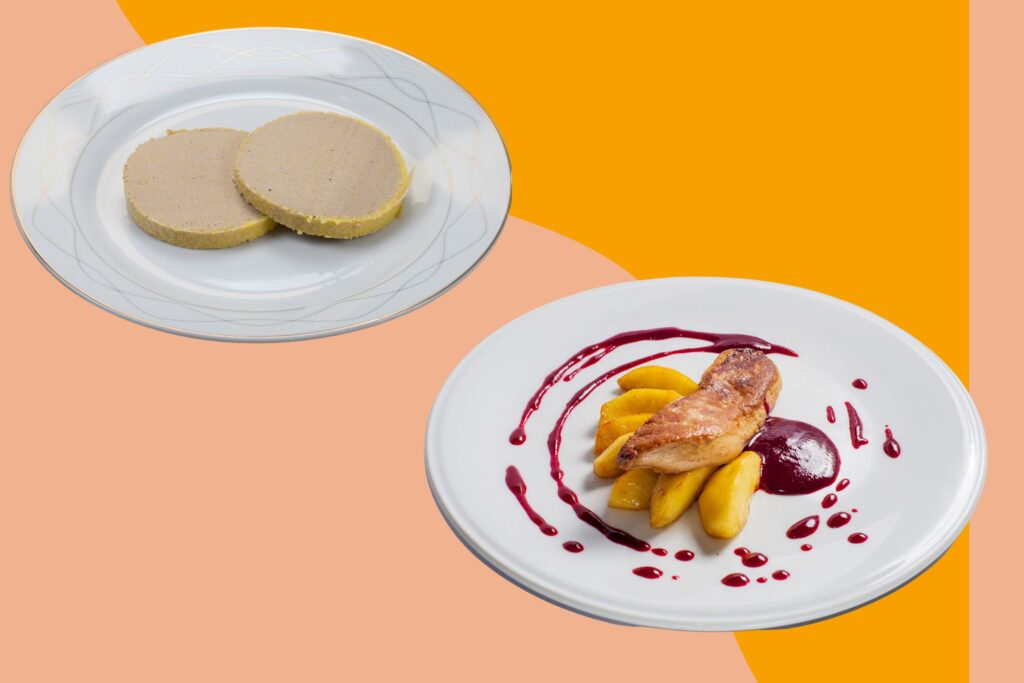
Foie gras is a French delicacy made from the fattened liver of ducks or geese. Cruel reputation aside, it’s known for its rich, buttery flavour. It’s also known for being rather pricey, commanding around £140 for a kg.
An affordable alternative is to use duck liver, which has a similar texture and taste. Try making a duck liver pâté or mousse to enjoy the essence of foie gras without the hefty price tag. Although you can’t really pan sear a piece of duck pate the same way you can some foie gras, spread across some bread it makes for a great substitute.
If the ethics of this revered ingredient are more your concern, then consider so-called ‘ethical’ foie gras, which sees geese dining naturally on acorns and olives rather than being force fed. Yours for just €200 per 180g jar.
Truffles
These rare fungi are prized for their unique, earthy flavor, and are often served finely grated or thinly sliced over pasta, risotto or protein. While black and white truffles can cost thousands of pounds per kilogram, you can still capture something of their essence by using mushrooms like porcini or shiitake. Incorporate them into pasta dishes, risottos, or sauces for a hint of truffle-like taste.
Just stay well away from ‘truffle’ oil, which is usually just oil infused with a single, synthetically produced aromatic compound found in truffles; 2,4-dithiapentane. The results often, quite frankly, end up tasting rather like petrol since the compound used is derived from petroleum products.
Yep, truffle oil is a scam, with Gordon Ramsay once telling a competitor on the US version of MasterChef that it’s “one of the most pungent, ridiculous ingredients ever known to chef.” Using the oil is “a sure sign of someone who doesn’t know what they’re doing,” said the legendary food critic Jonathan Gold on the same episode, who even goes as far to recommend staying away from restaurants that list truffle oil on their menu.
Gold Leaf
Gold leaf is an edible decoration often used to add a touch of luxury (though no discernible taste or nutritional benefit!) to desserts and cocktails.
As with many of the other delicacies on our list, it’s the hard work and expertise involved in harvesting the ingredient that make it so exclusive. Here, a goldbeater literally beats gold and creates gold leaf or gold flakes.
It’s important to note this is a skill. Simply hammering isn’t enough, a goldbeater needs control and precision to get the gold as thin as possible and keep the surface at an even depth. The best goldbeater’s today, such as the esteemed Manetti Goldbeater, still use traditional techniques. The result is gold leaf or, if it’s cut into small pieces, gold flakes.
While it’s relatively affordable compared to other luxury ingredients, you can also use alternatives like edible glitter or luster dust to achieve a similar effect.
Caviar
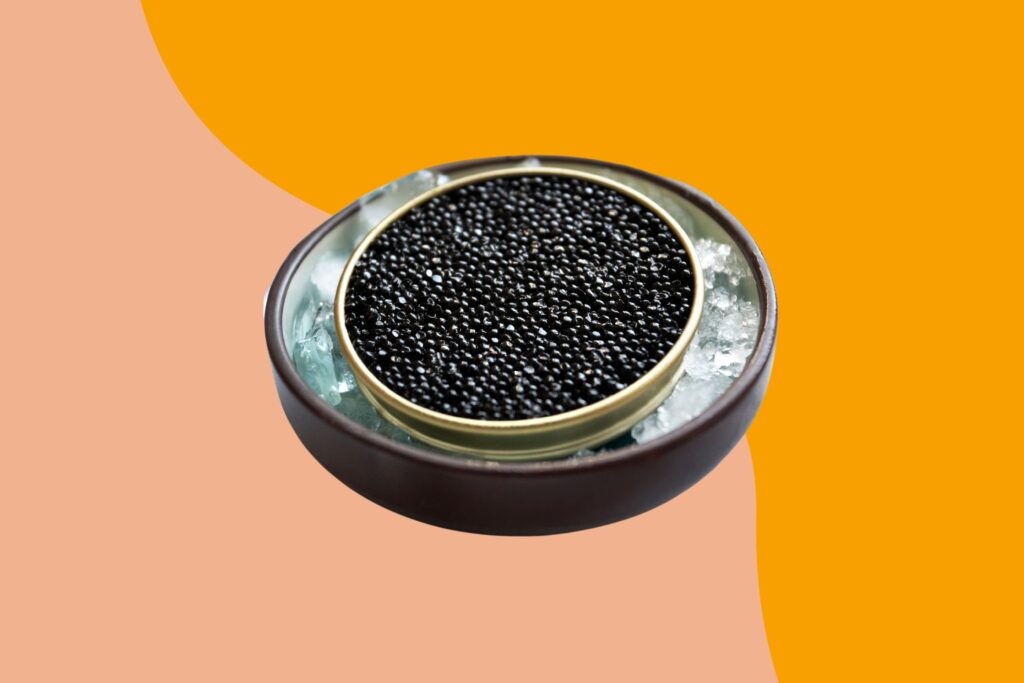
Caviar is a luxurious treat often associated with opulence and fine dining, the most revered of which usually comes from the eggs of the rare female albino sturgeon (Almas caviar), or from the Beluga whale.
If you’re looking for a more budget-friendly option, try using lumpfish roe or herring roe instead. These alternatives offer a similar texture and that all important pop of briny flavor, but at a fraction of the cost.
Saffron
Saffron is the world’s most expensive spice, derived from the crocus flower. Its delicate, majestic flavour and the vibrant hue it lends to dishes make it a sought-after ingredient. The fact it can only be harvested by hand over the course of an especially manic two weeks a year only adds to its revered status.
For a more wallet-friendly option, consider using turmeric or paprika to achieve a similar colour and faintly metallic taste in your dishes. In fact, some unscrupulous spice merchants may add a pinch (or several) of turmeric to adulterate genuine saffron.
Wagyu Beef
Wagyu beef is known for its intense marbling and melt-in-your-mouth texture, which is often compared rather lazily to ‘butter’. While it can be quite expensive (the most premium A5 steaks can top £100 in London’s best steak restaurants), you can still enjoy the richness of this Japanese delicacy by opting instead for a well-marbled cut of beef like ribeye or New York strip.
Enhance the flavour with a simple marinade of crushed white pepper, garlic and dark soy sauce to mimic the luxurious, complex taste of Wagyu.
Lobster is a seafood favourite that can be famously costly, its former status as food for prisoners now firmly in the past.
For a more budget-friendly option, try using prawns or, even better, monkfish in your recipes. Both offer a similarly sweet, saline taste and unmistakably bouncy texture, and can be used in a variety of dishes like pasta, risotto, or even lobster roll-inspired sandwiches.
Oysters
Oysters are one of the world’s most renowned luxury foods, known for their briny taste and apparent aphrodisiac properties. To save on costs (and unwanted pregnancies!) consider trying clams or mussels instead. These shellfish offer a similar taste and can be prepared in a variety of similar ways, from steaming to baking.
Jamón Ibérico is a prized Spanish ham made from acorn-fed pigs. Its rich, nutty, totally unique flavour can be quite expensive, particularly when served as gossamer thin slices in top tapas bars. An alternative is to use prosciutto or serrano ham, which can be found at a more affordable price and still deliver a delicious taste.
Wild Abalone
Abalone, a marine snail with a delicate flavour and tender texture, clocks in at around £450 per kg. It’s also a time-consuming ingredient to eat, requiring a dexterous hand and a forceful slurp. And repeat…
A more affordable option – relatively – is to use scallops, which have a similar taste and texture when cooked properly.
Vanilla Beans
Vanilla beans are a luxurious ingredient often used in high-end desserts. To enjoy the rich flavour of vanilla without the expense, use high-quality pure vanilla extract or vanilla bean paste in your recipes. Or, even better, try out complex tonka beans, which are so intoxicating that the shavings of a single bean can stretch to upwards of 50 servings. Talk about being economical!
The Bottom Line
Luxury foods don’t have to be reserved for special occasions or exclusive restaurants. With a little creativity and the right substitutions, you can recreate these indulgent dishes at home without breaking the bank. So go ahead and treat yourself to a taste of luxury in the comfort of your own kitchen.
Embarking on a fitness journey can be an incredibly rewarding experience, both personally and, as it turns out, professionally. Transforming one’s passion for health and wellness into a thriving career is a dream come true for many fitness enthusiasts – I mean, what could be better than spending all day in the gym and getting paid for it? – but in today’s competitive market, it takes more than just a love for exercise to stand out and succeed.
In today’s digital age, the fitness industry has seen a tremendous shift towards online platforms. With social media taking centre stage, it is now possible for fitness enthusiasts to transform their passion into a thriving online business without ever necessarily having to interact in-person – for better or for worse – with clients or colleagues.
With all that in mind, today we’re exploring how to turn your fitness journey into a potentially lucrative online business. All warmed up, stretched out and ready to read? Let’s dive in.
Niche Interests
The first step in turning a fitness journey into a profitable online business is identifying a niche. The world of fitness is vast, and finding an area of expertise that resonates with one’s interests and skills is crucial. Whether it’s yoga, weightlifting, or nutrition coaching, honing in on a specific field allows for a targeted approach.
Many have found the most success by focusing on a specific type of workout, such as yoga, Pilates, or CrossFit, or catering to a particular demographic, like seniors, pregnant women, or athletes. By honing in on a specialised area, aspiring fitness professionals can establish themselves as experts in their field, create a unique brand identity, and attract a dedicated clientele.
The Necessary Qualifications
To be taken seriously in the fitness industry, whether you’re monesiting your fitness journey in the gym or doing it purely online, it’s crucial to obtain relevant certifications and qualifications. This not only demonstrates a commitment to professional development but also provides clients with confidence in the trainer’s expertise.
Depending on the chosen niche, this may involve completing a personal training certification, obtaining a group fitness instructor licence, or specialising in areas like nutrition or sports psychology.
Level 2 Diploma in Instructing Exercise and Fitness or Level 2 Certificate in Fitness Instructing: This entry-level qualification allows you to work as a fitness instructor and is a prerequisite for pursuing a Level 3 Personal Training course. You’ll learn topics such as anatomy & physiology, principles of fitness, planning gym-based exercise and more.
Level 3 Certificate in Personal Training: This qualification enables you to work as a personal trainer and design effective training programs for clients. It is ideal to have this certificate accredited by a reputable organisation such as UK Coaching or the Chartered Institute for the Management of Sport and Physical Activity (CIMSPA).
First Aid Certificate: It is common for personal trainers to have a first aid certificate that includes cardio-pulmonary resuscitation (CPR).
Discipline and Demographic Specific Qualifications: To cater to the diverse needs of various client groups, it’s advantageous to pursue additional certifications that focus on particular disciplines or demographics, such as senior fitness certification, awards in programming and supervising exercise with disabled clients, and designing pre and postnatal exercise programmes.
Registration provides recognition of your skills and qualifications and demonstrates your commitment to maintaining high professional standards. It also offers access to resources, networking opportunities, and continuing professional development (CPD) courses to help you stay current in the industry.
Of course, these qualifications can be displayed on social media bio and in the ‘About’ section of your website, underlying the qualified, capable nature of your operation. In an industry notorious for the prevalence of unchecked, often counterintuitive advice, a professional underpinning is essential to help you stand out.
Building A Strong, Unique Online Presence
With a solid foundation in place, the focus can shift towards creating a strong online presence. By sharing engaging content such as workout videos, healthy recipes, and motivational stories, fitness entrepreneurs can connect with their target audience and foster a sense of community.
However, merely posting content is not enough; strategic planning and consistency are vital for success. Developing a content calendar and adhering to a regular posting schedule helps maintain audience engagement and encourages growth.
Indeed, by cultivating a strong, consistent online presence, trainers can showcase their expertise, connect with potential clients, and create a sense of community around their brand. Here are some tips for building a successful fitness brand on social media:
Choose the right platforms: Focus on the social media channels that resonate most with the target audience. For example, Instagram and TikTok may be more suitable for sharing workout routines and visual content, while LinkedIn might be ideal for networking with other professionals.
Develop a consistent brand identity: Ensure that all social media profiles have a cohesive look and feel, including colours, fonts, and messaging. This helps create a recognisable brand image and makes it easier for followers to identify content.
Share authentic content: Authenticity is key when it comes to building trust and credibility with an audience. Share real-life experiences, successes, and challenges to create a genuine connection with followers.
Engage with the audience: Respond to comments, answer questions, and interact with followers to foster a sense of community and demonstrate a commitment to helping others achieve their fitness goals.
Collaborate with influencers: Partnering with like-minded influencers can help amplify the brand’s reach and tap into new audiences. Look for influencers who align with the brand’s values and can authentically promote the services or products offered. Consider diversifying your focus, rather than boxing yourself in too tightly, taking as much inspiration from Maria Follosco and Jen Selter as you do Joey Swoll or Joe Wicks.
Networking
Another critical aspect of building an online fitness business is networking. Collaborating with fellow fitness influencers and professionals in the UK can lead to valuable partnerships and increase brand visibility. Engaging with followers by responding to comments and messages is equally important, as it helps establish trust and loyalty.
Aside from social media engagement, there are several other great opportunities for networking here in the UK:
Online forums and communities: Join online fitness forums, such as the UK-based PT Community, or become a member of websites like BodyBuilding.com and MyFitnessPal. Participate in discussions, ask questions, and share your experiences to develop new connections with like-minded individuals.
Attend UK fitness-industry events: Attend virtual and in-person events such as fitness expos, workshops, and conferences, as this is a great way to meet industry professionals and expand your network. Some popular UK events include BodyPower EXPO (held every October/November), Elevate Fitness, the UK’s largest fitness trade show, taking place next month, and FIBO, which is an international event hosted in Cologne each April.
Webinars, podcasts, and online courses: Engage with the fitness community by attending webinars and online workshops, or by listening to UK-based fitness podcasts. Some notable podcasts to consider include The British Strength Radio and The Movement, Strength and Play podcast from The School of Calisthenics. Enrol in online courses and certifications to expand your skillset and interact with other professionals.
Blogging and guest posting: Start a blog to share your expertise, insights, and experiences. Write guest blog posts for popular UK-based fitness websites such as Men’s Fitness, Women’s Health, or Breaking Muscle, which can help establish your credibility and increase your online presence.
Collaborations and partnerships: Reach out to fellow fitness professionals, influencers, or companies you admire for potential collaborations or partnerships. This can include joint webinars, social media takeovers, or even working together in online fitness challenges and events.
Now you’ve established yourself as a trustworthy, competent expert in your field, it’s time to make some actual money. To monetise a fitness business, there are several avenues to explore. One popular option is offering online coaching services.
By creating personalised workout plans, nutrition guides, and providing one-on-one consultations, fitness entrepreneurs can generate a steady income. Additionally, selling digital products such as e-books, workout programmes, and meal plans can be a lucrative venture.
Another effective way to monetise an online fitness business is through affiliate marketing. By partnering with fitness-related brands and promoting their products, fitness professionals can earn a commission for every sale made through their unique referral links. This method not only generates revenue but also adds credibility to the brand by associating with well-established companies. Remember that full transparency is essential here.
Create A Professional Website
Creating a website or blog can serve as a central hub for all online fitness offerings. A professional website allows clients to access services, purchase products, and learn more about the fitness expert’s background and qualifications. Furthermore, integrating an email newsletter into the website enables fitness entrepreneurs to keep their audience informed about new offerings, promotions, and updates.
If you’re to inspire loyalty, dedication and, yes, financial commitment from your followers, then it’s essential that you’re leading from the front. Primarily, this means practising what you preach; eating clean, looking trim, and giving off an aura of sustainable self-confidence that your clients can aspire to.
The Bottom Line
Turning a fitness journey into a thriving online business requires passion, dedication, and strategic planning. Obtaining the necessary qualifications, leveraging social media platforms, networking, and exploring various monetisation methods are crucial steps towards success. By following these guidelines and staying true to one’s unique fitness vision, the dream of owning a lucrative online fitness business in the UK can become a reality.
Though it has been reported this week that UK inflation has fallen to its lowest level in over a year, when you drill down into the figures, the picture isn’t exactly a pretty one. Firstly, the decline wasn’t ”as big as anticipated”, with inflation still sitting at 8.7% in the year to April. Secondly, food prices remain resolutely, reprehensibly high.
Yep, UK households are still in the midst of the biggest squeeze on income in a generation. With real term wages also stagnating, the second half of 2023 looks set to see further belt-tightening and penny-counting.
If you’re looking for ways to best approach rising inflation, here are 5 tips for handling the big squeeze.
Keep A Detailed Spreadsheet Of Your Finances
First things first. Though it might sound like a job you’d hire an accountant for, we’re in the business of saving money here, so instead, it’s time to fire up the ol’ Excel.
Keeping a detailed spreadsheet of your finances, with every incoming and outgoing identified, will allow you to take a bird’s eye view of your spending, helping you to analyse where you can make smart savings, savvy replacements, or cut the expense out entirely.
Making a budget can be as simple as gathering all of your bank statements and creating a two-column excel spreadsheet (incomings and outgoings), or something altogether more extensive; check out Which Money’s guide to the best personal finance software here for a rundown of platforms that might suit you.
Don’t forget to include any loans that you may have taken out and the interest you pay on them, as well as monthly credit card payments, overdraft fees, and any other hidden costs that you may risk missing in your monthly spending review.
Keep An Eye On & Reduce Energy Consumption
With energy bills skyrocketing, now is also a good time to reduce your usage in a way that will keep things kind on your wallet and help to reduce your environmental impact.
But how to do that? Well, firstly, some good news; with winter finally coming to a close, you likely won’t need the heating on quite so much, and by using a smart thermostat, you can optimise your heating usage at home. Using one will ensure that rooms aren’t heated when unoccupied, and that you’re not firing up the central heating unnecessarily.
You should also consider lowering the average temperature on your thermostat, just by half a degree or so. In fact, according to Green Home Guide, for every degree that you turn down your thermostat, you could save between 1% and 3% on your energy bill.
Consider taking a look at your appliances, too, as some are surprisingly inefficient in terms of their energy usage. In such cases, it might be worth replacing them with newer models. In the spirit of energy efficiency, rather than witter on and waste your time, we’ll redirect you to this guide on some key electricity sucking home appliances.
Thrifty Meal Planning & Conscientious Shopping
Whilst there’s no harm in the odd dalliance with Deliveroo, beginning a fully-blown, extra-marital affair with the takeaway companies is an expensive habit to form.
If you’re looking to cut down on the cost of your food shop, then there are several ways you can still enjoy delicious, wholesome meals, but save a little money doing so. It all starts in your own kitchen.
Getting busy in the kitchen is one sure-fire way to save money. Bulk buying fresh or even frozen vegetables and meat – cheaper, of course, than single items – allows you to cook larger batches of whatever takes your fancy, saving money on lunch and dinner further down the week. Meal plans are a great way to get everything documented and organised, meaning you’ll save time as well as money.
Speaking of great organisation in the kitchen, the British food writer and activist Jack Monroe recently shared their ‘stocktake’ method of store-cupboard, fridge and freezer analysis, which helps keep their weekly shop under £20. Check it out here.
On a similar theme, there are other ways to shop smarter, too. Branded products, for instance, although almost identical in content, are often considerably more expensive, so bear that in mind when doing your (much recommended) weekly shop.
If you’re keen to be super scrupulous (you are; that’s why you’re here), then you should check out the supermarket price comparison website Trolley. Here, you can search for products or brands and find the lowest price in your area. Useful!
This applies to other items, too, such as supplements and first aid kit items. By comparing prices of similar products offered by a whole host of different retailers, you can ensure you’re getting the best value for your money. Check the average cost per pill of various items, compare the high street prices of Lemsip and Nurofen, and analyse where the best deals are to be found on multivitamins. It’s all there, and it’s all ready to be compared at the click of a button.
Another key strategy for reducing household bills is to make the most of discounts and offers. Many UK supermarkets offer loyalty schemes, which provide customers with points that can be redeemed for discounts on future purchases. By signing up for these schemes and using them consistently, shoppers can accumulate substantial savings over time.
Additionally, many stores offer regular promotions on certain items, such as ‘buy one get one free’ deals or discounted prices for bulk purchases. By keeping an eye out for these offers and stocking up on non-perishable items when they are available, households can save a considerable amount on their household bills.
Build An Emergency Fund
Though the idea of putting money aside during times of higher prices might feel particularly tough, it’s certainly sensible to consider keeping back a small amount from your pay packet each month, in order to build up an emergency fund in case of a sudden necessity.
Many people swear by a simplified, monthly 10% savings rate as a general ballpark figure to aim for. You can set up a monthly direct debit from your primary bank account into a savings app, or take advantage of one of the many savings apps currently out there which can automate this process further for you. A few of the best include Cleo, Plum, Moneybox and Emma.
The Bottom Line
Though tough times are ahead, it pays (in more ways than one) to be prepared. By adopting sustainable saving habits, you’ll stand yourself in the best stead for dealing with the future ups, downs and unpredictability of the market.
*Anything written by IDEAL Magazine is not intended to constitute financial advice. Always consult with an independent financial advisor or expert before making an investment or any personal finance decisions.*
The rise of side hustle jobs in the UK has been a significant trend in recent years, with more and more people seeking additional income sources to supplement their primary employment.According to research by insurance firm Aviva, as reported by Sage, one-in-five people in the UK have started one since 2020.
Of course, because of the pandemic and the ongoing cost-of-living crisis, for many a side hustle is a necessity to make ends meet. But this entrepreneurial spirit here in the UK has also been fuelled by the desire for financial freedom, the thrill of chasing one’s dreams and turning their passions into pounds.
And who is leading the charge? Millennials and Generation Z, of course. Indeed, Henley Business School reports that individuals aged between 25 to 34 are the most likely to have a ‘hustle on the side’. Yep, this age group are investing in their own cosmetics lines, drop shipping, reselling on amazon and flipping designer goods for profit.
The Guardian comments that “some people call it a new golden age of entrepreneurialism, others the rise of the side hustle. But at the core of Gen Z’s attitude to work is a desire as old as capitalism itself – to be financially independent, to opt out of old-fashioned ideas, like having a boss, altogether”. And that’s something we can get onboard with.
And it’s technology that has empowered and emboldened this generation to become the most entrepreneurial driven of our time, with many using the internet and social media to turn their side hustles into seven-figure empires. The rise of e-commerce especially has opened up a world of opportunities for individuals to create profitable side hustles that have turned into successful businesses.
Indeed, platforms like Shopify and Etsy have allowed people to monetise hobbies and turn them into full time jobs. So, if you’re feeling inspired to join the ranks of the UK’s side hustlers, remember that there’s never been a better time to take the plunge. With technology at your fingertips and a nation of like-minded entrepreneurs cheering you on, here’s some ideas for starting your own e-commerce shop as a side hustle…
Cakes & Condiments
Did you hear about husband and wife team Marc and Emily Slater, who have grown their love of hot sauce from a hobby to a full-time business in just a couple of years? If you fancy yourself as a culinary creative, then you could do the same.
Starting a baking or condiments e-commerce business as a side hustle can be an exciting and rewarding endeavour for those with love to cook. This type of venture allows individuals to explore their talents in the kitchen. However, to succeed it’s crucial to choose a specific niche within the baking or condiments industry that aligns with your skills and interests.
Perhaps you are an obsessive brownie baker and are considering a letterbox-friendly online bakery shop. Or maybe you, too, are addicted to you’re own homemade chilli condiments and want to get the rest of the world hooked? Whatever your niche, be aware that starting a foodie e-commerce business isn’t as straightforward as selling a homemade scarf. You’ll have to comply with local regulations and requirements to ensure compliance with food safety standards and other relevant laws.
Making and selling handmade crafts and goods have always been popular, but with the advent of e-commerce platforms, they have gained even more traction. As a side hustle, selling handmade products allows entrepreneurs to showcase their creativity while making a profit.
Do you love creating your own jewellery? Or perhaps knitting is more of your thing? Once you’ve identified something you’re passionate about, then set up an online store on platforms like Etsy or Shopify to reach potential customers.
To stand out from the competition, it is essential to create high-quality products, use captivating images, and provide excellent customer service. Should you be keen to concentrate on the heart and soul of the business, then consider outsourcing the building and maintaining your website; this list of ecommerce PPC agencies will be your friend moving forward.
Art and prints offer another avenue for creative individuals to monetise their talents through e-commerce. By producing original artwork or designing digital prints, artists can cater to a wide range of customers with varying tastes and budgets.
To start, artists must create a diverse portfolio showcasing their unique style. Platforms like Society6 or Redbubble allow artists to upload their designs and sell them on various products such as wall art, phone cases, and clothing. Social media platforms like Instagram and Pinterest can also be instrumental in promoting an artist’s work and driving traffic to their online store, too.
Vintage & Secondhand Items
Vintage and secondhand items have experienced a resurgence in popularity, thanks to a growing awareness about the importance of sustainable living. An e-commerce shop specialising in these items can cater to the environmentally conscious consumer perfectly. And, lucratively, we might add…
To begin with, one must source unique and desirable items, such as clothing, accessories, or home décor items. Visiting thrift stores, flea markets and garage sales can yield valuable finds at reasonable prices. Once the inventory is ready, an online store can be set up on platforms like eBay or Depop. Detailed product descriptions, appealing photographs, and competitive pricing are crucial to attracting customers.
Dropshipping
Dropshipping is an e-commerce model that allows entrepreneurs to sell products without holding inventory or managing logistics. By partnering with suppliers who handle the storage, packaging, and shipping, entrepreneurs can focus on marketing and customer service.
Firstly, it’s crucial to identify a niche and find reliable suppliers through platforms like AliExpress or SaleHoo. Setting up an online store on Shopify or WooCommerce and integrating it with dropshipping apps like Oberlo can streamline the process.
Successful dropshipping businesses rely on effective marketing strategies, such as social media advertising and search engine optimisation, to attract customers.
The possibilities for starting a side hustle e-commerce shop in the UK are vast and varied. From handmade crafts and goods to vintage and secondhand items, art and prints, and dropshipping, there is something for everyone. By identifying a niche, creating high-quality products or services, and utilising effective marketing strategies, aspiring entrepreneurs can tap into the lucrative world of e-commerce and establish a successful side business.
As the digital landscape continues to evolve at a frankly frightening pace, social media has – for better or worse – become an integral part of daily life for billions of people worldwide.
In 2023, protecting one’s online presence is more important than ever. So, put that Instagram scrolling on pause, swipe left on that fella holding a freshly caught fish, and banish that incredibly niche rant to your Twitter drafts, for today IDEAL is the main character. Join us as we explore 9 essential social media cyber security tips to ensure that users stay safe.
Strengthen Account Security With Two-Factor Authentication
Though Elon Musk caused something of a furore (and a danger to plenty of people’s security online) when he announced that Twitter would charge for two-factor authentication (2FA), the proposed move at least brought the importance of 2FA into the public consciousness.
Enabling 2FA on all of your social media accounts adds an extra layer of protection by requiring users to provide additional verification, such as a unique code sent to their mobile device. By enabling 2FA on social media accounts, individuals can significantly reduce the risk of unauthorised access. Though they perhaps can’t reduce the frustration felt at having to open up your SMS inbox just to have a cheeky little scroll after dinner.
Photo by Jep Gambardella: https://www.pexels.com/photo/concentrated-black-operator-surfing-laptop-7690086/
Create Strong, Unique Passwords For Each Account
By using a combination of upper and lowercase letters, numbers, and special characters, users should create strong, unique passwords for each social media account – if they can remember them of course. Consider using a password manager to securely store and generate passwords if you’re particularly forgetful, which beats scrawling down your passwords on a post-it note, for sure.
Avoiding easily guessable phrases or personal information can help prevent cybercriminals from gaining access to multiple accounts through password reuse.
Be Cautious When Clicking On Links & Attachments
Phishing attacks often rely on users clicking on malicious links or downloading harmful attachments. To avoid falling victim to such scams, it is essential to verify the legitimacy of any link or attachment before engaging with it. This can be done by hovering over the link to check the URL or conducting a quick external search to confirm the authenticity of the source.
Some common phishing attacks aimed at social media users include:
Direct messages (DM) with phishing links: Cybercriminals often send messages containing malicious links, either from compromised accounts or fake profiles. These links may appear to be interesting content, offers, or even security updates, but often lead to phishing websites designed to steal login credentials or personal information.
Fake friend requests: A common method used by cybercriminals involves creating fake profiles that imitate real people or entities, sending friend requests to targeted users, and subsequently sharing phishing links or eliciting personal details. If your secondary school crush suddenly gets in touch after decades of radio silence, exercise a little caution.
Account verification scams: In these phishing attacks, scammers pose as social media platforms and send messages claiming that the user’s account requires verification. They typically provide a link and request users to enter their login credentials, which are then stolen by the cybercriminal. Often, an incentive will be offered, such as the much sought-after blue check. Be wary.
Social media quizzes and surveys: Cybercriminals often create seemingly harmless quizzes or surveys that request users to enter personal information or grant unnecessary permissions, in exchange for you finding out which Harry Potter character you are. This information can then be exploited for identity theft or other malicious purposes.
Malicious app requests: Sometimes, phishing attacks involve tricking users into installing fake or malicious apps that request excessive permissions, putting users’ data at risk.
Impersonation of popular brands or celebrities: Phishing attacks may involve impersonating popular brands, celebrities, or other figures with a large following, attempting to deceive users into following a malicious link or downloading a suspicious attachment. Rihanna probably hasn’t personally got in touch with her private photo album.
Fake prize promotions or contests: Scammers often create promotions or contests that promise attractive prizes, asking users to share personal information or click on phishing links as part of the entry process, only to exploit the collected data for malicious purposes. If it feels too good to be true, it probably is.
Donation or charity scams: In times of crisis, cybercriminals sometimes create fake donation pages or charity campaigns on social media, soliciting sensitive information under the guise of helping those in need. Rather than completely giving up on being philanthropic, just exercise extra scrutiny or donate only to charities registered with the official Charity Commission for England and Wales (CCEW), the Office of the Scottish Charity Regulator (OSCR), or the Charity Commission for Northern Ireland (CCNI).
Limit The Amount Of Personal Information Shared Online
The more personal information shared on social media, the easier it becomes for cybercriminals to target individuals. Users should be mindful of the information they post – particularly regarding their location – and consider adjusting privacy settings to limit who can view their content.
As the Virtual CISOs at Littlefish CISO tell us, outdated software and applications can leave devices particularly vulnerable to cyberattacks. Ensuring that all devices are updated with the latest security patches and app versions can help protect against potential threats. Consider turning on ‘automatic updates’ on your device’s settings for all of your apps – this will cover Instagram, TikTok and the rest.
Be Wary Of Public Wi-Fi Networks
Public Wi-Fi networks can be a breeding ground for cybercriminals looking to intercept data. When using social media on public networks, individuals should consider using a virtual private network (VPN) to encrypt their data and keep it safe from prying eyes. This is particularly crucial for travellers, when public networks are more commonly used and some of the usual caution is thrown to the wind in favour of a spontaneous spirit and sense of frivolity.
Regularly Monitor Account Activity
Regularly checking social media accounts for suspicious activity can help users identify potential breaches early on. If any unauthorised access or unusual behaviour is detected, individuals should take immediate action to secure their accounts and report the incident to the platform.
Backup Important Data
In the event of a cyberattack or account compromise, having a backup of important data can save users from losing valuable information. Regularly backing up data, such as photos and messages, can help ensure that personal content remains safe and accessible even if an account is compromised.
Google Photos: Offers free unlimited storage for high-quality photos and easy access across devices.
iCloud: Seamless integration with Apple devices, 5GB free storage, and upgradable storage plans.
Amazon Photos: For Amazon Prime members, unlimited photo storage and 5GB for video storage; easy access via Amazon app or website.
BT Cloud: BT customers receive free cloud storage ranging from 10GB to 1,000GB; accessible online and via an app.
Dropbox: Popular cloud storage service with a well-designed app; 2GB free storage, upgradable with various plans.
Microsoft OneDrive: Works well with Windows devices, 5GB free storage, upgradable with Office 365 subscription.
pCloud: Offers up to 10GB free storage, user-friendly, encrypted service, and upgradable plans available.
Regularly Update Your Privacy Settings
Social media platforms frequently update their privacy settings, which can sometimes result in changes to your default preferences. Make a habit of reviewing your privacy settings on a regular basis to ensure that your personal information remains protected. Adjust your settings to limit the visibility of your posts and personal details to only those you trust.
The Bottom Line
By implementing these essential social media cyber security measures, users can enjoy the benefits of connecting with others online while safeguarding their digital presence. As technology continues to advance, staying vigilant and proactive in protecting one’s online identity will remain a top priority for years to come.
When one thinks of safaris, the vast plains of Africa and their abundant wildlife are no doubt the first locations that come to mind. But to remain mono-continental would miss out on the unique and memorable safari experiences on offer in some of the world’s other far-flung corners.
Whilst luxury Kenyan safaris and trips to Tanzania still regularly rank as the most popular wildlife holidays in the world, such animal-spotting sojourns shouldn’t only be confined to the world’s second largest continent.
Today, we’re taking readers on a journey to discover some of the best safari destinations outside of Africa. Care to join us?
The Pantanal, Brazil
Nestled in the heart of South America and with limbs in Bolivia, Paraguay and, most prominently, Brazil, The Pantanal is the world’s largest tropical wetland area, spanning over 70,000 square miles. This UNESCO World Heritage site is home to an impressive array of flora and fauna, including jaguars (the biggest cat in the Americas), capybaras, and the biggest parrot on the planet, the hyacinth macaw alongside hundreds of other bird species.
It’s not only vast wetlands and wildlife, though; there’s also plenty of luxury accommodation on offer here. Our favourite is perhaps The Araras Eco Lodge, which offers eco-conscious travellers a luxurious retreat amidst the natural beauty of the Pantanal. With its comfortable accommodation, guided tours, and a commitment to sustainability, this lodge provides an unforgettable safari experience.
While exploring the Pantanal, visitors can also immerse themselves in the rich culture of Brazil. A trip to the nearby city of Cuiabá offers opportunities to savour traditional cuisine, visit local markets, and learn about the indigenous peoples of the region. Nearby there is also the Bioparque Pantanal, the largest fresh water aquarium from the whole Latin America. It has 5 million litres of water and more than 200 species of animals from the Pantanal and other regions.
All in all, this is not only one of the world’s best safaris, but also one of its most unique and educational holidays, period.
India’s diverse landscapes provide the perfect backdrop for thrilling tiger safaris. The country is home to more than 70% of the world’s wild tiger population, making it an ideal destination for wildlife enthusiasts who love their mammals to boast black and orange strips. Ranthambore National Park, Bandhavgarh National Park, and Kanha National Park are among the most popular spots for tiger sightings.
At Ranthambore National Park, you can catch a glimpse of the elusive Bengal Tiger alongside opportunities to encounter leopards, crocodiles, sloth bears, and numerous bird species.
A stay at the Aman-i-Khas, a luxury tented camp situated on the edge of Ranthambore National Park, ensures a remarkable experience. Guests can enjoy lavish tents with all the modern amenities, as well as guided safaris, spa treatments, and fine dining.
Even if you’re not lucky enough to spot any animals on your safari, visitors to Rajasthan can explore the vibrant culture and history of India. The state is known for its majestic palaces, ancient forts, and colourful festivals.
Jaipur, the capital city of Rajasthan, is a must-visit destination for travellers seeking to immerse themselves in Northern Indian culture. Visitors can explore the stunning Amber Fort, marvel at the intricate architecture of the Hawa Mahal, and shop for traditional handicrafts at local markets.
The Great Bear Rainforest, Canada
For those seeking a safari adventure with a difference, the Great Bear Rainforest in British Columbia, Canada, offers an unparalleled experience. This vast wilderness is home to the elusive spirit bear, a rare subspecies of black bear with a white coat (nope, that is not a polar bear you see shimmying up a Canadian tree). Other inhabitants of this magnificent reserve include grizzly bears, wolves, and humpback whales. That’s not real heavy-hitters right there.
Looking for somewhere to stay? Of course you are; you wouldn’t leave yourself prone to all those bears, would you? Anyway, The Nimmo Bay Wilderness Resort provides an exclusive and luxurious base for exploring the Great Bear Rainforest. Guests can stay in elegant cabins, enjoy gourmet meals prepared with locally-sourced ingredients, and partake in activities such as heli-hiking and kayaking.
Beyond the rainforest, visitors to British Columbia can explore the dynamic cities of Vancouver and Victoria, both of which offer a fusion of urban and outdoor experiences. In Downtown Vancouver, visitors can stroll through Stanley Park, shop in its hip and happening neighbourhoods, and enjoy world-class dining experiences. Meanwhile, Victoria’s charming streets are lined with historic buildings, boutique shops, and quaint cafes. A visit to the famous Butchart Gardens is a must-see for any nature lover.
For those looking for even more adventure, British Columbia offers a range of outdoor activities such as skiing, hiking, and whale watching, the best of which occurs between May and October.
Conveniently, Victoria and Vancouver Island offer some of the best whale watching opportunities, where you can spot orcas, humpback whales, and grey whales in their natural habitats. Other popular spots are Tofino, Telegraph Cove, and the Johnstone Strait, which are known for their abundant marine life and stunning scenery. Talk about a sea safari
The Galapagos Islands, Ecuador
The Galapagos Islands, located off the coast of Ecuador, offer a unique safari experience unlike any other. This remote archipelago is renowned for its incredible biodiversity and is home to many species found nowhere else on earth. Visitors can witness giant tortoises, marine iguanas, and blue-footed boobies in their natural habitats while exploring this remarkable destination, with the Galapagos islands throwing up some of the finest wildlife photography opportunities on the planet.
In terms of accommodation options that fall on the more luxurious side of things, The Pikaia Lodge, situated amid the rugged landscape of Santa Cruz Island, offers guests an oasis in the heart of the Galapagos. With its eco-friendly design, infinity pool, and gourmet cuisine, this lodge provides the perfect base for exploring the islands.
Or how about The Ecoventura MV Origin? A luxurious yacht, this lodging offers a one-of-a-kind safari experience in the Galapagos. With its spacious suites, gourmet dining, and expert naturalist guides, this vessel ensures that guests have a comfortable and unforgettable adventure.
In addition to close encounters of the wildlife kind, visitors to the Galapagos can also enjoy snorkelling among sea turtles and tropical fish (can we say ‘talk about sea safari!’ again?), hiking volcanic peaks, and learning about the conservation efforts that are helping to preserve this unique ecosystem. The historic, high-altitude capital city of Quito, just a short flight away, offers a fascinating glimpse into both ancient and contemporary Ecuadorian culture and history, too, with its well-preserved colonial architecture and vibrant arts scene.
Yellowstone National Park, USA
The USA’s Yellowstone National Park is a true wilderness wonderland that offers visitors a chance to experience the great outdoors in all its glory. This park, located primarily in Wyoming, is home to an incredible array of wildlife, including grizzly bears, wolves, and bison.
Travellers can explore the park’s stunning natural features such as Old Faithful, a geyser that erupts regularly, and the Grand Canyon of the Yellowstone, a breathtaking canyon carved by the Yellowstone River. Staying at the luxurious Amangani resort, located just a short, wonderfully scenic drive from the park, allows guests to be close to nature while also enjoying world-class amenities such as a spa, infinity pool, and fine dining at The Grill, who use locally foraged ingredients, seasonal farm produce and sustainable ranch meats to great effect.
For those who want to get up close and personal with Yellowstone’s wildlife, guided tours are available that offer a chance to spot animals in their natural habitats. Hiking and fishing are also popular activities in the park, with miles of trails and rivers to explore. In the winter months, visitors can even go snowmobiling or cross-country skiing in the park’s snowy landscapes. The mammoth hot springs are a sight to behold too, however no swimming is allowed.
In addition to Yellowstone, the American West is full of other stunning natural wonders such as the Grand Canyon, Yosemite National Park, and Zion National Park. Each of these destinations offers its own unique blend of outdoor adventure and natural beauty, making them must-visit destinations for any nature lover.
Borneo, Malaysia/Indonesia
The island of Borneo hosts a remarkable diversity of wildlife, including the endangered orangutan, pygmy elephants, and proboscis monkeys.
Visitors to Borneo can stay at the luxurious Shangri-La Rasa Ria Resort, which offers a breathtaking view of the South China Sea and a private nature reserve where guests can see orangutans in their natural habitat. The resort also features a world-class golf course, a spa, and multiple dining options that serve delicious local cuisine. And trust us; you want to try the local cuisine in Borneo.
Beyond the resort, visitors can explore the rainforests of Borneo and discover the incredible flora and fauna that call it home. Guided tours are available that take visitors to see the orangutans up close, as well as other wildlife such as pygmy elephants, macaques, and hornbills. For those who love adventure, Borneo offers activities such as white-water rafting, jungle trekking, and diving in some of the world’s most pristine coral reefs.
Intrepid travellers can also learn about the culture and traditions of the indigenous people of Borneo, such as the Iban and Dayak tribes. These communities have lived in harmony with the rainforest for centuries and offer a unique insight into a way of life that is rapidly disappearing in the modern world. Borneo truly is a destination that has something for everyone, from luxury resorts to unforgettable wildlife encounters and cultural experiences.
The Bottom Line
While Africa still retains the bulk of the world’s most classic safari destinations, these remarkable locations outside the continent offer unique and unforgettable wildlife experiences. By combining luxury accommodations, incredible animal encounters, and enriching cultural activities, travellers can embark on a safari adventure that transcends expectations. And that’s what exploring the world is all about, right?
In the world of fashion, accessories often take centre stage, even if they’re most often found lurking in our back pockets.
As we reach the half-way point of the year, men’s wallets are no exception. These compact yet functional items not only hold our most essential belongings but also reflect our personal style, and this year wallet trends are more diverse and customised than ever before. With that in mind, if you’re keen to elevate your everyday carry, then here are 12 men’s wallet trends and styling tips for 2024.
Slim & Minimalist Designs
Gone are the days of bulky wallets that create unsightly bulges in pockets. In 2023, slim, minimalist wallets for men dominate the market, offering a sleek and unobtrusive look. Opt for wallets with fewer compartments and a thinner profile to achieve this modern aesthetic. After all, it’s never a good look to have one of your butt cheeks looking distinctly larger than the other.
Sustainable Materials
As environmental consciousness continues to grow, so does the demand for eco-friendly products. Wallets made from sustainable materials such as cork, recycled leather, or even vegan alternatives are becoming increasingly popular. These sustainable wallet options not only make a positive impact on the planet but also offer a unique appearance and tactile finish, too.
RFID Protection
With identity theft on the rise, RFID-blocking wallets are gaining traction. These wallets protect your sensitive information by blocking radio frequency identification (RFID) signals from being intercepted. Consider investing in an RFID-protected wallet to ensure both style and security.
Vintage-Inspired Looks
The charm of vintage-inspired wallets is undeniable. With their timeless appeal, these wallets showcase classic elements such as brass hardware, distressed leather, and intricate stitching. Incorporate a vintage-inspired wallet into your wardrobe for a touch of sophistication and nostalgia.
Bifold & Trifold Wallets With Money Clips
Combining practicality and style, bifold wallets with integrated money clips offer the best of both worlds. These wallets allow easy access to cash while maintaining a slim profile. Choose a wallet with a money clip in a contrasting metal for an added touch of elegance.
Offering more storage space and a unique look, tri-fold wallets are perfect for those who need extra room for their belongings.
In 2023, men’s wallets will break away from the traditional black and brown colour palette. Instead, bold colours and patterns take centre stage, providing an opportunity to express individuality. Experiment with vibrant hues or eye-catching prints to make a statement with your wallet.
High-Tech Integration
As technology advances, wallets are becoming smarter and more functional. Look for wallets with integrated features such as charging ports, GPS tracking, or even Bluetooth connectivity. These so-called smart wallets can help you track your wallet’s location, alert you if it’s left behind, and even act as a remote control for your phone’s camera.
Travel-Friendly Wallets
With travel restrictions easing, jet-setters will appreciate wallets designed with globetrotters in mind. Opt for wallets with features such as multiple currency compartments, passport holders, or even built-in SIM card slots to make your travels seamless and stylish.
For those who value versatility, modular wallets offer the ultimate flexibility. These innovative designs allow users to swap out various components, such as cardholders or coin pouches, depending on their needs. Choose a modular wallet for a customisable and adaptable accessory.
Textured Finishes
Texture adds depth and interest to any accessory, and wallets are no exception. As 2023 heats up, expect to see wallets featuring embossed patterns, woven fabrics, or pebbled leather finishes. A textured wallet can instantly elevate your outfit and add a touch of sophistication.
Artisan Craftsmanship
The appreciation for artisanal craftsmanship continues to grow. Wallets that showcase intricate handiwork, such as hand-stitched detailing or hand-painted designs, are highly sought after. Invest in a wallet that highlights the skill and artistry of its maker for a truly exceptional accessory.
Wristlet Wallets
Combining the convenience of a wallet with the portability of a wristlet, these hybrid accessories are perfect for those who want to keep their essentials close at hand without carrying a full-sized bag
The Bottom Line
The wallet trends and styling tips of 2023 emphasise individuality, functionality, and sustainability. By incorporating these elements into your everyday carry, you can effortlessly elevate your style while staying ahead of the fashion curve.
Today, we’re going to talk about a topic that’s close to the hearts of many families – finding the perfect car. With the ever-growing number of options available on the market, choosing the right family car can be quite a challenge, with the increasing availability and affordability of electric vehicles throwing a further spanner in the works.
Hopefully you won’t be needing that spanner anytime soon, though, as these family cars run like a dream. Indeed, we’ve taken on the miles and endured the best and worst of the UK’s service stations (shout out to Westermorland’s Tebay, by the way), to bring you these; the best family cars to buy for 2023.
The All-Electric Marvel: Tesla Model Y
If you’re looking for a family car that is both environmentally friendly and packed with cutting-edge technology, look no further than the Tesla Model Y. This all-electric SUV offers plenty of space for the entire family, with seating for up to seven passengers. The Model Y also boasts an impressive range of up to 315 miles on a single charge, making it perfect for long road trips. Plus, with Tesla’s extensive Supercharger network, charging on the go has never been easier!
The Tesla Model Y’s RRP begins at just under £45’000.
The Skoda Kodiaq is a fantastic option for families who need ample space without compromising on style. This 7-seater SUV offers a comfortable and roomy interior, with a plethora of storage compartments to keep everything organised. Additionally, the Kodiaq comes with a range of safety features such as adaptive cruise control, lane assist, and blind-spot detection, ensuring a safe journey for your loved ones.
Prices start at around £35’000.
The Versatile MPV: Ford S-MAX
For those who prefer the flexibility of an MPV, the Ford S-MAX is an excellent choice. With its sleek design and practical sliding doors, this vehicle can comfortably accommodate up to seven passengers. The S-MAX also offers an impressive array of safety features, including a pre-collision assist system and traffic sign recognition. Furthermore, the S-MAX’s EcoBoost engine provides both power and fuel efficiency, making it an economical option for families.
Prices for the Ford S-MAX begin at just over £30’000.
The Compact & Efficient: Honda Jazz
If you’re looking for a smaller, more efficient family car, the Honda Jazz might be just what you need. This compact hatchback offers a surprising amount of interior space, with Honda’s innovative Magic Seat system allowing for various seating configurations. The Jazz also boasts excellent fuel efficiency and low CO2 emissions, making it an eco-friendly choice for city-dwelling families.
The Honda Jazz also comes with a range of advanced safety features, including forward collision warning and lane departure warning. Additionally, the Jazz’s touchscreen infotainment system is easy to use and offers seamless smartphone integration via Apple CarPlay and Android Auto. With its efficient performance and practical design, the Honda Jazz is an excellent choice for families who prioritise affordability and versatility
The RRP range of The Honda Jazz is from roughly £22’000 to £28’000.
The Iconic Estate: Volvo V60
The Volvo V60 is a classic estate car that has been a favourite among families for years – and for good reason. With its spacious cabin, large boot, and top-notch safety features, the V60 is a reliable and practical choice for families on the go. Additionally, the V60 comes in both petrol and plug-in hybrid versions, catering to those who are environmentally conscious.
But that’s not all. The V60 also offers a sleek and stylish exterior, with Volvo’s signature “Thor’s Hammer” LED headlights and a bold front grille. The interior is equally impressive, with luxurious materials and a range of high-tech features such as a large touchscreen display, voice control, and a premium sound system.
And with Volvo’s reputation for safety, alongside an advanced suspension system and responsive handling, you can be sure that the V60 will keep you and your family both comfortable and protected on the road. For those families living more rurally, consider the Volvo V60’s cross country cousin.
You’ll pay for the privilege here; prices range from £40’000 to £60’000, approximately.
The All-Rounder: Nissan Juke
The Nissan Juke is a versatile family car that offers a unique blend of style and practicality. This compact SUV boasts a bold design, with its distinctive front grille and sleek lines. The Juke also offers a spacious cabin, with plenty of head and legroom for both the driver and passengers.
The vehicle’s rear seats can be folded down to create additional storage space, making it perfect for families who need to transport bulky items. In terms of safety, the Juke comes with a range of advanced features such as lane departure warning and automatic emergency braking. With its impressive fuel efficiency and affordable price tag, the Nissan Juke is an excellent all-rounder for families who want a reliable and stylish car.
As the Nissan dealership at West Way tell us, the Nissan Juke averages around £25’000.
The Affordable Premium: Hyundai Tucson
The Hyundai Tucson is an affordable yet premium family car that offers a range of impressive features. This compact SUV boasts a sleek and modern design, with a spacious cabin that comfortably accommodates up to five passengers. The Tucson also comes with a wide range of safety features, including lane keeping assist, forward collision warning, and driver attention warning.
On top of that, the vehicle’s infotainment system is intuitive and easy to use, making it perfect for families who want to stay connected on the go. In terms of performance, the Tucson offers a smooth and comfortable ride, with excellent fuel efficiency and low CO2 emissions. Overall, the Hyundai Tucson is an excellent choice for families who want a high-quality vehicle without breaking the bank.
The Tuscon retails at just shy of £29’000.
The Practical & Spacious: Skoda Octavia
The Skoda Octavia is a practical and spacious family car that offers excellent value for money. With its large boot and roomy cabin, the Octavia can comfortably accommodate up to five passengers and all their luggage. The vehicle’s practicality is further enhanced by its numerous storage compartments, including a spacious glovebox and door pockets. In terms of safety, the Octavia features a range of advanced features such as adaptive cruise control and blind spot detection.
The car also comes with a user-friendly infotainment system that includes the usual Apple CarPlay and Android Auto compatibility. The Octavia’s performance is impressive too, with a range of petrol and diesel engines available, catering to different driving styles and needs.
True to Skoda’s affordable reputation, prices start at £22,390.
The Affordable EV Option: MG 4 EV
The MG 4 EV is an excellent option for eco-conscious families who are looking for an affordable electric vehicle. This compact SUV offers a range of impressive features, including a spacious and comfortable cabin that can accommodate up to five passengers. The ZS EV also comes with a decent-sized boot, making it perfect for families who love to go for a ‘big shop’ together each weekend.
In terms of safety, the 4 EV comes with a range of advanced features such as lane departure warning, automatic emergency braking, and rear cross-traffic alert. The car also features a user-friendly infotainment system with all the usual compatibility options.
With its all-electric powertrain, the 4 EV boasts excellent fuel efficiency and low CO2 emissions, making it a great choice for families who want to reduce their carbon footprint. With a range of around 300 miles (wow), the MG 4 EV is a supremely affordable and eco-friendly family car that ticks all the boxes.
The latest MG EV model retail price begins at £25’995.
For A Tried & Tested Staple: Vauxhall Astra
If you’re looking for a tried and tested family car that has been around for decades, the Vauxhall Astra is definitely worth considering. This compact hatchback is known for its reliability, practicality, and affordability. The Astra can easily accommodate five passengers with plenty of room, making sure the kids sitting comfortably on longer journeys
The car features a sleek and modern exterior design, with a comfortable and well-designed cabin that includes a user-friendly infotainment system with Apple CarPlay and Android Auto compatibility. In terms of safety, the Astra comes with advanced features such as lane departure warning, forward collision alert, and automatic emergency braking.
Astras also boast excellent fuel efficiency, with a range of petrol and diesel engines available; ideal for those concerned about their energy consumption in 2023.
A new Vauxhall Astra starts at just over £23’000.
The Bottom Line
So there you have it – our top picks for the best family cars to buy in the UK for 2023. From all-electric SUVs to compact hatchbacks, there’s something for every family on this list. When choosing your next family car, consider factors such as size, safety features, fuel efficiency, and environmental impact. Ultimately, the best family car for you will depend on your specific needs and preferences. Happy car hunting, and here’s to many memorable family road trips in your new car!
Peruvian food has had a huge decade, rising the ranks of popularity of the World’s Best lists and cropping up with Michelin star winning restaurants everywhere from London to LA.
Any gourmand worth his pink Himalayan salt is now well versed in ceviche, tiger’s milk, quinoa and causa, and Peru boasts a rich gastronomic heritage that has captivated food enthusiasts worldwide.
Without wishing to state the obvious here, the best place to try Peruvian food is, of course, in Peru, where this vibrant cuisine, hand in hand with its native ingredients, shines brightest.
Peruvian cuisine reflects the country’s rich history and multicultural heritage. It’s a mixed stew (more on Peruvian stew – or seco de carne – later, actually) of Italian, Japanese, Spanish, Chinese and other immigrants piled on top of the country’s indigenous people and cultures. As chef Gastón Acurio, who is known for putting Peruvian food on the world map, told Time Out; “the great advantage of Peruvian cuisine is that it’s universal, multicultural. In every Peruvian dish there’s a little Japanese, a little Chinese, a little Spanish, Arab, French, Italian, Andean and Amazonian”.
We couldn’t agree more. Perhaps it’s this familiarity in the unfamiliar that makes Peruvian cuisine so stand out. That, or the wealth of produce, which reaches from its mountains to its coast.
Peru is a land that is well known for it’s rich biodiversity. Within the country there are different sub-regions and microclimates spread across its snowy highlands, dense jungle and varied coastline. The coast itself stretches from Ecuador to Chile and varies from barren imposing desserts to craggy cliffs. To give you an idea of the wealth of produce this varied landscape produces, the country boasts 55 different types of corn, 300 varieties of chilli and over 3’800 varieties of potato. But who’s counting, hey?
Whether you’re a culinary enthusiast or an adventurous eater, trying these traditional Peruvian foods should definitely be on your bucket list. So, without further ado, here are 12 traditional Peruvian foods that you must try…
We had to start here, as ceviche is considered one of the most iconic dishes of Peru. This refreshing dish represents the vibrant flavors of Peru’s coast and is a must-try when visiting the country.
It’s a dish that has a lightness of touch, zest and energy that has won the world over. At its most basic, a white diced and cubed fish such as sea bass is marinated in a tangy mixture of citrus juice and chilli. The acidity of the citrus juice ‘cooks’ the fish, resulting in a firm yet delicate texture.
The origins of ceviche date back millennia and scholars believe that the Moche in Peru, a pre-Inca civilisation, were the first people to eat raw fish cured in acid. Research also suggests that later, the Incan Empire ate fish ‘cooked’ in the juice of tumbo (banana passionfruit) mixed with salt and chili peppers. Later, the Spanish brought citrus with them and so the dish evolved.
You’ll find various variations of ceviche throughout Peru, each with its own regional twist. Along the coast, ceviche is often made with white fish or shellfish. Move over to the Andes, and you’ll find fresh water fish like trout being used. In the highlands, ceviche will be served on with corn and potatoes while in the Amazon, you’ll find ingriedents like yucca and plantain in ceviche. It’s a rich and veritable feast we just love to indulge in.
Regional must-tries include ceviche de camarones (shrimp ceviche), which hails from Arequipa in Southern Peru, and black shell ceviche, star dish of Tumbes in the Northwest of Peru. Here, it’s made from a mollusc that reproduces in the mangroves there.
Oh, and don’t miss the famous ‘tiger’s milk’. This bright and spicy citrus-based marinade is used to cure the fish in classic Peruvian ceviche, and it’s one of the most common preparations you’ll see on menus here in the UK.
Lomo Saltado is a delicious example of Peru’s fusion cuisine, blending traditional Peruvian ingredients with Chinese influences. It’s a classic example of Peruvian Chifa cuisine that showcases Peru’s historical Chinese immigrant influence, and its flavours will undoubtedly transport you to a unique culinary crossroad.
This stir-fry brings together succulent strips of beef, onions, tomatoes, and spices, sautéed in soy sauce and vinegar. A good lomo saltado will be cooked in a smoky wok so the beef sears on a high heat – and should take no more than two minutes to make.
Lomo Saltado is typically served over a bed of white rice and accompanied by French fries. Some versions toss the fries in the wok with the rest of the mix, which is our preferred preparation in all honesty! If you don’t see a hot wok in the kitchen, don’t order it as it won’t have that seared ‘wok hei’ flavour that defines this most satisfying of dishes.
Sánguches (sandwiches) are an important part of Peruvian culture and are usually associated with breakfast, not lunch. However, in many cities sangucherías sell their sarnies well into the night, meaning that you can enjoy one any time of day. Result!
The country has a vast offering sandwiches, but perhaps its most beloved is the sanguche de chicharron. Here, thick slices of slowly braised and tender pork belly are fried in their own juices and fat, resulting in a sandwich whose meat manages to be both crunchy and juicy at the same time.
The pork slices are then stacked into a French roll and accompanied with slices of sweet potato and topped with salsa criolla – a relish typically made of onion and ají chilli peppers that are steeped in a marinade of lime juice, coriander and lime juice. The result is a sandwich that sings with the flavours of Peru.
The butifarra is another must try. It’s a cold sandwich filled with slices of Jamon del Pais, lettuce and a dollop of salsa criolla. It’s a deceptively simple sandwich filling, but the garlic-infused peppery ham alongside the piquant salsa is a match made in porky heaven.
One stick, so much satisfaction – grilled beef heart skewers. This is a meat-on-sticks treat that Peruvians savour after sundown. Some even refer to it as the heart of Peruvian cuisine – get it?
These mouthwatering, succulent skewers start with marinated beef hearts bathing in a blend of vinegar, cumin, garlic, and ají panca (Peruvian red chilli pepper) paste before being grilled over an open flame, giving it a distinct smoky and charred flavour.
Traditionally, these meaty sticks are served with roasted potatoes and a zesty Peruvian chili sauce called, somewhat confusingly, ají. You’ll find street vendors in Lima selling these tasty treats throughout Peru, especially during festivals and gatherings. Grab yourself a handful, as you can’t only have one of these!
In Peru, alpacas are mostly raised for their soft wool which is turned into clothes like ponchos, and sweaters. However, in the highlands these animals are also raised for their meat.
Although not widely sold throughout Peru, alpaca meat can be found in Cusco, the ancient capital of the Incas and Puno. These areas are home to the largest alpaca herds in the world and here you’ll find many restaurants offering alpaca a la plancha (grilled alpaca). This gamey tasting meat is also used to make another version of anticuchos, a local speciality of alpaca skewered and seared over a grill.
You’ll also find ch’arki, or alpaca jerky. Drying meat was a technique used to preserve it by the indigenous people of the Andes where it was once considered a luxury item by the Inca’s reserved for the noble.
As Though Catalogue explains, “easily transportable, nutritious and boasting a prolonged shelf life [ch’arki was] a luxury food to the Incas”. They go onto say that ch’arki was made available to the common folk during ceremonial occasions and military service and that it “was demanded as a tax, and deposited in was used as a form of tax to be deposited in state storehouses along the Inca road system to provision imperial armies”.
Today, this important delicacy isn’t just preserved for the rich and makes a great souvenir. Jerky Brands elaborates, explaning that it has a mild and sweet flavour, and is extremely healthy and super lean. Where do we sign up?
Speaking of souvenirs, this is a bottle you’ll want to take home with you. It’s a spicy yellow sauce where the ají amarillo chilli pepper, a staple in Peruvian cooking, is the star.
Recipes vary from region to region, but no matter where you are, you’ll find it as an accompaniment in Peru to most things, from fried yuca to roast chicken. It’s so ubiquitous, in fact, that the renowned chef Virgilio Martinez called ají amarillo “the DNA of Peruvian cuisine.”
You can buy ají amarillo paste in jars in most markets.
Speaking of ají peppers, a whole dish where they are the star of the show is ají de gallina which simply translates as ‘chicken chilli’. Considered Peruvian comfort food, this dish is complex, creamy and indulgent.
Ají de gallina features shredded chicken cooked in a sauce made from the ají amarillo peppers, evaporated milk, bread and walnuts. The sauce is gently simmered until it thickens and coats the chicken, creating a rich and velvety texture. The result is a bright yellow sauce, thanks to those ají amarillo peppers, which is rich and nutty from the ground walnuts. It’s usually served over a bed of steamed rice and garnished with hard-boiled eggs and olives. Yum!
Interestingly, this dish has roots in the French revolution. As Chef Rosanna Mcphee explains, “at that time, chefs working for affluent families lost their jobs and some migrated to the new world. Wealthy Peruvian creole families employed them to show their wealth to the ruling Spaniards. This is a classic example of a fusion of European/French cooking techniques, available ingredients and local produce”.
If you love potatoes (hey, who doesn’t?), then Peru’s famous ‘papa a la Huancaina’ will have you coming back for seconds. And thirds. And fourths…
This classic Peruvian potato starter showcases the country’s love for potatoes and is often taken on picnics, just like our very own potato salad. Consisting of boiled yellow potatoes which are sliced and smothered in a creamy and slightly spicy cheese sauce, it’s typically served over a bed of lettuce and garnished with black olives and slices of hard-boiled eggs.
Translating as “potato in the style of the Huancayo woman” (or Huancayo style potatoes), the origins of this dish are unclear, though the most oft told story goes that during the construction of Peru’s Central Railroad, stretching from Lima to Huancayo, people would come to sell food to the workers. One woman decided to distinguish her dish by creating a creamy sauce and it became so popular dish that the workers started asking for the potato lady from Huancayo. The rest is history.
Onto another potato plate, and a visually stunning one at that, this dish is always served cold and features a top and bottom layer of mashed potato which is seasoned with that famous yellow chilli and lime juice. Inside, it is often tiered with avocado, chicken or tuna, crab or some sort of mayonnaise-y salad. Basically, a causa rellena is a chance for cooks to get creative!
Causa Rellena’s name is thought to have come from the word kausaq, which is an old Incan word meaning ‘giver of life’ and is also another word for potato or ‘what feeds.’ The word rellena simply translates to ‘filled’ in spanish.
That said, the origins of this dish are a little hazy. One popular theory, as Taste Atlas explains, is that it was “invented during the Pacific War. [when] food was scarce [so] the Peruvian women started collecting potatoes and any other ingredients they could get their hands on. The women created causa rellena, then offered it to soldiers for the cause of defending their homes, hence the name of the dish”.
Pollo a la Brasa
Pollo a la Brasa, also known as Peruvian rotisserie chicken, is a mouthwatering speciality that has quite rightly gained an international recognition.
To make this widely popular dish, a whole chicken is marinated in a blend of spices, including cumin, paprika, garlic, and soy sauce. Then, it’s roasted on a rotisserie until the skin is crispy, and the meat is tender and juicy. The result is succulent chicken with a flavourful, blistered and burnished skin. It is typically served with French fries and a side of creamy green sauce made from cilantro, garlic, and mayonnaise.
As Eat Peru explains, “thousands of restaurants are dedicated almost exclusively to this single dish, and the experienced chef in charge of basting and roasting them is a specialized profession, known as maestro pollero, loosely translating to “master chicken roaster”.
You’ll still find these master chicken roasters working their rotisserie to this today, often central figures in Peru’s more rural towns and villages.
If you like spice and stuffed peppers, then you’ll love rocoto relleno. Hailing from the picturesque city of Arequipa, nestled high in the Andes mountains, the dish features rocoto peppers, which are at least ten times spicier than jalapeños when raw. These flamethrower chillies are stuffed and then baked, creating a textural delight whose flavours balance deftly on the tongue.
The primary stuffing ingredients used in rocoto relleno include ground beef, onions, garlic, cumin powder, paprika, ground peanuts, raisins, black olives, boiled eggs, and fresh cheese, though, as with causa rellena, a little creativity (and using up of ingredients knocking about the house) is very much encouraged.
To prepare the dish, the peppers are first cooked in water with salt and vinegar to reduce their spiciness. The stuffing is then prepared by frying the ground beef with onions, garlic, cumin, paprika, peanuts, and raisins. The peppers are filled with this savoury mixture, topped with olives, boiled egg pieces, and fresh cheese, and baked until golden and bubbly.
Seco de Carne
Seco de carne, a traditional Peruvian stew, boasts a rich culinary history dating back to the colonial era. This flavourful dish has its roots in the Arab cuisine brought to Peru by African slaves, and it was initially known as seco tajime, made primarily with mutton meat. Over time, the recipe has evolved and diversified, with various regions in Peru offering their own unique versions of the dish.
The main ingredients of seco de carne include pepper, loche pumpkin, and chicha (a fermented beverage made from maize), which combine to create a harmonious blend of Peruvian and mestizo influences. In the northern region of Peru, the stew is prepared with kid goat meat and pumpkin loche, while in Huacho, beans are always served as an accompaniment. The choice of meat can vary, with chefs often using lamb, goat, beef, chicken, or even seafood.
The flavour profile of seco de carne is distinctively coriander-based, with the beloved/divisive leaf providing an intense and aromatic taste. The dish is typically served with white rice and potatoes or yucca, making it a hearty and satisfying meal. The secret to achieving the perfect seco de carne lies is allowing the meat to simmer over a medium-low heat, enabling it to absorb the flavours and achieve a fork-tender texture.
Seco de carne is not only a testament to the diverse culinary influences present in Peruvian cuisine but also a celebration of the country’s rich gastronomic heritage. As one of the most popular recipes in Peruvian cuisine, Seco de carne continues to be enjoyed by locals and visitors alike, who appreciate its bold flavours and comforting warmth. And what better bite to end on than that?
The Bottom Line
Peruvian cuisine is a treasure trove of flavours and culinary traditions that reflect the country’s rich history and diverse cultural influences. From the irrepressible ceviche to the comforting aji de gallina, each traditional Peruvian food offers a unique and unforgettable gastronomic experience. So, grab your fork, embrace the flavours, and embark on a culinary journey through the land of the Incas. Buen provecho!
Acne is a common skin condition where oil, dirt, and bacteria block the skin’s pores, leading to white and black heads. But we didn’t need to tell you that right? As anyone who lived through their teenage years looking in the mirror can attest, acne can cause self-consciousness at best and scarring at worst.
As a teenager, most people had a few spots or may have had acne. Plus, as is the way, you may have received advice relating to treating those stubborn spots with everything from witch hazel to drinking copious amounts of water. Perhaps you even remember the toothpaste ‘trick’ from school. We certainly do.
Thus, the confusion begins on how best to treat acne, usually exacerbated by an upcoming social occasion, first date, or other situation where you’d love your complexion to look its clearest. Sometimes, it can be hard to separate fact from fiction, potentially causing people to treat their breakouts with unreliable methods, which can make them worse.
If you want to separate the facts from the fiction relating to acne, read on as we debunk 5 popular myths about acne.
Acne Is Solely A Teenage Concern
Most of those who suffer from acne are indeed teenagers, as all of those who suffered during their school days will confirm. However, it is far from being a teenage-only issue.
Indeed, adult acne (or post-adolescent acne), can occur beyond your teenage years, though its prevalence does slow as we age.
Rather than accepting the issue, what is more important is determining the cause of the acne, which may result in your needing to take medications to reduce the inflammation or using differin gel for blackheads if they are part of your clinical presentation.
Acne Is Caused By Bad Hygiene
The chief causes of acne are inflammation, excess oil production, pores becoming clogged by ‘sticky’ skin cells, and bacteria. Acne is not, the majority of times, caused by bad hygiene. This is the biggest myth relating to acne and is one that causes a lot of shame among those who suffer from it.
There is some truth behind the fact that when you have acne, you need to up – or, rather, adjust – your skincare regime to keep it controlled, but it is never the main cause of the condition.
Acne has been found to have genetic components, and interestingly, washing and scrubbing your skin when you have acne can worsen the inflammation and cause the spots and irritation to spread. It’s sensible, then, to always consult with a dermatologist about the potential causes of your acne to then identify the most suitable, targeted treatment.
Exfoliating Your Skin Will Get Rid Of Acne
As mentioned earlier, using abrasive scrubs on acne can cause your spots to become more irritated and inflamed, causing them to sometimes spread to other parts of your face. You may want to refrain from exfoliating or rough scrubbing until the cause has been determined.
Exfoliation can also dry out your skin, making it more prone to pimples and redness. When washing your face when you have acne, aim to do so twice a day with lukewarm water and pat it dry.
Sometimes, natural remedies might be a safer bet, whether that’s tea tree oil, aloe vera or echinacea. Check out our guide to natural remedies for acne here.
You Should Pop Acne Spots
No. Big no. Never pop acne spots, even if they are driving you up the wall, as doing so increases the chance of scarring when the spots heal, as well as making the bacteria in the spot spread to the nearby pores. If you have concerns about acne scarring, talk to your doctor or dermatologist about ways to prevent or treat it.
UV Light Can Reduce Acne Spots
Much like the exfoliation, in theory alone, this should work to reduce the appearance of spots, but it rarely has that effect. Indeed, tanning beds, sunbathing, and UV lamps dry out the skin and increase the chance of skin scarring. Best, then, to apply sunscreen on those high UV days.
Wearable tech has become a huge trend in the fitness world. From the Apple Watch to the FitBit, tracking health data isn’t just beneficial – it’s fun! Many health specialists and innovators are taking a similar approach in designing wearable tech for biohacking, fitness training, and medical treatment.
Everyone can benefit from wearing a wellness wearable, no matter their goals or lifestyle. They can give you a leg up on your health goals while making your life easier. Here are four benefits of using wellness wearables that prove why this trend is here to stay.
Help improve your holistic health
One of the overarching benefits of using wellness wearables is that the user can leverage them to practice holistic health. In other words, wearable tech allows a person to find natural solutions to problems before seeking medical intervention. While medicine saves lives and professional treatment is still integral, we can holistically solve many health and wellness issues.
Wearables can help you better understand your body. It can also help you devise easier solutions to your health issues. For example, if you struggle with insomnia and find yourself turning to caffeine to boost your energy throughout the day, you’ll soon find yourself in a vicious cycle.
Using a wearable wellness device that promotes sleep and uses subtle signals to boost your energy without that afternoon cup of coffee can help break the cycle (Check out Hapbee to learn more). Using this approach mitigates the risk of becoming too dependent on sleep aids.
In essence, wearable wellness devices can help you get to the root of the problem rather than focusing on fixing the symptoms.
Better identification of triggers
Your mind is an incredible, organic computer with thousands of years of data driving its programing. However, it’s still a flawed design that sometimes gets its wires crossed. Sometimes your body can’t differentiate between fatigue, dehydration, and hunger.
It can be hard to connect with our bodies to determine a problem when we have so many distractions in our daily lives. Stress, poor diets, not enough sleep can all mask issues that are within our control.
Using a wearable wellness device can help clarify what our body is trying to tell us by tracking and identifying triggers. For example, you may feel exhausted and unwell. Upon checking your health data, you may see that you haven’t had enough water. You drink some water and instantly feel better.
This simple data-driven reminder cuts through the noise of daily life and prevents confusion about your body’s signals. Over time, you can better understand your body’s signals and develop strategies to ensure you’re properly rested, fed, and hydrated.
Creates motivation
While there’s much debate about intrinsic versus extrinsic motivation, you sometimes need the latter to develop the former. Extrinsic motivation is an external goal or reward that motivates you to take action. Conversely, intrinsic motivation is the reward of enjoying what you do or feeling good about it.
With a new fitness routine, you may need that step count as an extrinsic reward for your efforts. Once you have established a strong, foundational habit, the act of moving your body may be reward enough. Still, that external reminder from your wearable device can help you take the first steps forward in a new path to wellness.
Provides valuable insights for doctors
Finally, using wearable wellness devices can help you when holistic health isn’t enough. The data you capture about your food and hydration, sleep patterns, exercise habits, blood pressure, and so on, are valuable information for your healthcare provider.
Presenting this data can help streamline your treatment and limit the need for expensive diagnostic tests. It can give your primary care physician a picture of your health and vital stats to help them better diagnose issues and keep an eye on your health.
Wearable health tech is more than a fad; it’s a revolution. It’s given people a clearer picture and a greater stake in their health. It can help keep you motivated on your health goals and ensure you have all you need for success. For these reasons and many others, it’s well worth investing in these devices.
The near constant stream of news concerning record-breaking temperatures, flooding, wildfires and natural disasters has drawn into sharp focus the cataclysmic impact of human activity on the planet.
We’ve probably all heard by now that just 100 major corporations are responsible for the vast majority (70%) of the world’s greenhouse gas emissions. That said, domestically, there are things the individual can do to keep up their end of the bargain. We’ve already swapped out the incandescent light bulbs, switched up the car to electric and even stopped rinsing our plates. So, what next?
Well, it’s going to take more than a few habitual shifts to arrest the planet’s decline. Instead, wholesale change at home looks likely in the coming decades. With that in mind, today we’re considering net zero homes, here’s how homes can be more eco friendly in the future.
Sustainable Materials
The materials that are used foundationally, as well as for interiors and exteriors of the home, are due to change significantly in the coming decades.
Gone are traditional bricks and mortar houses, to be replaced with sustainable materials. For the outside of the home, AAC block, which emits less heat in their production, will replace red brick. Expect to see recycled steel for structural use, and cork and bamboo forming the basis of floors and walls. The latter is particularly popular in sustainable building circles right now, largely because it grows so quickly, but also because bamboo, remarkably, has a higher compressive strength than concrete, bricks or wood.
As such, expect to see bamboo used not only domestically, but also in retail and hospitality settings with increasing frequency.
Making changes to your home’s insulation to conserve heat in colder periods and keep things cool during the warmer months looks set to become more of a priority in the UK as temperatures become more erratic.
Indeed, according to a 2017 government report on Household Energy Efficiency, ‘’13.5 million homes had cavity wall insulation’’. That’s just over two thirds of homes with cavity walls, meaning a huge amount still requires such insulation.
Indeed, considering we lose somewhere around 35% of our home’s heat through uninsulated or poorly insulated walls, it’s no surprise that the eco-friendly home of the future will come with such insulation as standard. This is because cavity wall insulation became compulsory for new builds in the 1990s.
Triple Glazing
Another chunk is lost through the roof if it’s not properly insulated, and another portion flies through windows that aren’t double-glazed. If your windows are only single glazed, heat will be lost through them, having a significant impact on your home’s energy efficiency.
Installing the latest pane technology will ensure as little heat as possible is lost via the windows, significantly lowering the necessity for central heating being on.
Though double glazing now comes as standard, due to building regulations introduced in April 2002, expect triple glazing to soon become the norm, since it improves the energy performance of regular double glazing by around 50%, according to Home Building. For any home aiming for net zero, such windows will become essential.
Greywater Collection & Re-use
Not only does collecting rainwater for your plants reduce your garden’s water usage, but rainwater is actually better for your plants than tap water. Who knew? The latter contains harmful treatment chemicals, pharmaceuticals and high salt levels which aren’t beneficial for healthy, thriving plants. For an eco friendly home, it just makes perfect sense, don’t you think?
What’s more, collection of rainwater, when stored smartly, can be plumbed back into the home and used for flushing toilets, washing clothes and other household errands.
Rain barrels, butts and tanks are the most popular and effective way to collect water, with ever smarter water collection solutions which are able to filter the water set to define the next decade and beyond.
Solar Panels
Solar panels right now represent an almighty investment but they’re also a wise one for a number of reasons. If you’re keen to reduce energy bills and, in turn, your household’s environmental impact, then installing outdoor solar panels – most likely on your roof but also sometimes at ground level, in your garden – can do just that.
Though solar technology is still in its (relative) infancy and production methods time consuming and costly, huge inroads are being made on quickening up the manufacturing and, more importantly, lowering the cost of panels. As technology progresses, expect solar panels to become more ubiquitous domestically, and more affordable solar panel options to proliferate.
This will help homes get closer to that net zero aim in the coming years. According to Money Saving Expert, panel installation can raise your property’s EPC (Energy Performance Certificate) from a D to a band B, meaning your home is using its energy much more efficiently.
Smart Controls
It’s a development that’s already here, but homes which are controlled remotely, smartly, and able to learn and adapt to your habits are only set to become more commonplace. Aside from smart technology’s obvious convenience, having a home that’s optimised to only be ‘on’ when you’re ‘in’ makes the domestic setting a far more energy efficient prospect.
As anyone who has flown is painfully aware, the recycled air, lack of moisture and germs on board can send your skin into meltdown. Indeed, the pressure and dehydration of the plane can leave your skin dry and saggy, so when you travel on long-haul flights, sticking to your skincare routine is essential. With this in mind, with the help of The FaceBible, conveniently based near Heathrow Airport, here are 6 IDEAL essentials for an in-flight skincare routine.
FRAGRANCE FREE MAKE-UP WIPES
It’s advisable that you take your makeup off before boarding a flight because the cabin air can dry out your skin. Use natural or fragrance-free makeup wipes that are free of alcohol and drying sulphates to remove any makeup before you board the plane. You can also use them to help refresh your face before applying your makeup once you get to your destination. As well as being fragrance free, eco-friendly and biodegradable makeup remover wipes are now readily available, which is reassuring for the eco-conscious consumer.
ROSE WATER SPRAY
The world’s most romantic flower does more than get you in an amorous mood. Indeed, rose water is known for its anti-inflammatory and antioxidant properties. Instantly refresh your face and give it a gorgeous dewy look by using rose water spray as a pick-me-up throughout your flight to revive your skin
SHEET MASK
To ensure your face stays hydrated on the plane, invest in a good sheet mask. If you want one that will give your skin a soothing effect, be sure it has ingredients like watermelon extract, and hydrating amino acids.
Make sure you’ve completely removed your makeup so you work with a clean canvas. Don’t throw the sheet mask packaging away as you can still use it later. After 20 minutes of wearing the sheet mask, or as recommended by the product, take it off while maximizing the use of the remaining serum. Don’t forget to follow this by putting on a moisturizer to seal in the hydration and combat dry skin that’s common during flights.
Doing it on the flight can be super relaxing and pass the time pleasingly. Just make sure you don’t give adjacent passengers a fright!
BLOTTING PAPERS
Seeing as though excess oil (caused by those changes in air caused by cabin time) can trigger breakouts for acne-prone skin, blotting papers are a great product to turn to. Oil usually begins to show up around your chin, forehead, and cheeks by mid-morning, so having blotting papers nearby should save the day and have you looking fresh when you disembark the flight. Consider opting for actual paper blotters that are made out of naturally-derived and biodegradable material.
SERUM
To safely arrive at your destination looking bright and refreshed, use a serum with vitamin C or antibacterial properties, which is particularly welcome on a germ-filled flight. The serum penetrates skin deeply with a strong shot of all the good cleansing stuff your face will be craving after time in the air.
For optimal in-flight skincare, including the best hyaluronic acid serum in your routine is essential. This powerhouse ingredient ensures intense hydration, helping your skin maintain its moisture balance and leaving you with a radiant and refreshed complexion upon arrival.
Preferably, it’s worth choosing a face serum with antioxidant properties to protect your skin from environmental stress, which is highly needed on board. Aside from vitamin C, look for these stress-fighting ingredients in your antioxidant serum:
If you’ve spent most of your flight sleeping, then a bronzing primer can give your skin the reboot, glimmer and glow you need. Look for one with natural ingredients and oil-free credentials for sustained, stunning results.
STERILISATION POUCH
Doing your skincare routine on board will require you to get your hands in contact with your bag, phone, and other items that are potentially full of dirt and bacteria before touching your face. If oil, dirt, and bacteria transfer onto your face, your skincare routine will be rendered useless, and you may even end up having adverse skin reactions and acne breakouts.
To keep all your beauty products clean and germ-free, store them in self-sealing sterilization pouches. These products are popular among dentists, tattoo artists, and nail technicians who also need to store their tools carefully. You can get yours on order today, too, from reliable retailers.
THE BOTTOM LINE
Taking care of your skin on board is key to a happy and stress-free flight. Hence, don’t forget to bring these essentials with you to combat the many effects of flying and keep your skin supple and hydrated.