Carbs – they’re a source of energy, a staple in most diets, and let’s be honest, they’re downright delicious. But with so many options out there, it can be tough to determine which carb is the healthiest choice, or if you should be eating any at all.
Today, we’ll delve into the world of rice, pasta, bread, and potatoes to help you make an informed decision on which carb reigns supreme. So grab your fork (or chopsticks) and let’s dig in!
Rice: The Global Grain
Rice is a staple food for more than half of the world’s population, and it comes in a variety of forms – from the popular white and brown varieties to the more exotic black and red types. Brown rice is often considered the healthier option due to its higher fibre content and lower glycemic index compared to white rice. This means that it won’t spike your blood sugar as quickly and will keep you feeling fuller for longer. Plus, brown rice is packed with essential nutrients like magnesium, phosphorus, and B vitamins.
Additionally, brown rice is a great source of antioxidants which helps to protect your body against damage from harmful molecules called free radicals. These molecules can lead to inflammation and other health problems if left unchecked. Moreover, studies have shown that including brown rice in your diet may reduce the risk of type 2 diabetes and heart disease, according to WebMd. So, next time you’re making a meal, consider swapping out white rice for brown rice to add some extra nutrition to your plate.
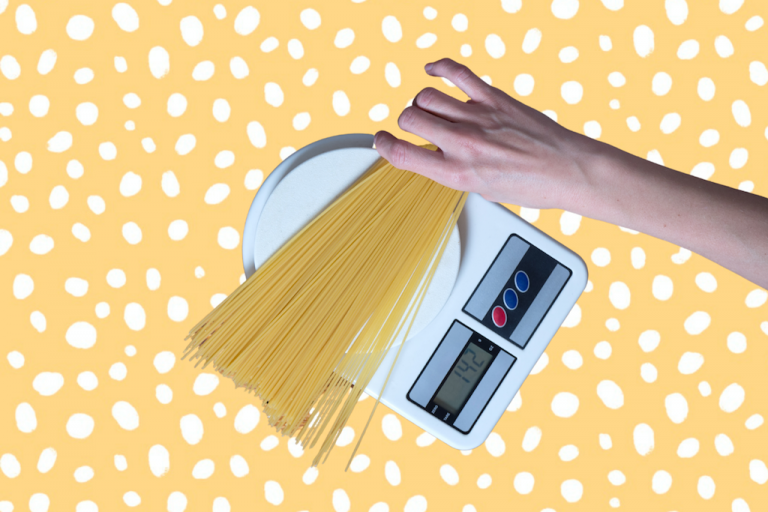
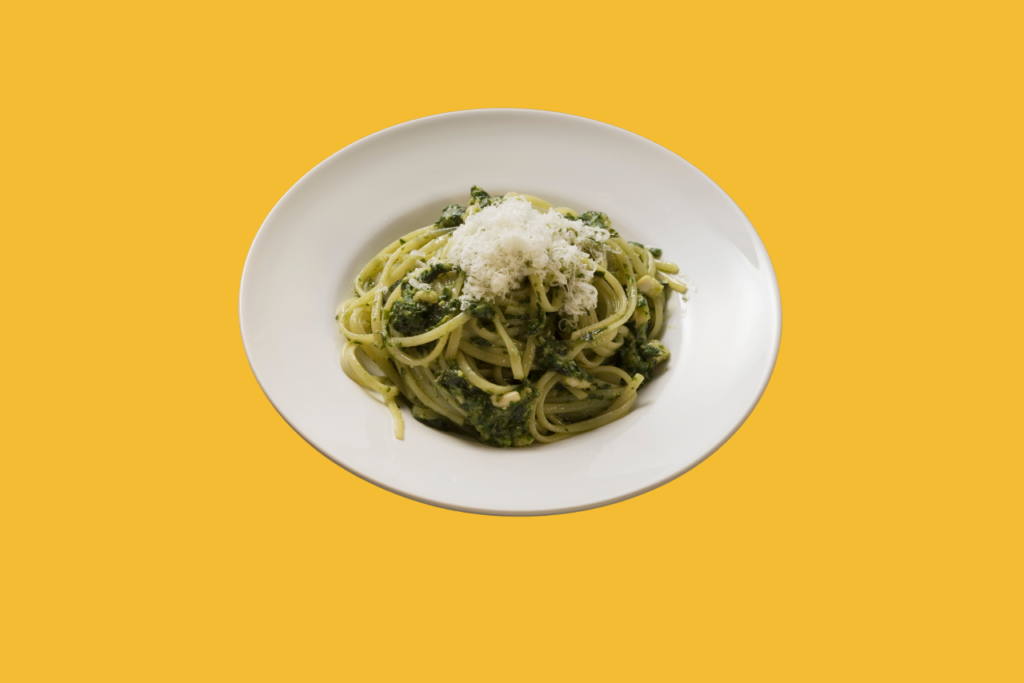
Ah, pasta – the beloved carb of Italian cuisine. While traditional pasta is made from refined wheat flour, there are now plenty of whole grain and alternative options available, such as whole wheat, spelt, and even chickpea or lentil-based pastas. Whole grain pasta is a great source of dietary fibre, protein, and various micronutrients.
It’s also generally higher in calories than refined pasta, but those calories are more nutrient-dense and filling. If you’re on a diet, it’s a good idea to track your calories when indulging in pasta dishes. With that base covered, next time you’re craving a plate of spaghetti, opt for the whole grain version to give your meal a nutritional boost.
In addition to being a healthier option, whole grain pasta also has a nuttier flavour and more toothsome texture than its refined counterpart. It can be used in all your favourite pasta dishes, from simple spaghetti with tomato sauce to more complex dishes like lasagna or baked ziti.
And don’t forget about the endless possibilities for pasta salads – try tossing cooked whole grain pasta with fresh vegetables, a flavorful vinaigrette, and some grilled chicken or poached prawns for a complete meal. So go ahead, indulge in your love for pasta while also making a nutritious choice.
Bread: The Slice Of Life
Bread is a versatile carb that comes in countless shapes, sizes, and flavours. But when it comes to health, not all bread is created equal. Whole grain bread is the clear winner, as it retains the bran and germ, which are rich in fibre, vitamins, and minerals. Additionally, research has shown that consuming whole grain bread can help reduce the risk of various diseases. So next time you’re making a sandwich or toasting up some breakfast, reach for the whole grain loaf.
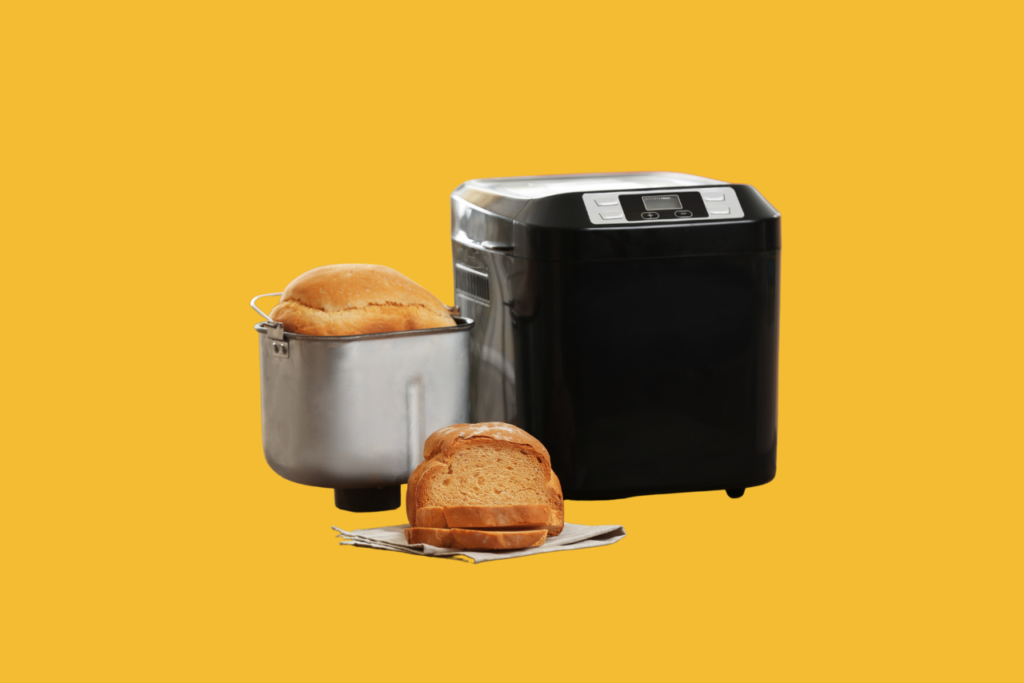
If you’re looking to take your health a step further, consider making your own bread at home. Not only is it a fun and rewarding activity, but you also have complete control over the ingredients, ensuring that your bread is as healthy as can be. Plus, there’s nothing quite like the smell of freshly baked bread filling your home. With just a few simple ingredients and some basic equipment, you can create a delicious loaf that’s sure to impress. So why not give it a try?
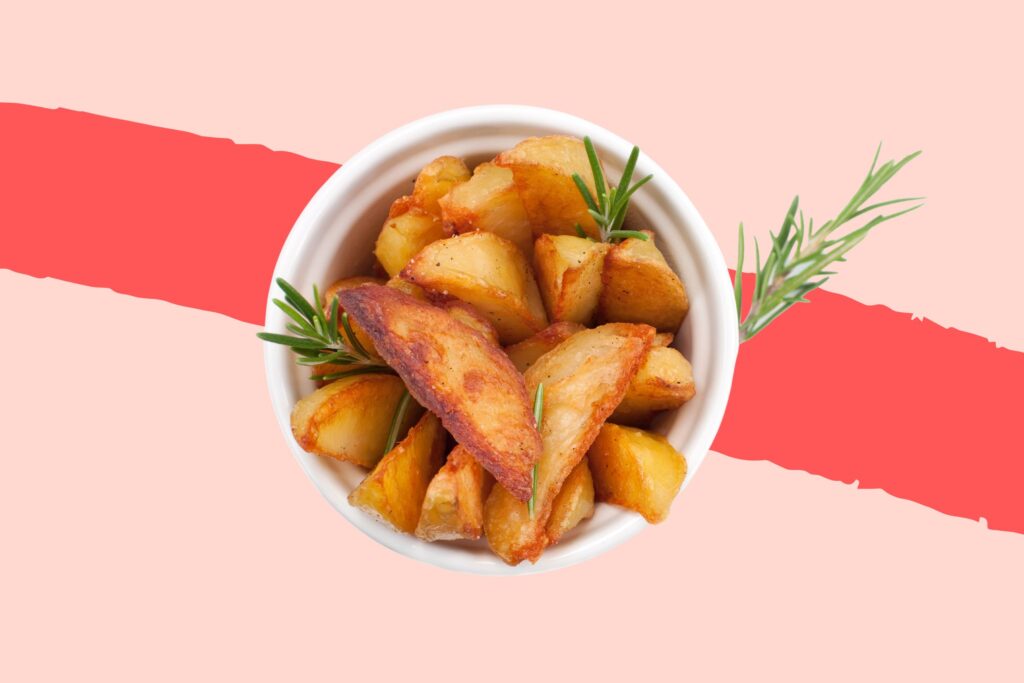
Potatoes often get a bad rap for being an “unhealthy” carb, but when prepared correctly, they can actually be quite nutritious. Potatoes are a good source of vitamin C, potassium, and B vitamins, and they also contain resistant starch, which acts as a prebiotic and supports gut health. However, it’s important to remember that how you prepare your potatoes matters – so skip the deep-fried French fries and opt for baked, roasted, or mashed potatoes instead.
Not only are there many ways to prepare potatoes, but there are also many different types of potatoes available. Russet potatoes are great for baking, while Yukon Gold potatoes work well for mashed potatoes due to their creamy texture. Maris Pipers and King Edward potatoes are perfect for roasting, and sweet potatoes are a nutritious alternative that can be baked or roasted as well. By experimenting with different types of potatoes and cooking methods, you can enjoy the spud-tacular carb in a variety of healthy and delicious ways.
By inerika via Canva
The Final Verdict: What Is The Healthiest Carb?
And now, the moment you’ve all been waiting for – which carb takes the crown? Well, the answer is… it depends! Each of these carbs offers unique nutritional benefits, so the key is to choose whole grain or minimally processed options and incorporate a variety of them into your diet. By doing so, you’ll ensure you’re getting a wide range of nutrients and enjoying a diverse array of delicious dishes.
Some of the best options to consider include brown rice, quinoa, oats, and sweet potatoes. Brown rice is an excellent source of fibre and provides a good amount of B vitamins, while quinoa is a complete protein that contains all nine essential amino acids. Oats are another great choice as they’re high in soluble fibre, which can help lower cholesterol levels, and are also a good source of magnesium.
Finally, sweet potatoes are loaded with beta-carotene, vitamin C, and potassium, making them a nutrient-dense option for any meal. By incorporating these and other whole grain or minimally processed carbs into your diet, you’ll be well on your way to better health and delicious meals!
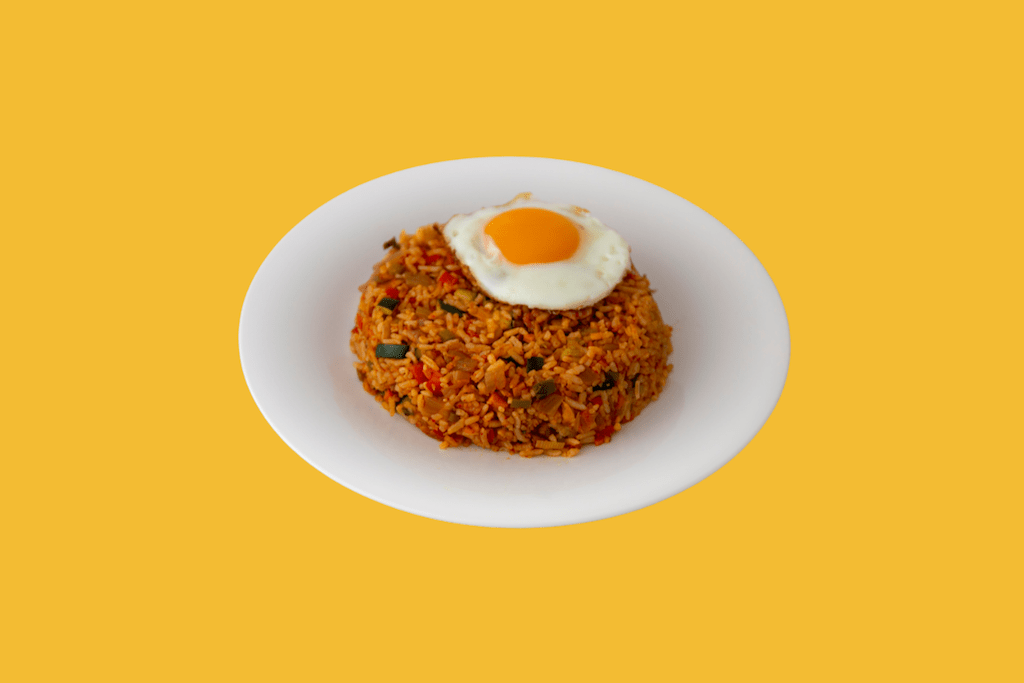
So, to put it simply, carbs are not the enemy – it’s all about choosing the right ones and enjoying them in moderation. So go ahead, indulge in that egg fried rice, but with the brown stuff, savour a whole grain pasta dish, or enjoy a hearty potato-based meal – your body (and perhaps even your taste buds) will thank you!
Ibiza, the iconic White Isle, is known for its breathtaking beaches, vibrant nightlife, and growing wellness scene. It should come as no surprise, then, that it’s also a haven for luxury travel enthusiasts.
With an array of Michelin-starred restaurants, exclusive clubs, and opulent experiences, this Mediterranean gem has all the ingredients for a lavish getaway. So, if you’re looking to indulge in the finer things in life, here are 7 tips for a luxury holiday in Ibiza.
Arrive In Style: Charter A Private Jet
The journey to Ibiza sets the tone for your luxurious vacation. Instead of boarding a crowded commercial flight, consider flying by private jet from London to Ibiza for the ultimate travel experience.
Companies like VistaJet, NetJets and Kulljet all offer bespoke services, ensuring you arrive on the island relaxed and ready to explore. Prices vary depending on aircraft type and route, but expect to pay around €20,000 – €30,000 for a round-trip from London to Ibiza. To get a better idea of the cost to charter a private jet, it’s essential to consider factors such as flight distance, aircraft size, and additional services.
Choose A Luxurious Villa Or Boutique Hotel
Your choice of accommodation is crucial when planning a luxury holiday. Ibiza boasts a range of upscale villas and boutique hotels that cater to discerning travelers. Consider renting a lavish villa like Villa Roca, which offers stunning sea views, a private pool, and 24-hour concierge service.
Alternatively, book a suite at the 5-star Nobu Hotel Ibiza Bay, where you can enjoy exquisite dining options, a Six Senses spa, and direct access to Talamanca Beach.
Another option to consider for luxury accommodation in Ibiza is the Agroturismo Sa Talaia. This upscale hotel is situated in a restored farmhouse and features a beautiful garden, a large outdoor pool, and a relaxing spa.
The hotel also offers a range of activities such as yoga classes and horse riding. For a more secluded and intimate experience, you can book one of the private suites that come with a hot tub and a terrace with stunning views.
If you prefer a beachfront location, the ME Ibiza hotel is an excellent choice. This stylish hotel is situated right on Santa Eulalia Beach and features a rooftop bar, an infinity pool, and luxurious rooms with sea views. The hotel also offers a range of wellness treatments and fitness classes to keep you feeling your best during your stay.
Dine At Michelin-Starred Restaurants
Ibiza is home to several Michelin-starred restaurants that will tantalise your taste buds. Book a table at Es Ventall, on the island’s west coast in Sant Antoni de Portmany, where Chef José Miguel Bonet creates innovative dishes unique gastronomic experience by Chef Paco Roncero. With a price tag of around €90 per person (a relative steal, all things considered) this 15-or-so course meal combines cutting-edge technology and culinary artistry for an unforgettable dining adventure.
Or, how about Es Tragon, another Michelin-starred restaurant, again in Sant Antoni de Portmany. Here, history, sustainability and tradition are celebrated via a multi-course tasting menu of poise and precision. It’ll set you back €180, but we did say ‘’no expenses spared’’, right?
Though money might not be a concern, gout may well be. As such, for those looking for a more laid-back dining experience, Ibiza also offers plenty of local street food that will satisfy your cravings without breaking the bank.
Head to the Mercat Vell in Ibiza Town where you can find vendors selling delicious freshly caught seafood, locally grown fruits and vegetables, and traditional Spanish snacks such as empanadas and churros. Try the bocadillos de calamares, a local specialty made with freshly fried squid served in a crusty baguette, for a true taste of the island. No matter what your budget or preference, Ibiza has something to offer for every food lover.
Indulge In Private Beach Club Experiences
Experience the island’s most exclusive beach clubs for a taste of Ibiza’s luxury lifestyle. Head to Blue Marlin, a favourite among A-listers, where you can reserve a private cabana, sip on premium cocktails, and enjoy top-notch DJ performances.
Another hotspot is Nikki Beach, which offers a glamorous setting, exceptional service, and delectable cuisine. Remember to book your sunbed or daybed in advance, as these coveted spots fill up quickly, though it should be noted that the venue is temporarily closed.
If you’re looking for a more laid-back vibe, head to Cala Bassa Beach Club, where you can soak up the sun on a pristine beach while sipping on refreshing drinks. The club also offers various water sports activities, including jet skiing and paddleboarding.
For an adults-only experience, visit Cotton Beach Club, located on a cliff overlooking the Mediterranean Sea. The club boasts a chic atmosphere, with white-washed decor and stunning views. Indulge in their signature cocktails and Mediterranean-inspired cuisine, and don’t forget to take advantage of their infinity pool, which seems to blend seamlessly into the sea.
Sail The Mediterranean On A Luxury Yacht Charter
Discover the beauty of Ibiza’s coastline aboard a luxury yacht charter. Companies like Smart Charter Ibiza and Yacht Charter Ibiza offer a range of vessels, from sleek motor yachts to elegant sailboats. Opt for a full-day excursion, complete with a professional crew, gourmet meals, and water toys like jet skis and paddle boards. Prices vary depending on the yacht and duration, but expect to pay around €5,000 – €10,000 per day.
With a luxury yacht charter, you can explore hidden coves and secluded beaches that are inaccessible by land. Imagine dropping anchor in a tranquil bay, taking a dip in crystal-clear waters, and enjoying a refreshing cocktail on the deck of your private yacht. For an extra dose of adventure, some companies also offer snorkelling and diving sessions, where you can marvel at the diverse marine life that thrives in the Mediterranean Sea.
Ibiza’s legendary nightlife is not to be missed. For a truly luxurious clubbing experience, secure a VIP table at one of the island’s premier venues. Pacha, a renowned club that has been entertaining guests since 1973, offers an upscale atmosphere and world-class DJ lineups. Another option is Ushuaïa Ibiza Beach Hotel, known for its open-air parties and extravagant productions. VIP table reservations start at around €250 per person, depending on the event.
If you’re looking for a more intimate setting, Heart Ibiza is the perfect choice. This unique venue combines music and art to create a one-of-a-kind experience. The club has a capacity of just 500 people, ensuring an exclusive atmosphere.
Alternatively, head to Hï Ibiza, which boasts a state-of-the-art sound system and impressive lighting displays. With a VIP table reservation, you’ll have access to a private area with dedicated service and the best views in the house. No matter where you choose to party, Ibiza’s nightlife scene is sure to leave a lasting impression.
Treat Yourself To Bespoke Wellness Experiences
Rejuvenate your mind, body, and soul with bespoke wellness experiences tailored to your needs. Many luxury hotels and spas offer personalised treatments, such as the signature Six Senses Integrated Wellness program at Nobu Hotel Ibiza Bay. Alternatively, book a private yoga session with an expert instructor, like Lena Tancredi at her beautiful Sunset Mountain retreat. Prices for private yoga sessions start at around €100 per hour.
If yoga isn’t your thing, consider trying out meditation to enhance your wellness experience. Many spas and wellness centres offer guided meditation sessions, which can be a great way to relax and de-stress.
Some hotels even offer in-room meditation kits, complete with candles, essential oils, and calming music. Another popular option is to book a massage or other spa treatment, such as a facial or body wrap. These treatments can help soothe sore muscles and leave you feeling refreshed and rejuvenated. And what could be more luxurious than that?
The Bottom Line
A luxury holiday in Ibiza is all about indulging in the island’s finest offerings. From chartering a private jet to dining at Michelin-starred restaurants, these seven tips will help you plan the ultimate upscale getaway. So, pack your designer luggage, slip on your chicest resort wear, and prepare for an unforgettable journey to the White Isle.
Dry, dull hair can be a real bummer, making you feel like a lifeless mop head that’s seen better days. But fear not my frizzy friends, for there is hope! With a little TLC, a viral Tiktok trend and some magical potions (aka hair products), you can transform your lacklustre locks into a shiny, smooth mane that even a unicorn would envy.
Enter TikTok’s Viral Hair Cycling trend which promises to help you achieve your best hair ever. It’s had over 2.3 billion views and counting and has been one of the top hair care tips trending on TikTok for a while now, showing no signs of slowing down.
This trend may just help you say goodbye to your days as a walking tumbleweed and hello to a fabulous, glossy-haired future. After all, who says you can’t teach an old mop new tricks?
What Is Hair Cycling?
So just what is ‘hair cycling’, we hear you ask? Well, the good news is that the concept is very simple; you just alternate between the products that you use, to give your hair and scalp time to rest…
You might already be cycling without realising it! Whether you wash your hair once, twice of thrice a week, you’ll likely reach for that deep conditioning shampoo if your hair is in desperate need of some moisture, or that cleansing shampoo should your hair have so much product build up that it’s become as dull as a gloomy day in the UK.
Hair cycling is this, but more regimented. It’s all about practising a consistent routine to keep your both hair and scalp healthy and clean.
The idea behind hair cycling is to rotate different products instead of sticking to the same shampoo and conditioner regimen every time you wash your hair, all while incorporating different products based on your specific hair type, texture, and needs. This flexible and personalised approach allows you to address your hair’s specific needs and achieve healthier, shinier, and more manageable locks.
Hair cycling is based on the a popular skincare hack ‘skin cycling‘ where rather than applying the same products every day, skin cycling involves applying products with ‘rest’ days.
So why does rotating your hair products work? One significant advantage is that it helps you avoid overusing your products. Applying the same powerful active ingredients week in, week out can cause irritation to the scalp and damage to the hair. Hair cycling gives your scalp the chance to breathe between products, especially conditioning products that can lead to product build up and hygral fatigue if used too often.
In case you’re wondering; hygral fatigue is damage to the hair follicles, occurring when too much moisture penetrates the hair strands, causing them to repeatedly swell and unwell. Over time, this can lead to opposite of what you’re trying to achieve with your hydrating products; frizz, dullness, and being more prone to brittleness and damage. Yes, you read that right, too much moisture is a bad thing.
By incorporating hair cycling into your routine, you can ensure that your hair receives the right balance of nourishment and cleansing without causing harm. With all of that in mind, we’ve asked hair care experts behind Harklinikken share their top tips on how to hair cycle…
A Guide To Hair Cycling
The easiest way to cycle is to do a ‘cleanse’ wash and a ‘hydration’ wash and alternate between the two, but it depends on your hair type. The best thing about hair cycling is that you can completely tailor it to your hair and scalp needs. It might take a little trial and error until you get it right, but it’s easy to begin with the basics:
Wash One: Cleanse
Step 1: You need to start with a gentle exfoliation to loosen the product build up, sebum, and dead skin cells on your scalp. You can do this with products, or dry brushing using a natural fibre brush. It’s important to be gentle when exfoliating, as being too rough and over-exfoliating can cause microabrasions on the scalp, and can even cause your scalp to produce even more oils to replace what’s been lost.
Most experts agree that it’s best to exfoliate your scalp only once a week to start with – finding the right cadence for your hair type may take a bit of trial and error. If your scalp is on the drier side, you may want to exfoliate bi-weekly.
Step 2: Next, double shampoo with a cleansing/clarifying shampoo. You’ll need a good quality sulfate-free, paraben-free and preferably fragrance-free shampoo for the job. Choosing a product with these qualities will help balance out your scalp pH and support the scalp microbiome for this.
Step 3: The first cleanse will remove the product build up and the second will purify the scalp. After condition with a lightweight but hydrating conditioner, something that will add moisture to your hair without weighing it down and replacing all the products you’ve just removed.
Step 4: Finish with a light hair oil or serum to help spilt ends and lock moisture.
Ideal Tip: When it comes to clarifying shampoos, here at IDEAL we’re fans of Aveeno Apple Cider Vinegar Blend Shampoo, which is an affordable clarifying shampoo retailing at £7.99.
Alternatively, if you’re willing to spend a bit of money on our cleansing shampoo, then both the OUAI Detox Shampoo and Olaplex No. 4C Bond Maintenance Clarifying Shampoo will get the job done brilliantly, especially the latter, which has a award-winning patented formula for doing so.
Oh, and a shoutout also goes to Harklinikken’s award-winning shampoo, uniquely formulated to help manage excess sebum and stabilise the scalp microbiome to promote conditions for optimal hair growth. In other words, it gently cleanses your scalp and hair follicles, restoring shine, lustre and bounce to dull and dry strands.
Wash Two: Hydrate
Step 1: As in wash one, double shampoo, but use a more hydrating shampoo designed for your hair type, rather than something clarifying. You don’t need to exfoliate and detox this time, as you did it in the previous wash.
Step 2: Follow this with a moisturising hair mask – you could also wrap your hair in a hot towel to help the product work its hydrating magic.
Step 3: Depending on your hair type, finish with a leave-in conditioner, or apply a nourishing hair oil.
The Bottom Line
So is TikTok’s viral hair cycling trend worth trying? The answer is yes, no matter what your hair type. If you’re looking to revamp your hair care routine and give your locks some much-needed TLC, why not give hair cycling a try? With its customisable nature and focus on addressing individual hair needs, it might just be the perfect solution for achieving your hair goals.
A little dough, a ladleful of sauce and a sprinkle of cheese… No dish in the world manages to coax pure ambrosia from so few ingredients as pizza.
Even the word ‘pizza’ evokes an image that gets this writer salivating, Pavlov dog-style, and judging by the mess that you’ve made on your keyboard, might we assume you’re the same?
But don’t reach for the Deliveroo takeaway pizza just yet. Nope, here at IDEAL, we prefer to be covered in a dusting of flour, splatters of passata, with mozzarella under our fingernails and ricotta in our hair (and that’s not just our bedroom preferences).
So, with that in mind, here are our 7 beginner’s tips for making the best homemade pizza.
Make Your Own Dough
Making your own dough is the backbone of a great homemade pizza; those ready-made cardboard bases tend to go from soggy to blackened snap in no time and are best avoided.
Fortunately, constructing your own base involves just a few ingredients and can be a lot of fun (and a good workout, too!).
You’ll only need some strong double zero flour, fresh (or dried if that’s all that’s available) yeast, warm water, olive oil, salt, and perhaps a sprinkle of sugar. Mix the dry ingredients, knead with the wet ones and let sit for two hours in a bowl in a warm place.
Then, knock it back, knead again, divide into individual pieces and leave to rise again, covered with a dry tea towel for about an hour. After this time, you’re ready to roll (or stretch, but more of that later).
Check out this guide on how to make pizza dough from Great Italian Chefs for a detailed breakdown of measurements and method.
A Simple Tomato Sauce
This article said homemade, so homemade it is, and no corners are to be cut. Making a simple tomato sauce is as easy as pizza-pie. Of course, there is no one recipe which trumps all others, and Nonnas across Italy will forever debate which is the finest fervently, but a good start involves minced garlic cooked off in olive oil, tomatoes (both fresh and tinned have their merits) and dried oregano.
Other notable additions include a pinch of sugar, a few dried chilli flakes, or, perhaps a splash of balsamic vinegar, should the balance of your tomatoes not be quite right. After simmering gently for an extended period, blitz until smooth if you prefer it that way. Otherwise, a little rough, ready and rugged is great, too. And don’t forget to season.
Alternatively, if you have access to some seriously good fresh San Marzano tomatoes, (in the UK, the premium tinned tomato brand Mutti does very serviceable San Marzano D.O.P in cans), then do as the Neapolitans do, and use your hands for a delicious no cook, no utensil sauce! Simply squeeze some tomatoes over a bowl until they are pulped, and mix with a little olive oil, salt and pepper. They also sell tins of ‘pizza sauce‘ made from 100% Italian sun-ripened tomatoes blended with basil, oregano, and onion which are perfectly good.
Stretch Or Roll, It’s Your Call
Although pizza purists will insist on tossing and stretching, consider your skill set before you enter into such acrobatics (and histrionics in the home setting, perhaps).
If you can toss like a pro, then great, but if you’re afraid of your carefully, lovingly made pizza dough ending up on the ceiling, then there’s no shame in using a rolling pin to find the desired shape. Just remember to flour your surface and pin to avoid tearing.
Depending on the type of oven, tray, pizza stone and even pizza peel you’re using, you may want to assemble your pizza either on the tray or on the peel.
Apply Toppings Sparingly
The words meat feast and a list of every edible animal should not be anywhere near a pizza menu. Toppings should be used sparingly – no more than three or four is ideal – and should be chosen to work in harmony.
We love butternut squash, goat’s cheese and rosemary, or simply anchovies, olives and capers. Keep it light, simple and harmonious. Oh, and remember; not all pizzas demand a tomato base – pairing the flavours should extend to whether or not you include a sauce, with white pizzas equally delicious when in the right hands.
How you top and cook your pizza will be determined by the type of oven you’re using. In an ideal world (and that’s why you’re here, right?), you would have a wood fired pizza oven in your kitchen, pizzeria style, though this requires huge amounts of space, attention, and excessive heat for the domestic seating.
Fortunately, in recent years, mini versions designed for personal use have come on the market, with the wood fired pizza oven from Ooni arguably the most popular. Simple to set up in the garden and able to reach 500°C in just 15 minutes, this is the best way to get that Neapolitan effect of blistered crust and a surprisingly light finish on your dough.
A few other options exist, including using a pizza stone in a normal fan or gas oven, or even on a barbecue. Pizza stones work by mimicking the style of a hot brick oven, holding high heat and absorbing moisture for a crisp, burnished base. Simply pre-heat for ten minutes or so, and slide your pizza on.
You can also do the same using a perforated pizza tray, with the holes allowing for better air circulation, which deters the base from getting soggy. If you’re using one, be careful not to top your pizza excessively, or it could lead to a structural collapse.
Finally, there is the frying pan pizza method, which allows you to get the requisite high temperatures to cook the base until blistered on your hob. Cast iron pans are best here, as they conduct and retain heat most capably.
Finish With Fresh Herbs & Olive Oil
After the pizza comes out of the oven, there are still a couple of loving additions that will elevate it from good to great. Fresh herbs like basil should be added here, as the heat of the oven would have somewhat dulled their vibrancy. Adding a dash of olive oil brings a wonderful mouthfeel and freshly cracked black pepper seals the deal.
What To Drink With Pizza
As Fiona Beckett at Matching Food and Wine recommends, Italian reds which are ”moderate in alcohol and with the fresh acidity to cut through gooey cheese and tomato toppings” are best here. She recommends Chianti, Barbera, a Valpolicella or a Rosso di Montalcino. White wine is better deployed if you’ve made a white pizza – that is, a pizza with no tomatoes and generally more cheese, with ricotta commonly used.
Alternatively, a crisp, refreshing lager such as Peroni Nastro Azzurro or everyone’s favourite soft drink, San Pellegrino Limonata, work well with pizza.
Put down that morning slice of toast right now. Step away from that lunchtime sarnie you lovingly made earlier. Banish your bready post-work snack you’ve become so accustomed to eating…
Did you know that some slices of bread contain more salt than a whole bag of crips? Action on Salt (AOS) analysed 242 sliced loaves available from the supermarkets across the UK and found 75% of sliced loaves sold contained “as much salt or more per slice than a packet of ready salted crisps.”
Which is the worst offender, we hear you ask? Well, the “saltiest culprit” was named and shamed as Hovis. AOS revealed that Hovis’ ‘Soft White Extra Thick’, especially made for softness and the bread of choice for many Brits’ beloved bacon butty, contains “as much salt as a McDonald’s hamburger” per every two slices. Yep, you read that right…
We know what you’re thinking – salt is an important part of the baking process as it contributes to the structure and enhances the flavour of bread, and is necessary for the yeast to be activated properly.
Don’t say this within earshot of any Tuscan folk, but bread without salt can be pretty bland. Of course, there are some exceptions; Waitrose’s ‘Rye & Wheat Dark Sourdough’, Asda’s ‘Extra Special Farmhouse Wholemeal & Rye Bread’, and Aldi’s ‘Village Bakery The Classic Malted Bloomer’, which the AOS highlighted in their research as all having fairly low levels of salt, are all perfectly serviceable slices. However, in our opinion, ain’t as good as a salty, white bloomer. Alas.
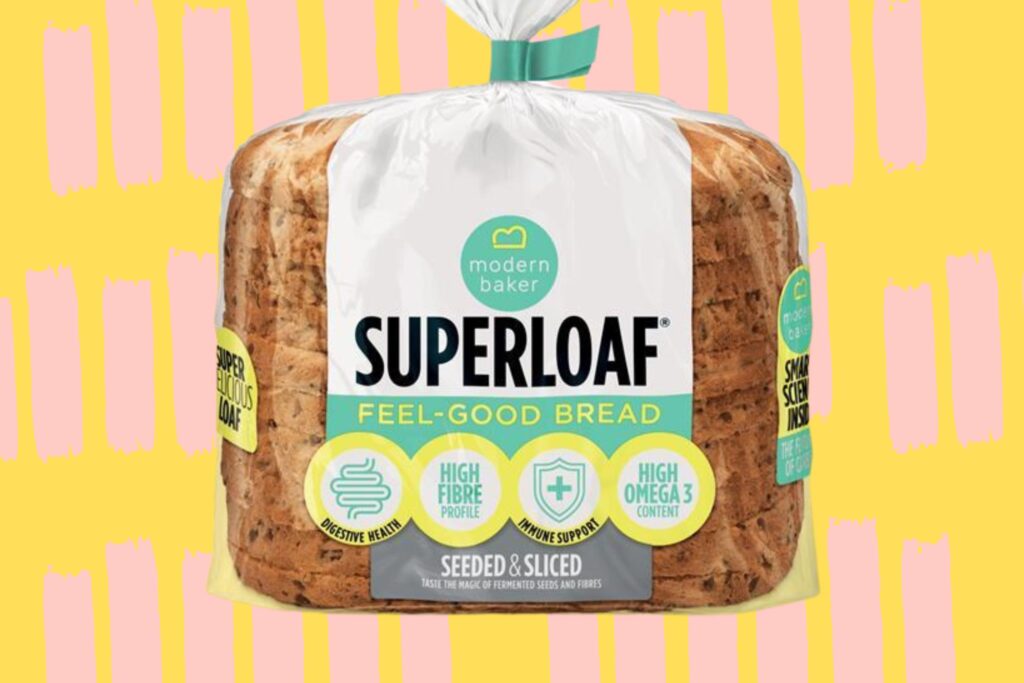
So, what’s a bread lover to do? Especially a white bread lover? You’re in luck! SUPERLOAF, a new nutritionally optimised bread, is launching at 400 branches of Marks & Spencer across the UK from this week, and we can’t wait to get stuck in.
SUPERLOAF, retailing at £2.30 for a 400g seeded and sliced loaf, is the brainchild of co-founders Melissa and Leo Campbell, a husband-and-wife team who run Modern Baker in Oxford. The idea came to Melissa during a spell spent fighting breast cancer, when she was shocked at the nutrition support on offer in hospitals. Consequently, the duo spent 5 years researching and creating the product, teaming up with food researchers, scientists and nutritional specialists, with some additional help from government grants along the way.
Since 70% of all the bread the UK eats is white, SUPERLOAF has also been made with ”good white flour”, as most people prefer, but they have somehow, magically made it better for digestive health than most wholemeal breads. In fact, it has more total fibre than all of the leading 100% wholemeal loaves, if you’re wondering.
This bread has been dubbed ”bread as good as veg” and ”the healthiest loaf ever made”, which is high praise indeed. Made using by using a targeted fermentation process, SUPERLOAF has been designed to support the body’s immune system, digestive health, and boasts high omega-3 content. Yep, it’s packed with optimised prebiotic fibres and bioactive compounds – just like vegetables are.
So, what does it taste like? Well it tastes good and like it’s doing your body good, with a loaf volume and softness of crumb indistinguishable from industrial bread, all with better flavour thrown in for good measure.
Of course we’re not saying you should completely give up your bacon butty’s beloved white bloomer … Everything in moderation, and all that.
But if you’re having a slice of toast every morning and then a meal deal with a supermarket sandwich and a packet of crisps everyday… Well, let’s just say that’s a lot of salt in your diet. Should this be you, firstly; have a glass of water, for heaven’s sake! But perhaps more (less, actually), get down to M&S stat and start making your sandwiches at home with SUPERLOAF.
The Scottish Highlands, with their breathtaking landscapes and rich cultural heritage, offer an unforgettable experience for cyclists seeking adventure. From rugged coastlines to serene lochs and majestic mountains, the Highlands have something for everyone, and tackling them on two wheels is perhaps the best way to enjoy the country’s remarkable sights.
Today, we’re exploring some of the best cycling holidays in the Scottish Highlands, providing recommendations on routes, journey lengths, sights to see, and accommodations along the way. Let’s dive in…
When Is The Best Time To Go On A Cycling Holiday In Scotland?
The ideal times to visit Scotland for a cycling tour are between the months of May and September when the weather conditions are quite stable. However, have in mind that the period between late May and September is the midge season in the area, so aim for its beginning or the end.
Midges (essentially, tiny mosquitos) can be found in all parts of the country, but they prefer more rural areas, especially the ones with damp soil. As for the climate, the weather is pretty moderate, and summer temperatures rarely go above the mid-20s. However, the chances of rain are usually high, so you should always pack a rain jacket wherever you go.
Choosing The Right Bike
Whether you are looking to rent or to get a bike of your own, learning more about the options can help you make a wise decision. For starters, bikes are usually categorised into three types: the heavy and practical ones that are ideal for touring the city, the mountain bikes designed for rough conditions, and the sleek road bikes with drop handlebars that can take you on a fast ride on many different roads.
Anyway, enough of the twaddle, let’s saddle up and check out some of our favourite cycling routes in the Scottish Highlands.
The North Coast 500
One of the most popular cycling routes in the Scottish Highlands is the North Coast 500. This 516-mile loop starts and ends in the bustling city of Inverness, taking you through some of the most picturesque landscapes in Scotland.
Cyclists can expect a challenging yet rewarding journey, with the route typically taking around 9-10 days to complete. Along the way, you’ll pass by enchanting castles, pristine beaches, and quaint fishing villages.
Accommodation options are plentiful, ranging from cosy bed and breakfasts to luxurious hotels. One notable stop is the Torridon Hotel, which offers stunning views of the surrounding mountains and loch.
The Great Glen Way
For those looking for a shorter cycling holiday, the Great Glen Way is an excellent option. Stretching for 79 miles between Fort William and Inverness, this route can be completed in just 4-5 days.
As you cycle along the banks of Loch Ness, keep an eye out for the elusive Nessie, the legendary creature said to inhabit the loch’s depths. History buffs will enjoy visiting Urquhart Castle, a mediaeval fortress perched on the shores of Loch Ness.
For a comfortable stay along the Great Glen Way, consider booking a room at the Lovat Loch Ness, a charming hotel with eco-friendly credentials.
The Hebridean Way
If you’re interested in exploring the wild beauty of the Scottish Highlands on two wheels, the Hebridean Way is the perfect choice. This 185-mile route traverses the length of the Outer Hebrides, a chain of islands off Scotland’s northwest coast.
The journey typically takes around 7-8 days to complete and offers a unique opportunity to experience the region’s rich Gaelic culture. Highlights of the Hebridean Way include the Callanish Standing Stones, an enigmatic prehistoric monument, and the white sandy beaches of Luskentyre.
Accommodations along the route are varied, with decent options including the Harris Hotel in Tarbert or the Polochar Inn on South Uist.
For another more leisurely cycling holiday, consider the Caledonia Way. This 234-mile route runs from Campbeltown in the south to Inverness in the north, passing through idyllic countryside and charming villages. With relatively flat terrain, this route is suitable for cyclists of all abilities and can be completed in 7-10 days.
Points of interest along the Caledonia Way include the historic Kilmartin Glen, home to numerous ancient monuments, and the vibrant town of Oban, known for its fresh seafood and bustling harbour.
For a memorable stay, book a room at the Stonefield Castle Hotel, a 19th-century baronial mansion set amidst lush gardens.
The Isle Of Skye
For something properly challenging, the Isle of Skye is a must-see (and must-cycle!) destination. The island is renowned for its rugged landscapes and fairy-tale-like charm, making it a popular spot for cyclists.
There are several routes to choose from, but one of the most popular is the Skye Loop, which covers approximately 70 miles. The route takes you through quaint fishing villages, past cascading waterfalls, and offers stunning views of the iconic Cuillin Mountains. Cyclists can also explore the island’s rich history, with sights such as Dunvegan Castle and the ruins of Armadale Castle.
Accommodation options on Skye include everything from campsites to luxury hotels, with something to suit every budget.
Finally, another fantastic cycling destination in the Scottish Highlands is Cairngorms National Park. This vast wilderness area covers over 4,500 square kilometres and contains some of the highest mountains in the UK.
Cyclists can explore the park’s many trails, taking in the stunning scenery and spotting native wildlife such as red deer and golden eagles. Those looking for a challenge can attempt the Cairngorms Loop, a 150-mile route that takes you through the heart of the park. Along the way, you’ll pass by picturesque villages, tranquil lochs, and rolling moorland.
Accommodation options in Cairngorms National Park include cosy lodges, traditional inns, and luxurious resorts, ensuring a comfortable stay after a long day in the saddle.
Other Long Distance Routes
There are many well-known long-distance routes in Scotland, each offering different views and experiences. For instance, The Five Ferries route will take you on a tour of the islands of Arran, Bute, and Kintyre, all in a circular loop around the Firth of Clyde. The ride can be completed in one day, or split into a fun holiday.
But if you’re interested in seeing 10 different islands and covering a total of 185 miles, you should consider the Hebridean Way – a self-guided route located in the Outer Hebrides.
As for the coastal experiences, exploring the Coast to Coast Scotland cycle route is the way to go. The route starts in Annan and ends in Edinburgh, and the challenge can easily be completed on a single long weekend.
Family Friendly Routes
If you are planning to go on an adventure with your loved ones, you should know about the routes that are particularly suitable for families with children. For instance, if you pick the Speyside Way tour starting in the Cairngorms National Park, you’ll get to cycle along native birch woodlands and heather moors. Also, the 5-mile-long route offers plenty of spaces to take a break and have a picnic while enjoying the views of the Cairngorm Mountains.
Next, there is the Caledonia Way, starting from Fort Augustus which is located at the southern end of Loch Ness. The path is 11 miles long and full of breathtaking scenery, including the Caledonian Canal Heritage Centre. And if you wish to ride next to some of the country’s most interesting landmarks such as the Falkirk Wheel and the Kelpies sculpture by Andy Scott, you should consider taking the Helix Park route.
The Bottom Line
The Scottish Highlands offer a diverse range of cycling holidays for adventurers of all levels. Whether you choose to tackle the challenging North Coast 500 or meander along the gentle Caledonia Way, you’re sure to create lasting memories as you pedal your way through this enchanting region.
The Cheesecake; it’s a delectable dessert that manages to please even the most discerning of palates. The velvety smooth texture, the rich but piquant flavours, and the endless variety of toppings and combinations make cheesecake an irresistible sweet treat… Anyone else drooling right now?
It’s no surprise, then, that last year the cheesecake was voted as Britain’s favourite teatime treat in a survey of 2000 Brits by the baking experts at Dr. Oetker.
Moreover, the calorific cheesecake was voted Britain’s favourite cake, according to a national poll conducted by Foodhub (get your mind out of the gutter).
With a whopping 42% of the vote, cheesecake has managed to narrowly beat out other beloved contenders such as chocolate cake (41%), Victoria sponge (32%), and brownies (31%). Whilst we wouldn’t necessarily consider it a ‘cake’, there’s no denying the power and popularity of this much loved dessert/cudding/pudding/cheese course…
In conclusion to both the studies, we can safely say that Brits cannot resist the creamy, indulgent allure of a well-made cheesecake and that it has become a symbol of comfort, celebration, and pure unadulterated joy for many in the country. Hyperbole? We think not.
Like the rest of the British public, we love a cheesecake, but we think there are problems present with satiating your cheesecake cravings. They are threefold;
If you want a slice of cheesecake, you either have to bake a whole one and eat it all, which, although not a physically impossible over the course of 3-4 days (it’s usual shelve life), will make you feel sick.
Even if you make a mini cheesecake, you still have to buy all the ingredients.
While you can of course get one from the shop, that involves leaving the house – not ideal when a cheesecake craving calls without warning.
However, the British public will be pleased to learn that they can now enjoy the indulgent experience of enjoying cheesecake from a tub, straight from the freezer, whenever the yearning takes over.
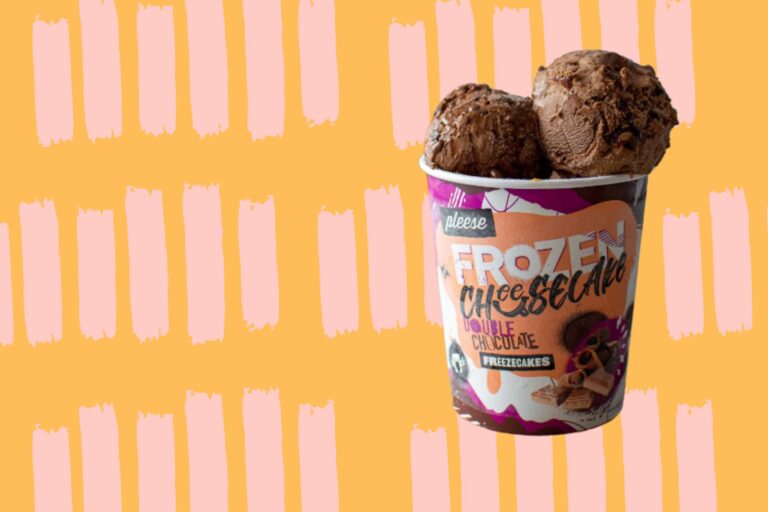
Introducing Freezecakes, the world’s first scoopable frozen cheesecake in a tub which hits supermarket shelves across the UK this month, and promises a taste sensation like no other! It has everything you love about a cheesecake and more; think silky smooth and irresistibly creamy, swirled with crunchy biscuit pieces and pockets of indulgent sauce.
This innovative dessert is a game-changer in the world of frozen treats, offering a unique and delicious alternative to traditional ice cream. Handmade in the UK using signature Pleesecakes recipes, Freezecakes are set to revolutionize the way we enjoy cheesecake.
Though the familiar packaging may initially lead shoppers to believe they’re purchasing ice cream, a closer look reveals the true nature of this indulgent treat…and it definitely isn’t ice cream.
So who is behind this revolutionary dessert? Created by Joe Moruzzi, Freezecakes was born out of his passion for crafting delectable cheesecakes. In 2017, Moruzzi transitioned from being a painter-decorator to a cheesecake connoisseur, founding Pleese and subsequently launching the hand-potted frozen tubs of Freezecakes in 2020.
Luckily for the world, the brand has since further developed its recipes and partnered with Icefresh Foods, part of the Poppies International Group, to introduce frozen cheesecake in a tub to the mainstream retail sector. In other words, it’s easier to get your hands on as Freezecakes as they are now available to buy nationwide from Co-op and Waitrose stores.
The tempting trio of flavours read like a roll call of the UK’s most beloved ingredients:
Butterscotch & Caramel (£5, 350g) – Frozen butterscotch cheesecake swirled with caramel flavoured sauce and crunchy chocolate biscuit pieces coated in chocolate.
Lemon & Raspberry (£5, 350g) – Frozen lemon cheesecake with pockets of raspberry sauce and biscuit pieces coated in white chocolate, topped with freeze dried raspberry pieces.
Double Chocolate (£5, 350g) – Frozen chocolate cheesecake run through with chocolate flavoured sauce and crunchy chocolate biscuit pieces coated in chocolate, topped with chocolate flakes.
Co-op will stock the Lemon & Raspberry and Butterscotch & Caramel flavours only, while Waitrose will sell the full range including Double Chocolate.
Whether you’re a spooner, sharer or scoffer, make a date with Freezecakes whenever you please by keeping one of these Cheesecakes-in-a-tub inside freezer.
The American writer William Arthur Ward once said that ‘’a warm smile is the universal act of kindness’’, and not to be outdone, Mother Teresa posited that ‘’peace begins with a smile’’.
Should you be eager to bring about world peace or, at least, some cheer to passing strangers, but you have missing teeth that are making you too self-conscious to smile radiantly, then perhaps you’re considering dental implants or dentures?
Having missing teeth can make you feel self-conscious and less likely to smile, as well as causing issues with mastication and sometimes leading to infection. Increasingly, dentists are recommending implants as the solution to this.
In short, dental implantation is a procedure of filling in the gaps or spaces left by losing one or more teeth from your set. A knocked out or broken tooth cavity can trap a variety of germs and bacteria, which is why the cavity needs to be filled by a dental implant. Such a procedure is also common in terms of arresting serious tooth decay.
If this has piqued your interest and you’re keen to get your teeth into the topic further, then read on. Here, we explore what dental implants are and what their benefits are over dentures.
What Are Dental Implants?
Dental implants are basically replacement tooth roots. These are then used as the foundation for the addition of new fixed or replacement teeth. Unlike dentures, you have to undergo surgery to get dental implants, and although this means that they’re the more costly option, it also makes implants the option with greater longevity and convenience of use.
Indeed, with proper care, experts claim that the success rate of dental implants is as much as 98% of all procedures. What makes implants so effective as an alternative to dentures is that the foundations are installed deep within your jaw. As such, the foundation of the new teeth is particularly strong and solid.
Aside from that durability, where aesthetics are concerned, dental implants certainly have an advantage over dentures. Titanium is used as a manmade replacement for the original tooth’s root and is fused for security. A crown or bridge is then fitted on top to mimic the appearance of the surrounding teeth. As a result, when you smile, the tooth should blend in seamlessly with its neighbours.
Are There Different Types Of Dental Implants?
Generally speaking, there are three different types of dental implant – a single tooth implant (or a crown, which deals with just part of the tooth), an implant supported bridge, or an implant retained denture. The type used depends on the amount of teeth missing and the overall state of the patient’s gums.
Alternatively, a more recent, innovative procedure when dealing with multiple teeth are full arch fixed implant bridges, sometimes referred to as All-On-4.
What is an All-on-4? And, why is it recommended? Basically, it’s an operation where the foundations of your new teeth are placed in strategic locations around the jaw, with the technology deployed providing a better and more comfortable fit for your set of teeth. All-on-4 dental implants restore the function and feel of natural teeth, allowing you to eat comfortably and confidently. This procedure also promotes oral health by reducing the risk of periodontal disease, a chronic bacterial infection and inflammatory condition.
Decisions, decisions.
How Long Do Dental Implants Last?
Though dental implants can last a lifetime, they do require care, particularly in the period immediately after implantation. For the first day or two after the procedure, hot food and drinks should be avoided. Smoking, of course, is also extremely unwise. For the next few weeks, it’s also advisable that patients eat only soft food or liquids, and brush incredibly gently.
But with all that considered, dental implants represent long-term (and often, lifetime) solutions to missing teeth or decay. Since the procedure involves the insertion of an artificial tooth (or teeth) into the gums via a titanium screw, which essentially serves to replace the root, the foundation of an implant is strong enough to allow you to eat and drink as normal without abrasion, disruption or damage to your teeth and gums.
How Much Do Dental Implants Cost?
Because of the longevity of this procedure, it can tend towards the costly, with the average price in the UK starting at around £2’500. That said, and considering dentures cost in the region of £1’000 when done privately, the durability and convenience of implants means that price tag shouldn’t put you off.
Aside from on rare occasions, the cost of dental implants isn’t covered by the NHS. Occasionally, they might be made available to patients who can’t wear dentures or whose face has been damaged through illness or an accident, and therefore, these implants are the only option.
On the other hand, dentures are generally available on the NHS, as a Band 3 treatment costing £282.80.
Benefits Of Dental Implants Over Dentures
Though dental implants may not look totally natural, they will tend to look and feel pretty close to your old set. This offers functional and aesthetic benefits on your end.
From the get-go, the major benefit of dental implants is that they make the normal functions of your mouth feel, well, normal again, particularly when compared to how it feels to eat and talk with dentures or missing teeth. Once the teeth are installed, it may well feel like you’ve never lost your teeth in the first place.
What’s more, unlike uncomfortable or troublesome dentures, dental implants are a permanent fixture that will stop the bone receding and your jaw changing shape. What’s more, you can brush them as you would your natural teeth.
One of the problems with dentures is that they tend to limit the food that you can enjoy. It’s not recommended to eat tough or chewy foods with dentures on because there’s a chance that your dentures might fall out or get damaged when doing so. With dental implants, however, you can eat toffee, dried fruit and your ma’s overcooked roast dinner, all to your heart’s content.
However, as the team at Marylebone Implant Centre (MIC) tell us, you do have to know that once your implants are installed, there will be a period when you’ll have to eat with caution. It’s going to be tough eating steaks and other chewy food during the first couple of months but once the implants set, you’ll be good to go.
Another problem with dentures is that they don’t always feel a natural fit with your teeth. Conversely, your dental practitioner will shape the implants to fit the curvature of your mouth as naturally as possible, meaning that some of the issues that denture-wearers experience with talking are mitigated.
Having dental implants also saves you from the embarrassing act of having to remove your dentures in front of people, which some find mortifying to carry out in company.
Of course, we can’t talk about the benefits of dental implants without talking about how this affects your confidence. With a new set of teeth, you may well find yourself feeling more confident. Whether during talking, eating or simply smiling, implants can help restore self-esteem which was previously affected by your missing teeth.
The Bottom Line
Though dental implants are certainly more expensive than dentures, their benefits and impact on your overall quality of life can’t be denied. If you’re keen to invest in your happiness and your confidence is being affected by missing teeth, dental implants could be the right choice for you.
Central Park, the iconic oasis nestled in the heart of Manhattan. With 843 acres of lush greenery, winding paths, and scenic vistas, it’s no wonder that this urban gem attracts over 40 million visitors each year.
Whether you’re a penny-pinching backpacker on a budget or a high-rolling jetsetter with Logan Roy-esque spending power, there’s something for everyone in this most beloved of parks. So, without further ado, let’s dive into the ultimate guide on things to do in Central Park, tailored to suit all budgets.
Ideal For Free Spirits Seeking Cheap Thrills
Should you be counting every cent on your trip to New York, these free Central Park activities will see you right…
Take A Leisurely Stroll
One of the best ways to experience Central Park is by simply wandering around its meandering pathways. As you walk, you’ll encounter picturesque bridges, charming archways, and hidden gems like the Shakespeare Garden and Alice in Wonderland statue. And the best part? It’s absolutely free!
First up is the Central Park East and West Drive Loop, rated 4.6 stars by 2,202 AllTrails.com users. This 9.8 km trail offers an elevation gain of 87 m, making it perfect for those who enjoy a bit of a challenge. As you walk along this loop, you’ll be treated to stunning views of the park’s diverse landscapes and attractions.
For a more leisurely stroll, head to the Mall and Literary Walk. This quarter-mile stretch of straight path, lined with majestic American Elm trees, is a popular spot for people-watching and admiring the vibrant colours during autumn. Fun fact: the Mall is the only intentionally straight feature in Central Park, as the park’s designers, Olmsted and Vaux, envisioned a landscape with flowing natural lines.
If you’re a fan of movies, you’ll love walking through Central Park’s most famous filming locations. With over 240 feature films shot here since 1908, Central Park holds the title of the most filmed public park in the world! Keep an eye out for familiar spots from classics like I Am Legend, Enchanted, Elf, Home Alone 2, When Harry Met Sally, and The Avengers.
Lastly, don’t forget to check out the park’s numerous statues and monuments, like the Alice in Wonderland Bronze Statue and the Victorian Gothic Castle. These attractions are not only Instagram-worthy but also steeped in history and culture. And the best bit? Checking them out (and perhaps taking a selfie with them!) is absolutely free.
Why spend money on an expensive restaurant when you can have a delightful picnic amidst nature? Grab some grub from a nearby deli or pack your own sandwiches, and claim your spot on one of Central Park’s sprawling lawns.
Of those sprawlers, perhaps the Great Lawn, a vast 55-acre expanse located smack dab in the centre of the park, is our favourite. Once a reservoir, this grassy haven has hosted countless concerts and events over the years. Today, it’s an ideal spot to soak up some sun, people-watch, and munch on your favourite picnic treats.
For a more intimate and romantic setting, head over to Bow Bridge, one of Central Park’s most recognisable and picturesque locations. Set up your blanket on the gentle slopes of Cherry Hill, overlooking the bridge and the rowboats gliding by on the lake. It’s no wonder this spot has been featured in countless movies and is hailed as one of the most romantic spots in the city.
If you’re looking for a bit of history with your picnic, venture to Belvedere Castle, which offers stunning views of both the park and the New York City skyline. The lawns near the castle provide a dreamy backdrop for a romantic rendezvous or a leisurely lunch with friends.
For those who prefer a more secluded and peaceful experience, the Great Hill is your go-to destination. Nestled in the heavily wooded northern part of the park, this elm tree-surrounded area offers picnic tables and even a public restroom for your convenience.
Craving a quiet zone? Strawberry Fields, a living memorial to John Lennon, is one of Central Park’s designated quiet areas. Pay your respects to the legendary musician and enjoy a hushed, tranquil picnic in this serene spot.
Sheep Meadow, a 15-acre pasture and another designated quiet zone, is perfect for sunbathing, relaxing, and enjoying a bite to eat. Just remember to keep the music to your headphones and leave Fido at home.
Last but not least, venture to The Pool, a man-made lake in the northwest area of the park. This grassy oasis offers a peaceful escape from the hustle and bustle of the city, making it an ideal spot for a leisurely picnic.
Get Cultured At The Central Park Conservatory Garden
This stunning six-acre formal garden is divided into three smaller gardens, each with its own unique style – Italian, French, and English. Wander through the meticulously manicured landscapes, snap some photos, and feel like royalty without spending a dime.
As you enter the Conservatory Garden through the grand Vanderbilt Gate on Fifth Avenue, you’ll be transported into a world of meticulously manicured landscapes and enchanting flora. Stroll through the European-styled gardens, marvel at the cherry blossoms, or simply relax on a bench and ponder life’s biggest questions.
Channel Your Inner Artist
From sketching the Bethesda Terrace to capturing the beauty of Bow Bridge on camera, Central Park offers endless opportunities for artistic expression. Bring your preferred medium and create your own masterpiece inspired by the park’s natural beauty.
Enjoy Free Performances
Central Park has been hosting free performances and concerts for decades, delighting locals and tourists alike. In 2023, the park is once again set to come alive with the sound of music, laughter, and applause as it welcomes a diverse lineup of artists and entertainers.
SummerStage, the annual series of free concerts that has been rocking Central Park since 1986, is back in full swing in 2023. With over 90 shows scheduled across all five boroughs, there’s something for everyone, from afro-punk and Latin jazz to soul, hip-hop, and good old rock ‘n’ roll. The main stage is located at Rumsey Playfield near 5th Avenue and 72nd Street, but you can also catch performances in Harlem at Marcus Garvey Park and Coney Island’s Amphitheater.
As of April 2023, the exact schedule for this year’s SummerStage is yet to be announced, but rest assured, it’s going to be awesome! Keep an eye on the SummerStage website for updates and live-streaming options via SummerStage Anywhere.
In addition to SummerStage, Central Park hosts other free music events throughout the year, such as the GMA Summer Concert Series and the Harlem Meer Performance Festival. Concert information and details are added as they are received, so be sure to check back often for updates.
Now, let’s talk logistics. Gates for free weekend shows open 90 minutes before showtime, while weekday shows open 60 minutes prior. Admission is first-come, first-served, so arrive early to secure your spot.
Ideal For Those With A Little Spending Money To Play With
If you’ve arrived in New York with a budget for fun times but not frivolous ones, then here are some suggestions for affordable activities in Central Park…
Row, Row, Row Your Boat
Embrace your inner romantic and rent a rowboat at the Loeb Boathouse. For $15 per hour (cash only), you can glide across the serene waters of the Central Park Lake, taking in views of the city skyline and the iconic Bow Bridge. If rowing isn’t your thing, splurge on a gondola ride for an even more luxurious experience.
Hiring a gondola in Central Park is a delightful experience that combines romance, relaxation, and a touch of European charm. With a capacity of six people per gondola, it’s perfect for intimate gatherings, family outings, or even a memorable marriage proposal. And at $45 for a 30-minute ride, it’s a relatively affordable way to add a dash of enchantment to your day.
The boating season in Central Park runs from April to November, so you’ll have plenty of opportunities to indulge in this unique activity. To hire a gondola, simply head to the Loeb Boathouse, which opens daily at 10 a.m., weather permitting. Keep in mind that the last boat rentals are at 5:30 p.m., and all boats must be returned by 6:30 p.m. Rentals operate on a first-come, first-serve basis, so it’s best to arrive early to secure your spot.
Wildlife Spotting With A Twist
Welcome to the Central Park Zoo, a hidden gem nestled within the heart of Manhattan. This charming zoo is home to over 1,487 animals representing 163 species, making it a must-visit destination for animal lovers and curious minds alike. From giant grizzly bears to tiny leaf cutter ants, there’s something for everyone at this urban oasis.
The best time to swing by the Central Park Zoo is right when they open at 10 am. The animals are most active in the morning, and you’ll avoid the larger crowds and queues that tend to form later in the day. Plus, as the day heats up, the animals might retreat to shaded areas, so it’s best to catch them while they’re still out and about.
Don’t miss the sea lion feedings, which take place daily at 11:30 am, 1:30 pm, and 3:30 pm. It’s a splashing good time for all ages. And while you’re planning your visit, be sure to set aside at least two hours to fully explore the zoo and its five-plus acres of exhibits. Trust us, you won’t want to rush through this delightful experience.
The Central Park Zoo is open 365 days a year, so you can enjoy the wonders of wildlife in every season. While spring and summer are popular times to visit, don’t underestimate the beauty of fall and winter at the zoo. Cooler weather often means more active animals and fewer crowds, making it an ideal time for a leisurely stroll through this enchanting urban sanctuary.
Entry is $19.95 for adults, $14.95 for children and $16.95 for seniors.
Ice Skating
Whether you’re a seasoned skater or a complete beginner, ice skating in Central Park is a must-do activity during the winter months. With the stunning New York City skyline as your backdrop, you can glide across one of the worlds most iconic parks in the world for as little as $15.
The best time to enjoy this quintessential New York activity is from late October to late March, weather permitting. Central Park offers two main ice-skating rinks: Wollman Rink and Lasker Rink. However, Lasker Rink is currently closed for renovations until 2024.
The Wollman Rink, located near the southeast corner of the park, is the most popular and well-known ice skating rink in Central Park – it’s the one you see in all the movies. This rink offers ice hockey, a skating school, party facilities, skate rentals, and lockers. Prices for Wollman Rink vary depending on age and time of visit, with adult tickets ranging from $15 to $35, while kids and seniors pay $10 anytime. Skate rentals are available for an additional $10.
However, for those looking for a free option, Conservatory Water, located on the East Side between 72nd and 75th Streets, offers free ice skating when the ice is consistently six inches thick. However, visitors must bring their own skates to participate at this location.
Ideal For Those With Deep Pockets: Central Park Experiences That Will Cost You
Hey Big Spender, spend a little time on getting familiar with these Central Park activities and experiences that you have to pay for…
Take A Private Guided Tour…
For a more personalised experience, book a private guided tour of Central Park. Knowledgeable guides can tailor the tour to your interests, whether it’s history, architecture, or pop culture. Plus, you’ll get to hear fascinating stories and trivia that you won’t find in any guidebook.
…Or, A Helicopter Tour!
Now you’re talking. Taking a helicopter tour over Central Park in New York City is an experience that will leave you breathless and in awe of its iconic skyline. If you’re looking for a unique way to explore the Big Apple, soaring above the city that never sleeps!
Now, let’s talk prices. For a 15-minute ride, you can expect to pay around $235, including the city tax (heliport fee) of approximately $35. If you prefer a longer, 20-minute ride that takes you further north along the Hudson River, the average full-price ticket is about $280. While these tours may seem pricey, the million-dollar views you’ll get are absolutely worth it.
The best time to book your NYC helicopter tour is during the afternoon, around 2 or 3 pm. This way, you’ll avoid the harsh sun exposure that might hinder your enjoyment of the breathtaking sights. Just keep in mind that most helicopter companies in New York City don’t fly on Sundays.
So, what can you expect to see on your Central Park helicopter tour? Well, prepare to be dazzled by spectacular views of the Statue of Liberty, the Empire State Building, the Chrysler Building, and many more iconic landmarks. You’ll also get a bird’s-eye view of Central Park itself, which is truly a sight to behold.
Indulge In Fine Dining
Starting with Le Pain Quotidien at Mineral Springs, this charming eatery overlooks Sheep Meadow and offers a delightful menu that caters to both casual brunch-goers and sophisticated diners. Located on the West side of the park at 69th Street, it’s the perfect spot to enjoy a leisurely meal while soaking in the serene atmosphere of Central Park.
For those seeking a more upscale dining experience, Tavern on the Green is a must-visit. This iconic restaurant has been serving New Yorkers since 1934 and boasts a rich history that adds to its allure. With a salsa dance night that will have you swaying to the rhythm, Tavern on the Green is the epitome of elegance and entertainment.
The Loeb Boathouse (currently temporarily closed), another Central Park gem, offers a picturesque setting by the water, making it an ideal location for romantic dinners and special occasions. With its expansive menu and stunning views, it’s no wonder this restaurant is a favourite among locals and tourists alike. Reservations are highly recommended for both establishments.
Alternatively, head just out of the park, onto Central Park South and into the esteemed Marea, an Italian fine dining restaurant that specialises in coastal cuisine and seafood, and ranks as one of New York’s best. The fusilli with octopus and bone marrow is one of the finest pasta dishes we’ve ever tasted.
Horse-Drawn Carriage Rides
Nothing says “I’m living the high life” quite like a horse-drawn carriage ride through Central Park. Sit back, relax, and take in the sights as your coachman regales you with tales of the park’s history. While this quintessential New York experience comes with a hefty price tag, it’s sure to create lasting memories.
Prices start at $63.70 for twenty minutes.
The Bottom Line
So there you have it – the ultimate guide to enjoying Central Park, no matter your budget. Whether you’re content with a simple picnic or eager to indulge in a lavish carriage ride, this iconic park has something for everyone. Just remember to wear comfortable shoes, stay hydrated, and always leave the park cleaner than you found it. Happy exploring!
Welcome to the wonderful world of working from home, where pyjama bottoms are the new office attire and your dining table has transformed into a makeshift desk.
As we continue to navigate through the post-pandemic era, it seems that remote working is here to stay for many UK employees. In fact, recent data from the Office for National Statistics (ONS) reveals that a whopping 16% of people are still working exclusively from home, whilst a further 28% have embraced the hybrid lifestyle, juggling between their home office and the traditional workplace.
But let’s be honest, not all of us were blessed with a ready-made, productivity-friendly home office when the pandemic hit. Many of us had to get creative, turning our living rooms, bedrooms, and even kitchens into temporary workspaces. So, if you’ve ever found yourself balancing your laptop on a stack of cookbooks or conducting a Zoom meeting from your bedroom, you’re certainly not alone.
With all that in mind, and speaking from lived experience as we type this from a home office, today we’ll dive into the world of makeshift home offices, offering some tips on fashioning your own along the way. So, grab yourself a cuppa, settle into your comfiest chair (or makeshift office chair), and join us as we explore these 7 creative ways to squeeze a home office into an already crowded living space.
Create A Work ‘Zone’ In Your Living Room
Who says your living room can’t moonlight as an office? Designate a corner or section of your living room as your workspace by using a room divider, a tall bookshelf, or even a decorative curtain. This will help create a sense of separation between work and relaxation areas. Add a stylish desk, an ergonomic chair, and some smart storage solutions, and you’ll have a functional home office that blends seamlessly with your living space.
Embrace The Standing Desk Revolution
Who says you need a massive desk and a swanky chair to get work done? Ditch the traditional office setup and opt for a standing desk instead. Not only will it save space, but it’s also believed to be beneficial for your health, both in terms of improving posture and potentially even burning off a few extra calories (though perhaps not as many as Big Standing Desk would have you believe).
Regardless of those health benefits, both well-researched and over-blown, they’re certainly great space savers when you can’t find room at home for a fully fledged office space. You can place a standing desk in a corner of your living room or bedroom, and voilà – you’ve got yourself a home office! Plus, you’ll finally have an excuse to invest in those cute anti-fatigue mats you’ve been eyeing up.
Transform Your Closet Into An Office Nook
If Carrie Bradshaw can turn a closet into an office, so can you! Clear out that cluttered wardrobe and repurpose it into a chic and cosy office nook. Add a compact desk, a comfortable office master chair, and some shelves for storage, and you’re good to go.
When you’re not working, simply close the closet doors to hide your workspace from view – out of sight, out of mind, hey? Bonus points if you paint the interior of your closet-turned-office a fun colour to boost your creativity.
Get Creative With A Corner Desk
If you’re short on space and need to carve out a corner workspace, then look no further than the corner desk. With its flexible size and array of storage options, a corner desk is a perfect way to create an efficient work area in any room.
Whether you choose a simple chair-and-table combination or have a specialised office system designed for maximum productivity, this small workspace option allows for maximum utilisation of your space without sacrificing functionality. Make sure to choose materials that fit with your existing furniture and décor scheme—your corner desk will blend right into your home office!
Double-Duty Furniture Is Your Friend
When space is at a premium, multi-functional furniture is a game-changer. Consider investing in a desk that doubles as a dining table or a fold-out wall-mounted desk that can be tucked away when not in use. A Murphy bed with a built-in desk is another great option for those who need to squeeze an office into a bedroom. With double-duty furniture, you can have your cake and eat it too (just make sure to keep the crumbs off your keyboard!).
The Balcony Or Garden Office
Indeed, in our quest to find the perfect nook for a home office, let’s not forget the great outdoors. If you’re lucky enough to have a balcony, why not turn it into an inspiring outdoor office? Set up a small table and chair, add some weather-resistant storage solutions, and surround yourself with plants to create a green oasis. Working in the fresh air can do wonders for your productivity and creativity, plus you’ll have the best office view in town.
Similarly if you’re blessed with a garden or patio – even if it’s more “cozy” than “sprawling” – then rest assured, there’s potential for a makeshift outdoor office here, too. Start by scouting the sunniest spot (or shadiest, if you’re a vampire) and set up a weatherproof desk and chair.
Boost your WiFi signal, protect your tech from the elements, and add some greenery for that extra touch of nature. Who knows? You might even get a visit from your friendly new co-worker Mr. Squirrel.
Of course, you could actually buy a stylish garden office and erect it outdoors if you have a little more space and deeper pockets. But we did promise ‘creative’ tips, right?
Got a wide hallway or landing that’s not being utilised? Transform it into a compact office area! All you need is a slim desk, a chair, and some wall-mounted shelves for storage. To avoid feeling cramped, opt for a glass or acrylic desk to create the illusion of more space. You might even find that working in a high-traffic area keeps you on your toes and helps you stay focused (or at least discourages you from taking too many snack breaks).
Should you have space under your stairwell, then this is equally ripe for eeking out an office space. A simple approach here could be mounting a simple shelf or desk onto the wall beneath your stairs – it’s not only an innovative way to work with what you have, but it also leaves extra room in other parts of the house for larger furniture and artistic flourishes that need a bit of space to breathe.
Take Advantage Of Vertical Space
When floor space is limited, think vertical! Use your walls to create a functional and stylish home office. Install floating shelves, pegboards, or wall-mounted organisers to store your office supplies and keep your workspace clutter-free. A wall-mounted desk or a fold-out desk can also save precious floor space while providing you with a comfortable spot to work.
Keep On Rollin’ With The Flow
A rolling desk is perfect for those who need a flexible workspace. Set it up in your living room during the day and roll it into your bedroom at night. This versatile option allows you to work wherever you feel most comfortable and inspired (or where gets the most natural light, of course). Plus, you’ll never have to worry about finding a place to charge your laptop again – just wheel your desk over to the nearest outlet!
The Bottom Line
Creating a home office in a small space may seem like a daunting task, but with a little creativity and some clever solutions, you can design a workspace that’s both functional and stylish.
Whether you’re embracing the standing desk trend, transforming an unused closet, or setting up shop on your balcony, there are plenty of ways to make room for a home office in even the smallest of spaces. So go ahead, unleash your inner interior designer and create the perfect home office for your needs – happy working! Or, if not ‘happy’ then at least ‘spacious’ working! Hmmm, that doesn’t have quite the same ring to it…
Here at IDEAL we’ve recently been binge-watching Friends on Netflix, and The One With Five Steaks And An Eggplant got us thinking. It’s the episode where the gang become divided by income issues; Monica, Ross and Chandler make more money, while Rachel, Phoebe and Joey don’t.
Navigating the treacherous waters of friendship and finances can be a daunting task, as demonstrated by our beloved Friends in the episode. There’s almost always a difference in wages among friendship groups, even with those in similar jobs and working the same hours.
During the current cost of living crisis, it’s true that some people are feeling the pinch a lot more than others, and with the more bank holiday weekends approaching and summer on the horizon, making plans with friends who earn a lot more than you can be tricky and awkward.
If not navigated considerately, there’s a danger that this wage gap can lead to resentment and drive a wedge between you and your friends, particularly if they don’t understand why you’re always saying no to proposed plans.
With the help of finance expert Pete Ridley at Car Finance Saver, today we’re exploring some ways to navigate awkward money conversations with wealthier friends without putting a strain on your relationship. Let’s dive in…
Be Upfront
When it comes to friendships, money-related annoyances are inevitable. Moreover, talking about money can be difficult, especially if you’re the one with less of it. No one wants to feel inferior, but if you don’t talk to your friends about how you’re feeling, they’ll never know. They probably have no idea how tight your finances are at the moment, and keeping it to yourself will mean that the cycle of overspending or missing out continues.
You can keep it light hearted rather than being confrontational, but having a chat about your money worries will mean that your friends can be more understanding when you tell them you don’t want to, or can’t do, certain things.
Don’t feel like you have to split the bill just because you always have done in the past, when you’ve only had a tap water and a salad and they’ve had a steak and two glasses of wine. Just remember; true friendship can withstand even the most cringe-worthy discussions about who owes who £10 for that round of drinks two weeks ago on Saturday.
Set A Spending Limit
When you’re making plans, set a spending limit that you’re all comfortable with and stick to it. This will mean there’s no surprise additional costs that you’ve not prepared for. If you’ve agreed to go for dinner, make sure your friends know you only want to go for dinner, not spontaneous drinks and a night-out after the meal.
Suggest Alternatives
No matter how small the suggested spending limit is, it might still be too much. If you’re on the lower end of the income spectrum, become an expert at finding the cheapest deals and free events.
Rather than opting out completely and staying home with FOMO watching their Instagram stories, suggest alternative plans. Your friends want to see you more than they want to go out, so suggest cheaper, or free, activities like dinner at home or a movie night, you can still spend time together without breaking the bank. Bonus points if you can convince your wealthier friends that dumpster diving is the latest trend.
Stop comparing yourself
Constantly comparing yourself and your finances to your friends never helps, and may only make you feel worse. Making assumptions about your friend’s finances is also not helpful – your friend with the highest paying job may have debts they’re struggling to pay off, whereas the friend you think earns less may be doing really well with a side hustle and making more money than you thought. Your friends may be having the same money worries as you, so talking openly about it can benefit them as well as yourself.
True Friends Don’t Care About Money
Remember your true friends don’t care about how much you earn. Rethink the friends that make you feel bad for how much money you have, or don’t have. Friends who are happy to put you in situations they know you’re uncomfortable with, whether that relates to spending money or anything else, are not your friends!
Always remember the wise words of Cookie Monster who highlighted that a “friend is someone to share the last cookie with.” At the end of the day, it’s not about how much money you have, but the memories and laughter you share with your friends. So a true friend is someone you can split that last cookie and cherish the moments that make your friendship priceless.
Carrier oils, the unsung heroes of the beauty world, often take a back seat to their more popular brethren, the essential kind. However, these nourishing oils play a crucial role in skin and hair care routines, offering a multitude of benefits.
Also known as base oils or sometimes simply vegetable oils, carrier oils are derived from the fatty portions of plants, usually from seeds, kernels, or nuts. They serve as a vehicle for essential oils, enabling safe and consistent application on the skin and hair.
While essential oils tend to evaporate quickly and can cause irritation if applied directly, carrier oils dilute them, ensuring optimal absorption and efficacy. And it’s with that efficacy in mind that today we’re exploring the benefits of carrier oils for skin and hair. Let’s dive in…
Moisturisation
Carrier oils are natural moisturisers that help keep the skin hydrated, soft, and supple. They form a protective barrier, preventing moisture loss and reducing the appearance of dry, flaky skin. If you’re looking to buy carrier oils for the purposes of moisturising, then some of the best include coconut oil, jojoba oil, and sweet almond oil. These oils penetrate deeply into the skin, providing long-lasting hydration without clogging pores or leaving a greasy residue.
Anti-ageing (Or Rather, Protecting Against Premature Ageing)
Carrier oils are rich in antioxidants, which protect the skin from free radical damage and premature ageing. They also contain essential fatty acids that help to promote collagen production, potentially keeping the skin firm and youthful. Some examples of carrier oils with apparent anti-ageing properties are lemon oil, argan oil, rosehip oil, and pomegranate seed oil.
Improve Scalp Health
Carrier oils can also be used to improve scalp health. They contain vitamins and minerals that nourish the hair follicles, stimulating growth and preventing breakage. Castor oil, for instance, is a popular carrier oil for encouraging more luscious looking locks, as it contains ricinoleic acid, which has been shown to enhance circulation and promote hair thickness.
Soothing Properties
Carrier oils have anti-inflammatory properties that can soothe irritated skin and calm inflammatory skin conditions like eczema and psoriasis. Chamomile oil, for example, is an excellent carrier oil for soothing sensitive skin, as it has anti-inflammatory and antibacterial properties that can reduce redness, irritation, and inflammation.
Nourishment
Rich in vitamins, minerals, and essential fatty acids, carrier oils provide essential nutrients to the skin and hair, promoting their overall health and vitality, not to mention helping both look extra gorgeous!
Top Carrier Oils For Skin And Hair
Jojoba Oil
With a composition similar to the skin’s natural sebum, jojoba oil is an excellent moisturiser for all skin types. It also helps regulate oil production and unclog pores, making it ideal for acne-prone skin. For hair, jojoba oil strengthens the hair shaft and promotes growth.
Argan Oil
Often referred to as “liquid gold,” argan oil is rich in vitamin E, antioxidants, and essential fatty acids. It nourishes and hydrates the skin, reduces inflammation, and protects against premature ageing. As a hair treatment, argan oil tames frizz, adds shine, and promotes growth.
Coconut Oil
A versatile and popular carrier oil, coconut oil is known for its deep moisturising properties, making it perfect for dry or sensitive skin. It also has antimicrobial and anti-inflammatory properties, helping to soothe skin conditions like eczema. For hair, coconut oil penetrates the hair shaft, providing hydration and reducing protein loss.
Sweet Almond Oil
Packed with vitamins A, B, and E, sweet almond oil is a lightweight and easily absorbed oil that nourishes and softens the skin. It also has anti-inflammatory properties, making it suitable for sensitive skin. For hair, sweet almond oil adds shine, smooths cuticles, and promotes growth.
Grapeseed Oil
High in linoleic acid and antioxidants, grapeseed oil is a lightweight and non-comedogenic carrier oil, making it ideal for oily or acne-prone skin. It helps tighten and tone the skin while protecting against environmental damage. For hair, grapeseed oil moisturises, strengthens, and adds shine.
Top Tips For Incorporating Carrier Oils Into Your Skin & Hair Care Routines
Choose the right carrier oil for your skin type: Different carrier oils have unique properties that cater to various skin types and concerns. For instance, jojoba oil is excellent for all skin types, while grapeseed oil is ideal for oily or acne-prone skin. Do some research and select a carrier oil that suits your specific needs.
Perform a patch test: Before applying any new carrier oil to your face or scalp, it’s essential to perform a patch test. Apply a small amount of the oil to a discreet area, like the inside of your wrist or behind your ear, and wait for 24 hours. If you experience no adverse reactions, you can proceed with incorporating the oil into your routine.
Dilute essential oils: If you’re using essential oils in your skin or hair care routine, always dilute them with a carrier oil. Essential oils are highly concentrated and can cause irritation if applied directly to the skin. Mix a few drops of your chosen essential oil with a carrier oil before application.
Use carrier oils as a moisturiser: Many carrier oils have excellent moisturising properties, making them a natural alternative to commercial moisturisers. After cleansing your face, apply a few drops of your chosen carrier oil to your fingertips and gently massage it into your skin.
Incorporate carrier oils into your hair care routine: Carrier oils can be used as a pre-shampoo treatment, a leave-in conditioner, or a styling aid. To use as a pre-shampoo treatment, massage the oil into your scalp and hair, leave it on for 30 minutes, and then wash your hair as usual. For a leave-in conditioner, apply a small amount of oil to damp hair, focusing on the ends. To tame frizz and add shine, rub a few drops of oil between your palms and smooth it over your hair.
Create DIY beauty treatments: Carrier oils can be used as a base for various DIY skin and hair care treatments, such as face masks, hair masks, and body scrubs. Combine your chosen carrier oil with other natural ingredients like honey, yogurt, or ground coffee to create customised treatments tailored to your needs.
Remember to store your carrier oils properly: To prolong the shelf life of your carrier oils, store them in a cool, dark place away from direct sunlight. Some carrier oils, like grapeseed oil, are best stored in the refrigerator.
The Bottom Line
Carrier oils offer a plethora of health benefits for your skin and hair, providing essential nutrients, hydration, and protection. By incorporating these versatile oils into your beauty routine, you can achieve radiant skin and luscious locks. So, go ahead and explore the wonderful world of carrier oils – your skin and hair will thank you!
Congratulations on your new arrival! Welcoming a four-legged friend into your home is an exciting event, whether it’s your first or your fifteenth.
However, amidst all the excitement of preparing the home, making sure your garden is puppy-proof, and stocking the cupboards with dog food, new pet parents might easily forget that your new family member might not match your enthusiasm just yet.
Though perhaps not totally altruistic (you’re going to love having the little guy around, let’s face it), welcoming an adopted dog into your life can certainly be construed as a noble act. This is because you play a part in reducing the number of homeless pets in the UK, which stands at a whopping 100,000 as of this writing.
A word of gentle caution; before you decide whether an adopted dog is suitable for your family, you have to realise that it’s entirely different from bringing home a puppy.
Since foster dogs usually have a challenging start, they might react differently to change – even if it’s positive. Therefore, you must exercise patience and positive reinforcement as they adapt to their new surroundings when they first arrive. From always remaining calm to giving them time to explore their new home, here we outline several things to expect when your adopted dog first arrives.
Give Your New Adoptee A Designated Safe Place In Your Home
From installing baby gates to prevent your furry friend from getting into specific rooms to investing in pet-safe bins operated using a pedal mechanism, you’ll undoubtedly have your hands full as you get your home ready to welcome your new family member.
However, while you’re pet-proofing your home, it is essential that you create a safe place in it for your four-legged friend to retreat when they feel overwhelmed, which is clean, comfortable, and away from the hustle and bustle of the home.
Their safe space could be as simple as a dog bed underneath a chest of drawers (providing it’s a smaller breed!) or a dog crate filled with blankets, cuddly toys, and cushions (if you’re adopting a larger breed!) placed in the corner of one of the quietest rooms in the house.
Or, if your newly adopted dog happens to take a liking to a specific area of the house, turn that into their safe spot, as they’ll naturally be accustomed to going there when they want solace and comfort, so make it easier for them to achieve it by moving their belongings there.
Although there’s nothing cuter than your four-legged friend curled up in their bed, ensure that you leave them be until they’re ready to socialise with your family again, especially if you have smaller children who might not yet grasp the concept of personal space!
Once they’ve been in your home for a couple of months, you’ll find that they’ll grow in confidence, and as this blossoms, they’ll be more willing to spend time with you and your family without feeling overwhelmed.
An Adopted Dog’s Dietary Needs Differ From Those Of A New Dog
When you adopt a dog, you’re often presented with a choice before taking the right one home, unlike when you buy from a breeder, where the pups are all the same age/breed. You could end up walking away with an eight-year-old Beagle or a two-year-old Pomeranian – ultimately, you won’t know until you’re at the adoption shelter and connect with that special furry friend, taking into account how a specific dog breed might best suit your lifestyle and vice versa, of course.
However, due to the radically different factors you’ll face when choosing an adoptee, you must accept that their needs could differ from those of a brand-new dog. For instance, if you adopt a Pug entering their golden years, you’ll have to accept that it might need a more specialised diet than a middle-aged Labrador.
Not only is their age an important factor, but also their size, meaning that a diet befitting a larger, younger dog isn’t suitable for them. Due to this, you might not be able to buy any old store-bought kibble or canned food; they might require specialised dry/wet food and even supplements for dogs that will keep their bones, and coats in working order during their golden years.
Regardless of your adoptee’s age, it’s important to establish just how and when should you give your dog supplements, and when ‘normal’ dog food is more nutritionally appropriate.
Dogs may benefit from supplements if they suffer from chronic conditions such as joint pain, skin issues, or digestive problems. Essential vitamins like A, C, D, E, K, and B vitamins are crucial for a dog’s overall health.
This thing isn’t only age and condition-specific, but breed appropriate, too. For most small breeds, it is recommended to start giving joint supplements when they reach one year old, as their bones are still forming.
However, some large breeds like Great Danes, Rottweilers, and German Shepherds, as well as smaller breeds like Dachshunds and Basset Hounds, are more predisposed to developing severe hip and joint issues. These breeds can start taking joint supplements as early as eight weeks old.
In short, always, always consult your veterinarian to determine the best time and type of supplements for your dog’s specific needs.
Set & Follow A Strict Routine
If there’s one thing that many adoptive dogs haven’t benefited from, it is a strict routine. Due to their often turbulent early years, adoptive dogs might find the concept of change challenging to process, resulting in behavioural changes or acting strangely until they get used to their new surroundings, which is why routine is so important.
However, over the last couple of years, our own routines have taken a toll as many of us are now in flexible working positions, which can cause disruptions to our day-to-day activities (even our pets!).
Yet it is essential for your four-legged friend’s sake that you keep your days at home like those you spend in the office. For instance, if you know that you start work at eight o’clock in the morning but give your furry friend breakfast at half past eight, you’ll want to think about how to do this without disrupting both of your routines whether you wake up earlier so you can clock into work and then see to your four-legged friend’s needs or nominate one of your family members to feed them for you.
Failure to adhere to a strict routine can frustrate your dog – resulting in barking, pestering and erratic behaviour – largely due to the lack of activity in a timeslot they expect to be busy, so it’s essential to ingrain routine into your adoptee during their first few months to avoid these problems.
Establish Some Ground Rules
Although you might not consider yourself a pushover when a pair of big, beady, black eyes stare up at you, you might find yourself being uncharacteristically reasonable with your new adoptee. However, it is essential that you don’t allow your new furry friend’s past (although it might be a tear-jerker) to prevent you from establishing ground rules around the house.
If you didn’t let your previous dog sleep beside you on your bed, jump up, or get on the furniture, for instance, you should also extend the same rules towards your adoptee. You’ll have to make some decisions to establish your ground rules, like where will the dog sleep? Will they be allowed upstairs? Should they be able to jump up?
Once you’ve established the answers to these questions, your next task is to ensure that everyone in the family knows and understands them so they can be practised consistently. After all, there is no point in banning your dog from getting on the sofa if your partner lets them do it while you’re not around – as this will confuse them, and getting them out of the habit will be more challenging.
Instead, ensure that the whole household is on board with your rules so that the first few months with your adoptee can be spent enforcing them. After getting used to the rules, you’ll find they are much more comfortable in your house – and you won’t have to worry about finding dog hairs on your sofa!
When it comes to proposing, the image that usually pops into our minds is someone getting down on one knee with a velvet ring box in hand. But who says you have to stick to tradition?
Maybe you’re not keen on the grandest of gestures and would prefer to outsource having to say ‘will you marry me?’’. Perhaps you have an arthritic knee and are worried about toppling over when you propose? Or, maybe you’re just worried about getting your new trousers dirty?
Regardless of your reasons, if you’re looking for creative and unique ways to pop the question, then we’ve got you covered. No, we’re not going to pop the question for you, but rather, we’re here to offer these 8 fun and frivolous surprise proposal ideas (that don’t involve getting down on one knee!).
The Treasure Hunt Proposal
If your significant other loves solving puzzles and riddles, why not create a personalised treasure hunt for them? Leave a series of clues or riddles around your home or even across town, leading them to the final destination where you’ll be waiting with the engagement ring. You can make it as simple or elaborate as you’d like – the key is to tailor it to your partner’s interests and make it a memorable adventure.
Is your sweetheart a karaoke enthusiast? Do they love the sound of you blasting out the latest Harry Styles hit in the shower? Well, this idea is perfect for music lovers and those who aren’t afraid of a little public performance. Organise a karaoke night with friends and family, and select a song that holds special meaning for your relationship. When it’s your turn to sing, change the lyrics to incorporate your proposal. As you belt out your love-infused tune, present the ring to your partner for an unforgettable and (hopefully!) melodious moment.
A few song ideas for the songbirds out there:
Archie, Marry Me by Alvvways
Marry Me by Jason Derulo
Marry You by Bruno Mars
On My Way (Marry Me) by Jennifer Lopez
Marry Me by Dolly Parton
Or hey, if you’re musical, why not pen your old proposal song? It could either be the most embarrassing flop of your life, or something truly romantic.
The Birthday Proposal
Make it a birthday to remember (and help you remember your ‘proposal anniversary’ for the rest of your life!) by proposing to your partner on their birthday. But where does the ‘surprise’ bit come in, we hear you ask?
Well, here’s a fun and frivolous way to do it; wrap up a customised balloon in a box which reads those magic four words and present it to your partner as though it was their birthday gift! Sure, they might be disappointed that you hadn’t bought them, say, a new Macbook, but if it’s true and everlasting love, this is certainly a unique way to pop the question.
The Customised Puzzle Proposal
For the more introverted and cerebral couples, consider designing a customised jigsaw puzzle featuring a picture of the two of you. In the middle of the puzzle, include the words “Will you marry me?” As your partner puts the pieces together, they’ll slowly uncover your heartfelt message. This low-key and intimate approach allows you both to savour the moment privately before sharing the news with others.
The Flash Mob Proposal
If you’re looking to make a grand gesture, a flash mob proposal might be just the ticket. Enlist the help of friends, family, or even professional dancers to perform a choreographed routine in a public place, checking the legality of organising the flash mob first of course (there’s nothing like a police presence to ruin your proposal).
As your partner watches in awe, join in on the performance and surprise them by revealing the ring at the end of the dance number. This high-energy and theatrical approach is sure to leave a lasting impression.
The Artistic Proposal
Are you and your partner art aficionados? Collaborate with a local artist to create a one-of-a-kind piece that incorporates your proposal. This could be anything from a painting to a sculpture, as long as it holds personal significance for both of you. Arrange a private viewing at an art gallery or even in your own home, and watch as your partner’s eyes light up when they realise the artwork is more than just a beautiful piece – it’s a symbol of your love and commitment.
The Culinary Proposal
For the foodies out there, why not incorporate your shared passion for cuisine into your proposal? Plan a romantic dinner at your favourite restaurant or one of significance to you, like the scene of your first date, and work with the chef to create a special dessert featuring the big question written in chocolate or icing (we’ve seen too many ‘ring in the cake’ disasters on TV to recommend that route!).
Alternatively, consider taking a cooking class together and enlist the help of the tutor – perhaps they could teach a class which culminated in some sugar work that spelled out a particularly sweet proposal?
The Adventurer’s Proposal
For the thrill-seekers out there, consider an adrenaline-fueled proposal. Plan a skydiving, bungee jumping, or hot air balloon excursion, and surprise your partner with the proposal mid-flight, perhaps even mid-air. The rush of excitement and sense of adventure will make this moment even more unforgettable.
The Bottom Line
Proposing to your partner is a momentous occasion that deserves a creative and memorable approach rather than the tired old ‘down on one knee’ carry-on. By thinking outside the jewellery box and incorporating your shared interests, you can create a unique and unforgettable experience that reflects your love story. Now, when can we expect our wedding invitation in the post?
Making microwave cookies with Easter egg chocolate is a fun and easy way to enjoy a delicious treat in just a few minutes. This quick and simple recipe allows you to indulge in a warm, gooey cookie without the hassle of baking an entire batch.
Follow these steps to create your very own Easter egg chocolate microwave cookie.
Begin by softening the butter in the microwave for 6-8 seconds. In a bowl, mix together the softened butter, golden castor sugar, sugar, baking powder, salt, and vanilla extract until well combined. Next, add the flour and mix thoroughly.
Fold in the chopped Easter egg chocolate or chocolate chips. Transfer the cookie dough onto a parchment-lined or well-greased microwave-safe plate. Flatten the dough slightly to ensure even cooking.
Microwave the cookie for about 40 seconds, keeping in mind that cooking time may vary depending on your microwave’s wattage. If the cookie doesn’t look done after 40 seconds, continue microwaving in 5-second increments until it reaches your desired consistency.
Once the cookie is cooked, carefully remove the plate from the microwave, as it may be hot. Allow the cookie to cool for a minute before enjoying it.
For an extra indulgent treat, top your Easter egg chocolate microwave cookie with a scoop of your favorite ice cream.
This microwave cookie recipe is perfect for satisfying your sweet tooth without the commitment of baking an entire batch of cookies. The addition of Easter egg chocolate adds a festive touch, making it a delightful treat to enjoy during the holiday season or any time you’re craving a quick and easy dessert.