
Home Blog Page 132

7 Upcycling DIY Craft Projects To Try This Spring

‘’Out with the old, in with the upcycled’’… 

You heard it here first, and it’s a mantra we think is rather apt for the dawning of spring, which heralds a sense of rejuvenation and renewal.

Upcycling – reclaiming one person’s trash and turning it into treasure, or repurposing old bits from around the house and casting them in new and exciting roles – provides an opportunity for homeowners to show off their creativity just in time for the influx of house (and garden) guests that the warmer weather welcomes. 

What’s more, it’s a sustainable, affordable way to decorate your home, not to mention the busy work it makes for younger, idle thumbs around the house for free! And that all sounds rather perfect for a country in the midst of a cost of living crisis, don’t you think?

The cost of refreshing your home in 2023 can be daunting. To save money and put what would otherwise be wasted to good use, why not try these 7 upcycling DIY craft projects for spring.

Build A Coffee Table From Reclaimed Pallets

Got some old pallets hanging around in the garden? Or, are there small businesses in your neighbourhood looking to give away wooden pallets for free

Wooden pallets are a DIY lover’s dream, and once you’ve got your hands on some, why not turn them into a funky coffee table? With a little creativity and ingenuity (and a hammer and some nails), you can introduce a living room focal point for free! Check out this useful guide for some top tips on building your own coffee table from pallets here.

Create Your Own No-Spill Tablecloth

Kids always spilling stuff on your kitchen table? Tired of washing your table cloth after every single supper? Well, why not craft a no-spill, easy to wipe tablecloth from fabric and vinyl? Cut two large, table-sized rectangles from each sheet, iron them together on one side, and trim the edges with pinking shears for an authentic feel without fraying. 

Alternatively, you can follow the same principle but in a more manageable size to create placemats for all the family. 

Read: 6 DIY and crafts trends set to be huge in 2023

Give Tired Furniture New Life With A Fresh Paint Job

Perhaps a more all-encompassing, broader project, this one, but no less useful for the overall aesthetic of your home, is to breathe new life into pieces of furniture you might be considering throwing away via a fresh lick of paint.

This can be applied to all kinds of items around the house, whether it’s a bookcase that’s seen better days, a lamp in need of visual refreshment, or an antique cabinet that’s gone from gracefully ageing to positively deteriorating, seemingly overnight.

Should you be keen on introducing the always on-trend industrial aesthetic to your home, then rust effect DIY projects are a great way to go, whether you’re spray painting ceramics that have spent too much time in the back of the cupboard or even trying your hand at a bit of wall art. The world is your oyster – or, rather, your blank canvas!

Make A Pocket For Your TV Remote

For families who are always losing the remote, here’s a fun crafts idea that’s also pretty functional; a specifically designed pocket, designed to hold the TV remote!

You don’t even need any sewing skills. Simply put a fusible fleece between old jeans and cover it with a no-sew fabric. Iron both layers together, and put something heavy on top (such as a stack of books) so they adhere together well. There you have it; a cute little pocket to keep your remote safe from slipping down the back of the sofa. 

Create An Embroidered Laundry Bag From A Pillowcase

An embroidered laundry bag is a great way to keep your delicates in one spot instead cascading off the side of your bed and littered across the floor (just us? Oh).

And if that laundry bag is made from an item you already have lying around the house? Even better! To make your laundry bag, simply clamp the pillowcase into an embroidery hoop and tie on some ribbon. Then, if you’re keen to get creative with the design of your new laundry bag, check out this great guide from Instructables on how to embroider pillowcases.

Fashion An Eco-Friendly Coaster From Old Jeans

You can make your own eco-friendly coaster using just a pair of old jeans. All you need is wool and an agitator. Wash 100% natural fibres in hot water followed by drying on the denim settings for three rounds before they are ready to be cut out using scissors or a sharp knife. 

Then, simply cut out squares of denim to create funky, one-of-kind coasters. These coasters will boast naturally frayed edges which can look really cool on your wooden pallet coffee table!

Make Your Own Candles

It’s important to keep up those cosy domestic vibes as spring splutters and stutters into life; you’re only setting yourself up for disappointment if you assume it’s pure warm weather and open windows as soon as March begins!

Moreover, smell plays a huge role in bringing the comfort of the season into your domestic space at any time of year. Enter the scented candle; a mainstay if ever there was one. 

Indeed, there’s nothing quite like the glowing flicker of a candle giving off a gentle scent to give the ambience of your home a lift, helping relieve stress, improve concentration and even elevate your mood.

However, those expensive Jo Malone candles soon start adding up. Instead, why not make your own candles? Channel the energy of winter here and get creative by making your own signature scent. 

With the right know-how, it’s easy to melt down some wax, add some essential oils, and luxuriate in your seasonal creations until the year’s out. There are some great Youtube videos on candle making to help you get started.

Photo by Yan Krukov from Pexels

Build Your Own Bee Hotel

We’re all well versed by now in the importance of bees to our planet. But did you know that you can make your own garden more eco friendly by creating a safe, welcoming space for our buzzing buddies?

You can make your garden more bee friendly by introducing plants that they particularly love as spring begins and things start getting bloomin’ lovely out there (sorry). Some of the best include echinacea, crocuses, zinnias, lavender, and sunflowers. 

Go further, and build a bee hotel to encourage a hive of activity in your garden. All you’ll need is a 2 litre plastic bottle (hey, what a great way to recycle!), sandpaper, a craft knife, a metre’s worth of strong twine, and some garden clippers. Once you’ve gathered your bits together, click here to find out how to make your very own bee hotel. 

5 Ideal Ways To Avoid Procrastination #WFH & The Science Behind Them

Hey you! Yes, you. Stop reading IDEAL magazine and hop to it; there’s work to be done. OK, maybe first finish this article. View it as an investment.

Everyone is guilty of procrastinating – even as we type this, we’re perusing Buzzfeed lists and cute animal videos – but some of us (yep, us) are far worse than others. According to Google trend data, the search term ”procrastinating at work” has received a 5.400% rise in the last month alone and as the warmer months draw near, procrastinating at work is somewhat inevitable. 

When it comes to working from home, procrastinating is all too easy. There’s last night’s dishes to be washed, the laundry to hang up, and what was that? The mail just came.

With the help of Tayo Ademolu from Translayte, here are 5 ways to avoid procrastination and the science behind how they work. 

Utilise Your Hour Of Power

Chronoception is a field that refers to a person’s perception of time. In other words, how a person perceives the duration of unfolding events. 

Chemicals in the brain play an instrumental role in our perception of time. The pace of the time is dictated by what chemicals are in our blood stream. Dopamine, often referred to as a happy hormone, is a neurotransmitter that’s an important part of your brains reward system.

When pumped to the brain, Dopamine, makes person feel awake and motivated. The body’s levels of Dopamine are at their highest in the morning, ensuring that a persons first waking hour is when they are likely to feel motivated and able to set clear goals for the day.

“In your first waking hour, or closest to, plan the day ahead” says Tayo. “In this hour, complete the tasks that are least enjoyable to you or you are most likely to dread in the day. Completing these tasks in your hour of power will ensure that they are finished efficiently and in a timely manner. It will also improve the overall mood of your day as you can move on to tasks that are more enjoyable to you.”

No Clear Objective

Recent studies reveal that the act of goal setting boosts a person’s effort and productivity whilst a lack of goals decreases motivation 

“Working without goals creates ‘grey areas’, throughout the day where a person is unaware of precisely how long they have spent on a task or what they have and haven’t completed”, says Tayo. “In your hour of power, draft clear goals for the day. These can be as minor as sending an email you have been putting off to completing large tasks such as presentations or reporting’’.

Short Break Science

In the UK, a typical person holds an attention span that lasts 14 minutes and in meetings experience ‘zone out’, after just 13 minutes. Taking microbreaks throughout the day, then, can help improve cognitive function, reduces stress and brain fog.

“A microbreak should be taken away from screens,” says Tayo. “Screen time stimulates the brain and throughout a break your aim is to ease the mind. Making a tea, doing some light stretches or even looking out of the window for 5 minutes is the perfect microbreak”.

Overwhelming Workload

When we feel overwhelmed, the brain switches from its ‘memory mode’ to ‘survival mode’. As a result, an overwhelming workload may cause bouts of confusion, forgetfulness, brain fog and anxiety. Switching from memory mode is the reason why we often cannot remember the details of a stressful day or stressful events that have happened to us. 

According to Tayo, experiencing an overwhelming workload may lead to procrastination however, tacking this is simple. “Break tasks up into small projects, so small that even the likes of sending an email is included. Place these tasks into the order that they must be completed and tick them off one by one as you complete them. The idea is that the list serves as a type of worksheet that you can complete as you go.”

Goal Oriented Reward

Planning goal orientated rewards throughout the day is a great way to increase productivity throughout the day. Whether its going for a walk, having a snack, lunch or spending time in the fresh air, setting goals, and then rewarding yourself when they are completed is a great way to stay in track and avoid procrastination.

Now, where was I?

Wellness Trend: Sea Moss Smoothie Recipes

Native to Ireland and traditionally harvested for the carrageenan inside its cell walls to thicken foods, whether savoury like stews or sweets such as ready-to-eat cream desserts, sea moss is becoming a popular addition to people’s diet as it is believed to have number of health benefits.

According to Heathline, “red seaweeds like sea moss contain an array of vitamins and minerals. They’re naturally low in calories, fat, and sugar, and they contain a small amount of plant protein…like other sea vegetables, sea moss is also a naturally good source of iodine, a micronutrient necessary for thyroid health…additionally, red seaweeds like sea moss are full of antioxidants, which are compounds that help protect your cells from disease-causing oxidative damage”.

Fascinating stuff, indeed.

There are many ways to ‘take’ or simply eat sea moss; some might just eat it straight off a spoon, while others may mainline the stuff directly into their veins, but you’d be surprised to learn just how sea moss can be incorporated into your diet in a number of fun and tasty ways.

The easiest way, however, is to treat it like a protein powder and blend it into your morning or post-workout smoothie, we think. With this in mind, Jana Fritzsche, who teaches Nutritional Chef Classes for UK Healthy Living and Ageing Platform Goldster, shares two recipes for delicious sea moss smoothies that you can make at home.

Mango Sea Moss Smoothie 

This sea moss smoothie is a natural wellness bomb. Containing over 92 minerals of 110 our body needs, it supports immunity, has pre-biotic properties that support gut health, is rich in potassium, magnesium, and boasts loads of antioxidant properties. It supports the health of your thyroid as well as weight loss. The list goes on, I think, but you got the drift…. 

Cook time: 5 mins 

Servings: 2 

Calories: 165 kcal 

What You’ll Need

  • Food Processor         
  • Bowl 
  • Chopping Board and Knife  

Ingredients  

Sea Moss Gel   

  •  1 cup dried sea moss 
  •  1.5 cups water and extra for rinsing  

Smoothie Ingredients  

  • 3/4 cup sea moss gel 
  • 1 mango, ripe cut into chunks and frozen  
  • 1 cup pineapple cut into chunks and frozen  
  • 1 cup coconut water or non-dairy milk, such as oat, almond, etc  
  • 1/2-inch Ginger grated, peel on for extra fibre  

Method

To Make The Sea Moss Gel (if not using ready-made)  

  1. Rinse the sea moss well and soak in warm water for 12-24 hrs  
  2. Rinse again and add to a blender  
  3. Add 1.5 cups of water and blend to a smooth gel

To Make The Smoothie 

  1. Add all ingredients to a blender and blend until smooth  
  2. Serve in a glass 
  3. Store in the fridge in a sealed bottle for up to 3 days.  

Ideal Tip: Add raspberries or blue berries, bananas, or apples. For extra flavour add cinnamon, Chia seeds or turmeric.

Spiced Sea Moss Smoothie 

Irish migrants brought sea moss to Jamaica and it’s become one of Jamaica’s most notorious drinks for those who seek a certain “vigour”. Indeed, it is believed “to put lead in your pencil “, and boost energy that in turn will lead to an increased libido.

In Jamaica, locals wash the moss, boil it with milk, then add vanilla, cinnamon, and nutmeg and condensed milk. This delicious and creamy spiced smoothie combines the flavours of the Caribbean.

As explained by Fritzsche, this smoothie is “rich in antioxidants, vitamin C, magnesium, calcium, amino acids, iodine and so much more. Its benefits include cardiovascular support, reducing blood-sugar and supporting the immune system”.

Cook time: 10 mins 

Servings: 2 

Calories: 145 kcal 

What You’ll Need

  • Food Processor  

Ingredients  

  • 250 ml Water 
  • 4 tbsp Irish Sea Moss Gel 
  • 200 ml coconut milk or you can use oat, almond or dairy milk instead  
  • 1 piece ginger 1/2-inch sized piece, grated, peel on for extra fibre  
  • 1/2 tsp turmeric powder  
  • 6 dates pitted and soaked  
  • 1 banana chopped and frozen  
  • 1 pinch clove ground  
  •  1/2 tsp cinnamon powder 

Instructions

  • Add all ingredients to a blender and blend until smooth  
  • Keep in the fridge in a bottle for up to 3 days  

By the way, sea moss was included in our round-up of 2023’s biggest food trends, as picked by a selection of London’s top chefs. Do check it out sometime!

Crispy Tofu With Sweet & Sour Peppers & Pineapple 

Ideal for a vegan mid-week supper

Us Brits have an enduring love affair with sweet and sour Chinese-inspired dishes. That sweet and sour’ element comes together fabulously in this recipe for crispy tofu with sweet and sour peppers and pineapple.

Packed with veggies, this delicious vegan recipe courtesy of Del Monte®, is a guaranteed crowdpleaser that it hits all the right notes; think savoury and crunchy, sweet and tangy. Let’s dive in…

Equipment

  • Mixing bowl
  • Large non-stick frying pan

Ingredients

For The Sauce

  • 4 tbsp soy sauce
  • 6 tbsp Del Monte® Pineapple juice from the can of Del Monte® Pineapple Chunks inJuice mentioned in the main ingredient list below)
  • 3 tbsp tomato puree
  • 4 tbsp rice vinegar
  • 3 tbsp sugar
  • 2 cloves garlic crushed or finely grated
  • dried chilli flakes a pinch for taste

Tofu & Vegetables

  • 280 g extra-firm tofu
  • 2 tbsp cornflour
  • salt and pepper
  • 2 tbsp vegetable oil
  • 435 g Del Monte® Pineapple Chunks in Juice (1 can) drained, juice reserved
  • 1 yellow pepper thinly sliced
  • 1 red pepper thinly sliced
  • spring onions thinly sliced, to serve

Method

  1. Mix the sauce ingredients together thoroughly and set aside.
  2. Cut the block of tofu into small cubes. Put in a mixing bowl and sprinkle over the cornflour and plenty of salt and pepper. Toss together with your hands so that the tofu is coated in the cornflour.
  3. Heat the oil in a large non-stick frying pan over a fairly high heat. Add the tofu and cook for about 6 minutes, tossing now and again, or until golden and crisp. Remove from the pan with a spatula, leaving the oil in the pan, and put on kitchen paper to drain.
  4. Keeping the pan over a medium-high heat, add the pineapple chunks. Let them cook for 3-4 minutes, tossing once or twice, so they start to take on some colour.
  5. Add the sliced peppers and cook for another 5 minutes or so, stirring or tossing now and again, until softened. Tip the sauce into the pan and stir with the pineapple and pepper. Cook for a couple of minutes so that the sauce is bubbling and reduced but not cooked away to nothing.
  6. Spoon rice into 3-4 bowls. Divide the peppers and pineapple between the bowls, then add the crispy tofu. Sprinkle with thinly sliced spring onion and serve.

High-Octane Holidays: 5 Of Europe’s Best Cycling Trips

Holidays with no choices to make but when to get up from your sun lounger for your next mojito are great. There’s nothing more relaxing than topping up your tan and taking a couple of laps of the pool. Shopping and sightseeing, punctuated by a liquid lunch, is a great way to spend vacation time. Sometimes though, the slow pace of holiday life can get a little dull.

The little voice inside of you urging activity, exercise and challenge starts to get more vocal, and once loud enough, it’s almost impossible to ignore. For those who love to extend themselves, getting on two wheels and seeing the continent is the perfect mix of getaway and exertion. So, with this in mind, here are 5 of Europe’s best cycling trips, IDEAL for a high octane holiday.

Mountain Biking In Sierra Nevada, Spain

Though there’s no shortage of opportunities for a cycling holiday on the continent, the holy grail of Europe’s mountain-biking can be found in Southern Spain’s Sierra Nevada national park. Experience is strictly necessary, as terrains tend towards the gruelling and unpredictable, but don’t let that put you off; the weather is temperate all-year round and the scenery and views hugely rewarding.

All companies of repute offering tours here include a guide, brimming with knowledge of a variety of trails, from endurance and cross country to a more hair-raising downhill. Most tours also provide accommodation in and amongst Spain’s highest mountain range, making this an all-immersive experience. You can hire bikes too, so all you really need to bring is handling skills and some serious enthusiasm. Happy trailing and aim for that clean!

Waterway Cycle Paths In Belgium

Perhaps not the first place you’d think of for a European cycling holiday, but traversing the waterway-side cycle paths of Belgium on touring bikes  is becoming increasing popular with cycling enthusiasts focusing on completing long distance over a more predictable terrain.

Journeys from major city to city are most common, taking in a few smaller towns each night by way of a pitstop is the best way to go. Ghent to Bruge is particularly scenic and is achievable in a day, rolling along on cruise control if that’s more your thing, while Zeebrugge to the beautiful Namur will take the best part of a leisurely week. Maybe not for the thrill seeking cyclist, but a majestic trip nonetheless.

The Challenging Climb Of La Marmotte, France

Probably the most revered amateur one-day cycling event around, La Marmotte is not for those with half their bum on the bike seat in terms of commitment. This is all or nothing stuff, with only 7000 places available and the online application process the source of much mirth and mystique. 174km of one of cycling’s most iconic climbs follows.

It’s vital to come prepared in terms of nutrition and energy release strategy to stave off any bonking, as well as getting your knowledge ship-shape regarding the fixing of inevitable mechanical issues. Your aero also needs to be on-point if you have designs on a well-placed finish. With so much to consider we’re fearful of putting you off, but if you’re lucky enough to get a place amongst the riders, make the most of it; this is a seriously celebrated experience in the cycling world.

City Cycling In Copenhagen, Denmark

All this talk of trails, climbs and endurance has got us tired. Cycling holidays needn’t all be about competition and taking your body to the limit. Europe has a host of cities where cycling is the only way to experience the ebb, flow and rhythm of the natives properly; consider a city break on two wheels if this sounds your sort of thing.

Copenhagen takes the biscuit for bike-friendly capitals, it seems like everyone is cycling, and unpretentious bikes are left outside shops, offices and bars unlocked and abundant. The effect is clean air and healthy, glowing looking people. Just lovely.

The TOUR Trans-Alp, Germany & Italy

After that breather, we’re back to the serious stuff, and if you’re after mountain biking to take your breath away, the TOUR Trans-Alp event is it. Although billed as a race, finishing is enough for most participants; it’s a gruelling, challenging course of 600 largely off-road kilometres and a 20’000 vertical climb. By anyone’s standards, that’s tough and make no mistake, but is arguably the most spectacular amateur cycling route in the world.

Those hard enough to take it on are rewarded with stunning, STUNNING (so good we typed it twice) views and the cleanest air you’re ever likely to breathe. If the struggle is enough to put most people off, here’s another caveat; you’ll need to find a companion as crazy as you to enter, as, for safety reasons, you have to pair up. Go on, we dare you.

5 Heart-Felt Recipes To Bake For Mother’s Day From Flora And Stork

Yep, we thought the same as you, racking our brains to recall a recent Great British Bakeoff winner named Flora Stork… 

But these are recipes from Flora and Stork, two vegan spreads made from 100% natural ingredients – check out the company’s definition of ‘100% natural’ here, by the way – that can be used to bake wonderfully light, wholesome cakes and desserts.

These spreads are ideal for creating light, fluffy, and most importantly, reliable bakes, guaranteeing the perfect rise every time.

You’ll also notice Elmlea Plant Double in these fantastic recipes; it’s a multipurpose cream alternative which brings that unctuous creamy feel without any of the associated dairy derivatives. 

Anyway, for a selection of gorgeous bakes, some vegan, some simply a little more health-conscious, here are 5 heart-felt recipes to bake for Mother’s Day from Flora and Stork.

Vegan Victoria Sponge

Flora 100% Natural Ingredients’ Vegan Victoria Sponge Cake is a crowd pleaser. A vegan take on the traditional cake, it’s perfect for Mother’s Day, whether mum follows a plant based diet or not!

Prep time: 20 minutes

Cooking time: 50 minutes

Servings: 8 portions

Difficulty: Easy

Ingredients

Sponge

  • 200g Flora 100% Natural Ingredients
  • 300g golden caster sugar
  • 200g soya yogurt, room temperature
  • 200g dairy-free milk, room temperature
  • Fresh red fruits (optional)
  • 1 vanilla pod
  • 2 tsp baking powder
  • 400g self-raising flour
  • lemon zest

Buttercream

  • 150g Flora 100% Natural Ingredients, fridge temperature
  • 200g icing sugar
  • Jam (strawberry/raspberry/blackberry)

Instructions

  1. Heat oven to 180°C / 350F / Gas Mark 4. Grease and line two round 20cm or 22cm cake tins.
  2. Scrape the vanilla seeds from the pod and set aside. Zest the lemon and set aside.
  3. In a food mixer, beat the Flora 100% Natural Ingredients and sugar for 3-4 minutes, until pale and fluffy.
  4. Mix the flour and baking powder in a bowl.
  5. In another bowl, mix together the yogurt, milk, vanilla seeds and lemon zest.
  6. Take a third of the yogurt mixture and a third of the flour. Fold in gently to the spread and sugar mix, using a spatula.
  7. Repeat the process 2 more times until all ingredients are incorporated.
  8. Divide the mixture between the two tins.
  9. Bake for 25-30 minutes until an inserted skewer or knife comes out clean.
  10. Let the cakes cool down for 15 minutes in the tin. Then place onto a cooling rack and leave to cool completely.
  11. To make the buttercream, beat Flora 100% Natural Ingredients, icing sugar and lemon zest in a food mixer for 3-4 minutes until very light and fluffy.
  12. When the cakes are completely cool, spread the jam over the bottom cake. Top it with the fluffy buttercream.
  13. Carefully sandwich the two cakes and sprinkle the top with icing sugar. You can decorate the cake with some fresh red fruits. Enjoy!

Dairy-Free Carrot Cake

By Grygorii Shvets via Canva

Flora’s Dairy Free Carrot Cake is perfect for those trying to cut out (or cut back on) the dairy but who love a cake and cuppa. Which is, basically, every single one of us, right?

Anyway, mum’s gonna love this one…

Prep time: 20 minutes

Cooking time: 40 minutes

Servings: 12 portions

Difficulty: Easy

Ingredients

Sponge

  • 150g Flora 100% Natural Ingredients
  • 200g light soft brown sugar
  • 2 medium eggs
  • 200g self raising flour 
  • 2 tsp baking powder
  • 1 tsp mixed spice
  • 175g carrots, grated
  • 75g pecans, roughly chopped

Icing

  • 200g dairy-free cream cheese
  • 2-3 tbsp lemon juice
  • 100g icing sugar
  • Pecan halves for decoration

Instructions

  1. Preheat oven to 180 C, 160 C fan, Gas mark 4. 
  2. Place the cake ingredients in a large bowl and mix together well until thoroughly combined. 
  3. Divide mixture between two greased and bottom lined 20cm sandwich tins and bake on middle shelf of preheated oven for 30-35 minutes until well risen and a skewer inserted in the centre of each cake comes out clean. 
  4. Turn out and cool on a wire rack. 
  5. Meanwhile prepare the icing by beating together the icing ingredients, except the pecan halves, until well mixed. 
  6. When the cakes are completely cold, sandwich together with half of the icing and spread the remaining icing over the top of the cake. Decorate with reserved pecan halves  (we used hazelnuts when we made this cake, which worked well as a substitute for pecans).

Vegan Salted Caramel Apple Pie

This Vegan Salted Caramel Apple Pie is an exciting dessert to try for anyone looking for an indulgent twist on a classic dish. 

The Flora 100% Natural Ingredients gives the pastry a different – though not inferior – texture and poise, lightening things up a little when compared to a traditional butter-led shortcrust pastry. On top of that, the addition of a totally indulgent, totally vegan salted caramel sauce (the creaminess comes from coconut milk), takes this dish to a whole new level.

Prep time: 30 minutes

Cooking time: 1 hour 40 minutes

Servings: 12 portions

Difficulty: Medium

Ingredients

Pastry

  • 400g plain flour plus 2 tbsp
  • 200g Flora 100% Natural Ingredients
  • ¼ tsp salt
  • 4-5 tbsp cold water

Apple Filling

  • 40g granulated sugar plus 1 tbsp
  • 40g brown sugar
  • 1 tsp ground cinnamon
  • ¼ tsp salt
  • 1 kg Granny Smith apples – peeled, cored, and chopped
  • 1 tbsp unsweetened almond or oat milk

Salted Caramel Sauce

  • 1 can full fat coconut milk
  • 100g brown sugar
  • ½ tsp salt

 Instructions

Pastry

  1. Rub the Flora 100% Natural Ingredients into 400g flour and salt until resembles fine breadcrumbs.
  2. Add the water, a little at a time, mixing with a fork, then knead gently until dough forms.
  3. Cut into two pieces, one slightly larger than the other and form into disc shapes.
  4. Wrap in cling film and chill in fridge for at least 30 minutes.

 Salted Caramel Sauce

  1. Combine the coconut milk, brown sugar and salt in a saucepan over a medium heat.
  2. Simmer for 25-30 minutes stirring frequently until the sauce becomes dark and thick. Leave to cool.

 Apple Pie

  1. Roll out the larger disc of pastry to form a 33cm circle. Use to line a 23cm pie plate and set aside.
  2. Heat oven to 220C/200C fan.
  3. Combine 40g granulated sugar, 40g brown sugar and remaining 2 tbsp flour, cinnamon, and salt in a large bowl. Add the apple pieces and toss until well coated.
  4. Pile the apples onto the pie crust and drizzle with half of the salted caramel sauce.
  5. Roll out the remaining pastry disc to form a 25cm circle.
  6. Brush the pastry edge in the pie plate with water and top with the other pastry.
  7. Seal the pastry edges and brush with the milk alternative and sprinkle with remaining tbsp granulated sugar.
  8. Bake for 10 minutes then reduce temperature to 210C/ 190C fan and cook until juices are bubbling (this should take approximately an hour). Cover with foil if top gets too brown.
  9. Remove from oven when cooked. Allow to cool and serve with salted caramel sauce.

Strawberry Ice Cream Sandwich

Whip up Stork’s Strawberry Ice Cream Sandwich for Mother’s Day if you need a delicious sweet treat in record time. They take less than an hour to make and are sure to be a winner with all the family!

Prep time: 30 minutes

Cooking time: 15 minutes

Servings: 6 portions

Difficulty: Easy

Ingredients

Biscuits

  • 125g plain flour
  • 15g cornflour
  • 100g Stork Vegan Baking Block
  • 50g caster sugar
  • 1 tsp vanilla essence

 Strawberry ice cream filling

  • 200g full fat mascarpone cream cheese
  • 125g caster sugar
  • 150ml Elmlea Double
  • 250g strawberries, hulled, finely chopped plus a few for decoration

 Instructions

  1. Preheat oven to 200°C, 180°C fan, Gas mark 6. Grease a baking tray.
  2. Place the flour, cornflour, Stork, caster sugar and vanilla essence into a food processor and blitz until a dough just forms. Turn out onto a floured surface and roll out thinly. Using a 7.5cm cutter cut out 12 shortbread biscuits and using a palette knife (biscuits are quite fragile) carefully place on the baking sheet and bake for 8-10 minutes or until biscuits are just tinged golden brown. Leave to cool.
  3. Line a 20cm x 30cm swiss roll tin with a sheet of clingfilm so that it overlaps the sides.
  4. In a bowl gently blend the mascarpone with the caster sugar. In another bowl whip the Elmlea Double until it holds its shape. Fold the mascarpone and Elmlea together then stir through the strawberries and pour into the swiss roll tin. Level the surface and leave to freeze.
  5. Remove the strawberry ice cream from the freezer and leave to soften for 15 minutes or so. Using the same size biscuit cutter cut out rounds of ice cream. Sandwich between 2 biscuits, dust with icing sugar and decorate with a strawberry.

White Chocolate Eclairs

Take your éclairs to the next level with Stork’s White Chocolate Eclairs using Elmlea, a cream alternative, to make a fluffy cream centre topped with raspberries – they are a great addition for a homemade afternoon tea for mum.

Rather than keep you here (we realise you’ve got rather a lot of baking to do), we’ll redirect you to Stork’s simple recipe. Check it out.

Stork and Flora 100% natural ingredients are the perfect spreads to use in Mother’s Day bakes. Stork is the secret for creating light, fluffy, and scrumptious bakes, with a perfect rise every time while Flora 100% natural ingredients is a delicious plant-based spread made from simple, natural ingredients. Both spreads are also vegan. 

Elmlea Plant Double is a multipurpose cream alternative – whip it up for desserts, pour over pudding or stir in to sauces or pasta to further enrich your cooking. Give all these recipes a go and enjoy a Mother’s Day with style.

5 Natural Ways To Boost Energy Levels

Are you reading these words through heavy eyelids, lamenting another day wasted running on empty? Is the smell of freshly brewed coffee like cat nip to your tired mind? Do you feel like fatigue is holding you back?

You’re not alone. A recent study found that the average Brit spends seven and a half years of their life feeling tired, with adults in this country saying they feel drained and low on energy for twenty hours each week. Shocking, right? But the truly surprising thing here, we think, is that more often than not, this fatigue is fixed with simple changes to our diets, sleep patterns and daily routines. With that in mind, here are 5 natural ways to boost energy levels, IDEAL for those who constantly find themselves flagging.

EAT MORE STARCHY CARBS

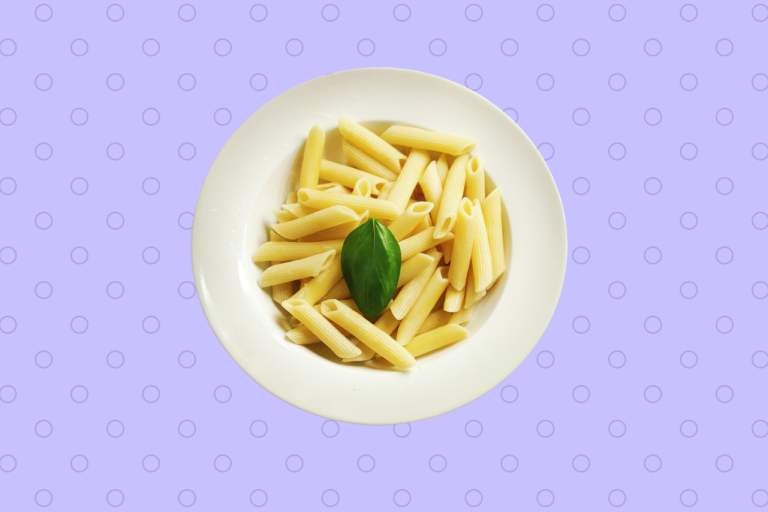
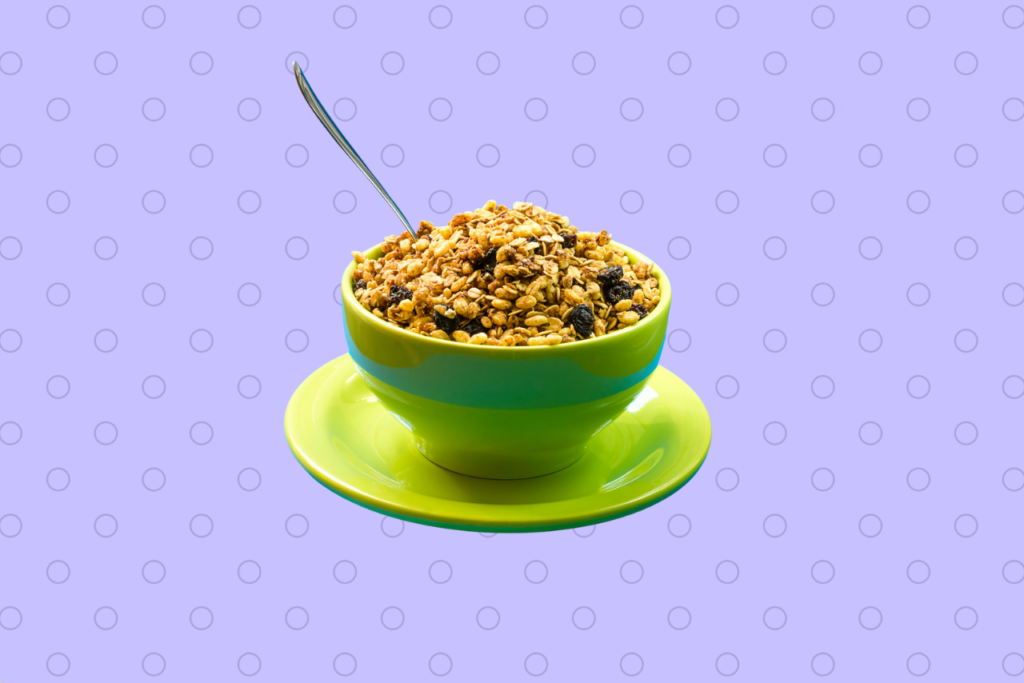
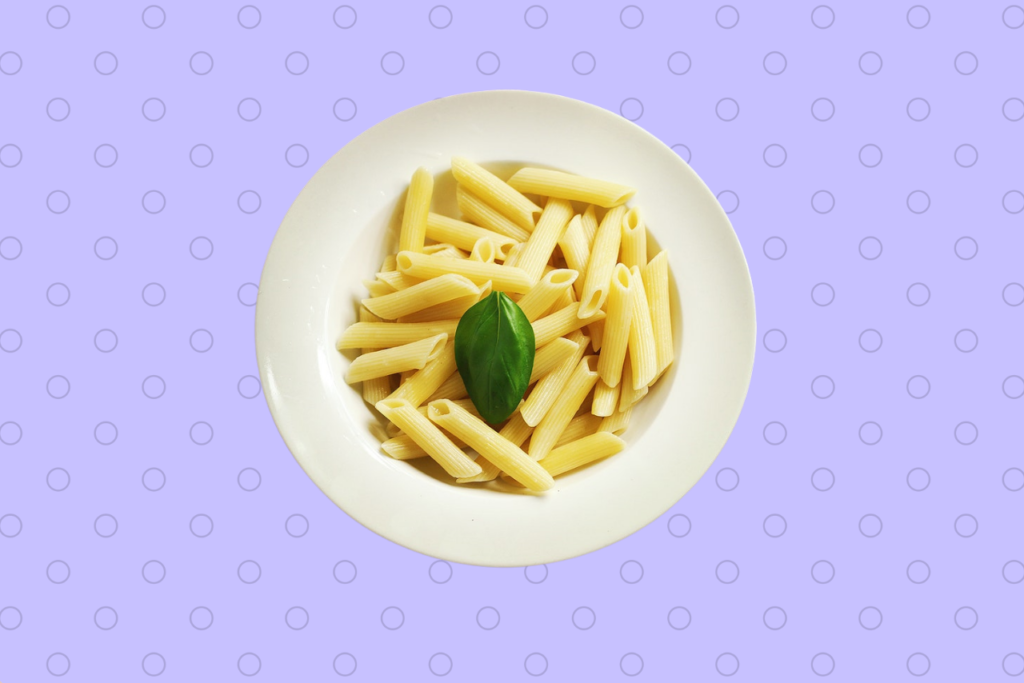
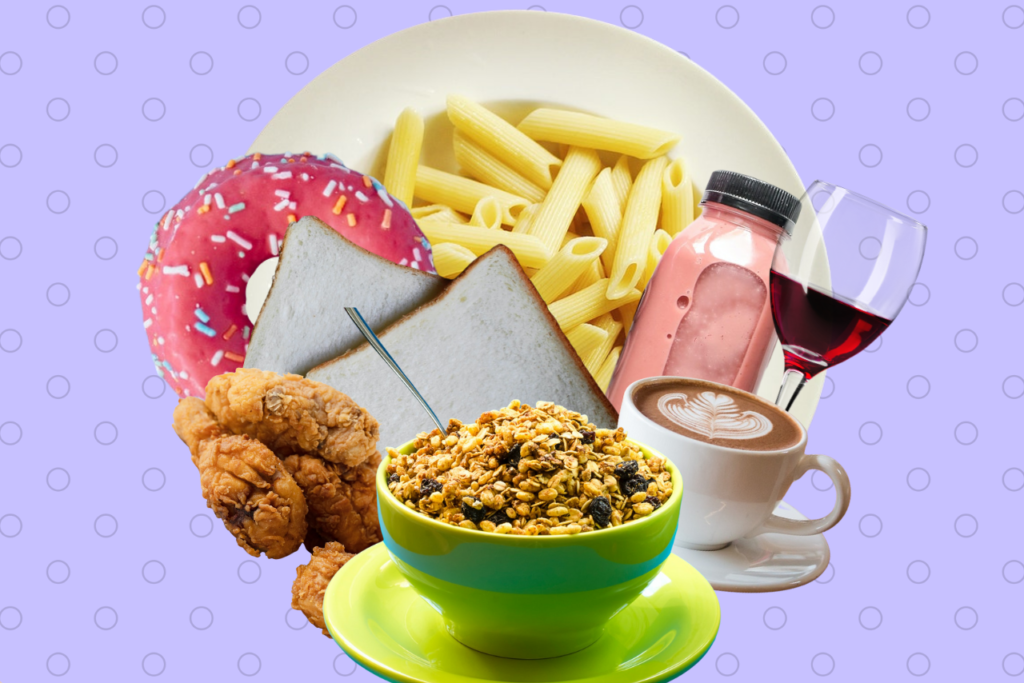
We hear that carbs are evil and should be avoided so often that we’re in danger of developing a complex about a delicious bowl of homemade pasta or our mum’s roasties. Great news, then, that recent scientific wisdom suggests that starchy carbohydrates – pasta, potatoes, bread, rice and cereal…all the good stuff, then – is actually hugely beneficial in sustaining energy levels. This is because they’re broken down into glucose, which acts as the body’s primary giver of energy. 

Of course, carbohydrates should be enjoyed as part of a balanced diet rich in a wide variety of fruit and vegetables, pulses, legumes, and protein; a diet of only potatoes isn’t going to do you any favours. Which is a shame.

Where possible, opt for the wholegrain carbohydrate version and keep your potato skins on, too; that’s where the good stuff resides. But, the next time you feel guilty about the carbs in your diet, don’t!

DON’T SKIP BREAKFAST

Despite it being well repeated that ‘breakfast is the most important meal of the day’, nearly half of people in the UK say that they ‘rarely have time to eat a proper breakfast’. No wonder we’re so tired! Breakfast tees us up with the energy we need to tackle the day, and keeps us going until lunch, too.

Indeed, when we wake up, our blood sugar tends to be low, and your body needs that sugar for energy. What’s more, those who don’t eat a regular breakfast are more likely to snack on unhealthy items in the mid-morning, or overdo their lunch, leaving them sluggish and lacking energy later in the day. For the ideal energy boosting brekkie, make sure you include some of those whole grain starchy carbohydrates we mentioned earlier, and try to incorporate some protein, too (yoghurt or eggs are perfect). 

ENJOY AN IRON RICH DIET

To keep energy levels high throughout the day, you’ll also want to make sure you’re getting enough iron in your diet. In fact, a study declared to be ‘well designed’ and ‘reasonably accurate’, found that iron pills ‘cut tiredness in women in half’, even if they’re not anaemic. Indeed, iron (both dietary and supplementary) has long been used been used to fight fatigue.

Iron-rich foods include potatoes (is there anything they can’t do?!), almonds and cashew nuts, dark green vegetables like spinach and broccoli, and liver. Oh, and dark chocolate, too! Now, there’s a delicious set of ingredients we’re more than happy to eat more of.

IMPROVE YOUR SLEEP HYGIENE

Getting sufficient restorative sleep is one of the most bedrocks of good health. During sleep, the body repairs and restores itself in countless ways — a process that can’t be duplicated by any other means. We’re not going to insult your intelligence by waxing lyrical about the link between a good night’s sleep and higher energy levels. Instead, we’ll redirect you to our super useful tips on optimising your bedtime routine. You can thank us tomorrow morning!

EXERCISE MORE, NOT LESS

Though slipping on your running shoes and clocking up 5 km is the last thing you want to do when you’re running low on energy, it’s also one of the best things you can do for yourself. That’s because regular exercise releases endorphins, which in turn raise your energy levels. What’s more, good aerobic and cardiovascular health achieved through running, cycling, swimming and the rest, leads to an increased stamina over time which helps you be the most resilient, energetic and agile version of yourself possible, able to tackle whatever life throws at you. 

7 Morning Rituals To Start Your Day Off Right

Picture horses at the starting gate, hooves drawing inpatient lines in the track. Or a snarling dog kept behind a cage door, perhaps a pork chop dangled enticingly just out of reach. And bam! The release. The eager, ravenous spring out of the traps full of focus and precision.

That’s how you should be when you leave the house each morning, tearing into the day with a laser sharp fixation on the day’s tasks. We’re here to help you get in that zone, with these; our 7 morning rituals to start your day off right.

HACK YOUR CIRCADIAN RHYTHM

Routine, and strict adherence to it, is the key to discipline, time management and subsequently, a day’s successful task completion. This all starts with waking up right. If you want your body to function to its full potential, to dance to its most productive rhythm, then conditioning your circadian rhythm (your body clock) to always wake you up at the same time brings about the first small victory in a day of potential wins. This sets you up with a sense of focus and rigour for the day ahead.

The aim here is to take back control from an over-reliance on phones and exterior forces. Do everything in your power to wake up naturally. If your first conscious action is to submit to your alarm clock, what does that say about how the rest of the day will pan out? So, go to bed at the same time each night having not binged on blue light or eaten too much in the couple of hours beforehand, get out of bed soon after you wake up, follow a set of rituals immediately after this (which we’ll talk about below) and soon you’ll find your body clock is synced to a natural, consistent daily rhythm. Only then are alarm clocks rendered redundant.

Although of course waking up naturally is best, there are apps which can tailor your wake up time to stir you out of slumber during lighter sleep if you do find you need an alarm clock. And for heaven’s sake, above all else, don’t snooze. It’s an early admission of failure which casts a shadow over the day.

PHONE BAN

The detrimental effects of blue light before bed have been well documented. Countless studies have shown the link between your screen’s blue light and a difficulty in nodding off, as well as its hand in a disrupted, disruptive sleep pattern.

But you should extend that screen time ban to incorporate your first hour or two of a new day, too. Whether that’s through an app which, ironically, locks you out of apps until a certain set time, by turning on airplane mode before bed, or through sheer, old school willpower, is up to you. Because being in thrall to yesterday’s news, of alerts and notifications which reference the past, can set off your day regressively, looking over your shoulder and not fixing focused eyes forwards.

LET NATURAL LIGHT & FRESH AIR IN

Starting the day off on the front foot is a multi-nuanced operation. One of the simplest ways to wake up right is to fling open that window and let some light in straight off the bat. It’s really useful to establish that early connection to the outside world and nature. What’s more, exposure to natural light early helps you wake up fully, gets that circadian rhythm playing in time and contributes to a higher productivity throughout the day.

YOGA

We all do it, inadvertently. That big, cartoonish stretch and yawn when we first sit up in bed is your brain and body telling you that you need to get some blood flowing to help you start functioning at full capacity. Take control of this process with a gentle morning yoga routine; just ten minute’s worth of stretches can get the blood flowing, leaving you feeling sharp and alert. The meditative aspect also brings the opportunity to set your intentions for the day. Try a short morning yoga video from youtube at the start of your week and you’ll be a convert before Friday rolls around.

MOVE PURPOSEFULLY & PUT YOUR ALL INTO EVERY EARLY TASK

A major aspect of the much-lauded Japanese productivity focused philosophy of Kaizen is that by completing each and every daily task with rigour and to your full potential, you will incrementally – even unknowingly – become the best version of yourself.

Apply this mentality to basic morning tasks. We’ve all heard the one about how you should make your bed with care each morning, and that’s cool, but you can go way beyond it. Complete all your routine tasks with purposeful, graceful movements. Fold your pyjamas gently and evenly, stir your coffee with precision, sit in a comfortable, upright position for breakfast…..you get the picture. Pretty, isn’t it?

AVOID UNNECESSARY MULTI-TASKING

Are you in such a rush that you’re sitting on the toilet brushing your teeth? Eating your cornflakes standing up, as you check your schedule for the day? This frenzied rush to the finish line before your day has even begun will, without doubt, set you off on the wrong foot. Avoid multitasking in the morning. Instead, get up that little bit earlier, take that little bit more care over each part of your morning routine, and you’ll be leaving for the office serene and brimming with clarity.

HYDRATE & EAT RIGHT

Probably the most obvious point, but one which is so often overlooked in favour of the rough and tumble of getting out of the door on time; your morning routine should involve copious amount of water and a simple, healthy breakfast. Consistency, again, is key, as forming healthy habits creates a clear pathway to wellbeing and clear thinking, so make complete hydration each morning a crucial aspect of your routine.

Food wise, fruit, yoghurt, oatmeal and clean, green vegetables (even if in smoothie form) tend to set things off light on your feet and springy in your step.  And that’s what you came here for, right?

Tips To Help You Start Eating A Vegan Diet

It’s common knowledge that eating more vegetables and less meat is good for your health. Not to mention it’s ethical and great for the environment. 

If you are inspired to try following a vegan diet, you are in the right place. Whether for health, environmental, or whatever reason, excluding all animal products (mainly meat, dairy, and eggs) means your meals will be full of nutritious foods such as fruits, vegetables, whole grains, legumes, etc. 

Still, vegans sometimes tend to miss out on essential nutrients if they don’t have a well-planned diet and rely on eating lots of processed vegan foods. If you want to start a vegan diet, make sure you do it properly and adopt the best plant-based diet for your overall health. Here are some tips to help you get started. A vegan diet can be very easy and healthy when you are well-informed. Let’s begin!

It’s All About The Vitamins

The most common concern about vegan diets is whether or not they provide you with all the nutrients, vitamins, and minerals your body needs. Some people argue that a plant-based diet doesn’t meet your daily nutrient requirements, while others claim vegans don’t need any supplements. 

Actually, vegan diets are often healthier than a carnivore’s, and are generally more likely to reach the recommended vegetables and fruits a day regularly. That said, it does pay to be mindful in your approach to your diet, as a vegan, to ensure you’re getting all your nutritional needs met, particularly where Vitamin B12, zinc, omega 3, calcium and iron are concerned. That said, studies have shown that vegans can benefit from supplementation when combined with a balanced diet. 

The dietitians at omvits.com suggest that the best supplements for vegans contain nutrients in a form that is as close as how they are found in nature. This is the reason why some of the vegan supplements are even better than their animal-based alternatives. The most important thing for you is to do your research and educate yourself. Let’s explore some of the most important nutrients you may need to supplement as a vegan: 

  • Vitamin D, especially D2 and D3
  • Vitamin B12 – Most experts recommend it in cyanocobalamin form since it’s beneficial for most people and the most studied one
  • Iron – Be careful, because you don’t want to ingest too much since it can prevent absorption of other nutrients and cause problems. Make sure you consult your doctor and take it only if you have an iron deficiency.
  • DHA and EPA that are found in algae oil
  • Iodine – It’s recommended to take it on a daily basis. You can either add ½ teaspoon of iodized salt to your food or take a supplement.
  • Zinc – It’s important to remember not to take your zinc supplements at the same time as your calcium supplements. Experts recommend taking it in zinc citrate or zinc gluconate forms.
  • Calcium – Don’t take it at the same time as your zinc and iron supplements since they may reduce calcium absorption. 500 mg is a recommended dose.

Eat A Variety Of Foods

When you are on a vegan diet it’s important to ensure you are getting all the nutrients you need. Balanced meals are the key, as well as a variety of healthy foods. Many vegans base their diets on carbs mainly and forget the importance of protein and healthy fats. Nutrient deficiency can cause many health issues, so be sure you have all 3 main groups covered. 

Excellent plant sources of protein are legumes, which are also rich in iron. Lentils, beans, and peas contain 10-20 grams of protein per cup, not to mention they are great sources of fiber, magnesium, zinc, folate, and slowly digested carbs.

Tofu, tempeh, and other meat substitutes can be very rich in protein. In fact, 100 grams of tofu contains 19 grams of protein. Tempeh is a good source of iron, calcium, and even B12. Another popular meat alternative – seitan is rich in selenium, calcium, phosphorus, and iron. A 100 g portion of seitan provides 25 g of protein.

A close up shot of a tofu dish by makafood from Pexels

To get a good amount of vitamins A, C, and K, make sure you eat your leafy greens, such as spinach, arugula, lettuce, and kale. Sweet potatoes and carrots are great sources of vitamin A, which is important for your eyes, while tomatoes contain lycopene – essential for your heart health. If you are a fruit lover, try including more blueberries in your diet, since they are great antioxidants and good for your brain function.

We’ve also been learning lately about the health benefits of resistant starches. As the guys at Supergut tell us, getting this type of starch in our diet (found in green bananas, plantain, cooked and cooled potatoes and rice, and uncooked rolled oats, among other ingredients) can help with poor digestive issues and low energy levels.

Check out the Healthline’s review of resistant starch and some of the studies surrounding it to learn more.

Read: How to live a vegan lifestyle in 2021

Nuts & Seeds Are Essential

Nuts, seeds, and nut butter are popular sources of healthy fats and proteins for many vegans. They also contain fibre, iron, magnesium, selenium, zinc, and vitamin E, as well as antioxidants. The good thing about nuts and seeds is that they are very versatile – meaning you can consume them on their own as a snack or make many interesting desserts, sauces, and other recipes. Next time you feel like you miss dairy, try making cashew cheese, which is a favourite for many vegans.

Seeds that contain the most protein are hemp, flax, and chia seeds. For example, 28 g of hemp seeds contain 9 g of protein, which is amazing. It’s almost 50% more than other seeds. Another great benefit is the amount of omega-3 and omega-6 fatty acids that can reduce inflammation, diminish PMS symptoms, and improve your skin. Chia seeds are very high in alpha-linolenic acid (ALA) that plays an important role in your nervous system. 

Try These Vegan Alternatives

At one time, going vegan, like going gluten-free, meant sacrificing on flavour and diversity in your meals. But supply and demand is a wonderful thing, and with the number of vegans ever growing, so too the number of great vegan alternatives to the ingredients and meals most often missed. Today, there are a lot of different vegan products to choose from, which means that it is easily possible to go vegan and still eat what you love.

So which brands should you try? Well, why not start with the most popular? Recent research conducted by commercial kitchen experts Maxima Kitchen Equipment reveals the most googled vegan brands in the world are…

  1. Beyond Meat is the world’s most searched-for vegan brand. The producer of plant-based sausages, burgers, and beef pulls in more than 422,000 searches a month – more than twice as many searches as its nearest competitor. 
  2. Oatly is the world’s second most Googled vegan brand. The company – which creates oat-based alternatives to milk, yoghurt and ice-cream – rakes in almost 200,000 searches a month, well ahead of the average searches for all brands on the list (127,000).
  3. Quorn is the world’s third most searched-for vegan brand. The global meat substitute, famously endorsed by Olympic stars Mo Farah and Adam Peaty in the past, pulls in 95,000 searches a month. 
  4. JUST Egg is also among the world’s favourite vegan brands. The plant-based egg product – a favourite breakfast ingredient of singer Lizzo – rakes in 94,000 searches a month, making it the fourth most Googled vegan brand in the world.  
  5. Follow Your Heart, producers of plant-based mayonnaise Veganaise, and multiple vegan cheese products, saw the world’s fifth highest number of searches, at 32,000 a month.  

Read: 5 myths about being vegan dispelled today

Don’t Assume Vegan Food Products Are Healthier

Many people think vegan products are always much healthier than animal products but that’s unfortunately not the case. Vegan cookies don’t necessarily have better ingredients than regular cookies and consuming them doesn’t mean you will lose weight or avoid processed sugars and fats. Also, people assume that vegan margarine is much better for their cholesterol levels than butter but they couldn’t be more wrong.

Processed vegan foods can often contain loads of saturated-fat-laden coconut oil and palm oil and we all know that saturated fats may cause high cholesterol levels. They especially raise your LDL which increases risks of stroke and heart diseases. 

Indulging in vegan treats from time to time is perfectly fine, but you shouldn’t overdo it. The best strategy is to stick to whole, nutritious foods and have balanced meals. Being vegan isn’t as difficult as you may think. In fact, as soon as you get to enjoy all the benefits, you may never want to go back to your previous lifestyle again. 

While you’re here, check out these 5 of the most vegan friendly cities in the world for your next holiday inspiration!

Recipe: Stir Fried Rice Noodles With Aubergine & A Peanut Dressing

Ideal for a Meat Free Monday, or any other day of the week for that matter.

A recipe inspired by the flavours of the East, this dish of aubergines, rice noodles and peanut dressing is light, vibrant, and super healthy. And that’s all you can ask for from a dish right?

Some conscious cooks lightly salt the aubergines over a colander around 30 minutes prior to cooking to extract some moisture and bitterness, but this is largely unnecessary with modern aubergines, which are bred to be less bitter.

Anyway, let’s get to it. Midweek, meat free dinners needn’t be boring, ascetic or overly wholesome. Instead, get your chops round this; our IDEAL recipe for stir fried rice noodles with aubergine and a peanut dressing, courtesy of Waitrose & Partners.

  • Vegetarian
  • Preparation time: 15 minutes
  • Cooking time: 15 minutes
  • Total time: 30 minutes
  • Serves: 2

WHAT YOU NEED

1 medium aubergine
1 tbsp sunflower oil
1 tbsp reduced salt soy sauce
1 tbsp Japanese rice vinegar
1 tbsp smooth peanut butter (with no added sugar)
1 tsp honey
275g pack cooked rice noodles
1 large carrot, peeled and shredded or coarsely grated
100g sugar snap peas, blanched and sliced on the diagonal
2 salad onions, finely sliced

WHAT YOU NEED TO DO

1. Halve the aubergine lengthways, then cut each half into 3 long wedges. Halve these long wedges widthways to make shorter wedges and toss in a bowl with 2 tsp sunflower oil and a pinch of salt. Heat a large frying pan over a high heat. Add the aubergine and fry on each side for 3 minutes until tender and golden all over.

2. Meanwhile, make the dressing by whizzing the soy sauce, vinegar, peanut butter and honey in a small blender until smooth.

3. Remove the aubergine from the pan and set aside. Add the noodles and remaining 1 tsp oil to the pan and fry, tossing, for 2-3 minutes until heated through. Take off the heat and toss through the carrot and sugar snaps. Divide between plates, top with the aubergine and salad onions, and spoon over the dressing.

What To Eat With Burrata: 7 Ways To Enjoy Burrata

IDEAL if you’re after burrata recipe ideas and pairings. 

IDEAL if you’re after burrata recipe ideas and pairings. 

So many of the world’s greatest dishes are born out of necessity. Indeed, even some of the world’s most beloved ingredients started life as the waste of a food production process or a preservation technique. 

No doubt in recent years you’ve noticed the rising prevalence of the deliciously indulgent, super creamy burrata on menus across the UK, but it might surprise you to learn that its origins weren’t inspired by the pursuit of indulgence and luxury at all. 

According to Pugliese historian Riccardo Campanile via the BBC, burrata was invented in the 1920s as a way of preserving leftover mozzarella in a time before refrigeration. Strips of mozzarella were combined with the delicate, creamy milk of cows grazing in the region of Murgia and then held in a ‘pouch’ of mozzarella blown up like a balloon. 

Whilst the cream preserved the mozzarella pieces, the pouch acted as a shield and container, keeping the mixture from scorching in the sun. This unique method created one of the world’s most indulgent feeling products, and even though fridges are now present in the majority of homes and restaurants across Europe, the traditional process lives on to this day. 

If you want the real deal, preserved and held in the historic way, then you should seek out Italian burrata from the source, prioritising those producers who pay lip service to traditional methods of whey grafting, attaining the same delicate texture and flavour as burrata, and made with a foot firmly in the past. 

Anyway, once you’ve got your hands on some of the good stuff and you’re wondering what to eat with burrata, why not try one of these 7 IDEAL ways to enjoy burrata.

ON TOP OF A NEAPOLITAN STYLE PIZZA 

Though a true Neapolitan pizza is beautiful in its simplicity, topping one with fresh burrata once it’s come out of the oven can add a deliciously indulgent subplot to the primary eating experience.

The best way to appreciate the delicate flavours of burrata is to enjoy it at an ambient room temperature. Be sure to remove the burrata from the fridge prior to cooking your pizza so it warms up a little – it’s important that the burrata isn’t super cold when it’s added to the top after the pizza comes out of the oven. 

As the fantastic Arlington pizza purveyors at Zalat tell us, it’s important to note that burrata is traditionally used as an additional topping to a pizza, rather than in place of mozzarella. Burrata adds a touch of ultra creamy luxury to everything it touches and this couldn’t be truer than when added to pizza. 

Because of this, be sure to keep the other toppings minimal and humble – a Neapolitan pizza calls for mozzarella, tomato sauce and basil, so this should be both your start and end point. Keep the burrata whole for an added element of theatre when you slice the pizza. Delicious!

burrata pizza
Via Canva

WITH OLIVE OIL & SEA SALT

Simplicity is sometimes best. Serve your burrata with lashings of good quality extra virgin olive oil and sprinkle with flaky sea salt for a gorgeous accompaniment to a spread of Italian charcuterie and cheeses.

Pair it with a light white, high acidity white wine like a Pinot Grigio, which cuts through the rich creamy nature of this cheese and complements its delicate aroma and structure. Do that, and you’re in for a good night. ‘Nuff said. 

BURRATA BRUSCHETTA 

Bruschetta is simply grilled or toasted Italian bread, drizzled with extra virgin olive oil and topped with delicious Italian ingredients. As such, it’s a bit of a blank canvas to have some fun with, and what ingredient is more frivolous and flirty than burrata?

Chef and co-owner Tim Siadatan of the highly acclaimed Italian restaurant Trullo in Highbury recommends topping toasted bread with anchovy paste and burrata for a delicious lunch, mid afternoon snack or light dinner (or even all three!). Again, the glorious marriage of extra virgin olive oil and a sprinkle of sea salt brings the whole thing to life.

Alternatively, for a colourful, super healthy bruschetta, add roasted cherry tomatoes, yellow tomatoes, chargrilled aubergines, extra virgin olive oil, basil and, of course, burrata. Sure, the structural integrity of the bread might suffer, but you’ll have a whole lot of fun finding out.

A GRILLED PEACH & BURRATA SUMMER SALAD 

There are certain food pairings in life that just feel so natural; tomato and basil, star anise and pork belly, chilli and coriander…these combinations are the backbone of some of the world’s most iconic dishes and we love them.

There are other food pairings which feel a little less compatible at first glance. Pairing burrata with grilled peach or nectarine may not naturally come to mind when looking for ways to eat burrata, but the two are beautiful bedfellows. 

Grilling the peach heightens its sweetness and adds a smoky touch that complements the creaminess of the burrata perfectly. Add salty prosciutto di Parma and rocket to bring the whole salad together.

Try burrata with strawberry, balsamic vinegar (another fine pairing) and olive oil for a different, equally intriguing take on a summer salad.

These two combinations can also be served as dessert (minus the prosciutto and rocket, of course).  

Via Canva

WITH BEETROOT & HAZELNUT

Though burrata naturally feels like a warm weather ingredient, and pairs most brilliantly with seasonal summer vegetables and fruit, it also works well in a winter salad of beetroot and toasted hazelnut, the two bringing a grounding earthiness to an otherwise indulgent ingredient.

AS PART OF A PASTA DISH

Burrata can also be used as part of a pasta dish, usually topping the dish rather than being cooked through the sauce, since some of its essence is lost when melted too thoroughly. 

Simply tear off a few pieces to garnish a simple Spaghetti al Pomodoro. Alternatively, in Puglia, burrata is traditionally enjoyed with orecchiette (a local pasta shaped like a small ear), marinated aubergines, pine nuts  and chilli.  

Some clever cooks may even use burrata as part of a ravioli or agnolotti filling, pairing it with a fresh tomato sauce.

burrata pasta
Via Canva

PAIR IT WITH BLACK TRUFFLES 

Finally, why not consider buying truffle burrata…

Yes, cheesemakers have discovered that truffles are the ideal accompaniment to burrata. The rich, earthy and woody flavour of black truffles works well with the creaminess of burrata, creating an indulgent centrepiece to many a meal.  

Well, for some it works well; people tend to react to truffles in very different ways. According to research reported in the WSJ, “40% of people are keenly sensitive to androstenone”, a hormone produced by male pigs (which is why they’re fine truffle hunters) and a chemical component of truffles that can smell like body odour or musky, rotting wood. However, 25% of the population don’t smell androstenone, and the rest actively adore the smell.

If you fall into the latter camp, simply serve truffle burrata atop some grilled bread or a mushroom pizza with a drizzle of honey and you’re in for a real treat (apologies to any Italians out there). 

8 Expert-Approved Ways To Become A Morning Person

Struggling to find the motivation first thing? Taking a long while to get going in the morning? Casting covetous glances at that early bird with the worm in its mouth? Well, you’ve come to the right place…

For many, working from home continues to be the new normal. For others, the idea of being encouraged to return to work without proper provisions and protection in place has sapped any morning motivation we’ve nurtured during this recent rough ride.

Whatever your situation, it’s natural to feel a lack of motivation with the constant changes in daily structure and the uncertainty that’s lead to. It can also send us into a morning lull, and we may find ourselves sleeping in more than we used to. However, during these moments of uncertainty, maintaining a routine is key.

Alister Gray, founder of Mindful Talent, explains that ‘routines bring a level of certainty and security amidst a time when uncertainty can often feel overwhelming. Daily routines help us to stay focused, maintain productivity and feel fulfilled by activating the reward system in our brains when we complete tasks.’

With that in mind, we’ve teamed up with Alister to bring you these 8 expert-approved ways to become a morning person.

FUEL YOUR BRAIN TO FOCUS

You are what you eat for breakfast, as the experts should say. In that spirit, we’re an egg, hatching out of our duvet shell each morning in a sprightly and optimistic fashion. 

Anyway, nutritionist Jenna Hope recommends eggs for breakfast to help cultivate an early sense of purpose, as the yolks contain choline, which is pivotal for supporting memory, mood, and cognition. As well as eggs, eating oily fish and nuts early doors is great.

‘Omega-3 in oily fish is associated with improved concentration and better cognitive performance! Nuts (specifically walnuts) and seeds are also a source of ALA omega-3 which is converted into EPA and DHA, the active forms of omega-3′, Jenna explains. ‘Vitamin D from the sun as well as foods such as salmon, mushrooms and eggs can boost brain-power.’

‘Fish? For breakfast?’ you might retort. But we’re not arguing with smoked salmon with scrambled eggs when we wake up. If you can’t quite stomach that every day, daily Omega 3 supplements do the job, too.

fish for breakfast

PROTECT YOUR SLEEP

A good night’s sleep can make you feel like a new person. And that’s not surprising when you consider just how many health benefits sleeping well can have. 

‘Sleep supports the proteins and cells of your immune system to detect and destroy bugs and germs. Sleep also helps to reduce stress, support mental wellbeing and improve heart health,’ says Euan MacLennan, Herbal Director at Pukka Herbs and Medical Herbalist at an NHS practice in London.

‘Research shows that side-effects from herbal medicines for sleep are rarely experienced, particularly compared to over-the-counter medicines. Some of my favourite natural remedies to support sleep include ashwagandha, valerian and oats – which naturally contain Tryptophan, helping to regulate our bodies circadian rhythms,’ Euan adds.

Best, then, to really protect and value those all important Zzzeds. Check out our tips on sleep resolutions we should all be making in 2020 to ensure you’re doing things right.

TRY MEDITATION

Yoga and meditation teacher, Kirsty Gallagher, recommends meditating for 5 to 10 minutes upon waking, and we certainly see the appeal; it focuses the mind and sets your intentions for the day.

‘Sit quietly as soon as you get up and focus on your breath; deep breath in and deep breath out, allowing yourself to become calm and present. As thoughts come into your mind don’t get caught up in them or dwell on them, simply acknowledge them and let them go, returning your mind back to your breath.

‘Feel the calm, the peace, the presence. This one pause will make the biggest shift to your day and all that follows.’

become a morning person with these steps

LISTEN TO INSPIRING PEOPLE

Kirsty also recommends downloading podcasts or audio books from some of the world’s most inspirational people.

‘Allowing their words to infuse and shape your day can be really beneficial, particularly if you begin your mornings listening to their positive mantras. From Robin Sharma to Anthony Robbins, Eckhart Tolle to the Dalai Lama, to Louise L Hay or Oprah Winfrey,’ she says. ‘There are lots of amazing and accessible guides.’

BRING BEDTIME FORWARD

For Lucy Gornall, Personal Trainer at DigMe Fitness, the big secret to being a morning person, is simply getting to bed earlier: ‘I go to sleep between half 9 and 10 and find that getting up at 5 is barely an issued as I will have had at least 7 hours sleep,’ she says.

A nighttime routine to help relax your body and bring a sense of calm is essential. Why not try a green tea, or a soothing and calming blend which contains valerian? We’ve compiled our steps to the perfect bedtime routine over here; how does it compare to yours?

morning person

REDUCE THE NEGATIVITY

It’s hard when we’re bombarded with negative news – and right now, that’s truer than ever – but Alister says we should focus on all the things that are great in life.

‘We have over 70,000 thoughts per day; it’s suggested up to 80% of these thoughts are negative in their nature as our brain constantly scans and searches for threats in a bid to keep us safe.’ An evolutionary device, then, but one we shouldn’t always give top billing.

Instead, try to give yourself a set amount of time to read the news. When time’s up, move on and focus on something else- ideally something happier!

PRACTICE GRATITUDE EACH MORNING

Time and time it’s been shown that practicing gratitude is a key contributor to happiness. Indeed, by keeping a daily morning diary of appreciation, the brain becomes rewired to look for reasons to be grateful. In the process, you may well find yourself more grounded, humble, thankful and kind towards the world around you. 

It’s wise to approach this act with empathy, rather than simply going through the motions; if you’ve had a non eventful day, don’t feel compelled to complete your journal. Instead, focus on depth, not breadth, and on people you appreciate, rather than things. In doing so, you’ll notice a gradual, growing warmth towards the world and its often lovely inhabitants.

PRACTICE GRATITUDE EACH MORNING

SET A WAKE-UP INTENTION BEFORE BED

Nope, this isn’t some new age euphemism for setting an alarm. Rather setting a wake-up intention is a gradual process of waking up earlier via conditioning yourself to do so in manageable chunks.

‘Take a moment to make a pact with yourself that you will wake up earlier tomorrow than you did today, and then in small increments, each day, work towards the desired time,’ says Alister. 

‘If you are waking at 8am and you wish to wake up at 6am, I’d suggest that you break it down; aim for 7.45am and reduce it by 5/10/15 minutes each day.’

6 IDEAL TIPS ON HOW TO CARE FOR YOUR LETTERBOX FLOWERS

Since a global pandemic locked us all down, we’ve all been missing loved ones and keen to express that sentiment from afar. Perhaps it’s no surprise, then, that letterbox gifts have become huge. 

These letterbox gifts, which can be so conveniently slid through the letterbox, mean the recipient never misses a delivery; a godsend when you consider the number of daily walks we’ve been taking and headphone-heavy Zoom calls we’ve been making.

For us, letterbox flowers have reigned supreme. Who doesn’t like getting a bunch of flowers? And through the post? Even better! Ok, maybe someone who suffers from hayfever doesn’t, but we don’t think we’re putting our neck on the line when we say that fresh blooms are pretty much guaranteed to put a smile on the recipient’s face.

But how do letterbox flowers possibly survive the journey, we hear you ask? Well, they travel in special, compact yet durable boxes, helping the flowers stay healthy and remain in good condition, regardless of the bumpiness of the ride to their receiver. These flower boxes even have a special container with water; what mad sorcery is this?! That’s right, the container generally contains enough water for up to three days of transit.  

If you’ve been lucky enough to be on the receiving end of letterbox flowers lately, then you’re probably wondering how best to look after them. With the help of Bloompost, who deliver mailbox flowers, here’s 6 IDEAL tips on how to care for your letterbox flowers. 

GET THEM INTO WATER SHORTLY AFTER ARRIVAL

First things first, it’s important that you put your flowers in water shortly, though not immediately, after they arrive. Bloompost tell us that “Flowers will require to get used to the temperature (just like humans) upon arrival. Leave the flowers without any water for 30 minutes before you actually put them in the vase. This will make the flowers at ease and they won’t be shocked by the temperature differences.”. 

Precious, pretty things, aren’t they?

CUT THE STEMS DIAGONALLY

Cutting the flowers’ stems diagonally is super important for maintaining the longevity and beauty of your flowers. 

Cut a small piece off the bottom of the stems. This doesn’t have to be much; around 2 cm is sufficient. Cutting the stems diagonally ensures the flowers receive a sufficient water supply. Use sharp, clean scissors to prevent any bacteria from settling on the stems.

Also be sure not to remove any thorns, however unsightly they might appear, as this may create an open ‘wound’ which could get infected, similar to when human skin gets cut.

LET THE BOUQUET ACCLIMATISE

This is only necessary when it is really cold outside. Acclimatising simply means that you gradually let the flowers get used to a warmer temperature. You can do this by first putting the bouquet in a utility room or shed, since the temperature in these types of rooms is often higher than the temperature outside, but lower than the temperature in; a useful middle ground, if you will.

By letting them acclimatise to fluctuations in both temperature and humidity slowly, the impact will be less hard on your precious flowers and they’ll keep beautiful for longer.

CHOOSE A GLASS VASE THAT GIVES SPACE TO THE BOUQUET

If the flowers are kept too close together within their vase, moisture will accumulate more quickly on their petals, leaves and stem. This can cause the stems to mould faster, the leaves to turn brown and the petals to wilt and fall off.

In addition, you should choose a glass vase for your flowers, if possible. Glass vases are easy to keep clean between uses, ensuring bacteria doesn’t have a chance to grow. Porous vases, on the other hand, retain a lot of moisture, which gives bacteria a chance to develop. The bacteria then pollutes the water more quickly and shortens the lifespan of your flowers.

It’s best to avoid iron vases altogether. When iron comes into contact with water, it causes the process of oxidation to occur. This is something that flowers simply don’t tolerate as well.

MAKE SURE THE VASE IS CLEAN

To give your bouquet a good start in its new home, it’s important that its vase is clean. And we mean spotless. Before introducing your bouquet to its new home, clean the vase with a little washing-up liquid, or even better, chlorine and warm water.

Make sure that no leaves or debris from a previous bouquet isn’t lurking at the bottom of your vase; this would pollute the water from the off. Not the ideal introduction to your flowers’ new home, don’t you think?

AVOID FRUIT BOWLS, HEAT SOURCES AND DAMP PLACES

Perhaps you’re wondering where to place your letterbox flowers once you’ve found the appropriate vase? The most important thing here is to choose a spot with plenty of indirect sunlight, as this makes the flowers open up nicely. Talk about bringing the outside in!

Avoid placing your vase close to heat sources, such as next to the fireplace, radiator, tumble dryer or a window which catches a lot of sun. Doing so prevents the flowers from drying out due to the heat. 

Also make sure that fruit bowls are far away! The contents of a fruit bowl, particularly apples, pears and bananas, produce ethylene gas, which makes your flowers wilt faster. This is why other items of fruit placed close to a banana turn brown so quickly.

THE BOTTOM LINE

Lucky you! Someone must really love you if they’ve sent flowers in the post. Now, give that gesture the respect it deserves by taking care of your bouquet using the tips above, ensuring longevity and positive vibes for weeks.

Things You Can Do To Increase Traffic To Your Small Business Website In 2023

Owning a small business in 2023 can be both stressful and rewarding. You’re charting unknown waters each and every day, you’re making all the big decisions along the way, and, when things go swimmingly, you’ll feel an immense sense of satisfaction as you watch your business grow and prosper. 

But just like owning any sized business, there will be challenges and hurdles, and it’s not always plain sailing. If one of your main concerns for 2023 is a lack of website traffic and/or engagement on your site, there are some steps you can take to stimulate growth via an increased number of visitors to your page, ideally turning clicks into customers in the process.

With that in mind, here are some things you can do to increase traffic to your small business website in 2023.

Is Your Small Business Website User-Friendly?

A user-friendly website that is free of glitches, bugs and other issues should be a top priority when trying to increase traffic. If a visitor lands on your site only to find pages slow to load, the menus hard to use, and information difficult to find, then they will click away as fast as they arrived.

Put yourself in the shoes of your target market and ask yourself if you’re providing the kind of user experience they want, need and expect. And don’t forget, just as the site needs to be user-friendly, it also needs to be eye-catching in terms of layout.

To explore this vital facet of small business engagement further, do check out these useful ways to improve your website from a customer’s perspective.

Is Your SEO On Point?

Es, see, who? Don’t worry, SEO is simply a tech acronym which stands for Search Engine Optimization. Essentially, it’s what will help you stay on page one of Google instead of drifting off to the unseen, barren wastelands of page two. And if you want to get noticed, trusted and patronised to the full, then page one is where you want to be. Key elements of a cohesive SEO strategy include:

  • Be clever with keywords. Keywords are a crucial part of the SEO equation. However, you need to be clever with them. Using keywords on your website that relate directly to your business is clearly important, but try to get creative by discovering other keywords that your target audience might use and implement them in your content, web pages, headings and image descriptions.
  • Create valuable content. Keywords mean very little without great content. But remember that content isn’t just a vehicle for keywords—to convert customers, you need to offer valuable resources. Great content comes in many shapes and sizes, but we recommend that you create blog posts, videos, infographics, how-to guides, guest blog posts and product reviews to attract new prospects to your website.
  • Getting serious about backlinks. Without a robust backlink plan in place, the company will struggle to move up in the rankings. Sometimes the problem isn’t that the company is ignoring the significance of backlinks, rather they don’t know how to create them or what would be most helpful. Hiring professional link-building services in the UK can be a solution, as you can then rely on the experts to guide the process.

It’s Time To Get Social

In the UK alone, it is estimated that there are more than 57 million people active on social media in 2023, and that’s a number that is always growing. If your company isn’t active on social media, it’s obviously missing out on a huge opportunity. And don’t forget, just as your social media posts should link to your website, so should your website link back to your socials, too.

If you haven’t taken the leap into the social media world yet, firstly, get with the times! Platforms such as Facebook, Instagram, Twitter, Pinterest and TikTok have millions (sometimes billions) of users – and these are users who might be interested in engaging with your business.

Social media platforms might seem complicated at first. However, creating engaging and valuable content will improve the visibility of your business by attracting prospects to your website, and represents an affordable, relatively low-effort way to promote your products with maximum reach.

The Bottom Line

There are plenty of other ways to stimulate growth, including getting a keen grasp on controlling the details, modernising your advertising output, and investing in networking. Check out these tips on increasing your business visibility for more on this essential topic!

From Bacalhau To Bifana, Here’s What To Eat In Lisbon, Portugal

Ideal for enjoying traditional Portuguese eats in Lisbon…

Slowly but surely, and with an unassuming confidence, Lisbon has become one of the world’s great foodie destinations. It’s easy to see why; the national produce, particularly from the Atlantic, is bountiful, affordable and served as fresh as you like.

What’s more, despite the famous hills, the city is eminently strollable, and the cobbled streets are lined with cafes and beer joints you’d be more than happy to stumble across (stumble you will, those cobbles get slippery) and pitch up in for the afternoon. Warm welcomes abound here, and the country does snacks like no other. 

You’ll also find haute cuisine, with celebrity chef Jose de Allivez having several outposts in the city, including two Michelin starred Belcanto. All in all, come here hungry and with an open mind, and you won’t be disappointed; we can guarantee that. You’ll want to tick these off your list. From bacalhau to bifana here’s what to eat in Lisbon, Portugal.

WHAT TO EAT IN LISBON

Shellfish

It’s not an exaggeration to say that Lisbon is one of the best places in the world for shellfish and if you’re wondering what to eat in Lisbon, Portugal, you’d be a fool to leave the city without sampling as much of it as possible.

The best of it is served at informal, boisterous and completely unpretentious restaurants known as Cervejarias (places where beer is dispensed) serving platters of mainly grilled shellfish in a convivial atmosphere. Wash your meal down with that requisite beer or better still, a glass of Vinho Verde, a dry green wine from Portugal which goes exceptionally well with seafood.

Be sure to order a bowl of Amêijoas à Bulhão Pato which is a staple in Lisbon’s seafood scene. This simple yet flavourful dish featuring clams cooked in a sauce made from olive oil, garlic, cilantro, and white wine is simply put, ambrosial.

The best place in town to eat seafood and magnificent molluscs of all kinds is undoubtedly Cervejaria Ramiro; a Lisbon institution and one which has lost none of its charm as its popularity has grown. For us, the absolute standout is the scarlet prawn; the size of your forearm and boasting enough of those all important head juices to fill a teacup. Those clams which we mentioned earlier here are excellent, too. But enough of the eulogising, we’re getting hungry. Head on over to our roundup of best places to eat seafood in Lisbon here, to find out more.

WHAT TO EAT IN LISBON CLAMS FROM Cervejaria Ramiro

Pastel De Nata 

Ask anyone what to eat in Lisbon, Portugal, and they’ll likely tell you pastel de nata. Indeed, the famous Portuguese custard tart – puff pastry, egg, milk and sugar, with a touch of cinnamon spice – is perhaps the country’s biggest culinary export. But forget those claggy ones you’ve had off some subpar place on the British high street. The real deal is a different beast entirely.

It’s worth making the journey to Belem, a 45 minute tram trip, to sample the goods served at Pastéis De Belém; they began making the tart in 1837 according to a secret, ancient recipe from the Mosteiro dos Jerónimos, and lay claim (‘arguably’…don’t @us) to being the first commercial operation to do so.

If you don’t have the time for that jaunt west in search of sweet treat heaven, then Manteigaria, a custard tart factory with a stall in the Mercado da Ribeira, serves up the best custard tarts in town. Their second joint – the original – is on the corner of Largo de Camoes.

PASTEL DE NATA  FROM Manteigaria

Tinned Fish

Doesn’t sound all that exciting, does it? But to dismiss tinned fish would be to miss out on a Portuguese staple, tradition, and a worthwhile meal indeed. Many head to Sol E Pesca, on the lively, perennially popular Pink Street, for a few snacks of tinned sardines, horse mackerel or octopus (to name but a few) on bread; paired with a beer and a spot of people watching there could be no better early evening activity in the city. 

Don’t leave without visiting Conserveira de Lisboa, a shop in the Baixa neighbourhood selling the tinned stuff and a tourist attraction to boot. When you visit you’ll understand why; towers of colourful tins line every wall, and the quality here is top notch. When you make a purchase, they’ll wrap the tin up in wax paper and tie it with a bow of twine for good measure; the perfect souvenir or gift, we think.

Sardines

Speak about Portuguese cuisine to anyone in the know and sardines will soon be a central talking point. They’re just so damn good here, the temperature of the surrounding Atlantic waters seemingly bringing out the best in the catch. Visit in June, during the Festa de Lisboa (celebrating Saint Anthony) and you’ll see them getting the grill treatment all over town, blistered, aromatic and at their best. Enjoy fresh and grilled, or tinned on toast!

WHAT TO EAT IN LISBON - SARDINES ON TOAST

Bifana & Prego

The Portuguese certainly know how to make a sandwich. And after a trip to Lisbon, you’ll be looking at that supermarket meal deal of yours even more resentfully, because the sarnies here are as fresh and affordable as you like.

The two juggernauts are the Bifana and Prego, both beautiful in their simplicity. The former sees pork loin sauteed in garlic and white wine, plonked in a crusty roll (did we mention how good the bread is here?). And that’s it. Who can argue with that, hey? The prego is the beef version, usually pepped up with a bit of mustard.

Embrace the clarity and restraint of it all at As Bifanas do Alfonso. Or, for a more upmarket, refined version which stays true to the soul of the sandwich, try the suckling pig sandwich at Barrio do Avillez’ Taberna; sensational.

Piri Piri Chicken

Did we say the custard tart was Portugal’s greatest culinary export? Well, we might want to correct that claim. Because the country is equally proud of its grilled chicken, with Piri-Piri gaining huge popularity after the recipe for this particular grilled chicken and hot sauce was brought back by Portuguese travellers who had enjoyed it so much in Mozambique and Angola. Though the first shop of its kind in the country was in the Algarve, Lisbon boasts several historic Frango Assado (roast chicken) com Piri-Piri restaurants, many of which simply do takeaway. Indeed, this is the city’s favourite fast food, make no mistake. 

The finest, in our humble opinion, is found at A Valenciana, on Rue Marques de Fronteira in the city’s northwest. Here the skin is crispy, the flesh smokey and the sauce extra spicy. And that’s all you need, right?

WHAT TO EAT IN LISBON - PIRI PIRI CHICKEN

Peixinhos da Horta

Let’s face it, Lisbon is a meat heavy place and veggie bites aren’t all that easy to come by. Enter peixinhos da Horta; a traditional Portuguese dish that has been enjoyed by the good folk of Lisbon for centuries. This delightful dish is made by dipping green beans in a wheat or potato flour-based batter and then deep-frying them until they are crispy and golden brown.

The name of the beautiful bean plate, which translates to “little fishes from the garden,” is derived from its appearance, as it resembles small, colorful fish. The dish came about from fasting days imposed by the Catholic Church known as têmporas where no meat could be consumed. Interestingly, peixinhos da horta played a significant role in the development of tempura, a popular Japanese dish – hence the name.

Try this dish at Pap’Açorda, one of Lisbon’s most iconic restaurants which is now located on first floor of the Time Out Market.

Bacalhau

Portuguese salt cod (though Bacalhau just means ‘cod’, in context it usually refers to the salted kind) is a joy, and many view it as the national dish. As such, you’ll find it everywhere in Lisbon. Though it comes in myriad forms across the city, salt cod here remains refreshingly, resolutely unpretentious in its serving; the flavours allowed to speak for themself.

At A Casa do Bacalhau (the ‘House of Cod’), the fish appears in nearly 30 dishes. And you’ll want to try the Bacalhau a Bras – shredded salt cod with eggs and olives – somewhere in the Barrio Alto neighbourhood where it originated; try As Salgadeiras or Sabor do Bacalhau for some of the finest. Oh, and to finish your trip (and you) off, head to the Time Out Market for salt cod croquettes at the market’s Croqueteria.  

And with that, we wish you a happy trip and even happier eating! Just remember to renew that gym membership when you get home.