
Home Blog Page 194

5 REASONS TO BUY CUSTOM MADE FURNITURE

Are you set to embark on a refresh of your home decor but are worried it’s all going a bit identikit? Welcome to the club; everyone looks the same when the lights come up and the DJ is playing MOR tunes on repeat. 

With the proliferation of IKEA, flat pack and the Futon Company (are they ever not having a sale?), it’s true that in recent years, many domestic spaces have started to look rather similar. 

However, a revolution is potentially afoot. It’s no secret that our relationship with our homes has changed over the last two years (must not mention the Panny D today), with residents keen to inject some individuality into their spaces. In lieu of spending time in public, we’re now getting our fashion fixes straight from our homes and want to live in surroundings that reflect our personalities. 

Largely because of this, custom handmade furniture is popular right now, and we’re very much here for it; here are 5 reasons to buy custom made furniture.

IT’S UNIQUE

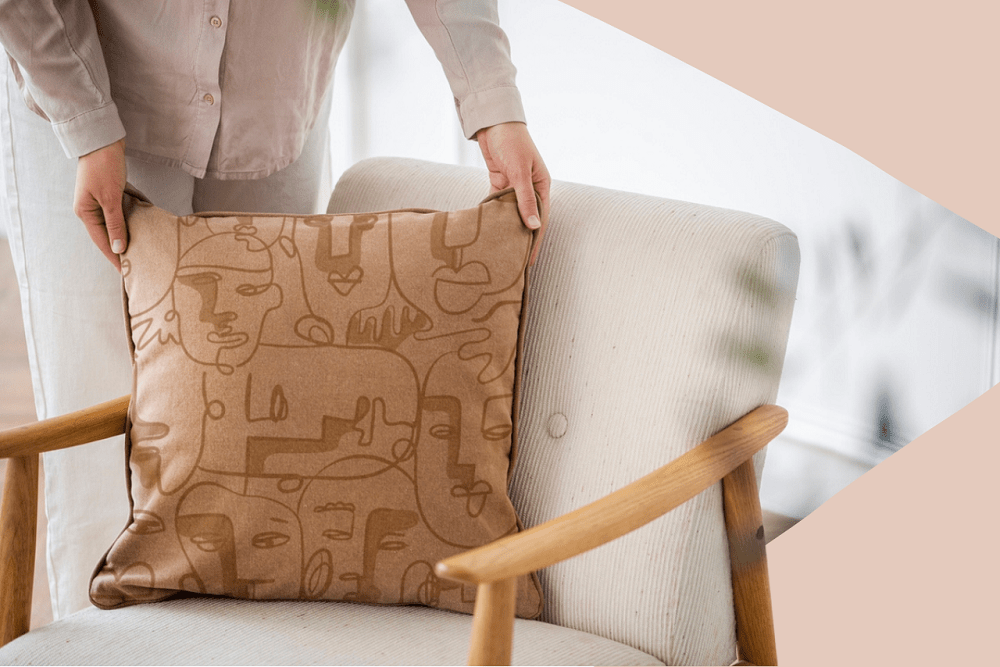
In the same way that personality can be conveyed through our clothing choices, the same can be done through our interior design decisions. Let’s put it plainly; a one-of-a-kind design that is particular to your sense style is what you get with custom-made furniture.  

So, why not use your personality as a source of inspiration to help create a unique design aesthetic? There really is nothing more bespoke than that. 

IT HAS MORE MEANING 

The lack of human input from massive retail chains means that each item can verge on the soulless. After all, these factory produced, identikit pieces need to fit in the broadest range of floor spaces and design styles possible; and as a result, they do tend to look rather samey. On the flip side, custom made furniture gives the home a deep sense of authenticity, warmth, and most importantly, character.

As Furniture News writes, “Choosing custom-made furniture offers great appeal for consumers and means they can enjoy a personalised experience from initial design through to final delivery, closely supported by knowledgeable professionals at every step of the journey.’’ Hey, we couldn’t have put it better ourselves.

THE IDEAL FIT 

Do you have an odd-shaped living room and need a couch or sofa set to match it? Need something to fit in that unconventionally sized nook? Custom furniture is adapted to your needs, helping you fill those awkward spaces succinctly. 

Take the virtues of fitted wardrobes, which are especially handy if you’ve got awkwardly shaped rooms with slopes and angles, as they can be designed bespokely to fit in a nook, cranny or alcove and double up as storage.  

What’s more, that snug fit can look incredibly pleasing, aesthetically. Correctly scaled furniture can make your home look and feel more luxurious. 

As such, that made-to-measure quality is one of the most appealing things about commissioning custom built, handmade furniture. Bespoke designs can maximise every inch of space, and with British homes getting smaller, this has never been more useful.
POTENTIALLY MORE SUSTAINABLE

Of course, when it comes to sustainability, buying secondhand is the way forward if you’re looking to minimise your carbon footprint. 

However, when it comes to custom-made furniture, you have a choice to buy furniture that uses reclaimed wood and recycled materials or materials from environmentally-conscious distributors. Therefore, with some informed choices made, you can improve your property’s green credentials.

Moreover, while it’s not black and white, purchasing local often means less distance has been travelled to obtain the product, thus reducing the steps in the distribution chain, the air miles necessary, and ultimately, your own carbon footprint. Need we say more? 

BUY AND SUPPORT LOCAL

When you purchase a locally sourced product, the money goes directly back into your community. You can help independent businesses survive and thrive, many of whom will need help post-pandemic, instead of benefiting multi-national companies. Bravo!


PART EXCHANGING A LUXURY TIMEPIECE: WHAT’S INVOLVED?

As USA Founding Father Benjamin Franklin once said so aptly, ‘’time is money’’. But if you’re keen to buy a new watch and want to save money whilst still keeping time, then have you considered a part exchange? 

Like other forms of part exchange, buying a new luxury watch becomes much more affordable when you already have one to sell. 

If the watch dealer accepts part exchanges, then you will be able to fund your purchase by effectively selling your current luxury watch at the same time as you buy a new one. 

As Benjamin Franklin also said, ‘’Lost time is never found again’’, and it’s important to bear in mind that not every watch dealer offers part exchanges, so seek out a reputable firm that’s well known for providing fair pricing before proceeding with negotiations. This will save you time and money in the process.

So, if you have a watch you’d like to part exchange, then what can you expect of the process?

HAVING YOUR WATCH VALUED

To begin with, you will need to know the approximate value of your luxury timepiece to ensure you’re getting a fair deal. Without a rough idea of how much you might get for it (and how much it’s appreciated or depreciated in value), it will be impossible to know whether you can afford the watch you want to buy. 

A Rolex Daytona that is still in superb condition could set you back over £40,000, for example, so you’ll need to add the value of your current watch to your budget to know whether or not it is within reach. Nowadays, you can get a rough estimate of your watch’s value online, by sending a photo of your watch and a brief description of it to a jeweller, should they offer this service. 

For a more detailed valuation, a jeweller is going to need to see your timepiece in person. You may pay around £50 for this, as expertise and that all-important time are required for a precise valuation. Taken into account is demand, supply, rarity, scarcity and the condition of your watch, too.

The National Association of Jewellers should be your first touchpoint for a valuation, as many part exchange programmes will only accept watches which have been independently evaluated by a NAJ approved jeweller. 

A DETAILED INSPECTION

So long as the valuation of your luxury timepiece means you can afford to proceed with a part exchange, your next step will be to allow your watch to be inspected. 

According to Bonds of Brentwood, a luxury watch dealer who specialise in part exchange, without seeing a timepiece close up it isn’t possible to offer an exact price. All sorts of minor issues that won’t be picked up from an initial assessment can affect the price. Of course, some watch brands command very high prices, especially the ones that collectors like, so your timepiece’s valuation could even go up, thereby allowing you to make a profit from your part exchange.

If you want a fair price in the part exchange deal, a respected valuation, done face-to-face, is essential.

Since issues of scarcity are fluid and changeable, your watch’s value may change regularly. It’s sensible, then, to get any luxury watch you own valued fairly regularly, so you can capitalise on the best time for a part exchange.

PROOF OF OWNERSHIP

It is a good idea to provide the valuer with any proof of ownership you might have. This could be the original receipt, of course. Equally, if you inherited your watch, you might be able to produce some documentation in support of this. Please note that these aren’t always necessary to get a good part exchange deal but they can be beneficial in helping to maximise the value of your watch. In addition, if you have the original box your watch came in, this can help to ensure you will get the best price possible for it.

PART EXCHANGING

If you would like to proceed with the part exchange deal on offer, then you will need to complete the transaction in one go. Don’t sell your watch and then use the funds to buy the one you want to purchase. A part exchange is a single transaction, so your bill of sale should reflect both the part exchange value of the watch you have handed over as well as any remaining sum that you need to settle. 

Most luxury watch dealers will accept cash as well as card payments. If you are part exchanging for a profit, then ask for the sum to be transferred to your bank account.

During the price negotiation, remember that an original proof of purchase and ownership will likely be required, as we mentioned earlier. Official documentation that proves that the watch is genuine, as well as the watch’s original packaging, will help assure the watch dealer of your timepiece’s origins. 

Be sure to ask for the same level of scrutiny for the watch you’re purchasing. Because as Benjamin Franklin also once said so sagely; ‘’Haste makes waste’’. Do your due diligence, and you’ll end up with a watch that could well become an investment. 

Speaking of investments, check out our guide to these 5 of the best British watch brands for something classy, elegant and timeless.

6 OF THE BEST RESTAURANTS NEAR THE ROMAN BATHS IN BATH

To describe Bath as picturesque is something of an understatement. The honey hued Georgian architecture, the rolling, verdant hills, the soothing, laid back canal life…it’s all here and it’s all very British indeed. There is a thriving tourist industry to match, but sadly finding somewhere unique and interesting to eat has represented something of a challenge for many years, with chain joints permeating the city centre and foodies shooting for Bristol if they’re up for a thorough feed. 

The good news for Bathonians is that in recent years, several exciting, independent restaurants have opened up, redressing the balance and putting the city on the map food wise once again. If you’re visiting the city to enjoy the sites and perhaps have a replensihing, detoxifying spa followed by a fantastic meal while you’re at it, then here’s a rundown of 6 of the best restaurants near the Roman Baths in Bath.

THE SCALLOP SHELL (300 metres from the Roman Baths)

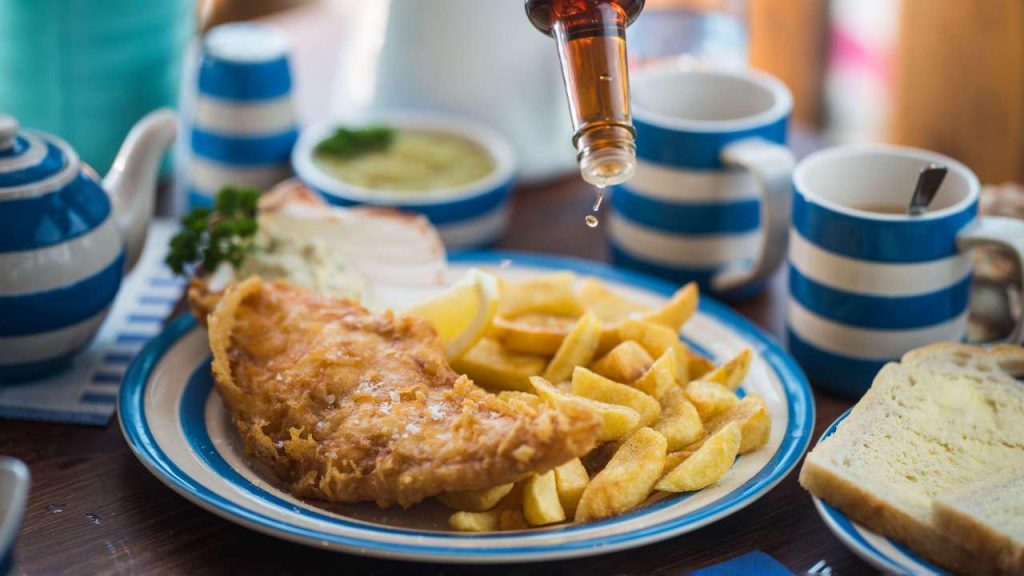
Though nominally a fish and chip restaurant, the Scallop Shell, on Bath’s Monmouth Place, is so much more than that. Opened just four years ago, this place is always packed and it’s easy to see why; fish is sourced sustainably, cooked simply yet thoughtfully, the vibe is cheerful and the service smooth. That’s all you could ask for, right? And though their fish’n’chips offerings are delicious, there’s also whole fish (megrim sole on our last visit) blistered and burnished by the grill, and steamed mussels or clams depending on the catch, which are served swimming in garlic butter and simply unmissable. A top, top place for seafood lovers.

Website: www.thescallopshell.co.uk
Address: 22 Monmouth Pl, Bath BA1 2AY 

THE ELDER (200 metres from the Roman Baths)

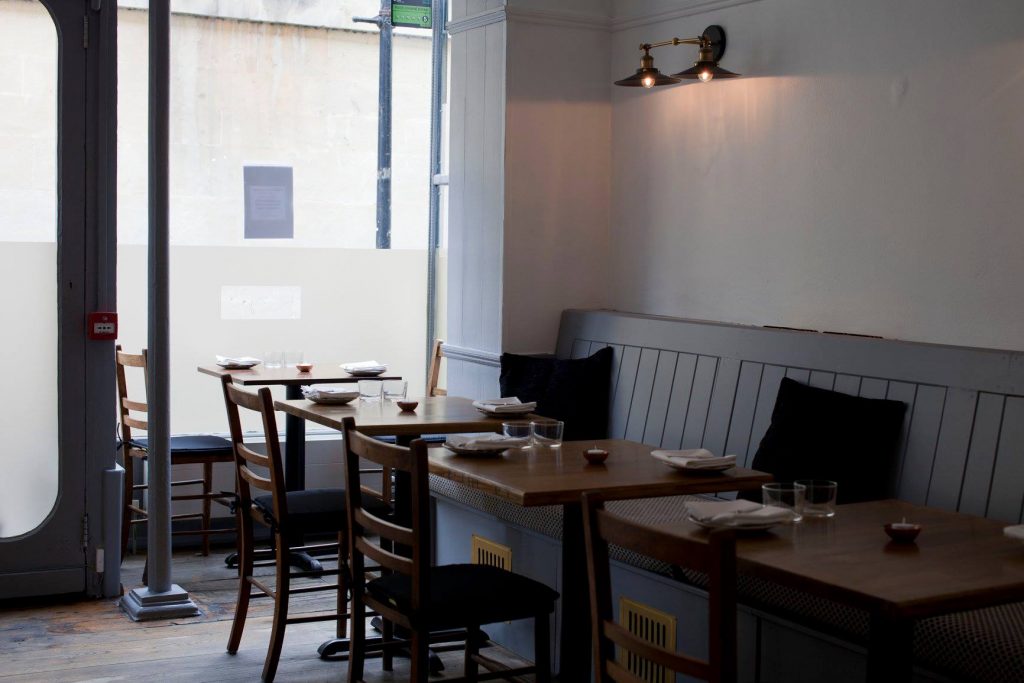
This new addition to Bath’s burgenoing dining scene from Mike Robinson, co-owner of London’s only Michelin starred gastropub, the Harwood Arms, might already be the best restaurant in the historic Somerset city.

Having opened in the late summer of 2020, following the first national lockdown, the Elder has found its groove immediately, with a focus placed firmly on locally sourced, seasonal ingredients and a menu that showcases the best game and wild fish of the region. Considering Bath’s position an hour from the coast and with good access to the UK’s largest fish market, Brixham in Devon, as well as its proximity to Quantock Hills, where wild deer roam, it feels like the menu writes itself here.

But that would be doing a disservice to the intricate, respectful cooking on show at the Elder; there’s some serious thought going into these dishes. The Dorset crab tart is a revelation, but even better is the Muntjac deer tartare on brown butter crumpet, which is a stunning piece of work. Leave room for the desserts, if you can; the seasonal fruit souffle (raspberry on our visit) is faultless.

And if that wasn’t enough, the restaurant has recently opened its very own oyster bar, with freshly shucked native oysters served on their gorgeous, south facing terrace. Well, it would be rude not to, right?

Website: theelder.co.uk
Address2-8 S Parade, Bath BA2 4AB

HENRY’S (400 metres from the Roman Baths)

A classy affair with just the right amount of playfulness in the food, Henry’s is another relatively new addition to the Bath dining scene, rebranding the previous space Casanis in 2016, and a very welcome one at that. The space is stripped back but elegant, as is the menu, with just three options for each starters, mains and desserts section, and a thoroughly welcome and equally thoughtful vegetarian menu. 

Menu items change according to the season and whim of skilled chef Henry Scott, but quality is all but guaranteed. The cornish crab, mooli and yuzu starter we had was a light delight, arriving on small discs, pretty as a picture and as refined as it sounds. And don’t miss dessert; the chocolate tart served warm and finessed with Sichuan custard is knockout.

Website: www.henrysrestaurantbath.com
Address: 4 Saville Row, Bath BA1 2QP 

BECKFORD BOTTLE SHOP (400 metres from the Roman Baths)

Beckford Bottle shop on Saville Row (the same street as Henry’s) has only been open for a year (hey we did say the dining scene has changed massively recently) but has made serious waves in that time, picking up a hugely coveted Bib Gourmand award from Michelin and some fawning reviews in the National Press. We certainly concur with that validation; the formula is one so very hip in London right now, of a wine bar which just happens to serve some really enticing small plates.

A recent visit brought with it some superb devilled livers on toast, as well as Bath chaps – slow braised pig cheeks, pressed, breadcrumbed and deep fried – with a rustic, rough apple puree, and a decadent, dark chocolate mousse finished with pumpkin seed. If it’s this good after only a year, we’re very excited for the future here.

Website: www.beckfordbottleshop.com 
Address: 5-8 Saville Row, Bath BA1 2QP 

THE MARLBOROUGH TAVERN (900 metres from the Roman Baths)

Something approaching a Bath institution, the Marlborough Tavern opened in 2006 and in terms of the city’s other exciting dining options, is an established foodie destination. The vibe is gastropub done right, with orders taken true pub style at the bar, pints from the tap and smashing, refined British pub grub from the kitchen. In summer, a pitch in the beer garden in the shadow of the Royal Crescent is just lovely. Equally, a space next to the roaring open fire in winter is pretty special, too. Sunday lunch here just feels right.

Website: www.marlborough-tavern.com 
Address: 35 Marlborough Buildings, Bath BA1 2LY 

6 OF THE BEST RESTAURANTS NEAR THE ROMAN BATHS IN BATH

NOYA’S KITCHEN (100 metres from the Roman Baths)

South East Asian cuisine isn’t particularly well represented in the city, but Noya’s Kitchen is doing its best to change that with fresh, zippy Vietnamese food served at a variety of special events, lunches and supper clubs. We’re particularly here for Pho Wednesdays, when bowls of the famous noodle and broth dish are devotedly served. 

In the summer, see if you can get a seat out in the popular garden; sunny, pretty and decorated with colourful parasols, it’s the ideal place to be on a summer’s day. The staff know their bun cha from their bun bo hue and are as charming as they come. You’ll leave here feeling happy, content and with a spring in your step.

Website: www.noyaskitchen.co.uk 
Address: 7 St James’s Parade, Bath BA1 1UL 

THE PROS & CONS OF TINY HOUSE LIVING

The Borrowers, this ain’t. If you haven’t heard of tiny houses and their associated ‘movement’, they are essentially small, affordable structures with a minimal carbon footprint. They can be anywhere from 10 to 40 m² (or, a maximum of 400 sq ft) and their small size is sometimes heralded as a way to simplify one’s life, eliminate clutter and distraction, and get back to the basics.

A romantic notion, sure, but in reality, tiny houses are often little more than portable cabins or sheds, and lack the necessary amenities to be truly liveable. What’s more, the legality of where exactly they can be pitched can sometimes be complicated. If you’re keen to learn more, here are the pros and cons of tiny house living.

THERE ARE FINANCIAL ADVANTAGES

In countries where land is expensive, having a home that takes up less than half a typical residential lot means not paying costly ground rent every month – or even an entire mortgage that could stretch on for decades.

That said, in many countries, there are strict rules governing just where a tiny house can be pitched, with many owners living ‘on the move’ rather than enjoying a stable, stationary position. We’ll discuss that a little more in a moment.

THERE ARE ENVIRONMENTAL BENEFITS

The biggest advantage of a tiny house is environmental. Owning such a property helps us become aware of how much space we truly need, with the energy usage of such a dwelling vastly lower than a regular sized home. It’s largely because of this reason (along with increased property prices) that the tiny house movement has been growing in popularity in recent years. 

Indeed, according to the American Institute of Architects, ‘’Tiny homes…typically produce about 2,000 pounds of CO2 emissions each year as compared to the 28,000 pounds produced by an average-sized home.’’

It’s not only their reduced energy usage that might appeal. Tiny houses boast a reduced carbon footprint in other ways, too. Some tiny houses utilise old, recycled building materials and reclaimed wood to reduce costs and waste even further.

What’s more, some also deploy straw bale insulation, solar panels, rainwater collection and recycling systems. 

TIP: You can contact a renewable energy installer to see what options are available even if you don’t have a tiny house.

THE CHANCE TO LIVE ON THE MOVE

Whether this is a pro or a con depends somewhat on your disposition. But if you enjoy living on the move, seeing the world and enjoying the freedom of transience, then tiny house living could be you. This is because the legality surrounding where you can put a tiny house is broadly similar to that of a caravan.

Though laws are often changing, you can usually put your tiny house in…

  • The garden of your home
  • On farmland for 28 days, though you’ll need permission from the farmer, of course
  • On a caravan site (because tiny houses are considered ‘movable homes on wheels’, and therefore similar regulations to caravans apply)
  • On a glamping site

There are several other discrepancies, loopholes and ambiguities concerning where you can put your tiny house, so it’s worth investigating with your local council whether it’s legal before you purchase one or pitch up anywhere.

THE PROBLEMS WITH TINY HOUSE LIVING

While we could extol all the benefits of a tiny house (less clutter, potential lower carbon footprint, more savings), before you decide to build one, make sure this type of living is right for you.

While the tiny house movement can be a way to avoid mortgage debt and landlord enrichment, bear in mind that tiny houses usually depreciate in value and are hard to sell on. Also, as they are not attached to any land; as such, many owners report a sense of groundlessness, and tiny houses can be constant reminder of a fragile housing state.  

Indeed, in Britain, tiny houses have been touted as the answer to Britain’s housing crisis. However as the Architectural Review rightly explains “ Tiny homes are potent signs of our inability to maintain a middle-class standard of living in the face of austerity’’. Stark words, indeed.

Tiny houses shouldn’t be the government’s answer to the housing crisis. Instead, they should be a lifestyle choice, so make sure it’s the right choice for you. 

NOT AS EASY TO MOVE 

What’s more, whilst some tiny houses are built on trailers to make them mobile, and some have wheels to be moved about more easily, these properties aren’t always as fluid as owners would hope.

The idea of moving from place to place may be a romantic one, but the reality can be different. As Insider points out, “When people move into tiny houses, they don’t realize how difficult it is to travel. For starters, you need to have access to a U-Haul or a bigger truck to attach your home to, which can get costly. You also have to tie down most of your belongings in the home so that they don’t fall and break while moving”. 

THE BOTTOM LINE

The appeal of tiny houses is undeniable; a stripped back, decluttered way of life, which is kinder to the environment and easier on the wallet. In some cases, however, the dream doesn’t always match up to reality. That said, if you view a tiny house as a lifestyle choice and a supplement to your normal way of living, you might find this type of property an enjoyable concept. 

BEST EXERCISES TO ADD TO A SHORT, HIGH-INTENSITY WORKOUT

Ask Brits what’s keeping them from getting fit, and the most common answer isn’t money, strength or laziness. Nope, the obstacle that almost half of all Brits say is getting in the way of them exercising is actually a lack of time.  

But who says that exercise need take a huge chunk out of your day? Indeed, high-intensity workouts, or HIIT, are a popular way of working an exercise routine into even the busiest of schedules. If you’re wondering which workouts and routines you can add to your HIIT regime, then you’ve come to the right place; here are some of the best exercises to add to a short, high-intensity workout.

BOXING

Boxing is obviously a stand-alone sport, but that doesn’t mean that you can’t incorporate elements of it into your existing high-intensity workout routine. Boxing is in itself a high-intensity workout, but you can also alternate a session on the punch bag with different exercises from other disciplines. In fact, boxing is the biggest calorie burner of any sport, according to numerous studies, burning as much as 800 calories an hour.

When combined with other traditional calisthenic exercises in an HIIT programme, you may even burn more calories than that. Indeed, the guys at Truth Gym, responsible for executive personal trainer programmes, tell us that ‘’​​Interval training stimulates production on the body’s HGH levels’’. They go on to say that ‘’Human Growth Hormone is responsible for increased caloric burn and can slow down the ageing process, both inside and outside of the body’’. 

Read: 5 fitness tricks and tips on maximising the effectiveness of your workout 

MOUNTAIN CLIMBER EXERCISES

When thinking of mountain climbers, most people either picture a person engaged in the literal act of climbing mountains, or else the ‘mountain climber’ machine you find in a gym. 

However, the name ‘mountain climber’ is also used for high-intensity training exercises that resemble the kind of movements performed while climbing mountains but which you can do at home without the need for specialist equipment. Or, you know, an actual mountain to climb… 

There are many types of mountain climber exercises, including cross-body, elevated, wall, and the awesomely named ‘Spider-Man mountain climber’. Find detailed descriptions of all of them in this article from CoachMag.

SKIPPING

Remember playing with a skipping rope at the playground in your primary school or local park when you were a child? Well, it’s time to take a trip (not a literal one, though) down memory lane! Skipping is a deceptively simple full-body workout that will improve your muscle tone, coordination, heart health and stamina.

Think there is just one type of skipping rope? Think again; there are countless skipping ropes produced specifically for adults these days, even smart ropes. If you are keen to invest a little more, in a review of 11 of the best skipping ropes for fitness to improve stamina and speed, The Independent recommends Tangram’s smart rope pure. In their review they say that “the complementary app not only includes basic counts, such as jumps jumped and calories burned but also allows users to challenge their friends, view leaderboards and select fitness sessions such as interval training, which are based on skill level and fitness goal”. 

Who ever thought a skipping rope could be so technical? 

PLANK WALKOUTS

The plank walkout, also known as ‘inchworm’, is a great way to increase your flexibility as well as build up muscle tone in your legs, arms, back, and core. 

Picture this; you start from a standing position, bend all the way until you have your hands on the floor, then slowly walk your hands forward until you find yourself in the plank position. Find a full description complete with pictures on this page. And repeat.

JUMPING JACKS WITH DUMBBELLS

Jumping jacks are a regular feature of high-intensity cardio workouts. But what you may not have considered is that you can make your jumping jacks more effective by holding a set of dumbbells while you jump.

This article from lifestyle magazine T3 will help you choose the best dumbbells for your needs and budget. Make sure not to let your ego take over, and instead select a weight that will challenge you appropriately without becoming unsafe. If you are unsure of what weight you should be lifting, this guide might be of help. Whether you are lifting weights or doing some other kind of exercise, always put safety first in everything that you do. 

MOVING TO IRELAND? USEFUL THINGS TO KNOW ABOUT IRISH CULTURE

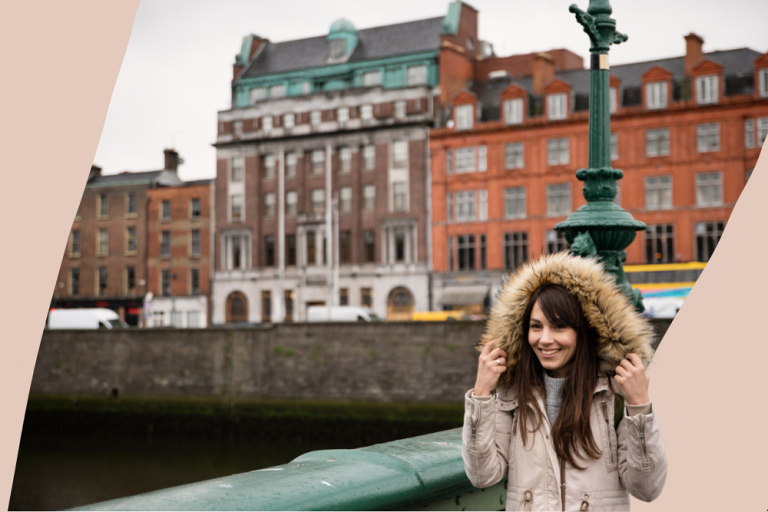
As the old Irish proverb goes, ‘’If you’re lucky enough to be Irish, you’re lucky enough’’. But if you’re lucky enough to be moving to Ireland, then firstly, congratulations! It’s a warm and welcoming place to live.

But more importantly, when settling in the Emerald Isle, you make your own luck. And to put your best foot forward in the country, it’s best to get clued up about Ireland’s culture before you arrive.

Whenever the country of Ireland comes up in a conversation, people might think about St. Patrick’s day, the four-leaf clover, U2, and of course, a properly pulled pint of Guinness. But the country is so much more than a couple of cliches; it’s a place rich in culture, folklore, incredible food, world conquering music and some of the most beautiful landscapes on the planet. 

If you’re moving to Ireland, here are some useful things to know about Irish culture.

LANGUAGE

English and Irish (Gaeilge) are the official languages of Ireland, and you’ll find English is generally spoken everywhere, though along the West Coast of Ireland, Irish speaking areas (known as Gaeltacht) are more common. 

That said, some Irish names may, at first glance, not be completely straightforward to pronounce if you apply English phonetic rules. Before your visit to Ireland, you should get to grips with the sounds associated with various letter patterns, so you don’t end up mispronouncing someone’s name in a clumsy way. Here are just a handful of popular Irish names that are often mispronounced:

  • Siobhan – pronounced Shiv-awn
  • Seamus – Shay-muss
  • Kiera – Kee-rah
  • Aoife – Eee-fah
  • Eoghan – Ow-an
  • Caoimhe – Key-va

Do make an effort to learn the correct pronunciation of names before you arrive in Ireland; good manners cost nothing.

FOLKLORE

If you’ve investigated Irish ancestry and the origin of names, you’ll have likely discovered that many Irish names are rooted in folklore and Irish mythology. The name Aoife, for instance, is derived from the word ‘​​aoibh’, meaning ‘beauty’. According to Irish mythology, Aoife was a warrior princess – the greatest female warrior in the world – who gave birth to the Celtic war hero Cuchulainn’s only son, Connlach. Pretty cool, huh?

These connections to myth and folklore should come as no surprise. Indeed, Ireland is a nation of superb storytellers, and the country has produced some of the finest writers to have ever done it; James Joyce, Maeve Binchy, Oscar Wilde, Samuel Beckett, Bram Stoker, Roddy Doyle, Sally Rooney…the list goes on.

But the Irish art of telling a great tale goes back way further than these acclaimed authors. Dating back to medieval times, everyone will be familiar with the mythology of the leprechaun, who keep their pot of gold at the end of the rainbow. But did you know that the very idea of a fairy comes from Irish folklore, too? Other stories with roots in Irish mythology include the Children of Lir, the Shamrock and Finn McCool.

Read: The Arans:The best things to do when visiting this very Irish archipelago 

SLANGUAGE

Bringing things back to the 21st Century, and the Irish still boast a wicked way with words and a fine sense of humour. You’ll hear some interesting and inventive slang being used while you’re here, and whilst we can’t detail all of it, here are a few of our favourite sayings:

  • Grand – You’ll have heard ‘grand’ before, we’re sure. Rather than denoting opulent or luxurious, though, in Ireland, ‘grand’ is used to indicate that something is ‘okay’ or ‘fine’. 
  • Craic – You’ll no doubt have heard ‘what’s the craic?’, too, meaning ‘what’s new?’. But ‘craic’ can also be used to say something was fun…it was ‘good craic’. You may also hear the word ‘gas’ used in a similar way, though we wouldn’t recommend asking ‘what’s the gas?’. Instead, say ‘s/he’s a gas + an expletive of your choosing’ to denote someone is amusing.
  • Banjaxed – A lovely one to say, ‘banjaxed’ means ‘broken’. It can also be used to mean ‘drunk’. Another Irish term we love for ‘drunk’ is ‘locked’.
  • ‘Deadly’ – Simply meaning something is ‘excellent’, often referring to music or a film.

These are just a few of our favourites. Keep your ears open and your arms outstretched and we’re sure you’ll find a few favourite Irish slang terms, too.

SAINT PATRICK’S 

Everyone knows St. Patrick because of the renowned celebrations on St. Patrick’s day. However, there’s a lot more to know about the Christian saint than just the Guinness fuelled celebrations associated with his name. 

Contrary to popular belief, he wasn’t the one who brought Christianity to Ireland and neither was did he banish snakes from Ireland (that is a simple matter of geography and the country being surrounded by the sea).

Believed to have been born into Roman Britain in the fourth century, when St. Patrick was 16, it’s said he was taken from his home by Irish raiders and forced into slavery. For six years, St. Patrick worked as a herdsman before he fled to Great Britain. 

He returned to Ireland after a brief while as a missionary and started his mission to convert the locals to his own faith. He is now arguably the most important patron saint of Ireland, and St. Patrick’s day is celebrated across the world on March 17th (believed by many to be the date of his death).

Whilst, globally, the day is associated with revelry, in Ireland families will attend church in the morning of the 17th. Later in the day, a traditional meal of bacon and boiled cabbage is eaten. And a deadly meal it is at that.

THE EMERALD ISLE

There are a couple of reasons why Ireland is referred to as the Emerald Isle. This is because Ireland is a lush green country with almost no dry patches and also because there have been many poets and authors over the years who have taken a liking to this term. The only spots on the Emerald Isle that you’ll see without some sort of grass or other vegetation are the rugged ones with their rocky landscape and the cities. 

The climate that prevails in Ireland is also very conducive to this type of lush green vegetation as the summers are moist and warm while the winters are cold and wet. Therefore, it’s no wonder that anyone who sees Ireland from a distance will automatically assume that it’s an island made of emerald. 

Whilst the saying ‘the grass is always greener on the other side’ is a well used proverb, when casting your gaze at Ireland, the phrase becomes literal. It’s simply the most beautiful place on earth.

THE BOTTOM LINE

These are just a few things that any visitor to Ireland should know about the country’s unique and fascinating culture. Visitors, particularly those from Britain, should also endeavour to learn about the history of Ireland and its relationship with imperialist Britain, which sadly isn’t often taught in British schools. Before arriving in Ireland, do dig a little deeper into this relationship. 

Do so, and you’ll learn to appreciate a beautiful country with a complicated history, but one which is very much thriving in 2021.

TIME TO RE-BINGE: THE FIVE MOST LOVED TEEN TV SHOWS REVEALED

If you were a teenager before the global domination of social media, what more was there to do but binge watch TV shows? To put it simply – not much.

From high rise denim jeans to soulful R&B tracks, we’ve fallen back in love with the nineties and noughties. And even now as adults, we find comfort in our favourite teen TV shows of yesteryear. If you find yourself repeat-watching lots of timeless TV shows, rest assured that you’re not alone.

A new study from GAP has delved into the world of teen TV and uncovered the best young adult shows that you should rewatch, rebinge, and re-enjoy.

To find out the most-loved teen TV shows, GAP collated lists from EW.com, Cosmopolitan, and Time, comparing and detailing the shows which appeared on all three lists. These shows were then ranked by their score on IMDb and Rotten Tomatoes, creating an overall score to measure their re-watchability.

Here, we take a look at the top five best teen TV shows and remind you what made them so great in the first place.

5. SKINS (2007–2013)

This teen comedy-drama mixes the awkwardness of being a young adult and the challenges of growing up in a polarising world. Skins takes fifth with a score of 78 out of 100.

While touching on some difficult topics of conversation, its realistic depiction of teen life has amassed the TV show a large cult following. Sticky situations ultimately end with a comedic payoff, reminding us of those embarrassing teen days which we either remember fondly or try to leave in the past.

If you’re looking for some teen drama to remind you of your younger days, then an episode of Skins with Effy, Cook, and Freddie might be right up your street.

4. BUFFY THE VAMPIRE SLAYER (1997–2003)

Vampires, evil forces, and a kick-ass protagonist played by Sarah Michelle Gellar, Buffy the Vampire Slayer is unapologetically nineties – and we don’t blame it. It takes fourth place on the list with a loved score of 82.5 out of 100. 

When it comes to fighting the good fight, Buffy teaches us that it doesn’t take fighting the supernatural to show you strength, giving young women everywhere the inspiration to stand up for themselves.

For a nineties and early-noughties show, Buffy explores issues well ahead of its time, including sexuality, sexism, confidence, and more. Along with a great storyline, it’s no wonder that thousands still enjoy watching this classic teen TV show. The vampires just add to the high-stakes drama – no pun intended.

3. ON MY BLOCK (2018–2021)

This teen TV show is a recent addition to our screens but has already cemented itself as a classic. If you haven’t seen On My Block before, now is the time to watch it. If you’re already a fan, there’s no harm in revisiting some of the early episodes. On My Block sweeps past nostalgic classics into third place, securing a loved score of 86 out of 100.

The show explores the lives of four teens in a rough inner-city Los Angeles neighbourhood as their relationships are tested upon starting high school. This isn’t just any teen drama though. With elements of comedy, On My Block is both charming and realistic, focusing on underrepresented communities – something that’s been missing from past teen TV shows.

If you’re looking for an authentic teen TV show to chill out to, you won’t have to look much further than On My Block.

2. MY SO-CALLED LIFE (1994–1995)

With only one season to its name, My So-Called Life is great if you’re looking for a limited teen TV show for a quick binge. Exploring the life of Angela Chase and her school social circle, My So-Called Life portrays adolescence at its most genuine. It’s no wonder it climbs to second place with a score of 89 out of 100.

Challenging themes aren’t just story devices in this series, and instead, continue throughout the show as part of a larger storyline. Despite being cancelled after one season, the show is critically praised for its acting and story, so you can ensure you’ll be enjoying some quality TV. You may even recognise the talents of fresh-faced Jared Leto and Wilson Cruz.

1. FRIDAY NIGHT LIGHTS (2006–2011)

If you want some late-noughties drama in your life, we’ve got the TV show for you.

Friday Night Lights follows the highs and lows of a high-school football team in Texas. Despite being a sports drama, this TV show is perfect for the whole family. Taking the top spot on the list as the best teen TV show with a grand score of 91.5 out of 100, this drama touches on some hard-hitting topics, including race, class, and drug abuse. So get ready for some challenging conversations.

Its universal topics stand the test of time, allowing it to be both relevant and entertaining even in today’s modern world. If you’re going to rewatch any old TV show, make sure that Friday Night Lights is high on your list.
The much-loved TV show went out with a bang. The show’s finale episode, ‘Always’, is the highest-rated episode on IMDb And with an ending full of emotional lows and high stakes, it makes for great night-in viewing. No spoilers here – you’ll have to watch it for yourself.

Are you ready for a cosy night in, watching and rewatching the best-loved teen TV shows? There’s no shortage of great TV shows to binge, and hopefully, you’ve got some much-needed inspiration to take you back to your younger days.

MAKE YOUR INDOOR DAYS COLORFUL: BEST CRAFTS FOR WINTER WEEKENDS

As the night’s turn colder and the nights dra…zzzzzzzz. Oops, we appear to have just nodded off there. You know the drill. It’s winter, we stay in more, yada yada yada. And now let’s segue into the content…

Those cosy evenings at home and lazy winter weekends spent hibernating don’t necessarily have to be devoted to Netflix binges, hearty stews, pumpkin spice lattes and reeling off cliches. Just because the weather’s turned a little gloomy doesn’t mean you can’t be productive; here are the best crafts for a winter weekend, IDEAL for making your indoor days colourful. 

CUSTOMISE YOUR CLOTHES

If you want to get something tangible out of your winter craft endeavours rather than just keep your hands busy, then why not spend some time cheering up some of your old clothes and give them a new lease of life? 

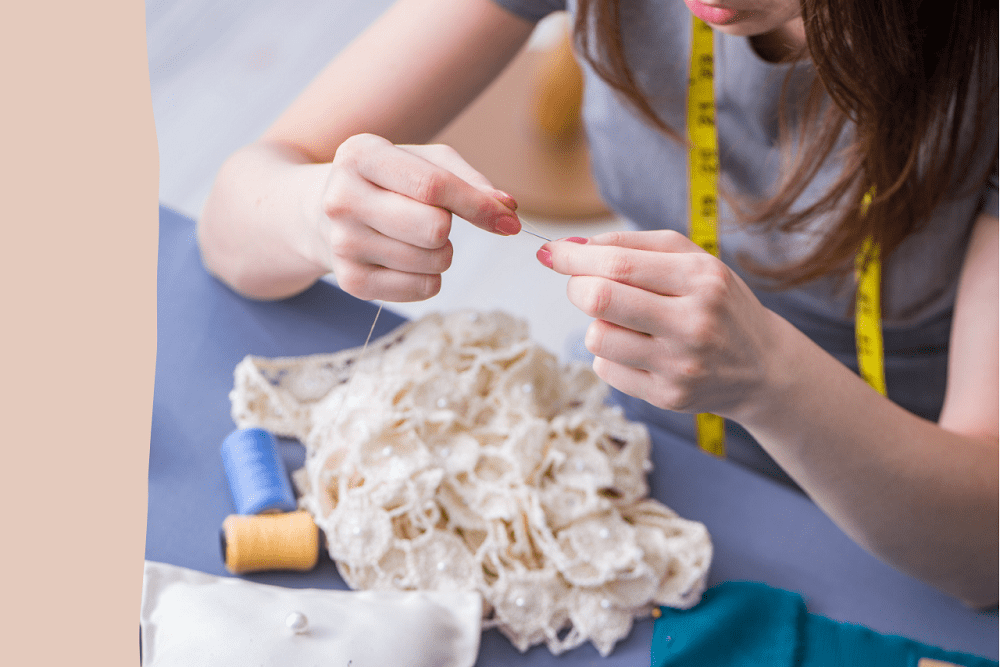
Frilly, lacy and Broderie anglaise style collars are big news for winter and are a great way to breathe new life into old tops. Create and sew a collar directly onto an old jumper or T-shirt, or make a detachable collar that you can wear with lots of different tops. All it takes is a sewing kit and some initiative. 

Christmas jumpers are a festive season must-have, but they do all tend to look the same, not to mention that they are bad for our environment. As the Independent reports, “Environmental charity Hubbub examined 108 jumpers from 11 online and high street retailers and found that 95 per cent were made either entirely or partly from plastic”. 

So, why not create your own truly unique Christmas jumper with embroidery, using tasteful alpine trees and a flicker of glitter? What’s more, embroidery is a hugely relaxing and productive way to spend the coming months inside.

Here at IDEAL, we’re huge fans of pearl-embellished cardigans and jumpers for winter, too. It simply takes an old blouse, T-shirt, knit or long sleeve top and a few pearls or buttons to create a statement top this winter. Don’t just stop at pearlifying your jumpers; update your denim jackets with pearl studs or add pearls to collars and cuffs…there are so many ways to incorporate elegant pearl details into your everyday looks. Your only limitation is your imagination.  

©[©[EVABLANCOPHOTOS] VIA CANVA.COM

CRAFT YOUR OWN CHRISTMAS CARDS, DECORATIONS & WREATHS 

Winter weekends are the perfect time to whip out the glitter and get to work on a whole range of handmade Christmas decorations. 

Firstly, consider creating your own Christmas cards – much more thoughtful than going to the pound shop last minute only to find that only a bad selection of cards remain, and much more kind to the environment, too. 

Go further and make your own wreath this year out of Christmas baubles for a unique festive display. All you need is baubles of different sizes and colours, tinsel, a wire coat hanger, a wire cutter and a glue gun. Fun for all ages, painting your own baubles is the ideal Christmas activity. Make sure those baubles are shatterproof (any colour or size will do), and buy some paint, a paintbrush, glitter and glue. You can even buy packs of ‘paint your own bauble kits’ to make things even easier. Now, it’s time to get creative.

If you have children, then the winter period is the ideal time to roll up those sleeves, get out the Pritt Stick and string, and give it the ol’ Blue Peter treatment. There are plenty of Christmas crafts for kids to keep them entertained. Salt dough decorations are a great idea; these can be hung on the tree or given as Christmas presents and look really beautiful when they’re painted and varnished.   

Check out our article on 6 IDEAL crafts and activities to do with your children this Christmas for more inspiration.

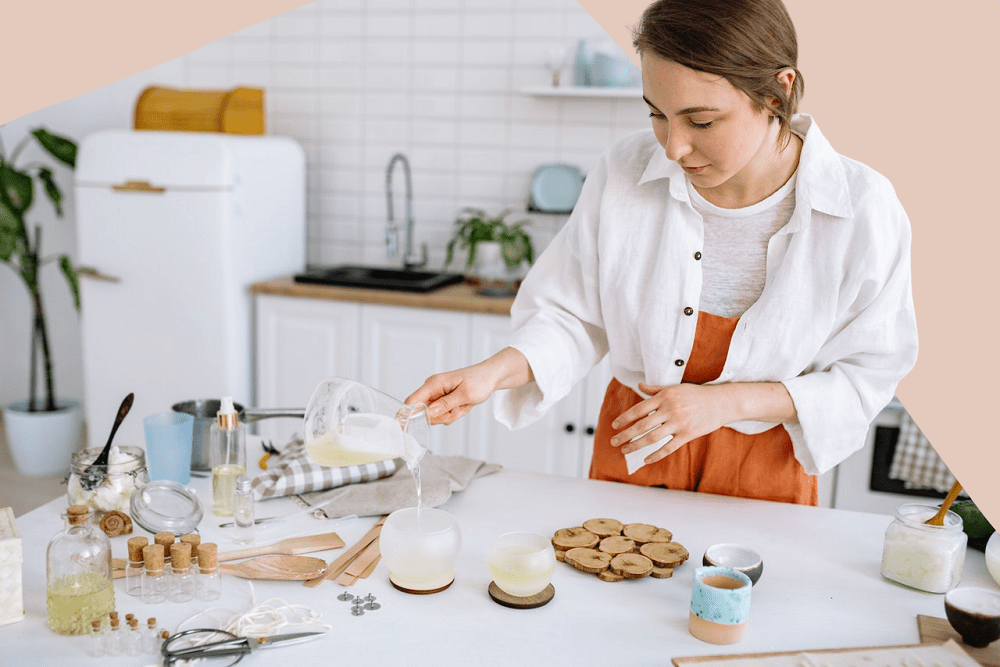
MAKE YOUR OWN CANDLES 

We all like to make our homes look cosy in winter. Moreover, smell plays a huge role in bringing the comfort of the season into your domestic space. Enter the scented candle; an autumn and winter mainstay if ever there was one. 

Indeed, there’s nothing quite like the glowing flicker of a candle giving off a gentle scent to warm up the ambience of your home on those dark winter nights. However, those expensive Jo Malone candles soon start adding up. Instead, why not make your own candles? Channel the energy of winter here and get creative by making your own signature scent. 

With the right know-how, it’s easy to melt down some wax, add some essential oils, and luxuriate in your seasonal creations until the year’s out. There are some great Youtube videos on candle making to help you get started.

MAKE YOUR OWN CHUTNEYS & JAMS

We know what you’re thinking; that bubbling pan on the stovetop, preserving the season’s fruits and vegetables for the more barren months…it’s such a cliche. But chutneys truly are delicious things to have, not only in your own cupboard but also to give away as gifts. Check out this great Christmas recipe for apple and cranberry chutney for some inspiration.

If chutney isn’t your thing, you could create your own signature craft gin. Check out the BBC’s guide on doing just that here. And when you’re done, why not send us over a bottle as a Christmas gift? 

5 TIPS FOR BARGAIN LOVERS TO SAVE MONEY ON BLACK FRIDAY & BEYOND

Black Friday, every shopping lover’s favourite date in the calendar, is just 23 sleeps away. And whether you spend those nights sleeping soundly or staring at the ceiling in despair will largely depend on two things; your state of mind regarding shopping and the state of your bank balance. 

Splurgers and spendthrifts beware; Black Friday and its tech-obsessed cousin Cyber Monday can be fraught with fake deals and dodgy discounts that turn out to be anything but. As such, the day requires a sensible, cautious approach if you’re to end up with the best bargains.

But for those with a frugal state of mind, these two days can be an enjoyable endeavour that may just result in a great deal. For the latter, here are 5 tips for bargain lovers to save money on Black Friday and beyond.

PAY IN CASH

Perhaps the most important tip for a bargain lover is also the most simple; pay in cash. Various studies have shown that when you have a set amount of physical money to use, you will generally be more conscious of what you spend and will be able to avoid the danger of overspending.

Most shopaholics tend to forget how much they have spent when paying by credit card or debit card. In fact, they usually buy more when they have a credit line or overdraft facility granted to them by their bank. Instead, try to budget a set amount and take out the equivalent amount of cash to use. Sometimes, seeing the physical amount of money and holding it in your hand can remind you starkly of just how much you’re spending.

If you’re doing all your shopping online for Black Friday, Cyber Monday or even Christmas, then it’s a good idea to use only the money you have in your current account (on your debit card) rather than going into an overdraft or using a credit card.

SEARCH FOR COUPONS & ELICIT DISCOUNTS

As anyone who has searched for a ‘deliveroo discount’ on a hungover Sunday will attest, discount codes and coupons have become increasingly ubiquitous in the online shopping world in recent years.

If a simple Google search doesn’t yield a free discount code or coupon that actually works, then the discount and deal experts at Super Saver Mama coupons tell us that there are a couple of tricks you can employ to elicit the offer of a discount from online retailers.

A popular trick is to fool them into giving you a code by abandoning an online shopping basket mid shop. You’ll notice that shortly after you close the shopping window, an offer will have appeared in your email inbox. 

Or, why not take to Twitter and tweet publicly @ the company you’re targeting, and request a discount code? They may well decide that the positive PR from granting one publicly is worth the cost of the discount they send you.

Alternatively, you could just use a website which sifts through the offers to find the best discount codes, like those discount experts we mentioned earlier.

MAKE USE OF LOYALTY CARDS

Before paying cash on something you’ve deemed essential, check if you can get a discounted gift card on the item and get instant savings. Several gift card shops, such as High Street Vouchers or Card Yard, sell discounted gift cards and e-gift cards that save you a whopping 5-16% on high-end stores. 

So, while it may seem long-winded, it’s super thrifty to invest in a gift card for a store you’ll likely be doing your Black Friday or Christmas shopping in, at this discount price, and then buy your desired items using it. 

BUY OFF-SEASON ITEMS

Off-season items are usually cheaper than those found during their respective season period due to lower demand. For example, many people buy sweaters and jackets during the winter months due to cold weather conditions. However, during spring and summer, these items will likely become less sought after as people tend to wear lighter clothes in these seasons.

It means that if you buy products during the off-season, you can save a good amount of money in the process. Make sure not to wait too long as seasonal products tend to become popular again as soon as they enter their respective season period.

SIGN UP FOR PRICE ALERTS ON ALL YOUR FAVOURITE PRODUCTS

Finally, if your steely focus has fallen on a specific product, then it’s well worth manually signing up for price alerts across a variety of retailers and platforms. 

Alternatively, you can now even outsource this task, by signing up to a price tracking tool. You can do this on the Google Shopping Tool, or on a dedicated app, such as CamelCamelCamel, Price Alert for Amazon, Honey, Keepa, and WikiBuy. 

THE BOTTOM LINE

Thrift and frugality shouldn’t be reserved only for Black Friday, Cyber Monday or Christmas, but rather, it’s a year round, full time profession when you do things properly and comprehensively! By paying in cash, using discount codes and coupons, making use of loyalty cards, only buying off-season items and setting up price alerts, bargain lovers can snag great deals at any time of year. Good luck!

UNUSUAL JOBS IDEAS THAT YOU CAN DO FROM HOME

The UK is going through something of an employment crisis right now, but not in the way that so many experts predicted at the height of the pandemic. Instead of the mass unemployment envisaged, UK job vacancies have reached a 20-year high, with 1.1 million jobs available between July and September of this year, the highest figure since records began. 

The issue here is ‘vacancies’. For a variety of reasons, from low pay to a lack of worker’s rights, jobs remain unfilled and employees unfulfilled, with the pandemic leading to many Brits demanding more from their employers. 

Should you have found yourself considering your options and are wondering what weird and wacky jobs are out there without you having to, erm, get out there, then you’ve come to the right place; here are some unusual job ideas that you can do from home.

ONLINE DATING PROFILE GHOSTWRITER

To most, scrolling through online dating apps with no intention of matching with anyone – let anyone meeting them – sounds like a niche, entertaining hobby rather than a valid job. But to some quick witted wordsmiths, the art of swiping and small talk has become a very lucrative one indeed.

Do you realise that introducing yourself on a dating site with a few phrases is a thing of the past?

There is now a specific service that will ensure that those looking for love have a profile that will get them noticed. Applicants must have the gift of the gab. Although having an extensive online dating history is not a requirement, it’s helpful when you’re working out the proper use of the sometimes confusing acronyms used in this sphere.

Indeed, while to most, an MBA is a ‘master of business administration’, in the online dating world, it means married but available. Equally, mixing up your SWANK with your SWITCH could result in a BACKSLIDE (none of that is rude).

It’s not just online dating profiles that are up for grabs; there are LinkedIn profiles and CV writing jobs that are also in need of those who have an eye for detail and a way with words.

Read: 5 IDEAL tips on making your dating profile ping

ENGINEERING HAPPINESS – CUSTOMER SUCCESS ADVISOR

Customer service is now an essential component of any business’s chances of success in the entrepreneurial sector. 

There is a never-ending list of names for what is essentially a problem-solving role. As a result, there are a growing number of openings for “success advisors”, a role which sees you responsible for gaining insight into the demands of large and small firms’ customers. 

Customer success advisors then use this insight to provide quick solutions, all while having the ability to filter out negativity, turn a problem into an opportunity and operate with a lightness of touch and never-ending optimism at all times. 

If this is you, a hot seat and headphones are waiting. And the best part? You don’t have to leave home to spread the love.

Read: 6 jobs that help you stay fit while you earn money

TRAVEL AMBASSADORS

Become a travel ambassador and make some extra cash while living your best indoor life. For those who love the comforts of domesticity, if there’s one thing better than exploring the world, it’s doing so from the comfort of your sofa.

With globalising trends for different types of travel being so hot right now, it seems like an easy option to work as a travel ambassador (a writer of sorts) – especially since travel brands are always looking outwards towards new markets where people want their brand seen. There’s only one catch; you must have inside knowledge of a town, city or country to write about it. 

If you hail from Transylvania, then by all means write about Romania but don’t pitch about Barcelona if all you know about the city is Messi. Wikipedia won’t help you here but a genuine, thorough knowledge of a place can be turned into money by becoming a travel ambassador. 

IG INFLUENCER

In the past, there was no such thing as a “job” for influencers. But with over 800 million active users browsing Instagram daily and demand growing by leaps and bounds every year, this is now an occupation that won’t be going away anytime soon.

In today’s society, where we’re all involved and engaged with our phones pretty much 24/7, the role of the influencer has become crucial to brands who are keen to get their name out there and noticed. According to the Influencer Marketing Hub, the influencer industry is expected to be worth nearly $14 billion by the end of 2021.

You might ask yourself why everyone isn’t at it? The answer is simple, it might look easy (it’s not), perhaps at the beginning, back in 2010, you might have stood a chance, but nowadays there are so many people doing it, and the niche markets are getting smaller and smaller. As such, finding a new and exciting angle is difficult. To succeed, you need to be presentable, have a unique sell or angle, and post like crazy to ensure you’re engaged online round-the-clock.

PRODUCT TESTERS

Testers of all kinds are needed. Tester positions are available for website testing, app-testing, and even product sampling. Pay rates vary depending on the company but can range from £30 per job to as low as £1.00 an item tested.

Product testing takes up to 20 minutes or more, not including paperwork. Typically testers need excellent observation skills so that they may provide honest reviews without bias towards either side. The bad news is the amount of required paperwork per test, but the good news is you can do all this from home in your PJs.

Similarly, some folk choose to supplement their income by taking questionnaires online, giving honest feedback and earning a little pocket money in the process.

NETFLIX TAGGER

Have you ever thought that there is a chance you could make money just by watching TV all day long? Well, this is an option through Netflix tagging. You will need specific skills, though; this isn’t a case of binge watching Squid Game from start to finish in a single day whilst enjoying a takeaway or two. Nope, the job is all about creating tags that optimise search engine rankings and increase viewer engagement in the content.

These tags help viewers find more related titles after they’ve finished browsing through what’s available on this streaming service – so knowing your search terms is crucial.

An editorial, analytical mind is important, too. This skill will come into play when choosing exactly where each piece should go within its season-long arc or storyline. You must be able to visualise intentions behind the scenes decisions and why viewers might respond favourably to them, which is a tough ask, but if film foresight is your thing, this one could be for you.

QUALITY RATER FOR GOOGLE ADS

Do you want to work as a Google ad rater or web search evaluator? This is a job that doesn’t require much experience; all you need is internet access and some patience. 

You will assist marketing firms and organisations in obtaining actual data for their ad campaigns by grading the advertisements. You will need a critical eye and a love of paperwork because you have to answer loads of questions or risk not getting paid, just like the product testing role.

CHIEF LISTENING OFFICERS

Chief listening officers monitor both external and internal communications in firms, notably global chain companies, and are frequently hired remotely.

The main focus is on gathering and preserving information provided by consumers and staff to facilitate the dynamics of company connections – the title sounds cool, but it’s actually customer service again with a fair bit of snooping thrown in for good measure. Leave your morals at the door with this one, or it’s back to the drawing board.

5 TOP TIPS FOR AMATEUR ATHLETES TO ACHIEVE PEAK PERFORMANCE

Did this year’s Olympics inspire anyone else? The recent iteration of the world’s biggest sporting extravaganza thrilled audiences across the globe, with many inspired to take up a new sporting discipline or even attempt to go professional with a sport they already excelled in.

Whether you’re the latter, the former, or you’re simply keen to get the most from your exercise regime, there are a few things you can do to ensure your workouts are optimised and that you’re reaching your goals. With that in mind, here are 5 top tips for amateur athletes to achieve peak performance. 

DON’T RELY ON SUPPLEMENTS 

As an amateur athlete, you need to ensure that your body has the right nutrition it requires for energy, muscle growth and tissue repair. This is achieved by getting the right amount of vitamins, nutrients and minerals for peak performance and recovery, tailormade for your own unique needs. As such, it’s only natural to consider supplements. 

While sports supplements do have their place, it would be folly for amateur athletes to rely on them. The best way to gain all your daily nutrition is through a varied, balanced diet, with nutritional supplements (including protein) designed to help fill in gaps in nutrients rather than provide the bulk of it. 

In short, amateur athletes should first examine their diets before turning to supplements. Which brings us to our next point… 

Read: 5 things to scrutinise when buying supplements online

GET A NUTRITIONIST ONBOARD

If you’re serious about your sports, seek out a qualified nutritionist. As an amateur athlete, you will have different nutritional needs compared with the average person. You’ll require more calories and macronutrients (fat, protein and carbohydrate) to maintain your strength and energy so you can perform at an optimum level.

Correct nutrition will allow you to maximise your athletic performance and strengthen your body, which in turn will help you to avoid injuries. Moreover, you’ll have to consider the timings of meals. As such, it’s worth getting a nutritionist on board if you’re keen to take your routines to the next level.

REST & RECOVERY IS ESSENTIAL

Whilst peak performance is, of course, essential, avoiding injuries is equally important. After all, if you’re sidelined, you’re never going to hit those targets and reach those goals. Consider enlisting the help of a sports massage expert to help with any aches, pains, kinks and knots both retrospectively and in advising you how better to avoid them in the first place. This might involve advice on warming up and down, as well as form and how best to maximise your rest days.

CONSIDER A COACH 

Speaking of expert advice, if you’ve truly got your heart set on taking things to the next level, it’s a good idea to consider enlisting the help of a professional coach or personal trainer. There’s only so much you can get done on your own, and being accountable to a third party can be an amazing motivation moving forward.  

Of course, accountability and motivation is only half of it; the knowledge a PT or professional coach can bring to the table is invaluable, too.

Read: 5 IDEAL ways a personal trainer can help you get fit faster

GET ENOUGH SLEEP

Sleep is essential for muscle recovery, repair and growth, and if you’re not getting enough of it, then you’re doing all of your hard work in the gym a massive disservice. 

According to the guys at Joe, each of the four stages of the sleep cycle plays an essential role in muscle repair and growth. 

  • During the initial nodding off period, Stage 1, ‘’Brain wave patterns in this stage are associated with muscle memory and ‘logging’ movements learned during the day’’. All that careful attention you’ve paid to proper form in the gym is reinforced here.
  • Stage 2 sees the body begin to produce ‘’Human Growth Hormone (HGH), which increases the growth of muscle tissue and regulates the body’s metabolism.’’
  • The third stage of sleep sees growth and repair go into overdrive, with more HGH released. What’s more, ‘’anti-inflammatory hormone called prolactin is also released which are important for joint recover.’’
  • REM, the fourth stage, sees ‘’your muscles supplied with extra oxygen to breakdown lactic acid. If you’re not getting enough shut-eye, you get painful and potentially-problematic muscle knots called “trigger points” building up.’’

All in all, without proper rest and recovery, which is most succinctly released through a nightly 7 to 9 hours of the good stuff (we mean sleep), you’re simply not going to allow your body time to build muscle and maximise those gains. If you’re keen to learn more about how to get more restorative sleep, then check out these 7 things to try.

LOOK AFTER YOUR MENTAL HEALTH 

As the Independent writes, “The Olympics marked a watershed moment for mental health in sport. Some of the biggest sporting stars talked about their mental health’’, and this should apply to amateur athletes just as aptly. 

The pursuit of personal excellence can take its toll mentally, so do make sure you’re focusing not only on your physical health but on your mental wellbeing, too. Check out these tips on simple daily routine hacks for a healthier, happier you for more on that.

HOW TO START A NEW BUSINESS IN THE TRAVEL SECTOR IN 2022

Are you a previously intrepid itinerant who’s tired of laying low and is looking for a new adventure of a different kind? If so, you’ve most certainly come to the right place. Should you be keen to combine your love of travel with that often unholy pursuit of making enough money to live, then here’s how to start a new business in the travel sector in 2022.

FIRSTLY, BIDE YOUR TIME

Let’s put things as plainly as possible; a business in the travel sector in 2022 is going to look unreservedly different to one from just a couple of years ago. 

This isn’t only because of the obvious. Although the global pandemic has certainly affected the travel industry wholeheartedly, and continues to do so, there is also the even more pressing concern of the climate crisis and global heating. 

When you combine these factors, it’s clear that for the foreseeable future, people are going to be travelling much less frequently and with a certain amount of trepidation at first. When you’re in the conceptual stage of imagining your new travel business, it’s essential that you take this sense of uncertainty into account. 

Operate with a mindset based in pre-pandemic times and get left behind. Instead, it might well be worth biding your time, analysing the market with a keen eye on how it’s changing, and wait to see how the very idea of travel shapeshifts as global vaccinations increase and *fingers crossed* the threat from COVID-19 decreases in tandem.

©[grinvalds] VIA CANVA.COM

SECONDLY, ACKNOWLEDGE THE CHANGING NEEDS OF THE SECTOR

Due to the pandemic and increased concerns over global heating, two new major travel trends  have emerged in the sector; the staycation and the workcation. It would be folly to ignore the changing needs of the travel industry, and adaptability in the coming months is key.

When you’re starting your new business in the travel sector, be a voracious consumer of industry news, gossip, updates and trends. The best way to do this is by keeping a keen eye on the news – both business and global – as well as subscribing to leading travel industry magazines and newsletters. Lonely Planet Magazine, Wanderlust, Conde Nast Traveler, Travel + Leisure and National Geographic are a few of our favourites. 

For newsletters that concern the business side of the industry, Travel Retail Business and The Beat are both incredibly useful.

Read: Smart, kinder, safer: 9 travel trends for future travel 

CREATE A BUSINESS PLAN

If you want to lay a solid foundation for your travel business during the initial stages of its inception, creating a detailed business plan is crucial. This will provide you with the strategy and platform that you need to grow, develop, and scale your organisation going forward.

You’ll find it much easier to determine your overarching company vision with your business plan at hand. Amongst a great deal of many other benefits, this will help you tailor your travel service range around your target market’s specific wants, needs and demands.

For official government advice on how to write a business plan for a UK-based company, click here.

BUILD YOUR BRAND

Do you want to reach, engage and retain the most diverse range of travellers possible? If so, building a strong brand image is of the utmost importance, particularly in establishing your company in the minds of consumers when it’s still in its infancy. 

This will help you to differentiate your agency from its competitors and, ultimately, it will aid you in your attempt to forge an authoritative and trustworthy reputation for yourself in the travel sector.

When attempting to build a robust brand image for your business, try putting the following advice into practice:

1. Identify your core competencies, ethics, and values

2. Complete a S.W.O.T (Strengths, Weaknesses, Opportunities, Threats) analysis of your company

3. Determine your marketing mission

4. Experiment with your promotional tone of voice

5. Offer a peek behind the curtain by injecting your brand with some personality

A SAFETY FIRST IMAGE

The mindset of travellers and consumers has potentially been changed forever by COVID. Recklessness and spontaneity is out, and a cautious, safety first approach is in. 

A responsible, responsive new travel business has to respond with a matching mindset. You’re going to need to reassure potential customers that your agency is equipped and educated concerning safe travel, and this image needs to be apparent from the first moment of engagement.

There are a number of things that you can do to showcase the fact that your travel agency is COVID-secure, one of which is for you and your workforce to wear personal protective equipment at all times. This will show that you are committed to keeping the spread of the coronavirus at bay, no matter how inconvenient or uncomfortable it may be for you to do so.

Wearing masks doesn’t have to be all doom and gloom. When you invest in a batch of personalised PPE products, you will have the capacity to showcase your safety measures and promote your brand image at the same time. This is the perfect way to enhance your reputation as a reputable provider of travel services. 

Having hand sanitisers at the door of any physical premises you might have and providing a clear COVID-secure policy on your website are just two more ways you can make your safety first image stand out.

And if you’re considering more advice on new normal travel, check out this handy guide 6 things you’ll likely need to travel abroad in 2021.

HOW TO MAKE LIFE EASIER WHEN GETTING YOUR CHILD DRESSED

It’s a scene any parent will know all too well; a dance done every day by parents and young children up and down the country; a battle between good and evil, between tantrum and tranquillity, between the clothed and the unclothed… 

Whether it’s for school, for a party, or simply to come downstairs for breakfast, dressing your young child can be a wriggle, wrestle, a shimmy and a shuffle all rolled into one. Whilst success is never guaranteed (the only inevitably here is a sock going missing the moment you leave the house), you can make your life easier when getting your child dressed by following a few simple rules. Here’s how to make life easier when getting your child dressed.

SHOP SMARTLY

Before you set out to buy any clothing for your child, it’s a good idea to try and imagine putting the outfit on and identifying any potential pitfalls and more intricate elements that you want to avoid. 

Naturally, you want to select clothing that is easy to slip on with very few buttons and press studs to have to fiddle with – remember most of the time, you will be dealing with a slippery little customer! 

Tops that have stretchy, soft or loose neck holes will make sure those tender little noses and ears don’t suffer. This will also help you slip the outfit on more easily and, even more importantly, quickly. As an example, a soft t-shirt and a pair of girls or boys dungarees would be ideal.

© [Odua Images] VIA CANVA.COM

LET CHILDREN BECOME MORE INVOLVED AS THEY GROW

In most cases, you can judge how well a child will behave when you are dressing them by how well they behave at diaper changing time. 

Children who are well behaved during nappy changing will almost certainly enjoy the dressing process and should have learned to cooperate by the time they reach the age of two. 

Whilst the removing of clothes happens at a younger age, generally speaking, a child will be able to complete simple dressing tasks that don’t involve complex zips or buttons by the age of three, such as putting on a t-shirt or dress. 

Between the ages of three and five, dressing skills will develop; expect your child to learn how to put their shoes on (although the feet may be the wrong way round!), as well as their socks, with a little help around the heel. Between three and four they may even be able to fasten a couple of big buttons independently and pull up a larger zip, provided you’ve fastened the shank of the zipper.

Though all children develop differently, by five years old, many are able to dress independently. As a parent, give your child the space to experiment with their buttons and zips, and get ready for some pretty comical outfit choices, too!

MAKE GETTING DRESSED FUN

In those years before independent dressing is achieved, there are ways you can make the whole thing fun, to encourage both complicity and learning:

·      Try to place yourself at the same eye level as the child either by kneeling on the floor or sitting on their bed which will ensure a connection is made between you.

·      As you look at each other, make sure you start to sing or talk so they realise this is going to be a fun thing to do.

·      Children learn brilliantly from music, so a good approach is to sing a song about getting dressed by using the words of the Hokey Cokey, for example, as they put their left foot in. Then make sure they shake it all about! 

·      Another great tune to use is Here We Go Round the Mulberry Bush but instead of using the proper words, make some up about the dressing sequence along the lines of ‘First we put our underpants on, our underpants on, our underpants on’. As you put other items on, talk about them and where they go – socks on our feet, trousers on our legs and so forth.

·      If singing isn’t your thing, then you could instead play a game to keep your child distracted. For instance, play a game about body parts and ask them where their nose is, where their ears are. This will keep their hands occupied instead of trying to compete with what you’re doing.

·      Try a game of peek-a-boo to keep things interesting. For example, if you want to put a t-shirt on your child, put your face up against the neck hole of it and peek through which will encourage the child to do the same and have a peek at you. Then, as his head comes through the neck hole, say ‘peek-a-boo!’ in a surprised voice. You can do the same with the child’s hands and feet, too.

·      Any sort of creative play will not only make the dressing process fun, your child will be learning at the same time.

OTHER DISTRACTION TECHNIQUES

Not all distraction techniques when getting your child dressed need to be raucous, riotous fun. Try these, too:

  • A great distraction technique to avoid lots of squirming and wrestling is to have some really special toys that are only to be played with as you dress your child.

·      Anything that diverts attention away from what is actually happening will always be useful, so how about dressing the child near a window so they can look out while you get on with the job?

·      As your child grows, you can start to take advantage of one of the best development stages – when they start to use their own imagination. Think about the characters that the child enjoys seeing or hearing about through stories and books and then pretend to be one of those characters – talk like them and the adventures they have and explain that your child will definitely need to be dressed if they want to join in.

DRESS TOGETHER

Svetlana Lungu from Why Matters Shopify agency suggests that to encourage your child to dress themselves and to even make the whole process much quicker, why not get dressed at the same time?

Lay out your chosen outfit next to the clothes the child will wear and put them on one by one at the same time. If they are only just beginning to dress themselves, you might have to lend a hand with fastenings but explain what you are doing as you do it. As they progress, make it a race to see who can be fully dressed first – do let them win sometimes though!

DON’T CLASH OVER CLASHING CLOTHES

Up until the age of about five, most children have very definite ideas to the point where they will not consider any alternatives at all. Don’t mistake this for stubbornness or a lack of open mindedness, it is just part of the process of developing a personality. 

If, when you’re dressing your child, they insist on wearing a vivid purple top with a pair of bright orange trousers, let it go even if it is a vision that almost blinds you with its ebullience! An alternative would be to lay out three different outfits and let your child mix and match.

NOW IT’S TIME TO CHOOSE

When they reach the age of about four, most children start to really care about what they are wearing. Now is the time to let them come clothes shopping with you and allow them to make some decisions – for example, show them six dresses or pairs of kids dungarees from which they can choose two. That way, you get the initial choice of what is acceptable and within budget, but your child will feel they’ve had some autonomy over the decision, and will be keen to wear their selections later down the line. Result!

What Does A Professional Athlete’s Diet Look Like? 7 Key Components

0

Ever wondered what fuels those incredible bodies you see on the field, court, or track? Professional athletes are the epitome of peak physical health, and their secret isn’t just endless hours of training; it’s their carefully crafted diet. 

Let’s dive into the world of nutrition and discover what a professional athlete’s diet looks like, from the science behind it to the delicious yet highly nutritious meals that power their performances.

The Foundation: Balanced Macronutrients

At the heart of every athlete’s diet are macronutrients – carbohydrates, proteins, and fats. Carbohydrates serve as the body’s primary energy source, providing the fuel needed for high-intensity activities. Athletes load up on complex carbs like whole grains, fruits, and vegetables, ensuring a steady release of energy.

Proteins are the building blocks of muscles and are essential for muscle repair and growth. Athletes consume lean proteins like chicken, fish, eggs, and plant-based sources like tofu and legumes to aid in recovery and maintain muscle mass.

Fats, especially healthy fats like those found in avocados, nuts, and fatty fish, provide long-lasting energy and support overall health. These fats are crucial for absorbing fat-soluble vitamins, which play vital roles in various bodily functions.

Timing is Everything: Pre & Post-Workout Nutrition

Before hitting the gym or the field, athletes pay careful attention to their pre-workout meal. This meal is rich in carbohydrates and moderate in protein, providing a quick energy boost without causing discomfort during exercise. A banana with a scoop of peanut butter or a whole-grain toast with avocado are popular choices.

Post-workout nutrition is equally crucial. Athletes aim to replenish glycogen stores and repair muscles by consuming a combination of protein and carbohydrates within the first 30 minutes to an hour after exercising. Protein shakes, chocolate milk (yes, you read that right!), or a chicken and vegetable stir-fry are common post-workout options.

Hydration: The Unsung Hero

Hydration is often the unsung hero of an athlete’s diet. Staying adequately hydrated is essential for maintaining peak performance and preventing injuries. 

Water is the primary source of hydration, but athletes also replenish electrolytes lost through sweat with sports drinks or natural alternatives like coconut water. Adequate hydration ensures that muscles function optimally and aids in recovery after intense workouts. Whether it be amateur athletes or Olympic contenders, nobody could perform at their best without proper hydration. 

Micronutrients: The Mighty Helpers

Beyond macros, micronutrients – vitamins and minerals – play a vital role in an athlete’s diet. Vitamins like A, C, and E, along with minerals such as iron, calcium, and potassium, are essential for various bodily functions. 

Athletes consume a diverse range of colourful fruits and vegetables, whole grains, nuts, and seeds to ensure they get a wide spectrum of micronutrients. These nutrients support the immune system, strengthen bones, and aid in the body’s natural healing processes.

Special Diets & Dietary Restrictions: A Tailored Approach

Some athletes have specific dietary needs due to allergies, intolerances, or ethical choices. Gluten-free, dairy-free, vegetarian, and vegan diets are not uncommon among athletes. 

These individuals work closely with nutritionists to create customised meal plans that meet their dietary requirements while ensuring they get all the necessary nutrients to perform at their best. For instance, plant-based athletes rely on sources like quinoa, tofu, and legumes to fulfil their protein needs.

Cheat Days & Mental Health: Balancing Indulgence

Believe it or not, even professional athletes indulge! Occasional cheat days, where athletes allow themselves to enjoy their favourite treats guilt-free, are a part of their routine. 

Mental well-being is just as important as physical health, and indulging in a slice of pizza or a piece of chocolate cake helps maintain a healthy relationship with food. Besides, these moments of indulgence can provide a mental break, reducing stress and enhancing overall happiness.

Listening To Your Body

One of the most critical aspects of a professional athlete’s diet is its individuality. Every athlete has unique dietary needs and preferences. Some athletes may require more carbohydrates for endurance, while others focus on protein for muscle building. 

Listening to the body’s signals is key. Athletes pay attention to how different foods make them feel, how their energy levels fluctuate, and how quickly they recover after workouts. This self-awareness helps them tweak their diets to optimise their performance continually.

The Bottom Line

So, there you have it – the winning recipe that fuels the bodies of professional athletes. It’s not just about calories in and calories out; it’s about nourishing the body with the right balance of macronutrients, micronutrients, and hydration. It’s about listening to the body’s signals, finding what works best for individual needs, and striking a balance between indulgence and discipline.

The lessons from a professional athlete’s diet are not just for those aiming to break records on the track; they’re applicable to all of us. By adopting a balanced approach to nutrition, we can enhance our overall well-being, boost our energy levels, and achieve our fitness goals. 

So, whether you’re preparing for a marathon bike ride or simply striving for a healthier lifestyle, remember the wisdom behind a professional athlete’s plate. Here’s to a balanced diet, a balanced life, and the boundless potential within each of us to be our best, both on and off the field!

HOW TO BRING HIGH FASHION INTO YOUR HOME’S INTERIOR DESIGN 

Today, our homes represent a powerful projection of our identities. As the Evening Standard explains, “The demand for a home that’s as stylish as you are, and the idea that every brand is a lifestyle package, has given rise to new opportunities for design labels, blurring the lines between fashion apparel and interiors even further.’’

Harper’s Bazaar points out that “The worlds of fashion and interior design have never been total strangers; there have long been tangible links between the catwalk and what people are doing in their homes”.

Fashion designers are known to have impeccable taste when it comes to dressing their models and creating couture collections, and it feels like a natural progression of this ideal for fashion houses is to pivot to interior design. The results, it must be said, are mixed, but when they get it right, the fusing of high fashion and home design can be striking.

Just as how we dress our bodies, how we dress our homes is an expression of ourselves, and if you’re looking to bring high fashion into your home interior design, here’s how to do just that.

DESIGNER HOME COLLECTIONS 

More and more high end fashion houses are branching out into homeware, matching their sartorial aesthetic to their premium home lines.  

It makes sense that homeware is an attractive proposition and a natural next step for fashion-focused designers. The consumer appetite for homeware collections has grown exponentially, especially since the pandemic changed the way we see our homes and the devotion we put into making them look beautiful.  

Fashion brands like Dolce & Gabbana, who announced their first ever home decor collection, ‘Dolce & Gabbana Casa’ earlier this year, have realised that they can sell a lifestyle that reaches further than purses, handbags and shoes. 

That said, not many of us can afford to spend big bucks on a candle that costs over £500 or a lampshade that stretches into the thousands. The answer? Pore over designer collections and recreate them in a more affordable way. We’re currently swooning over the Casa furniture collection from Dolce & Gabbana, which offers a “chic collection of colorful curios”. 

The explosion of colours and eye-catching motifs provides inspiration that can be applied to the home, even on a budget. Consider finding similar bold prints and fabrics and upholstering the furniture you already have with them. Or, mimic the more vibrant visual features seen in the collection by adding a similarly intricate and explosive pattern to a wall in your home that’s begun to look tired.

Read: 5 IDEAL ways to give your old furniture a modern makeover

LISTEN TO THE GREAT DESIGNERS 

Fashion is a way of expressing who we are before we say a word – a visual marker of our outlook, our views and our disposition. 

Your home’s unique style can say just as much about you as your wardrobe, and if you’re looking to channel your interior design style succinctly and clearly, it might be worth heeding the words of some of the world’s most influential fashionistas. 

As Vivienne Westwood famously said, “Buy less, choose well” whilst Gianni Versace cautioned “Don’t be into trends. Don’t make fashion own you’’. 

But Stefano Gabbana perhaps put it best when he said plainly, “Be honest. Just be yourself.” And although these words of wisdom were intended primarily for your clothing choices, they could certainly be interpreted as guiding principles of home design seen through the lens of high fashion, too.

Putting your own stamp of individuality on your home, as opposed to uninspired, identikit high street trends, is vital if you’re going to achieve that haute couture look domestically.

Read: 5 IDEAL ways to bring some personality to your rental home

CREATE AN INSPIRATION BANK 

Inspiration bank, mood board, vision board, ideas jam…call it what you like, but if you’re to design your house in the curated, clearly defined narrative of a high fashion show, then you’re going to need to gather your ideas and visualise them as a single entity. 

Go out and actively seek inspiration, from the worlds of both fashion and interior design. London’s Fashion & Textile Museum and the Fashion & Space Gallery are great places to start, with both showcasing the interaction between the two industries. The world famous Victoria & Albert Museum, which houses almost 3 million objects in the field of art and design, will also provide inspiration and ideas about these interconnected worlds.

Of course, there are more modern channels of inspiration, too, from fashion and interiors magazines to the infinite length, breadth and depth of the internet. 

Once you’ve collated these disparate elements into a selection of images that summarise your interior design vision, create a visual ‘inspiration bank’ that you can refer back to, time and time again, keeping you focused on that synergistic, unified aesthetic for your home.

STATEMENT PIECES & ACCESSORIES

As Gachoucha Kretz from HEC Paris told Vogue Business, designers like “Alexander McQueen, Versace and Valentino” will “create things that stand out” and are perceived as “independent” and “bold”. The good news? This ethos is reassuringly affordable when applied to the modern home. 

When it comes to fashion, it seems that accessories represent the perfect opportunity to define and distinguish ourselves, to stand out, and to create our own unique style in a way that clothes alone can’t.

First things first, if you see a home accessory that you absolutely love and are drawn to straight away, then trust your instincts and buy it. After all, we said these little trinkets were a defining feature of your overall style. However, if you’re only after an accessory because it’s ‘on trend’, then remember those wise words from Versace that we mentioned earlier, and think twice before buying.

A few statement pieces can work wonders, too, at lifting the aesthetic value of a room and channelling that sense of haute couture. We’ve written a few top tips on pieces that bring that sense of high fashion and luxury here; do check it out.

ASPIRATIONAL EXCELLENCE

Rebecca Robins, global chief learning and culture officer at Interbrand, told Vogue Business that “Luxury products and experiences are predicated on the emotional. They don’t represent a need, but an aspiration.” 

As Forbes reiterates “aspiration is essential to luxury marketing and more importantly, an essential part of our human DNA. Since the beginning of time, people have conferred special meaning to objects.”

Most of us can’t afford designer items for our home, but we can bestow meaning and affection onto objects we unearth via the most prudent of means. All it takes is a little endeavour; consider scouring the local flea market, thrift store or charity shop, finding pieces that are aspirational in their individuality, sure, but also in their affordability. 

After all, high fashion is increasingly turning to thrift to demonstrate a greener, leaner potential, particularly in the face of increased criticism concerning fashion’s impact on the environment. Why don’t you do the same and shop second hand? In doing, you may well unearth a piece that is both timeless and unique.

THE BOTTOM LINE

High-end fashion isn’t just limited to our closets anymore; it also has a role to play in shaping how we dress our homes, too. Whilst the temptation might be to interpret ‘high end’ as meaning new investments in the latest trends, increasingly, the upper echelons of the industry are focusing on upcycling, repurposing and finding new meaning in something old. Perhaps the best way to use the ethos of high fashion at home is to do the same.