

Home Blog Page 250

10 ECO-FRIENDLY ALTERNATIVES FOR EVERYDAY DISPOSABLE ITEMS

Ideal for those looking to be a little kinder to the environment this year.

It’s estimated that nearly five million tonnes of plastic is used in the UK every year, half of which is packaging, while six out of ten (60%) Brits admit they need help to reduce the amount of plastic they use. And you know what they might say about the other 40%? They’re liars.

As the government’s proposed ban on single-use plastics will likely be postponed until late 2020 due to the impact of the Covid 19 pandemic, we’ve teamed up with online metals retailer, metals4U, to suggest these 10 eco-friendly alternatives for everyday disposable items, IDEAL for those looking to be a little kinder to the environment this year.

REUSABLE TEA BAGS

A handy alternative to disposable tea bags, reusable tea infusers made of metal or plastic are a great option for those looking to reduce the waste they cause making Britain’s favourite brew. Additionally, tea strainers give you the option to add more tea leaves to customise the strength of your brew, reducing the need to double up on teabags. That’s two wasteful birds killed with one sustainable stone, then.

METAL STRAWS

The fall guy for the anti-plastic movement, single-use plastic straws are notoriously bad for the environment as they are rarely recycled, not reusable and do not biodegrade.

With an estimated 4.7 billion plastic straws used every year in England, we should all be looking for a better. And the best? Reusable, washable, sturdy straws made of stainless steel or bamboo. These can be washed and reused, and metal, in particular, will last for a long time.

BAMBOO PAPER TOWELS

Whilst paper towels are recyclable and washable dishcloths are a good reusable alternative, if you’re looking for an eco-friendly hybrid then bamboo paper towels could be the perfect choice for you.

These paper towels are disposable, but can be reused for a long period of time. Not only that, but they are fully biodegradable and made from sustainable sources. Music to our ears, that.

BEESWAX CLING FILM

One of the worst culprits for single-use plastic is cling film; more than 1.2 billion metres (or 745,000 miles) of the stuff is used by households across the UK each year – that’s enough to go around the world 30 times! 

Beeswax cling film works in exactly the same way as plastic cling film, but without the environmental damage caused by the disposing of plastic. The wrap is reusable, and you can even make your own by simply melting down beeswax and soaking cloth in the liquid.

METAL WATER BOTTLES

Usage of plastic water bottles in the UK shows no signs of slowing down, and it’s estimated that the average adult goes through 150 every year. Blimey.

Whilst a plastic flask goes some way to eliminating the usage of disposable bottles, a stainless steel bottle is a longer-lasting, better quality option. Not only that, but the metal is less likely to leach chemicals into the liquid than plastic.

WOODEN OR BAMBOO TOOTHBRUSHES

Most people own a disposable toothbrush for holidays or weekends away, but instead of buying a plastic toothbrush for everyday use, from now on it might be better to purchase a wooden or bamboo toothbrush instead.

These eco-friendly alternatives are just as effective as plastic manual toothbrushes but are far less damaging to the environment when disposed of, and don’t remain in landfill for eternity. 

COMPOSTABLE BIN BAGS

Biodegradable bin liners are the perfect alternative to conventional bags and work well for collecting garden waste that can be composted. Not only that, but when used for household rubbish, they will naturally biodegrade whilst in landfill, reducing the amount of harmful plastic pollution we’re constantly contributing to our lovely planet.

ECO-FRIENDLY PICNIC SETS

Whilst there may not be much opportunity for picnics in the current Covid climate, cutlery and plate sets made out of materials such as wood or bamboo are a great option for those bottom of the garden picnics, and once purchased will be ready and waiting for future days out, too.

These sustainable sets can either be disposed of or washed and reused., What’s more, they also make a good alternative to plastic crockery and metal cutlery for young children.

REUSABLE EAR CLEANERS

Plastic stemmed cotton buds are one of the world’s worst pollutants amongst single-use plastics, and one of the focuses of the proposed, now postponed ban, with an estimated 1.8 billion thrown away every year, 10% of which are flushed down toilets and end up polluting waterways or the sea.

You can pick up a reusable ear wax remover for a relatively low cost. These can be either metal, or rubber, and can be easily cleaned and reused instead of being thrown away.

FABRIC SHOPPING BAGS

Although retailers have been banned from providing plastic bags for free, they are still available in shops for a small fee, and are still commonly used and not recycled. Eco-friendly alternatives, made of fabric or other natural materials such as hemp, can be reused regularly and will biodegrade once disposed of. 

Paul McFadyen, Managing Director of metals4U, said: “It’s clear people are embracing eco-friendly initiatives more and more, and it’s great to see that so many have a passion for helping to improve the environment.

“Plastic is an amazingly versatile material, but it has its downsides and we should try our best to minimise the amount we use in everyday life. That’s why reusable alternatives made from metal or biodegradable materials are the best option, especially for things we use often, as this will reduce our carbon footprint, as well as save us money.” 

Do the right thing.

THE IDEAL RECIPE FOR ROAST GARLIC & ROSEMARY BREAD

Ideal as a great side dish to pasta, soup or as a dish all of its own.

This recipe from our friends at Waitrose for roast garlic & rosemary bread is so much better than the stuff they sell in the shops. The key here is good olive oil and properly proving the dough. Trust us on this one.

  • Preparation time: 20 minutes + proving
  • Cooking time: 1 hours
  • Total time: 1 hour 20 minutes + proving
  • Serves: 8

WHAT YOU’LL NEED

2 bulbs garlic 
1 tbsp olive oil 
400g strong white bread flour, plus extra for dusting
100g fine ground semolina, plus extra for dusting 
1 tsp sea salt
7g sachet fast action dried yeast
½ tbsp golden caster sugar
½ x 20g pack fresh rosemary, leaves stripped 
50ml Italian extra virgin olive oil 
Sea salt to sprinkle 
 

WHAT YOU’LL NEED TO DO

1. Preheat the oven to 200°C, gas mark 6. Place the whole garlic bulbs on a sheet of foil. Drizzle with olive oil and close the foil up to form a packet. Sit on a baking sheet and place in the oven to bake for 40 minutes until soft and caramelised. Leave to cool.

2. Place the flour, semolina, salt, yeast and sugar into the large bowl of a stand mixer with a dough hook attached. Add 300ml lukewarm water and mix until combined into a soft, smooth and springy dough. 

3. Tip the dough onto a floured surface and shape into a ball. Place back in a clean, oiled bowl and leave to rise for at least 30 minutes until doubled in size. 

4. Sprinkle semolina into a 20cm x 30cm tin. Tip the dough out of the bowl and knock back. Pat into the tin, pressing into the corners with your fingers, making lots of dents across the surface. 

5. Squeeze the garlic cloves from their papery skins and push into the indentations. 

6. Toss the rosemary in half the olive oil and scatter over the bread. Sprinkle with sea salt flakes. Leave to rise for a further 20 minutes.

7. Drizzle generously with the remaining olive oil and place in the oven to bake for 20 minutes, until risen and golden. Remove from the oven and leave to cool before cutting into 8 lengths. 

THE IDEAL TREAT: CHERRY, VANILLA & AMARETTI CRUMB GELATO

Ideal for those looking for an easy yet delicious indulgence.

You deserve a treat you gorgeous thing. Whether you’ve been juggling work, childcare or just simply getting by during this trying time, a little sweet, indulgent way to end the meal is what’s called for. Our friends at Waitrose have shared this delicious cherry, vanilla & amaretti crumb gelato which we just can’t get enough of. Check it out below!

  • Preparation time: 20 minutes + freezing
  • Cooking time: 10 minutes
  • Total time: 30 minutes + freezing
  • Makes: 1 litre

WHAT YOU’LL NEED

4 large Free Range Egg yolks 
150g caster sugar 
1 litre unsweetened almond milk
1 tsp vanilla powder or essence
250g cherries, pitted
50g caster sugar 
Juice of ½ a lemon 
100g amaretti biscuits, crushed
 

WHAT YOU NEED TO DO

1. Whisk the egg yolks with the caster sugar until combined.

2. In a pan, warm the almond milk with the vanilla powder (or essence), then add a ladleful to the egg yolks. Stir to combine then pour all of this egg mixture back into the remaining almond milk.

3. Stir continuously over a low heat until slightly thickened and the mixture coats the back of a spoon. This will take up to 10 minutes – take care not to rush this stage or the eggs will scramble. Remove from the heat, tip into a bowl and cover with clingfilm, pressing the film onto the surface to prevent a skin forming. Chill before churning.

4. Whizz the cherries in a blender with the sugar and lemon juice, and set aside.

5. Pour the cooled custard into an ice cream machine and churn for 20 minutes until thick. If you don’t have an ice cream machine, tip the mixture into a tub, freeze for 2 hours then stir with a fork to break up any large crystals. Repeat the stirring every few hours until the ice cream is smooth and frozen. 

6. Pour the cherry juice over the ice cream and swirl with a spoon. Scatter over the amaretti crumbs and freeze overnight. Remove from the freezer 15-30 minutes before serving to soften slightly.

THE IDEAL RECIPE FOR ONE-PAN BEEF LASAGNE WITH RICOTTA & BASIL

Ideal for an easy Italian supper of maximum flavour and minimum fuss.

If you were to write a list of all the ingredients which make the IDEAL midweek supper, we think it might go a little something like this; minimum effort, a one pan wonder to limit the washing up, hopefully it can feed the whole family, and it’s ready in under an hour. Are we getting close? This one ticks all the boxes.

With the good guys at Waitrose, here’s a cracking recipe for one pan beef lasagne with ricotta and basil.

  • Preparation time:10 minutes
  • Cooking time:25 minutes
  • Total time: 35 minutes
  • Serves: 4

WHAT YOU’LL NEED

1 tbsp olive oil
400g 5% fat Aberdeen Angus beef mince
200g pack Cooks’ Ingredients Soffritto
400g can chopped Italian tomatoes with olive oil & garlic
400g can essential Lentils, drained
6 fresh lasagne sheets, halved lengthways
3 tbsp ricotta
40g finely grated Parmigiano Reggiano
6 basil leaves, shredded, plus extra leaves to serve

WHAT YOU NEED TO DO

1. Heat ½ tbsp oil in a large ovenproof frying or sauté pan over a high heat. Add the mince, breaking it up with a wooden spoon. Season and fry for 5 minutes until browned, then tip into a bowl.

2. Add the remaining ½ tbsp oil to the pan, fry the soffritto over a medium heat for 2-3 minutes, then return the meat and stir in the canned tomatoes, lentils and 200ml water. Simmer for 5 minutes, then nestle in the pasta sheets and simmer for another 5 minutes.

3. Preheat the grill to high. Mix the ricotta with 1 tbsp Parmigiano and the shredded basil leaves. Season and add a splash of water to loosen if needed. Arrange spoonfuls over the lasagne and sprinkle over the remaining cheese. Grill for 5 minutes until golden. Scatter over the remaining basil leaves to serve.

IDEAL HEALTH: HOW TO GET THE MOST FROM YOUR HOME WORKOUT

This just in; fitness influencers’ YouTube views have increased by 1,943% over the past month, showing the huge demand for home workout tips during this difficult time.

Indeed, with no personal training, the gym floor or fellow fitness fanatics to push you through your workout, doing it at home may seem like a challenge. No wonder, then, that millions are tuning in to online fitness streams to guide them during this lockdown.

In response to a massive demand for home workout tips and tricks from the professionals, we’ve teamed up with charitable social enterprise, Better, to give you these tips from fitness influencers and personal trainers on how to get the most from your home workout.

PREPARE YOUR WORKOUT SPACE TO MAKE LIFE EASIER

Mark Ross is a fitness influencer and personal trainer who has been providing live stream workouts and advice to his followers throughout the lockdown in the UK. He seeks to promote positivity among his followers and clients to ensure they retain their passion for fitness, so motivation is crucial for him. He said: 

“Being in ‘a zone’ is massive for focus so this includes setting up a space at home that is your gym area and choosing the right music playlists to motivate you throughout your workout!”

Life Coach Lee Chambers agrees and says you should prepare the physical and mental space for your workouts in advance, including clearing some space in a particular room, and within in your calendar to commit your mind to the exercise.

“Staying motivated while spending a lot of time in the same environment is vital. Make it easy to exercise by placing the things that you need, whether it be equipment, clothing, or resources exactly where you need them so when its time, you can start. Book in your exercise like you schedule a meeting, at a specific time.”

“Got space for a wall calendar? Mark with a big tick when you have achieved your exercise of the day; it makes it an enjoyable habit to keep pursuing. No space? How about using a journal or diary instead; writing down your small wins, and areas for improvement and focus.”

STAY FOCUSED AND FOLLOW A STRUCTURE

‘’Structure gets results! A daily structure puts you into a routine, and a routine will help with all the important bits: a morning walk, stretching, food prep, work, lunch, snacking, reading, workout and tracking. Consistency gets results!” Mark said. 

Wise words, indeed. Because working hard on this routine and structure now might even help you to carry this consistency over to everyday life and stay on track in the gym once they reopen.

Samantha McGowen, a personal trainer and influencer concurs, saying that having a plan both in the gym and at home is crucial: “If you don’t have a plan, it’s like going for a drive and not knowing where you’re going. Write your plan out on paper or your phone, visualise it and get stuck in.”

Faye Edwards, fitness presenter and influencer said that her top tip is to “programme the week with a balance in mind incorporating strength, mobility, cardio, mindfulness and something fun! Take each day as it comes without putting too much pressure on yourself.”

THINK ABOUT NUTRITION TOO

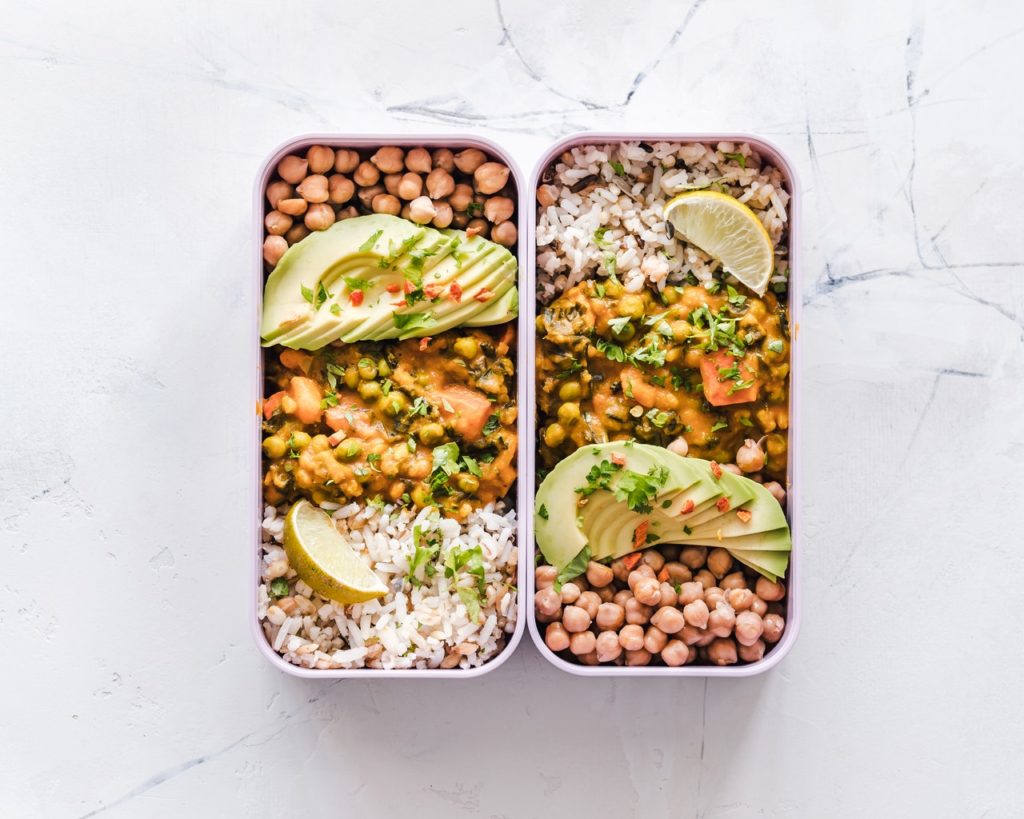
You might learn something new! Working from home may mean your daily structure has been drastically altered with the lack of a commute and no office to walk into every morning. It is key to avoid this affecting your healthy eating and nutrition habits this spring. Take the time to learn new healthy recipes you can follow. Mark says “everyone’s working day is different and personalised and achievable routines transform into results; a balanced diet at home being an essential part.”

Lee Chambers continues: “Nutrition can be quite challenging in isolation, but at the same time, now is the perfect moment to either learn to cook new recipes, or to start meal prepping with your spare time to make keeping a consistent eating schedule a breeze.”

DO WORKOUTS YOU CAN ENJOY

The perfect way to keep your motivation high and interest strong is to make sure you are exercising in a way you can enjoy and works for you. 

Chambers suggests trying ‘’something new but do something you enjoy. It’s a challenging time in isolation, but it’s the perfect time to try new things, to find a way of keeping fit that resonates with you.”

“Research proves that if you enjoy your exercise and movement, it is much easier to stay consistent and get the long-term benefits. With fitness, the outcome isn’t as important as the process of gradually getting that little bit better every day.”

GET CREATIVE

In isolation and without gym equipment, you might think your potential for effective exercises is limited, but influencers and personal trainers say this isn’t the case. David James Seed, a fitness and fashion influencer provided a fitness hack for the perfect all-round workout.

“With everyone stuck home during this time, it’s key to use your surroundings and materials to keep fit. One thing I’ve been doing since I was 16 when I couldn’t get access to a gym, is loading a rucksack with bottles of water, sometimes two – one on my front and one on my back – and doing pushups, pull-ups, squats, lunges, curls, extensions and abs. A rucksack is all you need to add that extra resistance and keep the workouts intense!” he continued to say “HIIT workouts with a rucksack is great to keep up the cardiovascular fitness, whilst building up your muscle!”

Lee Chambers goes one step further – change your mindset and there’s so much fitness potential around you: “Have steps? You can climb a mountain. Have a garden? You can run a 10K. Have a handbag? Perfect replacement for a kettlebell.”

And that’s the can-do attitude we need during lockdown, don’t you think?Better have created an online hub to assist staying active and motivated when working out at home. It comes complete with virtual fitness classes, tips for keeping children active and instructions on how to access Better’s library e-resources. Find out more here: www.better.org.uk

5 IDEAL SPRING GARDENING TIPS DURING SELF ISOLATION

Staying safe at home, with an excuse to park yourself on the sofa and binge your favourite programs and drinks. And get paid to do it…well, it would’ve been the dream just a few months ago. But these four walls have got a little too familiar now, don’t you think?

If you’re one of those lucky people blessed with an outdoor space, the picture may look a little different. Space to breathe, to move, to swing cats if that’s what your thing…so for heaven’s sake, make the most of it!

Indeed, in these difficult, uncertain times, your garden is a surefire, proven way to increase your wellbeing and promote positive mental health. And with lockdown in one form or another set to continue for a while yet, it’s more important than ever to not only enjoy your garden now, but also get it set for the summer months, too. With that in mind, here are 5 IDEAL spring gardening tips during self isolation.

SPRING CLEAN

Let’s start with the most obvious – a spring clean. Before you start anything else out there, get your rake out (no innuendos here) and clear all the leaves and debris which have built up over the winter. Now is the perfect time to pull all those weeds out too, in preparation for more action in the coming months. If you’re looking to kit out your shed, then several power garden tools like a lawn mower, string trimmer, and leaf blower will help speed up the cleaning process with efficiency and accuracy. Check out useful online gardening tool resource OccupyTheFarm to help you choose the best equipment for each job.

The colder months will have also taken a toll on your soil. All that rain will not only have compacted it, but also washed away valuable nutrients that help your plants to thrive. Take decisive action; top up the soil and be sure to add some mulch which not only improves your soil, but also gives your flower beds a neat and tidy appearance. Moreover, mulch helps soil retain its moisture in summer and helps to prevent weeds from growing. 

Spring also represents the best season to tidy up and renew your lawn too. Give your grass a good cut and if you’re starting a new lawn, now’s the time to lay turf or sow your seeds. 

PREP & PRUNE YOUR PERENNIALS

Perennials aren’t demanding plants – therein lies their beauty. Indeed, they’re easy to grow and maintain, and are an economic choice for many gardeners. One of the best times to plant perennials is in Spring (March to early May) when the ground is moist but the weather warming. Use this enforced period of downtime to add them to your beds and borders. 

For any perennials you already have, this is the season to give them some TLC. 

Take care to freshen up the soil around your perennials with that much needed mulch. Since many perennials grow quickly and form big clumps, you can keep them performing and blooming beautifully by dividing them up, allowing each space to grow. 

DEAR APRIL

Vegetable gardens are surprisingly holistic in their health benefits. The most obvious, of course, is an access to freshly grown, freshly picked produce – particularly handy at a time when we’re all travelling to the supermarket less. 

April represents the most ripe and fertile time to sow some seeds and hardier crops, with beetroot, carrots, leeks, lettuce, potatoes, parsnips and peas all traditionally entering the soil this month. Take this opportunity, then, to turn couch potatoes into real ones this month. Give yourself a headstart with our IDEAL beginner’s guide to growing your own produce.

HARDY ANNUALS

Away from the edible side of things, April is also prime time to sow some hardy annuals, such as pot marigolds, annual chrysanthemums, sunflowers and nasturtiums. Actually, you could put the latter in your food; a really pretty addition to the plate, we think. 

And the good news is that some of those hardy annuals not only look great in the garden, but they also offer nectar and pollen to bees, so you’ll be doing your bit for the environment, too!

THE WHOLE NINE YARDS

So you’ve prepped and pruned your garden, sown some seeds and planted veg…now what about some chairs so you can enjoy all your hard work?  Consider some ‘all-weather seating’ that can withstand the ever changing whims of Mother Nature with ease. We’re fans of lounge sets, in particular, since they’re super sociable and comfortable, too. 

And since we won’t be going out to many restaurants in the foreseeable future, now’s the time to get your garden primed and prepped for some convivial party cooking. A decent, charcoal barbeque is essential (no gas for us, thanks) since it imparts that wonderful smokey flavour. If you’re not wrestling smoke and spitting flames, then you might as well cook your meat in your oven, right?

Aside from that, some decent barbeque utensils, like durable tongs, a fork, and even those awesome grilling baskets (particularly good for fish) will see you through. And if you really want to go all out consider installing an outdoor pizza oven to bring a taste of Italy to your garden.

Just because you’re intent on getting your Spring garden just right, doesn’t mean you should be frivolous with your watering in the process. Check out our 5 IDEAL water saving tips for your garden this spring to things as sustainably as possible.

6 IDEAL SKILLS YOU NEED TO START A BUSINESS

Starting a business is a hugely exciting, but also hugely daunting, time. This isn’t just a stable paycheck and a tedious day-to-day job for eternity. Here represents a step into the unknown; a deep dive into the uncertainty pool; a jump into unchartered territory. 

Indeed, running your own company requires consistent problem solving. It means late nights. Early mornings. Working through lunches. Not having lunches. It takes a lot of work, and even if you have the willingness to put in that work, you still might falter due to a lack of vision and skill. We’re here to talk about the latter today; here are 6 IDEAL skills you need to start a business.

INVESTABILITY  

“Joey, I think you’re highly investable”, says Deborah Meaden. The other Dragons nod their approval. Some cast covetous glances at you. You feel strangely violated. She’s also got your name wrong.

Yep, if you’re described by those with more money than you, or sense, as highly investable then you’ve nailed one of the most important skills needed to start a business. But what exactly is this seemingly fluid, forever changing concept of investability? 

Well, it’s all about your character and the energy you give off, we think. So, that’s competence, professionalism, accountability, transparency, just the ‘right’ level of honesty…..harness these attributes and personify them, and you’ll be putting your first few steps on the road to business success.

FORESIGHT 

A successful business owner is both constantly evaluating and predicting; looking back at past mistakes and successes in order to devise new and innovative plans for future progress. Being able to balance that fine juggling act is no easy task, but doing so is essential to early business success. 

This ability to map out company prosperity going forward isn’t only defined by financial gains; it also places emphasis on HR, on brand building, on reach and an ever increasing visibility. In fact, business success in the early years is rarely about the money.

TIME MANAGEMENT 

Starting a new business, especially if you’re not used to working from home or are trying to set up what now seems to be termed a ‘side hustle’, can be time consuming. That is why time management skills should be one of the key areas you focus on and prioritise. The old mantra of ‘work smarter, not harder’ should be replaying in your mind constantly. Be productive, not busy, and you’ll achieve so much more. 

GREAT COMMUNICATION 

If you want to work with others, effectively communicating what you want, in a delicate but decisive way, is vital. You need to be able to teach new skills and procedures to employees without boring them into submission or coming across as dictatorial. 

Because there’s nothing more certain, even more so than death and taxes, than the fact there will be bumps in the road. These might appear in the form of a dispute between colleagues, an issue with your suppliers or even with local ordinances. The point here is that every business has its problems and there is no way to avoid issues altogether. What you can do, however, is improve your conflict management and communication skills so that you can better prepare your business and its response. 

TAKE ME TO YOUR LEADER

Though some might call great leadership ‘an art’, this is a skill which you can nurture just like any other, we think. Being a great leader means acknowledging your own personal shortcomings and working to be a better person so that you can inspire your team each and every day. 

Don’t worry; there’s not one catch-all definition of leadership. Instead, it’s a fluid, ever-adapting, always-evolving quality and one which needs to respond to a diverse set of needs. Above all else, being able to listen is just as important as being able to communicate. You’d do well to remember that.

THE ABILITY TO PERSONALLY DEVELOP 

Having the chance to learn is one of life’s great gifts. Cherish it. For your business to succeed, you should never stop learning. To keep your mind sharp and the inspiration flowing, personal and professional development should always be at the forefront of everything you do. 

What you actually learn could be specially designed courses from companies like corporatecoachgroup.com that will help you develop your communication, time management, leadership and more, or it can be a looser interpretation of learning, with a focus on soft skill acquisition and development. How you define your learning goals may well define your business success.

8 IDEAL PLACES TO FIND PHOTOS FOR COMMERCIAL USE ONLINE

Did you know that using an image on your blog post can increase your views by 94%? Yep, adding the perfect photo to your blog or website is important for both marketing and aesthetics, and can play a crucial role in making your company more visible and viable. 

That said, it’s crucial you make sure you are not using someone else’s work and that you’re carefully paying attention to any copyright restrictions that may be in place.

Fortunately, you can buy photos for commercial use or find free photos online that are copyright-free and royalty-free from so many sources online these days. Plenty of artists are happy to distribute their photography on royalty-free and copyright-free websites, and often, images are released under a Creative Commons Zero (CC0) licence which means the image is free to use, even for commercial purposes with no attribution required.  

Many traditional stock photo websites offer a variety of licenses depending on how you plan to use the photo. With that in mind, here are 8 IDEAL places to find photos for commercial use online.

UNSPLASH

Unsplash offers royalty-free, copyright-free images of a variety of different subjects, all free to use under the Unsplash license. You will not find cheesy or low-quality images on this website – the sheer quality of the photos on held here is second to none. In particular, Unsplash is one of the best sites to use if you’re looking for beautiful images of different countries and cultures around the world.

PEXELS 

Pexels offers copyright-free pictures and photos. While all of the photos are free to download and use, there are some restrictions in place here which you must follow under the Pexels license. We’re also fans of Pexels stock of video footage which are free for personal and commercial use, too. 

PIXABAY 

Pixabay offers free, royalty-free pics, illustrations, vectors, videos, and music. Similar to Pexels, there are several “do’s and don’ts” you must follow under the Pixabay license. This is another site whose terms and conditions you’ll need to read carefully if you’re going to use their free images, music or videos, but once you’ve got your head around the small print, the photos on these sites are ideal for when you need high-quality images to use on your website, blog, or projects.

KABOOMPICS

We’re huge fans of Kaboompics which come under the Kaboompics License. This is a royalty-free service for stock images created and run by photographer extraordinaire Karolina. All photos on Kaboompics can be used for free for commercial and noncommercial use and no attribution is required (but greatly appreciated if you do).

One of our favourite things about this site is that each photo here comes with a complementary colour palette, generated from the photo and corresponding HEX colours. 

RAWPIXEL 

Rawpixel offers premium royalty-free, fully licensed photos alongside vectors, mockups and templates. 

This site has different membership levels. For $19 a month under their business plan you can get access to their premium photos which are free to use for commercial use. For £4 a month you can get unlimited premium downloads for personal use, or from their free collection, you can download up to ten images a day, for both personal and commercial use. 

SHUTTERSTOCK 

Shutterstock images come with a standard license, but you can also purchase an enhanced license if need be. Shutterstock offers a monthly subscription or an on-demand image pack to download images whenever you need to.

ADOBE STOCK 

Adobe Stock images come with a standard license, but you can also purchase enhanced, extended and editorial licenses. Adobe Stock offers a monthly subscription or you can purchase credits to use whenever you like. While many of the photos on Adobe Stock are paid, they do also offer some free images to use.

GETTY IMAGES

Getty Images’ photos come with a standard license, but you can also purchase a rights-managed or rights-ready license if you require it. These guys offer several on-demand packs based on the number of images and/or photos you need.

With Getty, you can purchase a low-resolution image pack, a medium resolution image and video pack, or a high-resolution image and video pack. Be warned; the licenses on these sites are lengthy and complex. Always read them scrupulously to ensure that you’re abiding by the terms. 

BOTTOM LINE 

If you are using a photo from any of these sites, make sure you read and strictly abide by the license and restrictions. Whether you buy photos for commercial use or enjoy free photos, you have many options to choose from whenever you need a stunning image for your project. Don’t forget to bookmark your favourite site and never miss a picture again! 

LOCKDOWN LUNCH: BRUSCHETTA WITH SLOW ROASTED TOMATOES

Ideal for those looking for something different from their lockdown lunch.

With so much focus at the moment on simple midweek suppers, spare a thought for poor ol’ lunch. Finding the motivation and drive to rustle up two great meals each day is a stretch with the storecupboard bare and trips to the supermarket monitored by overzealous law enforcement.

Don’t worry, we’ve got something to let a little sun shine over your lunch this week. With Waitrose, here’s the IDEAL recipe for bruschetta with slow roasted tomatoes.

  • Preparation time: 15 minutes
  • Cooking time: 25 minutes to 30 minutes
  • Total time: 40 minutes to 45 minutes 

Serves: 4

WHAT YOU’LL NEED

500g Waitrose Pome Dei Moro Tomatoes, halved
2 cloves garlic, crushed
25g pack basil, shredded
25g pine nuts
4 tbsp Italian extra virgin olive oil
1 Waitrose Mixed Olive Ciabatta, cut into 16 slices
50g Sacla’ Sun Dried Tomato Pesto
 

WHAT YOU NEED TO DO

1. Preheat the oven to 180°C, gas mark 4. Place the tomatoes, cut side up on a large baking tray and scatter over the garlic, half the basil and the pine nuts. Then drizzle over 2 tbsp oil, season and bake for 25-30 minutes.

2. Place the bread slices on another large baking tray, and brush with the remaining oil, season and bake on a lower shelf for the last 20 minutes of the tomatoes’ cooking time until crispy and golden.

3.Spread the bread with the pesto, top with the tomatoes, drizzle with the leftover juices. Then sprinkle over the remaining basil and serve. 

10 IDEAL SELF CARE TIPS WHILE STUDYING FROM HOME FOR ADULT STUDENTS

This is a trying time for everyone, but spare a special thought for students. A period of uncertainty and instability doesn’t exactly couple well with focus and self-discipline, and study can be stressful even at the best of times. 

Indeed, many students will suffer from a mental health difficulty at some point during their studies and these issues can present themselves in myriad different ways. This propensity to stress and its adverse consequences may only be heightened by having to study from home at the moment, without a dedicated workspace, less obvious access to university materials, and no chance for face to face contact with peers and tutors.

Nonetheless, there are ways to look after yourself right now; check out our 10 IDEAL self care tips while studying from home.

ROUTINE RULES

Just because you’re not attending an actual university doesn’t mean you shouldn’t consider making a routine or timetable and trying to keep to it. Within that schedule, you need to make sure you include regular breaks, time for work, and some time to have fun, too. 

Routines and timetables have been shown to help you stay focused and will give you a better idea of what you need to get tasks done and to the best of your ability. During uncertain times, this is essential.

Try and set meaningful, manageable goals throughout the day of what you need to complete. Use not having to attend an actual university to your advantage; no time spent having to travel to campus, and a greater flexibility of when you meet your deadlines, self imposed or otherwise.

SET UP A DEDICATED WORKSPACE

If possible, it’s a good idea to set up a work area that is separate from your relaxing space, compartmentalising work and downtime succinctly and benefiting both in the process. Differentiating between revision and recreation is so vital when both occur within the same four walls. This will not only help to make you more productive while you are working, but it can also help improve your sleep and the quality of the time you spend relaxing. 

KEEP THE BODY ACTIVE TOO

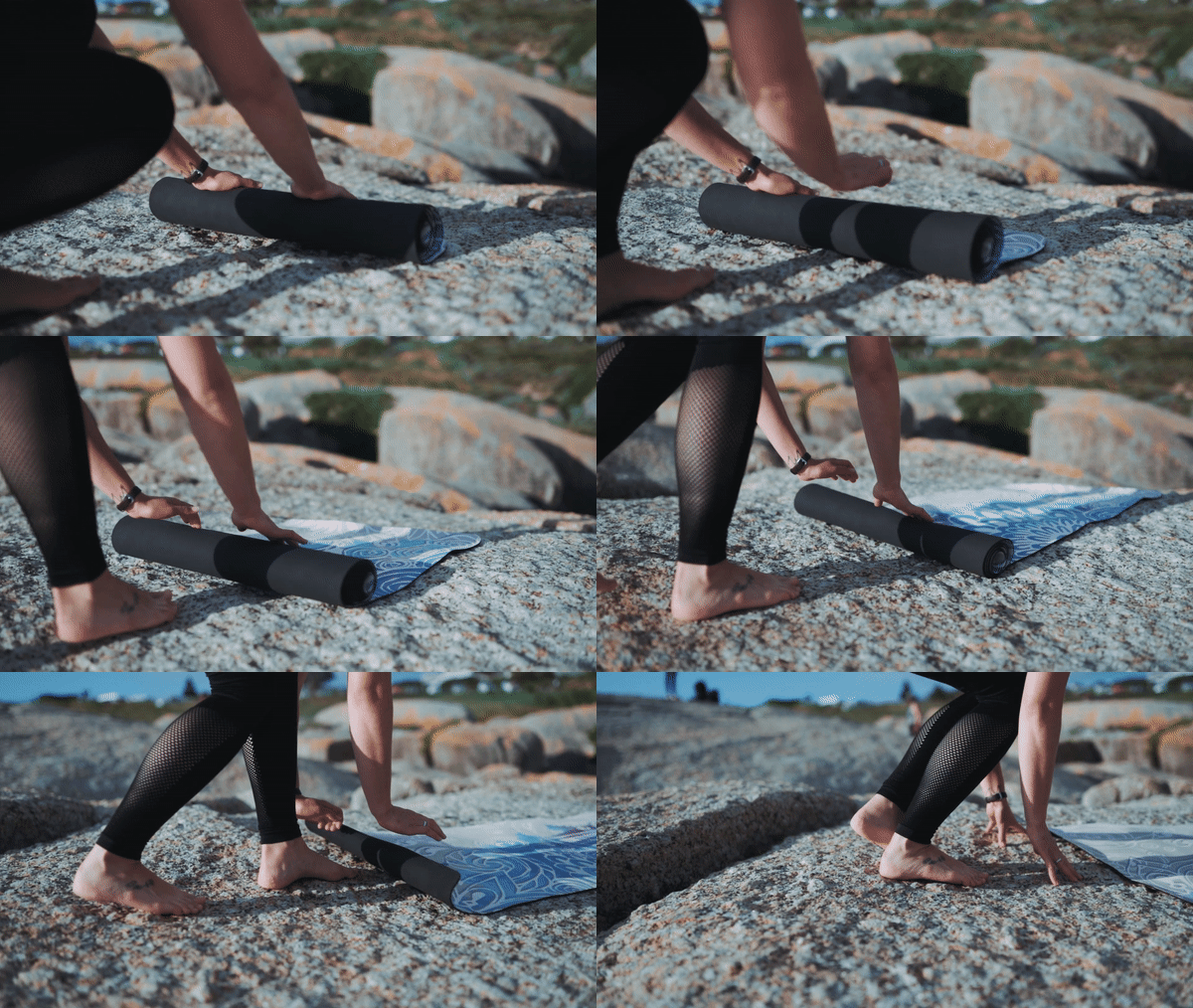
Exercise is a brilliant way to relax after a long day of studying. Why not consider taking up yoga? Or maybe time your daily walk to coincide with the conclusion of meeting your targets each day? 

There are a number of reasons why physical activity is good for our bodies – improving our joints and having a healthy heart are just two examples, but evidence also shows that physical activity is great for our brains too. Some have even gone as far as to suggest that exercise makes us smarter. 

As such, we need to change how we think about physical activity so that we stop seeing it as a chore and start valuing the myriad benefits it brings. Exercise can help us to feel good about ourselves, enable us to feel connected to our surroundings, gives us some control over our lives, and can raise the ol’ self esteem, too.

SET REALISTIC GOALS

We’ve already said that having a routine can help with your mental health, but we also need to make sure that we set goals that are achievable. By doing this, you’re more likely to see yourself progressing through your studies, which in turn will give you the confidence and motivation you need to reach your goals. 

Don’t motivate yourself by trying to do too much. Instead, take some time each week to sit down, take stock and plan what you want to achieve each week. You’ll find your motivation increases each time you manage to tick off one of the goals on your list.

CONSIDER EXTENDED ONLINE STUDY

Until a few years ago, there wasn’t even a serious option to study online. However, in the past 10 years, this has changed dramatically. Online universities offer a wealth of courses, in all disciplines, from standard MBAs to doctorates and more. We now no longer need to leave the house to study for a PhD or a DBA, instead, it can all be done from the comfort of home. Right now, that’s obviously a huge blessing. If you’re clueless about the difference between a PhD and a DBA, check out this useful article on Aston Online which explains.

Many students are worried about what the world of study will look like post Coronavirus. But rest assured that online study will be available and adapting to suit new needs. We think that knowledge might bring some comfort.

There are multiple online tutor and revision services available, like Tutorspot.co.uk, Tutorful and Tutorhouse, who boast a wide variety of subjects and levels of study from GCSE to graduate. Finding a tutor online has never been easier.

COMMUNICATE

Just because you’re studying online, from home, doesn’t mean you can’t ask for help or talk to your peers. Staying in contact through social media channels or online discussion boards will not only stop you from feeling isolated, but will also allow you to get the help you need from your tutors when you require it. 

Remember, you are in the same boat as many others – studying online, while perhaps juggling family commitments or a full-time job.

Turning to others for support – whether it be tips on time management or support with a particular module – can give you the impetus, different perspectives, and advice you need to complete your studies successfully. 

What’s more, your tutor is there to help you when you need it – whether you’re struggling to get an assignment completed on time or if you’re struggling with a particular topic. 

DON’T BE TOO HARD ON YOURSELF 

Remember that although studying is important, so is your mental wellbeing. Take some time out to do something you enjoy or to relax, each and every day. Whether that means spending time simply lying on your sofa. watching your favourite film, taking a leisurely bike ride through the local park, or reading a book before going to sleep, giving yourself that ‘me time’ to relax will help you recharge so that you’re ready to take on another day of studies. It’s a holistic, all encompassing approach; every aspect of your life benefits from a little self care each day.

GET ENOUGH SLEEP

Getting sufficient sleep is extremely important. We all know how we feel when we’ve not had enough sleep – irritable, grumpy and distracted. But getting a proper, regular night’s Zzzeds can have the opposite effect, enabling us to study to our full potential. Make sure you’re getting enough, and that your bedtime routine is well managed to fully enable this. That means responsible drinking (if any), perhaps a bath time before bed, and certainly no screens in the run up to sleep. Check out a more comprehensive rundown of the IDEAL bedtime routine here.

EAT WELL 

Many students find themselves snacking or eating food which simply isn’t as healthy as it should be, due to time and financial constraints. But good practice when it comes to nutrition and diet can have a huge impact on how we feel. Make sure you’re eating plenty of fruit, vegetables, grains and pulses of different colours, as well as having your fair fill of mood boosting foods, too.

BE MINDFUL

Mindfulness and meditation have been shown to help reduce stress and make us feel better, more composed and with a greater sense of gratitude for our lot in life. And the best bit? It doesn’t take a lot of time to complete a guided meditation session and it can be easily fitted into your daily schedule. Result! Check out out guide to 5 of the best mindfulness and meditation apps that will lead you through guided meditations.

Besides meditation, there are several other natural ways that you can reduce stress, and up your studying game. You could try adding a few herbal supplements to your diet, whether that’s Valerian root capsules or a cup of passionflower tea. All of these natural ingredients have been associated with reducing the symptoms of anxiety and stress, (yes please)!

With all these self care tips, you’ll soon perfect your studying regime, and feel way more relaxed. Good luck!

5 CREATIVE USES FOR LEFTOVER WINE

Aside from hangovers, one of the other great tragedies of wine is that once opened, it doesn’t keep for long. So unless you, like the professionals, have access to a Coravin wine system which lets you pour a glass while keeping the wine preserved, you’re left with two options.

First, you could finish the bottle for the sake of it, but we all know that’s a practice not exactly rooted in responsible drinking. Or, you could keep it “for tomorrow”, which so often leads to forgetting about it and ultimately, the wine ending up poured down the sink.

But wine is surprisingly versatile and can be put to a fair few uses beyond drinking it. So, next time you find yourself with leftover wine, don’t feel like you have to finish it there and then – nor do you have to resign yourself to watching it swirl down the drain. Instead, we’ve teamed up with the experts at Cult Wines to bring you these 5 creative uses for leftover wine.

ICE CUBES

Here’s one interesting way you can preserve your wine for future use. Pour leftovers into an ice cube tray and once frozen, transfer them to a freezer bag or container – they’ll be ready to go whenever needed. 

Not for regular drinking, mind. Rather, we’re talking about adding them to white wine for quick cooling without the dilution of regular ice, or saving them for recipes that call for small volumes of wine, such as to lend body to saucers or stews. This way, you won’t need to open a whole bottle just to cook (unless you want to, of course).

VINEGAR

Yes, as anyone who’s taken an inadvisable slug from a long leftover bottle will tell you, wine that’s been sitting a while will turn into vinegar if left to its own devices. The finished result will be far from palatable, though; this certainly isn’t a quick route to aged balsamic or the like.

That said, it is possible to make a very enjoyable vinegar from leftover wine by following a simple recipe – a great addition to the condiment cupboard of budding chefs, gourmands and budding home cooks alike. Check out the Epicurious guide to making your own vinegar from leftover wine, though be warned, it should take around 3 months before it’s ready! 

Alternatively, world famous Danish restaurant Noma’s excellent book ‘The Noma Guide to Fermentation’ has loads of useful information on making your own vinegar, along with some other invaluable insights and recipes. Check it out!

WINE SYRUP

Have more of a sweet tooth? Use your leftover wine to make a tasty syrup that can be used on ice cream, fresh fruit, pancakes and whatever else your cravings command. You can even make it with individual flavourings, such as vanilla bean or fresh ginger. The Kitchn has an easy three-step recipe for leftover wine syrup that takes less than half an hour and tastes bloody great.

GREASE REMOVER

If you’ve got a bottle of leftover white that’s realistically passed the point of consumption in any shape or form, it can still be put to good use as a grease stain remover. Stir up a mixture of white wine and baking soda and apply to grubby patches on your garage floor, outdoor pathways or patio. Let it sit for a few minutes and then wipe away – good as new!

COMPOST BOOSTER

It turns out that plants like a glass of the good stuff as much as we do – in a different format, of course. Pouring red wine into your compost bin activates the good bacteria already present in the mixture, helping your plants and garden to grow. Just be sure to keep your compost bin’s moisture under control once you add the wine. You may need to add a few more dry ingredients, such as cardboard, to compensate for the added moisture.

Now we’ve got leftovers on the mind, why not check out our tips on the 5 IDEAL things to do with your leftover onions and shallots. 

5 ACRONYMS EVERY FOOD MANUFACTURING COMPANY SHOULD KNOW

0

DQMOT, BSF IDK WCA 2TXT W/LOA. Did you get that? Nope, us neither, and we wrote it. LMAO. Actually, allow us to explain. It says ‘Don’t quote me on this, but seriously folks I don’t know who cares anyway to text with lists of acronyms’. And honestly, who does care?

Well, quite a lot of people actually. Once the preserve of quirky memes and teenage internet exchanges trying to keep things under the radar, acronyms are now also used in technical industries to save breath, time and paper space.  

Indeed, the world of food manufacturing has its very own language, a seemingly incomprehensible jargon that ties together sentences, thoughts, and processes into manageable forms. If you’re to understand this industry, it’s essential you get to grips with its vernacular. With that in mind, here are 5 acronyms every food manufacturing company should know.

FDA

This acronym stands for the Food and Drug Administration. Sometimes it is referred to as the USFDA to distinguish it as a United States organization. A federal agency within the US Department of Health and Human Services, the FDA was formed in 1906 and is headquartered in Silver Spring, Maryland. With over 200 field offices and 13 labs, this organization has a huge role in the manufacturing industry because it is responsible for protecting and promoting public health safety. 

The FDA does this through the control and supervision of food safety and the implementation and enforcement of guidelines that dictate the quality of food products, medication, vaccines, medical devices, cosmetics and more.

WHO

Who? Well, the World Health Organization is a bit like the FDA, but on a much larger scale. The WHO is a specialized agency of the United Nations which carries the responsibility for international public health. The mandate for the organization is broad and includes advocating for universal healthcare, monitoring health risks to the public, coordinating responses to emergencies of a health nature, and the promotion of good health.

The WHO was formed in 1948 and is headquartered in Geneva, Switzerland. Over 8,500 people are employed by WHO in 147 different countries.  These are divided into six different regional divisions. The office for the Americas is in Washington, DC. 

They play an important role within the food manufacturing industry because they monitor and regulate various aspects of food and nutrition security.

THE ALCOA RULE

This is essentially a principle implemented by the FDA concerning the information collected and stored on a data logger. It focuses on defining data integrity and how it is achieved in industries regulated to monitor environmental conditions. The letters A-L-C-O-A explain what the guidelines are for all forms of recordkeeping in these industries: Attributable, Legible, Contemporaneously recorded, Original (true copy), and Accurate.

Surprisingly, these guidelines are less than 20-years-old. The FDA added ALCOA in the 2003 21 CFR (Code of Federal Regulations) Part 11 data integrity rule. These are industry standards and ALCOA is the tool that puts all forms of data collection on the same page making it easy for compliance. Many companies conduct internal audits on their data integrity to ensure that they are meeting or exceeding ALCOA standards.

RH

Relative humidity is the measuring unit that defines the ratio of the partial pressure of water vapour to the equilibrium vapour pressure of water as measured at any given temperature. This is quite different from measuring humidity, which is simply the amount of water vapour present in the air. Measuring humidity can help determine a change in weather conditions that could result in rain, fog or any other type of weather event.

The instrument used to read RH is called a hygrometer. Depending on the model, readings are either digital or analogue and the numbers indicated refer to the percentage of humidity being recorded. Comfortable levels of humidity range from 30% to 60%. Less humidity can result in dry conditions whereas higher humidity can create conditions conducive to the growth of mould and mildew possibly resulting in rot, rust and warping damage to all kinds of materials. 

Food manufacturing relies on RH to measure the humidity (and safety of products) in fridges, freezers and transit.

GXP

Good practices (GxP) are the framework of guidelines used to standardize the production of products that end up in the hands of a consumer. GxP is of particular note in food production, medical device and aerospace industries with individual specifications aimed at each industry. The framework permits regulated industries to measure and maintain performance as it relates to compliance with requirements.

There are many different ways of identifying good practices through acronyms. According to Dickson, the “x” in the GxP designation helps to define the precise source of the good practices it represents. For example, if the good practices are laboratory-based, the designation becomes GLP. If the guidelines focus on distribution, it will read GDP. For manufacturing, it is GMP. If a lowercase “c” appears at the beginning of any GxP notation (cGxP) it refers to current standards.

THE BOTTOM LINE

LOL looked like jargon when it first appeared. Indeed, even a former Prime Minister of the UK used it erroneously (to be fair, it’s probably one of his lesser mistakes). But now, where would we be without the ability to succinctly sum up how we’re actually, genuinely laughing at something? 

In turn, what might first appear to be jargon in the food manufacturing industry is actually essential terminology to be learnt and memorised if you’re to get ahead in the trade. Like learning a new language, if you’re to be conversant in this ever changing world, it’s time to LOBH.

THE IDEAL PACKING LIST FOR A TRIP TO LONDON

Should you be heading to the Big Smoke for a weekend city break but have no idea what to pack, firstly, you’re not alone! The weather’s totally fickle, the vibe of each neighbourhood forever shape-shifting from smart to casual to ‘what even is that?’ and beyond, and the demands of the big city often require a fashion switcheroo halfway through the day.

Fortunately, you’ve come to the ideal place (pun intended) to get guided. We understand the pain you’re going through right now, trying to second guess the climate, the city and the culture. With that in mind, here’s the IDEAL packing list for a trip to London.

WEATHER READY 

Damp, drizzling and with perenially grey skies – yep this is what London is famous for. However, while the weather in the capital is perenially unpredictable, you can bet that it rains a lot (about 164 days of rain a year, to be precise). 

Since the weather’s this changeable, it’s sensible to wear layers and always have something waterproof to hand. An umbrella is advisable, but make sure it’s sturdy enough to withstand the wind yet small enough to fit in your handbag. And if you also decide to pack a rain poncho, no one will judge you. 

Frankreporter via Canva

LONDON STREET STYLE 

Unless you want to stick out like a tourist, save those “I heart London” t-shirts for when you get home. Despite what us residents may sometimes say, London is one fashionable city and the pavements of the capital act as a runway, with photographers capturing the coolest cats for street style features in magazines and more.

Indeed, Londoners are famous for a style which straddles the cool with the causal. That said, it’s also a pretty eccentric city – you can wear your wackiest outfit and people won’t bat an eyelid. 

Of course, if you’re most comfortable in a pair of jogging bottoms and an oversized hoodie, or if you feel more fantastic in a floor length gown, then just go for it – the beauty of London is that you can wear whatever you want, so embrace your own personal style and have fun with your outfits.  

TUBE TALK

London wouldn’t be able to function without the tube. It’s the quickest and most useful method of transport in the capital. And as a tourist, no doubt you’ll be using it a lot. 

As such, you need to be tube ready. Pack a tube map or better yet, download Citymapper and TFL London on your phone for quick and easy access to the latest timetables and the best routes. Also, make sure you bring a contactless travel card like Monzo for efficient payments (there’s not much need for an Oyster card anymore if you’re only in the city for a day or two). 

When it comes to bags, a big backpack will be your (and your fellow passenger’s) worst enemy. It’s a pretty massive faux pas to wear a pretty massive bag, taking up valuable space for another passenger to squeeze into. Don’t be that guy.

In the scorching summer months, a handheld fan for the tube makes for an excellent companion; it gets hot down there. No not down there, silly, we mean down under the ground. You’ll also hear TFL announcers encouraging you to carry a bottle of water with you – advice not to be ignored – and rumours of temperatures reaching 40°C below the city’s surface. Prepare for the worst.

COMFORTABLE FOOTWEAR 

London is an eminently walkable city. Indeed, the best way to get a feel for each of London’s unique boroughs is to stroll the streets and take it all in. Therefore, packing comfortable footwear is essential for your London trip. You don’t want pesky blisters ruining your trip (come to think of it, you should also pack some plasters). 

Bear in mind that London has a number of cobble-stoned streets, so make sure the soles of whatever shoes you’re wearing are thick enough to deal with them. Leave the heels at home unless you’re heading out to a fancy restaurant and want to dress up. 

SUMMER ESSENTIALS

London in the summer can get sweltering and in the last few years has seen several heatwaves with temperatures rising well above 30°C for prolonged spells. During the season, avoid jeans as they can get hot, sticky and uncomfortable to walk in. Opting to wear fabrics which stop your skin from breathing and trap in moisture will make your trip pretty unbearable. A rookie error to assume London will be forever cold, we think. 
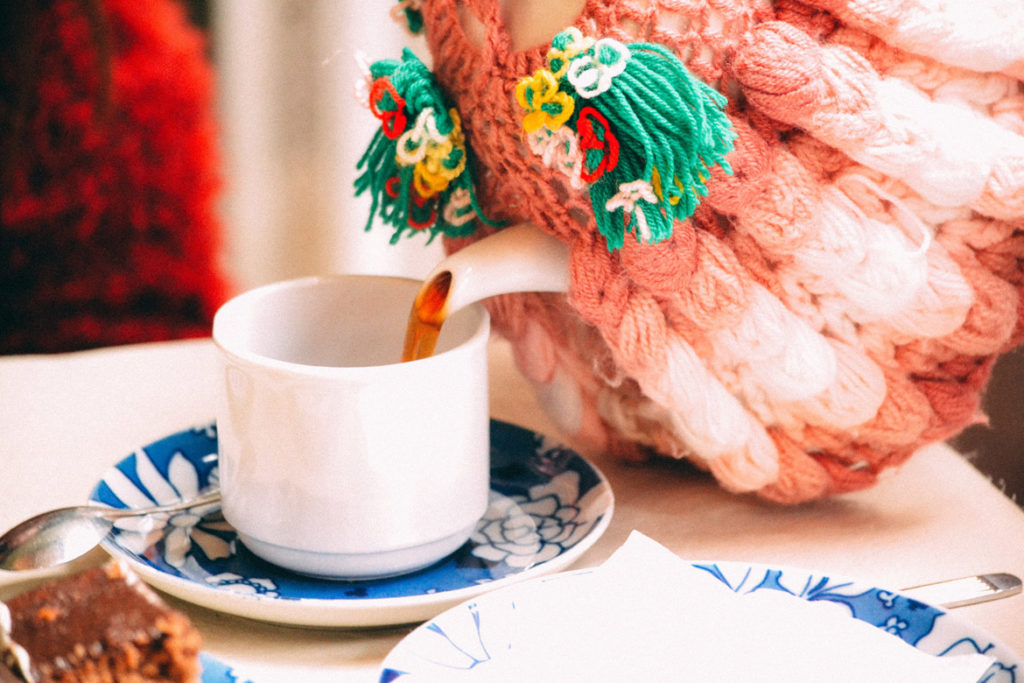

To survive London’s enduringly sticky summer days, go for breathable summer fabrics like linen, cotton and chambray, as well as moisture-wicking underwear for maximum comfort in such hot settings. 

Don’t forget to pack sunscreen and a pair of sunglasses which will come in handy for your free walking tour in London. The addition of a summer scarf and a lightweight, easy to carry handbag will be useful if you decide to enjoy one of London’s many parks or need to cover your hair from a sudden bout of rain.

SPRING & AUTUMN OUTFITS

Spring and Autumn in London are for the large part very pleasant seasons with temperatures in the early to mid teens. That said, the weather can be changeable during this time. One minute you’ll be kicking yourself for leaving your jacket at home and the next, you’re sweating profusely because you dared to wear a pair of tights.  

As such, wearing layers is a good idea at this time of year. If you want to fit in with the Brits, in Autumn there’s nothing more British than a classic trench coat – sleek and stylish, offering function and fashion in droves. And don’t forget to pack a pair of comfortable ankle boots; they’re the perfect in-between-season shoe.

WINTER WEAR

Skating at Somerset House, strolling along the Southbank with a mulled wine in hand or enjoying the festive delights of Winter Wonderland –  there are loads of outdoor activities to be enjoyed when Winter comes around in London. While temperatures don’t often drop to below freezing and snow in London isn’t all that common, if you’re visiting during the Christmas period, expect it to be cold. 

Accordingly, a warm winter jacket is a must for London tours during winter. Pack anything you need to keep you warm because it can get really chilly outside. Warm sweaters, gloves, scarfs, jeans, and hats – you name them, you need to wear them! Warm boots are a must, and make sure they’re waterproof; keeping your feet and lower legs warm and dry is essential to great day out in London. 

HOW MUCH DO I NEED TO EARN TO GET A MORTGAGE OF £250,000?

Your IDEAL questions answered.

The housing market’s trials and tribulations certainly aren’t at the top of most people’s agendas right now. But while the only thing that’s certain right now is that we’re living in uncertain times, we still have to stay positive. 

One area that’s come to a halt over the last few weeks has been buying a new home. Indeed, the coronavirus has wreaked havoc on the housing market. In time, though, we’ll be back viewing homes and applying for mortgages. It’s important to note, then, that this post is based on all pre Coronavirus figures.

But for now, if you’re looking to get ahead of the game and well informed for when the housing market is open for business once again, then read on; here’s your IDEAL questions answered on how much you need to earn to get a mortgage of £250’000.

WHAT’S THE AVERAGE HOUSE PRICE ROUND HERE?

The average house price in the UK is £231,185, so a mortgage of £250,000 would be a little above average. If you’re hoping to get on the property ladder and wondering how much you’d need to earn to be able to afford a £250,000 property, then read on. 

We’ll also look at how long it will take you to pay off a £250,000 mortgage and how much you can expect to pay every month. And finally, we’ll look at how much deposit you will need to save for a £250,000 mortgage.

CAN YOU CUT TO THE CHASE PLEASE?

Unfortunately, there isn’t a clear answer to the question “how much do I need to earn to get a mortgage of £250,000?” This is because lending decisions will vary by lender. And lenders will also look at each application individually. This means that someone earning an identical salary to you could find it easier or harder to secure a £250,000 mortgage. If you’d like a more detailed breakdown, Point Me To are experts here, and will point you in the right direction of mortgage brokers who have expertise in the divergent factors affecting the final decision.

To understand how mortgage decisions work, we first have to look at the factors lenders will consider. These include:

  • Your earnings
  • Your source of income
  • Your savings
  • Your credit score and history
  • Your deposit

I’LL ASK PLAINLY & SIMPLY, ONE MORE TIME FOR GOOD MEASURE: IN IDEAL CIRCUMSTANCES, HOW MUCH DO I NEED TO EARN TO GET A MORTGAGE OF £250,000?

If you find a lender willing to give you 5 times your annual salary, you would need to earn £50,000 a year to be able to borrow £250,000. If the lender is only willing to lend four times your annual salary, you would need to earn £62,500 per year to meet the threshold.

In a joint mortgage application, this could be split between two people, so one could earn £30,000 while the other earns £20,000 per year. If you’re self-employed or running your own business, your lender would only consider your profit and not your entire income.

HOW MUCH DEPOSIT WOULD YOU NEED?

It’s worth remembering that you might not need to borrow £250,000 if this is the value of the property. On a property of this value, the lender would expect the buyer to provide a deposit, whether it’s your first investment or you’re buying a second home. The deposit is typically between 5-25% which would decrease the amount you are borrowing by between £12,500 and £62,500. 

With a 25% deposit, you would only need to be earning £46,875 per year to buy a house worth £250,000 on a mortgage that is 4 times your annual salary.

However, with only a 5% deposit, you would need to be earning £59,375 per year to buy the same home with a mortgage that is 4 times your annual salary. 

This is why the value of your deposit is so important.

HOW MUCH WILL MONTHLY REPAYMENTS BE FOR A £250,000 MORTGAGE?

Another thing to consider will be your monthly repayments. Lenders will want to make sure you can always meet your financial obligations, so your monthly incomings and outgoings will be carefully scrutinised.

Your monthly repayments will vary depending on the type of mortgage you choose and the rates you are offered.

For example, to purchase a £250,000 house with a 20% deposit over 25 years with an interest rate of 3.5% and mortgage fees of 3% you would pay £1,032 per month. The total repayable would be £309,491.

To purchase the same home with a 25% deposit over 30 years with an interest rate of 3.5% and mortgage fees of 2.5% you would pay £863 per month. The total repayable would be £310,807.

While you might be able to reduce your monthly payments, increasing the loan term will increase the total amount you have to pay back over time. 

Small changes to your application can have a huge impact on your monthly finances, which is why it is so important to seek specialist help when applying for a mortgage. Working with a mortgage broker, such as those available through NicheMortgageInfo can help you to secure the best possible deal on your mortgage.

PREPARE YOUR BIKINI BRASILENO: DISCOVER 5 OF THE BEST BEACHES IN BRAZIL

BEST BEACHES IN BRAZIL

We don’t think we’re putting our neck on the line here when we say that no country on the planet is more associated with joy and abandon. 

Think about it. The bright yellow shirts playing the beautiful game with such a sense of fun. The samba music played even brighter. The vibrant, raucous Carnival, the Caipirinhas which just taste of sunshine, and the even greater warmth of the people….yep, Brazil is a country synonymous with the good times.

And the best place to track down so much of this joie de vivre? It has to be Brazil’s most famous focal point for frivolity; the beach. The sand, the sun, the beautiful people, the bikinis….oh the bikinis. Known in South America as fio dental, or “dental floss”, the Brazilian bikini is one of the country’s greatest exports. Though it was outlawed in 1961 by the then president, Janio Quadros, it’s now the ubiquitous attire of the country’s hallowed sand. 

That’s enough waxing lyrical. Grab your bikini brasileño and pair of Havaiana flip flops, and let’s discover 5 of the best beaches in Brazil together.  

COPACABANA, RIO DE JANEIRO 

We had to start here, the most famous beach in the world, complete with it’s very own song and enough iconic imagery to fill a gallery. The confluence of sea and sand against the backdrop of Rio – where nature meets man-made – is one of life’s most spectacular sites, and simply has to be experienced up close and in person to be truly believed. 

Spanning some 4km, the beach has a vibrant atmosphere; there’s always a game of keepy-up being played and a party in full swing somewhere along the strip.

BEST BEACHES IN BRAZIL

IPANEMA, RIO DE JANEIRO

Another blissful beach, another questionable song. If you’re like the girl from Ipanema and like to walk to the sea in Brazil, make sure it’s on this beach. And remember not to go walking in your Havaianas here; Ipanema is also one of Brazil’s hottest beachwear brands, offering stylish sandals of their own. 

The beach itself begins where Copacapbana ends, separated by the Arpoador stone and its peninsula. Locals generally view Ipanema as the slicker, more fashionable sibling to Copacabana’s brash, bolshy tendencies. As such, there are hip restaurants and groovy boutique shops aplenty along the stip directly behind the beach. 

BEST BEACHES IN BRAZIL

PRAIA DE ITACAREZINHO, BAHIA

Head to the sleepy, laid back town of Itacare, in the northeastern state of Bahia, and you’ll be blessed with one of Brazils most beautiful beaches; Praia de Itacarezinho. 15km south of the town and lined with palm trees and white soft sand, this 3.5km sandy stretch has a more low down and languid feel than the high octane beaches of Rio, largely untroubled by the restless energy of the country’s famous party destinations. 

So, that’s not beer bottles dug deep into the sand, no footballs disrupting your afternoon snooze, and samba only played at just the right level. Bliss…

PRAIA DO FUTURO, FORTALEZA

On a warm day, there’s nothing better than strolling down Fortaleza’s Avenida Beira Mar (that’s ‘avenue bordering the sea’ in Portuguese). With high-rise hotels and buildings lining one side, and on the other a promenade running along the beach with barracas, ice cream stalls and street food vendors everywhere, it’s a glorious scene. 

Fortaleza is famous for it’s urban beaches and the beautiful Praia do Futuro beach is a must visit. The beach is located just ten minutes from the popular Beira Mar Avenue, though we’d we recommend catching a taxi here as it’s a little out of the way. The beach is fantastic for swimming and has lots of lovely beach barracas for snacks, drinks or something off the grill.

Speaking of which, the area has several delicious regional delicacies available from vendors on the beach. Our favourite is the local crab, and insiders tell us that the barracas come alive on Thursday nights when all the locals come out to enjoy a spot of crab eating and some Brazilian country music. If that’s provoked an appetite, check out our tips on what to eat in Fortaleza for more.

PRAIA DE PIPA, RIO GRANDE DO NORTE

Pipa Beach sits right on the tip of Brazil’s nose, and is Brazil’s most eastern point, actually much closer to Africa than the south of the country. It’s a vast expanse of perfect golden sand, calm waters and unique surrounding landscapes. There are several gorgeous stretches found around the town of Natal and village of Pipa, but arguable the finest beach in all of Brazil, Baia dos Golfinhos, should be your first port of call. Simply stunning.

Be aware that, for better or for worse, the village isn’t so sleepy, and is a premier party destination for Brazilians and tourists alike, particularly between the months of December and February. That said, the picture perfect beaches more than make up for Pipa’s bars and boisterousness, whether you’re reclining on the sand or spotting the local dolphins who love to frolic close to the shore.

Now you’re all set and ready to explore Brazil’s beautiful beaches, would you care to send us a postcard telling us your favourite? Boa Viagem!