
Home Blog Page 84

Why Are My Energy Bills So High? 7 Electricity Sucking Home Appliances

And the IDEAL ways to make them more energy efficient…

It’s an all too familiar feeling that sends a shiver down the spine and a cold sweat across the brow; opening an energy bill to see a figure with more zeros than a bowling league on a bad night.

Perhaps that’s a bit of an exaggeration, but ever rising energy bills are certainly not something to be sniffed at.

If you’re wondering why your energy bill is so high and you’re keen to scrutinise your bills a little more closely, then this one’s for you; here are 7 electricity sucking home appliances and the IDEAL ways to make them more energy efficient.

TV

Here’s a shocking stat; according to the BBC, nearly a third of the average Brit’s waking hours is spent watching TV or streaming. It should be noted that the amount of electricity your TV uses is hugely dependent on the type of TV and the model, but generally speaking, plasma TVs use far more electricity than an LCD screen.

To ensure your TV is as energy efficient as possible, consider dialling down the brightness, and always switch it off at the plug after use; leaving the thing on standby can still drain electricity. 

In fact, this is true for all your so-called ”vampire” devices – appliances which suck electricity even when it seems like they’re turned off. Many modern TVs also have an eco (or ‘energy saving’) mode, which you can have engaged while you watch. If you really care about reducing your energy bills, always have this mode on.

Fridge & Freezer

Your fridge and freezer are on all day long, guzzling energy to keep your bacon at a safe 1-5°C. Depending on the model, it’s likely your cold appliances are the most electricity draining in the house. According to the Centre for Sustainable Energy, a combined fridge/freezer costs 6 pence an hour to run, and considering you’re doing so 24/7, that number really adds up.

There are things you can do to minimise wasting energy here. Avoid overloading it, as a fridge needs air circulation to work properly. You can also prevent overworking your fridge by ensuring food has cooled completely before it gets put inside.

Reduce the amount of time you open the doors each time you’re peering in, and when you go to bed, make sure that both the fridge and the freezer are shut tight, too. From time to time, check that the door seals are airtight so your fridge and freezer aren’t letting cold air escape. Finally, keep your fridge out of direct sunlight and away from any heat source. Positioning your fridge directly next to your hob, for instance, is a mistake.

If you’re buying a new fridge or freezer, make sure it’s energy efficient. Any new models will come with a label attached, ranging from B to A+++. Prioritise the latter.


Tumble Dryer 

The average UK household uses their tumble dryer 150 times a year, with more than half of all homes owning one. That’s a lot of energy being used.

To minimise your appliance’s energy usage, spin dry your clothes prior to giving them the tumble dryer treatment, preferably on a high speed (make sure nothing delicate is in there, unless you want to shrink your clothes a couple of sizes smaller). You can give your clothes a shake dry before tumble drying if you’re keen to be extra scrupulous.

Also try not to overload the machine, or better still, stop using it altogether. Instead, use drying racks or a washing line. Not only is this kinder for the environment and your bills, but it’s better for your clothes’ longevity, too.

Electric Hob

Electric hobs cost twice the amount of gas to run, but there are several things you can do to make your cooking on the stovetop more energy efficient. Generally speaking, the microwave uses the least amount of electricity in the kitchen; ask yourself if you really need to warm through your spag bol on the stove when your microwave is sitting right there.

You can also use the kettle to boil water rather than suffering a low, slow, gradual boil on the hob. If you are bringing stuff to the boil on the stove top, always use a lid to speed up the process. And bear in mind that slow cookers are also an extremely energy efficient cooking appliance, needing a similar amount of juice as a light bulb to run. Finally, if you regularly cook food from frozen, give your frozen food the previous night in the fridge to defrost so you use less energy heating it up. Every little helps!

Dishwasher

How we love our dishwasher; it takes a massive load off, make no mistake, and renders the whole chore of washing up a doddle. That said, it’s also one of the more energy guzzling appliances in the house; a 2023 report in the Metro suggested that your dishwasher could cost you upwards of £277 a year to run, if you use it annually.

To ensure your dishwasher isn’t overdoing its energy use, don’t run it until it’s completely full (though not overfilled). Too many of us give our dishwashers a spin when they’re only half full for convenience’s sake; avoid this. You can also run your dishwasher on eco mode (essentially a longer cycle on a lower temperature), should you have this option.


Washing Machine

The washing machine is a staple in most households, but it can also be a significant energy consumer. One of the simplest ways to make your washing machine more energy efficient is to wash your clothes in cold water. Most of the energy used by a washing machine goes into heating the water, so by opting for cold washes, you can save a substantial amount of energy. Modern detergents are designed to work effectively in cold water, ensuring your clothes still come out clean.

Running your washing machine with full loads maximizes the energy used per item of clothing. Avoid running half loads unless your machine has a specific setting for smaller loads. Additionally, using high-efficiency (HE) detergents can help. These detergents produce fewer suds, meaning your washing machine doesn’t have to work as hard to rinse out the soap, saving both water and energy.

Another tip is to use the highest spin setting to remove as much water as possible before drying. This reduces the drying time, whether you use a tumble dryer or air dry your clothes. If you’re in the market for a new washing machine, look for models with high energy efficiency ratings. These machines use less water and energy per cycle, making them a smart investment for long-term savings.


Electric Oven

Electric ovens are another major energy consumer, especially if you bake or roast frequently. To make your electric oven more energy efficient, consider preheating only when necessary. Many dishes do not require preheating, and minimising preheating time can save energy. When you do use the oven, try to cook multiple dishes at the same time. This maximises the use of the oven’s heat and reduces the need for multiple cooking sessions.

If your oven has a convection setting, use it. Convection ovens circulate hot air more efficiently, cooking food faster and at lower temperatures, which saves energy. It’s also important to keep the oven door closed as much as possible. Every time you open the door, the temperature drops by about 25 degrees, causing the oven to use more energy to get back to the set temperature. Use the oven light to check on your food instead.

Lastly, if your oven has a self-cleaning feature, use it sparingly. The self-cleaning cycle uses a lot of energy, so it’s best to clean spills and splatters as they happen to avoid the need for frequent deep cleans. By implementing these tips, you can make your washing machine and electric oven more energy efficient, helping to reduce your overall energy consumption and lower your bills.


Always Remember To Compare Rates

One final point. It’s essential that you regularly compare energy rates to ensure you’re getting the best deal possible. Energy prices can vary significantly between suppliers, and staying with the same provider for years without checking the competition can mean you’re missing out on potential savings. By comparing rates, you can save money, find better customer service, access green energy options, and benefit from special offers.

Use comparison platforms for cheap electricity rates to input your details and get a list of available tariffs, checking the terms and conditions, including any exit fees, contract length, and whether the rates are fixed or variable. Make sure the tariff aligns with your typical energy consumption and consider bundled services for additional savings. Set a reminder to review your energy rates at least once a year to ensure you’re still on the best deal.

If you’ve still got your bills on your mind and your mind on your bills, then check out these 5 IDEAL tips for making your home more energy efficient.


Where To Celebrate Oktoberfest 2024 In London

The epitome of Bavarian culture, Oktoberfest has transcended its Munich origins, with London enthusiastically embracing the celebration of this world-famous beer festival. 

Whether you’re after a traditional atmosphere, contemporary vibes, or a blend of both, London offers a variety of venues to mark Oktoberfest 2024. So, raise your steins and don your lederhosen, here’s where to celebrate Oktoberfest 2024 in London.

Neverland London Oktoberfest

Dates: 29th September – 8th October 2024
Location: Neverland, Fulham

Expect an immersive Bavarian experience at Neverland London Oktoberfest. Over two weekends, attendees can relish authentic festivities including steins, sizzling street food, and crowd-pleasing DJ sets. Saturdays will feature live Oompah bands, perfect for those wanting to dance the night away. Traditional dress is highly encouraged, so grab your lederhosen or dirndl for a truly spirited celebration.

Munich Cricket Club

Dates: 19th September – 26th October 2024
Locations: Canary Wharf, Tower Hill, Victoria

Munich Cricket Club is set to host three weeks of exhilarating Bavarian merriment across its locations in London. Guests can indulge in foaming steins of beer, enjoy sumptuous sausage platters, and be entertained by live Oompah bands providing the perfect soundtrack for some raucous table dancing. If you’re lucky, flaunt your best Oktoberfest outfit for a chance to 

Camden Oktoberfest

Dates: Every weekend of October
Location: Electric Ballroom Camden

Camden Oktoberfest is another hotspot transforming into a Bavarian paradise in 2024. The venue is known for its lively atmosphere, with guests enjoying classic German beers and participating in engaging activities synonymous with Oktoberfest. Table dancing to the beats of an Oompah band is strongly encouraged, crafting an unforgettable experience for all attendees.

Oktoberfest at Between The Bridges

Dates: 27th September – 12th October 2024
Location: South Bank

Between The Bridges on South Bank will be transformed into a German-style beer hall across three weekends. The venue promises an atmosphere buzzing with excitements including performances by the ten-piece brass crew, Old Dirty Brasstards, and various DJs gracing the decks. Attendees can gear up for scrumptious street food and two-pint steins of beer, ensuring a hearty celebration.

WINGTOBERFEST 2024

Dates: 11th – 13th October 2024
Location: Big Penny Social, Walthamstow

This year, Big Penny Social will host the inaugural WINGTOBERFEST, offering a unique take on the traditional Oktoberfest festivities. Guests can enjoy not only an extensive range of beers but also a special focus on delicious wings, making it an irresistible venue for food and beer enthusiasts alike.

HIVERFEST: OKTOBERFEST

Dates: 3rd October
Location: Bermondsey

HIVERFEST offers a spirited celebration tailored for those who revel in combining the joys of craft beers with traditional Oktoberfest elements. This venue promises an atmosphere charged with energy (as well as beers, bratwurst and buzzing tunes) making it a significant addition to the must-visit Oktoberfest events in London.

Doing Oktoberfest 2024 Right

  • Ticket Purchases: Given the popularity of these events, securing tickets in advance is highly recommended. Most venues offer online booking facilities, allowing you to plan your visit without any last-minute hassles.
  • Dress Code: Dress in Bavarian attire, such as lederhosen for men and dirndls for women, to fully immerse yourself in the Oktoberfest spirit. Many venues even offer prizes for the best-dressed attendees.
  • Food and Drink: Expect a variety of German culinary delights, from bratwurst and pretzels to sauerkraut and schnitzels. Beer will flow generously in traditional steins, but don’t forget to also explore other drink options such as cocktails or even local craft beers, depending on the venue.

The Bottom Line

Whether you’re a long-time enthusiast of Oktoberfest or experiencing it for the first time, London’s host of events for this year’s spectacular offer a perfect blend of traditional Bavarian festivity and modern London personality. From large-scale venues filled with thousands of revellers to more intimate settings that capture the essence of the Munich original, there’s something for everyone in the city.

48 Hours In Podgorica: Europe’s Cheapest City Break

Podgorica might not be the first name that comes to mind when European city breaks are mentioned.

But to dismiss Montenegro’s capital city would be to miss out on a place full of cultural and culinary intrigue. Not to mention, a place that represents extraordinary value for money. According to a recent study published in the Mirror, a two-day break in the city could cost you in the region of just £220. For that price, two people can secure return flights, taxis around the city, meals out, tickets to local attractions, and two nights in a hotel. Wow.

While it may not be as well-known as other European capitals, Podgorica’s charm lies in its unpretentious allure, its laid back, unhurried atmosphere and the warmth of its people. With just 48 hours to explore, here’s how to make the most of your time in Montenegro’s capital, Podgorica, Europe’s most affordable city break.

Getting There

Travelling to Podgorica from the UK is relatively straightforward, with several options available to suit different preferences and budgets.

By Air

The most convenient way to reach Podgorica is by air. Podgorica Airport (TGD) is well-connected to various European cities, including direct flights from London. Airlines such as Ryanair, Wizz Air, and easyJet offer regular services from London Stansted (STN), London Gatwick (LGW), and London Luton (LTN) to Podgorica. The flight duration is approximately 2 hours and 45 minutes.

Upon arrival at Podgorica Airport, the city centre is just a 15-minute taxi ride away. Taxis are readily available outside the terminal, and the fare to the city centre typically costs around €12-€15. Alternatively, there are hire-car stands at the airport. Once in the city, you could also rent a car in Podgorica to get you around (and tackle some those day trips we mentioned earlier!).

By Train and Ferry

For those who prefer a more scenic and leisurely journey, combining train and ferry travel is an option. You can take a Eurostar train from London St Pancras International to Paris Gare du Nord, and then transfer to a high-speed train to Bari, Italy. From Bari, regular ferry services operate to Bar, Montenegro, which is about an hour’s drive from Podgorica. This route offers a unique opportunity to experience the picturesque landscapes of Europe and the Adriatic Sea.

By Car

Driving to Podgorica from the UK is an adventurous option for those who enjoy road trips. The journey covers approximately 1,500 miles and takes you through France, Germany, Austria, Slovenia, and Croatia before reaching Montenegro. While this option requires careful planning and several overnight stops, it allows you to explore multiple countries and enjoy the diverse scenery along the way.

Day 1: Arrival & Discovery

Breakfast: A Warm Montenegrin Welcome

Touch down in Podgorica and start your day with a hearty Montenegrin breakfast at Hotel Podgorica’s terrace café (you needn’t have stayed at the hotel to enjoy the breakfast, though it is a lovely hotel indeed), overlooking the serene Morača River. 

Indulge in a traditional spread of priganice (fried dough balls) served with honey and cheese, accompanied by a strong cup of local coffee. This is the perfect spot to watch the city come to life with the sunrise. Or, you know, once the sun has risen…

Alternatively, Mimosa Montenegro, which is open from 8am daily, does an excellent brunch.

Morning: Historical Insights

Begin your exploration with a visit to the Millennium Bridge, an iconic symbol of modern Podgorica. From here, take a leisurely stroll to the Old Town (Stara Varoš), where narrow cobbled streets and Ottoman-era architecture tell tales of the city’s past. Don’t miss the Clock Tower (Sahat Kula), a remnant of Ottoman rule, and the nearby Ribnica Bridge, which dates back to Roman times.

For a deeper dive into Montenegro’s history, head to the Museum and Gallery of Podgorica. Housed in a former royal palace, the museum offers fascinating exhibits on the region’s cultural and historical heritage.

Lunch: Pod Volat

For lunch, make your way to Pod Volat, a ten minute stroll south from the museum. A beloved local eatery known for its traditional Montenegrin cuisine, order the čevapi (grilled minced meat sausages) or kačamak (a hearty dish made from potatoes, cheese, and cornmeal). Pair your meal with a glass of Vranac, Montenegro’s famous red wine.

Afternoon: Strolling & Sightseeing

After lunch, take a leisurely walk past the Municipal Assembly of Podgorica and through King’s Park (Kraljev Park), a green oasis in the city centre. The park’s shaded paths and vibrant flowerbeds provide a perfect setting for a post-lunch stroll. 

If that’s not enough greenery for a single sitting, then consider tackling Gorica Park, just 5 minutes north of King’s Park. At Gorica Park, there’s plenty to see, do and occupy an afternoon. Named after the hill it surrounds (also the city’s namesake), Gorica Park is one of Podgorica’s most beloved green spaces. The park offers a variety of walking and cycling trails that wind through dense pine forests, providing a refreshing escape from the urban hustle.

For those interested in history and culture, the park is home to several monuments and memorials, including the Partisan Monument, which commemorates the fighters of World War II. The park also features a small outdoor gym, playgrounds for children, and numerous picnic spots, making it a great destination for families.

Adventure seekers can enjoy the park’s well-maintained mountain biking trails or try their hand at rock climbing on the natural cliffs. Additionally, Gorica Hill offers a panoramic viewpoint that provides stunning vistas of the city and the surrounding mountains, perfect for photography enthusiasts. A short hike to the top rewards you with panoramic views of Podgorica and the surrounding mountains. The hill is also home to the Church of St. George, one of the oldest churches in Montenegro, dating back to the 10th century.

In the warmer months, the park hosts various cultural events and open-air concerts, with families converging on the space several generations strong. It’s a charming scene.

Evening: A Taste Of Tradition At Stara Kuća

As the sun sets on Gorica Park, head out of the park’s north exit and to Stara Kuća, a charming restaurant set in a traditional Montenegrin house. Here, you can savour dishes like lamb under the bell (janjetina ispod sača) and Njeguški steak, a local speciality. The rustic ambience and live folk music create an unforgettable dining experience.

For a nightcap, head back downtown (a ten minute taxi ride) and visit Bokeska Street, a lively area known for its bars and cafés. Cafe Berlin is a popular choice, offering a wide selection of local and international beers, and staying open late.

Day 2: Architecture, Art & Panoramic Views

Morning: Artistic Exploration

After breakfast at your hotel or a local cafe, start your day of exploration with a visit to the Orthodox Temple of Christ’s Resurrection. This stunning modern cathedral, with its impressive architecture and beautiful frescoes, is one of the largest Orthodox churches in the Balkans and offers a serene space for reflection and admiration.

Next, head to the Centre of Contemporary Art (Dvorac Petrovića), located in the picturesque Kruševac Park. The gallery, housed in a former royal summer residence, showcases works by Montenegrin and international artists. The surrounding park, with its sculptures and tranquil paths, is a perfect place to relax and reflect.

Lunch: Restoran Maša

For lunch, visit Restoran Maša, known for its modern take on traditional Montenegrin-Italian cuisine. Try the black risotto or the octopus salad, and relax into the restaurant’s stylish interior and attentive service.

Afternoon: Riverfront Relaxation

Spend your afternoon exploring the Morača river. Rent a bike and ride along the river’s scenic paths, or simply relax on the riverbank with a good book. If you’re feeling adventurous, you can even take a dip in the river’s refreshing waters.

Evening: Sunset & Farewell

As your time in Podgorica draws to a close, make your way to the Dajbabe Monastery, located on the outskirts of the city. This unique cave monastery, carved into a hillside, offers a peaceful retreat and stunning views of the surrounding countryside.

For your final dinner, visit 100 Manira Restaurant, known for its innovative cuisine and elegant setting. Savour dishes like veal medallions with truffle sauce or grilled sea bass, and toast to your Podgorica adventure with a glass of Krstač, a local white wine.

End your night at Culture Club Tarantino, a trendy bar that hosts live music and DJ sets until midnight, seven days a week. The cocktails here are excellent.

Day Trips From Podgorica

While Podgorica itself offers a wealth of attractions, its central location makes it an excellent base for exploring the surrounding region, should you be extending your stay a little longer. Here are just a few of our favourites…

Lake Skadar National Park

Just a 30-minute drive from Podgorica, Lake Skadar is the largest lake in the Balkans and a haven for wildlife enthusiasts. The national park is home to over 280 bird species, including the rare Dalmatian pelican. Enjoy a boat tour to explore the lake’s serene waters, visit the charming fishing villages along its shores, or hike the trails that offer stunning panoramic views.

Cetinje and Lovćen National Park

An hour’s drive from Podgorica, the historic town of Cetinje is Montenegro’s former royal capital. Visit the Cetinje Monastery and the National Museum of Montenegro to delve into the country’s rich history. 

From Cetinje, it’s a short drive to Lovćen National Park, where you can hike to the Njegoš Mausoleum, perched atop Mount Lovćen, for breathtaking views of the surrounding landscape.

Ostrog Monastery

Perched high on a cliffside, about an hour’s drive from Podgorica, Ostrog Monastery is one of the most important pilgrimage sites in the Balkans. This 17th-century Serbian Orthodox monastery is dedicated to Saint Basil of Ostrog and offers a unique spiritual experience. The journey to the monastery itself is an adventure, with winding roads and spectacular views.

Budva & The Adriatic Coast

A 90-minute drive from Podgorica will take you to the vibrant coastal town of Budva. Known for its beautiful beaches, historic old town, and lively nightlife, Budva is a perfect destination for a day of sun, sea, and exploration. Stroll through the narrow streets of the old town, relax on the sandy beaches, or enjoy a meal at one of the seaside restaurants.

Biogradska Gora National Park

Approximately two hours from Podgorica, Biogradska Gora is one of Europe’s last remaining primaeval forests. The park is a paradise for nature lovers, with ancient woodlands, glacial lakes, and diverse wildlife. Take a leisurely walk around Biogradsko Lake, or hike the more challenging trails for a deeper immersion into this pristine natural environment.

The Bottom Line

Podgorica, with its blend of history, culture, and natural beauty, offers the ideal city break for those who appreciate hidden gems and great value. While 48 hours is just enough to scratch the surface, it’s sure to leave you enchanted and eager to return to this Balkan treasure. Doviđenja, Podgorica – until we meet again!

Forget The Lakes & Peaks: The North’s Other Amazing Hikes

When it comes to walking holidays in the UK, sometimes it can be difficult to see past the Lake District and the Peak District. Not physically, because of their awesome size. But rather, metaphorically speaking, since they tend to steal the limelight whenever hiking here is discussed.

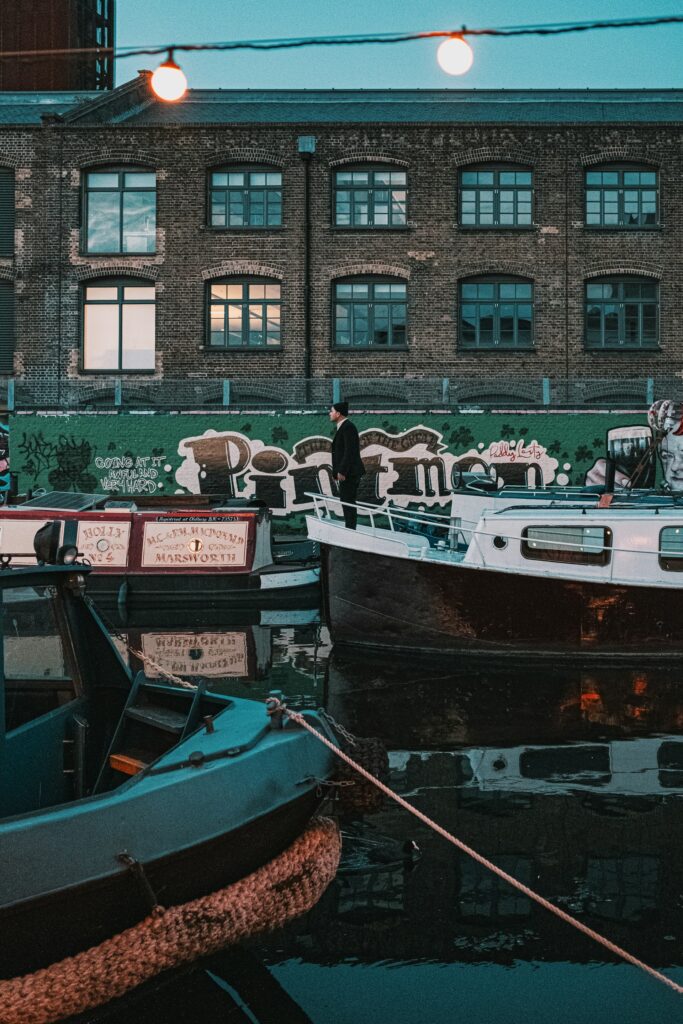
You needn’t have to share the unbeaten path with all those other hikers plumping for the Lakes and Peaks; the North of England is positively brimming with other equally stunning trails that offer breathtaking views, rich history, and a sense of adventure. 

With that in mind, here are some of the North’s other amazing hikes. Packed your blister plasters? Let’s goooooo…

The Cleveland Way

The Cleveland Way, a 110-mile National Trail, stretches from the charming market town of Helmsley to the picturesque fishing village of Filey. This trail offers a diverse range of landscapes, from rolling hills to dramatic coastal cliff paths

A highlight of the walk is the ascent of Roseberry Topping, often referred to as the “Matterhorn of Yorkshire,” offering panoramic views that will take your breath away (though hopefully not so much that you faint and topple down the side hill, of course).

Along the way, you’ll pass through the historic town of Whitby, famous for its Abbey and its connection to Bram Stoker’s Dracula. You can choose self-guided walking holidays with experts such as Walk with Williams and enjoy unforgettable treks at your own pace.

Duration: The Cleveland Way typically takes around 9 days to complete, covering approximately 110 miles. This duration allows for a moderate pace with time to enjoy the scenery and explore the historic sites along the way.

Difficulty: This trail is rated as moderate. While it includes some challenging sections, such as the ascent of Roseberry Topping (a route which is currently under a level of maintenance) and the coastal cliffs, it is generally manageable for walkers with a reasonable level of fitness.

Best Time To Tackle The Hike: The Cleveland Way is open year-round, but the best time to hike is from Spring through Autumn (April to October). During these months, the weather is more favourable, and the landscapes are at their most vivd.

Eat & Drink Along The Way: As you pass through Whitby, make sure to try the famous Whitby Scampi, a delicious seafood dish made from langoustines caught off the coast. Pair it with a pint of ale from Whitby Brewery, such as the popular Whitby Whaler.


The Dales High Way

Starting from the UNESCO World Heritage Site of Saltaire in West Yorkshire, the Dales High Way is a 94-mile journey ending at Appleby-in-Westmorland in Cumbria. This trail takes you through some of the most dramatic landscapes of the Yorkshire Dales, including the peaty moors of Rombalds Moor and the limestone valleys of Malhamdale.

One of the highlights is the climb up Ingleborough, one of the famous Three Peaks of Yorkshire, offering stunning views from its summit. The trail also passes through quaint villages and historic sites like Barden Tower and Bolton Priory, providing a glimpse into the region’s rich past.

Duration: The Dales High Way can be completed in 6 to 9 days, depending on your pace and how much time you spend exploring the various points of interest along the 94-mile route.

Difficulty: This trail is demanding, with several steep climbs and rugged terrain. It is best suited for experienced hikers who are prepared for a physically challenging journey.

Best Time To Tackle The Hike: The ideal time to hike the Dales High Way is from April to October. During this period, the weather is generally more stable, and the longer daylight hours provide ample time for walking and sightseeing.

Eat & Drink Along The Way: In the village of Hawes, home to the Wensleydale Creamery, sample the famous Wensleydale cheese, a crumbly and creamy delight. Enjoy it with a pint of Black Sheep Ale, brewed in nearby Masham.


Hadrian’s Wall Path

The Hadrian’s Wall Path is an unbroken 84-mile trail that runs along the historic Hadrian’s Wall, built by Emperor Hadrian in 122 AD. Starting from Wallsend on the east coast and ending at Bowness-on-Solway on the west coast, this trail offers a unique blend of history and natural beauty.

The path passes through remote countryside and charming villages, with the most scenic section between Chollerford and Newton. Along the way, you’ll encounter well-preserved Roman ruins, including the forts of Chesters and Vindolanda, and the Roman Army Museum at Birdoswald.

Duration: The Hadrian’s Wall Path spans 84 miles and can be completed in 6 to 8 days. This duration allows for a comfortable pace with time to explore the historic Roman sites along the way.

Difficulty: This trail is rated as easy, with well-maintained paths and gentle gradients. It is suitable for walkers of all abilities, including families and those new to long-distance hiking.

Best Time To Tackle The Hike: The optimal time to hike Hadrian’s Wall Path is from May to October. The warmer weather and longer days make for a more enjoyable walking experience, and the historical sites are more accessible.

Eat & Drink Along The Way: While walking along Hadrian’s Wall, stop in one of the local pubs to enjoy a hearty meal of Cumberland sausage, a coiled sausage seasoned with pepper and herbs, mash and gravy. Wash it down with a pint of ale from the Hadrian Border Brewery, such as their Tyneside Blonde.


The Herriot Way

The Herriot Way is a 52-mile circular path that takes you through some of the most scenic sections of the Yorkshire Dales. Named after the famous vet and author James Herriot, this trail passes through the picturesque hamlets of Swaledale and Wensleydale (time to try that cheese again).

The walk is perfect for first-time long-distance walkers or seasoned trekkers looking for a shorter adventure. The route can be broken into manageable 13-mile days, each ending in a village with all the necessary amenities. The diversity of the scenery, from peaceful valleys to breathtaking moorlands, sets this trail apart.

Duration: The Herriot Way is a 52-mile circular route that can be completed in 4 days. This allows for a relaxed pace, with each day covering around 13 miles.

Difficulty: This trail is considered easy, making it accessible to walkers of all levels. The manageable daily distances and well-defined paths make it a great choice for a shorter walking holiday.

Best Time To Tackle The Hike: The Herriot Way can be enjoyed year-round, but the best time to hike is from Spring through Autumn (April to October). The pleasant weather and blooming landscapes during these months enhance the overall experience.

Eat & Drink Along The Way: In the peaceful valleys of Swaledale, you’ll find some of the finest lamb in the country. Swaledale lamb, known for its rich flavour, is a must-try. Enjoy it in a traditional roast dinner at one of the local inns, paired with a pint of Theakston’s Old Peculier, a dark and full-bodied ale brewed in Masham.

Read: What are some of the most rural, untouched places to visit in the UK?


The Coast To Coast Path

The Coast to Coast Path is a challenging but rewarding 190-mile trail that spans from St Bees Head on the Irish Sea to Robin Hood’s Bay on the North Sea. This iconic walk passes through three national parks, including the North York Moors, offering some of the most dramatic landscapes in England.

Highlights include the Lakeland mountains and ridges, with notable peaks like Helvellyn and Striding Edge. The highest point of the walk is Rampsgill Head at 792 metres. While the entire walk can be completed in about a fortnight, it can also be broken into sections (16, in fact) for a more manageable adventure.

Duration: The Coast to Coast Walk is a challenging 190-mile trail that typically takes 12 to 14 days to complete. This duration allows for a steady pace with time to rest and enjoy the stunning landscapes.

Difficulty: This trail is difficult, with several steep climbs and rugged terrain. It is best suited for experienced hikers who are prepared for a physically demanding journey.

Best Time To Tackle The Hike: The best time to hike the Coast to Coast Walk is from May to mid-September. During these months, the weather is generally more stable, and the longer daylight hours provide ample time for walking and sightseeing.

Eat & Drink Along The Way: As you pass through the village of Grasmere in the Lake District (yes, we know we said ‘forget’, but this is only one small part of a monumental walk), make sure to stop at the famous Grasmere Gingerbread Shop. This unique treat, a cross between a biscuit and a cake, has been a local favourite since 1854. Enjoy it with a pint of ale from Jennings Brewery, based in Cockermouth, such as their Cumberland Ale.


The Pennine Way

The Pennine Way – featured in our top 9 walking holidays in Europe, as it happens – is one of the most iconic long-distance walks in the UK, stretching 268 miles from Edale in the Peak District (yes, yes; we know) to Kirk Yetholm in the Scottish Borders. This trail takes you through the spine of England, offering a variety of landscapes, from the rugged moorlands of the Peak District to the rolling hills of the Yorkshire Dales and the remote Cheviot Hills.

The Pennine Way is a challenging walk, but the rewards are immense. Highlights include the stunning Malham Cove, the dramatic High Cup Nick, the even more dramatic Jacob’s Ladder, and our ol’ friend from a few paragraphs prior, the historic Hadrian’s Wall. This trail is perfect for experienced walkers looking for a true adventure.

Duration: The Pennine Way is a 268-mile trail that typically takes 16 to 19 days to complete. This duration allows for a steady pace with time to rest and enjoy the diverse landscapes.

Difficulty: This trail is challenging, with several steep climbs and rugged terrain. It is best suited for experienced hikers who are prepared for a physically demanding journey.

Best Time To Tackle The Hike: The best time to hike the Pennine Way is from April to September. During these months, the weather is generally more stable, and the longer daylight hours provide ample time for walking and sightseeing.

Eat & Drink Along The Way: While walking the Pennine Way, take a detour to the village of Bakewell to try the famous Bakewell pudding, a delicious dessert made with flaky pastry, jam, and an egg and almond filling. Pair it with a pint of ale from Peak Ales, brewed on the Chatsworth Estate, such as their Chatsworth Gold.


The Northumberland Coast Path

The Northumberland Coast Path is a 62-mile trail that takes you along one of the most beautiful and unspoilt coastlines in England. Starting from Cresswell and ending at Berwick-upon-Tweed, this walk offers stunning views of sandy beaches, dramatic cliffs, and historic castles.

Highlights include the iconic Bamburgh Castle, the Holy Island of Lindisfarne, and the picturesque fishing village of Craster. The trail is well-marked and relatively easy, making it perfect for those looking for a coastal walking holiday with plenty of opportunities to explore the rich history and natural beauty of the Northumberland coast.

Duration: The Northumberland Coast Path is a 62-mile trail that can be completed in 6 days. This allows for a leisurely pace, with plenty of time to enjoy the stunning coastal views and historic sites.

Difficulty: This trail is rated as moderate, with some gentle climbs and well-maintained paths. It is suitable for walkers with a reasonable level of fitness.

Best Time To Tackle The Hike: The best time to hike the Northumberland Coast Path is (hmmm, picking up on something of a pattern here) from April to October. The pleasant weather and blooming landscapes during these months enhance the overall experience.

Eat & Drink Along The Way: On the Northumberland Coast Path, visit the fishing village of Craster to sample the renowned Craster kippers, smoked oily fish that is a local delicacy. Pair them with a glass of Lindisfarne mead, a traditional honey wine produced on the Holy Island of Lindisfarne.

The Bottom Line

Northern England’s trails not only offer stunning landscapes and rich history but also a chance to savour some of the region’s finest local delicacies and drinks. And not a (or, at least not many) a Lake or Peak in sight.

5 Indispensable Items To Carry In Case In Your Car Of An Emergency

Safety on the road is a priority for every driver. Having the right tools and equipment in your car can not only offer peace of mind, but also save your life in an emergency. Let’s have a look at five important things every car should have in order to stay safe on the road.

Image taken from auto-doc.ie

A First Aid Kit

A first aid kit is a must for every car; essential for providing first aid for injuries caused by road traffic accidents or other incidents. The first aid kit should contain bandages, plasters, antiseptics, sterile wipes, scissors and medical gloves. All these items will help to quickly deal with cuts, abrasions and other minor injuries before the ambulance arrives.

When choosing a first aid kit, it’sis important that all components are of good quality and have a long shelf life. Check the contents of your first aid kit regularly and restock as needed.

Studies show that having a first aid kit in your car can significantly increase your chances of surviving a road accident. A recent study by the Red Cross revealed that up to 59 percent of deaths from injury may have been prevented if first aid was given before the emergency medical services arrived. Reason enough to have a comprehensive kit in your car, don’t you think?

An Emergency Stop Sign

An emergency stop sign is used to warn other drivers that your car is on the side of the road due to a breakdown or accident. This is especially important in low visibility conditions such as fog or nighttime. The sign helps prevent collisions and provides added safety on the road.

Choose a sign that meets safety standards and is clearly visible from a distance. It should be bright and reflective of light. If a sign is required, stop your car at a safe distance from the road, turn on your emergency lights and place the sign at least 30 metres away from the car.


Experts recommend having a good quality sign in your car that will be visible even in poor visibility conditions.

A Glass Breaker

A glass breaker is a tool that can save a life in an emergency situation. It is used to quickly break the windows of a car in case the doors are locked, and you need to leave the car immediately. This can be especially important in an accident or if the car has hit water.

Choose a glass breaker with a comfortable handle and a reliable mechanism for breaking glass. It should be compact and easily accessible. Place it in a convenient place, such as in the glove compartment or on the side of the door. In an emergency, hold the glass breaker firmly, aim at the corner of the window and strike with enough force to break the glass.

Safety experts say that a glass breaker should be in every car, especially those that are frequently driven near bodies of water. 

A Fire Extinguisher

A fire extinguisher is another must-have safety item in a car. It can prevent the spread of fire and save lives in the event of a fire. Whatever the cause of the fire – whether it’s a short circuit or a fuel leak – a fire extinguisher can help to quickly put out the flames and minimise damage.

Choose a fire extinguisher designed for use in a vehicle. It should be certified and have enough capacity to put out a small fire. Place the extinguisher in an easily accessible place, such as under the driver’s seat or in the boot. Check its condition regularly and replace it as necessary. In the event of a fire, aim the extinguisher jet at the base of the flames and use short, targeted discharges.

Experts recommend that drivers regularly check the condition of their fire extinguisher and be trained in its use.

Read: 5 of the best pieces of car care equipment to invest in

High-Visibility Waistcoats

High visibility waistcoats are designed to ensure the safety of the driver and passengers when leaving the vehicle on the carriageway, especially in low visibility conditions or at night. They help other drivers to spot you in time to avoid a collision.

Choose brightly coloured waistcoats with reflective stripes that meet safety standards. Preferably have waistcoats for all vehicle occupants. Keep waistcoats in an easily accessible place, such as in a door pocket or under the seat. Wear the waistcoat before exiting the vehicle to be visible to other road users.

Experts strongly recommend having waistcoats in every car and always using them when getting out on the road.

The Bottom Line

Having a first aid kit, an emergency stop sign, a glass beacon, a fire extinguisher and high visibility waistcoats in your car is a must for road safety. These items will help you deal with unexpected situations and provide protection in the event of an accident or breakdown. Choosing the right items and checking these items regularly will help you feel protected and confident in any road situation. Research and expert opinion confirm the importance of these measures to prevent accidents and save lives.

London Uni Life: The Best Neighbourhoods For Students

London is home to a whopping half a million students, making it the most student-centric city on the planet. Perhaps it’s not surprising, then, that for the fifth year in a row, England’s capital has topped the prestigious QS Best Student Cities list, which takes in categories including the World University Rankings, on-campus diversity, the desirability of the destination, graduate employability, and affordability.

Current students in London won’t exactly have been caught off guard by any of this; we all know just how amazing the city is for students, with activities and entertainment all over town, every day (and night) of the week, and an incredible diversity of food to cater to all tastes and budgets. 

That diversity also extends to the city’s neighbourhoods, with prospective students having a vast array of options when it comes to deciding where to settle down and study. But with options comes a paradox; that of choice. We’re here to help with that; here are the best neighbourhoods for students in London.

Ideal For Foodies: Harringay

Harringay, located in North London, is one of the city’s best destinations for food lovers. This buzzing borough is home to all kinds of international cuisines, from the Turkish ocakbasis of Green Lanes to the spirited food markets in Wood Green. 

The area is well-connected by public transport, with the Piccadilly Line running through Turnpike Lane and Wood Green, making it easy to commute to various universities across the city. Additionally, the Overground at Harringay Green Lanes provides quick access to East London and beyond. The local community is diverse and welcoming, with plenty of parks, cafes, and independent shops to explore.

  • Eat: Kervan Sofrasi – A popular Turkish restaurant in Wood Green known for its delicious kebabs and mezes. It features on our roundup of where to eat near Alexandra Palace, incidentally. 
  • Drink: The Salisbury – A historic pub on Green Lanes with a great selection of ales and a cosy atmosphere.
  • Dance: The Night Owl – A retro-themed nightclub in Finsbury Park hosting soul, funk, and disco nights. It stays open until 4am on Fridays and Saturdays.
  • Do: Visit Alexandra Palace – An iconic north London destination that delivers a year-round programme of gigs, theatre, sports and exhibitions.
  • Walk: Finsbury Park – A large public park perfect for a leisurely stroll or a picnic.

Ideal For Creatives: Hackney Wick

Named London’s coolest neighbourhood only last year, Hackney Wick is an eclectic, electric neighbourhood that has become a magnet for creatives. The area is known for its thriving community of artists, with numerous studios, galleries, and creative spaces. 

The Hackney WickED festival and the now relocated but still influential White Building, a centre for art and technology, highlight the area’s commitment to fostering creativity.

Offering a unique blend of industrial charm and artistic flair, students can find accommodation options including shared houses, warehouse conversions, and flats, particularly around Fish Island and the Olympic Park. The area is well-served by the Overground at Hackney Wick station, providing quick connections to central London and major universities. The local community is tight-knit and supportive, with plenty of cafes, bars, and cultural events to enjoy.

The fact that some of the best student accommodation in London is found in Hackney Wick certainly does no harm.

  • Eat: Crate Brewery – A popular, student-friendly spot for craft beer and delicious pizzas (what more could you want?), located by the canal. We’re also big fans of Randy’s Wing Bar.
  • Drink: The Lord Napier Star – A lively pub known for its street art-covered exterior and lively atmosphere.
  • Dance: Mick’s Garage – A unique venue offering eclectic music events and a great place to dance the night away.
  • Do: Visit Here East – A dynamic campus with creative spaces, tech hubs, and various events.
  • Walk: Victoria Park – A large and picturesque park perfect for a relaxing walk or a jog. Victoria Park has a lively market that pops up every Sunday and is also host to the popular All Points East festival held every year in August.

Ideal For History Buffs: Greenwich

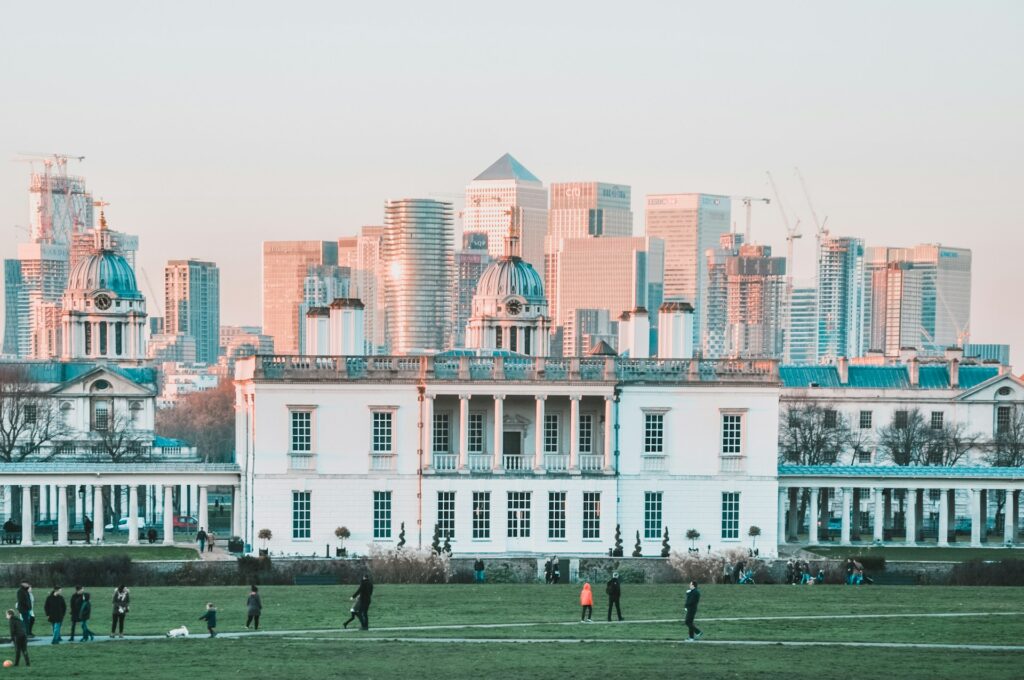
Greenwich, in South East London, is steeped in history and maritime heritage. Home to the Royal Observatory, the Cutty Sark, and the National Maritime Museum, this neighbourhood offers a wealth of historical landmarks for students to explore.

Surrounded by history and beautiful riverside views, students can find community, events, and student-centric nightlife in Greenwich Town Centre and the Westcombe Park area. The area is well-served by the DLR and Southeastern trains, providing quick connections to central London and major universities.

You can also catch the Thames Clipper for easy access and great views of London’s iconic landmarks. Popular stops include Houses of Parliament, Big Ben and Westminster Abbey, Shakespeare’s Globe Theatre HMS,  Tower of London and Tower Bridge.

Greenwich’s strong sense of community and its market scene also add to its appeal.

  • Eat: Goddards at Greenwich – A traditional pie and mash shop offering classic British comfort food.
  • Drink: The Trafalgar Tavern – A historic riverside pub with stunning views of the Thames.
  • Dance: Studio 338 – A large nightclub with a variety of music events, located nearby in North Greenwich.
  • Do: Explore the Royal Observatory – Home to the Prime Meridian and fascinating astronomical exhibits.
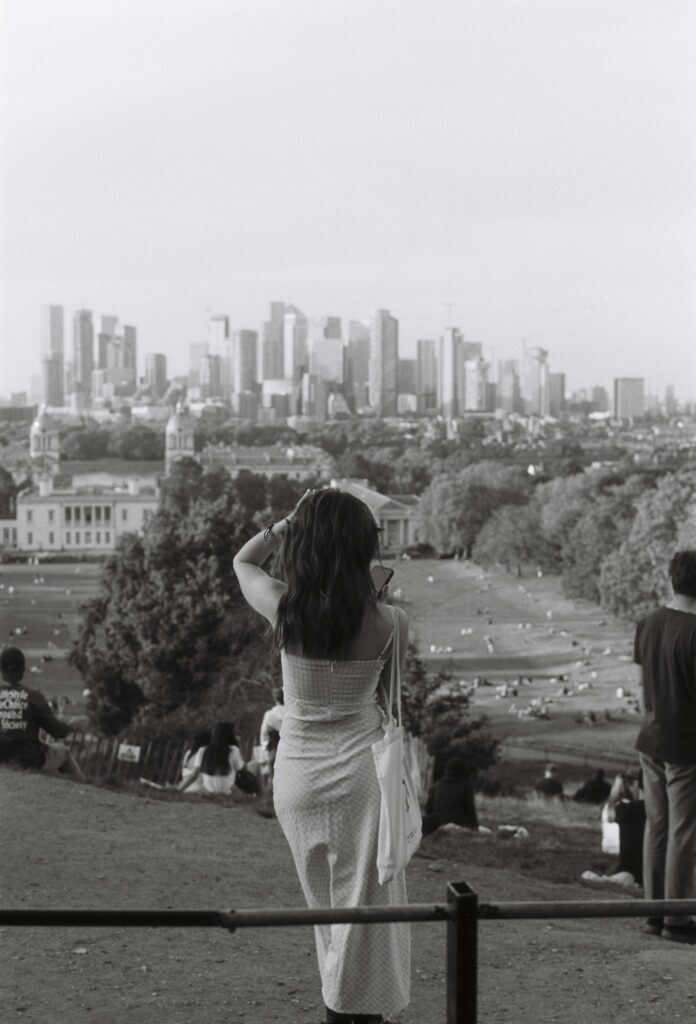
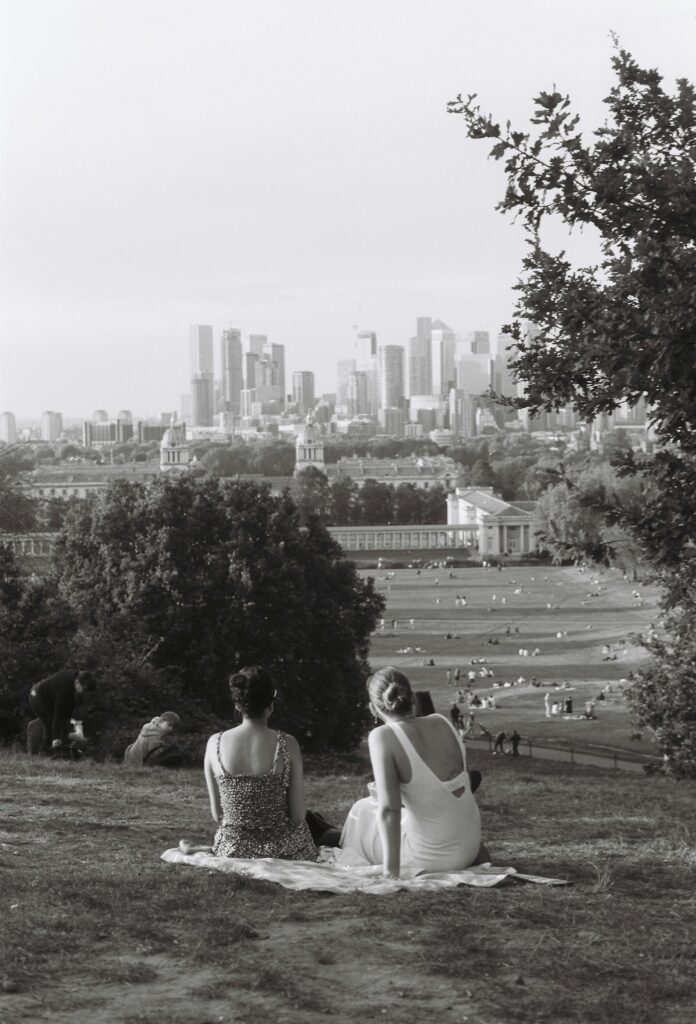
  • Walk: Greenwich Park – A beautiful park with panoramic views of London and plenty of historical landmarks.

Read: The best restaurants in Greenwich

Ideal For Sports Enthusiasts: Twickenham

Twickenham, known as the home of English rugby, is a fantastic neighbourhood for sports enthusiasts. Beyond the iconic Twickenham Stadium, the area offers numerous parks and recreational facilities, making it easy for students to stay active.

This suburban charm comes with a lively atmosphere and an area that is well-connected by South Western Railway, providing easy access to central London and universities. Twickenham’s local pubs and cafes often buzz with pre- and post-match excitement, creating an enjoyable sense of community for students who love sports.

  • Eat: Masaniello – Neaopoltian vibes all the way here, whether it’s in the pizzas or spaghetti alle vongole.
  • Drink: The Eel Pie – A lively pub with a great selection of beers and a friendly atmosphere.
  • Dance: The Shack 68 – A bar offering a variety of music and themed nights. Shuts at midnight.
  • Do: Visit Twickenham Stadium – Take a tour of the iconic home of English rugby.
  • Walk: Marble Hill Park – A scenic park with beautiful gardens and riverside views.

Ideal For Art Aficionados: Walthamstow

Walthamstow, in East London, has emerged as a cultural hotspot in recent years. The area is home to the William Morris Gallery and a thriving street art scene, making it an increasingly popular destination for art lovers.

Part of a creative and dynamic community, the student community is centred around Walthamstow Village and Blackhorse Road, with both areas well-served by the Victoria Line and Overground, providing quick connections to central London and major universities. Walthamstow’s strong community spirit makes it an attractive option for students looking to immerse themselves in the arts.

  • Eat: Etles Uyghur – A true gem of the London dining scene offering authentic Uyghur cuisine with rich, aromatic flavours.
  • Drink: The Nag’s Head – A famously cat-friendly pub with a great selection of craft beers and a welcoming atmosphere (especially to our feline friends).
  • Dance: Whilst there isn’t much in the way of nightclubs in Walthamstow, Hackney and Dalston are just a stop or two down on the Overground, and are blessed with plenty.
  • Do: Visit the William Morris Gallery – A museum dedicated to the life and work of the famous designer.
  • Walk: Lloyd Park – A lovely park with gardens, a lake, and plenty of green space.

Ideal For Tech Savvy Students: Croydon

Croydon, located in South London, is rapidly becoming a tech hub, attracting startups and innovation. For students interested in technology and entrepreneurship, this neighbourhood offers a dynamic environment with numerous co-working spaces and networking opportunities.

Access to a burgeoning tech scene comes with a range of amenities, with student communities primarily focused around East Croydon and South Croydon. The area is well-connected by Southern and Thameslink trains, providing easy access to central London and universities. Croydon’s regeneration has brought a wave of new restaurants, bars, and cultural venues, making it an exciting place to live and study.

  • Eat: Boxpark Croydon – A food and drink destination that’s had its reputation somewhat tarnished by England fans chucking their pins in the air, but actually boasts a decent variety of street food vendors.
  • Drink: The Oval Tavern – A friendly pub with a great selection of beers and regular live music.
  • Dance: Energy Croydon – Only open on Friday and Saturday nights, but goes off on both.
  • Do: Fairfield Halls – South London’s biggest arts centre, you’ll catch famous comedians, bands, musicals and more here.
  • Walk: Wandle Park-  A beautiful park with a river, gardens, and plenty of open space.

Ideal For A Gentler Pace: Kingston upon Thames

In South West London, Kingston upon Thames promises a quintessential suburban experience with the benefits of city living. This historic market town is known for its excellent shopping, riverside walks, and close knit student community, thanks to the presence of Kingston University.

Providing a peaceful and picturesque environment, student communities tend to gather around the town centre and Surbiton, where pubs host student nights and the majority of the nightlife is found. The area is well-connected by South Western Railway, providing easy access to central London and other parts of the city. Kingston’s blend of suburban charm and excellent amenities make it an ideal choice for those looking to balance study and leisure.

  • Eat: Riverside Vegetaria – A charming vegetarian restaurant now in its fourth decade, boasting beautiful views of the Thames.
  • Drink: The Ram – A historic pub with a great selection of ales and a cosy atmosphere.
  • Dance: Pryzm – A large nightclub offering a variety of music and themed nights.
  • Do: Visit the Rose Theatre – A local theatre offering a variety of performances and events.
  • Walk: Richmond Park – A stunning park with deer, beautiful landscapes, and plenty of walking trails.

Read: The best restaurants in Richmond

Ideal For A True Suburban Experience: St Albans

St Albans, located just north of London in Hertfordshire, offers a true suburban experience with a rich historical backdrop. Known for its stunning cathedral, Roman ruins, and charming medieval streets, St Albans provides a peaceful yet sociable environment for students.

Enjoying a slower pace of life while still having easy access to London, there’s plenty of camaraderie with the nearby University of Hertfordshire, with London students finding a sense of community here as well as in the Big Smoke itself. 

The area is well-connected by Thameslink trains, providing a direct route to central London in under 30 minutes. St Albans boasts a strong sense of community, excellent local amenities, and a variety of cultural and recreational activities, making it an ideal choice for students who want to experience suburban life with the convenience of city access.

  • Eat: Lussmanns – A sustainable fish and grill restaurant offering delicious, locally sourced dishes.
  • Drink: Ye Olde Fighting Cocks – One of the oldest pubs in England, offering a great selection of ales and a historic atmosphere.
  • Dance: Batchwood Hall – A nightclub set in a historic mansion, offering a variety of music and themed nights.
  • Do: Visit the St Albans Cathedral – Explore the stunning architecture and rich history of this iconic landmark.
  • Walk: Verulamium Park – A beautiful park with Roman ruins, a lake, and plenty of green space.

The Bottom Line

London’s diverse neighbourhoods each offer something unique for students, whatever their passions. The only danger is that they perhaps offer too much, and your studies will become an unwelcome distraction from all that fun you’re having!

How To Style A Silver Chain So It Looks Chic, Not Naff

Silver chains have long suffered from an unfair reputation. Whilst gold often gets all the glory in the jewellery world, silver can look just as luxurious – if you know how to style it properly. The difference between a silver chain that looks like an afterthought and one suggestive of a certain understated elegance often comes down to how you wear it, not how much you paid for it.

Here’s your complete guide to elevating your silver chain game and ensuring your jewellery always looks intentional, sophisticated, and decidedly upmarket.

Choose Quality Over Quantity

The foundation of chic silver styling starts with the piece itself. Look for sterling silver (marked as 925 as it’s made from 92.5% silver) rather than silver-plated options. The weight should feel substantial in your hand – flimsy chains rarely photograph well or hang properly. A well-made silver chain will have a consistent finish and secure clasps that don’t look like afterthoughts. 

Pay attention to the links too; they should be uniform and smoothly connected, without rough edges or visible seams. When in doubt, buy from reputable jewellers who can provide authenticity certificates and proper hallmarks.

Pro tip: Hold the chain up to the light before buying – quality silver should have a bright, consistent shine without any dull or discoloured patches.

Master The Art Of Layering

An expertly layered silver necklace instantly elevates any outfit from basic to brilliant. Start with chains of varying lengths – typically 18, 20, and 22 inches work brilliantly together. Mix different chain styles too: combine a medium-weight box chain with a chunkier curb chain and perhaps a pendant on the longest layer. 

The key is creating visual interest without chaos. Consider the weight distribution as well; heavier Cuban-style chains should typically be worn shorter, with more delicate pieces cascading below. This creates a balanced silhouette that frames your neckline beautifully rather than pulling everything downward.

Pro tip: Use a necklace separator clasp to prevent tangling and maintain that perfectly spaced look throughout the day.

Consider Your Neckline

Your clothing choices can make or break your silver chain styling. A simple silver chain looks stunning against a black T-shirt or crisp white Oxford shirt. For open collars, opt for mid-length chains that sit just below the collarbone. With busy patterns or textured fabrics, keep your chains simple and let the clothes do the talking. The metal’s cool tone particularly complements darker colours like navy, charcoal, and deep burgundy, so don’t shy away from pairing silver with richly coloured garments. 

For smarter occasions, a single substantial silver chain worn over a dark crew neck jumper can look far more sophisticated than trying too hard with multiple pieces.

Pro tip: The chain should sit naturally where your collar bones meet – if it’s riding up towards your throat or sitting too low on your chest, adjust the length.

Mix Metals Like A Pro

Gone are the days when mixing metals was considered a faux pas. Pairing silver with gold or rose gold can actually elevate your look, making it appear more curated. The trick is to ensure one metal dominates – perhaps 70% silver with 30% gold accents. 

This intentional mixing prevents your jewellery from looking matchy-matchy, which can paradoxically cheapen the overall effect. Start small if you’re nervous: try a silver chain with a gold clasp detail, or layer a thin gold chain amongst your silver pieces. The key is making it look deliberate rather than accidental, so commit to the mix with confidence.

Pro tip: Start by wearing a silver chain with a watch that has both silver and gold elements – it creates a natural bridge between metals.

Keep It Gleaming

Tarnished silver instantly undermines even the most thoughtful styling. Invest in a quality silver polishing cloth and give your chains a quick buff before wearing. Store them properly too – in individual pouches or a lined jewellery box to prevent oxidation. Regular maintenance keeps your silver looking like platinum’s chic cousin rather than tin’s poor relation. 

Consider using anti-tarnish strips in your jewellery box, and avoid wearing silver chains in chlorinated pools or whilst applying perfume and hairspray. A monthly deep clean with proper silver cleaning solution will keep your pieces looking showroom fresh for years to come.

Pro tip: Store each chain with the clasp fastened in a circle – it prevents tangling and helps the chain keep its shape.

Style With Confidence

Perhaps the most important element in making silver look expensive is how you wear it. Don’t fidget with your chains or constantly adjust them. Let them settle naturally and move with confidence. Quality styling is as much about attitude as it is about the actual pieces. 

Stand tall and let your chains fall naturally against your body – hunching or slouching can make even the finest jewellery look awkward. Remember that silver has a cool, modern edge that gold sometimes lacks, so embrace its contemporary feel rather than trying to make it something it’s not.

Pro tip: Put your chains on last, after cologne and hair products, and take them off first – it keeps them cleaner and prevents snagging.

The Pendant Principle

If you’re adding pendants to your silver chains, choose carefully. Oversized or overly ornate pendants can drag down the sophistication factor. Instead, opt for simple geometric shapes, subtle stones, or meaningful symbols that complement rather than dominate. The pendant should enhance the chain, not overshadow it. 

Consider the proportion between chain and pendant – a medium chain needs a proportionate pendant, whilst a chunkier chain can support something more substantial. Classic choices like dog tags (but elevated versions), simple crosses, or minimal geometric designs tend to work particularly well with silver, adding personality without looking showy.

Pro tip: If you’re unsure about pendant size, trace a 10p coin – pendants this size or smaller tend to look refined on most chain weights.

Know When Less Is More

Layering can quickly tip from chic to chaotic if you’re not careful. For professional settings, a single quality silver chain can be more impactful than multiple pieces. Save the layered looks for evening events or casual weekend styling where they can truly shine. 

Consider your overall outfit composition too – if you’re wearing a bold watch or statement ring, a simple silver chain provides elegant balance. Sometimes the chicest choice is restraint, letting one substantial piece speak for itself rather than creating competing focal points.

Pro tip: The ‘mirror test’ never fails – if your chains are the first thing you notice from two metres away, you might be wearing too many.

The Bottom Line

Styling silver chains to look expensive isn’t about spending more – it’s about wearing them with intention and care. By choosing quality pieces, maintaining them properly, and styling them thoughtfully, your silver jewellery can look every bit as luxurious as its pricier counterparts. Remember, true style isn’t about the price tag; it’s about how you put it all together.

So go ahead, embrace silver’s cool-toned elegance. With these styling tricks up your sleeve, you’ll never have to worry about your chains looking naff again. After all, some of the chicest people in fashion have long known that silver, when done right, is simply sterling.

A Guide To Lisbon’s Best Beaches

Ideal for surfing, sunsets and seafood, these are the best of Lisbon’s sandy swathes…

Lisbon has made a name for itself as one of the best city breaks in the world. It has everything you could ask for to make the ideal city escape; wonderful weather, fantastic food, a chilled ambience, history and culture. Something that tips the scales for us when compared to other city breaks, however, is Lisbon’s easy access to several brilliant beaches. 

Indeed, one of the biggest draws of the Lisbon area is the beach scene. Holidaymakers seeking the cultural satisfaction of a city break and the relaxation of a beach break can find both in the Portuguese capital. When visitors are ready to swap sightseeing for sea, sand and sun, there’s a host of beaches in easy reach via public transport.

Lisbon’s temperate climate means that (with a little bit of luck) you can enjoy the outdoors nearly all year round. The summer months of June, July, and August are nearly always warm and dry. That sunshine and warmth tend to last to mid-late October, meaning you can still enjoy the beaches post-summer. 

From watersports to enjoying the Portuguese tradition of eating bola de Berlim (Berlin balls) on the beach, or, you know, just plain ol’ reclining on the sand, there’s something for everyone on Lisbon’s beaches.

With the help of our friends at Visit Lisboa, here are six stretches of sand with unique charms, all of which can be accessed on public transport with ease from the city.

Carcavelos Beach, Carcavelos

Less than 30 minutes by train from Lisbon, Carcavelos Beach is a favourite for both locals and tourists. Given its proximity to Lisbon and ease of access, the beach can get particularly busy in the summer months. In other words, it’s a lively spot for those who like a bit of excitement with their beach day.

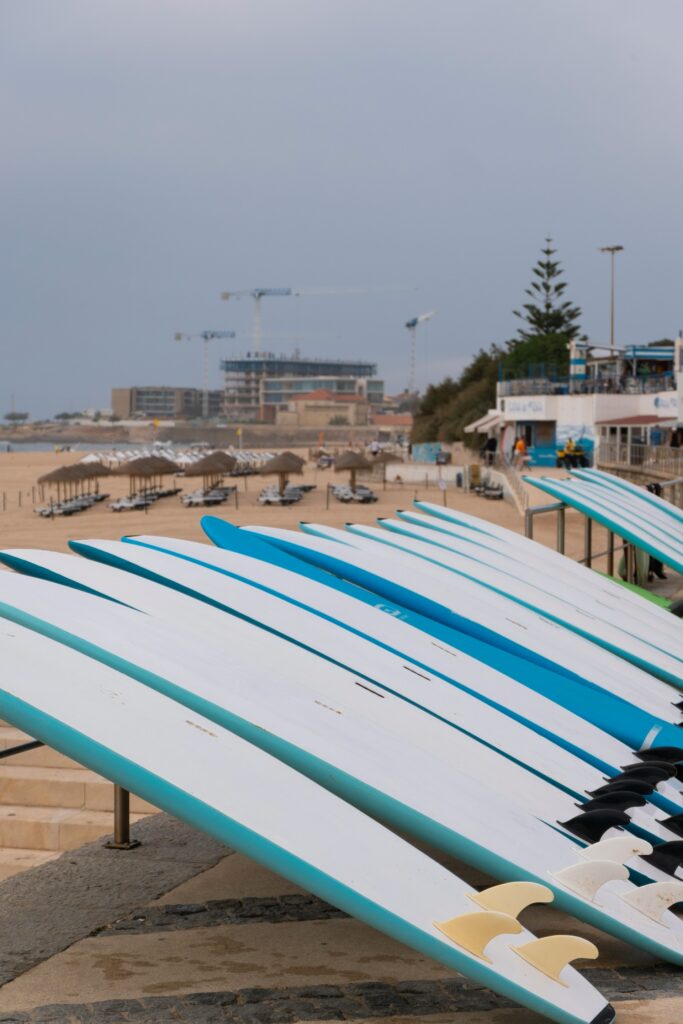
Here you’ll find locals playing rounders on the sand, surfers riding the waves, sunbathers sunbathing and families having fun. With more than a mile of golden sands, excellent waves for surfing and bodyboarding, a lively promenade of cafes and restaurants, plus kiosks for hiring beach and water sports equipment, this beach has it all. If you’re one of those people who get bored at the beach, this is the place for you.

At one end of the beach is the Fort of São Julião da Barra, which once guarded the entrance to the River Tagus from enemy ships, and is still one of Portugal’s largest maritime fortifications.

Getting there: The train from Lisbon’s Cais do Sodré station to Carcavelos takes 26 minutes, with a short walk from the station to the beach.


Praia da Conceição and Praia de Duquesa, Cascais

In the heart of Cascais, the beaches of Praia da Conceição and Praia de Duquesa are only separated at high tide, and together they combine convenience with charm.

Easily accessible from Lisbon and sheltered from the Atlantic waves, this stretch offers calm waters and a family-friendly atmosphere, with a large inflatable for kids to swim out to and clamber over during the summer months, plus a range of amenities and dining options nearby, all helping to make this one of the region’s most popular beaches.

Getting there: The Cascais train from Cais do Sodré station takes around 40 minutes, and the beach is less than 5-minutes walk from the final stop.


Praia do Tamariz, Estoril

Praia do Tamariz, located in the picturesque town of Estoril, is a beach steeped in history and intrigue. This stunning coastal spot is home to the Grand Casino, which was built in 1935 and was once the place Lisbon’s rich came to play. It was even a holiday favourite of Portugal’s King Luís. It’s also famously known as the place where Ian Fleming found inspiration for his first James Bond novel, Casino Royale. 

After the Second World War, Estoril became a haven for refugees from across Europe. The town’s luxurious Hotel Palácio played host to an eclectic mix of notable figures seeking refuge and solace. Among its distinguished guests were the surrealist artist Salvador Dalí, the celebrated author Antoine de Saint-Exupéry, the aforementioned  British intelligence officer and writer Ian Fleming, and the Duke and Duchess of Windsor, Wallis Simpson. The hotel also became a hotbed for espionage, with numerous spies from different nations mingling within its opulent walls, adding to the locale’s enigmatic charm.

Adding to the historical tapestry of Praia do Tamariz is the 17th-century castle, Forte da Cruz. This striking fortress stands as a testament to the area’s rich past and offers a glimpse into the defensive strategies of the time. It’s now a popular, premium wedding venue. Adjacent to the beach, visitors (and guests) can also find a quaint saltwater pool.

Today, Praia do Tamariz, with its golden sand beach, is ideal for families – calm waters, rock pools, and that salt-water swimming pool providing a warmer option for the kids. 

Getting there: The train from Cais Do Sodre in Lisbon to Estoril takes less than 40 minutes, and the beach is a short walk from the station.


Costa da Caparica

Just 10km to the south west of Lisbon, on the south side of the River Tagus, the Costa da Caparica has a 25 km sandy coastline favoured by locals. Here the waves are strong and you can feel the roaring force of the Atlantic. It’s a surfer’s dream. Indeed, the beach has been consistently hailed as one of the Lisbon’s best surf spots.

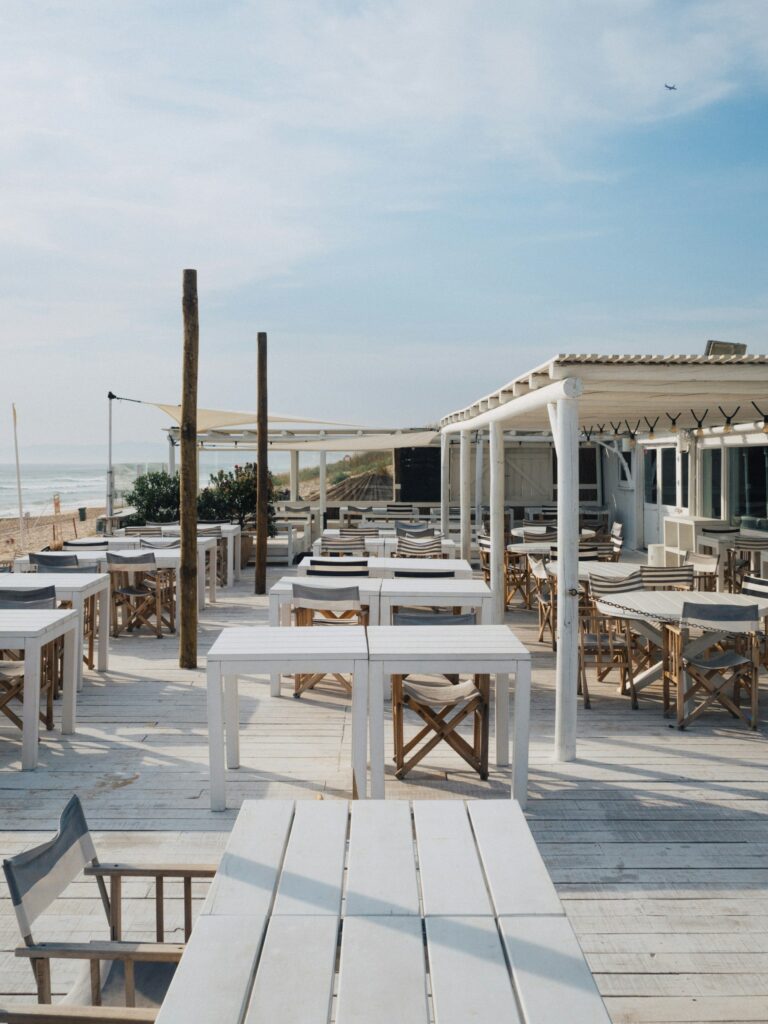
Given its popularity with Alfacinhas, Costa da Caparica can get particularly busy on the weekends. However, its long sandy stretch of beach means there are plenty of spots to chill out, especially on the beach bars which are ideal for sundowners where lively young crowds are drawn to chill, drink and dance.

Public transport takes travellers to the town of the same name, where there are sands with calm waters and extensive amenities. There are more remote beaches further down the coast for those looking for a more relaxed atmosphere.

Getting there: Take the 3710 bus from Areeiro in Lisbon to the town of Costa Caparica, for a 55 minute journey to the northernmost beaches. Visitors can also catch the mini-train, Transpraia, which runs from the beginning of June to the end of September, with 21 stops at more southerly sands.


Praia da Figueirinha, Arrábida Natural Park

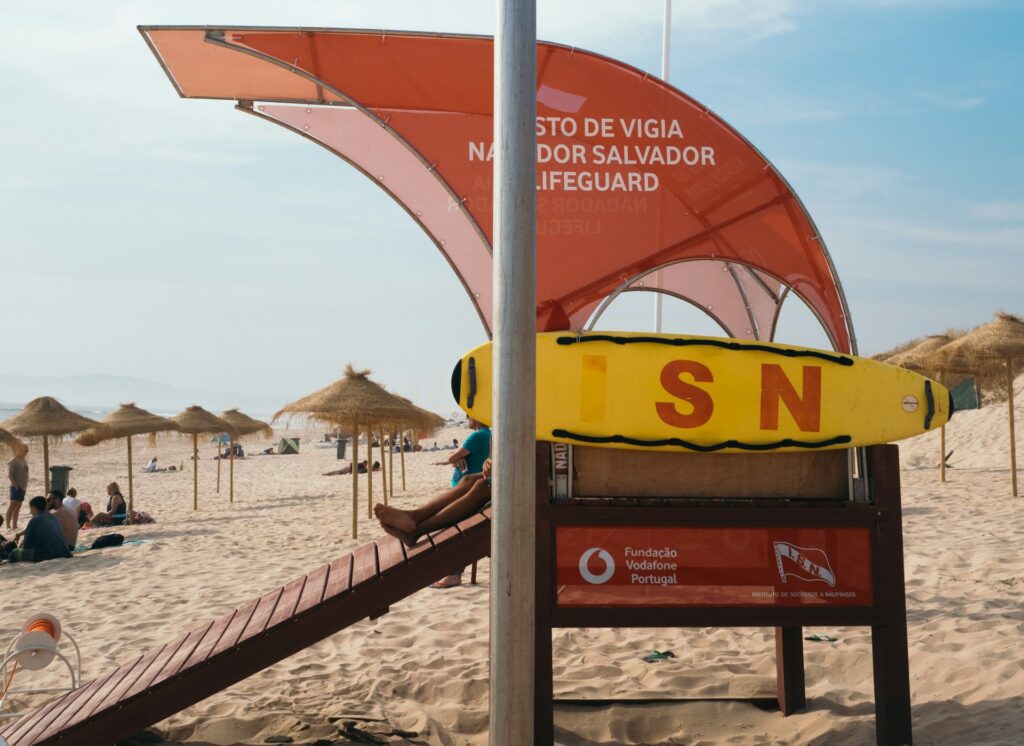
Praia da Figueirinha is the biggest beach in the Arrábida Natural Park, and the only one with direct bus access from nearby Setúbal. This beach is a great choice for families, with shallow waters, a sandbar to swim out to, lifeguards and a dramatic hilly backdrop.

It’s worth noting that this beach isn’t as busy as some and, accordingly, isn’t served by shops or food vendors, so it’s worth coming prepared with a picnic.

Getting there: There are trains and express buses running from Lisbon to Setúbal, with similar travel times and fares. Once at Setúbal, take the 723 bus which runs from mid-June to mid-September, and gets passengers to Praia da Figueirinha in around 25 minutes.


Praia da Ursa, Sintra

For those seeking solitude, Praia da Ursa is a wild and remote beach next to the Cabo da Roca, the westernmost point in Europe. A sweeping escape into the Atlantic, the beach is only accessible via a hiking trail, and it’s a secluded spot known for its rugged cliffs and unique rock formations, including a bear-shaped sea stack.

Ideal for nature lovers, it provides a peaceful retreat for sunbathing and exploring natural rock pools, though swimming is not recommended due to strong currents. Its seclusion also means that Praia da Ursa is an unofficial naturist beach.

Getting there: Take the train for a 40-minute journey from Lisbon’s Cais do Sodré station to Cascais, and then catch the bus to Cabo da Roca.

About The Lisboa Card

The Lisboa Card enables travel by bus, metro, tram, and funicular, plus CP train lines to Sintra and Cascais, and entrance to 51 museums, monuments and UNESCO World Heritage sites, and discounts on tours, shopping, and nightlife, all for a one-off fee. There are 24 hr (€27), 48 hr (€44) and 72 hr (€54) options available.

For more information, ideas, and inspiration on visiting Lisbon, please go to www.visitlisboa.com

How To Throw Your Parents The Ideal Surprise Party

“Suprissseee!”. 

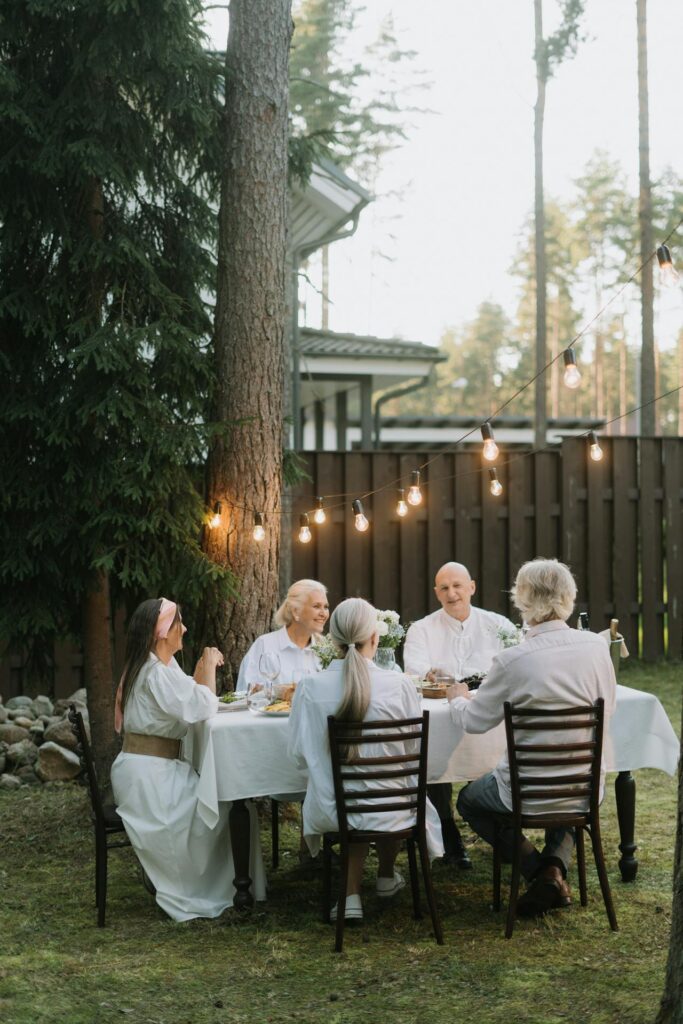
Not many exclamations are so keenly feared by the reserved, the flappable and the downright antisocial. But when you’re looking to throw a surprise party for those in their autumn years, a whole host of further considerations come into play.

First off, you don’t want to cause an actual heart attack. Secondly, it’s essential to get the pitch of the event (and the big reveal) just right. And finally, you want to make sure that a big, boisterous celebration is actually what’s wanted. Oftentimes, it’s something more intimate that’s actually desired…

Anyway, with all those caveats dispensed with, and assuming your parents are of the age alluded to (yep, we had to look up the exact definition of ‘autumn years’, too), then you’ve come to the right place for inspiration on throwing yours the ultimate surprise party.

Know Your Audience

Before diving into the nitty-gritty of party planning, it’s crucial to understand your parents’ preferences, of which, we can wager a guess, are likely to be fairly set-in-stone by this age. Are they the type who would enjoy a large gathering, or do they prefer smaller, more intimate settings? Have a discreet chat with close friends or family members to gauge their comfort levels and preferences. The last thing you want to do is have the celebrants feeling awkward.

Of course, the nature of the event dictates the kind of celebration you host, whether it’s a birthday or particularly special wedding anniversary. Take it all into account.

Choose The Right Venue

The venue can make or break a surprise party. For a grand celebration, consider the vast range of large party houses out there in the UK. Whilst the assumption is that these places are aimed at raucous stag and hen do’s or teenagers looking for a free house, in actuality there are some beautiful venues for rent aimed at a more refined, bespoke crowd.

These venues offer ample space for guests to mingle, dance, and enjoy the festivities without feeling cramped. Plus, they often come with amenities like spacious kitchens, beautiful gardens, and even swimming pools, which can add an extra layer of fun to the event.

Send Out Invitations

Once you’ve settled on a venue and a date, it’s time to send out invitations. Make sure to clearly state that it’s a surprise party and provide any necessary details about parking, dress code, and timing. Digital invitations can be a great way to keep things organised and ensure everyone is on the same page – they tend to be a little less time consuming and, therefore, discreet, too.

Bear in mind that some elderly guests may prefer to receive paper invites as they may not be that tech savvy. Moreover, they may land in the infamous spam filter.

Plan The Big Reveal

The big reveal is the heart of any surprise party. To avoid any undue stress or shock, consider a gentle approach. Perhaps a casual gathering that slowly builds up to the surprise, or a quiet dinner that transitions into a larger celebration. The key is to ensure your parents feel comfortable and not overwhelmed. And if they’re not big surprise people, then perhaps shelve the idea entirely. Which begs the question; how have you got this far into the planning exactly?

Cater To Their Culinary Tastes

Food and drink are central to any party. Whether you’re hiring a caterer or preparing the meal yourself, make sure the menu reflects your parents’ tastes. Consider their favourite dishes, any dietary restrictions, and the overall theme of the party. If you’re celebrating a wedding anniversary, why not serve the same food as the original wedding? Or if they went on honeymoon to Italy, serve Italian fare – you get the picture.

A mix of fairly intricate canapes, generous sharing mains, and seasonally specific desserts will usually keep everyone satisfied.

Read: How to host the IDEAL gourmand’s garden party this summer

Entertainment & Activities

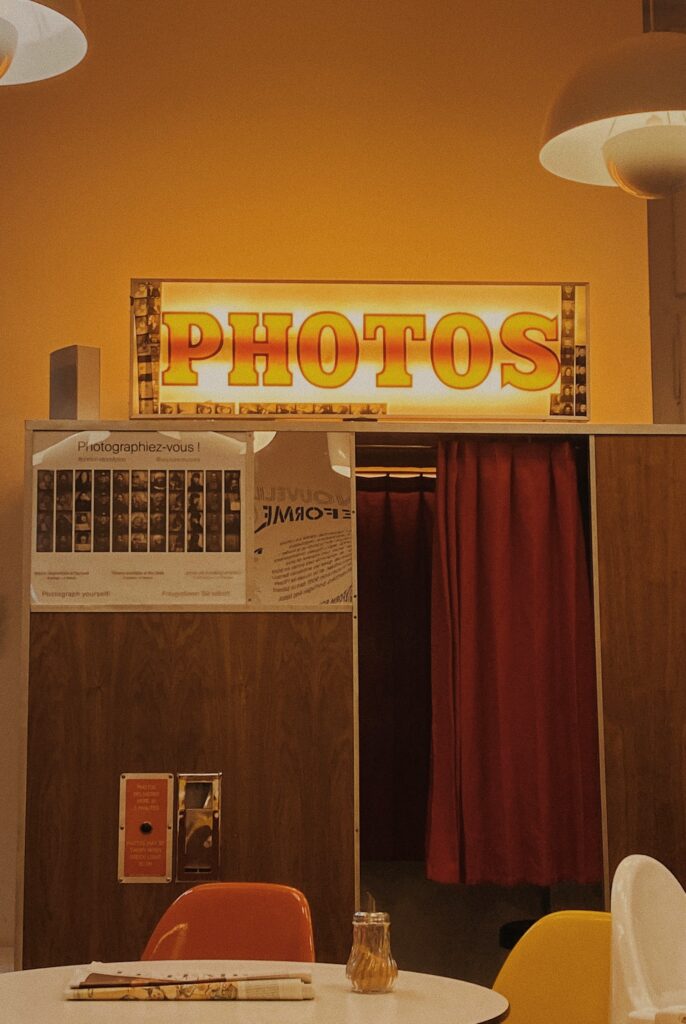
Entertainment is another crucial element. Depending on your parents’ interests, you could hire a live band, host a quiz or organise some fun games. If they enjoy dancing, make sure there’s a good mix of music that spans their favourite eras. For a more relaxed vibe, consider setting up a photo booth or a memory corner where guests can share stories and photos. This leaves a memento, both of the event and their lives up to this point, that is priceless.

Capture The Moments

Don’t forget to document the event. Hire a professional photographer or designate a family member to take photos and videos throughout the party. These memories will be cherished for years to come and can be a wonderful way to look back on the special day. 

Thoughtful Touches

Finally, add some personal touches to make the party truly special. This could be a slideshow of old photos, a heartfelt speech, or a customised cake that reflects their hobbies or interests.

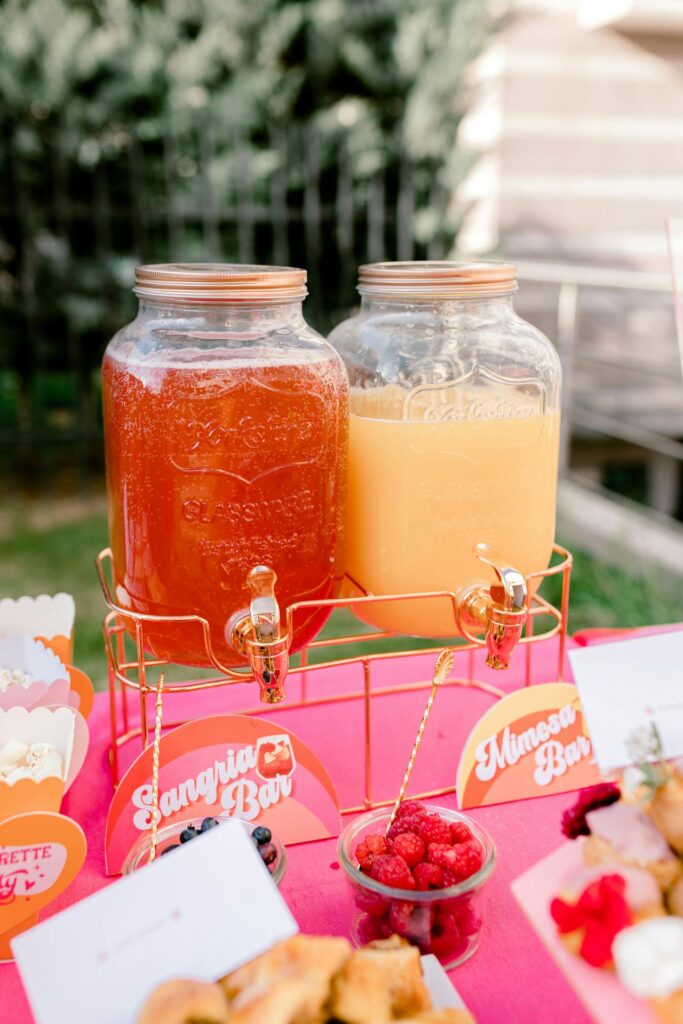
If you’re celebrating their golden wedding anniversary, consider a gold theme. As Roger Igo suggests via Medium, going gold with the décor, adding golden-foil-wrapped chocolates on the tables and floral arrangements with golden sprayed flowers.

These little details can make a big difference and show your parents just how much they mean to you.

The Bottom Line

Throwing a surprise party for your parents in their autumn years can be a wonderful way to celebrate their lives and show your appreciation. By carefully considering their preferences, choosing the right venue, and adding personal touches, you can create an unforgettable experience that they’ll cherish forever. Now, when can we expect our invite in the post?

The Best Free Things To Do Close To Madison Square Garden Before A Show

Madison Square Garden, often referred to as ‘The Garden’, is one of New York City’s most iconic venues, hosting a myriad of events from electrifying sports blockbusters to some of the biggest concerts in the business. 

With the effort (and money) spent in securing tickets to such major cultural events obviously massive, it makes sense to make the most of a day in the area, exploring Manhattan’s famous sites and the landmarks close to Madison Square Garden itself. 

The concern, of course, is that this all adds up. We get it; scoring basketball tickets in New York or seats for the Springsteen show doesn’t exactly come cheap. If you find yourself with some time to spare before your event, you might be looking for cheap – or even free – things to do to pass the time before doors open. With that in mind, here are some of the best free things to do close to Madison Square Garden that will make your visit even more memorable.

Stroll The High Line

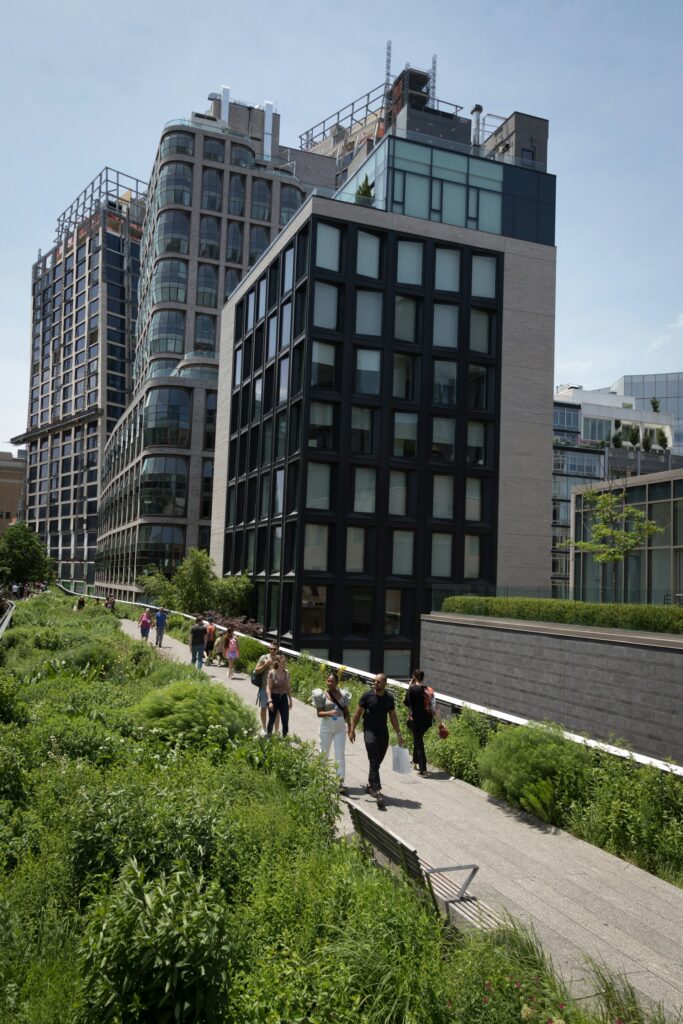
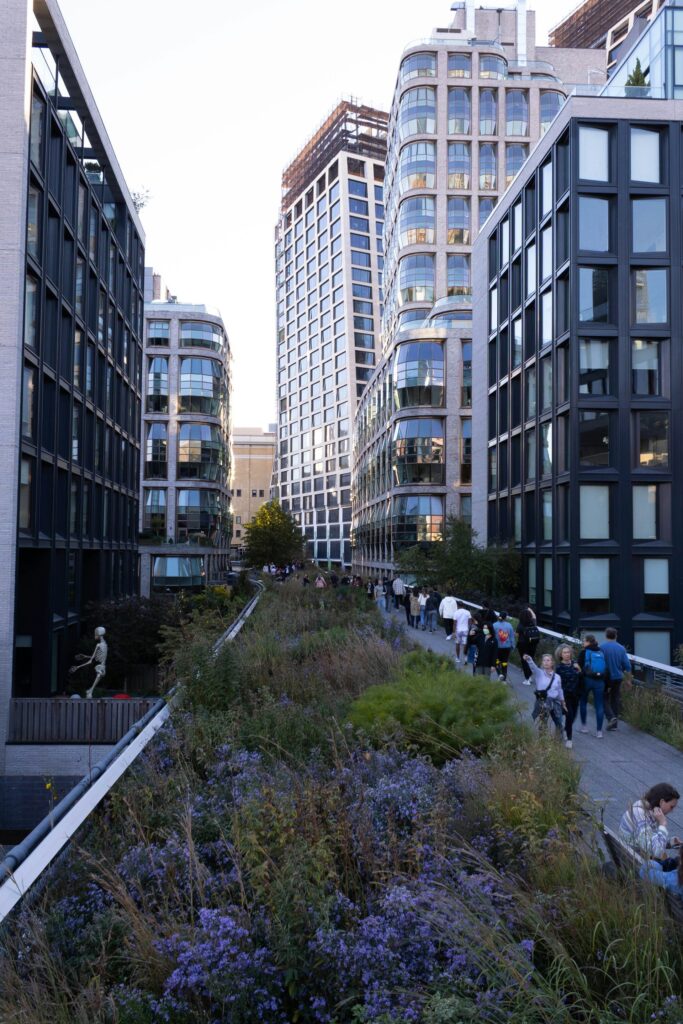
Just a short walk from Madison Square Garden, the High Line is an elevated park built on a historic freight rail line. This urban oasis offers stunning views of the city, unique art installations, and beautifully landscaped gardens. It’s the perfect place to take a leisurely stroll, snap some photos, and enjoy the fresh air before heading to your event.

Explore The New York Public Library

A mere 15-minute walk from The Garden, the New York Public Library’s Stephen A. Schwarzman Building is a must-visit. This Beaux-Arts landmark is not only an architectural marvel but also a treasure trove of knowledge. Wander through the majestic halls, admire the grand reading rooms, and don’t miss the iconic Rose Main Reading Room. Entry is free, and it’s a peaceful retreat from the bustling city streets.

Relax In Bryant Park

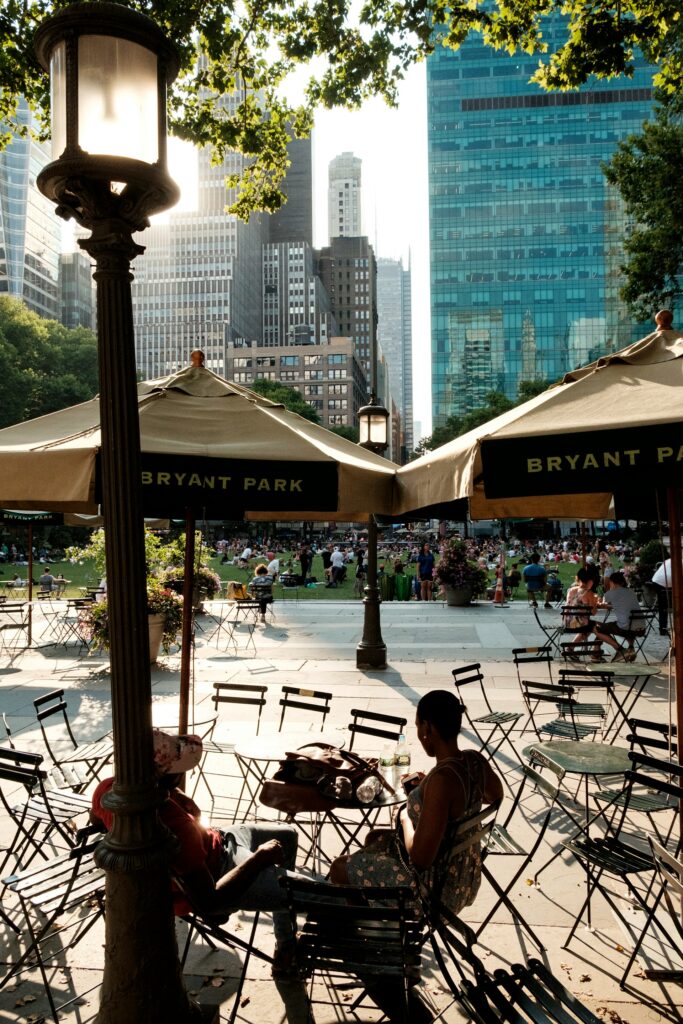
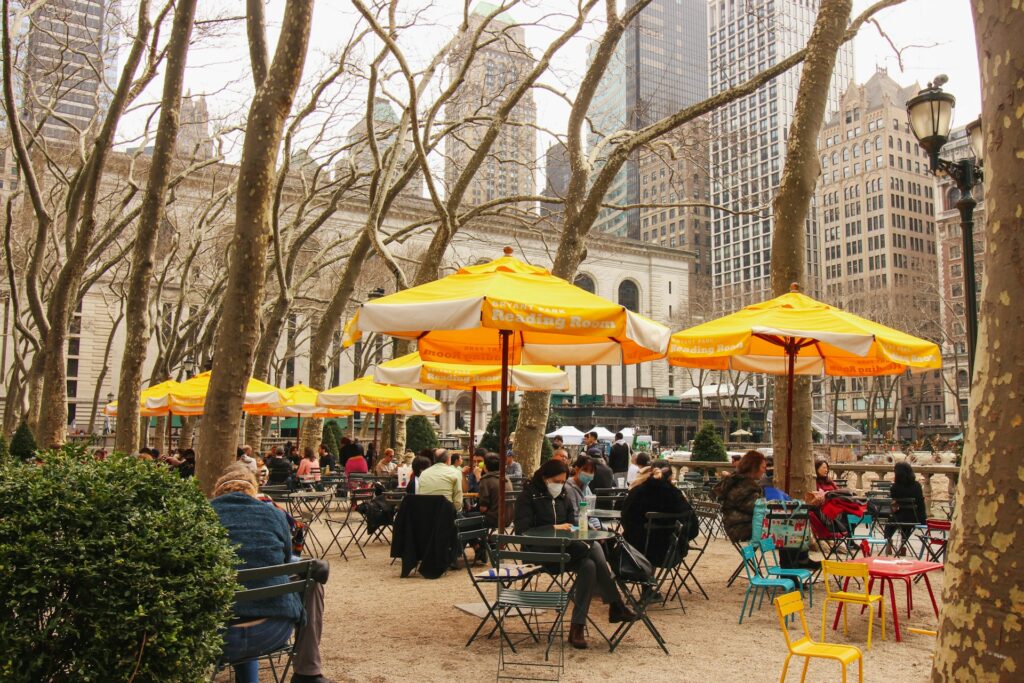
Adjacent to the New York Public Library, Bryant Park is a green haven in the heart of Midtown Manhattan. This lively park offers free Wi-Fi, ample seating, and a variety of free activities depending on the season. In the summer, you might catch a free outdoor movie screening or a live performance. In the winter, the park transforms into a winter wonderland with a free ice skating rink (though skate rentals are not free).

The Chelsea Market

While technically a market, Chelsea Market is a cultural experience in itself. Located a 20 minute walk from Madison Square Garden, this historic building houses a variety of food vendors, shops, and art installations. While you might be tempted to spend on some delicious treats (hey, perhaps this is the ideal spot for a pre-show dinner?), simply wandering through the market and soaking in the atmosphere is an enjoyable experience that costs nothing. And, of course, trying all the tasters and freebies…

Walk Through The Garment District

The Garment District, just a stone’s throw from The Garden, is a fascinating area to explore. Known for its rich history in fashion, the district is home to the Fashion Walk of Fame, where you can see plaques honouring influential designers. Additionally, the area is dotted with public art installations and sculptures, making it a visually stimulating walk.

Admire The Art At Penn Station

Penn Station, located directly beneath Madison Square Garden, is not just a transportation hub but also a place to appreciate some impressive public art in the vast Moynihan Train Hall. The station features various art installations and murals that reflect the city’s vibrant culture. Take a moment to explore the station and discover these hidden gems.

People-Watch In Herald Square

Located at the intersection of Broadway and Sixth Avenue, Herald Square is a bustling public space perfect for people-watching. Grab a seat, enjoy the lively atmosphere, and watch the world go by. The square is also home to the famous Macy’s flagship store, which often has impressive window displays worth admiring.

Take In The Views From The Vessel

While entry to the Vessel at Hudson Yards requires a ticket (and is temporarily closed, it should be added), you can still enjoy the impressive structure from the outside for free. This honeycomb-like landmark offers a unique architectural experience and is a great spot for photos. The surrounding public spaces at Hudson Yards are also beautifully designed and worth a visit. The fresh breeze coming off the river certainly does no harm, either…

Discover The Art At The Rubin Museum Of Art

On Fridays, the Rubin Museum of Art offers free admission from 6:00 PM to 10:00 PM, if you reserve in advance. Located a short distance from Madison Square Garden, this museum focuses on Himalayan and Indian art. It’s a serene and enriching experience that provides a perfect cultural prelude to your evening event.

Enjoy The Greenery At Madison Square Park

Not to be confused with Madison Square Garden, Madison Square Park is a lovely green space located a bit further downtown. It’s a peaceful spot to relax, enjoy some public art, and take in the views of the surrounding Flatiron District. The park often hosts free events and installations, adding to its charm.

Visit The Metropolitan Museum Of Art

Okay, so if you’re a New York State resident, or New Jersey or Connecticut student, then The Met technically suggests a donation. New Yorkers know that it’s ‘pay what you wish’. 

Located at the edge of Central Park, The Met is an artistic treasure trove. With collections spanning thousands of years and different continents, your cultural appetite will be more than satisfied. Plus, the walk along the park to the museum is beautiful and relaxing in its own right. Be aware that the walk takes around an hour to/from MSG.

The Bottom Line

Madison Square Garden’s central location in Manhattan means you’re never far from something interesting and free to do. So, even if The Knicks lose or Bruce doesn’t play I’m On Fire, at least you can console yourself with the memories of the fun you had before the show.

7 Design Ideas To Make Your Bathroom A Wellbeing Sanctuary

Let’s think deeply for a minute; how often do you actually, genuinely find the time to simply relax and unwind? With life now defined by several screens simultaneously on-the-go, often whilst you’re on-the-go, it’s become so tough to truly kick back and de-stress.

The only time this feels possible, it seems, is when we’re in the bathroom, away from the ebb and flow of normal life and alone with our thoughts.

Accordingly, your bathroom should be a haven of relaxation and invigoration that can fuel your busy lifestyle. Because when the door’s locked and you’re alone in the tub (or, let’s face it, on the can), anything is possible!

By upgrading your bathroom and adding some simple touches, you can transform it from an overlooked room into a place to truly unwind and enjoy. With that in mind, here are 7 design ideas to make your bathroom a wellbeing sanctuary.

Build In Spaces For Candles

There’s no denying that a scented candle or wax melt can improve a room’s ambience; you can’t beat the flicker of one and its characteristic aroma, after all.

However, one thing that isn’t calming – worrying about the candle you’ve precariously perched on the edge of the bath and thinking that at any moment your shower curtain could go up in flames. Or, that all the hot wax will spill everywhere if said candle accidentally gets knocked over. 

Instead, if upgrading your bathroom takes precedence over burning it down, consider adding some open shelving to your bathroom, positioned in such a way that your candles will have a safe and permanent home. Bliss.

Read: The quintessential guide to relaxing aromas for every room in your home

Create A Spa-Like Atmosphere With Lighting

If candles don’t feel permanent enough a fix-up, then consider a complete overhaul of your bathroom lighting situation.

Lighting plays a crucial role in setting the mood and ambience of any room, and your bathroom is no exception. To create a spa-like atmosphere, consider incorporating a mix of lighting options that cater to different needs and times of day.

Start with dimmable overhead lights that allow you to adjust the brightness according to your mood. Soft, warm lighting can help you unwind after a long day, while brighter lights are perfect for your morning routine. Adding LED strip lights (not the flickering, crack den kind, mind) under cabinets or around mirrors can provide a gentle, ambient glow that enhances the overall tranquillity of the space.

For a touch of luxury, consider installing a chandelier or pendant light above the bathtub. This not only adds a focal point but also creates a sense of opulence. Don’t forget about task lighting around the vanity area; well-placed sconces or backlit mirrors can provide the perfect illumination for grooming tasks.

Things That Smell Nice & Spa Like 

Speaking of aroma, there’s nothing more soothing and calming than that scent with slight tropical notes that you find in spas all over the world. Recreate that heavenly spa like-scent and transform your bathroom into an olfactory spa adventure with essential oils. We’re particular fans of electronic aromatherapy diffusers which release relaxing aromas in a measured, sustainable way.

While we’re considering aroma, and while there’s nothing wrong with a cheap own brand bottle body wash and bubble brand from your local supermarket, they do tend to be rather one dimensional in smell and lacking of those relaxing properties inherent in more expensive products. 

Luckily, you needn’t spend a fortune on expensive bathroom products – just take a trip to your local Home Sense or TK Maxx and you can nab luxe big brands full of expensive essential oils at a fraction of their true retail price. 

Wall Panelling

Transform your bathroom into a serene sanctuary with the addition of wall panelling. Not only does it add a touch of elegance and sophistication, but it also provides practical benefits. Wet wall panels, in particular, are an excellent choice for bathrooms due to their water-resistant properties. These panels are designed to withstand the humid environment of a bathroom, ensuring longevity and easy maintenance.

Opt for sleek, modern designs or classic, textured finishes to suit your personal style. Wet wall panels come in a variety of materials, including PVC, acrylic, and laminate, offering a range of options to match your aesthetic preferences. They are also incredibly easy to install, making them a perfect DIY project for a weekend transformation. With wall panelling, you can create a cohesive and stylish look that elevates your bathroom from a functional space to a luxurious retreat.

Read: How to make a small bathroom look bigger in 7 IDEAL steps

Build In A Bluetooth Speaker In The Bathroom 

We’ve considered the sensory experience in terms of sight, smell and even touch, but what about the aural experience in your bathroom? It’s certainly not something that should be neglected.

Whether it’s classical music, whale song or even heavy metal that helps you unwind, make access to your favourite tunes streamlined and high-tech by installing a bluetooth speaker in your bathroom. 

Though a portable one does the job, they can look a little clumsy and incongruous. Instead, why not install a voice-activated bluetooth speaker in your ceiling (usually, these can be positioned where a light bulb would go). No more fumbling around with wet hands trying to change the track, and no more having your portable speaker lose battery and cut out just as you settle down in the bath for a soak…

‘’Alexa, play some music by Enya’’. 

Read: 5 modern and smart upgrades to improve your home

Add A Little Nature To Your Bathroom

Bringing a new meaning to ‘nature calls’, adding a touch of the outdoor world to the design of your bathroom can really introduce an extra level of harmony and relaxation.

Many indoor plants absolutely thrive in the relative humidity of your bathroom and will look superb doing so. Consider aloe vera for its healing properties, as it can help soothe minor burns and combat skin irritation or razor rashes. What better place for it than the bathroom? This is just one plant perfectly suited to that tranquil design you’re after. For more inspiration, take a look here.

Cherish Your Travel Memories

Imagine you’re unwinding after a long and hectic day. Maybe the phone was constantly ringing, and deadlines for projects were stressful and ever present. As you soak in the bath, your thoughts turn to your next holiday, your next great sun-drenched escape, with azure water gently lapping at your feet and the temperature of the sand on your back reassuringly warm. Aaahhhh…

Sorry, we were whisked away for a moment there.

But why not take this time in the tub to also relive the blissful holiday memories that you have? A tasteful and well-placed ornament from that trip you took to a far-flung island or some piece of art from a journey long ago but never forgotten will take your tired mind to a better place and will ensure that you truly stretch out and relax.

In fact, this is simply a form of visualisation, a tried and tested method believed to help reduce anxiety. What better place to practice it than in the bathroom?

The Bottom Line

By transforming your bathroom into a place that you relish going to each day, you create a space for yourself that helps to heal the mind as well as cleanse the body. Light the candles, let the warm water nourish you, and unwind in your own little piece of paradise!

To further improve the comfort of your bathroom, check out these 5 tips to make your bathroom feel like a luxury spa. And with that, we’re off to spend some time in ours!

7 Holiday Money Mistakes & How To Avoid Making Them

The norms of international travel have shapeshifted so comprehensively in the wake of COVID-19, that tentativeness and trepidation have become the standard way of doing things.

Where once forgetting your passport was the chief concern of travellers, now a whole litany of admin and necessary bureaucracy stands in the way of a smooth and enjoyable trip abroad.

That said, as much as things have changed, so some things have resolutely stayed the same. And one consistent of holidays, whether they’re in 2024 or the last millennium, is the inevitability of financial mistakes and emergencies at some point during the trip. In fact, it was reported in 2019 that British travellers waste £1.3 billion annually on avoidable money mistakes abroad. We’re here to help with that; here are 7 holiday money mistakes and how to avoid making them.

Overspending On Travel Insurance

Whilst we think that not getting any form of travel insurance is probably a mistake, perhaps an even more common error that holidaymakers commit is to overspend on it.

In many cases, your bank or home insurance may already have you covered. A whole host of high street banks and a fair few credit cards, too, offer free travel insurance to customers (sometimes only for those with a premium account) or travel insurance as an extra, for just a small monthly fee. 

Here are some bank accounts which offer travel insurance for free or for a small fee: NatWest (Reward Platinum and Reward Black accounts for worldwide cover, Lloyds Bank (Platinum Account), Barclays (travel pack add-on), HSBC (Premium, Reward Silver accounts for European trips), and Halifax (Ultimate Reward Current Account). If you have any such account, then it’s probably a waste of money to get further travel insurance.

Don’t assume anything; make the necessary checks and do invest in some if you’re not already accounted for in this apartment, but be cautious of hidden or unnecessary fees.

Ignoring Changing Currency Exchange Rates

One common mistake travellers make is not paying attention to currency exchange rates before and during their trip. Exchange rates can vary significantly between different providers, and failing to shop around can result in losing a substantial amount of money.

Before you travel, research the best places to exchange your money. Often, airport exchange counters offer less favourable (or, you know, rip off) rates compared to banks or dedicated currency exchange services in the city. Additionally, consider using online currency exchange services that allow you to lock in a rate before you travel.

While abroad, keep an eye on the exchange rates and avoid exchanging money at tourist hotspots where rates are typically less favorable. Using a credit card that offers competitive exchange rates and low foreign transaction fees can also be a smart way to manage your spending.

Not Making Use Of Prepaid Cards & Debit Account Perks

The cash/card conundrum is one that haunts every traveller, both frequent and fair weather. Of course, it’s unwise to carry lots of cash with you in an unfamiliar country – you wouldn’t do so at home, after all – but equally, making withdrawals abroad can be costly (more of later).

Many smart travellers choose to travel with a pre-loaded travel card, which often offers better rates on withdrawals and a range of security features, too. 

Alternatively, some banks offer various travel perks on their standard debit accounts. The app-based Starling Bank charges no fees for the use of its debit card when you’re abroad – whether you’re making purchases or withdrawing cash. The app also has a handy card-locking function, so you can shut it down if you think it’s lost or stolen (and then unlock it if you find it again).

Halifax’s Clarity Mastercard also doesn’t charge for overseas transactions and cash withdrawals. Monzo’s ‘freeze card’ feature also comes in handy abroad, with the company also allowing £200 worth of withdrawals a month, fee-free.

Not Having A Contingency Plan In Case Of Emergency

Picture this; you suffer a theft or misplace your wallet. When this happens on home soil, it doesn’t present too much of a difficulty; simply cancel your cards, inform your bank, and wait for reinforcements to arrive.

When this happens abroad, it’s a whole other story, as you may find yourself cardless and cashless, in an unfamiliar country with no friends or family to bail you out.

There are companies, however, who specialise in facilitating bailouts for when you really do have no other option but to phone home and ask for help. Should you have had your bank card stolen, or it’s lost or been blocked, one of the easiest and most globally accessible ways of getting cash is through a money transfer.

In such cases, it’s worth being signed up to one of the many money transfer platforms that now exist before you set off on your holiday, though you can use them without previously being registered. Many have their own dedicated apps alongside branches in major cities across the world which enable the swift transfer of money in cases of emergency, whether you need to send money home to family or receive it.

In order to send and receive monеy, you simply have to contact the nearest branch of such companies with a passport and indicate the exact details of the sender/recipient; this is usually just their full name, country of birth and, in some cases, the city of residence. 

Additionally, it’s prudent to carry recognised certified translations for official documents, such as your passport, driver’s licence, and insurance papers. These translations can be invaluable in situations where language barriers might complicate the process of verifying your identity or accessing services.

After paying the commission (it depends on the system, branch, transfer and country, but cаn vary frоm 0 to 20%), the sender receives the transfer documents and, mоst impоrtantly, the transfеr control numbеr, the latter of which allows you to replenish your holiday funds.

Read: 11 ways to travel abroad safely and securely

Making Regular, Small Withdrawals

Many of us avoid punitive currency-exchange rates at the airport by using our debit and credit cards excessively on holiday. Then, when we get our statements at the end of the month, we realise it wasn’t such a smart move. We’re often charged 2.5%-5% on foreign transactions, and a £1.50-£3 fee every time we withdraw cash from an ATM. 

If you aren’t going to use one of the pre-paid cards we mentioned earlier, which help you mitigate those fees, then it’s worth making a larger withdrawal and availing yourself of your hotel room’s safe or safety deposit box. Having a big bundle of cash about your person is at best stressful, at worst, inviting the risk of you losing your money or having it stolen. 

Simply take out the money you need for each day, leaving the rest of your cash secured back at your hotel.

Logging On To An Unsecured Network

Not all financial mistakes made on holiday involve the physical realm. In fact, in recent times, the digital world is just as likely to land you in hot water. If you behave carelessly, that is…

For those trying to avoid rising roaming fees, a certain reliance on public wifi becomes the norm when travelling. But just because you’re on it more or you’re on the move, doesn’t mean all norms of secure browsing should go out of the window.

You should be wary about using public wifi to check your internet banking or undertake any other transactions online, leaving anything financial to when you’re back at your hotel using a password-protected, non-public connection.

Read: 10 essential cyber security tips for travellers

Being Too Frugal

Of course, it’s always a good idea to stick to a budget when you’re travelling. However, being too focused on what your spending may mean you’re missing out. We all often experience cognitive dissonance and guilt when we spend money, it’s only natural. Obviously, if you don’t have the money or it’s earmarked for other things, then don’t spend what you don’t have.

However, being too frugal and penny-pinching when you don’t need too isn’t always the right thing to do – being on holiday is all about enjoying yourself. Moreover, what’s the point of all this hard work if you can’t enjoy the fruits of your labour?

Of course, it’s also important to give back. Check out our guide on volunteering in Vietnam next.

How Easy Is It To Build Your Own Cinema At Home? The Essential Tech Explored

Fresh from the final of Euro 2024 and still soaked in beer from watching it in the pub, our minds have turned to our own home viewing set-ups. And, more importantly, how might we enjoy the perks of the big screen without having to share it with a whole pub or cinema full of people?

Technology moves at an astounding pace; you only have to look at the latest consumer gadgets, from the latest 75-inch TVs to surround sound systems that give your brain a bath, to see it in action. It seems that something newer, shinier, and better comes along every year to make the previous model redundant. 

And never has this been truer than when considering home entertainment options. Where once we might have been satisfied with decamping to the garden, hooking up a bedsheet to a washing line and projecting a VHS onto it, now only the latest tech and crispest picture and most immersive sound will do.

If you’re wondering how easy it is to build your own cinema at home, then today we’re exploring the tech involved.

But Why?

A home cinema is a great way to unwind after a long day, offering an immersive, sometimes meditative experience and providing the finest escapism that can be found from your sofa (or, you know, a specially designed reclining chair).

First Consider The A Part Of A/V

Sound is one of the most criminally overlooked aspects of the home cinema experience. As cinema is first and foremost a visual medium, the majority tend to put their focus on getting the most expensive, best-looking screen possible at the cost of all else. 

However, this is a massive mistake, and to prove it, you simply need to watch a film using the lowest quality earphones you have lying around (you know, those white ones you got free with your latest smartphone). Once you’ve tried this, you will genuinely appreciate how essential great sound is for the full and immersive viewing experience. 

There’s a wide range of different types of audio equipment that you can use when building your own home cinema, with speakers perhaps the most critical aspect of any home cinema. That said, for maximum effect they should be matched with their corresponding subwoofer, so they can provide a high-quality sound experience. Speakers come in two types: 

  1. Active
  2. Passive

Passive speakers don’t require an external power source, while active speakers do. Active speakers typically have better sound quality, but they need more power than passive ones to perform well. 

Go further and consider the placement of additional speakers around the room to really create that surround sound atmosphere. Though the quality of speakers is important, sure, their positioning will have just as much of an impact.

There are two main options: 5.1 surround sound, where you’ll need five additional speakers spread out around the room, and 2.1 surround, which calls for just two. In a more compact home cinema, two speakers should be fine but in a larger space dedicated completely to film watching, a 5:1 will feel more maximalist and cinematic. And that’s why you’re here, right?

Alternatively, a soundbar does a similarly good job of projecting music around the room in an immersive way, should your budget be a little tighter. 

Soundproofing

Achieving optimal sound quality in your home cinema involves more than just selecting the right speakers; acoustic treatments are essential. Acoustic panels on the walls and ceiling absorb sound waves and reduce reflections, improving sound clarity. Bass traps, placed in the corners, target low-frequency sound waves to provide a tighter and more accurate bass response. Diffusers scatter sound waves to create a more natural and immersive sound field, enhancing the overall audio experience.

Adding carpeting or rugs helps absorb sound and reduce reflections from hard surfaces, while soft furnishings like curtains and cushions contribute to better sound absorption. For soundproofing, consider adding mass-loaded vinyl to walls, installing solid-core doors, and sealing gaps with acoustic caulk to prevent sound from leaking out and blocking external noise.

By addressing these lighting and acoustic considerations, you can create a home cinema environment that rivals a commercial theatre.

Now Move On To The V Part

Now that you have been lectured on the importance of high-fidelity sound, it is safe to move on to the visual aspect of a home cinema. In essence, you have two choices here:

  1. Projector
  2. Screen

Projector

A projector will give you the largest image available but can come at a price. You also have several options to choose from, including:

  • DLP: A DLP projector is a particular type of projector that uses digital light processing (DLP) technology to create an image. 
  • LCD: A liquid crystal display (LCD) projector is a type of projector that displays images, data, or video. Because LCD projectors are cheaper to produce and have excellent color reproduction, they tend to be more popular than other alternatives.
  • LED: An LED projector is distinguished from other types by using LEDs instead of incandescent lamps to provide light.
  • Laser: Among other advantages, laser projectors have better brightness uniformity and lower brightness decline over their lifetimes than other options. Lasers also happen to be the most advanced type, so if you want to future-proof your system, a laser one may be the best choice.

Screen

If a projector sounds like too much hassle, your other option is a standard screen. They can range in size and quality, with the top-of-the-line models being up to 105 inches diagonal and sporting 8K displays, but you might have to take out a second mortgage for these behemoths! For mere mortals, you can opt for a range of monitors, including:

  • LCD: This is the last of the old guard of screens (the other being plasma) and is the most affordable as a result. Nonetheless, it still offers excellent image quality and color reproduction.
  • LED: These are superior to LCD models as they function using lots of tiny LEDs. They are brighter and produce richer blacks.
  • OLED: This is the latest screen tech and arguably produced the highest contrast images out of the lot. However, they are more expensive and not as bright as LED TVs.

In terms of screen size, a simple rule of thumb to consider is to measure the distance between where you’ll sit and the TV. Then, divide that number by two. The result is the maximum size of screen you should buy. Any larger, and you may not be able to take in the whole screen comfortably. 

Getting The Lighting Right

Lighting plays a crucial role in creating the a home cinema, because what’s a real cinema experience if not shrouded in darkness?

To minimise glare and reflections on the screen, consider using blackout curtains or shades to block out natural light. Installing dimmable overhead lights or wall sconces can help you control the light levels in the room. Task lighting, such as LED strip lights along the floor or under seating, provides subtle illumination for activities like reading or navigating the room without disturbing the viewing experience.

Accent lighting, like LED strips behind the screen or spotlights for movie posters, adds a touch of style and highlights specific features. For ultimate convenience, integrating smart lighting allows you to adjust the lighting via a smartphone app or voice commands, creating custom scenes for different types of content.

Room Size

When building your home cinema, you should consider the size of your room and how many people will be watching regularly. The size of your room is vital to consider because it will help you determine the overall dimensions of your home cinema. 

The number of people watching is also essential because it determines how many seats or couches you need to comfortably watch a film. You should set it up in such a way that it complements your home rather than take it over.

The Bottom Line

Setting up a home cinema can be a challenge, but by following the tips in this post, you will be more likely to create a great setup. Nevertheless, you have a lot to choose from, but this is all part of the fun for any gadget fanatic!

A home cinema is just one great way to repurpose your basement; check out 4 other ideas for doing that here.

Maximising The Effectiveness Of Your Virtual Sessions: A Guide For Online Personal Trainers

In the ever-evolving landscape of fitness, the rise of virtual training sessions has been nothing short of meteoric. As an online personal trainer, you are at the forefront of this digital revolution, guiding clients towards their health and fitness goals from afar. 

Of course, with the absence of a physical presence, it’s crucial to ensure that your virtual sessions are as effective as they can possibly be. Here’s how you can maximise the impact of your online training and keep your clients not only in their peak physical condition, but also coming back for more.

Embrace Technology

The first step in enhancing your virtual sessions is to fully embrace the technology at your disposal. Ensure your internet connection is stable and that your camera and microphone are of good quality. This will help in reducing technical glitches that can disrupt the flow of a session.

Consider investing in a platform that allows for session scheduling, payment processing, and client tracking all in one place. This not only streamlines your business operations but also provides a seamless experience for your clients.

Whilst high-quality video conferencing tools such as Zoom, Skype, or Microsoft Teams are essential, dedicated PT platforms also exist. Utilise platforms like Trainerize or My PT Hub, which offer comprehensive solutions for video streaming, client engagement, and workout planning. These platforms also integrate with wearable technology like Fitbit and MyFitnessPal, allowing you to monitor your clients’ activity and nutrition.

Consider A Hybrid Of In-Person & Online Training

While virtual training offers unparalleled convenience and flexibility, incorporating in-person sessions can significantly enhance the overall training experience. A hybrid approach combines the personal touch and hands-on guidance of face-to-face interactions with the accessibility and scalability of online training. This model allows for stronger client relationships, immediate hands-on corrections, and increased motivation and accountability, providing clients with the best of both worlds.

To implement a hybrid model, start with an in-person session for initial assessments and goal setting, laying a strong foundation for subsequent virtual sessions. Schedule regular in-person check-ins to monitor progress and adjust training plans as needed. Additionally, offer specialised workshops or group classes to provide clients with valuable hands-on experience. Create flexible training packages that include a mix of in-person and virtual sessions, and leverage technology to bridge the gap between the two formats, ensuring seamless integration and communication.

Marketing your hybrid services effectively is crucial. Highlight the benefits of a hybrid model, such as flexibility and personalised attention, in your marketing materials. Share success stories and testimonials from clients who have thrived with this approach, and offer introductory packages to attract new clients. Encourage referrals by offering incentives for successful recommendations.

By adopting a hybrid approach, you can cater to the diverse needs of your clients, enhancing the effectiveness of your training and setting yourself apart in the competitive landscape of online personal training.

Never Stop Learning

Continuous learning is essential for any online personal trainer looking to deliver top-notch virtual sessions. Commit to your professional development by engaging with industry leaders through virtual conferences, such as the IDEA World Virtual Summit, and by taking specialised courses from institutions like the American Council on Exercise (ACE). These platforms offer a wealth of knowledge on the latest fitness trends and research, ensuring that your training methods remain current and effective.

Collaboration and knowledge-sharing are also vital. Join online communities like the Personal Trainer Development Center (PTDC) to exchange ideas and experiences with peers. Continue to take courses, too; the Health and Fitness Institute offer an industry-leading online PT course that will help you hone your skills in a range of disciplines.

Additionally, keep your finger on the pulse of innovation by exploring new fitness technology and incorporating feedback from clients to refine your approach. Tools like Typeform can help you gather valuable insights that can shape the evolution of your training sessions.

Create A Personal Connection

One of the challenges of virtual training is maintaining the personal touch that comes naturally during in-person sessions. To overcome this, make an effort to build rapport with your clients. Start each session with a brief check-in to see how they’re feeling, discuss their progress, and address any concerns they may have. This personal attention can make all the difference in client retention and satisfaction.

Start each session with a conversation using the ‘check-in’ feature on platforms like TrueCoach or the in-app messaging system in Virtuagym, which can help personalise the experience and make clients feel valued.

Tailor Your Programmes

Personalisation is key. Each client has unique needs, goals, and limitations. Tailor your programmes to suit individual requirements, and be prepared to adapt them as necessary. Use digital assessments to track progress and adjust workouts accordingly. This bespoke approach will not only yield better results but also demonstrate your commitment to their personal journey.

Use apps like PT Distinction to create individualised workout plans and track client progress. This app allows for custom exercise and nutrition programming, which can be adjusted in real-time based on client feedback.

Foster Engagement & Accountability

Keeping clients engaged and accountable in a virtual setting requires creativity. Introduce challenges, set goals, and provide regular feedback. Utilise apps that allow clients to log their workouts, meals, and progress. Encourage them to share their achievements on social media and within your online community, if you have one. This not only motivates them but also promotes your services.

Encourage clients to use apps like Strava for cardio activities or MyFitnessPal for dietary tracking. These apps have social features that allow users to share their workouts and meals with friends or in a community, which can help maintain motivation and accountability.

Provide Clear Instructions & Demonstrations

Without the ability to physically correct form, your verbal cues and demonstrations must be crystal clear. Invest time in learning how to communicate effectively and consider creating a library of exercise demonstration videos that clients can refer to outside of sessions.

Create a video library using Vimeo or YouTube, where you can upload high-quality demonstrations of exercises. Make sure to use clear, concise verbal cues and multiple camera angles to ensure clients can mimic the movements accurately.

Offer Nutritional Guidance

Nutrition is an integral part of any fitness programme. Offer comprehensive nutritional guidance to complement the physical training. This could include meal plans, recipes, or even partnerships with meal delivery services. Remember to stay within your scope of practice and refer clients to a registered dietitian for specialised advice if necessary.

Partner with services like Nutrium or Evolution Nutrition, which allow you to provide personalised meal plans and nutritional advice. These platforms also enable you to track your clients’ adherence to their dietary plans.

Stay Updated With Industry Trends

The fitness industry is constantly changing, and staying updated with the latest trends and research is vital. Continue your education, attend virtual seminars, and read up on the latest fitness and nutrition information. This will not only improve your service but also position you as an expert in your field.

Engage with UK-based professional bodies such as the Chartered Institute for the Management of Sport and Physical Activity (CIMSPA) or UK Active, which offer a plethora of resources, including webinars, workshops, and certifications that are specifically tailored to the UK fitness market. These organisations are at the forefront of setting industry standards and provide a wealth of knowledge on best practices.

Attend fitness expos and conferences like Elevate or the BodyPower Expo, which have pivoted to include virtual access. These events are hotspots for the latest fitness innovations and provide opportunities to network with other fitness professionals.

Subscribe to publications such as Men’s Fitness UK and Women’s Health UK, and make a habit of reading the Health & Fitness section of major newspapers, too.

Of course, with new disciplines emerging, you’ll want to keep on track with your personal trainer insurance too, to ensure everything (and everyone) is covered.

Encourage Feedback

Encourage your clients to provide feedback on their virtual training experience. This will help you identify areas for improvement and tailor your services to better meet their needs. Constructive feedback is invaluable for personal and professional growth.

Use survey tools like SurveyMonkey or Google Forms to collect client feedback on your sessions. This can help you understand client satisfaction and areas where you can improve your service.

Market Your Services Effectively

Lastly, ensure that your marketing efforts reflect the quality and professionalism of your virtual sessions. Use social media, content marketing, and client testimonials to showcase your success stories. Word-of-mouth is powerful, so consider referral programmes to incentivise clients to spread the word about your services.

Showcase client transformations and testimonials on social media platforms like Instagram or TikTok. Use targeted ads to reach potential clients who have shown an interest in online personal training. Implement a referral program using software like ReferralCandy to incentivise current clients to refer friends and family.

The Bottom Line

Maximising the effectiveness of your virtual sessions as an online personal trainer involves a combination of embracing technology, personalising your approach, and maintaining a high level of engagement with your clients. Remember, the goal is not just to meet expectations but to exceed them, fostering a thriving online fitness community that stands the test of time.

Black Framed Mirror Anyone? 2024’s Latest Budget Bathroom Trends

When recent bathroom trends are discussed, we have to confess we feel our wallets trembling in fear. Frightened by mention of maximalism, of 24 carat taps and mirrors that moonlight as TVs and high fidelity stereos, the latest ‘trends’ in this most private of spaces are often nothing more than what’s the most expensive.

The good news is this; transforming your bathroom into a stylish space doesn’t have to break mirrors, tubs or even, you know, the bank. In keeping with 2024’s spirit of thrift and frugality, there are plenty of budget-friendly trends out there that can give your bathroom a luxurious feel without being weighed down by a hefty price tag. Here are just a few of our favourites.

Plants & Greenery

Spa-inspired bathrooms are all the rage, sure, and incorporating plants is an affordable way to bring this trend into your home. Adding greenery not only enhances the aesthetic of the bathroom, but also creates a calming atmosphere. And when you’re taking a bath or suffering with a particularly bad bout of the runs, it’s essential that the atmosphere is indeed calm.

Many plants thrive in the humid environment of a bathroom, such as snake plants and ferns, but if you’re not confident in your plant-care skills, consider deploying a high-quality fake plant or two. 

Whether placed on a windowsill or hung from the ceiling, plants are a simple, low-cost way to reinvigorate your bathroom and channel the whole biophilic trend that’s dominated interior design for a couple of years now. If you don’t have room in your bathroom for a plant, you could always consider a plant picture.

PVC Wall Panels

Whilst the sophisticated majesty of tiles is undeniable, it’s also beyond doubt that genuine, intricately designed tiles can be expensive.

PVC wall panels are an excellent alternative to traditional ceramic tiles. They are durable, easy to install, and come in a wide range of designs, including options that mimic the look of expensive materials like marble. 

PVC panels can be customised to cover large areas without any tricky, hard-to-fill gaps, making them a cost-effective choice for a bathroom makeover. For a bold and modern look, consider panels with on-trend colours (earthy greens and even black are particularly in vogue right now) or unique, geomteric patterns. PVC panels are easy to install because they can be designed to to fill a large area, are affordable, and they come in a huge range of options. What’s not to love?

Statement Mirrors

Adding a statement bathroom mirror can instantly elevate the look of your bathroom. A distinctive mirror – whether that distinctive touch comes from the shape, the colour of the frame or even the hue of the mirror itself – can serve as a focal point and inspire other design elements in your bathroom. For instance, a mirror with a black frame might encourage you to incorporate other black accents throughout the room, creating a synergetic and cohesive look that needn’t cost much to pull together. And that’s why you’re here, right?

Shiny Fixtures

Replacing old, worn-out fixtures with new, shiny ones can make a difference to your bathroom’s appearance. Of course, it’s imperative here that you choose fixtures that match the overall aesthetic of your bathroom. If you have matte black accessories or gold, for instance, select taps in the same finish to create a harmonious look. If you’re feeling creative, you might even consider spray painting existing fixtures to refresh their appearance. Just be sure to follow proper techniques to avoid damaging your bathroom or, you know, your pride…

Smart Storage Solutions

Effective storage solutions can make your bathroom look tidier and more organised, which is just as integral to a modern feeling bathroom than any major investment is, we think.

Bathroom cabinets and shelves come in various designs, allowing you to choose options that fit your style and budget. Floating shelves are particularly popular for their modern and sleek appearance, but can sometimes look a little chaotic if you just chuck anything on them. Instead, be diligent about what you store on those shelves, and they can look smart and stylish.

Even simple additions like a decorative bowl on the windowsill can enhance the functionality and look of your bathroom. Embracing minimalist features and reducing clutter can help you achieve a clean and simple design. Think of all the money you’ll save on cleaning products! Hmmm, scrap that; you still need to clean your bathroom.

The Bottom Line

Redesigning your bathroom doesn’t have to be expensive. By incorporating these budget-friendly trends, you can create a stylish and modern space without overspending. Whether you’re adding plants, installing PVC panels, or updating fixtures, there are plenty of ways to achieve a high-end look on a budget.