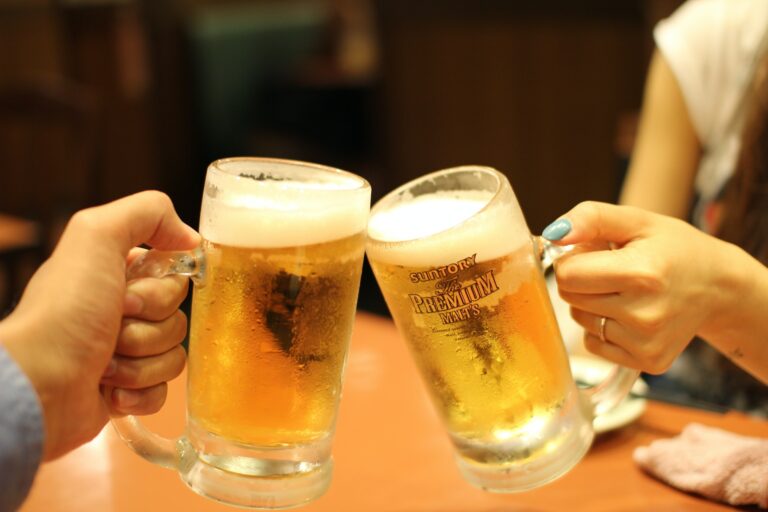
As any budding gastronomy enthusiast would acknowledge, the delicate art of pairing food with the right beverage can elevate a meal from merely satisfying to a truly memorable culinary adventure. The rule of thumb has traditionally been that wine is the go-to partner for dining, whether pairing pinot noir with your favourite Indian takeaway or chablis with a dozen oysters somewhere fancy.
All that said, an increasingly modern trend has emerged, that is diverting away from grape and veering towards grain. Yes, we’re talking about beer – the underdog of food pairing.
The Golden Rules Of Pairing
While pairing beer with food opens up an avenue for personal creativity and exploration, there are a few ‘golden rules’ to guide you through the process.
Match Strength With Strength
This is a crucial principle to bear in mind. The flavours of your beer and your dish should be in harmony. A robust beer can easily overpower a delicate dish, and conversely, a hearty meal can render a light beer tasteless.
Balance Bitterness & Spice
Beers with high bitterness can increase the heat in spicy foods. If you’re serving a spicy curry, consider a refreshingly light and slightly sweet beer which can balance the spice and refresh the palate.
Complement Or Contrast
The flavours of your beer can either mirror the flavours in the food, creating a harmonious experience, or they can provide a contrasting note, creating an intriguing balance. For instance, the malty sweetness of a Brown Ale can complement the caramelised crust of a perfectly grilled steak, while the tartness of a Sour Ale contrasts beautifully against rich, fatty foods.
Don’t Forget Carbonation
Beers with high carbonation can act as a palate cleanser, cutting through rich and creamy foods to refresh the palate. A crisp Pilsner could perfectly balance out a fish and chips dish.
Consider The Cooking Method
The way your food is cooked can guide your beer choice. Grilled foods often pair well with beers that have roasty notes, like Porters or Stouts, while lighter cooking methods like steaming or poaching might pair well with lighter beers like Pilsners or Pale Ales.
Factor In The Brewing Process
The brewing process can greatly influence the flavours and characteristics of beer, and thus its compatibility with certain foods. For example, beers that have been barrel-aged often have a robust, complex profile, with notes of wood, vanilla or even spirits, and these pair well with rich, hearty dishes or strong cheeses.
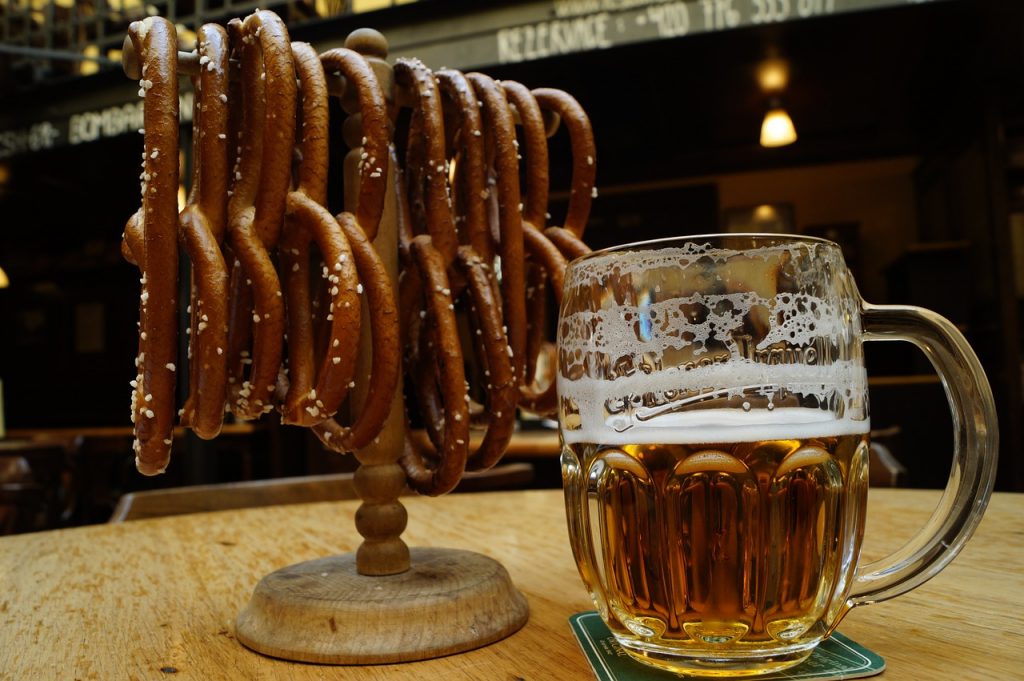
On the other hand, a lightly hopped lager, with its crisp and clean profile, may suit delicate dishes such as light seafood or salads, or salty snacks like crisps and pretzels.
Understanding the brewing process and how it affects the flavour profile of the beer can provide valuable insight when making food pairing decisions.
The Perfect Beer & Food Pairings
Anyway, if you’re wondering how to harmoniously marry your dinner with the perfect pint, then you’ve come to the right place; here’s our IDEAL guide to pairing beer with food.
Spicy Thai Curries with Wheat Beer
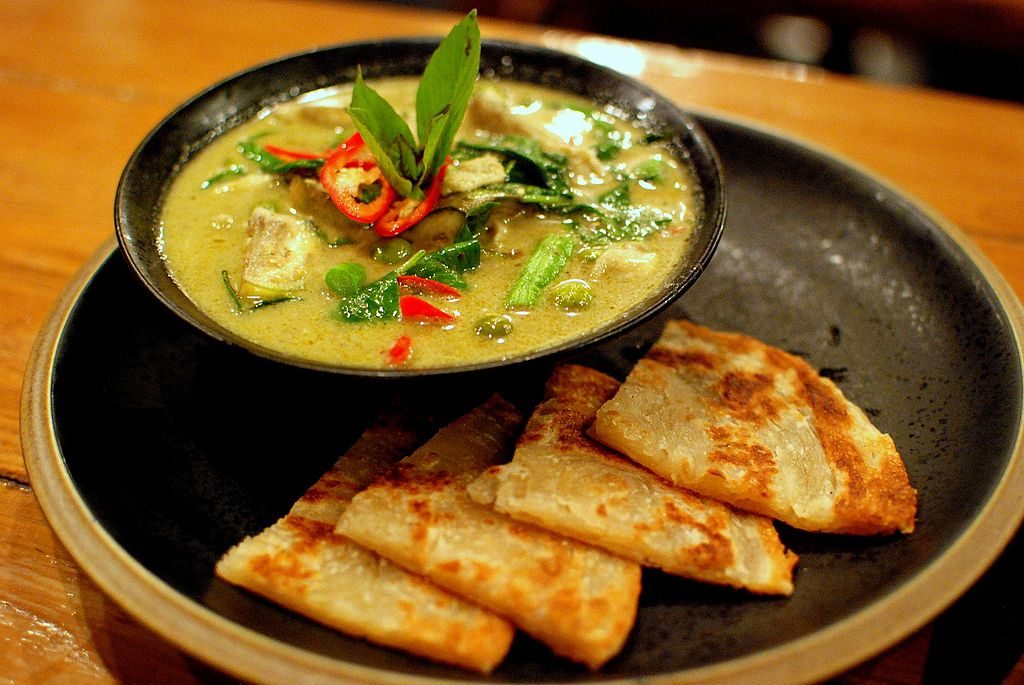
The intricate flavours and heat of Thai curries make them a gastronomic delight. Your chosen beer pairing can make or break this dining experience. Wheat beer, often served super chilled, is a marvellous choice for Thai cuisine.
Its slight sweetness, refreshing carbonation, and the fruity and spicy tones beautifully counterbalance the heat of the curry, whilst not overshadowing the nuanced flavours of lemongrass, galangal, and makrut lime leaves. IPA and Saison beers also work really well.
Roast Chicken with Pale Ale
Roast chicken, a perennial favourite in British households, is known for its soothing, savoury flavours and the most delicious skin. A strong beer might overpower it. However, a balanced brew like a Pale Ale can be a winning combination. The hoppy character and subtle citrus tones of Pale Ale can amplify the succulence of the chicken and its sumptuous though light gravy, making it a cheerfully satisfactory match.
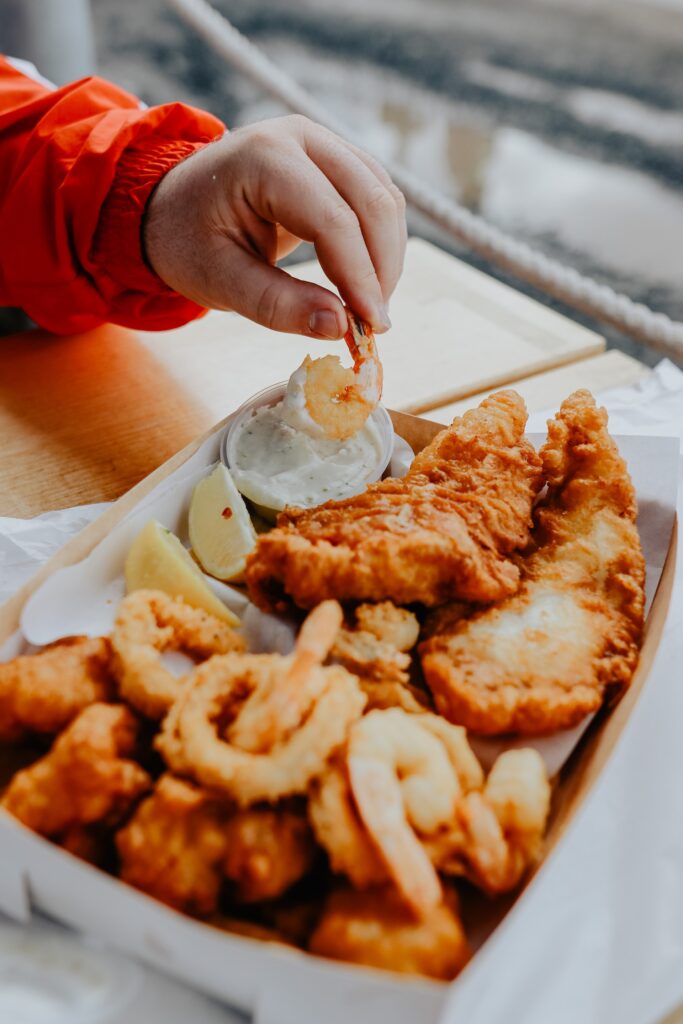
Fish & Chips with Classic Pilsner
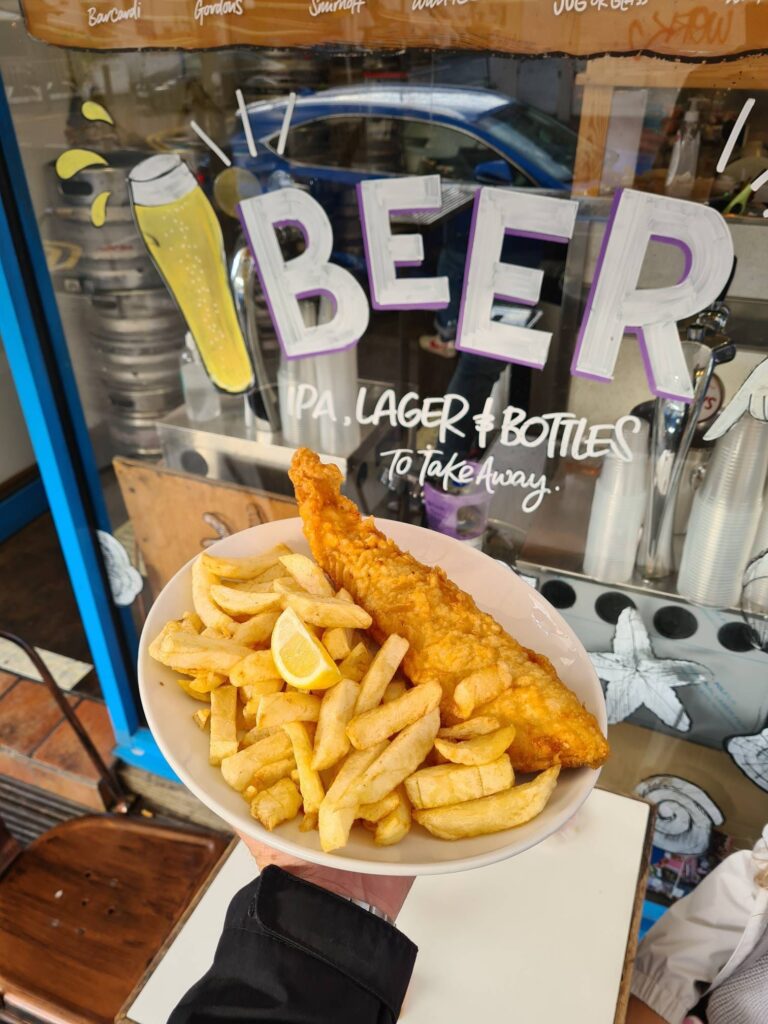
There’s nothing more traditionally British than a serving of crisply battered fish and chunky chips. A classic Pilsner, renowned for its crisp and slightly bitter profile, works wonders with this dish. The effervescence and lightness of the Pilsner, combined with its citrus notes, cuts through the richness of the batter and helps to refresh the palate, enhancing each delightful fishy forkful.
Roast Beef with Stout
Roast beef, thick gravy, and Yorkshire pudding – the quintessential British Sunday roast. A hearty meal such as this requires a robust beer to match. Enter the Stout. The roasted barley and rich, strong flavours of a stout can stand up to the bold tastes and textures of the roast beef and trimmings without clashing. The darker malt flavours of stout even share certain flavour similarities with the sear on roast beef, creating a divine pairing that enhances the enjoyment of both.
A Cheeseboard with Belgian Ale
Nothing caps a fine dining experience quite like an array of aromatic cheeses. This is where the complex Belgian Ale steps into the spotlight. Their high carbonation cuts through the creaminess of cheese, while the fruit and spice notes interact interestingly with varieties from sharp cheddar to pungent blue.
Pizza with American IPA
Pizza, with its rich, tangy tomato sauce, can handle a beer with a bit of punch. An American IPA, with its strong hoppy bitterness and citrusy undertones, is an excellent choice that can balance the richness of the cheese while echoing the acidity of the tomato sauce. The slight floral notes also compliment a variety of toppings from meats to vegetables.
Full English Breakfast with Brown Ale
A traditional Full English Breakfast, in all its hearty glory, requires a beer with enough character to hold its own. A traditional British Brown Ale, with its toasty malt, subtle sweetness and low bitterness, can enhance the savoury flavours of the breakfast. The beer’s robust enough to complement the bacon and sausages, yet sufficiently mellow not to overpower the eggs, mushrooms, and tomatoes.
Lancashire Hotpot with Traditional Bitter
The Lancashire Hotpot, a lamb and vegetable stew topped with sliced potatoes, is a deeply comforting and traditional dish. An old but gold British Ale, known as a Traditional Bitter, pairs perfectly with this dish. Its moderate alcoholic strength and bitterness, balanced by a subtle fruity sweetness, work in tandem with the rich meat and vegetables without overshadowing the meal.
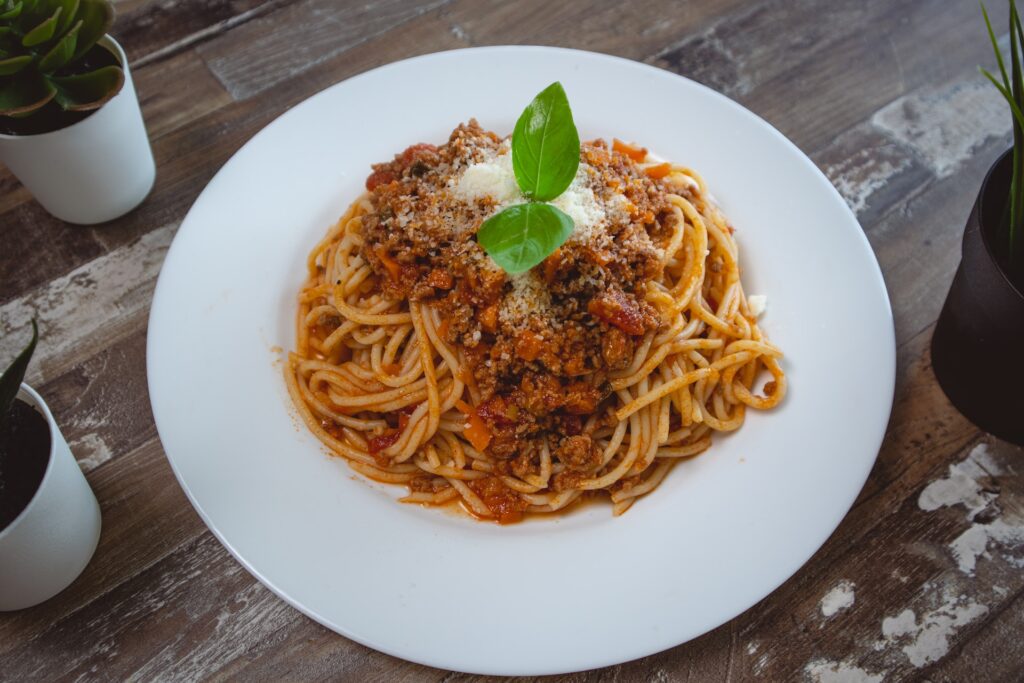
Spaghetti Bolognese with Munich Dunkel
For a rich, tomato-based Spaghetti Bolognese, a Munich Dunkel is a surprisingly excellent beer pairing. Dark lagers like Dunkel, with their mild bitterness, moderate sweetness and hints of chocolate, can counterbalance the acidity of the tomato sauce and provide a beautiful contrast to the savoury meat, thereby enhancing the overall dining experience.
Apple Crumble with Belgian Tripel
To end on a sweet note, the classic dessert- Apple Crumble pairs wonderfully with a Belgian Tripel. The beer’s high carbonation and spicy, fruity tones are a delightful complement to the crumble’s sweet-tart apple filling (even better with a little rhubarb thrown in!).
Moreover, the beer’s malty richness is perfect against the crumble’s buttery, oat-y topping. The melody of the apple crumble with the Belgian Tripel is a testament to the fact that beer isn’t just for savoury dishes.
The Bottom Line
Evidently, the arena of beer and food pairing is incredibly vast and diverse – a gastronomic playground if you will. The array of flavours, styles, and textures in both beer and food mean that the possibilities are virtually endless. Why not start with these classic pairings and then experiment with your own combinations? Happy tasting!
In the world of culinary art, it’s often said that people “eat with their eyes first”. This adage underscores the significant role visual aesthetics play in our relationship with food. It’s no wonder then, that food photography has become an instrumental aspect of the culinary world, from cookbooks and restaurant menus to food blogs and social media posts.
Food photography is an art that goes beyond simply clicking pictures. It’s a blend of creativity, technique, and a true understanding of ingredients, dishes and food culture. Today, we’re in search of that perfect picture, you know; the one that makes your taste buds tingle with just a single image. With that in mind, here are the 8 key tenets of fantastic food photography.
Lighting Is Everything
Whether you are shooting a lavish Christmas dinner or a simple slice of watermelon, lighting can break or make your food photography.
Proper lighting can emphasise the shine of a drizzle, illuminate the steam from a freshly cooked dish, or accentuate the colours in a vibrant salad. Whether you’re working with natural sunlight streaming in through a window or a set of studio lights, understanding the direction and quality of the light source is essential.
Natural lighting often provides a soft, diffused look that is perfect for most food shots. However, the time of day can drastically affect the hue and intensity. For best results, aim for early morning or late afternoon when the sunlight isn’t too harsh.
On the other hand, artificial lights give you more control, allowing you to adjust brightness and direction, which can be especially beneficial when shooting in low-light conditions or during nighttime – which, of course, is often when the most intimate of dinners go down.
The Art Of Composition
Composition concerns itself with how the elements of a photo are arranged. Use the Rule of thirds, leading lines, or symmetry to make your food the star of the show. Avoid cluttering the frame; sometimes, less is more.
In food photography, the allure is often in the details. The composition revolves around the dance of the dish, its plating, the backdrop, and the subtle garnishes that enhance its story. Before clicking, set a clear theme: perhaps a rustic ambiance with worn boards and vintage silverware or a minimalist, modern touch with crisp lines. This theme will guide how you position and layer each element in the frame.
Styling further enriches this tableau. Thoughtfully chosen props, like contrasting napkins, a carefully positioned spoon, or a sprinkle of fresh herbs, add depth and guide the viewer’s gaze. Each detail, meticulously curated, should entice the viewer as much as the dish itself would.
The distance and perspective from which you shoot can greatly affect the outcome. Closer, detailed shots create intimacy, making viewers feel like they could reach out and take a bite. Different angles can also emphasise different aspects of the food. For instance, a straight-down, or ‘bird’s eye’ view, can showcase the symmetry and design of a dish, making it perfect for flat-lays where components are spread out. On the contrary, a side angle can highlight the layers of a burger or the depth of a beverage, revealing texture and depth.
But continue beyond the familiar angles. Challenge yourself. Get close to capture the garnish details, or pull back to show the dish in its environment. An oblique angle would lend an edgy look to a traditional dish, making it pop unexpectedly. The key is to experiment and find that perfect perspective that does justice to the food you’re portraying.
Colour & Contrast
Colour and contrast in food photography aren’t simply elements of style or aesthetics – they are the very heart and soul of an enticing visual feast!
Imagine you’re scrolling through your social media feed. A post from your favourite food blog catches your eye – a decadent chocolate pudding, bathed in warm hues of caramel, against a stark white rustic table. Why did it hook your attention? Because it’s not just a picture, but an immersive, sensory experience – it’s the power of colour and contrast in food photography.
Colour and contrast help to bring dishes to life, adding depth and dimension, making them tantalisingly real and incredibly appetising. They aren’t just about making food look good; they’re about stirring emotions and evoking that “must-have” craving in your audience.
Consider colour. It’s an essential part of our visual perception and impacts our mood substantially. Bold, vibrant colours often stimulate the senses and create feelings of happiness, excitement, and appetite. Cool, soothing palettes can communicate freshness, comfort or sophistication.
In food photography, it’s crucial to use colour purposefully. It might be enhancing the natural hues and textures of a dish or strategically using props and backgrounds to play up or balance the hero – your food!
Contrast, on the other hand, is the difference in luminance or colour that makes an object distinguishable. In food photography, it’s about blending and offsetting the elements of your scene to create a riveting visual journey.
It can be the subtle play of light and shadow bringing texture and depth to a bowl of salad, highlighting every crinkled leaf and shiny tomato. Or, the dramatic starkness between a vibrant plate of strawberries and a dark background, making the reds pop irresistibly.
So, how can you harness the power of colour and contrast effectively in your food photography?
Understand Colour Theory: Identifying complementary, analogous, or monochromatic colours will help you create visually striking and harmonious images.
Use Natural Light: Natural light brings out the true colours of food, adds depth, and reduces unwanted shadows. Remember, the direction of your light source impacts the contrast and texture in your images.
Play with Backgrounds and Props: Use backgrounds that complement or contrast your food but don’t steal the spotlight. Props can help enhance the colours or introduce needed contrast.
Edit Mindfully: Post-processing software can enhance colours and adjust contrast, but avoid oversaturation or unnatural hues. The goal is to depict the food as delectable yet real.
Experiment: Artistic rules are meant to be broken creatively. Don’t be afraid to experiment with different colour combinations and levels of contrast to create your unique style.
Movement
Emphasising movement in food photography might sound like an oxymoron, but it’s actually a pivotal element, as it injects life and dynamism into the image. The always popular choice for food photographers, DSLR cameras, with their high-speed shutter capabilities, are perfect for capturing these fleeting moments with clarity.
We’ve all seen a shot of a fork piercing the yolk of a fried egg or someone dusting their bench with flour ready for kneading. In the frequently static field of food photography, portraying this kind of motion brings an enticing sense of reality, bridging the gap between the viewer and the culinary experience. It triggers a sensory response, evoking the taste, smell, and texture of the food, thereby stimulating a viewer’s appetite.
The technique of capturing this transitory moment demands a combination of keen observation, precise timing, and proficient light manipulation, thereby showcasing the photographer’s skill. Furthermore, it encourages narrative storytelling, inviting the viewer to engage with the process behind the dish, rather than merely its final presentation.
Texture & Details
Crispy, creamy, crunchy, or soft – the texture of food can be as mouthwatering as the taste itself. Focus on minute details; the sheen of a buttered roll or the steam rising off a hot chocolate can truly bring your photographs to life.
Styling & Props
Using props helps in storytelling and setting the mood. Be it a rustic wooden table for that homemade apple pie, a frying pan still holding that oozy egg from earlier, or a chic white marble base for a modern vegan salad, choose props that enhance rather than distract from the food. Remember, the food is the hero.
Post-Production Magic
Last but not least, a well-edited image can be the cherry on top of your food photography sundae. However, with editing, the motto should always be ‘enhance, not change’. Over-edited images can look artificial and unappetising.
Post-processing plays a crucial role in food photography in emphasising the dish’s best aspects. Here are specific editing tools and techniques tailored for food photography:
Crop and Composition: Reframe to focus on the dish’s most tantalising parts. Cropping can also help achieve the golden ratio or rule of thirds for a more balanced image.
Brightness/Contrast: Adjust to accentuate the juiciness of meats, the gloss of sauces, or the freshness of vegetables. A good balance ensures the food remains appetising and not washed out or overly dark.
Image Masking: Ideal for emphasising specific food details. For instance, if you want to brighten the syrup drizzling down pancakes without affecting the surrounding areas.
Colour Enhancements: Food is all about colours. Boosting saturation or vibrance can make dishes pop, but moderation is key. You want a fresh salad to look vibrant, not neon.
White Balance: Ensure the food’s colours are authentic. A creamy pasta should not appear with a blue tint, nor should a grilled steak look too yellow.
Sharpening: Highlight the textures, from a fried dish’s crispness to the softness of desserts. But avoid oversharpening, which can make food look gritty.
Spot Healing/Clone Tool: Remove minor imperfections, like crumbs or splatters, that might distract from the main dish.
The Bottom Line
The realm of food photography is a playground for your creativity. Remember, your aim is to make your audience’s eyes savour the food before they’ve even tasted it. Happy shooting (and even happier eating afterwards!).
The moon is up, the stars dot the midnight sky, it’s the perfect time for a restful slumber. But the tranquillity is short-lived, when the niggling call of nature summons you from your warm cocoon to the porcelain throne – the loo.
This nocturnal nuisance is a common plight experienced by many, whether you’re young or a bit further down life’s path. Luckily, there are ways to counter this inconvenience, to ensure a night of uninterrupted sleep. With that in mind, here are 7 essential tips to reduce those frequent night-time toilet trips.
Moderate Your Evening Drinks
It’s no secret that what goes in must come out. To lessen your loo visits, try limiting your fluid intake a few hours before bedtime. This doesn’t mean you should go thirsty. Just conscientiously control the amount and timing of your drinks. Remember, coffee, tea and other caffeinated beverages are known culprits for increasing urine production, so it’s worth swapping that bedtime brew for a soothing caffeine-free herbal tea.
Whilst many of us are aware that coffee, alcohol, and tea can set off an increased urgency to visit the loo, there are a few other drinks that may surprise you with their diuretic properties. Firstly, cranberry juice is one such beverage. Often touted for its effective role in fending off urinary tract infections, cranberry juice can increase urine production due to its diuretic nature. Soft, fizzy drinks, as well, can sometimes drive one to pee more frequently, potentially interrupting your peaceful slumber.
Herbal infusions, although popularly used for winding down before bed, can have varying effects depending on the herbs used. Infusions with ingredients like dandelion or nettle have a diuretic effect. Lastly, certain health or detox drinks, especially those containing cucumber, celery, and watermelon, can act as natural diuretics due to their high water content.
Reconsider The Timing Of Your Medication
Some medications, especially diuretics, can increase urine production. If you’re on such medications, discuss with your doctor if you can take them earlier in the day. This slight change can dramatically decrease the number of times you have to drag yourself out of bed. Always consult with your GP or other healthcare professional with questions about medication.
Embrace the ‘Double-Void’ Technique
This might sound odd, but it genuinely works. The double-void technique involves going to the loo, waiting a few minutes and then trying again. It’s a simple yet effective way to ensure your bladder is completely empty before hitting the sack, reducing the likelihood of further nocturnal disturbances.
Ditch The Late-night Tipples
Indeed, a nightcap might seem like a fine idea to induce sleep quickly. However, alcohol disrupts the normal sleep cycle and promotes the production of urine. This double whammy invariably leads to you navigating dark corridors in the wee hours. On top of that, alcohol leaves you dehydrated, meaning you’ll be chugging water in the night to try to compensate. And we all know where that leads us back to…
Keep Active
Research suggests that sedentary habits contribute to excessive night-time urination. Make it a point to stay active during the day. Regular exercise can strengthen your pelvic muscles, improving bladder control and reducing your night-time loo visits.
Monitor Your Diet
Certain foods can irritate the bladder, including citrus fruits, tomatoes, chocolate, spicy foods, and artificial sweeteners. Try keeping a food diary to identify any potential dietary triggers and discuss your findings with a healthcare professional.
Seek Medical Advice
Persistent and unusually frequent night-time loo visits can be a sign of an underlying condition like diabetes, sleep apnoea, a urinary tract infection, or, as the institution at the forefront of testicular and prostate cancer research Urocare tell us, something more serious. If you’ve made the necessary lifestyle adjustments and seen no improvement, it’s essential to seek medical advice.
The Bottom Line
There you have it, seven essential tips for reducing those pesky night-time loo trips. Remember, everyone’s body is different, so what works for one person may not necessarily work for you. It’s all about finding the right balance and creating a routine that suits your lifestyle. Here’s to a future of uninterrupted, slumber-filled nights! Well, one can only dream…
*The above blog post is intended only to provide information and should not be used as a substitute for professional medical advice, diagnosis, or treatment. Always consult with a healthcare professional for any health concerns or before beginning any new health routine.*
Your honeymoon is a once-in-a-lifetime (let’s hope it’s only once!) romantic getaway, a chance to make lifetime memories with your beloved, and an excuse for phoning in all those freebies from restaurants and hotels along the way.
If you’re looking for a place that offers adventure, relaxation, and a cultural and culinary extravaganza in the same breath, look no further than Tanzania. This East African gem is set to become 2024’s dream honeymoon destination, and here’s why.
Firstly, How Best To Get To Tanzania From London?
Given the significant distance of approximately 7303 km between London and Tanzania, you’re going to be flying here, make no mistake. However, it’s important to note that there are no direct flights from London to Tanzania.
The quickest flights from London Heathrow to the Julius Nyerere International Airport in Dar Es Salaam (Tanzania’s busiest) takes around 12 and a half hours with a stopover in Istanbul, and cost in the region of £500 for a return ticket.
The Romantic Aura Of Tanzania’s Private Islands
Tanzania is home to many exquisite private islands that make for an idyllic honeymoon getaway. Rubondo Island, located on Lake Victoria, and Fanjove Island, part of the Songo Songo archipelago, are perfect hideouts for lovebirds. Offering private island accommodation that usually comes in the form of luxury lodges, as well as untouched beaches and an incredible array of wildlife, you will enjoy privacy, serenity and nature in its purest form.
The Culinary Adventure Of A Lifetime
Tanzania’s cuisine is as diverse as its landscapes. From the savannahs to the coastal areas, each region has its unique dishes that will satiate your taste buds. Traditional meals based around the staple cornmeal Ugali, and grilled meats known as Nyama Choma, and the coastal region’s Zanzibar Pizza (more akin to a Malaysian style murtabak than a pizza, in all honesty), will provide gastronomic delights you won’t soon forget.
Couple this with a glass of locally brewed hibiscus wine, and you have a unique and unforgettable culinary journey that will define and delight your first holiday as lovebirds.
Explore the old town, the UNESCO World Heritage site of Stone Town, enjoy snorkeling in the turquoise water, and lose yourself in spice plantations. The blend of African, Arab, and European influences creates a unique charm that is utterly captivating.
What better way to affect honeymoon affection than the smell of scents of tropical flowers and the warm tropical breeze passing over you as you canoodle in a hammock together strung between two palm trees? Nugawi Village is probably the best beach on the main island Unguja for that romantic walk, and Nakupenda offers the chance to frolic with snorkels and sealife when you’ve had enough of rolling around with your partner.
Breathtaking Safaris
Tanzania boasts some of the world’s best wildlife-viewing destinations including the Serengeti National Park and the Ngorongoro Crater. The Great Migration, where millions of wildebeest and zebras cross the plains, is a spectacle to behold. Imagine enjoying a romantic picnic amidst this backdrop, a perfect fusion of love and adventure
For adventurous couples, a trek to Africa’s highest peak, Mount Kilimanjaro, could be a thrilling and bonding experience. Experiencing the sunrise together from the rooftop of Africa is an inimitable moment that you’ll cherish forever.
Preparing for a Kilimanjaro honeymoon involves both physical and logistical preparation. Start cardio and strength training months in advance and gear up with good hiking boots, warm clothing, sunblock, and altitude sickness medication. A health check-up prior to the trip is recommended and secure travel insurance that covers high-altitude trekking.
The best time to hike Mount Kilimanjaro is during the dry seasons between July-October and January-March. Choosing the right route is key, as they range in scenery and difficulty. There are numerous routes to choose from, each offering varying degrees of difficulty and scenic beauty, such as the popular Machame route, the challenging Lemosho route, or the more gentle Marangu and Rongai routes, though generally, the trip should last 5-9 days, traversing different ecosystems from rainforests to ice-capped summit. Safe, slow ascents ensure a successful trip, and reaching the summit for sunrise makes for an unforgettable honeymoon.
A Rich Cultural Experience
Tanzania’s cultural tapestry is vibrant, with over 120 different tribes, each with its unique customs and traditions. Interacting with the Maasai people, visiting a local market or attending a traditional dance performance will give you an authentic insight into the Tanzanian way of life.
Luxury Accommodation Options
From luxury beachfront resorts in Zanzibar, exclusive lodges in the Serengeti, to glamorous tented camps in Selous, Tanzania offers a wide range of accommodations. Imagine waking up to a breathtaking sunrise over the Indian Ocean or the majestic African plains. It’s not just about the view, but every detail is designed to provide comfort, luxury, and an unforgettable experience.
The Bottom Line
Tanzania truly offers a unique blend of enchanting beauty, exciting adventure, and rich cultural heritage. It promises a honeymoon that goes beyond the ordinary, creating an endless list of shared magical moments. So are you ready to begin your forever in the jaw-dropping landscapes of Tanzania?
No wonder Tanzania is set to be 2024’s dream honeymoon destination, hey?
Have you ever wondered why, after your eight-hour slumber, you still find yourself waking up with a sore back, feeling more like you’ve pulled an all-nighter than had a restful night’s sleep? If so, the culprit could be your mattress. Ensuring that your mattress provides sufficient back support and promotes spinal health is of paramount importance.
Spinal health is more than just avoiding back pain; it’s about enhancing the overall quality of life. Integral to this is the quality of sleep we receive, with our mattress serving as the foundation. As we lay down each night, our spine seeks relief and relaxation, free from the stresses of our upright day. And what cradles our spine during this restorative period? Our mattress.
It’s not just a bedroom accessory; it’s a foundation for spinal health. The interplay between the spine and our mattress choice is profound and influential. Together, then, let’s climb into bed and embark on night of passionate exploration of this relationship with essential sleeping tips, illuminating the importance of an informed choice in mattresses, not just for a good night’s sleep but for the holistic well-being of your backbone.
Understanding The Spine
The human spine isn’t just a stack of bones – it’s a sophisticated structure comprising vertebrae, intervertebral discs, and intricate ligaments and tendons. These elements collectively allow for movement, stability, and protection of the spinal cord.
The spine’s unique S-shaped curvature is ergonomically designed to evenly distribute mechanical stress during activities like walking, sitting, or lifting.
Sleep & Its Undeniable Connection To Spinal Health
Sleep isn’t merely ‘shutdown time’, it’s a critical period of repair, rejuvenation, and cognitive processing. Adequate, uninterrupted rest ensures muscle recovery, tissue growth, and hormone regulation.
Every sleeping position, whether on the side, back, or stomach, impacts the spine differently. These postures determine pressure points and areas of strain, which can either be mitigated or exacerbated by one’s mattress. Beyond comfort, a mattress influences sleeping posture. The right mattress can alleviate pressure, maintain alignment, and prevent morning stiffness or pain.
Choosing The Right Mattress: Firm Or Soft?
One of the most common misconceptions is the notion that a hard mattress is the best option for back issues. The fact is, it’s not about getting the hardest or the softest mattress – it’s about finding the right balance.
You need a mattress that supports your body in a neutral position, one where your buttocks, head, and shoulders are all aligned and your spine has a nice natural curvature. Too firm mattresses can put pressure on your joints, whilst those too soft can fail to provide the support needed, causing your body to sink. To have a mattress that supports your back, you need all of this in alignment.
The Anatomy Of Mattresses & Their Impact On Spinal Health
Materials matter – memory foam, popular for its body-contouring properties, can reduce pressure points. Innerspring, with its bouncy nature, offers edge support and cooling benefits. Latex, a naturally derived material, combines resilience with contouring.
Every individual has unique needs, and firmness preferences can vary based on weight, body shape, and sleep position. When choosing a mattress material perfect for you, consider what your needs are and how each specific material could contribute to a better night’s sleep.
A quality mattress upholds the spine’s natural curvature. The lumbar region, often a pain centre, demands specific attention. A mattress should cater to this area, offering optimal support to prevent misalignment. Overly soft mattresses can cause the spine to sag, while extremely firm ones might not follow the spine’s natural curve.
Like any product, mattresses have a lifespan. With prolonged use, even premium mattresses can sag, lose support, or become uneven. Recognising these signs and knowing when to upgrade is vital for spinal health.
The Art & Science Of Assessing Sleep Positions
Understanding your preferred sleep position is paramount. For side sleepers, this position demands contouring, especially around the shoulders and hips. The goal is spinal alignment from the neck to the base of the spine. For back sleepers, support for the lower back is essential here. The mattress should adapt to the spine’s curve, filling gaps for complete support. Stomach sleepers, on the other hand, can strain the neck and lower back. A firmer mattress can prevent excessive arching and promote neutral alignment.
A Matter Of Individual Preference
What works for one person might not work for another. It’s crucial to test several mattresses for personal comfort before making a purchase. Some stores offer a ‘sleep trial’ allowing you to test the mattress for a certain period. Take advantage of these trials to find the mattress that suits your sleep style and comfort needs.
Chronic Back Pain: Navigating The Mattress Maze
Those with chronic back issues often require specialised solutions. Mattresses that offer zoned support, targeting specific pressure points, can be beneficial. However, personal comfort should always be prioritised, often following consultation with healthcare professionals.
Enhancing Spinal Support: Beyond Just Mattresses
Pillows can complement mattresses in supporting spinal health. They maintain the cervical spine’s alignment, ensuring the neck is neither too elevated nor too depressed.For those not ready for a new mattress but seeking enhanced comfort, toppers can be a viable interim solution. They can add plushness, firmness, or targeted support based on needs.
For conditions like sleep apnea, acid reflux, or chronic back pain, adjustable beds can be transformative. By altering elevation, these beds can relieve pressure, improve breathing, or enhance comfort.
If you’ve been daydreaming about a property extension, it’s crucial to understand the necessary planning permissions and legal requirements you’ll need to navigate. Extending your UK property isn’t as simple as picking up a hammer and nails; it involves a carefully orchestrated dance with building regulations and planning departments.
Before we embark on this thrilling, exploratory journey of property extensions, let’s first clarify what planning permission is. In its simplest form, planning permission is a formal approval from your local council that your proposed building project is acceptable, considering its effects on your neighbours and the wider environment.
Do I Need Planning Permission?
The primary question on everyone’s mind is usually – do I need planning permission for my property extension? The answer to that is a thorny ‘it depends’, but don’t worry, we’ll unpack this.
Under Permitted Development Rights, you may not need planning permission for your extension. These rights allow homeowners to carry out small-scale changes, such as small extensions, without seeking full planning permission. However, there are limits and conditions attached to these rights. For example, a single-storey extension at the rear of your property can only extend up to six metres for an attached house and eight metres for a detached house. If your proposed extension exceeds these limits, planning permission becomes necessary.
Planning permission may also be required if your property is located in a Conservation Area (more of that a little later) or listed building or if your property has already been extended in the past.
What About Building Regulations Approval?
Regardless of whether your extension requires planning permission, it will still need Building Regulations approval. Building Regulations are minimum standards for design, construction and alterations to virtually every building, as provided by the UK government. They’re designed to ensure the safety and health for people in or about buildings.
Building Regulations cover everything from the foundations to the roof, and include aspects such as fire safety, sound insulation, energy efficiency and access. An application to the Building Control department of your local council is required to prove your extension complies with these standards. This can be either a Full Plan Submission or a Building Notice, each with its own nuances.
Party Wall Act 1996
This is another piece of legislation you should be aware of before starting construction. If your extension involves work on an existing wall shared with another property, you must notify the neighbouring owners. They can then agree or disagree with what is proposed. This falls under the Party Wall Act 1996, which is designed to prevent and resolve disputes in relation to party walls, boundary walls and excavations near neighbouring buildings.
The Right To Light
Another legal aspect you need to consider when planning your property extension is the Right to Light. Under the Prescription Act 1832, if a window has had uninterrupted access to daylight for 20 years or more, it’s gained the Right to Light. Your extension should not unduly obstruct this light.
As a rule of thumb, the 45-degree angle rule is often used to assess if you’re impacting your neighbours’ Right to Light. If your extension does cross this line, your neighbour could potentially take legal action or demand that the work be altered or removed.
Restrictive covenants may exist on your property’s title deeds, limiting what you can do with your property. These legally binding conditions can prevent certain alterations, including extensions, to maintain a certain aesthetic cohesion in an area or prevent overcrowding.
If you breach a restrictive covenant, you might be required to undo the work at your expense and could face legal proceedings from the party who benefits from such a covenant. Therefore, it’s critical to check your property’s title deeds before planning any extension.
Wildlife & Conservation Acts
Other less common, but equally important laws to be aware of may include the Wildlife and Countryside Act 1981 and the Protection of Badgers Act 1992. If your property has bats or badgers living on the grounds, these creatures are protected by law, and you may need to take specific steps to ensure any building work doesn’t harm them or their habitats.
It’s also important to mention tree surveys. If your extension plans could impact nearby trees, you may require a tree survey as part of your application. This is especially true if the trees are protected by Tree Preservation Orders (TPO), or they are within a Conservation Area.
Breaching such orders can result in hefty fines, hence the importance of conducting a tree survey before starting work. Tree surveys provide invaluable insights, evaluating the health and longevity of the trees, their impact on the proposed extension and any measures required to protect them.
The Bottom Line
Overall, extending a property does involve navigating through a web of planning permissions and legislation. While it might appear intimidating at times, these measures exist to safeguard individual rights, protect our shared environment and maintain the architectural integrity of our neighbourhoods.
Instead, embrace these simply as vital steps towards attaining our dream extension. After all, what’s a few pieces of paperwork compared to the joy of seeing your dream space come to life?
* This article is for general information purposes only, and does not constitute legal advice.
It is highly recommended that you consult a solicitor or other legal expert who is fully aware of your individual circumstances before you proceed with any actions relating to property extensions and their associated legalities. Legal regulations can change, and the information herein may not reflect the most current legal developments.*
Getting a table at one of London’s hottest restaurants can be a nightmare at the best of times. In-demand tables sell out months in advance. New openings tend towards no-reservations. Demand, implausibly for a city of this size and this many restaurants, still outstrips supply.
Then there’s the obstacle of cost. If one wants to dine out in London regularly, then one needs to be a banker or get a bank loan. That’s certainly not all of us.
Fear not; here at IDEAL we’ve found a way. Or, rather, several ways…
Here are our top tips and hacks on how to experience London’s hottest restaurants without reservations, without fuss, and without breaking the bank.
Search For Deals
If you are setting out for a dinner in the big smoke, be prepared by signing up to a discount scheme, one of our favourites is tastecard. This dining deal card allows you to get access to some great restaurant deals in London and beyond.
The card offers their members 2 for 1 deals and other cut price meal options, both at major London restaurant players like Gourmet Burger Kitchen and Banana Tree, and at smaller independents like the excellent Lebanese joint Zeit & Zaatar, making it a great London companion as it also has some exclusive offers on activities like the London Eye, London Dungeons and Madamme Tussauds – all of which make a perfect pre or post dinner treat.
Plus, if you sign up today your first 30 day trial is just £1.00 (However, prices may vary throughout the year). Why not join the 2 million members and save an average of £270+ on dining a year?
Search For Set Menu Deals
When on the hunt for deals you can also consider set menu’s, many restaurants have amazing prices for both dinner and lunch such as the jaw-droppingly good set lunch deals going at Michelin starred restaurants across town. At Wild Honey, in St James, for instance, you can enjoy a three course lunch for less than £40 – a steal when you consider the prices of surrounding chain restaurants.
Whilst most of the trendiest, hippest foodie hangouts are booked up months in advance, many offer bar seating and a reduced menu. Take advantage of this – you don’t need a reservation and you can sample some of the restaurant’s classic dishes without having to indulge in a time and wallet consuming tasting menu.
Our current favourite bar seats are at 2 Michelin-starred Clove Club and the original Noble Rot on Lamb’s Conduit. At the former, you can snack on their signature buttermilk fried chicken with pine, as well as delectable haggis doughnuts, to the tune of less than a tenner each. Noble Rot’s slip sole grilled in seaweed butter is one of the country;s must try dishes which, again, can be enjoyed at the bar if the restaurant’s full.
Try The Hipper, Less Formal Sister Restaurant
Many of the city’s finest restaurants have addressed the recent diner desire for informality by opening cheaper, less stuffy offerings. Gone are the starched table cloths, closhes and waiters in dickie-bows. In are small plates, keen pricing and service with a beard. Trinity Upstairs stays true to the ethos of the Michelin-starred Trinity, with respect for ingredients and precision cooking, but is more reasonable and laid back. St John has Bread and Wine , Sketch has Bistrotheque, and the Ledbury has the Harwood Arms. It just makes sense.
A recent explosion of London food festivals like Taste of London, hosted over summer in many of the capital’s beautiful parks, host rows and rows of tents housing top restaurants. Here, simply serving their signature dishes, you can enjoy a binge on Michelin level fare until you can take no more. A must on the British Summer schedule recently.
…Or, A Food Hall
One of the decade’s most striking trends in terms of London’s culinary scene has been the emergence of bigger, better, bolder food halls. Whether it’s Market Hall in London Victoria (home to Roti King’s sister restaurant Gopal’s Corner) or the heavy-hitting Arcade Food Hall, now with two branches on Tottenham Court Road and in Battersea Power Station. Here (and all across the city), you can find new restaurant concepts and trialling dishes from major hospitality groups, all at a fraction of the price you’d expect to pay in their adjacent bricks and mortar restaurants.
Embrace The Queue
If you want to be where it’s at, London food-wise, then I’m afraid some standing in line will be involved. You could either write this off as an unnecessary annoyance that you’ll have no part of or you could recognise its advantages. Take the former approach and Hoppers, Bao, Barrafina, Kiln, Padella (a veritable feast of some of the best places in central London right now) are off limits.
No reservations means that you can go to some of the best places in town on a whim, as long as you can stand (ahem) the wait. The much maligned system also creates a buzz which is impossible not to get caught up in. These places also tend to the cheaper end of the spectrum, and usually trade in small plates – meaning you can sample a good selection of offerings once you’ve parked your bottom.
BYOB Spots
Believe it or not, London has a thriving BYOB (bring your own booze) scene. These restaurants allow you to bring your own wine or beer for a small corkage fee, or sometimes even for free. This can seriously reduce the cost of your meal, especially as drinks often make up a large portion of the bill. Some of our favourites include Singburi in Leytonstone, Silk Road in Camberwell, Mien Tay in Shoreditch, and Mangal 1 Ocakbasi in Dalston.
Anyway, all this talk of food is making us hungry. We’re off for dinner!
Are you exhausted from the hustle and bustle of city life? London, with its heady blend of history, creativity, and ceaseless energy, is certainly an exciting city to live in. But at times, the relentless pace (and noise) can get a bit too much.
If you’re seeking a relaxing and rejuvenating day out in the city (you are; that’s why you’re here), then this guide is for you. Here are 9 great ideas to help you unwind and enjoy a wellbeing-led day in the heart of the Big Smoke.
Start Your Morning At The Sky Garden
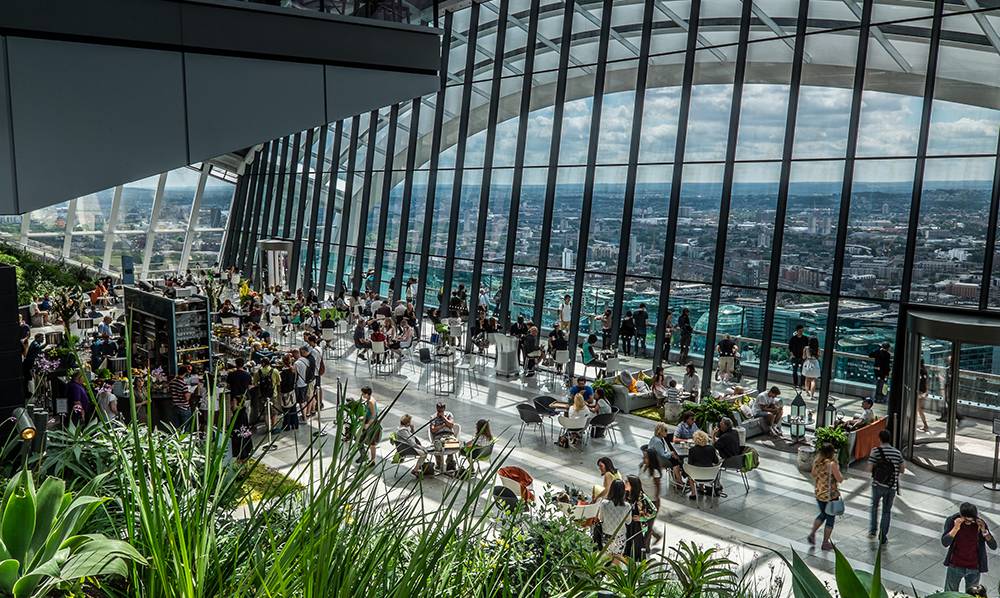
Begin your day by taking in panoramic views of the city at the Sky Garden. Located at 20 Fenchurch Street in the City of London, this skyscraper offers stunning vistas from the 35th floor. The lush greenery provides a serene environment that is perfect for starting your day calmly. There’s no better way to take a break from urban noise than by immersing yourself in the tranquillity of this garden in the sky.
London’s highest public garden, entry to Sky Garden is free, with free access tickets released every Monday. Opening hours run between 10am and 6pm, Monday to Friday, and on bank holidays and at weekends between 11am and 9pm.
A Peaceful Stroll In Richmond Park
Take a leisurely stroll in Richmond Park, London’s largest Royal Park. With its vast landscapes, beautiful gardens, and the plethora of deer (650 at last count!) roaming freely, it’s a fantastic place to escape from city worries. The Isabella Plantation, an ornamental woodland garden, is particularly stunning in the spring, though it’s a haven of tranquillity all year round.
Richmond Park is free to enter, and is open 24 hours a day unless deer culling is taking place, which happens between November and February. During this time, gates are locked between 8pm and 7:30am daily.
Visit The Barbican Conservatory
An oasis in the centre of the city, the Barbican Conservatory is home to over 2,000 species of tropical plants and trees. Relax by the fish-filled ponds, bask in the warmth of the tropical greenhouse, or simply sit among the greenery and soak up the calming atmosphere.
Admission to the conservatory is free. Right now, and running until March 2024, the green space is playing host to Indian sculptor Ranjani Shettar and her glorious, immersive commission Cloud songs on the horizon.
The Banya No.1 – Hoxton offers a range of experiences, from stress-relieving thermal rituals and ice baths to detoxifying skincare treatments. Whether it’s thermotherapy, massage, or a facial, each spa package is designed to invigorate and leave you feeling refreshed. We’re particularly keen on the Russian Banya treatment here, the stove-heated steam sauna feeling like it’s curing pretty much every ill you’ve accumulated in the urban rat race recently.
Take a peaceful boat trip on the Regent’s Canal; the canal’s quaint, slow pace is a world away from the frenetic hustle of city life. Companies like GoBoat in Paddington let you hire your own boat, allowing you to set your own peaceful pace.
Take Lunch At One Of London’s Vegetarian Restaurants
After lunch, try a yoga class at Covent Garden’s Digme Fitness, named as one of London’s best yoga classes by Time Out. With classes to suit all abilities, it’s the perfect way to stretch, relax, and clear your mind in the middle of a busy day.
Tea At The Petersham In Covent Garden
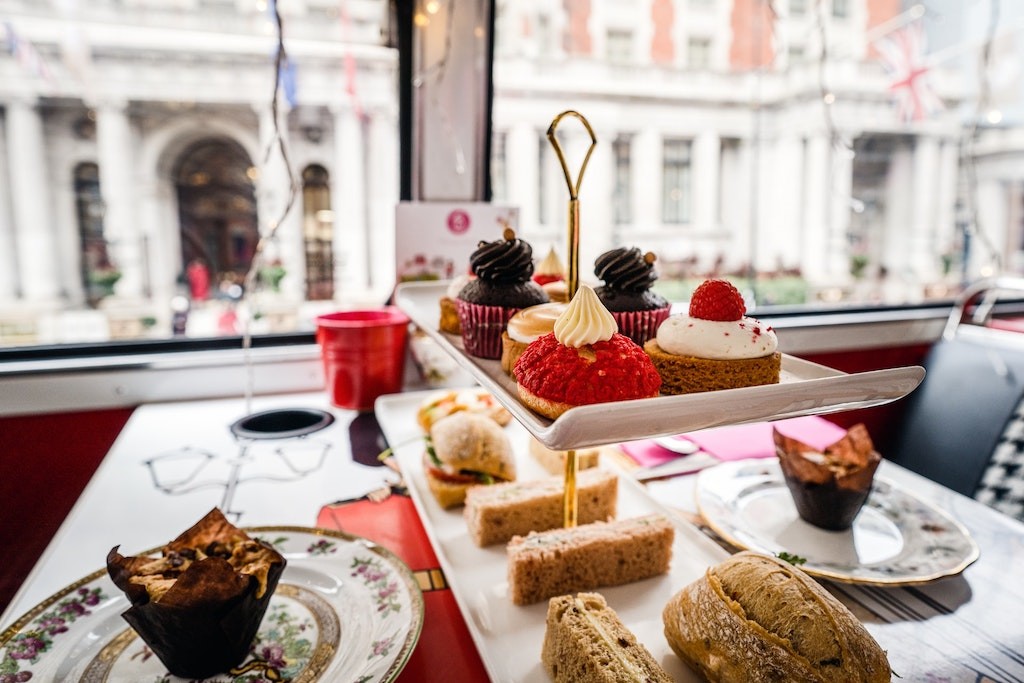
Sticking around in the same area, why not next enjoy the quintessentially British tradition of afternoon tea at The Petersham in Covent Garden? Overlooking the hustle and bustle of the city from the quiet elegance of the tea room, it’s an ideal spot to unwind and take in the day’s tranquillity.
Finish The Day At The Shard’s Gong Bar
End your day at the Gong Bar in The Shard. Unwind with your favourite cocktail and take in spectacular views of the city from the 52nd Floor as the sun sets over the city. It’s the perfect conclusion to a peaceful, wellbeing-focused day in London.
The Bottom Line
Life in London need not be all rush and noise. For those times when you need to step back, breathe, and recharge, these places serve as peaceful retreats amid the city’s endless hum and energy. So, go on, treat yourself to a relaxing, wellbeing-led day in London. You deserve it.
As we use the internet more and more to meet our consumer needs, gaining and keeping customers can be difficult in the e-commerce market. A major point of contact between your business and clients in online business is the packaging.
Therefore, the packaging of your product must grow alongside the company to be easily identified, user-friendly, aesthetically pleasing and functional for a good first impression of the brand. It’s certainly necessary for packaging brands to keep their clients engaged, hopeful, and persuasive. Let’s explore how innovative packaging can win consumers’ hearts today.
Packing Tools That Work
Creating attractive packaging for your product is the first step toward attracting your clients’ attention. A good tool is crucial to this process. Below are a few examples.
Materials Made Specifically For Packaging
Creating your own packaging materials can strengthen your brand and make your company stand out. These are mostly rigid setup boxes or courier bags with custom printing that are most popular in this area. The right packaging can instantly give products a unique identity.
Tape With Custom Printing
Custom packaging tape can be an effective way for your business to appeal to clients. If you want to add genuine, striking designs to your parcel, custom packing tape is the perfect solution.
It can be customized further with eye-catching visuals and printed with your brand logo and name. There is no need to make your tape from scratch; a tape store can customize it for you.
Wrapping Bubbles
Your products can be protected with bubble wrap, a satisfying tool. In the case of fragile products, this is a must. It is only when the product is delivered intact that customers will be satisfied. They’ll remember your product every time a bubble pops, whether to celebrate or de-stress. Wouldn’t that be great?
Get Feedback From Your Customers
E-commerce offers a level of privacy that makes customer contact a crucial part of the business, both for start-ups and larger companies. It’s not really possible to ask a postman to collect feedback about your products when you deliver your online store’s products to someone’s home. A sticker, a note to the customers, or your packaging can all be used as ways to ask for feedback.
Also, provide your packaging with an invite for social media reviews. It would be a quick and easy way to add an extra marketing layer. This leads to better marketing plans and an increase in customer loyalty. As a result, they feel more involved in the company. You can promote loyalty to your company by encouraging customer feedback via your packaging.
Use Promotional Inserts To Attract Customers
Customers will spend more on your products if you include special inserts inside your custom box packaging. Boosting brand visibility and expanding your business are both great benefits. The following are some examples of inserts and marketing products companies can use.
A Discount Offer Or A Coupon Can Help You Save Money
Your packaging can be customized to include a coupon or a discount offer to encourage users to keep coming back. Also, it makes the client more inclined to stick with the company, resulting in sales growth.
A Sample Of A Product Or A Gift
Gifts within packages can encourage future purchases if they’re found to be a nice addition. The client doesn’t expect extra items, no matter how expensive they are. Your company can establish itself as a special company if you take them by surprise with a gift, granting them that sense of pride. A sample of your product can also be included in your package, such as a stand-up bag or a zip-lock bag.
Use Sustainable Packaging
Sustainable packaging boosts your brand’s image and appeals to a growing eco-conscious consumer base. It illustrates forward-thinking, builds customer trust, and can lead to cost savings. Essentially, it’s a beneficial strategy for both your business and our planet.
Send A Personal Note Of Thanks To Express Your Gratitude
A custom note expressing gratitude to your customers is a popular insert for your product packaging. In this way, clients feel valued, and the process is simple and inexpensive. It always becomes more memorable for a buyer if you include a card or note thanking him or her for the order when they open the package.
This note is a great place to explain why you are so passionate about the company and product. In addition to ensuring repeat business, this personal touch creates a sense of belonging, regardless of the distance between the parties.
Since you’ve arrived here, we think it’s safe to assume that you’re planning to move to Bristol? May we congratulate you on your impeccable taste. A city acclaimed for its rich maritime history, renowned street art, incredible restaurants and eclectic music scene, Bristol is consistently voted as the best city to live in the UK, with the Sunday Times declaring it just that earlier this year.
No surprise that you’re considering joining the thirty or so thousand people who choose to move to the city each year. As you embark on this new journey, we’re here to help; no, we’re not going to help you pack up your possessions or load your removals van, but rather, we’re going to share these 12 essential tips on settling into Bristol life.
Understand The Different Characteristics Of Bristol’s Neighbourhoods
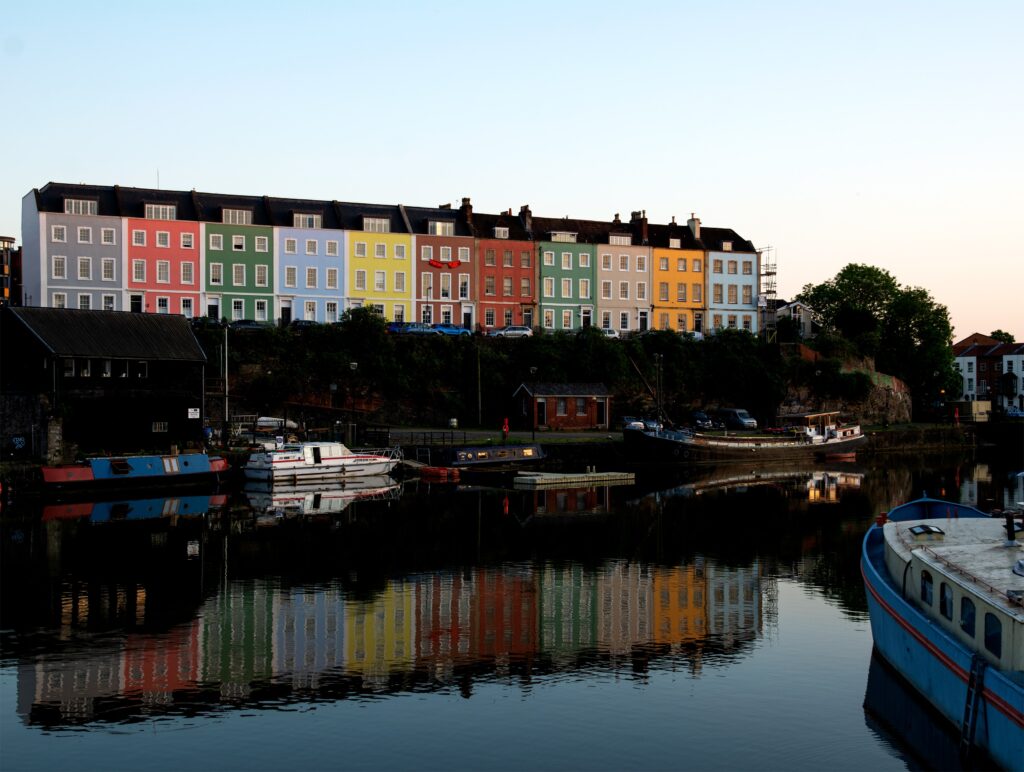
Bristol is a city teeming with life, history, and culture, so make it your priority to familiarise yourself with the city’s bustling streets, charming old-world architecture, and numerous green spaces. Wander around the Harbourside, marvel at the awe-inspiring Clifton Suspension Bridge, or stroll through the beautiful parks nestled within the city.
The city of Bristol is like a patchwork quilt; each area has its unique character and charm…
Clifton
With its regency architecture, Clifton is one of the most desirable places to live in Bristol. The area houses Clifton Village, a quaint and cosy enclave comprised of boutique shops, delectable eateries and lovely pubs.
St. Pauls
Known for the annual St. Pauls Carnival celebrating Afro-Caribbean culture, St. Pauls is a multicultural neighbourhood full of energy and character. Its blend of diverse food markets, art murals, and traditional pubs gives it a unique charm, making it an exciting locale for those relocating to Bristol.
Southville & Bedminster
These areas are perfect for families. Lined with Victorian terraced houses and abundant parks, they are home to the bustling North Street, popular for its independent shops, cafes, and the annual Upfest street art festival.
Stokes Croft & Montpelier
The city’s Bohemian heart, Stokes Croft is famous for its graffiti, independent shops, and a strong sense of local identity. If you thrive on creativity and love a free-spirited, offbeat vibe, this is your place. Montpelier, its quieter neighbor, retains a similar artsy soul.
Bishopston
A family-friendly district with ample green spaces, excellent schools, and a generous selection of cafes and shops on the Gloucester Road.
Redland and Cotham
Popular with students and professionals alike, these areas offer a harmonious balance between city life and green spaces.
Get Ready For The Weather
Bristol boasts a temperate maritime climate, with warm, not overly hot summers and cool winters. What is unique about Bristol’s weather is that it experiences a microclimate due to its positioning in the hilly southwest of England, making its weather somewhat unpredictable. Bristol often has higher temperatures and less rainfall compared to the rest of the country due to its sheltered position.
That’s not to say things don’t get rainy. The wettest season is autumn, so make sure you’re equipped with a sturdy umbrella and waterproof footwear.
Embrace The Cycling Culture
Bristol is a cyclist’s dream – it was, in fact, England’s first cycling city and was the European Green Capital in 2015 – with dedicated bike lanes and a community encouraging sustainable travel. The local government has shown a strong commitment to promoting cycling. This includes investments in cycling infrastructure, events like the Bristol Grand Prix cycle race, and various initiatives to make Bristol more cycle-friendly.
With an excellent ‘Borrow a Bike’ scheme which allows you to do just that for 1 month (or borrow an eBike for a fortnight) and even a bicycle café (RftS), it’s a fantastic way to explore the city and keep fit.
Eat Your Way Around The City
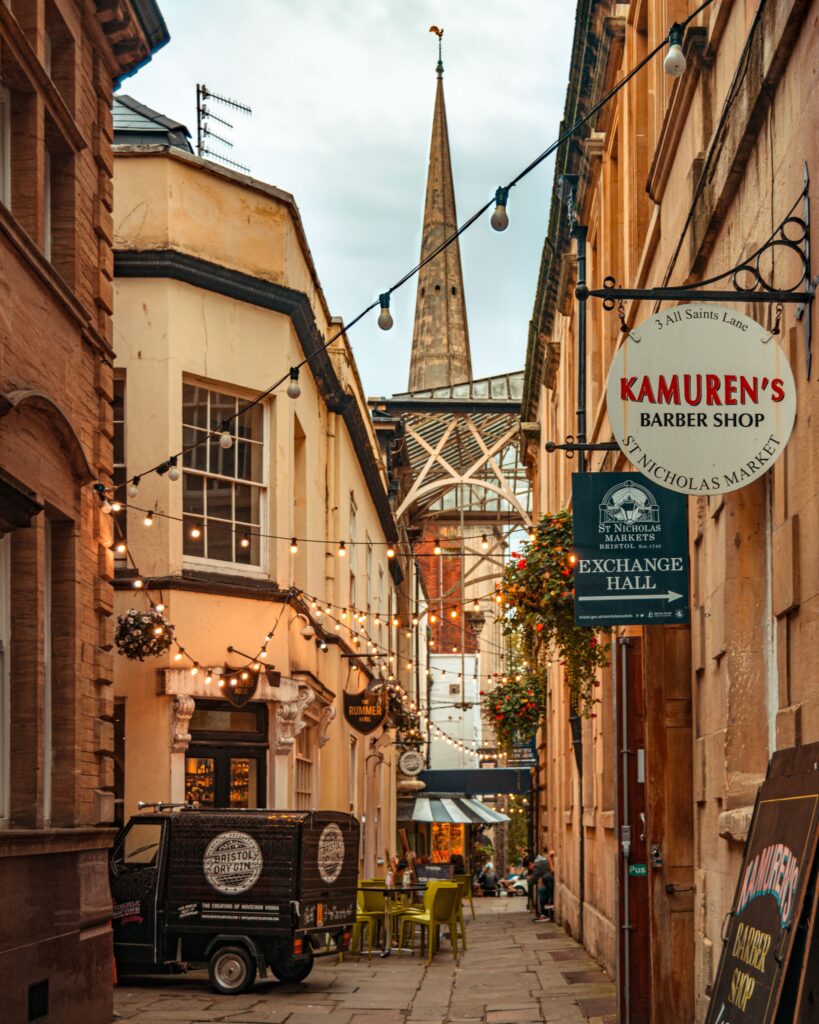
Bristol is a paradise for foodies. From the contemporary fine dining of its Harbourside restaurants to the diverse range of cheap eats offered at places like St Nicholas Market, there’s something for every palate in Brizzy.
Some of our favourite food markets, where bites come cheap and a sense of community is well and truly present, include:
St Nicholas Market: Established in 1743, this market is home to the largest collection of independent retailers in Bristol. It offers a range of local produce and street food from various cuisines.
Whiteladies Road Farmers’ Market: A popular choice for fresh, locally grown produce, artisan foods, and street food stalls. Usually open every Saturday morning.
The Tobacco Factory Market: Held every Sunday, the Tobacco Factory Market brings together a wide variety of stalls selling everything from fresh local produce to artisan bread, street food, and crafts.
The Harbourside Market: This is an independent street food market located in the heart of Bristol. Open every Saturday and Sunday, where you can get both local produce and global cuisines.
Temple Quay Market: Known for its excellent selection of street food, it is a favorite lunchtime destination for local office workers.
East Street Market: Located in Bedminster, it’s a great place to find locally produced food and crafts, fresh fruit, and vegetables.
In terms of Bristol’s incredible range of restaurants, we’ve written plenty on the subject previously. From the city’s best pizzas and tapas all the way to its finest seafood restaurants, there’s just so much to enjoy. And enjoy it we have – a little too much, perhaps…
Bristol is world-renowned for its street art culture, thanks to the anonymous artist Banksy hailing from the city. A tour around the vibrant Stokes Croft or Nelson Street will introduce you to some extraordinary public artworks.
Bristol’s local music scene is also revered nationwide, and has produced some top talent in recent decades, including Massive Attack, Portishead and Idles. In fact, Bristol has the highest concentration of DJs and musicians in the UK. These bands and so many others come up in the city’s underground bars, clubs and other venues. Some of the very best in the city include:
Thekla: A unique venue that’s actually a converted ship docked in Mud Dock. It’s well known for hosting local bands.
The Fleece: An iconic live music venue that has been at the heart of the Bristol music scene since 1982. Many now-famous bands have played there early in their careers.
The Louisiana: A family run venue that has seen the likes of Coldplay and The Scissor Sisters grace its intimate stage.
The Exchange: Located in Old Market, it’s a community-owned venue that offers a diverse range of musical styles.
The Crofters Rights: Located in Stokes Croft, this venue is a breeding ground for Bristol’s rich and creative music scene.
The Old Duke: Known for jazz and blues, this pub is named after Duke Ellington and provides a stage for lesser known artists to perform.
Mr. Wolf’s: This is a vibrant venue known for supporting local talent and hosting a wide range of music genres.
Explore Green Spaces
Despite its urban façade, Bristol is bestowed with generous green spaces. From the sprawling Ashton Court Estate to the scenic Brandon Hill, there is no shortage of breath-taking beauty to explore. Check out Visit Bristol’s extensive rundown of the city’s parks and gardens here.
Know Your Waste Collection Days
Bristol City Council is particularly strict on waste collection and recycling. Ensure you are cognisant of the collection days and recycling rules in your area. They have a colour-coded system of bins: black for general waste, green for recycling, and brown for garden waste. Each area has specific collection dates that can be found on the council’s website.
Get Involved In Local Events & Community Groups
Get involved in the local community. Bristol offers a wealth of events, from the Balloon Fiesta (more of that in a moment) and Bristol Open Doors to volunteering events organised by groups like Friends of Park and Bristol Energy Cooperative. There’s always something happening, ensuring that life in Bristol is far from dull.
Every August, the Bristol International Balloon Fiesta takes over Ashton Court Estate. As one of Bristol’s biggest events, you should prepare for traffic diversions, crowded public transport and lots of tourists. However, don’t let this dissuade you from attending, as it’s a truly spectacular sight!
Navigating Bristol’s Hills
Bristol is infamously hilly. Invest in comfortable, sturdy footwear for those treks up Park Street or Whiteladies Road. If you’re a keen cyclist, get ready for a workout!
Parking Perks & Pitfalls
As the guys at MO Transport, who offer man and a van hire in Bristol, tell us, the city’s residential parking can be hugely congested, and many areas require permits. Upon moving, apply for a residential parking permit through the Bristol City Council immediately to avoid unnecessary parking fines.
When you’re in the process of actually moving in, be careful not to incur the wrath of any traffic wardens; fines for parking violations are high in this famously eco-conscious city.
Understand Bristol’s Public Transport System
First Bus operates Bristol’s extensive bus system. It’s worth investing in a monthly or annual mTicket for unlimited bus travel around the city. For faster transport, the local train services connect central areas, such as Clifton Down and Redland.
Energy Providers
Bristolians take renewable energy seriously. Bristol Energy and OVO Energy are local providers that focus on sustainable options, while the Bristol Energy Cooperative encourages you to take part in community-owned energy solutions.
The Bottom Line
Embrace the vivacious, captivating spirit that Bristol exudes, and you’re likely to settle in just fine. With its myriad of cultural offerings, incredible food scene, and a welcoming community spirit, you’ll soon call Bristol home and love every moment of it.
Phew, that was one busy summer. The kids are back at school, the house is quiet, and while we agree that you deserve to put your feet up and pat yourself on the back for another summer holidays done right, as you’ll know, a parent’s job never stops. Onto the next one, then.
Fortunately if you live in or near Liverpool, or you’re simply planning a trip to the ‘Pool of Life’, you’re blessed with activities to keep the little ones entertained (and, whisper it, hold your own attention too).
If you’re planning a day trip with the kids, forget the car; catch the coach from London or take the train from Manchester and you’ll be in the heart of the city in no time. Once you’re installed, if you’re looking for inspired ideas to keep the little ones busy while you’re in town, then here are 9 fantastic things to do with the kids in and around Liverpool.
Explore The Albert Dock
Perhaps one of the most recognisable sights, the Royal Albert Dock, with its converted historic warehouses and striking red pillars, is one of the most visited attractions in Liverpool. There’s plenty to do here, from taking a tour of the Maritime Museum to getting crafty at Tate Liverpool, which has plenty of events and activities aimed at little ones, including activities for toddlers. Plus, there are shops and eateries too, so you can easily stay here for a few hours.
Take The Ferry
If anyone’s visiting friends or family in Liverpool for the first time, it’s likely that they’ll be taken on board the ferry. This is the go-to choice for Scousers who want to show off their home city in all its glory – and there’s nothing like seeing Liverpool from the water. Children will love being taken across the River Mersey. This experience alone is so much fun. However, you might want to snap up a River Explorer Cruise ticket that includes a stop at Eureka! Science + Discovery in Seacombe, which is an interactive attraction for children and young people up to 14 years.
Go On Safari In Knowsley
Just a half hour drive from Liverpool will have you immersed in a very different environment indeed; amongst the big cats, birds of prey and baboons of Knowsley Safari. Though the highlights are many, it has to start with the 5 mile Safari Drive, the UK’s longest and most extensive. You’ll drive past all the African savvanh’s big hitters; lions, zebras, rhinos and many more. Don’t worry, you don’t have to remain confined to your car for the duration of the day (although getting out close to the lions isn’t recommended). Indeed, there’s also a foot safari where you’ll come face to face with tigers (through viewing glass of course) and wolves.
There’s educational elements, too, so the little ones and the adults can leave replenished with knowledge about wildlife and conservation. Knowsley Safari hosts workshops, enhanced discovery days and even an exclusive kid’s club where the little ones can get serious ‘up close and personal’ with the park’s animals.
Run, Jump & Climb At Otterspool Adventure Centre
Something a little more manageable, this one, and perfect for a lazy afternoon outdoors. The Otterspool Adventure Centre in South Liverpool and close to the banks of the River Mersey is a lovely day out for the littler ones, with a playpark, obstacle course and activities galore. One of the main attractions here is that the entrance fee alone grants you access to the entirety of activities within, no hidden fees or added extras here.
So, for just £16 for the kids and £8 for adults respectively you can play a 12 hole adventure golf, drive a ranger jeep course and get lost in their Magical Maze. Who said a day out with the kids need break the bank?
Visit Liverpool’s Legendary Stadia
Are your children football mad? Then they’re going to love Liverpool. There are tours of both Anfield and Goodison Park available. As these two legendary stadiums are divided by one park, you might even be able to squeeze in a tour of both grounds on the same day.
Check Out The UK’s Biggest Inflatable Park, Widnes
Kids. Inflatables. Water. What could possibly go wrong? Fortunately, not much at Velocity, the UK’s largest inflatable park. Just a half hour drive or train ride away from Liverpool city centre, this paradise for children is open every day from 10am to 8pm and offers both sessions for toddlers and for those older kids with a more boisterous tendency.
The activities on offer are straight out of the game shows that parents will instantly reminisce about. So, that’s huge inflatable slides, an enormous ball pool, a Gladiator arena complete with podiums for combat and a towering climbing wall. Fortunately, gunge isn’t featured. If this sounds a little too full on for the younger ones, rest assured there are mini versions of the slides and ball pool. Phew. You’ll also be pleased to learn that adults’ participation isn’t mandatory, there’s an adjacent seating area where you can kick back and supervise.
Visit The Liverpool’s World Museum
Do you want the good news or the better news first? A rare question, we accept, but it’s all positive things here. Let’s start with the former; the World Museum in Liverpool city centre has everything under one roof to satisfy the inquisitive, curious nature of children perfectly. The even better news? It’s free!
For the young astronomers in your group, the museum’s planetarium is sure to stoke their sense of wonder; an immersie, fulldome experience which hosts regular special events. Most recently, it has been showing the CapcamGo! Race to the Moon documentary which focuses on the amazing achievements of the Apollo programme. But you don’t need to blast off in outer space if you don’t want to, there’s so much other education, fascinating stuff going on, including explorations of Ancient Egypt and the Stone Age, and the massive Bug House, full of creepy crawlies.
Beyond the World Museum, there are several other brilliant museums in Liverpool. We’ve already recommended the Maritime Museum, too, but you might also want to head to the waterfront to explore the Museum of Liverpool. Located at the Pier Head, this is filled with striking exhibitions and Little Liverpool, the children’s gallery designed for children aged six and under.
Mattel Play At The Royal Albert Dock
This one deserved its own entry. We don’t know who’s more exhausted from this day of play, us or the little ones, but there’s still one more stop on our list; Mattel. Found at the famous, aforementioned Royal Albert Dock, the amusement park is divided into three interactive, themed play zones, Bob the Builder, Thomas the Tank and Fireman Sam. Now you’re talking! There are vehicles to ride, costumes to try on and games to play within the 13’000 party paradise, all based on the popular children’s T.V programmes. All of this costs just £12. This one is best suited to toddlers.
Have you ever found yourself at a quandary, admiring the sheer elegance of your luxury timepiece yet reluctant to wear it, apprehensive it might give off an ostentatious aura?
We feel you. But your watch is for wearing, not for keeping hidden away in its box. So today, we’re paring back the excess and focusing on the subtly stylish, guiding you through effectively blending your luxury watch into your attire, exuding an air of quiet elegance and muted opulence. With that in mind, here’s how to style a luxury watch with understated sophistication rather than showiness.
Firstly, Which Watch British Brands Encapsulate This Quietly Elegant Vibe?
Several British watch designers are doing the whole understated suaveness thing with real aplomb. Here are a few of our favourites…
Bremont: This British luxury watchmaker is known for its classy, refined designs. With a distinctively British vibe, Bremont watches subtly blend traditional craftsmanship and modern technology.
Christopher Ward: Originally an online only watchmaker, Christopher Ward offers high-quality, elegantly styled watches at comparatively affordable prices. They’re known for their subtle designs and dedication to excellence.
Garrick: A relatively new brand in the luxury watch market, Garrick has quickly established a reputation for understated elegance. The meticulous craftsmanship and attention to detail resonate with a quiet sophistication.
Arnold & Son: With a long heritage, Arnold & Son is known for its sophisticated horological masterpieces. The designs are typically understated, and the brand has a reputation for its muted elegance.
Roger Smith: A very exclusive brand, Roger Smith produces only a handful of watches each year. His timepieces radiate a quiet elegance that’s deeply rooted in British horological tradition.
George Daniels: Known as one of the greatest watchmakers of the 20th century, George Daniels’ watches are the pinnacle of understated elegance. Each watch was handcrafted by Daniels himself, making them very exclusive.
Global Watch Brands That Embody This Aesthetic…
Globally, things arguably get even more interesting, in a lowkey, subtle but sophisticated way…
Patek Philippe: This Swiss luxury watch and clock manufacturer, one of the oldest in the world, is often associated with refined and timeless elegance. Patek Philippe is revered by collectors for its understated and classic designs.
Jaeger-LeCoultre: This Swiss luxury watch and clock manufacturer strikes a balance between technical sophistication and aesthetic elegance. Their watches are known for their restrained and elegant designs.
A. Lange & Söhne: This German watch manufacturer is renowned for producing some of the world’s finest timepieces. They adhere to a very traditional and elegant aesthetic, which shines through their emphasis on mechanical rather than quartz movements.
Vacheron Constantin: As one of the oldest watchmakers in the world, this Swiss manufacturer’s timepieces perfectly exemplify fine craftsmanship and understated elegance.
Piaget: Known for their ultra-thin watch designs, Piaget is a Swiss luxury watchmaker that epitomises quiet elegance. Their designs are classically stylish, with a focus on slim profiles and refined aesthetics.
IWC Schaffhausen: This Swiss brand is known for creating functional yet elegant timepieces. They cater to a range of styles, but their elegance is typically defined by simplicity and high-quality craftsmanship.
These brands represent some of the most revered in the world of horology. They all offer different styles and designs, so it’s important to find the one that suits your personal taste. The key to finding a quietly elegant watch is all about simplicity, refinement, and a timeless appeal. It’s all about dressing in a way that complements your watch, rather than clashes with it. Here’s how to do just that…
Dressing To The Nines, Subtly
When it comes to dressing with a watch in mind, it is paramount to keep your outfit understated yet polished. A well-fitted, classic-cut suit or smart-casual ensemble in neutrals can serve as the perfect backdrop to highlight your timepiece subtly.
For men, a navy blazer paired with a crisp white shirt, dark jeans or grey trousers is an ideal choice. If you’re a woman, a smart wrap dress or a silk blouse paired with a tailored skirt can make your watch stand out without being loud. The primary intent should be to provide a simple, uncluttered stage for your watch to shine.
Coordinating Colours
Adhering to a complementary colour palette for your outfit can seamlessly incorporate your luxury watch into your ensemble and pull the whole thing together. Earthy tones, pastels or muted hues work well with gold or brown-strapped watches. For watches with metallic bracelets or black straps, monochromes, blues, and greys can be excellent choices.
While it might be tempting to match the entire outfit to the dial’s colour, opt exactly for the opposite. Let the contrasts play. Remember, the idea is to present your luxury watch as an integrated element of your attire, not as a standalone piece.
Choosing Compatible Accessories
Accessories can make or break your entire look. With a luxury watch, it is often best to keep other accessories minimal and cohesive.
As the folks from Luxury Gallery note, when considering jewellery it’s wise to stick to pieces made from the same metal as your watch for consistency. For instance, pair a gold watch with gold cufflinks or hoops. Leather accessories should follow suit; a brown leather watch band pairs beautifully with a matching belt or shoes.
For women, subtle wrist jewellery—delicate bracelets or bangles—on the opposite arm can strike a balance without competing with the watch.
Suiting The Occasion
The event you’re attending plays a vital role in how you should style your luxury watch. A business meeting or formal occasion might call for a more refined look—think classic black suit with a white shirt, allowing your watch to be the focal point of your outfit.
Conversely, for a more relaxed or casual setting, pair your timepiece with a simple T-shirt and chinos or a day dress. This pared-back approach allows the luxury watch to come across as sophisticated yet approachable.
Mindfully Mixing & Matching
Lastly, remember that while these guidelines provide a secure base, fashion allows room for creativity and individuality. Don’t fret minor deviations. A vibrant pocket square, an eclectic tie, or a daring pair of shoes can add personality to your look without overshadowing your watch.
Moreover, special edition luxury watches often have unique, eye-catching features. Don’t be afraid to base your outfit around these aspects. A dial with blue elements could be paired with a similar-hued outfit for a thoroughly thought-out look.
The Bottom Line
In the grand scheme, it’s all about striking the right balance between subtly highlighting your luxury timepiece and ensuring it doesn’t come off as ostentatious. By sticking to smart, timeless ensembles, choosing complimentary colours, coordinating accessories wisely, and suitably dressing for the occasion, you can ensure that your watch comes across as distinctly tasteful, subtly luxurious, and inherently you.
After all, in the realm of style, the devil truly is in the detail. Here’s to mastering the art of subtly styling your luxury watch and living your most sophisticated, sartorial life!
It’s that time of year again, that predictable bout of escapism when we start thinking about our next cold weather holidays. Today (as with every day, quite honestly), our thoughts have turned to Austria and, specifically, its food, because like so many we associate strudel and schnitzel with snowflakes, which for us means a holiday in the snow!
Known for its hearty cuisine full of stews, soups and some of the world’s best sweet treats, you’d be forgiven for thinking that Austrian food is a little heavy. That, my hungry friends, is a stereotype that doesn’t reflect the true diversity and quality of Austrian cuisine.
Take its famous Tafelspitz, a boiled beef soup. Here in the UK, boiled beef means cheap cuts of meat that are cooked to make them tender and edible. When it comes to an Austrian Tafelspitz, however, only the finest cut is used (more on this it later). Or even Apfelstrudel, Austria’s signature pastry, which requires some serious tekkers to make. Quite simple, it’s a dish that deserved respect.
Many mistake its heartiness and richness for a lack of sophistication or finesse, but while Austrian food may be simple, unpretentious and the opposite of fancy, it’s an artful cuisine that will warm you up on both the inside and outside. It will fill you up and make you happy. With this in mind, if you’re planning to visit Austria, here are 19 must-try dishes for a real, no-nonsense taste of Austrian culture.
Wiener Schnitzel
The iconic breaded and fried veal cutlet…
By ShyMan from Getty Images Signature via Canva
Arguably Austria’s most famous culinary export, the Wiener Schnitzel is a simple dish but when done well, it’s also one of the most satisfying in the world – fried food often is, don’t you think? – especially when it offers a ruddy crunch that is deserving of an ASMR video.
A true Wiener Schnitzel should be large – in fact, it should be so big that it overlaps the edges of the plate. That’s exactly how they are at Figlmüller in Vienna where you should head to try this dish. They are renowned for their oversized schnitzels served simply, prosaically with a wedge of lemon. Though variations exist, the original Wiener Schnitzel is always made from veal. That said, Figlmüller cater to all tastes and have both pork and veal on the menu.
Be warned; a lot of tourists seek out Figlmüller and there will be a queue, but it’s worth the wait. Why, you ask? Well, here the meat is pounded to an optimal thinness so it’s tender and cooks evenly. It’s well-seasoned and breaded so the breadcrumbs cling to the meat like a jacket, and then fried until the surface has a glorious golden brown hue, slightly shimmering with butter for that coveted crispy crust. That, and they are huge. Order some lingonberry preserve and a medley of sides – a potato salad is obligatory – and you’ll be a very full, very happy person.
Apfelstrudel, Austria’s signature pastry, is a delightful mingle of delicate, flaky layers, encasing a luscious apple-cinnamon filling. The art of its making is steeped in tradition, and is more a work of art than a piece of cooking. It’s a culinary spectacle worthy of the Austrians’ pride.
Go and watch it be made at Café Residenz, another one of Vienna’s time-worn cafés, which is located within the historic Schönbrunn Palace. In the show-baking parlour you can witness master pastry chefs hand-pulling the pastry, which is rolled so thin you could read a newspaper through it, making for a feather-light Apfelstrudel. Heaven!
“What do you crave after a morning of energetic hiking or skiing in the Alps?”, asks the tourism site Austria Info. Well, apparently “lots of flavourful cured meats, fragrant cheeses, and a rustic dark bread to go along with it” does the job pretty spectacularly. We couldn’t agree more!
Known as Brettljause, which literally translates as “snack on a board”, it’s a popular choice for a leisurely, rustic lunch and is typically served in inns, vineyards and mountain huts.
Try Brettljause at Sennhütte in St. Anton am Arlberg, ideally coupled with a walking holiday in Austria. Look out for verions that feature Tirolean speck, a cured ham seasoned with a mix of spices like juniper, garlic, salt and pepper, before being smoked and matured for several months – it’s a staple of any decent Brettljause in the Arlberg region. If you’re not going on a hiking holiday, Heuriger Wieninger in Vienna offers a splendid rendition..
Tafelspitz
Boiled beef done right…
By Tatiana Volgutova from Getty Images
Beef boiled in broth served with apple and horseradish may not sound like the most enticing dish, but it’s actually considered a supremely refined affair, traditionally reserved for royalty and much loved by Emperor Franz Joseph. And honestly, we can see why!
Always comforting and reviving to sit down to some boiled meat, Tafelspit is a rarity in that the dish only makes use of the very finest cuts of beef. The accompanying apple and horseradish mixture served alongside this Viennese dish offers a tangy, spicy counterpoint to the beef’s mellow taste, all resulting in a harmonious plate. As New York-based Austrian celebrity chef Kurt Gutenbrunner describes tafelspitz, it’s “a dish with a lot going on: it’s hot, cold, spicy, creamy, crunchy and soft”.
He’s spot on.
One of the best places to try Tafelspitz is at Plachutta, a temple of Viennese cuisine. Here, the room is always packed and people of all types rub shoulders, resulting in a convivial ambience that’s just as warming as the beef stew in front of you.
A deceptively simple, delicious chocolate cake with apricot filling…
Have you really been to Austria if you haven’t had a slice of Sachertorte, arguably the world’s most famous chocolate cake?
Decadent and delightful, this cake has a deep, intense chocolate flavour that’s not too sweet. Its thin layer of apricot jam adds contrast to the rich chocolate, bringing a subtle sweetness and slight tartness.
The iconic Café Sacher in Vienna, which is the original home of this dessert, is the place to try this dish – a version in which you can nearly see yourself owing to its glossy icing. That said, there are several other belters in the city; Demel, Hotel Imperial, Café Mozart and Café Central all do excellent versions.
Ideal tip: If you ever get a chance to try an Austrian apricot, do it! Several varieties of apricot are grown only in the Wachau Valley in Austria, which is approximately 40 miles northwest of Vienna. Bring us back some jam while you’re at it, please.
Kaiserschmarrn
Sweet shredded pancakes that are ideal for breakfast or tea…
By 4FR via Canva
You’ll be pleased to hear that Austrians like to add a second breakfast to their day; gabelfrühstück, or ‘fork breakfast’. This isn’t like a typical breakfast, but more of a snack that often includes bread, sausages, or cheeses. They also like a good ‘jause’ before tea, which is a light, cold meal generally eaten between breakfast and lunch, or in the afternoon. That’s plenty of eating slots and time for you to try lots of different dishes.
Indeed, Austria isn’t a country in a hurry, which means there’s time to order plenty, and linger over a loaded lunch in one of their famous, untouched-by-time coffee houses of which so much of the culture is built around. Get yourself installed in one and order a round of Kaiserschmarrn…
Essentially a pancake topped with fruit, Kaiserschmarrn is one for the sweet toothed. This regal dish, whose moniker translates to ‘Emperor’s Mess’, is a light, caramelised pancake, torn into bite-sized pieces, generously dusted with powdered sugar, and often accompanied by a tart plum or apple compote.
The story goes that imperfect pancakes were rejected by the Austrian Emperor Franz Joseph and the rejects went to his servants, (we know what we’re making for pancake day when ours go wrong now!).
Steirereck, nestled in a verdant corner of Vienna’s Stadtpark is the ideal place to try it. Here, the fluffy texture of the pancakes is perfectly balanced with a slight crisp from caramelisation, and the accompanying seasonal fruit compote adds just the right amount of acidity.
Marillenknödel
Apricot dumplings…
By Noir Chocolate via Canva
And onto yet another sweet treat; Marillenknödel! These apricot dumplings are a cherished snack, especially in Lower Austria where they originated. Made by enclosing a fresh apricot in a dough made from potato or cheese, these sweet dumplings are then boiled, rolled in breadcrumbs and sugar, and served with powdered sugar on top.
Mostbaron Schriebl, a family-run restaurant in Lower Austria, is renowned for its authentic Marillenknödel. Using ripe apricots from their own orchards and following traditional recipes, they offer a genuine taste of Austria.
Linzer Torte
A jam-filled, lattice-topped pastry…
By Olga Mazyarkina from Getty Images
Linzer Torte is one of the oldest known cakes in the world, with recipes dating back to 1653. With a name derived from the city of Linz, it’s a layered pastry with a lattice design on top and filled with jam, typically blackcurrant or red currant. The crust is made of flour, ground nuts (usually almonds, but can also be hazelnuts or walnuts), sugar, egg yolks, spices (like cinnamon and cloves), and lemon zest. The lattice design is an iconic aspect of this dessert, making it instantly recognisable to hungry punters entering one of Austria’s many, many bakeries.
K.u.K. Hofbäckerei Café in Linz is one of the most country’s most famed places to serve Linzer Torte. In fact, K.u.K. stands for ‘kaiserlich und königlich’, meaning ‘imperial and royal’ in English and indicating that the bakery was once a supplier to the Austrian imperial court. This venerable establishment has been crafting pastries since 1829 and is particularly known for its authentic, traditional Linzer Torte.
Powidl Liwanzen
Small yeast pancakes with plum jam, ideal with coffee…
Powidl Liwanzen are essentially small pancakes or dumplings filled with Powidl, a type of prune jam made without added sugar. Often served sprinkled with powdered sugar, these guys pair beautifully with a good cup of coffee. Cafe Central in Vienna does a particularly exemplary version.
Rindsuppe
A clear beef soup…
Known as the national soup of Austria, Rindsuppe is a culinary gem and a cornerstone of Austrian cuisine. The clear beef broth, light and bursting with flavour, is served with various accoutrements like Frittaten (sliced pancakes), Leberknödel (liver dumplings) and Schöberl (a type of crouton). Try it at Gasthaus Pöschl, Vienna, for an old-world dining atmosphere. An iconic dish presented in an iconic setting… What’s not to love?
Zwiebelrostbraten
Roast beef topped with crispy onions…
Tender and juicy beef topped with crispy fried onions and served with roast potatoes or dumplings? Yes please!
Gasthaus Zur Goldenen Glocke in Graz, Austria, is renowned for its delicious, authentically prepared Zwiebelrostbraten. Here, the dish is made with locally-sourced ingredients and follows traditional cooking techniques, ensuring the beef is incredibly tender and the onions perfectly caramelised. The sauce, a secret family recipe, adds an exceptional depth of flavour.
Salzburger Nockerl
A triple-mounded sweet soufflé from Salzburg…
By fotofritz16 from Getty Images via Canva
This dessert, the crowd pleasing Salzburger Nockerl, is light, fluffy, and delicate, and is often served with a side of berry sauce for an added tangy complement to the dish’s inherent sweetness. The three peaks of the dessert are said to represent the hills surrounding Salzburg, andCafé Tomaselli in the city is a great place to try this dish.
Beuschel
A ragout made with lungs and heart…
Beuschel, a traditional dish originating from Vienna, is a ragout made most commondly from the lungs and heart of a calf, though other parts like the spleen and liver might also be used.
The meat is cut into strips and simmered in a tangy, sour sauce made from root vegetables, vinegar, and white wine. The dish is then finished with a generous splodge of sour cream, adding a creaminess that balances acidic, piquant notes of the braising liquour. This one is usually served with bread dumplings (Semmelknödel) to soak up the sauce. Yum.
Gasthaus Ubl, located in the fourth district of Vienna, is renowned for its authentic and delicious rendition of Beuschel. Indeed, a major part of the experience of eating Beuschel is enjoying it in a traditionally cosy, warm Viennese setting, which Gasthaus Ubl provides by the bucketloads.
Goulash
A hearty stew of meat and vegetables, seasoned with paprika…
By rocksunderwater from Getty Images Signature via Canva
A winter warmer if ever there was one! Originating in Hungary, the people of Austria love Goulash so much that they have their own version. The secret here is to use lots of onions, and you can tell the difference between the two countries because of this one ingredient, as Austrian goulash contains only beef and onions whereas Hungarian goulash often includes vegetables like potatoes, carrots, celery, peppers, and tomatoes, too.
In Austria, goulash is often served with bread dumplings which are wonderful vehicles for soaking up the sauce leftover from the stew. Whilst you’ll find Goulash all over the country, Vienna’s Ilona Stuberl does a darn fine interpretation of this classic.
Erdäpfelsalat
Austrian potato salad…
You say ‘potato’, Austrians say ‘Erdäpfel’. Add the ‘salat’ part and you’ve got yourself an Austrian potato salad, a much breezier thing than the mayonnaise-led American version.
An Austrian potato salad is lighter; flavoured with onions, vinegar, and mustard. Try it at Vienna’s Figlmüller alongside that schnitzel we mentioned earlier.
Leberknödelsuppe
Liver dumpling soup…
There is very rarely a middle ground with liver. You either love it or you hate it. If you fall into the former camp then you’ll love this traditional Austrian soup. The main ingredient, as the name suggests, is a dumpling made from liver, usually pig’s or cow’s. Though the dumplings have a distinct grey colour, don’t let that put you off; they are delicious.
Enjoy a bowl at Gasthaus Rebhuhn in Vienna – an eatery well-loved by locals. Their Leberknödelsuppe is widely praised for its rich flavour and perfect, bouncy texture.
Vanillekipferl
Vanilla flavoured biscuits…
By RESTOCK images via Canva
One to take home for a souvenir, especially if you’re visiting Austria’s Christmas markets, Vanillekipferl are traditional Austrian cookies that are particularly popular during the festive season. Boasting a distinct crescent or half-moon shape, they are just perfect with a mug of something steaming.
Café Demel, known as one of Vienna’s most historic coffee houses, is famous for its pastries, including Vanillekipferl. That, or hit up the Vienna Christmas Market on Rathausplatz for superb Vanillekipferl.
Mozartkugel
Chocolate balls filled with marzipan and nougat...
Mozartkugel, or Mozart Balls, are a sweet treat if ever there was one. They are named after the famous composer Wolfgang Amadeus Mozart and are a popular souvenir, especially in Salzburg, Mozart’s birthplace. The chocolate treat is a small, round candy made of pistachio marzipan and nougat, covered with dark chocolate, and at many places, the original recipe hasn’t changed since it was first created in 1890 by the Salzburg confectioner, Paul Fürst.
Café-Konditorei Fürst in Salzburg, the original creators of Mozartkugel, is of course the best place to try these. Here, the chocolates are still hand-made using the original recipe, and are wrapped in silver foil with a blue ribbon to distinguish it from other manufacturers’ versions, as it always has been.
A Glass of Schnapps
The ideal way to end things…
We know, this isn’t a dish, but how could we write a list of things to try in Austria without ending, like all meals in the country should, with a glass of schnapps? A cliche, yes, but necessary after all this feasting. Prost to that!
For better or for worse, if you’ve ever visited south Vietnam’s mega city Ho Chi Minh City as a tourist, then you’ll have encountered the backpacker mecca of Pham Ngu Lao. Most will have sat on a plastic stool on the walking street (known locally as Bui Vien), had a few cold beers over ice and watched the tableau unfold. Whether you’re a causal observer or an active participant, all manner of vice and vagary plays out here.
What’s not guaranteed, however, is a good feed; Bui Vien’s kerb to kerb bars keep Saigon’s finest street food purveyors operating at arm’s length from the strip. All you’ve got to do, though, is veer a few minutes off the main drag, in any direction, and bingo; foodie heaven is found. To guide you just a little, here are the best restaurants close to Bui Vien backpacker street, District 1, Ho Chi Minh City.
Stoker Woodfired Bar & Grill
Ideal for glasses of Merlot and big slabs of premium Australian beef…
We start, rather perversely for a round-up of great food in one of the world’s great food cities, at a steakhouse. Because, sometimes, after an afternoon of freshly brewed bia hois and streetside exhaust fumes, it can be something of a tonic to retire indoors. To AC units, dark wood and leather, glasses of Merlot and big slabs of premium Australian beef.
We promise we won’t stay here long, but allow us to indulge a little at Stokers, District 1’s premier temple to all things wood-grilled and grass-fed. Open all day, every day (well, from midday until late), the steaks here have the requisite crust from being grilled over high heat and that gentle funk from 21 days of dry ageing that you’re looking for in a place like this. The cutaway is wall to wall medium rare, just as it should be.
Pair with some smoky, rich mashed potato and a selection of sauces (mine’s a bernaise, em oi), and luxuriate in a little time away from the frenetic, kinetic energy of Saigon’s streets.
Ideal for contemporary, on-trend Vietnamese chocolate…
You heard it here first, the next big food trend could well be Vietnamese chocolate. Actually, everyone’s favourite discovery isn’t such a hidden gem anymore; a second Maison Marou, Vietnam’s premier chocolate producer, has now opened in the capital Hanoi.
The original, on Calmette street, District 1, is always rammed to the rafters. It’s no surprise, the chocolate (using cocoa grown in nearby Ba Ria and beans from Tien Giang) is exceptional. Coming to a high street near you, soon, we think.
Ideal for one of the South’s finest dishes, Bun Thit Nuong…
Okay, enough of the chairs with back support and air conditioning units, it’s time to hit the streets and do what the Viets do best; perch on plastic stools and eat some of the freshest, lightest grub in the world.
Bun Thit Nuong is one of the South’s finest dishes; a barbecued pork salad over lightly fermented ‘bun’ noodles, crisp lettuce and loads of herbs. This is topped with roast peanuts, crispy shallots on occasion, pickled carrots and daikon, and a dipping sauce which defines southern Viet food; fish sauce, garlic, a little lime, sugar and chilli.
There are proud purveyors all over town slinging this classic to hungry punters, but Chi Tuyen’s version, on Co Giang street – a great strip for street food, by the way – is perhaps our favourite. Make sure your order includes Cha Gio, a crispy spring roll filled with glass noodles, wood ear mushrooms and usually, a little minced pork, and prawn or crab.
Ideal for trying another signature southern dish, streetside…
If you want to sample some more delights of the street, you won’t have to walk far. Co Giang street is also home to a string of Bo La Lot restaurants, and this is one dish you want to try before leaving town. Minced beef is wrapped in betel leaf, grilled until smoky and served with a huge plate of herbs and lettuce, which you use to make your own wraps. So good, so moreish, and so cheap, too.
At Hoang Yen’s you’ll see the addition of a sweet, sour mayonnaise on the beef wraps. If that’s not your thing (weirdly, it works), then let them know; a simple ‘khong’ (meaning ‘no’) + ‘may/yon/naise’ (just split those syllables out) should do the trick.
The do-it-yourself assembly job routine makes for a more languid approach to dinner than some other street food joints where you feel a little rushed. Great for an evening with friends and beer, then.
Ideal foran offaly good bowl of Cambodian-inspired, Southern Vietnamese noodles…
A step up from our previous two entries in that Hong Phat is a small shophouse as opposed to being on street level, the vibe at this family run noodle joint is brisk and efficient, your bowl of the signature Hu Tieu (which came to Vietnam via Cambodia) hitting the table freshly prepared and steaming hot within a minute or two of ordering.
That bowl is an assortment of glorious goodies wrapped around flat rice noodles – expect slices of pig’s liver, kidney, heart and intestines, alongside braised pork mince, peeled prawns, dried squid, and hard-boiled quail eggs, as well as cubes of congealed pork blood.
And that’s just for starters; additional slices of roast pork can be added on request. All of this is topped off with a clear, refreshing pork stock and accompanied by a generous plate of herbs and bean sprouts.
Simply season with the table’s accoutrements, including chilli-spiked vinegar and soy sauce, tumble your tangle, and dive in. These guys are open from breakfast, though do be warned that post the midday lunch rush, Hong Phat often sells out. Breakfast it is, then! And if you happen to find yourself in Canada with a craving for a bow of Hu Tieu, you’re in luck; Hong Phat has one overseas branch Vancouver.
Pho 2000, close to Ho Chi Minh’s famous Ben Thanh Market, is found via the stairs of the now ubiquitous Coffee Bean & Tea Leaf, and its first floor position means it’s a cleaner, more comfortable meal than those eaten with eyes at Honda Wave level.
Bill Clinton is proudly pictured on the walls enjoying a bowl; so much so, he ordered two apparently. A more reliable judge of the Pho’s quality is the fact that it’s packed, every lunchtime, with plenty of locals, who come in their droves for the huge bowls of delicately flavoured, sweet and spicy broth. Take us back.
An arguably even better bowl of the good stuff is found over at Pho Hung, a short walk along Duong Le Lai from Pho 2000.
Owing to its bold black and yellow signage, you’ll spot Pho Hung even sooner than you catch its enticing aroma, all sweet star anise and smoky aniseed notes from black cardamom wafting out from the gently ramshackle shophouse.
Follow your nose inside and pull up a stool at the restaurant’s stretch of shared tables. Though service is straightforward, you’ll find all the bells and whistles you need in that bowl that’s placed unceremoniously in front of you; this is truly sublime Pho, clean yet rich, close to Northern-style savoury and supremely well balanced.
Order the Dac Biet (house special) which has both raw slices of sirloin and long braised bits of brisket alongside meatballs and our favourite, chewy, resilient tendon. It’s very good indeed.
Ideal for a feast of sea snails and other fresh shellfish…
No self-respecting tour of the best eating spots close to Ho Chi Minh’s backpacker district would overlook one of Vietnam’s most beloved street food experiences – sea snails. At Oc Dao, just a five minute walk from Bui Vien and open from 10:30am to 10pm daily, you’ll find a huge variety of these cherished molluscs, done in both prosaic and inventive ways.
We’re particularly keen on the Oc Len here, which sees snails cooked in a yellow coconut curry sauce that’s popular in South Vietnam but rarely finds its way north of Nha Trang. Each slurp from the shell brings a mouthful of the sauce – magic.
Order, too, Oc Toi, which are palm-sized shells grilled until smokey and bubbling from their aperturals. Hoik the snail flesh out with a toothpick in one graceful motion and dredge through its adjacent, piquant chilli and garlic dipping sauce.
If snails aren’t your thing, there’s a whole host of other shellfish options here, from clams to scallops and beyond. This is nhậu culture at its very best. Shout for a few Big Saigons with plenty of ice, and settle in to one of the quintessential Saigon eating experiences.
We realise that our rundown of the best food in District 1’s Pham Ngu Lao has thus far been a rather meat and shellfish heavy affair. But Ho Chi Minh City does brilliant vegetarian food, too, and some of the very finest is found over at Chay (literally meaning ‘vegetarian’) Garden, a twenty minute walk north from Bui Vien.
Ending as we began in a restaurant boasting high tables and chairs with back support, Chay Garden is a lovely place to settle into, particularly on the verdant terrace, its ambience almost as nourishing as its plates. The signature spring rolls, bouncy and soft rather than deep-fried, come filled with local termite mushrooms and are served with a rose-scented dipping sauce. It’s as heady and intoxicating as it sounds.
Even better is the claypot braised aubergine, cooked long in its vessel alongside unripe bananas until both are fudgy and umami sweet. Pair it all with a speciality iced tea – the jasmine tea with kumquat jam and salted apricot is particularly special – and feel that all is right with the world.
Now, you’re ready to luxuriate in the thrill and the chaos of the city streets once more.
Amid the whirlwind of life, we often find ourselves dealing with the odd, unexpected disturbance. But few are as bothersome or as potentially hazardous as plumbing problems.
Suddenly, you’re confronted by a dripping tap, a blocked drain, or even a rebellious radiator. It’s tempting, particularly for the brave and frugal among us, to tackle the issue head-on, armed with a trusty tool belt and an instructive YouTube tutorial. However, there are certain plumbing issues that are without doubt better left to the professionals.
Plumbing Issues Best Left To The Pros
Yes indeed, here are a handful of domestic plumbing problems that you should never tackle solo.
Water Heater & Boiler Troubles
Most of us rely on our water heaters and boilers daily for hot showers, washing up, and keeping our homes warm. However, if your water heater starts to falter, it’s advisable not to meddle with it yourself. Water heaters are complex, and tinkering could lead to scalding, gas leaks, or further damage to the unit. A certified plumber will have the training to safely and effectively rectify the problem.
Sewer Line Blockage
If your sewer line becomes blocked, it can lead to some rather unpleasant consequences. Besides the risk of sewage backup into your house, attempting to unblock it yourself poses health risks. Plumbers have specialised equipment and wear suitable protective clothing to deal with such issues, ensuring the job gets done without risk.
Low Water Pressure Throughout Your House
As Mr Rooter, a reputed plumber in Dallas TX tell us, low water pressure can be indicative of multiple issues, like pipe blockages or leaks, and it can be challenging to identify the cause without professional help. Without pinpointing and addressing the root of the problem, there’s the potential for a small situation to escalate into significant, costly damage.
Gas Leaks
This one should go without saying, but it bears mentioning for the sake of emphasis, which the team of experts at Able Plumbing implore us to do not once, but twice. If you suspect a gas leak, never try and fix it on your own. Gas leaks are immediately dangerous due to the risk of explosion or carbon monoxide poisoning. Call in a professional immediately while ensuring the house is evacuated and well ventilated.
When you call for help, try to pick a service that emphasises rapid response, clear diagnostics and safety checks—practical markers that separate experienced teams from amateurs. Research whether they offer 24/7 emergency support, transparent pricing and any on-time or satisfaction guarantees; the best plumbing company for the job will typically outline these commitments up front. Ask about licences, insurance and the methods they use to test for hidden damage before any work begins. That approach helps ensure problems are fixed correctly and without unnecessary risk.
Major Installation
Whether you’re fitting a new bathroom or setting up a complex appliance like a dishwasher, these types of major installations require a professional touch. There are many elements to consider, like correct water pressure, secure seals, and safe electrical connections. One misstep could lead to leaks, electrical issues, even floods.
There’s no denying the satisfaction of completing a spot of DIY around the house, but it’s important to recognise when a professional is needed. Tackling these kinds of plumbing problems on your own could lead to bigger issues down the line, or even immediate danger to you and your home.
So, the next time you’re confronted with a dodgy water heater or a stubborn sewer line, don’t risk turning your house into a water world. Instead, dial up your trusted local plumber – it’s a decision you’ll be glad you made!
Remember, as with all things, prevention is better than cure. Regular check-ups of your plumbing system by professionals can keep your home dry, clean, and safe.
How About Some Domestic Plumbing Problems You Certainly Should Be Tackling DIY-style?
We emphasised the importance of calling in the professionals for certain tricky plumbing problems that could turn your snug abode into an unwanted swimming pool. Now, it’s time to focus on the flip side of the coin – the plumbing problems you can, indeed, tackle yourself. Roll up your sleeves and grab your toolbox. It’s time for some DIY!
Dripping Tap
We’ve all been kept up at night by the relentless ‘drip-drip’ of a leaky tap. Fortunately, this common problem can usually be corrected by replacing the washer. It’s as simple as shutting off your water supply, removing the tap handle, and replacing the faulty washer.
Clogged Drains
A blocked sink or bathtub is not just irritating, but can also lead to more serious problems if left unattended. Before you reach for harsh chemical drain cleaners, try using a plunger, or manually remove the blockage with a plumber’s snake. If it’s a minor blockage, even a mixture of vinegar and baking soda can help to clear it. If the blockage has gone as far as the sewer line, however, then as we mentioned earlier, this is one for the pros.
Toilet Issues
Toilet troubles can often be sorted without the need for a plumber. If your toilet isn’t flushing properly, it’s usually because the lift chain, which connects the flapper to the flushing handle, has become disconnected or is too slack. Simply reattaching or adjusting the chain length will solve the problem.
Leaky Showerhead
A leaking showerhead is not only annoying but can add to your water bill as well. Often, the cause is mineral deposits from hard water. Simply unscrew the showerhead, soak it in a descaling solution and then scrub it clean. If it’s still leaking after cleaning, you might need to replace the washer or the entire showerhead.
Over time, the hoses of these appliances can degrade, leading to leaks. Fortunately, changing the hoses is a straightforward task you can carry out yourself. All you need is a set of pliers and a replacement hose, available at any local DIY store.
The Bottom Line
Remember, before attempting any DIY plumbing, always start by shutting off the water supply to the area you’ll be working on – unless you fancy an impromptu shower, that is! And if you feel like you’re out of your depth, don’t hesitate to call a professional.