It is essential to have a workspace that is organised and comforting. Maintaining a neat workspace not only helps keep your mind refreshed but also increases your productivity. On the other hand, having an untidy workspace can provoke stress, reduce your ability to focus, and heighten unfavourable feelings associated with clutter.
As a way to help avoid some of the toxic effects of staying in a dirty and untidy environment, here are key ways to keep your workspace consistently clean.
Use Proper Storage For Everything
Not having a proper place to put items like files, pens, calculators, etc., will make your work area look messy. The best way to avoid this is by getting a desk with drawers or even storage cabinets, as they will allow you to neatly stash all the items you don’t need at the moment.
When items are properly kept away, you will have little to no clutter on your desk or any part of your office. You can also label each drawer so that you can easily find items. Pencils, pens, and markers can be kept in one, while binders or files can be kept in another.
Do Not Eat At Your Workspace
Eating around your workspace is quite unprofessional and wrong. This practice can leave behind crumbs around your work area or cause a hazard, as you might accidentally spill your drink on an important document or gadget. This is why an area should be assigned to employees where they can eat and relieve tension.
Get Rid Of Items You Don’t Use
Sometimes you mix up items you don’t need with the ones you still need and end up with clutter. A quick way to avoid this is to get a container and place every item on and around your desk inside it. Then if you need an item, you can remove it from the container and return it to your desk. If by the end of the week you still have things in the container, those items need to be disposed of or placed in a storage area. Anything that hasn’t been used in a week shouldn’t be kept in your workspace.
Scheduling A Time For Cleaning
As the Manchester based company, Spotless Commercial Cleaning tell us, the easiest way to create a routine is by doing it consistently and continuously. To get the most out of your workspace, plan a block of time every day, week, or month exclusively reserved for tidying up.
Clean Your IT Equipment
IT equipment is one of the most used items in the office today, and since several hands will be touching them all the time, they need to be kept clean. Since they are exposed to human contact often, they are likely to harbour bacteria, which will quickly spread around the office. Using a simple sanitising wipe across the surface of these gadgets will help retain the cleanliness, and deep cleaning them will prevent the spread of germs.
Move To A Paperless Office
Papers are usually the cause of clutter in an office. They build up from printing forms, emails, receipts, and other paper transactions. Now that the world is going digital, it is best to download applications and software that can be used to save such information and documents online, as they are much easier to use and faster to share with others. Going digital will create less paper waste and also keep your surrounding environment tidy.
Whilst you’ve got your environmentally-conscious hat on, consider enlisting the services of an eco cleaning company should you need a more comprehensive deep clean of your workspace.
Hide The Wires And Chargers
Whether it’s going cordless on your keyboard and mouse or simply concealing existing wires in your workspace, a cord-free setting will make a massive difference in how clean and neat your workspace feels.
Several products are available on the market to help arrange and hide wires. Also, having a docking station for your cell phone will help the area look neat.
Clean Your Desk At The End Of Each Day
Before calling it a night, briefly inspect your workspace to see whether or not you’re leaving any minor clutter or mess around. Throw out the trash and clean up any spills or coffee stains that may have built up over the day.
Put A Trash Can Where You Can Reach It
Being unable to throw things out from where you’re sitting will cause a build-up of trash around your work area. You can fix this by putting a trash can within arm’s reach, if possible.
The Bottom Line
A clean and tidy workspace will not only help you psychologically, but it will help protect your health as it will reduce the number of germs around your work area. Therefore, consciously keep your work area clean and see how well you will enjoy work.
Our pals at Waitrose share their recipe for Braised sweet & sour pork belly, and it’s a cracker. If you love unctuous, giving pork belly in a Chinese inspired broth, full of heady notes of five spice and the umami bomb of soy sauce, then this one’s for you.
Preparation time: 10 minutes
Cooking time: 2 hours 30 minutes
Total time: 2 hours 40 minutes
Serves: 4
WHAT YOU’LL NEED
1kg pork belly (from the meat counter) 2 tbsp Bart Chinese Five Spice 640ml bottle Tsingtao Beer 250ml malt vinegar, plus extra to taste 100g light brown soft sugar 4 tbsp Kikkoman Soy Sauce Finely grated zest and juice 1 extra-large orange 1 tbsp Bart Infusions Ginger Paste 3 tbsp vegetable oil ½ x 200g pack Waitrose Trimmed Sugar Snap Peas ½ x 200g pack Waitrose Trimmed Mange Tout Peas ½ x 200g pack Waitrose Tenderstem Broccoli Spears
WHAT YOU NEED TO DO
1. Preheat the oven to 170°C, gas mark 2. Cut the pork into 4 even pieces. Place all the ingredients but the pork, oil and vegetables into a large ovenproof casserole with a lid. Bring to the boil over a high heat, then carefully add the pork. Return to the boil, cover with the lid and place into the oven for 2 hours.
2. Remove the casserole from the oven and lift the meat out of the stock with some tongs. Set aside. Skim and discard any fat from the liquid. Bring to the boil over a high heat for 25-30 minutes until reduced and thickened.
3. Meanwhile, pat the meat dry with kitchen paper. Warm a frying pan over a high heat. Add 2 tablespoons of the oil, and fry the meat for 3-5 minutes until the skin is crisp. Turn over, and cook for a further 2-3 minutes, until piping hot and golden with no pink meat. Remove from the pan and keep warm.
4. Return the frying pan to the heat. Add the remaining oil. Stir fry the sugar snaps, mange tout and broccoli for 3-5 minutes until just tender. Keep warm. Serve the pork drizzled with the sauce and the vegetables alongside. Delicious with rice.
Ideal for bringing excitement to your midweek supper.
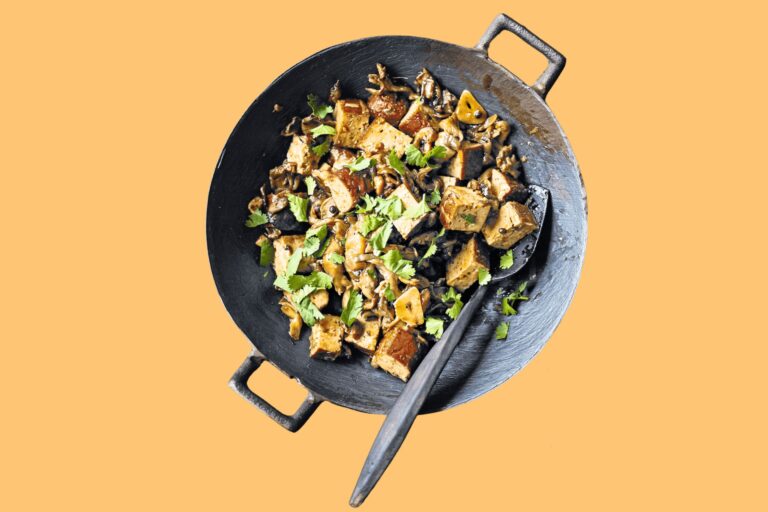
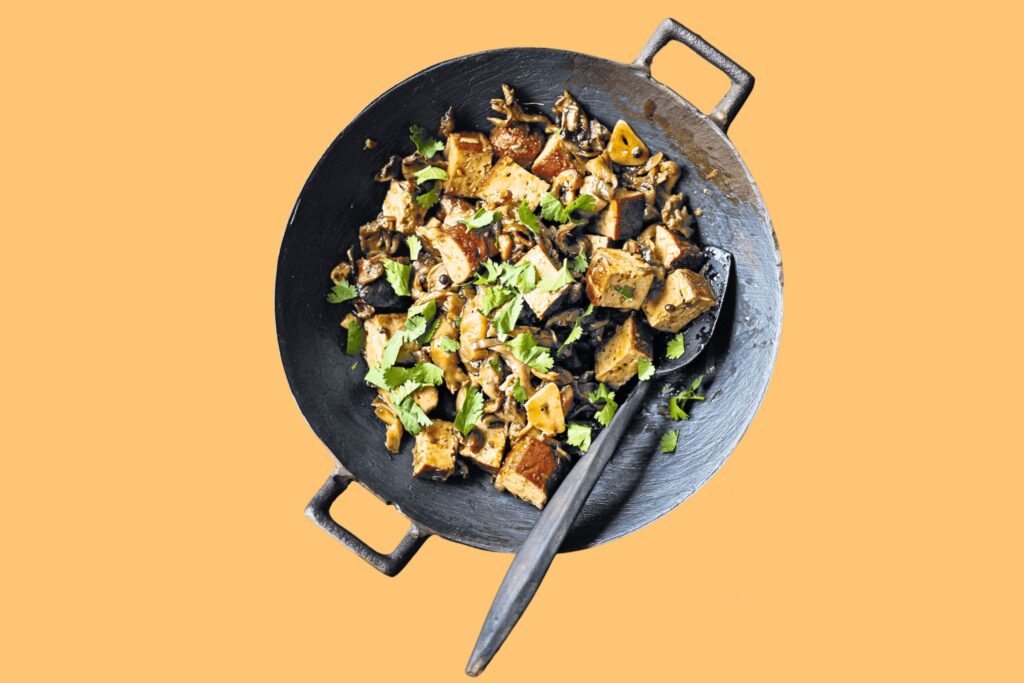
Our friends at Waitrose have shared this recipe for Chilli mapo tofu and we think it’s great. Check it out below!
Preparation time:10 minutes
Cooking time: 10 minutes
Total time: 20 minutes
Serves: 4-6
WHAT YOU’LL NEED
2-3 tsp Lee Kum Kee Chiu Chow Chilli Oil 1 tbsp Lee Kum Kee Pure Sesame Oil 4 cloves garlic, sliced ½ tbsp Sichuan peppercorns, ground 2 x 200g packs Waitrose & Partners No.1 Mixed Exotic Mushrooms, roughly chopped 2 x 200g packs smoked tofu, cut into 1.5cm cubes 1 tbsp Cooks’ Ingredients Tamari Soy Sauce, plus extra to taste 3 tbsp Lee Kum Kee Premium Oyster Sauce 2 tbsp Cooks’ Ingredients Chinese Rice Vinegar Steamed white rice, to serve 10g coriander, roughly chopped 1 tbsp black and/or toasted white sesame seeds
WHAT YOU NEED TO DO
1. Heat the chilli oil and the sesame oil in a large wok over a high heat until lightly fragrant, then add the garlic, ground pepper and mushrooms.
2. Cook for 5 minutes, turning constantly, until the mushrooms are golden.
3. Add the tofu and fry for a minute before adding 1 tbsp soy sauce, the oyster sauce and rice vinegar. Continue to cook for 5 minutes, then remove from the heat. Add more soy sauce to taste.
4. Serve over steamed rice, scattered with chopped coriander and sesame seeds.
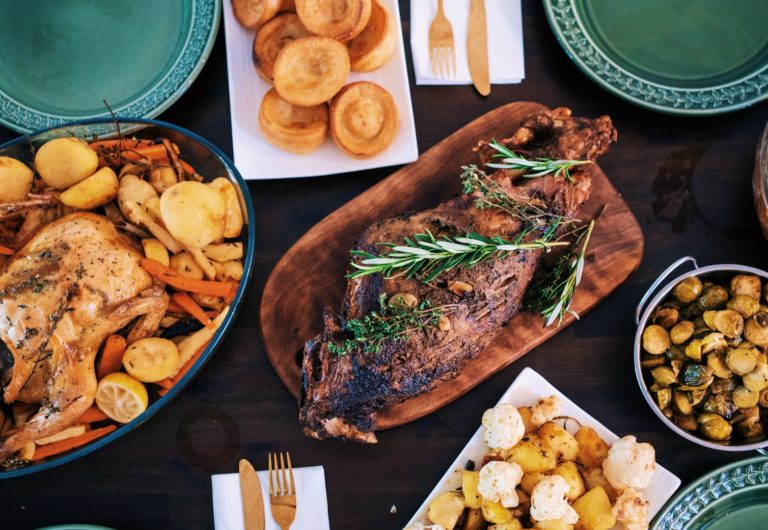
‘What’s your big four favourite then?’….a conversation piece deployed by almost anyone in the course of discussing Sunday lunch. And while beef certainly has its merits, pork its fans and lamb a devoted following, roast chicken rarely gets a look in at the top table of esteemed meat mainstays. The reason? We think it’s because the humble bird is so often done so wrong. If you want to start doing it right, right now, then here are 7 tips for the IDEAL roast chicken.
NOT ALL BIRDS WERE BORN EQUAL
We’ve all heard foolish folk on Come Dine With Me wheel out the tired old line about chicken that’s been given hourly massages and music to listen to; hell, we’ve probably made the claim ourselves at a dinner party we’re hosting. Whilst that level of poultry based pampering might be an exaggeration, if you want to eat well, you’ll want your chicken to have lived well, too.
TIME TO BRINE
Once you’ve forked out on something your fork will truly appreciate, it’s time to give the bird a salt water bath. Brining (in a 5 – 8% salt and water solution) tenderises the meat through the salt breaking down muscle fibres. Your chicken will also absorb some of the liquid, making for a juicy end product. You’ll want to boil the brine briefly to help the salt (and sometimes sugar) dissolve, then allow it to cool completely before immersing the bird in the liquid, placing in the fridge and leaving to work its magic overnight.
TRUSS, TUCK & DUNK
Trussing is another important step in the pre-cooking process, as tying the bird up prevents it taking flight and escaping from the oven. Jokes, aside, it’s believed to help the breast and leg cook evenly and in harmony. Tucking the wings under the chicken prevents them from burning. Many chefs swear by dunking the trussed chicken briefly in a large pan of boiling water a couple of times, to tighten up the skin. It works for us, but obviously you should skip whatever steps you wish if time isn’t on your side.
DILIGENT DRYING
With all the brining and dunking going on, your bird is going to be a little wet. That’s all well and good, but we need the skin to be dry if it’s going to crisp up nicely and go that lovely golden colour of a pornographic Marks & Spencers ad. Placing on a wire rack, over a tray, at the foot of the fridge for an extended period seems the best way to go.
ADD FAT, AND ADD IT AGAIN
The choice of fat you use is up to you (and your waistline) but a decent smothering of goose fat, butter or olive oil – applied all over the bird’s exterior – is a must. The fat will help the skin to crisp and give it a wonderful rich flavour. Of course, season liberally with salt and pepper too, inside and out. During the cooking process, basting the bird at fairly regular intervals with the schmaltz that has accumulated in the roasting tray will add even more flavour. Stuffing, fresh herbs, flavours, trivets….it’s all in the preferences of the chef.
Low and slow or hot and fast, the choice is yours. What matters is that the internal temperature reaches (and this is a matter of debate) somewhere in the 63°C region. You’re cooking at home, not to over cautious government food safety guidelines, so it’s best not to decimate your bird by trying to reach 75°C. If you opt for slow cooked (extremes suggest 4-6 hours on as low as a 60°C oven temperature) you’ll want to either turn your oven up high at the end of the cook to initiate a goldening of the skin, or alternatively take the chicken out, insert some tongs up its rear, and brown the bird on all sides in a frying pan. If this sounds a faff, traditional roasting dictates about an hour and ten minutes on 190ish, and a final fifteen on 250, again, ish.
REST WELL
The final step is perhaps the most often neglected; your carefully shopped for, brined, trussed, tucked, dunked, slathered, salted, seasoned, roasted chicken needs a rest. It’s been a lot of hard work up to here, and the juices need redistributing. If not, when you cut to the carving, moisture otherwise destined for your tongue will escape all over the chopping board, never to be reintegrated. Rest under foil to retain even more moisture, or rest uncovered to keep the skin at its crispest. Again, the choice is yours.
This is an excellent way to enjoy one of those excellent Bries produced in Somerset and Cornwall. Don’t be tempted to cut it as soon as it comes out of the oven, or the molton Brie will flood out, leaving you with an empty shell. If you serve it just very slightly warm though, you will have a deliciously oozy cheese. Paul Hollywood shares his recipe for baked Somerset brie with IDEAL
Enriched bread dough
250g strong white bread flour
1 tsp salt 7g sachet instant yeast 50g unsalted butter, softened 1 medium egg, lightly beaten, plus an extra egg to glaze 135ml warm full-fat milk
Filling
180g Parma ham (or British air-dried ham)
2 tbsp cranberry sauce
1 whole Somerset or Cornish Brie (about 500g)
Cooking Time: 20-25 minutes Servings: 4-6
Method
Put the flour into a large bowl and add the salt on one side, the yeast on the other. Add the butter, egg and two-thirds of the milk, then turn the mixture round with the fingers of one hand. Add the remaining milk a little at a time, continuing to mix until you have taken in all of the flour from the side of the bowl and the dough is soft and slightly sticky; you might not need all of the milk.
Transfer the dough to a lightly floured surface and knead for 5-10 minutes. Initially it will be sticky but it will become easier to work as you knead. When it feels smooth and silky, put it into a lightly oiled bowl, cover and leave to rise for about an hour, until doubled in size.
Heat the oven to 200°C/Gas6. Turn the dough onto a lightly floured surface and fold it in on itself a few times to knock the air. Now roll out to a large circle, about 5mm thick.
Lay half the Parma ham on the centre of the dough circle, then spread the cranberry sauce over the ham. Place the Brie on the top and use the remaining ham to cover the cheese. Lift the edges of the dough over the filling and stretch to encase the cheese. Press the edges together to seal, trimming off any excess.
Turn the Brie parcel over, so the join is underneath, and place it on a baking tray. Brush with the beaten egg. Using the back of a sharp knife, score a criss-cross pattern over the top of the Brie parcel. Bake for 20-25 minutes, until golden brown. Allow to cool until just warm before serving.
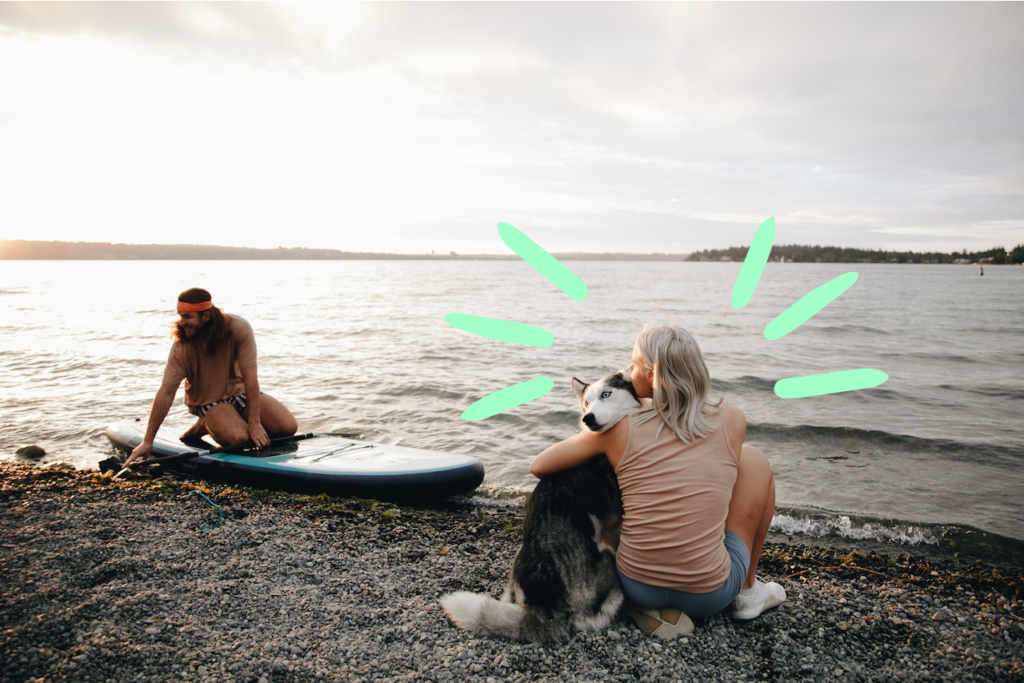
With the Great British holiday season drawing to a close, many families are beginning to cast their minds to their next big adventure. Some may even be feeling the pressure to finalise holiday plans for their household. But for the near-third of adults who own a dog, holiday season can be uniquely stressful.
Many holiday plans preclude the bringing of pets, meaning a heart-wrenching goodbye to Fido before you leave – or a costly trip to a dog hotel, of course. However, there are myriad pet-friendly holiday solutions that can enable you to keep your whole gang happy as you kick back. What are some of the best? Let’s find out…
Camping
Camping is the quintessential summer holiday experience for families on the lookout for something a little more intrepid from their trips. Camping holidays are widely beloved, as a chance to get cosy and enjoy the best of the great outdoors, or shield from it when it inevitably begins to rain torrentially…
Camping trips are also a fantastic way to include your dog in your holiday plans. Whether you plan a wild-camping holiday in Scotland or seek out one of the many pet-friendly campsites across England, Wales and Northern Ireland, you can be sure to spend a great deal of quality time with all the family. You can also be assured that your dog will be having even more fun than you; just think of all those pastures they could be roaming!
That said, the wild nature of camping means you should prepare for every possible emergency to ensure your dog’s safety. This involves scheduling a vet appointment so your dog can have the most current vaccinations to prevent them from getting ticks and fleas, and also provide them with an advanced microchip or tracked collar.
Road Tripping
Camping isn’t the only way for you to experience the joys of the UK’s countryside on holiday with your dog, though. Why not go bigger and better, and plan out a cross-country road trip? With a motorhome, you can make multiple stops in some of the most stunning locations across the nation without having to worry about repeatedly pitching your tent.
The whole family, dog included, can discover and explore some amazing places together. All you need to worry about beforehand is sorting out your motorhome insurance, ensuring your licence is relevant and making sure the motorhome is fit for travel.
All that said, the standard final paragraph precursor arrives; canines aren’t as equipped at dealing with long journeys as people. Let’s be realistic here; your dog can’t read or listen to music to pass the time, and they can’t turn on the air conditioning to cool themselves down when they’re hot. All in all, taking a long car trip can be uncomfortable for dogs that aren’t used to them.
A smart strategy is to take smaller journeys to ease them into the process. Steadily building from thirty minutes to an hour-plus should ensure they can go for extended periods without getting stressed out.
You also need to plan your route in advance. By doing this, you can stop off regularly to let your pet out to stretch their legs and go to the toilet. This will help them cool down from the stuffiness of the car, too. And yep, we realise that was three paragraphs.
The road-tripping lifestyle isn’t for everyone, though. Moving from site to site can be a stressful experience, not in the least for certain demeanours of dogs that may benefit from a little more stability! With this in mind, there are some excellent options for a low-stress, low-stakes holiday that can include the dog.
One of the best examples of this kind of holiday is that of the holiday park. Holiday parks are mainstays for summer holiday travails, especially amongst families with younger children. There are pet-friendly holiday parks all across the country, from seaside resorts to rural getaways, that are more than happy for you to bring your beloved pooch along for the ride.
Country Cottage Rental
Of course, your ideal holiday may be something a bit more secluded than a communal holiday park scenario. The UK is still your oyster if you’re looking for a family-only pet-friendly retreat, with dog-loving holiday lets stippling the country’s rural landscape.
Country cottages are another holiday institution in the UK, providing a safe homely space to retreat from the stresses of everyday life. Country cottage holiday lets are available throughout the year, and a large number of them are more than happy for you to bring your dog along. The National Trust alone have hundreds of options, that place you a stone’s throw away from some of the most remarkable locations in the country.
And with that, we hope your next year’s summer holiday is full of adventure and fun for all the family.
Yes we know, the summer season is coming to a close and the kids are heading back to school next week – hurrah! However, we’re already looking forward to the autumn half term and the coming change of the season. Because with it comes some fantastic opportunities to explore the UK’s most beautiful regions minus a few of the crowds synonymous with the height of summer, and we couldn’t be more excited.
And one of the UK’s very most beautiful? Why, Yorkshire, of course. Here, we explore 5 places in Yorkshire to visit with your kids this season.
Stockeld Park
Could there be a more quintessential autumn activity than pumpkin picking? Ideal for creepy Halloween carving, delicious desserts, creative curries and even those fabled pumpkin spice lattes, this versatile fruit is a treat for kids and adults alike.
Come pumpkin season, one of the best-themed adventure parks in Yorkshire, Stockeld Park, has thousands of pumpkins in their meadow ready to be picked! Every child with a paid-for ticket at £2.50 can choose a pumpkin for free.
Stockeld Park comes alive for Autumn half term – you’ll find lots of Halloween surprises in the Enchanted Forest, witches will guide you as you follow the new skeleton trail, and so much more. We wouldn’t want to ruin the surprise, though!
Last entry to activities, the Forest and Adventure Playgrounds is 4:30pm and the park closes at 5:30pm. Oh, and when it’s raining, there are live theatre productions and themed events to take the kids to.
I Spy Walking Tour Of York
York is undeniably a stunning city. With a rich architectural history dating back to mediaeval times and an ye olde English air, every street you walk down is full of history. Old and charming, with quaint cobblestone streets and Gothic buildings, as well as a vibrant hub in tune with the times, one often feels as if visiting York is like stepping back in time.
This is particularly true as the nights draw in, with the city’s twinkling lights and lanterns illuminating curious corners of York’s famous winding lanes.
If you want to explore York on foot with your children, but minus the moaning, then the Little Vikings I Spy walking trail is just the ticket! This free walking of York is available all year round. Simply pick up an ‘I Spy Trail’ printed map and leaflet from the Visit York Information Centre during opening hours, follow the route, and see how many things you can tick off.
As the York Mix explains, Little Vikings has the trail as part of a new #LoveWalking campaign; “The permanent walking trail features 22 weird, wonderful and interesting things to spot along the route, and will be a fun way for families to explore the city and spot some of York’s unique sights”.
Fossil Hunting at Runswick Bay
One of Yorkshire’s most attractive scenic destinations, Runswick bay has a lot to offer. It is a perfect picnic spot – even in autumn! – and has been voted one of the best coastal holiday destinations by tourists and locals alike.
Boasting a long sandy beach where you can quietly spend time playing games and enjoying kayaking, water skiing and other water sports, perhaps the highlight of Runswick Bay is its opportunity for fossil hunting. The beach is home to various fossils from the Jurassic and Cretaceous periods, and there’s something truly atmospheric about hunting for them with the kids during autumn’s slightly moodier conditions.
Sheffield Winter Gardens
This multi-award-winning Winter Garden in South Yorkshire’s Sheffield is the largest temperate glasshouse. A 70 metre long, 20 metre high building, the structure boasts over 2500 plants… Wow!
And the best news? The Winter Garden is open every day, all year round, not only the UK’s coldest season. Opening hours are between 8am and 6pm, Monday to Saturday, and 10am to 5pm on Sundays.
Abbey House Museum
If you want to experience Victorian life, immerse yourself in an authentic street experience, and enjoy several play areas to boot, the Abbey House Museum has so much to offer. Moreover, if you have a sweet tooth, you shouldn’t miss the homemade cakes and the delicious granola bars at the museum’s cafes… Speaking from experience, they’re terrific!
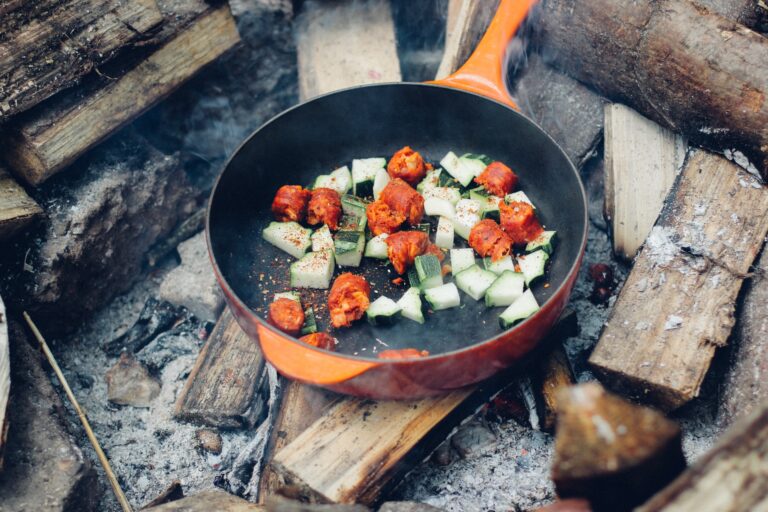
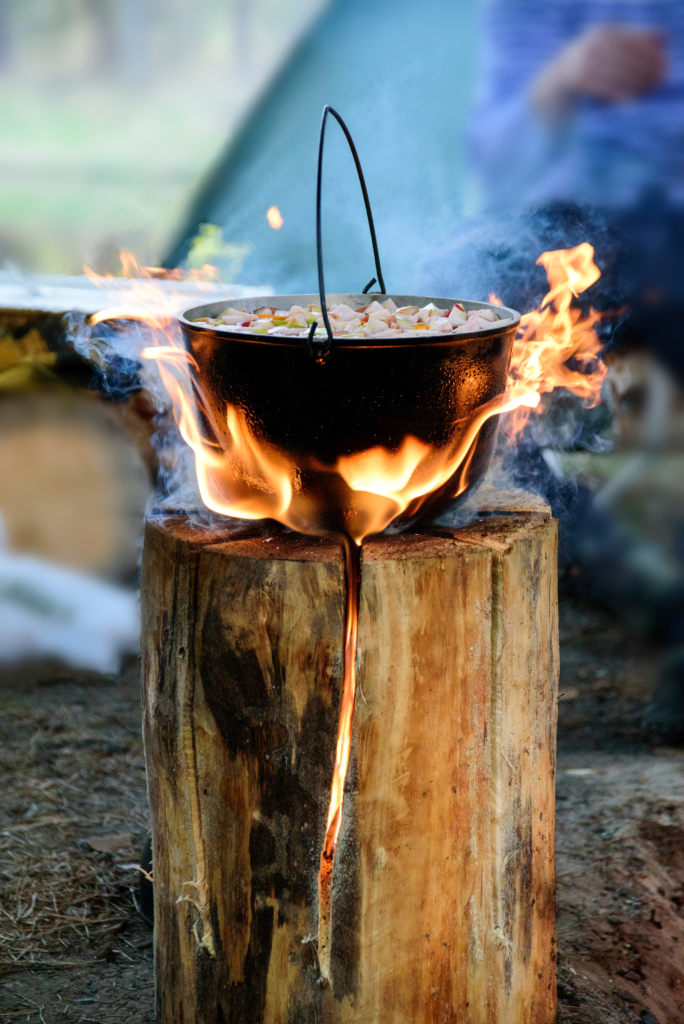
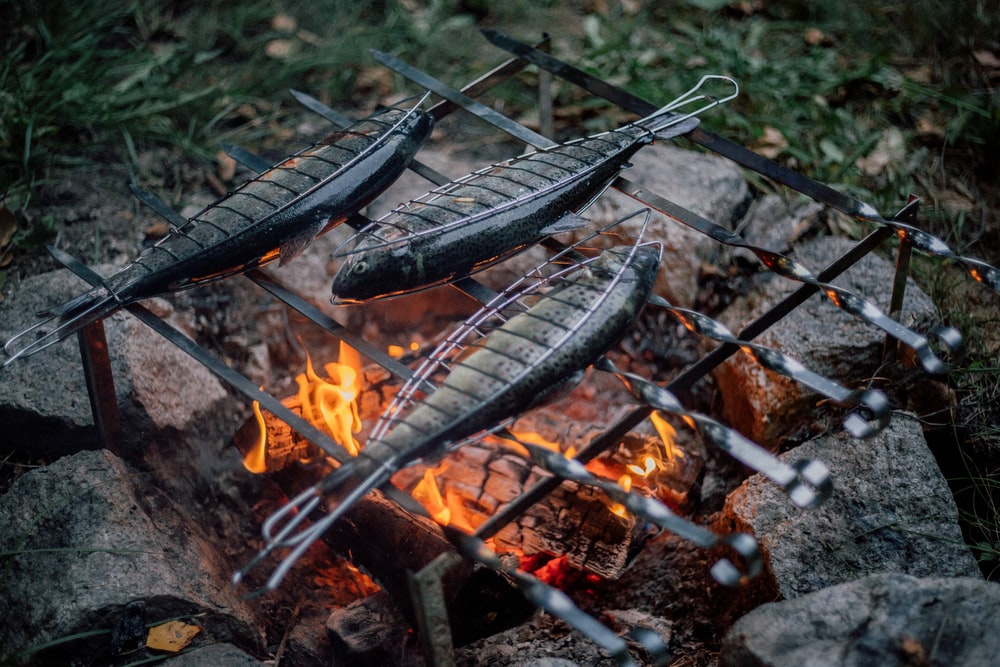
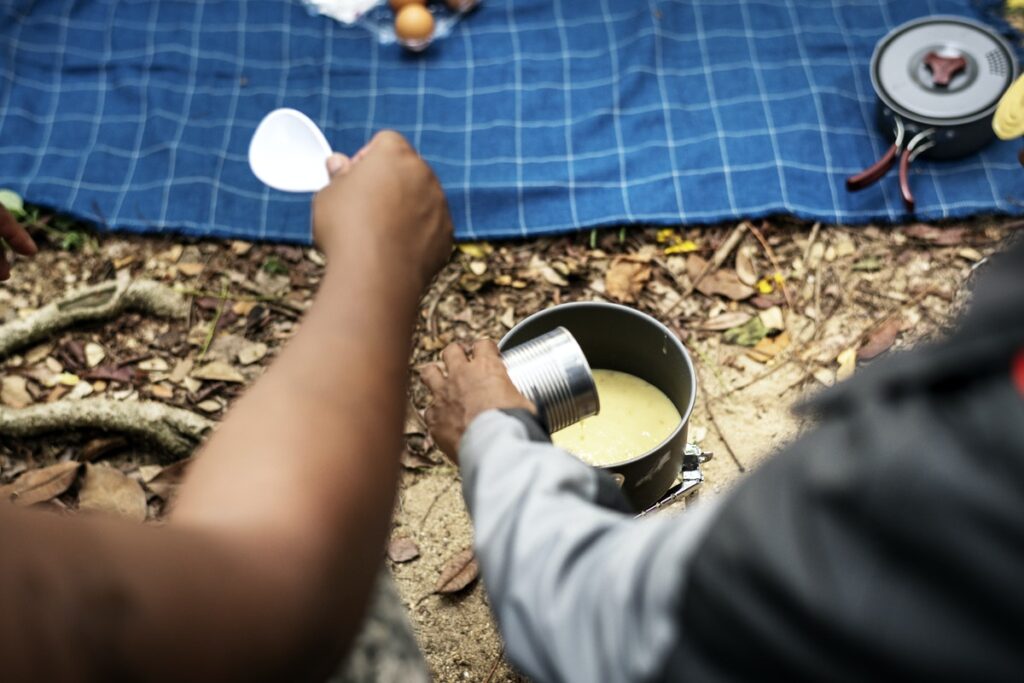
Ideal for affordable and easy meals with the family on your next camping trip.
Could there be anything better? Allow us to set a scene here; it’s dusk on a clear, soon-to-be starry night, a group of friends or family are gathered around a campfire, no one is playing Wonderwall badly on an acoustic, and there’s a few skewers of something tasty getting licked by flames.
How badly this tableau can tank. It’s overcast and a storm looks set to extinguish your centrepiece. There’s tension and mosquitos in the air. The skewers are burnt on the outside and raw in the middle. And someone pulls out a ukulele to lift the spirits…
Let’s focus on the former paragraph here, and have a wholesome, nourishing time around the campfire, fuelled by good vibes and even better food. So, with the help of CampingStyle, here are 4 hacks for healthy and delicious campfire cooking, IDEAL for affordable and easy meals with the family on your next camping trip.
First Night Frozen
No one wants to arrive at the campsite after a long drive defined by moaning toddlers, with tents needing to be erected on growling stomachs. When camping with the family, it’s best to have a delicious and simple meal prepared for your arrival which can be easily heated up on the portable stove.
A great idea here is to make a warming, fulfilling stew in the days preceding your trip, freeze it, and then allow it to thaw gently in a coolbox on your drive to the campsite. When you arrive, simply heat it through thoroughly and serve, before you tackle all that stressful putting up of tents.
One Pot Wonders
There are so many fantastic one pot wonders which are easy to prep, assemble, cook and serve with only a portable gas stove or campfire for fuel. Of course, the minimal use of utensils and pots is so welcome when you’re camping, since it saves hugely on the painful procedure of washing up in the dark afterwards.
You could cook the dish before your trip, or prepare the raw ingredients – sliced, diced and ready for the pot – before bagging them up at home and assembling once your fire is lit. The best actual pot to use for your one-pot-wonder should be something sturdy which conducts heat evenly, ideally made from cast iron, with a snugly fitting lid. Seek out the world famous Le Creuset pot or other dutch ovens for best results when campfire cooking.
Getting acquainted with the natural produce, ingredients, and farming rhythms of the place you’re visiting can be highly educational for the children (and adults!) in your group, as well as being the path to truly fresh, delicious tasting food. What’s not to love?
So, do endeavour to attend a local farmer’s market, fishmongers or butchers during your camping trip to collect ingredients for your evening’s cooking, supporting the local community and discovering their specialities in the process. If you’re looking to get a little more adventurous with your campsite cooking and are staying near a beach, then a whole grilled fish, locally sourced, on the barbeque is just the ticket.
Even more enjoyable (though some prior expertise is required) is foraging for wild food in and around the campsite to eat at dinner. Right now, blackberries, of course, are abundant and with an easy to recognise ripeness; that’s dessert sorted, then. During the warmer months you’ll also see bilberries and sometimes even wild strawberries growing. Chanterelle mushrooms can also be found in mossy and beech forests, preferring low-lying, damp areas, particularly. Various herbs like sorrel and nasturtium flowers are also growing out there, and add real intrigue to dinner.
Half the joy of campsite cooking is the unpredictable nature of it; your dinner is in the hands of the weather gods, the elements, and all kinds of other external factors and forces. But that elemental nature to cooking outside can also present problems. And that’s okay until you’ve got hungry children on your hands; expect tantrums and a holiday turned sour.
Contingency cooking, or rather, packing, is essential if you’re camping with the kids, so you’ve got something in reserve that you can quickly use to create a healthy, nutritious meal while your significant other wrestles with the firelighters and newspaper.
Tinned fish, beans, and soup, as well as canned fruit, are essential items here, as they keep and travel well, and can be enjoyed immediately in a crisis. Dried or dehydrated breakfast items, like cereal, trail mix, or even jerky, also work brilliantly as a quick snack to keep morale alive until dinner proper.
National parks are called national for a reason. They are open to everyone, and they are a source of pride for a nation. Not just patches of land, they are vital spaces, protecting precious plant and animal life, and letting us experience the raw beauty of the natural world up close and personal. Some parks are full of history, with trails worn smooth by explorers from long ago. Others feel untouched, like a secret shared only between you and the wilderness.
Whether you’re seeking a thrilling hike, a serene picnic, or just a moment to breathe (go on, stop holding your breath, you’re scaring us now), national parks welcome you with open arms and branches. And while beauty is in the eye of the beholder, here are some of the most stunning parks in the world.
Torres del Paine National Park (Chile)
The Torres del Paine National Park, down in Patagonia, makes you feel small in the best possible way. Herds of guanacos (a llama’s wilder cousin) roam the grasslands. Condors circle overhead. If you’re lucky, maybe you’ll glimpse a puma stalking its prey. Hikers flock here for the trails, some challenging, others more relaxed. You’ll see campers dotted across the landscape, tiny against the vastness of the park. There’s something special about falling asleep under a sky so clear, the stars feel touchable. This place reminds you that there’s a world way bigger and older than the everyday hustle, and it’s pretty spectacular.
For those planning a trip to Torres del Paine, it’s essential to consider the season. The park is open year-round, but the peak season is from November to March when the weather is milder. Visitors should book accommodations well in advance, especially if they plan to stay in the refugios or campsites within the park.
The W Trek and the O Circuit are popular hiking routes, with the former taking about 4-5 days and the latter around 7-10 days. Be prepared for rapidly changing weather conditions and ensure you have the necessary permits, which can be obtained from the CONAF website or local offices.
Yellowstone National Park (USA)
Yellowstone is something else entirely. Bubbling mud pots, geysers erupting like clockwork, and waterfalls tumbling over cliffs. Underneath it all, a giant volcano slumbers – a reminder of the raw power this place holds. There are trails winding through forests, past meadows flecked with wildflowers. Bison lumber along, unconcerned, and maybe you’ll spot a bear searching for berries. The air smells crisp like pine needles, and the sky stretches out forever. It’s not a place you just visit.
They say that Yellowstone changes you; it’s humbling, exciting, and absolutely unforgettable. Whether you’re into hiking, camping, or just soaking in the view, Yellowstone won’t disappoint.
When visiting Yellowstone, the first national park in the world, plan your trip with the park’s vastness in mind. It covers over 2.2 million acres, so it’s wise to prioritise which geothermal areas, like Old Faithful or the Grand Prismatic Spring, you want to see. The park has five entrances, and accommodations range from lodges to campgrounds, which should be reserved months in advance during the summer season.
Remember that wildlife is abundant and active; always keep a safe distance, especially from bison and bears. For real-time information on park conditions and closures, check the National Park Service’s Yellowstone page before and during your visit.
Sequoia National Park (USA)
Sequoia National Park is all about the trees. Not just any trees – giant sequoias. The super tall trees that make you feel like an ant. And it’s not just the size, though. It’s the sense of time held in the deep grooves of their bark, the way the sunlight peeks through their branches like stained glass. You could spend days getting lost, though it’s not recommended you do so; folk have been known to never get found!
There are waterfalls and meadows and mountains too, of course. But the real magic of Sequoia is in those towering behemoths. They remind you of the grand scale of the natural world, and somehow, your own place within it all.
Many tourists like to stay at Tachi Palace, a casino resort with a hotel, which is just outside the park. It’s most famous for its bingo, which kicks off at 3pm Tuesday to Saturday. They offer spa, dining and golf getaway packages, too.
For those heading to Sequoia National Park, the best times to visit are from June to August when the snow has melted, and the trails are clear. The park is home to five of the ten largest trees in the world, including the General Sherman Tree. To fully enjoy the park, consider staying at one of the several lodges or campgrounds within the park boundaries, but book early as they fill up quickly.
For day hikers, the Congress Trail is a must-do, offering an easy loop through the giant forest. Always check for road closures or weather conditions at the park’s website, and remember that some areas, like the Crystal Cave, require advance tickets.
Plitvice Lakes National Park (Croatia)
You’ve probably heard of Dubrovnik, one of Croatia’s key tourist destinations. And if you know Dubrovnik, you’ll surely know Plitvice Lakes. The water boasts a clarity that makes it almost look fake, and there are waterfalls everywhere. You walk the wooden paths that wind around the lakes, taking in the various bodies of water, some still and some trickling. On your mind isn’t serenity, but how much you need to go to the toilet.
Some of Plitvice’s waterfalls are small, trickling down mossy rocks. Others are huge and noisy, and you can feel the spray on your face. The park’s got a lot of trees, so it’s shady and cool even on hot days. It’s gets super crowded, admittedly, especially at the big waterfall spots, but it’s still something special.
Visitors to Plitvice Lakes National Park should be aware that the park is divided into the Upper and Lower Lakes, with different entrance points for each. The park is open year-round, but spring and fall may offer a more peaceful experience compared to the busy summer months. Tickets can be purchased online and are time-slotted to manage the number of visitors, so booking in advance is recommended.
Wear comfortable shoes as you’ll be walking on uneven wooden paths, and note that swimming is not allowed in the lakes. To capture the beauty of the park without the crowds, consider staying overnight at one of the hotels or guesthouses nearby, allowing for an early start before day-trippers arrive.
Fiordland National Park (New Zealand)
Fiordland National Park is where Mother Nature went all out. Imagine fjords carved by ancient glaciers, their dark waters reflecting waterfalls that tumble from heights so tall they turn to mist before reaching the bottom. This is New Zealand’s largest national park, and it’s got a moody, mystical quality that makes Middle Earth comparisons inevitable. The famous Milford Sound sits here, though locals will tell you Doubtful Sound is equally spectacular with fewer tour boats photobombing your zen moment.
The park’s got personality – it rains about 200 days a year, which keeps everything impossibly green and feeds those countless waterfalls. You might spot fur seals lounging on rocks, dolphins playing in the fjords, or if you’re incredibly lucky, the rare Fiordland crested penguin waddling about. The Milford Track, one of New Zealand’s Great Walks, takes hikers through valleys, over mountain passes, and past more waterfalls than you can shake a hiking pole at. There’s something almost prehistoric about the place, with its ancient rainforests draped in moss and ferns that look like they haven’t changed since dinosaurs roamed.
For those planning to explore Fiordland, book everything well in advance – especially if you’re tackling one of the Great Walks like the Milford, Kepler, or Routeburn tracks. These require booking through the Department of Conservation, sometimes months ahead. The weather here is famously unpredictable; pack for all four seasons regardless of when you visit. Sandflies are notorious in Fiordland (think: tiny vampires with wings), so bring insect repellent.
Most visitors base themselves in Te Anau or stay on overnight cruises in the sounds, but for those who want a bit more action after days in the wilderness, Queenstown is about 3 hours away Queenstown to Fiordland National Park and offers everything from fine dining to NZ’s casino games at SkyCity Queenstown – a nice contrast to the pristine silence of the fjords. If you’re short on time, a day cruise through Milford or Doubtful Sound still offers jaw-dropping scenery. Just remember: when it rains here (and it will), the waterfalls multiply like magic, turning the whole place into something out of a fantasy novel.
Banff National Park (Canada)
Banff National Park is the kind of place that gets stuck in your head. If you love mountains, glaciers and lakes, you’re in for a treat. Whether you’re up for a tough climb or a leisurely stroll through the woods, you’ll find something for yourself. You might spot elk grazing in a meadow, or catch a glimpse of ‘The Boss’ (no, not Bruce Springsteen, but rather, a particularly massive bear).
In Banff (the town), you’ll find cosy cafes, gear shops, and maybe even a moose wandering the streets. What could be more Canadian than that? But don’t think it’s all picture-perfect scenery. Banff has a wild side too. Snowstorms can whip through the mountains even in summer, and the forests feel vast and untamed. That’s the magic of it though.
You should be prepared for the park’s popularity, especially during July and August. To avoid the crowds, visit in the shoulder seasons of May-June or September-October. The park requires a pass, which can be purchased online or at park entry points.
For those looking to hike, be aware that trails range from easy walks like the Banff Legacy Trail to challenging hikes such as the Cory Pass – Mt. Edith Circuit. Wildlife is abundant, so carry bear spray and know how to use it. Accommodations are plentiful in Banff and Lake Louise, but book early, especially if you’re aiming for the iconic Fairmont hotels. Always check the Parks Canada website for the latest trail conditions and possible wildlife advisories.
Seven for the price of six? Next, check out our guide on visiting Lake Skadar, a glorious natural wonder sitting (or should that be swimming?) between Albania and Montenegro.
If you are surrounded by people who enjoy drinking a cold beer from time to time (responsibly, of course), then you have probably figured out by now that they cannot be swept off their feet with just any ol’ gift that comes in a bottle or can. Nope, if originality and thoughtfulness are your watchwords when present-hunting, a six-pack simply isn’t going to cut it.
Instead, you might find inspiration in the short list we’ve compiled below, which is full of fizz, verve, hops and grains. If you’re hoping to make your friends hoppy, then check out these 4 gift ideas.
Nothing Without A Beer Cooler
Every beer enthusiast will tell you that there’s nothing better than when their favourite beverage is served ice cold, bringing refreshment to long, hot summer days (and even a little excitement to a few winter ones, too).
For your beer loving pal, consider a top-notch beer bottle cooler, which is able to keep beers cold for a couple of hours comfortably. Complete with double walled stainless steel and copper lining inside, these coolers are vacuum sealed to trap in the air and help retain the temperature for as long as it takes to finish your beer!
A temperature-preserving case is another great option, as it will hold both bottles and cans as you keep your drinks chilled and protected from the cruel outside temperatures. People often shop for custom coozies for their beer lover friends too. These are functional and stylish, keeping both hands warm while you sip on your beverage.
The Bucket List Beer: Beer-Themed Adventures
If one of your friends or family members is truly passionate about this refreshing drink, then you should consider buying Justin Kennedy’s great book The Bucket List: Beer. Aimed at those who enjoy a beery break, and offering over one thousand exciting beer-related adventures, from pop-up beer gardens to pub crawls, brewery tours and Bavaria, this is ideal for the thirsty traveller, make no mistake.
Spiegelau IPA Glass Set
If your buddy doesn’t have enough time to go to bars and drink his, her or their favourite drink, then the least you can do is bring the bar to their house instead. And who doesn’t love sipping from a perfectly chosen glass?
The Spiegalau IPA glass has been developed to show off the complex aromatic profiles of the IPA beer style by keeping a foamy head while boosting the mouthfeel and flavour. We’re getting thirsty just thinking about it!
Northern Brewer Homebrewing Kit
A true beer lover will appreciate this type of gift because it allows them to get an insight into the creation process, which is going to make them fall in love with this drink even more. Once the preserve of dads in the 70s, now homebrewing is a hip (or should that be ‘hop’?) past time for those who are passionate about craft beer.
If your friend is keen to understand the process behind beer brewing more deeply, then a brewing kit is the ideal gift. Namely, this kit consists of everything that’s necessary in order to brew authentic, delicious craft beer at home, including a bubbler, bottle filler, tubing, a pack of the necessary IPA home brewing ingredients, brewery cleaners, and enough bottles and caps for two carriers and twelve bottles.
The Bottom Line
Should you have gotten this far and not found inspiration for a great gift, then perhaps your friend might be more of a wine drinker? But for beer aficionados, there’s plenty to sink your teeth into on our list.
Not eating enough fish? You’re not the only one. According to the NHS a healthy diet should include at least 2 portions of fish a week, including one oily. However it’s safe to say most of us don’t eat this much. So to help you eat more fish each week, here are 5 IDEAL recipes for a mid-week fish supper courtesy of our pals at The Saucy Fish Co.
ORZO PASTA SALAD WITH SALMON
WHAT YOU’LL NEED
2 Salmon Fillets
150g of orzo pasta
A handful of roquito peppers, deseeded and sliced
½ red onion, finely chopped
Light olive oil
2 ½ tbsps. fresh lime juice
4cm of peeled fresh ginger, finely sliced
½ tsp of sugar
2 ½ tbsps. vegetable oil
1 tbsp. sesame oil
Fresh chives
Serves 2
WHAT YOU NEED TO DO
Preheat the oven to 190C and place in the two salmon fillets for 20 minutes. Meanwhile, bring a small pan of lightly salted water to the boil and place in the orzo pasta.
Turn down the heat and leave the orzo cook for approximately 10 minutes, stirring occasionally to stop from sticking. The orzo should be a firm, chewy texture when done. Drain in a colander and rinse.
Pour a tsp of olive oil into a frying pan and add the sliced peppers and red onion, frying for around 3 minutes until soft. Once done, mix in with the orzo pasta.
Blend together 3 tbsps. of olive oil with the lime juice, ginger, sugar and sliced chilli to make your sauce, gradually adding in the vegetable and sesame oil. Season with salt and pepper.
Dish out the orzo pasta into 2 separate dishes, flaking a salmon fillet over each. Drizzle the chili, lime and ginger sauce over the top and scatter with diced chives.
IDEAL Tip: Add The Saucy Fish Co.’s Salmon with Chilli, Lime and Ginger sauce to your orzo pasta salad, to up the flavour and reduce the fuss.
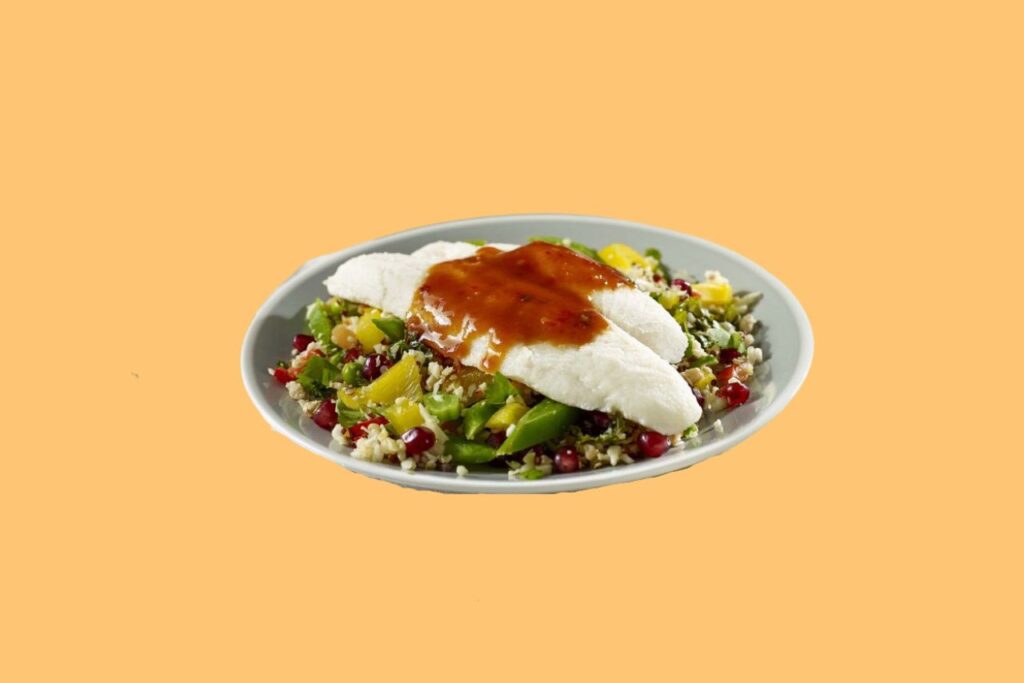
BASA WITH KOREAN BBQ SAUCE, WITH A SPICY QUINOA SALAD
WHAT YOU’LL NEED
2 basa fillets
100 grams of quinoa
400ml of boiling water
Yellow pepper, sliced
Green pepper, sliced
Half a chilli, finely sliced, deseeded
Pomegranate seeds
Lemon juice for drizzling
Parsley, to sprinkle
For the Korean BBQ Sauce
1 cup light soy sauce
Teaspoon of water
1 tablespoon of cornstarch
255g cup brown sugar
2 cloves of garlic, finely diced
Tablespoon of rice wine vinegar
Small thumb of ginger
½ tablespoon of sesame oil
Salt and pepper to season
WHAT YOU NEED TO DO
Preheat the oven to 180C and cook your basa fillets for 15 minutes, or until fully heated.
Rinse the quinoa and then add it to a medium saucepan, along with the water and bring to the boil. Reduce the heat and simmer.
Remove from the heat after approximately 15 minutes or until all of the water has been absorbed. Let the quinoa rest for 5 minutes, then fluff.
In a large serving bowl, add you green and red peppers, sliced chilli, pomegranate seeds and a drizzle of lemon juice. Add your quinoa once cooled and mix well.
Serve out the quinoa salad and then place the basa fillets on top, adding a sprinkling of parsley.
To make the sauce:
Combine the light soy sauce, sugar, garlic, rice wine vinegar, ginger, sesame oil, and seasoning together in a pan. Mix and then bring to boil.
Whisk your cornstarch and water in a measuring jug, until the cornstarch dissolves and then add to the boiling pan, reducing the heat. Cook until the sauce is a thick consistency, for around 4/5 minutes.
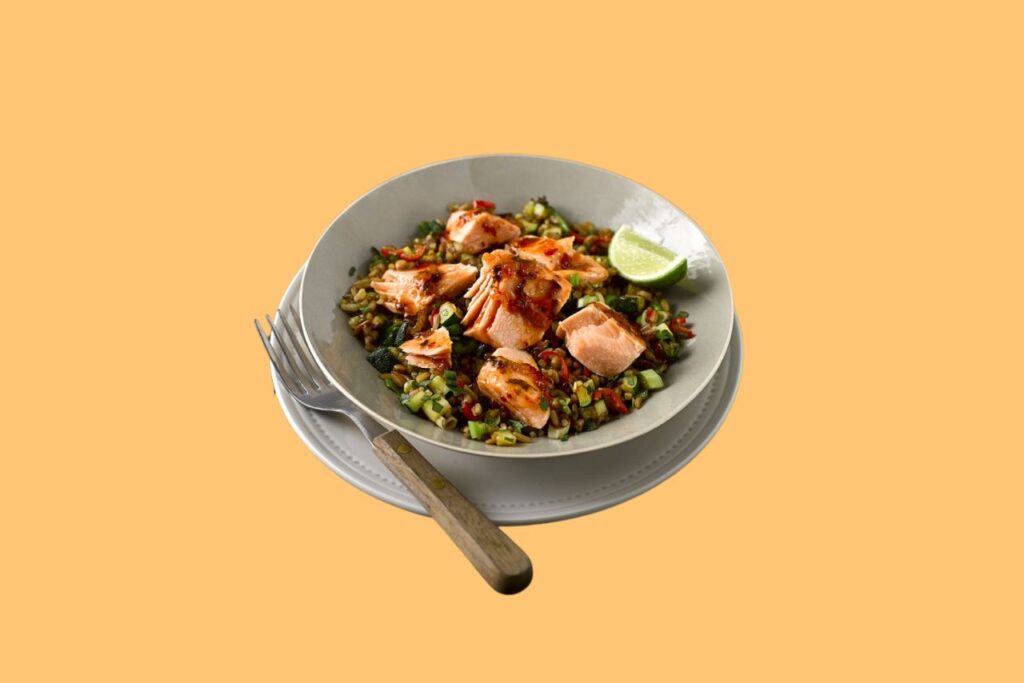
SALMON, PILAF WITH A CHILLI, LIME & GINGER SAUCE
2 Salmon Fillets
1 cup of Long Grain Brown Rice
A Thumb of Ginger
1 Bell Pepper, Finely Diced
1 large Carrot, Finely Diced
¼ cup of Peas
1 Shallot, Diced
Chilli Sauce
Olive Oil
1 tsp of Turmeric
1 tsp of Cumin
1 tsp of Paprika
1 Vegetable Stock Cube
Quarter of a Lime, for squeezing
Serves 2
WHAT YOU NEED TO DO
Preheat the oven to 190°C, then place two salmon fillets on a baking tray and cook through.
Meanwhile, fill a saucepan with vegetable stock and add the rice. Cook for 20 minutes, then drain and set aside in a bowl.
Heat the olive oil in a large pan over a medium heat. Add the ginger, shallot and chili, and fry for approximately 5 minutes.
Step 4: Add the carrot, pepper, peas and spices to this mixture, continuing to fry until everything is soft and coated in the spices. Finally, add the cooked rice, fluffing it well with a folk.
Season with salt and pepper, then transfer the mixed pilaf into two bowls. Flake the cooked salmon on top, then drizzle the chili sauce over the top of everything. To finish, squeeze the lime over the top of both dishes and enjoy!
IDEAL Tip: Pair your pilaf with the Saucy Fish Co.’s Salmon with Chilli, Lime and Ginger sauce, to increase the flavour and reduce the fuss.
SALMON POKE BOWL
WHAT YOU’LL NEED
200g of Sushi rice
2 tsp of rice wine vinegar
2 Salmon fillets
Sliced radish
1 Avocado, sliced
180g Red cabbage
Half a cucumber, thinly sliced
160g Edamame beans
1 Chilli, finely sliced
Coriander
Chilli sauce
1 lime
black sesame seeds
WHAT YOU NEED TO DO
Place the salmon in the oven for 20 mins. Once cooked through, remove and set aside
Meanwhile, put your rice in a bowl and cover with cold water. Massage with hands to remove the starch, then drain and place in a saucepan. Cover with cold water and cook on a medium heat for 10 mins, placing a lid on the pan.
Remove the rice from the heat and leave to steam with the lid on for another 15 mins, then add in the rice wine vinegar.
Begin to assemble the poke bowls by adding a mound of rice into two bowls, and then place a salmon fillet on top of each. Top each with half an avocado, sliced cucumber, sliced radishes, red cabbage, a handful of edamame beans and sliced chilli.
Drizzle chilli sauce over the top of the fillet and sprinkle black sesame seeds over everything. Finish with a little coriander, for garnish.
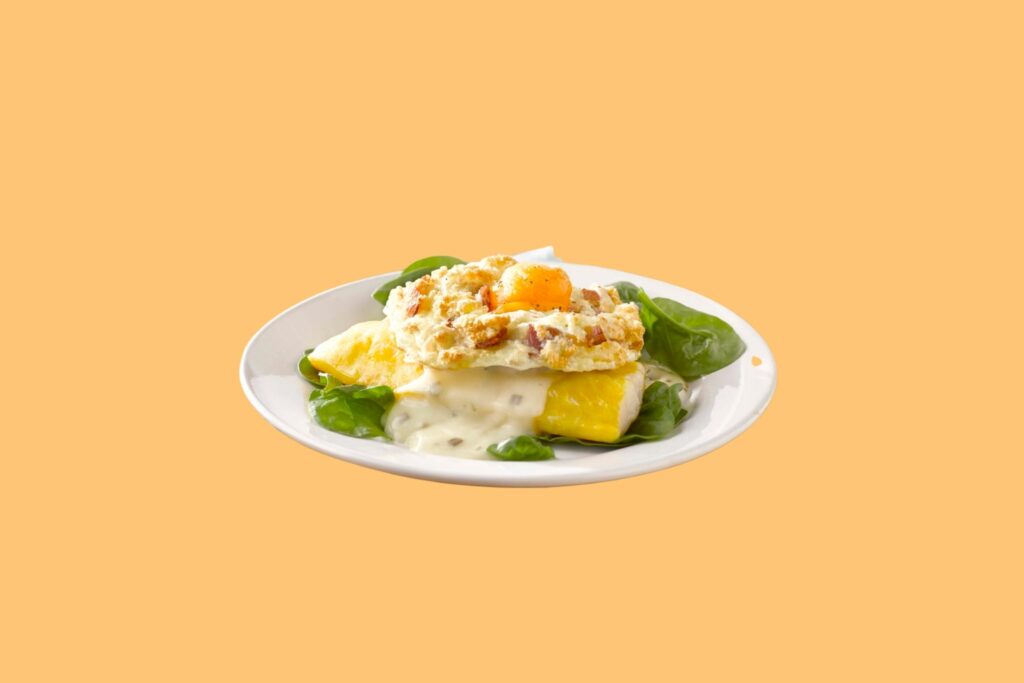
Place 2 smoked haddock fillets into a pre-heated oven (180C) and cook for 20 minutes. Meanwhile, separate your eggs and set the yolks aside.
Whisk the egg whites and carefully fold in the grated cheese and bacon.
Use the whisked egg mixture to create two small, raised circles on a baking try, on top of non-stick parchment paper. Make a well in the middle of each circle so you can add in the yolk later.
Put the egg mixture in the oven for approximately 5/6 minutes. Remove from the oven and place the yolks into the two wells, then put the baking tray back into the oven for approximately 3 minutes.
Meanwhile, make the sauce by melting the butter in a saucepan and adding in the flour, whisking with a folk for 1 minute. Combine the milk and cream, then add to the saucepan slowly, whisking until the thick. Add in an egg yolk and cook for 30 seconds, on a low heat.
Next, add in the cheese to the sauce mixture and stir until well combined. Add the cinnamon and season with salt and pepper, then remove from the heat.
To finish, stack up your breakfast. Begin with a handful of spinach, then place the haddock fillet on top, drizzling the cheddar and chive sauce on top. Finish by delicately placing the cloud eggs on top…and enjoy.
Saucy Top Tip: Speed things up before Dad wakes up by using The Saucy Fish Co.’s Cook from Frozen Smoked Haddock, with Vintage Cheddar and Chive sauce.
It’s one of the Great British Monday morning’s biggest mysteries; why that leftover roast lamb just feels so unappealing for the early week’s packed lunches. Chicken? Sure, you’ll be great in a sarnie, or as part of an impromptu salad. Cold roast beef? Pass me the horseradish and stop asking questions. But cold lamb, with fat congealed and condiments less obvious, has the country’s collective consciousness scratching its head and reaching for the compost bin (don’t do that by the way). Instead, listen to these; what to do with leftover roast lamb; our 5 IDEAL dishes.
A word on storage and reheating. The roast lamb should be cooled at room temperature before it goes into the fridge (that will have happened around the Sunday Roast table no doubt). It’ll keep for three or four days in there. When you do need to use it for one of our great dishes, make sure you reheat it thoroughly and completely.
SHEPHERD’S PIE
Sure, it’s a predictable choice, and one which perhaps doesn’t even require a paragraph devoted to it, but it’s a classic for a reason; us Brits just love a Shepherd’s Pie and we always have some leftover meat from our Sunday Roast. The rest writes itself (we wish it did, actually).
So, shred down that leftover lamb, or mince in the food processor (though be careful, this can quickly turn to a lamb paste…and no one wants that). Fry off finely diced onions, carrot, celery and leek, add your lamb and some stock and simmer until everything is tender. And if you have any leftover lamb gravy from yesterday to add to the braise, then the flavour levels just went up several notches.
Top with mashed potato and perhaps a not-too-traditional-but-oh-so-delicious grating of pecorino cheese and bake in the oven until the top is browned. If that’s not happening efficiently, use the grill. Bon appetit!
THAI LAAP SALAD
Though this Northern Thai classic salad usually uses minced chicken, pork or catfish, minced lamb can make an interesting alternative, and an invigorating way to use up your leftover roast lamb. If you do envisage making this with your Sunday Roast remains, perhaps hold back on the Mediterranean herbs of thyme and rosemary in the roasting process; it’s going to taste slightly jarring in your laap.
Laap salads from Thailand’s Issan region are usually garnished with roasted rice and smoked chilli powder. Toast the former (soaked then dried sticky rice is the best, but you can use long grain, too) over a low heat, with some makrut lime leaf and galangal added to the pan if you have any, until the rice is the colour of golden sand. Then, grind to a fairly fine powder.
For the smoked chilli powder, toast dried chillis (preferably the long red version) over a high heat until smoky and dark (you might want to cover your mouth and nose for this). Discard any blackened seeds which may have escaped the chillies during the toasting before doing so, then grind to a fine powder.
While you’re doing that, you’ll want to mince the leftover lamb to your desired coarseness by hand. Then, all you have to do is assemble. You can use the lamb cold or warm it through; that’s up to you. Either way, mix it well with equal quantities of lime juice and fish sauce, and golden caster sugar to taste. Add chopped mint, coriander and some sliced shallots and spring onions, along with your toasted rice and smoked chilli powder. Mix well and serve, ideally with more sticky rice.
Image by NetPhotographer from Getty Images via Canva
SZECHUAN STIR-FRIED LAMB WITH CUMIN
The Szechuan province of China, famed for its nuclear spice levels, pungent, punchy flavours and numbing pepper, has a wicked way with lamb. Harness all of these elements in a delicious dish of spicy stir-fried lamb with cumin.
Firstly, cut your leftover lamb into bite-sized, thickish slices, ideal for getting crispy in a screaming hot pan or wok whilst still remaining tender. Marinate these slices for at least an hour in a mixture of soy sauce and Shaoxing rice wine (pale dry sherry can be used as a substitute). Combine corn starch with ground dried chillies, toasted then ground cumin seeds, and ground Szechuan peppercorns (go easy, they can quickly overpower a dish). After marinating, drain the lamb and coat with this dry mix.
Get your pan or wok super hot then add a neutral oil and stir fry the lamb until crispy. Add sliced spring onions, minced garlic and ginger, and stir fry a little longer. Serve over rice or noodles.
MOUSSAKA
This comforting Greek dish of layered aubergine and minced lamb, burnished with a blistered Bechamel sauce, is a fantastic way to use up your leftover lamb, and makes cold, gloomy Monday nights so much more inviting.
Firstly, slice your aubergines into discs roughly the thickness of a one pound coin, and salt in a colander to extract excess moisture. Mince your leftover lamb, fry off finely chopped onion and garlic, then add the lamb along with plenty of dried oregano and a little ground cinnamon. Add a hefty glug of white wine, and reduce over a high heat briefly, then add stock (or leftover gravy, if you’ve got any, for extra flavour) and a reserved amount of tomato puree. Simmer until it’s a homogenous, fairly dry ragu-like unit. Meanwhile, make a classic bechamel sauce, but pep it up at the last with grated pecorino (a wonderful accompaniment to lamb) and enrichen with an egg yolk or two.
All that’s left is to layer up the aubergines, minced lamb mix and your bechamel, making sure there’s a good coating of the latter on top. Bake in a hot oven for around half an hour, doing the last ten minutes under the grill if the top isn’t blistering to a satisfying level.
By borchee from Gett Images Signature Via Canva
LAMB & PEA SAMOSAS
We’re going to defer to the master here. Madhur Jaffrey, in her superb book Indian Cookery, suggests an excellent, highly spiced recipe for minced lamb with peas (kheema matar) which we’ve found is just perfect for using up leftover roast lamb. Enjoy the dish with some pickles and paratha, as the queen of Indian cooking suggests, or inside a samosa, which she also provides a recipe for. We highly recommend the effort here. In fact, we’d highly recommend getting the book, too!
Money makes the world go round, as the old adage goes. But how about; make money while going around the world? That’s a saying – and journey – we’d love to get on board with.
Sadly, it’s a dream that many view as just that; unachievable, unrealistic and so far out of reach.
It doesn’t have to be this way; with modern technology and new methods of communication shrinking the world until it fits in the palm of your hand, more and more millennials are choosing to earn while burning up the track.
Indeed, travelling and earning simultaneously is now easier than ever before, thanks to the evolution of the internet and Cloud technology. After all, these technologies have combined to create remote communication and file sharing tools, helping you to work just about anywhere in the world that boasts a laptop or mobile device and a reliable, secure internet connection.
That said, making money whilst travelling the world needn’t only rely on the internet; there are still plenty of ‘old-school’, hands-on jobs out there that you can do pretty much anywhere in the world.
The question that remains, of course, is what are the best and most accessible ways of making money while travelling? With this in mind, here are 6 IDEAL jobs for people who love to travel.
Photographer
Jobs for those who love to travel fall into two broad categories; ones which require travel as part of the job, and those which you can do from anywhere in the world, providing you’ve got a laptop and wifi connection. Photography falls into the latter box.
Indeed, photography is a job that requires you to travel in order to create content. It’s on the job description, and what could be better than that? Travel photography, it turns out, can be much more than just a hobby; it can get pretty lucrative. And demand is only growing. So whether you’re a freelance photographer or employed by a company, this is one vocation entirely possible on vacation.
When travelling with a plans to see the world, it’s crucial that you’re able to work flexibility and have as much free time as possible. So, passive income streams are usually the most effective here, with forex trading offering a relevant case in point.
Forex who we hear you ask. Well, the first thing you need to know is that the word is simply short for ‘the foreign exchange market’, and it’s a term that may give you the freedom to travel, as it’s one of the most flexible in the world, not requiring you to be in any actual physical location. Yep, it’s possible to do it all via the web.
Of course, no investment vehicle or asset class is free from risk. Moreover, remember to always uphold ethical values when trading is concerned.
It should be noted that there is huge risk in investing in forex as the markets are unpredictable and volatile. For any financial advice, always consult a qualified accountant first
As long as you’re not afflicted by vertigo or aviophobia, and are between the heights of 4’11” and 6’4”, becoming a flight attendant could be your channel into the world of getting paid to travel.
Some airlines allow their flight attendants to fly for free when they aren’t working. However, this is usually on standby flights and of course, depends on the occupancy of each flight. In addition to this, some airlines also offer discounted airfare for friends and family.
Of course, being a flight attendant involves more than jet-setting all over the world. It’s hard work and long hours, make no mistake. According to Indeed, the average flight attendant “can expect to spend 65-90 hours in the air, and an additional 50 hours preparing the airplane, processing passengers during boarding and performing post-flight procedures.”
But if that doesn’t put you off, there’s plenty of professional development and lots of adventure to be found at 30’000 feet.
Travel Blogging
While the halcyon days of blogging may have passed during the late noughties and twenty-tens, creating an informative and insightful blog can still generate significant streams of passive income.
Travel blogs can be particularly lucrative, both in terms of the demand for content and the potential advertising partners that you can work with.
So, you could consider creating a blog that shares your overseas adventures and experiences of different cultures from across the globe, using your own unique voice to offer a bespoke voice and stand apart from your rivals.
In terms of monetising this, you could sell advertising space to targeted partners within the travel, leisure and apparel markets. Over time, you could also consider allowing similarly experienced voices to post guest content, charging a nominal fee to host this and promote the writer’s own endeavours.
International Event Planning
Event management is another job that allows you to – scrap that – expects you to travel as part of the pay packet.
As an international event planner, your job is to travel to wherever the big events or conferences are taking place for inspiration, and travel even more to destinations where you’re hosting an event.
Indeed, as an international event planner, you certainly won’t find yourself stuck in the office full-time; you get to visit and experience new cities, countries and cultures, and you get a little bit of ‘me’ time…in an ideal world, that is!
So far, so appealing. But speak to business travellers and they may well tell you that life on the road isn’t all it’s cracked up to be. Sitting in airports, being away from loved ones, and dealing with jetlag, all while juggling work demands and deadlines, can take its toll on you. If you’re considering a career as an international event planner, do read our article on some key ways to watch your wellbeing while travelling for work.
Language Tuition
If you’re unable to leverage the above options or market your particular skillset online as a freelancer, you may want to consider more corporeal or hands-on roles such as teaching.
After all, there are cultures and communities in various far-flung corners of the world who speak English as a second language, creating an omnipresent need for people who can teach the dialect. Indeed, English is currently thought to be the second-most common language in the world, with some 55 nations speaking this as a second dialect.
Of course, this may require some form of rudimentary teaching qualification in a few regions, while at the very least you’ll need transferable skills such as discipline, patience and an ability to communicate with people of all age ranges.
You’ll also need to be organised, as you’ll have to create a strict schedule that incorporates your work without overly compromising your travel itinerary. If you can manage that fine-balancing act, then you might find teaching English an enjoyable and rewarding profession.
Ideal for dialling up the deliciousness on your dinner.
Getting levels and layers into your home cooked food needn’t require a mountain of fresh ingredients, a razor sharp knife, hours of slicing and dicing and a fortune spaffed on the most expensive steak cut.
Indeed, sometimes all it takes is a carefully curated seasoning cupboard to lift your dinner from good to great. With a few choice flavourings added with dexterity and respect, you might even catch the attention of the deity of deliciousness.
With that in mind, here are 7 incredible vegetarian condiments, sauces and seasonings, IDEAL for dialling up the deliciousness on your dinner.
CHIN SU
The thinking man’s Sriracha, Vietnamese chilli sauce Chin Su does a job. Bright, sharp, garlicky and with a credible kick, some may be put off by the smooth uniformity of the Quang Ngai province’s famous sauce. Not us; there’s something comforting in its aesthetics and mouth feel, we think.
In fact, a proper, traditional banh mi bought from a side cart on the tight streets of Hanoi or Ho Chi Minh City will always have a few squirts. This is one occasion when a homemade chilli sauce simply doesn’t work. Fortunately, it’s used liberally in the world famous baguette all across the country. Accordingly, Chin Su is an essential tool in your arsenal for all your sandwich needs.
PRIK NAM PLA
Sure, we could extol the virtues of fish sauce all day long. We could go on about how it brings depth, umami and refined funk to all manner of meals, but you know that already right? Instead, let’s talk about a Thai tabletop mainstay; prik nam pla.
Simply put, it’s many, many sliced bird’s eye chillis (red and green) left to soak in fish sauce – not vegetarian, we know – in a jar. Sometimes a little sliced garlic is added. Sometimes a segment of lime or a squeeze of its juice. But what is consistent is the lift of spice and salt it gives a dish of stir fried minced pork with holy basil, or a deep fried omelette, Thai style.
It actually mellows over time, from a rip roaring first day to something more peaceful after a few in the fridge. Once you’ve got the measure of your prik nam pla, add it to ragus, salad dressings, stir fries…anything.
For a vegetarian version, simply substitute the fish sauce for vegetarian fish sauce or soy sauce. Should you be using the latter, a sprinkling of sea salt balances things out.
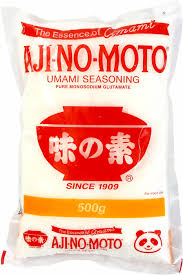
AJINOMOTO
MSG is one hell of a flavour builder, bringing that much sought after mouth filling, umami quality in its purest form. Those claiming it causes headaches are probably also calling COVID-19 the ‘China Virus’ and are best ignored. Instead, used liberally, MSG can round off the flavours in a dish oh so succinctly. Ajinomoto is one of the most popular and available brands of it around.
CHOLULA CHIPOTLE HOT SAUCE
Smoky, spicy, fruity…we could enjoy Cholula chipotle hot sauce on pretty much anything, desserts included. This one is 100% vegetarian and vegan, but loses none of its swagger for being plant based. Particularly good over easy eggs and coriander, or with your avocado on toast. Just don’t tell the boomers.
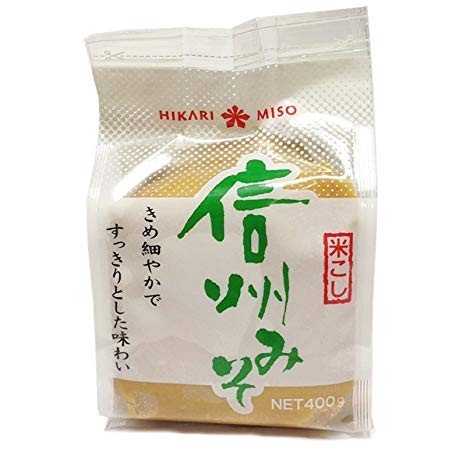
HIKARI WHITE MISO PASTE
Another bringer of serious savoury notes, white miso paste (fermented soy beans) brings a useful balance of salty and sweet, and a whole lot of oomph to soups and dressings. Indeed, it’s one of the most efficient ways of adding depth to a dish lacking that je ne sais quoi. White miso also comes into its own in marinades.
And the best news? It’s incredibly good for you, providing the gut with beneficial bacteria by the bucketload.
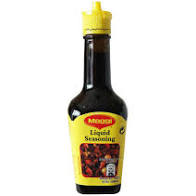
MAGGI LIQUID SEASONING
Doing its best to end the negative connotations of the name Maggie, this glorious seasoning sauce beloved of Southeast Asia and the Caribbean is a wonder worker when deployed with restraint. Just a few drops have been known to lift all manner of dishes, from braises and casseroles to soups and stews. Go get it!
TAMARIND WATER
Anyone who’s splashed some aged balsamic in a pasta sauce or squeezed lemon juice over fish will know the lift that a little sour can bring. Think outside the box here, and inside the block, by making your own tamarind water.
So much more than a squeeze of lemon or lime, tamarind water also adds richness and astringency. This magic souring agent is beloved of the cuisines of Latin America, the Indian subcontinent and Southeast Asia, and works adeptly in both savoury and sweet dishes.
Simply buy a block of tamarind ‘pulp’ from your local Asia supermarket, mix with warm water and let sit, before passing through a sieve. Now you have a thick liquid which brings life and energy to so many dishes, particularly in salad dressings, curries and tart confectionary.
Yes, you read that right; 2023. As the British summer holidays draw to a close, school bags get packed, and parents begin to contemplate Christmas, our minds are already casting covetous glances at next year’s big plans.
Perhaps it’s escapism or a coping mechanism, considering the winter of discontent predicted here this year, but in the IDEAL household, the Skyscanner is already open and the search bar populated with enquiries far flung.
We’ve only one destination on our minds next year; Croatia. With its affordable flights and accommodation, gorgeous cuisine, stunning vistas, and relatively untouched charm, The Land Of A Thousand Islands has so much going for it.
If you’re on the same page as us (you are, we’re both on this one, at IDEAL), then you’re probably wondering how best to populate your Croatian itinerary. Here’s how; our 6 of the best places to visit in Croatia in 2023.
IDEAL For Sailing: The Dalmatian Islands
How does a luxury Croatian cruise sound? Well, aside from the clumsy alliteration, it sounds rather special, don’t you think? Indeed, the Croatian Adriatic coast, comprising the Istrian Peninsula (Istra), Kvarner Gulf, and Dalmatia (Dalmacija), has become hugely popular in recent years as a sailing destination and it’s easy to see why.
The extraordinary beauty of the Dalmatian Coast, in particular, and its thousands of adjacent islands, attracts well-heeled visitors from all over the world each year, keen to explore them by boat and appreciate the views from a seafaring vantage point.
If you’re keen to do the same, then start your cruise from the Port of Split, Croatia’s second largest city. From here, it’s a less than two hour journey on the water to the islands of Hvar and Brac, and a little longer to the gorgeous Korcula, all of which are stunning and unique in their own way. We’re stopping off at Hvar for a quick drink next, in fact…
IDEAL For Acclaimed Croatian Wine: Hvar
Hvar, known as the Queen of the Croatian Dalmatian islands, mixes serene beauty and sophistication with a vibrant, revelrous nightlife. Could there be a more perfect mix?
Here, the local wine is exceptional. In fact, Hvar is the island of Croatian wine, with the strong sun and wind combining for ideal grape growing conditions and the production of quality wine. The island is home to the oldest Plavac Mali (an indigenous grape to the Dalmatian region) vineyard in the country, perfect for raising a glass in picture-perfect surrounds.
Hvar is equally famous for its lavender, which thrives due to the island’s year round sunshine. You can find lavender flavoured ice cream pretty much everywhere on the island, its floral and herbaceous flavour just lovely when the weather is heating up. To see the purple fields for yourself, rent a scooter and follow the island’s lavender scented trails… You might even find a lavender flavoured wine during your visit!
IDEAL For Adventures: Velebit Nature Park
Mount Velebit is Croatia’s largest mountain range, and its surrounding national park (stretching for over 2’000 km²) makes for an incredible destination for a whole host of adventure sports, both on terra firma and in the park’s wild, fast moving, and unpredictable rivers.
Not for the faint of heart, the wild river kayaking route down the Zrmanja River is framed on either side by gorgeous forest and punctuated by rapids and waterfalls, showing visitors a very different side of Croatia – and one that’s UNESCO protected as a World Biosphere Reserve – compared to the more familiar images of harbours and sailing boats you’ll traditionally find in travel magazines.
Don’t worry if this sounds a little terrifying; there are some more sedate stretches, particularly at the beginning of the course, with no experience strictly necessary. You do need to know how to swim, though. The route concludes in the picturesque Muskovci village, where a change into dry clothes and a hearty feed awaits!
IDEAL For A City Break With Beaches: Split
We’re heading back to the coast now, enjoying a scenic two hour drive south from Muskovci and making for Split, the best place in Croatia to combine a city break and some beach time.
Bacvice is the closest beach to the heart of the old town and perhaps the best swimming spot in all of Split. While its shallow waters get pretty busy on hot, humid days, that also means it’s a place full of life, youth and spirit.
Here you’ll see people playing Picigin, a traditional ball game that was born in Split. It’s played in shallow water and while we’re not well versed in the complex rules, the aim is to stop the ball from touching the water, and you’ll find people doing so with acrobatic flair.
If you’re keen to continue that people watching, take a stroll down Split Riva, just a kilometre from Bacvice. This promenade, which lies on the south side of the Diocletian palace, is perfect for a morning coffee or sunset stroll. Lined with palm trees and benches, cafes and restaurants, and looking out over the peaceful turquoise waters of the bay, it’s as close to heaven as you’ll get on land.
IDEAL For Cosmopolitan Culture: Zagreb
We couldn’t visit Croatia without checking out its capital Zagreb, though this isn’t simply a box ticking exercise. The country’s largest city is a vibrant, modern place with plenty of cultural clout and historical intrigue.
Nominally divided into the historic upper town and the more modern lower town, the former is where you want to head for twisted, cobblestone streets and gorgeous medieval architecture, much of the most intricate and interesting of which is focused around Jelačić Square. It’s here that you’ll find many of the city’s best restaurants, too.
Don’t leave the city without checking out Tkalčićeva Street, a charming strip where locals go to unwind after dark with a rakija or two.
IDEAL For Seafood & Sunsets: Dubrovnik
Speaking of restaurants and bars, Dubrovnik, famed for its enchanting Old Town encompassed by mediaeval walls and the stunning backdrop of the Adriatic Sea, is arguably Croatia’s culinary capital.
The cuisine here is a blend of Balkan, Italian and Mediterranean influences, and the city is a seafood lover’s paradise. Here, you’ll find platters of grilled or fried seafood piled high in nearly every restaurant; the calamari and lightly floured then fried whitebait in this part of the world is arguably the best you’ll find just about anywhere.
Dubrovnik’s sunsets aren’t exactly bad, either, and if you can get a table at one of the restaurants overlooking the Adriatic, then you’re in for a treat. Restaurant 360º is Dubrovnik’s only Michelin starred restaurant and boasts panoramic views which give it its name; dine on some seafood and catch a sunset here, and you may well feel like your life (or, at the least, your trip) is complete.
And that feels like a great time to end our tour of Croatia. We’ll see you there next year?