
Home Blog Page 160

A Brief(ish) History Of Air Jordans

A new luxury trainer business has just set up shop in Leicester with the aim of drawing in the “sneakerheads in droves”. Indeed, just yesterday Solsneaks opened its doors on the lower floor of the Highcross shopping centre, and a peak inside reveals some very expensive kicks, indeed.

Leicester Mercury reports that “The store is selling high-end and limited edition trainers, including Yeezys, a collaboration between Adidas and Kanye West, Nike Dunks, and Jordans, which were first produced by Nike for basketball star Michael Jordan in 1984. Luxury label Dior designed its own pair of Jordans – priced at a whopping £7,500 – making them the shop’s most expensive pair of shoes.”

It’s those latter kicks that are still the headline act when it comes to such luxury shoe shops. In the past year, the Jordan brand has made Nike over $5 billion. Michael Jordan himself earns $150 million per year from the brand, and with over 35 pairs of Jordans available in multiple colourways, it’s safe to say that this is one of the most recognisable shoes around.  

But how did Air Jordans become so popular? And what made them transcend their status from basketball shoes into some of the most sought-after collectibles?

The key to understanding this is knowing the history of Air Jordans. So if you’re ready to learn more about your favourite sneaker, let’s dive in…

1984-1985: Humble Beginnings

At the start of his career, Michael Jordan had just graduated from the University of North Carolina and was drafted by the Chicago Bulls. He had already made a name for himself at his university, winning NCAA championships.

So, when he signed with Nike in 1984, the company paid him $500,000 a year. This was the most they had ever paid a rookie player for an endorsement deal. And if you’re wondering, “what are Air Jordans?”, they’re the sneaker line that came with this endorsement. 

So who made Air Jordans? The answer is in Peter C Moore, a former architect-turned-sneaker designer. He sketched the first Jordan design on the back of a napkin. Moore noted how Jordan seemed to “fly” through the air when he played. He decided to combine this image with a basketball logo featuring wings. 

And for the first Jordans, Nike decided to make them white, black, and red. The only problem? The NBA had very strict rules and only allowed white sneakers.

Jordan wore his shoes anyway, netting him a $5,000 fine every time he wore them on the court. 

And instead of changing Jordan’s shoes, Nike realised that this was a perfect marketing strategy. They paid the fine and assumed that this ‘controversy’ would make the shoes more popular.

And boy were they right! Nike sold almost 3 million pairs of Air Jordans in 1985. 

1988: Tinker Hatfield’s Legendary Designs

Following the success of the Air Jordan I and II, Nike brought on a new designer. Tinker Hatfield, a former architect, would go on to create over two dozen Air Jordans over the coming years. These designs would continue to inspire basketball shoe designs today.

Hatfield’s first design for the Jordan brand was the Air Jordan III. Before this shoe, basketball shoes were just seen as regular sports shoes. In other words, they were nothing fancy.

But Hatfield wanted to add an element of luxury and uniqueness. So, he and Jordan (who was a lover of luxury) went on a search to find the best leather for the shoes. They ended up using an elephant print overlay on the shoe’s upper for the Jordan IIIs.

This design element sparked many shoe trends and would periodically make its appearance on future Jordans. 

Another unique design element that Hatfield introduced was the iconic Jumpman logo. Hatfield also introduced the visible Air-Sole unit in the heel of the shoe. 

The power they gave Jordan in his games added to the popularity of the Jordan IIIs. While wearing the shoes, he averaged 35 points per game all the way to a fourth (straight) all-star game. From there he went on to earn MVP and two Slam Dunk titles twice in a row.

The 1990s: MJ’s Retirement and Return 

The 1990s started out strong for Nike with the release of the Air Jordan V. These shoes were another Tinker Hatfield design, and they embodied Jordan’s aggressive play style.

The shark tooth design on the outside of the shoe drew its inspiration from WW-2-era fighter planes. Returning from previous designs were the visible Air-Sole and the embroidered Jumpman logo. It was also the first time purple and emerald appeared together on a shoe.

Other notable sneakers from the 90s were the Jordan VI, which featured the numbers “2” and “3” (Jordan’s uniform numbers), and the Jordan VII, which was one of the lightest basketball shoes at the time.

Despite the Jordan brand’s success, Jordan himself shocked the world when he retired from basketball in 1993. While he returned a few years later before retiring for good in 2003, he continued his line of Air Jordan shoes.

Read: 4 men’s shoes must haves for S/S 2022

2000s To Present-Day: Building a Legacy

After Jordan rejoined the Bulls in 1995, he wore the Jordan Xs on the court. These Air Jordan sneakers came in the Chicago colorway, which was the sleekest design yet. The Xs featured simple, clean lines and light cushioning built from Phylon lightweight foam.

These Jordans also came in 5 colorways, which featured the colour schemes of 5 NBA teams and their cities. These were:

  • Chicago
  • Orlando
  • New York
  • Sacramento
  • Seattle

These colourways (and the Jordan Xs) are some of the most popular Jordans ever created. They’re in-demand collector’s items that can sell for thousands of dollars.

Throughout the 2000s and 2010s, Tinker Hatfield continued to design more Jordans, each more innovative than the last. These included technologies like full-length Zoom Air cushions, custom performance weaving, and a carbon fibre control plate in the midsole.  

Nowadays, Jordan Sneakers have even more innovative designs because of their various collaborations. These include collaborations with famous design houses like Christian Dior. This collaboration resulted in the luxurious Dior X Air Jordan 1 High.

Other collaborations include musicians like Drake, NBA players like Luka Doncic, and even Spider-Man! These collaborations have helped Jordans branch out and reach thousands of new fans worldwide.

The Bottom Line

Air Jordans are some of the most iconic and popular sneakers in history. 

While they started out as regular basketball shoes, the history of Air Jordans shows how much they’ve evolved over the years.

Today, there are countless different colorways and collaborations that make each pair of Air Jordans unique. So whether you want a comfortable pair of kicks or a beautiful collector’s item, there’s a pair of Jordans out there for you. 

8 Of The Best Things To Do In Monaco, Whatever Your Budget

0

Planning a trip to the continent, but you’ve already ticked off La Sagrada Familia, scaled La Tour Eiffel and looked down on il Colosseo? Well, for something a little more unique, have you considered the world’s second-smallest country, Monaco?

Located on the French Riviera and with France bordering the country on three sides, it is the most densely populated sovereign state in the world, with a population of over 38,000 according to a 2016 estimate. 

Yep, we said it was small; Monaco has a total area of only 2.2 square kilometres, making it roughly the same size as New York’s Central Park. This means that travellers can easily explore every nook and cranny of the tiny country in no time. Despite its size, there’s plenty to keep you occupied; here are 8 of the best things to do in Monaco, whatever your budget.

Live The Life Of Luxury

Situated right at the heart of Monaco, Monte Carlo is the unashamedly exclusive and ostentatious playground of the rich and famous. Private helicopter services are available from countless nearby cities such as Nice, which can fly you to your resort or onto the deck of an awaiting superyacht. Luxury road transfers from nearby airports are an option, but they don’t compare to the truly spectacular view over Monaco you’ll enjoy with a bird’s eye view of things.

For a mere £12,000 or so per night, you can experience one of the most famous and luxurious dwellings on the continent. Guests at the Hotel Hermitage, for instance, are treated to their own private elevator, a private terrace with magnificent views over the bay, three bedrooms, three living rooms and a 24/7 butler service.

And in the evening, to see and be seen, an unforgettable night on the town is guaranteed at Jimmy’z, which attracts A-listers from all over the world. There’s no specific dress code or pricing policy, as this luxury venue has a habit of making things up as it goes along. Indeed, getting through the door in the first place is an achievement. You can worry about your wallet once you’re inside.

The life of Luxury in Monte Carlo
Photo by jennieramida on Unsplash

Play Blackjack At Monte Carlo Casino

This is arguably the most luxurious casino experience on the planet and one which puts the sass in spectacle. Housed in (surprise, surprise) exclusive Monte Carlo, the stunning landscape that surrounds it seems to set the tone for decadence and a little debauchery, too. A huge gambling and entertainment complex, and so much more than just a place for bets, this one. 

It’s so iconic, in fact, that the Royale-Les-Eaux Casino in famous Bond flick ‘Casino Royale’ is based on Monte Carlo’s grandest structure. What’s more, it has been used as a location in GoldenEye and Never Say Never Again. Unlike many casinos desperate to lure you in with offers of freebies and entertainment, MCC retains a more exclusive air; there’s an entry fee and further charges to gain access to private rooms. As befits a casino of such overstated elegance, a dinner jacket must be worn after 8pm. Before you head for Monaco, brush up on the best blackjack strategies (the most popular game here) if you’re going to stand a chance against the world’s best.

Admire The Prince’s Palace

Unlike many other palaces around the world, this one is unique in that it is still a private residence. Home to what’s said to be the world’s oldest monarchy, the Prince’s Palace was built way back in 1215. One of the biggest tourist hotspots in Monaco, there is much to soak in here. 

Go there to admire the beauty of its massive rooms, with marble floors and majestic artwork. Learn about how the palace was originally a fortress and came to become a Renaissance structure. There are also open-air concerts held here.  

Visit The Oceanographic Museum

If gawping at either celebs or princes sounds a little tiresome, then why not instead enjoy the spectacle of marine life in full flow at the Oceanographic Museum. True to the form of a place which knows no limits, here, if it fits in the tank, they’ve got it.

So, that’s sharks, sea urchin, sea turtle, stingray, stonefish…basically, if it begins with S, you’ll find it. Only kidding, there’s also piranhas, moray eel and so many more besides (over 6000 species, in fact). But it’s not just animals of the deep that’s impressive here; there’s also a museum devoted to sea exploration with exhibitions housing some truly unique pieces.

Visit The Cathedral Of Monaco

An imposing structure with a striking white stone facade, the Cathedral of Monaco has been around since 1884. If the architectural facade is not enough to draw you in, there are plenty of other reasons to visit the cathedral. 

Besides holding the tombs of Monaco’s royalty, it has an altarpiece that dates back to 1500. An Episcopal throne made of Carrara marble is also worth seeing. Last, but not least, there is the religious service, at which time the grand organ comes into play.

Stroll Through The Jardin Exotique

For such a beautiful part of the world, we seem to have been spending a lot of time indoors. Let’s change all that. The Jardin Exotique overlooks the Med and offers stunning views, with the garden itself clinging to a cliff edge (in the safest possible way, of course). Most proudly displayed are over 1000 different types of cacti and succulent, some dating back over three centuries. With entry at just €7.20 for adults and €3.80 for children, this is somewhere you’ll actually find good value in the principality.

Do be aware that the Jardin is closed for the remainder of 2023 in order for some much needed to be carried out.

Take A City Bus Tour

Whilst it may not quite match cruising round the city in a Ferrari, if you want a great introduction to Monaco then the Hop On-Hop Off Bus Tour is the one for you. The budget friendly double-decker bus tour ticks off almost all the sightseeing you want to do. It stops at 20 places through the city’s centre, marking off sights like the aforementioned Oceanographic Museum and the Prince’s Palace. 

What’s more, visitors can literally hop on or hop off at any stop on this bus ride. This gives you a chance to explore the sights you really want to see and skip the ones you do not.

Indulge In Ice Cream At Pierre Geronomi

If you’ve worked up a sweat traversing the 0.8 square miles of Monaco, then you might want to stop off (or seek out) Pierre Geronomi, one of the world’s finest purveyors of ice cream and sorbet, for a little refreshment.

The famous Corsican whips up some of the best cold stuff we’ve ever set our teeth on edge to, with flavours ranging from the conventional but delicious to the hugely inventive and still, you guessed it, delicious.

We love the green tea sorbet here, but equally, the pine nut ice cream is an intriguing, textural delight. Cakes and pastries are also sold, meaning you certainly won’t leave here hungry or hurriedly.

Discover Monaco By Boat

It would be a pity to visit the seaside city without a boat tour of the beautiful surrounding locales. You have choices from ferries and speed boats to luxury catamarans for this trip. Well known landmarks like the Port Hercule, La Condamine and Monte Carlo can all be seen on this boat ride. You can also go further to the unmissable French Riviera, which is, incidentally where we’re heading next. Care to join us?


5 Ideal Ways To Save Money (& The Planet) When Buying Clothes

Perhaps the largest misassumption that exists about fashion (and there are a fair few) is that it requires deep pockets. No, we don’t mean that ‘deep pockets’ are bang on trend right now. But rather, that huge sums of money are required to be considered fashionable.

Nothing could be further from the truth. And in 2022, when the focus falls ever more urgently on reducing our waste (of which fashion is one of the planet’s biggest contributors), it’s never been more important to spend less on new clothes and accessories.

Fortunately, destroying the planet is decidedly unfashionable. On the flipside, thrift, make-do-and-mend, upcycling and repurposing have all gained traction in recent years, both as a lifestyle choice and as an absolute necessity.

That doesn’t mean you can’t add any new clothes to your collection. If you’re wondering how to shop more smartly and buy clothes at a discount price, saving money and the planet, then we’ve got you covered…

Buy Used

There are so many charity shops out there brimming with brand names, especially ones in more affluent areas like Clapham Junction and Kensington High Street in London. When you have fickle citizens and rapidly changing styles, stuff gets thrown out with regularity, and charity shops reap the benefit. Go figure.

Vintage outlets are also a treasure trove, selling carefully curated second-hand garments that don’t cost the earth. Why not take inspiration from the movie Pretty In Pink where Andie took it upon herself to shop at thrift stores and put together outfits of her own creation each day?

For those who want to go on a cheap shopping spree for unique items, there is no better place to go than a kilo sale. You can usually buy your weight in vintage clobber at these retro shopping fairs and pay as little as £15 for 1kg of clothes – bargain.

Photo by cottonbro from Pexels

Search For Bargains & Use Coupons

Speaking of bargains, be savvy and keep an keen eye open for promotions, sales and sample sales.

Subscribing to email alerts is a well known way to get the best deals direct from retailers. Google Alerts also has such a gold mine of opportunity to it. Go to “Google Alerts” and type in the alert you want (for example, ”Birkenstock sale”), enter your email address and click ‘create alert’. You’ll now get an email every time Google finds a new occurrence of your phrase and be in the know about all the latest sales and bargains out there.

Alternatively, and even more streamlined in its delivery, Google’s ‘track price’ toggle works in a similar way, both giving you daily price updates on your desired products, and alerting you the moment they go on sale.

You can also find coupon websites offering discounts online for all manner of designer brands. Whether you’re looking for savings on Old Navy clothing, deals on Timberlands or cut price Calvins, a quick Google search will reveal a whole host of websites offering discount codes and printable vouchers.

That said, it’s important to be aware that not all of these sites are trustworthy. Be sure to check reviews before using any coupon site, as there have been instances where people have been scammed by fake offers, which promise savings but delivering spam. Be particularly wary of those you see circulating on social media.

Photo by mentatdgt from Pexels

Learn To Love Your Own Wardrobe Again

According to Marie Claire, we only use around 40% of our closets. You can pretty much guarantee that there will be many an item lurking at the back of your wardrobe that you’ve simply forgotten about. Indeed, most women’s wardrobes are full to the brim and sometimes it’s hard to see the wood for the trees.

So spend some time going through your wardrobe and reacquaint yourself with your long forgotten items. And if there is nothing you like, it’s not all doom and gloom – consider selling them and buying something you will actually wear with the profits. You might want to consider using an app such as Vinted or OpenBazaar to facilitate these sales.

Wait For Stores To Offer Traditional Discounts

Sometimes in the pursuit of more modern forms of discount – such as coupons or price drop alerts – we tend to forget that there are traditional times of year when pretty much every store offers huge discounts, making it the perfect opportunity to refresh your wardrobe.

These are some of the most common times…

  • The end-of-the-season sale: This is when stores are trying to get rid of all their winter clothes to make room for the spring collection. You can find some amazing deals on clothing, shoes, and accessories during this time.
  • The holiday sale: Stores offer discounts leading up to big holidays like Christmas and Easter. This is a great time to buy gifts for yourself or others.
  • The clearance sale: These sales happen when a store is discontinuing a certain item or line of clothing. You can find some great deals on items that are still in good condition but no longer being sold by the store.
  • The Black Friday sale: This is one of the biggest sales of the year and happens the day after Thanksgiving in the US. Many stores offer discounts on a wide range of items, including clothing, and in recent years, this trend has moved both to the UK and online.

Know Your Best Colours

Learning which colours look good on you is key to saving money on your fashion needs. By doing so, you won’t be tempted to spend money on clothes that you’ll probably never wear, keep your impulse shopping at bay. By having a particular colour palette that becomes ‘your own’, you’ll not only reduce the prevalence of those one-off purchases that only end up gathering dust, but it will be easier to match items of clothing in your collection to form a fully-fledged outfit.

All of this reduces the need to further splurging on clothes, which is why you came here in the first place, right? And with a cyclical approach adopted to both this article and your fashion, we think it’s a good time for us to say goodbye!

5 Reasons Office Art Matters (& How To Choose The Right Pieces)

Art has the power to inspire and evoke powerful emotions. While some may relate office art to cheesy inspirational posters and cheap aluminium frames, research has shown that carefully chosen artworks can actually benefit your employees, leading to better mood and physical well-being, and even improved productivity performance. 

That’s why so many companies are ditching the bland, beige decor in favour of artworks that add to the mood and ambience of the space or even having custom office art printed. As a result, office spaces are a blank canvas and the perfect place to display an art collection with the added benefit of improving your workforce. After all, you can’t have a successful business without a dedicated workforce behind you.

It May Increase Productivity

One of the most significant benefits of incorporating art into your workplace is the measurable boost in productivity. Psychologists like Dr Craig Knight have shown that employees are up to 30% more productive and efficient when surrounded by artworks. While you may not be an art aficionado, it’s clear to see the monetary benefit of a more productive workplace. 

Dr Knight explains, “When people feel uncomfortable in their surroundings, they are less engaged – not only with the space but also with what they do in it. If they can have some control, all changes and people report being happier at work, identifying more with their employer, and being more efficient when doing their jobs.” 

Colour in your office art can also affect your employee’s productivity. The colour blue is one of the most productive colours and encourages intellectual stimulation and relaxation. Yellow artworks are also a good choice as they foster feelings of positivity and happiness.

Communicate Brand Identity 

Most workplaces are quite unmemorable—a labyrinth of cubicles all in the same shade of beige and little natural light. Incorporating artwork through your office can help to clearly communicate your brand identity and company culture in a non-verbal way.

For example, a business with an office decorated with bold colours and unusual artworks will likely be perceived as young, progressing and operating less conventionally. On the other hand, a company based in a historical building and displaying traditional paintings in ornate frames are more likely to be seen as an established heritage brand. 

Either way, you can use digital printed posters to create a unique and eclectic look or opt for original pieces from local artists to showcase your company’s support for the community. Whatever you choose, make sure your office art reflects the values and personality of your brand.

Reduce Stress

We all experience stress, and the workplace is no exception to that. A recent UK-wide stress survey conducted by the Mental Health Foundation found that 74% of adults have felt so stressed they felt overwhelmed or unable to cope. High pressure in the office can quickly make the workplace a stress trigger; people can get cognitively overloaded, especially after doing prolonged hours of highly-focused work. 

One way employers can help their employees reduce their stress in the workplace is by co-oping hospitals’ rehabilitative properties of art. Artworks, especially natural scenes, are proven to reduce stress, lower levels of anger, and boost brain performance.

Encourage Creativity

Most of us sit at our desks, blankly staring at a computer screen for most of the day; sitting all day staring at white walls and a digital screen isn’t the best way to encourage creativity. However, having visually stimulating artwork to look at in the office is a great way to foster abstract thinking, interpretation, and curiosity, the seeds of that creative spark that makes your work a success. According to the British Council for Offices, more than 60% of employees consider artwork inspirational and a tool for increasing creativity.

Start Conversations

If you’re looking to work on the way to open dialogues and encourage more interpersonal interactions between your employees, an excellent place to start is by installing a visually engaging artwork. The artwork’s colours, medium and even placement, can help bolster discussion. Employees who talk and interact casually tend to be more cooperative and open to differing perspectives. In the workplace, artwork can help employees feel more collaborative and connected

Choosing Suitable Artworks For Your Office

So, now that you know some of the benefits of including artwork in your office, how do you choose? The art world is vast, and so many styles can be selected! First, before you do anything, stop to consider your space. What size artworks can your walls accommodate? 

Next, take a look at your branding. 

Are there any colours or themes running throughout your branding? Consider how you can incorporate these into your decor. Next, think about the message you want to convey. Inspirational posters may fit the cubicle, but maybe not an investment bank. If you’re going to play it safe, select works with moderate visual complexity, such as impressionist paintings or landscapes. 

According to research, representational or figurative art is better received than abstract works, possibly because most viewers prefer to “understand” artworks. Whatever artworks you choose, make sure they represent your company and its values.

Equally as important to office wellbeing is the flow of natural light. Fortunately, we’ve got that covered too; check out these tips on how to boost the natural light in your home office and let the good times roll!

7 Ideas To Make Your Bedroom Look More Spacious

You know the old saying, that ‘small is beautiful’? Well, tell that to the person sleeping in a room with barely enough to swing a cat. Sure, we’d all love a little more, but when things are compact, close and cosy, it’s only natural to seek solutions. And seek you shall, because you’ve come to the right place my friend; our 7 ideas to make your bedroom look more spacious.

Light Coloured Walls

When it comes to bedrooms, it is always better that you keep your wall tones and hues on the more mellow side of the colour palette. And that’s a place we simply love to hang out. While dark colours can be striking and give a luxurious air, for smaller rooms it’s better to stick to pastels and other light colours, reflecting brightness and giving an impression of roominess.  

Darker colours usually absorb light, which makes your room look smaller. Light colours, on the flipside, reflect the light. Go further and colour code your bedding with your walls. A matching pillow or duvet would definitely make your room look succinct and spacious. 

Space-Saving Furniture

When it comes to furniture, we usually look for the best-looking, aesthetically pleasing, with scant regard for how it actually fits within the space. While there are multiple options to choose from when coming to a decision, it’s highly advisable that you prioritise space-saving furniture if you’re short on space.

Multi-purpose furniture is a great investment and it also helps save space in such a way that your room looks bigger. As the guys at Archers Sleepcentre tell us, storage spaces that come housed within your bed frame, dressers that fold into side tables, trunks that provide seating and storage at the foot of the bed, are all great ways to save space and also keep your belongings cleanly out of sight. 

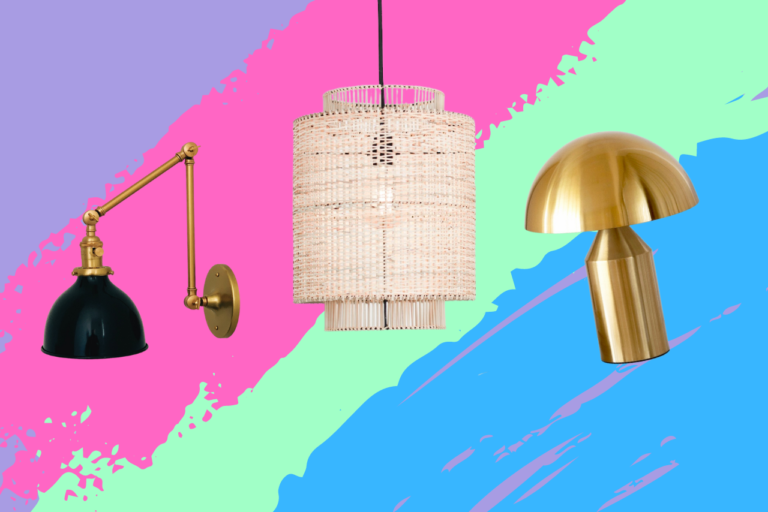
Another way to save space is by using a small, simple stall as a bedside table and hanging your bedside lights on the wall. Indeed, setting up wall lights such as wall sconces or pendants on either side of the bed frees up valuable floor and bedside table space in smaller bedroom set-up

Similarly, TV beds represent another smart way to save space in the bedroom. By combining television and a bed in one design, this space-saving furniture can help you make the most of a smaller living space without any compromise on style or comfort. It allows you to enjoy cosy movie nights in bed, maximising your interior décor with its dual-purpose display. Not only do TV beds add aesthetic value to your bedroom but they also give you an underestimated level of luxury, even if you’re living with limited space.  

Read: Ways to add more wardrobe storage space to your home

Think Outside The Bed

The bed is, of course, the focal point of the bedroom, hence the name and all that. But why not get creative in this most stagnant of features? Using a folding futon rather than a bed is a great way to get yourself a sofa during the day, as well as a bed during the night.

Murphy beds that actually come out of the wall are also a great way to maximise the floor space you need while slinging up hammocks is also a great way to lounge in your bedroom without taking up floor space. This elevation allows you to have a sofa, desk or chest of drawers underneath.

Alternatively, Ottoman beds are the kings of storage and can allow for additional pieces of furniture to store your belongings. Or, if you find you have no room to expand outwards, then instead look upwards and consider a loft bed that rises from the floor and is supported by four pillars.

Bespoke Furniture

The primary problem with freestanding wardrobes that you get from the store is that they’re simply not economical with space, whichever way you look at them. There’s all too often unused, unusable space around the wardrobe’s peripheries, and in bedrooms not blessed with lots of capacity, this can feel pretty wasteful. Fitted wardrobes, on the other hand, are an oh-so-simple way to boost your storage space, as they make use of every available centimetre. 

It’s not just fitted wardrobes that save space. Floor to ceiling bespoke shelving, and neat, vertical cupboards are both additional great ways to maximise space in a compact room. More streamlined than freestanding storage, built-in furniture designed specifically for its room helps to put every single centimetre of space to use. 

Built-In Shelving Around Your Bed

This is one of the most efficient ways to ensure maximum space, accessibility, and comfort in your bedroom. Because built-in shelving, shaped around the bed, not only gives you more space but also makes it seem as though the walls have enough depth, too. Built-in shelves are a great way to keep yourself organised, as well, keeping the space-sapping clutter at bay, but that’s not all; decorating your bedroom will be much easier minus the barriers and obstacles that mess presents.

We particularly love the Tiny Home Bed featured in Dezeen recently, where “graduate Yesul Jang has designed a bed with storage capacity for millennials with limited space in urban dwellings. The furniture piece features a raised bed with a storage space under the mattress covered by a fabric curtain.’’

Mirror, Mirror On The Wall 

Adding mirrors in your room against a bare wall is perhaps the ultimate interior design hack when looking to achieve a sense of roominess. This is because a cleverly angled mirror will help create the illusion of depth, height and light.

Optimally, it is best if you keep your mirrors floor-to-ceiling, should you have the vertical space to play with. Moreover, when it comes to mirrors, choosing a cupboard with an attached mirror kills two birds with one stone.

Consider also installing stylish mirrors with built-in storage to really maximise both the appearance and the actual presence of more space. Apartment Therapy suggests “floor-length mirrors that turn into mini clothing racks, and decorative bedroom mirrors that become secret jewelry armoires”.

Read: The best ways to allow more natural light into your home

Declutter

You can’t get your bedroom looking tight and tidy when you have piles of unused clothes, books and other ‘stuff’ everywhere. You need to look at the items that you’re storing in your bedroom and figure out where else they could go – the recycling centre, eBay and the bin to name but a few!

Be ruthless here; there’s no use in just moving items from one room to another. As Marie Kondo opines, if it doesn’t bring you joy, get rid.

The Bottom Line

Keeping your bedroom simple and balanced is the key to maximising the space within. Storage solutions, neat shelving and a general obsessive approach to organisation within your bedroom is the best way to keep things clean and roomy. Tidy room, tidy mind, and all that. 

7 Simple Ways Of Organising & Prioritising Your Home Maintenance Tasks

A home is likely the largest investment you’ll make in your life, and like any other investment, it needs to be taken care of. You wouldn’t neglect your car or your computer if it was showing signs of damage, and the same should go for your home. 

Maintenance is key to keeping your home in top condition and avoiding costly repairs down the road, and today, we’re looking at simple ways of organising and prioritising your home maintenance tasks. Let’s dive in…

Get Organised

Create a home maintenance schedule and stick to it. This will help you keep track of what needs to be done and when. Organising your home maintenance tasks is a great way to avoid forgetting something important or letting things slide. 

You can use a physical planner or calendar or create a digital one using a program like Google Calendar. Whichever method you choose, make sure you update it regularly and refer to it often. Some things you may want to include in your home maintenance schedule are:

  • Quarterly: Clean gutters; test smoke detectors; check the expiration dates on your fire extinguishers; deep clean oven; vacuum refrigerator coils
  • Bi-annual: Flush water heater; inspect roof; clean dryer vent; test sump pump
  • Annual: Service furnace; service air conditioner; have the chimney cleaned

Of course, this is just a general list. You will need to tailor it to your specific home and needs. Also, be sure to add any one-time tasks that need to be done, such as painting the exterior of your home or power washing the deck.

Don’t Wait For Things To Break

Preventative maintenance is critical when it comes to your home. It is much easier and cheaper to fix something before it breaks than wait until it needs repair. For example, you should clean your gutters every quarter to prevent them from getting clogged and causing water damage to your roof or foundation.

You should also service your furnace and air conditioner annually, should you have them, to keep them running efficiently and avoid costly repairs down the road. There may be times you need emergency furnace repair or same day AC assistance if things start breaking down, and it’s essential to get issues fixed quickly instead of delaying them. Catching problems early can save yourself a lot of time, money, and stress in the long run. Additionally, you can avoid dangerous situations, such as a gas leak or a clogged chimney.

If you’re unsure how to perform preventative maintenance on your home, plenty of resources are available to help you. You can find helpful tips and instructions online, in books, or from family and friends. Additionally, many hardware stores offer classes on home maintenance.

Do Regular Home Inspections

In addition to your regular home maintenance schedule, you should also do periodic inspections of your home. This is especially important if you live in an older home or one that has undergone recent renovations. Assessments will help you identify potential problems to fix them before they become serious. Some things you should look for during your inspection are:

  • Cracks in the foundation or walls
  • Water damage
  • Leaks
  • Pests
  • Electrical problems

If you find any issues, make sure to address them as soon as possible. Ignoring a problem will only make it worse and more expensive to fix down the road.

Don’t Forget The Exterior & Garden

Your home’s exterior and garden are the first things visitors see, so it’s essential to keep them well-maintained. Regularly trimming hedges and lawns, sweeping paths and patios, and cleaning gutters and downpipes will help to keep your home looking its best.

If you have any outdoor furniture, make sure to clean and protect it from the elements. Be careful of using harsh chemicals on delicate surfaces like stone or brick – a power washer is usually all you need to keep things looking fresh.

And finally, don’t forget about your home’s drains. Blocked drains can cause all sorts of problems, so it’s essential to keep them clear. Once a month, pour a cup of baking soda down each drain, followed by a cup of vinegar. Leave for 30 minutes, then flush with boiling water.

Foundation & Roofing

Your home’s foundation and roof are two of the most important components, so keeping them in good condition is essential. Check for cracks or damage regularly, and if you notice any problems, then the experts at Mainmark Ground Engineering UK emphasise the importance of calling in the professionals before irreparable damage is done to your property. 

It’s also essential to clean your gutters and downpipes regularly. Leaves and debris can build up, causing blockages that can damage water. So once a month, climb up on a ladder and remove any leaves or debris from your gutters. If you’re not comfortable doing this yourself, you can hire someone to do it for you.

Don’t forget about your home’s insulation. Insulation helps to keep your home cool in summer and warmer in winter, so it’s necessary to check it regularly. If you notice any holes or gaps, seal them with caulking or insulation tape.

Heating & Cooling

During the summer, it’s important to keep your home cool to prevent excessive heat and humidity from damaging your belongings. To do this, you’ll want to check your air conditioner and make sure it’s in good working order, if you have one, of course. You should also clean or replace your air filters monthly. In the winter, you’ll want to do the same thing with your furnace or boiler. Make sure it’s serviced regularly and that the filter is clean. The same thing goes for your fireplace and chimney!

Heating and cooling are two of the most important aspects of maintaining a comfortable home. Keeping these systems properly serviced can avoid costly repairs down the road. Though we’re currently in the height of summer, now is a great time to start thinking about getting your home ready for winter weather.

In addition to regular maintenance, having a reliable home warranty provider can provide extra protection for your system. For example, 2-10 HBW can cover your furnace, HVAC, and other appliances, helping with unexpected breakdowns or malfunctions. With a comprehensive plan, you can rest assured your home will always be protected.

Pest Control

Pests can cause all sorts of problems, so it’s important to keep them (and conditions that could attract them) under control. 

To help prevent pests from becoming a problem, start by doing a little housekeeping. Keep your home clean and tidy, and store food in airtight containers. You should also have your home inspected for pests regularly. If you do find pests in your home, there are several ways to get rid of them. You can use traps, baits, or poisons. You can also hire a professional pest control company to do the job for you. 

The Bottom Line

These are just a few things you need to do to maintain your home. By following this checklist, you can be sure your home is in good condition and that any problems are caught early. Home maintenance may seem like a lot of work, but keeping your home safe and comfortable is worth it. So don’t put it off any longer; get started on your home maintenance checklist today.

5 Of The Best Celebrity Chef Cookery Schools In The UK

Whether you’re hoping to become a professional cook, you want to know the difference between a brunoise and a chiffonade, or you’d simply like to add a new dish to your repertoire, there is a cookery school in the UK ready to meet your needs.

Whilst there are dedicated schools like Le Cordon Bleu and Ashburton Chefs Academy aimed more at budding professionals keen to master classical technique, for those keen for something a little more informal, Britain is blessed with several cookery schools fronted by celebrity chefs.

Here, the vibe is convivial, the teaching attentive, and the results at the end of the day delicious. With that in mind, here are 5 of the best celebrity chef cookery schools in the UK.

Rick Stein Cookery School, Padstow, Cornwall

Visit the gorgeous fishing town of Padstow on Cornwall’s north coast and you’ll notice the influence of celebrated fish chef and TV personality Rick Stein everywhere.

The chef owns no less than four restaurants in Padstow – The Seafood Restaurant, more than 40 years old, St Petroc’s Bistro, Rick Stein’s Café and Stein’s Fish and Chips – which, considering the size of the town at just over 10’000, makes Stein a pretty influential figure.

And yes, we’ve heard the one about ‘Padstein’, too.

Anyway, another part of the TV chef’s empire is the Rick Stein Cookery School, which has been open for more than 20 years on Padstow’s quay, boasting sea views and teaching keen homecooks about the art of seafood cookery.

The courses are a globetrotting affair, with many themed around Stein’s TV adventures; so, that’s a half-day course on his ‘Road to Mexico’ or a day of ‘Far Eastern Cookery’, if you’d like. You could also attend a single dish evening course, learning to make pad Thai with prawns or Indonesian seafood curry, for instance. Prices for those start at £45, with full days costing £198. Sign us up!

The Raymond Blanc Cookery School, Great Milton, Oxfordshire+

The iconic, amiable two Michelin-starred chef Raymond Blanc’s cookery school is housed in the same grounds as his acclaimed restaurant Le Manoir aux Quat’Saisons, with access to the famous kitchen garden that feeds the restaurant. 

These esteemed surroundings lead to courses that are driven by, in the chef’s words, ‘’ethical, environmental and seasonal values’’. Though chef Blanc isn’t always at the helm of the cookery school, his ethos of nurturing and mentorship is apparent in the detailed courses on offer here.

At Raymond Blanc Cookery School, you’ll be in the hands of head tutor Mark Peregrine, a talented chef with over 30 years’ experience. Courses are generally a full day (though longer courses with accommodation are offered) and cover a single discipline in commendable detail. Coming up in August are sessions on stocks and sauces, patisserie, BBQ and so much more. These daily sessions are priced at £385.

Interestingly, if you’re after something more immersive and intensive, run by the great man himself, then this month Raymond Blanc is hosting an ‘experience with Raymond Blanc‘ at the Alladale Wilderness Reserve in the Scottish Highlands. On this exclusive four day trip running from 25th to 28th August, the chef shares his knowledge and passions through a series of cooking demonstrations using the finest produce that the Highlands offers. 

Considering Blanc is a master of hyperseasonal, hyperlocal cooking, and the Scottish Highlands boasts some of the most revered ingredients on the planet (oh, the beef), this is a masterchef experience you don’t want to miss.

Read: The best knife sharpeners for chefs

Gordon Ramsay Academy, Woking, Surrey

Yep, we know what you’re thinking; pay £100 for a three hour session of being shouted at by the most sweary man on TV? No thanks!

Rest assured; that’s not how the Gordon Ramsay Academy does things. Instead, courses curated by the man himself are focused yet informal, precise and professional, and cover a vast range of topics and disciplines. 

So, it’s aprons on and knife rolls at the ready; most classes either run in the morning or afternoon, with attendees able to tuck into their creations for lunch or dinner after they’re done cooking. Coming up in August is a Beef Wellington Masterclass (one of Ramsay’s signature dishes), a session on the Taste of Spain, a pad Thai in 90 minutes, and an afternoon of vegan recipes, to name but a few.

School Of Wok With Jeremy Pang, London

In Stein and Ramsay’s cookery schools, you’ll find pad Thai being taught, sure, but if you’re looking for a deeper dive into the food of East and Southeast Asia, then it’s to the School Of Wok you should head.

Regular viewers of Channel 4’s Sunday Brunch and ITV’s This Morning will be familiar with the instructive, enthusiastic teachings of chef Jeremy Pang on all things wok related. Well, you don’t have to fire up the freeview to get the chef’s guidance; he also runs a dedicated space in central London, which is Europe’s only award winning Asian and Oriental cookery school.

The mantra here is ‘learn, laugh, eat’, and that’s exactly what you’ll get here, alongside a morning or afternoon class for £99 (full days are also sometimes on offer for £165) that focuses on a particular cuisine or dish. Coming up this month is an introduction to dim sum, a session on Thai street food, and a look at Chinese takeaway classics. Be warned; courses at School of Wok sell out months in advance, so you better be quick if you’re keen to master your East and Southeast Asian food tekkers.

Prue Leith’s School Of Food & Wine, London

Though Prue Leith’s School Of Food and Wine (or, simply, Leiths) is a more professionally focused affair, helping aspiring chefs hone their craft, the school does also host day sessions for the layperson to learn some new skills. 

Open since 1975 under the guidance of South African chef and now Bake Off judge Prue Leith, if it’s celebrity chefs you’re after, then Leith’s guest chef cooking classes, usually running from 10am to 2:30pm and costing around £165, will see you right.

This year, a pizza making class from Pizza Pilgrims, a taste of India session with chef Atul Kochhar, and a look at authentic Thai cookery with Som Saa’s Andy Oliver are just a few of the appealing classes on offer. Book early to avoid disappointment!

And once you’ve honed those skills, you might want to consider these chef’s workflow hacks to make cooking at home easier.

How To Feel More Energised: 7 Ideal Fatigue Fighting Tips

If you’re living in London, or any big city in the UK for that matter, no doubt you’ve seen (and identified with) that Floradix advert; you know, the one with the yawning woman which asks ‘are you tired of being tired?’.

Of course, it’s positioned perfectly to reach those who empathise the most, and with commuters tentatively returning in 2022, the advert feels more pertinent than ever.

No doubt a contagious yawn is voluntarily triggered. And no doubt you’ve considered an investment in Floradix, whatever it is. Instead of resorting to a supplement to help reduce the feeling of tiredness, why not try these first; our 7 IDEAL fatigue fighting tips, to help you feel more energised.

Better Your Bedtime

Sleep is the cornerstone of a healthy lifestyle, the thing on which your body is most dependent for its base level of energy. If you want to stay focused, sharp and productive during the day, then you need to work on your bedtime routine.

We’re not being presumptuous here; everyone could do with a little evening audit. A consistent, early turn in is key. Indeed, according to the Royal college of Psychiatrists, you should go to bed and get up at the same time every day. Doing so helps your body clock get into a strict, incredibly useful rhythm. 

What else? Well, a period of calm before bed, probably in a bath, possibly listening to a story, certainly not staring into the blue light of your phone (not even for IDEAL magazine) is also crucial.

Eliminating distractions from the bedroom really matters, too. Don’t bring your phone to bed (use an alarm clock, before you protest), remove the TV from your bedroom, and make time for downtime, such as meditation, prior to turning in properly. Check out our 5 IDEAL steps to the perfect bedtime routine for much of the same, but in a little more detail.

Less Caffeine

When we’re tired we drink coffee; it’s become an almost automatic reaction to counter any sense of lagging. Well, surprise surprise, counterintuitively, this default response can have a hugely negative effect on your energy levels. As a stimulant, caffeine will temporarily boost those levels, but the delicious drink’s relationship with fatigue is actually far more complex. Nope, it’s not the saviour we all believe it to be. 

Caffeine blocks adenosine, which regulates our sleep cycle and messes with that all important body clock routine we mentioned, and once the coffee wears off, a premature drowsiness is likely to set in. What’s more, it’s a diuretic, and dehydration leads to tiredness. Go figure. So, whilst we’re not suggesting you cut out the coffees entirely (you’re only human), it might be wise to cut back, particularly post noon.

If you feel like you’re dependent on an energising pick-me-up in the morning, then instead seek coffee alternatives and replacements, whether those are probiotic drinks like kombucha and yakult, unfiltered apple cider vinegar or chai tea.

Read: 7 morning coffee replacements to kick your day off right

…& Alcohol 

Boozing, especially when done heavily and with abandon, can be really disruptive to a good night’s sleep. While a nice glass of wine might be an enjoyable way to de-stress at the end of a long and hectic day, alcohol can have a negative impact on our rapid eye movement (REM) sleep, which is often considered the most restorative stage of sleep.

And though you may fall asleep faster after a couple of drinks, you’ll spend less time in your REM phase of sleep – meaning you’re more likely to wake up feeling unrested and drowsy. If you still want to enjoy a nightcap in the evening, make sure you only have one, and have it as early as possible (within reason, we don’t mean the morning here guys) to minimise the effects.

If you’re going out with friends, try drinking a non-alcoholic drink, but make sure it’s not a super sugary one, as this will also keep you awake and jittery longer than desired.

Get Moving

When you’re feeling tired, exercise is probably the last thing on your mind. However, according to the NHS, just a single 15 minute walk can give you a massive energy boost and set you up for tackling the rest of the day. If simply taking a stroll can do that, imagine how much extra energy you’ll get from a proper exercise each day.

Yep, this one is seemingly counterintuitive but actually self-actualising; the more effort you put into cardio based exercise, the more energy you’ll have later down the line. So, even if you’re feeling too tired to work out, break the mould, put in a little effort and reap the rewards.

Reduce Stress & Relax

Stress is a surefire way to use up all your energy; all that fretting does no good for your sense of vitality. So, although we realise this is somewhat juxtaposed with our previous advice to keep active, make sure you introduce relaxing activities into your day, not so much to ‘recharge’ as to fight off that energy sapper, stress.

Meditation is a great way to take a little time out, recalibrate and get ready to take on the world once again. Take a moment each day (well, a recommended ten minutes for meditating, actually) and feel those accumulative energy levels rise. Mindfulness is also suggested to improve concentration, focus and vigour; is there anything it can’t do?

Drink More Water 

Drinking more water is perhaps the easiest way to help fight fatigue. Staying hydrated boosts your energy levels as well as your ability to concentrate, and that’s what you’re here for, right? In the UK, it’s recommended that we neck between six and eight glasses of fluid each day, depending on activity levels and climate of course. Though there’s no denying that sometimes this can be difficult to achieve, there are ways to include water in your diet. Your energy levels will thank you for it. 

Change The Way You Eat

Your diet also has a huge impact on those energy levels. Try to make healthy food choices with foods that provide sustained energy, like those which are high in complex carbohydrates (brown rice, whole-wheat pasta, sweet potato, squash) and protein. Ensure you have a good breakfast every morning and eat little and often throughout the day to keep energy levels up and consistent. Iron rich foods, like spinach, liver, beans and nuts are also great for maintaining that vitality.

On the flipside, don’t rely on caffeine and sweets for a quick pick-me-up as the crash will simply be postponed rather than prevented. And food designed to make you feel full fast, particularly that evil stuff from even more evil fast food chains, will have you sluggish and slow soon after. Avoid these like the plague.

And with that, and because we’ve followed all these tips so scrupulously, we’ve gotta run. Goodbye!

7 Reasons To Go On A Tanzania Safari In 2023

Tanzania in 2023… It has a certain ring to it, don’t you think?

The travelling public seem to agree. After an understandably quiet 2020, tourism in Tanzania experienced an uplift of 50% last year, with the country seeing over 900’000 visitors in 2021. That upward trajectory is showing no signs of abating; in the first quarter of 2022, tourist numbers were up by a third on the previous year, with numbers expected to exceed pre-pandemic levels before 2022 is out.

This is, according to Tanzania Invest, ”due to the Government’s efforts to promote tourist attractions such as national parks, beaches, and Mount Kilimanjaro and game reserves”.

The government has every right to be proud of the country’s incredible landscapes and natural beauty; there are few places more immediately spectacular than both Tanzania’s Kilimanjaro National Park and Serengeti National Park, not only home to sprawling, spectacular scenery, but also an incredible diversity of wild animals.

Untamed and largely unspoiled, the best way to experience the country, the largest in East Africa, is undoubtedly on safari. If you’re still not convinced, then here are 7 reasons to go on a Tanzania safari in 2023.

To Experience A Different Pace To Life

First things first – why go on safari at all? Well, for those who have largely been grounded in the UK for the previous two years, kidding themselves that a back garden ‘staycation’ is as fun as a sojourn somewhere far flung, a safari represents perhaps the most refreshing change of scenery you could think of.

Offering a unique chance to get up close and personal with all manner exotic wildlife (not too close though) and more importantly, to support conservation efforts, the savannas of the Serengeti are about as far removed from #wfh, home schooling, social distancing, and all of the other COVID stuff we’d prefer to confine to the past, as it comes.

On safari in Tanzania you can take a complete break from the hustle and bustle of life and just luxuriate in nature. Everything is taken care of, including transportation, lodging and food. In Tanzania, life moves pole pole (Swahili for slow) and when you’re here, you can enjoy life at a slower pace, just as it should be. 

By Blueorangestudio via Canva

To Catch A Glimpse Of The Big 5 & More

Lions lounging in the shade, elephants frolicking in the water, giraffes galloping in the distance, cheetahs and leopards roaming around healthy herds of wildebeest, buffalo and zebra.

This pretty impressive picture we’ve painted all takes place in the the boundless grasslands of the Serengeti, the world’s biggest game reserve. It has the largest concentration and diversity of animals in Africa and is one of the easiest places on the planet to see all of the Big 5 –  the lion, African elephant, Cape buffalo, leopard, and rhinoceros.  

Another fail-safe place to spot elephants, giraffes and hippos, in particular, is Tarangire National Park. The sixth largest park located in Tanzania, covering about 1,100 square miles of land, and encompassing the Tarangire River, the park is a prime spot to witness wild animals since it’s the only source of water for them during the dry season in the region.

To Witness The Wildebeest Migration

If you get your timing right on your Tanzanian safari, you’ll even have the chance to see one of *cue David Attenborough narrating voice* the greatest spectacles on the planet – the wildebeest migration.

From the frenzied crossing of the Mara River in the north of the Serengeti in August and September, to the thousands of wildebeest calves born in February and March to the south on the Ndutu Plains, much of the annual migration cycle of the wildebeest happens in Tanzania.

To Peer Into The Ngorongoro Crater

Known as ‘Africa’s Garden of Eden’, the Ngorongoro Crater (one of the seven natural wonders of Africa) is a site to behold. A 12-mile-wide ecosystem within an ecosystem that was created by a volcanic eruption, this crater has some of the most fertile and rich grazing grounds in Africa, attracting wildlife galore – over 30’000 animals, to be exact.

If you’re taking in Tanzania’s northern safari circuit, then this route often combines the Serengeti with the Ngorongoro Crater, which increases your chances of seeing the big five. If you can, stay in a hotel on the craters rim for the most phenomenal views; certainly beats staring at the four walls of home, don’t you think?

To Scale Mount Kilimanjaro 

For those looking to take on a challenge to draw a symbolic line under the past two years of turmoil, scaling the ‘the roof of Africa’ would certainly represent an achievement. Don’t let the summit of 4000 feet, altitude of 18000 feet and a five to nine day climb put you off; there’s an amazing sense of accomplishment up there at the peak waiting for you.

Less than half of climbers actually make it, which makes the adventure all the more exciting. And if you view such excursion as torture rather than challenge, then don’t worry, the Kilimanjaro National Park has plenty to offer even at ground level. Elephant, buffalo and antelope roam in the Forest Reserve area of the park, meaning you’ll see action even if the ascent isn’t for you.

To Do Things Differently In Zanzibar

Oh, you thought the idea of a ‘safari’ was confined only to dry land? Think again!

Situated just off the coast of Tanzania, Zanzibar has it all; lush tropical forests with indigenous wildlife, white sand beaches and turquoise waters, and all of the wildlife conservation opportunities that come with such illustrious geography.

Using the island as a base, there are countless opportunities to take an ocean safari on a Zanzibari ‘dhow’ boat, snorkelling Zanzibar’s surrounding coral reefs and mangroves and looking out for its more than 500 species of marine life, including wild bottlenose dolphins, seahorses and crocodile fish. Wow!

Sounds kinda romantic, don’t you think? No wonder Zanzibar is considered one of the world’s hottest honeymoon destinations.

To Try A Diverse, Delicious Cuisine

The food of Zanzibar is a diverse, delicious cuisine worthy of the levels of hyperbole usually reserved for the country’s revered landscapes. Here, the grill is king, and you’ll enjoy some incredible barbecues under African skies during your safari here. Particularly popular is goat meat, served with plantain and the ubiquitous, nourishing ugali, a staple here made from cooking white maize with water until it forms a think paste.

Rather than keep you here (we have to admit, we’re getting hungry), let us direct you to our dedicated guide to the best local dishes to try in Tanzania. Prepare to be fed!

8 Reasons Why You Should Start Playing Chess Today

A game that has existed since the 8th century, chess combines competition with critical thinking as we attempt to best our opponents on the famous chequered board. 

Despite its illustrious history and reputation for being a slow-paced affair, chess has a surprisingly broad appeal; you only have to look at the success of Netflix’s The Queen’s Gambit to know that.

Today, chess is enjoyed by folks of all ages worldwide. Getting into chess is easy; look out for chess clubs in community centres, form a new group with friends or simply play online. Some even believe that the skills accrued playing – of foresight and planning, composure and cool-headedness – can be applied to life outside of chess, too.

And it’s those real-life applications we’re looking at today; more than just a game, here are 8 reasons why you should start playing chess.

Firstly, How Do I Get Into Chess?

If you’re a beginner, start by studying simple chess theory, learning everything about chess openings and practising basic board vision – that is, how the pieces interact with each other on the board, as well as the overall picture of what’s going on in the game.

Next, you may want to watch a few matches on YouTube or check out former chess master Leonard Barden’s weekly chess breakdown in the Guardian, which examines recent finishers in the world of professional chess – a real masterclass, make no mistake!

Finally, consider the help of an online chess tutor to brush up on the tactics and strategy needed to seriously master the game. Only then might you be ready to consider these reasons to start playing chess…

Chess Can Develop Planning And Foresight

To be successful, chess players must always think several moves ahead. This element of foresight can, of course, be applied to other areas of life, such as studying for exams or working on projects at work.

Chess players must learn to control their emotions and think clearly (hmm, should this be a separate point? Anyway…). By playing chess, you may develop the ability to maintain a calm head under pressure and make decisions based on reason rather than emotion.

Chess May Improve Memory And Concentration

Even chess novices need to remember the rules of the game, as well as the names and positions of the pieces. They also need to be able to visualise the board and all the possible moves. These skills can help improve your memory and concentration in other areas of life.

Memory and concentration are also crucial for keeping your mind sharp as you age, which chess has been said to help with, too!

Chess Develops Problem-Solving Skills

Players must first recognise the board and its components to make the best move. This entails analysing numerous – often endless – possibilities and developing innovative answers. These problem-solving abilities may be applied to various situations, including at school or work. In today’s world, efficient problem-solvers are in high demand – could playing chess even improve your career prospects?

Chess Develops Strategic Thinking

Successful chess players are highly skilled at anticipating future events and progressively adapting their actions accordingly. This careful thinking may be used in other aspects of life, such as in business or investments. Learning to think ahead also allows you to handle unforeseen circumstances better. 

From military generals to successful business people, thinking strategically is one of life’s most important skills  – and many attribute some of their unique skillset to their passion for chess.

Strategic thinking can be learned and improved with practice, and chess is the perfect place to start.

Chess Develops Logical Thinking

In order to carve out the best possible move, players must be able to see the board and all of the pieces while logically determining which is the best option, both in terms of immediacy and several potential moves down the link. This entails breaking down the problem into smaller pieces and thinking critically about each move, a valuable skill that can be applied to all manner of real-life situations.

In fact, studies have consistently posited that routinely playing the world’s most famous board game improves logical thinking, and even reading skills (in children), helps develop planning and foresight, and most comprehensively, has been said to significantly increase a player’s IQ after four months of playing.

Chess Teaches Discipline And Patience

Chess can be a deceptively tense affair, make no mistake. Players constantly try to keep their feelings in check (sometimes even deploying a certain amount of ‘poker face’), and use good judgement. 

Accordingly, those who play often may learn to maintain a level head under pressure and make snap decisions based on facts and evidence. By playing chess, you can develop qualities such as discipline and patience, which may be useful in other aspects of life. 

Chess Develops Hand-Eye Coordination

Chess players need to quickly arrange the pieces on the board to outplay their opponent. Constantly moving the pieces around and making the right moves requires precise movements, developing hand-eye coordination (okay, we realise this one is a bit of a stretch!). 

Good hand-eye coordination can also help you in other activities, such as sports or playing musical instruments.

Chess Encourages A Commendable Sense Of Sportsmanship

All of this critical thinking and keeping a calm head under pressure tends to teach players to make decisions based on logic rather than impulse. By playing chess, you can develop qualities such as a good sense of sportsmanship and self-control, which could help massively in other walks of life, both sporting and career-wise.

The Bottom Line

These are just some of the reasons why you should give the glorious game of chess a try. Remember, it’s never too late to learn. So what are you waiting for? Pick up a chess set and start playing!

6 Ways To Make Your Wedding More Personal

You have already proposed by kneeling, ring in hand. You’ve sent invitations with the requisite beige, tactile floral finish. There’s a gently casual dress code to proceedings, alongside dinner and dancing.

So far, so predictable…

But how to banish the cliches and predictability for your wedding proper? If you’re keen to throw a unique, one-of-a-kind bash, then you’ve come to the right place. Here are 6 ways to make your wedding more personal.

Choosing Your Wedding Bands

Have you settled on a certain design for the ring you want to wear? When there are so many kinds of wedding rings and so many possibilities to choose from, it can be tough to know where to start looking. Your first port of call should be a jeweller, who can help you about create a custom wedding band. They will be able to guide you through the process.

It is not necessary to spend a bank-balance breaking amount of money, especially if diamonds are not something that one of the couples places a high priority on (or both). There are so many alternative wedding rings out there that carry real meaning and elegance; gold bracelets engraved with phrases from each other that are personal to them and are a one-of-a-kind keepsake could be a choice for individuals who are short on finances.

However, regardless of the circumstances, it is a good idea to style them in a manner that is consistent with one another.

Album Of Photographs Taken By Wedding Guests

If you decide to create a charming, unique wedding album that captures the essence of your relationship perfectly, then for heaven’s sake; show it off!

Make sure that it is displayed prominently for visitors to see throughout the reception, or appoint someone to be in charge of it (oh, the responsibility!).

Some couples then choose to make the album available online, offering guests and visitors to the web page the chance to caption the photos themselves, with the happy couple choosing the winning caption before the albums are distributed to guests in physical form!

This can result in some really amusing quotes and a lifetime of memories, too; which is what it’s all about, don’t you think?

Personal Invitations

We realise our timeline is a little jumbled here, but creating unique wedding invitations provides you with the chance to let your creative side shine. Your wedding invitations set the tone for the rest of your wedding, which is why it can be a whole lot of fun to make them special and unique. Choose a theme for your wedding and match your invitations to that theme, whether that’s dictating the general colour palette, thematic elements or floral direction.

By making the invitations available online, visitors can also respond using their email address and password, adding a personal message of congratulations or excitement that could resonate until long after the final crumbs of cake have been swept away.

Make Your Vows to One Another

Your wedding vows are perhaps the most decisive moment for those looking to show their creative, unique side. Where traditional wedding vows once following a very static script, now, it’s an opportunity to be playful and frivolous, if that’s what works for you.

Taking the time to craft your own wedding vows can help make the occasion extremely personal. No relationship is the same, and this means the depth and implications of your promise to keep choosing each other again and again as the years pass and your personalities change won’t be the same either. 

Do a little research on writing vows, sure, but then start from the heart. Any writer will tell you that the first draft of anything isn’t great. Write all your feelings down in a stream-of-consciousness sort of way, and then start organising what you’ve written into different categories. 

Minimalism Is In

With so many little details to take care of, couples tend to get anxious about their wedding day when they should be loving it. However, a wedding shouldn’t be about remembering a million different things. It should be about enjoying yourself. Why not let go of all the stress of a big production by opting for minimalism. This understated wedding trend isn’t about fine details of décor, like table linen and candles. It’s all about clean, minimal details that are beautiful and effortless. There’s no need to go over the top with a minimalist theme wedding. Think vines, tea-lights and simple flowers.

Wedding Favours

By deploying homemade wedding reception favours unique to the happy couple, guests can get a sense of what drives the romance, love and commitment in the relationship. Not only that, but personal favours also remind everyone of what a great time they had whenever they revisit the gift!

The Bottom Line

Whether it’s choosing the colour of your wedding flowers or your honeymoon destination make sure it’s about you. This is your Big Day, so let your personality shine!

What To Consider When Completing A Modern Bathroom Remodelling Project

Did you know the average person spends more than two years in the bathroom?

That’s a whole lot of time spent on the toilet, in the bath, under the shower and all the rest, regardless of the size of the space. Spending much of one’s life in such a seemingly inconsequential but essential room somewhat justifies a proper remodelling project, don’t you think?

But, what essential changes do you need to improve your space’s functionality and comfort? A lot goes into a bathroom remodelling project, and unless you’re a professional, you may be left wondering where to start and which elements to focus your attention on.

We’re here to help with that. Here are some tips to make your modern bathroom remodel smooth and efficient.

Recesses

When space is tight, build in; recessed medicine cabinets, toilet roll holders, and soap dishes  pry out more space. Compared to cabinets built out, recessed ones offer more room to bend over and use the sink. You’ll gain more space without foregoing sleekness.

Using recessed light also makes a tiny bathroom appear spacious. Consider recesses since they don’t cost much in the grand scheme of your remodelling project.

Ventilation

If you don’t want to deal with mildew and mould (hey, who does?), a bathroom fan can certainly help.

With any renovation project, your decisions are from a design or functional standpoint. While the look of your bathroom is, of course, essential, sometimes functionality comes first. Your bathroom needs an exhaust fan that drives moisture out, removes odours and reduces the issues associated with condensation

Be careful what bathroom fan you install, or you’ll run into a mould or mildew problem. If it’s at all possible, use open windows to help with humidity and improve your bathroom aesthetic, too. 

More Mirrors

Many people think mirrors are only for checking hair or makeup, but they do so much more than that. Instead, think of bathroom mirrors as design elements to give the illusion of space and grandeur, as well as adding some much needed light to this conventionally darker room.

There’s a reason why so many interior designers place emphasis on using mirrors to create more space across their designs. If you want to make your small bathroom appear larger without having to invest in costly solutions, a few simple mirrors – or one large one, for that matter – can work wonders. 

Use large-format mirrors that span over an entire wall for small bathrooms. If you have a large shower, add a second mirror to the primary mirror above your sink. Companies like CNM Online have various mirror options and other bathroom appliances.

Lighting

In a room where you need to see your face and hair, lighting is sometimes dim or confined to one area— the ceiling.

Shed a little light on corners of the bathroom not often illuminated, by adding lighting to improve the mood and functionality of your space. If you enjoy long, languid soaks in the bath, then you’ll know there’s no leisure in full artificial light. Dim lighting will set just the right mood. Add a few flickering, scented candles, and you’re away.

Go further, and introduce recessed lights around your bathroom mirror to give the best lighting for tasks that may need lots of illumination. Finally, consider having lighting in the shower rather than around it. You might find your showers more fun when appropriately lit – safely and as approved by a qualified electrician, of course.

Floors

Speaking of safety…

You now have a hypothetically spacious, well-lit and ventilated bathroom, but is it safe if there are slip hazards under foot?

Textured floor tiles come with extra grouts to keep you from slipping when the floor is wet. They are also easy to clean, and the grouts resist stain and mould. 

It’s not just safety you should consider, here; aesthetics matter where flooring is concerned. Fortunately, you’ll be spoilt for choice when it comes to bathroom tiles; they come in different colours and patterns. Mix and match them to create a harmonious look.

Read: Ways to make your bathroom a safe place

The Bottom Line

A modern bathroom remodelling project will make a big difference in your home renovation project. A few tricks and tweaks will give you space and aesthetics. Investing in recessing cabinets and more mirrors might be what your bathroom needs.

5 Of The Best Knife Sharpeners For Chefs

Ideal for keeping your chef’s knives razor sharp and ready for anything.

So, you’ve shelled out a ton or two on a new set of chef’s knives. You’ve put your blades through their paces with your finest brunoise, julienne and pont neuf, and you’ve got through a fair few boxes of blue plasters in the process.

On the surface, it seems like things are going pretty well, young apprentice.

But here’s a lesson for life, as well as for your chef’s knives; that box-fresh, factory-sharp confidence you’ve accrued over the course of several hundred onions (and plenty of tears shed!) won’t last forever. 

Indeed, without proper maintenance of your knives, you’ll soon notice you’re dicing those onions less finely, slicing through meat less effortlessly, and bruising all manner of ingredients rather than seeing them off with a single stroke of your blade.

Because even the finest of chef’s knives need regular sharpening to ensure they’re performing to their full potential, keeping your fingers safe (there’s nothing more dangerous than a blunt knife, after all), and helping you prevent degradation of the blade, too.

The sheer variety of options on the market for knife sharpening can be daunting, with ancient methods rubbing shoulders with the most cutting-edge (excuse the pun) of technologies, all promising to make your blade sharper. 

We’ve tried them all, suffering the blood (lots and lots of blood), the sweat, and the tears, to bring you these 5 of the best knife sharpeners, IDEAL for keeping your chef’s knives razor sharp and ready for anything.   

SHAN ZU Sharpening Stone

We simply had to start our guide to the best knife sharpeners for chefs with the whetstone, which, when used correctly, is quite simply the most effective route to a razor sharp blade.

Interestingly, though you need to saturate your whetstone in water prior to use, the word ‘whet’ isn’t referring to moisture – rather, whet means ‘to sharpen’. Which, we would argue, bodes well for your blades when in the right hands. Anyway…

Whetstones work through a process of grinding and abrasion. Made from tiny rough-edged particles or grit, the user applies gentle pressure to their blade as they drag it back and forth along the stone (usually ceramic or made from synthetic materials), gradually filing away any rough edges and burrs to return the blade to its factory-level angle of sharpness. In the case of chef’s knives, this is generally 20° cutting angle for European blades and 15° for Japanese.

You’ll generally use two sides of a whetstone; coarse, at a grade of roughly 1000 for sharpening, and fine, at a grade of roughly 6000 for honing, though those grades differ considerably according to blade and need.

Once you’ve got the knack of the necessary applied pressure, motion and angle required – check out Cooks Illustrated handy guide on whetstone technique – whetstones are universally acknowledged as the best way to achieve a razor sharp knife edge.

The problem, we would argue, is getting that knack. Though you can buy analogue angle guides to use with your whetsones (we’re particular fans of the SHAN ZU sharpening stone, which comes with an angle guide and non-slip bamboo base for added safety), achieving those very specific angles and mastering the technique requires a hell of a lot of guesswork, time and terminally blunted blades. 

That’s where our next entry comes in…

You can find the SHAN ZU sharpening stone on the knife maintenance section of the company’s official online store, or via Amazon.

HORL 2 Sharpener

Created by German father and son team Otmar and Timo Horl, the HORL aims to solve the problem of precision sharpening in an ingenious and hugely satisfying way.

The results, we should say, speak for themselves.

The HORL 2 knife sharpening range (there are three available; the HORL cruise, HORL 2 and HORL 2 Pro) comes in two parts. The first, a magnetic block onto which you attach your blade at the traditionally desired angles; on one side, 20° for European knives, and on the other 15° for Japanese. This ensures your blade is locked in place at the precise angle required for the sharpening process.

The second part of the HORL 2 is essentially a barrel-shaped rolling sharpener, with a disc attached to either side. The first, a diamond grinder that creates the perfect angle, and the second, a ceramic honing disc for that precision touch. With your knife held magnetically in place at the correct angle, you simply roll the sharpener across your blade, mimicking the motion of using a whetstone, but with precision guaranteed – you can watch the HORL 2 in motion here. 

With no need for soaking and sharpness pretty much guaranteed in just a few strokes, this really is an incredible product. It’s also one which feels sturdy and reassuring in the hand; if used correctly, you should never need to replace the grinding discs or magnetic block.

Should you wish to, a range of discs in various grits are available if you’re seeking even further precision from your blades.

HORL products are available at horl.com or Borough Kitchen online.

BeaverCraft Leather Strop

Even after the precision sharpening and honing of your whetstone or HORL sharpener, you may be left with a few microscopic inconsistencies (known as ‘micro teeth’). 

This is where stropping comes in; essentially, polishing the edge of an already honed knife to remove those inconsistencies and take it from sharp to razor sharp. Not only that, but the results of an efficient strop are aesthetic, too; known as the ‘mirror’s edge’, a stropped blade glistens in the sunlight and reflects like a mirror. You could even do your hair in (not with, mind) a knife that’s seen this treatment!

Stropping is best done on a strip of leather, using a similar pull technique as used on a whetstone, with the polishing further enhanced by applying a paste or compound to your leather. 

Our favourite leather strop that we’ve thus far come across is the Beavercraft Leather Strop, which comes complete with its own compound. When used after a whetstone or the HORL (who also sell a leather strop as an accessory to their innovative sharpeners) for that final flourish, you’ll be amazed by the results. 

You can find Beavercraft products on their official online store, or via Amazon.

Global Ceramic Water Sharpener 

For a no-fuss, no-mess sharpener, a ceramic ‘pull through’ aims to do the job of mimicking a whetstone, but in a quicker, more convenient way. The results are a little mixed.

That’s not to say pull-through sharpeners should be dismissed. In the home kitchen, where the necessity for razor sharp knives is less pressing, they represent a safe and efficient way to moderately sharpen a knife without first having to master the technique required on a whetstone. 

This is because pull-through sharpeners provide a similar effect to a whetstone, using abrasion. The advantage for home cooks is that you use your knife in a guided upright position, ensuring you achieve roughly the correct angle, but in a safer way.

The version we’ve found to provide the best results is the Global Ceramic Water Sharpener, which has two settings for coarse and fine sharpening, and mimics a whetstone in that the user fills the two sharpening compartments with water to ensure that some of the grit is held in suspension during sharpening.

If you’re short on time or willpower, such pull-through sharpeners do a decent job of keeping your blades slicing and dicing smoothly.

Wusthof Honing Steel 9’’

Speaking of efficiency, any self-respecting chef or knife-aficionado will want a honing steel in their arsenal of sharpening equipment. 

We’ve all seen Gordon Ramsay or your local kebab-bossman elegantly wafting their blade across a honing steel and enjoyed the show, but what do these ubiquitous tools actually do?

Well, a honing steel works a little like the finer grind on your whetstone or HORL, folding back the burr that you revealed in the first stage of sharpening and re-aligning the blade. Many chefs choose to hone their knives before and after each service or slicing session, but for the homecook, this may not be necessary.

Read: How to land your first job in a professional kitchen

As with whetstones, the key difficulty with efficient honing on a steel is getting that 20° or 15° angle just right, which can take years to master. Unless you’re seriously skilled and dextrous, free-handing isn’t recommended when using a honing steel – you’re just not going to get that angle on point. 

Instead, you should use your honing steel vertically, with the tip touching your work surface. Find the correct angle (this video provides a useful explanation on doing that) and pull the knife from heel to tip across the steel as if you were taking a slice off the honing rod.

With a little practice, this is a fantastic way to hone your chef’s knives, but shouldn’t be used as the only method of sharpening your blades. 

For fantastic honing, we prefer to use a Wusthof sharpening steel, ideally at a length of 9 inches for maximum control. This one boasts a diamond coated surface and pleasing weight in the hand, though most honing steels do a roughly similar job.

Interestingly, just as with angle guides for whetstones, you can also find angle guides for honing steels. These neat little devices attach to the base of the steel (right next to the handle) and guide your blade, helping you achieve the correct angle. Wedgek provide the best versions we’ve seen; check out Serious Eat’s guide here for more on that.

So, How Do I Know If My Knives Are Sufficiently Sharp?

Once you’ve sharpened your knives obsessively and diligently, you’re probably wondering just how to tell if you’ve done a good job. Aside from going to town on a carrot or celery stick, there are a couple of other ways to check the newly-minted sharpness (or otherwise) of your blade using items you’ll find at home.

Firstly, the marker pen method; simply draw a thin line along the edge of both sides of your blade before sharpening. If the line disappears on both sides, the edge has learned its angle and is now sharp. 

Alternatively, cut close to horizontally across a piece of paper. If your blade catches or struggles to cut through the paper cleanly, it’s not yet sharp. Should you be able to cut through the paper in the kind of satisfying manner usually reserved for scissors and Christmas wrapping paper, then you’ve done a great job with your sharpening. 

Now, watch those fingers!

How To Host A Brilliant Bingo Night At Home

0

No longer confined to the familiar blue and yellow of high street Gala clubs, Bingo has broken free, with events now happening in pubs, clubs and even homes up and down the country.With a lexicon all of its own and a range of prizes to be won, throwing your own bingo night can provide a unique party that friends will relish attending.

The success of such a night rarely revolves around the game itself, but rather, the accessories, whether that’s bingo inspired cocktails and nibbles, bespoke bingo cards, or even a surprise prize! To cover all of that and so much more, here are our top tips for hosting a bingo night at home.

Bingo Boom Box

Sure, you’re going to need to hear those bingo calls, but can a party even be called a party without some great tunes? Unsurprisingly for such a popular pastime, there are several songs which mention bingo, including Basement Jaxx’s ‘Bingo Bango’, Cleopatra’s ‘Bingo My Love’ and ‘Friday Night At The Drive-In Bingo’ by Jens Lekman. Have them playing early to get guests in the mood.

Some bingo night hosts even choose to base their whole party around music, replacing their traditional bingo calls with songs that have numbers in the title. For number one, ‘One’ by U2 could play. For two, ‘Two Hound Dogs’ by Bill Haley & His Comets, for three, ‘Three Times A Lady’ by Lionel Richie, and so on. Although you may struggle to find songs with the number 57 in the title, for instance, writing your own bingo calls based on songs could be a game in itself, and all part of the fun before the bingo commences!

Customised bingo cards can add another layer of fun to proceedings, making the party feel more personal and fun than a night at the local bingo hall.

*Actually, we’ve thought of one; 57th Channels (And Nothin’ On) by Bruce Springsteen.*

Bingo

Get Your Bingo Caller Voice Ready

If you’re planning to host the bingo calling yourself, now’s the time to practice your best bingo caller persona! The traditional bingo caller voice is part of the charm – think theatrical, slightly exaggerated, and always entertaining. Practice classic calls like “Two fat ladies, 88!” or “Legs eleven!” with gusto. You might even want to create a special caller’s outfit – perhaps a bow tie, waistcoat, or even a sparkly jacket to really get into character. 

Don’t forget to have a good microphone or speaker system ready so everyone can hear your calls clearly over the excited chatter and laughter. And remember, part of being a great bingo caller is keeping the energy up between numbers with a bit of banter and jokes. If public speaking isn’t your forte, or you’d rather join in the fun as a player, there’s always another option…

Outsource The Hosting Of The Bingo Game

If you’d rather participate in the bingo game itself, rather than manage it like an overworked supply teacher, then consider outsourcing the bingo game itself to an online bingo room. 

You should first check if the operators you’re considering using for your bingo party are licensed and regulated. A solid licensing body such as the UK GC or MGA is a useful way of identifying that a site is trustworthy.

Alternatively, you should prioritise bingo apps that are on the official Google Play Store and Apple’s App Store. Both represent reliable sources, as the applications are vetted first by the tech giants. 

Bingo night at home
©[natashabreen] VIA CANVA.COM

Dunk & Dip Food

Seeing as guests will need a hand free to mark those crosses on your bingo grid, your party menu should be all about finger food.

Why not take inspiration from the many foods you’ll find within the 90 different bingo calls when deciding on a menu for your party? ‘Duck’ has a major prevalence, with ‘one little duck’ (number 2), ‘two little ducks’ (22) and ‘duck and dive’ (25) all making an appearance. With ‘baker’s bun’ (61) also in the roll call of bingo terminology, you could serve Taiwanese duck bao buns. Check out a great recipe from Paul Hollywood of the Great British Bake Off for those here

Hey, or if you’re feeling really mischievous (and lazy), you could theme the food around number 57; ‘Heinz Varieties’. So, that’s Heinz Cream of Tomato Soup, Heinz Spaghetti Hoops, and, of course, Heinz Baked Beans. Sounds delicious! 

Alternatively, if those links are a little tenuous and you’re instead seeking deliciousness, we’ve taken inspiration from one of our favourite London bingo halls, Dabbers Bingo, and their iconic ‘Big Dipper’. 

Billed as ‘the ultimate sharing showpiece’ and inspired by the ‘iconic cheese and pineapple hedgehog of the 70s and 80s’, this retro sharing plate brings all the players together! First, a pineapple is hollowed out and filled with gooey camembert, and is served with a skewer of pineapple, chorizo, figs, grapes, olives, sundried tomato, cured ham and crusty bread. Head over to their place in Shoreditch to try the real deal.

Finally, why not serve your very own ‘Bingo Wings’? The options are endless when it comes to wing sauce recipes. You can go classic buffalo, honey glazed, General Tso’s or KFC style. Check out our guide to making homemade KFC style chicken for more on that! 

Bingo night at home

Bingo Cocktails

What better drink to serve at a bingo party than the aptly named ‘Bingo’ cocktail? Offering a refreshing, piquant flavour, it’s the perfect aperitif to the fun, ideal for perking players up before the games begin. 

You’ll need: 

  • 25 ml vodka
  • 25 ml apricot brandy 
  • 25 ml orange liqueur 
  • 12.5 ml freshly squeezed lemon juice
  • A dash of soda water

Simply shake the named ingredients together with ice, then strain into an ice filled Collins glass. Top with soda water and enjoy!

We also love to serve The Gringo at our bingo parties, mainly because the words kind of rhyme. Simply shake 35 ml of white tequila with 25 ml of grapefruit juice and 10 ml of elderflower liqueur, along with ice. Strain over a salt-rimmed tumbler filled with ice and top with pale ale. Garnish with a twirl of grapefruit peel and voila!

Alternatively, why not set a challenge for your guests to come up with the best cocktail using the letters B, I, N, G and O? Ours involves Bacardi, ice, Newcastle Brown Ale, gin and orange juice. Anyone fancy trying it? Anyone…..?

Of course, you should also create mocktail versions of these cocktails for those wanting to keep a level head during the game. Alternatively, you could simply serve cups of tea (number 3!). 

Read: 9 cocktails that are super easy to make at home

The Prize 

Hosting your very own bingo night needn’t revolve around playing for money. Instead, why not collect a few coins from everyone for a prize kitty, with winners receiving experiences instead of cold, hard cash. You could book a discounted spa day on Wowcher, arrange tickets to a football match, or do away with the exchange of money entirely and instead have guests offer up I.O.Us into the prize fund.

Alternatively, the winner could donate the prize money to the charity of their choice. UNICEF have a great guide to fundraising bingo here for more inspiration on that. 

Exploring Rome By Numbers: 7 Amazing Things To Add To Your Itinerary

Rome, the capital of Italy, is one of the most popular tourist destinations in Europe, with over 10 million visitors annually. The city is full of historic landmarks and buildings, such as the Colosseum, the Vatican City, and the Trevi Fountain. There’s also a wealth of art and culture to be found here, with museums such as the collection of Capitoline Museums and the Borghese Gallery.

With such a wealth of history, literature, architecture and amazing food to explore in the Eternal City, condensing your itinerary into a weekend or week-sized schedule can feel next to impossible. Writing an article about things to do in Rome with brevity and coherence can feel that way, too, so today, we’ve decided to tackle the city numerically.

Because why not? If you’re keen to explore Rome by numbers, here are 7 amazing things to add to your itinerary.

Take A Tour Of The One & Only Colosseum 

The Colosseum is one of Rome’s most iconic landmarks and a must-see for any visitor to the city. The ancient amphitheatre, built by the Romans in 70-80 AD, is now a UNESCO World Heritage Site and is arguably the most iconic and renowned landmark here. 

Rome’s most famous classical ruin is unmissable, metaphorically and physically speaking; it’s huge! But despite its size, there’s rarely room to swing a big cat here, and the Colosseum can get infamously crowded.

As the folks behind romecolosseumtickets.tours tell us, you’ll most likely have to put up with long lines, especially during the peak holiday season. They suggest going as early as possible, then, to appreciate the enormity of this marvellous structure from all angles without (relatively speaking) interruption.

Rome

Watch The City’s Two Football Teams, Roma & Lazio, Live

Rome is home to two fiercely proud rival football teams, Lazio and Roma. They share a stadium, the magnificent Stadio Olimpico, whose architecture is a reason to visit unto itself.

If you have the chance to catch a match at the stadium during your stay, by all means take it. The atmosphere is unrivalled, the building itself stunning, and the history of the hallowed turf legendary. You just have one choice to make – will you be maroon red or sky blue?

Serie A fixtures are played in the early afternoon, late afternoon and early evening on both Saturdays and Sundays, though traditionally, most matches kick off on Sundays at 3pm. The good news is that since the stadium is shared by these two Roman giants, one of either Rome or Lazio will be playing at home every gameweek.

Ponder The Holy Trinity In St. Peter’s Square, The Vatican

The Vatican, sitting inside of Rome and operating as an independent state, is the world’s capital of Catholicism. 

It’s in the Vatican’s St. Peter’s Square that many tourists head to first, looking to soak up the magnificent architecture, statues and sculpture, and appreciate one of the world’s oldest religions first hand.

At the end of the square, there’s the spectacular St. Peter’s Basilica, which you can enter for free. Do be aware that you’ll have to pay a small fee to access the dome (€8 if you take the stairs, or €10 if you take the elevator) from where you will be able to enjoy a splendid view of the entire city. Worth the contribution, we think.

If you’re keen to see the Pope himself, then you should go to the square on the week’s third day, Wednesday, when he delivers his General Audience address. 

Try All Four Of Rome’s Famous Pasta Dishes

Though there’s a vast variety of pasta dishes all over the city, Rome is particularly famous for its four key, classic pasta preparations- cacio e pepe, carbonara, amatriciana, and alla gricia – each of which is a variation of the other. This leads to a thrift of ingredients and efficiency of time management that the Romans pride themselves on. We’ll defer to the experts at Great Italian Chefs for a brief history of these four dishes and a breakdown of just how to cook them perfectly.

Enough of how to cook these four iconic pasta dishes… You want to know where to eat them, right? With so few ingredients and such deceptively simple bowlfuls, there’s nowhere to hide with cacio e pepe, carbonara, amatriciana, and alla gricia, and we have to be honest, there are some pretty mediocre versions in the city.

If you’re after the real thing (get on with it already!) then Hosteria Grappolo d’Oro, close to  Piazza Navona, does arguably the finest carbonara in Rome. Another popular choice among the food cognoscenti of the city is Da Gino al Parlamento, not far from the Pantheon. While the alla gricia here is certainly good, their bucatini amatriciana is particularly revered. 

And if it’s carbonara you’re after, check out Ristorante Roma Sparita, declared by the late chef Anthony Bourdain when he visited Rome as being the best rendition in the city.

Read: 5 IDEAL steps to the IDEAL spaghetti carbonara

Sample Rome’s Fifth Quarter

There’s an offal lot of offal in Roman cuisine (sorry). Back in the day, slaughterhouse workers in Rome would be given the “quinto quarto” or “fifth quarter” as a perk of their job. This was basically all the parts of the animal that no one else wanted such as intestines, tails, organs and other innards.

As a result, many quinto quarto recipes were developed and a new part of Roman cuisine was born. Indeed, some say you haven’t eaten properly in Rome until you’ve enjoyed some offal.  

For some of the best, head to Testaccio, the neighbourhood where many of the most famous offal dishes came from. Some of the best offal offerings include trippa alla romana at (stewed tripe in tomato sauce) pajata (calf intestines with the mother’s milk still inside) and coda alla vaccinara (braised oxtails).

See The Six Sites Of Piazza Navona

Okay, so we have to admit we’ve gotten a little bogged down with the whole numbers thing by now, but we’ve almost made it to the end in one piece. 

Next, we’re heading to Piazza Navona, one of Rome’s most beautiful central squares. Built under Emperor Domitian in 86 AD, it was originally intended to be a venue for sporting events, and the square still maintains the shape of a stadium but where spectators used to sit, buildings now stand.

Piazza Navona is home to three famous fountains – the Fontana del Moro, Fontana dei Quattro Fiumi, and Fontana di Nettuno (the Fountain of Neptune). The square also boasts three palazzo, which in Italy simply refers to large, ornate buildings which are often, but not always, palaces. In Piazza Navona, These are the Museum of Rome (Palazzo Braschi), as well as Palazzo de Cupis and Palazzo Torres Massimo Lancellotti. 

And with three fountains and three palazzo, that makes six sites all housed within a single square!

Scale The City’s Seven Hills

We simply had to end here, at one of the city’s great peaks, surveying Rome from on high.

The ancient city of Rome was built on seven hills, and to this day, they provide some of the finest views of the city. And the best part? If you’ve the calves for the climb, the whole experience is free!

In fact, the climb itself is something every visitor to Rome should experience (or endure), with hawkers peddling wares, tourists clambering over one another, and steep, rugged steps presenting as many obstacles as they offer assistance. 

Palatine Hill is the most central of the seven hills which Rome stands proudly on. Although it’s mostly covered in ruins, it still has some intact structures, such as the Temple of Cybele and the Flavian Palace. Giancolo is the tallest, and the historical centre of the city is in direct view; ideal for appreciating the city’s most renowned spectacle with a little more elbow room.

With all that clambering and climbing, we think you’ve earnt another bowl of pasta. Which of the big four takes your fancy this time?