
Home Blog Page 185

Hair Today, Hair Tomorrow, Too: Things To Consider Before Undergoing A Hair Transplant

The average person loses between 60 and 100 strands of hair per day, as we’re sure so many of you will have realised when unblocking the plug. And while for many this represents no worries whatsoever, for others it can be a genuine, and noticeable, cause for concern. 

Indeed, for some, hair loss can be a distressing experience, often leading to a significant dip in self-esteem. If you feel like this is affecting your confidence and ability to shine as brightly as you deserve, then perhaps you’ve considered medical intervention. It’s no wonder that many individuals turn to hair transplant procedures as a solution. However, before you book that appointment, it’s crucial to understand the ins and outs of this procedure. 

Before you enter the process, consider these things to consider before undergoing a hair transplant.

Understand The Process

A hair transplant is a surgical procedure that involves moving hair follicles from one part of your body (the donor site) to the balding or thinning area (the recipient site). It’s a delicate process that requires precision and expertise. Familiarise yourself with the two main types of hair transplant procedures: Follicular Unit Transplantation (FUT) and Follicular Unit Extraction (FUE). Each has its pros and cons, so it’s essential to discuss these with your surgeon (more on those two types a little later, by the way).

Ask If It’s Right For You 

Hair transplants are used to restore hair if you’re balding, it’s thinning naturally or you’ve lost hair due to an injury. Sadly, such a procedure isn’t generally available on the NHS because it’s considered cosmetic surgery, though it may be in the future. So, before anything else, consider whether you can afford this expense and whether it really is a necessity.

Though there is no specific age for having a hair transplant, getting the transplant in your latter years makes sense. Should you still be in the full flush of youth, it’s perhaps wise to delay the decision for a while. Due to the side effects (more of that in a moment) it’s not something you want to rush into. If your hair loss is caused by alopecia, then a hair transplant is simply not suitable and won’t be effective.

Set Realistic Expectations

While hair transplants can work wonders, they’re not a magic wand. The success of the procedure depends on several factors, including the quality of your donor hair. Remember, a hair transplant doesn’t create new hair; it merely relocates existing hair. Therefore, it’s crucial to have a candid conversation with your surgeon about what you can realistically expect.

Consider All Of Your Options & Alternatives

While hair transplants can be an effective solution for hair loss, they’re not the only option. If you’re experiencing thinning or balding hair, there are several alternatives you might consider.

Medication

There are several medications available that can help slow down hair loss and even promote new growth. The most common are Minoxidil (Regaine) and Finasteride (Propecia). Minoxidil is a topical treatment applied directly to the scalp, while propecia solutions for hair regrowth come in the form of a prescription tablet. Both treatments require ongoing use to maintain their effects.

Low-Level Laser Therapy (LLLT)

LLLT is a non-invasive treatment that uses cool lasers to stimulate hair follicles and promote growth. It’s a painless procedure that can be done in a clinic or at home with a laser comb or cap. While it’s not as effective as a hair transplant, it can help slow down hair loss and improve hair density.

Scalp Micropigmentation (SMP)

SMP is a cosmetic procedure where tiny dots of pigment are tattooed onto the scalp to create the illusion of a full head of shaved hair. It’s a great option for those who don’t mind a buzz-cut look and want an immediate and permanent solution to hair loss.

Hair Systems

Hair systems, or wigs, have come a long way in recent years. Modern hair systems are virtually undetectable and can be custom-made to match your hair colour, density, and style. They’re a non-surgical and reversible solution to hair loss.

Lifestyle Changes

Sometimes, simple lifestyle changes can help improve hair health. This includes eating a balanced diet rich in proteins and vitamins, reducing stress, avoiding heat and chemical hair treatments, and not pulling or tugging at your hair.

Be Aware (& Beware) Of The Side Effects

Like any other surgical operation, a hair transplant has its side effects that the patient must be aware of before beginning the process. The possible complications include:

  • Bleeding: Bleeding may occur in the stitched areas but should not last longer than a few minutes after the surgery. Pressing the bleeding areas lightly using a soft material like cotton may help but if it persists longer than an hour or two, see your doctor urgently. 
  • Itching: This may last for a maximum of three days. Your doctor will provide or recommend soaps and antiseptics to wash your hair with. 
  • Pain and swelling: Mild pain is normal in this circumstance, though it can go unnoticed in hair transplants. Most patients report that they felt almost nothing during the surgery. Swelling may occur around the facial areas, more so on the forehead and eyes, though this is temporary. 
  • Hair loss: This is common after the surgery, as new root hairs emerge through the transplanted hair. Though it may take about a year for the hair to gain its normal thickness, it’s nothing to be alarmed about.
  • Scars and infections: Around one in twenty patients report infections after the surgery. The doctor will give you a dose of antibiotics to protect you from any infections, but they do, unfortunately, occasionally still occur. Some scarring is inevitable, but the extent depends on the type of transplant you opt for (again, more of that later).

Choose Your Surgeon Wisely

The success of your hair transplant largely depends on the skill and experience of your surgeon. Look for a surgeon who specialises in hair transplants and has a proven track record. Don’t be shy to ask for before-and-after photos of previous patients. Remember, this is a significant investment in your self-confidence, so it’s worth taking the time to find the right person for the job.

Hair clinics differ in the services they offer, equipment available, and of course the skills of available doctors. A good clinic is not necessarily the one offering the cheapest rates, quite the opposite in some cases. But neither is it necessarily the one with the most prohibitive pricing; instead, look for expertise, professionalism, and reputation of the clinic. So, seek testimonials from people who’ve recently had their surgery from such clinics. Reviews are available online and represent the most trustworthy first hand accounts on the capability of a particular clinic. 

In England, it is a requirement by law that all providers of hair restoration surgery must be registered with the CQC.

Are You FUE or FUT?

Prepare for some confusing terminology. FUE and FUT are the two most common hair transplant options available. FUT, which stands for Follicular Unit Transplant, involves hair being taken from the donor area and surgically placed in small incisions in the scalp where hair is lacking. It’s cheaper than FUE but leaves flimsy scars at the back of the head, thus inconveniencing the patient especially if they have short hair styles. 

FUE, stands for Follicular Unit Incision. This method is a bit complex, but it has an added advantage to the patient. First of all, the doctor has to shave all the hair first and then examine each follicle to see which one is healthy before planting them one by one into tiny excision made on the scalp. Too many big, or deep incisions, however, may cause shock loss. Things to consider, indeed, before going ahead.

Think About The Long Term

A hair transplant is a long-term commitment. The results are permanent, and your hair will continue to thin and recede around the transplanted hair. This could potentially lead to an uneven hairline in the future. Discuss with your surgeon about the long-term plan and whether you may need additional procedures down the line.

Hair Transplants In The UK: NHS vs Private in the UK

When it comes to hair transplants in the UK, there are two main routes: the National Health Service (NHS) and private clinics.

Hair Transplants on the NHS

The NHS typically does not provide hair transplants for cosmetic reasons. The service is primarily focused on providing essential healthcare, and hair loss, while distressing, is usually not considered a health risk. However, in rare cases, the NHS may fund a hair transplant if your hair loss is causing significant mental distress or is a result of a disease or injury. It’s best to consult with your GP to discuss your options and see if you qualify.

Private Hair Transplants in the UK

If you’re considering a hair transplant for cosmetic reasons, private clinics are your best bet. The UK boasts a number of highly reputable clinics that specialise in hair transplant procedures. These clinics offer both FUT and FUE methods, and you can expect to receive a high standard of care.

However, it’s important to remember that going private means you’ll be footing the bill. Hair transplants can be costly, with prices varying depending on the extent of the transplant and the clinic’s reputation. It’s also worth noting that most private clinics offer finance options to help spread the cost.

Either way, any and all doctors performing this procedure must be registered with the General Medical Council (GMC) and have a licence to practise.

You can check the British Association of Hair Restoration Surgery (BAHRS) website to see if the surgeon is a full or affiliate hair transplant member.

Hair Transplants Abroad

While the prospect of combining a hair transplant procedure with a holiday abroad might seem appealing, it’s essential to tread with caution. The lure of lower costs and immediate availability can be enticing, but remember, when it comes to medical procedures, cheaper doesn’t always mean better.

Firstly, standards of care can vary greatly from country to country. While there are undoubtedly reputable clinics overseas, there are also those that fall short of the mark. The risk of complications such as infection, scarring, or unnatural-looking results can be significantly higher if the procedure is not performed by a skilled and experienced surgeon.

Secondly, aftercare is a crucial part of the hair transplant process. Post-procedure follow-ups are essential to monitor your recovery and address any potential issues promptly. This can be challenging if your surgeon is in another country.

Lastly, if something does go wrong, seeking redress can be more complicated when dealing with a clinic abroad. The legal protections you have in the UK may not apply overseas, making it difficult to hold the clinic or surgeon accountable.

Indeed, while getting a hair transplant abroad might seem like a cost-effective solution, the potential risks and complications can outweigh the initial savings. It’s crucial to do thorough research, understand the potential pitfalls, and ensure that your chosen clinic and surgeon meet the highest standards of care and professionalism. After all, your health and well-being are priceless.

The Bottom Line

A hair transplant can be a life-changing decision. It’s not one to be taken lightly. Do your research, ask the right questions, and make sure you’re fully prepared for what lies ahead.

*While this article provides a comprehensive overview of various tools, treatments, and strategies employed in addressing hairline changes and hair loss, it is intended for informational purposes only. The effectiveness of these treatments can vary significantly from person to person, as each individual’s hair loss journey is unique and influenced by a myriad of factors, including but not limited to, genetics, lifestyle choices, underlying medical conditions, and hormonal balance.

Moreover, the costs of these treatments can differ considerably based on geographical location, the choice of clinic or salon, and the complexity of the individual’s case. Therefore, the prices mentioned within the article should be regarded as ballpark figures, not absolute standards.

Readers are strongly encouraged to consult with healthcare professionals such as dermatologists, trichologists, or hair specialists before incorporating any new treatment into their routines. This ensures that they receive the most accurate information tailored to their specific circumstances.*


THE IDEAL GUIDE TO THROWING A GREAT HOUSE PARTY

You’ve got to fight! For your right! To throw a great house party…

But what ingredients make up a house party that can truly be defined as great? Is it the friends you made? The food you ate? The numbers you exchanged or the hangover you woke up with the following day?

Sometimes, it’s a mixture of all of these elements. Other times, it’s that little bit of ethereal, unquantifiable je ne sais quoi that was sprinkled over the event like magic fairy dust (another component of a good party, some might say).  

But to leave the success of your soiree to luck or something intangible, we think would be a mistake. Instead, guarantee a fantastic night with our IDEAL guide to throwing a great house party.

BRING THE DRINKS UP A NOTCH

Cheap spirits and mixers, budget lagers and your pal’s ‘famous’ punch recipe are all hallmarks of house parties, sure.  

But we’re talking about throwing a great house party here, so say no to buying rough tasting booze and instead go for something a little more premium.

We’re not only saying this for the sake of flavour; cheap booze also tends to give you a worse hangover (and a dose of heartburn for good measure), and you certainly don’t want your party to be remembered for that. 

If you want to bring your house party up a notch, then may we suggest having a range of good quality liquors for your guests? Of course, it’s house party etiquette for your guests to bring a bottle, too, which will help to keep costs down, but traditionally, the first few drinks served will be the host’s making. If you’re in a particular pickle, planning wise, then same day alcohol delivery websites are your friend.

Or, consider hiring a mixologist to mix cocktails and bring a bit of theatre to proceedings – provide all the mixers, garnishes and anything they need to create top notch cocktails, then sit back and let the professionals do the rest. Or, at least learn how to make a margarita; a guaranteed crowdpleaser if ever there was one.

When it comes to beer, consider getting some mixed cases of a premium beer or a new brand of craft beer in. Do check out the Ollio app, too, as many craft breweries share leftover stocks or damaged cans of beer at bargain prices on the platform.

Finally, be sure to include some low and no alcoholic drinks, not just for those who aren’t drinking but also for party attendees who simply prefer to pace themselves.

CARE ABOUT THE PARTY FOOD

Empty stomachs and a great house party are two concepts that shouldn’t be in the same sentence; they only result in tetchiness, distraction and that sloppy kind of drunk that isn’t fun for anyone. As such, it’s essential that you serve food to keep the vibe moving and grooving but under control.

Keep in mind that finger food and snacks are significantly easier to coordinate than a full-blown, sit down, three course meal, but somewhere in between is a good idea.

A pot of homecooked curry with rice, cooked in a rice cooker to stay warm, doesn’t require heaps of effort but is hugely appreciated by a hungry crowd (mind those turmeric stains on white shirts, however!). A few frozen pizzas that you can whip out at a moment’s notice is always a good idea and any leftovers make an excellent breakfast.  

Finally, remember to pace the food, introducing it incrementally throughout the evening so there’s some for guests who arrive late or people who get the late night munchies. 

FOIL PROOF FUN: GO DISCO 

Having a theme for your party can help everybody get into the spirit of things, but let’s be honest here; quite a considerable minority simply loathe even the mention of fancy dress parties. So, instead of getting people to dress up, why not dress up your house instead, in a disco theme? 

Bear with us on this one… The main reason we suggest a disco theme is this; if you’re worried about your walls getting grubby, then you can cover your walls in kitchen foil or foil curtians, add a disco ball and some disco lighting, and voila! Instant party vibes.  

When adding the foil to the walls, use masking tape to secure it. Avoid dutch or scotch tape as it may damage the walls, which rather defeats the objective, don’t you think? Whether you’re a theme lover or hater, you’ve got to admit that this is a good idea! 

IT’S ALL ABOUT THE LIGHTING

No one wants to go to a party with stark overhead lighting. Instead, create the right ambience for your house party with the right lighting. 

If you’re going for a speakeasy vibe, then low ambient lighting is the way to go. Or, for the above disco theme, a low-cost motorised disco ball light is ideal – these can be easily secured to your ceiling with sticky pads so you don’t have to bother with any last minute DIY to set things up.

LED light strips that are easy to install are perfect here, too; simply peel off the back and stick them just about anywhere. Some can even be controlled with Alexa (other smart home hubs are available). If you want things to get really chaotic, then YouTube has a strobe light effect evocative of an Ibiza club. 

DIFFERENT ROOMS FOR DIFFERENT VIBES 

Instead of just confining your party to the living room and kitchen, extend it to the different rooms of your home and garden, should be lucky enough to have a larger home. 

Mood, energies and vibes can contrast as much as converge at a house party, and it’s the host’s job to anticipate these ebbs and flows by setting up a chillout room for those who just want to have a natter away from the spirit of the main event.

About as far removed from a chilled out natter as you can find, and whether you love it or hate it, karaoke is sure to take your house party to the next level, so consider a karaoke room, too. If you don’t already have a karaoke set up at home (firstly, what have you been doing with your lockdown?), there are a range of different options available for an affordable price. 

Finally, why not channel your student days (but perhaps with slightly higher quality booze) with the return of Beer Pong and Flip Cup in the kitchen. 

MINIMISE SINGLE USE & RECYCLE

Those red-single use cups we’ve all seen in Hollywood movies? Forget about them. Instead, consider using Waitrose’s glass service, that lets you hire receptacles in volume, or if you’re worried about glasses being smashed, invest in some reusable cups, instead.

Set up a recycling station too so guests can dispose of empty bottles and cans with ease – not only will this help your clean up mission in the morning, but it will also be kinder to the environment. An eco-conscious house party? Sounds ideal to us! 

Read: 5 environmental resolutions to make in 2022

CLEAN UP WHILE YOU’RE STILL TIPSY

The last thing you want to do is wake up to a messy household and that stale post-party smell. Having half-empty drink glasses, bottles and dirty dishes everywhere, knowing that you have to clean up while you’re still lying in bed wondering if you’re going to survive this hangover is simply not the one. We’ve all poured leftover beers and spirits down the sink the morning after; it’s not a nice thing to smell, especially when you’re suffering from hangover fog and feeling nauseous.

When it comes to the post-party clean up and dealing with the aftermath, the best practice is to tidy when you’re still drunk and preferably still drinking. This way, you wake up to a clean household and can get on with nursing your sore head and feeding your rumbling tummy.

BE PREPARED FOR THE MORNING AFTER 

If the party really went off, then it’s not unexpected that some guests will have crashed over and are waking up with a hangover. This is when your hosting really comes into its own!

Be sure to have a dozen or so eggs (one of the best hangover foods of all time) in your larder and some good quality bread so you can whip up some scrambled eggs on toast, which is unquestionably the easiest way to cook eggs for a large number of people. 

Or, go the extra mile and rustle up a full fry up – we know that this iconic post-booze dish isn’t really recommended as a “hangover cure” and it is likely to leave you and your guests feeling sluggish, but it’s always welcome nonetheless. 

Having some breakfast bars on hand is also a good idea for those who are feeling a little woozy and need some food ASAP. Ginger tea is another good idea as it can quell nausea. Oh, and having a few Berocca and paracetamol in will also earn you hosting points, too!

Equally important is to have clean towels and linen at the ready. There’s nothing better than a hot shower the morning after the night before, to wash away the ills of the previous evening’s play. Stock up on toiletries, too. Because let’s face it, not many of us carry a toothbrush, deodorant and tampons around with us, expecting to be staying out ‘till morning.

And with that, might we expect our invite in the post? We can’t wait to try your famous scrambled eggs!

WHAT YOUR HANDBAG BAG SAYS ABOUT YOU

We all have a favourite handbag bag. For many of us, our handbag is more than just something to carry our purse, phone in and jets in. A handbag can be a very public statement – some rely on them to as an economic or social indicator, to exert their power and or wealth, others to portray an image of the kind of person that they want to be, and some just use them for their functionality, looks be damned. Indeed, handbags can be a tell of our personalities. With this in mind, here’s what your handbag says about you.

THE DESIGNER HANDBAG

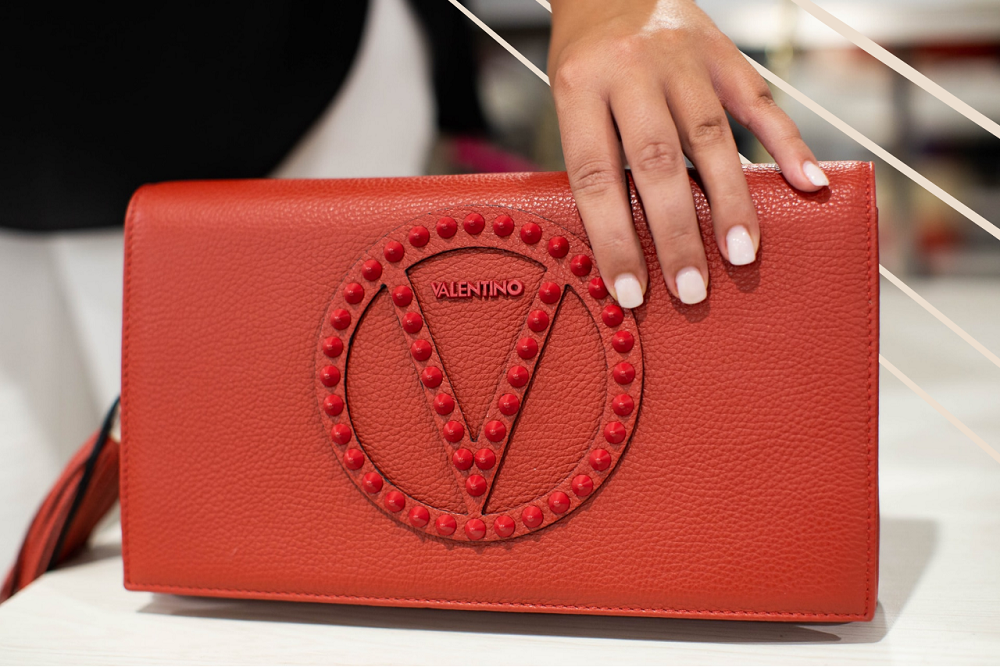
High-fashion luxury accessories, like a Louis Vuitton, Gucci, or Versace bag, with their logos taking centre stage, are a little ostentatious, flaunting their luxury high fashion provenance on the arms of their owners.

Even when taking into account fashion trends for larger bags, they tend to run on the smaller side and can be a little more delicate. This bag can be impractical for these reasons because you may well be concerned about stretching, tearing, or other damage to the bag.

However, this doesn’t deter the label lover. In fact, it gives off the idea that they can afford to buy expensive items, even when there was a cheaper and more practical alternative. If this is your style of bag, it tells people that you’re a dedicated follower of fashion who doesn’t mind flashing the cash.

THE FASHIONABLE, YET FUNCTIONAL TOTE BAG

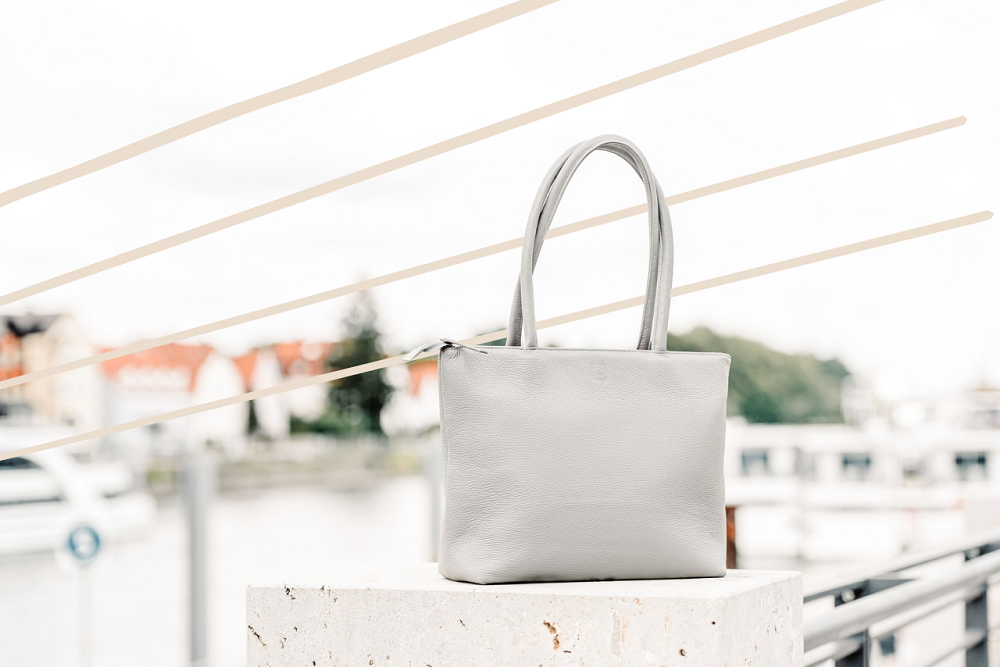
This is typically a lightweight nylon and leather shoulder bag, which is durable and desirable. It holds its shape, even when fully packed, and is sturdy enough to handle your laptop or a pile of reports that need to be completed on the train home.

It tells people that you care about looking professional and polished, even when you’re working flat-out to meet those deadlines. After all, just because you’re at work, doesn’t mean you can’t work it.

Read: 5 tips on picking the IDEAL handbag for your next holiday

THE JUTE BAG

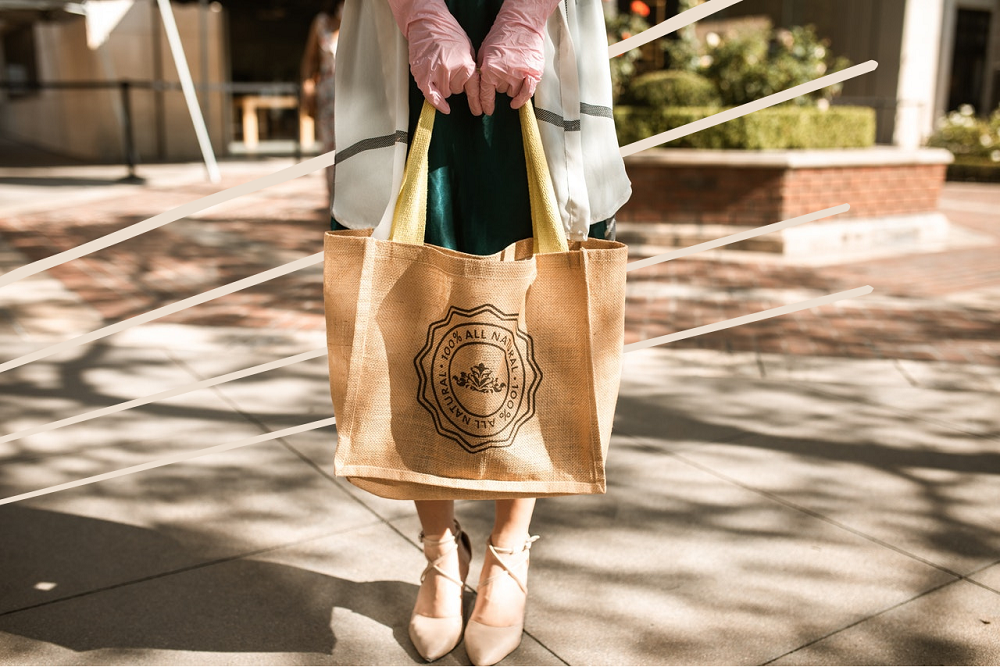
These strong woven bags are made from plant fibres, making them both long-lasting and eco-friendly. Often, companies will gift printed jute bags, like those from National Pen, to spread brand awareness. 

Jute as a fibre, as the Guardian explains “is fast growing, hardwearing and biodegradable”. Also, they highlight that “It is estimated that there’s enough of this fibre to provide every person with two jute bags a year, so there’s no availability problem”. Moreover, there are fairtrade standards for jute, too. An eco friendly handbag? We think so.

Rocking one, whether it’s for your groceries or to take your recycling to the correct bins, shows that you’re eco-friendly because your bag is sustainable and vegan. Moreover, if you carry one with the logo of the retailer that you shop at printed proudly on it, well that says a lot about you, too.

THE CROSS BODYBAG

This versatile bag can take you from day to night in an instant; there’s something about cross-body bags that is effortlessly cool and oh-so versatile. It’s practical and stylish, too. 

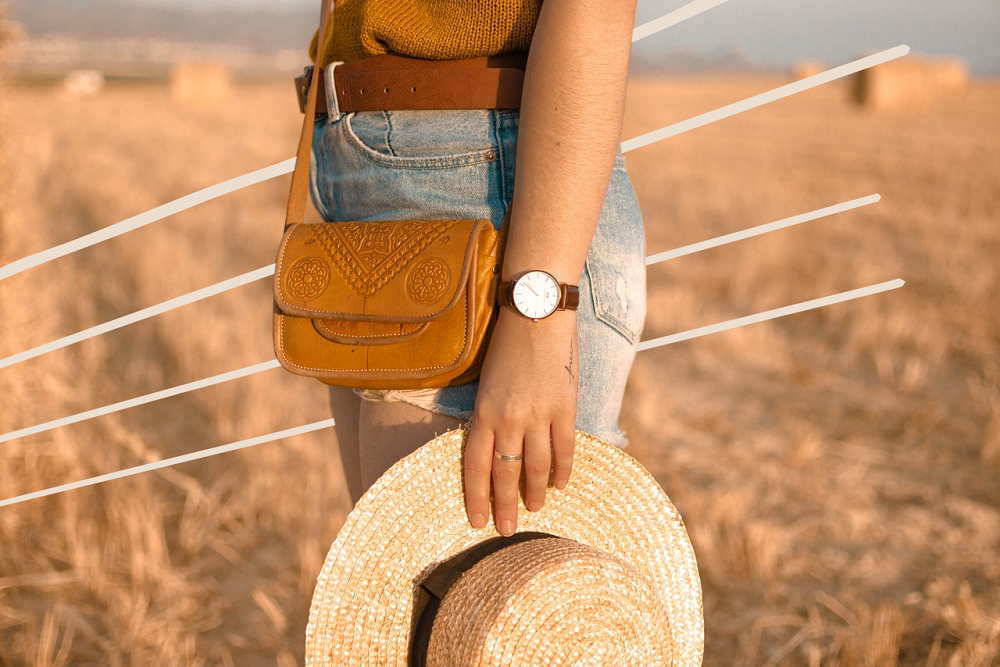
Designed to be slung over your shoulder, it lets you keep your hands free while you’re on the move. Smaller than most, the cross-body bag says that you think less is more and only like to take your essentials out and about with you. You’re the type of person who doesn’t like to be bogged down with excess baggage.

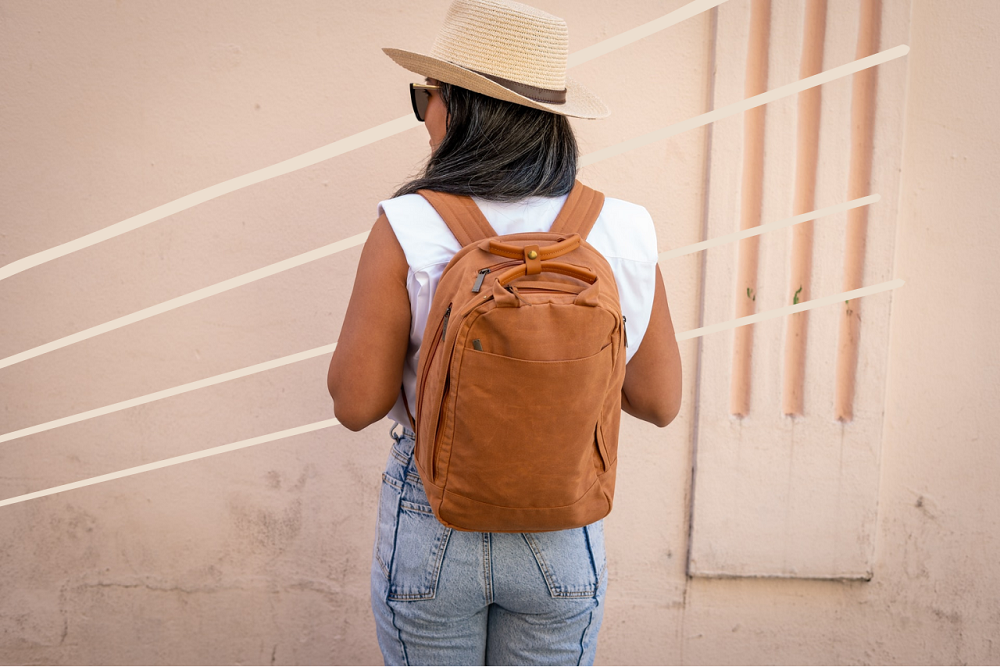
THE RUCKSACK

This distributes weight evenly between your shoulders so it’s less likely to cause you injury. However, there’s no getting around the fact that they’re less high-fashion and more high school. Yes, rucksacks have made a comeback in recent years but the trendy ones aren’t perhaps large enough to fit office work in.

If you’re a rucksack user, it shows that you’re practical and concerned with your posture, but you might not care all that much about fashion.

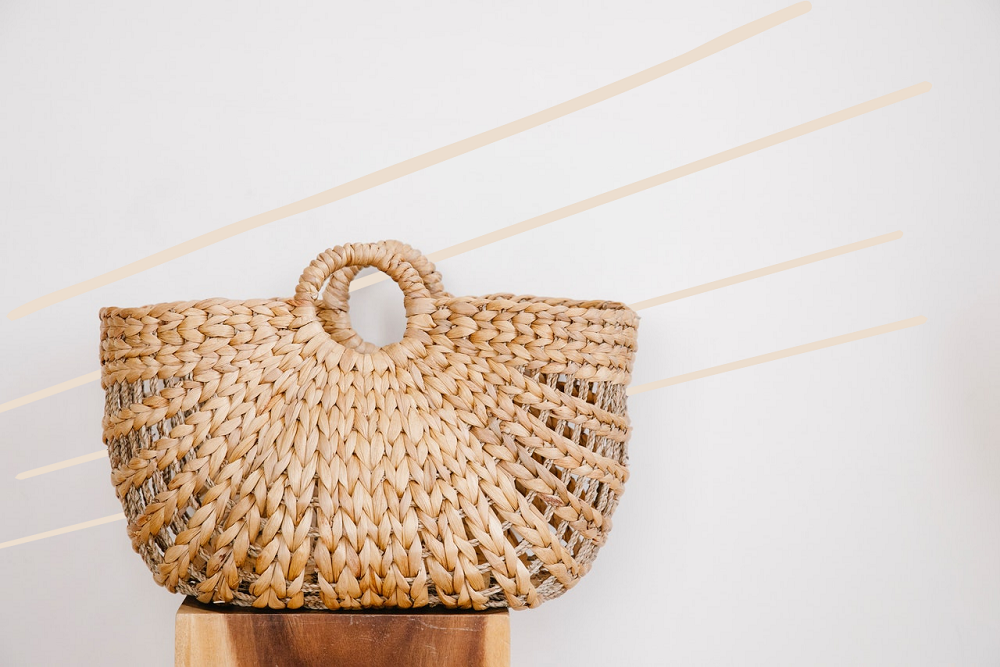
THE SIMPLE STRAW BAG

The straw bag is a timeless classic that gives off an easy, effortless vibe. Both practical and versatile, this bag adds texture and dimension to any outfit, making it look effortlessly stylish. This is a summer bag at heart, ideal for hitting the beach on your holiday, looking chic in the city while you run your errands, or going on a country picnic. 

It shows that you aspire to to live a carefree lifestyle, love summer days and holidays, and maybe even that Jane Birkin was your fashion icon!

5 TIMELESS ACCESSORIES IDEAL FOR FRAMING YOUR FACE

A timeless face? Isn’t that just a euphemism for one that’s weathered and wrinkled? 

Well, firstly, no. But also, we said timeless accessories, ideal for framing your face. And you knew that all along…

Anyway, that’s enough arguing with a hypothetical reader. Instead, we’ve got more pressing matters to attend to, like how best to frame that beautiful face of yours using simple, affordable accessories. Without further ado, here are 5 timeless accessories IDEAL for framing your face.

A FRINGE OTHERWISE KNOWN AS BANGS 

We know what you’re thinking, that hair doesn’t count as an accessory, per se. But we thought we were done with hypothetical debates, so we’ll run with this one for the next 200 words or so…

Anyway, accessory or not, your hair is ideal for framing your face, and the best part of all? It’s free! If you’re wondering which hairstyle is best for face-framing, we would suggest the fringe, which is one of those haircuts that can instantly frame your face and change your look. 

Face framing bangs are a hairstyle that just never seems to grow old (get it?). Indeed they are just as relevant now as they were in the ’70s and ’80s. What’s more, there are so many different fringe types that the style can be used as an ever-growing, ever-changing accessory, representing a quick and easy way to alleviate hair boredom. 

If you’re unsure about cutting a fringe, consider getting fringe extensions. Indeed, clip-in fringe extensions are a great way to try out a fringe, particularly if you are nervous about committing to a big chop. 

There’s a fringe for everyone. So what bang is right for you? Well, firstly, bangs can add volume at the top of your head and are ideal for thin or thinning hair. Shag bangs are great for oval faces, whilst a side-swept fringe is a go-to for a round face. But our favourite is the blunt bang (or bangs) which can look chic and oh-so edgy, especially when you wear glasses… 

SPECS APPEAL 

Speaking of glasses, wearing spectacles has become so trendy and chic that those of us who don’t even need a prescription for practical purposes have begun wearing specs as something of a fashion statement.

Glasses can dramatically change the shape of your face, and the key to finding the ideal glasses that frame your face perfectly is to remember the rule that opposites attract. For example, if you have a strong jawline and broad forehead, then you’ve probably got a square-shaped face so frames with a rounded edge are for you. However, if you’ve got a round face shape, go for square frames to add definition.

If you’re not sure what face shape you have, using a simple face shape detector can make this much easier by analysing your features and giving you a clear starting point before choosing frames.

With so many frame styles available, it can be pretty overwhelming to shop for glasses. The experts at Glasses USA, who offer lots of trendy glasses frames, tell us that most “leading online sites with a virtual mirror will give you a better idea of how you’ll look in your new glasses by uploading a forward-facing photo”.

If you’re not too tech-savvy, fear not; plenty of digital glassware brands offer a free trial at home service where you can get a selection of glasses sent for you to play with, free of charge, for a week or so. 

Moreover, as highlighted by the Standard “On the digital high street, you can find a new wave of e-opticians and eyewear brands showcasing stylish frames at competitive prices. Without the overheads of a bricks-and-mortar store, internet retailers can pass on the savings to customers without compromising on quality”. In other words, savings for all! 

Read: 6 makeup tips for glasses wearers.

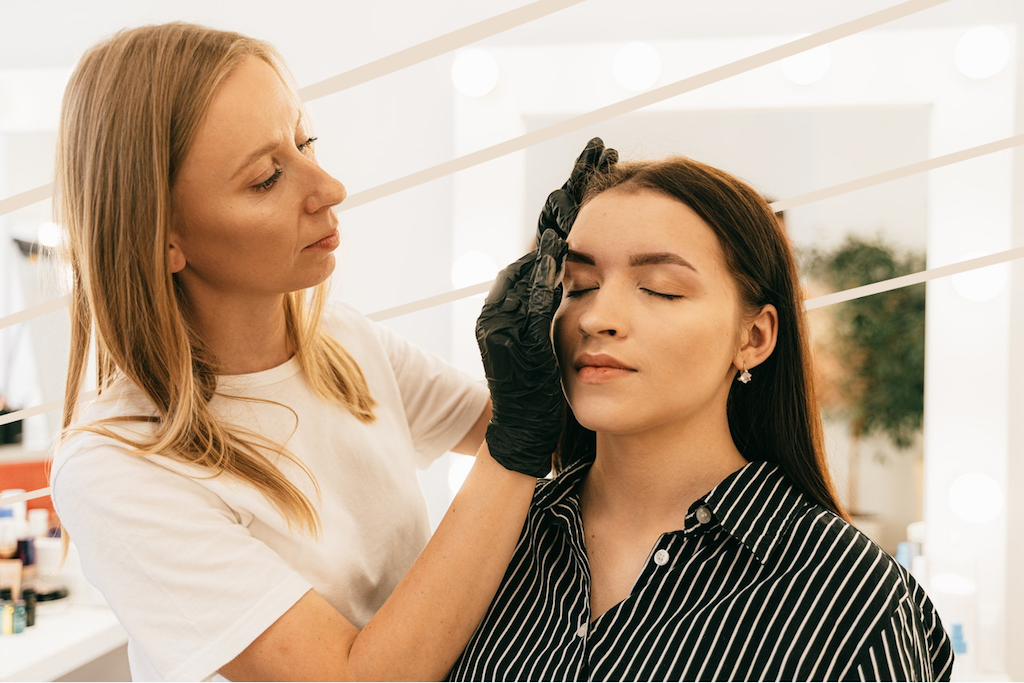
YOUR EYEBROWS

Perfectly pruned and groomed brows can instantly transform and frame your face, pulling your very best features into focus.

If you have sparse areas or were a child of the 90’s early noughties and over plucked your brows with apparent impunity, consider microblading. While serums and pencils can certainly do a good job at hiding those Ronald McDonald arches, microblading can keep your brows looking great, day in, day out, without the need to fiddle with them excessively. 

Read: 7 beginner’s steps to the IDEAL eyebrows

HOOPED EARRINGS

A pair of oversized, shoulder-grazing hoops are ideal for framing your face. Channel Jennifer Lopez, who has been wearing jumbo-sized hoop earrings for decades and looks better with every year! 

Hoops are especially useful for adding extra definition to your cheekbones and jaw, as they frame your cheekbones when you’re in profile and cast just the right amount of shade to make your face look contoured and sharp-lined. What a brilliant way to save on expensive make-up!

So, go ahead and invest in some big, bold hoop earrings that will turn heads. 

Read: Growing out a fringe; Tips by hairstylist Mark Hill

SILK HEADSCARVES

Silk headscarves are a great way to add some colour and personality to your head and face, too.  Choose geometric, bold prints and chaotic multi-coloured patterns for an extra statement, or something more subtle and suave in muted tones if that’s your thing.

There are, of course, many ways to wear a silk headscarf as they are an extremely versatile accessory, and it’s ok to get experimental in the way you tie yours. You can easily update a low pony with a silk scarf – just roll and tie around a secured ponytail. Equally, you can tie it in a bandana style to hide a bad hair day. That’s assuming you ever have to endure such a thing!

THE BOTTOM LINE

As the American author Anne Morrow Lindbergh once so sagely said, ‘’for it is only framed in space that beauty blooms’’. But if you’re keen for your beauty to truly bloom whilst controlling the space around your face, consider the face-framing accessories we’ve outlined today. 

WHAT ARE THE BENEFITS OF TAKING A SABBATICAL FOR EMPLOYEE & EMPLOYER?

‘Sabbatical’; even the word sounds appealing, don’t you think? Derived from the Hebrew word ‘Sabbath’, meaning day of rest, the practice of taking an extended period of time off work (whilst still remaining employed) has grown in popularity in recent years.

In the post-pandemic world – whenever that may be – it’s predicted that sabbaticals will become even more popular, due to a newfound flexibility in the way we work and a sudden shift in our definitions of what constitutes a good work/life balance.

Whilst once upon a time a request for a sabbatical may have had an employer furrowing their brow and changing the conversation, now the concept is viewed more positively. Indeed, taking one can be beneficial for mental health, job satisfaction and employee engagement, potentially improving the performance and productivity of an employee.

What’s more, with the global workforce currently going through what economists have dubbed ‘the great resignation’, the onus is increasingly falling on responsible employers to be more accommodating to those members of staff that they’re keen to keep. If this has piqued your interest and you’re wondering what the benefits of taking a sabbatical are, let’s explore.

CHANGING PERSPECTIVES

Firstly let’s address those more antiquated views of taking a sabbatical that we hinted at earlier. 

In generations previously, some have used the term sabbatical as a euphemism for taking time off after a case of career burnout or a breakdown of some sort. Equally, many once assumed sabbaticals to be some form of ‘new age’ jolly, where people travelled to distant lands to ‘find themselves’ spiritually, perhaps at an Ayahuasca ceremony or in the bowl of a peace pipe. 

Whilst that would almost certainly be more valuable emotionally than a corporate training retreat or even a spell spent reclining on the beach, the point is that sabbaticals can be used any way the employee deems fit and worthwhile. This isn’t something that a company or employer should have influence over.

A sabbatical can be used for anything you want. Travel the world, write a novel, train for a triathlon, volunteer, study or spend time with family and friends. Some people even take extended sabbaticals, lasting several years, putting their domestic life on hold and their things into self storage before booking a one-way ticket to somewhere far-flung.

WHEN IS THE BEST TIME TO TAKE A SABBATICAL?

There’s no easy (or correct) answer to this question. Everyone’s life and career path is different. If you’re taking a sabbatical with the agreement or your employer, rather than just taking a break between jobs, then you also have to consider the timing from your employer’s point of view, too. 

Asking during a particularly busy time, or when the company is going through significant changes, is probably going to get your sabbatical request rejected, which could cause a rift between yourself and your employer. You could always quit in such circumstances, because life’s too short…

Otherwise, it’s best to plan your sabbatical well ahead of time and work with your employer to ensure that any important aspects of your job are covered well in advance. Of course, there is also your mental and physical health needs to take into account, too. Sometimes this may dictate when you need to take the time off. 

All that said, and acknowledging that we said there was no correct answer to the question, a standard paid sabbatical lasts for 6 months.

FINANCING A SABBATICAL

Most people can’t afford to take an extended period of time off work, so financing a sabbatical can be tricky. If you’re taking a sabbatical between jobs, then you may have to live off savings before going back to work. If you don’t have sufficient money saved then you may need to save towards this for a number of years in preparation. 

If you are taking a sabbatical from an existing job, then you will need to check the terms of your contract or negotiate with your employer. Some employers may only allow you the time off, with a guarantee of your job when you return. Others may fund a sabbatical either partially or fully. It’s worth negotiating this into your contract when you’re joining a company, if you have the foresight to do so. 

If you are planning on studying during the time you’re away, then there’s the possibility that you may be eligible for a grant or loan. 

Whatever the case, ensure that you can afford to take a sabbatical, both financially and in terms of your time and career progression, so that you don’t spend the year in a state of anxiety; this would rather defeat the purpose of taking time away. 

Read: 7 tips to make the most of your sabbatical

THE BENEFITS OF A SABBATICAL

As mentioned previously, a sabbatical can have a host of benefits for both individuals and the companies they work for. Here are just a few:

Health

A sabbatical isn’t always taken for the purpose of taking care of one’s mental or physical health, but many people do decide to take one for this reason. The COVID pandemic has put a renewed emphasis on our work/life balance and avoiding burnout at work. The stigmas around this are beginning to disappear as people start taking care of their own health as a priority.

If you are taking a sabbatical for health reasons, it’s a good idea to have a plan for moving towards a healthier lifestyle and getting any medical or psychological treatment you might need whilst you make the most of your away from home. 

Perspective

It’s easy to get wrapped up in your career to the detriment of your health, family, friends and hobbies. Time away from work can give you the distance that you need to reset your perspective on things, helping you zero in on what’s truly important to you, both in terms of your personal life and career. 

Taking this ethos back to work with you when your sabbatical is over can give you a much better balance going forward, and may even benefit your output when at work, too. 

A Career Path

Some people return from sabbatical and decide to make a major change to their careers, either by looking for another role or feeling renewed and invigorated about their existing one. 

Many people find that when they return they have more energy and enthusiasm for their role and contribute to a company in ways they never have before. Which brings us neatly to…

THE BENEFITS TO EMPLOYERS 

The opportunity for a sabbatical is starting to become a higher priority for workers. Accordingly, some employers have begun offering sabbaticals as an employee perk and a way to set themselves apart. 

Read: 7 IDEAL ways to make your workplace more attractive to employees

Allowing employees to take sabbaticals does involve a significant investment on the part of an employer but the benefits can be immense. It can increase employee commitment and motivation as well as reduce employee turnover. 

Ironically, disconnecting from day to day tasks at work might make it easier for employees to solve problems and make improvements within the workplace. One such example is often observed within the academic profession; when an academic takes a break from their teaching duties, they often make great strides in their other research. 

THE BOTTOM LINE

Taking a sabbatical at the right time can be a life-changing experience. It can give you the opportunity to recharge your batteries, really think about what you want in life and gain clarity of perspective on both your personal life and career. 

Now, we’re off to speak to our boss about some taking time off…

6 RESOLUTIONS WE’RE MAKING IN 2022 THAT DON’T INCLUDE EXERCISING OR DIETING

We’re just 11 days into the new year, and we have to admit; a few of our resolutions have rather unresolved themselves. We’ve misplaced our gym membership, our phones have once again become our favourite bath time companion, and January hasn’t been quite as dry as we’d perhaps have liked.

It’s a similar story across the country. This year, as with every recent year before it, the UK’s favourite new year’s pledges have been to ‘’do more exercise’’, ‘’improve my fitness’’, and ‘’lose weight’’, according to a poll conducted by YouGov

But as Quitters Day (the day which traditionally sees people abandoning their new year’s resolutions) approaches on the 12th of January, we’re considering different perspectives and fresh pledges that might be a little easier to keep moving forward. With that in mind, here are 6 resolutions we’re making in 2022 that don’t include exercise or dieting.

TO GET A HANDLE ON OUR CARBON FOOTPRINT 

The UK’s average carbon footprint is about 12.7 tonnes CO2e per person, per year. As the eco app for businesses Pawprint points out, that’s a carbon footprint equivalent of driving around the world once (or, eating 1000 steaks, incidentally). That is one massive impact on the environment by just one individual.

This year, in lieu of a global consensus on how best to tackle the looming climate catastrophe, we’re looking to reduce our impact any way we can.

The My Footprint app, developed by WWF (World Wide Fund for Nature), has been developed with the aim of helping you to reduce your carbon footprint. The app calculates your current carbon footprint and helps you understand which parts of your lifestyle contribute to it the most. The app also lets you see how you compare the UK’s average impact compared with the rest of the world, which really helps bring some perspective to our consumption habits. 

But most importantly, the app also offers advice and provides challenges on ways to cut down your footprint. Bravo!

Read: 8 green new year’s resolutions to help save the planet

ADOPT A JUST DO IT MANTRA 

We’re borrowing this one from you know who. How many times have you wanted to do something but didn’t, then regretted it? How many times have you thought about buying a lottery ticket at Euromillion online or thought about entering that competition you see on the telly to win a fully furnished house worth 3 million pounds, but never actually do? (Not never win, although that’s true, too). 

Maybe you wanted to go to a concert, but procrastinated so much that when you finally decided to go ahead and make the purchase, all the tickets had sold out. Or, perhaps you’ve been lusting after a new pair of shoes for months, but alas, when you finally pushed the button, there was none left in your size. Or, maybe you’ve wanted to go for a walk on a sunny day, only to decide not to and ended up regretting that you’ve just wasted your day inside, scrolling through your phone. 

We’re all been there…

We could go on and on with these scenarios, but we’ve competitions to enter and the outside world to see. So, if your head is always full of ifs, buts and maybes, and you always end up regretting not doing things, make 2022 the year of adopting a ‘just do it’ mantra. After the two years we’ve all had, how does a little spontaneity sound? Like music to our ears, quite frankly.

TO EXPLORE MORE OF THE UK

Amidst new waves of travel hiatuses, restrictions and continued uncertainty, our innate human desire to travel has not been dampened. In fact, it’s only been encouraged further, with the overfamiliarity of home wearing a little thin two years into the global pandemic. 

We have to admit it; in the last couple of years, staycations have offered a welcome release, and we’re continuing this trend into 2022, for the good of the planet and in the name of appreciating what’s on our doorstep. 

There are so many wonderfully stunning places in the UK we’ve never travelled to, with unique history, culture, cuisine (yes, really) and entertainment all available on home soil. Get stuck in.

Read: 5 IDEAL places to holiday in southwest England

LEARN TO SAY NO

As the Guardian explains in their article ‘Want to improve your life? Just learn to say no‘, “Our people-pleasing is often rooted in childhood”. They go on to explain that “Many of us struggle to say no, fearing rejection, anger or just the uncertainty of what the other person’s response will be”. 

But as so many of us can attest, sometimes when we say ‘yes’ it can be to our detriment. Whilst we realise this is rather the antithesis of that ‘just do it’ mantra, life’s too short to agree to do things you don’t want to do. So, as much as you adopt a ‘just do it’ attitude, also embrace a ‘just say no’ ethos. Kinda makes sense, right?

TO GIVE SOBER CURIOSITY A TRY

A pulsating feeling in your head, the sense that a cat has died and crawled into your mouth, a wave of nausea after you eat that obligatory McDonalds, and a creeping malaise that you just can’t shake. As you shake. We’re so over that. 

Instead, let 2022 herald an era of sober curiosity. As Huffington Post explains ”Being sober-curious means being more intentional about how, when and why you drink”, and is rooted in questioning why we drink, whether we’re actually enjoying it anymore, and identifying the positives that come from skipping that big night out or calling time on ‘just one more’.

Not every public social gathering needs to come with a pint in hand, even if it’s an alcohol-free one! In fact, some of the most fun occasions and events can be enjoyed to their fullest without any drink at all. We’re going to embrace more of those moments this year. 

Read: How to navigate through a no or low alcohol life

TO MAKE AN EFFORT WITH FRIENDS & FAMILY

There are two types of people in this world, those who reply to text and WhatsApp messages promptly and those who open a message, read it with the intention of replying, and then don’t. We usually fall in the latter category. 

Not this year; we’re going to make an effort at replying to our loved one’s right away. Moreover, we’re going to make an effort to call them, visit them, hold them close – the whole shebang. Because after the last couple of years of hardly seeing anyone, it’s about time.

And if that resonates with you, check out these tips on how to improve your bond with friends and family. And with that, we look forward to hearing from you more this year!

INTREPID TRAVELLERS UNITE: 5 UNIQUE WAYS OF TRAVELLING FROM A TO B IN 2022

The environmental impacts of flying have been under the spotlight recently, and for good reason; around 2.4% of global CO2 emissions come from aviation. 

That said, a recent study has made some surprising conclusions; that just an annual 2.5% reduction in air traffic until 2050 would result in flying’s environmental impact being drastically reduced, to just 0.1°C of total global heating. 

Even before this research was revealed, more and more Brits were pledging to fly less in the future, to mitigate their impact on the environment and to assuage a little of that climate anxiety that’s become increasingly omnipresent in recent years.

All of this doesn’t mean you should bench holidays far flung for the foreseeable future. Instead, for intrepid travellers, here are 5 unique ways of travelling from A to B in 2022.

FREIGHT CRUISING

Yep, you read that right; in 2022, an affordable way to traverse bodies of water is via freighter. This might not be something that you would initially consider when making your holiday plans and is not the most luxurious of options for those wanting to explore the world, but it is certainly one that is unique! And that’s what you’re here for, right?

Whilst travelling on a freighter doesn’t bring the usual amenities associated with a cruise – such as fine dining, open air swimming pools, casinos and clubs – you can expect to travel at a fraction of the cost. In this case, it’s about the destination, not the journey…

At the same time, this is an ideal opportunity for someone wishing to disconnect from the world; there are limited passengers on board a freighter and no WiFi. Understandably, the limited access to the internet might be some people’s worst nightmare, but for others, a self-imposed, impossible to break digital detox sounds like just the ticket.

Read: 9 IDEAL tips to help you digital detox in 2022

A slower travel option than others, this is certainly worth considering should you be looking for something that could earn you some bragging rights and a tale to tell later down the line.

Travel the world slowly without breaking the bank; what more could you want? However, this is not your only option if you want to explore the world by boat…

YACHTS AND SAILBOATS

If you’re anything like us, you have dreamt about being the owner of a superyacht at some point or another. We’ve all seen the superyachts that are often docked in Monaco, St. Tropez and other glamorous locales and wished we could climb aboard. Hell, even some pretty excruciating scenes on Succession have made superyachts look cool.

There are luxury yachts for sale across the world, but here’s something that might surprise you; they’re not actually quite as expensive as you might assume. On The Yacht Market, for instance, you’ll find ships available for eye-watering sums that reach into the millions, sure, but equally, there are yachts on this huge database of over 27’000 vessels going for as little as £7’000. 

The huge benefit of travelling by yacht or sailboat (as opposed to that freight we mentioned earlier), is that you are at the helm. You’ll be able to travel at a pace of your choosing, stopping and anchoring wherever and whenever you see fit. At the same time, you’ll have the added level of privacy that is not offered when travelling on a freight or cruise ship; you and your party will be the only people on board. Not bad, if you ask us. 

That said, if you’re looking for a method of travel that’s kinder to the environment, it probably shouldn’t be aboard a superyacht. As Jacobin magazine reports, ‘’The world’s superyachts consume and pollute more than entire nations.’’ Best stick to something a little smaller, we think.

TERRA BUS

This is for those who tend to head to colder climes to get their kicks. A Terra Bus, also known as a Snow Coach, is a novel way to enjoy those snow-blanketed trips in style. Built to withstand cold temperatures and icy terrains, a Terra Bus provides the world’s intrepid travellers with the opportunity to explore all that the tundra has to offer, safely and securely. 

As expected in the minus temperatures, road conditions can be tricky, and accidents are prone to happen. The Terra Bus is built to minimise these risks; you can explore to your heart’s content with a little extra blanket of security (and snow!) thrown in for good measure. 

Generally, these buses are built to seat approximately 56 people, similar to what you can expect from your average bus or coach. If this is something that has piqued your interest, you can expect to find this method of transport in plenty of places across Canada, where snowy weather is prevalent throughout the year, or the world’s premier sub-zero destination, Iceland

CAMEL CARAVANS

We mentioned the tundra and icy landscapes previously, but this is something that’s prevalent primarily in the planet’s warmer climates. As the name suggests, this unique method for travelling includes riding a camel across a desert. However, camel caravans are also popular; this is when there are numerous camels tethered together, travelling as a pack.

Camels can be somewhat uncomfortable to sit on for prolonged periods of time, and this is something that is going to take some level of adjustment. While this is the case, this is certainly a unique way of exploring what the desert has to offer. Not to mention, this is an authentic way of travelling in many parts of the world; you would be truly immersing yourself in the local way of life. 

On the other hand, this is a slightly slower way of traversing the desert than the likes of a quad bike or dune buggy. Should you be in a rush to travel across the sandy dunes, then opting for something like that is more suited. Taking your time in these areas is highly recommended; you never know what you might find!

HIKING AND RAMBLING

The global pandemic’s restrictions and obstacles have led to an increased interest in walking holidays in the last two years, spurred on by TikTok and other social media platforms. When you consider that, for a time, a brief stroll was the only engagement with the outdoors that we were permitted, the rising popularity of rambling adventures doesn’t feel surprising at all.

Many people have documented their hiking travels on these platforms, including a couple hiking from the Mexico-USA border to the Canadian-USA border, which sounds like one fantastic trip if you ask us!

Unlike our previous suggestions, you must have an understanding of basic first aid and ensure you can know the basics of medical treatment and be able to find emergency assistance should you need it. The last thing you want is your hiking holiday (or life) to come to an abrupt end due to injury. But if you’re looking for a method of transport that not only treads as lightly as possible environmentally, but also keeps you fit and healthy, then hiking has got to be it.

THE BOTTOM LINE

It’s time to think outside the box (or, aluminium tube) when it comes to the way we travel. In 2022, it’s eminently possible to tread a little lighter on the land when setting off on an adventure. We’ll see you on the tundra?

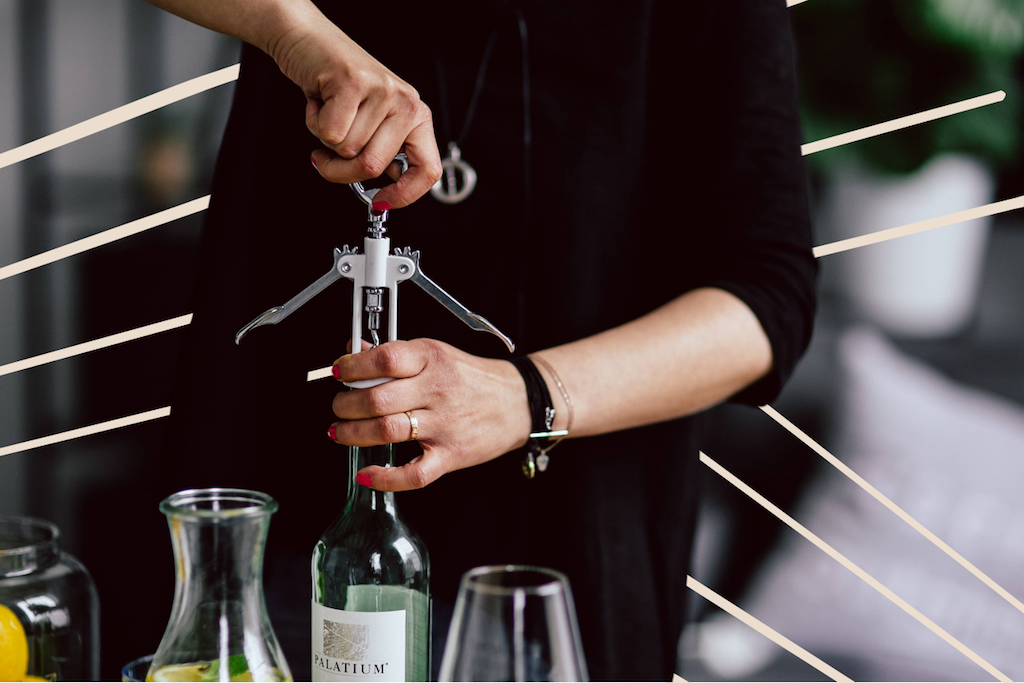
THE ART OF OPENING A BOTTLE OF WINE

Compulsive viewers of ITV’s fabulous food and romance reality show Dinner Date will be all too familiar with the recurring scene; a gentleman suitor fumbles and fusses over uncorking a wine bottle, apparently having chosen national TV as their first time to try.

The cork is broken in half, crumbled and pushed into the wine, or popped violently and at full tilt, with claret ending up all over pristine white carpet

Whilst it’s certainly surprising just how common an occurrence this is, there’s no denying that there’s an art to this thing, and with the correct tekkers and form, you’ll not only save yourself embarrassment, but also avoid spilling or tainting your wine. So, here are a few pointers on opening a bottle of wine.

BUY THE CORRECT TOOLS 

To perfect any technique, you must invest in the right tools for the job. There are two main items you need to crack open your favourite bottle of wine; a strong and sturdy corkscrew, and the best wine foil cutter you can find.

Alternatively, you might prefer to condense the necessary items into one homogeneous tool, known as a waiter’s corkscrew, which boasts a foil cutter (which looks like a small blade), lever and worm (the spiral element that enters the cork). For many, these are much easier to use efficiently than a winged corkscrew, the latter of which doesn’t boast a wine foil cutter.

TO SCREW OR NOT TO SCREW?

Before you go straight in with your corkscrew or any other tools for that matter, make sure to check the bottle you’re going to be using. This is because not all bottles come sealed with a cork; sometimes there might be a screw cap beneath the foil, and you don’t want to push your corkscrew into that!

This might sound too obvious, but many people start using the corkscrew on their bottles, only to find out that there wasn’t a cork there to begin with; an easy mistake if you have guests and are opening another bottle!

Whilst we’re on the subject, let’s dispel a common misconception; a screw top doesn’t necessarily denote a lesser quality of wine. Increasingly, premium winemakers are choosing to use screw caps, particularly for wines that are intended to be enjoyed ‘young’. Since screw tops are better for keeping any oxygen from entering the bottle, they are generally considered ideal for retaining a crisp finish on certain styles of wine.

On the flip side, full-bodied wines naturally benefit from a little oxygen entering the bottle, which a traditional cork facilitates. 

Of course, the ritual of the uncorking is one of wine’s prefatory pleasures, with the effort, the action, the sound and the anticipation all adding to the final drinking experience.

BEGIN CUTTING THE FOIL 

This should be fairly easy, right? Once again, not quite so. A common mistake that people make is they cut the foil that sheaths the wine’s neck (often referred to as the ‘capsule’) in the wrong place. First, you need to find the lip at the very top of the bottle. This is hard to miss – it’s the bulge of the bottle at the neck. 

Now, where do you cut? Cutting at either the bottom or top of the lip is incorrect. By cutting in this way, you run the risk of the wine coming into contact with the foil when you serve it, which is unhygienic and potentially detrimental to its flavour. 

The best place to start cutting your foil is either in the middle of the lip or right at the bottom of the ring (where the ring and the neck join). In both cases, you should only remove the top part, not the entirety of the capsule, since in formal service, the capsule is considered part of the wine’s packaging, and can be used as an identifying tool to discern the wine’s origins.

USE THE CORKSCREW TO REMOVE THE CORK 

With the foil out of the way, you’re one step closer to tasting that fresh, crisp wine waiting for you in the bottle. Fetch your corkscrew and begin removing the cork by inserting the spiral into the centre of the cork. All you have to do is push and rotate the spiral; stop when you are about 6 and a half turns in. 

At this point, you should be able to see only one curl of the screw showing. Depending on the type of corkscrew that you’re using (for example, the waiter’s friend, a winged corkscrew or a lever opener), there are different ways to gently pull out the cork. Check out how the lever on your specific type of corkscrew is meant to be used to avoid any mishaps. In our experience, a waiter’s friend removes the cork more cleanly, with a winged corkscrew sometimes causing a little abrasion as it leaves the neck of the bottle. 

CHECK IF THE WINE IS CORKED BEFORE SERVING

It’s not quite time to pour the wine yet! Before you start serving wine to your guests (or yourself), you should always check that it’s in good condition, which basically means, if it’s corked.

Contrary to popular belief, being ‘corked’ doesn’t indicate that there are bits of cork mixed into the wine or that you have a bad cork. The term ‘corked’ is normally used to describe a situation where the cork has become contaminated with bacteria and thus, has spoiled the wine. 

How can you tell if your wine is spoiled or not? The method is fairly simple. All you will have to do is smell the cork that you’ve just removed from the bottle. The cork should smell like fresh wine. You will know if your wine has been corked if the cork smells like mold or wet cardboard. In that case, you should not serve the wine. 

Sometimes, you might not be able to smell mold or wet cardboard. In some cases, it might have a very strong scent of cork. Cork does have a characteristic smell, which is usually very faint or is overpowered by the smell of wine that rubs onto it. Simply put, if it smells of too much cork and little or no smell of wine, then the cork was contaminated at some point, and therefore, the wine cannot be served.  

Interestingly, wine that has been bottled using a screw top can also be ‘corked’. As the experts at Wine Spectator explain, ‘’a screw-capped wine can still be “corked.” It’s possible for the chemical TCA (2,4,6-trichloroanisole) and its corky, nasty odors of musty, damp cellars and wet newspapers to affect a winery’s entire cellar, ruining whole batches of wine—which can then be topped with a screw cap.’’

That said, your chances of running into a ‘corked’ wine from a screw-topped bottle are much lower than from a bottle which has used a traditional cork.

SAVOUR THAT FIRST SIP

Once you have successfully removed the foil, taken out the cork and done your quality check, the last step is to pour and serve the wine. And, of course, enjoy it!

Oh, you thought this thing was over? The storing of your wine is equally as important. Fortunately, we’ve covered all of that over here. Do check it out.

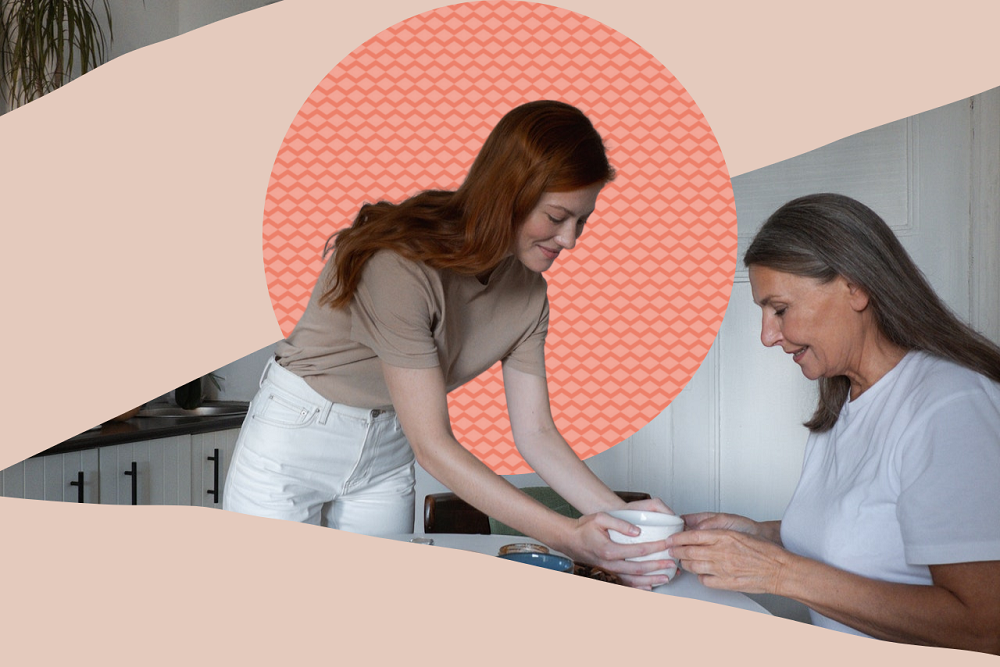
THE POWER OF KINDNESS: 5 WAYS TO LIVE A KINDER, MORE FULFILLING LIFE

Never has the cult of individualism been more pervasive and pernicious than it is now. Whilst the beginning of the COVID-19 crisis seemed to bring people together, many have since turned inward, with a sense of community and collective care seemingly sacrificed. 

With many excerpts predicting that the end may be in sight for the global pandemic, 2022 could be the year that public spirit seizes the narrative. But why wait for the WHO to give the word? Here are 5 ways to live a kinder, more fulfilling life today.

GIVE BACK TO YOUR COMMUNITY

With nine out of ten councils in England seeing a rise in food bank use last year, homelessness in the country increasing dramatically in recent years, and with a loneliness epidemic ongoing, the UK is in desperate need of volunteers across a wide range of areas.

Whether you’re participating in a Befriender’s scheme that connects volunteers with vulnerable people, serving customers in one of Shelter’s shops or simply donating a few necessary items to a food bank each time you visit the supermarket, there are loads of things you can do to give back to your community this year and beyond.

As the guys at Happiness, who aim to to share tools to empower everyone to live happy and fulfilled lives, tell us, volunteering helps build self-confidence and self-esteem, and can improve both physical and mental health in those who participate. Indeed, though it can be a completely altruistic act, the benefits of volunteering for the volunteer themselves are wide-ranging and profound, too.

TREAD A LITTLE LIGHTER

2021 was a year not only defined by COVID; the climate crisis loomed large over much of the public discourse, too, with the UK-hosted COP26 ending in a whimper rather than worldwide consensus on the best way forward.

Whilst the onus should fall on major corporations and governments to comprehensively address the impending catastrophe, with just 90 companies responsible for two-thirds of all greenhouse gas emissions, there are still things the individual can do to help. 

From replacing single-use with reusable products to eating less meat, check out these 8 green new year’s resolutions to help save the planet.

RANDOM ACTS

Every 13th November sees World Kindness Day celebrated, with global citizens encouraged to perform a random act of kindness for a stranger, all in the name of making the world a happier place.

That leaves 364 days of the year where our compassionate sides are somewhat neglected or pushed to one side in favour of more selfish concerns. Instead, why not endeavour to make random acts of kindness a defining feature of your 2022, performing them whenever the wind takes you rather than waiting until November to do so. As they say, kindness is a circle, and it’s contagious, too! The more random acts of kindness you pay forward, the more love you’ll spread.

Read: 7 random acts of kindness to brighten up someone’s day

AN ACT OF COLLECTIVE CARE FOR A LOVED ONE EACH DAY

If COVID has taught us anything, it’s that self-care isn’t possible without adopting an attitude of collective care, too, from volunteering to participating in peaceful protests for the greater good, or perhaps simply being a better neighbour and offering an ear to those less fortunate. 

So far, we’ve generally talked about kindness towards strangers, but it’s essential you don’t neglect spreading compassion and care to loved ones, too.

Yep, it can be something as simple as sending a text to a friend who you know needs to talk and making yourself available for others who need support. It’s all about interpersonal acts of kindness, being there for people without them having to take the first step. 

Read: 5 places to find friendship and support online

PRACTICE GRATITUDE

We couldn’t get to the end of our article without considering the practice of self-care and kindness, too. One of the best ways of being kinder to yourself and becoming happier is to practice gratitude, routinely and purposefully. 

The benefits of doing so are myriad; studies have suggested that practicing gratitude can improve your mental health and your relationships, and could even strengthen your immune system. 

But what does ‘practicing gratitude’ actually entail? Perhaps the most popular way involves keeping a gratitude journal or diary, which you add to each morning or evening. Some choose to write down three things that they’re grateful for each day, or three things they were grateful for on that particular day. Others detail an achievement or a person they’re thankful for…the choice is yours!

Other common forms of gratitude practice include prayer, meditation, and even volunteering. Which neatly brings us back to where we began; we did say kindness was a circle, after all. 

5 IDEAL CARIBBEAN TOURIST HOTSPOTS IN 2022

Rarely does a single uttered word transport the listener to far flung climes quite so effortlessly. To golden sands, to crystal clear waters, to beach barbecues and bassy grooves…yep the ‘Caribbean’ is as evocative as it comes. But if you’re not satisfied with that imaginary flight of fancy to somewhere hot, and are intent on actually booking a trip to the Caribbean islands, then you may need a little guidance with your itinerary. If that’s true, then read on; our 5 IDEAL Caribbean tourist hotspots in 2022.

DUNN’S RIVER FALLS, JAMAICA

There is something for everyone in the Caribbean, and Dunn’s River Falls is ideal for those seeking to experience one of Jamaica’s national treasures. The Spaniards, during their occupation of the country, named the area Las Chorreras, which roughly translates as the ‘waterfalls’ or ‘springs’, and each of the four rivers are known for their fast-flowing water streams that go directly into the Caribbean Sea.

What makes this spot so unique is that aside from only being able to view the waterfalls from the surrounding land, swimming in the falls is permitted, meaning that tourists can get immersed in this iconic location physically as well as metaphorically. If memories aren’t enough, there’s also an on-site gift shop and several tours centred around Las Chorreras. Incidentally, the fast-flowing falls may be of particular interest to fans of the James Bond franchise as the 1962 film Dr. No featured the iconic Caribbean attraction.

ARUBA’S NIGHTLIFE

The Caribbean is certainly well known for its music and vibrant nightlife, and this is perhaps realised most completely on the island of Aruba, in the Southern Caribbean and close to Venezuela. It’s here that the poker discipline of Caribbean Stud was invented. Many of the island’s big name resorts, such as the Ritz-Carlton Aruba and the Hilton, boast entertainment complexes open 24 hours a day, where the drinks flow freely and there’s always a seat available at the table. Alternatively, you can spend the night sipping cocktails at the seaside bars on beachfront lounges in Oranjestad or try your luck at one of the many casinos that line Palm beach.

HAVANA’S PHOTOGENIC CHARM, CUBA

Havana…it’s so iconic, the name so rhythmic, that there must be a song in there somewhere…oh, forget it. Anyway, the Caribbean’s most famous city is an idyllic mix of beautiful beaches, cobbled streets and a hugely overlooked cuisine. With its 1950s American cars and peeling Spanish-style buildings, visiting is like being in a particularly hazy, extremely trendy Instagram shoot for your entire stay. Old Havana is a UNESCO-protected site, with 500 year old plazas, churches and winding streets just waiting to be explored. A must on any itinerary.

For the most typically Havanan aesthetic, it’s got to be that Havana Vieja or the Centro Havana neighbourhood, where all the boxes on your Cuban adventure are resoundingly ticked. That’s salsa, cars, sandwiches…the works. Go get it!

FALMOUTH’S RUM SCENE, JAMAICA

Though most visitors to the Caribbean’s premier island (perhaps, even, the world’s most famous island?) head straight for Kingston, or thriving Ocho Rios, it could be argued that historic Falmouth has just as much to offer the intrepid traveller.

In this painstakingly preserved Georgian city, you’ll find unique history, an interesting array of churches and Georgian architecture aplenty. The port area is where tourists most arrive (Falmouth is a popular cruise destination) and is recently renovated and a National Heritage site. As such, it’s one of the most well kept, well managed places to spend some time in the whole Caribbean, if organised rather than chaos is your thing. 

Falmouth is also the focal point of the country’s rum and sugar cane trade. While you’re here, it’d be rude not to take a rum distillery tour, as the Hampden Estate is just half an hour from the port. And don’t leave without sampling the perfect amalgamation of the town’s most famous exports; the rum cake. 

CAYE CAULKER’S LOBSTER, BELIZE

To say that Caribbean cuisine reaps the benefits of the ocean’s bounty would be something of an understatement, with much of the freshest, most flavourful food in this part of the world coming from the surrounding seas.

Nowhere is this more succinctly realised than Caye Caulker in Belize. During lobster season (spiny, and officially from June 15th of February 14th), this idyllic island just off mainland Belize, you’ll see these famously delicious crustacea slung on many, many beach barbies, the biggest of which celebrates the start of the season in early June. Though Lobsterfest is now a countrywide phenomenon, it started here in Caye Caulker, and it’s still the most affordable, most traditional of all the celebrations. In 2020, you too could be celebrating!

A BREAK WITH THE PAST: 4 WAYS TO REBRAND IN 2022

We’ve all seen the annual advice columns that herald the start of a fresh January. You know, the ones that offer life-changing ways you can embrace a ‘new year’ and a ‘new you’. Hell, we’ve even written some of them.

But all too often, these columns overpromise and underdeliver, with resolutions falling by the wayside before the Burns Night and Chinese New Year recipes have even been published.

Let’s be honest here; is pledging to cook a new dish each week or joining a pottery class truly going to result in a ‘new’ you? We think not. Instead, if you’re looking to make wholesale, sweeping changes to your life, to symbolically bid farewell to a tumultuous, turbulent couple of years, then it’s time to get serious. To truly make a break with the past, here are 4 ways to rebrand in 2022.

UP STICKS

With so many of us still working remotely, the opportunity to up sticks and move abroad has never been more feasible. And after the two years we’ve all had, largely confined to the UK and with the four walls of home as our main inspiration, doesn’t the idea of new experiences sound so appealing?

Indeed, many of us no longer have to attend the physical office space at all. Which begs the question; what’s keeping you living in your current city? If the sole reason was work, then experiencing a new city, if only for a short time, might bring about the fresh start you’re seeking.

Embracing digital nomadism and working remotely from somewhere inspiring could grant you access to some of the world’s most exciting cities after such a dreary couple of years, and doing so could well open new doors and opportunities, in your career as well as your romantic and social life. 

Upping sticks could be as lucrative as it is rewarding. So, what are you waiting for?

Read: 5 cities you should consider for a fresh start in 2022

SWITCH YOUR CAREER

Even if you’re to stay put in the UK, there are other changes that you can ring that serve as a rebrand. Indeed, workers the world over have been viewing COVID-19 and this period of unprecedented upheaval as the catalyst for a career change. So much so, in fact, that economists have coined a term for it; ‘the great resignation’.

With so much of the British workforce feeling dissatisfied with their jobs, their pay, and their work/life balance, if you’re in need of a rebrand and fresh perspective, then now is the time to consider pastures new. Because with crisis often comes opportunity, and the job market is currently undergoing one of its biggest transformations of the modern age. Could you make a career change work for you? There’s only one way to find out.

Read: 21 in demand careers to consider in 2022

CHANGE YOUR NAME

Okay, we accept this one comes a little more from leftfield, but you said you wanted to make wholesale changes, right?

Perhaps you share your name with a celebrity you’d rather not be associated with? Maybe you’ve finished gender transitioning and are keen to have your new name on record? Or, maybe you’ve simply grown out of your current name and want to bid farewell to a rocky period, symbolically signifying a fresh start?

We don’t blame you. A name change can actually make a huge difference to your life in 2022, and can go a long way towards helping you embrace a new identity and a fresh start. Doing so is surprisingly easy, and can be done by deed poll. All you have to do is fill out three forms (the LOC020, LOC021, and LOC025) and send them to the Royal Courts of Justice, paying a fee of £42.44 for the privilege. 

Alternatively, there are companies who will do the hard work for you. All you have to do is fill out an online form and pay a small fee, at which point a form will be automatically generated and sent to your address. Then, you sign it in front of a witness, and send the form back. Job done.

A WHOLE NEW OUTLOOK

We think it’s fair to say that everyone’s mental health has taken a hit during the last two years, with several studies reporting on the increased prevalence of depression and anxiety during the pandemic here in the UK. 

In fact, in September of 2020, a major study by King’s College London and the University of Nottingham noted that ‘’People are experiencing significantly more stress, anxiety and depression since lockdown began, with women and young people the most affected’’.

So, as the kindest, most self-compassionate rebrand of all, make 2022 a year of focusing on improving your mental health. There’s no way to bid farewell to a rocky two years than that.

5 WAYS TO BETTER SUPPORT YOUR IMMUNE SYSTEM THIS YEAR

Your immune system does an incredible job of defending your body against harmful microbes which can cause all manner of illnesses and diseases. However, it is a complex system which requires balance in order for it work at an optimal level. 

Admittedly, the idea of ‘boosting’ your immunity is a health practice which stands on shaky scientific ground. Indeed, as BBC Future reported ‘’the concept of “boosting” your immune system doesn’t hold any scientific meaning.’’

Whilst there’s no proven way to ‘boost’ your immune system, there are certainly things you can do to support your body’s natural functions and ensure your immune system is functioning normally, rather than running the risk of weakening it.

With all that in mind, here are 5 ways to better support your immune system this year.

DRINK MORE WATER

The first step is simple enough – drink plenty of water. Drinking enough fluids can support the natural function of your immune system by helping your body get rid of waste through perspiration (sweating), urination and bowel movements.

Water also helps carry both nutrients and oxygen to your cells, further strengthening your body and keeping your immune system functioning normally. 

It’s recommended that we drink at least 6 cups of water a day. Fortunately, drinking that amount needn’t be difficult. Simply make drinking a cup here and a cup there part of your daily routine; one when you first wake up, one with breakfast, another water with lunch, one mid-afternoon, one with dinner and, finally, a glass as part of your bedtime routine. Job done!

Alternatively, set reminders on your phone to have a cup occasionally. The Apple app Daily Water, for instance, tracks how much you drink each day and reminds you to drink water on time. On Android, the app Hydro serves a similar function.

EAT A HEALTHY DIET 

Your immune system is like any fighting force and needs good nourishment to perform well. A well-balanced diet enriched with plant-based foods like fruits and vegetables, alongside healthy fats found in olive oil, fish and seeds, will give you the upper hand when it comes to keeping your immune system functioning properly. 

Though it’s unlikely that specific foods grant the body special protection or gives the immune system a boost, some nutrients have been identified as being critical to the function of immune cells. These include Vitamins C and D, which are found in citrus fruits such as oranges and grapefruits, as well as in leafy green vegetables and carrots.

What’s more, zinc and iron, found in lean meats, liver, eggs and nuts, are both essential for optimum immune function, and there’s a growing body of research that suggests prebiotic and probiotic foods may be beneficial in supporting immune function, too.

Probiotic foods include fermented vegetables like kimchi and sauerkraut, yoghurt with live active cultures, and miso. To consume dietary prebiotics, one should focus on a balanced diet of fruits, vegetables, beans and pulses.

There are also so-called immune boosting juices and smoothies on the market. Though we’d prefer to call them ‘immune system supporting juices’, that’s admittedly not nearly as catchy. Usually containing fruits and vegetables believed to have antioxidant, detoxifying properties, these can give you a hit of sustaining ingredients quickly and deliciously.

DON’T STRESS

As WebMd point out, ‘’Just having anxious thoughts can weaken your immune response in as little as 30 minutes.’’ And that’s before we consider more all-consuming stress, which can be truly detrimental to your immune system, suppressing its normal function and leading to a higher propensity for sickness.

Whilst staying cool, calm and collected isn’t necessarily going to ‘boost’ your immune system or strengthen it, keeping stress at bay can help you ensure your immune system is functioning to its full potential. 

We can’t deny that the last two years have been about as stressful as it comes, but as we move into 2022, there are lifestyle choices you can make to help stay calm and composed. Check out some tips on that here.

GET ENOUGH EXERCISE…

One of the best ways to improve your immune system is exercising on a regular basis. Moderate exercise like walking, running or cycling can boost the effectiveness of your immune cells to regenerate and travel throughout the body, stimulating your immune system as a result. 

Right now, in the depths of winter, we realise that just one glance out the window can be one hell of an obstacle to putting on your gym shorts and pummeling the pavement. But good, regular exercise can help reduce your chances of getting a cold, flu or other illness as it can help flush bacteria from your lungs and airways.

The change in body temperature when you take part in any form of exercise can also play a significant part in preventing an illness. This is because the rise in temperature during and straight after exercise can prevent bacteria from growing and ultimately fight any infection in a similar way it would if you had a fever.  

…AND SLEEP

Finally, and on the opposite end of the spectrum, sleeping for 7 to 9 hours every night does wonders for your body as it helps to maintain your natural immunity while you get some much-needed shut-eye. On the flip side, if you get an inadequate amount or suffer from sleep deprivation, this has been linked to a weakened immune system and means you are more susceptible to sickness.  

But that’s not all; during sleep, your immune system releases cytokines proteins. Some of these proteins can aid your sleep, while others can fight off infections and inflammation, meaning it’s crucial to get a good night’s rest to properly protect your body.

If you’re keen to read more about doing just that, then check out these 6 smart ways to make your sleep deeper and more restful. You’ll thank us tomorrow morning!

THE BOTTOM LINE

So much of this thing is cyclical; if you exercise regularly, you’ll likely lower your stress levels. Lower your stress levels, and you’ll have more energy to exercise. Keep up with that committed exercise regime, and the willpower to cook clean, healthy meals may well increase. Cook clean and healthy meals, and you’ll find that you’re sleeping better. Sleep better, and you’ll discover even more energy to exercise…

We could go on like this forever. What we’re trying to say is that whilst immune system ‘boosting’ may be a concept debunked by scientists, by leading a holistically healthy lifestyle, you’ll give your immune system all the tools it needs to fight disease and keep you strong.

BE PREPARED: 5 TIPS FOR GETTING YOU THROUGH A DISASTER IN ONE PIECE

Ideal for surviving what’s to come!

No doubt you’ve heard of Doomsday Preppers, those crazy/canny folk who believe that a disaster could come any time soon, and are determined to be more than ready for any eventuality.

Once mocked for their catastrophising, with all the recent happenings in the world, many people are starting to see Doomsday Preppers in a whole new light, with a newfound respect emerging for preppers and their survival ethos of preparedness. 

In actual fact, as the Independent highlights, “many preppers follow useful and rational advice, often reiterated from global health organisations.”

Whilst we’re not suggesting you should be burying all of your possessions in a remote desert and heading down into your bunker with a year’s supply of tinned tuna, after the two years we’ve all had, it might be wise to develop a stronger survival mindset. With that in mind, here are 5 tips for getting you through a disaster in one piece. 

HAVE A SURVIVAL KIT READY

Whilst the stereotypical image of a Doomsday Prepper is of someone who can catch wild animals with their bare hands and start fires just by clicking their fingers, the first thing they actually teach you at survival school is that having the right kit is everything

Because only an amateur would rely on old fashioned survival techniques probably learnt at the Scouts, especially when modern kit and equipment is now available and tailormade to help those who find themselves in a sticky situation. 

As such, there are a few absolute essentials that any self-respecting survival kit should contain:

  • Flashlight & Batteries
  • Solar Light
  • Whistle
  • Matches 
  • Multitool 
  • First aid kit
  • Hand-crank radio 
  • Powerbank
  • Sleeping bag, blanket & blow up pillow 
  • Emergency blanket & hand warmers 
  • Cards & games 
  • Camping stove & gas 
  • Gas masks for pets and people
  • Duct tape 
  • No rinse body wash and other hygiene products
  • Food & water (more on that later) 

Rather than curating your own, you can purchase ready-made survival kits, too.

SURVIVAL GARDEN: GROW YOUR OWN FOOD

While we’re not all lucky enough to own land, if you do, then consider keeping a survival garden and growing your own food. We’ve seen supply chains hit and barren shelves in our supermarket recently, and relieving a little strain on the supply chain can only be a good thing.

When it comes to deciding what you’d like to grow, it all comes down to personal preference and how much space you’ve got to work with. A survival garden is all about calorie-dense crops, especially; think potatoes, squashes and corn.

You’ll also want to plant nutritious crops; peas, broad beans, spinach, beetroot, radishes and tomatoes are all easy varieties to grow, and are ideal if you’re a novice in the gardening game. Garlic is also super easy to grow and packed with nutrients, moreover, it has so much flavour (a little goes a long way, which is most welcome in a disaster). 

Speaking of flavour, don’t forget herbs, which can have medicinal qualities, too. 

Read: How to grow your own herbs at home

When choosing your crops, it’s also wise to think about preservation techniques. While you’ll want to grow hardy food that can last after you harvest it, it’s a good idea to get to grips with fermentation, pickling and other ways to preserve your veg, too. You might even go the extra mile and consider raising chickens or ducks for a source of protein. 

If you don’t have a large garden, don’t panic – hanging and free-standing containers can produce a surprising amount of food. What’s more, sustainable grow bags are ideal for those precious potatoes we mentioned earlier.

And if you can’t plant directly into the ground, consider a raised bed. We’re fans of Zoey Deschanel’s Farmstands, a vertical gardening device that means you can grow in your backyard and on your balcony. 

Of course, it should be noted that it’s actually pretty difficult to become totally self-sufficient from growing your own produce in your garden, but by learning the basics of the survival garden, you’ll stand yourself in stronger stead in the future.

TOP UP YOUR STORES, OVER TIME 

We all scoffed at the absurdity of panic buying over the last two years, when toilet paper stocks were depleted and dried pasta became a rare commodity. 

But in the face of disaster and in the name of survival, it’s a good idea to slowly and sustainably top up your larder. Don’t empty the shelves of your local supermarket, sure, but stock up your food cupboard over time to ensure you’re prepared for any eventuality. 

That said, it’s perhaps not the smartest move to buy canned goods you wouldn’t actually like to eat, in an emergency – for some, that means spam is out of the question. Instead, focus on stocking up (slowly, responsibly) on the canned stuff that you actually love to eat when the world isn’t crumbling around you.

Many different types of food can be included in a survival kit. For example, fruit snacks, beef jerky, and energy bars are all good options. Additionally, packing iodine tablets in your bag is sensible, as they will kill any bacteria in the water and allow you to drink it safely.

Incredibly, you can also buy emergency food kits that are formulated with a shelf life of 30 years or more. According to USA Today, My Patriot Supply saw a 100-fold increase in orders of emergency food shortly after the pandemic began.

It’s also a good idea to have a store of nutritional supplements at hand, such as vitamin C, zinc, vitamin D-3, vitamin A or a good multivitamin – just in case!

LOOK AFTER YOURSELF, PHYSICALLY…

The key to survival is to look after yourself. Being fit and healthy can help you get through any situation, and you’re by keeping your body and mind resilient, you’ll be in a much better position to tackle the challenges that come your way. 

This begins with eating well and getting proper nutrition. Prepper James Walton, who hosts a weekly show on the Prepper Broadcasting Network, told Business Insider that preppers shore up their diet, consistently and attentively. They don’t eat out and avoid junk food like the plague, all because diet has a tremendous effect on your immune system.  

It’s also important to start making sleep a priority, too. Not getting enough sleep can negatively impact your immune system as sleep deprivation decreases your body’s ability to fight infection. Moreover, it can increase the risk of medical problems such as heart disease or Type 2 diabetes.

To avoid these risks, most healthy adults should aim to sleep 7 to 9 hours a night, which is considered the ideal restorative amount. Though, when you’re hunkered down in your bunker, there might not be much else to do but sleep all day. Anyway…

…AND MENTALLY

You also have a better chance of surviving if you have a positive mental attitude, too. As How Stuff Works explains, “survival experts emphasize the importance of a positive mental attitude (PMA). Without it, stress wears down our bodies and brains quickly”.   

Also, by staying strong physically and mentally yourself you will give yourself a much better chance of helping others. Because, contrary to popular belief, although Doomsday Preppers aim to be self-sufficient, they certainly aren’t selfish.

GENTLE SKIN CARE PRACTICES TO IMPROVE ECZEMA IN YOUR CHILD

0

Ideal for soothing itchy skin

Atopic dermatitis, or eczema, is a common skin condition in children and infants, believed to affect around 10% of US children. Its symptoms include patches of inflamed, dry, and itchy skin. Skin lesions in children can occur as early as when the child is six months old, but the condition commonly occurs before the child turns five years.

Eczema usually flares up when the child is exposed to a trigger that irritates their skin. The symptoms of atopic dermatitis can interrupt the child’s sleep, cause discomfort, pain, and scratching, leading to the child developing lesions that can result in infections—many cases of this condition clear during childhood but some persist into adulthood. 

In some cases, those who experience eczema when young develop environmental or food allergies in adulthood. It is, however, essential to note that this condition is not contagious. 

SYMPTOMS

The symptoms of eczema often appear as a raw, dry, and scaly rash on the cheeks in infants. Sometimes it appears on the knees and elbows. Atopic dermatitis rarely develops in the diaper area because the skin is always moist. Children between two years and puberty develop scaly and itchy patches on the knees and elbows, too.

Symptoms may also occur on the ankles, wrists, neck, and crease between the legs and buttocks. Over time, the skin changes in appearance, becoming thicker, discoloured, and bumpy, resulting in a persistent itch.

COMMON TRIGGERS OF ECZEMA

Though sometimes eczema can flare up without apparent cause, there are several common triggers that sufferers tend to share:

• Irritants such as detergents and soaps, including bubble bath, washing-up liquid, and shampoo.

• Allergens or environmental factors include dampness, dry and cold weather, molds, pollen, pet dander, and house dust mites.

• Certain fabrics, such as synthetic fabric and wool.

• Food allergies. Some children are allergic to wheat, soya, eggs, or cow’s milk which aggravate eczema symptoms.

• Skin infections

• Heat and sweating

TREATMENT

The skin of a child experiencing this condition doesn’t respond to extended periods in water (such as showering, bathing and swimming) as it should. This results in dry and cracked skin, making it more prone to infection. Dry skin also becomes very itchy, which is uncomfortable and distracting for a little one. Therefore, it is essential to adopt some gentle skin care practices to improve the skin barrier, managing the condition. Here are some gentle skin care practices to improve eczema in your child.

Bathe Your Child Every Day

Bathe your child daily in lukewarm water for 5-10 minutes each day. Instead of using soap, use a gentle non-soap cleanser on the groin, neck, armpits, hands, and feet. The cleanser should be hypoallergenic and fragrance-free. Do not use bubble bath, and avoid scrubbing the child’s skin with rough material.

Pat Their Skin Dry

After their shower or bath:

• Pat your child’s skin dry.

• If your doctor has given you topical medicine, apply it to the areas experiencing the rash before using any moisturiser.

• Do not be too firm or abrasive when drying your child’s skin, as this will cause more harm. 

Moisturise

Moisturise your child’s skin immediately after a bath every day to help lock in water moisture. Try and use a creamy moisturiser as it works best. You can also use fragrance-free, natural moisturising creams or petroleum jelly. 

Avoid using lotion because they are thinner, hence less effective. The most important thing is to use a moisturizer that is effective on your child’s skin. Apply moisturiser once or twice a day, even when there is no rash.

Dress Your Child In Soft Fabrics

Always dress a child experiencing atopic dermatitis with soft natural fabric, such as 100% cotton. When cleaning your child’s clothes, do not use fabric sheets or fabric softeners in the dryer. 

In addition, avoid exposing the child to known irritants and allergens. These may be a fragrance in products used in the home, such as soaps and perfumes, detergents, synthetic materials, and animal fur such as wool.

Read: Are eco-friendly washing products effective?

Apply Topical Medication

Use topical corticosteroids, also known as steroid creams or cortisone. The medication eases skin inflammation; the steroids are different from those used by athletes. Do not use a topical steroid that was prescribed for another person. The ointment and creams vary in strength, and the inappropriate use of medication on a child’s sensitive area can further damage the skin.

Always consult your child’s GP or a professional dermatologist before using any new creams, prescribed, medicated or otherwise.

*This article is not intended to replace medical or skin care advice, diagnosis or treatment given by a qualified health professional. Instead, this article only provides information, not advice. For any medical enquiries, always consult your GP or dermatologist first*

5 OF THE BEST WAYS TO TO DOCUMENT YOUR TRAVEL ADVENTURES IN 2022

If there was a way to condense travel during the twenty-tens into a single quote, it would probably be ‘’collect memories, not things’’.  

This decade (do we have a snappy name for it yet?), after two years of turmoil which saw our collective, collected memories concern a global crisis we’d rather quickly forget, we expect the idea of experiences trumping possessions to be more pertinent than ever.

But with many self-reporting pandemic related problems with memory following so long spent indoors and without stimulation, the onus to collect memories in a more tangible way looks set to be a key travel trend for the twen-twens (snappy enough for you?).

As 2022 begins in earnest, and as you set off on your first travel adventure since 2019BC (before COVID), how are you going to document your trip in all the technicoloured, descriptive detail it deserves?

Whether you’re keen to keep Mum informed that you’ve survived another day without getting kidnapped, or you’re just looking to make your friends back in the UK as jealous as possible, here are 5 of the best ways to document your travel adventures in 2022.

WRITE A TRAVEL BLOG

Writing a travel blog is a great way to record your travel adventures in as much descriptive, delicious detail as possible. In fact, many believe travel blogging to be the best way to truly document your escapades; after all, photography and video are only able to capture so much.

Writing, on the other hand, offers the opportunity for observation and reflection, and for those with a wicked way with words, travel blogging can be a wonderful outlet. 

You can write a blog just for fun, or you could use your blog as a way to make money while you’re on the move. Some writers who start off writing casual blogs may even end up becoming professional bloggers. To help you get started writing your travel blog, keep the following ideas in mind:

  • Define your unique writing style (there’s plenty of competition so it helps to stand out).
  • Ensure that you have a suitable device to write on. 
  • Check the types of storage on your device (unless you manage your storage space smartly, you might find that your laptop runs slowly).
  • Do plenty of research, taking inspiration from your favourite travel writers.
  • Combine your musings and memories with photos for a fuller experience for the reader.

KEEP A VIDEO DIARY OR VLOG

Unless you spent the previous decade living under an undocumented rock, you’ll know that the term ‘vlogging’ is a portmanteau of ‘video’ and ‘blogging’. Like blogging, vlogging is a wonderful way to document your travel adventures, allowing you to reach a potentially wider audience than ‘traditional’ blogging owing to the unstoppable rise of video-sharing platforms like YouTube and TikTok. 

Some people start travel vlogging as a hobby or a way to keep far flung family members up-to-date. But others have found that their pursuits can generate enough income to become their full-time profession. Whether you’re in the former or the latter, keeping a video diary is a wonderful way to record your experiences. 

You don’t need any special equipment, just an iPhone camera and a little bit of creativity. If you’re keen to get into travel vlogging, do keep these tips in mind:

  • Focus your vlogs on certain activities/places (instead of filming everything).
  • Music can help to add to the mood of your video.
  • Improvised vlogs are great, but they can also be useful to plan some of your content.
  • Find your niche, such as food vlogging or wildlife documenting, and focus all your attention on that speciality.

PUT MORE EFFORT INTO YOUR PHOTOS

Bringing up travel photography can feel almost old fashioned after discussing vlogging, but there is still so much to be enjoyed and shared through a superb photo album composed of your adventures.

As the National Geographic writes “when traveling, you’re likely to encounter all sorts of situations and subjects”. This means that there will also be a focus for your travel photography; the problem with this is that, sometimes, it can be hard to know when to stop snapping.

Take as many photos of your travelling trip as possible, sure, but remember, of course, that you don’t have to post them all on social media. There are plenty of other ways that you can preserve your pics. You might print them out into a photo album. Alternatively, you could print one or two on a canvas and display them in your home. Go further, and consider getting a drone for even better shots.

Quality not quantity, we think, is essential here. Check out these tips on how to make your travel photos more professional for more on improving the quality of yours!

WRITE A JOURNAL

Speaking of ‘old fashioned’, there’s still something rather romantic about documenting your adventures in a more traditional way, by using a pen and paper. Indeed, if you’re the creative, nostalgic type, you might like the idea of writing a travel journal. Writing a journal is a wonderful way to record your travelling adventures. There are lots of different ways that you can use a travel journal including:

  • Writing about your daily activities.
  • Reflections and emotions about your trip.
  • Poetry based on your experiences.
  • Sketches of the landscape and buildings.
  • Itineraries to plan your days.

One of the best things about documenting your travel adventures in a journal is that it feels confessional and personal. You don’t have to show it to anyone or publish it anywhere, and that can lead to some of the most thoughtful reflections you’ll ever make.

BUY SOUVENIRS 

Collect memories, not things, you say? Sometimes, real, tangible things are rather useful as a way of preserving memories, we have to admit. 

So, another great way to record your travelling trip is to buy souvenirs. Some people like to buy a souvenir from each town, attraction or country that they visit, and it’s a great way to document your adventures and preserve your memories in a palpable, physical way.

THE BOTTOM LINE

As you can see there are so many different ways you can record your travels. As time passes, memories fade, but recording your trip can help you to hold on to your wonderful experiences. Whether you’re backpacking through rural destinations or going on a luxury holiday, you’ll want to hold onto every moment.