
Home Blog Page 188

5 TIPS TO HELP YOU DESIGN THE PERFECT #WFH SETUP FOR YOUR FAMILY

We’ve been told that we should all be working from home, yet again. And with that announcement, the tricky balancing act of accommodating various family members into hastily arranged home office setups resumes. 

Let’s accept it; this configuration is rarely going to be harmonious. We’re all still scarred by the last time our homes were filled with phones going off, the noise of never-ending Zoom calls, and the WiFi grinding to a halt. But most of all, we’re still scarred by the tension that followed. That said, there are a few tweaks you can make to your home to ensure it’s as conducive to productivity and unity as possible. 

With that in mind, here are 5 tips to help you design the perfect #WFH setup for your family.

COLOURS TO INSPIRE WELLNESS & CREATIVITY 

When we’re working from home, it’s all to easy to feel restless and uninspired. What we need is a space that’s filled with positive vibes and one that promotes wellness and creativity to overcome these feelings. One way to create a space that’s filled with positive vibes is to use simple decor tips and tricks to liven up your space. And one of the most efficient ways to channel these vibes is through colour. 

Instead of staring at blank, white walls while you and your family work from home, rejuvenate your living space with colours that positively affect your mindset. Some of our favourites to inspire wellness and creativity include:

  • Orange is a very stimulating colour that has a vibrant look and ‘feel’. Moreover, the addition of orange tones to a room can bring new life and a sense of joy. As such, it’s a great choice for home office spaces, helping to keep you energised whilst working. 
  • Yellow is a colour that uplifting and a mood-booster. It makes us feel cheerlful and energised – very useful when working from home.
  • Pale pink is a colour that we love; it’s quiet, comforting and a colour that says everything will be ok.
  • Green, known as the colour of harmony and balance, this is colour that will bring that feeling of peace into home; something that’s very welcome when all the family are at home together. It’s also the colour of nature, and as we’re spending more time indoors right now, adding a few licks of green to your home helps by bringing a bit of the outdoors in.

So, why not consider giving your home working space a lick of paint to bring about a renewed sense of domestic harmony.

Read: 5 interior design tricks for creating a sanctuary at home 

GO GREEN

Speaking of green, when it comes to designing a domestic space that promotes wellness, nature is a crucial element that should be incorporated into the design process at every turn. Enter houseplants. 

Indoor plants are not only beautiful to look at, but they also introduce a sense of nature and the outdoors to your home, and we all know how essential nature is in lifting mood and boosting workplace wellbeing, particularly when we’re confined to our makeshift offices.

If you’re wondering which houseplants are particularly adept at lifting the spirit and productivity of your home working space, then check out our guide on just that here.

DIVIDE AND ZONE 

As the Evening Standard highlights, “We’re switching from open plan to ‘broken plan’, creating separate personal hubs in our homes for working, family time, study and leisure”.

Indeed, when working from home, our households need different spaces for all the family to enjoy their own definition of peace and downtime, and open-plan (which was, until recently, incredibly in vogue) has suddenly fallen out of favour because of this.

Broken-plan living has emerged as a compromise here, due to the pitfalls that come from pursuing an open-plan living project; something that has become very obvious since we’ve all started working and spending more time at home.

The idea behind broken plan living is to keep all the things you love about open-plan – in particular, the light and openness – while at the same time zoning the space to allow for more privacy, which is essential when working from home, don’t you think?

So, how do you achieve broken-plan living? Well, structural elements such as walls of glass, shelving and mezzanines help designate different areas within the same room. Indeed, broken-plan living can be achieved by something as simple as creating ‘walls’ through the use of open boxed shelving units in an already open space. 

Of course, you don’t want to regress back to packed, poky rooms, so don’t cram the shelves full of books – instead, artfully arrange a few favourite ornaments and books to signal the change between one room and another and leave some of the shelves open to allow light to freely cascade. Screens that fold back are also an ideal way to separate home and work life.

On a more simple level, we’re big fans of using different colour paints and wallpaper to define and zone different areas of a room. 

UPGRADE YOUR BATHROOM

The bathroom is one of the only areas of your house where you can truly find peace, quiet and serenity. Where else are you allowed to sit undisturbed for a stretch of time? In fact, many home office workers have said that they have their best and most creative ideas while sitting on the can. Who knew?

As such, to help the whole family achieve a more peaceful home working environment, why not concentrate on turning your bathroom into a sanctuary away from the rest of your household? You can turn your bathroom into your own private spa, introduce some more modern features like a Bluetooth stereo or voice-controlled radio, or simply introduce a more fashionable colour palette, such as teal, pebble shore or misty mountain. 

The only problem now is the queue to spend time in everyone’s new favourite room!

Read: 6 ideas for designing a bespoke bathroom

EXTEND YOUR LIVING AREA OUTWARDS

After working in the domestic office for an extended period of time, the four walls of home start to feel like they’re closing in. Instead, why not extend your living space outdoors? Yes, even though it’s winter, as the Norwegians quite rightly say, ‘’there’s no such thing as bad weather, only bad clothes.’’

If you have a balcony, patio or deck, add a windshield to shelter it from the wind and other elements, creating a little sanctuary for family members to take five and gain some new perspective. Add a chiminea or an outdoor heater to your decking area, or, alternatively, an outdoor fire pit, to make the space even more welcoming (and warming). 

By attracting members of the family outside, to get some air and enjoy this groovy new decking space, you’ll also free up some space inside of your home. Result!


WHAT ARE THE POTENTIAL BENEFITS OF MASSAGE THERAPY?

0

The modern world is without doubt a stressful one, with a 2018 report by the Mental Health Foundation revealing that, in that very year, ‘’74% of people [had] felt so stressed they [had] been overwhelmed or unable to cope.’’

And considering all that’s happened since 2018, we wouldn’t be surprised if that figure was much higher as 2021 closes to increasing uncertainty. 

Whilst stress is generally associated with mental strain, it’s sometimes overlooked just how acutely it can manifest physically, too. And that’s before we consider recent changes to the way we work, the impact that has had on our posture, and the associated aches and pains that can bring. When this leads to more stress, it can be a vicious circle that’s hard to break free from.

Somewhat ironically, the modern world presents as many cures to stress as it does causes, from meditation apps to online therapy, cutting edge medication all the way to flotation tanks. But one of the most potentially effective ways to reduce stress is also one of the oldest: massage therapy.

But what other benefits might be derived from this ancient healing practice? Here are some potential benefits of massage therapy.

INCREASED BLOOD CIRCULATION

Blood circulation is critical for the preservation of a person’s physical health. Cardiovascular exercise is arguably the best way to improve your blood circulation and raise your body temperature. But for those who are looking for another way, or who might not be able to work out regularly, massage could help, too.

The three most common massage techniques to help improve circulation are effleurage, wringing and lymphatic drainage. In order to make you more comfortable, the specialist will concentrate on the portion of your body that is most sensitive to pain. Such spots are usually the neck, the spine, and the back. 

RELIEVE MUSCLE TENSION & STRESS

Our muscles may get stiff rapidly, especially if we are under a lot of stress for a long period of time. Indeed, our muscles absorb our stress without us realising it, as when we’re feeling this way, we tend to tense in a ‘fight or flight’ response. The waist, shoulder blades, and neck are particularly prone to these reactions.

Massage can be of great help in relieving these aches and pains and their associated stress. A recent study reported that even a ten minute massage ‘measurably reduces stress’, with decreased production of the stress hormone cortisol observed in patients. Increased endorphins, serotonin and dopamine was also noted.

INCREASE FLEXIBILITY

Massage can also help increase flexibility and motion, particularly in those who suffer from injuries. A physician can give you guidance on what you should do in order to improve your unique situation, but they’ll often suggest massage therapy as part of a holistic program of rehabilitation. It is advisable to begin physical therapy as soon as possible after a diagnosis of injury, in order to gain a full range of motion as quickly as possible. 

Indeed, massage can help increase a patient’s range of movement by raising the temperature of soft tissues, as well as helping with tissue elasticity, and reducing swelling.

As our friends at Infinity Massage Brighton tell us, sports massage is particularly effective in such instances, as ‘’Sports massage works by loosening tight or stiff muscles and improving the flow of blood and oxygen in them. This helps with the removal of metabolic waste materials. It also reduces muscle spasms, cramps, and pain caused by nerve compression near joints.’’

That said, for those who are perhaps less active, a deep tissue massage might be more appropriate. 

Read: 5 types of massage IDEAL for boosting wellbeing

GET BETTER SLEEP

We all know how important sleep is for our health. In fact, it’s been suggested that not getting a regular dose of 7 to 9 hours can lead to many potential health risks, including a weakened immune system, a higher chance of developing diabetes, depression and heart disease, and more.

Massage therapy may well help those who suffer from insomnia achieve better sleep. According to Sleep Review, ‘’The National Institutes of Health has advised that massage therapy can reduce fatigue and improve sleep’’. Which begs the question, is there anything massage can’t do?

The best way to gain access to massage therapy is to speak to your doctor and request a referral to a professional who is experienced in dealing specifically with the problem you’re presenting.

It’s also more sensible to seek the services of a professional masseuse, done therapeutically and by a qualified professional, such as an osteopath or chiropractor registered with their corresponding medical regulatory bodies, the General Chiropractic Council and the General Osteopathic Council. 

12 IDEAS TO BLOW YOUR PARTNER AWAY ON YOUR WEDDING ANNIVERSARY

Your anniversary represents an important time to re-ignite things with your significant other, keep your relationship fresh and keep that spark alive.

Whether this is your first anniversary or your 20th, you and your partner deserve a night of romance to not only bring you closer together but to set a tone of love and caring for the following year, too. 

That said, finding inspiration for new and original activities and gift ideas can be hard when you spend every day together. We’re here to make things easier; here are 12 ideas to blow your partner away on your wedding anniversary. 

GETAWAY WEEKEND

A getaway weekend is a perfect way to have a romantic time with your loved one while leaving the stresses of your everyday life behind. And after the two years we’ve all had, doesn’t that sound like just the ticket?

Find the perfect island hideaway or pick somewhere a little chillier and cosy up together in an idyllic cottage. Your weekend getaway doesn’t need to be exotic, though; you could travel to a new city or take in the sights at one of the many beautiful national parks in the UK.

Read: 5 IDEAL destinations in Europe for a romantic winter getaway

COUPLES MASSAGE AND SPA

It can be hard to find time to relax, and many couples use their anniversary as an opportunity to find replenishment and recharge, ready for the year ahead. One of the best ways to do this is by enjoying a day of luxury at a relaxing spa while you unwind together with a couple’s massage, ideally done side-by-side and in tandem. 

However, if you’re on a budget, you don’t have to miss out on the spa day experience altogether; you can still enjoy the fun of massages from home by getting some oils and taking turns giving each other pampering time.

Read: 5 types of massage IDEAL for boosting wellbeing

A DAY IN BED

Sometimes the simplest things in life are the most lavish luxuries, and being able to do nothing but spending the day in bed together is one of the most popular. Whether you enjoy breakfast in bed together, have a film marathon, or just enjoy a day of relaxation and romance, there are plenty of ways to relish in your anniversary celebrations without having to leave the bedroom at all. Sounds blissful to us!

PHOTO BOOKS

Your treasured moments continuously grow as your relationship does, and photo books are the perfect way to commemorate your anniversary. Not only is a personalised photo album a fantastic gift, but flipping through your memories is a wonderful way to spend your anniversary, too.

You will both laugh at all of the good times you’ve had as you reflect on your favourite snapshots from your relationship.  

A NIGHT IN A HOTEL

Staycations have increased hugely in popularity (or, should that be ‘necessity’?) since the pandemic began, and spending a night in a local hotel is an excellent way to get some time to yourselves when you can’t step away from commitments for too long. 

Enjoy a romantic meal before heading up to a luxury room when you can indulge in room service and breakfast in bed without your usual household responsibilities.

Or, if your budget is tight, why not recreate that luxury hotel room experience at home? Click here to read more on how to do just that.

MAKE A “REMEMBER WHEN?” POSTER

Every couple will remember the magical moments they’ve spent together, and whether they were profound, hilarious, wild, or indulgent, it’s always fun to reminisce. Even if you don’t have photos that capture your favourite moments, you can still create a poster that lists your favourite moments. Share a smile every time you pass the poster and find inspiration to create more of those amazing memories in the future, too. Hey, is someone cutting onions?

TICK AN ITEM OFF YOUR BUCKET LISTS

Bucket lists are a great way to organise your dreams and what you want to achieve in life, but on your anniversary, why not tick something off both you and your partner’s lists?

You may have to put some extra planning into your day, but it will be worth it to create a truly memorable anniversary. Choose something your partner has been longing to do that you will also enjoy or find something that is on both your lists; it could be anything from going to see a favourite band to jet-setting to a destination you’ve only dreamed of visiting. The world is your oyster!

HIRE A PRIVATE CHEF

Instead of heading to a restaurant, why not make your anniversary even more intimate and about just the two of you, and book a private chef to come to your home for an extravagant evening? You’ll more say over the menu, hold more sway over the pacing, and the chef’s skills and seasonings will be entirely focused on you.

LOCATION OF YOUR FIRST DATE

A cute way to spend your anniversary is to head back to the place you had your first date and relive the magic of that moment while creating new memories, too. Even if you’ve moved away, you can still go back to that magical night by making a weekend of it; you can spend time visiting all the places you used to go, luxuriating in a long walk down memory lane.

Read: 7 lockdown date ideas for couples

GO OUT DANCING

Many couples start their relationship by heading out to clubs where they can dance, but as time goes on, most couples stop having time to enjoy the romance of dancing close to each other. Consider taking the time to relive those moments and kick off a steamy night by hitting the club, or if that’s not your scene anymore, you could keep it classy with local ballroom dancing or even try your hand at the tango.

TAKE A LUXURIOUS SOAK

A luxurious soak in the bath is a romantic way to warm things up at any time of year, but why not turn your shared love of bathing into a weekend getaway? The UK is blessed with some incredible log cabins and chalets that boast hot tubs, some of which can be taken in front of a roaring fire… sounds like the perfect winter anniversary to us!

Read: 6 top tips for the best cabin holiday in Wales this winter

YOUR WEDDING VENUE

While visiting the location of your first date is a wonderful way to spend your anniversary together, why not try your wedding venue instead for added magic? You could reserve a spot with your venue to spend time enjoying lunch, wine tasting, a picnic on the grounds, or even ask the venue to supply a selection of the food you served during your reception. While touring the grounds, you’ll have the perfect opportunity to recreate your favourite wedding photos to look back on for years to come.

CHRISTMAS COCKTAIL RECIPE: SANTA’S SIDE SLEIGH

0

Ideal for a having a merry ol’ time this festive season!

We all love a festive tipple, but this year, why not look beyond the port, sherry and Buck’s Fizz, and create a truly exciting Christmas cocktail? Here’s a cracking recipe for a Santa’s Side Sleigh which will have all the adults in the household purring.

  • Preparation time: 5 minutes
  • Serves: 1

WHAT YOU NEED

40ml Cognac

20ml triple sec

20ml cranberry juice

WHAT YOU NEED TO DO

1. Add 20ml cranberry juice to the Cognac and triple sec in an ice-filled cocktail shaker, then strain into a coupette. Garnish with redcurrants and a twist of lime peel (all fruit, vegetables and herbs should be washed before use) and enjoy.

To turn this delectable drink into a mocktail, simply replace the Cognac with grapefruit juice and the triple sec with orange blossom honey.

Recipe and image courtesy of Waitrose & Partners Drinks magazine

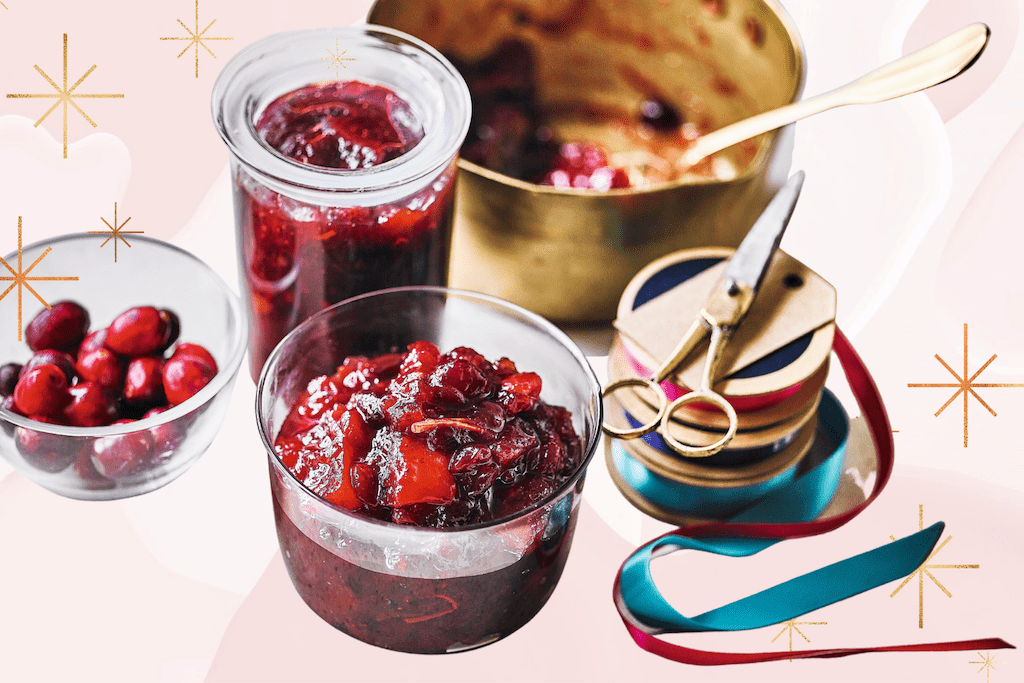
CHRISTMAS RECIPE: APPLE & CRANBERRY CHUTNEY

Ideal for a DIY gift this year or the perfect partner to the festive cheeseboard.

A gorgeous homemade chutney is sure to go down a treat with the foodies in your life, and pairs beautifully with stilton, brie and any other festive cheeseboard favourites this Christmas. If you manage to resist eating it all yourself, a pot of this great Christmas chutney makes for a wonderful DIY gift, too!

  • Preparation time: 15 minutes plus time for cooling
  • Cooking time: 1 hour
  • Makes: 1.4kg or 3 x 450ml jars

WHAT YOU’LL NEED

  • 3 Best of British Apples, peeled, cored and chopped into small chunks
  • 3 large red onions, finely sliced
  • 50g fresh ginger, peeled and julienned
  • 1½ tsp pink peppercorns, roughly crushed with the back of a knife 600g granulated sugar
  • 270ml cider vinegar
  • 2 Cooks’ Ingredients cinnamon sticks
  • 1 tbsp mixed spice
  • 1 star anise
  • ½ tsp salt
  • 600g pack fresh or frozen cranberries 

WHAT YOU NEED DO TO

1. Preheat the oven to about 180ºC, gas mark 4. Wash the jars and lids in hot soapy water and rinse well, but do not dry them. Leave them to stand upside down on a roasting tray while they’re still wet. Put the tray into the oven for about 15 minutes, until the jars and lids have been sterilised.

2. Put all the ingredients except the cranberries in a large, heavy-based saucepan. Heat gently until the sugar has dissolved. Stir to mix the ingredients together before turning up the heat.

3. Simmer gently, uncovered, for 45 minutes. The apples will have softened and become translucent. Stir occasionally, especially at the edges of the pan, to ensure that none of the chutney sticks to the bottom of the pan and burns.

4. Add the cranberries and bring to the boil. Simmer uncovered for 15 minutes, until the cranberries have all popped and the chutney has become red in colour. Carefully spoon into the sterilised jars, discarding the cinnamon and star anise. Close the lids tightly and leave to cool at room temperature. Store in a cool, dark place for up to 3 months. Once opened, keep in the fridge and use within 2 weeks. Delicious served with Stilton, strong Cheddar or ham. 

Recipe and image courtesy of Waitrose & Partners

CHRISTMAS RECIPE: CRANBERRY & ORANGE DRIZZLE CAKE

0

The ideal alternative to banana bread and a wonderful Christmas afternoon tea treat.

Here at IDEAL we love a fruity, zesty cake. And this one full of almonds and cranberries has a real Christmas kick. It’s meant to serve 10, but we’ve found it doesn’t last long even in the company of a couple!

Preparation time: 10 minutes

Cooking time: 55 minutes to 60 minutes

Total time: 1 hour 5 minutes to 1 hour 10 minutes

Serves: 10

WHAT YOU’LL NEED

  • 225g unsalted butter, at warm room temperature
  • 225g golden caster sugar
  • 4 British Blacktail Medium Free Range Eggs
  • 175g self-raising flour
  • 1 tsp baking powder
  • 50g ground almonds
  • Finely grated zest and juice of 1 large orange
  • 175g fresh cranberries
  • 50g granulated sugar

WHAT YOU NEED TO DO

1. Preheat the oven to 170ºC gas mark 3 and grease and base-line a 1kg loaf tin.

2. Place the butter, caster sugar and eggs together in a large mixing bowl. Sift in the flour and baking powder and add the ground almonds and orange zest then beat until just thoroughly mixed, taking care not to overbeat. Fold in the cranberries.

3. Spoon into the prepared tin and level the surface. Bake for 50-60 minutes until well risen and a metal skewer emerges clean from the centre of the cake.

4. As soon as the cake comes out of the oven sprinkle the top with the granulated sugar and pour over the orange juice to soak the sugar. Leave to cool in the tin.

Recipe and image courtesy of Waitrose & Partners and Mary Gwynn

10 WAYS TO ADD CHRISTMAS MAGIC TO YOUR COFFEE

Christmas 2020 is nearly here. And while there isn’t much we can control this festive season, we can decide what goes in our coffee. Oh, the possibilities! To get into the spirit of the season, why not add in some festive ingredients that can spice up your beverage? Whether you want a creamy texture or a buzz of strong flavours, turn the festive frivolity up several notches by adding a dusting of magic and topping your mug with plenty of sprinkles and lashings of whipped cream.

To share the best Christmas additions, coffee expert Lewis Spencer of Coffee-Direct.co.uk, reveals the 10 ways to add Christmas magic to your coffee.

CINNAMON

This sweet, sharp spice can increase the sweetness of your coffee without you actually having to introduce sugar to your diet. You can add a dash of cinnamon to your coffee grounds before you brew them to infuse the flavour directly into your pot, stir in a teaspoon of the spice or add a cinnamon stick to your mug.

WHIPPED CREAM

Nothing says Christmas like whipped cream on top of a hot beverage! Whether you imagine it’s a pile from freshly fallen snow or Santa’s upside down beard is up to you, but all we know is that it’s darn delicious, too.

Whipped cream in your coffee is a similar principle as adding ice cream, it’s simply cream that has been aerated. If you add it to your hot coffee it will slowly become liquid again; you can either stir it in completely, so it doesn’t clump up or spoon your whipped cream over the hot coffee and add a dashing of cocoa on the top.

PEPPERMINT

When the temperature outside has dropped, there is nothing better than a peppermint coffee. When paired, coffee and peppermint bring out the flavours in each other; the quickest way is to stir 2-3 tablespoons of peppermint extract into your coffee. For an extra special finish, garnish with sprinklings of candy cane. For a grownup kick, add some creme de menthe!

BRANDY

Coffee with brandy is generally considered an after-dinner drink and used as a digestif and it makes the perfect Christmas evening treat (although we have to admit slipping one into our morning coffee on the Big Day, too). For a Coffee Royale cocktail, add 2 tablespoons of brandy to your coffee, stir in sugar and top with heavy cream.

GINGERBREAD SYRUP

Gingerbread syrup is flavoured with warm spice and is perfect for drizzling in your coffee to create a cosy feeling. You can either add some on top or cover the bottom of your mug before adding in your coffee. No extra sugar is needed as the syrup is the perfect balance of ginger, cinnamon and biscuit.

ALL SPICE

Mixing in a variety of spices at once will create a melody of different flavours. This is also the special ingredient for the well-known pumpkin spice latte. Simply mix ½ teaspoon of allspice, 1 teaspoon ground cinnamon, ½ teaspoon nutmeg, ½ teaspoon of ground ginger to recreate the classic pumpkin spice mix.

NUTMEG

Sprinkle some nutmeg onto your coffee beans before roasting them to create a unique Christmas flavour. The pieces will stick onto the coffee beans creating a flavoured coffee. For the best results, sprinkle nutmeg and brew ⅔ of light roast and ⅓ of dark roast, which will create a medium blend of coffee with dark notes and sweet tastes from the spice.

ORANGE ZEST

To pair orange zest properly, push the orange down the grater fairly gently and be sure to turn as you go, trying to avoid the white part of the peel as this can be incredibly bitter. You can either add it to your brewed coffee and allow the nutrients to settle before you consume or place the orange zest in the filter so the brewed coffee passes over the zest to capture the flavour.

BUTTERSCOTCH

Like caramel, butterscotch is a cooked sugar. Simply put, the sweetness of butterscotch paired with coffee is a taste sensation. You can either make your own sauce with brown sugar, heavy cream and vanilla extract or buy butterscotch syrup. Add the butterscotch to your coffee mug and top with hot coffee.

MARSHMALLOWS

Topping your coffee with marshmallows is a fun alternative to cream and sugar. Simply top your hot coffee with small or big marshmallows and watch them melt into your mug. For a sweeter experience, place some in the bottom before your pour and stir thoroughly.

CHRISTMAS RECIPE: MINI TURKEY & SPROUT POT PIES

Ideal for your making the most of your Christmas Dinner leftovers.

The term ‘leftovers’ traditionally seems to bring with it a sigh and a moan. ‘Why must the turkey be so big?’, ‘what will we do with all of this?’, ‘so glad it’s a whole year before we have to do all of this again’…..

But a turkey pie certainly puts leftover meat to good use, and when done right, it’s the highlight of the festive season. This Christmas, everything is getting downsized a little, so why not make smaller pies for the freezer or give to others to take home?

Any unbaked mini pies can be put in the freezer for up to 1 month, then cooked from frozen – adjust the cooking times as needed, cover with foil during baking if they become too brown and cook until piping hot throughout. If you have some Christmas gammon or bacon to use up, throw that in the pie, too, for some extra flavour.

Preparation time:30 minutes + cooling

Cooking time:50 minutes

Total time:80 minutes + cooling

Serves: 8

WHAT YOU’LL NEED

  • 25g unsalted butter
  • 800g cooked turkey, shredded into bitesized pieces
  • 2 small trimmed leeks, washed and cut into 2cm rounds
  • 3 tbsp plain flour, plus extra for dusting
  • 500ml fresh chicken stock
  • 2 tbsp wholegrain mustard
  • 200ml tub crème fraîche
  • ½ x 20g pack tarragon, leaves only, roughly chopped
  • 200g cooked Brussels sprouts, sliced
  • 500g pack Jus-Rol Puff Pastry
  • 1 British Blacktail Medium Free Range Egg, beaten

WHAT YOU NEED TO DO

1. Heat the butter in a large heavy-based casserole or saucepan. Add the turkey, cooking over a medium heat for 5-6 minutes, until evenly browned. Add the leeks, cover and cook for 3 minutes. Uncover, stir in the flour and cook for about 1 minute. Pour in the stock and bring to a brisk simmer, stirring and scraping the base of the pan throughout, for 4-6 minutes, until the mixture thickens.

2. Set aside to cool for 30 minutes before stirring in the mustard and crème fraîche. Mix in the tarragon and sprouts and transfer to a large pie dish, at least 1.5L in size (to make smaller pies see our tip, below). Leave to cool.

3. Preheat the oven to 220ºC, gas mark 7. Roll out the pastry on a floured work surface until large enough to cover the pie dish with plenty overhanging. Cut 1.5cm strips from the outside of the pastry. Brush the rim of your dish with egg, place the strips on top and brush these with more egg.

4. Lay the pastry sheet on top of the pie and make a couple of cuts in the centre to let steam escape. Crimp the edges, brush with more egg and decorate, if liked, using the pastry trimmings. Bake for 5 minutes, then reduce the oven temperature to 200ºC, gas mark 6. Cook for a further 30-35 minutes, until golden and piping hot.  

This recipe was bought to you with the help from our pals at Waitrose.

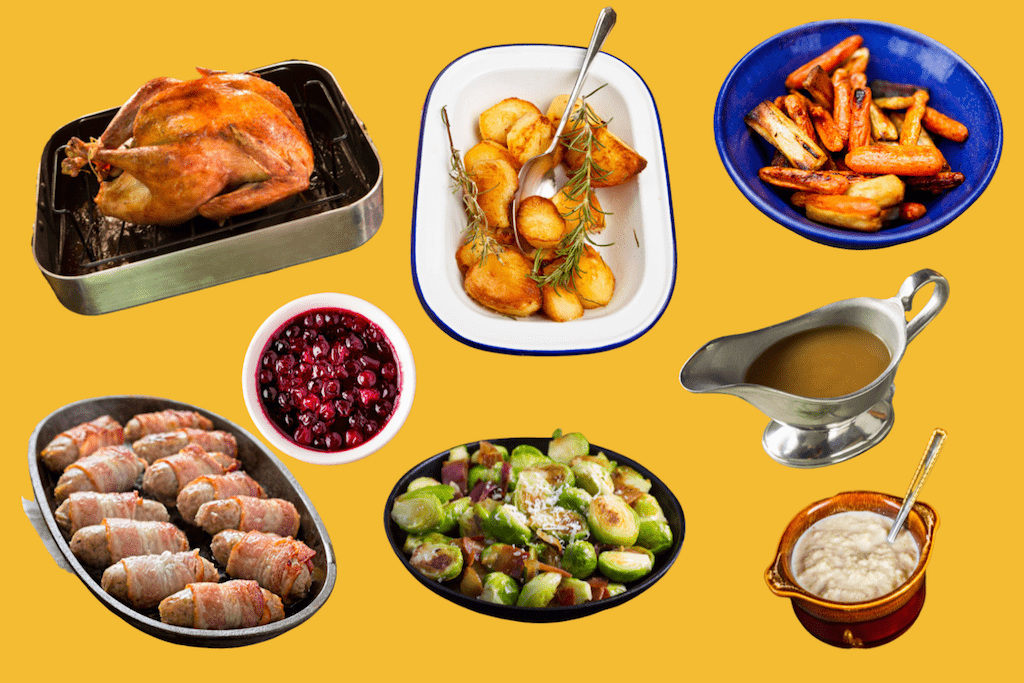
A Festive Feast: The Best Christmas Dinner Cooking Tips

Yep, we’ve just dropped the C-Bomb, and in the IDEAL offices, we’re already thinking of where to put up the tree. 

It seems like we’re not the only ones; Retail Magazine reported last month that Brits were buying in their Christmas decorations earlier than ever before this year. And if the predictions in the media about Christmas food shortages are to be believed, we half expect the turkey panic buying and Brussels sprout hoarding has already begun, too. 

But as anyone who’s made the family coo over their Christmas dinner cooking will know, the secret to festive food good fortune is that you make your own luck; proper planning, smart shopping and keeping your cool is the name of the game here. To help you have a stress free and delicious festive feast this year, here are the best Christmas dinner cooking tips.

SALTING SMARTS

There’s a reason why culinary professionals and chefs put so much emphasis on salt and seasoning; it is the difference between a bland meal and one bursting with flavour.  

Rather than only seasoning your Christmas dinner when it’s all out of the oven – which so many home cooks tend to do – make sure you’re salting gently but progressively as you go, building layers of flavour and depth in the process. That not only goes for the meat you’re roasting, but also the water you’re using to parboil vegetables and the sauces you’re making, too. 

The salt you use is important too. Make sure that you are using kosher salt or sea salt; you’ll find Maldon Sea Salt in most supermarkets and corner shops now.

Do make sure that you salt lightly each time you do – remember that you can always add salt but you can never take it away. Taste as you go to ensure you’re getting the balance just right; it’s with this discerning palate that the best Christmas dinners are made. 

GOOD INGREDIENTS MATTER

When considering Christmas dinner (or any meal, in fact), so much of the hard work is done before a single hob is turned on or any knife is sharpened. Indeed, the most important cooking decisions are actually made in the shop, on the farm, or at the market.

Have you ever tasted a dish at a restaurant, and wondered just how they can make it taste better than anything you’ve ever done at home? Well, it happens to people all the time, but there is a simple explanation for it. They just use quality ingredients. And lots of butter. Lots and lots of butter.

Good restaurants make a huge effort to source the very best ingredients around. They don’t hope that their berries or tomatoes are going to be ripe, they demand that they are, and if they are sub-par once or twice then, they will shop somewhere else.

Most supermarkets aren’t reliably good for fresh vegetables and fruit, so try and shop at the farmer’s market for your Christmas dinner if you can. Good farmers take an immense sense of pride in the food that they grow, and you know that their products are going to be fresh. You also know that they are going to taste good because they only ever grow what is in season.

And if you can’t get to a market or specialist supplier, then rest assured; many have moved online recently, in order to adapt to the changing demands of consumer behaviour in the global pandemic. In fact, you can now source meat, fruit and vegetables that used to only be available to exclusive restaurants, all from the comfort of home.

For fresh produce supply boxes, check out Borough Market’s Turnips, Abel & Cole, Natoora, and Riverford, in particular.

For restaurant quality meat for your Christmas dinner, Turner & George, the Ginger Pig, HG Walter, Hill & Szrok and Philip Warren butchers are all fantastic.

For more on the best festive ingredients, this Christmas food guide is just what you need.

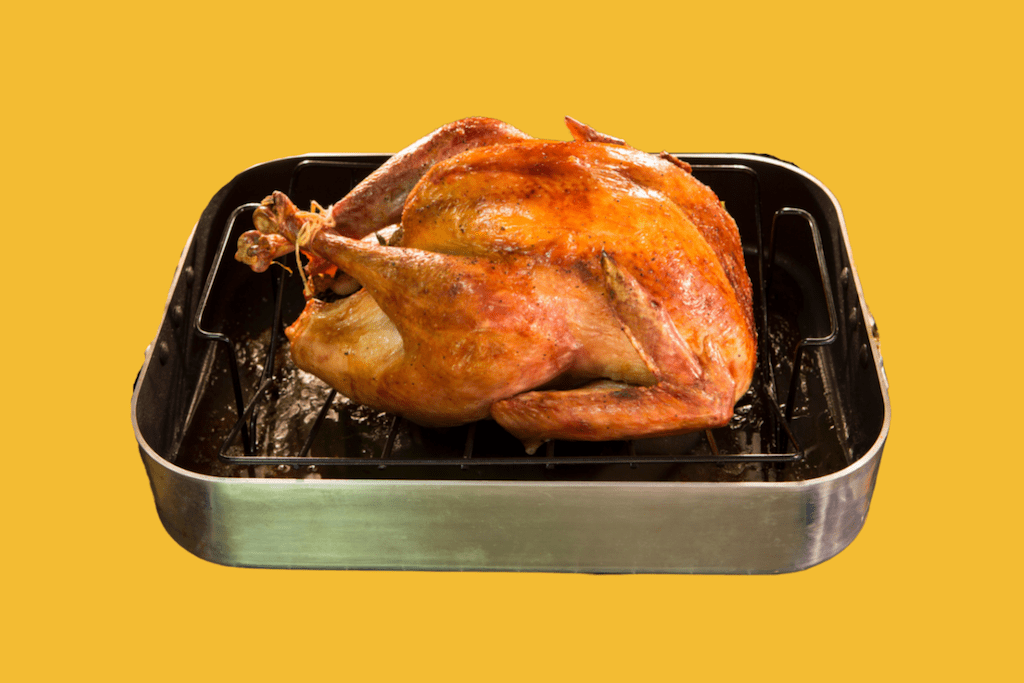
ROASTING THE BIRD RIGHT

Whilst we realise it has become a little clichéd to criticise the ubiquity of turkey, we do tend to agree with its many naysayers; turkey can be dry, it leads to too many leftovers, and it just isn’t as satisfying as a gloriously roasted, golden chicken, or even a deliciously gamey goose.  

Regardless of which bird will be coming to roost on your Christmas dinner table, there are a few simple rules to follow to ensure it turns out just right. Check out these 7 tips for the IDEAL roast chicken (same rules apply for other birds) for those.

©[ JMichl] VIA CANVA.COM

IT’S ALL (ABOUT THE) GRAVY

Let’s face it; no one is looking at the sprouts lustily, however nicely you’ve boiled them. Very few around the table have had saucy dreams about lathering themselves in bread or cranberry sauce in the lead up to the big day. Not many have declared the roast parsnips to be the highlight of their Christmas dinner spread.

But when it comes to gravy; people do care. We’d go as far as to say it’s a make-or-break situation, with the finest versions of this beloved sauce tying together the whole plate, no, the whole table.

We’ve got you covered here; check out these tips and give the gift of great gravy this Christmas.

©[pixelshot] VIA CANVA.COM

…AND THE ROASTIES

Wash the starch off post peel. Take the boil to the very edge. Let them steam dry while heating up a generous amount of duck or goose fat and roast. Always allow for more time than you’d bargained for, as they always take longer than expected. Season well at every stage. Done.

THE FREEZER IS YOUR FRIEND

For many, Christmas is nothing without all the trimmings. By this, we mean the sides and sauces, a lot of which you can make ahead of time to save you the stress of Christmas morning. Doing so will allow more time to enjoy some festive fizz, of course.

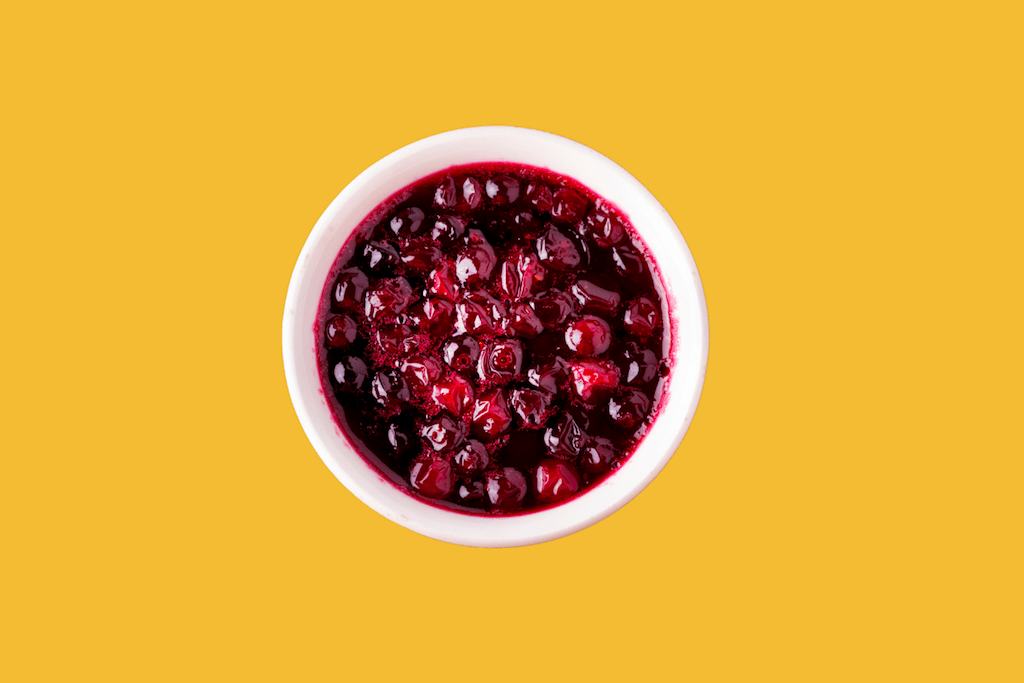
Prepare your cranberry and bread sauce a month in advance if you have to. It’s a good idea, too, to make a gravy master stock with plenty of flavour in the weeks leading up to Christmas Day, that you can whip out on the day. Pigs in blankets, stuffing, and parsnip puree can be made in advance and frozen, too. If you’re looking for easy ways to pimp up your vegetables quickly, consider a bacon butter made ahead of the day.

©[ letty17] VIA CANVA.COM

THE IDEAL VEGAN CHRISTMAS

Christmas dinner should be the most inclusive, welcoming feast of the year, and all this talk of chicken fat, roasting juices, tender meat, duck fat and the rest feels a little perverse when there are vegans sitting around the dinner table, too. But as if by magic, we’ve got all the plant based diners covered too; check out these 6 ideas for vegan twists for Christmas dinner staples.

CLEAN AS YOU GO

No one wants to enjoy their Christmas dinner with the impending threat of a mountain of washing up looming over them. Rather than letting all the dirty pans build up into a chaotic, potentially contaminating mess, it’s essential that you clean as you go. Not only will this help everyone enjoy a more relaxed meal, but it will also help you, the Masterchef, put the finishing touches to your Christmas dinner in a clean and tidy kitchen. 

Now, can we expect an invite to your place this Christmas?

7 THINGS TO THINK ABOUT BEFORE SWITCHING TO AN ELECTRIC CAR

If you’ve looked on the roads recently (or listened to the roads, in fact) you will have noticed that the number of electric vehicles in the UK has increased

Switching to an electric vehicle isn’t simply a move to follow the latest fashion, however; doing so comes with several benefits. Many governments around the world have already enacted laws to phase out petrol and diesel vehicles, so for many, it’s a smart time to start considering making the switch. 

But before you do so, there are a few things you need to think about to gauge if an electric car would be right for you. Here are 7 things to think about before switching to an electric car.

HOW WILL YOU USE THE CAR?

Conventional vehicles have one major advantage over electric cars: range. The range of an electric car is dictated by the battery in the car as well as the availability of charging stations along the routes you would like to travel. This means that you have to plan your route, taking charging stations and your battery into consideration. With a conventional vehicle, you only need to think about petrol stations, which is not a huge concern because there are thousands of petrol stations for each available charging station.

If you will be using your car for short runs or to commute to and from work, an electric vehicle with about 100 miles of range should serve you well. If you want to travel some distance during the weekends, consider vehicles that have about 150-200 miles of range. If you plan on going on long trips, choosing one with over 200 miles of range would be ideal. 

The good news is that there are more electric vehicles with over 200 miles of range and more charging stations than there were a few years ago so “range anxiety” should not be such a big concern. Also, remember that an electric car’s range is affected by the speeds you drive at, if you brake a lot or not and the temperature outside; as such, there are ways to take care of the battery behaviourally.

Read: How to ensure your electric vehicle’s battery lasts 

WHEN AND HOW TO CHARGE

Although the number of charging stations is increasing, many people find it easier and cheaper to charge at home. At home, you can get Level 1 charging (110- volts) or Level 2 charging (240 volts) outlets installed. Most people choose to install their chargers indoors so they can charge their cars overnight easily. If you decide to install one outdoors, you will need an electrician to ensure it is weatherproof and that it adheres to the laws and regulations set in your area.

If you do not have a charger at home, you can charge your vehicle to a usable level (an additional 20-25%) while eating lunch, shopping or going for a coffee – if it can be charged at 240V, that is. This is because many establishments are now installing electric vehicle chargers to lure electric vehicle owners inside. Many are also installing Level 3 (DC fast charging) chargers that can charge from 0 to about 80% in 30-60 minutes depending on the model.

TO BUY OR TO LEASE?

While the sales of electric vehicles have been increasing over the past few years, reports indicate that close to 80% of all electric vehicles are leased. This is a huge number compared to the 30% of all new vehicles of all types (fuel and electric) being leased. Electric car leasing comes with several advantages for the buyer including lower down payments and the availability of monthly premiums rather than paying through conventional financing. This makes a cheap electric car lease an attractive option for those who cannot buy a vehicle outright.

To attract people who are interested in electric vehicles, many automakers often offer electric car lease deals through other businesses. These EV lease deals can lower the cost of leasing the electric vehicle and popularise the brands behind the promotions as well as electric vehicles in general.

Leasing an electric vehicle also means that you are always driving a car with the latest technology as you will be able to switch cars and get a new or barely used one every 2-4 years depending on your lease agreement. 

Understandably, many people have concerns about electric vehicles, with concerns arising about cost, charging and safety. Those interested in leasing or buying an electric vehicle can find all the information they need at ElectriX, a website dedicated to helping you switch to an electric car. They have detailed guides on anything you would like to know about electric cars, including EV lease deals, the types of chargers to use, where you can take your EV on a long trip, and more. Do check it out.

Leasing an electric car will also allow you to see if it will be right for you and your needs and will give you first-hand experience on how it would be to own and drive one daily.

INCENTIVES

Because governments want to make the switch to electric vehicles as fast and smooth as possible, they are offering various incentives for those who make the switch. These incentives help subsidise the cost of the electric vehicle. In the UK, for example, car owners can benefit from plug-in grants, purchase grants, lower ownership tax and lower company car tax, all of which can reduce the cost of buying or owning a personal or business electric vehicle significantly.

MAINTENANCE AND BATTERY LIFE

Another consideration when switching to an electric car is the battery. While electric vehicles generally require a lot less maintenance than their petrol and diesel counterparts due to the fewer moving parts, one thing that requires regular checks is the battery.

Battery technology has come a long way in the past few years, with manufacturers saying that their vehicles’ batteries should be good for about 100,000 miles. Do note that even with the improvements made in this area, electric vehicle batteries still degrade and thus hold less charge over time.

You can expect to replace the electric vehicle battery after 8 years, although some manufacturers in China claim to have new battery technology that will take that to 15 years. Because we are so far yet to see any early EV models requiring battery swaps due to degradation, we can assume that the batteries will last as long as the vehicle does.

INSURANCE

Generally speaking, EV insurance tends to be more expensive than that of petrol and diesel vehicles. The main reason for this is because these vehicles are usually more expensive to repair, mainly due to the expensive battery packs. These costs are passed down to the vehicle owner.

ELECTRIC BILL

Switching to an electric vehicle that is charged at home means you move the cost of charging into your electric bill. That said, even with this increase, you shouldn’t be too concerned; electric vehicles cost around £9.00 for a full charge depending on where you live and when you charge it.

Most people drive about 16 miles per day on average, meaning that the cost of charging the electric vehicle, depending on a few factors like how you drive, will come to around £20.00 per week, which is cheaper per mile than a diesel or petrol vehicle.

THE BOTTOM LINE

There is a lot of discussion surrounding electric vehicles, considering the environmental benefits they have, and petrol and diesel vehicles are being pushed out. An electric vehicle is a great option, but there are some things you will need to consider before you make the switch.

Check out these 4 gift ideas for electric car owners this Christmas.

WHY BEEF IS THE IDEAL CHOICE FOR YOUR CHRISTMAS DINNER

And top tips on how to cook a beef roasting joint for your festive feast

Are you looking for an alternative to Turkey this Christmas? Chicken too pedestrian? Lamb a little too springtime? Your festive feast needn’t be mired in rhetorical questions…

Increasingly, discerning Brits are dispensing with the reliably dry, often wasteful turkey roast in favour of something different, and we’re very much here for it. And with the rumours going around that there will be a shortage of turkeys this year, we’re hedging our bets on beef. 

A roast beef for Christmas is so much more than your average Sunday Lunch. Think mustard crusts and rich Madeira glazes, a deep, brooding gravy, and the best possible reason to crack out the horseradish…all there to turn your beef into a showstopper worthy of the Christmas table.  

And let’s not forget an excuse to serve up your famous Yorkies; yep, we believe that Yorkshire puddings belong only with roast beef (don’t @us).

But the best thing about doing beef for Christmas (aside from the flavour of course), is that unlike a roast turkey, there’s no need for constant basting, prodding and probing, and hours on hours of cooking. If that beef roasting joint turns out pink in the middle and the juices don’t run clear, the family are actively cooing. If the same happens with your turkey, the family are going down with salmonella.

Yep, beef is a great festive alternative that is sadly so often overlooked by so many, believing their Christmas roast needs wings to really take off. Throw the rulebook out the window this year; with the help of experts from South Ormsby Estate who rear a herd of ethically farmed, grass-fed Lincoln Beef in the heart of the Lincolnshire Wolds, here’s why beef is the IDEAL choice for your Christmas dinner and some top tips on how to cook a beef roasting joint for your festive feast.

SOURCING YOUR BEEF

It’s simple; the better the quality of meat, the tastier the end result. This is particularly true of beef; cooking it perfectly is less in the hands of the cook (phew) and more down to everything that’s come before it. 

The hard graft has already been done, on the farm and in the butchers, by people with expertise and experience. These guys care deeply about their product, not just the coin they’ll make. We’re sure you’ll agree that only the best cut of beef will do for Christmas; buy beef from your local supermarket and you may unwittingly compromise on both flavour and welfare. 

You’ll want to choose a cut of beef ideally suited for roasting, which will depend on the amount of time and money you’ve got at your disposal. Whatever you go for, there needs to be a natural covering of fat and good marbling for maximum flavour. Roasting on the bone imparts even more, so for us, it has to be a rib of beef. The forerib, preferably dry aged, with the chine removed for easier carving, is ideal.

In terms of breed, Massingberd-Mundy Lincoln Red Beef from South Ormsby is a herd of pure, original Lincoln Red Cattle, one of the nation’s oldest and rarest breeds of beef cattle. It boasts a depth of flavour we’re particularly fond of on the Christmas dinner table. 

But how to cook that beef perfectly? Here are some top tips on doing just that…

SALT IN ADVANCE

If you’re going to enjoy a roast beef that’s seasoned throughout rather than simply possessing a salty exterior, it’s a good idea to salt your roasting joint a little in advance of cooking it, allowing the seasoning to penetrate all the way to the middle.

A little dry brine the day before cooking (fine salt added on all sides) is fine. Then, rest your beef on a wire rack uncovered in the fridge until you cook it.

REMOVE YOUR BEEF FROM THE FRIDGE BEFOREHAND

For an even cook on your beef and to gain as much control of the cooking as possible, it’s a good idea to remove your beef joint from the fridge well in advance of roasting it; an hour, at the least, is appropriate here.

Allowing your meat to come up to room temperature prior to it hitting the oven means that the beef will cook more evenly, and provided you rest it thoroughly at the other end of the cooking process, will produce a more juicy end product, too. If you don’t do this, you run the risk of the outside of your beef burning before the middle has even warmed up.

Doing this simple task on the morning of Christmas Day could be what makes your beef taste that bit better.

BASTING STATIONS

Basting isn’t just for birds. Another great tip to use when cooking your beef this Christmas is to periodically take it out of the oven during the cooking process to baste it using any of the fat and meat juices that have rendered from the roasting joint. You could even supplement this with a little added beef dripping, if you like.

The best way to do this is to tilt the roasting tray (using oven globes) to allow all the juices and fat to pool in one corner. Then, with a ladle, collect that pooled fat and pour it back over the beef joint.

Fat is flavour, as they say, and by doing this you’ll not only keep the beef incredibly moist and tender, but you’ll add heaps of flavour, too.

INVEST IN A MEAT THERMOMETER 

Investing in a meat thermometer might be the best decision you’ve ever made when cooking a Christmas roast beef. 

Using a thermometer to cook your beef will allow you to make sure you are cooking the meat to perfection without drying it out. No one wants overcooked, grey beef, so when checking your beef, the recommended temperature is as follows:

  • Rare beef – 50°C
  • Medium rare – 55 °C
  • medium – 60C °C
  • well done – 70°C

Remember that any roast meat will continue cooking for a while after it’s left the oven, so to be on the safe side, remove your beef when the thermometer is a couple of degrees below those suggested temperatures.

Read: 8 IDEAL steps to the perfect steak

SLOW & STEADY WINS THE RACE

Cooking your meat slowly can really help to bring out all of the flavours in your beef, and minimises the worry of the meat drying out. Slowly cooking your meat, as opposed to cooking it at a higher temperature quickly, means that your beef will come out juicier and more tender. 

We’re talking really low here, like 60°C for four to five hours which will get the centre temperature up to that 55°C medium rare in a patient, controlled manner. 

Some cooks will also brown the exterior of the roasting joint in a searing hot pan prior to (or sometimes after) roasting it. This gives the beef that much coveted crust, and a delicious caramelisation that works so well as a contrast to the blushing meat inside.

REST FOR THE WICKED

The biggest rookie error of all when serving up beef as a Christmas dinner centrepiece is to get over excited prematurely, and slice into that beef as soon as you’ve taken it out of the oven. Instead, you need to let it rest to ensure the meat juices redistribute and remain in the joint, rather than all over the chopping board. 

Conventional wisdom suggests that you’ll want to let it relax for about as long as you cooked it for, though an hour or so should be fine if the aromas are too tantalising to resist. Just make sure you keep your resting beef covered with foil, so it remains warm.

Now, all you have to do is finish your gravy and pray those yorkies rise!

THE BOTTOM LINE 

We hope that we’ve made your Christmas cooking experience that little bit easier and that this year, the whole family appreciates this delicious deviation from tradition. We should warn you, however, that you’ll now be cooking roast beef for the family on Christmas Day for eternity. Good luck!

6 IDEAS FOR VEGAN TWISTS ON CHRISTMAS DINNER STAPLES

‘Another nut roast’, sighs the only vegan in the family, but around the Christmas dinner table, the complaints go unheard. 

It’s a tale as old as time itself. At least, until recently. According to the Vegan Society, the number of vegans in Great Britain quadrupled between 2014 and 2019. Whilst in 2014, just 0.25% (around 150’000) of the population were vegan, by 2019 that number had risen to more than 1% – that’s 600’000! 

Yep, it’s looking like this Christmas, many more hosts are going to have to sharpen up their skills and expand their repertoires to cater for the UK’s ever growing number of plant based diners.

If you want to look (and cook) beyond the nut roast this festive season, then read on; here are 6 ideas for vegan twists on Christmas dinner staples.

VEGAN CANAPES FROM ACROSS THE GLOBE

Firstly, the festive canapes. Whilst smoked salmon blinis are always a treat, why not think outside the Christmas hamper this year and serve a selection of vegan snacks instead? Instead of bringing out the predictable bowl of nuts or often unpalatable meat substitutes, consider channelling the cuisine of countries known for doing veganism right.

Interestingly, it’s in India, Mexico and Israel where vegetarianism, veganism and is most prevalent. Everyone loves onion bhajis, whilst guacamole and proper corn tortillas are a real treat, and who could resist falafel and hummus on the Christmas canape table? We’re also fans of Vietnamese summer rolls but with a winter twist – think red cabbage, kale and other seasonal veg.

What smoked salmon? Indeed.  

THE MAIN EVENT: SEASONAL CHESTNUT & MUSHROOM PITHIVIER

Can you get away with serving a nut roast again? Can we get away with mentioning it again?

For the main event, the showstopper, the much-nicer-than-roast-turkey-anyway headlining act, we just love the idea of a seasonal, totally festive chestnut and mushroom pithivier. This recipe from Karen Burns-Booth via Great British Chefs uses vegan puff pastry, which is surprisingly good, and seasonal wild mushrooms, chestnuts and silken tofu. A real treat, and one which can be ‘carved’ at the table for that extra splash of theatre, too.

Alternatively, and as Tesco have done this year, consider a Wellington using a filling of mushroom duxelles and pea protein, the latter of which gives vegans an extra boost of protein which they might otherwise be lacking. 

The benefits of pea protein are numerous, and the wonder ingredient, which is high in antioxidants and 100% vegan, has been said to help with weight management, gastrointestinal health and insulin resistance. What’s more, including plenty of the stuff in your tired can also help lower cholesterol. 

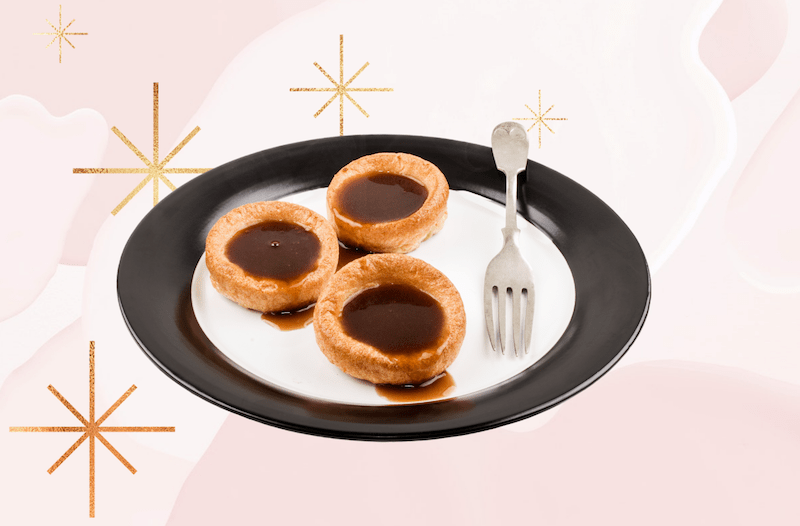
CHICKPEA YORKSHIRE PUDDING

A study in 2017 conducted by Waitrose revealed that, of all the trimmings which sit on the Christmas dinner table, it was Yorkshire pudding that vegans missed most. 

Indeed, a traditional Yorkshire pudding is a wonderful thing, but the egg, milk and dripping present a few obstacles to the vegans in the family. Fortunately, the experts over at *checks notes* IDEAL Magazine, have offered up this cracking, vegan Yorkshire pudding recipe using chickpea flour. Do check it out and ignore the fact that, surely, Yorkshire pudding has no place in the Christmas dinner spread in the first place.

A PROPER NO-BISTO VEGAN GRAVY

Personally, it’s a proper, homecooked, lovingly nurtured gravy using all those delicious meat juices which is the only thing tempting us back from veganism and over to the dark side.

Phew, almost slipped up there. But then we reassured ourselves that an equally moreish vegan gravy exists, made meaty, mouth coating and full of umami by soy sauce and dried porcini mushrooms. Is there anything they can’t do?

Here’s how you do it.

Simply soak a handful of dried porcini (or shitake) mushrooms in a couple of gravy boat’s worth of hot vegetable stock for half an hour or so. 

In the meantime, sweat down diced shallot, celery and carrot, as well as some finely chopped thyme, in a little vegetable oil, making sure not to colour. The longer you do this, the more flavour you’ll extract. After half an hour (if you had the patience), make a roux in the same pan with a tablespoon of vegan butter and the same amount of plain flour. Then, slowly add the vegetable stock and mushrooms to the mix, whisking to incorporate.

Simmer the liquid until it’s reduced by half and watch that gravy thicken! Pass the liquid through a sieve and season with a little soy sauce and perhaps a dash of sherry. Enjoy.

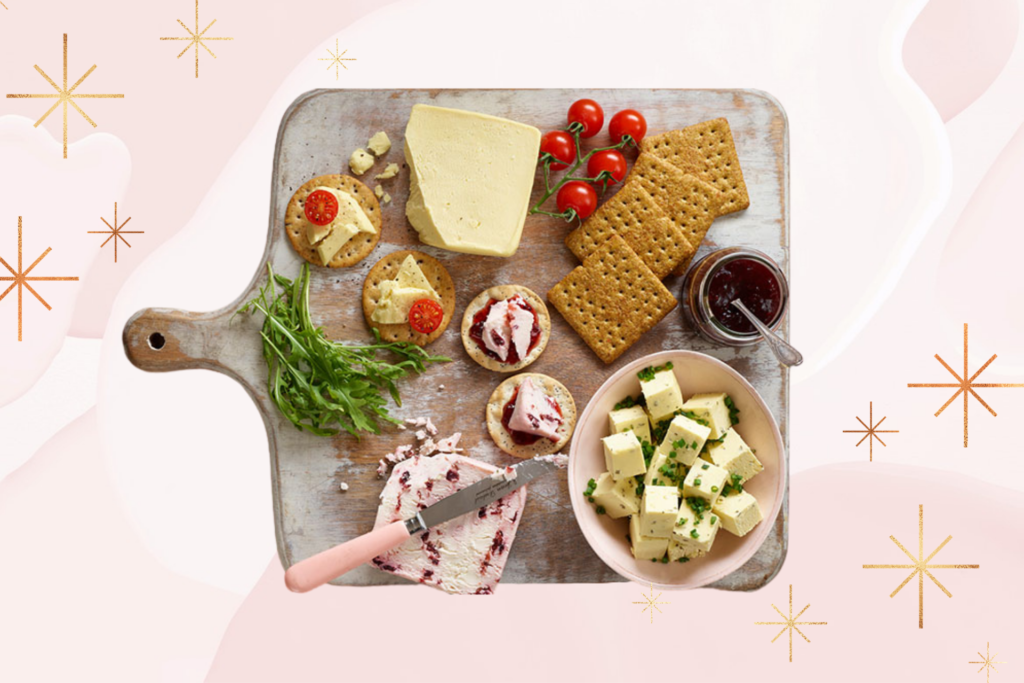
THE BEST OPTIONS FOR A VEGAN CHEESEBOARD

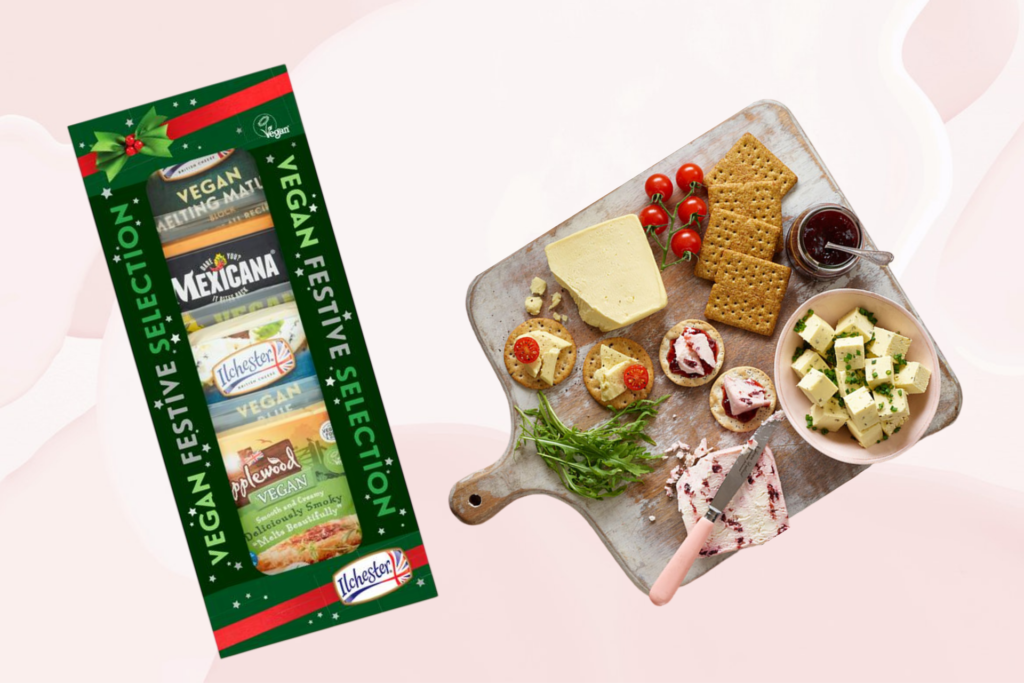
In recent years, several major brands have launched Vegan cheeseboards, with Asda and Sainsbury’s this year going head to head with their dairy free, after dinner offerings. 

In the green and white corner, you’ll find Wensleydale and Cranberry Alternative, Garlic and Chive Mature Cheddar Alternative, and Traditional Mature Cheddar Alternative, the latter of which the good guys at Veganuary refer to as ‘full bodied and authentic tasting’. 

In the orange corner, Sainsbury’s festive cheeseboard boasts four choices; Ilchester Melting Mature Cheddar, Ilchester Blue Cheese, Mexicana and Applewood. Lovely stuff!

Certainly better than a couple of carrot sticks to finish, don’t you think?

AFTER DINNER CHOCOLATE TREATS

Reliably and unanimously, way beyond the smell of frying bacon or the tang of a Stilton cheese, surveys suggest that, of all foods, vegans overwhelmingly miss chocolate the most.

When the after-dinner truffles are brought out this year, make sure you bear this in mind. Wouldn’t it show a real touch of class to serve up some vegan chocolate cherry tarts as an alternative? We know we’d be impressed. 

GIFTS FOR YOUR FRIEND WHO ENJOYS THE GREAT OUTDOORS

Who doesn’t love a good frolic in the countryside and the unbridled sense of freedom it can bring? That said, such a trip can be somewhat hampered by a lack of preparation, with a fair amount of kit and equipment required for such an adventure to run smoothly. 

If you’ve a friend or family member who is particularly keen on such trips into nature, then why not consider a Christmas gift that facilitates their forays into the countryside? we’ve pulled together a list of 6 IDEAL gifts to give your friend who loves the great outdoors. 

A SLEEPING BAG FOR WILD CAMPING

If your friend would love the idea of heading out into the outdoors and pitching up in a remote natural spot for the night, then they are not alone. Wild camping has seen a surge in popularity during these pandemic times, with people seeking space, freedom and to get up-close and personal with nature.  

When searching for the ideal wild sleeping camping bag, be sure to look at the temperature rating. As the Scotsman explains “As a general rule, it’s worth looking for a -10C to -20C limit for expedition bags, around a -5 to -10C limit for UK and European mountain adventures and 0C – 5C for general spring and summer camping with the family”. 

Be sure to let your friend know that wild camping is technically not legal in most places in England and Wales – all land belongs to someone – so you must make sure you get permission from the landowner before camping overnight. 

Their best bet is to go to the wilds of Scotland where the-right-to roam laws prevail and you’re allowed to camp, responsibly of course. If they want to go wild camping in England or Wales, Dartmoor National Park allows camping in specific areas. Also, there are many farmers in the Brecon beacons who allow wild camping on their land. Perhaps, as an extra gift, do the hard research for them and alongside the sleeping bag, give a handwritten list of all the places they can go wild camping, legally. 

©[Ross Helen] VIA CANVA.COM

HIKING BOOTS

Any serious, self-respecting hiker who loves the outdoors will encounter their fair share of high-running streams, puddles and pools of mud, all ripe to traverse if you’re wearing the right clothes. Help your friend keep their feet dry on any hiking adventure with waterproof hiking boots, giving the gift of comfort and safety and allowing for navigation without unnecessary, limiting trepidation. 

WATERPROOF SWIMMING SHOES

For someone who loves the great outdoors and the seaside, in particular, water shoes are basically your feet’s best friend. They are ideal for swimming, hiking, climbing, and all manners of outdoor activities. They are especially useful for pebble beaches – if you’ve ever tried to get out of the water at Brighton beach, you’ll know what we mean.

A PORTABLE STOVE 

A reliable, portable stove can make all the difference to a good outdoor trip and the joys of eating al fresco. Stoves, of course, vary immensely in size and generally speaking, for trips into the great outdoors, the smaller the better; no one wants to be lugging a huge stove up a hill, after all. Consider a small ultralight burner which can fit into a pocket or opt for something more sturdy but still compact.

Also consider gifting an accessor that will go with their portable stove. And why not add a hotplate stove extension so your friend can cook pancakes on the beach? 

Read: 4 hacks for healthy and delicious campfire cooking

A GOOD SET OF THERMALS

A good set of thermal underwear, long johns, and other base layers are essential for anyone who loves the great outdoors. Thermals work by trapping warm air close to your body, providing much needed insulation, and keeping things toasty from within on those long winter walks.

A PORTABLE BBQ

It’s no secret that single use, disposable BBQs are bad for the environment. Moreover, they can make your food taste like lighter fluid. So, to ensure your friend can still enjoy the joys of eating al fresco responsibly, why not buy them a mini, portable BBQ this year? 

What makes a good portable BBQ? As the Independent highlights ” What makes a top portable barbecue is, to some degree, in the eye of the beholder”. Indeed, while the ability to cook food of course matters, nobody expects a portable BBQ to be as good as the type you have at home. As such looks matter. Moreover, they say that “it should be easy to use…because barbecuing can be stressful enough…you need your kit to work”.

5 IDEAL GIFTS TO GIVE YOUR GREEN-FINGERED FRIEND

For many, gardening is a wonderful antidote to all the stresses of life, giving a chance to get some fresh air, step away from the ubiquitous screens, and even provide a bit of a workout. So, for Christmas this year, why not give the gift of gardening to a loved one? We’ve pulled together a list of 5 IDEAL gifts to give your green-fingered friend. 

A MINI GREENHOUSE

We’re not all blessed with lots of backyard space. In such instances, making the most of compact spaces is the best way to enjoy the perks of a garden even if space is tight. 

A mini planting tent is very easy to carry and move, meaning you can shift it around to suit the conditions of your garden and ensure it’s in a sunspot. It’s a versatile number, too; some gardeners like to put the mini greenhouse directly on the grass and put the potted plants in the greenhouse, but you can also put it on the soil of the garden bed to better protect the plants. 

A SMART THERMOMETER 

Plants need consistent temperatures to flourish, so a digital thermometer for easy reading and to check that everything is warm, cosy and constant makes for a great gift for the diligent gardener.

Give your green fingered friend peace of mind with a smart thermometer. This clever gift can monitor your pal’s greenhouse and transmit temperature information to an app on their smartphone, reassuring them that things are running smoothly, or warning them in time that there’s a disaster approaching. Plant based peace of mind, that’s for certain.

A GROW TENT

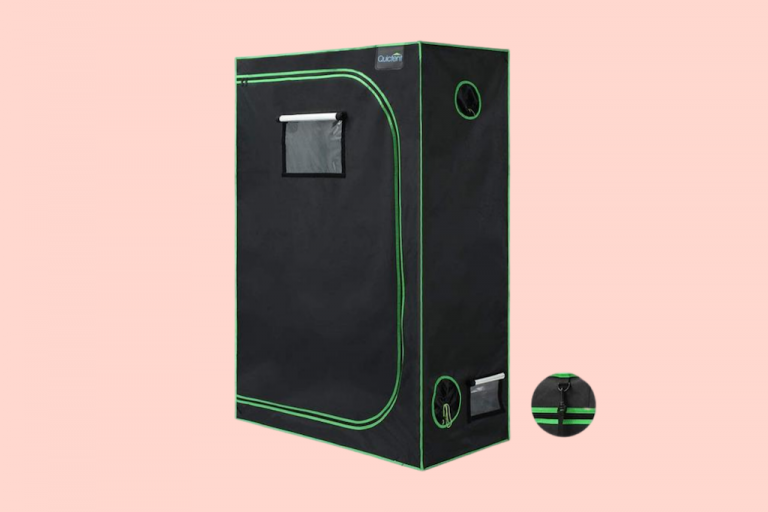
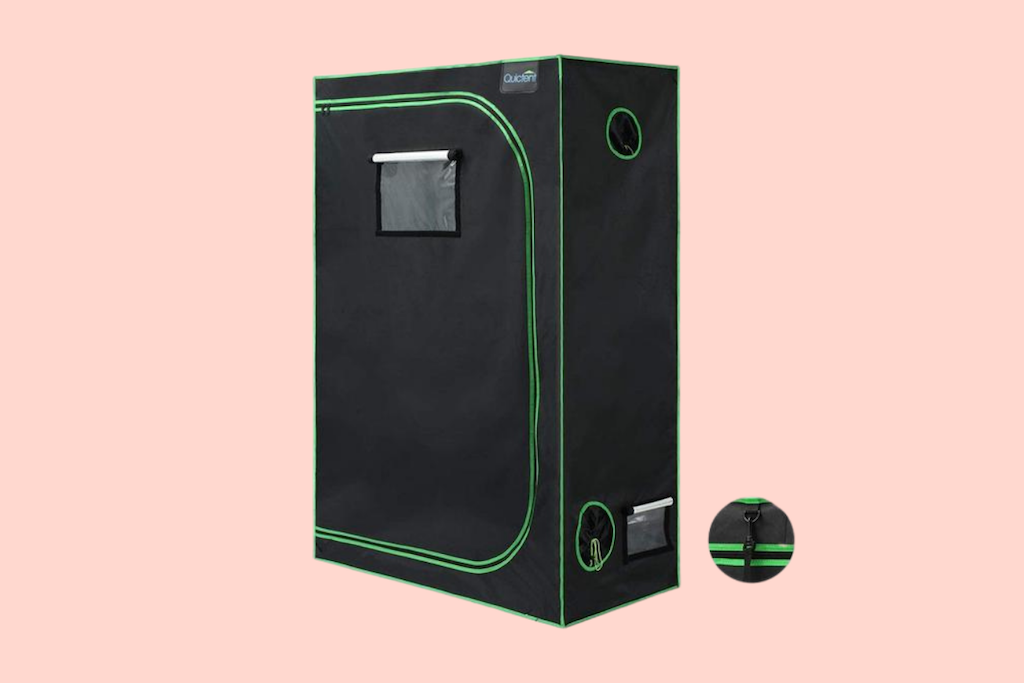
What’s a grow tent, we hear you ask? Well, put simply, it’s a fabric lined box with heat and light reflective material with ventilation which will let your green fingered friend grow plants indoors all year round. 

They are especially ideal for growing fruits, vegetables and herbs indoors, allowing you to have complete control over humidity levels, meaning your plants can thrive. 

We’re fans of the  4′ x 2′ x 6′ Grow Tent from the guys over at Quictent. This indoor mini planting tent material has passed SGS certification, will not release any harmful gases, and is 100% safe for animals, plants and humans. What’s more, the cover is made of a heavy duty fabric that is not easily torn.

Boasting a zipper door, it’s also convenient to open and close the entrance area, and the hook on the door is user-friendly. Finally, the frame of this grow tent is made of high hardness steel rods that can withstand 120 lbs. There are four additional nylon straps in the package for easy hanging of light lamps, humidifiers and other supplies.

A SMART GARDEN

Herbs are a useful thing to have to hand to make home-cooked dishes even more delicious. However, herbs can be hard to keep alive if you live in a small apartment. Enter the smart garden – ideal for the urban gardener. 

Smart gardens are clever little things. They come with everything you need to build an indoor garden of your own, including pre-seeded plant plots. You simply insert them in water, turn on the LED lights and wait for them to grow. The Click and Grow Smart Garden is perhaps leading the way when it comes to smart gardens and is an affordable option at just under £120.

Read: How to grow your own herbs at home

A SOIL ANALYSER 

The pH of your substrate or soil has a direct impact on what nutrients your crops can absorb confidently, and this level varies depending on your substrate or soil, and the type of fruit, vegetable or herb that you’re growing. 

For any gardener, it’s a smart move to check the pH of your nutrient solution or soil regularly. Enter a soil analyser. These devices have probes that can be inserted into the soil to give you information such as pH, light levels, moisture, and nutrient composition. Get your green-fingered friend a pH test kit or a Bluelab pH pen to do this. It will no doubt become part of their daily routine when in the greenhouse watering and maintaining. 

8 CURLY HAIR CARE TIPS THAT YOU NEED TO KNOW FOR WINTER

Beautiful curly hair comes in so many shapes and sizes; 3a, 3c, 4a to name just a few. So, when it comes to hair care, it’s not a one size fits all kind of deal. However, there are some general ways girls with curls can look after their hair, especially in the winter months when your hair is often in need of some extra TLC. With this in mind, here are 8 curly hair care tips that you need to know for winter. 

IT’S ALL ABOUT THE MOISTURE

There is no doubt that winter can play havoc with our hair. Blustery winds snarl our locks, snow, rain and ice make hair brittle, and dry indoor heating is just as damaging as a hairdryer. Yep, winter is undeniably harder on your locks because there is less moisture in the air which can spell disaster for bouncy curls.  

It’s no secret that curly hair can get dry fast, especially in winter. Because of the curves and turns that curly hair has, natural hair oils don’t travel smoothly from the scalp to the ends, causing a lack of moisture. As such, that lack of moisture is the number one reason for damaged hair, as it makes it fragile and harder to take care of.

You can tell if your hair needs more moisture if it feels rough to touch and is frizzy. And if some pieces of your hair are reaching up into the air, then that’s a telltale sign of thirsty locks.

So how do you quench those thirsty locks? Firstly, regular masking can make a massive difference to your locks – getting into a routine of doing it once a week is a good idea. Secondly, while your hair is still damp, apply your products so the moisture is sealed into your curls as it dries. Remember to apply your products heaviest to lightest – so, that’s leave-in conditioner first and then oil which will lock in moisture and protect your hair from the dry and damaging cold weather

Remember that hot water can cause damage to your hair as it removes all the oils. And whilst we realist it’s not the most comfortable thing to do in winter, washing your hair with cold water will better lock the moisture inside your hair.

THE RIGHT PRODUCTS 

There are endless shampoos, conditioners and other hair products on the market, all of which can make choosing the right ones confusing. Unfortunately, not all products are good for your hair. Some of them can cause dryness, split ends, and extreme breakages. 

The hair care experts from Curl Centric recommend reading the ingredients of every product you buy to ensure that it doesn’t have harsh chemicals that can damage your hair. Products that contain sulfates, parabens, petrolatum parabens, petrolatum, and mineral oil can be a major reason for your damaged hair. They also highlight that unfortunately, these ingredients usually constitute at least 85% of the product market, so be scrupulous. 

BTW, DON’T OVERMOISTURE

Although paying attention to moisture and hydration is one of the top ways to achieve frizz-free curls, too much of it can be a bad thing. With curly hair, moisture overload can happen suddenly and make your hair limp and stop curls from forming. Moisture overload can lead to hygral fatigue, which, in layman’s terms, is damage to your hair follicles caused by swelling from excessive moisture and over conditioning. 

If you experience a change in your curl pattern and they start to feel greasy, sticky and weighed down, then use a clarifying shampoo. We’re also fans of apple cider vinegar rinse for curly hair. It’s a good shampoo replacement for curly hair because it’s oh so gentle and doesn’t alter your natural curl pattern.  

SQUISH TO CONDISH

This is another way to lock in moisture to your hair that world all year round, but we thought it deserved its own subtitle. ”Squish to condish” (or S2C) is a hair conditioning method created by hair stylist Melissa Stites. As Glamour explains, the “method that helps push even more moisture into your curls to keep them hydrated and healthy even after you rinse”. They go onto say that it’s now “now one of the most popular curl-conditioning methods you’ll find on the interwebs”. 

PROTECTIVE STYLES FOR WINTER 

Consider wearing your textured hair in weaves or cornrows, otherwise known as protective styles.  Doing so means that you won’t have to manage your hair for weeks, sometimes months. As Pure Wow explain, these “styles that reduce tension on the hairline, protect the ends and require minimal manipulation”. Some of the best protective hairstyles include straight back cornrows, Bantu knots, box braids and, of course, wigs. 

BRUSHING 

As we mentioned before, curly hair is naturally on the drier side, which means that it can break easily while brushing, adding more damage to it. If you feel your hair breaking while brushing, it’s time to change your methods.

Start by avoiding brushing it when it’s dry, as it will create more frizz. In fact, the best time to brush your hair is in the shower after you’ve conditioned it. This way, it will be easier to detangle without any damage. When it comes to the type of comb you should be using, use only wide-toothed combs to remove any knots.

ASK SANTA FOR SOME SILK

That wool beanie that you love so much is not doing any favours to your hair. Woolly hats can leave curly hair frizzy and flat; instead, ask Father Christmas for a silk or satin lined hat to prevent friction on your hair, which will, in turn, will prevent frizz and split ends. 

Also, ask the big, bearded man for a silk pillow. As Bustle explains, ”Silk pillowcases can help your hair retain its moisture throughout the night and allow for even distribution. Unlike cotton, which can cause snagging and breakage, silk also helps to preserve your style because of how slippery it is”. 

DRY YOUR HAIR THE RIGHT WAY

We all know the story. You’ve had your shower and you’re in a rush to hit the town; there’s not enough time to wait for your hair to dry, and you’ve been advised not to overdo the appliances during the winter months. The only solution, then, is to step out with hair still wet. 

Big mistake. Firstly, you’ll catch a cold, you crazy thing. But more importantly, going outside with wet hair can do serious damage to your hair; when wet hair meets freezing cold conditions, it becomes less supple and much more vulnerable to breakage. As wet hair is very fragile, it’s essential to dry your curls properly, and take time to dry your hair the right way. Use a microfibre towel to do this most effectively.