COVID-19 restrictions have domesticated even the most outdoorsy, adventurous among us. How we used to love going for a hike, foraging for berries and engaging warmly with some local fauna.
Lately, the only hike we’ve taken is from bed to living room, the closest we’ve come to foraging is picking up some lettuce from Tescos, and the less said about the variety of wildlife in Zone 2, the better.
But as if by magic (or rather, the incredible work of the NHS), restrictions and the UK’s gloomy weather seem to be lifting simultaneously, and the Great British countryside seems to beckon us out once again. If you needed that little push to get you outdoors and into the sunshine, then read on; here are 5 reasons to spend more time outside this summer (as if you needed an excuse).
EXPOSURE TO SUNLIGHT
Getting some sun on our skin is critical for our health and wellbeing. We need exposure to the sun in order to produce vitamin D, which plays a vital role in keeping our bones strong and staving off a number of conditions, including depression, osteoporosis, and heart disease.
Of course, it’s important to wear suncream to protect your skin from damaging UV rays that can cause skin cancer and wear sunglasses to shield your eyes, but a little exposure to the sun – when done in a safe, mindful way – is key for staying happy and healthy.
BRING SOME VARIETY TO YOUR EXERCISE ROUTINE
By this point, we all know how important it is for us to stay physically fit and active. Rates of obesity have been steadily rising in the UK for many years, and the condition leads to a higher risk of developing a host of health problems, including diabetes, heart disease, and cancer. While it’s, of course, possible to get exercise indoors, for example, at the gym, it’s often more fun to do so outside.
After a lengthy lockdown and with an exercise routine potentially stagnating, adding some variety and intrigue could give you that extra push you’re seeking. And what better way to add some intrigue and unpredictability than by taking your exercise outdoors and into the elements?
Whether you enjoy playing sports, hitting the skate ramp, or going on an epic bike ride through the woods, spending time outdoors often means you get exercise simply through having fun. Just make sure to get yourself a helmet and padded shorts for skating to prevent any injuries if you fall. Not only are these kinds of outdoor activities good for your physical health, but they can be a fantastic mood booster, too. Speaking of which…
Interestingly, more time spent outside has been linked with increased levels of productivity, focus, and creativity, with some studies suggesting that productivity is improved by as much as 45% after just 29 minutes in the great outdoors.
This could be great if you’re struggling to concentrate when working from home – simply take yourself out for a stroll and return to the home office with a renewed sense of vigour.
DESTRESS & IMPROVE YOUR SLEEP
Now the weather has started to warm up and restrictions on spending time outdoors have been lifted, take yourself out for a quiet walk in the countryside and enjoy the stillness of it all! Research suggests that the brain produces more serotonin (the brain’s natural antidepressant) on sunny rather than darker days, and having the sun on your face can bring clarity and encourage self compassion in abundance.
With the evenings are getting lighter, why not endeavour to take your lunch break in a park or enjoy a brisk walk after work through some greenery? Research published by Cornell University in 2020 found that even 10 minutes in a natural setting can lessen the effects of both physical and mental stress, and it’s in those quiet moments that self reflection can occur.
Sunlight also helps us sleep better by regulating our internal body clock, making it great for those who struggle to switch off at night.
GIVE YOUR EYES A REST FROM EXCESSIVE SCREEN USE
We think it would be contrary to write a long paragraph about the dangers of excessive screen use and keep you staring at a screen for longer. Instead, we’ll redirect you here; to the importance of taking regular screen breaks explained.
The business world is overly competitive, the challenges business owners face regarding offering a unique product or experience are significant. Especially with the advent of extreme online consumerism, the chances that your product or experience are one of a kind are dwindling. So, what can businesses do to combat this?
One element to consider is the efforts surrounding visibility. Focusing on ways to prevent your business from being swallowed up in the sea of like-minded companies and stand out can help stimulate growth and create that stand apart vibe that is so critical in today’s market.
CONTROL THE DETAILS
Some people fear the details while others thrive on them. Regardless of which category you fall into as a person, as a business owner, you must care about the details to survive. One of the first steps of creating visibility is to organize all the elements of your business operations and get the details streamlined. Technology can support this effort through both automation and improved efficiencies. Fleet management software is a great example of a product available to a specific industry that supports streamlining details.
Prioritising getting visibility into efficiency means that these owners and managers can see the larger picture while also the breakdown of analytics in each category of operations. Sometimes there are impediments to growth that exist within operations that can only be exposed by changing up the process. Just because there are no obvious issues with the way things have always been done does not mean that there are not hidden ones.
You should also look into the performance of your operations in the field, especially when it comes to your delivery fleet which has direct contact with the customers. Lots of companies have installed TMS software into their systems to make it easier to track and watch over the resources they use for their shipments. This type of software lets you keep track of your delivery fleet’s progress and also can give you analytical data on the customer experiences in terms of timing, tracking, communication, and billing.
MODERNISE YOUR ADVERTISING
If the ways in which you advertise your business do not fall in line with the ways in which your target market seeks out your products or services, then you face almost certain failure. By modernizing your advertising efforts, you are creating a new perspective from which you view your own business, aka, visibility. The internet is typically the first place that consumers go to find what it is they are looking for and a professional looking website is your businesses best chance to make an impactful first impression.
Social media is another modern pathway to visibility and growth. Creating an account for your business on even one of these platforms increases your overall reach exponentially. In turn, your opportunity for target market input on your efforts increases also. Yes, this can be a double-edged sword, however on the same wavelength as the internet, social media is one of the first places people visit to research brands, services, or products so a strong presence matter.
In the pursuit of amplifying business visibility and stimulating growth, grasping the inherent diversity in lead generation is essential. What are leads in business? Well, the process is a complex one, encompassing a spectrum of strategies that vary in effectiveness depending on the industry, audience, and unique selling points of your business. While traditional avenues like networking and referrals remain relevant, they must be complemented with digital strategies such as SEO, PPC, content marketing, and email campaigns to reach the modern consumer effectively. Tailoring your approach to match the preferences of your target market, underpinned by a thorough understanding of their behaviours, can significantly enhance the impact of your lead generation efforts.
Data analytics is the linchpin of an effective lead generation strategy, providing insights that allow for the refinement of tactics and more efficient resource allocation. Beyond just acquiring new leads, it’s crucial to nurture these potential connections with personalised communication and valuable content, fostering trust and guiding them towards becoming loyal customers.
As the digital landscape continually shifts, staying updated with the latest trends and being willing to innovate are key to maintaining a fresh and effective approach. By blending a variety of methods, both traditional and digital, and focusing on continuous innovation and relationship building, businesses can create a dynamic lead generation process that not only captures attention but also drives sustainable growth.
INVEST IN NETWORKING
Building a strong professional network is crucial to the success of your company. If you dedicate time towards expanding your network, you are creating the opportunity to learn from your peers instead of exclusively competing with them. Local networking is also a great way to expose your brand inside the bubble in which it exists. Gaining insight from business owners that operate within the same community as you can help you recognize that you may face some common challenges as well.
One of the main points of seeking out these connections is to learn. This is a good opportunity to enhance your active listening skills and practice the art of learning more by speaking less. Of course, input and participation are valued and expected however for the purposes of visibility it is typically best to hear what others have to say so that you can then apply their teachings to your own business.
Phew, it’s been one stressful year, and we could all do with a break right about now, don’t you think? But here at IDEAL, we’re a little worried that after so long on home soil, we’ve rather forgotten exactly how to holiday properly.
This year, you’ll find us quarrelling at the airport about who’s packed the passports, regretting not wearing enough layers for the freezing cold flight, checking our phones relentlessly poolside about the latest government corruption scandals, and being so overwhelmed by all the exotic food on offer that we just end up eating banana bread…
Scrap that. Hold that noise. Let’s start over. Holidays are, of course, meant to be relaxing and calming experiences. But as we all know, holidays can turn out to be surprisingly stressful if you don’t put the right measures in place.
Indeed, according to research published in 2019, Brits say that “they sometimes feel it’s not worth going on holiday because it’s so stressful before they head off, or after they get back and try to settle into their day-to-day lives once again”. And that was before all the bad business of the past 15 months began.
But listen, let’s go full circle and start at the beginning again; we all need a break right now. So, here’s our ideal guide on how to truly relax on holiday.
KEEP YOUR HOME SAFE
First things first, you need to make sure that you don’t have anything to worry about back home while you’re away, and that means arranging your property before setting off so you know it’s going to be well looked after.
If that means getting a neighbour to come and visit regularly, to water plants or make sure you haven’t been burgled, then make those arrangements. Enlisting the help of friendly neighbours to keep their peepers on proceedings in your absence is a good way of achieving a certain serenity while you’re away, as they can keep you posted on goings on. Within reason, of course; ‘house still not burgled’ isn’t a necessary daily update while you’re tanning by the pool.
If you’d rather not hand out a spare, consider upgrading your home security system with a smart lock door. These clever locks allow you to unlock the door remotely, using your smartphone from the comfort of your sun lounger. You can grant temporary access to your neighbours with expiring codes or set access codes for specific days and times.
Or, if you’ll only gain peace of mind by installing a professionally monitored home security system (checked up on by a third party rather than yourself – you want to chill out, remember?), then do it!
That way, you’ll be able to relax more completely and comprehensively while you’re on holiday, which was the whole point of the exercise, after all.
Some might call it preparation. We, however, like to call it anticipation. A few weeks before your holiday, swap your bedtime book for an Eyewitness or Lonely Planet guide to your chosen destination. Start researching the restaurants you want to go to and the bars which will play host to your dance moves. Read up on the main sites of the city or town you’re visiting and its history, so you’re fully informed and intrigued by what’s to come.
Because, let’s face it; not having a clue about the place you’re visiting can be stressful.
Moreover, holidays are precious, and you don’t want to be wasting time while you’re on them having to research, coordinate, book tours and make reservations. Keep those tough decisions to a minimum when you’re actually on holiday by getting them sorted beforehand.
It’s worth bearing in mind that while an itinerary isn’t set in stone, it’ll help structure your trip and give it a purpose – but feel free to switch activities around if they don’t fit in with your day!
DON’T FEEL PRESSURED BY THE MUST-SEES
Sometimes, being in a particularly famous or revered holiday destination brings with it its own distinctive pressures. We might feel that we have to see the Eiffel Tower in Paris or La Sagrada Familia in Barcelona, enduring the queues and the chaos to do so.
If you’d prefer to stroll the banks of the Canal Saint-Martin or while away the hours in the tapas bars of El Raval, then it’s your trip! Don’t feel pressured by the must-sees; you won’t see them properly through the crowds, anyway.
MANAGE YOUR MONEY
Sometimes, we can’t enjoy or relax on holiday because we’re thinking too much about our budget and how much we’re spending. There is always a certain stressful element, financially, to going on holiday, so make sure you budget a little in the weeks preceding your trip so you’ve got extra spending money whilst on it! Doing so will free your mind of those nagging financial worries which can sometimes sadly blight a holiday.
The main thing here is to ensure that you are actually able to afford the trip, and that you have put aside whatever finances might be necessary for that to be the case. As long as you do that, you should find that you’re more relaxed about how much it’s costing, allowing to do whatever you want to without worrying.
Relaxing is difficult in our digital world, and sometimes a holiday loses a fair amount of its purpose if it’s simply spent staring at the same old device as you would be on your sofa at home. And don’t get us started on your boss emailing you while you’re away…actually, if you’d like us to, we will start on your boss for you; just send us their details.
Anyway, a recent survey of 2’000 people found that Brits take a whopping 46 hours to truly feel relaxed on holiday, with our ‘always on’ culture the primary culprit in those stress levels carrying through from work into the first days of our trip. So, however hard it might feel, set that Out Of Office automatic reply before you shut down your work computer for the last time before your trip, and stick to it resolutely.
Go further, and relish the time away from your screen, full stop, leaving it at the hotel or your villa while you go on a jaunt or to a restaurant. Yep, we hear you wondering out loud about how you’ll find your way back to the hotel in an unfamiliar city….well, why not embrace that feeling of getting lost!
There really is nothing like a bit of luxury to truly help you relax. Of course, luxury comes in many guises. From five star hotels to everything-arranged experiences tailor made to your wishes, luxurious and indulgent holidays can truly help you relax.
Let’s accept it – whisper it, even – but sometimes, it’s nice to simply be herded, catered for and looked after. Enter those much maligned all inclusive holidays – sometimes not having to think is the most luxurious experience of all.
However, we can’t all afford to stay in those luxurious five star resorts or all-inclusive trips. The trick, we think, is to find a bit of luxury wherever you can.
You don’t have to spend a fortune to find lodges with hot tubs or hotels with private pools. Instead, you can actually dip in and out of luxury in order to suit your budget and timetable. Many luxury hotels now allow non-staying guests to enjoy their fancy breakfasts and access their spa facilities. Known as ‘day stays’, this has become a huge travel trend in recent years, allowing people to enjoy the hotel for up to 70% off the rate you’d pay for an overnight stay and enjoy the hotel’s amenities all the same.
Or, you could simply pretend that you’re staying at the hotel and sneak in to the pool area to spend a “surreptitious afternoon’’ of luxury hotel amenities – champagne taste on a beer budget? Count us in!
No, we don’t mean bringing a travel cushion with you for the flight, although it will help you relax on your journey. What we mean is having a little extra time at the end of your holiday when you’re back home to get yourself organised and ready to enter the ‘real world’ again.
In fact, studies suggest that it takes three days for our sleeping patterns to get back to normal after all the late nights and lie-ins that we have on holiday. Indeed, many people struggle post-holiday to get back into the swing of things at work because they don’t grant themselves that ‘cushion’ we mention.
So, perhaps arrange your holiday so you return to the UK on a Friday evening or Saturday morning, granting you the weekend to recover before that dreaded return to work.
Everyone has a vocal checklist when they leave their house, don’t they? All together now; ‘’Wallet, phone, keys.’’ A familiar refrain, for sure.
Leave without your keys, and you’re shimmying up a drainpipe to get back into your gaff. Head out sans phone, and you might actually have to make eye contact with someone in public. And you don’t want that.
But today, we’re focusing on the first item. Because get caught short without your wallet, and you’re in all kinds of hot water.
What you carry in your wallet can get you into – or get you out of – trouble, make no mistake. In the right hands (as in, your own) your wallet is your best friend when you hit the town, the high street or the shopping centre. In the wrong ones….well, it just doesn’t bear thinking about.
But think about it we shall; here’s what you should and shouldn’t keep in your wallet or purse.
FIRST, THE WALLET
They say it’s good luck to buy a wallet with your first paycheck. Should you have just received yours, or you’re buying one without superstition in mind, what should you be looking for?
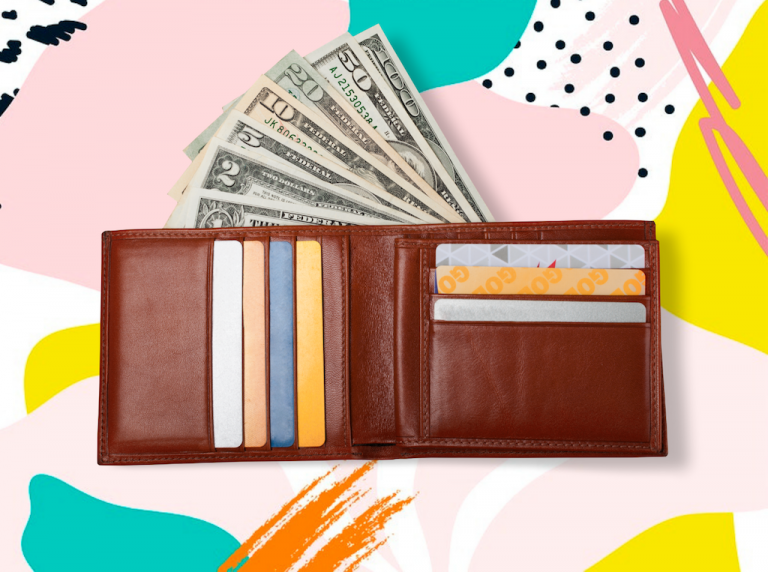
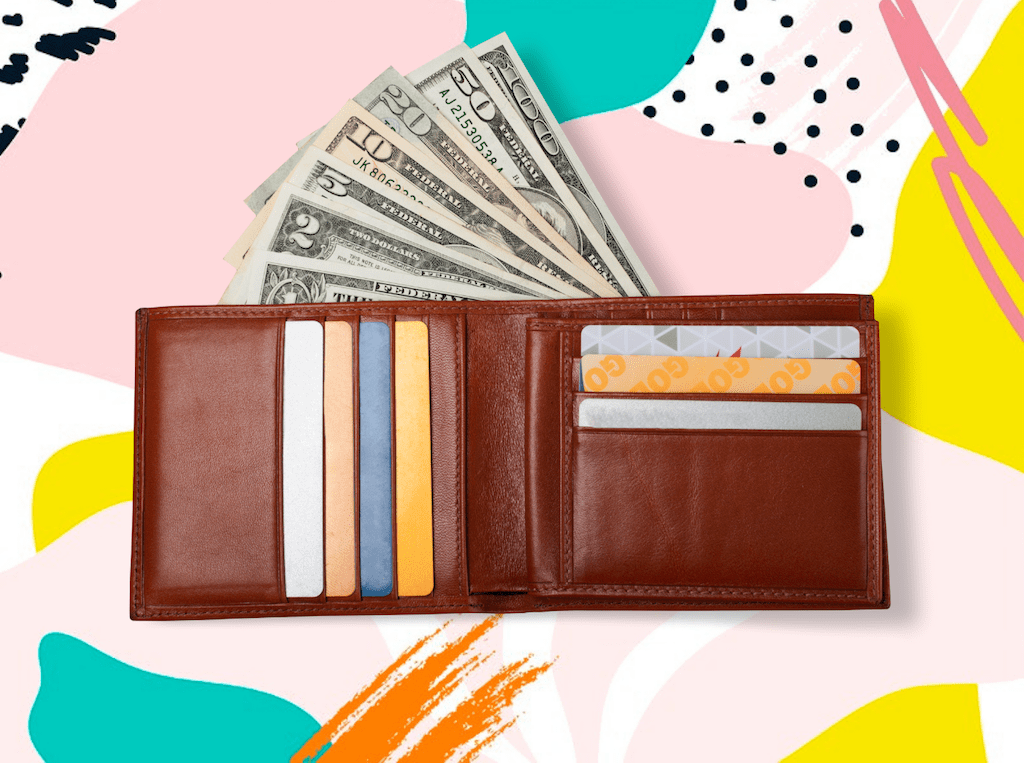
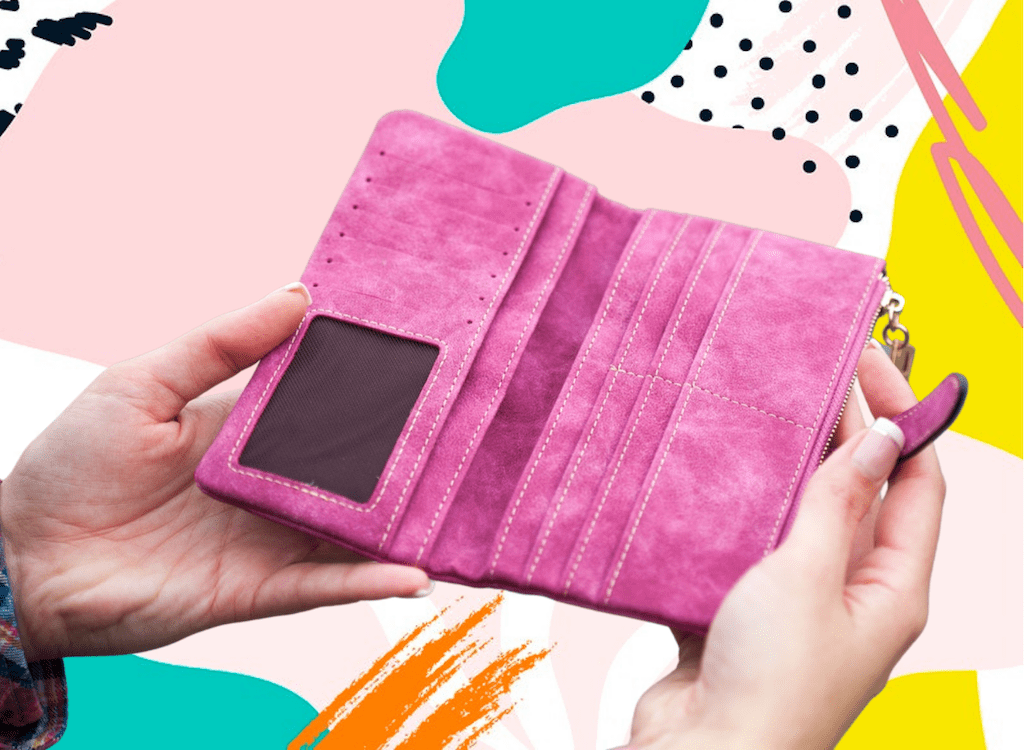
Firstly, let’s talk about functions; you want a wallet that has space for cash, a small pocket for a few coins, and several spaces for cards, at a minimum.
When talking about style, the classic leather (or pleather, preferably) wallet is the way to go. Anything textile or containing velcro risks making you look a little juvenile – that paycheck we mentioned, did it come from your paper round? You get the picture.
Generally speaking, as the guys at Bullsheath leather wallets for men tell us, classic wallets are segmented into either bifold, trifold or ‘minimalist’, which is essentially a sleeve for holding cards, sometimes with a small clip attached for notes. These are generally preferred for those donning slick suits who don’t want that bulge of a bi or tri fold, but don’t offer much leeway, space wise. For everyday use, bifold is perhaps best.
Colour wise, we’d recommend sticking with black or dark brown. There’s plenty of opportunity to spice up your outfit with pops of colour, but perhaps your wallet isn’t one of them.
WHAT YOU SHOULD KEEP IN YOUR WALLET
So now that we know what your wallet should look like, let’s talk about what you should – and shouldn’t – be keeping in it.
Cash – You always want to have some cash on you. If it’s just a regular day, then enough for at least for a meal and a taxi fare is a good ballpark figure. If you’re going out, bring some extra, just in case.
Bank cards – Your debit card should be with you at all times, and preferably two different types (like a Visa and a Mastercard) so you have payment options for different stores. If you’re an impulsive spender, you might want to leave the majority of your credit cards at home unless you’re going for a targeted purchase.
Loyalty cards – Because you wouldn’t want to miss out on that free ninth cortado, right? Any sort of loyalty card you have to present at a shop to get a discount, you might want to have with you. Should you be keen to streamline your wallet’s density, then enquire about substituting any loyalty card you carry with an app version for your phone.
ID – Depending on where you live, it’s most likely legally required to have an ID card with you at all times when you’re out. A simple government-issued ID with a picture and your address should be enough, although often, your driving licence will suffice, which, incidentally, you should carry in your wallet, too. You don’t want to bring along your passport unless you’re travelling, though.
Emergency contact information – Imagine this scenario; something happens where you get hurt or you’re unconscious, and you end up in the hospital (sorry you had to imagine that). Who would you want the hospital to call? Their names and numbers should be written in your emergency contact list and put in a visible place in your wallet. No need to write your name down, since you’ll have your ID in there.
Business cards – If you often give out business cards, you should have a separate small case or microwallet where you keep only your business cards, and any cards you might be given. But if it’s a rare occasion that such an exchange occurs, you can keep one or two cards in your wallet, just in case, or make a digital business card that people can scan right off your phone to theirs.
Receipts – Get in the habit of taking all of your receipts out of your wallet as soon as you get home and putting them in a dedicated spot where you can access them for reference, a return or an exchange, or to complete your tax return. Don’t let receipts build up in your wallet, as they’ll be the first things to get discarded in a clearout.
AND, WHAT YOU SHOULDN’T…
Several credit cards – Carry one, at most. A would be thief can quickly drain your bank accounts should they happen across a wallet containing several credit cards.
Cheques – Yep, some people do still use cheques…..but you do not want to keep blank cheques in your wallet in case it ever gets lost or stolen. Doing so makes it incredibly easy for someone to fill them out and steal your money that way.
Foreign currency – If you’re on holiday, then this is another matter, but if you just got back from a trip and you still have some foreign bills knocking around, it’s just clutter, frankly. Sure, you might want to show off those ‘just been on my hols’ stripes, but that’s what Instagram is for.
Insurance cards – Medical insurance, car insurance, home insurance… not only might these cards reveal personal information about you which could lead to you having your identity stolen (ie. your social security of National Insurance number), but all of this information should be available online, anyway.
Spare key – You should not, at any cost, keep a spare key to your house in your wallet. If it was ever to get stolen, someone now has your name (via your bank cards) and your house key, and you’re a prime target for theft. Instead, invest in a key safe only accessible by pincode, and install it somewhere discreet near your property.
Condoms – Hey, credit to you for taking precautions, but you shouldn’t really carry condoms in your wallet. Yes, it’s a good idea to always have some with you, but the wallet is no place for them since they can get hot or damaged here, and as a consequence, lose their integrity over time.
List of passwords – Hey, we all know someone who does it, right? Everyone knows how hard it can be to remember a list of random passcodes and passwords, but if you keep a list of all of your pin codes in your wallet right next to your credit cards, you’re giving someone the thumbs up for someone to go crazy with your cards. If you’re having trouble remembering them, save the pin codes as contacts under weird names on your phone.
THE BOTTOM LINE
Having a tidy and organised wallet will not only make your life easier, but it will give the impression of a grown-up, put-together adult who knows what they are doing. Fake it ‘till you make it, hey?
‘Thank you’. It’s a humble, simple utterance that can mean so much when delivered with sincerity. But sometimes, the grateful may want to go further when showing their appreciation…and the best way to do this? A small, heartfelt gift.
This thing needn’t be showy or overblown. In fact, such gestures can sometimes lead to awkwardness and misunderstanding. Instead, a personal and unique gift is perfect, whether it’s handcrafted, written from the heart or simply carefully sourced and impeccably wrapped. If there’s someone in your life particularly deserving of gratitude right now, then you’ve come to the right place; here are 8 thoughtful, affordable gifts to show your appreciation.
SEND THEM FLOWERS
The act of giving flowers to express love, appreciation, condolences or congratulations has existed for thousands of years, with evidence of flower giving appearing in the literature and art of Ancient Egypt, Rome and Greece.
To this day, a beautiful floral arrangement is a tried and tested way to express gratitude, and can be done from afar and on a last-minute basis should the need arrive. Some florists now even offer a same day flower delivery service for those customers who may have, shall we say, left things a little late. Hey, we’ve all been there!
PEN A HANDWRITTEN THANK YOU NOTE
Handwritten letters are perhaps the most simple yet heartfelt way to show your appreciation for someone. Receiving a letter in the post has a romantic and nostalgic vibe to it which is impossible to resist, with the words seemingly resonating so much more strongly than if they were written on a Whatsapp message. As a last minute gesture or as something planned in advance, a handwritten note can’t be topped.
If you’re skilled with a paintbrush rather than a pen, then why not draw your loved one a picture to show them how much you care? This gift ticks all the boxes – it costs next to nothing, is incredibly thoughtful, you don’t necessarily have to order online and wait for anything to arrive, and it can be framed and packaged beautifully if you’re really keen to show your appreciation.
While you’re at it, why not direct the receiver to these handy tips on adding artwork to your home, so they can learn more about maximising the impact of your hand drawn piece.
TEACH A SKILL
Should current social distancing rules permit it, then sharing a skill with a loved one is a wonderful, completely free gift which carries so much meaning. If you’re a fantastic cook, why not spend the afternoon teaching your friend or family member some of your favourite recipes? Perhaps you’re an expert piano player? Showing a loved one a few notes or tunes on the keys represents a kind, gentle gift with loads of heart.
These days, designers are doing wonderful things with recycled plastics and other materials otherwise headed for landfill, turning them into coasters, rugs, cushion covers and all sorts of homeware items that make the ideal, affordable gift.
If you have an eco-conscious loved one in your life, this represents an incredibly thoughtful gift. After all, what better way to show your appreciation than endeavouring to preserve the planet for someone?
A PERSONALISED SCENTED CANDLE
Customised candles can also help you let an important person in your life know that you appreciate them. Homemade candles which you curate yourself, using aromas you know that special person loves, is a wonderful way to add a personalised, hands on touch to your gift giving.
According to The Healthy, the eight smells that are scientifically proven to raise your mood are pine, citrus, sunscreen, freshly cut grass, floral notes from lavender and jasmine, rosemary, peppermint, and baby powder. Why not incorporate some of these scents into your personalised candle?
FRAME A PHOTO OF YOU TOGETHER
If you have a particularly cherished photo of the two of you together, sharing a fond memory or a joyous moment, then why not get the picture framed as an affordable, thoughtful way of expressing your gratitude and love?
A reminder of your shared affection each time they see the framed photo…what could be better!
A CHARITABLE DONATION
Try thinking outside the box in terms of your present by giving the gift of good karma instead of an item only guaranteed to gather dust in the attic. Kind souls will love to receive a gift of a donation to their favourite charity. The world of philanthropy is vast and gifting such positivity is as thoughtful as you can get, don’t you think?
THE BOTTOM LINE
The smallest gestures often have the biggest impact. Without bling or bravado, the true essence of gift giving is realised; and that’s showing appreciation and gratitude to a loved one.
Whether you’re reading them for entertainment value or for their informative nature, reviews have always been useful in guiding opinion. That said, the very nature of reviews has changed hugely in the previous couple of decades, with every person and their dog now able to both write and access reviews with just a few clicks of the mouse and several strokes of the keyboard.
Though this can sometimes cause malicious practice or misleading information, online reviews are, generally, hugely helpful as an impartial, independent tool for understanding the value of a product or service. Indeed, it’s been reported that millennials only felt comfortable purchasing items that had positive online reviews attached to them, a measure that’s become increasingly common as time goes on.
If you’re keen to share your experience of a product or service and help the next customer make an informed decision, then good on you; here’s 7 reasons you should start writing online reviews.
TO SAY THANK YOU
If you’ve had a wonderful experience, this simple way to say thank you goes a remarkably long way. Not only will it make the company feel appreciated, but studies show that saying thank you can lead you to feel happier too! Indeed, research reveals that “gratitude is strongly and consistently associated with greater happiness”. Enough said.
SHARING IS INDEED CARING
Leaving truthful online reviews can help warn others of a product or service which fell short of expectations, steering them clear of purchases they might regret and also giving them a more realistic outlook of what the product will actually, genuinely be like. From there, an informed decision can be made about the purchase.
Did you have a bad experience? Leaving a review can be a cathartic experience, helping you get over your ill-judgment or, indeed, ill treatment, and release a little anger.
However, be warned that you can be sued for a scathing review. The BBC recently reported that “Trustpilot has warned users after a business sued a man for leaving a negative review on the platform”. They go on to say that “The warning comes after a man was ordered to pay £25,000 in libel damages to solicitors who sued, on the basis the review was false and defamatory”.
Always remember that on the other side of your keyboard, there’s just a person doing their job and, oftentimes, an independent business just trying to get by.
YOU CAN PUT POSITIVITY INTO THE WORLD
As the Guardian points out, “The internet can be an angry place full of cynical opinions”. Are you going to join in on a chorus of negativity? Or, will you instead try to spread some sunshine onto the web?
Indeed, every reviewer has a choice to either be a force for good or a toxic keyboard warrior; be the former, and bring some positivity into the world, helping drive custom to a great independent business you’ve recently enjoyed.
HELP THE COMPANY IMPROVE THEIR PRODUCT OR SERVICE
Constructive criticism can be helpful to companies, with your views valued by those who are trying to improve their offering, particularly in the early days of trading. How about writing a review or feedback for such a company but not making it public? Rather, you could send your feedback to the business privately, enabling them to benefit from this constructive criticism without slating them to the world.
Reviews hold more power than many people might think. It might be that a recommendation encourages someone to try a life changing product or ward them off from a dreadful experience. In many ways, they shape our society, guiding people so that they might live their most fulfilling lives and promoting businesses of special excellence.
This is the ethos behind ReviewMaster, a trustworthy domain where good-natured product enthusiasts publish their informed opinions. Moreover, there’s a progression system of sorts at work here, where prolific reviewers are awarded with badges and trophies.
They may also receive brand invitations to sample products for free if their reviews are influential. This means that no matter what you’re an expert on, whether it’s video games or makeup, your reviews are truly valued in this space where everybody lifts each other up.
FIGHT AGAINST FAKE REVIEWS
Once upon a time, in the not too distant past, a review would only appear, weekly, in a trusted print publication, penned by a paid expert and as such carrying a certain authority.
However, today we have to negotiate the minefield of budding journalistic laypeople, robot reviewers and unscrupulous business rivals, all purveyors of flawed, fictitious feedback and writing with their own agenda – not the public interest – in mind.
A lot of online reviews are from fake bots. As the New York Posts points out, “Since many small businesses rely on online reviews to help grow and sustain their reputation, a future where someone – like a rival or angry customer — could hypothetically spam their page with negative reviews written by a machine is pretty worrying.”
Fake review farms have become big business, with the BBC reporting that “Amazon’s website is flooded with fake five-star reviews for products from unfamiliar brands.”
To redress the balance somewhat, do make sure you make your positive feedback known if you’ve had a good experience with a company.
Restaurants are open again; hurrah! If you’ve managed to get a much coveted booking indoors, now comes the harder part; figuring out what to wear.
Our go-to-look for a casual spring dinner date is a pair of jeans and a simple, elegant top. However, if, like us, the denim jeans you loved wearing pre-lockdown are feeling a little tight right now, and you know that eating a several course meal in them is going to be awkward, then you might be thinking about investing in a new pair.
Today, we’re taking a look at the top jeans trends of 2021, what the terms actually mean and what they look best with, ensuring you can rock a pair with confidence and class. With that in mind, here’s how to wear different styles of jeans.
MOM JEANS
Mom jeans are defined by their 90s’ chic style with a cinched-in waist and a baggy leg. Most people like to roll up the bottoms for a loose and care-free style when wearing a pair, but if you really want to go for the ‘mom’ look, there’s nothing stopping you tucking these bad boys into a pair of boots.
As for a cooler style, a graphic tee always works nicely with canvas pumps. Alternatively, a baggy, buttoned-up cardigan tucked into your mom jeans is perfect for that ~Instagirl~ style.
There’s been a trend towards casual, looser fitting clothes recently, including jeans, and the ubiquity of mom jeans emphasises that. That said, the CEO of Levi’s recently declared that skinny jeans are never going away, which brings us to our next point…
HIGH-RISE SKINNY CROP
Back in the day, there were high-rise, skinny and cropped jeans. Now? You can have all three in one, if you so wish. This particular type of denim is super figure-hugging and the high-rise waistline makes for a slimmer look. This style is usually cropped just above the ankle, making your legs look tall and slender. Style them out with a pair of statement heels because….well, why not? On top, bodysuits or half-tucked-in shirts go down a treat for a casual Friday style.
BOYFRIEND JEANS
Designed (we assume) to look like you’ve borrowed your partner’s jeans and nonchalantly thrown them on,boyfriend jeans are perfect for a low-effort outfit and give a laid-back vibe to any look. Featuring a slightly dropped crotch with a low waist and tapered legs, these jeans are ideal if you like a comfortable, straight legged look.
When it comes to styling them, the world is pretty much your oyster with a pair of straight-cut jeans. We love to casually team them with a pair of Converse and a graphic or slogan tee. Cheugy, be damned; the guys over at 8ball.co.uk suggest creating your own slogan t-shirt to convey exactly what you feel like saying. Doing so is the perfect way to match your t-shirt succinctly with a pair of boyfriend jeans.
Alternatively, to bring that feminine touch, pair, instead, with an off-the shoulder ruffle top and pointed heels.
HIGH RISE FLARED JEANS
Though a couple of years ago we never saw flares making a comeback, they have, and in a big way. As part of the bohemian trend that’s popular just about everywhere, flared jeans have made their way back into our high street stores.
Chunky block heels or wedges are the perfect shoe for flared jeans, helping you to really lean into that retro vibe. As for what to wear on top, bralettes or bandana tops make for a chic summer festival outfit.
CIGARETTE JEANS
Cigarette jeans are the perfect middle ground between skinny and straight leg, offering a formal and slimming style without the discomfort of getting them stuck on your ankle in the changing rooms…we’ve all been there.
These jeans can be dressed up or down, depending on the occasion. When going casual, cigarette jeans look fantastic with a hoodie and stark white trainers. In more formal settings, a long sleeved, button up shirt in monochrome colours is a confident statement.
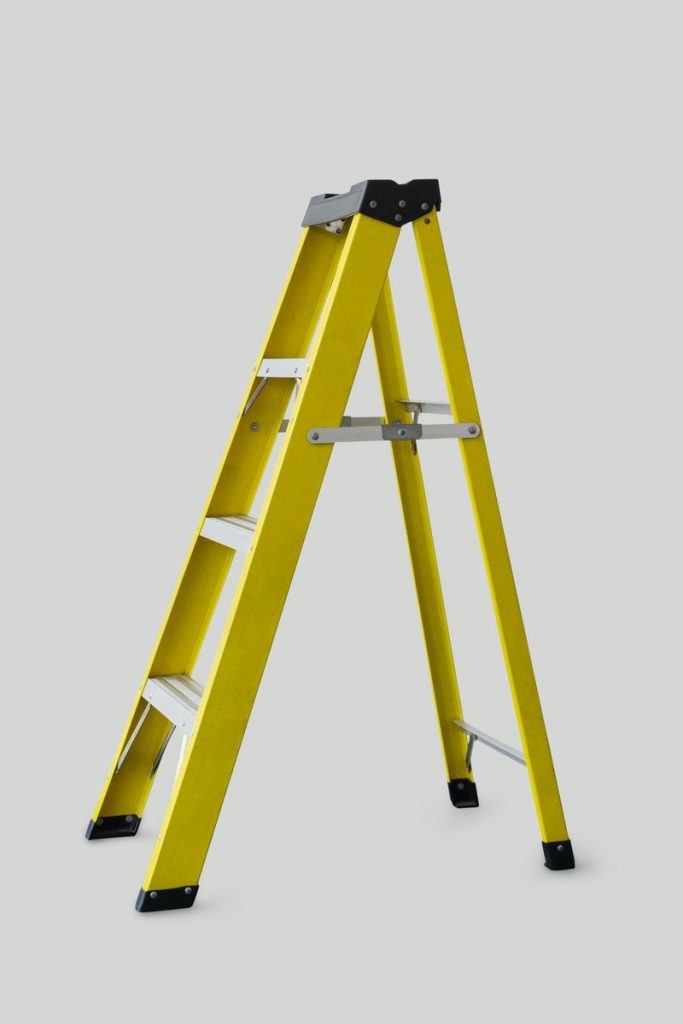
The next time you’re perched on a stack of teetering books, trying to access a hard to reach spot, you might be asking yourself why you didn’t buy a step ladder sooner.
Whether it’s around the house or at work, step ladders are great for completing those small odd jobs quickly and safely, whether that’s painting a wall, pruning a tree or clearing your gutters. Versatile, indeed, and that’s why so many home and business owners class step ladders as an essential bit of kit.
But if it’s safety concerns that are holding you back from joining the majority in owning one, your caution is partially justified. However, despite the step ladder being indispensable for DIY enthusiasts and qualified tradespeople alike, some do indeed injure themselves when using one. Usually, this is through improper setting up or a faulty ladder.
To ensure you’re able to complete your tasks without being sent tumbling, here’s how to use a step ladder safely.
DO NOT USE FOR PROLONGED PERIODS
Step ladders are great for small, odd-jobs around the house and at work. If you need to use the step ladder for more than half an hour or so, however, it’s probably a good idea to think about a different access solution as their small design may not be able to withstand heavy loads for a prolonged period. Alternatively, considering enlisting professional help, should your tools and equipment not be up to the task.
INSPECT FOR WEAR & TEAR
Before using your step ladder, each and every time, be sure to give it a quick visual inspection to make sure there are no signs of damage or wear and tear. These may cause the ladder to tip whilst you are using it or for you to fall whilst mounting and dismounting.
FIRM PLACEMENT
Whilst using the step ladder, ensure both of its feet are firmly placed on level, non-slippery ground and keep them there whilst you are using it. The last thing you want is for the ladder to slip out of place whilst you are in the middle of your task. Never try to use a stepladder flush against the wall, as you would an extension ladder, and don’t try to readjust its position once you’re on it.
LOCKING
When using the step ladder, be sure to double-check that the locking mechanism is fully engaged after you’ve unfolded it. This will ease any worries of the step ladder suddenly folding whilst working on it
CLIMB ABOARD
Before climbing up your step ladder, be sure to make note of the maximum weight load and that whatever you plan on doing, you don’t exceed this amount. Doing so could again cause the ladder to lose stability which can lead to nasty and unwanted accidents. Remember, it’s not just your weight that you need to be mindful of, but also the weight of anything you might need to carry whilst climbing up or down.
When working, maintain three points of contact with the step ladder; whether it’s two feet and a hand, two hands and one foot, or two feet and one hand, or if you require a hand for work, allow the stepladder to support your body.
DIRECTION
Whenever possible, ensure your step ladder is positioned so that you are facing the direction in which you need to be working. This will prevent you from twisting your body whilst on the ladder and stop you from losing your balance and falling.
DON’T OVERREACH
Whilst on the ladder, never overreach to get to a particular position or place. Overreaching again can cause you to lose balance and fall off of your step ladder. Instead, climb down and reposition the step ladder so that you are in a better place to reach where you need to. It’s generally recommended that you don’t balance on the top two rungs of the ladder when working, instead standing lower to ensure stability.
THE BOTTOM LINE
Though stepladders are both useful and ubiquitous when carrying out DIY tasks at home and at work, they need to be approached with the proper caution to avoid falls and injury. Complacency won’t do; instead, apply our safety tips and complete your jobs with confidence.
Summer’s just around the corner, the pubs are opening up, restaurants are ready to welcome us back indoors, and soon, we’re even allowed to see friends and family in a room with a roof, doors and windows…
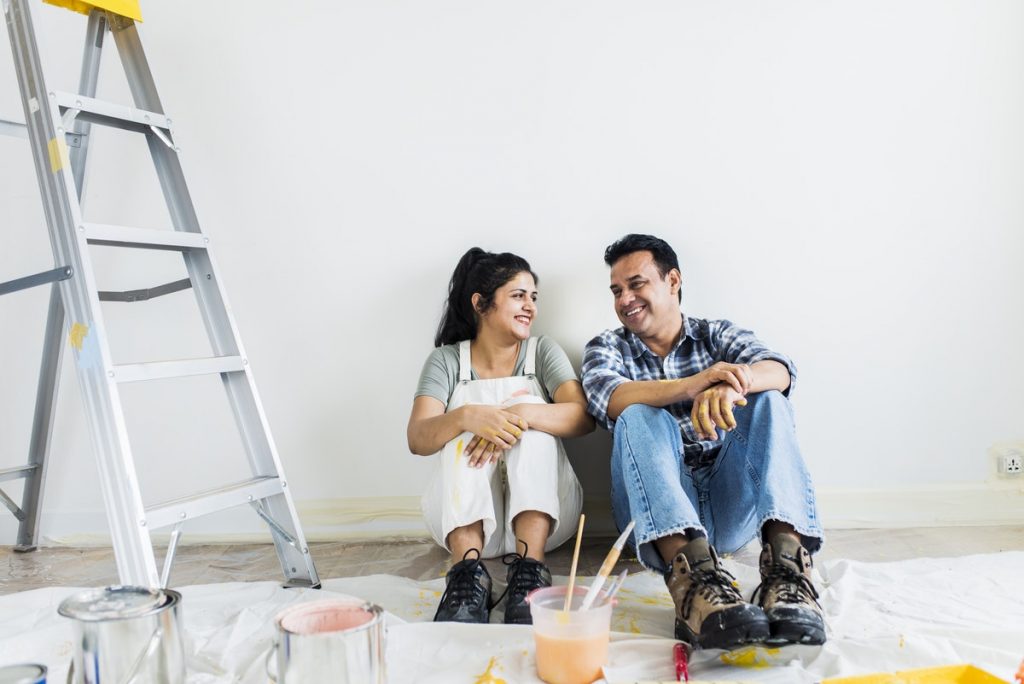
You’d be forgiven if redecorating was the last thing on your mind right now. But just as the blacksmiths would encourage you to strike while the iron is hot, we think that this period of hopeful optimism represents the perfect time to give your interior design a refresh. So, let’s celebrate new beginnings and a sense of buoyancy in the most prosaic but potent way possible; by putting up new wallpaper.
No redecoration project is more all-encompassing and impactful, and this season welcomes in several trends synonymous with forward thinking and freshness. And that’s exactly what we need right now. With the help of help of an adhesive specialist, Henkel, who know a thing or two about wallpaper adhesives, here are 5 key wallpaper trends to look out for in summer.
FAR EASTERN FLORALS
Recent years have seen tropical wallpaper, replete with palm leaf and the odd parrot, enjoying huge popularity in design magazines and Instagram alike. And whilst such aesthetics are still, admittedly, on trend (more of that later), a more understated botanic design looks set to be huge in summer 2021.
Indeed, putting up new flower wallpaper is becoming a more global endeavour, all from the comfort of home. Elegant Far Eastern florals, such as cherry Japanese blossoms, Chinoiserie garden murals and Vietnamese lotus flower designs, all in subtle pastel and warming hues, bring a soothing quality to the home, particularly in the living room.
Though the previous few years have seen restraint where patterns and imagery are concerned, expect such floral motifs to take centre stage this year, rather than being reserved for a corner of the room or a single section of the wall. Which brings us to…
MASSIVE MURAL LANDSCAPES
Feature walls be damned; the second half of 2021 is the very antithesis of the first; no more hiding indoors, looking inwards and finding only emptiness.
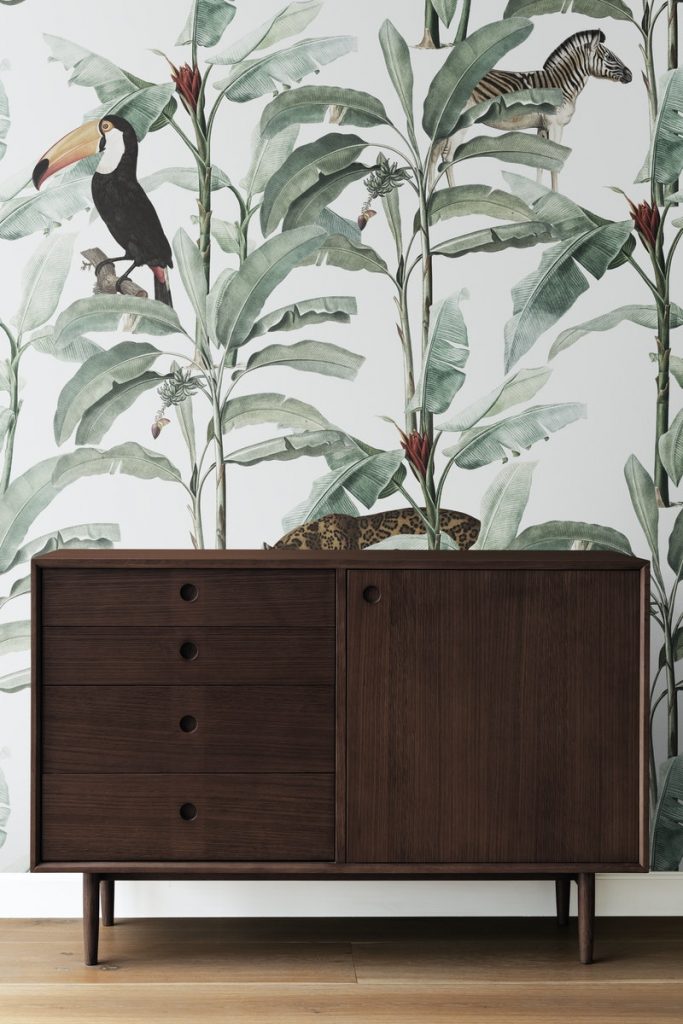
This one’s all about newly minted maximalism and showing off your bullish side. As such, expect entire walls to be canvases, ready to express the homeowner’s personality in a loud, proud way. Full walls dedicated to murals, particularly showing landscapes and scenes of nature and wildlife, are a major trend for summer 2021, and we love it.
TROPICAL & BOTANICAL
Tropical palm leaf wallpaper might sound like a bad idea, particularly in gloomy old Britain, but this style has been bang on trend for some time now, and shows no sign of slowing. A bit Kardashian, a little Love Island, perhaps, but there’s no fighting fashion sometimes. Fortunately, there’s more versatility than you might expect in its deployment; you can find deep forest greens, bluey emerald or even bright lime green palm leaf wallpaper prints out there.
That said, it’s important to practice contrast and restraint here; palm leaf wallpaper looks best surrounded by walls with a contrasting, single colour. Keep the neighbouring décor natural and subtle, or the effect will be jarring. Because most palm leaf wallpaper is highly detailed and abundant with beautiful patterns, simply designed furniture is a must, too.
Finally, do not, and we repeat, do not combine a tropical wall design with a floral, Far Eastern print in the same room.
TACTILE TEXTURES
‘’I wanna reach out and grab ya.’’ Though Steve Miller surely wasn’t singing about wallpaper in 2021, he might as well have been. Because wallpaper in tactile textures is everywhere right now, providing a strange kind of comfort in these incommodious times.
Some of 2021’s key textures are cork – popular for its sustainability – linen cloth, chenille and grasscloth, with cooling shades such as light grey, ecru and duck egg the preferred visual vehicle for these tactile flourishes. Though interior design has been keen to champion feature walls in the past, a textured wallpaper should, ideally, cover an entire wall or even room, allowing the comforting, dense nature of the choice to envelope the inhabitant.
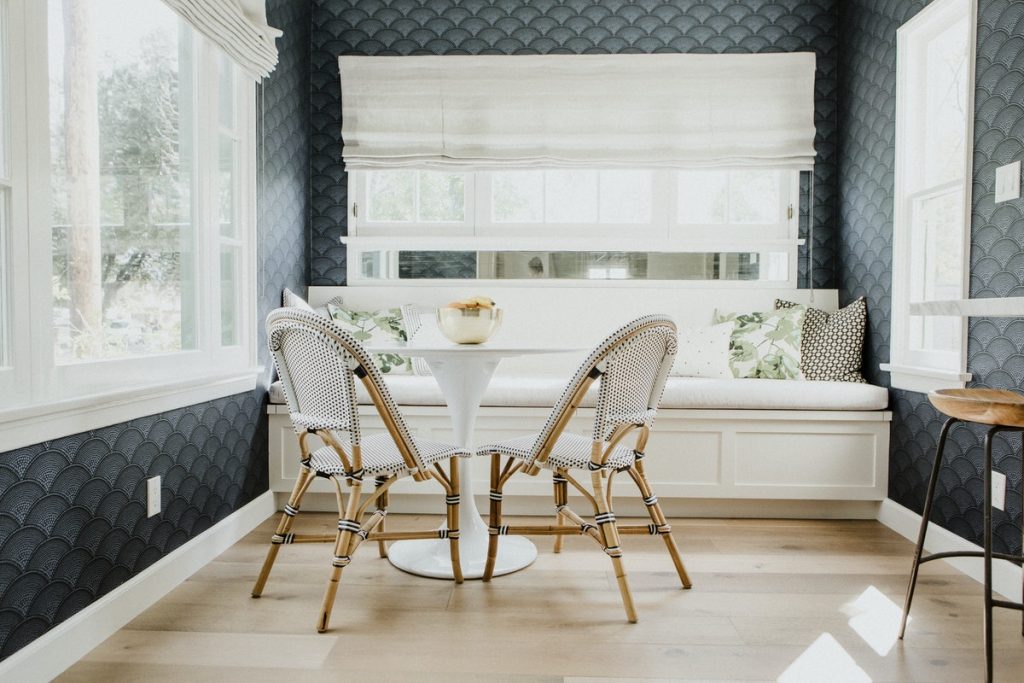
GEOMETRIC DESIGNS
The first step in keeping your house interior up to date is, conversely, by casting your gaze backwards. Taking inspiration from abstract expressionist artwork, this year we’re embracing the abstract wall trend. While geometric wallpaper has been around for a while now, this trend takes things a step further – painting bold geometric shapes and playful big blocks of colour onto the wall itself. In some more daring designs, elements of the geometric pattern are in 3D, giving further life to that textured vibe we were previously extolling.
Painting geometric patterns in blocks of colour on your walls adds colour, texture, and vibrancy to a room, and has the canny ability to look both modern and transport you back to an era which interior designers love to label ‘vintage’.
Going in without a plan and knowledge of this most iconic of machine’s history would be a rookie error. To enjoy your trip to the full, it’s first essential to understand the history of the place and the nature of the game.
As such, we’re glad that the maxim that ‘’whatever happens in Vegas should stay there’’ isn’t always respected, and certain myths and stories are allowed to leave the city intact.
They say that to understand slot machines, you first have to be at one with the slot machine. You have to dine out on the fruit, light the candle, and hammer, spin and freewheel your way around the carousel. Hell, with dexterity, you can even tame the one-armed bandit.
Interestingly, the basics of the game have stayed resolutely traditional over time, and perhaps this is part of their appeal. That said, the way we in which we play the simple slot game has developed in so many ways, from the one-armed bandit machine in land-based casinos to the advanced technology of video slotsthat are available to play online, whenever and wherever you like.
If you’re keen to learn more about the history of the slot machine, then let’s dive in below.
THE FIRST SLOT MACHINE
The origins of the slot machine can be traced as far back as the late 19th century, although they weren’t the game that you’re familiar with now. In fact, these mechanisms were more likened to poker, and were a precursor to the slot games of today.
The most notable version of this archaic slot machine was invented by Sittman and Pitt of New York in 1891. It consisted of five drums that displayed a total of 50 playing cards, with the aim to line up a poker hand on the reels, after inserting money and pulling the lever, which would result in a pay-out.
At this stage, the machine had no automatic pay-out mechanism, and so the prizes were awarded from the bar (as most were stationed in saloons). The prizes were also non-monetary, and would include awards such as free drinks and cigars.
The first to be classed as an official slot machine, was invented by Charles Augusts Fey of San Francisco in the late 1800s. It was deemed a slot machine as it involved the highly-anticipated automatic pay-out system. But in order to do so, the complexity of the poker-themed machines that came before it was simplified.
The five drums became three reels, and the vast range of playing card symbols were reduced to just five icons. The familiar hearts, diamonds and spades remained, but were joined by additional symbols of horseshoes and a liberty bell. The highest pay-out came from landing three of the liberty bell symbols, and so the name ‘Liberty Bell’ was coined for the inventive machine.
The slot machine’s popularity boomed, but as Fey did not patent his designs, many versions of a similar game were then produced. By 1909, San Francisco alone had 3,300 slot machines in the city.
FRUITY FLAVOURS
As time went on, laws around gambling tightened, and the slot machine was banned in the United States in the 1900s. But this did not affect its popularity. Instead, manufacturers offered food prizes instead of cash pay-outs, referring to the machines as chewing gum dispensers. To represent the different flavours of gum available, symbols of fruit were introduced.
Horseshoes, bells, fruit – all sound familiar? Thanks to its colourful history, these iconic symbols are still used in the various online slots that we can play today.
THE BIRTH OF VIDEO SLOTS
Fast forward to 1964, and the first electronic slot was released, named ‘Money Honey’. It still harkened back to its history, as involved the pulling of a lever. But the mechanism inside was operated entirely electronically and enabled an automatic pay-out of up to 500 coins.
The game was hugely popular, and so an increased demand for electronic slots began. Over time, the lever was removed, to be replaced with the button. Then, in the 1970s, the first video slot was developed. The company Fortune Coin used a video screen for the display of the physical slot machine, and was first available to play in Las Vegas.
Since then, the offering of the slot game has come on leaps and bounds, thanks, firstly, to improvements in technology allowing for bigger and better slots in Vegas casinos and beyond. And then, because of its introduction into the world of online casinos. Bonus rounds, sleek graphics and engrossing themes are all the norm for video slots nowadays, which have gone beyond their land-based counterparts.
This article will in no way help you play slot machines more successfully, and is only intended for entertainment purposes. Gambling can be addictive, please play responsibly. Click HERE for more information.
Though the mercurial weather is doing its best to put a dampener on the fun right now, the 17th of May heralds a further loosening of restrictions in the UK. And honestly? We can’t wait – to be drinking and dining indoors, hugging family, going to the cinema and perhaps even attending an outdoor gig or two…it’s the stuff of dreams!
That said, it feels almost perverse that the moment we’re finally allowed to socialise with a roof over our heads, and after a particularly cold and wet April and May, the sun will come out for summer and beckon us all outside once again.
This requires a certain level of tactical dressing, layering and astute deployment of your handbag to make it work and to truly enjoy the warmer weather in comfort and style. Today, we’re casting our eyes downwards, to our feet; here are 4 IDEAL tips for selecting transitional spring shoes.
THE SEASON OF TRAINERS
It’s no surprise that you can’t spell ‘transitioner’ without all the letters of ‘trainers’. And we should emphasise the plural form here; because having several pairs in your shoe collection makes selecting the right shoe for the season and the day’s weather a breeze.
We all know what happens when you wear your best trainers in winter – they get ruined from all the rain and dirt. And summer? A thick-heeled, darkly toned affair just doesn’t feel right when you’re feeling light on your feet. A trainer for the season, then, is essential, particularly for that transition from spring to summer.
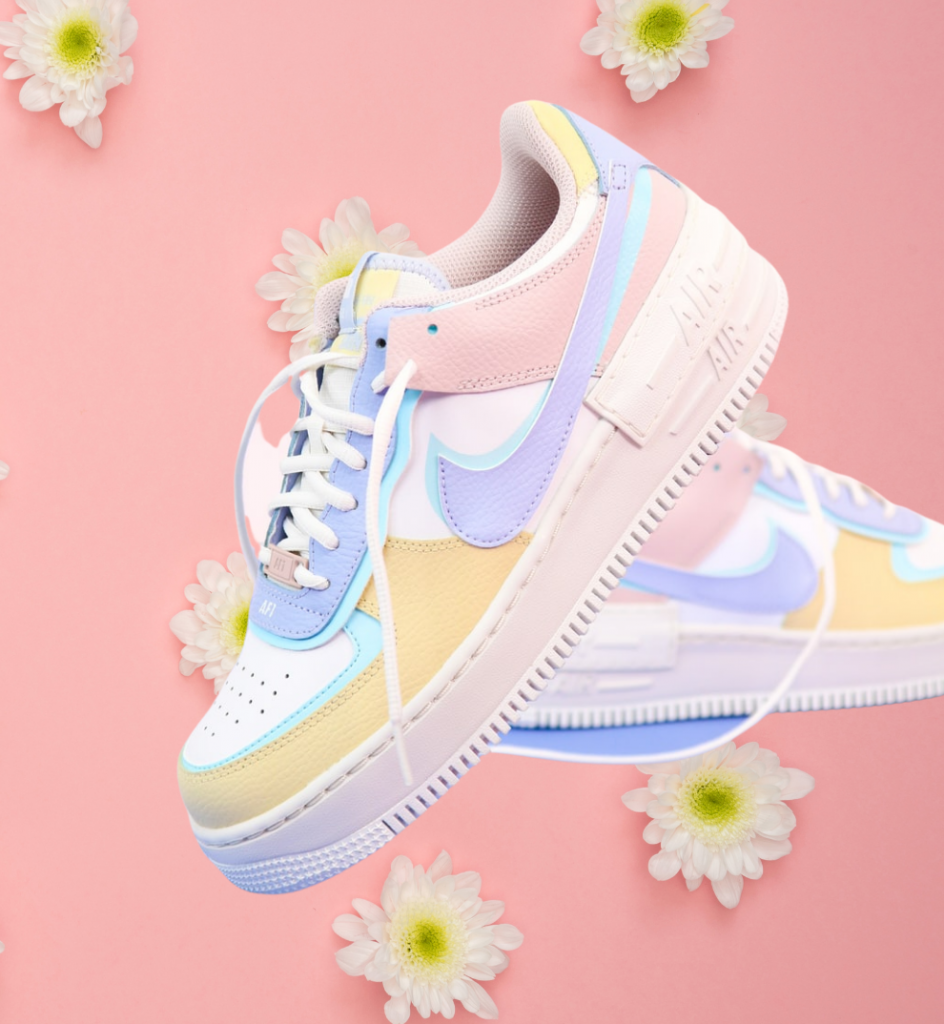
Being seasonally specific, we think spring is the ideal time to show off your high-tops. We just love the Air Jordan 1 Retro High OG ‘Shadow 2.0’, which work effortlessly in both an indoor, formal setting and kicking back in a beer garden or on the court, equally, and can be styled up with a modern suit, or styled down with a simple matching Jordan 1 outfit. So as not to choose sides; we’re also huge fans of Nike Air Force 1 trainers in bang-on-trendy pastel shades.
Alternatively, for that smooth transition from casual to smart, hybrid shoe/sneakers are stylish and very much on-trend; go for a brogue style in leather with a white sole if you’re keen to keep up with the cool kids.
Trainers don’t always have to equate to a lightness of touch, however. To suit the changing of the season, chunky, oversized trainers have been in trend for a while thanks to Alexander McQueen. The fashion designer’s oversized signature sneakers, in particular, have gained well-deserved cult status and other brands have followed, loosening and widening the silhouettes of their sneakers to replicate the design. They do say imitation is the finest form of flattery, after all.
This is the season to have fun with shoes, particularly after several months of shuffling around in our slippers, odd socks or nothing much at all.
In more ‘normal’ winters, we wear a rotation of clunky boots in varying shades of dark. Come summer, a less is more approach works best, the season being all about espadrilles, flip flops and shoes that don’t make our feet swell up.
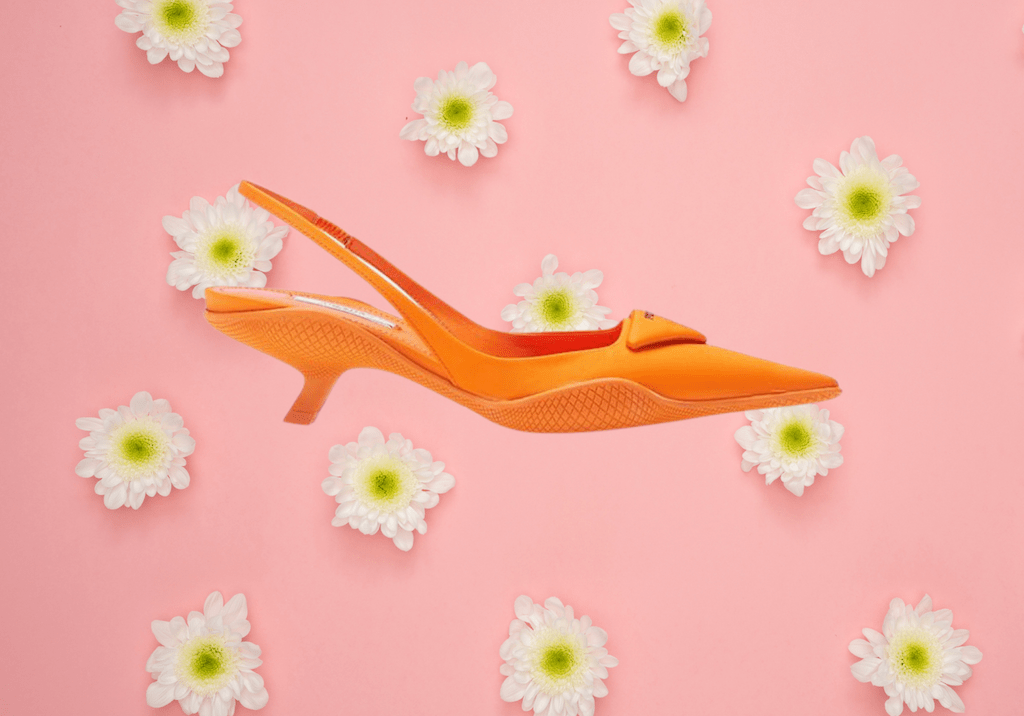
Spring, then, is the perfect time to have fun with your shoes – think peep-toe heels, block-heel mules and sling-back shoes. When it comes to colour, choose bright and bold or demure shades of pastel. Go for shoes with stripes, ones with bow details and even chains.
According to Who What Wear, the shoe that will define this Spring is Prada’s collection of kitten heels. These low pointed toe heels are designed in a rainbow of colours and can add a pop of colour to any outfit.
This focus on making a statement with your shoes is only tightened and heightened by the fact that we haven’t strutted our stuff properly in public for ages. Time to turn some heads, don’t you think?
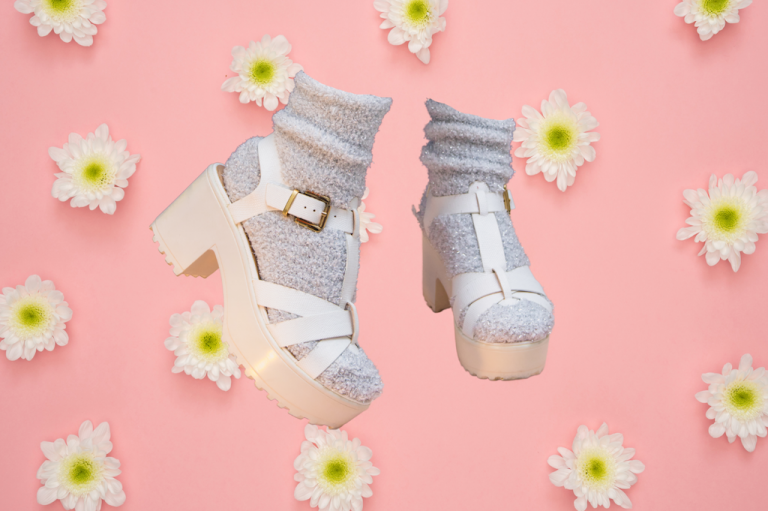
Once the definition of a fashion faux pas, wearing socks with sandals has come full circle, and now, it’s very much allowed. In fact, pairing the two is actively encouraged, whether that’s for the purpose of practicality (you want to pop to the corner shop) or fashion (yep, you can make this thing fashionable).
We all know that spring weather is unpredictable at the best of times, and the socks/sandals combo seemingly has all bases covered – hey, you could even pocket those socks should the sun start shining, and transition into sandals with, whisper it, bare feet!
To ensure the look is one the right side of stylish as opposed to ‘dorky dad on holiday’, make sure the socks are thick, ribbed and preferably not sporting a Simpsons character or comedy slogan. They should also be worn pulled up high, with knee length socks worn with sandals and paired with a short skirt being a ubiquitous look across catwalks in summer 2020.
For a different approach, Harper’s Bazaar encourage us to “Embrace the athletic feel of the trend by choosing sports socks and wearing with sky-high skinny stilettos.” A step too far? Not for us.
BALLET SHOES WILL NEVER DIE
When choosing a transitional shoe, know this; the ballet shoe will always be by your side. Or should that be, several feet below your side? Anyway…
Stylish and reliable, the ballet flat has been a life saviour for so many of us over the years, ideal for allowing your feet to breathe and feel comfortable, and offering support whilst still keeping you light on your feet. And that’s all you can ask for from a spring shoe, don’t you think?
Yep, that even distribution of pressure across the foot represents a big tick in the plus column for ballet flats over something like a stiletto. Just be sure to buy a pair of ballet shoes with good insole support, as a thin insole can make you feel like you’re walking barefoot- not what you want at any time of year.
Hands up if you’ve still watching Sex and the City reruns on repeat?
Since we haven’t been able to see friends, we’ve found joy watching Samantha, Miranda, Charlotte and Carrie meet up over brunch and have cocktails after dinner. Moreover, it reminded us that there was once life beyond the four corners of our home and other clothes existed that weren’t joggers and loungewear. Getting reacquainted with the series also reminded us that we adore eye-catching accessories and just how much we’ve missed wearing jewellery.
Now we’re finally allowed to socialise again, we’re taking a leaf out of the style books of the four friends, and we’re starting with statement jewellery, the more eye-catching, the better, to turn heads post-lockdown.
All that said, styling such jewellery can be tricky. Luckily, we’ve pulled together 5 tips for wearing statement jewellery pieces to help you pull it off perfectly.
FIND A PIECE YOU LOVE
Remember the scene in Sex and City when Samantha bids on a limited edition floral ring adorned with diamonds and declares how it perfectly captures her essence? “One of a kind, filled with fire”, we believe. Well, we’re kind of in love with that ring because of what it represents.
Statement jewellery is a way for us to express ourselves creatively, helping the wearer to connect with the character of the piece. As such, it’s essential to find a piece that resonates with you, otherwise, you’re unlikely to wear it often. Speaking of which…
ACTUALLY WEAR THE THING
When it comes to go-big-or-go-home pieces, the trick is to actually wear them out of the home. What’s the point of buying a limited edition, one-of-a-kind statement piece only for it to languish at the bottom of your jewellery box, never to see the light of day?
There are few things more rewarding than finding a one-off statement piece that you absolutely adore – enough to actually wear it, regularly and proudly. Just be sure to actively, consciously wear it, rather than considering it too precious to take out of the house. Look after such a piece properly, and it’ll be with your for life.
CHOOSE YOUR FOCAL POINT
When it comes to statement jewellery, the brasher and bolder, the better, we say!
London jewellery purveyors Sybarite know a thing or two about statement pieces, and they tell us to choose one piece as a focal point, especially if it’s a large statement piece, rather than hedging your bets and spreading yourself too thinly with several pieces.
Indeed, a limited edition statement ring like Samantha’s diamond flower ring is best worn solo so it can play a starring role.
That said, if the statement ring is on the smaller side, don’t be afraid to wear multiple statement rings. Consider matching the colours of the rings while playing with different shapes and sizes. Speaking of mixing it up…
MIX & MATCH
As the Telegraph so eloquently writes in their piece on Carrie Bradshaw’s best Sex and the City jewellery, “in typical Carrie style, she mixed collector-level, serious fine jewellery with costume jewels and downtown trinkets”.
Mixing and matching pieces can pack just as stylish a punch as wearing a standalone piece, so don’t be afraid to mix and match your statement jewellery with other more subtle elements.
Forget the rule that less is more; that’s for squares. Here at IDEAL, we’re all circles and triangles. Consider layering necklaces together to make an even bigger statement or, as mentioned above, mix and match different statement rings.
However, when mixing and matching jewellery, the trick is to keep things proportional. If you’re going to be wearing a statement necklace, pair it with simple stud earrings. Wearing too many big pieces at once can look clumsy, clunky and over-stylised.
UPGRADE A CASUAL OUTFIT
The great thing about statement pieces is that they can add a dramatic flourish to a relaxed look. We think statement necklaces are often best worn with a casual t-shirt and jeans look to really emphasis that shiny item. Earrings in shoulder-grazing styles can completely transform a plain white T-shirt into an evening-appropriate style, with the juxtaposition of bling and ‘bland’ having a striking visual effect.
After 14 months of a global pandemic spent largely indoors, noses pressed against the window and fingertips drumming on the table impatiently, it’s safe to say that we’re feeling a little uninspired.
Whether you share your house with a pet, partner or a larger family, there are only so many times you can ask what everyone fancies for dinner or debate which Tory gives the worst daily briefing (clue: it begins with a P). Yep, free-flowing, casual conversation has been left wanting in recent months, but with the UK opening up, we can only pray that trips to Primark and the pub beer garden might provide some new material.
Alternatively, you could look to interior design for inspiration. No, seriously. By increasing the conviviality of your living room through a few simple, affordable additions, you can bring about a fresh enthusiasm in the family for spending time at home. In doing so, you might actually entice your partner, daughter, sister or father back from the pub once in a while this summer!
With that in mind, here are 7 features to inspire sociability in your living room for summer.
COFFEE TABLE
Whilst offices have the ‘water cooler’, where colleagues naturally gravitate to engage in salacious gossip and discussion of last night’s TV, so the family home has the living room coffee table.
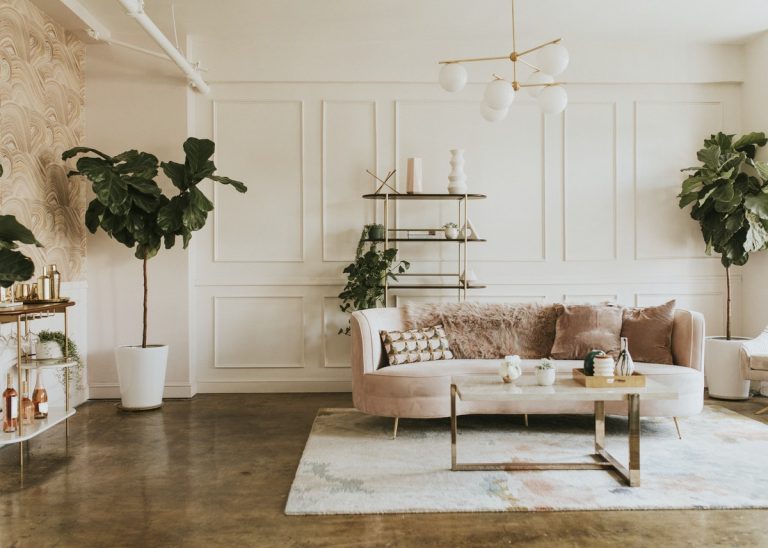
Low slung, central tables in the living room, such as coffee tables, act as a focal point where cuppas are shared and conversation, both heavy and light hearted, takes place. Stack the table with magazines, flowers, ornaments and other points of visual intrigue to further enhance your coffee table’s magnetic appeal, and watch the family flock round as soon as they hear the kettle boiling.
BRIGHT, OPEN WINDOWS
If your living room is dark, it’s likely that it will look uninviting. And with the appeal of sunny days spent on the beach and in the park so strong after a lengthy lockdown, who is ever going to choose a dimly lit space instead?
Indeed, a bright open space is much more welcoming. If your curtains or blinds are limiting the natural light that enters your living room, you might want to consider taking them down for summer or replacing them with something lighter which allows more light in. Roller blinds tend to allow for the most visibility when inactive, whilst Venetians afford residents some privacy whilst still letting light in. When compared to heavy, winter-friendly curtains, such blinds will make your living room a far more sociable place to spend time.
DRINKS TROLLEY
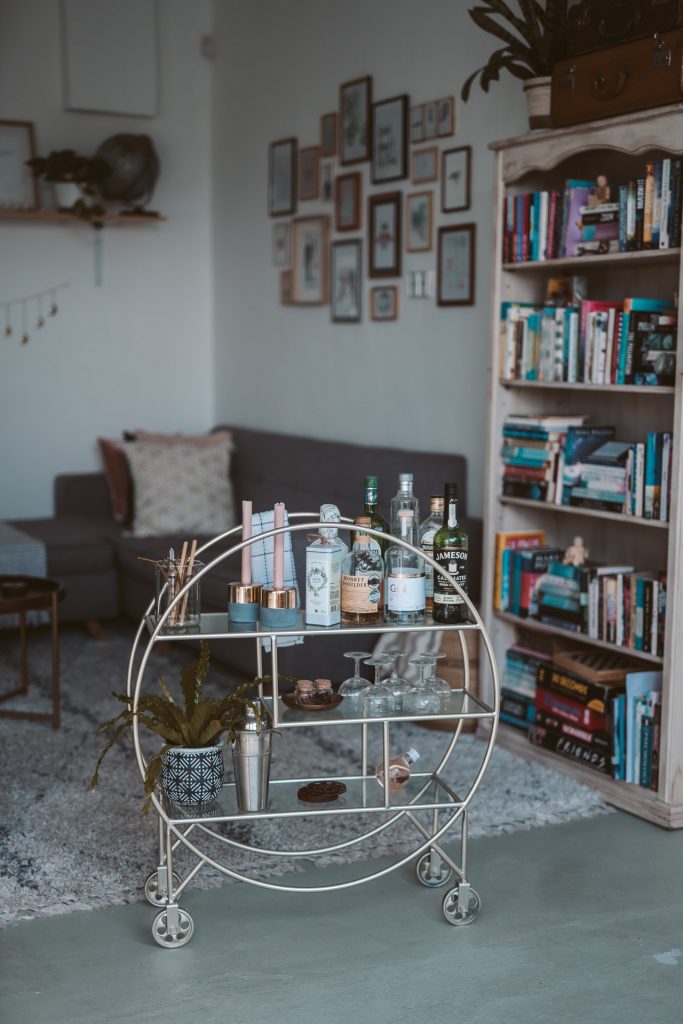
Once a staple in homes across the country in the 1970s, drinks trolleys are back in vogue. We think every home should have one – they add some fun and implore those nearby to let the sociable, good times begin! The great thing about a drinks trolley is that everyone can help themselves. Simply load it with bottles, mixers and glasses and you’re all set for an exuberant time filled with lively conversation.
SOFT FURNISHINGS
A cosy-looking living room is one that is most inviting. On the flip side, hard chairs and a lack of soft features might make your living room look uncomfortable and insufficiently sociable to keep the family unit together.
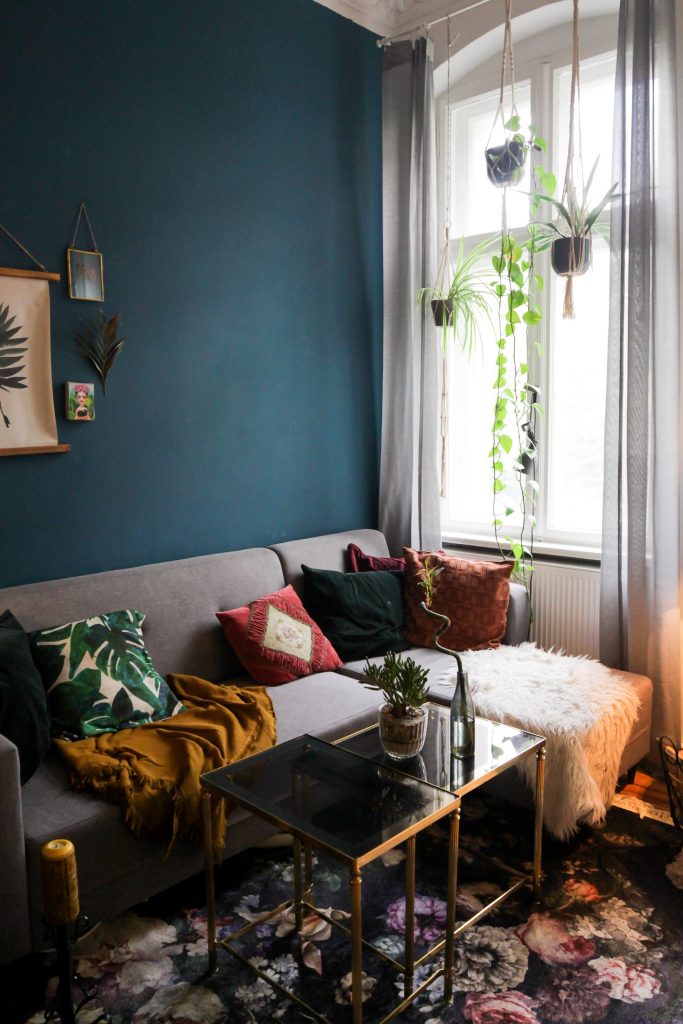
So, prioritise throws, blankets, and cushions that will make the room and its seating options more comfortable. If you’re keen for your living room to be a sociable space this summer, instead of laying empty, make sure the soft furnishings are super comfortable.
To go the extra mile, you could add soft bean bags style chairs for extra guests to sit on. If you have a hard wooden or concrete floor, adding a tactile, thick rug might help insulate the room better and make it more inviting, too.
TASK, MOOD & AMBIENT LIGHTING
Natural light doesn’t last all day, and if you’re keen to keep the family together in the evening, rather than it fracturing into disparate units once night falls, you’ll want to think about the evening lighting in your living room, too.
Bright lights may will likely lead to a clinical, functional feel, which is the opposite of what you should be channeling. Instead, consider a mixture of task, mood and ambient lighting for best results:
Mood lighting helps to set the mood in a room. This type of lighting tends to be low-light and warm, often creating shadows and pockets of intrigue.
Task lighting helps you to perform a specific task, such as a desk lamp illuminating a surface from which you write/illustrate/compose your masterpieces. It gives light to your workspace and provides a very specific job. It isn’t meant to light a whole room and instead creates focal point in one specific, designated space.
Ambient lighting is meant to be used throughout the home so that you can move from room to room without a transition too stark. It can replace sunlight during the evening hours, which means it should be bright enough to stand its ground in darker periods. Ambient lights tend to be wall or ceiling mounted.
WALL ART
If you’re looking for a conversation starter, then hanging some thought provoking art in your living room might inspire sociability. Of course, it needs to fit the overall aesthetic of both the room and your house as a whole, but a few flourishes of artistic flair can make your room feel funky, fashionable and most importantly, friendly.
We hope this article has helped you see sense regarding your living room’s sociability. But before you leave us, let’s see some scents, too. Or rather, let’s smell them.
If you want a room to feel inviting, don’t underestimate the power of aroma. Scents such as vanilla or cashmere, in particular, are known to ignite a feeling of warmth which can attract people in.
The living room is a place most people go to relax in, after all, so a soothing and calming scent is ideal. A warm aroma with soft furnishings and mood lighting are all great features to make your living room the ultimate cosy spot in the house.
If you want to use the living room for more social occasions, an uplifting and fresh fragrance may be the best choice. Scents such as citrus fruits or fresh linen are good choices to make a room smell fresh and uplifting.
Moreover, the soft flickering of a few well-placed scented candles can instantly make your living room feel welcoming – talk about seeing some scents!
For anyone who has stepped foot in Britain, even for a moment, it’s well known that you can’t predict the weather. You can paint a pretty picture, sure, but you….
Anyway, it’s a fatal mistake in the UK to try second guessing the weather; it’ll only end in you soaked through. Dressing in layers will inevitably bring a heatwave, confidently stepping out in shorts and a t-shirt is a direct affront to the rain gods, and forgetting to pack your sunglasses will leave you squinting until you develop permanent frown lines. And you don’t want that.
So, take no chances and cover all bases, packing wise. Whether you’re going on a city, coastal or seaside staycation, we’ve pulled together an essential list of what to pack for a British staycation.
FOR THE JOURNEY
Chances are you’ll be taking the train or driving to your destination for your UK staycation extravaganza, but this year, things are going to be crowded and unpredictable, of that we’re certain.
Be prepared for lots of people on the roads this summer and unreliable train services (don’t @us GWR) holding you back from your holidays. Because of this, portable cooler bags are a must-pack, ensuring that any melted Mars bars stuck to your bottom or car boot bottled water hot enough to brew tea are a thing of holidays past.
If you know you’ll need a coffee stop, then rather than risking the queues at service stations, consider investing in a portable espresso machine, which can give you great tasting coffee on the go. Brewing one up at the side of the road can make the trip feel like an adventure, too!
If you’re travelling with kids, remember that boredom can lead to plenty of backseat brawling, so it’s best to come prepared with entertainment to keep the little ones occupied during the more boring stretches of scenery. Bring travel games and make sure all electronics are fully charged and films downloaded prior to setting off.
On a British staycation, a downpour can kill the buzz pretty quickly if you’re not prepared for it. So, first things first, you’re going to need a waterproof jacket to see you through to your destination dry and happy. And if you also decide to pack a rain poncho, no one will judge you.
For shorter jaunts, you should also pack an umbrella – a multifaceted solution to Britain’s ever so temperamental weather. An umbrella will have all your bases covered, both metaphorically and physically – whether it’s shade or shelter you’re seeking, there’s no better way to achieve refuge. Make sure it’s sturdy enough to withstand the wind yet small enough to fit in your handbag.
FOR THE SUN AND PROBABLE HEATWAVE
After a year spent mostly indoors, you’re definitely going to need a sun hat to shade and protect your face. Fusing style and utility, a sun hat will be your new best friend in the summer months, since your face won’t have been exposed to the sun this extensively for quite some time.
We’re particular fans of scalloped hats with a wide brim, or a natural weave Panama hat with frayed edges. And of course, waterproof sunscreen will protect against the ever-changing conditions in the UK, and is an essential item to pack each and every time.
HOLIDAY WARDROBE ESSENTIALS
For the coastal staycation: Should you be planning fishing trips, coastal walks or even a spot of sailing, some nautically-minded clothes will really get you in the maritime mood. We’re big fans of fisherman’s smocks and you can’t really go wrong with a bright angler’s jacket. Aran jumpers, otherwise known as a fisherman’s sweater, are a good way to dial down the sea style without compromising on its basics. On top of that, linen trousers are a great idea as they dry quickly in case a sudden seaside shower should arrive.
Of course you’ll need swimwear for your coastal staycation . Whether you choose a high waist cheeky bikini that rocks or a wetsuit which clings, ensure that you choose a quality material. May we also suggest some non-slip flexible water shoes, which are ideal should you be exploring rock pools or swimming on a pebble beach.
For the city staycation: Summersin UK cities are often enduringly sticky. Pack plenty of breathable summer fabrics like linen, cotton and chambray, as well as moisture-wicking underwear for maximum comfort, accordingly.
A lightweight scarf to carry in your bag is essential for the city, ideal for when you duck into a shop or supermarket and suddenly feel that chill, and perfect for protecting your hair from a sudden summer shower. As if that wasn’t enough, you can also use a scarf for spreading out in a city park. Is there anything it can’t do?
A portable handheld fan will be your new best friend on a city staycation. Whether you’re travelling on London’s underground, standing (and sweating) on a city bus or hanging out at a bar, this breezy fix will cool you off from the city’s heat. And trust us, UK cities do get sticky in summer. Honestly.
For the country staycation: If you’re going to be going on lots of country walks, it’s worth investing in a pair of sensible walking shoes or even Wellington boots to make sure you’re clambering and striding in style.
A rain jacket and sunhat are also vital, as the weather is unpredictable at the best of times. A map would also be wise, as that pesky 4G isn’t always going to be your most loyal travelling companion when you’re out in the sticks.
Whilst there are amenities in most rural villages in Britain, it’s worth packing a few essentials in your day bag to avoid being caught short in the middle of nowhere. We’d certainly recommend packing hayfever tablets; the pollen count can get pretty heavy in the British countryside.
Whilst we’d love to be able to set off on a staycation with just the shirt on our back and the shoes on our feet, us Brits aren’t exactly the most spontaneous bunch when it comes to holidaying. And for good reason; the elements here are unpredictable and the provisions rurally sometimes inefficient. Best, then, to be prepared, so you can enjoy your adventure to the full. Bon Voyage!
Wash your hands and sing happy birthday…how quaint that counsel feels now! Since that rather lacklustre advice was issued some 14 months ago, our relationships with hand hygiene and our dedication to sanitation have changed irrevocably.
It seems like our home cleaning routines during the global pandemic have seen several stages of severity. There was that phase when we thought we should be microwaving our letters for fear they were contaminated. Or, that period of leaving our grocery shopping outside the door for several days to ensure all germs had taken flight before bringing it inside.
And who remembers that time we hosed down the postman? Oh, just us? Let’s move on.
Since then, as scientific consensus has solidified, some of these extreme practices have faded away; all but a distant memory of a peculiar time.
That said, it’s still important – pandemic or otherwise – to sanitise your home from time to time, to ensure you’re keeping germs and pathogens at bay. Considering domestic sanitation essentials, here’s how to leave your home spotless.
KEEP A DAILY ROUTINE
As laborious as home chores may be, and as tyrannical it sounds to be drawing up a cleaning rota, it’s essential for a spotless house that you have a system in place. Dishes, dusting and de-scaling don’t just happen by chance; you have to set aside a specific slot to do these tasks. If you care about your home being spotless rather than simply clean, then these chores are going to have to be done daily.
Effective cleaning is all about scheduling, routine and timing things with precision. A simple way to pull this off is by tackling things room by room; set aside a day of the week or a specific time slot to clean a particular room or space, and stick to it.
Focus is a great driver for efficiency and stops you from spreading yourself too thinly. A ‘little and often’ approach is also a prudent one; if you do your chores systematically, completing tasks regularly bit by bit, you’ll more likely be able to maintain acceptable levels of cleanliness without ever having to a do a blitz job because things have gotten way out of hand.
GO HARD ON THE KITCHEN
Certain areas of the house are particularly prone to getting dirty and accumulating bacteria, and these should be wiped down several times a day, ideally.
It’s in the kitchen, then, that you should pay closest attention. Use wipes and surface cleaners to help you sanitise hard surfaces and touch points, in particular, which tend to be the most touched – and therefore, dirtiest – places in the home. Always wash your dishes immediately after eating, and regularly sanitise your kitchen sponges in full strength vinegar for five minutes.
Indeed, many experts believe that the kitchen even harbours more germs than the toilet. The professionals behind Do It Right Cleaning point out that it’s important to clean down these areas most regularly as they are some of the most used in the house. You want to be careful of foodborne germs that can spread easily and cause harm to you and your family, so go hard on the kitchen cleaning to ensure your house as a whole is spotless.
The bathroom and toilet is the first place your mind goes to when you think of germs in the house, and so we naturally take extra measures to clean the bathtubs and toilet bowls regularly. Unfortunately, in honing in on the obvious, we ignore a few ‘forgotten’ places where germs breed in the bathroom. This includes the walls, the faucets, the toilet flusher and door knobs.
To ensure you’re not missing a spot:
Endeavor to use disinfectant sprays to clean these often forgotten places
After a bath or shower, wipe down the tub and walls of the bath. Clean the shower glass using a solution of equal parts water and white distilled vinegar after each use
Use bleach in the toilet regularly, and use disinfectant wipes on the seat after every use
Dispose used tissues properly, and empty the bathroom bin daily
Many of us clean our carpets only when they get visibly dirty. However, bacteria, bad odours and dust mites can quickly get out of hand.
You want to use sanitisers that can be specifically used on soft fabrics such as rugs, couches, and throw blankets. These items can also carry allergens that can affect those in your family who are allergy-prone, have sinus issues, or suffer from asthma, so do need sanitation, as fabrics are adept at holding onto airborne germs.
Alternative, you can make a DIY solution to clean soft furnishings. Get rid of dirt, grime and smells from your carpets by sprinkling them with bicarbonate of soda around 20 minutes before hoovering. If you like, you can also spray the carpet with white vinegar for added effect.
USE AIR PURIFIERS AND LED SANITIZERS
Air purifiers and LED sanitizers are a great way to help keep your home clean. They can be set on a timer to operate at various time intervals, which will chime nicely with that strict cleaning routine we recommended earlier.
You’ll find yourself having to dust a lot less and you can rest assured that your LED sanitiser is working to clean your home without the need for heavy cleaners and harsh chemicals.
DON’T NEGLECT THE EVERYDAY ITEMS
Did you know some of the most bacteria-laden items in your home are sitting right under your nose? Or rather, sitting right in your pocket. Indeed, smart phones, credit cards, keyboards and remote controls are all items which we are constantly touching, and are therefore prone to accumulating dirt and germs. To keep in the loop, check out these 7 everyday items you might not be sanitising enough. Happy cleaning!