Did you see the viral campaign last year where relocation expert Mr Baggage was selling “bottled air”? Aimed at Brits living overseas who miss the smell of home, whether that’s freshly cut village green grass, inner-city London air or the aroma of fish and chips, for just £25 homesick Brits could buy some “top-quality, bottled air” and access a little bit of home whenever and wherever they need.
While of course, this novel marketing campaign is just plain silly, it does make a good point; though moving overseas is incredibly rewarding, homesickness does happen. To make sure you’re not resorting to those bottled aromas of patriotism in a moment of panic, here are 5 tips for combating homesickness.
JOIN AN EXPAT COMMUNITY
In your new hometown, you’ll likely find lots of communities and networking opportunities for those looking to meet like-minded people on both a professional and personal level. Connecting with these expat circles and networks is one of the best ways to banish that homesickness for good.
So, get sociable, and find friends to help you ease into your new home. Can you join a gym? Perhaps you could head to a class in the area, even if it’s a language class? Are there local art workshops you could get involved in? This way, you can make friends and meet people without feeling like an outsider.
Social psychologist Dr Gary Wood tells the BBC that “Moving to new places involves having fewer “anchor points” in your life”, and this ambiguity can, of course, be unsettling.
Elaborating on this point, Joshua Klapow, a clinical psychologist, tells the Huffington Post that when we feel homesick “we’re longing for something that in our minds is known, predictable, consistent and stable.”
So, it’s not just the familiarity of our hometown or country of birth that we’re missing; it’s also our normal, predictable routine.
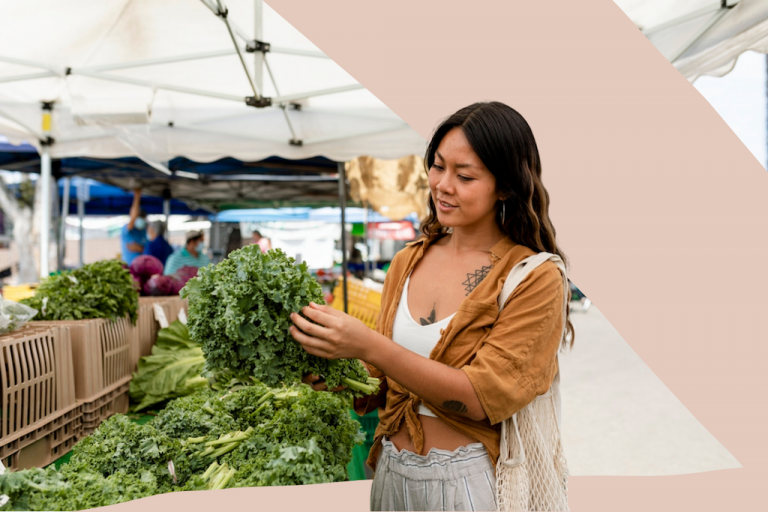
To combat this, endeavour to create some anchor points for yourself, whether it’s having coffee at the same cafe every morning, or always eating in the same restaurant on a Tuesday evening. Find a bar you like and become a regular (hey, now you’re talking) or head to the local market to buy your groceries every Saturday.
Establishing a routine, even if it’s miles away from your old way of doing things, can provide comfort and help you stave off feelings of homesickness.
LEARN THE LINGO
If you don’t understand the language of the country you’ve moved to, and therefore the hustle, bustle and banter going on around you, chances are you’re going to feel isolated.
When it comes to learning some key phrases of a new language, apps like Babbel and Duo Lingo are convenient to use, especially on the go. Moreover, they give you quick, efficient results so you can carry yourself confidently, greet new friends and order your meal with a bit of conviction. Download one and dedicate an hour or so a night to practicing before your trip; it’ll improve your experience immeasurably.
Of course, the best way to learn a new language quickly is by engaging with local, native speakers. So, what are you waiting for…get out there and meet people! The added bonus of throwing yourself in at the deep end and out of your comfort zone is that you may well make some new friends in the process.
WATCH TV CHANNELS FROM HOME
There’s no shame in occasionally longing for domestic comforts like your favourite British soap opera or the local news channel from your hometown when you’re living abroad. In fact, catching up with Match of the Day each weekend or enjoying Strictly from afar can bring that feeling of connection with the gossip and banter of the day back in Blighty.
Be warned that watching certain shows can be difficult to access, depending on where you’re located, due to certain content being blocked in some regions. If you need to, however, you can use a VPN to overcome those geo-restrictions.
A VPN allows you to change your virtual location to a server location of your choice to access the content you want. If you are not sure which provider to go for, you can always start with a free VPN trial.
A TASTE OF HOME
The affliction of feeling homesick can take many forms. For many, craving food from back home is a particularly strong, emotional trigger for a bout of the blues.
In a 2018 survey by British Corner Shop, via the Mirror, it was reported that the top foods British expats missed were somewhat surprising, with Warburtons Crumpets, McVities Gingernuts, Robinson Orange Squash, Heinz Baked Beans and Walkers Crisps topping the list.
If you’re the same, consider having a family member assemble a care package to send, with lots of treats, goodies and home comforts included. Alternatively, and much more sustainably, why not embrace the food culture of your new home?
With holiday travel plans as uncertain as ever this summer, it seems like many of us are planning a winter getaway instead.
From skiing and sledging in the French Alps to discovering the Northern Lights in Iceland, all the way to exploring Europe’s best Christmas markets, you’ll need an appropriately packed wardrobe to protect you from the biting cold and prolonged periods outside, exposed to the elements.
With that in mind, if you’re planning a snow-kissed, sub-zero holiday, here’s our pick of 8 essential clothing items you should pack.
Weatherproof Jacket
A shower of snowflakes that leave you wet through, harsh winter winds and constant downpours…these unpredictable elements can certainly kill the buzz pretty quickly on a cold weather trip if you’re not prepared for it.
So, first things first, you’re going to need a winter jacket to see you through to your destination warm, dry and happy. It’s important to note here that not all ‘waterproof’ jackets were created equal, and many on the high street are only water repellant (not the same thing and not offering the equivalent level of protection). These don’t actually qualify as ‘waterproof’, though they might try to claim that they are.
It’s not generally wise to skimp and save on a winter coat, as the brisk winds and temperamental skies of a cold and snowy trip make quick work of a cheaply made number.
We suggest investing in a heavily padded puffer coat – you know the kind that looks a bit like a sleeping bag. We’re fans of puffa-esque Moncler jackets. Where some versions can make you look like the Michelin man, Moncler’s has a fitted silhouette style, meaning they’re rather flattering.
Moncler was actually the first company to develop specific equipment for high altitude and harsh weather conditions – a fashion and survival piece, it really is a no brainer. Moncler is, of course, an investment item, and if you’re looking for something similar but more affordable, check out the commercial fishing company Stormline, whose wet weather gear is top notch and properly waterproof, as well as Eddie Bauer, Marmot, North Face, Aritzia and Canada Goose or Patagonia. Uniqlo is also brilliant for affordable down jackets which actually keep you warm.
For us, a hooded coat is non-negotiable on a cold weather trip to help protect you from the elements. That said, hoods can be annoying at times, so go for a coat with a detachable hood, allowing you to customise your coat according to the weather.
When it comes to things to pack for a cold weather trip, trousers with adjustable waistlines are essential.
Hear us out; the food in colder climes tends to be on the hearty side, to put it mildly, and you might find yourself needing some extra room, post-dinner. Take the French Alps for example. Alpine food is undoubtedly the best fuel for skiers; highly calorific and based on lots of melted cheese and potatoes, these dishes – think fondue, Raclette and Tartiflette – were designed to keep mountain villagers who were often isolated for months going during the long, snowy winters.
And then look at the food in Amsterdam, which is, to put it bluntly (no pun intended), a little stodgy. It’s also incredibly moreish – with classics like pannekoeken, appeltaart, stroopwafels and patatje oorlog, where the chips are piled high with mayonnaise, peanut satay sauce and diced raw onions, all keeping the cold at bay.
Not only does the food become heartier in colder climes, but we also tend to eat more in such weather, because eating raises our body temperature, giving us the urge to eat more.
Basically, you’re going to be doing a lot of eating, so pack some trousers with waistline flexibility. After all, there’s nothing quite so uncomfortable as going out for a meal on holiday and having to negotiate the top button of your trousers midway through.
A roll neck sweater is one of the hardest working pieces in any winter wardrobe, and these fashionable items are hugely effective at keeping often exposed parts protected when a sudden cold front rolls in.
Moreover, the roll neck gives a sophisticated spin on just about any look, which can be particularly hard to achieve when you’re wrapped to the hilts. The fashion experts at iyoobo.com, who run a website selling sweaters galore, tell us top opt for Merino wool, as it’s softer, more breathable, and does a good job at regulating temperature to keep you warm in different environments. Here at IDEAL we’re big fans of fine-rib turtlenecks, which are great as a layering piece.
Thermals
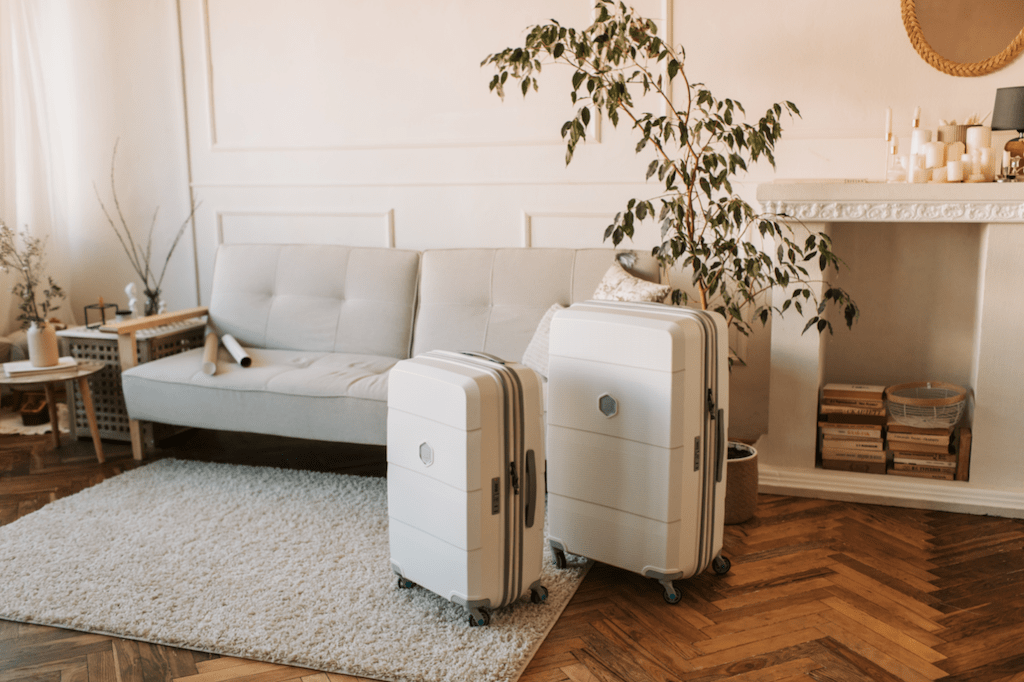
It should go without saying that packing for a cold weather trip is all about leaving room for layering. However, a cold weather suitcase can quickly get cumbersome with all those extra layers packed in.
Enter thermals.
A good set of thermal underwear, long johns, and other base layers are essential for a winter trip. These items work by trapping warm air close to your body, providing much needed insulation and keeping things toasty from within.
The Independent recommends looking for thermals “that use flatlock stitching, which means sewing raw ends together so there’s no bulky seam and avoids any rubbing against your skin”.
And when it comes to the best material, many people swear by the Merino we previously mentioned, which is “warm but still highly breathable, and is great at wicking away sweat”. Moreover, Merino has antibacterial properties, meaning it isn’t prone to absorbing odours – so if you wear the same one for days on end, it doesn’t really matter.
Winter Boots
According to GoodHousekeeping, when choosing a winter boot, you should consider the inner fabric and outer material. When it comes to the inner lining of your boot, they suggest ‘thinsulate’ is best for wetter climates, keeping you warm but without the weight.
Shoes lined with wool are great for ”warmth but not for sweat”, they add. And when it comes to the outer boots’ material, you should look for a water resistant option like nylon, prioritising pretreated water proofing.
Of course, soles should have good traction for slippery conditions. Another consideration is boot height. Will you be wading through deep snow or sticking to city streets? Boots with a short height are best for city adventures, sure, but you’ll want something taller if you’re planning to veer off the beaten path. Either way, you should look out for a ‘gusseted tongue’ which keeps out the snow or rain.
Winter Face Masks
Facemasks; not confined to the dark times of COVID, but also adept at keeping our faces warm and sheltered from the cold weather.
Just as light, breathable and moisture wicking masks are essential for the summer months, so is something a little heftier to protect against the cold recommended for winter.
Look out for masks with lanyard-esque features; they not only make all that eating and drinking we spoke about earlier easier, but they also mean you don’t have to fumble around with your mask while you’re travelling.
You can also buy ear muff facemasks. These hybrids cover your ears too, keeping them toasty and warm. The finest versions, it seems look a bit like quilted puffa jackets but for your face, and have an antibacterial wicking layer to keep moisture out and warmth in.
Smartphone Gloves
Frostbite and Facebook just don’t go, and because of this, a great accessory currently on the market for travellers is a pair of touchscreen friendly gloves. If you are travelling to somewhere with a colder climates, then using your Android phone without freezing your fingers can be tough.
What comes in handy for these vacations is the touch screen friendly gloves, perfect for checking your messages or taking selfies while enjoying the slopes at Whistler or snapping pics of the Mont Blanc Massif from Courmayeur. Fingerless mitten gloves work here, too.
Bra Pocket Or Money Belt
Carrying a bag around with you on a winter holiday can be a pain. Massive jackets are not natural bedfellows with big bags slung over the shoulder, and it’s hard to comfortably rest one on your shoulders should you be all wrapped up. Enter the travel bra and money belt to bring comfort and convenience to your trip.
Travel bras come with hidden pockets to keep your passport, cash or cards more close to hand. For comfort, look for a travel bra with wicking materials and antibacterial properties. If you don’t wear a bra, a money belt with secret compartments is ideal.
The Bottom Line
Whilst we realise it’s remiss to mention winter when we haven’t even enjoyed summer yet, it’s looking likely that a holiday in colder climes is a more realistic goal right now. As such, we hope this list has given you ample time to prepare your packing list for your trip.
The pandemic has wreaked havoc on the world’s wedding plans. As the UK begins to open up, the business end of 2021 and onto 2022 looks set to see an explosion of weddings, as couples seek to reschedule postponed ceremonies from the previous year and newly engaged couples are eager to get married fast.
Those big, lavish affairs that we’re used to? They might just be a thing of the past. Instead, here are 7 top wedding trends we’re going to be seeing this year and beyond.
WEEKDAY WEDDINGS
Weddings once seemed solely reserved for Saturdays. However, since the beginning of the pandemic, more couples are choosing to get married during the week. Glamour reports that “the proportion of Saturday weddings has declined from 57% in 2019 to 53% 2020, according to Bridebook, and even further among engaged couples. 17% of postponed couples will marry on a Friday and 11% will marry on a Sunday”.
We expect this change to expand further, with weddings shifting from a weekend focus into the midweek.
Not only is it cheaper to marry midweek, but cancellations of weddings over the past year have meant that weddings all over the country are being rescheduled. As such, weekend weddings are like gold dust and the prices….well, it’s not worth thinking about.
Couples are now less precious about having a weekend wedding, with the pandemic providing the perfect excuse to host the event on a more affordable day. Choosing to have a weekday wedding with fewer guests means that couples don’t have to wait another year – or longer – to get married. Moreover, they are more likely to get the wedding photographer, caterer and florist of their choice.
As such, keep those calendars clear, and don’t be surprised to receive a weekday wedding invitation soon.
ELOPEMENT WEDDINGS
The pandemic has certainly made organising nuptials for couples problematic. Indeed, over the past year, countless couples have been grappling with the decision of how to move forward with their wedding plans whilst managing to please everyone and endanger no one.
With the uncertainty and risk involved in planning a wedding, many couples are re-evaluating what was important to them in the first place. That is getting married, not whether their third cousin removed should sit next to crazy aunt Beverly at the reception.
As such, some bridegrooms-to-be are choosing to elope instead of dealing with the headache of planning or rescheduling their wedding completely. A chic and discreet option, eloping is also an attractive alternative for couples who aren’t actually all that fussed about the intricacies of wedding planning, especially if you’re someone who has never had an interest in deciding between fondant and buttercream.
BELATED CELEBRATIONS
Some couples are choosing to get married now with close friends and family, then celebrate more comprehensively with a larger group when restrictions fully lift.
Indeed, getting married now, in a compact, cosy way, is a smart option as it means couples can celebrate together and start their married life, then celebrate with a wider network of friends and family when it’s safe to do so.
Choosing to take this route removes the anxiety and all the pressure that comes with having to wait, while giving couples something to celebrate right now and look forward to later. Moreover, the need for a knees up has never been greater – and this way couples can get their cake and eat it, too.
SIMPLE WEDDINGS – LESS IS MORE
The growing trend towards minimalist matrimonials and simple weddings, seen before COVID-19 was even a familiar term, looks like it’s set to continue, and according to Pinterest, it’s a movement that’s here to stay.
The Huffington Post reports that the trend forecasting team at Pinterest have concluded that “regardless of covid restrictions…smaller, laid-back venues and no-frills elopements (are) continuing to gain popularity.” They reveal that searches for “small backyard wedding” were up 160% while searches for ‘’courthouse weddings’’ more than doubled.
With the ever rising costs of weddings and the future of travel uncertain, expect this to be a trend which lasts long after things have returned to ‘normal’.
RECEPTIONS AT RESTAURANTS
We’ve already seen many couples completely cancel their plans and instead, choose small, more intimate affairs which don’t necessarily follow the usual timetable of a wedding in the UK.
Couples with a particular focus on food and letting their hair down are choosing to have their wedding receptions in a restaurant as a way of keeping numbers tight, time commitments down and the quality up. Bring it on!
TECHNICOLOURED AFFAIRS
Let’s not deny that the past year has been a bit beige and we’re all in desperate need of some colour in our lives. While white, of course, never goes out of fashion for weddings, neutral hues such as ivory, taupe and dusty rose are so pre-pandemic.
We’re set to see a pop of joyful colours in all shades at weddings this year – from bright, vibrant invitations to vividly coloured dried floral bouquets and bold statement hues as a backdrop – and personally, we can’t wait.
Bright, vibrant, vivacious weddings offer an upbeat, celebratory vibe – and right now, we all need a little colour in our lives, don’t you think?
SURPRISE WEDDINGS
Let’s face it, the circus that comes with organising a wedding can be plain stressful – be it trying to meet the demands of an interfering family or juggle meddlesome mates’ expectations. One trend that has become increasingly popular during the pandemic is surprise weddings, mitigating all that fuss beforehand in favour of something a little more guerilla.
Surprise weddings reduce a good amount of the stress that comes in the lead up to the wedding, with much of the fluff and finery less necessary. After all, your guests will be dazzled that the event is taking place at all, regardless of whether there’s the requisite bling and bluster involved.
Instead, expect a raucous, rebellious atmosphere and a celebration of living in the moment. That sounds just about IDEAL to us.
With the four walls of home far too familiar these days, we think it’s fair to say that the pandemic has got us looking for new ways to enjoy our weekends.
Travelling out of your local area is no longer actively illegal – rejoice! – and day trips are finally permitted once again. That said, government advice is still to stay local and minimise travel. They also advise that, if you do travel outside your local area, you should shop for food and before you embark on your journey, rather than stopping off along the way.
With those caveats dispensed with, let’s get to it; here are 6 awesome ways to spend Summer 2021 weekends.
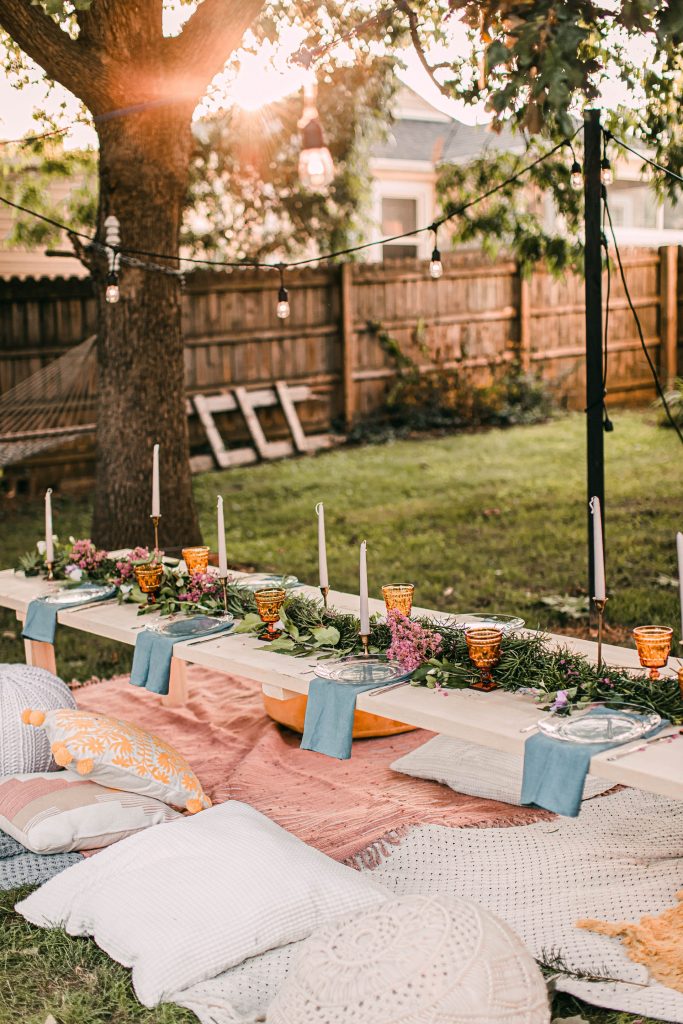
HOST A GARDEN DINNER PARTY
Food, drink, friends, good conversation…
While we’re keen to get in and amongst other revellers, imbibing at our favourite restaurants and seeing friends, with limited outdoor seating, it’s pretty hard to get a table anywhere at the moment. So why not host a garden dinner party?
Throwing a dinner party can be a wonderful opportunity to show off those cooking skills you’ve learnt through lockdown. When it comes to designing your menu, strive for a certain sense of rhythm. If your starter is protein heavy, make sure that the main course is a little lighter. Should the dessert contain lashings of cream, the other courses should be less dependent on fat to carry flavour.
A well paired wine, perfectly suited to the grub you’re serving, can be the difference between a good and great dinner party. Don’t just throw your favourite drop at it and expect things to flourish. Instead, investigate which wine is best suited to each course, bringing out the flavours of the food more elegantly in the process. Go that extra mile by picking a better bottle, spending a little more and drinking a little less, for best results, we think.
If you’re hosting outside in the coming weeks, garden dinner parties are, of course, subject to the weather. Consider adding an awning to the side of your home to keep guests dry and don’t forget blankets to keep guests warm, too. Go the extra mile and invest in some garden heaters or a firepit if you’re feeling really flash.
Getting in and amongst nature with the people you love? A cleanse of the soul and the lungs? Sounds like heaven to us. And to many others, too, we think. No surprise, then, that camping is enduringly popular in Britain and for many, the ideal way to spend the weekend.
Campsites and caravan parks, where indoor facilities are not shared with other households, have just reopened. Yes, we’re officially allowed to stay in a tent – but only with members of our own household.
That said, and as Time Out points out, “there isn’t anything in the rules to prevent friends or family from camping in the same campsite, as long as you only socialise outdoors in a group of fewer than six people and maintain social-distancing rules”.
From May the 17th, you can go camping with “a group of up to six people from six different households (or an unlimited number of people from only two households)”. And hopefully by June 21st, all restrictions on the number of households staying together will be lifted. We can’t wait!
Not one for camping? Motorhomes provide a great compromise between outdoor living and indoor comfort, and we just love them.
Private motorhome hire, like this, is actually surprisingly affordable. That said, if you’re considering buying a motorhome, while it may seem like a large initial outlay, it can well turn out to be a wise investment in the long run. You’ll save on both car rental and accommodation as your wheels will serve as your vehicle and sleeping quarters.
According to Walking for Health, a good walk can uplift your mental wellbeing, improving self-esteem, mood and sleep quality. But we didn’t need them to tell us that, did we?
As anyone who has strolled recently will attest, it’s a marvellous way to blow off some steam and gain a little perspective during a particularly trying time. Pair this with the physical benefits brought on by fresh air and exercise, and you should need no more encouragement to embrace the outdoors. There really is no reason not to (ignore the rain, guys).
The ping of penny machines on the pier, the squawk of seagulls, the nostalgic scent of fish and chips punctuating the fresh sea air; Britain is home to many a quintessential British seaside escape. There’s no denying that one of the best ways to spend the weekend is at the seaside. Down south, Swanage, Brighton and Bournemouth are just some of our favourite places in the UK for a weekend trip. Up north, we’re all about Whitby and Scarborough. Where’s your favourite place to spend time on the sand or pebbles?
Whether off the Cornish coast or in one of London’s lidos, cold water swimming is becoming more and more popular. And for good reason; there are so many physical and mental benefits of taking an icy plunge. In fact, recent research has suggested that cold water swimming may be an effective treatment for depression and could boost your immune system, too.
Not into it? Here at IDEAL, we’re huge fans of stand-up paddle boarding (SUP), one of the most accessible water sports out there. Yep, all you need to find is a still body of water, access to a board and the enthusiasm for an adventure, and you’re good to go!
Moreover, there’s something magically meditative about being at one with nature and the water, standing tall and in control. What’s more, you get to enjoy the scenery from a whole new vantage point, bringing you closer to nature and far more in touch with the changing of the seasons and the movements of the great outdoors.
Other outdoor sports to consider include kayaking, surfing and even sailing. It’s important to note here that we now have the opportunity to embark on our new lives with a sustainable mindset. This is all about being mindful of minimising your impact on the planet and reducing your waste in everything that you do. With this in mind, check out our guide on how to make your favourite outdoor sports more environmentally friendly.
THE BOTTOM LINE
After spending the best part of a year stuck inside our homes, we want nothing more than a change of scenery and to be able to make the most out of our weekends again. That said, it’s vital that you do so responsibly and safely. Be sure to check the latest government guidelines to make sure everything you’re doing is above board and legal.
Over the last twelve months, queuing for basics has become as much a part of our routine as face masks and hand sanitiser. At the height of lockdown, it was common to see long queues winding around a supermarket car park, and where our pre-pandemic selves would have run away to another shop at the sight of such a queue, nowadays, we wait patiently in line.
For a nation that bloody loves to queue, many have relished the chance to tactically tut, scowl and shuffle with increased regularity.
Speaking of queues, the country has certainly seen some queue-worthy products released in the last year. It used to be that queueing for a new pair of celebrity designer trainers or a video game release was considered strange. Now, it’s an event that many want to be a part of as we all seek out those in-demand goodies.
As lockdown lifts and with retail returning, we’re all itching to be a part of that excitement once more! Elbows at the ready then…
Today, we’re taking a look at the products and services that saw queues of customers waiting most enthusiastically. Which items are you most excited to get your hands on?
ADVANCED RETINOL FROM BOOTS NO.7’S
During lockdown, we all took a moment to ease up on our makeup obsession and give our skin a litte TLC. Because let’s face it, there wasn’t much point getting glammed up for that weekly Zoom ‘pub quiz’ with friends…
Skincare, on the other hand, gained a lot of traction, with many of us turning to TikTok for short and informative tutorials on what we should be doing to get our skin healthy while we don’t have any need to wear makeup.
One particular ingredient that has surged in popularity is retinol. When Boots No.7 range launched their own product last May, 100,000 people joined the waiting list for the serum. The product helps skin cell turnover, keeping our skin youthful and glowing – a must have after a year of ‘maskne’.
ALLOTMENTS AT BUSHY PARK
We’re not just waiting in line for products either, with certain services facing increased demands over the last twelve months as we looked to fill the hours and dreamt of a life more simple and slow-paced following lockdown.
According to a survey, 93 per cent of respondents answered that gardening was a lifesaver in lockdown, and allotments become highly prized, thanks to the potential mental and physical benefits of tending to your own vegetables.
But for those who aren’t blessed with a garden, the wait for an allotment can be excruciatingly protracted. In fact, it’s estimated that there are 100’000 people on allotment waiting lists in the UK.
Nine of the top 10 locations with the longest allotment waiting lists are in London (the other being in Cumbria) with Bushy Park in Richmond-upon-Thames, Southwest London, having 637 budding gardeners waiting to secure a plot. Considering many people keep hold of their allotment for, well, life, that’s a lot of green fingers drumming on the table impatiently.
Before the pandemic, queues for shoes were usually reserved for the latest Yeezys. Today, Dune’s LONGISLAND chunky sandal had a 430-person waiting list in just one week. The 90s inspired flatform shoe sold out when it launched in early March after influencers Rita Margari and Shelley Mokoena were spotted wearing them. This footwear is the ideal chic aesthetic for summer, and they’re available in both ecru or black sandals.
Nostalgic fashion has soared through the pandemic, make no mistake, bringing comforting memories of more simple times. Nostalgia is certainly a fashion trend we’re expecting to see continue well into 2021.
PLAYSTATION 5 FROM SONY
Waiting lists for consoles are nothing new, but the latest device from Sony certainly took the biscuit! Sony’s PlayStation 5 (PS5) has been sold out since launch day in November, with a significant number of gamers still waiting to get their hands on this generation’s most anticipated console.
Since launch, the PS5 has been out of stock at all major retailers with no way to land a spot on a waiting list. The only places consistently offering the console are auction sites like eBay, albeit for considerably higher prices. On the 29th April, over five months after the PS5’s launch, Smyths announced that they had PS5s in stock – and sold out in under an hour.
Some things are worth waiting for, so if you’re in the queue for any of these products, look forward to the moment they arrive on your doorstep!
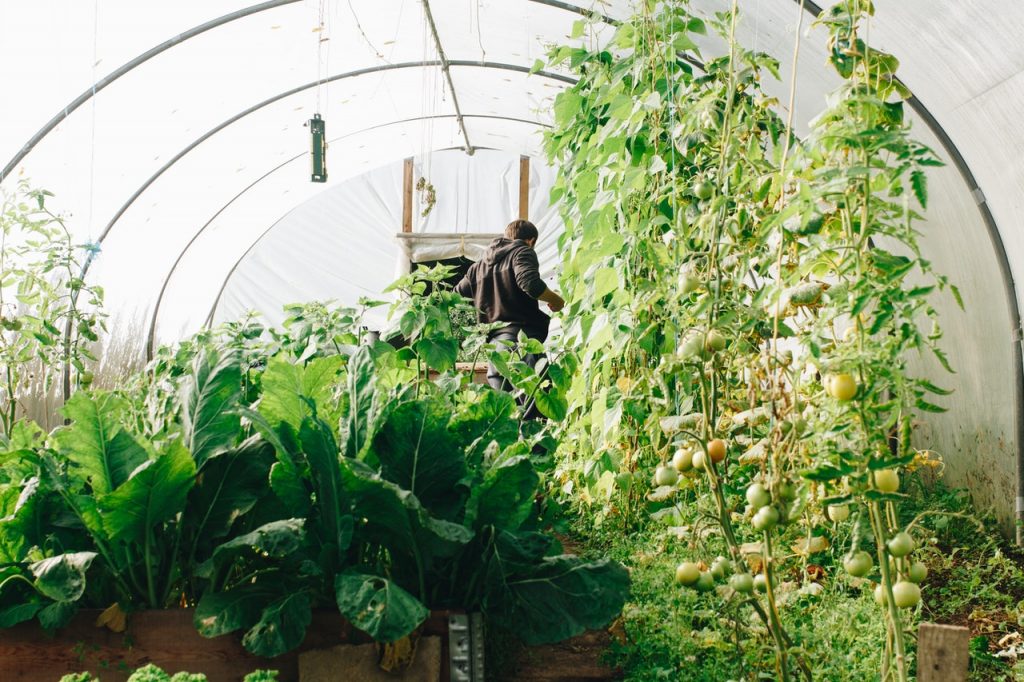
For keen greenhouse growing enthusiasts, May represents an exciting time in the cultivating calendar, with the fruits of the first half of the year’s labour richly rewarded.
Strawberries can begin to be harvested, French beans and lettuce start to look good, and early season tomatoes appear plump and sweet. There are even herbs like basil and coriander to sow, ready to perk up many a future meal. There really is no better feeling!
This, of course, is in an ideal world, where gnats are kept at bay, temperatures are consistent, and root-rot remains purely a concept, rather than an ever-present threat.
Today, we’re considering some familiar problems which can affect the fruits, vegetables and herbs we’re growing and ways to both prevent them from happening and to mitigate their impact if they do occur. With that in mind, if you’re growing fruit and vegetables in the greenhouse, here are 6 common issues and how to avoid them.
OVERWATERING
Though there’s always a temptation to water daily, as this feels like you’re making a difference to your plant’s health, too much water will effectively drown your plant’s roots. What’s more, overwatering can leave your plant prone to infection, as you block the flow of oxygen to the roots and create an anaerobic environment ideally poised to allow disease to thrive.
To recognise if you have overwatered, check to see if any leaves are yellowing, drooping or falling off; all telltale early signs of trouble.
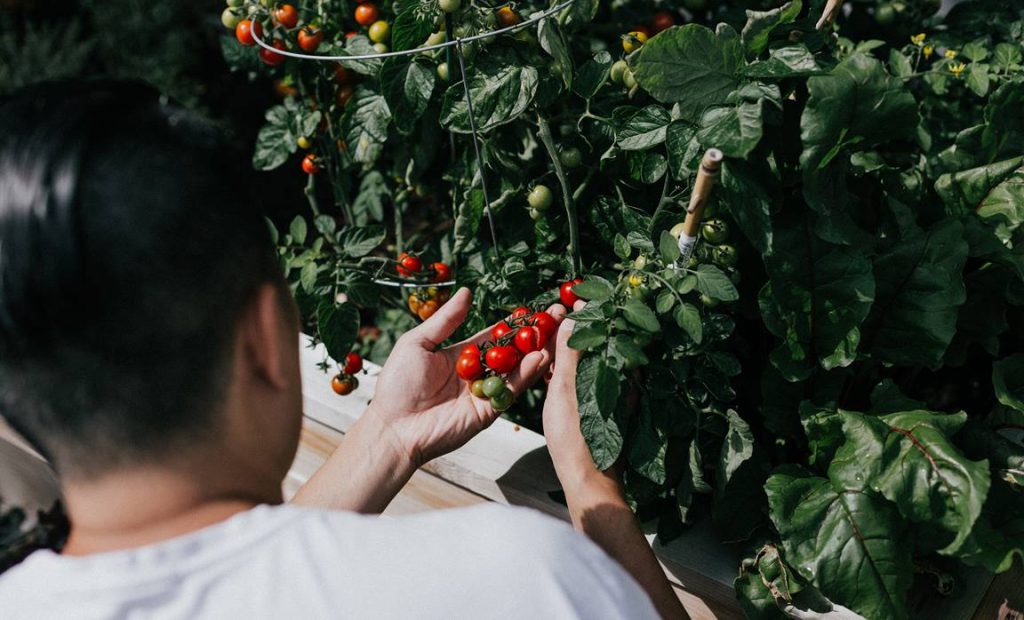
It should be noted that overwatering typically occurs in soil, and hydroponic growers don’t tend to experience this as frequently. Tomatoes, for instance, work particularly well in a hydroponic setting, particularly when using an ebb and flow system which allows for the swift release of excess water.
Anyway, if a plant has been overwatered, the first step to mitigate any issues is also the most obvious; don’t water it again until the topsoil is dry to the touch. Should there be obvious standing water in your pot, try to drain it off by tipping the pot gently. You could also increase the amount of ventilation close to your overwatered plant, as wind can help the soil dry more quickly. The same goes for moving your plant to a warmer part of the greenhouse.
If you’re not using soil, then over watering in a hydroponic system is simply corrected by altering the frequency of watering.
UNDERWATERING
On the flip side, too little water will again result in a wilting or drooping of the plant’s leaves, but ultimately, this tends to affect all of the plant. Once the roots completely dry out, there is very little time to salvage the plant, especially if it is a fully grown one, and this is particularly true for aeroponic systems – strawberries, lettuce, basil, mint and parsley, chiefly – where plants rely on regular misting.
If a plant has been under-watered…. then firstly, water it, but be carefully not to drown the soil and roots. Deluging the plant can lead to those issues we described above that are caused by overwatering. Instead, water the plant in small increments until adequate saturation is established and see how it responds. Make sure you spritz the leaves, too.
Above all else, really listen to your plants to find out what they need.
A PH IMBALANCE IN THE SOIL
The pH of your substrate or soil has a direct impact on what nutrients the crop can absorb confidently, and this level varies depending on your substrate or soil, and the type of fruit, vegetable or herb that you’re growing.
In general, you want the pH to be between 5.5 and 6.5 in organic substrate or soil for your plants to thrive. Here’s a breakdown of the pH level of more popular greenhouse growing fruits, vegetables and herbs:
Tomatoes require a little above average pH of between 5.8 and 6.3 hydroponically, but when rooting in soil, 5.5 to 7.5 should do it.
For soil, lettuce requires between 6.0 and 7.0 pH. Hydroponically, 5.5 to 6.0 pH will suit it best.
Strawberries prefer slightly acidic soil, between 5.5 and 6.8. Should you be growing them hydroponically, 5.8 to 6.2 is best.
Basil requires a soil of between 6.0 and 7.0 pH. Hydroponically, it should be slightly more acidic, ranging from 5.5 to 6.5 pH.
As you can see, each plant enjoys a slightly divergent pH to the next, with hydroponic pH levels generally lower than soil levels. You should always check the specific plant and variety’s ideal pH before sowing.
It’s a smart move to check the pH of your nutrient solution or soil regularly and if you can, test any ‘run-off’ you may have as this can give you a good indication of what’s happening at the root zone. The experts at Progrow advise that you should invest in a pH test kit or a Bluelab pH pen to do this, and make it part of your daily routine when in the greenhouse watering and maintaining.
OVERHEATING
As anyone who has stepped into a greenhouse on a sweltering summer’s day in the UK will attest, these spaces can get seriously hot and humid. Though warm-season crops do enjoy a certain amount of heat, anything exceeding 32°C (around 90°F) is going to do your plants some damage, with the optimum temperature sitting at around 27°C (80°F).
If you do think things are getting too hot in your greenhouse, keep doors and windows open during the daytime to ensure decent ventilation, making sure you close them once the sun sets.
CLEANLINESS
Having a clean and tidy greenhouse is important for several reasons. Firstly, a cluttered greenhouse will block the natural flow of light and ventilation in the greenhouse, inhibiting your crops’ chances of growing to their full potential. But even more importantly, a clean greenhouse is one that doesn’t foster bacteria, pathogens and disease, all of which could wreak havoc on your crops. Dirt can also attract pests (more of that later) who will feast on your crops and undo all of your hard work spent cultivating your plants. It could also encourage algae and mould to form; and you don’t want that.
You should regularly jetwash and sanitise your greenhouse, at the very least between every growing season, but ideally, more often than that. You’ll have to take your plants out of the greenhouse to do this, so ensure it’s a mild day before doing so. If you’re using soap to wipe down greenhouse windows, doors and surfaces, make sure it’s chemical-free and doesn’t leave a residue.
PESTS
Just because you’ve got your greenhouse door tightly shut doesn’t mean that insects, aphids and other pests can’t get in. Regularly check for signs of tiny laid eggs in your soil, and if you do identify an infestation, it makes sense to remove the offending plant entirely from your greenhouse to avoid cross-contamination or the problem spreading.
Fungus gnats are particularly attracted to the moisture of potting soil and the humidity of indoor growing, so keep an eye out for them. The adult fungus gnat is purely a nuisance, aesthetically, but the eggs of its larvae present a genuine problem, as they lay them into the top part of the soil and the larvae then set about digesting your roots. If you see any flying black insects around the base of your plant (particularly when you are watering), then they need to be eradicated fast.
Horticultural soaps, derived from plant oils and free from chemicals, are surprisingly effective against pest infestations, and bring the huge benefit of not containing harmful, undesirable chemicals.
It should also be noted that most insects, caterpillars and slugs love damp conditions, so make sure surfaces are scrupulously dry. Sticky traps around your plant pots will deal with adult flies and hungry slugs, too.
THE BOTTOM LINE
If you want your mealtimes to be blessed with a bounty of fresh produce grown in your greenhouse, then it’s so important you pay attention to each crop’s root zone.
Keeping your greenhouse clean, paying attention to watering cycles, monitoring and maintaining pH levels, and checking for pests and diseases regularly should keep you in good stead. Attention to detail goes a long way and the sooner you identify a problem and treat it, the healthier your plants will be.
If you’re looking to grow herbs like chives, dill and basil indoors, then check out these great tips onhow to grow your own herbs at home.
It’s one of modern life’s greatest truisms; that the majority of us spend way too much time in front of our screens. Required for work, play, entertainment, communication and learning, it’s recently been suggested that our smartphones are now like our second ‘homes’ – and that without them, we feel a kind of existential crisis.
You can say that again. It feels like all this time spent in front of screens will either lead to the next evolution of man, or the need for a large part of society to be bespectacled. We think a little of each sounds likely.
Today, we’re looking at the dangers of exessive screen use, as well as some ways to mitigate both that use and the damage it might be causing. With that in mind, here’s the importance of taking regular screen breaks explained.
HOW TOO MUCH SCREEN TIME CAN DAMAGE THE EYES
Over 38% of people in the UK have reported that increased screen time during the pandemic has left them with eye issues or associated posture problems. Hunching, straining, squinting…it all leads to problems which could be mitigated if we made an effort to look away from our screens more and position them in a more ergonomically effective way.
There are various items you can purchase to make your desk as comfortable as possible; a laptop riser stand, external keyboard and mouse, an orthopaedic seat and footrest are a good place to start. These will help not only your posture, but also your eyes, as your screen will be at a comfortable height and a certain amount of squinting will be mitigated.
There is also an ongoing debate as to the damage that blue-light exposure can do to the eyes. Some maintain that it is the actual light coming off the screen that does the damage, while others note that it is the length of time spent at the screens that does the damage to the eye. The overriding and accepted principle is that overexposure to screens can cause damage to the retina – leading to poor eye health.
So, how do we spend less time away from screens whilst still maintaining a comfortable, convenient quality of life? Let’s find out…
KNOWLEDGE IS POWER
They say that to truly conquer your vices, you first have to acknowledge them. So, try to be mindful of your screen time, which (for us, anyway) has reached pretty shocking heights during this extended period of social isolation and lockdown.
Knowledge is power, here, and recognising that you’ve been using your phone too much is the first step in reducing your time spent swiping, scrolling and clicking. You could set limits or reminders or even use monitoring apps to prompt you; iOS and Android have built in Screen Time management tools.
GET YOURSELF OUTDOORS
Spending time outdoors is a great way to break up your screen time. The eyes are able to relax and yet also react to the normal movements of the outside world, and the sights and activities of the outdoors. This is especially important for children, with the rise in myopia (short-sightedness) being linked to high levels of screen time in conjunction with the much reduced time spent outdoors. As such, it’s vital to set the tone by taking yourself outdoors and away from your screen with the same frequency you’d like your children to adopt.
You don’t have to hike up hills or go from couch to 5km – this article is about getting away from screens, not getting swole. Remember this is not a push to exercise, it is about allowing the eyes time to recuperate in a normal outdoor environment.
SCREEN FREE ZONES
Domestically, it’s a good idea to create screenfree zones in the home. There are, of course, times when you need to be glued to a screen; for most of us, during the working day for instance. And that’s fine. But there are other occasions when phone or tablet use has become habitual, and it’s having a detrimental impact on our lives. If you value your sleep, and you really should, then you should keep devices away from the bed, preferably charging in another room. We all know the negative effects of a blue light on a good night’s rest, so be vigilant before bedtime, particularly.
Equally important are meal times; a part of the day when we can unwind, chat with family and appreciate the simple things in life like a great meal. If you’re fork in one hand and Tinder in the other, well, that’s not a good look during dinner. Don’t let phones disrupt this special, humble time. By enacting these small, positive changes, you’ll notice your screen time decreases significantly.
Embrace the old school and try to enjoy some recreational time that doesn’t involve scrolling through Twitter or watching videos on TikTok. These older games require more movement and hand–eye coordination, as well as boasting a sense of distance, visually. All this is good for eye health and as such these games compare favourably to screentime.
Cooking is another wonderful way to get away from your screen. Dust off your old recipe books instead of relying on your phone for recipes, and savour the process of making something from scratch and giving your brain a workout, too! As we said earlier, make sure you have dinner sitting around the kitchen or dining room table instead of parked in front of the TV.
If you do have to remain at your desk because you’re working on a screen, then you should endeavour to look away and into the distance regularly, giving your eyes a rest in the process. Shift your focus to something else other than the screen. You could use the 20-20-20 rule which recommends that you look at something 20 feet away for 20 seconds every 20 minutes.
THE BOTTOM LINE
Don’t wait for your eyes to start burning or your neck to feel the strain as a warning sign that your screentime has become a problem. Regular breaks, taking yourself outside, relishing in the old school and alternating your entertainment so that you don’t spend all day looking at a screen could well do wonders for your peace of mind. Good luck!
Having a car as your main form of transport gives you the freedom to move from A to B whenever you like. It saves time and can be very helpful in emergency situations. With a car, you can be flexible, and you don’t have to rely on anybody else to get to your destination.
A car provides you with a great deal of independence, however, it can also cost you a pretty penny. Cars need constant upkeep which includes costs such as fuel, maintenance, insurance, taxes, and, in many cases, financing as well.
At the end of the month, all of these costs add up, taking a big chunk out of your expenses. Fear not, some of these costs can be mitigated; here are 7 things you can do that will help you save money on your transport costs.
CHANGING INSURANCE
Once you settle for an insurance rate, you rarely consider changing it. But there are many ways in which you can lower your car insurance, simply by changing (or threatening to change) it.
For starters, you can ask your insurance company whether they have any deals on group insurance. Some companies also offer discounted insurance policies to drivers who have a lower yearly mileage compared to the average person. If you also have home insurance, make sure to use the same company as this is another way to obtain a discounted price.
Or, you can grin and bear the bureaucracy, and change insurance, taking advantage or special offers designed to entice new custom. Let your current insurance company know that you’re considering changing policy provider in advance, and they might even offer you new incentives to stay.
CARPOOLING
Carpooling isn’t just great for your wallet, it’s great for the environment, too. If you are planning a long journey or you frequently drive to the same location, carpooling is a great option to save on fuel. For example, if you commute to work every day with a 40-minute drive, it’s worth asking people in your area whether they need a lift into town as well.
If you are driving to another town for the weekend, you can post on Facebook groups or carpooling sites and find passengers who need a lift. This saves you quite a bit of money for petrol and it also helps cut down on carbon emissions. Not only this, but it’s also enjoyable to have someone in the car keeping you company and helping with directions. Of course, we should mention that having a stranger in your car can be risky – please exercise caution.
LEASING A CAR
More often than not, monthly lease payments are cheaper than monthly car payments on finance. Unless you are buying a collector’s item, a car is one of the worst investments you could make. As soon as you buy a brand-new car and take it out for a spin, your asset will depreciate in value.
Therefore, car leasing is a great option, especially if you are only planning on living in a certain area for a limited time. If your work has asked you to relocate to a foreign country, buying a new car and then having to sell it over a short period of time probably won’t be financially viable. It certainly won’t be economical with your time. In such cases, leasing can represent a stress-free alternative.
DRIVING SAFELY
One of the easiest ways that you can cut down on car expenses is by driving safely. If you are safe on the roads, you are less likely to end up in an accident, which also means that you won’t have to go and get your car repaired at a mechanics. What’s more, your insurance premiums will be lower.
However, it’s not just about having a traffic accident, it’s also about saving money on petrol because driving at a more accelerated speed wastes petrol. If you abide by all of the speed limits and drive at a reasonable pace, you can also save money on your fuel costs.
If there is a station that you tend to pass on the way home or on your way to work, it’s worth asking if they have any sort of loyalty program.
Another way to cut down on fuel costs is by downloading an app that will alert you to the lowest petrol prices within your radius. The price of petrol can be quite volatile at times so it’s always best to double-check when the price is low and fill your tank to the brim. If you have a hybrid car, try to use local charging points to your advantage.
CLEANING YOUR CAR
Cleaning your car on a regular basis is a great way to ensure that there is minimal cosmetic damage. If debris and dust are not washed off routinely, it can cause the paint to peel, and therefore, the value of your car to depreciate.
Keeping your car in good shape is also an easy way to increase the resale value of your vehicle.
WALKING OR TAKING PUBLIC TRANSPORT
As vehicle owners, we’ve all been guilty of driving down the road for what could have easily been a 10-minute walk. Cars provide you with a great deal of convenience, however, driving to your destination isn’t the only option.
If you are going somewhere close, it may be even worth getting your bicycle out of the shed and cycling down. If your destination is a bit further out, you could also opt for public transport instead. If you have an event to attend in the city centre, driving can be more of a nuisance than it’s worth. You have to consider traffic, parking, and petrol money, too.
Humans are creatures of habit. Once you get into a routine, it can be hard to change your ways. But just because you have a car, doesn’t mean that you can’t choose to take the bus or even walk every once in a while.
Lockdown, furlough, restrictions, and distancing….we’ve all had a lot of time to think about our priorities and goals lately. If you’ve decided that fashion is your calling and you’re wondering how you can become a fashion stylist, then this guide is for you.
So, what exactly does a fashion stylist do? Hopefully, if you’ve decided you’d like to be one, then you already have some idea, but to save any blushes, a fashion stylist is a professional who organises and takes charge of a person’s visual aesthetic. In exchange, of course, for money.
As the Independent explains, a fashion stylist also helps people get “the most from their wardrobe and dressing to suit their colouring, body-shape, personality and lifestyle.”
Today, being a fashion stylist isn’t just about helping celebrities and the rich and famous create a signature look. In fact, as the Mirror points out, “Even Marks & Spencer has got in on the act, providing free stylists for customers.” All of this means that becoming a fashion stylist is more accessible and inclusive than ever…you just have to know where to begin.
And that’s where we come in. If your goal is to pursue a career as a fashion stylist, then here are 5 first steps to becoming a fashion stylist.
IT’S ALL ABOUT RELATIONSHIPS
A fashion stylist is all about helping people look and feel their best, and you’ll have to invest your time and energy into helping clients gain new perspectives, insights and confidence, not only into their clothing choices but also their life.
This means really understanding who they are as a person and what they want from life. Finding a good stylist is a lot like finding a good therapist; the help one gives can extend far beyond the agreed brief. Therefore, your soft skills need to be on point if you’re to succeed in this game, with clarity of communication, social intelligence and emotional intelligence all vital in this job.
On another note, opportunities in the fashion industry come from knowing people who have the right connections. This means that it’s essential that you attend every social gathering in the industry that you can and start building links with people, flexing those communication skills and nurturing bonds which could be with you for your whole career.
START BY LEARNING THE BASICS
You don’t need formal training or qualifications to become a stylist, but if you have studied fashion or previously worked within the industry, then this will certainly stand you in good stead moving forward.
Knowing different types of fabrics, colours, body types, personalities and skin types is paramount for any individual seeking a successful career. In this industry, it is vital to self-educate yourself on design, the history of a whole range of styles, and the type of fabric you (and others) prefer using and wearing.
Alternatively, the Open College of the Arts offer a flexible 4-9 year degree in Textiles, which you can complete whilst working (and training) as a fashion stylist.
If you’re looking for something more manageable, there are plenty of short online courses out there. The London College of Fashion, for example, hosts a short course, Fashion Styling Online, which lasts for three weeks and costs £465.
Getting some field-specific exposure, experience or education can help give you that edge within the industry, potentially putting you ahead of the pack. That is why it is essential for anyone looking to pursue fashion styling as their career to seek an established stylist agent, where you can volunteer for first-hand work experience or complete an internship program.
SEEK AN INTERNSHIP OR A SENIOR STYLIST
Nonetheless, it is essential to take guidance from an agency or senior stylist whose work you admire. If you’re keen to emulate or learn from a particular celebrity’s style, you can look up their stylist in the global Moda Database, a celebrity stylist contact list, and request an internship or meeting, in order to learn a thing or two from their sense of fashion.
When you undertake an internship program, it sharpens your skills and improves your contacts within the industry, giving you the ability to execute a design from an idea to a finished product. It also exposes you to the day-to-day life of a stylist and helps you understand how to interact with your clients. All in all, this is perhaps the most essential part of the early process of becoming a fashion stylist.
ESTABLISH YOUR PORTFOLIO
As a fashion stylist, you need to show your work to any potential employer using a detailed portfolio. A good portfolio will help you to showcase your range of skills and demonstrate your creative sensibility to a potential client. That’s why, if you are a student, you need to take your assignments seriously as you can use them to showcase your ability to your future employer or client.
Furthermore, you can set up an online portfolio. This entails putting up your work on an online digital platform to market your styling. The further you spread the net on the net, the more clients you could land.
ALWAYS STAY UP TO DATE WITH THE LATEST TRENDS
Any fashion stylist knows that fashion isn’t constant; it keeps evolving, shape-shifting and streamlining. That is why as an aspiring professional stylist, you should stay up to date with the latest trends emerging both locally and internationally.
Interestingly, one of the best places to get your style ideas is from Netflix. As Elle explains, “TV style is influencing shoppers like never before, driving us to buy the styles featured on screen in droves. Unlikely ones, too, with no direct link to catwalk trends”. Hey, an excuse to sit around watching Netflix for hours? Count us in!
Any aspiring person in the fashion industry should attend the launch of a new designer collection or upcoming fashion shows to get a feel for how things work and what’s on trend during any particular season. The primary purpose of attending such an event is to keep in tune with the latest fashion trends, but you may also make contacts and build working relationships, as networking opportunities at launches do present themselves.
Remember that people want to work with a stylist who is unique and original, not one who just follows established fashion rules, so adopt an attitude of ‘always learning’ if you’re keen to make the best impression possible.
Though it sounds like hard work, there are some huge perks to becoming a professional stylist:
Flexibility: As a fashion stylist, you don’t have to work in a traditional office as you can also work at home. You become free to schedule your working hours depending on your client and their needs. Using an online platform, you can work with clients who are abroad and are not in a position to simply walk into your office, giving you further reach.
Creative work: The job helps you flex your creative muscles, designing new images, visiting other fashion studios and websites and appraising their designs, attending fashion shows, and looking out for new trends.
Pays well: Being a professional fashion stylist can be a well-paying career. In London, the average salary for a fashion stylist is around £27’000, with bonuses and perks, in many cases, taking that figure significantly higher.
THE BOTTOM LINE
The demand for the services of fashion stylists has expanded hugely in recent years. Once the preserve of celebrities and VIPs, many now seek styling for weddings, birthday parties or simply a wardrobe makeover. If this sounds like your dream job, we hope you’ve found some inspiration on getting started.
While travelling has been put on hold for the past year due to coronavirus, some countries are beginning to open their doors again. If you’ve been itching to see the world and make some money while doing so, then who can blame you?
In fact, many travel experts predict the ‘workcation’ to be the emerging travel trend of the next few years, with freshly vaccinated folk desperate to make up for lost time and experience new and exciting destinations first hand.
Should you be planning on exploring and earning simultaneously, then you’ve come to the right place for inspiration; here are 5 jobs IDEAL for travelling and working at the same time.
BECOME A TRAVEL BLOGGER
Travel blogging is an excellent way to travel and work at the same time. While you won’t make money straight off the bat doing this kind of work, it’s something you can lay the foundations for, build and nurture before you set off.
Many people construct their own blogging sites and make money from brand partnerships and affiliate marketing, and this kind of autonomy over the flow of assignments allows the blogger to exercise control over their time, and ultimately, work from anywhere (with a wifi connection, that is!).
Once you’ve built an audience, you can take your blog wherever you go and even make a passive income.
Potential earnings: £500 – £5,000 per month
TEACH ENGLISH
If you’re reading this, you likely speak English with a fair degree of fluency. Sometimes that’s all you need for a rewarding career abroad. As such, you may find the most enjoyable path to working abroad is via achieving qualification to teach English as a second language.
While it’s not as simple as rocking up to a school and doing your A,B,Cs, qualifications and teacher training are available to give you the confidence you need to stand up in front of a class and explain the past perfect continuous tense with vigour and aplomb.
Some companies require the TEFL certification, but it should be noted that some organisations will actually pay for you to take the required courses once you’re installed in your new location.
Whether you plan to travel widely or live in one place for a set period, teaching English is a great way to make decent money while seeing a new country. Depending on where you go, you may need to get a qualification like a TEFL (Teaching English as a Foreign Language), so you should look into this first.
Hospitality is one of the biggest industries in the world, with around 10% of the global adult population working within it.As such, there is always demand for chefs, waiters and bar staff, pretty much anywhere in the world, but particularly in areas popular with tourism.
Perhaps you want to base yourself in an area for a while and get to know the locals, or maybe you want to travel around and work as you go? Whatever the case, the advantage of kitchen or bar work is that the tasks and job description will be fairly universal.
It should be noted that hospitality is a tough industry; it’s physical work and you’ll spend long hours on your feet. That said, it’s also hugely fulfilling work, and a trade built on camaraderie and teamwork. If you’re opting for a kitchen job, though, it’s a good idea to enroll in Online food hygiene courses so that you’re safe, qualified and in-the-know when it comes to prep and safety.
As long as you’re not afflicted by vertigo or aviophobia and you are between the heights of 4’11” and 6’4”, becoming a flight attendant could be your channel into the world of getting paid to travel. Training is typically paid and on-the-job, meaning your adventure could start moving almost as soon as you set that ball rolling.
With flights beginning to reach a level of frequency enjoyed in pre-pandemic times, there will likely be an increasing demand for flight attendants soon. So, what are you waiting for?
Potential earnings: £1’000 – £2,500 per month
WORK ON A BOAT
If you love being on the water, the wind in your sails and enjoying a sense of freedom only brought on by the open waves, then working on a yacht or boat is another great way to travel and make money at the same time.
Many yachts, cruise ships and ferries require an onboard crew and staff for everything from maintenance to deckhand stewards. Yacht life can be an exciting way to experience a bit of luxury while seeing some amazing sites that are off the beaten track.
Potential earnings: £500 – £3,000 per month
All those potential earnings we mentioned need careful control if you’re going to enjoy a comfortable life whilst working and travelling. Check out these 5 IDEAL tips for managing your finances as a digital nomad for some top advice on that.
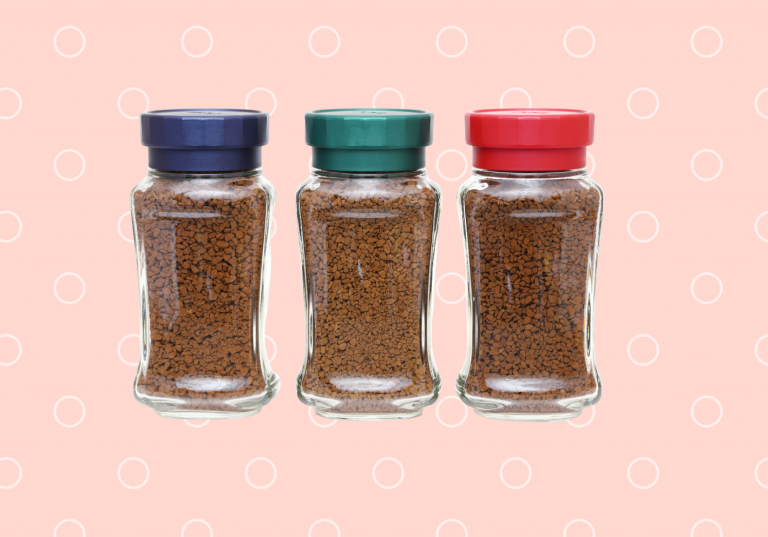
Hmmm, perhaps we need a positive adjective in there before ‘things’. Because really, you can do just about anything with instant coffee. You could scatter it across your bed. You could sprinkle it into your ear. You could try to juggle with three single granules…
But today, we’re talking about some smart, inventive uses for the stuff.
Because whilst it’s a joy to sit back and enjoy a cup of steaming coffee after spending a few hours working non-stop, if we’re being honest, instant coffee hasn’t always our favourite cup of Joe.
However, in the last few years, the instant coffee game has been upgraded, with brands recognising the growing demand for a good cup of coffee on the go. So good in fact, that we’re even using powdered coffee in a whole host of unconventional ways. Of course, this includes cooking with coffee (which works great!).
With that in mind, here are 7 things you can do with instant coffee other than drink it.
USE IT IN DESSERTS
Intriguingly, many top chefs favour instant coffee over the freshly brewed stuff in their sweet treats, as it packs an easily quantifiable dose of concentrated flavour and doesn’t mess with the liquid to solid ratio of the dessert.
But if you are going to eat it, you’re going to need to buy the best instant coffee around. The burnt tasting, highly synthetic stuff just won’t do here.
These recipes by celebrated chef Tom Aikens elevate instant coffee to a fine art. He uses it in his panna cotta, coffee ice cream, coffee jelly and even dusted over his coffee brulee.
We’re also fond of using it to make instant coffee popsicles. Simply mix your instant coffee with some hot water to ensure that the coffee crystals are melted and blended before you add room temperature or cold water. Pour the coffee into popsicle moulds and freeze.
DRY RUBS AND MARINADES
If you haven’t done so, give instant coffee a try when you’re marinating meat. Make some instant coffee and use it as part of your marinade, bringing depth of flavour and an earthy nuance to your meat dishes. Simply mix a cup of the stuff with a little olive oil, Worcestershire sauce, garlic, black pepper and thyme, and leave to penetrate for a couple of hours.
Or, you can add instant coffee to your favourite dry rub mixture. The instant coffee will help with achieving that much-sought-after crust on your steak or chop, and help the Maillard reaction – the complex chemical shift in grilled and roasted foods that brings heaps of flavour – to take place. It also acts as a natural tenderiser.
SAUCES
Yep, it seems like just about everyone’s secret ingredient to their ‘famous chilli’ is a small square of dark chocolate. Well, adding a little instant coffee to your sauces acts in a similar way, enrichening and deepening its flavour.
In fact, a few years ago, Sainsbury’s ran a whole ad campaign encouraging shoppers to add instant coffee to their bolognese. This #littletwist may (no, will) have offended the pasta purists, but the logic is there; sales of both instant coffee and jarred bolognese sauce increased after the ads aired.
Oh, you thought we meant logic in terms of flavour rather than sales? Nope, there is no logic there. Although, Heston Blumenthal did extol the virtues of adding a sprinkle of instant coffee to your Risotto alla Milanese, after seeing a Michelin-starred Italian chef doing it. Now we’re just confused.
Depending on who you believe, you can either brew up a cup and spritz it onto your hair when it’s already wet, leave for twenty minutes then wash off. Or, you can use the instant coffee raw and unbrewed, massaging it into a wet scalp and luxuriating in its exfoliating properties. Remember to wash it all out afterwards, of course.
EXFOLIATION
Speaking of which, exfoliation is a crucial step in many people’s skincare regime, and, you guessed it, can be done with instant coffee.
Daily exfoliation removes the older, dead cell on the skin’s outermost layer, improving both its texture and colour and leaving your skin looking radiant.
It’s simple to make a DIY coffee scrub at home; you just need some instant coffee, brown sugar and some avocado oil or refined coconut oil (all of the organic variety, of course) and then mix to the desired consistency. If you have oily, acne prone skin, use less oil and add some honey, which has antibacterial properties, or replace with lemon.
If you have sensitive skin, this one’s probably not for you.
CAT REPELLENT
Cats may be cute, but if they are not your cats, they can be a problem, disturbing your plants, doing their business in your yard, and scattering rubbish about the place. But did you know that you can get rid of stray cats by mixing instant coffee with dirt and soil. Cats hate the strong smell of coffee and will avoid visiting your garden if you sprinkle it around.
INSTANT COFFEE FOR YOUR PLANTS
We’re actually kidding with this one. It’s one of the most common gardening tips around – simply apply instant coffee to your droopy plants and it will instantly perk them up. Rumour has it that it’s because of the antioxidants and nutrients found in instant coffee, but we’re afraid this is simply an old wives’ tale. Don’t do it!
If you’re going to stick to drinking the stuff, check out our article on 6 of the best summer coffees, IDEAL for a caffeine hit when the weather’s hot, here.
Although permanent moves back to the office still hang in the balance thanks to fluctuating pandemic struggles, Covid-19 continues to spark an interesting debate about the future of the workplace, nonetheless.
Some of us can’t wait to get back to our cosy ecru cubicles, whilst others want to return to an office that feels more fit for the future. Some of us, on the other hand, would be quite content to stay at home forever. Some, further, don’t have a choice as many businesses have moved completely to remote working and have said goodbye to their office spaces for good.
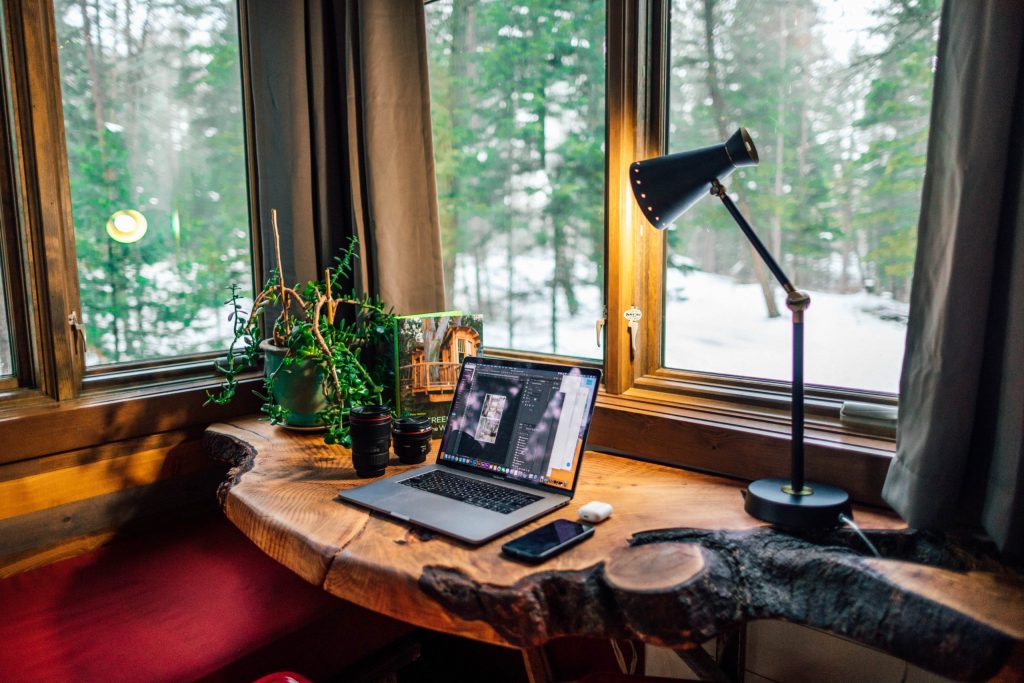
If you’re part of the latter group, then you need to make your working from home space a place you actually want to be. To help, we’ve pulled together these 6 design and decor ideas for those still working from home.
CREATE A VISION BOARD
Working from home can feel a little isolating, especially if you’re a solopreneur rather than a remote worker in a salaried position. With no colleagues to vibe with in person or on messenger systems, cabin fever can set in quickly. To mitigate against this, creating a vision board with pictures of friends, family, goals and aims can be a real motivator during those tough days when it’s you against the world. Find out how to make one at Mindvalley.
Summer is nearly here and no-one wants to be stuck indoors. Enter the trendy garden pod – a stylish and practical solution to your working from home woes. Garden pods come in all shapes and sizes. However, please be sure that your pod is designed with windows and other features that maximise natural light. Otherwise, you’ll effectively be working in a dark, dank shed. Which no one wants. Speaking of which…
CREATE A SHOFICE (SHED OFFICE)
”Shoo! Leave me alone, we’re trying to get some work done here, go bother your brother!’’
Whilst a ‘shoofice’ certainly ticks a few boxes, the real term is ‘shofice’, and is an amalgamation of ‘shed’ and ‘office’. Anything for a tenuous segue, hey?
Converting an existing or new shed into an office is surprisingly easy. First of all, you’ll need the actual structure, of course. If you don’t have a shed in your garden, this how-to guide by Shedplans.org will help you build your own. Alternatively, ready assembled garden sheds are available, though you’ll pay for the convenience.
After that, the primary considerations are lighting, electricity, heating and insulation, the latter two being essential during the UK’s long winters, with the upcoming stretch of summer the perfect time to bed in and properly assemble the structure.
Orange is a stimulating colour that has a vibrant look and ‘feel’. It’s a great choice for your home office space, helping to keep you energised as you hop from one Zoom meeting to the next. However, if a space is too orange and on the brighter end of the spectrum, then you might feel like you’ve just walked into a room designed by Sainsbury’s marketing team. Accordingly, approach such shades with caution.
When it comes to designing a space that promotes wellness, try green for your home office or whichever room you choose to park yourself in with your laptop for the day. Green is a restful colour for your eyes, so it’s a good choice for when you need a break from staring at Slack messages.
JOIN CO-WORKING SPACE
Ok, this one isn’t so much a design tip. Instead, we’re telling you to go and enjoy someone else’s design and decor skills….
Working from home can get lonely, make no mistake. It can feel pretty overwhelming to be working at your kitchen table, only to expect yourself to then spend the evening relaxing in the very same place as soon as you slam shut your laptop.
What? You don’t slam? Anyway, enter the co-working space….
The design experts at 3M Buckley Innovation Centre, who offer co-working facilities and hot desks for start-ups and small companies, tell us that most co-working spaces are designed specifically to boost creativity and productivity, from ergonomic and adjustable chairs to the colours of paint on the walls.
Here at IDEAL, we love green co-working spaces as a concept. These workspaces often incorporate green living walls and abundant real flowers and plants into their design. As such, they offer a fresh and oh-so-vibrant atmosphere while helping you feel closer to nature too. Speaking of which…
ADD LOTS OF PLANTS
Whilst the air-purifying, productivity-boosting effects of houseplants is debated, what can’t be denied is the mood-lifting quality of that natural aesthetic in the home office. Indeed, surrounding yourself with as many plants and flowers as possible is great for bringing a bit of cheer and positivity to oyur space.
If you’re new to the houseplant game and are looking for something low maintenance, then turn to aloe vera or cacti, which only require weekly watering during spring and summer and monthly in the colder months.
The footage of journalists flying in their droves to Portugal earlier this month was strangely reassuring; holidays are back (with all the restrictions and caveats in place, of course).
The good news for all the avid travellers out there is that international holidays are now possible once again, should you be keen to travel to the aforementioned Portugal, Gibraltar, Singapore, New Zealand, Australia and a couple of others. And if none of these destinations takes your fancy, then not to worry; the UK’s green travel list is set to expand on 7th June.
We can’t wait! But given how long it’s been since some people last left the UK, you might need a refresher on all the essential travel tips to make sure your journey goes smoothly. And that’s exactly what this guide is here to help you with. Here are 7 essential travel tips now that we can go abroad again.
CHECK WHAT THE CURRENT REGULATIONS ARE
The easing of travel restrictions hasn’t simply returned everything to normal. Many countries that you can now visit are still dealing with the virus, and there could well be restrictions and requirements on entry and exit, self-isolation and the provision of a negative COVID-19 test.
It’s worth checking the UK government’s guidance on travelling abroad before booking a holiday anywhere. You’d also be wise to do some research on your destination of choice to see what the regulations are like over there. In many cases, a staycation on home soil is still the safest option.
SORT OUT SOME INTERNATIONAL MONEY
Many people have grown accustomed to using their cards everywhere nowadays, especially after the pandemic and the huge surge in contactless payment usage. However, this might not always be an option where you’re travelling to, so it’s worth sorting out some money before you go.
If you’re not too fussed about where you go on holiday, you may want to use the exchange rate as a basis for where you visit. This is especially useful if you want to travel ASAP and, therefore, can’t wait to see if the rate will improve over the coming weeks and months. As long as the destination is on the government’s approved list, this could be an excellent way to add some excitement to your first post-COVID-19 trip abroad.
BE CAREFUL WHEN PACKING LIQUIDS
Rules regarding travelling with liquids have been in place for quite a few years now, so you’re probably still aware of them. However, you might need a reminder of the specifics, especially given how important it is to follow these rules.
All liquids must be packed in transparent, resealable plastic bags that are contained within your hand luggage. No container may hold more than 100ml, and only a maximum of one litre is allowed per passenger. However, these rules may differ slightly depending on where you’re travelling to, so it’s worth checking what’s okay before you go anywhere.
For smokers and vapers, lighters are permitted but only one per person. It must also be kept in a resealable bag. The same goes for e-liquids, with the same rule about each container not exceeding 100ml.
GET TO THE AIRPORT IN GOOD TIME
Most people don’t enjoy spending several hours in an airport with nothing to do but wait for their flight. It can be even more agonising if things get delayed. However, it’s still better than the alternative of trying to rush through the airport, stressed and sweaty, so you don’t miss your flight.
It’s easy to forget how much you have to do before you can board a plane, which is why it’s worth arriving in good time. This is particularly pertinent with the extra checks required due to the global pandemic.
PACK THE RIGHT PLUG ADAPTERS
Given how reliant we can be on technology when on holiday, there are few things worse than travelling abroad and discovering that your plugs don’t match the sockets available. Places like the US and most of mainland Europe, for instance, use two-pronged plugs, so before you head to your destination, you’ll want to make sure you have suitable adaptors. Otherwise, you won’t be able to charge your phone or tablet unless you find a shop that sells them at your destination.
You can look here for more information on which plug types are commonly used in various countries around the world. That way, you know what kind of adaptor you’ll need before you travel, so you can make sure it’s packed along with your other essentials.
SORT OUT YOUR INSURANCE
Travelling abroad without insurance is never a good idea. You don’t know what might happen during your holiday, and you don’t need a lack of cover making things worse. It can be scary enough falling ill or having an accident in a foreign country without the fear of medical costs hanging over your head. In short, for peace of mind and pocket, make sure you sort out travel insurance in advance of your trip.
Given that the pandemic is still an issue, it’s worth getting a policy that includes COVID-19 related issues as cover, too. That way, should you catch the virus overseas and have to spend more time out there than intended, it will be slightly less of a problem.
MAKE SURE YOU HAVE ALL THE NECESSARY TRAVEL DOCUMENTS
Travelling abroad isn’t as easy as just hopping on a plane and going wherever you desire. To gain access to certain countries, you’ll need specific documents, such as a visa.
Something that many people may be confused about is what’s required for travelling to Europe in a post-Brexit world. Obviously, the ties between the UK and the EU were officially cut at the end of 2020, right before the country went into its third lockdown. So, a lot of people haven’t had the opportunity to travel to the continent since this significant change happened.
The good news is that you don’t need a visa if you plan on visiting an EU country for less than 90 days. However, there are some rules regarding passports and changes that may happen from 2022 onward which are worth familiarising yourself with. Even if this information isn’t necessary for you right now, it could prove vital for you in the future.
The fact that international travel is becoming less and less restricted is amazing news for everyone who’s been craving a bit of wanderlust. Before you jet off anywhere, though, just make sure you’re prepared for the trip with these tips. That way, there shouldn’t be any nasty surprises that ruin your much-deserved overseas break.
With ongoing confusion in the UK about whether amber means go, stop or ‘’go but expect a knock on the door’’, that chance to hop on a plane and fly somewhere exciting this summer feels increasingly fleeting.
How does taking a flight or ferry somewhere a little closer to home sound? On the 24th May, travel between mainland Britain and Northern Ireland (as part of the Common Travel Area of the United Kingdom, Republic of Ireland, Isle of Man and Channel Islands) will once again be permitted without the requirement of an essential reason.
So, why not take the opportunity to visit Belfast, the capital of Northern Ireland, and explore this exciting, historic city?
It should be noted that some restrictions will remain in place after the 24th May, with a negative COVID test and a period of self isolation required to visit. That said, it looks likely that these will soon be lifted within the Common Travel Area, making a trip from London to Belfast one of the most effortless trips currently going. Keep an eye on the official Northern Ireland Direct Government Services website for the latest updates on rules and guidance.
With all of those caveats dispensed with, we just can’t wait to explore this amazing city, virtually at first, and then physically when restrictions allow. Let’s take care of the former today; here is our Belfast bucket list of 7 IDEAL things to do in Northern Ireland’s capital.
THE SHIP OF DREAMS
There is a saying in Belfast that ‘the Titanic was fine when she left’, and located on Belfast’s Maritime Mile is the iconic Titanic Quarter, the site of the former Harland and Wolff Shipyard that once employed over 40,000 workers.
If you’re flying into Belfast City Airport, you might have got a birds-eye view of the Titanic Museum, shaped like a star to represent the White Star Line (the famous transatlantic British shipping company) and located right by the slipways where the legendary ship was built.
Once inside, your self-guided tour takes you through nine interactive galleries, giving you a fully immersive experience and making you feel like you are on the Titanic. Without the sinking part, of course.
After your tour, why not jump aboard the SS Nomadic, which was the last White Star Line Ship left in the world and used to ferry first and second-class passengers off the coast of France onto the Titanic in April 1912. A few famous faces that have walked the decks of Nomadic include Charlie Chaplin, Elizabeth Taylor and Marie Curie.
This is one of the most popular sightseeing stops on the local hop-on hop-off Belfast tour, and as an added bonus, your ticket stub will get you a discount off an adult entry ticket.
FINN MCCOOL – GIANT’S CAUSEWAY
The Irish are regarded as some of the world’s best storytellers, and wherever you might end up, there’s bound to be a legendary story that’s been passed down the generations being told. One famous character is Fionn mac Cumhaill (Finn McCool), who is the lead protagonist in many Irish legends.
One of the most famous of these legends is the Salmon of Knowledge, the story of a mythical fish that, if caught, grants the lucky fishermen all the knowledge in the world. All they have to do is eat its flesh.
Myth and mystique aside, most people know Finn McCool as being the engineer behind the Giant’s Causeway, which was built as a pathway between Ireland and Scotland so two feuding giants could partake in a battle royale to decide who was stronger. Nestled at the very tip of County Antrim, the UNESCO World Heritage Site saw just under 1 million people visit in 2019, meaning it is an unmissable destination during your time in Northern Ireland.
Tours to the Giant’s Causeway from Belfast run daily throughout the year, guided by entertaining and informative guides who will take you to quaint little villages and breathtaking landscapes before reaching the Giant’s Causeway. The drive between the city and causeway takes just over an hour, but due to the stunning scenery on display, you might wish it were even longer!
WINTER IS COMING
“It is a big and beautiful world. Most of us live and die in the same corner where we were born and never get to see any of it. I don’t want to be most of us.”
Due to the massive success of Game of Thrones, Northern Ireland attracts tens of thousands of visitors every year who want to experience the mythical world of Westeros. You can leave Belfast in almost any direction and at some point on your journey, you’re bound to run into a filming location or two.
Head south of Belfast and you hit Tollymore Forest, used in various episodes in the series including Season One – Episode One where Ned Stark comes across the dead stag and each of the Stark children receive their own direwolf puppy. Head east and you’ll eventually reach County Fermanagh, home of the Marble Arch Caves, and also home to the Brotherhood without Banners.
Decide to go north? Well, this is where you’ll hit the jackpot on Game of Thrones filming locations, with several iconic episodes shot here.
Why not join a Game of Thrones tour from Belfast to guarantee that you don’t miss an iconic Westeros kingdom? Along your journey up the stunning North Antrim coast you’ll pass through areas of outstanding natural beauty that were transformed into the backdrop for kingdoms such as Dragonstone, the Stormlands, Braavos and the Iron Islands.
Finally, we can’t forget the crown and jewel of picturesque photos; The Dark Hedges, famously known as The King’s Road. Guests on the tour will have the opportunity to dress up in cloaks and helmets while armed with swords and shields for the ultimate photo souvenir.
BELFAST STREET ART AND MURALS
When you think of Belfast street art, the city’s political murals probably first come to mind. But in recent years, the street art on display has diversified, and Belfast has become a hub for extremely talented artists from all over the world to showcase their talents throughout the city; some even say it rivals Glasgow to its claim of being the UK’s capital of culture (an unofficial title, mind).
Some of the most famous pieces of art are located in and around the Cathedral Quarter on large gable walls of popular bars and restaurants. If you are looking for an ever-changing, al-fresco gallery of art, then the International Wall of Murals is the place for you. The wall is divided by the Peace Line that separates the Republican Falls Road and the Loyalist Shankill Road areas, meaning the wall features various pieces of art that represents the views, opinions and causes of either community.
A GOOD ‘OLE PUB CRAWL
If you didn’t pub crawl through the Cathedral Quarter, did you really experience Belfast? If you did, can you remember it?
Now, you may have already passed by some of the city’s most popular bars during daylight if you were taking in some of the street art, but you will get to enjoy an entirely different atmosphere in the evening. In fact, an after hours Belfast knees up is as much part of the city’s culture as any of the other sites we mention…as if we needed an excuse!
Don’t fret if you’re a little fussy about where you choose to enjoy a drink; the Cathedral Quarter caters to everyone’s social scene, noise tolerance and preferred level of boisterousness. If you’re looking for some live music, The Harp Bar never fails at showcasing local talent. Across from The Harp Bar, down a cobbled umbrella street, is The Duke of York, featuring a mirrored whiskey bar and a picturesque courtyard should you be keen on capturing some social media worthy snaps on your trip.
EAT ALL OF BELFAST
After a night on the pints (Guinness, natch), it’s time to indulge in some of Northern Ireland’s famous cuisine. If you are feeling a little bit worse for wear, an Ulster Fry is highly recommended to perk you up. An Ulster Fry includes an egg, bacon, sausage, black pudding and both potato and soda bread. Some fry-ups may also include baked beans, tomatoes and mushrooms – wahey!
If you have more of a sweet tooth, you can always make your way down to St. George’s Market in the city centre and try a slab of Fifteens, a traybake that includes fifteen(!) of each ingredient, generally composed of digestive biscuits, marshmallows, condensed milk and desiccated coconut. Indulgent as hell, sure, but that’s what being on holiday is all about, right?
You can find an array of local delicacies at the market to suit everyone, from the pickiest of eaters to the more eclectic palate. Pick up a loaf of soda bread, some smoked Lough Neagh eel, a pouch of dried dulse (a type of wild seaweed native to Northern Ireland packed full of saline, smoky notes), some Kearney blue cheese, or even a bag of Yellowman candy, akin to honeycomb toffee and just as delicious as that sounds.
Should you be looking for fine dining, Belfast has a thriving, celebrated restaurant scene, and boasts three Michelin starred restaurants. Our favourite is EIPIC, headed up by chef Alex Greene, who you might recognise from BBC’s Great British Menu.
CRUMLIN ROAD GAOL
We sentence you to a guided tour of Crumlin Road Gaol; time to turn yourself in. The prison was built in 1843 and since its closure in 1996, is the only remaining Victorian-era prison in Northern Ireland. Throughout its 150 years, the walls of the gaol have experienced hunger strikes, escapes, and executions, and has housed murderers, suffragettes and both Republican and Loyalist Prisoners.
Across the road from the gaol is the derelict Crumlin Road Courthouse, which held some of the most notorious trials of The Troubles. There is a tunnel that runs underneath the courthouse over to the gaol as the guards did not want to risk prisoners escaping while crossing the street. Sometimes, the prisoners had to wade through waist deep water between the two; there were no lights so they were in complete darkness. Cruel, shocking, and thankfully, a thing of the past.
You can walk the tunnel for yourself if you join in on a guided tour of the jail. Be sure to use your ticket from the sightseeing tour to receive a discount off an adult entry ticket.
It’s everybody’s dream to wake up to an organised wardrobe (hey, we have humble hopes here at IDEAL). You no longer have to rummage through piles of clothes to find the shirt you need or waste the first half of your morning mulling over the chaos you’ve created, which, when looked at with a particularly critical eye, is emblematic of the wider chaos your life has become.
If you’ve woken up and finally decided that today is the day you make this modest dream a reality, then you’ve come to the right place.
Organising your wardrobe should neither be tedious nor should it be complicated. Instead, it can feel pretty fulfilling in the right, dexterous hands. Rather than being hopelessly devoted to the latest cleanfluencer’s doctrine or the KonMari method, proper wardrobe organisation is all about setting yourself up for success by organising in a way that suits your existing habits and needs.
We all have idiosyncrasies in the way we like to fold, classify, hang and throw, but with these key tips, you’ll have all bases covered. Unless, of course, you’d like to leave some uncovered for your next ASOS spending spree. Here are 6 ways to organise your wardrobe, once and for all.
DONATE, KEEP, THROW
Is your wardrobe overflowing? There’s a huge chance that you don’t use around 50% of what you have in your closet. Before you start organising, what you need to do is be ruthless with your existing collection. After all, a good clearout is the ultimate way to make some space and, in turn, make organising so much easier.
Identify which clothes you can donate, which ones you should keep, and which you can throw out without regrets.
Many people organise without first decluttering, and this automatically makes the whole effort more frustrating and expensive. You’ll be spending on baskets and dividers to keep things you don’t actually use, and that’s a waste of money and your valuable time. Simplify the process and give your closet space room to breathe by lessening its load from the off.
INVEST IN DRAWERS
No matter what your closet looks like, there’s always a way to add drawers to help you isolate different articles of clothing. You can invest in some tension rods and baskets to establish levels, or you can get a shelving unit that fits in your wardrobe.
Whatever you go for, make sure that it has enough drawers for every subset of clothing you have, placing the most frequently used items near the top for easy access. The top two drawers could be for leisure clothes and underwear while the bottom ones are for your shirts and activewear. Be regimented and disciplined in the way you divide your wardrobe up to make outfit decision making feel almost automated.
USE DRAWER ORGANISERS
Now that you have drawers installed to separate your clothes, let’s dial down a little into the details. What you now need is to keep them from becoming a tangled mess – because once all the shirts or shorts get together in a group, they can start feeling a little too comfortable, as siblings do, and things can get chaotic, fast.
The solution? Buy some drawer organisers to give each shirt, undergarment and scarf a space of their own within their familial unit. Not only will this make it easier to find them, but their relative similar sizes make folding, stacking and categorising feel almost thrilling to those who just love to clean lines and right angles.
SPARE A THOUGHT (AND SOME SPACE) FOR YOUR SHOES
As the old German proverb cautions, ‘’Don’t throw away your old shoes until you have a new pair.’’
But what if you can’t find an old shoe or find room for a new pair? What then?
If scattered and misplaced shoes are the bane of your life, then firstly; you’ve got it easy. But more importantly, the solution is to get them off the floor. Purchase a small shoe rack that you can fit inside your closet, nestled in at the bottom, and utilise it. Doing so will free up some much needed floor space and give you a little peace of mind, too.
Alternatively, there are space-saving alternatives available today that allow you to stack shoes on the wall like you see in shoe shops. Having a designated place for them that is as stylish as it is functional (and not to mention, visible) will encourage you to keep them off the floor and organised at all times.
HANGERS & HOOKS FOR YOUR YOUR BAGS
Like your shoes, your bags are easy to lose track of. By dedicating a space for them in your wardrobe, you can give them a home and decrease the temptation to just put them anywhere in the house that’s superficially convenient. As we mentioned earlier, automating your tendency to tidy is the best way to keep things as organised as possible.
Most closets have top shelves and empty vertical space where you can neatly tuck in your bags. Alternatively, get some hanging organisers, hooks, or peg boards that you can fit into the excess spaces in your closet. This could be behind the closet door or at the back of the wardrobe itself, where there’s room to hang them. However you want to do it, make sure that you’re keeping your most frequently used bags as the most easy to access.
STORE AWAY SEASONAL ITEMS
Seasonal items tend to eat up a lot of space that’s better utilised for things you need now. Since there are clothes, accessories, shoes and bags that you won’t be using until next winter or summer, you might as well store them neatly away.
One of the most convenient solutions to this is to place them in any suitcases you might have at home. Alternatively, vacuum pack bags, which you can shrink tightly using your hoover, are fantastic for storing seasonal items – whether that’s under your bed, in a cupboard or above a shelf – that you won’t need for a while. You’ll notice that swapping items as the season changes will make your wardrobe less crowded and, therefore, more manageable.
CREATE A SYSTEM
Every man needs a code. And every organisation-obsessive needs a system. So, utilise drawers, hanging organisers and storage containers in a way that suits your preferences. Most importantly, everything should have its right place, where it always ‘lives’. That way, you can automate your clothes tidying routine into something slick, smooth and seamless.
If your organisational ambitions stretch beyond your wardrobe and you’re keen to cover the whole house, then check out these IDEAL home organisation tips for decluttering like a pro.