
Home Blog Page 25

14 Common Laundry Mistakes You Might Be Making

Here are some stats to hammer home the crushing monotony of life; a third of Brits wash their clothes three to four times a week and, in their lifetime, will do approximately 13,000 loads of laundry. That’s a lot of washing. 

When it comes to laundry, we often operate on autopilot, following the same routine we’ve always done. However, despite our best intentions, we might be unwittingly mistreating both our garments and our washing machines in several ways. For something we’re doing so often, we should really know how to do it right. 

We’re here to help with that. Here’s a look at some of the most prevalent laundry faux pas you might be making…

Overloading The Washing Machine

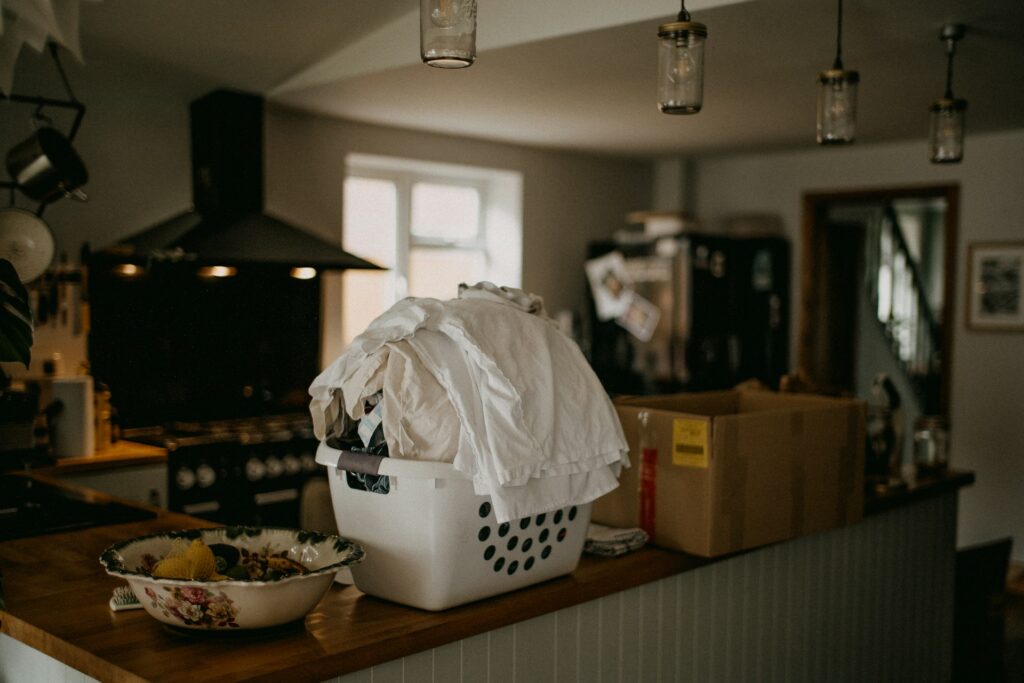
From trying to tackle your never-ending pile of washing to saving money on energy bills, it can be tempting to stuff the washing machine to reduce the number of loads. But did you know that overloading can prevent clothes from being properly, thoroughly cleaned and rinsed? Yep, it makes sense once you think about it – all that dirty water just doesn’t have room to escape if you overload your washing machine.

Exceeding the capacity of your washing machine (and no, capacity isn’t simply how many clothes you can stuff into the drum – it’s the weight it can take) also puts extra strain on the machine as your washing machine won’t be able to spin properly with such a heavy load, which can lead to breakdowns.

Oh, and because it hasn’t spun to its full potential, your clothes will likely be sopping wet at the end of the cycle, which means a) you’ll probably spin it again, and b) your clothes will be wetter coming out, leading to them smelling of mildew, which brings us to our next point…

Overburdening Your Clothes Horse

Picture this: You’re on the bus and smell something a little rancid, that’s not unlike the smell of urine. Have you just sat in a fox pee you wonder? They are known for riding buses after all. You sniff again to try and figure out where the smell is and realise it’s you – the bad smell is coming from the jumper you just put on, fresh out of the wash.

Because we live in the UK, most of us have to dry our clothes indoors. But if your clothes smell bad after they’ve been washed, hung and dried, you’re doing something wrong. 

We’re all guilty of overloading our clothes horse with wet laundry. Really, it’s something we should stop doing. Good air circulation is essential for effective drying; without it, clothes can take much longer to dry and will likely develop a musty, unpleasant odour. To prevent this, hang items separately and ensure there’s enough space between them for air to flow freely. If you’re short on space, it’s better to dry clothes in batches rather than risk the dreaded smell.


Over Reliance On The Dryer

The convenience of using a tumble dryer is undeniable. However, frequent use can be harsh on your clothes, leading to fading and the breakdown of fabric. Moreover, drying clothes at too high a temperature can cause shrinkage and fabric damage.

When it’s sunny, embrace the British virtue of making the most of the good weather by drying your clothes outside. Though winter is only just creeping in, now is the still ideal time to invest in a rotary washing line, clothes airer or a regular, old washing line. Not using the tumble dryer so often will extend the life of your clothes, it’s also more energy-efficient and kinder to the environment.

Doing Laundry Too Often

Washing clothes after every wear is not always necessary and can contribute to premature ageing – that is apart from underwear and socks – if you’re not washing those after every wear, you should have a word with yourself. 

Of course, the frequency with which you should put on a wash can vary greatly depending on the type of clothing, the material it’s made from, how much you sweat, and the activities you do while wearing them. Some clothes experts suggest washing your denim only once a month, for instance.

As a rule of thumb, unless the item is visibly dirty or smells, it’s often possible to wear it multiple times before it needs a wash. This approach is not only better for your clothes and wallet but also reduces water and energy consumption.

Incorrect Temperature Selection

Using the right temperature is crucial for effective washing without damaging fabrics. Hot water can set stains and shrink certain materials, while cold water might not always do the trick for heavy soiling. Always check the care label and err on the side of caution with a cooler wash; modern detergents are formulated to work well at lower temperatures.

Misjudging Detergent Quantity

More detergent does not equate to cleaner clothes. In fact, using too much can leave residue on your garments and in your machine, which can attract dirt and cause wear. Measure detergent according to the instructions and consider the hardness of your water supply when determining the right amount.

Overlooking Washing Machine Maintenance

Repeat after us; ‘a clean machine means clean clothes’. Just like any other appliance, your washing machine requires regular maintenance. This includes cleaning the detergent drawer, door seals, and running a service wash (a hot wash without any clothes) to clear out any built-up residue. Neglecting this can lead to unpleasant odours and reduced efficiency.

And if your machine is making unusual noises, not draining properly, or leaving clothes smelling musty even after a service wash, it might be time to call in a professional. Laundry equipment specialists like PDS Solutions can diagnose issues that aren’t obvious to the untrained eye – sometimes a repair is more cost-effective than replacing the whole unit.

Excessive Fabric Softener Use

Fabric softener can make your clothes feel softer and smell nicer, but it’s not suitable for all types of fabric. For example, using fabric softener on sportswear and other moisture-wicking fabrics is a no-no as it can diminish their ability to manage moisture during physical activities. It shouldn’t be used on silk either. The material of silk is delicate and fabric softeners can leave a residue that may dull the silk’s sheen and diminish its natural softness. 

With all fabrics, too much build up of softener over time can reduce the fabric’s absorbency and breathability. Why is this bad? Well, absorbency keeps us comfortable – if you’re wearing a cotton dress in the height of summer, the cotton should be able to absorb your sweat and bring it to the surface, which in turn means the fabric can dry out. However, if the cotton has a buildup of fabric softener on it, this process can’t happen.

Also, because layers of fabric conditioner can build up over time on clothes, it means that smells get trapped in the fabric. And this means bad smelling clothes. Use the stuff sparingly and consider skipping it altogether for some items. 

Failing To Separate Clothes

Remember that episode of Friends – The One With The East German Laundry Detergent – when Rachel gets bummed out when she discovers that a red sock got caught up in her white laundry and has turned everything pink? Well, that episode taught us all to be super careful when separating our laundry. If you don’t separate your clothes properly, then you need to watch this episode.

Mixing colours, fabrics, and levels of soiling can lead to dye transfer, damage to delicate items, and inadequate cleaning. Always sort your laundry to maintain the integrity and appearance of your clothes.


Not Utilising Dry Cleaning Services

Certain items, particularly those made from delicate fabrics or featuring intricate details, require professional care. Attempting to wash these at home can lead to disaster. Recognise when it’s worth investing in dry cleaning to preserve the life of special garments.

Improper Stain Treatment

Stains should be treated as soon as possible for the best chance of removal. However, different stains require different treatments, and using the wrong method can set the stain permanently. Always research the best approach for the type of stain and fabric before proceeding.

Read: Top tips for removing the most stubborn of stains

Forgetting To Empty Pockets

Leaving items in pockets can cause havoc in the wash, from ink stains to damaged garments and even the machine itself. Always check pockets before washing.

Ignoring Care Labels

Those little labels inside your clothes are there for a reason. They provide essential information on how to care for the garment. Ignoring them can lead to shrinkage, colour bleeding, or fabric damage.  

Read: 6 great tips on making your clothes last longer

Using The Wrong Wash Cycle

Each cycle on your washing machine is designed for different types of laundry. Using an intensive wash for all your clothes can cause unnecessary wear, while a delicate cycle might not clean heavily soiled items effectively. Match the cycle to the load for optimal results.

The Bottom Line

Laundry may seem straightforward, but these common missteps can compromise the cleanliness and longevity of your clothes. By adjusting your laundry habits, you can ensure that your garments remain in pristine condition for as long as possible. And sometimes, amongst the crippling mundanity of life, that’s all you can wish for.


The Frequent Flyer’s Guide To Getting Through The Airport In Record Time

There’s a particular kind of smugness that comes with watching the airport chaos unfold from the comfort of your gate, boarding pass in hand, coffee going cold because you’ve had time to buy one. Frequent flyers move differently. They don’t run. They don’t panic. They’ve simply figured out what the rest of us are still learning the hard way.

You know the type. They’re the ones gliding past the check-in queue with nothing but a carry-on and a vague air of superiority. They’re already through security while you’re still fumbling with your belt and apologising to the person behind you. They seem to know something you don’t, and frankly, it’s irritating.

The good news? Their secrets aren’t actually secrets. They’re habits, hacks and a healthy dose of paying attention. Here’s how to borrow from the frequent-flyer playbook and glide through the airport smoothly and speedily.

Book The First Flight Of The Day

It’s not glamorous, but the 6am departure is the frequent flyer’s best friend. Aircraft are already at the gate from the night before, meaning fewer delays caused by knock-on disruption. Security is quieter, staff are fresher and the chances of your flight leaving on time are statistically higher. Yes, the alarm hurts. But so does spending four hours in a terminal because your 2pm flight got pushed to 6pm.

Choose The Security Lane Nobody Else Does

When faced with multiple security lanes, go against the country’s traffic flow. Research published in Human Factors found that people instinctively drift in the direction they’re used to driving: Americans veer right, while British travellers tend toward the left. At UK airports, that means the rightmost lane is often quieter. Flying from the US or continental Europe? Head left. It’s a small edge, but frequent flyers collect small edges.

Learn To Read The Airport

Modern airports have become remarkably good at communicating with passengers, if you’re actually paying attention. Airport digital signage solutions now display real-time updates on security wait times, gate changes and boarding status across terminals. Frequent flyers keep half an eye on these screens rather than relying solely on their phones, which can lag behind live updates. That 30-second head start on a gate change can be the difference between a stroll and a sprint.

airport

Get Fast Track Without Flying Business

You don’t need a premium ticket to skip the security queue. Many UK airports sell fast track security passes for around £5 to £7 if you book in advance online, often for a fraction of what you’d pay at the airport. Some travel credit cards include fast track as a perk, and certain airline loyalty programmes offer it at lower tiers than you might expect. The time saved, particularly during peak hours, makes this one of the best value purchases in travel.

Know Exactly Where Your Gate Is Before You Clear Security

Every terminal has gates that are a two-minute walk and gates that require a small expedition. At Heathrow, for instance, the difference between an A gate and a C gate can be 20 minutes on foot at Terminal 5. Check your airline’s app or the airport website for gate information as soon as it’s assigned, and look up the terminal map before you land if you’re connecting. Frequent flyers never assume proximity.

Use Social Media When Things Go Wrong

When flights get cancelled, the customer service desk becomes a scrum. Phone lines clog. The airline app crashes. But here’s what frequent flyers know: a polite, direct message to the airline’s X or Facebook account often gets a faster response than any of those options. Social media teams tend to be well-staffed, responsive and empowered to rebook. Have your booking reference ready and be specific about what you need.

Pay For Lounge Access (Even In Economy)

You don’t need status or a business class ticket to use an airport lounge. Priority Pass memberships pop up on deal sites regularly, and sites like Lounge Pass and No1 Lounges sell day passes directly for most major UK airports, typically for £25 to £35. 

Here’s the thing: once you’re in, food and drinks are usually free, including beer, wine and spirits in most lounges. When a soggy Pret sandwich and a pint at the terminal bar would set you back £20 anyway, the maths starts to make sense. You also get comfortable seating, wifi that actually works and, during delays, staff who can help rebook you without the scrum at the gate.

Learn The Flat Tyre Rule

Most major airlines operate an unofficial policy known as the flat tyre rule: if you arrive at the airport early for your flight, they’ll often put you on an earlier departure at no extra charge, space permitting. It’s not guaranteed and it’s rarely advertised, but a polite request at the check-in desk or gate can sometimes get you home hours ahead of schedule. Frequent flyers always check for earlier options, particularly on busy domestic routes.

Sit Near The Back On Short Flights

Conventional wisdom says to sit near the front for a faster exit (and that the back isn’t the place to be, but that’s a discussion for another time), but on smaller aircraft with rear stairs or buses to the terminal, the back rows often deplane first. On certain budget carriers this is standard practice. Check your aircraft type and deplaning method before automatically selecting row 2.

Build In A Buffer (But Not Too Much)

The anxious traveller arrives three hours early and spends two of them bored. The overconfident traveller arrives one hour early and spends it sweating through security. Frequent flyers know their airports and adjust accordingly. For domestic flights from familiar airports, 90 minutes is often plenty. For international departures or airports you don’t know well, two hours gives you breathing room without wasting your morning.

The Bottom Line

The frequent flyer’s airport advantage isn’t about status or lounge access. It’s about preparation, attention and knowing that small efficiencies compound into a genuinely less stressful experience. None of this requires elite membership or insider connections. It just requires treating the airport like a system to be understood rather than an obstacle to be endured.

Now, how do we make the actual flight as comfortable as possible? There’s an article for that too, of course…

24 Hours In Falkirk: Canals, Kelpies & Comeback Whisky

Scotland’s central belt is having something of a moment. Halfway between Edinburgh and Glasgow, in a part of Scotland more associated with heavy industry than heritage tourism, something unexpected has happened; Falkirk has reinvented itself. 

The canals that once carried coal and iron now host the world’s only rotating boat lift. A field beside the M9 is home to two 30-metre steel horse heads that have become one of the country’s most photographed landmarks. And a whisky distillery that lay silent for three decades has risen from near-demolition to win the top prize at San Francisco’s World Spirits Competition. 

It’s a strange and compelling combination, and it makes for a very good day out. Here’s how to spend a perfect 24 hours in Falkirk.

Morning: The Kelpies & Helix Park

The Kelpies appear on the horizon before you reach them, their steel heads catching the light above the flat farmland east of Falkirk. Up close, they’re even more arresting. Sculptor Andy Scott’s 30-metre horse heads, named after the shape-shifting water spirits of Scottish folklore, weigh 300 tonnes each and took four years to build. 

They’re free to visit at any time, but a guided tour gets you inside one of the structures, standing in the steel ribcage while your guide explains how 928 individual cladding panels were shaped and fitted. Tours run throughout the day from The Helix Visitor Centre, starting at 10:30am and lasting around 25 minutes. Tickets start at £7, and two children go free with every paying adult.

The surrounding Helix Park stretches across 350 hectares, with a lagoon, adventure playground, and 27km of paths threading through woodland and wetland. If you arrive early, it’s worth a wander before your tour slot. The Visitor Centre opens at 9am, has decent coffee, and parking is free.

Photo by Clément Proust

Read: 6 mythical places to explore in Scotland

Late Morning: The Falkirk Wheel

Ten minutes west by car, on the outskirts of Camelon, sits The Falkirk Wheel. When Scottish Canals needed to reconnect the Forth & Clyde Canal to the Union Canal 35 metres above, they could have built locks. Instead, they commissioned a rotating boat lift that looks like a vast steel claw rising from the water. It opened in 2002 and remains the only structure of its kind in the world.

The boat trip takes about an hour. You board at the basin, rise in the gondola (using, famously, no more energy than it takes to boil eight kettles), cruise along the aqueduct at the top, pass through the Roughcastle tunnel, then descend again. It’s genuinely thrilling in a quiet, canal-boat sort of way, and the engineering is mesmerising to watch. Adults pay £17.50, children aged 5-15 are £9.50, and under-5s go free. Book ahead in summer. If you’d rather stay on dry land, the Visitor Centre is free and offers a good vantage point. Parking is £4. Note that boat trips pause for annual maintenance from 6 January to 17 February 2026.

The Falkirk Wheel
Photo by Malcolm Colegate on Unsplash

Lunch: Finnegans

By now you’ll have earned lunch, and Finnegans on Vicar Street is the place to get it. The café occupies a handsome Grade B listed former post office in Falkirk town centre, all high ceilings and original features. It opened in 2018 and won Central Region Café of the Year within eight months. 

The kitchen sources eggs from Egglicious Farm, meat from Browns Butchers, and bread from Oliphants Bakers, all local. The scrambled eggs have a following, and the steak pie could fuel you through a Highland winter. It closes mid-afternoon, so don’t dawdle at the Wheel.

Or, if you’d rather take a pit stop at your hotel (or, more bleakly, in your car) before a busy afternoon, you’ll find perhaps the widest range of Falkirk takeaways on Scoffable, offering local delivery options for many of the town’s best spots.

Afternoon: Rosebank Distillery

Walk off lunch along the Forth & Clyde Canal towpath and within 20 minutes you’ll reach Rosebank Distillery, its Victorian red brick façade facing the water. This is one of whisky’s great resurrection stories. Rosebank was known as the ‘King of the Lowlands’ for its light, floral triple-distilled spirit, but it fell silent in 1993 when its owners decided there were too many distilleries in Scotland. The buildings were sold, the stills were stolen for scrap copper, and the site was earmarked for flats. Then, in 2017, Ian Macleod Distillers stepped in.

The restoration took four years. Original features were preserved where possible, the chimney was repaired, and new stills were built to the exact specifications of the 1840s originals. The distillery reopened to visitors in June 2024, and just last month its 31 Year Old expression had won Best in Show at the San Francisco World Spirits Competition.

The Reawakening Tour (£25, 90 minutes) takes you through the stillhouse and finishes with tastings of Glengoyne and Tamdhu single malts plus Rosebank’s new make spirit. Drivers can request a takeaway pack. For those who want to taste the old stock, the Rekindled tour (£95) includes a dram of rare aged Rosebank, while the three-hour Revered experience (£300) is for serious collectors. Parking is free.

Late Afternoon: Callendar House & Park

Wind down at Callendar House, a 14th-century mansion set in 170 acres of parkland on the eastern edge of town. Entry is free. The house has hosted Mary Queen of Scots, Oliver Cromwell, and Bonnie Prince Charlie at various points in its long history, and today contains a working Georgian kitchen where costumed interpreters demonstrate 19th-century cooking techniques, plus an exhibition on the Antonine Wall, a section of which runs through the grounds. The wall, built by the Romans in 142 AD, is a UNESCO World Heritage Site.

The tearoom does a good afternoon tea in the Drawing Room if you’ve room for it, or you can simply walk the grounds: woodland trails, an arboretum, a small loch, and a Roman-themed play area for children. The house is open Wednesday to Monday, 10am-5pm, and closed Tuesdays.

Image via Callendar House Facebook

Evening: Dinner & Drinks

For dinner, Behind The Wall on Melville Street has been part of Falkirk’s social fabric since 1985 and celebrates its 40th anniversary in 2025. It’s a sprawling place, three bars and a restaurant spread across multiple rooms, with a beer garden out back and live music most weekends. The menu leans American, the whisky selection is deep, and it’s directly opposite Falkirk Grahamston station if you’re travelling by train. 

For something more refined, the Scottish Steakhouse at Macdonald Inchyra Hotel holds an AA rosette and serves Scottish beef aged for at least 21 days. The hotel also has a spa with a 20-metre pool, which might appeal after all that walking.

If You Have More Time: The Dunmore Pineapple

Should you have a car and a taste for the eccentric, the Dunmore Pineapple is worth the detour. Built in 1761 for the Earl of Dunmore, this 14-metre stone pineapple crowns a summerhouse in the walled gardens of what was once Dunmore Park. It was voted Scotland’s most bizarre building in 1995, and nothing has come close since. The grounds are free to visit, open dawn to dusk, though there are no facilities. The Pineapple itself can be rented as holiday accommodation through the Landmark Trust, should you wish to sleep inside a giant piece of fruit.

 Dunmore Pineapple

Where To Stay

Macdonald Inchyra Hotel & Spa is a four-star property set in 44 acres near Polmont, with 102 rooms, an indoor pool, spa, and the Scottish Steakhouse restaurant. Rooms from around £70 per night.

The Orchard Hotel offers something smaller and more personal in the town centre. Family-owned, the building dates to 1786 and has 16 rooms, a bar, and bistro. It won Most Loved Falkirk Town Centre Business in 2025 and is a five-minute walk from Grahamston station.

Getting There

Edinburgh is around an hour by car via the M9; Glasgow is 40 minutes via the M80. By train, both Falkirk High and Falkirk Grahamston have regular services from Edinburgh and Glasgow, taking around half an hour. The Falkirk Wheel is a couple of miles from either station, so you’ll need a taxi for that leg. Cyclists can follow the Forth & Clyde Canal towpath, which runs right past Rosebank Distillery and connects to the Falkirk Wheel, making it a satisfying stop on a longer two-wheeled tour of Scotland’s cycling routes.

The Bottom Line

Falkirk isn’t an obvious destination, and that’s part of its appeal. The Kelpies and Falkirk Wheel would justify a visit on their own, but add Rosebank’s remarkable comeback, the layered history of Callendar House, and a 250-year-old stone pineapple, and you have something genuinely unusual. It works as a day trip from Edinburgh or Glasgow, though an overnight stay lets you take things at a more civilised pace.

How To Jazz Up Your Driveway To Make The Best First Impression

First impressions count. Whilst we’d love to play the long game and get to know a property intimately before making any judgements, let’s be honest here, when it comes to your home, snap decisions are made on first appraisal. 

One of the most prominent yet overlooked areas of your home is the driveway. A well-laid driveway design can add value to your home and attract potential buyers and the roving eye of passersby, equally. So, create an exterior you can be proud of, and improve the aesthetic charm of your home with these tips on how to jazz up your driveway, IDEAL for maximising your home’s kerb appeal.

Living In A Material World

A driveway showing signs of wear and tear, perhaps lined with cracks and faded from UV, will detract from that wow factor you’re seeking when one arrives at your home. Don’t fret; replace it – doing so will jazz up your driveway no end. 

There are many different types of driveways; block paving, pattern imprinted concrete, tarmac driveways, bound and bonded resin gravel, concrete and asphalt…the list goes on and get’s no more thrilling to hear. 

If you want a truly unique driveway then consider ‘crazy paving’. As the name suggests, this haphazard approach to paving, which is achieved using stones or broken concrete slabs, can add an idiosyncratic finish to your driveway. It’s becoming increasingly popular as an environmentally friendly option as it can be made using reclaimed and recycled materials. 

Certain materials can also help the security of any parked cars and your home as whole gravel, for instance, crunches underfoot and alerts residents to people approaching. It’s also one of the more affordable and ecologically friendly options. Just sayin’.

Alternatively, we’re big fans of resin for driveways. It is remarkably durable, withstanding all types of weather conditions, from the harsh British winters to the sunny summer days, ensuring a long lifespan with minimal maintenance. The permeability of a resin driveway also makes it an environmentally friendly option, permitting rainwater to seep through and accordingly reducing the risk of flash flooding. Moreover, its smooth, anti-slip surface makes it safe for children and the elderly, reducing the risk of slips and falls.

Bear in mind that you don’t have to stick to just one type of material for your driveway. Mixing and matching materials that complement each other can add intrigue and interest. 

It’s All About The Entrance

Your house doesn’t have to be a huge country estate or a flashy Hollywood home to have a grand entrance. The entrance doesn’t necessarily have to be all that elaborate, either. But it should be inviting and offer guests an intriguing insight into your home. Moreover, it should also be in keeping your home’s setting, be it urban or rural. 

A concept we like to call ‘driveway landscaping’, we think it’s apt to channel this attitude to yours. A simple entrance demands some well-maintained hedges or matching trees either side. For some understated elegance or something altogether grander, custom wrought iron gates can add a decorative touch while making your home more secure.

Brick or stone columns can accentuate the entrance of your driveway. There’s a huge variety of different columns to choose from out there from stacked to stone and beyond. When choosing your columns, you want to draw a connection between them and the rest of your property. 

A beautiful archway entrance made from wood can make a huge first impression, too. Handcrafted timber garage doors bring warmth and natural texture to entrances, while a trellis over your driveway, perhaps with some beautiful roses or wisteria, can add the wow factor, too.

Complement Your Home

The driveway sets the tone and character of your house. Therefore, you want to make sure it matches the overall aesthetic of the exterior of your home. 

Paving stones in dark shades will complement and echo a contemporary home. Slim, streamlined shape paving stones also offer a modern look. For a period property, use cobblestones in your driveway designed to mimic the elegant look of your home. However, if the facade of your home has lots of detail, then a plain driveway option will offer balance and a sense of subtle sophistication.   

If you’re after a more natural look, stone driveways are hard to beat and come in a whole range of patterns. You can also inject personality into the paving of your driveway by adding different shapes to the pattern, perhaps a drivesett circle here or there. 

Light It Up

Define and enhance your driveway with a few carefully placed lights. While you don’t have to go for the full runway effect, the addition of a lighted border can also add to the security of your home, scaring off potential cat burglars (and regular burglars) from walking up the drive and opportunistically surveying who’s home. 

Choose something subtle that won’t disturb the neighbours, unless you want a lawsuit on your hands. Motion-sensors are an energy efficient option which is also less intrusive to surrounding houses, and solar takes those green credentials up several more notches.

Electrical lighting can provide greater illumination and has more options in different styles. You could even consider a street lamp style for larger driveways, which looks just lovely in the right setting. 

Driveway lights can also be used to highlight flora and foliage, which brings us to our next point…

It’s The Frame, Not The Picture

Landscaping your driveway with kerbs or plants can really make your driveway ping. Decorative kerbs are ideal for edging your driveway and can add that finishing touch adeptly. Kerbing and path edgings come in multiple styles, finishes and colours – chose one to match or contrast the overall aesthetic of your driveway.

Adding a border of plants or grass to your driveway will frame it succinctly. Foliage and flowers can also work well at lifting the facade of your house tenfold and will also soften any boundaries between your driveway and home. Moreover, it’s better for the environment; purely hard driveway surfaces can contribute to floods whereas rainfall on grass or plants will soak it up. 

The key here is to add plants that don’t need much maintenance. Choose a combination of plants that flower in every season and ensure that the plants won’t grow too tall, blocking natural light from entering your windows. Consider a flower that smells wonderful, like lavender, jasmine or honeysuckle for a really welcoming, refreshing burst of aroma when you come home. How lovely that sounds.

The Bottom Line

Don’t think of your driveway as just a place to park your car. Instead, reconceptualise it as the red carpet to your home, your personal gateway to safety and sanctity. Heaven! 

9 Super Fun Hairstyles To Try In The New Year

‘New year, new you’. But for a different perspective in 2026, how about ‘new year, new do’? It has a certain ring to it, don’t you think?

Though the old maxim posits that ‘blondes have more fun’, we reckon that girls who embrace fun hairstyles might just have the most laughs out of everyone. And after the few years of turbulence we’ve all had, starting the new year with a fresh, fun look might be the best tonic of all (except the vaccine, of course). 

With that in mind, from bubble braids to high ponytails, here are 9 super fun hairstyles to try in the new year.

A Fun Colour

Like the rise in sales of inflatable mermaids and unicorn-themed products, there’s a reason people have been dying their locks every shade under the sun in recent years – ESCAPISM.

Who doesn’t need a little escapism, even at the best of times? And we’re sure you don’t need reminding that the last few years haven’t exactly been the best of times. 

Dyeing your tresses a blend of blue and green like a mermaid, or in rainbow-like pastels like a unicorn, adds a touch of the fantastic to the everyday, letting us escape from the more serious side of life.

Celebrities like Katy Perry have been flaunting their rainbow-hued do’s for years now. Us mere mortals, though, are only now starting to experiment with different colours, partly because we’ve realised it’s still totally possible to get a job when you have indigo hair, especially if you work in a creative industry. Or, since we’re all working at home now anyway, looking ‘normal’ has become a little redundant.

Bubble Braid

The bubble braid – it’s simply a ponytail that’s tied with hair braids continuously down the length of the ponytail, with an inch or so between them. 

While it’s been around for a while, the bubble braid is having a resurgence, popping up all over social media, largely thanks to the popstar Griff who rocks this style with confidence. Her bubble braid is super voluminous and so fun, too. 

If you want your braids to look like Griff’s, unless you are lucky enough to be blessed with super long, thick hair (which most of us are not) you will need the help of a black clip in ponytail extension. To help recreate Griff’s voluminous bubble braid ponytail, it’s recommended that you use a long and thick set like their 26” Ultra-Volume Full Head.

However, you can wear a more low key, bulky bubble braid with your own hair – basically, if you can tie your hair in a ponytail, you can do a bubble braid.

High Ponytail

If you’ve ever worn your hair in a high ponytail and swung it around, then you’ll know that this hairstyle is just so fun to rock. The higher the pony the better. Ariana Grande, Bella Hadid and Kim Kardashian are all fans of a very high slick ponytail and who can blame them? We love this long, voluminous look which looks oh so glamorous.

Key to recreating this look is to blowdry your hair in the direction you want the base of the ponytail to be. Then, tie the top section of your hair and smooth back. Once you’ve done this, add the rest of your hair. You can use hairspray and a toothbrush to make it extra sleek, if that’s what you’re after.

If you have short hair and want to carry a longer ponytail, you’ll be pleased to know that you don’t have to wait for your hair to grow to get this look – simply get some clip-in ponytail extensions which can replicate the length required. Ponytail hair extensions are designed specifically for adding length and fullness to a ponytail style so you can achieve a head-turning and waist-grazing, voluminous long ponytail with ease. 

We’re also huge fans of high pigtails, which are essentially just two high ponytails. 

By valentinrussanov via Canva

Space Or Double Buns

Want to know one girl group who always looked like they were having fun with their hair? The Spice Girls, of course! Scary Spice was known for her space buns whilst Baby Spice was loved for her cute double-bun hair style, and we miss them dearly. 

We particularly love the former style, but if you’re not familiar with it, space buns are basically two buns on the top of your head. You can style your space buns messily, as ballerina buns or even as braided buns. The choice is yours, and we can’t get enough of this fun, carefree hairstyle!

The Sleek Bob

The sleek bob is a timeless hairstyle that has been embraced by fashion icons and celebrities alike. It’s a versatile look that can be tailored to suit any face shape and hair texture. In contrast to autumn’s key hair trend, the butterfly bob, the key to a sleek bob is a smooth, straight cut that falls anywhere between the chin and the shoulders. 

This style exudes sophistication and can be worn with a deep side part or a straight middle part to add an extra edge of chic. For those with naturally curly or wavy hair, a flat iron can help achieve the sleekness required for this look. It’s a low-maintenance do that makes a bold statement and can be dressed up or down for any occasion.

The Textured Pixie Cut

For those looking to make a daring change, the textured pixie cut is a fantastic option. This hairstyle is not only a symbol of confidence but also incredibly stylish and modern. The textured layers add volume and dimension, making it a perfect choice for those with fine hair looking to add some oomph. 

Styling products like pomades or texturising sprays can help to define the layers and add movement to the hair. Celebrities like Halle Berry and Charlize Theron have famously rocked this look, proving that a pixie cut can be both feminine and fierce. Plus, it’s incredibly easy to manage, saving you time in your daily routine.

The Braided Crown

The braided crown is a romantic and bohemian hairstyle that’s perfect for those who want to add a touch of elegance to their look. This style involves creating two braids on either side of the head and then wrapping them around the top to form a ‘crown.’ It’s a great way to keep hair out of your face while still looking put-together and stylish. 

This hairstyle can be adapted for both casual and formal events and is particularly enchanting when adorned with small flowers or decorative hairpins for a whimsical touch – perhaps a wonderful ‘do to wear at Christmas, don’t you think? 

The braided crown works particularly well with medium to long hair and can be a great way to showcase highlights or balayage colour variations.

The Mermaid Wave

What could be more fun than pretending that you’re a mermaid? Honestly, is there anyone who didn’t grow up wanting to be one? Well, luckily, we can now achieve our childhood dreams with our hair. 

Mermaid waves are long, sculpted variations of beach waves and we just love them. The best way to achieve the tousled mermaid wave is with a wave wand which, as Glam explain, are “basically triple-barreled curling irons, featuring three equally sized, elongated barrels that mold your strands into that desired S-wave shape”. 

The ‘PRO Waver’ from Mermade Hair is one of the most popular wavers and the worlds fasted selling one too. However, if you’re after something a little cheaper, the ELLESYE Hair Curling Wand should be on your radar. We’re also fans of Toni & Guy’s Style Fix Waver which is small enough to fit in your hand bag and ideal for dreamy beach waves on the go. 

Again, if your hair is too short to replicate this long wavy look, try hair extensions. If you’re after the ultimate mermaid style and want to feel like a goddess from the sea, consider hair extensions with pink or blue ombre ends. 

Crimping

This zig-zag hairstyle was all the rage back in the 80s and 90s and it’s had something of a revival in recent years, to say the least. Indeed, for the last couple of years, we’ve seen celebs Kylie Jenner, Katy Perry, Beyoncé, and Anna Kendrick all sporting this kinky style. 

Celebrity Stylist Adam Reed told Marie Claire that crimping is “one of those trends that everyone is scared of but it never goes away”, moreover, ‘’crimping is a session stylist’s secret to creating incredible volume and big hair.” So, if you still have those crimping irons, it’s time up unpack them and get crimping.

The great thing about this style is that it can be done to any length of hair. The best way to achieve this look is with a crimping iron. If wearing your hair completely crimped is a step too far, try a crimped ponytail instead, which doesn’t even require a crimper, just straighteners. 

Six Weeks Sorted: Summer Camps & Childcare Ideas For Busy Parents

Come summer every year, the same WhatsApp panic ripples through parent groups across the country: what on earth are we going to do with the kids for six weeks? The maths simply does not add up. Most full-time workers get 25 days of annual leave, yet school holidays in their entirety stretch across 13 weeks. Factor in childcare costs that can run anywhere from £40 to £60 per day, and you are looking at upwards of £1,500 just to cover a single summer, assuming you can even find availability. The result is a patchwork of favours, grandparent rotas and hastily arranged playdates that leaves everyone exhausted before August even begins.

Some employers are finally catching on. Amazon recently introduced term-time contracts that allow parents to take around ten weeks off each year, a blend of paid and unpaid leave that keeps full-time status intact while acknowledging that working hours were never designed with school calendars in mind. Until more companies follow suit, however, the rest of us are left to get creative.

This guide is here to help. From free government-funded provision to residential adventures abroad, we have rounded up the summer childcare options that actually work, whether you need a single afternoon covered or six solid weeks of activities.

Free Holiday Clubs: The HAF Programme

Before paying for anything, it’s worth checking whether your family qualifies for free government-funded provision. The Holiday Activities and Food (HAF) programme provides healthy meals, enriching activities and free childcare places to children from low-income families. Since 2022, the programme has provided over 15 million HAF days to children and young people across England.

The programme is primarily for school-aged children from reception to year 11 who receive benefits-related free school meals. Children can access a minimum of four days of activities over the Easter and Christmas holidays, and 16 days over the summer holidays, with sessions lasting at least four hours each day. Local authorities can also use up to 15% of their funding to provide free or subsidised places for children who aren’t on free school meals but who could benefit from the programme, so it’s worth enquiring even if you’re not sure you qualify.

To access the programme, you’ll typically need a HAF voucher from your child’s school. Each local authority runs its own programme with different providers, so check your council’s website for details of what’s available in your area and how to book. Places can fill up quickly, so don’t leave it until the last minute.

Residential Summer Camps In The UK

Summer camps aren’t a particularly British tradition. Whilst America has made the sleepaway camp a cultural institution, immortalised in countless films, and France has its deeply embedded colonies de vacances where sending children away for several activity-filled weeks is considered entirely normal, the UK has never quite developed the same culture. Our shorter six-week summer holiday, compared to America’s near-three-month break, partly explains this. But there are signs of change, and a growing movement seeking to establish residential camps as a regular feature of British childhood.

The Summer Camps Trust is one organisation working to raise the profile of summer camps in Britain. The charity campaigns for summer camps to be recognised as a vital part of provision for young people and has written to the Department for Culture, Media and Sport asking for residential summer camps to be included in the government’s upcoming National Youth Strategy. They also train young adult leaders who volunteer to work with children on camps.

For families who have never considered a residential camp, the Summer Camps Trust runs Try Out Camps at a discounted price, open only to UK-based children aged 9 to 15 who have never attended an overnight summer camp before. It’s a low-risk way to see whether this kind of holiday suits your child, with trained young leaders and experienced staff overseeing a week of games, crafts, outdoor adventures and campfire sing-alongs.

ATE Superweeks

The Active Training and Education Trust, known as ATE, is a member of the Summer Camps Trust and has been running residential summer camps since the 1960s, making it one of the longest-established providers in the country. Their camps, which they call Superweeks, bring together children aged 8 to 16 from across the UK for a week of fun, adventure, team building and a healthy dose of silliness.

ATE operates as an educational trust with a governing council of leaders from the education sector who believe firmly in the value of summer camps. Children stay in country houses, outdoor centres or schools in locations including Shropshire, Worcestershire and Derbyshire, with days packed full of imaginative games, stories around the campfire, den building in the woods and the chance to make lasting friendships. Prices are all-inclusive, with free accompanied travel available from 17 collection points around the UK, making it practical for families without easy access to a car.

One of the great things about ATE is their intensive training programme for the young adult volunteers, known as Monitors, who work directly with the children. Parents regularly report that their children return with increased confidence, new-found independence and a broader perspective from mixing with children from different backgrounds and parts of the country.

Summer Camps Abroad

For families willing to think bigger, sending children to summer camp abroad opens up possibilities that simply don’t exist domestically. American summer camps remain the gold standard, with an estimated 14,000 camps across the country offering everything from traditional multi-activity programmes to highly specialist options. The variety is staggering: sailing camps on the North Carolina coast, marine biology programmes in the Florida Keys, performing arts intensives, STEM camps, horseback riding ranches, and wilderness survival expeditions. The American Camp Association accredits over 2,500 camps and their search tool lets you find coastal kids camps, mountain adventures, or whatever niche interest your child might have.

Some American camps do accept international children, though the logistics of travel and the fact that American school holidays don’t align with British ones can make it challenging. Costs are also substantial, with some prestigious camps charging upwards of £15,000 for the full summer season.

France offers a more accessible alternative. The colonies de vacances are a national institution, with French children from age four upwards routinely spending weeks away from home during school holidays. Whilst most are primarily set up for French children, there are programmes that welcome international participants. Some focus on language learning, combining French tuition with activities, which can serve the dual purpose of keeping children occupied whilst developing useful skills.

Organisations like EF and IBS of Provence run language camps across France that specifically cater to international children, whilst Active Travel Camps takes 11 to 16-year-olds on three-week adventure tours through France, combining activities like canyoning, sailing and rock climbing with cultural immersion. The Eurostar makes northern France particularly accessible, though camps further south require flights or longer train journeys.

Day Camps & Multi-Activity Providers

Not every child is ready for a residential experience, and not every family’s budget or logistics allow for it. Day camps offer a middle ground, providing structured activities and reliable childcare during working hours without the overnight commitment. Providers like SuperCamps and Kings Camps operate at venues across the country, offering sports, arts and crafts, outdoor adventures and themed weeks.

Most day camps run from around 8am to 5pm or 6pm, with extended hours available for an additional fee, making them genuinely compatible with typical working patterns. Many accept childcare vouchers and tax-free childcare, which can significantly reduce costs. The flexibility to book individual days or full weeks means you can mix and match based on your own leave and other arrangements.

For children with specific interests, specialist camps focus on everything from coding and robotics to horse riding, theatre and sports coaching. These tend to be more intensive and often more expensive, but can be transformative for a child who’s passionate about a particular activity.

Adventure & Outdoor Camps

PGL has been synonymous with school adventure trips for decades, but they also run holiday camps for individual children. With centres across the UK, they offer multi-activity weeks packed with high ropes, kayaking, abseiling and team challenges. Their camps cater to children aged 8 to 16, with age-appropriate groupings and OFSTED registration providing reassurance for parents.

Camp Wilderness takes a more back-to-basics approach, with camps focused on bushcraft, shelter building, fire-making and wild swimming. Their tech-free ethos appeals to parents concerned about screen time, offering children the chance to reconnect with nature in locations from Yorkshire to Snowdonia. Family camps are also available for those who want to share the experience.

For a more American-style experience without crossing the Atlantic, Camp Cooper in Scotland and Camp Crusoe in Norfolk both model themselves explicitly on the traditional US summer camp, complete with cabin living, campfire traditions and a focus on community building alongside adventure activities.

Youth Organisations & Local Clubs

Do not overlook what your child may already have access to. Scouts and Girlguiding units often run summer camps at a fraction of commercial prices, while the YHA and Outward Bound Trust offer residential adventures with funding available for those who need it. Teenagers working towards their Duke of Edinburgh’s Award can join open expeditions during the holidays, and the National Trust runs family volunteering days.

Closer to home, check whether your child’s gymnastics club, swimming school or dance academy runs holiday programmes: many offer intensive courses during summer that combine skill development with childcare-friendly hours, and the familiarity of known coaches and venues can make all the difference.

The Bottom Line

Summer childcare is a logistical puzzle that no single solution will solve. The key is booking early. Popular camps fill up months in advance, and waiting until June means settling for whatever’s left rather than finding the right fit for your child. Start researching now, involve your children in the decision where appropriate, and consider it an investment not just in your own sanity but in experiences that could genuinely shape their summer and their development.

Most importantly, try to see the investment as exactly that. These experiences teach children independence, resilience and social skills that last far beyond the summer months. The WhatsApp panic will return next year, but with a plan in place, you might just be the calm voice offering solutions rather than adding to the chaos.

10 Practical Applications Of Biophilic Design: Maximising Functionality For A Greener Home

In the realm of contemporary design, the integration of nature into our living spaces is more than just an aesthetic trend. It has given birth to ‘Biophilic Design’, a concept that signifies our innate attraction to nature and life. More than just a decorative measure, Biophilic Design brings with it a host of functional benefits, such as bolstered well-being, improved creativity, and lowered stress levels.

Whilst the onus is usually placed on the visual aspect of Biophilic Design, adopting such an approach can also be functional in its very nature, helping transform your home into an eco-friendly and serene sanctuary. With that in mind, here are 10 practical applications of biophilic design, ideal for maximising functionality for a greener home.

Indoor Plants – Functional & Aesthetic

Biophilic design begins with the simple act of incorporating indoor plants. These green companions do more than just prettify your surroundings. They serve as natural air purifiers, eliminating toxins from the environment and supplying fresh oxygen – a fundamental step towards improved indoor air quality.

Green walls are another functional addition that (potentially) contribute to the internal air quality of your home. These living walls, composed of plants, leaves, and occasionally, flowers, serve as organic air purifiers, filtering out harmful toxins from your indoor environment.

Moss Panelling – A Green Solution To Noise Pollution

Moss panelling is a lesser-known yet highly functional facet of biophilic design. The natural sound-absorbing capacity of moss makes it an ingenious choice for soundproofing applications, proving that Biophilic design combines innovative artistry with practical, environment-friendly solutions.

Harnessing Natural Light – Letting Positivity Flow

The human circadian rhythm is attuned to the natural cycle of light and darkness; thus, optimising natural light in your home aids in keeping our body clocks in sync. Practical design alterations like skylights, larger windows, or glass walls can augment the amount of sunlight pouring into our homes, boosting both physical and mental well-being.

Eco-friendly Materials – Lessening The Environmental Impact Of Your Home

Utilising sustainable materials like bamboo, cork, or reclaimed wood not only adds a natural touch to your interiors but also lessens the environmental impact of your home. These materials provide a natural, wholesome aesthetic and contribute positively to indoor air quality.

Cork Tableware – Sustainable Style For Dining

Extending biophilic principles to your dining table is simpler than you might think. Cork, harvested from the bark of cork oak trees without harming them, is one of the most sustainable materials available. Stylish cork placemats and coasters offer a tactile, natural element to mealtimes whilst being inherently practical; cork is naturally water-resistant, antimicrobial, and provides excellent heat insulation to protect your surfaces. It’s a small change that brings an organic warmth to everyday dining.

Biophilic Furniture – Beauty Meets Function

Opting for furniture made of natural materials like bamboo or timber can enhance your home’s organic appeal. Such furniture not only brings the outdoors in but can also possess antibacterial properties. Furthermore, biophilic furniture, such as cushioned seats filled with natural materials like buckwheat hulls, can provide health benefits like promoting proper posture and reducing back pain.

Natural Flooring – The Ground Beneath

Applying natural elements such as stone or turf to your floor can bring an outdoorsy feel to your home’s interior. An adventurous application of this concept could be an indoor lawn or moss floor, which can give you the experience of being connected with nature, even indoors.

Read: The IDEAL guide to choosing the right flooring material for your home

Rock Gardens – Zen & Low Maintenance

Rock gardens or Japanese Zen gardens offer a sense of tranquillity and balance. Their minimal requirements for maintenance make them an excellent choice for busy homeowners seeking a touch of nature. Rocks, pebbles, and sand can help to create a soothing, Zen environment that fosters peace and mindfulness.

Nature’s Fragrances – Engaging The Senses

Engage your sense of smell with the implementation of natural fragrances in your home. Essential oil diffusers can help create a calming, nature-inspired atmosphere that not only smells wonderful but also provides various health benefits. For instance, lavender can promote relaxation and better sleep, while eucalyptus could help with decongestion.

Water Features – Soothing & Kinda Functional

Having a small indoor water feature, like a tabletop waterfall or a fountain, can offer more than just visual appeal. The calming sound of flowing water can reduce stress levels, while also adding to the home’s overall humidity regulated by other biophilic elements.

The Bottom Line

In an era dominated by artificial environments, Biophilic Design emerges as a refreshing antidote, reconnecting us to our natural roots and transforming our living spaces into healthier, more harmonious habitats. The functional facets of Biophilic Design – like moss panels for soundproofing or indoor plants for air purification – highlight the effectiveness of this approach in creating a wholesome, greener home.

As we progress, let’s envision homes that not only provide shelter but resonate with the tranquillity, beauty, and life-enhancing benefits of nature. Biophilic Design is more than a trending concept – it is a lifestyle movement that not only promotes individual well-being but also reinforces our responsibility towards the planet.

9 Home Improvement Hacks To Make Yours More Energy Efficient

Are you paying attention yet? Recent harrowing pictures of the Earth’s lungs should have had you sitting up, taking note and hopefully, switching off. Not your attention, mind. Keep focused; this is a matter of life and death. And although the statistics point to 100 companies being responsible for the majority of the world’s pollution, there is still so much the little person can, and should, do.

It all starts at home. And with the current energy crisis emphasising just how crucial it is to use less at home, here are 9 home improvement hacks to make yours more energy efficient.

Seal The Deal With Draught Proofing

Before splashing thousands on solar panels or new windows, start with the simplest energy saver of all: draught proofing. Older buildings can lose around 15-20% of their heat via draughts, forcing your heating system to work overtime and your wallet to feel considerably lighter.

The beauty of draught proofing is that it’s ridiculously cheap and easy to implement. Self-adhesive foam strips for gaps around doors and windows are affordable and can be fitted in minutes. For larger gaps under doors, brush or hinged flap draught excluders are your friend. Don’t forget letterboxes and keyholes either – specialised covers block surprisingly significant amounts of cold air.

It’s estimated that installing draught proofing measures in an average UK home could save the household £60 per year on heating bills. It’s the low-hanging fruit of home energy efficiency, and there’s simply no reason not to tackle it this weekend.

Window Wise

Wastage; you just hate to see it. So, you’ll likely bristle at this stat; a home with single glazed windows loses up to 70% of heat and energy. Now is the time to look at upgrading your windows to modern ‘A’ Rated windows.

Quality double glazing, weather tight seals and multi chambered profiles ensure that heat loss is kept to a minimum. If you’re not ready for a full window replacement, you can swap your glazing pane to double glazed units as an intermediate step. This will help to reduce the loss of heat through your windows, reducing the cost of your heating bills to the tune of £175 a year, as well as your carbon footprint. A double win.

With winter not yet quite upon us, and with the old ‘fix the roof while the sun is shining’ saying firmly in mind, investing in some new glass could be a prudent move.

Solar Panels Or Windmills

Depending on your location, of course, you may find that solar panels or a windmill can provide alternative energy. Such energy is a huge investment – it’s no secret –  but they’re also a wise one for a number of reasons. Firstly, aside from the actual value of the panels giving financial worth, you’ll find extra value when it comes to EPC (Energy Performance Certificate).

Upgrading your certificate from a D to a band B certificate by installing panels, for example, could add around £16,000 to your home. You’ve also got the appeal of lower bills too which, naturally, everyone wants. Finally, and most importantly, of course, is that they don’t generate greenhouse gases.

The average solar panels needed to power a 1 to 2-bedroom place is a 2kW or 3kW system (depending on the home’s energy needs), costing between £5,000 to £8,000. 5kW solar battery prices in the UK range from around £2,500 to £5,000 on top of that. Sure, it’s an investment, but it’s one that potentially pays for itself further down the line.

Kitchen Cuts

A few low effort hacks in the kitchen can make a big difference cumulatively to your energy bill. Not all of the output in the heart of the home is strictly necessary. Try turning your oven off 10 minutes before you’re finished cooking to save on energy, as it stays hot long after the dial has been turned to zero.

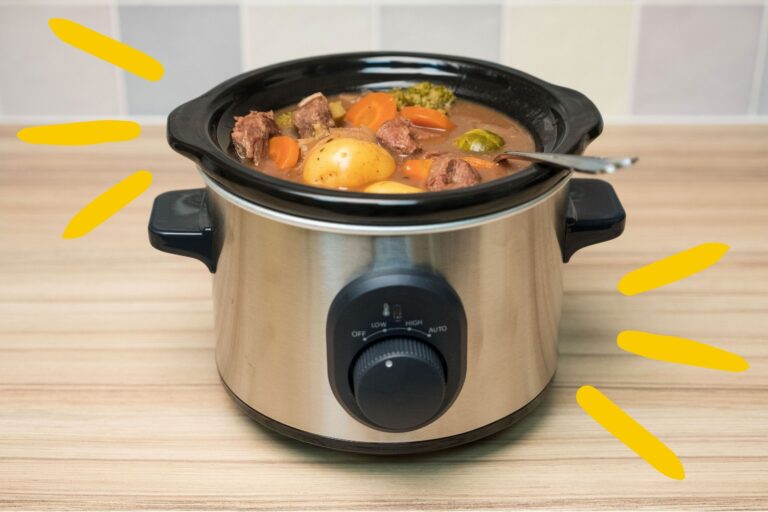
Or, simply use your oven less; harnessing the power of your microwave instead could apparently save you £60 per year. Who knew? Slow cookers are also an extremely energy efficient cooking appliance, needing a similar amount of juice as a light bulb to run.

The list is seemingly endless; check out uSwitch’s guide here for more.

Read: Professional chef’s tips for a better organised kitchen at home

Image © clubfoto via Canva

An Automated Thermostat

Automated thermostats are ideal for keeping your temperature consistent and your energy usage at its least impactful level. They can adjust themselves to their environment in a clean, green way by learning the temperatures you like to keep in the house at certain times and automatically adjusting accordingly, so you don’t have to worry about faffing around constantly to find your optimum warmth.

The added upside of this convenience is that you waste very little energy heating or cooling your home when you’re not there. Automated thermostats have been estimated to save hundreds in energy costs alone, so they are an investment well worth it, even before you consider the environmentally positive implications.

Insulation Innovation

Don’t let your hard-earned heat escape through poorly insulated walls and attics. Modern insulation materials have come a long way from the itchy fiberglass of yesteryear. When you invest in quality wall and loft insulation, you’ll notice the difference in both comfort and heating bills. Look into eco-friendly options like sheep’s wool or recycled plastic insulation – they’re not just better for the planet, they’re incredibly effective at maintaining your home’s temperature.

Most insulation projects can pay for themselves through reduced energy bills within just a few heating seasons.This applies doubly to conservatories, which are often neglected when it comes to insulation. Get yours up to scratch and you might finally get some use out of your conservatory furniture range beyond the three weeks of acceptable British summer.

Light Bulbs

You may scoff at this one, but it’s true: light bulbs matter in energy efficiency. Just think about how much you have the lights on in your home; that’s a huge amount of energy you’re burning through if you’re lit up with energy-inefficient bulbs.

And with energy efficient lightbulbs nowadays fully developed, government approved and affordable, there can be no real excuse as to why you’re not operating on a different wattage when lighting your home. Soon enough you’ll come to appreciate the golden glow of a more energy efficient bulb and enjoy not cowering in the stark, harsh light of the more powerful ones.

Smart Power Management

Here’s something most homeowners overlook: phantom energy drain. Those little standby lights and “sleeping” devices are secretly eating away at your energy bill and contributing to unnecessary power consumption. Install smart power strips throughout your home that automatically cut power to devices when they’re not in use. 

Or, take it a step further with a whole-home energy monitoring system that connects to your smartphone. These smart systems can identify energy-hungry appliances and suggest optimal usage times. Plus, many energy providers now offer lower rates during off-peak hours, so you can schedule your high-consumption appliances accordingly.

Water & Bathrooms

While it’s not entirely related to energy efficiency, there is of course an element of efficiency in conserving the amount of hot water that you use in your home – the more you use, the more you have to heat up. Perhaps the best tip here is to find a shower head that doesn’t compromise on your ability to wash comfortably, but is water efficient in the process. 

Practical, mindful behaviour will help too; don’t leave the water running while brushing your teeth, only turn the shower on when you’re under the head…that kinda thing.

The Bottom Line

Making your home more energy efficient doesn’t require a complete renovation or a second mortgage. From the simple act of draught proofing your doors to investing in solar panels, there’s an entry point for every budget and every level of commitment. The beauty of these improvements is that they pay dividends twice over: slashing your energy bills throughout the year and reducing your environmental impact for years to come. Start small with the quick wins, then work your way up to the bigger investments. Your wallet and the planet will thank you for it.

How To Boost The Natural Light In Your Home Office: 9 Top Tips

Did you know that potential homebuyers would willingly pay a whopping £20’000 above the asking price for a property bathed in natural light? 

It’s easy to see why. Regular exposure to the good stuff increases your Vitamin D intake, fights off seasonal depression and improves sleep, amongst a whole host of other benefits. And the good news? These benefits are enjoyed even if your natural light exposure occurs indoors. 

And that’s before we consider natural light’s hugely positive impact on productivity. A 2018 study conducted by professor Alan Hedge of Cornell University and reported on by PR Newswire found that ‘’optimizing the amount of natural light in an office significantly improves health and wellness among workers, leading to gains in productivity’’. 

No wonder, then, that so many recent home working converts are doing all they can to improve the flow of theirs. If you’re keen to do the same, then you’ve come to the right place; here are 9 top tips on how to boost the natural light in your home office.

Ensure Your Windows Are Super Clean

If all the tips were this easy, affordable and straightforward, then we’d probably be out of a job. Because one of the most simple ways to improve the natural light in your home office is to ensure any windows are sparkling clean and as see-through as they possibly can be. 

Accumulation of dirt, fingerprints, salt (if you live by the sea), steam, grease, and even incorrectly applied window cleaning products can all obscure natural light from flowing freely into your home office. So, for a quickfire way to boost the room’s brightness and your productivity in tandem, make sure your windows are blemish free. Tidy window, tidy mind, as they should say. 

Read: 7 home office design hacks for better productivity

Introduce A New Source Of Natural Light

From the most humble tip to the most all-encompassing…

If you foresee working at home becoming a permanent fixture and you’re truly devoted to making your home office as productive a space as possible, then you should consider adding a whole new source of natural light…should your budget allow it, of course.

Although knocking through a section of wall or installing a new window is a big job, make no mistake, it also represents a smart move in the long run. Made to measure windows, conservatories and patio doors all fit the bill, and whilst the investment in a whole new window will inevitably be large, you will likely end up adding value to your home via the addition of more natural light (remember that 20K we mentioned earlier?). 

Floor-to-ceiling options, corner designs, or combinations with sliding panels can provide maximum light penetration and elevate the room’s aesthetics. If you can’t go wider, go higher. Roof lights and skylights flood a room with overhead light that wall-mounted windows simply can’t replicate, and they’re often easier to install than you’d think.

Dress Your Windows Smartly

To make the most of natural light in your home office, it’s essential that you consider the way you dress your windows, too. Though some management of glare and flare is necessary, particularly if you’re staring into a screen all day, it’s best you avoid curtains in your home office, as they tend to obscure a fair bit of natural light. 

Instead, opt for blinds or shutters, the latter of which allows you to fully expose the windows when needed by simply folding back the shutter panels, providing maximum natural light whilst still retaining a certain level of privacy and glare management. Alternatively, the high functionality of Venetian blinds makes them a prudent choice, too.

Read: 5 top tips for finding the right blinds for your home

Embrace Internal Glazing

If your home office sits in the middle of your property, borrowing light from adjacent rooms can be a game-changer. Replacing a solid internal door with a glazed version allows natural light to travel from brighter spaces into your workspace without sacrificing privacy or sound insulation.

For those with the budget, glass partitions or even a glazed internal window can transform a previously gloomy room. The key is maintaining sightlines through to external windows wherever possible, creating a visual connection to the outdoors even when you’re tucked away from it.

Mirror, Mirror On The Wall

Hanging a mirror opposite the primary source of natural light in your home office is a neat trick to make the room feel bigger and, most importantly, brighter. This is because mirrors help reflect natural light and bounce it around the room in a surprisingly subtle but observable way.

Whilst we wouldn’t want you to turn your home office into a house of mirrors (seeing your face from every angle certainly wouldn’t help productivity, however beautiful it is), hanging another mirror adjacent to a window can further enhance the flow of natural light.

Consider other reflective room features, too, such as glass tiles, glass fronted picture frames and ornaments and sculptures possessing of a certain shine.

Make Room For Minimalism

Let’s put things simply, in the spirit of minimalism; clutter blocks the flow of natural light. Particularly important for items placed close to the window or in front of it, make sure that you don’t have anything in your home office directly in front of your windows as they can obstruct light and make the room feel dingy.

This doesn’t only apply to that stack of books you can’t find a home for, but also to bulkier pieces, such as furniture, desks and computers. 

Of course, keeping your home office tidy, neat and with everything in its right place will also help you maintain that bright and breezy feeling, too. Check out these tips on decluttering for more advice on doing just that.

Paint Your Walls & Ceiling A Bright, High Gloss Shade

Another way to increase the amount of natural light in your home office is to give the room a lick of light paint, ideally using an off-white, high gloss paint. Lighter coloured walls are brilliant at bouncing natural light around the room and opting for high gloss means your walls will possess a sheen that is more reflective and mirror-like.

If you’re not keen on painting the whole room a stark, bright colour, then prioritise those windows opposite and adjacent to the chief source of natural light in the room.

Should you have eaves hanging above your windows on the exterior of your home office, then paint them white, too, as they reflect natural light into the home, from the outside in.

Single woman painting the wall inside the house

Consider Strategic Furniture Placement

Just as important as what you put in your home office is where you put it. Strategic furniture placement can make a significant difference in how natural light flows through your space. Position your desk perpendicular to the window rather than facing it directly – this reduces screen glare while still allowing plenty of natural light to reach your workspace.

If possible, keep taller furniture pieces like bookshelves and filing cabinets against walls that don’t have windows, preventing them from casting long shadows across the room. For video calls, consider placing your computer so that natural light illuminates your face from the front or side, rather than creating a backlit silhouette effect that can make you appear dark on camera.

Lose The Carpet

A darkly coloured carpet in your home office will likely soak up all that natural light you’ve been working so hard to welcome inside. If you’re serious about brightening the room up as comprehensively as possible, then a lighter shade below foot is ideal. 

The best option here is to lose the carpet entirely and embrace the floorboards beneath. Should they be a darker shade than perhaps you’d like, fear not; it’s eminently possible to lighten up your floorboards. Sand them down thoroughly first, then apply a bleach or stain for that blonde wood flooring effect which brightens up a room instantly.  

How To Master The At-Home Gel Manicure

According to research by Aqua, the average Brit spends £560 a year on nail treatments alone. With salon appointments eating into both your budget and your lunch breaks, the appeal of doing it yourself is obvious. The good news is that at-home gel kits have improved dramatically over the past few years, and with the right technique, you can achieve results that rival what you’d get from a professional. Here’s how to do it properly.

Choose Your Formula Wisely

First things first; not all gel polishes are created equal. Traditional formulas can be harsh on nails, particularly during removal, which typically involves soaking in acetone for 15 to 20 minutes. If you’ve noticed your nails becoming brittle or peeling after repeated gel manicures, the removal process is likely the culprit.

Newer formulas have addressed this. Manucurist gel polish, for instance, uses a plant-based formula that removes in around a minute without acetone, which is considerably gentler on the nail bed. Other brands now offer ‘peel off’ base coats that let you remove gel polish like a sticker, though longevity can suffer with these. If nail health is a priority, it’s worth paying a bit more for formulas designed with this in mind.

gel manicure

Invest In Decent Equipment

The temptation to grab the cheapest kit on Amazon is understandable, but your lamp matters more than you might think. Look for a UV LED lamp with at least 36 watts of power, which will cure polish quickly and evenly. Cheaper lamps often have patchy coverage, leaving you with tacky spots and premature peeling. A lamp that fits your whole hand at once also speeds things up considerably compared to models that require you to cure fingers in batches.

Beyond the lamp, you’ll need a decent base coat, top coat, and remover. Many starter kits include these essentials along with a few colour options. Brands like Mylee, Bluesky and 14 Day Mani offer solid entry-level kits at various price points, generally ranging from £50 to £100.

Prep Is Everything

Skip the preparation and your manicure will lift within days. Start by pushing back your cuticles with an orangewood stick or metal pusher. Don’t cut them unless you really know what you’re doing, as this can lead to infection and ragged regrowth. Next, gently buff the surface of each nail to remove the shine. You’re not trying to file them down, just create a slightly rough texture that the base coat can grip.

The final prep step is cleaning. Use a lint-free wipe soaked in isopropyl alcohol or a dedicated nail cleanser to remove any oils, dust or residue. This seems fussy but makes a genuine difference to how long your manicure lasts. Touch your nails after cleaning and you’ve undone the work, so resist the urge.

Read: 10 steps to healthier nails today

Master The Application

The biggest mistake beginners make is applying coats too thickly. Gel polish should go on in thin, even layers. Thick coats don’t cure properly under the lamp, leaving a gooey layer beneath the surface that causes lifting and peeling. Two thin colour coats will always outperform one thick one.

Start with your base coat and cure according to the manufacturer’s instructions, usually around 60 seconds. Then apply your first colour coat, making sure to ‘cap’ the free edge of your nail by running the brush along the tip. This seals the polish and prevents water from getting underneath. Cure, then repeat with your second colour coat. Finish with your top coat, cap the edges again, and cure for the final time.

Avoid getting polish on your cuticles or the skin around your nails. Unlike regular polish, gel won’t just peel off skin easily once cured, and any product on the cuticle area will cause lifting from the base of the nail. If you do make a mistake, clean it up with a small brush dipped in alcohol before curing.

Make It Last

A professional gel manicure typically lasts two to three weeks. At home, a week to ten days is more realistic, especially while you’re still perfecting your technique. A few habits will help extend the lifespan. Wear gloves when washing up or cleaning with chemicals. Avoid using your nails as tools to pick or pry things open. Apply cuticle oil daily, as this keeps the nail flexible and less prone to chipping.

If you notice a chip or lift at the edge of a nail, resist the urge to pick at it. This pulls layers off your natural nail and causes damage. Instead, gently file the lifted area smooth and apply a thin layer of top coat over the top to seal it until you’re ready to remove properly.

Remove With Care

Removal is where most nail damage occurs, so take your time. For traditional gel formulas, lightly buff the top coat to break the seal, then wrap each nail with a cotton pad soaked in acetone and cover with foil or a clip. Leave for 10 to 15 minutes, and the polish should slide off with gentle pressure. Never scrape or force polish off, as this takes layers of your natural nail with it.

After removal, give your nails a break before reapplying. Even a day or two allows them to rehydrate. Slather on cuticle oil and hand cream, and consider using a nail strengthener if you notice any weakness or peeling.

Common Mistakes To Avoid

Curing for too little time leaves polish soft and prone to dents. Curing for too long can cause the polish to become brittle and shrink away from the edges. Follow your product’s recommended timing precisely. Shaking the polish bottle vigorously creates air bubbles that show up in your finish. 

Instead, roll the bottle gently between your palms to mix. And if your polish is thick or gloopy, it’s probably past its best. Gel polish typically lasts around two years unopened, but once opened, 12 to 18 months is more realistic.

The Bottom Line

At-home gel manicures take practice, and your first few attempts probably won’t rival a professional job. But with decent equipment, proper preparation and a bit of patience, you can achieve genuinely impressive results while saving a considerable amount of money. Your nails will thank you for learning proper technique rather than rushing through the process. Hang on, nails can’t talk. Or thank…

The Best Restaurants Near The AO Arena, Manchester

It’s rare to find such an enormous, influential concert venue slap bang in the middle of a major city, but Manchester’s AO Arena is just that. 

Indeed, you could hop off the train at Manchester Victoria, the city’s second biggest transport hub after Manchester Piccadilly, and be plonked in your seat for Peter Kay’s show, pint in hand, within minutes of alighting. Better late than never? No chance of that here…

Since its grand opening in 1995, this iconic venue has played host to a wide range of events, from electrifying concerts by global superstars to thrilling sporting spectacles and captivating theatrical performances. With a seating capacity of over 21,000, the AO is one of the largest indoor arenas in Europe, drawing millions of visitors each year.

Those visitors are hungry and in need of something more exciting than the chains doing their identikit thing in the nearby Corn Exchange. We know you’re more discerning than that, so without further ado, here are the best restaurants near the AO Arena, Manchester.

Skof

A one minute walk from the AO Arena, Skof is the first restaurant from acclaimed chef Tom Barnes (who has a spell leading the kitchen at world renowned L’Enclume on his CV, as well as a dish at the Great British Menu 2020 banquet). It has quickly become one of Manchester’s, if not the UK’s, most talked about new restaurants since its opening in June 2024. 

A contemporary venue specialising in the type of super precise, hyper seasonal British fine dining that earns stars, Skof manages to keep things refreshingly casual and unpretentious, helped by refined but relaxed service that falls on just the right side of the formal/familiar fence.  

Without the starched white tablecloths and outdated dress codes, Skof allows the focus to fall on the food. Owned and operated by Barnes, and supported by culinary heavyweight Simon Rogan, highlights from a recent lunch (£55 for four courses, plus snacks and petit fours) included a pretty-as-a-picture main of confit Sladesdown duck, artfully cut into three chunks and served alongside the sweetest, deepest beetroot we’ve ever tasted. It’s all showered with edible petals and served with an aerated but surprisingly meaty duck sauce. Alongside, a Parker House roll that’s so cute it looks like a particularly chubby baby’s arm, emphasises the homelier side of the restaurant. 

There’s also a longer (see: significantly more expensive) evening tasting menu, priced at £120 for a dozen or so courses, as well as an even longer tasting menu which is a real undertaking. A couple of extra courses – a lobster number and a round of cheese – are thrown in and the cost rises to £165. Sure, these tasting menus represent something of a commitment if you’ve got to rush off to the AO Arena to catch the start of your show, so a late lunch and a wander might be a better bet. Do be aware that Skof is only open for lunch on Thursdays, Friday and Saturdays.

Whichever time you turn up (don’t just turn up; booking in advance is pretty much essential) and whichever way you play it menu wise, do yourself a favour and order the signature Guppy’s Mezcal to start. Skof’s take on a Negroni, it’s powerful, punchy and god damn delicious.

Already recognised in the Michelin Guide, a star will surely follow when the next red book comes out early next year. It would be Manchester’s second.

*Update for 2025 – the inevitable did happen, and Skof was awarded a Michelin star in last night’s ceremony. Bravo!*

Website: skofmanchester.co.uk

Address: 3 Federation St, Manchester M4 4BF


Northern Soul Grilled Cheese

With arteries still not sufficiently clogged, we’re sticking around in the Northern Quarter for something a little faster and a lot more casual, for when your show at the AO is approaching but you still need a damn good feed. 

Ten minutes on foot from the arena, Northern Soul Grilled Cheese takes comfort food to the next level with its iconic grilled cheese sandwiches. Known for its boisterous atmosphere and fully loaded toasties, this joint has a deserved cult following. 

The restaurant embodies the spirit of Manc innovation with its unique takes on the humble grilled cheese. Imagine stacked, gorgeous toasties and the obligatory skewered pickle, with local craft beer and Northern Soul deep cuts soundtracking your experience, and you’ve pretty much dreamt up Northern Soul Grilled Cheese. It’s so good, in fact, that we’ve named the Mac Attack here as one of the best sandwiches in Manchester.

This one is open from 11am to 6pm, perfect for a quick bite before the show.

Website: northernsoulmcr.com

Address: Unit G20, 21, 44 Tib St, Manchester M4 1LA 


Bangkok Diners Club at The Edinburgh Castle

The Edinburgh Castle was earlier this year named as the 15th best gastropub in the country at the Top 50 Gastropubs awards, testament to the exceptional cooking under the stewardship of chef Shaun Moffat. Reviewed fondly by Observer restaurant critic Jay Rayner, Moffat’s precise cooking and instinctive understanding of what people actually want to eat made this Ancoats pub one of Manchester’s finest gastropubs. His iconic Lancashire cheese doughnuts with Henderson’s relish and that famous chicken, bacon and girolle pie for two became the stuff of legend.

Now, the upstairs dining room has been taken over by Bangkok Diners Club, a thrilling new venture from husband and wife team Ben and Bo Humphreys, the duo behind the much-missed, Michelin-listed District. What they’re doing here is something special: fire-fuelled Thai cooking that marries Bo’s Bangkok and Isan heritage with smoky US barbecue techniques picked up during travels through Miami.

The menu is concise but expertly crafted, with sharing plates ranging from £9 to £16. Raw bass with calamansi nam jim, salt-aged beef nam tok salad with bone marrow aioli, and a papaya salad so spicy your ears start ringing are standouts. The battered pickled onion rings with curry salt have already achieved near-legendary status, whilst the grilled corn-fed chicken skewers with milk caramel sauce show real creativity within traditional Thai frameworks.

The restaurant has earned glowing reviews in The Guardian and Manchester Confidentials (which described dishes as “worth crossing continents for”), and has already been recognised in the 2025 Michelin Guide. Drinks come from the excellent pub downstairs, where the Guinness remains as good as ever and the wine list is sharp and reasonably priced, with bottles starting in the late £20s.

With the restaurant a 15 minute walk from the AO Arena and open everyday from midday (3pm on Mondays and Tuesdays) until late, Bangkok Diners Club makes perfect sense for a fantastic meal within walking distance of the venue.

Website: bangkokdinersclub.com

Address: 17 Blossom St, Ancoats, Manchester M4 5EP


The Pasta Factory

Opened in 2015 by a group of friends from Turin, The Pasta Factory’s concept is surprisingly straightforward and eminently satisfying; to serve nonna-worthy bowls of the good stuff, quickly and efficiently, at a price point that won’t have the residents of Manchester baulking. 

They’ve largely delivered on that promise, and since you’re likely looking for a quick restaurant meal before attending a show at the AO Arena (it’s a five minute walk from the venue), the Pasta Factory could just be the perfect place for you.

Located in the handsome, proud Old Bank building next to Shudehill Interchange, this humble restaurant specialises in handmade pasta (not a factory at all, then) that’s prepared freshly on the premises daily, as well as a short selection of antipasti and a couple of desserts. 

A recent visit brought with it a textbook carbonara, the guanciale properly rendered and crispy, and the bores blathering on about whether or not it should have cream thankfully out of earshot. A round of squid ink bucatini, cured tuna and black garlic was gorgeous at first, but quickly became pretty a little too rich and moody, with the umami dialled up several notches louder than we could take (too-mami? Is that a phrase?). The mafalde with beef ragu brought things back around in some style.

It’s all forgiven once the freshly fried cannoli hits the table, still warm and with a centre that’s running ever so gently. Neck a quick espresso, settle up, and head to your gig with a spring in your step and a wallet that’s not been troubled too heavily by the experience.

Keep an eye out for the daily specials on the chalkboard overlooking the dining room, as this is where some of the best cooking at the Pasta Factory is found.

Website: pastafactory.co.uk

Address: 77 Shudehill, Manchester M4 4AN 


Climat

Just 10 minutes on foot from the AO Arena, Climat, owned by restaurateur Christopher Laidler, offers a minimalist yet refined dining environment where the panoramic views of Manchester City Centre and the River Irwell risk stealing the show if it weren’t for the equally eye-catching food that’s just been placed elegantly in front of you. 

Nominally a wine bar that happens to serve great food, head chef Luke Richardson describes the menu here as “Parisian ex-pat”, with the chef taking inspiration from his time cooking in the French capital and his upbringing here in the North to great effect. So, that’s pig’s head croquette with green garlic mayo, charred half bonito head with kumquat hot sauce (a lot of head being given here, matron), and Dalesbred hogget Barnsley chop with grelots, celeriac puree, and a caper and brown butter sauce. It’s hearty and generous, with big, bold flavours but plenty of flair, too. It’s perfect.

Anyway, back to the wine; at Climat, as the name implies, there’s a stacked cellar of over 400 different wines, with the Burgundy region a focal point. In a recent interview, Laidler said that he envisioned a space that allows visitors to focus on both the breathtaking views and the exceptional food and wine, and after a recent meal here, we can safely say it’s mission accomplished. 

In fact, when the late summer sun’s streaming into the dining room here, there’s a plate of hash browns and taramasalata on the way, and you’re two glasses down on a bottle of Bernard Defaix’s 2020 Chablis, there are few better places to be in the world. 

Things are lifted up even higher by some gold-standard desserts to end the meal (and our roundup) on. The poached Carmen pear, swimming in a liquour of port, vanilla and perry vinegar, is exceptional. Hmmm, we think we might stay here a little while longer…

If you do the same, be careful not to forget you’ve got a gig to attend!

Website: restaurantclimat.co.uk

Address: 8th Floor, Blackfriars House St Marys, Climat, Parsonage, Manchester M3 2JA 

For a very different kind of theatre, check out our guide on where to eat near Old Trafford next.

48 Hours In Hersonissos: Where Crete’s Party Strip Meets Its Quieter Soul

On Crete’s north coast, Hersonissos sits at the heart of the island’s busiest tourist stretch, sandwiched between Heraklion and the party town of Malia. The harbour strip has its share of beach clubs, late-night bars and the kind of neon-lit cocktail menus that cater to a younger crowd – but focusing on that misses the point of what makes this corner of the island worth two days of anyone’s time.

The thing about Hersonissos is that it exists in layers. There’s the busy seafront, yes, but climb just five minutes into the hills and you’ll find yourself in villages so quiet you can hear goat bells across the valley. Ancient olive groves tumble down slopes towards a coastline that, away from the main beaches, breaks into hidden coves and sheltered bays where you might be the only swimmer all afternoon. A Minoan palace lies in ruins just down the road. An open-air museum preserves the island’s folk traditions. 

And ten minutes in the other direction, the beach village of Analipsi offers exactly the kind of laid-back, taverna-lined simplicity that package tourists imagine when they book a Greek island holiday.

Here’s how to spend 48 hours discovering both sides of the coin.

Day One

Morning: The Hilltop Villages

Start by going uphill. The villages of Koutouloufari and Piskopiano sit on the slopes above modern Hersonissos, connected by cobbled lanes that wind between stone houses draped in bougainvillea. These settlements have been here since Byzantine times – Koutouloufari takes its name from a priest who offered refuge to villagers fleeing pirates – and they’ve retained their character even as the coast below transformed into a tourist resort.

Koutouloufari is arguably the prettier of the two, its narrow paved streets threading past arched doorways, vine-shaded courtyards and tiny squares where elderly locals still gather for morning coffee. There are no cars here, just footpaths that occasionally dead-end at someone’s front door. The views down to the sea are the kind you’ll keep stopping to photograph, though the real pleasure is simply wandering without a destination, ducking into ceramic workshops and letting the smell of jasmine guide you from one shaded corner to the next.

Piskopiano, a few hundred metres away, is slightly more developed but equally atmospheric. Its name derives from ‘piskopos’ – bishop – a nod to the old diocese of Hersonissos that once administered this region. The village church sits on a small square with restored guesthouses alongside, and the main street is lined with tavernas whose terraces look out over the rooftops to the coast below.

Lunch: Taverna Harakas

For lunch, Taverna Harakas in Ano Hersonissos (also known as Old Hersonissos) serves the kind of home-cooked Cretan food that explains why the island’s cuisine has its own UNESCO recognition. 

The restaurant is family-run and has been for decades; the courtyard is shaded by vines, and the menu changes depending on what looked good at the market. Expect stifado rich with tomatoes and cinnamon, oven-baked lamb with potatoes, meatballs in lemon sauce, and a house special sauce that regulars return for year after year. The raki at the end of the meal is complimentary and non-negotiable.

Read: What local delicacies is Crete known for?


Afternoon: Lychnostatis Open Air Museum

After lunch, head to the Lychnostatis Open Air Museum, a labour of love created by a local ophthalmologist who spent seven years building it by hand with his family. The museum recreates a traditional Cretan village, complete with farmhouse, windmill, weaving workshop, olive press and herb garden, all constructed from local stone and wood without any mechanical equipment.

It sounds like it could be twee, but it isn’t. The buildings themselves are exhibits – designed to show how Cretans actually constructed their homes – and the guides are passionate locals who’ll explain everything from how natural dyes were made to why specific herbs were hung above doorways. On Wednesdays they host grape-treading demonstrations and wine tastings; there’s also an on-site café serving herb teas from the garden and homemade spoon sweets. Allow at least ninety minutes.

Evening: Sunset At Sarandaris Cape & Dinner In Koutouloufari

For sunset, make your way to Cape Sarandaris, the rocky headland west of Hersonissos harbour. A small path leads to the whitewashed chapel of Agios Giorgos, perched on the cliff’s edge with views across the coves below. The locals consider this the best sunset spot on this stretch of coast, and they’re not wrong – as the light drops, the limestone cliffs turn pink and gold, and the only sounds are waves and the occasional fishing boat heading back to port.

Image via Sofas Taverna

Dinner should be back in Koutouloufari, where a handful of excellent restaurants occupy the narrow streets. The Alchemist combines stone walls and candlelight with creative Cretan cooking – think slow-braised beef cheeks and grilled lamb with local cheeses – while Sofas Taverna, on the main square in Old Hersonissos, has been serving traditional meze and wood-fired dishes for generations. Book ahead in summer; tables fill quickly once the sun drops.

Day Two

Morning: The Palace Of Malia

Day two starts with the Minoans. The Palace of Malia, fifteen minutes east of Hersonissos, was the third-largest palace of Minoan Crete – smaller than Knossos but better preserved, and considerably less crowded. Built around 1900 BCE, destroyed by earthquake, rebuilt, then destroyed again around 1450 BCE, it offers a window into a civilization that predates classical Greece by over a millennium.

Start at the small on-site museum, where scale models show what the palace would have looked like at its peak – a labyrinthine complex of storerooms, workshops, royal apartments and ceremonial halls. The ruins themselves include some of the highest surviving walls of any Minoan site, along with giant pithoi (storage jars) that once held olive oil and wine. Look for the kernos – a circular stone with shallow depressions – thought to have been used for religious offerings. The famous gold bee pendant found here is now in Heraklion’s Archaeological Museum, but replicas are available in the gift shop.

Note: The site closes on Tuesdays and is undergoing restoration work until late 2025 – check opening times before you visit.


Afternoon: Analipsi & The Quieter Coast

Spend the afternoon at Analipsi, a ten-minute drive west of Hersonissos. If beach holidays are your ideal type of holiday, then Analipsi is the perfect destination for you – a kilometre-long stretch of Blue Flag sand backed by family hotels rather than nightclubs, with tavernas that still serve fish by the kilo rather than by the Instagram photo opportunity.

The main beach has sunbeds and umbrellas if you want them, but walk to either end and you’ll find quieter spots where the sand gives way to smooth rocks and the water is clear enough to snorkel without a mask. The village itself is small – a main street with a handful of restaurants, a pretty church right on the waterfront – but that’s the appeal. 

Lunch at Sirtaki Tavern, where the family has been cooking since 1993: their slow-roasted kleftiko takes four hours and their Black Angus steaks are the best on this stretch of coast.

Late Afternoon: The Limanakia Coves

If you still have energy, explore the Limanakia Coves – a string of small bays between Cape Sarandaris and Hersonissos harbour, protected from the meltemi winds that can whip up the northern coast. The water here is shallow and absurdly blue, the sort of colour you assume has been Photoshopped until you see it in person. There are no facilities to speak of, just limestone cliffs, a few sunbathers and the occasional paddleboarder gliding past.

Evening: Dinner & Drinks

How you spend your final evening depends on what you’re after. For the quiet option, Akrogiali is a seafood taverna right on the harbour, run by the inimitable Manolis whose family has been here for generations – order the kalamari, the mussels and whatever the catch of the day happens to be, then walk the harbourside promenade as the lights come on. 

For something livelier, Star Beach hosts foam parties and DJ sets that run until the early hours, while the main strip offers everything from Irish pubs to Greek music clubs. It’s not Malia – the crowd skews older and more mixed – but if you fancy a late one, the options are there.

Where To Stay

Creta Maris Resort sits right on the beach with its own stretch of sand, multiple pools and a spa. It’s the kind of large resort that could feel anonymous, but the staff are genuinely warm and the location – close to the harbour but away from the strip – strikes a good balance.

For something smaller, Villa Ippocampi in Koutouloufari is a family-run hotel at the edge of the village, with a pool, a flower-filled garden and views down to the coast. The Dutch-Greek owners have been welcoming guests for decades and their recommendations are worth following.

The Bottom Line

Hersonissos rewards those willing to look beyond the obvious. The harbour strip is busy and unashamedly touristy, but that’s only one layer of what this stretch of coast offers. Climb into the hills and you’ll find Byzantine villages where time moves slowly. Drive ten minutes and you’re swimming off empty beaches or wandering through Minoan ruins older than classical Greece. The variety is the point: few places in Crete let you experience the ancient and the accessible, the serene and the sociable, within such easy reach of each other. Forty-eight hours is enough to discover what lies beneath the surface – and to realise there’s plenty more worth coming back for.

The Classic Is Back: Why The Trench Coat Never Falls Out Of Favour

Sponsored by:

Can something that never truly disappeared make a comeback? The trench coat has always had the ability to reappear, not because fashion demands it, but because life does. Familiar, sophisticated, and subtly comforting, it’s the piece that works when nothing else feels seems to fit.

Every few years, we call it a “return,” but the truth is it never really left. Despite changing silhouettes and moods, the trench coat remains in style, adapting to the times without ever losing its unique character. It isn’t about nostalgia or trend. It’s about the comfort of something proven – a shape and sensibility that still feel perfectly modern.

A History Woven Into Contemporary Life: From Tradition To Habit

Created out of necessity, the trench coat has always been characterised by functionality: protection against the rain, movement without restriction, and structure without rigidity. However, those practical beginnings evolved into a deeper concept: a cultural code. What began as military outerwear became a representation of self-assurance, discretion, and authority.

Its strength lies in the ease with which it transitioned from uniform to daily companion. The trench coat, which never lost its essence despite adapting to the rhythms of modern life, became a common sight in both city streets and movie frames in the decades that followed. 

Every generation has found a unique way to wear it, whether it’s oversized, open, belted, or buttoned up, demonstrating that purpose-built style never fades. Even today, that sense of continuity feels reassuring. The trench coat offers something special: the elegance of consistency, even in a time when fashion seems to change suddenly.

Beyond Trends: Why The Trench Coat Remains A True Classic

Trends come and go, but trench coats stay. They move through decades of shifting preferences, never needing to reinvent themselves. Their strength lies in simplicity: well-balanced proportions, clean lines and precise details that are both refined and functional.

Such a coat doesn’t need to shout to be noticed. Its confidence stems from restraint, from the way it moulds movement instead of dictating it. It fits in perfectly with all situations and moods, whether you’re at work, in the city, or on a late evening walk.

That’s the key to timeless design: it doesn’t demand relevance. It simply fits into lifestyles that value class and style over excess.

The Modern Interpretation: New Shapes, New Sensibilities

Today’s trench coats are still evolving while keeping their basic features. Designers play with volume, proportion, and fabrics, but the goal is always the same: to create outerwear that feels effortless. Slightly wider sleeves, a softer drape, or a more fluid belt give the silhouette a quiet freshness.

The modern trench doesn’t seek to replace tradition, but to perfect it. Each reinterpretation reveals how this classic shape can express individuality without losing balance, proving that timeless design is not static but alive.

Why We Always Return To The Trench Coat

Some trends become a part of our everyday lives, while others are ephemeral. The trench coat belongs to the first kind. It’s the piece we reach for instinctively, when the weather is uncertain or when nothing else feels quite right. Its appeal lies in familiarity – in the comfort of knowing it will always deliver.

Perhaps that’s why we never really move on from it. The trench coat guarantees what few garments can: quiet confidence, enduring elegance, and the feeling of being perfectly put together, every time.

Italian Precision & Contemporary Grace: The Max Mara Vision

Since its beginnings in Reggio Emilia, Max Mara has built a legacy defined by clarity, structure and refinement. Every creation reflects the brand’s belief that true beauty emerges from discipline – from the precise intersection of design, proportion and movement. This philosophy continues to guide Max Mara’s evolution, translating Italian precision into a modern expression of grace.

At the heart of this vision stands the Max Mara woman: independent, confident and cosmopolitan. She knows the value of authenticity and seeks garments that complement her rhythm, not dictate it. 

She represents a generation that values quality over quantity, form over embellishment, and design that adapts to the many roles of contemporary life. For her, elegance is not a gesture but a natural extension of confidence – something that can move effortlessly from morning to evening, from work to leisure, across seasons and cities.

Each Max Mara collection captures this harmony between technical mastery and emotional subtlety. The brand’s outerwear, in particular, exemplifies this dialogue. Coats and jackets are conceived with architectural precision and constructed from the finest materials to ensure durability and fluidity in equal measure. 

The trench coat, one of Max Mara’s most iconic designs, perfectly encapsulates this balance. Its clean lines, tactile fabrics and adaptable silhouette express the essence of Italian expertise elevated through innovation and design intelligence.

In the world of Max Mara, modern grace is measured by consistency – by garments that retain their relevance as time passes. Every piece becomes part of a living wardrobe, designed to evolve alongside the women who wear it. It is this union of precision and poise that defines the Max Mara vision: contemporary elegance shaped by Italian excellence.

9 Insider Tips For Scoring A Hotel Room Upgrade

Picture this: you’ve just landed after a long flight and all you want is to soak in a hot bath with a glass of bubbly or sink into a bed so comfy it feels like a cloud. You walk into your hotel room only to find … it’s a bit of a shoebox. How good would it be to get that desired upgrade without breaking the bank? Or, even having to dip your hands in your pockets at all. 

Well, fear not; we’ve got a bit of the ol’ inside scoop to share. Here’s our top 9 insider tips on how to score a hotel room upgrade with no additional charges.

Loyalty Pays Off

You’ve heard it a lot, haven’t you? It’s not just your nan’s mantra; being a frequent guest or loyal member of a hotel’s rewards programme carries a lot of weight. Simply put, loyalty earns you brownie points. Hotels tend to dish out upgrades to loyal customers more readily – so the more often you stay, the greater the chance of lounging in luxury. 

Accordingly, if you stay in major hotel chains regularly, then it may well be worth staying loyal to just one when you’re travelling. Your devoted allegiance will soon be noticed, mark our words.

Timing Is Everything

If you’re keen to increase your chances of an upgrade (you are, that’s why you’re here), then try to visit hotels during the off-peak season or midweek when hotels are less busy. The chances of landing a free upgrade are much higher then. 

Also, try to check in after most guests, typically late afternoon to early evening. By this time, the hotel has a better idea of occupancy and might be more willing to spoil you with an upgrade.

Read: Debunking myths and sharing secrets for nabbing cheap flights

Time It Right With Seasonal Sales

Here’s a tip that requires patience but can pay dividends: hotels, just like high street retailers, have their sale seasons. Black Friday has become a bonafide booking bonanza, with major chains slashing rates on future stays – we’re talking discounts of up to 50% on rooms you can book months in advance. 

According to barcelo.com, Spain’s second largest hotel group, their Black Friday deals often include perks like complimentary room upgrades and flexible cancellation, effectively combining two tips into one. Beyond the November rush, keep your eyes peeled for January sales (when hotels are keen to fill spring and summer gaps), end-of-season clearances in September, and flash sales around bank holidays. 

Sign up for email alerts from your favourite chains, set a calendar reminder for the last week of November, and watch your inbox like a hawk. The upgrade you’ve been eyeing might just land in your lap at a fraction of the price.

Special Occasion? Don’t Be Shy About It

Celebrating a special occasion? Don’t hold back, spill it out! If you’re celebrating a big anniversary or it’s your honeymoon, let the hotel know when you book. There’s no guarantee, but they might just take the opportunity to sprinkle a bit more magic onto your special occasion with a free upgrade. 

And whilst we’re not suggesting making up a birthday, anniversary or other special occasion, you could theoretically do so…

Feedback Is Valued & Sometimes Even Rewarded

Providing feedback to hotels fosters mutual benefit by improving their service and highlighting your engagement as a guest. Detailed feedback assists hotels in recognising their strengths and identifying improvement areas. 

So, if you found the commercial grade security cameras for hotels a little intrusive or if you got an especially good night’s sleep during your stay, your active feedback might prompt hotels to prioritise you for room upgrades during future stays as a token of appreciation – or, of course, seeking further praise or invaluable advice!

Room For Improvement

Here’s the cheeky tip you’ve been waiting for. Booking the least expensive room? That leaves room for improvement, doesn’t it? The logic is simple: the only way is up! An upgrade from the bottom deck is more likely than one from a more expensive room. 

Of course, you might just be left in a box room, windowless and alone, which is not quite what you bargained for, but, on the flipside, you might just earn a promotion to a hotel room with kitchenette facilities or a penthouse with expansive views of the city, if you take the gamble. It’s a risk, sure, but one that some decide is worth taking.

A Polite Request

Just as insiders always extol the merits of remembering your Ps and Qs when looking for flight upgrades, so the same truths apply to hotel room upgrades. Sometimes, the simplest approach can be the most effective. Being polite, friendly, and forthright can work wonders. Without wishing to sound like your parents, do remember to say “please” and “thank you”, and don’t be afraid to ask – the worst they can do is say no!

Independence Day

Consider booking with independent or boutique hotels. These chaps have much more flexibility compared to the big chains, in terms of their procedures, and can often offer upgrades without having to wade through red tape or corporate policies. Not only that, but it’s important to support local, independent hospitality venues above the chains, too.

Pay With Plastic

Using a credit card that has a partnership with the hotel? You might be sitting on an upgrade and not even know about it! Many credit cards offer points, travel rewards or benefits including room upgrades. It’s always wise to read the fine print or give your bank a buzz to see if you’re eligible.

In the United Kingdom, the Marriott Bonvoy American Express Credit Card is a notable credit card that has a partnership with hotels and offers potential room upgrades. Cardholders of this credit card can enjoy numerous benefits including complimentary Marriott Silver Elite status, which can be upgraded to Marriott Gold Elite status by spending £15,000 on the card in a year. This status may provide opportunities for room upgrades at Marriott properties.

While Hilton and IHG do not offer co-branded credit cards in the UK, points towards room upgrades can still be earned by transferring rewards from American Express Membership Rewards and Virgin Atlantic Flying Club directly to a Hilton Honors account, or via credit card spend with Virgin Atlantic and HSBC UK for IHG points.

However, it’s important to note that the actual realisation of these benefits, such as room upgrades, may depend on factors like availability and the specific terms and conditions of each card.

The Bottom Line

There you have it, folks; eight savvy insider tips to nudge the odds in your favour for a smashing hotel room upgrade. So, the next time you’re booking a stay, remember these tips and you might just find yourself sipping that champagne in a sumptuous suite. Happy travels!

10 Tips On Meal Prepping & Cooking If You Live Alone

0

Hey, let’s not mince our words here; solo cooking can be a challenge. It’s all too easy to just eat beans on marmite toast ad infinitum (just us?) or to grab a takeaway when the mood takes you, which, let’s face it, is every night. Why bother doing more, right?

Let’s strike that negativity from the record and start over. Not only is there joy to be had in cooking for one, but it also brings other benefits, both mental and physical. 


Domestic goddess Nigella Lawson is an advocate of cooking for one, and who’s to argue with her? Except over her pronunciation of microwave, perhaps. Anyway, she tells the Evening Standard of how much she enjoys cooking for herself, and has always been a believer in cooking for one.

Indeed, she reveals that she finds it “such a wonderful way of cooking without stress, because there’s no anxiety about whether it’s going to find favour”. Moreover, she posits that cooking for yourself is a great way to gain confidence in the kitchen, behind closed doors before your newly learned skills are unleashed on the hungry world. 

We couldn’t agree more. That said, cooking for yourself does involve a fair amount of planning and preparation, in order to avoid wasting food, over shopping or underfeeding. With that in mind, here are 10 tips on meal prepping and cooking if you live alone.

Plan Meals Ahead Of Time

Planning your meals ahead can save you time, money and effort, and will give you something to look forward to during the working day, too! Knowing that you’ve got a delicious bowl of spaghetti pomodoro or Hanoi style beef noodle soup waiting at home could get you through even the darkest of days, don’t you think?

Planning meals ahead of time also means that you’re less likely to impulse buy at the supermarket on the way home from work, or snack unnecessarily during the day. 

Your meal plan is the blueprint for your shopping list, so consider investing in an A4 sized whiteboard that you can stick to your fridge with the days of the week and intended meals listed on it. Doing so will help you stay disciplined and focused as the week progresses, and will help you lessen your food waste, too!

Read: 6 tips for healthy, thrifty family meal prepping

Shop Smartly

Speaking of shopping, when you’re cooking for one, it is, conversely, essential that you don’t shop for one. Buying solo portions and single pieces of fruit, vegetables, meat and fish isn’t the most economically efficient thing to do. Neither is it all that good for the environment, considering all of the single use plastic involved.

Instead, consult that meal plan of yours and shop smartly for the week, buying in bulk and deploying the same ingredients in several dishes throughout the week. 

Expand Your Repertoire

Having some regular, go-to recipes is a wonderful, reassuring thing. Hey, you might even call your homemade Thai green curry your ‘signature dish’. And there’s certainly nothing wrong with taking pride in your cooking.  

However, cooking the same old dishes night after night can sometimes make cooking for one a little uninspiring. By diversifying your dishes and expanding your repertoire, you can keep mealtimes interesting each and every night of the week. For inspiration, get a food encyclopedia and look up food that starts with N, for instance, then build a dinner from that random reference point. Or, invest in a recipe book from a country you’ve never visited or a cuisine cooked from.

For inspiration, there are lots of cookbooks out there aimed at and celebrating solo cooking. Take “Solo: A Modern Cookbook for a Party of One” by Chef Ania Lo or “Solo” by Signe Johansen, both whose recipes are tailored to feed one.

Experiment With New Ingredients

Living alone presents a unique opportunity to experiment with your cooking by incorporating new ingredients that can transform the ordinary into the extraordinary. 

MSG, often misunderstood, is a pantry staple that can add an umami depth to dishes that might otherwise taste bland; just a pinch can elevate a simple stir-fry or a batch of roasted vegetables. 

Don’t overlook the versatility of nutritional yeast, either, which can be sprinkled over pasta or popcorn for a cheesy flavour without the dairy, or the complexity that a dash of smoked paprika can bring, giving a smoky edge to your favourite egg or potato dishes.

By keeping these ingredients at hand, you can easily add a twist to your meals and keep your solo dining experience both exciting and delicious.

Cook With Food Waste In Mind

Cooking for one whilst causing zero waste is a tough ask. According to WRAP’s research, single-occupancy households generate more waste per person than larger households, primarily from not using food before it goes off or passes its date label. With the average UK household wasting £1,000 worth of food annually, solo living makes mindful meal prep even more essential. Blimey.

It’s widely known that each forkful of food we throw away contributes to greenhouse gas emissions. As reported by the BBC, “if food waste was a country, it would be the third highest emitter of greenhouse gases after the US and China, according to the Food and Agriculture Organization (FAO) of the United Nations.”

So, even though you’re cooking for one, it still pays to be mindful of how you’re doing so to mitigate the implications of food waste. Cooking with thoughtfulness where waste is concerned will not only save you money, but your conscience, too. 

Read: 10 IDEAL hacks to turn your food waste into something downright delicious

Repurpose Leftovers 

Leftovers can often lead to exciting, delicious meals in their own right. So, start repurposing your leftovers and eat like a king, queen or monarch for longer. 

Today’s risotto could be tomorrow’s arancini balls. Your beef ragu can be turned into a lasagna, a cottage pie, chilli con carne or taco topping. That massive bag of carrots you had to buy can be redeployed as a dip for hummus, a carrot soup or even made into a quick pickle to liven up your next salad. Leftover mash can be turned into croquettes or potato cakes. Hey, the list goes on and on and on…

But we won’t do.

Portion Meals & Use The Freezer

The freezer is a solo cook’s best friend. Use it to prolong the life of your leftovers: 

  • Portion Food: Unless you’re going to a butcher, it’s pretty impossible to get the exact right amount of meat for a solo diner. As such, it’s a good idea to freeze meal size portions. The same goes for if you’re cooking pasta or rice. Get some scales and measure out single portions each time, to ensure you’re not unnecessarily overfilling your plate. Having the best containers for meal prep makes this far easier; look for stackable, airtight options in various sizes that can go from freezer to microwave without fuss.
  • Batch Cook and Freeze: On a rainy day, put on a podcast and get cooking. When you’re in the kitchen alone, sometimes the silence can feel oppressive and make cooking feel like a chore. Welcome some company into the kitchen and luxuriate in the experience!
  • Make Extra and Freeze it: Let’s face it, batch cooking at the weekend for your meals during the week can get pretty boring. If this is an activity you don’t enjoy, there is another way; simply make double of what you’re cooking for dinner each night and freeze the additional portion, ready for the most delicious, healthiest ready meal when you’re feeling too tired to cook from scratch.
  • Buy Quality Cuts In Smaller Quantities: As the experts at The Organic Butchery recommend, buying smaller, quality cuts of meat rather than bulk-packaged supermarket offerings is a smarter approach for solo cooks. Not only does it mean less waste, but the flavour difference between a single, well-sourced pork chop and a shrink-wrapped multipack of four is night and day. A good butcher will also cut to your exact requirements, so you’re not left trying to freeze three chicken breasts you didn’t need in the first place.

Hey, we’re not done yet! Stock your freezer up with frozen vegetables. This means that you can have healthy produce on hand, eliminating the worry of sourcing direct from the increasingly empty-shelved supermarket.

Frozen berries are your best friends, especially when you are not in the mood to open the stove. Aside from fresh berries being expensive, frozen berries are cheaper and last longer. Shop for frozen grapes, sweet cherries, and berries – they are absolutely fantastic snacks, and you can also make them into a smoothie! 

Soup is one of the simplest, most affordable and healthiest meals available, too. It’s also a great one to freeze, portion by portion. 

Read: 5 easy, delicious meals you can make from your store cupboard and freezer 

Learn How To Organise

If your food is badly organised and scattered across your cupboards, kitchen and fridge, it can be hard to make economical decisions about what to eat next. Box items up in leftover takeaway containers (from those days when you used to eat too many) and label them up. 

Keep your spice rack neatly organised and where fresh food is concerned, operate a FIFO (first in, first out) policy in your fridge to ensure you’re eating ingredients before they go off. All of this will make cooking a joy, not a chore.

Read: 8 useful tips for living alone first timers

Throw A Dinner Party 

We don’t mean to hamper the progress you’ve made since reading this article on cooking solo. However, as reported by the Independent “research is revealing the negative impacts of eating alone, which has been found to be linked to a variety of mental and physical health conditions, from depression and diabetes to high blood pressure”.

Indeed, while solo cooking can be fun, it would be remiss of us not to admit that cooking for two, three or even a group of people is far more fun. So why not join forces with your friends and take it in turns to throw a dinner party every other week? Doing so will keep you inspired about new recipes and cooking techniques, and give you a fresh impetus to keep cooking on those solo nights.

Scale Recipes With Confidence

Most recipes are written for four people, which can be daunting when you’re cooking solo. Learning to scale recipes down (or strategically up for batch cooking) is a skill worth developing. Invest in a decent set of digital scales and get comfortable halving or quartering quantities. 

Some things scale easily (pasta, rice, most soups), whilst others need a bit more care (baking, anything with eggs). There are plenty of online recipe calculators that can do the maths for you, and once you’ve got the hang of it, you’ll never feel beholden to a recipe written for a family of four again.

The Bottom Line

Cooking for one is a tender, gentle act of self love that shouldn’t be underestimated. Good for the body, soul and bank balance, we hope you’ve found some inspiration above on how to do it efficiently, economically, but even more so, joyfully.