
Home Blog Page 32

9 Transitional Fashion Pieces Your Wardrobe Needs This Autumn

The clichéd couplets that herald the arrival of autumn pile up on pages like these just like shed cornelian leaves. As September becomes October and the nights draw in, suddenly we’re living off pumpkin spice lattes and foraged mushrooms, the knits are on and the scented candles are set to cedarwood. Yes, that is cider warming on the stovetop, we’re glad you noticed…

But sometimes amongst this flowery, fustian autumn imagery, the more functional concerns of the changing of the seasons can get lost. And let’s be honest here, those warm drinks, however aromatic, aren’t going to keep you cosy and comfortable as you step out into nights that are ever dropping in temperature. 

We’re putting on our serious hats now (beanie in an acorn shade, if you’re asking) and considering our transition from summer staples to autumn wardrobes. If yours is feeling a little tired or bereft of those transitional fashion items that help you adapt to the new season effortlessly, then fear not; there are a few simple pieces you can invest in to help you keep stylish, stay warm and most importantly, look fabulous this autumn.

It’s that time of year again; here are 9 transitional fashion pieces your autumn wardrobe needs.

Knee High Boots

Autumn heralds the arrival of boot season and while of course we’ll always remain faithful to ankle and thigh-high boots, this season we’re all about the midcalf and knee-high boot. 

If you own a pair of either, it’s high time you pull them out from the back of your wardrobe; they’re in for a season of ubiquity on the high street and catwalk, and you don’t want to be left behind. If not, invest in this autumnal staple and we promise that you’ll be wearing them for many a season to come.

Of course, there are many different incarnations of this boot, but we recommend something with a sturdy heel and a bit of grip, else be prepared to slip on those irksome autumn leaves. When paired with a loose, mid-length skirt or printed dress, these sleek, statement-making boots look super stylish. Alternatively, to look effortlessly chic, tuck your jeans into your boots (useful for preventing those pesky drafts of wind up your trouser leg, too).  

©[pixelshot] VIA CANVA.COM

A Brilliant Boiler Or Jumpsuit

It’s no secret that boiler suits and jumpsuits are mainstays in our autumn wardrobes, requiring minimal effort while exuding maximum style. 

When the lighting drops to a muted grey and the rain rears its ugly head with increasing regularity, it’s usually time to bring your colour palette back down to earth. 

Not this season. Bright, bold shades are here this year to offer a little colour therapy and lift to the season. Because when you wear something bright, you just feel brighter, don’t you think?  

This autumn is all about eye-catching prints where jumpsuits are concerned, with bold leopard… tropical palm, polka dot and floral jumpsuits the top choices for prints that make a big impact, bringing brilliant contrast to the normal drab shades of the season. This type of feel good fashion is ultimately all about wearing clothes which bring you joy, the more retina scorching, the better! 

Read: 5 utilitarian fashion pieces for your wardrobe

A Crisp White Shirt

Ideal for those autumn days when you feel like you have nothing to wear, our go-to outfit is reliably, consistently a pair of jeans and a crisp white shirt. It’s familiar, simple, oh-so dependable and never seems to go out of style.  

While the classic white shirt is our calling card, we also love shirts with a little detail on the collar or one with pretty peplum cuffs; sometimes it’s those subtle flourishes that really catch the eye, after all. 

A white shirt is also great for layering, which the autumn season is all about. Choose one made from lightweight cotton for a truly trans-seasonal piece. 

Cardigan Sets

Autumn’s taste for knitwear never subsides and nor does its love for a cardigan set. This homely, comforting number comes around each autumn as reliably as the Starbucks Pumpkin Spice Latte (sorry, we went there), but that’s why it works so well as a transitional piece; you know autumn has arrived when you’re wearing one.

This autumn, cardigan sets are set to be popular in an oversized, borg style, with multicoloured pastel colours the go-to cardy shade. Floral cardigan sets with the colours of the season are equally as popular and look both elegant and confident.

Particularly on trend this season, however, are cardigan sets, with bra-digans continuing their catwalk popularity into autumn. If a bradigan is a little too breezy, opt for a cardigan set with added cute crop tops – the knitted versions, in particular, are very much on trend right now.

Knitted Co-Ords

Knitted co-ords have been having a moment for a while now. During lockdown, these style sets made us feel a little better than the other loungewear in our wardrobe (we still love you, tired, frayed jogging bottoms!), but come autumn, knitted-cords really come into their own.

The best part is their flexibility; suitable for work, working out and even a trip to the corner shop. Transitioning from indoors to outdoors, and home office to the supermarket; we just love that sense of stylish convenience that a knitted co-ord brings. Pair with a knitted pencil skirt to really synergise that look!

Read: 7 retro/vintage inspired pieces every wardrobe needs

Statement Leather Pencil Skirt

Knitted jumpers, knee high boots, white shirts…everything so far errs on the practical side. While practical needn’t mean boring, our next item is definitely less so; enter the leather pencil skirt.

Expressing effortless sophistication, a leather pencil is one of those indispensable pieces that you see in street style photos time and time again. And for good reason; they’re flattering, versatile and imbue the wearer with a fierce confidence. 

Black and tan are of course the classic colours here, but we’re also fans of leather in wild berries and forest shades. And when it comes to styling, go cosy with that cardigan set or an oversized polo neck. Or, for a more sophisticated, monochrome take, pair with a crisp white shirt.

©[Aleksei Isachenko] VIA CANVA.COM

Light Colour Jeans

Beige, cream, ecru and of course white…light jeans have something of a reputation for being awkward to wear, but during the autumn, they really come into their own. There’s just something about the lightness that reflects the autumn sun in contrast to the falling brown and orange leaves that we just adore. 

This season, high-rise, wide legged jeans are most brilliantly realised in ‘70s-style silhouettes, with a relaxed, wide legged fit. We’re also particularly fond of a warmer ivory wash for this season…might you be, too?  

It’s no secret that autumn outfits always require a bit more planning than any other season. However, one autumn outfit that requires not thinking at all is pairing your white jeans with a cream knitted top or vice versa, all pulled together with a beige trench coat – another transeasonal mainstay of many an autumn wardrobe. Speaking of which…

A Classic Trench Coat

No autumn wardrobe is complete without the ultimate transitional hero piece: the classic trench coat. This timeless investment transcends fleeting trends, making it the kind of piece you’ll reach for year after year as the leaves begin to turn.

The beauty of a trench lies in its versatility. Whether you’re layering it over a slip dress for an unexpectedly warm autumn day, throwing it on over your knitted co-ord for a quick dash to the shops, or using it to elevate your jeans and white shirt combination, a trench coat instantly adds polish to any outfit.

This season, we’re loving the traditional double-breasted silhouette in classic camel and khaki, but don’t overlook navy or even a rich burgundy for something a little different. The key is finding one with a flattering belt that cinches at the waist – it’s amazing how this simple detail can transform your silhouette.

For those unpredictable autumn days when morning drizzle gives way to afternoon sunshine, a trench is your sartorial Swiss Army knife. It’s substantial enough to keep the chill at bay during those crisp morning walks, yet light enough to tie around your waist when the sun decides to make an appearance.

Trust us, once you find the perfect trench, you’ll wonder how you ever navigated autumn without one.

A Slip Dress

A basic slip dress could very well be the ultimate transitional piece. Due to their skimpy nature, they are obviously ideal in the summer months – however, aren’t most dresses? 

We think that in autumn, slip dresses in those famous seasonal shades really come into their own. Pull out your favourite cardigan or oversized knit neck and voila – you have an effortless outfit that’s stylish but with added laid-back nonchalance. Or, why not layer a roll neck top underneath and pair with boots? Once again, you have a chic transitional outfit with very little fuss. When the sun comes out and autumn decides to be summer for a day, simply de-layer. 

A slip is also great for a night on the town. For those who missed getting glammed up for an evening on the tiles last autumn (won’t mention the L word), a slip is autumn’s best outfit for a casual yet dressed-up vibe. 

And with that, we’re off. We smell our mulled cider burning!

The One Thing You Can’t Afford To Skip When Investing In Property

Article sponsored by CIA Landlord Insurance.

Let’s put things plainly; property investment can be an exciting path to building wealth, but success requires careful attention to details that first-time investors often miss. While you’re busy searching for the perfect neighbourhood and calculating potential rental yields, it’s easy to overlook one of the most important safeguards for your investment: landlord insurance.

Many new investors assume their standard homeowners’ policy will extend to a rental property. This is a costly mistake. Homeowners’ insurance protects the home you live in, not one you rent out, and the risks involved are fundamentally different. A burst pipe in your own home might ruin your weekend, but in a rental property, that same incident could trigger lost rental income, emergency repair costs, and even a lawsuit from displaced tenants. Your homeowners’ policy simply won’t cover these scenarios, which is why landlord insurance is essential.

The Importance of Landlord Insurance

This isn’t just about protecting the physical building; it’s about safeguarding your financial well-being. A comprehensive landlord insurance policy provides several key protections:

  • Income protection: The primary goal of a rental property is income. If an event like a fire or flood makes the property unlivable, you could lose months of rental income while still having to pay the mortgage. Landlord insurance can cover this loss of rent, ensuring you maintain an income stream during repairs.
  • Coverage for tenant-caused damage: Even with careful screening, accidents happen. A tenant could cause accidental damage from a fire or water leak, or even intentionally damage the property. This insurance can cover the cost of repairs, saving you from significant out-of-pocket expenses.
  • Liability coverage: This is a big one. If a tenant or one of their guests gets injured on your property and sues, the legal fees and medical costs can be crippling. Personal liability coverage, a core part of landlord insurance, will protect you if you are found responsible for an injury.
  • Contents and furnishings: If you’re renting out a furnished property, your regular policy won’t cover the contents. Landlord insurance can include coverage for items like furniture and appliances, protecting your entire investment.

Legal Expense Coverage

Beyond basic liability protection, many landlord insurance policies offer legal expense coverage, a critical safeguard that’s often underestimated. This covers the legal costs associated with evicting problem tenants, pursuing unpaid rent, or defending against disputes over deposit deductions. 

Without this coverage, a single contentious tenant situation could cost thousands in legal fees, even if you’re ultimately in the right. Given that landlord-tenant disputes are increasingly common, having legal expense coverage ensures you can enforce your rights as a property owner without hesitating due to cost concerns.

Emergency Assistance & Alternative Accommodation

Quality landlord insurance often includes 24/7 emergency assistance services, providing immediate help for urgent repairs like boiler breakdowns or burst pipes. This feature alone can save you from frantic midnight searches for reliable contractors. 

Additionally, if extensive repairs make the property temporarily uninhabitable, some policies will cover the cost of alternative accommodation for your tenants. This not only helps maintain positive landlord-tenant relationships during difficult situations but also reduces the risk of tenants breaking their lease due to inconvenience, protecting your long-term rental income stability.

Protection Against Natural Disasters & Extreme Weather

While standard policies might cover basic weather damage, landlord insurance can provide enhanced protection against increasingly common extreme weather events. From flooding in areas previously considered low risk to storm damage from high winds, comprehensive landlord insurance ensures you’re covered for the full cost of repairs and rebuilding. 

This is particularly important as climate patterns shift and ‘once in a century’ weather events become more frequent. Some policies also include coverage for gradual damage from issues like subsidence or ground movement, which can threaten the structural integrity of your investment over time. Without proper coverage, a single severe weather event could wipe out years of rental profits.

Secure Your Investment

As CIA Landlords so sagely intone, investing in property is a calculated risk, not a reckless one. The smartest way to prepare for the unexpected is with a robust landlord insurance policy. It’s the one thing you absolutely can’t afford to skip. By getting the right coverage in place before your first tenant moves in, you’re investing in your own peace of mind and the long-term success of your venture.

And here to dispense some more advice, here’s how to make your buy-to-let property appeal to tenants next.

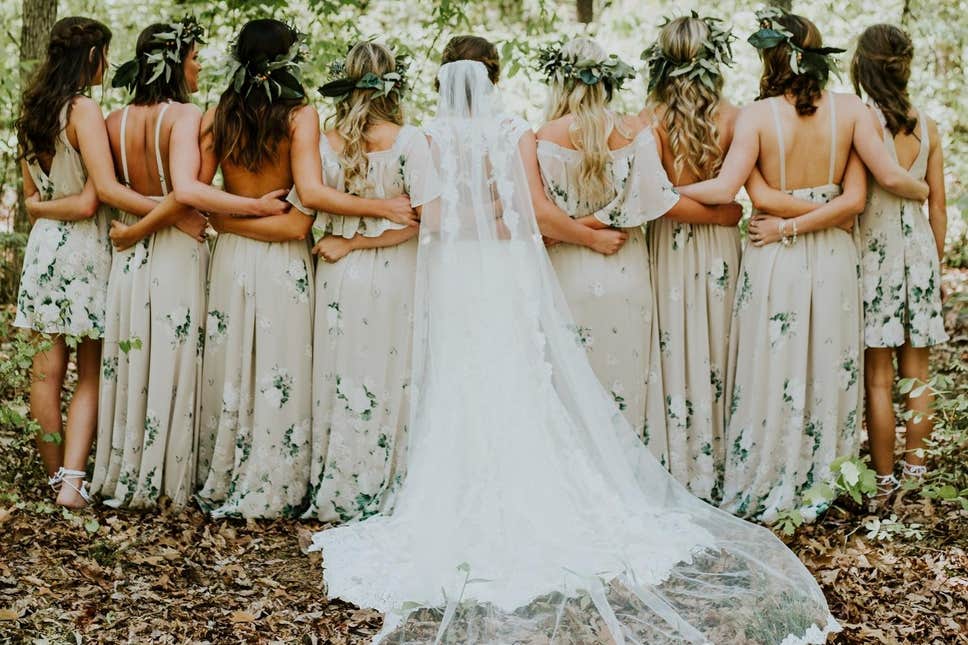
What Are The Roles & Responsibilities Of The Modern Day Maid Of Honour?

In the realm of weddings, the role of the Maid of Honour has evolved significantly over time. Gone are the days when she was simply a supportive sidekick to the bride, fulfilling traditional duties without much say.

Today, the modern-day Maid of Honour is a force to be reckoned with, taking on diverse roles and responsibilities that reflect the changing landscape of weddings. With that in mind, we’re here to delve into the multifaceted nature of this position, embracing a role that is as diverse as it is dexterous. Care to join us?

The Supportive Bestie

First and foremost, the Maid of Honour serves as the bride’s confidante and emotional support throughout the wedding journey. From dress shopping to late-night phone calls wondering if this is one massive mistake, all the way to discussing seating arrangements that help keep Uncle Joe and Uncle Chris apart – until death do them apart – she is there every step of the way. 

However, it is important to note that her role extends beyond mere cheerleading; she is the trusted friend who provides honest advice and reassurance, ensuring the bride’s well-being during this momentous occasion. And yep, she does have to tell the bride if her bum looks big in this.

The Queen Of Organisation

In the realm of wedding planning, the Maid of Honour takes charge of various logistical tasks. She assists in creating schedules, coordinating with vendors, and, perhaps most pertinently, managing the bridal party. 

With a keen eye for detail (or a mentality of ‘fake it ‘till you make it’), she ensures that everything runs smoothly on the big day, allowing the bride to relax and enjoy her special moments. Think of her as the ultimate wedding planner, armed with spreadsheets and a knack for problem-solving. And trust us; there will be problems to solve.

The Chief Bridesmaid

Traditionally, the Maid of Honour would lead the bridesmaids, but in the modern era, she does so much more. She fosters unity among the bridesmaids, encouraging teamwork and camaraderie from the moment the engagement is announced all the way to the last departing guest of the wedding recessional. By embracing inclusivity and diversity, she creates an atmosphere of celebration that reflects the bride’s unique personality.

From organising the fittings for all the bridesmaid dresses to planning pre-wedding events, such as the hen-do or bridal shower, she ensures that the bride’s closest friends and female family members (or, hey, any friends and family members if we’re being modern here) are involved and feel valued.

Of course, she comes into her own where the hen party is concerned. She organises the L-plates for the hen-do, she co-ordinates the evening outfits, and she dresses the bridal party in matching pyjama sets, the morning after the night before. Yep, the modern day Maid of Honour has all bases covered.

Of course, she when it comes to organising the hen party, she also needs to be mindful. She should ask what the Bride wants to do for it, and not just plan anything without consulting her first. Moreover, she needs to speak with the other bridesmaids to see how much they can afford to spend on any pre-wedding events.

The Speech Maker Extraordinaire

One of the most anticipated moments during a wedding reception is the Maid of Honour speech. With her wit and charm, she captivates the audience, sharing heartfelt stories and amusing anecdotes about the couple. In the spirit of modernity, it is crucial to avoid outdated clichés and instead focus on the couple’s shared values, achievements, and aspirations. A progressive Maid of Honour uses her words to celebrate love and individuality, inspiring others with her eloquence.

A brilliantly modern Maid of Honour should, perhaps, look a little like this:

  • The Introduction: It’s time to set the stage. Graciously thank the couple for inviting everyone to celebrate this momentous occasion. 
  • How It Started/How It’s Going: Dive into the story of how the bride and Maid of Honour met, preferably a tale with a playful touch. Whether you were childhood friends or met during a dreaded yoga class, this is the chance to win hearts and sprinkle in a giggle or two.
  • Complimentary Lovebirds: Elaborate on the lovely qualities the couple possesses and how they complement each other perfectly, like peanut butter and jelly or, for those romantics out there, Romeo and Juliet – minus the tragedy, of course!
  • The Love Saga: Everybody loves a good love story, so share some entertaining anecdotes about the couple’s courtship or how they fell in love. Handle those mushy details carefully, though; we wouldn’t want to tip the “heartwarming” scale to “nauseating,” now would we?
  • Couples’ Quirks: Highlight some quirky traits or adorable habits the couple shares, which make them unique and shows what a perfect match they are for each other. Remember, laughter is the key to keeping the crowd engaged!
  • Give Props to the Groom: As the Maid of Honour, you have a duty to keep things fair – so spare some compliments for the groom, too! Share your perspective on how he has enriched your dear friend’s life and how contagious his charm is – even though, admittedly, he can’t quite pull off that killer karaoke rendition like you can!
  • Embrace the Emotions: Let’s face it, weddings are emotional affairs. So take a moment to express what an honour it has been to witness the couple’s journey and how they’ve made you believe in love that goes the distance. But remember to keep it light – it’s always a treat to see a tear-jerking moment swiftly followed by a chuckle.
  • The Final Toast: Brace yourselves; it’s time to wrap up this roller coaster of emotion and wit. Raise your glass, and propose a heart-warming, hope-filled toast to the lovely couple. Wish them a lifetime of love, laughter, and never-ending adventure. 

And there you have it – the quintessential Maid of Honor speech recipe, designed to tickle funny bones and tug at heartstrings alike.

The Crisis Manager

Weddings rarely go without a hitch, and this is where the Maid of Honour truly shines. She remains calm under pressure, handling any unexpected situations that may arise. Whether it’s a wardrobe malfunction or a last-minute change in seating arrangements, she approaches challenges with grace and resourcefulness. Her ability to think on her feet ensures that the bride’s day remains flawless, leaving everyone in awe of her problem-solving prowess.

The Digital Documentarian

In our Instagram-obsessed world, the modern Maid of Honour has also become the unofficial social media coordinator and memory keeper. She’s the one wielding her phone like a professional photographer, capturing candid moments that the official photographer might miss – from the bride’s nervous giggles during hair and makeup to that perfectly imperfect shot of the bridesmaids attempting to wrangle their dresses in the loo. She curates the bride’s social media presence (with permission, of course), creating those envy-inducing stories that make everyone wish they were there.

But beyond the ‘gram-worthy moments, she’s also the keeper of digital memories, organising group chats, sharing photos with the wedding party, and ensuring that no precious moment gets lost in the digital abyss. After all, someone needs to document the journey from “Yes!” to “I do” – and who better than the woman who’s been there through every meltdown, every triumph, and every questionable dance move?

The Bottom Line

The role of the modern-day Maid of Honour has transcended its traditional boundaries, evolving into a dynamic position that encompasses emotional support, organisational finesse, leadership, and public speaking skills. Embracing progressiveness and breaking free from stereotypes, the Maid of Honour becomes an indispensable part of the wedding journey. So, let us raise a toast to these extraordinary women who make weddings memorable and celebrate love in all its modern glory!

The Potential Benefits Of An Employee Mindfulness Program For Your Business In 2025

Did you know that mindfulness may enhance well-being and creativity, reduce stress and anxiety, and improve communication? 

Are you looking for a simple, effective way to make your employees feel less stressed, more concentrated, and happier at work and in their personal lives? 

Well, mindfulness and wellness companies are helping businesses aim to achieve all the above. Here’s how they’re doing it.

What Is Mindfulness?  

Most of the time, we are caught up in the ever-changing kaleidoscope of our busy minds – ideas, feelings, memories, and plans are constantly competing for our attention…

…Hey, hey! Did we lose yours just then? 

Because we have already invested most of our attention, we don’t have much time left to concentrate on the task at hand. And that can affect our work. 

Mindfulness is the practice of bringing nonjudgmental consciousness into the present moment. In other words, it refocuses and rejuvenates the mind through various methods, such as breathing exercises and a simple, humble endeavour to live more in the present moment.  

But how can these benefit the workplace? Well, employers can harness the benefits of mindfulness within their workforce to boost employee well-being, which, in turn, may well help company culture, productivity and staff retention. In the best case scenario, employees may eventually learn to apply mindful awareness to every aspect of their lives, both personal and professional. 

Like all skills, mindfulness can be developed and honed, and the more attentive and less stressed employees are, the more the organisation benefits. From a purely personal perspective, team members may find they benefit from a better work/life balance, which, in the modern world, all responsible employers should be seeking to encourage and facilitate.

Benefits Of Mindfulness Programs  

Here are various benefits of implementing an employee mindfulness program: 

Reduce Anxiety & Stress  

One of the leading causes of lost revenue (though this should not, of course, be the primary concern regarding staff wellbeing) for companies is employee stress; mindfulness can be an essential safeguard for their bottom lines. Employees can better assess and define their emotions and approach them more positively by becoming more aware of their thoughts. 

Mindfulness practice has been shown to decrease activity in the amygdala, a stress-inducing part of the brain. The primary stress hormone, cortisol, may well also be reduced by mindfulness practice, studies have shown. It stands to reason that a stress-reduction technique like mindfulness will improve health, boosting work performance.  

Mindfulness May Improve Overall Wellbeing 

Numerous studies have found a link between mindfulness practice and positive mental effects such as the potential for increased happiness, contentment, tranquillity, and compassion. 

According to research published in the Journal of Applied Psychology, members trained in mindfulness consideration experienced meaningfully less emotional fatigue and higher work fulfilment than those who did not receive training.  

Mindfulness Could Enhance Creativity & Problem-Solving Skills  

The ability to think “outside the box” and analyse a situation from different viewpoints at the same time is often required for inspired thinking and innovative problem-solving. 

Being an effective problem-solver can be incredibly beneficial to any field of work; however, one’s mental state significantly impacts their creativity. By combating the negative thoughts that stifle creative thinking and self-expression, mindfulness can help your employees get into a more creative frame of mind

Because mindfulness focuses on the present, it encourages people to think freely and creatively, giving their minds room to bounce ideas around, potentially helping team members enter a so-called flow state – or ‘mind wandering’ – that can lead to some seriously inspired breakthroughs.

Teamwork Harmony  

The ability to empathise with another’s experience and point of view is at the heart of harmonious workplace relationships. 

Mindfulness could even help promote feelings of interconnectedness, as it is said to increase a sense of empathy and altruism. 

Increased Resilience & Emotional Intelligence  

Mindfulness meditation might even increase emotional intelligence. This could be possible in three main ways: 

  • Regular practice may enhance the ability to regulate and control emotions
  • It could encourage better attempts at identifying the feelings of those around you
  • Mindfulness is said to help us understand our own feelings

What’s more, mindfulness improves one’s ability to be open to new ideas, think creatively, differentiate thoughts from feelings, and respond rather than react to challenges. What’s not to love?

Enhancing Cognitive Flexibility Through Mindfulness

The Role of Mindfulness in Cognitive Adaptability

In today’s fast-paced business environment, cognitive flexibility—the mental ability to switch between thinking about two different concepts, and to think about multiple concepts simultaneously—is invaluable. Mindfulness training can significantly enhance this cognitive skill, and if you prefer to help current staff better handle multiple tasks and adapt to new situations swiftly than to find employees to hire, then it might be sensible to implement such programs in your workplace.

Research suggests that mindfulness meditation can lead to improvements in attentional functions and cognitive flexibility. This is particularly relevant in industries that are constantly evolving, where the ability to pivot and adapt is crucial for success.

Mindfulness as a Tool for Continuous Learning

Moreover, mindfulness can foster a culture of continuous learning and growth mindset within an organisation. By encouraging a state of open, non-judgmental awareness, employees may become more receptive to feedback and more inclined to engage in self-improvement activities. This can lead to a more dynamic and innovative workforce that is better equipped to meet the challenges of the modern business world.

Fostering A Mindful Corporate Culture

Integrating Mindfulness into Organisational Values

Creating a mindful corporate culture goes beyond individual practice; it involves embedding mindfulness into the core values of the company. This can be achieved by incorporating regular mindfulness sessions into the work schedule, creating quiet spaces for meditation such as a workplace wellbeing room, and encouraging mindful communication practices.

A study from the Ashridge Executive Education at Hult International Business School highlights the positive impact of mindful leadership on organisational culture, suggesting that when leaders practice mindfulness, it trickles down through the ranks, promoting a more compassionate and ethical work environment.

Mindfulness as a Catalyst for Ethical Decision-Making

Mindfulness can also play a pivotal role in ethical decision-making. A clear, focused mind is less prone to the cognitive biases that can lead to unethical choices. By promoting mindfulness, companies can encourage employees to consider the wider impact of their decisions, leading to more responsible business practices that can enhance the brand’s reputation and contribute to long-term success.

Mindfulness & Physical Health In The Workplace

Reducing Physical Strain and Enhancing Ergonomics

The benefits of mindfulness extend to physical health, which is intrinsically linked to employee productivity and absenteeism. Mindfulness can increase awareness of one’s body, potentially leading to better posture and reduced physical strain, especially for those in sedentary office jobs. 

Research has aimed to correlate mindfulness with improved physical health outcomes, including lower blood pressure and improved immune function, which are critical for maintaining a healthy workforce.

Incorporating Mindful Movement into the Workday

To complement seated meditation practices, companies can introduce ‘mindful movement’programs such as Tai Chi, Qigong, or gentle yoga. These practices not only offer the mental benefits of mindfulness but also counteract the physical issues associated with desk-bound work. The NHS has recognised the benefits of such activities in reducing stress and preventing physical ailments commonly found in office settings.

Long-Term ROI Of Mindfulness Programs

While the immediate benefits of mindfulness, such as reduced stress levels, are relatively easy to observe, the long-term return on investment (ROI) can be even more significant. Research from the University of Oxford suggests that mindfulness training can lead to reduced healthcare costs, lower turnover rates, and improved employee performance over time. By investing in comprehensive mindfulness programs, businesses can not only enhance their employees’ well-being but also see a tangible impact on their bottom line.

The Bottom Line

Though research continues into the concrete, tangible benefits of mindfulness practice in the workplace, the signs are truly encouraging that it can be beneficial to employees, employers and company culture alike.

8 Home Maintenance Checks To Help You Get Ready For Autumn

Just as your car requires a yearly check up and you’re recommended to see your doctor for a regular once over, so your home also deserves the odd appraisal from time to time. This is particularly pertinent for the arrival of cooler, going into colder, weather. Because it seems that the frequency of domestic issues rise in tandem with the mercury’s falling, and as such it’s always best to be prepared for any eventualities. With that in mind, here are 8 home maintenance checks for autumn.

Smoke Detectors

Smoke detectors should be a priority in any household, as it is the only true defence that can prevent damage to possessions, injury or loss of life should a fire occur in the night. Smoke detectors will wear over time, decreasing in their sensitivity, so it’s imperative their batteries are regularly checked. As well as ensuring the batteries are replaced regularly, you should also aim to ensure that the device itself is up to date. A recommended replacement period is every ten years. In preparation for open fires in the home, now would be a good time to check yours.

Attic & Insulation

Attic insulation is an interior check that’s all too often forgotten about. But, it’s worth checking it regularly for wear and tear. Recommended thickness can be up to 27cm, so if your insulation seems lacking, replace it as soon as you make this discovery; particularly important as temperatures drop and walls threaten to gather moisture and the dreaded damp.

Pests

Another essential check is to make sure no pests have found their way into your home, coming in from the colder evenings in search of warmth and nourishment. Mice or rats, for example, could enter your home from the most unlikely places, and find ways into your house through the drainage system and pipes. Keep an eye out for rats in drains, then and before they become a nuisance, reach out to expert pest control services. 

Read: How to make the most of your garden in autumn

Gutter Clearance

The fallen leaves of autumn are symbolic of a change in the seasons. They’re also a bit of a pain in terms of seasonal home maintenance tasks. It’s vital to clean your guttering regularly, either yourself (careful on that ladder!), or by using a local gutter cleaning service. This is particularly true during autumn, as build ups are more regular and you can help prevent long-lasting damage to the exterior of your home. 

Blocked gutters cause hassle, and can lead to a deluge of water where you don’t need it to be. This can lead to moss building which can block the guttering and lead to further water damage. If damp makes its way into your home through water running down the exterior wall, long term structural damage can occur. Vital, then, in the months of trees shedding their leaves, to keep on top of things.

Boiler Service

Before winter properly sets in and you become reliant on your central heating, it’s essential to have your boiler serviced by a Gas Safe registered engineer. An annual service not only ensures your boiler is running efficiently – potentially saving you money on energy bills – but also identifies any safety issues before they become serious problems.

During a service, the engineer will check for carbon monoxide leaks, inspect internal components for wear, and ensure the system is operating at optimal pressure. Regular servicing can also extend the lifespan of your boiler and may be a requirement to keep your warranty valid. Book your service early in autumn, as engineers tend to get busier once the cold weather truly arrives and emergency call-outs increase.

Bleed Radiators

If your finger has been hovering over the the thermostat recently, wondering if it’s okay to fire up the central heating, then you’re not alone. But hold on! Prior to doing that and after a period of laying dormant, it’s important that you bleed your radiators to avoid pockets of air from being trapped inside, affecting efficient energy usage and taking longer to heat your home.

It’s fairly easy to do this; with the heating turned off, simply take a radiator key and open your radiator’s valves (this should be obvious as the item which can be turned with the key usually positioned on the side of the radiator). Then, be prepared to catch the drips that follow, which will slowly turn into a steady stream. Once that stronger stream is present, you’ve released all the air. Tighten back up and move on to the next one.

Carbon Monoxide Detectors

Just as crucial as smoke detectors, carbon monoxide detectors are essential for ensuring the safety of your household. Carbon monoxide is a colourless, odourless gas that can be deadly if undetected. Install carbon monoxide detectors near sleeping areas and on each level of your home. Regularly test the detectors and replace the batteries at least once a year. The device itself should be replaced every five to seven years to ensure optimal functionality.

Window & Door Seals

As the colder months approach, it’s important to check the seals around your windows and doors. Poorly sealed windows and doors can lead to drafts, making your heating system work harder and increasing your energy bills. Inspect the weather stripping and caulking for any signs of wear and tear. Replace or repair any damaged seals to keep your home warm and energy-efficient. This simple maintenance task can also help prevent moisture from entering your home, reducing the risk of mold and mildew.

And that’s that. Now for something a little more sensual; our tips on welcoming the defining aromas of autumn into your home. Mmm, can you smell that cinnamon?


Urban Angling: London’s Best Places For Coarse Fishing

0

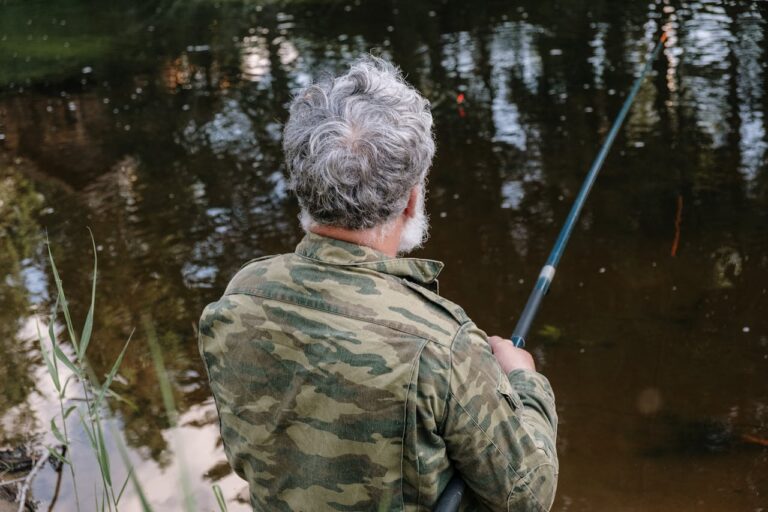
The capital might not be the first place that springs to mind when you’re dreaming of a peaceful day’s fishing, but London’s waterways offer surprisingly brilliant coarse fishing opportunities right on your doorstep. From historic reservoirs to hidden urban lakes, the city provides both seasoned anglers and curious beginners with accessible spots to cast a line without venturing far from the Tube map.

There’s something rather magical about finding tranquil fishing spots amidst the urban hustle. London’s coarse fishing scene has flourished in recent years, with improved water quality in the Thames and better management of local fisheries creating thriving populations of carp, pike, perch, and roach. What’s more, many venues offer day tickets at reasonable prices, making it an affordable escape from city life.

The beauty of urban angling lies in its accessibility. You don’t need a car or expensive gear to get started – just a basic setup, a day ticket, and perhaps a flask of tea. Many of London’s best fishing spots are mere minutes from public transport, meaning you can squeeze in a few hours of fishing before work or spend a lazy Sunday afternoon by the water without the faff of a countryside expedition. 

With that in mind, here are some of London’s best places for coarse fishing.

Walthamstow Wetlands

This vast nature reserve in North London has become something of a mecca for urban anglers. The ten reservoirs here offer varied fishing experiences, from intimate corners perfect for float fishing to expansive waters where you can properly stretch your casting arm. The East Warwick reservoir is particularly renowned for its specimen carp with the largest capture weighing in at 51lb 2oz, whilst the quieter corners of High Maynard offer excellent sport with tench and bream.

Day tickets are available from the visitor centre, and with the Tottenham Hale station just a 10-minute walk away, it’s remarkably easy to reach. The wetlands also boast a rather good café, perfect for a post-fishing fry-up.

Hampstead Heath Ponds

The Heath’s ponds offer some of the most picturesque fishing in London, with the skyline providing a dramatic backdrop to your angling. The Hampstead No.1 Pond is the designated angling pond, well-stocked with carp (some pushing 20lb), tench, roach, and perch.

Fishing is permitted only during the closed season, from March 15 to June 15, and you must have both a valid rod licence and the free permit to fish legally. With those formalities dispensed with, the setting feels wonderfully removed from city life, despite being just minutes from Hampstead station.

Read: The best restaurants in Camden

The Grand Union Canal

Stretching through West London, the Grand Union offers miles of free fishing along its towpaths. The stretch through Little Venice and Paddington Basin might seem unlikely, but these waters hold surprising numbers of perch, roach, and the occasional decent-sized pike.

For better sport, head further west to the stretches around Alperton or Greenford, where the canal widens and the fish grow larger. Just remember to get your Environment Agency rod licence and check for any specific restrictions on certain stretches.

Read: The best restaurants in Maida Vale

Hollow Ponds

Over in East London, Hollow Ponds fishing offers a delightful escape on the edge of Epping Forest. This historic boating lake has developed into a thriving fishery, with good stocks of carp, tench, and pike. The surrounding woodland creates a surprisingly rural atmosphere, making it hard to believe you’re still within the M25.

The venue operates on a day ticket basis, and whilst it can get busy on weekends, early morning sessions during the week offer peaceful fishing in lovely surroundings. The nearby Leytonstone High Road station makes it easily accessible for those travelling by public transport.

Thames Through Central London

Yes, you can fish the Thames through Central London, and it’s completely free with an Environment Agency licence. The tidal Thames has seen remarkable improvement in fish stocks, with bass, flounder, and even the occasional sea trout making appearances.

Popular spots include the South Bank near Waterloo Bridge, the stretch by Battersea Power Station, and the calmer waters around Richmond. Night fishing for eels can be particularly productive, though do check local bylaws about fishing hours in specific boroughs.

Essential Kit For Urban Fishing

You don’t need to break the bank to enjoy London’s fishing. A simple float rod setup (around 12-13 feet) will handle most situations, paired with a fixed spool reel loaded with 6-8lb line. Add a selection of floats, hooks (sizes 10-18 should cover most scenarios), and split shot, and you’re ready for action.

For bait, sweetcorn, bread, and maggots remain the classics – all readily available from tackle shops or, in the case of sweetcorn and bread, your local supermarket. Many London tackle shops offer starter kits for under £50, perfect for testing the waters before investing in pricier gear.

Urban Angling Etiquette

Fishing in London requires particular consideration for other users of these shared spaces. Always take your litter home (including any discarded line, which can be lethal to wildlife), respect other anglers’ swims, and be mindful of joggers, dog walkers, and cyclists who might share the towpaths and lakesides.

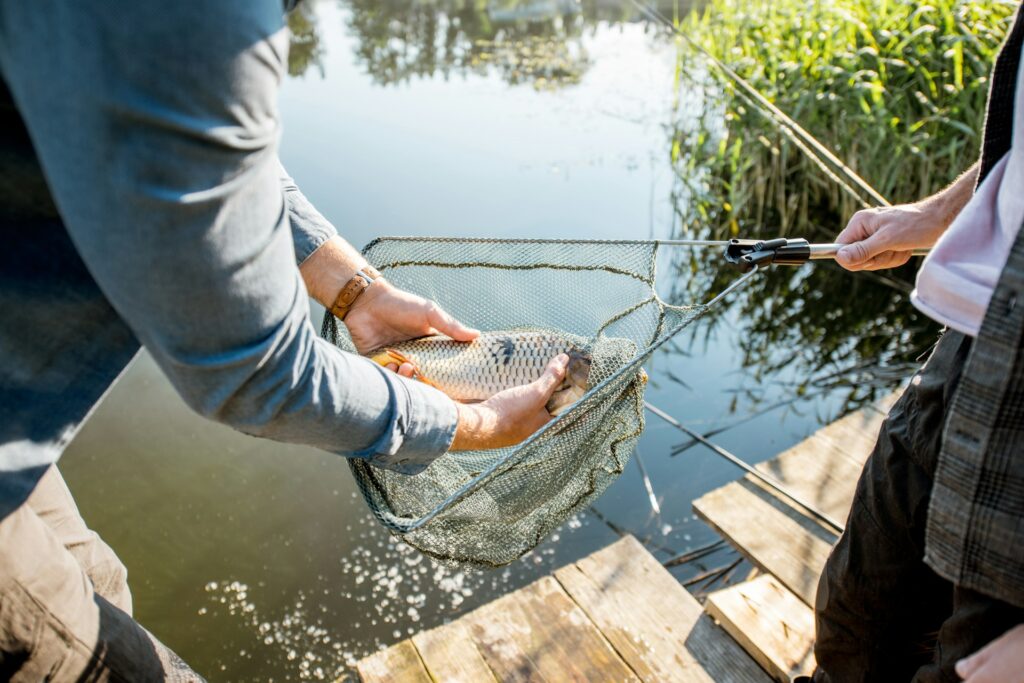
Most importantly, handle fish with care. Use unhooking mats, keep fish in the water as much as possible, and always return them gently. London’s fish populations thrive because anglers treat them with respect.

Legal Requirements & Licensing

And now the boring bit…

Before casting a line anywhere in London, you must have a valid Environment Agency rod licence if you’re aged 13 or over and fishing for freshwater species including carp, tench, roach, perch, pike, and eels. Junior licences for ages 13-16 are free but still require registration, whilst children under 13 need no licence at all. 

Current prices for 2025 are £7.30 for a one-day licence, £14.70 for eight days, and £36.80 for a full year. Licences can be purchased online via the government website, at any Post Office, or by calling the Environment Agency. 

The penalties for fishing without a licence are severe – you can face fines of up to £2,500, and Environment Agency officers regularly patrol waters to check compliance. Remember that a rod licence only gives you permission to fish – you’ll still need to pay any required day tickets at private venues or obtain permission from landowners for specific stretches of water.

The Bottom Line

The key to successful urban angling is timing. Early mornings and late evenings typically offer the best fishing, with fewer disturbances and more active fish. Weekdays, if you can manage them, provide quieter banks and better sport than busy weekends.

Don’t be put off by the urban setting – fish in city waters can be just as challenging and rewarding to catch as their rural cousins. In fact, the heavily-fished urban specimens often prove wilier than their countryside counterparts, making landing a decent carp from Hampstead Heath or a pike from the Grand Union all the more satisfying.

London’s coarse fishing scene proves you don’t need to escape to the countryside for a proper angling adventure. These urban oases offer genuine tranquillity, decent fishing, and the convenience of being home in time for dinner. Whether you’re a seasoned angler looking for a quick fishing fix or a complete beginner curious about the sport, London’s waters await.

Beyond Venice & Tuscany: 7 Of Italy’s More Distinctive Wedding Regions

Italy’s most extraordinary wedding venues exist in regions where mass tourism hasn’t yet transformed the landscape. The recent controversy surrounding Jeff Bezos’s lavish Venice wedding, which sparked widespread protests from locals feeling their city was being exploited as a billionaire’s playground, highlighted the growing tensions around overtourism in Italy’s most famous destinations. 

After speaking with the experts at infinity-weddingsandevents.com, who’ve spent nearly two decades cultivating relationships with venues across the country’s lesser-known regions, we’ve uncovered destinations that offer something genuinely different. These celebrations feel genuinely connected to their surroundings rather than designed for international markets.

Procida: Italy’s Most Photogenic Island

The smallest inhabited island in the Bay of Naples, Procida has maintained its authentic fishing village character whilst neighbouring Capri and Ischia transformed into tourist destinations. The island’s compact size, just four square kilometres, means every venue offers sea views, yet its relative isolation has preserved a pace of life that disappeared elsewhere decades ago. 

Local families still paint their houses in traditional pastel shades, fishermen depart at dawn in wooden boats their grandfathers built, and restaurants serve whatever the morning’s catch provides. This isn’t calculated charm but genuine island life that happens to create extraordinary wedding backdrops.

Photo by Vincenzo De Simone on Unsplash

Wedding venues here centre around the harbour areas where colourful houses cascade down to crystalline waters. Waterfront restaurants transform their terraces into exclusive celebration spaces, serving sea urchin pasta, locally-caught fish, and wines from Campanian vineyards. The island’s size creates natural intimacy for celebrations, with guests staying in converted fishermen’s houses and traditional island accommodation.

Ferry transfers from Naples add an element of adventure that guests find memorable rather than inconvenient. The island’s limited accommodation naturally caps guest numbers, creating weddings that feel more like extended family gatherings than formal events.

Read: 5 Beautiful Island Sites Accessible By Boat From Sorrento, Italy

Emilia-Romagna: Where Culinary Tradition Becomes Celebration

Often called Italy’s gastronomic heartland, Emilia-Romagna produces the country’s most celebrated ingredients: Parmigiano-Reggiano, prosciutto di Parma, traditional balsamic vinegar, and handmade pasta traditions passed down through generations. This region approaches food with a reverence that transforms wedding celebrations into culinary journeys. Here, local families have turned their historic properties, traditional vinegar houses, and working farms into venues where the wedding feast becomes as significant as the ceremony itself.

The landscape of rolling plains and medieval towns provides venues where couples can incorporate traditional food production into their celebrations. Acetaia producers offer ceremonies amongst centuries-old balsamic vinegar barrels, complete with tastings that unfold like wine ceremonies. Working farms arrange truffle hunting expeditions for wedding parties, pasta-making workshops led by local nonnas, and wine tastings in ancient cellars.

These experiences require substantial planning but create celebrations where guests participate in traditions rather than simply observing them. The region’s central location makes it accessible from major Italian cities whilst maintaining its agricultural character and artisanal focus.

The Dolomites: Alpine Drama Meets Italian Sophistication

The Dolomites represent a unique convergence of Alpine grandeur and Italian refinement, where German-speaking communities have maintained distinct cultural traditions within Italy’s borders. 

This UNESCO World Heritage region offers dramatic mountain landscapes that change colour throughout the day, from pale pink dawn light to deep purple sunset shadows. The area’s complex history, shifting between Austrian and Italian control, created a unique cultural blend reflected in architecture, cuisine, and wedding traditions that incorporate both Alpine and Mediterranean elements.

Mountain venues here range from restored medieval castles perched on rocky outcrops to contemporary luxury properties designed to complement rather than compete with the landscape. The region’s exceptional wine production at high altitude creates opportunities for vineyard ceremonies with mountain backdrops, whilst luxury mountain lodges offer intimate celebrations centred around roaring fires and panoramic terraces.

Seasonal variations dramatically alter the celebration options. Summer provides access to mountain huts reached only by cable car, whilst winter celebrations embrace cosy luxury with snow-covered peaks providing theatrical backdrops for indoor ceremonies.

Marche: Italy’s Undiscovered Renaissance

Le Marche delivers the renaissance architecture, rolling countryside, and artistic heritage that made Tuscany famous, yet remains largely overlooked by international visitors. 

This region, stretching from the Apennine Mountains to the Adriatic coast, harbours medieval hilltop towns where time appears suspended and artisan traditions continue uninterrupted. Urbino, birthplace of Raphael, anchors a region where renaissance palaces have been converted into exclusive wedding venues without losing their authentic character.

The landscape provides extraordinary variety within short distances: vineyard ceremonies overlooking gentle hills, coastal celebrations on clifftop terraces, and mountain venues offering both intimacy and grandeur. Local artisan traditions, from pottery to textile weaving, can be incorporated into wedding celebrations through workshops and demonstrations that connect guests to the region’s cultural heritage.

Working vineyards throughout the region offer harvest-time weddings where couples and guests participate in traditional grape picking, whilst restored farmhouses provide venues where wedding parties can stay together across multiple properties. The region’s excellent local wines, often unknown beyond Italy’s borders, provide opportunities for unique wine pairings unavailable elsewhere.

Sardinia’s Secret Coastline: Mediterranean Wilderness

Sardinia’s southern and western coasts remain largely undeveloped, offering pristine beaches and crystal waters rivalling any Caribbean destination. Unlike the island’s famous Costa Smeralda, these areas maintain their wild character, with venues situated amongst ancient olive groves, overlooking empty beaches, or carved into clifftop positions that feel entirely private. The island’s unique culture, neither entirely Italian nor Mediterranean, creates celebration opportunities that incorporate traditional Sardinian music, dance, and cuisine distinct from mainland Italian traditions.

Beach venues here provide the unusual (and wholly welcome) combination of luxury facilities with unspoiled surroundings. Organic farms throughout the region have developed accommodation and celebration spaces where wedding feasts feature ingredients grown on the property, seafood caught that morning, and traditional Sardinian specialties prepared according to recipes passed through generations.

The island’s interior mountains offer equally dramatic venues where ancient stone settlements provide backdrops for ceremonies amongst shepherd’s huts and prehistoric ruins. These locations require careful planning but reward couples with celebrations that feel genuinely removed from contemporary life whilst maintaining all necessary luxury amenities.

Basilicata: Italy’s Hidden Mountain Kingdom

Basilicata, tucked between Puglia and Calabria, remains one of Italy’s least visited regions despite containing some of the country’s most extraordinary landscapes. The region’s dramatic terrain ranges from the otherworldly rock formations of Matera to pristine mountain forests and secret coastal stretches along both the Tyrrhenian and Ionian seas. This dramatic geography creates wedding venues of unusual character, from cave hotels carved into ancient rock to mountain lodges overlooking vast wilderness areas.

Matera’s ancient cave dwellings, recently transformed into luxury accommodation, provide wedding venues unlike anywhere else in Europe. These Sassi districts offer ceremonies in spaces where people have lived continuously for thousands of years, creating celebrations that feel connected to deep history whilst incorporating contemporary luxury. The surrounding landscape of rolling hills dotted with ancient churches provides endless photography opportunities across terrain that changes dramatically with the seasons.

Mountain venues throughout the region offer extraordinary privacy and natural beauty, with many properties accessible only by private transport, creating inherently exclusive celebrations. Local cuisine reflects the region’s isolated character, featuring ingredients and preparations unknown elsewhere in Italy.

Le Cinque Terre’s Quieter Neighbour: Liguria’s Eastern Coast

Beyond the famous Cinque Terre villages, Liguria’s eastern coastline harbours equally spectacular scenery with significantly fewer crowds. This stretch of coast, reaching towards Tuscany, features dramatic cliffs, hidden coves, and terraced hillsides where local families have cultivated olives and grapes for centuries. Fishing villages here maintain their working character whilst offering wedding venues that capture the region’s maritime heritage and dramatic coastal setting. 


Clifftop venues provide panoramic sea views whilst maintaining connection to local traditions through partnerships with fishing cooperatives and local farms. Wedding celebrations often incorporate boat excursions along the coast, visits to working olive mills, and tastings of the region’s distinctive wines produced on impossibly steep terraced vineyards. There is, of course, fantastic local pasta.

The region’s excellent transport connections to major Italian cities make it accessible for guests whilst preserving its authentic character. Venues range from restored medieval towers perched on cliff edges to contemporary properties designed to showcase rather than compete with the spectacular natural setting.

The Bottom Line

These destinations reward couples seeking celebrations rooted in genuine local culture rather than international wedding formulas. Each region offers distinct advantages: Procida’s island intimacy, Emilia-Romagna’s culinary theatre, the Dolomites’ mountain drama, Marche’s renaissance elegance, Sardinia’s wilderness luxury, Basilicata’s ancient mystique, and Liguria’s coastal authenticity.

7 Must See Places On A Safari In Botswana

Standing as Africa’s crown jewel for safari enthusiasts, Botswana offers an unparalleled wilderness experience that combines pristine landscapes with extraordinary wildlife encounters. 

This landlocked nation has mastered the art of sustainable tourism, maintaining vast untouched territories whilst providing visitors with access to some of the continent’s most spectacular natural phenomena. From the shimmering channels of the Okavango Delta to the stark beauty of the Kalahari Desert, Botswana presents a safari experience that transcends the ordinary.

The country’s commitment to conservation is evident in its approach to tourism-favouring quality over quantity with smaller camps and limited visitor numbers. This philosophy ensures that each safari experience feels intimate and authentic, allowing travellers to connect deeply with the African wilderness. 

With that in mind, here are seven extraordinary destinations that showcase why Botswana remains the ultimate safari destination for discerning adventurers.

Okavango Delta: The Jewel Of The Kalahari

The Okavango Delta represents one of nature’s most remarkable achievements-a vast inland delta that transforms the arid Kalahari into a lush oasis teeming with life. This UNESCO World Heritage Site covers approximately 15,000 square kilometres during peak flood season, creating a labyrinth of channels, lagoons, and islands that support an incredible diversity of wildlife.

The delta’s seasonal flooding, which peaks between June and August, creates a unique ecosystem where desert and wetland species coexist. Visitors can glide silently through papyrus-lined channels in traditional mokoro dugout canoes, guided by expert local polers who share intimate knowledge of this aquatic wonderland. Game viewing from these water-level perspectives offers unparalleled photographic opportunities, particularly for elephants cooling themselves in the shallows and hippos emerging from deeper channels.

The delta’s islands, known locally as ‘islands of paradise’, support dense populations of large mammals. Red lechwe bound gracefully through the floodplains, whilst leopards and lions have adapted to this semi-aquatic environment, often crossing channels to reach prey-rich islands. The birdlife is simply extraordinary, with over 400 species recorded, including the magnificent African fish eagle and the elusive Pel’s fishing owl.

Chobe National Park: The Elephant Capital Of Africa

Chobe National Park boasts the largest concentration of elephants in Africa, with herds numbering in the tens of thousands. The park’s diverse ecosystems, from the Chobe River frontage to the vast grasslands of Savuti, create varied habitats that support different wildlife communities throughout the year.

The Chobe River section offers unparalleled opportunities for observing elephants as they congregate along the riverbanks, particularly during the dry season when massive herds cross from Namibia’s Caprivi Strip. River cruises provide front-row seats to one of nature’s greatest spectacles-hundreds of elephants drinking, bathing, and playing whilst buffalo, hippos, and crocodiles share the same waters.

Savuti, within Chobe’s interior, presents a completely different experience. This ancient lake bed, now dry grassland punctuated by remnant sand islands, becomes a predator paradise during the zebra migration. The famous Savuti Channel, which mysteriously flows and dries according to tectonic activity, creates dramatic seasonal changes in wildlife distribution and behaviour.

Central Kalahari Game Reserve: Desert Wilderness

The Central Kalahari Game Reserve encompasses 52,800 square kilometres of pristine desert landscape, making it one of the world’s largest protected areas. This vast wilderness showcases the remarkable adaptations of life in arid environments, from the iconic black-maned Kalahari lions to the diminutive yellow mongooses that dart between acacia trees.

During the brief rainy season, typically from December to April, the reserve transforms dramatically. Seasonal pans fill with water, attracting massive herds of zebras, wildebeest, and hartebeest in one of Africa’s lesser-known migrations. The sparse vegetation explodes into colour as wildflowers carpet the landscape, creating a photographer’s paradise.

The reserve’s remoteness ensures an authentic wilderness experience with minimal human presence. Night drives reveal the desert’s hidden nocturnal life-caracals, servals, and the elusive aardvark emerge under star-studded skies that offer some of the clearest astronomical viewing on the continent. The silence of the Kalahari, broken only by the distant roar of lions or the haunting call of jackal, provides a profound sense of connection to primordial Africa.

Moremi Game Reserve: The Heart Of The Delta

Situated within the Okavango Delta, Moremi Game Reserve combines the best of both aquatic and terrestrial ecosystems. This relatively small reserve packs extraordinary biodiversity into its boundaries, offering visitors the chance to experience the full spectrum of delta wildlife within a single destination.

No Botswana safari would be complete without a visit to Chief’s Island, the reserve’s centrepiece, which supports some of the highest concentrations of predators in Africa. The interplay between permanent water channels and seasonal floodplains creates ideal hunting grounds for wild dogs, leopards, and lions. The famous Moremi lions have adapted to hunt in water, often pursuing red lechwe into the shallows-a behaviour rarely observed elsewhere in Africa.

The reserve’s diverse habitats, from papyrus swamps to acacia woodlands, support a remarkable variety of species. Sable antelopes graze alongside zebras on the grasslands, whilst sitatunga navigate the dense papyrus beds. The reserve’s varied topography ensures excellent game viewing year-round, though the dry season concentrates wildlife around permanent water sources, making for spectacular viewing opportunities.

Makgadikgadi Pans: Salt Desert Spectacle

The Makgadikgadi Pans represent one of the world’s largest salt complexes, covering over 12,000 square kilometres of otherworldly landscape. These ancient lake beds, remnants of the prehistoric Lake Makgadikgadi, create a surreal environment that feels more lunar than terrestrial during the dry season.

The transformation during the rainy season is nothing short of miraculous. The pans fill with shallow water, triggering the second-largest zebra and wildebeest migration in Africa. Hundreds of thousands of animals move from the Boteti River towards these temporary grasslands, followed closely by predators. The spectacle of vast herds moving across the endless horizons creates one of Africa’s most dramatic wildlife experiences.

Kubu Island, a rocky outcrop rising from the salt flats, provides a unique vantage point adorned with ancient baobab trees. These thousand-year-old giants, their massive trunks scarred by centuries of elephant activity, create an mystical atmosphere particularly at sunrise and sunset when the salt crystals sparkle like diamonds across the horizon.

Linyanti Wildlife Reserve: Predator Paradise

The Linyanti Wildlife Reserve, bordering Chobe National Park, offers an exclusive safari experience in one of Botswana’s most game-rich areas. The Linyanti River and its associated marshlands create a magnet for wildlife, particularly during the dry season when animals concentrate around this reliable water source.

This reserve has gained renown for its exceptional predator viewing opportunities. Large prides of lions, often exceeding twenty individuals, roam the riverine forests and grasslands. Wild dogs, Africa’s most endangered carnivore, maintain stable pack territories throughout the region. Leopards frequent the massive riverine trees, providing excellent opportunities for observing these normally elusive cats.

The reserve’s location along the Linyanti River creates unique wildlife interactions. Massive herds of buffalo, sometimes numbering in the thousands, create dust clouds visible from kilometres away. The area’s elephant population remains stable year-round, with herds moving between the river and inland water sources in predictable patterns that safari guides know intimately.

Mashatu Game Reserve: The Land Of The Giants

Though technically located in Botswana’s eastern reaches near the South African border, Mashatu Game Reserve deserves inclusion for its unique landscape and remarkable wildlife concentrations. Known as the ‘Land of the Giants’, this private reserve encompasses diverse habitats from riverine forests to rocky outcrops and open grasslands.

The reserve’s claim to fame lies in its massive baobab trees, some measuring over twenty metres in circumference and estimated to be over 3,000 years old. These natural monuments create iconic but wholly distinctive African scenes, particularly when silhouetted against spectacular Botswana sunsets. The reserve’s varied topography, including the dramatic Tuli Block escarpment, provides stunning backdrops for wildlife photography.

Mashatu’s wildlife concentrations rival any destination in Africa. Large herds of elephants move freely across unfenced boundaries, whilst the reserve’s healthy leopard population benefits from abundant rocky hideouts and prey species. The open landscape facilitates exceptional game viewing, with unobstructed sightlines across vast savannas where cheetahs hunt and massive herds of impala create feeding opportunities for predators.

Planning Your Botswana Safari 

Botswana’s safari destinations each offer distinct experiences, making it possible to combine multiple reserves for a comprehensive wildlife adventure. The dry season (May to October) generally provides the best game viewing as animals concentrate around water sources, whilst the wet season (November to April) offers lush landscapes, newborn animals, and exceptional birdwatching opportunities.

Most safari camps in Botswana operate on an all-inclusive basis, with experienced guides, gourmet meals, and comfortable accommodations included. The country’s emphasis on low-impact, high-value tourism ensures that visitor numbers remain manageable, preserving the pristine wilderness experience that makes Botswana special.

When packing for your Botswana adventure, prioritise neutral-coloured clothing in lightweight, breathable fabrics – khaki, olive, and beige blend seamlessly with the environment whilst keeping you comfortable in varying temperatures. Essential items include a wide-brimmed hat, quality sunglasses, and high-factor sun cream, as the African sun can be unforgiving. 

Pack layers for early morning and evening game drives when temperatures can drop considerably, and don’t forget sturdy walking shoes for guided bush walks. Most importantly, bring a good camera with extra batteries and memory cards!

The Bottom Line

Whether tracking wild dogs through Linyanti’s forests, floating silently through Okavango channels, or watching massive elephant herds along the Chobe River, Botswana offers safari experiences that exceed even the most ambitious expectations. This is Africa as it was meant to be experienced-wild, untamed, and utterly magnificent.

7 Tips On How To Choose The Ideal Jewellery & Accessories For Your Wedding Day

With all eyes on you as you walk down the aisle, and a lifetime’s worth of looks in photo albums and on Instagram, getting your wedding dress right is as crucial to your big day as choosing the right husband.

Of course, your dress is only one part of your wedding day ensemble; you also have jewellery and accessories to consider, and it pays to consider them just as carefully. 

But with so much of the focus often falling on the dress, it’s all too easy to let the jewellery and accessories you wear take a back seat. However, every detail of a bride’s look matters and the jewellery and accessories can add that finishing, personal touch to proceedings, able to tie the whole look together effortlessly. 

It’s no secret that jewellery and accessories have the power to transform your bridal look. Here are 7 tips on how to choose the IDEAL jewellery & accessories for your wedding day.

Let Your Dress Dictate Your Jewellery 

The last thing you want is for your jewellery to clash with your dress. As such, it’s a good idea to always choose your dress first then let it dictate your jewellery.

If you’re having trouble choosing whether to wear silver, gold or rose gold, then let your dress do the choosing for you and match your metals to your dress. If your dress is satin or silk, then silver, platinum and, of course, diamond jewellery pair well. 

However, if your gown is a warmer champagne tone, opt for a metal in a warmer colour like rose gold. We also think vintage lace and boho-inspired dresses look especially lovely with gemstones. All that said and when in doubt, pick pearls; not only are they classic and traditional, but pearls also represent eternal love, making them the perfect accessory for wedding days. 

There are so many types of jewellery styles to consider that it makes sense to let your dress dictate the jewellery you choose. If your wedding dress has a high neckline, then forgo a  necklace and wear a pair of statement earrings insead. On the flip side, you can enhance a dress with a plunging neckline with an extra-long pendant. Or, if your dress has an open back, consider a long, dainty wrap necklace.

Editor’s Extra: There are no thick and fast rules when it comes to wearing jewellery. Remember the days when you had to choose whether you were going to be a gold or silver girl? Well, the days of having to stick to your chosen metal, because – god forbid – you wore the two together, are gone. 

Mixed metals have been a serious trend for the last few years, so embrace clashing golds, silvers and bronzes with abandon for your wedding day, should you wish. An Italian silver chain, for instance, can add a touch of elegance and sophistication to any bridal look when layered with other necklaces in different shades. It’s a statement, for sure, but a seriously stunning one at that.

Less Is More 

The secret tip to the perfect wedding jewellery is less is more and it’s easy to wear too much jewellery on your wedding day and overwhelm your dress.

Bear that expert advice in mind and consider keeping things simple with a stunning sterling silver set of drop earrings and matching pendant. Alternatively, you can’t go wrong with a matching set of the perfect diamond necklace and stud earrings – this is your time to sparkle and shine after all!

Editor’s Extra: Shoulder sweeping statement earrings are everywhere at the moment. Wondering how to wear them, or rather, how not to? Don’t bother with any other type of jewellery – not even a pair of small studs if you have your ears pierced more than once – as this will look clumsy, clunky and over-stylised.

Clean Your Jewellery 

Of course, that sparkle and shine will be dulled somewhat if you don’t follow proper silver jewellery care in the run up to your wedding. This includes wrapping your jewellery in a fabric pouch between wears, keeping it in a cool, dry place, and storing it individually to avoid other pieces causing scratching. You should also avoid contact with chemicals, perfume, hairspray and deodorant. 

For more cleaning tips, head over to our top tips for looking after your jewellery.

Stay True To Your Style 

Whether you love statement hoops, chandlers or perfect dainty drop jewellery, what you choose to wear on your wedding day should reflect your everyday style. Your wedding day isn’t the time to risk a new style, we’d politely caution!

When it comes to choosing a statement piece for your big day, remember that statement jewellery is a way for us to express ourselves creatively, helping the wearer to connect with the character of the piece. As such, it’s essential to find a piece that resonates with you. 

Something Old, New, Borrowed & Blue

Jewellery is the ideal way to factor the tradition of “something old, new, borrowed and blue” into your outfit.  

We know that we recommended earlier to let your dress dictate your style, but if you have your heart set on wearing your Grandma’s pearls or there is a particular heirloom piece you want to include in your outfit, then take those pieces with you when you go dress shopping to ensure that it matches your dress. 

Alternatively, consider turning your heirloom piece into a beautiful new creation that you’ll love to wear, not just once, but time and time again. It’s a great way to honour past pieces, giving them new life and meaning. 

For your ‘’something blue’’, consider choosing blue gemstone jewellery. Vivid sapphires are thought to represent honesty, sincerity and faithfulness, and are ideal for the occasion as these symbolise important attributes every marriage should have. 

That said, and depending on the tone of your dress, pairing blue jewellery with your dress can be tricky. Aquamarine may be a good option as a bold sapphire may overwhelm your look. Alternatively, consider choosing a traditional blue garter instead – buy a new one and you’ll be ticking off two traditions on one go!

Read5 IDEAL tips for repurposing family heirloom jewellery

Head Gear

If you’ve decided to wear a veil, then you’re probably feeling a little overwhelmed at the hundreds of different styles and lengths to choose from. Where to start? First, always choose your dress first and your veil second. 

The best choice of veil will depend on your gown’s detail, silhouette and train length, should you have one. Although your veil doesn’t need to match your dress perfectly, you will want it to match the same shade of your gown. 

Next up is to get familiar with the different styles of veils out there; do you want a floor sweeping chapel veil or a vintage style birdcage? Pop into a bridal shop with your dress and try on a whole load. Oh, and if you do choose an OTT veil, then it’s a good idea to stick with simple wedding jewellery. 

If you’ve decided that a veil isn’t for you, then have you considered wearing a whimsical flower crown instead? Flower crowns are an extremely versatile hair accessory and can be made to go with pretty much any dress design. On top of that, they look just lovely!

Consider Your Hairstyle

Your chosen hairstyle plays a crucial role in determining which jewelry pieces will complement your overall look. If you’re planning an elegant updo or sleek chignon, this creates the perfect canvas for showcasing statement earrings or dramatic chandelier drops – your ears and neck will be beautifully exposed to highlight these pieces.

On the other hand, if you’re wearing your hair down in loose waves or cascading curls, consider opting for smaller, more delicate earrings that won’t get tangled or hidden beneath your locks. In this case, a stunning necklace or bold bracelet might be better choices for making a jewelry statement.

Don’t forget about hair accessories either – jeweled hairpins, tiaras, or delicate hair vines can serve double duty as both functional and decorative elements. If you’re incorporating ornate hair jewelry, remember to balance it with your other accessories to avoid overwhelming your look. A heavily embellished headpiece, for instance, pairs best with simple stud earrings rather than competing statement pieces.

Choose A Secondhand Piece

We love the idea of finding a one off, preloved piece for your wedding day. If you’ve ever walked through the jewellery lanes of Brighton, London’s Hatton Garden or Birmingham’s Jewellery Quarter, then you’ll understand just how much choice there is when it comes to secondhand jewellery.

In fact, the diversity on offer far trumps the variety of new pieces available. So, whether you’re after a vintage piece from a different era like the 1920’s, a modern item which is after a new home, or an esoteric piece with a rare backstory, then second-hand is certainly the smart option.

What’s more,  buying a secondhand piece reduces the carbon footprint on the environment, which is definitely an ethical choice for your wedding day. And on that note, we wish you all the happiness and joy, both on your Big Day and for your future years together as a happy couple!

7 Tips For Yoga Beginners On How To Get Started

And breathe…

After a half a decade of non stop turbulence and tumult, we are are reportedly (and not in the least bit surprisingly) more under pressure than they’ve ever been, with inflation, war and post-COVID confusion pushing stress to alarming levels.

These unprecedented times have caused Brits to seek relief in places that they may have previously left unexplored, with many dipping their toes into the world of cold water swimming, meditation and yoga, in particular.

Today, we’re exploring the latter in a little more detail. And this just in; you don’t have to be able to twist into pretzel shapes and contort your body something holy to enjoy the physical or mental benefits of a good yoga session. Yep, even if you don’t know your downward dog from your happy baby, a world of stress relief, mindful focus and surprisingly effective exercise awaits. 

For those woke to its benefits, the age old discipline’s magic touch has been obvious for some time, but it seems like the mainstream has finally caught on, too. And in a world of stress, pressure and panic, not a moment too soon, we think.

We’re here today for those hungry to embrace a holistic attitude to their health and wellbeing, with these; our 6 IDEAL tips for yoga beginners on how to get started.

Get The Right Gear

Yoga is a discipline with inclusivity at its core. Everyone is welcome, all levels of ability embraced, and a lack of financial certainly represents no hindrance to participation. The fantastic thing about starting out with yoga is that the commitment – both in terms of time and money – is minimal. All you need is loose clothing, which you’ll probably already have lying around, and a little willpower to get the ball rolling.

The only other thing we recommend purchasing is a non-slip yoga mat, for safety reasons. After that, you’re good to go. Now it’s up to you whether you take up the practice in the comfort of your own home, or join a class….

Yoga Class Or YouTube?

While it’s hard to beat the experienced guidance and encouragement of a qualified teacher in a dedicated space, many prefer to begin their yoga journey using YouTube, which is a fantastic way to get started, and it’s free, too.

Online you’ll find everything from energising morning routines to a session for desk related mid-day relief, a relaxing evening number, or even guided practices to help you with your sleep. Some of the best YouTube yogis include Yoga with Adrienne, Yoga with Kassandra, and Tara Stiles, but this is really a case of having a look around and finding what suits you!

Whilst YouTube is undeniably useful, particularly for those with a fear of falling over or farting during an extended warrior pose, in the long run home practitioners shouldn’t miss out on the fantastic sense of community that yoga classes offer, an endlessly supportive and encouraging space where friends are made for life on parallel mats. 

Find Encouragement In Community On A Yoga Retreat

We’d wager that, by now, the majority of Brits have tried their hand at yoga at one time or another. Many have found it to be incredibly useful for remedying aches and pains, reducing stress, and toning muscles, too.

That said, we’d also wager that yoga tends to have a pretty low retention rate. It can be hard to stay committed to daily practice when you’ve been through Adrienne’s 10 Minute Yoga For Beginners a good hundred times. Even traditional classes are struggling to keep people interested, with the Yogi Times reporting an annual retention rate of just 18% for teacher-led sessions.

Instead, you may well find encouragement to stick at it within the yoga community, not only via the classes we mentioned earlier, but also at workshops, meet-ups and, for those looking to truly immerse themselves in the practice and community, at yoga retreats.

Indeed, then there are some incredible yoga retreats here in the UK and abroad, allowing you to develop your stretches and poses, as well as experience yoga in a more holistic way, via meditation sessions, healthy eating classes, and more.

Many of the best retreats on these shores are held in truly inspiring, breathtaking places, such as Dartmoor in Devon, the Peak District, Cornwall, and the Brecon Beacons in Wales. Just imagine opening your eyes following savasana to those views.

Most yoga retreats cater to all levels, even beginners, and teachers will listen to individual needs. When it comes to choosing the right yoga retreat for you, think about what you want to do and get out of it; some yoga retreats are purely vegan, others have a complete ban on booze, and some combine yoga with other activities like hiking.

Know Your Limitations

Few people want to label themselves beginners, even if they are just that; there’s a certain stigma that the term carries which we’d all like to avoid. But yoga is an activity which you very much want to take in your stride, slowly and steadily, because though it may be surrounded by a warm glow of positive energy, it can actually be rather dangerous when done incorrectly.

Yep, with more and more people downward dogging than ever, yoga related injuries are unfortunately on the rise. So, treat the practice with respect. As you’re so often implored during a session, ‘listen to your body’. Be aware of the most common yoga injuries to help you do things by the book; dive in too deep, too early, and risk it being your last good stretch for a while.

Embrace The Mental Benefits

Though yoga may primarily feel like a physical workout, those entering the discipline often cite the benefits to their mind as the reason they stuck with it. Yep, this isn’t just some wooly, hippy nonsense about ‘love and light’; there’s some serious, scientifically backed stuff going on here. In a world where distractions and deadlines increasingly define our everyday, the ability to unwind and untangle in a holistic and healthy fashion is invaluable to devotees. 

Countless studies have shown that being present and aware in our everyday tasks (a concept rooted in mindfulness practice and yoga) leads to better mental health and a more positive outlook on life. Harness this positive outlook in the early stages of your yoga journey, and you’ll find it an incredibly rewarding experience. For those who excel, the spiritual side is just as important as the physical.

Start Small & Be Consistent

One of the biggest mistakes beginners make is diving headfirst into an ambitious daily 90-minute practice, only to burn out within a week. Instead, commit to just 10-15 minutes a day – consistency trumps intensity every single time when building a sustainable, beneficial yoga practice.

Choose a specific time that works with your natural rhythm, whether that’s rolling out your mat first thing in the morning before the day’s demands kick in, or using it as a transition ritual when you get home from work. The key is making it non-negotiable, like brushing your teeth. Even on days when you’re not feeling it, show up on your mat – you can always just do a few gentle stretches or spend the entire time in child’s pose if needed.

Remember, yoga isn’t about perfection or pushing yourself to exhaustion; it’s about showing up regularly and creating space for yourself. Those 10 minutes will naturally expand as your body begins to crave the practice, but let that evolution happen organically. Many long-term practitioners will tell you that their decades-long love affair with yoga began with just a few sun salutations each morning. The magic isn’t in the length of your practice, but in the simple act of returning to your mat, day after day.

The Most Important Pose

It’s often said that ‘savasana’ – the final pose of your practice in which you lie flat and still – is the most important part of any yoga session. But it’s also a pose which many feel superfluous and want to rush through. Big mistake.

A successful yoga session is all about setting your intentions for (or drawing a line under) the day, reconnecting with your body and the earth, and finding a little inner peace. The savasana represents the concluding paragraph of your session and should be treated with patience and respect. Without it, yoga would simply be a series of stretches; its true potency comes from those final few moments of peace.

Hair Extensions For Thin Hair: How Long Do They Really Last?

If you’ve got thin, fine, or flat hair that refuses to grow past your shoulders, you’ve probably found yourself staring longingly at those gorgeous, voluminous locks on Instagram, wondering if hair extensions could actually work for you. Well, here’s some brilliant news – they absolutely can!

And you’re definitely not alone in coveting thick, glossy locks. According to research, the global hair extensions market has experienced notable growth, advancing from $3.25 billion in 2024 to $3.43 billion in 2025. That’s a lot of people wanting fabulous hair! But (and there’s always a but, isn’t there?) you’ll need to know what you’re doing first.

Extensions can instantly transform your hair game, adding that thickness, volume, and confidence boost we all crave. The thing is, fine hair is a bit of a diva – it needs extra TLC and the right choice of extension type to really shine. How long your extensions last depends on a few key things: the quality of the hair, how they’re installed, and honestly, how well you look after them.

So, let’s dive into the nitty-gritty of how long different extensions really last on fine hair, what affects their lifespan, and most importantly, how to get that gorgeous volume without damaging your precious strands. By the time you’ve finished reading this, you’ll know exactly what to expect and how to get the best bang for your buck!

Understanding Extensions For Thin Hair

Fine hair doesn’t just look different – it behaves completely differently too. Extensions that work beautifully on thicker hair might not be the best choice for delicate strands, which are more fragile and prone to breakage.

Weight matters (and we’re not talking about yours!): The lighter your extensions, the kinder they’ll be to your natural hair. Think of it this way – would you want to carry a heavy rucksack all day? Your hair feels the same about heavy extensions. They can pull on those fragile roots, leading to breakage, traction alopecia (scary name, we know), or just plain scalp discomfort. For fine hair, lightweight individual extensions designed specifically for delicate strands are your best friend – they let you enjoy all that gorgeous volume without putting your natural hair through the wringer.

It’s all about the attachment method: Some ways of attaching extensions are just better suited to thin hair than others. Take tape-in extensions, for example – they lie flat against your scalp and spread the weight evenly across each weft. Perfect for fine hair! On the flip side, bulky weaves or thick clip-ins can look a bit obvious and put unnecessary stress on your roots. Nobody wants that.

Common mistakes (we’ve all been there): One of the biggest blunders people with fine hair make is going completely overboard with density or length. We get it – if you’re doing extensions, why not go big, right? Wrong! Oversized sets that are too heavy for your natural strands will actually shorten the lifespan of both the extensions AND your own hair. Ouch. Skipping professional installation or neglecting aftercare? That’s another sure-fire way to reduce how long your extensions last.

The key is tailoring your choices to YOUR hair type – that way, you can enjoy those fuller locks while keeping your natural strands happy and healthy.

How Long Different Extensions Last On Thin Hair

Right, let’s get to the juicy bit – how long do these gorgeous extensions actually last on thin hair? Well, it depends on what type you choose and how well you treat them. Here’s the lowdown on the most popular options:

Clip-In Extensions (6-12 months)

Clip-ins are like the little black dress of the extension world – versatile, reliable, and perfect for fine hair. They’re brilliant because they give you instant results without any long-term commitment. Since you remove them at the end of each day, they’re not putting any constant strain on your scalp or follicles.

If you’re only wearing them occasionally – think nights out, special occasions, or when you’re feeling fancy – a high-quality set of Remy human hair clip-ins can last 9-12 months or even longer.

However, if you’re using them every day and constantly heat styling them, they won’t last as long. The clips themselves can lose their grip over time too, so it’s worth rotating where you place them to avoid putting repeated pressure on the same bits of hair. For thin hair, smaller wefts placed strategically will blend much more naturally than those chunky strips, giving you that natural-looking volume without any damage.

Tape-In Extensions (6-8 weeks)

Now, tape-ins are widely considered the absolute best method for thin hair – and honestly, we can see why! They use medical-grade adhesive tape that’s virtually invisible once it’s in (magic, basically). Because each weft is lightweight and sits flat against your scalp, they distribute weight evenly and avoid that bulky look some other methods can give you.

On thin hair, tape-ins usually last 6-8 weeks before they need reapplying. But here’s the clever bit – with proper care (we’re talking about avoiding oil-based products near your roots), you can reuse the same hair multiple times. That makes them pretty cost-effective in the long run, which your bank account will definitely appreciate!

A professional stylist can remove and reapply the wefts in fresh positions, keeping your natural hair safe from any stress. Win-win!

Sew-In Extensions (6-8 weeks)

Sew-ins (also known as weaves) involve braiding your natural hair and literally sewing the wefts onto those braids. While this method is absolutely gorgeous on thicker hair types, it’s not always the kindest choice for very fine strands. The tension from all that braiding can put stress on fragile roots – and nobody wants breakage.

However, if you’ve got thin-to-medium density hair that’s strong enough to handle braids, sew-ins can still work brilliantly. When they’re properly installed and looked after, they’ll last around 6-8 weeks before needing to be removed and reapplied. The key is keeping your scalp clean, moisturised, and free from excessive tension. Your scalp will thank you for it!

Factors That Affect Extension Lifespan

Even with the perfect method, how long your extensions last depends on quite a few things. Let’s break it down:

Quality of hair matters (obviously!): High-quality Remy human hair lasts significantly longer than synthetic or mixed fibre extensions. Remy hair keeps its cuticle layer intact, which prevents tangling and matting. That means smoother wear and a more natural look. Synthetic hair tends to tangle and look frayed faster – not cute.

But here’s where price really comes into play too. While clip-ins considered a relatively inexpensive option since they can be applied at home without any need for glue or tape, cheaper clip-ins often rely on a silicone coating to create that initial shine, which can give them an artificial, plastic-like texture that’s a dead giveaway. On the flip side, there are new generations of premium clip-ins that can cost between £300-400 for 160g of Remy cuticle hair – this is where all the cuticles have been carefully aligned in the same direction. This creates an incredibly silky, natural feel that moves beautifully with your own hair.

Professional installation makes all the difference: When it comes to permanent extensions (we’re not talking about clip-ins here – they’re designed for DIY), professional installation almost always gives better results. Attempting to DIY permanent extensions can lead to uneven placement, bonds that slip, or damage to your natural hair. All of these things will seriously reduce how long your extensions last, and nobody’s got time for that.

Your daily care routine: This is huge! Brushing your extensions gently with the right tools, storing clip-ins properly, and protecting your hair at night with silk pillowcases or bonnets – it all plays a role in extending their lifespan. Skip the daily care, and you’ll end up with tangled, damaged extensions much faster.

How often you style them: We all love a good styling session, but heat styling (especially at high temperatures) wears down both natural and extension hair. The more you curl, straighten, or blow-dry, the shorter your extensions will last. Always use heat protection spray, and try to keep the temperature under 180 degrees Celsius. Your extensions will love you for it.

Your natural hair health: If your natural hair is fragile, oily, or prone to breakage, it might not hold extensions as long as healthier hair would. It’s worth strengthening your hair with nourishing treatments before and during extension wear – think of it as creating the perfect foundation.

Maximising Volume Without Damaging Thin Hair

One of the biggest worries for anyone with fine hair is whether extensions will damage their natural strands. We totally get it – that fear is real! But here’s the good news: with the right techniques, you can absolutely enjoy full, gorgeous hair without compromising on health.

Strategic placement is everything: You don’t need extensions covering every single inch of your head to create a full look (thank goodness, because that would be expensive!). Placing lighter wefts strategically around the crown, sides, and mid-lengths creates natural-looking thickness while keeping stress off those more fragile areas.

Layering techniques work wonders: When extensions are layered properly with your natural hair, they create a seamless blend that looks completely natural. A skilled stylist can cut and shape your extensions so they move naturally with your hair, adding volume without any obvious lines. It’s like having a magic wand for your hair!

Choose the right weight: Extensions come in different weights (usually measured in grams), and for thin hair, lighter is definitely better. They won’t overwhelm your delicate strands, and while heavier sets might look fuller initially, they’ll put unnecessary stress on your scalp and won’t last as long.

For even more volume-boosting ideas, Cliphair has a fantastic resource on 12 tricks to add volume and thickness to your hair – definitely worth a read!

Real Timeline: Month-by-Month What To Expect

If you’ve never worn extensions for fine hair before, it really helps to know what the journey looks like over time. Here’s what you can realistically expect:

Month 1 Your extensions look absolutely gorgeous – fresh, soft, and perfectly blended. You’ll be getting compliments left, right, and centre, and enjoying that instant confidence boost that comes with amazing hair.

Months 2-3 This is honestly the sweet spot. Your extensions are still looking fantastic, and you’ve probably settled into a care routine that works perfectly for you. If you’ve got tape-ins, they’ll need reapplying around now, but the good news is the hair itself can often be reused.

Months 4-6 At this point, you might notice a bit more shedding, some tangling, or slippage, depending on what type of extensions you’ve got. This is totally normal! Professional maintenance becomes really important now to keep them looking natural and prevent any damage to your own hair.

Over 6 months High-quality permanent extensions usually need replacing between 6-12 months, so you might start noticing signs of wear and tear. Clip-ins, however, could still be in brilliant condition if you’ve looked after them well and only used them occasionally. They’re pretty impressive like that!

Maintenance Tips For Longer-Lasting Extensions

The secret to getting the most out of your extensions? Treat them like you would your natural hair – with patience, care, and maybe just a little bit of obsession (we’ve all been there!).

Gentle brushing is non-negotiable: Always start brushing from the ends and work your way up to the roots – never the other way around! Use a loop brush or soft-bristle brush designed specifically for extensions to avoid snagging and pulling. Your extensions will thank you, and so will your natural hair.

Don’t over-wash them: We know it’s tempting, but over-washing strips extensions of essential oils and shortens their lifespan dramatically. For thin hair, aim to wash clip-ins after every eight or so wears, and semi-permanent extensions just once or twice a week. Less really is more here! Wash them with shampoo and conditionr.

Choose your products wisely: Stick with sulphate-free shampoos and conditioners – they’re much gentler. Heavy, oil-based products can break down adhesive bonds and weigh down fine hair (not the look we’re going for!). A lightweight leave-in conditioner or detangling spray will keep everything smooth without adding bulk.

Sleep protection is crucial: Never, ever go to bed with wet hair, and always remove your clip-ins before you hit the hay. For the best results, braid your hair loosely or wrap it in a silk scarf before sleeping. Silk pillowcases are also brilliant for reducing friction and keeping both your natural hair and extensions smooth overnight.

Don’t skip professional maintenance: Regular appointments every 6-8 weeks help ensure your extensions are repositioned, reapplied, or removed safely. It might seem like a faff, but professional care really does reduce the risk of tangles or matting at the roots. Your future self will definitely thank you!

The Bottom Line

Hair extensions for thin hair can be absolutely transformative – we’re talking life-changing levels of gorgeous! But managing your expectations is key to getting the best results.

Clip-ins can last up to a year when used occasionally (amazing value, right?), while semi-permanent methods like tape-ins and sew-ins typically need reapplying every 6-8 weeks. The real secret to long-lasting, natural-looking results? It’s all about choosing the right type for YOUR hair, investing in high-quality Remy extensions, and sticking to a gentle maintenance routine.

By balancing your desire for that gorgeous volume with proper care for your natural strands, you’ll enjoy fuller, healthier-looking hair for months to come. And honestly? That confidence boost you’ll get from having amazing hair every single day? Totally priceless.

Trust us – your hair journey is about to get a whole lot more exciting! Now here’s how to protect your hair from damage this winter
These 7 Tips Will Help You Pack Better for Your Golfing Getaway 

There’s no game quite like golf. Indeed, it could be argued that a round of the good stuff represents one of the most relaxing and simultaneously challenging pastimes there is. The game can take all day if you let it (or more, if you’re searching for your balls in the rough!) and can quickly take over your non-game time, too, if you’re seriously focused on improving your game. 

Given the pleasure that comes from playing golf and the satisfaction found in working on your game, especially if you’re golfing with trusted friends, many golfers find great joy in taking a trip devoted entirely to the pursuit.

You might have a weekend or even a full week away from technology and work with just you, your buddies, and a favourite golf course…. Heaven. The time can be restful, rejuvenating and can dramatically improve your swing. Yet a golf trip can also be a real headache if you’re not properly packed and prepared. Whilst we can’t show you how to golf or help you improve your game, we can advise you on the latter; here are 7 tips to help you pack better for your golfing getaway.

Don’t Pack Too Many Shoes

Shoes are big and bulky and tend to quickly use up spare luggage space. As such, you need to consider your footwear carefully when it comes to a golfing trip. You’ll, of course, need golf shoes and it’s a good idea to bring more than one pair, just in case the first gets sodden or ruined by rain and mud. 

It’s likely that, unless you’re going somewhere hot and bringing flip flops, you’ll only have room for one more pair of shoes, as the majority of your luggage allowance will be taken up with golf equipment. Investing in a pair of smart casual shoes (a bit of a catch-all phrase, we realise) that you can wear during the day and in the evening in more formal settings is probably the best move, here.

Ideal Tip: Don’t forget to pack some antimicrobial socks to ward off funky smelling feet. 

Check Weight And Size Restrictions

Perhaps the most important decision of all, this; you need to decide whether you’re going to hire some golf clubs, or take your own. If it’s the latter, then deciding what clubs to bring depends on your skill set – the must-have clubs are the ones you hit best with, whether that be those trusty Ping Irons or some specialised clubs.  

Most airlines consider golf equipment as a standard checked baggage item (usually with a 23kg – or 50lb – allowance), meaning you may need to purchase additional baggage allowance if you want to bring another checked suitcase with you. 

If your clubs exceed the checked baggage allowance weight, an overweight baggage fee will apply. When it comes to golf clubs, some airlines also charge an oversized item handling fee, too. The conditions and costs will vary between airlines, so check the size and weight restrictions of any carrier you’re considering before you finalise the details of your trip.  

Ideal tip: Depending on the maximum weight restriction, pack any extra clothes in your golf bag – not only does it provide extra cushioning for your clubs, but it also gives you more room to pack other items. Most golf bags have extra pockets so take advantage of this. 

Two Outfits A Day 

Most golf clubs have a dress code – chinos and a collared shirt at a minimum – which means you’re probably going to need at least two outfits per day (one for golfing and one for the evening after you’ve showered). You also want to look up what the specifics are in terms of attire at the particular course or club you’ll be golfing at. Finally, you might be in need of formal dinner attire if there are evening plans with a dress code, too. Most golfing trips involve the odd trip to a fancy restaurant or suave bar, after all…

If you’re going to be sightseeing or wandering about, be sure to pack light layers to help you deal with whatever weather you encounter. There’s a common Danish catchphrase that says ‘’there’s no such thing as bad weather, only bad outfits’’, and we couldn’t agree more. Layers with a lightweight rain mac thrown in for good measure will help you quickly adjust to any surprises in the temperature or conditions you might encounter.

When it comes to packing clothing, you probably want to minimise any wrinkles and creases accrued, given the more formal standards of many golf courses, clubs, and their dress codes. This will involve packing loosely (wrinkled clothes are often the result of an over-packed suitcase). 

You also want to fold items differently; fold once length-wise and then roll up what’s remaining into a cylinder. Not only will this help you save space in your suitcase, but it will also help reduce creasing. 

Of course, you don’t want to be rolling dress shirts. When folding them, try to stick with natural seams. Finally, using plastic dry-cleaning bags to help further reduce wrinkling. Plastic will help reduce friction, which can cause wrinkling. As a bonus, these bags can be reused to hold your soiled clothing (particularly sweaty clothing) without letting the scent seep into your suitcase or other possessions.

Consider A Golf Trolley Bag

If you’re planning to walk the course rather than hiring a buggy, investing in a proper golf trolley bag can make all the difference to your golfing experience. These bags are specifically designed to sit securely on a pull trolley whilst providing easy access to your clubs and accessories. Look for one with a good base that won’t tip over and plenty of pockets for tees, balls, and refreshments. Many modern trolley bags also feature insulated pockets to keep your drinks cool during those long summer rounds.

The beauty of golf trolley bags is that they’re designed to stay upright when stationary, making it much easier to organise your gear between shots. Plus, you’ll save your back from the strain of carrying a heavy bag for 18 holes, leaving you fresh for that crucial putt on the final green.

Pack A Weather Contingency Kit

British weather is famously unpredictable, and golf courses are particularly exposed to the elements. Pack a compact weather kit that includes a quality waterproof jacket (preferably one designed for golf that won’t restrict your swing), waterproof trousers, and a sturdy golf umbrella. Don’t forget a spare glove or two – wet gloves can ruin your grip and subsequently your entire round.

Consider packing a lightweight towel specifically for drying your clubs and hands, as most courses provide towels but they’re often sodden by the time you reach them. A small bottle of hand warmers can be a godsend during those crisp autumn mornings, and sun cream is essential even on cloudy days – the reflection off water hazards and sand bunkers can catch you unaware. Remember, there’s nothing worse than being caught unprepared when the heavens open on the back nine.

Space Saving Smarts

One space-saving trick is to pack only the medication, supplements and precautionary first aid items you’ll need, rather than the entire medication bottle. This might involve taking out the pills required for the length of the trip and putting them in a pill container or labelled plastic bags. 

If you’re someone who gets allergies (a common occurrence on the course), you might want to bring some allergy medication as well – you won’t be able to know what flora and fauna is present on the course until you get there. Just be forewarned that allergy medication can cause cloudiness in the mind and drowsiness in the body. This can affect your golf game and even your ability to drive a golf cart.

Don’t Pack Last Minute

This is a tip that applies to packing for any holiday, not just a golf trip; packing last-minute is a recipe for disaster. It’s easy in a frazzled state to forget something vital, and begin your supposedly relaxing trip stressed and anxious. To avoid this, pack a few days beforehand. This will give you time to realise, register and realign, if you’ve forgotten something before you’re actually away on the trip.

And with that, we wish you bon voyage. Or rather, fore!

How To Select Jewellery That Aligns With Your Personality Traits

Jewellery is not just a fashion statement; it’s also an extension of your personality. It reflects who you are and how you want to present yourself to the world. 

Whilst there have been, in the past, as many as 16 different personality types posited, the Myers-Briggs test has now largely been debunked as totally meaningless.

Instead, many contemporary psychologists now believe that there are five main personality traits or ‘dimensions’ – Conscientiousness, Extroversion, Openness, Agreeableness, and Neuroticism, with each person having a delicate balance of each, one often more emphasised than the others.

While of course it’s a little reductionist to put people in a personality box (us humans are all very different and complex beings after all), exploring personality traits can be both insightful and fun. With that in mind, here we offer some tips on choosing jewellery pieces that align with each trait. Let’s dive in…

Conscientiousness 

Conscientious folk are organised, responsible, and detail-oriented. They value punctuality, discipline, and hard work. When selecting jewellery, conscientious people should opt for timeless, classic designs that exude elegance and sophistication.

Minimalist & Timeless Pieces: Someone who defines as conscientious may well appreciate simplicity and orderliness. Therefore, minimalist and timeless jewellery pieces such as delicate gold or silver chains, classic stud earrings, and thin bangle bracelets would be ideal choices. These pieces are versatile, easy to maintain, and can be worn with a whole host of outfits and levels of formality, making them perfect for someone who values organisation and practicality. 

Commitment-Driven Jewellery: Conscientious people take their commitments seriously and often have a strong sense of responsibility towards others. Commitment-driven, personalised jewellery, such as engraved pendants, initial rings and cross necklaces, can serve as a meaningful reminder of their dedication to loved ones or important goals. This thoughtful touch will resonate with their responsible nature and make the piece even more special.

Functional & Practical Accessories: Self-regulation and impulse control is a defining characteristic of conscientiousness, and those with the trait may appreciate functional and practical jewellery items. For example, a stylish watch or a sleek fitness tracker bracelet can help them stay organised and on track with their daily routines while still looking fashionable.

Ethical & Sustainable Jewellery: Conscientious people are likely to be concerned about the impact of their choices on the environment. Ethical and sustainable jewellery options, such as pieces made from recycled materials or sourced from fair-trade suppliers, will appeal to their sense of responsibility and awareness.

Goal-Oriented Charms: To celebrate their achievements and long-term goals, those with a conscientious side might enjoy wearing goal-oriented imagery on a charm bracelet or necklace. These could include symbols representing milestones in their personal or professional lives, such as a graduation cap, a house, or a promotion-related emblem, or simple but subtle signs of wealth or having ‘made it’. This type of jewellery serves as a constant reminder of their accomplishments and motivates them to continue striving for success.

Extroversion 

Extroverted personalities are outgoing, energetic, and sociable. They enjoy being the centre of attention and thrive in social situations. For extroverts, bold and eye-catching jewellery pieces that make a statement are the perfect choice.

Bold Statement Pieces: Extroverts are known for their confidence and love for attention, so why not consider something that reflects your larger-than-life persona? A stunning bib necklace or a chunky bracelet would do just the trick. These eye-catching accessories are sure to turn heads and make an extroverted person feel like the star they truly are.

Colour: Another essential factor to consider when choosing jewellery for an extrovert is colour. Bright and vibrant hues are perfect for someone who loves to stand out in a crowd. Think along the lines of colourful gemstone rings, multi-colored beaded necklaces, or even a pair of dazzling rainbow-hued hoop earrings. These lively pieces will not only add a pop of colour to their wardrobe but also showcase their fun-loving nature.

Layering: Extroverts often enjoy experimenting with different styles and expressing themselves through fashion. A layered necklace set or a stack of assorted bangles would be an excellent choice for someone who loves to mix and match their accessories. This way, they can create a unique look that truly represents their outgoing and adventurous spirit.

Openness

Individuals with high levels of openness are creative, imaginative, and curious. They appreciate unconventional ideas and have a strong sense of aesthetics. Always open to embracing new experiences, for these free-spirited souls, unique and artistic jewellery pieces that showcase their individuality are ideal.

Unique Conversation Starters: Open-minded folk often appreciate bold and unique designs that make a statement. Opt for eye-catching pieces such as large pendant necklaces, oversized rings, or chandelier earrings that showcase your creative flair and willingness to stand out from the crowd. For example, a stunning geometric necklace or a pair of sculptural earrings can serve as conversation starters and reflect your imaginative nature.

Artisanal & Handcrafted Jewellery: Those with a high degree of openness tend to value craftsmanship and originality. Handcrafted jewellery made by skilled artisans is an excellent choice, as each piece is one-of-a-kind and reflects the creator’s artistic vision. Look for personalised bracelets for sale made from unusual materials or featuring intricate designs, such as a wire-wrapped gemstone or a hand-painted enamel bracelet.

Vintage & Antique Jewellery: People who value openness often have a keen interest in history and nostalgia. Vintage and retro inspired pieces offer a connection to the past while showcasing timeless elegance and charm. Consider investing in a beautiful Art Deco brooch, an Edwardian-era filigree ring, or a Victorian locket to add a touch of historical allure to your collection. 

Customisable Jewellery: As creative individuals, those with the openness trait coursing through their veins may enjoy the opportunity to express themselves through customisable jewellery. Personalised pieces, such as monogrammed pendants, initial rings, or birthstone bracelets, allow you to showcase your individuality and create a meaningful connection to your accessories. Additionally, consider working with a jeweller to design a custom piece that reflects your unique vision and style.

Expressing Subcultural Identity: Jewellery can express your subcultural identity, whether in music, fandoms, or lifestyle communities. Pieces with band logos, album art, or iconic symbols showcase your interests and help bond with others. Subcultures have unique styles, like gothic designs or bohemian natural stones. Customising jewellery adds a personal touch, and tattoo-inspired pieces with intricate designs resonate deeply. Flesh tunnels and ear weights are also popular, adding a distinctive flair. Choose jewellery that aligns with your passions to enhance your style and connect with like-minded individuals. Let your jewellery tell your story.

Birthstone Jewellery: Leading on from the above point, people with the openness personality trait are drawn to wearing birthstone jewellery as it allows them to connect with their inner selves and the world around them. Birthstones are believed to possess unique energies that resonate with an individual’s astrological sign, enhancing their personal qualities and promoting self-discovery. By wearing their birthstone, individuals with openness embrace the healing properties of these gemstones, which it’s believed can help release blockages in their physical, mental, and spiritual well-being.

Zodiac Jewellery: People with the openness personality trait like to wear zodiac jewelry as it allows them to express their individuality and connect with others on a deeper level. Wearing zodiac jewellery resonates with their curious nature, as they explore the cosmic heritage and symbolism behind each piece. This type of jewellery also serves as a conversation starter, enabling open-minded individuals to share their interests and beliefs with others. By wearing zodiac jewellery, those with the openness trait can showcase their unique personality, embrace their astrological identity, and foster meaningful connections with like-minded people.

Talisman Jewellery: People who are open are often drawn to talisman jewellery due to their innate curiosity and desire for new experiences. Wearing talisman jewellery like a dreamcatcher, the yin-yang symbol, or the evil eye, allows them to explore the world of symbolism, spirituality, and personal growth. These individuals appreciate the unique qualities and meanings behind each piece, as they resonate with their imaginative and insightful nature.

Talisman jewellery also serves as a tool for self-expression, allowing open-minded individuals to showcase their creativity and individuality. By wearing talismans, they can harness the power of them to support their personal development and enhance their connection to the world around them.

Finding authentic spiritual jewellery can sometimes be challenging, but many specialised jewellery wholesalers now curate collections of meaningful pieces from various traditions and cultures. Whether you’re looking for chakra stones, healing crystals, or sacred symbols, a reputable jewellery wholesaler can provide access to a diverse range of spiritual jewellery that resonates with your personal journey.

Ethically Sourced & Sustainable Jewellery: As with Conscientious jewellery wearers, open-minded people often have a strong sense of social responsibility and concern for the environment. Choosing ethically sourced and sustainable jewellery options aligns with these values and allows you to make a positive impact through your purchases. Look for brands that prioritise fair labour practices, use recycled materials, or support environmental initiatives, such as conflict-free diamonds or reclaimed gold.

Agreeableness

Agreeable personalities are kind, empathetic, and cooperative. They value harmony and are often drawn to symbols of love, peace, and unity. When choosing jewellery, agreeable individuals should look for pieces that represent their compassionate nature.

Charitable Jewellery: As altruistic individuals, those with an agreeable personality type may appreciate jewellery that supports a cause or charity. Many brands offer pieces where a portion of the proceeds goes towards helping various organisations. This allows the wearer to make a positive impact while also enjoying a beautiful accessory.

Symbolic Jewellery: Agreeable people often have a strong sense of empathy and understanding. Therefore, they may appreciate jewellery that carries symbolic meaning, such as pieces featuring symbols of love, friendship, or unity. For example, a necklace with an intertwined heart and infinity symbol could represent the everlasting bond between two people.

Nature-Inspired Jewellery: Given their compassionate nature, individuals with an agreeable personality type may feel a deep connection to the environment and its inhabitants. As such, nature-inspired jewellery pieces, such as leaf-shaped earrings or animal-themed pendants, can resonate with their love for the natural world.

Delicate Designs: Agreeable individuals tend to avoid drawing too much attention to themselves, preferring to focus on the needs of others. As a result, they may gravitate towards delicate and minimalist jewellery designs that subtly complement their outfits without being overly flashy or ostentatious.

Neuroticism

Those whose personalities come with a side order of neuroticism tend to be sensitive, anxious, and prone to experience many of life’s rich tapestry of emotions in a short space of time. Because of this, they often seek stability and reassurance in their lives. For those with high neuroticism, calming and soothing jewellery pieces can help provide a sense of balance and serenity.

Personalised Jewellery: Customised pieces, such as engraved pendants or initial rings, can provide a sense of security and familiarity for individuals with a neurotic personality. These personalised items show thoughtfulness and understanding, which can help alleviate any anxiety they may have about receiving gifts.

Understated Designs: Simple jewellery pieces like delicate chains, thin bangles, or small stud earrings can be comforting for those who are high in neuroticism. These understated designs do not draw too much attention, allowing the wearer to feel at ease in various social situations.

Symbolic Jewellery: Since neurotic individuals often possess emotional depth and empathy, they may appreciate jewellery with symbolic meanings. For example, a necklace featuring a tree of life pendant can represent personal growth and resilience, while a piece with an infinity symbol can signify everlasting love or friendship.

Healing Gemstones: Many people believe that certain gemstones possess healing properties and can help balance emotions. For someone with a neurotic personality, consider jewellery featuring stones like amethyst (for calming), rose quartz (for self-love), or black tourmaline (for protection against negativity).

Comfortable Materials: It is crucial to choose jewellery made from comfortable materials, such as hypoallergenic metals or soft fabrics, for individuals with a neurotic tendency. This consideration ensures that the wearer feels at ease and does not experience any irritation or discomfort.

The Bottom Line

Selecting jewellery that aligns with your personality traits is a fun and insightful way to express yourself. By dialling down into what makes you so unique, you can choose pieces that not only complement your style but also enhance your sense of self. So, next time you’re shopping for jewellery, keep these tips in mind and let your true personality shine!

Or, you could of course wear what makes you feel good…

*This article was written to entertain, rather than make affirmative claims about personality types and traits. The science on those traits hasn’t yet reached a consensus.*

11 Garden Zoning Ideas To Offer Shelter & Sanctuary This Autumn

Whilst it’s verging on the perverse to bring up the onset of autumn as the new breaks about summer 2025 being the hottest on record, just like the inevitable passing of time it’s something we simply have to look straight in the eyes, as we ponder another summer coming to an end.

Indeed, with September approaching and the occasionally balmy days threatening to frost over before too long, gardeners across the UK are beginning to consider packing up the garden furniture, adding a new layer of Ronseal to the decking, and preparing their green spaces for the chilly embrace of autumn. 

But this shouldn’t mean that the UK’s gardens are a barren wasteland come the chillier seasons. In fact, with the right planning and creativity, your garden can transform into a sheltered sanctuary to relish, even as temperatures cool. With that in mind, here are 11 garden zoning ideas for autumn.

Cosy Fire Pit Zone

Nothing says autumn quite like huddling around a crackling fire pit, bangers bursting and spiced cider getting sipped amidst the crisp air. Firstly, you need to select a hardy, fire-resistant surface area in your garden to establish a fire pit. Some of the safest surfaces include:

  • Patio Slabs/Stone Pavers: These provide a heat-resistant and stable base for your fire pit. They also come in various shapes, designs, and colours, allowing you to match it with your garden aesthetic.
  • Concrete: A concrete pad can provide a safe and solid base for a fire pit. It’s resistant to heat and can handle the weight of a fire pit with ease.
  • Crushed Stone/Gravel: Crushed stone or gravel allows for good drainage and prevents any flammable material from being under the fire pit.
  • Fire-Resistant Mat: These are specifically designed for use with fire pits, and they’re made from heat-resistant materials. They can be placed under the fire pit on any surface, including wooden decks.
  • Brick: It’s quite resistant to heat and provides a classic, rustic look.
  • Sand: A thick layer of sand underneath your fire pit can act as a heat buffer.

Around this focal point, arrange comfortable seating, using warm-toned cushions and blankets for a greater sense of cosiness.

Colourful Autumn Borders

As the experts at Jacksons Nurseries encourage, it’s essential to plan ahead by cultivating plants that produce vibrant autumnal hues for a gorgeous autumn spectacle. There are several plants that thrive in the UK’s autumn climate, offering vibrant colours and spectacular displays.

One of them is the Acer tree, also known as the Japanese Maple, which provides a beautiful range of autumn colours, from fiery reds to deep purples. They are relatively easy to grow and can be planted in containers or directly in the ground.

Astilbe, a perennial plant, comes into its own in the autumn. It has feathery, plume-like flowers and fern-like leaves, which look particularly striking when they turn a golden brown colour in the autumn.

Sedum, also known as Stonecrop, is another great option. In the late summer and autumn, it produces clusters of star-shaped flowers that are a magnet for bees and butterflies. The flower heads remain attractive even after the blooms fade, providing interest throughout the winter.

Michaelmas Daisies – also known as asters – are perfect for adding colour to your garden in the autumn. These daisies, named because they bloom around the time of Michaelmas Day (September 29), come in a variety of colours, including purple, pink, and white.

Finally, consider planting grasses like Eulalia (Miscanthus Sinensis). In the autumn, this ornamental grass produces feathery plumes and its leaves turn to a lovely golden colour. It’s perfect for adding texture and interest to beds, borders, and containers.

These plants create a border that not only provides privacy but also adds a captivating cascade of ruby reds, burnt oranges and golden yellows to your garden landscape, though though do be aware that they should all be planted in early spring if it’s to be abundant by autumn. This one really is about playing the long game, we think.

Boundary Fencing For Privacy & Aesthetics

As the leaves begin to fall and the days grow shorter, ensuring your garden remains a private and inviting space becomes even more important. Consider upgrading or installing boundary fencing to create a defined, secure perimeter around your garden. Opt for materials that complement the autumnal palette, such as wooden panels stained in rich, warm tones or metal fencing with intricate designs.

Not only does boundary fencing provide privacy, but it also acts as a windbreak, protecting your garden from harsh autumn winds. For added visual interest, you can adorn your fencing with climbing plants like ivy or clematis, which will continue to add greenery and texture even as other plants begin to fade. This simple addition can transform your garden into a cosy, secluded retreat, perfect for enjoying the crisp autumn air in peace.

A Garden Room

Garden rooms offer an ideal solution for adding more functional space to your home, while blending seamlessly into your outdoor surroundings. Not only can these structures provide a dedicated area for hobbies, work, or relaxation, but they can also contribute a visually appealing element to your garden’s design.

Trends indicate a rise in multifunctional garden rooms that offer shelter, warmth, and convenience, extending the usability of your garden into the colder autumn months. These insulated spaces often include amenities like electricity and heating, transforming your garden into a year-round sanctuary.

From a cosy home office to a tranquil yoga studio, the possibilities for your garden room are endless, providing a versatile extension of your living space right in the heart of your garden. It’s also one of the only spaces in your garden that you can decorate, giving personal touches and flourishes to your semi-alfresco living – think canvas prints, collages, gallery walls and more. The possibilities are endless!

Wildlife Refuge

Autumn is the perfect time to invite wildlife into your garden. Consider allocating a zone featuring bird feeders, log piles, and a small pond. Install a hedgehog house nestled amongst foliage near your garden’s edge, and plant shrubs like Pyracantha and Cotoneaster, providing vital berries for birds during the colder months.

Read: 10 ways to make your garden more wildlife friendly

Canopied Retreat

One of the simplest ways to create a sheltered, private space in your garden is by building a canopy or pergola. Entwined with climbers such as ivy or honeysuckle, this natural refuge offers a sheltered outdoor living area to enjoy a warming brew (or something a little stronger), even under the sporadic autumn showers.

Autumn Proof Your Decking

Your decking shouldn’t only be a summer concern. That said, the seasong’s more inclement conditions call for some proactive, preventative measures. To autumn-proof your garden decking, you’ll need to start by carrying out a thorough inspection and cleaning of your decking. Sweep away any leaves, dirt, or debris that may have accumulated over time, as these can trap moisture and lead to rot. 

It’s also vital to ensure the drainage system is functioning optimally to prevent water accumulation. For sheltering from rain, consider a waterproof sealant. These are readily available in most home improvement stores and can provide a weather-resistant layer to protect the wood from moisture damage. 

Even better, if possible, install that aforementioned canopy or awning over your decking to obstruct direct rainfall. If the decking is near trees, check for overhanging branches and trim them back to prevent leaf accumulation.

Should your garden be particularly prone to windy conditions, it’s essential to ensure your decking is firmly, securely fastened to the ground. It doesn’t take much for a poorly installed deck to come loose when the winds kick up.

A Grow Your Own Zone

Autumn is not strictly about preparing for winter; it’s also a great time to plant hardy herbs and winter vegetables, ensuring your garden is a hive of activity regardless of the weather. Transform a sunny spot into a productive mini kitchen garden, growing robust herbs, fruit and vegetables that don’t mind a bit of a chill in the air. They will not only provide fresh ingredients for hearty autumn meals but also introduce beautiful textures to your garden.

Produce you can plant in autumn that fare particularly well in the UK include:

Herbs

  • Parsley: This herb grows well in cool weather.
  • Chives: They can also withstand the colder weather.
  • Thyme: Plant it in early autumn and it can be harvested until the first frost.
  • Mint: Easily grown year-round, but plant in autumn for a fresh harvest in spring.

Fruit

  • Autumn Raspberries: These start fruiting in late summer and continue into the fall.
  • Blackberries: Plant in the early autumn for a harvest the next year.
  • Apples and Pears: These trees can be planted in the autumn for fruit in the coming years.

Vegetables

  • Kale: Thrives in colder temperatures and can be harvested throughout the winter.
  • Spinach: Plant in September for a late autumn harvest.
  • Beetroot: Plant early in autumn and you can harvest young for salads or leave them to grow on.
  • Swiss Chard: It can be sown in early autumn for a winter crop.
  • Hardier varieties of lettuce and other salad leaves: These can be grown if sown early in the autumn and provided with some protection from the harshest weather.
  • Winter onions and garlic: These can be planted for a crop the following summer.

Illuminated Walkways

As the nights begin to creep in earlier, ensure your garden remains inviting with strategic lighting. Light up your garden paths using solar-powered lanterns or install spotlights to accentuate the beautiful autumn foliage, creating a magical and serene environment.

Conservatory Sanctuary

If you have a conservatory, it can become your ultimate autumn sanctuary. Fill it with indoor plants and autumn-themed décor. With a cosy throw and a good book, you can enjoy the autumn vista from the warmth of your conservatory.

Outdoor Kitchen & Dining Zone

As autumn brings the harvest season and cooler evenings perfect for hearty outdoor cooking, consider creating a dedicated outdoor kitchen area that extends your entertaining capabilities beyond summer barbecues. Install a covered cooking station with a built-in grill or pizza oven, complemented by weather-resistant countertops for food preparation.

Position this zone near your house for easy access to indoor utilities, but ensure proper ventilation for smoke dispersal. Add a sturdy dining table crafted from weather-resistant materials like teak or powder-coated metal, paired with chairs that can withstand autumn moisture. Consider incorporating infrared heaters mounted overhead or freestanding patio heaters to keep diners comfortable during those crisp autumn evenings.

This outdoor kitchen zone becomes particularly magical when hosting harvest suppers or bonfire night gatherings, allowing you to prepare warming soups, roasted vegetables, and grilled treats while remaining part of the outdoor festivities. String weatherproof festoon lights overhead to create ambient lighting that extends dining well into those earlier autumn sunsets, transforming ordinary meals into memorable al fresco experiences even as the seasons change.

The Bottom Line

Autumn need not signal the end of your enjoyment of the garden. With these zoning ideas, your garden can continue to serve as a haven of peace and tranquillity amidst the hustle and bustle of everyday life. So, roll up your sleeves and create a garden that not only embraces the change of seasons but thrives in it. The nostalgic, enchanting sights, scents, and sounds of autumn await!

Where To Eat Near Shoreditch High Street Station

0

If you’re wondering where to eat near Shoreditch High Street station, then you’ve come to the right place. Whether it’s smoking hot Thai food, forward thinking modern British or handmade, fresh pasta, some of the best restaurants in Shoreditch are just a short stroll away from the station.

Sitting on the Circle Line, and just a stone’s throw from both Old Street on the Northern and Liverpool Street on the Central, Shoreditch High Street Station is one of the most accessible foodie focal points in all the city. But with such an abundance of choice brings a certain paradox; just where to find the best restaurants near Shoreditch High Street that actually live up to the hype? 

We’re here to help with that; here’s where to eat near Shoreditch High Street Station.

Singburi, Montacute Yards

Ideal for punchy Thai flavours with a contemporary edge and London’s most coveted reservation…

The rebirth of Singburi in Shoreditch represents one of the most exciting restaurant relocations London has seen in years. Chef Sirichai Kularbwong, along with Nick Molyviatis (formerly of Kiln) and Alexander Gkikas (Catalyst Cafe), has traded the cult chaos of Leytonstone for a sleek glass-fronted space in Montacute Yards, and while the setting has evolved, his masterful command of Thai flavours remains unchanged.

The custom-built live fire grill takes centre stage in the open kitchen, where Kularbwong works his magic on a daily-changing menu that balances tradition with just the right amount of creative flair. The aubergine pad phet has already achieved signature status – double-fried until silky, then given vast swathes of aroma with wild ginger and chilli, turning it into something that tastes far greater than the sum of its parts.

The khua kling, traditionally made with pork or chicken, arrives as an intensely spiced dry curry of minced haddock that’s riveting, revelatory, and might have you hallucinating by the end of it. Meanwhile, the monkfish cheek green curry showcases a more delicate approach, with tender morsels swimming in a coconut-forward sauce that practically vibrates with aromatic intensity.

The transformation from the BYOB, no bookings vibes of old to the current polished operation is commendable in its ambition. Natural wines complement the bold spicing in ways that Singha simply can’t (for better or for worse), and there’s an enjoyably straightforward, satisfying cocktail list. Enjoy a couple of those at the counter; the best vantage point to watch Kularbwong’s focused approach to the stove play out in real time.

Yes, it’s pricier than the Leytonstone days, but with dishes starting at £6.50 and topping out around £20, it remains good value for cooking of this calibre. Just be prepared to fight for a booking.

Address: Unit 7, Montacute Yards, 185-186 Shoreditch High St, London E1 6HU

Website: singburi.london


Smokestak, Sclater St

Ideal for fire, smoke and meat

For sheer proximity to Shoreditch High Street Station, Smokestak can’t be beat; you’ll catch its enticing wafts of wood smoke and grilled meats the moment you hear that familiar refrain to ‘mind the doors please’.

This is a restaurant that benefits from having a group of you round the table; their sharing beef brisket is the star of the show and could feed six easily. Complete with pickles and a few buns, this is finger food elevated to giddy new heights.

Read our full review of Smokestak here.

Address: 35 Sclater St, London E1 6LB

Website: smokestak.co.uk


Laphet, Bethnal Grn Rd

Ideal for experiencing the regional flavours of Myanmar in London…

Burmese is a cuisine that feels criminally underrepresented in London, but Laphet is flying the flag for this fabulous food and the city’s residents are taking note. 

The dishes at Laphet are divided into small and large plates ideal for cramming the table with complementary tastes and textures, as well as bowls of noodles and broth that can be enjoyed as a single dish, should you be in a hurry. 

Salads are keenly represented and their emphasis on crunch, bite and give, as well as an intricate interplay between savoury and sharp, is characteristic of the fine balancing act of Burmese food. 

The pickled tea leaf salad is a must-order, and manages to feel both indulgent and light with every bite. And the country’s national dish, Mohinga, a catfish and lemongrass broth piquant with chilli and lime and deeply herbal, is as reinvigorating a bowl as you’ll find anywhere in East London, and that’s saying something, particularly with Kingsland Road so close.

To learn more about the food, history and culture of Burma, check out the excellent book Mandalay by cook and writer MiMi Aye.

Address: 58 Bethnal Green Rd, London E1 6JW

Website: lahpet.co.uk


Smoking Goat, Shoreditch High St

Ideal for Thai food that reinvigorates your tastebuds and soul

We’ve been huge fans of Smoking Goat since its raucous, ramshackle days on Brewer Street, Soho. Rest assured; since the Thai barbeque restaurant’s move to Shoreditch, the vibe remains rowdy, the chill levels still Scoville baiting, and the aroma of smoke even more pervasive, in the best possible way of course.

This is food designed to reinvigorate. Though the fish sauce chicken wings have gained deserved cult status, and their Tamworth pork chop with spicy jaew dipping sauce is a real crowd pleaser, it’s the restaurant’s work with the offal which keeps us coming back. 

With liver, heart and kidney featuring heavily in various laap, you could go to the Goat and dine very well on these intoxicating Laotian/Thai salads alone. With several rounds of sticky rice, a som tam salad and a couple of cold ones, it’s the ideal lunch in the city.

Address: 64 Shoreditch High St, London E1 6JJ

Website: smokinggoatbar.com


Brat, Redchurch St

Ideal for Basque-inspired grill cooking and the best turbot in London…

We did mention that you wouldn’t have to walk far from Shoreditch High Street Station to enjoy some truly world class cooking, right? Well, above Smoking Goat, chef Tomos Parry’s Michelin-starred ode to his native Wales and the fish-over-flames cooking of the Basque country has resulted in one of the standout London restaurant openings of the last few years.

Bring a couple of friends and order the whole turbot, which is the restaurant’s star dish (Brat is a name for the fish in colloquial old English). It’s even been reported that Brad Pitt and Bradley Cooper are fans, as keen to luxuriate in the king of the sea, its gelatinous flesh and pil-pil style accompanying dressing as the rest of us.

And would it even be a visit to Brat if you didn’t finish with the burnt cheesecake and seasonal fruit? A couple of London’s already most iconic dishes, right there.

If you can’t get a table here, then Brat’s residency at Climpson’s Arch in London Fields is still going strong, too.

Address: 4 Redchurch St, London E1 6JL

Website: bratrestaurant.com


Caso Do Frango Shoreditch, King John Ct

Ideal for the most succulent Peri-Peri chicken in town

Hey, there’s a Nandos just a five minute walk away from Shoreditch High Street Station in Spitalfields Market, but even closer (and quite possibly, better) is Caso Do Frango, whose grilled Peri-Peri chicken qualifies as truly top notch. Considering half a chicken is only a couple of quid more here than the cost of a cheeky one, Caso Do Frango feels like a fairly thrifty treat, too.

At the restaurant, chickens are grilled over wood-charcoal, ensuring a smoky finish and blistered skin, with their secret Piri-Piri blend providing a satisfying kick of chilli. It’s not all about the chicken, though; the supporting acts and side dishes are fantastic, too, particularly the rice with crispy chicken skin and chorizo, rounded off with plantain, which is an inspired touch.

Address: 2 King John Ct, London EC2A 3EZ

Website: casadofrango.co.uk


Sticks’n’Sushi, Shoreditch High St

Ideal for elevated Japanese dining that caters to both sushi lovers and skeptics

This stylish Danish-Japanese chain may have outposts across London, but their Shoreditch location on Kingsland Road manages to feel both special and intimate. Dark leather seating and a striking central bar create an atmosphere that makes you forget you’re in one of the city’s busiest neighborhoods.

While the extensive menu might seem overwhelming at first (there’s a reason it comes with photos), the set menus here are a foolproof way to sample their greatest hits. The ‘As Good As It Gets’ option lives up to its name, featuring standouts like the Hotate Kataifi – delicate scallops wrapped in crispy strands with miso aioli and trout roe – and their Wagyu Bites, which elevate the humble idea of beef on toast to new heights.

True to their name, both the ‘sticks’ (yakitori) and sushi portions of the menu deserve equal attention. The black cod with miso (Gindara no Miso) is butter-soft and perfectly glazed, while the Hell’s Kitchen roll, loaded with tempura shrimp and spicy sauce, proves they can nail both traditional and contemporary takes on Japanese cuisine.

As for drinks, the cocktail menu is impressive, but we opted for a bottle of Picpoul de Pinet priced at a reasonable £36 per bottle, which paired perfectly with the diverse flavours of the meal.

Part of the beauty of dining here lies in the rhythm of the meal; the dishes keep coming, each one a new surprise. At £115 for the ‘As Good As It Gets’ menu (feeding two generously), it’s not everyday dining, but for a special occasion or when you want to impress out-of-towners, it’s worth every penny. Better yet, bring a group – this is food that’s meant to be shared and debated over which stick or roll – or indeed whether stick or sushi – reigns supreme.

Address: 136 Kingsland Rd, London E2 8EA

Website: sticksnsushi.com