
Home Blog Page 67

11 Ways To Improve Your Website For Your Customers

First impressions count. In fact, those much cited ‘7 seconds’ might be too generous on those who fail to make the quickest of impacts. According to Forbes, ‘’some research suggests a tenth of a second is all it takes to start determining traits like trustworthiness’’.

And this isn’t only confined to those face-to-face meetings when you can make snap assumptions according to someone’s clothes, the pitch of their voice and even their unique scent. 

Nope, this thing goes deeper than that; the impression your website makes matters, too. It’s been reported that the majority of users spend 15 seconds or less on a single website visit, with attention spans seemingly in terminal decline. Yep, to capture a visitor’s attention and hopefully, a sale, you have got to make those first impressions count.

In the midst of a global pandemic, that statement has never been more pertinent. For now, your website is likely the only face of your business, with bricks and mortar operations largely on hold due to government restrictions. There’s never been a more important time than now to ensure your landing page and primary platform is up to date and running smoothly. With that in mind, here are 11 ways to improve your website for your customers.

Redesign Your Website To Meet Changing Needs

Your website might be in need of an update to its design more often than you think. With internet browsers like Chrome, Safari or Firefox regularly updating their own layouts, yours can end up looking a little dated and out of proportion if you don’t respond accordingly.

Sometimes it might be a case of making few tweaks here and there, and other times, a complete overhaul is necessary. 

When choosing to redesign your website completely, there are several things you should think about. The first is to identify which existing features of your web design are working and what features likely to enhance the user experience are missing. Consider whether the soul of your brand is conveyed via your website, and how you could further dial down into this message via layout, imagery, iconography, logos and words.

At the end of the day, you want a website design that’s going to reflect your brand image and to create that consistency so needed across all aspects of your business both online and offline. 

Considering this, you could how to finesse your website design yourself, and much of this can be learnt online. That said, if you don’t have the time to spare learning a new, complex skill then you can hire an agency who already knows every detail about web design. There are so many web design agencies nowadays; the key thing is doing your so-called homework; i.e. getting familiar with their prior work done before hiring them. 

Alternatively, you might consider using a comprehensive hosting service and intuitive website builder. These tools can simplify the process, allowing you to create a professional-looking website without needing extensive technical knowledge. They often come with customisable templates and drag-and-drop functionality, making it easier to align your website with your brand’s vision.

It’s only when you have a clear vision in mind that you can articulate your needs with precision and clarity. 

Ensure Mobile Responsiveness

In today’s digital age, a significant portion of web traffic comes from mobile devices. Ensuring your website is mobile-responsive is crucial for providing a seamless user experience across all devices. A mobile-responsive design adapts to different screen sizes and orientations, making it easy for users to navigate and interact with your site on smartphones, tablets, or desktops.

Mobile responsiveness improves user experience by allowing users to easily read content, click buttons, and fill out forms without zooming or scrolling horizontally. It also boosts search engine rankings, as search engines like Google prioritize mobile-friendly websites, increasing your visibility and traffic. Additionally, a smooth mobile experience can lead to longer visit durations, lower bounce rates, and higher conversion rates.

To achieve mobile responsiveness, use a responsive design framework like Bootstrap or Foundation. Regularly test your website on various devices to ensure it looks and functions well. Optimise images and media for fast loading times on mobile networks, and simplify navigation with a clean, easy-to-use menu.

Consider Your Audience

Your audience are also your customers, current or potential, so it’s worth looking at your website from a fresh perspective and imagine yourself as a customer landing on it for the first time. Think about what is missing and what you might need to make it more functional and enjoyable to use.

In fact, a recent survey carried out by Studio Graphene and published by NC Insurance offered some really interesting findings:

  • The majority of adults in the UK said that they would leave a website within 30 seconds if it was hard to navigate or visually unappealing.
  • 47% of Brits believe a good website is the key factor in them trusting a brand.
  • 25% of the adult population in the UK have switched companies due to a rival company having a better website with a better customer experience. This figure rises to 41% for those aged between 18 and 34.

This should emphasise just how important the functionality and user experience of your website is.

Think specifically about who your target audience is and just how computer literate they are. Perhaps you need to make it more easily functional if you have a more mature audience or for those that might be limited in their web browsing in general. Some age groups might need more visual, vibey content, rather than it being mostly text, too.

Prioritise Trust Signals For High-Stakes Industries

While every business benefits from a polished online presence, some industries demand an even higher standard. According to Click Finder dental web design, websites in healthcare sectors face unique pressure to establish credibility instantly, as potential patients are making decisions that directly affect their wellbeing.

Medical and dental practices offer a useful case study here. A dated or clunky website doesn’t just lose a sale; it loses a patient who may never return. When someone is searching for a new dentist or GP, they’re looking for reassurance that they’ll be in safe, professional hands. Your website serves as a proxy for the care they can expect to receive in person.

This principle extends beyond healthcare. Any business where trust is paramount, whether that’s financial services, legal advice or childcare, should treat their website as a credibility statement first and a sales tool second. Consider incorporating testimonials, professional accreditations, team photographs and clear contact information prominently. These trust signals can be the difference between a visitor booking an appointment and clicking away to a competitor.

Add A Live Chat Service

Every customer is different and when it comes to communication, you’ll have some customers who enjoy hearing a genuine human voice on the other end of the line and others who prefer the cold, calculating email exchange. You’ll find none who enjoy being put on hold, mind.

In recent years you’ve no doubt noticed an increase in live chat services offered by some of your favourite brand’s customer service departments. In the eyes of many time-poor consumers who favour virtual interaction, these represent the most efficient way of getting an enquiry seen to, and instill confidence in the customer that their needs are being met.

If you’re looking to add live chat to your website, then it’s fairly simple to do so, and is a great way of providing an additional service when it comes to communication, along with giving you a reserve option for answering any customer enquiries both during working hours and out of working hours when all human hands are on deck elsewhere. Yep, automated robots can be a great way of helping to provide information when your staff aren’t around to help.

Start A Blog Page

When you run a website, generating traffic is vital. Because of this, it’s worth having a blog page running alongside your more functional, formal platform to lure people in and keep them engaged. 

Unlike other web pages, this is one that will continue to generate new and increased amounts of traffic due to the content you produce, and helps you engage with your customers on a more personal, down-to-earth level. 

The content you provide could be about the company itself or it could concern the industry that your business operates within. When creating a blog page, make sure you’re thinking about what your audience wants to see, as quality content is the most surefire way to generate traffic. By updating the page regularly, you can assure customers that your business is constantly active and with their finger on the pulse of the latest trends and tech in the industry.

Optimise Your SEO

Optimising your SEO is a crucial element of your website. The better your search engine optimisation is, the more traffic you’re likely to generate. This can also help you achieve a higher ranking on search engines. 

And let’s face it, your Google position matters hugely; the higher you rank, the more customers you reach. However, achieving decent SEO takes time and brands will often outsource this to companies who specialise the much-misunderstood field. This isn’t dark arts, mystery and magic, but rather an area of expertise which can be applied to any website.

Incidentally, check out these 5 actionable technical SEO tips for small business websites for a little more insight.

Think About White Space

The psychology of web design layout is a fascinating subject, and it’s surprising just how important that layout can be in generating custom and keeping visitors on your page. And as we already mentioned, time spent loitering in the margins of your website often translates into cold, hard revenue.

White space is essential within your design. Think of areas with no text or images as a little resting area for the user; should a visitor feel hurried and overwhelmed by information, they’re not likely to stay with you for any valuable length of time. On the other hand, if you’ve provided a virtual park bench for them to take a moment, they’ll likely re-enter the body of your site with a new found energy after their recharge. 

The experts at The Next Web put it succinctly when they say that ‘’if a visitor comes to your website and every inch of real estate on the screen is taken up by words, graphics, blinking things, etc., it starts to feel chaotic and makes them uneasy. If no white space is present, there is nothing for them to move their eyes to take a visual break’’.

On the flip side, a well organised space with lots of areas for resting and recalibrating shows a respect for your customer which can be subtly transitioned into engagement and ultimately, sales.

Implement Pop-Ups

Pop-ups or CTAs (call to action) are a great way to motivate your readers to do something that you want them to do; for example, to click on a specific page, sign up for your newsletter or watch a video. 

These pop-ups and CTAs are a smart bit of website technology that can encourage the behaviour of your audience in a certain direction and further push your agenda as a business. They’re also good when people aren’t particularly active on the website or perhaps may need some direction in where they’re going as a first-time user of the site.

Be careful that you don’t use too many pop-ups, however, as this can get a bit frustrating for regular users of your site and interfere with all that lovely white space you’d previously implemented.

Promote It

In order for potential customers to take note of your improved website, you first need to make sure that they know you exist. It’s a good idea to promote your website actively, then, on other channels. 

Sometimes, such focus can be placed on the many virtues of social media that the actual website of a company gets forgotten. But more often than not, it’s your website where actual sales take place, so it’s vital that you redirect engagement towards it. Create viral content on TikTok, promote via Facebook, capture a customer’s attention with an iconic image on Instagram, but ultimately, use these channels to send engaged consumers towards your website; the platform that matters most.

Good luck!

48 Hours In Cala d’Or, Majorca

The story of Cala d’Or begins with an artist’s vision. In 1933, Josep Costa Ferrer (‘Picarol’) saw something special in this stretch of Majorca’s east coast. Inspired by Ibiza’s architecture, he created a white-walled village that stood in stark contrast to the typical Mallorcan stone buildings. The result? A distinctive resort that somehow manages to feel both Ibizan and Mallorcan at once.

Today’s Cala d’Or stretches across seven different coves, each with its own character. The marina bristles with masts, and the streets fill with summer visitors, but locals know how to sidestep the crowds. They know which beaches empty out at lunch, which restaurants still cook with their grandmothers’ recipes, and where to watch the sunset without paying marina prices for drinks.

This guide won’t tell you to visit Cala Gran beach – you’ll find that anyway. Instead, we’ll share the spots and stories that took us years to discover: the smugglers’ caves, the locals’ breakfast clubs, the fishing boats that still sell their catch straight from the deck, and the quiet coves that don’t make it onto postcards.

Day 1

7am: Early Morning at Cala Serena

Skip the tourist rush at Cala Gran and start at the smaller, pine-fringed Cala Serena. Before 9am, you might share this compact cove with only local swimmers doing their morning laps. The rocks to the right of the beach offer excellent snorkelling – look out for octopus hiding in the underwater caves.

Next up, seek out Mallorcan breakfast traditions at any local café. Skip the full English offerings and try pa amb oli – crusty bread rubbed with garlic and tomato, drizzled with olive oil from the Serra de Tramuntana mountains. Add jamón and aged Mahón cheese for the full experience. The ensaïmada pastries here are notably better than in the island’s tourist traps – they should be flaky, not doughy, with visible layers when torn apart.

Read: Where to eat traditional Majorcan food in Palma

Midday: The Unknown Coast

Most visitors stick to the main beaches, but a local secret lies in the coastal path connecting Cala d’Or’s seven coves. The full route runs for 3 kilometres, but the real magic happens between Cala Ferrera and Cala Serena. Look for the narrow dirt track behind Hotel Rocador (part of the Grupotel group) – it leads to a series of flat rocks perfect for private sunbathing. Bring water shoes; the limestone can be sharp.

Lunchtime

Port Petit restaurant above Cala Cala serves excellent seafood, but here’s a tip: book a table inside rather than on the terrace. The dining room’s air conditioning makes it pleasantly empty at lunch, and the prices are lower for the same menu.

Afternoon: Marina Secrets

The marina here, with some of the most prestigious Cala d’Or property, feels like a millionaire’s playground, but there’s more here than superyachts. The local fishing boats dock on the eastern side around 3pm – chat with the fishermen, and you might score some fresh catch for a fraction of restaurant prices.

Skip the overpriced tourist boat trips and book with local operator Joan (find him near the fuel dock) for a sunset tour on his traditional llaut fishing boat. He’ll show you hidden caves and tell stories of the coast’s smuggling history that you won’t find in guidebooks.

Evening: Local Flavours

At Waves Bar in the marina, arrive before sunset and ask for a ‘pomada’ – the local gin and cloudy lemonade mixture that’s actually a Menorcan tradition but has found a happy home here. The bar’s owner makes his own lemonade using local lemons.

For dinner, Restaurant Botavara does more than just standard Mediterranean fare. Their fideuà might look like paella with pasta, but it’s cooked in rock fish stock that takes two days to prepare. Order it 24 hours in advance for the proper version – spontaneous orders get a simpler preparation. They also have an off-menu ‘pescador’ soup that changes daily based on the marina fishermen’s catch. You need to request it at lunch for evening service, and they only make five portions daily. 

Day 2

Morning: Market Wisdom

Santanyí market (Wednesdays and Saturdays) is worth the 15-minute drive, but go with insider knowledge. The tourist stalls fill the main square, but the real action happens in the backstreets where local farmers sell produce. Look for the elderly lady selling qarns (local herb bundles) – they’re traditionally burned to keep mosquitoes away and work better than chemical sprays.

Midday: Hidden History

Few visitors realise that Cala d’Or sits on an ancient smugglers’ route. The small cave opening visible at low tide at Cala Gran’s northern end once connected to a network of tunnels used to store contraband. While the tunnels are now sealed, you can still spot the iron rings once used to tie up boats.

Afternoon: Local Life

The residential areas above the marina reveal a different side of Cala d’Or. The streets between Carrer de Taga and Carrer de Fernando Tarragó hide some of the best examples of the original 1930s architecture. Look for the blue-tiled fountain – it’s a favourite local meeting spot where older residents gather to play dominoes in the late afternoon.

Walk to the often-overlooked Cala des Pou. This small cove still has traditional boat houses carved into the cliffs, and one local family maintains their century-old fishing tradition here. If you see their blue boat returning, you might witness the traditional practice of hauling it up the slipway using old wooden rollers.

Dinner In Style

For your final dinner, head to Sa Llotja in the marina. While it’s right on the tourist track, there’s a reason it’s bustling every night – their seafood is excellent and reliably fresh. The terrace tables are prime spots for watching the boats come in, but the real action happens inside at the fish counter, where you can pick your catch and have it grilled to order. Their lubina a la sal (whole sea bass baked in salt) is a specialty, and the monkfish with garlic and sherry vinegar dressing has a loyal following among locals.

A Few Cala d’Or Tips Thrown In For Good Measure

  • The best snorkelling isn’t at the beaches but around the rocky headland between Cala Llonga and Cala Ferrera. Go early morning when the water is calmest.
  • Local buses to Santanyí are cheap but often full. Take the first service (usually 8:15am) to avoid standing.
  • Many restaurants offer cheaper lunch menus that are identical to evening offerings.
  • The marina’s northern breakwater offers the best sunset photos, but you need to ask permission at the security gate to access it.
  • Es Fortí, the ruined fortress above Cala Llonga, is officially closed but locals access it via a small path behind the Villa Martina apartments. Go at sunrise for incredible photos.

The Bottom Line

Cala d’Or’s tourist façade hides a place of genuine character and local tradition. While its seven coves and marina attract the crowds, the real magic lies in its backstreets, hidden paths, and the stories of people who’ve called it home for generations. Two days isn’t enough to uncover all its secrets, but it’s plenty of time to discover why this corner of Majorca deserves more than just a passing visit.

How To Run A Successful Holiday Email Marketing Campaign

The holiday season is the Super Bowl of marketing—high stakes, high rewards, and sometimes, a fumble or two. But fear not! With a well-planned holiday email marketing campaign, you can charm your customers, boost sales, and make your brand unforgettable. Let’s dive into the steps to ensure your emails don’t just get opened but actually convert.

Start Early & Strategically

Holiday marketing success starts long before December rolls around. Planning your email campaign early gives you the time to define clear goals, segment your audience, and create enticing offers. Waiting until the last minute? That’s a one-way ticket to the spam folder.

As the Good Marketer, an email marketing agency in London, recommend, it’s wise to break your audience into segments like loyal customers, new subscribers, and deal-seekers. Each group deserves a tailored approach. Unsure where to start? Partnering with an agency can help you organize, strategise, and execute your campaign like a pro.

Craft Compelling Subject Lines

Your subject line is like the front door to your email—make it inviting. A great subject line grabs attention, stirs curiosity, or sparks joy. Use urgency, personalisation, or a bit of holiday cheer.

Think of subject lines as the Christmas stockings of email marketing—the goodies inside don’t matter if no one bothers to look. If you’re stuck for inspiration, A/B test a few options and see which ones resonate.

Design For The Season

A holiday email isn’t complete without festive vibes. Use seasonal colours like red, green, gold, and silver, sprinkle in some holiday-themed graphics, and don’t underestimate the power of a well-placed GIF. Your design should also prioritise readability. No one wants to squint at tiny fonts after sipping their mulled negroni.

Remember, a visually stunning email can be the difference between a scroll-through and a click-through. Need help creating a polished, festive look? Collaborating with an email marketing agency can elevate your campaign from good to great.

Personalise Your Messages

Gone are the days of “Dear Valued Customer.” Personalisation is key to making your audience feel seen and appreciated. Address customers by name, reference their past purchases, or recommend products they’re likely to love.

Personalisation also extends to timing. Use customer data to determine when they’re most likely to open their emails (it’s a Sunday).

Test Before You Send

Testing is your holiday campaign’s insurance policy. Before hitting send, make sure your emails look great on all devices (mobile, desktop, and tablets) and email platforms. A/B testing is also crucial to see what works—whether it’s subject lines, CTAs, or email designs.

A single broken link or blurry image can tarnish a perfect campaign. If the tech side of email marketing isn’t your forte, an email marketing agency can handle testing and troubleshooting to ensure your emails shine.

Track & Tweak Campaigns

The work doesn’t stop once your emails are sent. Monitoring your campaign’s performance is vital to understanding what’s working and what’s not. Keep an eye on metrics like open rates, click-through rates, and conversions.

If one email underperforms, adjust your approach for the next batch. Think of it as checking your list twice. Santa doesn’t get it wrong, so why should your email campaign?

The Bottom Line

A successful holiday email marketing campaign requires careful planning, engaging design, and thoughtful execution. Start early, personalise your messages, and keep refining them based on your audience’s response.

And remember, if you need expert guidance to craft the perfect holiday campaign, an email marketing agency can help you navigate the festive frenzy.

The Dolomites’ 5 Most Magnificent Mountain Retreats

As December’s winter sun catches the limestone peaks of the UNESCO-protected Dolomites, turning them a blushing rose-pink in the famous alpenglow, it’s easy to understand why this corner of northern Italy has enchanted visitors for generations. If it’s your first time here and you’re looking for a sense of luxury, here’s our guide to the most spectacular mountain retreats in the Dolomites.

Cortina d’Ampezzo: The Star Of The Show

Cortina isn’t just a ski resort; it’s Italian high society’s winter playground. The host of the 1956 Winter Olympics and soon to dazzle again in 2026, this glamorous town marries serious skiing with the kind of sophisticated charm that Italy does so well.

The legendary Cristallo hotel, perched like an eagle’s nest above the town since 1901, has hosted everyone from Leo Tolstoy to Frank Sinatra. Today, its 74 rooms and suites blend Belle Époque grandeur with modern luxury, while the 1901 Ultimate Spa offers spectacular mountain views from its treatment rooms. 

The real magic happens on the slopes, though – 120km of them, spread across three main skiing areas, each with its own distinct personality. The Faloria-Cristallo area offers heart-stopping views across to Cortina’s famous Corso Italia, while Tofana serves up some of the most challenging skiing in the Dolomites.

Read: 9 of the best European ski resorts for non-skiers

Alta Badia: Where Gourmets Meet Gondolas

If Cortina is the Dolomites’ catwalk, Alta Badia is its kitchen. This collection of six historic villages serves up some of the most spectacular dining in the Alps, all against a backdrop of pristine pistes and soaring spires.

The Savoy hotel in Alta Badia, part of La Villa, stands as a testament to traditional Alpine hospitality, offering direct access to the famous Sellaronda circuit – a 40km ski safari that loops around the mighty Sella massif. Positioned just 15 metres from the World Cup Gran Risa piste, its wellness centre, with its indoor pool facing the mountains, provides the perfect après-ski sanctuary. 

Meanwhile, over in San Cassiano, the Rosa Alpina (now part of the Aman group) has quietly set the standard for mountain luxury for generations. Its three Michelin-starred St. Hubertus restaurant isn’t just a meal – it’s a love letter to Alpine cuisine.

Madonna di Campiglio: Habsburg Heritage & Modern Luxury

Nestled between the Brenta Dolomites and the Adamello-Presanella Alps, Madonna di Campiglio still carries echoes of its imperial past – Emperor Franz Josef used to winter here, and the town has maintained its aristocratic air. Its 150km of immaculately groomed pistes range from gentle blues to the legendary Canalone Miramonti, a black run that turns into a floodlit theatre of skiing prowess several nights each week.

The DV Chalet Boutique Hotel captures this blend of history and contemporary luxury perfectly. With just 20 rooms, it feels more like a private club than a hotel, while the Biohotel Hermitage’s Michelin-starred Il Gallo Cedrone restaurant proves that sustainability and luxury can coexist beautifully.

Read: South Tyrol’s finest luxury hotels

Val Gardena: The Heart Of The Dolomites

It could be said that Val Gardena reads like a fairytale – three villages, each with its own character, linked by lifts and loves of skiing. With 175km of local runs (and access to the broader Dolomiti Superski area), it’s a paradise for skiers of all abilities. The Alpenroyal Grand Hotel in Selva offers ski-in/ski-out convenience wrapped in five-star luxury, with a 2,000m² spa that’s worth visiting for the mountain views alone.

San Martino Di Castrozza: The Hidden Gem

While its bigger siblings grab the headlines, San Martino di Castrozza offers a more intimate take on Dolomiti luxury. Set against the dramatic Pale di San Martino range, this former climbing hub has evolved into a sophisticated ski resort without losing its soul. The Sayonara Nature & Wellness Hotel exemplifies this balance, with its panoramic spa offering views that rival any in the region.

When To Go

The Dolomites’ ski season typically runs from early December to mid-April, but timing is everything. Visit in January for reliable snow and quieter slopes, or catch the famous alpenglow at its most spectacular in February and March. Early December can offer excellent value, while March brings spring skiing at its finest – think sun-drenched terraces and perfect afternoon snow.

Getting There

Venice Marco Polo, Innsbruck, and Verona airports all serve the region, each offering transfer times between 2-3 hours depending on your final destination. The journey itself is part of the experience – you’ll wind through valleys and past peaks that seem to touch the sky, offering a dramatic preview of what’s to come.

The Dolomiti Superski Skipass unlocks 1,200km of pistes and 450 lifts across 12 valleys, making it one of the world’s largest ski areas. But numbers tell only part of the story – it’s the combination of spectacular scenery, exceptional hospitality, and that unique Italian flair that makes the Dolomites an unmatched winter destination.

The Bottom Line

Whether you’re carving through fresh powder, dining on Michelin-starred delicacies, hiking adventurously or simply soaking in those extraordinary views, these resorts offer some of the finest mountain experiences in the world.

10 Vintage Pieces That Every Wardrobe Needs

Retro, vintage, old fashioned…call it what you like, but after the year we’ve all had, there’s huge comfort to be found in looking backwards. No, not backwards at your bottom in the mirror, in that vintage denim, although we have to admit, it does look good. 

Nope, we think that now, more than ever, we’d be happy ignoring modern trends and the current climate, and give our closet a thoroughly timeless makeover

The country seems to agree, with UK research consistently showing rapid growth in second-hand shopping and a rising demand for pre-owned fashion, both in the name of sustainability and, simply, that universal appreciation for a certain timeless style

With that in mind, here are 10 vintage pieces that every wardrobe needs.

The Classic Trench Coat

The trench coat’s roots trace back to the trenches of the First World War, yet it remains a timeless style staple. Immortalised by the likes of Audrey Hepburn and Brigitte Bardot, the trench is unmatched in its marriage of practicality and panache. Select one in a neutral tone for maximum versatility.

A staple of vintage 60s clothing in particular, the decade saw trench coats slot perfectly into the general fashion ethos that appreciated sleek, tailored looks and a certain level of sophistication. This period was marked by the shift from the conservative fashion of the 1950s to more bold and flashy styles, yet the trench coat remained a versatile item, capable of both casual and formal wear.

Some Vintage Denim

Stonewash, acid-wash, boyfriend jeans, skinny jeans, bootcut, ripped, distressed, relaxed, double – there are hundreds of ways to wear denim and hundreds of jeans and jackets out there waiting to be found in vintage shops across the globe. While some fashions come and go, denim jeans are one item that will forever be a fashion staple. As such, it’d do no harm kitting out your wardrobe with several pieces. 

Here at IDEAL oversized vintage jeans and a casual top quickly became our lockdown uniform after a brief, unproductive stint spent embracing pyjamas every day. The relaxed silhouettes which vintage jeans usually come in – mom or rolled-up boyfriend jeans – are really forgiving. Moreover, they’re surprisingly comfortable since they’ve been pre-worn.

While getting to vintage stores if you don’t live in a city might be tough, heading to a vintage online clothing store shouldn’t pose a problem. For a deeper dive without having to thumb through thousands of items on the clothes rails in person, Who What Wear have rounded up some of the best places to buy vintage denim jeans. Do check it out.

A Vintage Designer Bag

Investment pieces never go out of style, and few items embody this principle quite like a classic designer bag. From the structured elegance of a vintage Kelly to the timeless appeal of a Chanel flap bag, pre-owned Hermès bags and other luxury handbags offer both heritage and quality that modern fast fashion simply can’t match.

Beyond their undeniable aesthetic appeal, vintage designer bags are sustainable choices that retain their value remarkably well. These aren’t just accessories; they’re heirlooms in the making. Whether you opt for a structured top-handle style or a more relaxed shoulder bag, a pre-loved luxury piece adds instant sophistication to any outfit whilst telling a story of craftsmanship and enduring style.

A Velour Tracksuit 

When we’re not in our baggy denim jeans, we’re in our velour tracksuit; we’re sure you’re the same? They are so in vogue right now, largely thanks to Kim Kardashian who is doing her darndest to bring them back with her new velour range. And we’re not fighting it. Quite the opposite, in fact, we’re feeling it, and that’s not just because we’re constantly stroking the so soft-to-touch fabric; any attempt to make bumming around in your tracksuit feel fashionable and luxurious is fine by us.  

We’re also wishing we didn’t throw out all those matching ensembles we had back in 2003. So soft to touch and so comfy. Take us back.

High Waist, High Leg Trousers

Flared or capri, pin striped or corduroy, we’re very much enamoured with retro high-waisted trousers that were popular in the 30’s 40’s and 50’s. Call them what you will; swing pants, classic sailor trousers or authentic Audrey trousers (we’re not quite sure which is which, actually, don’t @us fashion history buffs)…but what we do know is that this look is an iconic one from the ages and a must have-essential for a timeless, retro wardrobe. Effortlessly stylish and flattering, comfortable with a beautiful drape, if it has a high waist and wide legs, we like it. 

Beaded Flapper Dress

The flapper dress: a prohibition classic that always seems to come roaring back into fashion just when you thought someone had called time on it for good. 

Indeed, channelling gatsby chic and full of glitz and glam, we just adore art deco flapper dresses that shimmer when you move with lace, tassels and glitz. It’s a fashion classic. There’s something about this mischievous era which appeals to us; maybe it’s the thought of moonshine and speakeasies, maybe it’s the low backs and beads…but every vintage wardrobe should be seduced by one of these. And if you haven’t worn one for ages, know that at some point, sometime in the future, someone you know will throw a 1920’s themed party. Be prepared.

Thigh High Boots

Have thigh high boots ever really gone out of fashion? So, are they really retro or vintage, at all? That’s a discussion for another time. And while we might be playing a little fast and loose with the use of the term ‘retro’, there’s no denying that bold and beautiful over-the-knee boots, the kind that Julia Roberts wore in Pretty Woman, are a style staple for every wardrobe. Whether they’re in slouch suede or have a patent finish, this is a shoe for life. And there’s nothing more timeless or retro than that.

A Silk Scarf

“All I need in this life of sin, is me and my silk scarf” Beyonce nearly sang in her and Jay’s Z’s Bonnie & Clyde duet. And if she did, she would have hit the nail on the head.  

Classic and timeless, there’s so much you can do with a vintage silk scarf. From knotting it around your neck to tying it up babushka style over your head, and even wearing it as a handkerchief top, vintage scarves are more than just an accessory. They can define a look.

Plaid Skirts

“Do you prefer fashion victim or ensembly challenged?” Well, you’re going to be neither if you channel the iconic look of Cher from Clueless and add a plaid skirt to your wardrobe. We’re “totally buggin” and have been for the last two decades over a high waisted tartan skirt. Plaid in some form or another is always in fashion and since it’s cyclical, it’s no surprise that the iconic look of ’90s always comes back around. 

Brooches

This often overlooked accessory can add a striking vintage touch to any look. Whether pinned to a lapel, hat or waistband, antique brooches exude an air of timeless elegance. Choose one with a story that speaks to you, creating a conversation starter as well as a fashion statement.

Boho Dress 

A style staple if ever there was one – the 70’s maxi dress is as vintage as it comes. Flowy and free, these dresses capture the freedom-loving, free-spirited essence of bohemian chic and we love it. They seem to hint at a more extemporaneous ethos in those who sport them, and as such, a vintage boho dress is a stylistic statement that every wardrobe should have, and if they did, maybe we would live in a better world. 

If you want to complete your boho aesthetic, then it’s time to accessorise. Here are 5 IDEAL kinds of timeless bohemian jewellery for inspiration. 

Why Regular Boiler Maintenance Is Essential For Reducing Your Home’s Carbon Footprint

What’s that insistent rumbling sound that doesn’t seem to shift? It’s certainly not storm clouds on the horizon, since the sun is shining brightly. Neither is it your tummy; you’ve just had lunch after all. Nope, that ominous, omnipresent growl is your boiler, and I hope you don’t mind us saying that it doesn’t sound too healthy. A boiler service might well in order…

Don’t let your boiler be the culprit of wasted energy, pollution, and high bills. Indeed, neglecting this vital domestic appliance can lead to serious consequences for both your wallet and the environment. 

Did you know that running an old gas boiler can cost you up to £455 a year extra in energy bills and contribute significantly to your carbon footprint? If you can’t afford to replace your boiler (at an average cost of £4000), don’t worry; regular boiler maintenance is the solution you’ve been looking for. 

Not only will it benefit the environment by reducing energy consumption, and greenhouse gas emissions, but it can also prolong the life of your boiler and save you money on your heating bills. Here we explore further why regular boiler maintenance is essential for reducing your home’s carbon footprint.

Key Takeaways | Boiler Maintenance For The Environment

  • Poorly maintained boilers lead to wasted energy, pollution, high bills, significant greenhouse gas emissions, and air pollution. 
  • Regular maintenance, such as yearly servicing and cleaning, can prevent negative environmental impacts, extend the appliance’s lifespan, and save you money. 
  • Additional measures, including upgrading to high-efficiency boilers and insulating homes, further reduce emissions.

How Do Boilers Affect The Environment?

Boilers have an undeniable impact on the environment and it’s important to be aware of how you can prevent the negative environmental impacts.

Fossil Fuels 

The most significant impact on the environment is primarily through their consumption of fossil fuels and emissions of greenhouse gases and other pollutants. According to the International Energy Agency, heating and cooling account for approximately 40% of global energy consumption and 32% of energy-related carbon dioxide emissions.

Boilers burn natural gas, oil, or coal to produce heat, which releases carbon dioxide and other greenhouse gases into the atmosphere with a poorly maintained boiler wasting a significant amount of household energy. This can have numerous environmental impacts, such as rising sea levels, more frequent extreme weather events, and loss of biodiversity.

Air Pollution 

Air pollution is what is caused by boilers that are not properly maintained as they emit harmful pollutants into the air, such as carbon monoxide, particulate matter, nitrogen oxides, and sulphur dioxide. These pollutants can harm human health and the environment. For example, particulate matter can cause respiratory problems, while nitrogen oxides can contribute to the formation of smog and acid rain.

What Is The Importance Of Boiler Maintenance For The Environment?

According to Rowlen, who offer commercial boiler service Kent, here are four ways that boiler maintenance can support the environment and prevent the negative impacts:

  • Energy efficiency – Regular servicing can help boilers operate more efficiently, using less fuel to produce the same amount of heat to lessen energy waste. 
  • Decrease greenhouse gas emissions – Boilers that are not looked after can produce more carbon dioxide and other greenhouse gases than necessary, contributing to climate change. Ensuring that boilers are operating at peak efficiency will help lower these emissions. 
  • Reduce harmful pollutants – Poorly maintained boilers can emit harmful pollutants such as nitrogen oxides and sulphur dioxide, which can harm human health and the environment but maintenance can help prevent these emissions and protect air and water quality.
  • Waste reduction – Boilers that are not properly maintained may need to be replaced more frequently, leading to additional waste and resource consumption. Prolong its lifespan with regular maintenance to ensure your home is as eco-friendly as possible

What Kind Of Maintenance Does A Boiler Need?

To maintain a well-functioning and safe boiler, it is important to have a yearly boiler service. During this service, a heating engineer will carry out a thorough inspection of the boiler components, including the heat exchanger, burner, ignition system, and flue, to identify any signs of damage. 

Other tasks carried out will include:

  • Boiler cleaning to clean the boiler components including the burner, heat exchanger, and flue to remove dirt, debris, and rust.
  • Gas pressure will be checked and adjusted.
  • Safety controls, such as the thermostat, pressure relief valve, and carbon monoxide detector, will be checked to ensure they are functioning correctly. 
  • The boiler’s efficiency will be measured with necessary adjustments made.
  • The pump and fan will be lubricated.
  • Water treatment will be used to reduce mineral build-up.
  • A Gas Safe certificate will be issued upon completion.

How Do I Reduce My Boiler Emissions?

Asides from regular boiler services, there are some other ways that you can reduce your energy emissions that will be of huge benefit to the environment. These include:

  • Upgrade to a high-efficiency boiler – Older boilers are generally less efficient and produce more emissions than newer models. Upgrading to a newer, more efficient model will reduce your carbon footprint. 
  • Install a programmable thermostat – A programmable thermostat can help you control your home’s temperature more effectively, reducing energy waste and emissions.
  • Insulate your home – Insulating your home can help retain heat and reduce the amount of energy required to heat your home, which can result in lower emissions.
  • Use renewable energy – Consider installing a renewable energy source, such as solar panels or a wind turbine, to power your home and reduce your reliance on fossil fuels.
  • Reduce water consumption – Boilers that use water tend to have higher emissions because of the additional energy needed to heat the water. Reducing your water usage will lower emissions and save energy. 
  • Upgrade your windows – Windows with a draught will let cold air in meaning your boiler needs to work harder to heat your home, causing higher emissions. Upgrade to energy-efficient windows to reduce heat loss. Be sure to check for sources of air leaks, such as doors, too!
  • Use a timer for hot water – If your boiler also provides hot water, use a timer to control when it is heated to reduce energy waste. 

Frequently Asked Questions

Does a water boiler require additional maintenance?

Water boilers do tend to need more maintenance compared to other types as they use water to generate heat. This will cause minerals in the water to build up in the pipes and heat exchanger, reducing efficiency. Regular water treatments will help to remove the minerals and prevent corrosion. 

Is there any home boiler maintenance that homeowners can undertake in between services?

Boiler maintenance tasks that homeowners can undertake in between services include checking the pressure and bleeding radiators to ensure they are functioning correctly. These are simple tasks, but we would always recommend contacting a qualified heating engineer if you are unsure or for more complex tasks. 

The Bottom Line

Regular boiler maintenance may feel like one of those chores we can ignore but it is essential for both the environment and the efficient operation of your appliance

Neglecting your boiler can lead to wasted energy, increased bills, and harmful emissions. Minimise your boiler’s impact on the environment, prolong its lifespan, and save money on your heating bills with a yearly service as well as regularly checking the pressure and bleeding the radiators. 

8 Fun & Unique Wedding Entertainment Ideas

Ideal for the best wedding ever! 

How do you define a great wedding? Is it the hangover the next day? The new friends you made with random relatives during it? Or, if you’re the host, is it the entertainment? You know, the time you can sit back, appreciate how well the day is going, and maybe even allow yourself a little celebratory drink or two…

If you are planning on hosting a wedding in the not-so-distant future, then you’ve probably already started wondering how best to define the occasion. Well, we think that the entertainment is the perfect place to start; the element of the event that everyone remembers for years to come…if they can remember anything by then, that is! 

Of course, the hard part lies in finding the right entertainment to appeal to all of the diverse tribes typically attending a wedding. To please as many people as possible, why not try one of these? Here are 8 fun and unique wedding entertainment ideas.

Tailored Bespoke Comedy Wedding

There are two types of weddings entertainment that will drive you to tears; one’s full of tears brought on by sentimental quotes and vows, and the other full of tears brought on by laughter. Whilst the former is very much down to the speeches, if you’d like to up the ante on the laughter front, then why not leave the jokes to the experts and hire a professional comedian?

You can, of course, get them to perform generic lines about the wedding, married couples and marital life, better still to work with the comedian beforehand to personalise the entertainment with jokes based around your guests and yourselves. There is nothing more enjoyable than watching talented comedians perform side-splitting routines, and at a wedding, where everyone is already in a generous spirit, the laughter is going to go through the roof!

The Magic Of Marriage

Ask any happily married couple what their secret to success is, and more often than not, they’ll suggest it’s either luck or magic.

Bring a little of the latter into your wedding day (and hopefully luck will follow, too) by hiring a magician! These skilled professionals have been entertaining people for centuries with their amazing tricks and illusions, and a captive wedding audience feels like the perfect place for a magician to truly wow your guests.

A magician can perform for all ages, sure, but they’re particularly popular with children, so if you’re in need of someone to keep the kids occupied and in awe, then hiring one could be a great idea.

Interestingly, magicians offer a far broader range of tricks than common assumption gives the profession credit for; it’s not just finding handkerchiefs up a sleeve and rabbits in hats. In fact, as NebMagic.com tells us, magicians come in all shapes and sizes, from illusionists to mind-readers, hypnotists to more. For a thought provoking performance that will have guests truly entertained, think outside the box here!

©[Andrew Poplavsky] VIA CANVA.COM

Entertain With Food & Drink

  • Edible mist orbs: If you’re looking for something a little out of the ordinary for your reception, how about adding an edible mist orb experience to the mix. This is where guests get the chance to tickle their taste buds with a variety of flavours, by sucking up a lungful of edible mist. How cool is that?   
  • Mixologist: Weddings and cocktails go hand in hand. Instead of just hiring a mixologist to create delicious bespoke cocktails, ask them to give your guests a masterclass in cocktail making to really keep the crowd captivated. 
  • Channel a food festival:  When it comes to serving food at your wedding, there are lots of fun and entertaining concepts around. Consider organising different food stations or trucks with chefs preparing and cooking things in full view of the wedding party, much like at a food festival. This will get your guests off their bottoms and mingling with each other. 

Wedding Karaoke

Everybody loves a spot of karaoke (well, almost everybody!) and a wedding brings with it a whole set of romantic songs that everyone reliably knows the words to. So, consider hosting wedding karaoke for your friends and family to enjoy. Adding alcohol to the mix will help your friends create a loose-tongued, playful atmosphere where people are more willing to sing. 

Speaking of singing

©[DAPA Images] VIA CANVA.COM

Singing Waiters

If you really want to surprise your guests, why not hire some singing waiters? These guys will look like normal waiters and serve food as you’d expect. Then, all of a sudden, when cued, they suddenly spring into song! This is one that’s sure to wow the wedding party; just imagine everyone’s faces. 

A Wedding Quiz

It’s become something of a tradition in recent years for the newly married Happy Couple to host a wedding party quiz about their lives up to now. Sure, the whole day is about you, but how much fun can you honestly eke out of childhood pets, first school teachers and other ‘forgotten password’ prompts? 

Instead, why not make the quiz of a celebration of weddings? Here are some questions to get you started (answers at the end of the article):

  1. White wedding dresses were popularised by which British queen? 

A. Anne B. Victoria C. Elizabeth II

  1. According to an old tradition, what should a Scottish bride do on the day before the wedding? 

A. To eat a chicken B. To wash the feet C. To hug her parents

  1. What’s the name of the “vein of love”, which runs directly from the fourth finger of the left hand to the heart? 

A.Vena bindus B. Vena lovus C. Vena amoris

  1. People throw what at married couples in Northern Africa to wish for fertility?

 A. Wheat B. Money C. Figs

  1. Which out of the following documents can be changed to the married name even before the wedding?

A. ID B. Passport  C. Driving license

  1. Which comedian once said, “Marriage is a wonderful invention; but then again so is a bicycle repair kit.”?  

  A. Ricky Gervais B. Michael McIntyre C. Billy Connolly 

  1. In Greek Mythology, who is the goddess of marriage? 

A. Aphrodite B. Iris C. Janus D. Hera

But the best wedding DJs will do more, transitioning from toasts into firsts dances and then into boogey time seamlessly.

A Classic DJ Is Always A Good Idea

Hey, we realise we said unique ideas, but a professional wedding DJ is a pretty safe choice when it comes to wedding entertainment and always goes down well. However, don’t settle on the cheapest and most inexperienced DJ you can find (the emphasis is on the ‘professional’ here). A good DJ knows how to read the crowd, keeping things inclusive and light hearted but dialling up the sentimentality when it needs to be.

A Fireworks Or Sparkler Send-Off

There’s something undeniably magical about ending the night with a sparkler-lit exit or a fireworks display. It creates a dramatic finale that guests won’t forget in a hurry, and it makes for some truly stunning photographs.

If a full fireworks display feels a bit extravagant (or your venue won’t allow it), a sparkler send-off is a brilliant alternative. Hand out sparklers to your guests as you make your grand exit, and watch as the night lights up around you — it’s romantic, celebratory and looks absolutely incredible on camera. For an extra touch, coordinate with your photographer beforehand so they’re ready to capture that perfect shot.

Those going all-in on pyrotechnics should consider hiring a professional company who can tailor the display to your chosen soundtrack, syncing bursts of colour to your first dance song or a meaningful track. Just be sure to check venue regulations well in advance and have a fire safety plan in place — you want the only sparks flying to be the romantic kind.

And before you rush off to bulk-buy sparklers, here are those quiz answers…

Question 1 Answer: B. Victoria / Question 2 Answer: B. To wash the feet / Question 3 Answer: C. Vena amoris / Question 4 Answer: C. Figs / Question 5: Answer: B. Passport / Question 6 Answer: C. Billy Connolly / Question 7 Answer: D Hera /

How did you get on?

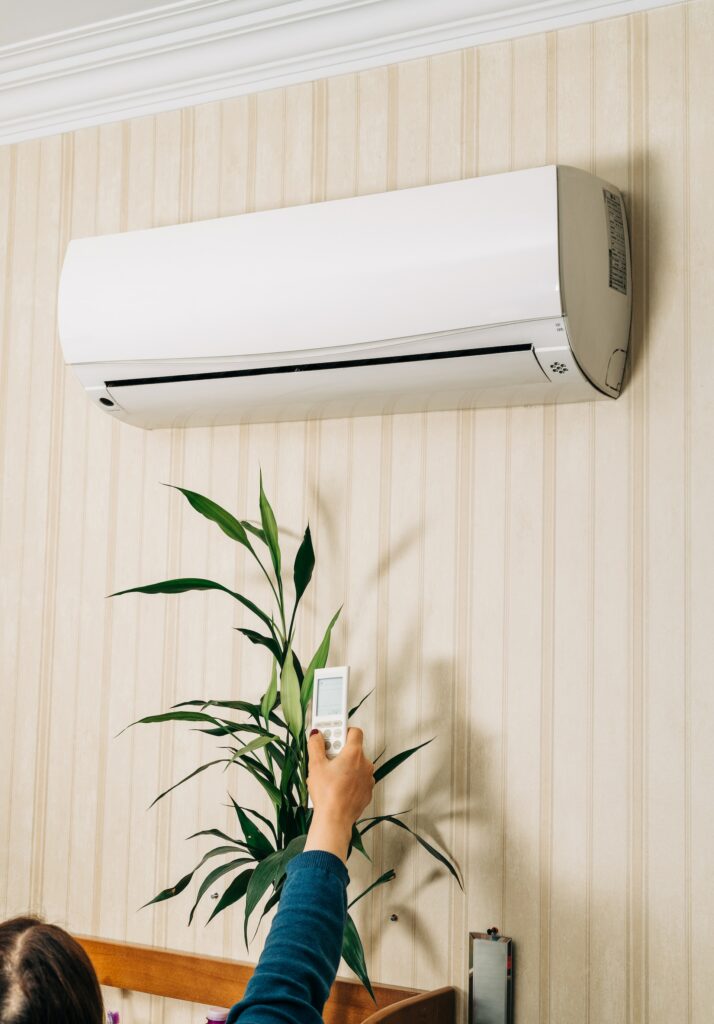
8 Top Tips On Improving Air Conditioning Efficiency At Home

Hey, we realise we’re writing this just as the depths of winter rear their ugly head, in a country that doesn’t traditionally use air conditioners at home, but with reports that increased heatwaves have pushed up demand for AC units in the UK, it never pays to be too prepared.

And considering the environmental impact of air conditioning units, if you do plan to have one in your home, it’s vital to make sure that it is running efficiently. Indeed, air conditioners consume huge amounts of energy, with inefficient AC systems having to work extra hard to maintain cold air in your home, which in turn uses more power – revealed in your energy bills and, sadly, via its impact on the planet, too. 

To help your AC unit make as environmentally low an impact as possible, here’s 8 top tips on improving air conditioning efficiency at home. 

Insulate Your Home

One of the biggest culprits of an AC working too overtime? A lack of proper insulation. All that effort to cool the air at home, only for you to basically throw it out of the window! It’s not the most sustainable approach, don’t you think?

Indeed, inefficient insulation means your heating and cooling systems have to work that much harder, which also results in increased wear and tear of your unit. The answer is simple; make sure your home – particularly your exterior walls – is properly insulated to maximise your home’s energy efficiency potential. 

Another chunk is lost through the roof if it’s not properly insulated, and another portion flies through windows that aren’t double-glazed. Insulation helps ensure an efficient air conditioning unit, and is surprisingly affordable, at just £400 on average for cavity wall insulation for a mid-terraced house or bungalow. Make it a priority today. 

Regular Maintenance

Whilst the idea of seeking air conditioning installation in the UK just a few years ago would’ve ago would have felt fanciful, now many homeowners are considering the move. Those who are should be aware that maintaining your air conditioner shouldn’t be a task that you only consider undertaking when there’s an obvious issue. Instead, regular, gentle upkeep ensures longevity from your unit.

Arrange a monthly, bi-monthly or quarterly appointment with a professional to give your AC a quick once over; these are complicated bits of kit and a professional will have a keener eye for any underlying issues.

Not only is this a wise idea for your safety and comfort, but regular maintenance will also save you money in the long run.

If you’re DIY kind of a guy or gal, rest assured that you probably don’t need to be a pro to replace the unit’s filters. When it’s time to replace them, you only need to buy filters that match your system and go ahead with the swap. Your unit’s manual will tell you the specifics of the filter’s exact size and model, and the rest is as easy as changing a lightbulb.

Increase Ventilation

Although your home’s AC is tasked with creating a comfortable home environment, ensuring that you have proper ventilation helps boost the unit’s efficiency. If some areas in your home aren’t well-ventilated, it means that your unit will have to work extra hard, costing you in higher energy bills in the long run. 

To improve the circulation of the air in your home, regularly open windows and leave doors open, too. Even during the winter, experts recommend that for good air circulation and ventilation, you should open your windows three times a day

And if you’re going all out, install ceiling fans as well as an extractor fan in the kitchen and bathroom. These fans help increase the airflow of the room by helping to move the hot air on. With an increase in airflow, your home will stay at a more desirable temperature, and hopefully, your need to have the AC on constantly will be lowered. In return, the fans will take the pressure off your AC. 

Close Curtains & Blinds During The Day

It’s good practice to make a habit of closing blinds and curtains when the sun is shining brightly outside, thus naturally bringing down the temperature in your house without the need for your AC to be on. Doing so also helps save your furniture from fading…talk about killing two birds with one stone! Actually, don’t; we’re trying to be environmentally friendly here.

Install A Programmable Thermostat

Do you ever forget to turn down your thermostat before leaving the house? A simple way to deal with this is by installing a ‘smart’, automated thermostat. Programmable thermostats can be timed to adjust the temperatures as per your requirement, only clicking into life when the temperature drops below – or exceeds – a certain temperature. Doing so helps cut energy bills and is considered by experts to be an environmentally friendly move.

Clear The Indoor Vents & Clean Around Your Outdoor Units

The vents of your unit play a significant role in its smooth operation, helping the distribution of cool air throughout your home. If not checked, your AC unit may end up getting blocked, or worse, distribute dust and dirt around your house.

Therefore, you must ensure that you keep the ducts and pipes clear. Vacuum the vents regularly to ensure that the air flows freely and to improve effectiveness, schedule the occasional professional clean, too.

The connecting outdoor units require free and clear air circulation, too. If your unit is blocked by external dust or fallen leaves, twigs and debris, it will have to work extra hard to extract warm air. Make it a habit to rake leaves, cut back tall grass and clear weeds and shrubs that may have grown around the unit to best ensure its longevity. Of course, an AC cleaning service can do this all for you, with significantly more expertise and efficiency.

Clean Or Replace Your Air Filters

Whilst changing your filters might seem like an obvious task, you’d be surprised how many homeowners neglect this simple yet crucial maintenance step. Your AC’s filters are its first line of defence against dust, pet hair, and other airborne particles, and when they become clogged, your unit has to work significantly harder to maintain the same level of cooling.

The harder your unit works, the more energy it consumes—and the higher your bills climb. Most manufacturers recommend checking your filters monthly and replacing them every three to six months, depending on usage and environmental factors. If you have pets or live in a particularly dusty area, you might need to change them more frequently.

A clean filter can lower your air conditioner’s energy consumption by 5 to 15 percent. Plus, clean filters help maintain better air quality in your home, which is particularly important for those with allergies or respiratory conditions. Pop a reminder in your mobile calendar—it’s a small task that can make a massive difference to both your wallet and the environment.

Switch To Cooler LED Bulbs

Are you still using the old fashioned incandescent light bulbs in your home? If your answer is yes, then it’s time to switch. Aside from being bad for the environment in themselves, these energy-guzzling bulbs can have an impact on how effective your AC is, too. 

Indeed, old incandescent bulbs can trigger your AC to consume more energy; the old-school bulbs are known to produce a significant amount of heat that can mess with your unit’s reading of room temperature. Modern energy efficient bulbs produce less heat and by switching to them, you will put less strain on your HVAC system and improve efficiency. 

Should you be keen to consider other ways to make your home run smoothly and efficiently whilst leaving the least environmental impact possible, then check out these 8 budget purchases that can boost your home’s energy efficiency and value. Now, that’s the spirit!

7 Things To Buy To Make Your Bathroom More Cosy In Time For Winter

Though it’s often delicately deemed the ‘comfort room’, finding comfort in the bathroom is a funny ol’ concept. After all, it’s a place primarily devoted to function, but it’s one so often couched in euphemism, too, of washing the day’s dirt away, planting a tree and spending a penny. 

With concerns so primal yet prissy, finding escape and genuine comfort in your bathroom can be a tough ask. There are aromas to compete with, reminders of functionality to fight, and carnal concerns to contend with. But if you’re keen to make your bathroom more cosy, then rest assured, it is possible; here are 5 things to buy to help you do just that.

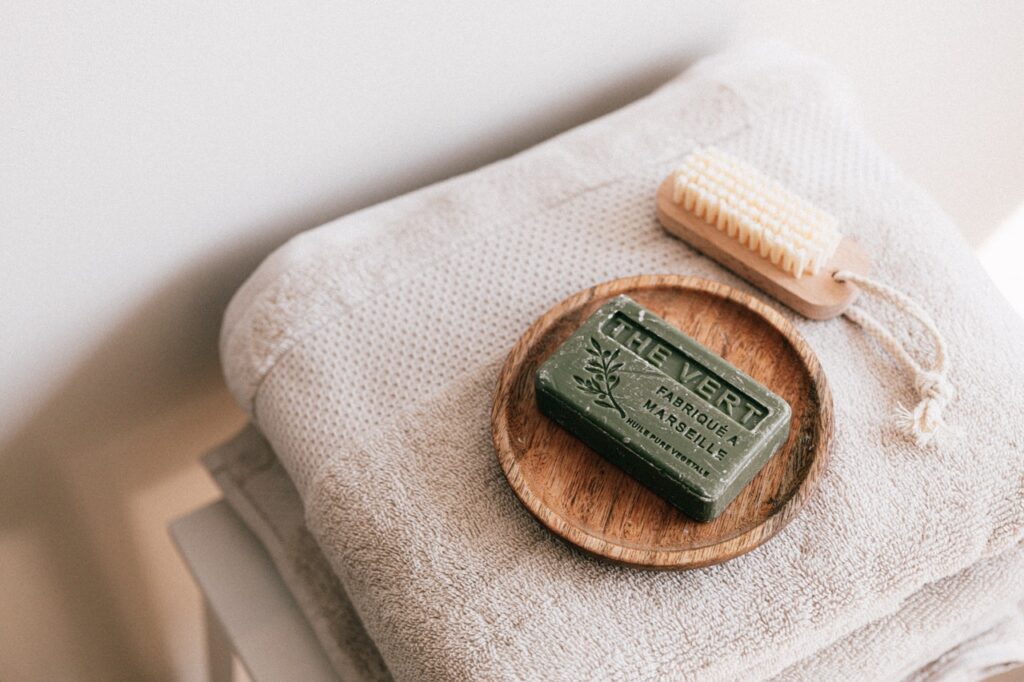
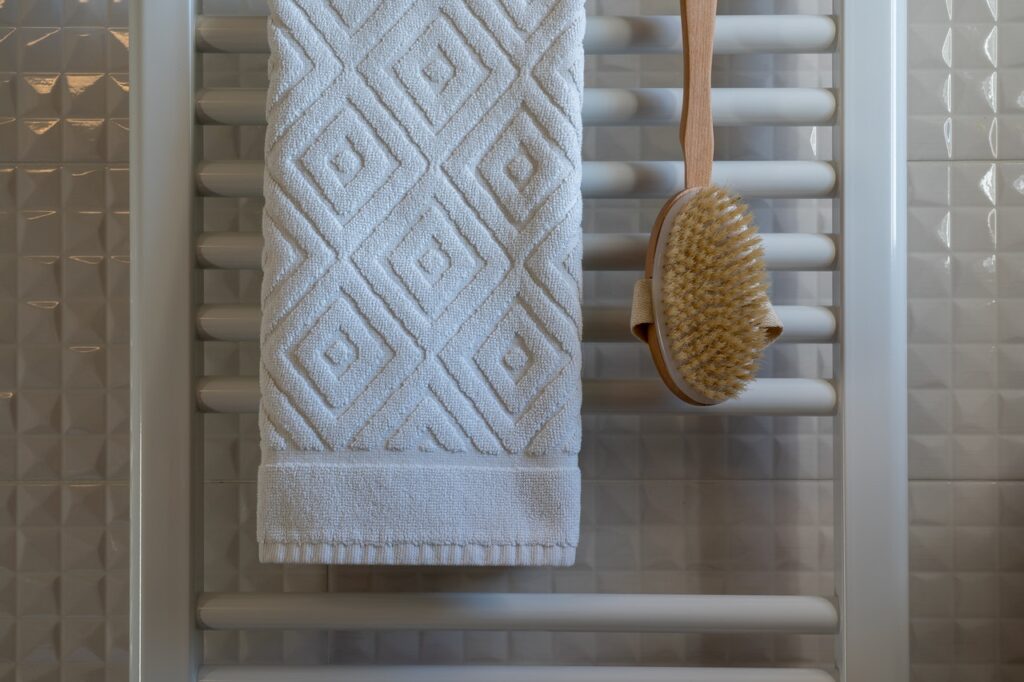
Some Properly Comfy Towels & A Heated Towel Rack

You don’t realise just how much a comfortable towel matters until you’ve spent some time cradled in one. Indeed, once upon a time, choosing the best bath towel was as simple as rubbing the damn thing between thumb and forefinger in the department store to check if it felt soft. 

Nowadays, there are several ways to ensure your bath towels are of premium quality and possessing of that cosy-factor, and a discerning eye and touch is essential. 

That said, the cosiness of your bath towel is only as good as your bathroom’s heated towel rack, as the old saying goes. If you don’t have one, then they really are a worthwhile investment, providing warmth not only to your towel but also to the room as a whole.

Or, for a bathroom addition that requires less structural upheaval, consider a bathroom heater…

Read: 5 things to consider when buying heated towel rails

A Bathroom Heater

Are you tired of stepping out of the shower into a cold bathroom and shivering your socks off? 

What, you wear socks in the shower? That’s the first thing you’re doing wrong! Anyway…

You might find comfort and solace in the temporary provision of heat, via the addition of a bathroom heater. With energy bills soaring, heating your bathroom full time can get expensive, but with a bathroom heater, you can instead give the room a quick blast whilst you’re in the shower to avoid that shivering sensation when you leave it.

When it comes to choosing a bathroom heater, there are many factors to consider. Not all bathroom heaters make use of the same kind of technology, and there are several different types to consider, including radiant, convection or even ceramic. It’s important to establish which will best suit your needs rather than making a trigger-happy purchase.

Convection heaters will push warm air around the bathroom in a similar manner to a convection oven, whereas a radiant heater will act more like a heated towel rail but can still warm up the space. If you’re after something more permanent and aesthetically pleasing, a column radiator offers a classic look that suits period properties particularly well, whilst still providing ample warmth for those post-shower moments.

You’ll also want to consider whether yours will be wall mounted (for safety, these should be over 2.2 metres high), or a unit that stands on the floor. Generally speaking, the former is significantly safer.

Speaking of safety, you should prioritise heaters with an automatic shutoff function in the case of overheating or fire. You should also make sure that it is ETL certified, and has an IP rating of over 24.

A Bath Tray

If you’re more of a bath than a shower guy or gal, then you’ll know that there’s nothing worse than the feeling of finally luxuriating into your bath after a long day, only to realise that you have to turn the volume on your music down or that you haven’t brought your cuppa in with you.

For ultimate comfort when soaking in the bath, consider a tub tray. These lay along the length of your bath and allow you to store drinks, books, magazines and gadgets close by. You can even relax with wine balanced above you alongside that book you’ve finally got the time to read, if that’s your idea of a good time.

The good news is that you can get a decent tub tray from as little as £15 online, with high-end models costing up to £60. 

Sources Of Aromatherapy

Comfort isn’t only felt in terms of touch and convenience. Scent can play a huge role in making your bathroom feel more cosy, too.

But what scent makes most sense in the bathroom space? Well, lavender has long been touted for its de-stressing qualities, and recent scientific studies have suggested lavender has a calming effect on those who smell it. You can either use lavender oil and a tealight to infuse your room with the scent, or place a bunch of fresh lavender in a vase for a subtler, fresher effect. 

Other essential oils can confer their own benefits with regard to relaxation, and some of the best for the bathroom include lemon and bergamot, tea tree and mint, and even a diffuser that fills the air with the smell of fresh laundry.

A Bathroom Vanity

There’s nothing more likely to disturb that inner calm you’re seeking than the sight of your toothbrush, a toilet roll needing to be chucked out, and your kid’s box of nappies. Accordingly, the addition of a bathroom vanity could really help ramp up the cosiness factor of the space, by visually minimising the clutter.

Read: Your guide to buying the IDEAL vanity for your bathroom

Add Some Art

Now that we’ve minimised the appearance of clutter, it’s time to consider how to make your bathroom more visually soothing. One of the best ways to do this is through sculpture and art. 

Sure, the bathroom is primarily a functional space, but the cosmetic, aesthetic side needs to be considered, too. Just because you exfoliate and evacuate here shouldn’t mean that art is overlooked.

It should go without saying that any art or sculpture should be restrained and subtle. Once again, it should be reiterated; less is more. Go for something abstract or gently evocative of nautical themes, and ensure it’s water resistant, too!

A Plush Bath Mat

Your feet are the first thing to hit the floor when you emerge from the tub, and if they’re greeted by cold, hard tiles or a threadbare rag that’s seen better days, you’ve already lost the battle for cosiness before it’s begun.

A properly plush bath mat – we’re talking deep pile, the kind your toes can sink into – makes all the difference. Look for one with a non-slip backing (safety first, comfort second) and opt for materials like cotton or bamboo that feel luxurious underfoot whilst also drying quickly. Memory foam options are also worth considering if you fancy feeling like you’re stepping onto a cloud every morning.

The best part? A quality bath mat needn’t break the bank. You can find excellent options for between £20 and £50, and they’re machine washable, too – which, given what they’re up against, is rather essential.

A Waterproof Speaker

There’s a reason people sing in the shower, and it’s not because the acoustics are particularly good (though, admittedly, they’re not half bad). It’s because the bathroom is one of the few places we’re truly alone with our thoughts – and sometimes those thoughts need a soundtrack.

A waterproof Bluetooth speaker allows you to bring your favourite podcasts, playlists or ambient soundscapes into the space without fear of moisture damage. Whether you’re the type to belt out power ballads whilst shampooing or prefer the gentle hum of lo-fi beats during a long soak, having audio on demand transforms your bathroom from functional space to personal sanctuary.

Look for something with an IPX7 rating or higher, decent battery life, and ideally a suction cup mount so it stays put. Models from the likes of JBL and Sony start from around £30 and go up from there.

And with that, we’re off to spend some time in our own bathroom! Hmmm, does that sound weird? I just don’t know anymore…

7 Tips For Organising A Small Bedroom For Maximum Space

0

Sometimes, it feels like the walls are closing in. Having a small bedroom can feel a little oppressive if you’re used to a bigger space. But with many currently having to downsize to make room for a home office or a family member who has returned to live at home, it’s important to remember that having a small bedroom doesn’t mean that you’re automatically going to be short on space. 

In fact, you can maximise the space available to you, even in the most compact of rooms. With some simple yet savvy hacks and tips, your small bedroom can fulfil its potential without it feeling full or you overwhelmed. Here’s how; our 7 tips for organising a small bedroom for maximum space.

Streamline

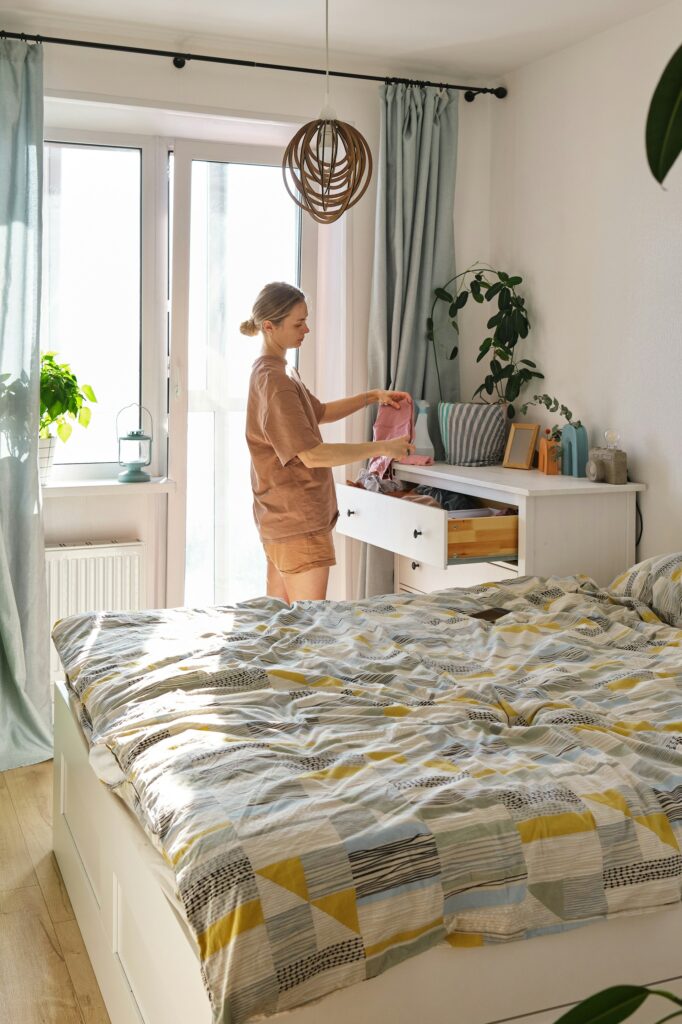
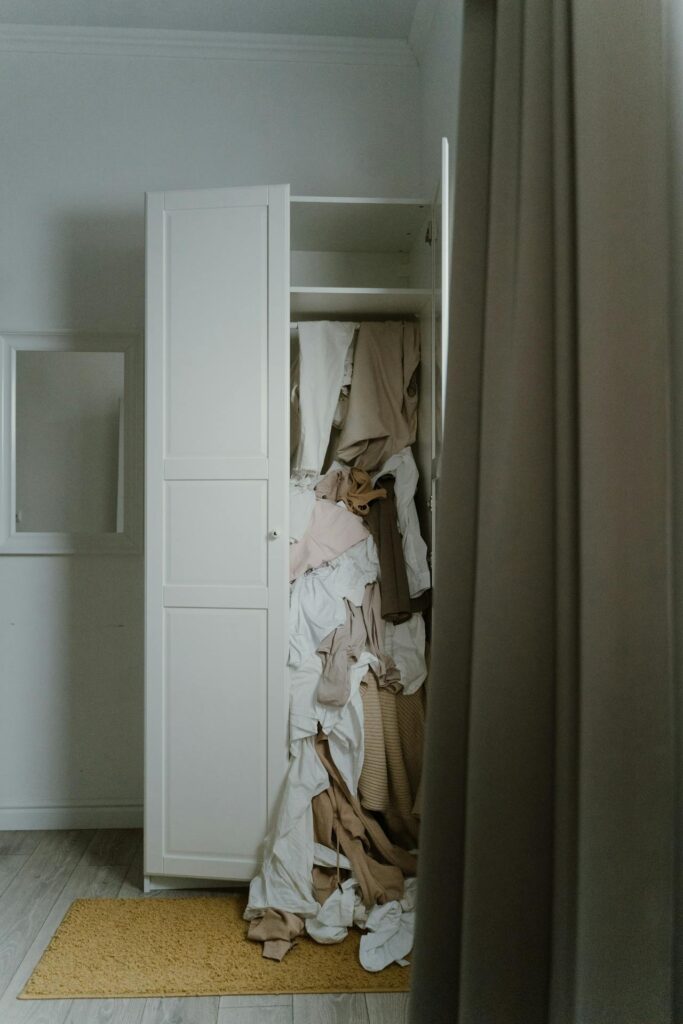
Whether you’re a hoarder, a gatherer, or simply someone who’s accumulated a few treasured possessions on their travels, decluttering your bedroom is the first step in ensuring that you are maximising the space available to you in your bedroom.

You can’t get your bedroom looking tight and tidy when you have piles of unused clothes, books and other ‘stuff’ everywhere. You need to look at the items that you’re storing in your bedroom and figure out where else they could go – the recycling centre, eBay and the bin to name but a few! Be ruthless here; there’s no use in just moving items from one room to another. As Marie Kondo opines, if it doesn’t bring you joy, get rid.

Create Storage Space

So, we’ve established that your bedroom is on the more compact side of what estate agents might term ‘cosy’. But that doesn’t mean you won’t be able to eke out ample storage space within it. There are nooks, crannies shelves and storage spaces inside even the smallest of rooms; you just have to know where to look. 

Store your things inside the bed, under the bed, inside a window seat, and even on newly installed higher shelving which climbs the walls. Beds with built-in storage are particularly useful here, as are Ottoman storage chests at the end of the bed; both provide an answer to those pesky storage conundrums posed by a small bedroom. 

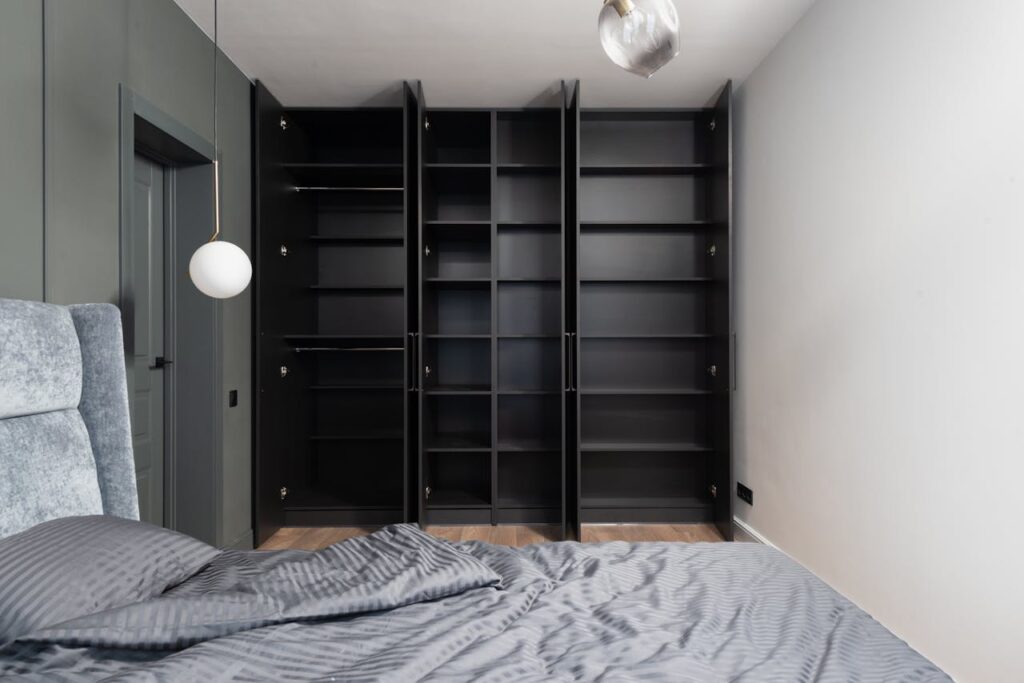
If your budget allows, and you want to make the most of the space you have in a room rather than just the space in your current wardrobe, think about investing in a built in wardrobe, which can be tailored to suit your needs and the space limitations of your bedroom.

Finally, remember to look above the floor line for storage solutions; there’s so much dead space in the higher reaches of the room just waiting to be filled…

It’s Getting Hot Up There

Speaking of looking above the floor line, have you considered that you’ll fit more into your room if you move the radiators up higher? Honestly, stick with us…

So many people are stuck with low radiators that are awkward to balance furniture around or against. This wastes energy and isn’t exactly economical with space, either. Instead, you can install radiators that are higher up the walls and out of the way of your bed and other furniture.

Sure, it’s a little different, but different doesn’t mean bad! It’s a great way to give yourself some extra space for storage and furniture, too. And that’s why you’re here, right?

Vertical Thinking

When floor space is at a premium, it’s time to think vertically. One of the most effective ways to maximise space in a small bedroom is to utilise the full height of your room. As the team at ReinforcedBeds.co.uk declare; “Bunk beds aren’t just for kids’ rooms anymore”. Indeed, modern, adult-friendly loft beds and high sleepers can create a whole new level of living space beneath your sleeping area. This space can be used for a desk, a seating area, or additional storage.

Even if you’re not ready to elevate your sleeping arrangements, consider installing floating shelves that stretch toward the ceiling or a tall, narrow bookcase that makes use of vertical space without eating up too much floor area. Wall-mounted lighting fixtures instead of table lamps can free up precious surface space on bedside tables, while hanging organizers on the back of doors can create storage space out of previously unused areas.

Smart Furniture Choices

The furniture you choose can make or break a small bedroom’s functionality. Opt for pieces that serve multiple purposes – a bedside table with charging ports built in, a headboard with hidden storage, or an ottoman that doubles as seating and storage. Consider furniture with legs rather than pieces that sit flush with the floor; this creates a sense of airiness and makes cleaning easier.

When selecting furniture, pay attention to scale. A king-size bed frame with chunky posts might be your dream piece, but in a small room, it could overwhelm the space. Instead, choose sleeker designs that provide the same function without the bulk. A space-saving small bedroom table, for instance, can serve as both a desk and a vanity without dominating the room the way a full-sized piece would. Remember that negative space – the empty areas between furniture pieces – is just as important as the furniture itself in creating a balanced, breathable room.

Get Your Drawers Organised

We all have that drawer or cupboard next to our bed, full of all sorts of bits’n’bobs, none of which are there to enhance the quality of your rest. Look further afield, to your clothes drawers, and the chaos within is enough to give you sleepless nights.

Get organised! The best way to make the most of your small room is to ensure that the inside of your furniture is organised, too. According to the fabled Marie Kondo method, vertical folding is the key to keeping your drawers perfectly organized. Check out this handy guide to KonMari folding here for more – but perhaps do so after finishing this article. Marie Kondo wouldn’t appreciate all those messy, incomplete tabs being open, after all.

Go further; adding drawer separators in your nightstand and dresser will mean that you have space to find homes for things and you’ll maintain a certain sense of order in areas sometimes left a little unloved.

Add Mirrors

We all know that mirrors can make a small space appear bigger. However, have you considered installing mirrors with built-in storage to really maximise both the appearance and the actual presence of more space? Think outside the box (and the bedroom) here and consider bringing a mirrored bathroom cabinet into the bedroom, which provides you with your make up mirror and additional space for storage, too.

Alternatively, full-length bedroom mirrors are available which provide hanging storage behind the visage, opening up space without taking up loads of prime floor real estate. Perfect! 

If the bedroom isn’t the only small space in your house, then check out our 10 commandments of small apartment decor for more useful tips and tricks on maximising the space in your home!

7 Smart Security Features Available For Your Home

0

Last year, there were 266,489 burglaries reported in England and Wales, which represented a slight decline on the previous year and a major one in terms of the turn of the millenium’s burglary statistics, which pointed to almost four times that amount.

There are several reasons why this might be true; the increase in home working during the pandemic and has meant that homes are now more frequently occupied, perhaps. Or, a lack of faith in the police may mean victims simply aren’t reporting burglaries as frequently – convictions for burglary, it should be added, are well and truly down.

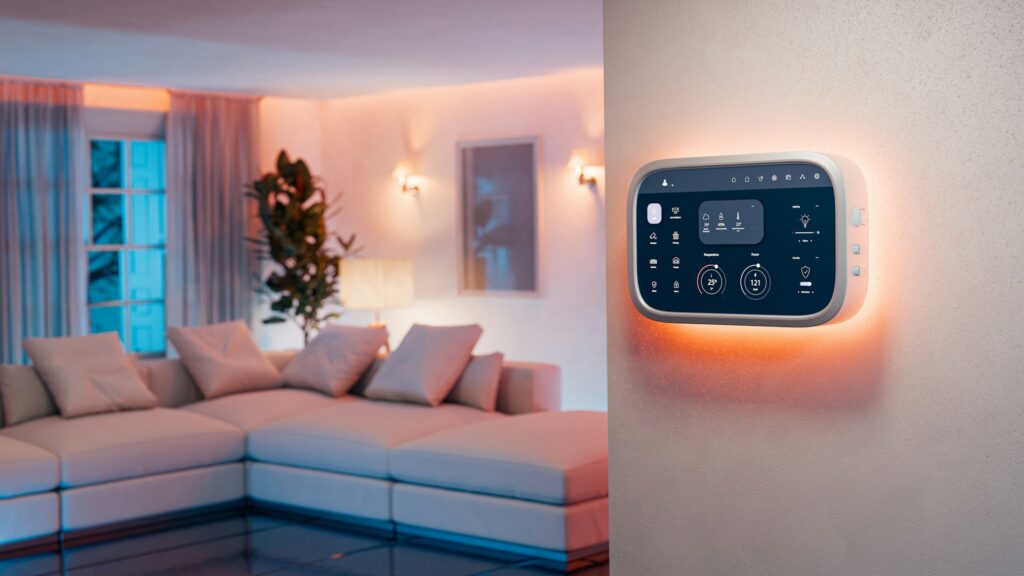
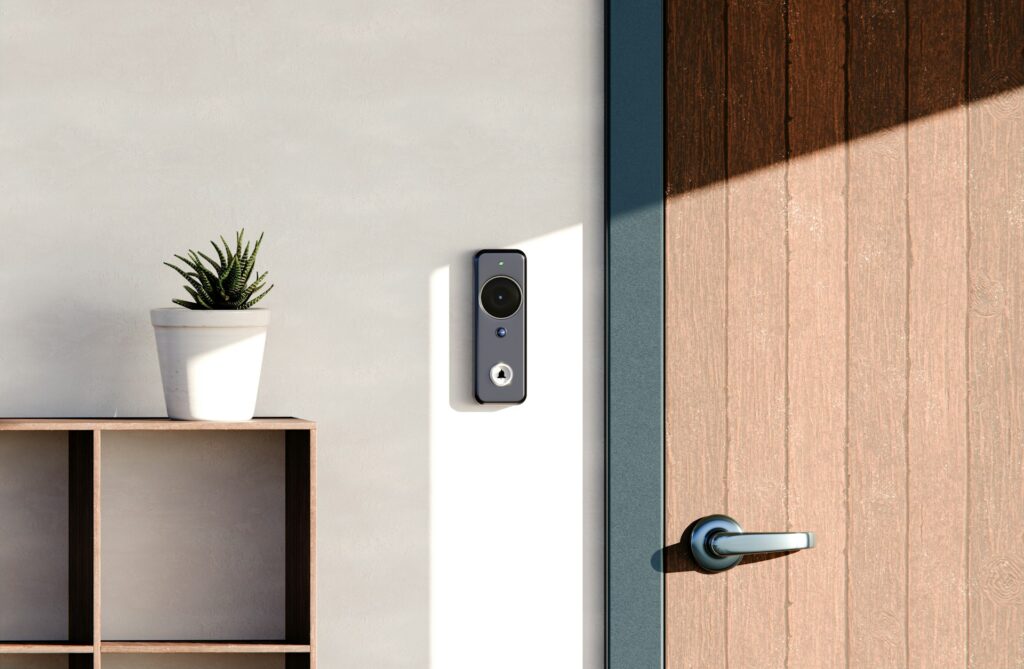
Another interesting reason put forward for the drop in burglary offences is the increasing smartification of our homes. Indeed, in recent years, home security has been given the modern tech treatment, helping to deter would-be burglars and give our properties an extra layer of safety.

Indeed, there are multiple benefits to ever-proliferating smart home systems – you can keep watch on your house even when miles away (sounds like a fun holiday!), the systems are sensitive and can easily trace unknown people and objects, and best of all, they can be customised to suit your needs. With that in mind, here are 7 smart security features available for your home.

Smart Lighting

The two key tenets of smart security systems for the home are prevention and cure. 

We’re surely all familiar with the classic intruder deterrent of ‘making it look like someone’s home’ while you’re out. 

Well, smart lighting solutions help you optimise this process, whether that’s through motion sensing lighting, which can sense whether or not a room is inhabited, or, most commonly, when you approach your house after dark and struggle with your keys at the front door. 

This is particularly useful when you’re on holiday or simply out at the shops, for instance, and want to give the impression your house is occupied from time to time to deter intruders. You can also control your smart lighting from afar – even, from abroad – helping you create the illusion of activity within your property any time of day or night.

But doing so can also improve your home’s energy efficiency; talk about killing two birds with one stone! 

Smart CCTV Systems

From prevention to cure, and once the preserve of mafia bosses on the run from the law, domestic CCTV systems have now gone mainstream, and recently, have also turned somewhat intelligent.

Installing cameras inside and out which can be monitored through your smartphone acts as both a deterrent and a way to keep your home safer. Many homeowners are even turning to freeware security camera software to manage their IP camera systems, making home surveillance more accessible than ever.

The best smart CCTV systems will send you alerts when there’s been a potential intruder, which doesn’t sound like much of a holiday for you, but may bring peace of mind, nonetheless.

Some smart CCTV systems can be aligned with motion sensor activated lights, enabling lights to come on around the home whenever a person is captured approaching the house. Or, of course, you could row back on the paranoia. Everything will be ok.

Smart Locks

Locking your doors for safety is a necessity, of course. You also need to ensure there is a way to open a door in an emergency. The best way to do this is to ensure that you have high-quality locks on all doors.

Having quality locks installed on the doors and windows of your property, preferably using fingerprint scanning or biometric smart lock technology for enabling secure, unique access, is another way to improve the security of your home via smart technology.

Not only will this avoid a threat to your property should your keys be stolen, but installing smart locks also puts an end to those panicked moments when you think you’ve misplaced your keys!

Smart Parcel Boxes

You may also want to install a smart parcel box on the exterior of your property. This will keep your parcels and packages safe and are a great option if you have frequent home deliveries, e.g., you regularly order items off Amazon. Don’t we all, hey?

Smart parcel boxes also prevent the build up of mail on your front doorstep; an enduring, tell-tale sign that the property is unoccupied.

Smart Sprinklers

Lawn care is also something that you can automate fully using robots and AI. Yep; we know what you’re thinking; what does lawn care have to do with home security? 

Well, as Reader’s Digest reported back in December of 2022, ‘’having a well-maintained yard indicates that you’re vigilant about your home and likely paying close attention to it.’’

What’s more, an unkempt, unruly looking front lawn and garden may imply your home has been unoccupied for some time. Best, then, to activate smart lawnmowers and sprinklers, to keep those high standards up at all times.

By using a robot lawnmower, it’s possible to take the time and effort out of mowing the lawn. Like a robot vacuum, these robots automatically roll around the garden while using sensors to detect the perimeters so that they know when to change direction. 

As for keeping your lawn from drying out in the summer, it’s possible to invest in smart sprinklers. These sprinklers are able to water your lawn daily while taking into account the heat and rainfall so that no water is wasted. 

Doorbell Cameras

Smart video doorbells are another way to monitor your smart home from anywhere in the world using an app on your smartphone, tablet, or laptop, assisting you in keeping your home safe from intruders.

Most devices allow you to set an alert that will be triggered whenever someone approaches your home or rings the doorbell. You can even see, hear, and speak to visitors through an app, giving you peace of mind that the only people who come to your door are welcome guests. With artificial intelligence capabilities improving by the day, video doorbells are evolving to be able to distinguish between real threats and the cat next door.

Smart Alarms

Gone are the days of those basic burglar alarms that would wake up the entire neighborhood when a leaf brushed against your window. Today’s smart alarm systems are bringing home security into the 21st century with impressive precision and customisation.

These intelligent systems can be controlled directly from your smartphone and often integrate seamlessly with other smart home devices you might already have installed. You can arm or disarm your system remotely, receive real-time notifications about any suspicious activity, and even set different security modes for different scenarios – perhaps a ‘Night Mode’ that only monitors the ground floor while you’re sleeping upstairs.

What makes these systems particularly clever is their ability to distinguish between genuine threats and false alarms. Using advanced sensors and AI technology, smart alarms are almost as good as humans at telling the difference between your teenager coming home late and an actual break-in attempt. Some systems even integrate with your smart speakers, allowing you to arm or disarm them using voice commands – though you might want to keep that feature on the down-low from any passersby!

Best of all, many smart alarm systems can be customised to work alongside your other smart security features, creating a comprehensive security network. For instance, when your alarm detects unusual activity, it can automatically trigger your smart lights and CCTV to kick into action, while sending an alert straight to your phone. Now that’s what we call a proper security team working overtime!

Transform Tooth-Brushing Tantrums Into Family Fun: A Parent’s Guide

0

If you’re a parent, you’ve likely experienced the twice-daily battle of getting your little ones to brush their teeth. The protests, the negotiations, the tears (yours and theirs) – it’s enough to make anyone want to wave the white flag. But fear not! With a dash of creativity and a sprinkle of silliness, you can transform this dental drama into a delightful family ritual.

Make Way For The Tooth-Brushing Olympics

Turn your bathroom into a mini sports arena where champions are crowned based on their brushing prowess. Award points for proper technique, thoroughness, and that all-important two-minute duration. Create makeshift medals from aluminium foil (perfect for that silver shine), and watch as your reluctant brusher transforms into an eager athlete gunning for gold.

“But my four-year-old still thinks toothpaste is optional,” we hear you cry. Well, that’s where the ‘Foamy Face Competition’ comes in. Who can create the most impressive toothpaste foam moustache while still getting those teeth sparkling clean? (Just remember to stock up on flannels!)

The Great Tooth-Brushing Safari

Transform your bathroom mirror into a window to the wild. Those teeth? They’re not teeth at all – they’re ivory tusks that need polishing, or perhaps they’re pearls in an oyster that need cleaning. Those troublesome back molars? They’re caves where sugar monsters hide, waiting to be evicted by our brave explorer’s trusty toothbrush.

Read: What are the worst (and best) culprits for brushing your teeth?

Tech To The Rescue

In our digital age, even tooth-brushing has gone high-tech. Numerous apps feature timers with dancing characters or musical accompaniment. A personal favourite, Brush Monster, sees a grumpy cartoon plaque monster gradually disappear as your child brushes. Nothing quite beats the satisfaction of watching your little one gleefully announce, “Look, Mummy, I’ve brushed the monster away!”

The Power Of Choice

Children love having a sense of control, and since oral health is directly impacted by what they eat, why not extend this sense of choice to both dental care and healthy food choices? Take them shopping for their special toothbrush – perhaps one featuring their favourite superhero or cartoon character. Let them select their toothpaste flavour (strawberry seems to be winning the popularity contest in our house). When children feel they’ve had a say in the process, they’re more likely to participate willingly.

Story Time With A Twist

Create a cast of characters that live in your child’s mouth. Perhaps Sir Molar guards the back teeth, while the Incisor Sisters protect the front. These characters can report back on how well they’ve been looked after. “Oh dear,” you might say, “Sir Molar tells me he’s feeling a bit neglected today. Shall we give him an extra-careful clean tonight?”

The Magic Mirror Technique

Here’s a trick that works wonders: Join your child as they brush, mirroring their movements, exaggerating your own brushing technique. Before you know it, you’ve created a synchronised tooth-brushing routine worthy of the Royal Ballet. (Warning: may result in excessive giggling.)

When All Else Fails…

Remember the old reverse psychology trick? “Oh no, please don’t brush your teeth so well! You’re making them too clean and shiny!” Watch as your little rebel suddenly becomes determined to achieve the cleanest teeth in history.

The Fine Print

While making tooth-brushing fun is important, don’t forget the basics: soft-bristled brushes, fluoride toothpaste appropriate for their age, and regular dental check-ups. After all, most dental problems can be prevented by teaching your child how to take care of their teeth. And remember, supervision is key until around age seven.

Sweet Success

Transforming tooth-brushing from a chore into an adventure takes patience and creativity, but the payoff is worth it. Not only will you avoid daily battles, but you’ll also help establish healthy habits that will last a lifetime. Plus, you might just find yourself looking forward to these twice-daily moments of shared silliness with your little ones.

After all, there’s nothing quite like the proud smile of a child who’s just won gold in the Tooth-Brushing Olympics – especially when that smile reveals a set of beautifully cleaned teeth!

Wedding Etiquette: 8 Tips For Being A Great Guest

Attending a wedding can be a blast – great music, delicious food, friends, and maybe a drink or two. 

Beyond these basics, there are very few days devoted to celebrating love, and weddings give us the opportunity to get a little cheesy and talk about the sweeter things that we think but don’t often say.

That being said, weddings can quickly get out of hand—especially if a guest becomes a bit messy or simmering tensions suddenly flare up. When attending a wedding, you want to ensure that you’re not that guest—the one that everyone still talks about years later whenever the wedding comes up. How can you make sure you’re adding to the couple’s happy memories instead of giving them a headache?

To ensure you’re the model invitee and considering wedding etiquette, here are 8 tips for being a great guest.

RSVP Etiquette

When you receive a wedding invitation, it’s easy to put the event out of your mind for a few weeks or even a few months. It’s not until next summer, you say to yourself, I can answer later. 

While there’s not a lot you need to do in advance, there’s a lot that the couple in question needs to organise. The sooner they have a good headcount, the sooner they can iron out their wedding details, budget correctly and figure out the finer details such as the seating plan and just how much money they’re putting behind the bar! Responding late to invitations can cause way more stress than you might be aware of.

What’s more, don’t be annoyed if you’re not given a plus one. Worse still is to ask if you can have one even though it’s not stated on the invitation. Doing so is to tread dangerous ground, etiquette wise. This is the couple’s big day after all, and it’s their decision regarding who they invite – they may have a big family, or their budget doesn’t stretch to cohabiting friends. Be mindful and gentle in your responses, always.  

Be Early

Punctuality is crucial for weddings, especially for the ceremony. Arriving late can disrupt the proceedings and draw attention away from the couple’s special moment. Plan to arrive at least 15-20 minutes before the ceremony’s scheduled start time to find parking, locate your seat, and settle in. If you’re running unavoidably late, wait for an appropriate moment to slip in quietly or, in the case of the ceremony, wait until after the bride has walked down the aisle.

What To Wear?

There are a few basic rules for what to wear to a wedding. Before you plan your outfit, you’ll need to check the formality of the event and see if there’s a specified, strict dress code. Whilst wedding guest dress ideas differ depending on the event, some clues will certainly be given in advance. Is there a mention of cocktail attire or black tie on the wedding invitation? Have they specified a colour scheme? Is the dress code unwritten but obvious?  

Weddings are usually formal affairs, but if they aren’t, the invitation will specify what sort of attire is expected (business casual, hippy chic, or everyone-in-shorts, for example). Whether it’s formal black tie gowns, cocktail dresses or something decidedly more casual, always, first and foremost, follow the instructions on the invitation and don’t bend the rules too much with your outfit!

Perhaps most importantly, do not, we repeat, not, wear a white dress when attending someone else’s wedding, unless it’s been explicitly stated as fair game.. this time, let the bride take the limelight. Same goes for cream, ecru, beige and any other hue with close ties to the fair, frosted shade.

Check out our article on 5 IDEAL tips on what to wear to a winter wedding for more advice on the subject.

Phones Off

This one should go without saying, but unfortunately, it doesn’t. During the ceremony, reception, speeches, and any other presentation, keep your cell phone volume off. Maybe even put your phone on airplane mode for the duration of the event, as a mark of respect for the happy couple and to avoid you any embarrassing moments during the hushed reverence of the ceremony.

If this sounds totally unfamiliar to you, it might be time to brush up on your cell phone etiquette – weddings are formal events where more traditional manners are expected (at least at the beginning of the night). No one wants your ringtone playing Crazy Frog loudly in the official wedding video just as the vows are about to start.

Understand Your Limits

Not all weddings contain alcohol, but many do. If you’re drinking, be aware of your own limitations and don’t push past them. 

You’ll also want to keep an eye on your friends and make sure that they’re keeping their limits in mind, too. When friends get together and the wine flows, everyone tends to get a little carried away, and that’s fine. Just make sure people – including yourself – aren’t getting a lot carried away. 

No one wants drunken speeches with offensive stories in them. No one wants broken glasses. No one wants some guy tearing off his shirt on the dance floor or with their tie around their head. Remember weddings are formal events, and the couple’s parents and extended family might be present. Would you want your friend puking in a plant in front of your grandmother? Or a scuffle to be caught playing out in the background of your wedding snaps? Probably not.

Research Cultural Expectations

Depending on the couple and their family history, the wedding might contain customs that are new and unfamiliar to you. If you know ahead of time that you’re going to be experiencing a different culture at the wedding, you might want to do a little bit of research—what clothing, manners, gifts, and behaviours are expected of the guests.

If you don’t know ahead of time and find yourself surrounded by a new way of doing things, be friendly and polite and let someone else take the lead. Never be afraid to ask questions, but make sure that you word your questions politely and respectfully.

Stay For The Important Moments

While you’re not obligated to stay until the very end of the reception, it’s considered polite to remain present for the key moments of the celebration. These typically include the couple’s first dance, cake cutting, speeches, and any cultural traditions the couple has planned. If you need to leave early, make sure to thank the couple and their parents, and time your departure so it doesn’t coincide with any of these significant moments. A discreet exit after the main events is perfectly acceptable.

Bring A Gift Or At Least A Card

Weddings are expensive affairs that, while fun, can leave a couple a little bit more behind financially than would be ideal for their new life as a married couple. It is considered polite to bring a gift to the wedding, or at least a card, expressing your congratulations and appreciation for being included in the couple’s big day. 

Of course, you don’t have to break the bank—don’t make any outlandish financial gestures during a flush of sentimentality – but a token of your thanks is considered the norm. Wedded couples don’t actually expect a huge spend on their gifts; in the region of £50 on average. By keeping in the general ballpark of what’s expected of you and what your peers are spending, you’ll avoid that overspend as well as looking stingy.

The Bottom Line

Of course, as mentioned above, some weddings are exceptions to the rule. Make sure that you read the invitation carefully and follow all of the steps outlined by the couple. Usually, if things are a bit different, the invitation will make alternative expectations clear.

Finding Peace In Paradise: 10 Tranquil Escapes In Bali

Beyond Kuta’s crowded beaches and Canggu’s sleek coffee shops lies another side of Bali, where incense smoke still curls through ancient temple courtyards and dawn breaks over endless rice terraces. 

The Island of the Gods has transformed since the 1970s, when the first surfers discovered its perfect waves. Now, luxury resorts line the Bukit Peninsula, co-working spaces fill former rice fields, and beach clubs dot the coast from Uluwatu to Seminyak. That we need a guide to find tranquility in Bali – an island once synonymous with serenity – speaks volumes about how tourism has reshaped this Hindu sanctuary.

Yet in the island’s quieter corners, daily life continues much as it has for generations. Temple priests still prepare offerings before sunrise, farmers tend their rice fields using ancient irrigation systems, and craftsmen carve stone statues using techniques passed down through centuries. While tour buses crowd the parking lots of southern beaches, and central Ubud’s narrow streets fill with tourists seeking yoga retreats (often missing the very peace they came to find), much of Bali – particularly in the north and east – remains largely unexplored by visitors.

For those seeking to experience the island’s deeper soul – whether escaping the crowds, seeking respite from Canggu’s busy beach bars, or simply yearning for authentic encounters – Bali offers countless peaceful sanctuaries. Here are 10 secluded locations that reveal the island’s more tranquil side.

Sidemen Valley

Far from the coastal crowds, Sidemen Valley unfolds like a verdant tapestry of rice terraces and traditional villages. This peaceful region in East Bali remains wonderfully untouched by mass tourism, offering visitors a glimpse into authentic Balinese rural life. Here, you can wander through rice fields, watch local weavers at work, or simply soak in views of Mount Agung from a traditional guesthouse.

Ideal tip: The village is known for its high-quality songket weaving – visit between 8am and 2pm to see the weavers at work and potentially participate in a weaving demonstration.


Petitenget Temple, Seminyak

Between rows of Seminyak villas and oceanfront beach clubs stands Pura Petitenget, a centuries-old reminder of the area’s sacred heritage. This sea temple, built in the 16th century, creates an unexpected sanctuary in Bali’s most stylish district. During morning prayers, the sound of gamelan music drifts over garden walls, drawing visitors away from boutique cafes to witness daily ceremonies that have continued uninterrupted for generations.

Ideal tip: The temple’s most significant ceremony occurs every 210 days on the Balinese calendar. Check with local wardens about upcoming ceremonies – visitors are welcome to observe if dressed respectfully in traditional attire (sarongs and sashes are available for rent at the entrance).


Nyang Nyang Beach

Hidden behind towering cliffs in Uluwatu, Nyang Nyang Beach requires effort to reach – a steep descent down hundreds of steps – but rewards visitors with pristine white sand and virtual solitude. The lengthy access path has kept this beach delightfully undeveloped, with only the occasional local vendor selling fresh coconuts breaking the peaceful atmosphere.

You can visit a derelict Boeing 737 aircraft on the cliff overlooking Nyang Nyang Beach – however, despite the appearance of it landing there, it was actually purchased from a scrapyard in China and reassembled – attraction or distraction? You decide. We’re in the latter camp. That said, the view is pretty incredible.

Ideal tip: There’s no shade on the beach – bring an umbrella if you plan to stay long. The best time to visit is early morning or late afternoon, and remember to check tide times as the beach almost disappears during high tide.


Pura Lempuyang Luhur

Known as the “Gateway to Heaven,” this ancient temple complex sits atop Mount Lempuyang in East Bali. While its iconic gates have gained Instagram fame, the temple’s upper reaches – accessible via a challenging climb of 1,700 steps – remain peaceful and relatively untouristed. The morning mist and silence create an atmosphere of deep contemplation, especially during misty mornings when clouds roll through the temple grounds.

Ideal tip: Start your ascent before 7am to avoid both the heat and crowds. The full climb to all seven temples takes 3-4 hours – bring water and small offerings (available for purchase at the base) for each temple.


Tamblingan Lake

The lesser-known sister to Lake Beratan, Lake Tamblingan offers tranquility in spades. This mist-shrouded lake, surrounded by dense forest and ancient temples, feels frozen in time. Early morning canoe rides reveal fishermen in traditional wooden boats and the occasional glimpse of local wildlife. The surrounding hiking trails provide peaceful forest bathing opportunities.

Ideal  tip: Contact the local community center at the lake entrance to arrange a guided trek – local guides can show you submerged temples visible only during dry season and explain the lake’s rich mythology.


Tegal Bunder Rice Terraces

While Tegalalang draws crowds, the nearby Tegal Bunder rice terraces remain wonderfully peaceful. These stepped emerald fields in central Bali offer equally stunning views but without the commercial development. Local farmers still work these ancient terraces using traditional methods, creating a living museum of Balinese agricultural heritage. After witnessing the hard work that goes into growing rice, you’ll appreciate every single grain that ever passes your lips.

Ideal tip: Visit between 6-7am to watch farmers beginning their day’s work and learn about the subak irrigation system – a UNESCO-recognised water management method that’s over 1,000 years old. 


Gili Meno Bird Park

On the tiny island of Gili Meno, just off Bali’s coast, this hidden sanctuary provides refuge for both birds and humans seeking peace. The park’s walking trails wind through native vegetation, where you might spot rare native species. The only sounds are bird calls and the distant surf, creating a meditation-like atmosphere.

Ideal tip: The best bird watching occurs between 7-9am when the resident birds are most active. Look for the endangered Yellow-crested Cockatoo, part of the park’s conservation program.


Banjar Hot Springs

Hidden in North Bali’s jungle, these ancient hot springs offer more than just warm mineral waters. The traditional stone-carved pools, surrounded by lush gardens and dragon statues, create an atmosphere of timeless serenity. Intrepid travellers should visit in the early morning to have these healing waters almost to themselves.

Ideal  tip: The uppermost pool contains the hottest water and is believed by locals to have the strongest healing properties. Visit on weekdays before 9am to avoid local crowds.

Read: What are some of the absolute essentials you should pack for a holiday to Bali?


Bias Tugel Beach

Near Padangbai but overshadowed by the more famous Blue Lagoon, Bias Tugel is a small white sand paradise accessed via a short but steep trail. The reward is a pristine beach with excellent snorkeling and few visitors. A single warung serves fresh catch of the day, adding to the beach’s rustic charm.

Ideal tip: The best snorkelling is found around the rocky outcrop on the beach’s eastern end – bring your own gear as there are no rental facilities available. 


Muntigunung Village

In Bali’s arid north, the remote village of Muntigunung offers insight into a very different side of the island. Here, a community tourism initiative allows visitors to trek through dramatic landscapes, learn traditional crafts, and experience authentic village life far from the island’s tourist centers.

Ideal tip: Book through the official Muntigunung Community Social Enterprise to ensure your visit benefits the local community. The trek requires moderate fitness – start early to avoid the midday heat.


The Bottom Line

There’s a certain irony in needing to search for peace in a place that was once a byword for tranquility. Yet while Bali’s popularity continues to grow, these quiet corners remind us why the island first captured the world’s imagination. Whether seeking meditation spots, cultural insights, or simply a beach without a DJ booth or 5-star resort overlooking it, these locations offer glimpses of the island’s enduring soul.

For those willing to venture beyond the smoothie bowls and sunset sessions, Bali still holds its ancient magic. You just might need to wake up a little earlier to find it.

7 Mistakes First Time Travellers Make

0

And the IDEAL ways to fix them…

Your ideal international trip, whether it’s for business or pleasure, goes a little something like this; a smooth flight sees you safely to your destination, your hotel room is plusher than the pictures, the city inspires and surprises you, and head home with no hitches. 

So often, it doesn’t happen that way. Between your flight, the country you’re visiting and the return home there’s a long list of things that can – and do – go wrong. This isn’t any excuse to lock the door, draw the blinds and hibernate at home ‘till it all blows over. Nope, it’s just about taking a few sensible precautions. With that in mind, here are 7 mistakes first time travellers make, and the IDEAL ways to fix them.

Overpacking For Your Trip

People who are paranoid about encountering too many emergency situations (sorry for potentially fuelling that neurosis with this piece) while traveling may think they should pack everything including the kitchen sink. We do need to wash our hands more, after all. In reality, this can lead to further stress, and increases the chance of items getting lost, misplaced or stolen. 

Pack your bags with both lightness and a sense of purpose, and you can’t go wrong. Plus, the more bags you take, the more you’ll have to pay in airline baggage fees, which often comes as a surprise at the check in desk, framing the start of your holiday in a negative way. Keep things light and breezy, and check out our space saving tips for packing your suitcase; you’ve got this.

Compensation Claims

Just because they’re a global, capitalist, billion dollar company (actually, because of this),  doesn’t mean airlines don’t make mistakes. Indeed, seats can get oversold, reservations lost or amended without prior warning, glitches in their flight systems can cause delays or worse, cancellations. 

A rookie error is to accept these issues with a shrug. In fact, there are a number of (admittedly limited) scenarios where an airline is legally obligated to compensate passengers flying internationally, though they depend on where the airline’s flight is originating from. But if you experience significant delays for reasons other than weather, and the delay causes you to miss a connection or something else important, you can usually get compensation in one form or another. 

Read: 5 things to do in the airport if your flight is delayed

Cash Or Card?

Securing your money while traveling internationally should be a priority. There are times you probably don’t want to carry cash, or at least very little of it. But it’s important to be aware that you may incur exchange fees for foreign withdrawals. Many of us avoid punitive currency-exchange rates at the airport by using our debit and credit cards on a summer trip.

Then, when we get our statements at the end of the month, we realise it wasn’t such a smart move. We’re often charged 2.5%-5% on foreign transactions, and a £1.50-£3 fee every time we withdraw cash from an ATM. It’s best, then, to travel with a pre-loaded travel card or even a virtual one.

Virtual debit cards are increasingly becoming a smart choice for international travelers. These digital-only cards can be created instantly through various fintech platforms and offer enhanced security since there’s no physical card to lose or have stolen. Many virtual cards also come with competitive exchange rates and the ability to instantly freeze/unfreeze them through an app.

Some of the best virtual debit card providers even allow you to create multiple cards for different purposes – perhaps one for accommodation bookings, another for day-to-day spending – helping you keep better track of your travel expenses. Just make sure to also carry a physical backup card, as not all merchants worldwide accept digital payments yet.

Not Learning Basic Local Phrases

Expecting everyone to speak English is a classic rookie move. While many tourist hotspots do cater to English speakers, not making any effort to learn even basic phrases in the local language can lead to frustrating miscommunications and, frankly, makes you look a bit entitled.

A simple “hello,” “thank you,” and “where is the bathroom?” in the local tongue can go a long way, and should be the absolute bare minimum. Not only does it show respect for the local culture, but it often results in warmer interactions with locals who appreciate the effort – even if your pronunciation is somewhat questionable. Plus, those phrase books on your phone don’t need Wi-Fi to work, so there’s really no excuse!

Rushing Through Everything

First-time travelers often fall into the trap of trying to squeeze every single sight, museum, and “must-do” experience into their itinerary. The result? A exhausting marathon that leaves you needing a vacation from your vacation. Racing from the Louvre to the Eiffel Tower to Notre-Dame in one day might sound efficient on paper, but you’ll likely end up too tired to truly appreciate any of them.

Instead, embrace the art of slow travel – build in some free time for wandering, people-watching at cafés, or simply getting lost in a new neighbourhood. Some of the most memorable travel experiences happen when you’re not checking items off a bucket list. Remember, you’re traveling to experience a new place, not to win a scavenger hunt!

Travelling Without Insurance

Traveller’s insurance is definitely something you should purchase. You can either get basic travel insurance, or your bank or home insurance may already have you covered. Don’t assume anything; make the necessary checks and do invest in some if you’re not already accounted for in this apartment.

Mishaps do happen when on the move, and for extra assurance, for peace of mind as much as anything, comprehensive travel insurance cover is recommended. Keep in mind though, that if you choose to visit a dangerous country, e.g. war-zones or at risk of terrorism, the carrier may reject the application. Ditto if you don’t declare any pre-existing medical conditions.

You’ll want to get enough both cancellation and medical insurance to cover every eventuality, whether that’s a spell in hospital due to an accident (or worse, something costly like surgery or an air ambulance), a re-arranged flight, or even the costs incurred to replace lost luggage.

Obsessively Reading These Type Of Articles

A glorious adventure overseas defined by freedom, frivolity and a spontaneous spirit can be quickly tempered by travel-based anxiety. Doomscrolling, catastrophising and hypothesising the worst isn’t going to make your trip any less prone to surprises, so exercise a little caution in reading articles such as this!

Instead, why not enjoy a little escapism with these 14 winter destinations for your travel bucket list? Bon Voyage!