Home Blog Page 200

THE POTENTIAL BENEFITS OF PERSONALISED VITAMINS

There’s no doubt that personalised vitamins are a rapidly growing wellness trend. In fact, the industry in tailormade, customisable supplements is expected to double in the next five years, growing from $8.2 billion in 2020 to a whopping $16.4 billion in 2025. As a comparison, the global supplements market as a whole is currently worth around $140 billion. 

This projection is bullish for several reasons; rising health awareness, the increasing prevalence of digital healthcare solutions, and an ageing population with diverse health needs, to name but a few. 

Whilst a healthy, balanced diet is undeniably the best route to getting sufficient essential nutrients, there are some cases where food alone can’t meet a person’s needs and tailormade supplements might be needed. 

This begs the question; do personalised vitamins work and what are their potential benefits?

WHAT ARE PERSONALISED VITAMINS?

On the modern market, brands tend to offer personalised vitamin packs which are dependent either on a questionnaire about health concerns and lifestyle or customised according to a DNA and blood test. 

Regarding the former, vitamin subscription companies may require you to complete a lifestyle quiz or report a health concern your GP has identified, such as a vitamin B12 insufficiency, hormone imbalances, or digestive discomfort. They will then create vitamin packs to suit your needs.

But perhaps a more precise personalised approach is a daily vitamin pack. These incorporate not just a lifestyle quiz but also DNA information that allows the company to build a unique vitamin composition based on your genetic makeup. This means that you get all the nutrition you need for a healthy body without any vitamin excess. 

NO BEATING A BALANCED DIET

The NHS advises that ‘’Most people do not need to take vitamin supplements and can get all the vitamins and minerals they need by eating a healthy, balanced diet.’’

That said, they go on to say ‘’The Department of Health and Social Care recommends certain supplements for some groups of people who are at risk of deficiency.’’

This is particularly true in cases of patients who are at risk of certain deficiencies, such as folic acid for pregnant people, vitamin D for the whole population in the darker months, and vitamins A, C and D for young children. 

Harvard Health concur. While cautioning that “supplements are never a substitute for a balanced, healthful diet”, they do suggest that supplementary vitamins play a role for high risk groups.

FOR THOSE WHO MIGHT BE MISSING OUT ON ESSENTIAL NUTRIENTS

There is also a case for some supplements being useful to those who don’t eat certain food groups for religious or lifestyle reasons. Vegans, for instance, may miss out on essential nutrients without proper meal planning, and choose to supplement iron, calcium and long chain Omega 3s, for instance.

Zinc deficiency is a particularly common issue for vegans, as this vital nutrient is primarily found in eggs, dairy, red meat and seafood. A personalised vitamin may go some way to addressing this deficiency without the necessity for other supplements that aren’t currently important for the user.

CURBING EXCESS

On the flip side, an excess of unnecessary vitamins and nutrients can also pose health problems, making a case for personalised supplements to address not only a possible deficiency but also a potential surplus of unnecessary vitamin intake.

What’s more, generic vitamin tablets may contain harmful additives (not to mention the high salt and sugar content of effervescents). A personalised supplement where the ingredients are tailored to your needs will likely have better transparency of ingredients than a generic version.

DIFFERENT VITAMINS FOR DIFFERENT NEEDS

Custom multivitamins account for the fact that we not only differ from others, but that each individual’s needs change regularly, too. Our bodies require larger amounts of growth-boosting nutrients while we’re younger than we do as adults. As we age, our bodies change and become less effective at absorbing certain nutrients; we may require additional help. 

Another benefit of custom multivitamins is that they account for differing needs between the sexes. Women have different nutrient needs at various phases of life. For example, they require more iron than males since they lose iron throughout their monthly menstruation cycles and pregnancy. Folate is especially important for pregnant women or attempting to conceive, and a general multivitamin may not provide enough.

Men and women need more calcium as they grow older. However, because women’s cells turnover quicker than men’s, they require higher daily intake. Calcium is also essential to post-menopausal women who are subject to osteoporosis following drops in estrogen.
A PERSONALISED MULTIVITAMIN WITH A DIFFERENCE

Rootine is a personalised multivitamin company that leverages your DNA, personal habits (such as sleep, exercise and nutrition), and blood levels in creating a 100% custom daily vitamin for each client. 

The brand was created by a team of genetic and nutrition specialists developing the science behind keeping you healthy. Dr. Daniel Wallerstorfer, one of their co-founders, is a renowned genetic scientist with over ten years of developing tailored health and wellness solutions.

Aside from being free of fillers, unnatural substances and additives, Rootine doesn’t use pills and capsules, opting instead for a highly efficient microbead formula. Slow-release microbeads provide a tailored dose of vitamins into your bloodstream throughout the day, which is how your body absorbs nutrients naturally.

Through the in-depth nutritional report available on each customer’s dashboard, their innovative technology and team of experts work together to assist consumers in understanding more about their bodies and which nutrients work best for them.

*This article is not intended to replace medical or dietary advice, diagnosis or treatment given by a qualified health professional or nutritionist. Instead, this article only provides information, not advice. For any medical enquiries, always consult your GP first before taking any vitamins*

Do yourself a favour and check out these 5 things to scrutinise when buying supplements online before you click that ‘buy’ button.


JUST MOVED IN? 5 QUICK WAYS TO MAKE YOUR NEW HOUSE FEEL LIKE HOME

The word ‘house’ has such a formality to it, don’t you think? But just how do you shave off the ‘u’ and the ‘s’ and add an ‘m’ to make a home? Hmmm, that doesn’t quite work on paper. Let’s start again…

In the wise words of American author Laura Ingalls Wilder, ‘’Home is the nicest word there is’’, and after our earlier aversion to the term ‘house’, we couldn’t agree more. 

Your home is a place of safety, security and sanity, a place to retreat in search of comfort and calm. But if you’re still in the midst of that often drawn out moving in process, it can often take a frustratingly long time to turn your new place into somewhere you truly feel comfortable.

As the Canadian poet Margaret Atwood rather eloquently put it, ‘’A home filled with nothing but yourself. It’s heavy, that lightness. It’s crushing, that emptiness’’.

We’re here today to consider how to fill your new place with a sense of domesticity, welcome and warmth, and all in the fastest way possible. With that in mind, if you’ve just moved in, here are 5 quick ways to make your new house feel like home.

PRIORITISE CHILD OR PET PROOFING

If you have neither, then advance to the next subheading…

But as the Scottish proverb (man, we’re going to town on the quotes today) goes, ‘’A house without a dog, a cat, or a little child is a house without joy or laughter’’.

Let’s face it; homes that were previously uninhabited by babies, children, or pets are not usually optimised with their safety and security in mind. And why would they be? That would be a little strange.

As such, before you hang up any paintings or spray your favourite aroma around, it’s first essential that you child or pet proof your property. Because the very definition of home is a happy, safe family, right?

Take stock of your new place with a meticulous eye, and consider what baby-proofing changes are needed in the main living areas. Some of the key considerations include:

  • Anchoring your TV to a wall and tying back all electrical chords
  • Installing fireplace screens should you have a fireplace
  • Put safety covers on all electrical sockets
  • Install baby gates at the top and bottom of the stairs
  • Remove all blinds with looped chords
  • Remove any tall, wobbly lamps and any other precariously placed objects

When considering pet proofing, you might need gates fitted over open doorways. Or, if you prefer to keep an eye on a younger dog or puppy, then additional internal doorways will require additional dog fences to prevent them from wandering off. This will also be useful if some rooms are out-of-bounds due to home improvement work. 

GIVE YOUR NEW PLACE A DEEP CLEAN

Giving your home a deep, comprehensive clean before you even start unpacking fully is a surefire way to help you settle in quickly and get acquainted with every nook and cranny of your new home. To freshen up the property and reset it for new occupation, there’s nothing quite like giving your new house a good scrub from top-to-bottom to make it feel like your own. And, ultimately, like home.

Washing off the aroma and residue of previous residents will probably require a fair amount of elbow grease, and let’s face it, that ‘end of tenancy’ clean that the previous landlord or homeowner arranged rarely feels all that comprehensive.

There’s something symbolic about washing away the memories of all occupants who have come before you with your own hands, allowing you to start fresh in your new space and create your own sense of home. Check out our 10 professional home cleaning hacks for some great pointers on doing just that.

You could, of course, arrange a professional house clean if you’re looking to truly ‘reset’ after the previous tenants. As the team at Maid Easy (geddit?) caution, not all cleaning companies were created equal – remember that less than comprehensive one from two paragraphs back? – so it’s best to scrutinise online reviews and ideally use a referral agency to ensure you’re getting the best service possible.

AROMATHERAPY

Speaking of lingering aromas, every house has its own distinctive smell; some inviting, some less so. You might be able to detect the previous occupant’s farewell meal, or the scent of chemical products used in the end-of-tenancy clean? And you don’t want that.

Well, to evoke a welcoming atmosphere in your new home and put your own personal stamp on the place, make sure you channel the energy of aromatherapy and take control of your new home’s distinctive scent at the earliest available opportunity.

Of course, this thing’s subjective, but many consider the aroma of lavender or chamomile to be particularly evocative of a peaceful space. Alternatively, the guys at Entrepreneur also suggest lemon, jasmine or rosemary to be particularly soothing in times of emotional stress. And what could be more stressful than unpacking loads of boxes, hey?

That said, it’s important you find an aroma which reflects your sense of individuality, whether that’s incense, the smell of freshly baked bread or even of freshly done laundry, which you can now buy in diffuser form. Over time, your home will develop its own unique scent, but before that happens naturally, amping up aromatherapy and optimising your olfactory sense can help you gain that inner calm.

SORT OUT THE PLASTER AHEAD OF PAINTING

The preferences of the previous homeowner where colour scheme is concerned may well not match your own, and that’s fine; we’d all ideally love to move in to a new property with a blank canvas to work with, wall-wise.

Before you repaint thoroughly, it’s essential that you consider the plastering in your new home. The plaster on interior walls should provide a flat, smooth surface for several layers of paint to be added, ensuring your chosen fresh coat is rich and durable. 

As Ornadec, expert plasterers in Edinburgh, tell us, it’s not possible to paint directly over problems like bad plastering, and doing so may even accentuate the bumpy finish below. They say that a simple plastering job will ‘’get your ceiling and walls looking smooth and flat again, ready for painting’’ and this certainly shouldn’t be an overlooked part of the process.

So, before you rush in with rollers and brushes in hand, it’s vital you first sort out the plaster.

FOCUS ON THE BEDROOM FIRST

That first sleep in your new home is hugely symbolic, whatever the state of the property and your progress in unpacking. You don’t want to be tumbling into your bed surrounded by dusty boxes, that’s for sure. Instead, it pays to make a little effort in the bedroom, to set the tone for the happy domestic years to come (we’re still talking about moving in here, guys).

Read: 7 ways to feng shui your bedroom

Endeavour to create a calming atmosphere in the bedroom as a matter of priority, by setting up your bed with fresh sheets and pillows and minimising the clutter in here for your first night. 

Bring in your bedside table and lamp, add your softest rug, and if you’re still up to it, you may want to do a little decorating. Nope, we’re not suggesting getting the walls painted, but perhaps hang a photo to make yourself feel at home. Light some candles, plug in a speaker, and picture life here in a favourable light. Then, the likelihood of a restful night’s sleep is improved.

THE BOTTOM LINE

No more proverbs, we promise. Rather, we’ll leave you with the words of Elvis Presley, that ‘home is where the heart is’. What a lovely sentiment that is.

Flipping the timeline on its head somewhat, if you haven’t actually moved quite yet and you’re trying to get all of your life admin in order, then here are 5 ways to prepare for moving house.

THE VALUE OF VISUAL STORYTELLING IN BOOSTING BRAND AWARENESS

Hey, you!

Phew, we’re glad we managed to get your attention there via the increasingly stale medium of mere words.

Because in the modern world of content and creation, visual storytelling is perhaps the most powerful means of connecting with customers and potential clients. Indeed, if you’re looking to grow your company’s audience, storytelling through video marketing will help you achieve this goal.

Here’s why; today, we’re looking at the value of visual storytelling in boosting brand awareness.

WHAT EXACTLY IS VISUAL STORYTELLING?

Before we dive into its importance, let’s first consider what visual storytelling actually is. The Content Marketing Institute define it thusly:

​​“Visual storytelling involves the use of graphics, images, pictures, and videos to engage with viewers in an effort to drive emotions, engage intercommunication, and motivate an audience to action.”

More often than not, this type of marketing is designed to take the consumer on a journey, convincing them through the length of the video or storyboard to engage with the company and ultimately, to trust them.

INCREASE BRAND AWARENESS

Visual storytelling helps create a positive image of your company in the minds of the public.

Keeping customers informed and apprised about new products, services or marketing campaigns gives people an opportunity to engage with your business on social media. This paves the way for greater opportunities as storytelling video production builds up trust between you and your target market, leaving them open and receptive to future advertising.

Through effective storytelling, companies can increase their online traffic through better visibility on search engines such as Google and Bing, with many Search Engine Optimisation experts believing that increasing the variety of your company’s content can boost its page rank. Indeed, according to a study published in Forbes, ‘’people spend 2.6 times more time on websites with video than those without.’’

And in the attention economy, that’s what it’s all about, right?

ENHANCE STORYTELLING WITH VIDEO PRODUCTION TO REACH A WIDER AUDIENCE

When storytelling through video production is done well, it catches the viewer’s attention and leaves them craving more content. Once you convert these clicks into custom, then that invaluable bond between consumer and company is firmly formed.

In today’s society, people are sometimes sceptical of marketing messages coming at them through traditional mediums, such as television and radio ads. 

However, video storytelling produces a narrative that is unique and original in content because it’s been created with the input of the company themselves, with team members who have lived and breathed the growth of the business and understand its visceral, emotional appeal.

This, in turn, helps develop an emotional connection with potential customers, which can lead to brand loyalty; the ultimate goal. Just like any effective marketing program, storytelling through video production should be measured and evaluated continuously to ensure it’s doing its job well.

CREATING A SENSE OF COMMUNITY

Mind you, video production is no longer just for storytelling. It now encompasses many production formats, including, perhaps most pertinently, corporate storytelling. This aims to create a sense of community between customer and company in what is sometimes a standoffish relationship. And it’s through storytelling that businesses can weave stories into their marketing messages so they come across as more genuine and authentic. 

In today’s society, where content is king, sovereign and omnipresent, companies need to take storytelling seriously in order to effectively deliver their message across all platforms – especially if that storytelling is integral to their overall brand identity or mission statement. 

A business may incorporate storytelling videos into its marketing strategy to promote its social responsibility projects or corporate philanthropy. This allows storytelling and video production to become a key part of clarifying a company’s core values.

The only way to create truly original, engaging content is to first have a clear understanding of what makes your brand unique. As such, it’s essential prior to beginning a video marketing campaign, to identify as a company the precise message you’re trying to get across.

SPEND EXTRA TIME ON EDITING

A few words on the technical side of things…

During the video production process, whether it’s a corporate video by Film Division or an in-house creation, make sure you are making use of video production software that allows you to go back and do video editing anytime during video creation. This way, you’ll have video content that’s ready to be distributed on video sharing sites, social networking sites and video hosting platforms, allowing your story to develop in real time. 

SHARING IS CARING

Once your video marketing is captured and complete, it’s time to share it with the world. It’s at this point that your team has to decide whether it’s ubiquity or exclusivity that they value. Check out these 5 of the best online marketing tools to capture the attention of new customers for more on that.

5 SELF CARE ACTIVITIES & APPOINTMENTS NOT TO PUT OFF THIS AUTUMN

After what has felt like an endless amount of time spent waiting indoors for things to get better, we can finally get back to something approaching normal. 

We have waited, holding our breath, as the lockdown restrictions slowly eased until the point where we could see our friends and family again. We went back to the pub, we went back to the cinema, and our social lives resumed some semblance of normality. Hey, some of us even slipped in a holiday. 

All of these things seemed almost impossible a few months ago, and it has been an incredible relief to be able to breathe out, take it all in and enjoy ourselves again.

That said, it’s perfectly understandable that a lot of people out there still feel anxious. We’ve all learned to be cautious about good news over the course of the pandemic, and even if we’re not suffering from post-lockdown anxiety ourselves, it is certainly easy to see why it continues to affect so many.

What’s more, with global news filled with troubling current events and future uncertainty, the prospect of the ‘post-pandemic world’ fills some with a certain sense of foreboding. 

It’s essential in the coming months, as the days get cooler and the nights draw in, that you’re taking the time to look after yourself, both in terms of a renewed focus on self care and by organising any pressing appointments that you’d previously been putting off.

With that in mind, here are 5 self care activities and appointments not to put off this autumn.

STAY HOME, IF YOU NEED TO

‘Freedom Day’. England’s sometimes inglorious, sometimes illustrious run to the Euro 2020 final. The resumption of festivals and sporadic bursts of sunshine…FOMO has never gripped the country so hard. 

That fear of missing out can be a powerful force, made all the more potent by social media’s omnipresence. Now the summer is drawing to a close (did it ever even begin?), don’t feel bad about clearing some space in your calendar just for you.

Invest some time in yourself, to indulge in your hobbies, enjoy a spot of pampering, learn a new skill or simply sit back and do, well, nothing. Doesn’t that sound like a treat after such a high octane summer?

DON’T PUT OFF PRESSING MEDICAL APPOINTMENTS ANY LONGER

At the height of the pandemic, it was reported that patients were avoiding contacting their GP and were putting off making non-urgent appointments due to concerns about burdening the NHS. In fact, a poll published in the Guardian in September of last year suggested 40% of patients had done so.

But now that things are back open again, it’s high time that you got any nagging concerns seen to, and organised any annual checkups you missed last year. 

This is perhaps most pertinent at the dentist, many of which had to close entirely during the height of the COVID-19 pandemic. If you have toothache, if you are noticing that you have sore or inflamed gums, or if you think a wisdom tooth might be on its way through, then you should make an appointment as soon as possible. 

The Fulham dentist group Fulham Road Dental recommend that routine check ups should be happening between 3 months and yearly, and this is because ‘’a dentist not only checks your teeth but will also carry out cancer screening.’’

The same goes for GP appointments. Though many are still carrying out initial assessments over the phone, doctors are trained and sensitive to your description of symptoms, and can invite patients in for a face-to-face appointment should they feel one is necessary. Don’t put things off.

TAKE BACK CONTROL OF YOUR DIET 

There is absolutely nothing wrong with treating yourself every now and again, and in the deepest, darkest recesses of Winter 2020, comfort eating certainly provided plenty of solace. 

The problem is that healthy eating is habitual, and once you’re out of the groove, it can be tough to remember to enjoy your five-a-day, keep disciplined about saturated fat consumption, ensure snacking is nutritional, and cook your meals from scratch regularly.

It’s no secret that our diets play a major role in our overall health and wellbeing, but you only need to make minor adjustments to your eating habits to get your healthy eating goals back on track. Check out these 6 small, sustainable diet changes to help you eat healthier for more on that.

GIVE YOURSELF THE BEST CHANCE OF A GOOD NIGHT’S SLEEP

One of the best ways that you can look after yourself is by making sure that you’re getting enough good quality sleep. 

There has been a lot written about how insomnia has been a real issue for people during the pandemic. So much so, in fact, that the phenomenon has been nicknamed coronasomnia. If you’re having trouble sleeping properly, then think about cutting down on caffeine and alcohol as they can lead to restless nights. Blue light has been listed as one of the reasons why people are having trouble getting to sleep, too, so try to turn off your devices at least an hour before you go to bed. 

If you are one of those people who finds that they begin to ruminate after settling down for sleep, then why not think about investing in a meditation or mindfulness app? 

Alternatively, you might find that switching out your bedding could have the result that you’re looking for. For example, a pillow that provides proper neck support could help with any muscle pain. Weighted blankets have become incredibly popular recently because they provide a sense of security and comfort while you sleep. A white noise generator could help to drown out the sounds of the street outside. What we’re saying is that there are lots of options available to those struggling to sleep, and sometimes, a little trial and error can lead to a more fulfilling night’s zzzeds.

KEEP THE EXERCISE UP

When the sun is shining and the temperature mild, exercise is easy, whether that’s taking yourself for a run, embarking on a long stroll or getting down the gym in one, dry piece. Autumn can bring about a very different approach to exercise, when the temptation of the sofa is often too strong to get you in your gym kit and out the door.  

During times like these, it’s important to remember just how hugely, immeasurably beneficial exercise is, for both the body and mind, with the NHS recommending 150 minutes of moderate-intensity activity a week, to boost mood, health and wellbeing, as well as keeping a whole host of issues at bay. 

There really is no reason not to. Not even the drizzle and chill in the air.

*This article is not intended to replace medical advice, diagnosis or treatment given by a qualified health professional. Instead, this article only provides information, not advice. For any medical enquiries, always consult your GP first*

WHAT’S INVOLVED WITH AN ECO-FRIENDLY BURIAL OR CREMATION?

More and more people are beginning to understand just how much their chosen lifestyle will impact the wider environment. Nowadays, you can book anything from eco-friendly holidays to green grocery deliveries. Yep, living organically has never been easier.

But did you know that you can also arrange for an eco-friendly funeral if you want one? Many people are worried about the impact that their funeral might have on the environment so they put plans in place – in advance of their passing – to specify exactly what sort of ecologically conscious funeral service they would like.

Some also opt to take out final expense insurance (also known as burial or funeral insurance) to cover such funeral plans, and as life insurance expert Kim Wilhelm explained, you can choose to use the proceeds from your burial insurance policy to have a green funeral.

Equally, people who are planning the funeral of a recently departed loved one now have the option of choosing something that is environmentally friendly. If the person whose life is being remembered was an environmentalist, then choosing an eco-friendly service certainly makes sense. That said, eco-friendly funerals remain only a small – though growing – part of the funeral industry today. Read on to find out more about what’s involved in an eco-friendly burial or cremation.

ECO-FRIENDLY FUNERAL SERVICES

The most common way that people make funeral services more eco-friendly is by cutting down on the travel involved. This often means holding them locally, with fewer mourners. You can find many funeral venues which will offer live streaming, too, something that means people can virtually attend without the need to board an aeroplane or travel for hours by car to be there in person.

Since we are living in a digital age, and to help those not making the long trip due to environmental reasons, you can also set up a tribute website to honour the departed, perhaps with suggested donations to your loved one’s favourite charity online, rather than collecting donations at the time of the event.

ECO-FRIENDLY BURIALS

Typically, eco-friendly burials occur in one of two ways. You can have the body buried in a memorial ground or cemetery with its own woodland or, alternatively, opt for a natural burial on private land.

The basic idea is to inter the body with as little impact on the environment as possible. This will usually mean using a biodegradable material for the coffin. Indeed, a simple shroud may be preferred so that there is even less to decay. Burial plots are as small as possible and it is common for no marker or gravestone to be allowed. This means there is as little change to the natural environment as possible. For the same reason, the use of embalming fluids is not permitted for an eco-burial.

ECO-FRIENDLY CREMATIONS

Eco-cremations will use as little energy as possible to dispose of the body of the deceased. Only certain crematoria have the facilities needed for a truly low carbon footprint and still meet the legal requirements.

More often than not, the ashes will be given to mourners without an elaborate casket and they might even be dispersed in full immediately after the service if there is a suitable location. Nowadays, so-called bio-cremations are on offer which use water, heat, pressure and lye to break the body down in a specially designed chamber. This process uses much, much less energy than conventional cremations but it isn’t yet widely available throughout all of the UK. Nevertheless, it is something worth exploring if you want a truly ecologically sound funeral.

11 UK SUBSCRIPTION BOXES TO TREAT YOURSELF IN 2021

A subscription box is one of the best ways you can treat yourself. Whether you are interested in fashion, tea, books, or baking, listed below are some of the best subscription boxes in the UK that you can gift yourself without even leaving the house.  

ABEL AND COLE

If you love cooking and especially adore eating veggies, then this subscription box is perfect for you. Abel and Cole is a food delivery subscription offering organic and high-quality products right to your doorstep weekly. You can choose from different sizes of the box depending on how many people you are cooking for.

Then, take your pick from its range of various boxes. The current offering of this UK subscription box service differs from the usual “Fruit & Veg” to a “Seasonal Salad Box”, “Very Veggie Veg Box” and a selection of different “Meat & Fish” boxes…basically, there’s something for everyone! 

For your convenience, you can add essentials to your order such as sourdough, milk, pasta, egg, and other high-quality products. 

BREW TEA CO

If you love drinking tea, you will surely love this one. Brew Tea Co is a subscription box service offering good-quality tea that above all else prioritises flavour. After subscribing to this service, there’s no danger of ever running out of your favourite teas; from Assam and chai to English breakfast and Earl Grey, your tea of choice will be delivered to your doorstep directly every 2-3 months or monthly, depending on your preferences and just how quickly you consume them. 

While there are available tea bag options, it is highly recommended that you buy the teapots of the brand with your first order. If you want to make the most out of your tea, consider the loose-leaf subscription. 

BAKER BOXX

Do you love baking bread? You will surely love Baker Boxx. To keep your bread-baking talents on point, this UK subscription box service will offer you a unique kit every month. Every box has a new recipe including the instructions and necessary ingredients to finish the bake in style. 

HOTEL CHOCOLAT

With this subscription box, you will not only get one beautifully selected box of chocs every 4 weeks, but you’ll also receive tasting notes, information about chocolate production and much more. All in all, it’s a learning experience about one of the most beloved products on earth.

The monthly subscription service from Hotel Chocolat comes with a hand-picked selection of chocolates that differs every month. You can opt between a wide variety of options ranging from rich in milk to high in cocoa. So, if you love eating chocolates, this is the perfect box you can treat to yourself. 

PASTA EVANGELISTS

Are you craving good fresh pasta but don’t have any idea where you can find it? Pasta Evangelists will save the day. Backed by Prue Leith and other celebrity foodies, every subscription comes with handmade pasta, garnish and sauce, with some truly intriguing, intoxicating flavours like beef shin and Barolo ragu, or nduja and taleggio ravioloni.

Available in various portion sizes, this is a great one for treating friends and family.

TINY PARTY CLUB

If you want to receive an uplifting, joyful reminder monthly, signing up to the Tiny Party Club is a great idea. Aside from receiving a box that is filled with confetti, you will also enjoy cheeky and super cute illustrated items by Anita Perry, a UK artist. The box comes with stickers, charms, an enamel pin, and more, delivered in packaging that fits perfectly through the letterbox. 

MONTHLY LEMONADE BOX

Want to pamper yourself by buying the best beauty and self-care products? Subscribing to the Monthly Lemonade box is the one for you.

The goal of Lemonade is to walk you through the different stages of learning to love yourself. The box contains cruelty-free and handpicked items that will take care of you from head to toe. With this box, you will be able to focus on gratitude, growth, and positivity. 

The service provider ships all over the world from the United Kingdom on or before the 7th every month. 

READR BOOK SUBSCRIPTION 

If you’re a real bookworm, Readr is one of the best subscription boxes you can get. When you subscribe, every month, you will get fiction books that are carefully selected to suit your own unique tastes.

But the fun doesn’t stop there. Because with every subscription, you will be able to access the Readr community together with its book club that will include both physical and online events; never have subscription boxes been so sociable!

GRIND COFFEE PODS 

If you’re using an Original Nespresso machine and love to explore the world of flavour through coffee, then Grind will have you globetrotting.

The effects of coffee pods on the environment have been a major topic of debate as well as discussion over the past year, but the good news is that it is not something you need to worry about with this service. Grind will deliver 30 pods every month in a combination of your choice (decaf, house, and black), all of which are organic, compostable, vegan and of course, compatible with your machine. 

On the other hand, when you subscribe, you will receive a free Grind tin where you can keep your pods and save up to 20 per cent when you recycle them. 

CRAFT WHISKY CLUB 

Are you a whisky aficionado? The Craft Whisky Club is the perfect subscription box for you. This service is a journey in itself, providing subscribers with the opportunity to experience rare whiskies and flavours that are less commonly found in mainstream bottles.

The group go above and beyond, sourcing minor batches as well as artificer whiskies in Scotland and elsewhere, and by subscribing, you will be supporting craft creators while discovering new tipples. Every subscription box comes with specially paired delicacies to make it a complete experience.

LENGBOX

Lengbox is a beauty subscription box that you’ll love having all to yourself. This three-tier service brings a variety of K-beauty items and an assortment of sheet mask packs direct to your door. From your first order onward, you’ll receive innovative new items and the latest goodies for sensitive skincare, anti-aging serums to achieve radiant skin, and soothing sheet masks. 

THE BOTTOM LINE

With UK subscription boxes delivered to your doorstep every month, you’ll love treating yourself and those around you. Enjoy!

WHY EVERY HOME DESERVES A FITTED WARDROBE 

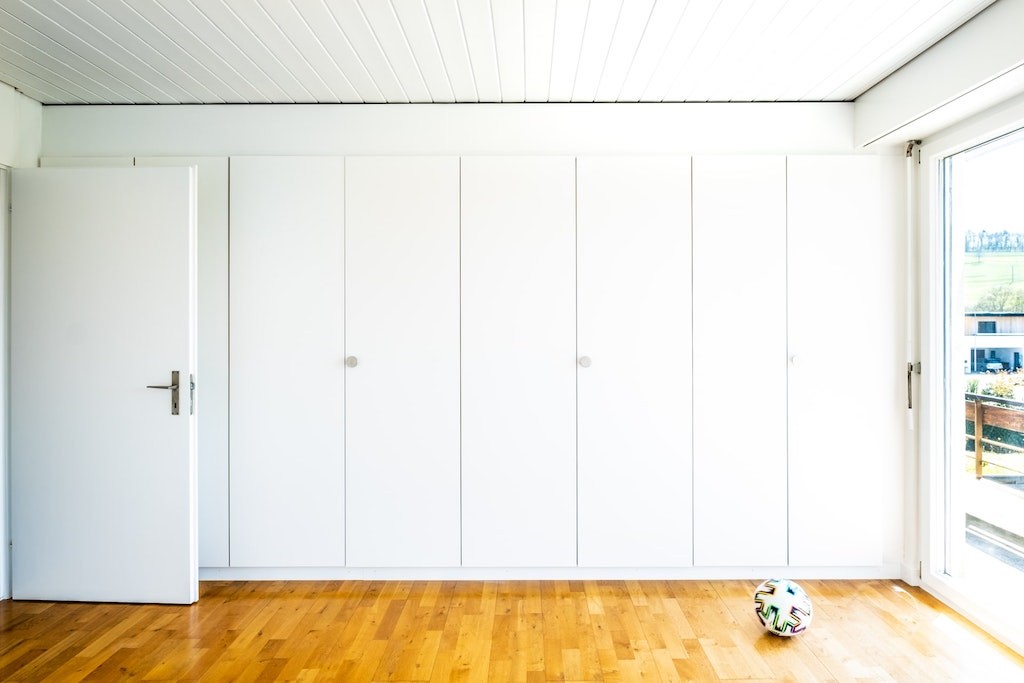
For the majority of us, a walk-in wardrobe represents a distant dream; the preserve of an episode of Cribs or a fleeting stay in a five-star hotel. With floor based real estate tight and compact for most Brits, the next best thing is a fitted wardrobe, offering similar benefits to the walk-in variety but without the same space or cost required.

Those benefits include increased accessibility, visibility and even value, since buyers in the UK put such a premium on storage space, and a fitted wardrobe generates that as well as more space within the bedroom itself.

It just makes sense, right? If you’re still not convinced, then read on; here’s why every home deserves a fitted wardrobe.

MORE STORAGE SPACE SPACE

The primary problem with freestanding wardrobes is that they’re simply not economical with space, whichever way you look at them. There’s all too often unused, unusable space around the wardrobe’s peripheries, and in homes not blessed with lots of capacity, this can feel pretty wasteful.

Indeed, standard, freestanding wardrobes across the UK are bursting at the seams with clothes, accessories, shoes and the rest. Fitted wardrobes, on the other hand, are an oh-so-simple way to boost your storage space, as they make use of every available centimetre. 

CUSTOMISATION

Another problem with freestanding wardrobes is that they assume we all dress the same. Of course, this couldn’t be further from the truth; everyone has their own unique style, with a different focal point and storage requirements.

Do you own loads of trainers? Are your drawers overflowing with lingerie? Or do you need somewhere to safely store all of your jewellery so it won’t get all tangled up? The good news is this; fitted wardrobes are 100% customisable and can accomodate your specific storage needs via a clever combination of drawers, shelves and different sized compartments. 

MORE ATTRACTIVE TO POTENTIAL BUYERS

Now, more than ever, potential homeowners and housebuyers put a premium on space, particularly the storage opportunities within a property. A fitted wardrobe has the potential to add value to a property as visually it is immediately suggestive of added storage and floor space. In fact, a fitted wardrobe can entirely change the appearance of a room.

In the UK, properties tend to be on the older side, with quirkily shaped ceilings and features that can be a little awkward to work around. A fitted wardrobe, customised to make the most of sloping roofs or esoterically shaped nooks and crannies, can go some way to solving this problem. In the process, overall value is added.

STOP YOU FROM BUYING MORE CLOTHES

‘’But I don’t have anything to wear’’, said nearly every person who owns a freestanding wardrobe. These unyielding closets make it tough to give your collection of clothes a decent appraisal, with items left lurking at the back for months, gathering dust and potentially getting eaten alive by moths. 

To access your clothes more easily, quickly and efficiently, a fitted wardrobe is the way to go. By investing in one, you might even cut back on clothes shopping in the future.

Read: 5 IDEAL ways to forgo fast fashion 

NO HARD TO REACH DUSTING 

Go and run your finger along the top of your freestanding wardrobe. We dare you! No doubt that finger will emerge the other side covered in dust. The great thing about fitted wardrobes is that they can be tailored to fit the full height of your room meaning their tops don’t require regular dusting as they stand snugly to the ceiling. 

TOP TIPS FOR DESIGNING A FITTED WARDROBE 

We spoke to guys at My Fitted Bedroom, who offer built in wardrobes from Leeds, and asked them for their top tips on how to design a fitted wardrobe that truly suits your needs. Here’s what they told us:

  • Before deciding on the type of fitted wardrobe you’re going to buy, determine your precise needs first. This includes finding out the actual amount of space you require, the shape, and the width, height and depth of the piece.
  • Check out any unused space in your home, whether it’s space under the stairs, a corner alcove, space under a sloped ceiling, and more. These spaces may be just the right fit for a fitted wardrobe.
  • Consider how the wardrobe’s materials and finish suit your home’s overall aesthetic theme. Then, if your budget allows, you can consult with an interior designer to decide on the best design and finish for your wardrobe.
  • Figure out your budget – and ensure that you stick to it. It’s easy to get carried away and add an excess of customised solutions to your wardrobe, but the price can also quickly escalate – reaching upwards of £2’500 in some cases – so be mindful of this before getting over ambitious with the design.

8 USEFUL TIPS FOR LIVING ALONE FIRST TIMERS 

The COVID-19 pandemic has led to changes in just about every part of our lives, and our living arrangements have suddenly not been spared these seismic shifts. 

Over the past 18 months, regarding searches for properties to rent and buy, places by the sea overtook the UK’s main urban centres for the first time, with Cornwall now the most popular search term on the property portal Rightmove.

But that’s not been the only major shift. In February 2020, pre-pandemic, two bed and one bed flats were the property type seeing the most enquiries. But by February 2021, the most sought after property types were two bed houses, with people clearly keen for more space after a year spent largely indoors.

That said, this is only a snapshot of the myriad ways in which we’re living differently in 2021. Above all else, the coronavirus crisis has highlighted just how important having our ‘own space’ is, whether that’s by moving somewhere larger, or by moving out of claustrophobic shared accommodation arrangements in order to live alone.

For those doing the latter, whether it’s out of choice or necessity, the change to solitary living can sometimes come as a bit of a shock. With that in mind, here are 8 useful tips for living alone first timers.

GIVE YOUR BEST FRIEND SOME SPARE KEYS 

A practical tip if ever there was one, but living alone does require a little pragmatism. Because though flying solo for the first time may be certainly exciting, in the words of Major Lazer, we all need someone to lean on. 

Should you suffer a bout of forgetfulness and misplace your keys, there’s not going to be anyone at home to let you in, so it’s a wise move to give a best friend or trustworthy neighbour a set of spare keys, just in case.

BUDGET & SAVE ON EXPENSES 

Living alone can be expensive, so it’s essential that you find ways of saving money to ensure you have a fallback in case of emergencies around the house. New purchases for the home, fixing minor issues, making adjustments…the financial burden is going to fall on your shoulders, so setting a little aside each month is wise to cover these inevitable costs.

You can also focus your efforts on learning how to reduce your monthly bills, both by being smarter with your usage and switching provider, if necessary. If you’re unsure about the best way to approach this, check out these guides to save money on your energy and water

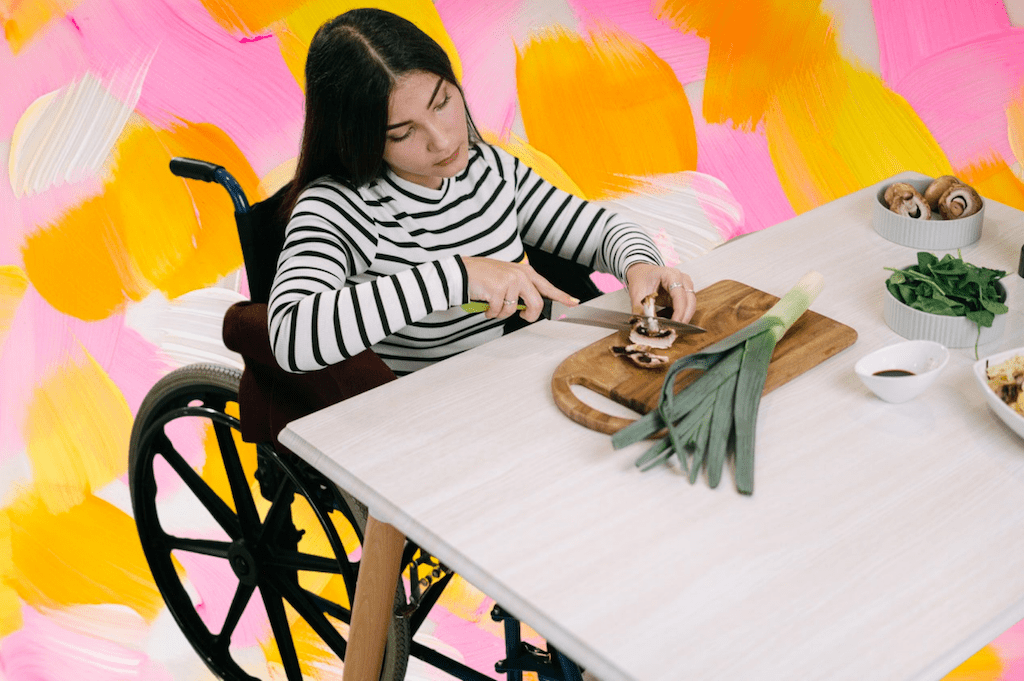
MASTER COOKING FOR ONE

Solo cooking can be a challenge. It’s all too easy to just eat beans on marmite toast ad infinitum (just us?) or to grab a takeaway when the mood takes you, which, let’s face it, is every night.

But putting the effort into your cooking really pays off. Firstly, cooking each night is a little act of self respect and self care that goes such a long way. Secondly, you can control what goes into your meals, and embrace a good dose of health eating in the process. And finally, cooking can be a whole lot of fun!

The trick here is to plan and prep so you can use leftovers and close-to-expiring ingredients skilfully. Today’s risotto could be tomorrow’s arancini balls. Your beef ragu can be turned into a lasagna, a cottage pie, chilli con carne or taco topping. That massive bag of carrots you had to buy can be redeployed as a dip for hummus, a carrot soup or even made into a quick pickle to liven up your next salad…

Hey, this stuff almost writes itself (we wish it did, you know). 

Read: 5 easy, delicious meals you can make from your store cupboard and freezer

MAKE THE EFFORT TO SOCIALISE 

When you’re living alone, it can be all too easy to fall into a life of relative solitude. Humans are social creatures, dependent on the validation, support and even occasional criticism of their peers for survival. Spending time with loved ones is one of the best things you can do for your mental health, but the fact that you can’t meet up with people face-to-face quite so easily right now shouldn’t stand in your way. 

Set a date each month to meet up with a group of friends or family members, or make it part of your routine to have a daily check in with loved ones on Zoom or even over WhatsApp. Making contact feel special and meaningful, as well as predictable, is particularly reassuring for the more elderly members of your family or friendship circle, so make an effort to schedule socialising into your calendar rather than leave it to chance.

Endeavour to invite your friends over to your digs regularly for a catch up or even a meal, too. Because solitary living needn’t be lonely… 

Learn how to become the hostess with the mostess here

LISTEN TO THE RADIO

If you feel like you’re lacking social contact, camaraderie and companionship, then the gentle hum of the radio in the background can really help. 

According to the Radio Advertising Bureau, listening to the radio makes people happier and boosts levels of energy. As we mentioned earlier, human beings are social creatures, and even listening to radio presenters interacting with one another can make us feel part of something, which in turn helps to generate happiness. 

What’s more, listening to music causes the brain to release dopamine, a feel-good chemical which instantly lifts our mood.

Hey, being alone suddenly sounds pretty fun to us!

CONSIDER A PET 

Pets are great for those who live alone because they provide companionship and unconditional love. Walking them can also be a good form of exercise if you’re looking to get out more. 

Even something as simple as playing with your pets for a few minutes each day will not only increase your levels of daily exercise but can also boost oxytocin in the brain, the chemical responsible for love. That’s not all; dog owners have been observed as having decreased levels of cortisol, a stress hormone.

Read: 7 Reasons to consider getting a pet 

BECOME A LOCAL SOMEWHERE 

Find a spot that you love, whether it be a cafe, cocktail bar, the ‘club’ at the gym, beauty salon or even a library, and give it your patronage regularly. In doing so, you’ll find like-minded people with who you can share experiences with. 

And the good news is that scientists believe that becoming a regular is actually good for your health. Studies show that regular pub patrons are more likely to have close friends who they can “call for support”, and are happier and more trusting than those who don’t regularly visit their local watering hole. 

Moreover, those who drop into their local regularly feel “more engaged with their wider community.” And we could all do with a bit of that right now, don’t you think?

ROUTINES 

Humans are creatures of routine, and the sense of comfort found in schedule and predictability when living alone should not be underestimated. Routines are important for mental health and can help relieve stress and loneliness. Even simple routines are an important anchor to maintain good mental health. 

Check out our article on 6 simple daily routine hacks for a healthier, happier 2021 here.

THE BOTTOM LINE 

It can take some getting used to but living alone is a wonderfully liberating experience. 

Embrace and enjoy being the master of your domain. Remember, this is a time when you can truly be yourself and do whatever you like, whether that’s eating pizza in bed for breakfast or walking around all day in nothing but your birthday suit. 

Now, who’s going to tell our partner that we’re considering moving out?

6 REASONS YOU MIGHT NOT BE LOSING WEIGHT AS EFFECTIVELY AS YOU WANT

If you’ve been trying to lose weight for a while, but despite your best efforts, things don’t seem to be going your way and your weight loss has stalled, there may be obstacles in your way that you might not even be aware of. 

First things first; this thing’s a marathon, not a sprint, and it’s only through wholesome, holistic change that weight management goals are hit. But if your diet has been nutritious, your exercise regular and your mindset focused, and you still haven’t hit those targets, then perhaps the problem is hidden. If that sounds like it might be the case, get to the root of the problem with these 6 reasons you might not be losing weight as effectively as you want.

THE SCALES MIGHT JUST NOT BE SHOWING YOUR WEIGHT LOSS

‘It’s not you, it’s them’. If you’ve been doing everything right, but somehow the scales still don’t seem to be moving, it could be that the scales just haven’t caught up with your efforts yet.

It sounds strange, but it’s possible to lose weight and experience a stall on the scale at the same time for a number of reasons, including the fact you are building muscle while losing weight, or that water retention can mask your weight loss.

Healthy weight loss is gradual and steady, and many believe that weigh-ins should only happen weekly or monthly, as an indicator of general progress rather than a definitive assessment. Some experts believe that this should be combined with the occasional, old school use of a tape measure on various parts of the body like the waist, neck, arms and legs so that you can monitor centimetre loss, too. This will give you a greater overall picture of how things are going.

YOU’RE EATING MORE THAN YOU THINK YOU ARE

This may seem like an obvious point, but you’d be surprised at how often this is the cause of a weight loss stall. You see, most of us think we have a good idea of how many calories are in things, but the reality is often much different to our perceptions, especially since we tend to overestimate what represents a healthy portion.

The good news is, if this is the thing that’s stopping you from losing weight, it’s really easy to fix by using a calorie calculator to work out how much food you need, and a food tracker to ensure you are eating the right amount of calories to see a loss while also staying healthy.

Whilst it shouldn’t be used as a standalone method to manage weight, experts including the NHS believe that counting calories as part of an overall regime that includes a balanced diet and plenty of exercise can help keep the process manageable and accountable.

Read: 4 diet adjustments which actually help with weight loss

YOU’RE EATING THE WRONG FOODS

Although it should technically be just as feasible to lose weight eating 1200 calories of junk food as it is to eat 1200 calories of healthy food, that is certainly not the case. 

The old saying goes ‘you are what you eat’, not ‘you are how much you eat’, and it’s the contents of your meal as well as its calories that matter. If you eat lots of junk food, it will raise your blood sugar and make it harder for your body to work efficiently, whereas, if you eat a diet based around healthy whole foods, your body will work to the best of its ability, and you will not only lose weight but probably find that you feel far more satiated, too.

Oh, and while we’re on the subject of eating the ‘wrong’ foods, try to stay away from packaged ‘diet’ foods because, although they tend to be low in fat and calories, they are often loaded with sugars which can play havoc on your body and prevent you from meeting your weight loss goals. Instead, it’s best to know exactly what’s going in your diet by cooking your meals from scratch using fresh, ideally local ingredients.

YOU’RE NOT GETTING ENOUGH SLEEP

Getting a good night’s sleep as often as possible is one of the best things you can do for your physical and mental health – we all know this – but so many people do not make the connection with a lack of, or poor quality, sleep and weight gain.

The fact of the matter is, if you want to lose weight, you need to get between 7 and 9 hours of uninterrupted sleep each night. Lack of sleep is the most significant factor in people becoming obese, which isn’t really surprising because when you’re tired, not only are your hormones out of whack, but you tend to be hungrier due to a lack of energy and effective exercise is more difficult.

If you’re struggling to get the requisite Zzzeds, check out these tips on how to sleep through the night without waking

YOU HAVE AN ISSUE WITH YOUR THYROID

If you’ve been dieting and exercising but you really aren’t seeing the kind of results you would have expected, it may be worth making an appointment with your doctor, especially if you have any of the other symptoms of a hypothyroid disorder.

When your thyroid isn’t working correctly, it can really mess up your metabolism, which means, even if you eat less than usual, it will be harder for your body to do its thing. Once you have been diagnosed and you have the right medication, with the right diet and some exercise, you should start to see some results in the weight loss department.

YOU’RE STRESSED

Studies have shown that stress may be associated with both weight gain and loss. This is due to the fact that stress raises cortisol levels in the body. Cortisol causes the body’s muscles to break down, while also lowering serotonin levels, which makes you hungry, and often gives you sugar cravings, which can be hard to resist.

The good news is that there are online and app-based tools like Headspace that can help you lower your stress levels from the comfort of your own home. Alternatively, speaking to your GP who can suggest other methods of stress management and offer a referral to a dedicated mental health team.

*This article is not intended to replace dietary advice, diagnosis or treatment given by a qualified health professional. Instead, this article only provides information, not advice. For any medical enquiries, always consult your GP first*

ONLINE BUSINESS STARTUP TIPS: HOW TO TRANSFORM CLICKS INTO CUSTOMERS

If your business resides in the online world, then we don’t think it’s presumptuous to assume you’ve been wondering how to convert those prospective visitors into paying customers.

Thought so.

Of course, ranking high in search engines and engaging with potential clients is the first step to success, but even if you’ve made it to the first page of Google, you still need to convert these visitors into sales.

Just how do you do that? For online business startups, here’s how to transform clicks into customers.

GET A PROFESSIONAL TO HELP YOU


Web marketing is all about reaching the right people, not all the people. If your website hasn’t been explicitly designed for conversion, it’s going to be difficult to convert visitors into customers. There is a method here beyond the madness; simply casting a rod out into the online world and hoping to land customers isn’t going to work.

Hiring a professional marketing team is the first option for most startups looking to capitalise on clicks, as these companies specialise in conversion rates, which can be a surprisingly technical field not always accessible to the layperson. 

This isn’t something you should do alone; consider enlisting the help of a digital marketing agency to translate reach into sales.

WRITE A BLOG 


Have you thought of writing a blog about your product or service? A blog can be a hugely useful tool in the world of web marketing, getting your name out there and advertising your expertise on a particular subject or field. This helps you stand out from the crowd and gets you genuine, bonafide customers.

It’s also easy to do and inexpensive to set up. 

The digital marketing experts at Caffeine tell us that ‘’one of the most effective ways to build brand identity awareness, while providing useful and relevant content to your target audience, is through blogging’’, and we couldn’t agree more.

You have to keep in mind that it’s vital to write blog posts about related topics to your business. That’s why knowing your niche before writing your blogs for marketing is also important. This way, you’ll be able to attract the right type of traffic that most likely needs what you’re offering, which means higher conversion.

CREATE A SALES PAGE


If you’ve decided to sell products and services online, you need to set up a sales page. It’s the thing customers are looking for when they go to your website, so the page must be compelling and simple to navigate.

To make your sales page more effective, you need to feature the benefits of your products or services. This will help potential customers understand the value of your offer. Make sure that your customers can easily find all the information they need on your sales page. 

However, make sure you only include the essential features and don’t make the page too long. If there’s a lot of information on your sales page, then you may lose potential customers, as an information overload can be detrimental to a smooth and easy sale.

If you’re not sure how to create a sales page, you can visit e-commerce websites. These are the best places to get ideas and inspiration before creating your own. 

Read: 9 ways to improve your website for your customers

HAVE AN EFFECTIVE CALL-TO-ACTION BUTTON


How will you get customers to take action? That’s one of the most important questions you have to answer if you want your web marketing strategy to succeed. One of the best ways is by creating an easy to notice call-to-action button.

A call-to-action button is an essential part of web marketing. It lures customers to click, progress and take action, whether that’s buying a product, signing up to a free trial, or subscribing to a newsletter.

Always make sure that the next click offers some kind of benefit or value to your visitors, ideally on both a personal and business level. The button should be visually ‘clickable’, and look like a button, ideally with movement when clicked and a brighter differentiating colour. You know how tempting such a button can be!

GIVE CUSTOMERS AN INCENTIVE TO PURCHASE


If you want to convert clicks into customers, give them an incentive that’ll get them to act immediately. Offer a discount for people who buy your products or services right away. If possible, include free shipping, too.

Remember that people always want to get a good deal or a discount; it’s part of human nature. And if your potential customers don’t find value on your website, they’ll go elsewhere, likely to your competition to look for a better deal. If you can give them one, then they won’t have any reason to go anywhere else. In fact, a little bit of FOMO might even kick in before they’ve clicked off.

MAKE IT EASY FOR CUSTOMERS TO CONTACT YOU


Offer a customer service contact form on every page of your website. This allows potential customers to make inquiries about your products or services immediately. They may also use it in case there are issues with their order. Sometimes, all they need is assurance that they can get in touch with someone if anything goes wrong – even if that someone is a chatbot via a live chat service pop-up. 

In the minds of time-poor consumers who favour virtual interaction over waiting on hold, these bots represent the most efficient way of getting an enquiry seen to, and instil confidence in the customer that their needs are being met. They’re also adept at handling customer enquiries during out-of-office hours, giving the impression of a business that’s always engaged and in control.


THE BOTTOM LINE


To turn clicks into customers and convert them into sales, it’s no good crossing your fingers and hoping for the best. You’ll need a strategy and tangible, workable additions to your website.

You may write blog posts on topics related to your niche and create an effective sales page with compelling presentation features. Adding a specific call-to-action button to your page will help get the attention of potential customers while giving them reasons to purchase from you rather than competitors. When all else fails, give them some form of incentive for their money by offering discounts or free samples of your product or service. Take these simple steps when making your business plan if you want to increase profits and grow as a company online.

5 REASONS WHY PEOPLE LOVE KEURIG HOME COFFEE MACHINES 

Ideal for home office refreshment heaven

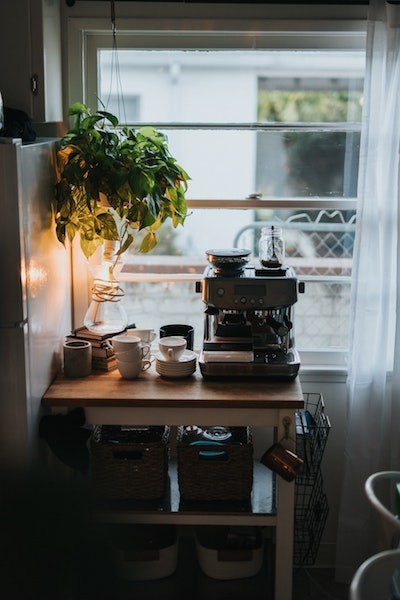
Lockdown saw coffee machine sales soar. Coffee connoisseurs’ magazine Communicaffe reported in October of last year that Brits had spent over £2 billion on coffee machines and other products during the first lockdown, keen to replicate their barista made cups whilst cafes remained closed. 

Considering we’ve seen two more lockdowns since then, and drank several million more cups in between (and that’s just in the IDEAL office), we wouldn’t be surprised if that £2 billion figure had doubled.

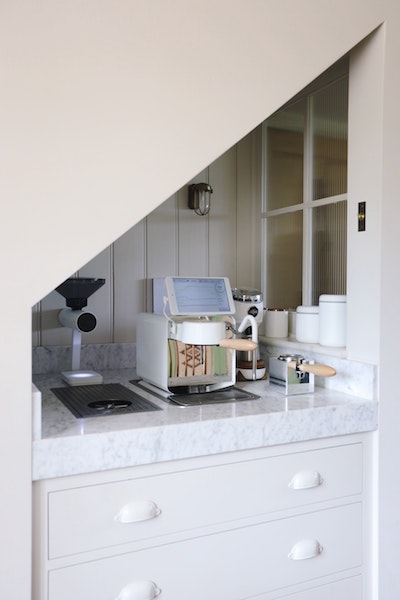
The top three bestselling coffee machines of 2020 include the DeLonghi Bean to Cup Coffee Machine, The Barista Express by Sage and Jura E8 Bean to Cup Coffee Machine, though if you’re looking for something more compact, we’re big fans of the K-Mini by Keurig and the K-Mini Plus which don’t take up so much countertop real estate but still makes a great cup of the good stuff.

To drink deeply from our favourite mug and explore further, here are some reasons why people love Keurig home coffee machines.

CONVENIENCE

Though cafes, snack bars and bistros have largely reopened now, the convenience of a home coffee machine remains long after lockdowns and restrictions have eased. The prospect of working from home looks set to continue for the foreseeable future for many, with nearly half the UK’s workforce doing so in July

Those once spontaneous but increasingly routine trips to the local coffee shop for your favourite cortado or iced latte can really eat into your downtime, but a short sashay to the kitchen to brew up a barista-level drink? Count us in.

COST

Let’s break the numbers down a little, into small, manageable sips. According to research published by London Loves Business, the average Brit spends £2160 in coffee shops in a single year, with that figure rising to £2600 for the self-employed. This is because many use coffee shops as their ‘coffice’ (we’re not so sure this term will take off) and conduct the majority of their work from inside one.  

Now, with the average cost of a domestic coffee machine clocking in at £100 for pod coffee machines, £200 for ground coffee machines and £850 for bean-to-cup coffee machines, it’s an investment that pretty much pays for itself within a few months. Considering your home is now your office anyway, the investment makes even more sense.

QUALITY

But why not just rely on a stovetop percolator or cafetiere, we hear you cry? Well, the choice here comes down to one thing; quality. The automated elements of a coffee machine remove a lot of the unpredictable, often unmanageable variables from your coffee making, delivering a delicious cup every single time.

The ideal temperature, the optimum duration of brewing, the delicious frothiness, that quintessential thickness…if you’re keen for a reliably perfect cup, automate the process with a machine.

Read: 6 tips for making your coffee taste great at home 

SPEED

How long does it take you to get out of your home working outfit (pyjamas, we see you), slip on your shoes, amble to the cafe, sit down and savour a coffee? Sure, the escape is part of the enjoyment, but on occasions when you’re pushed for time but still seeking a professional tasting cup of coffee, a domestic coffee machine will be your saviour. 

STATUS

Hey, we all know just how swish a domestic coffee machine looks on the kitchen counter, a proud but subtle statement of good taste. Introduce one to your home and suddenly, it’s become the focal point of casual meet-ups with friends and more formal networking with colleagues (if that’s how you want to play it, of course). Whatever they’re coming round for, the best way to impress your guests with a deceptively simple cup of coffee is by using a machine.

Indeed, a coffee machine is a fine status symbol, with kitchen kit no longer considered purely utilitarian; it also brings aesthetic function.

So, what are you waiting for? Mine’s a double ristretto. 

HOW TO SWITCH TO AN ORGANIC, CHEMICAL FREE, GREEN LIFESTYLE 

With increasing concern around the presence of chemicals and additives in our everyday ingredients, interest in organic food is rising in tandem. 

In fact, the number of Brits pledging to lead a more ‘organic lifestyle’ has been steadily growing in recent years, but what exactly does this term mean?

Many people tend to associate organic living only with eating organic food. This is a diet only made up of ingredients that haven’t been grown using manmade fertilisers and pesticides. In terms of meat and fish, nothing is allowed on the plate that’s been farmed or raised using growth regulators or feed additives.

Whilst diet is an integral part of organic living, the lifestyle is actually more all-encompassing than that. To put it simply, an organic lifestyle means living through more natural means. From wearing non-synthetic, locally made clothes and using all-natural cleaning and cosmetic products, all the way to reducing energy consumption and travelling less, an organic lifestyle can take many forms far beyond the chemical-free.

If you’re planning to switch to an organic, chemical free, green lifestyle, this simple guide will help you get a head start. 

START YOUR OWN GARDEN

Those living an organic lifestyle know, first and foremost, that it’s a constant quest for knowledge. Chemical names for everyday ingredients, technical labelling and certification, even organic farming methods…you’ll quickly become well versed in a whole new vernacular. 

But once you’re clued up and conversant, one of the best ways to develop a deeper understanding of what it is to be ‘green’ is to start your own veg patch, allotment or urban growing garden. Apart from the nutrition that organic food offers, gardening is a surprisingly good workout as it requires a lot of moving, walking, and carrying plants and gardening tools.    

Gardening also reduces the amount of waste your household produces since it will limit your use of grocery bags – you can just pick the veggies and fruits straight from your garden when they’re in season! 

All that being said, it’s unlikely that having your own vegetable patch will see you become self-sufficient. A domestic allotment rarely produces enough food to regularly feed a family. It will, however, keep you educated about the natural cycle of the growing seasons, which is massively useful for those looking to live a more organic lifestyle. 

CONSUME ORGANIC FOOD

The cleanest, clearest route to living a more organic lifestyle, as we already mentioned, is consuming organic food. Organic food simply refers to any food item produced without the use of any ingredient or additive that’s artificial or genetically modified, including hormones and antibiotics. It should be noted that when it comes to farming and cultivation, organic produce may still be grown with fertilisers and pesticides as long as those are organic, too.

If you’re switching to an organic diet, it’s easier these days because there are now more manufacturers of organic food and drinks than ever before. In general, organic foods are naturally healthier than traditionally processed foods. And because they’re naturally grown, organic crops are higher in antioxidants and vitamins, and have lower nitrate levels than non-organic crops. 

Products in the UK can only be labelled as ‘organic’ if at least 95% of the product’s farmed ingredients are organic. Additionally, by law, growers, processors and importers have to be registered with an approved body, of which there are 7 in the UK; the Organic Farmers and Growers CIC, Organic Food Federation, Soil Association Certification Ltd, Biodynamic Association Certification, Quality Welsh Food Certification Ltd, and OF&G (Scotland) Ltd. 

Read: 5 food shopping hacks to help on your journey to zero waste

USE CHEMICAL FREE CLEANING PRODUCTS

Whether you’re a meticulous cleaner or someone who only gets the hoover out when they can’t see their carpet for dust, you’ll likely already know that the vast majority of cleaning products on the market today contain chemicals.

It shouldn’t have to be this way; eco-friendly organic cleaners made with natural ingredients are safer and less toxic to use. However, it’s also commonly thought that organic cleaners aren’t as effective as traditional cleaners that use strong chemicals. The truth is most natural and organic cleaners, especially disinfectants, can be just as effective as traditional cleaners. Do be aware that it’s important to clean surfaces with soap and water first before using any organic disinfectant. 

Read: 10 eco-cleaning tips for the big spring clean

SWITCH TO ORGANIC COSMETICS & PERSONAL CARE ITEMS

This just in; your personal care and cosmetics products tend to be pretty – shall we say – chemically. Switching to organic items will not only help the environment, but it’ll also help you look more radiant, too!

Fortunately, you can increasingly find sustainable personal care products that are organic, non-toxic, and cruelty-free on the market. What’s more, beauty products that purport to be sustainable have an all-encompassing approach that strives for waste reduction not only in the product, but in the production methods and packaging, too. 

Considering most makeup packaging isn’t even recyclable (the average moisturiser tub takes around 1,000 years to decompose), this is something you should definitely be prioritising. 

Moreover, did you know that an estimated 268 million toothbrushes get sent to landfill each year? It’s clear we need to switch up our oral care routines, too. Consider toothpaste tablets which are an alternative to conventional, plastic-packaged toothpaste. Oh, and don’t forget your bamboo toothbrush which has a smaller ecological footprint than plastic ones.

If your local cosmetics shop has refill stations, then take your own containers and help eliminate your own single-plastic use altogether. And if you’re buying personal care products from the high street, you can refer to Greenpeace’s plastic use by supermarket rankings to keep informed and make smarter consumer choices.

Read: 10 eco-friendly alternatives for everyday disposable items 

FIND ALTERNATIVE METHODS OF TRANSPORTATION 

The UK Government has brought forward plans to outlaw diesel and electric cars to 2030. If you’re due a new car next year, why not get ahead of the game and go hybrid or electric?

They are more affordable than you might think with finance options available and generally have much lower running costs than their diesel and petrol counterparts. If you’re keen to learn more, check out our article on answering some of the common questions about hybrid and electric cars.

Alternatively, you could ditch the motor altogether and adapt to a life on two wheels or on foot. Though it’s not ‘organic’ in its traditional definition, it certainly ticks all the boxes of an environmentally kinder, greener lifestyle. And that’s why you’re here, isn’t it?

SHOULD YOU EXERCISE WHEN HUNGOVER? 5 REASONS NOT TO

We’ve all been there, hungover and reaching, firstly for a glass of water and secondly, for a reason not to hit the gym, play that game of tennis or go for the run that you agreed to enthusiastically, several pints deep. 

Well, here’s some good news; scientists tend to agree that exercising when you’re hungover isn’t particularly beneficial. In fact, in many cases, it’s actively detrimental to the fuzzy-headed, bleary-eyed soul.  

So, with the best will in the world, why not make today a duvet day instead? If you’re wondering whether you should exercise when you’re hungover or if going to the gym when drunk is good for you, then you’ve come to the right place. In short; don’t. But to dig a little deeper, and with the help of E-bikes Direct, the team at UK’s largest online retailer of electric bikes, here are 5 reasons not to.

NO, YOU CAN’T SWEAT OUT A HANGOVER

First things first; you can’t actually ‘sweat out’ a hangover.  Essentially, such a myth suggests that you can secrete alcohol by means of sweat which (perhaps) unfortunately, happens only minimally. As little as 10% of the alcohol that your body hasn’t metabolised is flushed out through sweat, breathing and urination; the majority is oxidised in the liver, and no amount of exercise will help with that process.     

That’s not all; exercising when hungover can actually be bad for you. Most hangover symptoms are caused by dehydration. In fact, the consumption of alcohol is one of the quickest ways to dehydrate the body. A toxin, alcohol acts as a diuretic, suppressing the production of the hormone Vasopressin, the body’s natural antidiuretic. As a result, you will likely go to the toilet more often than usual when hungover. This leads to further dehydration.

What’s more, working out when dehydrated is a sure-fire way to incur cramps and injury as the muscles tense and experience more strain.

You should actually be trying to do the complete opposite of sweating to fight off that hangover; taking lots and lots of water on, by drinking it.

LACKING ZZZEDS, LACKING STRENGTH

It’s a myth that drinking even a little alcohol can lead to a good night’s sleep. Whilst initially you may fall asleep faster due to the increase in the brain’s chemical adenosine, which is accountable for stimulating sleep, its rapid decrease throughout the sleep cycles leads us to wake more in the night. 

As a result, the rapid eye movement (REM) stage of our sleep cycle is interrupted, causing fatigue. Exercising when fatigued is likely to throw off coordination which, in turn, can lead to injury. Working out often relies on balance and coordination, making exercising whilst hungover a recipe for disaster. 

hungover

METABOLISM SLACKS

Alcohol has a massive impact on the body’s metabolism. Once passed through the small intestine, alcohol makes its way to the bloodstream. The body cannot store alcohol like it can sugar and carbs, so it makes its way to the liver to be processed.  

Consequently, tension is inflicted upon the digestive system as the body attempts to access essential nutrients. It is here that the metabolism slacks. Reduced access to essential nutrients inevitably has a negative impact on your workout and you are likely to grow tired far quicker than you may have, had you not had a heavy session the night before.

Read: 6 lifestyle hacks to maximise your gains pre and post gym

FRY UP?

Ever wondered why you crave a fry up or sweet treats post alcohol consumption? Alcohol promotes the brain’s production of the chemical galanin. The production of galanin sees us craving fatty foods, particularly those that are laden with Omega 6.  

Omega 6 is often found in frying oils used in fried breakfasts, hence why you might find yourself longing for a sausage sarnie or bacon and eggs following a big night on the pints. 

The problem is that high fat foods cause a rise in blood pressure, as does exercise. Doubling up on increased blood pressure can lead to lightheadedness, a prolonged increase in heart rate and even fainting. Research suggests that you should take a break from exercise for one or two days after drinking alcohol.

INJURIES

It is no secret that exercise releases feel-good hormones known as endorphins. Feeling good, what’s not to love? Well, if you are hitting the gym after drinking alcohol, the hit of endorphins along with increased oxygen to the brain can give a false sense of security with regards to how you are feeling, and may temporarily camouflage any injuries that you may incur. If choosing to work out hungover, it is crucial to keep this in mind.

For something more gentle, yoga, some simple stretches or pilates can all work as efficient exercise regimes the morning after. 

Just as it is important to be mindful of post drinking workouts, it’s also wise to be conscious of workouts pre drinking. Weightlifting and extensive cardio can both leave the body needing rest and relaxation in order for your muscles to repair sufficiently. If you’re anticipating a night that won’t be restful or relaxing, perhaps don’t hit the gym too hard in the hours leading up to it.

Oh, and if you’re keen to avoid those hangovers for good, then here are 5 amazing benefits of quitting alcohol today.

5 THINGS YOU SHOULD NEVER FORGET WHILE TRAVELLING

They say that there are only two types of people in this world; those who hate packing so much that they allow it to dent their enthusiasm for a trip. And then, those who savour every moment of filling their suitcase, viewing it as an integral part of the adventure. We know which side we’d rather fall on.

Even if you do enjoy packing and get started on it weeks ahead like us, it can still be all too easy to forget some essential items. Whether you’re a seasoned traveller, intrepid explorer or flying for the first time, here are 5 things you should never forget when travelling.

PASSPORT, VISAS AND OTHER IMPORTANT DOCUMENTS

First things first, you won’t be going anywhere without your passport or travel documents.

Though we might sound like we’re stating the obvious, we’ve been scarred too many times by complacency. So, remember to always have a valid passport with you, making sure it’s up to date – rules state that your passport should be valid for at least 30 days from the date of exit, but it’s recommended that you have at least six months on your passport before it expires.

In some countries, a visa is also required, so check it before you go; this is particularly pertinent with Brexit approaching and rules regarding travel on the continent set to change. 

It can be all too easy to misplace the documents needed for your trip. As such, it’s sensible to make photocopies of everything you’re carrying, such as your passport, identification card, or driver’s license, just in case. If your bag is stolen (a worst-case scenario, we know) or if you were to lose items necessary for travel, be sure to have those copies stored on Google Drive or similar so that you can have remote access to them.

Don’t forget that if you have documents that are in need of translation, you can seek help from companies offering professional certified translation services online. This is the most reliable way to do things; it would be folly to simply enter the information into Google Translate and end up with something that’s garbled or downright erroneous, potentially invalidating your travel plans.

FIRST AID KIT

Regardless of your travel destination and the level of scrapes you anticipate getting into, it’s advisable to carry some sort of medicine bag or first aid kit with you. Particularly in the age of coronavirus, it’s wise to ensure you have some spare facemasks, hand sanitiser, disinfectant wipes or spray and a thermometer with you.

Other travel essentials to include in your kit include diarrhoea medicine, antihistamine, and something to treat fungal infections or wounds. If you have allergies or a chronic disease, be sure to pack your medication and ensure you have enough supply or the duration of your trip. 

If you’re going abroad and have prescription drugs or medical equipment necessary for your ongoing treatment – for example, syringes, needles, or an insulin pen – ask your doctor for a certificate confirming the disease and your prescription. A prescription given to you by your doctor in your country is valid in all EU countries. However, a medicine prescribed in one country might not be available in another, or it may have a different name.  

Also, since you are going to spend most of your traveling time outside the hotel, make sure to pack the right sunglasses and sunscreen before starting the trip. Otherwise, being in the sun without any protection will increase the risks of UV exposure, mainly as a result of where you are traveling and how much time you spend outside. 

It might be an idea to have your medical documents and any letters from your GP translated into the language of the country/countries you are visiting to ensure smooth sailing at customs and at any borders. 

N.B If you’re travelling overseas with your medication, check if there are any restrictions on medication. Some countries have extensive lists of medications that are not permitted. Do make sure you keep your medicine in its original packaging, wherever you’re travelling.

PHONE AND ACCESSORIES

The smartphone; perhaps the greatest travel buddy of all time but also a device sure to steal your attention from that once-in-a-lifetime sunset. 

Yep, we know for unbridled travel, unplugging and staying screen-free is the dream. That incessant search for wifi and a plug to charge your phone can be painful and get boring quickly. However, that little portable computer – as we like to call it – can make for a richer, smoother travel experience. It’s a travel guide, currency converter, map, pocket mirror, translating service and even a credit card, all in one place, if you have the necessary apps downloaded.

Yep, it’s the essential travel item. However, a smartphone would be nothing without its accessories; those all important spare chargers, travel adaptor plugs with USB ports, protective phone cases to save your device from the rough and tumble of travel, waterproof covers to prevent disaster should you get stuck in a downpour and portable power banks for when you’re in a tight spot and need to access a map ASAP. 

And finally, let’s not forget your selfie stick – that once-harmless request of asking someone to take your photo could now be a risky proposition in the time of the coronavirus. Best to stay safe and sensible, we think. 

A POCKET GUIDE BOOK GUIDE WITH A MAP 

We know we just extolled the virtues of your phone being a travel guide and map all in one. Sometimes, though, you just aren’t going to be able to get on wifi. For us, a pocket guide with one of those pullout maps, old fashioned as they seem, is essential for those stepping off the beaten path. Enough said. 

MONEY

It’s always a great idea to have some cash with you in the currency of the country you’re travelling in. Many travellers swear by prepaid debit cards, such as Monzo and WeSwap, which grant flexibility with finances, a little more security, a convenient way to monitor your spending and dodge some withdrawal fees too. You can simply load up the card with your spending money for the week and use it accordingly; Monzo allows withdrawals of up to £200 a month fee free, while a Starling debit card with similar perks charges absolutely nothing for use abroad. 

The app which runs alongside a prepaid travel card is particularly useful for travellers. Here you have the option to ‘freeze’ your account at the click of a button, ideal for those times when your card may or not be lost or misplaced. Another click can have any transactions blocked. Travel credit cards are also a wise move for those often on-the-go, as they offer protection on purchases made abroad as well as a safety buffer in case emergency funds are needed during your trip. Having money in multiple accounts when abroad is generally a prudent move. 

THE BOTTOM LINE

With the excitement of the upcoming trip taking over, it can be quite easy to forget about some of the more practical considerations. This is where a packing checklist comes in handy. Just make sure that the iron and other appliances have been turned off, the garbage is thrown away, and the flowers and your pet are properly looked after. Also, check a few times that the door is definitely closed and that your travel itinerary is full of fun and frivolous things to do! Then, and only then, can you set off.

Finally, don’t forget to bring a good mood with you. Bon Voyage!

MOVING INTO STUDENT HALLS? 5 TIPS TO HELP YOU SETTLE IN SMOOTHLY

The start of a new university year and that important first semester is only weeks away, and with it, students up and down the country are starting to wonder what fun and frolics the future holds.

Many will also be feeling a certain amount of trepidation about leaving their families for the first time. The prospect of missing mum’s cooking, dad’s awful jokes and all the other familiar home comforts can often mean the next year brings nervousness just as much as excitement.

If you’re moving into student halls, in particular, then to get the balance just right between freedom and comfort, familiarity and adventure, it’s important to consider these 5 tips to help you settle in smoothly.

TYPES OF STUDENT ACCOMMODATION

Firstly, it’s useful to consider the different types of student accommodation you might be moving into, and how that might affect your settling in.

On-campus halls of residence are the most common form of student accommodation for first year students, and are ideal for helping young students settle into a new way of life away from their families. With lectures, libraries and amenities all close to hand, as well as a fantastic sense of community with other students, university halls of residence represents the most convenient accommodation option in that first year of study. 

Most university cities also offer private halls of residence, which are often not located on-campus, for better or for worse. More often than not, private halls of residence are more modern and well equipped than those located on-campus, and may include students from different universities, should the city have more than one.

The guys at Student Beehive, who provide student accommodation in Leicester and Loughborough, tell us just how far student accommodation has come in recent years. Though in past decades, students may have shared rooms, both on-campus and private halls of residence are now usually designed as several single, private rooms built around a communal central area, kitchen and dining room. They suggest that in 2021, you should expect ‘’bills included, free WIFI, a free gym and free laundry at selected sites’’ as standard.

In their second year, a group of students who have lived together in halls may decide to collectively rent a single house. Doing so can significantly lower costs due to the sharing of expenses. 

For those trying to keep costs low, some lucky students may have the opportunity to move into a friend’s or relative’s place and pursue their studies from there. This can be a viable option if such a house is available near the student’s institution.

TIPS FOR SETTLING IN SMOOTHLY

Regardless of your type of student accommodation, settling in smoothly and seamlessly will be your main goal in those first few weeks of university, before lectures and study begin in earnest.

MONEY MANAGEMENT

Let’s face things; even the most dedicated, thrifty students find it difficult to bear the high costs of university tuition fees. Add rent and living expenses into the mix, and things get pretty prohibitive. 

Students may take part-time jobs to ease the pressure on their tight budgets, but this can have a detrimental effect on both study and their social life. It’s vital then, whether you choose to work part-time or not, to budget meticulously, to ensure you’re eating healthily, enjoying a fulfilling social life, and having enough money left over to buy books.

Make sure you know the exact rent you’re paying well in advance, including energy, water and wifi bills, as well as other costs that might take you by surprise, like transport, library fees and even printing.

Prepare a weekly or monthly budget and try your best to stay within the limit. This practice will go a long way to improving and polishing your money management skills, which is an integral part of the university experience, don’t you think?

LEARN TO LOVE YOUR LOCAL SUPERMARKETS & SPECIALIST STORES EQUALLY

Yep, perhaps university’s most important lesson is learning how to live independently and healthily. And if you’re resorting to takeaways every night rather than cooking for yourself regularly, then you’re not really living independently or healthily.

Sorry, we don’t mean to sound like a nagging parent on FaceTime. Regardless, prior to setting off for your first year at university, it’s a wise move to get a few staple dishes under your belt. Many students find themselves snacking or eating food which simply isn’t as healthy as it should be, due to time and financial constraints. But good practice when it comes to nutrition and diet can have a huge impact on how we feel. Make sure you’re eating plenty of fruit, vegetables, grains and pulses of different colours, as well as having your fair fill of mood boosting foods, too.

Figure out your closest budget supermarket ahead of arriving at your halls for the first time, and sign up for an account with them so you can avail yourself of home delivery and discount options. This year, Which? named Lidl, Aldi and Asda as the three most affordable. Also get familiar with your local Chinese supermarket, greengrocers, dried spice store, Italian deli and Middle Eastern ingredients purveyor, where you can pick up bargains and some more esoteric, delicious ingredients.

HALLMATE HARMONY

Your hallmates can make or break your time at university. They can either become your best friends for life or a temporary nemesis who kept you awake before each and every exam.

Though it might sound overly pushy or parental, it’s a good idea to establish a set of rules during your first week or two of sharing accommodation, relating to late night noise, cleaning rotas, and which items in the fridge and larder you intend on sharing. Go about establishing these rules in a gentle, democratic way for best results.

Read: 5 IDEAL tips on how to be the perfect housemate

MOVING IN DAY

Take extra care in handling your personal belongings while moving into shared university accommodation. First impressions count and there is every possibility that you’re not going to be the only person moving in. A chaotic array of packages and boxes scattered in the hallway, blocking someone else’s entry, isn’t the best way to ingratiate yourself with your new hallmates.

To take the stress out of unpacking, it’s a good idea to label all your boxes and luggage so you can settle in smoothly without too much help from your folks (a little embarrassing, don’t you think?). Do make sure you unpack properly before that first sambuca shot or trip to the local pub…otherwise, you’ll find yourself deep into Fresher’s Week still wearing the same jeans you arrived in.

PERSONALISE YOUR ROOM

Decorating your room may not seem all that important when you’re not envisaging spending much time in there, but having some reminders of home and other personal touches will make your university life feel more comfortable, make no mistake.

Make your room feel like home by hanging some of your favourite posters or artwork in your room, and use your own bed sheets and cushion covers if you brought them with you.

Perhaps consider investing in a couple of houseplants, too. Halls of residence bedrooms can often feel a little cramped and stifling, and a gentle injection of nature can really help brighten things up. 

THE BOTTOM LINE

Leaving your family behind for your first taste of freedom can feel exciting and terrifying in equal measure. Settling in smoothly and quickly is essential to give yourself the best chance of getting the most out of university, both in terms of study and the arguably even more valuable life lessons the experience will teach you. Good luck!