
Home Blog Page 199

WHAT TO DO IN ST. TROPEZ: 5 GLAMOROUS, LUXURY THINGS TO DO IN ST TROPEZ

It feels almost impossible to comprehend that St Tropez, now arguably the world’s premier retreat for glitz and glamour, was once a sleepy fishing village.

How things have changed. Now, St Tropez is the most flawless gem in the perennially twinkling Côte d’Azur, bringing in A-listers, Billionaires and Celebrity in their droves, keen to soak up the sunshine (hence the name of the iconic spray tan) and the good times.

Though it retains an exclusive appeal, St Tropez isn’t some kind of gated community for the rich and famous. If you’re looking for a holiday of opulence and extravagance, then it’ll welcome you with open arms. While in the town’s warm embrace, why not check out these 5 glamorous, luxury things to do in St Tropez.

WHEN TO VISIT

Located on the French Riviera and looking out over the Mediterranean Sea, St Tropez enjoys a warm climate with sunshine and comfortable temperatures all year round. When summer is in full swing, during the months of July and August, crowds pack its chic beaches (upwards of 100’000 a day at the height of the season) and the glitterati of the world attend private yacht parties. The atmosphere, unsurprisingly, is electric. However, as the crowds swell, the prices rise, and the queues for restaurants grow, too. 

While there’s a certain magic to summer in St Tropez, the sun shines here through much of the year, so even off-season has its charm, and is considerably cheaper. Though, of course, in a place such as this, that’s speaking relatively.

DRIVE THE FRENCH RIVIERA IN A SUPERCAR…

The French Riviera (Côte d’Azur in French) is a coastal stretch of glamorous resort towns in the southeast corner of France, extending from St Tropez in the east to Menton in the west. But we didn’t need to tell you that, right? Its beaches are world famous and resorts emblematic of a certain kind of luxury few can dream of. 

But rather than focusing only on its golden stretches of sand, why not explore the French Riviera’s winding roads, which reveal vista after vista of gorgeous scenery at every turn? The road from St Tropez to Menton takes in Antibes, Cannes and Nice along the way, and totals around 100 miles of coastal driving, which should take you under three hours to complete. That’s if you don’t stop; but rest assured, the road is peppered with viewpoints, world class eateries and opportunities for shopping.

Of course, if your trip is all about glamour and luxury, you’re going to want to do the coastal drive in a car that’s fit for purpose. Unsurprisingly, St Tropez has several luxury car hire outlets, including GT Luxe, where you can rent a Lamborghini Huracán Coupé for just €1249 a day, or Elite Rentals, where a Ferrari F8 Spider will set you back €2450 for a day’s driving.

…OR, EXPLORE THE CÔTE D’AZUR BY CHARTERED YACHT

Let’s dial the luxury up several notches, shall we? Lambos and ‘raris be damned; to truly experience the Côte d’Azur as the glamour gods intended, it’s best to view it from the vantage point of a yacht. 

The first decision you’ll need to make is whether you’re going to be sailing the seas in an uncrewed charter (known as ‘bareboat’ in some circles), or on a crewed vessel.

Generally speaking, riding without a crew gets you a more affordable, and might we say affable, sailboats, and the freedom granted is unmatchable aboard, when compared to a manned vessel. That said, you’re going to need a solid foundational knowledge of sailing to go bareboat around St Tropez’s waters. The vessels on offer with this option are generally low powered affairs (and never over 40 foot in length) and are usually available-for-hire on a day by day basis, returnable by early evening. For small excursions to quiet beaches, this is a fun, freedom-friendly choice. It’s also more affordable; expect to pay around £200 a day for a sailboat and £500 for a catamaran.

The other option is riding a crewed vessel. St Tropez yacht charters are generally pretty extravagant affairs, make no mistake, but should you choose to charter one, you and several guests could sleep on board, negating some of the cost of hotels on dry land. Be aware that it’s going to cost you; prices start at around £30’000 per week and can reach the millions for something truly spectacular. 

Once onboard, however, you can visit some of the French Riviera’s best sites in the most luxurious (and might we say, convenient) way possible. Make sure you drop anchor near Pampelonne and Escalet beach, as well as going further afield to visit Monaco and Cannes, and the tranquil group of islands known as Îles d’Hyères.

Read: Your questions on chartering a private plane answered

STROLL & SPLURGE IN ST TROPEZ OLD TOWN

Back on dry land, St Tropez boasts some incredible shopping opportunities, with its tight, narrow streets packed with boutique clothes shops and outlets from some of the fashion world’s heaviest hitters.

The majority of the best shopping opportunities in St. Tropez occurs in the pedestrianised Old Town. You’ll have seen it before; the iconic images of a bikini-clad Brigitte Bardot strolling the beachfront promenade with the honey hued houses of St Tropez behind her. Now, many of those buildings house the likes of Armani, Dolce and Gabbana and Rodini.

The majority of the designer names are located on Place des Lices, Rue Gambetta and Rue Allard, and if you’re keen to pick up some artisan foods, then be sure to head to Place des Lices Market, which takes place every Tuesday and Saturday morning. Here, you’ll find incredible pastries, cheeses, charcuterie and bread, ideal for a pit stop before more clothes shopping!

DINE OUT ON SEAFOOD IN A MICHELIN STARRED RESTAURANT

If you’re looking for a more fully fledged meal, St Tropez boasts some seriously luxurious restaurants. Owing to its location on the Med, the truly world class eateries here take on a decidedly seafood bent…not that we’re complaining!

The pick of the bunch has to be the three Michelin starred La Vague d’Or (the Golden Wave) in the palatial Cheval Blanc hotel, which overlooks the Plage de la Bouillabaisse beach and celebrates the finest produce found in the Mediterranean. Sure, a main course of spiny lobster, seaweed and lime peel might set you back €152, but you did say you wanted luxury, right?

Should you be seeking something a little more affordable, we just love Restaurant Colette, half an hour’s walk from the Old Town on Chem. des Salins. Here, the restaurant offers a little slice of tranquility far removed from St Tropez harbour’s tourist throngs. The food is stripped back but refined, celebrating local vegetables just as much as it bigs up the Mediterranean’s bounty. Lovely stuff, and a whole tasting menu at €116 feels a relative steal compared to that lobster!

INDULGE IN THE GLAMOROUS NIGHTLIFE OF ST TROPEZ

The final indulgence, if you’re not too full from that tasting menu, that is, should centre around St Tropez’s world famous nightlife, which is as glamorous and luxurious as you’ll find anywhere on the planet. 

Rather than keep you, we’ll direct you to our IDEAL guide on St Tropez nightlife and the 5 best St Tropez nightclubs. À votre santé!

THE IMPORTANCE OF SEEING YOUR DENTIST REGULARLY 

Dentists can not only treat and solve problems with your teeth but can also help to prevent any problems. Therefore, visiting your dentist regularly is very important to ensure the health of your teeth, mouth, and gums. 

Most dentists will recommend you visit them every 6 to 12 months, however this will differ usually upon how healthy your teeth are and if you are risk at dental concerns. Between these important dental check-ups, you should be following an oral hygiene routine, which includes brushing and cleaning your teeth twice daily, flossing, and taking care of your gums. 

During a dental check-up, your dentist can assess your oral hygiene whilst checking for any concerns such as tooth decay and gum disease. Portobello Dental have helped to highlight exactly why you should consider booking your next dental appointment and what this appointment will include. 

WHAT TO EXPECT AT A DENTAL CHECK UP 

A dental check-up will consist of your dentist carrying out a complete assessment of your oral hygiene. They will check for any dental concerns and ensure your teeth, mouth, and gums are being taken care of properly and are healthy. Your dentists will take into consideration your lifestyle (like smoking and drinking), dietary habits and other health issues. They will offer some advice and guidance about maintaining a dental hygiene routine, including recommending what to do and what not to do. 

At your check-up it is likely your dentist will ask you a number of questions including questions about your medical history, current medications, lifestyle (smoking and drinking), and teeth cleaning habits. 

With this information and their own thorough examination of your mouth, teeth and gums they will provide you with advice on your diet and oral hygiene routine. If there are any dental problems, they will suggest treatments and discuss the dental costs associated with these, before proceeding with a referral. 

If everything is relatively healthy, they will likely recommend you book another appointment for 12 months’ time, unless there are any risks they would like to review sooner.

WHAT YOUR DENTIST WILL LOOK FOR DURING A DENTAL CHECK-UP:

Bowlane Dental, experts in dental hygiene in London, fill us in here…

  • Plaque build-up, decay, and cavities which may need to be treated. If you have any decay your dentist may recommend solutions such as tooth extraction. 
  • Screening for any signs of mouth cancer
  • An assessment of the health of your gums and the underlying bone structure. This will check the colour of your gums. If they appear red and swollen this may indicate a problem. 
  • Your dentist will identify any signs of gum recession which is indicated by gaps between the gums and the teeth. 
  • Your dentist may refer you to an orthodontist for teeth alignment 
  • If you have missing teeth, your dentist might discuss the option of dental implants. As Queens Medical Center, to many the best dental implants clinic in Dubai, advise, this can provide a durable and natural-looking solution to restore your smile.

MAINTAINING A GOOD ORAL HYGIENE ROUTINE

Between your regular visits to the dentist, you must maintain a good oral hygiene routine. This is so you are taking care of your teeth and gums and following the advice of your dentist. Plaque constantly forms on the teeth, so by brushing and flossing every day you will be able to stop a build-up and prevent issues such as tooth decay and gum disease. Brush your teeth at least twice a day. Be sure to use a toothpaste that contains fluoride. Some important things to remember when maintaining a good oral hygiene routine include: 

  • Brush your teeth twice a day, once in the morning and once before bed. 
  • Use floss to get trapped food particles.
  • Consider using a mouthwash to help control plaque bacteria. Doing this will also help to keep your breath fresh. Speak with your dentist if you are unsure about using mouthwash – they will be able to offer you some guidance and recommend their chosen products. 
  • Do not ignore your tongue – cleaning your tongue will help to prevent a bad mouth odour. 
  • Drink more water and less fizzy drinks 
  • Be mindful of the foods you consume and introduce crunchy vegetables and fruits into your diet to help minimise plaque build-up. 

6 OF THE BEST PLACES FOR AN ADVENTURE HOLIDAY IN THE WILD SCOTTISH COUNTRYSIDE

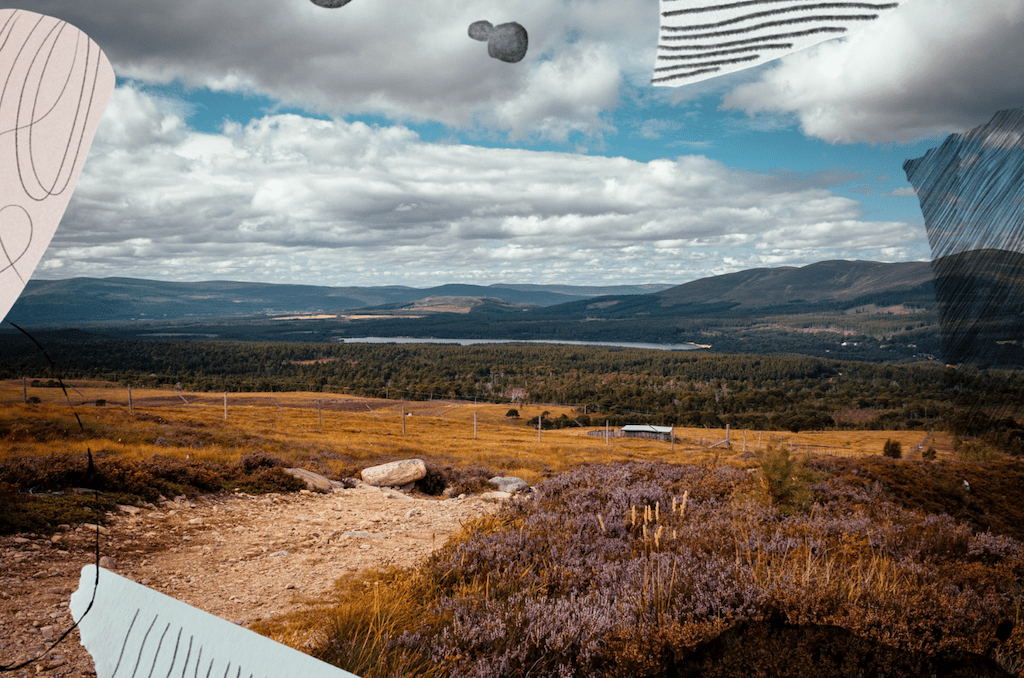
Last year, a poll of seasoned travellers published in Wanderlust Magazine declared, once again, that the Scottish Highlands were the best holiday destination in the world, with a satisfaction rating of 98%.

Our only surprise in the magazine’s findings is in that missing 2%. We have to assume they voted for the remainder of the Scottish countryside beyond the Highlands. Because, in all honesty, from the country’s Shetland Islands up north all the way to Galloway Forest Park down south, we’ve never seen anywhere more vast, uncompromising and wild. And if you’re keen to see it, too, then you’ve come to the right place.

Scotland’s expansive and untamed scenery especially lends itself to adventure holidays full of eager exploration, wildlife watching, and a fair amount of daredevil deeds. If you’re looking for inspiration for such a trip, read on; here are 6 of the best places for an adventure holiday in the wild Scottish countryside.

GO PACKRAFTING ALONG THE RIVER TAY, FROM SOURCE TO SEA

The River Tay, Scotland’s longest river, originates on the slopes of Ben Tui in Western Scotland, running east through the Scottish Highlands, Perth and Dundee, before finishing in the North Sea. 

One of Scotland’s big five salmon rivers, and famous for its angling opportunities, if you’re a keen fisher (or fish eater!) then a trip along the river, wild camping at night and traversing the river by day, could be right up your stream.

Secret Compass, who organise small group expeditions in Scotland, suggest packrafting along the river’s 120 miles, exploring mountains, moorland, lochs and river’s tributaries along the way. If you think all of this sounds a little too docile for an adventure holiday in Scotland’s wilds, then rest assured, the terrain (and water) gets pretty tricky, with some grade 2 and 3 rapids presenting a fair amount of adrenaline-raising challenges on your adventure.

HIKING THE HIGHLANDS

The Scottish Highlands are a thrill seeker’s dream, with mountaineering, hiking, cycling, kayaking and sailing all on your doorstep. Or rather, your tent flap; the Highlands are rural and isolated, and it’s incredibly rare you’ll stumble across a house here.

Having such vast, expansive scenery for Highlands hiking is the height of opulence for those who love an adventure, with Outside Magazine recently naming the 20 mile loop of Fisherfields Round as one of their 25 best hikes in the world. Known as the ‘Great Wilderness’ and containing the UK’s most remote square mile – at the peak of 3’343 Mullach Coire Mhic Fhearchair – this one’s not for the faint of heart; it’s a challenging, ever changing landscape with inclement weather and rough, rugged terrain. For those that brave the two days of hiking, however, the views are as striking as they come.

Alternatively, and perhaps the most famous of all hikes in the Highlands, is the Glenfinnan Viaduct Trail, a 3 mile walk with stunning views of Loch Shiel and the railway bridge made famous in the Harry Potter films. 

Or, if you’re looking for something significantly more challenging, then Ben Nevis, the UK’s tallest mountain, is a seven hour climb with rich rewards of stunning vistas at the summit. The best time to visit is between June and September; the weather is a little, well, uncompromising outside of those four months.

COLD WATER WILD SWIMMING ON THE ISLE OF SKYE

The Isle of Skye, the largest of the Inner Hebrides, is world famous for its cinematic vistas. In fact, it has been the backdrop to several Hollywood blockbusters, including the B.F.G and King Arthur: The Legend of the Sword. The island also presents perhaps Scotland’s best opportunity to see the Northern Lights, with nine (yes, nine) discovery sites offering views from October to March.

But today, you’re here for an adventure, right? The Isle of Skye has some fantastic opportunities for cold – and we mean cold – water wild swimming. The island boasts dozens of lochs, waterfalls and rock pools, with Loch Coruisk – meaning cauldron in Scottish Gaelic – considered the premier wild swimming spot on Skye.

Allt Daraich is another amazing place to take a dip. This hidden waterfall and collection of green pools are as refreshing as it comes, and have an almost mystical quality.

The Fairy Pools at Glenbrittle are yet another must-swim. These stunning rock pools at the foot of Black Cuillins mountains boast crystal clear spring water fed by a series of waterfalls, and are easily accessible for a quick, albeit cold, dip. Just stunning.

SPOT THE SHETLAND ISLES’ AMAZING WILDLIFE

The Shetland Isles have over 6,000 years of history and legend, with gripping stories of the islands’ Viking origins. But even before the Vikings arrived, the Shetlands were populated with a hugely diverse mixture of flora and fauna, and if you’re keen on wildlife spotting in Scotland, it’s to the Shetlands you should head.

Birdwatching is a particular highlight here; keep your eye out for gannets, guillemots, puffins, razorbills and kittiwakes. Dolphins and killer whales have been known to swim close to the shore here, too. But perhaps the islands’ most famous resident is the Shetland pony, who roam all over the Shetlands, but can mainly be seen on West Mainland, Scalloway, Tingwall, Dunrossness and the island of Unst.

Shetland is proudly part of the National Cycling Network, with the North Sea Cycle Route passing through the island giving an opportunity for riders to see wildlife at first hand and in motion if you’re doing things on two wheels. Speaking of which… 

GO MOUNTAIN BIKING DOWN THE DEVIL’S STAIRCASE & CIARAN PATH, SCOTTISH HIGHLANDS

Yep, you can also see some of wild Scotland’s most stunning spots while tearing down trails on two wheels. 

There are organised mountain bike routes at gorgeous locations like Glentress, Kingussie, Aviemore and elsewhere, but it’s probably best to take some expert advice before heading into the Highlands under your own steam – the terrain can get rough and safety should always comes first. Take a look at this mountain biking guide from Visit Scotland for the lowdown.

The Devil’s Staircase and Ciaran Path, in Scotland’s Kinlochleven, is known for testing even the most advanced riders with its loose, rocky terrain, lactic baiting climbs and heart racing drops. It’s a near 25km loop set against a gorgeous, dramatic backdrop of mountains, rivers and lakes; you’ll welcome the excuse to take a breather in the name of ‘admiring the view’. In fact, there’s no shame in walking parts of this challenging trail; many, many don’t conquer it at all.

As the name alludes to, the Devil’s Staircase is one hell of a climb to begin the trail, but as keen mountain bikers love to joke, ‘you have to endure some grunts before the stunts’. After that, a descent into the small town of Kinlochleven serves primarily as a warm up for things to come; the views over Blackwater Dam which seem to suggest a sense of danger which is to follow are very apt indeed. That foreboding is largely justified; the final Ciaran Path is a thrilling but challenging ride, make no mistake.

RIDE THE OLD MILITARY ROAD ON MOTORBIKE

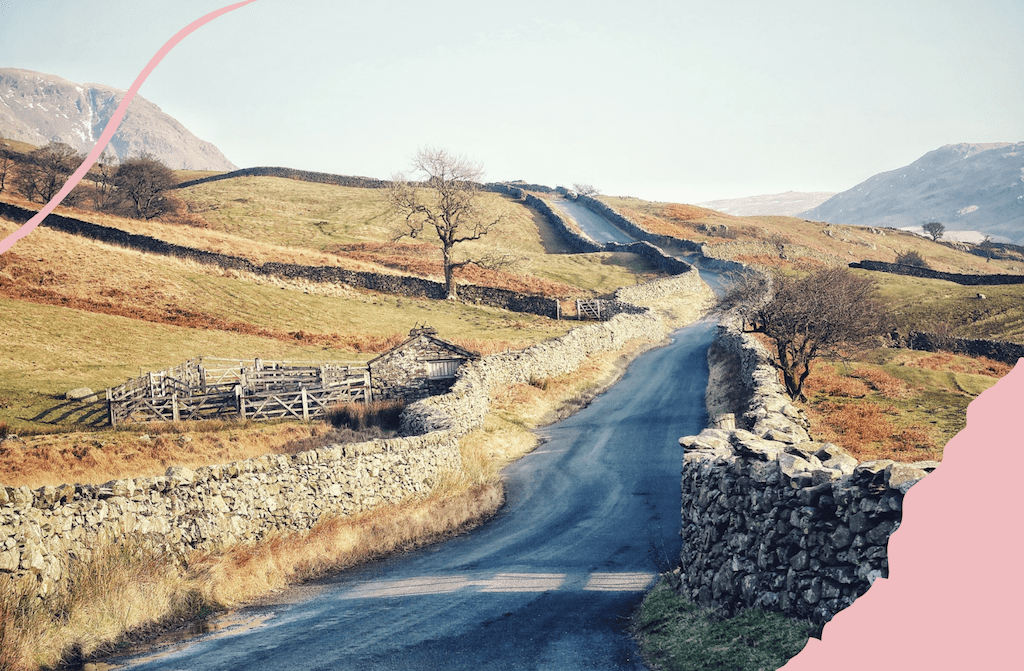
The Old Military Road (A93), which cuts a swathe through the Cairngorms National Park, is widely regarded as the U.K’s best road for driving and motorbike riding, taking you through the heart of the Scottish Highlands and past sights like Balmoral Castle, through the Cairnwell Pass and Glenshee ski region, and always with endless peaks and troughs on the horizon. 

This route is filled with twisting hair pins, roller coaster-like ups and downs and steep gradients, plus the views are pretty good too. There is a wide variety of different wildlife in the Highlands so keep your eyes peeled for deer, snow rabbits and grouse, to name but a few. Taking on this road on a motorbike is one of the most liberating things you can do!

If you’re keen to explore Scotland’s urban side, then check out these 4 of the best city breaks in Scotland.

4 INDIAN OCEAN ISLAND GETAWAYS, IDEAL FOR A LUXURY FAMILY HOLIDAY

The Indian Ocean is one of the planet’s most expansive bodies of the wet stuff, comprising nearly a fifth of the world’s water and touched by four of its continents, geographically, culturally and politically. 

Naturally, narrowing down the destinations within its 27,240,000 square miles into one succinct story sounds silly, but there’s a narrative thread that connects the Indian Ocean’s premier holiday destinations, disparate though they may be, that deserves exploring. 

For one, the Indian Ocean is the warmest in the world, with its coral reefs abundant and sea life rich and varied. This makes the ocean’s island getaways ideal for those family members who love to swim, snorkel and scuba dive, or simply paddle in the shallow, turquoise waters. 

What’s more, the ocean’s sea lanes are some of the most strategically important on the planet, connecting East Asia with the Middle East, East Africa and Europe. One of the most influential, culturally and culinarily, is the Maritime Silk Roads (also known as the Spice Routes) which link east with west and lead to a thrilling, fascinating diversity of cuisine on the islands in between. For the foodies in the family, there’s no chance of going hungry here.

Finally, because of their unique position, the Indian Ocean’s islands boast ecosystems and biodiversity unrivalled anywhere else in the world. For wildlife lovers, there’s just so much to see and do.

So, without further ado, let’s narrow down this unfathomably vast and varied place into these 4 Indian Ocean island getaways, IDEAL for a luxury family holiday.

THE MALDIVES: IDEAL FOR SCUBA DIVING & SNORKELLING

We realise we said island getaways. Well, how do 1190 islands sound? This archipelagic state, an hour and a half’s flight from Kochi on India’s Malabar Coast, is as idyllic as it comes. Boasting private island resorts, ultra shallow, crystal clear waters and powdery white sand beaches, the Maldives is as dreamy a location for a luxury family holiday in the Indian Ocean as you’ll find anywhere on the planet.

Many visit the Maldives specifically for the scuba diving opportunities, with the waters offering incredible visibility and a wide variety of sea life. If you’re travelling with teenagers, there are plenty of PADI certified diving schools ready to facilitate both discovery dives and proper reef explorations. 

The best are found within the Maldives’ famous atolls – naturally formed, ring shaped coral reefs – which play host to several luxury resorts with their own on-site diving instructors. Ari Atoll, a half hour’s seaplane flight from the capital Malé, is the most famous; 20 islands within it are designated for tourist resorts. From May through November, you’ll see manta rays, whale and hammerhead sharks, sea turtles and whole host of other amazing sea creatures.


If you’re travelling with family too young for scuba diving, Ari Atoll’s resorts also have plenty of snorkelling opportunities, as well as loads to keep the kids entertained on dry land, including tennis courts, volleyball, cycling and even boat trips to go dolphin spotting.

SRI LANKA: IDEAL FOR FOODIE FAMILIES

The ‘pearl of the Indian Ocean’ is having a foodie moment on these shores right now, make no mistake, with Londoners conversant in the right way to eat a hopper, the correct sound of slapping roti, and which sambol packs the most potent punch.

But rather than simply heading to Central London to try the finest Sri Lankan food, why not instead go all out, and go all the way out there, to the source, for your next foodie fix?

Sri Lanka’s ecosystem is varied and diverse, and combined with a rich amalgamation of regional and past-colonial influences (Indians, Arabs, Malays, Portuguese, Dutch and English tastes all play a part), this makes for a heady, intoxicating cuisine best enjoyed where it was born. 

And though there’s certainly spice and funk in the country’s cooking, it’s refined and approachable enough for all the family to enjoy. 

Some of our favourite spots in Sri Lanka that you should visit on your family’s foodie tour include the iconic seafood restaurant Ministry of Crab in the capital city Colombo, Negombo’s fish market (just 15 minutes from Colombo, on the country’s west coast), and the Nuwara Eliya Tea Plantation, where the famous Ceylon tea is cultivated.

Why not finish up your foodie tour of Sri Lanka with a cooking class? Fun for all the family and guaranteed to improve those midweek meals when you’re back in Blighty!

Read: 12 IDEAL dishes to try in Sri Lanka

MAURITIUS: IDEAL FOR THOSE WITH A SWEET TOOTH

Sri Lanka has seen us right for shellfish, curries and even a cup of tea. But if you’ve a family whose sweet tooth is never satisfied, then it’s to Mauritius you should head for dessert. 

1’200 miles east of the south eastern coast of Africa, Mauritius is famed for its beaches, rainforests, waterfalls and sugar cane plantations. We’re here for the latter today, with 85% of the arable land on the island dedicated to the crop. In fact, sugar is one of Mauritius’ biggest exports, with the sweet stuff accounting for nearly $200 million in global shipments.

Make the most of it and indulge your sweet tooth. At the central market in the capital Port Louis, you can pick up a bag of Napolitaines; melt-in-your-mouth buttery shortbread biscuits filled with strawberry jam and covered with a layer of sweet pink sugar icing – a little taste of paradise, we reckon. 

Gateau Patate Douce, made with sweet potato, coconut, cardamom and lots of sugar is another local sweet treat that you can’t miss. Wash them both down with a glass of refreshing Alouda, the nation’s favourite non-alcoholic drink which contains vanilla, basil seeds, agar jelly and milk served over ice.

If you want to learn more about the sugar industry, visit L’Aventure du Sucre in Pamplemousse, just a 20 minute drive inland from Port Louis. This former factory is a sugar museum where you can learn everything about the island’s industry. There’s also an on-site restaurant serving up sugary sensations…the perfect holiday souvenir, don’t you think? 

Just don’t blame us if your kids are climbing the walls after a trip here!

THE SEYCHELLES: IDEAL FOR HIKING THROUGH PARADISE & RECLINING ON BLISSFUL BEACHES

​​With 115 breathtaking islands 1000 miles off the coast of East Africa, Seychelles boasts pristine white-sand beaches, imposing granite rocks, rare animals and birds, and giant palm and coconut trees so evocative of paradise.

For somewhere so blessed with beaches, it feels almost perverse to recommend heading inland, but Seychelles has some incredible national parks, jungles and hiking trails that just have to be experienced (you can cool off in the sea afterwards!). 

The UNESCO World Heritage Site, Vallée de Mai, on the island of Praslin, is a must visit, home to the legendary coco de mer palms that can only be seen here or on Curieuse island. Known as the ‘Garden of Eden’, you can choose from three hiking trails that have remained untouched since the 1930s and stop for a break to admire the waterfall along the way.

Alternatively (or, even better, additionally), on Seychelles’ largest island Mahe, you’ll find Morne Seychellois National Park. Covering 20% of land on the island, this dense mixture of mangroves, lush jungles and the country’s tallest peak, Morne Seychellois, are only accessible on foot. The kids will just love putting on their walking boots and spotting the unique flora and fauna of the park. And the adults, too, of course.

We couldn’t check out without mentioning the amazing beaches of the Seychelles, which many consider to be the world’s finest. On Mahé, Beau Vallon and Anse Royale are perennially popular but never overcrowded, but even better is Petite Anse, often voted among the most beautiful on earth.

Since we’ve no greater superlative to top that, we’ll bid you adieu here. Have a great trip!

HOW OFTEN SHOULD YOU GET YOUR HEARING TESTED?

Worried about your hearing or curious as to whether you should get your hearing tested? This guide is here to help, exploring how often you should book a hearing consultation and what this will consist of. 

It’s all too common that people neglect their hearing when considering their overall health and wellbeing. Let’s face it; most of us take our hearing for granted, only really considering its importance when things start going wrong. And when your hearing does show signs of problems, it can be incredibly alarming.

Just like your eyes, your ears and hearing should be assessed by a professional. Having a regular hearing test with an audiologist will ensure healthy ears and hearing, and point to any underlying issues that can potentially be remedied before they worsen.

But just how often should you have your hearing tested? Well, the London hearing specialists group recommend having your hearing tested every 2 years if you’re aged over 50, though sometimes you’ll need and sometimes, you’ll need less than this.

Once you have completed the initial consultation, your audiologist can determine how frequently you should return for a hearing consultation. This could be every 6-12 months or every 2 years depending upon your hearing results and wax management.  

Though you can get a hearing test for free on the NHS, it may take a few weeks to see a specialist. As such, they recommend visiting a large pharmacy or opticians to get tested. Though the test in such places will often be free, you will likely have to pay for any subsequent treatment.

WHAT DOES A HEARING CONSULTATION CONSIST OF?

If you have been delaying your hearing test for some time now, you may be curious or slightly anxious as to what this includes. Well, we asked Verified Hearing what to expect when visiting an audiologist for a complete hearing consultation, you can expect the following: 

  • Your audiologist will discuss your medical history, and will focus on any underlying concerns that may be affecting your hearing. 
  • They will review, with you, areas or situations where you may feel you have difficulty in hearing, such as struggling to hear conversations in busy environments or when listening to the TV. 
  • Your audiologist will then usually carry out an otoscopy. This includes looking inside the ear with an otoscope, which helps them examine the health of the ear canal and ear drum. 
  • Some audiologists will also complete a video otoscopy. This is a live video that shows the inside of your ear including the most important points such as the ear canal and ear drum. Whilst doing this, your audiologist will explain everything as you watch the video. 
  • They will then complete your hearing assessment by using air-conduction testing and bone-conduction testing. This covers a range of frequencies to analyse the complete hearing ability and the location of any hearing loss. 

Once your hearing consultation is complete, your audiologist will be able to provide a full explanation of your results in a calm and collected way. If there are any hearing concerns or issues you would like to address as a result of your consultation, the audiologist will be able to provide some recommendations and solutions. This may include a demonstration of a set of hearing aids. 

SIGNS YOU SHOULD GET YOUR HEARING TESTED 

If you are experiencing any of the following signs, you may need to book a hearing test sooner than you thought. This could indicate a gradual change in your hearing which requires an assessment from an audiologist to determine a cause and find a solution or design a treatment plan:

  • You or your loved ones have noticed you are struggling to hear general day to day sounds and conversations. For example, you are struggling to hear the TV or needing it to be turned up louder than is normal, engaging in group conversation, or missing high pitched sounds such as alarms, your ringing phone or the doorbell. 
  • Tinnitus – this describes an onset of ringing, buzzing, or humming within your ears. Tinnitus can be caused by prolonged exposure to loud sounds, with many musicians and engineers suffering from tinnitus later on in their career. It may be a sign of hearing loss or other conditions, so it is important you get this checked by a hearing professional. 
  • If you have a sudden pain in your ear which is difficult to treat, your audiologist will hopefully be able to locate the cause of this pain and offer a treatment or make a referral to someone who can carry out further diagnosis.

FEELINGS OF DIZZINESS AND HEARING 

If you are experiencing dizziness or feeling lightheaded and off-balance, with no explanation, this may be related to our ears. It is important you get signs like this checked as soon as you can, as you could suffer an accident if such dizziness is left untreated.

Visiting a specially trained audiologist when an issue like this arises allows them to check for any hearing concerns which may be causing this feeling and offer a treatment plan or solution, which may well involve getting a modern hearing aid fitted in more serious circumstances.

WHY YOU SHOULD AVOID TIKTOK’S LATEST BEAUTY TREND – SALTWATER

2021 has welcomed the coining of a whole slew of beauty buzzwords and terms; slugging, mirror skin and fake tan lips are just some of the trends promising a brighter, more radiant visage. 

With K beauty and TikTok heavily influencing how we now approach our complexions, some of the newest so-called ‘skincare hacks’ from the internet’s budding amateur dermatologists have – quite rightly – caused some eye-rolling from more established skincare experts.

Today, we’re talking to skincare expert and facialist Ada Ooi about one of the newest, most talked about trends out there; salt water toners. 

WHAT IS SALT WATER TONING AND IS IT GOOD FOR YOUR SKIN?

Spritzing your face with a mixture of salt and water has burst onto the skincare scene recently, promising to banish breakouts and acne with a single spray. And though it seeks to mimic the effect of a soothing dip in the ocean, is it really that good for your skin? 

Ada argues no. 

“Salt water can be overly alkaline and when the surface of your skin is too alkaline it can become sensitive and dry. The efficacy of the effect of salt water on acne hasn’t been properly studied so I would definitely recommend other ingredients before turning to this”

MORE HARM THAN GOOD

Ada explains that while it could potentially be good at minimising mild breakouts, spritzing with salt water could actually do more harm than good in the long run.

This is because salt water could break down your skin hydrolipidic barrier, making it more prone to sensitivity. It can also strip your skin of its natural oils and dry it out, which can actually exacerbate acne as skin stripped of its natural oils goes on to produce even more oils and in turn spots.

As well as this, salt water may interfere with your facial cleanser and other acne treatments, making them less effective. 

SO, HOW SHOULD YOU TREAT ACNE?

To treat acne, instead explore products with a moderate concentration of zinc oxide and acids like salicylic acid and lactic acid, while also balancing and protecting skin with hydrants and proteins like hyaluronic acid, plant oil lipids, oat and aloe vera to soothe the redness and sensitivity.

Do not cleanse with a drying cleanser as that would strip the skin’s natural barrier. A holistic formulation would allow not only your acne to heal faster but also any scars to recover better.

SO WHAT WOULD ADA RECOMMEND?

She says that 001 Skincare Zinc & Protein A+ Clarifying Comfort Cream is the ultimate skin comforter. Loaded with calming Zinc Oxide, Sandalwood and Cranberry Oil to address blemishes and irritation, it also contains a complex of proven hydrators and proteins to perform cross-layer moisturising, regulate sebum production, renew cells and repair the skin’s barrier.

5 TIPS FOR ENJOYING A FULL, ALCOHOL FREE SOCIAL LIFE

If you spent July dry, then firstly; congratulations! The year’s seventh month came soaked in trial and temptation, from the drowning of sorrows following the Euro 2020 final to a celebratory sashay towards the bar on ‘Freedom Day’. 

Perhaps you’ve decided to continue this drought for good, noticing the positive effects that abstinence has had on your health, sleep, wellbeing and bank balance, and you’re wondering just how to adjust to the social aspect of things. Or, you’re going through addiction recovery in the UK and you don’t want to place yourself in a situation where you’ll be tempted to drink. 

If you’re reevaluating your relationship with alcohol, you’re not alone. You just have to look at the recent boom of the “Nolo” drinks market, which is set to grow by 34% by 2024, to understand the country’s changing attitudes to drinking.

The language around the way we talk about drinking is changing, too. As explained in The Zoe Report, modern terms like “sober-curious”, “mindful drinking”, and “alcohol-free” have entered our everyday lexicon. It seems that people are slowing down and being more mindful about what they drink. Moreover, it seems many of us are considering whether booze is really adding any value to our lives.  

Younger generations, in particular, seem to be embracing the alcohol-free life. As revealed in an article on Medium, the youth are leading the mindful drinking moment with most citing health as the primary rationale behind it.  The New York Times recently wrote an article on why the hot new alcohol trend is cutting back — or even quitting – and we’re very much here for it.

That said, and for better or for worse, much of the socialising in Britain revolves around the pub and the pint. But rather than never seeing your friends again, there are ways you can enjoy a rich and full social life without the need for alcohol to play a central role. Here are 5 tips for doing just that.

MAKE THAT ANNOUNCEMENT

Whilst we wouldn’t want to underestimate them, we think it’s fair to assume that your friends are not psychic, neither are they mind readers. Prior to your next engagement with your pals, make sure you let it be known that you don’t intend to drink. Or, even better, that you’d prefer the meeting not to revolve around drink.

True friends will understand and support you. 

KEEP UP WITH ONLINE SOCIALISING

Whilst we’ve certainly been happy bidding farewell to Zoom pub quizzes and Facetime Fridays with our friends, if you’re keen to socialise without the pressure of the pub, then it might be worth revisiting the online socialising from time to time. This allows you to check in with friends, catch up and enjoy some continuity, but from the sanctuary of home.

Read: 6 platforms for having fun and socialising with friends online

A BREW, NOT BOOZE

That’s not to say that you should cut out the face-to-face meetings with friends altogether. But instead of going to the pub or hitting the house parties, why not keep the venues more neutral and swap the booze for a brew? This could be in the form of inviting a friend round for a cuppa at yours or meeting for a coffee out and about. 

Alternatively, you could share non-alcoholic beer, wine or cocktail with a friend if you’re meeting up in the evening. It should be noted, however, that many experts believe that zero alcohol drinks – mocktails, ‘near beers’…whatever you want to call them – aren’t actually particularly helpful for those trying to give up alcohol entirely.

The realistic aroma they give off, as well as the atmosphere of the pub and the habitual element of opening the drink, can actually cause temptation to increase. Instead, try to nurture a completely drug and drink free lifestyle, if you can…

FIND FREE EVENTS IN YOUR AREA

Not every public social gathering need come with a pint in hand. In fact, some of the best are enjoyed without any drink at all. 

Finding free events in your city is a surefire way to enjoy a booze-free time, too. In London, as we’re sure you already know, the majority of museums and art galleries in London are free to enter, with restrictions only existing on select exhibitions. So, that’s a month of the V&A, the Science Museum, Design Museum, the Natural History Museum, the Tate, the National Gallery and so many more. None of these need to involve meeting in a pub or bar, and many are stimulating enough, culturally, to not require drinking at all.

If you’re not living in the capital, check out this list of the best free stuff to do, UK-wide, here.

‘APPY TO HELP

There are plenty of apps out there to help you monitor your alcohol intake, and steer you from temptation should you feel the urge to drink looming large. Some take the form of daily motivational messages, hypnotherapy and mindfulness advice. Others help you track how much you used to consume, and how much it’s cost you over your lifetime, in both pounds and calories. Sometimes, this can represent a necessary shock that will put you right off your potential pint.

Many of these apps also offer the chance to engage with a community of like-minded people, which for some can be really helpful. You really are spoilt for choice with the amount of help out there in app form, so dive in. Most are free, too.

The most popular is probably the NHS Drink Free Days app, which prompts you to record every dry day you’ve achieved. It should be said that this app is better for cutting down rather than out, via abstinence based recovery.

For community based support, from those who have gone through a similar thing; Living Sober is a worldwide support system, One Year No Beer requires membership but offers diverse community based encouragement, and the Reddit community /r/stopdrinking is perhaps the most populated online support group in the world. Check them out!

NOW-STALIGIA: WHY NOSTALGIA IS THE MEGATREND OF THE 2020s

The last year has been a strange one. We’ve been unable to create new memories that are memorable for the right reasons – no holidays, no cherished get-togethers with friends and family, no parties…

Instead, what is guaranteed to stick in our mind for years to come when we look back on 2020 and 2021 is lockdown.  

As such, it should come as no surprise that content creators and brand makers are pulling from the dusty archives of days gone by to inspire us, to cheer us up and, let’s face it, to encourage us to spend our money. 

Nostalgia, it seems, is so hot right now. From clothing and branding to TV and music, casting our gaze backwards has never felt so fresh and forward thinking. If you’re wondering what’s going on, here we explore why nostalgia is the megatrend of the 2020s. 

THE SCIENCE OF NOSTALGIA

According to psychological research, positive memories activate the reward pathway in the brain, which is essentially a release of chemicals that make us feel good. This is a catalyst for us to repeat the act in order to feel good again – in this case, recalling happy memories. In a nutshell, that is why reliving fond experiences you’ve had makes you feel good, especially in a crushingly bleak period like today’s global pandemic. 

Yep, there’s no better way to escape boring times than by indulging in escapism and nostalgia. What’s more, it’s an inclusive feeling available to all. Research by GlobalWebIndex found feelings of nostalgia aren’t restricted to a certain age group but are a common feeling for everyone. In fact, nostalgic environments have even been shown to soothe suffering in dementia patients.

So, why is nostalgia everywhere right now? In simple terms, in order to make this year bearable, we’re going back to happier times.

Since modern technology has given us incredible access to things from the past, be it music, photos, videos, articles, and everything in between, it’s easy to understand why nostalgia has become a key trend in today’s world. 

So much so that we’re expecting to see this nostalgic trend continue, and begin to permeate food, music, fashion and TV, in particular, in the coming years.

NOSTALGIA IN COMFORT EATING 

Scientists define ‘comfort food’ as “foods people eat in response to specific circumstances, in order to feel pleasant or psychologically comfortable,” and since the beginning of 2020, this is something we’ve all felt. 

Comfort food can evoke nostalgia, and we’d go as far as to say that nostalgia is a key ingredient in many of our favourite meals.  As explained by Science Direct, “comfort foods can also serve an important role in terms of triggering nostalgia.” Indeed, comfort foods offer consumers something soothing and familiar.

This is something food brands and restaurants alike have picked up on in the last year, with nostalgic comfort foods seeing a boom in popularity during the pandemic. As reported by The National, “Nostalgia plays a key role in the food trends which are expected to be prominent this year…Old-school desserts such as sticky toffee pudding and cherry pie are on the rise, as well as trifles – a pudding which saw a 35% increase in sales at Waitrose last year.” 

Searches for nostalgic 1970s recipes saw a surge during lockdown with Waitrose reporting a 300% increase in those searching for beef stroganoff, prawn cocktail and baked Alaska recipes. It seems many of us are revisiting our childhood and recreating classic dishes that our parents and grandparents served. It’s no surprise, then, that school dinner cake and other sponge puddings have also risen in popularity of late…and we just love it. 

NOSTALGIA ON NETFLIX 

Similarly to comfort eating, we’ve been comfort watching recently. As Stylist explains, “Psychologists have said that watching certain TV shows can help us to feel calm in an increasingly anxious world”, and to call the current state of the world ‘anxious’ would be putting things mildly, don’t you think?

We’ve been binging and streaming marathons of our favourite classic shows, with Friends, Buffy, Sabrina, Dawson’s Creek and Cold Feet all on repeat in the IDEAL household lately. Care to join us on the sofa for an episode?

NOSTALGIA IN FASHION 

Nostalgic fashion has soared through the pandemic, too, bringing comforting memories of simpler times. After binge-watching all those 90s and early 00s shows on Netflix, it’s only natural that we want to emulate the fashion from the shows, too. 

As the Guardian reports, “The nostalgia economy…is the most powerful trend in fashion…is a reaction to what’s happening in the world.” 

Fashion is like a revolving door; out with the old and in with the new, then in with the old again. Admittedly, there are some fashion trends that have rightly remained in the past (that skirts over trousers trend of the 90’s…we’re happy that hasn’t made a comeback). But generally speaking, while fashion has always had a nostalgic element to it, the callbacks to earlier decade’s clothing choices have gone into overdrive recently.

Smaller shaped shoes have been ditched for huge, clunky, 90s-style trainers, with both high street stores and designer labels getting involved. Boot-cut jeans, bum bags, and three-quarter fleeces have all certainly become fashion statements of the 2020s, and block heeled sandals, which have existed in the fashion world since around the 1950s, are strutting along virtual catwalks in 2021.

NOSTALGIA IN SOCIAL MEDIA 

We have daily reminders of nostalgia on social media, too – think FlashbackFriday and Throwback Thursday. Social media is hungry for nostalgic content, dialling into our insecurities about just how screwed the world is right now. 

Facebook, Snapchat, and Instagram all have elements of nostalgia on their platforms. All of these apps offer memories that show you what you posted or saved that day years back, allowing you to look through pictures, videos, and posts that you might’ve otherwise forgotten about, and rendering them in nostalgic sepia tones for good measure.

Spotify Wrapped is an innovative feature that leans heavily into recent nostalgia, too, revealing your streaming trends over the past year and showing you the top 50 songs that you listened to. The fact that Dua Lipa’s ‘Future Nostalgia’ album dominated this writer’s Wrapped is, perhaps, not a coincidence…

NOSTALGIA IN MUSIC

Speaking of music, it can be effective in transporting us right back to a powerful memory, which might explain why we’ve recently been revisiting songs we loved in our teens. In fact, research has shown that music makes us feel incredibly nostalgic by associating it with certain experiences.

Audio cassettes, not usually known for their fantastic audio quality, have also experienced a revival. Cassette sales increased two-fold in the first half of 2020, reaching a record high in 15 years. However, it is a young audience driving these sales, with pop acts like Lady Gaga being the most popular. The same can be said for vinyl, almost reaching a 30-year high and their highest point since the Britpop boom. It is predicted that nostalgia is driving this trend as streaming services like Spotify provide unlimited access to music of all kinds from the past. 

Almost four in 10 said they were prepared to pay more for a content streaming service that provided access to older content unavailable elsewhere…which rather explains why Spotify are endeavouring to make it more accessible.

NOSTALGIA IN THE ADVERTS WE SEE 

Successful marketing is all about selling customers a feeling, and nostalgia is the ideal chance to do just that. Brands rely on creating an emotional connection with customers, making them feel familiar and comfortable with the company, product or location so they’re more likely to return. 

Retaining customers is incredibly important, after all, and companies have been returning to their roots, offering a nostalgic experience by rebranding their logos and packaging into something more inherently ‘old school’.

Burger King’s first rebrand in 20 years is a nostalgic one, recreating their retro logo from the 1970s. The logo diverts away from ‘artificial’ and ‘synthetic’ and attempts to capitalise on better times. Designer Lisa Smith said: “We explored a lot of different design territories, but kept coming back to the brand’s original iconic logo from 1969 and 1994 when Burger King looked at its best.’’

She goes on to explain that Burger King were ‘’inspired by how it has grown to have such an iconic place in culture – from Back to the Future, Gremlins through to more recently Stranger Things and BK’s Warhol campaign.”

It certainly makes sense.

THE BOTTOM LINE 

In difficult times, nostalgia can be the most comforting feeling you can find, throwing us back to a happier, more carefree era. While we’re escaping to the past, we can’t help but wonder, what will the next big trend be? Something new and forward thinking or, more likely, something that casts covetous glances backwards.

Take us back, indeed.

5 EFFECTIVE METHODS TO REMOVE PESTS FROM OLD BUILDINGS

While no property is immune from a pest infestation, regardless of how clean and well maintained it is, it’s a fact that old buildings are more prone to pests, especially when left unattended. 

This is down to three primary reasons. Firstly, the cracks, holes, nooks and crannies present in older builds – caused by years of decay, weather based erosion, and general wear and tear – are more inviting to pests. Secondly, the materials more prevalent in older builds, such as timber and thatch, tend to attract pests. Finally, period properties, as opposed to flats and tightly constructed urban homes, may be surrounded with more foliage and greenery, both of which are natural homes for pests.

Once pests infest these buildings, they may exacerbate the already lurking structural damage. However, with the proper knowledge, you can quickly identify and eradicate pests from old buildings. 

The first step in pest removal is identifying the type of pests that might have infested the building and the pest’s lifecycle, ideally determining their nesting and breeding habits with the help of a professional. Once that is correctly done, it is easier to develop effective strategies to remove the pests for good. Here we are going to discuss five effective methods to help you remove pests from old buildings. 

BIOLOGICAL CONTROL 

The method utilises living organisms to eradicate the infestation, and is the most eco friendly way of dealing with pests. Biological control is primarily used in greenhouses but it can also work indoors, with the pests’ natural enemies, such as predators or pathogens, introduced into the area affected. 

Those natural enemies will interfere with the pest’s biological processes, such as their ability to reproduce or infect them with fatal diseases. Hmmm, this is starting to sound a little dark. 

Anyway, let’s bring this back to more palatable terrain with a familiar example; one of the most common biological control methods is by introducing cats into old buildings infested with rats. Cuddly, lovely cats…

In all seriousness, more common biological control methods are usually used in garden and greenhouse spaces, and include nematodes being used against ants and slugs, predatory midges for counter-attacking aphids, and ladybirds keeping larvae at bay.

Biological control methods are generally the most ‘human friendly’ pest solution as they don’t involve chemicals. This is also handy as pests cannot develop a resistance, as they sometimes do to chemicals. However, this is only really feasible for small pest infestations and might take a while to work. 

REMOVAL OF HABITAT

The key to protecting old property from pests is by removing anything that would encourage their survival, by starving them of their food or water source and thus preventing further spread. Clearing garbage in or around the building, for example, would starve rats or mice or, at least, deter rodents from revisiting. Additionally, getting rid of stagnant water around the building will help reduce fly and mosquito infestation. 

USE OF ORGANIC PEST CONTROL

Often people opt for natural substances to eradicate a pest infestation. An example of organic pest control is the mixing of sodium fluoroacetate into pests’ baits to kill various pests. Other organic products that can be used in pest removal use insecticidal soaps in wiping surfaces, making oil sprays, such as a mixture of tea tree oil, to ward off spiders, and using neem leaf to deter small animals. 

While organic pest control is a cost-effective solution, it is important to carefully dispose of the bodies of the animals killed through poison to prevent bigger animals from eating them, and therefore perhaps creating a new pest problem in the process. 

USE OF PESTICIDE

Pesticides are substances used to manage pests. Compared to other methods discussed above, pesticides are perhaps the easiest to source and use, since they are sold in dedicated spaces in homeware and garden stores, as well as online.

Moreover, they produce faster results upon application. Examples of pesticides include repellents that can kill crawling and flying pests within the building, and fly sprays. Despite their many advantages, particularly their convenience of use, pesticides can be harmful to humans and the environment when misused. Always read the given instructions on the proper use of the pesticide before handling. 

CONTACT PROFESSIONAL PEST EXTERMINATORS

Even though the techniques mentioned above can significantly reduce the amount of pests in a property, the chances of completely removing pests from old buildings without professional help are slim. If the problem is large, increasing exponentially, getting out of hand, or in danger of damaging the structural integrity of your property, then it’s advisable to contact professional pest removal services. This is particularly pertinent if the above methods failed to eradicate pests, or only worked in the short term.

HOW TO CHOOSE DRINKS FOR BOURBON TASTINGS AND THROW A TASTING EVENT

IDEAL for hosting a bourbon tasting event 

Bourbon – with the first syllable pronounced berr, not bor – is perhaps the quintessential American drink. Unique in flavour profile, colour and its primary ingredient of corn (for a whisky to call itself bourbon, its distillation ‘mash’ must be at least 51% corn) bourbon uses barrel ageing to achieve its characteristic finish. As such, it’s a drink with much complexity, both in its history and in its taste.

With autumn not too far away, we’re already thinking of activities to keep us busy as the nights draw in. Enter a bourbon tasting party with friends, with this distinctive whisky the ideal warming autumnal drink. 

If you’re throwing a bourbon tasting event and you’re wondering how to choose the right drinks for the occasion, then you’ve come to the right place. Read on to find out more.

LEARN HOW TO TASTE 

First things first, you can’t host a bourbon tasting event if you don’t know how to taste. Nope, this thing isn’t as easy as simply knocking back a few snifters and declaring the whiskey ‘delicious’, 

Instead, as New Riff Distilling who host bourbon tastings events tell us, it’s important to learn how to taste bourbon properly. They gave us these pointers, which collectively are sometimes referred to as the ‘Kentucky Chew’, as the vast majority of bourbon is produced in the state:

  1. Study the colour – If the liquid is lighter, this represents a shorter aging time. A darker colour, on the other hand, means it’s older and has spent a longer time in the barrel, suggesting a more intense tasting experience. 
  2. Swish and Swirl – In a heavy bottomed rocks glass tumbler or traditional Glencairn glass, aerate the bourbon’s unique aroma compounds by swishing and swirling the drink in your glass. As with any distinctive alcoholic drink, it needs a little air to really open up its aromas.
  3. Sniff – After aerating, place your nose in the glass and breathe in primarily through your mouth. The aroma is actually where the complexity of flavours is found. 
  4. Sip and Savour – Sip gently and allow the bourbon to coat your mouth, making sure your tongue, palate (the roof of your mouth) and inner cheeks all come into contact with the liquid.
  5. Swallow– Only after swallowing will you be able to detect the bourbon’s smoothness and finish, and identify any lingering complexities. 

Some choose to add ice to their bourbon, preferring it ‘on the rocks’, but this can dilute the bold, complex flavours, especially if the ice is small and watery. If you don’t enjoy your spirits at room temperature, add one single, sturdy block of ice. Better still, many believe that adding just a little room temperature water to your bourbon dampens the taste of raw alcohol and allows for its complexities to come to the fore.

HOW TO CHOOSE YOUR DRINKS

The world of bourbon is surprisingly vast, broad and intricate. As such, it might be a wise move to pick a theme for your tasting event, to focus minds and palates equally. For example, you could choose your drinks based on different styles of Bourbons – a traditional bourbon made of rye or a more leftfield bourbon made of wheat.

Alternatively, you could base your event around bourbons of a similar age, or bourbons of the same brand but different ages, or even bourbons only from the same distiller. Yep, there are themes within themes within themes…get precise!

Experimenting with different tasting themes will not only enhance the tasting experience but will also allow you to identify standout favorites, which can help when you want to find bourbon gifts for friends or family members. While it’s important to have a variety of bourbon choices, don’t forget to also include some non-alcoholic options for those who may not enjoy drinking or are the designated drivers. This way, everyone can still participate and join in on the fun.

APPARATUS 

The Glass – Generally speaking, the best type of glass for a bourbon tasting is a Glencairn whisky glass, which is tulip shaped and stemmed. Though many like to drink their whiskey from a straight edged glass (heavy bottomed tumblers are particularly popular), experts believe that this allows some of the aroma compounds to escape before you’re able to properly discern them. Aesthetically, however, a tumbler is great…food – or rather, drink – for thought, indeed.

A Tasting Glossary – For those diving into the brown watered world of bourbon for the first time, a glossary of different flavours and notes will be handy, allowing you to have the full lexicon at your disposal for discussing the bourbon’s complexity.

Pens and Notepads – Guests may want to take notes, scores and musings on their flavour experience as they swirl, sniff and sip.

Palate Cleansers – Bourbon is big, bold and sometimes bruising, and after several tastings, your palate can become overwhelmed. It’s a good idea, then, to have some palate cleansers to hand to refresh the taste buds. Corn chips are a common palate cleanser, here, and complement the corn used in the bourbon distilling process succinctly. 

Water – You can also refresh your palate using a little swill of water between tastings. Remember that some use water to ‘open up’ their whiskey’s flavour profile, too.

THE FOOD 

Food from the American South is the perfect companion to Southern booze, make no mistake. Indeed, since Bourbon is from the south of the states, it makes sense to pair it with this type of food. Sweet, smokey and full of light spices, the cuisine naturally pairs well with bourbon, so consider rustling up some finger food in this genre to help the party move along extra nicely. 

For nibbles to get the taste buds going, a bowl of lightly candied pecans or cashews works well with bourbon. The concentrated sweetness of  dried fruit is another perfect bourbon pairing match, so mix in some handfuls with your nuts.

We’re particularly fond of sweet and sticky ribs – maple syrup is also an iconic pairing with bourbon, the mild and subtle sweetness is divine with a glass – so consider cooking up a batch of maple glazed ribs alongside some sweet potato fries. 

Perhaps even better, bourbon and buttermilk fried chicken is a dream pairing in our eyes. After all, bourbon is from Kentucky, so it just makes sense, hence the proliferation of fried chicken and whiskey sours restaurants in London and beyond in recent years! 

While you can, of course, just order a bucket or two in from your local KFC, you could cook a copycat recipe at home if you’re feeling adventurous. Let us direct you to our article on how to make homemade KFC style chicken in 5 IDEAL steps for more on that.

If you’re after a dish that people can dig into if they’ve had a little too much bourbon, a hearty  jambalaya served up with some cornbread will do a good job of mopping up that excess bourbon.  

For a sweet treat, a complex dark chocolate works well with bourbon. Make some dark chocolate mousses and serve them in glasses or simply offer a few squares of premium, 70% cocoa stuff.

LEAN HOW TO MAKE SOME WHISKEY COCKTAILS 

Unless you’re tasting every single bourbon under the sun (which we wouldn’t advise) then the actual tasting aspect of the evening probably won’t last all night.

To keep the party going, serve some classic bourbon cocktails. Some of the best include a Bourbon Sour, a Manhattan, an Old Fashioned, the John Collins, a Kentucky Coffee and a Bourbon Sidecar. After a few of those, you might just be feeling like giving everyone a Kentucky Hug. 

As explained by the Whiskey Muse, a Kentucky Hug is a combination of three things; “When a person from Kentucky wraps their arms around you in an embrace”,  “The warm sensation you feel in your upper body after drinking some whiskey” and “The feeling you have before adjusting your belt a few notches from eating an enormous amount of Kentucky Fried Chicken”. Hey, that sounds like a fine end to a tasting event to us!

If a bourbon tasting night has you wishing to explore the world of whisky further, then check out these 7 Scottish island holidays IDEAL for wildlife and whisky

SHOULD I HIRE A PROFESSIONAL KITCHEN DESIGNER? THE PROS & CONS EXPLORED

Has 18 months of home cooking, splashing the walls with tomato sauce, staining the surfaces with turmeric and realising that washing up is a full time job got you looking at your old kitchen in a new light?

So many of us have been scrutinising our kitchen space lately and finding that it’s not fit for purpose, with modern day demands asking more of the heart of the home than it’s equipped to handle.

Rather than feeling resentful, if you’re able to afford a kitchen remodelling, this is an exciting spot to be in; opportunity, exploration and (eventually) a more joyful experience of cooking awaits.

That said, homeowners may stress that the remodelling process is too much trouble to take on alone. This is where a professional kitchen designer comes in; able to turn those dreams and visions for your kitchen into a practical, serviceable reality.

That said, kitchen designers are not a good fit for every renovator. Some homeowners would never consider the thought of hiring an outside expert to interfere with their dream kitchen, aware that their clarity of vision might be muddied by external influences. We’re here to help you weigh up your options. If you’re wondering whether you should hire a professional kitchen designer, here are the pros and cons explored.

THE COMPLEXITY OF KITCHEN DESIGN

Kitchens are often more challenging to update or alter than other rooms in the home when you take on the project. For a start, you may have to consider more complex considerations than simple, superficial issues and enhancements. 

There are possible structural renovations to consider, here. Your kitchen upgrade could involve plumbing, electrical issues, and possibly gas lines. Having someone on board in the preliminary planning stages will mitigate the risk of costly amendments later down the line.

There are plenty of surfaces, equipment and other additions to consider, too. Besides your kitchen cabinets, you likely need to choose countertops, flooring, appliances, and backsplashes, as well as other components you plan to redo. A professional kitchen designer will have access to both materials and specialists that the humble layperson (that’s you!) simply wouldn’t.

KITCHEN DESIGNERS ARE PROS FOR A REASON

Some homeowners are worried that by bringing in external help, they will cede their creative license to design the kitchen exactly how they envision. However, professional kitchen designers will generally work faithfully with renovators to help create the specific kitchen layout they have in mind – within reason, of course. 

Often, whether or not you enlist a professional here will hinge on the size of the job at hand. If you are a seasoned DIYer with a history in home improvement projects, you can complete minor tasks by yourself without the added costs and energy of hiring a professional. But, if you go through a substantial upgrade or remodel, that is when the experts can step in to help you. Contracting a kitchen designer can often actually lower your expenses for the overall project, as they know where to find the exact materials you need for the lowest prices.

WHAT COSTS CAN I EXPECT?

According to Houzz, the cost of a complete bespoke kitchen redesign ranges from around £15’000 to upwards of £50’000. They offer a useful breakdown of that figure; half should go towards appliances, worktops and accessories, 30% will generally be spent on cabinets, and 20% on delivery and installation. It’s likely that you’d look to find room in your budget within that final 20% for a professional to help with the design. 

Alternatively, you could save a portion of your budget within the 30% traditionally dedicated to cabinets. You will need to consider the types of cabinets you want – premade, custom, or ready to assemble cabinets, for instance, and find the potential for savings within it.

In terms of fees for the designer themselves, professional kitchen designers tend to charge a percentage of the total cost of the project, with 10% the industry standard. So, should you be spending £20’000 on a kitchen remodel, renovation or replacement, expect to spend around £2’000 on a designer. As a comparison, architects, who might be necessary for larger projects in the home, charge between 10% and 17% of the total project cost.

Should you have a fair bit of wiggle room in your budget, a kitchen designer is a wise move.

THE CONS

Thus far, and as long as your budget allows, hiring professional help in designing your kitchen refit feels like a no brainer. There are, however, a couple of obstacles and issues to consider beyond your bank balance:

  • Some kitchen designers will be dedicated – and perhaps even contractually obliged – to only recommend and work with certain materials and tradespeople. This may influence their designs in a subjective way.
  • Kitchen designers are often very single minded in their vision. In many cases, this is a good thing, as they’ve honed a certain aesthetic over years of refinement. If your vision clashes with theirs, however, tension could follow.
  • On occasions, a catch-all ‘kitchen designer’ may be too broad a role to have the specialist knowledge required for different elements of the design. In fact, several different roles fall under the umbrella, including blueprints, product and material knowledge, layout and design expertise, contractor suggestions and timeframe predictions. Ask yourself whether you might be better off subcontracting these various different disciplines rather than trusting one person with all of them.

CERTIFICATION & ACCREDITATION

In the UK, the government sanctioned organisation the British Institution of Kitchen, Bedroom and Bathroom installation (BIKBBI) has a code of conduct, guidelines and standards that members must comply with. As such, if you’re considering a kitchen designer, searching their database to find a member is a good way to ensure you’re hiring someone reputable and qualified. 

Alternatively, you can find an approved retailer on the KBSA Home Specialists Association’s website.

THE BOTTOM LINE

There are many motivations for remodelling your kitchen. Some homeowners want to increase their property’s value via renovation, and know that the kitchen is one of the best places to do so. For others, having a kitchen that is a joy to cook in is the catalyst they need for considering a kitchen remodelling. 

Whatever your reason, a professional kitchen designer could help you realise your vision. As long as you have room in your budget and aren’t too stubborn to allow for some flexibility in that vision, of course.

5 POPULAR JOBS IN THE LUXURY TRAVEL INDUSTRY 

Ideal for those looking for a career change

Earlier this year, it was reported that a third of Brits are considering a change of career, with the COVID-19 crisis causing many to question their priorities when it comes to work. Whether it’s a surprising newfound freedom felt working from home, concerns about job security moving forward, a shift in responsibilities in a post-pandemic world or simply a desire to see more of the world, many are weighing up their options and considering applying for a new job.

If you fall into that final camp, of those who are keen to see more of the world when restrictions lift, then perhaps you’re considering a job in the travel sector. With the luxury travel industry leading the sector’s recovery, job opportunities within it are growing. Should you be wondering if you’re the right fit for a role in this thriving part of the sector, here we give an overview of 5 popular jobs in the luxury travel industry.

WHAT DO WE MEAN BY LUXURY TRAVEL? 

Though the idea of ‘luxury’ means different things to different people, within the travel industry, the term not only refers to premium prices but also, to exclusive and rare experiences. A level of personalisation and curation within the service is another defining aspect of luxury travel, and more often than not, this is where jobs can be found within the sector.

WHERE CAN I FIND A LUXURY TRAVEL JOB?

Dedicated luxury travel recruitment companies are perhaps the best way to get your itchy feet out there, as the industry thrives on networking and contacts to open the door. Otherwise, a more general recruitment agency may also offer some positions.

Anyway, let’s dive in. Without further ado, here are 5 popular jobs in the luxury travel industry.

LUXURY TRAVEL ADVISOR 

Organising an all-you-can-drink holiday package deal on the Magaluf Strip, this ain’t. Working as a luxury travel advisor (sometimes also referred to as a luxury travel agent) means you’ll be dealing with clients with sometimes sprawling budgets and particular, esoteric tastes, curating a holiday tailor-made to suit them.

But what is a luxury travel advisor, we hear you ask? Well, this role involves curating relevant accommodation and transport, offering local ‘in the know’ recommendations, and providing a smooth and stress-free travel experience for your clients.

Of course, you’ll have the opportunity to stay in 5-star hotels across the world, eat at Michelin star restaurants and experience other once-in-a-lifetime opportunities – because how else are you going to recommend them to your well-heeled clients with confidence and inside knowledge?

LUXURY TRAVEL CONCIERGE 

If you want to enter the world of luxury-tailor made travel and you have great interpersonal skills, then this is the job for you. Help to curate one-of-a-kind holidays, tailored to the desires of your client, by becoming a luxury travel concierge. 

Similar to a luxury travel agent, a concierge will help organise parts of a client’s trip and is like a personal travel assistant, only with more famous friends and greater access to places usually off-limits to the average tourist. 

However, a travel concierge will typically be a local, know the ins and outs of their client’s destinations, and be available to provide 24/7 support, too.  

As a luxury travel concierge, you’ll have to journey across the globe to personally experience the world’s best destinations and travel experiences, with extensive networking and an ever-growing ‘black book’ of contacts essential for the job. This is because a concierge is expected to get tickets to the sold-out games, seats in the fully booked restaurants and access to the nightclubs with the most exclusive door policies.

Some of the UK’s most well known, high-end concierge companies include Quintessentially (whose clients include Kate Moss, Madonna and Richard Branson), Velocity Black and Nota Bene Global. 

LUXURY TRAVEL PR AGENCY 

While it may sound like a cliche, every day is different in the role of travel PR. Working in the public relations department of a luxury travel company can be an energising and exciting role, with new challenges and opportunities for creativity presenting themselves regularly.

Write press releases about new hotel openings, organise media events, pitch and place feature articles, and even sample new restaurant openings around the world…for the sheer variety of responsibilities, luxury travel PR is a great move for someone who gets inspired by changing daily demands. 

That said, the absolute highlight of working in a luxury travel PR company has got to be the press trips – or, ‘fam’ trips – which are an awesome way to see the world, network with colleagues and clients, and enjoy a few freebies, too! 

INHOUSE PR FOR HOTEL GROUP 

Accor, the global hospitality group with a portfolio of brands including Sofitel, Pullman, MGallery, Novotel, Ibis Styles, and Mercure, opens new hotels every month, in locations as far-flung as Hanoi, Vietnam, and as familiar as London, Brighton or Birmingham on home turf.

This is just one example of a hotel group that’s ever-expanding and always on the lookout for talented people to join their team. If you’d prefer a PR role that’s a little more focused, with a keen chance for career progression within the company, then becoming an in-house PR for a hotel group could be just the job for you.

LUXURY TRAVEL JOURNALIST

If you’re something of a wordsmith and have experience writing about the world of travel – whether that’s commercial or literary – then becoming a luxury travel journalist could represent your natural career progression’s next step.

Generally speaking, a luxury travel writer will cover hotels, restaurants, bars and other places of interest that come with a luxury price tag, with the cost covered either by the company or the hospitality venue that wishes to be covered. No more slumming it in motels or hostels, hey! Though this sounds like a dream job, having prior experience in the luxury travel sector is usually necessary in this role.

Alternatively, you could set up your own blog covering luxury travel, specifically, but to get it off the ground, you’ll likely have to foot the bill yourself for the tasting menus at Michelin star restaurants and the stays at five star resorts…  

As such, why not check out these IDEAL ways to experience Michelin level food on the cheap next, for some top advice on doing just that.

THE BENEFITS OF REMODELLING YOUR ATTIC 

Many of us have felt boxed in during the long, arduous lockdowns of the previous 18 months. If you’ve felt an overwhelming desire for more living space, you’re not alone. Indeed, the BBC reported that “a search for space has pushed up the average price of a house by 7.3% over the past year” and after the claustrophobia of the COVID crisis, we’re not surprised.  

Sadly, properties, particularly those on the larger end of the spectrum, are in short supply. Moreover, with the real estate market as volatile and unpredictable as it has been in recent years, many homeowners are understandably wary about making a move.

If you’re one of the many people seeking more space, then instead of scouring Right Move, Zoopla et al, why not turn your gaze upwards, and into your attic? Here, a remodel could eke out some extra room where you thought there was none. Should this sound appealing, then today we’re considering attic remodelling and the benefits it can bring.

ADD VALUE TO YOUR HOUSE

Did you know that a loft conversion can add as much as 21% – 24.5% to the value of your home

Moreover, as reported by This Is Money, “a study by Nationwide found that adding an extra double bedroom and ensuite to a three-bedroom house via an extension or loft conversion increased its value by more than 20 per cent.” 

The numbers are clear; a loft conversion is a smart investment even for those homeowners who are not planning to sell their property in the near future. 

Read: 5 IDEAL considerations before you converting your loft

EARN EXTRA MONEY 

If you convert your loft into a guest bedroom/living space you’re sitting on a potential income-generating portion of your house. Indeed if you’re looking to earn some extra cash, then the government’s Rent a Room Scheme lets you earn up to a threshold of £7,500 per year tax-free from letting out furnished accommodation in your home. While you cannot use the scheme for homes converted into separate flats,  you can rent out your loft conversion to lodgers. 

Alternatively, you could earn a passive income by opening up your loft conversion to Air Bnb rentals. Considering you’ll still be living in the property, on the floors below, the usual maintenance, upkeep, checking in and checking out of the property is convenient and easy.

Read: 8 IDEAL tips for preparing your house for Airbnb guests

CREATE MORE SPACE FOR AN ELDERLY RELATIVE, CHILD OR TEEANGER

If you have an elderly relative who needs to come live with you in their old age, then converting your attic space is a wise move. You can create an extra bedroom and extra living space for the family to use. While it’s probably not wise to make them use the attic space, you can move your own bedroom up there. 

Alternatively, as we all know, teenagers need their private space, to allow them to grow, mature and develop their interests. A loft conversion presents just this type of opportunity. 

Read: 5 tips for living with older relatives

A NEW WFH SPACE 

During the COVID-19 pandemic, working from home became the norm for many people who would usually endure a daily commute to and from the office. Should you envisage this becoming a more permanent fixture, consider using your attic remodelling to turn the space into a home office and quiet area where you can work or just retreat for a while. All you need is good lighting, storage cupboards, a desk, comfortable chair, couch and maybe some inspiration wall art and you’re good to go.

ALL THE OTHER THINGS YOU CAN DO….

There are so many things you can do with a little extra space. Here are a few ideas… 

A Hobby and Craft Room: Forget about using the kitchen countertop or squeezing your craft supplies onto a spare part of the dining room table. Say goodbye to having to get your craft supplies out of a cupboard then put them all away again. Set up your attic as a craft room and you’ll never be short of space again.

Perhaps you’ve always wanted to build that model railway or replica sailing boat. Attic remodeling allows you the freedom and space to follow your chosen hobby or interest in peace and comfort without disturbing – or being disturbed by – the rest of the family!

Playroom or Games Room: If you have kids whether tots or teens you’ll probably wish from time to time that they had somewhere to play which keeps them out from under your feet but still safely under your supervision. Attic remodeling can include the addition of sound proofing!

Music Room or Library: Speaking of sound proofing, you could turn your attic space into a recording studio or music room where music can be played and made without disturbing the neighbors. Or if you just want a peaceful, relaxing place to call your own, where you can read to your heart’s content and store your collection of reading materials (or your music collection) your remodeled attic is the perfect place to be.

THE BOTTOM LINE

By utilising your attic to its full potential, you can instantly give your home that extra space you’re craving. Doing so can add value to your property but perhaps even more importantly, bring about a sense of domestic calm. And that’s what it’s all about, right?

5 TOP TIPS FOR GETTING YOUR BEAUTY REGIME BACK ON TRACK POST-LOCKDOWN

Phew. With restrictions finally lifting, and a certain amount of gloom and doom dissipating, too, can we bid those lockdown home haircuts, one handed manicures and DIY facials farewell?

In these unprecedented times, with salons closed and socialising at an all time low, your regular beauty regime no doubt suffered, with so many having no choice but to become their own hairdressers and beauticians (some more successfully than others). 

It’s been a stressful 18 months, but with the peak of summer on the horizon, now feels like the perfect time to indulge in some pampering. With that in mind, here are 5 top tips for getting your beauty regime back on track post-lockdown.

REGULAR MANICURES 

Unless you’re lucky enough to be ambidextrous, you’ll know too well the pain of trying to paint the nails of your dominant hand. It usually ends in smears, smudges, spilt nail polish and the donning of gloves for your next few outings in public. No matter how hard you try, those dormant digits just can’t get the upper hand.

Time to treat yourself. Put down the nail poilish and schedule a regular manicure appointment – there’s probably a few mistakes to fix, chips to neaten, and confidence to build. We’ll see you in there!

Read: 5 IDEAL places to get a manicure in London

TEETH WHITENING

Now that masks are being required less and we’ll likely be smiling much more, why not spruce up your smile and have your teeth whitened to herald a beaming new era?

Brightening up your smile could help increase your self-esteem after a lengthy spell of limited social contact, and since dentists have been harder to access due to COVID temporary closures, you might be suffering from staining that needs seeing to.

The experts at City Centre Dental & Implant Clinic recommend that those DIY, domestic whitening procedures that many were trying over lockdown may actually have been a little harsh and abrasive on the nation’s teeth. Instead, they suggest ‘’professional and affordable teeth whitening using custom-made laboratory-formed bleaching trays, which gently and gradually lighten your teeth’’, offering a more gentle and effective finish. 

COLOUR YOUR HAIR

We hope we’re not speaking presumptuously when we say that we all got a little bored of our own reflection during lockdown. And now that we can step into the salon again, why not spice up your look with a new hair colour?

You’re best avoiding home experimentation, especially if you’re going for a dramatic change, as colouring your own hair can be a bit of a risky business. You don’t want to get that colour disastrously wrong and do real damage to your hair! Instead, entrust your locks to a professional who can achieve your dream style with ease and skill. 

PROTECT YOUR SKIN

You should always make sure that your skin is protected – in winter, in summer, and everything in between – especially when you’re out in the sun. Now you’re stepping out more freely for summer, it’s particularly important to protect your skin, to ensure you’re looking youthful and radiant for longer.

The British Association of Dermatologists recommend staying out of the sun between 11am and 3pm, and to always use a sunscreen of at least SPF 30

Considering the detrimental effect that UV rays can have on your skin, causing it to age and, more importantly, increasing your risk of getting skin cancer, being cautious with sun exposure should be as much an essential part of your beauty routine as the more cosmetic elements.

PLENTY OF SLEEP 

We know that the term ‘beauty sleep’ sounds like a cliché but getting plenty of rest will genuinely do both your health and beauty the world of good! 

A survey conducted by Sealy UK has found that those of us who are well-rested have brighter eyes, clearer skin, and fewer wrinkles! 

Sleep deprivation can really take a toll not just on our appearance, but also on our mental and physical health. We’re all feeling more exhausted than ever lately, so go and grab yourself an early night! And if you check out these tips on the best ways to improve your circadian rhythm, your next night’s restful sleep is on us.

4 IDEAL REASONS TO BECOME A PERSONAL TRAINER

We’ve all sat at our desk, our thoughts desperate in attempts to drone out the office drag, laying longing stares out the window and dreaming of dramatic career change. And for those of us who live for the gym and can’t go a day without working out or being active, the obvious choice is out here – in there, in fact. Yep, we’re talking about personal training.

In recent years, the demand for personal trainers has grown significantly as people become more health-conscious and fitness-focused.

Indeed, the trade is booming; expanding like the muscles PTs are managing. Walk into any coffee shop in London and you’re bound to find one using it as their personal office, writing up their clients fitness programs and meal plans. As a nation, it seems we have a real hunger for getting fit, and where’s there’s passion and drive, there’s also money to be made. Especially in the capital where clients are abundant and personal trainer courses are plentiful. With this in mind, here are 4 IDEAL reasons to become a personal trainer.

DO SOMETHING YOU LOVE

To all the burger flippers, data enterers and shop floor fillers; we’ve all been there and wished we hadn’t. Life needn’t – and shouldn’t – be this way. With the amount of hours spent at work rivalling (and usually far outweighing) those spent on hobbies and in bed, it’s imperative that employed, paid hours are used doing what you love. If not, a huge portion of life is wasted…

Read: 5 IDEAL ways a personal trainer gets you fit faster

A BETTER WORK/LIFE BALANCE

Running with a theme, P.T’ing may well grant you access to the holy grail; a better work/life balance. Yes you’ll have loads of laundry from all the sweaty gym clothes, and yes, you’ll see workout regimes in your downtime, in everything (pull ups on the tube, anyone?), but you’ll also wrestle control of your hours, and as such, be free when you want, to do what you want – even that Pilates teacher training course you’ve been dreaming of.

And if that free time takes you back to the gym, then so be it. Personal trainers are generally self-employed. While you’ll be at the behest of your (fingers crossed) many clients, you also reserve the right to pick and choose which hours you’ll spend working.

personal trainer

HELP PEOPLE

It’s a primary motivation of some of the most revered professions around; teachers, doctors, charity workers……that helping people brings far greater reward than the financial. And while personal trainers might not get given the same credibility by careers advisors, the same can be said of what drives them; a desire to give back. Part coach, part cheerleader, part nutritionist, there’s ample room for the altruistic, for improving people’s lives and creating a healthier, happier society.

If you’re passionate about this particular element of your fitness journey and want to expand your career options, then perhaps the best path you can choose is to become a Certified Group Exercise Instructor, which can open up new opportunities in the fitness industry. This additional certification allows you to lead group fitness classes and provide a wider range of services to your clients, enhancing your skill set and marketability.

KEEP FIT

It’s not exactly an industry secret; part of the P.T job is to look fit and project that obsession with fitness onto others. It’s pretty much guaranteed, then, that through the course of your working day, when demonstrating workouts, when participating alongside your clients, and in any cheeky, snatched moments of downtime, you’ll be keeping yourself in prime physical condition. Result!

HOW TO STAND OUT FROM THE CROWD

In 2020, there were over 23’000 registered personal trainers in the UK. In order to stand out from a fairly crowded field, it’s well worth investing in self-development.

Simply put, those who have invested in their education and taken a personal training course are likely to attract more clients than those who haven’t. Be aware that as modern demands change, holding a generic qualification in personal training isn’t always enough. Should you be working with a particular demographic of clients, you may need specific qualifications tailored to their needs.

Pregnant women, for instance, are now actively being encouraged to exercise throughout pregnancy, but a personal trainer would need to hold a pre and post natal certification to be able to work with them. Or, when working with clients with disabilities, an Active IQ Level 3 Award in Designing Exercise Programs for Disabled Clients or equivalent qualification will be necessary.

All of this will equip you with the tools required to train a diverse range of clients in a responsible, safe and effective way, benefit both their progress and your career.