

Home Blog Page 246

5 MUST-HAVE FRIDGE TRAILER FEATURES

Ideal for mobilising your pub or restaurant operations.

As pubs and restaurants look for innovative ways to adapt their operations in light of social distancing measures and lockdown restrictions, an increasing number of companies are turning to fridge trailers and temporary cold rooms to keep things agile and mobile, equally. 

By expanding your facilities and creating more space for your staff, you can ensure that your workers can operate safely and in accordance with the current guidelines. Furthermore, you can guarantee that your business is able to reopen as quickly as possible and restart your cashflow. If your pub or restaurant is looking to be more nimble in terms of delivery and collection, then a mobile fridge might be just the ticket.

However, choosing the right equipment is essential to the success of your relaunch. If you’re using fridge trailers or temporary cold storage facilities to modify your operations, take the time to ensure your chosen models have these five must-have fridge trailer features, IDEAL for mobilising your pub or restaurant operations.

MAXIMUM SPACE

If you’re going to the trouble of expanding or diversifying your offering (and as such, your facilities) then it’s vital to choose a fridge trailer that offers sufficient space. Scalability is key here. Of course, it can be tricky to estimate exactly how much additional cold storage you’ll need, particularly if you’ve never used portable fridge or freezer trailers before, but you need to leave that wiggle room for potential success and expansion if it’s necessary later down the line. 

Comparing the size of your current facilities to the trailers available will give you a good indication of which units could be right for your business. However, choosing a reputable firm that offers a range of sizes is certainly your best bet. By discussing your requirements with a knowledgeable member of staff, you can access expert advice regarding the suitability of specific units. In uncertain terms, this expertise is so welcome.

Indeed, storage is one of the chief concerns for businesses, especially in the food and drink sector. If there’s enough space to carry large amounts of food, then you can be sure that you won’t run out and miss on potential sales. For an idea of what’s out there, click here for commercial fridges to see all your different options and how they could possibly benefit you.

POWER OPTIONS

Your temporary fridge trailer will require constant power to maintain your chosen temperature, so it’s essential your unit can be connected to a reliable source. Don’t simply assume that all fridge trailers can be connected to mains power or, conversely, that they can run on a portable generator. Melted ice creams, defrosted chicken and all manner of other mishaps await such an assumption.

While many can be powered via these methods, not every model offers this flexibility and functionality. Being able to power your trailer via a portable generator or via the mains ensures complete freedom in terms of where you position the unit. Furthermore, the back-up option of switching to generator ensures you can maintain the trailer temperature at all times, even in the event of a mains power cut. 

LOCKABLE AND SECURE 

The security of your business is paramount, and plenty of stock will be kept in the trailer, so you’ll want to ensure that your freezer or fridge trailer cannot be tampered with in any way. You wouldn’t leave the doors to your premises unsecured overnight, so don’t take the same risk with your external facilities, just because it all feels a little more improvised. Instead, be sure to check what security features your trailer is equipped with before you make a booking or purchase. 

TEMPERATURE MONITORING

When you require cold storage facilities, reliability is of predominant importance. Whether you’re storing food next to a restaurant, or selling takeaway pints on the move, it’s vital you can control the trailer’s temperature with precision. Furthermore, consistent monitoring allows you to meet regulatory requirements and safeguard your business. 

Of course, the accuracy of monitoring devices isn’t universal. When you’re hiring a fridge trailer or a portable freezer, do ensure that you have access to professional-grade temperature controls. The success and safety of your organisation relies on this, so specify your requirements before you arrange to hire equipment. Providing you choose a reputable supplier, you should have access to accurate, in-built temperature controls and monitors. 

SAME DAY DELIVERY

While same day delivery isn’t a feature of fridge trailers per se, it’s a critical element of the decision making process in terms of which company you choose. When you can access equipment quickly and efficiently, you can modify your operations within hours, rather than taking weeks or days. This agility is so essential to finding success in the ever changing needs of current restaurant and pub operations.

As businesses begin to emerge from lockdown and are once again permitted to reopen their doors, they are still waiting to find out how successful their new protocols and processes will be in practice. Like most new initiatives, there’s a good chance you’ll want to make subsequent changes to your in-house routines once you’re back up and running. Leave your business open to opportunities for further flexibility by keeping your options open here.

Working with equipment supplies who can provide a same day delivery service ensures you can scale up your operations at the drop of a hat and respond to the increased demand as your customers come flocking back. 

THE BOTTOM LINE

No business can operate effectively without the correct resources in place. If you don’t have enough space or equipment to facilitate key workflows, your company could suffer significant financial and reputational damage. 

Instead of allowing your competitors to reopen ahead of you, take the time to upgrade and expand your facilities now. With the right fridge trailers and portable cold rooms, you can ensure your businesses is ready to succeed from the minute you begin trading again.  

10 IDEAL NUTRIENTS TO HELP SUPPORT WOUND HEALING & REDUCE SCARRING

0

And what foods contain them.

If you’ve just gone through major surgery then we’re sure you’re keen to get back on your feet and fighting fit as soon as possible. Life moves fast and we don’t blame you for wanting to make the most of every second. 

That said, following surgery, your body is particularly prone. The last thing you want right now is another setback, and an infected wound would represent a pretty major one. Hopefully, the aftercare team have recommended the usual stuff to help you get back to normal; proper wound dressings and technique, adequate-protein intake, rest and hydration. 

But did you know that your diet (and accompanying nutritional supplements) can also play an important role in the wound healing process. Where to start? Here are 10 IDEAL nutrients that support wound healing and help reduce scarring, and what foods contain them.

VITAMIN A

Vitamin A is a critical vitamin in the wound healing process and is required for epithelial cell growth. It’s particularly useful as Vitamin A activates the production of collagen and assists with the formation of new blood cells. 

Good sources of Vitamin A include cheese, eggs and oily fish.

VITAMIN B12

Vitamin B12 (Methylcobalamin) enhances protein synthesis and increases the amount of repair cells at the surgical or injured site. Methylcobalamin may also act as a growth factor, which supports tissue repair and recovery.

Good sources of Vitamin B12 include meat, salmon, cod, milk, cheese and eggs.

VITAMIN C

Vitamin C (Ascorbic Acid) is a very popular vitamin used to support wound healing and minimise scar tissue. It plays an important role in collagen synthesis which is important for strengthening and tissue recovery. Ascorbic acid also aids in immunologic response and manoeuvres monocytes to the injured site.

Good sources of Vitamin C include oranges, strawberries, broccoli, sprouts and potatoes.

ZINC

Zinc (Zinc Glycinate Chelate) serves as a cofactor for numerous reactions vital to healing wounds and helping reduce scar tissue.

Good sources of zinc include red meat, shellfish, whole grains, milk and nuts.

IRON

Iron (Ferrous Fumarate) deficiency impairs wound healing as iron increases the amount of oxygen available to the injury site which allows more cells to migrate.

Good sources of iron include liver, spinach, beans and dried fruit.

SELENIUM

Selenium (l-selenomethionine) increases cell movement and wound healing by preventing the accumulation of hydrogen peroxide in tissues.

Good sources of selenium include many whole grains, yoghurt, poultry and eggs.

BROMELAIN

Bromelain has been shown to clean tissues without causing further damage. This may increase oxygen levels and nutrient flow and ultimately support wound healing and help reduce scar tissue.  

Good sources of bromelain include kiwi fruit, ginger, asparagus and various fermented products like kimchi and kefir.

CHLORELLA

Chlorella is a healthy alga that consists of proteins and essential amino acids that accelerate and stimulate healing by increasing the rate of new cell production. 

Though chlorella can’t be ingested via a traditional diet (we wouldn’t recommend eating algae), chlorella supplements are available in tablet, capsule, powder and extract form.

CALENDULA

Calendula has been shown to play a significant role in a rapid increase in the number of fibroblasts and the migration of fibroblasts to the site of injury. Fibroblasts are a cell type very important to connective tissue and wound site repair.

You can include calendula in your diet in its pure form, as it’s an edible flower. Noma 2.0, look out!

TURMERIC

Turmeric (Curcuma longa) has been known for centuries for its wound healing abilities, namely in the reduction of inflammation, speeding up reconstruction of damaged tissues, and some protection from infection. 

THE BOTTOM LINE 

It is important to note that keeping a balanced, varied diet is the best way to ensure your body is fighting fit, rather than existing on turmeric lattes and willpower alone.

Indeed, multivitamin supplements can often pass directly through the body and aren’t properly absorbed. This is why it’s far better practice to simply enjoyed as diverse, health conscious diet as you can. 

If you are turning to supplements for post-surgical healing, Tampa Florida-based lab pharmacist and nutrition expert Dr. Devan Patel advises you should prioritise bioavailable forms, such as WoundVite, which are better retained by the body.

5 WAYS TO EDUCATE YOURSELF ON AUTISM

According to recent research, an increasing number of women and girls are beginning to realise that they may be autistic but their condition is invisible to those around them.

Indeed, recent studies show that 1 in 54 children is likely to be diagnosed with autism. While there has been an increase in the number of children receiving diagnoses in the past few years, it is probably not the case that more children are being born with autism. Instead, the increase in the diagnosis of ASD is most likely due to a growth in both education and awareness, as well as better access to testing. This education is so vital, both for those experiencing life with the condition and for those wanting to understand more, to empathise and assist wherever possible.

With that in mind, here are 5 simple ways to educate yourself on autism.

ONLINE RESOURCES

The internet is blessed with some brilliant resources on autism which can help you educate yourself and others, as well as engaging and participating with the community as a whole. Your first port of call should be the National Autistic Society, the UK’s leading charity of its kind and the largest provider of specialist services in the country. They work to support schools, employers and the community in providing a nurturing, welcoming environment for autistic people. 

The Autism Education Trust is another great website providing loads of useful information on interactions between autism and education. Finally, registered charity Resources For Autism does exactly what its title suggests. Check it out.

AUTISM PARENT MAGAZINE  

A recent article from Autism Parent Magazine explains how women often display different symptoms than their male counterparts, so it can be difficult for some to realise that they have autism. Autism in girls often represents itself differently, with girls more likely to use a form of “camouflaging”, which is a way that individuals with autism are able to mask their symptoms in social situations. Further engagement with this great magazine which aims to help and support parents with autistic children around the world, will help you educate yourself on these nuances and get informed about the myriad forms that autism and its associated conditions can take.

The website has previously won the Gold Mom’s Choice Award® for online resources in the category of Family/Parenting. You can subscribe to get Autism Parent’s monthly edition delivered straight to your door.

READ THESE BOOKS

Though online is where the majority of up to date information can be found, and is particularly useful for its community engagement aspect, there are also some brilliant books on autism out there, written by autistic authors, for those who don’t want to be glued to a screen and are looking to gain real value and insight from the page.

Some of our favourites of recent years include ‘Camouflage: The Hidden Lives Of Autistic Women’ by Dr Sarah Bargiela, which is a graphic novel dealing with the experience of being diagnosed later on in life, and the unique challenges and opportunities that presents. The superb ‘M is for Autism’ and ‘M in the Middle’ series, written by the students of Limpsfield Grange School, is also well worth your time, charting the journey of M, the central character, and her thoughts, feelings and perspectives on autism and the world around her. Lovely stuff.  

There’s also a whole treasure trove of non-fiction books on autism if you’re keen to educate yourself further on the condition. ‘Look Me In The Eye’ by John Elder Robison describes growing up with Autism Spectrum Disorder in enlightening detail. Or, check out ‘The Autism Revolution’ by Dr Martha Herbert and Karen Weintraub which suggests new strategies for looking at autism and dealing with the challenges it can cause. 

GET INVOLVED IN AUTISM CHARITIES 

If you’re keen to do more than just educate yourself, and get actively involved in the community, then the Autism Alliance – a network of specialist charities in the UK – should be your first point of contract for information on furthering your engagement. It’s the umbrella organisation for several leading charities across more than a dozen counties in the country, and pledges to ‘support all, provide information for all, research into all and connect all’. We’re totally on board with that level of inclusivity. 

BE SENSITIVE TO THE SIGNS

What is Autism Spectrum Disorder (ASD)? 

Autism Spectrum Disorder is a condition that affects how individuals behave, socialise, interact, or communicate with others. There are various subtypes of this disorder, and a diagnosis of ASD can only be made by a licensed psychologist

The levels of severity for each person with ASD can vary, which is why the disorder is viewed on a spectrum. Many people believe that ASD is more common in men than in women, but this belief could be due to the differences in symptoms and severity between them. Indeed, many women are misdiagnosed or are not diagnosed with ASD until later in life.

Women and girls with ASD may exhibit symptoms that look slightly different to men with ASD. For example, girls may be less likely to become hyper-focused on a subject or activity. Here are a few symptoms girls may be more likely to exhibit:

  • Inability to adapt
  • Difficulties with social interactions 
  • Emotional, cognitive, or language problems
  • Behavioural issues such as aggression or acting out 
  • Anxiety or depression 
  • Sensitivity to fabrics, textures, or tags 

What are some of the signs and symptoms of ASD? 


In the past, individuals with ASD were usually seen as having behavioural issues or developmental problems. However, we now know that individuals with ASD are intelligent and capable individuals, but they may face challenges that those without ASD do not. 

By the age of two, children usually start to show symptoms of ASD. Many individuals with autism experience sensory issues, such as a sensitivity to the way things feel or taste, or to loud sounds or bright lights. While ASD should only be diagnosed by a licensed psychologist, and no one’s experience with autism is the same, there are a few signs and symptoms to look for in children who may have the disorder: 

  • Many individuals with ASD have difficulty recognising social cues. Social cues are often used to express things beyond words, and can include expressions, body language, tone of voice, or personal space. 
  • Individuals with ASD may have trouble making friends or simply express a preference for being alone. Because children with ASD can have difficulty reading social cues, they may also find it difficult to hold conversations with their peers. 
  • It is common for individuals with ASD to have difficulty making eye contact. An early indicator for ASD in children is also an inability to consistently respond to their name.
  • For those with ASD, speech problems can mean many things. Some individuals with autism may be difficult to understand, talk very little or not at all, or repeat certain words or phrases they hear. 
  • Individuals with ASD often have aversions to certain foods, either because of taste or texture. Some children with ASD prefer to only eat foods of a certain color, while others might only eat crunchy or smooth foods. 
  • A child with autism may develop an intense interest, such as an interest in trains or cameras, and then immerse themselves solely in that interest. 
  • Repetitive movements for children with ASD can include rocking back and forth and spinning in circles. It can also include things like arm flapping or even head-banging. 
  • Individuals with ASD will have difficulty adjusting when their regular routines are changed. 
  • Children with ASD can have developmental delays. For example, if a child cannot wave goodbye or point to things after 15 months, that may be an early sign of ASD. 

7 WAYS TO PREVENT DIGITAL EYE STRAIN

According to the American Optometric Association, eye fatigue is a group of eye and vision-related problems that result from prolonged computer, tablet, e-reader, and cell phone use.

But you knew that right? As you peer into the letters of this article, straining both eyes and neck to decipher the text, the need to mitigate the effects of digital eye strain just feels all the more pressing.

If you spend a lot of time working on your computer or you stare into your smartphone for extended periods (that’s all of us, then) and you have experienced these symptoms, then simply put, you are suffering from digital eye strain, which is sometimes also referred to as Computer Vision Syndrome. 

However, you don’t need to panic; it’s a perfectly preventable condition which can be nipped in the bud long before the necessity for ‘cure’. With that in mind, here are 7 ways to prevent digital eye strain.

UNDERSTAND THE SYMPTOMS OF DIGITAL EYE STRAIN

To avoid, we first have to understand. Digital devices like computers, tablets, smartphones, LED flat-screen televisions and LED fluorescent bulbs all use blue light technology which both promotes clarity and saves energy. 

But following prolonged exposure to blue light (generally considered to be two hours or more without pause), humans can suffer from temporary – though not harmful in the long run – discomfort. Symptoms include blurred vision; red, sore eyes; low level twitching, soreness in the neck and headaches. 

Apart from the most obvious cause of eye issues, that is, prolonged screen exposure, other exacerbating factors include poor lighting in the room, an excessive brightness setting on the screen, close proximity to the screen and bad posture. 

Fortunately, there are several low cost, minimal effort solutions to the problem.

USE SOFTWARE FILTERS

There are blue light-filtering applications that come in-built in computers, smartphones and tablets, or if not already present, they can be installed at minimal cost. 

These software filters automatically turn on at night when blue light is most disruptive, and turn off during the day. They work by altering the display to warmer tones such as red, orange, or yellow, thereby reducing blue light. Modern smartphones tend to install this feature as standard, with an obvious ‘warmer’ hue appearing after 8pm.

This software uses one of two methods; the ‘colour transform approach’ or thetransparent overlay approach’. The former takes advantage of software tools that take control of the intensity of colours and tone down the blue-light emitting pixels so the warmer tones become prominent on the display. The latter method creates a transparent overlay that is red, orange, or yellow so blue light is reduced.

Though this sounds efficient and easy, blue light filtering applications aren’t always ideal since they reduce the contrast of the display so the image and text quality is greatly reduced. They also can’t eliminate all blue light. 

INVEST IN BLUE LIGHT SCREEN PROTECTORS

Blue light screen protectors are physical screen filters that are fitted on the screens of computers, tablets, or smartphones to block or absorb blue light. They are more effective than blue light filtering apps in that they can block up to 100% of blue light and still maintain the contrast of the display. 

Monitor screen protectors usually have an anti-glare coating to reduce the glare of the display which is also a cause of digital eye strain. Additional features include a privacy screen and a thin tempered glass to protect your tablet and smartphone from breakages and scratches.

BLUE LIGHT BLOCKING GLASSES

Blue light screen protectors do a good job of filtering out blue light, but they do not account for blue light from lighting bulbs. This oversight can be corrected by wearing blue light blocking glasses. Also known as computer glasses, this is specialised eyewear designed to prevent blue light from reaching your eyes. Wearers put them on whenever using the computer, but especially at night when blue light is likely to disrupt sleep.

Computer glasses should not be worn as a replacement for regular prescription glasses. Their magnifying power is specifically designed to suit the distance you usually sit from your computer, which is about 40-50 centimetres, rather than for everyday use. 

TAKE A BREAK FROM SCREEN TIME

Just look away from your screen. Now. Do it. See what the world has to offer. Didn’t things look crisp and genuine? Yep, we all know that staring at your computer or smartphone for prolonged periods makes your eyes red, tired, sore, and dry. The most effective solution is also the most simple; taking regular breaks will allow you to rest your eyes. 


If you do wish to remain at your desk, at least shift your focus to something else other than the screen. You could use the 20-20-20 rule which recommends that you look at something 20 feet away for 20 seconds every 20 minutes.

Better still is taking yourself for a quick walk or stretch to exercise your limbs and neck to prevent aches and stiffness. 

ADJUST DISPLAY BRIGHTNESS

The glare from screens could be because of disparities in the brightness of the screen and the lighting in the room. Ideally, the brightness of the screen should match the lighting in the room. If the room is brightly lit, increase the screen brightness whereas if the room is dim, decrease the brightness of the screen. You can effectively do this by comparing how light falls on a plain white paper and adjusting the brightness of the screen to match the paper as closely as possible.

Some devices will do this automatically but we find the results are a little inconsistent.

CHECK THE LIGHTING OF YOUR ROOM

Having a light source directly behind, overhead, or in front of the screen creates a glare on it which significantly increases the impact and prevalence of digital eye strain. Instead, position your screen in such a way that the light source comes from the sides or below. A non-glare panel for your screen could also help in reducing the reflection of light on it. 

HOW TO CLEAN YOUR HOME’S EXTERIOR: THE IDEAL GUIDE TO SOFT WASHING VS. PRESSURE WASHING

When you’re considering a weekend of domestic DIY, spring cleaning or general admin in and around the home, cleaning your roof rarely tops the list of priorities. Out of sight, out of mind, and all that; there are bigger fish to free from grease and dirt.

Indeed, most homeowners simply don’t think to clean exterior surfaces, because they either lack the proper equipment to do the job, or don’t know the proper techniques used to do carry out such cleaning safely and correctly. 

Let’s shed a little light. There are two basic methods used for cleaning surfaces on the outside of your property, which includes roofs, siding, sidewalks, and more, most commonly described as soft washing and pressure washing. 

With the help of A+ SoftWash, here’s our IDEAL guide on how to clean your home’s exterior, using soft or pressure washing.

PRESSURE WASHING VS. SOFT WASHING: WHICH IS BEST AND WHEN?

The primary differences in the two styles of domestic cleaning for exterior surfaces largely lie in the amount of force used. The clue’s in the title, huh? Pressure washing is highly effective, sure, but can also damage surfaces if not used correctly while soft washing may be more efficiently used for cleaning roofs, windows, and softer woods since it’s less aggressive in its application. Both types of cleaning have their advantages and disadvantages, and a strategy for using them. Let’s examine a little further.

SOFT WASHING

In a nutshell, soft washing is a technique that most commercial cleaners use when pressure washing is not appropriate. Soft washing is used most often used for cleaning home roofs, windows, and other surfaces where more brittle types of wood have been used in the construction process.

When mould stains a roof, for example, soft washing is more appropriate for removing it and restores the original beauty of the roof without causing damage to the shingles, the understructure, or the foundations of the building.

One common mistake made in using high-pressure washing, for instance, is its application when cleaning decks. Since the more pliant types of woods that are used in their construction can be damaged fairly easily, it’s wiser to use soft washing here.

PRESSURE WASHING

High-powered pressure washing is most often recommended when the surfaces which require cleaning are harder and less porous. Surfaces that are most often cleaned using high-pressure methods are driveways, sidewalks, and even garage floors. Not only are the results of this method of cleaning (when applied to the correct surfaces) effective and all-encompassing, but the likelihood of damage is also extremely low on concrete. Owning a pressure washer but if you only need it occasionally, good news, you can shop for rental pressure washers online.

WASH RECOMMENDATIONS

Any time a homeowner isn’t sure which technique of cleaning should be used in a single, specific case, it’s always sensible to consult a professional on what is best to use so as to avoid damaged surfaces. In most cases, not only does a professional have the proper equipment to do the job, but they also have the experience and expertise that will allow them to determine which technique will do it most safely and efficiently.

As a general rule of thumb, however, whenever high-pressure devices may damage a surface, opt for soft washing. Regardless of the application, pay attention to the manufacturer’s instructions for how their product should be cleaned. This will minimise the chances of you leaving a surface in a state of disrepair. Usually, the manufacturer will recommend using soft washing or, at least, lower pressure settings than those which you might consider safe for harder surfaces.

DEVELOPING A ROUTINE

Regardless of the surface or the method used for cleaning it, a homeowner should always establish a routine for cleaning rather than simply relying on cure ahead of prevention. In doing so, you’re in danger of consistently fighting a losing battle. 

Hey, keen cleaner! We’ve got loads more tips on getting your home ship-shape and sparkling; check out these 10 professional home cleaning hacks for more of the same.

BEST 3D PRINTERS OF 2020: THE IDEAL CHOICES FOR WORK AND HOME USE

3D printing is one of the most exciting fields in the technology industry, but it’s also one which is greatly misunderstood. Or rather, not understood at all! Sure, we’ve read that the tech can be used to print guns. We may even have seen a BBC news report about 3D printing being used in the medical profession as a way to mimic certain organs. But really, much of the public is none the wiser to its role in society.

All that looks set to change, as 3D printing is going ever more mainstream, entering the workplace and the home with increased frequency in the next few years. 

Indeed, with a huge range of devices on the market for both work and home use. 3D printers use computer-aided design (CAD) to create three-dimensional objects, building them up one layer at a time. This method offers many advantages over traditional manufacturing techniques, delivering ever more intricate designs quickly and with high accuracy. What’s more, because this technology has become increasingly accessible in recent years, there are options suited for hobbyists and businesses alike. 

Now we’ve cleared that up, let’s look at the best 3D printers of 2020, and the IDEAL choices for work and home use. 

THE BEST 3D PRINTERS FOR COMMERCIAL USE

With such a diverse selection of commercial 3D printers on the market, choosing the right one for your business can be tough. Here are a few of the leading printers, all efficient at creating 3D objects, but with a wide range of characteristics.

Formlabs Form 2

The Formlabs Form 2 3D printer provides consistently reliable performance, producing incredibly complex and detailed 3D objects with ease. The printer offers both network, WiFi, and USB printing, and its large touchscreen makes using the device easy. There’s no doubt that this is a good all-round 3D printer; but at £2,449, it’s also a sizable investment. That said, if you have very specific needs and a big budget, this could be the printer for you. 

Ultimaker 3

The Ultimaker 3 isn’t the newest 3D printer on the market, but it still deserves a place in our list. This printer offers high-quality printing, with dual extruders allowing you to print with two colours or filament types. The print quality surpasses previous Ultimakers and is probably the best we’ve seen from the fused filament fabrication (FFF) printer genre. Plus, with several new connectivity options, it offers more versatility than other options.

MakerBot Replicator+

The MakerBot Replicator+ 3D printer is a much-improved version of the original Replicator, with more advanced features, improved speed, and better design quality than its predecessor. Its workflow features are particularly useful for commercial users, and it’s relatively quiet too. 

There’s a wide range of connectivity choices, allowing you to print via USB, WiFi, Ethernet, or even USB thumb drive. This also boasts one of the best selections of connectivity options we’ve seen on 3D printers.  

THE BEST 3D PRINTERS FOR HOME USE

3D printers aren’t just for businesses – they can also be used by hobbyists domestically or for someone with a home office in need of a 21st century update. The market is filled with affordable 3D printers which are ideal for beginners.

Whether you’re a 3D printing aficionado or you just want to experiment with this exciting technology for the first time, you’re sure to find the right printer or online 3D printing service to suit your needs and budget.  

XYZprinting da Vinci Jr. 2.0 Mix

The XYZprinting da Vinci Jr. 2.0 Mix is one of the most popular budget models on the market in 2020. This printer allows you to print objects in either one or two colours, with only a single extruder and nozzle required to print with two different-coloured filaments at once. 

The print quality is very good, especially considering its modest price. The Mix is an excellent option if you’re looking for a 3D printer for home use, particularly if you want to be able to print in two colours.

LulzBot Mini 2

The LulzBot Mini 2 is a fantastic mid-range 3D printer. Possessing excellent speed and versatility, it’s a good choice for serious hobbyists. Not only are prints of high quality, but the printer supports a wide range of materials. The Mini 2 is similar in appearance to its predecessor, LulzBot Mini, with a clean and minimalist look. 

However, it’s a lot more advanced, with several upgrades including a more flexible printhead; quicker motors; new modular print bed; and a bigger print bed. If you want a fast and flexible printer that can be relied upon to produce consistently high-quality prints in both the standard ABS and PLA filaments and using various materials, this is it. 

WobbleWorks 3Doodler Create+ Leather Edition

The WobbleWorks 3Doodler Create+ Leather Edition is a 3D pen that lets you draw with various materials, such as wood-based filaments. It’s great fun to experiment with and easy to use too, making it ideal for people trying this technology for the first time. What’s great is that there are lots of resources to be found online, including various stencils and videos.

Whilst it’s certainly a seriously stylish handheld, freeform 3D printer (its Italian leather sheath adds to its appeal), it’s important to consider that it’s more expensive than some other similar models. 

THE BOTTOM LINE

Whether you’re looking for a seriously powerful commercial 3D printer or you’re a hobbyist seeking the perfect machine for home-use, there are many options available to you in 2020. Whilst printers are becoming more advanced with a multitude of exciting features, they’re also becoming a lot more accessible, with prices to suit all budgets. 

You can find out more about the latest 3D printing processes over at the Protolabs website.    

LOOKING FOR LOVE DURING LOCKDOWN: 5 SOCIALLY DISTANCED FIRST DATE IDEAS

Lockdown restrictions are being lifted progressively in the UK, and in England, people are now allowed to meet outside again in groups of up to six people. What’s more, forming a ‘support bubble’ is now permitted, enabling single person households to couple up and share government-sanctioned time together if they so wish. 

But what about the single folk who don’t have an immediately obvious partner to welcome into their bubble and home? For those keen to resume dating, from a safe distance, of course, the idea of building intimacy from two metres might seem silly. But with a little bravery, daring and inventiveness, you might just meet someone really special.

It’s certainly one of the more interesting ‘how did you two meet?’ stories you could pen. With that in mind, if you’re looking for love in lockdown, here are 5 socially distanced first date ideas.

HOST AN ALFRESCO, DISTANCED DINNER

Just because restaurants are open doesn’t mean you can’t share a romantic dinner together, either in your garden if you’re lucky enough to have one, or over a picnic in the park or on the beach, equally. 

Outdoor dating throughout the pandemic certainly requires creativity, but an alfresco, socially distanced dinner needn’t be a complicated, stressful affair to prepare. Due to the strangeness of the situation and the usual shadow of awkwardness which hangs over a dinner date, it’s wise to keep the food simple, light and easy to eat, rather than throwing an intricate three course spread. Ensure there’s some wine to calm the nerves, and you’re good to go!

STROLL FROM A SAFE DISTANCE

Though a romantic, hand-in-hand stroll is a date as old and traditional as time itself, it’s simply not possible here. But let’s be honest; who exactly is holding hands on a first date anyway? Wow, you certainly move fast!

Anyway, a gentle stroll through the park or other scenic route can be a low stakes way to get to know your potential partner. There’s something about the changing scenery and side-by-side nature of such a date which elicits fresh conversation and tends to remove a fair amount of discomfort from the occasion, too. If you’re keen on starting slow and keeping things simple, a romantic walk together, with those now infamous two metres between you, sounds just the ticket.

ZOOM SPEED DATING

A first date (or several) where you don’t even have to leave your house? For pure efficiency, in weeding out those unsuitable for you and compiling a shortlist of potential dates worthy of meeting in person, online speed dating couldn’t be more serviceable. In fact, a new virtual speed dating show called Zoom to Groom is already being shown live on Facebook every Saturday at 10pm, with 90 second dates being broadcast to thousands of viewers.

If you don’t want your first dates to be shown to the world, then Event Brite is currently detailing daily online speed dating events in London, as well as many other cities besides. Go on, give it a go!

A GAME OF TENNIS

‘Tonsil tennis, don’t you mean?’, someone sniggers from the back of the class. Nope, real, genuine, 24 metres-between-you tennis. Though it might sound like a strange first date, it’s certainly one which won’t compromise either of your immune systems, with the length of the tennis court a guaranteed safe social distance. Whether or not that will also represent an obstacle to conversation remains to be seen, but at the very least you’ll be able to appraise your potential partner’s fore and backhand. Perhaps you’ll even find (forty) love. 

GO TO THE PICTURES TOGETHER FROM YOUR OWN SEPERATE SOFAS

Netflix recently added a lockdown friendly feature (Netflix Party) which allows friends, family or even first daters to watch a film together in real time. Complete with a chat window, logging onto Netflix Party and hanging out virtually might even replicate the oh-so-traditional ‘first date at the pictures’ experience. Personally, we couldn’t think of a worse first date, but it might work for some!

Hey, while you’re here; if you’re looking for first dates and folk to talk to via dating apps, check out our tips on making your dating profile ping. We expect an invite to the wedding. Good luck!

5 TIPS FOR DEALING WITH CRACKED DRAINS AND PREVENTING COLLAPSE

Here at IDEAL we’re known for discussing the more glamorous side of things in our home and interiors section, from tips on how to add luxury art to your walls to ways you can recreate a 5 star hotel bed experience at home. However sometimes we have to talk about the more practical things in life – enter cracked drains.  

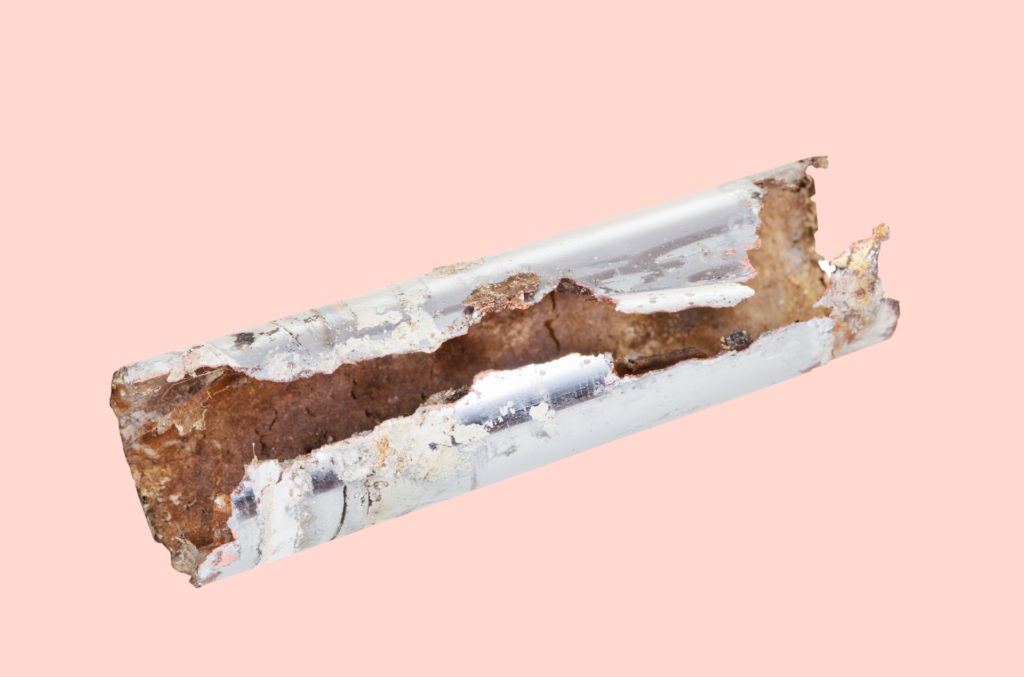
Cracked drains aren’t an uncommon problem for homeowners but they can have a range of serious consequences. When pipes are damaged in this way, they’re unable to fully contain the fluid that’s flowing through them. Due to this, leaks become increasingly likely. In addition to this, unpleasant odours and potentially harmful contaminants can also escape from the drain. Worst of all, total collapse may occur, causing structural damage if left unchecked.

Although occasionally badly damaged pipes may be obvious to the naked eye, the vast majority of the pipework in or on your property is concealed. This means you may not be aware that there is a problem present until substantial damage occurs or a professional technician assesses your drainage system. For more on the causes, how to identify the issue and also how to fix it, here are 5 tips for dealing with cracked drains and preventing collapse.

UNDERSTAND THE CAUSE OF CRACKED DRAINS

Domestic pipes can be damaged for various reasons. In some cases, older style drains may simply corrode over time. When this happens, the structural integrity of the pipe is weakened and it is unable to support itself, which may result in cracks developing. 

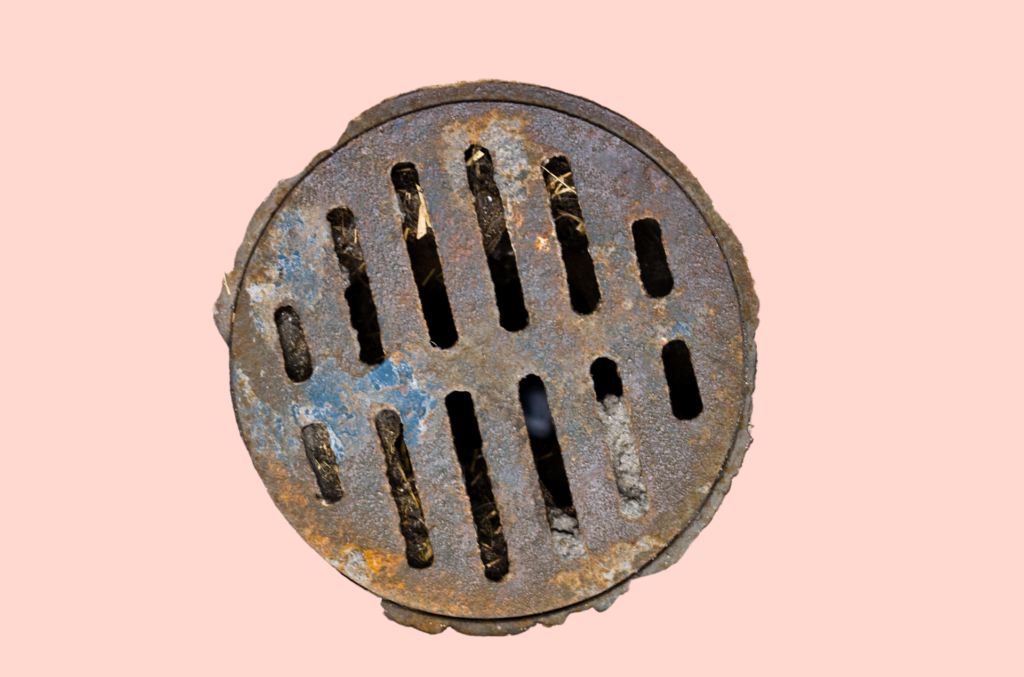
However, newer drains can become cracked or damaged, too. Wandering tree roots or inappropriate materials passing through the drain can easily damage modern, plastic pipes and cause cracked drains, for example. In addition to this, a blocked drain can cause damage to the surrounding pipework if it isn’t rectified quickly. As the blockage increases in size, it places undue pressure on the pipe. When the pipe can no longer contain the blockage, cracks occur. At this point, the cracks may cause a slow leak into the surrounding areas or the drain may collapse entirely. And you don’t want that, ever.

IDENTIFYING CRACKED DRAINS

The most effective way to identify cracked pipes is via a CCTV drain survey. Using specialist equipment, technicians can view the interior of the pipes to determine whether any cracks are present. As most of the drains on your property cannot be visually inspected with ease, this ensures a complete and thorough assessment can take place. 

As well as being an effective way to identify cracked drains or other issues, a CCTV drain survey has the added advantage of being a ‘no-dig’ solution. The equipment can simply be fed through the drain, which means there is no need to dig down or excavate the pipework to assess whether or not damage has occurred. 

DRAIN RELINING

If your drains are confirmed to have cracks in them, relining might be your best and cheapest repair option. Typically installed in resin form, the liner is carefully moved into place using state-of-the-art technology and techniques. Once in place and fully set, the liner bonds to the interior of the drain and acts as a sleeve within it. 

A drain liner ensures that any cracks in the existing pipework are irrelevant, as the contents of the drain now flow through the liner only, rather than the pipe itself. Acting as a ‘drain within a drain’, relining provides a permanent solution to cracked drains. 

As well as being an extremely effective way of repairing cracked drains, relining is also relatively low cost, at an average of around £750 for ten metres. The entire process can be carried out using ‘trenchless technology’, which means technicians won’t need to excavate the pipes. This allows the work to be completed more quickly and with far less intrusion, so you can look forward to speedy fixes and efficient repairs. 

DRAIN REPLACEMENT

If a drain is very badly damaged, you may be forced to remove and replace it. Although this represents an all-encompassing option and a level of closure, it does mean that excavation work will need to take place, which adds to the cost and complexity of the project. For those hoping to keep any home renovation or maintenance costs down, this spells bad news.

Fortunately, the need for drain replacement can often be avoided. As most cracked drains sustain damage over time, a swift response ensures alternative solutions can be used before extensive damage occurs. 

WHEN TO RELINE YOUR DRAINS

If pipework is cracked or broken in some way, a suitable repair must be carried out. Delaying the work simply increases the risk of a drain, and even floor, collapse. Furthermore, cracked and leaking drains allow water, sewage and bacteria to escape, so you could be putting your health at risk if you don’t take action quickly. 

However, you may not know that the drains on your property have developed cracks until a noticeable leak or flooding occurs. This is why it’s so important to undertake regular maintenance work. With routine CCTV drain surveys, for example, a thorough assessment of your drainage system can take place and any issues can be quickly identified. 

What’s more, routine maintenance carried out by a team of professionals will alert you to any potential problems at the outset. This gives you additional time to consider your options and plan for work to be carried out. If you want to avoid last-minute emergencies and urgent callouts, regular maintenance and inspection are essential. 

HOW TO CONNECT WITH KIDS LONG DISTANCE AFTER DIVORCE: 6 IDEAL TIPS

The extended period of self-isolation, lockdown and long distance communication has served to remind so many of the importance of ‘keeping in touch’. And nowhere has this been more keenly felt than in the homes of divorced families, particularly ones with children living with parents separated by distance.

If you or your ex-partner has recently moved to another city, a unique set of communication challenges emerge, particularly for the parent without sole custody. Staying involved in their life, and providing advice, support and love, can be tough for afar. But it’s your duty as a parent to find new ways to do so.

If you’re navigating this new stage in your life, We’ve teamed up with www.wiselaw.co.uk to offer these 6 IDEAL tips on how to connect with kids long distance after divorce.

CONNECT WITH EMAIL, TEXT, CALLS AND SOCIAL MEDIA

Don’t limit your communications to just one channel. By using email, text, calls and social media, you can vary your communication and replicate the feeling of having small talk with your child as best you can from afar. 

Harness the power of technology to vary the levels of formality with which you’re communicating. Send funny pictures (perhaps, heaven forbid, venture a few memes), ask them questions about the serious and silly things equally, and check-in just to say hello with as much devotion as you do when asking about important dates coming up such as exams. By varying your contact methods, you also let your child know that you are always available, on any platform and for any reason.

STAY TUNED IN TO THEIR PASSIONS

Children’s interests can change with the weather, as any dusty box of Peppa Pig toys and sticker albums will attest. And feeling like the out of touch parent can be pretty heartbreaking, when you’ve splashed out on a new toy only to find out that particular character or hobby was sidelined last week for something more fashionable. 

Avoid this poignant event by asking about their interests and making the effort to find out more each and every day. The internet makes it easier than ever before to find out more about your child’s interests and what is keeping them busy. Understanding their passions will make it a lot easier to navigate small talk and keep the conversation going in the future. A small note; you don’t have to actively enjoy or even approve of their hobbies to be interested. 

PLAN SPECIAL TRIPS AND OUTINGS

When your child is coming to stay with you, make the effort to create some new memories. Plan special trips or outings to places that are unfamiliar and new. This doesn’t even need to be major, it can be going to an escape room, the arcade, museums…you name it. Inviting your children on annual holidays can also be a great way to spend some extended time together and assure them that you’re still very much part of their life.

When agreeing on custody arrangements in your divorce, be sure to include an annual holiday as part of the agreement. You will still need to secure written permission from the other parent to be able to take your child out of the country, as well as tackle various bureaucratic aspects, such as a potential change of name on your child’s passport, but this will all be worth it for the quality time you’ll be spending together.

EXPLORE THEIR NEW NEIGHBOURHOOD

If your child has moved to a new place with your ex-partner, they’ll be excited to show you around. And that’s just lovely; a perfect chance to spend time together. Planning a trip to visit them in their new neighbourhood can really help your child to settle in and to enable you to feel more involved in their new life. Don’t avoid this visit because it might present awkwardness or heartache between you and your ex; put your child first, always.

ASK THEM HOW THEY WANT TO KEEP IN TOUCH

The best way to keep in touch with children long distance is to find out which platform they are most likely to use. Some children love the instantaneous nature of social media messaging, while others will prefer the regularity of a scheduled call. Find out what method works best for them and then work hard to meet their needs.

SET A SCHEDULE, BUT BE AVAILABLE

Children respond best to routine and predictability, and their lives being disrupted can be really challenging. Your child needs to know that you will be in touch regularly, so make a schedule and stick to it regarding your contact, both in person and from afar. This might mean arranging a twice weekly Skype video call to check-in, but as a minimum of course. Remember that contact doesn’t need to be totally restrictive (and prescriptive) and a little spontaneity beyond your scheduled hours and within the realms of agreed acceptability will be appreciated. Successful co-parenting relies on fixed schedules and flexibility, equally.

THE BOTTOM LINE

Your relationship will be stronger if your child has some regularity of contact, but also knows that you’re always there when they need you. Even if you’re struggling to keep in touch over long distances, modern technology should make this easier to navigate. 

5 TIPS FOR PROTECTING YOUR SKIN WHEN EXERCISING OUTSIDE

5 TIPS FOR PROTECTING YOUR SKIN FOR EXERCISING OUTSIDE

Summer’s nearly here and with it, the pleasure of exercising outside, in the fresh air and under the sun. But such a workout comes with added risk; a recent survey by OnBuy.com showed that 67% of Brits do not apply SPF to their skin in prep for their daily outside exercise. What’s more, the British Skin Foundation estimates there are 100,000 new cases of skin cancer each year.

To help Brits stay safe when taking their daily outside exercise, Golfsupport asked for expert advice from personal trainer Sana Shirvani on how to prepare for working out in the sun. And here it is; our 5 tips for protecting your skin when exercising outside.

WEAR SUNSCREEN 

Make sure you are applying 30 SPF sunblock every time you head out to work out. It doesn’t matter whether there are blue skies, it’s overcast, or if it’s raining; you’ll still be exposed to high doses of UV light. According to a study published by the Journal of Clinical Oncology, regular sunscreen use decreased the incidence of melanoma by 50-73% in study participants.

In this guide to getting the most UV protection, it’s suggested that different formulas will last for different amounts of time, the general rule is to reapply every two hours, but when working out you should do it more frequently due to sweating.

exercising outside

AVOID PEAK HOURS

The sun is closer to the horizon before 10AM and after 2-4PM depending on where you are in the world. Conversely, the sun is strongest and most harmful when it’s highest in the sky, roughly between 11am and 3pm in the UK. You want to avoid exercising in these peak hours as this is when you’ll be exposed most and it will dehydrate you faster, especially if you’re trying to get healthy and build your fitness. 

EAT & LIVE WELL

Increasing your immunological defences can also help safeguard your skin from damage. Schedule rest and recovery each week, get at least eight hours of sleep, and fuel up on antioxidants. Focus on eating a balanced diet that is varied in colour. The more colours, the wider the array of damage-fighting antioxidants you’re getting. This will help with your skin and your recovery from exercise, so you are able to do more and get fitter.

tips for exercising outside

CHECK YOURSELF FOR MOLES REGULARLY

No matter how careful you are, check your body for new or changing moles every month, especially if you’re regularly out exercising, and visit a dermatologist once a year or more (depending on your personal risk level) for a skin-cancer screening. It’s never too early to have someone take a look at your skin. If all is well, great. If it isn’t, then it’s essential that it’s caught early.

SOME GENERAL TIPS ON EXERCISING IN THE HEAT HEALTHILY:

More generally, to stay healthy when exercising in the heat you should do the following:

KEEP HYDRATED: In the summer heat, keeping yourself fully hydrated is arguably the most important part of the whole process, so it’s crucial to take a drink with you and also remember that just because you don’t feel thirsty doesn’t mean you don’t need to drink!

DON’T OVER EXERT YOURSELF: It’s incredibly important to be aware of your fitness levels and not to stretch yourself too far. If you try to do too much, especially in hot weather, you will end up causing yourself an injury.

STAY NEAR HOME: If something were to go wrong, like an injury or a sudden illness, you will want to be within a short distance of home, especially if it’s hot, as you will be exposed to the sun and heat for longer, making any injury or illness worse.

THE IDEAL RECIPE FOR GREEK FETA & WATERMELON SALAD

IDEAL for a summer barbecue or picnic in the park.

Harry Styles was right when he wrote about it. A true summer superfruit sweetheart, nothing beats the refreshing crisp sweetness of a juicy watermelon. We don’t know if we could ever go without, either.

One of the finest uses of this great fruit, we think, is in an otherwise salty, savoury salad. Watermelon with rich olives and salty feta…the fresh, summery ingredients in this salad are just delightful together. Enjoy as a barbecue side dish or package up for a picnic, and bring your speakers along with you for the theme tune. All together now, here’s our IDEAL recipe for Greek feta and watermelon salad.

  • Preparation time:20 minutes
  • Cooking time:0 minutes
  • Total time: 20 minutes

Serves: 4

Ingredients

½ red onion, thinly sliced 
½ Waitrose & Partners Watermelon  
1 cucumber 
20 pitted Kalamata olives, torn in half 
100g feta, crumbled 
4 tbsp extra virgin olive oil 
4 tsp red wine vinegar
5 mint leaves, finely shredded 
¼ tsp dried oregano

Method

1. Put the sliced onion in a bowl of cold water and leave to soak while you prepare the remaining ingredients. Carve the watermelon lengthways into three wedges, then cut away the skin and slice into 1½cm-thick pieces. Halve the cucumber lengthways and scoop out the seeds with a teaspoon, then slice into half-moons about ½cm thick. 

2. Arrange the watermelon and cucumber on 4 plates, then scatter over the olives and feta. Drain the onion and add to the salad. Drizzle each plate with 1 tbsp oil and 1 tsp vinegar; season. Serve immediately, sprinkled with the mint and oregano.

Cook’s tip 

Soaking raw onion in cold water helps to tone down its pungency before it is added to a salad. 

Recipe courtesy of Waitrose & Partners.

4 OF THE BEST DEEP BLUE SEA DIVING SITES IN THE WORLD FOR BEGINNERS

Sure, paddling is great. Yep, a few yards of front crawl before retreating to shore is fun. We get it, snorkelling can even let you see that little bit more. But it’s deep blue sea diving that truly grants the opportunity to see a world of water beyond all three of those tentative strokes. 

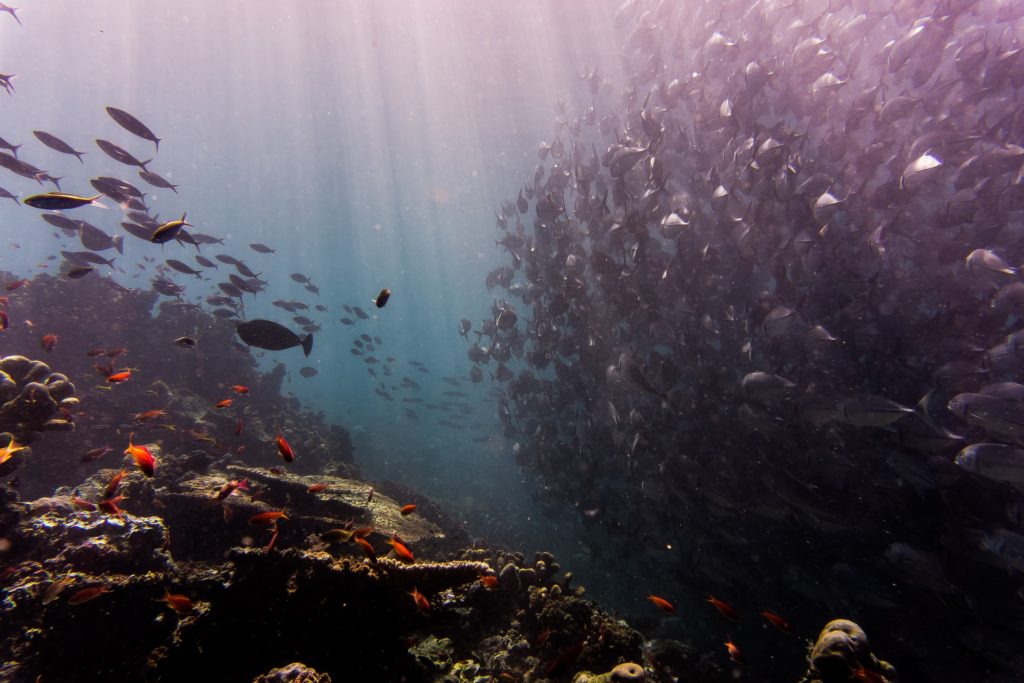
And by god is there a world out there. That gorgeous aquatic life along with coral reefs, caverns, caves, and different kinds of fish and mammals will hit you hard. Whether you’re a beginner dipping your tank deep for the very first time, or even you’re more experienced diver with an insatiable thirst to see more, it’s essential you choose the right site to suit your needs. With that in mind, and settling for nothing but the best, here are 4 of the best deep blue sea diving sites in the world for beginners. 

GOZO ISLAND, MALTA

Gozo, not far south of Sicily, is one of the lesser known islands which make up the gorgeous Maltese archipelago. With a population of around 37,000, Gozo has some serious historical clout, boasting one of the world’s oldest religious structures; the Ġgantija Temples. What’s more, the island is believed to be the famous Calypso Isle in Homer’s Odyssey. Yep, for somewhere we’ve just described as ‘lesser known’, it packs one hell of a punch historically. 

The island’s beauty is attributed to its orange-red sands and azure waters that will fascinate those who love diving and snorkeling. If it’s your first deep blue sea diving experience, then you should ”start with the Blue Hole, an underwater chimney passage that will spill you out into the Mediterraean sea. Be prepared to see a lot of fish, such as grouper and damsel fish, and tuna the deeper you go, and delight in the relatively untouched conditions’’. 

For those intent on seeing fish, Crocodile Rock and the Double Arch Reef boast tuna, barracuda, sea urchin and octopus by the barrel load. Because of this, the seafood back on terra firma is also rather good!  

GILI ISLANDS, INDONESIA 

The Gili Islands is Indonesia’s most popular area for scuba diving. Dubbed the “Turtle Capital of the World”, the island is an ideal place not just for experienced divers but for beginners, too, who are looking to dip their toes (and faces) in the water. 

Thanks to its year-round perfect water temperatures that average a warm 28°C, diving occurs all year here, though the best time to do so is in the dry season, beginning May and ending October. Visibility is hampered during the rainy season, but it’s still a great spot for diving.

Another great thing about the Gili Islands is the fact that all the dive centers offer a fixed price for everything, except for the purchase of equipment, due to the official Gili Indah Dive Alliance (GIDA) which operates on the island. This would mean that whichever Gili Island you choose for your first deep blue sea diving, you will be paying the same price, preventing extortionate fees and scams, and offering reassurance to those beginners less confident about navigate common price fluctuation. 

Keep an eye out for night dives around the island’s waters, available on request and a real treat if you can snag a place. 

SIPADAN, MALAYSIA

Located in Sabah, Malaysia, this island is known to be one of the best dive sites globally and is the country’s only oceanic island, formed by living corals and extinct volcano. Beginners and keen divers alike will find the visibility excellent and the waters teeming with life, from bright fish and spiraling schools of barracuda to turtles, schooling reef sharks, dolphins, and precious corals filling the underwater world. 

Note that here, you’ll need to have a permit to be able to dive around the island (just 120 permits are issued per day) and you won’t be able to stay on the island. As such, many tourists here choose to stay on the nearby islands of Kapalai and Mabul so the diving of Sipadan is as accessible as possible for day-to-day diving excursions.

Read: 6 of the best places in the world for a scuba diving holiday

KAS, TURKEY

Kas is the Turquoise coast’s greatest asset, a lovely, laid back place with a lively soul, great cuisine and a globally renowned scuba diving scene. 

Within the radius of just a half hour’s boat ride from the town’s port, you’ll find more than 50 dive sites, and move than 15 accredited diving centres within the area at last count. The diving season here happens approximately from April to November, with the very peak in June, July and August. Water temperatures during this time are pleasant, in their early 20s, and visibility crystal clear. 

First timers should head for Assi Island, which is only twenty minutes or so from the Kas port. Here, the curious and the keen will discover a reef replete with barracuda and octopus, as well as the odd sea turtle calling it home. Amazing! But diving’s not only about seeing fish right? Close to Kas there are also several fascinating historical wrecks to peruse, the most popular being amongst the Canyon, where you’ll see the wreckage of the Dmitri, a steel coaster which sank in 1968. And for inexperienced divers, the deliberate sinking of the DAKOTA WWII C-47 plane (to create an artificial reef) is easily accessible at 22 metres deep.

THE BOTTOM LINE

Every underwater adventure is an unforgettable experience, regardless of what you see and who you encounter. But, in addition to planning your destination for your first dive, you have to make sure that you are physically and mentally prepared, too, as well as having the right equipment.

Though we can’t help you psychologically to get ready, we can point you in the direction of our article on 6 IDEAL scuba diving accessory must haves, to ensure you’re equipped for what might turn out to be the greatest experience of your life!

5 TIPS FOR MAKING THE BEST HANOI STYLE PHỞ BÒ (BEEF NOODLE SOUP)

Phở bò, the gorgeous, nourishing Vietnamese noodle soup of beef and bone broth, is a crowd-pleaser and a half. Deceptively simple, insanely delicious, a late night snack, a hangover cure for breakfast, a fulfilling lunch and more, all rolled into one and often enjoyed several times day, this truly is one of the world’s greatest bowlfuls. 

It’s said that Vietnam’s capital Hanoi runs on the stuff, with no two establishments serving the same bowl and the best versions closely guarded secrets handed down through the generations.

The Hanoi version (the Northern rendition is arguably the original, reportedly coming out of Nam Dinh Province sixty miles from the capital) of the iconic dish is somewhat different to your UK high street rendition; low on embellishment and frippery, proudly austere, and distinctly savoury, not sweet. It’s almost clinical, and often delivered to the table in fittingly formal fashion. And where pho is concerned, less really is more, the power and poise of the broth given centre billing. We just love it.

This ain’t your average UK high street Pho, nor is this a recipe; we’ll defer to an expert, chef Andrea Nguyen. for that. Instead, these are some suggestions on what makes the Northern version so special. If you’re looking to create a Hanoi version at home, make sure you pay particular attention to these steps in your process; our 5 tips for making the best Hanoi style phở bò (beef noodle soup).

SAVOUR YOUR STOCK

The foundation of the dish, the backbone of the country, even; though the word ‘pho’ refers to the rice noodles, the dish itself is all about the broth. 

This isn’t that type of typical broth which has been bubbling for years until dark, moody and rich. The best Hanoi style phở bò should be a delicate, nuanced affair, with the spices and aromats all present and correct but certainly not overwhelming the collective whole. Vietnamese friends used to often suggest that the cliched description of ‘layers of flavour’ wasn’t appropriate for a pho broth; it should be homogenous, with each ingredient playing their part to create a unified whole, rather than pops of selfish flavour battling for attention. We liked that notion.

The final product should have a few gobules of fat floating on the surface, but not many, and this is achieved through using the right bones from the off; a mixture of knuckle, marrow bone and oxtail is ideal, as these bring a gelatinous yet light mouthfeel. This is achieved by soaking the bones in several changes of cold water prior to starting your stock, and bringing them to the boil then draining a couple of times before the proper simmering begins. 

Diligent skimming of that stock is also crucial so excessive fat doesn’t cloudy the broth or emulsify back into it, and any seasoning (just fish sauce and perhaps a pinch of rock sugar) is done right at the end of the process, just before serving.

5 TIPS FOR MAKING THE BEST HANOI STYLE PHỞ BÒ

CHAR YOUR AROMATS & TOAST YOUR SPICES

The nuance of pho is realised through its aromats and dry spices. You’re going to want to get as much subtle smoky flavour into your broth as possible, and Hanoi’s cooks do this by charring both ginger and shallot prior to adding it the broth. This is best achieved on a barbeque, but you can simulate a similar effect by holding the pieces in a pair of tongs over an open gas flame on your hob. That, or at a push, doing them in the oven under the grill until blackened. There’s no need to peel too scrupulously here (your pho broth will be passed several times), just scrape off the really black bits and pop the charred ingredients into the simmering cauldron.

Another defining feature of the best Hanoi style phở bò broths is the dry spice selection. Star anise, cloves, cinnamon, black cardamon and fennel seed are all ubiquitous, and should be dry toasted to bring out their essential oils and give another nod to smokiness prior to adding them to the broth. Doing so should be done within a tea bag or muslin cloth.

5 TIPS FOR MAKING THE BEST HANOI STYLE PHỞ BÒ

DON’T GO OVERBOARD ON THE ACCOUTREMENTS

Personal preference plays a part here, with bowls on the streets of Saigon, Nha Trang, and other southern cities usually arriving accompanied with a whole host of herbs, beansprouts, and several sauces. In our devotion to a Northern, Hanoi style pho we reject the frivolous extras; mint, coriander, Thai basil, those aforementioned bean sprouts…they all seem to muddy the broth and disrupt that coveted clarity we’ve spent so long nurturing. 

Instead, as a garnish we’re simply using the green part of spring onions – finely sliced – and sliced white onion which has soaked in hot water for around fifteen minutes to remove its pungency and gaseous elements. In the last moments’ preparation stage, these are added to a clean bowl, along with your beef (more of that shortly) and pre cooked, chilled noodles, before hot broth is poured over to warm everything through. 

RAW & BRAISED BEEF

Though phở bò is available in hundreds of iterations on the streets of Hanoi, and everyone has a preference, your main decision when ordering is what meat you’d like in your bowl. We love a mixture of oxtail, brisket and thinly sliced raw sirloin, for what it’s worth. 

The oxtail will have been added to the broth around five hours before serving, lifted out just prior, and the meat picked from it. In many of Hanoi’s definitive street side pho purveyors, you’ll also see large hunks of brisket, already simmered, hanging in front of the shop on hooks. These will have spent around two hours in the simmering broth until semi-tender (the Vietnamese savour a slight chewiness to their meat and definitely plenty of fat still attached) and is sliced to order. 

Raw, thinly sliced sirloin is also often added added to the bowl along with the other veef cuts (which is at room temperature), with the hot broth gently cooking it. Though that’s three types of beef, this is by no means a ‘meat feast’ affair; everything is added with restraint and good taste.

5 TIPS FOR MAKING THE BEST HANOI STYLE PHỞ BÒ

SEASONING SAVVY

No hoisin. No sriracha. No compromise.

The Hanoian pho table is moderate; so much care has been taken over the broth that to decimate it with various shop bought seasoning sauces would be sacrilige. That said, the broth has only been delicately seasoned up to this point, to allow for personalising at the table with a couple of select condiments.

At Phở Gia Truyền Bát Đàn (49 Bat Dan Street), which is arguably the greatest pho in the world, the shop owners don’t even serve lime or homemade chilli sauce, such is their faith in the broth they’ve spent generations cultivating. If you’re after piquancy, then it’s to come from chillis soaked in vinegar.

At another revered Hanoi Old Quarter joint, Phở 10 Lý Quốc Sư, sliced orange chillis (in keeping with their branding) are offered to bring a bit of pep and vigour to your bowl. They do provide sliced lime, but connoisseurs would add little else.

Alongside, if you have the time, then do endeavour to make the ubiquitous, delicious quẩy, a savoury, deep fried type of doughnut which is just perfect for dunking in the soup.

Serve with iced jasmine tea, not beer, and you’re good to go!

THE DIY GUIDE TO CHECKING YOUR ROOF FOR DAMAGE

THE DIY GUIDE TO CHECKING YOUR ROOF FOR DAMAGE

A roof completes a house – the proverbial icing on the bricks and mortar cake – which is why a damaged or leaking one can make a home completely uninhabitable. This is the main reason homeowners around the world need to take care of their roofs with regular maintenance or by replacing them when they notice signs of damage. Because, as the old saying goes, the time to fix your roof is when the sun is shining.

There are myriad benefits of keeping your roof in good condition. Not only the obvious, that a sturdy roof keeps you dry from the rain, but also the more overlooked fact that your roof also keeps you warm, saving on energy costs, as well as preventing structural damage in the property as a whole.

When you notice signs of damage, you need to find ways to fix them so that other problems don’t occur. Homeowners need to look out for any signs of damage, no matter how small they may be. With that in mind, here’s a DIY guide to checking your roof for damage.

START BY PERFORMING AN INTERIOR ROOF CHECK

The first thing you need to do in order to evaluate the condition of your roof is to find a torch and venture up into your loft. Nobody’s favourite, task, we realise, but an important one nonetheless. Once you’re up there, bent double and trying not to breathe in too much dust, you will then need to inspect your loft or attic to check if you can see any of the following:

  • Daylight coming through the roof – before turning your torch on, check to see if you can see daylight coming through any parts of the roof. If you can, your roof (or at least, a section of it) will need repairing, as soon as possible, to stop further damage from occurring. Because if sunlight is getting through, then so is water.
  • Stains or dark patches – if you notice dark stains or patches on your roof, then it’s probably leaking. Any water that enters your home will damage your roof and your home’s structural integrity, so it needs to be repaired or replaced as quickly as possible. 
  • A sagging roof – water can make timber sag, so if you see areas of your roof sagging, then you’ll know moisture is present.
  • Water damage – if you notice rotten wood or rising damp, then you’ll need to ask a professional for their advice going forward. If you’re not sure where the water is coming from, then it may be best to engage with a specialist leak detection company such as Pinpoint. In addition to finding the source of the leak, they offer a dedicated water damage repair service. This isn’t a job you want to tackle without sufficient expertise.

EVALUATE THE EXTERIOR OF YOUR ROOF

As Gorilla, considered the best roofers in the Ballwin area, tell us you will need to have a look at the outside of your roof once your internal evaluation is complete. Interior checks will help you notice damage that has already happened, sure, but exterior checks will help you spot damage before it occurs. And prevention is better than cure, as we all know by now. If you notice any of these signs, then there’s a good chance that further action is required:

  • Water damage
  • Leaks
  • Dark patches – if it looks damaged, there’s a good chance it is.
  • Rotting – if you have an asphalt or wooden roof, then rotting is fairly common.
  • Algae or moss – a build up of algae or moss can damage your roof, so if you notice this then it’s a good idea to remove it.
  • Broken or missing tiles – this is one of the main causes of roof leaks. Look for signs of broken tiles in your guttering or scattered around your garden. If you spot missing/broken tiles they will need replacing.
  • Cracked flashing – flashing can crack over time, so it’s important to check it on a regular basis.
  • Valley – the valley is the point in which two roofs meet. If a valley becomes damaged or corrodes over time, then it will need replacing. 

Should you have identified one or more of these signs, then professional intervention is almost certainly required, both in terms of a further, in-depth evaluation and subsequent damage limitation. As the experts at 1-800 Water Damage tell us, such pros have ”state-of-the-art tools to read moisture levels, assess the type of water responsible for the damage, dehumidify, extract excess water, and thoroughly dry out your home.”

Indeed, when dealing with such a threat from erroneous water, it’s best to defer to those with the expertise and the professional tools. Specialised water damage restoration services can help address the issue effectively and prevent further complications.

WHAT TO DO NEXT?

If you are intent on completing your own roof evaluation, then, according to Redland Roofing in Cardiff, you will need to make a list of any damage you’ve found. As we mentioned, you should then contact a professional to come and check the condition of your roof for a more all-encompassing evaluation of the issues. 

When the professional arrives, explain to them what you’ve found so that they can check your findings. A second opinion never hurts, especially from an expert. Make sure you don’t waste time here, as it could cost you even more money in the long run. 

THE BOTTOM LINE

While most people take good care of their homes, particularly in a cosmetic, aesthetic sense, the roof is often overlooked, largely because it can’t be easily looked over. Over time, roof problems can become more severe, causing leaks or further problems like disintegration. Thankfully, you don’t have to wait for that to happen. By inspecting your roof on a regular basis, you will be able to spot potential issues and fix them before they cause an even larger problem in the future. 

Remember, in the words of Dashiell Hammett; ”the roof might fall in, anything could happen”.

5 IDEAL BEGINNER’S TIPS FOR GROWING APPLE TREES

According to the experts at Love Garden, one of the most searched for garden queries online of the last three months was ‘when to prune apple trees’, with 3600 searches in February 2020 and 4800 in March. That number only looks set to rise further, in tandem with the tree’s outward spurt. 

If you’re keen on getting involved and growing your own apples at home, whether that’s for desserts, chutneys, cider, or simply the freshest fruit around, then you’ve come to the right place. Here are 5 IDEAL beginner’s tips for growing apple trees.

CLIMATE 

Climate is important to your tree’s growth. In terms of the divergent conditions in Britain, the East of England is blessed with the ideal climate here – relatively dry and moderate temperatures and sheltered from wine – but you can replicate these effects in other parts of the country by providing shelter from wind, and making sure your tree is planted in an area which is exposed to maximum amounts of sunlight; any less than half a day’s, each day, won’t be good for your apple tree’s growth.

Read: The ideal beginner’s guide to growing your own produce

DRAINAGE

To thrive, apples need two main things; plenty of sun and decent drainage. Though you can’t dictate the former you have a fair amount of control over the latter. As such, make sure the area around your tree is cleared of grass (a 1 metre radius should be sufficient), since grass will take water and nutrition that your apple tree requires. In general, dessert apples require more diligent drainage than cooking ones.

You should regularly mulch with compost and wood chippings throughout the growing season, particularly in its early stages, and water keenly. Make sure you stick to that 1 metre radius we mentioned when mulching and watering, as apple tree’s roots tend to grow outwards rather than only down.

5 IDEAL BEGINNER’S TIPS FOR GROWING APPLE TREES

WHAT TO PICK

No we don’t mean from the tree just yet. Instead, before you can pick your apples off the tree, you have to pick what apple trees you’re going to grow. Got it? Incredibly, there are thousands of different types of apples. In the UK we have over 2,500 varietes. Crazily, only a handful of varieties are sold in UK supermarkets – some of which are imported. 

Here’s a useful round up of common supermarket apple varieties from the good guys at Orange Pippin Fruit Trees:

Golden DeliciousBraeburnGalaGranny SmithCoxRusset
Sweet, hard and crispTangy and crispSweet, mild, fairly crispAcidic and hardNot hard, tangy, traditionalMild sweet flavour, not hard

But more broadly speaking, apples fall into two categories – dessert and culinary (sometimes differentiated as ‘eating’ or ‘cooking’). If you only have room for one in your garden, then the latter cooks very well, covering both bases.

You should also think about the purpose of your apples. Do you plan to make desserts, cider, juice, or eat them straight from the tree? Or, should you be considering longevity, have a close look at the ripening season of your chosen apple variety. In general, ripening ranges from August to November, and it’s good to choose varieties which ripen at different times for longevity’s sake.

Read: 10 IDEAL grow-your-own herbs and vegetables

CONTINUED CARE

Finally, some good news; apples require little care throughout the year. Simply water your apple trees during long dry spells, if the ground surrounding the tree is bone dry, and also from when the fruit begins to swell. In fact, excessive watering can damage the tree, so hold back if the urge takes you too often. When you do need to, use a lot of the water to ensure it penetrates the ground deeply.

Do make sure that you prune your tree in order to keep it healthy, full and guarantee a yearly crop of the good stuff. Knowing when to prune apple trees is key, and Gardener’s World presenter Monty Don suggests that “if you prune hard in winter, you will get lots of shoots coming back and none of those shoots will have any fruit on them. If you want to reduce the size of the apple tree, do it in summer. If you want to stimulate it to grow bigger, do it in winter. Almost all apples produce their fruit on spurs and the spurs only develop on wood when it gets to two or three years old.”

Heaven forbid your planting doesn’t go to plan, or you find there’s not enough room in your garden after all, then it’s okay to admit defeat.

5 IDEAL BEGINNER’S TIPS FOR GROWING APPLE TREES

WHEN TO HARVEST

Though it depends on your variety, of course, the window for picking apples is relatively small. In Britain, there are early, mid and late varieties, with the variety known as Discovery being the first to emerge, and is usually at its best in mid to late August, though climate change is gradually bringing that earlier. 

On the other end of the spectrum, D’Arcy Spice arrives latest, and is at its most ripe and delicious when picked in November. That said, as a general rule of thumb, the vast majority of apples here in the UK are ready to harvest in October time. 

We can’t wait!