

Home Blog Page 247

5 STEPS TO BUILDING YOUR OWN DANCE STUDIO AT HOME

If you’re one of those people who just loves to dance, then we’re sure you can’t resist the temptation to twirl and pirouette at home to even the merest suggestion of a rhythm. The metrical groove of the dustbin van engine? You feel that deep in your soul. Your mum pulsing a parsnip soup? You could get your groove on to that. The dawn chorus? You’ve made remixes in your head.

But that’s the problem. This passion is thus far not being lived to its full potential. At worst in your head and at best in the front room, right? Let’s cut to the chase; wouldn’t it be great if you had your own dance studio

Well, it needn’t just be a hypothetical question posed. If you have a spare room, with a few simple tweaks you can transform it into a place where you and your friends can dance. With that in mind, here are 5 steps to building your own dance studio at home.

TASK SPECIFIC 

What type of dancing do you most adore? Your favoured dance style somewhat determines your next steps (excuse the pun) here. If you wish to practice ballet movements in the comfort of your home, for instance, then you’ll have to make specific decisions in terms of the size and location of the room you choose, not to mention flooring.

If it’s break dancing you’re looking to practice, then the floor is going to need to be more shock absorbent than the aforementioned ballet. Should you be a ballroom enthusiast, then the designated room needs to be spacious enough to incorporate those elongated, graceful movements comfortably. 

As a rule, the dance discipline you’re intending to practice decides the size, shape and fitting of the room. 

FIND QUALITY DANCE STUDIO GLASSLESS MIRRORS

People without dance career aspirations end up running practices wherever they can. Ideally, you should have an open space next to a large glass window, preferably mirrored so you can check your form and assess if you’re following correct posture, should you be practicing alone. If you don’t want the rest of the world to judge your pirouettes, fill a room with glassless mirrors. 

INSTALL A BALLET BARRE

To really mark out the room as a devoted dance space, consider installing a ballet barre. This stationary handrail offers support during warm up exercises and training, and helps maximise space in the domestic dance studio setting. Though you could simply fashion your own, it’s more advisable to order a dedicated bar, which will be designed to be the proper weight and height according to National Core Arts Standards.

INSTALL SUITABLE FLOORING 

Since the dance floor is the most important space in the world for a dancer, both amateur and professional, it’s crucial that the flooring you install matches your dedication. If the room you’re planning on transforming into a dance studio has a concrete floor, add some sort of subflooring as a priority.

Alternatively, invest in portable dance floors, which you can add to a room for each session and then remove again to allow the room to be used for a different purpose, should your home dance studio be a little more transient.

Laminate tiles are the preferred choice for home dance studios, and are an affordable option for those looking to kit out their new room quickly and within a tight budget. Do be aware that laminate flooring can be quite slippery when first installed, so exercise caution when enjoying those inaugural practices on your new flooring.

NOTHING WITHOUT A SONG

Of course, all of these details and considerations are elementary without having good music to move to. Introducing a decent sound system to your dance space, then, is integral to the success of your home studio. 

If you’re trying to do things within a tight budget, then portable Bluetooth speakers will do the job efficiently. Sonos are looking to lead the field in 2020, and their One and Play:5 models are superb. They do, however, come at a price. JBL do an affordable range of waterproof, unassuming speakers perfect for kitchens, and we’re also big fans of Audio Pro Addon range, which boasts brilliant sound for the price. 

Or, you could go for a smart speaker; the previously mentioned Sonos One has Alexa activated capabilities, and Apple’s Home Pod is also voice controlled. Ideal, we think, for those moments when you’re finding your groove and don’t want to be faffing about with your phone to play the next track.

Whilst we’re on the subject of repurposing rooms around the house, check out our 10 IDEAL tips for turning your garage into a home gym, and turn your home into a hub of activity!

ORGANISING YOUR KITCHEN: 5 OPEN SHELVING IDEAS FOR YOUR HOME

More unites us than divides us. And a statement which we think will find universal agreement is this; our kitchens would benefit from more storage. Yep, not one to shy away from the big, searching questions here at IDEAL, we’re often asking for suggestions on how to free up more space in this most used room in the house. 

Recently, we’ve found solace (and space, lots of space) in open shelving, which can add so much to the heart of the home. With that in mind, here’s some fresh tips on organising your kitchen; our 5 open shelving ideas for your home.

STORE EASY TO REACH EVERYDAY ITEMS…

Though clutter is the enemy of good kitchen flow and therefore, great cooking, there is sometimes a danger of things going the opposite way, and having a kitchen which is too tidy. 

Too tidy?!’ is that even a thing, we hear you ask. 

Indeed, sometimes we think kitchens can actually end up looking excessively clinical and a little ‘showroom’ without some stuff on display to keep aesthetic intrigue alive.

Moreover, when everything is stored away in cupboards, it can be a pain to rummage through them, especially to find everyday items. The solution? You guessed it; open shelving.

A narrow stretch of open shelves in the kitchen can provide easy-access storage for dishes, mugs, coffee pots and other essentials that are used most often. So, that’s no more fumbling with drawers and cupboard doors with messy hands, searching for a whisk. Or whisky. Or Whiskers. Hmmm, we’ll stop that now. 

The rest just makes sense, right?

…OR OFT-USED INGREDIENTS

Open shelving is ideal for keeping oft-used ingredients close at hand too. The convenience of being able to reach for an ingredient easily shouldn’t be undervalued when you’re trying to cook like a pro. Indeed, there’s a reason all professional kitchens deploy open shelving liberally throughout their workspace. Unlike regular cupboards where everything is just crammed in, everything on open shelving has its designated spot, and this makes cooking cleanly and with precision a doddle. 

MAKE THE MOST OUT OF NOOKS & CRANNIES  

Open shelving needn’t take up those long sections of horizontal space in your kitchen. Nope, open shelving is actually ideal for all those awkward nooks and crannies that traditional kitchen cabinets won’t fit in, which otherwise just end up being wasted storage space. Flexible for small spaces, and adaptable to odd angles, a short length of open shelves can meet your storage needs without you having to remodel your whole kitchen.

We’ve found that kitchen remodel contractors often have showrooms which display this storage quirk to great effect, showing off some truly creative open shelving even in the tightest of spaces.

INJECT SOME PERSONALITY 

Open shelving can bring an aesthetic appeal to your kitchen. Use it as a space to show off that quirky mug collection, your stylish crockery or as a home for that old cheese grater from your great-grandma’s kitchen.  Personality is found in those trinkets you’ve collected on your travels and all the esoteric ingredients you use, and you wouldn’t want that hidden away, would you? Instead, let it all hang out but retain a sense of order via open plan shelving. 

While some souvenirs are just visual items, redundant for any actual purpose, the great thing about kitchen items is that they are functional, too. In fact, they can both bring aesthetic appeal and improve your cooking simultaneously. Some of the items which look best on full view in the kitchen include a pestle and mortar from South East Asia, ideal for grinding spices and pounding curry pastes in the most authentic (see: delicious) way possible, a tagine from Morocco, or a pasta maker from Italy. All show off your inquisitive, well-travelled personality, as well as having an ornamental quality.

SOMEWHERE TO STORE KITCHEN EXPERIMENTS

Need somewhere to store that sourdough starter or those pickles you’ve been working on; look no further than some open shelves. Here at IDEAL we’re huge fans of experimenting with fermenting. And we’re not the only ones. Fermented foods are having something of a moment right now. Appearing on trendy menus up and down the land and making celebrities of their chef champions, ingredients like koji and kombucha are now part of our culinary culture, with crocks and kiokes increasingly found on kitchen shelves across the country.

However, we’re sometimes guilty of starting a fermentation process, stowing it away somewhere warm to do its thing and then forgetting about it – only to find it months later with a layer of mould that may or may not kill us. Having your kitchen experiments in plain sight is a great way to monitor them (and a great conversation starter for guests, too) and open shelving is simply perfect for this purpose.

4 INSPIRING ARTWORKS CREATED FROM HOUSEHOLD OBJECTS

Ideal for those looking for ideas on adding some unique flourishes to their interior design.

If you’re the sort of artist or home decorator who likes to seek inspiration from nature, you might be feeling a little cooped up and starved of ideas right now.. 

But art is about innovation, and staying home doesn’t have to mean stifling your creative tendencies when you’re seeking new stuff to adorn the walls of your gaff. 

Indeed, lockdown has actually inspired some pretty bright and inventive ideas, such as the Getty Museum Challenge. The project invites individuals to recreate famous artworks from their own homes using everyday objects, and social media users around the world have risen to the challenge, reimagining works by Edvard Munch, Johannes Vermeer, Dali, Picasso and Van Gogh, amongst others. The responses were derived from little more than simplicity and imagination, and have produced impressive, often hilarious results.

If you’re looking to start your own lockdown art project that doesn’t require painstakingly acquired arts and crafts supplies, then first, some inspiration; here are 4 inspiring artworks created from household objects, IDEAL for those looking for ideas on adding some unique flourishes to their interior design.

UMBRELLA PROJECT AT HEATHROW AIRPORT

This ambitious project was created in 2019 and displayed in Heathrow Airport from June to October of that year. 

The concept was developed by the ADHD foundation to raise awareness of conditions and diagnoses included under the umbrella terms of autism and ADHD. The display featured 300 umbrellas suspended from the ceiling of Heathrow Airport’s Terminal 5, and was put together by Meads Construction with the help of Ormiston Wire. In a time of protest and questioning authority, we predict that the umbrella installation may take on new significance in the coming years.

At home, pay homage to the piece by simply attaching an opened umbrella to your ceiling. Just mind that bad luck!

BLUFFS BY TARA DONOVAN

Artist Tara Donovan is known for her inventive use of household items and disposable goods such as toothpicks, paper plates, Styrofoam cups and straws to create sculptures that are visually surreal and texturally rich. 

‘Bluffs’ follows in that same tradition. The 2006 piece uses buttons and glue to create rising stalagmites that at a distance are almost indistinguishable from the sort of formation you may expect to find in any natural setting. In the contemporary context, Bluffs can be interpreted as a comment on the disposable, wasteful culture which permeates modern day life.

At home, by recycling conscientiously, or upcycling old items to have new uses, you can channel the energy of the piece.

STOP THINK MAKE BY DOMENIC BAHMANN

In 2013, artist Domenic Bahmann challenged himself to create one new piece per week. He christened the productive project ‘Stop Think Make’ and said it inspired him “to see the world in the way I used to when I was a child.”

Choice highlights from his playful, prolific endeavours include the Avocadosaurus (a dinosaur built from avocado shells), ‘Takeaway’, a recreation of the famous McDonald’s golden arches using banana peels, and ‘Board Meeting’, which sees a collection of onions and potatoes studiously gathered around a chopping board.

At home, root around in your compost bin for inspiration.

GIRL WITH LUTE BY CHRISTIAN FAUR 

Wax crayons are Christian Faur’s signature medium, but his use of them is unlike anything you’ve likely seen before. 

Each of his pieces uses hundreds and thousands of individual crayons to create pixel-esque images. His individual works incorporate a number of visual styles, including works such as ‘Girl with Cigarette’, ‘Pinterest Pygmalion’ and ‘Target’, which draw upon more recognisably modern imagery. 

But ‘Girl with Lute’ takes its influence from a Baroque painting by Italian artist Oraxio Gentileschi, presenting its subject in Faur’s own unique and charming style. A whole collage of influences, this, resulting in something wholly individual.

At home, simply take a selfie or photo of a family member, and pixelate it. Mind it doesn’t turn out looking like CCTV footage from Crimewatch!

If you’re looking for further inspiration, on positioning, placement, piece choice and more, then check out our 8 tips on choosing the IDEAL artwork for your living room, and keep on clicking on.

5 HOBBIES IDEAL FOR CHALLENGING YOUR CURIOSITY

Hands up who didn’t use lockdown as an opportunity to become a master sourdough baker, write a novel, start a lucrative side hustle or finally put those oil paints to canvas? It’s been a stressful time and you know what? It’s perfectly fine if you just kicked back and tried to make sense of things.

That said, just because lockdown is lifting doesn’t mean you should put those curious, inquisitive ambitions on hold. Quite the opposite. Free from the pressure of self-isolation sanctimony, now is the time to truly embrace a new pastime which satisfies your hunger for learning, inquiry and self-improvement. With that in mind, here are 5 hobbies IDEAL for challenging your curiosity.

LEARN TO PLAY A MUSICAL INSTRUMENT

Learning to play a musical instrument has proven to have significant effects on intelligence and creativity in individuals. 

In fact, studies show that playing the piano can aid a person’s cognitive development, along with helping to develop better eye-hand coordination and encouraging fine-motor skills improvement. On top of that (and acknowledging the crooked nature of IQ tests, in general) playing a musical instrument increases IQ by seven points or more, whether you are a kid or an adult. 

Wait, there’s more; playing an instrument can contribute to stress relief, better breathing control, improved listening abilities and it can even be considered as exercise. So, what are you waiting for?

MASTER A FOREIGN LANGUAGE

Put paid to that well deserved stereotype that Brits are useless foreign language learners by putting in the effort to learn one. Second (or third, or fourth…) language proficiency is not only an excellent way to satisfy your curiosity, but it’s also an incredibly useful skill to have both on your CV and in life. Though mastering a foreign tongue may be challenging, it’s an incredibly worthwhile pursuit. 

Why not go think globally here and beyond the ol’ ‘dos cerveza por favor’ bit? You can try picking up the intricate, beautiful, but actually the ‘world’s easiest writing system’, the Hangul (Korean alphabet), and gain a better understanding of the fascinating facets of Korean culture. Or, you could try your hand at the world’s most spoken language, Mandarin Chinese, in doing so improving your job prospects immeasurably. 

Though traditional face-to-face tutoring with a native speaker is still the most effective way to learn a new language, there are also plenty of free apps out there which can assist in the early stages of language acquisition. Duolingo and Rosetta Stone, in particular, have revolutionised, the way we learn languages and both offer free versions, which although limited in scope and reach, provide an opportunity to get some beginner words under your belt. Unfortunately, they don’t offer much in the way of more advanced learning, like grammar and conversational skills, but if you’re looking for a simple and cost-effective way to start learning a new language, then download away.

ABSORB INFOTAINMENT 

A passive activity which can teach us something? Sign us up! 

Indeed, there are plenty of ways to satisfy your curiosity and pep up your general knowledge without you having to do very much at all. You will actually have to sign up, to Netflix, Amazon Prime or Sky, but in doing you’ll open up a treasure trove of documentaries on a vast range of topics. 

Better still are informative, entertaining podcasts which you can listen to while falling asleep, during exercise, or even when you’re in the bath, and absorb tonnes of fascinating insights in the process. We absolutely love the US podcast ‘Stuff To Blow Your Mind’ which takes deep dives into all manner of topics with precision and depth, both supported by historical, literary and cultural references, and scientific research, too.

We’re also currently enjoying Dissect Podcast, which analyses contemporary albums, such as Frank Ocean’s Blonde and Lemonade by Beyonce, in serialised, song-by-song episodes with forensic precision. Superb! 

THE ART OF WATCHMAKING

To some, the lockdown days seem to be passing incredibly slowly. For others, time is just flying by. According to experts, this is because we create our own subjective experience of time in our mind, and unsurprisingly, this doesn’t always match up with what the hands on the clock say.

Perhaps now is the perfect time to get to better grips with the passing of it? Right now we’re fixated on the art of watchmaking, with online tutorials and horology books shedding light on this hugely valuable skill. If you’d like to take this curiosity to the next level, you can even take classes and enroll in watchmaking institutes. If you’re planning on taking things up a notch and go from hands off to horologist, then find a local watchmaker supply to get your hands on some high-quality mechanical parts and apply what you learn. Who knows, watchmaking might even be your calling?

OLYMPUS DIGITAL CAMERA

VOLUNTEERING FOR SOCIAL WORK

Sure, you can foster a sense of inquisitiveness at home and satisfy purely selfish desires. No one is judging you for that. But if you’re looking to nurture your soul, the best way to do so is by giving back. 

Consider volunteering in your community to lend a hand during this particularly difficult of times. Across the UK, the Trussell Trust charity supports 1’200 food banks, and are always in need of volunteers and donations. Another group who do ceaseless, sterling work in the community are leading UK homelessness charity Shelter, who have volunteering roles in shops, at events, and in the local community helping those of no fixed abode first hand. During the coronavirus crisis, most volunteering opportunities are on hold, but keep an eye on the Volunteer for Shelter website for updates on when this will be resumed.

THE BOTTOM LINE

We devote so much of our time to screen, devices, gizmos and gadgets. But there’s so much to be said to putting down our phones and instead picking up a new hobby. Perhaps we’ll bump into each other at the Tarot Card Collecting Convention next year? We can’t wait!

5 TIPS FOR SETTING UP A SUCCESSFUL GLAMPING BUSINESS

Ideal for those wanting to capitalise on Britain’s love affair with glamorous camping.

Last year, summer staycation searches and bookings were up by a third in the UK, and with the Great British outdoors at its most splendid during these months, it’s easy to see why. Blessed with gorgeous countryside, a varied, interesting landscape, and hiking, rambling and wildlife watching opportunities aplenty, it seems that the United Kingdom comes into its own the more rurally you venture.

That said, us Brits don’t exactly love to slum it. Sure, we like to imagine nights spent under the stars, wearing nothing but leaves, bathing in lakes and catching supper with our bare hands, but in reality, we all love a little comfort. 

Many entrepreneurs realise this and have alighted on a magic formula for staycation success; glamping. If you’re considering getting involved, there are first a few key considerations you should bear in mind. These are those; our 5 tips for setting up a successful glamping business, IDEAL for those wanting to capitalise on Britain’s love affair with glamorous camping.

SEEK PERMITS & PLANNING PERMISSION EARLY ON

Here’s the good news; most local authorities want to develop and diversify tourism in their area. Since glamping is considered an incredibly sustainable, low impact form of holiday accommodation which allows visitors to see a region at its very best, most local councils are keen to encourage more dedicated glamping sites in their jurisdiction. 

That said, the application process is likely to take a few months at a minimum, so it’s crucial you start seeking any permits and planning permission required early on. To achieve the necessary permissions, it’s likely necessary to present a plan which doesn’t occupy any National Parks, Heritage sites or any area considered a greenbelt; the decision if you do choose to potentially pitch your business there is likely to be a negative one.

Instead, it might be more prudent to envisage your glamping business’ premises on agricultural land, since the National Planning Policy Framework makes allowances for these businesses to diversify into other channels. Perhaps most importantly, local councils are almost certain to reject your application if there are underlying access issues to your proposed site; make sure there are clear, distinct roads and thoroughfares linking it to the wider community in your plans. Most agricultural land comes with access as standard. 

IT’S ALL ABOUT THE ABODE 

Glamping is, of course, defined by the type of accommodation you offer. It has to be several notches up from a pitched tent in terms of comforts and amenities, but it still has to have an free-spirited, outdoorsy soul to make it worthwhile and unique as a proposition.

So, the kind of glamping abode you offer is what is going to set you apart from the competition, both in terms of other glamping offers in the local vicinity and the region’s competing holiday accommodation as a whole. Yurts, huts, treehouses, ecopods, the iconic bell tents, shepherd’s huts and traveller caravans…..the aesthetic considerations are diverse. That said, it’s vital that you factor some original aspects into your design to stand out; the more creative and unique the better when it comes to designing your glamping accommodation. Otherwise, punters may be left wondering why they didn’t simply stay in a hotel.

To really channel the correct energy, of comfort combined with a connection to nature, consider hiring an architect to design a micro holiday home. Since this is the defining feature of your glamping business, it’s an aspect that needs to be right aesthetically, designed with sustainability at the forefront of your thinking, and workable within a tight budget. Deferring to the professionals here will likely save you money in the long run.

NATURAL ASSETS

We’ve already spoken about offering that unique glamping structure which differentiates you from the pack. But even more than the type of accommodation you offer, people choose to go glamping because of its connection with nature. Channel the energy of a symbiotic relationship between ‘tent’ and terrain and you’ve hit upon the magic formula for a successful glamping business, we think.

Those who choose this type of accommodation are looking for that ‘sleeping under the stars’ ethos, and as such, want to feel as connected to nature as possible. Since this right here is luxury outdoor living, you need to offer a fantastic location which boasts natural assets  – woods, a gorgeous lake or lagoon nearby, or house your site as close to the coastline as is allowed. When you’re in and amongst such gorgeous natural beauty, make the most of it! The rest, we think, writes itself. 

THE LUXURY EXTRAS 

Actually, we have to write it. And if you’re intent on channeling the glamorous bit of ‘glamping’ – and charging prices to match – then you’re going to need to bestow your potential plot with luxury features which elevate things from the good to the great. The last thing you want is punters to think that they’ve been short changed. If at any point they wonder if ‘normal camping would have been just as good’, then you’ve done it wrong, and repeat custom is unlikely.

Stand out. Some of the most premium glamping sites offer a hot tub or sauna as standard, and this is a succinct, surprisingly inexpensive way to symbolise ‘luxury’. To further define yourself as high end, consider outfitting your accommodation with ensuite bathrooms, hot outdoor showers, plush beds and luxe linens. And just because this is, in essence, a glorified camping experience, doesn’t mean that certain elements of hospitality should be ignored. To really differentiate, provide daily housekeeping and offer a turndown service; that little suggestion of luxury which really stands out in the rural, outdoorsy setting.

CONSIDER A THEME THAT MEETS A NEED 

Though the core ingredients of great glamping are clear; nature, comfort and a sense of tranquility, you’d be surprised at the divergence in what people want and expect from their glamorous camping experience. Some may be after a secluded space – somewhere to renew and recharge – while others may want a more social space where they can throw a party and get loose. 

While the temptation might be there to cast your net wide and ‘please everybody’, with the proliferance of glamping within the UK staycation sector recently, we’d actually recommend pivoting to a theme of sorts, to differentiate, stand out and offer something unique.

Should you be wanting to corner the wellness market, for instance, offer free morning yoga classes, an extra tent for meditative moments, and fresh fruit smoothies supplied each morning. If it’s more of a festival atmosphere you’re going for, consider investing in a decent PA system, and have a bar on site.

In harnessing the power of nature, channeling that relationship between comfort and nature, and by focusing on details specific to potential punters’ needs and wants, there’s no reason you can’t make your glamping business a success. Good luck, and care to invite us to stay sometime?

5 INDEPENDENT UK CINEMAS YOU JUST HAVE TO VISIT

Ideal for film buffs looking for somewhere special for their next night out.

An integral part of artistic and social comminutes, independent cinemas have been putting people over profit in the film world for decades now. Charming punters with design quirks, discounts and discussion, we just love this country’s film scene at grassroots level, and nowhere offers a better place to celebrate it than here; at these 5 independent UK cinemas you just have to visit, IDEAL for film buffs looking for somewhere special for their next night out. 

ILKLEY CINEMA, ILKLEY

Ilkey Cinema lies within the ward of Bradford, which is the World’s first UNESCO City of Film – a permanent title bestowed on the city because of its ‘rich heritage of film’. It’s been the location for many great flicks and TV series over the years, with Peaky Blinders, Downtown Abbey, The King’s Speech, Victoria, God’s Own Country and many more hosting scenes in and around Bradford. Perhaps this is what inspired the creative energy which has gone into the fabulous independent cinema.

Halliday Clark, the architects behind the project, turned this former nightclub into somewhere truly special. Europe’s smallest of its kind, the space is fully air conditioned, comfortable and roomy for its size, with armchairs in mismatched colours contributing to that sense you’re enjoying a film in your best mate’s living room, only better.

The cinema isn’t only devoted to film. In fact, they run a whole host of other happenings at the cinema though, like rock climbing and cycling cinema events, as well as live theatre performances.

HYDE PARK PICTURE HOUSE, LEEDS

Not to be outdone by their neighbours in Ilkley, Hyde Park Picture House is the self proclaimed ‘home of independent cinema in Leeds’ and we couldn’t agree more with that description. Housed on Brudenell Road, this Grade II listed building recently received backing from the Heritage Lottery Fund, meaning this gorgeous space now has funding to keep it looking as beautiful as ever.

Built by revered local architects Thomas Winn & Sons in 1914, HPPH is the only gaslit cinema remaining in the UK, and offers a diverse program of both big international releases and more niche arthouse offerings. With £2.3 million from the National Lottery going into a new, second screen and improved accessibility, we can’t wait to see what this fantastic independent cinema does next.

RITZY, BRIXTON 

One of the most iconic independent cinemas in the UK, the Ritzy, in the heart of bustling Brixton, is a film lover’s paradise. 

Built in 1911, originally the cinema contained just one, massive 750 seater auditorium, but has since gone through several restoration projects and is now a Grade II listed building. The most impactful update was carried out by Earle Architects, who made room for a foyer, kiosk and other features which eventually led to the venue managing to accommodate five screens and two bars, with the latter, named Upstairs, also hosting live music events and serving great food. Yep, this is one of the true independent heavy hitters on the country’s film circuit.

Should you be seeking further independent cinema fun in the local area, Clapham Picturehouse is 10 minutes just down the road, and is just as splendid as the Ritzy.

Ritzy | © Rirzy

RIO, DALSTON 

On Dalston’s ever happening Kingsland Road stands the Rio, one of the UK’s most revered, beloved independent cinemas. The art deco exterior (which was lovingly restored in 2017 after a fundraising drive which achieved £125’000) is impactful and eye-catching, to say the least, and is one of the defining sites of Dalston.

Faithful to the ethos of any great independent cinema and also, as a non profit charity, the Rio plays a key role in the community, with heavily discounted seats offered to Hackney residents, matinee showings of classic films for care home residents and senior citizens, a regular parent and baby screening, cultural outreach programs and much more. It’s also the longest running community cinema in the country, and sets the tone with its philanthropic endeavours. Membership at Rio Cinema supports the local community and those in need; get involved!

Rio Cinema | © Rio Cinema

LEWES DEPOT, LEWES

This three screen, state of the art independent cinema in Lewes hasn’t been around as long as some of the other inclusions on our list (Depot only opened in 2017), but it’s already become a treasured part of the Sussex town’s community and a cultural focal point to boot.

Here you’ll find an eclectic range of showings, from blockbusters to arthouse, documentaries to foreign language films and everything in between. Lewes Depot is run as a not-for-profit and has charitable status, and offers regular workshops, guest speakers and events designed to be inclusive to all in the community.

Depot also provides the opportunity for budding filmmakers to screen their work for the first time, and there’s a small gig venue and highly regarded restaurant serving sustainably sourced, light plates of deliciousness, too. Our favourite newcomer in the UK, make no mistake! 

INTERIOR DESIGN TIPS: HOW TO CREATE A BESPOKE SIGNATURE STYLE

Ideal for those looking to bring a unique aesthetic their next renovation project.

Are you set to embark on a refresh of your home decor but are worried it’s all going a bit identikit? Welcome to the club. With the proliferation of IKEA, flat pack and Futon, it’s true that in recent years, many domestic spaces have started to look rather similar. 

But great interior design itself is all about making a space your own. Debbie Flevotomou Architects who specialise in the design of luxury and bespoke, residential & commercial interior designs, seem to agree; “design is as much an expression as it is a tool to enhance lifestyle and environment”. Yep, it’s all about giving each internal space a voice and an identity that is entirely unique, and if you’re looking to break the mould in a sophisticated way, you’ve come to the right place. Here’s how to create a bespoke signature style, IDEAL for those looking to bring a unique aesthetic to their next renovation project.

CREATE A MOOD BOARD

Before you do advance forwards, first, take a step back. There are endless possibilities for creating a bespoke look and as such, it’s better to tether that creativity rather than let it run wild and without focus. First, have an inspiration session and create a mood board of how you want the space to look. 

A mood board, which should including finishes and furnishing, will help you visualise the end result and prevent those artistic tendencies getting ahead of practical concerns. It’s important to get your design concept down before any actual work is undertaken, with all details carefully considered and potential bumps in the road mitigated for. Planning carefully and working within a specific design scheme is a great way to avoid impulse buying. 

EXPRESS YOUR PERSONALITY 

In the same way personality can be conveyed through our clothing preferences, the same can be done through our interior design choices. Use your personality as a source of inspiration to help create a unique design aesthetic; there really is nothing more bespoke than that.

Arguably the most succinct way to express your personality is through a change in colour scheme. However, avoid the usual tropes of yellow being associated with a sunny disposition, blue with a cooler, calmer outlook and black with, well, being a goth, and instead, deploy nuance and subtlety.

Simply lashing your favoured colours all over the walls can be idiosyncratic in delivery, and in some rooms, may look completely out of place. Instead, consider adding a feature wall showing off the shades which define you, or simply decorate with colour coordinated accessories to bring hints of your favourite colours to the forefront in a more bespoke, stylish way.

There are myriad ways that personality can be expressed though interior design, whether it be through colour, lighting, shapes, patterns, textures, the furniture you chose or even a well chosen piece of art. Just remember that your interior should bring you joy as you move around the space.

Everything should begin and end with an idea specific to your individual likes and wants, whether that’s found in hardwood internal doors, quartz countertops or rattan furniture, and this unique expression is often the first seeds of something truly stylish. 

REFLECT YOUR LIFESTYLE

A bespoke interior should not only reflect your personality, it should also reflect your lifestyle. Indeed, successful interior design goes beyond the visual; the space has to both show off your lifestyle and contribute to your lifestyle’s functionality.
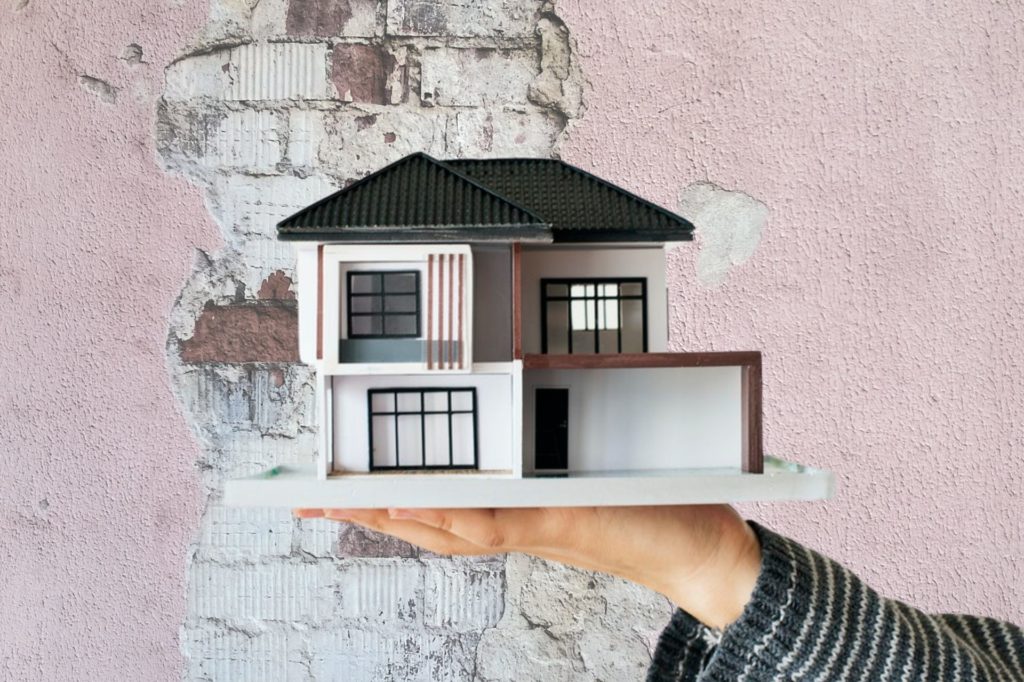
Bring character to your house by showing off any esoteric interests which captivate you, also making them easier to access. There it is; that seamless blending of fun and functionality we’re extoling. So, should you be a keen painter for example, a corner of the room dedicated to your easel adds visual intrigue and creates a clean, tidy, dedicated space for you to enjoy your hobby. Should you love to meditate, create a space dedicated to the pursuit of mindfulness.

Following on from that theme, you can use the power of functional items, particularly in the kitchen, to highlight your travels and the places you’ve been which you feel have defined you. Some of the items which best complement both those aspects live in the kitchen, and include a pestle and mortar from South East Asia, ideal for grinding spices and pounding curry pastes in the most authentic (see: delicious) way possible, a tagine from Morocco, or a pasta maker from Italy. All show off your inquisitive, well travelled side, as well as having an ornamental quality. 

Go further by expressing your personality through displays of your travel experiences in other rooms the house, perfectly encapsulating that bespoke, unique vibe we promised. For example, you could turn your bookcase into a display of your vacation souvenirs, travel photographs, postcards, travel guides, and keepsakes. Always keep in mind that this should be done with restraint; no one wants to be tripping over trinkets and feeling overwhelmed by clutter in their own home.

THE PERFECT MIX OF INGREDIENTS 

The ingredients at your disposal for creating that bespoke look include colour, lighting, shapes, patterns and textures. Just as you wouldn’t throw foie gras, wagyu steak, oysters, asparagus, caviar, Alfonso mango and Madagascan vanilla into the same pot and expect a Michelin starred meal at the end of it, so you wouldn’t deploy every design ingredient indiscriminately and achieve a bespoke signature look.

Instead, focus on layering the space with these ingredients, maximising some and exercising restraint with others for best results. Even if you have the most expensive furniture and furnishings, it will look unfinished if everything is visually flat. Channel the invaluable energy of contrast if you’re to achieve that bespoke signature look most succinctly. 

COHESION & CLARITY

If you’re after a cohesive look (and let’s face it, you should be) speak to an interior designer about your concerns and intentions. They are experts in interpreting a client’s disparate visions and bringing them into united existence. Should you not have a specific ‘signature style’, then they may well be able to help you unearth it.

If you’re looking for inspiration, find it in the pages of design and architecture magazines. Head to a local interior design showroom, which represents a great opportunity to speak with a professional for free, and in doing so, allow yourself to be convinced of their skills. Don’t stop there; follow Instagram interior design influencers and accounts which show off bespoke design to really appreciate that need for a cohesive vision.

5 INTERIOR DESIGN TRICKS FOR CREATING A SANCTUARY AT HOME THIS SUMMER

Ideal for a calm and soothing domestic environment.

You might be feeling that your life is in a major state of flux right now. Don’t worry; you’re not alone. With life as we know it forever shapeshifting beyond the four walls of home, now more than ever, the idea of making your home a sanctuary is so meaningful. It’s vital to have somewhere to relax and renew your energy, a place where you can reflect and practice mindfulness and meditation, when things in the wider world are so uncertain.  

The design and layout of your home can transform your outlook, bringing calmness and comfort when done right. As the architecture experts at Scroxton & Partners advocate, your ‘home is a sanctuary and a place where you can grow and flourish’, and the physical design and layout can make a massively meaningful difference to this. 

Indeed, the importance of design as a catalyst to physical, physiological and psychological wellbeing shouldn’t be underestimated. Creating a sense of serenity through your interiors has never been easier, with these; our 5 interior design tricks for creating a sanctuary at home, IDEAL for a calm and soothing and domestic environment. 

GARDEN’S AREN’T ALWAYS OUTDOORS 

When it comes to designing a space that promotes healing and recovery, of contemplation and perspective, nature is a crucial element which should be incorporated into the design process at every turn. 

Plants which exude a sense of tranquillity and create a healing energy are a good starting point in creating a relaxing environment at home. However, with so many of us confined to the concrete jungle of cities with no garden or balcony to call our own, we’re required to get creative when it comes to adding green space to our home.  

With a little ingenuity, you can create a lush, green garden inside those four walls, even if your living space is what estate agents would generously describe as ‘cosy’. Of course, the location of your indoor garden should be dictated by the plant’s light requirement needs, however, the trick to creating an indoor garden is to treat it like a piece of furniture. Use a step ladder as a plant stand or a clothing rack to hang plants pots from. Or, if space is really limited, consider a DIY vertical garden or a living green wall which won’t eat up valuable space. 

In terms of the houseplants best equipped to purify the air and destress your home, we’ll defer to the experts (sorry, it’s just us again!) and redirect you to our tips on 5 of the best air purifying plants for your home office.

CLEANSE & SIMPLIFY YOUR HOME 

Speaking of space, a  cluttered, disorganised space can overwhelm your senses, bombarding your mind with too much stimuli and creating undue stress and anxiety. In fact, clutter draws unwanted attention away from the things we want or should be focusing on, like our happiness, health and wellbeing. Moreover, clutter makes unwinding and relaxing difficult, both in the mental and physical sense. Your home should offer a reprieve from stress and anxiety, not be a cause of it; a mantra you should apply at every turn of home decoration and design.  

To create the serenest of scenes, simplify your home by identifying essential items and eliminating the rest. While it’s important to cleanse your home of things you don’t use, it’s also essential to find a home for all the belongings you do use. 

Tap into the potential of clever storage solutions to both minimise clutter and keep hold of items you cherish. Incorporate secret storage spaces into your home; think under the stairs and inside partition walls or your even in furniture. Copy the favourite hiding place of monsters across the globe and make good use of under-the-bed space; don’t just slide loose items under there and hope for the best. Instead, compartmentalise with item specific boxes for best results. And, should you be blessed with an attic space, make the most of it.

LET IN NATURAL LIGHT & FRESH AIR 

As SAD sufferers will reliably attest, natural light can lift your mood immeasurably. It can increase the level of warm energy running through your home, give you a nice dose of vitamin D and a much-needed boost of serotonin. And we all need a legally permitted dose of that right now. 

If your home lacks expansive windows, glass doors or open outdoor space, then, fortunately, there are some interior design strategies to remedy that bereavement. Investigate low intervention tweaks to easily incorporate or maximise daylight, such as strategically placed mirrors and reflective objects, the elimination of all clutter next to natural light sources, regular window cleaning and lightening up the colour of your walls.

There are also various architectural solutions which can increase the flow of natural light in the home with the assistance of an architect. Try to maximise natural ventilation via passive daylight systems, by adding skylights, clerestories and solar tubes, which channel extra sunlight around the house via narrow openings which wouldn’t otherwise be exploited to their full potential.

FOCUS ON WHAT BRINGS YOU JOY 

So that you can find peace and allow yourself to flourish at home, it’s important to focus on what brings you joy. You can do this by creating a ‘personal power spot’, as advocated by design and energy expert Maire Kondo. For the uninitiated, this is an area that holds items that bring you the most joy, which you return to in order to recalibrate, recharge and boost contentment.  

If you love to paint, for instance, create a space permanently occupied by your easel and art supplies. Or, should you be a voracious reader, design a reading nook with shelves full of your favourite books. This personal power spot should contain good natural light and a view of the outdoors, to help you unleash creativity and to look inwards, meditatively, equally. 

When it comes to priorisiting the design of your home with ‘joy’, keep in mind the 5 R’S – relax, refresh, recover, reinvigorate and recharge. The use of this numeric mnemonic is an excellent way to ensure your interior is designed as a ‘sanctuary space’ with wellbeing at the forefront of every decision. 

Yes we totally just made up the 5 Rs, but you’re already kinda on board with it, right? 

SENSORY DESIGN

So much interior design seems focused on the aesthetic that sometimes the other senses are given short shrift. This is a rookie error, but it’s also one easily remedied. 

Do pay attention to sight, of course. A sanctuary doesn’t have to be all white and minimalist. If a palette of restrained and elegant muted tones brings you serenity that’s great, but if you respond more favourably to colour and vibrancy, harness that energy instead.

Don’t neglect sound in your design. Place speakers in ergonomically approved locations; their output is best enjoyed at ear height. Ideally, speakers should play along the length of the room, with the ‘face’ exposed to the maximum amount of the room as possible. It’s also suggested that speakers are placed at a 60 degree angle to where you’re planning on listening, to give the best impression of a stereo sound. Though it might sound obvious, nothing should stand between the speaker’s output and your ear, physically.

Touch can be profoundly soothing and settling in your domestic space, too. As such, be careful not to place so much emphasis on appearance that ‘feel’ is neglected. Furnish your space with soft to touch fabrics and place value on comfort. Finally, smell should also play a big part in any home sanctuary setting. Amping up aromatherapy and optimising your olfactory sense can help you gain that inner calm. Chamomille and lavender scents are particularly evocative of a peaceful space.

HOW TO STAY BEAUTIFUL WHEN YOU’RE BUSY: 5 IDEAL STEPS

For those who are always on the go, at the desk or in the company of several screaming toddlers, ‘the struggle is real’ has become something of a mantra. As anyone who has juggled work, home, a love and social life with dexterity will attest, managing to look radiant when your hands are full is tough. 

It takes a special kind of person to still look good enough to eat when there’s so much on their plate, but fortunately, you are that special someone. Or, at least you will be after reading this; here’s how to stay beautiful when you’re busy in 5 IDEAL steps.

EAT HEALTHILY

The path to radiant, glowing beauty begins within. If you’re not getting enough nutrients from your diet and drinking sufficient fluids, you’re going to show it, make no mistake. Whilst we’re all pretty clued up on what foods will impact our waistline, as a nation we’re perhaps less well informed about how our diet affects our skin, both positively and negatively.

To keep your skin hydrated, your first go-to is, of course, a good routine of water drinking; following an 8-by-8 regime should do it. That’s eight glasses before 8pm. But much of that will go straight through you. In fact, your body is able to retain water much better via the inclusion of certain ‘watery’ food in your diet; tomatoes, courgette, cucumber and watermelon are all perfect for giving you a dose of the good stuff.

The potential anti-inflammatory effects of olive oil, oily fish (salmon, mackerel…you’re well versed in the roll call by now) and walnuts also make them an excellent addition to a diet which covets supple skin. And any food which helps boost collagen (eggs, pulses and beans, in particular) is ideal, too. Throw in a few cups of green tea – blessed with loads of anti-oxidant properties – and you’ll be baby faced and buoyant in no time.

Can’t quite nail the perfect diet? As the team at nutritiongeeks.co tell us, supplements focusing on iron, magnesium and zinc can help top up what you’re missing.

FOCUS ON FITNESS

We’re not even going to insult your intelligence with a long bit about the importance of exercise for both mental and physical health, and the impact it can have on your ‘beauty’, both inside and out. 

But we will, however, reassure you that even if you’re seriously pressed for time, it’s eminently possible to fit in a daily workout. You just have to reframe how you think about exercise; it needn’t be an hour long slog on the treadmill. Instead, try a session of high intensity interval training, a hugely effective way of burning fat, and all doable in less in 20 minutes. 

By making changes to your daily routine, you can also fit in an extra workout while barely registering it; take the stairs not the lift, jump off the bus a stop early and walk the remainder of the way, embrace cleaning the house as a way of being on your feet and in motion…all simple ways of burning a few extra calories.

Of course, everyone’s situation is unique, and you have to find what works for you. If you’re pregnant, for example, finding the time and energy for a workout can be particularly tough. The experts at https://www.kryzuy.com/ recommend a weekly routine which focuses on weight-alleviating exercise sessions like swimming and barrilates for best results.

CONSISTENCY IS KING

Reliability, loyalty, faithfulness and routine…it’s not exactly ‘spice of life’ stuff, now is it? But following a strict beauty regime is the key to continued success in the glowing looks deparment; your skin just loves a bit of consistency, that’s for sure. 

Our skin is one sensitive soul, and doesn’t react well to sudden changes in routine. Feed its neuroses with a regular, rational regime. Over time, your skin will react to the consistency and predictability with improved, predictable results.

CLOTHES SHOPPING WITH PRECISION

Have you been to a stylist yet? Or, are you aware that many such services exist online, for free? Though it seems like the preserve of celebrities and the vain, there are some serious insights to be gained from dialling down into your dress sense with a forensic eye.

Your body shape determines much about how you style yourself, but there are other factors which a professional can identify which should go into your wardrobe choices too, including complexion, hair and eye colour, build, and even your personality. So, if you’re truly looking for a fast fix on dressing to look your most perfect, radiant self, consulting a professional stylist (whether that’s found in person or online) is a smart, savvy move to make.

SLEEP LIKE A BABY

To have baby-smooth skin, you must first sleep like one. To achieve that taut, smooth complexion we’ve spent the previous 765 words coveting then there’s really nothing more effective than a regular, restful night of Zzzeds. They don’t call it ‘beauty sleep’ for nothing, right?

In fact, recent research has shown that even a ‘couple of bad nights is enough to make a person look significantly worse for wear, with the opposite effect apparent in those who sleep well, consistently. Whilst we’d love to stay chatting, instead we’ll direct you to our top tips on getting an improved sleep experience over here.

THE BOTTOM LINE

Beauty is first achieved from within. By enacting these self care tips – eating healthily, exercising regularly, being consistent with your skincare regime, shopping conscientiously and endeavouring to sleep better – you’ll radiate positivity, warmth, and most likely, beauty. Good luck!

4 IDEAL BENEFITS OF INSTALLING A SAUNA AT HOME

It’s a dream of so many made real by so few. Because due to spatial or financial constraints, installing a sauna at home just feels a little implausible. Frivolous, even. 

And sure, if you live in a place which estate agents would generously describe as ‘cosy’, then perhaps this one’s not for you. Time to click that back button and read something else, hey?

But for those blessed with space and capital, a home sauna might be just the domestic addition you need. Need further convincing? We’re here to do just that. Here are 4 IDEAL benefits a sauna at home. 

BOOST YOUR PHYSICAL HEALTH

Do you live with constant aches and pains? ‘Don’t we all’, your subconscious sighs resignedly.  But you shouldn’t raise the white flag to life’s crippling inevitability just yet; using a sauna is a natural remedy for so many common ailments. 

Stiff joints, muscle aches, and general soreness can all be eased using a sauna, particularly an infrared one. Health problems often result from strains and over-exertion, whether that’s suffered during exercise or via bad posture, and this can create tension in the muscles and soft tissues, restricting proper circulation and sending pain signals to the brain. However, the heat of a sauna serves to relieve pain from muscle spasms or tightness.

What’s more, a sauna can be used to clear nasal congestion, particularly if it’s a result of a cold or flu. Congestion can be incredibly frustrating, especially if it stops you from sleeping, but a sauna can clear your airways relatively quickly. That cleansing aspect can also work wonders for your complexion, giving you brighter, more youthful looking skin after just a few steam soaked sessions.

What we’d give for a sweaty sojourn to the sauna right now.

…AS WELL AS YOUR WELLBEING 

Whether young or old, we all carry around overwhelming amounts of stress nowadays and spending time in your very own sauna can provide a moment of peace and tranquillity. 

Whilst the jury is still out on whether there’s sufficient medical evidence to claim that saunas can improve happiness (though there was a 2016 study which noted body heating could have a ‘significant antidepressant effect’), the chance to gain some meditative, peaceful time without your screen or other distraction which a sauna grants can’t be denied.

Saunas also add a convivial touch to a property as they present the potential for socialising. Indeed, in many countries, taking a sauna together is a common chance for bonding between friends or family, in turn providing a boost to your overall sense of wellbeing. And that’s what we’re here for, right?

For that sense of community and conviviality, consider searching for a 4 person sauna for sale rather than a smaller unit that wouldn’t welcome the whole family in quite so comfortably.

SAVE MONEY ON TRIPS TO THE SPA

One of the immediate benefits of installing a sauna in your home is that you now have access to your very own spa standard facility. If you want to pamper yourself or a guest, you can enjoy some rest and relaxation from the comfort of your home without having to venture out into the wider world. 

If you are a regular sauna goer, installing one inside your property could actually save you money in the long run which would otherwise be spent on spa memberships and transport. Just be sure to do your due diligence before purchase (just like you’re doing right now, we suppose) and read as many of the best sauna reviews as possible before committing to your investment.

A common misconception surrounding saunas is that they cost a lot of money in energy and electricity to run. Although older models or traditional saunas and steam rooms can increase utility bills, modern day infrared saunas are relatively cheap to operate. Your actual energy usage will vary depending on your property and the model of sauna you choose to install, but in general, infrared saunas don’t tend to run up large long-term costs. 

INCREASE THE VALUE OF YOUR HOME

A sauna is a luxurious addition to just about any home, bringing personality, intrigue and a sense of a truly unique property. Correspondingly, installing a sauna can increase the value of your property by providing a unique selling point. Just imagine that first viewing, when potential buyers first discover the home sauna! 

Although there are always going to be fashionable pieces of furniture or other decorating trends that can add value to your home, installing an infrared sauna can contemporise your property in a truly unique way. 

THE BOTTOM LINE

Ultimately, finding the best infrared sauna for your home involves doing plenty of research. By reading reviews and comparing your options, you can discover some of the most popular infrared sauna options out there and determine which makes and models are worth the investment for both your health and your home.

6 IDEAL WAYS TO HAVE THE BEST BATH EVER AT HOME

Now is the time for the humble bath to make a comeback. In these uncertain times, having a soothing soak can give you a chance to shut out the outside world, reduce anxiety and relieve aching muscles. Yep, bath time has never been so important.  

So, with the help of Lorna Veale, founder of No Secrets, who created a range of clean bathing and body products, after years of struggling with health issues linked with toxic cosmetics, cleaning products and environmental nasties, here are 6 IDEAL ways to have the best bath ever at home.

GIVE YOUR BATH A RINSE

The first thing to do when having a bath is to make sure it is ‘clean’ from any toxic cleaning products that you may have previously used. Because slipping into a dirty tub kind of defeats the point right? 

Most regular cleaning products have warnings on the side, displaying words like ‘toxic’ or ‘corrosive’. Not the most relaxing linguistic flourish you might think, but it’s one required by law. And you don’t want to sit in a bath with chemicals swimming around, giving your skin the opportunity to absorb them. So the first thing to do is rinse your bath with hot water to make sure there is no residue of these products left, giving you peace of mind and a clean, unadulterated soak.

6 IDEAL WAYS TO HAVE THE BEST BATH EVER AT HOME

TEMPERATURE & BREATHING                                                                                              

The idea of a long, languid soak for hours seems wonderful on paper, but in practice, around 20 minutes is usually ample. Give yourself a little time to relax and gather yourself afterwards to really appreciate the full healing powers of bath time. 

Let’s get technical because, well, why not? Your water should be between 32 and 38°C, and the room should be 25-30°C ideally. To help you float away (metaphorically speaking, of course) try breathing in through the nose for five seconds and out through the mouth for five seconds, increasing to ten seconds for each, and continuing for two minutes whilst in the tub; a type of mid-water meditation, if you will. Finally, do make sure you complete your ritual slowly; we all know that particular, disconcerting dizziness from getting out of the bath too fast, so just take your time.

SOAK BY CANDLELIGHT

Most scented candles on the market – from the least to the most expensive – contain petroleum based paraffin wax, a by-product of the crude oil industry; folk you don’t want to support and fumes you don’t want to breathe in, either. Instead, choose an all natural soy wax candle which are infused with essential oils to illuminate your bath time with soft, sensual flickers. 

The candle experts at Devon Wick, who specialise in soy wax, warn us that when soot from paraffin is released into the atmosphere, you’re in danger of breathing in ”toluene, benzene, methyl ethyl ketone, naphthalene – and many, many more toxic chemicals.”

Now that doesn’t sound like the relaxing bath we were hoping for. Instead, choose soy wax.

6 IDEAL WAYS TO HAVE THE BEST BATH EVER AT HOME

READ YOUR TROUBLES AWAY

Taking a book or magazine into the bathroom with you is also a great way to relax and take yourself into a different world for a while. And right now, we all need a little escapism don’t you think? While we can’t travel at the moment, books can transport us somewhere new, special and free from worry. Getting stuck into one in the most relaxing place around is a proper flight of fancy and fantasy, we think.

AVOID BATH BOMBS

We’re going to put this one out there, realising it might ruffle a few feathers; we only like fizzing bubbles in our champagne glasses. Nothing should fizz in the bath, we think.  

Those bath bombs – beloved of so many – are primarily made up of bicarb of soda and citric acid, both of which are totally skin stripping and are actually more appropriate as a natural cleaning alternative than a skin treatment. Keep it natural and you’ll feel way better when you get out.

THINK OILS AND SALTS  

If you are to perfume your bath, then bath oil has the ability to be a really ‘clean’, non-toxic product in any natural beauty range. This is because it is simply oil – or a blend of oils – with perhaps some fragrance added. No chemicals, then, and we’re all here for that.

Seek out bath salts that contain magnesium sulphate, which is a mineral absolutely essential to the body and without it, muscles physically cannot relax. As chemicals – good and bad – are absorbed through the  skin, bathing in water that contains magnesium sulphate means that you are partly replenishing this essential mineral just by sitting there, enjoying your soak.

And with that, we can hear our neighbours screaming in the flat below, because we’ve left ours running for far too long. Enjoy! 

4 SIGNS YOU’RE WORKING FROM HOME ALL WRONG

…and the IDEAL ways to fix them.

Day who knows of #wfh and do you know what? We might just be getting the hang of this. Us humans are pretty good at adapting when the going gets tough and slowly but surely, we’re wearing pyjamas at our desk a little less, we’re concentrating on work – and not Instagram – a little more, and generally, we’re reaching proper levels of productivity once again.

We might never return to the office. Because not only is working from home proven to increase productivity, but it’s also closely linked to a happier and more engaged workforce. The lack of commute, more relaxed dress code or no dress code at all (yep, we’re typing this naked), and fewer in-person distractions mean that the home office is increasingly considered a better work environment than the traditional office. 

That said, remote work does have some downsides, and it’s easy to slip into negative habits if you get complacent and too comfortable. Here’s just a handful of things to keep in mind; these 4 signs you’re working from home all wrong and the IDEAL ways to fix them.

YOUR SETUP IS CAUSING BACK AND HIP PROBLEMS

You probably already know that the way you position yourself at your desk each day – and the posture an erroneously placed keyboard or screen forces you to adopt – can have serious effects on your back, neck, and spine. 

An ill-fitting desk chair or a poorly positioned keyboard can cause you to hunch and can even leave you with a permanent curve in your spine. Poor posture and a sedentary lifestyle are linked with serious spinal disorders, including herniated disk and sciatica, not to mention discomfort and stiffness. They can also lead to chronic pain in the lower back, neck, and shoulders. Fortunately, there are some simple things you can do to slow or prevent these issues.

How to Fix It 

  • Always make sure your chair and desk are positioned to support good posture. You want your back to be straight and your lumbar to be supported.
  • Make sure your feet are planted firmly, flatly on the floor or on a footrest, with your knees resting at a 90-degree angle.
  • Don’t ignore the after-work pain. Consider using tools such as home massagers or laser light therapy belts to relieve the pain from a day of sitting.
  • Resist the urge to hold your phone in between your ear and shoulder while you type or write. A wireless headset should be used instead.
  • Use a lumbar support pillow to support your low back and prevent the spine from curving.

YOUR SCREEN IS CAUSING EYE STRAIN

Screen time takes up nearly half of our waking hours, and a large chunk of that comes from work. We still aren’t completely sure how staring at a screen all day affects our eyesight in the long term, but we do know that digital devices expose blue light, which can be damaging. In the short term, prolonged periods of staring at screens can cause eyestrain, eye fatigue, and dry eyes. And part of this may be happening due to the way your screen is positioned.

How to Fix It

  • Position your screen 20 to 25 inches away from your face, with the top of the monitor slightly below eye level.
  • Do not place your monitor in a place where it might reflect a strong glare from a window or bright lights. The glare can cause eye strain and fatigue.
  • Make sure to go to the eye doctor routinely. Eyes worsen with age, and having the wrong prescription can cause long-term eye issues.
  • Consider investing in anti-reflective lenses or blue light glasses that help prevent many of the most common issues caused by staring at a screen all day.

YOU’RE GETTING DISTRACTED BY YOUR SURROUNDINGS

Kids playing outside, your roommate blasting music, a fridge full of snacks – all of these things can be detrimentally distracting when you’re trying to get stuff done from home. And if you work in any field (hmmm, maybe the answer is working in an actual field…) that requires long periods of focus, such as reading or writing, then you risk significantly lowered productivity when there’s a constant sense of distraction in the air. 

One of the most important things you can do when setting up a well-functioning home office is to banish distractions in any way you can.

How to Fix It

  • Use headphones with noise-cancelling capability or listen to non-distracting music, such as classical or jazz, while you work. We find anything without invasive lyrical content is best. Just make sure to keep your headphones at a safe, healthy level to prevent ear damage.
  • Hang noise-dampening curtains or shades. This will allow you to control light and sound while also preventing distractions from outside.
  • Create a private, quiet space in which to work. If you need to, use a “do not disturb” sign on your door so that others know not to interrupt. 
  • Place your phone away from your eye line. Studies have shown that even just seeing your phone nearby can mess with your concentration.

YOU’RE NOT MOVING ENOUGH

By now, you’re probably fully aware of the many ways a sedentary lifestyle can negatively affect your health. Christ, we’ve already mentioned it in this article. Were you reading carefully enough? Let’s repeat it for those at the back; staying still can lead to potentially life-threatening conditions, including heart disease and diabetes, and it can also contribute to mental health problems like anxiety and depression. This goes for all sedentary jobs, not just those being done from home. 

How to Fix It

  • Take periodic breaks throughout the day to stretch for 10 or 15 minutes. Set a reminder on your phone or computer so you don’t forget.
  • Take walks or jogs on your lunch break to boost energy, get your blood flowing, and enjoy some of the benefits of sunlight and fresh air.
  • Use a sit-stand desk and spend part of your day working while standing up.
  • Swap out your chair for an exercise ball and use it for part of the day. This can help strengthen your core and get your blood flowing throughout the day.

THE BOTTOM LINE

The first step toward improving your home office? Spend some time closely analysing your habits and workspace so that you can clearly see where improvements can be made. A few minor tweaks and upgrades can transform your inefficient, potentially damaging workspace into one that’s productive and healthy so you thrive no matter what.

5 Tips On Choosing The Ideal Wig For Natural Hair

Tired of sitting for hours on a salon chair getting your hair done? Even more tired of waiting for hairdressers to reopen? You’re not alone.

Beyoncé, Katy Perry, and Lady Gaga have opened up not just themselves, but the world, to the wonder of hair extensions and wigs, with statistics showing that the global wig market is set to hit $10 billion in size by 2023.

Despite this amazing uptake, what defines a wig’s success most on an individual level is how well you can maintain that natural look when wearing one. The rule of thumb as far as wigs go is that if it looks “wiggy”, it’s just not working. The problem is, no one provides a handbook or manual on how you should go about choosing the best wig for that natural hair look.

Though it’s not a handbook, this should see you right; our 5 tips on choosing the IDEAL wig for natural hair.

GO FOR A ROOTED COLOR

If you’re buying a wig for the first time then you need to know about rooted colours which add a critical ingredient to the natural look of a wig; that element is dimension. What rooted colours do best is that they give the illusion that the hair growth is from your scalp. On top of that, they are associated with high-end salon craftsmanship, which is a big plus.

“But what if I’m not a fan of rooted colours, or I just can’t find one for my wig”, we hear you say.

Then go for a blend of two or more colours. This blend can still add that much-needed dimension, while not boxing you in to a particular set of shades. Alternatively, you can add further highlights to add that sense of fullness.

Just make sure that the item you pick doesn’t have a solid, blocky colour, which can rid the wig of dimension and make it look synthetic.

CHOOSE THE RIGHT SIZE, AND BEWARE OF ITS PLACEMENT

The size of your wig and how you wear it will determine whether it looks natural or not, regardless of whether the wig itself is made from human hair.

For instance, if you place the wig too far down on your forehead, its erroneous positioning will be noticeable. And if it is too big, trying to keep it in the correct, fixed place will be difficult, too.

So, what should you do?

Preferably, wear a nylon or mesh cap underneath the wig. The purpose of this cap is to conceal your natural hair and ensure any excess hair falls out under the wig. This allows the wig to lie naturally under your hairline, giving that much sought after natural look.

Read: 5 things to keep in mind when straightening your hair at home

GO FOR LACE FRONT CAPS

The cap construction of a wig is a great determinant of not only the versatility of styles you can apply to the wig but also how natural it looks.

And as far as choosing the cap goes, you don’t need to go all Money Heist just to achieve that natural look. There are two more affordable options on the market to choose from: lace front wigs and monofilament tops.

Lace front wigs, like this one from EvaWigs, are half machine-made and half hand-tied. This means that they can provide a natural-looking hairline, making it look like they’re coming right out of your scalp. Thus, you can pull the hair back off your face and still look natural.

Monofilament tops, on the other hand, give a similar natural look to that which lace front wigs provide. The only difference is each hair is sewn into the scalp to mimic how natural hair grows.

BLEND THE WIG WITH YOUR NATURAL HAIR

If you want a blended natural look – meaning your wig is supported by some of your real hair – then you need to find a way to blend the wig with your natural hair. U-part wigs, for instance, allow a bit of natural hair to pop at the front and blend in with the rest of the wig’s hair further back.

Should you opt for a different kind of wig but are still keen to blend your natural hair with it, then you can choose to wear it a little further back to expose your natural hair. This allows a bit of your natural hairline to be exposed and is a great alternative if you’re to wear any style aside from a lace front wig.

CONSIDER HAIR DENSITY

As our friends at www.keswigs.com tell us “great wigs aren’t cheap, and if you want yours to last a long time and look great, you’ll need to purchase the correct hair density”. When it comes to wigs, density is defined as how thick or thin you want your hair to . The standard density is 130% which is a medium Density. While the choice of density is up to you, the most realistic and natural looking density is a medium density of 120% to 130% – not to thick, not to thin, but just right.

HOW TO DO HIIT AT HOME WITH NO EQUIPMENT

The IDEAL warm-up, workout, and cooldown to leave you feeling super energised.

HIIT me with your rhythm stick. Actually, don’t; we’re feeling rather sore from all the working out we’ve been doing. Instead, we’d love some guidance on a high intensity workout which doesn’t take loads of time and can be done at home. 

You’ve come to the right place. With coronavirus limiting our ability to leave the house, it can be challenging trying to find opportunities to exercise. Fortunately, Nuffield Health – the UK’s largest healthcare charity – have therefore put together a high intensity interval training (HIIT) workout designed to improve cardiovascular and overall fitness. With zero equipment required, this workout can be done anywhere, in any space at home, and can be easily slotted into your day. 

Here, Nuffield Health Fitness Development Manager, Jo Seldon, takes us through seven HIIT exercises designed to suit all fitness levels. The routine will take around 25 minutes to complete, including warm-up and cool-down. Within the routine you will work through the seven exercises, three times, spending 20 seconds on each exercise followed by a 10 second rest. So, without further ado, here’s how to do HIIT at home with no equipment with the IDEAL warm-up, workout and cool-down to leave you feeling super energised.

THE WARM UP

Gentle jogging: Begin jogging at a steady pace on the spot. Gradually increase your speed every minute until you are slightly out of breath but can still hold a conversation. Do this for five minutes, until you feel warmed up and ready to begin the main workout. 

THE WORKOUT

Sprint on the spot: Stand with your feet hip-width apart and arms by your sides. Keep your back straight and head up. Begin by running on the spot, then gradually increase your speed until you are sprinting. Pump your arms as fast as you can and lift your knees up to your chest, high and fast. 

Wide hands push up: Start with your hands on the floor under your chest, then lift up onto your toes, ensuring that your back stays flat. Lower your body so that your chest gets as close to the floor as possible, and push back up through your hands. Repeat the move, ensuring that you keep your hips up and back straight throughout. 

For an easier option, drop to your knees to the floor to perform the exercise, making sure that you pay particular attention on keeping your core engaged. 

Jump squat: Start with your feet slightly wider than shoulder width apart, with your toes turned out slightly, your abs braced, and your shoulders relaxed. Hinge at the hips to push your bum back and lower down until your thighs are parallel to the floor, in a squat position. Drive through your heels and explode off the floor into a jump. Land softly then use the momentum from landing to move back into your next squat.

Jump lunge: Start with your feet just wider than hip width apart, keeping your posture tall and spine straight. Step your right leg forward and lower yourself until both knees are bent at a 90-degree angle (or one inch off the ground). Your weight should be balanced between both legs here. From this position jump high and switch leg positions at the top of the jump landing with the opposite leg forwards.

For a harder variation, continue to jump lunge from one leg to the other so that you are performing one continuous exercise.

Lateral plyo squats: To perform the exercise, bring your feet close together, keeping your knees soft (bent slightly) and your shoulders back and down. Making sure to keep your core tight, step out wide to the right and squat down. Come back to the centre, and repeat on the opposite side. To make this move harder, add a jump in the middle. 

Spiderman push up: To perform this move, start in a push up position, with your hands underneath your shoulders on the floor, your back flat and your feet hip distance apart. Staggering your hands, lower your torso down to the ground and bring your right knee to your hip, making sure that your hips don’t hit the ground. Repeat the move on the opposite side. 

For an easier variation on this exercise, bring your knees down to the ground and perform the move, still making sure that your hips don’t touch the ground. 

Jump outs: With your feet hip width apart, put your weight onto your heels and lower yourself into a squat, placing hands flat onto the floor in front of you and shifting your weight onto your hands. Jump both feet back, landing in a plank position. Then, jump feet forwards back to a low squat position, then stand back up. 

For a harder variation, jump in, and jump up off the floors, bringing your hands over your head as you do so. 

THE COOL DOWN

Stretch it out: Walk slowly on the spot, making sure that you feel relaxed and stretched out. When you are ready, come to a standstill and roll your shoulders backwards in a reverse movement. Repeat this, and then switch to rolling your shoulders in a forward motion. 

Bring your arms overhead so that hands are clasped together, with your feet hip distance apart. Lower your arms down towards the floor and then raise them back up. Finally, tip your arms to one side so that you feel a stretch all the way down, and then repeat with the other side.

We hope you enjoyed reading about your new HIIT workout. Now, turn words into workouts!

6 HOMEMADE SNACK IDEAS YOUR KIDS WILL GO WILD OVER

But not too wild, mind. We don’t want to be charged with sending your little ones feral on an overdose of deliciousness, but now that disclaimer’s out the way, let’s get to it.

As you’ll well know, kids tend to burn up their energy easily and with speed. In between meals, it’s important to keep them nourished and energised using the power of snacks they find impossible to resist. And that level of nibble-based enthusiasm won’t be because they’re hooked on sugar, preservatives and other processed junk. Oh no, it’ll be because you’ve made them yourself, with love, care and attention to the ingredients and process.

Because every parent feels peace of mind knowing exactly what’s going into their child’s diet, right? With that in mind, here are 6 homemade snack ideas your kids will go wild over.

SHORTBREAD

Shortbread is generally made from butter, flour, sugar, all of which are commonly found in your pantry, negating those excessive shopping trips for esoteric ingredients whilst the little ones lose their patience. 

The cookie dough for the shortbread lasts for at least a week in the fridge, meaning you can make it in advance when you have a spare minute, ready to bake when you need. What’s more, it’s a really easy thing to bake; check out a simple shortbread recipe for the ratios, which you can scale up according to your family’s size (and appetites!). 

BANANA OATMEAL COOKIES

For sure you and your family will have tried oatmeal cookies before, but the addition of banana will be a covert way of sneaking in one of their five-a-day. The great thing about this is that you only need two ingredients to whip up these delightful cookies, without the need for any flour or butter; a relatively healthy option, then!

Simply mash or blend some banana and mix it with the equivalent amount of oats. Then, add the mixture to a baking tray lined with baking paper and bake at around 180°C for 10ish minutes. The only thing that is left to do afterwards is exercise massive restraint not to eat them all in one sitting.

APPLE SANDWICHES

This snack doesn’t involve any bread at all. Rather, you just need to sandwich some caramelised bananas and raisins in between two thick slices of apple; calling them apple sandwiches is just a playful affectation which might appeal to the little ones. You know what they’re like. 

If your kids aren’t really a fan of raisins, you can even substitute them for chocolate chips. However, in this case, it is better not to caramelize the bananas and sandwich them in the apples fresh, to avoid excessive sweetness in the final product. 

FRUIT MUFFINS

Muffins are staple domestic snacks all over the world, but rather than serving plain muffins to your kids, ramp up the delicious, nutritious stuff by adding strawberries, blueberries or any other fruits in season.  

Just follow a typical muffin recipe and add the strawberries or other fruits to the batter. Before you let your kids devour it, make sure to adorn the muffin’s lid with further fresh fruit. The irresistible nature of the baked goodie will have them eating more fruit than usual, for sure!

CHOCOLATE OAT BARS

All kids love chocolate, right? And the great thing about this chocolate oat bar recipe is that you don’t have to bake it; you just need some rolled oats, smooth peanut butter, apple sauce, and of course, chocolate. You can go for dark chocolate for a healthier alternative without much impact on the final flavour, too, if that’s your jam.

Combine all ingredients together, except the chocolate, and line it up in a pan. Top the first layer with melted chocolate and let it rest for a while. Put another layer of the oat mixture and put it in the fridge. Slice it into bars before serving.

SWEET POTATO CRISPS

If you have a hard time getting your kids to eat vegetables, then have them cook up a batch of sweet potato crisps and watch their little hands returning for more time and time again. 

Transform sweet potatoes into crisp and mouth-watering chips by slicing them thinly (using a mandolin is best, but only in an adult’s hands, being careful not to slice off your fingertips!), rinsing and drying them, drizzling over a little olive oil and baking them in a low oven (around 120°C is ideal) for around two hours. 

To really ramp up the healthy element, serve these sweet potato crisps with a deceptively healthy dip, such as red pepper hummus or guacamole.

Pssst! We couldn’t help but noticing you were keen on the ol’ cooking and kids combo. You might enjoy these tips on ways to have fun cooking with kids, then. Check it out!