
Home Blog Page 82

How To Get The Most Out Of Your First Oktoberfest Experience In Munich

Oktoberfest in Munich is the world’s largest Volksfest (beer festival and travelling funfair). Held annually, it attracts millions of visitors from around the globe. For first-timers, navigating this massive celebration can be overwhelming. Worry not, here’s our guide to help you get the most out of this embroidered lederhosen wearing, litre-sized beer drinking and oompah music thigh-slapping event.

Planning Your Trip

When Is Oktoberfest Exactly?

Oktoberfest typically runs from mid-September to the first Sunday in October. The best time to visit is during the weekdays, as weekends are extremely crowded. If you prefer a more traditional experience, visit during the first week when locals are more likely to attend.

Insider Tip: The quieter mornings (especially on weekdays) are perfect for families and those who want to enjoy the festival without the overwhelming crowds. The atmosphere is more relaxed, and you can explore the grounds at your own pace.


Accommodation

Book your accommodation well in advance. Munich’s hotels fill up quickly, and prices can skyrocket. Consider staying in nearby neighbourhoods like Schwabing, Haidhausen, or even in nearby towns with good train connections to Munich, rather than in the actual Ludwigsvorstadt-Isarvorstadt district, where Oktoberfest takes place.

Insider Tip: Look into Airbnb or local guesthouses (Pensionen) for a more authentic and often more affordable stay. Staying slightly outside the city centre can also provide a quieter retreat after a day of festivities.

Nearby Towns To Stay

If Munich’s accommodation is fully booked or too expensive, consider staying in nearby towns. These towns are well-connected to Munich by train:

  • Augsburg: About 45 minutes by train, a charming city with its own historical attractions.
  • Freising: Only 30 minutes by train, close to Munich Airport and home to the Weihenstephan Brewery.
  • Rosenheim: Approximately 40 minutes by train, offering a picturesque setting and a relaxed atmosphere.
  • Garmisch-Partenkirchen: Around 1.5 hours by train, perfect if you want to combine Oktoberfest with some alpine scenery.

What To Wear

Traditional Bavarian attire is highly recommended. For men, this means Lederhosen, and for women, a Dirndl. You can purchase these outfits in Munich, but for better quality and prices, consider buying them online or renting them.

Insider Tip: If you buy your attire in Munich, avoid the tourist traps around the main train station. Instead, visit local shops in neighbourhoods like Giesing or Sendling for better deals and authentic quality.


Getting There

Transportation

Munich’s public transportation system (MVV) is efficient and reliable. The Theresienwiese, where Oktoberfest is held, is easily accessible by U-Bahn (subway) lines U4 and U5. Consider purchasing a day pass for unlimited travel.

Insider Tip: If you’re travelling in a group, the MVV offers group day tickets which can be more economical. Also, the S-Bahn (suburban train) can be a less crowded alternative to the U-Bahn during peak times.

Arriving Early

Arrive early, especially if you want to secure a spot in one of the popular beer tents. On weekends, aim to be there by 9 AM. During weekdays, arriving by 10 AM should suffice.

Insider Tip: If you arrive early, take the opportunity to explore the quieter parts of the festival grounds, such as the Oide Wiesn, before the crowds arrive.


Tickets & Entry

Do You Need Tickets?

Entry to Oktoberfest itself is free. You do not need to buy tickets to enter the festival grounds or the beer tents. However, if you want to reserve a table in a beer tent, you will need to book in advance, and this usually requires purchasing a certain amount of food and drink vouchers. You can also join dedicated tours, which take care of tents, accommodation and just about everything else, for a flat fee. You can find out more here.

Insider Tip: If you don’t have a reservation, you can still find a spot, but it will require patience and early arrival. Try your luck at the less popular times, such as late afternoon or early evening on weekdays.

Navigating The Fest

Beer Tents

There are 14 large tents and 20 smaller ones, each with its own unique atmosphere. Some popular tents include:

  • Hofbräu-Festzelt: Known for its lively atmosphere and international crowd.
  • Schottenhamel: The oldest tent, where the opening ceremony takes place.
  • Augustiner-Festhalle: Famous for serving beer from traditional wooden kegs.

Insider Tip: If you can’t get into one of the big tents, try the smaller ones like Hacker-Pschorr Bräurosl or Fischer Vroni. They often have a more intimate and local feel. Tents like Käfer’s Wies’n-Schänke and Weinzelt (wine tent) provide a unique twist on the traditional beer hall experience.

Non-Alcoholic Options

While Oktoberfest is famous for its beer, there are plenty of non-alcoholic options available for those who prefer not to drink or want to take a break from the beer. Munich has even recently announced the opening of a non-alcoholic beer garden in preparation.


Photo by Max Kratzer on Unsplash

Just some of the non-alcoholic beverages served include…

  • Spezi: A popular mix of cola and orange soda, refreshing and sweet.
  • Apfelschorle: A blend of apple juice and sparkling water, light and hydrating.
  • Lemonade: Various types of lemonade are available, often homemade and very refreshing.
  • Non-Alcoholic Beer: Many tents offer non-alcoholic versions of their beers, so you can still enjoy the taste without the alcohol.

Insider Tip: Bring a refillable water bottle. There are water fountains around the festival grounds where you can refill for free.

Food & Drink

Must-Try Foods

  • Hendl (roast chicken): A staple at Oktoberfest. Average price: €12-€15.
  • Schweinshaxe (pork knuckle): Crispy and delicious. Average price: €15-€20.
  • Brezn (giant pretzel): Perfect for soaking up the beer. Average price: €4-€6.
  • Weißwurst (Bavarian sausage): Traditional Bavarian sausage, usually eaten before noon. Average price: €5-€7 for a pair.
  • Steckerlfisch (grilled fish on a stick) at Fischer Vroni: A local favourite and pairs wonderfully with a cold beer. Average price: €4-€6.

Insider Tip: Prices can vary slightly between tents, so if you’re on a budget, check the menus outside the tents before committing. Many tents and stalls are cash-only, so bring enough cash. ATMs are available on-site but can have long queues and high fees.


Entertainment

Rides & Attractions

Oktoberfest is not just about beer. There are numerous rides and attractions, from traditional carousels to modern roller coasters. The Ferris wheel offers a fantastic view of the festival grounds.

Insider Tip: Visit the rides early in the day or late at night to avoid long queues. The atmosphere at night, with all the lights, is particularly magical.

Parades

Don’t miss the opening parade, featuring traditional costumes and horse-drawn beer wagons. The second Sunday hosts the traditional costume and riflemen’s parade, showcasing Bavarian culture.

Insider Tip: Arrive early to secure a good viewing spot for the parades. The best spots are along the route from Maximilianstraße to Theresienwiese.


Photo by Brett Sayles: https://www.pexels.com/photo/smiling-man-sitting-in-front-of-blue-table-1474705/

Oide Wiesn

For a more traditional experience, visit the Oide Wiesn (Old Oktoberfest) section. It features historical rides, traditional music, and a more relaxed atmosphere. There is a small entrance fee, but it’s worth it for the unique experience.

Safety & Etiquette

Personal Belongings

Keep your belongings secure. Use a money belt or a small crossbody bag. Be mindful of pickpockets, especially in crowded areas.

Drinking Responsibly

Know your limits. The beer is strong, and it’s easy to overindulge. Eat plenty of food and drink water to stay balanced.

Oktoberfest
Photo by Brett Sayles: https://www.pexels.com/photo/woman-standing-in-a-crowd-holding-up-beer-glass-1467807/

Tipping

Tipping is customary in Germany. Round up your bill or leave about 10% for good service. The waitstaff work hard and appreciate the gesture.

Insider Tip: If you plan to stay in a tent for a while, tip your server generously at the beginning. This can ensure better service throughout your stay.

The Bottom Line

Oktoberfest is a once-in-a-lifetime experience filled with fun, culture, and, of course, beer. Prost!

And if you’re planning to celebrate the event closer to home, then we’ve got you covered for that too; here’s where Oktoberfest is going down in London. Once again, Prost! Bit squiffy now, to be honest…


Do You Suffer From Poor Concentration? Still With Us? Here Are 7 Potential Solutions

We’re all guilty of it. Whether it’s when you’re firing off emails on autopilot, playing with the kids without the requisite enthusiasm, or listening to the finer details of your partner’s latest dispute and only umming and ahhing, it’s only natural that sometimes we zone out a little.

Indeed, having problems with concentration is something that will have affected everyone at some stage. But what happens if you’re always suffering from poor concentration and it’s beginning to affect your work and relationships negatively? As you can appreciate, this is when intervention is required.

You’re likely reading this article today because you’re fed up with having poor concentration, and you want to do something about it. Perhaps you’re keen to live each day mindfully and in the moment, and benefit from the wisdom and insights such ‘presentness’ brings. The good news is that there are tried-and-tested remedies available for those concerned about their concentration. So, do you suffer from poor concentration? If so, here are 7 potential solutions.  

Prioritise Better Sleep Hygiene

Sure, some people don’t need as much sleep as others each night. But let’s not kid ourselves; if you’re only getting around five hours or less each night, it’ll impact your concentration levels hugely. When you sleep, your brain uses the time to ‘recharge’ itself, and not getting enough of the good stuff is hugely impactful on our cognitive function. Indeed, the right amount of sleep is so good for your productivity and performance, and insufficient or excessive so bad, that it’s often suggested that sleep should be prescribed by doctors.

By getting enough sleep each night – between 7 and 8 hours is best for cognitive performance and quick thinking – you’ll feel more alert and focused when you wake up. Plus, you’ll have enough energy to deal with even the most taxing of issues that your day throws at you.

But how to do sleep better, we hear you ask. Firstly, it’s vital that you perfect that bedtime routine, because how you set up for sleep and your activity in the hours preceding it are the key components in whether it’s a restful one or not.

Exercising a couple of hours before sleep, as well as yoga or meditation just before you tuck in, can be really helpful, but perhaps even more seismic is to remove all distractions not related to sleep from the bedroom, most importantly, blue light-emitting screens and anything which produces alerts (looking at you, phone) which you’ll feel obliged to respond to. Try to turn in at the same time each night to hack your circadian rhythm and get your body clock working to your needs, not the other way round.

SUFFER FROM POOR CONCENTRATION

…& Get Your Morning Routine Sorted

Another key contributor to great sleep hygiene and improved concentration throughout the day is making sure your morning routine is primed and optimised. Sure, we’re not all suited to sprightly, early-bird tendencies, but becoming a morning person will definitely help with your concentration, and that’s for sure.

It’s all about the small rituals you enact and reenact each morning and the positive habits you form because of them. We’re sure you already know that the ‘snooze’ button is an ally of groggy, tired eyes. Those extra few minutes, which seem so precious at the time, aren’t sufficient for completing another full sleep cycle, and as such, it will have you feeling less rested than if you’d leapt up when you first woke.

But how to leap up? Since most of us hit the snooze button impulsively, simply place your alarm clock out of reach, so you have to leave bed to turn it off. Then, ride that wave of motion and momentum all the way to the kettle! Good morning.

A spot of light exercise in the morning can also contribute to greater concentration throughout the day, boosting cortisol and endorphin production, which are great contributors to our alertness and focus. Of course, a light, healthy breakfast also does no harm!

Get Your Eyes Checked

Do you tend to feel more lethargic as the day progresses? Does a headache emerge after a couple of hours of staring at a screen, and then refuse to abate? And do you always need to focus really hard on distant objects or ones near to your eyes? If you’ve answered reluctantly in the affirmative to these questions, then you’ll likely need to take a trip to your local opticians.

That’s because poor eyesight can result in concentration problems. If you have to spend a lot of time squinting or overly focusing on objects, you’ll feel exhausted, and you’re at risk of diverting cognitive energy to attempts at realigning your vision. As a result, your concentration levels will plummet.

Most people’s eyesight worsens as they age and many of those people will need corrective eyeglasses or contact lenses as a matter of course. An eye test is quite cheap, and sometimes free, depending on where you go, and every adult should have one once in a while.

In addition to traditional eyeglasses and contact lenses, there are other procedures that can help improve your vision and, consequently, your concentration. Orthokeratology, commonly referred to as Ortho-K, is a non-surgical procedure that involves wearing specially designed contact lenses overnight to temporarily reshape the cornea. This can provide clear vision during the day without the need for glasses or contact lenses.

Other options include LASIK surgery, which permanently reshapes the cornea to correct vision, and PRK (Photorefractive Keratectomy), a similar procedure that is often recommended for those with thinner corneas.

By exploring these options with your optometrist, you can find the best solution for your vision needs and improve your overall concentration and quality of life.

…& Your Ears

If your concentration suffers throughout the day, you might also want to consider getting your hearing tested. Those who suffer from lessened auditory perception or impaired hearing may also be dealing with decreased cognitive function because of it. This is in large part due to cross-modal cortical reorganisation, where the brain struggles to readjust prioritising the senses when one is deprived. If you’re consistently straining to hear what’s going on around you, it can lead to stress and severely decreased concentration.

Fortunately, the NHS offers free hearing tests; just go to your GP and say you’re concerned that your hearing is affecting your daily tasks and they can refer you on for an examination. There are also several online hearing tests you can try, which can be found through a quick Google search and accessed using ear or headphones, though we’d caution against using them as an absolute diagnosis.

Read: If it’s not safe to use cotton buds, just how should I clean my ears?

Stay Hydrated & Well Fed

Dehydration can significantly impact your concentration and cognitive function. Even mild dehydration can lead to fatigue, difficulty focusing, and a decline in mental performance. Make it a habit to drink water regularly throughout the day. Aim for at least 8 glasses of water daily, and more if you’re physically active or in a hot environment. Carry a reusable water bottle with you to remind yourself to stay hydrated. Additionally, consuming water-rich foods like fruits and vegetables can also help maintain your hydration levels.

Your diet plays a crucial role in regulating sleep patterns and, consequently, your concentration levels. Consuming foods rich in tryptophan, such as turkey, chicken, bananas, and oats, can help your body produce serotonin and melatonin, hormones that regulate sleep. Magnesium-rich foods like leafy greens, nuts, and seeds can also promote relaxation and improve sleep quality. Conversely, it’s wise to avoid caffeine, alcohol, and sugary foods close to bedtime, as these can disrupt your sleep cycle. Instead, opt for a light evening meal containing complex carbohydrates and proteins, which can help stabilise blood sugar levels throughout the night. A calming herbal tea, such as chamomile or valerian root, can also signal to your body that it’s time to wind down and prepare for rest.

Some individuals seeking to sharpen their concentration have turned to supplements that claim to enhance mental performance. Among these, some may take nootropics for better focus and clarity. Nootropics—often referred to as ‘smart drugs’ or cognitive enhancers—are a growing field of interest for those aiming to support memory, alertness, and overall brain function. However, it’s important to note that whilst some nootropics show promising results in preliminary studies, research in this field remains ongoing and not yet conclusive, with many supplements lacking robust clinical evidence to support their effectiveness and long-term safety profiles.

Practice Mindfulness & Meditation

Incorporating mindfulness and meditation into your daily routine can greatly enhance your concentration and mental clarity. Mindfulness involves paying full attention to the present moment, which can help reduce stress and improve focus.

Start with just a few minutes of meditation each day, gradually increasing the duration as you become more comfortable with the practice. There are numerous apps and online resources available to guide you through mindfulness exercises and meditation techniques. By regularly practicing mindfulness, you can train your brain to stay focused and present, leading to better concentration in all areas of your life.

Consider Your Career

If your concentration levels are only low when you’re at work, then perhaps it’s a lack of stimulation and challenge that’s causing your sense of poor focus. When we’re not sufficiently engaged with a task, this is bound to happen, as your mind will start to wander, and you’ll soon lose focus on what you’re supposed to be doing. 

Rest assured that this isn’t a medical issue. Instead, why not consider seeking pastures new? We’ve only got one shot at this thing called life, so why waste it doing a job that doesn’t excite you. Seek fresh challenges and renewed focus, and you may find your vigour returns!

The Bottom Line

We all get a little bored and distracted from time to time, and that’s only natural. But if your issues with focus and poor concentration are affecting your relationships, work and hobbies negatively, then it could well be time to take action.

5 Accessible Ways To Use AI To Boost Productivity

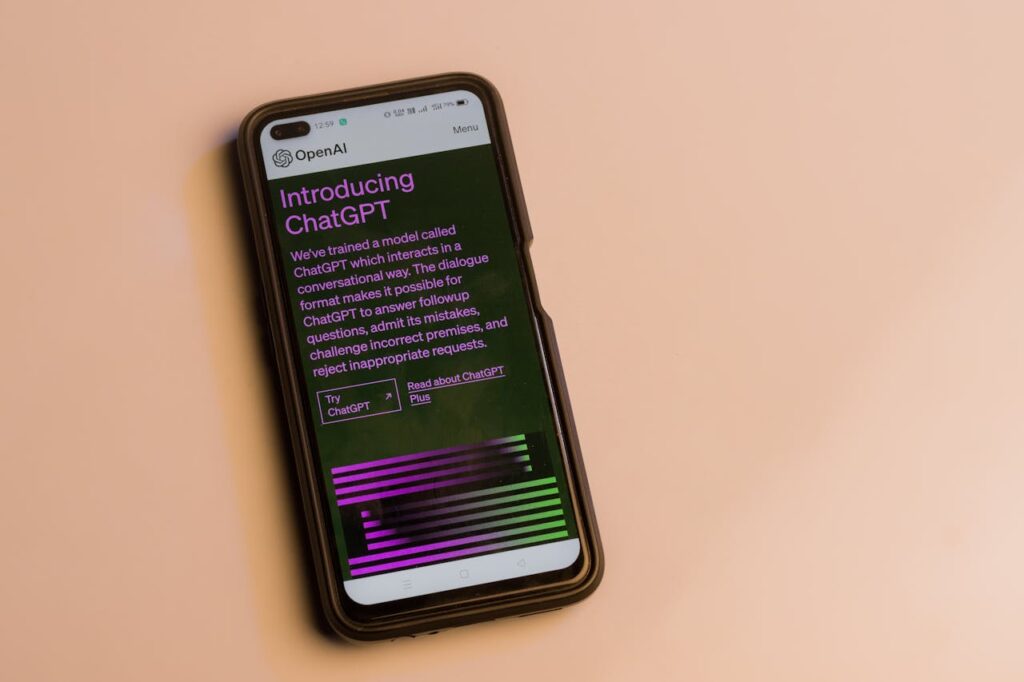
Being productive involves more than completing tasks faster. It entails maximising value, meeting goals, and maximising efficiency. As technology evolves, Artificial Intelligence (AI) has emerged as a productivity-boosting tool across various industries.

Whether you’re a busy professional, an entrepreneur, or simply someone looking to optimise your productivity, here are 5 ways to use AI to take your productivity to the next level.

Automate Repetitive Tasks

Although repetitive tasks are necessary, they can consume much of your time and energy. One of the most important uses of AI is its ability to automate routine and repetitive tasks. By automating these tasks using AI, you can free up valuable time and mental energy, allowing you to focus on more strategic and important tasks.

For instance, email management tools such as Google’s Smart Reply and Smart Compose can sort, prioritise, draft basic responses, and even respond to emails on your behalf. This not only speeds up communication but also ensures that important messages don’t get overlooked.

AI can also manage and prioritise tasks based on importance, deadline, and workload. Tools like Todoist use AI to analyse your task list and suggest the most efficient order to complete it. With AI, you can also set up reminders for upcoming deadlines, which helps you improve your workflow.

Improve Writing & Editing

AI writing assistants can improve the writing process. There are AI tools that can significantly enhance both the quality and efficiency of content creation. With AI, you can draft content faster, make improvements, and catch grammatical errors. 

Tools like Grammarly can automatically detect and correct grammar, punctuation, and spelling errors. Aside from proofreading, these tools offer suggestions to improve sentence structure, clarity, and overall writing style. It also helps writers produce polished and professional documents with minimal effort.

By using an AI detector, you can determine what parts get flagged as AI composed and rewrite those portions to humanise them. While AI can write and edit content efficiently, it’s crucial to maintain a human touch to ensure authenticity. This ensures that the final content resonates more with readers, maintaining a natural, engaging tone.

Optimise Project Management

Project management is a complex task that involves coordinating multiple team members, tasks, deadlines, and resources. AI tools can help with project management by providing insights into project timelines, resource allocation, and potential risks. 

AI algorithms can help with predictive analysis. AI can analyse historical project data to predict potential issues before they occur. By identifying patterns and trends from past projects, AI can predict which tasks will likely take longer than expected and suggest preventive measures. This allows project managers to anticipate and address issues proactively.  

AI tools like Trello or Asana leverage AI to update schedules, generate reports, and send reminders, allowing project managers to focus on more strategic aspects of the project. Automation ensures that tasks are completed on time and reduces the risk of human error.

Enhance Learning & Skill Development

AI can help change how we learn and develop new skills. AI-powered educational platforms can create personalised learning experiences that adapt to each person’s needs, preferences, and pace. 

AI algorithms can analyse your learning style, strengths, and weaknesses to create customised learning plans. Based on your skill gap, platforms like Coursera use AI algorithms to suggest courses that align with an individual’s goals and learning preferences.

AI can also facilitate continuous learning by regularly updating training content to reflect your progress and the latest industry trends and developments. This ensures that a person has the most current knowledge and skills. 

Communication & Collaboration

AI can help improve communication and collaboration within an organisation. AI communication and collaboration tools can help foster a better work environment, improve efficiency, and reduce time spent on tasks.

AI can improve communication by providing real-time translations between team members who speak different languages within organisations. This enables global collaboration without language barriers, expanding the pool of talent and ideas available to organisations.

Collaboration platforms like Slack enhance communication and project management. They can automate routine tasks, assign tasks, set deadlines, and track progress. These platforms also use AI to analyse team interactions and provide recommendations to improve workflow and productivity.

Using AI is not just about keeping up with technological advancements; it’s about leveraging these tools to achieve greater efficiency and productivity. By integrating AI into routine tasks, people and businesses can unlock new levels of efficiency and productivity.

It is also important to remember that while AI can improve productivity, a human touch of course remains essential. Go figure.

From Crispy-Skinned Fish To Glossy Sauces: Professional Kitchen Secrets Revealed

In the world of gastronomy, the line between a good meal and an unforgettable one often lies in the mastery of certain culinary techniques. From achieving the perfect crispy-skinned fish and cooking wall-to-wall blushing steak every single time, all the way to sculpting flawlessly smooth ice cream rochers, professional chefs employ a blend of science and artistry to make the magic happen consistently. 

Here, we reveal some of the top secrets from professional kitchens that can elevate your cooking to dizzy new heights.

The Simple Science Of Crispy-Skinned Fish

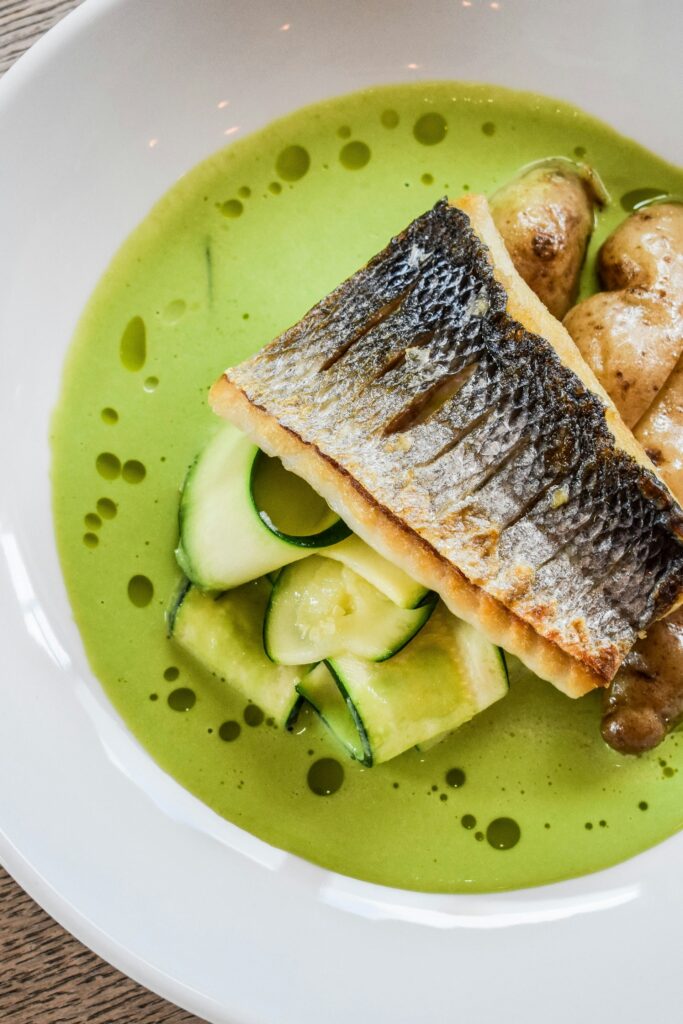
Achieving perfectly crispy skin when cooking fish is a hallmark of precision professional cooking. The secret lies in understanding the Maillard reaction, a chemical process that occurs when proteins and sugars in food are exposed to heat, resulting in a complex flavour and a golden-brown crust.

Key Steps:

  1. Dry the Skin: Moisture is the enemy of crispiness. Pat the fish skin dry with paper towels and let it air-dry in the fridge for an hour if possible.
  2. Score the Skin: Lightly score the skin with a sharp knife. This prevents the fish from curling and allows for even cooking.
  3. Season Generously: Salt not only enhances flavour but also draws out moisture, aiding in the crisping process.
  4. Hot Pan, Cold Oil: Preheat your pan until it’s smoking hot, then add a small amount of oil. This prevents the fish from sticking and ensures even cooking.
  5. Press Down: When you first place the fish skin-side down, press it gently with a spatula for the first 30 seconds to prevent curling.
  6. Patience is Key: Resist the urge to move the fish around. Let it cook undisturbed until the skin is golden and crispy.
  7. Finish in the Oven: For thicker fillets, after achieving a crispy skin, transfer the pan to a preheated oven at 180°C for a few minutes to ensure the fish is cooked through.

The Art Of The Perfect Steak Cuisson

A perfectly cooked steak, blushing pink from edge to edge, is a testament to precise temperature control and timing. Speaking to the experts at a food machinery company for their advice, they tell us that the secret weapon here is the sous-vide method, a technique that involves cooking food in a vacuum-sealed bag at a precise, low temperature in a water bath.

Key Steps:

  1. Season and Seal: Season your steak with salt, pepper, and any desired herbs. Vacuum-seal it in a bag.
  2. Sous-Vide Precision: Cook the steak in a water bath set to your desired doneness (e.g., 54°C for medium-rare) for 1-2 hours. This ensures even cooking throughout.
  3. Sear for Flavour: After sous-vide, pat the steak dry and sear it in a smoking hot pan with a bit of oil for 1-2 minutes per side. This creates a flavourful crust without overcooking the interior.
  4. Butter Basting: During the searing process, add a knob of butter, a clove of garlic that’s been crushed under your palm, and few sprigs of thyme to the pan. Tilt the pan and spoon the melted butter over the steak for added flavour.
  5. Rest and Serve: Let the steak rest for a few minutes before slicing to allow the juices to redistribute.

Read: Mastering the art of barbecued steak


The Ice Cream Rocher

Creating perfect ice cream one-handed quenelle (the ol’ Masterchef nemesis, the rocher) is both an art and a science. The rocher, a smooth, oval-shaped scoop, is a sophisticated way to present ice cream or sorbet. 

It should be noted that pulling off a decent rocher is pretty much impossible if your ice cream is icy.

By Langan via Canva

Key Steps:

  1. Temperature Control: The ice cream should be at the right temperature—not too hard, not too soft. Ideally, it should be around -12°C.
  2. The Right Tool: Use a hot spoon (dip it in hot water and wipe dry) to make the quenelle. A tablespoon works best.
  3. The Technique: Hold the spoon at a 45-degree angle. Scoop the ice cream towards you, turning the spoon to form a smooth, oval shape. It may take a few tries to perfect the motion.
  4. Double Quenelle: For a more impressive presentation, create two quenelles and place them side by side on the plate.
  5. Presentation: Place the quenelle gently on the plate. For added elegance, serve it with a complementary sauce or garnish.

Expertly Poached Eggs

Poaching eggs can be tricky, but with the right technique, you can achieve restaurant-quality results every time.

Key Steps:

  1. Fresh Eggs: Use the freshest eggs possible. Fresh eggs have firmer whites that hold together better.
  2. Vinegar in Water: Add a tablespoon of vinegar to the poaching water. The acid helps the egg whites coagulate more quickly.
  3. Create a Vortex: Bring a pot of water to a gentle simmer and create a whirlpool by stirring the water. Gently slide the egg into the centre of the vortex. The swirling water helps the egg white wrap around the yolk.
  4. Timing: Poach the egg for 3-4 minutes for a runny yolk. Remove with a slotted spoon and drain on paper towels.

Vibrantly Coloured Vegetables

Bright, colourful vegetables not only look appealing but also retain more nutrients. The secret lies in the cooking method and timing.

Key Steps:

  1. Blanching and Shocking: Blanch vegetables in boiling salted water for a short time, then immediately plunge them into ice water. This process, known as shocking, stops the cooking and sets the colour.
  2. Minimal Cooking Time: Overcooking can dull the colour of vegetables. Cook them just until tender-crisp to maintain their vibrant hues.
  3. Acidic Additions: Adding a splash of vinegar or lemon juice to the cooking water can help preserve the colour of green vegetables.
  4. Avoid Baking Soda: While some might suggest adding baking soda to the cooking water, it can make vegetables mushy and alter their flavour.
  5. Steam Instead of Boil: Steaming vegetables can help retain their colour and nutrients better than boiling.

Evenly Risen Soufflés

Another nemesis of the Masterchef kitche, a properly-risen soufflé is a showstopper. The secret lies in properly beaten egg whites and a stable base.

Key Steps:

  1. Room Temperature Eggs: Use room temperature eggs for better volume when beating.
  2. Stable Base: Ensure your base mixture (béchamel or pastry cream) is smooth and lump-free.
  3. Beat Egg Whites to Stiff Peaks: Beat the egg whites until they form stiff peaks. This incorporates air, which helps the soufflé rise.
  4. Fold Gently: Fold the beaten egg whites into the base mixture gently to avoid deflating the air bubbles.
  5. Even Baking: Bake the soufflé in a preheated oven without opening the door, as sudden temperature changes can cause it to collapse.
  6. Prepare the Ramekins: Butter the ramekins and coat them with sugar or grated cheese, depending on the nature of your soufflé. This helps the soufflé climb the sides evenly.

Silky Smooth, Gorgeously Glossy Sauces

A silky smooth sauce can elevate any dish. The key is in achieving a glossy appearance that adds visual appeal and a luxurious mouthfeel.

Key Steps:

  1. Proper Reduction: Reduce your sauce base (stock, wine, etc.) to concentrate flavours. This intensifies the taste and creates a rich foundation.
  2. Emulsify with Fat: Gradually whisk in cold butter or cream off the heat to create a smooth, velvety texture. This process, known as “mounting” with butter, adds a luxurious mouthfeel and a glossy finish.
  3. Strain for Smoothness: Strain the sauce through a fine-mesh sieve to remove any lumps or impurities. This ensures a silky, professional finish.
  4. Finish with a Glaze: For an extra glossy appearance, you can finish the sauce with a touch of corn syrup or a small amount of gelatin dissolved in water. This adds a beautiful sheen.
  5. Use a Liaison: For cream-based sauces, a liaison of egg yolks and cream can be used to thicken and enrich the sauce without curdling. Whisk the liaison into the sauce off the heat and return it to low heat, stirring constantly until thickened.
  6. Consistent Stirring: Stir the sauce continuously while adding the fat to ensure a stable emulsion and a glossy finish.

The Bottom Line

The secrets of professional kitchens are rooted in a deep understanding of culinary science and meticulous technique. By mastering these methods, you can transform your home cooking into a gourmet experience. 

Hair Care With A Difference: How To Make Your Wig Last Longer

Wigs and toupees have been worn across cultures since ancient times, giving the wearer the versatility to change hairstyle to suit their mood, outfit or needs, all without damaging their hair or having to make more permanent changes. 

Not only that, but wigs can also help provide a boost in self-confidence to those living with Alopecia disease, experiencing baldness or having undergone medical treatment that has resulted in hair loss.

As the Guardian reported back in 2019, more overt, outlandish wigs have become increasingly visible on the catwalk and in high fashion in recent years, and this is reflected in their increased popularity on the high street, too. In fact, the global wig, toupee and hair extension market is predicted to grow hugely in the coming years, reaching nearly £8 billion in value by 2023.

All of this means that as demand has risen, so has the price. Indeed, buying a wig isn’t exactly cheap, especially if you’re invested in a few pieces in order to breathe versatility into your wardrobe. To ensure you’re getting longevity from your purchase, check out these hair care tips on how to make your wig last longer.

Firstly, Invest In Quality

First up; you’ll need to start by investing in a good quality wig. There are several brands out there that claim that their products are the best on the market, but some scrutiny is required in finding one that truly lives up to that claim.

Good quality wigs can be expensive, but this will also mean that they will last longer, providing you take care of them appropriately. To identify if a wig is of good quality, the hair must appear (and ideally be) natural and genuine. The option to wash and heat the hair should also be available, indicating the wig is durable enough to withstand such treatment.

Of course, if you’re carrying out quality control checks remotely (online), then you’ll have to scrutinise reviews instead, rather than carrying out a first hand (first hair?) appraisal.

Wigs and toupees made from real human hair have several advantages over synthetic versions. Firstly, the latter often appears very shiny and doesn’t blend well with the wearer’s natural hair. Secondly, the synthetic version often degrades quickly. Human hair wigs, whilst certainly more expensive, can be re-styled and coloured, and with the proper care, do tend to last longer.

Don’t Wear The Same Wig Everyday

That said, if you’re looking for daily changes in style, a set of pre-styled synthetic wigs might be more convenient.

Generally speaking, it’s recommended that you do not wear the same wig every day, especially if it’s human hair. You may get away with it if your wig is synthetic but a human hair wig will require regular washing. Wearing the same wig every day will expose it to more damage and you may notice that the colour starts to fade, just as it would if it was your genuine hair, dyed. Once again, if you choose to wear wigs on a daily basis, it may be worth investing in more than one wig so you can rotate them. 

Wash Your Wigs Diligently

A key thing to learn for proper wig and toupee maintenance is how to wash it. Experts recommend that when it is time to wash your wig, you do so thoroughly but gently. Pay attention to the temperature of the water, as this should not be too hot or too cold as it could damage the strands, whether they are human hair or synthetic. 

To maintain a men’s toupee or a female wig, you may be tempted to wash it after each use or several times a week, as you may do with natural hair, but this is not recommended. Overwashing the wig can damage the quality. Ideally, it’s recommended that you do so after ten or so wears in order to preserve its quality. 

Keep Your Wig Moisturised

Keeping natural hair moisturised is a must, right? Perhaps surprisingly, wigs require the same treatment, and maybe even more. 

Our scalps naturally produce sebum that helps keep our locks healthy and full of moisture. This isn’t replicated in wigs, meaning that all the moisture required needs to come via a helping hand. Applying oil to your wig is a good way to achieve the level of hydration needed to keep it looking healthy. The oil you use may depend on the type of wig you have and whether it is human hair or synthetic, with the best oil for human hair wigs made from natural ingredients; coconut and avocado oil are particularly good.

Invest In Quality Hair Products

Buying a wig may be costly and, unfortunately, maintaining it won’t be cheap either. If you want it to look healthy and last longer, you must invest in good quality hair products specifically designed for wigs. Aside from that oil we just mentioned, you might want to consider finishing sprays, styling creams, treatment mists, restoring balms and softening conditioners, especially.

Avoid Heating Tools

As we’re sure you know, heating tools can cause great damage to natural hair. The same goes for wigs.

Understandably, you may want to style your hair on a daily basis so that you look your best but it would be ideal if you learned how to do this without using heating tools as these can damage your wig severely. If you must use them, don’t do it frequently and avoid using them on the lowest heating setting. You should also deploy appropriate heat protectors.

After washing your wig, let it air dry instead of using a blow dryer. These will be the ideal combination for you to ensure the quality of your wig is maintained. 

Read: 8 essential tips for maintaining strong, healthy hair

Store Your Wigs Properly

Storing your wig (when it’s not on your head; duh) is something that many underestimate in terms of importance, but it remains a crucial element of maintaining your wig appropriately and extending its life. 

Get an appropriate wig headstand so that you can place your wig out of harm’s way when you’re not wearing it. They should ideally be kept away from heat and humidity, as well as out of natural sunlight. Alternatively, you can put the wig back in its original box after you’ve washed it and combed it properly, ensuring that it’s properly dry before doing so. 

Trim It Occasionally 

You’ve probably realised that wigs require pretty similar treatment to normal hair by now, and this also applies to having them cut. Indeed, your wig will also need to be trimmed occasionally. However, unlike natural hair, it will not grow back, so this needs to be done properly (and often, that means professionally). 

This does not necessarily mean just any hairdresser – there are professionals out there who are experts in maintaining wigs to ensure they look as natural as possible. Not only will they be able to trim any ends and bristle hairs, but they can also wash your wig and advise you on how to maintain it appropriately. This may be costly but there is no better way to ensure your wig is being taken care of. 

The Bottom Line

Just like natural hair, wigs require a surprising amount of maintenance and upkeep to ensure both their longevity and the fact that they’re looking as glossy and voluminous as possible!

Troubleshooting Homemade Ice Cream Issues: Why Yours Is Always Icy

Let’s put it bluntly but indulgently; homemade ice cream is one of life’s greatest treats, offering a blank, beautiful canvas for endless flavour combinations and the satisfaction of creating something from scratch. However, one common issue that many home ice cream makers encounter is an unpleasantly icy texture. 

If your homemade ice cream is more like a frozen slush than a creamy delight, don’t despair. Behind this problem sits some simple solutions to help you achieve that perfect, smooth consistency.

Understanding The Simple Science Of Ice Cream

It’s essential, first, to understand the basic science behind ice cream. Ice cream is an emulsion, a mixture of fat, water, sugar, and air. The goal is to create a smooth, creamy texture by preventing large ice crystals from forming. Achieving this balance involves several factors, including the ingredients, the freezing process, and the equipment used.

Common Causes Of Icy Homemade Ice Cream

Insufficient Fat Content

Fat plays a crucial role in creating a creamy texture. It inhibits the formation of large ice crystals and adds richness to the ice cream. If your recipe lacks sufficient fat, your ice cream is likely to turn out icy.

Solution: Ensure your recipe includes enough fat. Use full-fat dairy products like whole milk and heavy cream. If you’re making a non-dairy version, consider using coconut milk or adding a fat source like avocado or nut butter.

Incorrect Sugar Levels

Sugar lowers the freezing point of the mixture, which helps prevent large ice crystals from forming. Too little sugar can result in a harder, icier texture.

Solution: Follow your recipe’s sugar measurements accurately. If you’re experimenting with reducing sugar, be aware that it might affect the texture. You can also try using alternative sweeteners like honey or agave syrup, which can help maintain a softer texture.

Read: What’s the deal with seafood ice cream?

Over-Churning

Churning is essential for incorporating air and breaking up ice crystals. However, over-churning can lead to an icy texture as the mixture becomes too aerated and the ice crystals grow larger.

Solution: Follow the recommended churning time in your recipe. Most ice cream makers have a specific time range for optimal churning. If you’re using a manual method, keep an eye on the texture and stop churning once it reaches a soft-serve consistency.

Freezing Too Slowly

Slow freezing allows larger ice crystals to form, resulting in an icy texture. This can happen if your freezer isn’t cold enough or if the ice cream mixture isn’t chilled properly before churning.

Solution: Ensure your freezer is set to the coldest setting. Pre-chill your ice cream mixture in the refrigerator for several hours before churning. If possible, use an ice cream maker with a built-in compressor, which can freeze the mixture more quickly and evenly.

Read: The best ice cream in Brighton and Hove

Inadequate Stabilisers

Stabilisers like eggs, gelatin, or commercial stabilisers help prevent ice crystals from forming and improve the texture of the ice cream. Without them, your ice cream may turn out icy.

Solution: Use stabilisers in your recipe. Egg yolks are a traditional choice and add richness. If you prefer a non-egg option, consider using gelatin, cornstarch, or commercial stabilisers designed for ice cream.

Improper Storage

Even if your ice cream turns out perfectly creamy initially, improper storage can lead to an icy texture. Repeatedly opening and closing the freezer can cause temperature fluctuations, leading to ice crystal formation and, let’s be honest, more of a summer slushy than a lovely ice cream.

Solution: Store your ice cream in an airtight container to minimise exposure to air and temperature changes. Place a piece of plastic wrap directly on the surface of the ice cream before sealing the container to prevent ice crystals from forming on top.

Additional Tips For Creamy Homemade Ice Cream

  • Use Alcohol: Adding a small amount of alcohol, such as vodka or gin, can help lower the freezing point and keep the ice cream softer. Be cautious with the amount, as too much can prevent the ice cream from freezing properly.
  • Experiment with Mix-Ins: Adding mix-ins like chocolate chips, nuts, or fruit can introduce texture and flavour variations. However, ensure they are well-chilled before adding to prevent them from affecting the overall texture.
  • Try a Custard Base: Custard-based ice creams, made with egg yolks, tend to be creamier and less icy. The eggs act as natural stabilisers and add richness to the mixture.

Introducing Innovation Into Your Homemade Ice Cream

For those looking to push the boundaries of traditional ice cream making, modern technology offers exciting and innovative methods to achieve exceptional results. 

Liquid Nitrogen

Liquid nitrogen gas, with its extremely low temperature of -196°C, offers a rapid freezing process that can create incredibly smooth ice cream. The key advantage of using liquid nitrogen is its ability to freeze the ice cream mixture almost instantaneously, preventing the formation of large ice crystals and resulting in an ultra-creamy texture.

Please note that handling liquid nitrogen without proper training and equipment can be dangerous and should only be done by trained professionals. Do not try this at home.

Pacojets

The Pacojet is a revolutionary kitchen appliance that allows you to create ultra-smooth ice cream by micro-pureeing deep-frozen ingredients. This method ensures a consistent texture and intense flavour, making it a favourite among professional chefs.

Sous Vide

Sous vide, a method of cooking food in a vacuum-sealed bag at a precise temperature, can also be applied to ice cream making. This technique ensures even cooking and can be used to create a custard base with perfect consistency. Perhaps the perfect gift for an ice cream lover in the family, we think?

Anti-Griddle

The anti-griddle is a unique tool that allows you to freeze or semi-freeze foods on a cold metal surface. It’s perfect for creating ice cream with a twist, such as frozen lollipops, intricate shapes, or ultra-trendy ‘Thai’ rolled ice cream.

A Perfectly Smooth & Creamy Vanilla Ice Cream Recipe

Ingredients:

  • 2 cups (480 ml) heavy cream
  • 1 cup (240 ml) whole milk
  • 3/4 cup (150 g) granulated sugar
  • 1 vanilla bean (or 2 teaspoons pure vanilla extract)
  • 4 large egg yolks
  • A pinch of salt

Instructions:

  1. Prepare the Vanilla:
    • If using a vanilla bean, split it lengthwise and scrape out the seeds. Add both the seeds and the pod to a medium saucepan. If using vanilla extract, you will add it later.
  2. Heat the Dairy:
    • In the saucepan, combine the heavy cream, whole milk, and half of the sugar (3/8 cup or 75 g). Heat the mixture over medium heat until it is hot but not boiling, stirring occasionally. Remove from heat and let it steep for 15 minutes to infuse the vanilla flavour.
  3. Whisk the Egg Yolks:
    • In a separate bowl, whisk together the egg yolks, the remaining sugar (3/8 cup or 75 g), and a pinch of salt until the mixture is pale and slightly thickened.
  4. Temper the Eggs:
    • Slowly pour about 1 cup of the hot cream mixture into the egg yolk mixture, whisking constantly to prevent the eggs from curdling. Gradually add the tempered egg mixture back into the saucepan with the remaining cream mixture, whisking continuously.
  5. Cook the Custard:
    • Return the saucepan to the stove and cook over medium-low heat, stirring constantly with a wooden spoon or heatproof spatula. Cook until the mixture thickens and coats the back of the spoon, about 170-175°F (77-80°C). Do not let it boil.
  6. Strain and Chill:
    • Remove the custard from heat and strain it through a fine-mesh sieve into a clean bowl to remove any cooked egg bits and the vanilla pod. If using vanilla extract, stir it in now. Allow the mixture to cool to room temperature, then cover and refrigerate for at least 4 hours or overnight.
  7. Churn the Ice Cream:
    • Once the custard is thoroughly chilled, pour it into your ice cream maker and churn according to the manufacturer’s instructions. This usually takes about 20-25 minutes.
  8. Freeze:
    • Transfer the churned ice cream to an airtight container. Press a piece of plastic wrap directly onto the surface of the ice cream to prevent ice crystals from forming. Seal the container and freeze for at least 4 hours or until firm.

Enjoy your perfectly creamy, not-at-all-icy homemade vanilla ice cream with some seasonal strawberries, a little shortbread or just, you know, as it is. It’s that good!

7 UK Coastal Break Dupes To Beat The Crowds This Summer

As summer finally hits its sticky stride, the allure of a coastal retreat beckons to many, promising salty breezes, sandy shores, and the soothing sound of the waves. Yet, the popularity of some seaside destinations can mean heaving crowds, inflated prices, and a lack of tranquillity. And that’s putting things mildly

While the concept of the travel “dupe” is not new, it has found renewed interest through social media platforms like TikTok, where travellers share their (comparatively speaking) hidden gems of alternative destinations offering similar charms to their more crowded coastal cousins. 

So, if you’re seeking a serene coastal escape away from the masses, with the help of our friends at Leisure Lakes Bikes, here’s 7 UK coastal break dupes to beat the crowds this summer.

Swap Brighton for Whitstable

Brighton’s eclectic, inclusive atmosphere, welcoming communities, and iconic pier have long made it a favourite among UK holidaymakers. However, its popularity means that finding a quiet spot on the beach can be a challenge, especially during peak season.

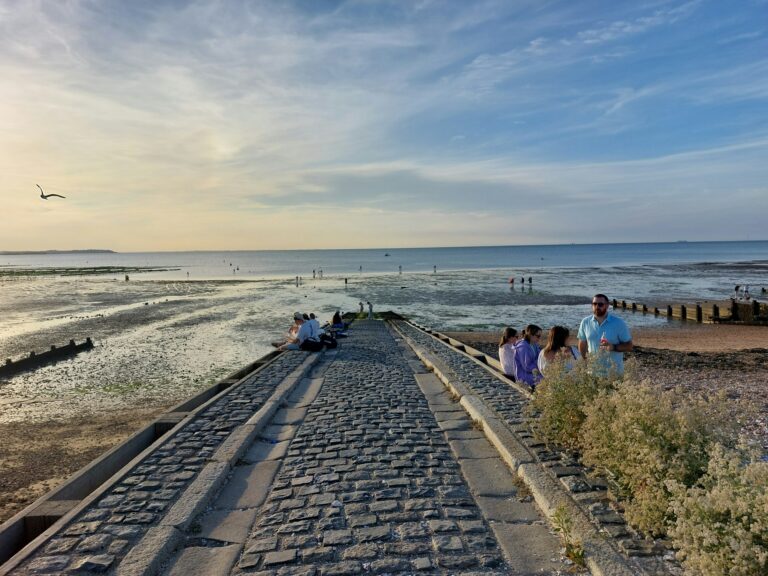
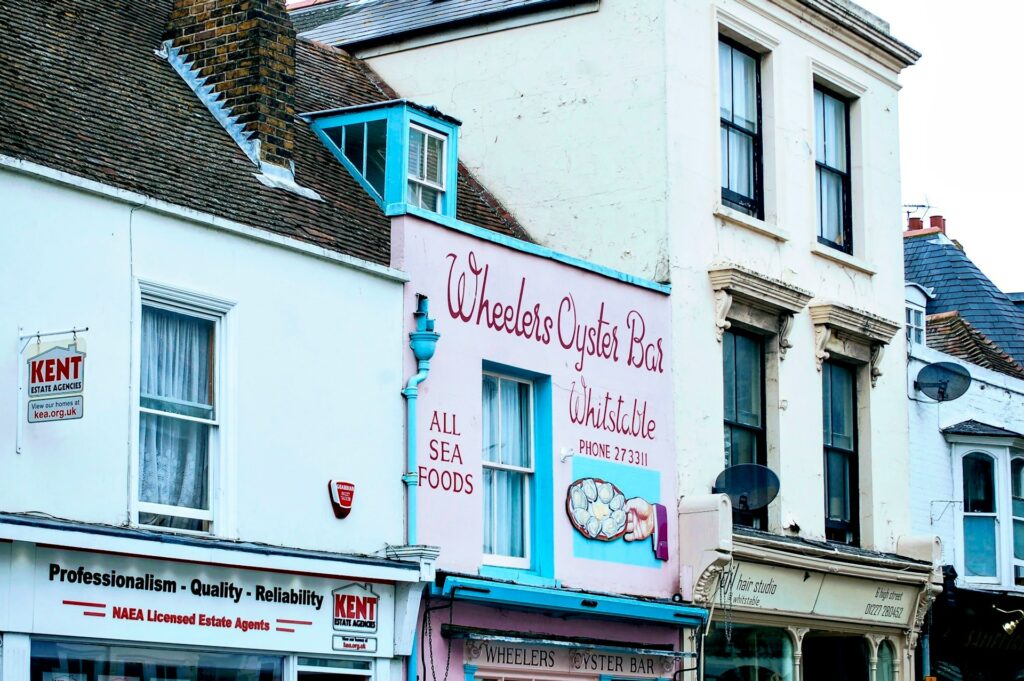
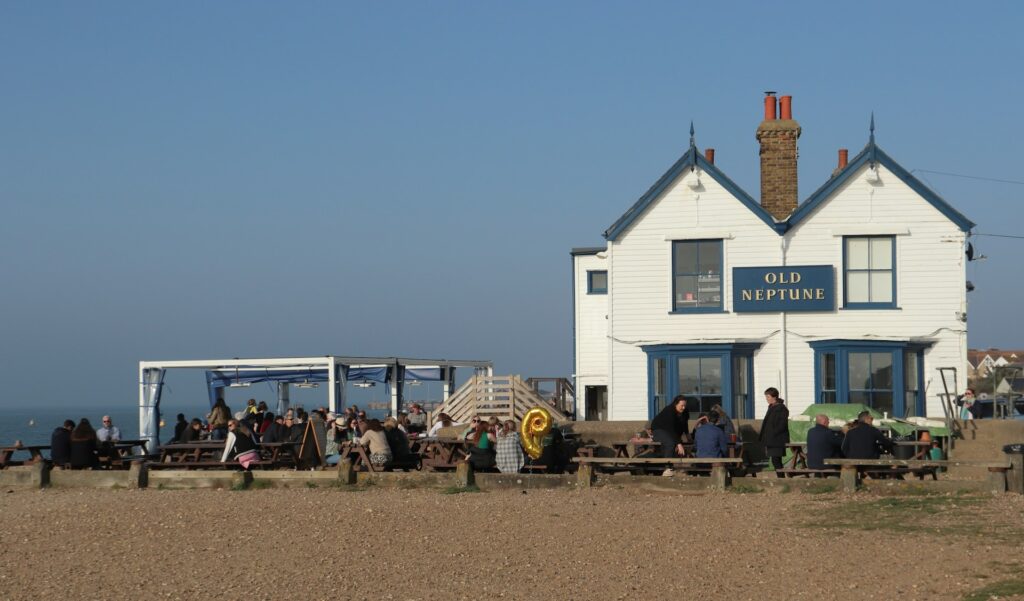
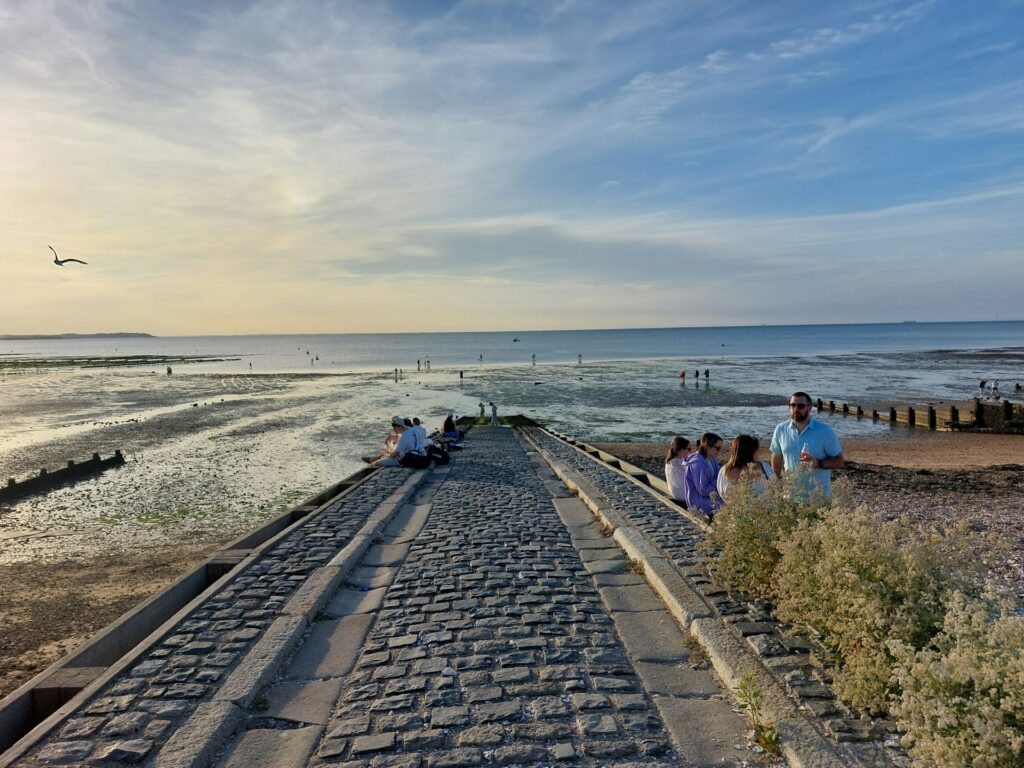
Whitstable is a charming seaside town nestled on the northeast coast of Kent that offers much of what you’re looking for from a coastal escape. With its picturesque harbour, colourful beach huts, and renowned oysters (so renowned they even have their own festival!), Whitstable offers a more laid-back alternative to Brighton’s hustle and bustle. Stroll along the pebbled beach, explore the quirky independent shops, and indulge in fresh seafood at one of the local restaurants, all with a few less people to contend with than the so-called ‘London By-The Sea’.

Best RestaurantThe Sportsman – A beautiful hour’s walk along the beach from Whitstable, The Sportsman is a Michelin-starred pub offering deceptively simple dishes made from locally sourced ingredients.

Best Fish and Chip ShopOssie’s Fish and Chips – Named one of the best chip shops in the UK by BBC Good Food, Ossie’s is a half hour walk from Whitstable beach on Tankerton Road. It’s well worth making the journey.

Best Place to Get an Ice Cream: Bears Ice Cream Imaginarium – A small, independent, family-run ice cream parlour which first opened in London back in 2016. It’s still one of the capital’s key icecream players. Whitstable is its first foray outside of London.

Best Pub Garden: The Old Neptune – This pub, right on the beach, offers a fantastic garden with sea views. The chips aren’t half bad, either!

Must-Try Delicacy: Whitstable oysters – Freshly harvested from the local waters, these oysters are a must-try, especially during the Whitstable Oyster Festival.

Best Hotel: Hotel Continental – A charming hotel with sea views, offering comfortable rooms and excellent service.

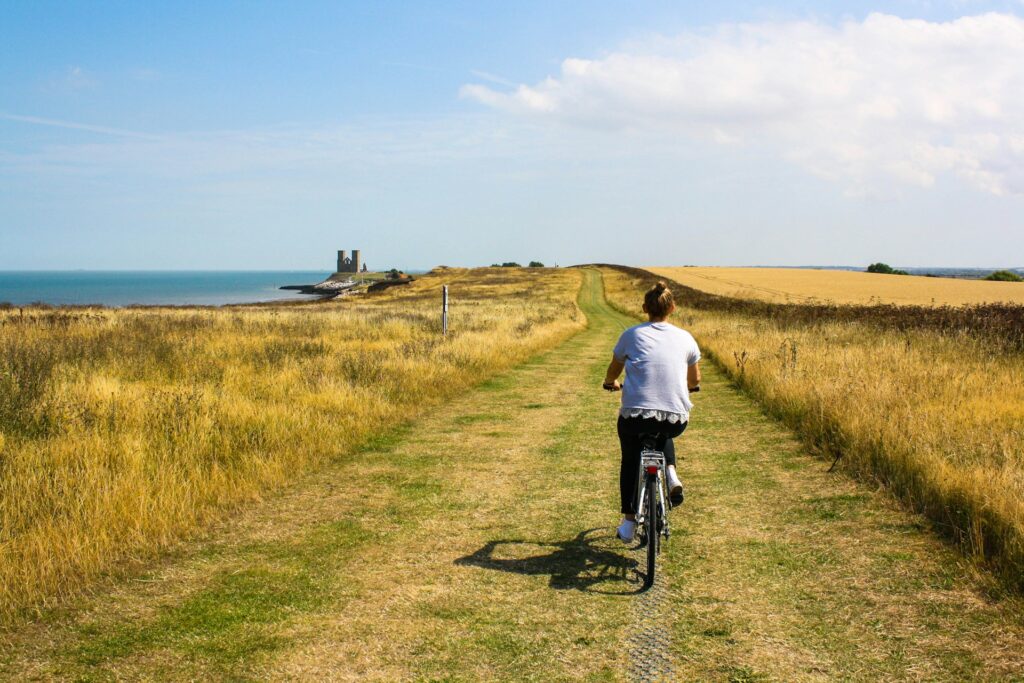
Best Place to Hire a Bike: Kent Cycle Hire – Offers a range of bikes for hire, perfect for exploring the coastal paths and surrounding areas.

Best Public Loo: Whitstable Harbour Toilets – Located near the harbour, these facilities are clean and well-maintained.

Where to Park: Gorrell Tank Car Park – Located near the harbour, this car park is convenient for exploring the town.

Read: The best restaurants in Whitstable


Substitute Blackpool for Morecambe

Blackpool’s iconic tower, lively promenade, and mile-a-minute amusement arcades have made it a perennial favourite for British holidaymakers seeking classic seaside fun. However, during the height of summer, you’re likely to find yourself trapped in crowds and struggling for space.

For a quieter coastal retreat in the North-West of England, consider Morecambe. Just a short distance from Blackpool, Morecambe offers a more relaxed atmosphere while still retaining its own unique charm.

Ben Mercer from Leisure Lakes Bikes, one of the UK’s leading suppliers of mountain bikes, is an expert in the North West and the local area: “There’s plenty to do in Morecambe that often gets overlooked for other areas of the North West. Whether it’s strolling or cycling along the renovated promenade, admiring the breathtaking views across Morecambe Bay, or exploring the town’s vibrant arts scene. This includes the iconic Midland Hotel, a masterpiece of Art Deco architecture”, he says.

He continues; “With its wide sandy beach, stunning sunsets, and laid-back vibe, Morecambe provides a refreshing alternative to the hustle and bustle of nearby Blackpool, making it an ideal destination for those seeking a tranquil coastal escape.”

Best Restaurant: The Midland Hotel Restaurant – Offering stunning views of Morecambe Bay, this Art Deco hotel serves delicious, locally sourced cuisine.

Best Fish and Chip Shop: Atkinson’s Fish & Chip Restaurant – A local favourite known for its crispy batter and fresh fish.

Best Place to Get an Ice Cream: Brucciani’s – A historic ice cream parlour known for its delicious, traditional ice creams.

Best Pub Garden: Owls Nest – Lots of outdoor seating including lovely wooden booths.

Must-Try Delicacy: Morecambe Bay shrimps – These tiny, sweet shrimps are a local delicacy, often served potted in butter.

Best Hotel: The Midland Hotel – An iconic Art Deco hotel offering luxurious rooms and stunning views of Morecambe Bay (yes, we realise we’re getting a little repetitive here).

Best Public Loo: Morecambe Promenade Toilets – Located along the promenade, these facilities are easily accessible and well-kept.

Best Place to Hire a Bike: Bays Bikes – Offers bike hire and guided tours along the scenic Bay Cycle Way.

Where to Park: Morecambe Central Car Park – Conveniently located near the promenade and main attractions.


Choose Padstow over St. Ives

St. Ives may be Cornwall’s crown jewel, but to avoid the hustle and bustle of crowds particularly during the summer months, Padstow is a great choice for a quieter coastal retreat in Cornwall.

Situated on the north coast, Padstow exudes charm with its quaint harbour, narrow streets, and scenic coastal walks. Foodies will delight in the town’s culinary offerings, including the famous seafood restaurants owned by celebrity chef Rick Stein (the town is, somewhat disparagingly – nicknamed Pad-Stein by locals). With its relaxed vibe and stunning scenery, Padstow offers a refreshing alternative to the hustle and bustle of St Ives.

Best Restaurant: Rick Stein’s Seafood Restaurant – Famous for its fresh seafood and stunning harbour views.

Best Fish and Chip Shop: Stein’s Fish & Chips – Again, owned by Rick Stein, this place offers some of the best fish and chips in Cornwall.

Best Place to Get an Ice Cream: Roskilly’s Ice Cream – Known for its creamy, locally made ice creams with a variety of flavours.

Best Pub Garden: BinTwo – Technically this is more of a wine merchant’s, but it has a gorgeous outdoor seating area that seats up to 24 people.

Must-Try Delicacy: Cornish pasties – While seafood is of course a highlight, don’t miss out on trying a traditional Cornish pasty.

Best Hotel: The Old Custom House – A historic hotel located on the quayside, offering comfortable rooms and excellent dining options.

Best Public Loo: Padstow Harbour Toilets – Conveniently located near the harbour, these facilities are clean and well-maintained.

Best Place to Hire a Bike: Trail Bike Hire – Located near the Camel Trail, offering a range of bikes for exploring the scenic route.

Where to Park: Padstow Harbour Car Park – Located right by the harbour, it’s perfect for easy access to the town.


Opt for Seahouses instead of Whitby

Whitby’s Gothic charm and association with Dracula make it a magnet for tourists seeking a dose of history and mystery. But for a quieter seaside escape in Northumberland, head to Seahouses.

This picturesque fishing village offers sweeping views of the North Sea, a bustling harbour filled with colourful boats, and easy access to the nearby Farne Islands. Explore the village’s quaint shops and enjoy freshly caught fish and chips heralded as some of the best in the North East while watching the sunset over the sea.

Best Restaurant: The Olde Ship Inn – A historic pub offering hearty meals and a great selection of local ales.

Best Fish and Chip Shop: Lewis’s Fish Restaurant – Known for its fresh fish and crispy chips, it’s a local favourite. It’s been named as one of best fish and chip restaurants in the country by The Times.

Best Place to Get an Ice Cream: Neptune Fish Restaurant & Ice Cream Parlour – Offers delicious ice creams in a variety of flavours.

Best Pub Garden: The Bamburgh Castle Inn – Offers a spacious garden with stunning sea views.

Must-Try Delicacy: Craster kippers – Smoked herring from nearby Craster, these kippers are a Northumberland specialty.

Best Hotel: The Bamburgh Castle Inn – The aforementioned place with the best pub garden, The Bamburgh Castle Inn is also a comfortable hotel with sea views and dining options.

Best Public Loo: Seahouses Harbour Toilets – Located near the harbour, these facilities are clean and easily accessible.

Best Place to Hire a Bike: Pedal Power Cycles – Offers bike hire for exploring the beautiful Northumberland coast.

Where to Park: Seahouses Main Car Park – Centrally located, it’s ideal for exploring the village and harbour.


Explore Southwold instead of Aldeburgh

Aldeburgh’s pebble beach and pastel-coloured houses have attracted visitors seeking a quintessential British seaside experience for generations. However, its popularity can result in crowded beaches and busy streets, particularly during the summer holidays. For a more tranquil coastal getaway in Suffolk, consider Southwold.

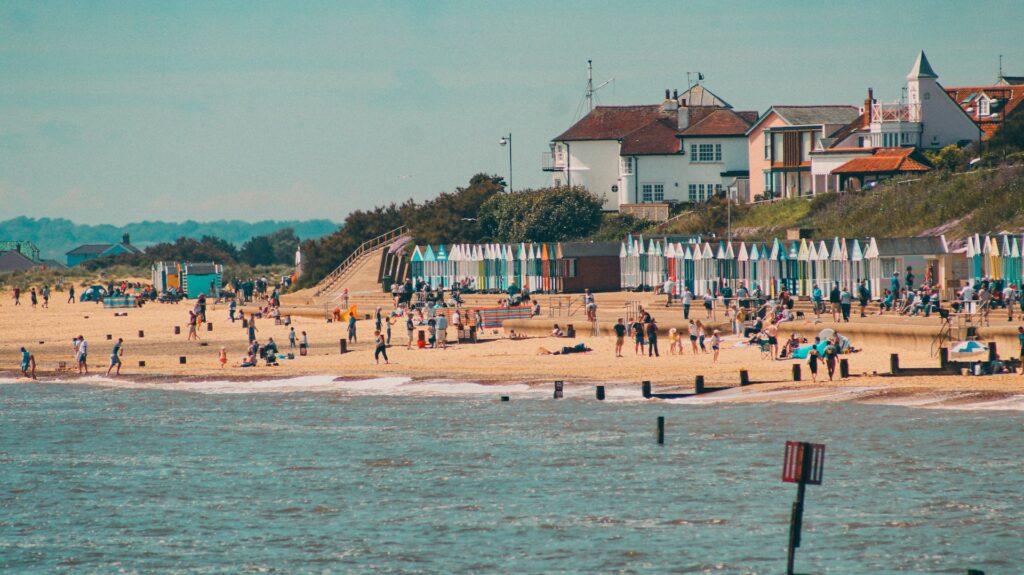
With its iconic lighthouse, charming pier, and rows of colourful beach huts, Southwold exudes old-world charm and understated elegance. Spend your days lounging on the sandy beach, browsing the independent shops along the High Street, and sampling fresh seafood at one of the town’s renowned restaurants.

Best Restaurant: Sole Bay Fish Company – Located at the harbour, this restaurant offers fresh seafood and stunning views.

Best Fish and Chip Shop: The Little Fish and Chip Shop – A popular spot for traditional fish and chips.

Best Place to Get an Ice Cream: Harris & James – Known for its artisanal ice creams made with high-quality ingredients. It was recently included in a list of the country’s best-loved ice cream parlours by The Guardian.

Best Pub Garden: The Red Lion – Offers a lovely garden with views of the sea and the lighthouse.

Must-Try Delicacy: Adnams beer – Brewed locally, Adnams beer is a must-try, especially when paired with fresh seafood.

Best Hotel: The Swan Hotel – A historic hotel offering luxurious rooms and excellent dining options, located in the heart of Southwold.

Best Public Loo: Southwold Pier Toilets – Located on the pier, these facilities are clean and well-maintained.

Best Place to Hire a Bike: Southwold Cycle Hire – Offers a range of bikes for exploring the scenic Suffolk coast.

Where to Park: Southwold Pier Car Park – Conveniently located near the pier and beach.


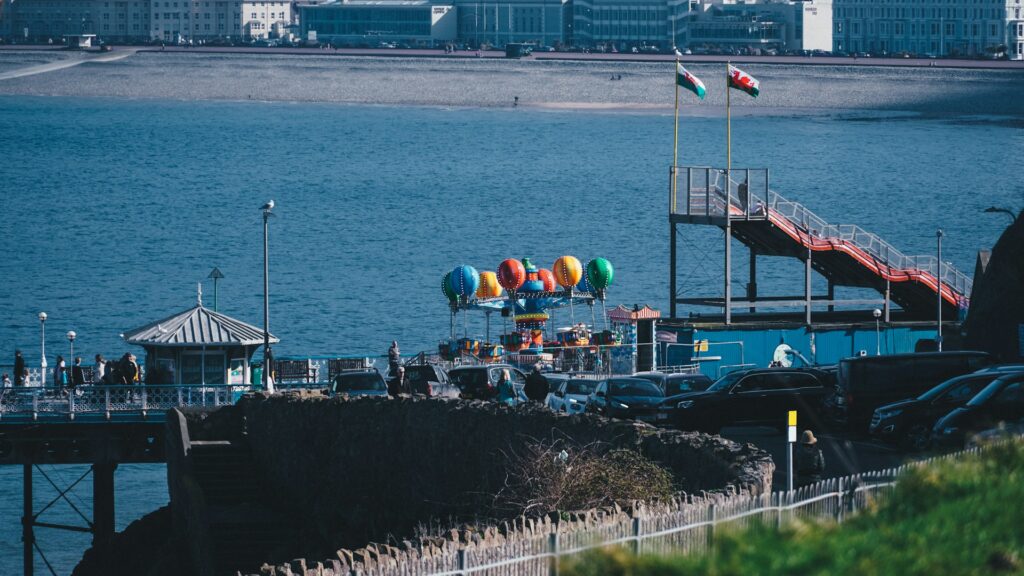
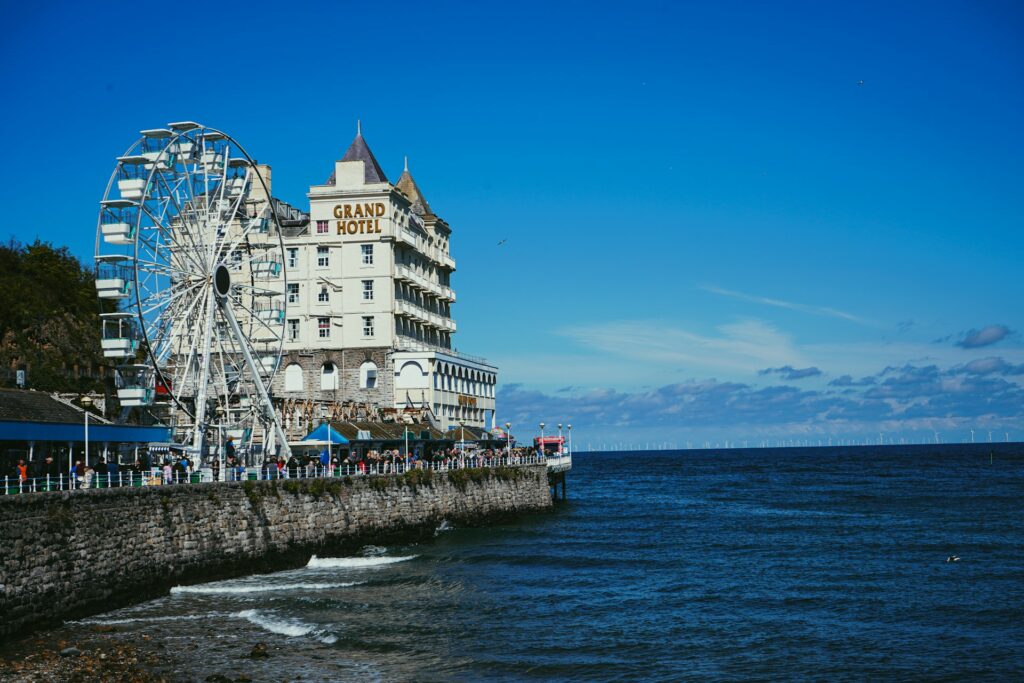
Visit Llandudno instead of Tenby

Tenby’s picturesque harbour, medieval walls, and golden beaches make it one of Wales’s most popular seaside destinations. However, its popularity means that finding a quiet spot to relax can be a challenge, especially during the peak summer season. For a less crowded coastal escape in Wales, venture to Llandudno.

On the north coast of Wales, Llandudno boasts a stunning Victorian promenade, a picturesque pier, and sweeping views of the Great Orme headland. Take a ride on the historic tramway to the summit of the Great Orme, stroll along the promenade, and admire the town’s elegant architecture.

Best Restaurant: Dylan’s Restaurant – Situated towards the end of Llandudno promenade, the mussels are particularly good.

Best Fish and Chip Shop: The Cottage Loaf – While primarily a pub, it serves excellent fish and chips in a cosy setting.

Best Place to Get an Ice Cream: Parisella’s Ice Cream Parlour – A local favourite known for its wide variety of delicious ice creams.

Best Pub Garden: The Snowdon – Offers a charming garden area with views of the Great Orme.

Must-Try Delicacy: Welsh cakes – These traditional cakes are a delightful treat, often enjoyed with a cup of tea.

Best Hotel: St. George’s Hotel – A luxurious hotel located on the seafront, offering elegant rooms and excellent service.

Best Public Loo: Llandudno Promenade Toilets – Located along the promenade, these facilities are clean and easily accessible.

Best Place to Hire a Bike: Llandudno Bike Hire – Offers a range of bikes for exploring the scenic coastal paths and the Great Orme.

Where to Park: Mostyn Champneys Retail Park – Offers ample parking and is a short walk from the main attractions.


Choose Aberdovey over Aberystwyth

Aberystwyth, with its historic university, bustling promenade, and cultural attractions, is a popular destination on the Welsh coast. However, its popularity can lead to crowded beaches and busy streets, especially during the summer months. For a quieter coastal retreat in Wales, consider Aberdovey.

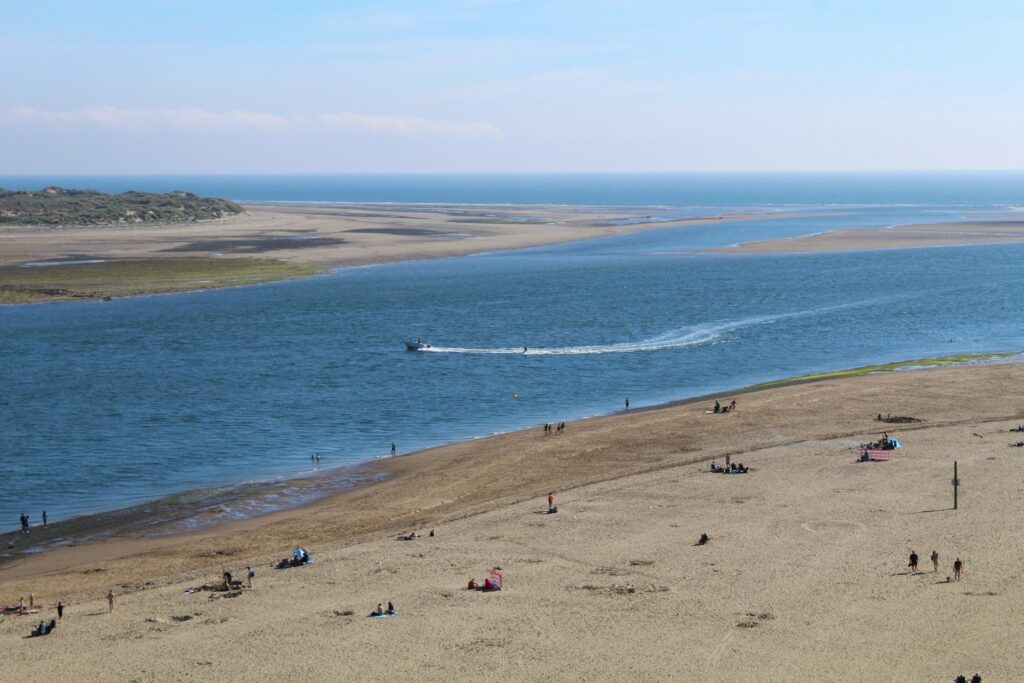
Nestled on the edge of the Snowdonia National Park, Aberdovey offers stunning sandy beaches, charming streets, and a relaxed atmosphere. This picturesque village is perfect for those looking to unwind and enjoy the natural beauty of the Welsh coast.

Best Restaurant: Seabreeze Restaurant with Rooms – Offers delicious, locally sourced seafood and stunning views of the estuary.

Best Fish and Chip Shop: Walkers Quality Fish & Chips – Known for its fresh fish and crispy chips, a local favourite.

Best Place to Get an Ice Cream: The Sweet Shop – Offers a variety of traditional and unique ice cream flavours.

Best Pub Garden: Penhelig Arms – A historic pub with a lovely garden overlooking the estuary.

Must-Try Delicacy: Aberdovey crab – Freshly caught local crab, often served in salads or sandwiches.

Best Hotel: Trefeddian Hotel – A family-run hotel offering comfortable rooms and stunning sea views.

Best Public Loo: Aberdovey Harbour Toilets – Located near the harbour, these facilities are clean and well-maintained.

Best Place to Hire a Bike: Dyfi Bike Park – Offers a range of bikes to hire to explore the park’s challenging mountain trails. Less of a leisurely one, this!

Where to Park: Aberdovey Car Park – Conveniently located near the beach and main attractions.


Opt for Lyme Regis instead of Bournemouth

Bournemouth’s golden beaches, nightlife, and extensive shopping options make it a popular destination on the south coast of England. However, its popularity can result in crowded beaches and busy streets, particularly during the summer holidays. For a more tranquil coastal getaway, consider Lyme Regis.

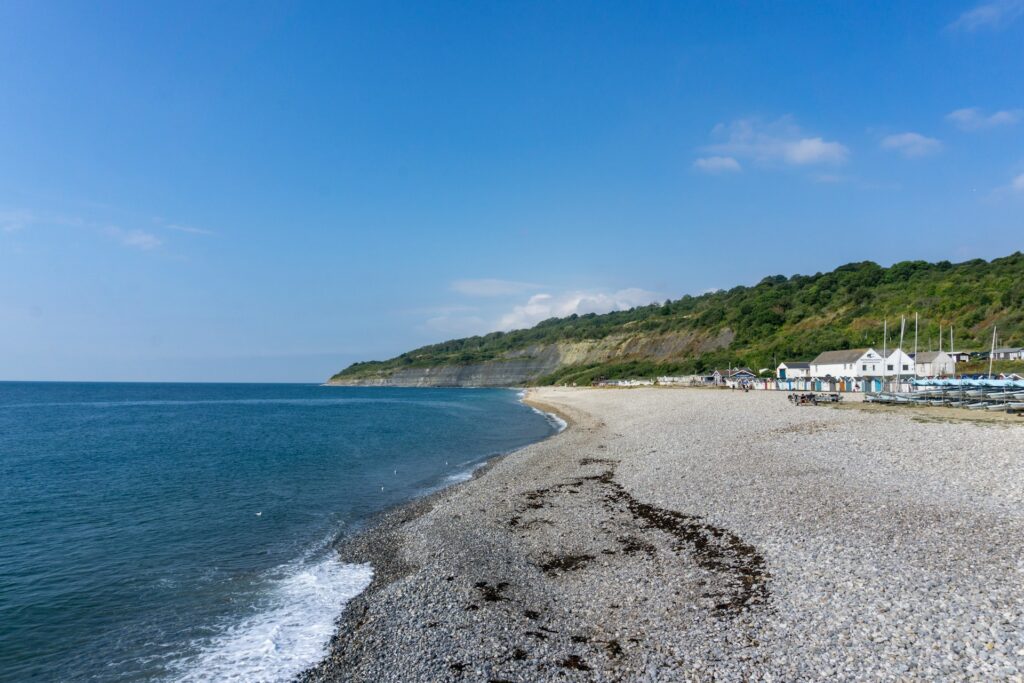
Located on the Jurassic Coast, Lyme Regis is known for its fossil-rich beaches, historic harbour, and charming streets. This picturesque town offers a more relaxed atmosphere while still providing plenty of activities and attractions.

Best RestaurantHix Oyster & Fish House – Offers stunning views of the harbour and delicious seafood dishes.

Best Fish and Chip Shop: Lyme’s Fish Bar – A local favourite known for its fresh fish and crispy chips.

Best Place to Get an Ice Cream: Baboo Gelato – Known for its artisanal gelato made with locally sourced ingredients.

Best Pub Garden: The Rock Point Inn – Offers a lovely garden with views of the sea and the Cobb.

Must-Try Delicacy: Dorset apple cake – A traditional cake made with local apples, often served with clotted cream.

Best Hotel: The Alexandra Hotel – A luxurious hotel offering elegant rooms and stunning sea views.

Best Public Loo: Lyme Regis Marine Parade Toilets – Located along the promenade, these facilities are clean and easily accessible.

Best Place to Hire a Bike: Jurassic Trails Cycle Hire – Offers a range of bikes for exploring the scenic coastal paths and the Jurassic Coast.

Where to Park: Holmbush Car Park – Conveniently located near the town centre and main attractions.

The Bottom Line

If you’re looking to escape the crowds this summer and discover some of the UK’s quieter coastal retreats, these alternative destinations offer the perfect blend of charm, nostalgia, and unique local experiences.

Whether you’re a foodie, a history buff, or simply in need of a serene seaside retreat, these dupe destinations provide all the allure of their more famous counterparts, but with fewer tourists and a more relaxed atmosphere. Cheers to that!

10 Professional Photography Trends We’ve Been Seeing In 2024

Photography, as an art form and profession, is ever-evolving. With each passing year, new trends emerge, driven by technological advancements, cultural shifts, and creative experimentation. 

As we navigate through 2024’s increasingly febrile, fractured media landscape, several new trends have come to the forefront, shaping the way photographers, from travel to portrait, sports to weddings, capture and present their work. Here are 10 professional photography trends that have been making waves this year, and how amateur photographs can pull a similar thing off at home.

AI-Enhanced Editing

Artificial Intelligence (AI) has revolutionised many industries, and photography is no exception. In 2024, AI-enhanced editing tools have become more sophisticated, allowing photographers to streamline their post-processing workflows. These tools can automatically adjust lighting, remove blemishes, and even suggest creative edits, saving time and enhancing the final output.

How amateur photographers can channel this trend: Amateur photographers can take advantage of AI-enhanced editing by using user-friendly apps like Luminar Neo, which offers AI-powered features. These tools can help you quickly enhance your photos, even if you lack advanced editing skills. Experiment with different settings and let the AI guide you to achieve professional-looking results.

Vibrant Colours & Bold Contrasts

While minimalism is trending (more on that later), so too is the use of vibrant colours and bold contrasts. Photographers are experimenting with striking colour palettes and high-contrast lighting to create visually arresting images. This trend is all about making a statement and capturing attention with dynamic, eye-catching visuals.

How amateur photographers can channel this trend: Use a colour photo editor app like Retouch Me, Snapseed or Adobe Lightroom to enhance the vibrancy and contrast of your images. Play with saturation, contrast, and brightness settings to make your photos pop. Look for colourful subjects and interesting lighting conditions to create bold, dynamic compositions.

Sustainable Photography Practices

With growing awareness of environmental issues, sustainable photography practices have gained traction. Photographers are increasingly opting for eco-friendly materials, reducing waste, and choosing sustainable travel options for shoots. This trend not only helps the planet but also resonates with eco-conscious clients.

How amateur photographers can channel this trend: Amateurs can adopt sustainable practices by using rechargeable batteries, opting for digital over print when possible, and being mindful of their environmental impact during shoots. Consider supporting brands that prioritise sustainability and look for second-hand equipment to reduce waste.

Drone Photography

Drone technology continues to advance, offering photographers new perspectives and creative possibilities. In 2024, drones are more accessible and easier to operate, allowing professionals to capture stunning aerial shots. From sweeping landscapes to dynamic event coverage, drone photography adds a unique dimension to visual storytelling.

How amateur photographers can channel this trend: For those new to drone photography, start with an entry-level drone that offers good camera quality and user-friendly controls. Practice flying in open, safe areas and gradually experiment with different angles and heights. Many drones come with built-in stabilisation and automated shooting modes to help you capture impressive aerial shots.

Authentic Storytelling

In an age of digital manipulation, there is a growing demand for authenticity. Photographers are focusing on capturing genuine moments and emotions, moving away from overly staged or edited images. This trend emphasises the power of storytelling, with images that resonate on a deeper, more personal level.

How amateur photographers can channel this trend: Focus on capturing candid moments and real emotions. Spend time observing your subjects and wait for genuine interactions. Avoid over-editing your photos; instead, aim to preserve the natural look and feel of the scene. Remember, the story behind the image is often more compelling than technical perfection.

Read: 7 photography tips for improving your holiday snaps

Retro & Film Photography

Nostalgia for the past has brought retro and film photography back into vogue. Many photographers are embracing analogue techniques, using film cameras and vintage lenses to create images with a timeless quality. This trend celebrates the imperfections and unique characteristics of film, offering a refreshing contrast to digital perfection.

How amateur photographers can channel this trend: Try using a film camera or experiment with digital filters that mimic the look of film. Apps like VSCO offer a range of film-inspired presets that can give your digital photos a retro feel. Embrace the imperfections and unique qualities that come with this style, and enjoy the process of creating something timeless.

Minimalist Aesthetics

Minimalism continues to be a popular aesthetic in 2024. Photographers are stripping back their compositions, focusing on simplicity and negative space. Particularly popular in food photography right now, this trend highlights the beauty of clean lines, subtle details, and uncluttered scenes, creating images that are both elegant and impactful.

How amateur photographers can channel this trend: Start by decluttering your compositions. Focus on a single subject and use negative space to draw attention to it. Pay attention to lines, shapes, and textures, and experiment with different angles to find the most striking composition. Minimalism is about simplicity, so less is often more.

360-Degree Photography

Immersive experiences are in high demand, and 360-degree photography is meeting this need. By capturing a full spherical view, photographers can create interactive images that allow viewers to explore a scene from every angle. This technology is particularly popular in real estate, travel, and event photography.

How amateur photographers can channel this trend: Invest in a 360-degree camera, such as the Ricoh Theta or Insta360, which are designed for ease of use. Practice capturing different environments and experiment with the interactive features. Many 360-degree cameras come with companion apps that make it easy to edit and share your immersive photos.

Mobile Photography

The quality of smartphone cameras has improved dramatically, making mobile photography a legitimate professional tool. In 2024, many photographers are using their phones for on-the-go shoots, leveraging advanced camera features and editing apps. This trend highlights the versatility and convenience of mobile devices in professional photography.

How amateur photographers can channel this trend: Maximise the potential of your smartphone camera by learning its features and settings. Use apps like ProCamera or Moment to gain more control over your shots. Invest in mobile accessories like lenses and tripods to enhance your photography. Practice editing on-the-go with apps like Snapseed or VSCO to refine your images.

Virtual & Augmented Reality

Virtual Reality (VR) and Augmented Reality (AR) are pushing the boundaries of traditional photography. Photographers are exploring these technologies to create immersive experiences and interactive content. From virtual tours to AR-enhanced prints, these innovations are opening up new avenues for creative expression and audience engagement.

How amateur photographers can channel this trend: Explore VR and AR by using apps like Google Cardboard Camera for VR photos or Adobe Aero for AR experiences. Experiment with creating virtual tours or adding interactive elements to your photos. These technologies are becoming more accessible, allowing you to create immersive content without needing extensive technical knowledge.

The Bottom Line

The photography landscape in 2024 is vibrant and diverse, with trends that reflect both technological advancements and a return to authentic, meaningful storytelling. Whether you’re a professional photographer or an enthusiast, these trends offer inspiration and new opportunities to explore your craft. Embrace the changes, experiment with new techniques, and continue to push the boundaries of what photography can achieve.

The Benefits Of Cloud Computing For Small Businesses

In today’s fast-paced digital landscape, small businesses must leverage every advantage to stay competitive. One of the most transformative technologies available is cloud computing. By migrating to the cloud, small businesses can unlock a myriad of benefits that drive efficiency, reduce costs, and enhance collaboration. 

Faster Time To Market

One of the most significant benefits of cloud computing is the ability to accelerate development and deployment processes. This agility allows developers to quickly test and deploy new applications, features, or updates, significantly reducing the time to market. For small businesses, this means staying ahead of the competition and responding swiftly to market demands.

Scalability & Flexibility

Cloud computing offers unparalleled scalability and flexibility. Small businesses, with the help of essential cloud support services, can easily scale their IT resources up or down based on demand. Whether you’re experiencing a surge in traffic or need to accommodate seasonal fluctuations, cloud services provide the necessary infrastructure without the need for significant upfront investment. This flexibility ensures that your business can grow and adapt without being constrained by physical hardware limitations.

Cost Savings

Cost efficiency is a critical consideration for small businesses. Cloud computing eliminates the need for substantial capital expenditure on physical servers and data centres. Instead, businesses can opt for a pay-as-you-go model, paying only for the resources they use. This approach not only reduces operational costs but also minimises the financial risk associated with maintaining and upgrading on-premises infrastructure.

Better Collaboration

In a world where remote work is becoming increasingly common, cloud computing facilitates better collaboration among team members. Cloud-based tools and applications enable employees to access and share documents, data, and applications from anywhere, at any time. This seamless access fosters a collaborative environment, enhancing productivity and ensuring that everyone is on the same page, regardless of their physical location.

Advanced Security

Security is a top priority for any business, and cloud computing offers advanced security features to protect your data. Reputable cloud service providers implement robust security measures, including encryption, firewalls, and multi-factor authentication, to safeguard your information. Additionally, regular security updates and compliance with industry standards ensure that your data remains secure against evolving threats.

Data Loss Prevention

Data loss can be catastrophic for small businesses. Cloud computing provides reliable data backup and recovery solutions, ensuring that your critical information is always protected. In the event of hardware failure, natural disasters, or cyber-attacks, your data can be quickly restored, minimising downtime and preventing significant disruptions to your operations.

Enhanced Business Continuity

Business continuity is crucial for maintaining operations during unexpected events. Cloud computing supports enhanced business continuity by providing robust disaster recovery solutions. With data stored in the cloud, businesses can quickly recover and resume operations after a disruption. This resilience is particularly important for small businesses that may not have the resources to implement comprehensive disaster recovery plans on their own.

Read: 5 actionable technical SEO tips for small businesses

Improved Customer Experience

Cloud computing can significantly improve the customer experience by enabling businesses to offer faster, more reliable services. With cloud-based applications, businesses can ensure that their websites and online services are always available and responsive. Additionally, cloud analytics tools can help businesses gain insights into customer behaviour, allowing them to tailor their offerings and improve customer satisfaction.

Access To Cutting-Edge Technology

Cloud service providers continuously update their platforms with the latest technologies and innovations. By leveraging cloud computing, small businesses can access cutting-edge tools and services without the need for significant investment. This access to advanced technology can provide a competitive edge, enabling small businesses to innovate and stay ahead of industry trends.

Environmental Sustainability

Cloud computing can also contribute to environmental sustainability. By reducing the need for physical hardware and data centres, businesses can lower their energy consumption and carbon footprint. Many cloud providers are committed to sustainability and use energy-efficient data centres powered by renewable energy sources. By adopting cloud computing, small businesses can support their sustainability goals and reduce their environmental impact.

The Bottom Line

Cloud computing is not just a trend; it’s a strategic move that can propel your small business to new heights. With faster time to market, scalability, cost savings, enhanced collaboration, advanced security, data loss prevention, enhanced business continuity, improved customer experience, access to cutting-edge technology, and environmental sustainability, the cloud offers a comprehensive solution to many of the challenges faced by small businesses today.

From Sailing To Seafood: 7 Reasons Why Croatia Is 2024’s Hottest Travel Destination

Famous for its stunning, long-stretching shoreline and hundreds of islands, Croatia boasts everything you could want for a holiday, from medieval towns to gnarly national parks, secluded beaches and countless wonderful places to eat. 

No wonder Croatia has welcomed a whopping 7.2 million tourists so far this year, an we’re only at its halfway stage. If you’re keen to join them and experience all that The Land Of A Thousand Islands has to offer, then you’ve come to the right place. No, not Croatia, silly, but rather, here; from seafood to sailing, here are 7 reasons why Croatia is 2024’s hottest travel destination.

Explore The Enchanting Plitvice Lakes National Park

One of Croatia’s most iconic natural wonders, Plitvice Lakes National Park, is a must-visit for nature enthusiasts and photographers alike. This UNESCO World Heritage site is renowned for its cascading lakes, crystal-clear waters, and lush greenery. The park features a series of interconnected lakes and waterfalls that create a mesmerising landscape, perfect for hiking and exploring.

Visitors can wander along wooden footbridges and pathways that wind through the park, offering stunning views of the turquoise lakes and vibrant flora. The park is home to diverse wildlife, including deer, bears, and various bird species, making it a paradise for animal lovers.

Set Your Sights On Sailing 

The Croatian Adriatic has become increasingly popular as a sailing destination in recent decades. Fuelled by the beauty of the extraordinary Dalmatian Coast, as well as its many exquisite islands, one of the best ways to see Croatia is undoubtedly by boat.

Start your cruise from the second largest city of Croatia, Spilt, and head to famous islands Hvar, Brac and Korcula, which are just a short sail away. If you are a fan of the popular television series Game of Thrones, don’t forget to sail to Dubrovnik city where the scenes of Kings Landing were filmed.

You can find yacht charter in Croatia of all shapes and sizes, levels of luxury and lengths of time. This can be done with or without a skipper, allowing you to discover locations close to the town and some amazing islands and coves off the beaten path, too, such as Hvar, Mljet and the Elaphiti Islands. Mind if we join you?

Read: 6 reasons you need to go on a yachting holiday this summer

Discover The Rich History Of Pula

Pula, located on the Istrian Peninsula, is a city steeped in history and culture. Known for its well-preserved Roman architecture, Pula offers a fascinating glimpse into the past. The highlight of the city is the Pula Arena, one of the best-preserved Roman amphitheaters in the world. This ancient structure, dating back to the 1st century AD, once hosted gladiator fights and is now a venue for concerts and events.

In addition to the amphitheater, Pula boasts other historical landmarks such as the Temple of Augustus, the Arch of the Sergii, and the Pula Cathedral. The city’s rich history is complemented by its vibrant cultural scene, with numerous festivals, museums, and galleries to explore. After a day of sightseeing, visitors can relax at one of Pula’s charming cafes or enjoy fresh seafood at a local restaurant.

Wild River Kayaking

Wild river kayaking and even wilder camping in Croatia’s Velebit Nature Park? Sign us up! Not for the faint of heart, the route down the Zrmanja River is framed on either side by gorgeous forest and punctuated by rapids and waterfalls, showing visitors a very different side of Croatia compared to the more familiar images of harbours and sailing boats you’ll traditionally find in travel magazines.

In fact, there are some more sedate stretches, particularly at the beginning of the course, with no experience strictly necessary. You do need to know how to swim, though. The route concludes in the picturesque Muskovci village, where a change into dry clothes and a hearty feed awaits! 

Read: 6 of the best places to visit in Croatia

The Seafood 

Croatia is a seafood lovers’ paradise, and there are countless remarkable places to eat on the near 1’800 kilometres of coastline here. 

A must-try is a dish of seafood à la Buzara – Buzara-style cooking is simply a Croatian method of cooking where some type of shellfish or crustacean is cooked with olive oil, wine, garlic, breadcrumbs, and fresh herbs. On our last visit we had a mix of scampi tails, mussels and sea dates, all swimming in a garlicky sauce; just fantastic.

In fact, seafood cooked simply is the backbone of the country’s cuisine. As Croatia Week explains, “Squid, or lignje as it is called in Croatia, with a side of blitva, fries or potato salad, is a popular dish among tourists visiting the coast”.

And for good reason; here at IDEAL, we think that Croatia boasts the best calamari in the world. 

Some other must try things from the sea include…

Crni rižot: You’ll find this dish on nearly every Dalmatian menu. It’s a black risotto using squid ink to give it its distinctive flavour and colouring, with pieces of squid mixed in for good measure. 

Gregada – A fish and potato stew that hails from the island of Hvar.

Kvarner scampi – Scampi from Kvarner Bay are considered the finest variety in this part of Europe.

Kamenice s Limunom – Croatian Oysters have a reputation as being some of the best in the world.

Gradele – Grilled fish done simply and confidently over flames, allowing the freshness of the product to shine. The word gradele simply refers to the metal grate used for grilling. As the fish grills, it’s anointed with olive oil, using a rosemary branch as the brush.

Salata od Hobotnice – An octopus salad that’s traditionally eaten as a starter. Interestingly, a wine cork is added to the water in which the octopus is simmered; it’s believed to help tenderise the octopus’ flesh.

Viška pogača – A savoury bread pie made of flour, olive oil, onions, and salted fish. So nourishing and so good.

IDEAL Tip: Dubrovnik is arguably the best place in Croatia for food, and one of our favourite restaurants here is Restaurant 360º.

Dubrovnik’s only Michelin starred restaurant, and one of only 10 in Croatia as a whole, seafood is their forte, with Italian influences aplenty. For more of our favourite restaurants, check out our article on 5 of the best restaurants in Dubrovnik Old Town.

Dubrovnik’s Sunsets

Due to Croatia’s mountainous landscape, it’s the perfect place to enjoy some pretty stunning views. More specifically, you can experience some of the most mesmerising sunsets known to man here.

Dubrovnik is particularly famous for its spectacular sunsets, and is home to countless places to watch them. To see perhaps the best in the city, take the cable car to Mount Srd for a bird’s eye view across the Old Town and across the Adriatic Sea. Follow this up with a glass of wine at Panorama restaurant and watch everything below become bathed in a hazy pink glow.

Or, why not check out the views at Dubrovnik’s famous (and famously hard to find) Buža bar (meaning hole-in-the wall), which is hidden under the ancient city walls. Here, you have to go through a hole in the wall to find this bar perched on the cliffside right above the sea, but the effort is worth it as the views are unparalleled. One of the most romantic ways in the world to watch the sun go down, we think. 

Visit The Home Of Croatian Wine, Hvar

Hvar, known as the Queen of the Croatian Dalmatian islands, is a three hour ferry ride from Dubrovnik, and mixes serene beauty and sophistication with a vibrant, revelrous nightlife. Could there be a more perfect mix?

Here, the local wine is exceptional. In fact, Hvar is the island of Croatian wine, with the strong sun and wind combining for ideal grape growing conditions and the production of quality wine. The island is home to the oldest Plavac Mali (an indigenous grape to the Dalmatian region) vineyard in the country, perfect for raising a glass in picture-perfect surrounds.

Hvar is equally famous for its lavender, and you can find lavender flavoured ice cream pretty much everywhere on the island, its floral and herbaceous flavour just lovely when the weather is heating up. To see the purple fields for yourself, rent a scooter and follow the island’s lavender scented trails!

And with that, we wish you bon voyage. Or, as they say in Croatia, Sretan Put!

Speaking of Croatian wine, join us next as we explore the country’s wine regions. Perhaps we better book a taxi for this one?

The Best European City Breaks For Autumn 2024

With Glastonbury behind us, Euro 2024 nearly over, and Wimbledon at its business end, it’s only natural for minds to turn to the most deciduous season for scheduling excitement.

Autumn in Europe is a magical time when cities are bathed in golden hues, the summer crowds have thinned, and the air is crisp and invigorating. Whether you’re a culture vulture, a foodie, or simply in need of a picturesque escape, these five European cities offer the perfect autumnal retreat.

Florence, Italy

Florence, the cradle of the Renaissance, is a dream in autumn. The summer heat has dissipated, making it ideal for exploring its rich tapestry of art, history, and architecture. The Uffizi Gallery and the Duomo are less crowded, allowing for a more intimate experience – no wonder it’s one of the first stops for more intimate, small group tours of Italy

The city’s narrow streets and historic squares are perfect for leisurely walks, and the autumn light casts a warm glow on the stunning facades of its buildings. Florence’s vibrant cultural scene, combined with its culinary delights, makes it a must-visit destination this season.

Why Autumn?

  • Weather: Mild temperatures, typically ranging from 10°C to 20°C, and fewer tourists make it perfect for leisurely strolls along the Arno River and through the Boboli Gardens. The comfortable weather also means you can enjoy outdoor dining in the city’s charming piazzas.
  • Events: The Florence Biennale, an international contemporary art exhibition, takes place in October, showcasing works from artists around the globe. Additionally, the Festival dei Popoli, an international documentary film festival, occurs in November, offering a deep dive into global cultures and stories.
  • Food: Autumn is the revered white truffle season in Tuscany. Indulge in truffle-infused dishes and sample the new season’s olive oil at local trattorias. The region’s vineyards are also in harvest mode, making it a great time for wine tours and tastings in the nearby Chianti region. 

Prague, Czech Republic

Prague’s fairy-tale charm is amplified in autumn. The city’s medieval architecture, cobblestone streets, and the Vltava River are even more enchanting against a backdrop of autumn foliage. 

Known as the “City of a Hundred Spires,” Prague’s skyline is dotted with beautiful churches and towers that look even more magical in the autumn mist. The city’s rich history and vibrant cultural scene make it a perfect destination for those looking to immerse themselves in European heritage.

Why Autumn?

  • Weather: Comfortable temperatures, usually between 5°C and 15°C, and fewer tourists make it ideal for exploring the Old Town, Charles Bridge, and Prague Castle. The cooler weather is perfect for long walks through the city’s historic districts.
  • Events: The Signal Festival in October transforms the city into a canvas of light and sound, with stunning installations and projections. This festival brings together artists from around the world to create immersive experiences that highlight Prague’s architectural beauty.
  • Atmosphere: Cosy up in a traditional Czech pub with a pint of local beer and hearty dishes like goulash and roast pork. Autumn is also the season for St. Martin’s Day celebrations in November, where you can enjoy roast goose and young wine.

Edinburgh, Scotland

Edinburgh, with its historic charm and vibrant cultural scene, is a fantastic autumn destination. The city’s gothic architecture and rolling hills are particularly striking in the autumn light. As the capital of Scotland, Edinburgh is a city steeped in history, with its ancient castle, royal mile, and numerous museums and galleries. 

The city’s literary heritage, celebrated in its many bookshops and festivals, adds to its allure, whilst Scotland’s prized seafood comes into its own in the cooler seasons, with Edinburgh’s seafood restaurants celebrating that abundance in style.

Why Autumn?

  • Weather: The crisp, cool air with temperatures ranging from 5°C to 15°C and the occasional mist add a touch of mystery to the city’s ancient streets and alleys. The weather is perfect for exploring the city’s many historic sites and enjoying the autumn colours.
  • Events: The Samhuinn Fire Festival on 31st October is a spectacular celebration of the Celtic New Year, featuring fire displays, drumming, and performances. This event, held on Calton Hill, is a modern interpretation of ancient Celtic traditions and offers a unique cultural experience.
  • Scenery: The autumn colours in Princes Street Gardens and the views from Arthur’s Seat are simply breathtaking. Take a walk along the Water of Leith or explore the Royal Botanic Garden to fully appreciate the season’s beauty. The city’s many parks and green spaces are perfect for a leisurely autumn stroll.

Bergen, Norway

Bergen, with its dramatic fjord landscapes and colourful wooden houses, is a stunning autumn destination for both individual travellers and a whole range of Norway tours. The city’s surrounding mountains are ablaze with autumn colours, creating a breathtaking backdrop. 

Known as the gateway to Norway’s breathtaking fjords, Bergen offers a unique blend of natural beauty and cultural richness. The city’s historic Bryggen Wharf, a UNESCO World Heritage site, is particularly picturesque in the autumn light, and the local seafood is at its freshest.

Why Autumn?

  • Weather: Crisp, cool air with temperatures ranging from 5°C to 15°C and the possibility of early snow on the peaks make for a refreshing and scenic visit. The weather is perfect for bundling up in cosy layers and enjoying the outdoors.
  • Events: The Bergen International Film Festival in October is a must for cinema enthusiasts, featuring a diverse range of films from around the world. The festival also includes panel discussions, workshops, and Q&A sessions with filmmakers.
  • Nature: Autumn is the perfect time for hiking in the nearby mountains, with trails offering panoramic views of the fjords and the city below. The Fløyen and Ulriken mountains are particularly popular, and the autumn colours make the scenery even more spectacular. Don’t miss a fjord cruise to see the stunning landscapes from the water.

Munich, Germany

Munich is synonymous with Oktoberfest, sure, but there’s much more to this Bavarian city in autumn. The city’s parks, beer gardens, and historic sites are all the more enjoyable in the cooler weather. Munich’s rich history, evident in its grand palaces and museums, is complemented by its modern, vibrant cultural scene. The city’s blend of tradition and innovation makes it a fascinating place to visit.

Why Autumn?

  • Weather: Pleasantly cool temperatures, typically between 5°C and 15°C, make it perfect for exploring the city’s outdoor attractions, such as the English Garden and Nymphenburg Palace. The autumn weather is ideal for enjoying Munich’s many beer gardens and outdoor cafes.
  • Events: Oktoberfest, running from late September to the first weekend in October, is the world’s largest beer festival, offering a unique cultural experience with traditional music, food, and, of course, beer. After Oktoberfest, the city hosts the Auer Dult, a traditional market and fair with antiques, crafts, and Bavarian delicacies. This event, held three times a year, is a great way to experience local culture and cuisine.
  • Culture: Munich’s rich cultural scene comes alive in autumn with numerous theatre performances, concerts, and art exhibitions. Visit the Pinakothek museums to see world-class art collections, or catch a performance at the Bavarian State Opera.

The Bottom Line

Autumn in Europe offers a unique blend of cultural events, stunning natural beauty, and a more relaxed pace of travel. Whether you’re wandering through the art-filled streets of Florence, cruising the fjords of Bergen or enjoying a pint in a cosy Edinburgh pub, these cities promise unforgettable autumn experiences. So pack your bags, embrace the season, and discover the best of Europe this autumn.

Hotel Review: Hotel Max, Paris

HOTEL REVIEW: HOTEL MAX, PARIS

Welcome to Paris. Effortless chic? Tick. The finest food on every thoroughfare. Yep, still intact. Drags on gauloise still punctuate debate over Sartre. The nostalgic smell of caramelised cheese from Breton crepes floats out from bakeries, always. But there’s something different in the air, too. It’s late September, the sun is shining and the vibe is gloriously laid back. Stereotypes dissipate, people are having fun and the scene is set for the perfect, impromptu weekend break. Enter Hotel Max.

IDEA

Hotel Max, in Paris’ 14th arrondissement, is a polished, chic boutique hotel with minimal frippery and maximum charm. It’s a fool proof foundation from which to explore the city during a short stay in the city, making it equally appropriate for weekend getaways as it is a business trip.

HOTEL REVIEW: HOTEL MAX, PARIS

HOTEL REVIEW: HOTEL MAX, PARIS

LOCATION

The 14th arrondissement, well south of the Seine, might seem out of the way but, think again. From right outside the hotel, on the beautifully tree-lined boulevard, a quick trip on the 38 bus goes straight to Ile de la Cite and on to Gare de Nord in a matter of minutes. The area is also supported by the Alésia metro station, just a minute’s walk from the hotel, making any of the sights surprisingly accessible. The area itself is lively, with the feel of a genuine Paris neighbourhood, plenty of restaurants, roadside bar-seating and all.

STYLE & CHARACTER

The interior is much what you’d expect from a place billing itself as boutique. It’s modern and streamlined, with wooden floors and little splashes of vibrant colour. Nothing overwhelms and everything is slick and appropriate to the space. There’s a continuity in the design, and synergy in its application that only a small, independent hotel can pull off. It’s done with class here.

HOTEL REVIEW: HOTEL MAX, PARIS

ROOMS

Rooms are consistent with the lobby area and lounge; both blonde and varnished wood rub shoulders with darker greys and blues. It’s all very suave indeed. Some rooms have balcony access, and catch the sun quite perfectly if the weather is right (it was). There’s space to sit and type if on business, with Nespresso coffee machines in each room offering a pick me up. If it’s pleasure you’re here for, the bed is superbly comfortable, and each room has a flat screen T.V. Bathrooms are compact but do the job, with the lengthy, statement mirrors a nice touch of the unique.

HOTEL REVIEW: HOTEL MAX, PARIS HOTEL REVIEW: HOTEL MAX, PARIS

FACILITIES

The charm of Hotel Max is in its mixing of compact functionality with style, and as a consequence you’d be foolish to expect the amenities of a larger establishment. There is, however, a clean-lined lobby with art books (for reading or as a piece in themselves, we’re not sure) and a business corner complete with computer and printer, which is a touch many hotels purporting to be for the business traveller woefully overlook. Not so here, which is great. What’s more, there’s a little garden at the entrance, which, much like the balconies, catches the sun just right when it’s out.

HOTEL REVIEW: HOTEL MAX, PARIS

FOOD & DRINK

The bright, light filled area which hosts breakfast is the perfect morning pick-me-up; if you brought your SAD light, best leave it in the suitcase, breakfast here very much keeps the morning melatonin at bay. It’s just what you’d expect from a Parisian breakfast; fresh, strong coffee and plenty of pastries.

HOTEL REVIEW: HOTEL MAX, PARIS

WHY GO

Hotel Max is ideal for a weekend away in quiet and surprisingly accessible area. If you fancy a flavour of the ‘real’ Paris, both tourist and stereotype free, this place is the perfect choice.

Address: 34 Rue d’Alésia, 75014 Paris, France

Website: www.hotel-max.fr

Disclosure: IDEAL stayed as a guest of the hotel. However all views are our own.

Soave, Spaghetti & Strolling: Italy’s Very Best Walking Holidays

Italy, a country synonymous with art, history, and cuisine, also offers some of the most stunning walking routes that the world has to offer. From the sun-kissed paths of the Amalfi Coast to the rugged trails of the Dolomites, Italy is a walker’s paradise. For those looking to explore Italy on foot, here are some of the best walking holidays in Bel Paese.

The Cinque Terre Trek

Route: Monterosso to Riomaggiore 

Distance: Approximately 12 km 

Duration: 1 day

The Cinque Terre, a string of five historic, gorgeous coastal villages dotted along Italy’s northwest coast, offers a breathtaking, on foot exploration of the Italian Riviera

Start your journey in Monterosso, the northernmost village, and make your way south through Vernazza, Corniglia, Manarola, and finally to Riomaggiore. The trail, known as the Sentiero Azzurro, clings to the cliffside, offering panoramic views of the Ligurian Sea. Although some parts of the trail can be challenging, the walk is doable in a day for those with a moderate level of fitness. Remember to purchase a Cinque Terre Card, which gives you access to the trails and trains connecting the villages.

For those wishing to extend their ramble into a longer holiday, consider incorporating the surrounding trails that connect to the neighboring towns of Levanto and Portovenere, offering additional days of scenic coastal walking. 

IDEAL for: Coastal Walk Enthusiasts and Photographers. The Cinque Terre Trek is perfect for those who enjoy seaside walks with plenty of opportunities for stunning photography. The route is also suitable for families and casual walkers who can tackle moderate inclines and steps.

Key Dish to Try: Try the Linguine al Pesto, a local pasta dish served with the region’s famous fresh basil pesto. The simplicity of this dish highlights the fresh, aromatic flavours of Liguria. Owing to the fact that you’re exploring five fishing villages, it would be rude not to start with a plate of fritto misto.

Best Wine of the Region: Cinque Terre DOC is a white wine made from local grape varieties such as Bosco, Albarola, and Vermentino. Its crisp and floral notes pair beautifully with the seafood and pesto dishes of the region.

By Billion Photos via Canva

The Path Of The Gods

Route: Bomerano to Positano Distance: 

Distance: Approximately 8 km 

Duration: 3-4 hours

The Amalfi Coast is home to one of Italy’s most divine walks, the Sentiero degli Dei, or Path of the Gods. The route begins in the small village of Bomerano and ends in the chic town of Positano. As you traverse this ancient path, you’ll be treated to dramatic views of the coastline and the Tyrrhenian Sea below. The walk is relatively easy, though it includes some steep descents, especially as you approach Positano. The Path of the Gods can be completed in half a day, leaving you ample time to enjoy a well-deserved dip in the sea or a gelato in Positano.

By Serhii Shleihel via Canva

IDEAL for: Day Hikers and Romantic Walkers. This route is ideal for those looking for a relatively easy yet rewarding walk, with plenty of romantic vistas for couples and panoramic spots to rest and take in the view.

Key Dish to Try: Indulge in Spaghetti alla Nerano, a creamy pasta dish made with courgette and provolone cheese, originating from the nearby village of Nerano and beloved of Stanley Tucci. It’s a delightful representation of the region’s produce.

Best Wine of the Region: Costa d’Amalfi DOC, particularly the Furore blend, is a local wine that captures the essence of the Amalfi Coast’s terroir. The wine, often a blend of Biancolella and Falanghina, complements the fresh flavours of the Amalfi’s seafood and vegetable dishes.

The Dolomites High Route 1

Route: Lago di Braies to Belluno 

Distance: Approximately 120 km 

Duration: 10-14 days

For a more challenging and extended walking holiday in Italy, the Alta Via 1 in the Dolomites is a must. This high mountain trail takes you through some of the most spectacular scenery in the Alps, including rugged peaks, alpine meadows, and serene lakes. 

The route traditionally starts at the stunning Lago di Braies and winds its way south to Belluno. It’s a trek that requires good physical condition and proper equipment, as you’ll be staying in mountain huts along the way. The full journey can take up to two weeks, but shorter sections can also be walked for those with limited time.

By Only Fabrizio via Canva

IDEAL for: Mountain Trekkers and Adventure Seekers. This challenging route is best suited for experienced hikers who are comfortable with long distances and high altitudes, and who relish the opportunity for adventure in the high mountains.

Key Dish to Try: Canederli, also known as Knödel, are bread dumplings that are a staple in the Dolomites. They are often served in a rich broth or with a side of sauerkraut and are a hearty meal after a day of trekking.

Best Wine of the Region: Alto Adige, also known as Südtirol, is renowned for its wines. Try the Gewürztraminer, a fragrant white wine with notes of lychee and rose, which is perfect after a day on the trails.

The Francigena Way

Route: San Miniato to Rome 

Distance: Approximately 300 km 

Duration: 2-3 weeks

The Via Francigena is an ancient pilgrim route that runs from Canterbury to Rome. For a walking holiday rich in history and culture, consider tackling the Italian section of the route, starting in the Tuscan town of San Miniato and ending in the Eternal City

This route takes you through the heartlands of Italy, with stops in medieval towns such as San Gimignano and Siena, and through the picturesque countryside of Lazio before reaching Rome. The walk is long but not technically difficult, and it offers a unique way to experience Italy’s heritage.

By Image Professionals GmbH via Canva
Photo by Alexander Henke on Unsplash

IDEAL for: Cultural Aficionados and Long-Distance Walkers. This historic route is perfect for those who enjoy combining their love of walking with a passion for culture and history, as well as those looking for a longer walking commitment.

Key Dish to Try: In Tuscany, you must try Pappardelle al Cinghiale, wide ribbons of pasta served with a rich wild boar sauce. It’s a dish that embodies the robust flavours of the region.

Best Wine of the Region: Tuscany is famous for its Chianti Classico, a red wine known for its bold flavour and notes of cherry and earth. It’s the perfect accompaniment to the region’s hearty cuisine.

The Sardinian Coast to Coast Walk

Route: Santa Maria Navarrese to Cala Gonone 

Distance: Approximately 40 km 

Duration: 4-5 days

For an island adventure, the coast-to-coast walk in Sardinia is a hidden gem. Starting in the east coast village of Santa Maria Navarrese, the route takes you through the rugged interior of the island to the stunning coastal town of Cala Gonone. 

Along the way, you’ll encounter wild landscapes, traditional shepherds’ paths, and breathtaking views of the Mediterranean. This walk is moderately challenging due to the terrain and the lack of facilities, so it’s important to be well-prepared.

IDEAL For: Island Explorers and Nature Lovers. This walk is ideal for those who enjoy off-the-beaten-path adventures and are looking to explore the natural beauty of Sardinia’s diverse landscapes.

Key Dish to Try: Su porceddu, roasted suckling pig, is a Sardinian speciality that is not to be missed. It’s traditionally cooked over an open fire, giving it a distinctive smoky flavour.

Best Wine of the Region: Cannonau di Sardegna is a robust red wine made from the Grenache grape, which is known locally as Cannonau. Its full-bodied nature and hints of red berries make it a great match for the rich flavours of Sardinian cuisine.

The Bottom Line

Walking holidays in Italy offer an unparalleled opportunity to slow down and appreciate the country’s natural beauty and cultural richness. Whether you’re looking for a leisurely coastal stroll or a high-alpine trek, Italy has a route that will feed and water you to your heart’s content.

8 Tips For Planning A Successful Working Vacation

We’re sure we don’t need to tell you twice, since you’re probably reading this from your home office set up, but here it goes, just once; working from home has become the norm post-pandemic, and it’s likely to stay that way for the foreseeable future.   

With working life as we know it forever shapeshifted beyond the four walls of our flats and houses, the early part of this decade saw us do our best to turn our homes into sanctuaries and our newly decorated home offices into havens of productivity, when what we were really, truly desperate for was a change of scenery. 

Already jaded with our newly decorated homes and by the monotony of the WFH existence, we’re all craving a new view, outlook and environment, even if we’re never returning to our physical, bricks’n’mortal central office spaces.

Enter the Workcation.

But what exactly is a workcation, we hear you ask? 

What, the portmanteau’s component parts didn’t make it immediately obvious? Well, a workcation is simply a trip taken which combines business and pleasure, but with the former element being done remotely, via the laptop, Zoom conference calls, and Slack exchanges, all of which we’ve become so familiar with.

How To Plan A Successful Workcation

As a knock-on effect of the global pandemic, and for those keen for a holiday but to still keep the coin coming in, it’s time to combine work and travel, taking back control of that work/life balance by focusing on living the latter to its full potential. With that in mind, here are 8 tips for planning a successful working vacation.

working vacation

Get The Right Tech 

To improve flexibility and versatility when on the move, cutting edge tech is available to transform your smartphone into a laptop, turning it into a portable pocket computer for those moments when you’re in a tight spot (metaphorically or physically) but still need to fire off some emails. 

In order to do just that, invest in a folding Bluetooth keyboard designed to hold your phone (and be carried in your pocket), a Bluetooth mouse, and a Type C, Male-to-Female USB cable-convertor to connect the mouse to your phone; voila – your phone is now a mini-portable computer, all for less than £50.

If you’re keen to ensure your cyber security while you’re on the move, then it’s essential that you invest in a VPN. By now, any seasoned traveller should be aware that public wifi represents an open door to hackers and those unscrupulous folk wishing to steal your personal details. 

By using a VPN, you can surf, make transactions and send sensitive work documents securely, as your IP address is hidden when using the internet in a shared space. Moreover, if you need to access your workplace intranet, a VPN will ensure any remote logins are secure. You’ll find all the major players ready available across the world and on home turf, with Nord VPN, Private Internet Access and Surfshark some of the best companies to use. Vital stuff, indeed. 

While a workcation is very different from being a digital nomad, when it comes to technology and working from home, the same problems are likely to surface. As such, you could do worse than checking out our article on 5 IDEAL tech survival tips for digital nomads.

 Choose Your Accommodation With Work In Mind

If your accommodation doesn’t have desk space or fully functioning, crisply running wifi, then working ‘on the move’ is going to become tricky. You’ll probably end up spending most of your time travelling from cafe to cafe, forever in the hunt for wifi and spending far too much money on pastry and coffee in the process.

While it can be tempting to book the cheapest possible room for your working vacation, with a plan to fill in the finer details when you arrive, it’s better to spend more on your apartment or hotel room in order to ensure it’s a capable workcation space. Doing so will avoid you having to pay all the hidden costs which constant cafe-hopping calls for.

Fortunately, it feels like in the very near future, AirBnb and other accommodation rental platforms are now pushing home/office/working holiday setups abroad with zeal, to adapt to the shifting needs of the modern, post-COVID traveller. As such, spaces are now tailored more comprehensively to facilitate travellers getting a good day’s work done before they explore their new destination. Personally, we can’t wait! 

Time Efficient R’n’R

Here’s some words you perhaps didn’t bargain on hearing when you clicked on this article; being on a workcation can be stressful. What’s more, trying to juggle deadlines with sightseeing is a fine balancing act which many get wrong. 

It’s vital, then, that you do set aside time to truly relax, away from your laptop, sure, but also from the traveller’s usual box ticking, partying and overindulging which a holiday so often brings. 

Make time for some time efficient r’n’r, such as a trip to the spa, a massage or a facial, or even just a long, hot soak in the bath, all of which can chill you out and help you reset in record time. 

Mute Work Related Messages & Emails 

When you’re deep into your workcation, surrounded by devices which have all spent the day being used for work, it can be all too easy to fall back into the cycle of responding to emails, checking for updates on projects, and looking out for messages from your employer, even as evening draws in and the ‘cation’ part of your trip demands some attention.

Listen up; the whole point (wait, the half point) of a workcation is meant to be about taking a vacation, and giving yourself the chance to enjoy some downtime in a stimulating, exciting new location. Despite how badly you want to check your Slack or Trello boards, once the downtime bit begins, resist. It might even be a self-compassionate idea to set your out-of-office reply each evening, and mute work related messages and emails until the next morning.

Establish A Routine & Set Boundaries

Indeed, when you’re blending work with leisure, it’s easy for lines to blur, leading to either burnout or an unproductive trip. To avoid this, establish a routine that mirrors your normal workday as closely as possible. Set a start time, schedule breaks, and most importantly, a definitive end to your workday. This structure will help you stay on task and make the most of your work hours, so you can fully enjoy your leisure time without guilt or stress.

In addition to a routine, set clear boundaries with your colleagues and clients. Let them know your working hours, especially if you’re in a different time zone. This will manage expectations and reduce the likelihood of being contacted outside of your workcation ‘office hours’. Remember, the goal is to maintain productivity while also enjoying a change of scenery, not to be on-call 24/7.

Ensure Remote Tech Support Access

One often overlooked aspect of planning a successful workcation is ensuring you have reliable computer support should anything go awry with your tech setup whilst abroad. There’s nothing quite like the sinking feeling of your laptop freezing mid-presentation or your VPN refusing to connect when you’re thousands of miles from your usual IT help desk.

Before embarking on your workcation, set up remote access tools that allow trusted technicians to troubleshoot your devices from afar. Services like TeamViewer or AnyDesk can be lifesavers when you need urgent tech support but find yourself in a Balinese beach town or Estonian countryside cottage. Additionally, research local repair shops at your destination – having a vetted list of English-speaking technicians can save precious hours if hardware issues arise.

Consider purchasing extended warranty coverage that includes international support for your devices, and always back up your work to cloud services before travelling. Some credit cards even offer tech insurance as a perk, covering repairs or replacements whilst you’re abroad. 

Plan for Downtime Activities That Complement Your Work

A successful workcation isn’t just about finding the balance between work and rest; it’s also about making the leisure time count. Before you go, research and plan activities that can help you unwind and are also conducive to your work. 

For instance, if you find nature inspiring, book accommodation near a beach or forest where you can take walks or have picnics during your breaks. If you’re a history buff, choose a place with rich cultural sites that you can explore.

Moreover, consider activities that can be done in shorter bursts, like visiting a local market or gallery, so you don’t feel pressured to fill entire days with sightseeing. This way, you can refresh your mind with quick, enjoyable breaks that feed your creativity and productivity when you return to work.

Think Big & Think Differently

According to Skyscanner, some of the best destinations for a workcation include Estonia, Bermuda and Georgia, which balance interesting, unfamiliar locations with affordability and convenience. It’s also a good idea to check out destinations which were popular with digital nomads before the pandemic, such as Lisbon and Chiang Mai, since these places already have a good infrastructure in place to accommodate those working while they travel. 

The Bottom Line

No longer confined to five days a week in an office, constantly desperate for a change of scene, the anticipated rise of the workcation presents opportunities for intrepid travellers and industrious workers, equally. If this sounds like your idea of taking back control of your work/life balance, then we hope you found these tips useful! 

We’ll see you in a co-working space somewhere on the other side of the world?

Should you fall for a destination comprehensively and passionately, then check out our article on 5 factors to consider when swapping an extended trip for a long-term move.

7 Ways To Boost Your Brand Awareness, Both Digitally & Physically

If you’re looking to give your business a boost then it’s absolutely essential that you consider your brand awareness; it’s an integral part of any marketing campaign, whether it’s for business or personal reasons. If you want to establish yourself as an expert in your field, you need to prove to the world that your ideas are better than your competitors. And even if they’re not, promoting brand awareness will create the illusion of authority.

To do this, you should build trust with your customers, have a recognisable, unique image and proposition, and of course, keep your brand relevant. But how do we do this, we hear you ask. Here’s a start; our 7 ways to boost your brand awareness, both digitally and physically.

Target The Right Audience

If you are not targeting the right audience, you are wasting your time and money. It’s as simple as that. Spread yourself too thinly, operate in spaces which don’t have relevance to you, and face the financial consequences. So, take some time to think about who’ll benefit from the products and services you curate.

Ask questions like: What is the average age and gender of this person? What type of neighbourhood do they typically live in? Ask yourself more, like “What is my USP?” and “How is my product fulfilling a need that is not being met by my peers in the market?”. Hence, it is essential that you think about your customer first, as once their needs are met, their loyalty is more likely.

Have A Strong Social Media Presence

On a global scale, over five billion people are active on social media. Incredibly, that is 62.6% of the world population, and 93.2% of all internet users. Those are some humongous numbers. Subsequently, the potential for reach is massive. A strong social media presence is essential, then, to maximise the possibility of getting your brand known and out there. It’s also (largely) free.

To really understand the fundamentals of how social media can help boost your business, consider going on a course. There are plenty of courses out there to help you on your journey to becoming a social media master.

Read: How to measure and analyse your social media campaign’s performance

Host Webinars & Live Events

Hosting webinars and live events can position your brand as an authority in your industry, a status that has never been more important in this era of misinformation. These events provide a platform to share your expertise, engage with your audience in real-time, and answer their questions. 

Webinars can be recorded and repurposed as valuable content for your website or social media channels. Live events, whether virtual or physical, create a sense of community and allow for direct interaction with your audience, fostering stronger relationships and increasing brand loyalty.

Search Engine Optimisation

Lurking in the lower reaches of Google, wondering why there’s scant traffic to your site? Struggling to rank highly in the search engines can be seriously detrimental to your business. To go from strength to strength this year and beyond, you may need to boost your online presence, helping you to rank higher on Google and beyond (Ask Jeeves anyone?).

You can improve SEO on your own terms, through posting high quality content, using certain keywords and linking to reputable websites. All of this improves your site in the eyes of Google’s all-seeing algorithm and allows your content to be found much easier online.

Read: 10 London-centric SEO tips to help elevate your social media presence 

Personalised Merchandise

Attending industry relevant events will allow you to get ahead of your competitors and other professionals that operate in your niche. Because sometimes, let’s face it (ahem), face to face contact is simply more valuable, meaningful and productive. Chances are that these events will be filled with the potential for making an impression, with consumers and even competitors; never a bad thing, we think.

To last long in the memory, why not gift items with your brand logo that people will use each and everyday? Common examples include pens and notebooks, but you could even offer personalised t-shirts and other custom merchandise.

In terms of quality and efficiency, printing services are a wise choice here, as a DIY, shoddily assembled aesthetic is likely to have the reverse effect on your brand image, particularly if those printed t-shirts shrink in their first wash or the personalised mugs poison your potential clients. This is something you should invest in, make no mistake.

Embrace Influencers

Much maligned and often misunderstood, but utilising public relations and working in with influencers is yet another method you can take to increase awareness about your products. Influencers have a large follower base that trust in the content they post. When you partner with these individuals, you are securing a reputation for your brand, which aids in your future profitability. 

Speaking of influencers, TikTok is experiencing a period of exponential growth right now and is full of content creators pushing brands. While still in its relative infancy, some analysysts believe that TikTok is now the biggest social media platform out there, which is truly remarkable for an app barely heard of just a handful of years ago.

Take a lesson from this; you shouldn’t ignore new and emerging channels and their associated influencers if you want your brand to reach a broad audience instantly. Keep your eye out for the next TikTok, and get your product known there before your competition!

Participate In Community Events

Engaging with your local community can significantly enhance your brand’s visibility and reputation. Participate in local fairs, festivals, and charity events to get your brand in front of a wider audience. Sponsoring community events or setting up a booth can provide direct interaction with potential customers, allowing them to experience your products or services firsthand.

Additionally, supporting local causes and initiatives can foster goodwill and establish your brand as a community-oriented business. This personal touch can create lasting impressions and build strong, loyal customer relationships.

Now you’ve got your brand out there, it’s time to consider the viability of your business in an increasingly eco-conscious climate. To help you with that, we’ve written this guide on nurturing a greener, more sustainable business. Do check it out!