With the longer days and warmer rays on the tantalisingly hazy horizon beckoning us to the seaside, a swimsuit cover-up is as essential to our beach ensemble as the swimwear itself. A cover-up offers not just a shield from the sun but also serves as a statement of style—transforming the functional into the fashionable. And that’s what it’s all about, don’t you think?
Understanding Different Cover-Up Styles
Swimsuit cover-ups come in an array of designs, each with its charm and functionality. Tunics and kaftans, with their loose, flowy silhouette, promise comfort and airiness, making them perfect for those hot and humid days. They’re the quick throw-on-and-go for any beachside adventure. Wrap skirts and sarongs, on the other hand, provide a playful yet elegant appeal that can be tied in various ways to suit your personal style. For those seeking a more contemporary look, breezy pants or jumpsuits might be the answer, providing a chic cover-up solution that’s both practical and on-trend.
The fabric of your swimsuit cover-up is as crucial as the style. Lightweight, breathable materials like cotton and chiffon are excellent for hot beach days, allowing for a cool breeze to pass through and providing comfort. For those who prioritise drying speed post-dip in the ocean, microfiber or quick-dry synthetics are the go-to options. And for the eco-conscious, there are plenty of sustainable fabrics that are not only gentle on the skin but also on the planet. Whether it’s a plush cotton tunic or a sleek nylon wrap, choosing the right fabric ensures your beach time is both pleasant and stylish.
Colour & Pattern Play
When it comes to colour and pattern, the options are endless. These cute swimsuit cover-ups offer a fantastic way to express your personal taste. Bright, solid colours make for a striking statement against the sands, while soft pastels can echo the serene vibes of the shoreline. For those with a penchant for prints, tropical patterns, nautical stripes, or even bohemian motifs can add a touch of personality to your beachwear. Remember, the goal is to find a cover-up that complements not just your swimsuit but your skin tone and the occasion. Whether you’re lounging by a pool or walking down a sun-drenched pier, the right colour and pattern can make your outfit pop.
Versatility Is Key
The best swimsuit cover-ups are those that carry you beyond the beach. Pieces that pair well with accessories can transform your look from a day of sunbathing to an evening out. Consider a maxi dress cover-up that, with the addition of a belt, some statement jewellery, and a pair of wedges, becomes the perfect outfit for a seaside dinner. Or, a stylish caftan that, when combined with the right clutch and sandals, is ideal for a sunset stroll through town. The versatility of your cover-up means you can enjoy more of your day without the need for a complete outfit change.
The Bottom Line
Finding the perfect swimsuit cover-up is about balancing practicality with personal style. It’s about choosing a piece that not only suits your needs for comfort and convenience but also echoes your individual flair. With the right cover-up, you can create a seamless transition from the joyful abandon of the beachside pool or the real, genuine waves to the casual elegance of a beachside soiree, all while staying true to your fashion sense. The key is to select a piece that feels inherently you, one that offers confidence as you step onto the sand, assured that your beachwear is as unique and inviting as the summer season itself.
According to Mayo Clinic, massage is one of the most powerful weapons in the alleviation arsenal for promoting health and wellbeing, and for addressing back pain. But you didn’t need an online doctor’s surgery named after a delicious oil and egg emulsification to tell you that, did you? Yep, when used as a part of complementary and integrative medicine, the results have the potential to be miraculous. With that in mind, here are 7 types of massage designed to address back pain.
Swedish Massage Therapy
While the physical benefits of massage are manifest, one of the most significant advantages actually resides in the mind. Indeed, destressing and decompressing from the daily grind could be massage’s ultimate trump card in these hectic, highly-strung days of hustle, bustle and bluster.
Swedish massage is often what we envision when we think of massage. It is particularly beneficial for those suffering from lower back pain. The long, sweeping strokes, complemented with muscle kneading and rolling, deep pressure, and rhythmic tapping, are not only relaxing but also help to alleviate tension in the back muscles.
Deep Tissue Massage
This is for those who prefer more pressure. But nope, not that walking on the back, leaving you with more aches than you came in with. The strokes are slow, but the fingers are pressing harder on the skin for relaxing the deep tissues. This is a common choice for a relaxing massage for those who have suffered from sports or work injuries, and can be particularly effective for chronic back pain.
If you’re dealing with persistent discomfort, book a massage with a therapist trained in deep tissue techniques to experience the benefits firsthand. Many therapists recommend starting with a 60-minute session to allow enough time to work through the deeper muscle layers effectively.
Shiatsu Massage
With this Japanese type of massage, stress relief and relaxation is the goal, hopefully bringing about a physical and emotional calm, which can indirectly alleviate back pain by reducing overall body tension.
The hands, palms, and thumbs are used here, along with rhythmic pressure. The word ‘shiatsu’ translates as ‘finger pressure’ and is in keeping with the country’s great tradition of holistic therapy and alternative medicine.
Thai Massage
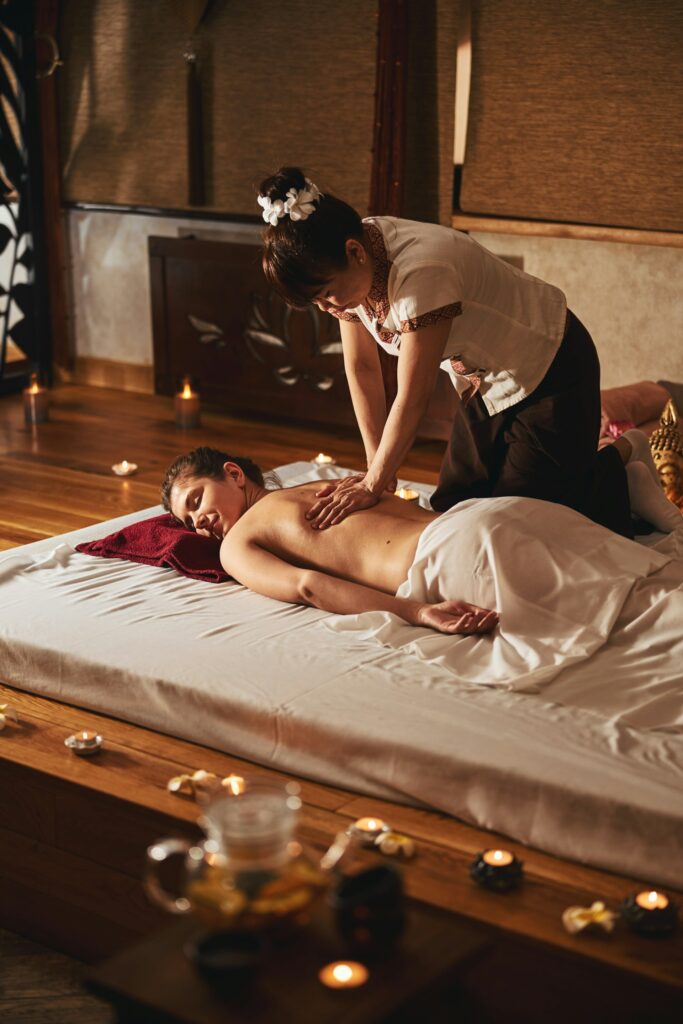
Thai massage is the perfect option for those who want to address back pain without the use of oils. It is performed fully clothed and involves stretching and applying pressure, which can help to relieve tension in the back muscles, akin to a kind of mutual yoga session.
Reflexology
This is not a massage for the entire body; instead, a more focused routine awaits. The focal points here are ears, hands, and feet. The premise is that the pressure points of these areas are connected to the other parts of the body, which will help the massage reach points needing attention very precisely. Aside from relaxation, this is also beneficial in the restoration of your natural energy levels.
Trigger Point Therapy
This type of massage is specifically designed to alleviate the source of the pain through cycles of isolated pressure and release. In the case of back pain, the massage therapist will identify and work on specific points that are contributing to the pain, providing relief. Hot stone massage is a popular form of trigger point therapy which can be tailored to specific areas of the body, including your back.
Myofascial Release
Myofascial release targets the connective tissue (fascia) that surrounds the muscles. For those with back pain, this technique can be particularly helpful as it aims to release the tightness and shortness in the fascia that may be causing the discomfort.
The Bottom Line
Regular massage therapy is a potent remedy for back pain, offering relief and enhancing quality of life. It works by easing muscle tension, boosting circulation, and reducing inflammation, particularly in the lower and upper back. Techniques like deep tissue and Swedish massage are effective in targeting areas strained by poor posture or extended sitting.
Incorporating massage into your routine can help prevent chronic back issues, strengthen core muscles, and improve spinal alignment, which in turn betters posture and body mechanics. This holistic approach not only mitigates back pain but also contributes to preventing its recurrence.
For those experiencing back discomfort, it’s recommended to consult with a healthcare provider to determine the most suitable massage methods and frequency. Whether through professional therapy, massage chairs, or handheld devices, regular massage sessions can be a key component in managing back pain and fostering overall well-being.
In businesses across the world, marketing is an absolutely essential component. Without marketing, potential customers would struggle to determine the quality and usefulness of the business to them, or learn about a product in the first place. As such, it’s a vital cog in the machine, crucial for oiling those capitalist wheels and keeping the train moving.
But if you can’t beat ‘em, join ‘em. Though the world of marketing can sometimes feel like it’s full of management speak and jargon, a degree in the subject can illuminate some of the more interesting concepts and mechanisms involved, potentially landing you a lucrative career at the end of it.
If you are trying to decide on your future career and want to get a degree that can help you work in a wide range of industries and enjoy a sense of both career responsibility and freedom (as well as helping you distinguish your ‘content syndication’ from your ‘sales funnel’), then you’ve come to the right place.
Since businesses of all shapes and sizes, in all industries and levels of growth, all require marketing to gain new customers and sell their products and services, there are plenty of opportunities out there for a fulfilling, financially rewarding career. If you’re wondering what jobs you can get with a marketing degree, here are just 9 of them.
Social Media Manager
‘Hey Siri, provide me with a social media stat that’s suitable to this article’…
Well, here’s a pretty incredible one; 45% of the world (that’s a staggering 3.55 billion people) are signed up to a social media account. Just think how many millions of marketable mortals are out there right now, scrolling and feeding on what they find.
As such, a huge amount of marketing work now occurs on social media, with lucrative career channels available if you have a keen grasp of Instagram, Facebook, Twitter, Tiktok et al, as well as the zeitgeisty and unique ways in which each platform likes to communicate.
SEO Specialist
SEO, standing for Search Engine Optimisation, is a relatively recent addition to the world of marketing, but it’s one that only gains more traction with each passing day.
To reach the passive consumer or potential customer, it’s vital that a business’ website ranks well on Google and is responsive to as many keywords and searches as is virtually possible. This is where an SEO specialist comes in, helping with both technical and conceptual knowledge of the way the web and Google works, in order to optimise pages to be as visible as possible on the search engine.
Some of the responsibilities involved include performing SEO audits of websites, assessing a website’s content, links, performance, reliability, and image optimisation, as well as enacting a plan to improve these elements.
You can read more about SEO strategy here, if you’re interested in learning more.
Email Marketing Specialist
In the digital age, direct communication with potential customers through their inboxes remains a highly effective marketing strategy. An email marketing specialist is tasked with crafting compelling email campaigns that engage and convert recipients. This role involves segmenting target audiences, testing email layouts and subject lines, analysing open and click-through rates, and ultimately driving sales and customer loyalty.
With the rise of personalised marketing, specialists in this field are becoming increasingly valuable. For instance, dental marketing companies will often seek out skilled email marketers who can tailor content to specific segments of their market, such as new patients, regular clients, or those interested in cosmetic dentistry, ensuring that the right message reaches the right audience at the right time.
Customer Experience Strategist
The role of a customer experience strategist is to design and improve the end-to-end journey of a customer with a brand, ensuring that each touchpoint is optimised for satisfaction and engagement. This role is crucial as it directly impacts customer retention and brand loyalty. A strategist in this field will use data analytics to understand customer behaviour, map out customer journeys, and identify pain points that need addressing. In sectors where competition is fierce and service is a differentiator, such as in dental marketing companies, a customer experience strategist can play a pivotal role in setting a brand apart by creating a seamless, positive experience that resonates with patients and encourages them to become brand advocates.
Public Relations Officer
The role of a public relations officer is to cultivate, maintain and nurture a positive perception of the company they work for. The ways in which they do this are myriad and, sometimes, verging on mythical.
Press releases and social media campaigns are two of the more upfront and obvious ways in which a positive brand image can be managed, but there is also a fair amount of ‘dark arts’ acknowledged within the profession. For those looking for a career in marketing, be warned that the world of PR is particularly cut-throat. Tread carefully.
Market Research Analyst
Knowledge is power, as they say, and knowledge of the markets and their unique movements certainly goes a long way. That’s why the role of market research analyst continues to be a lucrative one, even as the way the market engages with a product changes irrevocably.
Companies simply cannot can’t afford to be lazy while researching their specific target market, but they can afford to spend good money on analysis of that market. A market research analysis has a surprisingly broad range of roles, gathering data on consumer demographics and behaviour, preferences, buying habits and even how they engage with a company’s marketing. Once analysis has taken place, recommendations are given. It’s an all-encompassing role, make no mistake.
Siriphat Jirapathomsakul, who recently gained amasters in marketing from Stirling University, tells us that her course ‘’put learning into practice for a local business, which gave me an understanding of the marketplace’’. Such understanding can set you up succinctly for a role in market analysis and leave you equipped to provide the necessary recommendations with confidence and clarity.
Content Creators
There were over 2 billion digital buyers worldwide in 2020, and many of those rely first on informative content to make educated decisions about their potential purchases.
Content plays a major role in this reach, and therefore, content creators command vital roles within any modern company. This content can take many forms, be it podcast, video, blog, infographic, article writing, listicles or case studies, and often, the most adaptable creators receive the most work.
If you’re the visionary type, content creation might be the perfect field for you.
Brand Manager
A brand manager is in charge of making sure that new products and services are resonating with potential customers in the intended way, and that a brand’s overall image goals are reflected and reiterated by each and every product and media interaction.
Some of a brand manager’s responsibilities align with those of a PR officer, as protecting brand perception is a key element of both roles. That said, the consumer (rather than the media) is very much the focus of a brand manager; it’s the opinion of those who might buy the brand’s products that matter here.
Brand management is an all-consuming, high-pressured job, but one that can be richly rewarding.
Digital Marketing Analyst
Completely distinct from a market research analyst, a digital marketing analyst carries out detailed examination not of the market, but of the success of online marketing campaigns.
Cooking, eating, socialising, working, relaxing…we’d all love a domestic space with catered to all these needs cohesively without compromising the spaciousness you’ve worked so hard to achieve. Well, we think that a dexterously designed kitchen extension does just that.
One of the most reliable ways to add space and value to a property, a kitchen extension offers the chance to enhance the living area of your house, and spread out the home’s structural real estate to allow for true open plan living and a clutter free environment which blends flow and functionality seamlessly.
So, what are you waiting for? Do it right, with these tips for maximising the potential of your kitchen extension without blowing your budget.
Your Haves & Wants
Determining how you want to enjoy your extension is the first step to maximising the potential of it. Because with a clear goal for its intended usage set out from the start, you’ll be able to visualise just how that works structurally and spacially.
Making a simple list is a good starting point on your way to creating your dream kitchen extension. Start with the features you already have in your kitchen, for example, an oven, washing machine, perhaps a dining area, then create a list of your desires which would serve to add additional value (both financially and in terms of simplifying your domestic life).
Perhaps you covet a range cooker or dream of a sociable kitchen island, a walk-in larder, or a separate utility room? Think carefully about the purpose you want your kitchen extension to serve, to eliminate unnecessary or impulse purchases.
It’s also vital to consider the changing demands of the seasons on a new addition to the house, as external factors can sometimes determine what goes on inside. Maybe in winter you’d like a cosy nook with a fireplace, but kitchen extensions aren’t generally insulated sufficiently to provide this. Factor these more specific concerns into your build and blueprint to avoid disappointment (and overspend) later down the line.
Zone It
The key to creating the ideal kitchen extension is all about being clever with the use of space. You are here to create more space, right? If not, we think you might be approaching things all wrong.
Think carefully about the extension’s layout and possible alterations to your current kitchen’s layout to maximise its potential. In short, and succinctly, zoning your kitchen means it will feel naturally balanced. Moreover, zoning can be important in terms of ergonomics – get your zoning right and you’ll create a smart space with good work flow when you’re making themagic happen at the stoves and round the dining table.
Factor in primary zones for cooking and socialising, then consider other zones that will meet your needs – perhaps a breakfast bar, a space to sit down and read your recipe books or somewhere you can set up your laptop and work. Zoning will allow your kitchen extensions to become a multi purpose hub, and that feels ever so glamorous, don’t you think?
Moreover, zoning can be important in terms of ergonomics – get your zoning right and you’ll create a smart space with good work flow when you’re making the magic happen at the stoves and round the dining table. Classic shaker kitchen cabinets work brilliantly in this regard, offering both visual cohesion across different zones whilst providing ample storage that doesn’t overwhelm the space.
When zoning your kitchen, don’t be afraid to contemplate building a ‘no kitchen extension’. Yep, a kitchen extension doesn’t necessarily have to contain any actual kitchen in it; ideal for simply generating that spacious feeling which pertains to luxury living so perfectly.
Follow The Light
As extensions don’t have the constraints of conventional ceilings, you can be more creative, and make the space light and bright via skylights and roof lights which also offer great ventilation (ideal for cooking, we think). Highlight the kitchen island or your dining area by placing a skylight over it for real aesthetic intrigue.
Speaking of which, consider a large roof lantern, which not only channels light from all angles, allowing natural light to flood your kitchen, but can also create a stunning architectural centrepiece.
As well as making the most of natural light, to maximise the use of your kitchen extension, you also need a good lighting system. Different spaces require different lights, that’s for sure, and the kitchen is, first and foremost, the place where you make food, so you need bright, shadow-free task lighting; essential for safe preparation and cooking. You’ll also need atmospheric illumination or mood and accent lighting over those aforementioned zones.
Consider the areas where you need soft, ambient lighting, too. You wouldn’t want the romantic meal you so painstakingly prepared to be enjoyed (or endured) under too stark light, now would you?
It’s important to find the right blend between the two – if you want to entertain while you cook, you’ll need soft lighting so loved ones can unwind while you do your business, but effective enough task lighting so you can cook. Pendant lighting is an excellent way to break up different zones of the kitchen and create the right tones within.
Indoor/Outdoor
Create a seamless join between outdoor and indoor space by installing bi folding or sliding doors that open fully to make your garden part of your kitchen, connecting the interior and exterior, and adding more space in the process.
Go a step further and blur the line between indoor and outdoor living by using the same floor tiles in your kitchen as on your patio, giving the illusion of one room, and making your garden a further extension of your home, rather than a separate entity. Adding a louvre roof at the point where your kitchen extension and garden meet will also add to this illusion.
Whilst we’re thinking about merging the internal and external, consider creating an outdoor cooking area, too. The integration between extension and garden will make your new living space feel larger, brighter and more open, offering a functional and richer experience makes al fresco dining and summer soirees easier.
Plan For Multi-Functional Furniture
Select furniture that can serve multiple purposes to save space and money. For instance, a kitchen island with built-in storage can double as a food preparation area, a dining table, and a place for children to do homework. Opting for foldable or extendable tables and stackable chairs can also provide flexibility, allowing you to adapt the space for different occasions without requiring additional furniture.
Seek Out Competitive Quotes & DIY Opportunities
When it comes to the actual construction and fitting of your kitchen extension, don’t settle for the first quote you receive. The best way to keep your over extension cost down is to shop around and get multiple estimates from reputable contractors to ensure you’re getting the best value for your money. Additionally, consider which aspects of the project you might be able to DIY. Painting, tiling, or even assembling flat-pack furniture can be done personally to cut costs, provided you have the skills and confidence to do so effectively.
Regularly Review Your Budget
Throughout the planning and construction process, keep a close eye on your budget. Regularly reviewing your expenditures will help you stay on track and make informed decisions about where to splurge and where to save. It’s also wise to allocate a contingency fund for unexpected costs, ensuring that these surprises don’t derail your entire project.
Can I Speak To The Architect?
Quality architecture is all about shaping the environment into places and spaces that people want to inhabit, and this couldn’t be more true when it comes to designing your kitchen extension. It’s the room many spend the most waking hours within, so it’s important to make it a place you want to spend time in.
Involve an architect as early as possible when designing your kitchen extension since they will be able to provide creative guidance and practical advice on extensions, and realise your meandering vision with restraint and common sense.
And with that, would you care to invite us round for dinner when it’s all up and running?
Our eyes are often described as the windows to our soul, and they are a focal point of beauty and expression that, much like the rest of our face and body, require their own attentive caring and maintenance. This is all the more true for the skin that surrounds the eyes, which is more susceptible and prone to the effects of aging and can demand specialised care to help retain a brighter glow and a more youthful appearance.
The Most Sensitive Part Of Our Face
The area around our eyes is considered to be the most sensitive part of the face, as it consists of minimal sebaceous oil glands and is especially vulnerable to environmental stressors and intrinsic effects such as the aging process or an imbalance of hormones.
The skin around the eyes, also known as the periocular or periorbital skin, is quite different from that of the rest of the face, being notably thinner—about four times that of the surrounding facial skin. This makes it more prone to damage from effects like UV exposure, harsh chemicals, dehydration, allergies, and sleep deprivation, or other health issues like iron deficiency or muscle contractions. These kinds of factors, combined with the reduced elasticity and collagen loss that they entail, contribute to the development of common aging signs like fine lines, wrinkles, puffiness, and dark circles.
Given the vulnerability of the periocular skin, using a dedicated eye cream is a crucial contributing step to shielding it from all those unwanted effects. Regular face moisturisers may not be enough to provide the necessary hydration or address the more specific concerns adequately.
Choosing The Right Eye Cream
However, choosing the right eye cream can be challenging, as formulations that are both gentle and effective should be used against the delicate nature of the periorbital skin, and ingredients that work well on the rest of the face can prove too harsh for the sensitive eye area. Instead of helping to diminish and ease the unwanted features, using those types of face creams can lead to irritation or other adverse reactions, especially since they are not designed for treating the under-eye skin and its layers.
A safe and effective eye cream will help to combat the inevitable signs of aging around the eyes and will be a valuable addition to the everyday skincare routine. CALECIM® Professional’s Eye Contour Lifting Cream is well renowned for its ability to distinctly reduce under-eye puffiness and sagging while avoiding instigating any side effects. Formulated with clinically proven active ingredients, including the brand’s patented and ethically-derived stem cell component, PTT-6™, CALECIM®’s eye cream offers a unique approach to its users to rejuvenate the delicate periocular skin.
According to ophthalmic surgeon Dr. Julia Sen, Calecim’s Eye Contour Lifting Cream could potentially, successfully enhance volume, improve skin quality, and reduce the appearance of fine lines and wrinkles. The stem cell-secreted growth factors in the formula work to tighten the skin, increase collagen and elastin production, improve texture and elasticity, and reduce pigmentation-related concerns.
The potency of the PTT-6™ ingredient present in the cream holds significant benefits, as it has been clinically proven to increase dermal and epidermal thickness by 600%, stimulate elastin production by 56%, and accelerate epidermal cell proliferation by 42%.
Additionally, the Eye Contour Lifting Cream contains a blend of organic acids, antioxidants, and soothing agents to help protect and nourish the skin. The result of applying it to the more sensitive dermis layers around the eyes is tighter, smoother, and more radiant periocular skin, with potentially visible reductions in dark circles and puffiness, which allows for a more refreshed look for the user.
The Bottom Line
Incorporating a specialised eye cream into your skincare regimen is essential for not only revitalising the sensitive dermis layers in the areas beneath your eyes, encouraging a more youthful appearance and discouraging that look of tiredness, but also to support periorbital skin health as a whole.
By choosing high quality products that specifically target that form of skin concern, you can effectively address issues like crows’ feet, wrinkles, dark circles, and puffiness. With continued usage, the longer-term benefits can encapsulate a more glowing, smoother, and brighter eyes that enhance overall appearance and provide a further boost to your confidence within your looks.
It’s official. According to polls conducted by people who really want you to visit Scotland, The Scottish Highlands is one of the most relaxing UK holiday destinations, and one of Britain’s most beautiful staycation destinations to boot. And who are we to argue? Scotland is indeed a wonderful country to visit.
One of the best ways to truly appreciate the wild beauty of Scotland is by campervan. Embarking on a campervan tour of Scotland is akin to stepping into a storybook filled with ancient castles, misty lochs, and verdant glens. The freedom of the open road combined with the comfort of your home on wheels makes for an unforgettable adventure, make no mistake.
To ensure your Scottish road trip is as enchanting as the landscape, here are some top tips for touring Scotland by campervan this summer.
Start In Edinburgh
Scotland may not be vast in size, but it is rich in diversity. From the rugged Highlands to the serene islands, planning your route is essential. It’s a good idea to strike a balance between total freedom and a little forward planning for a road trip like this.
Of course, every campervan trip needs a starting point. The guys at Your Camper, who offer campervans for sale in Edinburgh, tell us that the city is a fantastic starting point for a road trip. Edinburgh is well-connected to other parts of Scotland via major roads like the M8, M9, and A720. They suggest staying close to the city for a few days before venturing further into the country or coast. Oh, and if you’re planning on visiting this summer in August, the Edinburgh Festival Fringe is a must-see.
While the attraction of a campervan holiday is planning your own path, some well established routes are worth considering. The most well-known campervan route in Scotland is arguably the North Coast 500. This route, often referred to as ‘Scotland’s Route 66’, is a 516-mile scenic journey around the northernmost reaches of the mainland, starting and ending at Inverness Castle. It offers a mix of stunning coastal scenery, rugged mountains, and opportunities to spot wildlife, alongside charming villages and distilleries.
The West Coast Route is another popular choice for campervan enthusiasts, taking travellers through the dramatic western coastline of Scotland. This route can vary in length and itinerary, but it often includes the picturesque areas of Argyll, the Isle of Skye, and parts of the Highlands, providing a chance to experience Scotland’s wild and varied coastal landscapes.
For more of the best road trips Scotland has to offer, check out our article here.
Savour The Local Produce
Scotland’s culinary scene is spectacular. From the freshest of seafood to revered Aberdeen Angus beef, there’s a plethora of local produce to enjoy across the country. Summer is a particularly bountiful season for seafood here, with lemon sole and plaice both excellent in July, as are lobster and crab. August is a perfect month for foraging, too. Indeed, Scotland’s woodlands are brimming with blaeberries, wild cherries and mushrooms. You can also find cloudberries in the Highlands.
If you’re not one for foraging, there are lots of food and drink festivals happening all over Scotland in the summer where people do the foraging and cooking for you. Consider planning your Scottish summer road trip to coincide with some of them…
FyneFest (Glen Fyne, 31 May – 2 June 2024) – A celebration of beer, food, and music set against the stunning backdrop of the Fyne Ales brewery estate. Expect a wide selection of ales, local foods, and live entertainment.
Great British Food Festival (Dalkeith Country Park, Edinburgh, 15th – 16th June 2024) – This travelling festival brings together the best of British cuisine, featuring chef demos, artisan markets, and plenty of interactive activities for food lovers of all ages.
Edinburgh Food Festival (19 – 28 July 2024)– Set in the heart of Edinburgh, this festival offers a taste of Scotland’s diverse food scene, with a focus on fresh, local, and sustainable produce.
Foodies Festival (Various locations, including Edinburgh and Glasgow, early August) – The UK’s biggest food festival makes its way to Scotland, offering a weekend of culinary activities, from top chefs cooking live, to workshops, food tastings, and a wide range of food and drink stalls.
Seek Out The Highland Games
From late May to September, the Highland Games happen all over Scotland. This is a Scottish tradition dating back hundreds of years, and towns around the country host their own versions of the Games. This is usually a one-day event featuring traditional Scottish sports – think tug-of-war and the hammer throw. There’s even piping and drumming competitions alongside music, food and dancing.
Perhaps the best known is The Braemar Gathering, which sees members of the Royal Family in attendance. When planning your summer campervan trip in Scotland, be sure to include a day of games in it.
Know The Scottish Outdoor Access Code
Scotland is famous for its scenic wild places and it’s still completely legal to camp on most of Scotland’s unenclosed land. However, it’s important to note that the rules regarding wild camping with motorhomes can be quite strict in Scotland, especially due to the Land Reform (Scotland) Act 2003, which allows for responsible wild camping on most unenclosed land but does not generally apply to motor vehicles.
Indeed, while the right to roam allows for wild camping under the SOAC, this right does not extend to motor vehicles. Yep, you cannot simply park a campervan anywhere and consider it wild camping. That said, there are designated areas and campsites where you can legally stay overnight in a campervan. You should always check the latest local regulations and seek permission if necessary.
Here are some other things to be aware of when planning to camp with your campervan in Scotland…
Parking: When parking your campervan, you should do so in a manner that does not obstruct road access, gateways, or driveways. You should also avoid causing damage to the verge and should not stay in the same place for an extended period, as this could be considered an encroachment on private land or lead to environmental damage.
Waste Disposal: Proper disposal of waste is a critical aspect of the SOAC. Campervan users must manage their waste responsibly, using designated disposal points for sewage and rubbish to protect the environment and maintain public health.
Access Rights: The access rights in Scotland do not apply to motor vehicles. Therefore, driving off-road without the landowner’s permission is not allowed under the SOAC.
Local Bylaws and Regulations: Some areas may have specific bylaws or regulations that restrict overnight parking or staying in certain locations. It’s important to be aware of and comply with these local rules.
Loch’s You Can Camp At With Your Campervan
Scotland is full of Lochs. In fact, there are over 30,000 fresh water lochs scattered throughout the country. Summer, when temperatures are at their highest, is the ideal time to visit one.
That said, because of the aforementioned Land Reform Act, you can only camp with your campervan at a handful of them. Here are five of our favourite lochs where you can find campsites that accommodate motorhomes:
Loch Lomond – Being part of the Loch Lomond & The Trossachs National Park, there are several designated camping areas and campsites around Loch Lomond that cater to motorhomes. One such place is the Loch Lomond Holiday Park, which offers pitches for motorhomes with stunning views of the loch.
Loch Ness – Famous for its mythical monster, Loch Ness is also a popular spot for motorhome camping. The Loch Ness Shores Camping and Caravanning Club Site is a great option for those looking to explore the area and enjoy the beautiful scenery.
Loch Tay – Loch Tay Highland Lodges is one of the places around this beautiful loch where you can park your motorhome and enjoy the natural beauty of the area. They offer facilities and easy access to the surrounding landscapes.
Loch Awe – Loch Awe Holiday Park provides motorhome pitches and is a perfect base for exploring the west coast of Scotland. The loch itself is known for its fishing, so it’s a great spot if you’re interested in angling.
Loch Ken – Loch Ken Holiday Park is situated in the beautiful Galloway region and offers a range of facilities for motorhome campers.
Prepare For All Weather
Scottish weather is famously unpredictable. Even in the summer, it can be windy, rainy, or chilly. Infact, you may experience four seasons in one day, so pack accordingly. Waterproof clothing, sturdy walking boots, and layers are essential. Your campervan should also be equipped with heating and cooling options to ensure comfort no matter the weather.
Respect the Environment
Scotland’s natural beauty is one of its greatest assets, and it’s everyone’s responsibility to keep it that way. Be mindful of your environmental impact. Dispose of waste properly, stick to marked roads and paths, and use eco-friendly products. The ‘Leave No Trace’ 7 principles are a good guideline to follow.
Make sure your campervan is suitable for the places you plan to visit. Some rural areas in Scotland have narrow roads that may not be suitable for larger vehicles, especially in the Highlands and on the islands where the roads are often thin and winding.
Consider This, Our IDEAL 4 Day Itinerary...
Day 1: Edinburgh to Loch Lomond
Morning:
Pick up your campervan in Edinburgh.
Head west towards Glasgow on the M8.
Stop at Linlithgow Palace, the birthplace of Mary, Queen of Scots, for a quick visit.
Afternoon:
Continue to Loch Lomond, part of the Trossachs National Park.
Have lunch at a local pub in Balloch or Luss.
Explore the bonnie banks of Loch Lomond, perhaps taking a boat tour or a hike up Conic Hill for panoramic views.
Evening:
Settle into a campsite around Loch Lomond for the night.
Enjoy a campfire dinner, if permitted.
Day 2: Loch Lomond to Glencoe
Morning:
Drive north towards Glencoe via the A82, passing through the Arrochar Alps.
Stop at the Rest and Be Thankful viewpoint for some photos.
Afternoon:
Arrive in Glencoe, known for its dramatic scenery and hiking trails.
Have lunch at the Glencoe Visitor Centre and learn about the area’s history and geology.
Spend the afternoon exploring, perhaps taking a walk in the Lost Valley or visiting the Glencoe Folk Museum.
Evening:
Park at a designated campervan site in Glencoe.
Cook dinner in your campervan or visit a local pub.
Day 3: Glencoe to Isle of Skye
Morning:
Drive towards the Isle of Skye, taking the A82 towards Fort William, then the A87 towards the Skye Bridge.
Stop at Eilean Donan Castle for a tour, one of the most iconic images of Scotland.
Afternoon:
Cross the Skye Bridge onto the Isle of Skye.
Have lunch in Broadford or Portree, the largest town on Skye.
Visit the Fairy Pools, a series of clear, cold pools and waterfalls at the foot of the Black Cuillins.
Evening:
Find a campsite on Skye for the night, perhaps near the coast for views of the sea.
Enjoy a seafood dinner at a local restaurant or cook in your campervan.
Day 4: Isle of Skye to Inverness
Morning:
Explore more of Skye in the morning. Visit the Quiraing for a walk with stunning views or the Old Man of Storr.
Drive off Skye via the A87, heading towards Loch Ness.
Afternoon:
Stop at Urquhart Castle on the shores of Loch Ness and try to spot the Loch Ness Monster!
Have lunch at Drumnadrochit or Fort Augustus.
Evening:
Continue to Inverness, the capital of the Highlands.
Explore the city a bit, visiting Inverness Castle or strolling along the River Ness.
Spend the night at a local campsite.
The Bottom Line
Touring Scotland by campervan offers an unparalleled sense of freedom and adventure. So pack your bags, rev up your engine, and set forth on a Scottish sojourn that promises to be as magical as the land itself.
In the heart of the Mojave Desert lies a city that sparkles with its own unique brand of magic. Henderson, Nevada, may be known as the quieter sibling to the razzle-dazzle of Las Vegas, but don’t be fooled; this city is brimming with its own vibrant energy.
Laid back but lively, culturally versatile and culinarily varied, there’s plenty to love about Henderson. With that in mind, here are some of the city’s finest spots to eat, play, and relax.
Culinary Delights: Henderson’s Dining Scene
Henderson’s gastronomic offerings are as varied as they are sumptuous, catering to every taste and occasion.
For The Foodie
The Kitchen Table remains a bright and breezy brunch favourite, while Hank’s Fine Steaks & Martinis is the epitome of upscale dining, doing both eponymous menu items with precision and aplomb.
For those seeking global flavours, Marssa Steak & Sushi at The Westin combines the best of land and sea with a stunning view of Lake Las Vegas. Alternatively, Ventano Italian Grill & Seafood offers a taste of Italy with a side of spectacular city views – think a backdrop of palm trees, the Spring Mountains and more.
Casual Eats & Sweet Treats
Juan’s Flaming Fajitas & Cantina and Weiss Deli and Bakery are local legends, but don’t overlook Settebello Pizzeria Napoletana for authentic Neapolitan pizza either. For a casual yet trendy dining experience, Public Works Coffee Bar is not only a coffee lover’s paradise but also serves up delightful small plates and pastries.
Playtime In Henderson
Whether you’re an outdoor enthusiast or looking for family-friendly fun, Henderson has a whole host of activities to suit even the most fickle members of the team.
Beyond the Henderson Bird Viewing Preserve and the Discovery Children’s Museum an hour’s drive up the road, families can explore the wonders of the Lion Habitat Ranch, where you can get up close with majestic big cats.
Or, get up close and personal with the silver screen; The Galaxy Theatres at Green Valley Ranch offers a state-of-the-art movie-going experience for those days when you crave a little Hollywood escapism.
Relaxation Retreats: Unwinding In Henderson
Henderson is a sanctuary for those seeking to unwind and indulge in some well-deserved relaxation.
Spas & Wellness
Henderson feels almost deliberately designed to offer a tranquil retreat (or even an escape) from the glitz of nearby Las Vegas, with a selection of serene wellness and spa experiences. The Ravella Spa at Lake Las Vegas and Green Valley Ranch Spa stand out with their luxurious treatments and picturesque settings, offering everything from massages incorporating local ingredients to detoxifying body wraps. On top of that, the Essence Spa provides personalised services in Mediterranean-inspired and boutique environments, focusing on holistic therapies to promote balance and healing.
For those seeking a blend of relaxation and modern amenities, Serenity Spa by Westgate and Luminous Spa and Wellness offer innovative therapies like Himalayan Salt Stone massages and energy healing sessions. Meanwhile, Eforea Spa at the Hilton Garden Inn brings a global spa concept to Henderson, with a focus on organic ingredients and signature treatments that promise to rejuvenate the mind and body.
Scenic Spots
For a quiet afternoon, visit the Ethel M Botanical Cactus Garden (in the garden of a chocolate factory, no less), where desert beauty is in full bloom, or take a leisurely paddle on the calm waters of Lake Las Vegas with a kayak rental from the local marina.
Where To Stay In Henderson
The most exclusive Henderson, NV ZIP Codes also offer some of the best places to lay your hat when visiting the city.
In the prestigious 89052 postcode, The District at Green Valley Ranch offers more than just superb shopping and that spa we mentioned earlier; it’s also home to a selection of stylish hotels that boast modern amenities and easy access to both local attractions and the bright lights of Las Vegas. Here, comfort meets convenience, ensuring your stay is both indulgent and connected to the heart of Henderson’s vibrant lifestyle.
For those who desire the ultimate in exclusivity and scenic views, the gated communities of 89012, such as MacDonald Highlands, present luxury accommodation, here nestled amidst the rolling hills, offering privacy and panoramic vistas of the Las Vegas skyline and the surrounding desert beauty. The area’s golf courses, which double as lush green retreats, add to the tranquil atmosphere, making it an ideal locale for a restorative escape.
Venturing into the 89011 area, the Lake Las Vegas neighbourhood welcomes you with its resort-like ambience. Here, the accommodation options range from boutique hotels to opulent resorts, each providing guests with a sense of escape and luxury. The Mediterranean-inspired architecture and the backdrop of a glistening man-made lake create a serene environment that feels a world away from the everyday. It’s a place where you can wake up to the tranquillity of water views and spend your days exploring the charming surroundings or simply relaxing by the pool.
The Bottom Line
Henderson, Nevada, offers a slice of relaxation for every visitor. Whether you’re seeking gentle, laid-back adventure, family fun, or a quiet corner to unwind, you’ll find it here in Nevada’s second-largest city.
In the UK, where the cost of living continues to rise despite what our inept leaders may claim, finding ways to stretch your budget without compromising on quality is more important than ever.
Fortunately, technology offers a helping hand in the form of money-saving apps designed to cut down your weekly shopping bills and help you find deals and discounts. Here’s a roundup of nine apps that can genuinely help you save money, ensuring you remain a smart shopper amidst fluctuating prices.
Trolley.co.uk
Established in 2021, Trolley.co.uk emerged as a free online price comparison website with a clear mission: to assist shoppers in saving money on their everyday grocery purchases.
Trolley.co.uk stands out as the UK’s largest online supermarket comparison app, comparing groceries across over 16 superstores. This app is a game-changer for shoppers looking to – in their own words – save up to 30% on their grocery shopping. By providing real-time price comparisons, Trolley.co.uk ensures you always get the best deal available, making it an essential tool for every savvy shopper.
Through functionalities such as Saveable Lists, Barcode Scanning, and Supermarket List Comparison, Trolley.co.uk simplifies the process of identifying where favourite products are stocked at the lowest prices. Shoppers can create personalised shopping lists within the app and then effortlessly discover which supermarkets offer the best value for those specific items.
Moreover, Trolley.co.uk enhances the shopping experience by providing price alerts and enabling users to see at a glance which supermarket will render their shopping list the cheapest. This proactive approach to saving not only helps users stick to their household budgets but also minimises the time spent on planning and executing grocery runs.
Despite its comprehensive services, Trolley.co.uk remains a free app, accessible to all with iOS and Android devices.
Shopmium is a leading supermarket cashback app in the UK, offering users the chance to save an impressive £50 on their weekly food shop. With exclusive supermarket offers, half-price discounts, and the opportunity to win vouchers, Shopmium transforms the way you shop by putting money back into your pocket.
The process is straightforward:
Download and Sign Up: First, you download the app and create an account. During the sign-up process, you might be able to enter a referral code for an additional welcome offer.
Browse Offers: Shopmium regularly updates its list of offers, which can range from discounts on new products to 100% cashback deals on familiar brands. You can browse these deals before you go shopping or even while you’re in the store.
Shop as Usual: Purchase the featured products at any store where they are available. There’s no need to change your shopping habits or go out of your way to specific retailers.
Scan and Snap: After purchasing, you’ll need to scan the product’s barcode and take a photo of your receipt using the app. This proves that you’ve bought the item(s) eligible for cashback.
Get Cashback: Once your purchase is verified, Shopmium will refund the offer amount directly to your PayPal or bank account. The time it takes for the cashback to be processed can vary, but it’s usually quite prompt.
Flipp
Flipp revolutionises the way you access weekly ads and deals from your favourite stores. This app aggregates all the latest offers on groceries, pharmacy items, and household essentials, eliminating the need for paper ads. With Flipp, you’re always in the loop with the best sales near you, ensuring you never miss out on a saving opportunity.
Moreover, Flipp takes saving money to a new level by offering a dynamic search function that lets you compare prices across multiple flyers according to your postcode, helping you ensure you’re getting the lowest location-specific price on your purchases.
The app also sends reminders for expiring deals, so you never miss out on a saving opportunity. With the ability to sync shopping lists and deals across devices, Flipp is perfect for coordinating shopping plans with family members or roommates, ensuring everyone is on the same page and no deal goes unnoticed.
Moneybox
As one of the most highly-recommended savings apps in the UK for 2024, Moneybox simplifies your savings journey. It helps you reach your financial goals by rounding up your purchases to the nearest pound and investing the spare change. While not a direct way to cut costs on your shopping, Moneybox encourages a culture of saving that can positively impact your overall financial health. You can also earn rewards on your shopping via the app.
And hey, if you spend those extra pounds saved on some delicious coffee or, whisper it, an avocado or two, well, we’re not judging you!
Stocard
Stocard is a nifty app that can genuinely help you save money on your weekly shop by transforming your phone into a digital wallet for all your loyalty cards. Just scan your cards using your phone’s camera, and voilà, you have them all in one place, ready to be scanned at checkout, ensuring you never miss out on savings.
Not only does Stocard store your cards, but it also keeps you in the loop with the latest deals from your favorite retailers. For instance, adding your Costa Club card will allow you to receive rewards every time you grab a coffee. No more forgotten cards—your phone now holds the key to all your rewards, making every purchase count towards savings.
In short, Stocard streamlines your shopping experience, making it easier to collect points and save money without the extra bulk in your wallet.
GreenJinn
GreenJinn provides personalised cashback offers on groceries from major UK supermarkets like Sainsbury’s, Tesco, and Waitrose. By selecting the products you plan to buy and submitting your receipt through the app, you can earn cashback directly to your bank account. GreenJinn’s user-friendly interface and tailored offers make it a must-have for anyone looking to save on everyday essentials.
The app is incredibly user-friendly; shoppers simply select the coupons they wish to use, purchase the items, and then snap a photo of their receipt through the app to claim their cashback. The cashback is then credited directly to the user’s bank or PayPal account, streamlining the process of saving money without the need for collecting points or waiting for long periods to reap the benefits.
What sets GreenJinn apart is its commitment to personalisation. The app uses an intelligent algorithm to recommend offers that are relevant to the user’s shopping habits, thereby ensuring that the deals presented are likely to be used, reducing waste and increasing savings. Moreover, GreenJinn frequently updates its offers, encouraging users to check in weekly to take advantage of the latest deals.
CheckoutSmart
CheckoutSmart offers a similar proposition to GreenJinn, giving you money off household and food items at a wide range of retailers, including Morrisons. The app frequently updates its offers, providing discounts on everything from breakfast cereals to desserts. By uploading your receipt, you can claim cashback rewards, which accumulate in your account until you’re ready to withdraw them.
Too Good To Go
Too Good To Go fights food waste while saving you money by connecting you with local businesses that have surplus food. For a fraction of the original price, you can rescue food that would otherwise go to waste. From bakery goods to restaurant meals, Too Good To Go offers an eco-friendly way to enjoy delicious food at lower prices.
Rather than seeing perfectly good food go to waste, establishments list ‘Magic Bags’ on the app, which users can purchase at a significantly reduced price. These bags are often filled with a variety of items—from bakery goods to fresh produce and ready-to-eat meals—providing a surprise element while making savings and reducing food waste.
The app is a beacon of sustainability, championing the cause of eco-conscious consumption. Users simply browse the app for nearby participating businesses, reserve their Magic Bag, and collect it at the designated time, usually after the lunch rush or just before closing. Too Good To Go has garnered a community of users who not only enjoy the thrill of the ‘lucky dip’ aspect but also take pride in making an environmentally responsible choice.
Honey
A browser extension rather than an app, but too good not to mention nonetheless, Honey automatically searches for and applies discount codes at checkout when you shop online. Whether you’re buying groceries or household items, Honey ensures you never miss out on a discount, making it an invaluable tool for online shoppers.
The Bottom Line
These nine apps offer a variety of ways to save money on your weekly shop in the UK. From cashback and comparison tools to fighting food waste, there’s an app for every type of shopper. By incorporating these tools into your shopping routine, you can become a smarter shopper, saving money without sacrificing the quality of your purchases.
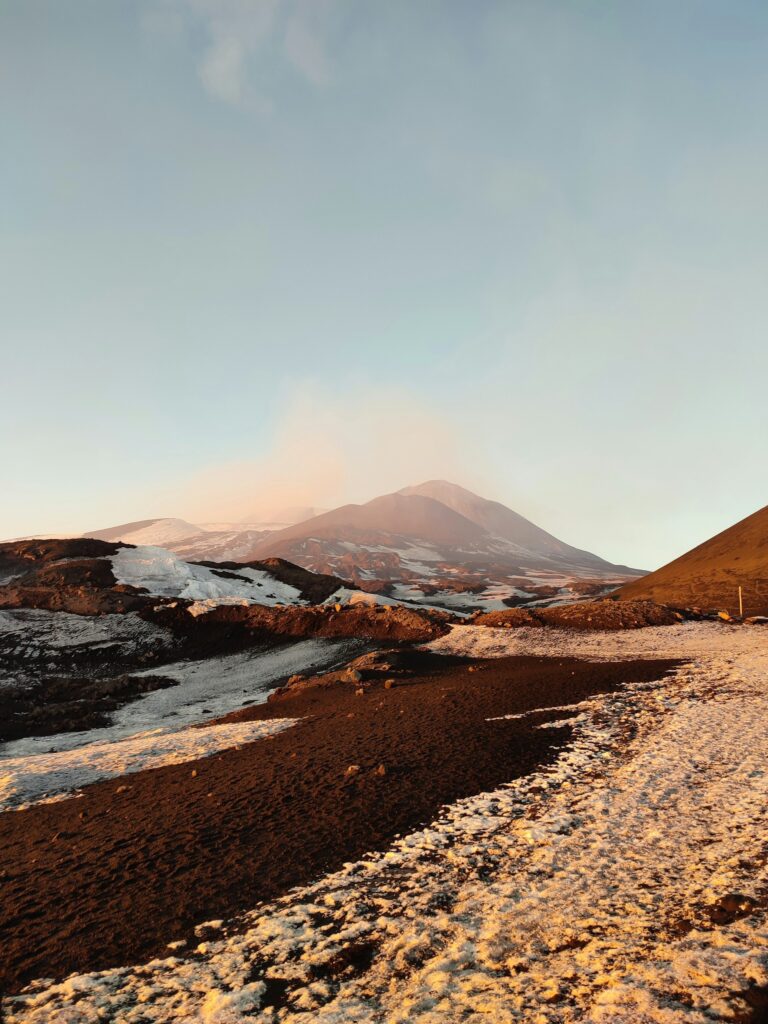
Mount Etna, Sicily’s iconic stratovolcano, is a beacon for travellers with a penchant for nature’s most dramatic displays. As the tallest active volcano in Europe, and one of the most active in the world, Etna offers a unique blend of natural beauty, geological significance, and cultural richness, all with a heavy dose of Sicilian charm thrown in for good measure. If you’re planning to visit – or even scale – this majestic natural wonder, then here’s what you need to know.
Understanding Mount Etna
Before delving into the specifics of your visit, it’s important to appreciate the scale and activity of Mount Etna, or ‘A Muntagna’ as it is affectionately known by the locals.
Standing at an imposing 3,329 metres (though this can vary after each eruption), Etna’s upper zones are typically alpine in climate. The mountain is not a singular peak but a composite of cones and craters, with the Central Crater, the North-East Crater, the South-East Crater, and the New South-East Crater being the most prominent.
Etna is a stratovolcano. This means it’s built up over time through layers of lava flows, ash, and other volcanic materials. Its fertile volcanic soils support a rich tapestry of biodiversity, including orchards, vineyards, and a variety of flora and fauna unique to the region.
Climbing Mount Etna: Duration & Routes
Exploring Mount Etna is best done under the guidance of experienced local guides. Not only will they ensure your safety, but they’ll also enrich your visit with insights into the volcano’s geology, history, and the surrounding ecosystem. There are various tours available, ranging from gentle walks to more challenging hikes, and even 4×4 vehicle excursions.
Climbing Mount Etna is an exhilarating challenge that requires preparation and respect for the mountain’s volatile nature. The ascent can take anywhere from 3 to 5 hours, depending on the route and your fitness level. The most common starting point is the Rifugio Sapienza on the south side of the volcano, at an altitude of about 1,900 metres.
From Rifugio Sapienza, you can take the cable car (Funivia dell’Etna) up to 2,500 metres, which takes about 15 minutes. From there, you can either hike or take a 4×4 bus to the Torre del Filosofo, at approximately 2,900 metres. The final ascent to the summit craters will take about an hour from this point and must be done with an authorised guide.
There are several others routes to explore the volcano, each offering a unique perspective and varying levels of difficulty. Here’s a closer look at some of them:
North Route: Piano Provenzana
The North Route begins at Piano Provenzana (1,810 metres), a less crowded starting point compared to the south. This route offers a more rugged and natural experience. You can take a 4×4 vehicle up to a certain point, after which you’ll continue on foot with a guide. The north side provides a different angle of the summit craters and a view of the historic 2002 eruption site.
West Route: Giarre
The West Route is less frequented and starts near the town of Giarre. It’s a more challenging hike, often requiring a full day to reach the summit area. This route takes you through ancient woods and over old lava flows, offering a more solitary experience with nature.
East Route: Valle del Bove
The East Route is a scenic path that takes you to the Valle del Bove, a vast depression on the eastern side of the volcano. This route is not for reaching the summit but for exploring the geological and scenic wonders of Etna. It’s a challenging hike that requires good physical condition and navigation skills.
Schiena dell’Asino Trail
The Schiena dell’Asino Trail is a less strenuous option that starts from the Sapienza Refuge and offers breathtaking views of the Valle del Bove. It’s a great choice for those who want a moderate hike that still showcases the dramatic landscapes of Etna.
Montagnola Route
The Montagnola Route is an alternative to the cable car from Rifugio Sapienza. It’s a steep trek that takes you up to the Montagnola observation point at 2,600 metres. From there, you can continue towards the summit craters with a guide.
The “Philosopher’s Tower” (Torre del Filosofo)
For those who want to explore the area around the Torre del Filosofo without summiting, there are various trails that offer spectacular views of the surrounding craters and the Ionian Sea.
Temperatures At The Summit
The temperature at the summit of Mount Etna can be quite extreme, with summer temperatures hovering around 5-10°C (41-50°F) and winter temperatures often dropping below freezing, with strong winds and snowfall common. It’s essential to dress in layers, with a windproof jacket, thermal clothing, and gloves, especially outside of the summer months.
The Gateway Cities & Towns To Mount Etna
After a day spent exploring the rugged landscapes of Mount Etna, you’ll need a comfortable place to rest and rejuvenate. The cities and towns dotting the base of the volcano offer a range of accommodations, from luxury hotels to cosy B&Bs, as well as more luxurious Sicily villas for rent, each providing a unique perspective of the mountain.
Catania
As the second-largest city in Sicily, Catania lies to the southeast of Mount Etna and serves as a major hub for visitors. The city itself boasts a rich history, evident in its baroque architecture and bustling piazzas. Staying in Catania gives you the advantage of urban amenities, including some of Sicily’s very best restaurants, as well as easy access to the volcano via the SS121 and SP92 roads.
Catania Italy
Taormina
Perched on a cliff overlooking the Ionian Sea, Taormina is a picturesque town that offers a blend of culture, history, and natural beauty. It’s a bit further from the volcano than Catania, but the stunning views and historical significance make it a popular choice.
Nicolosi
Nicolosi is known as the ‘Gateway to Etna’ due to its proximity to the southern slopes and the Rifugio Sapienza. It’s an ideal base for those who want to spend multiple days exploring the volcano.
Zafferana Etnea
On the eastern slopes of Mount Etna, Zafferana Etnea is another popular base for visitors. It’s known for its honey production and the annual Ottobrata festival, celebrating local produce and crafts.
Linguaglossa
Situated on the northern side of Mount Etna, Linguaglossa provides a quieter alternative to the more tourist-heavy towns and is close to the northern Etna cable car station.
Dining On The Volcano: Where To Eat
A visit to Mount Etna isn’t complete without sampling the local cuisine and wine. The volcanic soil gives a distinctive character to the produce grown here, including the renowned Etna DOC wines. Local restaurants and agriturismos offer traditional Sicilian dishes, often made with ingredients sourced directly from the mountain’s fertile slopes. After a day of exploring, you’ll want to refuel with some of Sicily’s finest cuisine.
Safety & Conservation
Safety is paramount when visiting Mount Etna. The volcano is closely monitored by the Istituto Nazionale di Geofisica e Vulcanologia (INGV), and access to the summit craters may be restricted based on volcanic activity. Always check for updates – you can do so here – and heed the advice of local authorities and guides.
As a UNESCO World Heritage Site, conservation efforts are crucial. Stick to marked paths, take all rubbish with you, and avoid removing any natural materials from the site.
The Bottom Line
Mount Etna is not just a volcano; it’s a living, breathing geological entity that offers a window into the Earth’s fiery heart. Whether you’re trekking to its summit, sampling the fruits of its fertile soils, or exploring its cultural surroundings, Etna promises an experience that’s as educational as it is exhilarating. With careful planning and a spirit of adventure, your visit to this Sicilian giant will be nothing short of epic.
It’s a sound no homeowner wants to hear; the whirring, crunching noise of a boiler on the blink, and a siren call that the months ahead are going to be fraught with stress and shivering.
Because let’s face it; getting a new boiler can be a complex and expensive process. As such, it pays to take good care of yours to ensure its longevity. Generally speaking, a boiler lasts around fifteen years or so, but if you don’t look after your boiler, it could well break down sooner. Conversely, if you keep an eye on your boiler and maintain it periodically, it could work efficiently for over twenty years.
How do you make sure that you are one of the lucky ones to have a boiler that works for more than two decades, we hear you ask in a rather convoluted fashion?
Well, let’s first preface this thing; there are many different types of boilers and every house and heating system differs, but there are a few simple steps applicable to all types of boiler, and these are those; here’s how you could potentially double your boiler’s lifespan.
Regular Boiler Services
Our first suggestion would be to get an annual boiler service. Getting a boiler service will prevent any future issues that your boiler might face by nipping any lurking ones in the bud.
To the eyes of the layperson, it can be hard to identify a minor issue, as it will usually be occurring beneath the surface of the boiler. Engineers, on the other hand, will find any small breakages or blockages and catch them before they turn into larger issues that have more impactful consequences.
A boiler service is carried out by a Gas Safe registered engineer – you can check if yours is registered using the unique 7-digit licence number found on their ID card and checking it against this website.
Once verified, the engineer will check that the boiler is working correctly and efficiently and look for signs that parts might be about to fail, so you can decide if you want to take action to prevent a breakdown. The main advantage of scheduled maintenance over waiting for the part to fail is that you won’t be left without heating and hot water when you’re least expecting it.
What Do Boiler Services Entail?
You may wonder what actually happens during a boiler service. As Boiler Solutions, who offer boiler repair in London, inform us, it includes:
Taking apart the boiler and inspecting the casing and boiler seals. This is to check if there are any signs of leakage.
They will check the gas rate to see if your boiler is burning as it’s meant to, and if it’s using fuel as efficiently as possible.
The pressure is checked to see it’s working as per the manufacturer’s instructions.
A combustion analysis is carried out – to check the rate of combustion of the gas.
The safety device is checked to make sure it is working correctly.
During a service, everything is cleaned to prevent any build-up of sludge or excess dirt.
Power Flush
Getting a power flush is the process of cleaning your boiler and removing the dirt – a combination of rust, sludge and general debris that has been collected over time.
All this build-up causes blockages that can cause problems in the future. If regular power flushes are neglected, this build-up gets out of hand and leads to full breakdowns. Generally, it’s recommended that you get a power flush every 5 years or so.
If it hasn’t been 5 years yet, there still may be reasons why getting a power flush is necessary. These are issues including cold showers, dirty water, increased heating bills, banging pipes or poor circulation of heat. The most obvious sign would be that your boiler breaks down completely; there is no hot water and your radiators are completely cold.
During the process, chemicals are pumped through the pipes and into the radiators by specialised machines. This is specially designed to get rid of all the matter in the pipes that lead to blockage and prevents future corrosion and scale formation.
Costing between £400 and £550 on average, including labour costs, this isn’t something you can DIY. Rather, a registered engineer or technician is required.
Bleed Your Radiators
Though you shouldn’t try to tackle power flushing yourself, you can bleed your radiators, which is anothereasy way to extend the life of your boiler.
Doing so allows to let any air trapped in the radiators and pipes to escape. Radiators have an Automatic Air Vent to do this, but sometimes air still gets in and rises to the top. When this happens, you will find that the bottom of your radiator is hot, but the top is cold as no hot water can reach it.
How Do You Bleed A Radiator?
Firstly, you need a radiator key, which can be bought at any plumbing or DIY shop and costs next to nothing. At the top of your radiator, there is a bleed point. Simply put your key in and turn it: you will hear the air coming out. Once you get water coming through, close it back up. You might need a tissue just in case any water escapes.
Do A ‘Summer Run’
Central heating in the summer? Seems unnecessary, sure, but it could help prevent future breakdowns. If you have a combi boiler, you may find that there is a ‘summer setting’, where only hot water is needed, not general central heating.
Though useful, some experts actually advise that your central heating is turned on now and then during the summer months. This is because when unused for a long time, the component can seize up and stop working. So, every few weeks, turn the heating on for a short burst. Though it might sound counterintuitive, it’s definitely worth the risk of avoiding a shock in the autumn when you go to turn on your heating and you are met with a broken boiler and, ultimately, a cold house.
Insulate Your Pipes
This process involves covering the exposed pipes between the hot water cylinder and boiler with a foam tube. This saves money because it reduces the amount of heat lost and therefore keeps your water hotter for longer. But, it’s not money that this saves, protecting your pipes against the cold prevents your pipes from splitting, too.
This would cause major leaks. In the winter, pipes getting too cold and freezing is an issue that commonly leads to a boiler repair callout and even breakage. Insulating your pipes is an easy way to prevent this from happening and saves you the effort of scheduling a boiler repair later down the line.
Boiler Insurance
When it comes to safeguarding your home’s heating system, boiler insurance is an often overlooked but essential consideration. Much like any other type of insurance, boiler insurance provides you with the assurance that should your boiler encounter any unexpected failures, you won’t be left in the cold both literally and financially. For those concerned about the upfront costs of such insurance, boiler finance options are available, allowing you to spread the cost over time and manage your budget more effectively.
What Does Boiler Insurance Cover?
Boiler insurance policies can vary, but they typically cover the cost of repairs in the event of a breakdown, including the labor and parts required to get your boiler up and running again. Some policies may also include an annual boiler service, which can help prevent issues before they arise. It’s important to read the fine print, as coverage can differ significantly between providers and policies.
The main benefit of boiler insurance is the potential savings on repair costs. Without insurance, a single boiler repair can be quite expensive, and if you’re unlucky enough to have multiple issues within a year, the costs can quickly add up. Boiler insurance can also offer convenience and speed, as many insurance providers have dedicated repair services that can respond quickly to your needs.
Choosing The Right Policy
When selecting boiler insurance, consider the age and model of your boiler, as some policies have limitations on the boilers they cover. Additionally, weigh the cost of the policy against the potential repair costs and the peace of mind it offers. Remember, the cheapest policy isn’t always the best—look for a balance between comprehensive coverage and a reasonable deductible.
The Importance Of Thermostat Management
Managing your thermostat effectively is not just about maintaining a comfortable temperature; it’s also a strategic way to extend the life of your boiler. Proper thermostat management can reduce the strain on your boiler, leading to fewer cycles, less wear and tear, and ultimately, a longer lifespan.
Optimise Your Thermostat Settings
To maximise efficiency and boiler longevity, consider the following tips:
Set a Schedule: Use a programmable thermostat to set a heating schedule that aligns with your daily routine. Lower the temperature when you’re away or asleep, and have it warm up the house just before you return or wake up.
Find the Sweet Spot: Identify the lowest comfortable temperature for your home and keep the thermostat set there. Each degree you lower can save on your energy bill and reduce the workload on your boiler.
Use Zoning: If your heating system allows, set up zones so that you’re only heating the areas of your home that are in use. This prevents unnecessary heating and reduces the demand on your boiler.
The Benefits of Smart Thermostats
Upgrading to a smart thermostat can take your boiler management to the next level. Smart thermostats can learn your habits, adjust to temperature changes automatically, and be controlled remotely. This not only improves the efficiency of your heating system but also helps to maintain an even workload on your boiler, avoiding the stress of constant temperature swings.
The Bottom Line
Extending the lifespan of your boiler is a multifaceted endeavor that requires regular maintenance, proactive measures, and strategic planning. Remember, a little attention and care can go a long way in preserving the heart of your home’s heating system.
Cartagena de Indias, a jewel of the Caribbean coast, is a city where the past and present merge to create a vibrant tapestry of colour, culture, and colonial charm. With just 48 hours to explore this UNESCO World Heritage site, you’ll want to make every second count. Here’s your ultimate guide to a whirlwind, 48 hour adventure (or, as people normally call it, a ‘long weekend’) in Cartagena.
Day 1: Into The Heart Of Cartagena’s Old Town
Morning: Step Back in Time in the Walled City
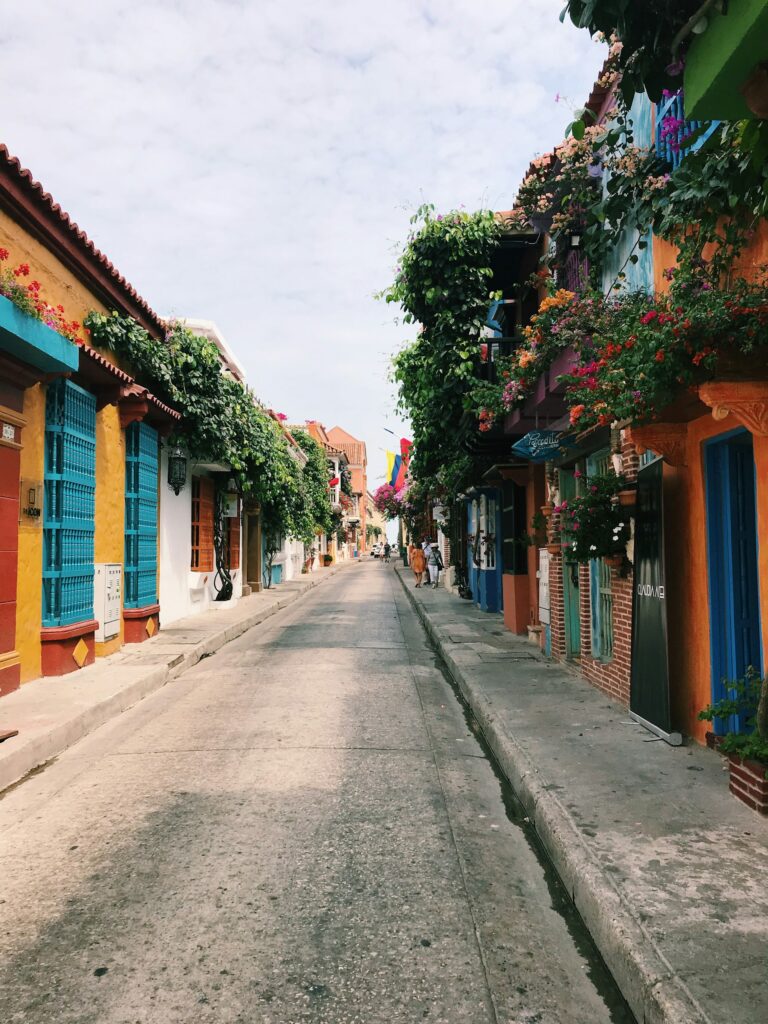
Begin your Cartagena adventure by stepping through the Puerta del Reloj, the iconic clock tower gate, and into the heart of the old town. The cobblestone streets of the Walled City are lined with brightly coloured buildings adorned with bougainvillaea, offering a picturesque start to your day.
Take a leisurely stroll to Plaza de Bolívar, where you can admire the statue of the liberator himself. Surrounding the square, you’ll find the Gold Museum, which showcases exquisite pre-Hispanic artefacts, and the Palace of the Inquisition, a chilling reminder of Cartagena’s darker history.
Lunch: A Taste Of The Caribbean
For lunch, head to La Cevichería, a charming spot made famous by the late Anthony Bourdain. Indulge in fresh, zesty ceviche and other seafood delights that capture the essence of the Caribbean Sea.
Post-lunch, wander to the nearby neighbourhood of Getsemaní, known for its street art and bohemian vibe. Snap photos of the vibrant murals that tell stories of the city’s culture and history. Various guided tours of Colombia cover this area, and reveal plenty of interesting tidbits about the city. Then, browse the artisanal shops for unique souvenirs, from handwoven mochila bags to intricate filigree jewellery.
Evening: Sunset & Spirits
As the sun begins to dip, make your way to the walls of the Castillo de San Felipe de Barajas, an imposing fortress that offers panoramic views of the city. Watch the sky turn fiery hues of orange and pink before heading back to the old town for a refreshing cocktail.
Dinner options are plentiful, but for an unforgettable experience, dine at Carmen, where innovative dishes fuse local ingredients with modern techniques. Afterward, join the locals at Café Havana for a nightcap and live salsa music that will have you dancing until the early hours.
Day 2: Beaches, Boats & Bliss
Morning: Island Hopping
On your second day, escape the city for the idyllic Rosario Islands. Book a day trip and set sail across the clear blue waters. Snorkel among coral reefs teeming with marine life, lounge on white sandy beaches, and sip on coconut water straight from the shell.
Lunch: Island Cuisine
Enjoy a seafood lunch on Isla Barú, where the catch of the day is always on the menu. Try the coconut rice and fried plantain for a true taste of the islands.
Afternoon: Relax Or Explore
Spend the afternoon at your leisure. Relax on the beach, or if you’re feeling adventurous, visit the Oceanarium on Isla San Martín to learn about the local marine ecosystem.
Evening: A Stroll Through History
Back in Cartagena, as the evening cools, take a final walk around the city walls. The soft glow of the street lamps and the gentle sea breeze create a romantic atmosphere.
For dinner, seek out a local eatery like La Mulata, where traditional Colombian dishes are served with a contemporary twist. Try the coconut fish stew or the arepas de huevo.
Night: A Toast To Cartagena
End your 48 hours with a nightcap at El Baluarte, a bar situated atop the city walls. Toast to Cartagena with an Aguardiente Sour in hand, reflecting on the memories made in this enchanting city.
Tips For Your Trip
Currency Savvy: While the Colombian Peso (COP) is the local currency, don’t exchange money at the airport where rates are less favourable. Instead, use ATMs for better rates or exchange at reputable currency exchange offices in the city. Always carry small denominations for ease of transactions in local markets.
Language Leverage: Spanish is the lingua franca, and while you’ll manage with English in tourist spots, a few phrases in Spanish can go a long way. Try using “¿Cuánto cuesta?” (How much does it cost?) or “Delicioso!” (Delicious!) to show appreciation for the local cuisine. For a truly local experience, download a language app or carry a phrasebook.
Dress Code: Cartagena’s heat can be intense. Opt for breathable fabrics like linen or cotton. Remember, the city is a mix of laid-back Caribbean and urban chic, so pack a versatile wardrobe that includes beachwear and a smart-casual outfit for dining out.
Stay Hydrated: The tropical climate means you’ll need to drink plenty of water. Street vendors sell chilled bottled water, but to reduce plastic waste, consider carrying a refillable bottle. Many hotels and restaurants offer filtered water for refills.
Beat the Heat: Plan indoor or shaded activities during the midday sun, and save your explorations of the city walls or open-air markets for the cooler early morning or late afternoon.
Safety First: Cartagena is relatively safe, but like any tourist destination, it has its share of petty crime. Be streetwise: avoid flashy jewellery, keep your belongings secure, and use official taxis or ride-sharing apps, especially at night.
Cultural Respect: When visiting San Basilio de Palenque, a village outside Cartagena recognised by UNESCO for its cultural significance, be respectful of the local customs and traditions. It’s a living community, not just a tourist attraction.
Escape the Crowds: For a quieter beach experience, skip the popular Playa Blanca and head to the lesser-known beaches of Tierra Bomba Island, just a short boat ride away.
Nightlife Know-How: If you’re keen on experiencing Cartagena’s nightlife, be aware that it starts and ends late. Dinner often begins around 9 PM, and clubs get lively well after midnight.
Stay Connected: Buy a local SIM card for your phone for easy access to maps, translation apps, and restaurant reviews. You can buy these at most airports or convenience stores in the city.
The Bottom Line
Cartagena is a city that captures the heart with its blend of history, culture, and Caribbean flair. While 48 hours is hardly enough to uncover all its secrets, this itinerary ensures you’ll experience the best of what this magical city has to offer. So pack your bags, bring your sense of adventure, and prepare for an unforgettable journey through Cartagena de Indias.
If you were asked to name the archetypal features of an African safari, what images would first come to mind? Perhaps you’re picturing vast savannahs right now, dotted with acacia trees. Or, are you sat at your desk hearing the thunderous roar of lions at dusk (you might want to see someone about that)? Perhaps what first comes to mind is the overwhelming spectacle of the great migration of wildebeest and zebras? Well, Tanzania, a land of great contrasts and natural wonder, has it all, and is poised to redefine the quintessential safari experience in 2024.
Tanzania: The Quintessential Safari Destination For 2024
As the world of travel gravitates towards experiences that are not only authentic but also deeply transformative, Tanzania has emerged as the crown jewel of African safaris. It’s a land where the wildlife is as diverse as the landscapes they inhabit, and the cultural tapestry as rich as the history that has shaped it. Far from the one-dimensional game drives, a Tanzanian safari in 2024 promises a sense of variety and spectacle arguably not found in the other heavy hitters of the continent.
With that in mind, here’s why we’re naming Tanzania the IDEAL safari destination for 2024.
Serengeti National Park
The Serengeti is not just a National Park; it’s an icon, a natural phenomenon, and the setting for one of the planet’s most awe-inspiring wildlife events: the Great Migration. This ancient ritual sees millions of wildebeest and zebras traverse the plains in search of fresh grazing, with predators in hot pursuit. It’s a spectacle that is both primal and profoundly moving.
But the Serengeti’s allure doesn’t end with the migration. It’s a year-round theatre of the wild, where each day dawns with the potential for new encounters. The park’s vastness and the variety of its habitats mean that every game drive can yield something unique, from a pride of lions lounging in the golden grass to the elusive leopard draped over the bough of a sausage tree.
Insider tip for visiting the Serengeti: To truly capture the essence of the Serengeti, consider booking a hot air balloon safari. This once-in-a-lifetime experience offers a bird’s-eye view of the sprawling savannah at sunrise, providing a unique perspective on the Great Migration and the park’s diverse wildlife. For the best experience, plan your visit during the dry season from June to October, when animals are easier to spot.
Ngorongoro Crater
The Ngorongoro Crater, often referred to as ‘Africa’s Eden’, is a microcosm of the continent’s wildlife. This UNESCO World Heritage Site is the world’s largest intact volcanic caldera and serves as a natural enclosure for an incredible variety of animals. It’s one of the few places on earth where you can spot the Big Five in a single morning.
Descending into the crater is like entering a lost world, with herds of buffalo moving like dark clouds across the crater floor, and flamingos painting the soda lakes pink. The highlands that surround the crater are home to the Maasai people, whose pastoral way of life has remained largely unchanged for centuries, adding a rich cultural dimension to the wildlife spectacle.
Insider tip for visiting the Ngorongoro Crater: The Ngorongoro Crater can get quite busy, with many vehicles arriving at the same time. To avoid the crowds, aim to enter the crater as early as possible. The early morning light is not only magical for photography but also increases your chances of spotting nocturnal predators before they retreat from the day’s heat.
Selous Game Reserve
The Selous Game Reserve is where the wild things are. It’s Africa’s largest game reserve and a place where you can experience safari by boat along the mighty Rufiji River. Picture this: elephants bathing in the shallows, crocodiles sunning on the banks, and hippos jostling for space in the water. It’s a scene straight out of an explorer’s journal.
The reserve’s relative remoteness means that it’s less frequented by tourists, offering a more exclusive and intimate encounter with nature. The Selous is also a stronghold for the endangered African wild dog, and sightings of these enigmatic creatures are a highlight for any wildlife enthusiast.
Insider tip for visiting the Selous Game Reserve: Take advantage of the Selous’ waterways by embarking on a boat safari. It’s a less conventional way to witness wildlife and offers a peaceful alternative to the game drives. For anglers, there’s the added thrill of catch-and-release fishing, with the possibility of hooking a tigerfish or catfish.
Zanzibar Archipelago
No Tanzanian safari is complete without a sojourn to the spice-scented isles of the Zanzibar Archipelago. After the dust and excitement of the mainland’s game parks, the white sands and turquoise waters of Zanzibar provide a blissful reprieve.
Zanzibar is not just a beach destination; it’s a cultural crossroads, where Swahili, Arab, Indian, and European influences converge. The Stone Town, with its labyrinthine alleys and carved doors, is a treasure trove of history. And beyond the town, the islands offer world-class diving, spice tours, and the chance to dine on some of the freshest seafood imaginable.
Insider tip for visiting the Zanzibar Archipelago: While the beaches are undoubtedly stunning, make time to explore the Jozani Chwaka Bay National Park, home to the rare red colobus monkey. Visit during the early morning when the forest is alive with activity. Also, consider a spice farm tour to learn about the island’s Spice Trade history and to sample fresh spices and fruits, as well as a diverse range of Tanzanian delicacies.
Tarangire National Park
Often overshadowed by its more famous neighbours, Tarangire National Park is a hidden gem that comes into its own during the dry season. It’s a time when elephant herds congregate along the Tarangire River, and the park becomes a wildlife hotspot.
Tarangire is also renowned for its ancient baobab trees, which stand like sentinels over the landscape. These trees, some of which are over a thousand years old, are a testament to the timelessness of the Tanzanian wilderness.
Insider tip for visiting the Tarangire National Park: Tarangire is famous for its elephant population. For an unforgettable experience, book accommodation at one of the park’s tented camps. Staying within the park boundaries allows for early starts and late finishes on your game drives, meaning you can enjoy wildlife sightings in the golden hours of dawn and dusk when animals are most active.
Getting To Tanzania From The UK
Direct flights from London to Dar es Salaam, the bustling metropolis that serves as a gateway to Tanzania, are available, whisking travellers to the heart of the safari landscape in under 10 hours. For those looking to begin their adventure in the northern circuit, including the Serengeti and Ngorongoro Crater, Kilimanjaro International Airport is the most convenient landing spot, with one-stop connections commonly routed through European or Middle Eastern hubs.
Upon arrival, internal flights can transport you to various national parks and game reserves, or you can opt for the scenic route with chartered flights or guided drives through the Tanzanian landscape. The latter not only offers a chance to witness the country’s diverse scenery but also provides opportunities for cultural encounters along the way.
For the Zanzibar Archipelago, direct flights from Dar es Salaam are frequent and short, making the transition from safari to beach a seamless experience. Alternatively, a ferry from the mainland can offer a more leisurely passage to the islands.
The Bottom Line
Tanzania’s appeal as a safari destination lies in its diversity. Each park and reserve is a chapter in a grander narrative that speaks of the majesty and mystery of the wild. The country’s landscapes serve as a canvas, upon which a rich tapestry of wildlife and human cultures are interwoven.
In 2024, Tanzania stands as a beacon for the evolution of the safari, where the journey is not just about the wildlife spotted but the memories forged and the hearts touched. It’s a place where the spirit of adventure is matched only by the warmth of its people, and the promise of discovery is as endless as the African sky.
Embarking on a journey through the enchanting world of loose leaf tea can be akin to entering a lush garden of fragrances and flavours, each leaf telling its own story of lands afar and traditional craftsmanship. For the uninitiated, the sheer variety of choices can be as overwhelming as it is exciting. In this beginner’s guide, we shall demystify the process of selecting the finest loose leaf tea that not only tantalises your taste buds but also bestows upon you the myriad health benefits this ancient beverage has to offer.
Whether you’re a seasoned tea drinker or a curious newcomer, understanding the subtleties of loose leaf tea is key to elevating your tea-drinking experience. From the verdant hills of Darjeeling to the misty mountains of Fujian, each region imparts its unique characteristics to the tea it yields. We’ll explore the different types of tea, the importance of origin, the significance of harvesting and processing methods, and how these factors converge to create the perfect cuppa.
So, put the kettle on, and let’s steep ourselves in the world of loose leaf tea, where every sip promises a new discovery.
Rare Tea Company
Are you starting your exploration into the rich world of loose leaf tea? Rare Tea Company is a UK based loose leaf tea brand that focuses on ethically sourced tea that’s good for humans and the planet. Their commitment to sustainability and excellence shines through in every cup, offering a diverse range of teas that cater to every palate.
From the robust flavours of traditional black teas to the soothing aromas of herbal infusions, they select each product in their collection with utmost care. This dedication ensures that with every sip, you’re not just tasting the intricate flavours but also supporting a brand that values the environment and the well-being of its producers.
Loose tea from Rare Tea Company
Understand The Various Tea Types
Your tea journey begins with understanding the spectrum of flavours and characteristics offered by various tea types. Each one brings its own unique experience, influenced by how the leaves are processed and prepared. Here’s a brief overview to help demystify these diverse brews:
Black tea: Known for its boldness and depth, black tea undergoes a complete oxidation process that results in its dark colour and rich flavour. It’s the perfect pick-me-up, thanks to its higher caffeine content compared to other teas.
Green tea: Celebrated for its fresh, clean taste, green tea skips the oxidation process. This process preserves its natural green colour and delivers a lighter flavour profile, along with a generous dose of antioxidants.
Oolong tea: Oolong stands between green and black tea in terms of oxidation. This partial oxidation gives it a complexity that can range from floral and light to dark and roasty, making each oolong tea a unique discovery. Take Summit Breeze Tea, for example, their oolong comes from china’s misty mountain gardens, where traditional roasting brings out a smooth, floral flavor that perfectly captures the spirit of Chinese tea culture.
White tea: The most delicate of all, white tea is minimally processed. Young leaves and buds make this tea, which boasts a subtle, sweet flavour and earns praise for its antioxidants.
Herbal infusions: Herbal infusions include a wide variety of plants, herbs, and fruits. They’re caffeine-free and loved for their diverse flavours and potential health benefits.
This journey helped you navigate the vast landscape of tea. Whether the bold taste of black tea, the delicate charm of white, or the diversity of herbal infusions captivates you, or you’re excited to blend your own, a world of flavours and experiences awaits your exploration.
Choose High-Quality Tea
Selecting a high-quality tea is akin to choosing a fine wine. Here’s how you can ensure that each cup is a testament to quality:
Inspect the leaves: The appearance of tea leaves can tell you a lot about their quality. Look for whole leaves, which generally indicate a higher grade of tea. Whole leaves unfurl gracefully in hot water, revealing their full flavour and aroma. Broken leaves, on the other hand, often result in a quicker but more bitter brew.
Give it a whiff: Aroma is a powerful indicator of a tea’s freshness and quality. High-quality tea should smell fresh and evoke the nuances of its flavour profile, whether it’s floral, grassy, earthy, or fruity. If the tea smells musty or stale, it’s likely past its prime.
Source wisely: Knowing where your tea comes from is crucial. Seek out teas ethically sourced from reputable plantations. Many premium teas are harvested in specific regions known for their unique tea varieties and growing conditions. Suppliers who provide detailed information about the tea’s origin, harvest season, and processing methods are often a good bet for high quality.
Choosing high-quality tea enhances your drinking pleasure and supports sustainable and ethical practices in the tea industry.
Find Your Perfect Cup
Discovering your perfect brew of tea is a deeply personal journey, one that evolves with your tastes and experiences. Here’s how to navigate the vast landscape of flavours and aromas to uncover teas that resonate with you:
Start familiar: Begin with what you know and love. If you prefer a particular type of tea or a specific flavour profile, use that as your starting point. This familiarity will serve as a comfortable base as you delve deeper into the world of tea. For instance, if you enjoy the robustness of a morning cup of black tea, start exploring other black teas from different regions to notice the subtle differences.
Explore your preferences: As you become more acquainted with the various types of tea, start branching out to experiment with different flavours, aromas, and origins. Each type of tea offers a unique spectrum of taste experiences, from the grassy freshness of green tea to the delicate floral notes of white tea. This stage is also the perfect opportunity to try blending your own teas. Mixing different types or adding herbs and spices can lead to a completely personalised blend, tailor-made to your taste preferences.
Remember, finding your desired tea is not about rushing through dozens of teas; it’s about savouring each experience, noting your reactions, and gradually building a personal repertoire of teas that you love, including those you’ve blended yourself.
The Bottom Line
Launching into the search for the best cup of tea offers a chance to craft blends that speak directly to your palate. This exploration transcends mere tasting—it’s an invitation to weave joy, calm, and discovery into each brew. Why delay? Start your journey today and tap into the endless possibilities that loose leaf tea presents. Your ideal sip awaits, ready for you to uncover it.
Hen parties are the last big party a bride will have as an unmarried woman, and it’s a great opportunity to have some fun with her closest friends and reflect on her upcoming nuptials. It’s also a chance for the bridesmaids and other guests in attendance to celebrate their dear friend, let their hair down, and perhaps get to know each other better if they haven’t met before.
While hen parties can of course be a lot of fun, there is a lot of pressure on them to be the best possible send-off into married life for the bride, and require a lot of organisation to help them go off with a bang. If you are a member of the bridal party who has been put in charge of the hen party, then here are some ideas and tips to help you keep the bride happy.
Consider Everyone’s Budget
The first thing you need to do before you start throwing out ideas and making bookings is to ask what budget everyone is comfortable with. Weddings are expensive, and these additional celebrations around the main event can bring a financial strain on some of the guests attending.
Money can be a little awkward for people to talk about, so ask people to let you know a number that they are comfortable with via private message or see if you can set up a way for the guests to tell you anonymously. Try to keep your hen party plans around the lowest budget, provided it is reasonable, so that no one has to feel left out or worried about money.
Choosing The Date
The bride will no doubt have a lot of last-minute details to iron out when it comes to her wedding plans, so it’s important to try and not add to this pressure by organising the hen party too close to her wedding day.
Ideally, it should take place about a month beforehand as this way, it is close enough to the wedding to kick off the celebrations, but not so close that it will risk causing the bride additional stress. You should also check in with the other guests to make sure that they don’t have any other commitments, and you can choose a date that seems to work for the majority.
Getting Help From The Pros
Sometimes, the best way to ensure your hen weekend goes off without a hitch is to enlist the help of professional planners. These experts can take the stress out of organising, offering bespoke packages that cater to your group’s interests and budget. From securing bookings for activities and accommodations to suggesting unique experiences you might not have considered, their insider knowledge can be invaluable. They understand the logistics involved and can handle any unforeseen issues, allowing you to focus on enjoying the celebration.
For those looking to create a truly bespoke experience, expert planners can offer tailored advice and access to exclusive deals. Whether you’re after a luxury spa retreat, a culinary tour, or an adventure-packed weekend, they can help craft the perfect itinerary for your hen weekend. This professional touch ensures that every detail is considered, from dietary requirements to transportation, making your hen weekend memorable and seamless. With their support, you can relax, knowing that every aspect of your special weekend is in capable hands, allowing you and your friends to make the most of this once-in-a-lifetime celebration.
What Should You Do?
While sticking to a smart budget for everyone and choosing the right date are both essential, choosing the right activities for the hen party can be the tricky part. Everyone will have different opinions of what they want to do, but you need to try and stay true to the bride and think about what kind of hen party she would want. It is her night, after all!
If you are struggling to think of some ideas, here are a few suggestions you might find inspiring…
Spa Weekend
If you think the bride and the guests could use a weekend of relaxing and being pampered, then organising a spa weekend could be the ideal choice. This is perfect for brides who do like to unwind and feel spoilt and is a calmer, sophisticated option for a hen party.
If your budget doesn’t allow for a full weekend, consider staying for just one night or spending the day at the spa instead, perhaps including a champagne afternoon tea for refreshments, before indulging in massages, facials, and perhaps a yoga session to rejuvenate.
Visit A Vineyard
Much to the chagrin of the continent, English wine is starting to get a bonafide, stellar, sparkling reputation. And not a moment too soon; this country has been creating the good stuff for some time. Fortunately, recognition is catching on and many vineyards offer wine tasting tours for groups and packages for hen dos. From Kent’s wine gardens, through Sussex and Essex all the way down to Devon, there’s some serious and sophisticated drinking to be done within these shores.
City Break
In recent years, more and more people have chosen to travel abroad for a long weekend or even a full week for their hen and stag parties. It is a great way to combine a holiday with these celebrations and can be a wonderful adventure for all involved.
However, these are going to be more costly, so if this is something you want to do, look for deals or consider renting a private holiday home that each guest can chip in for so that you can enjoy comfortable accommodation without going over budget.
City breaks are ideal for hen parties because you’ll have access to lots of cultural sights and activities, including fine restaurants, bars, and clubs for the evening. However, beach holidays or escaping into the countryside can also work well. Just bear in mind the cost of hen dos abroad is expensive – not everyone may be able to afford a trip abroad.
Arts & Crafts
If you are looking for something a little bit more laid back and different compared to the usual booze-fuelled shenanigans, you could always look into booking your hen party in for some arts and crafts orientated activities, such as learning how to do floral arrangements, wreaths making if it’s a winter wedding, or even life drawing, can all be a lot of fun.
Cooking Or Cocktail Masterclass
This is a great activity to do in the daytime or early evening and can be followed by a delicious meal out or drinks and dancing if you want to. Cooking and cocktail masterclasses can be a lot of fun, and if your bride is a foodie or loves trying different cocktails, this could be an ideal hen party for her. They’re also quite affordable as a nice treat. Therefore, you shouldn’t need to worry too much about sticking to reasonable budgets for the party, and you may even be able to find discounts for big parties such as this are on offer too.
Go See Some Live Music
If there is an artist or band that the bride loves playing near you, then perhaps arranging tickets to this concert would be a great hen party idea? Alternatively, if you don’t want to go to a big stadium or concert hall, you can always look for the best live music bars in your local town or city to enjoy some dancing and a good atmosphere. Perhaps book in for a special hen party dinner at the bride’s favourite restaurant before to make sure everyone is fed and happy.
The Bottom Line
If you have been put in charge of organizing your friend’s hen party and you’re starting to feel overwhelmed, take a deep breath! While there can be a lot of pressure to host a great night, you need to make sure that you are enjoying yourself as well. Use these tips to help you make sure everyone feels comfortable with the plans in terms of how much they can spend, and think about the suggestions for party ideas and whether or not these are things the bride would love.
“Are you okay? You look so tired”. It’s a comment no one ever wants to hear; sympathy that can be mistaken for snooping, concern for criticism.
Unless, of course, you’re in the niche pursuit of those telltale signs of tiredness. It’s been reported that some TikTokers are intentionally mimicking the dark eyes you’d commonly see in an exhausted person.
As The New York Times reports, TikToker Sara Carstens wants to “normalise dark circles”, since most of her generation are stressed, tired and have “bad sleeping schedules’’.
If you think that sounds a little wild, you’re not alone. One TikTok user commented, “I did not spend 18 years trying to cover these up for them to become trendy,” and we’re with them. Moreover, we’re feeling this isn’t actually a new trend! Haven’t you heard of Goths?
Unfortunately, no matter how much makeup you’re wearing, if you have eyes that do not look as alert as you’d like, you will end up looking tired and worn out. If you have been constantly asking Google how to get rid of eye bags and dark circles, consider first that those bags may not be caused by bad sleep at all.
Indeed, you may be surprised to know that this is not the only reason for it. Here, we take a closer look at what might be causing those puffy eyes and dark circles. If you’re wondering why your eyes look so tired, here are 9 reasons that have nothing to do with sleep.
Digital Eye Strain
Screens occupy most of our waking lives, sometimes in ways we don’t even acknowledge. From phones and tablets to laptops and TVs, an average person spends around 8-10 hours staring at screens all day. Or, to put it differently, the average adult will spend 34 years of their life gazing into one.
This constant exposure to screens puts a strain on our eyes which, in turn, causes dilation in the blood vessels that surround the eyes. This increased blood flow intensifies dark circles and tired looking eyes. Consult your doctor if you feel any difference in your eyesight as that might be the reason for eye strain, too.
Ideal Tip:Use the 20/20/20 rule to give your eyes a break. Turn your eyes away from the screen every 20 minutes and stare at something 20 feet away for 20 seconds.
Waking up with heavy bags under your eyes? It could be down to too much sodium. Consuming large amounts of sodium can cause your body to retain water, which can contribute to puffy under eye bags.
Eyecare professionals recommend steering clear of foods high in salt – the sodium can result in swelling of the eye tissue, and aim to eat a balanced diet largely defined by fresh vegetables, fruit, pulses and beans. Food with a high water content is ideal, such as cucumber, watermelon and celery.
Ideal tip: Resist the urge to eat ready meals and fast food and add foods rich in potassium to restore your body’s sodium and potassium balance.
Dehydration
Indeed, diet has a major role to play in the appearance of your eyes, and this doesn’t only refer to your food intake; dietitians and health care providers advise everyone to drink at least 8 glasses a day. Proper hydration not only keeps you healthy but also keeps up your energy levels. When you drink less water, your body begins to show signs of dehydration.
Less water intake reduces blood volume which, in turn, reduces the efficiency of the heart, leading to exhaustion. One of the most notable signs of body exhaustion is tired eyes.
Ideal Tip:Keep your water intake in check by putting reminders on your phone or even downloading an app specifically designed to have you drinking sufficient amounts each day.
Alcohol
Alcohol, as so many folk on a Saturday morning will attest, dehydrates its consumers. So how exactly does it dehydrate the skin? As GQ explains, “the body metabolizes the alcohol from an enzyme in the liver, which releases a byproduct called acetaldehyde. This byproduct is toxic to body tissues. In turn, body tissues and skin are dehydrated”.
Among alcohol’s many detrimental effects on the body, this causes premature ageing of the skin.
Ideal Tip: Keep your consumption below that oft-quoted 14 units, and when you are drinking, have a big glass of water for every alcoholic drink.
If you are allergic to pollen and animal hair, this might be the cause of tired looking eyes. In allergic people, the body releases a chemical called “Histamine” in response to the allergen. Histamine dilates the blood vessels which in return increases blood flow and dark circles. Not only this, but histamine also causes itchiness in the eyes along with fluid accumulation, swelling, and inflammation.
Ideal Tip: Use OTC antihistamine and the puffiness will go itself.
If you’ve happened to look in the mirror recently and noticed crow’s feet and fine lines around the eye then first things first – stop worrying. It will only make things worse.
Secondly, understand that as you age, the skin starts to lose collagen due to which the blood vessels become visible, leading to dark circles along with sagging skin. This is a natural process and a reason for tired looking eyes.
Ideal Tip: Start a skincare regime before you hit your 30s. If your skincare routine did not make any difference on your dark circles, you could consider cosmetic treatments. For more tips on how to deal with signs of ageing around the eye, check out our article here.
Hormonal Changes
Fluctuations in your hormone levels can have a significant impact on your body, including the skin around your eyes. For women, hormonal changes during the menstrual cycle, pregnancy, or menopause can lead to water retention, resulting in puffiness and dark circles under the eyes.
Ideal Tip: Maintain a balanced lifestyle with regular exercise and a diet rich in antioxidants to help mitigate the effects of hormonal changes. Gentle yoga and meditation can also help in managing stress, which can exacerbate hormonal imbalances.
A lack of essential vitamins, particularly Vitamin K and B12, can contribute to the appearance of dark circles and puffiness around the eyes. Vitamin K is crucial for blood clotting and circulation, while B12 supports healthy red blood cell formation.
Ideal Tip: Incorporate foods rich in these vitamins into your diet. Leafy greens, such as spinach and kale, are excellent sources of Vitamin K, while eggs, dairy, and fortified cereals can boost your Vitamin B12 intake. If you suspect a deficiency, consult with a healthcare provider for advice on supplementation.
Environmental Factors
Exposure to environmental irritants such as pollution, smoke, and harsh weather conditions can lead to oxidative stress and inflammation around the eyes. These factors can damage the delicate skin, leading to a tired appearance.
Ideal Tip: Protect your skin by using a daily moisturiser with SPF and antioxidants to combat free radical damage. Sunglasses can shield your eyes from harmful UV rays and prevent squinting, which can contribute to fine lines. Additionally, using a gentle, hydrating eye cream can help to fortify the skin’s barrier against environmental aggressors.
The Bottom Line
There can be plenty of reasons for tired looking eyes but there is not one reason that cannot be resolved. Follow the tips and get wide awake eyes in no time! Prevent puffiness by changing your habits…good luck.