
Home Blog Page 96

8 Of London’s Best Chocolate Cocktails: Choctails

Sometimes you don’t have room for dessert, but aren’t ready to go home just yet. 

Other times, you’ve been sitting in a restaurant a little too long, and the urge to get up and get moving comes on strong, but the desire for dessert remains an itch that needs scratching.

And since most restaurants no longer serve those after-dinner chocolate mints, it’s elsewhere we must go. Yep, this is a rather roundabout way of saying that we’re on the hunt for a chocolate cocktail tonight, to satisfy those sugar cravings and the need for a nightcap. 

With that in mind, these are the ideal places to indulge in a perfectly crafted chocolate cocktail from some of the best bars in London. 

Dancing In The Dark at the Chocolate Cocktail Club, Farringdon

Ideal for a truly Boss cocktail experience…

We had to start here, at London’s first and only chocolate cocktail bar. The menu is a chocolate lover’s dream, with a variety of cocoa-infused creations (nearly thirty in fact) ready to satisfy even the most fickle members of the squad. As long as they like chocolate, that is…

The Dancing In The Dark is our favourite (and not just because it’s named after that excellent song). It’s also the darkest chocolate cocktail on the menu and, like its namesake, is a masterful composition – a rich, dark chocolate liqueur with vanilla vodka that manages to hit all the right notes. Yep, this one is certainly a fantastic spirit in the night.

Here’s a lesser known fact about Bruce Springsteen; his childhood home smelled like chocolate (there was a Nestle factory nearby that permeated his house with the aroma all day). Oh, and his favourite ice cream is vanilla, too, so this cocktail really does make perfect sense.

If you ask us, Dancing In The Dark isn’t just a drink; it’s a performance, with each flavour playing its part in perfect harmony. We’ll stop with the music puns now.

Website: thechocolatecocktailclub.co.uk

Address: 72 St John St, London EC1M 4DT


Mint Chocolate Chip at the Chocolate Cocktail Club, Farringdon

Ideal for an after-dinner mint and drinkable digestif all in one coupe…

With a name so eponymous, of course another one from this Farringdon favourite makes our list of the best chocolate cocktails in London. 

If you’re craving that after-dinner mint breeze, then go for the Mint Chocolate Chip. Here the earthy cocoa marries well with the sweet and refreshing peppermint – we like to think of this chocolate mint concoction as an after-dinner mint and a drinkable digestif all in one coupe. 

Website: thechocolatecocktailclub.co.uk

Address: 72 St John St, London EC1M 4DT


Pierre Marcolini x Hot Chocolate Menu at 108, Marylebone

Ideal for a ‘spirited’ hot chocolate menu in collaboration with a world-renowned chocolatier…

Marylebone’s 108 have teamed up renowned chocolatier Pierre Marcolini, who for over two decades has established himself as a maestro in the art of chocolate making, to create this masterful menu. 

If you haven’t heard of him, Marcolini’s fame stems from his meticulous bean-to-bite process, where he sources the best cocoa beans from around the world and transforms them into luxurious chocolates. It’s this fine artisan chocolate that’s used in the choctail menu here, and the quality comes through in every sip. 

The rich and velvety cocktails at 108 include Bourbon Bliss, which sees hot chocolate mixed with Buffalo Trace bourbon, gingerbread and a cinnamon syrup, all topped with whipped cream and a marshmallow. 

The Marcolini Mocha is perhaps even better; a cocktail that pays homage to the chocolatier’s legacy. It’s a sophisticated, complex drink where flavours of bitter espresso offset the sweetness of Marcolini’s signature chocolate – all mixed with rum, vanilla syrup and grated nutmeg.

Two of the choctails on the menu are non alcoholic, but you can ask the servers to add a shot of a recommended spirit if you wish. With only a handful of chocolate concoctions on the menu, take a friend, order two each (don’t double park of course) and you’re in for a sweet night. 

Website: 108brasserie.com

Address: 108 Marylebone Ln, London W1U 2QE


Light Bird at Social 24, The City 

Ideal for a grown-up chocolate cocktail with cinematic views…

This is the ideal location for an after dinner drink. Located on the 42nd floor of Tower 42, Social 24 overlooks a set of neighbouring skyscrapers that shimmer and twinkle in the mystery of London afterdark – it’s one of the city’s most cinematic views. 

Fittingly for such sophisticated surrounds (Social 24 is the cocktail bar of Michelin-starred restaurant City Social), the Light Bird is a grown up chocolate cocktail. It features Glenmorangie X and Laphroaig, creating a smoky foundation. Lemon adds a zesty twist, while a vanilla and rosemary infusion brings a comforting warmth. However, the dark, rich, and cacao-forward notes of the chocolate bitter makes this drink all the more complex and nuanced. It’s damn good.

If you want another cocktail that borders on dessert territory, if it’s on the menu (it hasn’t been for a while, sadly) then go for their Ultimate Espresso Martini, which is made with toffee fudge vodka, Maestro Café liquer, espresso coffee, coffee foam and chocolate. 

Your usual espresso martini, this ain’t. Hypothetically, pair it with a bitter chocolate & blood orange delice from the restaurant’s dessert menu and set off into the night below, because you won’t be doing much sleeping after consuming that much sugar and caffeine. 

Website: citysocial-london.com 

Address: 25 Old Broad St, London EC2N 1HT


Choctails & Dreams at The Cocktail Club, Old Street 

Ideal for an 80’s inspired cocktail and then an early night..

A drink with a nostalgic nod to Tom Cruise’s 1998 film Cocktail, Choctails and Dreams is made with Jack Daniel’s, coffee liqueur, Nutella and a creamed yolk, then topped with whipped cream and a toasted marshmallow. With its chocolatey essence paying tribute to the film’s iconic bar scenes, this indulgent cocktail that comes in a mug is a dream for anyone who has a sweet tooth. 

You’ll probably be too full to order a second, but do be warned that the bar can turn a little wild later on. If that’s not your thing, go and rent the movie and have an early night. Just don’t accidentally get the 2015 movie Cocktails and Dreams, which is a parody version of the Tom Cruise film. 

Website: thecocktailclub.com

Address: 63 Worship St, London EC2A 2DU


Coffee & Woodruff Hot & Cold 18 at Kol’s The Mezcaleria, Marylebone

Ideal for a masterful, memorable temperature-controlled chocolate cocktail experience…

Giving Mr. Whippy a run for his money is the Coffee & Woodruff Hot & Cold. This drink is inspired by a cocktail made by Luke Whearty, the world-renowned mixologist and bartender-owner of Byrdi in Melbourne, and the highly original creation ‘Hot and Cold’, which was a signature at his now closed trail blazing cocktail bar Operation Dagger in Singapore. 

This one has been given an unmistakable Mezcaleria twist. Cacao, fig leaf and woodruff meet to create this warming number, all earthy and rounded with touches of cardamom and vanilla. You need some serious piping skills for the meadowsweet infused cream and white chocolate foam that tops off this intricate creation, otherwise the whole thing would collapse. Fortunately, the guys at The Mezcaleria have those skills.

What makes it so memorable is the experience of drinking it. The drink itself, which sees house fig leaf-infused mezcal, parafante liqueur, absinthe and cacao all combine, is ice cold, whilst the frothy layer of white chocolate foam is hot. When you take a sip, you get an intoxicating, enlivening mix of hot and cold in the mouth – a truly memorable experience.

Website: kolrestaurant.com

Address: 9 Seymour St, London W1H 7BA


Pippin at Whiskey & Seaweed, Core, Notting Hill

Ideal for a nostalgic yet sophisticated choctail…

Whiskey and Seaweed, an intimate cocktail bar in the 3 Michelin-starred Core, is where you’ll find a chocolate cocktail that’s a riff on one of Core’s signature desserts, the ‘Core-teaser’.

Chef Clare Smyth’s cooking is all about evoking nostalgia, and the core-teaser is the culmination of the £235 tasting menu, a tribute to the Malteaser with flavours of chocolate, malt and hazelnut at the fore.

Back in the cocktail bar, the Pippin is a blend of hazelnut liqueur (made with malted barley, poitín and hazelnuts), Chivas XV, chocolate liqueur, and barley sorbet. And whilst barley sorbet isn’t exactly a flavour you’d think would conjure up childhood memories, the Pippin does genuinely possess strong Malteaser vibes, that sorbet bringing a subtle toastiness that mirrors the usual malt notes smartly. It’s just a very boozy, very sophisticated, very drinkable version of the much-loved sweet, and is all yours for £21 (perhaps this is a single order kind of drink).

Website: corebyclaresmyth.com

Address: 92 Kensington Park Rd, Greater, London W11 2PN


DJ Got Us Falling In Love at The Parlour, Sketch, Mayfair

Ideal for cocktails and DJs…

The DJ Got Us Falling In Love at Sketch’s The Parlour is a take on a brown butter old fashioned. A sweet and buttery cocktail that’s intense, bold and velvety, the Johnnie Walker Black Label plays off against the chocolate bitters beautifully. A garnish of chocolate macaron (because, well, why not?) seals the deal. 

This one is enjoyed in a bar where the DJs play loudly, and if you have one too many, your “bodies going to be rockin’ from side to side”, to paraphrase the cocktail’s namesake song. We think we might just steady ourselves a while. Cheers!

Website: sketch.london

Address: 9 Conduit St, London W1S 2XG

One for the road? We’re off to London-by-the-Sea next, and heading to these best cocktail bars in Brighton. Care to join us?
Armchair Buying Tips For The Discerning Homeowner

As the old English proverb so eloquently puts it, ‘’Worrying is like sitting in a rocking chair. It gives you something to do but it doesn’t get you anywhere.’’ But if you replaced that rocking chair with an armchair, would your worries slip away? We certainly think so.

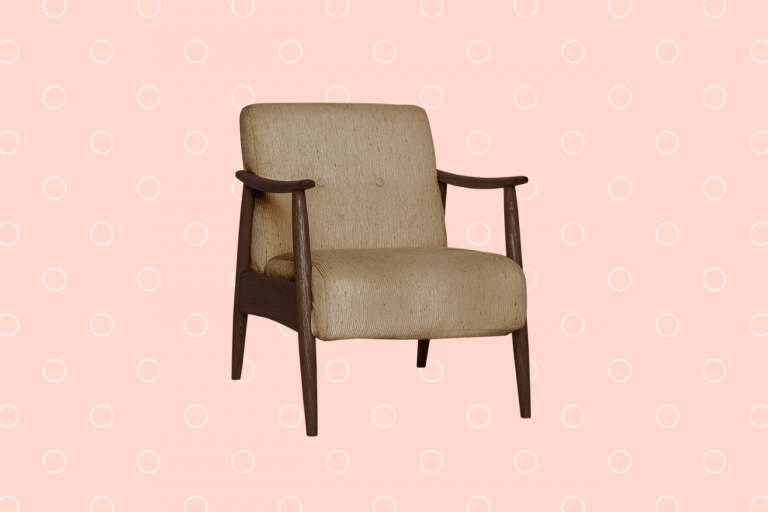
An often underrated part of the home, a well-placed armchair can work in a multitude of rooms outside of the conventional living room, providing comfort for tired legs, support for bottoms done with perching on stools all day, and a space for family members to ponder life’s bigger questions. 

Before investing in a new armchair, it’s a good idea to ponder some big questions, too; here are 5 armchair buying tips for the discerning homeowner.

How Is The Armchair Going To Be Used?

First, things first, you need to decide on the chair’s purpose. Consider where the chair will be placed and how it will be used. This will in turn narrow down the type of chair you need. 

Are you simply looking for an accent chair to add a new style element to your interior and use as a decorative piece? Or perhaps you’re after a chair to place in the hallway as an inviting statement of just how loose and relaxed your values are. In both these cases, consider an occasional chair where style can be prioritised over comfort.

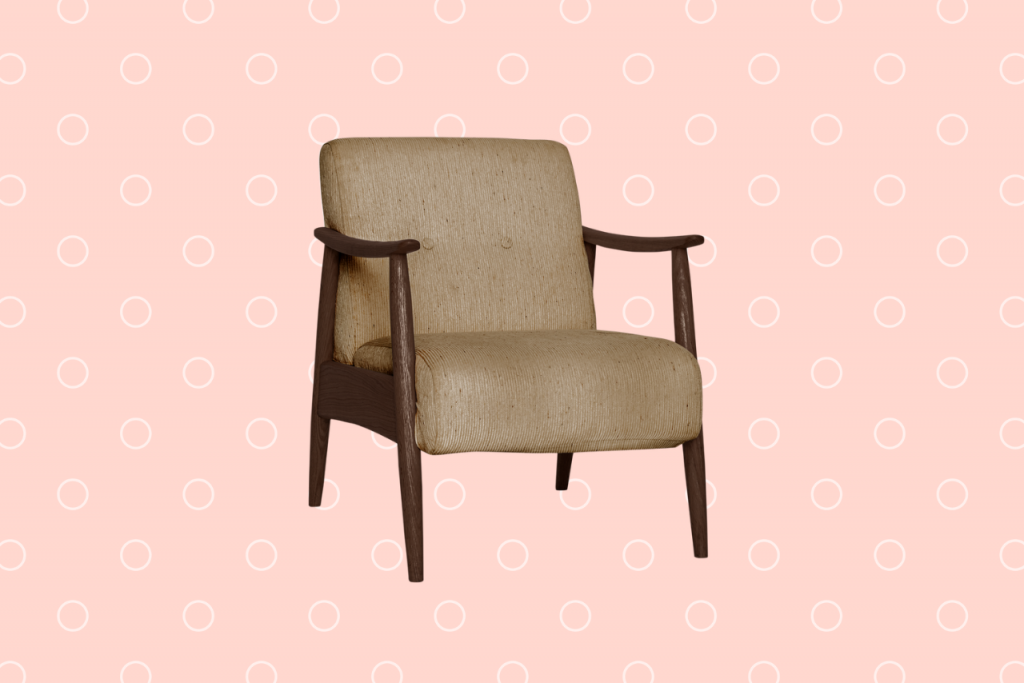
Maybe you’re after a chair to create a reading corner? Then a cushy chair is essential. For a reading corner, we suggest an Eames chair which is just as iconic as it is comfortable.  

Designed by Charles and Ray Eames, as Medium explains “They wanted to create a high-end, luxury chair. It needed to be stylish, chic, modern, and, most of all, comfortable’’. The result was an ergonomically designed chair that didn’t compromise on style. 

If that doesn’t cushion your tush’n, how about the Lawson chair, which many consider to be the true reading chair, as the armrests sit at the perfect height for resting your elbows on while you hold your book,

Think outside the living room. Is it an armchair for the home office that you need? Once known as the world’s most comfortable chair and featured in many iconic 1960’s films, the Sixty-Two’ Swivel chair, which features a distinctive winged design, soft foam cushioning and a deeply buttoned back, could be the one you’re looking for.

Or, perhaps you’re after a chair for your bedroom, for winding down before going to sleep. In this case you’ll want a chair that prioritises comfort over style.

Different Armchair Styles

Journalist Evan Davis once said, “A chair’s function is not just to provide a place to sit; it is to provide a medium for self-expression.” We couldn’t agree more.

We’ve already touched on some of the different armchair styles, but here are a few more, for you to ponder while you sit on your sofa…

  • Classic Recliner Chair – Ideal for reclining (duh)
  • Club Chair – Ideal for adding some laid back sophistication to your room
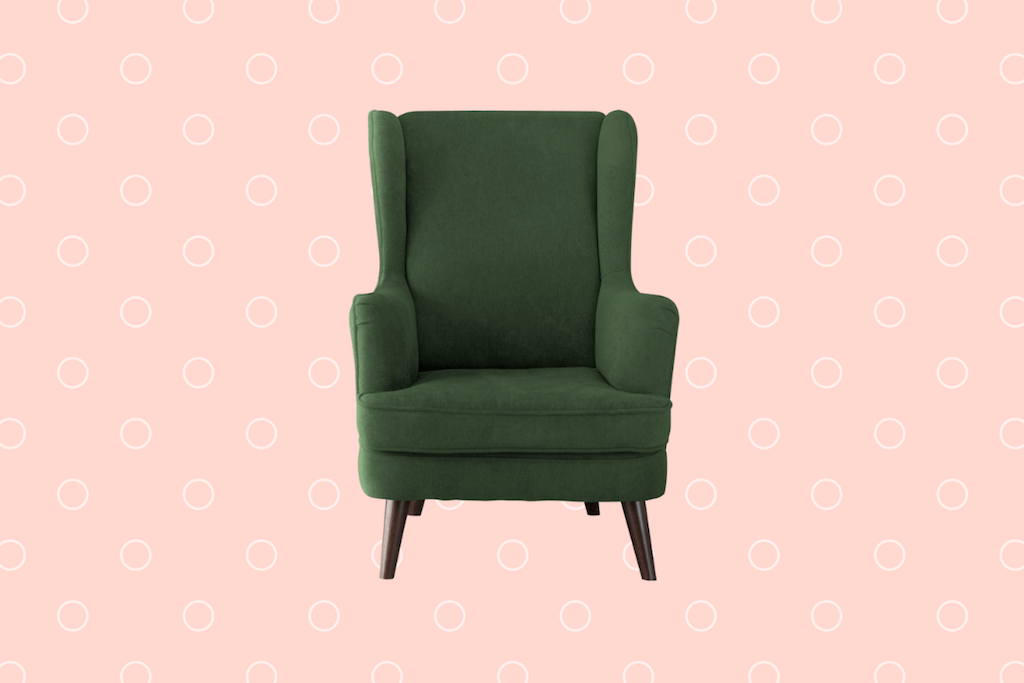
  • Wingback Chair – The ideal timeless addition
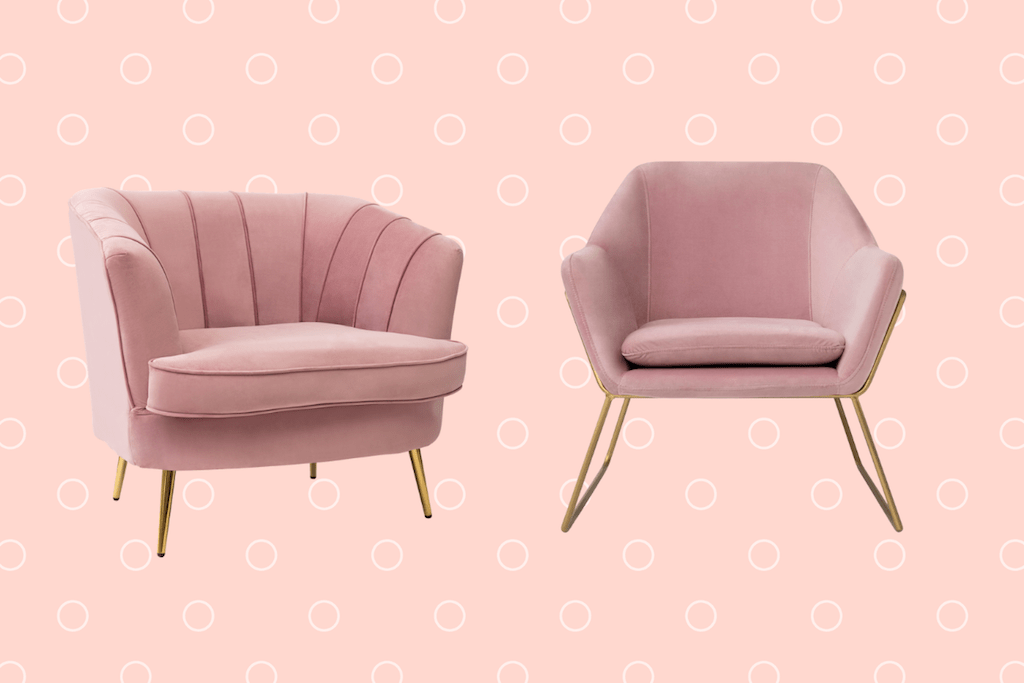
  • Barrel Chair – Ideal for adding softening your interiors by adding some curves  
  • Slipper Chair – The ideal accent chair 
  • Chesterfield Chair – Ideal for adding a timeless British design classic to your home 

These are but a few of the different types of armchairs available. Wikipedia has made a comprehensive list of pretty much every design available under the sun. We suggest you head to their page and take a look at all the options available here

Size Matters

A rookie error made by so many homeowners investing in a new armchair is to miscalculate the size of their front door or underestimate the size of the chair they’ve bought. This can lead to issues with access, and an armchair that finds a new home in the garden rather than in the, erm, home.

As such, it’s vital that you check if the sofa will fit through the door prior to purchase, as well as if it fits in the room itself, physically and stylistically. 

What Is ‘Comfortable’ To You?

Everyone’s definition of comfort is different. Before you buy your new armchair, you should try to define yours.

Is comfortable, to you, a deeply cushioned chair or one with firm cushioning that supports you? Is comfortable having your feet touching the floor or having them up on an Ottoman? Does comfort require a high back for you to rest your head on?

Understanding what comfortable means to you will help narrow down your search in an online world full of endless armchair designs, all trying to flag you down and grab your attention (arms…geddit). This will hopefully make the decision making easier.

If you are looking for a more occasional chair, then you can, of course, compromise on the comfort of the design, but generally speaking, an armchair should be the definition of comfortable, first and foremost.

Is There A Certain Upholstery I Need?

Now to narrow your search for a new chair even further. Do you have pets or young children that require a more hard wearing upholstery? Or can your options be open?

A lot of fabrics, including leathers, are affected by sunlight and heat, so to avoid fading and damage from these sources, we recommend keeping your sofa away from direct light and heat sources – this includes radiators. 

Leather is a great option for more hardwearing chairs. The material can easily be cleaned and isn’t stained easily. Light colour fabrics may want to be avoided with children or pets. The upholstery and colour of the chair can transform the space, so is definitely something that wants careful consideration. 

Reflect On Maintenance & Care Requirements

We love a sustainable king/queen, so before making your armchair investment, consider the maintenance it will require to keep it looking as inviting as the day you bought it. Different materials and finishes require different levels of care.

For instance, while leather may be more durable and easier to clean, it might need regular conditioning to prevent cracking. Fabric chairs, on the other hand, might need professional cleaning services to maintain their appearance, especially if they’re made from delicate materials. If you’re opting for a classic recliner chair, consider the added benefit of recliner chair covers, which can protect your investment from wear and tear and make cleaning a breeze. Assess whether you’re prepared for the upkeep before deciding on the upholstery of your armchair.

Consider The Armchair’s Longevity & Sustainability

When selecting the perfect armchair, it’s not just about the immediate gratification of comfort and style. One should also ponder the longevity and sustainability of the piece. Is the armchair constructed from durable materials that will stand the test of time? Are the materials sourced responsibly, and is the armchair produced in a way that minimises its environmental impact? Opting for a chair that boasts a timeless design and is made from high-quality, sustainable materials can ensure that your purchase remains both a responsible and a cherished part of your home for years to come.

And with that, we’re off for a well-earned sit down…

Dashboard Confessional: What Your Car Accessories Reveal About You

Here’s an insight we’d never though we’d be sharing: The dashboard of your car is perhaps the most honest social media profile you’ll ever curate. Unlike the carefully filtered holiday snaps on Instagram or the meticulously edited LinkedIn achievements, your car’s interior tells the unvarnished truth about who you really are. From air fresheners to bobbleheads, here’s what your automotive accessories might be saying about you to your passengers.

The Minimalist

Your dashboard is spotless. Not a speck of dust, not a single receipt, not even a water bottle in the cup holder. The only thing more spartan than your car interior is perhaps your flat, where Marie Kondo herself would weep with joy. You probably alphabetise your spice rack and colour-code your wardrobe. Not that we’re judging; such organisation sounds excellent!

What it reveals: You’re either incredibly disciplined, slightly neurotic, or you’ve just had the car valeted and it won’t look like this tomorrow. Either way, your friends secretly wonder if you’ve ever actually eaten a meal in your car, or if you pull over for designated snack breaks.

The Rolling Office

Files in the passenger seat. A phone holder on the dashboard. Coffee cup rings on every available surface. Is that a printer in the boot? Your car isn’t just a vehicle; it’s your second workspace.

What it reveals: You’re eternally busy and perpetually “just five minutes away” from every meeting. Your emails likely contain phrases like “as per my previous message” and “circling back on this”. Your car insurance probably doesn’t cover the laptop that permanently lives under your seat.

The Dashboard Ornament Enthusiast

Your dashboard hosts an eclectic collection of ornaments – from the classic nodding dog to miniature fluffy dice hanging from the mirror, perhaps a small football club mascot or a dashboard-mounted phone holder shaped like something from a sci-fi film. Each item carefully selected and positioned just so.

What it reveals: You refuse to fully embrace adulthood, and honestly, good for you. You’re likely the friend who remembers everyone’s birthdays and suggests spontaneous trips to the seaside. Your car isn’t just transport; it’s an extension of your personality. Just be prepared for concerned glances when you’re stuck in traffic and appear to be having an animated conversation with your dashboard delegation.

The Car Mat Connoisseur

Your choice of car mats speaks volumes. From the factory-issued plain black rubber to the plush, custom-monogrammed carpets that cost more than your monthly grocery shop. Perhaps you’ve opted for the heavy-duty, all-terrain variety with deep grooves that could handle a small flood, or maybe you’re sporting those clear plastic covers still on top of the original mats (the automotive equivalent of keeping plastic on a new sofa).

And those with no mats at all? Either blissfully optimistic about their cleaning abilities or they’ve simply given up after their third coffee spill this month.

What it reveals: The practical rubber mat owner is someone who values function over form and has likely experienced the horror of spilling a full latte on fabric. As the team at Car Mat Garage reveal about some of their regulars, :the custom luxury mat enthusiast sees their car floor as an extension of their home décor, worthy of investment and admiration”. 

The Air Freshener Enthusiast

Your car smells like a curious blend of pine forest, vanilla cupcake, and something called ‘New Car Scent’ (ironic, given that your vehicle is a 2008 model). There are at least three tree-shaped air fresheners dangling from your rear-view mirror, creating a small festive forest.

What it reveals: You’re fighting a losing battle against something. Perhaps it’s the lingering aroma of last month’s takeaway, or maybe it’s the dog that regularly occupies the back seat. Either way, your optimism is admirable, if slightly overwhelming to the olfactory senses.

The Sentimental Journey

Parking tickets from memorable days out. A small stone from that beach holiday. A ticket stub from your first date with your partner. Your dashboard and glove compartment are less storage spaces and more memory boxes on wheels.

What it reveals: You’re a romantic soul who sees your car as more than just a means of transport – it’s a time capsule of your life’s journey. You probably also have 15,000 photos on your phone that you’ll “organise someday”.

The Car Gadget Obsessive

Phone holder. Dash cam. GPS. USB chargers. Bluetooth adapter. Your dashboard looks like a branch of Currys PC World. You’re one accessory away from installing a mini-fridge in the glove compartment.

What it reveals: You’re prepared for every technological emergency and secretly disappointed that your car can’t yet drive itself. Your friends rely on you to fix their Wi-Fi and explain what the cloud actually is. You probably have strong opinions about cable management.

The Rolling Pantry

Packets of crisps in the door pockets. Emergency chocolate in the glove box. A variety of half-empty water bottles rolling around the footwell. Your car isn’t just transport; it’s a mobile tuck shop.

What it reveals: You’re practical, prepared, and possibly still traumatised by being stuck in traffic once without snacks. Your friends appreciate your readiness for impromptu picnics, even if they sometimes find crisp crumbs in unusual places after borrowing your car.

The New Parent

Baby wipes. Muslin cloths. A collection of plastic toys. A travel changing mat. Even though the baby seat is in the back, somehow baby paraphernalia has colonised every surface of your once-pristine vehicle.

What it reveals: You’re in the trenches of early parenthood, where preparation is everything and sleep is a distant memory. Your car has transformed from a symbol of freedom to a mobile nursery, and you wouldn’t have it any other way – though you occasionally daydream about having a car that doesn’t smell faintly of formula milk.

The Bottom Line

Whatever state your car interior is in, remember that it’s telling a story – your story. From pristine minimalism to cheerful chaos, your dashboard confessions are perhaps the most authentic version of yourself that the world gets to see.

So the next time you offer someone a lift, take a moment to consider what your car might be revealing about you. And perhaps remove that half-eaten sandwich from the passenger seat.

“How Long Do Teeth Whitening Results Typically Last?” & 10 Other Aftercare Teeth Whitening Tips

Whilst we wouldn’t want to start an article quite so presumptuously, may we offer you congratulations on achieving a brighter, whiter smile through teeth whitening!

Yep, we see those gnashers, and they are positively gleaming. Whether you underwent a professional treatment or used an at-home whitening kit, it’s essential to follow proper aftercare to maintain your results and ensure the longevity of your pearly whites.

Today, we’re addressing the question on everyone’s lips: How long do teeth whitening results typically last? Not only that, because we love you, we’re also offering up valuable aftercare tips (including whether you can drink coffee the next morning) to help you make the most of your teeth whitening journey.

But that’s not all; with two advice columns for the price of one, we’ll also explore some natural ways to white teeth. Don’t we spoil you?

How Long Do Teeth Whitening Results Typically Last?

The longevity of your teeth whitening results depends on several factors, including the type of whitening treatment you received and your oral hygiene habits. Professional in-office treatments typically last between 1-3 years, while at-home whitening kits might keep your smile bright for 6 months to a year.

Given the variation in teeth whitening cost—from £5 for whitening toothpaste to £1,500 for professional treatments—it’s worth knowing how to maximise your investment. However, without proper aftercare, you could see your teeth begin to yellow again in as little as one month! The biggest culprits? Coffee, tea, red wine, tobacco, and poor oral hygiene. The good news is that by following the aftercare tips we’re about to share, you can significantly extend the lifespan of your whitening treatment and keep that million-dollar smile gleaming for much longer.

Remember, your enamel is most vulnerable in the first 48 hours after whitening. During this period, the microscopic pores in your teeth are open and more susceptible to staining. How you treat your teeth in these critical first days can make all the difference between long-lasting results and a quickly fading smile.

Can I Drink Coffee The Morning After Teeth Whitening?

Many people rely on their morning cup of coffee to kick start their day. However, it’s advisable to avoid consuming coffee (as well as tea and other staining foods and drinks) immediately after teeth whitening. The whitening process temporarily opens up the pores of your tooth enamel, making it more susceptible to staining. 

To preserve your newly whitened smile, it’s best to wait at least 48 hours before indulging in coffee or any dark-colored beverages. Instead, opt for water, herbal tea, or milk during this period

How Can I Stay Hydrated Without Staining My Teeth?

Water is not only essential for your overall health but also plays a vital role in maintaining your teeth’s whiteness. Drinking plenty of water helps rinse away food particles and reduces the risk of staining. Make it a habit to sip water throughout the day, especially after meals or consuming staining substances.

What Foods And Beverages Should I Avoid After Whitening?

To extend the lifespan of your teeth whitening results, it’s crucial to steer clear of staining foods and beverages. Alongside coffee, other culprits include red wine, berries, tomato sauce, soy sauce, and dark-colored sodas. If you can’t resist these items, try using a straw to minimise contact with your teeth or rinse your mouth with water afterward.

How Should I Take Care Of My Teeth After Whitening?

Maintaining a consistent oral hygiene routine is essential for preserving your newly whitened smile. Brush your teeth at least twice a day using a soft-bristled toothbrush and a whitening toothpaste. Floss daily to remove plaque and prevent stains from developing between your teeth. Additionally, consider incorporating an alcohol-free mouthwash into your routine for extra freshness – and, avoid making these oral health mistakes, while you’re at it.

Why Should I Be Careful With Hot & Cold Foods?

Immediately after teeth whitening, your teeth may become temporarily sensitive to hot and cold temperatures. To minimise discomfort, avoid consuming extremely hot or cold foods and beverages. Opt for lukewarm or room temperature options until the sensitivity subsides.

How Does Smoking Affect My Whitened Teeth?

If you’re a smoker, quitting or reducing your tobacco consumption is not only beneficial for your overall health but also helps maintain your teeth whitening results. Smoking can lead to severe tooth discoloration, undermining the effectiveness of the whitening treatment. Seek support from healthcare professionals or support groups to help you on your journey to quit smoking.

Does Alcohol Impact My Whitening Results?

Alcohol, especially red wine, can stain your teeth and diminish the effects of teeth whitening. If you choose to drink alcohol, do so in moderation and consider rinsing your mouth with water afterward to minimise the staining effects. A useful tip, if like us, you can’t imagine steak night without a glass of Cabernet Sauvignon.

How Often Should I Visit My Dentist After Whitening?

Regular dental check-ups are crucial for maintaining good oral health and prolonging the effects of teeth whitening. Dentists can identify any potential issues early on and provide professional cleaning and touch-ups to keep your smile radiant. Aim to visit your dentist every six months or as recommended by your oral healthcare professional.

When Should I Consider Touch-Up Treatments?

Over time, your teeth may naturally accumulate stains or discoloration. Consider touch-up treatments to maintain your desired level of whiteness. Consult with your dentist or follow the instructions provided with your at-home whitening kit for safe and effective touch-up options.

What Are Some Natural Ways To Whiten Your Teeth?

Okay, that’s all well and good, but what are some ways to naturally whiten teeth?

As we become more health and image conscious, the search for natural ways to whiten teeth is on the rise. From superfoods like strawberries to household items like baking soda, there are numerous remedies suggested for a brighter smile. But do they really work? Let’s explore how these natural teeth whitening methods stack up with science.

Strawberries: Brushing with Strawberries’ has been a popular natural whitening trick for years, particularly due to their malic acid content. This fruit acid is thought to be a natural enamel whitener. However, while strawberries may help remove surface stains, they are unlikely to penetrate the stains on your teeth. Overly acidic mixtures can also lead to enamel erosion if not used carefully.

Baking Soda: A common ingredient in many toothpaste brands, baking soda is praised for its natural whitening properties. It’s considered a mild abrasive that can scrub away surface stains on teeth. Moreover, baking soda creates an alkaline environment in your mouth, preventing bacteria growth. 

However, remember baking soda isn’t a complete toothpaste replacement. Fluoride, which is absent in baking soda, is essential in fighting cavities and tooth decay.

Oil Pulling: Originating from traditional Indian medicinal practices, oil pulling involves swishing a tablespoon of oil (such as coconut, sesame, or sunflower oil) in your mouth for 15-20 minutes. Oil pulling may improve oral hygiene and remove toxins from the body. Some people claim their teeth become whiter and brighter after regular oil pulling. However, more scientific evidence is needed to confirm these claims.

Hydrogen Peroxide: Many commercial whitening products contain hydrogen peroxide, a natural bleaching agent that also kills bacteria in your mouth. However, there can be potential side effects such as tooth sensitivity and gum irritation, so it should be used cautiously. Moreover, if used incorrectly it can cause serious and sometimes extremely expensive tooth damage. Probably best to leave this one to the experts.

Apple Cider Vinegar: Apple cider vinegar has antibacterial properties that may help cleanse the mouth and whiten teeth. However, it is also an acid and can erode the enamel on your teeth if used too often. Always dilute it with water and swish it for just a few minutes.

Eating Healthy: Eating fruits and vegetables high in water content can help keep your teeth clean and bright. Chewing raw, crunchy fruits and vegetables, like apples and carrots, can help rub plaque away as you chew. Of course, even healthy eating alone won’t keep your teeth white; you also need to adopt an oral hygiene routine consistent with dentists’ advice.

The Bottom Line

Teeth whitening is an excellent way to enhance your smile and boost your confidence. By following these aftercare tips, including avoiding coffee the morning after teeth whitening, you can maximise the longevity of your results. Remember to stay hydrated, practice good oral hygiene, and be mindful of staining substances. With proper care and regular dental check-ups, you can enjoy a dazzling smile for years to come. 

How To Reduce Depreciation Of Your Car’s Value

From the minute a new car rolls off the forecourt of a dealership, it starts to lose value. Indeed, while it is true that models and makes can vary from one another, the AA reckon a new car drops in value by 10% from the first day it is driven. This value increases to 20% by the end of the first year, with three-year-old cars being worth just 60% of their original price. 

Mitigating The Inevitable

However, while depreciation in your car is inevitable, there are some ways to mitigate the drops and help minimise your losses. Read on for some tried and tested tips used by the experts that could see your car maintaining a higher value for longer.

Look After Your Car

It really should be a no-brainer but the better you look after your car, the more likely it will be to hold its value. General maintenance will help, but you should also ensure your car is thoroughly serviced annually or every 12’000 miles (whichever comes first). 

By being able to show a prospective buyer of your car its full service history, you will instil confidence that the vehicle has been well maintained and looked after, thereby increasing its potential sales value. 

Be prepared for any prospective buyer to carry out a license plate check on the car. This check can provide essential information about the vehicle’s history, such as previous ownership, registration status, and any outstanding issues – pre-empt this by taking care of your vehicle properly.

Choose Models With A Reputation For Longevity

Some car models are renowned for their durability and reliability, which can significantly slow their rate of depreciation. Brands with a strong reputation for longevity tend to hold their value better. Before purchasing a car, research which models are known for their long-term value retention. Cars that are often used as fleet vehicles for businesses, like some saloons and estates, are typically designed to endure high mileage with less depreciation.

Here are some models that have a good reputation for durability:

  • Toyota Yaris – This supermini is favoured for its reliability and efficiency, making it a popular choice for city driving. It’s known for holding its value well and running for many years with proper care.
  • Volkswagen Golf – A staple on European roads, the Golf is praised for its build quality and longevity. It’s a versatile car that appeals to a wide range of drivers.
  • BMW 3 Series – As a premium saloon, the 3 Series is known for its engineering quality and durability. It’s a common choice for company cars due to its blend of performance and reliability.
  • Audi A4 – The A4 is another premium model that’s well-regarded for its longevity, often chosen for its comfort and solid build.
  • Ford Fiesta – A best-seller in the UK, the Fiesta is known for its reliability and is a frequent choice for drivers looking for a dependable and economical car.
  • Honda Jazz – The Jazz is compact but versatile, with a reputation for reliability and a surprisingly spacious interior. It’s a popular choice among those who want a smaller car that can last.
  • Skoda Octavia – Offering good value for money, the Octavia is known for its reliability and practicality. It’s a common sight as both family cars and taxis, which is a testament to its durability.
  • Mercedes-Benz C-Class – This executive car is popular in the UK for its comfort and build quality. Mercedes-Benz cars are often associated with longevity and the C-Class is a favoured choice in the used car market. For those considering purchasing a used C-Class, using a Mercedes VIN decoder is a smart way to uncover detailed information hidden within the vehicle’s VIN number, helping ensure transparency and confidence in the purchase.
  • Volvo XC60 – Volvo has a long-standing reputation for safety and durability. The XC60 is a mid-size SUV that’s well-regarded for its build quality and ability to endure many years of driving.
  • Nissan Qashqai – As one of the UK’s favourite crossovers, the Qashqai is known for its reliability and practicality, making it a family favourite.

These models are known for their ability to withstand the test of time, which is a key factor in their slower depreciation rates in the UK market.

Maintain A Comprehensive Insurance Policy

Having a comprehensive insurance policy can protect against unexpected damage that could otherwise affect the car’s resale value. Insurance that covers minor dents and scratches can be particularly beneficial, as maintaining the car’s aesthetic condition is crucial for resale.

Store Your Car Properly

Where and how you store your car can have a significant impact on its value. Keeping your car garaged or under a carport can protect it from weather-related wear and tear, such as paint fading from sunlight or damage from hail. A well-protected car will often retain a better appearance and thus hold its value more effectively.

Choosing carports is a practical alternative to a full garage, offering solid protection from the elements while helping preserve your car’s exterior and long-term resale value.

Keep The Interior In Pristine Condition

The interior condition of your car plays a vital role in its resale value. Avoid smoking inside the vehicle, as the smell of smoke is difficult to remove and can be off-putting to potential buyers. Regularly clean the interior, use protective mats, and consider seat covers to preserve the upholstery. A clean and fresh-smelling interior can make a strong impression on buyers.

Avoid Pointless Journey’s That Increase Your Car’s Mileage

Depreciation in a car’s value comes primarily from two main factors – age and mileage. While there is very little you can do about a car naturally ageing, you can reduce the number of miles you do. 

On average, most experts suggest a car’s optimum mileage should be around 10,000 miles per year – meaning, if your car exceeds this number, its value will drop sharply so you should aim to stick roughly around this figure. 

Also, it is worth bearing in mind that while it might seem tempting to keep the mileage lower, this can often be a sign to prospective buyers that the car has not been run frequently enough or has only been used for short trips which can considerably increase the wear and tear on components like batteries, brakes and gears – especially if the car fails to reach optimum operating levels. To keep the worth of your car as high as possible, try to keep your mileage within the recommended 10-12k mark annually. 

Buy A Car In A Popular Colour

Sure, you might think electric pink is the new chic colour, but it is unlikely others will agree and having an oddly or garishly coloured car could end up being a nightmare when it comes to selling. As a rule, when you are first purchasing the car, try to stick more reserved colours that are likely to appeal to a greater number of people

While you might have some success trying to sell privately, a used car dealership will realise the limited potential market for a brightly coloured car and offer you a significantly lower value – if they even make an offer at all. 

Keep Modifications To A Minimum

Similar to the above, while you may think so-called ‘boy-racer’ mods add a special something to your car, you will likely only end up alienating a significant percentage of your potential market if you make mods to your car that are not widely seen as being beneficial. Moreover, modifying a car can cause significant expense – money you are unlikely to see back (for the reasons noted above).  

Use Quality Replacement Parts

If repairs are necessary, use original equipment manufacturer (OEM) parts or parts of equivalent quality. Using cheaper, lower-quality parts can decrease the car’s value, as they may not last as long or perform as well as OEM parts. High-quality parts can also be a selling point when you decide to part with your vehicle.

Document Repairs & Maintenance

In addition to general car care and regular servicing, keep a detailed record of all repairs and maintenance work carried out on the car. This documentation should include dates, descriptions of the work, and receipts. A well-documented maintenance history can provide tangible proof to potential buyers that the car has been meticulously cared for.

Consider The Timing Of Your Sale

The market value of cars can fluctuate throughout the year. For instance, convertibles and sports cars may fetch higher prices in the spring and summer months, while 4x4s could be more in demand during autumn and winter. Timing your sale to coincide with these seasonal trends can help you achieve a better price.

The Bottom Line

In the ever-evolving landscape of the automotive market, understanding the factors that influence car depreciation is crucial for any savvy car owner in the UK. In doing so, you’ll be well-equipped to navigate the depreciation curve and ensure that when the time comes to sell, your car stands out in the bustling UK market, promising you the best possible return on your automotive investment.

Cultivating A New Kind Of Confidence: Navigating Self-Care During Menopause

Menopause is a profound journey, a rite of passage that marks a significant transition in a woman’s life. It’s a time when the body, mind, and spirit undergo a transformation that can be as challenging as it is liberating. For many, this period brings about a sense of loss—loss of youth, fertility, vitality, and often, confidence. Yet, it’s crucial to remember that menopause can also be a time of great empowerment and self-discovery.

Understanding The Shift

As oestrogen levels fluctuate and eventually decline, the physical and emotional changes associated with the menopause can be disconcerting. Hot flushes, sleep disturbances, mood swings, and a host of other symptoms can make you feel like a stranger in your own skin. It’s not uncommon for these changes to affect one’s self-esteem and confidence.

The societal portrayal of menopause doesn’t help either. The narrative often focuses on loss rather than gain, on the end rather than the beginning of a powerful new chapter. It’s time to shift the conversation and focus on the positive aspects of this life stage.

First and foremost, it’s essential to acknowledge your feelings. It’s okay to mourn the aspects of your life that are changing. However, it’s equally important to celebrate the wisdom, experience, and freedom that come with this new phase. Menopause is not the end of your femininity or vitality; it’s a transition into a different kind of power, and one which can be nurtured and cultivated through a new set of habits and approaches.

10 Self-Care Tips For Cultivating Menopausal Confidence

Prioritise Your Well-being 

Taking care of your health is paramount during menopause. A balanced diet rich in phytoestrogens, found in soy products, flaxseeds, and whole grains, can help balance hormones. Regular exercise, such as 30 minutes of walking five times a week, can reduce hot flashes and improve mood. Aim for 7-9 hours of quality sleep per night, and consider relaxation techniques like deep breathing, herbal teas or a warm bath before bedtime to combat insomnia. 

Remember, your well-being is the foundation upon which you can build menopausal confidence.

Seek Support 

Menopause can feel isolating, but community support can be a beacon of hope. Engage with online forums or local groups where you can share stories and advice. Professional counseling or therapy can also provide tailored strategies to navigate this transition. If you’re comfortable, open up to family members about what you’re experiencing; this can not only educate them but also strengthen your support system. Remember, seeking help is a sign of strength, not weakness.

In the UK, there are several support groups and resources available for individuals going through menopause. Here are some of the organisations and groups that offer support, information, and community for those experiencing menopause:

  • Menopause Support – Founded by Diane Danzebrink, this is a campaign group that also offers support and resources for women going through menopause. They have a website with resources and also run the #MakeMenopauseMatter campaign.
  • The Daisy Network – This is a charity for women with premature ovarian insufficiency (POI), which often leads to early menopause. They offer support and information to women who are diagnosed with this condition.
  • Women’s Health Concern (WHC) – WHC provides a confidential, independent service to advise, reassure and educate women about their health concerns, offering unbiased information on a range of topics including menopause.
  • The British Menopause Society (BMS) – Provides education, information, and guidance to healthcare professionals specializing in all aspects of post-reproductive health. They also have resources available for the public.
  • Menopause Matters – An independent website providing up-to-date, accurate information about the menopause, menopausal symptoms, and treatment options.
  • The Menopause Exchange – Offers information and support through newsletters and talks, covering a wide range of topics related to menopause.

You might also find some value in checking out this resource from BetterHelp on the difference counselling and counseling (clue: it’s not just in the spelling!).

Cultivate Mindfulness 

Mindfulness can anchor you in the present and alleviate menopausal anxiety. Start with just five minutes of meditation each day, gradually increasing the time as you become more comfortable. Yoga and tai chi are gentle on the joints and can improve balance, which is crucial as bone density can decrease during menopause. These practices also foster a deeper connection with your body, allowing you to embrace the changes with grace and acceptance.

Rediscover Your Passions 

Menopause is a chance to focus on what makes you happy. Rekindle your love for painting, writing, or any creative outlet that you’ve neglected. Consider joining clubs or classes to meet others with similar interests. This pursuit of passion can lead to a fulfilling sense of self-discovery and personal growth, reminding you that menopause is just one part of your rich and evolving story.

Embrace Your Experience 

Your journey through life is unique and filled with wisdom. Reflect on your achievements and the obstacles you’ve overcome. Write down your thoughts in a journal or share them with others. This reflection can bolster your self-esteem and remind you that your value is not defined by youth but by the depth of your experiences and the breadth of your knowledge.

Update Your Wardrobe 

Fashion is a powerful form of self-expression. Invest in pieces that flatter your changing body and make you feel confident. Look for breathable fabrics to help with hot flashes, and don’t shy away from bold colors or patterns that reflect your personality. A well-fitted bra and supportive shoes are also essential. Remember, when you look good, you often feel good too.

Consider Hormone Replacement Therapy (HRT) 

HRT can be a game-changer for many women, alleviating symptoms like hot flashes, night sweats, and mood swings. Consult with your healthcare provider to discuss the benefits and risks. If HRT is not suitable for you, discuss alternative treatments such as herbal supplements or non-hormonal medications. Of course, it’s important to make an informed decision that aligns with your health goals and lifestyle.

Exploring Aesthetic Treatments For Renewed Confidence 

In the spirit of self-care and confidence, aesthetic treatments can be a form of empowerment for many women navigating through menopause. It’s about taking control and making choices that make you feel good about yourself.

Aesthetic treatments can be tailored to your needs, whether you’re looking to refresh your skin or address specific concerns. Consult with a dermatologist or licensed aesthetician who understands menopausal skin. 

They can recommend treatments like hydrating facials, which can combat dryness, chemical peels such as SKINPROJECT to stimulate the growth of new cells, or collagen-stimulating therapies to improve elasticity. Remember, these treatments are a form of self-care, not vanity.

Practice Positive Affirmations 

Positive affirmations can reshape your mindset. Create a list of affirmations that resonate with you, such as “I am strong,” “I am beautiful,” and “I am worthy.” Repeat them in the mirror each morning or whenever you need a boost. Consider incorporating them into your meditation practice. Over time, these affirmations can help you build a more positive self-image and combat the negative self-talk that often accompanies menopause.

Set New Goals 

Menopause is a new chapter with opportunities for growth. Set goals that excite you, whether it’s improving your fitness, writing a book, or volunteering. Break these goals into manageable steps and celebrate your progress along the way. Pursuing new objectives can provide a renewed sense of purpose and remind you that menopause is not an end but a transition to new beginnings.

The Bottom Line

Menopause may feel like a storm, but it’s possible to find a safe harbour in self-care and self-compassion. By embracing this time of life with an open heart and a proactive spirit, you can rediscover your confidence and step into a phase of life marked by wisdom, strength, and grace. Remember, with every change comes new opportunity, and menopause is no exception. It’s time to celebrate the journey and the woman you are becoming.

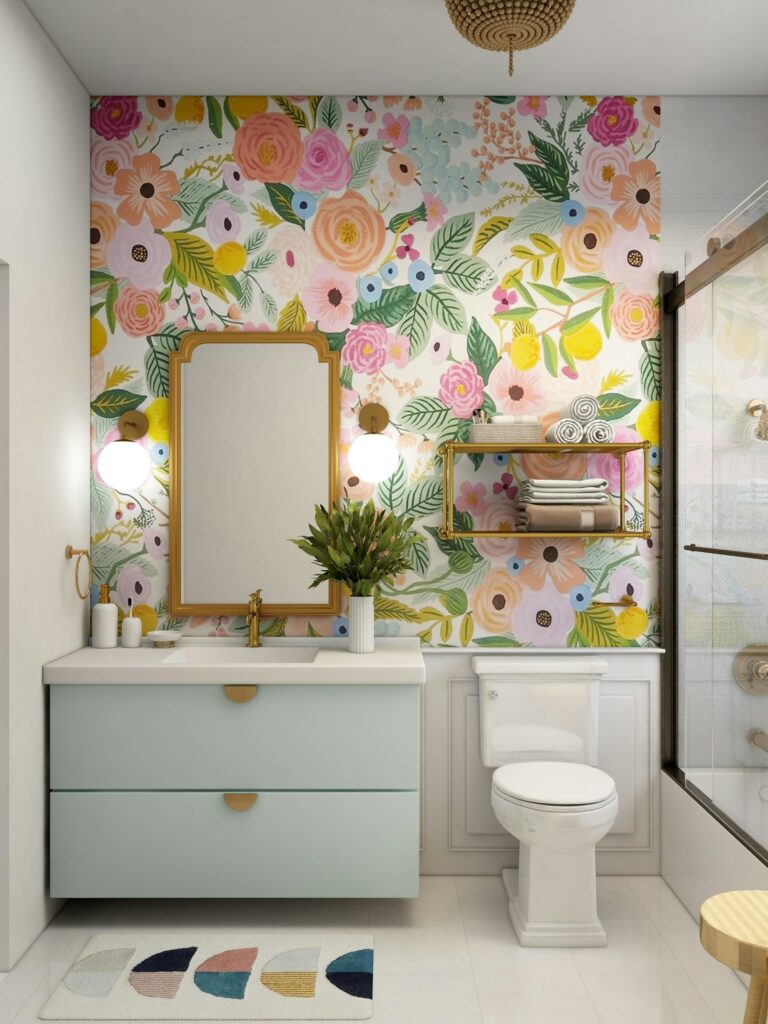
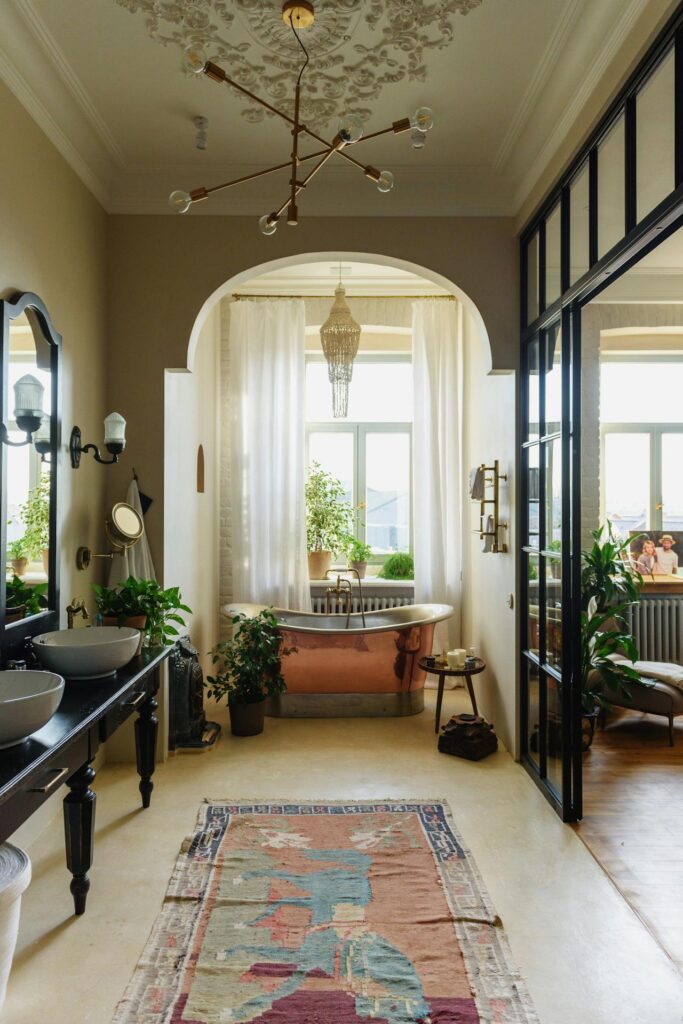
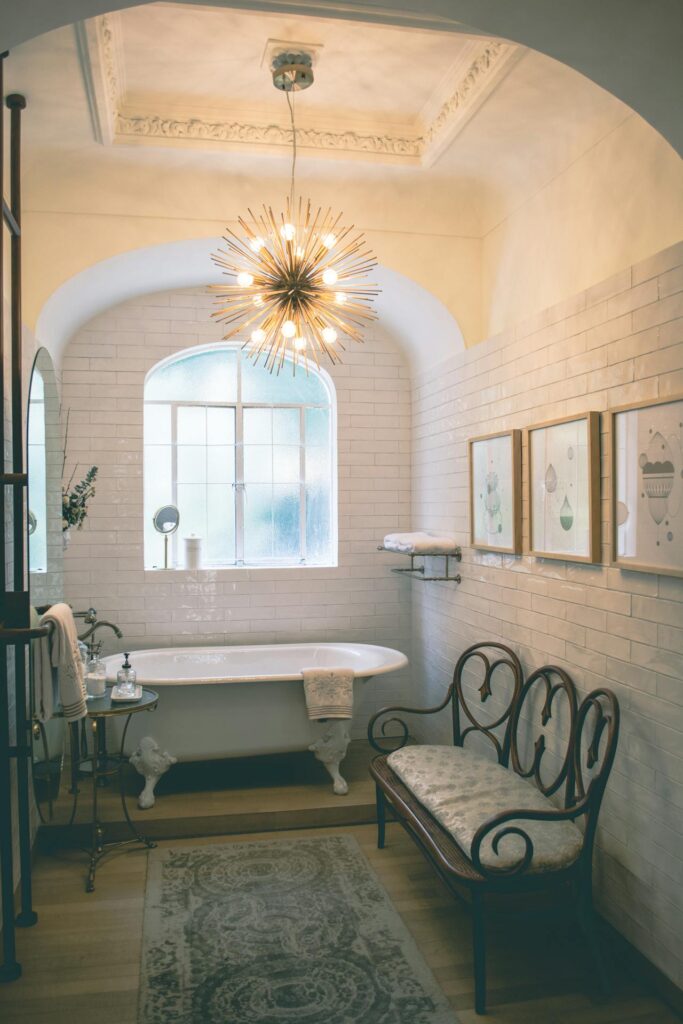
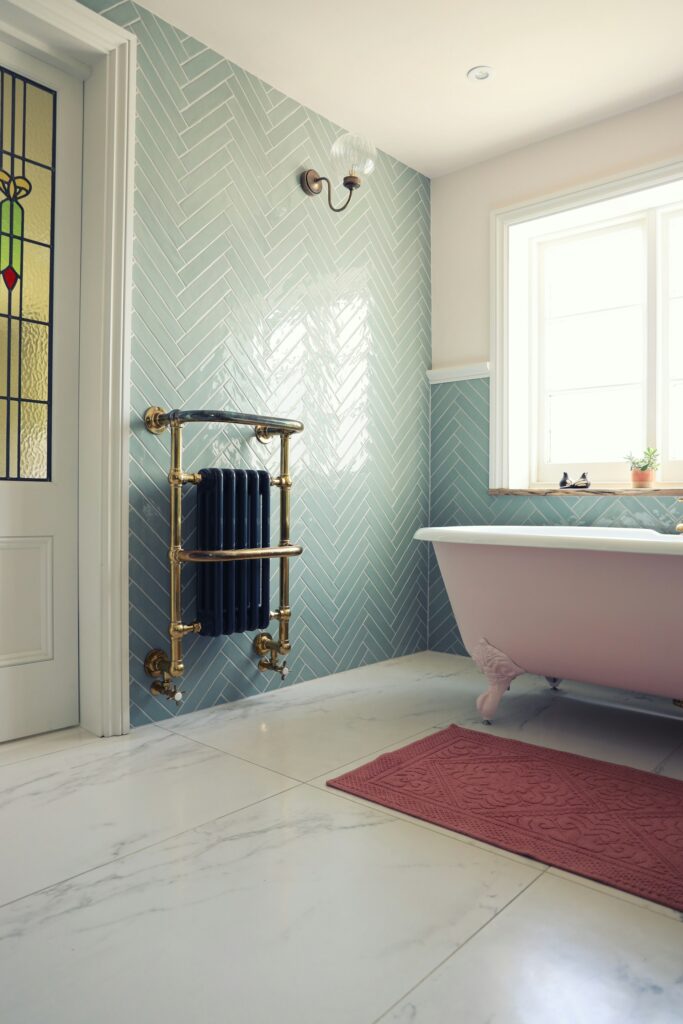
Is Maximalism 2025’s Key Bathroom Trend? Here’s Why We Think So

As we stand on the cusp of Spring 2024, with our toes tentatively dipped into the gently warming waters of interior design trends, it’s only natural to cast our gaze forward to 2025. 

Now, we realise it’s a tad premature to be making grand predictions about the future of bathroom aesthetics, especially when we’re all still getting used to writing ‘2024’ on our cheques (for those who still indulge in such vintage practices) or our endless trends articles. But, when it comes to bathroom renovations, one must plan with the foresight of a chess grandmaster. After all, nobody wants to be caught with their proverbial pants down mid-renovation as the trend tide turns. Perish the thought…

So, why are we whispering ‘maximalism’ (shouldn’t we be screaming it?) into the echoey chambers of our tiled sanctuaries? Let’s dive into the bathtub of content together, shall we?

A Splash Of Context

Minimalism has had its moment in the sun, or rather, its moment in the muted, sparsely decorated rooms of the world. It’s been all about clean lines, subdued palettes, and the kind of Spartan aesthetic that makes you think twice about leaving your toothbrush out. But as the pendulum of taste swings with the gusto of a wrecking ball in a Miley Cyrus music video, we find ourselves yearning for more… well, more.

Enter maximalism: the bold, the vibrant, the delightfully over-the-top. It’s the design equivalent of a flamboyant aunt at a wedding – impossible to ignore and oddly endearing.

Why Maximalism In The Bathroom?

The bathroom, once a place of mere functionality, has evolved into a sanctuary of self-care and relaxation. It’s where we begin and end our days, so why not infuse it with a little pizzazz? Maximalism offers a feast for the senses, a veritable smorgasbord of visual delights that can transform your daily ablutions into a ritual of joy.

Personal Expression At Its Best

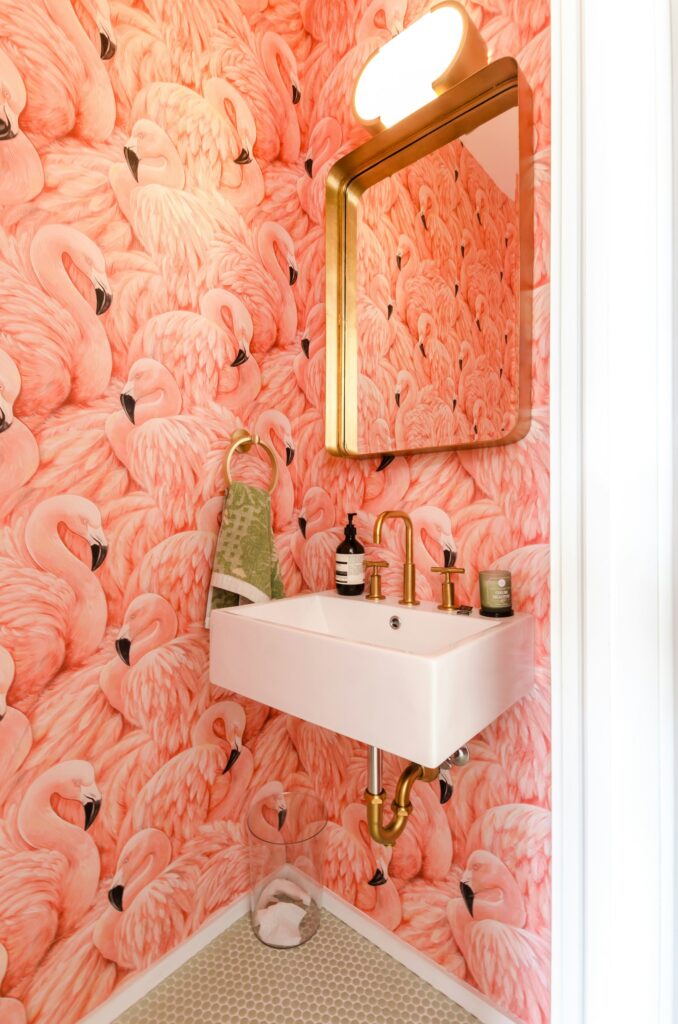
Maximalism is the antithesis of ‘playing it safe’. It’s about showcasing your personality with every brushstroke and tile choice. From eclectic wall art to a kaleidoscope of tile patterns, your bathroom can become a gallery of your own making. And let’s face it, in a world where we’ve all become Zoom-background connoisseurs, who wouldn’t want a bathroom that’s ready for its close-up?

The Joy Of Colour

While minimalism often limits the bathroom colour palette to neutrals, maximalism throws open the paintbox and invites all the hues to the party. A maximalist bathroom can be a riot of colour that energises you in the morning and envelops you in warmth at night. Think jewel-toned tiles, painted ceilings, and fixtures in hues that make you feel like you’re bathing in a Matisse painting.

Texture, Texture & More Texture

Maximalism is tactile heaven. It’s about mixing and matching textures for a sensory experience that’s as rich as a chocolate truffle. Imagine running your hands over intricately embossed tiles, plush velvety bath mats, and brushed brass fixtures. It’s like your bathroom is giving you a hug. A very fancy, interior-design-magazine-worthy hug.

Fixtures That Make A Statement

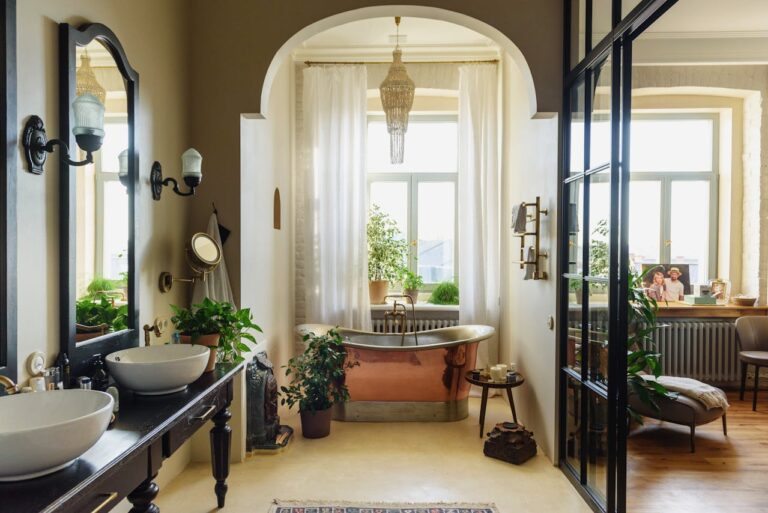
Why settle for a standard sink when you could have a sculptural masterpiece that doubles as a conversation starter? Maximalism celebrates the unique and the unusual, so go ahead and install that vintage vanity you’ve been eyeing up. Pair it with a mirror that wouldn’t look out of place in Versailles, and you’re not just brushing your teeth – you’re an aristocrat preparing for a ball.

Read: 7 luxury alternatives to your traditional bathroom fixtures

Accessories Galore

In a maximalist bathroom, accessories are not just accessories; they’re the supporting cast in the grand play of your morning routine. A chandelier over the tub? Why not? A wall accessory in the shape of an illuminated mirror? Very happy to check out our naked reflection in one, thank you very much. A collection of ornate perfume bottles that you never use but look fabulous? Absolutely. A rubber duck in a top hat? Sir Quacks-a-Lot is most welcome here.

The Bottom Line

While we’re still navigating the early months of 2024, it’s clear that the winds of change are blowing towards a more maximalist horizon. Bathroom renovations take time, and if you’re planning a revamp, considering the bold and beautiful approach of maximalism might just set you ahead of the curve for 2025.

So, as you ponder your bathroom’s future, ask yourself: do I dare to embrace the extravagant, the eclectic, the exuberant? If the answer is a resounding ‘yes’, then maximalism might just be your design soulmate.

Remember, in the world of maximalism, more is more, and your bathroom could be the canvas for your most daring design dreams. Now, if you’ll excuse us, we have a date with a catalogue of ornate taps and a paint chart that looks like a unicorn’s dream. Happy decorating!

Nail Your Next Project: 7 Safety Guidelines For Home DIY

When the DIY bug bites, it’s easy to get carried away with the excitement of transforming your home. But amidst the planning and the anticipation of the finished project, safety must remain at the forefront of your mind. Every year, DIY mishaps lead to a significant number of accidents, some of which are serious. To ensure your DIY endeavours are as safe as they are satisfying, here are 7 detailed safety guidelines to follow.

Dress For Success

The right attire can make a world of difference. Avoid loose-fitting clothes that could get snagged by tools or machinery. Opt for durable fabrics that can withstand a bit of wear and tear. When it comes to footwear, steel-toe boots offer the best protection against dropped tools or heavy materials.

Personal protective equipment (PPE) is non-negotiable. Safety goggles or glasses should have side shields to protect against flying debris. Gloves should be material-appropriate – heavy-duty for rough work, and latex or nitrile for handling chemicals. Ear protection is a must when using loud power tools, and a dust mask or respirator is crucial when sanding or working with potentially toxic substances. Remember, PPE is only effective if it fits properly and is worn consistently.

Ladder Safety

Ladder accidents are often due to overconfidence or misuse. Always use a ladder that’s tall enough for the job – stretching for those extra few centimetres is a risk not worth taking. Check the ladder’s load rating to ensure it can support your weight plus any tools or materials.

When positioning your ladder, follow the 4-to-1 rule: for every four feet of ladder height, the base should be one foot away from the wall. Always face the ladder when ascending or descending, and never climb higher than the second rung from the top on a stepladder or the third rung from the top on an extension ladder.

It’s essential that you’re using the right ladder for the task, too. Extension ladders, with their adjustable height and lean-to design, offer a reach that far exceeds that of step ladders or fixed-height ladders, making them ideal for tasks that require working at significant heights, whereas step ladders are better suited for lower-level tasks with their self-supporting A-frame construction.

It’s essential, too, to wear proper footwear, like durable steel-toe boots or even Hard Yakka work boots, to ensure your feet are both stable and protected while on a ladder.

Know Your Tools

Every tool has its quirks and features. Take the time to read the manual for each new tool you purchase. YouTube tutorials can be a great resource for visual learners needing a demonstration. Before you start your project, do a ‘dry run’ with your tools, practising the motions without actually starting them up.

Regular maintenance is key to safe tool use. Check for dull blades, loose fittings, or damaged cords before use. Always disconnect tools when not in use, especially when changing out parts or blades. And never, ever remove safety guards – they’re there for a reason.

Tidy Workspace, Tidy Mind

A clean workspace is essential for safety and efficiency. Designate areas for different stages of your project, and keep tools and materials close to their point of use to minimise movement. Use cable ties or hooks to keep cords off the floor, and sweep up debris regularly to prevent slips.

Lighting is another critical factor – a well-lit workspace helps you avoid mistakes and injuries. Portable work lights can be a great investment, especially if you’re working in a space that doesn’t get much natural light.

Electrical Awareness

Working with electricity requires caution and respect. Use a voltage tester to double-check that circuits are dead before starting work. When using power tools, plug into a residual current device (RCD) to protect against electric shock.

Be aware of the electrical load you’re placing on outlets to avoid overloading them. If you’re running power to a shed or outdoor area, ensure your extension cords are rated for outdoor use and are fully uncoiled to prevent overheating.

Chemical Safety

Read the Safety Data Sheets (SDS) for any chemicals you’re using – they contain vital information on handling, toxicity, and first aid measures. Never mix chemicals unless explicitly directed, as this can cause dangerous reactions.

Proper storage is also crucial. Keep chemicals in their original containers with labels intact, and store them in a cool, dry place out of reach of children and pets. When disposing of chemicals, never pour them down the drain. Check with your local waste disposal service for guidelines on how to dispose of hazardous materials safely.

Take Your Time

A rushed job is a recipe for mistakes. Plan your project in stages, and don’t be afraid to spread it out over several weekends if necessary. Listen to your body – if you’re feeling fatigued, take a break. Mistakes often happen when we’re tired or distracted.

Keep a first aid kit handy for minor injuries, and know when to call in a professional. Some tasks, particularly those involving gas or major electrical work, are best left to those with the right skills and certifications.

The Bottom Line

DIY can be a rewarding way to enhance your living space, but safety should always be your top priority. By exercising a little necessary caution, you can minimise risk and ensure that your home improvement projects are as safe as they are transformative. Remember, the best DIY outcome is one that you can enjoy with the satisfaction that comes from a job well done – and done safely.

Moving To Australia From The UK: What Jobs Are In Demand Down Under?

Australia has long been a popular destination for British expatriates seeking a change of scenery, a warmer climate, an escape from more than a decade of inept Tory rule, and new career opportunities. 

With its diverse landscapes, buzzy cosmopolitan cities, and largely laid-back lifestyle, it’s no wonder that many from the UK are tempted to make the move Down Under. However, before making concrete plans, it’s crucial to understand the job market in Australia and identify which skills are in high demand. 

Understanding The Australian Job Market

The Australian job market is dynamic and can vary significantly from one region to another. For those dreaming of moving from the UK to Australia, it’s important to note that while some industries are booming, others may be more stagnant. Therefore, it’s essential to conduct thorough research and possibly seek advice from employment agencies that specialise in assisting migrants.

Healthcare Sector

Australia’s healthcare system is robust and constantly evolving, with an ageing population and a focus on wellness contributing to the high demand for healthcare professionals. Nurses, general practitioners, and specialists are particularly in demand. The country also has a shortage of allied health professionals, such as physiotherapists, occupational therapists, and speech pathologists.

Photo by MART PRODUCTION: https://www.pexels.com/photo/a-man-and-woman-having-conversation-while-sitting-near-the-table-with-laptop-7550542/

Technology & IT

As in many other parts of the world, the technology sector in Australia is growing rapidly. There is a significant demand for IT professionals with skills in cybersecurity, data analytics, software development, and cloud computing. British expats with experience in these areas will find numerous opportunities, especially in major cities like Sydney, Melbourne, and Brisbane.

Engineering

Engineering is another field where skilled migrants are in high demand in Australia. This includes civil, structural, mechanical, and electrical engineers. The country’s ongoing infrastructure projects, mining industry, and renewable energy initiatives all require the expertise of engineers.

Education

Teachers, particularly those specialising in STEM subjects (Science, Technology, Engineering, and Mathematics), are needed across Australia. The demand is higher in regional and remote areas, where incentives are often offered to attract and retain educators.

Trades & Construction

With a constant flow of construction projects, skilled tradespeople such as electricians, plumbers, carpenters, and builders are in demand. The Australian government has various schemes to support skilled trades migration, recognising the shortage in these areas.

Agriculture

The agricultural sector offers opportunities for those with experience in farming, viticulture, and horticulture. While these roles are often in more rural locations, they can provide a unique Australian experience and a different lifestyle from the UK.

Hospitality & Tourism

Australia’s hospitality and tourism industry is bouncing back after the global disruptions caused by the pandemic. There is a need for skilled chefs, hotel managers, and tourism operators, particularly in regions known for their natural beauty or vineyards.

Visa Considerations

Before you can start working in Australia, you’ll need the appropriate visa. The most common types for working professionals are the Skilled Independent Visa (subclass 189) and the Skilled Nominated Visa (subclass 190). These visas are points-based and favour applicants with skills and qualifications in high demand. It’s advisable to consult with a migration agent to understand the visa process and requirements.

Job Hunting In Australia

  • Update Your CV: Ensure your CV is up to date and tailored to the demands of the Australian job market. Highlight your skills and experience that match the in-demand sectors.
  • Get Accredited: Some professions may require Australian accreditation or registration. Start this process early as it can take time.
  • Network: Use professional platforms like LinkedIn to connect with industry professionals in Australia. Networking can often lead to job opportunities.
  • Research: Look into companies and sectors that interest you and check their job openings regularly.
  • Consider Regionality: Different regions have more specific job opportunities, and moving there might also give you additional points for your visa application.
  • Online Job Portals: Familiarise yourself with popular Australian job search websites such as Seek, Indeed, and CareerOne. Also, check out industry-specific job boards.
  • Recruitment Agencies: Register with agencies that specialise in your field. They can provide valuable insights into the job market and help you find positions that aren’t advertised publicly.
  • Government Resources: Use resources like Workforce Australia’s Find a job portal and the government’s Job Outlook websites to understand the job market and find opportunities.

The Bottom Line

Moving to Australia from the UK can be a life-changing decision, and finding the right job is a crucial part of the transition. By focusing on industries where your skills are in high demand, you can increase your chances of a smooth and successful move. Remember to be patient and persistent – the job market can be competitive, but with the right preparation and mindset, you can find rewarding employment Down Under.

Whether you’re drawn to the bustling cities or the tranquillity of the countryside, Australia offers a wealth of opportunities for skilled British expats. With careful planning and a bit of adventure in your heart, you can start a new chapter in a land full of promise.

2024’s Key Garden Decoration & Design Trends

For those blessed with an outdoor space at home, and with Spring officially emerging from its restless slumber, our thoughts invariably turn to the outdoors.

The garden, for many, becomes not just an extension of their home, but a canvas for expression, relaxation, and connection with nature. Today, on the first day of Spring proper, we find ourselves at the cusp of new beginnings, and what better way to celebrate this than by breathing new life into our gardens?

From wild gardens that dance to the tune of nature’s own rhythm to the vibrant splashes of colour that bring joy and vitality, the trends of the year are all about creating a space that reflects both personal style and a harmonious balance with the natural world. With all this in mind, here are 2024’s key garden decoration and design trends.

Wild Gardens

One of the biggest garden decoration trends of 2024 are wild gardens, full of unbridled character and an energetic free spirit. A ‘wild garden’ rejects couture and pruning in favour of a more unique design allowed to run, well, wild. 

For those with lots of time on their hands right now, the urge might be strong, to get out there and temper that insistent growth. Reject this compulsion, and instead embrace the natural beauty inherent to your outdoor space.

Indeed, in 2024 gardeners are not just creating spaces for themselves but also for the wildlife they share the environment with. This trend sees gardens designed with wildlife friendly features such as bird feeders, insect hotels, and native plant species that provide food and shelter for local fauna. By encouraging biodiversity, these wildlife-friendly spaces help to support local ecosystems, and gardeners can enjoy the added benefit of watching nature thrive right on their doorstep.

Read: 10 ways to make your garden more wildlife friendly

Photo by Michael Heuser on Unsplash

Smart Garden Technology

The integration of technology into our daily lives is nothing new, but in 2024 it’s the garden’s turn to get smart. From app-controlled irrigation systems that water your plants at the optimum time to solar-powered lighting that creates the perfect ambiance without a flick of a switch, technology is making garden maintenance both easier and more eco-friendly. Smart gardening tools can now monitor soil health, plant growth, and even provide advice on when to harvest your home-grown vegetables, ensuring that even the most novice of gardeners can have a green thumb.

Vertical Greenery

In 2024, the trend of vertical gardening continues to climb to new heights. As urban spaces become more compact, the luxury of expansive gardens is not something everyone can afford. Vertical greenery offers a solution, allowing garden enthusiasts to cultivate a lush environment without the need for sprawling plots. Think living walls adorned with ferns, succulents, and trailing vines, or even edible plants like herbs and strawberries. This not only maximises space but also contributes to air purification and biodiversity, making it a trend that’s as practical as it is aesthetically pleasing.

Outdoor Rooms

The concept of the ‘outdoor’ or ‘garden’ room is taking off in a big way. No longer are gardens just places to plant flowers or mow the lawn; they are becoming extensions of the living space. This year, expect to see more gardens transformed into fully functional outdoor rooms with designated areas for cooking, dining, and even working. Weatherproof rugs, outdoor kitchens, and comfortable, durable furniture are all part of this trend, blurring the lines between indoors and out.

This isn’t a simple ‘pitch some tarpaulin and hope for the best’ situation. You may need to buy builder supplies or, you know, hire an actual builder to realise your dream. You could do worse than checking out the below piece, too…

Read: How long does it take to build a garden room in the UK and what planning permission is required?

All-Weather Lounge Sets

In the words of Andre 3000, “you can’t predict the weather”. In the year 2024, we opt for comfort and convenience more often than not. And who can blame us? Durability, longevity, something you can rely on…it all sounds pretty ideal for your domestic space if you’re planning to get some mileage out of your garden furniture.

You said you wanted a spring garden sanctuary, right? Well, this is it. Lounge sets provide even greater levels of comfort than a standard chair, offering resting spaces for your book and third g’n’t of the afternoon. Choose a set that doesn’t need to be stored during the winter months to save yourself some work. An aluminum lounge set is considered ‘all-weather’ and can withstand the ever changing whims of Mother Nature with ease. 

Come to think of it, Andre 3000’s flute album might sound rather nice out here…

Choose Colour

Choose life. Choose a job. Choose a career. Choose a family. Choose a big television, choose washing machines, cars, compact disc players and electrical tin openers. Choose good health, low cholesterol, and dental insurance. Choose fixed interest mortgage repayments. But most of all, choose colour.

The year 2024 heralds a vibrant revolution in garden design, with colour taking centre stage. It’s not just about aesthetics; it’s about crafting an environment that’s alive with energy and personality. Bold and expressive hues are in vogue, with striking blues, radiant yellows, and rich purples making their mark. These can be introduced through feature walls, flowering plants, or even garden accessories, providing dynamic bursts of colour throughout the space.

For a subtler touch, pastel shades offer a gentle lift, harmonising with the garden’s natural palette. Softly coloured cushions, tinted lanterns, and even colourful garden tools can add whimsy and charm without overwhelming the senses. Colour isn’t merely decorative; it’s a pathway to wellbeing, with the power to influence mood and emotion. This year, embrace the shades that resonate with you, creating a garden that’s not only a feast for the eyes but a balm for the soul. 

Natural Materials

With the world looking to build a sustainable relationship with the environment, the increasing prevalence of natural materials being used in home gardens is a reassuring trend. Using natural materials (think wood or reeds) means that your furniture is not only easily maintained, but also very easy on the eye. This creates a synergy with the outdoor space which lovely to luxuriate in.

Eco-Chic Garden Furniture

Sustainability is more than just a buzzword; it’s a lifestyle choice that’s influencing garden design trends in 2024. Eco-chic furniture, made from recycled materials or sustainably sourced wood, is not just kind to the planet but also offers a unique, rustic charm to your garden. These pieces are designed to blend seamlessly with the natural environment, often featuring organic shapes and neutral colours that complement the vibrant hues of your garden.

Speaking of spring, gardens and sustainable practices, check out our 5 IDEAL water saving tips for your garden this spring. We hope you enjoy your new look garden soon!  

Where To Stay On Koh Samui, Thailand: The Best Resorts

Koh Samui, a gem in the crown of Thailand’s vast array of holiday destinations, offers a diverse range of resorts that cater to all kinds of travellers. From the lap of luxury to eco-friendly retreats, each resort on this island paradise promises a unique experience. 

With that in mind and with the help of Experience Travel Group, who offer immersive holiday experiences across South East Asia, here we explore some of best resorts on Koh Samui.

The Tropics Of Luxury: Four Seasons Resort Koh Samui – 5-Star

The Four Seasons Resort Koh Samui is a 5-star establishment that redefines luxury. Nestled on a secluded beach, the resort offers a collection of villa-style accommodations, each boasting their own infinity pool and sundeck with awe-inspiring views of Laem Yai Bay and the island of Pha Ngan. 

The resorts spa is a temple of well-being that integrates the natural beauty of its surroundings into its treatments. For dining, the Pla Pla restaurant serves Mediterranean cuisine with a Thai twist, while the KOH Thai Kitchen and Bar sits atop a hill, offering panoramic views and Southern Thai specialties. The resort also offers a Secrets of Samui program, providing guests with bespoke experiences to explore the islands hidden gems.

A Sanctuary For The Senses: Banyan Tree Samui – 5-Star

Banyan Tree Samui, another 5-star sanctuary, is perched on a series of cascading terraces that lead down to the serene Lamai Bay. Each of the resorts 88 villas is designed with traditional Thai elements and comes with a private pool. 

The Rainforest spa is a complete hydrothermal experience combining the best of European spa and hydrothermal therapy with the essence of Asian wellness philosophy. For a memorable dining experience, the Edge offers an al fresco setting with views of the bay, and the Sands is perfect for a beachside barbecue under the stars. This one has a private beach, for good measure.

Read: 7 IDEAL travel tips for Thailand

Beachfront Bliss: Anantara Lawana Koh Samui Resort – 5-Star

Anantara Lawana offers a 5-star experience near the buzzing energy of Chaweng Beach, yet far enough to maintain a sense of tranquillity. The resorts rooms and villas are a blend of classic Chinese design and contemporary comfort, many featuring private pools and ocean views. The Anantara Spa provides a range of treatments inspired by the islands heritage. 

The Ocean Kiss restaurant serves international dishes and Thai favourites, and the Dining by Design concept allows guests to enjoy a customised dining experience in secluded spots around the resort.

Contemporary Chic: W Koh Samui – 5-Star

The W Koh Samui is a 5-star resort that brings a contemporary and playful approach to luxury. Each of the 74 private pool villas offers a spacious and stylish retreat with state-of-the-art technology. The FIT fitness centre and tennis court provide guests with the opportunity to stay active, while the AWAY Spa is designed for those looking to escape and recharge. The Kitchen Table serves up a mix of international and local flavours whilst the Namu offers an intimate Japanese dining experience.

Secluded Serenity: Conrad Koh Samui – 5-Star

The Conrad Koh Samui is a 5-star resort that offers luxury with a sense of privacy. Each of the 66 freestanding villas features a private pool and stunning views of the ocean. The Conrad Spa combines international treatments with Thai massage tradition, and the Jahn restaurant offers an exclusive culinary journey with contemporary Thai dishes. The resort also provides a range of activities, including yoga and Thai boxing classes.

Eco-Friendly Elegance: The Tongsai Bay – 5-Star

The Tongsai Bay is a 5-star resort with a strong commitment to environmental sustainability. Set within a lush, 25-acre landscape, it offers 83 suites and villas, all with an emphasis on privacy and harmony with nature. The Prana Spa indulges guests with treatments that use organic products, and the Chef’s Table experience features a menu of locally sourced ingredients. The resort’s Green Projects are dedicated to preserving the natural beauty of Koh Samui.

Tropical Charm: Samui Palm Beach Resort – 4-Star

Samui Palm Beach Resort is a 4-star property that brings together the best of Thai hospitality and serene landscapes. Located at the end of Bophut Beach, the resort offers a peaceful retreat away from the hustle and bustle. 

Guests can choose from a variety of room types, from traditional Thai bungalows to contemporary hotel rooms, all surrounded by lush gardens. The resort features two swimming pools, including the longest pool on the island, and an on-site restaurant, Trade Wind, which serves a mix of Thai and international cuisine. 

With its friendly service and prime location, Samui Palm Beach Resort is an excellent choice for those who seek a comfortable stay at a reasonable price.

Beachside Comfort: Chaweng Cove Beach Resort – 3-Star

Chaweng Cove Beach Resort, nestled on the shores of Chaweng Beach, offers a 3-star experience that is both affordable and comfortable. The resort provides a selection of rooms, bungalows, and villas, all equipped with modern amenities and designed with a touch of Thai decor. Guests can enjoy the beachfront swimming pool, a fitness centre, and the Cove Cafe, which offers a beachside dining experience with a variety of Thai and international dishes. The resort also provides a library and a pool table for guests’ entertainment. 

Chaweng Cove Beach Resort strikes a balance between convenience and tranquillity, making it a great option for budget travellers who do not want to compromise on location or quality.

Eco-Friendly Budget Stay: The Lipa Lovely Resort – 3-Star

The Lipa Lovely Resort is a 3-star eco-friendly resort located on the quiet Lipa Noi Beach. This resort is perfect for those who wish to stay in tune with nature without breaking the bank. The spacious rooms and bungalows are designed with simplicity and comfort in mind, offering stunning views of the garden or the sea. 

The restaurant here, helmed by famed chef McDang, serves fresh seafood and a variety of Thai and international dishes, with an emphasis on organic and locally sourced ingredients. The Lipa Lovely Resort is committed to sustainability, with initiatives that include water conservation and supporting the local community. It’s the ideal choice for eco-conscious travellers seeking a peaceful and affordable beachfront stay.

The Bottom Line

Koh Samui’s accommodation options are as varied as the island’s landscapes, offering something for every type of traveller. From the luxurious 5-star resorts to the charming budget-friendly retreats, each place provides a unique way to experience the island’s natural beauty and culture. 

Whether you opt for the grandeur of the Four Seasons, the sustainable elegance of The Tongsai Bay, or the affordable charm of Samui Palm Beach Resort, your stay on Koh Samui is sure to be unforgettable. With these options, you can enjoy the tropical splendour of Thai island life on Koh Samui without compromising on comfort or your budget.

Meditation For The Elderly: How To Make The Ancient Practice More Accessible

0

In the golden years of life, tranquillity and well-being become paramount. As the pace of life slows, the elderly often seek new ways to maintain their mental agility and emotional serenity. Meditation, an ancient practice steeped in tradition, offers a sanctuary of peace and a myriad of health benefits, which is one reason why sessions are offered to elderly residents in many nursing care homes.

That said, when at home or without guidance, the question arises: how can we make meditation more accessible and straightforward for our respected elders? Here’s a start; our guide on how the ancient practice can be tailored to suit the needs of the older generation.

Understanding The Barriers

As we consider the integration of meditation into the daily lives of our elderly population, it is essential to approach the subject with sensitivity and a deep understanding of the unique challenges they may face. 

Physical limitations are often the most visible barriers. Conditions such as arthritis, osteoporosis, or general muscle weakness can make traditional meditation postures, like the lotus or half-lotus, not just uncomfortable but potentially harmful. It is important to remember that the goal of meditation is to calm the mind, not to endure physical discomfort.

Cognitive challenges also play a significant role. Some elderly individuals may struggle with memory issues or have a shorter attention span, which can make the traditional practice of meditation, with its focus on sustained attention, somewhat daunting. Additionally, sensory impairments such as reduced hearing or vision can make following guided meditations more difficult.

Social and psychological barriers must also be considered. The elderly may feel a sense of isolation or disconnection from the fast-paced, technology-driven world, which can lead to apprehension towards new practices or methods, including meditation hosted digitally. There may also be a generational divide in perceptions of meditation, with some viewing it as a new-age concept rather than a practice with ancient roots and universal benefits.

Furthermore, the digital divide cannot be ignored. While technology has made meditation more accessible to many, it can also be a barrier for those who are not as tech-savvy or do not have easy access to digital devices or the internet.

Tailoring Meditation To Individual Needs

The beauty of meditation lies in its versatility. It can be adapted to fit any individual’s capabilities, preferences and desired outcomes, and this is certainly true for elderly adopters of the practice. Here are some ways to make meditation more elderly-friendly:

Comfort Over Convention

Encourage the use of comfortable chairs or even practicing meditation lying down if sitting for extended periods is challenging. The key is to maintain a posture that is both relaxed and alert, ensuring that the practice does not cause any physical strain.

Simplifying Techniques

Introduce simple, focused techniques such as breath awareness or guided imagery. These methods can be easier to follow and can help maintain concentration. Short sessions of 5-10 minutes can be a good starting point, gradually increasing the duration as comfort with the practice grows.

Incorporating Mindful Movements

For those who find stillness difficult, gentle, mindful movements such as tai chi or qigong can be a wonderful alternative. These practices combine the meditative focus with physical activity, promoting both mental and physical well-being.

Utilising Technology

Leverage technology to bring meditation to their fingertips. Apps and online platforms offer guided sessions that can be accessed at any time, making it easier for the elderly to incorporate meditation into their daily routine.

Group Sessions & Community

Organising group sessions can provide social interaction and support. Community centres, local libraries, or religious institutions often offer group meditation, which can also help in building a sense of community and belonging.

Addressing Misconceptions

Educate about the flexibility of meditation. It does not require special equipment or environments and can be practiced anywhere, from a quiet room to a garden bench. The aim is to find a peaceful spot where one can relax without interruptions.

The Benefits Unfold

The practice of meditation can be a source of immense benefit for the elderly, touching various aspects of their lives. On a physical level, meditation has been shown to help lower blood pressure, which is a common concern in older age. This can reduce the risk of heart disease and stroke, leading to a healthier cardiovascular system. 

Additionally, the relaxation response triggered by meditation can help alleviate chronic pain, a frequent companion in old age, by reducing the body’s sensitivity to pain and decreasing muscle tension.

Mentally, meditation can be a bastion against the cognitive decline that often accompanies aging. Studies have indicated that regular meditation can improve memory, attention, and even increase the thickness of the prefrontal cortex, which is associated with higher-order brain functions. This can help the elderly maintain their independence and quality of life.

Emotionally, the benefits are equally profound. Meditation can lead to a reduction in feelings of stress and anxiety, which in turn can improve mood and overall emotional well-being. It can also foster a greater sense of connectedness with others and the world around them, which is particularly valuable for those who may be battling loneliness or the loss of loved ones.

Spiritually, meditation can offer a sense of peace and contentment, providing a space for reflection and connection with one’s inner self. It can be a source of solace, a quiet place to turn to in times of turmoil or change, which often characterise the later stages of life.

In essence, meditation can help the elderly navigate the complexities of aging with grace and resilience. By addressing the barriers and making meditation an accessible tool, we can help unfold its myriad benefits, allowing our elders to enjoy a richer, more serene, and more connected twilight of their lives.

The Bottom Line

As we strive to make meditation more accessible to the elderly, let us do so with patience, understanding, and respect. By providing the right tools and support, we can help them unlock the tranquillity that this timeless practice offers. 

A universal rather than solely younger person’s pursuit, meditation is not merely a practice but a gift of peace that should be available to everyone, regardless of age. By adapting and overcoming the barriers that the elderly face, we can help them to not only age gracefully but also mindfully, with every breath they take.

An Alternative 48 Hours In Krakow, Poland: Exploring The City’s Hidden Gems

The former royal capital of Poland, Krakow is a city steeped in history and legend, with its mediaeval market square, regal castle, and poignant memories of more recent pasts. Yet, beyond the well-trodden paths of Wawel Hill and the sombre echoes of Schindler’s Factory, lies a Krakow less known, brimming with clandestine delights and local secrets. 

If you’re keen to eschew the tourist trail and delve into the city’s more obscure treasures, then we’ve teamed up with airport transfer experts mrshuttle.com to bring you this 48-hour journey into the heart of Krakow’s hidden gems.

Day 1: Off The Beaten Path

Morning: A Stroll through Nowa Huta

Begin your day with a journey to the socialist realist district of Nowa Huta. This area, initially designed as a utopian ideal city, offers a stark contrast to the mediaeval allure of central Krakow. Start at the Central Square (Plac Centralny) and admire the grandiose architecture. Don’t miss the Arka Pana Church, a symbol of the Polish struggle against communism, with its intriguing ship-like design.

Midday: Lunch at Stylowa

For lunch, head to the iconic Stylowa restaurant, a fixture of Nowa Huta since 1956. This eatery not only serves traditional Polish cuisine but also acts as a living museum of the district’s history. Try the pierogi or the hearty żurek soup, and soak in the atmosphere of a bygone era.

Afternoon: Discovering Zabłocie

Post-lunch, make your way to Zabłocie, an industrial district turned artistic hub. Visit the Museum of Contemporary Art in Krakow (MOCAK), where the exhibitions of modern art are as captivating as the building’s industrial design. 

Nearby, explore the enamel factory of Oskar Schindler, now a museum, but venture further to find local artists’ studios and quirky shops in the surrounding streets.

Twilight: The Serenity of Zakrzówek

If you’re seeking a moment of tranquillity away from the city’s hustle, head to the Zakrzówek Lagoon. This hidden oasis just a 20 minute tram ride southwest of the city, with its turquoise waters, is a favourite among locals for a peaceful walk or even a dip during the warmer months. The limestone cliffs surrounding the lagoon add to the area’s dramatic beauty.

Evening: Kazimierz’s Alchemic Alleys

As dusk falls, wander into the heart of Kazimierz, the historic Jewish quarter. Have a pre-dinner drink and a bite at Pierogi? to tu! These eastern European dumplings rich and deeply satisfying. Then skip the crowded bars of Plac Nowy and seek out Alchemia od Kuchni, a restaurant hidden within the famous Alchemia bar. Here, you can indulge in modern takes on Jewish and Polish classics.

After dinner, explore the dimly lit alleys and discover the many intimate bars (we love Bar a Vin) and art galleries that give this neighbourhood its bohemian charm. Or, stop off Lodziarnia Saint Malo on the corner of ul. Nowa & ul. Józefa for an evening ice cream. The colourful mural on the side of the building was created as part of the local 100 Murals for Kraków proejct, which includes works by well-known Polish and foreign artists.

Photo by Bianca Fazacas on Unsplash

Day 2: The Road Less Travelled

Morning: The Secrets of Podgórze

Start your second day in the district of Podgórze, once a separate town and now a district with a distinct character. Climb the Krakus Mound for panoramic views of the city and then descend to explore the eerie Liban Quarry, a former WWII labour camp and a filming location for “Schindler’s List”.

Before you leave Podgórze, make sure to visit the Apteka pod Orłem (Pharmacy Under the Eagle). This is not your typical pharmacy; it’s a museum dedicated to the memory of Tadeusz Pankiewicz, the only non-Jewish resident of the Krakow Ghetto during WWII. The exhibitions here are poignant reminders of the area’s tragic past and the resilience of the human spirit.

Photo by Mariusz Słoński on Unsplash

Midday: A Bite at Forum Przestrzenie

For a unique lunch spot, head to Forum Przestrzenie, a hipster haunt located in the shell of the communist-era Forum Hotel. With plenty of outdoor seating and a wide range of food options, you can enjoy a light meal or even just a coffee on the super sociable riverside terrace with views of Wawel Castle in the distance.

Afternoon: The Bohemian Spirit Of Plac Zgody

Immerse yourself in the bohemian spirit of Krakow by spending your afternoon at Plac Zgody, a vibrant square that’s a testament to the city’s resilience and cultural renaissance.

Just a pleasant 20 minute walk along the Vistula River from Forum Przestrzenie, begin at the Ghetto Heroes Square, where you can pay your respects at the poignant memorial to the victims of the Krakow Ghetto. The square’s large, empty chairs serve as a powerful symbol of the absence left by the community that once thrived here.

From there, take a short walk to the nearby Ethnographic Museum of Krakow. Housed in the former Town Hall of Kazimierz, this museum offers a fascinating insight into Polish folk culture, showcasing traditional costumes, crafts, and customs that have shaped the nation’s cultural fabric.

After absorbing the rich history, head over to the Stained Glass Museum (Muzeum Witrazu), where you can witness the age-old craft of stained glass making. Join a workshop to see artisans at work and even try your hand at creating your own piece of stained glass art.

Next, explore the streets of the surrounding district, where you’ll find a mix of art galleries, independent boutiques, and cosy cafes. Take a moment to relax in one of the local coffee shops – locals here cherish a stiff, strong espresso of an afternoon – while watching the world go by.

As the afternoon light begins to wane, make your way to the Father Bernatek Footbridge. This pedestrian bridge is not only a convenient connection between the districts of Kazimierz and Podgórze but also an open-air gallery for contemporary sculptures. The ‘Acrobats’ by Jerzy Kędziora are suspended above the Vistula River, adding a playful and artistic touch to the cityscape.

Evening: A Culinary Finale at Starka

Conclude your Krakow adventure with dinner at Starka, a restaurant tucked away in a quiet corner of Kazimierz. This place is renowned for its homemade flavoured vodkas and traditional Polish dishes with a modern twist. The intimate setting and warm decor provide the perfect backdrop for reflecting on your 48 hours of exploration.

For those who are night owls, Singer, just around the corner, is a must-visit. Named after the sewing machines that serve as tables, this bar in Kazimierz is an institution. The candlelit ambiance and the eclectic mix of furniture make it a perfect spot for a late-night drink. The bar often hosts live music, adding to the atmospheric charm of the place.

A Nightcap at Eszeweria

If you’ve still got energy to spare, end your night with a nightcap at Eszeweria, just a moment’s stroll on from Singer. A bar that feels like a step into someone’s eclectic living room, complete with mismatched furniture and a labyrinth of rooms, it’s the ideal spot to ponder the hidden stories and local haunts that have made your Krakow experience truly unique.


The Bottom Line

In just 48 hours, you’ve uncovered a Krakow that thrives in the shadows of its more famous attractions. You’ve wandered through districts that tell tales of a complex history, you’ve eaten locally, and you’ve discovered the creative pulse that beats away from the main squares. Krakow’s hidden gems have revealed a city rich in nuances, one that invites you to return, time and again, to uncover more of its secrets.

How To Create The IDEAL Bedroom Setup For Sleep In 5 Simple Steps

Rest and relaxation are fundamentally important, both for the purposes of alliteration, but more importantly, to our health and happiness. Creating a bedroom that encourages both can be transformative. Trust us; if you’re reading these words through bleary eyes and your fifth coffee of the morning, then a few physical adjustments to your bedroom space might be the answer to a question you weren’t aware you’d posed.

If things are all feeling a bit cryptic and you’re seeking clarity, then read on; here’s how to create the IDEAL bedroom setup for sleep in 5 simple steps.

Get The Temperature Right

Sure, aesthetics are so important when nurturing that perfect bedroom environment for sleep, but really, focusing on a multisensory approach is your quickest path to a deep night’s zeds. And one of the most important aspects of a sleep-friendly bedroom so often overlooked is its temperature.

According to The Sleep Council, a coolish temperature of between 16 and 18°C (60-65°F) is optimum for a restful, undisturbed night. Of course, in the UK our houses are rarely blessed with the precision temperature control that air conditioning brings, but by circulating fresh air in your room, especially in summer, you can really aid temperature control and sleep. All this requires is that you leave windows ajar or if you have children and are considered about safety, on a vent.

Blackout curtains can also help to keep rooms cool in summer and to hold heat in during the winter months, allowing for greater temperature regulation. Finally, having layered bedding will also help you to maintain the right body temperature according to the time of year, with sheets potentially providing enough cover for summer and an extra layer in winter. When combined with a mattress cooling system in the warmer months, you’re truly onto a winner temperature wise.

Using high quality linen can hit the right spot too, making you feel like you’re sleeping in a 5-star hotel bed at home. And who doesn’t want that?

Light Up My Life

A lamp or central light that has a dimming control is a massive aid to relaxation in a bedroom, setting the tone as you wind down and providing visual cues to that subconscious of yours to start preparing to shut down for a while.

Indeed, harsh lighting, particularly the blue stuff emitted by phones, tablets and laptop screens, tells us that it’s time to be alert and work focused, ready to respond to notifications and messages and generally doing everything in our power to damage our chances of a restful night’s sleep. Fight it. Ban phones, tablets and TVs from the bedroom, and make sure you’ve some task lighting via lamps and dimmers so you can engage ‘night time mode’ in the run up to bedtime.

Better still, consider hooking up an Amazon Alexa (other smart home hubs are available) in your bedroom to replace the various reasons you might need to reach for your phone as you settle down for the evening. Using the power of your voice alone, you can program her (it?) to dim the lights, read you a bedroom story, set you an alarm for the morning and so much more besides. You can find an Amazon discount code in the UK that could help with a reduction on the purchase.

You’ll also want to consider the density of your curtains. Thick curtains are great for blocking out any artificial exterior light and aiding extra rest in the mornings, especially when it gets light early. That said, it is worth remembering that allowing morning light to help wake us has been suggested to improve sleep quality and rhythms so you may not wish to block it entirely.

Read: How to feel more energised in the morning

Out Of Sight, Out Of Mind

Distraction and debris are the enemy of a restful, sleep-focused winding down before bed. We’ve all had to leap up and out of bed to close ‘that wardrobe door’ before settling down, and some things like that will never change, but when there’s serious clutter in your room, it can affect your quality of sleep negatively.

Out of sight, out of mind is a positive mindset in the bedroom, and streamlining your space can help you relax more easily when you slip between the sheets, free from distraction. That ideally means taking some time to ensure it is free of anything that causes you anxiety such as unattractive furniture or decoration, clutter or unnecessary items, particularly work paraphernalia which has unfortunately invaded the domestic setting with increased enthusiasm the recent years.

Only have in your bedroom items that need to be there. Ideally, anything related to work should be kept elsewhere. If a lack of space means you have to have extraneous items in the bedroom, then you’re going to need to get creative with your storage space. Consider divan beds, which provide additional room for storage below the mattress.

Clothes intent on making a break for freedom from the confines of the cupboard also need to be restrained if you’re to sleep soundly. Buy a linen basket that is large enough to contain what you need it to – if it is constantly overflowing you’re likely to find it annoying and stressful as you try to shut off for the day.

Keep On Top Of Low Level Maintenance

Transforming a bedroom into a beautiful space is one thing, but keeping it that way can be more challenging. And let’s face it; you’re unlikely to be able to unwind in a room which feels like it’s falling apart. 

Give yourself the sleep you deserve by keeping on top of all those low level maintenance and repair jobs about the room that are just so easy to ignore in favour of larger tasks in the home. Just imagine the deep sleep you could achieve knowing your bedroom door isn’t squeaking, the streaks on your window have been wiped clean, and your chest of drawers finally stands straight without wobble. All you need is some wd40, a bottle of distilled vinegar and a cloth, and a spirit level. Good luck!

Aromatherapy

Way back when, at the start of this article when we were still finding our feet and feeling our way, we mentioned taking a multisensory approach to the ideal bedroom environment for sleep. Well, we haven’t forgotten sowing those seeds, and we’re going to finish up by talking about the power of smell on soothing you and nurturing an atmosphere of sleep positivity. 

Chamomille and lavender scents are particularly evocative of peace and tranquillity, and aromatherapy oils such as bergamot, lavender, roman chamomile and marjoram dropped in a warm bath, just before bed, can be really soothing and get you geared up for sleep. Alternatively (or in addition to, let’s not mess about here), a few drops of lavender oil on your pillow at bedtime can nurture a peaceful mood.

You could even introduce a couple of houseplants to your bedroom which give off an aroma conducive to rest; jasmine potpourri has a gorgeous, mellow scent and aloe vera is even said to cleanse the air in your bedroom. Result! 

Spring Clean Your Wellbeing Routine In 8 Steps

Wellbeing routine? What’s one of those when it’s at home? Or rather, what’s one of those when it’s not at home because, finally, the weather looks to be perking up, the national mood is lifting (because of – or despite – the approaching royal celebrations), and many of us are heading outside for a spring and summer of socialising.

But with a change in the seasons also comes new pressures to our mood and state of mind, and accordingly, it’s essential that we’re all making extra efforts to look after number one.

Just as you wouldn’t neglect your sit ups and cardio in search of the perfect six-pack, so you wouldn’t leave your wellbeing to chance and expect to fortuitously feel calm, confident and in control. 

Sometimes, this thing takes some work, and as the season changes we may well need to change aspects of our mental health routine in response. With that in mind, here’s how to spring clean your wellbeing routine in 8 steps.

Embrace Outdoor Exercise

With the mercury tentatively rising and the sun emerging blushing from behind the clouds, suddenly the idea of outdoor exercise doesn’t feel quite so ghastly as it did just a month ago, when temperatures were regularly dipping below freezing.

If you’ve been struggling to find the motivation to exercise recently, then perhaps you could use this change in the weather as a catalyst to restart your fitness regime. After all, the links between regular exercise and improved physical and mental wellbeing are inextricable.

Particularly considering mental health, exercise is said to be an all natural treatment for depression, in many cases as effective as antidepressants. So, if you’re wondering how best to stop feeling down, pick yourself up, dust yourself down, put on your running shoes and get out there. Phew!

Nurture A Varied Support Network

During those bleak COVID times, we spent so long with only our housemates for company (sorry housemates, family, and spouses!), that conversation fodder tended to turn into famine. There were only so many times you can suggest another walk or discuss what you’re having for tea before the desire to converse dried up completely. 

As Spring brings its usual sense of cautious optimism, the opportunity to expand your support network beyond those you spent winter hibernating with beckons, if that helps. Even a gentle chat on a park bench with an old friend you haven’t seen since last year could help you gain some perspective and get a few things off your chest.

If you’d prefer to seek confidential advice from a stranger, the UK has plenty of free services currently available online, enabling you to voice your feelings and vent a little, too. A blast of catharsis before the culture shock of ‘normal’ life resuming might be just what you need.

Professional Help

Of course, if a low mood and sense of despondency persists, there’s no more responsible way to approach your wellbeing than by seeking genuine professional, medical advice.

Your GP can advise on a range of potential options for improving your wellbeing, such as medication, therapy, or lifestyle changes. They can help you explore what might be causing your low mood, provide a diagnosis, and recommend the most appropriate course of action. It’s important to remember that professional support can be critical in helping you manage your mental health, so if you’re feeling down, don’t hesitate to seek advice from your GP. They are there to help.

There’s also therapy available – both online and in person – for those suffering from continued low mood and needing medical advice and treatment to face the challenges which lie ahead. Though you can gain access to talking therapies and counselling via the NHS’ IAPT (Improving Access to Psychological Therapies) Service, waiting lists are currently long, so do be aware that you may need to pay to talk to someone in a professional capacity.

Have Wake Up Rituals & A Bedtime Routine

Only in the last few years have we really woken up to the transformative, healing powers of sleep, and started to really accept its vital role in our health and wellbeing.

A truly relaxing night’s sleep doesn’t just happen by chance. In fact, it takes some time and dedication, but rest assured, there are a few small changes you can make to your everyday routine to ensure that you’re giving yourself the best chance of getting a good night’s Zzzeds. 

As the new season begins in earnest, and the days get longer and the mornings brighter, the increase in natural light can wreak havoc on your circadian rhythm. Make sure that you’re following a strict bedtime routine and have predictable waking up rituals to counteract that discombobulating effect on your body clock.

We’ve written more about the IDEAL bedtime routine over here to offer insight into how to get yourself in the mood for sleep most effectively. But remember that the road to great sleep actually starts when you wake up. It’s really helpful to your day’s positive outlook and productivity, and ultimately, how you sleep at the end of it, to follow a few daily rituals when you wake up, too.

Healthy Gut, Healthy Mind

There have been several recent studies about the link between gut health and mental health, with some nutritionists even labelling the human gut ‘’the second mind’’. In a fascinating 2019 series by BBC Future named Microbes and Me, several studies were highlighted which have ‘’consistently shown that differences in the gut microbiota coincide with various mental illnesses, include depression and anxiety.’’

As spring begins, and the UK’s locally grown fruit and vegetable selection diversifies substantially after a relatively barren Winter, eating healthily suddenly feels like a treat rather than a chore. Use this changing of the season to lighten up your cooking, making the most of the beautiful, in-season produce which this country is blessed with in Spring. In turn, you’ll be kinder to your gut and lighter on your feet.

There are loads of other small hacks you can make to your diet and routine to nurture positive gut microbiota. Check out these great tips on how to improve your gut health for more useful tips.

Keep Your Mind Nourished With Regular Reading

In our fast-paced digital world, setting aside time for reading can be one of the most rewarding acts of self-care. Reading not only provides a peaceful escape from the daily grind but also serves as a powerful tool for personal growth and emotional intelligence. Whether it’s mindfulness guides, psychology books about childhood trauma or light-hearted fiction that transports you to another world, regular reading can significantly enhance your mental wellbeing.

Studies have shown that that just six minutes of reading can reduce stress levels by up to 68%, making it more effective than listening to music or going for a walk. So, as the seasons change, consider refreshing your reading list alongside your wellbeing routine. Visit your local library or independent bookshop to discover new titles that might provide insight, comfort or simply good entertainment. Creating a cosy reading nook in your garden or by a sunny window can make this habit even more appealing as the weather improves.

Remember that audiobooks count too – they’re brilliant companions for those outdoor walks you’re now embracing. The key is to find material that genuinely interests you rather than what you feel you ‘should’ be reading, ensuring this wellbeing practice remains a pleasure rather than another chore on your to-do list.

Observe Regular Mindful Moments

Seven years ago, the NHS recognised mindful meditation as having the potential to alleviate symptoms of depression and anxiety. Since then, ‘taking a moment’ has gone mainstream, with more and more people discovering the great benefits it can bring to their overall sense of wellbeing.

One of the best things you can bring to your daily mental health regime as the seasons change and new perspectives take hold is to include a meditation in your daily routine, particularly if you’re suffering from anxiety about an increasingly busy social calendar typically associated with the warmer months (and all the looming uncertainty that goes with it). 

Even a ten minute session can bring benefits, and meditating requires nothing more than a quiet, peaceful space and your own mind. There are apps to guide you, which can be really useful when you’re getting started, and most have a free version for those unable to fork out on a lengthy subscription. Calm, Headspace and Insight Timer are considered the leaders in their field.

Keep A Gratitude Diary

It’s been well documented that gratitude is a key contributor to happiness. By keeping a diary of daily appreciation, you may find yourself more grounded, humble, thankful and kind towards the world around you.  The simple act of taking care of yourself through writing a gratitude diary can do wonders for your wellbeing.

Fortunately, as the warmer months begin and the prospect of a relatively normal life returning seems to grow, there’s plenty to feel grateful about right now. Try to channel some of this positivity by taking stock of the good aspects in your life, noting them down and, more importantly, nurturing the ability to notice them each and every day.

*This article is not intended to replace medical advice, diagnosis or treatment given by a qualified health professional. Instead, this article only provides information, not advice. For any medical enquiries, always consult your GP first*