
Home Blog Page 150

10 Tips On How Mindfulness Can Help You

Anxiety and stress have become a growing problem amongst us Brits due to longer working hours and more pressure to “have it all” than ever before. But how important is mindfulness in improving your personal and professional life? Very.

According to Psychology today, Mindfulness is one of the most important developments in mental health in the past twenty years.

Mindfulness is all all about paying more attention to the present moment – to your own thoughts and feelings, and to the world around you. According to the NHS, Mindfulness can improve our mental wellbeing and help us enjoy life more and understand ourselves better.

Our friends at AXA PPP healthcare have come up with their top tips for mindfulness, in order to manage the hum-drum busy-ness of life, and tackle stress and anxiety in order to cope with life’s day to day pressures.

Resilience

We can all find ourselves jumping to negative thoughts. This often happens automatically and can take a toll on our mental wellbeing. Mindfulness gives us the tools to become aware of this so that we can ‘rewire’ that thinking.

Research conducted in America in 2015 also suggests that mindfulness meditation can help with sleep by supporting those who suffer from insomnia. Sleep – alongside other factors, such as building your emotional intelligence – can help you build your resilience.

Stress, depression and anxiety

A common myth about mindfulness is that it is only good for your physical health, but research suggests this underestimates the practice.

Researchers at Boston University did an analysis of 39 studies, totalling 1,140 participants, who received mindfulness-based therapy for conditions such as cancer, generalised anxiety disorder and depression. It found mindfulness to be a “promising intervention” for treating anxiety and mood problems.

A smaller, more recent study, also found that mindfulness is a helpful treatment for supporting adults who have autism spectrum disorder with anxiety and depression.

Heart health

If you want to look after your heart, maintaining a healthy blood pressure is a good place to start, The American Heart Association now recommends meditation for reducing blood pressure, after a study found that people with heart disease who practised Transcendental Meditation regularly were 48% less likely to have a heart attack, stroke or die compared with those who attended a health education class instead.

IBS

A 2015 study in America found that participating in a nine-week training programme, which included mindfulness and meditation therapy, had a “significant impact” people’s symptoms of IBS and inflammatory bowel disease (IBD).

Managing pain

A review of 10 studies in 2011 focused on how mindfulness can help patients manage chronic pain, and the depression that often accompanies it. It found that mindfulness-based therapy could help to reduce pain symptoms and relieve depressive symptoms, but more research is needed to fully establish this.

Fibromyalgia

In 2007, researchers from Switzerland’s University of Basel Hospital discovered evidence that the mindfulness has the potential to help women who suffer from fibromyalgia, a musculoskeletal condition that causes stiff joints, pain and tenderness throughout the body.

Treating addiction

There is a growing body of evidence to suggest that mindfulness is an effective tool to reduce stress. This helps people with substance addictions as it gives them a healthy coping mechanism, which can steer them away from relapse.

An interesting study by specialists at the University of Utah in 2017 backed this up. They found that mindfulness is useful in the recovery of chronic pain patients who are at risk of becoming addicted to opiates.

Improving mental function

Research conducted at the University of Massachusetts Medical School showed that after an eight-week programme, mindfulness training increased the amount of grey matter in subjects’ brains. This type of brain tissue is associated with memory, learning, the regulation of emotions and the ability to see the world from multiple perspectives.

Another review study by researchers at the University of British Colombia showed that eight separate areas of the brain had the potential to be boosted by meditation.

Boosting the immune system

A 2003 study by researchers at the University of Wisconsin found that people who meditated produced more antibodies when given a flu vaccine compared with participants who did not.

Controlling anger

Mindfulness can help us to control our learned response, like anger. By learning how to manage these emotions, it helps us to ‘get off the train’ and can improve our relationships.


How To Create An Attractive & Welcoming Hallway In Your Home

Your hallway is the first thing that guests see as they enter your home. If you’re keen to give a good impression from the off, by providing a warm and welcoming atmosphere and giving people a taste of your interior decor style, it’s important to get it right.

However, your hallway can all too quickly become cluttered and messy, setting the tone for a chaotic domestic experience within, rather than one defined by soothing serenity. To help you keep organised and make a good first impression on your guests, here is how to create an attractive and welcoming hallway in your home. 

Declutter

As both the entrance and exit point to your home, your hallway is a prime candidate for household clutter. Coats and shoes discarded in a hurry, wet umbrellas drying from the rain, and piles of junk mail all make for an untidy hallway, not to mention debris blown in whenever you open the door causing aesthetic chaos.

Take an afternoon to thoroughly declutter your hallway. Recycle junk mail and sweep away any dirt. Go through your outside shoes and clothing and donate any that you no longer wear to your local charity shop. You could even invest in an attractive shelving unit to store your coats and shoes neatly. 

Flooring

Your hallway is arguably the area of your home experiencing the highest footfall. As such the flooring should be durable enough to withstand this amount of traffic without becoming scruffy and worn over time.

Tiles make a great hallway flooring option as they are hard-wearing and durable, and can easily be kept looking their best with regular mopping. If you live in a period home, you might even be lucky enough to have the original Victorian tiling hidden under a carpet.

Rugs

If you’re keen to pull up that carpet and reveal what’s lurking underneath – for better or for worse – then a neat compromise between hard flooring, whether wood or tiles, and the warmth and comfort that a carpet brings is a hallway runner rug, which adds sophistication, both in an aesthetic and a tactile fashion.

Walls

Cheerfully decorated walls can help to make your hallway bright and welcoming; however, with people coming into and out of your home, your hallway walls can soon become grubby and stained. Go for a fresh coat of paint in a bright and airy colour, such as a light green or off-white, for a clean and welcoming look. Or, cover your hallway walls in an eye-catching statement wallpaper to really grab the attention of any guests.

This is particularly effective if your hallway leads into a large, open-plan living space, as that statement wallpaper creates something of a tight and guided journey before the release of entering a room blessed with natural light and that all-important sense of expansiveness. If that room boasts an oversized rug, then all the better.

The placement of your oversized rug matters, too; if you opted for a runner in your hallway, you may want an unadorned living room floor, to avoid visual overload.

Lighting

Your hallway can be a dark and dingy place without adequate lighting. Not only can this be unwelcoming for guests, but you may find it intimidating to return home late at night and be faced with a dark hallway. Choose a ceiling light, such as a pendant light, with an expansive light range to light up even the darkest corner. 

You could also supplement this with a freestanding standard lamp to provide a softer source of light throughout dark evenings and dim mornings. You could even install a smart lightbulb system that you can control via an app to ensure your hallway is also shown in its best light.

On the subject of adding flourishes of tech to your home, check out these 5 modern and smart upgrades to improve your home. Alexa, take me to a different article!

The Ideal Guide To Choosing The Right Mattress For You

We all know that a good night’s sleep is essential for our overall health. Those 8 to 9 hours of sleep per night that doctors recommend should become a golden rule for all of us, and yet the majority of adults fail, night and night again, when it comes to treating that much-needed rest with the respect it deserves.

So many people spend their nights tossing and turning, and wake feeling even more tired than when they went to bed. But not many know how to address the issue. Indeed, there are so many causes of sleep problems that sometimes, it can be hard to hone in on the specific catalyst. 

However, sometimes there’s just one thing standing between you and a night of deep, restful sleep: the mattress. A mattress can make the difference between sleeping like a baby and waking up weary and grumpy. 

And since you spend a third of your day lying in bed, it’s no wonder that a mattress can have a significant impact on the quality of your sleep and, implicitly, on the quality of your life. With that in mind, here’s the IDEAL guide to choosing the right mattress for you.

Research Thoroughly

Searching for the right mattress isn’t like searching for a smartphone or other disposable, everyday item. It’s a very different process based on entirely different criteria.

Indeed, choosing a mattress is a very personal experience, as different people have different needs. You can search online for top-rated and affordable mattresses, read reviews, or hop from shop to shop, testing out one mattress at a time, to get an idea of what works for you. What we’re saying is this; before settling on your one and only, you have to sleep with a few flops.

Consider Your Own Unique Requirements

Many people make the mistake of skipping the whole research process altogether, thinking that the difference in quality from mattress to mattress is negligible. How wrong they are. Do your due diligence if you want longevity and comfort from your bed.

There are questions you should be asking of your mattress beyond ‘will you give me a great night’s sleep?’. To find your perfect match, you should consider your own unique requirements early on in your search.

Those who suffer from different medical conditions should be extra conscientious about their potential mattress choice. For example, if you’re struggling with neck or back pain, you should probably choose one that’s not too hard, but not too soft either; a medium-firm mattress can offer just the right support for your body. You can check a full or double bed size mattress firmness guide online as per your body type to get an idea of the type of firmness you should likely be prioritising.

Also important to consider, if you’re allergic to materials used in the mattress production process, or suffer from asthma, you might want to look into hypoallergenic mattresses (more of that a little later).

Get Familiar With Standard Bed Sizes…

One of the key considerations when choosing the ideal mattress for you is the size of your bed. Unless you sleep with your mattress on the floor, the shape and size of its frame will determine how big or how small your mattress can be. You certainly don’t want a floating mattress. Neither do you want an overflowing one.


Choose one that perfectly fits on your bed for maximum comfort and the right dose of Feng Shui type vibes. Below are the UK standard sizes for mattresses: 

  • Small single: 75cm x 190cm
  • Single: 90cm x 190cm
  • Small double: 120cm x 190cm
  • Double: 135cm x 190cm
  • Kingsize: 150cm x 200cm
  • Super kingsize: 180cm x 200cm

A good full mattress for adults (a standard double) is the most common size for a couple sharing a bed, but needs differ massively, depending on a wide range of factors such as the size of the sleepers, their preferred sleeping position, and even the prolificness of their sex life.

…& Different Mattress Types

You should also consider the material your potential mattress is going to be made from. The terminology can be impenetrable, but here’s a brief rundown of the different types you’ll likely be presented with:

  • Memory foam mattresses mold depending on your body shape, which means that your partner won’t disturb you when s/he tosses and turns during the night (yay – unless that’s your thing of course). Many ‘new generation’ memory foam mattresses arrive at your door either rolled or vacuum-packed. And while they do keep their shape well, they also tend to hold body heat which can make you feel sweaty and hot at night.
  • Latex mattresses are very similar to memory foam mattresses. If you’re going for a latex mattress, choose natural instead of synthetic latex. Natural latex is more resistant to dust mites and mold and it also has antimicrobial properties.
  • Coil mattresses are generally the most affordable options, however they’re often quite uncomfortable – they move a lot and, in some models, you can even feel the coils. In addition, coil mattresses wear out very fast and tend to sag in the middle. A sad sight (and feeling) indeed. So if you decide to buy one of these, be ready to be disturbed frequently during the night. 
  • Pocket-sprung mattresses are the most traditional option. The springs make the mattress bouncy but also durable and quite supportive. Unlike memory foam and latex, pocket-sprung mattresses don’t mold to your body shape or hold body heat.
  • Hybrid mattresses are mixes and combinations of the mattress types mentioned above. For instance, a hybrid mattress can have a memory foam top layer and a pocket-sprung core.

Try Before You Buy

But the ultimate method for finding the mattress of your dreams remains the good old test drive. Buying a new mattress can be quite an investment, and you wouldn’t want to throw your money away by choosing a mattress and then realising it’s not what you want or what you need.

So, approach the situation like you would if you were buying a car and try out the mattress before concluding. You should take your time and lay on it for at least 20 minutes, switching positions from time to time; only then can you decide if it’s right for you. 

If you’re still not sleeping right, even after installing the ideal mattress, then maybe you need to take a look at your sleep hygiene, too. Check out our tips on sleep resolutions you should be making in 2022.

Sunday Lunch Conundrums: 3 Questions We Asked Roast Restaurant

We’ve all been there, elbow deep in goose fat, greased fingertips smearing our smart phone screen as we frantically search for cooking times and techniques, and never knowing quite which website to trust. But what if there was an easier way….

It’s long been a meal synonymous with British culture, cooked up in kitchens across the country on a Sunday. But now, roast dinners are considered too complicated or time-consuming by a majority of Brits. Perhaps surprisingly, over a third also admit they, in fact, find them so difficult to cook that they just don’t bother, and a whopping 73% rely on shortcuts. Admit it; are you one of them?

…Well, Roast Restaurant, with 12 years expertise on all things meat and high heat, answered our roast dinner conundrums.

HOW DO I GET MY ROASTIES ON POINT?

  • After you par boil your potatoes, make sure to fluff them up, as this will release steam, which dries up the potatoes. This is what makes them nice and crunchy on the outside once they are roasted.
  • You can use olive oil to cook the potatoes as a healthier alternative but for the ultimate roastie, goose fat is the best to use, you can get this from your local butcher.
  • For best flavours, always season with rock salt and fresh herbs. Rosemary and thyme complement roasties beautifully.

I WANT TO WAVE GOODBYE TO GRAVY GRANULES. HOW CAN I STILL IMPART DEEP FLAVOUR?

  • Always use the juices from the meat – this adds a depth of flavour to your gravy. Cook your meat and vegetables together so that the juices from the meat are released into the vegetables as they cook.
  • Always caramelise your vegetables before adding wine and stock.
  • To thicken, add flour to the vegetables so it forms a paste-like consistency, add the wine before gradually adding the stock to form your required thickness of gravy.

CAN YOU SUGGEST A REALLY OUT THERE ALTERNATIVE TO A CLASSIC ROAST?

Ostrich meat is a ‘red meat’ similar in colour and taste to beef. However, it’s lower in fat (grams) per serving compared to chicken and turkey, and much lower in fat and cholesterol than beef. Most all of the meat from an Ostrich comes from the leg, thigh, and back, where there’s lots of flavouur and potential for tender meat owing to its proximity to the bone. Different to other birds, an Ostrich has no breast meat. Cuts from an ostrich are very lean with very low fat content, ideal for weight watchers who love red meat.

The larger leg muscles are excellent for roasting as the Sunday lunch, I would recommend a roasting bag to contain the juices and prevent the meat from drying out.

Cooking times: Cook at a temperature approx. 150°C for 45 minutes per kg + 20 minutes. Reduce cooking temperature by approx. 20°C if using a fan-assisted oven. Check the product is cooked to your satisfaction as you would with any other joint.

5 Ideal Ways To Boost Your Confidence This Christmas

0

Christmas may very well be the most wonderful time of the year, but it’s also one which asks a lot of us. Indeed, no other time requires us to be acting charming and looking radiant quite so often. Conversely, no other time of year leaves us so drained and drawn.

Before the Christmas season really enters ‘full swing’ mode, it’s time to arm yourself with a shield of self-love to tackle the festive fun with your best foot forward. Here’s how; our 5 IDEAL ways to boost your confidence during Christmas.

Find A New Outfit You Feel Great In

They say money can’t buy happiness, but having a new outfit – just one you feel super comfortable in – can be a godsend over the Christmas period. A go-to which you can rely on for party season is well worth the investment, we think, since you’ll be socialising and schmoozing a fair bit.

It’s prudent to opt for something versatile and just the right level of ‘dressy’, so it can be worn for several different occasions and formality levels. Just make sure it can stand a few washes before buying! 

Just Say No

Here’s a liberating thought; you don’t have to go every single occasion, works event, drinks do and family gathering. You don’t have to drink that second mug of mulled wine. You don’t have to don a Christmas jumper and smile for the in-laws you avoid for the other 11 months of the year. Whilst not meaning to sound like the Grinch who stole Christmas, remember that it is okay to turn down (politely) the invitations that come your way. Or at the least, be selective about them.

Self-Care From The Outside In

Winter, and particularly the festive season, can wreak havoc on our complexion, which can, in turn, affect our self-confidence negatively.

Indeed, it’s beginning to look a lot like Christmas, and we’re not just referring to the twinkling lights of every high street, the festive wreaths on doors, and, of course, the tree that’s been recently erected in households across the UK. Nope, sometimes one of the defining looks of the season is one that’s much less welcome; our dry and chafed skin.

From an increase in dry indoor heat to an excess of dehydrating mulled wine and sweet treats, party season can affect our self-confidence. It’s important, then, to nourish your confidence from the outisde-in, paying particular attention to skincare. Check out our guide on tweaking your skincare routine for winter for help with that.

Boost Your Vitamin D Intake

Did you know a lack of vitamin D can cause your mood to hit the gutter, leaving you lacking excitement for the holidays? Well, that’s not what we want at all. Indeed, if you’ve felt a little glum lately, it might be worth visiting your doctor to have your vitamin levels checked. Many studies show low vitamin D levels are linked to low mood, manifesting itself in Seasonal Affective Disorder, particularly in winter.

Consider vitamin D supplements, taking long walks when you can, working closer to a window for that all important natural light exposure, or investing in a light therapy box.

Read: 5 vitamins and minerals you need in winter

Start A Gratitude Jar

It’s easy to wake up each day and think about all the negative things in the world. Right now, you certainly have your pick of them. But there’s also plenty to be thankful for out there, and research has consistently shown that practicing gratitude has links to an improved outlook on life. Try starting a gratitude jar or journal. Each day write down something you are grateful for on a piece a paper and place it in a jar or box. Try this for a month, and you’ll see how your confidence and contentment lifts. You can thank us later.

5 Vitamins & Minerals You Especially Need In Winter

Phew; do you feel that chill finally in the air? That raw, biting kind which herlads the start of winter proper? About time, we think…

The changing of the seasons and the arrival of winter heralds many things; a nostalgic pining for spring and summer, an increased intake of mulled wine and mince pies, a renewed love of cosiness, and a concerted effort to look on the brightside regarding hearty stews and cold weather fashion.

On a more biological level, the onset of winter, with its colder days and darker nights, can also lead to changes in our nutritional needs. A shift in humidity, temperature and sunlight may bring about seasonal colds, skin problems, reduced energy levels and a general feeling of malaise, but fortunately, much of these afflictions can be tackled via simple, honest nutrition. 

With that in mind, here are 5 vitamins and minerals you especially need in winter.

Vitamin D

A lack of Vitamin D in the darker months is an issue for millions of Brits. It makes sense, then, to ramp up the elements of your diet which can bring that elusive D in the requisite amounts. Here, oily fish is your friend, particularly salmon and trout, but also mackerel, anchovies and sardines, and is the best source of the good stuff. Getting your dose shouldn’t cost you a packet; check out our guide to the best tinned fish recipes for more.

That said, during autumn and winter, it can be hard to get the requisite amount of Vitamin D from diet alone. Accordingly, the NHS suggests that ‘’everyone over the age of 5 years (including pregnant and breastfeeding women) is advised to consider taking a daily supplement containing 10 micrograms (μg) of vitamin D’’, between late September and late March. It’s recommended that babies, children up to the age of 4, and those who aren’t often exposed to the sun should take this amount year round.

Where to get it: Oily fish, red meat (particularly liver) and egg yolks, as well as vitamin supplements, of Vitamin D3, particularly. 

As the suppliers of reputable gummy-based supplements Chewwies tell us, if you are going to use supplements, it’s essential that you scrutinise the ingredients to ensure you’re not inadvertently ingesting excess sugar, fillers, colouring, preservatives and gluten.

Zinc

Another essential nutrient that plays a key role in boosting immunity and helping wound healing is Zinc. This is why you’ll find the presence of the nutrient in throat lozenges, with studies suggesting that Zinc helps shorten the duration of colds

The recommended intake of zinc per day is 9.5mg for males and 7mg for females, with 25mg the daily limit for both groups. Again, you should be able to get that recommended dose via diet alone, though some people with chronic conditions that lead to zinc deficiency may benefit from a supplement. 

Where to get it: Dairy, eggs, red meat, nuts

Read: 6 delicious foods that are high in zinc

Vitamin C

As we all know, the changing of the weather associated with the beginning of autumn often sees with it the arrival of seasonal colds and flus, and this year, with immunity weakened from time spent indoors, many are reporting the severity of these colds is worse than ever.

Vitamin C is considered a superhero of the nutrient world. It’s a powerful antioxidant that helps strengthen your body’s natural defences and contributes to immune defence by supporting cellular function required to battle illness. 

You should be able to get sufficient Vitamin C from diet alone without the need for supplements. In fact, overdoing the vitamin (more than 1000mg a day) through supplementation can lead to unwanted effects such as diarrhoea and flatulence. 

Where to get it: Citrus fruit, broccoli, brussels sprouts, peppers, strawberries

Vitamin B Complex

Vitamin B complex refers to a collection of 8 vitamins which fall under the ‘B’ category and are beneficial to the body and brain in myriad ways. Often referred to as the ‘building blocks of a healthy body’, B vitamins have a direct impact on cell metabolism, brain function and energy levels, the latter of which often takes a pretty dramatic dip as the colder months roll around.

Generally speaking, older adults and pregnant women require higher doses of B vitamins, and may need to supplement their intake. For most people, diet alone should see sufficient access to Vitamin B complex, with their presence appearing in a wide range of ingredients. As such, it’s best to focus on enjoying a healthy, balanced and diverse diet rather than targeting specific food groups for these vitamins.

Where to get it: Dairy, eggs, offal, meat, shellfish, oily fish, dark green leafy vegetables, nuts, seeds, beans, citrus fruits, whole grains and cereals

Omega 3

Omega 3, once the preserve of your grandfather’s ageing, aromatic bottle of cod liver oil, is considered to be one of the most important nutrients around, contributing to better eye and heart health, leading to stronger bones and joints, and potentially helping with clearer, more radiant looking skin, too.

But that’s not all; oily fish isn’t referred to as ‘brain food’ for nothing; ‘’Omega-3s help build membranes around each cell in the body, including the brain cells. They can, therefore, improve the structure of brain cells called neurons’’, according to Medical News Today.

For those feeling sluggish and uninspired by autumn, Omega 3 could help. Importantly, for vegans who get little of this nutrient from their diet, supplementation sourced from algae could be necessary. Though Omega 3 is present in flax and chia seeds, walnuts and soybeans, its levels aren’t nearly as high as in oily fish.

Where to get it: Oily fish, shellfish, flax and chia seeds, walnuts, soybeans 

No Beating A Balanced Diet

The NHS advises that ‘’Most people do not need to take vitamin supplements and can get all the vitamins and minerals they need by eating a healthy, balanced diet.’’

That said, they go on to say ‘’The Department of Health and Social Care recommends certain supplements for some groups of people who are at risk of deficiency.’’

This is particularly true in cases of patients who are at risk of certain deficiencies, such as folic acid for pregnant people, vitamin D for the whole population in the darker months, and vitamins A, C and D for young children. 

Harvard Health concur. While cautioning that “supplements are never a substitute for a balanced, healthful diet”, they do suggest that supplementary vitamins play a role for high risk groups.

*This article is not intended to replace medical advice, diagnosis or treatment given by a qualified health professional. Instead, this article only provides information, not advice. For any medical or dietary enquiries, always consult your GP first*

How To Rock A Stylish Casual Look At Work In 5 Simple Steps

The global pandemic and its associated restrictions is thankfully starting to come to an end in most cities around the world. While most people are tentatively stepping out there to enjoy the winter World Cup and perhaps get into the Christmas spirit, others are heading back to the office. 

Wherever you’re headed, we can all agree that the post-COVID world will certainly be a very different place than it was before. One change we’re more than ready to embrace is a shift in office fashion.

Let’s put it this way, those skin-tight pencil skirts and blister-inducing heels are going to be spending more time in the wardrobe than actually seeing the light of day. In fact, a ‘behind the keyboard’ look is already starting to pop up as a trend globally, and retailers are rushing to get out items that are comfy, simple, and hassle-free. 

How best to balance the aesthetic between stylish and casual without looking like you’re trying too hard or, well, not enough? Perhaps this is a good place to start. Here’s how to rock a stylish causal look at work in 5 simple steps.

Quirky Tees Are In

We have always loved slouchy tees, and the fact that we can now wear them into the office gives us a little buzz of excitement. This is because in recent years there has been a shift in workwear, and smart, simple t-shirts are now welcome in the office, presenting an attitude of productivity and focus without being distracted by the whims and wants of the catwalk.

You can opt for the ultimate in simplicity; the plain white T. Or, go for a graphic t-shirt to really mix things up. Bear in mind that you will need to keep it office appropriate, so avoid anything with sweary slogans (unless that’s the vibe of your office, of course) and keep it sweet. Something cute and quirky whilst also spreading positive vibes, or a sense of ironic cool, is best, we think. 

The style of the tee is as important as the design on the front, we think. You can either go for round necks or v-necks, the former being our personal preference. We tend to choose one in a size up so that we can either tuck or half tuck it into our bottoms, or knot it at the waist to create some form. You can dress up with jeans or a pair of comfy wide-legged trousers for maximum ‘smart casual’ effect. 

If you don’t feel totally comfortable with waltzing into work with just a tee on, pair it up with a semi-casual blazer and a great belt, and you will be ready to hit that boardroom!

Sock It To Them

Fashion socks started trending a few years back, but now, they have most certainly come to the forefront of the fashion world. No longer is it acceptable to wear those old white gym socks with each and every outfit. Rather, eye-catching, sleek sock designs have become must-have items. 

Even those required to dress formally, for boardroom presentations or meetings, can inject a splash of colour and personality into their look with the fashion sock.

We all know that socks wear out pretty quickly, and everyone’s got that draw of lonely souls looking to be paired up again (note: it never happens). So, why not invest in a few statement pairs, being fun, frivolity and the right level of functionality to your look.

Heels Are Out, Loafers Are In

Those towering heels which could land you on crutches with one wrong step are certainly starting to see more cupboard time than concrete. And that’s a very welcome development indeed. 

Instead, loafers and moccasins are making a huge comeback, and we just love to see it, not only for how comfy they are, but also how well they can pair with any outfit. These shoes pair particularly well with your slouchy tee and denim look, but you can also slip them on with a great pair of cropped pants, shirts, and blazers. A classic messy bun and statement earrings will really finish off that classic chic look.

If the new season has you wanting to crack out your summer dress, a pair of moccasins and a dress will give you a cute Zoey Deschanel look. Slip-on a denim jacket, add a matching belt and satchel bag combo and the look is complete.

You’ve Gotta Roll With It

One piece that ticks all the boxes for a stylish smart-casual look involves the perenially fashionable roll-neck. Not reserved for the colder months only, a roll-neck jumper is just as perfect for layering and looking smart as it is for a paired back look in the warmer months. Pair a chic turtleneck jumper with some tailored trousers for women or a pencil skirt and you’ve nailed the ‘smart casual’ look.

Blazering A Trail

A smart and stylish blazer will dress any ensemble up and instantly give a smart, professional tone to any casual outfit. It depends on your fashion preferences as to what sort of blazer you opt for — just choose one that you feel confident in and it will show. An unstructured blazer is perfect if you prefer a relaxed look and want to avoid a rigid and overly tailored shape. We also reckon they’re more comfortable, as they are without inner folds and allow you to move more freely. 

A structured blazer, on the other hand, emphasises the shape of the body. If you go with a structured blazer, choose a softer top, pair with jeans and accessorise with some jewellery for a succinctly realised smart casual look. 

And with that, we’re off shopping! Now, where’s our credit card?

5 Great Animal-Themed Books To Give This Christmas 

Looking for the ideal gift for an animal loving friend this Christmas? Just Google ‘’animal lover gifts’’ and a gazillion things will come up, from personalised pet phone cases and dachshund embossing rolling pins, to computer-animated martial arts comedy films like Kung Fu Panda and even animal-themed slot games.

As such, the sheer volume of animal-themed products can make it tricky to choose a gift, and it’s likely that your creature-loving pal has had their fair fill of animal-themed trinkets, posters, and calendars. What, then, to buy them? Enter an animal themed book. 

Books, it could be argued plainly and simply, are ideal gifts. Not only can they can be thoughtful, they can also be thought-provoking. Books don’t go out of fashion, and is a gift your friend open again, and again, and again! Moreover, they are much easier to wrap than a awkward dog shaped lamp. 

Google ”what books animal lovers should read?” and there will be thousands of lists. Unsurprisingly, most include classics like Watership Down by Richard Adams, Animal Farm by George Orwell, Of Wolves and Men by Barry Lopez, and, of course, Black Beauty by Anna Sewell. But we assume any self respecting animal lover has probably already read these.

If not, you have your present right there. But if so, here are five more great animal-themed books to give this Christmas that hopefully they won’t have already read! 

Inside Of A Dog: What Dogs See, Smell, And Know by Alexandra Horowitz

Does your friend have a canine chum? Or are the considering getting one of these furry friends? Then Inside of a Dog: What Dogs See, Smell, and Know might be the ideal book for them. 

The author, Alexandra Horowitz, is a leading expert in dog psychology, assessing how dogs operate in their world and ours, while also looking in great detail at how their minds work and how we can better connect with our pooch pals. 

Fuzz: When Nature Breaks The Law by Mary Roach

Science writer Mary Roach is the author of five best-selling books, including Grunt, and Stiff, and, most recently, has done it again with Fuzz: When Nature Breaks the Law. 

The book provides an interesting look at what exactly happens when animals buck the trend and embark on a journey of unusual behaviours, from bears dominating car-filled streets to populations of fish in waters that aren’t meant for them. As the world changes, so too do the habits of some of our favourite animals which, for Mary Roach, is something we need to pay more attention to. 

Fuzz: When Nature Breaks the Law: Amazon.co.uk: £21.13

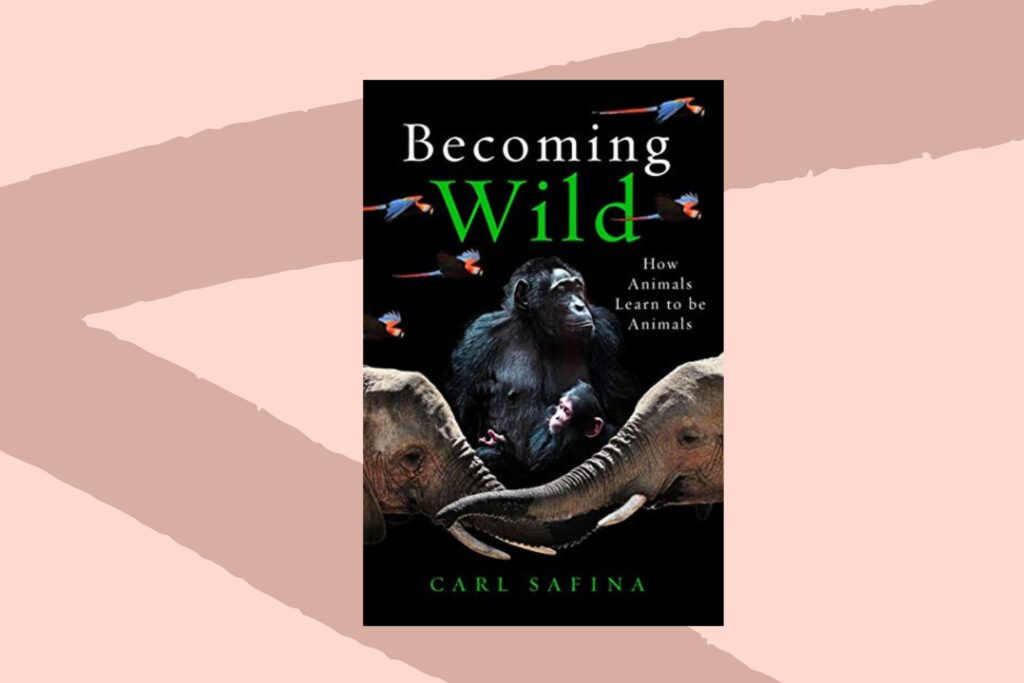
Becoming Wild by Carl Safina

Animals come in all shapes and sizes, and generally do things differently all over the world. Becoming Wild by Carl Safina takes a detailed look at how animals are also cultural creatures that showcase different behaviours depending on their species. Some species, for example, are more democratic than others, while other animals tend to favour family relationships ahead of anything else. This truly fascinating read covers it all, with this focus on animal culture worth checking out.

Becoming Wild: How Animals Learn to be Animals: Amazon.co.uk: £12.44

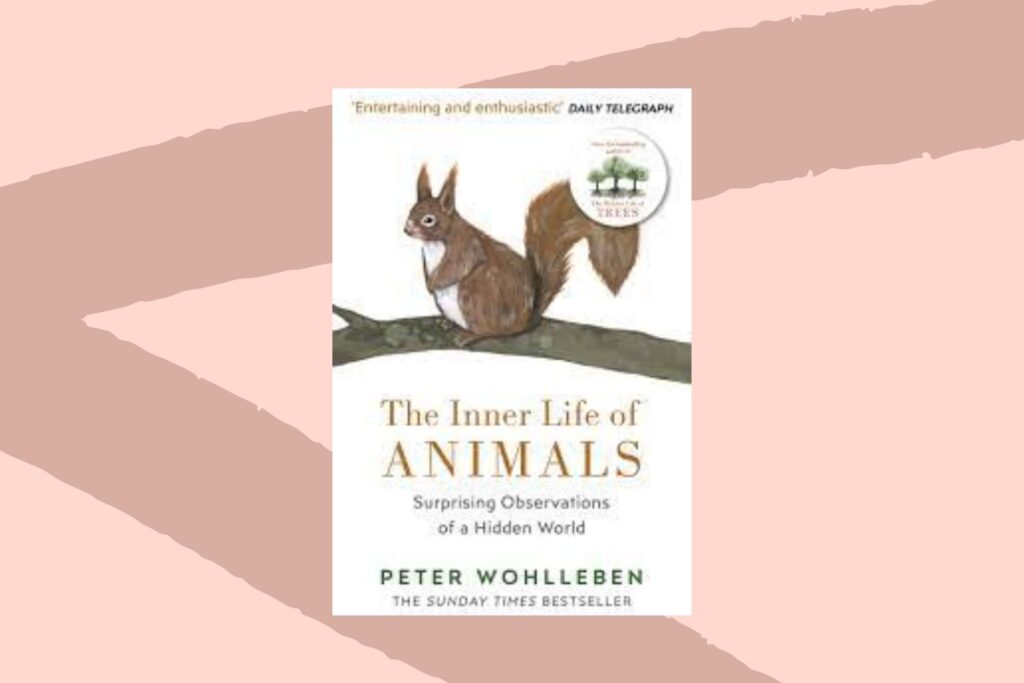
The Inner Life Of Animals by Peter Wohlleben

Offering a detailed dive into animal behaviour and how different animals express feelings of emotion, The Inner Life of Animals by Peter Wohlleben is a beautiful read. Enabling someone to feel a deeper connection to creatures from the animal kingdom, it will also go some way to helping you to realise that animals aren’t all that different from us humans. 

The Inner Life of Animals: Surprising Observations of a Hidden World: Amazon.co.uk:£8.35

Animals In Translation by Temple Grandin and Catherine Johnson

A respected animal scientist who also has autism, Temple Grandin teamed with Catherine Johnson to produce this intriguing read on the similarities between animal behaviour and autism.

The book provides an in-depth look into a recent theory, helps associate the way people with autism think and the link with animal cognition, something that apparently enables those with autism to become more in tune with animals and the way they communicate. 

Animals in Translation: The Woman Who Thinks Like a Cow: Amazon.co.uk: £8.08

And with that, we hope your animal-loving friend is spoiled with the gift of great reading this Christmas!

5 Ideal Tips For Dealing With A Declined Mortgage

0

Owning a home is one of the biggest investments one can make on life’s great journey; a marker of accomplishment and a declaration of future intent. The most common way of financing such a dream is through a mortgage loan. Sadly, mortgage denial happens more often than you might think, and as such it’s crucial to be realistic about how, why and the likelihood of this occurring to you.

The good news is this shouldn’t necessarily mean your dream of becoming a homeowner is shattered. There are a number of reasons why a lender may have declined your application, and being wise to them is the first step in rewriting the decision. With that in mind, here are 5 IDEAL tips for dealing with a declined mortgage.

Improve Your Credit Score

To make it as simple as possible; your credit history determines the level of risk you present to a lender. Because of this, having a bad credit rating (that is, a low one) will signal a red flag to the bank about your ability to manage debts and pay back a loan or mortgage on time.

If your FICO score is less than 620, most lenders will consider it too low to have your mortgage approved. Luckily, this is something you can work on with a few simple hacks. Start by making timely payments on your current debts, keep balances low on credit cards and also don’t close existing credit card accounts you may have. Keep in mind that improving your credit score takes time, but it’s worth doing.

Consider The Size Of Your Downpayment

Most mortgages require an upfront fee, which usually falls between roughly 5 and 25% of the property’s overall price. A lender views your down payment as a form of commitment to your mortgage; therefore, a low one does little to put their mind at ease about your ability to pay it off and your intentions in general. Because of this, there’s no point in rushing to make the initial down payment; take as much time as possible to save up for it. In this case, size does matter in terms of improving your mortgage affordability.

Compare Deals & Demands

If you have a lower earning power, consider shopping for a cheaper home, asking for a smaller mortgage, or getting someone to co-sign your loan, as these moves will make it more likely that you’re accepted for a mortgage. Compare mortgage rates to ensure you are getting the best possible deal, and to assess a little bit more detail about the criteria of each company and how it differs.

Also of note; poor asset documentation is another reason why your loan application may have been denied. Be sure to keep an accurate record of your income and assets, and prepare to show tax returns from past years and any other necessary proof of past financial behaviour.

Property Problems

Lenders also take into account the specific home you want to buy when making their decision. This includes factors like an appraisal of the property, its location, as well as property demand in that particular area. Ultimately, this is to assess whether the lender will be able to recover their principal amount, interest owed, and other related expenses in case a borrower defaults.

If the lender thinks it’s a risky investment, or that there’s an issue with the property which will cause further problems and inconsistencies down the line, then your application will likely be rejected. Keep this in mind.

Employment History Histrionics

Having a consistent employment history is a sign that you’ll be able to repay the loan in the future. In fact, most lenders will require two years of stable employment before approving a loan. Annoying as it may be, and seemingly out of touch with the state of the modern workforce, being self-employed or job hopping is considered a higher risk factor.

If you’re keen to explore this topic further, then check out our guide on how to make yourself look financially attractive to mortgage lenders. You won’t regret it!

5 Ideal Tips On How To Achieve A Better Work-Life Balance

The struggle is real. Research shows that seven in ten Brits are unhappy with their work-life balance, and what surprises us most about that statistic is that it’s not even higher, particularly in a post-pandemic world where the lines between rest, play, toil and struggled have been irrevocably blurred.

How do the remaining 30% do it, we hear you ask? Well, we’re about to enlighten you.

As the workplace becomes increasingly competitive, ‘growth’ is prioritised above all else, and the financial stresses of living in the city increase, more of the population are finding themselves putting in extra hours at work, which eats into that much needed downtime. It doesn’t have to be this way; here are 5 IDEAL tips on how to achieve a better work-life balance.

Learn When (& How) To Say No

If you’re the kind of person that finds it hard to say no to your boss or teammates when they ask for help, you’ll know the feeling of finding your proverbial plate overflowing. 

It’s all about learning when and how to stick to your guns. Indeed, there’s no need to respond straight away when someone asks you for help with a task; and don’t allow anyone to pressure you into doing otherwise. Instead, inform pushy colleagues that you’ll get back to them and take a moment to take back control of your time. 

Give permission to yourself to put your foot down, with refusal delivered in a firm but friendly manner, and you’ll soon notice people in the office are treating you with more respect, not less. If not, then a little reasoning goes a long way. Remember, it’s better to do a few things well rather than burning the candle at both ends trying to get too much done.

Leave Your Work At Work

Our smartphones have somehow made us more productive and less productive, all at once; the sneaky, deceitful, incredibly useful things. Despite all the distractions they offer, all the temptations they dangle in front of us, they also give us a chance to do our work from pretty much anywhere, for better or for worse.

For worse, mainly. Let’s face it, you really shouldn’t be looking at your work emails at 11.30 p.m or rolling over in the middle of the night to draft that email you’ve been composing as you stare at the ceiling, unable to sleep.

That’s why it’s crucial for employees to clock in/out at a regular time each day, establishing a clear boundary between work and personal life. This simple act of clocking out can serve as a physical and psychological signal that the workday has ended, allowing you to leave your tasks at the office where they belong.

Leaving your work at work, then, and ceremoniously shutting down and off for the day, is vital if you’re to achieve that much coveted, perfect work-life balance. A good way to switch your mind off when leaving work is to write a to-do list for the following day; and leave it at work.

Then, shut down your computer or close your laptop, perhaps put on an out-of-office, and leave any work stresses in the office.

Blocking all calls and emails from bosses or colleagues between 5pm and 9am the next day may seem drastic but…okay, actually, it probably is too drastic.

Work Smarter

…you know the rest. In an age of useless email threads and meetings about meetings, it’s imperative you master the art of focus and learn how to work smarter, not harder. It’s easy to unconsciously waste time while at the office, leaving work piled up for you at the end of the day because you’ve been exchanging emails about procedural, pedantic concerns for hours.

Prioritisation is the number one thing to master if you want to be efficient and productive within your work hours. This links back to the first point about being able to say no. Don’t be afraid to decline meeting invites if your presence isn’t necessary. Do more:

  • Set deadlines for each step in each task and stick to them rigidly.
  • Block out time in your diary or move to a quiet area of the office to get a presentation or report done properly, efficiently, and without disturbance.
  • Outsource or delegate smaller tasks that you feel don’t best match your skillset. If you’re able to eliminate the ‘faff’ and cut out the noise, you’ll find yourself getting a lot more done in a lot less time.
  • Take advantage of any in-house, workplace wellbeing programmes, such as financially-facilitated therapy, EAP Counselling and guided mindfulness workshops, all of which can help to support you better manage your time and mood.

Schedule Both Work & Personal Time

According to a 2015 study, quality ‘me-time’ can actually make you a better employee. Go figure. And of course, it’s also great for your well-being. So, how do you make sure you’re getting it?

Try this: schedule self-care time into your diary and give it as much pertinence as you do your career. Have a clear divide between your work hours and your personal hours, and don’t let either intrude on the other. To make this even more effective, consider using an annual leave calendar to keep track of your time off and ensure you’re using all of yours up in the most effective way.

If you tend to land on the work-obsessed side, think of it this way – the more you’re able to focus on your personal well-being, the more engaged you’ll be as an employee. It’s a win-win for everybody.

Listen To Your Body

A poor work-life balance takes a toll on your physical health, not just your mental well-being. Exercise is oh-so-important to de-stress both your body and mind, thanks to the wonderful endorphins it releases and the clarity it brings. Try and get a half hour everyday; even a simple walk can reduce stress and give you a boost, leaving you more energised later down the line.

Similarly, meditation and other types of relaxing activities pre or post-work can help you disengage from stressful thoughts about work, and only takes ten minutes of your day. Surely you can make time for your own mind?

With that last point in mind, check out our 5 IDEAL meditation and mindfulness apps for 2022 to help you on your journey to a more zen version of you.

From Practicality To Prestige: Understanding Alloy Wheels

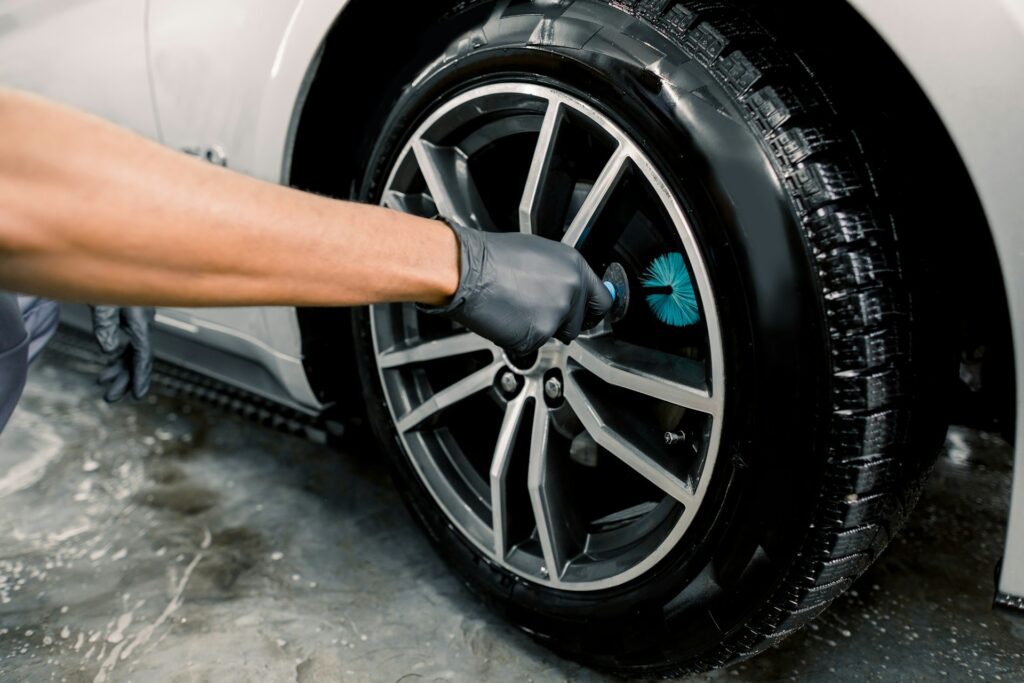
In the realm of automotive enhancement, few modifications strike the perfect balance between form and function quite like the prestigious alloy wheel. Whether you’re navigating the cobbled streets of Edinburgh’s Royal Mile, cruising through the leafy suburbs of Surrey, or tackling the challenging bends of the Lake District, your choice of wheels plays a pivotal role in both the performance and character of your vehicle.

The evolution of wheel technology has come a remarkable way since the days of standard steel rims, and today’s alloy wheels represent the pinnacle of automotive engineering and aesthetic design.

With the convenience of modern shopping, you can now buy alloy wheels online at The Wheel Guys, making the process of upgrading your vehicle more straightforward than ever before. But with increased convenience, more due diligence should follow.

Engineering Excellence

At the heart of alloy wheel technology lies an ingenious approach to weight reduction. The sophisticated metallurgy involved in creating modern alloys results in wheels that can be significantly lighter than their steel counterparts, whilst maintaining exceptional structural integrity. This reduction in unsprung mass creates a cascade of performance benefits that transform your driving experience.

In an age where fuel efficiency is paramount, alloy wheels offer a compelling advantage. The reduced rotational mass means your engine expends less energy to maintain momentum, particularly beneficial during urban driving cycles. Motorists frequently report notable improvements in fuel consumption after upgrading, with some seeing savings of up to 5% on long motorway journeys.

One of the most overlooked benefits of alloy wheels lies in their superior thermal properties. The advanced metallurgical composition allows for significantly better heat dissipation compared to traditional steel wheels. This becomes particularly crucial during spirited driving or in challenging weather conditions, where consistent brake performance is essential for safety.

The Aesthetic Revolution

Modern alloy wheels represent far more than mere functionality; they embody contemporary automotive design philosophy. The malleability of alloy materials allows for intricate spoke patterns and sophisticated finishing techniques that can transform the visual signature of any vehicle. From the understated elegance of a brushed finish to the bold statement of diamond-cut faces, alloy wheels offer unprecedented customisation opportunities.

The advent of advanced coating technologies has revolutionised wheel personalisation. Premium powder coating processes now allow for an extensive palette of colours and finishes, enabling motorists to create a truly bespoke appearance. Whether coordinating with your vehicle’s bodywork or creating a striking contrast, the possibilities are virtually limitless.

Investment Considerations

While the initial investment in quality alloy wheels may seem substantial, it’s important to consider the long-term financial implications. Beyond the immediate performance and aesthetic benefits, well-maintained alloy wheels can significantly enhance your vehicle’s resale value. Unlike many automotive modifications that may polarise potential buyers, tasteful alloy wheels have universal appeal in the used car market.

To maintain their pristine appearance and optimal performance, alloy wheels do require appropriate care. Regular cleaning with pH-neutral products, prompt attention to any kerb damage, and periodic professional refurbishment can ensure your wheels remain in exemplary condition for years to come.

The Future of Wheel Technology

As automotive technology continues to evolve, alloy wheel design is advancing in parallel. The latest developments in manufacturing processes are yielding wheels that are even lighter and stronger, while new finishing techniques are pushing the boundaries of what’s possible in terms of customisation.

Modern alloy wheels are increasingly being manufactured with environmental consciousness in mind. Many manufacturers now use recycled materials in their production processes, and the wheels themselves are fully recyclable at the end of their service life.

Making an Informed Choice

When considering an upgrade to alloy wheels, it’s crucial to partner with reputable suppliers who can provide expert guidance on compatibility and specification. Factors such as load ratings, offset measurements, and hub specifications must be carefully considered to ensure optimal fitment and performance. 

The Bottom Line

The decision to upgrade to alloy wheels represents more than just a cosmetic enhancement; it’s an investment in both the performance and character of your vehicle. When thoughtfully selected and properly maintained, quality alloy wheels can transform your driving experience while adding a touch of sophisticated personalisation to your automobile.

Whether you’re motivated by performance improvements, aesthetic enhancement, or the long-term value proposition, alloy wheels continue to represent one of the most comprehensive upgrades available to the modern motorist. In an era where automotive excellence is defined by the harmonious blend of form and function, the alloy wheel stands as a testament to engineering brilliance and design sophistication.

For the discerning driver, the question is perhaps not whether to upgrade to alloy wheels, but rather which design will best complement both their vehicle and their driving aspirations.

How To Save Money On Your Next Broadband & TV Deal

0

With the cost-of-living soaring, looking at all aspects of your life to see if you can save money is essential. And whilst our focus so often falls on our most major outgoings, such as our rent or mortgage, weekly grocery shop, and transport costs, there are also big savings to me made in our various monthly contracts.

Today, we’re considering how to save money on your next broadband and TV deal. Let’s dive in…

Be Prepared To Switch Providers

An awful lot of us sign a contract with a provider and never switch. Research carried out by Broadband Genie shows that people who do not switch once their broadband contract ends pay a loyalty penalty of £113 a year and carry on doing so for every year they stay.

But that’s not all; according to recent research carried out by the consumer organisation Which, households that are prepared to switch TV providers can save up to 50%. This is because normally within 3 or 4 years, the cost of the TV service will have doubled. Yet, those same providers will happily sign up a new customer at a far lower rate. Those that switch typically save between £10 and £30 a month.

Switching Does Not Have To Mean A Worse Service

Despite these savings, a lot of people are still reluctant to switch. Understandably, they assume that if they are going to be paying less, they will get less. In reality, this is rarely the case.

It is quite easy to find cheaper broadband deals that offer you the same speeds as the ones you are getting now, especially in areas where providers use the same infrastructure. Most broadband companies offer low-cost deals to attract new customers. So, when you switch you may well be getting a premium service at a discount.

The same is true with TV providers. To attract new customers, they put together attractive packages that include the most popular channels. In some cases, you will end up getting more choice than you do with your current deal, while also saving money.

There is no longer any need to stick with Sky because you like their sports channels. Many of them are now available through Virgin Media. You can also get BT Sports with TalkTalk and Sky Atlantic is available from BT.

But what, how and when you switch is important, too…

Review What You Need

Before you renew your contract, sit down to review what you need. If the kids have left home and are no longer gaming at all hours of the day, you may not need the fastest broadband connection anymore.

The same applies to TV channels. If there are some you no longer watch, save money by buying a smaller package. In some cases, it might be better to switch to Freeview and maybe buy Amazon Prime to get access to their media streaming service. If you order enough from the site, the money you save on postage means that you are effectively getting the streamed content for nothing.

Start Shopping Around Early

Set up a calendar reminder to send you a message a few weeks before your current package is due to expire. This will give you plenty of time to shop around to find the best deal. If you use a comparison site, it won’t take long to identify the options that fit your needs. Make a note of the prices.

Ring Your Current Provider

Now that you have a clear idea of what is on offer you can ring your current provider to see whether they will match the lowest deal. Many of them will do so, rather than lose you as a customer. Use this guide to prepare yourself for the conversation. Following the advice it contains will greatly increase your chances of success.

If they do agree to match or beat the best deal that you have found, be sure to get it in writing. Check what they send you to make sure that you have not missed anything. For example, an activation fee or the fact that the new deal only lasts a few months instead of the year the alternative provider you have found is offering.

Scrutinise The Terms & Conditions Carefully

Should you decide to switch from your current provider you will need to research the new company you are considering using carefully. Read the reviews, speak to people you know who use them and read the terms and conditions before signing anything.

Lastly, set up a new alert in your calendar to remind you to shop around when your new broadband and TV contracts are due for renewal.

Next, let’s turn our attention to our phones and their adjacent contracts. Here are 10 IDEAL questions to get you the best deal on your next mobile phone contract. Give us a call when you’ve landed a bargain!

5 Ideal Tips For Maintaining A Youthful Glow Without Surgical Intervention

0

Could someone tell ‘time’, that famously good healer, to go easy on our skin please? Because the simple passage of it, and all that entails – the late nights, the long days…life – can wreak havoc on a once glowing and youthful visage. There really is no reversing it.

We’re constantly bombarded with health advice – quit this, reduce that, do this more or die – and while worthwhile, it’s sometimes too much to take in, let alone actually put into practice. And in an age where every drunken slur, half-shut eye and double chin is caught on camera and kept online ad finitum, it can be one hell of a slog to look ‘normal’, let alone glowing.

There are, however, a few small scale changes you can make to your everyday to keep your skin looking as radiant and perfect as it should be. These are those; our 5 IDEAL tips for maintaining a youthful glow without surgical intervention.

Give The Sunbeds A Swerve

It’s a piece of advice so often uttered that it’s practically public property. And while that bronzed post-sunbed glow might have you looking more youthful temporarily, in the long run you’re much more likely to develop coarse, leathery, wrinkled skin prematurely, and worse, you’re greatly enhancing your risk of skin cancer. Yep, the only bed good for your skin as that one you sleep in. In short, stay off the sunbeds.

Instead, using fake tanning products is a much healthier route to walk down; a simple application of bronzer, a moisturiser which contains fake tan or a professional spray tan from time to time, for example, is going to give you that much longed for glow, but without the massive risks of U.V overexposure. And who wants to look like Donald Trump anyway?

Hydration Stations

One of the most to-hand beauty aids is also the most simple; stay hydrated. And this is one of those rare times when it really is as easy done as said. Just drink more of it. Lots more. Every time you allow yourself to become dehydrated, it impacts your skin. In the short-term this causes it to become dry and dull looking, in the long-term it can cause early onset ageing to occur. To ensure that your skin looks and feels healthy, aim to drink at least two litres of water a day, at least.

Botox

Aging is a natural process and will happen eventually to everyone. Lifestyle changes are of course the first line of defence against looking worn out before our time; prevention before cure and all that. But another tool towards getting that youthful shine and shimmer is to use botox.

Botox works by paralysing the muscles of the face and thus reduces the wrinkles formed by the contraction and relaxation of these muscles. This isn’t a totally long term solution – using the injection improves skin elasticity for close to 3-4 months during the time the drug stays active – and as such should be used in conjunction with those lifestyle changes we mentioned before for the best potential results.

It’s also important to be aware that not all toxins work for everyone, and it’s not as simple as a quick prick and away you go. Being patient and cooperative during this process is highly advisable, as it takes investigation and consultation before undergoing the procedure. A wholly welcome level of due diligence, we think.

The procedure can also be used for those concerned about the shape of their jaw, which may have become misshapen due to bruxism. Known as Masseter or ‘jaw’ botox, the procedure aims to refine the jawline. You can find clinics specialising in Masseter botox in many major urban centres in the UK.

Is There Anything Exercise Can’t Do?

Exercise is, without doubt, one of the best things you can do for your body and brain. It can fight off depression, weight gain, heart disease and more. And you can add the effects of ageing to that list, too. Indeed, aerobic and cardio exercise, in particular, is brilliant for protecting us from ageing at a cellular level. With the myriad other benefits that it brings, there really should be no excuse not to be lacing up those running trainers as soon as you’ve reached the end of this article.

But ‘working out’ needn’t be confined to the tedium of the gym. Sure, it’s a great way to keep fit, but even the smallest of workouts can yield tremendous benefits. It needn’t even be termed as ‘exercise’; as long as the body is moving, it starts combating stress and uplifts your mood. Take the stairs, not the elevator. Leave the car in the drive and walk to the shops. Take a stroll every hour away from your computer in the office. Consider a wake-up ritual – do 25 jumping jacks before you first leave your bedroom in the morning. 

Diet Right

Just as exercise has been hailed as a modern day miracle cure, sugar, it seems, is the antithesis, blamed for obesity, coronary issues, high blood pressure and yep, you guessed it, making you look older.

Though it’s fairly easy, with a little willpower, to stay away from obvious sugars like chocolate, cakes and processed biscuits, you should also be on the lookout for those sly sugars in disguise, too. These crop up stealthily in smoothies, salad dressings and cereals amongst other things, so always read the label carefully and wherever possible, and make your food from scratch so you’ve got full control of how much goes into your food.

There are certain foods which can greatly help in fighting wrinkles. A fish heavy diet, especially oily varieties high in omega3, can make you look, and feel, young and radiant. Nuts are another superb source of nutrients which combat wrinkles. Ditto avocados, berries and tomatoes. The list goes on, just maybe don’t eat them all together!

How To Rid Your Home Of Rats: 5 IDEAL Steps

0

Attention reader! Rats on are on the loose in your property. And we’re not talking about the cute, house trained kind, but the disease spreading, dropping dropping type. We’re talking about rats the size of cats that sneak up toilets and invade homes.

Anyway, now that we’ve got your attention, we’d actually like to reassure rather than alarm you. Though we’re loath to reel out that oft quoted statistic, we’re going to anyway; you’re never more than six feet away from a rat in London.

The likelihood of one lingering beneath your floorboards or scuttling across your surfaces in search of crumbs is, frankly, higher than you might think. But rather than sending you into a state of shock and paranoia, we hope this helps you realise that there should be no stigma attached to visiting rodents. 

Instead, be aware that because it’s such a common problem, humane solutions are equally easy to come by. We hope this article helps, then; here’s how to rid your home of rats in 5 IDEAL steps.

Keep Up Regular Home Repairs

Prevention is better than cure, as the old adage goes, and in terms of pest control in the domestic setting, never has a truer tone been struck. Indeed, a house in dilapidated condition is not just an open door to rat infestation; it’s a ‘make yourself at home, we’ve put the kettle on…how do you feel about moving in?’ kinda come on. 

If you’re falling behind on home repairs like degraded siding or roof leaks, then chances are that you’re letting access points for rodents develop over time. Keeping on top of your home maintenance will go a long way towards preventing you from having to share your living space with these rodents.

Block Tunnelling Access

One of the ways that rats get into your home other than the obvious (holes in your walls and ceilings) is actually from below; starting underground and burrowing their way upwards. Rat paws are made for burrowing deep and dexterously, so in order to prevent rats from using their tunneling prowess to gain access to your home, you should set up mechanisms to block their efforts.

The best way to do exactly this is to line the ground right next to your exterior walls with pavement stone set into the earth. Rodent digging efforts will be stymied by pavement stone without fail.

Store Food Securely

Rats are as one track minded as the rest and best of us. And the reason rats are so intent on gaining access to your home isn’t so they can have a soak in your tub or watch Netflix. It is, of course, to find food. 

If you leave fresh food, easily accessible packaged food, rubbish containing food, or debris from previous meals lying about your home in a careless fashion, you’re just asking for rodents to invite their whole nest over for a chowdown.

The guys at toplinepestcontrol.co.uk emphasise the importance of storing your food more securely. Keep groceries away in a closed pantry and never leave food open on the counter overnight (this includes plates and pans needing to be washed up). Sweep, vacuum, and mop your kitchen regularly so that there aren’t any food scraps on your house’s floors to tempt rodents in. What’s more, you should take your garbage out regularly, though don’t leave particularly fragrant foods in the trash, outdoors, overnight or you’ll only be attracting more interest. 

Check If The Council Is Responsible

Good news; your landlord or the council may well be responsible for dealing with your pest problem. If you’re renting, your landlord should sort out pest control if repairs are needed to stop the pests getting in or an infestation makes your home difficult or unsafe to live in. You may incur responsibility if your actions and routines encourage pests to visit, but we’ve already dealt with that above, right?

You should contact the council first, prior to professional services, to seek assistance. Should they not be forthcoming, then it’s time to enlist external help…

Call Pest Control

If these preventative measures fail, then, as Phoenix Pest Control emphasise, a cure is in order. Rather than raising the white flag and resigning yourself to life with new rodent housemates, consider calling a professional pest control service, who will be able to diagnose the exact problem that is allowing rats entry into your home and then deal with that problem accordingly.

If you hate seeing a rodent in your gaff, worry about the hygiene implications, or have a phobia, then the cost of pest control is certainly well worth the service.

The Bottom Line

There you have it — now that you know of the different strategies on preventing rat infestation, all that remains is for you to start implementing these in your home. Pretty soon, you’ll be proud to say that you live in your home without any little furry four-pawed pests around to spoil the fun.

5 Ideal Christmas Gifts For Your Arty Friend 

It’s coming up to that time of year when we’re all panicking about the presents that we haven’t bought yet and the ideas we’ve been out of for several Christmasses past. 

Whilst gift giving should be a great pleasure (always better to do so than to receive, hey?), if you’ve got someone in your life that’s particularly difficult to buy for, then the festive season can quite quickly turn into quite the chore. 

And amongst the most discerning gift-receivers in the world? Why, it’s the aesthete in your life, of course, whose eye for detail, nuance and nicety is razor sharp and, let’s face it, sometimes a little judgemental.

You wouldn’t have it any other way. But nobody wants to be judged on their taste, or how well they know their Monet from their Manet. So, if you need a little help when it comes to a gift suitable for an art connoisseur, then we’ve got your back; here are 5 IDEAL Christmas gifts for your arty friend.

A Workshop Day

Creating a piece of art together is the perfect way to spend a day of quality time. There are lots of options for making artwork and you can tailor it entirely to your friend.

Making pottery together is a popular choice, from classes where beginners can learn how to throw down on the wheel to more advanced sessions aimed at those who’ve used clay before. Or, there are workshops just a couple of hours long where you can paint a piece of pottery that’s already been made for you. Check out Time Out’s rundown of the best pottery classes in London for more on that.

If your friend is into beautiful jewellery – hey, who isn’t? – then you could try a casting workshop where you can learn how to make a mold to pour molten silver or pewter into. These kinds of workshops are fascinating because you can both learn something that’s totally new to you. Some workshops charge by the weight of the piece that you create, whilst others use less expensive metals to keep prices low, so be sure to choose the right one for your budget.

A Beautiful Game

If you’re going to be spending plenty of time with your friend during the holiday season then sometimes a gift that you can both enjoy is a good idea. Playing a game together is a good way to break up the mince-pie-eating monotony of that all too familiar no-man’s-land between Christmas and the New Year, so why not choose an arty one?

There’s no doubt that plenty of games are arty nowadays, as long as you pick the right kind. Board games are an obvious choice with titles like Fresco and Pastiche putting art right at the centre of the game. 

Video games from a small group of indie designers can be a great choice as well, with point-and-click story titles often putting beautiful illustrations before everything else. Some of the most visually striking include LittleBigPlanet 2, Journey, and Child of Eden.

Exhibition Tickets

For friends who are art students, lecturers or just have particular artists that they absolutely love, there might be no better present than an exhibition ticket.

Keep an eye out for any of the names that they mention and do a quick Google search to see if there are any shows on at the moment. Some shows are free to enter, with many exhibitions (even those of famous names) not clocking in at much over a tenner. All that means you’ll have plenty of time left over on the day to have a nice lunch together or a drink somewhere fancy beforehand.

In London, as we’re sure you already know, the majority of museums and art galleries in London are free to enter, with restrictions only existing on select exhibitions. So, that’s a month of the V&A, the Science Museum, Design Museum, the Natural History Museum, the Tate, the National Gallery and so many more. Result!

Read: Virtual tours around 10 amazing European museums 

A Work Of Art

If you’ve made it to the end of this list and still haven’t spotted a present that your friend would love, then maybe the obvious answer is an actual piece of art. Think carefully about the spaces that they have in their home and choose something accordingly. 

They might love a dark painting with vivid reds and inky blues for the living space, but it might not be the right piece of art for the office. If you’re fortunate enough to be a gifted artist yourself then you could even make them something. Homemade gifts are one of the most thoughtful presents that you can give, so why not spoil them this festive season?

And with that, our easel is calling us. Have a great, artistic Christmas!