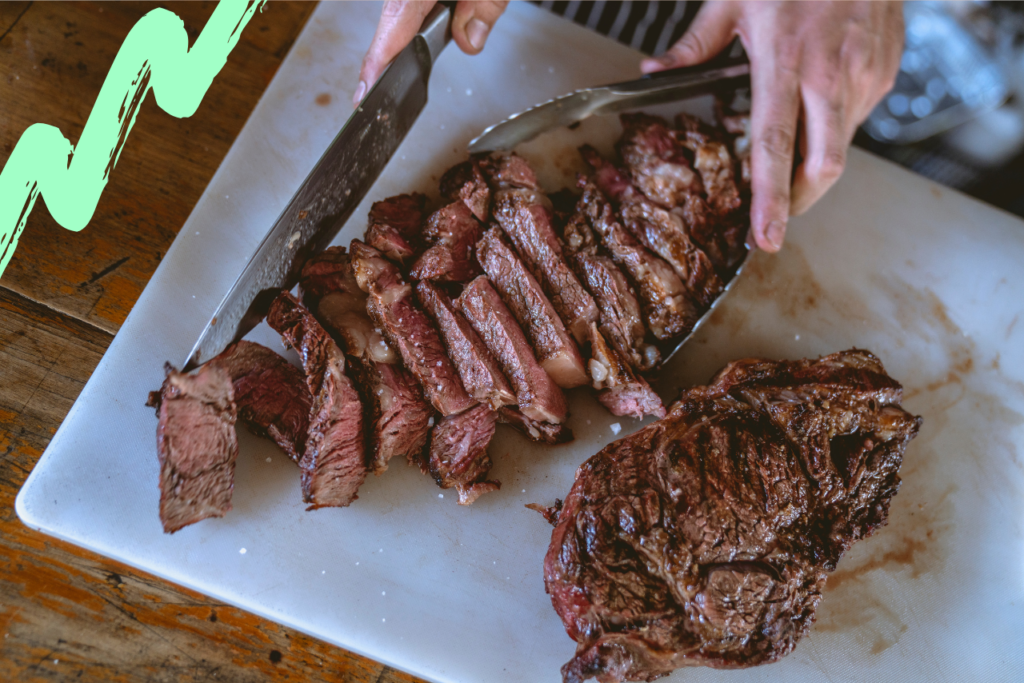
Who doesn’t love a barbeque? They’re a quintessential part of British summertime parties. Whether using a portable gas BBQ or a disposable one from your local supermarket, the feeling of firing up the grill on a hot summer day can’t be beaten.
Another great thing about BBQs is just how much you can cook on them. While the go-to choices like burgers and hotdogs are classics that are hard to beat, there’s plenty to explore on the grill grates for fantastic flavours.
In this article, we’ll highlight some street food style recipes you can try on your home BBQ. We’ll look at meat and animal-free ideas, so no matter what your diet is, you can enjoy the summer flavours and maybe even discover a new favourite dish.
Spicy Spatchcock Chicken
Chicken is one of the most popular food items consumed in the UK. In 2014 it was reported that around 60.9 million people, 95% of the population, eat chicken at least twice a week. Despite this, chicken might not be what many Brits think of when they hear the word barbeque.
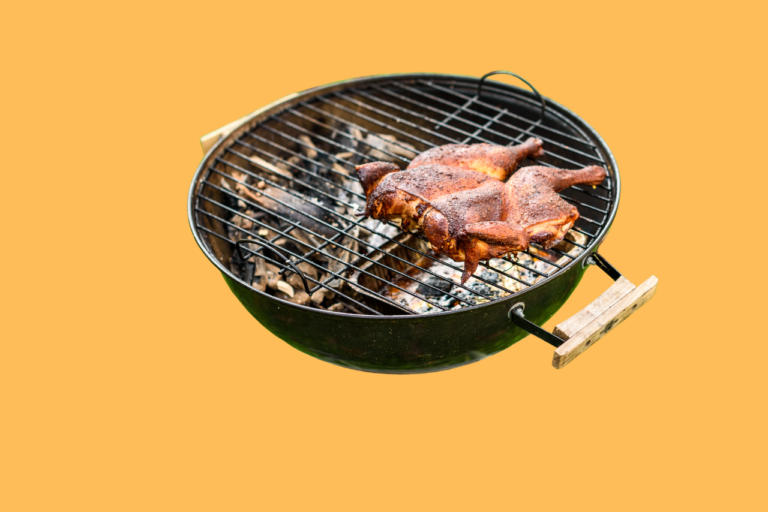
This could be due to the worry of how evenly the chicken will cook over a grill. But with spatchcocking, which is the removal of the chicken’s backbone and flattening out the carcass, you can cook it flat on the grill, which cooks both the dark and white meat evenly for a juicier finish.
Spatchcocking opens up many opportunities for creativity. This recipe from Michelin-star chef Tom Kerridge blends a cooking style similar to Jamaican Jerk Chicken with the tongue-tingling spice of Korean BBQ flavours. Marinating the chicken from an hour to overnight before a big summer blowout party leaves you more time to sort everything out!
The beauty of a BBQ is that it doesn’t have to be relegated to slapping things directly onto the grill grates. You can find creative methods to cook on the surface, like a kitchen hob, using smaller cooking utensils like cast iron pans or saucepans for a more varied arsenal of food.
Plenty of BBQ hacks can make you look and feel like a pro grill master. One of our personal favourites is baking in a bag, a way to cook fish and seafood over a BBQ grill without it sticking, tearing, or falling through.
Much like you’d bake them in a bag in the oven, these spicy, earthy chilli-garlic prawns are perfect pull-apart finger food that’d make any street food vendor blush. Once your parcel is prepped, simply place it on the grill for 15 minutes. Flipping every so often, and once it’s puffed up, take it off, open it up, and dig in.
More and more people are moving away from eating meat. In the UK alone, a study by Finder showed that 14% of adults currently follow meat-free diets. This is about 7.2 million people, with 3% of that 14 being vegan.
Whatever their reasons for cutting meat from their diet, they should still be able to enjoy the summer BBQ experience. And while vegetable kebabs are always a delicious meat-free option, why not take the opportunity to get a bit more creative and make something out there.
Jackfruit is a great vegan alternative protein source, as after it’s been slow cooked, it shreds just like pork. This makes it perfect for a BBQ pulled jackfruit, and you can spice it up with your choice of BBQ sauce. Whether that’s your favourite brand or one you make from scratch!
BBQ classics are classics for a reason. You really can’t go wrong with just a few burgers and hotdogs on the grill. But there’s always more to experiment with and switch up your summer BBQ spreads. Whether that’s using meats like chicken that you may not associate with British BBQ experiences or new methods of cooking on the grill top, there are plenty of ways to innovate what you do. There’re also lots of new, exciting alternatives to meat to serve your friends with dietary requirements. The amount you can get creative with can reinvent the way you see and use your grill.
When planning a wedding, sometimes the cost of a wedding DJ is the last thing on the minds of the happy but stressed couple. But neglect this element of your Big Day at your peril; not only do wedding DJs provide music throughout the reception, but they can also help to set the mood, manage the vibe and keep everyone entertained when energy levels shown signs of dipping.
Of course, the cost of a wedding DJ isn’t the same all over the world, but to get a general idea of what to expect, we’ve spoken to the experts at Live Entertainment to field some of your most frequently asked questions on the topic. Let’s explore their answers further.
Factors Affecting Wedding DJs’ Cost
Several factors can affect the cost of a wedding DJ. These are the essential factors that influence the price:
Location of the event
Duration
Party size
Additional services
But how much does it actually cost to hire a wedding DJ? This question has a simple/complex answer: it depends, and if we were able to give a simple, solid figure, then we wouldn’t have an article to write!
Location Of The Event
Firstly, if you live in a major city like London or Los Angeles, your wedding venue will already have a number of specialist DJs close by, which is, admittedly, sometimes cheaper. Hiring someone from afar can be expensive because you must pay their additional travel fees.
Question 1: How Much Does A Wedding DJ Cost In NY (New York)?
When you are planning to hire a DJ for your wedding party in a city like New York and other larger metropolitan areas, you have to pay around $1500 – $3000 on average.
Question 2: How Much Does A Wedding DJ Cost In The Average Uk?
Generally, you need to pay £200 – £600 ($242 to $726) if you want to hire a DJ for your wedding ceremony, though in London you might be paying as much as £1’500 for the privilege. So on average, you’ll pay £400 (or $484) in the UK.
Question 3: How Much Does A Wedding DJ Cost In Australia?
In Australia, if you want to hire a DJ for your wedding party, you might pay around $700 – $1450. On average, hiring a DJ in Australia costs $1100.
Duration
The amount of time the wedding DJ will be required can differ hugely, but it largely depends on whether you want them to soundtrack the entire day, you’re planning other wedding entertainment throughout the day, or if you’re happy with them simply dictating the vibes on the evening’s dancefloor.
Question 1: How much does a Wedding DJ cost per hour?
The average rate for DJ for hiring in a wedding party is around $150 per hour.
Question 2: How long do you need a DJ for a wedding?
The optimal time for hiring a DJ for a wedding ceremony is 4 hours. But if you need more, you can ask for five or six hours, and then the cost of hiring a DJ will increase according to their hourly rate, and is likely to be at a premium as the late night becomes early morning.
Additional Services
The cost also depends on additional services provided by the DJs. For example, a DJ will charge by the hour if you want music during your wedding ceremony. However, the price will naturally increase if you also wish to have music during any canapes, cocktails and the wedding breakfast.
Regardless of how long they play or the additional services chosen, the sound needs to be crisp and impeccable. No wedding reception ever caught flight with a buffering connection or fuzzy sound quality.
Whilst some venues may already have a capable sound system, in most cases you will likely need to hire speakers. Fortunately, your DJ or wedding band will usually offer this as part of their package, but if you’re managing the music yourself via a playlist, this is something you’ll have to take care of.
It’s important to compare prices and services before hiring a DJ. You may be able to find a lower-cost DJ through online resources or by talking to friends who have recently hired a DJ for their wedding and getting recommendations.
Don’t Be Afraid To Ask For A Discount
Many DJs offer discounts for large groups or for booking more than one year in advance. Ask the DJ if he or she is able to offer any special deals or not.
The Bottom Line
Hiring a wedding DJ certainly doesn’t come cheap, but if you’re keen for someone else to take control of curating the vibes, then it’s certainly worth the investment. We hope your Big Day goes brilliant and the music is, of course, amazing.
The past two years has brought about wholesale, seismic change in the working lives of millions of people across the world. The shift to working from home happened suddenly and with little warning, and most people had to adapt quickly in setting up a home working space.
Though we’re now looking forward to, hopefully, a post-COVID world, many of us still find ourselves working in hastily assembled setups which aren’t really fit for purpose, with almost 40% of Brits reporting working from home in the latest major study, conducted in May 2022.
Whether you have a dedicated room for your home office, work at the kitchen table, or simply use a single corner of the bedroom to get your deadlines met, there are some helpful things you can do to help maintain a comfortable workspace and remain focused throughout the day. With that in mind, here’s our IDEAL guide on how to make home working as comfortable as possible.
‘Appy To Help
Before we consider your physical needs and your focus, let’s first think about tech and efficiency. You don’t have to do this thing alone; there are some excellent apps to help with working from home available which can help track your productivity, help you stay organised, and offer tips on exercise, mindfulness and sleep, all of which support a healthy daily routine and work-life balance.
Sometimes, it really is best to delegate to tech in lieu of having colleagues close by to pick up some of the slack.
Staying Focused When Working From Home
Working from home has its benefits (the fridge is a moment’s walk away!) as well as its downsides (erm, that fridge, it’s just too tempting.).
In all seriousness, without having colleagues to interact with, and without the relative peace of the central office – remember those halcyon days when you could work without hearing your kids fighting? – getting through your to-do list can be more challenging.
If you struggle to focus during the day, the following tips and tricks may help to bring about some productivity.
Take breaks – although it might seem counterintuitive, taking regular breaks throughout the day can help the mind stay refreshed and focused. Get outdoors if possible for some fresh air and short walks rather than relying on coffee for a boost. Rather than taking one long lunch break, instead, enjoy microbreaks throughout the day to keep energy levels consistent. You should still enjoy a long break for lunch, too, however; after all, you’re the boss now.
Noise-cancelling headphones – if your home is noisy, whether due to people in the house or building works nearby, a pair of noise-cancelling headphones will block out excess environmental noise and help you maintain concentration.
Pomodoro technique – power through a task for 25 minutes, take a break for 10. The Pomodoro technique is proven to be highly effective for getting through arduous and complex tasks without exhausting yourself.
Maintain a regular daily routine – try to start and finish work at the same time each day. Ceremoniously shut your laptop at the end of the day and place it out of sight for the evening. Drawing this distinction between work and play is actually better for your efficiency than dipping in and out of both 24/7.
Hydrate – sometimes tiredness and a lack of focus can be due to dehydration. Keep a bottle of chilled water nearby and aim to get 2.5 – 3 litres of water daily to keep your brain alert.
Being aware of the most common distractions when working from home is also helpful in maintaining focus in the home office – simply staying mindful to the temptation of procrastination will help you recognise when your attention is about to drift.
Dressing For Both Comfort & Productivity
Whilst pyjamas, comfy tops and jogging trousers (or, no trousers at all!) were all the rage during lockdown proper, if you’re still working from home or on flexible working hours, you’ll know that spending all day in your comfy clothes isn’t exactly conducive to productivity.
Indeed, as the Huffington Post reports “the behavioral act of getting dressed can have a significantly positive impact on our mood” and “getting dressed up first thing in the morning may increase our motivation to do other things throughout the day, to experience more energy and to want to do more things.”
Moreover, wearing your slacks all day can be, quite simply, a little depressing, and we’re not the only ones that think so. As Mashable explains, wearing your pyjamas or “sleep” clothes while you work at home is not great for your mind. They cite a study conducted by the Medical Journal of Australia that found wearing pyjamas while working from home is likely to contribute to poor mental health, though we suspect the study might have been commissioned by Big Uniform.
Here at IDEAL, our go-to working from home outfit involves some comfortable boyfriend jeans, and a linen shirt or an easy to-wear knit. It’s not only a comfortable outfit, but dressing as if you’re going to work allows you to feel more comfortable when hopping onto that impromptu video call.
Setting Up A Comfortable Work Space
We’ve looked at the mental, now let’s focus on the physical.
The area you work in can have a huge effect on your daily routine and productivity, but keeping your workspace tidy and organised can go a long way to keeping your mind un-cluttered.
Ideally, employees and freelancers should have a dedicated desk to work from and a comfortable office chair. Repair any cracks or wonky legs on your work-space furniture to reduce daily distractions. This includes setting up desktop organisers for stationery or ensuring that cables are neat and stay out of the way at the back of your desk.
Invest in an ergonomic chair (or ask your employer to buy one for you) so you don’t sustain any injuries from long periods of sitting with a less than ideal posture. And finally, when you’re typing, make sure you’re sitting with your back straight and with your elbows close to your sides.
Your arms should be at a 90-110 degree angle, with wrists gently resting around an inch infront of your keyboard. Ideally, you’ll have a Bluetooth, wireless keyboard and mouse to ensure you can achieve this optimum typing angle. Again, ask your employee to supply these; if the company budget covered it before, when you were working centrally, it’s still their responsibility while you’re working remotely!
The Bottom Line
Although it is not an ideal situation for anyone right now, working from home looks set to stay for a little while more. For more tips, the NHS have some great suggestions that can help make working from home a little easier.
Lastly, consider using some annual leave days to shorten the working weeks, if possible. A 4-day week can be much more manageable than 5 days sometimes – gift yourself a long weekend if you need a breather, and start back more refreshed the following Monday. It really can make all the difference.
While there’s a temptation to complain that there’s now ‘’a day for everything’’ here in the UK, from National Awkward Moments Day (isn’t that every day?) on March 18th to Lost Sock Memorial Day (hey, isn’t that…) on May 9th, we do think this one deserves recognition; National Burger Day, which is just around the corner on August 25th.
Hey, isn’t that every day?
Because if obsessing over burgers is a crime, then consider us Brits ‘grill-ty’ as charged! Indeed, last year it was reported that British meateaters collectively eat 2.5 billion beef burgers every year, and considering our prolific consumption here at IDEAL, we’re surprised that number isn’t even higher.
With the cost of living crisis causing even the likes of McDonalds to raise the prices of their famous cheeseburger, this year you might be wondering how to recreate a restaurant worthy burger from the comfort of home. We’re here to help with that; here, a selection of top restaurant chefs reveal how to cook the perfect burger at home.
Patty That
A brilliant burger starts with the beef, of that there is no doubt.
When it comes to choosing your meat, Kenneth Tyrrell, Head of Kitchen Operations and Food at Burger & Lobster, says his “main advice when making a burger from scratch would be to know what cuts of meat are going in your burger – when you buy pre-minced meats from a supermarket this is hard to do.’’
He goes on to counsel that ”the simplest way to make a fantastic burger is to buy a quality cut of meat and then mince it yourself (this can be done easily by hand, or with a food processor). Opt for what people consider ‘tougher’ cuts as this is where the flavour can be found, and the higher fat quantity works as a natural binder”.
Ioannis Grammenos, Executive Chef and Meatologist at the Heliot Steak House, tells us “making burgers at home is easier than you think.’’
Reassuring words, indeed.
He continues; ”There are a few important things to think about…first and foremost is the quality of your meat. Choose the best quality meat that you can afford to make your burgers, as this is where the flavour and texture comes from. For me, the ideal meat to far ratio is 80% beef with 20% fat – this blend is made from fatter meat which has more flavour. I usually use chuck or tri-tip cuts as they contain this fat ratio. If you can’t find chuck, you can use chicken or lamb.”
Chicken! Lamb! Beef! We’re in turducken territory here. Kind of…
Anyway, Executive Chef Dickie Nelson from Fat Hippo largely agrees, elaborating that “when making your patties, use pure beef with a fat content of 10-20%.’’
Seasoning
Dickie goes on to suggest some simple though important seasoning tips; ‘’You want to maintain as much moisture as possible throughout the process to ensure the burger keeps its optimum level of juiciness. Therefore, don’t season when mixing the beef, as this will bring out the moisture of the meat. Then, before cooking, make sure your patty is packed well so they stay together during the cooking process.’’
When it comes to seasoning your meat, our old mate Tyrrel from a previous paragraph warns against over seasoning, too; “It’s crucial to keep seasoning to a minimum – you’ve already got a great piece of meat with flavours you want to shine through. Simply salt and pepper the outside of the patties before cooking and you’re good to go”.
Back to our guy Grammenos from the Heliot, who says that “For flavour, I like to experiment with fresh additions to the burger mix, but my failsafe choices are fresh parsley, fresh marjoram and lemon zest, which cut through the flavours of the beef to season and brighten the final burger”.
Personally, we prefer our burgers as pretty plainly seasoned, but we’re looking forward to adding a little lemon zest next time we try to make the best possible burgers at home.
Shaping & Resting Your Burgers
Oh, you thought your seasoned mince meat was ready to simply chuck on the grill? How wrong you were; your burger is going to need to be both shaped and rested next…
Grammenos recommends that you “take your meat out of the fridge an hour or so before you plan to make the burgers so that it can come to room temperature.’’
He goes on to cite everyone’s favourite cook, their grandmother; “My grandma taught me to make burgers when I was a child, and she taught me how important it is not to over mix or press the beef.’’
More wise words from gran/Grammenos; ‘’The only way to achieve a light burger is to mix the beef and other ingredients from the bottom to top of the bowl and, when shaping the patties, not to squeeze or compress, instead forming them with as little pressure as possible. I always followed her advice and my burgers are always perfect! Once the burgers are shaped using roughly 200g of mixture, leave them to rest for 30 minutes.’’
Perfect? We’ll be the judge of that. We can’t fault the softly, softly approach, though. It does make a massive difference to the texture of the final product.
BBQ’ing
Oh, you’re intending to barbie your burger? There really is no better way, we think…
Tyrrell advises that you “Press your burger before placing them on the BBQ, always an inch or so bigger than you want them to end up as they will shrink. Try using a burger basket too, as these help to keep everything together while you’re grilling and make flipping easier”.
Fat Hippo chef Nelson weighs in with his two cents; “For an even cook and to avoid ‘flame grilled’ inconsistencies, use a flat top grill. Lightly oil the flat top and ensure it’s hot before putting your patty on. Season the top side of the patty as soon as it hits the grill and season the other side once it’s been flipped. Seasoning on the grill ensures maximum flavour, without sacrificing moisture or texture of the meat’’.
When it comes to vegan burgers (we thought you’d never ask), chef Tyrrell sounds a word of caution; “In my experience, plant-based burgers always tend to fall a little flat and lack the juiciness of a meat-based burger. To avoid this, before grilling your patty make sure you baste in a plant-based fat-based sauce (vegan butter works well) as this ensures the patty caramelises and stays together better”.
Wise words, indeed.
Frying
If you don’t have a BBQ conveniently lit and ready for action, you can, of course, fry your burger instead.
The process is a little different to grilling. As Grammenos says wisely, “When you’re ready to cook the burgers, drizzle them with olive oil and warm up a frying pan over a medium heat. Cook the burgers for 6-8 minutes from each side – I always cook my burgers medium well and I never squeeze them with the spatula. You have to let them cook gently and slowly.”
It’s a good move if you have decided to fry your pattys to drain them a little after they’re cooked, either on kitchen towel or over a wire rack.
Toast Your Buns
Regardless of whether you’ve chosen to grill or fry, it’s essential you give your burger buns some love and attention, too.
Nelson from the Fat Hippo agrees with us wholeheartedly; “Whilst your burger is cooking, toast your bun on the same flat top grill for added flavour. Toasting ensures that sauces and toppings from the burger are held in and don’t make the bun soggy. If you’re using brioche buns, toasting also brings out a nice sweetness to add to your burger.”
Sauces & Accompaniments
A burger is only as good as its condiments and accompaniments, don’t you think? Well, Chef Grammenos likes ‘’lettuce, tomato and of course a great burger sauce.’’
Interestingly, he makes his own; ‘’simply sweat off a little chopped shallot in a hot pan with olive oil and two cloves of crushed garlic, sweet ripe tomatoes, fresh oregano, and half a glass of good red wine. Let it simmer until it is a thick sauce. Let it cool down and if needed, adjust the seasoning with salt and fresh ground pepper. Next, add 1/3 of the tomato sauce to mayonnaise, which I also add ginger to – it sounds unusual, but it works perfectly.’’
Sounds bloody delicious to us!
Tyrrel has further advice on bringing the best out of your burger via condiments; “Umami is critical. Once you’ve layered up your burger with garnishes, cheese and other fillings of your choice, you can get a bit creative with your sauce. You want to really bring out a rich umami flavour, so try store bought ketchup and blend in capers or gherkins – Worcester sauce works well, too.”
Oh, and when it comes to cheese, Grammenossaysthat he likes to top his burgers with a lightly flavoured cheese; ‘’anything too strong can overwhelm the delicate flavours of the burger.’’
Now that is something we can all agree on; keep that cheddar away from my patty, and pass the plastic American stuff! That said, we wholeheartedly adore a beef burger topped with blue cheese – both are fully flavoured, rich foods that do seem to harmonise perfectly.
When it comes to stacking a burger, there are lots of different schools of thought. However, as Mental Floss explains, “most seem to agree on two things: The cheese goes directly next to the patty to maximize melting potential, and sauce should be spread on the bun, ideally on both the top and bottom bun halves”.
We think that since a burger is meant to be eaten with your hands, it’s important that it retains its structure, which means stopping the bottom from getting soaked in burger juices which will inevitably lead to it falling apart. This means using a lettuce layer as a leafy barrier underneath your patty.
The general consensus is that toppings, whether those be pickles, caramelised onion rings, shoestring fries or bacon, should go above your patty already layered with melted cheese.
Here’s how we stack our burger at IDEAL:
Start from the bottom with your lightly toasted bun.
Next, add a spoonful of your chosen burger sauce.
Then add a lettuce layer. This will act as a leafy barrier, stopping juices from spilling out from your patty and soaking your bottom burger.
Next, add your patty already topped with melted cheese.
Now layer with your chosen toppings.
Finally, top it off it with half of the bun slathered with sauce to make it stick.
Finish Your Burger With A Little Steam
A final cheffy flourish to see you on your way…
Nelson lets us in on a little secret; steaming. He takes us through his finishing process; “Once the burger is almost cooked, add your chosen toppings to the patty and top with your toasted lid whilst still on the grill.’’ So far, so standard…
Now, it gets interesting. Chef Nelson recommends that you then ‘’Spray a tiny bit of water on or around the burger and briefly cloche the burger – you can use a mixing bowl or a bowl with a handle for this – to steam the top of the bun. This will bring together the flavours and ensure moisture. Remove the bowl, take the burger off the grill, put on the bun base and ENJOY!”
New York City has long had a love-hate relationship with family travellers. Whilst the city’s large selection of museums, parks and attractions makes it a huge hit with the kids, small hotel rooms at expensive rates can make it an at times unwelcoming proposition for those with little ones.
But with the right amount of planning, taking a bite out of the Big Apple can be delicious and nourishing for all the family. So before you pen your itinerary, read this; our 7 IDEAL tips for taking the kids to New York.
Space, At A Premium
It’s no secret that the majority of hotels in New York City adopt a cram ‘em in, charge ‘em high mentality. This means that getting a family room in a central NYC hotel is probably going to blow out your budget. And seeing as the vast majority of hotel rooms in New York City itself are rarely much larger your average closet, when you’re travelling with children, the lack of space can quickly make things cramped and uncomfortable.
Instead, it’s a good idea to think outside the box and try to find affordable, larger accommodation options. AirBnb has made it much easier (and, relatively speaking, affordable) to find fully furnished apartments to stay in, which offer a more comfortable, home-from-home experience. The legality currently, however, is under question.
Or, opt for national hotel chains such as Marriott or Embassy Suites, both of which offer larger suites as standard which are more suitable for family stays. Other hotels may allow you to book inter-connecting rooms, giving your entire family both the space and the privacy that they need.
Consider Bringing Your Au Pair,Travel Nanny Or Even a Grandparent
Although New York is a wonderful place for kids and adults alike, it can also be a very tiring holiday for little ones. Traipsing around the city and seeing the sights is a very different vacation to one spent at the beach where the kids can easily be entertained by building sandcastles and swimming in the sea. As such, it’s a good idea to bring a helping pair of hands.
If you’ve got an au pair in London who you’re bringing with you to help with the kids, then you need to consider their needs for additional space and privacy, too. Though some may defer all responsibility to a childminder during a holiday, you do need to allow for some periods where your child’s au pair can enjoy some downtime in the Big Apple.
The majority of people registered for this role are between the ages of 18 to 30, so do bear in mind that they may well want to experience New York for a little while, rather than simply seeing the inside of your child’s hotel room. Commonly, the work of an au pair is usually a 12 hour shift or so, but in the interest of fairness, you might want to reduce this time so they can enjoy a holiday of sorts, too.
Alternatively, there are some companies dedicated to supplying travel nannies for trips. The cost of hiring a holiday nanny starts from around £450. This is based on working seven hours a day with three nights’ babysitting included. However, there’s also accommodation, meals and flights to account for, and costs can often quickly add up. That said, an au pair’s presence is, if you can afford it, priceless, granting the family a holiday where everyone is calmer and happier.
Or, why not bring a grandparent, or even both, along. Generally speaking, they love spending time with the children which is great for them and for you, too. According to a recent survey, 53% of parents said their children’s grandparents would be joining them on holiday to help keep an eye on their children to give them a break or alone time. Of course, you should look into covering some, if not all, of the cost of their holiday.
Look Beyond The City
While you’re in New York, it’d be silly to keep your steely focus solely fixed on the city itself, as there are so many other great places to visit for kids in the wider state. And if you’ve come all this way, why not consider some internal flights to places slightly further afield to truly make the most of your trip. Check out flights to and from New York from Porter Airlines, as they offer affordable travel with a flexibility the family will really appreciate.
Park It
If you’re contemplating just what to do with the kids in New York, then you’ll be pleased to hear that the city is home to some of the most awesome urban parks in North America, making it one of the best places to visit when it comes to fun, free things to do.
Fun you say? Free you say? Then Central Park is of course number one on the list, with several acres of land, children’s play areas, and fun activities such as horse and carriage riding to take advantage of, particularly in the summer when there is always something going on.
The High Line comes a close second, built on a historic freight rail line located above the streets on the West Side of Manhattan, it’s ideal for a stroll with the kids. In addition, the best part is that all of NYC’s parks are free and open to the public, perfect for a budget day out. To give the crowds a swerve, visit parks early in the morning and avoid visiting on the weekend if you can.
Muchos Museums
For families interested in history and heritage, there are several great museums in NYC that are worth checking out. Museums in New York City are second to none, with admission averaging at around twenty dollars for an adult – not too steep in the scheme of things. Of course, there are also some budget-friendly museums available to visit, such as the American Folk Art Museum or the National Museum of the American Indian, which anybody can visit fee-free.
In addition, keep your eye out for ‘Free Days’ which are held by most of the fee-paying museums in the city at regular intervals. At the Brooklyn Museum you can get free admission on a Saturday, or visit the Museum of Jewish Heritage on a Wednesday to avoid paying. The Museum of Contemporary Art is free to visit on Thursday evenings between 7-9PM.
Resist The Temptation Of Taxis
Getting about via a yellow taxi might seem like the most cliched, convenient method of exploring NYC, but in reality, hailing taxis with your family can quickly become a bit of a nightmare. Not only are taxis the most expensive form of transport in the city, but the traffic is always busy, meaning that it’s going to take you longer than ever to get to where you need to be.
Alternatively, the better option is to take advantage of NYC’s extensive public transport system. You can get family tickets on the subway, which is able to take you all around the city as fast as possible with stops at every main attraction and area. It can be easy to get intimidated by travelling around NYC via public transport when you don’t know what to expect, but the truth is that it’s easy to use and get used to. And, most people are willing to give you advice if you get stuck or need directions.
Do It Discounted
A great thing about visiting NYC is that you can find discount tickets for almost everything. If you plan to visit the majority of main attractions in the city, then it may be worth looking into buying New York City passes for your family; there are several different options available which are worth researching, since they offer entry to most of the main attractions for one flat rate, rather than having to buy separate tickets at the door. For those traveling with family, this can translate to rather large savings.
If you’re hoping to see a Broadway show, don’t book in advance – you can usually find tickets from the box office on the day of the show at discounted rates in order to get the seats filled up, which is a great way to save money on seeing some of your family’s favourites.
Lastly, many attractions, restaurants and more in NYC will accept vouchers and coupons, so take the time to search for different offers online that you can use to save money on fun, food and more once you are there. And with that, we wish you a wonderful trip!
As another Great British summer draws to a close (what, so soon?!), many of us are left pondering how we might do things differently next year. Drink a little less, sure. Apply a lot more sunscreen, certainly…
But for many Brits scarred by a summer of queues, chaos and misplaced luggage, a whole rethink of the way we holiday in the future might be in order.
Staycations, once again, have never felt more appealing, and if your next summer’s holiday is to be a more relaxing affair, then have you considered transforming your own garden into a luxury resort?
Hear us out…
Here are some IDEAL ways to transform your garden into a luxury staycation resort.
Consider A Swimming Pool
Let’s start with one of the key markers of a luxury resort, its swimming pool.
Though installing a swimming pool in your back garden might seem frivolous at first, it’s not actually as far-fetched as it sounds. In fact, a swimming pool can be a valuable investment, both for you as a person and for your property as a whole.
Spending extra money on a pool can increase the value of your property significantly – to the tune of £10’000, according to Stylist – while giving you more maximum enjoyment from your garden and a great excuse to keep fit.
There’s a lot to think about when building a pool – it’s not just about choosing a shape, after all. The best advice is to plan accordingly, find a professional, consider the cost of building a swimming pool and look at whether the styles match your needs and taste.
Unfortunately, unlike a luxury hotel resort, you will have to maintain your pool. If you are opting for a larger swimming pool, then it is highly likely that you will need to purchase a pool water pump.
You may be asking what is a water pump? Well it’s an essential component needed to keep the water clean, safe and free of algae.
How does a water pump operate, we now hear you ask? Well, by drawing water from the pool through a set of skimmers, the water is filtered, cleaned, and then pumped back into the pool with discharge nozzles. Some swimming pool pumps also have a disinfection system which can add an additional level of cleaning to the water.
After that, just be prepared to become everyone’s favourite person when the sun is shining!
Invest In A Jacuzzi Or Hot Tub
If you really intend to luxuriate in your garden as long into the evenings as possible, then a hot tub really is the OG choice of water feature.
There’s something deeply therapeutic – and luxurious, of course – about the idea of slipping into a hot tub, steam rising and bubbling water enveloping. In fact, it’s not just the idea that offers a certain tonic; studies have suggested that hot tubs bring real and potential benefits to those that use them.
Heading out to your garden for a relaxing hot tub or jacuzzi session will have you feeling like you’ve just been on a luxury retreat every time you return indoors! And that’s why you’re here, right?
Add An Outdoor Bath Or Shower
Here at IDEAL we’re big fans of hotel rooms at resorts that have private outdoor bathrooms. For us, they scream unadulterated hedonism, and that’s what luxury is all about.
Indeed, bathing outdoors is the epitome of summer escapism. Provided you have at least a little privacy in your garden, and the prying eyes of neighbours rarely fall on your plot, then there really is nothing better than starting your day off in nature with an al fresco shower.
An open air bathroom or outdoor shower takes some planning and installation, sure, but luckily it’s not actually as daring as you might think. Check out Grand Designs Magazine’s top tips on installing an outdoor shower here.
In terms of privacy, consider harnessing the power of nature to ensure you’re not visible to all and sundry each time you head outside. Simply add some pot plants with the requisite height, and you’ll create a natural oasis which also shields you if you’d like to enjoy your garden shower as nature intended. Oh, and a pergola over top will stop those neighbours with particularly prying eyes from seeing you in your birthday suit.
Tropical Plants
The word ‘resort’ instantly makes us think of a tropical place, with the serenity that the green, tropical foliage brings to your home able to soothe and rejuvenate in equal measure.
Luckily, you can easily create a convincingly verdant paradise reminiscent of a luxury resort with UK plants. Hardy palm trees like the Windmill palm or Trachycarpus fortunei do well here, as does the Wagnerianus, often affectionately called the ‘waggie’. Other tropical plants that thrive in the British climate include the Male Fern, the Cabbage Palm, and the Plantain Lily.
Oh, and don’t forget to hang your hammock from your newly planted palm trees; this is a holiday, after all!
Dining Alfresco
One of the top features of a luxury resort is a memorable and satisfying dining experience. Large resorts typically have multiple venues for dining, and unfortunately, this is going to be hard to replicate in your garden. However, there are certain features that you can add so you can host different types of meals outside, including:
Crawfish boiler: One of our favourite things to do on a holiday abroad is to eat plenty of seafood. Luckily, Britain is home to some of the best seafood in the world, and a crawfish boiler is a wonderfully convivial, communal way to cook shellfish outdoors.
Wood-fired oven: A fun addition to your outdoor space and a hub for entertaining, too, the most affordable outdoor oven on the market will set you back around £250 for a portable one, whilst a larger version tops £2500. Pizza party, anyone?
Big Green Egg Barbecue: Favoured by Michelin-starred chefs, these powerful yet compact grills provide a real statement in your garden.
Add A Bar & Chillout Area
Drinking by the pool, or in a relaxing lounge area – yep, just another apt hallmark of a luxury hotel resort. You’ll of course need to add a bar to make some tropical cocktails and a space to relax. Rather than keep you here, let us direct you to our article on how to create the ultimate garden chill-out area in 5 IDEAL steps.
The Bottom Line
With these features, you’ll have the basic and most beautiful ingredients of a luxury resort right in your own garden. Now where’s our invitation?
Are you gearing up for an upcoming fishing trip? Well, allow us first to introduce you to a Hungarian proverb that might be useful; ‘’he who wants to go fishing must not be afraid of water’’.
Wise words, indeed. But that courageous, gung-ho spirit that the Hungarians extol shouldn’t mean that you neglect to prepare for your fishing trip entirely. Doing so would only lead to a fishing trip defined by discomfort, disillusionment and plenty of bait not taken.
Plan well, however, and you’ve got one of the most meditative, relaxing experiences on the planet in the palm of your hands. In fact, we might defer to the late, great Ted Hughes for a moment; “Fishing provides that connection with the whole living world. It gives you the opportunity of being totally immersed, turning back into yourself in a good way. A form of meditation, some form of communion with levels of yourself that are deeper than the ordinary self.”
We couldn’t have put it better ourselves. But enough with the proverbs and quotes; we’ve fish to catch! Today, we’re offering 5 top tips to help you prepare for an awesome fishing trip in the UK. Let’s dive in…
Choosing Your Destination
One of the most important aspects of preparing for a fishing trip is finding the best spots to sling a few rods perhaps while wearing some super-cool Salty Crew fishing shirts.
This can be tricky, especially if you’re new to the area (the finding the best spots part, not the cool tees!).
Much of the year in the UK is relatively mild, and though it can certainly get cold during the winter months, waters rarely freeze. Summer months obviously enjoy higher temperatures, but the temperate conditions enjoyed in some inland rivers means that fish stock may not change too dramatically over the course of the year.
We say rivers, but you may enjoy sea fishing more. The UK has an abundance of beaches and coastline, and this makes sea fishing holidays extremely appealing, giving you the opportunity to land bass, mackerel, and flounder, among many other species.
The majority of UK beaches do offer some snag free fishing. As well as fishing off beaches like Chesil Beach in Dorset, you can also fish off sea walls and local landmarks. The power station in Morecambe attracts bass because of the warmer waters it produces, for instance.
Some of the best places to go seafishing in the UK include:
In terms of freshwater fishing here in the UK, we can’t recommend the River Frome, in England’s South West, highly enough. Grayling, sea trout and brown trout are not only found in abundance, but the Frome has also seen numerous record breaking catches. There are also sizeable salmon in these waters.
Other great rivers for fishing in the UK include:
The River Wye in Wales
Cumbria’s Windermere
Angler’s Paradise in Devon
The Norfolk Broads
The River Spey in Scotland
Getting A Good Travel Fly Rod
So, you’ve got your destination sorted. Now, it’s time to consider the actual fishing you’re going to be doing. One of the most important things you’ll need for your fishing trip is a good travel fly rod, which is a great choice of rod for those looking for portability, ease of use, and flexibility in terms of being able to use the rod in rivers, lakes and the sea.
Keep in mind factors like weight and material when making your decision. You can even take a travel rod with you on airplanes and even in your carry-on luggage, so it’s a great option for those who are planning a more expansive fishing jaunt (which sounds like heaven to us!).
Of course, you’ll need more than just a rod to go fishing. You’ll also need to select the right tackle for your trip. This includes everything from hooks and lures to sinkers and lines.
When choosing your tackle, consider the type of fish you’re hoping to catch. Different species require different gear, so make sure you have the right supplies before heading out on your trip.
To make sure you’re not polluting the UK’s waters (quite enough of that going on right now), it’s best to use only natural bait. For seafishing, many anglers use small shellfish, such as mussels, razorfish, cockles, limpets and whelks. For freshwater fishing, it’s better to use worms, maggots, and even basic ol’ bread.
All The Gear, All The Idea
Now that you have all the essential equipment, it’s time to start packing for your trip.
Before you set off, you should assess the weather forecasts, including the shipping forecast, and pack accordingly. Regardless of whether or not rain is predicted, a waterproof jacket is wise. And don’t forget the sunblock; you’ll be sitting, exposed, for long stretches. While you can get away with wearing a pair of trainers, sensible walking boots are generally preferable, as they provide proper grip on deck (should you be seafishing) or on muddy river banks, should it be freshwater receiving your rods.
A portable barbecue might be a fun addition, too, should you be planning on grilling your catch!
Make Your Trip As Relaxing As Possible
Fishing is a great way to relax and escape the stresses of everyday life. When you’re out on the water, it’s easy to forget about your troubles and just enjoy the peace. Fishing also gives you a chance to connect with nature and appreciate the beauty of your surroundings. If you’re feeling stressed, try heading out for a fishing trip; it’s an activity that’s sure to help you relax and unwind.
There are a few things you can do to make sure your fishing trip is as relaxing as possible. First, be sure to choose a peaceful location away from busy roads or crowded areas. You’ll want to find a spot where you can kick back and take in all the sights and sounds of nature. Also, be sure to bring along some comfortable chairs or a blanket so you can relax in style when you’re not gripping your rod.
And finally, don’t forget to pack some snacks and drinks to keep you fuelled throughout the day, because if you don’t catch anything, you might be going hungry!
It seems a David and Goliath-esque struggle that shouldn’t merit an entire article being written about it, let alone the stress horse owners feel about the threat. But, perhaps surprisingly to the uninitiated, insects can pose a serious risk to these most majestic of beasts.
This is particularly true in the summer season, with flies, mosquitos, lice and mites able to cause both irritation and disease to horses, even via the smallest of pecks.
As we mentioned, the type of pest most prevalent to horses largely falls into two categories; those who cause a nuisance and stress, and those who present a risk to your horse’s health through transmitting disease, either by feeding on their blood, saliva or tear ducts.
If you’re keen to ensure your horse is healthy and happy, then you’ll want to protect them from both broad categories of insect this and every summer. Here’s how to do just that…
Fly Masks
Face and house flies are perhaps the single most irritating insect to horses during the summer months. Looking similar to the common house fly, face flies are nothing if not persistent, drawn to a horse’s tear ducts, nostrils and to any possible exposed wounds.
This can cause stress and agitation in your horse, leading to them stomping and lashing out in a bid to swat the flies away. But with these flies so proliferant in summer, this is usually a fairly futile gesture, and can lead to your horse only getting more wound up.
Many owners, then, choose to deploy a Kentucky fly mask during the summer months, which offers protection against flies and other insects. This is a highly breathable mesh mask that covers the horse’s face, nose and eyes, which are the areas face flies are most drawn to.
It should be noted that both these pesky fly species breed in fresh animal manure, which brings us to our next tip…
Manure Management
You might want to old your nose for this one…
While eliminating insects is impossible, modifying stable management practices helps reduce your horse’s interactions with flies. Because prevention is better than cure, and all that.
The first step involves collecting and disposing of any and all manure appropriately. Manure attracts flies, meaning horse owners should strive to maintain cleanliness in their stalls. Doing so eliminates areas where insects are especially drawn to and will naturally gather.
Eliminating manure from horse pastures is an excellent method of preventing the spread of internal and external flies. Where the total removal of manure is impossible, breaking up chunks of manure should be your contingency plan, as this exposes more of the manure’s surface area to sunlight, drying it out. Flies tend to prefer the wet, fresh stuff. Mmmmm…
Joking aside, when searching for a horse stable for sale, do ensure that it includes proper facilities for effective manure management to maintain a clean and pest-free environment.
Use Specially Designed Protective Gear For The Horse
Providing protective gear to horses that are sensitive to insects can be a wise move, too. Fly sheets, for example, which are worn over the horses’ body, come in handy not only to protect the horse from ultraviolet rays from the sun, which damage sensitive hair coats, but also to keep flies at bay.
Remove the fly masks and sheets fairly regularly to check for scrapes or cuts and ensure nothing is trapped between the mask and the horse’s skin. Because if a fly gets under that sheet, it can be even more irritating for your poor horse!
Use Fly Repellents
Fly repellents can also help keep insects at bay. Before saddling the animal, consider applying fly repellent on the horse’s coat and skin.
Repellent ointments are generally more effective and longer lasting than fly spray. If you participate in horse riding shows and equine displays during summer, you should pay particular attention to protecting the areas where you have cut their hair short, like the ears. The hair found on the inner ear protects the animal from insects. Once you remove it, be sure to apply repellent around the area.
Regular Grooming
Regular grooming sessions are essential for your horse’s health. Doing so has several benefits, including increased blood flow to the skin’s surface and a lower risk of health conditions like scratches and thrush.
Often, your horse may exercise outdoors in rough terrain, mud and dust. When dirt gets lodged into their fur, it can start to irritate the skin and attract insects. Without regular grooming, this irritation could lead to a severe skin condition. This is certainly something you want to avoid.
If you need some grooming tips, don’t hesitate to talk to people down at your local stables and also use the internet to your advantage. There are plenty of helpful resources to inform you about the products you need.
The Bottom Line
Keeping your horse healthy and fit is your duty as a horse owner. By eliminating both the presence of and the cause of flies and other insects, you’ll help your horse live a more content life during the summer months and beyond.
For many guitarists, the Epiphone Les Paul is the perfect entry-level instrument. It’s affordable, well-constructed, and sounds great, and the connotations with the iconic Gibson Les Paul are clear.
But is the Epiphone a good guitar brand for beginners?
Epiphone makes a wide variety of guitars, from budget models to closer to high-end instruments. The Les Paul is one of the most iconic models in the Epiphone lineup, designed to be a more affordable version of its famous sibling, the Gibson, with only slight tonal differences noticeable between the two.
Considering the latter is often at least four times more expensive than the latter, the Epiphone certainly represents a tantalising prospect for novice and experienced axe players alike.
Sounds too good to be true? It certainly sounds good, we’ll give you that! But today, we’re exploring whether the Epiphone Les Paul is a good guitar brand for beginners.
History Of The Brand
There are many factors to consider when determining whether or not a guitar brand delivers the goods for beginners. Heritage should certainly play a part, and Epiphone has a long history in the guitar world, dating back to 1873. The company has been owned by Gibson since 1957, and all Epiphone guitars are made at Gibson’s factory in Nashville, Tennessee.
Gibsons are one of the most popular guitar brands in the world, and their instruments are played by some of the most famous musicians of all time, including John Lennon, Paul McCartney, Jimmy Page and Slash. For beginners hoping to get inspired by their guitar heroes, this history and visibility can only be viewed as a plus point.
Quality
The quality of Epiphone electric guitars has improved greatly over the years. The entry-level models are well-made and offer great value for the price whilst the higher-end models are built to the same standards as Gibson’s flagship instruments, with durability all but assured.
Epiphone uses a variety of different woods in their guitars, including mahogany, maple, and rosewood. They also offer a wide range of finishes, such as Sunburst, Natural, and Tobacco Burst. We’d say that this level choice is a wonderful thing when looking to make a big, meaningful investment on a guitar!
Sound
The sound of an Epiphone Les Paul is classic rock ‘n’ roll. The guitars have a warm, full tone that is perfect for playing blues, rock, and country music.
The Epiphone Les Paul Studio is a great choice for beginners who want a well-made guitar with a classic sound, but who don’t want to pay a premium for a Gibson. The Custom model, on the other hand, is perfect for intermediate and advanced players who want a top-quality instrument with custom features.
The construction of Epiphone guitars has always been considered top-notch. The company uses high-quality materials and their instruments are built to last.
The Les Paul models feature a mahogany body with a maple top. The necks are made from mahogany, and the fretboards are rosewood or ebony. The hardware is also of excellent quality, and all Epiphone guitars come with a limited lifetime warranty.
Price
Epiphone offers a wide range of prices for their guitars. The entry-level Studio model starts near £200, while the top-of-the-line Custom clocks in closer to the £1000 mark. This is because Epiphone offers an extensive variety of features and options on their instruments, so the range in price is understandable.
The bottom line is that Epiphone makes a great guitar for any budget, sure, but particularly for beginners seeking the heft and tone of a Gibson, but aren’t so keen on the price.
This brand makes high-quality guitars that are perfect for beginners and intermediate players. The Les Paul is one of the most iconic models in the Epiphone lineup, and it’s available in a variety of different styles. If you’re looking for an affordable, well-made guitar with a great sound, the Epiphone Les Paul is a great option.
And if you’re considering picking up a guitar for the first time, do check out these ways to improve your wellbeing with music education, which can, in the right hands, be an incredibly therapeutic thing to do.
Scotland and mythology go hand in hand, with the stories and legends of this fascinating country inspiring countless writers, poets and artists. From lothario seals to haunted horses rising from the Scottish streams and rivers, mythology here ranges from the scary to the downright strange.
Not usually seen on your average Scotland tours, incorporating Scottish mythology into your trip can inspire and intrigue in equal measure, helping you learn about the culture and history of this fascinating country firsthand. With that in mind, here are 6 mythical places to explore in Scotland.
The Orkney Isles
Scotland boasts around 700 islands, divided into four main groups; Orkney, Shetland, the Outer and the Inner Hebrides. The former, Orkney, was recently voted Scotland’s best island in a Which? survey, and it’s easy to see why; it’s a gorgeous, mystical place to spend time.
While this archipelago in the Northern Isles of Scotland is well-known, it’s also a place that is shrouded in mystery, especially regarding selkies. Selkies, you say? Allow us to explain…
Selkies – yep, we saw ‘selfies’, too – are Celtic mythical creatures that are capable of therianthropy (the ability of human beings to metamorphose into other animals by means of shapeshifting). Selkies can, specifically, change from human to seals.
Orkney has many tales concerning these shape-shifting race creatures, who are, incidentally, said to be extremely beautiful. The most famous tale tells of a female selkie being coerced into a relationship with a human male.
According to legend, a young farmer once saw one of these mythical creatures in Orkney Isles, stole her magical skin, and kept her prisoner. Only years later did she manage to escape back to the sea, and is said to be still living in Scottish waters around the Orkney Isles to this day.
Folklore suggests that once in human form, the selkie-folk would dance on secluded stretches of moonlit shore, or bask in the sun on an isolated rock. If you do come across one, be sure to express your regret for the evil man who previously locked her up!
Located between Falkirk and Grangemouth in the Lowlands of Scotland, The Kelpies are 30-meter horse-heads. The largest equine sculptures in the world, they depict yet another Scottish mythological creature.
However, unlike the kind and gentle selkies, kelpies are seen as evil creatures that haunt Scotland’s rivers and streams. So when you hear thunder, it might just be the kelpies entering the water!
Or so they say…
Nearly every body of water in Scotland has a tale that features a kelpie, including the most famous of all; Loch Ness…
Legend has that a particularly powerful kelpie haunted the forests near Loch Ness. This wicked kelpie had a saddle and bridle which had powers that kept the demon alive. However, without them, it would die.
After years of killing and drowning people, a Highlander who went by the name of James Macgrigor decided to rid the world of this evil monster. Cutting a long story short, the Highlander took the kelpie’s saddle and bridle, thus killing him. Further legend has it that these once demonic items gained holy properties of healing.
These are some of the most famous Scottish mythological creatures and ones which have been replicated in art and sculpture across the county. One to look out for on your trip to Scotland, we think.
The most famous of mystical stories in Scotland, the legend of the Loch Ness monster chimes loudly across the world and is now one of the most-told folktales, still boasting the capacity to intrigue, impress and terrify. The tale speaks of a prehistoric monster, allegedly living in Loch Ness, but you already knew that, right?
There have been a shocking number of people who claim to have seen the Loch Ness monster, which resembles Brontosaurus, that dinosaur with a famously long neck.
To understand the sightings in full, we’re quite excited about a new three-part documentary which is set to cover the full story of Scotland’s most famous mythical creature. ‘Monster: The Mystery of Loch Ness‘, will be narrated by Scottish movie star Dougray Scott and features accounts of those who claim to have seen and even hunted the beast. Wow!
Seeking to separate fiction and fakery from fact, the release date should be announced in the coming months. In the meantime, if you want to try and spot Nessie yourself, then a train to Edinburgh before taking a bus ride to Loch Ness is the easiest route.
Fingal’s Cave
Impossibly dramatic, Fingal’s Cave is a stunning geological wonder of volcanic basalt columns clearly standing out from Scottish waters, and is a place brimming with mystery and folklore.
Formed entirely of hexagonally jointed basalt columns, similar to the ones forming the Giant’s Causeway, legend has it that the lava burst that formed Fingal’s Cave was the same one that caused the Giant’s Causeway.
It’s said that these two places are opposite ends of a bridge built by the benevolent Irish giant Fionn mac Cumhaill. While building the bridge, the Scottish giant Fionn was told that the Irish giant was coming to fight him.
To cut a long story short, there was some cake with some iron in it which resulted in one of the giants running away and smashing the bridge behind him so the other couldn’t follow – to find out which, a trip and tour of Fingal’s Cave is a must.
Hearing the sound of pipes is a common occurrence in Scotland; after all the bagpipe is the country’s national instrument. However, hearing the distinctive sound when no one is around is a little alarming.
There are many legends of the ghost pipers of Scotland, and in the Highlands, chilling tales of ghostly apparitions and haunted castles and places are often told.
One of the most enduring legends is that of Culzean Castle – an incredible fortress haunted by ghost pipers. It is believed that a piper, together with his dog, was sent into the castle below the cave. He was to walk the distance from the entrance to the castle to the exit on the hill to prove that the caves weren’t haunted. However, he never came out of the caves. Today, the sound of pipes can occasionally be heard from the caves – could it be the lone piper himself?
There are other tales of ghosts and it is thought there are at least seven ghosts haunting the castle. The ‘Most Haunted‘ team even visited the castle to film an episode with the aim of seeing if they could find out more about the ghosts and the castle’s legendary ghost piper. The results were interesting, to say the least…
Should you be keen to do the same, then consider specialist ghost hunting equipment, like the stuff sold by SpiritShack. You never know what you might discover!
Blackness Castle is thought to be one of Scotland’s most haunted, and once you hear its history, it’s easy to see why.
During the Napoleonic War, the castle was used to cold captured French prisoners, so you can only imagine the torture, blood spilled, gore and death that have taken place here. In fact, we’d rather not imagine!
Nowadays, and somewhat unsurprisingly, many believe that the castle is haunted, though just who is doing the haunting is up for debate! Some believe the ghosts are those who have been imprisoned and tortured here, while others insist that the ghosts are knights who used to work the area and still carry hold a burning desire for revenge against their masters.
Whatever you believe, it’s hard to deny that the odd noises captured by ghost hunting equipment, the cold corners, and an overall sense of discomfort prevail here… Hmmm, sounds appealing!
The Bottom Line
Well, we can safely say that your Scotland trip is complete! Add these mythical places to your list of wealthy cities, gorgeous mansions, and tourist sites, and you will leave Scotland as an expert. So, pack your bags and off to explore the mystical side of one of the most stunning countries in the world!
It’s one of the many knock-on effects of coronavirus; with so many weddings delayed at the height of the pandemic, all those best laid plans, carefully curated waistlines and dates saved have needed a reshuffle.
As the New York Times reported earlier this year, a whopping 2.5 million weddings were predicted in 2022 in the US alone, and the story is similar this side of the pond, with weddings up by 205% between July 2021 and June 2022.
Some spill over into Autumn 2022, then, is inevitable, and with a whole host of weddings happening in these traditionally cooler climes, so a whole new wardrobe is required to suit the weather, mood and vibe of a fresh season.
Yep, many will be reviewing their options, changing dates and rewriting the rulebook regarding seasonal food, seasonal weather, and perhaps most pertinently, seasonal attire. With that in mind, and with a leafy hat on our head, here are 5 tips on dressing for an autumn wedding in 2022.
Suits For Men & Women
A change of season means a change in the weather, and we’re sure you don’t need reminding of that as August’s heatwave comes to an end and the UK’s naturally woeful weather kicks back into gear.
Raincoats at the ready, then; this means a rewriting of the rulebook on traditional wedding attire.
When choosing what you’ll wear to a planned autumn wedding, you should, of course, ensure it’s weather appropriate. Everyone dreads rain on the big day, but don’t be in denial; you should be ready for it when planning your outfit for an autumn wedding; open clouds are simply way more likely than in summer.
A matching suit with your ‘plus one’ is very much on trend right now, with some fabulous ladies trouser suits for weddings currently out there on the market. Of course, this current trend grants the excuse not to wear a dress, protecting your legs from the chillier breeze of the season and nailing that sesonal look just perfectly. Perfect timing, indeed.
Also appropriate for autumn – for the ladies and the fellas – and just the right level of ‘different’ is a tweed jacket paired with trousers in a contrasting aumuntal shade. Which brings us to…
Say It With Sleeves
This autumn, we expect wedding outerwear and layers for wedding guests to be trending. Just as women’s wedding trouser suits are ideal next season for covering cold legs, so sleeves are appropriate during autumn to keep arms warm. Stylistically, it just works, too. Consider wearing fur, silk, or velvet jackets or shawls to keep up with the hip and fashionable.
If you’re not keen on layering up but want to keep the chill off in a dress, a slinky long sleeve slip dress will have you looking the part. Alternatively, balloon sleeved frocks have been everywhere this year; just make sure you don’t fly away if the autumn wind picks up.
Embrace Autumn Colours Unapologetically
Sure, it might be cliche, but there’s a real comfort in such predictability during uncertain times, we think. During autumn, the change in colour scheme is unavoidable, so it’s sensible to channel it with enthusiasm. Indeed, you could almost praise the season on its clear-as-glass branding, if you were that kind of person.
Anyway, when rewriting the theme of your wedding outfit, you should let this shift in hues and tone dictate the day’s colour palette. Auburn, maroon, dark green…earthy, rich shades take over and we’re well and truly here for it. Harness these colours in your outfit for a synergetic take on the season.
Jump Aboard
It’s not your big day. Remember that. But you can cry if you want to. You can also wear a jumpsuit if you want to, and rest assured, the famously fickle fashionistas would approve.
We already mentioned lady’s wedding trousers were very much in. Well, jumpsuit wedding outfits feel equally well suited to the unpredictable, changeable weather of autumn, we think, and are on a seemingly never ending upward trend trajectory.
For autumn weddings you’ll look both bang on trend and thoughtfully function… Could there be a better mix? Jump aboard, indeed!
Make It Metallic
For something a little different, consider a metallic dress. That swagger and sparkle simply speaks of a proper wedding party, with sequins perhaps the most direct, clear route to capturing that shimmer and shine. Against a little moodier backdrop weather wise, the sparkle of sequins or a metallic dress is bound to raise the temperature!
In fact, we’d go as far to say that sense of frivolous fashion may well see you through all the way through to the festive season. Shall we meet you under the mistletoe?
Every entrepreneur knows that starting a new business is no easy feat. From coming up with a great business idea to building a strong team and developing a winning marketing strategy, many different factors go into launching a successful startup.
But while many different elements go into a successful business, there are also some key first steps that all entrepreneurs should take when starting. Taking care of these important items early on will set your new business up for success from the beginning.
So what are these essential first steps? Let’s take a look…
Create a Business Plan
Creating a business plan is one of the most important things you can do when starting a new business. A well-crafted business plan will help you outline your goals and objectives and strategize how to achieve them. It will also help you determine the feasibility of your business idea and assess the risks involved.
If you’re unsure how to create a business plan, plenty of resources are available online and in libraries. Many consultants can help you put together a solid plan. However, you choose to do it, make sure that your business plan is thorough and complete.
The best time to create a business plan is before you launch your startup. This will give you enough time to make changes and tweaks based on your research. But even if your business is already up and running, it’s never too late to create or update a business plan and consider incorporating sales training to improve the performance of your business.
Choose A Legal Structure
When starting a business, one of the first decisions you’ll have to make is which legal structure to choose. This decision will determine how much liability you are exposed to, how much paperwork you’ll need to file, and your tax obligations. There are four basic legal structures: sole proprietorship, partnership, corporation, and limited liability company (LLC).
Each structure has its benefits and drawbacks, so it’s important to research each option before deciding. For example, a sole proprietorship is easy to set up and maintain, but the owner is personally liable for any debts or lawsuits filed against the business.
A corporation offers limited personal liability for owners but is more complicated and expensive to establish. Concerning the ins and outs of limited liability companies, click here for a more detailed explanation.
Consult with an accountant or tax advisor to comply with all tax laws, and ensure you sort your VAT registration with HMRC to avoid any legal hiccups with the tax office.
Get The Proper Licenses & Permits
Depending on your business type and location, you may need to obtain certain licenses and permits before you can legally operate. For example, businesses selling food or alcohol must apply for the appropriate state or local government licenses. And businesses that operate in certain industries, such as healthcare or transportation, may be subject to additional regulations.
If you’re unsure what licenses and permits you need, contact your local Chamber of Commerce or Small Business Administration (SBA) office. They can provide you with information about the requirements in your area.
Find The Right Location
The location of your business can have a big impact on its success. So it’s important to choose a location that is convenient for your customers and employees and meets your business’s specific needs.
For example, starting a retail business, you’ll want to choose a location with high foot traffic and good visibility. If you’re starting a manufacturing business, on the other hand, you’ll need to find a location with enough space to accommodate your equipment and inventory.
Start by hiring people who share your vision for the business. These individuals will be most passionate about making your startup a success. Then, focus on building a well-rounded team with various skills and experience. This will give you the best chance of achieving your business goals.
Finally, don’t forget to invest in employee training and development. Using the best learning management systems will help your team members learn new skills and become more effective at their jobs, as this software can deliver training courses and help assess employee programs all in one place.
Create A Marketing Plan
Once your team is in place, it’s time to start marketing your business. The first step is to create a marketing plan. This document should outline your marketing goals, strategies, and budgets.
Your marketing plan should include a mix of online marketing and more ‘traditional’ offline marketing tactics. For example, you might use social media to generate awareness of your business and direct mail to drive sales.
The Bottom Line
Starting a new business can be a daunting task. But by doing your research and putting together a great team, you’ll increase your chances of success. And don’t forget to create a marketing plan to help you generate awareness and drive sales for your new business.
With the Christmas 100 sleeps away, it’s easy to go break into a cold sweat and feel a knot of dread in your stomach when you think of all the cash you’ll spend on gifts. It shouldn’t have to be this way; a fortune needn’t be spent to show generosity and imagination under the tree for each and every loved one. Here’s how; our 5 IDEAL ways to save money on your festive shopping.
MAKE USE OF DISCOUNT & LOYALTY CARDS
Before paying cash on something you’ve deemed essential, check if you can get a discounted gift card on the item and get instant savings. Several gift card shops, such as High Street Vouchers or Card Yard, sell discounted gift cards and e-gift cards that save you a whopping 5-16% on high-end stores. So, while it may seem long-winded, it’s super thrifty to invest in a gift card for a store you’ll likely be doing your Christmas shopping in, at this discount price, and then buy your gifts using it.
Go further. As the guys at Latest Deals recommend sagely, using a voucher code will help you save money and get all your Christmas shopping done. On websites such as theirs, you can break down a seemingly endless list of voucher codes by category, whether that’s fashion, travel or electronics, and then drill down into exact gifts and their related discounts from there.
BREAK DOWN & BUDGET
Before embarking on the big, never ending Christmas shopping expedition, it’s prudent to set aside the exact amount you want to spend on gifts, taking into account the state of your account, of course. Once you have a clear budget set and summarised, make a list of all the gifts you want to buy for your loved ones, prioritising them based on cost.
Examine where savings could be made. Would a paperback be cheaper than hardback? Do you really need to get an extra gift for your niece? Will your second cousin removed even notice if you don’t send that annual pair of socks this year? Every little helps here. You could even make a suggestion which at first may seem miserly, but will actually be welcomed by most; that this year, the whole family will only get gifts for the kids. Novel, we know, but it makes sense, right?
VISIT CASHBACK SHOPPING SITES
Cashback shopping sites have affiliate relationships with all the stores listed on their websites. This allows you to get a discount on everything you buy online regardless of whether the store is holding a sale or not. These sites make money by getting a commission every time they refer a customer who ends up purchasing a product; but if you look at it simply, it’s a case of everybody winning, right? Money Saving Expert has a useful list of the best cashback sites here; check it out!
POST-CHRISTMAS SHOPPING
Sure, we’ve all had fantasies of what to buy or where to shop if you won the lottery. But if you want to get discount, cut-price designer goods in reality rather than your dreams, then doing your Christmas gift shopping after the big day can make you some huge savings on the high street.
Many people assume that the best time to shop is when a shop puts those ‘Holiday Sales’ signs up in the window. On the contrary, the best deals on most items come after Black Friday and Cyber Monday, and after the seasonal sales period. Following this shopping bonanza, many retailers want to reduce unsold inventory and will sell them at discounted prices. Take advantage of this time to purchase gifts that are illustrated at Christmas and are suitable after the holidays, such as electronics.
SEEK FREE SHIPPING
During holiday season the hidden cost of deliveries (particularly last-minute, next day orders for those relatives you’ve forgotten about) can really mount up. Whenever making such a purchase, look for free delivery options or alternatively, sign up for the premium membership and then immediately cancel it (Amazon Prime, for instance, allow you to do this, granting free delivery temporarily without any financial commitment to a long term membership).
If you’re mulling over an Italy trip and wondering where to focus your attention, then the region affectionately known as ‘The Italian Dream’ should certainly be in contention.
There are, admittedly, dozens of amazing reasons to head to Tuscany, and narrowing it down to ten is pretty much impossible. We could mention the stunning landscapes – from the sunny western coast to the vineyards and olive groves you’ll find further inland – but seeing as pretty much everywhere in Tuscany is a feast for the eyes, it seems a bit of a moot point.
Instead, we’re honing in on the vignettes, bites, sips and sights that make the region one of Italy’s most enduringly popular.
With its own firm sense of tradition and the dialetto toscano, the local dialect from which the Italian language was born, Tuscany is unique throughout Italy as a stalwart of art and high culture.
So, instead of looking at the broader strokes that make Tuscany special, why not check out the little things that really bring out the flavours and feelings of what Tuscany is all about? Here are our top ten reasons why people are drawn to Tuscany.
The Thermal Baths
It is common knowledge even to those who never even visited Italy – the country has a proudly distinctive way of life. The Dolce Vita, as they call it – a life without care, just pure enjoyment, relaxation, and lavishness. This pursuit of pleasure is exemplified by Tuscany’s thermal baths, which don’t only feel incredible, but they’re also aesthetically pleasing to boot.
If you thought the only way to relax in Tuscany is by relaxing next to the pool with a nice chilled Vernaccia di San Gimignano, you couldn’t be more wrong. Hot springs are found throughout the region and most towns will have a modern spa where the relaxing and reinvigorating water will be brought straight to you. Or, if you’re feeling more adventurous, you could even try finding an outdoor one that can be used for free such as the hot springs of San Filippo, the Petriolo thermal springs and the Roman baths of San Casciano dei Bagni.
The Best Steak You’ve Ever Tasted
The Chianina breed of cattle are a stalwart of Italian history – references to their characteristic white colour and amazing meat date back some 2,000 years. For the carnivores amongst us, no trip to Tuscany would be complete without sampling Bistecca alla Fiorentina, a T-bone steak. Cooked incredibly simply but with a flavour unlike anyyou’ll have tried before, a serving of this meaty feat is normally for two, so bring a friend – or a pretty hearty appetite.
Tasty steaks aren’t the only culinary gem in Tuscany, and if you’re maybe feeling the need to walk off the calories from all that steak, you could certainly do worse than a little truffle hunting!
Take off into the incomparable landscape with a local truffle hunter and their specially trained dogs and experience first-hand a time-honoured tradition that has been passed down countless generations of Tuscans.
Many expeditions offer wine and food tasting afterwards – but with the prices they fetch, it’s highly unlikely you’ll be able to keep any truffles you find. Some of the best places to go truffle hunting include the hills of Mugello to the north of Florence, Maremma, a coastal area in the south west of the region, and the Casentino Valley, also famed for its wine.
Pasta, The Tuscan Way
It’s unlikely that anyone who’s been to Italy will have left without sampling a plate of pasta, but if you’re only after a spag bol or a spot of carbonara, you may be out of luck here.
Well, perhaps ‘out of luck’ is the wrong phrase, because Tuscany’s pasta dishes are simply incredible.
Pici, the wonderfully dense pasta found all over the region, is Tuscany’s arguably proudest contribution to the world of pasta. Coming from the town of Siena, and often called pici Senesi, we’d move to for this amazing product alone.
It’s often served with a simple tomato and garlic sauce, pici all’aglione, an even simpler sauce of black pepper and pecorino cheese (cacio e pepe). Sometimes, it’s dressed with a more indulgent duck ragu. Order one, or do as the locals do, and enjoy several courses of pasta in a single sitting!
Speaking of ragu, the wild boar version, served over thick cut papperdelle, is another staple of the region and a dish you’ll never pass up if you see it on a menu!
Truly World-Class Heritage
As the birthplace of the Renaissance (more on that later), you can be sure there’s some real history to delve into throughout Tuscany.
Indeed, seven of its principalities have been designated UNESCO World Heritage Sites, but we reckon the two to head to first are Siena, with its incomparable Romanesque Cathedral and twice-yearly Palio horse race, and Pienza, where you’ll find the seriously impressive Palazzo Piccolomini and the curious Romitorio – little caves carved by monks.
Of course, you’ll want to dive into the culture of Florence, too. The Uffizi and Palazzo Pitti museums, in particular, are revered across the world for their collections. The entire historic centre of the city is a UNESCO World Heritage Site, with the ”the work of great masters such as Giotto, Brunelleschi, Botticelli and Michelangelo” found here. Who could argue with that?
And if you’re keen to leave Tuscany for a day trip and even more cultural clout, then the Florence to Venice train takes just two hours.
BY HELEN BELL VIA CANVA
A Mecca For Movie Buffs
There’s something about the light in Tuscany that has drawn generations of film makers to set up their tripods here – Ridley Scott headed to the Val D’Orcia valley for Gladiator and the plazas of Florence for Hannibal in 2001. You’ll also be able to spot some classically Tuscan landscapes in The English Patient, Tea With Mussolini and (perhaps rather obviously) Under the Tuscan Sun.
All Things Olive
Some of the best olives in the world are grown in Tuscany, and whether you’re enjoying them sliced in a salad or pressed into extra virgin olive oil, you’re sure to taste the difference the Tuscan sun brings. If you’re heading over in October or November, which is olive oil season here, make sure you take in one of the local where you can join in the olive picking and watch the fruits being pressed.
The Romantic Aesthetics Of Florence
Look up love in the dictionary and a picture of Florence appears. The city is a synonym for romance and it’s easy to see why. Renaissance art and architecture stands proud but not boastful; it truly is elegance in visual form. The humanist art which so permeates all aesthetics of this part of Italy celebrates the female form (see Boticelli’s The Birth of Venus) in reverent fashion. Beautiful.
Speaking of Boticelli, the world-changing explosion of culture, politics and art that we call the Renaissance began in Tuscany (especially in and around Florence) and the region still remains justly proud of its heritage in this regard.
Visit the aforementioned Uffizi Gallery and the Pitti Palace to experience some truly mind-blowing Renaissance art, and don’t forget to take along your sketchpad or notebook should you be inspired by the region that produced Dante, Donatello and perhaps the greatest artist of them al, Leonardo da Vinci.
And Last But Not Least… The Wine!
And though it might seem like a bit of a cliché, it’d be churlish not to mention the wines. Though the soil here isn’t ideal, the sun-drenched hills of the Tuscan countryside still produce some amazing vintages – the aforementioned Vernaccia di San Gimignano is a white that’s well worth a try, and a visit really wouldn’t be complete without a glass or two of the rightly-famous Tuscan Chianti. Cin cin!
No matter how qualified you are, starting a new job can be nerve-wracking. It often takes new hires a few weeks to get into the flow of their new workplace and find their groove. This being said, there are a lot of things that an employer can do to help smooth out this process, which ultimately benefits both team and employee.
The sooner a new employee is comfortable in their position and happily working away, the better for colleagues within the company and the customers or clients outside of it.
The following will take a look at some of the things you can do as a responsible employer to help new hires settle in and set them up for success.
Address The Paperwork
Whenever you’re hiring someone new, there is a whole raft of forms that need to be signed and a ton of information collected. Before the onboarding process even begins, you should have a plan regarding how to streamline your workflow in order to make it easier on everyone involved (and keep precious information from disappearing and needing to be resubmitted).
Often, this takes the form of using onboarding software, or a more old school approach with new hires allocated their own file, but whatever method you choose for getting organised, be sure that all details are in place before the onboarding process begins.
When it comes to the actual contract itself, using contract lifecycle management (CLM) software is one of the quickest ways for an organisation to improve the efficiency and management of this important document, giving you more time to help your new employee settle in.
Have Them Start On A Friday
This might seem like an odd suggestion to make, but when you consider it a little further, it starts to make sense. In almost all cases, an employee’s first day isn’t going to involve much actual work. There are tours to take, badges that won’t swipe, people to meet and forms to sign.
Within most businesses that operate Monday to Friday, Friday is often the most relaxed day in the office. Everyone is feeling the approach of the weekend, and often, the atmosphere in the office is at its most positive and welcoming. This is a much better first impression than the relative pessimism of Monday.
On Mondays, the weight of the weekend weighs a little heavier. They’re also in work mode, hoping to get a jump start on the week. This is a less ideal time to help a new hire settle in efficiently. On a Friday however, the age-old suggestion of ‘’pint?’’ could lead to your new hire immediately ingratiating themselves with the team.
Photo by MART PRODUCTION
Facilitate Introductions
Over and over again, people cite work relationships as a key part of employee satisfaction. In fact, it turns out that making just one close friend at work can result in a 50% increase in job satisfaction. And you know what they say about happy workers, right? It’s the quickest route to happy customers.
In fact, according to Oxford University, happy workers are 13% more productive. So, take the time to introduce your new staff member to as many people as you can and facilitate a warm welcome to encourage friendships to be formed early on.
Though you can now simply click for sales recruiting, it can sometimes pay to do things face-to-face. This will not only increase the chances of them knowing who to reach out to if there’s a hiccup on a project, but it will also increase the chances that they meet someone with whom they click. Some responsible employers go so far as to schedule a mini coffee chat virtually or in person with their new employee and one staff member every day for their first few weeks on the job, though this can perhaps feel a little forced.
This will not only increase the chances of them knowing who to reach out to if there’s a hiccup on a project, but it will also increase the chances that they meet someone with whom they click. Some responsible employers go so far as to schedule a mini coffee chat virtually or in person with their new employee and one staff member every day for their first few weeks on the job, though this can perhaps feel a little forced.
Assigning one experienced staff member to a new hire (who is not the new hire’s boss) can greatly improve a new hire’s experience. Having someone who is sticking with them to help them not get lost, figure out how to work the moody copier, and answer questions that someone might not want to ask their boss can really smooth out the transition.
It’s also an excellent way to welcome someone to your company’s culture. As with any business, there will be both formal and informal structures at play, and having a guide can help people navigate these new situations more easily.
The above tips should get you started on developing an excellent onboarding process to ease your new employees into the workplace. It is also essential that you include any and all safety information required for a healthy and secure work situation during the onboarding process for someone new to your company’s unique way of doing things.
Even though safety videos and appropriateness videos are not necessarily the most fun thing to watch, it is crucial that someone is prepared for any potential workplace harm before they’re facing them. They will need training on any kind of special equipment that a company uses, such as mobile platforms in the warehouses, or heavy machinery in field service jobs.
The Bottom Line
To become an employer that people want to work for, it’s important that you welcome new staff into their roles with warmth and compassion. In doing so, you’ll ensure a happy, productive team which ultimately equates to higher profits.