No longer confined to five days a week, since the start of the pandemic there’s been a significant rise in the ‘workcation’, where travellers extend their vacation experience in new locales by staying an extra week or two to work remotely. Some even choose, conversely, to factor in a holiday around a stint of remote working.
It seems like the idea of a workcation is only set to become more popular globally. As the BBC reports “last year, a whopping 85% of 3,000 Indian workers said in a poll that they took a workcation in 2021”.
They go onto reveal that “over a quarter of Canadian workers say they want to take one this year; in a global study of eight countries, 65% of 5,500 respondents say they plan to extend a work trip into a leisure one, or vice versa, in 2022”.
Indeed, laptops have become even more of a mainstay in luggage than ever before, and an attractive spot on which to run them a must-have when choosing where to stay. However, planning a successful workcation isn’t as easy as it seems; to help you make the most of yours, here are 7 things we’ve learnt about workcations in 2022.
Time Zone Matters
It helps if you’re in the same time zone as your colleagues or clients, so you’re not getting work calls at ungodly hours of the day. That said, if you’re five hours behind or eight hours ahead, it means that you can get on top of all your deadlines and deliver work, reports, and such, early. Every cloud, hey?
Firstly, a virtual assistant is not a robot who completes your admin in an automated, impersonal manner. Nope, a virtual assistant is actually not much different from a traditional office assistant, except for the fact that they do most of their job remotely, from a distance. They are still 100% human.
There are a few routes to go down to find the ideal virtual assistant for you. You can, of course, find an independent VA – ask your networks for referrals or use online platforms where freelancers advertise their services, such as Fiverrr, Upwork and Freelancer.com.
Alternatively, consider using gig economy workers to help you with certain tasks. Oleo, who offer virtual interview technology, tell us that “after the great resignation, employers are starting to turn to gig economy workers. And why not? They can access global talent quickly, and there are many freelancers to choose from”.
Due to the exploitation associated with many forms of the gig economy, it’s essential that you’re paying your virtual assistants a fair wage within decent, agreed-upon hours.
A Good Working Setup Is Essential
Be warned; the ‘laptop lifestyle’ may not be as easy as you think. The use of laptops and makeshift office furniture, whether coffee tables or the hotel bed, forces some unusual working positions. Hunched backs, numb legs and stiff necks are symptoms that those on workstations often complain about.
Moreover, if your accommodation doesn’t have desk space or fully functioning WiFi, then working ‘on the move’ is going to become tricky. You’ll probably end up spending most of your time travelling from cafe to cafe, forever in hunt of working WiFi and spending far too much money on pastry and coffee in the process (more on that later).
As such, it’s important to book accommodation with a proper desk setup. We think an apartment, as opposed to hotel room, is the way to go; companies offering mid to long term stays include NomadX, Flatio, SpotAHome, and, of course, AirBnb, are your go to here.
You should aim to make your workcation workspace as ergonomically comfortable as possible. A portable, adjusting standing desk, and Bluetooth mouse and keybaords will be your new best friends.
Workations can get costly, especially if you haven’t been able to rent out your space back home.
Try to find accommodation with a kitchen, so you don’t have to eat out every night. Whilst this may initially sound like the dream, if you’re away for an extended period of time and have been working all day, often a night in where you can prepare your own dinner feels like a luxury.
It’s also a much healthier way to do things, both physically and mentally, helping you stay in control of your diet and your routine, the latter of which is essential when working on the move…
Get In A Routine
Here at IDEAL, we often extol the virtues of a routine. Humans are creatures of habit, and never has the sense of comfort found in schedule and predictability been more important than now.
When you’re on workcation, it’s important to try and settle in fast and find a new rhythm. If not, your productivity, but more importantly, your sense of inner calm, will suffer.
Be Conscious Of That Work/Life Balance
One of the problems with workations is that you’re rarely fully relaxing or enjoying that coveted healthy work-life balance. Your mind is often on work and distractions are ever-present with emails and notifications pinging away on your phone.
It’s also hard to be disciplined on a workation as you want to go out and have fun. On the other hand, it’s easy to get tangled up in work and end up feeling annoyed and resentful at all those missed opportunities for fun and exploration. It’s important, then, to find a balance that benefits both the intentions of getting away and your work.
Communication when working from afar and maintaining consistency is important.
Although you won’t be able to hold face-to-face meetings, you will still need to hold meetings virtually in order to stay on top of your to-do list and ensure everyone is still working towards their targets. Therefore, it may be wise to invest in a virtual conferencing platform to hold your meetings; ZOOM, Google Hangouts or Business Skype are the leaders, here.
You can also your life easier with software like Leapsome to create goal trees and frameworks to keep your employees progressing and on-task, Slack to co-ordinate all kinds of tasks and targets, and Serene for cutting out unnecessary distractions. We’d wager the latter will be particularly useful!
Still, that’s nearly 5 billion cups of coffee to go before the big day arrives…
Today, just a single coffee in, we’re thinking about making the good stuff at home because, well, increasingly the reasons to do so are unavoidable. Firstly, the financial burden of all those takeaway coffees can’t be ignored, particularly during a cost of living crisis (Costa living crisis, anyone?). But perhaps even more importantly, those takeaway cups and their impact on the environment needs to cease, and soon.
If the coffee you brew at home never quite hits the mark, and never tastes as good as a cup from your local coffee house, then it’s worth increasing your knowledge of how the process works.
But how to do so without investing in a potentially expensive, countertop space-sapping espresso machine? Why, with a cafetiere of course. Here are 5 tips for making the IDEAL coffee at home using a cafetiere.
The Daily Grind
To appreciate the intended flavours of a coffee bean, your product needs to be fresh. If you really want the perfect cup of coffee, it’s worth going for whole beans that are suited for manual brew styles, investing in a coffee grinder and buying fresh, whole beans.
Indeed, a coffee grinder changes the game when it comes to taste and balance. Pre-ground loses flavour from the oils which are trapped in the bean; as soon as those oils come into contact with air, they oxidise and lose their aroma and moisture.
Another thing that can affect the taste of your coffee is the level of roast: for a sleek and smooth taste, choose light roast coffee, if you prefer a stronger taste, go for a dark roast. By mixing different types of beans, coffee blends can provide a more well-rounded, nuanced flavour than coffee made from a single type of bean or roast.
Coffee blends can be tailored to work in harmony with the benefits of different brewing methods, such as a more full-bodied espresso or a sweeter, less acidic drip coffee. Follow this link if you want to explore more about coffee blends.
The grind itself impacts the flavour of the coffee, too. If it’s too fine, things will get bitter, fast. Should it be too coarse, you’ll get a watery blend. Most cafetiere-made coffees call for a medium to medium-fine grind, though this is bean dependant, so always check before grinding.
If you don’t have time to grind your own beans, once you’ve opened a pre-ground pack make sure you use it up within two weeks max, otherwise it will go stale; an awesome excuse to drink more of the good stuff. Which brings us to our next point…
Storage
There’s a grinding debate out there on how to store your coffee. Let’s break it down – oxygen kills coffee, light kills coffee, heat kills coffee and humidity kills coffee. That’s why, as we’ve mentioned, freshly ground coffee done so just a few minutes before brewing is best.
However, if you don’t have the time to grind your own coffee every day, the best way to store it is in small batches, in an airtight container (a standard mason jar will suffice), in a cool dry place. This will preserve the freshness to some degree and is the best route to deliciousness in the domestic setting.
Whatever you do, don’t put it in the fridge or freezer – a rookie error – as the beans will get damaged and lose their flavour. And don’t forget that coffee goes stale; so don’t be expecting fireworks on the palate if you’re brewing up a six month old batch.
Water
You should always use fresh water for brewing fresh coffee at home, not the stuff that’s been in the kettle, sitting stagnant for ages. For best results, use filtered, as the impurities from the tap can hugely affect the taste of your cup of Joe. It’s important to note that if you live in an area with hard water then your cup probably won’t taste as good as it could. Hard water, which tastes minerally mainly because of its high calcium content, can destroy the flavour of coffee.
If we’re going to get technical, the National Coffee Association recommend that the coffee should be between 90-96°C to maximise its aromatic compounds; some modern kettles can be set to boil only to this temperature, so if you have one with these capabilities, exploit them. Pour on water that’s too hot, and you risk burning the stuff. Most home brewing aficionados wet the coffee first with a little cold water before adding the hot stuff as a precaution.
Coffee To Water Ratio
When considering coffee to water ratios, the right balance is everything. There’s nothing worse than a watery cup of coffee; just like drinking brown water and an absolute waste. Some coffee connoisseurs weigh their proportions of coffee to water; for four cups of coffee, you should be using 45 grams of coffee to 700 ml of water, or anywhere between a 1:17 and 1:15 ratio.
Making coffee in a cafetiere requires patience and process. As we said earlier, always steep (or ‘bloom) the ground coffee in a little cold water to avoid it burning, then allow it to absorb before filling the jug to your chosen ratio. Then, you should wait; 4 minutes is the recommended time. After plunging you should again wait for a minute or so to again let the ground coffee settle and flavours once more infuse. Then, you pour and can enjoy the perfect cup of coffee at home.
Seeing as it’s a hot one out there today, check out our favourite summer coffees, perfect for when the weather’s hot.
From growing your own herbs on a windowsill to raising chickens for their eggs, there are a whole host of ways people can learn to ‘live off the land’. It’s somewhat surprising, then, that so few have considered the possibilities available to them in the world of cheesemaking.
The UK has a long and illustrious transition of cheesemaking, with the first evidence of dairy processing on these shores dating back to 3800 BC. Nowadays, British cheese is considered some of the finest in the world, with our cheddars, stiltons, wensleydales and the rest earning accolades.
If you’re keen to try your hand at making your own cheese, then here’s a good place to start; our step-by-step guide to making your own cheese at home.
Start With High Quality Milk
Making cheese starts with the best quality, freshest milk you can find. As Hugh Fearnely-Whittingstall recommends in the Guardian, ‘’If you can – that is, if you’re not pregnant or someone with a compromised immune system – try to seek out raw, unpasteurised milk at your local farmers’ market. The cheese will have a fuller, richer flavour.’’
He also says you don’t need to only use cow’s milk, which is, of course, easiest to find. Try goat’s or buffalo’s milk once you’ve mastered the basics. You’ll be amazed at the results!
You’ll then want to warm your milk gently on the stove to a similar temperature to that when it leaves the udder (or, 31-32°C). Or, ideally, use milk straight from the udder!
For a basic method of making fresh cheese, you’ll next want to acidify your warmed milk using a curdling agent. For beginners, this is done using vinegar, citric acid or lemon juice.
Add A Coagulant To The Milk
Next up, you’ll want to add a coagulant to the milk. This usually comes in the form of rennet.
What is rennet, we hear you ask? Well, rennet is a natural enzyme that is found in the stomachs of calves and other young mammals. It can coagulate milk, which is what makes cheese so rich and creamy.
Cheese-pressing with rennet is how some of the world’s most popular cheeses, such as Parmesan, Gorgonzola and Roquefort are made.
It is important to add the rennet to the milk very slowly so that it has time to evenly distribute. Once that’s happened, cover the pot and set aside for five minutes.
From Liquid To Gel
After five minutes or so, the coagulant should have worked its magic and your milk will have set, turning from a liquid into a gel. At this stage, you’ll want to divide this large mass into smaller pieces, before placing them back on the heat and heating them to 41ºC, stirring gently but continuously. During this time, the curds will begin to separate from the whey; you want this to happen.
Drain The Curds
Line a colander with a cheesecloth; it’s time to drain the curds of that whey. Gently scoop the curds into the cheesecloth, allowing the whey to drain away (preferably into a bowl, as whey can be used for other purposes). You’ll want to press lightly here, extracting the whey and leaving you with just the curds.
Whilst professionals may use a cheese press for this part of the process, the amateur cheesemaker at home will achieve the necessary results using their hands alone. Do be mindful about the pressure you exert when draining; too much pressure will result in dry, crumbly cheese, while not enough will leave your cheese with a softer texture.
As you experiment with pressing your cheese, you’ll find the perfect amount of pressure to apply to get the results you desire.
Moulding Your Cheese
These curds are your cheese. You can now salt the curds (again, an experiment in your preferred taste) and press them into cheese wheels or moulds, leaving them to age and assume their final form. Should you have followed the correct acidifying, coagulating and warming process, you could allow your cheese to age for a while, in which time it will develop a more complex flavour profile.
Alternatively, you can eat your cheese now, fresh and delicious as it is. We can’t wait to try your next batch!
Perhaps you want to show off the fruits of your labours to guests? Check out these tips on the perfect after dinner cheeseboard to ensure you’re doing justice to all your hard work.
Are you thinking about learning to surf? If so, you’re in for a treat! Surfing is a great way to get out and enjoy the ocean, and it’s also a really fun workout. However, before you head out into the waves for the first time, there are some things you need to know. If you’re planning on taking up surfing, here’s some advice…
Make Sure You Have The Appropriate Gear
One of the most important things you need to do before you start surfing is to make sure you have the appropriate gear. Yep, we’re sorry to dash those dreams of simply pulling on some boardies and catching the first wave that comes your way, but learning to surf does require a fair bit of kit.
The most important element of all is, of course, your surfboard. Whilst more ‘advanced’ surfers tend to use surfboards made from poly, for beginners it’s much more important to prioritise the better buoyancy provided by either epoxy or foam surfboards.
Generally speaking, the best beginner’s surfboards are on the larger, longer, fuller side, as this provides greater stability. You should also prioritise a thicker board to allow for easier floating, and one that is super easy to paddle, ideally. Do check out this impressively in depth piece on beginner’s surfboards from Lush Palm when you get the chance.
You’ll also want to invest in specialist wetsuits for surfing, of course. The water in the world’s greatest surfing locations tends to be quite cold, even in the summer, and a wet suit will help you stay warm. It will also prevent the classic surfer’s rash that befalls many beginners. You may also want to invest in a leash for your surfboard, as well as some wax to help you grip the board.
Make sure you research the gear as there is a lot of it and you want to make sure you get what is best for a beginner. You don’t need the most expensive gear but getting something that is good quality will help you maintain interest in the long run.
You’ll Need Excellent Balance & Core Strength
If you’re thinking about hitting the waves for the first time, there are a few things you should know about the actual tekkers involved.
First and foremost, surfing requires a fine tuned sense of balance and excellent core strength. If you don’t have either of those things, it’s going to be very difficult to stay on your board. This is important because if you can’t stay on your board, you’re not going to be able to catch any waves, and you might as well just be swimming.
Another thing to keep in mind is that surfing is a very physical activity, requiring plenty of upper body strength to paddle out into the waves and then pop up onto your feet once you’re out there. If you’re not used to using your arms and shoulders for exercise, you might find yourself getting very sore after a day of surfing. Best start working on those arm muscles, then?
Finally, don’t forget about the mental aspect of surfing. The ocean can be an intimidating place, even on a calm day. And remember; surfers are actively seeking somewhat volatile conditions, both in terms of wave size and the pull of the tide. It’s important, then, to stay calm and focused while you’re out there, or else you’ll start to panic. And that’s when things can really go wrong.
You Need To Get Really Good At Reading The Weather
If you’re planning on hitting the waves for the first time, one of the most important things you need to learn is how to read the weather. The forecast can be your best friend or your worst enemy when it comes to surfing; if you don’t know what to look for, you could find yourself in some serious trouble. Or, on the flip side, floating about aimlessly without a single wave in sight…
The first thing you need to check is the wind. If the wind is blowing offshore, that means the waves will be breaking away from the shore, which is perfect for surfing. Onshore winds, on the other hand, will cause the waves to break towards the shore, which can be dangerous for beginners.
Next, you need to check the swell size and direction. This will give you an idea of how big the waves will be and where they’re coming from. You don’t want to be caught in a situation where the waves are too big for you to handle. Likewise, you’ll want to make sure that you’re not paddling out into a flat area.
Finally, you need to check the tide. This is especially important if you’re planning on surfing near rocks or reefs. If the tide is coming in, that means the waves will be larger and more powerful; if it’s going out, the waves will be smaller and easier to handle.
All of this is collated into what’s known as a ‘surf report’; essentially, ‘’a visual representation of the ocean and atmospheric conditions for a particular surf break in a given moment…presented to you in a chart or table with the size and intensity of waves and winds’’, according to Surfer Today.
Look For Certified Instructors When Taking Lessons
Though we’d all like to take to the board like a, erm, surfer to water the very first time, the truth is that you’re probably going to need an instructor to take you through the basics.
One of the best pieces of advice for anyone looking to take surfing lessons for the first time is to seek out certified instructors. This is critical for a variety of reasons. First and foremost, certified instructors have the experience and knowledge necessary to help you stay safe while you’re learning how to surf.
They also know how to spot potential hazards in the water and will be able to provide you with helpful tips and techniques for riding the waves. In addition, certified instructors can help you choose the right equipment for your level of experience and skill. So if you’re serious about learning how to surf, be sure to look for certified instructors when taking lessons. You’ll be glad you did!
Fortunately, in most of the world’s most beloved surfing destinations, there are plenty of surf schools with trained, professional instructors who simply love what they do. Stick with it, and you’ll learn to love this beautiful pastime, too.
The Bottom Line
So there you have it, a few pieces of advice for anyone looking to take up surfing for the first time. Just remember to stay safe, have fun, and keep a positive attitude and you’ll be sure to enjoy your time out on the waves. Happy surfing!
Covent Garden seems to be one of those Central London places that is perennially popular with visitors but, for actual Londoners, remains something of a mystery.
Because out there in Zones 2, 3, and 4, there’s not much burning desire to drop into this famously heaving piazza for a pint and a potter. But let’s be honest here; those who dismiss Covent Garden as nothing more than a tourist trap are missing some seriously good eating, shopping and entertainment options right on their doorstep.
So, whether you’re a card-carrying Londoner or an oyster-carrying visitor, here are 7 of the best things to do on a day out in Covent Garden.
Start With Brunch At The Barbary Next Door
A day of shopping and sauntering needs sufficient fuel to ensure proper exploration, so it’s a hearty brunch we’re kicking off with today.
The food options in and around Covent Garden can feel limitless, to the point that the paradox of choice bites you rather than you biting it. Should I have a breakfast naan at Dishoom? Or a bottomless barbecue at Temper?
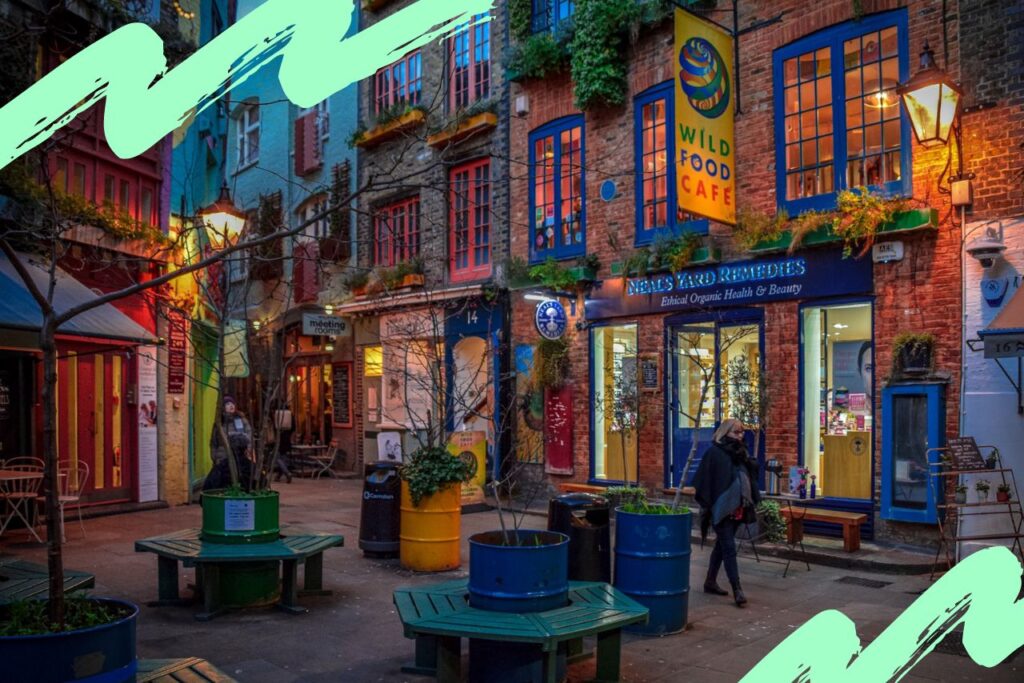
A third option beckons; we’re heading to the gorgeous Neal’s Yard, one of London’s prettiest and most colourful streets, to grab some brunch at The Barbary Next Door. This cosy, candlelit space (yep, even in the daytime) has just ten seats, but if you’re lucky enough to bag one, you’re in for a treat; the North African breakfast – served from 9am – is just fantastic.
The four cheese bourekas, brown egg, tomato and zhug is a thing of nourishing, piquant beauty, but if you’re after something lighter, the restaurant’s berries with tahini, greek yoghurt and date molasses is as velvety and satisfying as it comes.
Its elder sibling, erm, next door, is a wonderful spot for dinner, by the way.
Shop Sustainably In Neal’s Yard
Full of good food and in a good mood, we’re staying in this tiny corner of Covent Garden to enjoy a spot of shopping.
When you visit Covent Garden, you’ll find a whole host of sustainable retailers, and every trader in Neal’s Yard, in particular, is committed to ethically driven commercial practices.
You’ll definitely want to make a beeline for Neal’s Yard Remedies, which sells some truly gorgeous skincare products, all made from organic ingredients.
Next up, it has to be Neal’s Yard Dairy (yep, you can see they’re proud of their location), where the cheese all comes from small British farms, and samples are available to try before you buy!
Away from the Yard (after you’ve taken several selfies, of course), there are plenty more opportunities to shop sustainably in Covent Garden. Check out Ganni, L’Occitane, and Floral Street Fragrance, in particular, all of whom champion sustainable practices in their stores.
A Slice Of Fun For Lunch
Still in Neal’s Yard (you’ll have to drag us out of here kicking and screaming at some point) and hungry again, we’re sharing pizza for lunch at the delicious Homeslice.
Not one for the pizza purists, this, but definitely a place for a sharin’, tearin’ good time, the pizzas here are huge 20-inch numbers, perfect for some group fun. Indeed, the name Homeslice in bro parlance means friend, and the buddying up concept lends itself to conviviality and good cheer.
Some of the topping combos are inventive, some downright weird; cauliflower cheese and harissa anyone? But, when they get things right, it’s brilliant.
Did you know that the London underground is the oldest underground rail network in the world? Or that the famous London black cabs had to, by law, be tall enough to accommodate a gentleman wearing a bowler hat?
The history of transport in London is as fascinating as it comes, and you can enjoy a deep dive (or should that be ride) into it at this fun and interactive museum, right in the heart of Covent Garden.
The London Transport Museum has many of the most iconic vehicles from the city’s transport history – from a classic red London bus to the world’s first tube train – many of which can be ridden, or even driven (though it won’t actually be moving, of course).
There are special exhibits and activities for the kids, too, and entry is free for anyone under 18 years of age. For the adults, it’s just £21 for an annual pass, granting you unlimited access for 12 months.
Here, the cobbled streets surrounding Covent Garden Market are the stage, with the West Piazza hosting the most popular performances each and every day. Expect to see variety and circus acts aplenty – whether that’s fire breathers, sword swallowers, acrobats or rope walkers – with audience participation and a fair few daring stunts to boot!
If you’re keen for something a little more laid back, Covent Garden’s Courtyard hosts daily classical music performances. Simpy pitch up – pint in hand, if you wish – and enjoy the show!
Enjoy A Pre-Theatre Portuguese Dinner At Volta Do Mar
You’ve managed to work up an appetite, again? Impressive stuff!
Well, perhaps our favourite place to eat in all of Covent Garden is Volta Do Mar on Tavistock Street. And the good news? This inventive Portuguese restaurant offers a cracking pre-theatre set menu, with four courses available for just £30 (up until 6:45pm).
Showcasing the regional cuisine of Portugal and drawing influence from the country’s trading past with Brazil, Japan, Macau and more, the food at Volta Do Mar manages to be both exciting and familiar. Don’t leave without trying the Macanese pork bafassa is all we’re saying!
Catch A Show At The Royal Opera House
We’re finishing up our day out in Covent Garden in style, by catching a show at the Royal Opera House, one of London’s most famous structures. Whether you’re new to opera and ballet or you’re a regular operagoer, you’ll find something to keep you captivated here.
Coming up this month and next is an eclectic mix of performers and performances, with Professor Brian Cox, comedian and acclaimed dancer Bill Bailey, and Mozart’s great opera Don Giovanni all gracing the stage. Tickets start from just £10.
Alternatively, if you simply want to see the famous building up close and personal and learn about its colourful history, then tours are available. Lasting 1 hour and 15 minutes, tickets are £16.
Upgrade your life. It’s not a collocation we often hear, sounding a little too much like you can plug yourself in to a power socket and install some updates designed to make you run more smoothly and efficiently. But, it’s a notion we think which should be given some credence, a holistic way of looking at the biggest picture of all, life, and figuring out where, when and how to enact some changes.
And hey; we don’t blame you for wanting to make some wholesale changes right now. After two years of global turmoil, a pandemic, and now, a cost of living crisis, it’s only natural to want to enact something seismic in your life. With this in mind, here are 7 ways to upgrade your life and feel more content.
Secure A New Job
Apart from bed (if you’re lucky), work is the place where you spend the majority of your short existence on the planet. It’s essential then, to make those hours count. If you’re not happy in your current role, or feel it’s draining your vitality out of you, then now is the perfect time to spruce up your resume and secure a new job that will put a smile on your face and challenge you.
A change like this will instantly upgrade your life and make you excited to get out of bed each day. Don’t settle for the mediocre; instead, focus on the long game and secure satisfaction for life.
Travelling is an excellent way to broaden your horizons, experience new things and earn a cultural capital unavailable to those who never venture out of their postcode. For those wishing to ‘grow’ as a person, getting out there is the failsafe option. Moreover, exposing yourself to different cultures and attitudes to life will not only broaden your perspective of life, it will make you appreciates things at home so much more.
And after more than two years of travel restrictions and staying grounded, now feels like the perfect time (once those pesky airport queues die down) to get out there and see the world.
Time spent in Norway and you’ll never complain about the British snow again, while a couple of months spent in the US will have you appreciating the subtleties of your traditional hometown pub that little bit more. Having a rational, relative perception of the world is grounding and gratifying for your mentality and mindset. So stop making excuses, and get travelling.
Should you find yourself warming to a place, and in the spirit of wholesale change, then many cities around the world allow visitors to sign a rolling tenancy agreement for a month or two, to dip your toes in the water and see if you could imagine yourself moving there permanently.
Practise Gratitude Daily
Practising gratitude is simple and straightforward but it may not be at the top of your to-do list currently. However, it’s an effective way to feel happy and excited about life and will help you focus on the positives. Wake up with a grateful heart and go to bed thinking about all your blessings to help you maintain an optimistic mindset.
You can clear your mind of negative thoughts and instead concentrate your energy and thinking on all that’s going right and well for you and that you do have in your life. It may also help to jot down your feelings and keep a gratitude journal so that you can review it often and get in the habit of reflecting.
Find A Hobby That Benefits Your Wellbeing
Stop sitting around being bored or watching television and find a hobby that you can enjoy doing in your free time. There are plenty of activities and ideas out there for you to choose from including learning how to cook, teaching yourself how to build furniture and playing a sport. Your life will be that much more exciting and interesting when you’re out and about meeting new people and getting outside of your comfort zone.
Pick a few different options, so you have choices for when you’re in the mood to be alone versus conversing and working with others.
Strive For A Healthier Lifestyle
Your health is extremely important when it comes to how you feel overall and your energy levels. Instantly upgrade your life by putting self-care at the top of your to-do list and taking care of yourself around the clock. Getting healthy can take myriad forms, but the most effective ways include endeavouring to exercise daily, cooking healthy meals for yourself and getting plenty of rest each night. You’ll find that when you attend to your wellbeing, you’ll be in a much better mood and your ability to function to the best of your ability at work and in your home life will be realised.
Connect With Others On A Meaningful Level
You’d be surprised at how great you feel when you spend time with people who lift you up and encourage you to be better. Take time to connect with others and laugh and share stories with one another on a regular basis, and equally as important, remove the negative energy in your life.
The early bird catches the worm, as they say, but did you know that early birds also have greater levels of happiness and are at a lower risk of depression compared to those who are “night owls”, according to research conducted by Exeter University as reported in the Guardian.
Whether you’re planning to sell your home or not, it’s still worth considering the fact that the two most important rooms to consider decorating are kitchens and bathrooms. Decorating and renovating these rooms will have a higher chance of boosting the value of your home than any other room.
And whilst we wouldn’t want to make assumptions about the most private space in your home without visiting (or have we?), there are many reasons why your bathroom may need modernising.
Doing so can make the space more accessible and comfortable, whilst also significantly increasing the value of your property if you’re intending to sell up in the future. Even if you’re not planning to make a sale at all, redecorating these rooms can be a fantastic investment of your time and money.
As such, 2022 is the perfect time to give your bathroom a much-needed makeover.
But how, we hear you ask? Well, here’s a start…
Bathrooms On A Budget
Before we dive into the changes you should consider, firstly, a word (actually, quite a few words) on doing things affordably but professionally.
Because just because you’re trying to save money at the moment, doesn’t mean you have to abandon the idea of redecorating, in fact, there are plenty of ways you can redecorate on a budget.
Here are some 5 top tips for doing just that:
Know your limits. Don’t spend more than you can afford, no matter how tempting it may be. Put a plan in place, so you know exactly what you need and don’t need to buy. This can also help you figure out how much time you will need to decorate.
Use a budgeting app that can help keep track of your spending and warn you if it looks like you’ll go over budget.
If you are looking for additional furnishings, such as cupboards and mirrors, consider buying the items second hand. This can save you a lot of money in the long run, and if you buy from a charity shop, you are contributing to a good cause! Keep an eye out on local online groups, such as Facebook Marketplace as you might find a hidden gem in your local areas.
Remember that the most expensive item is not necessarily the best. However, some items, such as your bath and shower, are definitely worth the investment. You will be using them every single day, so it is worth sourcing quality items.
Don’t be afraid to get your hands dirty. Figure out what you can do yourself and then…do it yourself! This can cut out some of the fees associated with hiring a decorator. You can also ask friends and family to help when necessary, especially if they have any experience in decorating.
So, with your thrifty hard hat firmly on your head, here are those 6 simple tips for decorating your bathroom on a budget.
Change The Colour Scheme
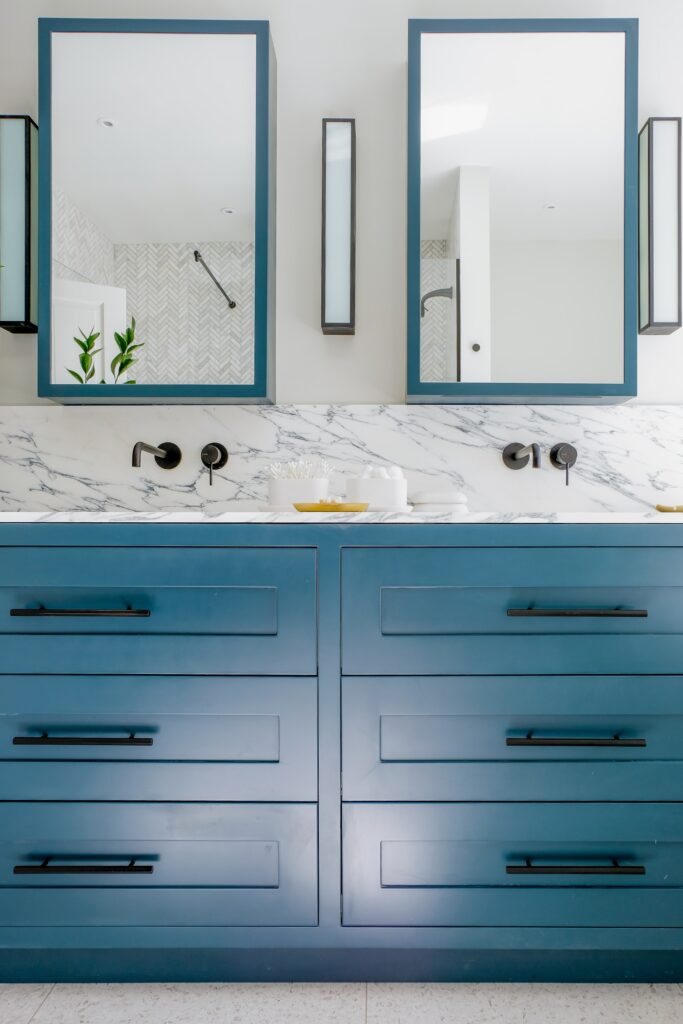
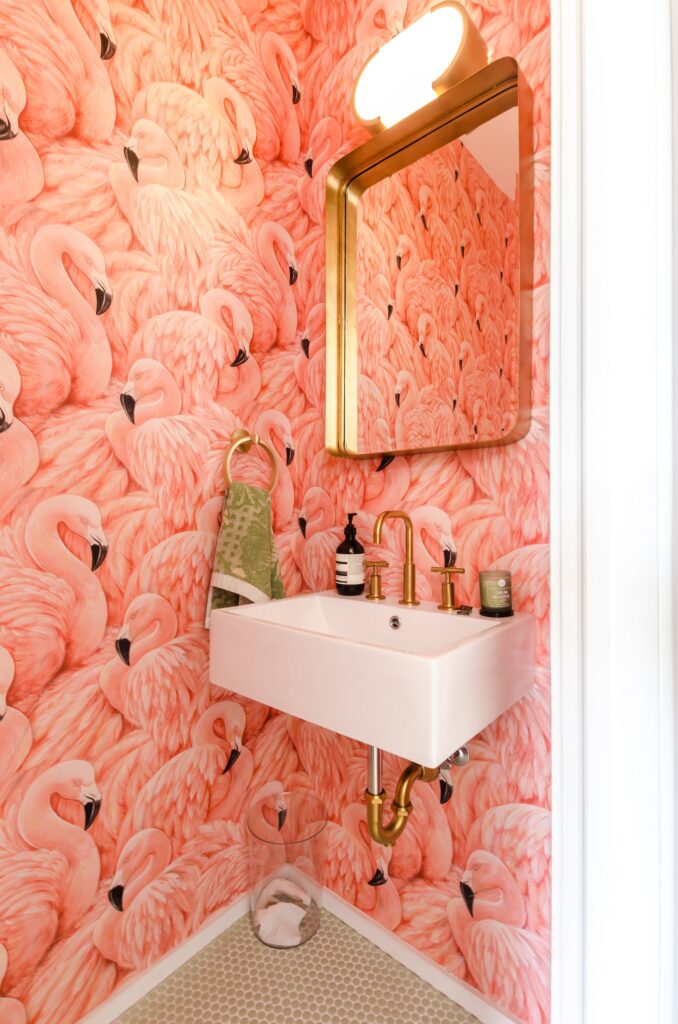
Whether you opt for tiles, paint or wallpaper, the colours you chose will affect the mood of the room you create. And therefore, changing the colour scheme in your bathroom is one of the most affordable ways to make a real difference to the way in which a room looks and feels.
Cooler tones, such as cream and pale blue, will help you create a relaxed and calming atmosphere, whilst autumnal shades such as brown and orange will make your bathroom a warm and inviting space.
Alternatively, don’t be afraid to add some bright splashes of colour, such as yellow or blue, to bring a smile to your face on a gloomy morning. Think carefully about the kind of atmosphere you want to create, and select your new colour scheme accordingly.
Deciding on which colours you’ll implement into your bathroom is very important as this will influence your choice of which fittings you choose too.
Of course, you can decide on your fittings first and then base your overall colour scheme on those, which is why we’ve not put this at the top of this article. Before settling on a colour scheme, however, have a look at the sorts of accessories you’ll be adding to your bathroom.
As the respected towels and bathmats suppliers Absolute Home Textiles UK tell us, you’ll want to match these more fluid elements to your walls, floors, and other furnishings, too, where possible. Spend some time on this as you want to ensure you get the right colour scheme for you.
You can also add some colour to your bathroom with some plants. Without greenery, you might find that your bathroom feels a little bit on the sterile side. Potted succulents make a safe option – but if the space allows for it you might go for something a little grander.
Consider New Storage Options
Sometimes, after a bathroom has been finished, it can seem like something is missing. Oftentimes, this is because storage has been forgotten about. This can leave some large open spaces in your bathroom that could be used.
It goes without saying that you need to keep your bathroom as clean as possible. Doing your business is hard enough with clutter all around you, let alone trying to relax in the tub or putting your face on when you don’t even have room to swing a cat.
Put simply, clutter does nothing but take up space and gather dust. It can even affect your mood, especially if you keep putting off cleaning, which, ironically, clutter hinders you from doing.
You can help declutter your bathroom by ensuring you have enough storage space for your belongings – be they beauty products or fresh towels. Remember, there should be a place for everything and everything should be in its place; the most surefire way to keep tidy, and Marie Kondo agrees.
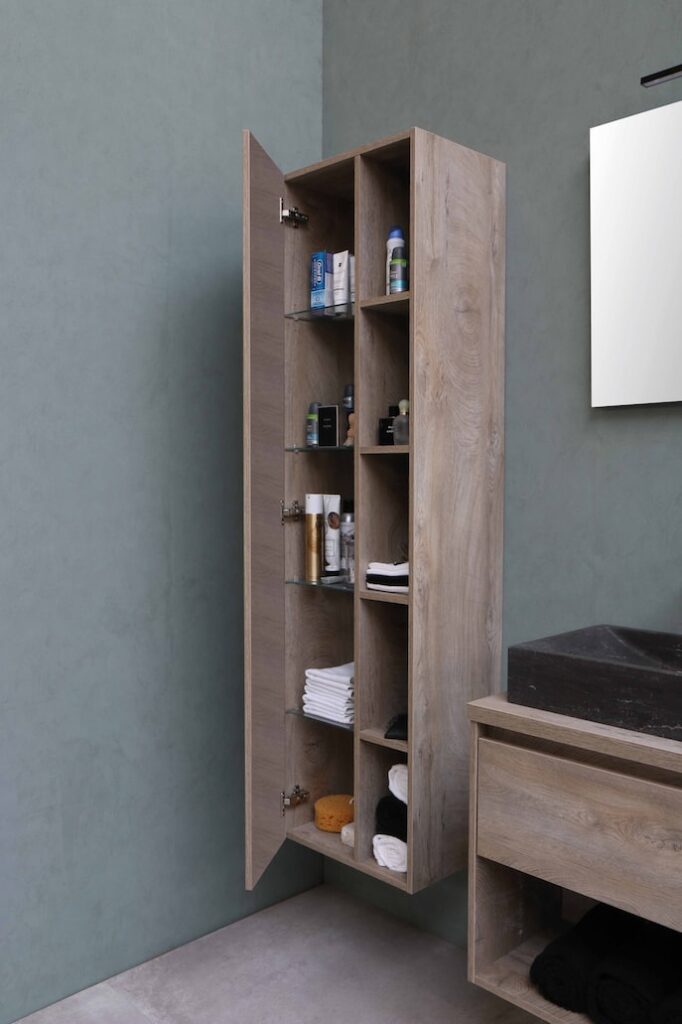
Shelves are the perfect choice for bathroom storage, as they take up minimal space but also look great. You can store everything from towels and beauty products using these storage options, but they can also be used to display accessories such as plants and ornaments too.
If you are going for a rustic, traditional style in your bathroom, be sure to check out reclaimed wood shelves, which are perfect for a bedroom for storage and hanging space or in a pantry or bathroom for extra wall storage.
For a sense of luxury on a budget, there’s nothing better than stepping out of the bath or shower and immediately wrapping yourself in a warm towel. Just as the embrace of cosy cotton can make you feel brand new, so can a heated towel rack make your bathroom feel like it’s been refreshed and updated.
Such a luxurious addition needn’t even cost you a fortune; the average cost in the UK for both the supply of the heated towel rack and its installation is around the £400 mark. What’s more, the whole process should take less than a day to complete.
Speaking of surprisingly affordable bathroom additions with cosy giving properties; underfloor heating will make cold winter mornings much easier to deal with, and the feeling under barefoot is one of reassurance and comfort, every single time.
Thankfully, it won’t break the bank either (the average cost of the parts and installation comes in at £800ish) and there are plenty of styles to chose from – including wooden floors, fashionable dark concrete, marble and tiling. Generally speaking, the installation will only take a couple of days, but you should expect your bathroom to be out of bounds during this period. Best set up an alternative arrangement or wear a nappy, hey!
We said changes on a budget, didn’t we? And this one only requires the purchase of some cleaning products to get the bathroom sparkling and feeling brand new…
While we certainly wouldn’t want to accuse anyone of having a dirty bathroom, we think there’s always room for giving the cleaning that extra little bit of elbow grease if you want sparkling results without having to invest in brand new features. Where your hard work will be most noticed is in your bathroom’s taps and handles; for a gentle scrub, use a microfibre cloth and plain water. If you want to go all out, add some vinegar to the mix.
It’s likely limescale will have built up on your shower screen too, giving the whole bathroom a murky feel which is easily prevented. Scrubbing too vigorously will cause scratches. Instead, use a vinegar solution followed by a gentle buff with baking soda. As these are all items you’ll likely have around the house already, the impact on your budget will be small, but the improvement to the look of your bathroom enormous.
Make Use Of Mirrors And Light
Unfortunately, not all bathrooms will have access to natural light. Some do not possess any form of windows and will instead have to rely solely on ventilation to extract moisture from the room. However, this isn’t the end of the world.
You can redirect natural light into a bathroom using mirrors throughout your home. Mirrors inside a bathroom can also help make the place look brighter and larger. Alongside using mirrors, you should also be conscious of your choice in lighting too.
A bathroom will generally require bright lights as people will need to be able to see what they’re doing, whether they’re applying makeup in the mirror or washing their hair in the shower.
A gloomy bathroom can be unpleasant to be in, but at the same time, a bathroom that is too bright isn’t a relaxing experience either. LED lights are a great idea for a bathroom, especially smart lights, as their brightness and colour can be adjusted to create a much more pleasant atmosphere. Perfect for a relaxing bath after a hard day’s work. Bear in mind that extremely bright light as you’re brushing your teeth can make it more difficult to settle to sleep.
And with that, you have a brand new bathroom on a budget!
We get it; and we feel just the same. After more than two years of home cooking and restaurant meals largely confined to your local area, you’re feeling desperate to travel the world again in such of the finest food known to man. We’re hungry to do the very same!
If you’re keen to whet your appetite before your next adventure, then you’ve come to the right place; here are 8 gastronomic European cities every food lover should visit at least once.
London, England
Needing little in the way of introduction, London draws tourists from all over the world, keen to experience the world class art galleries and museums, engage with the history of the royal family, and sample the city’s diverse food scene.
What to Try: Roast dinners, fish and chips, pie and mash, afternoon tea…visitors are well versed in the cliches, but scratch the surface of London just a little and you’ll find a hugely varied, thrilling dining scene, with every corner of the globe represented. In fact, this diversity is perhaps the defining feature of the capital’s food.
Where to Eat: If you are looking for traditional British food cooked with confidence and flair, then Rules (London’s oldest restaurant) and St. JOHN (arguably its most influential) are both superb. For Michelin starred food in an old school British pub setting, then it has to be the Harwood Arms. Or, for a modern take on ‘British’ cuisine, try Lyle’s or Clove Club, both in the groovy Shoreditch neighbourhood.
We hope we’re not blowing our own trumpet when we say that we’re experts in the field of quality London restaurants. So much so, in fact, that we’ll redirect you here for extensive guides to many of the city’s best places to eat.
Dubrovnik, Croatia
The cuisine of Dubrovnik is a blend of Balkan, Italian and Mediterranean influences, and the city is a seafood lovers’ paradise. Here, you’ll find platters of grilled or fried seafood piled high in nearly every restaurant; the calamari and lightly floured then fried whitebait in this part of the world is arguably the best you’ll find just about anywhere.
What to try: Walls Of Dubrovnik, who offer some of the best value Dubrovnik tours in town, tell us that you have to try the octopus salad that’s native to the region and traditionally eaten as a starter. Using a wine cork in the octopus braising liquor to tenderise its flesh, it’s a deceptively simple, simply delicious dish.
Another must try is skampi na buzaru which translates as ‘shrimp stew’. This coastal speciality sees scampi (huge langoustine, really) cooked in a suave sauce of tomatoes, garlic, wine and a special spice mix, which is then thickened with breadcrumbs.
In many local taverns (konoba), you’ll find buzaru dishes served with pura – polenta. Another specialty you can’t miss is crni rizot, a squid risotto made jet black and funky via its ink.
Where to Eat: Restaurant 360º is Dubrovnik’s only Michelin starred restaurant, and one of only 10 in Croatia as a whole. For more of our recommendations on the city’s eateries, check out these best restaurants in Dubrovnik Old Town.
Rome, Italy
Italy’s capital plays host to a veritable feast of local delicacies, and the best way to swerve the tourist traps and experience genuine Roman cuisine is to take a food tour.
If you plan on curating your own, be sure to include Cacio e Pepe, a seemingly basic pasta, pepper and cheese dish which is so much more than the sum of its parts. You’ll also find the finest gelato on the planet in the capital, with each place taking great pride in their product. We particularly like Gelato GROM, but options are almost endless, so just get out there and explore!
What To Try: Though there’s a vast variety of pasta dishes all over the city, Rome is particularly famous for its four key, classic pasta preparations- cacio e pepe, carbonara, amatriciana, and alla gricia – each of which is a variation of the other.
There’s an offal lot of offal in Roman cuisine (sorry). Back in the day, slaughterhouse workers in Rome would be given the “quinto quarto” or “fifth quarter” as a perk of their job. This was basically all the parts of the animal that no one else wanted such as intestines, tails, organs and other innards.
As a result, many quinto quarto recipes were developed and a new part of Roman cuisine was born. Indeed, some say you haven’t eaten properly in Rome until you’ve enjoyed some offal. For some of the best, head to Testaccio, the neighbourhood where many of the most famous offal dishes came from. Some of the best offal offerings include trippa alla romana (stewed tripe in tomato sauce), pajata (calf intestines with the mother’s milk still inside), and coda alla vaccinara (braised oxtails).
Where to eat: If you’re after the real thing (get on with it already!) then Hosteria Grappolo d’Oro, close to Piazza Navona, does arguably the finest carbonara in Rome. Another popular choice among the food cognoscenti of the city is Da Gino al Parlamento, not far from the Pantheon. While the alla gricia here is certainly good, their bucatini amatriciana is particularly revered.
And if it’s carbonara you’re after, check out Ristorante Roma Sparita, declared by the late chef Anthony Bourdain when he visited Rome as being the best rendition in the city.
By Helen Bell via Canva
San Sebastian, Spain
Located in northern Spain, San Sebastina sits in the heart of the Basque Country, which is one of the most gastronomically blessed regions in the whole of Spain – scratch that, the world.
Anthony Bourdain once said of this famously ‘foodie’ city that ‘‘You could make the argument that there is no better place to eat in Europe than the city of San Sebastian’’. We couldn’t agree more.
In our article on “10 Ideal Foodie Destinations You Need To Visit”, Tom Barber, co-founder of multi-award winning Original Travel, tells us that “San Sebastian has a fast growing reputation as a bucket list destination for gastronauts, and with good cause. The city has more Michelin stars per capita than Tokyo and Manhattan (best of the bunch is dad/daughter run Arzak), in no small part thanks to the Basque habit of making pretty much everything highly competitive.”
“The city’s secretive gastronomic societies have elevated cooking alongside other Basque obsessions such as pelota (the fastest ball sport on the planet) and visitors to the various bars serving delicious pintxos (Basque tapas) are the grateful recipients.’’
What to Try? ‘’Basically anything, washed down with the local (and slightly sparkling) local moonshine wine, txakoli”
Where to Eat: If you’re after high-end, cutting-edge gastronomy, then the aforementioned Arzak should be your first reservation. Should you be seeking something more informal, then forget the concept of reservations entirely and go on a pintxos (small bites usually served on bread) crawl around the Old Town. Make sure you stop off at Bar Nestor, a particularly legendary spot famed for its tortilla. Be warned; you’ll need to order this particular dish in advance!
Vienna, Austria
Vienna is a city steeped in culture, history and most importantly, fantastic food. In Vienna, you won’t go hungry. In fact, any trip here will require a detox of light salads and healthy soups when going back to terra firma. From schnitzel to sausages, and rich, flavourful stews, the food in Vienna is heavy, hearty and wholesome.
What to Try: Though it’s perhaps most famous for its cakes, Vienna is a carnivore’s paradise. Tafelspitz is a traditional meat dish featuring beef or boiled veal that is accompanied by vegetables and onions, and is one you should seek out early in your trip to really get to grips with the gastronomic culture of the city.
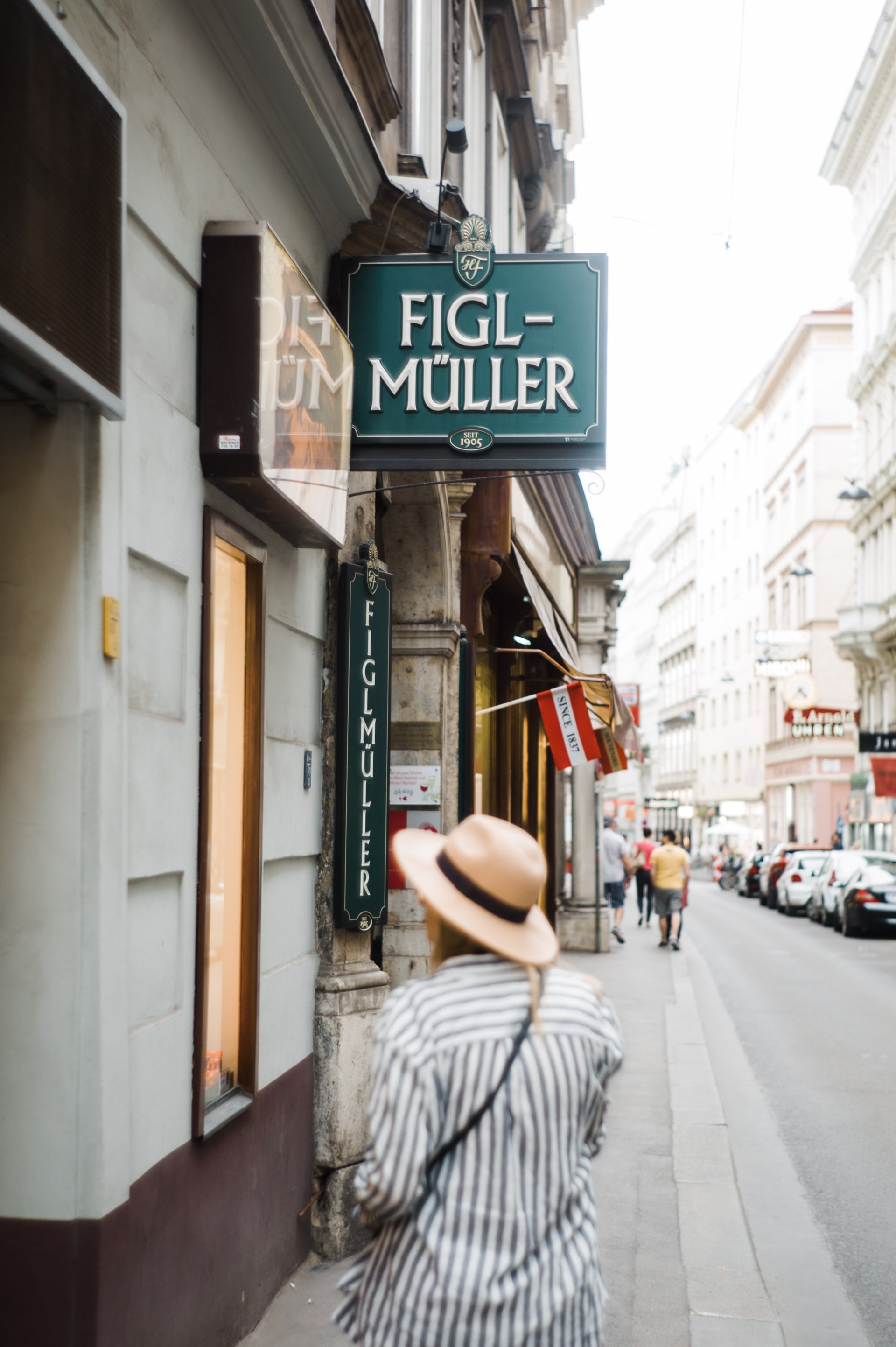
Aside from that, some of the most traditional dishes you should try include Austrian goulash, wiener würstel (Viennese sausages) Spargel (spring asparagus), and of course, schnitzel. Almost every restaurant in Vienna will have schnitzel on the menu, but one of the best places to try a traditional version is Figlmueller, a place which has been selling the dish since 1905 and is often referred to by regular patrons as the ‘Home of the Schnitzel’.
Desserts are also hugely popular here, with apfelstrudel (apple strudel) and Zwetschgenknoedel (plum dumplings) both must-try dishes. And you can’t leave without trying a slice of Sachertorte, created in 1832 and still going strong today; one of the most famous chocolate cakes in the world. Wash it all down with a melange (Viennese coffee) and you’re good to go (lie down).
Where to Eat: Vienna is home to several fine dining institutions. If the traditional Austrian dishes are weighing a little heavy, then firstly check out Fabios for regional Italian dishes.
For a modern, indulgent take on Austria’s cuisine, with plenty of global twists thrown in for good measure, Silvio Nickol Gourmet Restaurant, which is two-Michelin-starred, is the place to go.
Alternatively, At Eight offers traditional Austrian cuisine, or you could enjoy the quality wines at Restaurant Steirereck. You may also want to try out Walter Bauer, which is a family-run business that has earned a Michelin star.
Lisbon, Portugal
Oh, to be sitting on the banks of the Tagus somewhere in Baixa, with cerveja in hand and sun on face. Carefree days, indeed. Lisbon is a quick, convenient city break that has it all; a laid back yet exciting disposition, superb, proudly local cuisine, cobbled streets and attractive architecture, as well as a pulsing confidence and energetic, 24/7 nightlife. Above all else, Lisbon’s food scene here is one of Europe’s finest.
What to Try: Rather than keep you here, check out our guide to the best food in Lisbon. You won’t regret it (unless you’re feeling hungry!).
Where to Eat: At Time Out Market, you can sample some of the city’s most famous dishes all under one roof. For some of the freshest seafood we’ve ever tasted, and with a raucous atmosphere to boot, you’ll love Cervejeria Ramiro, a Lisbon institution. In terms of fine dining, Belcanto is considered one of the world’s best restaurants. ‘Nuff said.
Paris, France
It’s a bit predictable, a bit cliched, a bit obvious, sure; but it’s known as Europe’s great food capital for a reason, right? It’s a city which smells of food, in the best possible way; there’s a certain aroma of sweet, freshly baked pastry which seems to permeate through every wall and linger on every street.
Obviously, Paris has fine dining at its heart, with easily the most Michelin stars of any European city, but you can eat well here for surprisingly cheap, with the right planning and at the right time; even at some top-end places.
What to Try: Though we’re going to need a much bigger word limit to list them all, some of the most renowned French foods include pâté, tartare, crepes and soupe à l’oignon. Of course, it’s essential to check out the city’s patissieres, too. Whether you love oysters or herb buttered snails, pain au chocolat or tarte tatin, quiche lorraine or boeuf bourguignon, you will be sure to find something that will tickle your taste buds and delight your senses here.
Where to Eat: If you’re looking for a mid-range option that still delivers knockout food, we highly recommend Les Cocottes. Or if you’re looking for a taste of old school Paris, with dirt cheap wine, stereotypically brusque wait staff and hearty food, then look no further than Chartier, a Parissien phenomenon.
For three Michelin starred luxury, Paris boasts an incredible ten restaurants with the guide book’s highest accolade. Perhaps the most thrilling of these is Arpège, which places a keen focus on organically grown fruit and vegetables, but sacrifices no opulence or flavour in doing so.
Alternatively, one of the hottest tickets in town (no, the world) is Septime. With a lunchtime tasting menu a relative steal at €60, it’s essential that you book well in advance for this one.
Barcelona, Spain
There are many reasons to take a city break to Barcelona; the distance, the ease, the city’s layout, the party and arts scene, the football….but the food, until recently, wasn’t considered a star attraction.
This has all changed in the past decade, with big name chefs opening lauded restaurants, and generations-old tapas bars finally getting the recognition they deserve.
What to Try: Tapas are, of course, the most traditional way to eat in Spain, and Barcelona is home to a wealth of fantastic tapas bars, including Cal Pep, Tapas 24, El Xampanyet, Quimet y Quimet, La Cova Fumada and Bar Canete.
The city also plays host to what is widely thought to be the world’s best food market, La Boqueria, where you can enjoy traditional dishes prepared by chefs in the market.
If you’re keen to try traditional Catalan dishes, which lean heavily on fresh vegetables, oily fish, pork products, soups and stews, then make sure you visit 7 Portes, Can Culleretes and Can Vallès.
Where to Eat: You could spend several weeks in Barcelona and dine out on tapas alone, but in doing so, you’d miss out on a well-established and hugely exciting fine dining scene.
Disfrutar, which translates as ‘enjoy’, offers two Michelin starred food but with high levels of fun and frivolity, with a modern, molecular take on traditional Spanish food earning the restaurant critical acclaim in recent years.
Alternatively, Enoteca offers an ultra-modern twist on the classical dishes of the Catalan coast, but loses none of the conviviality and generosity of the tradition in doing so.
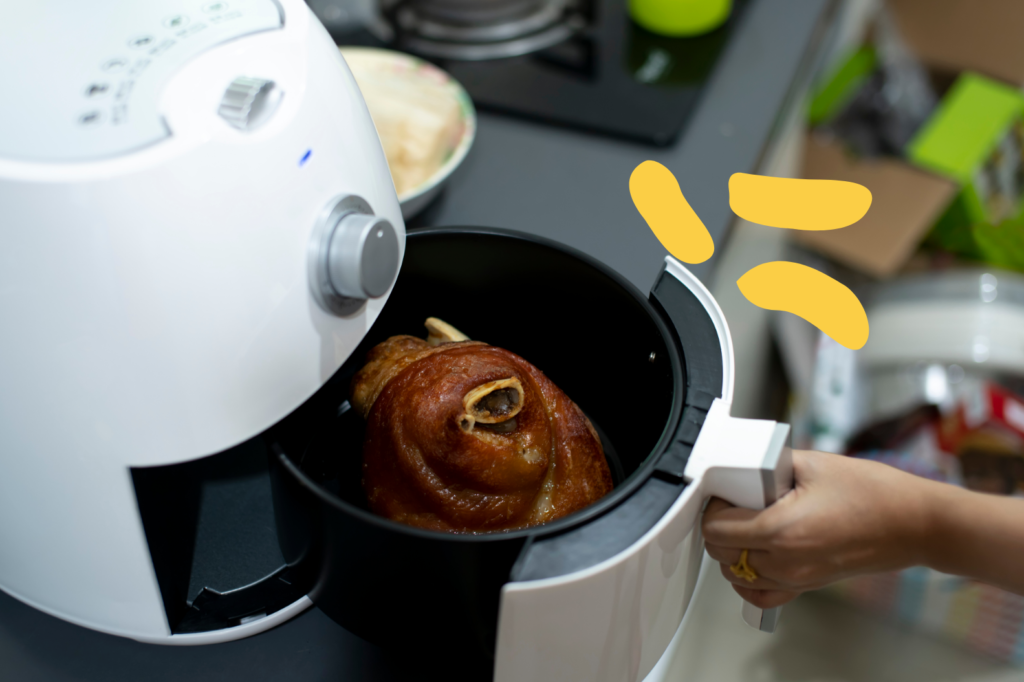
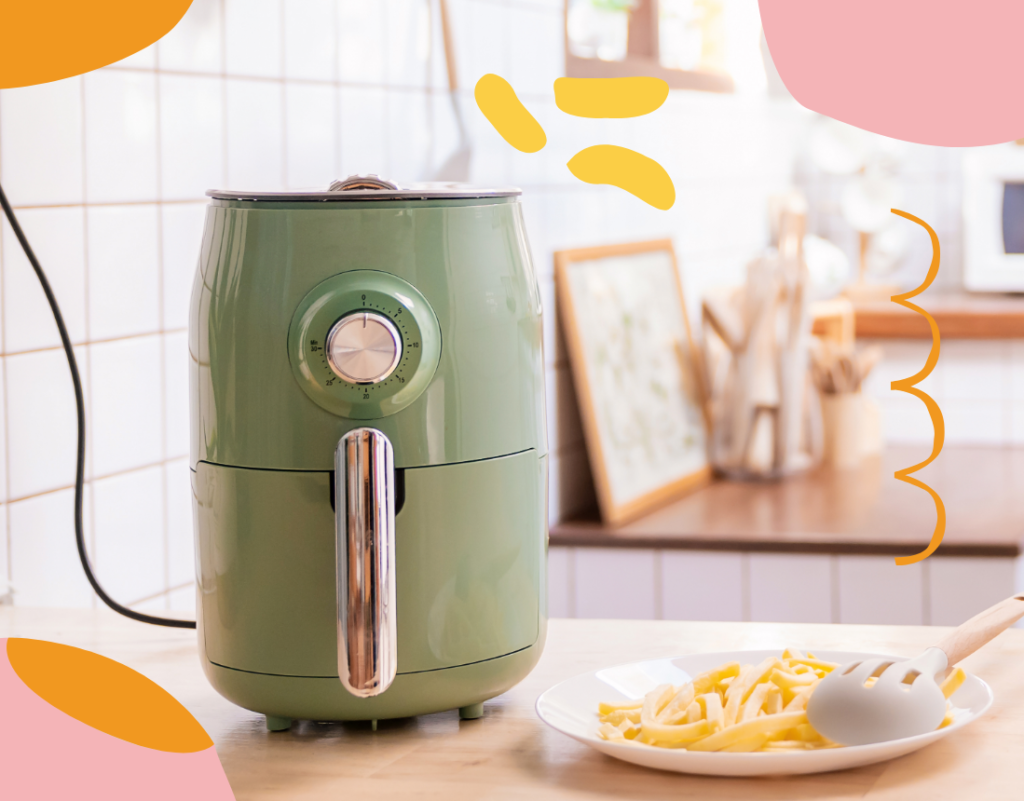
It feels as if, in the last couple of years, air fryers have appeared out of thin air and are suddenly occupying the countertops of every health-conscious household in the UK.
One of the cleanest, quickest ways to fry, roast, and grill in your kitchen, air fryers enable you to streamline your cooking methods and save your time, all while enjoying crispy, crunchy foods using far less fat. Result!
From perfect home-cooked chips to crunchy chicken tenders, there is a whole world of incredible foods to try with your new air fryer. But let’s not get ahead of ourselves; there are several things to ponder, from space to safety, before you make your purchase. These are those; our things to consider before buying an air fryer.
Things To Consider Before Buying An Air Fryer For Your Kitchen
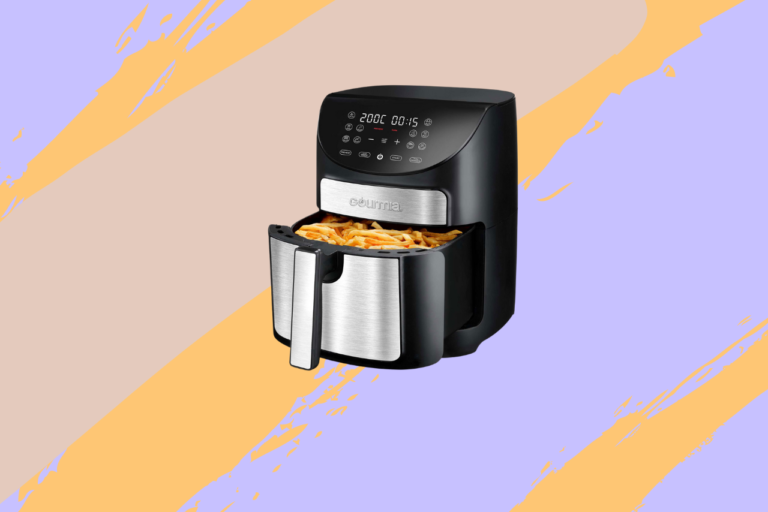
Although the best air fryeris one of the most modern and convenient routes to healthy, tasty food in just minutes, they do take some getting used to.
You’ll also need to make a few decisions regarding the specification of yours:
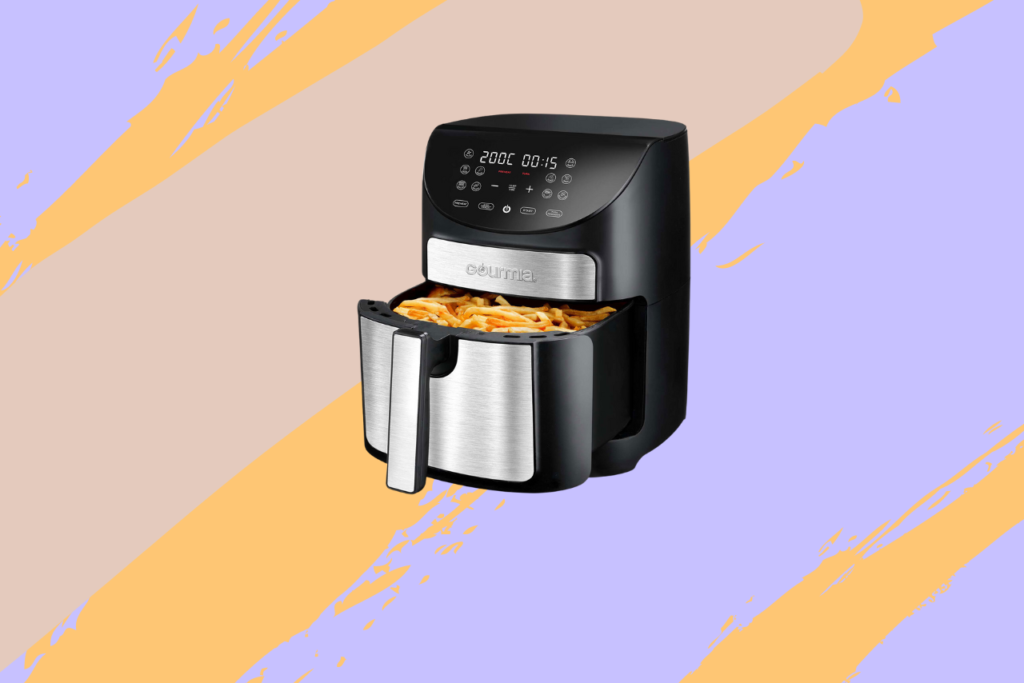
Different Types Of Air Fryers: You can find a huge range of air fryers on the market, but the main decision you’ll have to make is if you’ll need a double basket or a single basket. Keep in mind that even if you buy a dual basket air fryer, you can generally only cook on one setting at the same time. The dual feature simply allows you to separate your meat from your vegetables, for instance, or cook two foods with different flavour profiles away from each other.
Element: Typically,most air fryers have the element close to the basket, which is not good for your food. In fact, such close proximity can dry out your food quite markedly. Ideally, the better air fryers on the market have their basket raised a little above the element, so they’re not directly touching it.
Capacity: If you have a small family, you can select a compact air fryer, but for larger families and meals, you may need to cook in multiple batches when using an air fryer. Most air fryers have a max fill line that shows how much food they can hold at once. Air fryer sizes are usually referred to in litres (here in the UK) or quarts (in the US). A 3.8 litre basket capacity is generally considered enough to feed a large family – equivalent to six portions of French fries, for instance. A 5 litre air fryer will comfortably roast a whole chicken.
Viewing Window: Without it, you can’t see your food.
Counterspace: The air fryer won’t take up a lot of space in your kitchen, but it is better to make sure that you have enough space on your kitchen countertop before buying one. As a very general rule of thumb, air fryers take up around the same amount of space as a mini-fridge.
Safety Tips & Things To Avoid While Using An Air Fryer
Fundamentally, air fryers are a great way to cook delicious foods using little oil, and offer plenty of benefits over both deep-fat frying and traditional ovens. Contrary to popular belief, they can also be used for more than just fried food, so you can get creative with what you make!
However, there are some safety concerns that you must be aware of when using an air fryer. Here are some tips to keep in mind:
Never use water or any other liquid in an air fryer because it will cause damage to the appliance.
Read the manual before using your air fryer for the first time.
Do not touch any element when your air fryer is on. Use a silicone glove or oven gloves.
Always place your air fryer in a ventilated area.
Don’t use chemicals for cleaning; it might start to spoil the coating on a nonstick basket or tray.
Don’t crowd your air fryer basket; leave some space for air to circulate so that the food cooks evenly.
Don’t place anything on top of your air fryer.
Always make sure that all machine parts are completely dry before use as they can become damaged if damp. This includes any removable parts such as baskets or trays!
Do not leave an air fryer unattended whilst items cook inside because it could overheat and cause damage due to thermal shock, which happens when there’s too much heat inside.
Unplug your air fryer immediately after use.
The Bottom Line
So, there you have it, your things to consider before buying an air fryer. Now you’re equipped with this knowledge, we can’t wait to hear what delicious, healthy meals you produce!
It can be difficult for business owners to let go of certain core tasks when they’re expanding. Many of them are used to having full control over their operation, and that comes with a certain level of comfort.
But sometimes in the cut throat world of business, comfort can mean complacency. In such cases, business owners may end up overspending or underestimating if they’re hellbent on handling everything on their own while in a process of expansion. Handling everything in-house can seriously stunt a business’s growth, or even be its undoing. If your business is growing rapidly, here are some functions you should consider outsourcing right now.
IT Support
Small businesses can sometimes get away with hiring a consultant to come in and install systems and provide updates or having someone on their payroll to put out fires from time to time. But it’s usually a better idea to let a third-party team handle things once your business starts expanding and your network becomes more complex.
Hiring an in-house team at this point doesn’t usually make sense for many reasons. First of all, you probably won’t need someone to monitor your systems around the clock, but you may still have to deal with very complex problems from time to time, as Impreza, provider of Kent IT services, gently caution. You may also have difficulty attracting top talent.
An outsourced team will overlook your systems without charging you by the hour. They will usually charge you a fixed fee that will often be much lower than what you’d have to pay for a full-time in-house team. And we can almost certainly guarantee you that their level of expertise will greatly surpass your team’s.
Texaport.co.uk, an acclaimed IT support provider in Scotland, tells us where IT systems and support is concerned, it’s often best to defer to the professionals. Doing so means that not only will they look after your systems and make sure that they’re safe at all times, but they can also help deploy solutions for you. They will enhance your company’s cybersecurity as well and will be able to scale with your business.
Payroll & Human Resources
Payroll is something most businesses can benefit from outsourcing, no matter their size. If you’ve been handling payroll in-house up until now and you never had issues, you were probably very lucky, but it’s not recommended that you handle it on your own if you’re expanding. You could easily find a service that will handle the payroll for you and handle many other things such as human resources as well.
Some people may be asking themselves why a growing company would want to let a third party handle something as personal as human resources, but there are plenty of reasons to do so.
Again, there’s a strong chance that you’ll have a limited talent pool of HR professionals to choose from as a business compared to a company that does nothing but HR. HR companies are experts at what they do and will transfer all of that expertise to you. This means that you’ll be able to recruit better talent faster and for cheap.
Outsourced HR doesn’t stop at interviews either. They can help set up structures for onboarding, implement an effective leave management system, and help with training too.
They can help build your company’s culture and improve your brand as an employer. And they will play an active role in resolving conflicts. So don’t assume that a third party will be disconnected from your operation as it is their job to merge with it and mould themselves to it while providing their insight.
Online Marketing and Social Media Management
Though it’s perhaps not imperative to hire a social media manager unless they’re a massive operation with tons of different accounts to manage and a very heavy social media strategy, you may benefit from online marketing expertise from time to time.
If all you need is to manage your Facebook or Instagram, then you could instead hire a freelancer. Even a virtual assistant could do that for you if it’s not a major ingredient of your marketing mix.
Online marketing is also something you should outsource. This is a very passive function that doesn’t require active monitoring, so having someone clock in to perform things like SEO or managing online campaigns will be a waste of money.
Customer Support
Customer support is something that no small business that is expanding should handle in-house. Coordinating a growing support team in-house can be difficult and finding great support employees as well. You’ll be spending lots of time looking for managers and employees, and many of them will let you down. Instead, you could go with a good outsourced customer support service and have a fully formed and proven team at your service.
The Bottom Line
Expansion can complicate a company’s structure, and outsourcing is a good way to keep it as light as possible. So, consider outsourcing some or all the functions in this article if you don’t want your business’s structure to become too heavy.
Georgian wine is having something of a moment right now. Whilst we acknowledge the irony of that statement – the country recently was declared to be the world’s oldest wine producer with a tradition dating back some 8’000 years – in modern-day London, the statement does ring true.
Due in part to an increasing interest in both amber and natural wines, in recent years, unique and often biodynamic Georgian wines have occupied the upper echelons of wine lists at some of the city’s hippest restaurants and wine bars, from Kol to Planque, Bright and beyond.
Not that Georgian wine producers would necessarily consider themselves particularly trendy. In fact, it’s commonplace in the country for families to make their own wine, nearly always using ancient, organic techniques handed down through the generations.
Here, and on plots of land across the country, a lengthy maceration and fermentation process occurs in traditional earthenware vessels known as qvevri, which are buried underground to regulate temperatures – usually with minimal intervention and leading to a resultant bold structure and intriguingly complex flavour profile. We just love it.
There’s a huge variety on offer in the country, too, with around 8’000 vintages and 500 varieties of grapevine, the most in the world, according to our friends and Georgian wine aficionados at 8wines.com.
They go on to tell us that Georgia’s nine wine regions cover the whole country, with Kakheti in the north-east, lying at the foot of the Caucasus Mountains, the most productive area.
But enough talk, we’re getting thirsty. Let’s explore what’s drinking really well right now; here are 5 of our favourite Georgian wines to try in 2023.
Papari Valley 3 Qvevri Terraces Saperavi 2020
We start with one of the best-selling Georgian wines in recent memory, the gorgeous organic red Papari Valley 3 Qvevri Terraces Saperavi 2020.
Though the country is arguably most famous for it’s low-intervention orange wine with its characteristic flavour of the farmyard, this Saperavi is perhaps even more revered, spending a lengthy ten month process fermenting in a qvevri, with the long skin contact lending an intense colour and even more forward-facing finish.
Though the tannins are certainly firm and tightly-knit, there’s a seductive plum-like fruitiness to the wine, with the Papari Valley’s position on the Gombori range and subsequent cool climate also lending a distinct minerality that balances both those dense and plummy notes.
It should also be noted that if you have the right conditions to store fine wine safely, then this Saperavi ages beautifully.
This is a gorgeous wine, make no mistake, available for £15.20 from 8wines here.
Papari Valley 3 Qvevri Terraces Chinuri-Rkatsiteli 2020
We couldn’t leave the Papari (meaning ‘horse’s mane’ in English, referring to the wavy nature of the hills here) Valley without trying one of the region’s famed organic orange wines, which are getting real recognition here in the UK among natural wine aficionados.
Crafted from a blend of Rkatsiteli and Chinuri grapes and distinctive for its high alcohol content (this particular orange is a whopping 12.5%), the first thing you’ll notice about this wine is its striking almost-gold hue, which indicates the luxurious, lingering drinking experience that awaits.
On the palate, there’s plenty of tangy, fresh-forward notes of pome fruits, with an earthy, citrus undertone reminiscent of thyme or bay leaf. The gentle tannins and pleasingly drawn out finish mean the wine is the perfect companion to smoked or barbecued fish.
Available from 8wines for a surprisingly modest £13.20 here.
Lagvinari Rkatsiteli 2019
Georgia’s premier wine region, Kakheti, plays host to the Lagvinari winery, which does things in a proudly, stubbornly old-school way. In this unusual white wine – a relative rarity in a country where orange wine is so popular – the Rkatsiteli grape is fermented underground for nine months, with six months of skin contact in the traditional qvevri leading to a hue that’s close to amber (though not at all cloudy), despite its classification as a white.
On the nose, there are toasty, nutty notes and an intoxicating almost-overripe apple aroma, as well as plenty of floral elements, all of which translates on the palate into a solid, medium-bodied, ultra-complex wine. This intriguing, sometimes spicy complexity lends itself perfectly to Turkish, Lebanese or Greek food.
You can find this totally unique white at 8wines for £32.40 here.
Barbale Late Harvest Rkatsiteli 2019
When you think of dessert wines, the mind immediately conjures up images of Sauternes, Muscat, Pedro Ximenez or even a christmassy Taylor’s Vintage. But Georgia is starting to make a real name for itself in the sweet wine world, and it’s down in part to this guy; the Barbale Late Harvest Rkatsiteli 2019.
This striking sweet wine comes from the newcomer Barbale Winery in the Kartli region, which is one of the most exciting new areas for Georgian wine production. Using only indigenous grapes and centuries-old techniques, this organic sweet wine made from 100% Rkatsiteli grapes (harvested by hand as late in the year as possible to ensure the maximum sugar accumulation) is a real showstopper.
Looking like liquid gold in the glass, you may feel like you’re drinking gold, too; you’ll pick up honey and lavender on the nose, with an explosive flavour of ripe pear and and an ultra-refreshing nature making it a superb partner to seasonal fruit tarts.
We simply had to end a list of our favourite Georgian wines with another organic orange number; the Tchotiashvili Kisi 2016, from the award-winning, family-run Tchotiashvili winery.
Before 2006, the Kisi was considered a long-forgotten grape variety, but in recent years, many winemakers have once again embraced this grape, with the Tchotiashvili family integral in bringing it back from extinction. The Kisi grape is known for producing wines with a characteristic citrus zest aroma, gentle, balanced acidity and surprisingly strong, though certainly not unpleasant, tannins.
This one is best enjoyed just slightly chilled, rather than straight from the fridge, and pairs beautifully with goat’s cheese, as a good deal of orange wines do.
Now that summer is well and truly here, many of us will be packing up the car and taking off on a family holiday, full of exploration, frivolity, and, let’s face it, a fair amount of box ticking where the UK’s most famous sites are concerned.
Let’s pose a couple of questions to help you narrow down your itinerary; which UK landmarks do you hope to see on your holiday? And, more importantly, are you 100% sure you know where they are located?
Indeed, in a recent survey of 2000 UK adults, it was revealed that many UK adults struggled to pinpoint the correct locations of our top landmarks.
So, carry on reading to find out some interesting facts on some of the UK’s top landmarks, plus some precise information on where they are actually located.
Stonehenge
Built around 5000 years ago Stonehenge is one of the world’s most famous prehistoric monuments, yet despite this, almost half of Brits (46%) didn’t know its location in the survey. It’s no surprise then that the phrase ‘where is Stonehenge’ has 8100 average monthly searches on Google.
Located in Wiltshire, close to the city of Salisbury, Stonehenge is an excellent place to visit for those who love history. Marvel at the fascinating stone circle and learn a little more about it from the onsite exhibition, which sheds a little light on Stonehenge’s potential origins.
Though the purpose of the monument is unknown, many theories have been proposed – some believe it was a burial site, others a religious pilgrimage destination. Regardless of its meaning, Stonehenge (along with nearby Avebury) is a UNESCO World Heritage Site and one of the most popular tourist attractions in the UK.
With 2022 being the year of the Queen’s Platinum Jubilee (or, the Platty Joobs, of course) it’s even more surprising that 15% of Brits surveyed didn’t realise that Buckingham Palace was in the capital city, London. With 15,600 people looking up the location each year, the Palace may be well known, but its exact location isn’t. Huh?
With 580,000 visitors in 2020 Buckingham Palace is one of the most visited attractions in the UK and it’s not difficult to see why. Visitors are allowed a glimpse into the royal way of life as they tour the 19 state rooms filled with royal treasures (many of which the British Empire allegedly stole).
There’s also a multimedia guide for children narrated by Rex the Corgi, as well as additional activities in the family pavilion. What more could you want?
With the Lionesses winning the Euros in a nerve-biting final against Germany this July, there’s even more of a reason to visit the National Football Museum this summer. Learn the History of women’s football (and the men’s too) and enjoy a day out in Manchester.
With almost as many yearly admissions as Buckingham Palace in 2020, it might be somewhat surprising to learn that only 1 in 4 (39%) Brits knew that the National Football Museum was located in Manchester with 30% of respondents thinking it was actually in London.
Giants Causeway
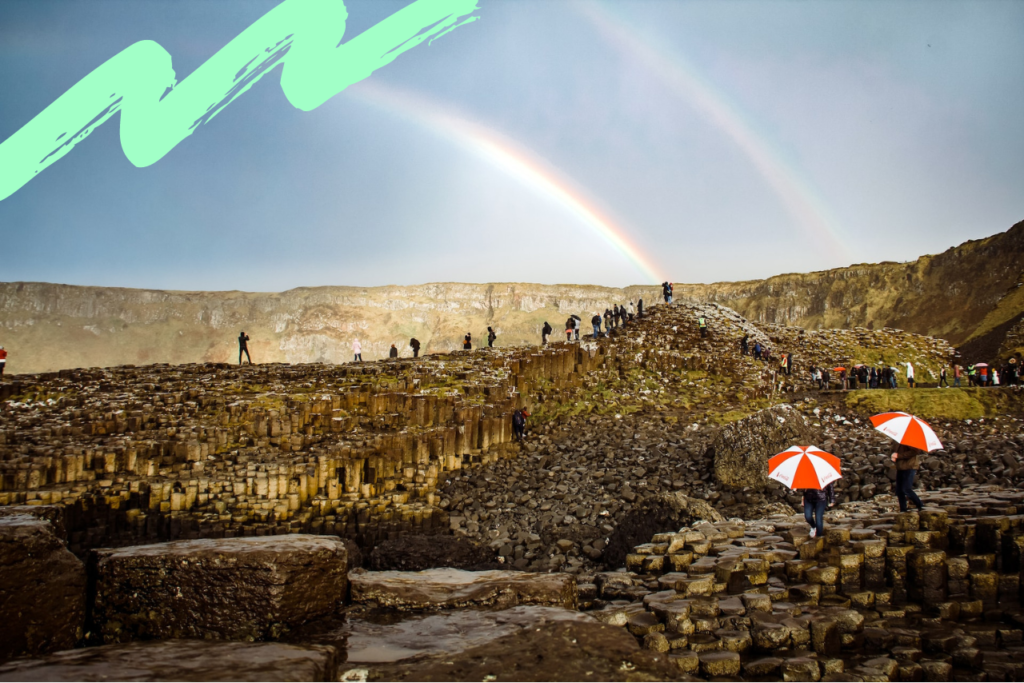
If you live in Ireland or are planning a trip across to Northern Ireland this Summer, then a visit to the Giant’s Causeway is a must. A geological wonder and UNESCO world heritage site, the Giant’s Causeway dates back to the volcanic age, almost 60 million years ago. Roughly 40,000 basalt columns of rock protrude from the ground, like giant stepping stones.
The Giants Causeway is one of the most spectacular natural wonders in Europe and yet 1 in 20 Brits place its location as Bristol, 307 miles away from its true location of County Antrim, Northern Ireland.
Perhaps they were thinking of the Cribbs Causeway or even the Clifton Suspension Bridge… Who knows?
Have fun exploring Britain and its many landmarks this summer; just be sure to look up their location before you set off!
By now we’re all well versed in the benefits of exercise, but we’ll list them again for those nodding off at the back; engaging in some form of physical activity reduces the risk of heart diseases, improves your sleep, prevents obesity, and lessens stress levels, to name but a few.
But sometimes, that hill can feel just a little too steep. On such occasions, you’ll be grateful you read to the end of this article and invested wisely in an electric bike…
Fast, practical, and environmentally friendly – these are just some of the benefits associated with electric bikes. As their prevalence in big cities increases internationally, perhaps it’s crossed your mind that it could be time to invest? Just imagine; sashaying through traffic with grace and ease, without any guilt about causing pollution, and slipping into the tightest of parking spots at the end of it? This, my friends, is the future of transport.
If only the decision to buy an e-bike was as easy as riding through town on it. However, choosing an electric bike isn’t as easy as choosing a regular bike. There are massive divergences in price and spec, and a few purchasing potholes ready to trip you up. Not to worry, we’ve come up with five essential pieces of advice on buying one. With that in mind, here are 5 things to consider before buying an e-bike.
Start With A Budget
The very first thing that you need to do is to set a limit on how high you’re willing to go with your purchase. Electric bikes come with a variety of features, some essential and some, frankly, superfluous. The more quirks and flourishes you go for, the more expensive your e-bike is going to be.
So, before you venture onto any online purveyor’s website or visit a physical, specialist shop, arrive equipped with a budget; there will be extras offered and perks dangled in front of you which you want to do your best to resist.
While you can snag a basic model for under £600, the upkeep in battery costs and maintenance on such a cheap bike could well end up costing you more in the long run. An e-bike costing over £2000 is considered top of the range, with features such as hydraulic disc brakes and suspension coming as standard at this price.
Consider Your Unique Needs
The next thing that you need to keep in mind is the fact that electric bikes are designed for different people and different purposes; some want to be racing around the city centre, darting in and out of traffic and running on adrenaline (and battery power) alone, while others prefer a canter, with green credentials proudly displayed.
No two bikes are the same, and it’s your specific needs that should determine the type of bike you invest in. If you’re riding long distances, a powerful battery should be your priority (an E-bike’s max distance is usually stated clearly in its description, with anything above 40 miles is considered long range). If you have a need for speed that you’re desperate to satisfy, most don’t exceed a 20mph maximum, though some versions with a larger motor can reach 28mph. Be aware that you’ll likely pay at least another £1000 for the privilege of those extra 8 miles per hour.
Testing, Testing, 1, 2, 3
As you are making a relatively large investment here, and your safety relies on the smooth running of your E-bike, then you should be diligent about taking your potential new wheels for a test ride prior to purchase.
Just like you test drive a car before actually buying it, you should test ride your bike, too. You want to feel comfortable and in control on your electric bike, and the only way to make certain of this is to take it for a spin or two around the block. Do make sure you take the E-bike to its upper limits in terms of speed and handling when testing it out, and scrutinise the spec before parting with any cash. That way, there are less likely to be any nasty surprises waiting for you later down the road.
E-Bike Security
Truth is, bikes are one of the most stolen items of them all. If you don’t secure yours with a bike lock (and, often, even if you do!), you run a high risk of having it stolen.
You’re probably wondering if the chances of this happening to you are even greater as a potential electric bike owner? Well, although the e-bike itself could be stolen just as any other regular bike, there is a big chance you can get it back, because e-bike security for 2022 couldn’t be more efficient in 2022. After all, you can install a GPS tracker on the bike, which can be connected to your smartphone. The best part is that the GPS tracker is installed within the engine compartment, so it is not like the robber will take it out and throw it away.
E-bikes provide more theft protection than common bikes, making this vehicle a great long-term inversion.
Think Ahead
Needless to say, electric bikes don’t require petrol to run. As the name implies, the energy coming from the battery powers the vehicle, making it safer for the environment.
Compare e-bikes with petrol or diesel-driven vehicles. While a car uses an average of 15,000 watts of energy, an electric bike uses only 100 watts. This equates to a vastly reduced carbon footprint when compared to a car.
Being environmentally sustainable is more than just buying an e-bike and running it on electricity. As all of us need to play our part in making sure that the world stands a chance in the future, we need to make sure that we only use environmentally friendly products. So, before you finalise the purchase, you should take a look at the quality of the bike and whether it will withstand the tests and tolls of time.
You should ensure that once you buy an e-bike, you shouldn’t need another one for at least ten years; so, check the durability of the bike’s parts keenly, cross referencing with reviews to make sure it stands the test of time. Doing so would rather defeat the point of buying a mode of transport in an effort to be ‘green’. Moreover, when changing the battery of the bike, ensure that it is recycled and not thrown in the rubbish.
The twenty-twenties have been a pretty tumultuous affair thus far, and that’s something of an understatement.
Defined by global instability, a pandemic, and now a cost of living crisis, it’s only natural to want to leave the dry land behind in search of that sense of escape. Indeed, if ever you deserved a holiday, it’s now.
When booking our summer holidays, we’re all after something unique and unforgettable, and not in reasons related to how long we queued at the airport or which airline lost our luggage!
There are memories that need to be made, helping to keep us going through the cold winter months and the daily grind of work and worry. If that sounds like your kind of thing, and to avoid those cursed airports altogether, then a yachting holiday could be right up your shipping channel.
Individual and invigorating excursions it is, and with that in mind, here are 6 reasons you need to go on a yachting holiday this summer.
The Freedom Of The Open Seas
Instead of being stuck in one resort with the odd excursion to provide interest, yachting holidays give you complete freedom to roam where you want and stay as long as the fancy takes you. Depending on the nautical miles and your chosen destination, you might prefer to travel around one coastline, or island hop to see and experience much more.
Groups of friends can moor near to resorts to take advantage of the lively nightlife, couples can find their own private paradise and families might prefer secluded coves away from the noise. Every day brings new views, grooves and moves…
Amazing Destinations
If you’re tired of the same old vacation spots, then yachting is perfect for you. With a yacht, you can explore new and amazing destinations that you never would have thought possible. You’ll get to sail to beautiful places and experience different cultures, all while enjoying gorgeous vistas of open seas, approaching coastlines and the rest.
Plus, you’ll have the opportunity to visit remote islands and experience nature like never before. Imagine being on a premium yacht charter in Croatia, sailing around the stunning Adriatic Sea. Or what about chartering a yacht in Greece and sailing to the beautiful Greek Islands? Or, even better, a Punta Cana yacht charterunder Caribbean skies… The possibilities are endless when you go yachting!
Are you an adrenaline junkie? Or, are you looking for a more relaxed vacation? Either way, yachting is perfect for you. With yachting, you can have the best of both worlds.
No other holiday offers the sheer scope of diverse activities. If you’re the active type, there’s always something to be done on and over board like water sports, swimming, snorkeling and fishing.
If your idea of a perfect holiday is to chill out under the sun with the lapping sea as soundtrack, what could be more perfect than reading a book or admiring the sunset with a glass of wine in hand? When dry land calls you, you can use the boat as a convenient base to go sightseeing and visit nearby places of local beauty. The choice is in your hands – just remember to keep them on the helm, too.
Privacy & Comfort
As you effectively take your accommodation and transport with you, there’s no need to battle your way through the crowds on coach tours or jostle for position on public transport to explore further afield. There is little chance of being bothered – or bothering – neighbouring hotel guests with noise since you can moor wherever you want. As they rarely – but should – say, what goes on out on the waves stays there. This gives you the chance to really relax and concentrate on spending quality time with your loved ones.
A Value For Money Holiday
Yachting holidays have the somewhat unfair reputation for being exorbitantly expensive, given the glamorous treatment by superyacht-hopping billionaires on Succession. But if you compare the prices of boat hire and an all-inclusive hotel, you’ll find there’s very little difference when you add everything up.
The well-equipped galley means you can do as much cooking as you’d like, while stopping at places which are less frequented by tourists to grant the opportunity to taste authentic and reasonably-priced local specialities. As for day-trips, your holiday is one endless rendezvous into the exciting unknown. How’s that for value for money?
Leave Your Worries On Shore
Most stresses and strains exist in the office, on the work email and along the daily commute; of that there’s no doubt. Taking to the open sea brings you far away from the walls, desks and wifi which require you to be in ‘always on’ mode. When dry land is but a distant memory, you’ll find a sense of freedom rarely felt on terra firma. And that’s what a great holiday is all about, right?
Your home’s hallway is the first place that guests interact with when they walk through your door, and its aesthetic value can make a huge first impression – both good and bad!
However, your hallway can all too quickly become cluttered and messy, from shoes and coats left by the front door, to piles of junk mail and detritus blown in from outside. To help you keep organised and make a good first impression on your guests, here is how to dress your hallway to make a great first impression on guests.
Declutter Your Hallway
As both the entrance and exit point to your home, your hallway is a prime candidate for household clutter. Coats and shoes discarded in a hurry, wet umbrellas drying from the rain, and piles of junk mail all make for an untidy hallway, not to mention debris blown in whenever you open the door causing aesthetic chaos.
Take an afternoon to thoroughly declutter your hallway. Recycle junk mail and sweep away any dirt. Go through your outside shoes and clothing and donate any that you no longer wear to your local charity shop. You could even invest in an attractive shelving unit to store your coats and shoes correctly.
Consider savvy storage solutions for your hallway, too. Slimline storage units are the way to go; consider using multiples of the Trones shoe cabinet from IKEA mounted together to form one big unit. These units are super thin and fit perfectly in a narrow hallway. Alternatively, a statement piece like the Elona shoe storage unit from Made can look good.
Create A Gallery Wall
In interior design, a good way to establish the mood of a space is through the use of colour and imagery. If you want to add personality and life, going with a gallery of photos is often a smart move. This looks like real thought has gone into the space, which is always a good look.
A gorgeous gallery wall in the hallway offers a warm welcome to visitors and provides a useful visual cue about what lies within the house. That said, the layout and content of a gallery wall needs careful consideration; without paying attention to the individual elements at play, your picture display wall may appear messy or disorganised instead.
Most hallways are lengthy by nature and offer a narrow canvas for displaying your framed art or photos. Traditionally, gallery walls are designed to remain square or rectangular in formation, but this is by no means an actual rule set in stone. For example, creating a diamond shape formation is just as effective while also adding visual interest that would otherwise not exist.
Frame Your Art In An Interesting Way
Though it is important to have a common theme for your display, it doesn’t mean that you can’t add interest. For example, you can mix and match different frame styles, textures or even designs to get a wholly unique and curated look. The idea is to have a common theme running for your pictures such as black and white, sepia toned or to only display watercolours.
Once you establish what that theme is, don’t be afraid to experiment with different frame sizes, lengths, and orientations. It is always a possibility to include some collage picture frames to help you organize smaller pictures while still keeping in line with your display.
Of course, the beauty of a gallery wall lies in the unexpected. You can create dimensional pictures for your hallway by employing the use of shadow boxes and randomly placing them between your selected frames. These boxes are ideal for displaying trinkets and treasures that are unique and personal to you.
Your hallway can be a dark and dingy place without adequate lighting. Not only can this be unwelcoming for guests, but you may find it intimidating to return home late at night and be faced with a dark hallway. Choose a ceiling light, such as a pendant light, with an expansive light range to illuminate even the darkest corner.
You could also supplement this with a freestanding standard lamp to provide a softer source of light throughout dark evenings and dim mornings. You could even install a system of smart lightbulbs that you can control via an app, allowing you to lighten up your hallway remotely before you and guests enter it!
By Gvioc_M from Getty Images Pro via Canva
Fine Tune Your Focal Point
A focal point is often the most important and under-appreciated aspect of interior design, or so say the British Academy of Interior Design. And while it may sound a little generic – obvious even – the sentiment makes sense; the focal point is normally what you notice first when you enter a space. And first impressions count.
So, ensure your hallway has one that’s in keeping with the overall aesthetic, both of the passagement and of your home’s overarching interior design. A simple ornament at the end of the hallway, an art deco clock face, or even an intricately framed mirror reflecting the beaming faces of entering guests, all does the job here.