Home Blog Page 165

Healthy Living: 7 Ways To Boost Energy Levels Before Your Workout

Ideal for maximising your next gym session and learning to live more heathily

We’ve all had those days. Even if you’re the keenest runner or most devoted gym enthusiast, sometimes the motivation to get those trainers on and pound the tarmac or treadmill can be hard to find.

Not to worry; it’s how you deal with them that matters.

Most people understand what they have to do so they can enjoy happy and vigorous lives; carve out enough time to engage in physical activity, keep your mind calm and compose, and perhaps balance your diet for good measure.

Finding the energy to do so, however, is a different story. More often than not, the biggest obstacle is inertia. After all, it’s not easy to make changes to ingrained habits.

But as a University of Leeds report published by Science Daily in February 2022 revealed, exercise gets harder the less you do. Keeping in that rhythm, then, is essential.

So, are you a quitter or a winner? Well, the latter has a secret weapon; a regime of pre workout fuelling – both dietary and motivational – to get them primed and ready for a great exercise session.

We’re here to reveal what works for us; our 7 ways to boost energy levels before your workout, IDEAL for maximising your next gym session and learning to live more healthily.

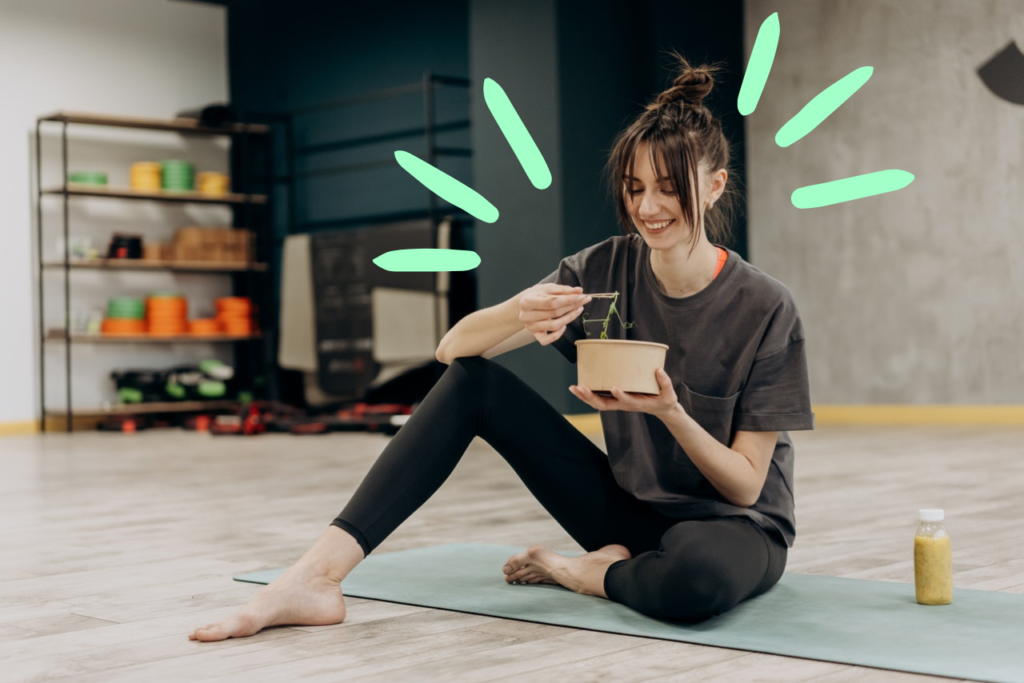
Choose The Right Fuel

There’s a direct link between what you eat and how you feel. How much of a difference it makes depends on a variety of factors, but the links are impossible to deny. On top of that, your body needs the right type of energy to keep you moving through the motions of your workout with grace and focus.

The perfect pre-workout feed should include protein, healthy fats and complex carbohydrates. These three groups benefit from being slow burning yet energy-rich, giving you that much needed boost to sustain you that little bit longer and push that little bit harder. The best stuff to fuel your fitness push? Many athletes swear by a trail mix, but other dried fruits, nuts (particularly almonds), granola, cornflakes and yoghurt are all ideal pre-workout food.

Ideally, a pre-workout meal should factor in around 40 grams of slow-digesting carbohydrates like sweet potato, buckwheat, lentils, butternut squash or whole-wheat bread. This is because studies have suggested that eating slow-digesting carbs like whole grains can help to burn more fat and boost endurance. And you can’t argue with the science, right? If that sounds like an odd mix of food, you could blend the starchy vegetables into a soup or smoothie. 
…& Know Which Foods To Avoid

Just as there are foods perfectly equipped for that pre-workout boost, so are there ingredients and preparations you should be looking to avoid. Unless you want a sluggish, subpar session, that is. 

Particularly steer clear of processed foods and sugary treats. Your body burns through both quickly, leading to a burst in energy (probably in the car on the way to the gym) that drops soon after. This can affect both your energy levels and mood, and can be really demoralising just before you start exercising.

If you needed further reason to eat healthily, then be aware that high-fat meals inhibit the ability of nitric oxide to dilate blood vessels during the following four hours, meaning decreased blood flow to muscles and less of a muscle pump.

Consider Natural Supplements To Aid Muscle Recovery

There are several supplements out there that you can take to boost your energy pre workout and aid the natural recovery of your muscles afterwards. Primed for kicking those energy levels up a notch are those caffeine capsules we already mentioned, as well as fuelling your pre workout with Creatine, a popular dietary supplement thought to increase performance. The natural occurring amino acid Citrulline is also popular among gymgoers.

Equally important are post gym supplements, particularly those which boast anti-inflammatory properties, which can reduce post-workout soreness. Omega 3 fish oil is particularly good for this, and recently, some athletes have even been turning to cannabidiol to help in speeding up the post-workout recovery process.

Of course, consult your doctor or healthcare provider prior to incorporating this supplement into your treatment, and note that studies into its efficacy are still ongoing and largely inconclusive. 

Get An Extra Boost

Caffeine is the world’s favourite pick-me-up, and for good reason. Not only does it taste bloody great and make you feel that little bit sharper, but it also increases metabolic function, helping your body burn fat and energy faster. Drinking coffee or an energy drink is a great way to get pumped for a workout, then.

Ideal for both endurance and bodybuilding, make sure you’re drinking that cup of Joe an hour or so prior to your morning workout to get the most from its energy boost; coffee actually takes a little while to fully ‘kick in’. 

If you can’t stomach the stuff, firstly; are you ok? Secondly, caffeine supplements of around 200-400 mg will do the same job, stimulating your central nervous system to make you lift heavier, and run and cycle faster. What’s more, caffeine helps to increase fat-burning and endurance, and contributes to diminished muscle pain during training. All this means you’ll be pushing that much harder, lifting heavier and generally hitting your goals head on. Besides caffeine, pre-workout supplements can boost your exercise performance and bring you results you want.
Stay Hydrated

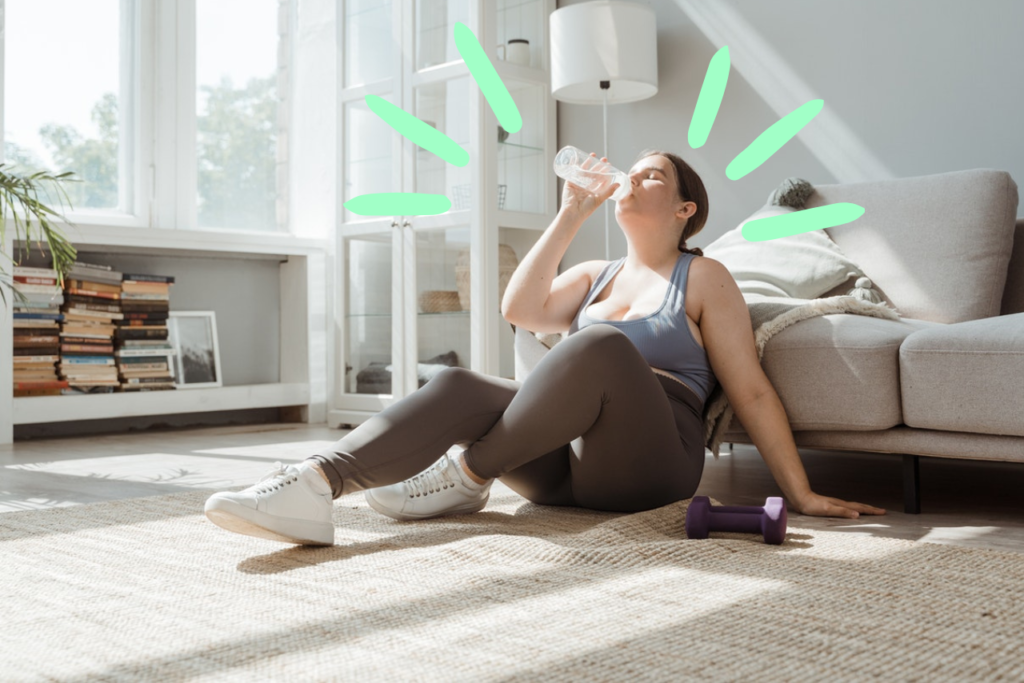
While coffee and energy drinks can also help you stay hydrated, they can’t replace good old water. Being parched has all sorts of negative health effects, including inducing fatigue and confusion. In the gym, this isn’t what you want. If you are having a hard time fighting brain fogs before or during a workout, drinking more water might be the solution.

One of the biggest mistakes gymgoers make is to allow themselves to be dehydrated when they’re working out, which results in them losing bodyweight in fluids and making exercise feel harder, in turn reducing productivity and the body’s ability to recover properly.

Professionals recommend that you drink water regularly throughout the day to stay hydrated. As a general rule, drink 300-500 ml 2 hours before your workout, 80-100 ml 10 minutes before training, 100-150 ml every 10-15 minutes during exercise and more than 200 ml after training. To make sure you are drinking enough water within your workout to restore the fluids you lose, weigh yourself before and after physical activity. You shouldn’t lose more than 2% of bodyweight.

Since exercise is a source of stress that increases levels of cortisol in an organism, consider drinking up to four cups of tea during the day, too. Studies suggest that drinking tea can help to lower levels of the catabolic hormone after workouts, helping to improve performance.
Redose On Motivation

Not all pre-workout energy-boosting occurs in the gut. A lot of work also happens in the mind. On those low motivation days, remind yourself of the reasons you started working out. 

Whether you’re trying to lose weight, bulk up, or improve your overall health, it’s always important to keep your goals in mind. When you get down to it, they can help you persevere and encourage you to continue with changes you’ve made or new habits you’ve adopted, especially when things get tough.

What will work for you here depends on the nature of your motivation. It can be pictures of your ideal body, motivational quotes, songs that particularly touch you, your desire for improved mental health, a love interest or maybe even a scene from your favourite movie. Whatever made you start working out, use it to help you keep moving and motivated on rough days.

If you’re planning on working out more often, it can be beneficial to consider joining a class because it’ll add more structure to the program, enable you to exercise safely, boost your motivation, and allow you to focus and become more accountable.

Make A Great Workout Playlist

There’s no denying the effect that music has on people’s workouts; it can be a superb motivational tool and energy booster, and as such, an essential weapon in the gymgoer’s arsenal. 

In fact, in a 1997 study regarding the effects of music on exercise, researchers Karageorghis and Terry found that  “altering the mind’s arousal state with music will result in an increased exercise performance, as if the music is ‘psyching’ one up to perform exercise better”. Wow.

Of course, it depends on what’s playing on your Air Pods. Tempo matters; a recent study found that when female runners hear songs over 170 beats per minute, they put more effort into their exercise. 

Funnily enough, that’s not even that fast paced; good news for those who can’t stand techno and speed metal. Just a handful of great songs which clock in over that pace include Paper Planes by M.I.A, Clint Eastwood by Gorillaz and David Bowie’s Young Americans. Now that’s a lovely, eclectic mix to get the heart rate up.

The Bottom Line

The next time you’re tempted to skip leg day, or you’re lacking the motivation to get out their and beat your 5km personal best, remember that there are ways and means to give your energy a boost. We’ll see you on the treadmill tomorrow, same time, same place?

5 Common Plumbing Problems & How To Fix Them

To say it’s tough to find a tradesperson right now is putting it mildly. Firstly, the millions of extra folk working from home right is placing added strain on their property’s plumbing and drainage systems. Just think, all those additional boiling kettles, flushed toilets, and long, languid soaks in the bath. Secondly, there has been a shortage of both plumbers and electricians since the Brexit vote, with many returning to their home country following that fateful day in 2016.

Combine this with a recent report that an army of plumbers is needed to slash home heating emissions in the UK, and, suddenly, we can feel ourselves rolling up our sleeves, firing up a YouTube ‘how to’ video, and preparing to get our hands dirty.

Before you do fire up that video, you might find what you’re looking for here, with these 5 common lockdown plumbing problems and how to fix them.

My Toilet’s Not Flushing

The most common cause of a failing toilet is a blockage. Whether that’s been caused by coffee granules disposed of irresponsibly, a particularly big deposit, or some other reason you’d like to keep discrete, the good news is that this is an issue which can usually be fixed using a plunger or auger. 

A turned off valve or damaged flapper are the other main reasons for poorly flushing toilets. Fortunately, these involve easy DIY repairs that you can do yourself; check out this useful step by step guide from Instructables to see how. 

Disconnected lift chains are a further reason why a toilet might not be flushing properly; just adjust its length then reattach to see if it makes a difference. Your overflow tube may also be cracked but these can be replaced cheaply and easily, too.

My Sink & Toilet Water Is Draining So Slowly

Toilets that won’t flush at all are usually caused by paper or waste caught up in the trap, after an overzealous wiping session got way out of hand. Sometimes, a plunger or auger is all that’s needed to get it flowing again. However, for large blockages or pipework challenging to access, you’re better off calling in a drainage expert

Sinks often get clogged with grease or hair. Strong drain cleaner can often fix this, but if this doesn’t work, however, we’re sorry to say a callout to your local drainage expert is best practice. In some situations, the use of pipe-to-tube adapters can simplify connections and improve flow, making it easier for professionals to address and prevent future clogs.

My Taps Won’t Turn On

Start by checking the water supply by ensuring the shut off valve is fully open. If this doesn’t remedy the problem, disconnect the hoses from both taps and turn the tap. As valve suppliers XHVAL, who offer customised valve fittings, tell us, a strong flow indicates that the problem lies with the fixture itself. 

On the flip side, if there’s no flow, the pipework is to blame. Low pressure can be caused by a closed valve in another location or the buildup of mineral deposits. These commonly build up in the tap’s aerator. Soak overnight in white vinegar, and this should fix it.

My Shower Isn’t Working

Common problems with electrical showers include button faults, dodgy electrical contacts or broken electrical elements. Unfortunately for your DIY efforts, a plumber is best equipped to repair all of these faults, since the mixture of electricity and water can be lethal when in the wrong hands. As such, if you notice a burning smell with your electrical shower, isolate it at the mains board and call an electrician and plumber ASAP.

That said, there are a couple of DIY fixes you could try before resigning yourself to a callout. Firstly, if the water from your shower is tepid, then you could invest in a new pull cord switch, which are available on Amazon from around £50 and fairly simple to install.

Should your issue be causing fluctuating water temperatures, then check that the mains valve is fully open (it being partially closed is a common cause of that much feared, unannounced switch from scalding hot to bracingly cold and back again).

Finally, if you’re not getting any water at all, there could be a problem with your shower’s solenoid valve. The good news is that you can replace the coil to this valve yourself.

There Are Leaks Around My Bath & Shower

There are fewer worse sights than a leak; it demands immediate attention yet you know finding the root cause won’t be simple. It’s insistent and unrelenting, yet insidious, too. Perhaps it even reminds you of the slow, inevitable march towards the end. Okay, maybe we went a bit far there, but you get the picture. Who loves leaks, hey? Not us. 

Anyway, the most common causes of leaks around baths and showers are faulty mortar grout lines or caulking. When the water from your bath or shower enters these spaces, it can cause damage to wall cavities, resulting in some hefty renovations being needed. To prevent this from happening, regularly inspect grout lines and caulk, regrouting and recaulking when required. Prevention is better than cure, after all.

Knowledge Is Power: How To Better Listen To Your Body Today

Knowledge is power, as the old saying goes, and this has never been truer than when considering your health. If you are looking at ways to change your health and get yourself moving in the right direction, both physically and mentally, then it’s essential that you have a deep, implicit and intimate understanding of your health. 

This all starts with listening to your body. It’s a clever, intuitive thing, but sadly, your body can’t talk in the same language as you speak, so instead you should work on understanding it in different ways. With that in mind, here’s how to better listen to your body today. 

Your Body Gives You Signals

The first thing that you need to know is that your body gives you signals for what it needs. 

And as a wise person once said, ‘’eat when you’re hungry and sleep when you’re tired’’. We think there’s a lot of truth in that. A rumbling stomach, dry lips, a headache…these are signifiers your body has developed to communicate with you its needs. Listen to them carefully and pay these signs respect.

Go To The Doctor When You Need

Knowledge is power, and whilst checking your symptoms online can be a useful starting point in your road to diagnosis and treatment, it’s a wise idea to exercise a fair bit of caution where Dr. Google is concerned. You could search “Why do I have abdominal pain?” and come away with the possibility of either having indigestion or a ruptured spleen.

As Cover Magazine reports, “Over a third [of Brits are] using online self-diagnosis to decide whether they need to see a medical expert”, which, whilst a good idea to get better informed, is being used so as not to ”put pressure on the NHS”.

It’s been reported that fewer people are seeking medical help out of concerns about COVID-19 being present in GP’s surgeries, hospitals and clinics. Moreover, because of NHS backlogs and waiting times, people aren’t seeking out a crucial diagnosis or much-needed treatment fast enough.

Regardless of the current backlog, if you’re one of those people who puts off going to the doctor, then now is the time to make a change, rather than continue to ignore any latent issues. If your schedule is packed, you may want to get a home visit doctor to come to you. That way, you can get the care you need without needing to visit a clinic.

Instead of spending a string of sleepless nights staring into your phone and doom-scrolling the diseases you may or may not have, it’s important to recognise when it’s time to see an actual doctor rather than misdiagnosing yourself. Whilst passing colds and temporary coughs may not indicate something sinister, lumps, dramatic weight loss, new moles and altered bowel habits are all issues that require physical examination, so don’t put off seeking an appointment.

©[Helen Bell] VIA CANVA.COM

Mindful Eating

Hands up if you’re guilty of wolfing down your food, eyes fixated on the TV and not on your fork? Well, eating without thinking does no favours to your gut health. 

When it comes to gut and digestion, slowing down and properly chewing your food is the way forward. Chewing is the first stage in the digestion process and puts each meal on the path to healthy digestion from the off. To get all scientific, chewing breaks down your food into smaller particles that are more easily digested. This, in turn, makes it easier for your intestines to absorb the nutrients from your food. 

Chewing mindfully may also stop you from overeating. When you eat quickly, the body doesn’t get a chance to tell your brain it’s full. However, when you chew slowly, it gives hormones the time to send signals to the brain that you’ve been well fed and satiated.

It’s time to start giving eating and digesting the care and attention it deserves. Try to eliminate all distractions from the dinner table. So, that’s phones placed well out of reach, TVs off, work banned from this sacred space, and only positive vibes and plentiful plates welcome. 

Not chewing your food properly or engaging with your meal attentively can lead to all manner of issues, such as overeating and under appreciating, and even digestive problems such as bloating. 

Learn To Know The Nutrients Your Body is Craving

Do you crave salty food when you’re hungover? Chances are you’re dehydrated and your body is looking to fix an electrolyte imbalance. Are you craving chocolate or coca cola? Your body is likely low on its blood sugar level, making you low in energy, too. Has that cheese craving hit again? Perhaps a calcium deficiency needs seeing to. And that curious craving for chicken liver? Your body might be telling you it needs more iron.

Of course, it’s essential to listen to your body, but the link between cravings and deficiencies is still largely unproven. Better still to get acquainted with vitamin information to understand why they are so important to the human body and what it is you need.

5 Of The Best Restaurants Close To Fisherman’s Wharf, San Francisco

A series looking at the best dining options within walking distance (1 mile) of city landmarks worldwide. Here, we offer our 5 IDEAL restaurants close to Fisherman’s Wharf, San Francisco.

We think it’s safe to assume that those heading to the Golden City for the first time aren’t exactly going in blind; the city is just too iconic for that. As such, we’re sure you’ve already got your boat trip to Alcatraz booked. You’ve checked the plausibility of walking the Golden Gate Bridge, or perhaps renting a hire car in San Francisco and driving it, your inner hippy is already sparking up at the prospect of Haight Ashbury and you’re hoping for fresh seafood Fisherman’s Wharf. 

With so many food options to choose from near the Wharf, it can be easy to grab the first clam chowder you catch a whiff of and move on through the throngs. But to do so would be to miss out on some of the city’s best dining spots, all within walking distance. Dig a little deeper, have a little patience, and you’ll be richly rewarded, with these; our 5 of the best restaurants close to Fisherman’s Wharf, San Francisco.

BOUDIN BISTRO (0.2 miles)

Most of the city’s touristy dining spots are, well, just that; packed with visitors and as such, a little soulless and underwhelming. The exception, we think, is the Boudin Bakery chain, as well as Boudin Bistro, found on 160 Jefferson Street, Fisherman’s Wharf. The bakery chain is ubiquitous with San Francisco, and makes a rightful claim to being both the city’s oldest business still in operation and perhaps more impressively, to baking the original San Francisco sourdough, a loaf which forms part of the fabric of the city. 

Visit one of their bakeries in the area or head to Boudin Bistro for a clam chowder served in a sourdough bowl; there really couldn’t be anything more San Franciscan than that.

Website: www.bistroboudin.com 
Address: 160 Jefferson St, San Francisco, CA 94133, United States 

EAT CRAB SAN FRANSICO

GARY DANKO (0.3 miles)

From something citywide to somewhere very much one of a kind. Gary Danko is the finest of fine dining establishments found in Fisherman’s Wharf, boasting a Michelin star and seventeen years of top-notch food and service to boot. Cutting edge this is not, but classical French cuisine using the finest ingredients found stateside is cooked with the respect that deserves. The Dungeness crab salad is a thing of elegance and beauty, and desserts are outstanding. A real special occasion kind of place, but worth every penny if you fancy being spoiled.

Website: garydanko.com 
Address: 800 North Point St, San Francisco, CA 94109, United States 

THE CRAB HOUSE AT PIER 39 (0.5 miles)

If you’re after something a bit more informal, then the Crab House at Pier 39, a tourist favourite on the edge of the Fisherman’s Wharf district, will be right up your street. Or pier. Right up your pier.

Consistently voted as having the ‘best crab in San Francisco’, if it’s shellfish you’re after, this is the place. Yep, while there are other delicious crustaceans on offer here (try the roasted mussels and shrimp) it really is all about the crab; crab Louie salad, crab angel hair lasagna, a whole crab which demands you don a bib and plastic gloves and get elbows deep in shell and tomalley…it’s just fantastic. The restaurant’s views of Golden Gate Bridge certainly do no harm either.

Website: www.crabhouse39.com 
Address: 203 Pier 39, San Francisco, CA 94133, United States 

By WillEye from Getty Images

LAI HONG LOUNGE (0.9 miles)

Stroll a little inland from Fisherman’s Wharf and you’ll find the dining options expand infinitely, with the city’s famous Chinatown (the largest of its kind outside of China) being the focus of some of the city’s best food, full stop. Though you could head here with nothing on the itinerary and no juice on the phone, simply follow your nose and eat very well indeed, if you’re looking for something sit down and guaranteed to be delicious, it has to be Lai Hong Lounge on Powell Street, which you’ll happen across just before reaching Chinatown if you’re walking from the Wharf. 

Though the vibe is quaint and very much authentic, and the menu as large as you’d expect from that description, it’s all about the dim sum here. The Har Gow shrimp dumpling and crispy pork belly bao bun are superb. Take note; they do an amazing brunch deal, when you might not have to queue for quite so long.

Website: www.lhklounge.com
Address: 1416 Powell St, San Francisco, CA 94133, United States

GREENS (1 mile)

Seafood, sourdough, Chinese…all very typical of delicious dining options in the city. Greens, back on the waterfront in the Fort Mason Center, serves a different type of quintessential San Franciscan cuisine; the locally grown, sustainable and healthy kind. This cracking vegetarian restaurant was one of the first to fully articulate that ethos of ‘farm to table’ nearly four decades ago. It’s been an influential, inspirational restaurant ever since, championing local produce and minimal waste while the world caught up.

This year has seen 40th anniversary celebrations with special menus designed by some of the country’s best chefs, including Chez Panisse’s Alice Waters. We hope the next 40 years bring much more of the same!

Website: greensrestaurant.com 
Address: Fort Mason Center, Landmark Building A, 2 Marina Blvd, San Francisco, CA 94123, United States 

Can I Do End of Tenancy Cleaning Myself?

0

If you wish to claim your security deposit when you are moving, a major clean-up operation will likely be high on your priority list, especially if it is a part of your tenancy agreement. And because of the stress involved in moving, particularly in the capital city where time is short and money often tight, much of the end of tenancy cleaning in London is done by hired professionals.

You can decide to do it yourself if you are on a tight budget, sure, or you can use professional cleaning services. This article contains some basic things to know about cleaning while moving out.

Do I Have To Do An End Of Tenancy Clean?

End of tenancy cleaning depends on your tenancy agreement which most times demands that you leave a house in the same state it was in when you arrived.

This doesn’t only refer to a general sense of tidiness; it also involves the physical appearance of the home and its amenities. Even anything as seemingly minor as a chip to the furniture or unauthorised paint jobs can cause a security deposit deduction.

Do You Have To Clean Carpets?

The carpet is one of the important items you have to clean. It is a prominent item in the home, so if you do not do a thorough cleaning of it, it might make the whole room look unkempt, not to mention the smell a dirty carpet can give off! This means that you will not get your full deposit fee.

Cleaning the carpet does not stop at vacuuming the dirt off it; it will likely need a deep clean. This is usually much more easily accomplished in the hands of a professional, as specialist equipment is often required.

If you are going to take this one on yourself, then you might want to invest in a quality vacuum cleaner, whether that’s a Dyson, Miele or Riccar. You can buy Riccar here, via Amazon or locally, of course.

Read: Tips for cleaning carpets and rugs

End Of Tenancy Cleaning: Your Checklist For A Spotless House

To ensure you do not miss any part of the home that can cause the landlord to complain or consider deducting your deposit, you need a checklist. This checklist helps you note down important things. And if you miss anything, you can go back to the tenancy cleaning checklist you created, making your cleaning work easy.

Get all required cleaning equipment: If you do not want to call a professional cleaner, then you have to ensure that you have professional equipment to help you clean. Some of this equipment includes; upholstery shampoo, clean clothes or rags, scrubbing brush, cleaning solution, spray bottles, and any other item you use in your home’s regular cleaning.

Check the walls: Carefully inspect the walls of all rooms for stains and marks. If some stains and marks can be cleaned off, do so. And if not, you might have to repaint the walls. If the stains only appear in spots on the wall, you can repaint the parts of the wall where there are stains with paint of the same colour. But if the stains are more prevalent, it will be better to repaint the whole room.

Check the doors: The doors are also areas where dirt can accumulate, so, check the door handles for dirt. Then you have to ensure the door locks are still working and in perfect condition, though you would have seen signs if you have been living in the house.

Check the windows: Inspecting all the windows will be a lot of work because you have to check both the inside and outside of the windows. And even though you can clean the inside of the windows yourself, you might need to employ a professional window cleaner to clean the exterior part of the windows.

Clean the ceilings: The ceilings are usually filled with only household dust and cobwebs, so you can get along with some dusting and sweeping, though you will need extendable brooms.

Check the fixtures and fittings: Check the plug holes for stains or damage, then clean and polish them till they are sparkling. Then, you can move to your upholstery to make sure they are free of stains.

Check up the curtain rods, blinds, and other little details. Locate scuff marks on the coffee table or hard floors, and clean them off with baking soda paste.

Carpets or rugs: If you are using either a rug or carpet, you will need to do a deep cleaning to get off all accumulated dirt. As we mentioned, this is best done by professional cleaners. You should consider hiring a carpet cleaning machine for soiled carpets.

Check each room: Once you are done with each of these areas in each room, you will then have to check for other details in the individual rooms.
Now you can check the shower head in the bathroom and all the cupboards in the kitchen, then the drain grates, and other things you can see or think of

So, Can I Do An End of Tenancy Cleaning Myself?

You can do the end of tenancy cleaning yourself without calling on local cleaners. However, the stress of moving to a new property is enough on its own, without having to add cleaning the existing property. So if you are not feeling up to it, you can employ companies that offer end of tenancy cleaning services and have them do a professional cleaning operation.

Can The Landlord Force You To Hire A Cleaning Company?

No, it does not matter whether you do domestic cleaning or use professional cleaning services; the landlord can not force you to do the latter.

The only thing your tenancy agreements state should be you leaving the rental property in the same state it was when you arrived, else, there will be tenant’s deposit deductions. This does not mean the cleaning has to be done by professional tenancy cleaners.

As long as it looks like a property professionally cleaned, you should have no problem when the landlord comes for a final inspection.

4 Potential Benefits Of Cupping Therapy

The ancient vacuum pressure technique of cupping, now used primarily for its reputed positive effect on muscle recovery, has some pretty famous fans. Indeed, in recent years it’s been reported that everyone from Michael Phelps to NBA stars uses cupping to help heal aches, pains and injuries.

You might recognise those telltale bruises on your favourite sports star’s body, but fear not; this ancient practice that uses glass cups on the skin to create suction, whilst still not scientifically proven to be medically beneficial, is relatively painless.

But what exactly is cupping? Evo Academy, who run cupping courses, tell us that “Cupping therapy is a form of local suction massage used on the skin to increase blood flow and promote healing”.

They go onto explain that, “A partial vacuum is created in cups placed on the skin by means of heat or suction”. This action pulls in the soft tissue and draws blood into the area and the cup is then left in place for a few minutes.

As explained by Heathline, there are four main methods of cupping. These include dry cupping, which is a suction-only method and wet/bleeding cupping which involves both suction and controlled medicinal bleeding. 

Then there is running cupping, which, as Healthline again explains, involves moving suction cups around the body after applying oil to massage the desired area. Finally there is flash cupping which “involves quick, repeated suction and release of cups on an area of the body”. 

Most medical and health professionals can perform cupping if they have received the proper training and undergone a cupping course. These include Chiropractors, Massage Therapists, Acupuncturists, Medical Doctors and Physical therapists. 

If you’re considering this procedure, do make sure that your therapist is registered with the British Cupping Society, which falls under the umbrella of the General Regulatory Council for Complementary Therapies (GRCCT).

By now you’re probably wondering exactly why people might undergo this therapy? Let’s explore further; here are 4 potential benefits of cupping therapy.

May Help Circulation

Cupping promotes blood circulation to the areas where the cups are placed, which is often at the point of injury. This may help relieve tension and pain in the muscles, and could even promote cell repair through increased blood flow, according to advocates of the therapeutic practice.

It should once again be noted that scientific studies are thus far reluctant to make concrete conclusions about the efficacy of cupping.

Read: What Are The Potential Benefits Of Soaking In A Hot Tub?

Potential Stress Relief

Turbulent world events, personal struggle, stress, anxiety and worry are some of the common things we experience daily. Managing these feelings is essential in maintaining a healthy disposition in life, but that’s easier said than done. Whilst the benefits of cupping are still being explored, some use the ancient practice as a form of stress relief.

This is because, as Women’s Health Mag point out, ‘’Cupping may be helpful in treating the more physical manifestations of stress’’.

You know those symptoms, of a clenched jaw, tight shoulders and tense muscles? Well, cupping’s potential for pain relief may just help lessen the physical burden of stress, too.

Help Expel Toxins From The Body

That improved blood flow brought on by cupping that we keep mentioning may also help restore lymphatic circulation, the complex bodily system of fluid transport and drainage. 

Some specialists believe that by stimulating lymphatic drainage, you quicken the release of waste and toxins from the body, which could be particularly useful for those suffering from lympathic fluid build up due to cancer and cancer treatments that involve removal of the lymph nodes, as well as from burn scar excision, lipectomy, filariasis, and several other causes.

Can Help Lighten Varicose Veins

Varicose veins are those bluish bulging veins that appear just under your skin, usually on legs and feet. The condition is often found in pregnant women and the elderly, as well as those who have to stand for long hours on end. These unsightly veins appear when your usual blood circulation process has been interrupted. 

Since cupping increases blood circulation to the area where the cups are placed, the therapy may be useful in lightening the appearance of varicose veins and lessening the pain associated with the condition. It should be noted that only dry (not wet) cupping is recommended for varicose veins.

It should also be noted that the majority of potential benefits of cupping are believed to be more fully realised when combined with both other traditional and complementary therapies, such as acupuncture, chiropractic and dietary approaches to pain relief and healing.

The Bottom Line

Cupping is an ancient tradition that needs to be understood if it is to be helpful. If you’re interested in learning more about cupping, there are comprehensive cupping courses online that can teach you the theory, language and practice of cupping, helping you understand how effective it might be.

*This article is not intended to replace medical advice, diagnosis or treatment given by a qualified health professional. Instead, this article only provides information, not advice. For any medical enquiries, always consult your GP first*

Hotel Review: Kong Arthur, Copenhagen

If we could date Copenhagen we would. Every time we visit this Scandinavian city we’re seduced by it. It’s a place that manages to be trendy and charming all at once. It’s cool, always happy and exudes artistic intensity.  We love the city’s experimental nature and how it’s edgy enough to push us out of our comfort box, but always makes us feel safe.

Like us, Copenhagen loves food, craft beer and cosy nights in. With its clean lines and fetching designs, it’s not bad on the eye either. We’re not the only ones who think so, according to Trend reports it’s one of the most enticing destinations in the world.

If you’ve never fallen in love with a city, then you’ve never been to Copenhagen. It’s time to put yourself out there and pay it a visit. Oh, and if you want a place in it’s heart, here’s the ideal hotel to stay at.

Location

Right in it’s heart, Hotel Kong Arthur is set in the ideal location to get under the skin of the city. Tucked at the back of a cobblestoned alley overlooking the city’s lovely lakes, Nørreport station is a short seven minute stroll away.

Around the hotel there is plenty to do and see. It’s right next to the cosy neighborhood of Nansensgade where you’ll find little bohemian cafés, trendy designer shops and lots of wine bars – it’s so hard not to go into every place you see. Opposite the hotel, on the other side of Queen Louise’s Bridge you find Nørrebro which is one of Copenhagen’s coolest quarters. 

Decor & Atmosphere

This family-run hotel was originally a boarding school for carpentry apprentices in the 1800s, however much has changed since then. Kong Arthur is now a luxury boutique hotel exuding Nordic cool.

When you enter the lobby, the first thing you notice is the crackling fire, the comfy looking sofas and the shining suit of armour standing in the corner (a nod to the hotel’s namesake.) It’s a space which instantly invites you to relax and put your feet up.

Staff are friendly and eager to please, but not in an annoying way. The hotel itself is grand and spacious, yet manages to be cosy and personal at the same time. There’s an ambiance of comfort, open conviviality and unpretentious elegance here which we love.

HOTEL REVIEW: KONG ARTHUR, COPENHAGEN

Rooms

If we had a bit of extra cash spare to decorate, we’d copy the decor of the boudoirs at Kong Arthur. Each of the hotel’s 155 rooms is unique, with hardwood floors and contemporary art. Like the rest of the hotel they have an elegant understated decor about them and a ‘homey’ feel.

Eco-Friendly

Copenhagen is of the world’s most eco-friendly cities. It’s a place that ‘sees further than the end of it’s nose’ and Kong Arthur stays true to its ethos. Impressively, the hotel is CO2-neutral on energy consumption and part of the world’s first CO2-neutral hotel chain.

Food and Drink

Inspired by New Nordic cuisine, the breakfast here is all about local organic ingredients and sustainability.  Served in a light atrium overlooking the courtyard, it’s exactly how you’d imagine a Scandinavian breakfast to be; wholesome and fresh.

There’s a varied selection of breads made with organic flour from Bornholm and Nordic grains. Cold cuts and cheeses are provided by Knuthenlund, a highly acclaimed family run organic farm in Lolland, and jam is made from seasonal produce like sea buckthorn, rose hip and mirabelle. You can even cook up your own waffles if you fancy something a little more hearty.

HOTEL REVIEW: KONG ARTHUR, COPENHAGEN

We seriously suggest making time for this spread in the morning, but if you really can’t, you can get a ‘grab and go’ breakfast for 75 DKK. The hotel has three restaurants – Italian, Spanish and Japanese, however during our stay we were on a mission to sample as much Nordic fare as we could so can’t comment on the restaurants – but given the standard of everything at the hotel, we’re sure the food is good.

Read:  5 IDEAL coffee shops in Nørrebro, Copenhagen

Cosy Hour

The hotel wholeheartedly embraces the Danish concept of hygge with their aptly named ‘Cozy Hour’. Every afternoon between 5 and 6pm, guests are invited to the lobby where they can have a free drink and lounge around in front of the fire. 

The Spa

The hotel’s spa, Ni’mat (which means luxury Indonesian) was inspired by the owners travels to the East.  With authentic Asian decor, it could possibly be one of the most beautiful spas we’ve ever been to. Even if you don’t book a treatment, a visit to the hot tub is a must as it feels like your relaxing under hundreds of twinkling stars – you’ll see what we mean when you go.

Other Facilities

If you find yourself having one-too-many Danish hotdogs, you can burn them off at the hotel’s small fitness room. Copenhagen is the city of bikes, so of course you can rent one from the hotel to explore further.

Why Go

To stay right in the heart of Copenhagen in an elegant boutique hotel that you won’t want to leave.

Address Nørre Søgade 11, 1370 København K, Denmark

Websitewww.arthurhotels.dk

Disclosure: IDEAL stayed as a guest of Kong Arthur

How To Start An eCommerce Business In The UK

0

Ecommerce businesses have been booming in recent years in the UK. Thanks to the rise of online shopping and easy access through mobile devices, more people than ever are making purchases online. Whether you’re looking for clothing, electronics or anything in between, there’s an eCommerce business out there that sells it. 

If you’re considering starting your own eCommerce business in the UK, there are plenty of opportunities for new online shops and an ever-growing demand from consumers. The UK has one of the most advanced eCommerce marketplaces globally and in 2019 alone made £696 billion in eCommerce revenue

Despite the growing number of online businesses, there’s still plenty of space for newcomers to start their online businesses. But it’s not as simple as setting up a website and clicking publish. You need to do a few things first to get your business set up for success. This guide will walk you through the steps you need to take to launch your eCommerce store in the UK. Let’s get started. 

Starting An eCommerce Business In 7 Steps

If you’re thinking about starting your own eCommerce business in the UK, then you’re in luck.

The UK is one of the world’s leading eCommerce markets, and it’s only getting bigger. Whether you’re looking to make a little extra money on the side or build a full-time business, there are plenty of opportunities for businesses of all sizes.

Here are the seven steps you need to take to get your business up and running: 

Step 1: Identify Your Niche & Choose Your Products

As an eCommerce business, it’s essential to have a focus. Trying to be everything to everyone is a recipe for disaster. That’s why it’s crucial to have a niche. A niche is a specific group of people you’re targeting with your products or services. 

Try to be specific with your niche; even being too broad within a niche can mean you miss opportunities. For example, if you’re planning to sell baby products that are good for the planet, target eco-conscious new parents rather than parents as a whole. 

Knowing your niche makes it much easier to choose your products. It’s also important to remember that your niche and products can change as you learn more about your business and what your customers want. 

Step 2: Carry Out Market & Competitor Research 

If you’ve been considering starting your own business for a while, you’ll probably already have a good idea of your niche and the products you want to sell. But it’s essential to confirm that there’s a demand for your product or service before doing anything else. 

Carrying out market research is an essential step. It will help you understand your potential customers’ needs and identify any gaps in the market you could exploit. There are several ways to carry out market research, including:

  • Online surveys
  • Interviews
  • Focus groups
  • Social media monitoring.

Once you understand your target market well, you can start your competitor research. Look at their pricing structures, product range and marketing strategies. This will give you some ideas of what works well in your industry and what doesn’t. 

Step 3: Choose An eCommerce Business Model

The two most common business models for eCommerce businesses are business-to-consumer (B2C) and business-to-business (B2B). Each model has its own unique set of benefits and challenges, but the products and services you offer will determine which is best for you. 

Once you’ve determined your business model, you’ll need to work out your value delivery method and how you can increase your order value as much as possible. Your value delivery method is essentially how your supply chain will work, and you have several options: 

  • Traditional — With this method, you’ll buy and store your products and send them directly to your customers. New eCommerce businesses usually use this method. 
  • Dropshipping — You’ll use a dropshipper to handle your orders rather than directly store and dispatch your products. The dropshipping service will automatically ship products to your customers when you receive an order. 
  • Wholesale — You’ll need a warehouse or storage space for this method. By buying products in bulk, you’ll be able to potentially increase your sales make higher profit margins, but you’ll need to handle packaging and shipping. 
  • Subscription — Offering a subscription service is a great way to guarantee recurring orders and increase your order value. Rather than sell individual products, you’ll regularly send a product package to consumers. 
  • Order Fulfilment – By outsourcing this crucial process to a third-party provider or implementing effective in-house strategies, businesses can focus on core competencies like marketing and product development. As the the experts at Red Stag tell us, streamlined order fulfilment ensures timely deliveries, accurate inventory management, and enhanced customer experience, ultimately leading to higher customer retention and business growth.

Step 4: Pick A Business Name

A standout business name is essential for the success of any eCommerce business. It’s vital to choose a name that’s short, memorable, easy to spell and reflects the products or services you offer. 

Picking a business name might sound like one of the most straightforward steps in starting your eCommerce company, but it can be tricky. It’s a good idea to come up with a list of potential names and mull them over. Ask your friends and family for their honest opinions on the options and take them on board. 

The use of a business name generator from Looka can help you explore name ideas that align with your brand identity, getting ideas flowing if you’ve hit a bit of a wall in terms of inspiration.

Once you’ve settled on a few potential names, it’s time to do some research to ensure another business isn’t already using the name you’ve chosen. You also want to make sure that your chosen name is available as a domain name and can be used for social media and other marketing purposes. 

Step 6: Create A Business Plan

Now that you’ve nailed down the critical information about your eCommerce store, it’s time to create a business plan. This may seem daunting, but it doesn’t have to be, and you’ll already have a lot of the information ready.

A business plan is a document that outlines your business goals, strategies and tactics. To write a successful business plan, you’ll need to include several key sections:

  • The executive summary should concisely describe your business and its objectives. 
  • The market analysis section should provide an overview of your industry and target market. 
  • The competitive analysis section should assess the strengths and weaknesses of your competitors. 
  • The product or service section should describe what you’re selling and how it meets your customers’ needs. 
  • The marketing and sales section should outline your plans for promoting and selling your product or service. 
  • The financials section should include your projected income statement, balance sheet and cash flow statement. 

By including all of these elements, you can create a comprehensive business plan that will give you a roadmap for success. Remember, your business plan isn’t set in stone and will evolve as your business grows. 

Step 6: Choose An eCommerce Platform & Set up Your Store

With the foundation of your business in place, it’s time to choose an eCommerce platform and set up your store. There are several options out there, so it’s important to do your research and select the right platform for you. You have a choice to either set up on an existing platform like Etsy or Amazon or create your own eCommerce site. 

While you can build an eCommerce site from scratch, most businesses use an eCommerce platform that makes the process as simple as possible. These are the most common eCommerce platforms:

  • WooCommerce
  • Squarespace
  • Shopify.

Once you’ve chosen a platform, setting up your store is relatively straightforward. Most platforms will provide templates and tools to help you get started. They have drag and drop features that make designing your store easy. Depending on your skill set, you may choose to hire a web designer or marketing agency for your website as you will need to: 

Step 7: Register Your Company

The final step in setting up your eCommerce business is to register your business with Companies House and/or HMRC. As a new business, you have two main business registration options: 

  • Register as a limited company
  • Register as a sole trader.

As a sole trader, you’ll be the only business owner and solely responsible for its debts. This can be an advantage if you want complete control over decision-making, but it also means that you’ll be personally liable for any losses incurred by the business. 

On the other hand, a limited company offers limited liability protection for its shareholders. This means that you will not be held personally responsible for the company’s debts, but it can also mean that you’ll have less control over decision-making if you have other shareholders.

Most people who start their own business in the UK will begin as a sole trader and register as a limited company once the business has grown. But nothing is stopping you from registering as a limited company straight away. 

Once you’ve registered your business with Companies House and HMRC, you’re ready to go. You can hit the “go live” button on your website and eagerly await your first customer.

Our Favourite Rom-Coms of the 21st Century So Far

Has the depiction of relationships on this season’s Love Island got you feeling a little down about the state of modern romance? Are you tired of swiping and scrolling without ever finding, desperate to be reminded of a more fairytale way of doing things? 

If you’d like to peer into a screen and see romantic tales of a more old-school bent, of the ups and downs of relationships as Hollywood (rather than ITV2) intended it, then you’ve come to the right place…

No, not Hollywood, the cinema, or Netflix. But rather, here, at IDEAL, and our favourite rom-coms of the 21st Century so far.

How To Lose A Guy In 10 Days (2003) 

In a competition to prove their point (hey, isn’t that just life these days), magazine writer Andie and advertising executive Benjamin fall into each other’s plans with little anticipation of what might happen next. 

As Andie attempts to justify how to lose a guy in 10 days by impersonating her friend’s needy behaviour, Benjamin aims to prove to his boss that he can make any woman fall in love with him. 

With two forces only pushing each other closer together, their chances of escaping one another are slim. Starring Matthew McConaughey (we could listen to his voice forever!) and Kate Hudson, this 2003 romcom is certainly not one to be missed and almost 20 years later, is still considered a timeless classic. 

What Happens In Vegas (2008) 

Cameron Diaz and Ashton Kutcher take centre stage in one of the most hilariously witty rom-coms of the 2000s. When Jack (Kutcher) and Joy (Diaz) both face personal problems in their home city, their friends convince them that the perfect escape from reality is Sin City

When the pair meet one another in an unusual hotel room switch-up, they decide to take on a night in the city together and end up…tying the knot! However, divorce for these strangers isn’t as easy as it may seem, especially when they hit a 3-million-dollar jackpot together! 

Make sure that you play this hit on the big screen for a more cinematic experience. Click here for TV wall mounting services, and here to read more about how to create your own cinema at home.  

Marry Me (2022) 

When two popstars (perhaps not quite as relatable as we promised, this one) plan to have an onstage marriage after the success of their latest hit, events don’t quite go according to plan. 

Kat (played by Jennifer Lopez) discovers, at the ceremony, in front of a large-scale audience, that her fiancé, Bastian, has been having an affair with her assistant. She then notices a man in the crowd holding a sign with the name of their hit “marry me.” Straight away, she takes him up on the offer. 

Charlie, a divorced maths teacher, with a young daughter, suddenly becomes married to a superstar. Can the pair keep up the act for the world to see or will their ‘marriage’ flunk? Check out this newly released hit to find out!  

Bride Wars (2009) 

Kate Hudson stars in yet another one of our favourite romantic films of the 2000s alongside co-star Anne Hathaway as the pair portray the role of two childhood best friends who are longing for their special day…their wedding day, of course! 

When the time finally approaches and their dream men pop the question, the planning begins. What they don’t anticipate is for their big day to end up being booked at the same venue…on the same day! 

Instead of replanning, these two chose chaos and sabotaging instead of attempting to rectify the problem. For some hilarious viewing, be sure to tune into this 2009 favourite.  

Holidate (2020) 

Emma Roberts and Luke Bracey star in the Holidate, as two young adults who struggle to make a relationship work. As Sloane’s (Roberts) mother constantly gets on at her about her single status, when she bumps into Jackson (Bracey) unexpectedly, she agrees to become his holiday date in the hope that her mother will get off her back. 

As the pair are attempting to avoid commitment, they end up constantly in denial about their feelings for one another. However, over time, they realise that they may actually be meant to be. 

Friends With Benefits (2011) 

Platonic love is the pinnacle of one of our favourite rom-coms of the 2000s as Mila Kunis and Justin Timberlake star as two work friends who attempt to highlight the idea of a friend with benefits status with no feelings involved. 

As they both attempt to date other people while hooking up with each other in between, it is clear that this platonic friendship could potentially go downhill. However, with work motives involved, that may not be an option. Kunis and Timberlake both play a considerable role in making this film a hilarious yet touching masterpiece.  

That Awkward Moment (2014) 

A movie starring Zac Efron, Michael B Jordan, and Miles Teller…shall we say anymore, or have we got you hooked already? Efron plays the role of Jason, a young man who can never make it past the dating stage as he fears commitment. 

When his two friends, one of which was married, end up single, the three singletons agree to focus on their friendship and stay single with one another. However, when they all fall back into a situationship with a female, how will they be able to keep the secret from one another or more importantly keep their connection with their partner?  

To All the Boys I’ve Loved Before (2018) 

One of the most popular Netflix Original Trilogy we have seen yet also happens to be one of the best rom-coms of the 2000s. To All the Boys I’ve Loved Before was so much of a hit when it was released in 2018 that there were a further two films created starring young and talented actors, Lana Condor and Noah Centineo. 

At the beginning of the film, Lana’s character, Lara Jean, reveals that she has five current and former love interests. She has written a love letter to each of them and carefully stored them in her closet. But what happens when her mischievous little sister gets her hands on them?

Destination Wedding (2018)

Winona and Keanu have worked on four movies together; ‘Dracula’, ‘A Scanner Darkly’, ‘The Private Lives of Pippa Lee’ and ‘Destination Wedding.’ All have been great, but it’s the latter we’re here to talk about today. A normal romantic movie this ain’t, a satirical romantic this is.

Winona and Keanu play two very unpleasant and miserable characters, Lindsay and Frank, who are guests at a (you got it) destination wedding. Despite their bickering and terrible personalities, over the course of the weekend, they develop a fondness for each other. Will they end up together or not is the question?.

This is a must-watch cynical romantic comedy.

All romanced out? Check out our favourite documentaries on Netflix right now.

How To Make A Former OAP Property More Family-Friendly

Sure, we understand that the title of this one might be a rather niche concern, but if you’re looking to get on the property ladder but finding it obstructively expensive, you might want to listen up….

Property prices across the UK are continuing to rise, and even in traditionally quieter areas, many houses are being sold for 15-20% and more above asking price.

But if you’re looking for something more affordable – you are, everyone is – how about buying a house that was previously owned by an elderly person, whether that’s in a retirement village, as part of extra-care housing, or it’s a former housing association property? It might be a bit of a fixer-upper, sure, but chances are the rooms will be significantly bigger than a new build, as will the garden.

Sounds good? If you do take the plunge and pick a former OAP property, here are 5 ways to make it more family-friendly. 

Install A New Bathtub 

Many older people’s properties have had wet rooms with showers fitted for convenience. This typically includes the removal of a bath and creation of a wetroom to allow for more comfortable and safe showering, as opposed to bathing. Baths tend to be difficult to enter, presenting slip hazards. Walk in tubs or wetrooms provide greater accessibility, as entry and exit doesn’t require a spot of amateur gymnastics to achieve.

So, there’s likely to be no bath – this can be problematic if you like your kids to have a dip every couple of days. In properties where the bathroom previously had a bath, reinstating it is fairly straightforward for a plumber. But if the shower room is smaller, shop around online for specialist baths designed for little rooms – some have corner designs, others are just a little shorter than usual. 

Read: Top things to consider when remodelling your bathroom

Install Front Gates & Fences

Many features of an elderly’s person’s home are designed with preserving their independence in mind. This often involves making the property more easily accessible, usually with a focus on the front garden and path leading up to the house. 

Once their kids fly the nest, many older folk might choose to take down walls and fences at the front of their properties – it makes the space more expansive and more easily accessible, not to mention that trying to prevent the little ones rampaging into the street is no longer an issue. 

Should you have toddlers who are in their exploratory years or you’d simply like a little privacy, then you may well want to re-install a gate and fences to the front of your property.

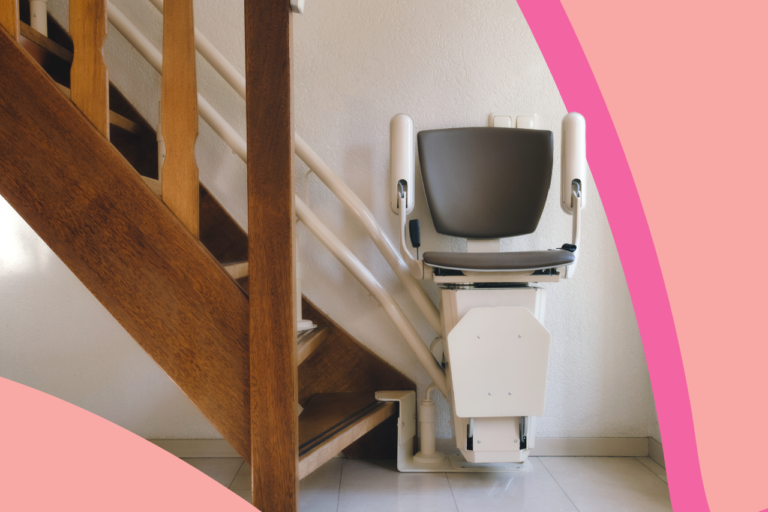
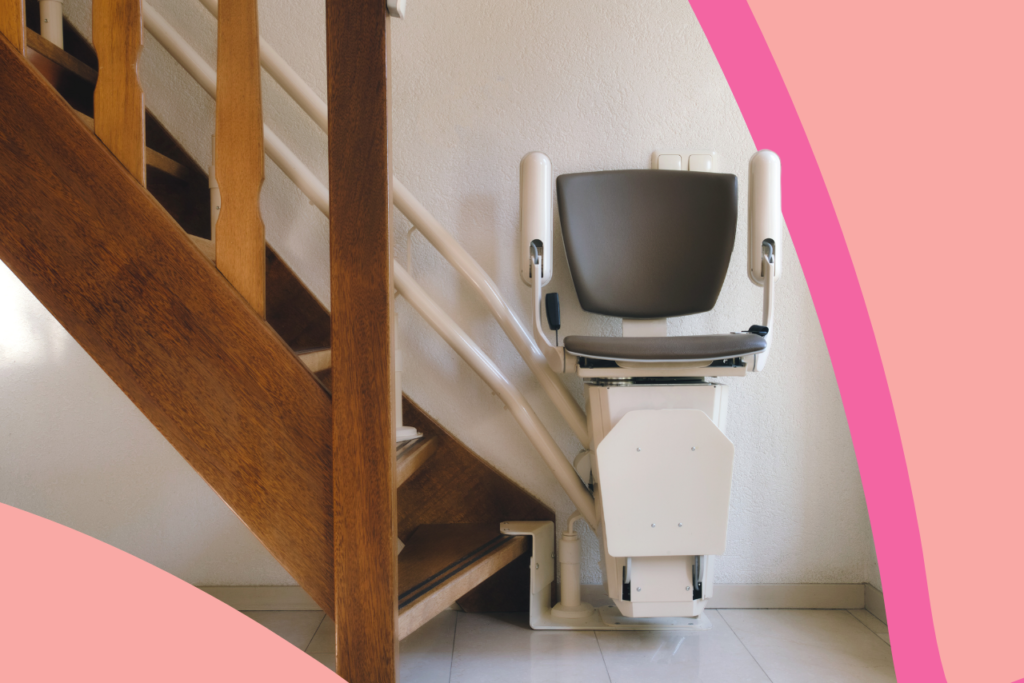
Remove The Stairlift

Bought a home with a stairlift? Sure, it can be fun whizzing up and down it for a few days (provided it’s in working order), but that novelty is going to wear off pretty quickly. 

Instead, you’ll probably want to get rid of it ASAP and put your own stamp on the place. 

Here’s the thing; getting rid of a stairlift can be surprisingly difficult. It won’t fit in the bin and it’s such a pain trailing it to a recycling centre. Fortunately, the guys at We Buy Any Stairlift have predicted this problem and offered a solution; they’ll come and pick up your stairlift, and they’ll also pay cash for it.

Do bear in mind that, according to the research data from Key, nearly 50% expect to install a stair lift in later life to support their mobility at home, meaning you may need to reinvest in one in the future.

By cerro_photography from Getty Images

Convert The Dining Room

Former OAP houses often feature large, dedicated dining spaces close to the kitchen or living room, but it’s perhaps more common for the modern family to have their dining table in the kitchen, creating a communal, multi purpose space. 

Indeed, with small kids, that large (sometimes stuffy) dining room might be put to better use repurposed as a playroom or home office. With the kitchen now doubling up as the dining room, you can create a more modern, sociable space where the family convenes each evening, enabling you to chat – or keep eye on the kids – while you cook!

Readjust The Height Of Plugs & Switches

Many OAP home adaptations concern small adjustments to the height of certain everyday items around the home, and one of the most important are those of plugs and switches.

In the average UK home, light switches tend to be too high for those in wheelchairs and plugs tend to be too low for easy access for elderly residents. It’s recommended that sockets and switches in UK new builds should be at a minimum of 450mm and a maximum of 1200mm from floor level, with sockets at the lower end of that spectrum and switches at the higher end. 

Many elderly residents who have chosen to age in place opt for both their sockets and switches to be at a height of around 750mm from floor level, as this is considered more accessible. Accordingly, you may want to readjust various sockets and switches to that previously stated newbuild spec.

How To Create The Ultimate PC Gaming Room

Whether you’re keenly anticipating the drop of GTA 6 or you’re especially excited to learn that (spoiler alert) Mbappe is the highest rated player in FIFA 23, you’ll know that each gamer has their own preference for the games they enjoy playing and the equipment they like to use. 

To get the ultimate gaming experience, however, it’s not just about elevating what’s on the screen in front of you, but what’s going on around you, too.

When you sit down for a gaming session, you want to enjoy every single minute of play, after all. And as any gamer will attest, there are a surprising number of external factors which contribute to their overall enjoyment of a game, such as comfort, internet speed, the size of the screen and, perhaps most decisively, the dedicated removal of any distractions.

If you’ve got an area in your home that you can dedicate to gaming, then you’ve got a huge head start on controlling those external factors; lucky you!

With that in mind, here’s how to create the ultimate PC gaming room.

Choose A Suitable Gaming PC or Laptop

We can’t kick things off without talking about the most important component of all – your gaming PC! Without one, your ideal gaming set-up is basically a rather depressing room. 

Firstly, you’re going to need to decide on your preferred medium for gaming. In the modern world of gaming, the vast majority of gamers prefer to use a PC, since this can handle the ultra-advanced graphics which many of the most cutting-edge games now come with. 

Generally speaking, a PC is advantageous over a laptop when considering price versus performance, but a laptop is fantastic for versatility and mobility, should you need to move your gaming room (or, you just love playing on the train, of course).

If you have gamer friends who regularly host LAN parties, then a gaming laptop is essential; you don’t want to be lugging your gaming PC around with you to friend’s houses or public events spaces. 

That’s not to say that gaming laptops don’t deliver incredibly high performance, and are certainly more powerful than consoles in this respect. Either way, consoles simply can’t compete with the spec of a PC or laptop.

To drill down into the finer details, CCL Online, who sell horizon gaming PCs, streaming PCs, and 4K gaming PCs, suggest there are 9 key factors to consider when shopping for a gaming PC. They are: 

  • Screen size/aspect ratio. 
  • Panel types. 
  • Refresh rate.
  • Response time.
  • FreeSync and G-Sync. 
  • Colour. 
  • Ports. 
  • Peripheral ports.
  • Audio.

Determine your priorities before deciding on a medium and budget.

Consider Internet Speed Carefully

When constructing the ultimate PC gaming room, one of the most critical components is your internet connection. A fast and stable internet connection is the backbone of online gaming, ensuring smooth, lag-free experiences and uninterrupted gameplay.

To choose the best internet for your gaming sanctuary, prioritise services that offer high download and upload speeds with low latency. Fiber-optic connections are typically the gold standard for gamers, offering superior speed and reliability compared to traditional cable or DSL connections. Look for an internet service provider (ISP) with a strong track record of consistent performance and minimal downtime.

Additionally, consider the quality of the router and its ability to handle high-speed gaming traffic; investing in a gaming-specific router can provide features like Quality of Service (QoS) settings to prioritise gaming packets. Remember, the faster and more stable your internet connection, the more seamless and immersive your gaming sessions will be, and broadly speaking, getting fiber internet can significantly enhance your gaming experience.

Find The Right Gaming Chair

When you’re in the midst of gaming, the hours can fly by without you noticing. With so much time sitting down, you should be concentrating on comfort above anything else. Yep, even above your survival on Minecraft.

The last thing you want is to get back pain while you’re in the middle of a game. So, to ensure you’re optimising your home gaming experience, make sure you pick a gaming chair that provides plenty of support. 

You should also consider the material of your chair. Chairs that are made from leather are very easy to clean, whereas cotton chairs are generally much more breathable. If you have room in the budget, you could always look at the top-of-the-line gaming chairs. 

Invest In A Sturdy Desk

You need to use your common sense when searching for a PC gaming desk. Your gaming PC and all the accessories that come with it aren’t light. And that’s before you consider the battering they’re going to get as you tug, toil and tussle with your controller as you become more and more invested in your game.

Therefore, you need to invest in a sturdy desk that can support everything. The last thing you want is to buy a cheap desk that collapses with all your equipment tumbling to the floor!

Pay Attention To Your Walls

Once you’ve got your gaming PC and chair sorted, it’s time to focus on the interior of your PC gaming room. You don’t have to settle for the stereotypical image of a gaming room; of bare walls, stark lighting and little in the way of aesthetic intrigue. 

If your walls are currently looking a little bare, why not bring them to life? You can do this by hanging some cool gaming-related posters or more conventional artwork, adding some pot plants, and introducing a few trinkets for good measure. 

Read: How to frame, hang and display your artwork

You don’t need to overthink this thing; this room is primarily for gaming, after all, and you don’t want to distract yourself whilst playing. But you do want your gaming room to be a pleasant place to spend time. And nothing matters more in that respect than lighting…

Think About Lighting

Lighting is an important feature that must be carefully planned in your PC gaming room. To get the best experience, you will need several lighting sources such as a primary overhead light, as well as options for ambient and lower-level lighting. 

When deciding on your layout, it’s wise to have ambient lights where they can be directed away from your screen. You may like the idea of having recessed lighting too. This can create a pleasing glow from behind your setup. Ultimately, you’ll want to keep your PC gaming room dim. This enables you to focus on what is happening on the screen. 

It should be noted that too much bright lighting can create glare and subsequently, lead to squinting, risk digital eye strain and bring about a real decrease in enjoyment. 

On the flip side, sitting completely in the dark is bad for both your mental health and your eyes. You need to look for soft lighting features that provide enough light without creating glare on your screen.

Focus On Surround Sound

Though you may prefer a gaming headset, many believe that modern games need to be played with surround sound to get the full experience. This is particularly true for some first-person shooters (FPSs), which are more immersive to play if gamers can get a decent idea of what direction things like gunshots and footsteps are coming from. A good surround sound system will make playing any game more enjoyable and may improve competitive gamers’ chances of winning, too, so it’s worth the investment.

Surround sound is what will truly elevate your overall PC gaming experience. While you may be able to get through a game without dialogue or music, impressive sound effects can have an incredible influence. If you invest in surround sound, you’ll feel as though you’re in the game itself! 

Each gamer has different preferences regarding sound design. The good thing about surround sound is you can customise it to your liking, which will help you find a level you’re comfortable with. We won’t lie and say surround sound is cheap, but if you have money to splurge and want the best experience, it’s worth shelling out on.

Don’t Forget About Storage

If you’re a PC gamer, you’re going to have a ton of equipment that can quickly clutter up your room. You don’t want your PC gaming space to look cramped. Otherwise, there may be restrictions while playing. It’s wise to include storage units or shelves around and above your setup. Doing so won’t interfere with your field of vision. Having storage will ensure everything is kept neat and tidy and all your valuable accessories and equipment are kept safe and secure. 

Bear Your Loved Ones in Mind

When you’re playing PC games all day and night, you need to have consideration for those around you. If you live with others, then chances are they won’t be too happy hearing loud sounds 24/7! One way to combat this is by soundproofing your PC gaming room.

There is the option to go down the DIY route for soundproofing your room. Alternatively, you may prefer to leave it up to the professionals. Soundproofing your PC gaming room will mean you can have your surround sound on full volume without being a nuisance other members of your household (and your neighbours!). 

Finish Off With Accessories

After you’ve got all the basics set up, it’s time to finish kitting out your PC gaming room with any accessories you may need. Items like a mini-fridge can make for a wonderful addition. You can store lots of drinks and chilled snacks in your mini-fridge, meaning you won’t have to venture out of your cave to satisfy your hunger. You could also buy a large seat bean bag or two that can fill empty floor space and provide somewhere for friends to sit on if they come round for a spot of PC gaming.

The Bottom Line

For avid PC gamers, there’s nothing better than having your own space in your home to relish playing your favourite games. Whether you’re an action thriller kind of gamer, or sports titles draw your attention, taking all the above into consideration will leave you with the gaming room you’ve always dreamed of. 

6 Considerations When Choosing The Right University For You

Going to university is a massive step in any young adult’s life. For many, this is the very first time you’ll live away from family and on your own completely, which can both thrilling and worrying, often simultaneously.

In 2022, after two years of massive upheaval which saw universities running at reduced capacity, if at all, and with the deadline for applications falling on January 25th of next year, many are considering their options for the next academic year, which begins in September 2023.

When deciding on both a course and a location, the sheer weight of the decision can be overwhelming. Your decision may well determine the path that your life takes as you mature, and with this in mind, here are 6 considerations when choosing the right university for you.

Visit First, Decide Later

When considering your options, it can be difficult – no, impossible – to choose the perfect university by perusing websites and brochures alone.

Instead, it’s essential that you physically attend the campus of your chosen university, for open days and also on days when the university is less polished. This will give you the opportunity to meet staff members in person, check out the facilities and consider campus logistics.

But more importantly than that, visiting in person will give you a vibe about the university and city; breathe it in, smell it, touch it, stand a little while within it… Only then will you be able to form a fully realised opinion of the place.

It’s All About The Content

Another factor that you will need to look into is the specific course content that each university provides. Although many individuals place huge emphasis on the university ‘experience’, making friends, and exploring their newfound freedom with gusto, the primary purpose of going to university is, of course, to study and get a degree.

You may meet great friends and enjoy your freedom, sure, but if you don’t enjoy what you study, you may not be able to get the grades you want.

Accordingly, even if you have a rough idea of the subject you’d like to study, it’s a good idea to drill down into the finer details of the various courses on offer, checking out if the specific modules suit your needs, passions and purpose. It’s also a good idea to attend as many uni virtual open days as you can, as these allow you to explore course options in more detail.

Sometimes, choosing a specific course rather than going on the reputation of the university, is a smart move; doing so will keep you disciplined, focused and dedicated… And that’s what it’s all about, don’t you think?

Going The Distance

When deciding on a location, you should also consider the distance of the university from your family home. You may be happy to be moving away, but don’t forget that you’re likely to return home every time you have a break or during festive seasons.

Additionally, having your family physically close may prove comforting if you struggle to adjust to your new independent life in the beginning.

On the flip side, some may prefer to be as far away from their family as possible! Indeed, some even choose to attend university abroad, giving them a brand new experience, helping them learn a new language and immerse themselves in a new culture. We couldn’t think of anything better.

Location, Location, Location

Similarly to what we have discussed above, you should consider the nature of your university town – do you want it to be in a big city or somewhere smaller? Is nightlife or a tight-knit community your preference? Would you like to walk everywhere, will you be bringing a car to university, or are you happy sitting on a bus, staring out of the window?

These factors should ultimately inform whether you plump for a heaving metropolis or somewhere more quaint and manageable.

We’ve written about a whole host of university towns before; from Bristol to Liverpool, Newcastle to Manchester, there’s a great variety of city on offer in the UK. Do check them all out!

Part Of The Club

Yes, the most important part of going to university is to study. We’ve mentioned that so many times already that we’re worried we’re beginning to sound a little parental.

That said, how you spend your time when you are not studying is important, too. University is a great time to meet people, make useful contacts, and learn new skills that will benefit you in the long-term.

If this is something that interests you, make sure to look for a university that offers extracurricular activities such as sports clubs or student societies that you can join (or even run!), to further your soft skills and to help you network with like-minded people.

Student Support

Being a student can be a rollercoaster of emotions, with stress and strain commonplace. In fact, a report published in January of this year suggested that nine out of ten students believed campuses were facing a mental health crisis.

Not only may you be away from your family and friends, but you may also be in a completely new area and having to live independently for the very first time. On top of this, you will be faced with assessments and deadlines, adding pressure which needs to be acknowledged and managed if you’re to survive and even thrive during your uni years.

Accordingly, you should verify whether your chosen university provides students with support in different areas, such as mental health, finances, and additional teaching support. You may find that you do not require any support, but it is best to have the support in place and not use it rather than need it and not have it. This is particularly important if you have a disability or additional needs, or are a foreign student requiring specific support.

How to Turn Your Car into The Perfect Mom-Mobile

As a mom, you will find that there are a lot of challenges. Being unable to spot your car in a parking lot when you are in a rush or not having space for the supplies you need in your car when a little one is travel sick shouldn’t be things that you should be adding to it. 

You need to make sure that things are working to your advantage, and making sure that you have the greatest mom-mobile possible can be beneficial in a lot of ways. With that in mind, here is how you can turn your car into the perfect mom-mobile. 

What is a mom-mobile?

A mom-mobile is a car that is perfect for family use that the mother generally drives around. It has everything a small family could want, as they are generally large people carrier type models with lots of space and are easy to spot and drive. They are often quite hardy vehicles that have extra seats in the boot and can be used for road trips and vacations easily. 

They also often have lots of room hidden, such as storage like pockets and under-seat draws, which can be really important if you are ferrying around quite a few kids or you are going on holiday. Here is how you can make your car the perfect mom-mobile.

Firstly you have to have an iconic number plate

This can make you super easy to identify. This is important in school collection times or going out with friends. People will know your car and your number plate, and it can help your kids identify your car if you change models. A good idea for this is to buy private number plate to help you really stand out from the crowd. 

You need to get the interior of your car suited to your needs

As mentioned above, you are going to need to get a car with lots of compartments. But you might also find it useful to get headrest covers with bags attached to them, get pockets installed on the backs of seats, and get baskets and other little storage containers in to make sure that you are using your space to its full advantage and making sure that you are maximizing organization so you can find things in a hurry or an emergency. You should also have a medical bag on you too, and keep this in an easily accessible spot. 

The model of car

As mentioned above, large people carriers are a very good option, but SUV-type vehicles also suit the needs of a family well. If you don’t like cars that are high up and good across many types of roads, you might feel that an estate car will suit your needs a little better. They can be cramped, but you will find that if you have a small family, it will help you out just as well and might suit your needs a lot better. Choose a vehicle that meets your family’s needs the most. 

5 IDEAL Steps To A More Positive Outlook Today

Phew, can we go back to ‘normal’ yet? After two years of enormous upheaval, stress and strain, many experts are warning that the UK is facing a mental health crisis. This crisis is predicted to most adversely affect the young – the so-called ‘COVID generation’, and it’s easy to see why; never before has the future looked quite so bleak. Indeed, things feel like they are getting worse, don’t they? War, natural disasters, corruption in politics… The list goes on.

Of course, the most effective way to address any feelings of low mood or despair is by first contacting a registered, qualified health professional. And should a case be urgent, the NHS has a dedicated mental health helpline for urgent cases, which offers 24 hour support. You can find a local NHS urgent mental health helpline here; simply enter your age and postcode and you’ll be given a number to call. Be aware that this number is for England only.

If you’re taking a proactive, preventative approach to your wellbeing during this difficult time, then there are things you can do to tackle these issues head on and with as much knowledge, confidence and support as possible. With that in mind, here are 5 IDEAL steps to a more positive outlook today.

Keep Informed, Educated & Alert

It’s a glaring, troubling omission from every school syllabus, that young people are primarily educated in regard to their physical health. We’re taught about having a ‘healthy’ diet, we’re guided on how to throw an ‘effin javelin. But, anxiety, depression and the requisite coping strategies, symptom management and holistic prevention methods are things barely given a mention. It’s almost as if society wants us to be stressed, compliant and satisfied with less, right?

Though it shouldn’t be this way, it’s time to take matters into your own hands. Ensure that you’re alert and listening to your mind for warning signs of any approaching wellbeing issues. Get reading about different schools of psychological thought on the subject and the most effective, NHS approved strategies for tackling low mood head on. 

Absolutely No Stigma In Seeking Help

As the guys at Psymplicity, who offer a welcoming space for people to get the help they need, tell us, ”A mental health condition is often an invisible illness, causing you pain and suffering every day that a bypasser on the street just can’t see.”

Even those who are outwardly successful and content may be suffering or receiving support for any number of issues, and there’s no stigma in doing the same. This support could take the form of family member, friend or trusted confidant. Equally, if a little distance might suit you better, then there’s absolutely no shame in seeking professional help. Start by talking to your GP, who will then offer advice and a possible referral to a therapist. 

Read: Free mental health support services

Healthy Body, Healthy Mind

It’s no secret anymore. So mainstream a notion now, that it shouldn’t even be deemed a ‘miracle cure’. Yep, we’re talking about exercise’s hugely positive rule in mental wellbeing. Countless studies have concluded that daily exercise of some description (running in particular) does wonders for our outlook and state of mind. Try to include a little in your day, no matter how busy you may be.

This healthy body, healthy mind mantra also extends to diet. Although sometimes the link isn’t immediately obvious, ”a poor diet can actually aggravate, and may even lead to, stress and depression”, according to Sutter Health.

Conversely, a decent, attentive diet can do wonders for the mind. Foods which are thought to reduce stress and anxiety include avocados and bananas (high in potassium, known to lower blood pressure), bitter, leafy veg like Swiss chard (whose magnesium balances cortisol, the body’s stress hormone), and omega 3 rich fish like mackerel and salmon, which are great for heart health.

Mindful Meditation

Six years ago the NHS recognised mindful meditation as an alleviator of depression and anxiety. Since then, ‘taking a moment’ has gone mainstream, with more and more people discovering the great benefits it can bring to their overall sense of wellbeing. 

So, one of the best things you can bring to your daily mental health regime is to include a meditation or two. ”But we don’t have the time, energy or money”, we hear you say. Well, even a ten minute session can bring benefits, and meditating requires nothing more than a quiet, peaceful space and your own mind. There are apps to guide you, many of which offer free guided meditations. 

Read: The best meditation apps for 2022

It should be noted that mindfulness training alone isn’t a catch-all solution to low mood, and should only be used as one item in a larger toolkit of preventative measures.

Keep A Gratitude Diary

It’s been well documented that gratitude is a key contributor to happiness. By keeping a diary of daily appreciation, you may find yourself more grounded, humble, thankful and kind towards the world around you. 

It’s wise to approach this act with empathy, rather than simply going through the motions; if you’ve had a non eventful day, don’t feel compelled to complete your journal. Instead, focus on depth, not breadth, and on people you appreciate, rather than things. In doing so, you’ll notice a gradual, growing warmth towards to world.

*This article is not intended to replace medical advice, diagnosis or treatment given by a qualified mental health professional. Instead, this article only provides information, not advice. For any medical enquiries, always consult your GP first*

5 IDEAL LUXURY GIFT IDEAS FOR YOUR BEST FRIEND

Special friends don’t come along too often. Indeed, friends are precious – irreplaceable even – and sometimes it’s important to remind them of just how much you care. But what do you buy someone who you’ve already shared so much with? More than likely, you’ve racked up plenty of birthdays, christmases and the rest together, and as such, you’re now left racking your brain for inspiration for the next great present.

So, if you’re looking for that perfect luxury gift for her, to tell her how much you care, or to say thank you for something, or simply to pledge a sense of continued support, then read on; our 5 IDEAL gifts for your best friend.

FRIENDSHIP JEWELLERY

Long gone are the days of braided bracelets and those ‘Forever Friends’ interlocking necklaces from Argos. In fact, friendship jewellery is enjoying a second season in the sun, and going through an extraordinary refresh in adulthood. These pieces are every bit as trendy as they are timeless and a world apart from the nostalgic childhood memorabilia; ironic, maybe but popular, certainly. From dainty friendship knot bracelets to pretty promise rings, a piece of friendship jewellery will celebrate your long-standing relationship and can even represent a promise to always support each other, through tough times and hard. Lovely stuff.

A PAMPERING KIT

Your best friend deserves to be pampered. But sometimes the spa is an undertaking too far; maybe due to being time poor or, well, purse poor. Or both. A pampering kit, then, seems the perfect compromise; a chance for your BFF to feel cherished and come out the other side looking refreshed and glamorous. Whether you assemble one yourself with all of the items you know will be most appreciated, or you buy one already made, is up to you.

LOVELY, LUXURY LINGERIE

Many believe lingerie can only be an intimate gift given and received between lovers. Well, they couldn’t be more wrong. Moreover, whoever said buying sexy underwear is ONLY for turning men on also had it all wrong and completely backwards.

Firstly, to many, lingerie is all about female empowerment; about making a woman feel like a woman by feeling good about themselves. So, this is where the gift of beautiful, sexy lingerie comes in; it can make you feel more confident and raise self-esteem, and who wouldn’t want that for their best friend?

A DESIGNER HANDBAG

To really show your appreciation for your best friend, consider investing in the designer handbag she’s had her eye on. After all, receiving a handbag as a gift is much nicer than buying it yourself! Less guilt, more the unbridled of being properly spoilt. If you know the style she likes, look for pieces within your budget, if you don’t, just ask, in a sly, covert way.

To play it safe, look for handbags made in neutral shades with practical handles or straps that make it very usable and versatile. Or, if she has a particular colour she always gravitates towards, consider investing in a piece which fits that hue that she can bring out on special occasions.

A FOOD & WINE HAMPER

Food tastes better when shared with friends, and has the power to bring us together. So what better gift than a few and wine hamper? With combinations of food, wine or even champagne, you can treat her to a basket of goodies which, hopefully, she’ll choose to share with you; the perfect present, we think, particularly when you throw a food and wine pairing guide into the hamper, too!

As the experts at the Wine Caverns recommend, buying a 6 bottle wine case will be an ideal gift for your loved one on its own, or as an inclusion in a larger hamper. Choose from sweet or savoury depending on her the glucose level of her tooth, and remember to consider her favourite tipple; the abundance of choice means you can tailor the hamper to her taste perfectly.