
Home Blog Page 192

5 TOP TIPS FOR AMATEUR ATHLETES TO ACHIEVE PEAK PERFORMANCE

Did this year’s Olympics inspire anyone else? The recent iteration of the world’s biggest sporting extravaganza thrilled audiences across the globe, with many inspired to take up a new sporting discipline or even attempt to go professional with a sport they already excelled in.

Whether you’re the latter, the former, or you’re simply keen to get the most from your exercise regime, there are a few things you can do to ensure your workouts are optimised and that you’re reaching your goals. With that in mind, here are 5 top tips for amateur athletes to achieve peak performance. 

DON’T RELY ON SUPPLEMENTS 

As an amateur athlete, you need to ensure that your body has the right nutrition it requires for energy, muscle growth and tissue repair. This is achieved by getting the right amount of vitamins, nutrients and minerals for peak performance and recovery, tailormade for your own unique needs. As such, it’s only natural to consider supplements. 

While sports supplements do have their place, it would be folly for amateur athletes to rely on them. The best way to gain all your daily nutrition is through a varied, balanced diet, with nutritional supplements (including protein) designed to help fill in gaps in nutrients rather than provide the bulk of it. 

In short, amateur athletes should first examine their diets before turning to supplements. Which brings us to our next point… 

Read: 5 things to scrutinise when buying supplements online

GET A NUTRITIONIST ONBOARD

If you’re serious about your sports, seek out a qualified nutritionist. As an amateur athlete, you will have different nutritional needs compared with the average person. You’ll require more calories and macronutrients (fat, protein and carbohydrate) to maintain your strength and energy so you can perform at an optimum level.

Correct nutrition will allow you to maximise your athletic performance and strengthen your body, which in turn will help you to avoid injuries. Moreover, you’ll have to consider the timings of meals. As such, it’s worth getting a nutritionist on board if you’re keen to take your routines to the next level.

REST & RECOVERY IS ESSENTIAL

Whilst peak performance is, of course, essential, avoiding injuries is equally important. After all, if you’re sidelined, you’re never going to hit those targets and reach those goals. Consider enlisting the help of a sports massage expert to help with any aches, pains, kinks and knots both retrospectively and in advising you how better to avoid them in the first place. This might involve advice on warming up and down, as well as form and how best to maximise your rest days.

CONSIDER A COACH 

Speaking of expert advice, if you’ve truly got your heart set on taking things to the next level, it’s a good idea to consider enlisting the help of a professional coach or personal trainer. There’s only so much you can get done on your own, and being accountable to a third party can be an amazing motivation moving forward.  

Of course, accountability and motivation is only half of it; the knowledge a PT or professional coach can bring to the table is invaluable, too.

Read: 5 IDEAL ways a personal trainer can help you get fit faster

GET ENOUGH SLEEP

Sleep is essential for muscle recovery, repair and growth, and if you’re not getting enough of it, then you’re doing all of your hard work in the gym a massive disservice. 

According to the guys at Joe, each of the four stages of the sleep cycle plays an essential role in muscle repair and growth. 

  • During the initial nodding off period, Stage 1, ‘’Brain wave patterns in this stage are associated with muscle memory and ‘logging’ movements learned during the day’’. All that careful attention you’ve paid to proper form in the gym is reinforced here.
  • Stage 2 sees the body begin to produce ‘’Human Growth Hormone (HGH), which increases the growth of muscle tissue and regulates the body’s metabolism.’’
  • The third stage of sleep sees growth and repair go into overdrive, with more HGH released. What’s more, ‘’anti-inflammatory hormone called prolactin is also released which are important for joint recover.’’
  • REM, the fourth stage, sees ‘’your muscles supplied with extra oxygen to breakdown lactic acid. If you’re not getting enough shut-eye, you get painful and potentially-problematic muscle knots called “trigger points” building up.’’

All in all, without proper rest and recovery, which is most succinctly released through a nightly 7 to 9 hours of the good stuff (we mean sleep), you’re simply not going to allow your body time to build muscle and maximise those gains. If you’re keen to learn more about how to get more restorative sleep, then check out these 7 things to try.

LOOK AFTER YOUR MENTAL HEALTH 

As the Independent writes, “The Olympics marked a watershed moment for mental health in sport. Some of the biggest sporting stars talked about their mental health’’, and this should apply to amateur athletes just as aptly. 

The pursuit of personal excellence can take its toll mentally, so do make sure you’re focusing not only on your physical health but on your mental wellbeing, too. Check out these tips on simple daily routine hacks for a healthier, happier you for more on that.

HOW TO START A NEW BUSINESS IN THE TRAVEL SECTOR IN 2022

Are you a previously intrepid itinerant who’s tired of laying low and is looking for a new adventure of a different kind? If so, you’ve most certainly come to the right place. Should you be keen to combine your love of travel with that often unholy pursuit of making enough money to live, then here’s how to start a new business in the travel sector in 2022.

FIRSTLY, BIDE YOUR TIME

Let’s put things as plainly as possible; a business in the travel sector in 2022 is going to look unreservedly different to one from just a couple of years ago. 

This isn’t only because of the obvious. Although the global pandemic has certainly affected the travel industry wholeheartedly, and continues to do so, there is also the even more pressing concern of the climate crisis and global heating. 

When you combine these factors, it’s clear that for the foreseeable future, people are going to be travelling much less frequently and with a certain amount of trepidation at first. When you’re in the conceptual stage of imagining your new travel business, it’s essential that you take this sense of uncertainty into account. 

Operate with a mindset based in pre-pandemic times and get left behind. Instead, it might well be worth biding your time, analysing the market with a keen eye on how it’s changing, and wait to see how the very idea of travel shapeshifts as global vaccinations increase and *fingers crossed* the threat from COVID-19 decreases in tandem.

©[grinvalds] VIA CANVA.COM

SECONDLY, ACKNOWLEDGE THE CHANGING NEEDS OF THE SECTOR

Due to the pandemic and increased concerns over global heating, two new major travel trends  have emerged in the sector; the staycation and the workcation. It would be folly to ignore the changing needs of the travel industry, and adaptability in the coming months is key.

When you’re starting your new business in the travel sector, be a voracious consumer of industry news, gossip, updates and trends. The best way to do this is by keeping a keen eye on the news – both business and global – as well as subscribing to leading travel industry magazines and newsletters. Lonely Planet Magazine, Wanderlust, Conde Nast Traveler, Travel + Leisure and National Geographic are a few of our favourites. 

For newsletters that concern the business side of the industry, Travel Retail Business and The Beat are both incredibly useful.

Read: Smart, kinder, safer: 9 travel trends for future travel 

CREATE A BUSINESS PLAN

If you want to lay a solid foundation for your travel business during the initial stages of its inception, creating a detailed business plan is crucial. This will provide you with the strategy and platform that you need to grow, develop, and scale your organisation going forward.

You’ll find it much easier to determine your overarching company vision with your business plan at hand. Amongst a great deal of many other benefits, this will help you tailor your travel service range around your target market’s specific wants, needs and demands.

For official government advice on how to write a business plan for a UK-based company, click here.

BUILD YOUR BRAND

Do you want to reach, engage and retain the most diverse range of travellers possible? If so, building a strong brand image is of the utmost importance, particularly in establishing your company in the minds of consumers when it’s still in its infancy. 

This will help you to differentiate your agency from its competitors and, ultimately, it will aid you in your attempt to forge an authoritative and trustworthy reputation for yourself in the travel sector.

When attempting to build a robust brand image for your business, try putting the following advice into practice:

1. Identify your core competencies, ethics, and values

2. Complete a S.W.O.T (Strengths, Weaknesses, Opportunities, Threats) analysis of your company

3. Determine your marketing mission

4. Experiment with your promotional tone of voice

5. Offer a peek behind the curtain by injecting your brand with some personality

A SAFETY FIRST IMAGE

The mindset of travellers and consumers has potentially been changed forever by COVID. Recklessness and spontaneity is out, and a cautious, safety first approach is in. 

A responsible, responsive new travel business has to respond with a matching mindset. You’re going to need to reassure potential customers that your agency is equipped and educated concerning safe travel, and this image needs to be apparent from the first moment of engagement.

There are a number of things that you can do to showcase the fact that your travel agency is COVID-secure, one of which is for you and your workforce to wear personal protective equipment at all times. This will show that you are committed to keeping the spread of the coronavirus at bay, no matter how inconvenient or uncomfortable it may be for you to do so.

Wearing masks doesn’t have to be all doom and gloom. When you invest in a batch of personalised PPE products, you will have the capacity to showcase your safety measures and promote your brand image at the same time. This is the perfect way to enhance your reputation as a reputable provider of travel services. 

Having hand sanitisers at the door of any physical premises you might have and providing a clear COVID-secure policy on your website are just two more ways you can make your safety first image stand out.

And if you’re considering more advice on new normal travel, check out this handy guide 6 things you’ll likely need to travel abroad in 2021.

HOW TO MAKE LIFE EASIER WHEN GETTING YOUR CHILD DRESSED

It’s a scene any parent will know all too well; a dance done every day by parents and young children up and down the country; a battle between good and evil, between tantrum and tranquillity, between the clothed and the unclothed… 

Whether it’s for school, for a party, or simply to come downstairs for breakfast, dressing your young child can be a wriggle, wrestle, a shimmy and a shuffle all rolled into one. Whilst success is never guaranteed (the only inevitably here is a sock going missing the moment you leave the house), you can make your life easier when getting your child dressed by following a few simple rules. Here’s how to make life easier when getting your child dressed.

SHOP SMARTLY

Before you set out to buy any clothing for your child, it’s a good idea to try and imagine putting the outfit on and identifying any potential pitfalls and more intricate elements that you want to avoid. 

Naturally, you want to select clothing that is easy to slip on with very few buttons and press studs to have to fiddle with – remember most of the time, you will be dealing with a slippery little customer! 

Tops that have stretchy, soft or loose neck holes will make sure those tender little noses and ears don’t suffer. This will also help you slip the outfit on more easily and, even more importantly, quickly. As an example, a soft t-shirt and a pair of girls or boys dungarees would be ideal.

© [Odua Images] VIA CANVA.COM

LET CHILDREN BECOME MORE INVOLVED AS THEY GROW

In most cases, you can judge how well a child will behave when you are dressing them by how well they behave at diaper changing time. 

Children who are well behaved during nappy changing will almost certainly enjoy the dressing process and should have learned to cooperate by the time they reach the age of two. 

Whilst the removing of clothes happens at a younger age, generally speaking, a child will be able to complete simple dressing tasks that don’t involve complex zips or buttons by the age of three, such as putting on a t-shirt or dress. 

Between the ages of three and five, dressing skills will develop; expect your child to learn how to put their shoes on (although the feet may be the wrong way round!), as well as their socks, with a little help around the heel. Between three and four they may even be able to fasten a couple of big buttons independently and pull up a larger zip, provided you’ve fastened the shank of the zipper.

Though all children develop differently, by five years old, many are able to dress independently. As a parent, give your child the space to experiment with their buttons and zips, and get ready for some pretty comical outfit choices, too!

MAKE GETTING DRESSED FUN

In those years before independent dressing is achieved, there are ways you can make the whole thing fun, to encourage both complicity and learning:

·      Try to place yourself at the same eye level as the child either by kneeling on the floor or sitting on their bed which will ensure a connection is made between you.

·      As you look at each other, make sure you start to sing or talk so they realise this is going to be a fun thing to do.

·      Children learn brilliantly from music, so a good approach is to sing a song about getting dressed by using the words of the Hokey Cokey, for example, as they put their left foot in. Then make sure they shake it all about! 

·      Another great tune to use is Here We Go Round the Mulberry Bush but instead of using the proper words, make some up about the dressing sequence along the lines of ‘First we put our underpants on, our underpants on, our underpants on’. As you put other items on, talk about them and where they go – socks on our feet, trousers on our legs and so forth.

·      If singing isn’t your thing, then you could instead play a game to keep your child distracted. For instance, play a game about body parts and ask them where their nose is, where their ears are. This will keep their hands occupied instead of trying to compete with what you’re doing.

·      Try a game of peek-a-boo to keep things interesting. For example, if you want to put a t-shirt on your child, put your face up against the neck hole of it and peek through which will encourage the child to do the same and have a peek at you. Then, as his head comes through the neck hole, say ‘peek-a-boo!’ in a surprised voice. You can do the same with the child’s hands and feet, too.

·      Any sort of creative play will not only make the dressing process fun, your child will be learning at the same time.

OTHER DISTRACTION TECHNIQUES

Not all distraction techniques when getting your child dressed need to be raucous, riotous fun. Try these, too:

  • A great distraction technique to avoid lots of squirming and wrestling is to have some really special toys that are only to be played with as you dress your child.

·      Anything that diverts attention away from what is actually happening will always be useful, so how about dressing the child near a window so they can look out while you get on with the job?

·      As your child grows, you can start to take advantage of one of the best development stages – when they start to use their own imagination. Think about the characters that the child enjoys seeing or hearing about through stories and books and then pretend to be one of those characters – talk like them and the adventures they have and explain that your child will definitely need to be dressed if they want to join in.

DRESS TOGETHER

Svetlana Lungu from Why Matters Shopify agency suggests that to encourage your child to dress themselves and to even make the whole process much quicker, why not get dressed at the same time?

Lay out your chosen outfit next to the clothes the child will wear and put them on one by one at the same time. If they are only just beginning to dress themselves, you might have to lend a hand with fastenings but explain what you are doing as you do it. As they progress, make it a race to see who can be fully dressed first – do let them win sometimes though!

DON’T CLASH OVER CLASHING CLOTHES

Up until the age of about five, most children have very definite ideas to the point where they will not consider any alternatives at all. Don’t mistake this for stubbornness or a lack of open mindedness, it is just part of the process of developing a personality. 

If, when you’re dressing your child, they insist on wearing a vivid purple top with a pair of bright orange trousers, let it go even if it is a vision that almost blinds you with its ebullience! An alternative would be to lay out three different outfits and let your child mix and match.

NOW IT’S TIME TO CHOOSE

When they reach the age of about four, most children start to really care about what they are wearing. Now is the time to let them come clothes shopping with you and allow them to make some decisions – for example, show them six dresses or pairs of kids dungarees from which they can choose two. That way, you get the initial choice of what is acceptable and within budget, but your child will feel they’ve had some autonomy over the decision, and will be keen to wear their selections later down the line. Result!

What Does A Professional Athlete’s Diet Look Like? 7 Key Components

0

Ever wondered what fuels those incredible bodies you see on the field, court, or track? Professional athletes are the epitome of peak physical health, and their secret isn’t just endless hours of training; it’s their carefully crafted diet. 

Let’s dive into the world of nutrition and discover what a professional athlete’s diet looks like, from the science behind it to the delicious yet highly nutritious meals that power their performances.

The Foundation: Balanced Macronutrients

At the heart of every athlete’s diet are macronutrients – carbohydrates, proteins, and fats. Carbohydrates serve as the body’s primary energy source, providing the fuel needed for high-intensity activities. Athletes load up on complex carbs like whole grains, fruits, and vegetables, ensuring a steady release of energy.

Proteins are the building blocks of muscles and are essential for muscle repair and growth. Athletes consume lean proteins like chicken, fish, eggs, and plant-based sources like tofu and legumes to aid in recovery and maintain muscle mass.

Fats, especially healthy fats like those found in avocados, nuts, and fatty fish, provide long-lasting energy and support overall health. These fats are crucial for absorbing fat-soluble vitamins, which play vital roles in various bodily functions.

Timing is Everything: Pre & Post-Workout Nutrition

Before hitting the gym or the field, athletes pay careful attention to their pre-workout meal. This meal is rich in carbohydrates and moderate in protein, providing a quick energy boost without causing discomfort during exercise. A banana with a scoop of peanut butter or a whole-grain toast with avocado are popular choices.

Post-workout nutrition is equally crucial. Athletes aim to replenish glycogen stores and repair muscles by consuming a combination of protein and carbohydrates within the first 30 minutes to an hour after exercising. Protein shakes, chocolate milk (yes, you read that right!), or a chicken and vegetable stir-fry are common post-workout options.

Hydration: The Unsung Hero

Hydration is often the unsung hero of an athlete’s diet. Staying adequately hydrated is essential for maintaining peak performance and preventing injuries. 

Water is the primary source of hydration, but athletes also replenish electrolytes lost through sweat with sports drinks or natural alternatives like coconut water. Adequate hydration ensures that muscles function optimally and aids in recovery after intense workouts. Whether it be amateur athletes or Olympic contenders, nobody could perform at their best without proper hydration. 

Micronutrients: The Mighty Helpers

Beyond macros, micronutrients – vitamins and minerals – play a vital role in an athlete’s diet. Vitamins like A, C, and E, along with minerals such as iron, calcium, and potassium, are essential for various bodily functions. 

Athletes consume a diverse range of colourful fruits and vegetables, whole grains, nuts, and seeds to ensure they get a wide spectrum of micronutrients. These nutrients support the immune system, strengthen bones, and aid in the body’s natural healing processes.

Special Diets & Dietary Restrictions: A Tailored Approach

Some athletes have specific dietary needs due to allergies, intolerances, or ethical choices. Gluten-free, dairy-free, vegetarian, and vegan diets are not uncommon among athletes. 

These individuals work closely with nutritionists to create customised meal plans that meet their dietary requirements while ensuring they get all the necessary nutrients to perform at their best. For instance, plant-based athletes rely on sources like quinoa, tofu, and legumes to fulfil their protein needs.

Cheat Days & Mental Health: Balancing Indulgence

Believe it or not, even professional athletes indulge! Occasional cheat days, where athletes allow themselves to enjoy their favourite treats guilt-free, are a part of their routine. 

Mental well-being is just as important as physical health, and indulging in a slice of pizza or a piece of chocolate cake helps maintain a healthy relationship with food. Besides, these moments of indulgence can provide a mental break, reducing stress and enhancing overall happiness.

Listening To Your Body

One of the most critical aspects of a professional athlete’s diet is its individuality. Every athlete has unique dietary needs and preferences. Some athletes may require more carbohydrates for endurance, while others focus on protein for muscle building. 

Listening to the body’s signals is key. Athletes pay attention to how different foods make them feel, how their energy levels fluctuate, and how quickly they recover after workouts. This self-awareness helps them tweak their diets to optimise their performance continually.

The Bottom Line

So, there you have it – the winning recipe that fuels the bodies of professional athletes. It’s not just about calories in and calories out; it’s about nourishing the body with the right balance of macronutrients, micronutrients, and hydration. It’s about listening to the body’s signals, finding what works best for individual needs, and striking a balance between indulgence and discipline.

The lessons from a professional athlete’s diet are not just for those aiming to break records on the track; they’re applicable to all of us. By adopting a balanced approach to nutrition, we can enhance our overall well-being, boost our energy levels, and achieve our fitness goals. 

So, whether you’re preparing for a marathon bike ride or simply striving for a healthier lifestyle, remember the wisdom behind a professional athlete’s plate. Here’s to a balanced diet, a balanced life, and the boundless potential within each of us to be our best, both on and off the field!

HOW TO BRING HIGH FASHION INTO YOUR HOME’S INTERIOR DESIGN 

Today, our homes represent a powerful projection of our identities. As the Evening Standard explains, “The demand for a home that’s as stylish as you are, and the idea that every brand is a lifestyle package, has given rise to new opportunities for design labels, blurring the lines between fashion apparel and interiors even further.’’

Harper’s Bazaar points out that “The worlds of fashion and interior design have never been total strangers; there have long been tangible links between the catwalk and what people are doing in their homes”.

Fashion designers are known to have impeccable taste when it comes to dressing their models and creating couture collections, and it feels like a natural progression of this ideal for fashion houses is to pivot to interior design. The results, it must be said, are mixed, but when they get it right, the fusing of high fashion and home design can be striking.

Just as how we dress our bodies, how we dress our homes is an expression of ourselves, and if you’re looking to bring high fashion into your home interior design, here’s how to do just that.

DESIGNER HOME COLLECTIONS 

More and more high end fashion houses are branching out into homeware, matching their sartorial aesthetic to their premium home lines.  

It makes sense that homeware is an attractive proposition and a natural next step for fashion-focused designers. The consumer appetite for homeware collections has grown exponentially, especially since the pandemic changed the way we see our homes and the devotion we put into making them look beautiful.  

Fashion brands like Dolce & Gabbana, who announced their first ever home decor collection, ‘Dolce & Gabbana Casa’ earlier this year, have realised that they can sell a lifestyle that reaches further than purses, handbags and shoes. 

That said, not many of us can afford to spend big bucks on a candle that costs over £500 or a lampshade that stretches into the thousands. The answer? Pore over designer collections and recreate them in a more affordable way. We’re currently swooning over the Casa furniture collection from Dolce & Gabbana, which offers a “chic collection of colorful curios”. 

The explosion of colours and eye-catching motifs provides inspiration that can be applied to the home, even on a budget. Consider finding similar bold prints and fabrics and upholstering the furniture you already have with them. Or, mimic the more vibrant visual features seen in the collection by adding a similarly intricate and explosive pattern to a wall in your home that’s begun to look tired.

Read: 5 IDEAL ways to give your old furniture a modern makeover

LISTEN TO THE GREAT DESIGNERS 

Fashion is a way of expressing who we are before we say a word – a visual marker of our outlook, our views and our disposition. 

Your home’s unique style can say just as much about you as your wardrobe, and if you’re looking to channel your interior design style succinctly and clearly, it might be worth heeding the words of some of the world’s most influential fashionistas. 

As Vivienne Westwood famously said, “Buy less, choose well” whilst Gianni Versace cautioned “Don’t be into trends. Don’t make fashion own you’’. 

But Stefano Gabbana perhaps put it best when he said plainly, “Be honest. Just be yourself.” And although these words of wisdom were intended primarily for your clothing choices, they could certainly be interpreted as guiding principles of home design seen through the lens of high fashion, too.

Putting your own stamp of individuality on your home, as opposed to uninspired, identikit high street trends, is vital if you’re going to achieve that haute couture look domestically.

Read: 5 IDEAL ways to bring some personality to your rental home

CREATE AN INSPIRATION BANK 

Inspiration bank, mood board, vision board, ideas jam…call it what you like, but if you’re to design your house in the curated, clearly defined narrative of a high fashion show, then you’re going to need to gather your ideas and visualise them as a single entity. 

Go out and actively seek inspiration, from the worlds of both fashion and interior design. London’s Fashion & Textile Museum and the Fashion & Space Gallery are great places to start, with both showcasing the interaction between the two industries. The world famous Victoria & Albert Museum, which houses almost 3 million objects in the field of art and design, will also provide inspiration and ideas about these interconnected worlds.

Of course, there are more modern channels of inspiration, too, from fashion and interiors magazines to the infinite length, breadth and depth of the internet. 

Once you’ve collated these disparate elements into a selection of images that summarise your interior design vision, create a visual ‘inspiration bank’ that you can refer back to, time and time again, keeping you focused on that synergistic, unified aesthetic for your home.

STATEMENT PIECES & ACCESSORIES

As Gachoucha Kretz from HEC Paris told Vogue Business, designers like “Alexander McQueen, Versace and Valentino” will “create things that stand out” and are perceived as “independent” and “bold”. The good news? This ethos is reassuringly affordable when applied to the modern home. 

When it comes to fashion, it seems that accessories represent the perfect opportunity to define and distinguish ourselves, to stand out, and to create our own unique style in a way that clothes alone can’t.

First things first, if you see a home accessory that you absolutely love and are drawn to straight away, then trust your instincts and buy it. After all, we said these little trinkets were a defining feature of your overall style. However, if you’re only after an accessory because it’s ‘on trend’, then remember those wise words from Versace that we mentioned earlier, and think twice before buying.

A few statement pieces can work wonders, too, at lifting the aesthetic value of a room and channelling that sense of haute couture. We’ve written a few top tips on pieces that bring that sense of high fashion and luxury here; do check it out.

ASPIRATIONAL EXCELLENCE

Rebecca Robins, global chief learning and culture officer at Interbrand, told Vogue Business that “Luxury products and experiences are predicated on the emotional. They don’t represent a need, but an aspiration.” 

As Forbes reiterates “aspiration is essential to luxury marketing and more importantly, an essential part of our human DNA. Since the beginning of time, people have conferred special meaning to objects.”

Most of us can’t afford designer items for our home, but we can bestow meaning and affection onto objects we unearth via the most prudent of means. All it takes is a little endeavour; consider scouring the local flea market, thrift store or charity shop, finding pieces that are aspirational in their individuality, sure, but also in their affordability. 

After all, high fashion is increasingly turning to thrift to demonstrate a greener, leaner potential, particularly in the face of increased criticism concerning fashion’s impact on the environment. Why don’t you do the same and shop second hand? In doing, you may well unearth a piece that is both timeless and unique.

THE BOTTOM LINE

High-end fashion isn’t just limited to our closets anymore; it also has a role to play in shaping how we dress our homes, too. Whilst the temptation might be to interpret ‘high end’ as meaning new investments in the latest trends, increasingly, the upper echelons of the industry are focusing on upcycling, repurposing and finding new meaning in something old. Perhaps the best way to use the ethos of high fashion at home is to do the same.

NEW NORMAL TRAVEL CHECKLIST: 6 THINGS YOU’LL LIKELY NEED TO TRAVEL ABROAD IN 2021

The world is changing; the planet’s opening up. And with this lifting of border restrictions and resumption of international travel, many Brits are looking forward to enjoying a late Autumn or Winter holiday after the best part of two years spent cooped up and locked down.

But with this easing of restrictions and increase in flight bookings has come an uplift in confusion to match it, mainly regarding what exactly is now required to facilitate a smooth entry and exit into a destination.

Well, here’s the thing; there are no easy answers to this. Every country has different entry requirements, with some stricter than others concerning COVID-19 tests, vaccination passports, the necessity for quarantine and the rest. That said, there is a fair amount of standardisation across the majority of the UK’s favourite holiday destinations, so here are 6 things you’ll likely need to travel abroad in 2021.

AN UP-TO-DATE PASSPORT & POTENTIALLY, A VISA

First things first, you won’t be going anywhere without your passport or travel documents, regardless of your COVID-19 status.

Though we might sound like we’re stating the obvious, it’s always worth reiterating from the offset; you will need a valid passport to travel. Make sure it’s up to date – rules state that your passport should be valid for at least 30 days from the date of exit, but it’s recommended that you have at least six months on your passport before it expires. 

In some countries, a visa is also required, so check before you go; this is particularly pertinent with Brexit now gotten ‘done’.

Do make sure you’ve made both physical and digital photocopies (remotely stored on Google Drive) of your passport. If you were to lose or have stolen the documents necessary for travel, then this could be a lifesaver.

KEEP UPDATED ON CHANGING QUARANTINE REQUIREMENTS

The easing of travel restrictions doesn’t mean that travel has returned to anything resembling normality, and post lockdown holidaymaking is very different to trips taken pre-pandemic. 

The world is still very much dealing with the virus and the pandemic feels far from over, so first things first, it’s worth checking the UK government’s guidance on travelling abroad before booking a holiday anywhere. You can search the country you’re visiting here to see the official foreign travel advice for that destination.

The place you’re entering may require you to quarantine, either in a state approved hotel or at the accommodation you’ve arranged. Again, check the specifics of the country you’re visiting via official channels.

TRAVEL & HEALTH INSURANCE

Travelling abroad without insurance is never a good idea, but with the global pandemic ongoing, it’s now even less sensible. It’s worth getting a policy that includes COVID-19 related issues as cover, too. That way, should you catch the virus overseas and have to spend more time out there than intended, it will be slightly less of a problem. Many countries now require proof of an insurance policy that covers treatment for COVID-19. Thailand, for instance, now asks for evidence of insurance that includes cover for treatment of up to $50’000.

It’s a good idea, of course, to get more comprehensive travel insurance. Travel insurance can cover a range of medical conditions as well as cover you for theft, personal liability, and the cancellation of your holiday. Unfortunately, in the times we’re in, the cancellation of your holiday without your input is a very real probability. Travel insurance will compensate you for some or all of the costs of your travel expenses.

RECENT NEGATIVE COVID-19 TEST

Every country has different requirements for showing evidence of a recent negative COVID-19 test, but generally speaking, you will need to show proof of such a test being taken 72 hours before your departure time. This will usually be shown at airport check-in.

That said, some destinations may not require evidence of recent negative COVID-19 test, should you be able to show that you’ve been double vaccinated or recently (but not too recently) had COVID-19, have recovered, and therefore have some immunity.

You’ll also need to provide a negative COVID-19 test before re-entering the UK, taken three days before your return flight. Check out more information on this via the Government’s official guidelines.

For some countries, a lateral flow test is accepted whilst others only allow PCR tests. Do check carefully before booking yours.

EVIDENCE OF VACCINE OR RECENT COVID-19 IMMUNITY

As we just mentioned, some countries may simply require evidence of double vaccination or that you’ve recently recovered from COVID-19 in order for you to gain entry into the country. Again, check with the specific country’s official entry requirements about this.

Additionally, some countries may expect you to show this evidence to enter shops, bars, clubs, restaurants, and other hospitality sites, as well as stadiums, concert venues and other events. It’s best, then, to download the NHS COVID Pass, which shows your vaccination details or test results (your COVID status). 

Though this is primarily used digitally, on your smartphone, you’re well-advised to download a copy and print it, too, just in case.

MASKS

Finally, the legal requirement to wear a mask, whether that’s indoors, out, on public transport or simply walking the street, differs hugely from country to country. Even in countries where wearing a mask isn’t a legal obligation, it may well be expected of you. 

So, tolerate them, loathe them, or actively enjoy hiding behind them, it’s essential you pack a mask. 

5 OF THE BEST THINGS TO DO ON YOUR NEXT HOLIDAY TO NEWPORT, WALES

Ideal for appreciating the natural beauty of Wales’s third largest city

A city that stands at the gateway between England and Wales, and turns the best of both into a cohesive, forward thinking whole, Newport is very much a place on the up. 

With Cardiff just twenty minutes to the west, Bristol half an hour east over the Severn Bridge, and with a port that handles some £1 billion of trade annually, the city is in an enviable position that has seen investors taking note. Once considered to have something of an edgy reputation, Newport is now a thrusting, thriving city with big things expected in the coming decade. 

In 2014, it even hosted the NATO Summit, welcoming world leaders including Barack Obama to Wales’s third biggest city. If the president were to visit again and needed an itinerary, it’s here he would find inspiration; our 5 of the best things to do on your next holiday to Newport, Wales, IDEAL for appreciating the natural beauty of Wales’s third largest city.

CAERLEON ROMAN FORTRESS & BATHS

©[steved_np3] VIA CANVA.COM

Whilst it feels a little perverse to be leaving Newport as soon as we’ve arrived, the Caerleon Roman Fortress and Baths waits for no one. Plus, it’s just a 10 minute drive north of the city (or a quarter of an hour bus ride on the dedicated Caerleon PO service, which leaves Newport every fifteen minutes), meaning you’ll be back in time for tea should you be planning to spend the afternoon here.

And plan you should; this historic site, which now includes a museum, has stood since AD 75, was one of just three Roman Legionary fortresses in Roman Britain, and is the furthest westerly point that the Roman Empire managed to extend into. What’s more, the site is home to the most well preserved Roman Amphitheatre in Britain. There must be something pretty special about this part of the world. 

It should be noted that right now, the Roman Baths are closed for essential maintenance, but the site hopes to be reopened to visitors again soon.

NEWPORT TRANSPORTER BRIDGE 

©[susandaniels] VIA CANVA.COM

Dominating the Newport skyline since 1906 and one of just six functioning transporter bridges globally (of which only two are in the UK), the Newport Transporter Bridge is a must visit if you’re in the city named Casnewydd in Welsh.

A Grade I Listed Structure, climbing the bridge and crossing it (though permitted) isn’t for the faint hearted; on windier days, doing so is positively terrifying! 

While it can certainly be appreciated in all its majesty from afar, the bridge is currently closed until Spring 2023 while it undergoes major renovations and a new visitor centre is built, following an £8.75 million grant from the National Lottery Heritage Fund.

Read: 5 IDEAL activities to enjoy in rural Wales

TREDEGAR HOUSE COUNTRY PARK

©[Mike_Boyland] VIA CANVA.COM

Just a fifteen minute drive from Newport city centre and stretching out over 90 acres of pristine Welsh countryside, Tredegar House and its country park are steeped in tradition and history. Though you can enter the mansion house between 11 am and 3:30 pm daily to see how the other half used to live, it’s the expansive grounds that make the visit truly worth your while. 

Full of towering Sequoia redwood trees and boasting a huge central lake, the park at Tredegar House is the perfect place for a stroll with the family. On the lake itself, which is circumnavigated by a footpath, you’ll even see swans, a community of ducks, grebes and moorhens!

If you’re looking for a more manageable saunter, then back close to Tredegar House itself is the adjoining gardens of the mansion, which contain an orchard and an orangery. Lovely stuff.  

Incredibly, you can even camp in the grounds of Tredegar House, as the park boasts its very own caravan park and campsite. Pitches start at just £10.80, with the site open from mid March to late October. 

Alternatively, if you’re searching for Newport accommodation closer to the action (and out of the cold!) then the city centre has some excellent hotels. The Celtic Manor Resort was even fit for President Obama, after all! 

THE WALES COASTAL PATH

©[Maciej Bledowski] VIA CANVA.COM

The superlatives just keep on coming…

The Wales Coastal Path covers the entire coastline of the country – all 870 miles of it, all walkable – and is the first in the world to do so. The whole length of the footpath is accessible by foot, with much of it also a viable cycle path and a good portion also suitable for people with restricted mobility. 

Whilst you may not be keen on traversing the full length of the coastal path (modest predictions suggest it takes 6 weeks to complete), you’ll find an agreeable section in and around Newport, which takes in the Wetlands Reserve (more of that in a moment), the East Usk Lighthouse, the Newport Docks, Newport Castle and many more fascinating points of interest in and around the city. 

Check out Newport City Council’s map for that section of the walk here.

NEWPORT WETLANDS NATURE RESERVE

Yep, we realise the Wetlands Nature Reserve features on the walk we just mentioned, but it’s deserving of its own section, make no mistake. Composed of estuary, wetland and reedbed habitats, the reserve is managed by the RSPB, owing to the fascinating selection of bird species that call this corner of Wales home.

In the Nature Reserve you’ll see the Bearded Tit (must be a joke in here somewhere), Dunlin, Little Egret, Little Grebe, and Shoveler, as well as a whole host of other flora and fauna.

The reserve is open daily, from 9am to 5pm. Just remember to bring some binoculars!

HOW TO ACHIEVE THE IDEAL WORK/LIFE BALANCE IN LONDON

Let’s state the obvious here; the term ‘’9 to 5’’ isn’t in the vernacular of overworked, underpaid Londoners. 

Before the pandemic, the Office of National Statistics revealed that those living in London work on average three more weeks a year than the rest of the country, or, in other words, about 104 hours more annually. 

And that’s before you even consider the length of the typical Londoner’s commute. As reported by the BBC, Londoners also faced the longest commute in the UK, spending an average 75 minutes a day travelling. 

However, things might be looking up. According to Statista, “In the 12 months to March 2021, the average weekly hours for full-time workers in London was 34 hours a week, which was 3.6 hours shorter than the average at the same point of 2020.” 

Without wishing to state the obvious, this is most likely down to #WFH Londoners learning to work from home with greater efficiency, flourishing without the need for endless time consuming meetings and the distractions of water cooler conversation.

The joy may be short lived. As the government do their best to encourage workers back into central office spaces, it looks likely that soon, Londoners will be returning to those long days and tiresome commutes in tandem. 

If you’re keen to keep some control of that equilibrium between work and play in the capital, then this might be of some help; here’s how to achieve the IDEAL work/life balance in London.

FLEXIBLE WORKING & PERSONAL DEVELOPMENT 

Eagle Headhunters who are headhunters London search specialists, tell us that, in recent years, the tables have somewhat turned in terms of the city’s typical job hunt. They say, ‘’Up until this point in your career you’ve probably placed the job seeking focus on yourself: your CV, your interview skills, your wants and wishes. To attract a dream job you need to firmly switch approaches and put yourself in the shoes of the business you want to work for.”

Indeed, the balance of power has shifted since the global pandemic so comprehensively changed the way we work. And with the employment crisis currently gripping the country and vacancies being left unfilled, for many London workers, a certain sense of autonomy has been achieved over working hours. Some have even managed to negotiate better pay, too.

When working in London it’s all too easy to forget that the company needs someone to fill the position. Let us repeat; they need you. A company that offers flexible working hours and personal development can really make a difference to your work life balance. Demand both.

Read: 7 job hunting tips you need to know in 2021

DON’T LET FOMO GET THE BETTER OF YOU

FOMO (do we really need to spell it out for you?) can sometimes feel like it’s physically lifted you off your sofa and willed you into the pub. And with friends seemingly always out in London, the temptation to spend every evening with them can be too strong to resist.

But it’s worth asking yourself what you’ll really be missing out on, other than a hangover and several hundred pounds spent?

That fear of missing out can be a powerful force, made all the more potent by social media’s omnipresence. The pull of FOMO can be particularly strong for London-dwellers as there is always something exciting happening in the capital. But spending too much time socialising can have a detrimental effect on that elusive work/life balance, as you may feel like you’re always playing catch-up on sleep, chores and life admin.

Instead, do make sure that, at least occasionally, you’re investing some time in yourself, to indulge in your hobbies, to enjoy a spot of pampering, to learn a new skill or to simply sit back and do, well, nothing.

TAKE A MIDWEEK RANDOM DAY OFF 

London is a beautiful, inspiring city, but when you’re living in the middle of it all, it can be hard to genuinely make the most of all the capital has to offer. 

Unlike the weekend, when the streets of London are ludicrously busy, a midweek day off can be a much more quiet, manageable affair. Sometimes, it can feel as if the whole of London is yours. 

By taking an occasional midweek day off, you can learn to appreciate the city more, rather than resent its relentless pace and teeming crowds. Do so, and you’ll be able to get a table in that hot new restaurant, get up close and personal with the paintings and sculpture of London’s most famous galleries, and you might even get a seat on the Central Line! 

Read: 5 IDEAL restaurants to eat solo in Soho

TAKE BACK CONTROL OF YOUR DIET 

Londoners spend a healthy amount of their income eating out. While not always necessarily a bad thing – London is the country’s culinary capital after all – too much of the time, that eating out or getting a takeaway is down to necessity. 

Whether it’s because you’re working during your lunch break and only have time for a Pret, or you get home late and don’t have the time or willpower to cook, Londoner’s diets are often at the mercy of their work schedule. 

We know, it’s easier said than done to meal prep and bulk cook, but doing so can save you a serious chunk of your paycheque, and help you feel healthier and happier. Rather than witter on (we understand your time might be precious), we’ll point you in the direction of our tips and ideas for budget meal planning. Bookmark it for a bit of light reading on your next commute!

GET ACQUAINTED WITH YOUR LOCAL PARK 

London is blessed with some incredible green spaces. In fact, in 2019 it was named the world’s first National Park City and it’s easy to see why; the capital boasts nearly as many trees as it does residents, at 8.3 million and 8.6 million respectively. 

We’ll break it down further. An incredible 47% of London is green space, and another 2.5% is blue (lakes, rivers, canals…). But most importantly for London residents feeling stifled by the size and relentlessness of the place, the city has an incredible 3’000 parks. 

Sometimes, to gain some perspective and feel grounded again in the big city, it’s a good idea to spend a little time in one. To find your nearest park, check out the GoParksLondon app, where you can insert your address and see all the public green spaces close to where you live.

LEARN TO SAY NO TO COLLEAGUES 

In London, where competition is rife and there’s a pressure to be consistently impressive to protect your job, it can feel almost perverse to turn down roles and responsibilities, lest it affects your promotion prospects or job security.

It may sound simple, but when put under pressure from colleagues, it’s not always as easy as uttering that two letter word. But it should be. 

Give permission to yourself to put your foot down, with refusal delivered in a firm but friendly manner, and you’ll soon notice people in the office are treating you with more respect, not less. If not, then a little reasoning goes a long way; quality of work, not quantity, benefits from learning when and how to say no.

WORK LIFE BLENDING 

People finish late in London, and life admin and chores are the last thing you want to tackle when you get home or at the weekend. As Forbes points out, “Work-life balance implies we should carve out specific (equal) time for work and for life”, but this can be impossible to achieve in the big city, when the demand to be in the office stretch long into the evening.

A new term has emerged in an attempt to solve this. ‘’Work-life blend’’ is thought to be the new work-life balance, and suggests that we should mix our hours of work and play, juggling both dexterously and knowing how to prioritise the important elements of each.

One way to approach this is by deploying the Eisenhower Decision Matrix. In short, it’s a useful tool that many top executives swear by, and an efficient way of prioritising tasks. 

The core principle behind the matrix is that tasks of ‘urgency’ and ‘importance’ deserve distinction in order to help you manage your time more effectively. 

Daily tasks are divided into columns – important and urgent, important but not urgent, not important but urgent, not important and not urgent – and are then prioritised in terms of what you should do yourself and what you should delegate or abandon. 

Though this decisions matrix is traditionally intended for workplace task management, it can also be applied to personal time management, and therefore, can be used aptly to achieve that work/life blend.

USE YOUR COMMUTE TO UNWIND

For those who have a long commute home, this time shouldn’t be spent catching up on work emails. Neither should it be spent staring into space. 

Instead, use this blessed little window of uninterrupted sitting (if you’re lucky enough to find a seat, that is) to do something productive or relaxing. Read a book, play chess online, complete a crossword or learn a new skill; something that takes your mind away from the office and the train is ideal.

THE BEST VOLUNTEERING DESTINATIONS ABROAD FOR SUMMER 2022

For so many young people, whether they’re on a pre-university gap year, have finished studying, or are simply looking to broaden their horizons, volunteering abroad used to be something of a rite of passage. 

In the last two years, however, opportunities to do so have been drastically reduced, with the global pandemic leading to closed borders and travel restrictions across the world.

But with vaccination programmes increasing worldwide and immunity to COVID-19 building, many countries are making plans to open up to tourists and travellers once again. Accordingly, some particularly popular destinations for charitable programmes look likely to be welcoming volunteers sometime next year.

If you’re considering an adventure that combines seeing the world with a genuine desire to help those in need, then you’ve come to the right place; here are some of the best volunteering destinations abroad for Summer 2022.

ELEPHANT CAMP IN CHIANG MAI, THAILAND

Chiang Mai (the ‘New City’) is Northern Thailand’s religious and cultural hub, and is considered the country’s Second City. It offers something quite different to Thailand’s sprawling, turbo-charged capital Bangkok, with a laid back pace to life, a fairly compact city centre, and, whisper it, a fair amount of green space and shade. 

What’s more, the food in the city and surrounding regions, known as Lanna cuisine, is some of Thailand’s most unique and delicious, with a heavy emphasis on herbs, fresh vegetables and the humble pig. 

Read: The IDEAL travel guide to Chiang Mai: Where to eat 

It’s also an eminently affordable place to spend a few weeks; you can find gorgeous meals for as little as £1 in food markets and a one-bedroom apartment in the centre averages around £300 per month

All of which makes it ideal for those visiting as volunteers. One of the most popular volunteering programmes in the whole of Thailand is based just 45 minutes from Chiang Mai city, at the Elephant Camp Project. Some of the day-to-day responsibilities here include taking elephants for a walk and bath in the early morning, feeding the elephants breakfast, and helping in the education side of things when tourists visit the site. Hey, where do we sign up?

Thailand plans to reopen to some vaccinated tourists in select areas of the country from November 1st 2021. 

©[Asia Images Group] VIA CANVA.COM

VOLUNTEERING TEACHING PROGRAM IN HANOI, VIETNAM

Once you’re in Hanoi, you couldn’t mistake it for any other city in the world – it’s hectic but manageable, chaotic but workable, the sounds and smells, the honks of traffic – they all belong to Hanoi and Hanoi alone. The city has true character and volunteers here should be prepared to fall in love with the place. Many will never leave.

What’s more, those on a budget will find it an easy place to count costs; a bowl of nourishing Hanoian pho will set you back a little more than a pound, the beer is famously the cheapest in the world, and accommodation options are abundant and affordable. 

Many volunteers choose to visit Vietnam to volunteer in the country’s schools, assisting in the  teaching of English. As tourism is such an important industry in Hanoi, this can be really useful to local students in helping them find lucrative jobs within the sector later down the line.

Read: IDEAL travel guide: How to spend 48 hours in Hanoi

Vietnam plans to welcome vaccinated tourists to key tourist destinations from December 2021, with a view to a full reopening by June 2022.

SUN BEAR CONSERVATION PROJECT IN BORNEO, MALAYSIA

Borneo, the third largest island in the world and politically shared by Malaysia, Indonesia and Brunei, is one of the most biodiverse, ecologically fascinating places you’ll ever see.

As such, Boreno is fast becoming a leading destination with travellers who want to discover unusual wildlife and breathtakingly beautiful landscapes. Grab your binoculars and keep your eyes peeled for the extremely rare Pygmy Asian Elephant and Sunda Clouded Leopard, or traverse the rainforests and mountains in search of Bornean Orangutans, all of which reside in the wild here.

In the North East of the island (which is Malaysian territory), you’ll find the Sun Bear Conservation Center spread over 1.14 hectares of natural forest enclosure. The center receives volunteers each year who help take care of these sun bears, the smallest bear in the world, and contribute to the upkeep of their habitat via various conservation and construction projects. Volunteers will also help teach visitors about this incredible bear at the education centre. 

For animal lovers, this project is a wonderful way to give back!

Malaysia has recently announced that it plans to open to a select few countries in November 2021, with a view to opening up further in 2022.

©[Christian Edelmann] VIA CANVA.COM

TURTLE CONSERVATION IN QUEPOS, COSTA RICA

Perhaps nowhere on the planet encapsulates life’s rich tapestry of adventure, activity, landscape and leisure like Costa Rica, the jewel in Central America’s crown. Here, you’ll find rainforests, beaches, volcanoes and many more of the most incredible landscapes on earth. No wonder, then, that the country ranks in the world’s top ten most biodiverse countries by land area, and ecotourism is big news here.

Volunteers in Costa Rica will find it kind to the wallet as well as the soul. According to GoAbroad.com, when it comes to cost of living, “a meal in a local restaurant will cost around $3-6, rent runs from $300-800 per month depending on the size of apartment and location, local transportation starts from $0.70 per trip.” 

At the Turtle & Sloth Conservation Program, on Costa Rica’s central Pacific coastline just thirty minutes south of the small town of Quepos, volunteers can contribute to the country’s huge conservation efforts, helping to protect and nurture the thousands of eggs laid by sea turtles on the beach here (nesting season is from August to February), and assist with monitoring and measuring efforts as the turtles grow.

Costa Rica is currently open to vaccinated tourists.

*Regardless of where you choose to volunteer, please scrupulously check the current visa arrangements, entry requirements and more prior to booking any flights or arranging to be part of any projects or programmes. Be aware that rules and regulations for countries across the world could change at very short notice.*

ARE THE LEARNING OUTCOMES OF BUSINESS MANAGEMENT COURSES?

Business management is an integral part of any business organisation and forms the basis of all company operations. Owing to increasing complexities in modern business operations, companies are constantly in search of qualified business professionals who can take their teams forward. 

Since the business domain has become extremely competitive, you need to have a fair amount of business expertise and managerial skills to secure a lucrative role. Fortunately, there are plenty of business management courses in London or other major cities which can provide you with what you are looking for.

However, it is wise to know everything you can expect to learn from a business management programme before you enrol in one, allowing you to prepare efficiently and choose a course suited to your needs and to supplement your unique skill set. If you’re wondering what the learning outcomes of a business management course are, then you’ve come to the right place.

WHAT CAN YOU LEARN FROM A BUSINESS MANAGEMENT COURSE?

While the curriculums for most business management programmes essentially have similar subjects, some modules might differ depending upon the university or the business specialisation you have chosen. The number and diversity of subjects in a business curriculum depends on whether it is a bachelor’s or a master’s programme, or whether it’s an autonomous course run by an independent organisation.

MARKETING FUNDAMENTALS 

Marketing forms one of the most crucial arms of all business operations in today’s world. Marketing allows a company to establish and grow its presence within the corporate world, and on the internet. Learning about marketing fundamentals will help you measure how marketing tools and techniques can facilitate a company’s better understanding of their target audiences and cater to their requirements.

Read: 5 of the best online marketing tools to capture the attention of new customers

Image Via Canva

INTRODUCTION TO FINANCE AND ACCOUNTING

Proper finance and accounting systems are crucial for the operation of any organisation and ensures that the company’s financial health is secure. Any reputable business management course will contain a module covering all aspects of financial systems and accounting fundamentals that you need to maintain a positive cash flow in the company.

PROJECT AND OPERATIONS MANAGEMENT

Project management is a crucial element of business success. You will learn how to handle day-to-day business issues and take strategic decisions to fix them, often involving large scale projects. You will also learn how to manage smaller projects and ensure that they are completed with quality and precision within the allotted time and resources.

DIGITAL BUSINESS AND MARKETING

With the advent of the digital age and its unstoppable penetration into all walks of our lives, most business operations are moving online, and this includes marketing and business management. Therefore, business management courses now include a major emphasis on digital business and marketing. You will learn how to handle and manage online businesses and the differences between conventional and digital marketing. You will also explore different digital marketing tools and techniques as well as their benefits.

Other important subjects might include business research, bookkeeping, ethics and international business management.

THE BOTTOM LINE

Gaining expertise in all these subjects can provide you with a holistic overview of the business world and allow you to ace your job responsibilities. Finding the right business management course that provides ample placement support will further improve your career prospects within the corporate domain.

HOW CAN I HELP MY CHILD FEEL COMFORTABLE IN THEIR ROOM?

A kid’s bedroom is like their own little kingdom –  a place to play, learn and even dream. Whilst, of course, their space needs to cater to the functional aspects of a bedroom, it also needs to look good. But even more than that, a kid’s room needs to encourage their growing personality and sense of individuality. Indeed, a kid’s room is a place that should be uniquely their own. 

The guys at childrensbedshome.com, who know a thing or two about children’s bedrooms, suggest sagely that ‘’Every boy or girl spends a large portion of his days in his bedroom. For this very reason, furnishing your children’s bedroom with a bed for kids in the best way is very important to ensure happiness and comfort for your children.’’  

And so it goes. Everyone has their own preferences, sure, and every child’s space is going to end up looking different. But how to make sure that their room is a place where they feel the most comfortable? We’re here to explore that very question today.

A PARENT’S ROLE 

As reported by the Independent “parents will spend more than £5,300 decorating their child’s nursery and bedrooms before they turn 10”. Moreover, they reveal that “parents redecorating their children’s rooms at least once every two years – parting with £900 each time – a further £4,500 will be spent before their 10th birthday”. That’s a lot of money.

No one wants to repaint every other month, but those changing tastes do admittedly change awfully fast. When it comes to designing your kid’s bedroom, it can be a tricky balancing act; you want the room to reflect the child’s changing tastes but still have longevity. 

When creating a space for your child, remember that kids see the world very differently to us grownups. As such, creating a space that encourages play, learning and fun is, and always will be, the ideal way to go. 

© [KhongkitWiriyachan] Via Canva.com

THE KID’S ROLE

It’s essential to get your kids involved in the decorating of their room, allowing them to put their own stamp and sense of individuality on it. You, as a parent, are responsible for making sure that your kid doesn’t forget about vital parts of decorating a room like getting proper furniture. You’re supposed to take care of functionality, after all. You need to let your child decide on other things on their own.

That’s the only way to make sure they’re going to feel good there. A person’s own room should be a place where they can be comfortable and a place where they can express themselves. That’s why it’s so important that you’re not too controlling when it comes to how your kid’s room looks. It needs to be their decision. And hey, along the way, you might teach them some valuable lessons about autonomy, budgeting and responsible decision making.

THE RIGHT COLOUR

While it’s important to get your kids input on the colour of the room, there are certain colours you want to avoid. According to colour experts, the shade of your child’s room can actually have an impact on their behaviour. Colours like green and blue have a calming effect, while shades of yellow and orange promote confidence, motivation and concentration. 

Or, instead of committing to a striking shade for all the walls, why not just paint one feature wall in a vibrant hue or add some striking bedroom mural wallpaper to a single wall, meaning you won’t have to do the whole room again when tastes change.

Alternatively, keep the walls a neutral colour and add colourful rugs, lampshades and soft furnishings to bring that vibrancy.

©[RUBEN RAMOS] Via Canva.com

MAKE SURE EVERYTHING HAS A HOME

Kids’ bedrooms get messy. Fact. To make their bedroom comfortable, all of their toys are going to need a home, and savvy storage solutions should be deployed in your kid’s bedroom; there’s all that space under the bed you can make use of, particularly if you use vacuum clothing storage bags, which can be shrunk to eliminate any air from inside. The foot of the bed is also a prime location for storage, so perhaps consider a beautiful trunk at the end of the bed for all of their toys.

THEME IT 

Your child is going to remember the bedroom they grew up in, so it’s only natural to want to go all out. Why not pick a theme related to their favourite toy or type of toy and just run with it? Bear in mind that children’s tates change quickly, so this way of decorating may end up costing you. But what’s money when it comes to your child’s happiness, right?

THE BOTTOM LINE

When it comes to personal spaces, especially the personal space of a kid coming of age, it needs to be a space where they can express themselves freely and comfortably. Even if you don’t like how your child wants their room to look you need to keep in mind that it’s supposed to be their unique space, and you probably should let them be creative with it. That’s the best way to make them feel safe there.

HOW TO KEEP YOUR SKIN IN GOOD CONDITION DURING THE WINTER MONTHS

Winter is coming, and with it, those three words will be used to start every seasonal based article from now on…

Sadly, when winter comes, so do issues with our skin; the cold weather means that our skin needs more love and attention compared to the previous seasons. Those who are conscientious about their skincare routines will have already switched up their products and procedures, changing up their cosmetics to accommodate seasonal shifts in temperature, humidity and the rest.

However, for those that only have a small selection of products, it might be challenging to know what to include in your skincare routine for winter. Knowing what products to use is one thing, but understanding how to use them and how often is quite another.

To help combat dry skin this winter, look at implementing some of these tips to keep your skin healthy and happy as the seasons change; here’s how to keep your skin in good condition during the winter months.

TAKE A TIMEOUT ON THESE PRODUCTS

It’s sensible to bench the harsher skincare products during the winter. Be cautious when using toners with alcohol; they strip the skin of natural lipids and proteins that moisturise our skin, which we need much more of during winter, when indoor heating dries out our skin excessively.

Daily use of exfoliating cleansers runs the risk of doing a similar thing. If you exfoliate too often in winter, your skin will become dry and irritated, with its natural protective layer stripped off. And this can become a vicious circle, so during the colder months, switch up to a gentle milk based cleanser – our favourite is Dr. Hauschka’s Soothing Cleansing Milk. Just lovely.

Read: 6 winter skincare mistakes you could be making 

SWITCH TO FRAGRANCE-FREE CLEANERS

As the weather becomes increasingly cold, you may notice that your skin is struggling with the changing temperature. It can begin to look drier, duller, flakier and at times, even a little irritated. 

Using the wrong soap can worsen dry and irritated skin. Most regular soaps contain irritating ingredients and fragrances, which will only aggravate and inflame the skin. Look into using fragrance-free cleansers or gels to wash your face both morning and night. You might want to use a richer cleanser, too, as it can help gently cleanse the skin, whilst locking in the much-needed moisture.

ALWAYS MOISTURISE

We’re constantly exposed to pollutants and dust that linger in the air, both of which can have damaging effects on the skin. The more time we spend outdoors, the more our skin is impacted by these pollutants, and during winter, as party season kicks into gear, we spend a surprising amount of time outdoors. To ensure that it remains hydrated and feeling smooth, moisturising should play a key role in your daily skincare routine, both morning and night.

During these colder months, switch your usual lighter moisturiser for richer, heavier moisturiser. Using a heavier product can help deeply nourish your skin and strengthen your skin’s barrier.

SUNSCREEN SHOULD STILL BE USED

Summer has well and truly left the building, but despite the weather taking a cold turn recently, it is still crucial to have sunscreen included in our daily skincare routine. Every day we are still being exposed to the sun’s harmful rays, so it is important to protect our skin from getting damaged. 

When creating your winter skincare routine, ensure that you have included sunscreen. Try and use a minimum of SPF15 for the sunscreen to be effective and protect you from the sun’s rays.

PROTECT YOUR HANDS AND LIPS

It is not just our face that’s exposed to the harsh elements; our hands and lips are also affected. Our hands and lips can become dry and sometimes crack due to the colder weather, which can be painful and affect our self-confidence. 

Whenever you leave the house, carry with you a creamy lip balm and hand moisturiser, which will help you to keep your hands and lips feeling nourished as you go about your day.

OTHER LIFESTYLE CHANGES 

Updating your skincare routine following the changing weather is one way to take care of your skin this winter. Another is by implementing changes to your daily lifestyle. 
It could be something simple like changing the material of the clothes you wear or something more all encompassing, like making amendments to your diet. Any of these small changes could help you with improving and maintaining healthy-looking skin this winter:

Turn Down The Temperature – Turning the heating up and taking long baths during the bitterly cold winter months feels pretty blissful, right? However, a hot bath and a hotter house is a quick way to dry out the skin. 

The dry air from the heating, either in the car or your house, can remove the moisture from your skin. Using piping hot water for your bath or shower can also damage the surface of your skin, preventing skin cells from retaining moisture. 

If you suffer from particularly dry skin, aim to keep the thermostat between 18-20°C and use lukewarm water when having a bath and try to avoid staying in it for too long. If you notice that your skin is turning red in the water, the temperature of the water is too hot.

Keep Hydrated With Water – Helping to keep your skin looking healthy and hydrated isn’t only about moisturising externally; it also includes drinking plenty of water and maintaining a healthy diet. Being dehydrated due to a lack of water can cause the skin to look flaky and dry, and can also reduce skin health. 

As such, ensure that you drink at least 8 glasses of water every day. Similarly, try avoiding consuming too many sugary and alcoholic beverages. These types of drinks can dehydrate and aggravate the skin, and can cause breakouts to occur.

Quit Smoking – Smoking decreases red blood cells. It can affect the texture of the skin. Heavy smokers often have sallow, pale skin and sometimes uneven pigmentation. 

However, if you quit smoking, it can sometimes take about a month until your red blood cell count starts to increase. When you quit smoking, you may begin to notice an improvement in your skin’s appearance.

Implementing any of these changes into your skincare routine and lifestyle could make a difference. You may notice that your lips have not cracked, your skin feels nourished and that you have had minimal breakouts.

With a little extra TLC, you can help to ensure that you have soft, smooth and radiant skin, which glows throughout winter.

5 GARDEN DESIGN IDEAS TO MAKE THE IDEAL SOCIABLE OUTDOOR SPACE

The modern garden serves a surprising number of functions. A convivial place to while away the hours with family members away from the pressures of the home, sure, but in the right hands, a garden can be so much more than that; an area that can nourish the soul and, if you’re a keen homegrower, the body, too. 

What’s more, over the past 18 months, our gardens have also become safe spaces to meet friends, giving many who were locked down and lonely a chance to engage with the outside world. Gardens also represent a chance for homeowners to give back to nature when cultivated conscientiously. 

Oh, and gardens can even be an extension of the home, too, offering space for a home office or storage in increasingly compact domestic spaces.

With eyes and minds looking forward to a post-pandemic world, the garden space looks likely to resume its normal duties as a place of sociability, first and foremost. If you’re to get yours ready to receive family, friends and neighbours more regularly, then there are changes you can make and items you can add to really ramp up that warm welcome.

Whether it’s a fun or functional space you’re going for, the success of your garden depends so much on its design. A beautiful outdoor space has synergy, flow and features, all of which contribute to a space where people want to spend time. With that in mind, here are 5 garden design ideas to make the IDEAL sociable outdoor space.

CONSIDER A SWIMMING POOL

Sometimes, it’s useful to think of the ideal garden as a balance of the four sacred elements; of earth, fire, water and air. Pay attention to each, and you’ll harness a space of synergy and sociability. 

Firstly, let’s consider water features, an integral component of any great garden. Sure, you could gather around the garden pond with friends, staring into the weeds, but if it’s a sociable garden you’re after, then have you considered the addition of a swimming pool?

Though it might seem frivolous at first, it’s not actually as far-fetched as it sounds; a swimming pool can actually be a valuable investment, both for you as a person and for your property as a whole. Spending extra money on a pool can increase the value of your property significantly – to the tune of £10’000, according to Stylist – while giving you more maximum enjoyment from your garden and an excuse to keep fit.

There’s a lot to think about when building a pool – it’s not just about choosing a shape. The best advice is to plan accordingly, find a professional, consider the cost of building a swimming pool and look at whether the styles match your needs and taste. After that, just be prepared to become everyone’s favourite person when the sun is shining!

INSTALL A FIREPIT, STATEMENT GRILL OR WOOD FIRED PIZZA OVEN

We mentioned drawing inspiration from the sacred elements, and you should also consider fire when designing a garden intended for sociability. After all, what draws people in more aptly than the flickering of flames? Some of the best conversations occur when friends stare enigmatically into a fire, don’t you think?

While you might think of a fire pit as being an expensive addition to your space, it’s an investment if you’re going to be spending a lot of time in the garden this year. What’s more, they’re not actually all that expensive, with mini pits selling for as little as £25. Aside from the functional provision of heat, they’re also a great party focal point and conversation starter. Alternatively, you could simply dig a hole in the ground, line it with bricks, and voila!
Or, should you be a dab hand in the kitchen, why not install a pizza oven in your back garden, bringing together the sociable elements of food and fire succinctly? Check out our tips on how to build your own pizza oven in your garden for more on that.

CREATE SEATING GROUPS

It should go without saying that when sociability is concerned, seating should be the focus of every outdoor space.

However tempting it is to simply add as many seats as possible to accommodate family and friends, we recommend that you take a more considered approach. Instead, focus on creating a few different seating areas that serve to draw the focus to different areas of the garden, channelling the ‘chill out zones’ of Ibiza, perhaps.

To achieve this, the first thing you need to do is select a contact point. When it comes to outdoor spaces, the contact point is usually an outdoor dining table, water feature or that wood fired pizza oven we mentioned. That said, if you don’t want to occupy that amount of square footage, use an outdoor rug to provide that focal point and balance the space.

Once you have your contact point in place, all you need to do is arrange the furniture around it so that each piece meets the central point. You also want to make sure that no furniture leaves anyone sitting with their back to the rest of the patio. A pair of wooden garden benches placed in an L-shape is ideal for this, helping to accommodate sociability and encourage mingling, all without having to block off the seated group from the wider garden space.

DON’T FORGET THE OUTDOOR LIGHTING

Consider this the ‘air’ element. When dusk falls, you don’t want friends retreating inside or, worse, home because visibility outdoors is impaired! To avoid this, it’s essential that you have the right lighting in place so that you can continue to use your garden long into the night (with an apology made to the neighbours, of course). Fine light loops, lanterns, or candles allow you to create a cozy atmosphere when the sun sets, and are suggestive of a magical, sometimes mystical ambience.

Nowadays, there is a wide range of weather-resistant light sources you can use outdoors. A tip is to light up trees and shrubs around your garden to create a nice welcoming ambiance.

Read: 6 IDEAL outdoor lighting tips

THOSE FINER TOUCHES  

Once you’ve got all the furniture and feel satisfied, you can start decorating and textiles are the perfect option to start this process. Hang up thin curtains, if possible, and lay colourful, garden appropriate pillows and blankets on your chairs or sofas as it instantly gives the outdoor space a cosier feel. 

Green plants and potted plants (the earth element, right there) are also something that can give your garden that little extra wow factor. If the place has any vertical space, such as a tall fence, climbers or sprawlers, you can get several climbing plants. Placing potted plants is also a good idea to hide any existing flaws in the garden, as well as adding visual intrigue at different eye levels.

THE BOTTOM LINE

The garden is traditionally a space where sociability thrives, but over the last 18 months, this hasn’t been so possible. Looking forward to the future, we hope you’ve found some inspiration on making your outdoor space as welcoming as possible.

MOVING WITH CHILDREN: 7 IMPORTANT THINGS TO CONSIDER IN YOUR SEARCH FOR A NEW HOME

Many of us chose the location of our home – and therefore, our lives – based on its vicinity to work or how it fits our working lifestyle. Whether the property grants an easy commute to the office, or expands our job opportunities, is often the key consideration when signing a rental agreement or making that big property purchase.

Sadly, not so many consider the needs of our children when searching for a new city or town to call home. But we’re here to do just that today; if you’re thinking of moving and are on the search for a new city, here are 7 important things to consider.
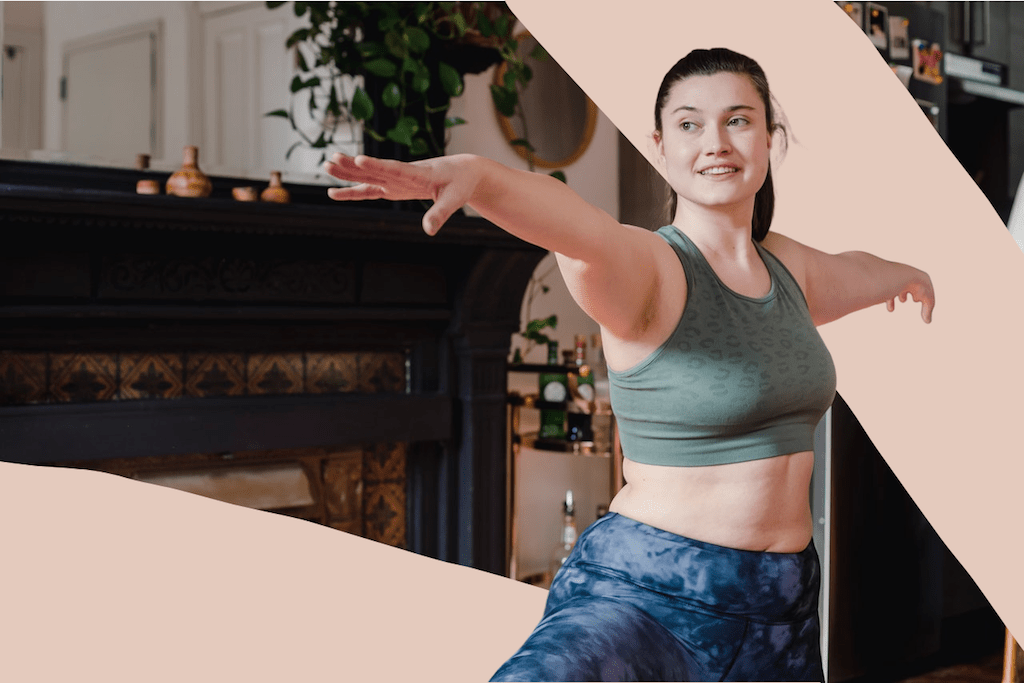
SCHOOLS, SCHOOLS, SCHOOLS 

The most important consideration first – schools. When searching for a new city for your family to call home, it’s a wise idea to look at catchment areas of primary and secondary schools, and to consider the quality of educational institutions in the area to ensure that they’re suited to your child’s unique needs.

Similar to a product or service, schools can also have reviews on their website, from both parents and students. Finding the best secondary school in UK doesn’t have to involve visiting them all in person (that, of course, would take you a lifetime) but rather, assessing their status online via reviews.

Alternatively, you can also supplement what you read online about a certain school from their Ofsted reports. You can also take a look at their exam results and performance data, all of which tell you about a school’s teaching quality. 

Perhaps your child needs extra help at school? This is when a face-to-face visit might be more appropriate, as establishing an interpersonal connection between school staff and individual pupils is so important in such instances.

EXTRACURRICULAR ACTIVITIES & CLUBS 

Consider the extracurricular activities provided by any schools you’re considering, too. After all, the value of school doesn’t only lie in the classroom; life skills can be learnt, too, in after school programmes and clubs.

Well-performing schools understand that these activities can help supplement the learning of your children and promote personal development. Book clubs, debate teams, internships, sports teams and so much more will help your children develop their interests and possible professions for the future. Accordingly, make sure your child’s new school offers as wide a range of extracurricular activity as possible.

LOOK TO THE FUTURE, NOT JUST THE NOW

Sure, village life with the kids might feel idyllic when they are little – but what about when they’re older? Though the old saying suggests that a ‘happy wife’ equals a ‘happy life’, we think that ‘happy teens, full beans’ might be more appropriate. And nope, we couldn’t think of a better rhyme than that.

So, when considering a new home for your family, don’t only focus on their current needs, but also think about how their wants and desires will change over time. Perhaps a town or city with amenities and activities abundant might suit your family better later down the line?

DOES THE NEW LOCATION SUIT YOUR KID’S LIFESTYLE? 

Are your children outdoorsy types who love the countryside? Or do they love water sports? Or, perhaps your children are older, and developing a penchant for high-end restaurants and places with a thriving nightlife? It’s important to be happy in your home due to what lies not only within its walls but also within walking distance; do check how well your children’s immediate leisure interests will be catered for when you’re narrowing down your shortlist of potential properties.

LIBRARIES 

Despite the endless possibilities that the internet provides (or maybe, because of them), libraries can still play an integral part in every child’s life. As Libraries Connected explain, “Libraries are an open door for every child to uncounted opportunities – to have fun, to learn, to discover and to share. They are fundamental to reading, learning, to exploring their identity, and to participating in a society that increasingly values knowledge and depends upon being able to find and use information.”

As such, it’s important that you check that the new city or town that you’re considering has a library, which you can do right here, on the UK’s Public Library Directory.

TRAFFIC & POLLUTION 

Though efficient transport links are a massive bonus, high levels of traffic noise certainly aren’t. Rather than using your ears to assess if your intended new neighbourhood suffers from traffic noise (levels diverge massively according to the time of day, so it’s not a reliable way to check), you can use the ‘England Noise Viewer’ service from the Department for Environment, Food and Rural Affairs, which lets you enter your postcode to check noise levels in the area.

Similarly, you can check the pollution levels of the area you’re considering moving to, by using the Government’s Air Information Resource. Again, simply enter your postcode and see both today’s levels and a forecast for future levels, on a scale of 1-10. 

INVOLVE YOUR CHILDREN IN THE MOVING PROCESS

Last but not least, it’s important that you include your children in the decision making process when considering a new place for your family to live. Whilst they’re certainly not going to actually make the final decision, it’s important to have them believe their opinion matters on where you might move to. 

Draw up a shortlist of possible locations, with pros and cons listed, and gather the family around the table to discuss. Involving everyone in the process at this stage can help bring the family closer together, and will make the move all the more harmonious when it finally happens. 

7 JOB HUNTING TIPS YOU NEED TO KNOW IN 2021

Cataclysmic events of recent years have left the modern job market looking almost unrecognisable from just a decade or two ago. Even before COVID-19 had the world working from home, things were changing, fast; shifts in geopolitics, globalisation and the unrelenting move of our lives online have changed the way we work forever.  

Job security has become more precarious, and previously valuable skills have suddenly been rendered redundant. As 2021 draws to a close, it’s important for job seekers to adapt and diversify to ensure they remain relevant.
Even the way we apply for jobs has changed. Sure, we all know by now that we should be updating our cover letters and CVs to suit the job we’re applying for. Most realise that a gap in employment history needs a decent explanation, the majority may well be schooled on interview technique, and might even know just the right amount of eye contact to maintain (64%, if you’re asking). 

But for a new decade, some smarter, more specific tips are required. These are those; our 7 job hunting tips you need to know in 2021.  

WHAT DO YOU WANT TO BE?

In their article on changing careers, Novorésumé posit that in the modern job market, “What are your career goals?” is the adult version of “What do you want to be when you grow up?”

So, ask yourself what you truly want from your career. Once upon a time, not too long ago, the answer would of course have been ‘money’.

But times have changed, and all across the world, workers are demanding more from their careers. The ‘lying flat’ movement in China, Finland’s shift to six hour, four day weeks, the recent notion of ‘time millionaires’ here in the UK…before you start applying for a new role, ask yourself what your career goals actually are.

Having clear cut career goals mapped out, even if they don’t involve becoming a millionaire, will help you in the interview process. Goals that are focused on professional advancement, personal development and leadership skill acquisition are much more likely to impress potential employers than simply wanting to earn big bucks. 

Read: ​​5 signs that now is the IDEAL time to change career

USE MORE NICHE JOB LISTING WEBSITES 

Of course, websites like Indeed, Monster, Glassdoor and other generic online job listing platforms are good places to look for a new job, but it’s a smart idea to get niche specific if you’re keen to land a more lucrative role.

If you’re on the hunt for biotech jobs or gas engineer jobs, for example, then companies like Biotech Rec are specialists in life science recruitment, and provide top talent to life science, pharmaceutical and biotechnology organisations.

If you’re searching for jobs in advertising, The Drum, the third-biggest marketing website in the world, is the place to look. 

Should you be seeking a chef’s role, then The Caterer, Chef Jobs or Hosco will serve you better than a more general online job listing platform.

Not only will you arguably find more job listings this way, but those advertised will be more role specific, which will help you better match your own unique skill set to an appropriate position.

NETWORK

Another great way to make contacts and land potential job offers is to network. Embrace this shameless tit-for-tat experience where you only mix with people to further your own career. Networking, when done right, can have real benefits for your career and often your personal life too.

Read: 6 IDEAL networking tips that will actually help

Speaking of networking….

UPDATE YOUR LINKEDIN PROFILE 

LinkedIn is the world’s largest professional networking platform with almost 740 million members and over 55 million registered companies. Recruiters actively headhunt and search for potential candidates here, and it’s a part of the job search that shouldn’t be overlooked.

According to the networking site, 35% of professionals say that a casual conversation on LinkedIn Messaging has led to a new opportunity. Moreover, 61% of professionals agree that regular online interaction with their professional network can lead the way into possible job opportunities. 

Assuming you have a LinkedIn profile (if you don’t, make one, stat) then check in; when was the last time you posted something related to your profession or industry? If it was more than six months ago, you may want to get back into the swing of it, especially if you’re actively seeking a new role. 

Actively use LinkedIn to comment on posts, share content related to your trade and even write your own articles. Being active looks good on your social profiles as recruiters will see that you’re clearly passionate about what you do.  

Read: 5 tips on social media best practice for job seekers

GET ORGANISED 

Search for jobs more efficiently by organising yourself and your schedule. Set a daily or weekly schedule for how much time you are going to devote to job hunting or networking.

Check your resume and cover letter regularly, too. Search online for sample templates. Be prepared to provide employers with two to three references and their contact information.

Go further; establish a professional email account to keep your job search and personal emails separate and organised, helping you speed up and simplify the job search process simultaneously.

Data matters, even if you’re collecting it on yourself, so set up a spreadsheet to keep track of the jobs you’ve applied for and the interviews you’ve received. In the spreadsheet, make a record of the closing dates, contact names and numbers for each job. This way, you can keep track of all the roles you have expressed an interest in and make follow up calls if you have received no response.

MAKE A CALL

Speaking of calls…never underestimate the value of making one. A friendly phone call with a recruiter goes a long way to establishing a connection and will help you to stand out from the crowd.  

If the thought of calling someone sends a shiver of terror down your spine, try to conceptualise the experience. 

Firstly, you’re not alone. A survey conducted by Face for Business found that “76% of millennials and 40% of baby boomers have anxious thoughts when their phone rings”. 

One of the best ways to overcome this is to expose yourself to more phone calls. The more calls you make, the less overwhelming the phone calls will be. Seeking professional help is another option if telephobia is stopping you from achieving your goals.

THE COMPANY NEEDS YOU TOO

When you’re searching for a job, it’s all too easy to forget that the company needs someone to fill the position. Let us repeat; they need you. Those seeking a secure, satisfying career should also consider the benefits on offer from their new company, as these can make a huge difference to your overall experience of a job. 

Here’s some things you should make sure the company offers:

Flexitime: Flexitime can be an excellent way to ensure you get a good work-life balance. If flexitime is not offered as standard, you could consider requesting flexitime before you accept the offer.  

Training: Professional progression and development are essential factors in any job. Any company that isn’t invested in your training and future is not worth the consideration.

For other employee benefits you should look for when considering a job offer, head to our article here.