
Home Blog Page 208

5 MISTAKES FREELANCERS MAKE & THE IDEAL WAYS TO REMEDY THEM

There aren’t many jobs where dreams and reality diverge quite so drastically. In the imagination of those in permanent, long term employment, the freelancer rolls out of bed at noon, fixes themselves an espresso (martini) and types a few paragraphs of poetry or prose. 

In actuality, it’s a form of employment plagued by uncertain incomes, unpaid holidays and unpredictable hours. Because of this lack of stability, being a successful freelancer often relies on having your fingers in as many pies as possible (leave a couple spare for all that typing, though).

But this emphasis on multitasking can often leave a freelancer prone to stress, overwork or a lack of appropriate prioritising. Fear not; these issues can be avoided. Whether you are creating various forms of content or diversifying your efforts to provide a steady income stream, here are 5 mistakes freelancers make and the IDEAL ways to remedy them. 

NOT GETTING APPROPRIATE SUPPORT

Though no man/woman/or non-binary person is an island, being a freelancer can often feel like you’re stranded on one. As such, you might find yourself trying to do everything yourself, both to save money and retain creative control of every process of your precious work.

We don’t blame you. But we can’t stress this enough; collaboration is king and sharing the load (even at a cost) is extremely worthwhile, for your creative output and your stress levels

Whether this happens via you hiring a virtual assistant, enlisting the help of a company who organises your Microsoft Ads management, or hiring a strategist to help you optimise your web content for SEO, when you are starting out, you need to make the most of the resources out there. Devolve, delegate and depute.

Read: Virtual Assistants: What they do and how to find one 

DEVALUING YOUR WORTH

When the hours are uncertain and you don’t have a fixed, stable income, it can be tempting to take on too much for too little, just to maintain some semblance of consistency.

Therefore, we gradually lower our prices until we have enough projects, but this digs us into a hole. When we value our worth, it has a direct knock-on effect on how we perceive ourselves, and ultimately, how we produce. 

It’s important to research a fair hourly or daily rate for your experience level and demand it from your clients. Selling yourself short risks a ‘race to the bottom’ situation where the perceived value of your work is cheapened and eventually, you have to charge less just to stay afloat.

NOT LOOKING AFTER YOUR WELLBEING 

When you’re a freelancer, the boundaries of home and office converge in such a way that you never clock out, even answering emails in your sleep. The weekends are still work days, and the money rarely arrives when it’s supposed to. There’s no holiday pay, in fact, there’s no holiday; laptops come everywhere and anywhere. No surprise then, that freelancers are particularly vulnerable to stress related mental health problems.

It’s wise, then, for freelancers to take proactive steps to look after their wellbeing. One way to do this is by setting digital boundaries. If you’re not strict and disciplined about your screentime, as a freelancer you’ll likely find that your eyes are fixed on a laptop or phone from the moment you first sit down to work in the morning to the point you turn in for the night. With no true downtime, stress is inevitable. 

Consider setting locks on your devices so you’re not able to access your emails and files after a certain time each evening. It makes sense to set one too for your lunch break, even if it’s just for 30 minutes, to allow you a little time to recharge and replenish. 

Read: 5 IDEAL ways to be a more efficient freelancer

FORGETTING TO NETWORK 

Being a freelancer means getting used to your own company, but for many of us, that can also mean forgetting quite how to communicate in real world settings. 

Don’t neglect to make connections with your contemporaries, colleagues and peers where possible. Instead, expand your horizons and launch yourself back into the face-to-face side of things (when COVID-19 restrictions permit it, of course). Networking online is one thing, but if you’re keen to get ahead, then transcending from the digital to the real world will help you do just that. 

Nurturing positive working relationships in the flesh as a freelancer can really help you build up a larger client base and, as a result, keep that income steady and stable. So, endeavour to organise meetings in real life and attend freelancing events and industry-specific conferences, to ensure you’re getting your face (and work) out there and noticed.

STOPPING LEARNING

Most people believe that finding that first customer or client takes a freelancer halfway to success. This is true to a certain extent. However, to remain competitive and win well-paid projects, you have to invest in your professional education and always be improving. 

Regardless of the type of services you offer, you have to be a life-learner to succeed. As a customers’ demands change – and they will change – so does the industry and niche-related trends. Thus, to make freelancing your stable source of income, you have to develop as a professional. The studying process will help you develop new skills and keep up with the key trends, both essential ingredients to long term success.
5 IDEAL PLACES TO GET YOUR FISH & CHIP FIX IN LONDON

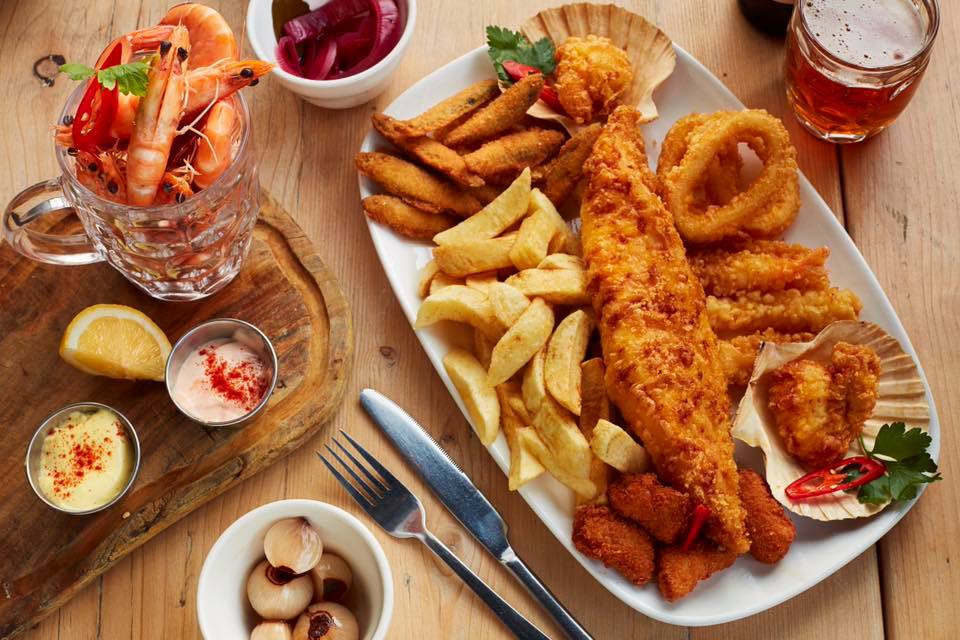
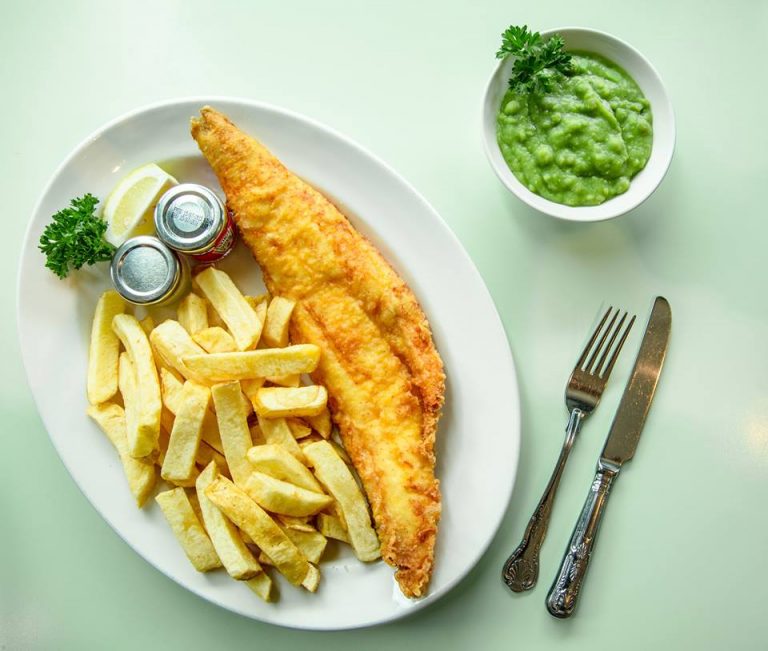
No British summer would be complete without fish & chips. Preferably enjoyed by the beach, served in newspaper and topped with a generous dousing of salt ‘n’ vinegar. If you can’t make it down to the seaside this summer worry not. We’ve handpicked the best places in London for you to enjoy this very British dish. You may not be by the seaside, but at least you won’t have to contend with those swooping, chip-stealing seagulls.

HOOK

The Ideal place to reignite your love of fish and chips

We often think that if a recipe works, why mess with it? No need to deconstruct…

We thought this about fish & chips, until we went to Hook. In essence, this is still a classic fish & chippy, however, they swim against the traditional tide in favour of an innovative approach to cooking it. And in doing so they win first plaice on our list.

Coated in delicate panko breadcrumbs, the catch here is laced with international influences. Also, forget the traditional dollop of tomato sauce, each dish is accompanied by an exciting and complementing homemade sauce (their Malaysian curry panko with spicy pineapple and ginger ketchup is excellent).

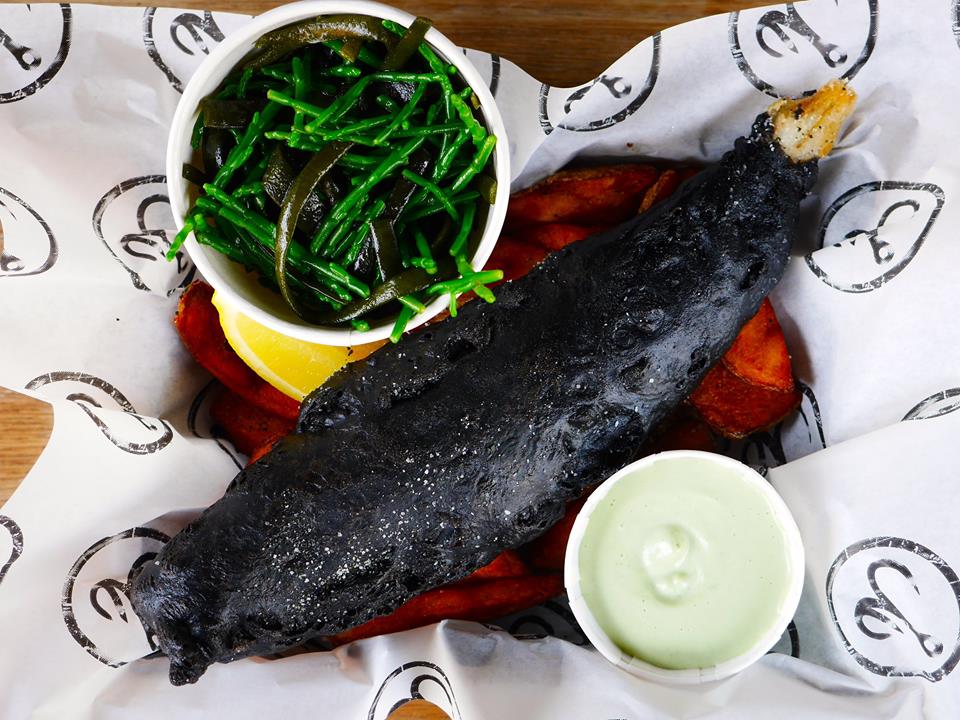
The Guinness & Squid Ink offering, served with oyster and sorrel sauce has cult status, and we can see why it’s caught people’s attention and got them hooked.

www.hookrestaurants.com


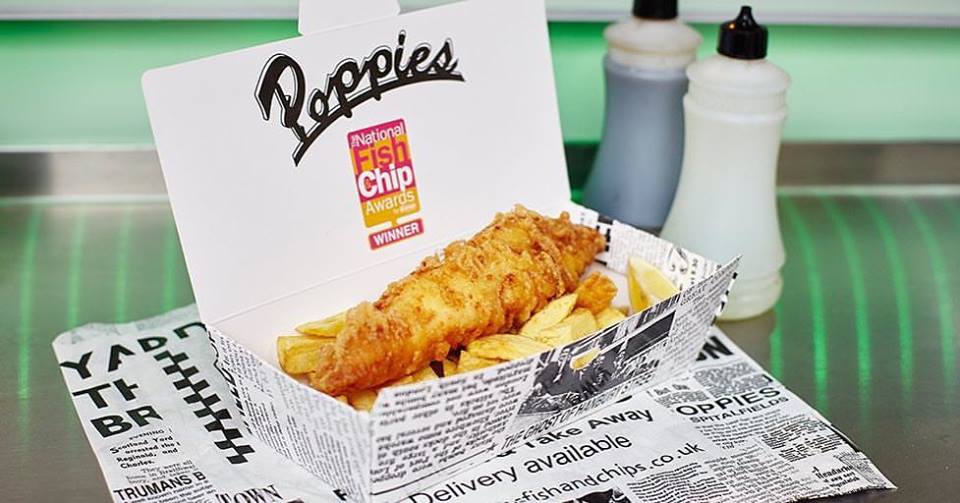
POPPIES

The ideal place for tasty, traditional fish and chips

The owner of Poppies has been in the fish and chips business since 1945. That’s a lot of time to perfect one of Britain’s best-loved dishes. And perfect he has.

Here, it’s all about unpretentious old-school cooking. The Billingsgate-sourced fish is wonderfully fresh and flaky, the batter is light, and the chips are crisp and just that little bit soggy. What’s not to love? Besides the main event, we also recommend ordering a portion of the jellied eels. These slimy little critters have long been an emblem of London, and the owner is still keeping the memory alive here by having them on the menu.

P.S At Poppie’s Camden branch, they have #FishNGigs nights, too. Go.

Poppiesfishandchips.co.uk


SUTTON AND SONS

The ideal chippy for fresh and seasonal fish

An East London favourite which will leave you thinking ‘holy chips this is good’, Sutton & Son’s is a family-run fish and chip shop serving up delicious fish & chips. What’s more, they sell some of the finest shellfish in East London from their very own fishmongers. You can get your claws into lobster, clams and plenty more of whatever’s fresh and seasonal.

They also do the chippy classics that every Brit should know and love – their battered sausage is damn fine and the steak and kidney pie could warm the cockles off any cold English night. Lovely stuff.

www.suttonandsons.co.uk


CHIP SHOP

The ideal place to enjoy fish and chips while bobbing to hip hop music

This hip hop themed Fish ’n’ Chip restaurant in Brixton seems an odd proposition, but try telling that to the hugely mixed clientele of old and young attending this place with regularity and enthusiasm. It may seem odd to see your elderly grandfather dunking chips in homemade mushy peas whilst his foot slyly taps along to Biggy, but the quality of the fish and chips speaks for itself.

www.chipshopbxtn.com


TOFF’S

The ideal place for multi-award-winning fish and chips

No, this place isn’t full of toffs thinking they’re descended from the landed gentry. Thank christ.

Actually, the name comes from the owners’ family surname, Toffalis, and here, everyone is welcome to enjoy their award winning fish & chips – for the many, not the few. Open since 1987 and reportedly taking 50 orders an hour, it’s been voted ‘Best Fish and Chips in the UK ‘ more than once, and won numerous other awards including ‘Most Family Friendly Restaurant’. Bravo!

www.toffsfish.co.uk


5 TIPS FOR STARTING A BOOMING BABY BUSINESS

As reported by The MBS Group, the baby products market is valued at around $158bn worldwide and “like babies themselves, the market looks set only to grow”. 

Interestingly, many market analysts concur, with experts pointing to the fact that some couples are choosing to start families later in life and as a result, have extra disposable income to spend on such products.

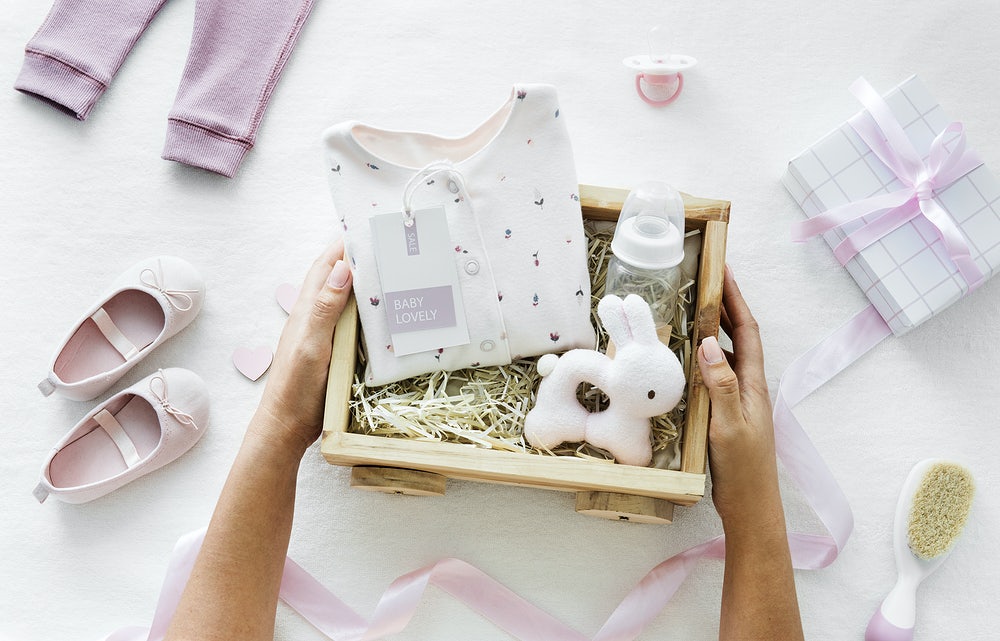
If you’ve been doing some soul searching over lockdown and are considering pivoting to a life of being your own boss in the world of baby products, then, firstly; we commend your bravery! It’s a competitive industry, that’s for sure, but it’s also a lucrative one if you play your cards right. That said, it’s not a decision you should take lightly. For beginners in the industry, here are 5 tips for starting a booming baby business.

CHECK IF YOUR IDEA IS ORIGINAL

There are hundreds, no, thousands, no, millions of different baby products out there. As such, the first thing you need to do is research the market and validate your idea, both to check if it already exists elsewhere, and to see if it’s an idea which would appeal. 

It’s sensible at the ideas stage of any product to first conduct a patent search, which you can do via the UK Government’s dedicated ‘search for a patent’ page. You can also search for any trademarks via the Intellectual Property Office, who enable you to search their directory using key words and phrases. 

Once you’ve established that your baby product idea is your own and original, it’s wise to get a feel within your chosen market segment (ie. new parents) about whether the product has legs. You should do this before you build any prototypes – more of that in a minute, by the way. 

This can either be done informally, by asking friends, family and anyone else who will listen whether they think your product has potential. Or, you can conduct your research in a more serious, professional way, via focus groups and online questionnaires.

Read: 6 tips for balancing your business and your baby

GET YOUR PROTOTYPE 

Once you’ve validated your idea, it’s time to get a prototype together. Without one, you won’t be able to attract investors or get your product spec adjusted, calibrated and optimised ready for its launch.

This is relatively simple but pretty much compulsory as you’ll need a prototype to get your product manufactured. Immould injection mold design is often used for babycare products like dummies, bathtubs, potties, baby cutlery and bowls, and is ideal for producing plastic prototypes safely and affordably. As such, it represents the ideal material from which to have your prototype built. 

If you’re going into the baby snack business, on the other hand, you’ll first need to consider your product in terms of ingredients, hygiene of production, nutritional value and consistency of result. But you’ll also need to get prototype packaging sorted; ideally, you’ll find a manufacturer who prioritises safe, sustainable packaging. 

Read: 6 IDEAL tips for successfully starting a business from home

WRITE A BUSINESS PLAN

As Forbes writes “No matter what phase your business is in, drafting a strong business plan and understanding what’s essential to it will ensure your success.”

Never a truer word said, we think. Indeed, an effective business plan, done with due diligence and detail, will define the total expected costs, the technology required, the level of marketing, staffing and manufacturing needs …basically, everything. 

That’s not all. A business plan won’t only help you during those initial stages of your business. It will also act as something of a roadmap to success, guiding you through making the right decisions and taking the right direction later down the line. It’s also essential if you’re seeking to raise money for your business as you’ll need to present it to investors, speaking of which….

FIND FUNDING 

As your business grows, you’ll of course be on the lookout for big-time investors in order to increase your capital investment. Here are some ways you can fund your new business

  • Bootstrapping – This is is actually more of a mentality than a funding avenue, with the term primarily defined by extreme financial frugalness in the early days of a business. A major element of this frugalness is the emphasis on self-funding rather than seeking external capital.
  • Crowdfunding – A well orchestrated crowdfunding campaign can serve as fantastic marketing when carried out astutely. It can help gauge interest in your business and understand what needs to be done to cater to your customers’ needs and wants
  • Business Loans – Loans are one of the more traditional methods of external business funding, and remain a widespread form of raising capital for new and small firms. 
  • Investors – We’ve all seen Dragon’s Den, right? Yeah, those guys. However, bear in mind that they usually concentrate on investing in mature companies. They will also tend to insist on having hands-on involvement in your business to ensure that the cash flow and ROI they require are achieved. 

Read: 4 financial tips for start-up businesses

GET ONLINE AND ON AMAZON 

Investment is vital, sure, and being on physical shelves in physical stores is almost always the goal of an emerging baby product, make no mistake. That said, if you want to start raking in good quality exposure to your target market and begin to make sales 24 hours a day, an online presence is absolutely essential, too. 

You’ll of course need a professional looking website, complete with a shopping cart system and secure payment gateway so you can sell your products directly to customers. What’s more, a strong social media presence will help you direct customers to your website and generate visits into sales.

But equally as essential as a website and a social media presence is getting and selling your product on Amazon. As reported by Business Insider “Amazon currently makes up 43% of all market share for online baby supplies.” Enough said. 

THE BOTTOM LINE

The baby product market is a tough industry to crack, particularly if your idea is in its infancy and hasn’t quite matured yet. That said, it’s also a lucrative market, and we wish you the best of luck in making the most of it!

5 WAYS TO MAKE SOME EXTRA MONEY ON THE SIDE THIS SUMMER

Ideal for boosting your income. 

Phew. We’d forgotten just how much being ‘allowed out’ costs! After months of lockdowns, restrictions and public spaces being closed, the previous few weeks have certainly taken their toll on our bank balances. 

With restaurants and pubs once again open and friends and family permitted to socialise, it feels like the spending hasn’t stopped since the lockdown drawbridge was lowered. If you now find yourself nursing a pretty massive hangover and an empty wallet, fear not; there are some simple ways to get to coffers looking healthy again. With that in mind, here are 5 ways to make some extra money on the side this summer.

SELL STUFF

Almost everyone has a few items that they don’t use that could be enjoyed by someone else. It could be clothes you no longer wear, furniture that no longer suits your style, or it could be a large appliance like a washing machine that you’re getting rid of because you’ve recently upgraded. 

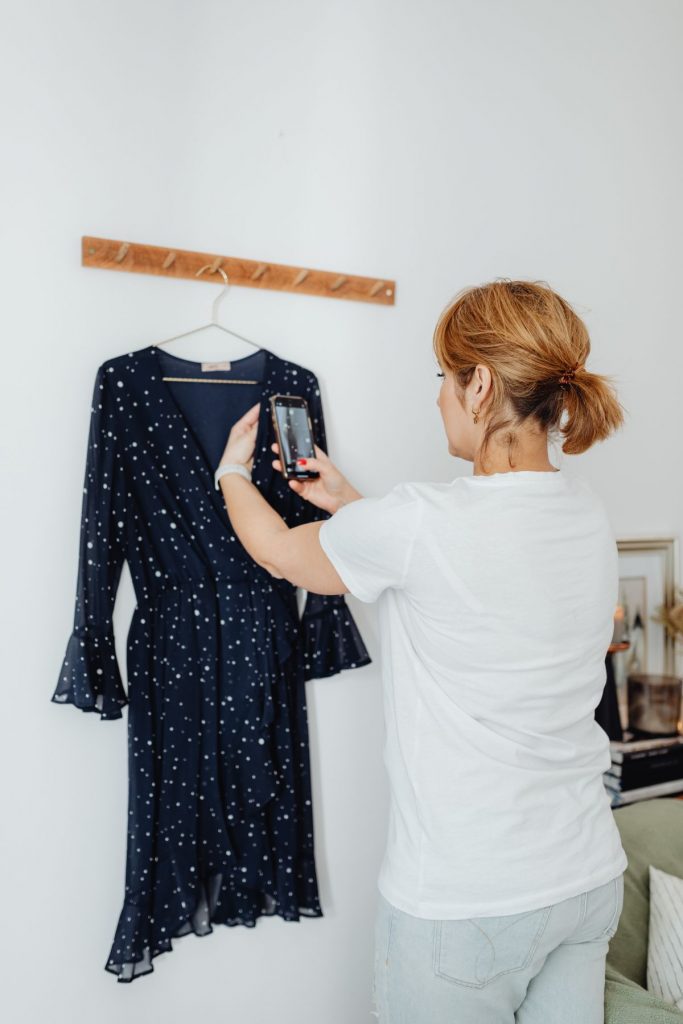
As long as your items are in good condition (or in the case of furniture, salvageable), you can most definitely sell them to someone else. As the saying goes, one person’s trash is another person’s treasure, so if you’ve got something that no longer has a place in your home, take photos of it and sell it! 

There are a number of websites you can list items on, such as Shopfiy, Gumtree, Facebook Marketplace or eBay, as well as apps like Vinted and Depop where you can sell your secondhand clothes.

Alternatively, you might choose to post your advert in a local social media group. 

When you do sell items and post them out, make sure to get a postage receipt in case something goes awry with the delivery. This provides you with an element of protection, as well as showing your buyer that you’re a reputable seller and have posted their item. 

Read: 5 tips for shifting your belongings online

TAKE PART IN SURVEYS 

If you have a bit of time to kill in the evenings and want to generate a modest fee, you can do so by taking part in surveys. Market research is vital to brands which means they’re constantly looking for organic and honest feedback, so much so that they’re usually willing to pay for it. 

To make money from surveys, simply sign up to a survey site and follow the guidance. Typically, you will be required to do a set amount of surveys. You won’t make enough money to retire, but the more surveys you complete, the more money you’ll make. Alternatively, the companies might gift you discounts and offers for famous brands – every little helps, hey!

SELL PHOTOS 

If you’ve taken a good portrait or a location image that you think could do well as a stock photo, then sell it! You can make a neat sum every time your photo is downloaded, and unless you remove your photo, you can continue to make money from it forever more. Some of the best stock photo websites for selling your photography include Shutterstock, iStock by Getty Images, Alamy and Dreamstime.

RENT OUT YOUR HOUSE 

We don’t mean sub-letting here, which might get you into trouble. Nope, we mean renting your house out as a filming location or a photoshoot studio for media projects. 

Whether you live in a small basement apartment or a grand stately home, there could well be a demand for your property type in the world of photography and filming. By listing your house as a media project location, you can bring in a tidy amount of money for essentially doing nothing. It will pay more than taking surveys, but you will need to bear in mind that your house needs to be tidy and clean at all times, and that depending on the project type, you might have to deal with some obstruction to your daily life. 

If this isn’t a problem for you, list your property online and begin generating a passive income almost instantly! 

SWITCH BANK ACCOUNT

Is there a word for that feeling of utter dread prior to checking your bank balance? There should be. Anyway, while we’re on the subject, switching your bank account or opening a second could bring in a little sunshine to an otherwise bleak month. Banks are trying to challenge the notion that customers are way too loyal (see lazy) to ever switch by offering some pretty serious incentives to up sticks. It’s not immediate, with the old switcheroo usually taking 7 days, but the rewards are decent nonetheless.

These are just five ways you can make money from being at home. Will you be trying any?

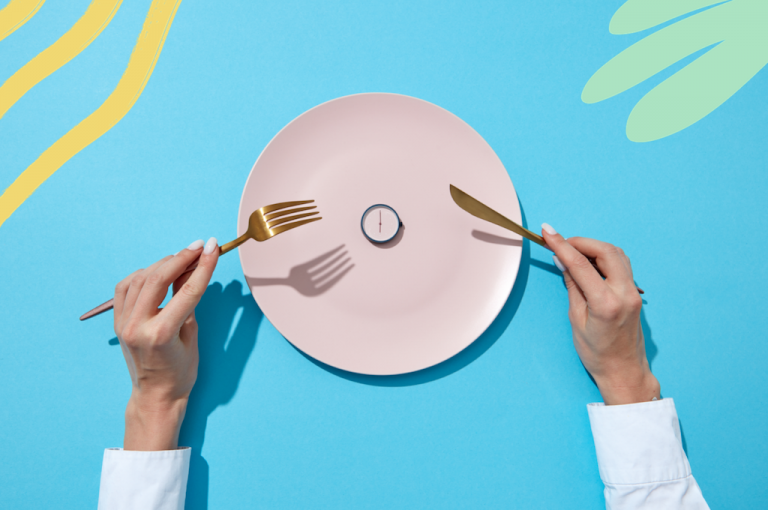
YOUR QUESTIONS ON 16:8 INTERMITTENT FASTING ANSWERED

Though medical opinion on the efficacy of various diets is constantly evolving, in recent years, a host of neuroscientists, nutritionists and doctors have voiced cautious support for a specific, time-dependent diet; 16:8 intermittent fasting.

Whilst the word ‘fasting’ tends to evoke alarm bells in the sustainable, sensible eater, intermittent fasting (or ‘IF’) is intended to be more manageable in its approach, allowing the user to continue enjoying all food groups and achieving a balanced diet, but simply focusing on the timeframe in which they eat as a means of hacking the way their body burns through energy.

Though previously dismissed as a fad diet, – and the jury is still out on the 5:2 version – there is now increasing evidence to suggest that the 16:8 plan, particularly, can be useful in managing weight. Dr Deborah Wexler, via Harvard Health, suggests that ‘’there is evidence to suggest that the circadian rhythm fasting approach, where meals are restricted to an eight to 10-hour period of the daytime, is effective.’’

Mark Mattson, a neuroscientist with Johns Hopkins Medicine in Baltimore, tends to agree, suggesting in a new review in the Dec. 26 issue of the New England Journal of Medicine via WebMD, that ‘’The state of the science on intermittent fasting has evolved to the point that it now can be considered as one approach, with exercise and healthy food, to improving and maintaining health as a lifestyle approach.” Food for thought, indeed.

If you’re keen to learn more, then you’ve come to the right place; here are your questions on 16:8 intermittent fasting answered.

WHAT IS INTERMITTENT FASTING?

When people hear the term ‘fasting’, they tend to think about the rules of Ramadan where eating during the day is not permissible. 

This isn’t what intermittent fasting (IF) is – it’s actually designed to be a little more manageable. The basis of IF is that you select a set timeframe to eat in which is generally less spread out across the day than a normal eating pattern of breakfast, lunch and dinner. Then, you only eat within this more narrow window, though it should be emphasised that normal healthy eating principles apply within this window.

For beginners, a 16:8 ratio is a good place to start. This means you’ll fast for 16 hours and eat your day’s meals during an eight hour window. There are different ratios to choose from, so if 16:8 doesn’t suit you, you can try something else instead, but this is generally considered the most common and most manageable division of time. 

HOW DOES INTERMITTENT FASTING WORK?

When you’ve selected the timeframe ratio you’re going to fast for, the ‘rules’ are quite simple. For those following the 16:8 ratio, you might choose to eat between the hours of 10am and 6pm. This window of time will allow you to eat a late breakfast, a lunch and dinner, with plenty of time for snacking in between. 

With IF, you don’t need to restrict foods or cut out specific food groups – you can eat what you want. It’s recommended that you try and eat a healthy, balanced diet, but you don’t need to worry about ‘cheat days’ or other dieting principles which may in fact be unsustainable and damaging in the long run.

When your eight hour eating window closes, you don’t eat until it opens back up again. It’s best to time the majority of the fasting overnight so that you’re not tempted by food; this will make it easier to follow through with the diet. 

WHAT IS AN EXAMPLE OF AN IF DIET?

As mentioned, a 16:8 IF doesn’t require any specific dietary changes, but if you’re looking for a good example of something to follow, here’s what one day might look like:

  • 7am – wake up 
  • 10am – drink a glass of water and eat a bowl of porridge with mixed berries and a side of granola 
  • 11:30am – drink a glass of water and eat a snack of two pieces of fresh fruit and yoghurt
  • 1:30pm – drink a glass of water and eat a lunch of wholemeal pasta with mixed vegetables and salt and pepper chicken
  • 3pm – drink a glass of water 
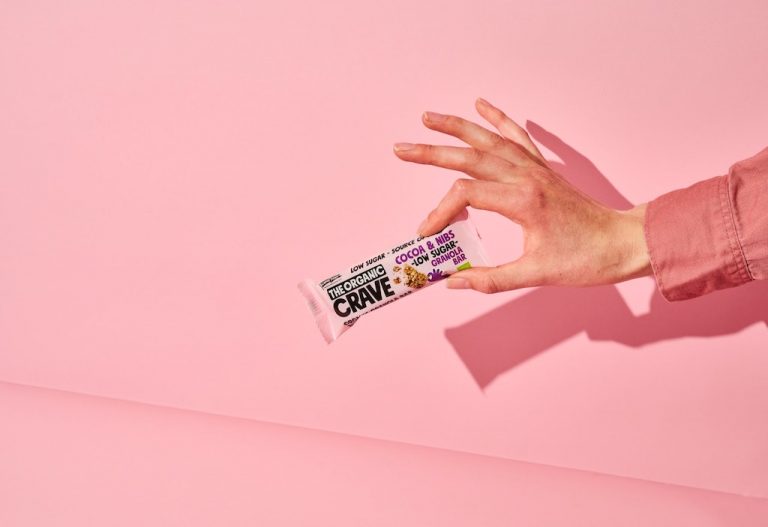
  • 4pm – eat a snack (this could be a treat snack like a chocolate bar and a piece of fruit)
  • 5:45pm – drink a glass of water and eat a good size portion of Thai green curry with brown rice 

This isn’t to say that your day needs to be structured exactly like this, but snacking in between meals and drinking plenty of water will ensure you satisfy your hunger and remain hydrated and healthy. You can eat whatever you want, when you want, but the above example gives you a good idea of how the 16:8 ratio could work. 

The principles remain that you enjoy meals as normal, but your breakfast falls a little later than is traditional, and your dinner falls a little earlier than most people eat theirs.

CAN YOU EXERCISE WITH IF? 

Of course! The NHS recommends that all adults should aim to be physically active everyday, and strive to enjoy at least 150 minutes (that’s two and a half hours) of moderate intensity activity a week or 75 minutes (an hour and fifteen minutes) of vigorous intensity activity a week.

That said, during periods of intermittent fasting it’s wise to time your exercise accordingly. For those who are comfortable exercising on an empty stomach, working out in the morning before your eating window begins is best. If you exercise well after fuelling, then working out after your eating window closes will likely suit you better. 

It’s essential that you listen to your body when exercising to ensure that you’re not pushing yourself too hard. Should you begin to feel dizzy or weak, take a time out and drink a carbohydrate-electrolyte drink.

DOES IF WORK?

The question on everyone’s lips is does intermittent fasting actually work? A consensus has not yet been reached on that one, but some recent studies conducted have shown it to be a potentially effective tool in losing fat and retaining muscle when combined with exercise and healthy eating.

IS IF SUITABLE FOR EVERYONE?

That said, caution is recommended; the team at Harvard Health go on to say that ‘’people with advanced diabetes or who are on medications for diabetes, people with a history of eating disorders like anorexia and bulimia, and pregnant or breastfeeding women should not attempt intermittent fasting unless under the close supervision of a physician who can monitor them’’.

*This article is not intended to replace medical or dietary advice, diagnosis or treatment given by a qualified health professional. Instead, this article only provides information, not advice. For any medical enquiries, always consult your GP first*

5 OF THE BEST SUMMER SPORTS TO PLAY IN A SMALL GARDEN

There’s nothing better than getting out and getting fit in the summer sun. The COVID-19 pandemic has prevented many people from accessing sports pitches and communal sports areas over the last year, and depending on where you live, this could still be the case this summer….

Rather than miss out on a summer of sporting fun for a second year in a row, get prepared and make the most of your garden as a sports pitch, even if you only have a small outdoor space to work with. We’ve put together a list of the best garden sports you can play or enjoy even in the most compact of settings. Here they are; our 5 of the best summer sports to play in a small garden.

CROQUET 

Nothing says quintessential British summer quite like a game of croquet and a glass of Pimm’s. We say quintessentially British, but it’s believed that the game actually originated in France or Ireland. Nonetheless…

For those with a lawn, croquet could provide you with all the entertainment you need to make your summer soiree stand out from the rest. With some music in the background, a buffet of good food and some delicious drinks to hand, you’ll find yourself with the perfect backdrop to a friendly game of croquet. Now that sounds like the ideal summer garden party to us!

This is also a great choice for those who are otherwise not sporty as it’s not so physically taxing. All you need for a casual game is a mallet, six hoops, coloured balls and a peg. Using the mallet, players simply take it in turns to hit the balls through the six hoops in order, before aiming their ball for the ‘centre peg’ to win the game.

BOULES 

The game of boules, otherwise known as pétanque, is the ideal summer garden game. As Mike Pegg, the then president of the English Pétanque Association, tells the Guardian ‘’it’s exceptionally sociable yet tremendously competitive. You can play it on any reasonably level patch of bare hard ground; you don’t need a manicured lawn”. 

A boules set consists of a case of eight metal, hollow pétanque balls with markings to denote each team, and a ‘jack’, which is a smaller coloured ball. Simply put, the aim of the game is to throw the ball as close to the jack as possible, though there’s a real art to the throwing technique itself. 

GARDEN CRICKET 

A game of garden cricket involves smaller, softer versions of the traditional bat, ball and wickets required for this iconic sport, enabling the little ones to hit a four or a six without smashing a window in the process! 

Some conscientious homeowners might consider investing in a cricket catcher – essentially a large net behind the bowler which balls are hit into – to mitigate the danger to property involved in a rogue, ambitious lofted straight drive. Now, all you have to worry about is protecting yourself! 

SWINGBALL 

Not everyone has a tennis court sized garden, and those who do might not necessarily want a Rusedski-speed serve aimed towards their house!

Despite this, tennis is unarguably fun to play and is synonymous with the summer months, making it a staple sport for the season. If you want to enjoy all the fun of practicing your forehand, backhand and serve but you only have a small garden space to work with, then why not opt for swingball instead? 

It requires very little room, with just a top Babolat tennis racket in hand and the ball attached to a piece of rope, meaning you don’t need to worry about broken glass or a sore head should you get bumped with it. Both children and adults can enjoy a game of swingball, making it universally fun for everyone. 

TRAMPOLINING 

If you’re looking for a more cardio based summer garden sport to indulge in this year, but space is tight and doing laps of your garden just isn’t an option, then why not consider a trampoline

Having a daily bounce will get your heart rate pumping, burn some fat and – best of all – evoke a smile and some laughs along the way. The whole family can get involved in trampolining, but you don’t need children to join in with the fun! That’s what makes this a great garden sport – everyone can enjoy it and it can be as intensive or as amateur as you’d like! 

Now the sun’s come out, fancy a game?

While you’re with us, it’s essential that you take the necessary precautions to protect your skin if you’re spending long periods playing games in your garden. Check out these 5 tips for protecting your skin when exercising outside.

7 WEDDING PLANNING TIPS THAT ARE ACTUALLY USEFUL

It’s a sad but oh-so-real truth; for some brides, wedding planning takes over their lives for months, if not years. And in some cases, the pressure to be precise with the prep puts a dampener on the day itself. 

Weddings are notorious for being complicated, frustrating and expensive to plan, with a fine juggling act required to ensure the day is a success. Only then, it seems, can the happy couple focus on the happily-ever-after bit.

Things rarely go smoothly, that’s for sure, but you can mitigate some of the risks of mishap and misadventure with some savvy planning. Prep smarter not harder, as they say, and with that in mind, here are 7 wedding planning tips that are actually useful.

DO IT AS A TEAM OF TWO 

We’ve all heard the warnings about both couples being equally involved in the wedding planning process. It feels inevitable that when this happens, there will be arguments galore. 

However, for us, a ‘’tell-me-where-to-show-up’’ kind of partner is a stereotype we’re not on board with. As the saying goes, ‘two heads are better than one’, and this is certainly true for sharing the wedding planning load fairly and amicably.

The guys over at Brides.com have some useful ideas on planning your wedding as a team of two. These great tips include setting up a wedding-specific email account so you can both stay in the loop with what’s going on, and emphasising the importance of planning by numbers – this works by agreeing on specific budgeting figures early on and sticking to them. 

Remember that teamwork makes the dream work, after all.

CONSIDER A SMALL WEDDING 

The pandemic has certainly made organising nuptials for couples problematic. With the uncertainty and risk involved in planning a wedding, many couples are re-evaluating what was important to them in the first place. For most, that is being married not getting married, and definitely not whether their third cousin removed should sit next to crazy aunt Beverly at the reception. 

Indeed, if Covid-19 weddings have taught us anything, it’s that those big, lavish affairs that once felt normal may well now be consigned to the history books.

That’s not to say that if you’ve always dreamed of having a big lavish wedding, you shouldn’t still go for it – everybody loves a big party, after all! What we’re saying is that the global pandemic has perhaps led to an acceptance of greater flexibility regarding wedding dates, the size of the event, the make-up of the guestlist and more. 

This lowering of expectations might be a blessing, taking the heavy burden of expectation from the event in favour of fun and frivolity.

Read: 7 top wedding trends we’re going to be seeing this year and beyond 

MAKE A SPREADSHEET 

However large or small your wedding is, a mental to-do list alone isn’t large enough to remember all the details for your big day. It’s time to dust off those excel spreadsheet skills you learnt in sixth form and make a spreadsheet to collate all the key dates, times, prices and contact details all in one place!  

As the guys over at Wired highlight in their article ‘The Hyper Organised World of Wedding Spreadsheets‘, where planning a wedding is less about “I do’, more about ‘to do’, “spreadsheets can be generally helpful, they can also quickly spiral out of control, becoming a bullet-pointed reminder of all the social expectations heaped on people (and especially women) preparing for what they’re conditioned to believe must be a perfect event. “ 

Having a visual collection of the important information of the day isn’t only incredibly useful, it can also be reassuring simply knowing it’s there.

Read: Wedding planning 101 and the IDEAL elements in the run up to your big day

BE PREPARED FOR THINGS TO GO WRONG 

Let’s face it, here; things aren’t going to go 100% to plan. 

Depending on the type of wedding you choose, you may need a plan B on various aspects of the day, as a safety net for an inevitable hiccup which could well appear from nowhere.

If you’re planning an outdoor wedding, you need to think about the worst case scenario in terms of the weather. Weather reports can only tell you so much, and let’s face it, a lot of the time they’re inaccurate, which could leave you wet and soggy on your big day. When you’ve spent so much money on your outfit and the ceremony décor, the last thing you want is for the weather to ruin it all. 

To avoid this, think about a plan B i.e. an undercover area that you can rush to if things don’t work out. Your chosen venue might have a room that you can use if it rains or is stormy. If not, you’ll need to discuss a contingency idea with the venue so that you’re 100% prepared. 

It’s not only the weather that needs a backup plan in place. A few other common, last-minute disasters include 

  • The wedding car breaking down
  • The wedding entertainment not showing up
  • Inappropriate, impromptu speeches
  • An eleventh hour caterer cancellation 
  • A damaged dress or suit
  • An outbreak of illness in your wedding party

Don’t fret! Rather, have a simple, workable backup plan for such eventualities. 

THINGS YOUR GUESTS DON’T CARE ABOUT 

The finer details of wedding planning can get so minute, that suddenly you can’t see the wood through the trees.

Save yourself money and stress on these things that your guests really won’t care about:

  • Your designer dress – The no-label look is more endearing, anyway. 
  • Wedding programs –  Everyone knows how a wedding service goes down these days. While they can be helpful during the service, they usually just get thrown away after. Opt for a big noticeboard with the timings instead. 
  • Fancy centerpieces – Let’s face it, there is so much chit chat around the dinner table that no one ever notices the displays in the middle of them.
  • Wedding favours – While we do enjoy a wedding favour, we can’t tell you how many times we’ve been drunk at the end of the wedding and left them behind. We’re sure you’re the same? 
  • How the food is served – Whether it’s a plated meal or a basic buffet spread, since you’re kind enough to provide a meal, guests really won’t care how it’s served as long as they get fed. And watered. They will care about getting watered.

ALWAYS OVER BUDGET 

As with, well, everything in life, weddings often end up costing more than you had anticipated. Whilst it’s possible to do a wedding on a budget, you will probably need to have a contingency budget just in case. It could be that there are more guests attending than you’d anticipated, or that the dream dress you’ve picked out is slightly more than you had originally thought. Whatever it is, it pays to have a backup pot. 

CARE ABOUT YOUR FRIEND’S FINANCES  

In normal times, the average cost of attending a wedding in the UK was nearly £400. Since we’re set to see a boom in nuptials, be aware that all your friends and family will likely be attending lots of other happy couple’s nuptials. So that dream wedding you’re planning abroad that will cost a lot of money for your guests to attend, well – do you really want to be that couple? 

THE BOTTOM LINE 

We hope you’ve found these tips useful and a little of the stress of planning your wedding has been lifted. Now, can we expect our invite in the post?

5 TIPS FOR STARTING A SUCCESSFUL SNACK BUSINESS

Create something tasty and sell it….

If only things were that easy. But making it in the global snack industry is one of the toughest gigs going – it’s an enormous, competitive market, and getting on the shelves of a supermarket is nigh on impossible without the right contacts.

But with the savoury snack market in the UK worth £3.2 billion and consumer spending on sweet confectionery totalling £13.6 billion in the last decade, this is one lucrative market if you do manage to crack it.

According to the folks over and Mintel and as reported in The Grocer “In recent years the snacking market has boomed, with 66% of adults snacking at least once a day [Mintel Consumer Snacking UK: March 2019] and an incredible 37% of 25 to 34-year-olds saying they snack instead of having a proper meal at least once a week.”

That is one hungry customer base, but even the most successful companies start with just an idea, some ingredients and that very first bite. If you’re wondering what the essential components are of a start-up snack business, then you’ve come to the right place; here are 5 tips for starting a successful snack business. 

HEALTH CONSCIOUS CONSUMERS

As The Grocer also reports, “we’ve also seen a real shift in the types of snacks consumers are looking for, with an explosion of healthy alternatives being launched”. They add that almost half of consumers now view snacks as a chance to boost their nutritional intake rather than being a treat or stop-gap between lunch and dinner.

For so many, it’s just not about pop tarts, crisps and pork scratchings anymore. Things like “Kale chips, rice cakes, protein bars and energy balls” are becoming popular with increasingly health-conscious consumers, with this trend only set to get larger and more consuming as the decade continues.

What we’re saying is that you need to actively consider how you’re going to appeal to this mindful snacking market as younger, spendthrift consumers (you know, the ones you want to snag) increasingly prioritise health and wellness. 

Consider innovative zero fat, low sodium and sugar free versions of popular snacks as the single most burgeoning subset of the snack market right now.  

SAMPLE THE COMPETITION

Yes, we’re imploring you to go out and eat a hefty quantity of snacks. Permission granted, indeed! Knowledge is power, as they say, and to expand yours in the name of market research, you’re going to need to understand what makes your competition tick. And, of course, how your competition tastes.

We say that, and although taste is of course important, it’s also essential that you approach this sampling of the competition with a view to investigating every facet of the experience and product they offer. Consider the price point, the buying experience, the packaging, the branding and so much more, all with the critical eye of a consumer. 

Read: 5 IDEAL tips on starting a home based baking business 

GOOD BRANDING GOES A LONG WAY 

Speaking of which, we should mention that the packaging from snacking causes a lot of waste. As such, it’s important to minimise the effect that snacking on your product has on the environment – something that is growing in importance to the ever eco-conscious consumer. 

In 2019, the Guardian reported that the country’s ‘lunch on the go’ culture generated 11 billion items of packaging waste a year, and although the pandemic has seen us eating our lunches at home more often, the snack part of that meal often remains, with crisps, chocolate and other lunchtime favourites requiring packaging which ultimately ends up in landfill.

That is unless you prioritise sustainable packaging as a consumer and, in the future, as a snack business owner.

Our friends from foil pouch manufacturer LogoPack, who develop and create sustainable pouch packaging using biodegradable and 100% recyclable materials, tell us that it’s all about “sustainable packaging that entails the use of recyclable or compostable materials to produce packaging products’’. 

This minimises the exploitation of raw materials and helps to curb waste pollution, and as a business owner, using such packaging also helps you set yourself apart from the crowd by displaying your green credentials in the most accessible, recognisable way. A clean, green brand image and less impact on the environment? What’s not to love!

FOCUS GROUPS: LEARN WHAT THE CONSUMER WANTS

In their in depth investigation into the snack industry last year, Food Bev suggest that “Increasing preferences for foods that fulfil health needs, environmental concerns, convenience and a desire for uniqueness, are just a handful of the factors set to drive growth in the 2020 snacking industry.” 

Yep, we realise that we’re just repeating what we’ve already recommended earlier in the article. But more than that, we’re calling attention to how Food Bev came to these conclusions about the industry; focus groups.

A focus group may be a fairly traditional form of market research, but it’s still widely used, particularly in the food industry. Bringing individuals from your target audience together in one location, you’ll have the opportunity to present products, ideas, concepts and designs and get valuable feedback on them. As such, this old fashioned way of gathering intelligence and opinion on your products shouldn’t be overlooked. 

In particular, focus groups are extremely effective for niche food businesses who are targeting a relatively small audience. When your target demographic is small, the views and opinions of respondents tend to be narrower. For start up food businesses and luxury food brands alike, focus groups offer an effective way to engage with individuals from your target audience on a one-to-one basis and obtain feedback directly from potential customers. 

CONSIDER CROWDFUNDING

Once you’ve generated a buzz around your brand via a mix of a consistent, delicious offering, spoken word and social media marketing, consider crowdfunding to generate the finance needed for your transition to a fully fledged business proposition.

Kickstarter and Go Fund Me are just two of the many platforms now available; the one constant is the fact that you need to be militant about your marketing in the period running up to launching your enterprise, and during it, keeping your snack business high on the trending lists and on the lips of influential food influencers, bloggers and reviewers.

6 TRICKS FOR REDUCING THE COST OF YOUR PHONE BILL


We all want to save money on our bills – especially when it comes to our phones, whose accrual of monthly cost often feels random, inexplicable and most of all, expensive. But with a little know-how and endeavour, you can reduce the monthly cost of your mobile.

That know-how acquisition starts here; here are 6 tricks for reducing the cost of your phone bill.

STICK TO A BUDGET

If you find that with each monthly bill, renewal of your contract or upgrade to a new device, that the cost of your phone bill keeps going up, then firstly, you should set a budget.

Setting yourself a budget or a spending cap can help hugely. The majority of mobile networks allow you to put a stopper on your data usage to avoid bill shock at the end of the month. We’ve all been there, roaming unknowingly when abroad or streaming Spotify a little too enthusiastically when on the move – and the heavy financial toll that follows isn’t an experience to be cherished.

Taking a more holistic look at your budgeting, there are plenty of apps to help you manage your precious pounds in other areas, too. We recommend Yolt, Emma and Money Dashboard, in particular. All of them do the hard work for you and are free to use, though there are paid options if you need a bit more help – yep, we realise the irony of that, too.

TRIM YOUR SIM

Did you know that 7 out of 10 people could save at least £222 per year by switching to a phone contract that genuinely reflects what they use? That’s because, on average, mobile phone users are wasting approximately 3.4GB of data per month. Yikes.

And this, of course, has only been exacerbated by the majority of the country spending a whole lot more time at home lately. If you think you could be one of those with leftover data on their contract each month, then there are some simple steps you can take to save some serious cash on your phone bill. 

Using a SIM comparison service is a great place to start. Firstly, check in with your current contract provider, who can give you an overview of your average monthly usage, making sure you take into account the extended period of downtime we’ve just been under and its various ramifications on your data usage.

Then, it’s time to compare. Ideally, you’d want to find a comparison service that isn’t affiliated to a particular network – such as Compare the Market – so that you get the best lineup of what’s out there.

Or, if you fancy going it alone, checking your bills from the last 12 months can help you to work out your average usage. Bill help sites like Bill Monitor can work out what you need; and if you have an iPhone, head to Settings > Mobile Data > Current Period to see what you have used so far this month. You might be surprised.

GO SIM-ONLY

When you break down your contract, it’s often surprising just how much of your monthly payment is dedicated to the handset. And shockingly, a small but significant minority of customers (in 2018, Ofcom estimated the number to be 1.5 million) continue to pay for their handset after their minimum contract period expires and their handset is fully paid for. 

Choosing to go SIM-only is another great money saver if your monthly bills seem to be heading skywards. Whereas a traditional SIM card and phone bundle will lock you in for a fixed term and a fixed price, choosing to go SIM-only gives you way more freedom and is better for your wallet, too. 

It’s also a great option if you’re happy with your current handset or you want to get one without going down the traditional network route. Read this handy guide on everything you need to know about SIM-only or Money Saving Expert’s take on the best pay-as-you-go SIM-only deals in the UK to find out more.

SWITCH TO AN MVNO

An MVNO is a mobile virtual network operator such as Tesco, GiffGaff and VOXI that doesn’t own a network infrastructure, but instead rents its space from the big networks. 

The bonus of going with an MVNO is that you don’t pay hiked prices as they aren’t charging you to maintain a network infrastructure. Not only that, but they tend to offer more flexible contracts such as 30-day deals. This is great news if you want a SIM card where you can adjust the amount of data, texts and calls you need on a month-by-month basis.

Take giffgaff as an example. Currently, you can get 10GB of data per month for just £12 on their network. Better yet, there is no contract, and you can cancel anytime. Sounds like a pretty good option to us.

RESIST THAT TEMPTING ‘DEAL’

Misleading marketing has a lot to answer for when the question is ‘why is my mobile bill is so high?’ And the big mobile networks are most definitely guilty of this. Not only does the word ‘deal’ make you think that you’ve landed a bargain, but other clever slogans like ‘0% APR’ or ‘36 months’ tempt customers into costly (and often lengthy) contracts.

The same goes for upgrades on mobile contracts. We’ve touched on it already, but contracts can end up costing you more than buying a smartphone upfront. But you’d be none the wiser as a low monthly cost can make it all very appealing. Make sure you work out the costs before agreeing to anything so that you don’t end up out of pocket.

LEASE YOUR NEXT PHONE

How about thinking outside the box and leasing your next phone, instead? London-based tech startup Raylo, for instance, offer refurbished phones on a lease to their customers.  

All their SIM-free smartphones are available on a 12 or 24 month lease, at the end of which they will collect your used phone and you can upgrade to a new one for free. And with prices starting from £22.99 per month for an iPhone 12, they’re a far cry from what you’d expect to be paying with the big networks.

Plus, if you choose to lease a phone, you’re not only saving on your bills – you’re playing a part in helping the planet, too. 

Speaking of which, why not check out these 6 IDEAL ways you can play your part in saving the environment. You can add ‘lease your next phone’ as a seventh option! Wait, isn’t that our job? Anyway…

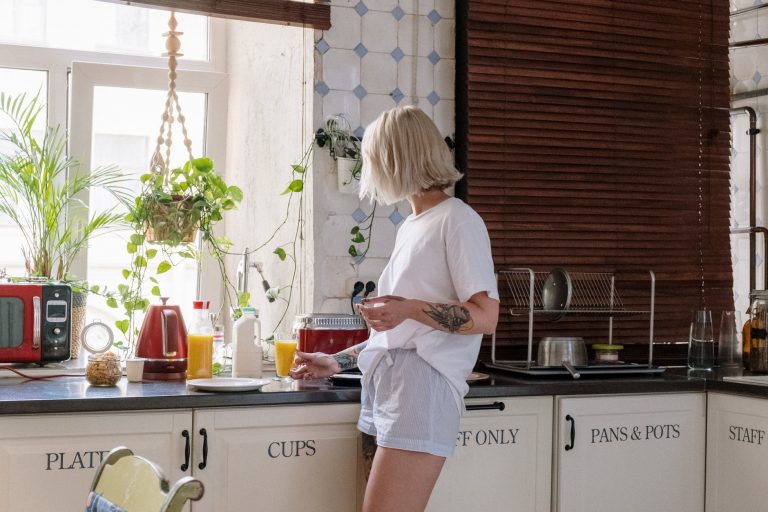
5 TIPS FOR DESIGNING YOUR DREAM KITCHEN ON A BUDGET

The French have a saying that ‘’the torch of love is lit in the kitchen’’. But what if the gas burner won’t ignite or the pilot light’s gone out? What then?

Indeed, the French also say that ‘’it is in an old kitchen that the best food is made’’, and though we can’t deny that our friends across the channel know a thing or two about cooking, we’re going to have to respectfully disagree with that one. 

If you’re keen to renovate your kitchen, bring it up to date and raise your cooking game in the process, but you’re keen to do things affordably, then you’ve come to the right place; here are 5 tips for designing your dream kitchen on a budget.

BE REALISTIC WITH YOUR BUDGET

We realise it’s a little uncouth to mention money so early on. But if you don’t consider the financing your project meticulously, long before the first tile is placed or cable laid, then you’re going to find your budget spiralling out of control. And you’re here to do things on a budget, right?

It’s a tale as old as time itself; unexpected costs and changing tastes mean the initial renovation budget runs way out of control. But just because they’re unexpected doesn’t mean they can’t be accounted for in your initial calculations.

We’ve all seen those Grand Designs episodes when an ambitious amateur attempts to build their dream home. And time and time again, these budding architects come across the same problem – escalating costs. While we can all predict this eventuality from the sofa, being objective can be tough when your head’s under a hard hat and your knees are deep in rubble. 

Yep, hidden costs are one of the biggest hurdles to completing home renovations successfully. So, always add a recommended minimum contingency of 15% for unforeseen problems, overruns and even inflation.

CHOOSE A SINGLE STRIKING CENTREPIECE

Adding an aga, hanging a chandelier, installing a marble-topped kitchen island, investing in an extravagant ice cream maker…

Yep, these are all marvellous focal points for your kitchen as a single unit, but all crammed in together? Aesthetically, it’s overkill. Financially…well, let’s not even go there.

Instead, focus on one single striking centrepiece to lift the room. For us, this is naturally going to be the dining table. For a dining table with real character, you’ll want one fashioned from natural solid oak; sturdy, satisfying to touch, and worthy of being the focal point of the entire home. 

Aristocraft, who provide kitchen showrooms in Birmingham, recommend using ‘’cashmere oak to create a sophisticated and luxurious appearance’’. Once guests are sat around this elegant, substantial centrepiece, they won’t even notice your homemade ice cream hasn’t really worked out…

FLOW & FUNCTIONALITY ABOVE AESTHETICS

Prioritising flow and functionality should be the buzzwords of any kitchen, and make cooking in there much easier. During your renovation project, you should always have these two tenets in mind; one, because they’ll make your kitchen a more enjoyable place to spend time in, and two, because they’re all about minimalism. And you know what minimalism means, right? Yep, you can achieve it on a budget.

Firstly, you’re going to want to kit your kitchen out with the right tools for great everyday cooking. A basic inventory should include a couple of decent heavy bottomed pans, a sharp chef’s knife, a thick wooden chopping board, a sturdy sieve, a slotted spoon, a large mixing bowl or two…you get the picture, now paint it. There are also a couple of appliances indispensable to good cooking; a reliable food processor is an absolute must. A standing mixer would do no harm, either.

An easy, breezy kitchen workflow is also essential to making the whole space more enjoyable to cook in. Items should be stored neatly and everything should have a place – check out our tips on storage solutions for your kitchen for the best advice on that – leaving the countertop free for prep. In doing so, keeping things clean will be much easier, too.

OPEN PLAN SHELVING OPENS UP THE ROOM

Speaking of small additions that make a big difference, if you want to make your kitchen appear larger than it is after the renovation, you should consider open plan shelving when planning out how your dream kitchen is going to look. 

This type of shelving provides you with an opportunity to show off any fancy plates, bowls or crockery you might have, but it also makes items easier to reach. No more fumbling at the back of a cupboard or standing on tiptoes while you try to reach your favourite cup. Open plan shelving also makes your kitchen more inviting.

You could consider adding a little greenery to your open plan shelving. Placing plants and cut flowers to your kitchen is a great way to liven up the space and emphasise that fresh, natural feel synonymous with great food as well as ambience. Go one step further and place them in bright pots and vases for extra style points (though don’t over do it or you’ll be advising guests to bring sunglasses on their next visit).

LEAVE ROOM FOR LATER PERSONALISATION 

The temptation will be strong to fill every nook and cranny, every shelf, and every countertop of your kitchen with personality as soon as you can. It’s only natural when undertaking a renovation project as huge as a whole new kitchen to want it completed and running on a full tank the moment the builders clock off. 

But to do so would be to rush the most fun part; that is, the furnishing of your kitchen with cookbooks, beautiful pots and pans or souvenirs from your travels and fascinating cultural and culinary trinkets. Don’t feel pressured by your own haste to kit out your kitchen in a rushed way. Instead, leave a little room for further personalisation later down the line.

THE IDEAL GUIDE ON HOW TO HELP YOUR BABY GET A GOOD NIGHT’S SLEEP

New-born babies bring love, happiness, and that newborn baby smell that you just can’t seem to get enough of. On the other hand, they need constant attention and are notorious for depriving parents of much needed sleep.

Eager to help parents regain some semblance of a sleep schedule, TheDozyOwl.co.uk spoke exclusively to Lisa Lewis, a certified, qualified and experienced sleep consultant, for some expert tips on how to help your baby get a good night’s sleep.

THE 5 Bs:

“These are my mantras for getting babies to sleep every night. The 5 Bs are ‘sleep cues’ that enable the baby to start remembering what needs to happen come the evening time.”

  1. BATH: It’s a good idea to leave bathing your child until the end of the day. It’s important for our core temperature to rise in the lead up to bed, as this prepares us for the fall in temperature that is needed for sleep.
  2. BEDROOM: Once your baby is in the bedroom, ideally, they stay there! We hope at this point they understand this is now the place they stay for the night. Make it a cosy, quiet and dark space ready for them to sleep in.
  3. BOOKS: Babies and children are never too young for books! This is a time to hear their parents or caregiver’s soothing voice, which will give them some familiarity in a calm environment to evoke sleep. Alternatively, try singing some nursery rhymes very quietly to soothe your baby.
  4. BOTTLE/BREAST: Whether you bottle or breastfeed, try to be in a comfortable seated position whilst feeding, ready for their sleep. This is a lovely, calming time of their day (for the both of you) so make sure you’re comfortable, too.
  5. BED (COT): Ideally, always put your baby down to sleep when they are getting sleepy rather than when they’re in a deep sleep. This is so they learn to self-settle when they wake in the night, and won’t need your help falling back asleep.

PINK NOISE

“You may be familiar with white noise (washing machine, hair dryer etc.), but the pink version is a softer one.”

‘Coloured’ noises have been shown to be a powerful sleep aid, with pink noise having lower sound frequencies and therefore being more pleasing to the ear than the harsh tones of white noise. Examples of pink noise include gentle birdsong, the rustling of leaves, ocean waves, rainfall and heartbeats. Babies just love these soothing sounds.

Several studies on pink noise have even shown that sleeping with it can also improve short and long-term memory.   

Read: 7 tips to help soothe a crying baby

YOUR SMELL

“A great tip for helping babies to sleep is to give extra comfort and you can do this by leaving an item of clothing close by with your smell on. The familiar smell will help comfort the baby and remind them that you are there. Be careful of its proximity to your baby and do not leave it loose. Have it tied tightly to one of the cot railings out of arm’s reach.”

THE 5am CALL

“5am is when our body temperature is at its lowest in a 24-hour day. This is why many babies wake early and cannot get back to sleep. You could pre-empt this by adding an additional blanket (safely) just before this time, or before you go to bed for convenience.”

LET’S GO OUTSIDE

“Swedish research has claimed that babies who are put out to sleep in the garden/outdoor space between the hours of 12-4pm sleep much better at night. It doesn’t matter too much about the cold weather, take a leaf from the Danish and wrap them up as warm as can be and leave them outside to get some fresh air into their lungs. I always suggest this tip to clients who are having trouble with new-borns settling into a night-time routine.”

At around 16 weeks old, your baby’s vision will be progressing and they may even recognise objects in the distance; one of the key baby milestones in their first few months. The experts at Your Baby Club recommend that prior to their al fresco snooze, you can take your baby for a walk so they can take in new sights and process them – they recommend an umbrella stroller to provide shade and shelter so your baby is as comfortable as possible.

Read: 5 more ways to ensure your baby is happy, healthy and loved in their first few months

COLOURS

“Black and White mobiles are perfect for new-borns. They have a limited range of vision (roughly the length between theirs and their mother’s face while feeding) and monochrome patterns stimulate the development of the optic nerves holding their attention longer.”

We hope that you and your baby sleep softly tonight!

6 AMAZING TIPS FOR IMPROVING YOUR SEX LIFE TODAY

Has the fire somewhat burnt out after months stuck indoors together? Are you looking to rekindle the flame after a trying year? Do you feel like your more intimate moments together have lost their spontaneity? Well, you’ve come to the right place.

Let’s clear something up, despite what movies and your favourite soap opera may show, great intercourse isn’t a spontaneous and sexy act. In real life it takes a little planning for you both to have fulfilling and engaging  sexual experience.

Although we don’t claim to have all the answers, there are a few simple steps you can take and tricks you can try to get things back on track. With that in mind, here are 6 amazing tips for improving your sex life today.

A DIRTY WEEKEND

No, we don’t mean a weekend going away to participate in something like the Boryeong Mud Festival! What we’re talking about is going somewhere to spend time with your partner with the sole purpose of having loads of uninterrupted sex. This can do wonders for your sex life if you’re both so busy with your lives or are unable to spend quality time together in your own home. 

Now that we’re allowed to travel again, restrictions lifting could be just the catalyst for inhibitions lifting, too, a new and exciting period in your relationship beginning. Finding the right destination together, whether it be a cabin or 5-star luxury hotels, will add to the anticipation, sure, but organising a surprise trip of this nature could be equally thrilling! 

Perhaps even surprising your partner with a weekend away will earn you a little extra kudos. Knowing what you’re going to spend most of your time away making love also means you can prepare (yep, we realise that might not be the most spontaneous approach), perhaps buying some sexy lingerie, preparing a mood-enhancing playlist or packing some sex toys. Speaking of which…

SEX TOYS

One way to spice up your sex life is to invest in a mixture of sex toys that both you and your partner can enjoy. You can start this off by looking on the internet together – all part of the fun, we think. Vibrators are still the most reliable sex toy (for many) to bring your partner and yourself to orgasm. If you’re new to sex toys in general, this would be a good starting point. 

The good news about buying sex toys online is that most companies will send you your order in discreet packaging, so any nosey neighbors or children won’t have a clue what’s arrived. Kinda adds to the fun, don’t you think?

FANTASIES

We all have different sexual needs and desires that we learn as we grow. Some of us are more open to talking about them than others, which is a shame because one of the easiest ways to improve your sex life is talking about your sexual fantasies with your partner and taking turns to fulfill them. 

Obviously, both of you need to feel comfortable doing this because it cannot happen without mutual consent, but keeping open and flexible to what each other would like is another way to keep things alive. Some sex and relationship experts suggest turning the act of exploring your fantasies into a game; you and your partner write down 5 fantasies each and place them in a jar. You then take turns to pull out the paper and explore them a little further.

POSITIONS

Some of us may have a favourite sexual position, but it’s easy to get complacent. But changing things around and trying new things can open your minds to new styles that you might both enjoy – you might even discover a new favourite position in the process! 

Using different positions during sex will keep things fresh, but be careful not to change positions too often because it will destroy what you’re trying to achieve, possibly preventing you and your partner from really savouring something new. Consider investing in a Kama Sutra manual, a hugely popular book which details just about every sex position out there. Alternatively, sex position dice bring an element of fun (and chance!) to proceedings.

TOUCHING

Even though you’re, of course, touching your partner while having sex, this is not what we’re talking about. What we’re referring to here is sensual touching, the kind that arouses, teases, and causes anticipation. A light brush of your fingertips on their skin or a gentle caress of their neck can give them all sorts of sensations that they’ll want more of, and help bring a new focus to enjoying the experience with your partner without necessarily focusing on any end goal.

Doing so will create a closeness that’s only shared between the two of you. If this slow pace appeals, consider investigating the world of tantric sex; a slow, meditative approach which can be super intense and fulfilling. 

Read: 5 IDEAL psychological benefits of kissing

ROMANCE

Who said that romance was dead? Romance is the art of love shown between two people, which can be displayed in so many different ways. For instance, sending flowers whilst your partner is working or giving them a surprise gift when you arrive home is a wonderful way to show your partner how much you care and how much you think of them.

We all want to be loved and want to be that special someone for our special someone. We can show this by our actions, which don’t have to cost a thing. If we know our partner has had a long day, running them a bath and giving them a massage is a great way to show them you care, for instance.

Very often we get caught up in our daily lives and when we’re in a long-term relationship, it’s easy to forget that it needs just as much effort as you put into it in the early days. Our relationships evolve, just like we do in time, and if we don’t work at keeping romance alive, our sex life will be affected.

DON’T FORGET SELF LOVE

To improve your sex life with your partner, you should first focus on yourself. Discovering what you enjoy sexually through self-exploration can be a great way to gain more confidence in your body and relieve stress, too. If you’re keen to learn more about that, then check out these 5 IDEAL reasons to self-pleasure tonight.

THE BOTTOM LINE

Woah, woah, woah….wait. Not yet! We just need to finish up here first. Not like that, mind.

Oh, we’re all in a pickle now, so we’ll bid you adieu. We hope you’ve found some inspiration in reinvigorating your sex life with your partner. Good luck!

7 FOODIE THINGS TO DO IN VALENCIA, SPAIN

Ideal if you’re looking to eat your way around the city.

Sometimes it can feel as though Spain’s third-largest city lives in the shadow of its two larger siblings. But Valencia has a fun loving, futuristic soul all of its own, not to be outdone by the fierce local pride of Barcelona or the cosmopolitan, cultured Madrid.

And whilst you’ll find things to do in Valencia, Spain to suit all tastes and textures, today we’re here to consider the distinctive food of the city. 

Like many cities in Spain, the restaurant and eating culture of Valencia is full of vivacity and deliciousness, but with a regional identity and cherished ingredients very much unique to the place.

Whilst Valencia is home to restaurants from some of Spain’s most acclaimed chefs, most notably Quique Dacosta, holder of 3 Michelin stars in Denia, and Ricard Camarena, who has a number of eateries across the country and 2 Michelin stars to his name, it’s the city’s street food scene that we keep returning to.

If you’re visiting with an appetite to satisfy and a thirst to quench, then you won’t be disappointed. With the help of Visit Valencia, here are 7 foodie things to do in Valencia, Spain.

SHOP, STOP & IMBIBE AT THE MARKETS

Valencia’s central market (Mercado Central) is set within a magnificent Modernista building and is one of the first places you should head on your foodie tour of Valencia. It’s atmospheric, bustling and noisy – in the best possible way, of course.  

Here you’ll find fresh fish from the Mediterranean, with the Mercado bringing in the best of the sea’s bounty daily. Valencia is one of Europe’s busiest ports and fish is big business here; how it shows in the sights and smells of this wonderful market. 

There are a few eateries mixed within the market itself which are worth checking out. Grab a stool, if you’re lucky, at Central Bar, which is run by the aforementioned Ricard Camarena and serves up incredible bocadillo (Spanish baguettes with imaginative fillings) as well as croquettes, fritters and marinated anchovies. Delicious.  

Mercardo De Ruzafa is another brilliant market and somewhat less touristy than Mercado Central. Before leaving either place, don’t forget to pick up some bits for a picnic in the park, which brings us neatly to….

©[RossHelen] VIA CANVA.COM

HAVE A PICNIC WASHED DOWN WITH SOME CAVA

As Spanish food expert Matt Goulding told Marriott Traveller “There may be no better place in the world to build a picnic because of Spain’s pork culture. And the cheese culture is also potent — you have manchego, but also the regional cheese culture is really strong. Putting together a picnic is as good as closing your eyes and pointing. Then grab a bottle of cava.”

We couldn’t agree more. Fortunately, there are some gorgeous parks in and around Valencia, and with Southern Spain’s perennial sunshine, these green spaces are the perfect place to bask with some refreshments close to hand. 

Popular for picnics is Jardines del Turia, which was once a riverbed and is now a green haven running through the heart of the city. Cabecera Park is another popular choice, boasting paths which run along the river’s side and also a bar for all your cava needs. The Valencian region has a long history of making the stuff, and it’s pretty much obligatory to enjoy a bottle whilst you’re in the city.

If you want to learn more about this famous fizz, then take a trip to Pago de Tharsys, a famous winery located in Requena (less than an hour from Valencia). The owner Vicente García is considered the godfather of Valencian cava and the winery is one of the world’s top cava producers. 

Back in the city, Cafe Negrito – close to the Central Market – boasts a large terrace and serves cava by the glass. Salud!

©[RossHelen] VIA CANVA.COM

DON’T FORGET ALMUERZO 

In Valencia, eating times follow a different beat to the rest of the country and Almuerzo is taken very seriously. Almuerzo is a tradition of eating mid-morning to tide yourself over until a late lunch which rarely starts before 2 pm, and is a rigorously observed time in every Valencian’s schedule.  

Come 10.30 am, Valencians all across town chow down on those bocadillos we mentioned earlier, perhaps with a coffee, fresh squeezed orange juice or even a beer, and discuss the matters of the morning. 

Personally, we’re totally on board with an obligatory fourth meal of the day! 

SEARCH FOR THE PERFECT PAELLA 

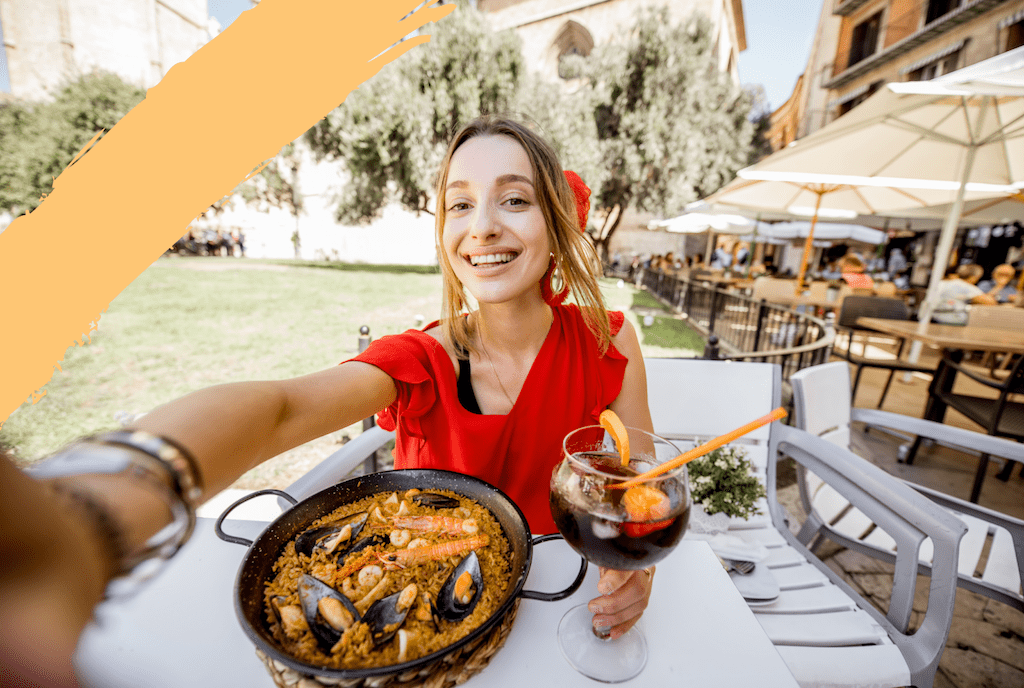
Valencia is particularly, and quite rightly, famous for its rice dishes, namely paella, as it’s where the dish most likely originated. There’s a huge variety of this world-famous rice dish on offer; indeed you’ll find chicken, prawns and other types of seafood atop the renowned saffron rice dish. 

However, if you’re up for an authentic Valencian eating experience, then make sure you head to one of the city’s restaurants still doing things the traditional way, with rabbit. Yep, the real paella Valenciana is a mixture of rabbit, snails and butter beans; and it’s bloody marvellous.

According to Visit Valencia, some of the best places to eat paella are housed down at the Malvarrosa city beach, in particular, Casa Carmela, which has been dishing out rice since 1922. Here, paellas are cooked over wood fires and the rice is imbued with a delicate smoky flavour. This one’s popular, and it’s recommended that you book your rice in advance; you won’t regret it. 

©[RossHelen] VIA CANVA.COM

If you’re keen to develop a discerning eye on your quest for the perfect paella, to paraphrase Spanish-American chef José Andrés, there are five characteristics to look for when recognising a good Paella

  1. The paella should look even and spread out in the pan.
  2. The colour should be a beautiful golden – too yellow is for tourists. 
  3. The texture and consistency of the rice should be soft but still have integrity.
  4. You should look for the “socarrat” which is the caramelised crust formed around the rice. 
  5. It must have an umami flavour from the smoke. 

MAKE SURE YOU TRY THESE DISHES, TOO

It’s not all about bocadillo and paella. Valencia has a whole host of dishes unique to the city:

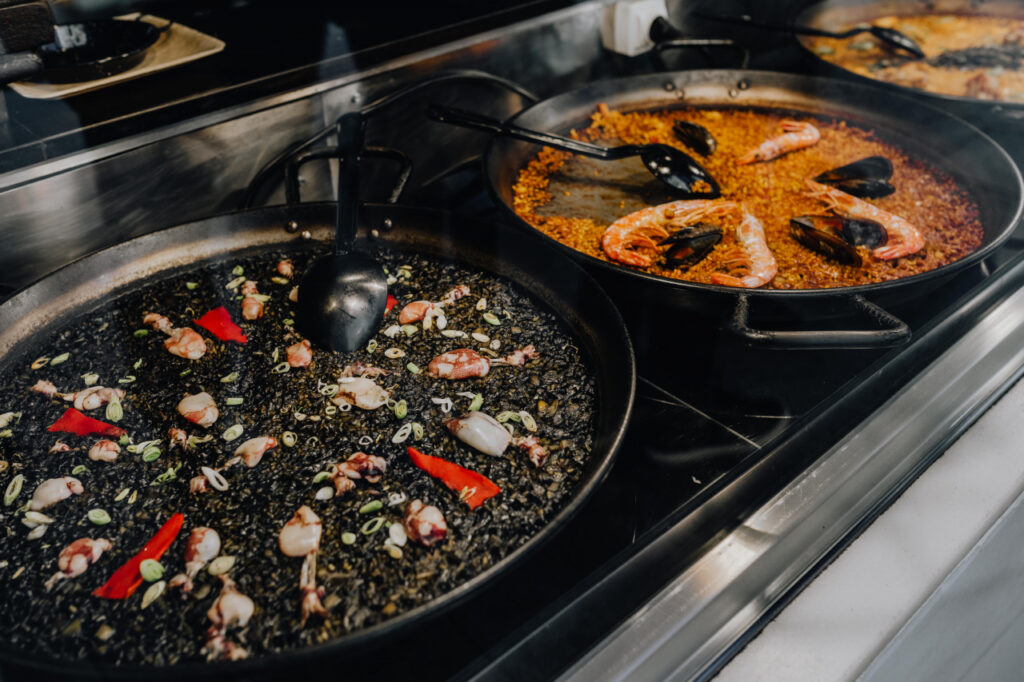
Dish ArròsThe moody and dramatic looking dish arròs negre is another must try rice dish. Made from bomba rice and containing various types of seafood, namely cuttlefish or squid, the dish is dyed with a deep black colouring, which comes from cuttlefish or squid ink.  

Fideuà: Yet another rice dish that will tickle your taste buds is Fideuà, which is similar to paella but made with pasta noodles instead of rice. Delicious.

Suquet de Peix : This potato-based seafood stew is said to be the Valencian version of Bouillabaisse. It’s just as good!

Esgarrat : For a snack, esgarrat, which you’ll find in many bars across the city, is just the ticket. It’s made up of salt cod, red peppers and garlic, doused in a healthy lashing of olive oil and usually served with crusty bread. 

Valencian horchata: Don’t forget to try the classic Valencian breakfast option of fartons, which are long and thin iced buns washed down with a cup of horchata; a sweet, milky drink made from tiger nuts. 

These nuts were originally brought to Valencia by the Egyptians and are now grown in many towns across the region. The Horchateria Santa Catalina on Plaza Santa Catalina has been serving this traditional drink for over 200 years, and they also specialise in hot chocolate, speaking of which… 

Hot Chocolate & Churros: Chocolatería Valor is rumoured to have the ‘thickest and richest hot chocolate” in Valencia. This shop has been making hot chocolate since 1881 and we think it’s safe to say they’ve perfected their offering over those 140 years.

Aqua de Valencia – Valencia is world famous for its oranges, and this refreshing cocktail puts them to good use. Ideal for a mid-afternoon pick after a morning of sightseeing, it’s a mixture of orange juice, cava, gin and vodka, and it’ll both refresh you and put you on your bottom.

Flan de Calabaza: If you’re after a sweet treat, this delicious dessert is just the ticket. Made from pumpkins, eggs and condensed milk, it’s an indulgently sweet, textural delight. 

TAPAS FOR YOU

Valencia doesn’t have the same tapas culture as Spain’s other biggest cities, Barcelona and Madrid. However, that’s not to say tapas don’t exist here. Indeed, there’s a wealth of top-notch tapas bars across the city. But unlike other cities in Spain where you hop from tapas bar to tapas bar, locals in Valencia are more likely to spend a longer spell in one spot, ordering a whole bunch of tapas to share and savouring in the stationary, rather than bar crawling restlessly.

For the very best tapas in town, head towards the beach, to Bodega Casa Montana, which draws a local crowd (always a good sign) and has an extensive list of the usual suspects alongside lots of tapas based around the freshest seafood.

SPLASH OUT AT…

Finally, if you’re looking to splurge (we’re impressed by your appetite!), then there are plenty of fine dining restaurants in Valencia where you can do just that. Perhaps the hippest spot in town for a sit down meal is Llisa Negra, which does refined takes on the city’s famous rice dishes with a keen focus on the region’s seafood.

Alternatively, for a truly cutting edge dining experience, El Poblet excels in their very modern celebration of the city’s food, whilst still managing to pay lip service to its traditions. Amazing!

And if you’re looking for more things to do in the City, then check out our article on 8 IDEAL things to do in Valencia.  

HIKES, BIKES & BARGES: 5 FANTASTIC TRAVELLING HOLIDAYS IN FRANCE

When considering a trip to France, it feels like hopping on the Eurostar to Paris is on everyone’s itinerary; once travel restrictions are lifted and the country switches from amber to green, of course.

But do you really want to be treading the same path as so many other holidaying Brits, particularly when keeping a little distance is de rigueur right now.

Sure, a trip under the Channel and into France’s capital is convenient, but beyond strolling the elegant Parisian boulevards and taking a seat in a Michelin-starred temple of gastronomy, the country has so much to offer, particularly if you enjoy being on the move. 

If you’re keen to experience French culture, cuisine and the countryside, then what better way to do it than in motion? From hikes and bikes to barges, here are 5 fantastic travelling holidays in France.

PILGRIMAGE TO MONT SAINT MICHEL ABBEY

Situated off the Normandy coastline on a rocky islet and only accessible on foot, the Abbaye du Mont-Saint-Michel is a must-visit for anyone keen to explore a different side of France. 

This magnificent medieval monastery and its surrounding bay have been named a UNESCO World Heritage Site, and the abbey is one of France’s most revered cultural locales. 

Covering more than 7 acres of land, the abbey was once a popular pilgrimage destination, receiving visitors from all over mainland Europe and England keen to have their sins absolved. Regardless of your charge sheet on that count, you can still make the pilgrimage today, with routes beginning from different starting points in France, such as Rouen, Paris and Tours, as well as from Italy and Germany. Pilgrims walk these routes by foot to honour the centuries-old tradition with ten hiking trails in total carved out, each of which will take several days (or even weeks!) to complete. 

The Monastic Communities of Jerusalem perform religious songs to receive the pilgrims at the abbey, welcoming those who have made the arduous (though breathtaking) trek. As a treat, you can book a special horse-drawn carriage (a maringote) to take you around the monastery, should your feet be bruised and blistered by the time of your arrival. 

RIDE A BIKE AROUND BORDEAUX

Bordeaux is perhaps the most picturesque city in France, with the surrounding wine region revered globally as being the finest producer of premium plonk. With the city itself relatively flat and replete with cycle lanes, and the nearby vineyards a bike ride away, this is one of the best places in France to explore on two wheels. 

The majority of Bordeaux’s main cultural landmarks, including Bordeaux Cathedral, the Basilica of St. Michael and Place Royale, the huge central square, are all accessible by bike. If you do dismount, don’t forget to visit Sainte-Catherine, Europe’s longest pedestrian street for a leisurely shopping experience.

Should you be keen to leave the city and explore the countryside, the Roger Lapebie bike path from Bordeaux to Sauveterre-de-Guyenne is a 60km scenic stretch of well signposted, straightforward cycling, complete with stunning views at every turn. Alternatively, you cycle in the opposite direction, heading west to the coastal town of Lacanau, which is supported by a 60km off road path.

Alternatively, you could enjoy a dedicated cycling tour of Bordeauux’s vineyards, taking in Cadillac, Saint Emilion and Blaye in a single day. Just don’t enjoy too much of the fine wine along the way if you intend to make it back in one piece!

TAKE A BARGE HOLIDAY 

If you’d like to embrace this spirit of being on the move but also kick back while you’re doing it, then why not enjoy one of the many luxury barge holidays that France has to offer? 

On a barge experience, you will visit some of the country’s most beautiful canals, rivers and countryside, negotiating France at a refined, regal pace and enjoying the place at its most serene. What’s more, tackling the country’s canals allows you to take things at your own pace, as most luxury barges are self-drive.

In fact, France has over 8’000 km of canal, meaning you’ll be spoiled for choice if this is the kind of trip which gets your slow-revving diesel engine purring. Some of the top canals to cruise along in the idyllic French countryside include the Canal de Bourgogne in the illustrious wine region of Burgundy, the Canal du Nivernais which takes in the Yonne River, and the Canal de la Marne au Rhin, which allows you to traverse the River Marne in Vitry-le-François with the River Rhine in Strasbourg. 

DRIVING THE FRENCH RIVIERA

Whilst many choose to experience the world famous French Riviera on a yacht or sailing boat, the Mediterrenean coast of Southeastern France is perhaps even more spectacular when driven, its winding roads offering scenic vistas, charming villages and world class eateries.

Away from the more cliched Cannes, Saint Tropez and Monaco, there are some less flashy, more fashionable stops. Rather than keep you from setting off on your journey, we’ll redirect you here, to our 4 luxury holiday ideas in Alpes-Maritimes, Southern France

GO SKIING (OR JUST ENJOY THE ATMOSPHERE) IN THE FRENCH ALPS

Or, how about exploring the French countryside on two skis? The French Alps are mountain ranges located in the regions of Auvergne-Rhône-Alpes and Provence-Alpes-Côte d’Azur, boasting luxury ski resorts and cosy châteaux. 

There are many legendary ski resorts situated in the French Alps, including Chamonix-Mont Blanc, Val d’Isère, Les Trois Vallées and Courchevel. Did you know the first time snowboarding featured in the Winter Olympics it was held at Chamonix-Mont Blanc? If you prefer to snowboard or even sledge, these mountain peaks have been a home for many other winter sport challenges over the years. 

Or, if you’d rather take things at a more leisurely pace, why not explore one of our favourite destinations for enjoying the atmosphere of the French Alps without skiing, with these 7 things to do in Méribel that don’t involve skiing.

7 IDEAL POST LOCKDOWN TRAVEL RESOLUTIONS WE SHOULD ALL BE MAKING

Whether it’s a luxury wellness retreat, a foodie tour of a foreign market, or jetting off to a private island, our travel ideas for 2021 now feel destined for the ‘pipe dream’ pile.

However, amidst new waves of travel hiatuses, restrictions and continued uncertainty, our innate human desire to wander hadn’t been dampened. Indeed, there are so many destinations we can’t wait to visit once this thing is all over, if they’ll have us. 

Yep, as soon as the all clear is given, we’re filling up that calendar with flights of fancy and trips far flung, whenever that may be. But one thing that is for certain is this; we’ll never take travel for granted again. If you’re keen to savour every moment, too, then read on; here are 7 IDEAL post lockdown travel resolutions we should all be making.

EXPLORE THE UK’S UNIQUE FOOD SCENE MORE

Disclaimer – we’re not just including this resolution because we can’t travel abroad right now, but rather, because lockdown has illuminated just how much the UK has to offer.

Maybe it was Rick Stein’s Cornwall series that played over lockdown which saw him championing the food and culture of the county. Maybe it was endless episodes of the Hairy Bikers Best of British, where the cheeky chaps explored our woodlands and markets. Or perhaps it was Nadiya’s British Food Adventure, which saw her travel the breadth of the nation, from Wales to the West Country, London to Land’s End and beyond.  

Over lockdown, we’ve seen just how much Britain has to offer, particularly the incredible, surprisingly diverse food scene. These food travelogues are all ‘achievable dreams’, and at times almost felt like a government campaign to paint the UK in its best light. It worked!

So, we’re going to use our forthcoming freedom to spend more weekends away in the UK, eating and imbibing, instead of just slopping out on the sofa at home, doing the same old thing.

EXPLORE YOUR CITY

Taking things even more micro, we’re also pledging to really get under the skin of the city we call home. There are so many Londoners who have never enjoyed the canals of Hackney Wick or enjoyed a pastrami bagel on Brick Lane. Brightonions abound who haven’t enjoyed Hove Lagoon or walked to the Marina. We suspect there are Glaswegians out there who haven’t frolicked in Pollok Country Park.

Who needs a flight to experience something exciting, exotic and new? It’s time to be a tourist in our own cities, instead. 

WORKCATIONS 

Working remotely has become the norm during the pandemic, and it’s likely to stay that way for the foreseeable future. A knock-on effect, we think, is that people will look to take longer trips in the future that more effectively combine work and pleasure.  

And this is a travel trend we’re going to try and embrace. Once the drawbridge is lowered, why not extend your vacation experience by staying an extra few days either side of those weekends away or booking longer vacations abroad, with your laptop packed and primed for some remote working?

This means having time in the morning for an exploratory walk, lunchtime to try a local delicacy and the evening to explore the area and dance at a local bar. Sounds like heaven to us; just mind that hangover for your 9am Zoom conference!

TRAVEL TO SEE & FAMILY & FRIENDS 

Once upon a time, we would have given anything to have an undisturbed weekend at home. It gave us joy to see the calendar blank and dormant. Indeed, sometimes travelling felt daunting when there was a house to be cleaned, shirts to iron and batch cooking for the week ahead to get made. However, so much time spent in our own homes and away from our loved ones has given birth to adjusted priorities, and never again will we turn down a trip to the pub, a weekend with the family, or a walk with an old friend. Bring it on, we say!

EMBRACE MINDFUL TRAVEL & ENJOY THE SIMPLE THINGS 

The pandemic has slowed everything down, make no mistake. As we learn to live with the consequences of the pandemic in 2021 and beyond, we’re keen to embrace a new and stripped-back way of experiencing the world. 

We’re making it our resolution to carry over this new found slower pace of life into our future travels. Mindful travel is all about being present for the experiences you have while travelling, opening yourself up to novelty without worrying about work or chores lurking back at home. Suitcase magazine writes ‘The most important step for a mindful vacation is to be present, to disconnect and find joy in simple things”, and we couldn’t agree more. 

For us, mindful travel is also about learning more about the destinations we’re travelling, too. It’s so easy to jet off for a weekend away or longer and not really get familiar with the country you’re in, but by investing your time in an intimate tour or a class, you give yourself the chance to make lasting friendships with locals along the way. And that’s what it’s all about, right?

TRAVEL WITH SUSTAINABILITY  

Since we’ve all been stuck at home, pollution levels have dropped and skies have felt clearer. Although the extent of a planet in bounce-back mode might have been exaggerated – dolphins have not been swimming in Venice’s canals, for instance – we can’t ignore the fact that the natural world felt like it was thriving without our heavy footprint.

Holidays, trips and adventures after COVID all give us the chance to travel better. By this we don’t mean flying first class or floating around the Mediterranean on a luxury yacht. Rather, we mean travelling with a sustainable mindset.  

This is all about being mindful about minimising your waste at every step of the journey; everything from downloading your boarding pass instead of printing it, all the way to choosing hotels that are actively trying to reduce their waste.

Go further, and prioritise sustainable travel products and more environmentally friendly modes of transport to offset your carbon footprint. All these small changes make a huge difference to the planet, and to deploy an overused but succinct quote: ’Take nothing but pictures. Leave nothing but footprints behind’. Or, perhaps ‘love the farm, leave no trace’…hang on, that’s Glastonbury. Anyway… 

JUST SAY YES 

Do you want to go to on a road trip? Say yes. Do you want to head to a theme park to scream your lungs out on the rides? Say yes. Do you want to hop on the next ferry to, well, anywhere? Just say yes!

COVID has taught us that life is short: it’s time to say yes and do the things you want to do! We’ll see you at the airport? Or rather, we’ll see you on the electric bus.