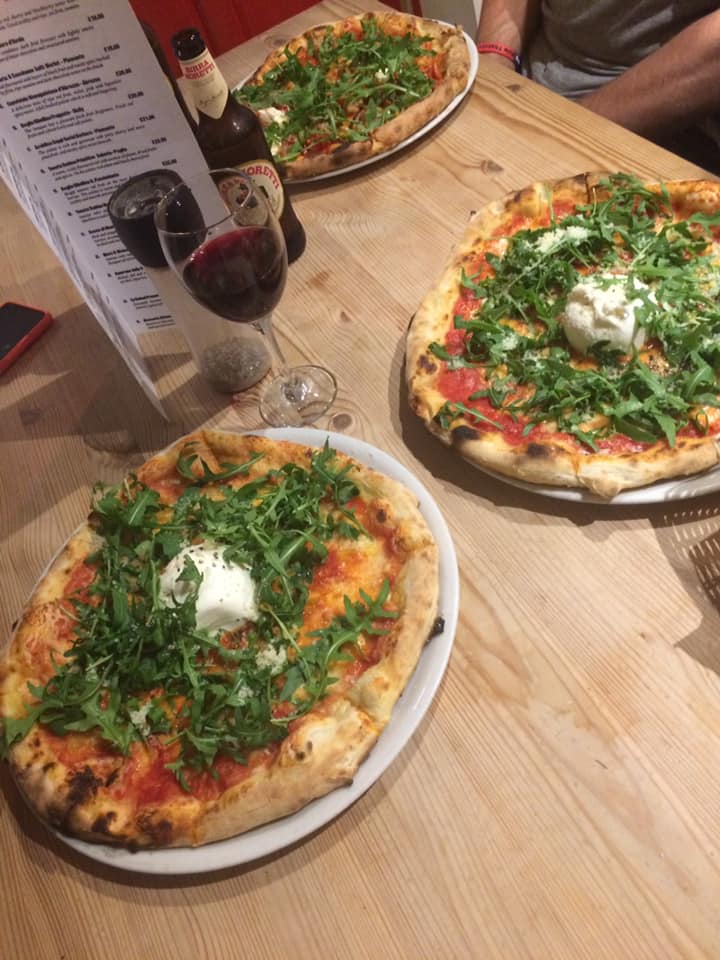
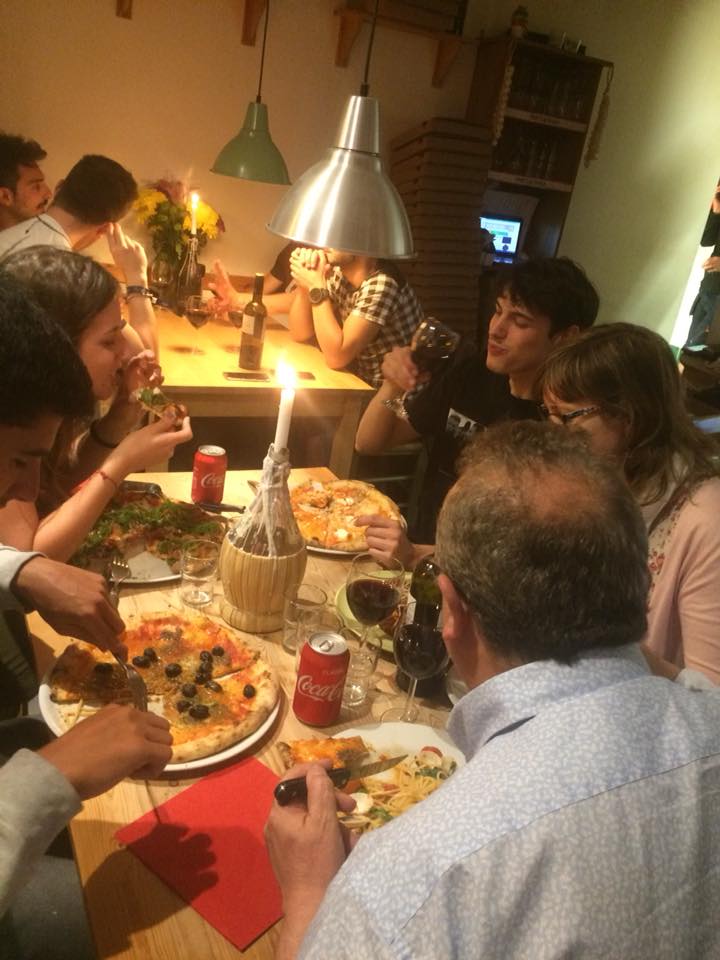
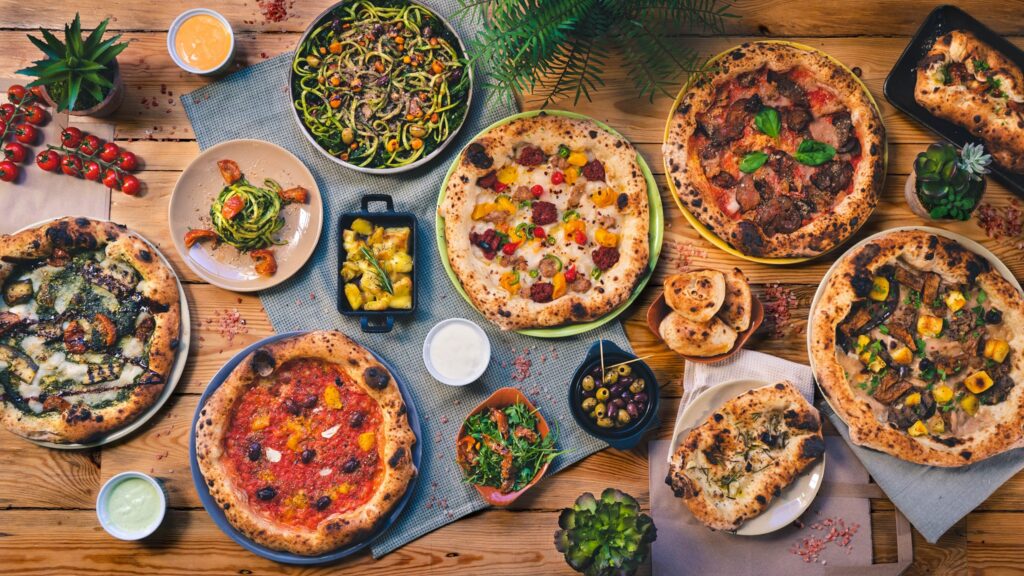
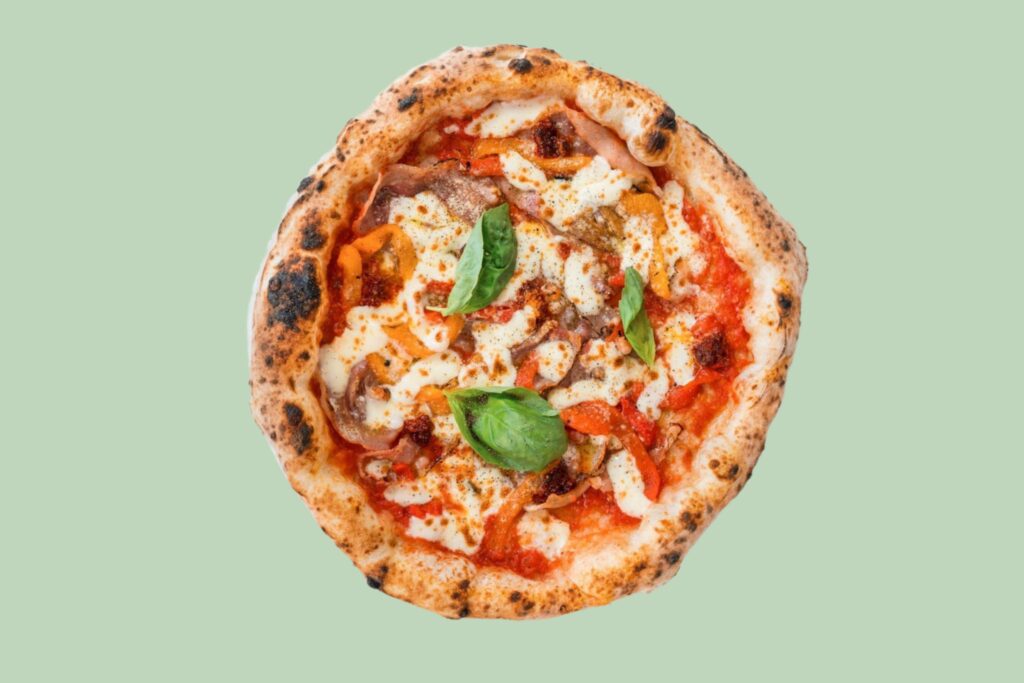
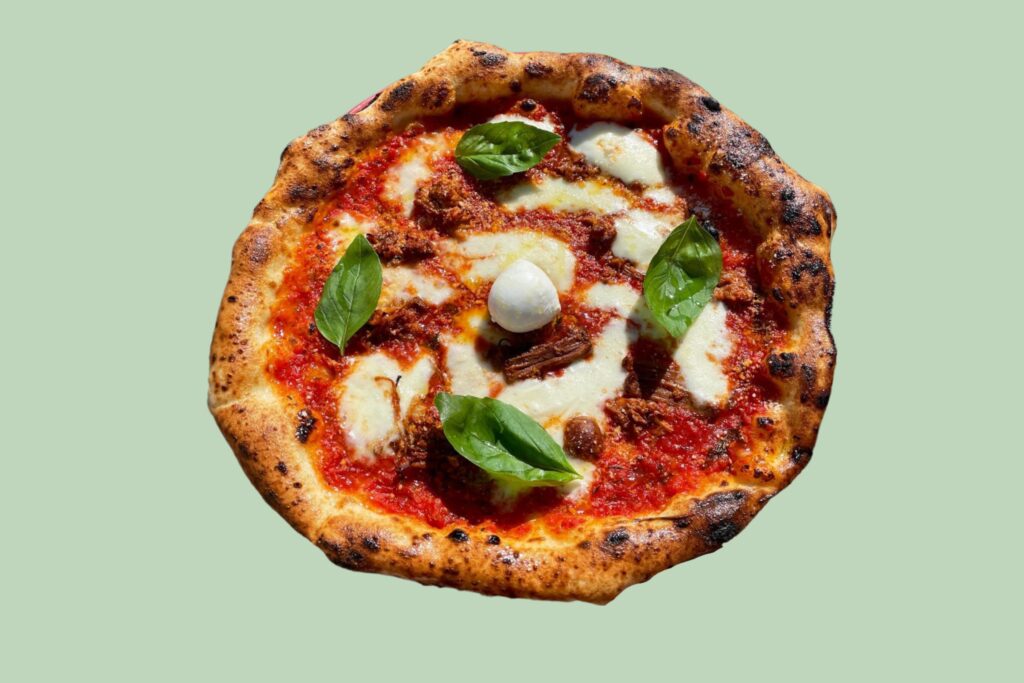
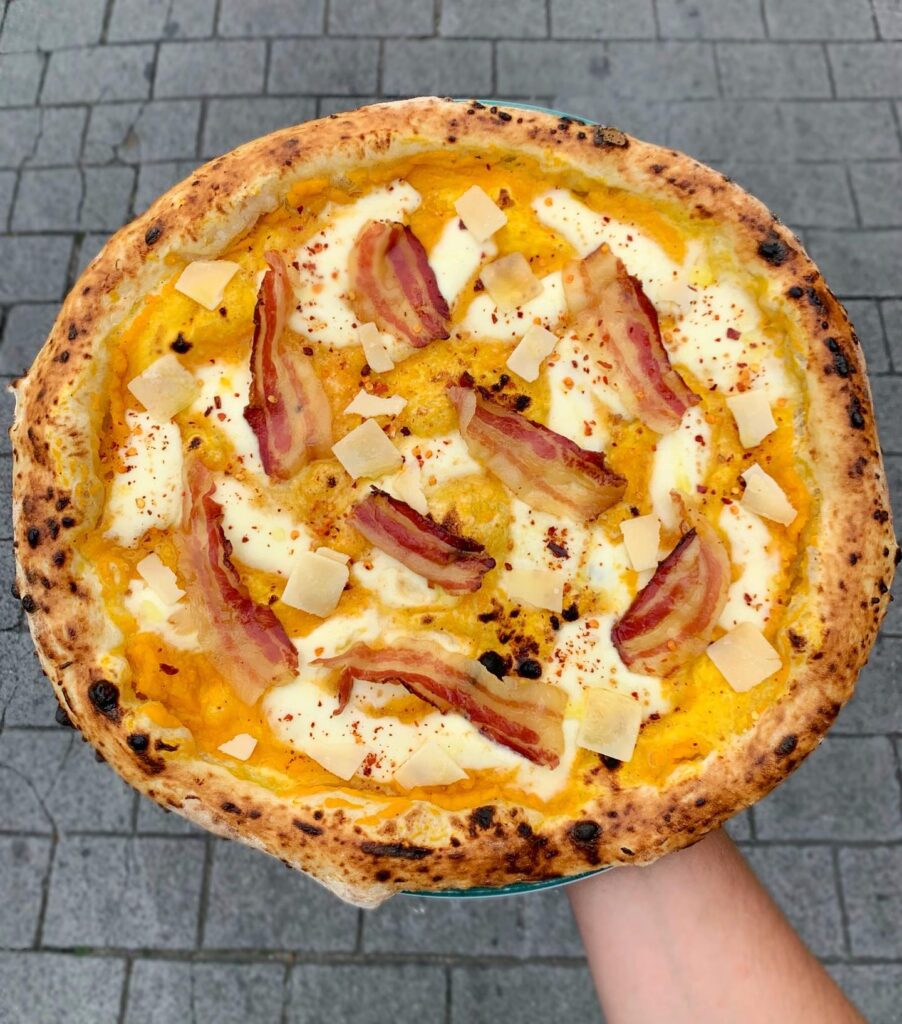
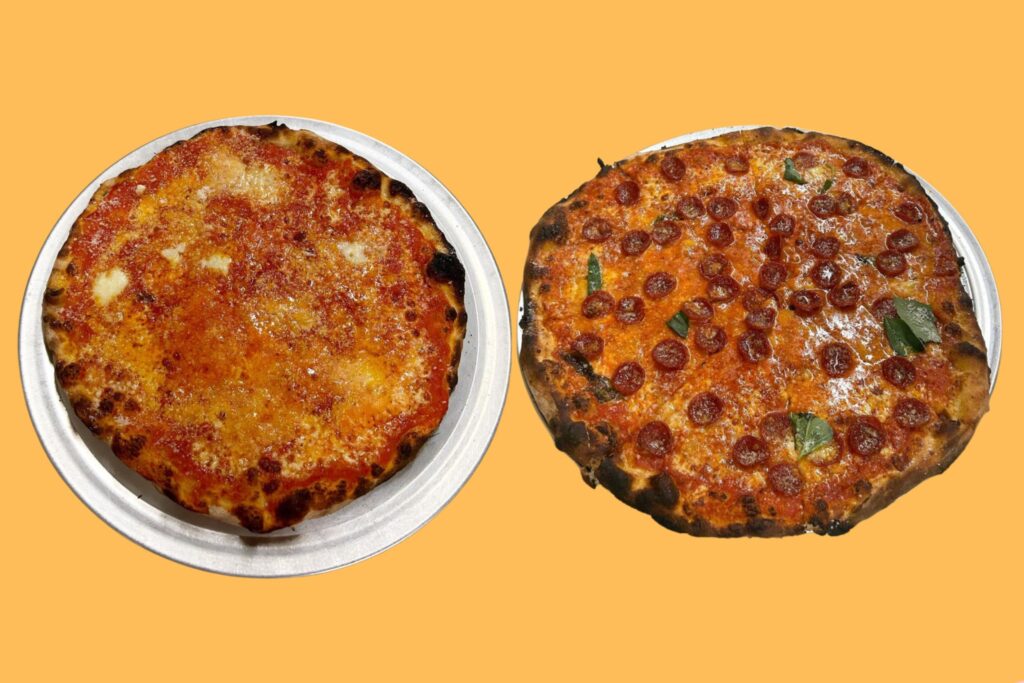
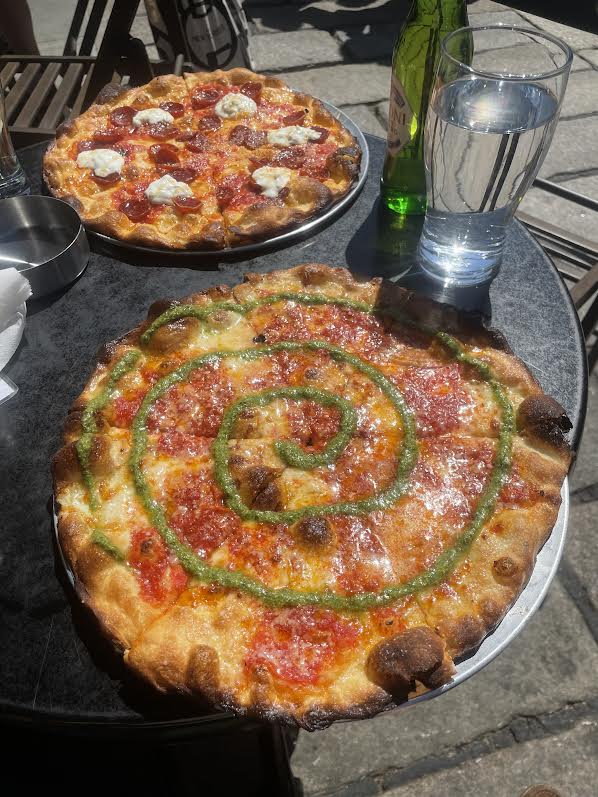
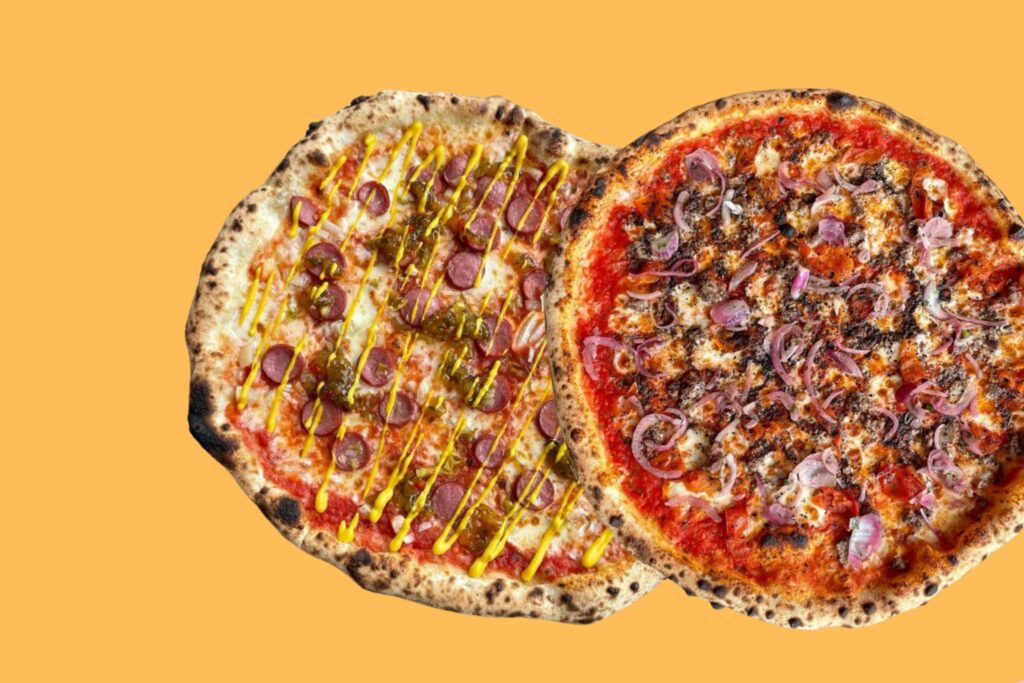
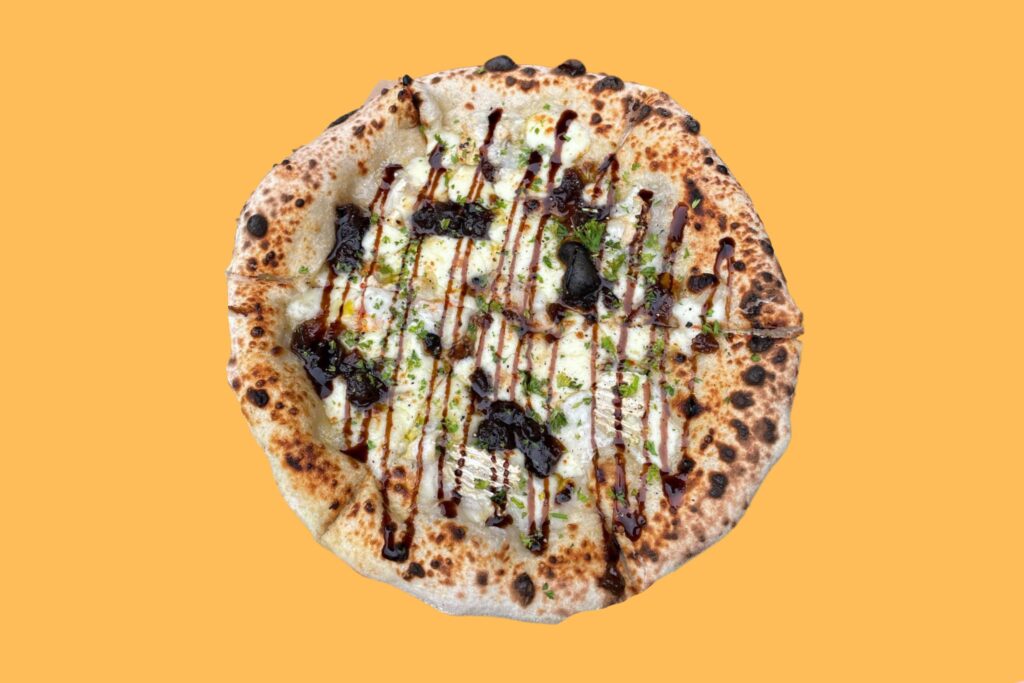
Until recently, Britain’s favourite seaside town (don’t @me Blackpool) wasn’t exactly blessed with fantastic pizza restaurants. With the popularity of fish’n’chips on the pebbles permeating every lunch and dinner choice, the humble pizza was marginalised, pushed to the back of the inappropriate fan ovens of Pizza Hut, Papa Johns et al.
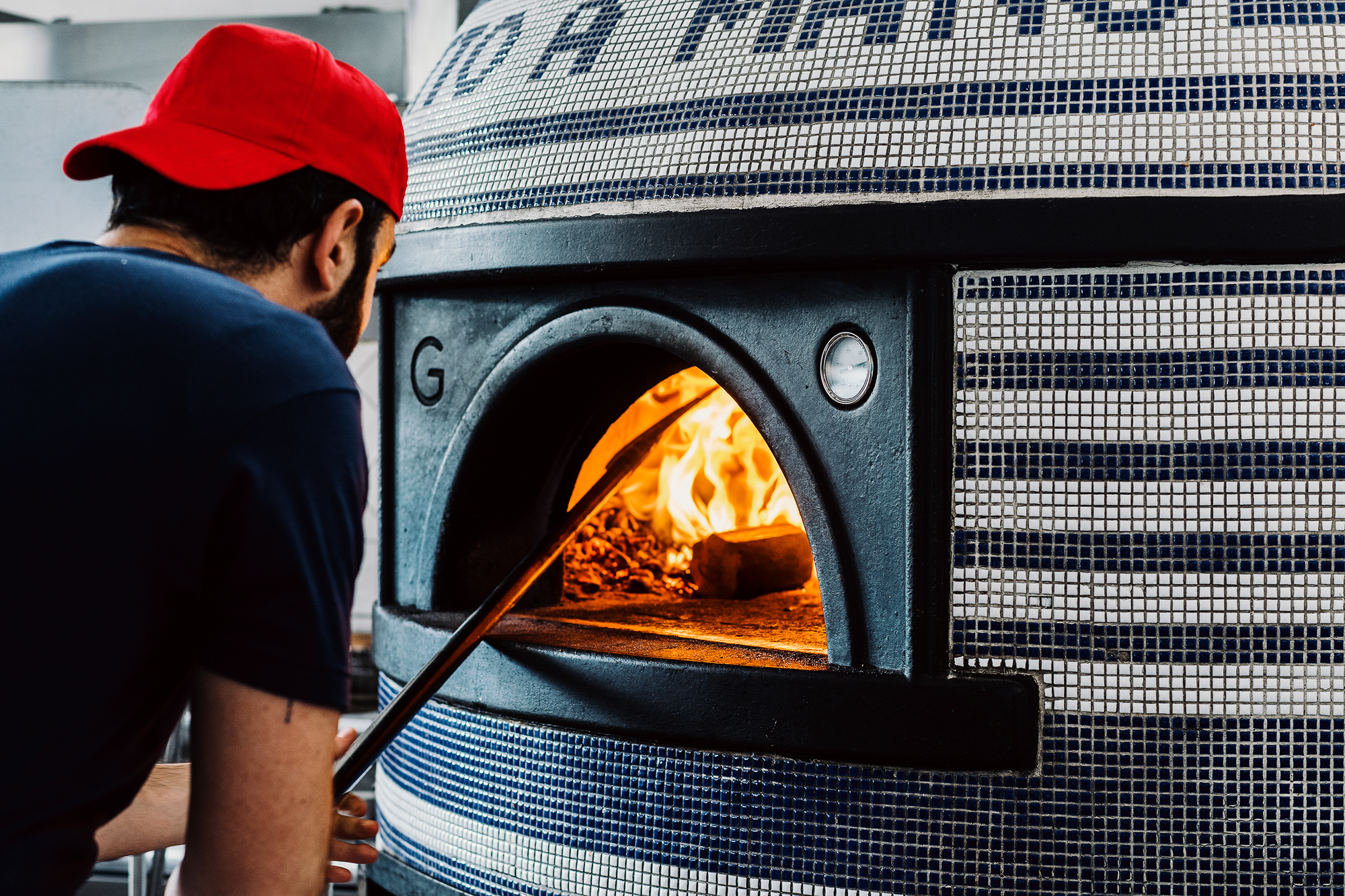
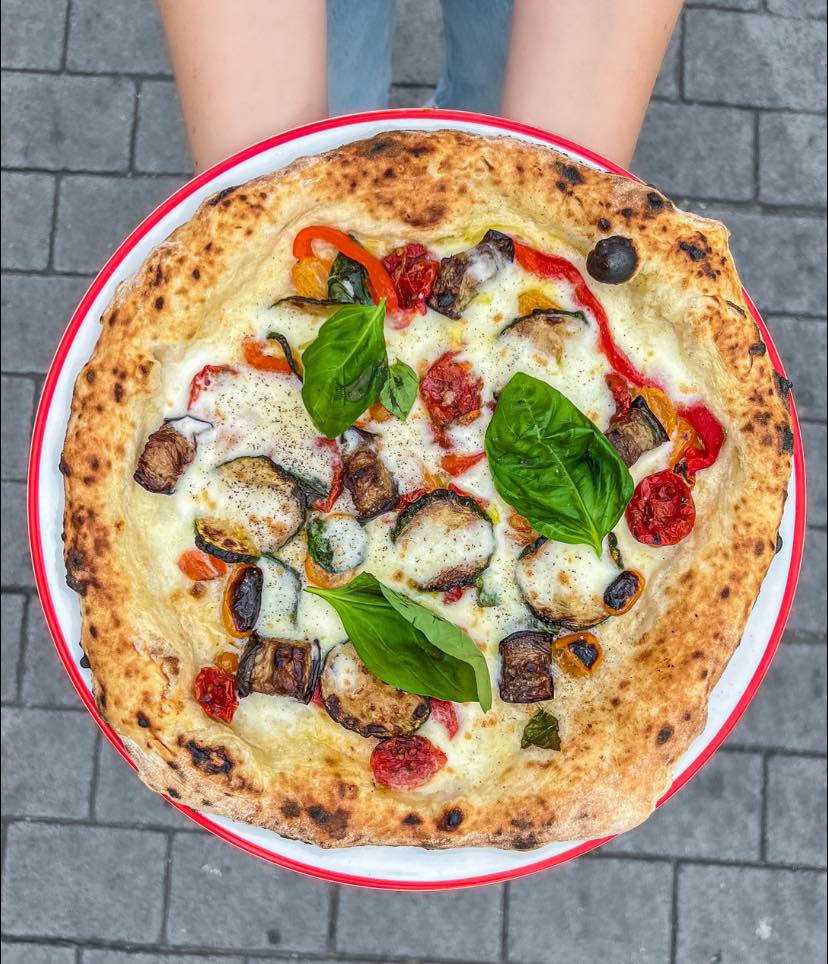
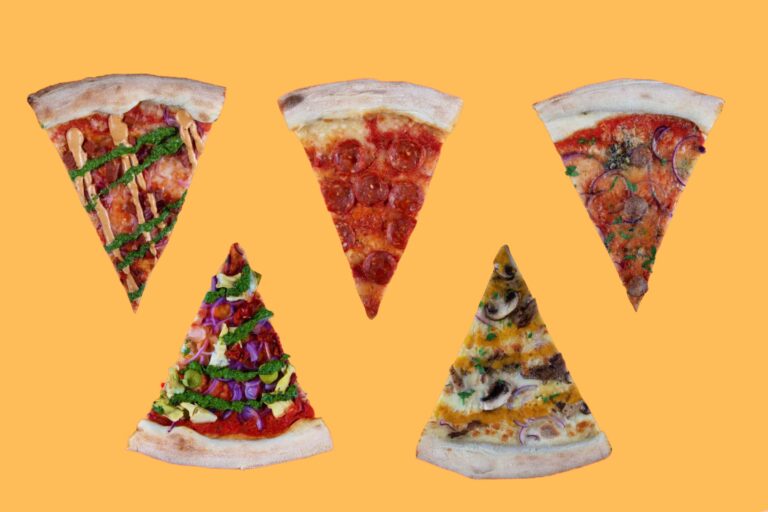
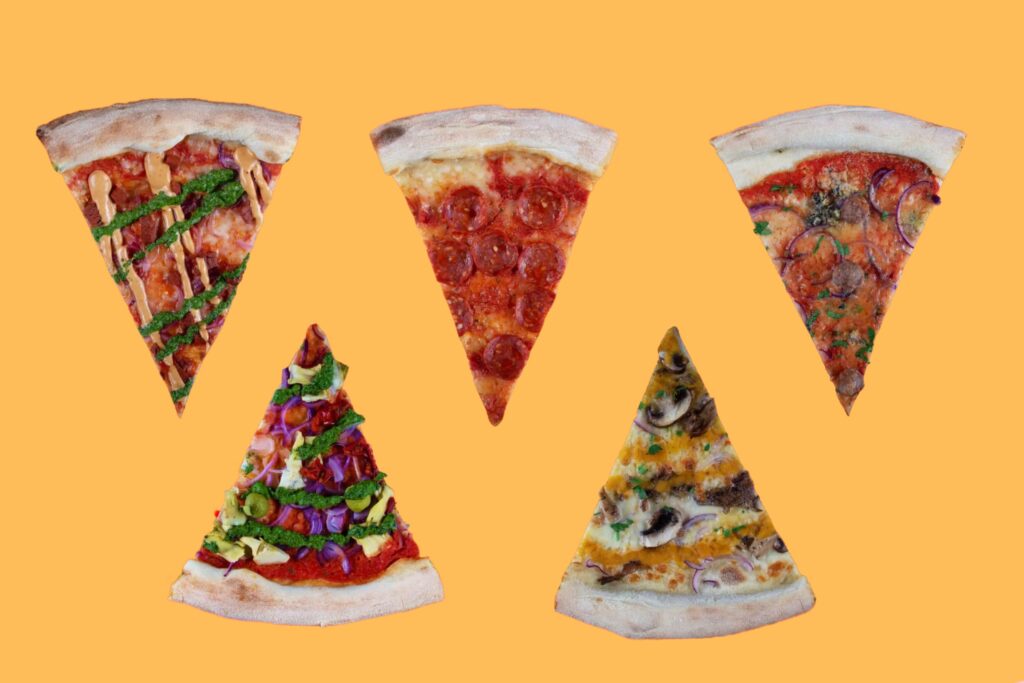
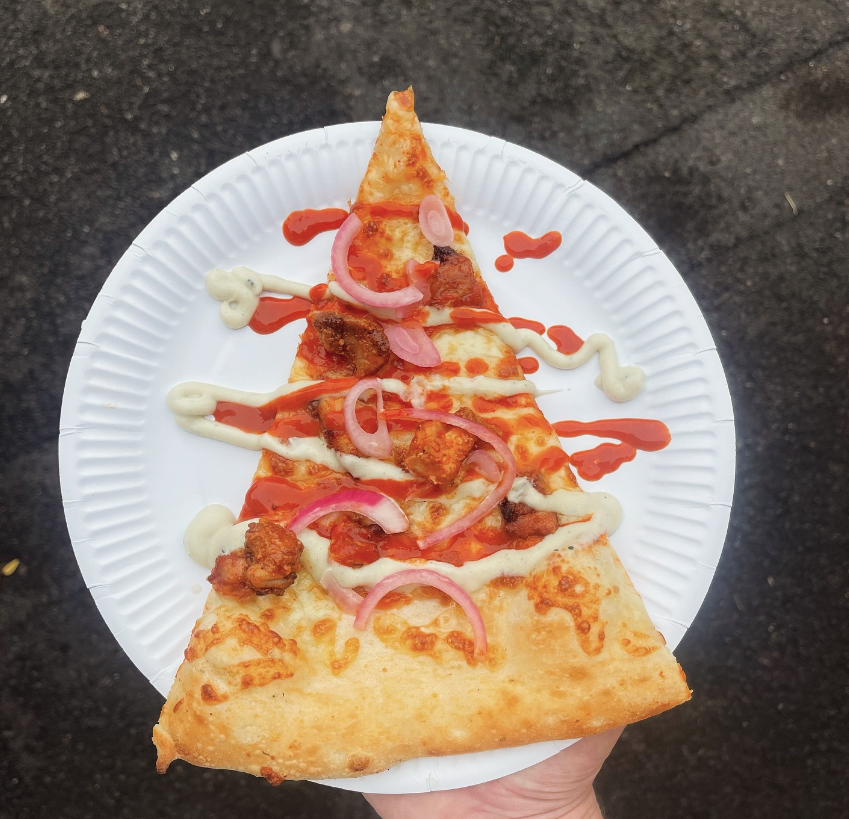
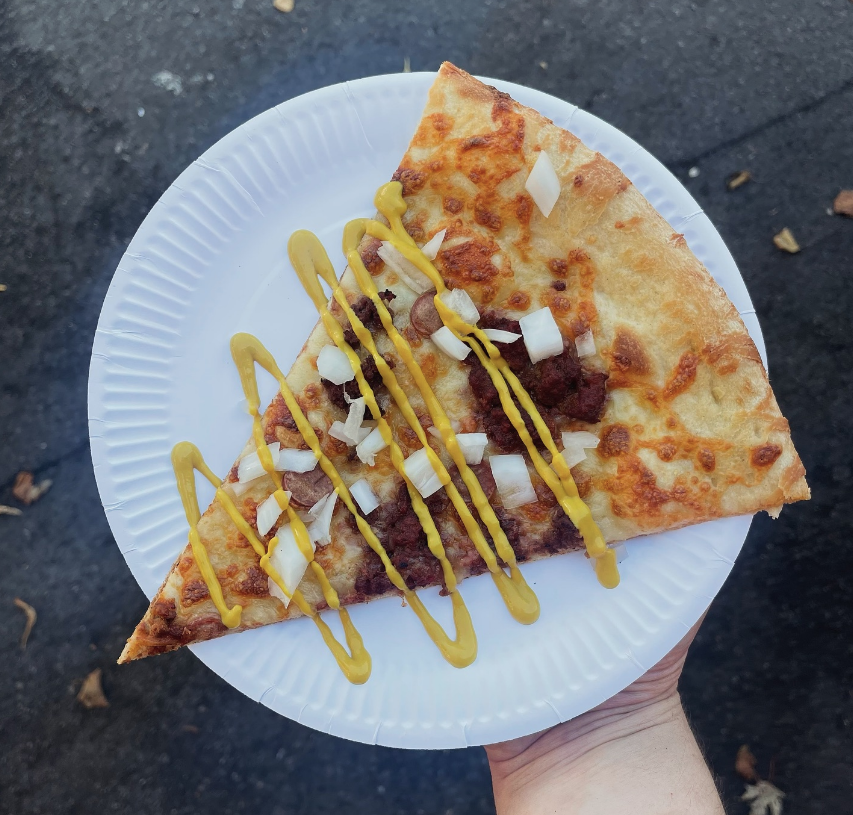
Fortunately, that’s changed. Brighton now boasts some of the best pizza restaurants around, with wood fired ovens at 500°C churning out authentic Neapolitan style pies in just minutes. New Yorkian ‘by the slice’ joints are also enjoying some well deserved popularity in the city.
So, if you’re looking for the best places to get your pizza fix, whether it’s Neapolitan, Roman or New Yorker, and are wondering where to eat the best pizza in Brighton and Hove, then read on; here are the best pizza restaurants in Brighton & Hove.
Wild Flour Pizza, Ovingdean
Ideal for highly digestible dough, inventive toppings, and a seriously scenic alfresco dining spot…
Now that the weather’s warming up, one of our favourite things to do on a lazy, languid weekend in Brighton is to take a coastal walk out of the city centre, stopping to peruse the marina and fantasise about living on a houseboat, before strolling the striking Undercliff Walk a while. Then, we cut inland and uphill along Greenways in Ovingdean, all before looping back down into Brighton, with all the sweeping views of the city and sea tha entails. Heaven.
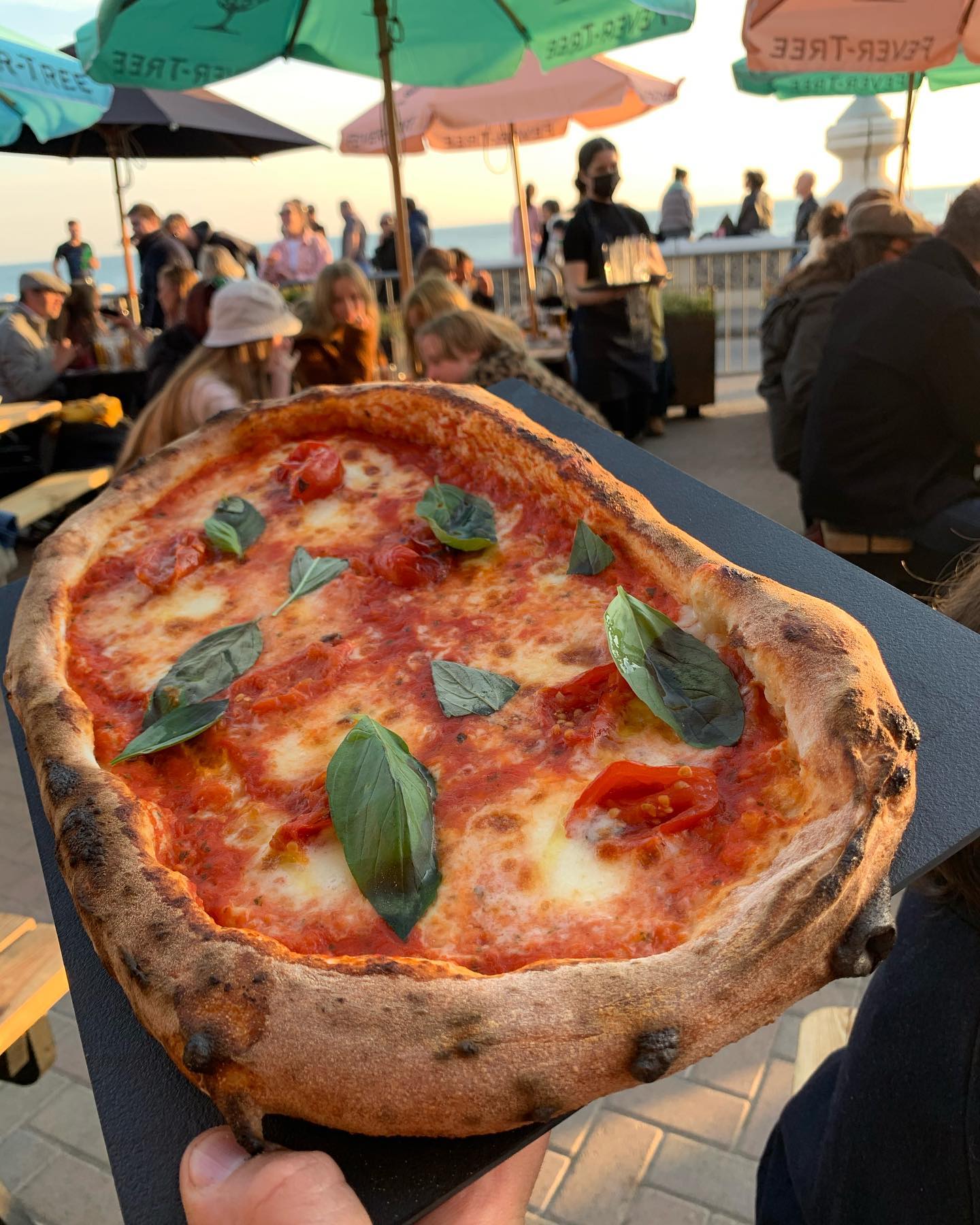
If that walk culminates in a seat on the picnic tables at Ovingdean’s Wild Flour Pizza, then it’s an even better day. We’re reluctant to call this place a ‘hidden gem’, as it’s hugely popular and rightly so, but its position outside of Brighton proper does help these premium pizza slingers retain an air of exclusivity.
Whisper it; this is one of Brighton’s very best pizzas, with a light and digestible dough that has enough structural integrity to hold up to the generous, sometimes inventive toppings deployed here. Significantly sturdier than their Neopolitan cousins, there’s still a lightness of touch at play here which we adore, the dough a labour of love and learning from owner Chris that has culminated in pure magic on the pizza paddle.
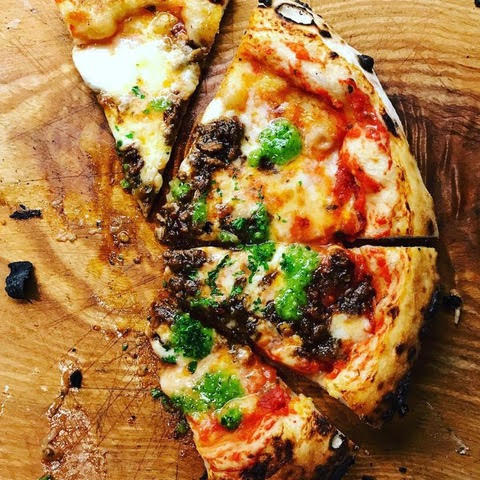
This is exemplified in the sometimes weekly special The Lebanese One, which sees a traditional tomato base and mozzarella given heft and funk from aromatic braised lamb and a lively, sharp chilli sauce. It’s a beautiful balancing act and a lesson in restraint; at no point does this pizza (which has already earned cult status in the city) get too heavy. If it’s on – there’s that air of exclusivity again – order it.
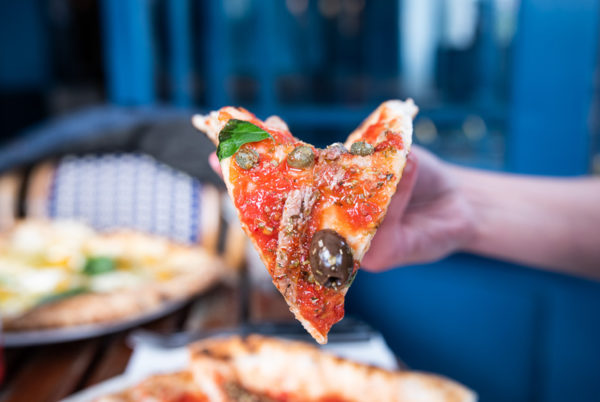
Don’t sweat if you pitch up and it’s not; the ever-present Island One is arguably even better, boasting marinated anchovies, capers and olives, and all that salty piquancy that the best pizza Napolis do. As you breathe in the sea air in this beautiful space, there’s no pizza – or place – that feels more appropriate. Heaven.
Ideal forfinding authentic Neapolitan pizza, whatever corner of the city you’re in…
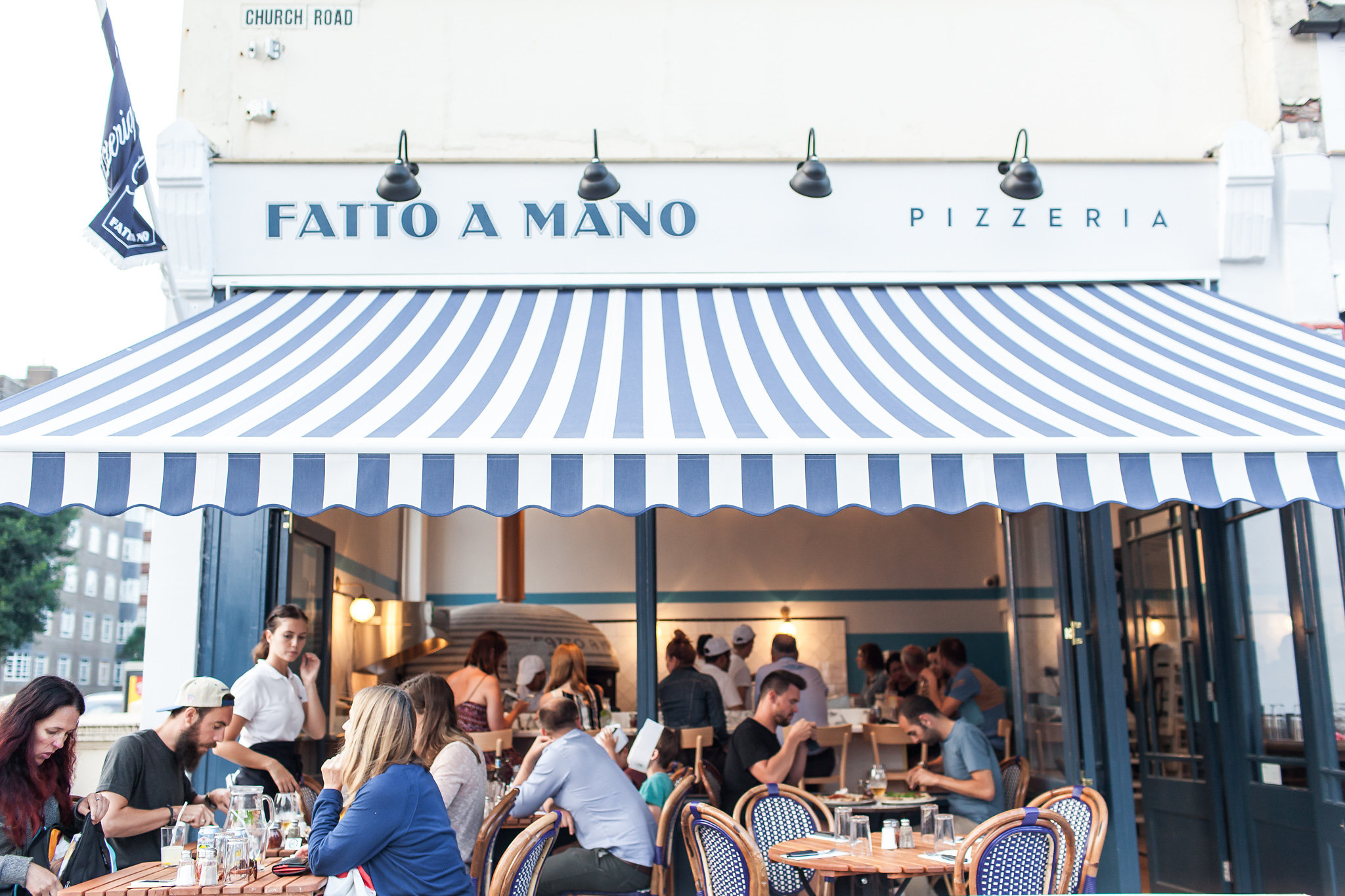
11 years after the original Fatto a Mano opened on Brighton’s London Road, two more outposts have opened (one in Hove and one in the city’s North Laines) and world domination seems the only next logical step. Each restaurant is packed every day of the week and it’s easy to see why.
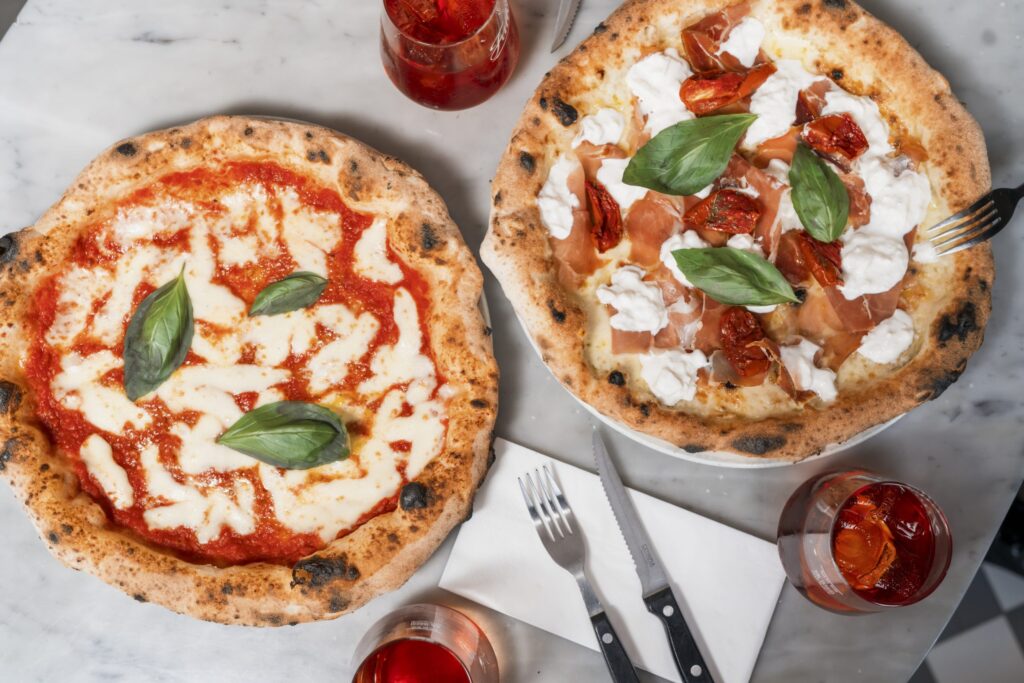
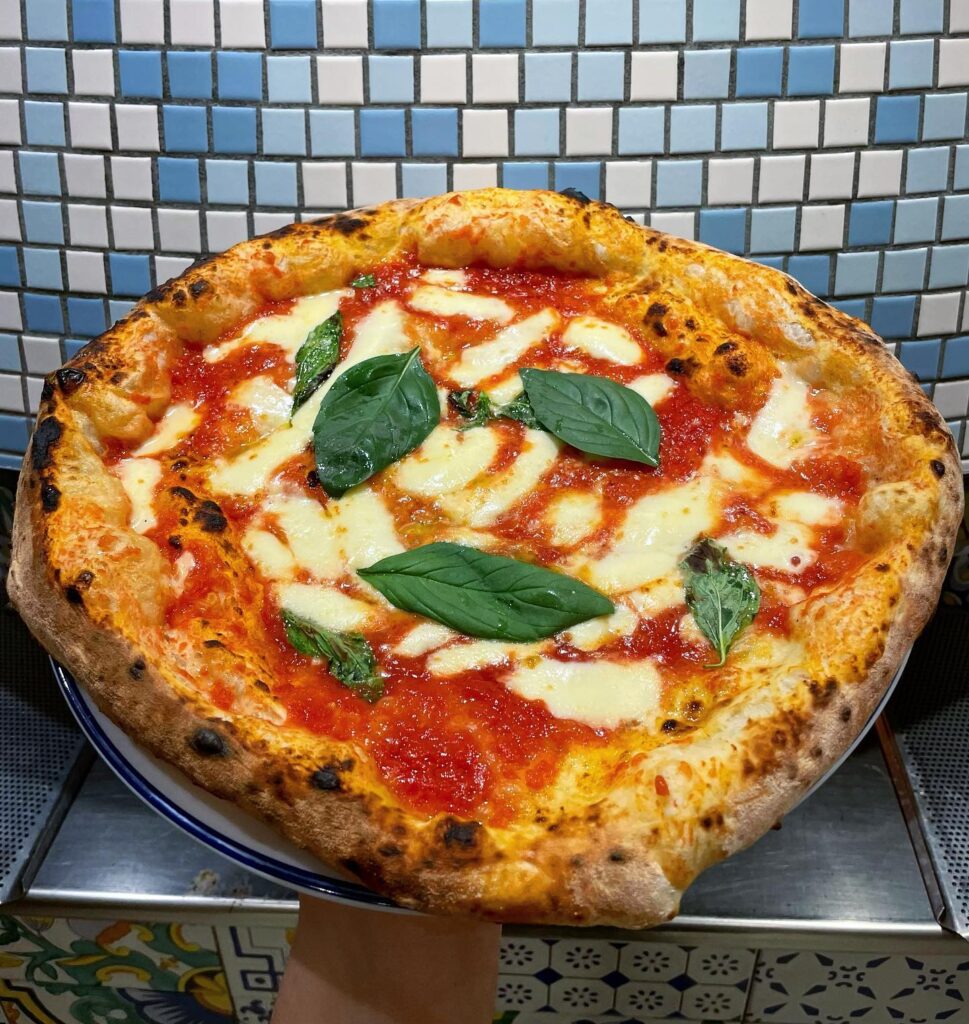
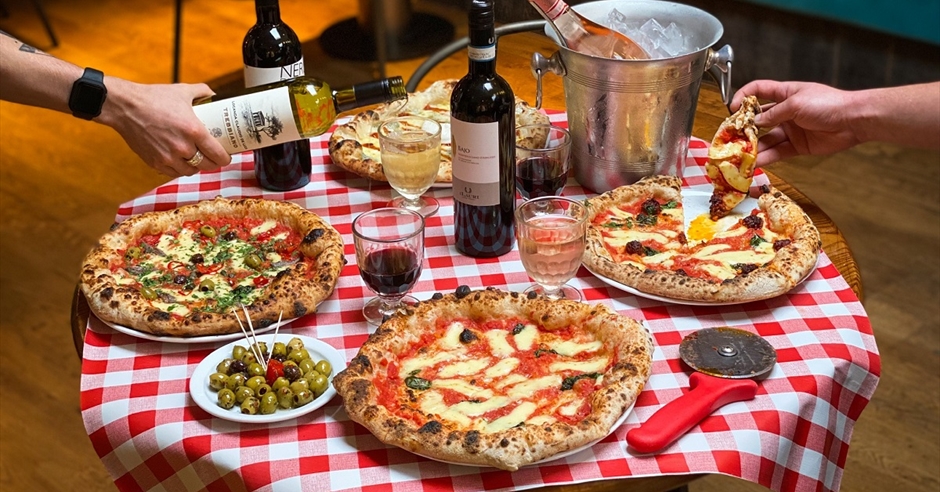
The pizzas are as authentic as they come; wood fired quickly, so the cheese remains delicate rather than singed, the dough soft and pillowy not burnt and crispy, with a blistered crust and restrained, respectful toppings, true to the Italian tradition. The name translates as ‘handmade’ in Italian, and that’s certainly the vibe here; everything is made from scratch and with love, and it shows. It’s great value, too, with pizzas starting at under a tenner.
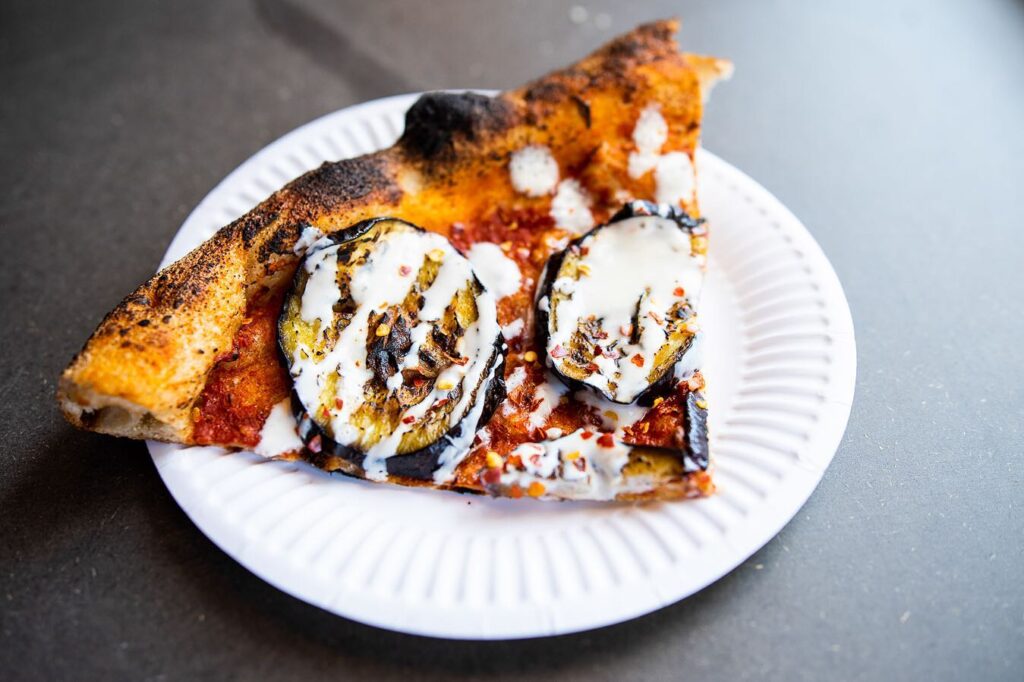
Even if pizza isn’t your thing (how have you got this far into the article, by the way?), Fatto a Mano has some excellent starters and sides to see you well fed; their aubergine parmigiana, in particular, is ace.
Fatto a Mano offer delivery all over Brighton and Hove. And, testament to the quality of the pizzas here, there are now several Fatto a Manos in London, including in Covent Garden and Kings Cross.
Ventisei has been through almost as many rotations as Brighton’s famous observation tower in its seven years on Preston Street. From authentic Neapolitan pizzeria to takeaway-only spot, then a post-COVID panini purveyor, before coming full circle (much like our seafront’s most iconic attraction) to its current incarnation as a traditional trattoria with pizza at its heart. Oh, and they changed their name at the start of 2026: the restaurant formerly known as Nanninella is now Ventisei Pizzeria Napoletana, the number 26 being Nanninella in the Neapolitan tombola and also, neatly, the restaurant’s address on Preston Street.
What’s remained wonderfully consistent throughout these transformations is the calibre of cooking here (not to mention the reliably warm welcome from Sergio and family), with premium, imported Italian ingredients shining through in everything they serve up. The kitchen is now led by new head chef Giovanni Affinito, a proper dough specialist who’s currently finalising a full new menu; a temporary offering is running in the meantime.
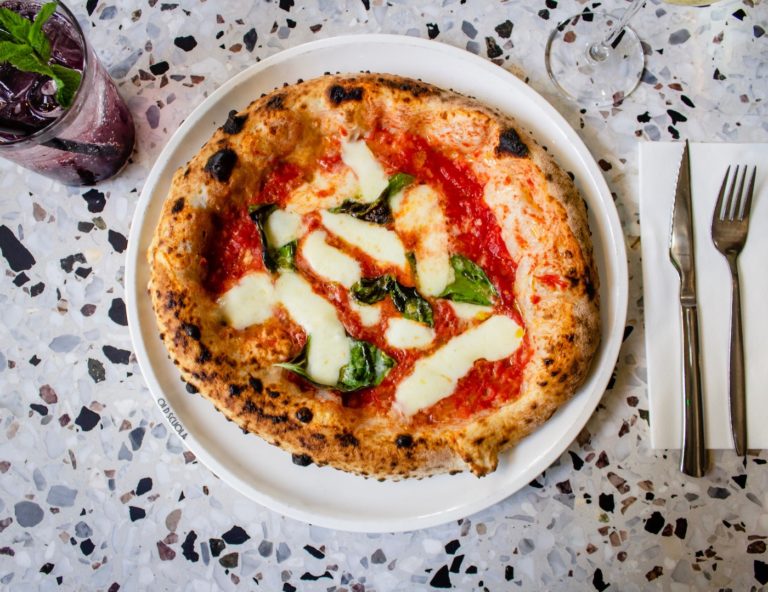
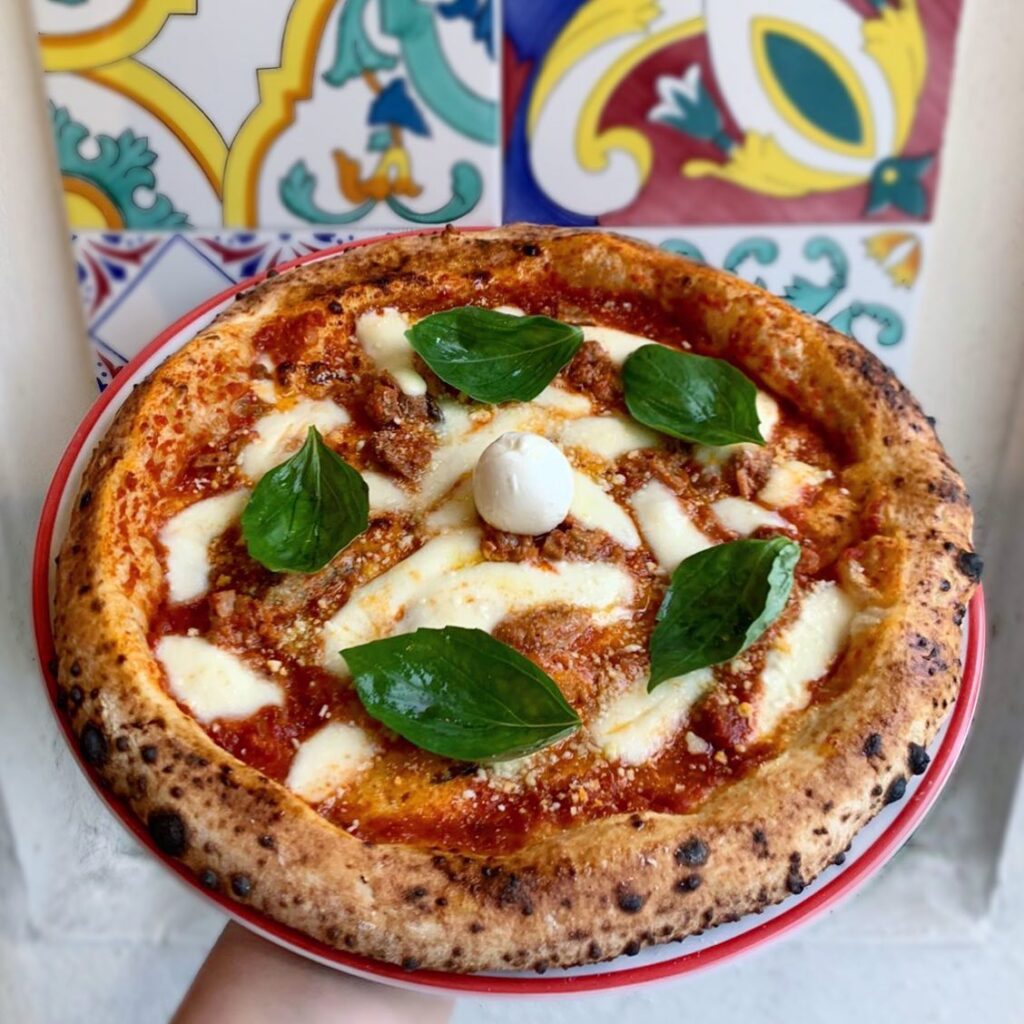
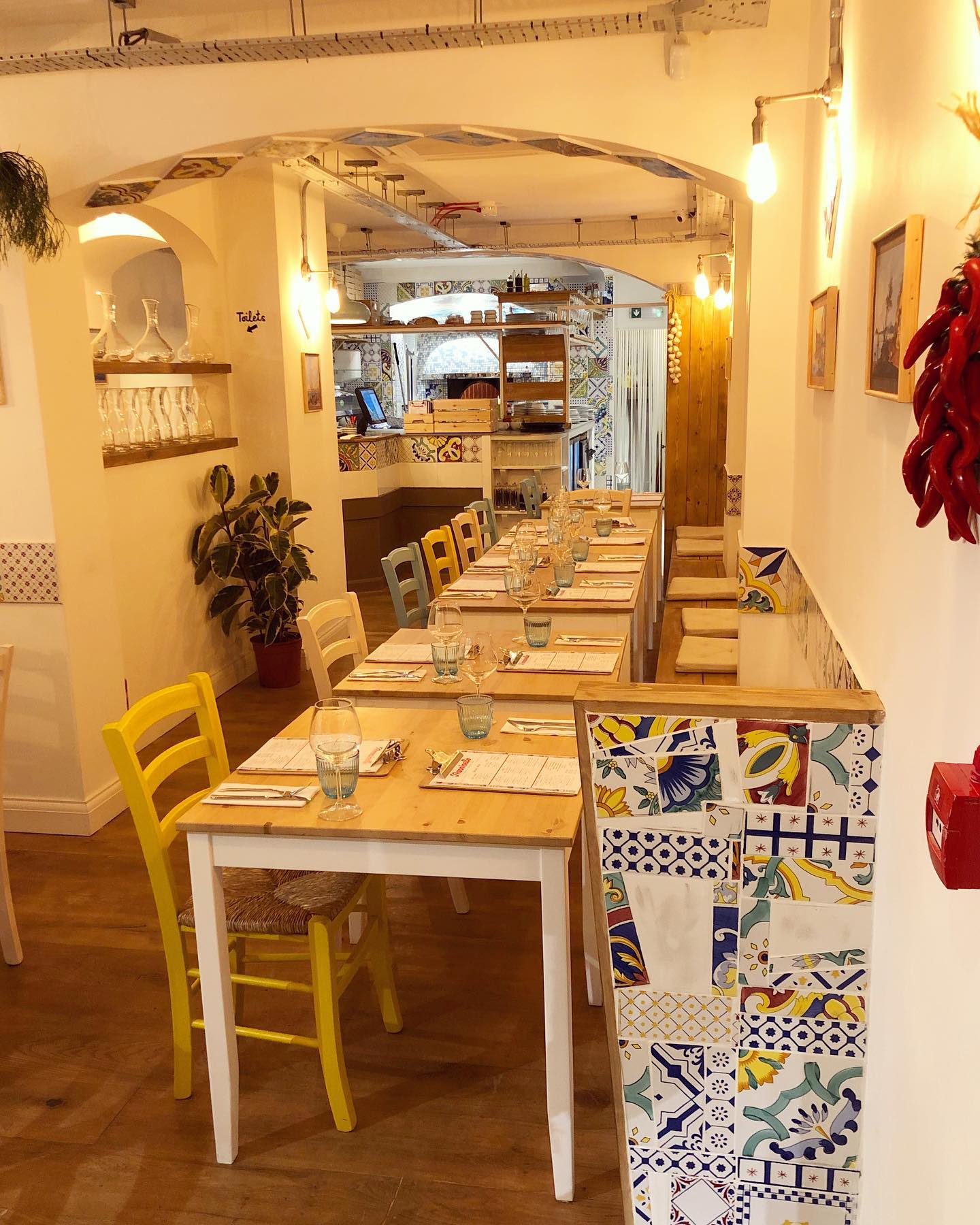
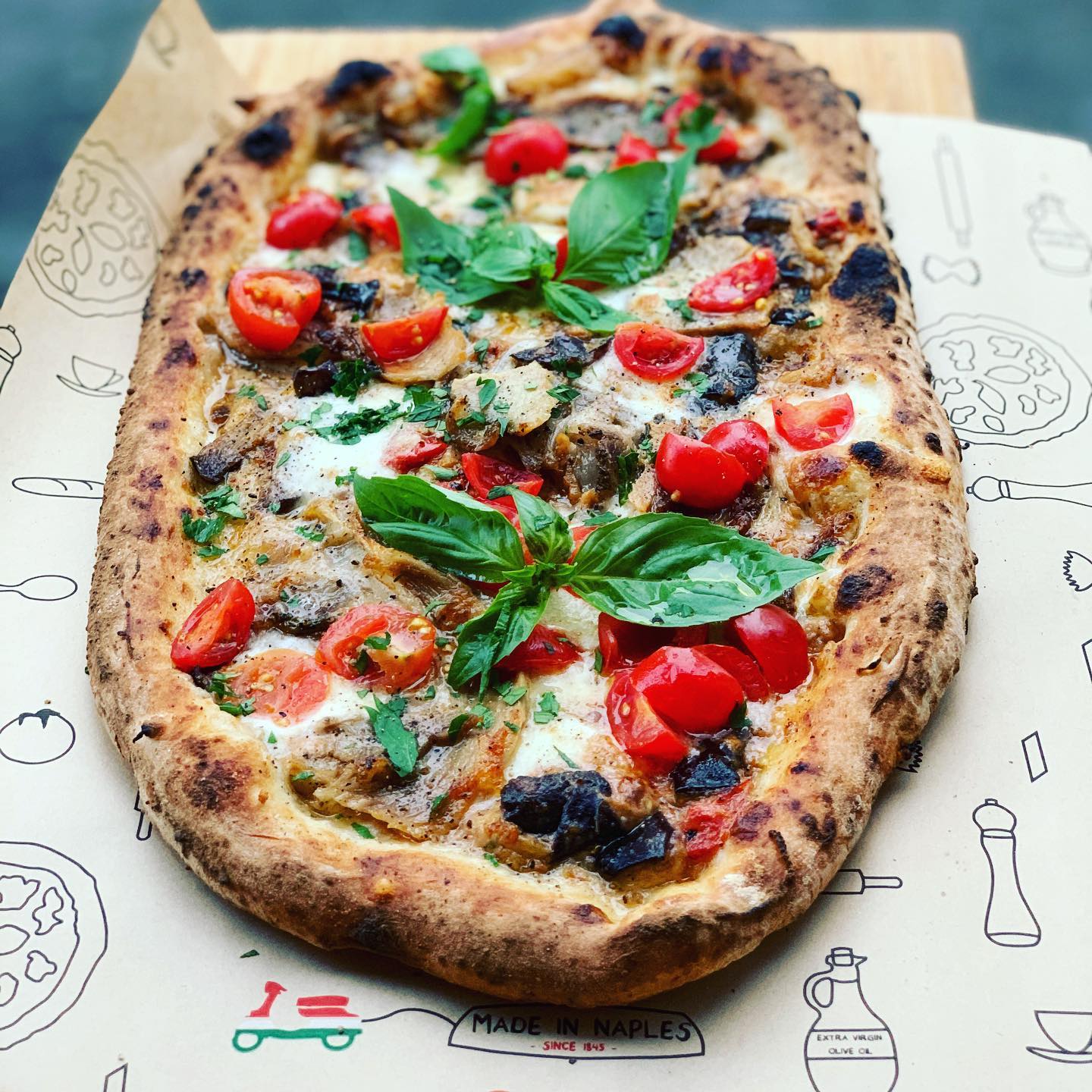
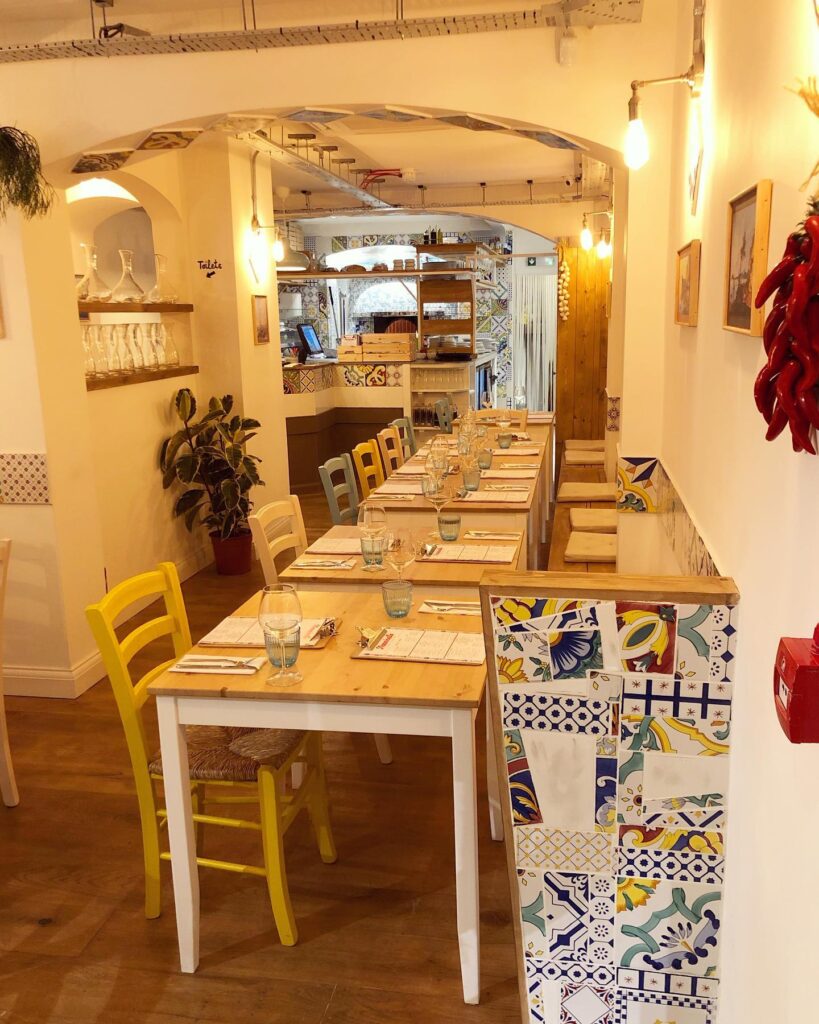
The pizzas are simply gold-standard; blistered, burnished and traditional, just as they should be. Don’t skip the cacio e pepe bites either (£7.50) – crispy fried mac’n’cheese balls made the Italian way, with cacio cheese and black pepper, topped with a cacio e pepe sauce. They’re as indulgent as they sound. The vibe inside, all brightly coloured tiles and a view into the hot glow of the pizza oven, frames a hospitable, enjoyable place to spend time.
Our favourite pizza here – and in the whole of Brighton, in fact – is the provola e pepe, which uses smoked mozzarella and freshly ground black pepper to great effect. Yours for £13.50 and worth every penny. Any pizza featuring their premium imported fresh burrata is equally wonderful. Whichever guise we find this guy in, Ventisei is our favourite pizza restaurant in Brighton, floury hands down.
Ideal for breaking away from Neapolitan traditions with indulgent Detroit-style squares…
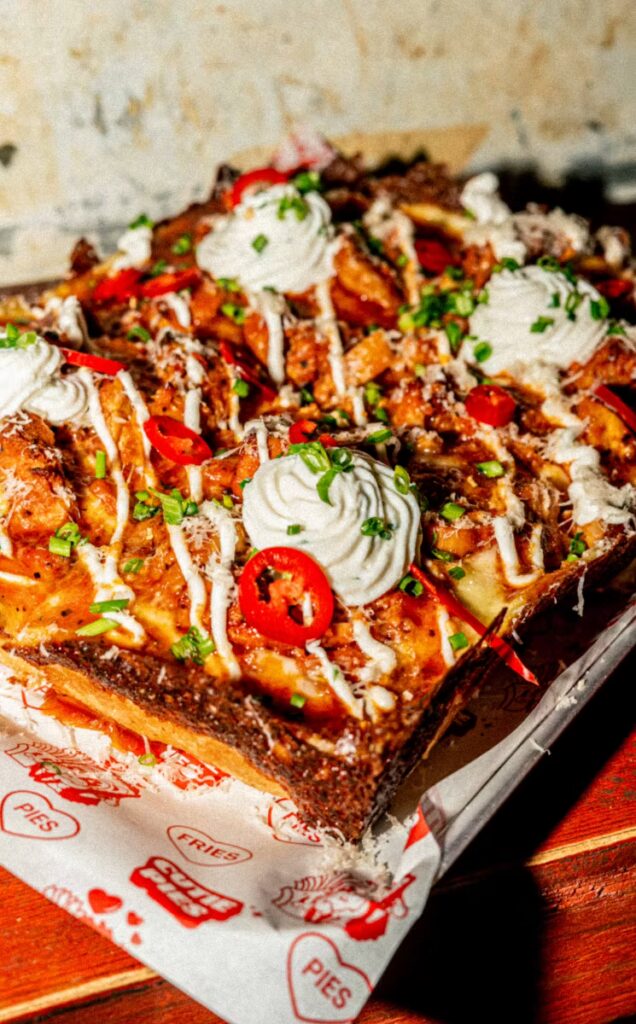
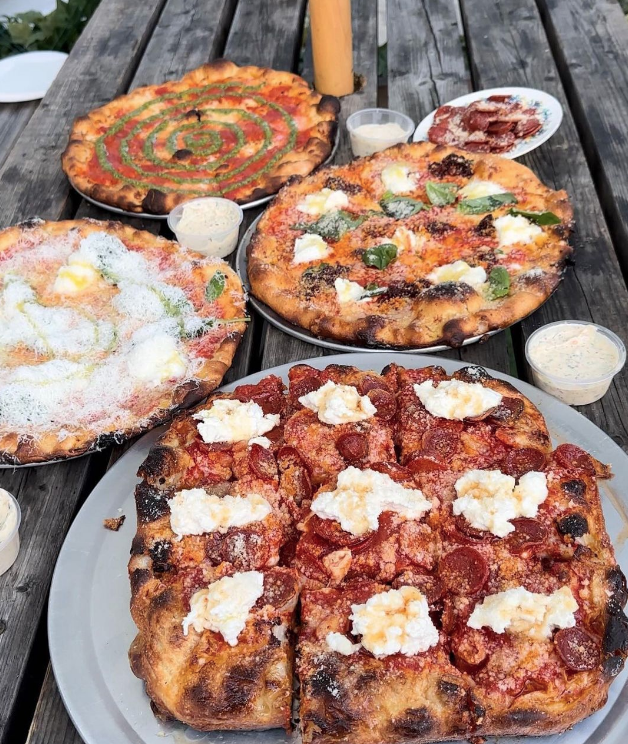
In a city swimming with Neapolitan pizzas, Cutie Pies brings something deliciously different to the paddle. Operating from the popular North Laine Brewhouse, these rectangular Detroit-style beauties are redefining what we expect from our pizza in the city.
The USP here is immediately apparent – these aren’t your typical round affairs (yep, we realised we’re rather labouring the point now). Instead, expect deep-dish dreams with gloriously crunchy bases and cheese pulls that would make any Instagram influencer fake that their weeping with joy.
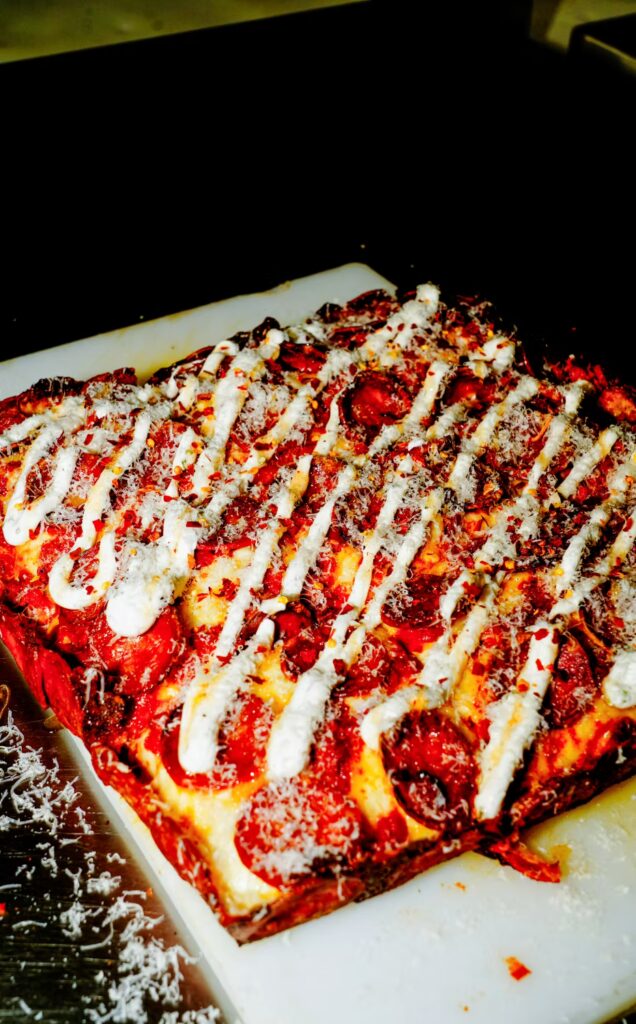
Cutie Pies’ signature XXL Pepp Monster (already a double award winner) is a thing of beauty, featuring a pepperoni-crusted base that’s loaded with marinara, mozzarella, double pepperoni, and finished with a drizzle of hot honey and roast garlic mayo. It’s designed to serve 3-4 people, though we won’t judge if you tackle it solo – though for £43 and surveying the size of the damn thing, that would be mental and we are judging you.
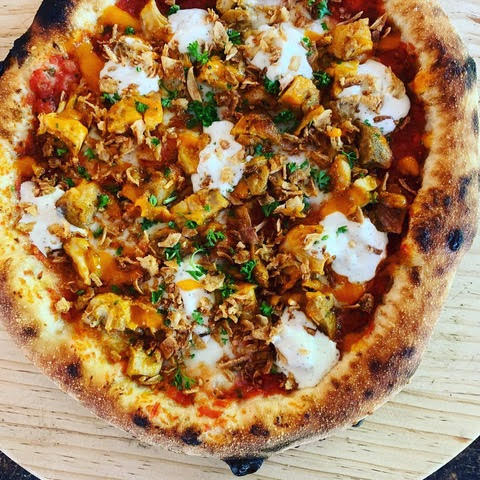
For something a bit different, the Cutie Patootie (not a nice one to order out loud) combines chicken shawarma with fire-roasted peppers and kebab shop chillies – it shouldn’t work, but somehow it really does. Plant-based pizza lovers are particularly well served here too; with a vegan chef at the helm, the meat-free options aren’t mere afterthoughts but carefully crafted alternatives.
Don’t skip on the loaded fries; they are half of the name, after all. The Cutie Fries topped with marinara, mozzarella and their signature tangy red pepper ranch sauce are the perfect accompaniment to these hefty squares. And if you’re feeling particularly decadent, the garlic bread dippers (house-baked focaccia style bread with garlic butter and sea salt) are worth every guilty bite.
When London institution Pizza Pilgrims announced that they were opening only their second restaurant outside the capital in Brighton in the summer of 2022, the city’s pizza aficionados might have been forgiven for asking ”is this really necessary?”
We already had two successful, homegrown pizza chains in Fatto e Mano and VIP Pizza, and Nanninella had redefined just how good pizza can be in this corner of South East England.
How wrong we are; the Brighton branch of Pizza Pilgrims has been a triumph, with superb pizzas rubbing shoulders with a lower ground floor that houses a full indoor five-a-side football pitch, bookable for birthdays and work parties. Yes, really. How could this ever not succeed in a city so well known for its fun-loving spirit?
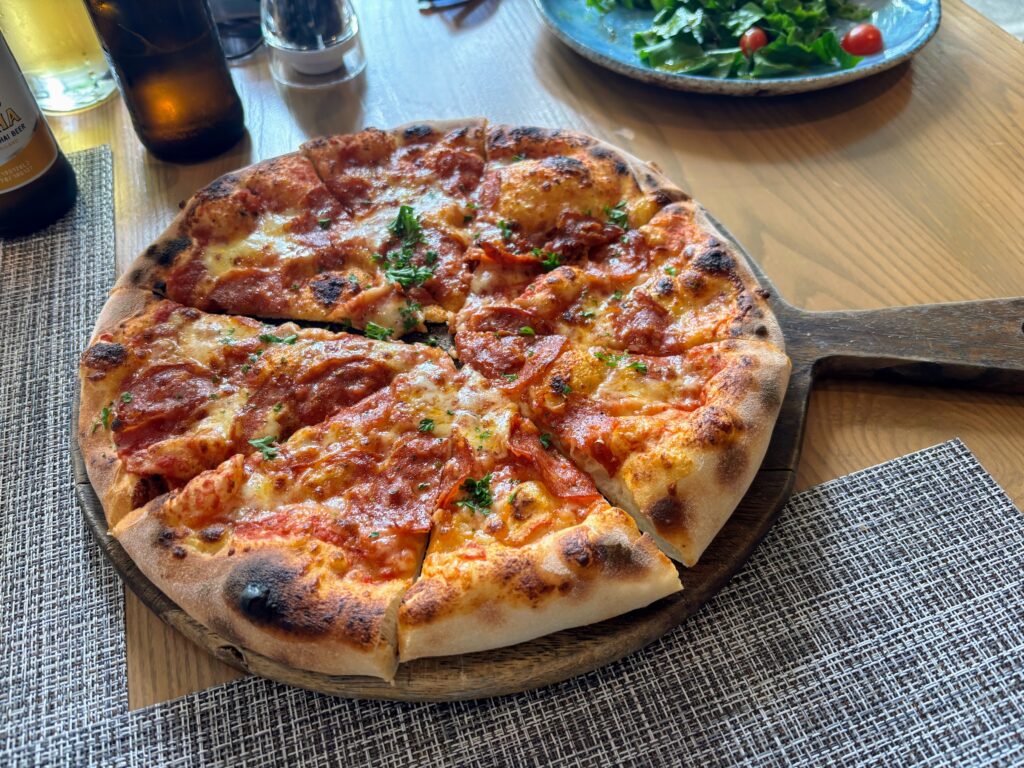
Pizza Pilgrim’s mantra is ‘In Crust We Trust’, and they stay true to this pledge with a base of lightness, chew, a hint of sourness and the requisite heat blisters that are the hallmark of a true pizza from Southern Italy. Our favourite order? It’s got to be the Double Pepperoni with Spicy Honey, a combination that works just beautifully.
Idealfor tasty rectangular pizzas right by the pebbles…
Very Italian Pizza…yep, it’s infuriating that’s it’s not called VIPizza, but there ya go. In fact, it’s sometimes stylised as PizzaVip, which makes things even more confusing. Regardless, since the first two joints on our list are collection only, and because the pizzas at VIP are lovely, we think it’s safe to say that these guys do the best pizza delivery in Brighton. Of course, you can dine in, too, at their restaurant on Old Steine Road, if getting out of your pants to get elbows deep in dough is your thing.
Image Via VIP Facebook Page
The pizzas here tick all the boxes you want from an ‘authentic’ offering; wood fired at high heat, a sourdough going back generations, a farm in Naples which provides the ingredients, San Marzano tomatoes, Caputo double zero flour…it’s all there and it’s all poetic AF. The result is something very delicious indeed. Don’t be put off by the huge menu; though pizza paradox of choice is a very real thing indeed, just go with your gut. It’ll thank you later.
In May 2021, VIP Pizza opened their second offering in Brighton’s excellent beachside food market Shelter Hall, under the name ‘Amalfi’. After a spell away, they’re back on the pebbles as of spring 2026, which is exactly where those rectangular slices belong.
Idealfor crisp sourdough pizzas in a neighbourhood gem of a spot…
Tucked away off Western Road, on Cross Street, is Pronto In Tavola, a tiny Italian restaurant which packs a big punch. Though they may not have a proper wood fired oven, the vibe is so wonderfully chaotic, authentic and charming that we’re willing to overlook that.
Opening times are unpredictable, wine bottles with candle wax dripping down the sides flicker, traditional Italian folk and opera plays, and chef Nino chats enthusiastically with guests over the pass or on the phone. Oh yes. What’s more, the pizzas are genuinely great, as is their arancini and gnocchi. An absolute blast of a neighbourhood restaurant.
Ideal for groundbreaking, genuinely delicious plant-based pizzas…
Something a little different and a lot ‘Brighton’ to finish with. Purezza is the UK’s first plant based pizzeria, doing vegan, gluten free sourdough, ‘pioneering’ pizzas which don’t sacrifice on flavour. That’s partly because of the huge wood fired oven which is the centrepiece of the restaurant in Kemptown, and also in no small part down to their intriguing flavour combinations.
Purezza, meaning ‘purity’ and sounding a bit like pizza (that was the thinking behind the name, right?) use a surprisingly tasty rice based mozzarella, and heaps of delicious seasonal veg to great effect. If plant based is your vibe, or even if it isn’t, Purezza won’t let you down. They’ve proved themselves in a crowded market confidently.
Ideal for New York-style pies from the man who made Brighton fall for the parm crust…
Those who mourned the closure of lockdown-favourite Toby’s Pizza can dry their eyes. Toby Cackett, the man behind Brighton’s best-loved New York-style pies, is back with a new venture on Trafalgar Street.
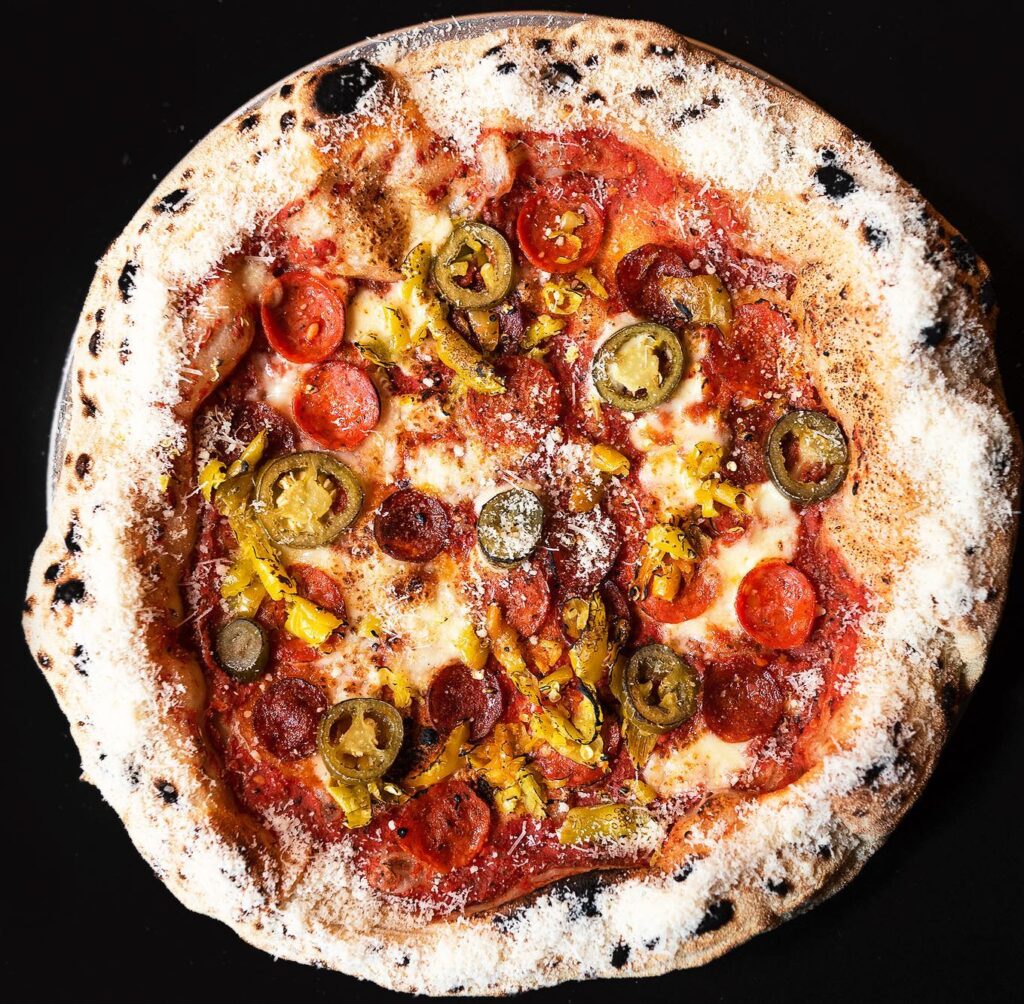
Original Tony’s operates as collection, delivery and dine-in; the bricks-and-mortar spot comes complete with a simple, scrawled logo in the window, beckoning the curious and the hungry of Brighton inside. Cackett’s signature style remains intact: sturdy crusts designed to support generous toppings, that famous freshly grated parmesan rim, and a charred base that speaks to devoted heat and good technique.
The menu keeps things tight, with seven or so pies and a seasonally changing special. Tony’s Favourite is also ours. It loads pepperoni, sausage and stracciatella onto a tomato base, finished with hot honey, fresh chillies and parmesan – it’s indulgent without tipping into excess.
Open Wednesday to Friday from 4pm, Saturdays 12–3pm then 4–10:30pm, and Sundays 4–9pm.
Changed your mind on your dinner options? Or still hungry after your pizza? Or perhaps you’re planning tomorrow’s meal and are looking for noodles in Brighton? Aren’t we all? Well, check out our 6 IDEAL places to eat noodles in Brighton for, well….the clue’s in the name isn’t it?
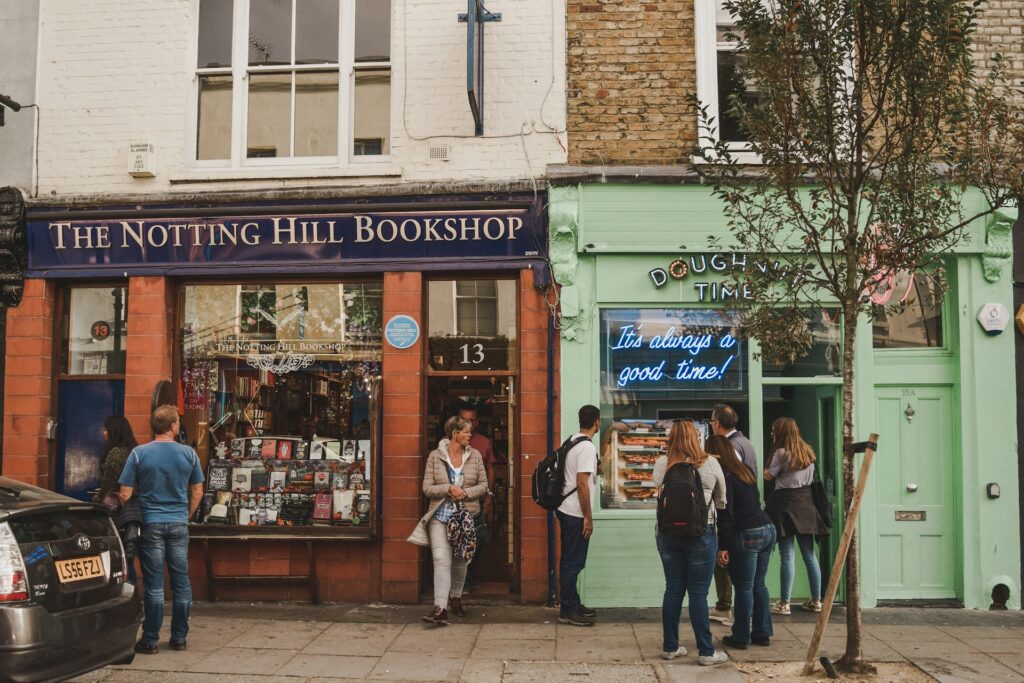
The film, the carnival, the market not the mushroom, The Clash, Stella McCartney, Damon Albarn and Robbie Williams. Yep, Notting Hill is many things to many people, but a foodie destination it has not traditionally been.
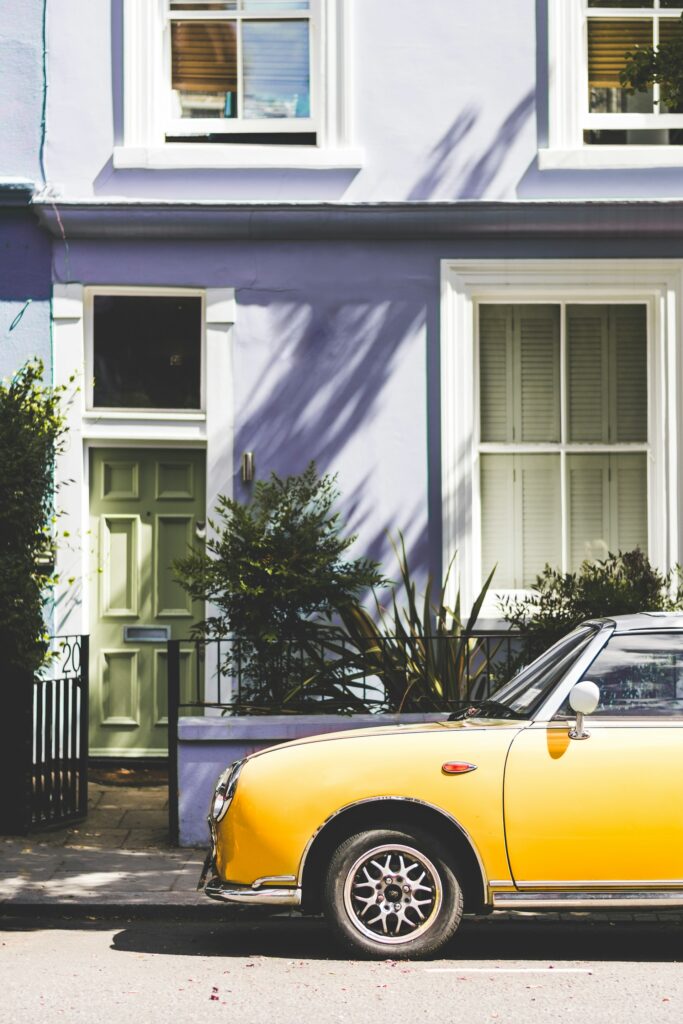
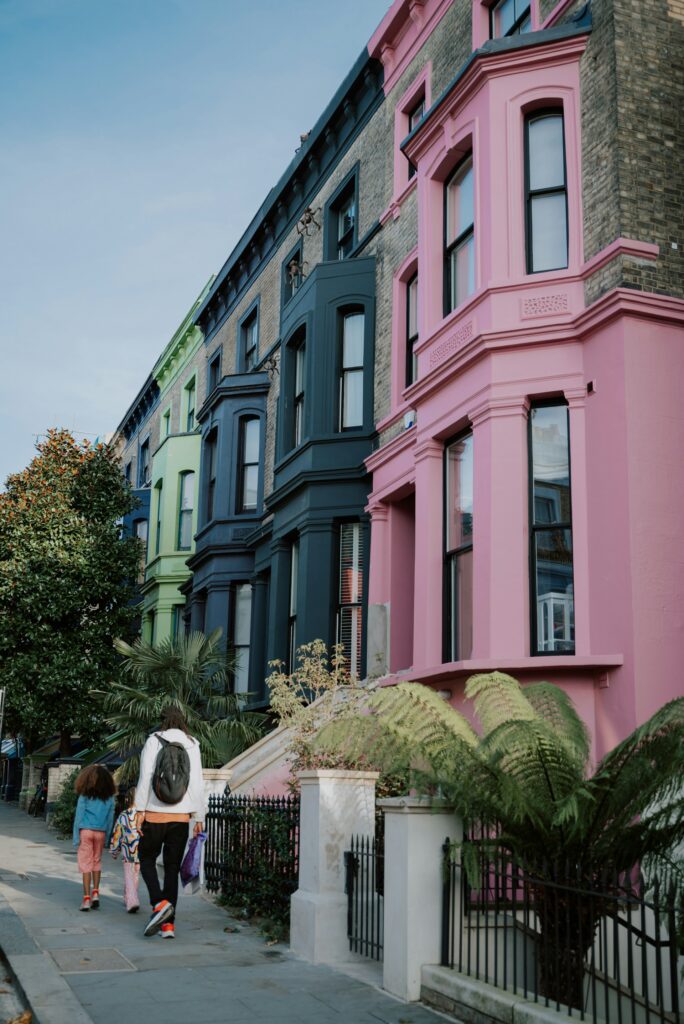
All that has changed in recent years, with a slew of exciting openings and not one but two 3 Michelin-starred restaurants (fuck me, that’s an ugly bout of counting) drawing the plaudits and punters just west of centre, all searching for a good feed and a silly little snap of those rainbow coloured facades.
If you’ve landed in Notting Hill packing an appetite and a thick wallet, then you’re in luck; there are plenty of restaurants to see off that hunger in style. These are those; here are the best restaurants in Notting Hill.
Dove, Kensington Park Road
Ideal for comfort food with genuine substance and a burger worth booking ahead for…
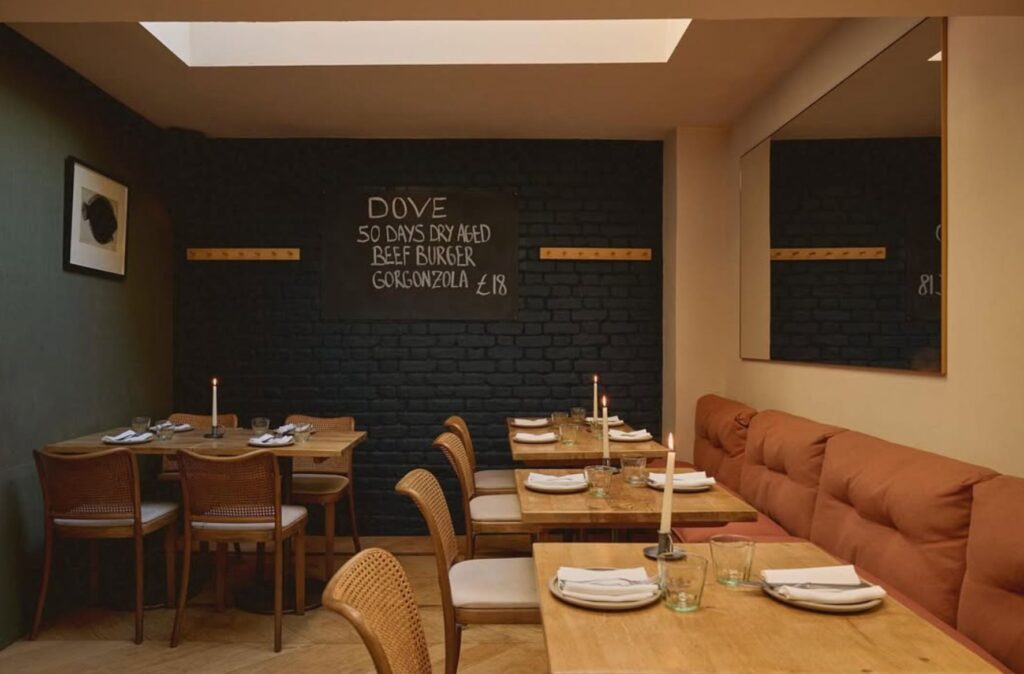
When Jackson Boxer closed Orasay at the end of 2024, Notting Hill’s denizens went into what turned out to be a mercifully short period of mourning. Because, just seven days later he reopened as Dove with the same team and the same handsome room. The reason for the closure? Expensive seafood had become economically unviable. The solution? A menu of what he calls “the things I want to cook and eat right now”.
Same, Jackson. Same…
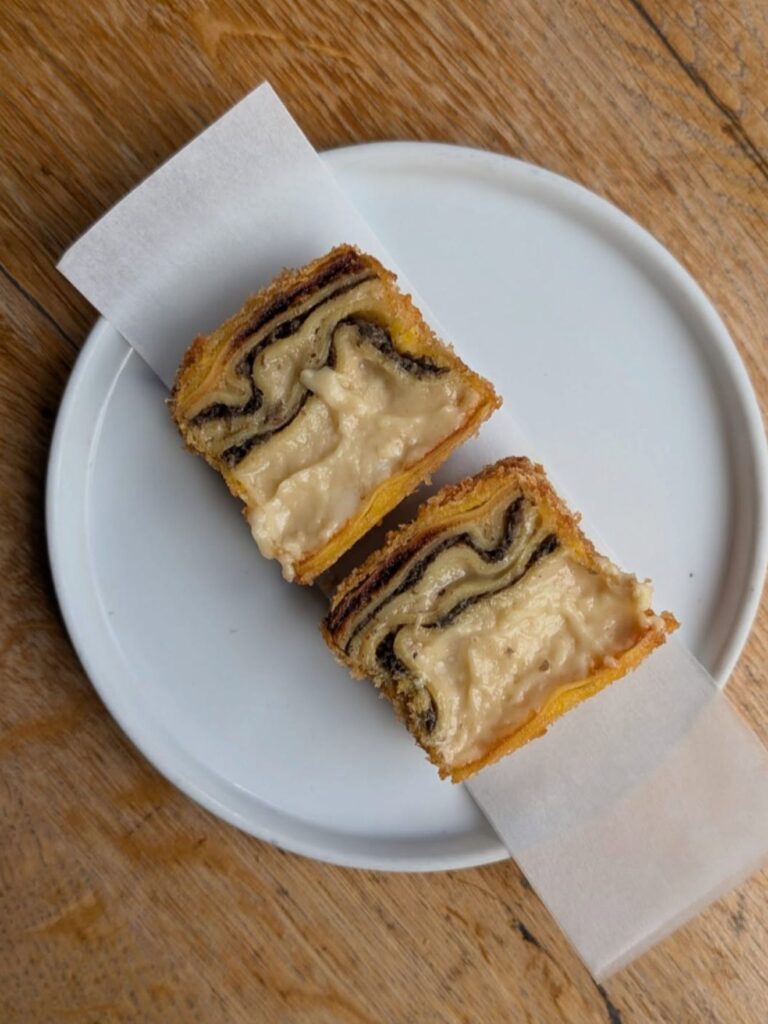
So, that’s a sixteen quid fried potato pizzette topped with bonito, burrata and mortadella, a genre-mashing snack that has no business working as well as it does. Or, a £32 grilled bavette steak with smoked bone marrow and morels that’s a lesson in sauce-building first and foremost, those wobbly cubes of marrow studded throughout making you feel all giddy as you chase them around the plate. Just waiting for them to bring back those truffle and taleggio deep fried lasagna pieces, and we’re theirs forever.
What makes Dove work is Boxer’s refusal to overcomplicate things. This is a chef who capably runs Henri and Brunswick House, and ran that there Orasay, and he knows his way around a plate. But here, he’s stripped things back to focus even more than ever on what tastes great. Fresh pasta with white asparagus, pecorino and wild pepper comes in at £19, and is a case in point; rich, indulgent, comforting, and completely devoid of unnecessary garnishes or faffing about.
There’s something constantly shifting about the menu here, Boxer and his team responding to the season with a restlessness that keeps the place feeling alive. Arrive in spring and you’ll find gariguette strawberries doing extraordinary things in the pudding section. Come back in autumn and it’ll be something else entirely.
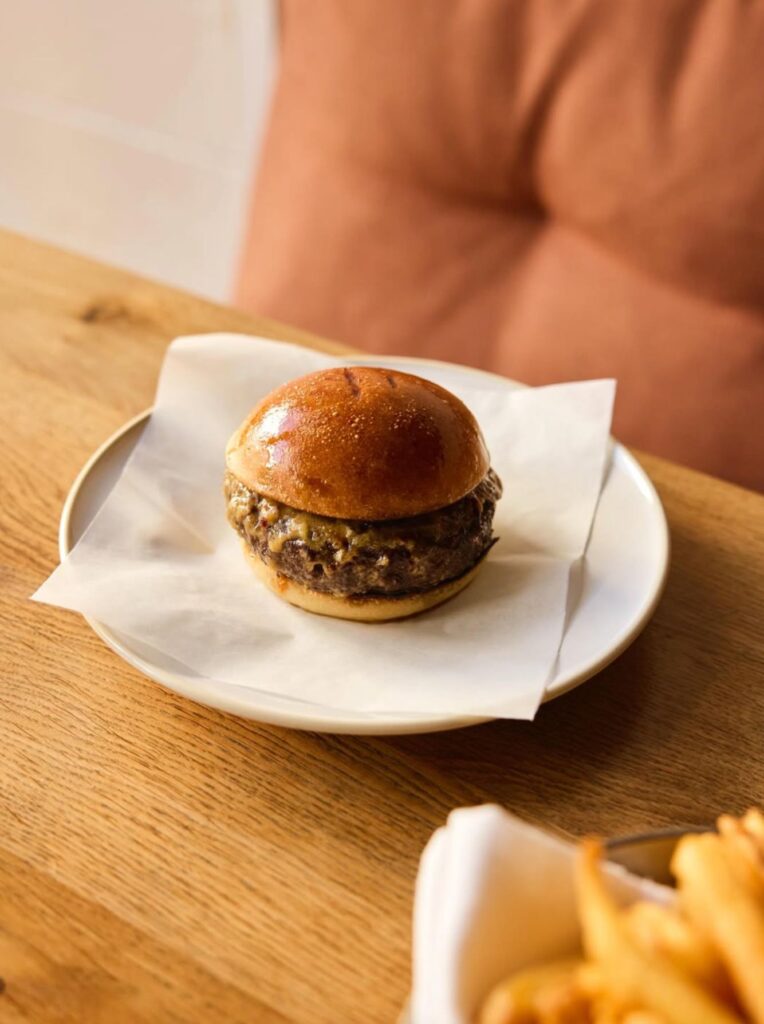
Then there’s the burger. Only ten are made each night, they’re not on the menu, and if you’re not there by 6pm, they’re gone. Made with 50-day dry-aged beef, gorgonzola and onions cooked in Champagne, it’s one of the most considered burgers in London. And also one of the best…
The wine list comes courtesy of Noble Rot. There’s a keg red Primitivo at £5.50 a glass that drinks beautifully with the richer dishes. At around £150 for two including drinks and service, Dove sits in that sweet spot where you’re paying for quality but not feeling fleeced.
Ideal for Thai food that doesn’t hold back on the heat or the funk…
The Electric Diner’s closure left that odd tunnel-like space on Portobello Road sitting empty. Speedboat Bar took it over, bringing the same energy that made their Soho original such a hit. The team had already proven they know how to do Bangkok-style Thai that actually tastes like Bangkok, so expectations were high.
Walking in, you’re hit by neon signs, a thumping soundtrack, and the smell of wok hei. The old Electric’s red leather booths have been kept, but everything else has been cranked up several notches, much like the stuff on the plate.
The seriously spicy chicken salad with green mango kerabu is the kind of dish that makes you reach for your beer after every bite, then go straight back in for more. You do end up a little light-headed, pissed from all the beer and tripping from all the chilli. You’ll find a different kind of heat in a £16 crispy pork with black pepper curry, the pork shattering before you hit that silky but rasping sauce. And so it goes on; whole sea bream in makrut lime sauce, at £23, comes out bronzed and crisp-skinned, big enough to share and crying out to be flaked over freshly steamed rice.
The kitchen here doesn’t mess about with authenticity theatre or trying to educate you about regional Thai cuisine. They just cook the food properly, with the kind of jet-powered wok heat and deft technique that’s impossible to replicate at home. Those £29.50 tom yam mama noodles, the signature not only due to their photogenic nature, have the depth of flavour that only comes from a kitchen that knows how to build a deep, complex broth, layering funk and heat and sour notes until you’re scraping the bowl clean playfully.
As with Soho, there are beer towers on the tables, and this isn’t the place for quiet conversation; it’s loud, fun, and the energy stays high throughout service. Stir-fries sit around the tenner mark, with most signatures landing between £20 and £30, which in Notting Hill still feels almost charitable.
What Speedboat Bar does well is refuse to tone things down. The food is unapologetically bold, with the kind of intensity you’d find in a good Bangkok shophouse. When the ol’ £690 Eva Air to Suvarnabhumi just feels too hard on the wallet, this is the next best thing.
Ideal for refined Palestinian cooking that tells a story…
Just a minute’s walk from Notting Hill Gate tube station to Uxbridge Street, and suddenly everything gets ever so residential, with a row of cute houses in shades of Trio’politan, The Uxbridge Arms as a decent local boozer, and one of the best neighbourhood restaurants you could hope for in Akub.
The hunter green frontage, a muted contrast to its pastel-hued neighbours, gives few hints about the riot of flavours found inside this modern Palestinian restaurant, the brainchild of Franco-Palestinian restaurateur Fadi Kattan, who also owns Fawda in Bethlehem.
Fadi’s mission is to bring the diverse, sophisticated culinary traditions of Palestine to London’s food scene, and, all in all, we think it’s mission complete. Akub has settled into its stride as a fixture of the neighbourhood, drawing rave reviews from several national newspapers and pulling full houses pretty much every day of the week, except Mondays, when it’s shut.
At the stoves is head chef Mathilde Papazian, who has spent considerable time in Bethlehem mastering the intricacies of traditional Palestinian cuisine. She brings a certain flair to dishes that celebrate the country’s rich culinary heritage and British seasonal produce. It’s a marriage made in heaven, all poised piquancy, heady spicing and loads and loads of imported Palestinian olive oil, which is some of the world’s best.
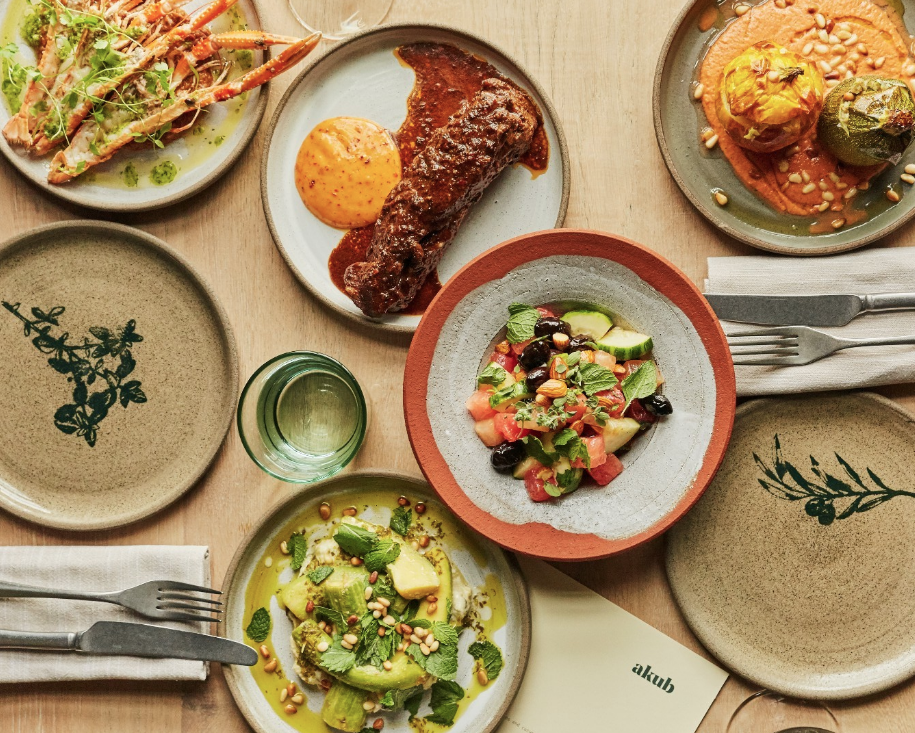
It’s all grounded by some excellent bread. A £10.50 bread selection hits the table warm, the zaatar manakeesh in particular made texturally intriguing by a shower of toasted sesame seeds. Perfect for sharing and tearing, and dragging through Akub’s dips.
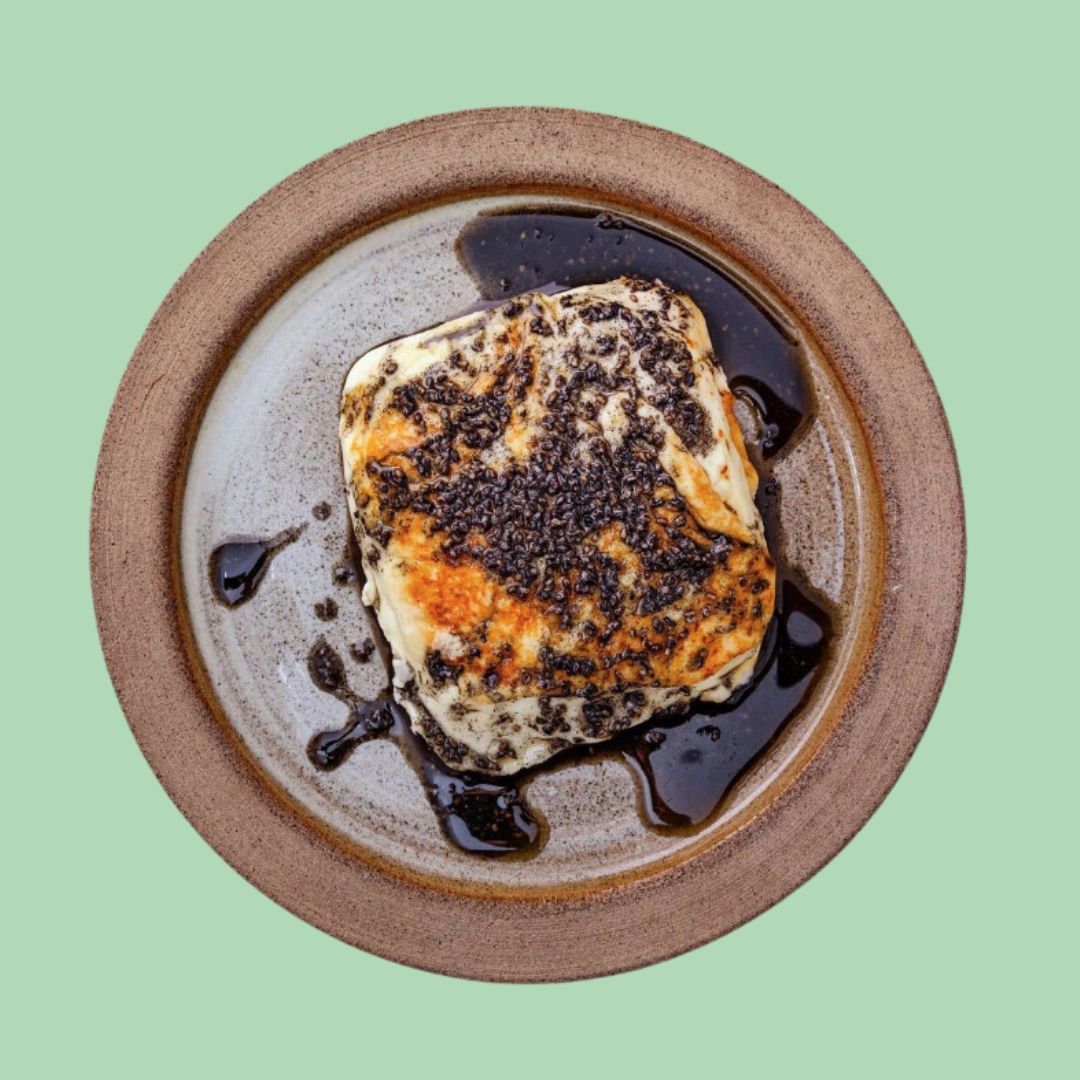
There’s a sense of dexterity and balance to the cooking here, apparent in dishes like a £30 short rib fatteh, the beef’s inherent unctuousness levelled out with garlic yoghurt and pomegranate. Or, the grilled Nabulsi cheese at £16.50. Arriving with a uniform golden crust, its assertive briny notes are tempered by an allium-adjacent, off-bitter nigella seed oil.
Best of all, a slow cooked lamb neck, the humble cut elevated with fenugreek, cumin, and allspice, and served with red shatta (a Middle Eastern hot sauce made with red chillies and peppers) mayo. It’s thirty quid and looks faintly obscene, but boy does it taste good.
Alongside, there’s a selection of Palestinian and Jordanian wines, as well as imported Taybeh beer, an elite level local lager if ever there was one, and the obligatory arak, the world’s oldest spirit and one whose aniseed assertiveness is a wonderfully refreshing way to reset after the meal.
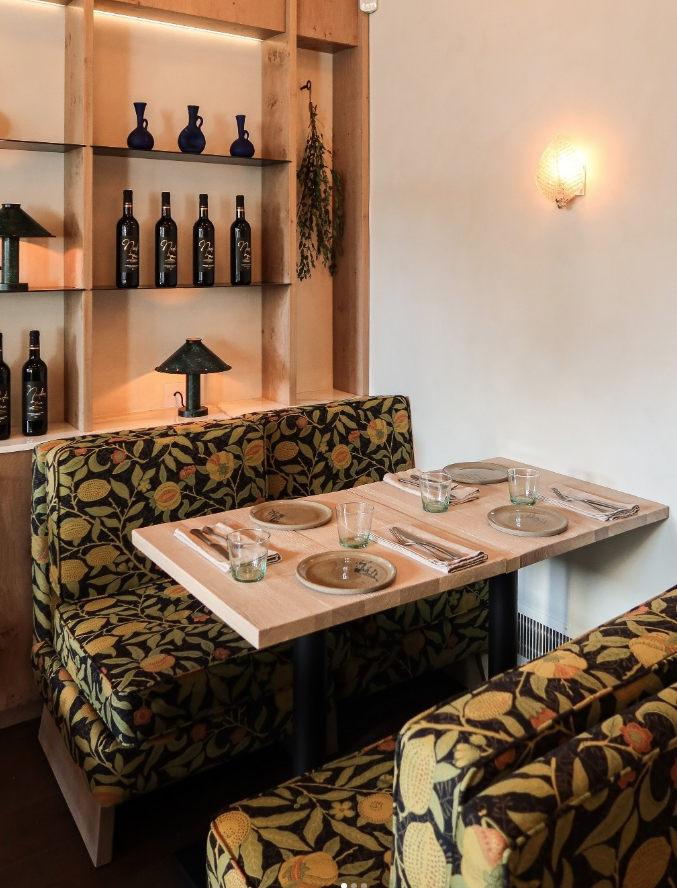
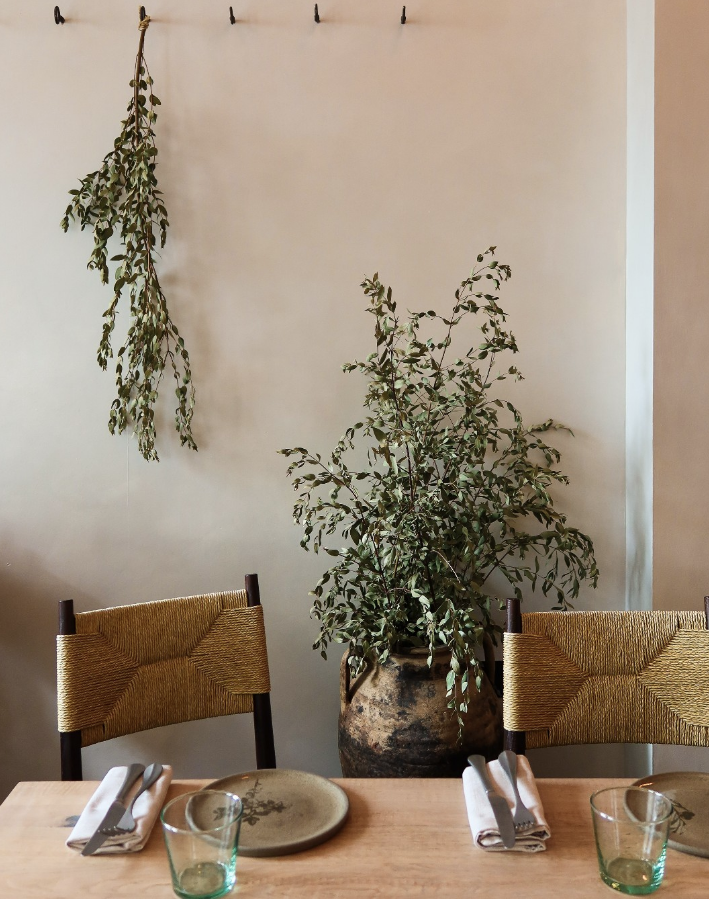
The intimate and stylish setting of Akub is adorned with nods to Palestinian culture, such as a beautiful Tatreez tapestry and an olive tree, symbolising the ‘right of return’ for the Palestinian people. Indeed, Akub not only serves as one of Notting Hill’s culinary highlights, but also as a place that honours the heritage and resilience of the Palestinian community.
Without doubt, this is our favourite restaurant in Notting Hill, and one more than ever deserving of patronage and support.
Ideal for vibrant Barbary Coast cooking in a room that’s pure jaw-dropping theatre…
Over a decade on from opening their tiny, counter-only original in Neal’s Yard, Zoë and Layo Paskin have brought The Barbary to Notting Hill in considerably grander style.
And what style it is; this Grade II-listed corner spot, designed by Archer Humphryes, is an absolute stunner. Flooded with natural light from wraparound windows, the 75-seat space features a crack-glazed volcanic stone bar, a distinctive woven wicker panelled ceiling, and Paavo Tynell straw pendants that cast a warm glow over proceedings (if the sun wasn’t already making fine work of that).
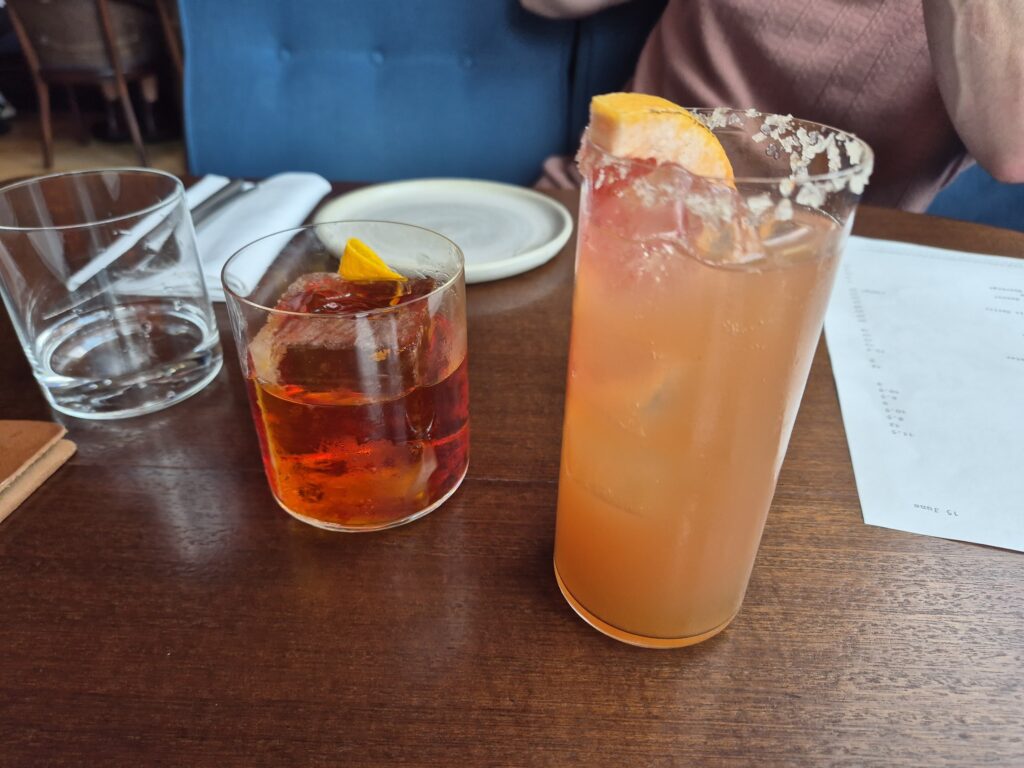
With its midnight blue horseshoe booths and burnt orange upholstery, the whole place has a rich, 1970s lounge vibe that strikes a fine balancing act between nostalgic and contemporary. As do the cocktails, it should be said, with the smoked pineapple paloma clearly made with skilled hands. Ditto the saffron negroni, a beautifully perfumed take on a classic.
This is a room you want to drink and dine in during the day, when the flowing, unstoppable light seasons the food with a golden-hour vitality. The cooking here continues The Barbary’s love affair with the vast culinary landscape from Southern Europe to Northern Africa, all tied together by the theatre of open-fire cooking.
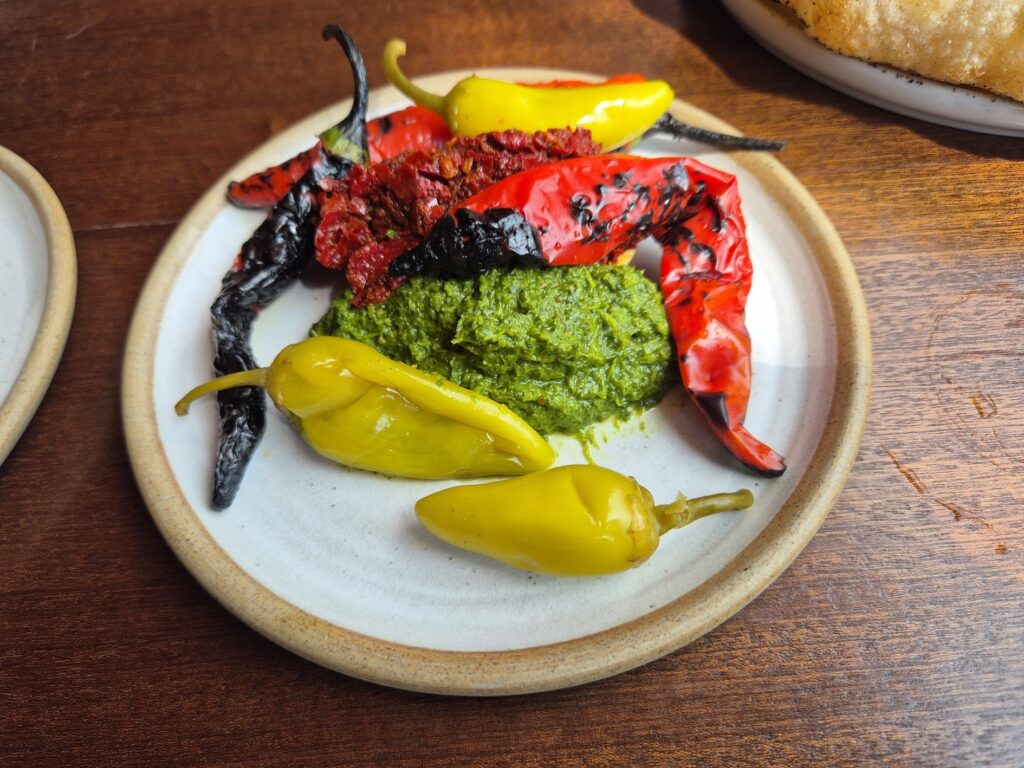
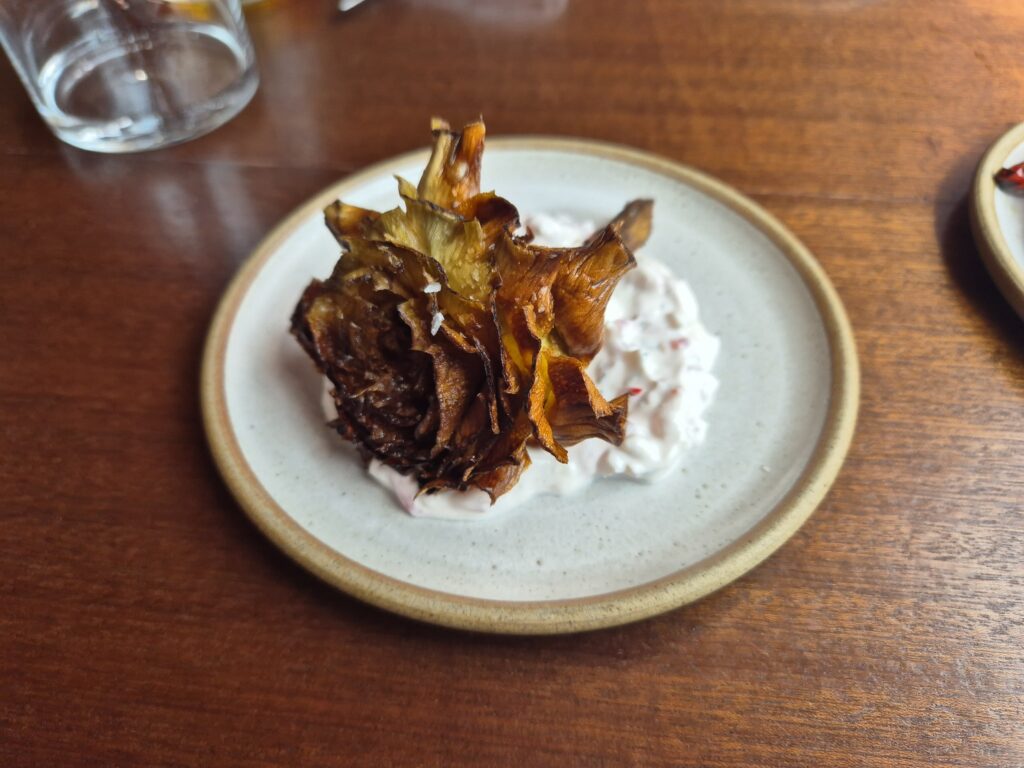
The artichoke alla giudia arrives as a bronzed, crisp flower, each petal shattering to reveal tender heart beneath. Alongside, a spiced labneh isn’t strictly required, but it’s a welcome jolt of piquancy nonetheless. It’s a looker, and the kind of dish that has tables craning their necks when it passes by. The ‘Spicy Plate’ sounds somewhat prosaic, but is a colourful mix of different chillis, some pickled, some grilled and blistered, and with a mound of salsa verde in the middle for totally unnecessary, totally delicious dredging.
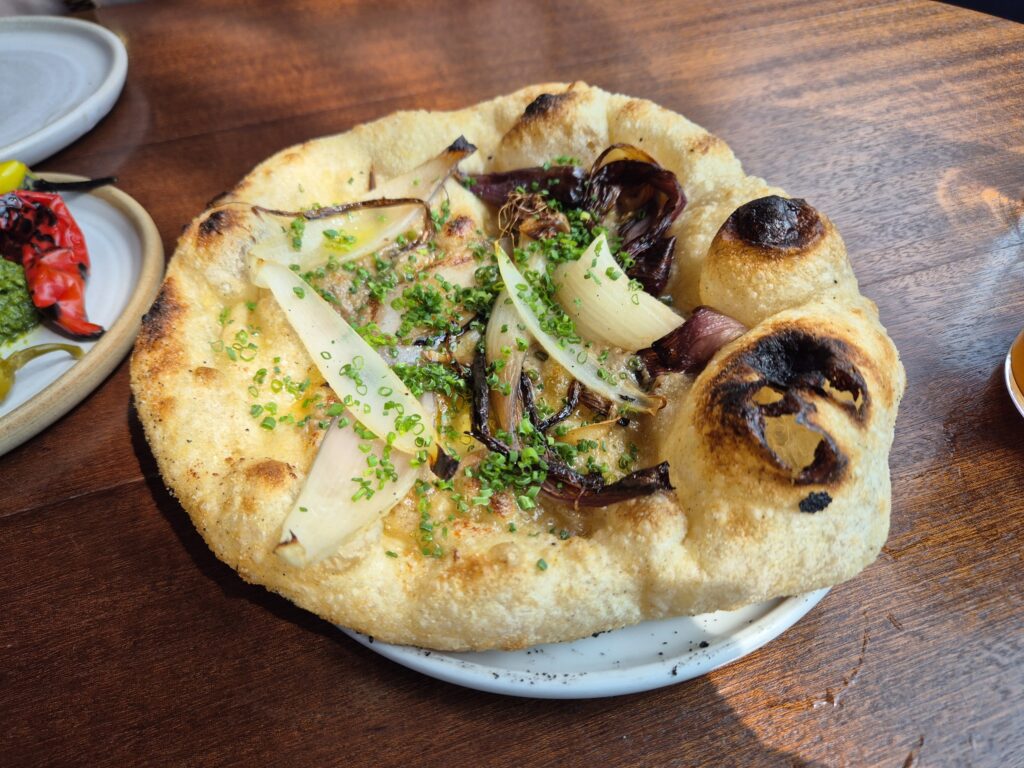
From the wood-fired oven comes their tropea onion and anchovy butter flatbread, the sweet alliums and salty fish creating that perfect sweet-saline balance that makes you immediately order another, the bread itself so light and digestible you don’t ruin the rest of your meal doing so. Anyway, next up is a stone bass tartare so dainty there’s no danger of getting full. In the cloying summer heat, it’s just the ticket.
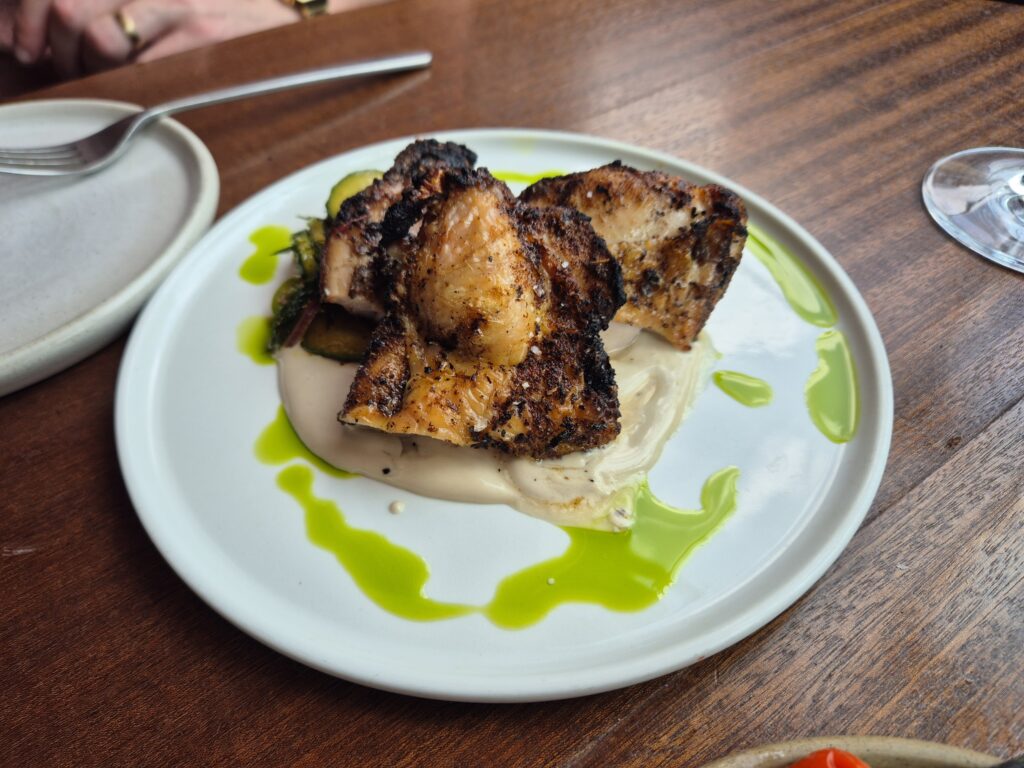
After all that excitement, some of the larger plates threaten to underwhelm – packing a little less vivacity than those that preceded them – but are satisfying all the same. A bronzed thigh of chicken boasts smoky, bitter char from a judiciously applied coffee crust. Underneath, a pine nut puree (in this economy!) brings a suave balance to the dish.
If you want a taste of the cooking without committing to the full dinner spend, the weekday lunch prix fixe at £28 a head is one of the smarter deals in W2. This is the kind of place to bring someone you’re keen to impress. The room oozes style and combined with the vibrant cooking and the energy that comes from watching the chefs work their magic around that horseshoe counter, The Barbary Notting Hill proves that sometimes bigger really can be better.
Ideal for when only the finest haute cuisine in the country will do…
Considered by much of the country’s culinary cognoscenti to be England’s finest realisation of haute cuisine, The Ledbury has had one hell of a couple of years, even by the lofty standards the restaurant has set across its two decades at the top.
In early 2024, The Ledbury finally achieved a well-deserved third Michelin star, the highest accolade in the game, 14 years after it received its second. It only took a COVID-enforced, potentially permanent closure, an incredible comeback, a change of head chef and a fancy new mushroom cabinet to make that happen, but my does it feel warranted.
Indeed, there’s been a palpable sense that things have been taken up a notch, with already close to immaculate dishes revised and refined, perfected and polished until they’re the most precise expression of time and space, of seasonality and technique, that you’ll likely find anywhere in the country.
This milestone not only underscores The Ledbury’s culinary excellence but also denotes it as one of the rare elite. And the recognition keeps coming; Harden’s Top 100 UK Restaurants 2026 placed The Ledbury fourth in the country and top in London, with diners hailing it for ‘head-to-toe near perfection’. Bravo.
A meal here centres around a £260 eight-course tasting menu, with a slightly shorter six-course lunch option at £210, that pitches each course as headlined by its hero ingredient in sometimes delicate, sometimes robust pairings, ensuring a dining experience that surprises and satisfies in equal measure. Under Graham’s vigilant eye, dishes like Cornish lobster with petit pois, shiso, green fig and magnolia are perfectly balanced and boast an unmatchable clarity of flavour.
Graham’s acute understanding of animal husbandry is perhaps the defining feature of The Ledbury, with the restaurant’s game cookery second to none pretty much anywhere on the planet. His approach to Eric Taylforth’s Herdwick lamb, served as two courses with Yorkshire asparagus, coffee, lovage and Meyer lemon, is characteristic of the quietly masterful touch. To finish, just pray that a dessert like the gariguette strawberry with amaretto, purple basil, burrata and long pepper is on the menu when you go.
Sure, this isn’t your normal neighbourhood restaurant, despite what Graham will claim, but for a special occasion, The Ledbury is arguably the best in the UK at this type of precision fine dining.
Ideal for when France and Italy collide in tasteful harmony…
At the intersection of Westbourne Park and Ledbury Road, Caractère stands at its own kind of crossroads, where tradition meets innovation, and where the grand culinary powers of France and Italy converge.
Testament to the experience of its owners, Emily Roux and Diego Ferrari, this contemporary restaurant harmoniously weaves together their respective experiences while boldly charting its own course forward, managing to celebrate the heritage and expertise of its backers while placing one eye, or, you know, both, firmly on the future.
Emily Roux, daughter of the renowned Michel Roux Jr., has carved her own path in the culinary world, choosing not to take over her father’s famed Le Gavroche but instead to create something uniquely hers with Caractère. Together with her husband Diego Ferrari, they have crafted a menu that aims to straddle comfort and innovation. It confidently succeeds in that aim.
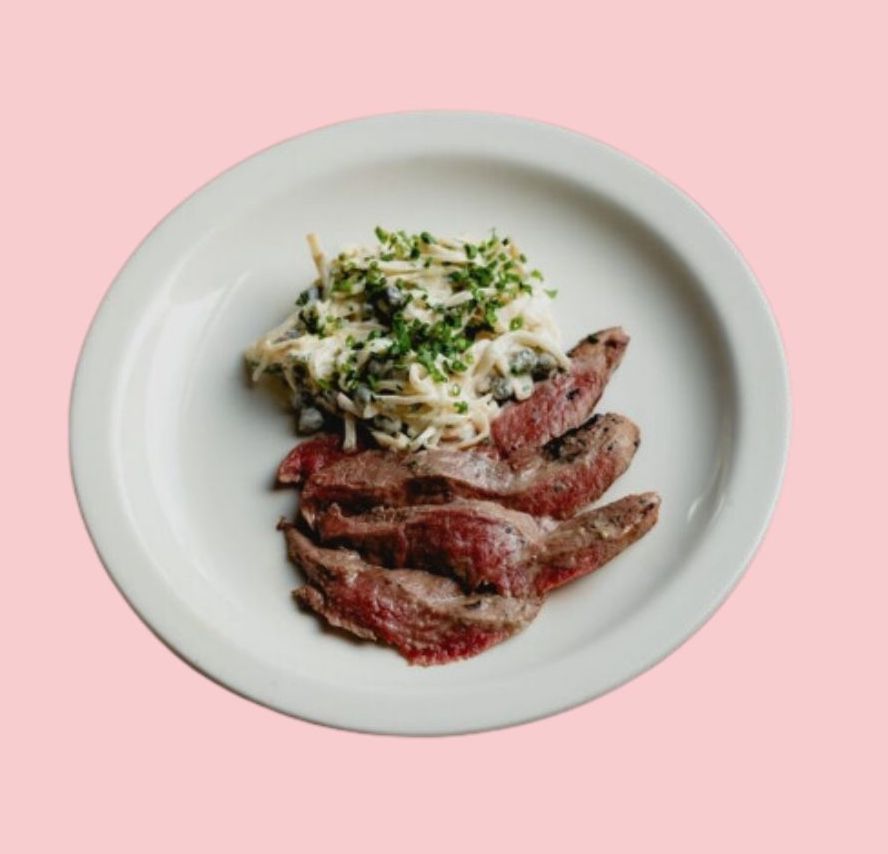
Perhaps the showstopper here, and certainly embodying that approach, is the celeriac cacio e pepe, on the menu from day dot and never likely to leave it. Composed of long strands of celeriac (resembling tagliatelle) coated in a rich and velvety sauce of Pecorino Romano and Parmigiano Reggiano, topped with a few drops of 25 years of age balsamic vinegar and crushed black peppercorns, Emily’s grandfather, the late, great Albert Roux, was said to be besotted with the dish, which is perhaps the highest praise one could bestow here.
The name of the restaurant means ‘character’ in French, and there’s certainly plenty of that in the way the menu is uniquely structured around 5 personality traits, ‘Curious’, ‘Subtle’, ‘Delicate’, ‘Robust’ and ‘Greedy’, each section showcasing different aspects of their French-Italian fusion cuisine. You can either build your own tasting menu, choosing one dish from each trait, for £155, or go a la carte, with a starter, main and dessert for £120.
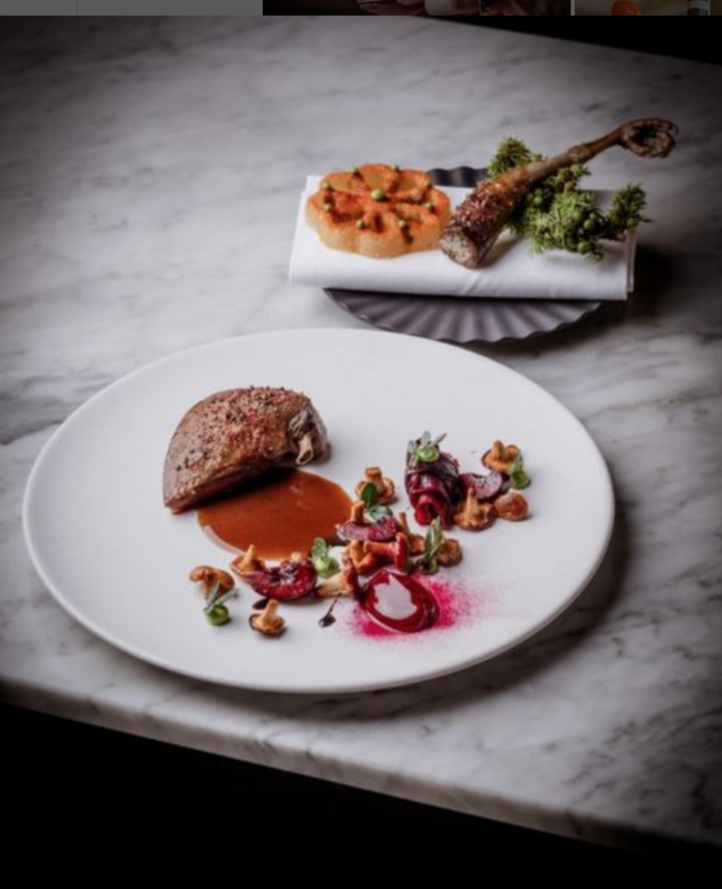
That celeriac number is subtle, by the way, whilst of a more robust disposition, a dish of squab pigeon, roasted on the crown and its particularly plump breast a perfect pink, is served with Scottish girolles, halves of cherry and a silky smooth beetroot puree. Its leg is served on the side, foot still attached in an enticing come hither gesture. You know what? We don’t mind if we do…
In lesser hands, that rather idiosyncratic menu might be a little confusing, but the cooking at Caractère boasts such clarity of flavour that any worries are washed away as soon as you’re served.
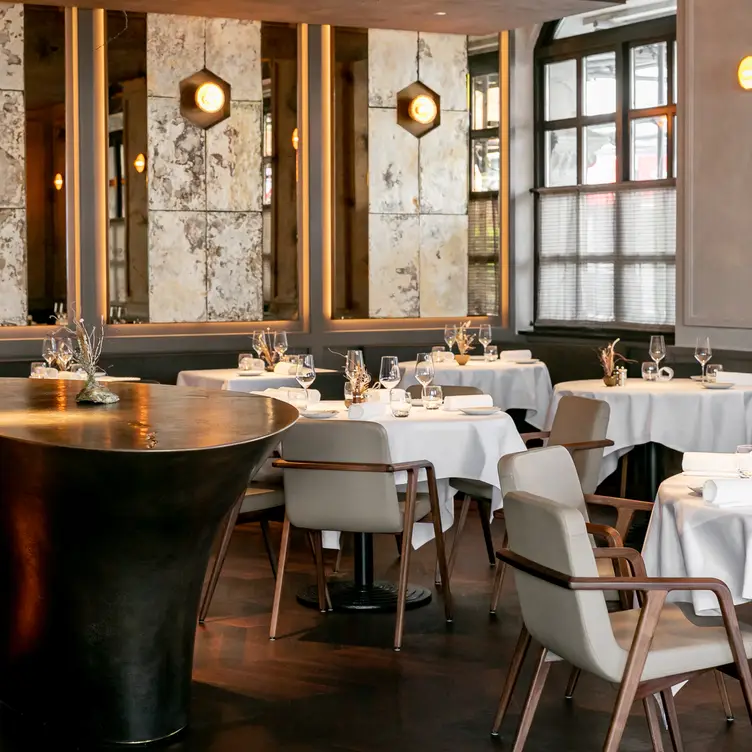
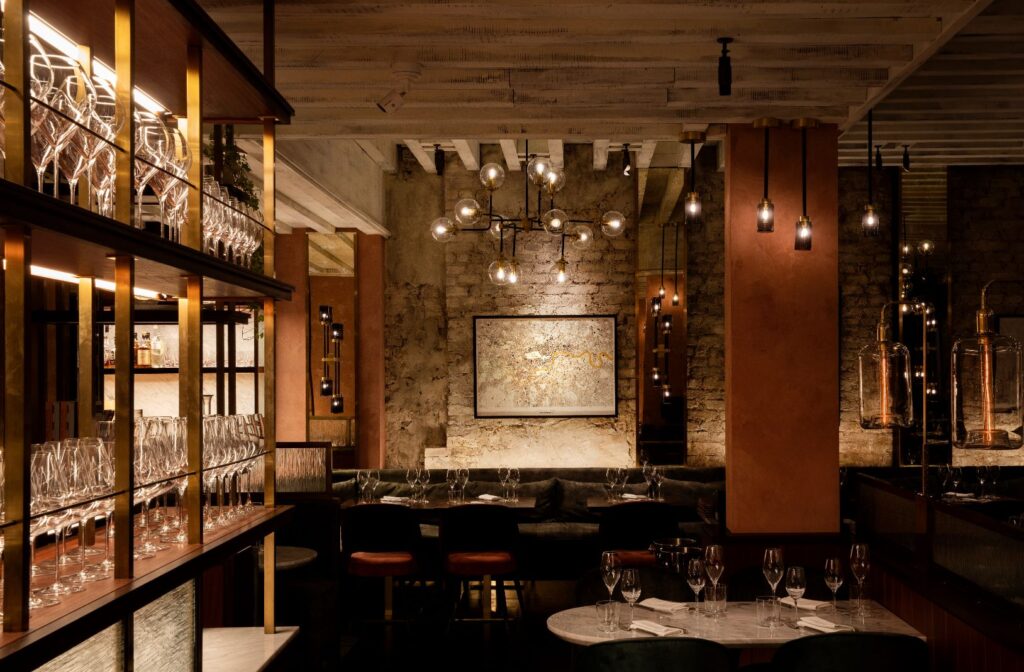
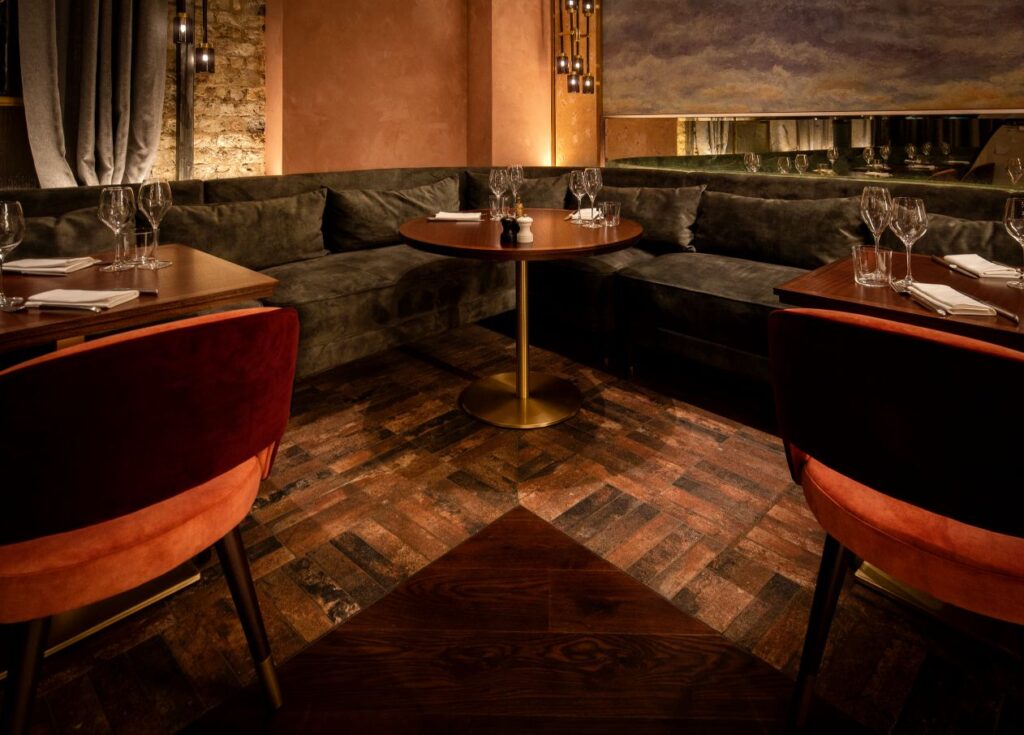
Not that our anxiety was particularly high before the first course; the interior of Caractère exudes a casual yet sophisticated charm, with terracotta walls contrasting against white-washed ceiling beams to pleasingly soothing effect.
The dining room features plush velvet seating in deep green and charcoal tones. Glass globe chandeliers cast a warm glow throughout. A dramatic feature wall showcases a moody skyline, and the bar area displays an impressive array of glassware on illuminated shelving. It’s all very evocative, suggestive of a large bill on the horizon, but one you’ll be more than happy to foot.
The winelist is an absolute tour-de-force, too, a 26 page tome that exemplifies the restaurant’s Franco-Italian philosophy, exclusively featuring wines from these two nations. Under the careful curation of sommelier Marco Nardi, the collection emphasises sustainable and traditional winemaking practices, with particular attention to organic, biodynamic, and natural wines.
The list pays homage to tradition, sure, with plenty of Burgundys and Barolos, but there are welcome nods to innovation, too, most notably through its inclusion of PIWI varieties, fungus-resistant grapes representing sustainable viticulture’s future. For those seeking something beyond wine, Caractère offers a carefully curated selection of craft cocktails, with several creative variations on the classic Negroni paying tribute to Ferrari’s roots.
Let’s just say that the vision here is fully realised, and the locals of Notting Hill seem to agree; it’s constantly packed out, and holds a star in the Michelin Guide, a testament to Emily and Diego’s vision of sophisticated yet approachable dining. Their appearance on Apple TV’s Knife Edge has only made snagging a table more difficult, so do book well in advance for this one.
Ideal for charcoal-grilled excellence with a side of scene…
Dorian has made a pretty massive name for itself on the London food scene since its opening in October 2022. Founded by Chris D’Sylva, who also owns the Notting Hill Fish Shop and the adjacent meat operation, Dorian was conceived with the aim of creating a bistro that embodies both high-quality technique and an unpretentious charm. It succeeded in both those aims.
In fact, that description sums up the dining experience at Dorian so astutely that we won’t bother expanding…
…only joking. This vision has been realised and recognised, earning the restaurant a Michelin star in 2024 and holding onto it since. Offering even more motivation for the team at Dorian, it has become the place for chefs to have a celebratory meal; pretty much every famous face from the culinary world, both in London and further afield, has been there in recent months, if our Instagram feed is to be believed. Which, it is; there’s photographic evidence of it happening.
Indeed, it’s a place that boasts the buzz of a neighbourhood brasserie, but also one that excels in celebrating a single, premium ingredient via the singular technique of charcoal grilling.
Now, grilling over flames has become so ubiquitous across London in recent years that the smoke in our eyes has rather blinded us to the fact that quite a lot of chefs in the city aren’t actually very good at it. We’ve had enough overcooked whole turbot and ice cold but acridly smoked steak to say that with some confidence.
Not so at Dorian, where head chef Max Coen, who has previous at London heavyweight Ikoyi and three-Michelin-starred Frantzén in Stockholm, is a master of the binchotan.
The menu, stylistically speaking, follows a form very much popularised by Brat, of an A4 longlist of brusque menu descriptors focusing on just one or two ingredients and a hefty price tag that should perhaps be diverted to a copywriter. See; £35 caviar rosti, white asparagus with pistachio and cherry blossom hollandaise for £24, a £49 pork chop, all the way up to a t-bone at £175 for two or three to share.
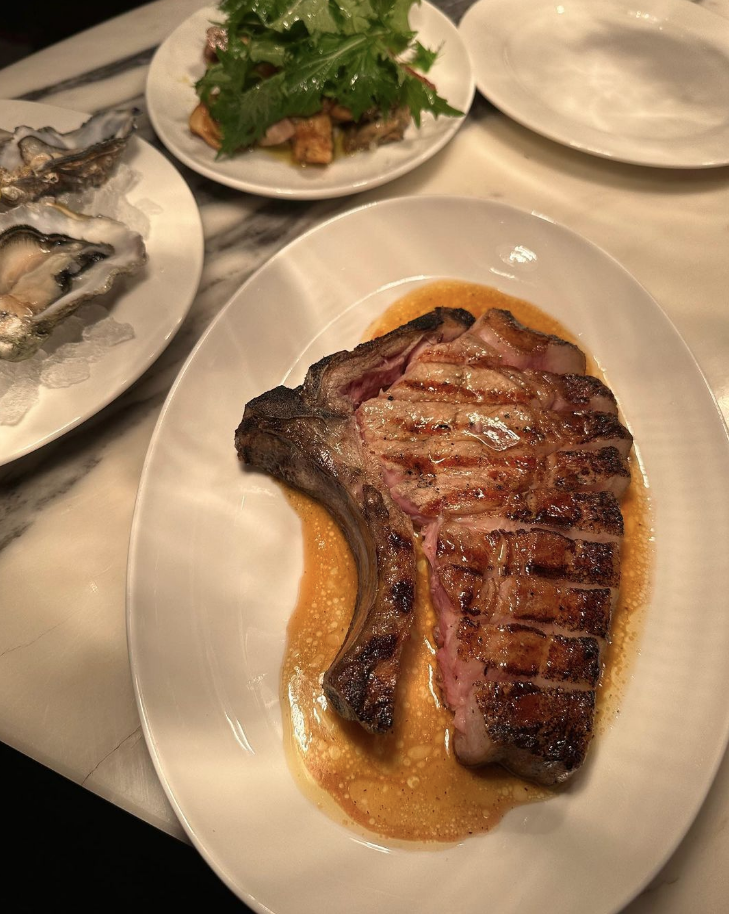
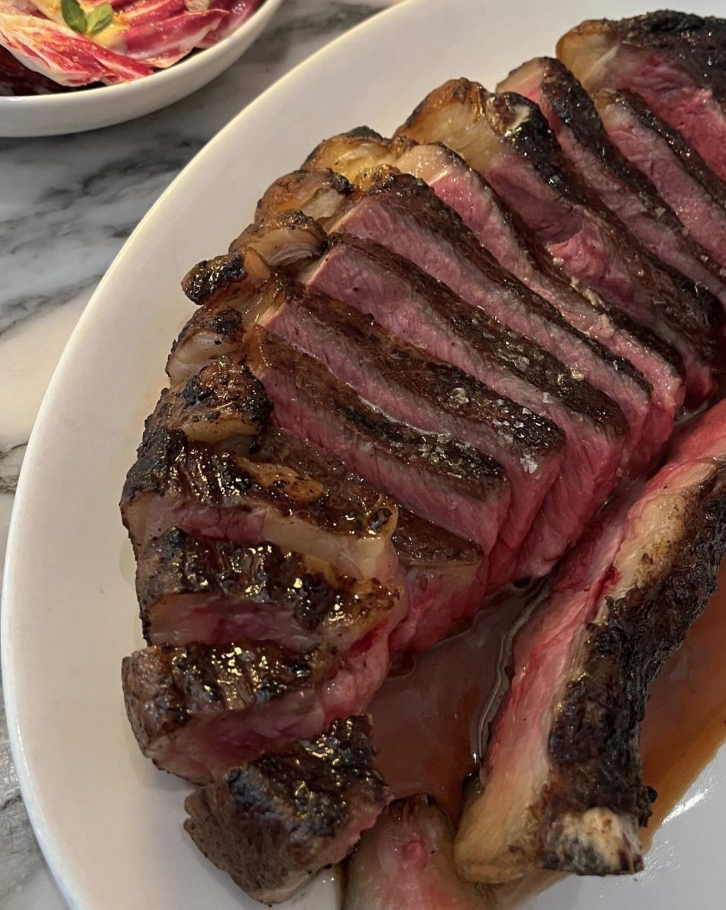
That t-bone (a cross breed of Holstein Dairy cow x Japanese Black Beef cow, reared in North Yorkshire), to be fair, is a masterful piece of work, 50mm thick and arriving with a pronounced crust, an inch layer of buttery yellow, grassy fat, and flesh that is wall-to-wall blushing pink (those chefs on the neighbouring table will be saying “cuisson” and “soigne” with irritating, increasing regularity). A bone big enough to wave around Flinstone-style is included for gnawing.
Though not nominally a steak restaurant, Dorian has shown up on the World’s Best Steak Restaurants list more than once since opening (fuck me; when will this end?), and it feels richly, warmly deserved. This is one fine steak worthy of a blowout.
Ignore the tagline on the restaurant’s website that Dorian is ‘a bistro for locals’, this ain’t Royston Vasey, fellas, and grab a seat at the counter to get a view of the chefs (the ones working here) in action. The enormous wall of wine behind you is a reassuring, tempting presence. Be warned; the wines here start at £50 a bottle. As in, that’s the very cheapest you’ll find. There are some that clock in at over £14,000. Perhaps Hugo off Succession is ordering some of these off the Waystar company dime (we keep seeing the affable Fisher Stevens in here, having a right old time).
Anyway, it’s a classy, monochrome room that you’re tempted to play human chess in if you’re not seated at that bar. Even the snacks arrive on some Toon Army striped greaseproof, a bite of creamy uni draped over a bang-in season Jersey Royal nailing that luxury/humble thing that’s everywhere right now.
Which is to say, although Dorian posits itself as idiosyncratic, those all caps on Insta do a lot of the hard work, you’ll find boujee London food trends in various guises are all over the menu here. It’s just that the team here has seemingly perfected them.
Ideal for Turkish grill without the faff (and wallet-crushing prices)…
Standing proud and prettily tiled on Ladbroke Grove, a mere kebab’s throw (don’t waste the damn thing doing that!) from the tube station, Fez Mangal has earned its stripes as one of London’s most straightforwardly delicious practitioners of the ancient art of the grill, long before the tatted folks on GBM came along and claimed to have invented cooking meat over fire.
The first clue that you’re in for something genuinely enjoyable comes from the strings of dried chillis hanging in the window, a touch of theatre, sure, but also a statement of intent. Also; almost impossible to resist using as a spicy hanging punch bag.
The second clue? A crushing aroma of charcoal smoke that’ll catch your throat quite shockingly if you breathe in wrong. Don’t let that, or the queues, put you off; the well-oiled machine that is Fez’s service means you’ll be seated before you can say ‘one portion of ezme salata, please’. Admittedly, that would be a fucking weird thing to say before you’d even sat down, but anyway…
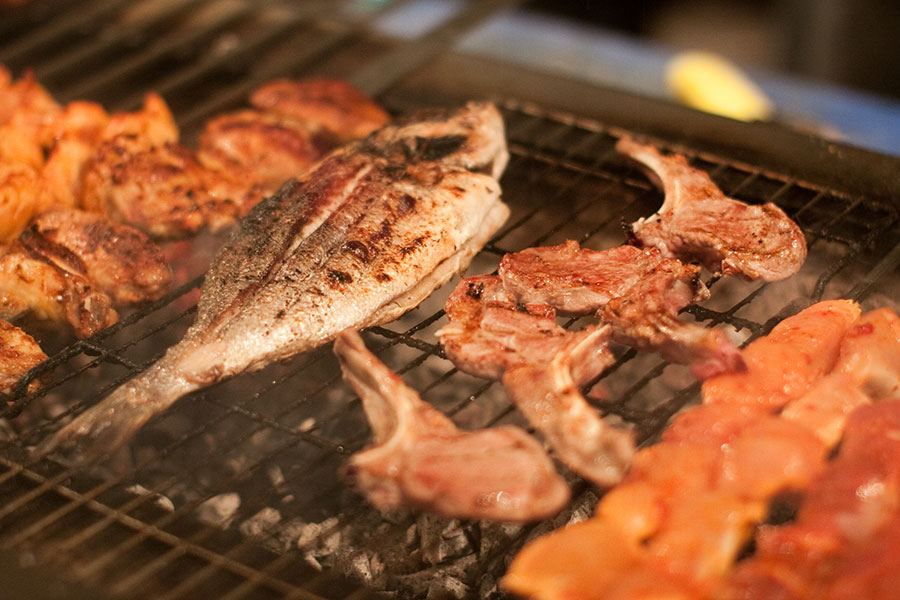
The menu is refreshingly straightforward, none of that ‘carefully curated’ or those ‘refined takes’ here, but that doesn’t mean it lacks finesse. The adana kebab is a masterclass in spicing and fatty, bouncy texture, the minced lamb singing with garlic and chilli, whilst remaining distinctly pastoral-tasting. It’s a delicate balance that many get wrong; Fez gets it spot on.
The lamb beyti is another triumph, the meat wrapped in lavash bread and drowned (in a good way) in tomato sauce and yoghurt. It’s comfort food of the highest order, the kind of thing you crave at both 3pm and 3am. The chicken shish proves that the kitchen knows its way around a bird (ewww) as well as it does its lamb, the chunks of breast meat somehow remaining juicy despite their time over the coals. Most of the core kebabs sit at £19.50 and all arrive bloody massive, served with rice, salad and bread.
But it’s not just about the meat. The supporting cast is equally impressive, proper Turkish bread, pillowy and charred in all the right places, red cabbage that’s actually had some thought put into it (how many times have you had the sad, flavourless variety?), and a garlic sauce that’ll have you breathing fire for days. Worth it, though, as long as you’re not snogging after.
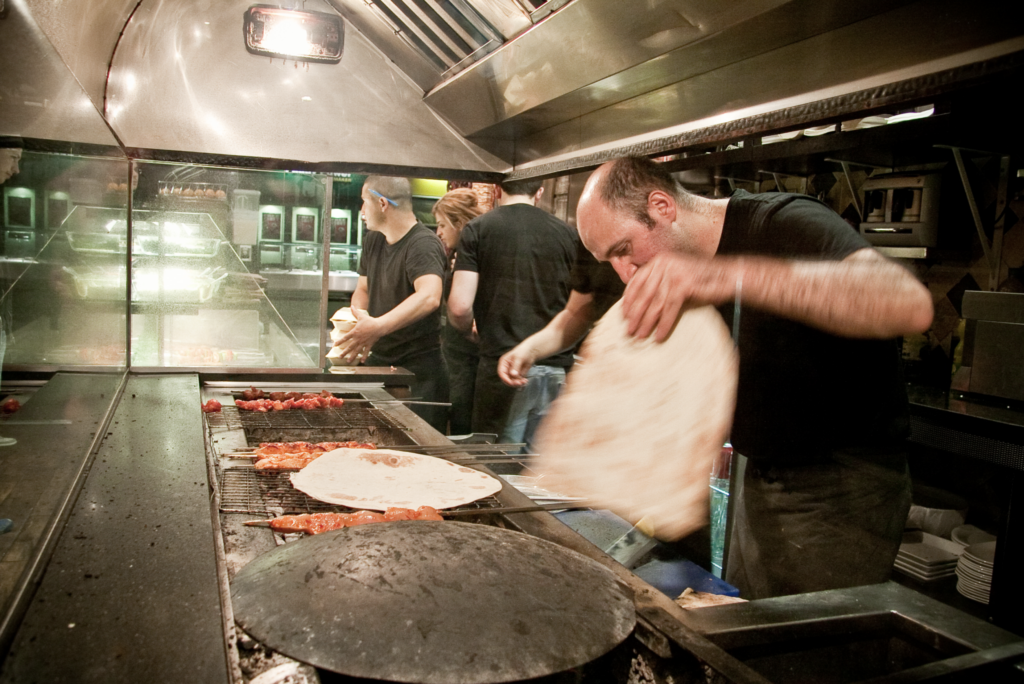
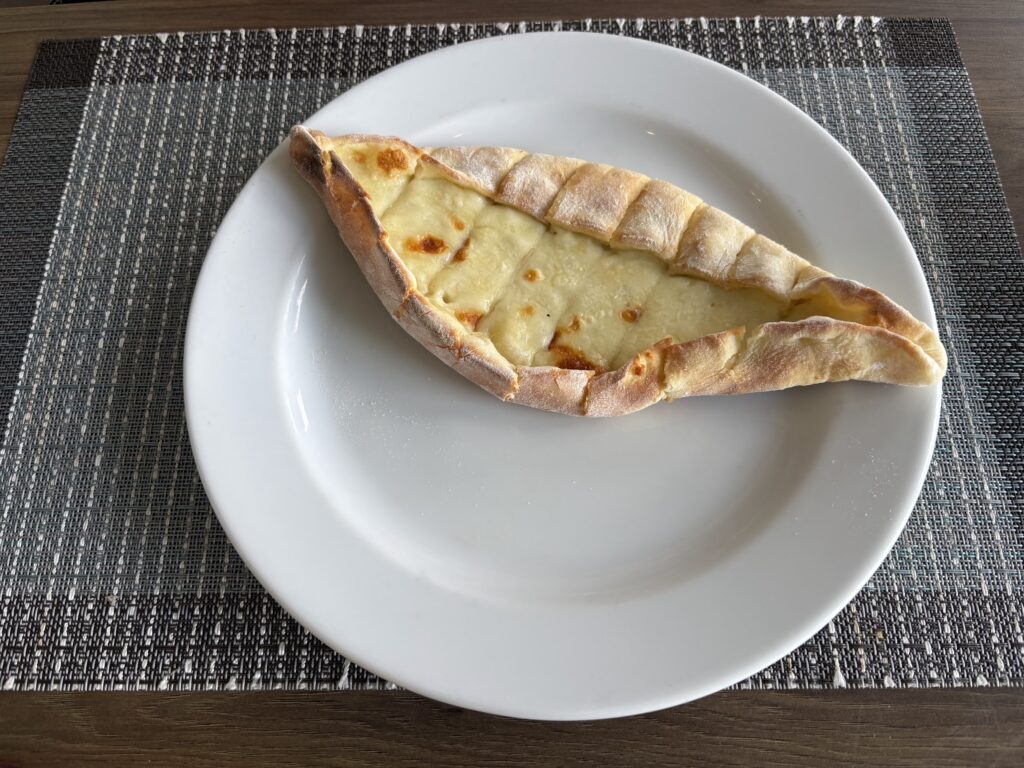
Watch as the pides (Turkish flatbreads) emerge from the clay ovens, their toppings bubbling and edges perfectly charred, and order one of those, too.
Best of all? It’s BYO with no corkage charge. Well, not best of all, but in a city where a glass of house white can set you back a tenner, this is something to be celebrated. Bring a bottle of something nice, these kebabs deserve better than corner shop plonk, and settle in for one of the best value meals in West London.
Not so much a hidden gem anymore, those days are long gone, but rather an institution that reminds us that sometimes the best things in life are the simplest. A recently opened Mayfair outpost in Shepherd Market suggests the rest of the city is finally catching on.
Ideal for hearty, honest cooking in a pub that remembers what pubs are for…
The Pelican is the ideal boozer in Notting Hill for those who love a big, hearty feed to go with their John Smith’s. Hey, who doesn’t?
Standing proud on All Saints Road, The Pelican has evolved from your typical local into a modern gastropub under the stewardship of restaurateurs James Gummer and Phil Winser, who took over in 2022, all without losing any of its charm.
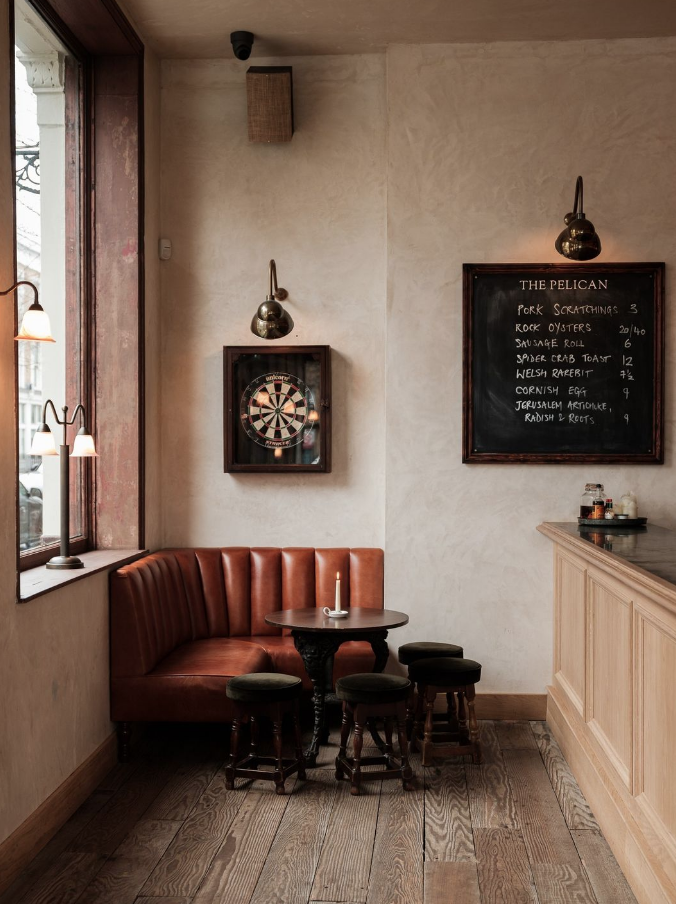
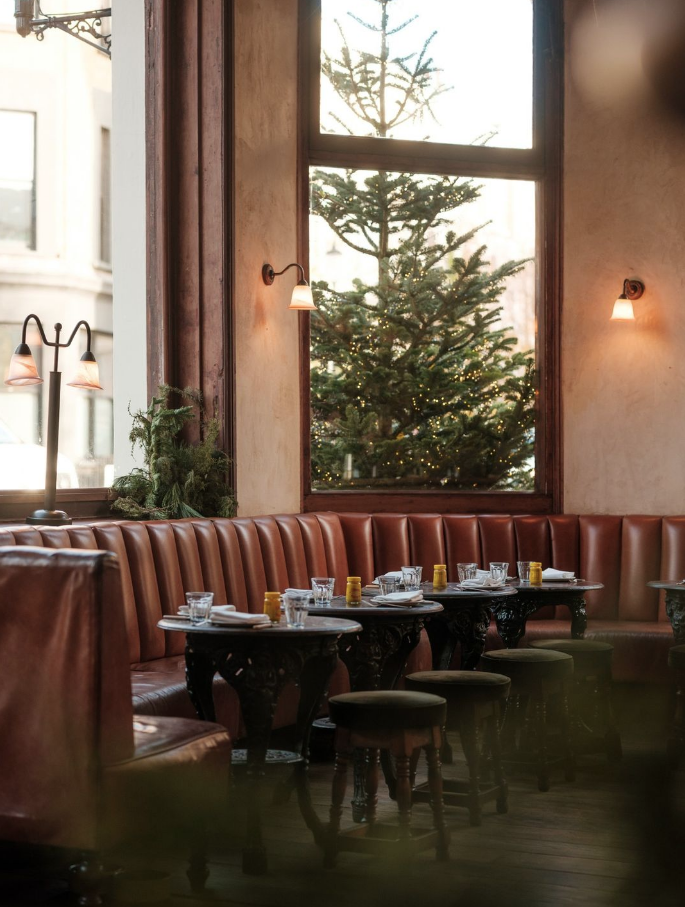
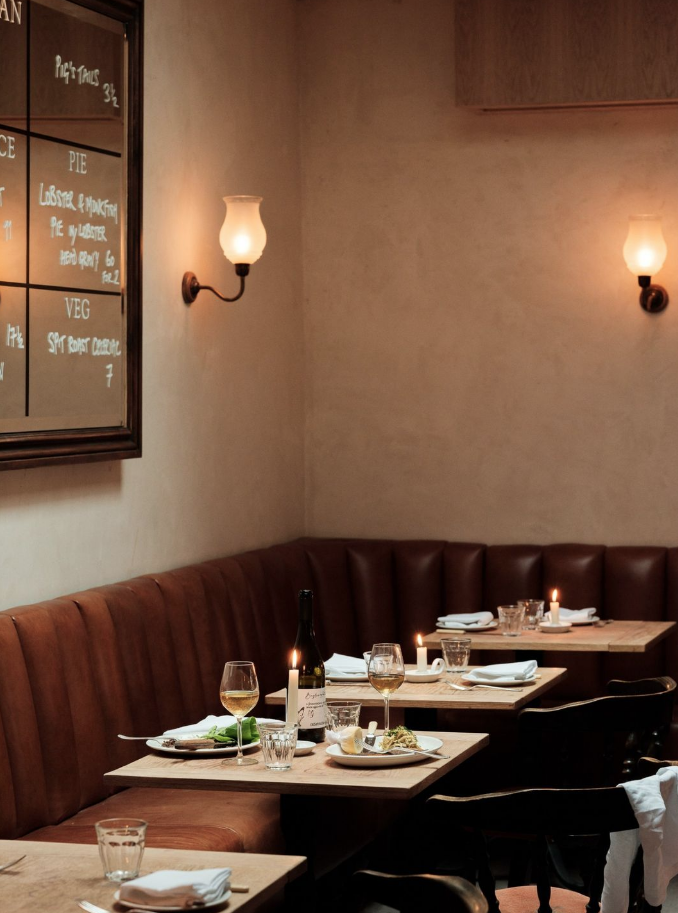
This transformation included a revamp of the decor, it’s now all butcher shop tones, leather banquettes, the sound of heels on a sanded wood floor and a menu of meats by weight scrawled on a mirror with chalk, and the installation of Owen Kenworthy as head chef, the kind of solid chef grounded in both the French and British classics. Though Kenworthy has now moved on, his influence over a humble, hearty menu remains.
Menu descriptors are even terser than Dorian’s from a few paragraphs previous. The Pelican’s is basically a shopping list, let’s be honest. Whilst ‘tomatoes, capers’, ‘leek, egg’, ‘hake, parsley’ (would it kill them to chuck an adjective in there so we know how things have been prepared?) all sound a little austere – spiritless, even – there’s fortunately more going on when the plates hit the table. St John-inspired minimalism rather than stinginess, we’d say.
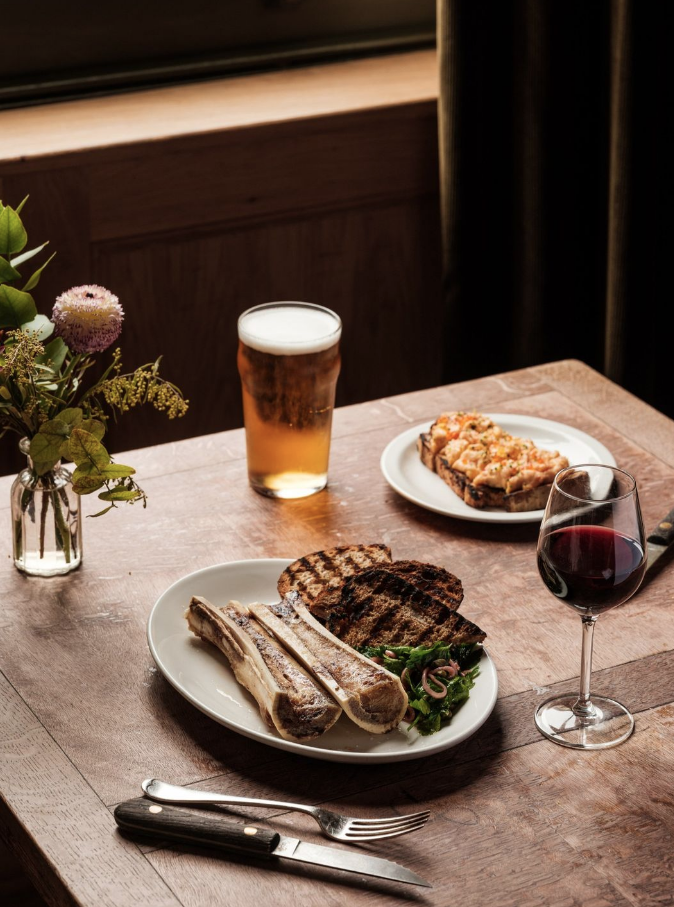
A dish of crimson, thinly sliced ox heart with a tangle of celeriac remoulade certainly wouldn’t feel out of place on the stark white tables of Smithfield, with all the top quality that implies. Bigger plates land around the twenty-eight mark, with onglet, skate, cod and chicken all hovering there, while a bone-in sirloin at £88 is the move when there’s a table of you and a hearty appetite.
The Pelican has featured on the increasingly influential Top 50 Gastropubs list, a testament to its quality. The same team’s newest venture, Canteen, also in Notting Hill, picked up a Michelin Bib Gourmand in 2026 for its flavour-forward Italian cooking – further proof that Gummer and Winser know what they’re doing. But the best part is that The Pelican remains a true pub at heart, welcoming patrons for drinks alone without any pretence or need for a feed. Cheers to that.
Ideal for homestyle Malaysian comfort far from home…
We’ve eaten a hell of a lot of grumpily described steaks in this article, and we’re sick of it, quite honestly. Thank the good, syncretistic lord for Med Salleh Kopitiam, then, which brings sweet, spicy relief from our meat coma, and a good jolt of vitality in the process.
Visible from the exit of Bayswater underground, Med Salleh Kopitiam is run by Med Pang and Koi Lee, whose passion for authentic Malaysian food shines through in every complex, thoroughly spiced dish.
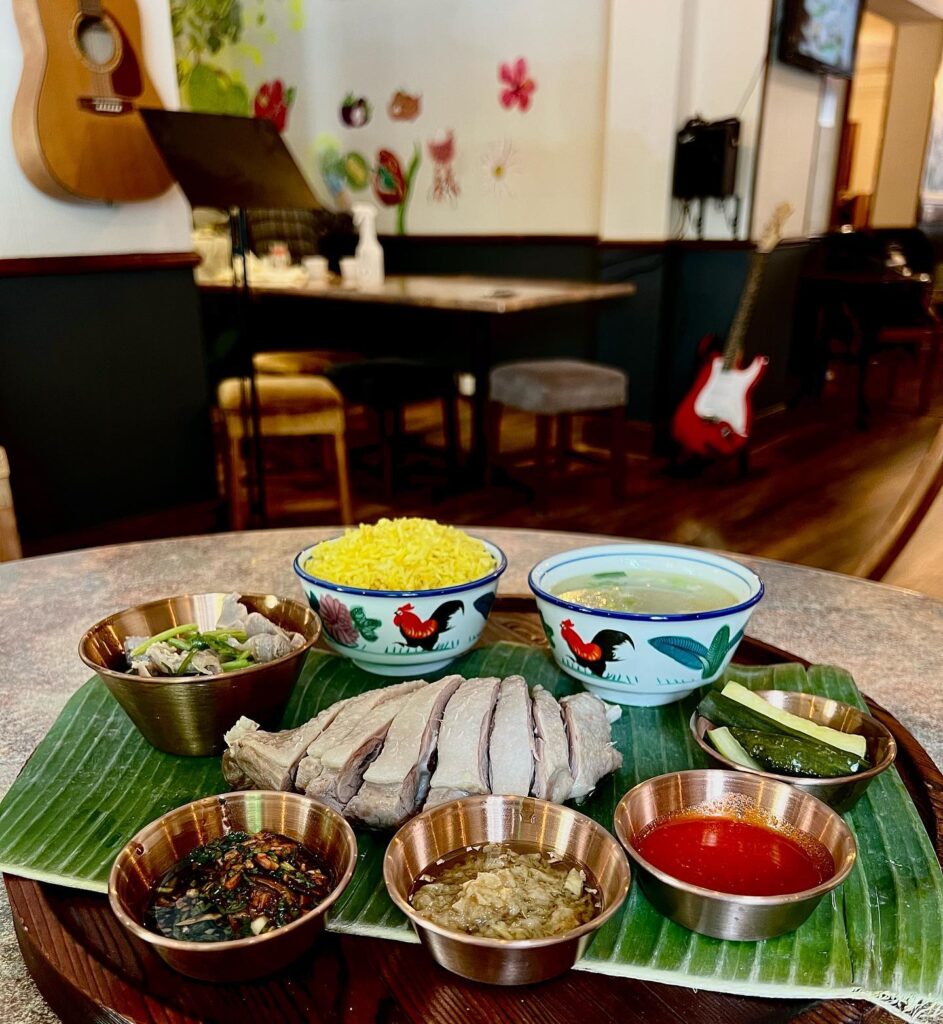
Much has been written about the restaurant’s absurd, impossibly sweet Devil’s tower of shaved ice, but it wasn’t on when we visited, so we’ll pontificate, instead, on the signature Med’s Grandma Hainanese Chicken Rice, which arrives presented prettily on branded greaseproof and in various shades of turmeric, with three sauces, all pleasingly pungent and powerful, for diners to mix and match to their tastes and tolerances.
The chicken itself (thigh) is poached to silky perfection, its fatty, flabby skin thankfully left on (much to the chagrin of Torode and Wallace, pricks). It’s the second best bit, dredged through those sauces, the highlight and headliner of course being the rice itself, satin-like in the mouth from a good dose of chicken fat and just wonderfully, insanely comforting. Lay me nude in a bath and cover me in the stuff, please. It’s how I’d like to go out. Yours for £14.90.
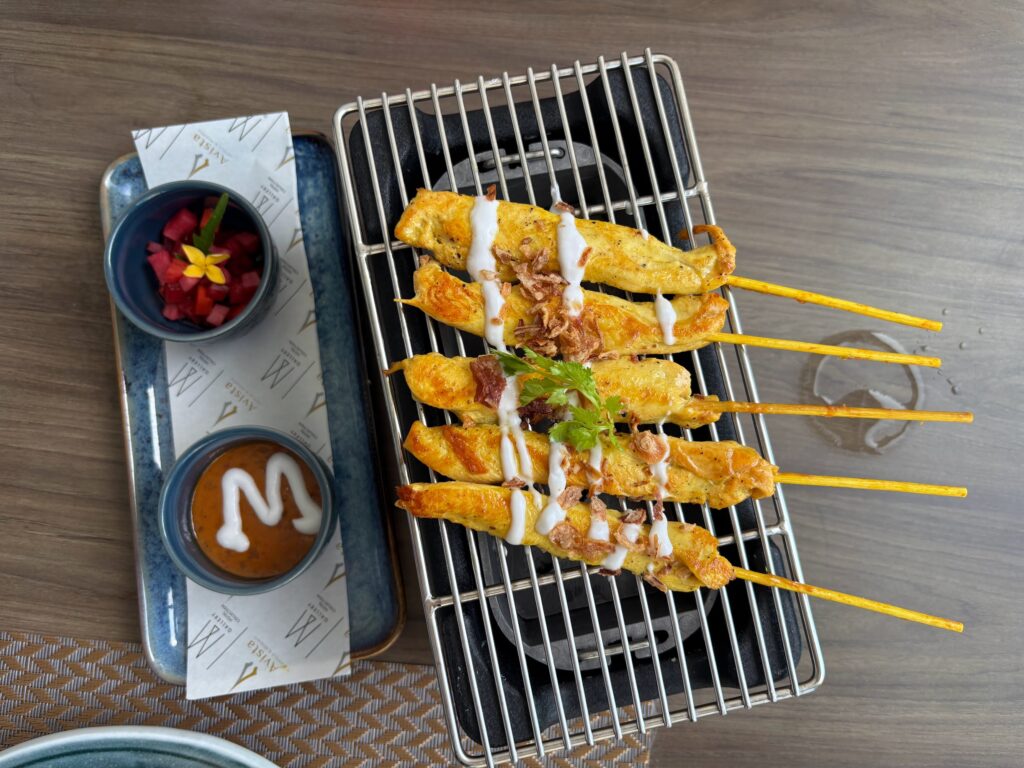
Though the chicken rice is a meal in itself, the roti canai, beef rendang, and chicken satay have also been praised by others who have actually eaten them. For us, it’s all about the signature dish though. We can’t imagine ordering anything else here.
Just as is so brilliant in the hawker centres of Penang and Kuala Lumpur, Med Salleh Kopitiam has an extensive selection of interesting, invigorating fruit juices and homemade teas. The lime iced tea is particularly good.
Med and Koi have since expanded across town with Viet outposts in Westbourne Grove and Earls Court, plus a second Med Salleh in Kentish Town, but this remains the mothership.
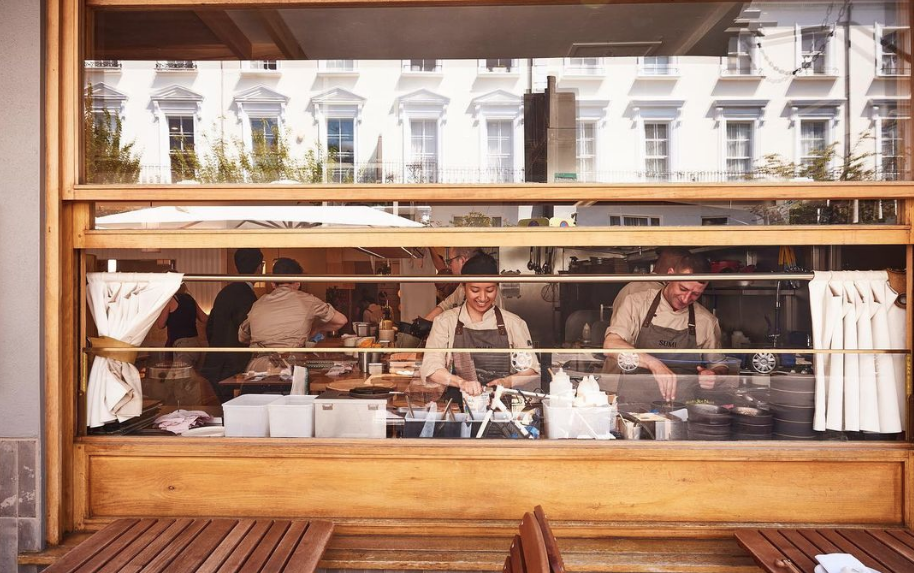
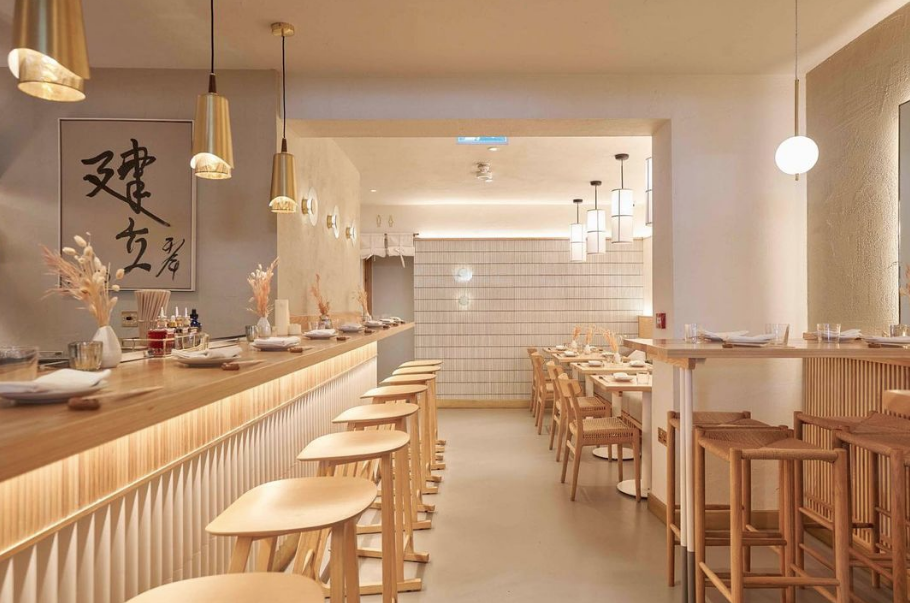
One of Notting Hill’s best restaurants, SUMI is the informal, laid back sister restaurant to sushi master Endo Kazutoshi’s Endo at the Rotunda, which is a fifteen minute Uber ride (if you can bloody get one) west in White City.
Something we’ve found a lot in London in recent years; big, heavy hitting fine dining restaurants often phone it in when it comes to their more ‘casual’, bottom-line-fixated siblings. But at SUMI, it’s immediately clear that just as much care and attention has gone into the place as its kin up the road.
‘Sumi’ is chef Endo’s mother’s name, and this sense of reverence goes far beyond that nod to maternal affection. There’s love and respect in every morsel found on this clear, precise menu, primarily composed of nigiri, sashimi and temaki, the latter a technique developed by the family of Endo Kazutoshi. Day-to-day, it’s Executive Chef Christian Onia at the helm, incorporating Endo’s signature style into the menu at SUMI while paying homage to the many people and places that have inspired him on his journey.
Chef’s selection sashimi starts at £28 for three types and £38 for five, while nigiri pairs sit at around a tenner to fifteen quid a pop depending on the fish. There’s also comfort food of sorts here, done the Endo way in the form of A4 Wagyu sirloin grilled over coals at £70 per 100g (the chefs have several compact Konro grills lined up on the counter). It’s served with charred broccoli and a meat jus (‘SUMI meat sauce’) which has dextrously been lifted by the merest splash of rice vinegar. The effect is akin to the lightest yet most luxurious Sunday lunch you could dream of.
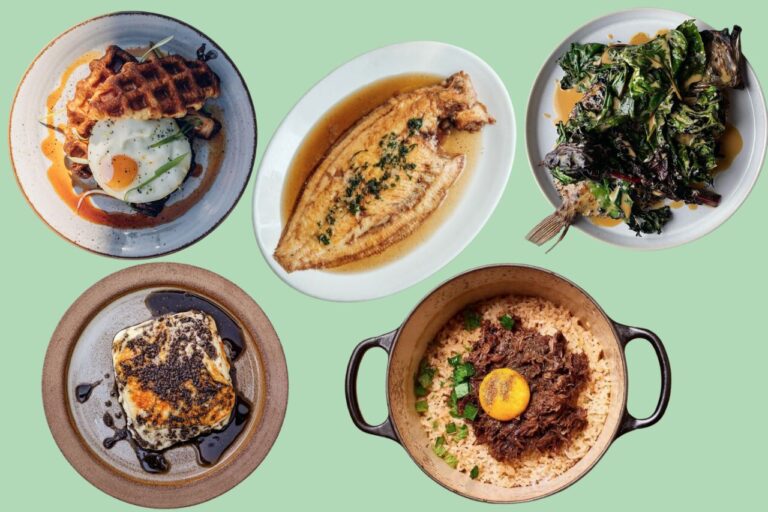
Comfort is a theme that runs through much of the operation at SUMI. The £40 Beef Gohan, a Japanese rice dish that’s baked in a cast iron pot and designed to share, is a wonderfully homely thing. The graceful, studied hospitality only helps you relax into the place more deeply.
Don’t come to SUMI expecting the hushed tones of reverence that some sushi joints have. Instead, come for a nourishing, nurturing, familial vibe in keeping with the restaurant’s namesake.
Ideal for French rotisserie that’s a cut above your supermarket bird…
Something straightforward to finish our list of the best restaurants in Notting Hill with, where the decision making has largely been made once you’ve settled on the venue. Because Cocotte is all about one thing; chicken.
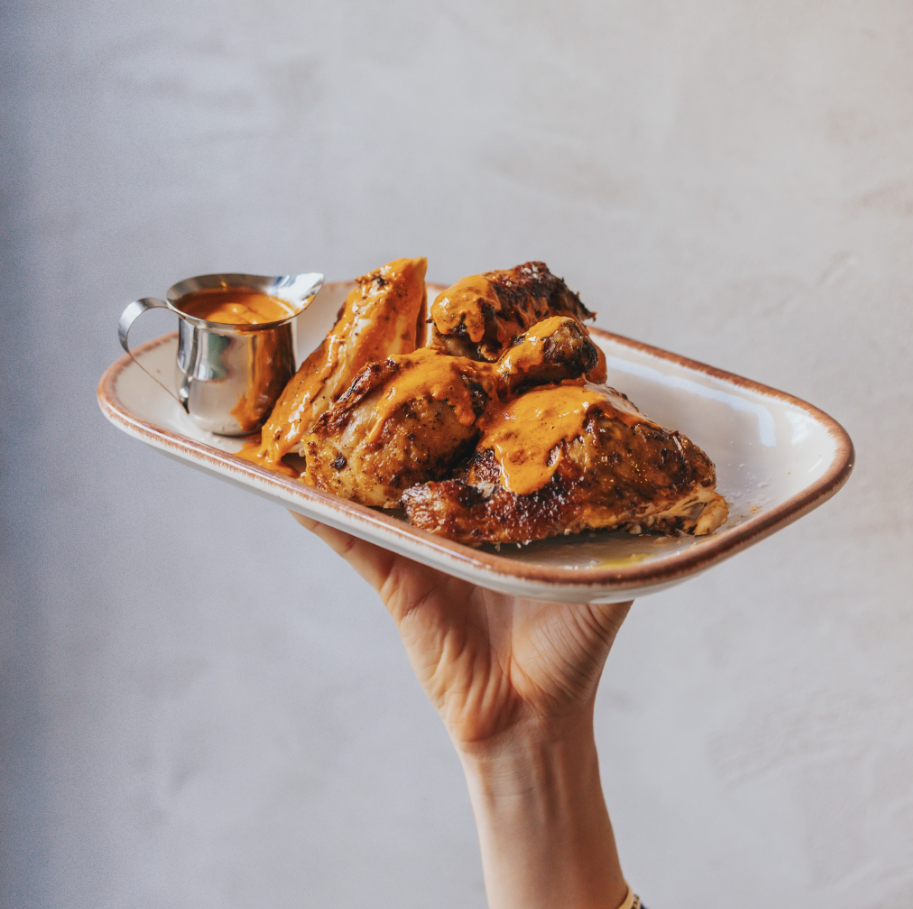
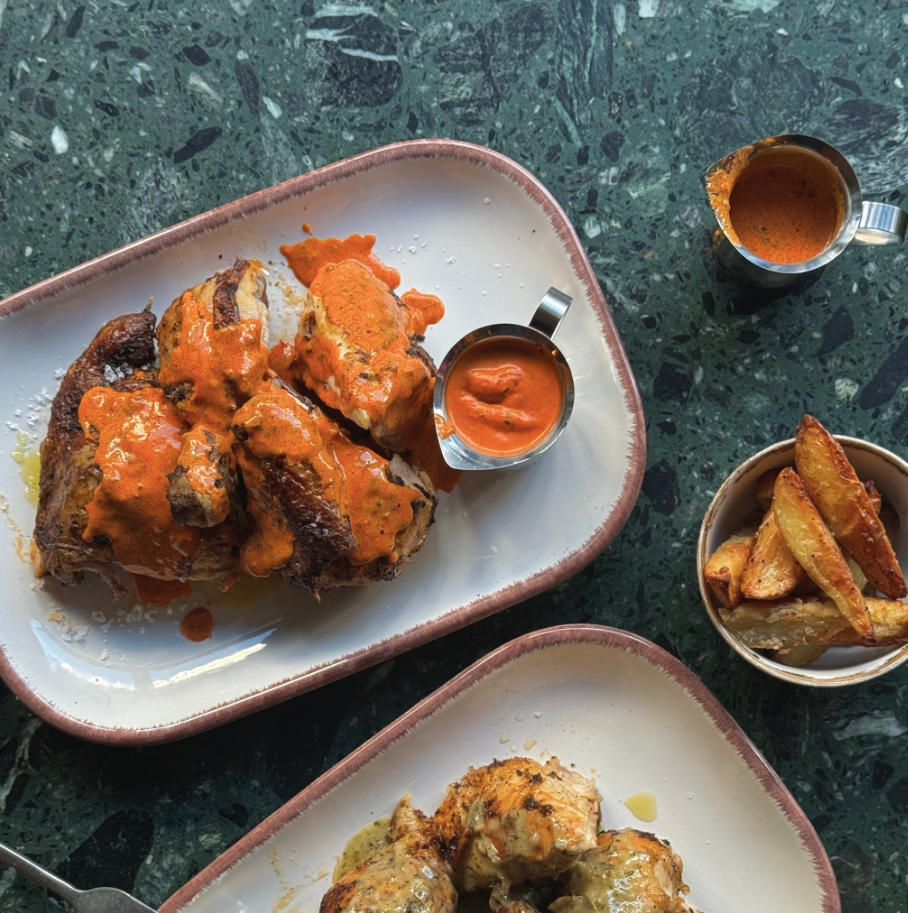
Specifically, free range, ‘farm to table’ rotisserie chicken, available in quarter, half or full bird portions, at £10, £17 and £28 respectively. The birds, sourced from the premium poultry producing region Pays de la Loire in Western France, are marinated overnight in a secret spice blend before being slowly grilled on the spit, the skin gradually blistering under the heat. Fabulous.
Throw in a few homemade sauces (the Cocotte’s gravy is basically a jug of umami), a couple of well thought out, healthy-feeling salads, and you’re good to go.
Come to think of it, ‘good to go’ is an apt phrase; although they have tables, Cocotte is perhaps best enjoyed as a takeaway; their boxes are ideal for a nourishing picnic lunch in nearby Kensington Gardens.
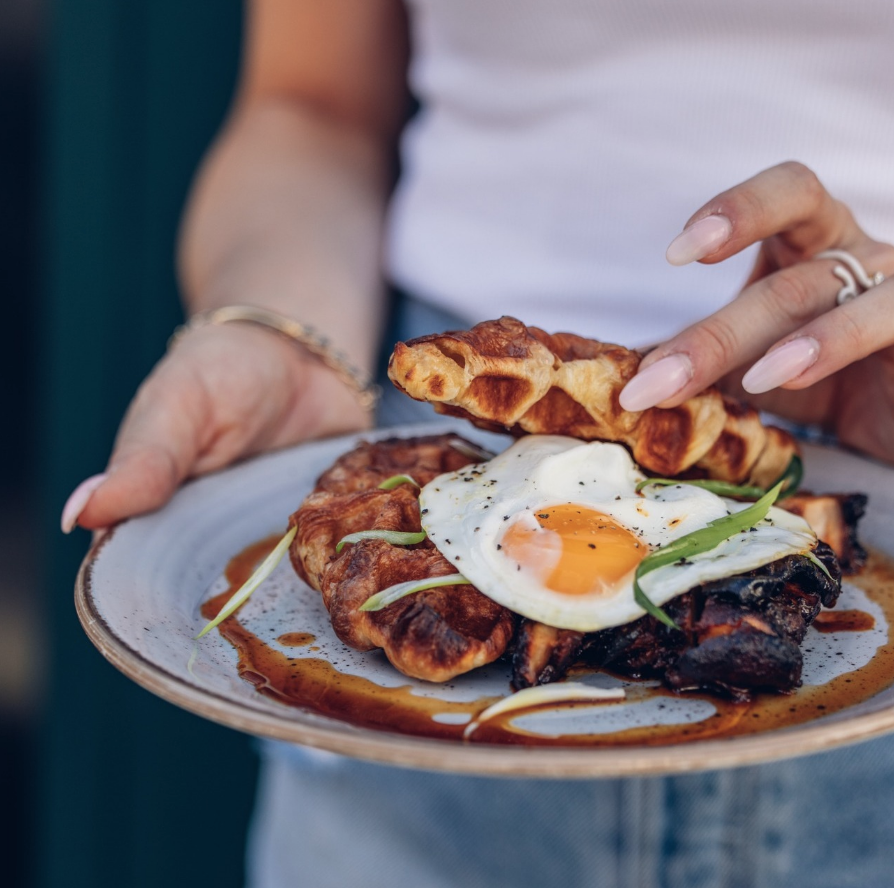
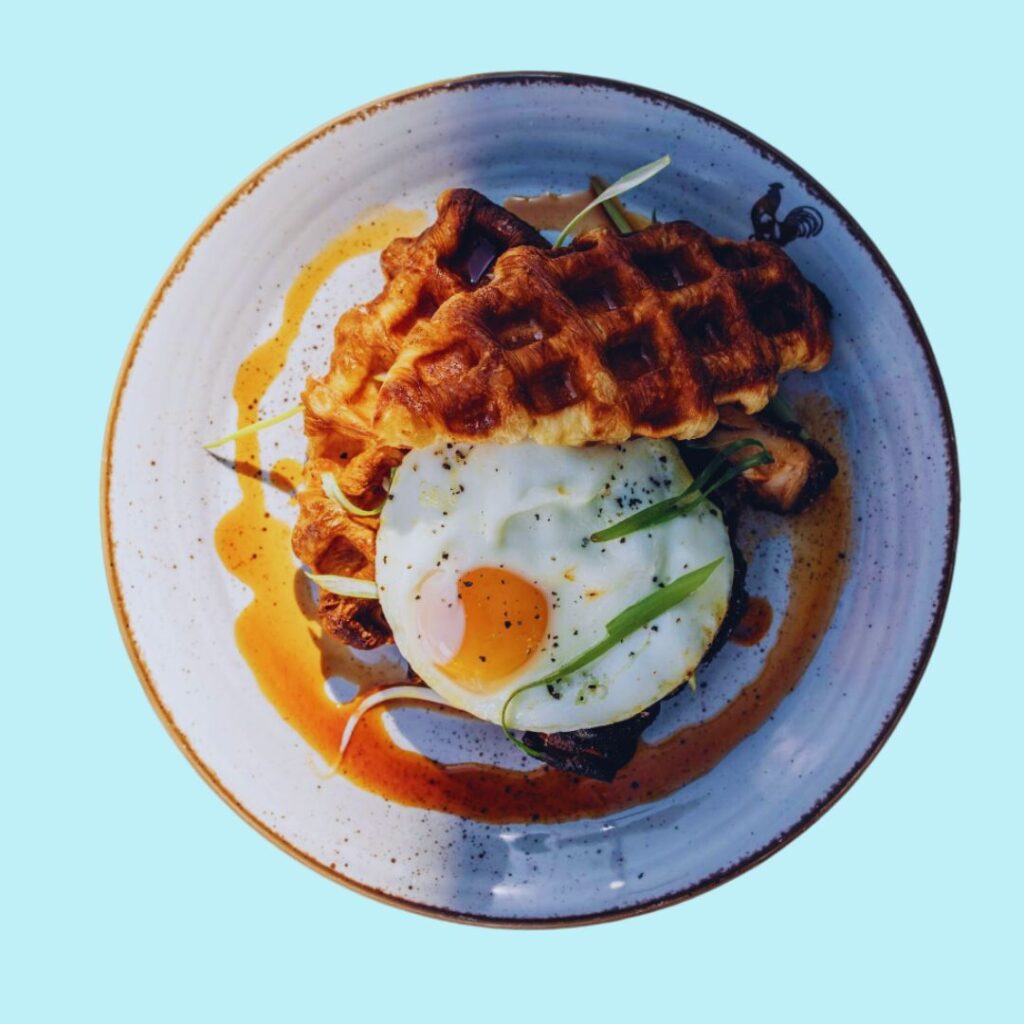
If you are staying in, consider coming for brunch. Cocotte’s chicken and waffles, which sees a sweet chili basted chicken thigh, a fried egg and a waffle croissant (or croffle), hits all the right notes.
The English country garden is, in many ways, a beautiful fiction. The romantic image we hold in our heads – a riot of hollyhocks leaning over a flagstone path, bees drunk on lavender, a weathered bench positioned just so – owes rather more to Gertrude Jekyll and Vita Sackville-West than to any genuine agricultural tradition. It was, fundamentally, a reaction against Victorian formality; an embrace of abundance, layering and the kind of happy accident that makes a garden feel loved rather than landscaped.
And yet, fiction or not, it remains one of the most enduring and desirable garden styles in the world. According to the RHS, the cottage garden tradition that underpins it rewards generosity of planting over precision, and a certain tolerance for things getting slightly out of hand.
If you’re looking to capture something of that spirit in your own plot, whether rolling acres in the Cotswolds or a modest rectangle in a Bristol terrace, here are the five design features worth considering.
Hedging & Structural Green Bones
Before anything else, before the roses and the paths and the borders, comes structure. The great English gardens are almost without exception built on a framework of hedging; yew for formality and permanence, beech for those wonderful copper-brown winter tones, hornbeam where the soil is damp, box for lower edging and parterres, holly for something wilder. These are the architecture of a garden, the walls and corridors that hold everything else in place.
It’s a lesson worth learning early, because a garden without structure is a garden that looks brilliant for six weeks of the year and faintly apologetic for the other forty-six. Evergreen hedging gives you winter interest, shelter from wind, habitat for nesting birds and, perhaps most importantly, a backdrop of deep green against which every flower colour reads more intensely. The National Trust has long championed Hidcote as the defining example, its yew hedges creating the bones of what is otherwise a riot of planting.
On a domestic scale, even a short run of box or a modest beech hedge can transform a garden. You don’t need the budget of a country estate. What matters is that something, somewhere, stays green when everything else has gone to sleep.
Choosing Quintessential English Flowers
The palette is everything. A traditional English country garden is built on a foundation of cottage-garden stalwarts, and the best of them peak in high season with a reliable cast of classic summer flowers: hollyhocks reaching for the eaves, delphiniums in that impossible blue, foxgloves colonising the shadier corners, lupins, astrantias, sweet williams, geraniums, nigella self-seeding wherever it pleases. And roses, of course, always roses.
The trick is to plant in drifts rather than dots. One lonely delphinium looks like a mistake; seven or nine of them clustered together look like intention. Layer by height, with taller spires at the back of a border and softer, mounding things at the front, but allow the occasional tall plant to stray forward; the slight breaking of the rules is what stops a border looking municipal.
Colour-wise, resist the urge to coordinate too carefully. English country gardens traditionally run through the full spectrum from bruised purples and deep magentas to butter yellows and chalky whites. If it all feels a bit much, white flowers and silver foliage, think artemisia or stachys, act as natural peacemakers between clashing tones. Sackville-West’s famous white garden at Sissinghurst remains the masterclass here.
Creating Vertical Features Such As Arches & Trellises
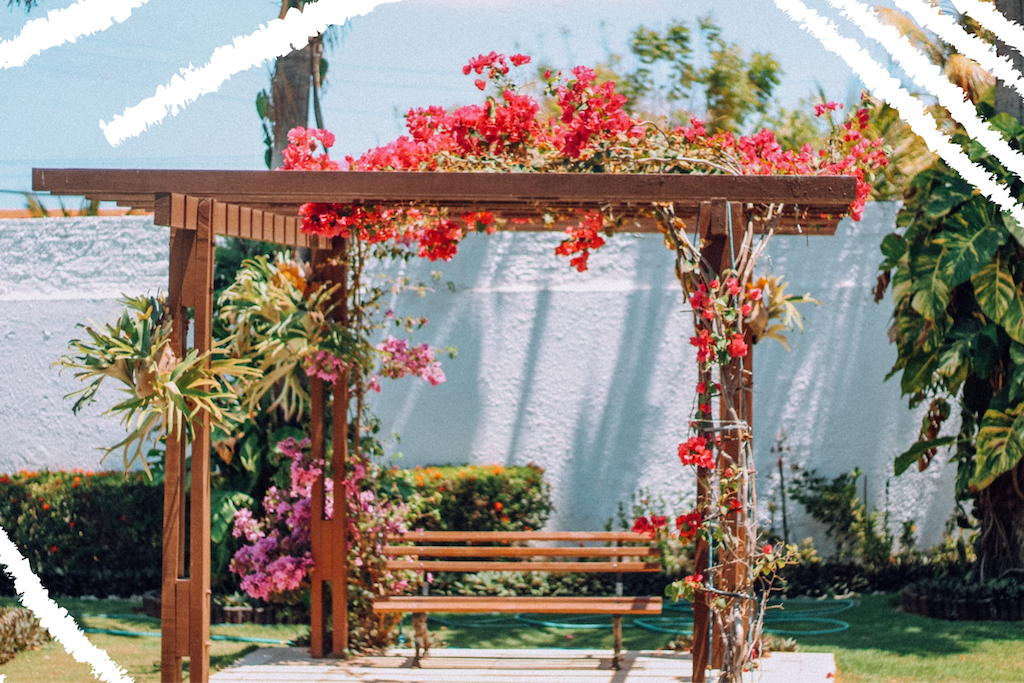
Height is what separates a garden from a flower bed. Even the most modest plot benefits from something reaching upward, whether that’s a rose-smothered arch marking the transition from lawn to vegetable patch, or a simple obelisk rising from a border to give sweet peas somewhere to go.
Rambling and climbing roses are the obvious choice, and there’s a reason for that; few sights are more satisfying than a well-established ‘Rambling Rector’ or ‘Albertine’ in full flight. But don’t limit yourself. Clematis threaded through roses extends the season considerably, and honeysuckle brings scent to the evening hours when you’re most likely to be sitting out.
For smaller gardens, wall-mounted trellis can achieve the same effect without stealing square footage. A south or west-facing wall clothed in climbing hydrangea, wisteria or a trained fig feels instantly established, even if the house behind it is brand new.
Walkways & Labyrinths
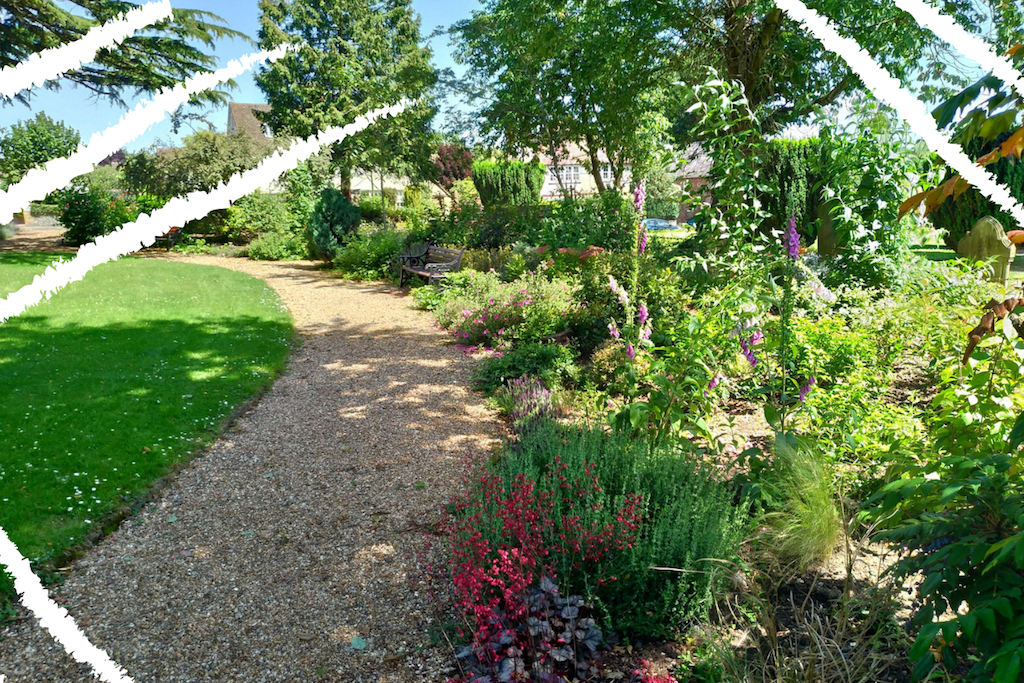
The great English gardens almost never reveal themselves all at once. Sissinghurst, Great Dixter and Hidcote are all built around the principle of the garden room; a series of enclosed spaces linked by paths and openings, each with its own character, each withholding just enough to make you want to see what’s around the corner.
You don’t need ten acres to borrow the idea. Even a small garden can be divided by a hedge, a pergola, or a simple change in paving material to create the sense of discovery. A path of reclaimed brick laid in a herringbone pattern, or water-worn cobbles set in sand, does more for atmosphere than any amount of clever planting.
If the space allows, a very modest labyrinth, really just a meandering path through mixed planting, introduces a gentle element of play. It needn’t be geometric or formal. The original medieval turf mazes of England, a handful of which survive, were often irregular and eccentric shapes cut into grass, and they’re all the better for it.
Zones
Even a small or medium-sized plot can be made to feel expansive through thoughtful zoning; dividing the space into distinct areas with different moods and purposes. A sunny terrace for morning coffee, a shadier corner for a bench and a cup of tea at four o’clock, a productive patch for herbs and cut flowers, a wilder area left largely to its own devices.
Vertical zoning is particularly useful in compact gardens. Raised beds, sunken seating areas, a small deck set a step or two above the lawn; these changes in level are what give grand country gardens their sense of choreography, and they translate surprisingly well to smaller scales.
The key is to avoid visibility from every point at once. If you can stand at the back door and see the whole garden in a single glance, you’ve lost the plot, both literally and figuratively. A well-placed tree, a run of trellis, a stand of tall grasses, anything that obscures the view by a few degrees, will make the space feel considerably larger than it is. In small-garden design, the illusion of depth is often worth more than actual square footage.
The Bottom Line
The traditional English country garden isn’t really a style so much as an attitude; a willingness to let plants behave a little badly, to prize romance over symmetry, to build in corners and surprises.
Start with strong structural bones, add generous and varied planting, introduce height through arches and climbers, break the space into distinct zones, and let time do the rest. The best of these gardens take years, sometimes decades, to settle into themselves, which is part of their charm. Few things worth having happen quickly.
Forget Dubai, Singapore and Santorini. If there was anywhere more synonymous with traditional, even old-school luxury, it just has to be the South of France. Or, more specifically, Provence and the Côte d’Azur, the so-called French Riviera.
Famous for hosting the Monaco Grand Prix, the Cannes Film Festival and the Saint Tropez Regatta, as well as being a major inspiration to the works of Picasso and James Joyce and the preferred holiday destination of everyone from Bill Gates to Bono, if it’s an opulent yet undisturbed time that you’re after, then the French Riviera is still very much the place to be.
If you’re looking for inspiration on what to do while you’re visiting, then here are 7 luxury holiday ideas in Provence and the Côte d’Azur.
Enjoy The Glamorous Capital, Nice
The French Riviera’s capital is reassuringly laid back for a region defined by such luxury, with its inclusive atmosphere, refined pace and artistic soul a world away from the city’s more showy neighbours.
That’s not to say you can’t create your own definition of luxury and extravagance in this sophisticated city. Nice is a visual delight, with striking art-deco architecture, the region’s iconic pastel-painted houses, and 19th century regal palaces all a sight to behold.
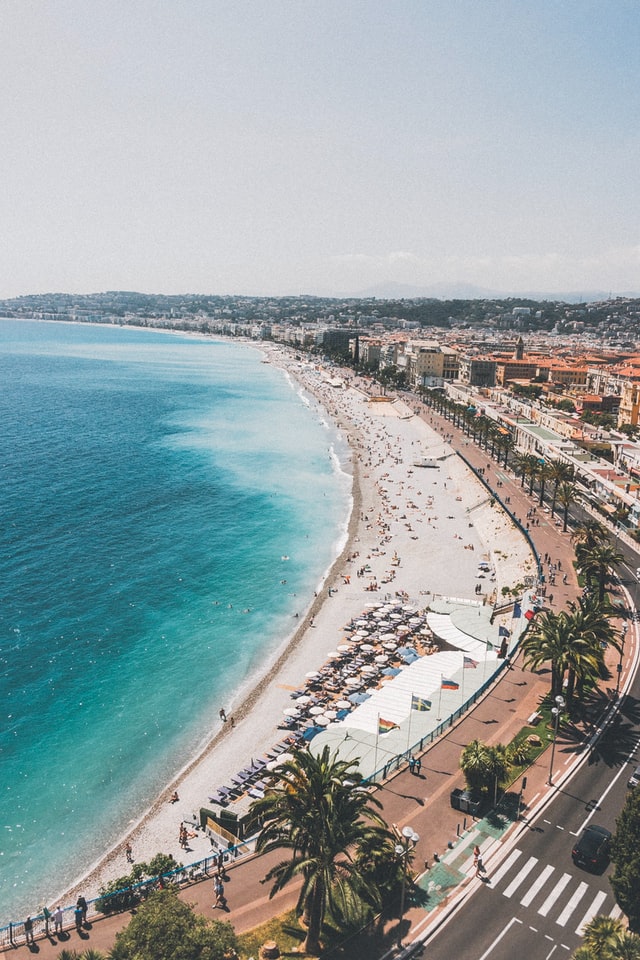
Enjoy a stroll along the city’s famous Promenade des Anglais, which runs for around 7km from Nice Côte d’Azur Airport in the west to the Old Town in the east. It’s a strip designed for a leisurely stroll, with views of the Baie des Anges on one side and on the other, those pastel houses and palaces.
For an even more striking, panoramic view of the city in all its glamour and glory, head up to Parc de la Colline du Château, a historic park with a man-made waterfall sitting atop Castle Hill, accessible on foot.
Back at sea level, Nice is home to several world renowned art galleries. The city has been a haven for artists for centuries; Henri Matisse spent the latter half of his life in Nice, and the city’s Musée Matisse holds one of the world’s largest collections of his work, tracing his evolution from his Fauve beginnings through to the late cut-outs, alongside objects and artefacts from his life.
Indulging in fine art and architecture in one of the world’s most regal cities. What could be more luxurious than that?
Charter A Yacht Along The Côte d’Azur
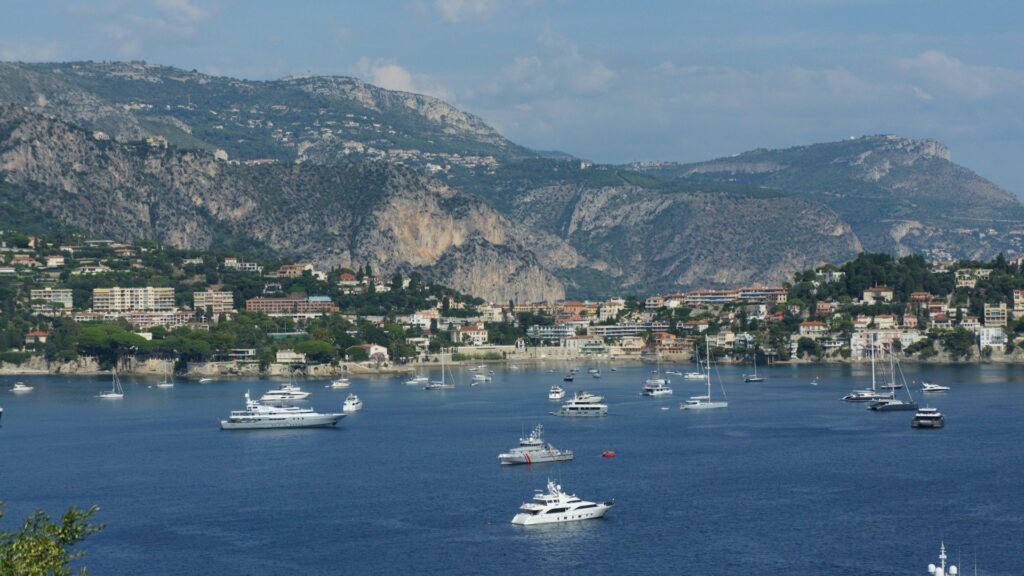
If there’s one way to experience the French Riviera that feels genuinely, unapologetically luxurious, it’s from the deck of a private yacht. The coast was made for it; sheltered anchorages, short hops between marquee ports, and a sea calm enough that even reluctant sailors find their legs by day two.
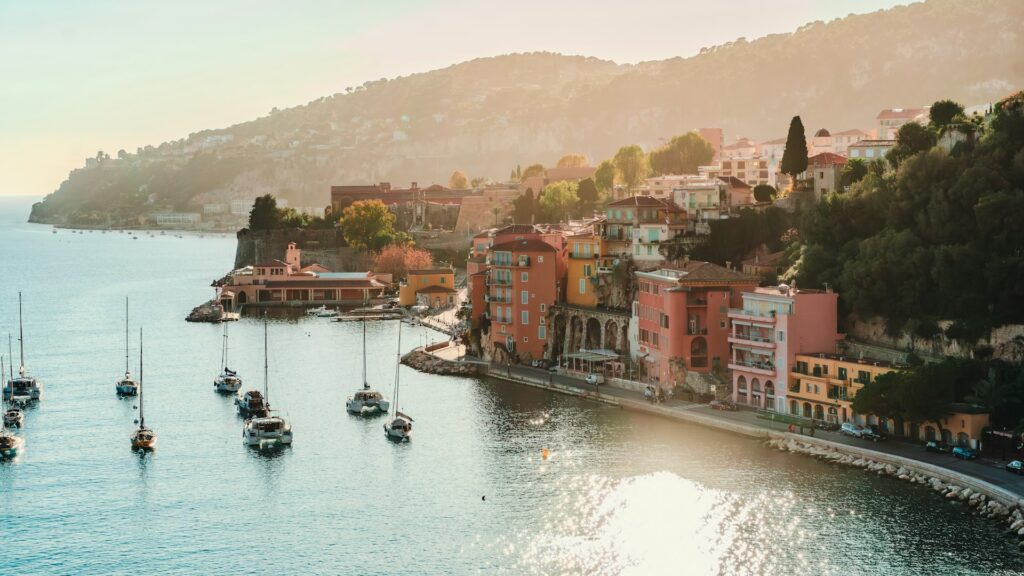
A French Riviera yacht charter out of Saint Tropez, Cannes, Antibes or Monaco opens up stretches of coast that the coastal road simply can’t reach. The Îles de Lérins, a short crossing from Cannes, offer monastery gardens, a fortress that once held the Man in the Iron Mask, and swimming off rocks with no road access. Further east, the pine-fringed coves of Cap d’Antibes and the turquoise shallows below Villefranche-sur-Mer are still most easily reached by tender.
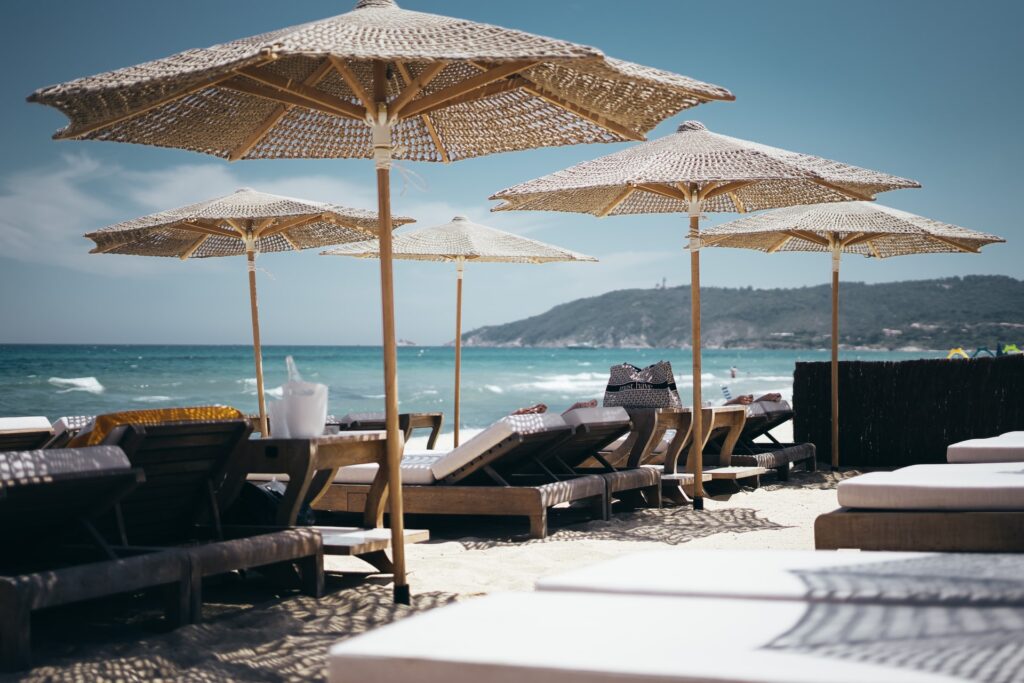
Charters run from a day’s skippered sailing on a classic motor yacht up to full crewed weeks aboard something with a helipad. A typical Riviera itinerary might start in Saint Tropez for a long lunch at Club 55 on Pampelonne Beach, swing past Cannes and the Lérins for a day at anchor, then track east to Monaco in time for an evening at the Casino. Plenty of operators also tie their schedules to the Cannes Film Festival in May, the Monaco Grand Prix in late May, and the Saint Tropez Regatta in early October, for those who want to combine the sea with the social calendar.
While you’re in Monaco, and if the time is right, consider planning your trip around the city-state’s world famous Grand Prix.
Stay In A Luxury Villa Overlooking The Lavender Fields Of Provence
A summer trip to Provence and the Côte d’Azur just isn’t complete without experiencing the region’s lavender fields, with their sweet fragrance and striking appearance at their peak during the flowering season between mid June and early August.
Perhaps the finest place to experience one of nature’s most gorgeous and aromatic spectacles is the Luberon Valley, with its stunning peaks and troughs revealing the epicentre of where the region’s lavender and sunflower fields meet.
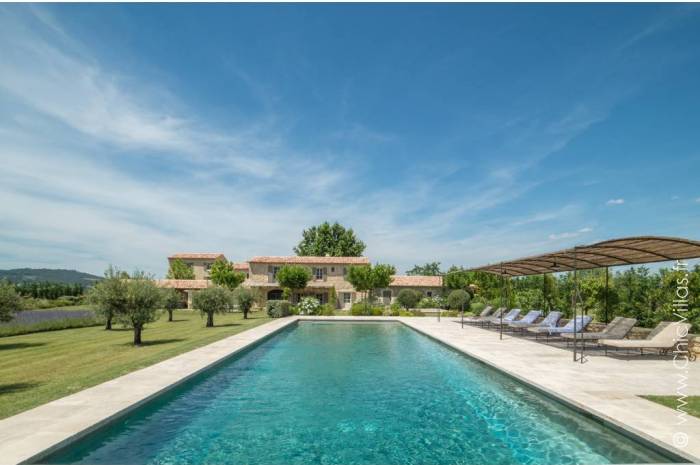
To appreciate these views in a less fleeting, more long-lasting way, consider renting a villa in the Luberon Valley. We’re huge fans of the Provençal farmhouses in this region, primarily found in the ‘Golden Triangle’ of villages that make up the north of Luberon, namely Bonnieux, Gordes, Goult, Lacoste, Oppède, Roussillon, Saint-Rémy-de-Provence, Fontaine-de-Vaucluse, and Ménerbes.
Offering refined, understated luxury, immaculately landscaped grounds, and courtyards with expansive vistas of those famous lavender fields, you’ll never want to leave. Unless, of course, you’re sensitive to the iconic purple plant, that is.
Be Seen Along La Croisette, Cannes
The resort town of Cannes is arguably most famous for its influential film festival, but if you weren’t lucky enough to land an invite or exclusive ticket to that event, there’s still much to enjoy on the luxurious side of things here.
The 3km stretch of glitzy boulevard known as La Croisette is one of France’s most iconic walkways, boasting five star resorts, private beaches and a fair amount of celebrity spotting as you stroll the seafront.
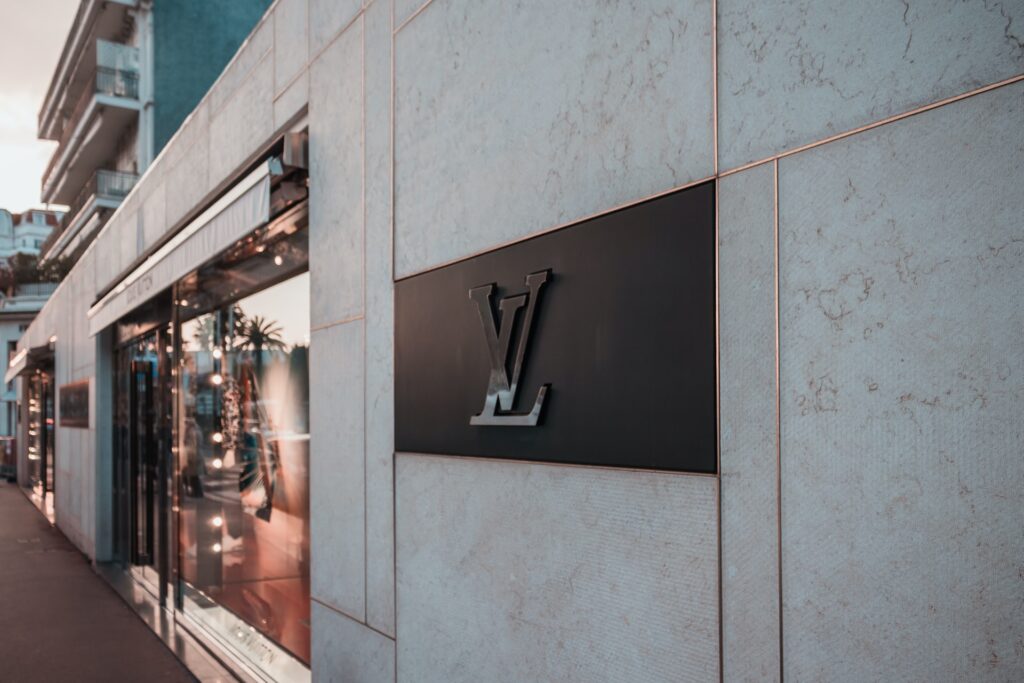
Once you’re done admiring the Bay of Cannes and looking out for the city’s famous residents, turn your attention inland; along La Croisette there are some hugely exclusive restaurants, boutiques and casinos (there are three along the strip) for you to luxuriate in.The Michelin-starred La Palme d’Or, inside the Hôtel Martinez, is arguably the city’s most high-class eatery, sitting right on the promenade and boasting views over the bay.
Reopened in 2024 under chef Jean Imbert, whose kitchen plays on Cannes’ cinematic heritage with menus designed like film scripts, it’s worth every cent of the substantial bill that follows. Expect to spend around €240 a head on the à la carte, considerably more for the tasting menu with wine. Well, you did say you wanted luxury, right?
Go On A Shopping Spree In Saint Tropez Old Town
Speaking of spending big, Saint Tropez is home to some incredible shopping opportunities, with its tight, narrow streets packed with boutique clothes shops and outlets from some of the fashion world’s heaviest hitters.
The majority of the best shopping opportunities in Saint Tropez are found in the pedestrianised Old Town. You’ll have seen it before; the iconic images of a bikini-clad Brigitte Bardot strolling the beachfront promenade with the honey hued houses of Saint Tropez behind her. Now, many of those buildings are home to the likes of Armani, Dolce & Gabbana and Rondini.
The biggest collection of designer names are located on Place des Lices, Rue Gambetta and Rue Allard, and if you’re keen to pick up some artisan foods, then be sure to head to Place des Lices Market, which takes place every Tuesday and Saturday morning.
No luxury tour of the French Riviera is complete without a day or two in Monaco. The world’s second smallest country packs more wealth per square metre than anywhere on the planet, and even a brief visit leaves you with stories for years.
Start at the Place du Casino, where the Belle Époque façade of the Casino de Monte-Carlo looms over a forecourt of Bentleys, Rolls-Royces and the occasional borrowed supercar idling for effect. The casino itself has been operating since 1863 and remains, for many, the most atmospheric room in which to lose money ever built. Non-gamblers can still take a tour of the gaming rooms in the morning before play begins.
Across the square sits the Hôtel de Paris, the grande dame of Monte-Carlo hospitality since 1864 and home to Alain Ducasse’s three-Michelin-starred Le Louis XV, one of France’s most decorated dining rooms. Book weeks in advance if you’re serious.
Beyond the casino quarter, wander up the Rock to the old town, where the Prince’s Palace, the cathedral where Grace Kelly is buried and the Oceanographic Museum founded by Prince Albert I all sit within easy walking distance. Finish with an aperitif at the Monte-Carlo Bay Hotel’s Blue Gin bar for that last, unbeatable view back across the principality as the sun drops.
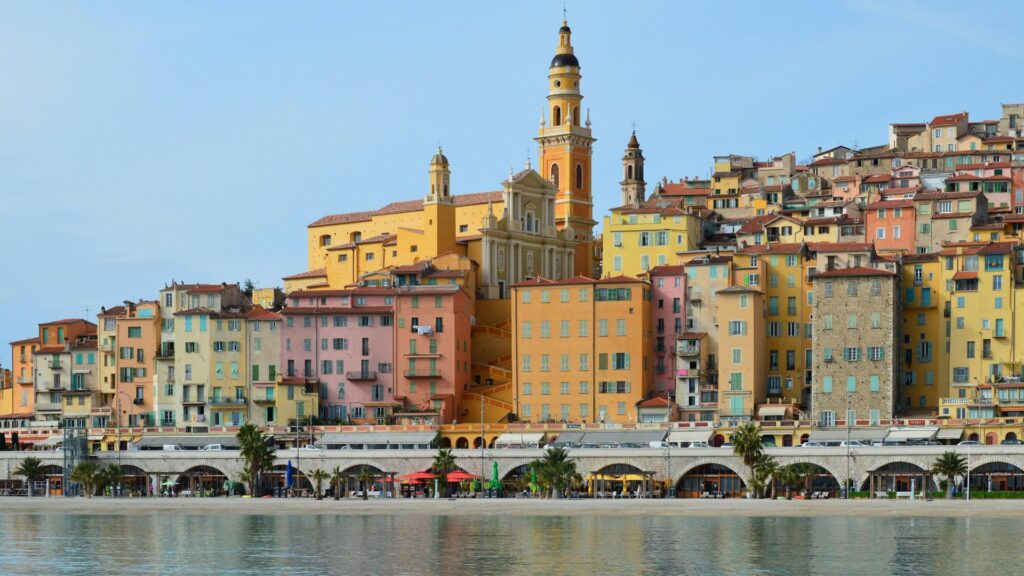
Enjoy Michelin-Starred Fine Dining In Menton
Menton, bordering Italy and within walking distance of the country, is the last stop on the French Riviera and perhaps its most delicious dining destination.
Fuelled by the area’s unique microclimate (reportedly several degrees warmer than the rest of the Riviera on average) and its varied, prolific fresh produce, the cuisine here has a personality all of its own; largely seafood and vegetable led, light-as-you-like and worth the trip alone to sample.
The jewel in Menton’s crown is Mirazur, a three Michelin-starred restaurant run by Italo-Argentinian chef Mauro Colagreco. It’s previously been named the world’s best, and celebrates the region’s unique landscape in the most refined way. The tasting menu sits at around €380 per head without wine, sure, but if you’re going to splurge on one meal during your Côte d’Azur trip, then it should surely be here.
That needn’t mean every meal is going to cost you big bucks. For superb Breton crêpes, Fleur de Sel is a lovely spot for brunch. And for a superb selection of bread and pastries from the region, head to the excellent boulangerie Au Baiser du Mitron; their lemon tart is to die for.
Speaking of lemons, Menton is famed for its citrus fruit, and at Au Pays Du Citron (“you can stay with meeee”), on Rue Saint-Michel, you’ll find some of the finest limoncellos in the world. What a way to end our luxury holiday of Provence and the French Riviera.
There’s something rather romantic about the idea of traversing Europe by train. Even now, in an era of low-cost flights and same-day city breaks, the rhythm of a long rail journey, the slow reveal of borders, the way a landscape drifts from one national character to another through the carriage window, has a pull that wheels-up-wheels-down travel will never quite match.
No longer the preserve of the gap year student, interrailing across mainland Europe has surged in popularity across all age groups, with a record breaking 1.2 million Eurail and Interrail Passes sold in 2023 and sales continuing to perform well into 2026. Climate consciousness, the rise of sleeper trains, and a broader cultural reappraisal of slow travel have all played their part in the resurgence.
If you’re thinking about boarding the bandwagon, then have we got an itinerary for you; here’s our IDEAL three-week interrailing adventure from London through Europe.
Week 1: London to Paris to Amsterdam
Your journey begins in London. Once you’ve soaked up the city’s iconic sights, or, you know, just had a really good lunch close to London St Pancras, then it’s time to hop aboard the Eurostar, which will whisk you away to Paris. The direct journey covers approximately 343 km and takes around 2 hours and 20 minutes.
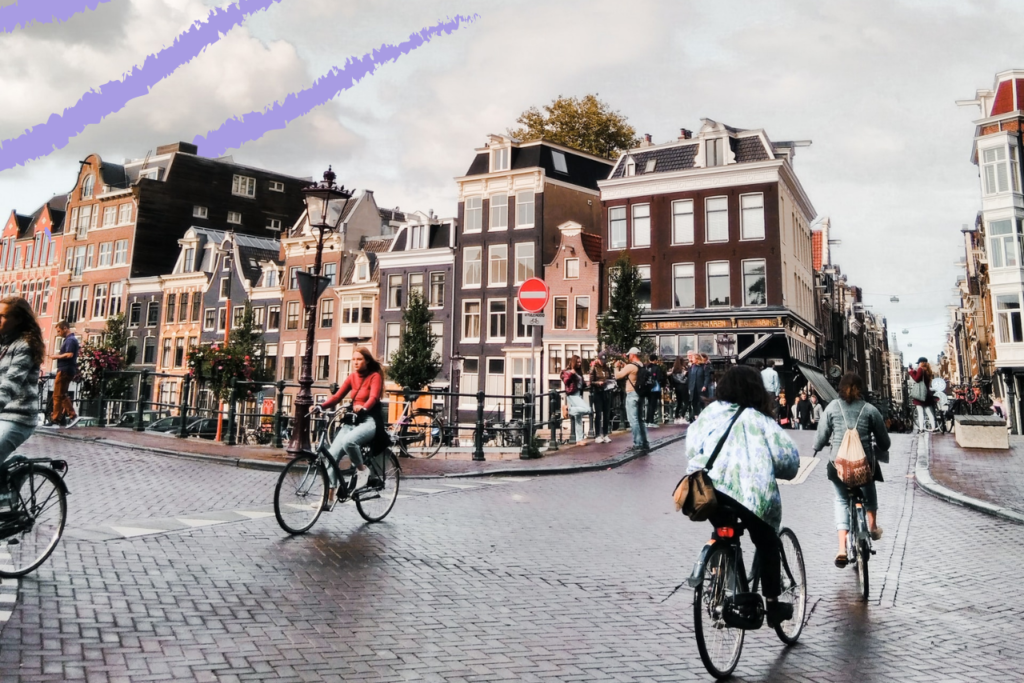
In Paris, take time to explore its diverse arrondissements and timeless charm, devouring croissants by the Seine and marvelling at the masterpieces in the Louvre. After two days, continue your adventure on a Eurostar service to Amsterdam (the Thalys brand merged into Eurostar in 2023, though the route and trains will feel familiar to seasoned travellers). The distance is roughly 430 km, and the journey takes around 3 hours and 20 minutes.
Amsterdam is a city that defies expectations, where historic canals rub shoulders with innovative design and a vibrant nightlife scene. Don’t miss the Anne Frank House or the Van Gogh Museum.
Week 2: Amsterdam to Berlin to Prague
From Amsterdam, catch a direct ICE train to Berlin, a journey of approximately 638 km that lasts about 6 hours and 20 minutes. Berlin’s blend of history, culture and contemporary cool makes it a must-visit destination. Explore the remnants of the Berlin Wall, take a stroll around the Brandenburg Gate, and savour a currywurst or two.
After absorbing all that Berlin has to offer, hop on a EuroCity train to Prague. Covering a distance of roughly 350 km in about 4 hours and 30 minutes, this journey takes you into the heart of the Czech Republic. Prague’s fairy-tale charm is irresistible, with its cobbled lanes, hidden courtyards, and the stunning Prague Castle.
As your third week begins, board a Railjet train to Vienna. This 330 km journey takes about 4 hours. Vienna, Austria’s capital, offers a blend of imperial tradition and stunning modern architecture. Visit the Schönbrunn Palace, stroll around the historic city centre, and indulge in a slice of Sachertorte.
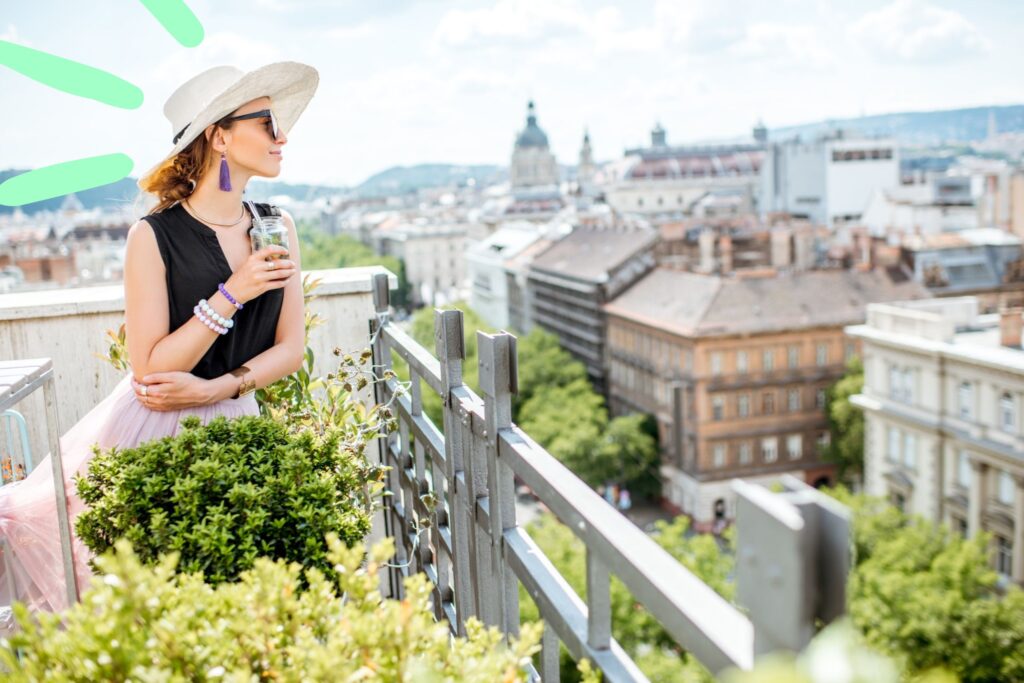
Your final stop is Budapest, accessible via a direct Railjet train from Vienna. The journey covers approximately 216 km and takes about 2 hours and 40 minutes. Budapest, Hungary’s capital, is split by the River Danube, with Buda and Pest offering contrasting experiences. Explore Castle Hill on the Buda side or unwind at one of the thermal baths in Pest.
Three Ways To Stretch Your Trip
If three weeks feels too short, or if Budapest seems an abrupt ending to such a grand European arc, there are three natural extensions to consider. Each pulls the journey in a different direction, and each suits a different kind of traveller.
South To Italy
For those who’d rather their trip ended somewhere warm, sun-bleached and full of pasta, head south from Budapest into the Adriatic and Italian peninsula. A Eurocity service runs from Budapest down through Slovenia to Venice, with Ljubljana making a worthwhile stopover en route. The Slovenian capital has emerged as one of Europe’s most rewarding city break destinations, all riverside cafe culture and dragon-flanked bridges.
From Venice, the high-speed Frecciarossa network opens up the rest of Italy at pace. Florence is two hours south, Rome a further hour and a half beyond that. Naples, Bologna, the Cinque Terre and the lakes are all within reach for those with an extra week to play with.
North To Scandinavia
For travellers visiting in late spring or summer, and willing to swap continental warmth for long northern daylight, fjord-cut coastlines and Nordic design, Scandinavia offers a compelling counterpoint. The route works best as a diversion from Berlin or Amsterdam, heading north via Hamburg to Copenhagen, then on to Stockholm and Oslo.
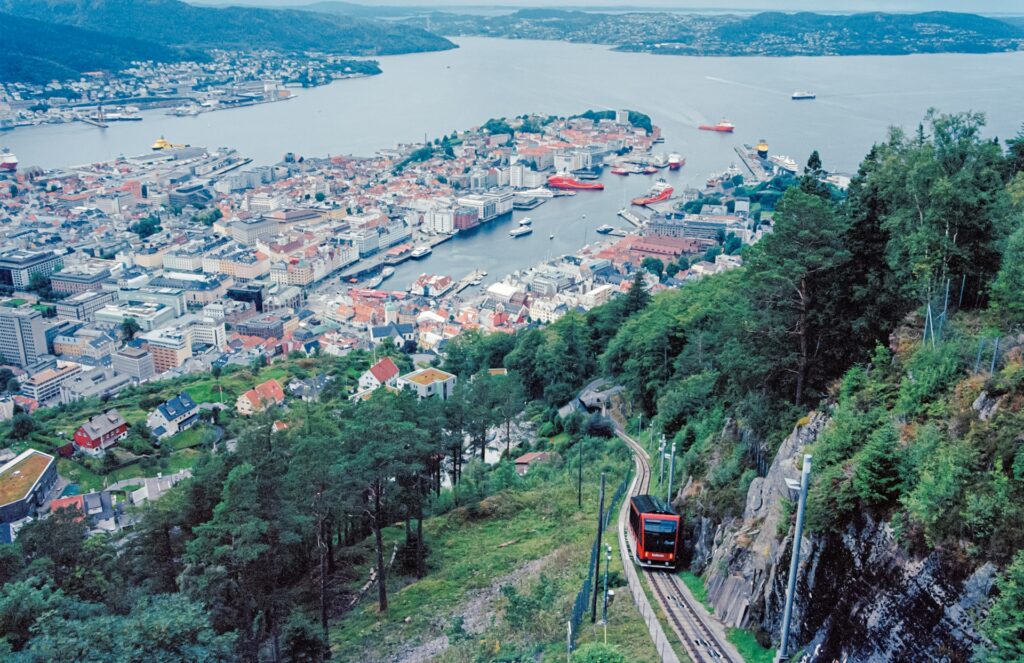
The Copenhagen-to-Stockholm sleeper service, reintroduced after a long absence, has rekindled interest in the route, while the Oslo-to-Bergen line remains one of Europe’s most cinematic train journeys, climbing through high mountain plateaux and birch forest before descending to the fjords.
Westward In Style
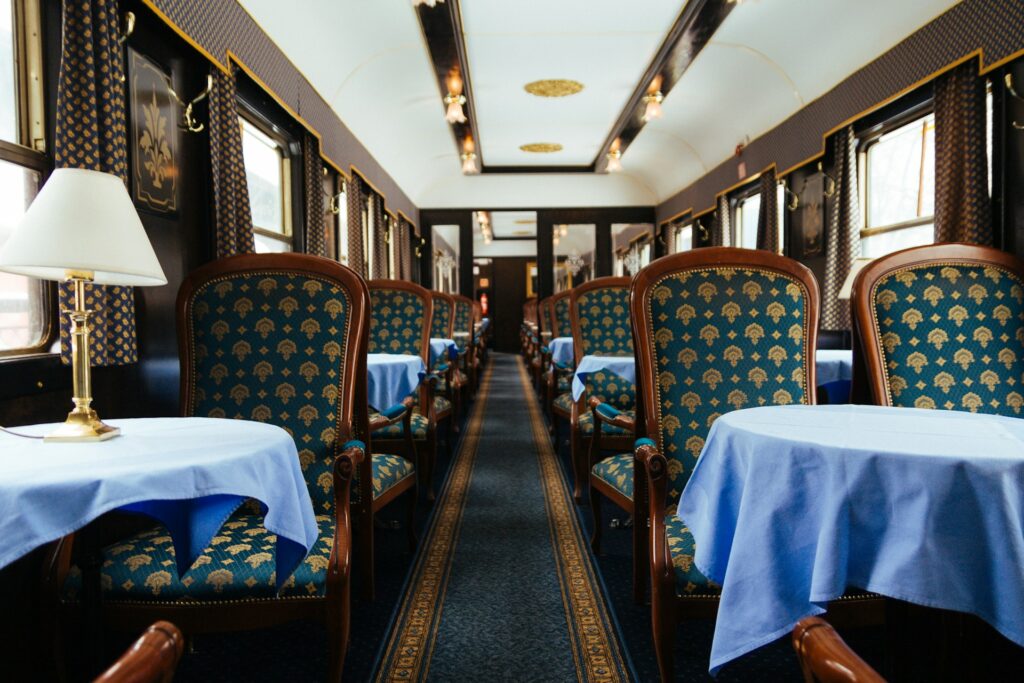
For the most romantic finale of all, luxury rail journeys such as the Belmond Venice Simplon-Orient-Express offer a rather different way to make your way back across the continent. Where interrailing is rail travel’s accessible, democratic face, the Venice Simplon-Orient-Express is its grand dame, all polished wood, vintage 1920s carriages and white-jacketed stewards.
The Budapest-to-London route picks up neatly from the end of Week 3, sweeping back across Europe over five days with overnight stops along the way. It’s the antithesis of budget interrailing in every respect bar one: the abiding belief that the journey itself is at least as good as the destination.
What Are The Different Tickets & Passes Available?
Though you could buy your tickets as you go at each European station along your route, that would be inconvenient and costly. Instead, the best options are the Eurail Pass and the Interrail Pass, for non-European residents and Europeans, respectively.
The Interrail Pass
An Interrail Pass, also known as an Interrail ticket, is a rail pass available to European residents that allows unlimited travel across the vast railway network of 33 participating countries in Europe. It’s a fantastic way to explore the continent at your own pace, offering flexibility and freedom to travel as much or as little as you like within a certain time period.
The Interrail Pass works on a simple principle. Once you’ve purchased your pass, you can hop on and off most trains in the participating countries without needing to buy individual tickets. Some high-speed or overnight trains may require a reservation, but the Interrail Pass will still cover a significant portion of the fare.
The pass comes in various types to suit different travel needs. There are Global Passes for those who want to travel across multiple countries, and One Country Passes for those who want to explore a single country in depth. The passes also come in different durations, from a few days to a month, and there are options for continuous travel or a certain number of travel days within a longer period.
The Interrail Pass is available to both European citizens and non-Europeans who are official legal residents of European countries. It’s a fantastic option for anyone wanting to see more of Europe, regardless of whether you’re a solo traveller or travelling in a group, prefer a planned itinerary or spontaneous journeys, and no matter your age. There’s always an Interrail Pass that can cater to your travel preferences and needs.
The Eurail Pass
Visitors from outside Europe can use the Eurail Pass to travel across the continent’s railway network, while permanent residents of European countries should opt for the equivalent Interrail Pass, which offers the same benefits.
The Eurail Pass is a comprehensive train ticket that provides unlimited travel across participating European rail networks for a predetermined number of travel days, ranging from 4 days to 3 months. It’s an economical option for non-European citizens or residents looking to explore single or multiple European countries.
The pass opens up some of Europe’s most striking landscapes, from the Centovalli line winding between Italy and Switzerland to the pine forests of Germany’s Black Forest. The Eurail Pass comes in two types: the Global Pass, which covers 33 European countries, and the One-Country Pass, which is specific to one country. Both offer additional benefits such as discounts on Eurostar, free local public transport in some countries, and free entry to local museums.
The Bottom Line
This three-week interrailing route from London through Central Europe is designed to show you the breadth and depth of what this incredible part of the continent has to offer. It’s an itinerary for those who want to see the most countries while enjoying direct train journeys wherever possible, with the option of stretching the trip south, north, or homeward in serious style. Remember, the joy of interrailing lies not just in the destinations but also in the journey itself. So sit back, relax, and watch Europe unfold before your eyes.
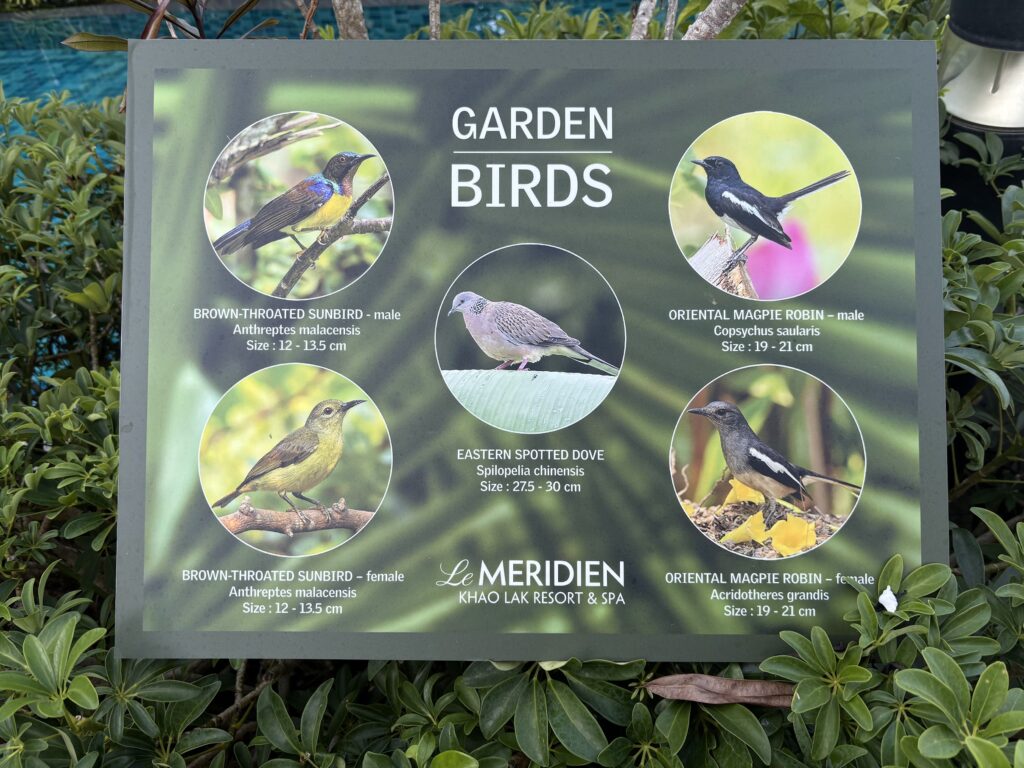
The brown-throated sunbird arrives first, usually around six in the morning, just as the light over Bangsak Beach shifts from grey to gold. It is small and iridescent and entirely indifferent to the fact that its home is a resort of considerable scale.
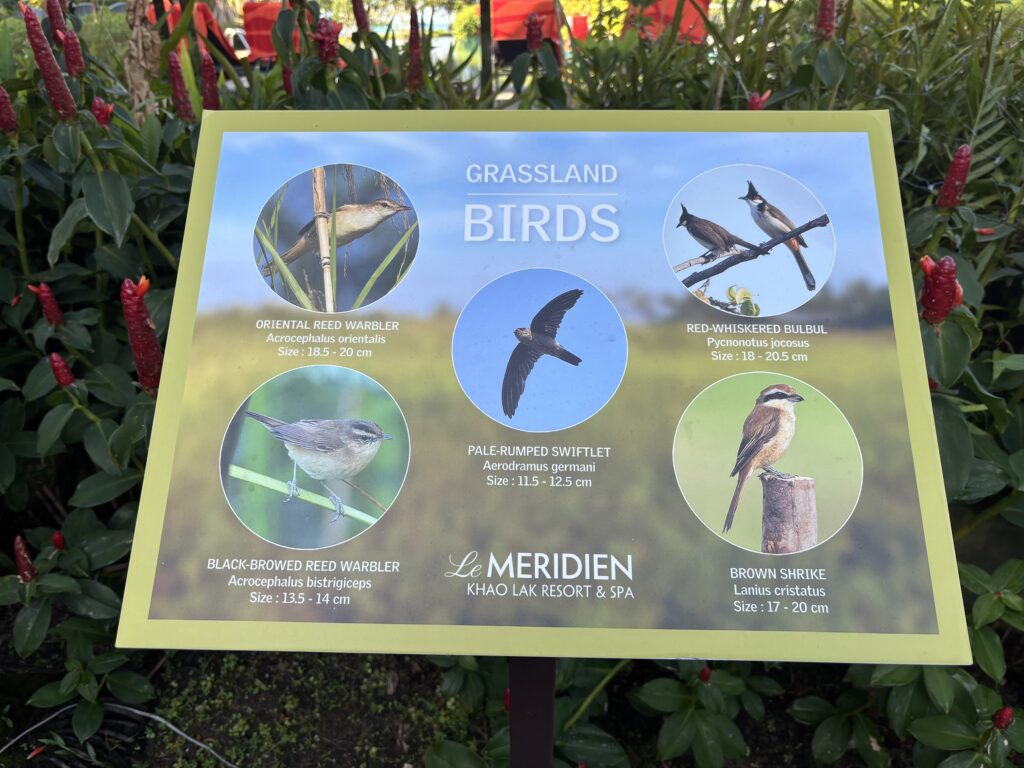
By the time you’ve ordered your first coffee, the red-whiskered bulbul has joined it – a bird whose haircut suggests Elvis spent a formative holiday in Thailand and returned to Memphis inspired, and whose call, a cheerful repeating whistle that ornithologists have mnemonically rendered as “pleased to meet you,” drifts across the gardens whether you’re listening for it or not.
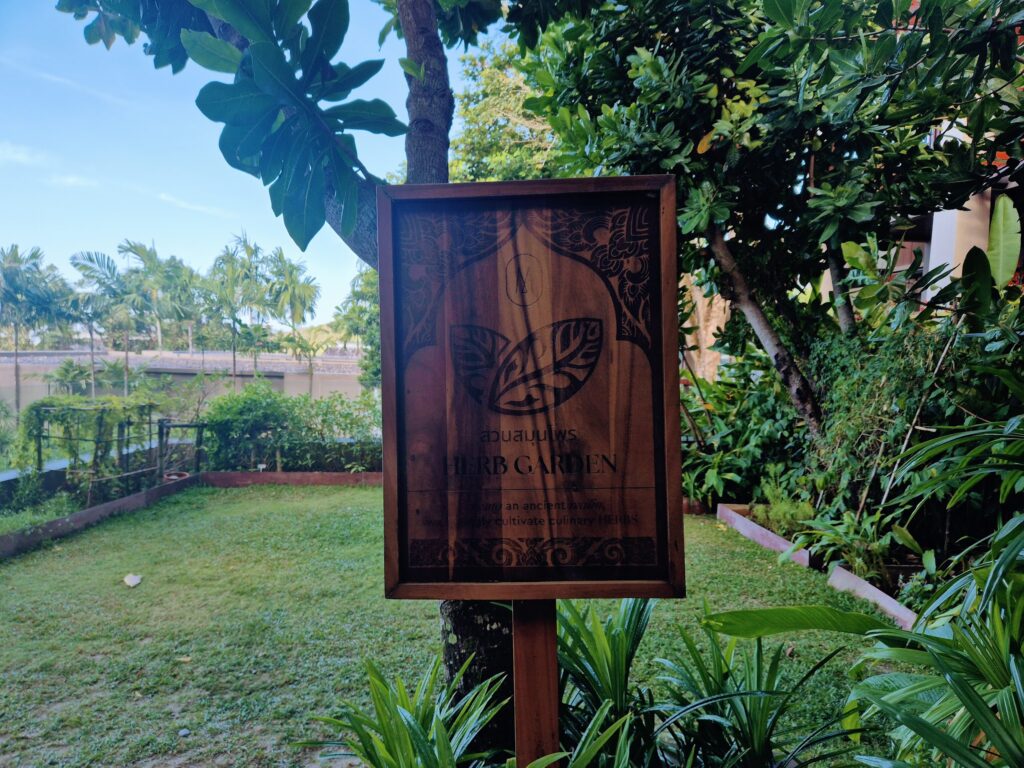
Seventy-two species visit the grounds of Le Méridien Khao Lak Resort & Spa. The figure appears in the hotel’s literature with a pride that is, it turns out, entirely justified. Khao Lak-Lam Ru National Park, which records over 170 bird species in total, presses directly against the resort’s back boundary, and its lowland birds move freely between the forest edge and the hotel gardens as if the distinction between the two is a matter of little consequence. And they have a point; it isn’t.
Like those birds passing through the grounds, you will find yourself calculating a return flight before you’ve even checked out.
The Location
Ask anyone who knew Phuket in the nineties what they miss about it and they’ll tell you the same things: the empty beaches, the unhurried mornings, the sense that it lay there undiscovered, though of course it had. They’ll tell you it was a different Thailand, one that’s confined to the past. They’re not quite right; it simply moved north.
The drive north from Phuket airport to Khao Lak takes about 90 minutes, but it feels like a different kind of longer because of what falls away. The construction sites thin out and the condo billboards get smaller and smaller until they’re A4-size and significantly less desperate.
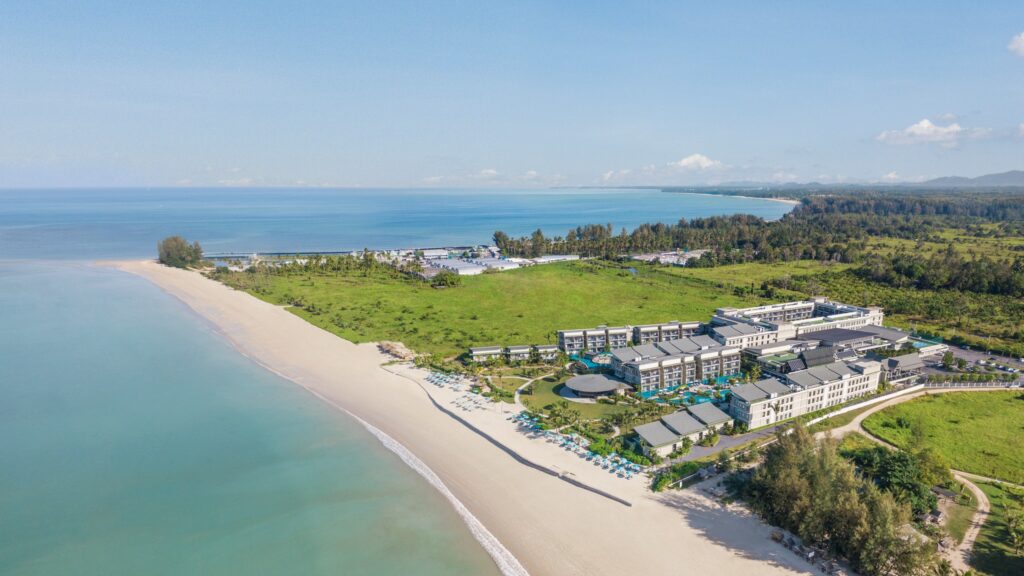
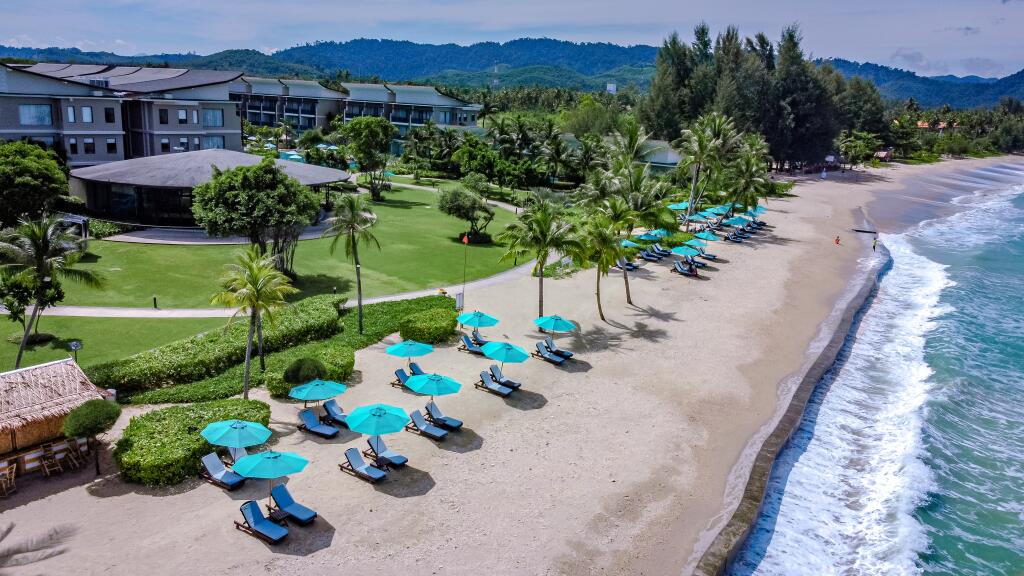
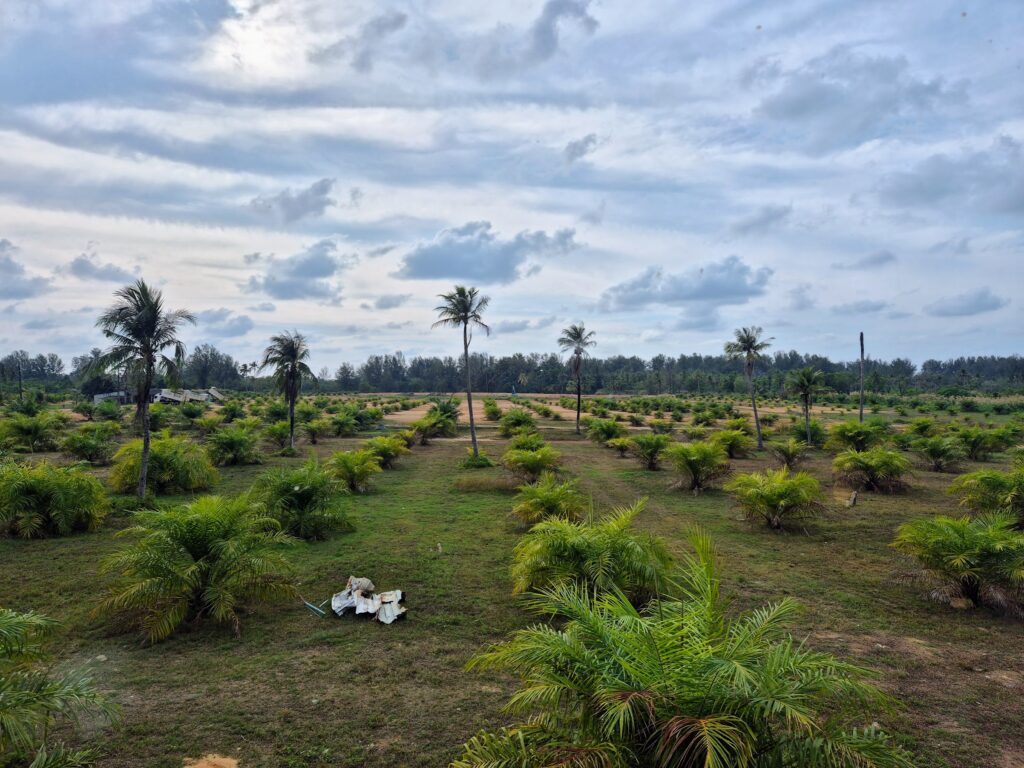
By the time you reach Phang Nga province, the roadside is rubber plantations and coconut palms, and the towns line the single highway in sporadic scatterings. Khao Lak sits at the end of that transition, with Le Méridien at the quieter, more northerly end, on a long, laid-back stretch of Bangsak Beach.
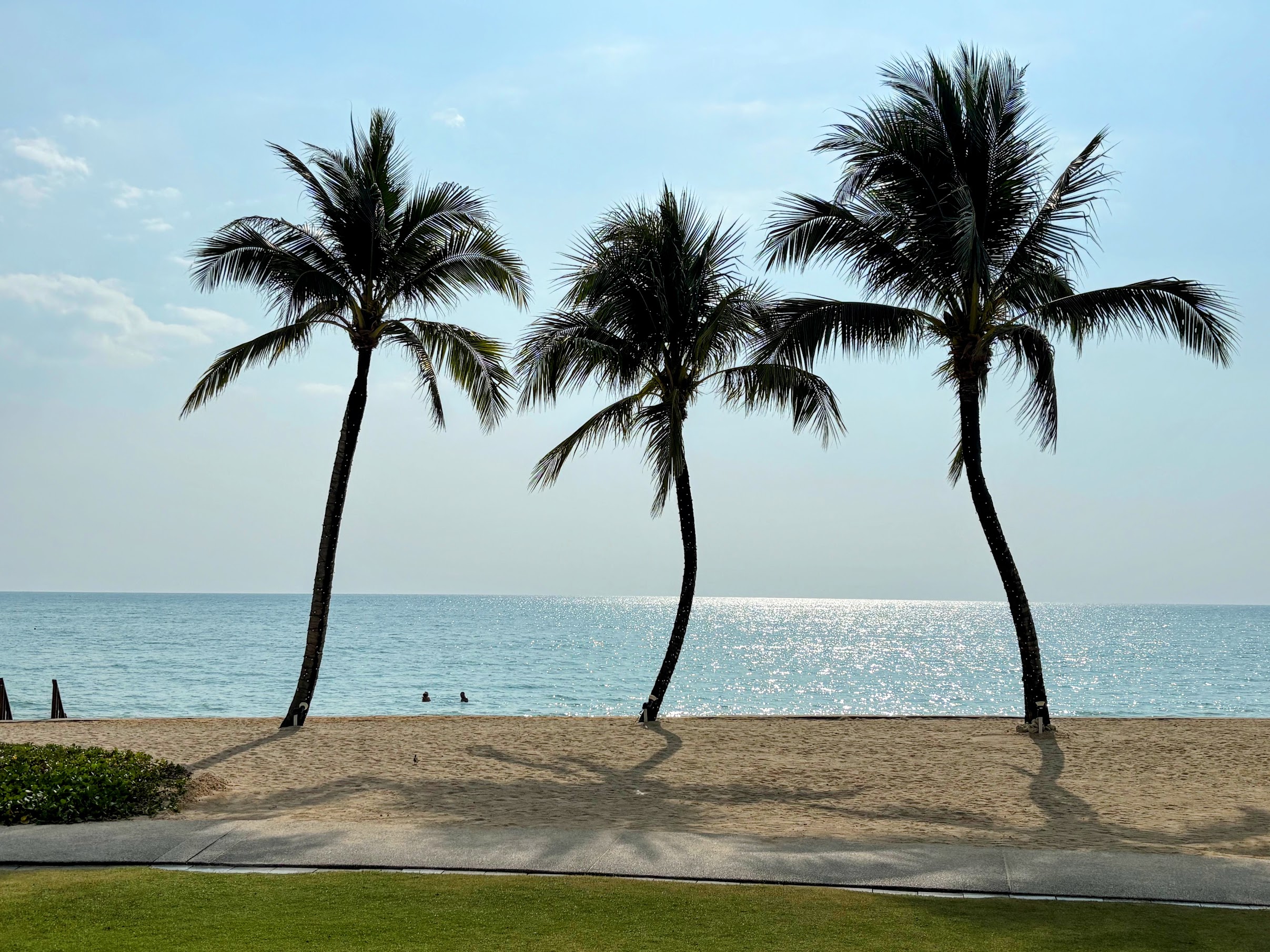
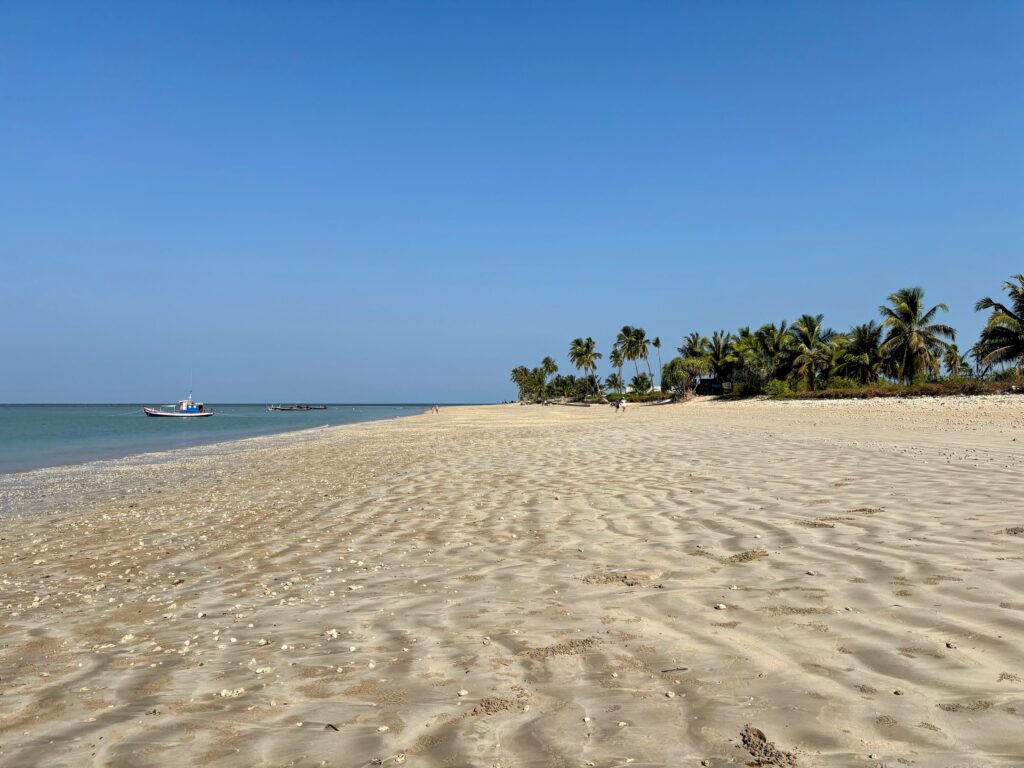
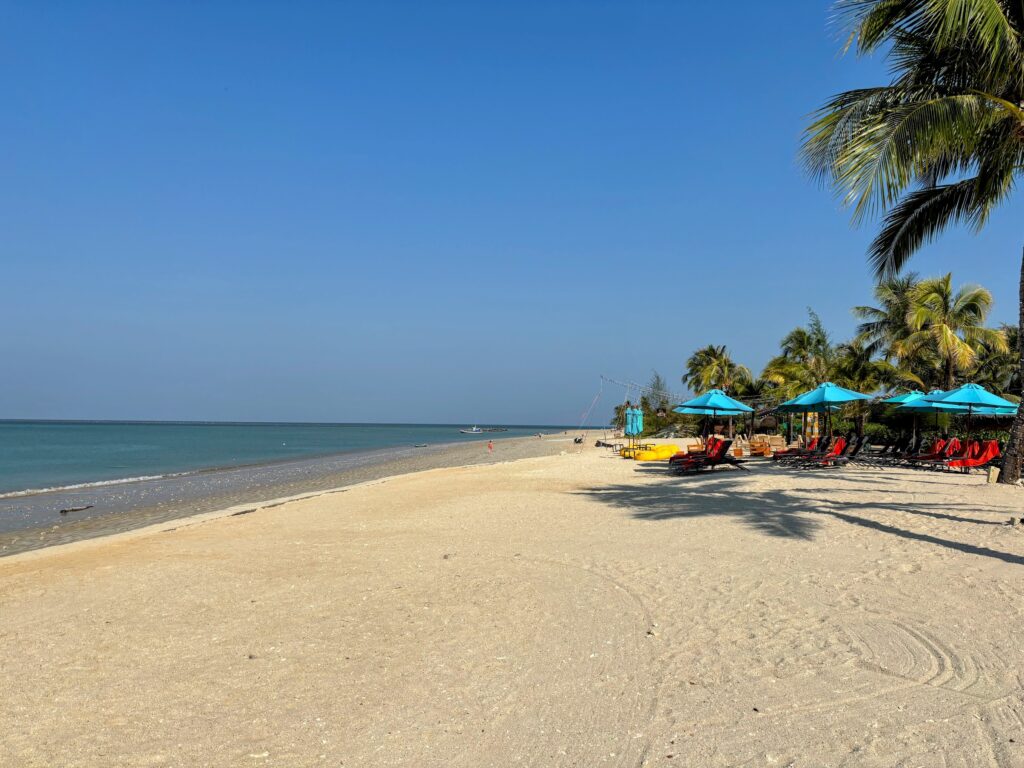
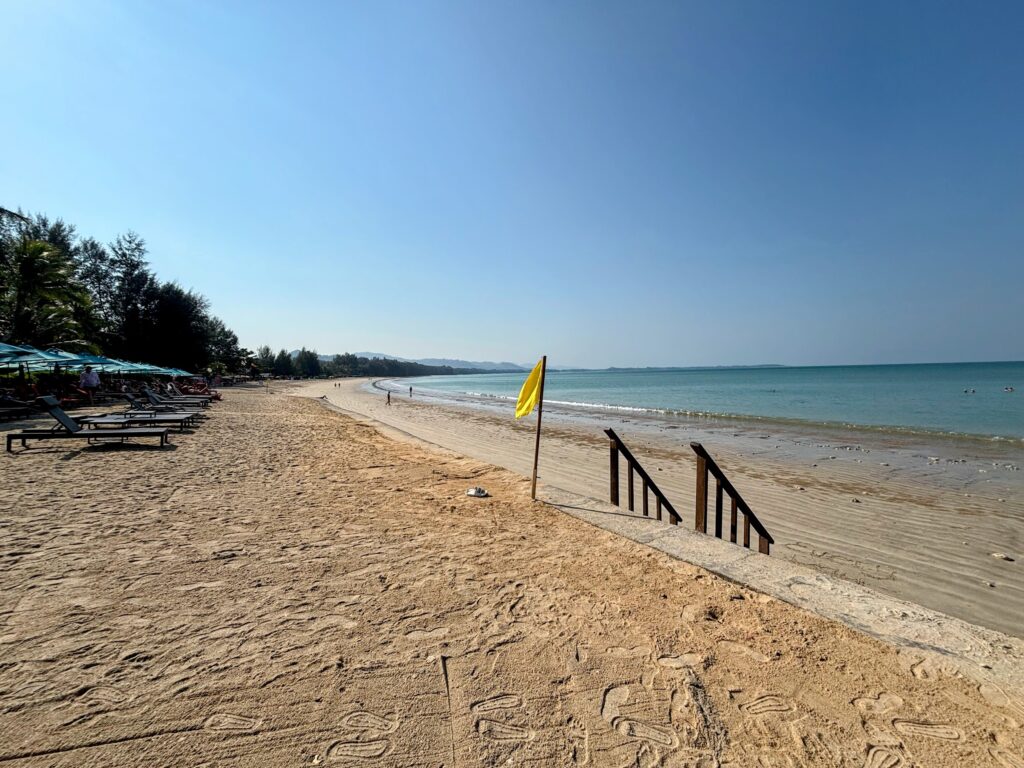
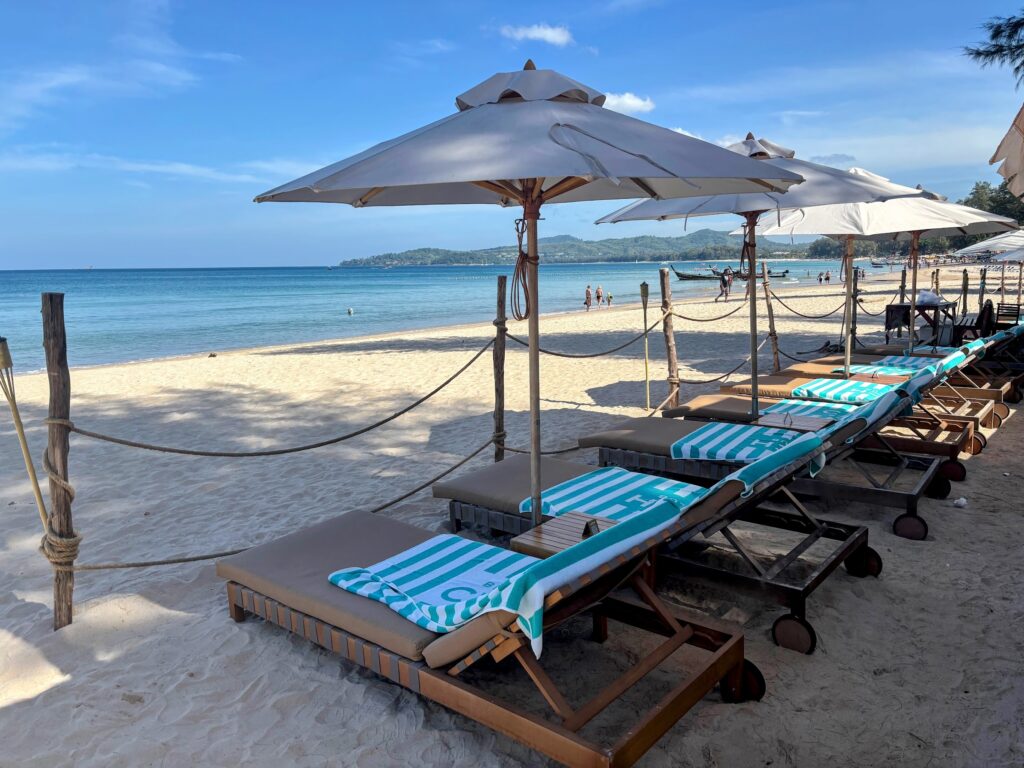
Bangsak beach is the real deal. Here the sand is wide and the morning crowds scant, just a few early wanderers soaking up the first sights of sun. The first thing you notice if you’re one of them is the shells. Not fragments – actual shells. The kind that you stopped finding on Phuket’s beaches long ago, when the last of the quiet stretches succumbed to sun lounger concessions and jet-ski rental. Here, they are simply lying in the sand, as if nobody has thought to collect them. It is a small thing, but it’s revealing about the wider picture in Khao Lak.
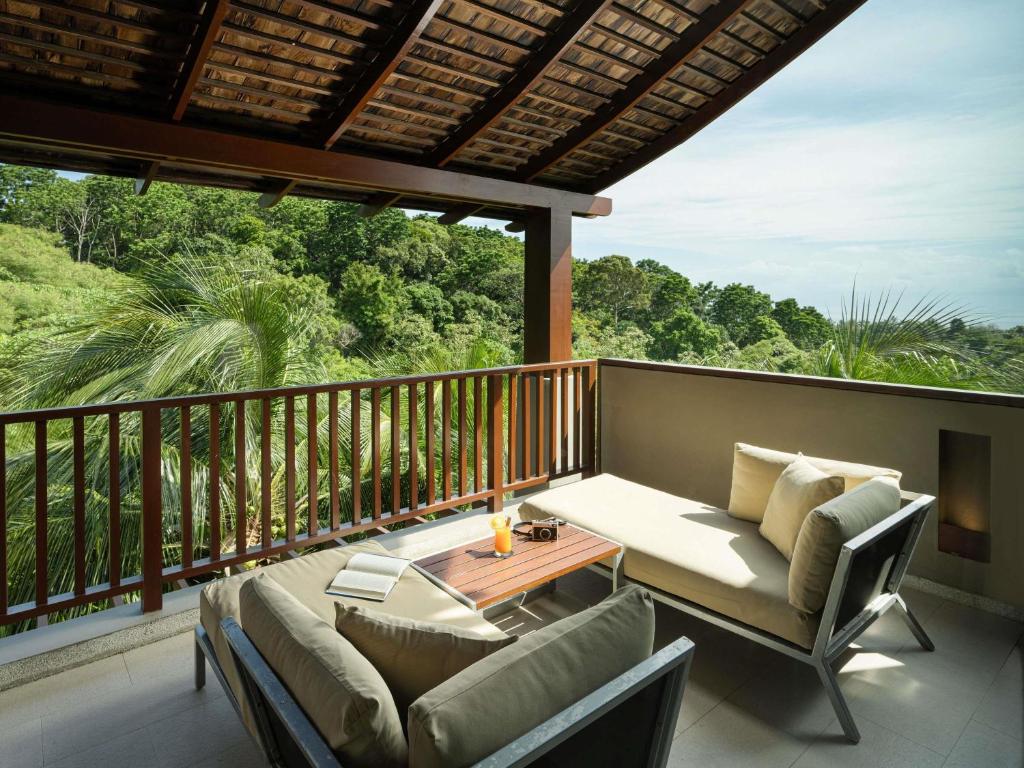
Khao Lak-Lam Ru National Park borders the resort area on all sides but the sea, bringing the jungle right up to the back of the hotel strip. Building height restrictions mean nothing rises above the treeline and the horizon remains uncluttered. Protected land, geography, and regulation work in concert here, and the result is that Khao Lak couldn’t become another Patong even if it wanted to. Though spend even a day here, and it’s obvious no one wants that anyway.
The park itself is more than a buffer. Coastal trails wind through it, mangroves line sections of the shore, and Ton Chong Fa waterfall, the most accessible of several in the area, is an easy half-day from the resort. The wildlife hasn’t learned to be afraid of people. Not in ‘Tiger Who Came To Tea’ vibes – you won’t be sharing your morning eggs with a big old Panthera tigris corbetti – but the geckos hold their position when you approach and the squirrels watch you sunbathing from the branches without even so much as offering to apply a fresh layer of lotion.
Le Méridien’s position also puts you close to the Similan Islands departure pier at Thap Lamu. The Similans are consistently rated among the best dive sites in Southeast Asia, and access is tightly controlled, with limited daily visitor numbers, no overnight stays on most islands, and a seasonal closure running roughly May to October to allow the reef to recover. That exclusivity is part of what keeps them worth the trip. From Bangsak Beach, the logistics are straightforward: most operators run transfers from the hotel, and you’re back by mid-afternoon with enough time left to claim a lounger for sunset.
The Vibe
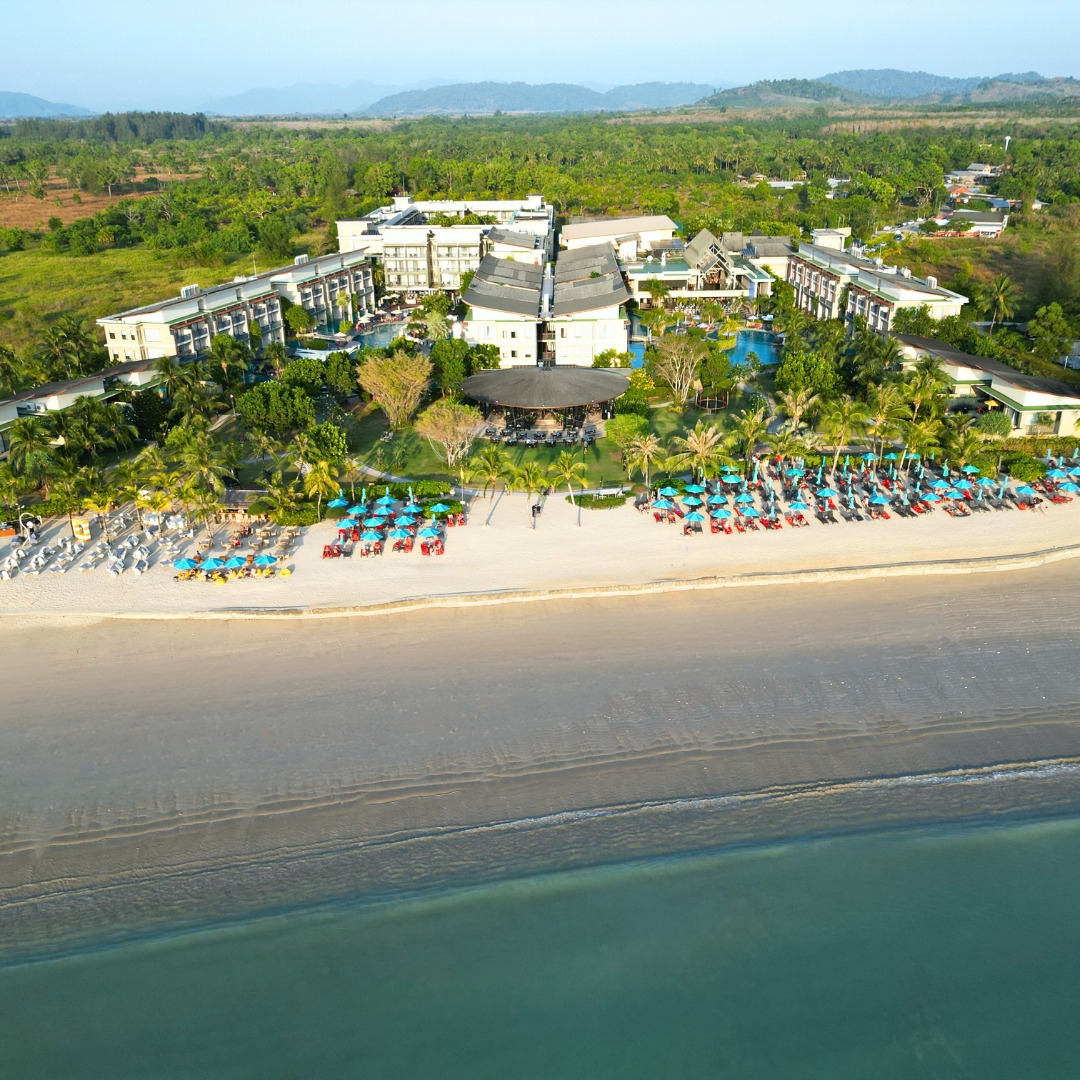
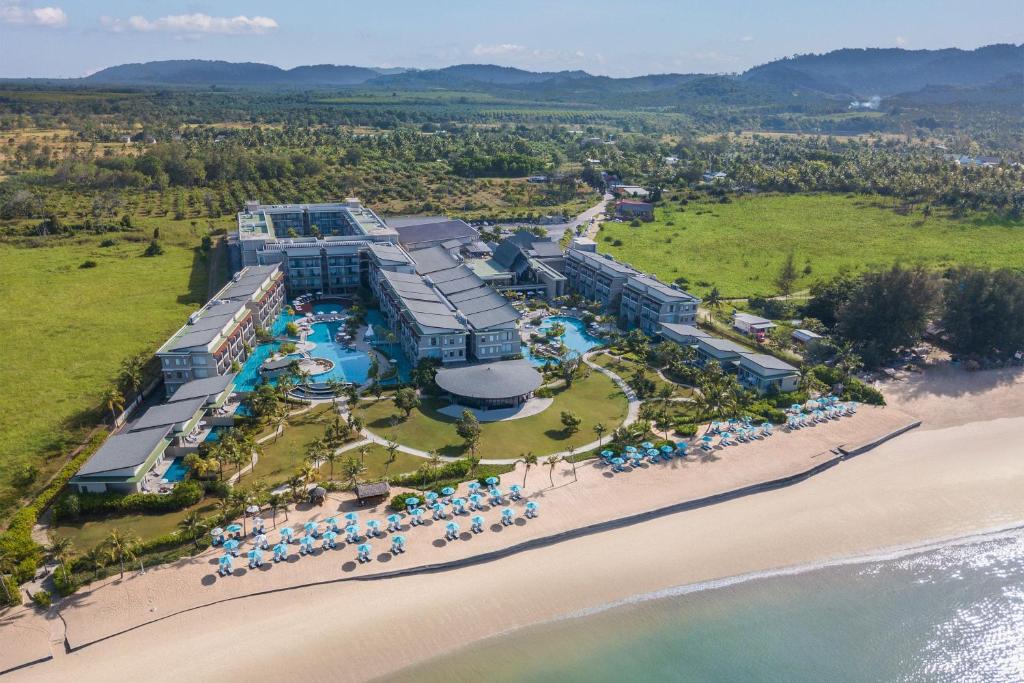
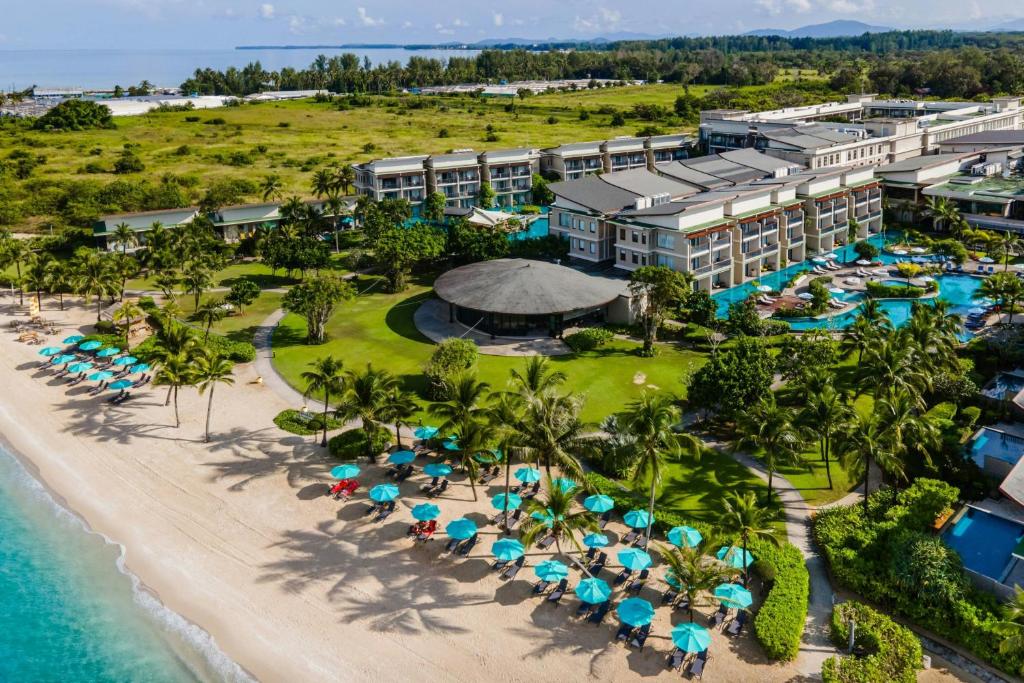
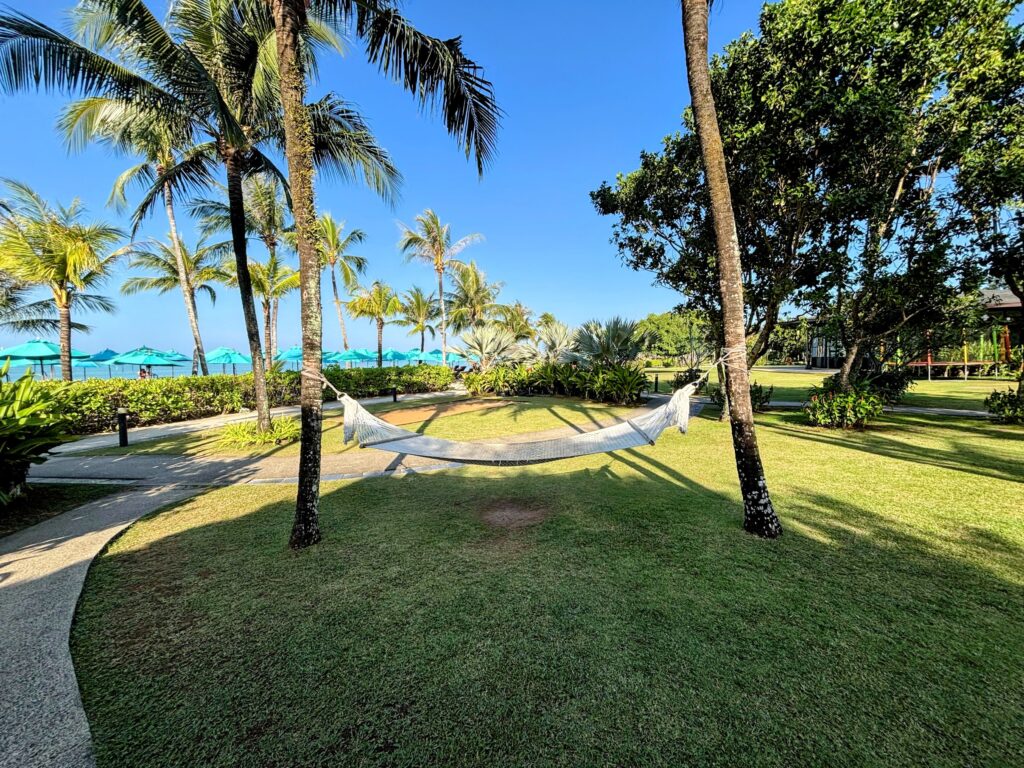
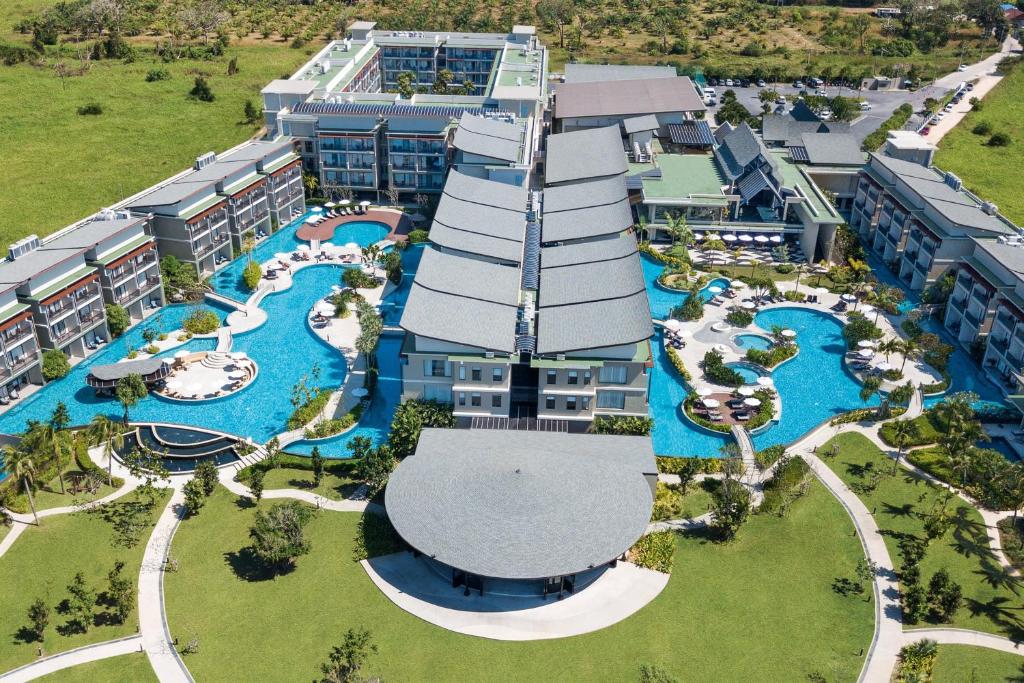
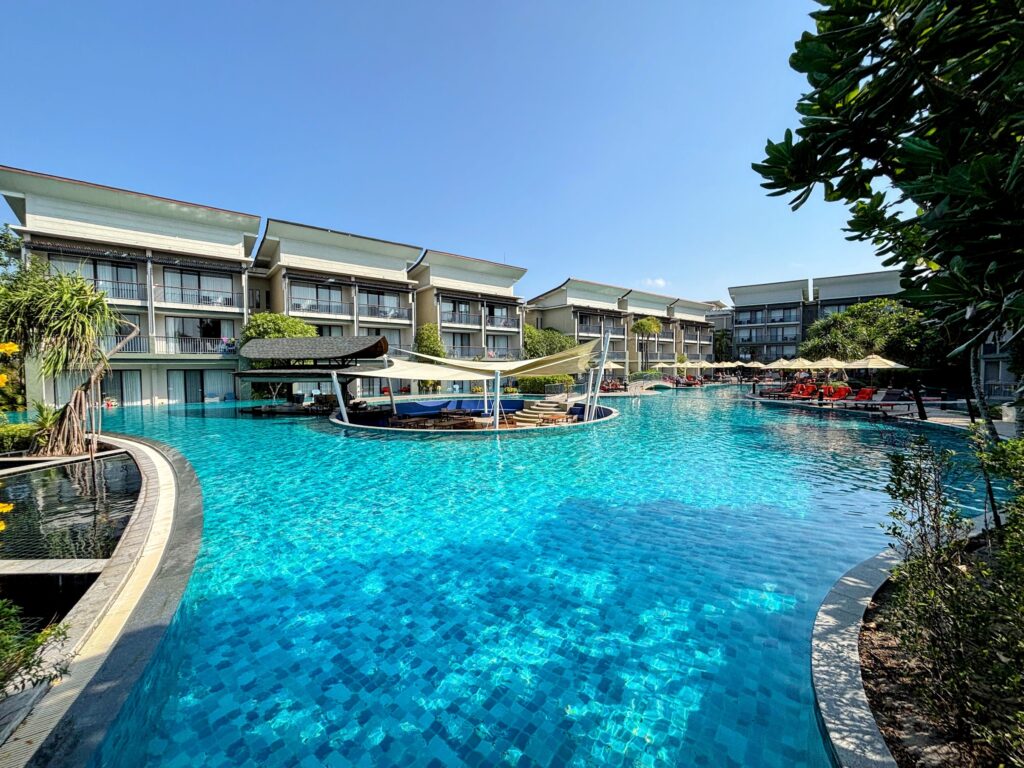
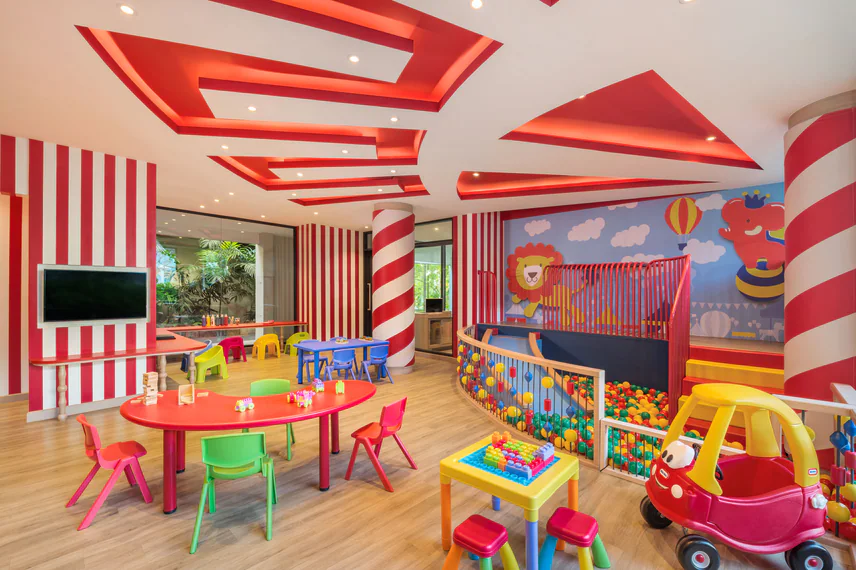
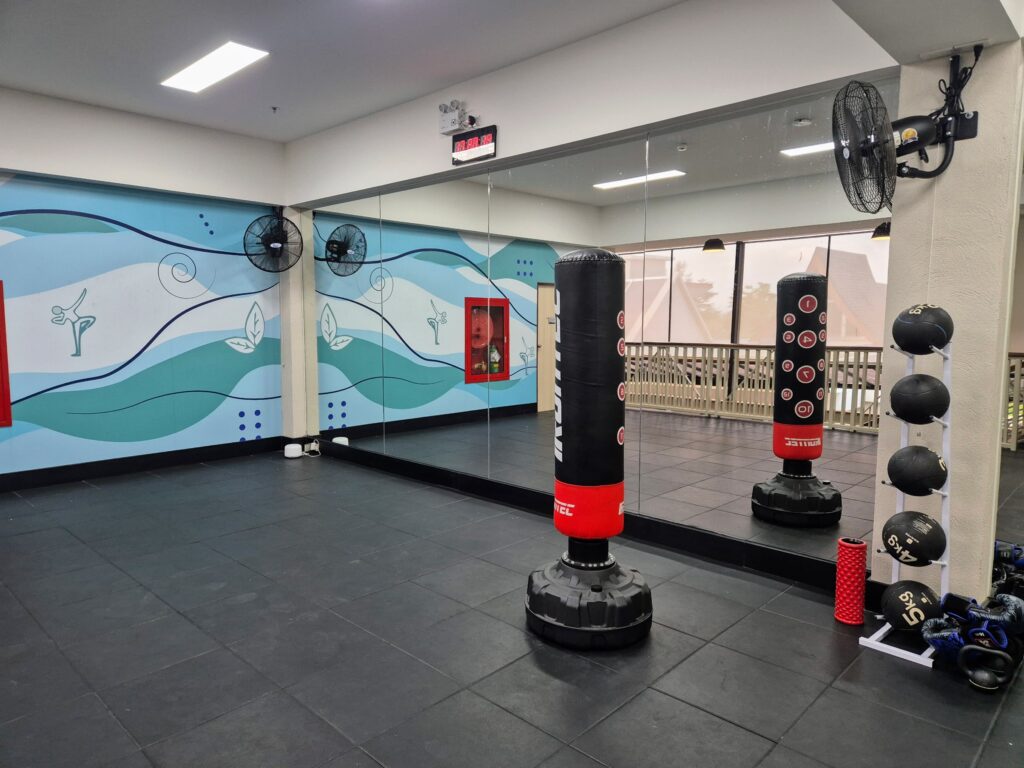
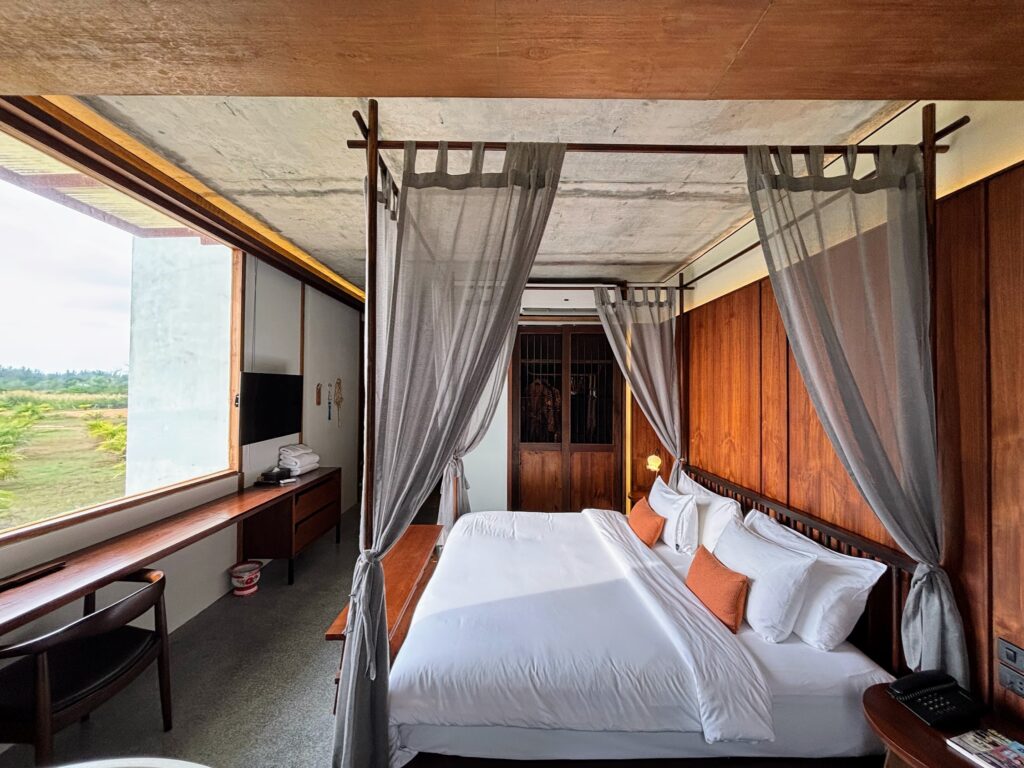
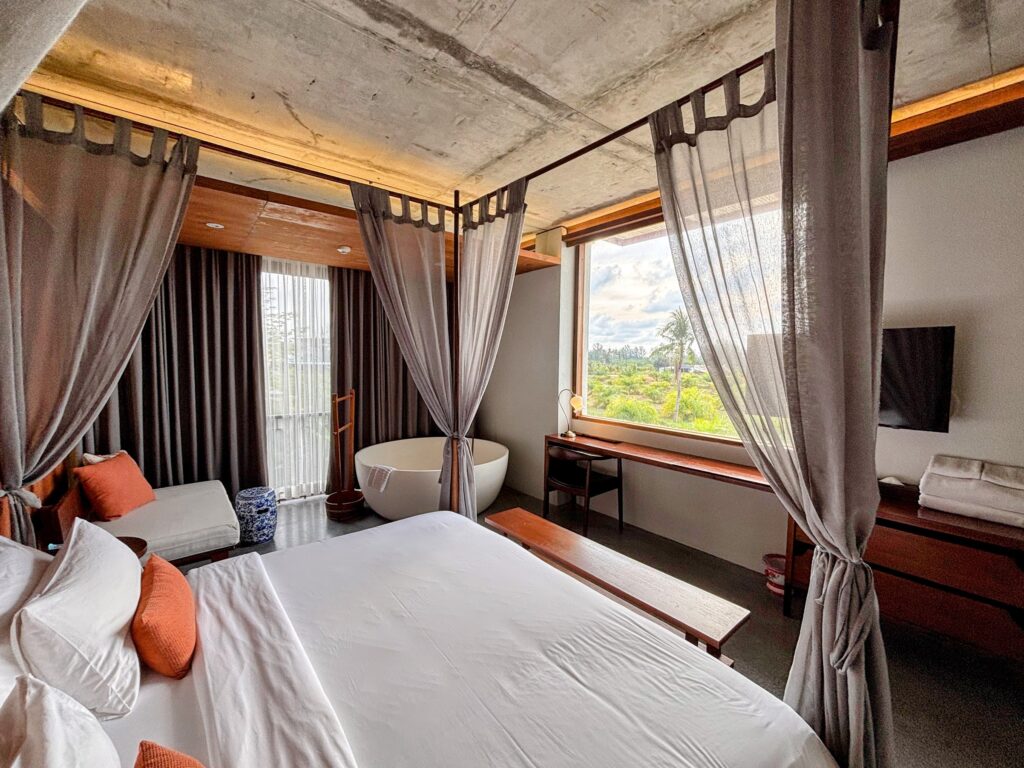
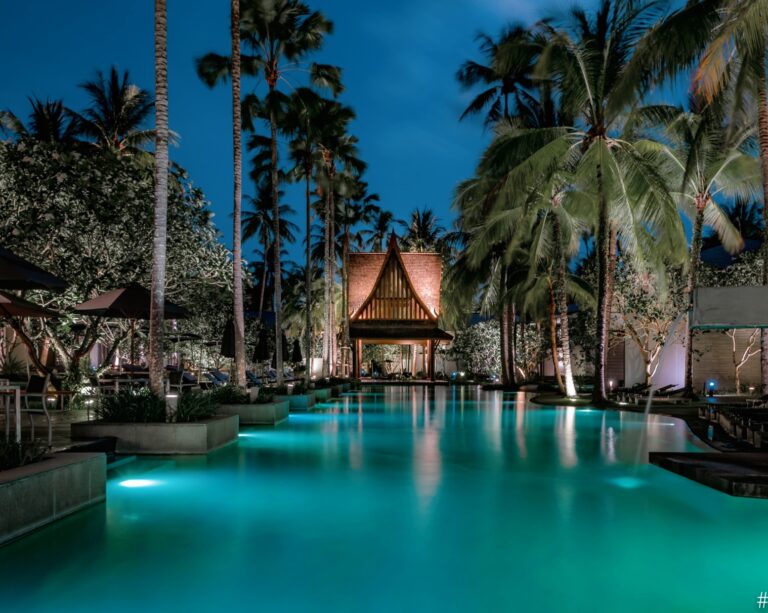
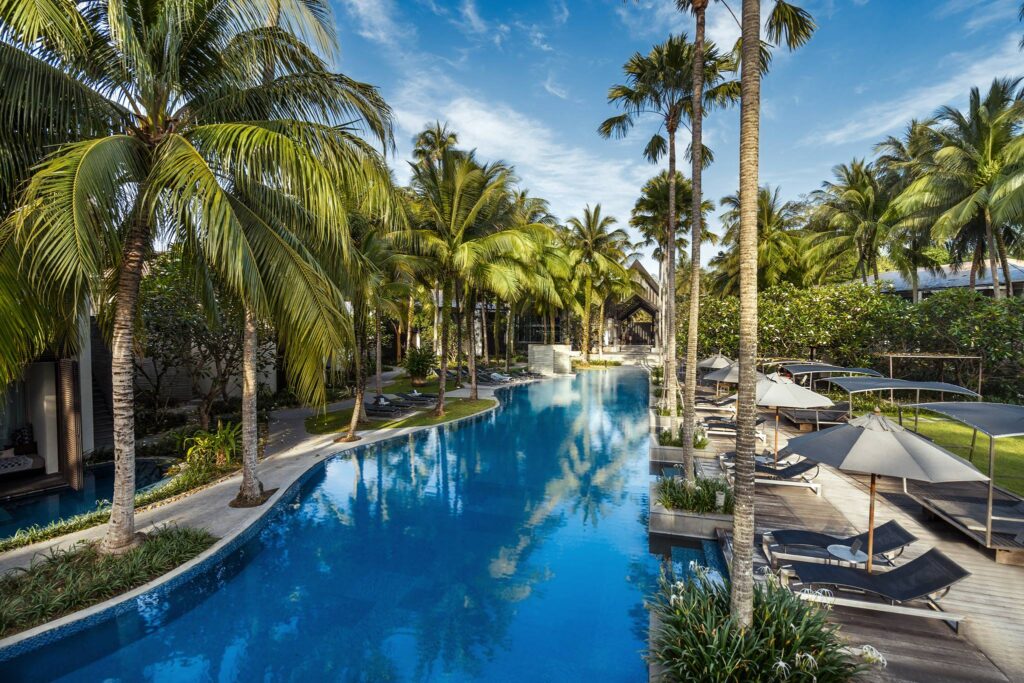
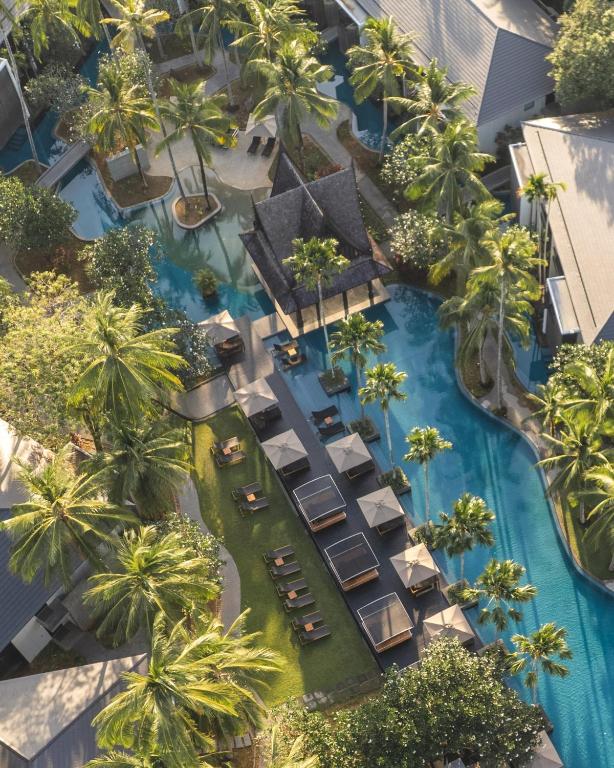
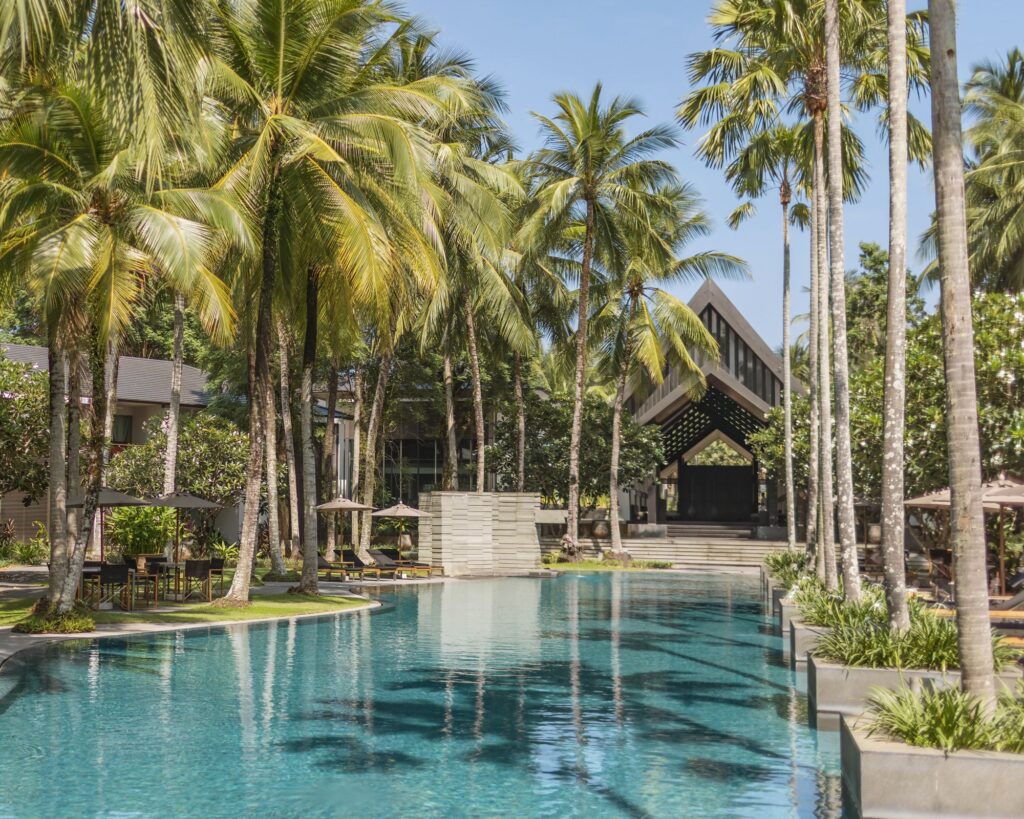
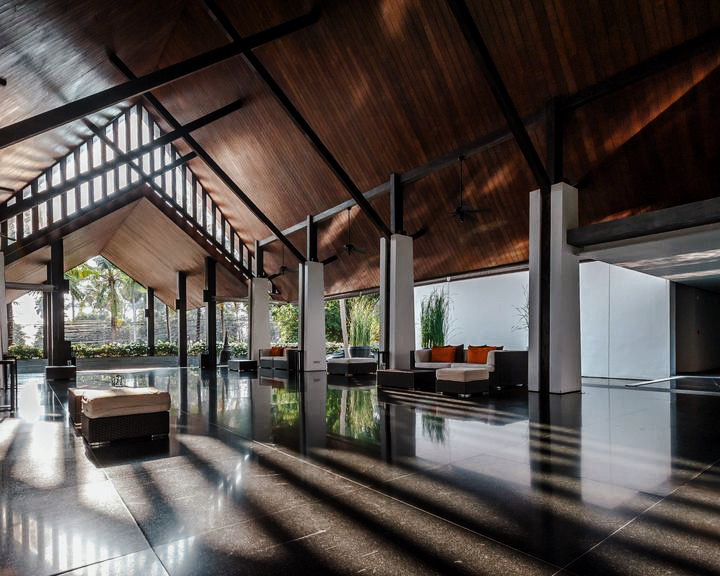
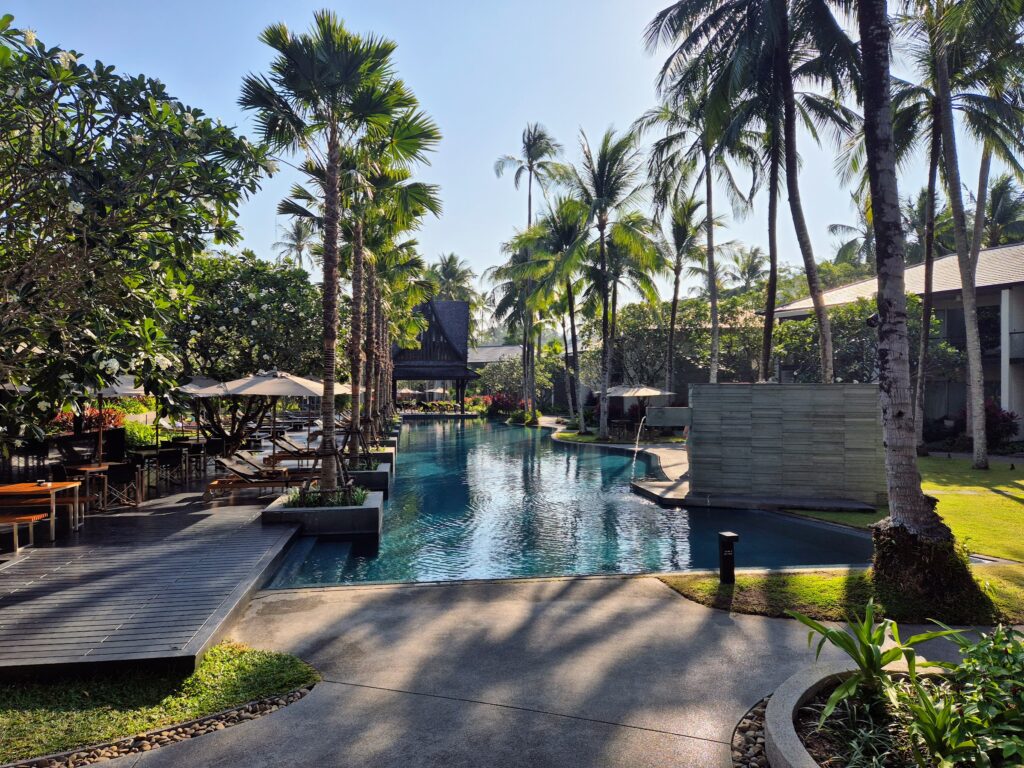
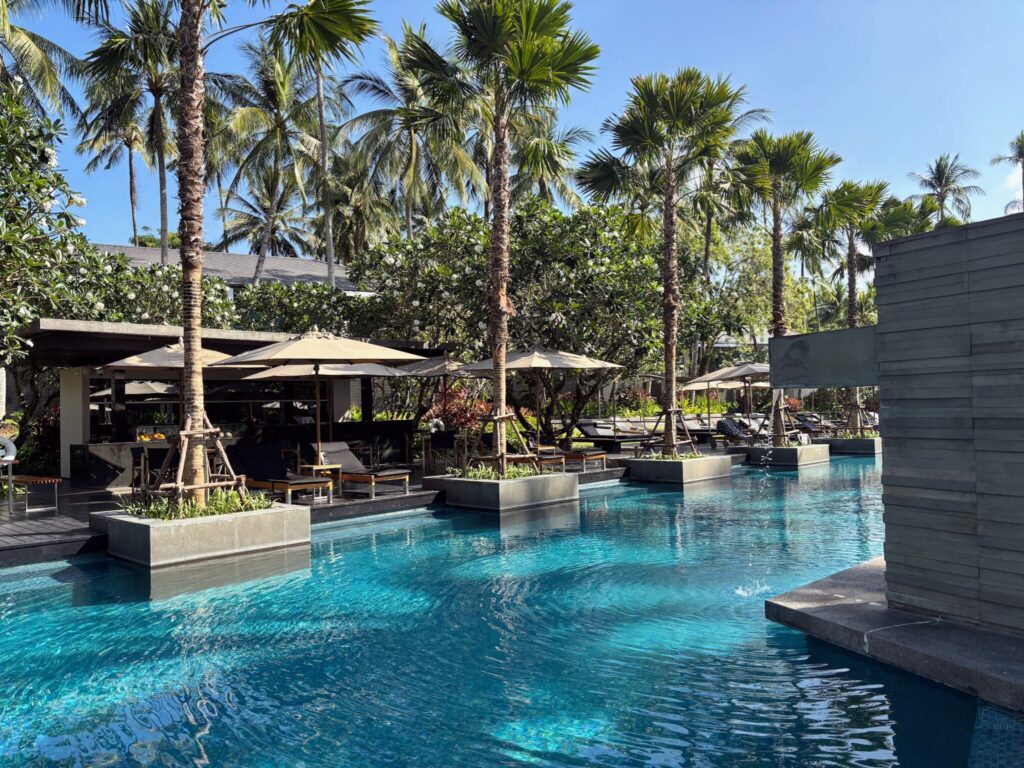
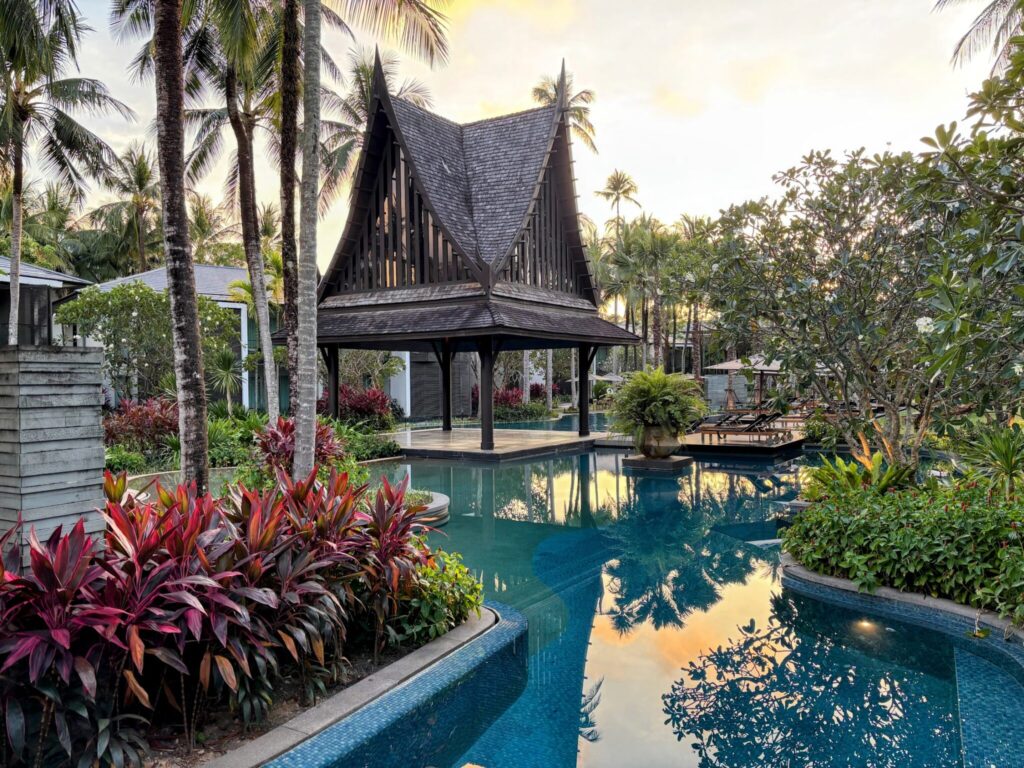
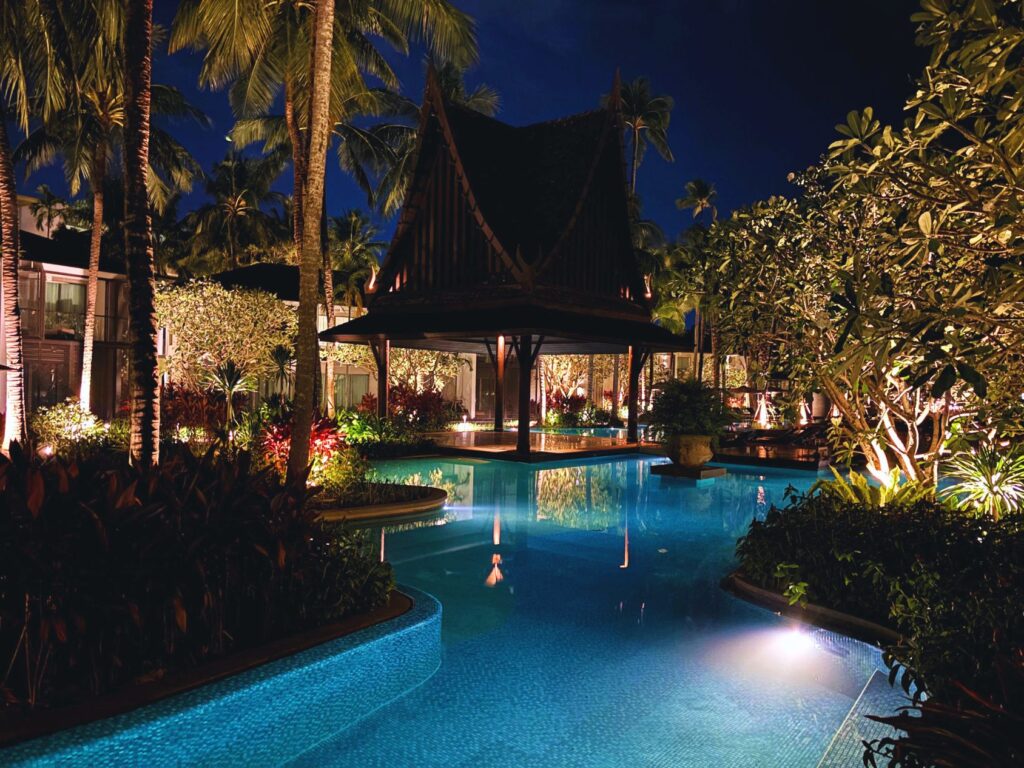
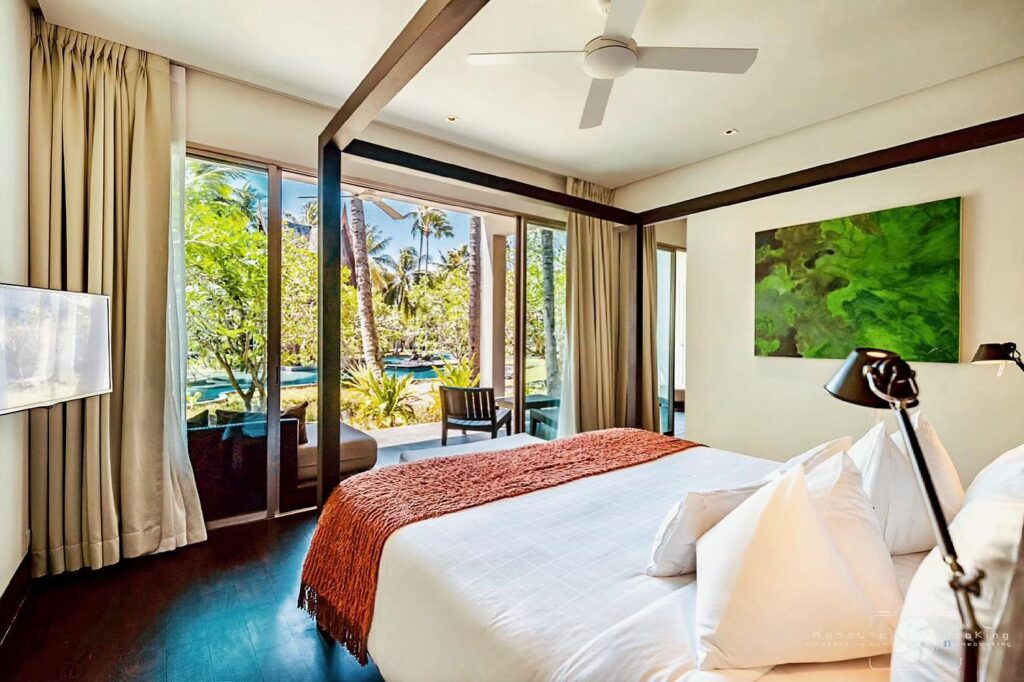
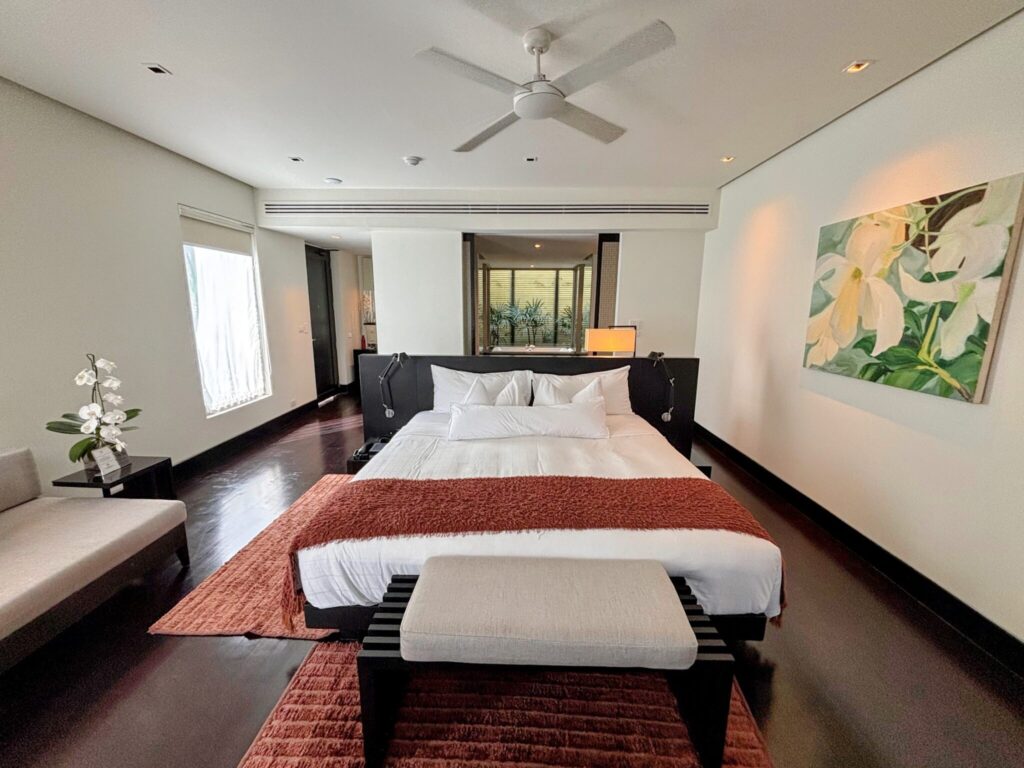
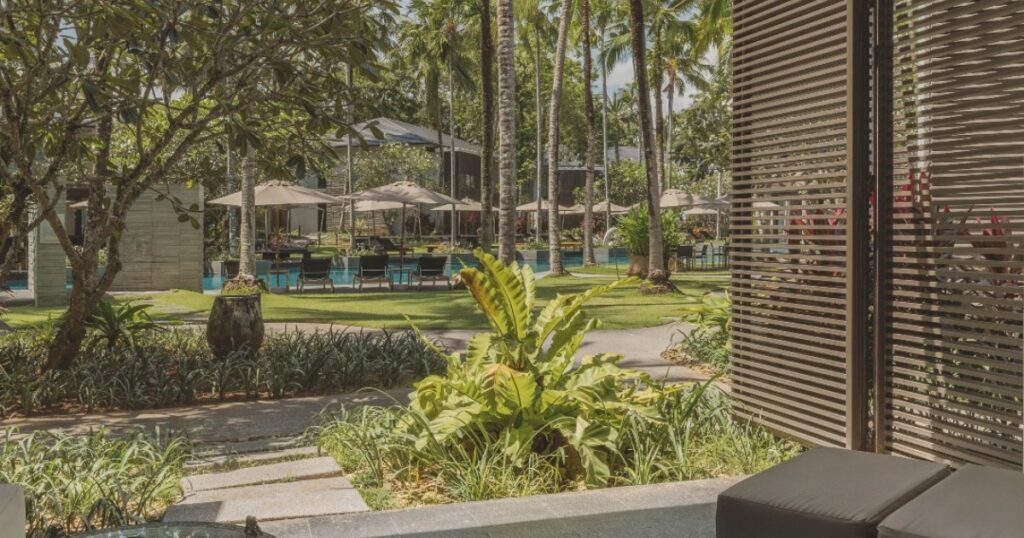
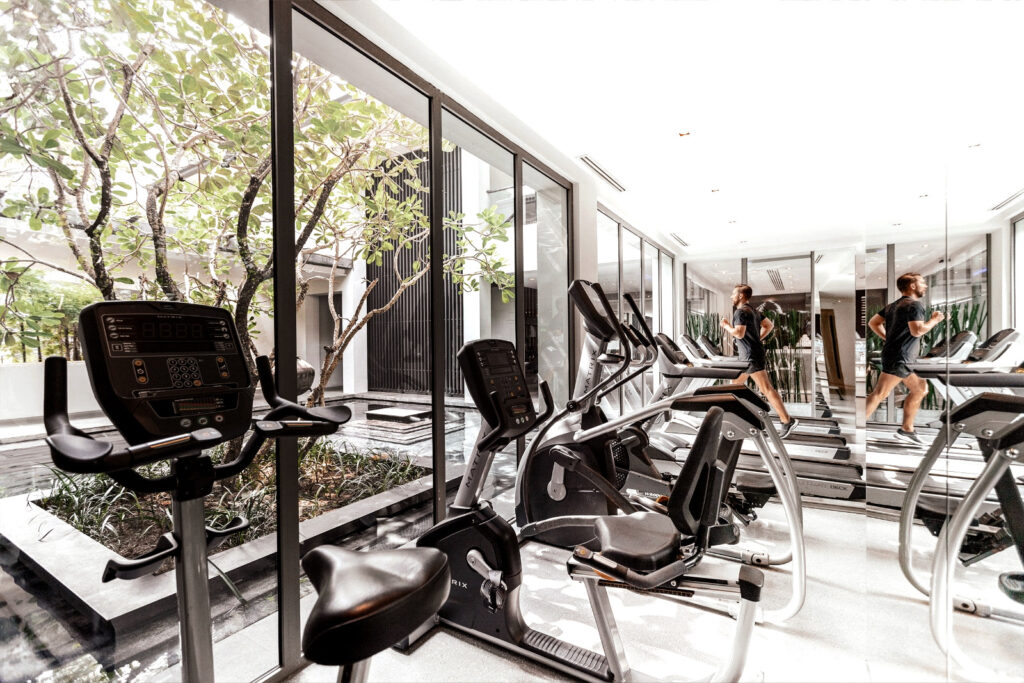
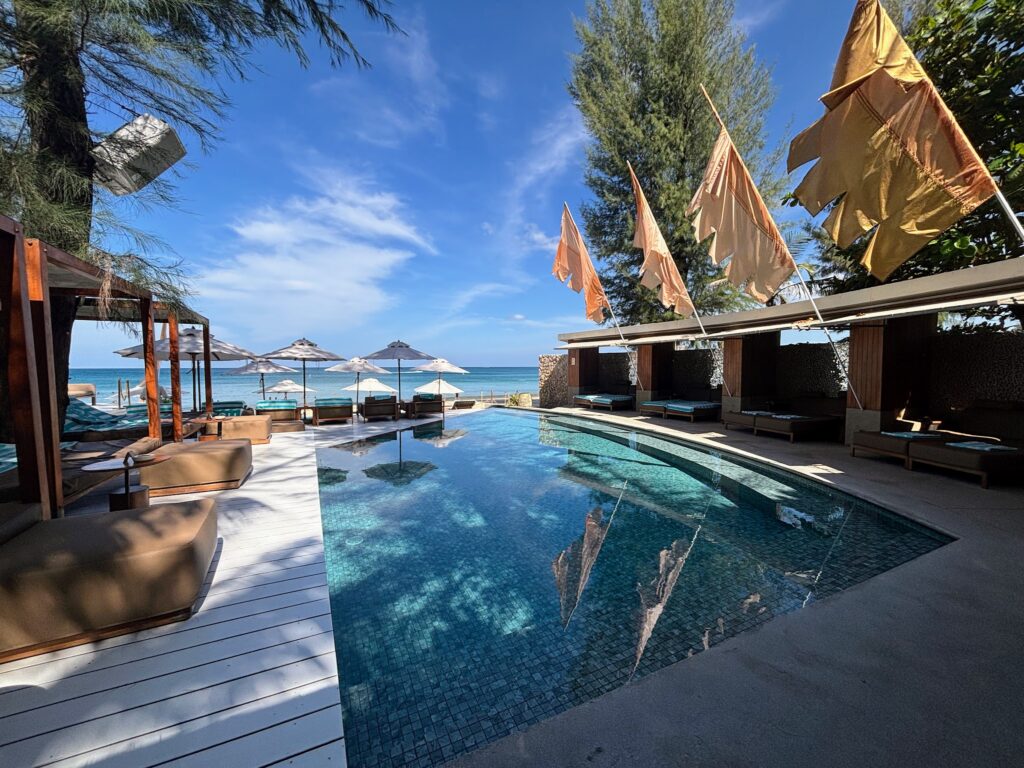
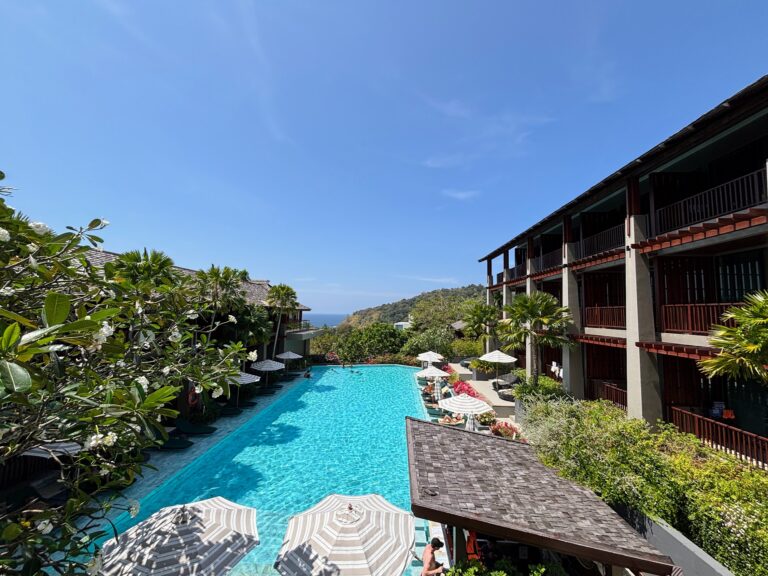
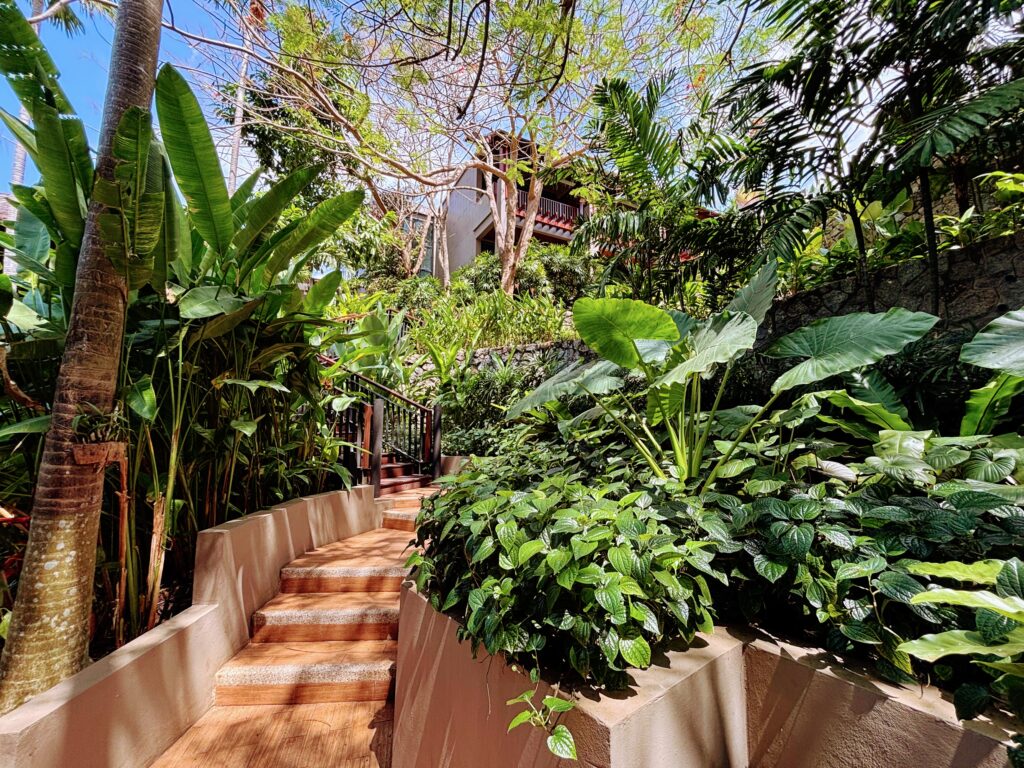
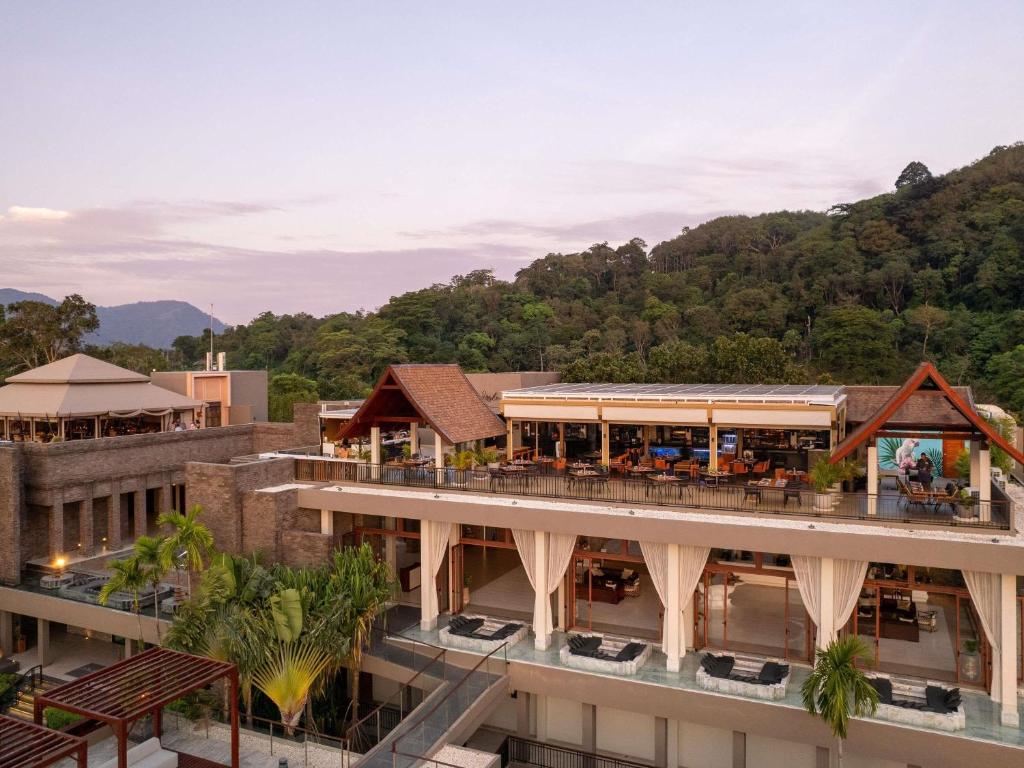
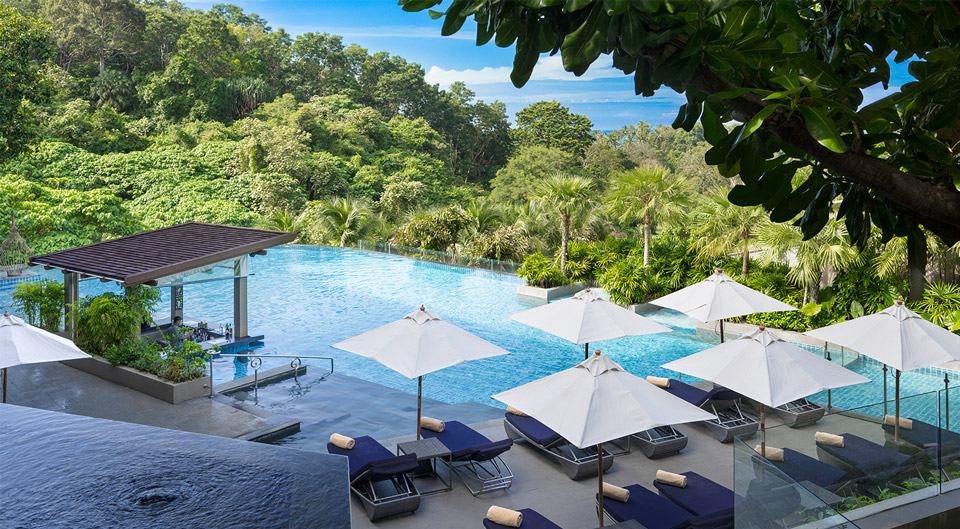
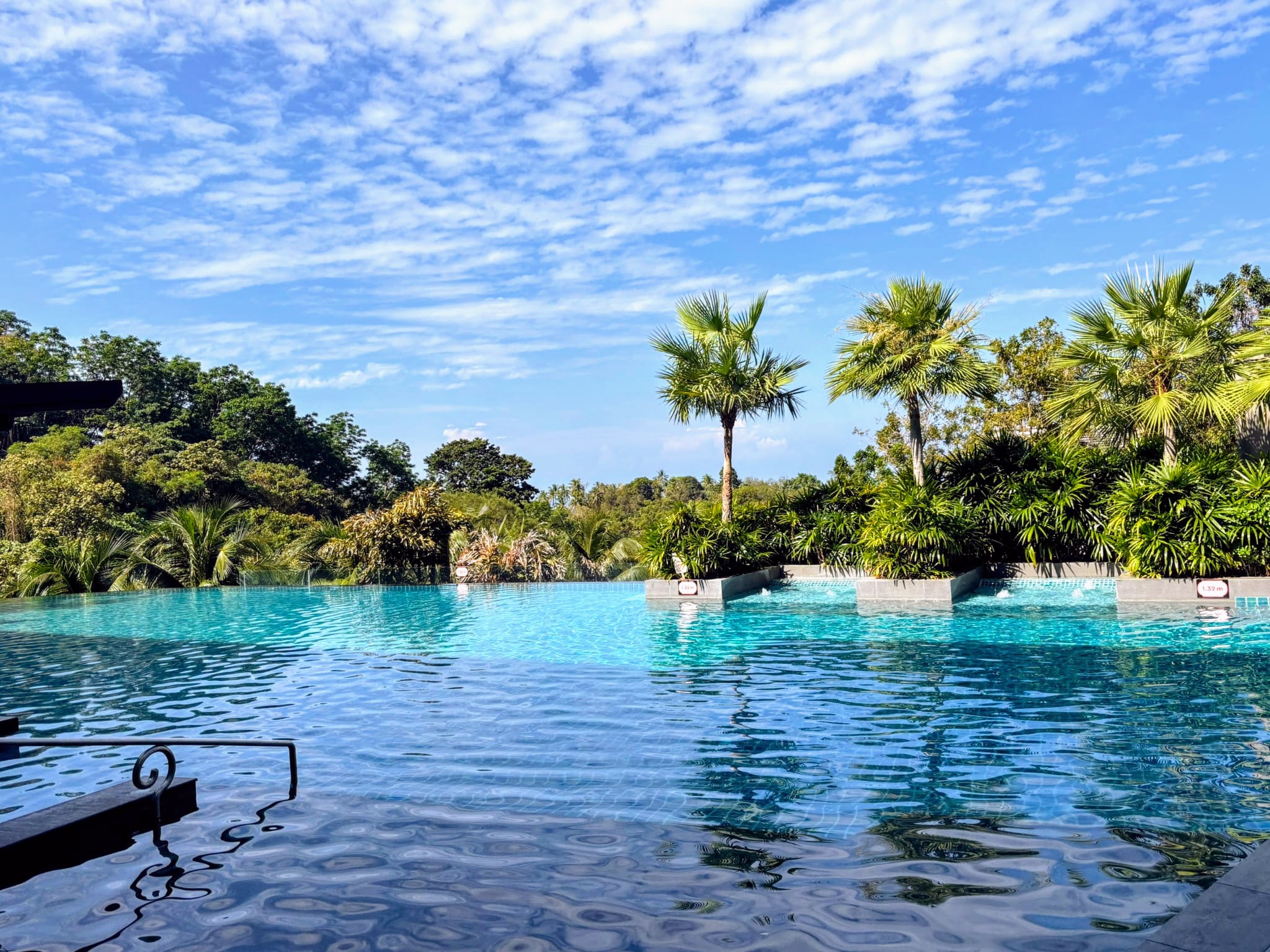
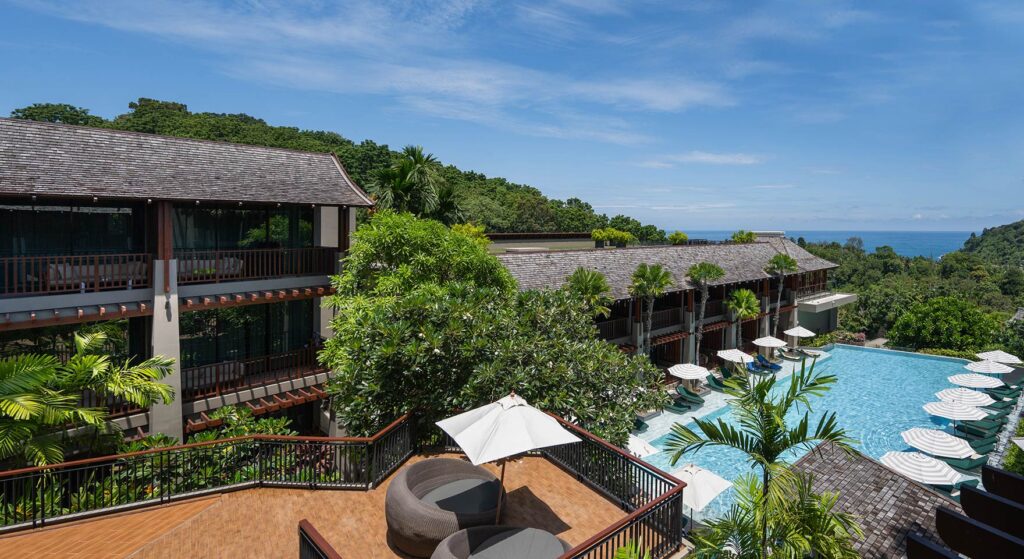
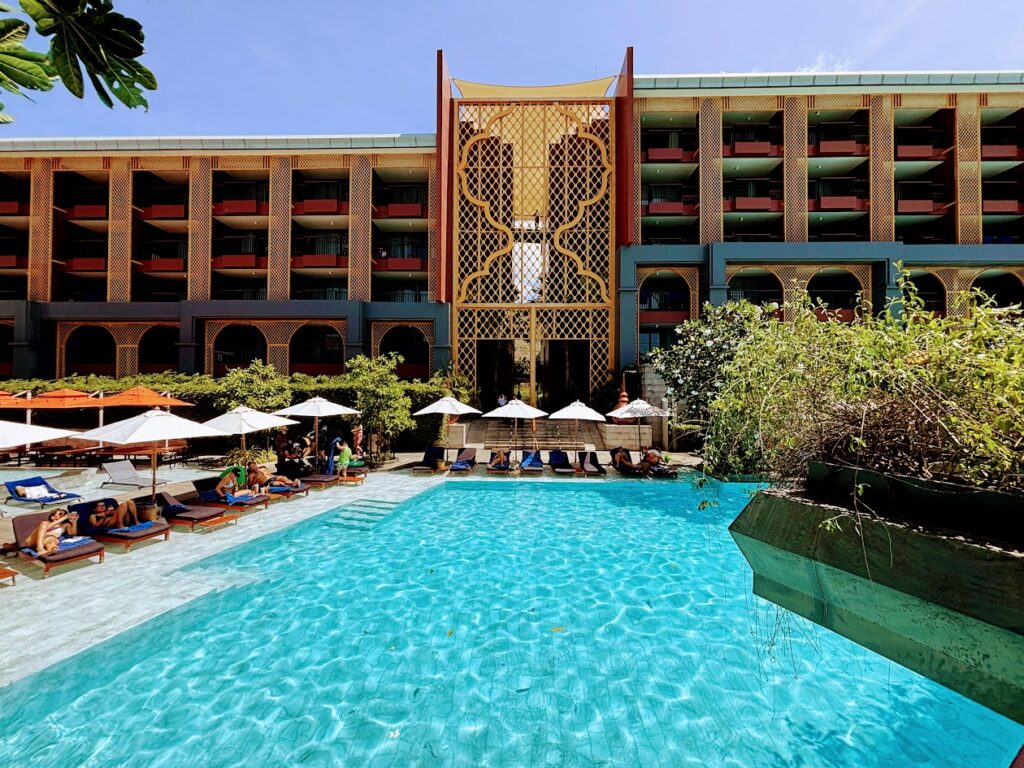
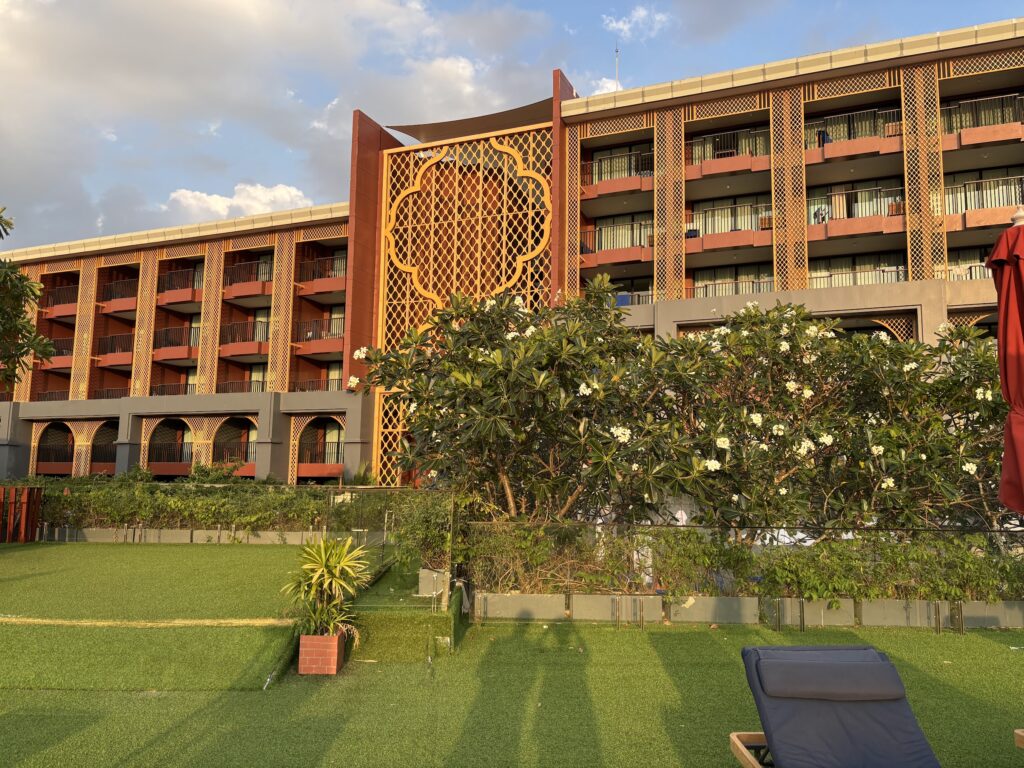
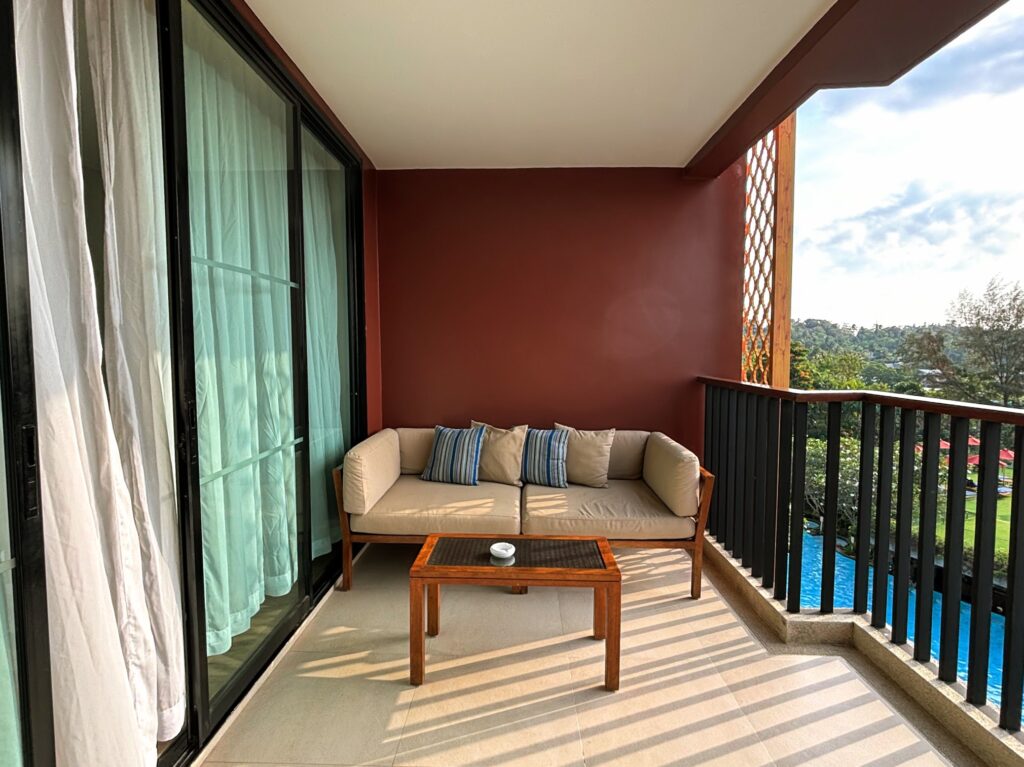
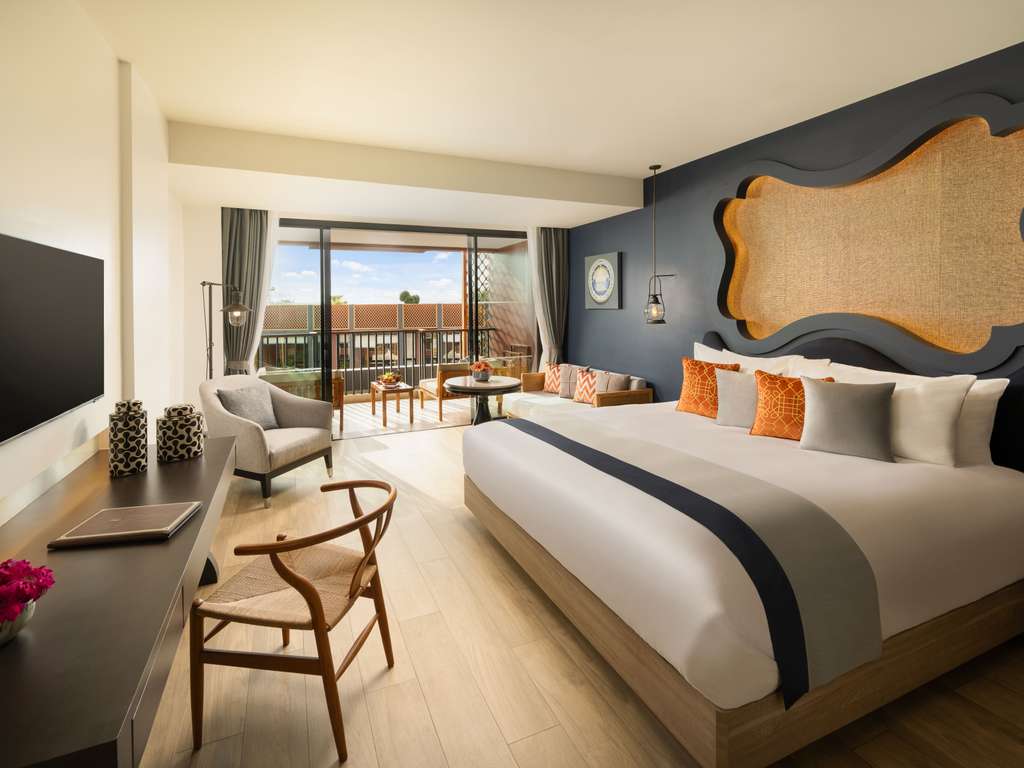
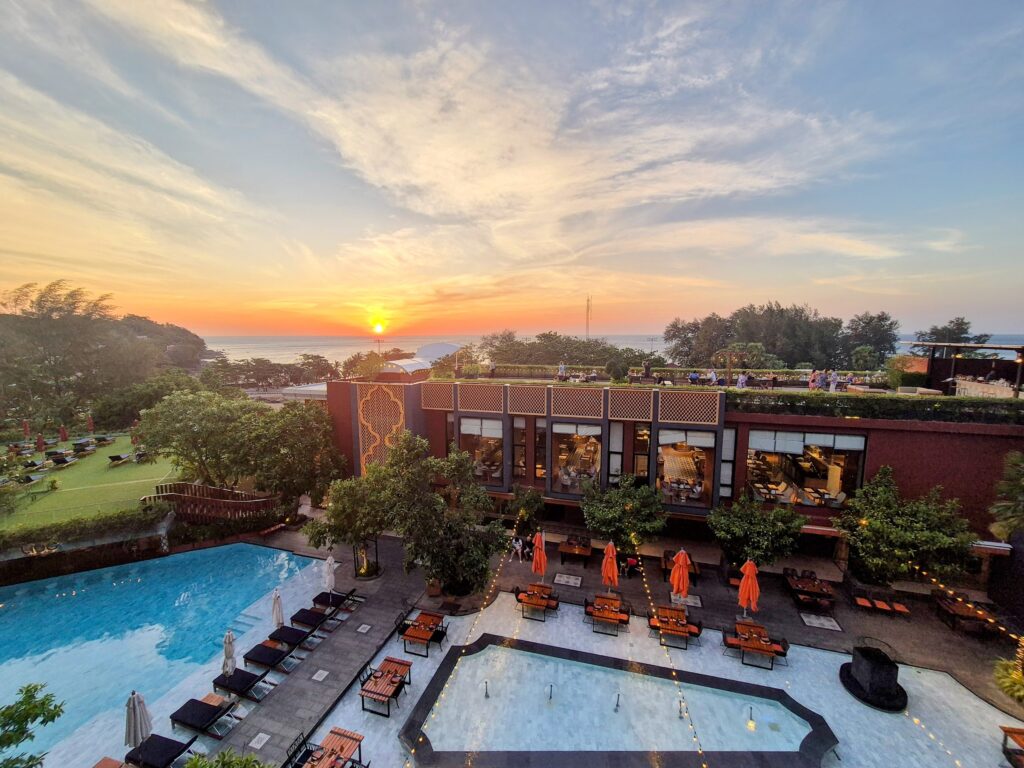
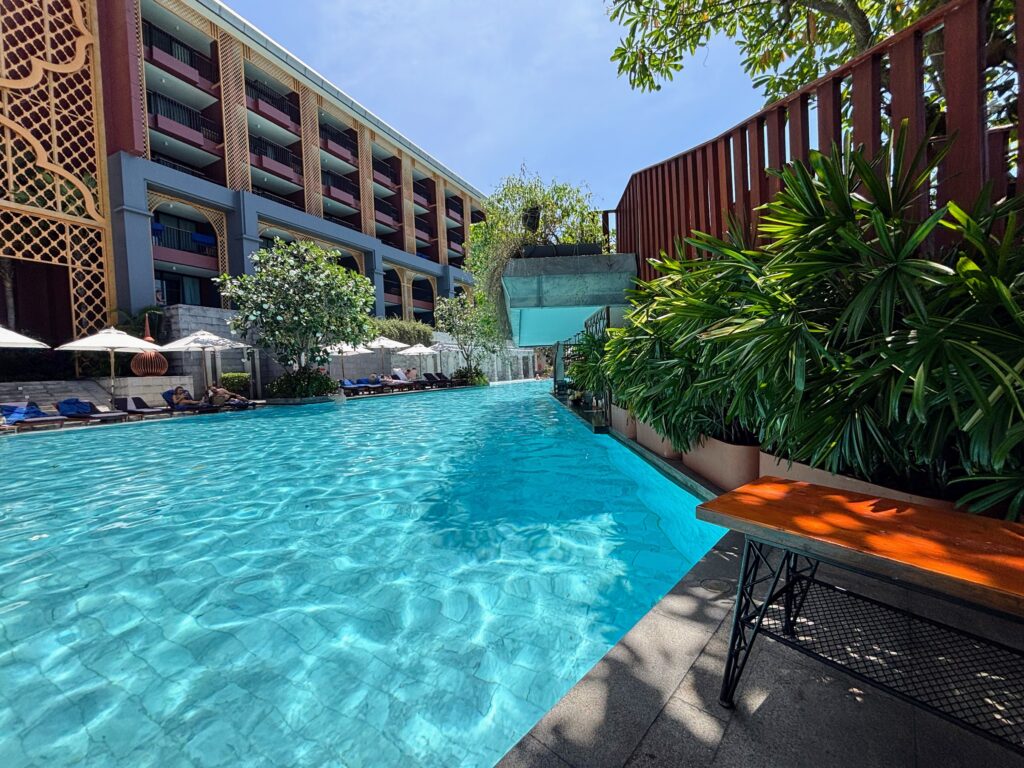
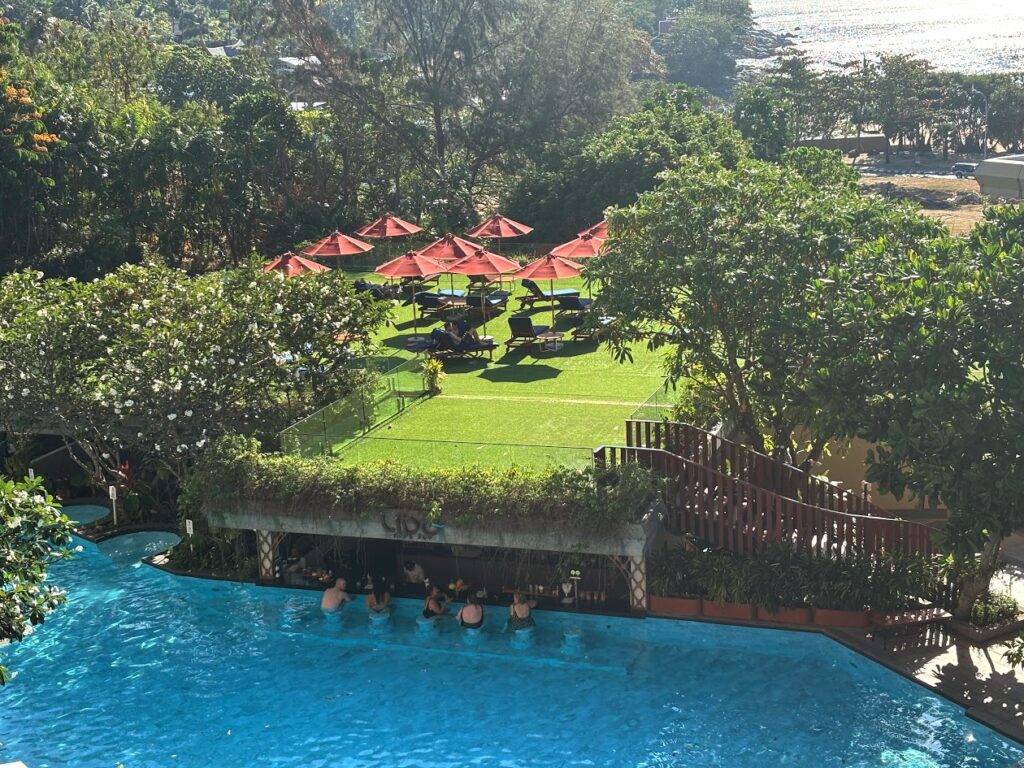
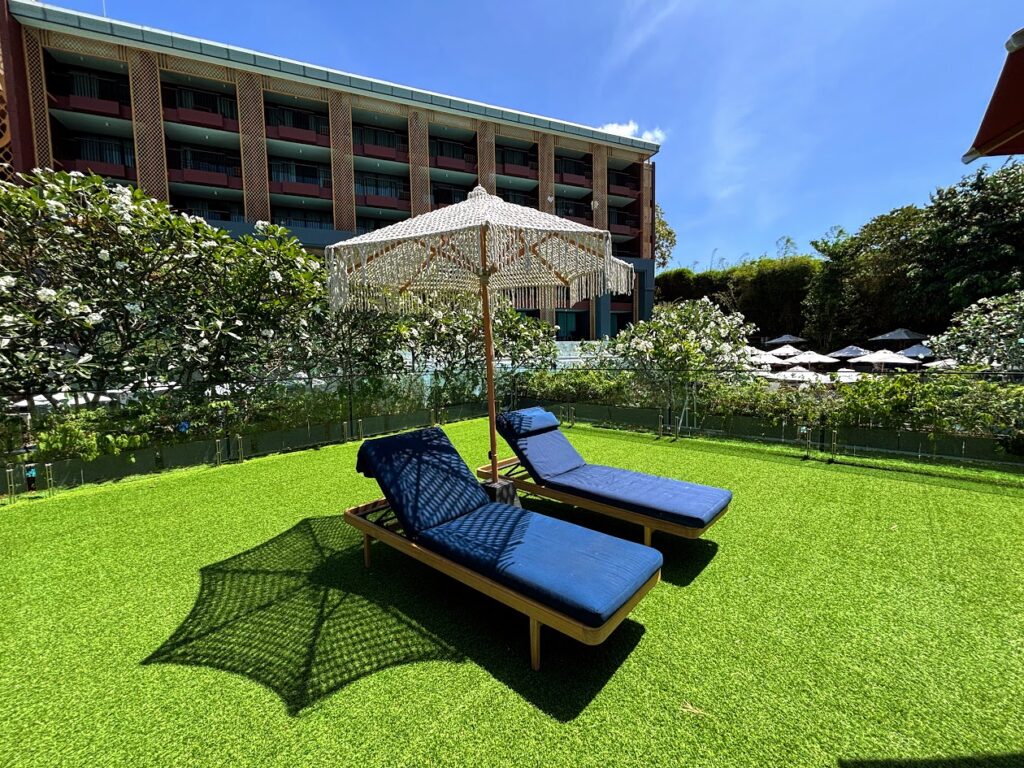
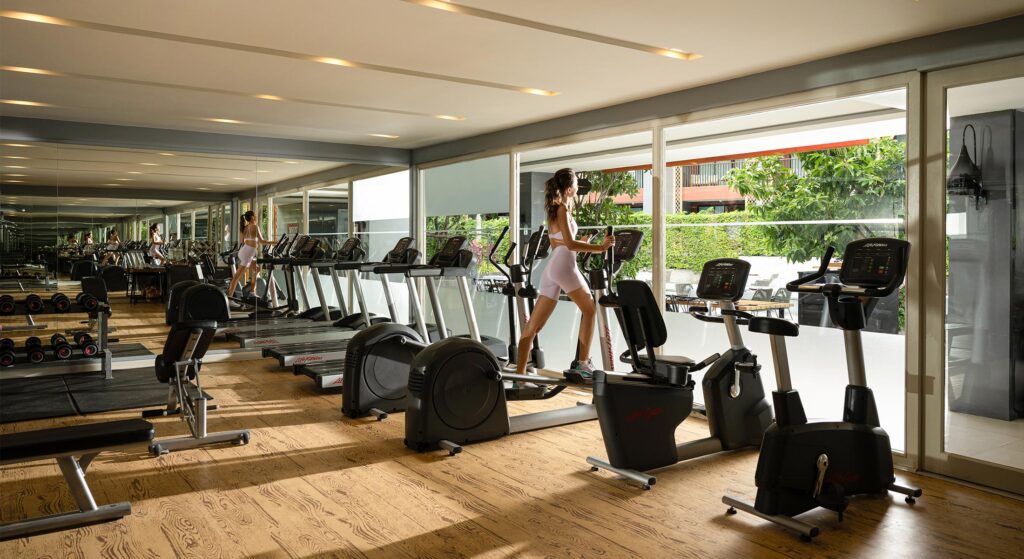
This is, on paper, a mega resort: 283 rooms, three lagoon pools, multiple dining options, a kids’ club, a 24-hour gym, and enough lawn to get genuinely lost in. In practice, the only time you register the scale is at breakfast. The grounds are generous and lush enough that guests find their own corners. There is an anonymity to the place, and it works in its favour – people are here doing the same thing you are, but there is enough space to see off the illusory superiority complex that we all bloody suffer from on this lawn. On this beach. In this country…
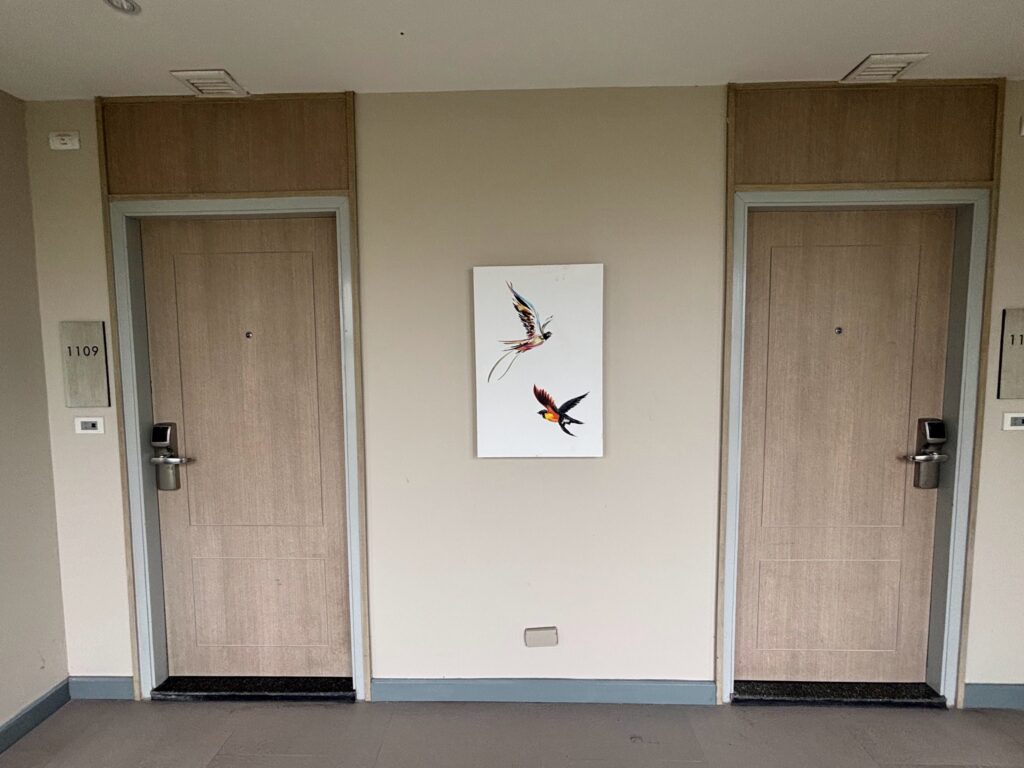
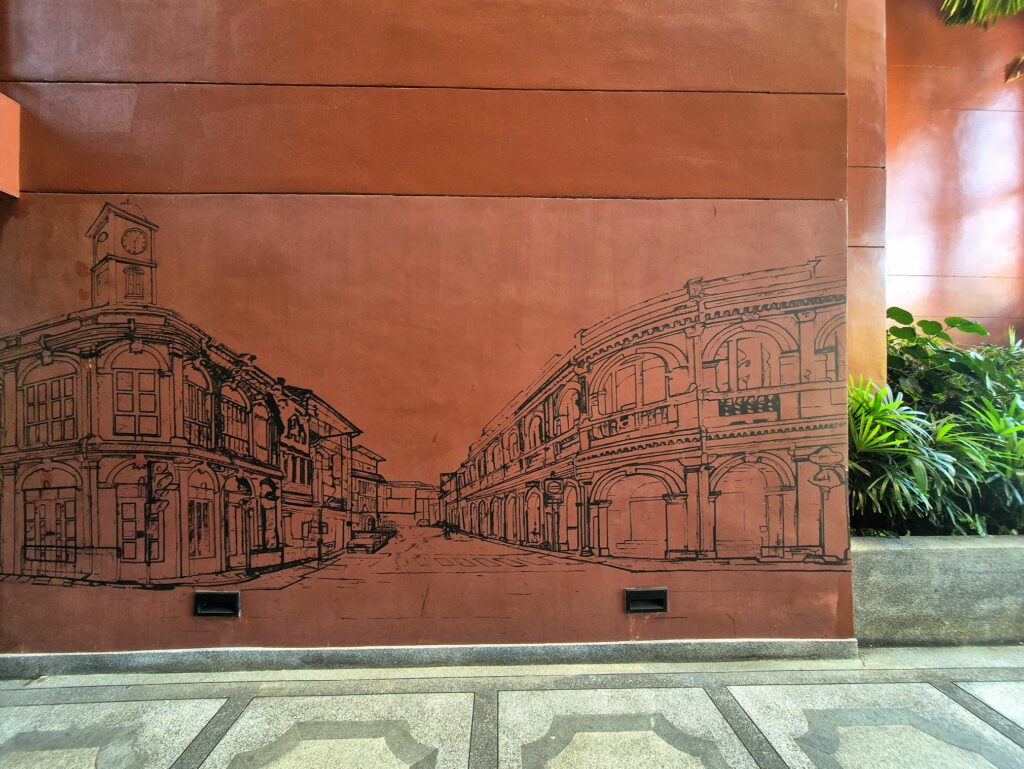
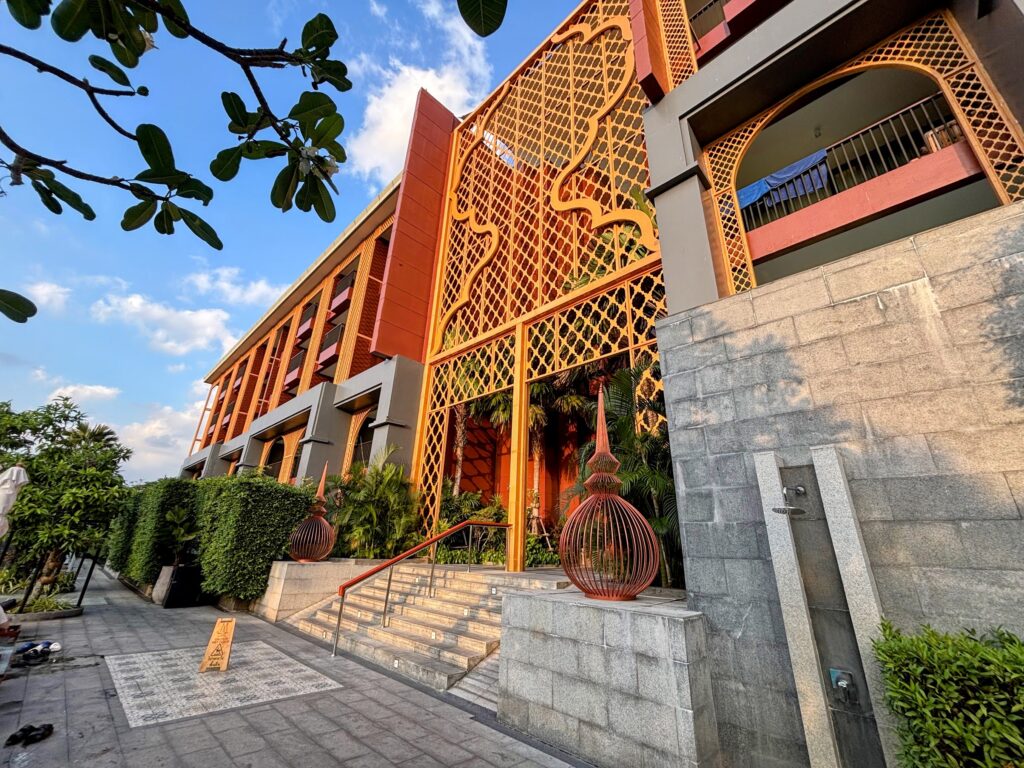
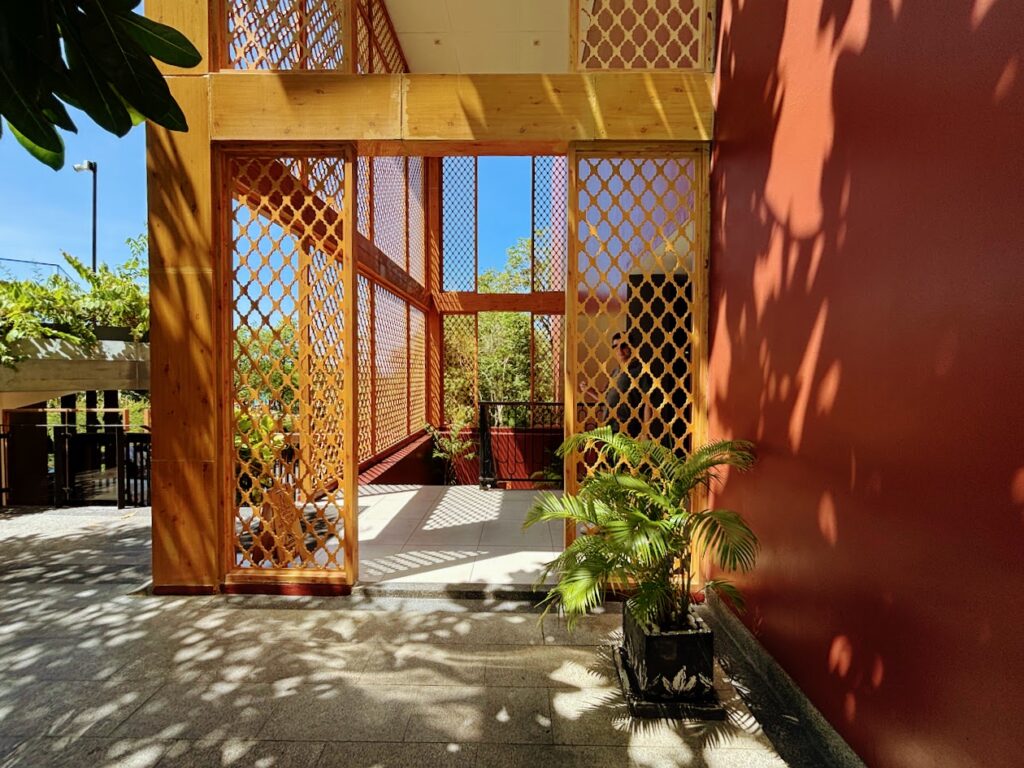
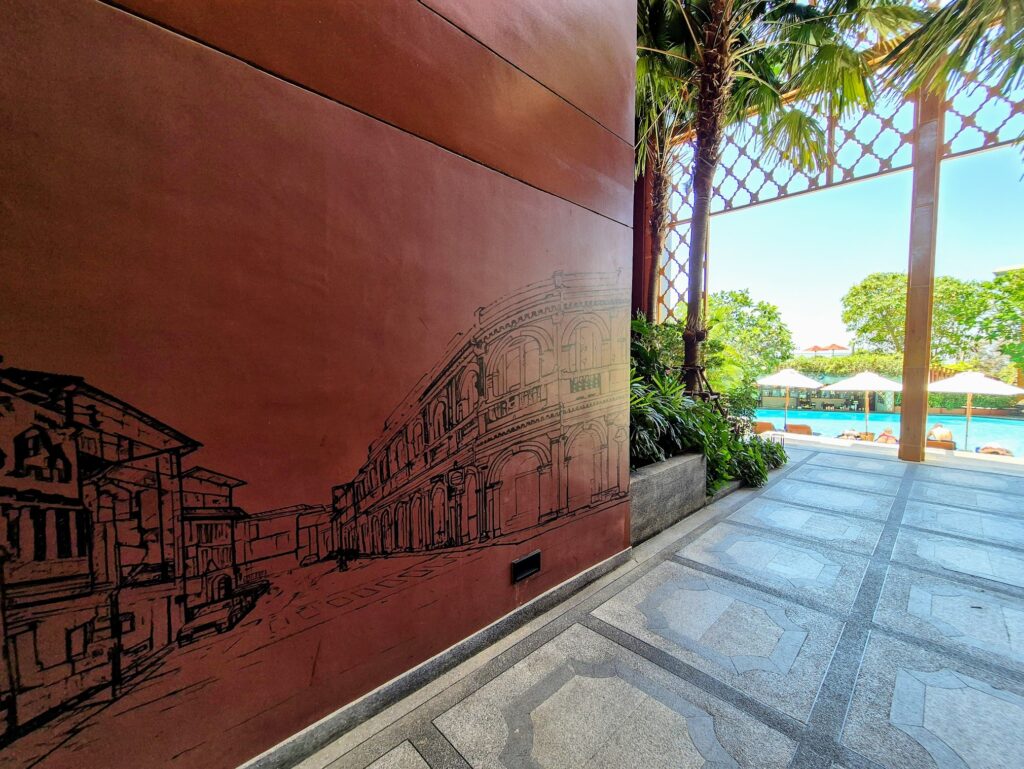
Elsewhere, colourful murals appear at intervals throughout the resort, making even a corridor feel like somewhere worth pausing. The vibe is cheerful rather than frantic, with children everywhere during the day and somehow never too much.
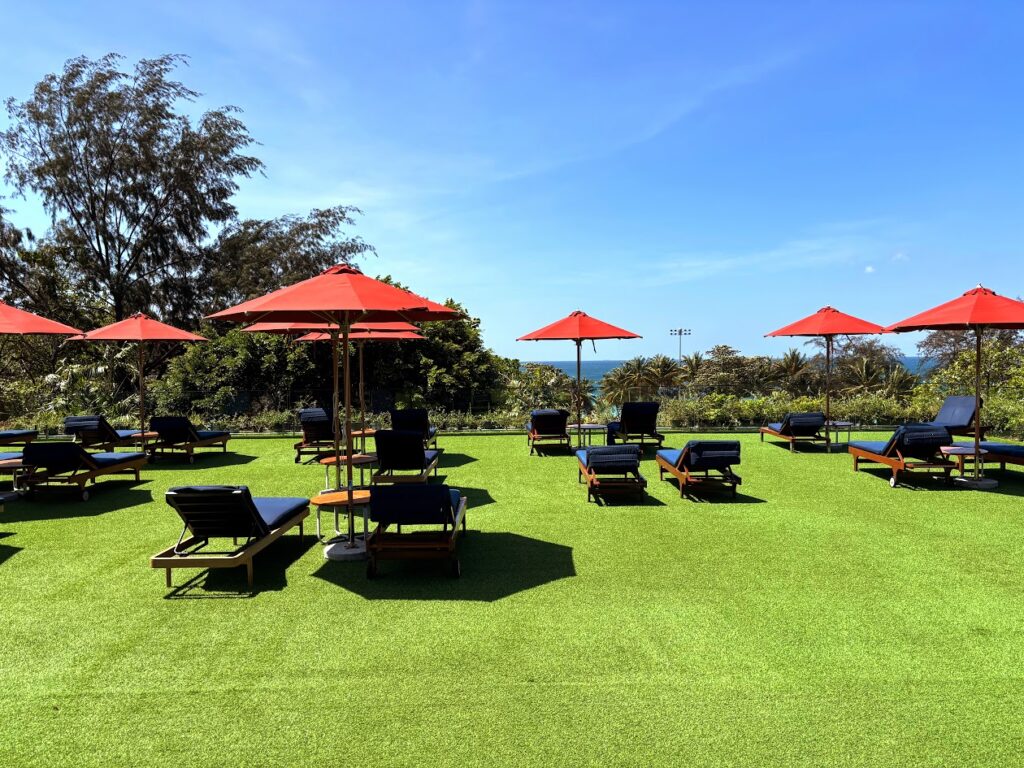
Part of that is the layout: Le Méridien is sprawling enough that different groups drift to different ends of the resort without overlap (some weirdos are still dwelling in a random corridor, admiring a mural), and there is a self-sorting quality to it. Beach chairs and sun loungers are in generous supply; unlike at many places of this scale, the morning towel-dash is not something you need to think about.
Part of what sustains that ease is the hotel’s all-inclusive option, which Le Méridien sells as an add-on (around £75 per night for two in low season, closer to £140 in high) – meaning you can commit at booking or decide when you arrive. Once you have it, the taxing mental arithmetic of a resort holiday largely dissolves. You can wander in off the beach with nothing more than your branded wristband on (hey you, put some clothes on!) and lunch and drinks just happen. Nobody is calculating whether a second pina colada is worth it. That low-level financial anxiety, which hums beneath the surface of some resort stays, simply isn’t here, and the atmosphere is noticeably more relaxed for it.
Families should note that the all-inclusive rate covers two adults; additional guests are handled separately at the desk, and the terms are worth checking before you arrive if you’re travelling with children.
Bird art is everywhere, rendered in that vivid, wing-splayed style that owes something to paintings of Siamese fighting fish. Bird identification signs are dotted about the grounds, wildlife-reserve style, naming the species that pass through. It gives the place an unexpected earnestness, a resort that’s proud of its adjacency to the national park. Download a birding app before you go: half the pleasure is learning to match the calls to the signs. Or, indeed, at trying to imitate those calls, much to the amusement of absolutely no one in your vicinity.
The Rooms
There are ten room types across 283 rooms, suites, and villas. The entry point is the Superior – perfectly comfortable, though notably it’s the one category that forgoes a bathtub. Although, who’s taking a bath in this heat, with three pools and the big blue right at your door?
Above that, Deluxe Pool View rooms add more space and a proper bath. The Deluxe Pool Terrace takes the same room to ground floor level with direct terrace access to the lagoon. It’s what we stayed in, and the category we’d point most guests towards. The line between room and resort dissolves, and you stop thinking of the pool as somewhere you have to tick off. Interconnecting rooms are available across several categories, and a dedicated two-bedroom family room with pool access sleeps up to five. At the top end sits a private pool villa for those who want the resort experience entirely on their own terms.
The bird theme that runs through the resort makes it into the rooms too, as if they’ve flown in here and they’re just too charming to be ushered out. Above the bed, a flock of gilt swallows arcs across a slate-grey wall; small, sculptural, mid-flight. It’s a detail that could easily tip into kitsch but doesn’t. A careful balancing act well struck.
The bathrooms are a particular strength. Ours was vast, with a deep soaking tub set beneath an internal window looking back into the bedroom, a marble-topped double vanity, and a separate walk-in rainfall shower. The robes are thick, the shelving generous. Having stayed in enough Thai hotels where the bathroom is an apology tacked onto the room, it’s worth saying clearly: this one is not.
Balconies are private and, if you book an east-facing room, they catch the morning sun beautifully. Welcome amenities on arrival are a nice touch (fresh fruit, a small cake, chocolates), as are the in-room toiletries; Malin + Goetz, if you’re asking. Not the generic white-label product most Thai resorts default to, and a thoughtful choice when you’re spending the day living between the pool and the sea. The shampoo and conditioner leave your hair noticeably soft in a way that matters when saltwater and chlorine are taking turns with it.
Facilities & The Beach
The three lagoon pools are more interesting than they sound on paper. The main one functions almost like a water park, with bridges to duck under, a volleyball net, a basketball hoop at the deep end, and, during our stay, a foam party that kids and adults loved in equal measure. It’s executed with enough restraint that it never tips into holiday-park territory. Grab an inflatable and drift. You’ll be fine.
For younger guests, the resort earns its reputation as one of Thailand’s best family beach stays. The kids’ club runs daily activities (arts and crafts, nature discovery sessions, bird-watching walks) and the expansive beachfront lawns are set up with games throughout the day, giving children somewhere to burn energy that isn’t the pool. Kayaking and paddleboarding are complimentary. On the main lawn every evening, there’s a cinema screen set-up and a couple of rows of deckchairs populated by enraptured kids and the occasional parent. Someone knows their stuff, sound engineering-wise, as Toy Story doesn’t overspill into any of the outdoor dining areas.
The gym is 24-hour and well-appointed. There’s a dedicated boxing setup next door to the main gym area, and each has cold towels in the fridge smelling of tiger balm and eucalyptus, as well as flavoured waters, and free fruit. The treadmills line up along a vast window that runs the length of the gym, looking out over a dense canopy of banana palms and areca trees swaying under a blue Phang-Nga sky. The staircase up to the fitness centre is steep enough to count as a workout in its own right, which did give us a convenient excuse to cut short each and every session.
Bangsak Beach itself is the real facility. Walk it early, when the tide is out, and the sand holds the patterns made by the crabs overnight as local women work the waterline digging for clams that may well end up on your dinner plate. Borrow sea shoes from the hotel if you want to walk further right along the coast, where the beach becomes more untouched. Go left, and further down you’ll find a handful of bars, Happy Beach among them, where cold Singha goes for a fraction of what the Bamboo Pool Bar charges. Though the all-inclusive option renders that redundant, of course.
Food & Drink
Three restaurants plus three bars means that, in theory, you don’t need to leave for the duration of your stay. In practice, the all-inclusive package is what makes that calculus work financially; without it, the on-site prices feel steep for what’s on offer, which is the honest trade-off of being captively located. You don’t have to leave, and you don’t have to think. Surrender yourself to it.
That said, there are genuine highlights. Breakfast at The Nest is an event worth setting an alarm for, but strategy helps. The first rush belongs to families with small children. Wait it out with a coffee and the brisk hostess will have a table cleared in short order, and handy table-claiming signs are provided for when you need to browse the buffet without losing your seat. The sausages are proper butcher quality, not the hot-dog pallor you find at most hotel buffets. The fruit selection is excellent, including sour green mango served with chilli-spiked dipping salt. If your first coffee didn’t wake you up, this will.
The juice fridge runs named blends rather than the usual carton OJ: the Hot Sabparod (ginger, celery, pineapple) has real kick to it, the Golden Siam (mango, banana, honey, yoghurt, milk) is essentially a dessert doing its best impression of a smoothie, and the Tropical Essentials (banana, mango, passionfruit, orange juice) is the one to start with. The jams, really more like compotes, come in mango, papaya and cantaloupe, and are worth spreading thickly.
The waffle and pancake station felt like the headlining act. Boozy caramel bananas are served alongside, and the combination is one of the better things you’ll eat all week. There is also a bread pudding, rich and custardy and golden on top. It had no business being this good. There’s a good selection of Thai food too, a kanom jeen station, and, of note for anyone partial to southern Thai flavours, a moo parlow that you would happily pay good baht for in a decent restaurant in Phuket Old Town.
Coconut Jo’s beach bar is where the evening should begin. There’s live music, and the coconut mojitos and piña coladas are exactly what the situation calls for. On certain evenings the resort runs a beach barbecue, worth timing your stay around if you can, as it’s an opulent spread. Do be aware that it’s not covered by the all-inclusive package, however.
The Beach Grill is the one to book. Sat right on the sand with fisherman’s buoys strung across the ceiling, it leans into its coastal setting without overdoing the theme. The Andaman prawns served with a sharp nahm jim are a good way in, but the seabass wrapped in banana leaf is the order here. Tables fill up fast from sunset onwards, so it pays to book ahead rather than chance a walk-in.
The Pizzeria is worth sitting down in rather than treating purely as a collection point, though plenty of guests do exactly that. The room earns it: gingham napkins, scenes of black and white Naples on the walls, a pizza oven in constant rotation and offering the necessary ambience to boot. While we were there, a steady procession of people came through collecting boxes for the beach, and staff disappeared into the grounds with deliveries for rooms. Both are good options. But so is just staying put with a carafe of wine.
Le Scoop is the place for ice cream: fresh green coconut served with two scoops of coconut ice cream, roasted pineapple, and sliced almonds. Scoop the coconut flesh and eat it with the ice cream; it’s excellent. The pandan macaroons shouldn’t be missed either.
The Latitude 08 lobby bar has a slightly half-hearted Great Gatsby theme, but it runs happy hour between 2pm and 4pm, and then again 8pm to 10pm. During that time, it’s buy one, get one free on cocktails. File that information somewhere accessible.
Ideal For…
Families who want beach without chaos. Le Méridien’s strongest card. The kids’ club, family rooms, lagoon pools, and a beach that is genuinely safe and uncrowded make this an easy choice. The all-inclusive option removes the wallet anxiety, and the remoteness that might frustrate a couple without children is an outright benefit here.
Couples who want to do very little. Not honeymooners in search of boutique romance – The Sarojin or Casa de la Flora handle that better. But a week of pool, beach, breakfast, and perhaps one Similan Islands day trip? The pool access rooms are the move.
A base for Phang Nga province. Le Méridien’s northern position puts you closer to Takua Pa Old Town, the Similan Islands departure pier at Thap Lamu, Khao Sok National Park, and the working fishing villages along the coast. If you want a hotel from which to actually explore the region rather than simply inhabiting it, the location makes sense.
Why Stay?
Le Méridien Khao Lak is a large resort that wears its scale lightly, on a beach you won’t have to share, in a province that hasn’t yet decided to become the next Phuket. The all-inclusive package is the sensible way to book it, and the pool access rooms are worth the upgrade. Go while the shells are still on the beach. Guests here become migratory creatures, the pull to return less a decision than an instinct. We now count ourselves among them. Hang on, why aren’t these wings working?
Rooms start from around 2,750 baht (£55) per night during low season, and 11,500 baht (£230) per night during high.
Wanderlust. It’s a beautiful thing, and when the itch hits, you’ve just got to scratch it. Or, is it just that skin condition we’ve been meaning to get checked out?
Anyway, whether you’re looking to travel near or far, to feel the gravel under your feet in the Andes or the snow in your grasp in the Alps, that sense of unbridled freedom and escapism sounds so good to us right now. So with itchy feet needing some lotion, here are 7 must-see trekking destinations worldwide, ranging from the easily-tackled to the genuinely epic.
The Grand Canyon
The mile-deep and 10-mile-wide Grand Canyon is not for the faint of heart. Oh no. You’ve got to be properly prepared to make the most of your Grand Canyon trekking experience; the terrain here can be, at times, inhospitable and the heat unbearable, particularly between May and September when temperatures on the canyon floor regularly tip past 40°C.
Although it may not be the best choice for novice hikers, you don’t have to be a skilled pro on your feet (is trekking even a job?) to take on this natural wonder carved by the Colorado River.
The Bright Angel Trail is the classic way in, with rest houses and water stations along its 9.5 mile descent to the river, while the South Kaibab offers a steeper, more exposed route for those after a stiffer test. Whichever you choose, just be sure to respect the terrain and honour your limitations so that you can have an enjoyable and safe trek. The golden rule, repeated by rangers everywhere: going down is optional, coming back up is mandatory.
Machu Picchu
This UNESCO World Heritage Site will not disappoint avid hikers. Hidden in the Andean Mountains of northwestern Peru near the town of Cusco, you’ll find Machu Picchu. The ruins include over 150 buildings and more than 3,000 stone steps of pure wonder.
A hike along the Inca Trail from Cuzco, which follows the Urubamba River, can take two to seven days depending on your route and pace. It’s a high-altitude course full of tropical scenery and fascinating wildlife, with cloud forest giving way to alpine tundra as you climb towards Dead Woman’s Pass at 4,215 metres.
And the views; oh, the views. As such, the country wants to preserve this ancient site as best it can, so booking ahead of time is a must. Permits sell out months in advance for the classic four-day route, and hikers are limited to 500 each day, accordingly. If the Inca Trail is fully booked, the Salkantay and Lares treks are gorgeous alternatives that approach the citadel from less-trodden directions.
Kilimanjaro
No visit to Tanzania is complete without a trip to Mount Kilimanjaro. Well, actually it is, but you get what we’re saying. It’s Africa’s tallest mountain, and the world’s tallest free-standing one, too, topping out at 5,895 metres at Uhuru Peak.
Sounds too daunting to tackle? Surprisingly, it’s doable. The best thing about climbing Kilimanjaro is that you don’t have to be a seasoned hiker with specialised gear and technical skills to manage the climb. In fact, Kilimanjaro is known as a ‘walk up’ mountain. As in, you don’t need to be scrambling up on hands and knees. Depending on your prowess and which of the seven established routes you choose, this ascent should take between five and nine days, with the longer Lemosho and Northern Circuit options offering the best acclimatisation and therefore the highest summit success rates.
That said, less than half of climbers actually make it. But if you view such an excursion as torture rather than challenge, then don’t worry, the Kilimanjaro National Park has plenty to offer even at ground level. Elephant, buffalo and antelope roam in the Forest Reserve area of the park, meaning you’ll see action even if the ascent isn’t for you.
The Lake District
Trekking needn’t involve unnecessary air miles and leaving a guilty carbon footprint. In fact, some of the best walks around are found on terra firma, though the famously changeable Cumbrian weather means a pair of well-fitted men’s hiking boots will earn their keep on the bog-soft fells more than they might in the dry heat of the Grand Canyon.
Scafell Pike, in the beautiful Lake District, is a complex mountain to hike, with landscape and views to take your breath away. The simplest route to the summit is via Brown Tongue from Wasdale, but if you’re feeling more ambitious and want to see the best the mountain has to offer, try the Corridor Route.
Or, you could go for Helvellyn, a beautiful mountain surrounded by the Lake District’s signature bright blue lakes. The peak sits at 950 metres and should take three to four hours to ascend, with the legendary Striding Edge offering a thrilling scramble for those with a head for heights and the Swirral Edge giving a slightly gentler return. All the routes to the summit are fairly challenging and require a high level of fitness. Better get on that heavily inclined treadmill, pronto, in preparation.
If you’re looking for something lighter, then Allen Crags is part of a nine-mile scenic walk that takes in the glorious Great Gable mountain. The walk starts from Seathwaite and then winds up to the summit of Allen Crags. You’ll be rewarded by some glorious countryside if you take this one on.
The Quilotoa Loop
If off-the-beaten-path is everything you want from your next destination, then the Quilotoa Loop in Ecuador is just what the trekker in you ordered. Lots of tourists overlook this cracking three to five day hike in search of a more orthodox Amazon or Galapagos adventure, but the nonconformists are rewarded with a path less beaten and crowded.
This hike through the vast Andean countryside will not only give you the chance to see a volcano and crater lake, the latter glowing an unreal shade of turquoise courtesy of the dissolved minerals in its waters, but you’ll also get to experience the unique and fascinating Quechua culture of the region. Nights are spent in basic but characterful family-run hostels in villages like Chugchilán and Isinliví, where dinner usually means whatever the host is cooking for their own family that evening.
Torres Del Paine, Patagonia
Down at the wind-lashed bottom of South America, Torres del Paine National Park is the kind of place that ruins other hikes for you. Granite spires erupt out of the steppe, glaciers calve into electric-blue lakes, and the wind, well, the wind has its own personality. Bring a windproof. Bring two.
The park’s signature trek is the W, named for the shape it traces across the southern face of the Paine massif. Most hikers do it over four to five days, with refugios and camping spots strung out along the route, taking in the French Valley, the foot of the Grey Glacier, and the base of the towers themselves. Those with more time and stronger calves can tackle the full O Circuit, an eight to ten day loop that adds the wilder, less-trafficked back side of the massif. Either way, the moment you crest the final morainal scramble at dawn and see the towers go pink in the sunrise is one you’ll be telling people about for years.
The Tour Du Mont Blanc
Closer to home, the Tour du Mont Blanc remains one of the great long-distance walks. The 170-kilometre circuit loops through France, Italy and Switzerland, circling Western Europe’s highest mountain and passing through some of the most photogenic alpine country on the continent.
Most walkers complete the full circuit in ten to twelve days, staying in mountain refuges and village guesthouses along the way, though you can shorten it considerably by using the network of local buses to skip the less interesting valley sections.
The route is well-waymarked and doesn’t require any technical skills, just decent fitness and a willingness to get up early; daily ascents of 800 to 1,200 metres are routine. Highlights include the descent into the Val Ferret on the Italian side, the wildflower-strewn balcony paths above Champex, and the moment Mont Blanc itself reveals its full bulk above the Aiguilles Rouges. Late June through early September is the sweet spot, after the snow has cleared from the higher passes but before the autumn weather rolls in.
The Bottom Line
Of course, the beauty of hiking is carving out your own path. But should you be stuck for inspiration or looking for someone to take those first couple of steps with you, these seven trekking destinations should be right up your street. Or should that be route? Who knows. Anyway, bon voyage!
Sure, fish’n’chips on the pebbles, perhaps with a plastic pint in hand, is a great way to spend an afternoon in the quintessential British seaside town of Brighton. And yep, poking around in a polystyrene tub trying to spear that last pickled cockle…we love it just as much as you do.
But variety is the spice of life, and sometimes it’s nice to perch your bum on a proper seat or stool, clink a glass of wine and enjoy something a little more hearty and warming. If you’re craving Italian today, you only need to step inland just a little, and there’s heaps of the good stuff. Here’s where to eat Italian food in Brighton; the best Italian restaurants in Brighton, IDEAL for the best pizza and pasta in Brighton.
Cin Cin, Western Road
Ideal for a modern Italian menu showcasing the best of seasonal Sussex produce…
Though the trend for daily, freshly made pasta with refined but generous sauces has taken over London completely, it’s yet to permeate the UK’s other foodie cities in quite the same way. Brighton, though, is rightly proud of Cin Cin, the premier purveyors of the good stuff here, and a more than capable match for any of London’s top pasta slingers.
In 2021, the restaurant did indeed decide to match those pasta slingers, and opened a branch of Cin Cin in Fitzrovia, which has quickly received acclaim in the national press. Sadly, it has now had to close; a sign of the times rather than the standard of Cin Cin, which is reliably excellent wherever their double zero is stashed.
Back in Hove, and you can expect some of the finest bowls of pasta you’re likely to find outside of Italy, alongside some excellent housemade charcuterie, gorgeous desserts and the odd creative starter, too.
The restaurant even boasts a grill for a couple of larger plates in the evening. On our last visit, of which there have been many, a ragu of lamb sweetbreads with rigatoni was sublime.
Bring a fellow pasta enthusiast with you, sit at the bar and order a couple of small, seasonal starters, then share a pasta or two and drink plenty of wine. And if the marmalade bread and butter panettone pudding is on the menu, order it and you’ll leave a very satisfied duo.
Cin Cin has now held a Michelin Bib Gourmand for nine consecutive years, the 2026 Guide confirming their place on the list once again.
Ideal for authentic, homestyle Italian cooking in an endearingly chaotic setting…
Tucked away just off Western Road as you descend down hill towards the beach, this tiny one-man restaurant has been serving up some of Brighton’s most honest Italian fare since 2009. While bigger, glossier Italian establishments have come and gone, Pronto in Tavola has quietly built a devoted following among locals, who are as enamoured with chef-owner Nino, a Calabrian native, as they are faithful to the actual food.
The atmosphere here is refreshingly genuine; it’s the kind of place where candles drip leisurely down wine bottles, Italian folk music crackles through old speakers, and Nino’s enthusiastic conversations with regulars float over from the open kitchen (it feels real nice when he starts calling you by your name). The biggest compliment we could pay to Pronto is that it’s more like popping round to an Italian relative’s house than dining in a restaurant – if said relative happened to be a dab hand with pizza dough. It’s a really special place.
Speaking of which, while they may not have the wood-fired ovens of some of their competitors, the pizzas here are genuinely delicious. The dough, made fresh daily, achieves that perfect balance of crisp and chewy that marks out a proudly Italian pizza. Their Granducato, topped with homemade sausage, mushrooms, ricotta and garlic, is a particular triumph. But it’s not just about the pizza. The pasta dishes shine just as brightly, especially the fresh tagliatelle with its rich, long-simmered bolognese sauce.
For the full experience, let Nino cook you something off-menu (he’s always happy to oblige with advance notice), accompanied by a bottle from their thoughtfully chosen wine list. End the meal with his wife’s homemade Torta della Nonna, a traditional ‘grandmother’s cake’ filled with lemon-scented custard and topped with pine nuts. It’s impossible to resist, much like the whole place in general.
Ideal for reliably delicious and affordable Neapolitan pizza …
Some 11 years after the original Fatto a Mano opened on Brighton’s London Road, two more outposts have opened (one in Hove and one in the city’s North Laines) and now there are several successful London branches too, in King’s Cross, Covent Garden and Bethnal Green. World domination seems the only next logical step.
Each restaurant is packed every day of the week and it’s easy to see why. The pizzas are as authentic as they come; wood fired quickly, so the cheese remains delicate rather than singed, the dough soft and pillowy not burnt and crispy, with a blistered crust and restrained, respectful toppings, true to the Italian tradition. The name translates as ‘handmade’ in Italian, and that’s certainly the vibe here; everything is made from scratch and with love, and it shows. It’s great value, too, with their sprawling pizzas starting at just £9.50.
Even if pizza isn’t your thing (how have you got this far into the article, by the way?), Fatto a Mano has some excellent starters and sides to see you well fed; their aubergine parmigiana, in particular, is ace.
Ideal if you’re looking for the most traditional Neapolitan pizza in Brighton…
Having evolved through several iterations over its seven years on Preston Street, the restaurant formerly known as Nanninella has just entered its newest chapter: as of early 2026, it’s now Ventisei Pizzeria Napoletana. The logic tracks – 26 is Nanninella in the Neapolitan tombola, and the restaurant’s address has always been 26 Preston Street. Same spot, same Sergio, same soul.
Rich 12hr+ slow cooked Neapolitan
The journey – from pizzeria to takeaway, then panini specialist and back to its roots – speaks to its resilience and commitment to finding the perfect format to showcase their exceptional Italian cooking.
What sets Ventisei apart is their unwavering commitment to quality. The pizzas here are nothing short of exemplary; blistered, burnished, and traditional, just as they should be. The interior, with its brightly coloured tiles and the warm glow of the pizza oven, creates an atmosphere that’s both authentic and welcoming, while Sergio and his family’s hospitality makes every visit feel special.
The kitchen is now led by new head chef Giovanni Affinito, a dough specialist who’s currently finalising a full new menu; a temporary offering is running in the meantime.
Our favourite pizza here – and in the whole of Brighton, in fact – is the provola e pepe (£13.50), which uses smoked mozzarella and freshly ground black pepper to create something truly magical. Any pizza featuring their fresh burrata is equally wonderful. The quality of ingredients shines through in everything they serve, with premium, imported Italian products taking centre stage.
Make sure to start your meal with a plate of the cacio e pepe bites (£7.50) for the table; crispy fried mac’n’cheese balls made the Italian way, with cacio cheese and black pepper, topped with a cacio e pepe sauce. They’re as indulgent as they sound.
Ideal for ingredient-led Italian cooking in an impressive setting…
It felt inevitable that Tutto, the Italian arm of Brighton’s all conquering Black Rock restaurant group, would be a success.
After all, this is a team that had already brought us some of Brighton’s best restaurants, whether in the superb steaks at the Coal Shed, the Salt Room’s premium seafood, or the Middle Eastern inflections of Burnt Orange.
To say that Tutto’s opening didn’t quite go according to plan would be an understatement. Firstly, following a soft launch beset with organisational issues, the restaurant decided to ‘re-group’, with Black Rock boss Razak Helatat candidly writing that the ”concept and consistency of the food and service have not aligned to my original vision”.
After Tutto’s reopening, things got worse, with a disastrous national review from Grace Dent in The Guardian declaring that ”there are chefs here who can’t cook pasta”. For an Italian restaurant with big ambitions, there could be no more damning indictment.
Fortunately for the Italian-food lovers of Brighton, things picked up significantly after those early challenges, with Tutto now cooking a freshly configured menu with confidence and precision, a fact that was recently recognised by an inclusion in the Michelin Guide back in 2022, recognition is still holds.
A must order if it’s on the menu is the lasagne croquette; think layers oozing with rich ragu and creamy bechamel sauce, breadcrumb, deep-fried and then sprinkled with aged parmesan, all served with a tangy tomato sauce. Finish with Tutto’s chocolate and hazelnut torte, which has become something of a signature dish here, and, in our view, is the ideal end to this – or any – meal.
Oh, and if you’re all about vibes, we should mention that the restaurant occupies a former bank which has been transformed into a modern and rather gorgeous dining room. Vibes-ahoy!
Just beyond Hove Lawns and right on the oceanfront along the gorgeous Kingsway promenade is Marrocco’s, an Brighton and Hove institution. It’s pretty old school looking from the front, with Tricolore themed signage and a few al fresco seats. Open since 1969, it feels as though nothing has changed since, and that’s all part of the charm.
Though the menu includes a Norwegian breakfast, burgers, and fish and chips amongst other globe-trotting delicacies and alongside seafood pasta and pizza, we’re here for the superb, daily changing selection of gelato, which is some of the best in the city.
Sure, the word ‘legendary’ is thrown about on menus a little too liberally these days, but Marrocco’s ice cream sundaes feel genuinely worthy of the acclaim, and are, indeed, legendary. Proper old school Italian at its best, this.
Brighton is home to some excellent high-end Italian restaurants. Cin Cin has already proven that it can keep up with London standards and we wouldn’t be surprised if Tutto followed suit by opening a branch in the capital soon.
Sometimes, however, you just want homely Italian comfort food, without all the bells, whistles and price tags sometime associated with it. Enter Semola; the ideal spot for a midweek meal without all the fuss and frippery of going to a fancy restaurant.
At Semola, they cook the simple things well. Roberto and Luca make all the pasta on-site, using multiple semolina flours – hence the name. The house wine is super affordable, with the cheapest bottle clocking in at around the £20 mark. While the food may not blow your socks off, it’s certainly satisfying. If you’re a local, it’s a restaurant that you’ll end up coming back to, time and time again.
Across London over the previous decade, there was a tendency for the authenticity obsessed, produce-pedants of the Big Smoke to look down their 00 flour-tipped noses at the ‘New York’ style pizza.
Sure, we were content with a 330ml IPA, some deep Derrick May cuts, and a sturdy slice of the good stuff once the clock passed midnight and standards slipped. But if superlatives were getting dished out towards pizzas in London, it was usually in a Neopolitan direction. Whether that was aimed at Pellone, Salvo, Chionchio or Condurro largely depended on which pizzeria was closest, but the praise followed a similar script – of San Marzano tomatoes, 58-65% hydration, and 13.8 inches.
Fortunately, London’s pizza scene feels like it’s loosened up in recent years. The pie purists have begun experimenting and have found that, sometimes, in a city this big, there’s room for a more diverse set of marriages between dough, tomato and cheese.
Though our two favourite neo-Neapolitan and New York by-the-slice joints have now sadly closed, (RIP ASAP Pizza and Paradise Slice), there’s still plenty of joy to be found in London’s crisper, thinner based brethren.
With that in mind, today we’re exploring London’s best New York style pizzas, pie-by-pie and slice-by-slice.
*Yes, we realise some of the below aren’t strictly New York pizzas, and may even bring a touch of the ol’ New Haven across the dough, but these guys are closer to the New York style than the Neapolitan, the two key totems of the genre. And stop trying to make ‘London pizza’ happen guys! It ain’t a thing.*
Alley Cats Pizza, Various Locations
Ideal for a taste of London’s most hype new New York pizza…
If you’re on the hunt for a slice of New York in London, look no further than Alley Cats Pizza. This bustling mini-chain opened its first location in Marylebone in 2023 and has since become one of the city’s go-to spots for authentic New York-style pizza. Alley Cats now has four locations across West London: the original Marylebone outpost, a second on Chelsea’s King’s Road, a third on Westbourne Grove in Notting Hill, and a brand new site on Portobello Road opened just last month featuring a downstairs slice hatch and hidden rooftop terrace. Perhaps it might be a little easier to actually snag a table now!
The mastermind behind the 14 inches here is Francesco Macri, a Sicilian-born pizza specialist whose impressive resume includes stints at Pizza Pilgrims and Santa Maria. At Alley Cats Pizza, you’ll find a menu that boasts plenty of west-leaning pizzas, including the signature vodka pizza, a creamy concoction of buffalo mozzarella and tomato sauce enriched with vodka, inspired by the iconic pasta dish penne alla vodka.
With design details like wipe-clean gingham tablecloths and church-pew style seating, you’ll feel like you’ve stepped into a classic New York pizzeria here. The open kitchen extends into the bar area, allowing diners to witness the magic of pizza-making firsthand. And while traditional New York pizzerias might serve their pizzas by the slice, Alley Cats opts for a whole-pie approach, with prices ranging from £17 to £21. This one, then, is for sharing.
When a former Michelin-starred chef decides to sling New York-style pizza from a Southwark railway arch, London pays attention. Tom Kemble (ex-Bonhams and The Pass) opened Spring Street in April 2025 after his lockdown pizza project became an all-consuming obsession, and now he’s serving 18-inch monsters that you can buy by-the-slice like a true East Coaster.
The 72-hour fermented dough using an Italian biga method (the dough is pre-fermented for a good 18 hours before a longer ferment in the fridge for a couple of days) sounds like a lot, but it delivers a base with fantastic structural integrity – crispy underneath yet still foldable enough to do that whole one-handed-fold-while-walking thing.
Pizzas are all served as full sharers, but you can go for a half-and-half option toppings wise, which is a nice touch. True to form, we’re particularly enamoured with the New Yorker, which takes the now totally ubiquitous hot honey and pepperoni combo up several notches with soothing fior di latte, jalapeños and drifts of good quality pecorino. Sure, it’s £34, but the quality of the ingredients and size of the damn thing make it acceptable value.
Tucked into Arch 32 next to Omeara bar, it’s five minutes from both London Bridge and Borough stations, with outdoor seating where you can demolish pizza while trains rumble overhead every few minutes, safe in the knowledge that the structural integrity of these pies won’t be disturbed by your rattling table. They’ve even got gildas to start and Estate Dairy soft serve with olive oil drizzle for afters, again setting out their stall as a pizzeria that takes their ingredients very seriously.
Ideal for a fleeting flavour of New York pizza perfection…
Even more evanescent than a canotto crust pre-exhale, the team at Dough Hands have made a big name for themselves in the London pizza game with periodic pop-ups across the city in recent years, including an inaugural spot at Brixton Market in the pre-COVID blessed times.
Dough Hands has now settled in for a (hopefully) long term residency at the Spurstowe Arms in Hackney. We couldn’t be more excited to be trying chef Hannah Drye’s signature ‘Jode’ again, a spicy little number with nduja, hot honey and buffalo mozzarella. Open 7 beautiful days a week, it’s walk-in only.
The Nunhead residency at The Old Nun’s Head has now come to an end, but Drye is already onto the next thing. From 7th May, Dough Hands takes over the kitchen at All My Friends in Hackney Wick, serving XL 20-inch pies and, for the first time ever, individual slices. A fresh menu using regenerative flour from Shipton Mill and Wildfarmed should make this a serious summer destination.
Ideal for affordable, delicious slices of the good stuff…
Another pizza operation with claims at the crown of best NY-style pizza in London, All Kaps has been through a few iterations over the years: pop-ups, hiatuses, a spell doing preorder-only whole pies from a secret location, and most recently a residency at Papo’s Bagels.
Now, at last, they’ve landed somewhere of their own. All Kaps launches its first permanent kiosk directly opposite Papo’s this Friday and Saturday in early access, 3pm to 10pm, just across the road from Hackney Downs station. From next week, regular hours kick in: Wednesday to Saturday, 3pm to 10pm (or until sold out).
Available by the slice or as a whole 16 inch take home pizza, All Kaps is an inclusive, democratic affair. Though the Pepp Pie, a rich red sauce, mozzarella, provolone, and properly spicy pepperoni, is a crowd pleaser and surely the best seller (it’s often sold out come late afternoon), we’re even more enamoured with the garlic cream-based slices. A recent green sauce and shiso topped affair was a real ripper. A small menu of hits launches first, with rotating specials promised in a couple of weeks.
Ideal for a spicy, satiating slice where Harrow meets Hertfordshire…
Bang on the border with the London borough of Harrow, Vincenzo’s in Bushey, Hertfordshire, does such a good pizza that we’re stretching the very limits of what the “best New York style pizza in London” can be.
Available in 12 inch and 18 inch pies, to eat in or to take out (that is the question), the base here is thin and with just the right level of resilience, the crust gently puffed yet pliable.
We’re here, time and time again, for Vincenzo’s Raging Hog (sounds like a fucking weird innuendo), which is a carefully-composed, assertive though not aggressive balancing act of aged mozzarella, tomato sauce, and heat brought by pepperoni, hot and sweet roquito peppers and chilli honey. It’s that sweetness from the bee piss that tempers the more fiery notes here. Fresh basil, sniped and scattered, rounds it all off. Magic.
And now you no longer need to leave the capital to get your Vincenzo’s fix. Tom Vincent has opened a slice shop on Bethnal Green Road in Shoreditch, bringing his celebrated pies to East London. Unlike Bushey’s whole-pie focus, the Shoreditch outpost cuts slices from 20-inch pies starting at £5, available from 5pm until late. The Victorian shopfront opens onto a characterful interior channelling New York slice bars with an East London edge.
Ideal for trying London’s hottest pizza, New Yorker, Neapolitan or otherwise…
Quite possibly London’s hottest pizza (not temperature wise – that would be Fatisa in Wood Green, of course) right now, the queues outside tell a story. A story of Londoners keen to delve deeper than the Neapolitan culinary diktat, of discerning diners seeking a slice that won’t fold so dramatically that their starched white shirts get splattered in marinara sauce.
Enter the prosaically, aptly named Crisp Pizza, a pub-based operation that has been dubbed London’s best pizza by just about everyone from GQ to the Evening Standard’s Jimi Famurewa.
Boasting a base that simply won’t budge under the weight of its admirably restrained toppings, a good covering of Roni Cup pepperoni and wefts of grated parmesan are all you need to let you know you’re eating a New York adjacent pie. That, and the gravity-defying nature of the slice. Oh, and the literal name of the place – these are certainly crispy boys, and damn delicious, too.
It all began in 2021 when Carl McCluskey took over his nan’s pub, The Chancellors, in Hammersmith and started turning out thin, crispy pies from its tiny kitchen. The rest, as they say, is pizza history: Barstool Pizza’s Dave Portnoy made the pilgrimage, Saturday nights saw 300 pizzas leave the pass, and the virality just grew and grew. And grew. The W6 postcode became a destination in its own right.
Now, McCluskey has relocated to rather grander surroundings in Mayfair, reopening The Marlborough on North Audley Street in November 2025 with heavyweight backing from The Devonshire’s Charlie Carroll, Ashley Palmer-Watts and Oisín Rogers. National reviews have landed thick and fast since opening, and the influencer queue down this stretch of W1 suggests the hype has followed him from Hammersmith.
The setup splits across two floors: upstairs functions as a traditional boozer with standing room and exceptional Guinness pours (courtesy of The Devonshire’s famed installation), while downstairs houses a speakeasy-style 52-cover dining room plus terrace. Expect the same menu that won over west London – the Crisp W6 pie, the fiery nduja, the Vecna with its hot honey drizzle – just with a fancier postcode attached.
Gracey’s Pizza at Arcade Battersea & Arcade Tottenham Court Road
Gracey’s Pizza, the St Albans institution founded by Grace and James Newman, has finally put down permanent roots in the capital with not one but two locations inside Arcade Food Hall.
What started as a December 2024 pop-up at Arcade Battersea proved so popular that Gracey’s never left, eventually cementing their Battersea residency before opening a 40-cover restaurant at Arcade Tottenham Court Road in November 2025. Both sites serve the signatures that earned Gracey’s a spot in The Times’ UK Top 50 Pizzas – the Plain Tom, Smokey Ron, and Sweet Vera – alongside newer additions like the White Mushroom Pie with roasted portobellos and caramelised onions, and the Grandma Square Slice, a crisp-edged nod to Brooklyn’s iconic pan pizza.
This is the culmination of years of graft that began during the COVID years – 12 months of slinging pizzas outdoors in sideways rain and arctic temperatures from a mobile setup, before establishing their acclaimed bricks-and-mortar base in Chiswell Green. The team’s dedication to perfecting their East Coast-inspired style, informed by trips to New York and New Haven plus collaboration with like-minded pizza makers across the UK and US, has clearly paid off.
At Arcade Battersea, you’ll find some of Gracey’s signature offerings including the Plain Tom and Smokey Ron, alongside the Sweet Vera – an exclusive collaboration special topped with house sausage, sweet Italian peppers, and shallots that’s only available at this location. The New Haven influences shine through in their approach to crust and char, while the New York DNA is evident in the structural integrity and generous proportions.
What makes this particularly exciting is that it marks Gracey’s first return to London’s Zone 1 in years, bringing their much-lauded pizza expertise to one of the city’s buzziest food destinations. The fact that the original pop-up proved so popular it’s been extended into 2026 speaks volumes about the quality on offer.
Pair your pizza with selections from the Arcade bar – beers, wines, and cocktails all complement these East Coast-inspired beauties perfectly.
Such is the scarcity of London’s New York-style scene that Dalston’s Voodoo Ray’s feels like a proper veteran of the landscape. Now entering their second decade of slice slinging, the self-proclaimed OGs of NYC pizzas must be doing something right; they now have a second branch in Peckham and another in Manchester.
Here, the main draw is their obscenely sized single slices, with two the equivalent of a whole 11 inch pizza. Though they do sell whole 22 inch pies for taking away and sharing, you’ll more likely find us leant against a weeping wall in the corridor-like space of the Dalston branch in the early hours (open ‘till 2am on the weekends, these guys), clutching a slice of their gorgeous Queen Vegan – no fake cheese here, just heaps of vegetables – and pontificating about life’s larger questions. Like, ‘’shall we order another slice?’’.
A synthesis style of New York and ‘London’ Neapolitan pizzas, Yard Sale is one of the city’s most ubiquitous pizza brands. But their omnipresence hasn’t dampened the quality of their pizzas, with the restaurant group winning a slew of awards in recent years, including being voted Best Value Eats in the Observer Food Monthly awards in 2022 and London’s favourite pizza in Time Out’s inaugural Clash of the Slices in 2022.
Whilst not perhaps quite as thin and flexible as you came seeking in this article, and cooked in a brick static oven rather than a deck, the by-the-slice nature of Yard Sale definitely renders them worthy of a mention. That, and they’re damn delicious.
Yard Sale’s ambitions stretch well beyond their current footprint, too. Having opened their 16th location in East Finchley in February 2026, a 17th on Salusbury Road in Queen’s Park is set to follow in late April, with the brand targeting 40 sites across London over the next five years. Ubiquity rarely tastes good, but we’re willing to give it a try.
Bad Boys Pizza Society at Seven Dials Market, Covent Garden & Bethnal Green
Ideal for carefully composed, beautifully balanced pizzas…
Though you’ll find the good guys from Bad Boys Pizza Society at London Bridge’s Vinegar Yard, as well as in Tulse Hill, it’s at Covent Garden’s Seven Dials Market that the pizza group has turned their attention to New York style slices.
It’s a tight menu of just four pies here, the generosity reserved instead for the 22 inch pies, which boast a raft of finely balanced toppings. Ours is the rather unappealing sounding Crusty Old Goat, a goat’s cheese and caramelised onion number that’s brought to life with a sticky balsamic glaze and plenty of freshly cracked black pepper. Yours for £5.50, or grab three slices for £13.
For those living south of the river, these boys have recently popped up at The Railway in Tulse Hill, and will be slinging for the foreseeable. Rejoice!
And the biggest news for Bad Boy devotees: the team has finally opened a permanent flagship pizzeria on Bethnal Green Road. After two National Pizza of the Year wins (2022 and 2024), Bad Boy Pizzeria launched in August 2025 as a slice shop by day and casual sit-down restaurant by night. Expect the same 22-inch New York-style pies that built their reputation, alongside Italian-American additions like Chicken Vodka Parms and deep-fried Carbonara Suppli.
In the corner of Netil Market, there’s a little black shed with a big sign that reads ‘PIZZA BY THE SLICE’. All caps, because that hatch is home to World Famous Gordos, and this casual grab-and-go spot lives for the slice.
From Tuesdays to Sundays, Gordos are slinging single slices of real poise and precision, with a few inventive twists on traditional toppings keeping things interesting. The pepperoni slice is exactly the kind of no-fuss, smoky carbohydrate that’ll keep you vertical after dragging yourself around Broadway Market for several hours – little pepperoni cups and scamorza cheese delivering a smoky one-two punch.
We’re also partial to whatever the weekly special collaboration happens to be; a recent buffalo chicken and mozzarella number, with both buffalo and blue cheese sauce spaffed across its surface, was ace. Even better on the same visit, a tribute to Coney Island hot dog culture saw a slice of the standard mozzarella and fior di latte base given lift off with chopped hot dogs, chilli beef, chopped raw white onions and a zigzag of mustard.
Sure, there’s a lot of ‘spesh’ and ‘boi’ in the Insta vernacular, and Eating with Tod might praise these pies for being ‘dirty’, but they’re genuinely gold-standard in their delivery, with the more experimental, nostalgic American toppings a welcome change from a pie culture that’s become homogenised and samey surprisingly fast in the city.
As 2026’s tax year kicks into life, retail e-commerce sales are estimated to trouble 5 trillion U.S. dollars worldwide fir the first time, with that figure only expected to rise further in the coming years. While global expansion promises growth and wider market reach, it requires careful navigation of regulations, cultural nuances, and logistical complexities.
With that in mind, here are 9 essential strategies for successful international expansion, helping online retailers transform challenges into opportunities for sustainable growth.
Start With Market Research, Not Assumptions
The temptation when going global is to lead with enthusiasm; pick a market that feels exciting, translate the website, and hope momentum does the rest. Businesses that expand successfully tend to do the opposite, treating market selection as a research exercise rather than a gut call.
That means looking hard at where genuine demand exists for your product, what local competitors already offer, how price-sensitive the market is, and whether the cost of serving customers there leaves room for a viable margin. Free tools like Google Trends give a useful read on regional search interest over time, while the UK government’s export support service offers country-specific guides on demand, regulation, and market entry. Neither replaces conversations with people who actually live and shop in the market in question, but both help separate genuine opportunities from wishful thinking.
The businesses that struggle are usually the ones that expanded into a market because it seemed obvious rather than because the data backed it up. The businesses that thrive narrow their focus, pick one or two priority markets, and commit properly rather than spreading themselves thin across half a dozen.
International expansion brings physical commitments. Warehouses near key markets, regional offices, vehicles for local delivery; the operational footprint grows quickly, and so does the paperwork behind it.
Lease commitments in particular tend to multiply faster than most growing businesses expect. What started as a single UK premises can become a portfolio spanning multiple countries, currencies and renewal cycles within a couple of years. Dedicated lease accounting software for UK GAAP keeps that portfolio organised and reporting-ready, replacing the spreadsheet sprawl that tends to creep in as operations scale.
The principle applies more broadly: back-office systems should grow alongside front-of-house ambition, not lag behind it.
Pressure-Test Demand With Competitor Intelligence
Knowing that search interest exists in a market is a useful starting point, but it does not tell you whether anyone is actually converting that interest into purchases. For that, it pays to look at what competitors are already doing and how well it is working for them.
Tools like SimilarWeb offer a free read on competitor website traffic by country, audience demographics, and primary acquisition channels. If rivals selling comparable products are pulling significant traffic from a specific market, that is a stronger signal of viable demand than search trends alone. Equally telling is the absence of competitors in a territory; sometimes a market gap is a genuine opportunity, and sometimes it exists because nobody has managed to make the economics work.
Used alongside your own research, competitor intelligence helps separate markets with proven appetite from ones that look promising in theory but have quietly defeated everyone who has tried.
A truly international eCommerce presence requires more than simple translation. Successful global websites accommodate various currencies, payment preferences, languages and cultural expectations while ensuring compliance with regional data protection regulations like GDPR.
Mobile optimisation remains crucial, particularly in markets where smartphones dominate online shopping. Fast loading times and robust security measures build trust and reduce abandonment rates across all territories.
Develop Strategic Shipping Solutions
Effective international shipping combines speed, reliability, and competitive pricing. Partnership with established carriers in target markets helps balance cost and service quality while meeting regional delivery expectations.
Strategic warehouse placement near key markets can significantly reduce delivery times and costs. Clear communication about shipping fees, delivery timeframes, and return policies helps manage customer expectations and reduce support queries.
Build Multicultural Customer Support
Customer support in international markets requires cultural sensitivity and linguistic expertise. While automated solutions can handle basic enquiries in multiple languages, complex issues benefit from culturally aware human support.
Extended support hours across time zones ensure consistent service quality. Comprehensive FAQs in multiple languages can reduce support volume while improving customer satisfaction.
Streamline Operations With Purchase Order Software
Managing inventory across multiple regions demands robust systems and processes. Purchase order software proves invaluable for coordinating supply chains and meeting international demand. This technology automates order creation and tracking while managing multiple currencies and time zones effortlessly.
Quality PO software integrates seamlessly with existing inventory management and accounting platforms, offering comprehensive operational oversight. This integration builds supplier trust through accurate order management and helps maintain consistent stock levels across markets.
Implement Robust Payment Security
International transactions require sophisticated fraud prevention measures, especially in the era of increasing AI complexity in the field. Multi-layer authentication systems protect both merchants and customers while maintaining smooth checkout experiences across different markets.
Regional payment preferences vary significantly – from digital wallets in Asia to bank transfers in Europe. Supporting popular local payment methods in each market reduces cart abandonment and builds consumer trust.
Building relationships with local businesses and service providers offers invaluable market insights and operational support. These partnerships can include:
Local marketing agencies familiar with regional consumer behaviour
Fulfilment centres for efficient distribution
Translation services for accurate product descriptions
Legal advisors for regulatory compliance
Regional influencers and brand advocates
Such collaborations help navigate cultural nuances and establish authentic market presence while reducing operational complexities.
The Bottom Line
International expansion transforms online retailers into global brands through careful planning and strategic implementation. By focusing on operational efficiency, cultural awareness, and customer experience, successful businesses can build sustainable international presence and capture new market opportunities.
Success in global eCommerce requires ongoing adaptation and refinement of these strategies. With proper planning and execution, international expansion offers remarkable potential for sustained growth and market leadership.
The restaurant comes first. Before the rooms, before the design awards, before the question of how far the beach is, the main reason to stay at Hotel Gahn is Juumpo, and it would be worth the detour even if you weren’t sleeping here.
A juumpo is the chef aboard a Chinese trading junk, and the restaurant takes its name from the owner’s grandfather, who cooked on the trading routes between southern China and the Andaman coast nearly a century ago. His recipes survived him, passed through the family and now the backbone of the menu here. What arrives at the table is Baba-Peranakan cooking with no real equivalent elsewhere on the coast, a cuisine shaped by a culture that took root here when Chinese settlers came for tin and never quite left; Chinese technique and Straits sweetness shot through with lemongrass, turmeric and galangal, producing curries, soups, salads and noodle dishes that taste like nowhere else.
Khao Lak feeds its visitors well enough, but most of them eat the same things they’d eat anywhere else on the Andaman coast. The Baba-Peranakan heritage that shaped this region – most visible in the shophouses and temples of Takua Pa, just up the road – barely touches the chief resort strip. Hotel Gahn and its signature restaurant is one of the rare properties where it’s proudly celebrated.
The hotel itself is well worth the stay, an elegant, deeply-designed place. But it begins here, at the table. There are few better ways to understand a place than through its kitchen.
The Location
Most visitors to this stretch of the Andaman coast prefer not to stray beyond its beach resorts. The formula is reliable, the logic sympathetic: a long, pale shoreline, a pool, a swim-up bar, and the particular contentment of having nowhere to be. Hotel Gahn makes a compelling case for straying – even staying – inland.
Hotel Gahn sits around a kilometre from the beach as the great hornbill flies, on Phet Kasem Road, Thailand’s longest highway and the main artery through Khao Lak. Its 1,300 kilometres connect Bangkok to the Malaysian border and it’s a busy thoroughfare, with all the Toyota Hilux traffic that entails.
It’s not a glamorous address, and the hotel makes no attempt to pretend otherwise, but everything you need is within walking distance, and the area gives you a flavour of everyday Thai life that the resorts down on the sand can’t offer. There’s a boxing stadium next door, a som tam shack just down the road, and the neighbourhood’s main night market just a few hundred metres further. On top of that, the beach is a 10 minute walk away which is closer than you might expect from a road-facing property, and you don’t actually need to negotiate Phet Kasem to get to any of these places – they’re all on your side of the road.
We know the gravitational pull of the Andaman is hard to resist, but the more interesting story is Takua Pa, one of southern Thailand’s oldest Peranakan Chinese trading towns, just a few kilometres north. It’s this heritage, rather than the coastline, that Hotel Gahn is really in conversation with. If you’re staying here over the weekend, be sure to visit Takua Pa Old Town’s Sunday Walking Street. It’s a wonderful place to see off an afternoon, especially if you’ve got a sweet tooth and want to taste local specialities.
Takua Pa Walking StreetTakua Pa Walking Street
Character & Style
There are only a handful of hotels in the region that make the Baba-Peranakan heritage of southern Thailand their defining feature, and most are concentrated in Phuket’s Old Town, where the pastel shophouses and Sino-Portuguese facades have become, in recent years, a kind of heritage tourism shorthand.
When you step inside, you’d think Hotel Gahn had always been here, that it had simply been renovated rather than built from scratch. But it’s only been open since 2019, which makes the innate sense of gravitas and grounding in the building all the more impressive.
Designed by Studio Locomotive, a Phuket-based practice, the exterior features a steel gateway modelled on the Ngo-Ka-Ki (five foot way) of traditional Straits shophouses and a wood lath façade stained black using an engine oil treatment, a vernacular technique that gives the building its distinctive, weathered presence. The gateway is best appreciated from across Phet Kasem, a view most guests never actually get, approaching as they do from the pavement on the hotel’s side of the road. It’s an interesting flex, but feels fitting for a hotel that doesn’t peacock.
The principle continues inside. Steel arches frame a continuous sightline from the street through reception and into the restaurant, the same logic as the five-foot way, turned into a whole building.
Checking in feels more like being welcomed into a family home than anything transactional. The ground floor – reception, café, and restaurant – is arranged around a large central table with antique-styled stools and benches, the kind of multi-purpose communal surface that was a fixture of extended Chinese family life in this part of the world. On it, a tsunami memorial book and an encyclopedia of Siamese fighting fish.
It could pass for a small museum. Intricate Peranakan porcelain lines the shelves, timber chairs are cushioned in batik cloth, and tall glass cabinets display the owner’s mother’s vintage collectibles: old irons, an abacus, an exquisite pair of beaded shoes with the photograph of the woman who wore them placed alongside. Along the restaurant walls, traditional cooking equipment and crockery do a kind of work that the kitchen beyond continues. In the corridors, framed stories about local superstitions offer advice on the correct direction to sleep in to avoid ghosts. It feels like a family home that happens to have rooms available, which is more or less exactly what it is.
With only 20 rooms, Hotel Gahn is genuinely familial, and the rooms themselves are built around a warm, considered aesthetic – dark teak, warm concrete, and Peranakan references threaded throughout.
Chinese canopy beds sit at the centre of most rooms, with hand-painted ceramic wash basins in the bathrooms, brass tulip light bulbs overhead, and beautiful robes on the hook. Even the kettle looks as though it belongs to another time (don’t worry, it boils water). The craftsmanship of the antique furniture – a hidden-mirror dresser, for instance – reminds you how unwieldy most hotel furniture really is. I’ve never been moved to describe a dresser as graceful before, but I’m bloody tempted now.
Fuck it.The whole room is graceful. The wash basin alone is worth a moment’s pause long after you’ve deposited your mouthwash down the plug: a wide, shallow ceramic bowl hand-painted with red peonies, blue florals, and a Chinese double happiness symbol at its centre fed by wall-mounted brass taps. It makes you resent your boring white bathroom sink at home. Even the shampoo and shower gel arrive in hand-painted ceramic dispensers, floral-patterned in the Peranakan tradition, with brass pump fittings.
Bathroom products are lemongrass-scented though conditioner is absent, which might matter depending on your hair. Ours is fucked by the sun, so it kinda mattered. Even more so to the other guests, who had to share their space at breakfast with me…
We stayed in a Grand Deluxe room, and the centrepiece is magnificent: a vast circular freestanding soaking tub in matte stone composite with a heavy, ornate brass tap. There’s this weird urge to get in it, lay down and contour your body to the curve, even if you don’t run a single drop of water. It’s that big and that inviting. I considered sleeping in it for a laugh. You can even swivel the TV to face the tub. Sure, you’ll be watching France 24 on half hour cycles, but the subversiveness of the whole affair is pretty fun for a while.
Book a rear-facing room if you can. A vast picture window opens onto low palms, open scrubland, butterflies, and the occasional dog crossing the field below with no particular agenda. Occasionally, a local farmer might cross the field in just a towel, but maybe that was just for us? Anyway, though the hotel sits on one of Khao Lak’s busiest roads, none of that reaches you back here.
One note: Superior rooms are smaller and, unlike the Deluxe and Grand Deluxe category, don’t have windows – worth knowing before you book.
Facilities
The pool is narrow and not exactly designed for doing lengths, but it does the job for cooling down after a sweaty walk. Though, we should add, only heathens are jumping into a hotel pool sweaty; you shower first, guys!
It’s a chilled spot to hang out, with a handful of deck chairs arranged around the pool beneath the shade of a large sea almond tree – its broad, rounded leaves doing useful work in the Andaman heat. It’s not a resort pool built for spectacle, but it’s genuinely pleasant, and the small garden surrounding is a lovely place to spend the afternoon. In the evening the garden is lit up with fairy lights, which creates a twinkling little spectacle that the restaurant overlooks.
You can tell we’re scratching around for ‘facilities’ by now: UV umbrellas are provided in-room which are useful for the walk to the beach, come rain or sun. Honestly, having all the mod-cons isn’t really the point here.
Food & Drink
At Hotel Gahn the dining room is the heart of the hotel. It’s where the hotel breakfast is laid out each morning and where Juumpo serves lunch and dinner, open to the small pool on one side through tall timber-framed doors, the reception and the café counter on another. There’s no threshold to cross. You drift between them. It gives the whole property an easy, domestic rhythm – the kind you associate with staying with family. You start to fantasise about living here, reading the Sunday paper while your adopted Nyonya grandma whips you up something implausibly complex with such grace that you enter a flow state and finish the crossword with ease.
At Juumpo, the menu draws directly from a century-old family archive that you just know has never been committed to paper, only shown. The restaurant has held a worthy place in the Michelin guide for five years in a row and counting.
We ate the sab pa rod phad kung – stir-fried pineapple with shrimp – which is listed on the English menu as a sweet and sour dish, but was considerably more complex than that much-maligned descriptor suggests. Phuket’s famous pineapple, sweeter and more fragrant than the varieties in Tesco (or, indeed, in Big C), takes on a different character here when kissed by the wok; floral, full-bodied, extraordinary really.
It’s a dish worth travelling for. As is the Baba-style coconut milk soup with shrimp and herbs. The coconut milk had that first-press quality – no soap-tinge, a faint nuttiness – that suggests someone had wrestled with a rabbit earlier in the day. The seasoning was reticent in a way that distinguishes the repertoire from the more bold Thai soups you’ll find out the door. Neither are necessarily better; just different. Here, the restraint was so in keeping with the dignity of the room that it felt like time had locked into place.
The moo phad koei kem arrived next, pork stir-fried with pickled garlic – deceptively simple, deeply aromatic. Then pla kem foi, fried salted krill served with sweet fish sauce: a dish with tension, a dish designed to be eaten with plain steamed rice that is of course cooked with the ultimate care.
There’s a few wines available by the glass, and Leo beer too. Honestly, for some reason this one called for a crisp water.
The Gahn Café, on the ground floor, is worth factoring into your day if you need a pitstop. It’s a relaxed place for tea or coffee, with handmade bakery items and local Thai desserts alongside. You might find yourself sitting longer than planned, which fits the hotel’s unhurried character well. The drinks menu is extensive: Thai teas (the Honey Thai Tea is worth ordering), fresh watermelon and coconut juice, and traditional Thai coffee. Don’t miss the orange or coconut flower espresso, and their signature house cocoa is good, too.
A self-service refreshment station where guests can help themselves to fruit throughout the day brings that perfect domestic cadence back around again.
Breakfast leans Thai, and rightly so. Pa Tong Go – the deep-fried dough sticks famous on this part of the coast – sit on the buffet table alongside a pot of condensed milk for drizzling. There’s crispy cai poh tofu with sweet noodles, a generous spread of khanom wan (Thai sweets), and congee that earns its place on a slow morning.
Western options exist, mainly eggs cooked to order, but they’re an afterthought. A table of fellow guests near us made it clear they’d expected more croissants, baked beans or whatever they were reaching for. If they’d just gone Thai, they wouldn’t have been disappointed.
When you block out the moaning, it’s a wonderful way to start a morning.
There are some decent food options on this side of Phet Kasem road, including the perennially popular Jim Fiske, the perennially popular Bang Niang night market (which does some superlative crispy pork baked in a massive earthen clay jar – you can’t miss it), and an Isaan restaurant just a minute to the right of Hotel Gahn that doesn’t have a name but lasts long in the memory for its som tam, catfish laab and the rest.
And a five minute taxi ride north along Phet Kasem, the Michelin Bib Gourmand-holding Krua Luang Ten is one of the best southern Thai restaurants we’ve been to. It’s great value, too; you’ll genuinely pay more for the extortionate Grab there-and-back than you will a full, five or six dish spread at the restaurant.
Krua Luang TenKrua Luang Ten
Ideal For…
Hotel Gahn doesn’t really suit the standard Khao Lak beach-resort visitor. It’s a different kind of stay for a different kind of traveller.
Travellers curious about the region’s heritage. The Baba-Peranakan history of the Andaman coast is the point here, not a backdrop. The artefacts, the architecture, the food: all of it connects to something specific and genuine.
Serious food lovers. Juumpo holds a Michelin Guide listing, and you’re unlikely to eat like this anywhere else in Khao Lak.
Couples and solo travellers who want intimacy over scale. Twenty rooms, a considered pool garden, no swim-up bar, no activities desk. The whole property rewards those who want to slow down rather than be entertained.
Design-conscious guests. The Studio Locomotive-designed building has won and been shortlisted for multiple international awards, and the craft extends into every room.
Anyone using Khao Lak as a base rather than a destination. With Takua Pa just up the road and the beach closer than the address suggests, this works well as a launchpad for the wider region.
It’s perhaps less suited to anyone after a classic beach holiday with pool bars and organised entertainment. There’s no kids’ club, no buffet, no evening programme. If you want Khao Lak for the sand and the sun lounger, you’ll find it too cerebral.
Why Stay?
That layered sense of inheritance gives Hotel Gahn a quality that’s increasingly rare in a region where luxury tends to announce itself in square footage and infinity edges.
The restaurant is the chief reason to stay, and one of the best places to eat in Khao Lak, full stop. But the building around it earns its keep too – a genuine design identity sharing a less well-known chapter of Thailand’s culinary and architectural heritage with real warmth. Stay here over a beach resort and you’ll see a side of Khao Lak that most visitors never find.
Rooms start from around 1,250 baht (£25) per night during low season, and 3,000 baht per night (£70) during high.
The taxi driver couldn’t help himself. Driving past Surin Beach, he mentioned that Leonardo DiCaprio had once stayed on this stretch of Phuket’s coast during the filming of The Beach, and that rumour has it that in a resort just up the road, Shakira had been persuaded to sing for her supper – or at least for a bowl of green mangoes. We’re not sure we need to know if it’s true.
What is true is that this part of Phuket sits in stark contrast to the other West Coast beach strips you’ve just left behind. The heaving, hurling, lurching Patong, the Cyrillic-signed strip of Karon… They are twenty minutes but feel worlds away. Here in Surin, secluded hotels have discretion built into their architecture, a residential calm that the louder southern beaches have long since surrendered. The Twinpalms feels like the apotheosis of it all.
When Swedish entrepreneur Carl Langenskiöld opened Twinpalms in Surin in 2004 (in Phuket terms, a lifetime ago), his ambition was straightforward: to bring a different kind of luxury to Phuket – one defined by considered design and understated calm rather than scale and spectacle. Two decades on, that vision holds. What he built, with Argentinian architect Martin Palleros, is a property of laid-back luxury in the most honest sense of the phrase: built-in, thought out. Felt, not furnished.
The Location
Surin Beach sits on Phuket’s north-west coast, between Patong to the south and Bang Tao to the north, around thirty minutes from the airport. It is a calmer, more residential stretch of the island, one that has attracted money without making too much noise about it. Just up the coast lies Pansea Beach, a private cove shared by Amanpuri and The Surin Phuket.
The resort itself sits around 175 metres back from the water – close, but not beachfront. You cross a road and a small car park to reach the sand, which is public and, since a second clearance of all commercial premises in May 2025, now completely free of the beach clubs, vendors and sun-lounger operations that once lined it.
Whether that reads as a loss or a restoration depends on what you want from a beach. For guests staying at Twinpalms Surin, it is largely academic – the pool is the main event, and the beach is there when you want a change of horizon rather than a destination in itself.
Inland, Surin Village is a predominantly Muslim community with a small market and an indulgence of dependable halal restaurants, and just along the road, Masjid Mukaram in Bang Tao is the island’s largest mosque – a welcome reminder that this part of the island has a life beyond the resorts.
The Welcome
On arrival you’re greeted with a choice of welcome drinks, champagne among them, which sets the tone for the stay – you’re on holiday after all, and this is a grown-up greeting fit for a grown-up place.
The hotel encourages guests to download its app, which handles everything from requesting extra water to room cleaning. It’s practical rather than gimmicky, and in keeping with a property that has thought about the friction points of a stay.
You’re also given a phuang malai, a jasmine flower bracelet, to slip on your wrist. It’s a small touch, but one that grounds you in Thailand again after all the check-in chatter. These garlands have been used for centuries as gestures of welcome, respect and good luck, and the scent of fresh jasmine trailing you through the lobby is a far better introduction to the place than any amount of paperwork.
The Vibe
Tranquil, serene, oasis? The brochure words that hotels reach for and rarely justify. At Twinpalms Surin, they do.
The moment you pass the moat that encircles the lobby, the world outside feels decisively left behind. The main reception sets the tone immediately, taking its cue from traditional open-sided Thai wooden pavilions. But Palleros pushes it into something more dramatic – a soaring pitch of dark timber and steel that draws the eye upward before directing it through the length of the building toward the lagoon pool beyond. Three antique chofa, the curved gilded finials that crown Thai temple roofs, are arranged inside and bronze stupas flank the entrance steps. All stripped of their original context, but no less commanding for it.
Palleros trained in both architecture and landscape architecture, and at Twinpalms the two disciplines are inseparable. Indeed, the pool, the planting, the pavilions and the pathways were conceived as one from the outset, which is why the property feels so coherent. It’s a site that grew from its gardens rather than one that had them arranged around it afterward. He describes his approach as “Contemporary Tropical”, and on arrival you understand what he means.
Twinpalms Surin is deliberately low-rise, which keeps the scale human and the atmosphere leisurely. There’s a pleasing tempo to the place that you notice without being able to immediately label it: no music thumping at the pool, just the sound of trickling water from the features and birdsong from the gardens. No scramble for deckchairs either, no towels left out all day as denoters of selfishness. People seem to prefer just to drop in and duck out elegantly. It is, without any effort to perform the fact, serene.
The lagoon pool that sits at the heart of the hotel gives the property much of its rhythm and cadence. Its soft organic curves wind through the lush verdure around it, passing frangipani and palm trees. The gardens that surround the pool are noticeably better-tended than most resort grounds, with a horticultural precision that extends to the flower beds and smaller planting throughout.
If you’re up early enough, the grounds reward it – gardeners tending to the plants, birdsong threading through the palms, the air still cool, the light still low. It’s enough to make you embrace gökotta, the Swedish practice of rising early to listen to the birds, which they claim brings happiness for the rest of the day. At Twinpalms, it requires no alarm clock.
Part of what makes this hotel so absorbing is how the property holds Phuket’s changing light throughout the day. In the morning, sun filters through the palms at a low angle, catching the cordyline and tropical planting in deep reds and greens that seem almost implausible in their intensity. By midday, the pool has stilled to a mirror, the dark angular geometry of the sala roof reflected cleanly against open sky. At dusk, the sky behind the pavilion turns soft gold and the water takes it up. And after dark, the property shifts register entirely. The gardens are lit with the same care that went into planting them – uplighters picking out the palms, the pool electric against the night sky, the sala dramatically lit up. It is the kind of place that repays being watched at every hour.
The Rooms
The rooms at Twinpalms Surin have the quality that the best hotel design always aims for and rarely achieves: they feel timeless. All dark wood and white linen and the hum of a ceiling fan – the tropical hotel room of the imagination. There’s no trend-chasing, no statement pieces that will date and decay, just considered materials and clean lines.
There are ninety-seven rooms, suites and lofts across fifteen configurations. We stayed in a Lagoon Suite, positioned at close quarters with the pool. The suite opens up entirely with full-width panels folding back to erase the wall between bedroom and terrace, leaving nothing between you and the lagoon pool but warm air and the sound of the gardens. It’s a design move that feels generous. Rather than looking at the landscape through glass, you’re actually staying in it.
Inside, a rust-red throw lay across the foot of the super-king bed; the rug beneath it matched. It reads, at first glance, more Scandinavian hygge than Phuket tropics, but it works, giving the room a cosiness uncommon in this part of the world, and making perfect sense once you know the property’s lineage and ownership. On the table, a fresh orchid. On the walls, paintings by the Thai artist Nong Bin Bin. Both a sustained, deliberate conversation with the lush nature just outside the glass.
The details accrue without fanfare. A ceiling fan – so many hotels have quietly dispensed with these, but the movement they give a room in tropical heat is irreplaceable. A leather key wallet to keep your room keys. A laundry basket for towels instead of just leaving them on the floor when you want them changed. A dedicated dressing area with doors that close off your suitcase from the rest of the room, a small mercy for anyone who has lived out of luggage for a fortnight. In the bathroom, a bespoke lemon body scrub sat beside the tub – the kind of small provision that constitutes a spa moment without requiring you to leave your room. A home hub that controls lighting, air conditioning and the fan from a single panel, sparing you the usual archaeology of switches and remotes.
The room smells wonderful too. The in-house reed diffusers carry a tea and sea-salt fragrance the owner designed himself; quite masculine and nothing like the floral sweetness common across Thai hotels. It’s worth saving suitcase space for. Inside the room is a glass cabinet stocked with Twinpalms branded products – polo shirts, caps, the reed diffuser and candle in that tea and sea salt scent – available to buy at your leisure. It could easily feel like a gift shop that wandered into your bedroom, but it doesn’t. By the time you leave, you’ve spent enough time with the brand that you actually want to be associated with it, to take a piece of it home.
Facilities & Spa
The pool is the centrepiece of the resort and one of the best reasons to stay here, an attractive prospect for guests who prefer a pool to the oceanfront. Shaped with the organic softness of something found rather than constructed, it is large enough to lap and shallow enough to wade, with multiple entry points and semi-private zones that eliminate any scramble for position.
The double cabanas dotted around the hotel sit beneath mature palms; on a hot afternoon in the shade of one, with the sound of water moving through the features and a koel calling from the palms in lieu of an ‘Ibiza tropical chill’ playlist, the sense of being genuinely removed from ordinary time is immediate and convincing.
There is a pool bar, with a menu running from healthy smoothies and seasonal salads through to Thai and Western dishes, classic cocktails, beers, wines and spirits, served until 6pm. There is a call button by every deckchair – you don’t even have to move to get your next pina colada.
The pool stays open until 11pm – most hotels stop at 8 – which on a warm Phuket night is exactly the right call. Before 11am, towels are collected from the reception lobby rather than poolside; worth knowing on your first morning.
Morning yoga is hosted in an open-sided Thai sala framed by palms, with the lagoon stretching out in front and the gardens still cool in the early light. The gym is a serious one – not the afterthought two-treadmill arrangement that some hotels get away with – and comes with towels and shower access, making it a useful option for waiting out the post-checkout hours before a late flight.
The onsite Palm Spa offers a focused menu of massages and treatments rather than an overwhelming list – traditional Thai, aromatherapy, an energy rebalance deep tissue, a candle massage using warm oils applied to calm and nourish the skin, plus a body scrub, facial, foot massage and upper back treatment. Prices start from 1,200 baht for 30 minutes. Book ahead to guarantee availability. On rainy days especially, everyone arrives at reception with the same idea.
Elsewhere there is a wine room which hosts a complimentary wine and cheese hour every afternoon. There’s also a small library with convenient computer stations for those doing the whole digital nomad thing, and a little onsite boutique for those who whisked their partners away on a spontaneous trip and need to replenish their wardrobe as a result.
If you do decide to venture out of the resort’s warm embrace, then there’s a complimentary ‘Take Me To’ shuttle that runs from 11am until late, connecting guests to Catch Beach Club and Kalido on Bang Tao, and to the group’s sister property Twinpalms MontAzure on Kamala Beach, where Shimmer restaurant sits directly on the sand. It turns what might look like a location concession into something more useful; access to several of the best spots on Phuket’s north-west coast without arranging your own transport.
For something more ambitious, Twinpalms Yachts offers fully crewed charters ranging from half-day island hops to overnight escapes, with a fleet spanning 42 to 98 feet and destinations taking in Phang Nga Bay’s limestone formations, the Phi Phi Islands and the powder-white beaches of Koh Racha. Private and join-in day cruises are both available, bookable directly through the resort.
Food & Drink
One of the most unexpected things about Twinpalms is the coffee. The beans are roasted to the owner’s personal preference, and he’s built his own brewing machine specifically for the property. The result is a distinctive, delicious cup, with the hotel’s logo pressed into each cappuccino. And once more, we’re buying into the brand all over again.
The Oriental Spoon is Twinpalms Surin’s all-day dining offer. The space itself is gorgeous, with raised dining platforms, and alfresco and covered areas. All these different zones give it a considered and private vibe. Food-wise, it bills itself as an east-meets-west place and serves comforting classics from both traditions. On the Thai side, a chicken pad grapao is particularly good – a dish that Thais call ‘no idea’ because if you have no idea what to order, you often just order this, and it always – as it does here – delivers. The Wagyu Cheeseburger is full of flavour and, likewise, an excellent option for those lingering in the realm of indecisiveness.
Speaking of wagyu, the hotel has its own Michelin-recommended restaurant: Wagyu Steakhouse, a place that leans more Bangkok than beach resort in its ambition, with dark wood panelling, plush leather, and a dimly lit two-storey interior that has no interest in reminding you the sea is nearby. Here, choosing your steak from the display fridge, then your knife from a box of bespoke blades, is exactly as enjoyable as it sounds. Behind the pass, chef Nok leads an all-female brigade working a Josper charcoal oven and a beechwood grill. We’ve named it one of the best places to eat steak in Phuket for good reason.
The wine list is broad and crowdpleasing, with the Coravin system allowing by-the-glass access to some serious vintages. Above the restaurant is a small Art Deco bar where the cocktails are punchy and seriously good. Bookend your evening here; your room’s only a stumble away, after all.
Breakfast is served back at the Oriental Spoon. It’s a calm, considered affair – jazz low in the background, chefs carving fresh fruit as guests arrive, a bottle of champagne on ice should you be so inclined.
The head chef is there in the morning, attending to the stations. The bread selection warrants particular attention: baked each morning by the hotel’s own bakery operation, BAKE, which has been feeding the north-west coast of Phuket for close to two decades and operates a standalone café in nearby Cherngtalay. Sourdough with a pleasingly hefty crust, croissants that shatter at the touch, pastries arranged carefully… It’s not a table you pass by quickly.
Elsewhere there’s the usual Thai and Western classic breakfast staples, a baked bean tray generous enough to suggest someone on the team really, really likes baked beans, and a salad station with a parmesan wheel and roasted tomatoes completes the picture.
Ideal For…
Couples, first and foremost. The atmosphere, the lagoon pool, the candlelit steakhouse, the spa treatments for two… It has honeymoon written all over it.
Those who’d rather not think too hard about logistics. The resort’s own offering, lagoon pool, Michelin-listed steakhouse, spa, morning yoga, afternoon wine hour… It already amounts to something close to a full itinerary. But the complimentary hourly shuttle extends that further, connecting guests to some of the resort’s partner venues like Catch Beach Club and the Lazy Coconut (both ten minutes away). You could spend a week here and never feel the pull to arrange anything yourself.
Design-conscious travellers who cherish the fine touches. The Swedish ownership’s stamp on things, the Palleros architecture, the considered details in the rooms – this is a property that rewards attention.
Repeat Phuket visitors ready for something different. If you’ve done the big beach clubs and loud southern beaches, Twinpalms offers something more residential and grown-up.
Food-focused guests. With BAKE’s bread at breakfast, a Michelin-listed steakhouse and the owner’s custom coffee setup, there’s genuine substance to the food programme here.
Solo travellers and remote workers. The calm, undemanding atmosphere means no pressure to be sociable, the pool is the kind you’re happy to spend a full day beside with a book, and rooms come with a good desk. The library has computer stations, and the overall peace of the place makes entering a flow state considerably easier than at livelier resorts.
It’s perhaps less suited to anyone seeking nightlife on the doorstep or direct beachfront action. The resort’s set-back position means this isn’t exactly a toes-in-the-sand-from-your-sunbed kind of stay, though the complimentary shuttle to Twinpalms’ beachfront properties, running from 11am until late, handles both well enough. Families with young children may find the atmosphere geared more towards adults.
Catch Beach Club, Bang TaoThe Lazy Coconut
Why Stay?
There’s a cultural logic to how Twinpalms Surin feels. Swedish ownership brings lagom to the tropics. That distinctly Scandinavian instinct for exactly enough, nothing in excess is evident in every considered detail of the place. It finds an easy partner in sabai sabai, Thailand’s settled contentment with the unhurried and the unforced. Two philosophies arriving from opposite ends of the world, bringing out the best in each other.
Twinpalms Surin has the rare quality of reminding you why you came away in the first place. As we left, we learned that the hotel has a handful of residential apartments – people who have, in effect, decided never to leave. How we’d love to join them.
Rooms at Twinpalms Surin start with the Palm Deluxe – a 55 sqm room with pool and garden views – from as little as 4,900 baht (£110) per night in low season, rising to over 13,600 baht (£305) in high season.
Up there with ‘hidden gem’ and ‘oasis of calm’, the word hideaway is among the most abused in the travel industry’s vocabulary. Hotels deploy it liberally, to properties on busy roads, resorts within earshot of beach bars, places that offer seclusion only in the sense that they have doors. The word has been drained of all meaning through sheer ubiquity. The Avista Hideaway would like to make the case for its rehabilitation.
Here, the name isn’t mere marketing. This is a hotel that has taken the idea of a hideaway to its logical extreme, and then pushed further still – architecturally, philosophically, and in the small, considered details that accumulate over the course of a stay. It all adds up to something that feels less like a hotel experience and more like a sustained act of refuge.
Its rooms vanish behind layers of tropical planting. Its terraced levels wind down through gardens dense enough to get lost in (that’s us; we did). Its restaurants, its spa, its pools, its staff – everything here strolls in the same direction, with the same unhurried conviction: to make the world outside feel, for the duration of your stay, entirely optional.
The Location
If you’re a stressed-out soul seeking refuge from the outside world, you’ll be happy here, and actually getting to the Avista Hideaway is part of the experience. The road up from Patong proper winds steeply through the hillside, the town dropping away behind you as the vegetation closes in. At first you can feel the pull of the tide tugging at your sweaty collar as the arctan of your ascent does its level best to change your mind. The waves are murmuring something persuasive about retreating to sea level. But your Thai isn’t good enough to instruct your driver to turn back, so you’re invested now.
By the time you reach the gates, you’re in a strange fantasy about how it might feel to reach heaven. Something has shifted, chaos to calm. You are somewhere else now. Last night on Bangla Road has a sepia quality to it so far removed from its usual stark neon that you exit your Grab befuddled.
You haven’t died fella, chill out. You’re just hungover, and this is where you need to be today, perched on a hillside looking at the twin bays of Patong and Tri Trang rather than immersed in them. Avista Hideaway occupies its own pocket of Phuket – a world away from down there, where the streets buckle under the pressure of tourists and traffic jams. The rainforest that flanks the hotel lends the place an atmosphere of deep green seclusion. From this hillside, the noise of Patong doesn’t reach you. It might as well be on another island.
Freedom Beach
You came here for beaches though, and it’s reassuring to know they’re near if you need them. Close by, Tri Trang Beach – a sheltered, emerald-watered bay just south of Patong – has held onto a quieter character than its neighbours, though its rocky, coral-covered seabed makes it better suited to sitting and looking than serious swimming.
Freedom Beach is the smarter move. It’s one of the finest on the island (and named 28th best in the world recently, too), and just a 700-metre jungle hike away. Go early in the morning, before the heat sets, and you will have it largely to yourself. And perhaps manage expectations on the walk back up. Over the course of our stay, staff encouraged – with some enthusiasm – to make the trek down to it. One suspects previous guests who had not done their due diligence had expressed disappointment that the hotel is not directly on a beach, and the staff were well drilled in their response. But honestly, these hypothetical moaners had somewhat missed the point of the Hideaway.
Anyway, that’s enough mental gymnastics for one paragraph, we’re in desperate need of some ya dom. Good news, then, as just outside the entrance, there’s a 7-Eleven. There’s a handful of food stalls, a barber’s and a tattoo shop, too – the small, unassuming infrastructure that tends to gather wherever tourists eventually find their way.
The Welcome
With the scene set quite comprehensively, the ground is laid for a grand arrival, and the welcoming ceremony at Avista Hideaway is theatrical in the best sense. Guests are invited to strike a large gong in the reception area three times – a common practice in Thai temples, believed to bring good luck, blessings, merit, and protection.
More impressive is what greets you when you first step across the hotel’s threshold: a courtyard inspired by the ancient Sukhothai Kingdom, at its heart a mirrored mosaic Radiant Sun sculpture, a starburst of geometric, faceted tiles set in a shallow pool that catches the Phuket light and scatters it in a thousand directions. It is designed to embody the vibrant life force of the island, and at night, when it lights up, the effect is of a sun that never sets on the resort.
You’re then invited to float a lotus flower on the water, a tradition meant to bring good luck, happiness, and a fresh start. The ritual is designed to connect you with the serenity of the resort, and might seem overwrought were it not delivered with such naked conviction.
Arrive in the evening and the courtyard transforms entirely. On Mondays, Wednesdays, and Fridays, fire performers take to the space around the sculpture, which by night is lit from within and glows a deep gold, its mirrored tiles catching the flames below. Guests gather along the colonnade to watch. It’s spectacular, and makes good on the lobby’s promise that the sun never really goes down here.
The connection carries inside. The lobby ceiling features a coffered starburst echoing the courtyard’s design directly, with a sweeping circular chandelier of lanterns suspended at its centre. Overlooking the Andaman sea, the lobby itself is outstandingly beautiful, flooded with natural sunlight, spacious and featherlight.
The hotel’s herb garden supplies butterfly pea flowers for the welcome drink, a vivid electric blue, that when mixed with lime juice transforms to a violet. There’s symbolism here that’s too much of a reach, even for us. We’re still looking for it in the bottom of our glass when we’re told our room is ready.
Pearl Café, a corner of the lobby given over to good coffee and cake, ensures there is no particular reason to rush either. If you arrive before check in time, there are worse places to wait than lounging on the huge horseshoe-shaped sofas floating in the water. The same unhurried quality extends to checkout: the lobby is too beautiful to abandon without a final farewell, and with a flight or onward transfer pending, there are considerably worse places to wait.
The Vibe
The resort is arranged across multiple levels, its maze of terraced pathways winding steeply between them, dense with banana palms, elephant ears and tropical planting so abundant it feels less like a hotel garden and more like the hotel has been built into the jungle itself.
The lush grounds are magnificent. Little benches are dotted around, half-hidden by foliage, inviting a kind of purposeless sitting that the resort seems actively to encourage. The greenery mirrors the forested hills on all sides, blurring the boundary between the two. High in the hills, it has something of a giant treehouse about it. You might get a little lost trying to find your way back to the lobby, but that’s okay.
Central to everything is that lobby, with Avista Hideaway’s two signature restaurants, Tambu and Sizzle (more on those later) sitting above it on the open-air upper level. If the hillside setting makes the first case for not leaving, the restaurants make a second, arguably more persuasive one for outstaying your welcome.
The view from up here – the Andaman Sea stretching ahead, forested hills rolling away on either side, the bays below catching the last of the afternoon light – stops you mid-sent…
…ence. Sorry, that’s terrible. At sunset, with a drink in hand, you stop pretending you’re going to do anything else today. In fact, you row back on all tomorrow’s plans too.
The Rooms
There are 150 rooms and suites in total, spread across ten categories. All share the same Thai-inspired design language. Rich local woods feature throughout, along with water elements and deep, peaceful blue tones that have a settling effect the moment you close the door. Rain showers, king beds and furnished terraces are standard across the categories; the traditional motifs in the fabrics and woodwork keep the rooms feeling grounded in place rather than generically ‘tropical’.
Views range from garden and mountain to pool and sea, depending on your category. Suites and villas are spacious, each coming with either a private plunge pool or whirlpool, and a floating breakfast can be arranged in the private pool, if that’s your thing.
Garden view rooms in particular feel tucked away – verandas disappear behind layers of tropical planting, the vegetation pressing in close enough that you’d barely know the room was there. We stayed in a ground floor garden room and the sense of being hidden from the world felt entirely appropriate for a hotel that wears its name so literally.
In our room, a birdcage tiered stand waited on the table, housing a pink macaron, a lemon meringue tartlet, a dark chocolate petit four, and a pineapple cake made with locally grown Phu Lae pineapple, a revered variety native to Phuket and the surrounding region. The snacks were so ethereally light someone had obviously been concerned they’d fly away. No better advert for booking the hotel’s afternoon high tea, we thought.
Our room had a deep freestanding bath – the kind you actually use rather than photograph. After a brazen attempt to traverse the whole hotel grounds on foot, we needed it. Since you’re on a hill, the hotel operates a buggy service that will come and collect you should you wish – which you may well appreciate, as the walk back up through the hillside can be a little daunting. Landlines outside each block of rooms are provided for making that call.
Facilities & Spa
At the Avista Hideaway, there are three swimming pools – the main pool, a riverside pool and a hillside pool, the latter of which is adults-only. Each has a swim-up bar. The main pool does not catch full sunlight until around 10am, which eliminates the early-morning lounger scramble that afflicts so many comparable properties – a small grace that reflects the general rhythm of the resort. Many villas have their own private pools, keeping the communal areas pleasantly uncrowded during the day.
Main poolHillside PoolRiverside Pool
The wellness programme is extensive and largely complimentary. Sunset yoga, practised up here with the Andaman Sea stretching out below, is a different proposition entirely from a studio class. A Thai cooking session at Vista Restaurant, led by one of the hotel’s resident chefs and built around the fundamentals of green curry – flavour balancing, coconut milk preparation, the use of local herbs and spices – is a more useful souvenir than anything available at Malin Plaza. For those unwilling to entirely abandon their routines, the Sculpt fitness centre runs 24 hours a day and looks out over the tropical pool with Phuket’s jungle rising behind it – a view that makes the treadmill considerably more bearable.
Families are well served by a dedicated kids’ club, which keeps younger guests occupied and gives parents reasonable grounds for a long lunch.
At Jivana Spa, the Singing Bowl Ritual offers something between a treatment and a minor philosophical experience, designed for stillness, clarity, and something approaching self-discovery. Elsewhere, a pandan-scented library stocked with titles in multiple languages invites the kind of afternoon that has no particular agenda.
If you ever need a reminder of what you’re hiding from, the hotel runs a complimentary shuttle to Patong, which takes just five minutes.
Food & Drink
Arguably the Avista Hideaway’s crowning glory is its two headliner restaurants. Tambu and Sizzle, both featured in the Michelin Guide, sit on the rooftop, and, quite simply, these are two of the best restaurants in Patong, if not all of Phuket.
Tambu serves progressive Indian charcoal cuisine inspired by the lavish tented palaces of the Mughal emperors. Its chef, Saurabh Sachdeva, is an Iron Chef Thailand winner who has trained in Michelin kitchens, and his technical confidence is evident throughout. The butter chicken – sweet with tomato, full-bodied with butter, smouldering from the tandoor – is made to a secret recipe and tastes like the kind of thing you’d want to be proprietary about.
The smoked naan, seasoned with charcoal, is gorgeous, but perhaps best of all is the dahl. It’s enriched with cream and Amul butter to a degree that suggests a certain philosophical commitment to clogging your arteries, but you can’t argue with how good it tastes. Go on, argue with your dahl about how good it tastes; the dining room could use a fresh distraction now the sun has finished setting. You’d be foolish not to set aside an evening for the tasting menu.
Sizzle somehow boasts an even more confident sunset experience. The menu leans into premium grills and fresh seafood, and the steaks are superb, with Chef Alvaro de la Puerta’s Spanish influences surfacing in the confidence with which the kitchen handles fire and meat, a bold, clean cooking style that lets the quality of the ingredient do the talking.
Simone, the host, has a warmth of the kind that makes you feel you’ve been friends for years within minutes of sitting down. In a region where hospitality can sometimes feel performed, hers is entirely natural. Go for sunset, stay for the steak, and don’t be surprised if you end up closing the place down (and not because you’re still over there arguing with your dahl, we might add).
Elsewhere, Vista, the hotel’s central restaurant, is a real workhorse, serving Thai and international food through the day. The interior is designed to evoke the Andaman Sea, with shimmering blue mosaic tiles, pearl-white pillars and aquamarine lighting accents that give the space a cool, almost underwater quality. Those tiles reflect the sea views, meaning you can watch the water even with your back turned to it.
Vista is where breakfast is served. Arrive before 10am for the calm; after that, it does fill up. Get there early enough, and the outdoor terrace is agreeably cool.
Breakfast highlights include superb salty cookies – pistachio and dark chocolate chip – and a wood-fired oven producing pide for the breakfast buffet. Look out for Rosie, the Thai chef behind the ovens, who offers personalised recommendations to those suddenly frozen by the paradox of choice.
Each day, alongside an array of dim sum, there is a regional Thai dish on as a special. The restaurant has a surprisingly good playlist, too. None of your usual breathy muzak Ed Sheeran covers, but rather, Kacey Musgraves deep cuts. Whoever’s in charge of the tunes is earning their keep.
There isn’t much food in the immediate vicinity beyond the resort, but Sun Moon Star, a street stall outside the local 7-Eleven, is worth knowing about – a cook stir-frying noodle dishes on a portable wok burner, doing brisk and entirely satisfying work.
Ideal For…
Honeymooners & couples seeking luxury without the noise. The hillside setting, the privacy, the garden rooms that vanish behind tropical planting – everything here is calibrated for two people who’d rather not be found. The food adds another dimension entirely; two Michelin-listed restaurants mean you can dress up and stay in without it feeling like a compromise.
Foodies. Tambu and Sizzle are genuinely among the best restaurants in Patong, and arguably beyond. Add Vista’s breakfast pide, the cooking class and Sun Moon Star’s wok noodles outside the 7-Eleven, and you could plan an entire stay around eating.
Families with younger children. A dedicated kids’ club keeps younger guests occupied, the pools are generous, and the buggy service means nobody has to carry a tired child up a hillside. The resort’s size and greenery give kids space to explore without parents worrying about traffic or crowds.
Solo travellers after genuine downtime. There’s more than enough here to fill a week – the spa, the yoga, the pools, the restaurants – without once feeling the pull of Patong. The atmosphere is discreet rather than social, which suits anyone who’s come to be left alone.
It’s perhaps less suited to anyone chasing nightlife or travelling on a tight budget. What it isn’t, and makes no attempt to be, is a party hotel.
Why Stay?
Avista Hideaway does what its name promises and what so few hotels with similar claims actually deliver. The hillside setting, the maze of levels, the greenery pressing in on all sides, the food that removes any reason to leave the grounds – it all conspires to make staying put feel less like inertia and more like the smartest thing you’ve done all holiday. The general pace of the place – unhurried, private, a little removed from everything – rewards those who surrender to it. Stop planning. Stop scrolling. You came here to hide, and the hotel takes that contract seriously.
Rooms at Avista Hideaway start with the Deluxe Garden View – a 55 sqm room with pool and garden views – from as little as 3,700 baht (£84) per night in low season, rising to over 8,300 baht (£186) in high season.
On arrival at the Avista Grande, you’re handed a cup of Ceylon tea with some homemade banana candy. Not just because it’s a nice touch – though it is – but because the Hokkien Chinese settlers who shaped this island brought their tea-drinking and greeting culture with them.
Their presence is woven through everything. MGallery properties are built around storytelling, each shaped by local history and culture. The Avista Grande goes further than simply referencing Phuket’s past in its décor. It builds the island’s architectural DNA into its very bones, then opens the whole thing up to let the Andaman in. The result is striking, and grants a sense of place that so many hotels here fail to deliver on. In Phuket’s increasingly ubiquitous, identikit resort scene, that is hugely appealing.
The Location
On a verdant mountainside above Karon road and its sprawling beach, this really is a hideaway (oh wait, that’s a different hotel by the same group in Patong). Walk five minutes down the hill and you’ll come to a dusty strip of fruit stalls, smoothie shacks and noodle joints. Then you’ll hit Karon road, lined with roadside shacks selling seafood. Cross over and you’re on the beach.
Beyond that, Karon town is a fairly typical slice of Thai tourist infrastructure – beer bars, souvenir shops, tailors and massage parlours. The town and night market are busy and functional rather than charming. Gone are the bohemian hipsters of the past; today this part of Phuket draws a largely Eastern European market. But whichever demographic is currently in vogue here, the hotel feels a world away from the throngs of the town.
Karon RoadKaron Beach
At nearly 4km long, Karon Beach is the real draw beyond the hotel grounds. It’s wide, spacious and scenic, and one of the cleanest stretches of sand in Phuket. So much so, in fact, that sea turtles have been returning to nest here again. Marine officials note that for a turtle to choose this stretch of sand – busy with tourists, lined with hotels – is itself a sign of improving coastal health. Rejoice! If you do spot turtle tracks on the sand at night, let the hotel know so they can contact the relevant authorities.
It’s also one of a rare handful of beaches worldwide where the sand squeaks underfoot, a result of its unusually pure white quartz composition; the grains are so uniformly rounded and clean that they vibrate as they slide against each other. Some say it’s like walking on fresh snow, but we found it a bit too scorching hot to agree with them. Fling off your flip-flops and have a go.
Come evening, the beach crowds swell as folk come to soak up the sunset. Speedboats pull up along the beach offering parasailing – the locals who crew them make it look effortless, though it’s back-breaking work. Despite this, because of the breadth of the beach, you can still find your own little spot to watch mercury descend.
Back off the beach, and Karon Viewpoint, locally known as Three Beaches Hill, is around fifteen minutes by scooter. It offers a spectacular panorama of three crescent-shaped bays – Karon, Kata, and Kata Noi – that’s particularly good at sunset. If the buzz of Karon Beach gets too much, Freedom Beach is worth the taxi ride.
A six-minute stroll along the beach brings you to Tann Beach Club, a nicer spot by day than night, depending on what you’re after. A short walk in the other direction leads to The Pad Thai Shop, where locals and tourists rub shoulders over generous bowls of noodles. It’s worth seeking out.
It’s easy to stay within the hotel’s orbit, moving between pool and beach, with Karon town’s sometimes slapdash energy barely registering.
Character & Style
You’re constantly reminded you’re in Thailand at the Avista Grande, which is just as it should be, starting with the warm welcome rooted in local tradition through to the elephant keyrings gifted on departure.
The 159-room resort draws on Sino-Portuguese design – the visual language that defined Phuket’s 19th-century tin mining boom – and filters it through a distinctly contemporary lens. It won Best Design Hotel at the Thailand Tourism Awards in 2021, and has since taken Thailand’s Leading Boutique Hotel at the World Travel Awards three years running (2022, 2023, 2024). Just looking at the hotel, it’s easy to see why.
Indeed, the architecture mines the island’s history throughout. Warm, industrial elements are everywhere. While almost all the tin is long gone after decades of trade, it’s evident in the design of the building, which is arrestingly beautiful and stops you in your tracks.
Terracotta-red arched balconies run the main buildings full width, each arch framing a private balcony; the repetition gives the facade the same rhythm as the colonnaded shophouses of Phuket Old Town, scaled up to resort proportions. At its centre, a soaring golden jali screen, the latticed metalwork borrowed from Mughal and Indo-Portuguese tradition, its intricate geometric fretwork catching the light as it shifts through the day. Come late afternoon, the sun hits the terracotta and copper tones and the whole building seems to glow from within.
A spirit of cohesion extends into the common areas. Large murals etched into the hotel’s terracotta walls depict Phuket Old Town’s Sino-Portuguese shophouses in sweeping line-drawn detail – the clock tower, the arched colonnades, the street receding into the distance – a pointed insistence that you’re somewhere with a history. A soul.
Underfoot in the corridors, tiles in monochrome geometric patterns echo the same heritage: the kind you find worn smooth in Phuket Old Town’s shophouses and Penang’s colonial terraces. Metal sculptures in copper and rust tones, shaped like stylised stupas are dotted around the hotel, in keeping with the hotel’s layered references to Southeast Asian design sensibility.
The Avista Grande’s most striking quality is its visual permeability. Stand by the lifts and you can see the forested hills behind the hotel; turn your head and you’ll see the Andaman Sea stretched out in front of it. Look down the corridor and the view carries on seemingly without end. The architecture is structured so that sightlines run uninterrupted through corridors, lobbies and communal spaces, pulling the landscape into the frame at almost every turn. This transparency borrows from a principle deeply embedded in tropical Southeast Asian architecture, where buildings are designed to work with the climate rather than against it. The Avista Grande takes that underlying logic and applies it at resort scale.
Rooms
Rooms feature the same artistic nods to Phuket’s history and heritage, worked into a modern design language of clean lines and generous proportions. Every room starts at 53 sqm – the hotel claims this makes them the largest in Karon Beach, and there’s no obvious reason to dispute it.
There’s a choice of mountain, garden, pool or sea views. Rooms on the lower floors have pool access and, while they sacrifice the views, gain the option of a floating breakfast.
We stayed in the Premier Seaview Room, with the shimmering Andaman Sea defining the long distance and the occasional bird of prey drifting past on the thermals. The balcony is generous and the view from the room is phenomenal, especially during late afternoon. The hotel’s perch on the hill means sunsets are wildly vast and supremely beautiful, casting a glow over the copper building that is something else.
We arrived to a platter of cakes – the Phuket pineapple cake our favourite, closely followed by the pandan – alongside a welcome message drawn on the bed with coloured lollipop sticks. Small touches, but they land.
The minibar leans into local provenance. Branded Avista Grande snacks include dried Thai longans and mahachanok mangoes, both hand-harvested and locally grown, alongside small-batch cashew nuts in tom yum or Thai aromatics flavour — lemongrass, makrut lime and dried chilli all feature prominently, and christ they’re moreish.
The bar stocks the usual suspects alongside Chalong Bay Rum, distilled from pure Thai sugarcane in a French copper still and makes for a rather lovely souvenir. The distillery is a twenty-minute taxi ride away and makes for a rather lovely afternoon – there’s a tour and cocktail class on offer, should you need a reason to leave the pool.
The coffee pods are no standard hotel fare, either. Made from premium Northern Thai beans, the options run from ristretto (a bold blend of robusta and arabica) to cremoso (medium-roasted Doi Tun beans with fruit and caramel notes) and a decaf medium-roast arabica.
At turndown, the hotel leaves a bedtime folktale and Siam herbal tea from the Thai Monsoon Tea Company – a blend of lemongrass, chamomile, bael and rose. Bael is a traditional herb widely drunk in Buddhist monasteries. You’ll sleep very well after one of these, though, honestly, you’ll sleep very well anyway.
Facilities & Spa
There is nothing more disheartening than going down for breakfast and finding all the sunloungers staked out with towels and a strategically placed book, the occupant long gone, the good vibes taken with them. Mercifully, the Avista Grande has a policy against exactly this sort of malarkey: a sign warns that personal items left unattended for more than thirty minutes will be removed. We liked the hotel a great deal before this. We liked it more after we saw this.
For those who prefer not to play the chair-claiming game, there’s an expansive lawn overlooking the sea that takes the pressure off the poolside. The pool itself is easy to settle into – if the loungers are taken, there are high, sloping ledges, nooks and crannies within the pool where you can cool off and recline. A swim-up bar provides refreshments and the music – Boogie Wonderland, ‘Ibiza chill’, that sorta thing – is upbeat and only occasionally intrusive.
The Pearl Spa deserves more than a passing mention. The 2025 REVE Luxury Awards named it Best Luxury Boutique Spa in the region, Best Luxury Resort Spa in the region, and Best Luxury Beauty Spa globally – a clean sweep that puts it among the best hotel spas in Asia. Treatments draw on locally sourced, sustainable ingredients, and the spa’s name nods to Phuket’s long history as the Pearl of the Andaman Sea.
There’s also Madame Perle’s Salon de Beauté, inspired by Phuket Town’s first beauty salon in the late 19th century, offering everything from nails and waxing to lash extensions. Techniques have come on a fair bit since the days when butterfly pea flowers were used to darken eyelashes, that’s all we’re saying.
Then there’s the Tearapy Lounge, a peaceful tea room serving green jasmine tea and Thai breakfast tea from the Monsoon Thai Tea Company, whose forest-friendly teas support sustainable income for local tea-farming communities. The room is adorned with photos telling the story of the local farmers. There are varieties whose specificity borders on camp, including Lychee Green, Rose White, Herbal Diuretic and one intriguingly titled Sweet Memory Black. Sitting here with a cup is therapeutic in the truest sense. It earns the terrible pun. A well-equipped gym rounds out the facilities, open 24 hours. We never did see someone in there at 4:30am.
The hotel holds Green Globe certification, with active programmes covering energy and water efficiency, waste reduction and community engagement. The commitments run through the guest experience in small but deliberate ways – locally sourced spa products, ethical tea partnerships, minibar snacks from local growers. For travellers who find these things matter, it’s good to know the hotel takes them seriously rather than treating them as a marketing footnote.
Food & Drink
Avista Grande’s flagship is Portosino. Arriving is atmospheric; the staircase up is lined with gilt-framed photographs of Peranakan women arranged in gallery-wall style – images that feel less like decoration and more like a family archive. Inside, it serves Southern Thai, Royal Thai, Indian and international fare, and has previously held the TripAdvisor number one restaurant spot in Karon Beach – a ranking that, based on breakfast alone, is easy to believe.
Portosino was one of the best breakfast spreads we encountered after spending several months eating our way through hotel buffets across Thailand, and we ate through a lot of hotel buffets. As soon as you walk in, it feels like a celebration – the chef captains the room every morning, thorough but reassuring, taking evident pride in his team. If prompted, he’ll talk you through each dish in detail. He will not need much prompting.
It’s wise to trust him, you know. One morning he bowled up to our table and said he wanted to make us an Indian style omelette. Who could say no? It was bloody delicious.
In one corner, an expansive hot section offers Indian and Thai breakfast dishes on a rotating cast: fried rice, pad see ew, and a daily-changing Thai speciality. On one of the days we stayed it was khao soi – so good we wondered aloud whether the chef was from Chiang Mai. He’s not.
The next day came khao moo daeng, a Chinese-Thai street food staple originating with Hainanese immigrants. Each dish is accompanied by notes on its history and heritage, true to the holistic narrative that the hotel has cultivated. Keep an eye out for daily-changing Thai sweets, too – sangkhaya fak thong, a traditional Thai pumpkin custard, or sago with sweetcorn and coconut cream. These are the things you remember.
On the Indian side, there’s vada pav with all the trimmings, including a gorgeous tamarind chutney, and on the following day a dal makhani with roti. Elsewhere: dim sum, including red bean paste and custard varieties, generously filled.
A daily-changing pastry special meant a purple sweet potato croissant one morning, followed by a matcha and tarte tatin-adjacent one involving caramel and apple. Both were wonderful; burnished and freshly baked, a rarity in hotel buffet breakfasts in the Kingdom.
There’s also a make-your-own juice station. Choose your ingredients carefully. We passed one guest whose combination had turned a rather suspicious brown, while a more seasoned juicer nearby had produced a vivid, confident green. It’ll break your day, having to neck a sludgy turd through sheer pride and a keen no-waste mantra.
Upstairs, the Dim Sun Rooftop Bar is a gorgeous spot for sundowners (confusingly, it’s a play on words rather than serving dim sum) with views across to the sea. It’s the best rooftop bar in Karon, and it’s not even close. When the beach gets a little crowded in the evening as people descend on it to watch the sunset, this is the perfect spot for an even better view.
Our favourite restaurant, though, was CHAR’D Grill, where you dine on charcoal grilled premium ingredients (some imported, some local) with your feet in the water. The first dine-on-water concept in Thailand, it’s a gimmick, but an immensely pleasurable one. We’ve featured CHAR’D in our roundup of the best steaks in Phuket; do check it out sometime.
Ideal For…
Couples looking to decompress rather than explore. The Avista Grande is built around slow days – pool, spa, sundowners on the rooftop, dinner with your feet in the water at CHAR’D – and it delivers that rhythm extremely well. The attention to detail extends to the personal: room decoration for anniversaries, floating breakfasts, thoughtful welcome touches throughout.
Design-led travellers who want their hotel to have something to say. The Sino-Portuguese architecture is genuinely thought-provoking, and the storytelling spun through every corner rewards the kind of guest who prefers to ponder the small details.
Food-focused visitors, even as a base. With Portosino and CHAR’D both West Coast heavyweights, you could eat every meal on-site without feeling short-changed.
It’s perhaps less suited to anyone seeking Patong’s energy or travelling on a tight budget. Families with children are catered for – there’s a kids’ club – but the atmosphere is geared towards adults.
Why Stay?
For those who want to do nothing more than decompress, the Avista Grande makes it easy. You can spend entire days moving between the pool and the beach without once venturing into Karon town – and with the on-site restaurants ranking among the best dining options in the area, there’s little reason to. Thanks to the thoughtful design of the hotel, rooted in the island’s history, your story here will be a chapter that stays with you.
Rooms at Avista Grande start with the Deluxe Mountain View Room – a 53 sqm room with a covered terrace and hillside views – from as little as 3,700 baht (£84) per night in low season, rising to over 14,900 baht (£334) in high season.
After several April days that have felt decidedly, profoundly summery and we’ve got our eyes firmly fixed forward on all of that al fresco frivolity that seems to define the season.
Summer is when hospitality, warm welcomes, good food and even better wine all come into their own, and for those who love to play host, this is your time to shine!
Should you be gearing up to hose some summer garden parties, then you’ve come to the right place to revel in the anticipation. Today, we’re celebrating those parties that go hard on the refreshments, with glorious gastronomic pleasure the focus of the fun. With that in mind, here’s how to host the IDEAL gourmand’s garden party this summer.
It’s All Berries & Cream
For dessert, British fruit is arguably at its peak in early summer, with strawberries, gooseberries, raspberries and even elderflower all on song.
Ask yourself; is it really a garden party without berries and cream in some format? Think scones with strawberry jam (the proper stuff with chunks), or even an Eton Mess or slushy which celebrates British fruits in season.
Both of these dishes rely heavily on whipped cream (unless you’re using clotted cream, of course), and making the perfect whipped cream is no easy feat.
A few seconds could mean the difference between perfectly whipped cream and something that’s well and truly over-worked. Indeed, whipping cream isn’t as easy as you might think. Over-whipped cream turns grainy and greasy, and this is something you want to avoid at all costs.
The secret is to whip your cream until just before it starts becoming stiff. You want a light, smooth and creamy texture that’s softly whipped and dollops nicely.
Anyway, enough of that wistful, whipped thinking. We need a drink. Fortunately, even your drinks can be inspired by the seasons…
Delicious, Uncomplicated Things
Marinating, dry-rubbing, slicing, dicing, par-boiling, searing, half-steaming, picking and chopping…so much of the work, food wise, can happen well in advance of your party if you design your menu right.
In fact, the only elements of your meal that genuinely need to be left to the last minute are the dressing of salads (premature dressing leads to limp leaves) and a final sprinkle of seasoning.
Prioritise delicious, uncomplicated elements and ingredients that are at their peak in summer. Doing so really sets the scene for the party, and means you have to do far less to get maximum flavour from them!
Creating a menu around the UK’s freshest Summer produce, then, seems to write itself; artichokes, asparagus, broad beans, peas, fennel, Jersey Royals, runner beans…how good does that all sound? Throw in some locally caught whole fish, grilled to perfection, or a whole joint of meat for the carnivores in the group, and your dinner party menu feels almost poetic. It certainly sings of better times ahead, don’t you think?
Ideal tip: Being stuck in the kitchen, flapping over the sides instead of charming and taking care of your guests, is never a good look. Make your life easy by preparing what you can in advance. Or make your life even easier, and ask all your guests to bring a dish with them.
Consider The Weather
When planning what you’re going to serve, it’s essential to take that incalculable British weather into consideration, as much as is possible and predictable. Those carb-heavy foods that we’re loving right now might be a bit much for a warm summer’s day, but if it’s a bit overcast and there’s a chill in the air, then they might be just the ticket.
During summer, fresh, vibrant and light ingredients are best when it comes to garden parties. A barbecue is, of course, appropriate whatever the weather – but does having one turn it into a BBQ party rather than a garden party? Whilst it’s only semantics after all, do think about how you bill your party. There are some serious pedants out there.
Of course, the food is only half the battle when it comes to weatherproofing your gathering. According to dynamicmarquees.co.uk, even a modest covered structure transforms how guests use a garden across the course of an afternoon, giving people somewhere to retreat from the midday sun and a dry spot to nurse a drink should the inevitable shower roll in. It’s worth thinking about layout too; positioning your covered area near the food rather than at the far end of the lawn keeps guests circulating naturally between sun and shade.
Who can resist some carefully crafted cocktails and mocktails using that seasonal British fruit we just mentioned?
Indeed, a drink muddled with seasonal fruit shows real class and care, and it’s something your guests will just love. The BBC has a great roundup of summer cocktail recipes here, but if you’re looking for a single showstopper, then consider a Watermelon Margaritas, served in a hollowed out baby watermelon. These guys take the refreshing levels way up. What a centrepiece!
We’re also fans of super refreshing Grapefruit Palomas, a popular cocktail in Mexico that’s similar to a Margarita. While grapefruit can be an acquired taste, in a cocktail it’s refreshing, light, and with just a little fizz – perfect for sunny garden parties. Mixing this drink also creates a beautiful light pink hue that looks brilliant in the sun.
\We also love to serve homemade strawberry lemonade for those not drinking; it’s important to make as much effort with the non-alcoholic drinks, we think.
Have A ‘Dine Anywhere’ Approach
An easy way to feed guests, especially in the garden, is to put together (or order in) a selection of food platters rather than having a sit-down meal.
Grazing platters are so on-trend right now and come in a whole host of different shapes and sizes, from antipasti to tapas, meze, cheese and even dessert platters. However, be sure to keep things with wings away from your platters. A simple covering will do or consider an outdoor electric battery-powered fan to keep bugs at bay.
One bowl wonders – a large central dish such as risotto, curry or chilli – are another great ‘dine anywhere’ option, and can either be served by wait staff if you are having caterers in or are great if you’re keen for guests to simply help themselves.
The ‘dine anywhere’ approach means guests can perch wherever they like as they eat, giving everyone a much-needed chance to catch up with friends and family. Because, regardless of the quality of your food, that’s what it’s all about, right?
What Makes a Great Host?
But what makes a great host? Well, the ideal host is one who facilitates conversation when required, introduces people, pours drinks, cracks jokes and generally makes people smile.
Obviously, at a foodie garden party, a fair amount of the hosting credibility is earned from the dishes served, but none of that warm welcome we just described is possible when you’re chained to the stoves inside whilst the party goes on outdoors and without them.
Accordingly, what perhaps makes the best host on such occasions is fuss-free but delicious food. So, make a menu that’s seasonal, big on the flavours and colours of summer, but most importantly of all, has elements that you can prepare in advance.
The Bottom Line
We can’t wait for summer and all that sunkissed socialising. If you’re just as excited about hosting as you are attending all those garden parties, then we’re sure you’re going to smash it!