
Home Blog Page 79

Industry-Specific SEO: A Strategic Guide For Digital Marketers

The evolution of search engine optimisation stretches far beyond its humble beginnings in the early digital age. Today’s sophisticated algorithms don’t merely process keywords – they parse intent, decode context, and understand the subtle nuances that differentiate industries. For digital marketers who grasp the depth of this evolution, it offers unprecedented opportunities to connect with their audiences in meaningful ways.

The beauty of modern search behaviour lies in its remarkable diversity. Watch how a person seeking emergency plumbing services navigates their options with urgency and focus, while another leisurely explores coffee shops for their weekend brunch plans. Observe the careful research patterns of a couple planning their wedding, compared to the measured consideration someone gives to choosing a tattoo artist. These intricate variations in search behaviour demand equally nuanced approaches to SEO.

Why Industry Context Matters

While the cornerstones of SEO – quality content, technical excellence, and authoritative backlinks – remain unchanging, their application varies dramatically across sectors. Understanding this variation requires us to delve deeper into how different businesses serve distinct human needs, and how these needs shape the complex tapestry of search behaviour.

The Immediacy Spectrum: How Urgency Shapes Search

At one end of our spectrum lie businesses that thrive on immediate needs and swift decisions. Consider a café nestled in Manchester’s Northern Quarter, where success hinges on capturing those crucial “coffee near me” moments. In these instances, potential customers make split-second decisions based on an intricate dance of location, timing, and first impressions.

For such businesses, the Google Business Profile transforms from a simple listing into a vital storytelling tool. Beyond mere opening hours, it must weave a compelling narrative through carefully chosen attributes – those early morning commuter slots, weekend brunch times, and workspace-friendly designations that transform casual browsers into regular patrons.

As we move along this spectrum, we encounter businesses like tattoo parlours, where the customer journey unfolds over weeks or months rather than minutes. Here, the art of SEO shifts from capturing immediate interest to nurturing long-term engagement. Master tattoo artists craft their online presence through rich, narrative-driven portfolios that tell the story behind each piece, from idea to aftercare, creating an emotional connection that transcends simple service provision.

The Trust-Building Journey: From Quick Decisions To Long-Term Relationships

Immediacy and primal urges aren’t the only factors at play here. We find sectors where trust and expertise reign supreme. Take an accountancy firm, where success stems not from impulse visits but from carefully cultivated authority and deep community connections with the in-person service as well as the website.

Similarly, SEO for home builders requires showcasing completed projects, client testimonials, and detailed process explanations that build confidence over months of consideration. Their SEO strategy weaves together comprehensive guides and thoughtful analysis, addressing specific pain points with the kind of depth that transforms casual readers into committed clients – something Gregory Digital consistently implements across its web and SEO projects.

For estate agents, local reviews play a decisive role in whether an agent wins the instruction or not”, says Nelly Berova from Art Division, “we’ve seen firsthand how vital trust signals are in the property sector. Online reputation, combined with clear visibility on search engines, often determines whether a prospective client makes that first call or scrolls past to a competitor.”

Indeed, in this market, credibility and community feedback are as important as pricing or professional presentation.

The Local-Global Balance: Scaling While Staying Relevant

The modern business landscape presents a fascinating paradox: the need to balance hyper-local relevance with broader market reach. While a neighbourhood café might pour its energy into dominating local search results, a renewable energy consultant must craft content that resonates across geographical boundaries while maintaining that crucial sense of local understanding.

This delicate balance manifests uniquely across different sectors. Artisanal businesses like destination restaurants might build national recognition for their distinctive style while nurturing strong local connections, aiming to improve their visibility locally and nationally in the process. Professional service providers often weave together broad expertise with deep regional insights, creating a presence that feels both authoritative and approachable.

Converting Interest To Action: Industry-Specific Triggers

Understanding where your business sits along these various spectrums – immediacy, trust-building, and geographical reach – shapes how you transform search interest into meaningful engagement. Each sector demands its own delicate balance: cafés must craft compelling visual narratives that prompt immediate visits, while professional services need to demonstrate expertise in ways that feel both authoritative and accessible.

These conversion triggers manifest in nuanced ways across different sectors, with each industry demanding its own delicate balance. While immediate-need businesses must streamline their user journey to eliminate any friction between search and action, creative services face the more complex challenge of weaving practical information into their artistic narratives without diminishing their creative impact. 

Technical sectors, meanwhile, must master the art of translating complex expertise into accessible content that builds trust without oversimplifying crucial details.

Future-Proofing Your Industry-Specific Strategy

The landscape of search continues to evolve in fascinating ways, offering new opportunities for industry-specific optimisation. Voice search is revolutionising how immediate-need businesses connect with their audiences, while augmented reality opens new horizons for experiential marketing. Even traditional sectors are discovering fresh approaches to showcasing expertise through emerging search capabilities.

The Bottom Line

The path to success in industry-specific SEO begins with a deep understanding of your unique position within these interwoven spectrums. Consider carefully: does your business thrive on immediate decisions or cultivate long-term relationships? Does your reach extend purely locally, or do you balance regional expertise with broader appeal? How does your trust-building journey align with your audience’s expectations?

By weaving together these fundamental insights, you can craft an SEO strategy that truly resonates with your industry’s unique character. Whether you’re helping morning coffee seekers discover their new favourite tapas bar in Bristol or showcasing architectural innovations in Edinburgh, your digital presence should reflect the distinctive rhythm of your market.

How To Make The Most Of Your Garden In Autumn

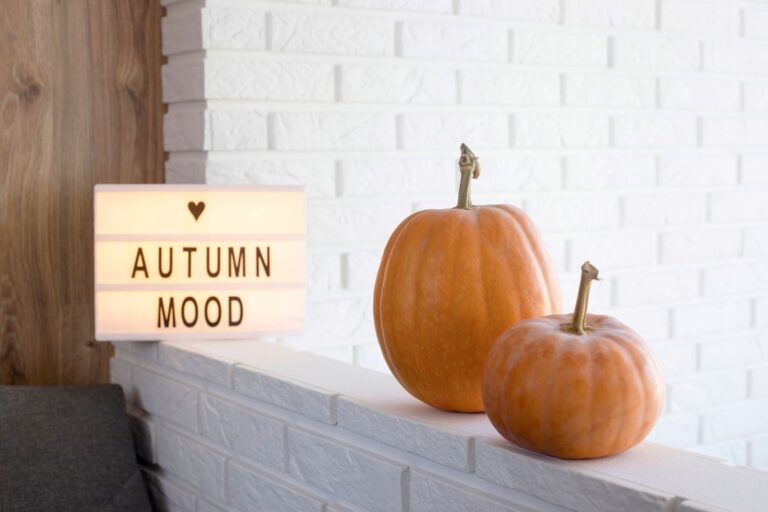
Autumn? AUTUMN?! Isn’t a bit early for that talk? We’re still longing for a final blast of summer here, rather than thinking ahead to getting our gardens autumn ready.

But, as any Brit will know, the seasons roll around quickly with an unpredictably all too predictable, so it’s best to be prepared for any eventuality. Because before you know it, those leaves will be turning brown and the nights drawing in, and creating a magical autumnal atmosphere will suddenly be a more pressing concern than topping up your suntan lotion.

But that doesn’t mean the vibes should be taken inside until next April. Instead, here‘s how to make the most out of your garden in autumn.

Warm It Up

While the most eco-friendly way to stay warm is to put on another jumper and layer up, if you want to make the most out of your garden in the autumn then turning to another source of heat is a viable, comfortable alternative.

So, add some ambience with a chiminea or cultivate that campfire feeling with a fire pit. If you think of yourself as a bit of a DIYer, then why not consider making your own? Simply choose the ideal spot in your garden, make a circle using landscaping stones and build it up from there. Once you’ve gotten the height you want, top with a grill or metal grate. Alternatively, create a square metal fire pit; find four pieces of evenly sized sheet metal, join your four corners with a weld and there you go.

Or, if you want to heat your patio up with minimal fuss then consider an electric heater; whatever you do, avoid gas heaters – they are extremely wasteful in terms of both heat generated, the energy consumed and CO2 emissions. In short, if you make it warm, keep it green.

Create A Windshield

With autumn comes the unwelcome introduction of blustery weather; leaves whipped into a leafy whirlwind, knickers blown off the line and into neighbour’s gardens and the rest. As such, creating a sheltered area around your garden patio, terrace or balcony is a wise move. In doing you’ll protect you and yours from cold winds, turning an otherwise unusable space into a cozy one. 

A garden windshield can extend outdoor living for a month or so in both autumn and spring, and acrylic sheets are the ideal material for such a windshield as it is 30 times stronger than glass (and safer, too) and also much lighter. Like glass, it not only ameliorates the wind, but it also allows you to retain a view of your garden as these plastic sheets are transparent. 

Get A Hot Tub & String Up Some Lights

Autumn is arguably one of the best times of year to enjoy a hot tub. When the air outside is cooler, climbing into a tub full of bubbling warm water is all the more enjoyable and satisfying. When you can see your warm breath meet the cold air, well, that’s just magic isn’t it? It’s also a great way to get outside and enjoy some fresh air whilst still keeping the heat in, and gives you the opportunity to enjoy the darker, starlit nights of autumn. String some whimsical fairy lights up for maximum effect, celebrating the drawing in of the night in style.

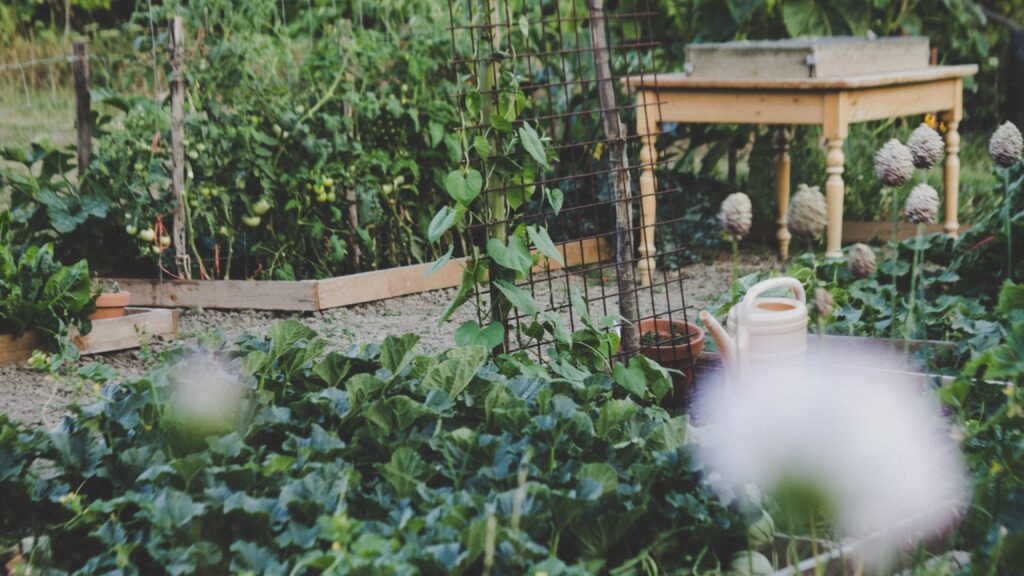
Plant Evergreens & Autumnal Floral Favourites

As plants slowly shut down for winter, autumn sees deciduous trees and shrubs turn shades of crimson, russest, bronze and gold. While to some this is indicative of decay and demise, to others it can be, quite simply, beautiful. We fall into the latter camp. 

So, create a garden of beautiful autumnal shades, embracing the inevitable passing of time as best you can. Of course, you’ll want to pick the right plants and shrubs; ones hardy enough to survive the dropping temperatures, that’s for sure. Some of the best include aster, which flowers in late summer and is at its very best in autumn, and crocus, which comes into its own in October. To add a splash of colour to any border or pot, red and crimson dahlias which bloom from midsummer right through to the first frost are ideal.

When it comes to adding those autumnal colours to your garden, chrysanthemums, a perennial (and annual) favourite is an obvious choice. For something a little more exotic, osakazuki, a type of Japanese maple, is known for its truly brilliant orange-red colour. Fothergilla and spindle shrubs offer spectacular autumnal colours too. Last but not least, evergreens are also an clear choice, as they look good all year round.

Grow Your Own Fruit & Veg With The New Season In Mind

Next up, it’s time to embrace one of the most magical components of the new season; the introduction of new, heartier ingredients. Indeed, with autumn comes the harvest – apples, pears, pumpkins, blackberries, butternut squash and cauliflowers are all at their best during this time. 

Embrace this by doing a bit of your own planting; there are plenty of cool season crops that thrive in autumn. For some quick growing vegetables that can be sown in late summer and ready to eat in autumn, try rocket, baby carrots, mustard greens and radishes. Other vegetables to plant in autumn for future enjoyment include broad beans, broccoli, lettuce, onions, peas, radishes, shallots, spinach, spring onions and every child’s favourite, turnips. 

And though it requires a bit of foresight and the correct gardening supplies, do remember to tend your garden well in autumn to keep the produce rocking through winter. As long as the ground isn’t waterlogged, garlic can be planted from autumn right through to February. What’s more, leafy crops like pak choi and watercress should germinate quickly at this time, giving you a steady supply of green veg for soups, stir-fries and winter salads right through until the first frosts. 

Read: 5 ways to make the most out of autumn’s fruits

Host An Autumn Garden Party

Now everything’s feeling shipshape out there, why not celebrate the beauty of autumn by hosting a garden party? Gather friends and family for an evening of fun under the stars. Set up a cosy seating area with blankets and cushions around your fire pit or chiminea to keep everyone warm. Serve seasonal treats like hot apple cider, pumpkin soup, and roasted chestnuts.

You can even organise a pumpkin carving contest or a scavenger hunt for autumn leaves and acorns. String up some fairy lights and play some soft music to create a magical autumnal atmosphere. An autumn garden party is a perfect way to enjoy the crisp air, beautiful foliage, and good company.

Prepare Your Lawn for Winter

Autumn is the perfect time to give your lawn some much-needed attention before the winter months set in. Start by raking up fallen leaves to prevent them from smothering the grass and causing fungal growth. Aerate your lawn to improve soil drainage and allow nutrients to reach the roots more effectively. Apply a fall fertiliser to provide essential nutrients that will help your grass survive the winter and come back stronger in the spring.

Finally, overseed any bare or thin patches to ensure a lush, green lawn next year. Taking these steps now will set the stage for a healthy and vibrant lawn when the warmer weather returns.


How To Get More Restorative Sleep: 8 Things To Try

If you’re reading this through bleary Monday morning eyes, wondering if they even closed properly last night, then you’re likely one of the thirty-eight per cent of Brits who never achieve the recommended eight hours of sleep.

Even when people do get to bed on time, they may not be getting good quality sleep. You know the type; where you sleep straight through, undisturbed, and leap out of bed in the morning with renewed vigour and focus. It’s a rare thing. Instead, many people struggle to drift off, while others have trouble staying asleep. On the flip side, some may sleep for eight hours or longer, but they may not find their sleep all that restful.

And it’s that properly nourishing stuff we’re coveting today. Or, should we say tonight, and every night from there on in. But what can you do to make sure you’re getting good quality sleep and waking up refreshed every day? Here’s a start; our 8 things to try to get more restorative sleep.

Set Your Internal Clock

The first step in sleeping better (the emphasis here is on better, not just longer) is to reset your body’s internal clock. Sleep cycles are governed by the circadian rhythm. In turn, the circadian rhythm adjusts to patterns of light, melatonin release, and more.

The good news is you can adjust your circadian rhythm to a degree, simply, and with only a little will power and the use of your alarm. Yep, going to bed and waking up at the same time every day helps you get into a properly sleep-healthy rhythm. This means you’re awake when it’s time to get up, and you’re ready to hit the hay at bedtime.

When you go to bed at a different time every night or stay up very late, you throw out your body’s natural rhythm. In turn, you may find it harder to wake up in the morning or more difficult to fall asleep the next night. Routine is good sleep’s best friend, make no mistake.

Turn Off Screens & Unwind, Well In Advance

Practicing some good sleep hygiene can make following your new sleep schedule a little easier. One of the best things you can do is step away from your screens (yep, all of them) at least an hour before bed. Yep, we’ll reiterate; that includes your phone, tablet, laptop, and TV.

This is good practice because most modern screens emit a lot of blue spectrum light, which stimulates rather than relaxes. Your brain doesn’t get those “sleepy” signals that tell you it’s time for bed (in the form of the hormone melatonin).

Instead of binging on the latest Netflix series or mindlessly scrolling other people’s highly cultivated lives, make this a time to unwind. You can do some light reading, meditate, or engage in other soothing activities which promote relaxation and restful sleep.

Use Your Environment To Your Advantage

You can also make sleep more restorative by paying attention to your environment. Several factors, like light and temperature, can affect how well and deeply you sleep. In short, a cooler room (though not too cold) is better for sleep. Experts recommend a room temperature of around 16-18°C is ideal, so gently crack a window if you need to, and make sure your duvet is at the appropriate thickness for the season. 

A really dark room can also help, as lightness stimulates wakefulness, whilst darkness encourages production of that oh-so useful melatonin we mentioned. Blackout blinds and an eye mask can certainly help.

Some experts also suggest ‘pink noise’ can help you fall asleep, and stay that way for longer, too. The soothing sound of waves or the wind whispering through the trees has a relaxing quality, for sure. If you’re not blessed with these sounds on tap naturally, then consider a Youtube Channel, podcast or even subscription to a meditation app, which also provides various sleep positive playlists.

You may also want to consider feng shui or traditional advice about sleeping positions, too. For example, the Hindu Vastu tradition defines the best direction to sleep is by aligning energies and analysing the push and pull of a room. Fascinating stuff, and an interesting path to making your bedroom a more inviting place to get some shuteye.

Read: 8 ways to feng shui your bedroom

Your Actual Bed

Of course, your actual bed is probably the single thing most conducive to a good night’s shut eye. The quality of your mattress and pillows can significantly impact how well you sleep. If your mattress is too firm or too soft, it can lead to discomfort and restless nights. Ideally, you should choose a mattress that supports your body’s natural alignment and provides comfort tailored to your sleeping position, whether you’re a back, side, or stomach sleeper. We’re big fans of those offered by Hypnia, which are just the right side of firm for us, but it is, of course, subjective.

Pillows are equally important. The right pillow can support your neck and head, preventing aches and pains that might wake you up during the night. Memory foam pillows, for instance, can contour to your head and neck, providing personalized support. Alternatively, down or feather pillows offer a softer, more luxurious feel.

Don’t forget about your bedding. Breathable, natural fabrics like cotton or linen can help regulate your body temperature, keeping you cool in the summer and warm in the winter. High-quality sheets with a higher thread count can also add a touch of luxury and comfort to your sleep environment.

If you’re waking up with back pain or stiffness, it might be time to evaluate your bed setup. Consider investing in a mattress topper for added comfort or even replacing your mattress if it’s over 7-10 years old. Remember, a good bed is an investment in your health and well-being, so it’s worth taking the time to find the right one for you.

Lastly, consider the overall setup of your bed. Ensure that your bed frame is sturdy and doesn’t creak or move, as this can disrupt your sleep. A well-made bed with a supportive frame, a comfortable mattress, and the right pillows and bedding can transform your sleep quality, making it easier to drift off and stay asleep through the night.

Via Canva

Pay Attention To Diet

Your diet also plays a role in your sleep. You might know that it’s not a smart idea to drink a cup of coffee right before you want to go to bed, but we’ll reemphasise it anyway, for those at the back living dangerously with an afternoon Americano.

Caffeine, the active ingredient in coffee, is a stimulant and can wreak havoc on your body clock. Be aware that it also shows up in plenty of other products. You’ll want to watch your intake of cola, dark chocolate, tea, and energy (well, duh) drinks, too.

If you’re having trouble getting to sleep, try tracking your caffeine intake. Some people find having caffeine in the afternoon will affect their sleep even hours later. Others may be less sensitive to the effects of caffeine and notice no impact on their Zzzeds; it’s a personal thing and one which can only be hacked by observation. Should you notice that you have more trouble on days you have more caffeine or have it later in the day, it could be time to cut it out of your diet or pare back.

There are loads of other dietary factors which also play a role in dictating the quality and quantity of our sleep. Check out our tips on hacking your circadian rhythm with food, for more on this interesting subject.

Essential Oils & ASMR

Before you reach for the sleep medication, which can be harmful when deployed incorrectly, why not consider some naturally occurring sleep aides? Indeed, it’s long been believed in holistic medicine circles that essential oils may be able to encourage relaxation and sleep. As a result, some people like to keep lavender in their bedrooms, because the herb is thought to promote sleep, as well as enjoying valerian or chamomile tea close to bedtime, for their sleep-inducing properties. 

There are other oils, such as ylang ylang, that are also said to assist with sleep. Recent research says terpenes in these plants could be responsible for their drowsy effects.

If scents aren’t your thing, then you may want to check out ASMR. This popular YouTube category features whispering and acoustically pleasing sounds, a little like the ‘pink noise’ we mentioned earlier. Advocates suggest these sounds stimulate the nervous system, which can promote relaxation.

Get Some Exercise

You should cut down on your pork life mate…

If you’re still wondering how to get better sleep, even after deploying the above tips, then it might be time to put your exercise routine under greater scrutiny. 

Indeed, the right exercise routine can help you make sure you’re tired at bedtime. Exercise is also a great way to bust stress and anxiety, which can also keep you up at night. Just make sure you don’t exercise right before you go to bed. The stimulating effect of a good workout could keep you awake long after bedtime. Experts recommend taking moderate cardiovascular exercise no closer than two hours pre-intended sleep for best results.

Anxiety Busting Techniques

If you want to make sure your sleep is more restorative, you should try to limit stress, anxiety, and worry before you try drifting off to dreamland.

If you find yourself worried about the next day, it might help to complete some simple, problem-solving tasks before bedtime. Make your lunch for the following day or choose a work outfit to take the stress out of a hectic morning. If you’re concerned about a presentation, try going over your notes one last time. Make to-do lists which help you tackle tomorrow logically, or even record some points of gratitude to give yourself some perspective about your troubles.

If you’re worrying about something bigger, try writing it down. Then, put it out of your mind. You can use breathing techniques, meditation, or other techniques to quiet the mind as well.

And if all else fails, if you’re having trouble falling asleep and you’re getting stressed, get up and leave the bedroom. Find a quiet, non-stimulating activity to do. Once you feel sleepy again, you can try going back to bed. Focusing on relaxation, not sleep, can also help.

Better Sleep Isn’t A Pipe Dream

If you’ve been wondering how to get more restorative sleep, you can try any, but preferably all, of these seven tips in the name of getting a better night’s rest. Tomorrow, when you’re fully reinvigorated after the best night’s sleep of your life, you can drop us a message to say thank you!

But only after you’ve checked out our tips on the 7 IDEAL morning rituals to start your day off right. Go on; you know you want to…

The Canary Islands On A Budget: The Best Free Activities To Enjoy

Whether you’re dreaming of volcanic landscapes, pristine beaches, or year-round sunshine, the Canary Islands offer an irresistible escape that won’t break the bank. This Atlantic archipelago has become more popular than ever, with the islands welcoming a record-breaking 17.77 million visitors in 2024 – a testament to their enduring appeal as Europe’s premier winter sun destination.

But popularity doesn’t have to mean expensive. The Canary Islands remain surprisingly affordable – if you know where you’re going and what you’re doing, that is. From free volcanic national parks to hidden local eateries, there are countless ways to experience these magical islands without spending a fortune.

We’re here to help you keep costs down. Here’s how to enjoy a holiday to the Canary Islands on a budget and some of the best free activities to enjoy while you’re there

Tenerife

To keep costs down on a trip to the Canary Islands, the larger, more popular resort islands are the best places to plump for. And Tenerife is certainly the most popular, welcoming over 7 million visitors in 2024 – making it the crown jewel of the archipelago that continues to draw record numbers of tourists to its world-class resort hotels and sun-dappled beaches.

Tenerife is the crown jewel of the Canary Islands, being a major draw for families everywhere on account of its world-class resort hotels and myriad sun-dappled beaches. Many of the hotels are all-inclusive, making booking a family holiday a breeze – and the holiday gets even cheaper when it comes to food and nightlife. 

If you’re searching for cheap eats away from the all-inclusive buffet, you’ll want to head out from the resorts and to where local Canarios live, wine and dine. Step off the beaten track a little here, ideally heading to the island’s small fishing villages for supper, and you’ll be richly rewarded, all for just a few euros. We particularly love El Cine in the town of Los Cristianos, though ssshhhh; it’s something of a hidden gem.

Tenerife is also home to a vast array of free public parks and gardens, including the island’s number one attraction, Teide National Park, which is also totally free to enter. 

In the capital Santa Cruz de Tenerife, the botanical gardens of Parque García Sanabria is free to enter, too, and covers a massive ​​67,230 square metres. Aside from the exotic flora found here, there are also some incredible sculptures, many gifted by the 1st International Street Sculpture Exhibition, which was hosted in Tenerife in 1973.

Tenerife is also blessed with an excellent public transport system, with both buses and trams cheap and easy to use.

Read: 10 Of The Best Outdoor Activities & Excursions For A Family Holiday In Tenerife

Gran Canaria

Gran Canaria is arguably the quintessential Canary Islands experience – beautiful beaches, amazing resorts and expansive (though not expensive!) natural parks all on one island. The island’s capital, Las Palmas, also serves as a major port for cruises to the Canary Islands, making it easily accessible for those arriving by sea.

Gran Canaria is also eminently possible on a small budget, even with a large family – but being a popular destination, it’s important to be diligent in order to make the most of it. Taxis can be expensive, especially from airports where tourists are a captive audience. Booking a transfer to your accommodation ahead of time can mitigate this cost.

Once settled in, though, there is much to explore, and so many activities that can be enjoyed for free. The aforementioned Las Palmas, at the northern shore, is a well-travelled resort with plenty to see and do, including sandy beaches that are free to sprawl on. Cheap attractions can also be found just by strolling the island’s Botanic Gardens, hiking the Caldera Los Marteles, or even visiting the old town Vegueta. 

A particularly brilliant way to explore Gran Canaria that you can enjoy for free are via hiking routes around the picturesque fishing village of Mogán. Here, there are nine different routes, ranging from 4 to 7 miles in length, taking you through the island’s unique topography. 

Make sure you head to the Puerto de Mogán lookout point (Mirador de Puerto de Mogán), which takes up 257 steps to survey the gorgeous port below. Once you’re back at sea level, a swim at Mogán beach is another budget activity which all the family will love!

If you’re keen to explore further, and all without an entry fee in sight, then you’ll love the Nublo Rural Park and the Inagua Integral Natural Reserve and its iconic pine forests.

Fuerteventura

Fuerteventura is one of the larger Canary Islands and the island that’s closest to the African mainland. It is a less-visited island, but that makes it all the more attractive as a budget holiday destination. 

Hotels and restaurants are competitively priced, as are products in supermarkets. The Fuerteventuran landscape is something that must be seen to be believed, and much of it can be explored for free – from the shallow seas to the majestic hills. 

Those looking for an all-day activity with free entry should head to the Corralejo Natural Reserve, which is famed for its sand dunes and great range of hiking opportunities.

Or, for something more urban, the open-air sculpture park in Puerto del Rosario is excellent, too, and totally free to enter.

Famed as the Canary Islands’ water sports capital, it’s safe to say that the majority of high-octane, ocean-based adventures on Fuerteventura don’t come cheap. That said, if you buy yourself a snorkel and some goggles, there’s plenty of fun to be found closer to shore. La Lajita beach is perhaps the best place to snorkel on the island.

Lanzarote

Well-known for its nightlife, Lanzarote is a popular choice for stag and hen parties from the UK – but this volcanic island has so much more to offer, on top of its impressive bar and club scene. 

Many of its natural wonders and tourist attractions are free, or, at the very least, affordable to enter. And how often do you get to tour a volcano’s crater?

You can read more about the ideal items to include on your Lanzarote itinerary here, many of which won’t cost you a dime. Or, rather, a euro. Buen Viaje!

8 Meaningful Gifts For The Gal Pals In Your Life

Trying to come up with the ideal present can be a difficult task, even at the best of times. We don’t have to tell you straight out that these aren’t exactly the best of times, with global inequality rising and turmoil seemingly spreading across the globe.

It’s at times like these that you have to get creative, imaginative and inventive if you’re going to come up with gift ideas that are genuinely going to be warmly received. And if you can’t come up with them, then maybe we can; here are 8 meaningful gifts for the gal pals in your life.

A Food & Wine Hamper

Food tastes better when shared with friends, with the best stuff not only providing nourishment in the traditional sense, but also nourishment for the soul.

Indeed, food has the power to bring us together, so what better gift to give than a food and wine hamper? With combinations of food, sweet treats, wine or even champagne, you can treat your friend to a basket of goodies which, hopefully, she’ll choose to share with you; the perfect present, we think!

Choose from sweet or savoury treats depending on the glucose level of her tooth, and remember to consider her favourite tipple. As gift box in Auckland providers Gift Box Boutique tell us, the abundance of choice out there means you can tailor the hamper to her tastes perfectly.

Read: Wonderful gifts for the wonder woman in your life

Pen A Handwritten Thank You Note

In these modern times of ‘’collecting memories and not things’’, sometimes a big showy gift can actually be a little overwhelming and a lot unwelcome. 

We should all be trying to cut down on our consumerism in the face of climate catastrophe, so why not keep things really simple yet personal and send a handwritten letter detailing your gratitude for your gal pal? 

It’s both thoughtful and affordable to buy card-making supplies and write a heartfelt message, and let’s face it; handwritten letters are perhaps the most straightforward yet heartfelt way to show your appreciation for someone, representing a more meaningful gift than any showy splurge. 

Receiving a letter in the post has a romantic and nostalgic vibe to it which is impossible to resist, with the words seemingly resonating so much more strongly than if they were written on a Whatsapp message. As a last minute gesture or as something planned in advance, a handwritten note can’t be topped.

A Personalised Photo Book

Or, go further… In an age where most of our photos live on our phones or in the cloud, a personalised photo book can be a deeply meaningful and tangible gift. Gather your favourite photos of shared memories, from spontaneous selfies to special occasions, and compile them into a beautifully crafted photo book.

You can add captions, quotes, and even little anecdotes to each page, making it a unique and heartfelt keepsake. This gift not only celebrates your friendship but also provides a physical reminder of all the wonderful times you’ve spent together. Plus, it’s a great way to reminisce and look forward to creating even more memories in the future.

Creating a photo book is easier than ever with various online services that offer customisable templates and high-quality printing. Whether it’s a small, intimate collection or a grand, elaborate album, a personalised photobook is a timeless gift that your gal pal will cherish forever.

A Dinner Date At Their Favourite Restaurant

When was the last time you and your gal pal went out, just the two of you? You don’t have to respond to that, we already know the answer; ‘’not recently enough’’, we’d wager.

But as we’re sure you’re aware, spending time with friends is good for mental and physical health. As Time explains, doing so “can lower stress levels; improve mood; encourage positive health behaviors and discourage damaging ones; boost cardiovascular health; improve illness recovery rates; and aid virtually everything in between’’. 

We don’t think it’s a stretch to say that technically you’re also giving her so much more than a meal out at a restaurant, right? You’re giving an evening away from phones, an ear to lend, a laugh, a giggle, and a meaningful time. What better gift is there than that?

Or, Throw Them A Dinner Party

Food, drink, friends, conversation — a dinner party is the ideal gift for a friend who perhaps has it all, materially. So, when you’re doing that detective work we mentioned earlier, make an extra effort to note down any food or drink that your friend has spoken about, and then, cook those dishes for them!

Hey, you’re starting to sound like the kind of friend we’d love to have around…do you want to hang out sometime?

Read: 7 tips for throwing a gourmand’s dinner party

Their Favourite Flowers, Dried

Dried flowers are as stylish as they are sustainable, and make an excellent gift owing to their longevity and deliverability. Letterbox bunches are ideal if you can’t physically spend time with your friend and are sending your gift from a distance, with dried versions much more hardy than fresh when sent in the post. 

Should you know what your gal pal or girlfriend’s favourite flowers are, sending a dried version of their favourite bouquet has a meaningful element; it symbolises the hardy, long-lasting nature of your relationship.

Something They’ve Spoken About

It’s crucial to remember that the most essential aspect of buying a present for someone is to make them feel as if you know them personally. 

As the Huffington Post sagely suggests, it’s a smart move to pay particular attention to what your friend complains about. They posit that “gifts that solve a regular problem in someone’s life are highly underrated, and if you are the one solving their problems, then you’re basically their fairy godperson”. Doing so not only solves a problem for your friend, but it also shows what a great listener you are, too…result!

Alternatively, you could check out their socials to see what they’ve liked on Instagram, Twitter or Facebook; in a friendly rather than snoopy way, of course. This might give you an indication of where their current passions lie.

Or, as the thoughtful person you are, why not add to the notes section of your phone following everyday conversations with your gal pal, listing things that they’ve said they liked or would like? Maybe they’ve said how much they’d like to try washable makeup remover pads during a chat? Or, that they love a certain chef…might they love that chef’s cookbook?

A little diligent detective work, and you might well arrive at the most thoughtful present around.

Read: 8 environmentally friendly gift ideas, IDEAL for the eco-conscious loved one in your life 

Plant A Tree

If flowers didn’t feel like enough of a gesture, then another thoughtful gift that can be given remotely is a tree. No, really; the National Trust is now offering the chance to plant a tree as a gift without you even having to get your hands dirty. 

Instead, you simply donate a figure to plant one new tree sapling (a £5 minimum is suggested) and the charity will send you confirmation straight away. Five days later, you’ll receive a certificate confirming the planting of your tree. There’s even the option to plant ten new tree saplings for £50. Talk about showing someone your appreciation!

This is all part of the National Trust’s aim to plant 20 million trees by 2030. Wouldn’t you love to be a part of it?

Regardless of the gift you choose to send and in the spirit of sustainability, make sure you check out these 6 DIY eco-friendly gift packaging ideas. That’s the one!

What Cities Should I See On An Intercountry Rhine River Cruise? 7 Not To Miss

0

Europe’s busiest and most significant waterway, the Rhine River begins in the Swiss Alps as nothing more than a stream. Building momentum at Lake Constance, which borders Germany, Switzerland and Austria, the Rhine then becomes the frontier separating France to the west and Germany to the east, and is a crucial shipping and trade route as a result. 

As it picks up steam heading north, it enters the Netherlands, making for Rotterdam and eventually, the North Sea. Along its journey, the Rhine covers over 1’200 kilometres and passes through four countries, enjoying significant geographical changes and shifts in culture to match. We highlight this expansive voyage because all of this traversing and travelling makes for one mighty fine idea for a holiday; a Rhine River cruise.

Though a cruise down this famous river takes you through countless beautiful towns and cities, we’ve narrowed down the must-sees to just a handful today, allowing you to explore them as richly as they rightly deserve. If you’re wondering what cities you’ll see on an intercountry River Rhine cruise, these are 7 you shouldn’t miss.

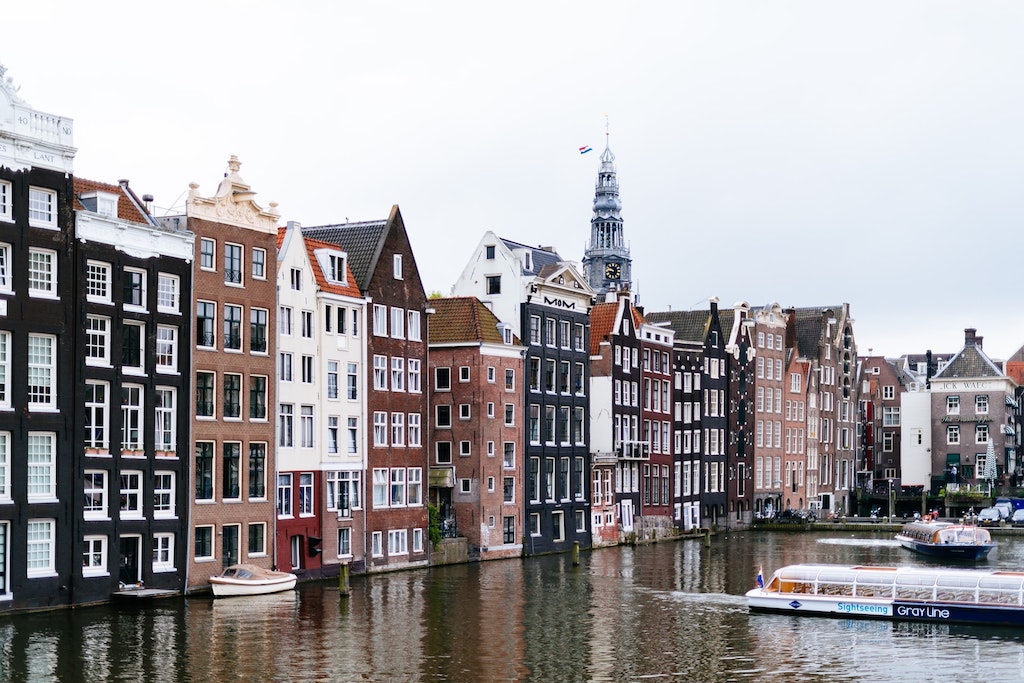
Amsterdam, The Netherlands

Whilst not exactly needing an introduction, we’re going to do it anyway…

Known for its nightlife, food scene (oh, the cheese!) and diverse culture, Amsterdam is one of the most exciting cities you’ll get to see on a cruise along the Rhine. 

If you’re into checking out museums on dry land, then the city is home to a whole host of cultural treasures like the Rijksmuseum, the Stedelijk Museum, Hermitage Amsterdam, the Scheepvaartmuseum, the Amsterdam Museum, and the Van Gogh Museum among many others. 

In addition to its cultural and artistic heritage, Amsterdam has an elaborate canal system just begging to be explored, as well as several world class nightclubs and music venues, including Paradiso and Melkweg, if you’re keen for something a little more high octane. 

The best way to explore the city is either through a boat tour of the city or a bike ride along its bustling streets. A boat tour will take you through the elaborate canal system of the city and a bike ride will let you explore the artistic architecture lining the famous canals. Do both, and you’ll feel like you’ve well and truly conquered Amsterdam!

Read: 10 essential things to do on a long weekend in Amsterdam

Roman Kraft @unsplash

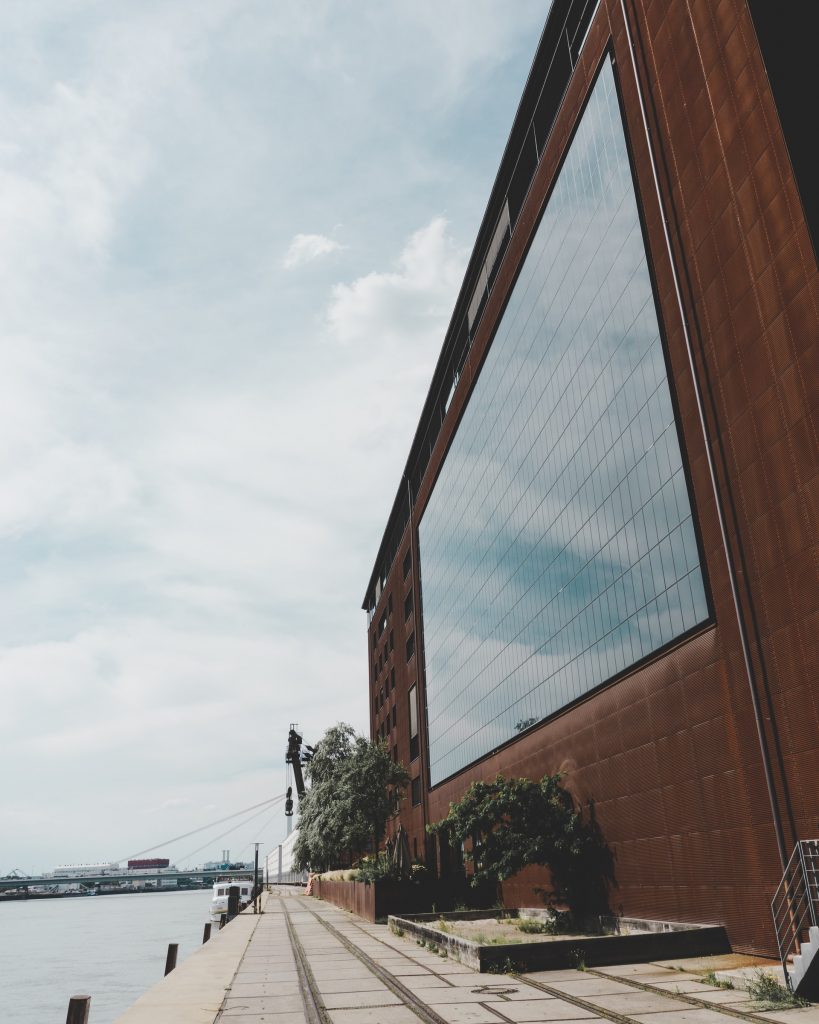
Mannheim, Germany

Since you’re enjoying a holiday on the move, celebrating the wonder of travel and transport, a stop at Mannheim feels wholly appropriate. This is because Mannheim is a city of innovation and invention, particularly in the field of mobility. Did you know that the bicycle, car and tractor were all invented in Mannheim? 

As such, it would be rude not to stop by Mannheim on your cruise of this most famous river, and check out the city’s Technoseum. Nope, not a homage to all things four-on-the-floor and repetitive (although the country is pretty good at that, too!), but rather, a museum dedicated to innovation and technology.  

Since you’re on a cruise and celebrating the Rhine, you should also check out Mannheim’s famous water tower, the Wassrturm, an emblem of the city. And if your children are travelling with you, make sure you take them to Luisenpark, widely considered to be one of the loveliest parks in Europe. This beautiful, sprawling space has a gorgeous range of attractions including a rose garden, an arboretum, greenhouses, and a Chinese garden.

Justus Menke @unsplash

Strasbourg, France

Strasbourg is a town that perfectly blends French and German architectural styles, and offers a fascinating insight into historical relations between the two countries. In fact, the city changed nationality four times between 1870 and 1945, and is symbolic of postwar European unity and the forging of intracontinental alliances. 

It’s also one of the most common ports for the departure of a crusie along the Rhine; the river forms the border between France and Germany with Strasbourg sitting elegantly on the French side, and for those keen to tick two countries off their bucket list in quick succession, this is where you should board.

One of the most fascinating ways you can appreciate this blending of cultures is through Strasbourg’s cuisine, which takes influence from both France and Germany. 

Try typical Alsatian dishes, a fascinating mix of flavours, ingredients (pork is heavily featured in Alsace cooking) and techniques, at either Maison des Tanneurs dite Gerwerstub, La Vieille Enseigne or Au Pont du Corbeau, three of the finest proponents of this hybrid cuisine in the city. Make sure you order the Coq au Riesling, Tarte Flambee and Fish Sauerkraut, in particular!

Taylor Deas-Melesh @unsplash

Basel, Switzerland

This Swiss city lies near the border of Germany and France on the Rhine River, and encapsulates a little of each culture, melding them into one unique proposition. 

Because of its proximity to Germany and France, Basel is one of the most frequently visited destinations on a cruise of the Rhine, and the city is an eminently welcoming place to touch base. From its medieval architecture and thriving art scene (be sure to check out Kunstmuseum Basel, its leading art gallery housing works by Van Gogh, Picasso, Gauguin and more) to food markets and museums, Basel has so much to offer. Its most prominent medieval treasures include the Rathaus City Hall and Old Town Square (Marktplatz), two must-see sites.

marisa_harris @unsplash

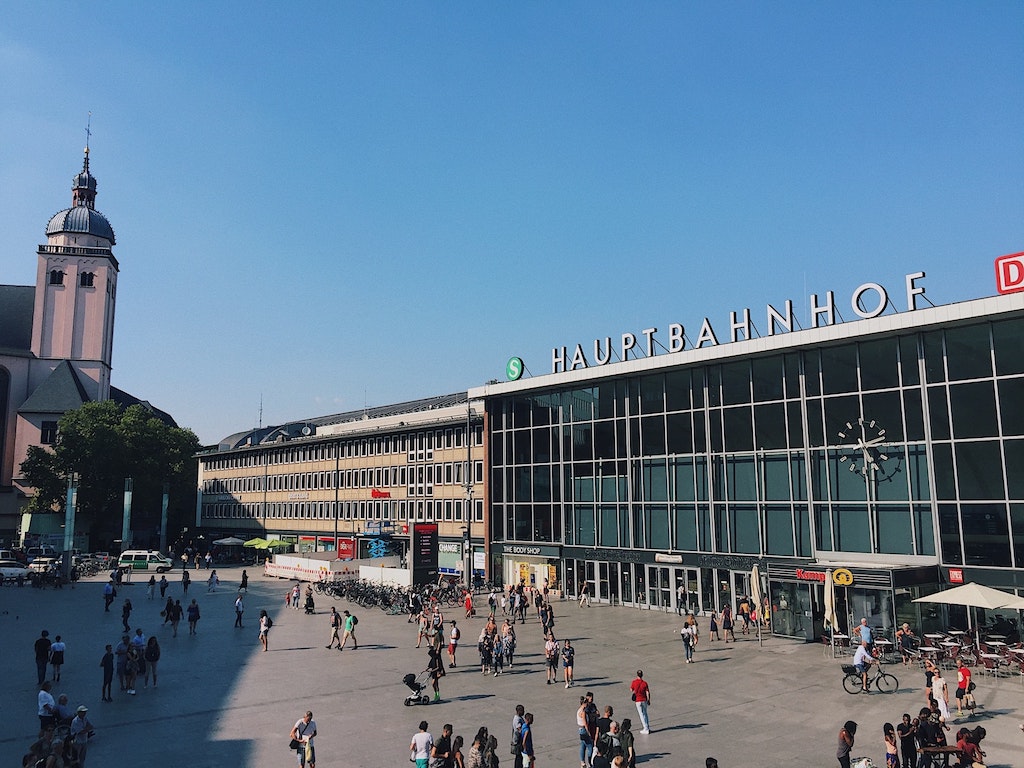
Cologne, Germany

Cologne is one of the busiest cities that you’ll come across along the Rhine (the official tourist board even bill it as ‘the Rhine metropolis’), but that doesn’t mean it’s a hectic place to drop anchor. Quite the opposite, in fact; it’s a regal, sophisticated place to spend time, famed for its incredible Cologne Cathedral (Kölner Dom), which is just one of a whopping twelve Romanesque churches in Cologne. Accordingly, the skyline is defined by spires, all visible from the Rhine, with the Cologne Cathedral right on its banks.

Culturally, the city packs an almighty punch, too. Cologne University is the oldest in Europe, and the city boasts several world class museums and art galleries, including the Wallraf-Richartz & Ludwig Museums. For art lovers, there are few better places to spend an afternoon!

Nicole Herrero @unsplash

Koblenz, Germany

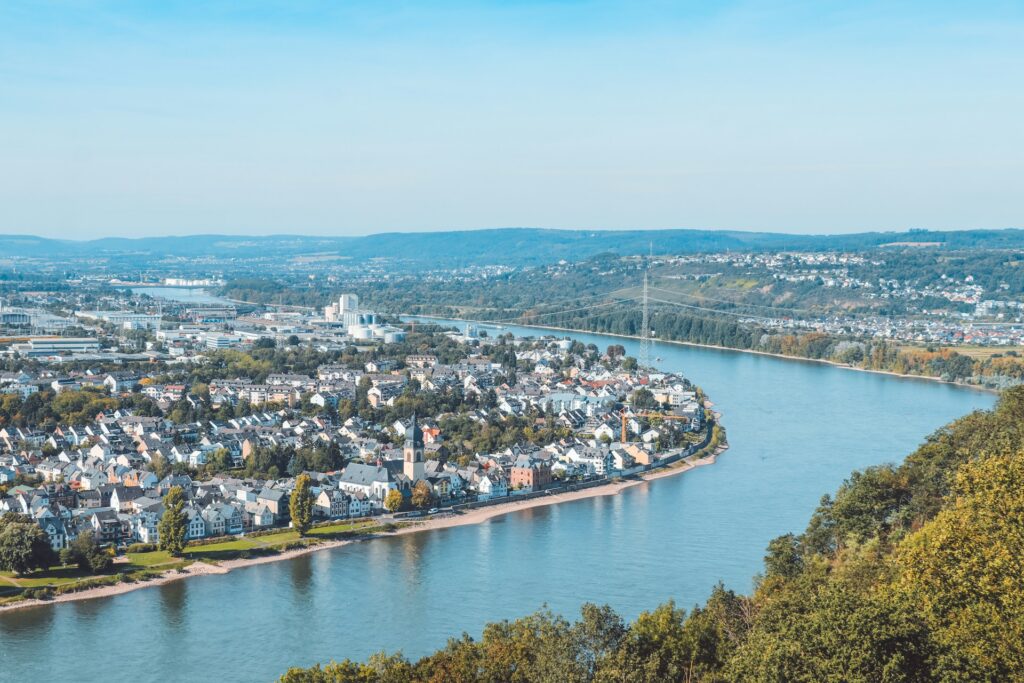
Sitting at the confluence of the Rhine and Moselle rivers, Koblenz is a city steeped in history and natural beauty. One of the most iconic landmarks here is the Deutsches Eck (German Corner), where a monumental equestrian statue of Emperor William I stands proudly, symbolising German unity. This is also where the two rivers meet, creating a picturesque and historically significant spot.

Koblenz is home to the Ehrenbreitstein Fortress, one of the largest preserved fortresses in Europe. Accessible via a scenic cable car ride across the Rhine, the fortress offers breathtaking views of the river and the surrounding landscape. The city’s charming old town, with its narrow streets and half-timbered houses, is perfect for a leisurely stroll. Don’t miss the Basilica of St. Castor, the oldest church in Koblenz, which dates back to the 9th century.

For those interested in wine, the nearby Moselle Valley is renowned for its vineyards and wine production, particularly Riesling. A visit to a local winery for a tasting session is a delightful way to experience the region’s viticultural heritage.


Rotterdam, The Netherlands

Though the Rhine certainly isn’t cyclical in make-up, this article certainly is, so we end where we began; in the Netherlands.

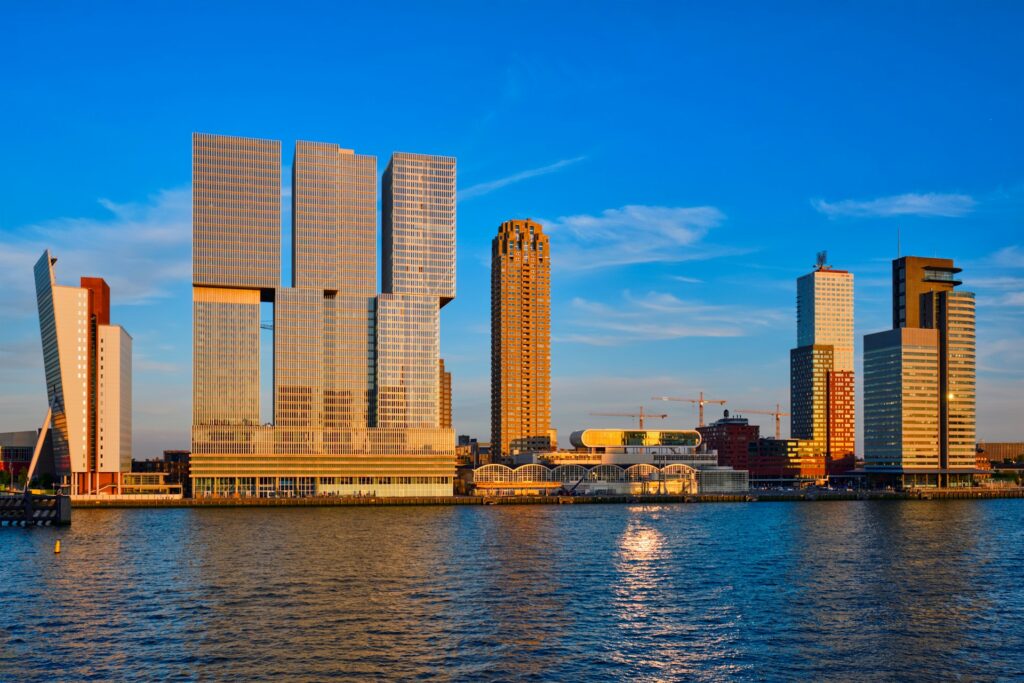
As the river makes its way to the North Sea, it passes through Rotterdam, a city known for its modern architecture and vibrant cultural scene. Rotterdam is one of the largest ports in the world, and its maritime heritage is evident throughout the city. The futuristic skyline, featuring landmarks such as the Erasmus Bridge and the Cube Houses, is a testament to the city’s innovative spirit.

A visit to the Maritime Museum offers a deep dive into Rotterdam’s seafaring history, with exhibits that appeal to both adults and children. For a panoramic view of the city and its bustling port, head to the Euromast, an observation tower that stands 185 metres tall. The adventurous can even abseil down the tower for an adrenaline rush.

Rotterdam is also a hub for contemporary art and culture. The Museum Boijmans Van Beuningen houses an impressive collection of artworks ranging from the Middle Ages to modern times, including pieces by Van Gogh, Rembrandt, and Dalí. The city’s vibrant food scene is best experienced at the Markthal, an architectural marvel that combines a food market with residential apartments. Here, you can sample a variety of Dutch and international delicacies.

And with the cruise ship’s gentle motion rocking us and some of those Dutch delicacies rather weighing us down, we really do think it’s time for a nap now. See ya!

7 Of The World’s Most Thrilling, Remote Camping Destinations

0

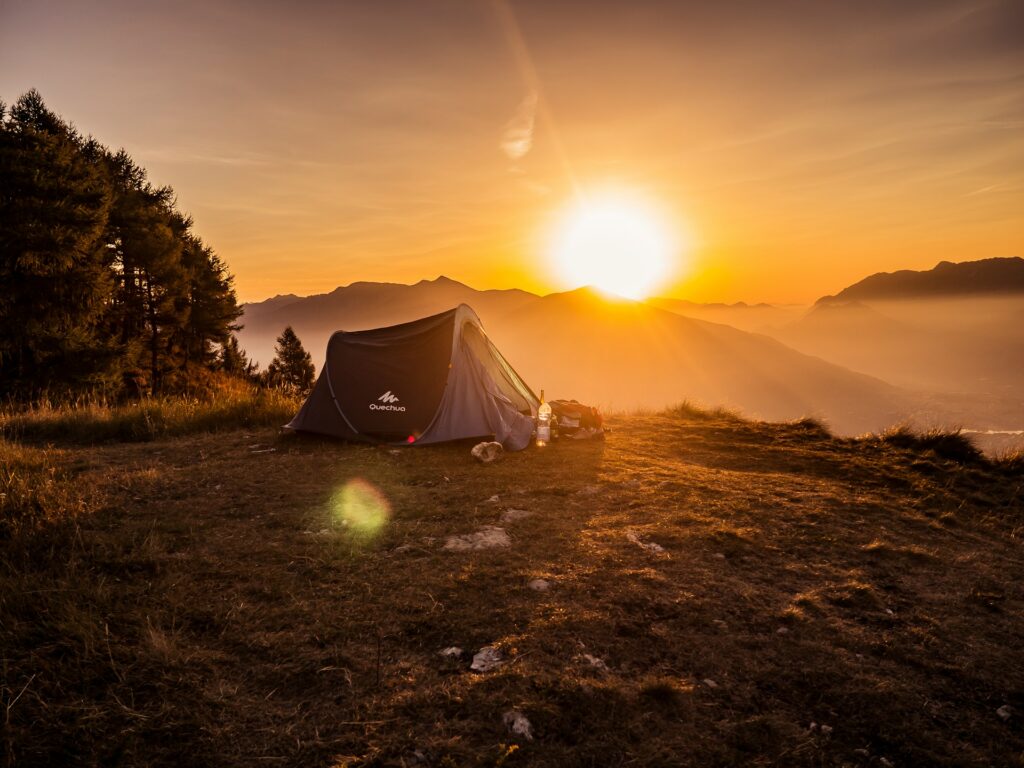
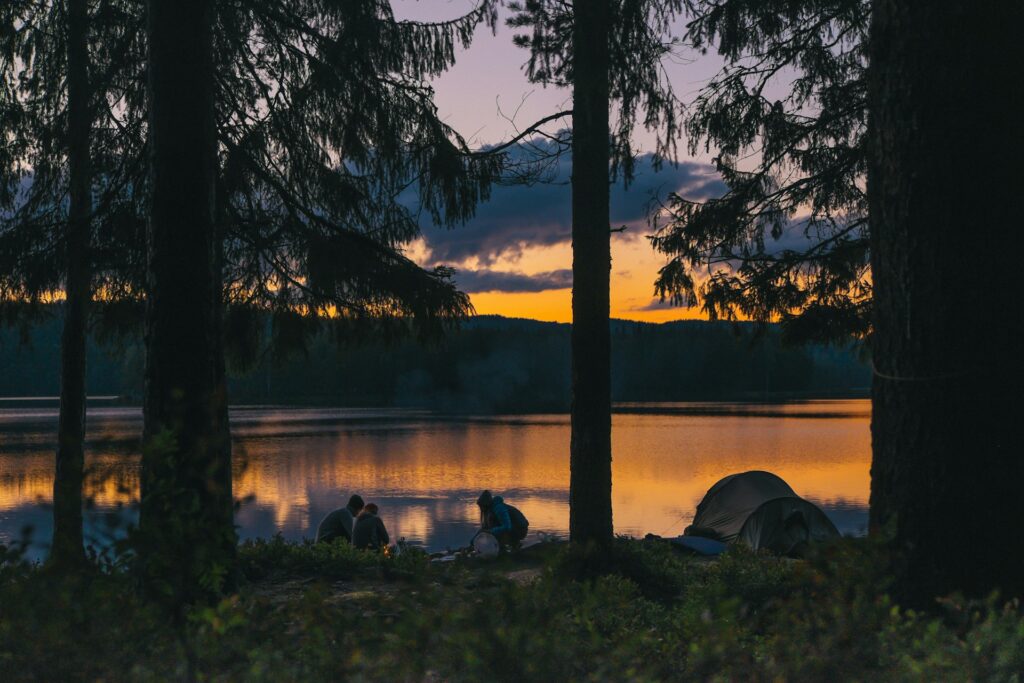
In a world where technology often dominates our lives, the allure of remote camping destinations offers a refreshing escape. These secluded spots provide not only a break from the digital world but also an opportunity to reconnect with nature in its purest form. Here are seven of the world’s most thrilling, remote camping destinations that promise adventure, tranquillity, and unforgettable experiences.

Torres del Paine National Park, Chile

Nestled in the heart of Patagonia, Torres del Paine National Park is a haven for adventurers. Its dramatic landscapes, featuring towering granite peaks, azure lakes, and sprawling glaciers, create a surreal backdrop for camping. The park’s remoteness ensures a serene experience, with the chance to spot guanacos, condors, and even pumas. The W Trek and the O Circuit are popular routes, offering a mix of challenging hikes and breathtaking scenery.

Best Time to Visit: The best time to visit Torres del Paine is during the Southern Hemisphere’s summer, from November to March. This period offers longer daylight hours and milder weather, making it ideal for trekking and camping.

Safety Tip: Weather in Patagonia can be unpredictable. Always carry appropriate gear for sudden changes, including waterproof clothing and extra layers.

The Kimberley, Australia

The Kimberley region in Western Australia is one of the most isolated and rugged areas on the planet. With its ancient gorges, cascading waterfalls, and vast savannahs, it’s a paradise for those seeking solitude and adventure. Camping here means immersing yourself in the outback, with opportunities to explore the Bungle Bungles, swim in secluded waterholes, and witness the stunning Horizontal Falls. The remoteness of the Kimberley ensures a truly off-the-grid experience.

Best Time to Visit: The Kimberley is best visited during the dry season, from May to October. During this time, the weather is more predictable, and the temperatures are cooler, making it more comfortable for camping and exploring.

Safety Tip: The Kimberley is home to various dangerous wildlife, including crocodiles. Always camp at designated sites and follow local guidelines to avoid encounters with these animals.

Read: The best coastal walks in Albany, Western Australia

The Altai Mountains, Mongolia

The Altai Mountains, straddling the borders of Mongolia, China, Russia, and Kazakhstan, offer a remote and rugged camping experience. This region is characterised by its snow-capped peaks, vast steppes, and crystal-clear lakes. Camping in the Altai means immersing yourself in a landscape that has remained largely unchanged for centuries. The area is home to the Kazakh eagle hunters, and you may have the chance to witness their traditional way of life. The remoteness of the Altai Mountains ensures a truly off-the-beaten-path adventure.

Best Time to Visit: The best time to visit the Altai Mountains is from June to September. During these months, the weather is warmer and more stable, making it ideal for camping and exploring the rugged terrain.

Safety Tip: The Altai region is remote and medical facilities are scarce. Always carry a comprehensive camping survival kit and ensure you have a reliable means of communication in case of emergencies.

Denali National Park, Alaska, USA

Denali National Park, home to North America’s highest peak (referred interchangeably as Denali or Mount Mckinley), offers a wilderness experience like no other. The park’s six million acres of untamed land are a playground for outdoor enthusiasts. Camping in Denali means embracing the wild, with no designated campsites in the backcountry. Instead, you’ll find your own spot amidst the tundra, forests, and rivers. The chance to see grizzly bears, moose, and wolves in their natural habitat adds to the thrill of this remote destination.

Best Time to Visit: The optimal time to visit Denali is from late May to early September. This period offers the best weather conditions, with warmer temperatures and longer days, providing ample opportunity for wildlife viewing and hiking. In the winter, seekers of an even more extreme camping experience can scale Mount Mckinley, setting up their tents at the mountain’s snowy peaks.

Safety Tip: Bear encounters are a real risk in Denali. Always carry bear spray, store food properly, and make noise while hiking to avoid surprising any wildlife.

Svalbard, Norway

For those seeking an Arctic adventure, Svalbard is the ultimate destination. Located halfway between mainland Norway and the North Pole, this archipelago offers a unique camping experience. The stark, icy landscapes, with their glaciers and fjords, are home to polar bears, reindeer, and Arctic foxes. Camping in Svalbard requires careful planning and respect for the environment, but the reward is an unparalleled sense of isolation and the chance to witness the Northern Lights.

Best Time to Visit: For a chance to see the Northern Lights, visit Svalbard between October and February. However, for milder weather and the midnight sun, the best time is from May to September.

Safety Tip: Polar bears are a significant threat in Svalbard. Always camp with a group, carry a firearm for protection, and set up a polar bear watch system.

Read: 8 of the most popular Arctic cruise itineraries

The Simien Mountains, Ethiopia

The Simien Mountains in Ethiopia are a UNESCO World Heritage site, known for their dramatic scenery and unique wildlife. Camping here means exploring jagged peaks, deep valleys, and high plateaus. The area is home to the endangered Ethiopian wolf, the gelada baboon, and the Walia ibex. The remoteness of the Simien Mountains ensures a peaceful experience, with the opportunity to trek to the summit of Ras Dashen, the highest peak in Ethiopia.

Best Time to Visit: The best time to visit the Simien Mountains is during the dry season, from October to March. This period offers clearer skies and more stable weather, ideal for trekking and camping.

Safety Tip: Altitude sickness can be a concern in the Simien Mountains. Acclimatise properly by spending a few days at higher altitudes before attempting strenuous hikes.

Fiordland National Park, New Zealand

Fiordland National Park, located in the southwest corner of New Zealand’s South Island, is a place of stunning natural beauty. Its remote fjords, rainforests, and alpine lakes create a magical setting for camping. The Milford Track, often described as the finest walk in the world, takes you through some of the park’s most spectacular scenery. The remoteness of Fiordland ensures a tranquil experience, with the chance to see rare bird species and enjoy the pristine wilderness.

Best Time to Visit: Fiordland is best visited during the Southern Hemisphere’s summer, from December to February. This period offers the warmest weather and the least rainfall, making it perfect for hiking and camping.

Safety Tip: Fiordland’s weather can change rapidly. Always be prepared with waterproof gear and inform someone of your travel plans before heading into the wilderness.

The Bottom Line

These seven remote camping destinations offer a chance to escape modern life’s endless, tedious grind and immerse yourself in nature’s splendour. Whether you’re trekking through the rugged landscapes of Patagonia, exploring the icy wilderness of Svalbard, or marvelling at the dramatic scenery of the Simien Mountains, each destination promises a unique and thrilling adventure. So pack your gear, embrace the wild, and embark on a journey to some of the world’s most remote and awe-inspiring camping spots.

Closer to home but no less breathtaking, check out these incredible wild camping spots in the Lake District. Gorgeous, gorgeous scenes.


How To Transform ‘Sad Beige’ Into Something Soothing & Sophisticated

Ideal for creating a calming sanctuary that’s anything but boring…

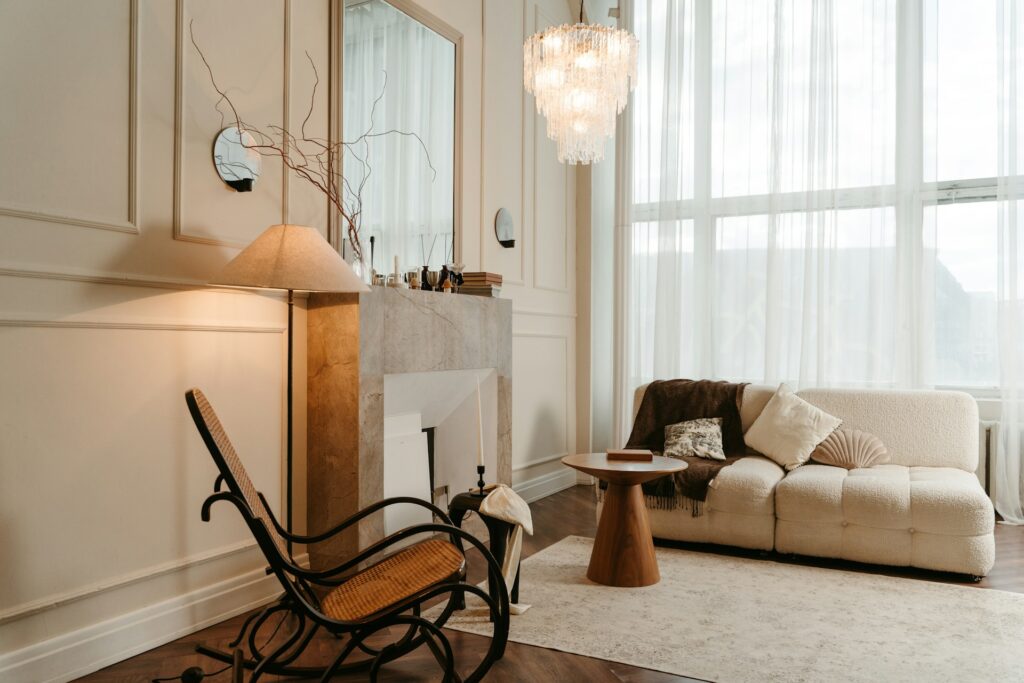
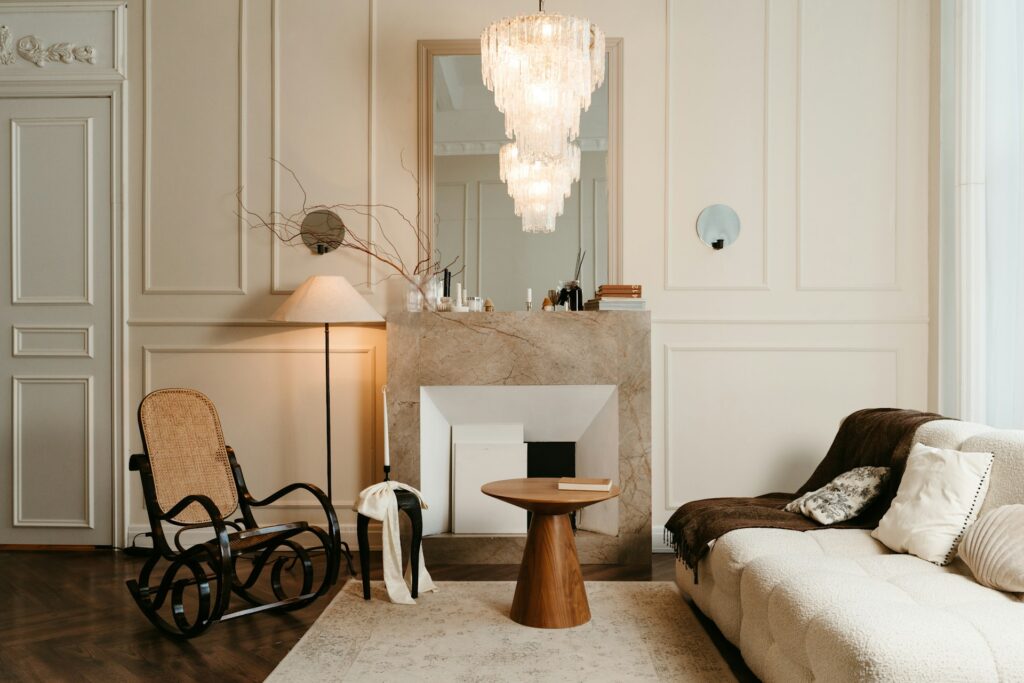
Let’s address the elephant in the room: ‘sad beige’ has become something of a dirty word in interior design circles. Scroll through Instagram and you’ll find countless posts lambasting the neutral palette that’s dominated our homes for the past few years. But here’s the thing: we’re here to mount a proper defence of beige, because when done right, this much-maligned colour scheme can create some of the most sophisticated, calming spaces you’ll ever set foot in.

The secret isn’t avoiding beige. It’s transforming it from something that feels flat and lifeless into a backdrop that positively hums with warmth and character. Think less “magnolia walls in a rental flat” and more “Cotswolds country house meets Scandi chic”. Although, come to think of it, the former sounds just as nice. Anyway, let’s mount…

Start With Texture, Not Colour

The biggest mistake people make with neutral schemes is thinking it’s all about paint colours. If you want to elevate your beige from sad to sophisticated, texture is your secret weapon. We’re talking chunky knit throws that beg to be touched, linen curtains that catch the light beautifully, and perhaps a jute rug underfoot that adds that essential tactile element every room needs.

Consider layering different materials with similar tones. A cream wool blanket over a taupe linen sofa, perhaps, or mixing smooth ceramics with rough-hewn wood. The eye might see one cohesive colour palette, but your hands (and subconscious) will pick up on all those delicious textural contrasts. It’s like the difference between a monotone photograph and one with proper depth and dimension.

Embrace The Power Of Pattern

Just because you’re working with neutrals doesn’t mean everything has to be plain. This is where many people go wrong with their beige schemes: they forget that pattern can work beautifully within a limited colour palette. Think subtle geometric prints in cream and taupe, or perhaps a classic stripe in varying shades of oatmeal.

Natural patterns work particularly well here. Consider wallpaper with a delicate botanical print in muted tones, or cushions featuring organic shapes that echo natural forms. The key is choosing patterns that whisper rather than shout. You want them to add interest without overwhelming the serene atmosphere you’re creating.

Lighting Is Everything

Here’s where most beige rooms fall flat: poor lighting. Harsh overhead lights will make even the most carefully curated neutral palette look clinical and cold. Instead, think layers of warm, ambient lighting that’ll make your space glow like a candle.

Table lamps with warm white bulbs, floor lamps that cast pools of cosy light, and perhaps some strategically placed LED strips for subtle accent lighting. If you’re feeling fancy, consider dimmer switches throughout. Nothing says sophisticated like being able to adjust your lighting to match your mood. And please, avoid those awful cool white bulbs that make everything look like a dentist’s surgery.

Read: How to show your kitchen in its best light, whatever the time of day or occasion

Add Life With Greenery

Every successful neutral scheme needs a touch of life, and plants are absolutely perfect for this. The organic shapes and natural green tones complement beige beautifully, whilst adding that essential element of vitality that prevents your space from feeling sterile.

Go for plants with interesting shapes and textures. A sculptural fiddle leaf fig in the corner, perhaps, or a collection of smaller plants with varying leaf shapes on your windowsill. Even if you’re hopeless with plants, a few well-chosen artificial ones can do the trick. Just invest in good quality ones, please. Nothing ruins a sophisticated space quite like an obviously fake plant.

Quality Over Quantity

This is where the beige aesthetic really comes into its own. When you’re working with a neutral palette, every piece in your room needs to earn its place. There’s nowhere for subpar furnishings to hide when you’re not relying on bold colours to create visual interest.

Invest in fewer, better pieces. Those gorgeous beige sectionals you’ve been eyeing up? They’ll work perfectly in a neutral scheme and become the anchor piece your room needs. Similarly, choose accessories with intention: a gorgeous ceramic vase, a well-made wooden coffee table, or a piece of art that speaks to you. Quality materials like natural stone, real wood, and proper textiles will elevate your space immeasurably.

Create Depth With Layering

The most sophisticated neutral spaces have depth, and that comes from thoughtful layering. Start with your largest pieces (furniture in mid-tones) then layer lighter and darker elements around them. Perhaps a cream rug under a taupe sofa, with darker cushions and a light throw for contrast.

Don’t forget about layering at different heights, too. A tall floor lamp next to a low coffee table, with perhaps a medium-height side table to bridge the gap. This kind of thoughtful composition creates visual interest whilst maintaining the calm, cohesive feel that makes neutral schemes so appealing.

Introduce Warmth Through Wood Tones

If your beige scheme is feeling a bit cool, warm wood tones are your friend. Think honey-coloured oak, rich walnut, or even painted wood in a warm cream. These natural elements add instant cosiness whilst complementing your neutral palette perfectly.

Consider a wooden coffee table, floating shelves, or even just a few wooden accessories like bowls or picture frames. The key is choosing woods with warm undertones rather than cool greys. You want to enhance that cosy, sophisticated atmosphere, not undermine it.

Don’t Fear The Whites

Many people stick rigidly to beiges and browns, but incorporating different shades of white can actually make your neutral scheme more sophisticated, not less. Crisp white trim, perhaps, or white ceramics against your beige backdrop. It’s all about creating subtle contrast that adds interest without breaking your colour story.

Think of white as the punctuation in your neutral sentence: used sparingly but effectively to create breathing space and highlight your beautiful beige elements. A white lamp base on a taupe side table, perhaps, or white bedding against beige walls.

The Devil’s In The Detail

Finally, remember that sophisticated design is all about the details. Switch out standard light switches for brushed brass ones. Choose curtain poles that complement your scheme rather than fighting against it. Ensure the curves in your home move fluidly rather than bump heads. Even something as simple as matching all your picture frames can make a significant difference to how polished your space feels.

Pay attention to the small things: the books on your coffee table, the way you style your shelves, even how you arrange your cushions. When everything works together harmoniously, that’s when your ‘sad beige’ truly transforms into something special.

The truth is, there’s nothing inherently sad about beige. Like any design choice, it’s all in the execution. Done thoughtfully, with attention to texture, quality, and those all-important details, a neutral palette can create some of the most sophisticated, restful spaces imaginable. So embrace the beige, and show those Instagram naysayers what they’re missing.

How Office Design Can Help Visitors & Clients Feel At Ease

In the world of business, first impressions are everything. The moment a client or visitor steps into your office, they begin to form an opinion about your company. Within seconds, they’re absorbing countless visual cues – from the lighting and colour schemes to the furniture arrangement and overall atmosphere. These initial impressions can profoundly impact business relationships, influencing everything from client retention to partnership opportunities.

The design of your office can significantly influence these perceptions, setting the tone for the interactions that follow. A well-designed office can make visitors feel at ease, fostering a sense of trust and comfort that can be instrumental in building successful business relationships. It’s more than just creating an attractive space; it’s about crafting an environment that communicates professionalism, attention to detail, and respect for those who enter it.

In an increasingly competitive business landscape, where companies vie for the same clients, partnerships and colleagues, office design has emerged as a powerful differentiator. It serves as a physical manifestation of your brand promise and corporate culture. When done right, it can transform a routine business meeting into a memorable experience, turning sceptical prospects into enthusiastic clients. The investment in thoughtful office design pays dividends not only in immediate client impressions but also in long-term business relationships and employee satisfaction.

Moreover, the psychological impact of physical spaces on human behaviour and decision-making is well-documented. A thoughtfully designed office can reduce stress, enhance communication, and create an atmosphere conducive to productive discussions and creative problem-solving. Here’s how you can harness the power of design to create spaces that truly resonate with your visitors and clients…

The Power Of Design

Design is not just about aesthetics; it’s about creating an environment that reflects your company’s values and ethos. It’s about creating a space where people feel comfortable, valued, and inspired. When visitors and clients walk into your office, they should immediately get a sense of who you are as a company, boosting brand awareness in the process.

The Welcoming Reception

The reception area is the first point of contact for visitors and clients. It should be warm, welcoming, and professional. A comfortable seating area, a friendly receptionist, and a clean, clutter-free environment can immediately put visitors at ease. Consider incorporating your brand colours subtly into the décor to create a cohesive brand experience.

Comfortable Meeting Rooms

Meeting rooms should be designed with comfort and functionality in mind. Ergonomic chairs, a spacious table, and good lighting can make long meetings more bearable. Additionally, consider incorporating elements such as artwork or a feature wall to stimulate conversation and creativity.

Quiet Spaces

In today’s open-plan offices, providing quiet spaces where visitors can make phone calls or have private conversations is essential. These spaces show that you respect your visitors’ need for privacy and can make them feel more comfortable.

Accessibility

As the team at CCWS Interiors tell us, it’s essential to ensure your office is accessible to everyone, including those with disabilities. This not only complies with legal requirements but also sends a strong message about your company’s commitment to inclusivity.

Cleanliness & Organisation

A clean and organised office is a sign of a well-run company. Regular cleaning and maintenance show that you care about your workspace and, by extension, your work.

Interactive Technology

Incorporate interactive technology into your office design. This could be as simple as a digital sign-in system at reception or as advanced as a virtual reality (VR) tour of your products or services. This not only impresses visitors but also shows that your company is forward-thinking and innovative.

Artistic Expression

Consider commissioning a local artist to create a unique piece of art for your office. This not only supports the local arts community but also provides a unique talking point for visitors. It could be a mural that reflects your company’s mission or a sculpture made from recycled materials, demonstrating your commitment to sustainability.

Sensory Experiences

Engage your visitors’ senses with a signature scent or a playlist of calming music. A pleasant aroma can create a positive first impression and a relaxing atmosphere, while the right music can set the tone for productive conversations.

The Power Of Biophilic Design

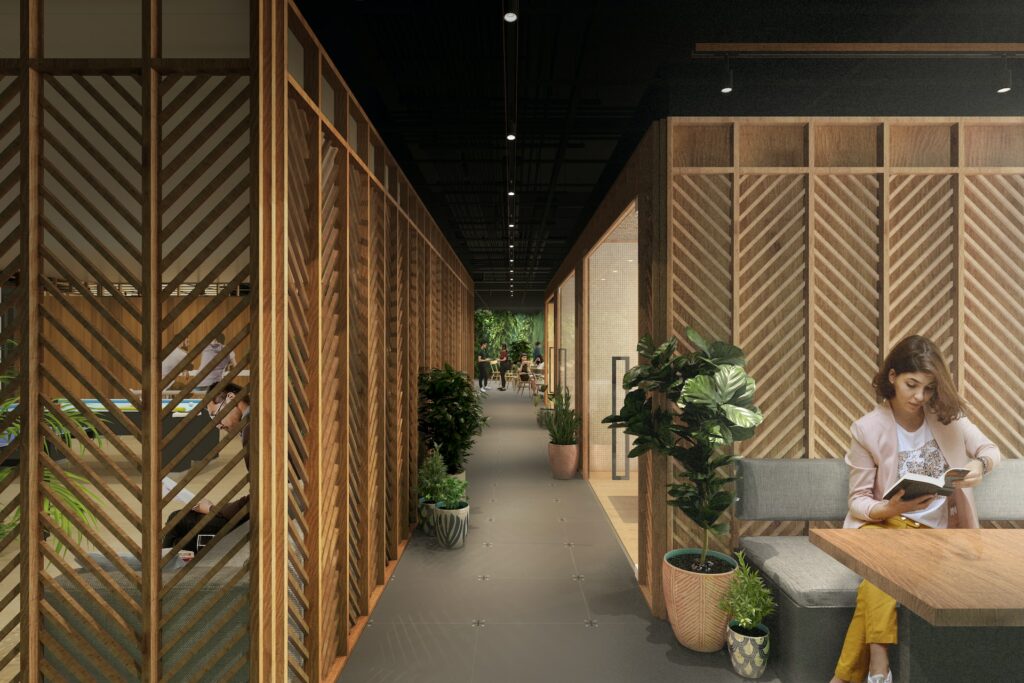
Biophilic design is an innovative approach that seeks to connect people and nature within built environments and spaces. It’s not just about adding a few plants here and there; it’s about incorporating natural elements at a fundamental level, such as using natural materials like wood and stone, creating spaces that mimic natural environments, or even incorporating water features. This can create a calming, stress-reducing environment that can put visitors at ease and stimulate creativity.

The Storytelling Space

Every brand has a story to tell, and your office space can be an excellent medium to narrate that story. Consider creating a dedicated storytelling space in your office — it could be a wall displaying your company’s history, a showcase of your most significant achievements, or even a digital screen looping testimonials from satisfied customers. This not only engages visitors but also helps them understand your brand’s journey and values on a deeper level.

Learning From High-Stress Environments

When it comes to creating a calming and reassuring environment, there’s much that offices can learn from spaces specifically designed to reduce anxiety and stress. Various industries – from hospitality to wellness retreats – have perfected the art of soothing visitors and creating environments that promote calm and confidence. These settings offer valuable insights that can be applied to office design.

Embracing A Calming Palette

Spaces designed for relaxation and stress reduction often employ soft, calming colour schemes to create a soothing atmosphere. Offices can adopt this approach, moving away from stark whites or corporate greys, and embracing colours that are known to reduce stress and stimulate creativity, such as soft blues, greens, or even warm earth tones. Research in colour psychology demonstrates that certain hues can lower (and, indeed, raise) heart rates and promote feelings of tranquillity, making them ideal choices for areas where important discussions take place.

Prioritising Privacy

In environments where confidentiality and comfort are paramount, privacy becomes a key design element. This is achieved through strategic space planning, acoustic treatments, and thoughtful partitioning. In an office setting, this could translate to private meeting rooms with proper sound insulation, semi-enclosed collaboration spaces, or quiet zones where sensitive conversations can be held without fear of being overheard. This not only respects the privacy of visitors but also creates an atmosphere of trust and professionalism.

Providing Thoughtful Distractions

Many calming environments incorporate elements that provide gentle mental engagement to help reduce anxiety and create a more relaxed atmosphere. Offices can implement this principle by providing engaging elements in waiting areas or meeting rooms. This could include curated reading materials relevant to your industry, interactive digital displays showcasing company innovations, living walls or aquariums that provide visual interest, or even simple puzzles or brain teasers that can serve as conversation starters. These elements serve dual purposes: they reduce wait-time anxiety and demonstrate attention to visitor comfort.

The Bottom Line

Office design plays a crucial role in making visitors and clients feel at ease. By creating a welcoming, comfortable, and inclusive environment, you can foster positive relationships with your clients and visitors, ultimately contributing to your business’s success. Remember, your office is a reflection of your brand, and a well-designed office can speak volumes about your company’s values and ethos.

7 Seasonal Skincare Tips For A Seamless Transition Into Autumn

0

Autumn? AUTUMN?! We haven’t had a proper summer yet…

Yep, we hear your protestations and we’re right there with you. But let’s be honest for a moment; it’s getting darker, earlier in the evenings, it’s lighter later in the mornings, and summer simply doesn’t look like it’s happening this year. Better to prepare for the onset of autumn thoroughly and diligently, rather than turning and yearning for a warmer season that won’t ever come.

Though time is often said to be the greatest of healers, the passing of the seasons can have something quite contrary to say about that. Because with each transition in temperature and light comes a different damaging environment for our skin, and the necessity for a new skincare regime to match.

Whilst the summer sun has called for light exfoliation and plenty of moisturiser, the new season will welcomes in a whole new routine. Here’s how to make that shift seamlessly; our 7 seasonal skincare tips for autumn.

Repair Sun Damage With An Exfoliating Face Mask

As much as we’re enjoying the idea (if not the reality) of a seemingly endless summer, the lazy, hazy days tend to leave our skin looking a little greasier than any other time of year. The build up of sunscreen has clogged pores, and parts of our face have dried out from sun, sea salt and chlorine. However, used a couple of times a week, a good face mask can draw out all of those impurities and any excess oil that has built up throughout the year, brightening dull and tired skin.

Or, depending on your skin type and how summer has treated it, a hydrating skin mask can help to replace any moisture lost over the summer. Likewise, an exfoliating face mask can get rid of the dead and damaged skin cells. 

…& Prepare For Winter

A devoted effective skincare regime is not only one of cure. It also involves foresight, planning and prevention. As such, as soon as the sun has set on summer, you should be preparing your skin for the perils of winter.

Even though we’re looking forward to a few months of autumnal conditions, you can get your regime in line with the colder months gradually on the approach. So, that’s a pre-emptive skincare regime, designed to counteract the bluster of winter wind and the subsequent dry, red and flaky skin, using plenty of moisturiser (by switching from lotion to cream) which protects against more extreme humidity. It’s also wise (though it may seem oh so counterintuitive) to get into the habit of shorter, cooler showers, as those long, languid, hot ones wreak havoc on your face’s moisture content.

This also goes for your nails, which get particularly brittle in the cold weather. A simple system of conscious filing should do the trick. And don’t neglect your feet as the temperature cools, too. Don socks around the house to avoid chapped tootsies, and consider specific products for keeping your feet soft to keep the moisture content up.

Hydration Stations

A tip for all seasons but for a myriad of different reasons, this one. In autumn, we need to supplement all of that moisture lost from the dry heat of summer, as well as preparing for the extremities of winter. The most effective way to do this doesn’t lie in any product; just simple, natural h2o.

Keeping quenched will contribute to that youthful glow no amount of beauty products can. Rather than downing pints of it before bed, just make a concerted effort to have a cup each time you pass the water cooler at work, and have a jug of water at the table during meal times. Nothing drastic, nothing financially or time consuming, just simple, common sense.

For an added boost, consider incorporating an organic, sugar free electrolyte powder into your water. This can help to replenish essential minerals and maintain optimal hydration levels, especially as the weather cools and our skin needs that extra bit of care. Nothing drastic, nothing financially or time consuming, just simple, common sense.

Embrace Antioxidants

As the seasons change, our skin is exposed to different environmental stressors, including pollution and fluctuating temperatures. To combat these, incorporating antioxidants into your skincare routine is essential. Antioxidants help to neutralise free radicals, which can cause premature ageing and skin damage. Look for serums or moisturisers containing ingredients like vitamin C, vitamin E, and green tea extract. These will not only protect your skin but also help to brighten and even out your complexion.

Exfoliate, Exfoliate

The vibrancy and colour of summer has finally bid us farewell and the more muted, daker tones of autumn have been ushered in, and let’s be honest, the same effect can be felt (and seen) on our face if we don’t give it the proper attention. A lustreless, dull visage is the biggest threat of the new season, and regular but gentle exfoliation is one of the best tools we have against its onset. 

Prioritise creams that remove dead skin cells which act as a barrier to new moisture retention, as well as promoting cellular regeneration. These help to reduce wrinkles and buff away fine lines. When choosing an exfoliation cream, keep it natural and seek products containing no alcohol for best results.

Switch To A Gentle Cleanser

With the cooler weather, your skin can become more sensitive and prone to dryness. It’s important to switch to a gentle, hydrating cleanser that won’t strip your skin of its natural oils. Avoid harsh foaming cleansers and opt for cream or oil-based ones that have been made with natural ingredients, providing a thorough cleanse while maintaining your skin’s moisture barrier. This will help to keep your skin soft, supple, and ready to face the autumn chill.

Don’t Go Overboard On Breakouts

Changes in humidity and temperature can cause our skin to react in unpredictable ways, and the transition from summer to autumn is known to result in a few spots appearing unexpectedly. What’s more, the natural shift in diet to something heartier and more filling can also cause the odd breakout as our bodies adjust. That’s nothing to worry about and the worst thing you can do is overreact, prodding, poking and popping with abandon. Instead, keep your calm and apply a deep cleansing mask periodically to draw out impurities. 

Should the new season’s shift be getting you down and you fancy getting away, check out our guide to the best European city breaks for autumn 2024. Remember to wear that sunscreen, wherever you go, though!

An Introduction To Event Organising: 10 Tips For Future Success

If you’re looking to organise an event that truly raises the bar, then first things first; where are you going to find the staff to work that bar? Hmmm, that didn’t quite work, let’s start again. 

Should you be hoping to organise an event that raises the roof, then firstly, have you found a venue willing to loan you raisable roofs? Nope, that one didn’t quite make sense either.

10 Top Tips For Event Planning Success

Third time lucky, hey? If you’re new to the events organising game and you’re wondering what key components and considerations are required to host a successful function, then you’ve come to the right place. Here’s an introduction to event organising and 10 useful tips for future success.

Client Questionnaires

An event is only as successful as your client’s feedback after it’s happened. Let’s be honest here; your job as an event organiser isn’t to stamp your own mark all over the party. It’s to collate all the disparate desires and dreams of your client and realise them into one cohesive vision.

To organise the ideal event, you first need to get a detailed assessment of exactly what your client has in mind. This can be achieved by sending out a questionnaire in advance of you setting to work on any blueprints, itineraries and proposals. The questionnaire should include open questions regarding the aim of the event, as well as more direct, yes/no enquiries to get down into the finer details of refreshments, entertainment, dress codes, flower arranging and the like. 

Clients may also have a certain venue in mind, and it is way easier to start drilling down into the details once a specified location has been settled. If not, you will have to visit multiple venues and choose the most suitable ones to show your client. Try to limit your final choices to three venues maximum, and ensure you have a list of the qualities the client needs in their venue in advance.

Draft A Budget

Whether you’re collaborating on something large scale like corporate event production, or you’re organising an event solo in your local church, it doesn’t matter; budgeting is everything. Normally, your client would specify a budget that they want to stay within. While there might be some leeway to spend more with some clients, not all are flexible, so ensure you keep your spending within their budget as much as possible,

If you feel that the budget is unworkable or that your client’s vision won’t be realised within the constraints of such funding, you can always negotiate. Ultimately, you may have to refuse their offer, rather than deliver a subpar event with all the ramifications for your reputation that might lead to.

On the other hand, If your client isn’t able to specify a budget, you will have to draft it yourself. This will involve a fair amount of speculation and juggling of competing factions to get right; you’ll need to seek quotes from different vendors and suppliers before you have any hope of arriving at a ballpark figure that you can then present to your client.

Teamwork Makes The Dream Work

Whether you have a small or large team to organise the event, keep in mind that one of your major roles as the person responsible for the party is to delegate responsibility to other members of staff involved in the planning. Teamwork makes the dream work, after all (which is why team building events are so popular), and no event organised by one person alone ever went smoothly. Instead, make the most of your team’s varied skill set, getting the best out of everyone with clear instructions, constructive criticism and plenty of praise.

Think about each team member’s strengths and weaknesses, and assign them tasks according to where they thrive. Remember that, ultimately, the buck stops with you. 

Embrace Technology

In today’s digital age, technology can be a game-changer in event planning and management. From the initial planning stages to the day of the event, there are numerous technological tools and platforms that can streamline processes, enhance guest experiences, and provide valuable insights.

Consider using event management software to keep track of tasks, deadlines, and communications with your team and vendors. During the event, interactive apps can engage attendees with real-time updates, networking opportunities, and feedback collection. Post-event, data analytics tools can help you measure success and identify areas for improvement.

Moreover, incorporating elements like virtual or augmented reality can take your event to the next level, offering unique experiences that can captivate your audience. Whether it’s a virtual tour of a venue for those who can’t attend in person or an augmented reality game that complements the event theme, technology can differentiate your event from the rest.

Always stay updated with the latest tech trends in the industry and don’t shy away from experimenting with new tools that could enhance your event’s appeal. Remember, the right technology can not only simplify your life as an organizer but also create memorable moments for your clients and their guests.

The Stage Is Set

Whether your event is a small function for a company, a wedding, a village fete or a festival, stages are an essential component of the organisational aspect of the day. Speeches and performances will occur here, and more often than not, the stage is the focal point of the function, providing structure, both physically and metaphorically. 

Obviously, you could build a stage yourself if you have the expertise. However, if you don’t, it is better to use a festival stage hire company to build your stage and ensure it is safe. Imagine that acceptance speech or warm, introductory welcome punctuated by the speaker slipping or the stage collapsing; that’s the whole event ruined and your events organising fee no doubt invalidated, too.

The Devil’s In The Detail

When it comes to separating good events from great ones, the devil really is in the detail; those myriad tiny touches that add up to one essential event are absolutely crucial and do get noticed.

A keen focus on detail is also crucial in terms of narrowing down your wedding party planning options and actually making life easier for you when it comes to booking venues, vendors and all the rest. There’s a surprisingly broad scope of choice out there, but with a focused vision, it’s much easier to find the really niche, unique offerings that will last long in the attendee’s (and most importantly, your client’s) memory. In other words, do sweat the small stuff.

Refreshments Aplenty

One of the most important aspects of any event is keeping your guests well fed and watered. You can provide all of the entertainment you could dream of, but without refreshments (solid and liquid) things just aren’t going to kick off. 

Above all else, an interesting, exciting menu of food is what gets guests talking and is the element of an event that seems to live longest in the memory. Don’t phone in this aspect, then.

If you really want to impress guests at an event, you can’t go wrong with a street food truck, which in recent years has taken the catering industry by storm. Or, consider hiring a catering company with previous pedigree; the investment is worth it and you won’t be scrambling around at 2am the night before the end searching for a darn microwave that works (we speak from painful experience). 

As the team at 247cateringsupplies.co.uk caution; ”rumbling stomachs and empty glasses can be the main buzzkills of an event”, and not providing sufficient refreshment just lacks generosity. Therefore, make food and drink a priority as running out just isn’t a good look. You never want a guest to leave to find food or to go home hungry.

Promote & Invite

An event can’t be successful without attendees, but how to ensure decent numbers at your event

Depending on the size of your event, you can use multiple promotional techniques to ensure people are aware it’s occurring. Social media ads, promotional banners and brochures will all get the town talking about your event. On the other hand, if the event you are organising is a small company affair, prepare creative invitations for attendees and ensure you send them – both via email and in the post – at least a month before the date to ensure enough notice is given. Including the option to RSVP is a good idea, too, giving you a more concrete idea of numbers in advance.

If you’re keen to tighten up the look of your operation, then consider investing in ticket printing services, the slicker delivery method and visuals having the potential to enhance your event’s professionalism, enriching the guest experience from the moment they receive their ticket invitation.

Contingency Planning

As there are a staggering number of variables that contribute to planning an event and its eventual success or failure, it’s not uncommon (in fact, it’s pretty much guaranteed) to encounter unexpected hurdles during the planning process.

And while having a positive, optimistic mindset is a desirable quality in an events planner, it’s never a bad thing to prepare for the worst. To this end, it’s good practice to have a contingency plan in place for venues and food provision, at the very least.

Power supply is another detail worth checking early, particularly for outdoor events, temporary venues, festivals, or functions relying heavily on lighting, sound systems, refrigeration, catering equipment, and payment terminals. For larger-scale events, backup options such as CAT Diesel Generators can help prevent a power issue from becoming a full event failure.

Feedback Matters

You’re only as good as your last event. As such, you should design a detailed feedback form for your client to fill in after the event has taken place, which will be kept on record for future reference, staff training and company appraisals. Doing so will mean that your next event is always better than the last; and that’s what it’s all about, right?

The Bottom Line

In the dynamic world of event planning, success hinges on a blend of creativity, precision, and adaptability. By following these tips, you’re not just organising an event; you’re crafting an experience that reflects the aspirations of your clients and the joy of the guests. From the meticulous attention to detail to the strategic use of technology, each element plays a pivotal role in weaving the fabric of a memorable occasion.

Remember, the ultimate goal is to leave a lasting impression that resonates with all who attend, ensuring your brand stands out in the bustling event industry. As you continue to grow and refine your skills, your events will not only meet expectations but exceed them, setting a new standard for excellence with each celebration you curate.

5 Smart Tips For Funding Your Dream Home Innovation

Planning a domestic spruce up? Unless you’re lucky enough to have plenty of capital at your disposal or you call Kevin McCloud a confidant, then you’re going to need a source of finance to fund your dream home renovation. As we all know, budgets can run away with themselves, underlying issues often emerge which need remedying, and tastes might change during a project. Proper financing, then, is essential. With that in mind, here are some smart tips for funding your dream home renovation.

Be Realistic About Hidden Costs

We’ve all seen those Grand Designs episodes when an ambitious, oblivious amateur attempts to build their dream home. And time and time again these budding architects come across the same problem – escalating costs. While we can all predict this eventuality from the sofa, being objective can be tough with your head under a hard hat and your knees deep in rubble.

Yep, hidden costs are one of the biggest hurdles to completing home renovations successfully. Always add a recommended minimum contingency of 15% for unforeseen problems, overruns and even inflation.

Avoiding hidden costs starts with smart budgeting from the off. With so much to cover on this subject, we’ve written a whole other article on how to avoid spiralling home renovation costs in 5 steps here. Enjoy!

TIPS FOR FUNDING YOUR DREAM HOME RENOVATION

Consider DIY Where Possible

One of the most effective ways to stretch your renovation budget is to roll up your sleeves and tackle some tasks yourself. Whilst major structural work, electrical installations, and plumbing should always be left to qualified professionals for safety and building regulation compliance, there are plenty of jobs that handy homeowners can manage.

Painting, tiling, basic carpentry, garden landscaping, and even some flooring installations can be done DIY-style with a bit of research and patience. Not only will this save you substantial labour costs, but you’ll also gain valuable skills and a real sense of accomplishment. Just be honest about your capabilities – botched DIY jobs can end up costing more to fix than hiring professionals from the start.

Understand Loan Lingo & Options Available

When it comes to funding your home renovation, there are lots of loan options out there. Unless you’re an accountant or loan advisor, getting your head around all the different types of finance available to you can be a massive headache.

For one, there’s a bridging loan and bridging finance; usually a short-term loan which can ‘bridge’ the gap when you don’t have quite enough funding and are looking for more. Look for competitive and flexible bridging loan rates for the best deal.

Then there are personal loans which, for instance, can offer the chance to borrow up to £15,000 over five years and have a fixed repayment period. These loans, however, tend to be unsecured which means that the interest might be a little higher to mitigate the bank’s risk. What’s more, there are even loans specifically for home improvement and you could even consider an over-extended overdraft facility or credit card option.

Secured loans are another option worth considering, where you use an asset (typically your home) as collateral against the borrowing. Because the lender has security, these loans often come with lower interest rates than unsecured personal loans and can allow you to borrow larger amounts over longer terms. However, it’s crucial to understand that your home is at risk if you fail to keep up repayments, so careful consideration of your financial circumstances is essential before proceeding with this type of finance. If you want to explore the secured‑loan route and see what options you actually have, check out Willows Finance.

Indeed, on a broader note, the best thing to do is to consult with experts on the matter, rather than diving in headfirst and taking the first funding you feast eyes on.

Release Some Equity

The addition of an extra building or the complete remodelling of a house can be pretty pricey, and if a repayment period of five years or under simply won’t suffice, fortunately, there are other options at your disposal. For these projects, it might be a good idea for the homeowner to tap into the house’s equity; the difference between the capital outstanding and the value of the property. Banks are often keen to finance this as it automatically provides security against the loan.

The loan process for pulling cash out of your home is referred to as a ‘cash-out refinance’ or ‘cash-out refi’ for short. This means you’re essentially taking out a new mortgage loan for a larger amount than your existing mortgage and you’ll receive the difference in cash.

For homeowners, it’s important to remember to explore equity options via reputable institutions in order to get the best deals. Equity loans for renovation purposes can be done over the remaining term of the mortgage, or a fixed period as agreed with the financial institution. The norm is around ten years. However, unless a fixed rate has been booked and approved, the interest can fluctuate. This option is good if the finance period is ten years or more, or if the finance amount is high. Moreover, the interest rates on these loans tend to be a little more favourable than personal loans.

TIPS FOR FUNDING YOUR DREAM HOME RENOVATION

Live Frugally & Save

During your renovation, no doubt you’ll be up to your eyeballs in spreadsheets, paperwork and invoices, worrying about all those inevitable funding issues. We hate to say it, but now is not the time to live the high life, retreat to the Caribbean or indulge in some retail therapy to take your mind off things. Best to hunker down, hold tight and delay the gratification until your domestic space is functioning to its full potential.

Some top hacks for living a more frugal lifestyle include planning you meals in advance, bulk cooking and saving vouchers and coupons. You could even make a little money by selling any unwanted items that you no longer need in your soon to be dream home.

Speaking of saving, check our our 5 insider tips on simple ways to save money on your next home renovation.

*Anything written by IDEAL Magazine is not intended to constitute financial advice. Always consult with an independent financial adviser or expert before making an investment or any personal finance decisions.*

From Rhinestones To Snap Clips: 10 Stylish Hair Accessories To Add A Pop Of Personality To Your Late Summer Outfit

As the frosty tendrils of winter suddenly feel decidedly, closer and the last vestiges of summer start to feel closer, we find ourselves on the cusp of a new season but unwilling to let go of the current one.

But with September just around the corner, and with it the promise of renewal, rejuvenation, it’s time to embrace the vibrant, life-affirming colours of summer one last time.

Any excuse, hey, to refresh our wardrobes and add a touch of whimsy and colour to proceedings. And what better way to do so than with hair accessories? They’re the ideal complement to any outfit, capable of transforming your look with minimal effort and framing your face just right. 

How To Bring Extra Colour & Personality To Your ‘Do

With all that in mind, here are 10 stylish hair accessories that will give your summer outfit that extra burst of colour and personality.

Floral Hair Clips

Nothing says late summer quite like flowers, and floral hair clips are a delightful nod to the season. Whether you opt for delicate daisies or bold blossoms, these accessories can add a romantic and feminine touch to your hair. They work beautifully with loose waves or can be used to pin back a section of hair for a more structured look. Choose clips with vibrant colours to really make a statement, or go for pastel shades for a softer, more understated vibe.

Read: 5 IDEAL accessories for some poolside glamour this summer


Silk Scarves

Silk scarves are incredibly versatile and can be tied in countless ways to suit any hairstyle. Wrap one around a ponytail for a punch of colour, use it as a headband, or even weave it through a braid for an intricate and eye-catching effect. The glossy sheen of silk adds an element of luxury, and with so many patterns and colours available, you can find the perfect scarf to complement your summer wardrobe.


Headbands

Hairbands are a fantastic way to add texture and sparkle to your look. Whether you choose a hairband adorned with multicoloured beads or one with a more monochromatic scheme, headbands can dress up even the simplest of hairstyles. They’re also great for those days when you want to keep your hair out of your face but still look put-together.


Hair Beads

Hair beads offer a vibrant splash of colour to braided hairstyles, transforming ordinary plaits into something a little more special. These tiny, colourful ornaments slide onto individual braids and add a playful dimension to the hair’s movement. From glossy metallics to rainbow hues, hair beads can match any outfit or mood, turning braided tresses into a personalised statement of style.


Snap Clips

Snap clips (also known as contour clips) are back in fashion and are a fantastic way of adding a playful pop of colour to your hair. They come in various sizes and can be plain or decorated with fabric, rhinestones, beads, or other embellishments. They are particularly useful for managing bangs and securing side parts.

As the team at Bluestreak Crystals tell us, rhinestones are particularly pertinent for those late summer vibes, capturing the essence of the season’s lingering warmth and sparkle. These shimmering embellishments can elevate any hairstyle, adding a touch of glamour and sophistication that mirrors the golden hues of a late summer sunset. They would say that, though.


Scrunchies

The scrunchie has made a comeback and is here to stay. These fabric-covered hair ties are kinder to your hair than traditional elastic bands and come in a myriad of colours and fabrics. From velvet to satin, and from neon brights to floral prints, there’s a scrunchie for every mood and outfit. They’re perfect for securing a high ponytail or a casual bun, adding both comfort and style to your summer look.


Geometric Hair Pins

For those who prefer a more modern and minimalist aesthetic, geometric hair pins are the way to go. Shapes like triangles, circles, and squares can provide a contemporary edge to your hairstyle. Opt for pins in bold primary colours to make a real impact, or metallic shades for a more sophisticated touch.


Colourful Headwraps

Headwraps are a bold and beautiful way to make a statement this summer. They not only add a splash of colour and pattern to any outfit but also offer a practical solution for those less-than-perfect hair days. With their roots in various cultures around the world, the headwrap carries a rich history and a sense of global chic. What’s more, you can choose from an array of fabrics like cotton, which is perfect for a casual daytime look, or silk and satin for a more polished appearance. 

Wrapping a headwrap may seem daunting at first, but with a bit of practice, you can master various techniques to create different looks, from a simple turban style to an elaborate bow or knot. They can be styled to cover the entire head or to show off your hairline and natural hair texture, depending on your preference.


Butterfly Clips

Embrace the playful (occasionally desperate) side of late summer with butterfly clips. These whimsical accessories can be scattered through your hair for a magical effect, reminiscent of butterflies flitting through a garden. They come in a range of sizes and colours, so you can choose how subtle or bold you want to go.


Ribbon Ties & Bows

Ribbon ties and bows are a classic choice that never goes out of style. They can add a touch of elegance to ponytails and braids, and you can choose from satin, grosgrain, or even patterned ribbons. Pick a bright, bold colour to stand out or a soft pastel ribbon for a more delicate look, ensuring you’re stepping into summer with swagger and confidence.


The Bottom Line

As we emerge from the cocoon of winter, these hair accessories offer a simple yet effective way to celebrate the vibrancy of late summer. They’re not just adornments for your hair; they’re expressions of your personality and mood. So as the days grow longer and the air warmer, don’t be afraid to experiment with colour and have a little fun with your style.

After all, any closing season is really a time for new beginnings and fresh starts – and what better way to welcome it than with a splash of colour and a dash of charm in your hair?

10 Essential Tips For Organising A Successful Modern Day Conference

”Oh by the way, I’m attending a conference this weekend”. Words which once were an excuse for an excess of free food, booze and snoozing at the back, or simply an alibi for an affair. But the game has most certainly changed.

Conferences now are slick machines, providing a space to get inspired, educated and involved, as well as presenting an opportunity for networking and self-promotion in equal, highly effective measure.

In the contemporary corporate world, conferences play an indispensable role in fostering collective intelligence, encouraging professional growth, and driving business development. Yet, behind every successful conference lies the sheer hard work, meticulous planning, and astute organisational abilities of its orchestrators.

If you’ve been given the responsibility to organise a conference, you might find it daunting initially. You needn’t feel this way; with the right foundations laid, your event can be a huge success. But what ingredients do all smoothly run, truly useful conferences share? These; our 10 essential tips for organising a successful, modern day conference.

Define Your Objectives

Before you embark on the journey of conference planning, it is critical to establish clear objectives. Are you aiming to introduce new ideas, promote networking, or achieve a specific business target? Once the goals are well-defined, each aspect of the conference can be tailored to support these overarching objectives.

Avoid Overcrowding

You’ve knocked over a stranger’s champagne. Sweat is becoming visible on your brow. The smell of your hygiene suspicious colleague is noticeable. Someone sneezes on your neck. Yep, many an otherwise faultless event has been rendered a failure by the issue of overcrowding. At a conference, where the environment and personnel are often unfamiliar, people need space to breathe, think and consider the occasion’s subject matter. A lack of elbow room puts a huge dampener on the potential for ideas to percolate.

You need to consider the nature of the activities at the event, too. Some events require attendees to move around, network, ice break and the like. We’re sure you get the picture by now; a sizeable venue is essential to the smooth running of a conference.

Get Engaging Speakers

While in the past a conference was a good excuse for a knees up on the company’s credit card, these days most conference attendees will be there because of the speakers. People love to be inspired, and personal and professional development is much valued. They want someone who will keep them engaged and offer them new insights into the subject. Time is money, and if the headline act doesn’t raise the pulse, people will feel theirs has been wasted.

Ideally, the speakers will have diverse appeal and come from a range of backgrounds and experience levels, as well as injecting a little humour into things if appropriate. Although obviously, no David Brent style gags are welcome here.

Curate Relevant Content Beyond The Headline Acts

Speakers are only one element of modern day conferences, of course. Interesting, dynamic, and relevant content is an integral part of the most successful industry events. Think about panel discussions, workshops, keynote speeches, and breakout sessions that will engage your audience and cultivate meaningful dialogue. Don’t forget the power of storytelling!

Leverage Technology (But Don’t Neglect Traditional Tools!)

As the guys at Above Line, an exhibition stand contractor in Birmingham, so meaningfully point out, the art of face-to-face communication, embodied in the old school, time-honoured practice of manning stands and displays, serves to establish trust and build lasting relationships, fostering valuable networking opportunities that could potentially impact business growth.

In the digital age, technology is a crucial player in modern conferences. Incorporating features like online ticketing, live streaming, digital signage, and interactive apps can enhance attendee experience, boost participation, and streamline administrative tasks.

That said, and whilst technological advancements have undoubtedly transformed the landscape of modern conferences, the significance of traditional tools like one-on-one networking and exhibition stands cannot be understated. Exhibition stands particularly not only provide a physical, tangible element, they also facilitate a level of personal interaction often lost in digital exchanges. For this reason, make sure there’s a sense of location specificity to proceedings; an exhibition stand in London, for example, ought to look distinct to one in, say, Lagos, Lima or Lahore.

In contrast to the somewhat impersonal nature of technology, they allow delegates to engage directly with products, services, and representatives, thereby creating meaningful connections rooted in real-world experiences.

Cater To The Crowd

Food has an almighty power; to either bring people together in praising it or in deeming it inedible. At a conference, where people are desperate for conversation starters with strangers, this effect is amplified. It’s essential then, that you fall on the pro side of the debate, and the refreshments you serve generate positive noises within the attendee’s collective chorus.

It’s also imperative that you consider dietary requirements, intolerances and how easy the food is to eat. You don’t want crisp white shirts covered in various shades of stain or finger food dropped and trampled into the carpet.

Make Sure There’s Enough Accommodation

Some conferences might last for several days; a veritable feast of dedication, education and inspiration. It’s therefore crucial that you offer an accommodation option for everyone who does not reside nearby, so the discussions of the day can continue long into the night if they must. If the venue does not have such facilities, you can at least help the attendees book a place nearby, offering recommendations across the board in terms of budgets.

Read: 6 ways to watch your wellbeing while travelling for work

Don’t Over Pack The Schedule

The nature of conferences is sometimes exhausting; new information, introductions and inquisitions can get wearying. You don’t want to worsen it by over packing the programme. People need time to decompress and review the day’s input, so keep the schedule light(ish) and breaks regular. Carefully determine every detail of the conference to avoid overburdening it with bureaucracy and filler. A positive impression of the conference could lead to it becoming an annual event, in turn making you leaders in your field.

Devise a Marketing Strategy

Use social media, email campaigns, and your organisation’s website to create buzz around your conference. Highlight the unique aspects, showcase guest speakers, and share tidbits of what the attendees can expect. An impactful, SEO-focused marketing strategy will help attract the right crowd and ensure a full house.

Gather Feedback & Measure Success

Once the conference has concluded, your job isn’t quite finished. Gathering feedback from attendees is crucial for understanding what worked well and what could be improved for future events. Utilize surveys, feedback forms, and even informal conversations to collect insights. Ask about their overall experience, the quality of the speakers, the relevance of the content, and the effectiveness of the venue and accommodations.

Additionally, measure the success of your conference against the objectives you initially set. Did you achieve your networking goals? Were new ideas effectively introduced? Did the event foster professional growth and business development? Analyzing these metrics will not only help you gauge the success of the current conference but also provide valuable data for planning future events.

By continuously refining your approach based on feedback and measurable outcomes, you can ensure that each conference you organize is better than the last, solidifying your reputation as a top-tier event planner in your industry.

The Bottom Line

Organising a successful, modern conference can seem like a herculean task. However, with these eight tips in your tool kit, you are well on your way to creating an event that is not only successful but memorable. Remember, the key lies in meticulous planning and execution, sprinkled with your unique touch of creativity. Now, can we expect our invite in the post?

What Is A Heart Healthy Diet & Why Is It Important?

What is a healthy heart diet, we hear you ask? A pretty broad question, we accept, but The American Heart Association defines one as incorporating fruits and vegetables, whole grains, fish, low-fat dairy products, skinless poultry, and non-tropical vegetable oils. Additionally, they recommend keeping portion sizes appropriate and eating a wide, balanced variety of foods.

For us, the Mediterranean style-diet is the ultimate heart healthy diet, and it’s pretty much accepted that eating a diet low in fat, salt, and processed foods while high in fruits, vegetables, whole grains, legumes, fish, and nuts is beneficial for your health. Eating this way may reduce the risk of heart disease as well as other chronic illnesses like diabetes or high blood pressure.

The Med’s famously healthy diet is also one that focuses commendably on substituting saturated fats with monounsaturated and polyunsaturated sources such as nuts, seeds, olive oil, avocados, canola oil, flaxseed, and fatty fish. All good, delicious stuff with benefits to match, as a diet consisting of fruits, vegetables, whole grains, legumes, and fish may well reduce your risk for cardiovascular disease. Furthermore, it could aid in attaining and maintaining a healthy weight.

Intrigued to discover more? Here some of the benefits of a heart-healthy diet…

Lower Your Blood Pressure

High blood pressure (hypertension) is often unnoticed but it increases your risk for heart disease and stroke. There are ways to lower your blood pressure without medications, including eating a heart-healthy diet and making lifestyle changes like regular exercise a part of your routine. A heart-healthy diet contains low sodium and a high amount of potassium (within reason, of course). This can help to significantly lower your blood pressure and give you better control over your heart health. 

Reduce Your Cholesterol

A heart-healthy diet can be as tasty and varied as it is beneficial. Not only does it aid weight loss, but it also helps you to lower cholesterol levels. High cholesterol can increase your risk for heart disease and stroke, but there are ways to lower it. These include making dietary changes as well as taking medications called statins. Eating a variety of vegetables and fruit can also help lower your total cholesterol, as they contain soluble fibre, which lowers ‘bad’ LDL cholesterol in the bloodstream.

Increase Your Energy Levels

A heart-healthy diet can keep you energetic throughout the day. It also helps prevent that mid-afternoon slump that occurs after consuming sugar-laden foods and drinks. Eat more vegetables and fruits to get the essential vitamins, minerals, antioxidants, and fibre you need for a healthy heart and a sense of vigour and vitality.

Increase Your Longevity

Eating plenty of fresh produce like vegetables and fruit could well significantly extend your life expectancy. These foods are packed with vital nutrients, dietary fibre, and antioxidants, which reduce the risk of cardiovascular disease. Furthermore, they’re low in calories and free from saturated fat. 

Improved Gut Health

Gut health plays a significant role in our overall well-being, from preventing chronic diseases and supporting brain health to keeping our immune systems running strong. It’s made up of beneficial bacteria living in your digestive tract that break down food into chemicals that aid with regular bowel movements, lower blood sugar and cholesterol levels, reduce inflammation, and influence mood swings. It’s possible to improve your gut health with a heart-healthy diet. 

Diabetes Management

Diabetics must be particularly mindful of what and how much food they consume, as the amount of blood glucose in their bodies can have a major impact on heart health. Eating heart-healthy foods that promote weight loss, lower cholesterol levels, and regulate blood pressure can help you in diabetes management. A heart-healthy diet should include a variety of vegetables, fruits, whole grains, and low-fat dairy products. 

Additionally, managing diabetes effectively can have broader implications beyond just health. For instance, maintaining good control over your diabetes can positively influence your eligibility and premiums for life insurance for type 1 diabetes and type 2 diabetes. Insurers often look favourably on individuals who demonstrate a commitment to a healthy lifestyle, which includes adhering to a heart-healthy diet. This not only helps in managing your condition but also provides peace of mind for you and your loved ones.

Lower Stress Levels

One of the primary health advantages of a heart-healthy diet is that it helps reduce stress. While an occasional increase in stress hormones is normal and beneficial, chronic stress can raise blood pressure, cholesterol, and triglyceride levels, increasing your risk for heart disease. However, a heart-healthy diet can help you to lower stress levels. 

Some Of The Best Heart-Healthy Foods

If you’re worried about your heart health, the best place to start is with food. Eating foods that promote heart health will help maintain healthy cholesterol and blood pressure levels. Here are some of the very best heart-healthy foods you can eat… 

  • Vegetables and fruits: These are rich sources of vitamins, minerals, and dietary fibre. Consuming more vegetables and fruits can help prevent cardiovascular disease and assist in maintaining a healthy weight.
  • Whole grains: Opting for whole grains instead of refined grains provides essential nutrients and fibre that play a role in regulating blood pressure and heart health. Examples of whole grains include whole-wheat flour, quinoa, barley, and brown rice.
  • Low-fat protein sources: Choosing lean meats, skinless poultry, fish, soy products, and legumes as your primary protein sources can help reduce the intake of unhealthy fats and promote heart health.
  • Healthy fats: Limiting saturated and trans fats found in processed foods, red meat, and dairy is crucial for a heart-healthy diet. Instead, focus on consuming monounsaturated and polyunsaturated fats found in olive oil, sunflower oil, avocados, nuts, and seeds.
  • Fibre: Consuming more fibre-rich foods, such as oats, legumes, flaxseed, apples, and citrus fruits, can help lower cholesterol levels and support heart health.
  • Reduced salt intake: Limiting sodium consumption is vital for preventing high blood pressure, a risk factor for heart disease.

The Bottom Line

If you want to keep your heart healthy, it is essential that you adhere to a nutritious diet. A heart-healthy diet can help you to lower the risk of heart disease as well as keep your blood pressure and cholesterol levels under control, all of which leads to a potentially longer life. What’s not to love?

*This article is not intended to replace medical or dietary advice, diagnosis or treatment given by a qualified health professional, cardiologist or nutritionist. Instead, this article only provides information, not advice. For any medical enquiries, always consult your GP first*