
Home Blog Page 100

8 Men’s Fashion Trends To Watch In Spring/Summer 2024

Men’s fashion has seen a huge shift over the last few years, and we’re very much here for it. The industry has stopped placing the central focus on hypermasculinity, which has allowed room for more androgynous or effeminate styles to have some time in the spotlight. This is good news for the industry, and has allowed for more innovation, and, let’s be honest, a gorgeous aesthetic.

Gender no longer plays a leading role in the division of fashion, which has definitely inspired more men to experiment with their own style without fear of judgement.

That being said, fashion is constantly changing, so we may see a wave of new trends dominating the fashion industry in a few years. However, for now, here are our predictions for fashion trends to watch in Spring/Summer 2024.

Vests

Yep, we said it; vests are going to be huge this season. 

The trend of vests and other sleeveless tops has been making a slow but steady comeback over the last few years and we predict that 2024 will be the year in which they reach the mainstream in a big, pronounced way. 

Wearing vests is certainly not for everyone, and many fear it is a style that is too closely associated with years gone by to ever truly gain popularity. 

But we disagree. The great thing about vests is that they are extremely versatile and there are so many different styles to choose from. And in the predicted trends for Spring/Summer 2024, it really is going to be a case of the wackier the style, the better.

One of the most popular styles at the moment is the sweater vest, which has seen a huge increase in popularity among Gen Z and on the catwalk. The versatility of a thick knit sweater vest means that it can be easily incorporated into an outfit through layering, which, as you’re soon to find out, continues to be a big trend in male fashion.

When styling any sort of vest, think about the rest of the outfit first and how the vest can be added as a layer to bring an extra dimension to your outfit.

Layering

Layering is a huge trend in the men’s fashion industry at the moment and despite the summer months ahead of us, we predict layering will continue to be a strong trend. 

The appeal of layering has likely been influenced by the growth in maximalism as layering means you can add more dimension to your outfit every time you put something new on. 

Layering gives an individual the opportunity to be more creative with an outfit as each layer you put on (or remove) can change your outfit entirely. It means that you can create several different looks with only a handful of items as you can so easily switch it up by simply adding or removing something. 

In the age of sustainable and slow fashion, layering is a imaginative way to create multiple outfits without having to buy something completely new every time.

Hobby Inspired Clothing

Another fashion trend set to be big in 2024 is hobby inspired clothing. Not just that, but more specifically, clothing that takes inspiration from hobbies such as gaming, sports and even luxury cars. 

Look out for the resurgence of varsity jackets with the name of sports teams and events. Expect to see these in leather, and, perhaps more adventurously, in that sleeveless form we mentioned is so on-trend right now.

Maximalism

Minimalism has definitely had its place in the spotlight for many years, but post-pandemic fashion trends indicate that maximalism is now making a dramatic comeback to the fashion world.

There are many reasons why designers are choosing maximalism over minimalism, but it seems like most people are fed up with being stuck inside for two years and maximalism gives them a creative outlet. 

The many lockdowns meant our day-to-day fashion mostly consisted of comfy tracksuits and pyjamas, but now that we can go outside again, people want to show off their outfits to the world. 

But how will ‘maximalism’ best be expressed in 2024? Well, oversized suits are most certainly in, alongside (and often paired with) statement slip-ons, men’s vintage shirts in prints and paisley, and items in tie-dye, bubblegum pink and fluorescent Starburst shades. Just make sure you pack your (oversized) sunglasses! 

Chains

Accessories for men are making a huge comeback in 2024. In the ’90s, accessories dominated the men’s fashion industry, and it was rare to see a red carpet look without a sleeper earring or a chain necklace. 

This style of fashion started to pick back up in 2021, and we think this year accessories will once again dominate the men’s fashion industry. 

One accessory in particular is experiencing a big year so far. Chains – the chunkier, the better – are jangling their way along catwalks and fashion shoots, and not just those worn on the wrists or around the neck. Yep, wallet chains have made a roaring comeback this year, and long may it continue. 

80s Fashion

It’s certainly true what they say, that fashion trends of the past will always make a comeback one way or another, and this time around it seems the ’80s are making an appearance. The fashion of the ’80s was considered to be daring and garish, and many of the styles thought once questionable are now popping up on the modern runways. 

Shoulder pads, bright prints, flares, and patchwork denim are all due to be increasingly popular in 2024, and many people are combining the old ’80s fashion with their own modern style to create refreshed, new looks. 

Often, when trends of the past make a comeback, it is only for a fleeting visit, so it is difficult to say how long the ’80s trend will stick around. However, we think at least for 2024 flares and light-wash denim will play a leading role in influencing how some men dress this year. 

Skorts

It doesn’t take a genius to work out that skorts are basically a cross between a skirt and shorts, delivered in a clumsy sounding portmanteau. Taking elements of both, the skort is equivalent to that style of female tennis player’s skirt with added boxer shorts beneath, the latter present in order to avoid underwear exposure when serving up an ace.

But men can wear skirts, too, right?

This look can be worn short and tight or in a baggier style, depending on the level of confidence you’re feeling on any set day. But with brighter days just around the corner, expect to see skorts on beaches and in urban centres across the UK shortly. Or, should that be ‘skortly’?

Alternative Suits

We already mentioned oversized suits, but a wider trend for Spring/Summer 2024 in men’s fashion is eccentric suits in general, whether they’re maximalist, minimalist, rendered in an eye-catching colour or harnessing the unique quality of a leftfield material.

Rather than keep you here, strut your stuff over to our guide on 6 chic & stylish alternatives to the traditional men’s suit for more.

7 Of The Most Common Boiler Faults & The Best Ways To Fix Them

As the winter chill sets in, the boiler becomes an indispensable ally, providing warmth and hot water to homes. However, the increased demand during the colder months often leads to a variety of boiler issues. Understanding these common faults and knowing how to prevent them is essential for maintaining a cosy and comfortable home. With that in mind, here are 7 of the most common boiler faults and the best ways to fix them.

The Most Common Boiler Problems

Problem #1: A Leaking Boiler 

One of the most prevalent issues to affect domestic boilers is leakage. Causes range from a broken pump seal or pressure relief valve, often due to high boiler pressure, to corrosion of pipes or faulty components. 

Leakage should never be ignored, as it can cause significant water damage and potentially ruin the boiler’s electrical components, leading to costly repairs or even full replacements, which can amount to anything from £1500 to upwards of £5000. Prompt action and consultation   advised upon suspicion of a leak.

To address a leak, first, identify the source. If it’s a seal or valve, replacing these parts can often rectify the issue. For corrosion-related leaks, affected pipes may need replacing. In all cases, it’s prudent to engage a certified gas safety engineer to ensure repairs are conducted safely and effectively.

Problem #2: Absence Of Heat & Hot Water 

The absence of heating and hot water is a common and distressing problem, affecting 10%–12% of boilers annually. Potential causes include:

  • Disconnection from the fuel supply; for gas boilers, verify with the gas supplier, and for oil, ensure there is sufficient fuel.
  • A frozen condensate pipe, which can be remedied by pouring warm water over it to thaw the ice.
  • Low boiler pressure, possibly due to leaks or recent radiator bleeding. Re-pressurising the boiler using an external filling loop is necessary, aiming for a gauge reading between 1-2 bars, ideally at 1.5 bars.
  • A malfunctioning thermostat; ensure it is operational, clean, and set to a temperature above the room’s current temperature.

Problem #3: Strange Noises From The Boiler 

Identifying and addressing the type of noise can help resolve issues:

  • Banging noises may indicate loose components or pipework, debris in the heat exchanger, or a faulty central heating pump. Tighten any loose fittings to address banging noises.
  • Whistling sounds often point to sludge accumulation on the heat exchanger. Flush the system to remove sludge causing whistling sounds.
  • Clanking could also suggest loose pipework or an obstructed boiler fan. This may require securing pipework or clearing obstructions from the fan.
  • A loud humming noise might signal a loose component. Check for loose parts and secure them.
  • Buzzing noises could be electrical issues, which should be inspected by a professional to avoid safety risks..
  • Gurgling suggests trapped air, which can be resolved by bleeding the radiators.

Problem #4: The Boiler Fails To Ignite 

If the boiler does not turn on, first check for a tripped switch or blown fuse. If these are not the culprits, the issue may lie with the boiler’s PCB (its Printed Circuit Board, sometimes referred to as the ‘brains of the boiler’).

Some PCB problems can be resolved by consulting the manufacturer’s manual for error codes or memory faults, but others will necessitate a certified gas safety engineer’s expertise.

Problem #5: The Boiler Repeatedly Switches Off 

Frequent shutdowns of the boiler can be due to thermostat malfunctions, insufficient water flow, system airlocks, or sludge and debris buildup. 

This can be a complex issue requiring a multi-faceted approach:

  • Verify the thermostat’s accuracy and replace it if faulty.
  • Ensure there’s adequate water flow by checking for closed valves or leaks.
  • Release airlocks by bleeding the system.
  • Remove sludge or debris through system flushing.

That said, this isn’t something to be tackled by the layman. A gas safety engineer should be contacted to diagnose and rectify the issue.

Problem #6: Cold Radiators 

Cold radiators, particularly during winter, can impede the distribution of heat. If radiators are cold at the bottom, it suggests sludge and debris accumulation, requiring professional cleaning. If the top is cold, it indicates an airlock, which can be fixed by bleeding the radiators, a task that can be performed without professional help.

  • For cold bottoms, a power flush of the system may be needed to clear out sludge.
  • Airlocks at the top can be released by using a radiator key to bleed the radiator until water, not air, comes out.

Problem #7: Pilot Light Issues 

A pilot light that frequently goes out or refuses to stay lit can be a sign of a faulty thermocouple, an obstruction in the pilot light orifice, or a draught blowing the light out. It’s essential to ensure that the pilot light area is clean and that there are no draughts. If the problem persists, professional assistance is recommended.

A troublesome pilot light can be identified via a few cursory checks:

  • Check the thermocouple and replace it if it’s faulty.
  • Clean the pilot light orifice to remove any blockages.
  • Ensure there are no draughts; if the pilot light is continually being blown out, consider installing a draught excluder.

Preventive Measures 

To mitigate these issues, consider the following steps:

  • Keep the boiler running at a low temperature during extreme cold to prevent freezing,
  • Utilise a timer system to manage heating schedules effectively.
  • Insulate external pipes, including the condensate pipe, to prevent freezing, or relocate them indoors where possible.
  • Maintain regular boiler servicing to identify and address potential future issues.
  • Monitor the boiler’s temperature settings to avoid overloading and excessive energy consumption.
  • Regularly inspect pipes for leaks and insulate where necessary to prevent severe damage.
  • Ensure you have comprehensive boiler cover in place. Not only does this type of policy cover the cost of damage repair, including parts and labour, but it also includes annual boiler service. As a matter of fact, experts from 24|7 Home Rescue say on boiler cover & central heating insurance page, “If you prefer the peace of mind of knowing someone is on hand to assist you if a problem occurs, then choosing the right cover for your needs will provide this reassurance”.

The Bottom Line 

Awareness of these common boiler problems and their underlying causes, coupled with proactive preventive measures, can significantly reduce the incidence of boiler issues. By taking these steps, one can enjoy a warm and trouble-free winter season. Brrrr…

8 Men’s Winter Coat Trends To Keep You Snug & Stylish In 2024

As the mercury plummets and the frost really starts to bite for the first time this winter, it’s time to talk about the essential winter wardrobe staple for every discerning gentleman: the coat. This year, the trends are as varied as they are functional, with a nod to both classic tailoring and contemporary streetwear. With that in mind, here are the top 8 men’s winter coat trends that are dominating the fashion scene in 2024.

The Timeless Trench Coat Reimagined

The trench coat, a perennial favourite, has undergone a transformation this season. Designers have played with proportions, adding oversized lapels and exaggerated silhouettes to this classic piece. The traditional beige has been joined by a palette of rich burgundies and deep navies, offering a modern twist on the quintessential British outerwear. Look for trench coats in updated materials like waterproof wool blends and technical fabrics, ensuring you stay dry and dapper.

Read: What are 2024’s leading trends in sustainable fashion?


Puffer Jackets: Puffier Than Ever

The puffer jacket continues to reign supreme in the realm of casual outerwear, but this year, it’s all about going big. The puffier, the better. Think high-volume quilting and statement-making shapes that not only keep you insulated but also ensure you stand out in the urban jungle. 

Bold colours like electric blue and fire-engine red are making waves, while classic black and grey remain popular for those who favour a more subdued look. Sustainable options with eco-friendly fillings are also on the rise, catering to the environmentally conscious man.


The Return Of The Shearling

Shearling has made a roaring comeback, with its luxurious texture and unrivalled warmth making it a must-have for the colder months. This year’s trend sees a move towards more tailored shearling coats, with a focus on clean lines and structured fits. 

Whether it’s a full shearling coat or one with just a hint of trim on the collar and cuffs, this trend combines practicality with an air of old-school glamour. Earthy tones like camel, cream, and chocolate brown are particularly popular, offering versatility and timeless appeal.


The Smart Peacoat: A Nautical Nod

The peacoat, with its naval origins, has been a smart-casual staple for decades. This winter, the peacoat is as sharp as ever, with double-breasted fronts, broad lapels, and anchor-impressed buttons. The 2024 twist? A move towards unexpected textures and patterns. Think herringbone, tweed, and even subtle plaids. 

These coats are perfect for layering over a suit for the office or pairing with jeans and a jumper for a weekend outing. The peacoat is a testament to the power of enduring style.


The Sophisticated Overcoat

The overcoat is a staple in any well-dressed man’s winter wardrobe, and this season, it’s all about sophistication with a modern edge. Designers are offering a fresh take on this classic piece with slimmer fits and updated details like asymmetrical closures, stand-up collars, and discreetly integrated technology pockets. 

Fabrics range from luxurious cashmere blends to durable, weather-resistant wools, ensuring both comfort and elegance. Colours are staying true to the understated hues of charcoal, navy, and camel, allowing for seamless integration with both formal and casual attire.


The Versatile Car Coat

A shorter cousin of the overcoat, the car coat is designed for ease of movement and versatility. Originally intended for driving, this coat’s length usually sits around the thigh, making it an ideal choice for those who are on the move. 

This year, car coats are seeing a resurgence in popularity, with added insulation and water-resistant fabrics making them more practical than ever. 

The car coat is a fantastic option for transitional weather, and its simple, clean lines make it a timeless addition to any outfit. Look for updated versions with hidden button plackets and sleek, minimalist designs.


Sandbanks Coats: The Luxury Performance Outerwear

Sandbanks, an emerging luxury brand known for its high-performance outerwear, has been capturing the attention of the fashion-conscious with its range of stylish winter coats. These coats are designed with a dual focus on luxury and functionality, making them a hit for those who demand the best of both worlds. Sandbanks coats often feature eco-friendly materials, including recycled fabrics and vegan down alternatives, appealing to the environmentally aware gentleman.

The brand’s aesthetic leans towards sleek, modern designs with clean lines and a tailored fit. Many Sandbanks coats come equipped with technical features such as waterproof zippers, windproof membranes, and thermal linings, all without compromising on style. They are typically available in a range of contemporary colours, from muted earth tones to bold statement shades, ensuring that they cater to a variety of personal tastes and styles.


Technical Parkas For The Urban Explorer

Finally, for the man who refuses to let a bit of cold weather keep him indoors, the technical parka is the trend to watch. These coats are designed with functionality in mind, featuring waterproof zips, wind-resistant fabrics, and multiple pockets for all your gadgets

But functionality doesn’t come at the expense of form; this year’s parkas are sleek and come in a range of urban-friendly colours like slate grey, midnight blue, and forest green. They’re the perfect companion for the modern man’s winter adventures.

The Bottom Line

Whether you’re braving the winter winds on your morning commute or heading out for a weekend walk in the countryside, there’s a coat trend this year to suit every style and occasion. From reimagined classics to high-tech must-haves, staying warm has never looked so cool. 

Remember, investing in a quality winter coat is not just about battling the elements; it’s about doing so with panache. So, wrap up warm, step out in style, and make the winter of 2024 your most fashionable one yet.

7 Great Recipe Ideas To Use Up A Load Of Onions

Is someone chopping onions? Oh, they actually are chopping onions…

Onions are a staple ingredient in kitchens across the globe, providing a flavourful foundation for countless dishes. However, it’s not uncommon to find yourself with an abundance of onions and wondering how to use them up before they go bad. Fear not, for here are seven great recipe ideas that showcase the versatility of onions and transform them into delicious culinary creations. With eyes stinging and streaming, let’s dive in.

French Onion Soup

A classic dish that truly celebrates the humble onion, French onion soup is a heart-warming delight perfect for cold winter evenings. Slowly caramelise thinly sliced onions in butter until they reach a deep golden brown colour. Add beef stock, a splash of white wine, and a bouquet garni, then simmer for about an hour. Serve topped with a toasted baguette slice smothered in melted Gruyère cheese for an indulgent touch. Delicious.

Pickled Onions

Pickling is a fantastic way to preserve onions and add a tangy twist to their flavour profile. Simply peel and blanch small onions or shallots, then pack them into sterilised jars. 

Prepare a pickling solution using malt vinegar and sugar at a ratio of roughly 3:1 (though the balance here is, of course, a matter of personal preference), and pickling spices such as mustard seeds, cloves, and allspice berries. Pour the hot solution over the onions, seal the jars, and let them mature for at least a month before enjoying them alongside cold cuts, cheese, or a ploughman’s lunch.

Sausages With Onion Gravy

Elevate the humble banger and mash with a rich onion gravy that complements the sausages beautifully. Brown your favourite sausages in a pan, then set aside. In the same pan, cook thinly sliced onions until soft and caramelised. Stir in flour, followed by beef stock, Worcestershire sauce, and a splash of ale or red wine. Return the sausages to the pan and simmer until cooked through. Serve over creamy mashed potatoes for a satisfying and comforting meal.

Read: 6 IDEAL tips on how to make gravy

Caramelised Onion Quiche

A caramelised onion quiche is a delicious vegetarian option for lunch or dinner. Prepare a shortcrust pastry base and blind bake until lightly golden. Meanwhile, slowly caramelise thinly sliced onions in butter until soft and sweet. Whisk together eggs, milk, cream, grated cheese, and seasoning. Spread the caramelised onions evenly across the pastry base, pour over the egg mixture, and bake until set and golden.

Serve with a crisp green salad dressed in a piquant vinaigrette to cut through the richer edges of the quiche. Heaven!

Onion Bhajis

These crispy Indian fritters are a wonderful way to use various amounts of bulk onions, and to showcase onions in a moreish snack or appetiser. Combine gram flour, spices (such as ground cumin, coriander, and turmeric), and thinly sliced onions in a bowl. Add water to create a thick batter that coats the onions. 

Heat vegetable oil in a deep pan and carefully drop spoonfuls of the onion mixture into the hot oil. Fry until golden brown and crispy, then drain on kitchen paper. Enjoy with a cooling mint yoghurt dip. An ice cold beer is pretty much obligatory here.

Onion Marmalade

Onion marmalade makes a scrumptious accompaniment to cheeses, cold meats, or even burgers. To make it, cook finely sliced red onions in olive oil until soft. Add sugar, balsamic vinegar, and red wine vinegar, and simmer until the onions are sticky and the liquid has reduced to a syrupy consistency. Allow to cool, then store in sterilised jars. This savoury-sweet condiment is sure to become a favourite in your pantry.

Stuffed Onions

For an impressive side dish or vegetarian main, try stuffed onions. Parboil whole peeled onions, then carefully hollow out the centres. Chop the removed onion and sauté with garlic, herbs, and your choice of filling, such as cooked rice, breadcrumbs, or minced meat. Stuff the mixture into the hollowed onions, top with grated cheese, and bake until tender and golden. The result is a delightful dish packed with flavour.

The Bottom Line

These seven great recipe ideas demonstrate that onions can be the star of the show, rather than just a supporting ingredient. Whether it’s in soups, pickles, or savoury treats, onions provide a depth of flavour that is hard to beat. So next time you find yourself with a surplus of onions, don’t despair – instead, get creative in the kitchen and whip up one of these delicious dishes.

7 Steps To Becoming More Financially Literate In 2024

We’re sure we don’t have to tell you twice that 2023 was a turbulent year financially. With warnings already arriving this year about further energy price rises, and the cost of filling up your car and trolley seemingly going up each and every day, it’s understandable that many Brits are looking to tighten their belts.

But just how do you go about making sensible, sustainable cut backs on your daily, weekly and monthly outgoings?

Budgeting, investing in stocks, balancing the books and staying alert to the threats of fraud; oh, how we wish these things had been taught in school. Because as it stands, it feels like we’re spat out into the big wide world with a rudimentary knowledge of finance. And sometimes, we can do lasting damage to our finances in the first few years of independence with some truly naive money moves.

Indeed, if the whole point of school is to prepare students for ‘real life’, then education falls woefully short when it comes to managing our finances. As a result, many people reach adulthood without really understanding the importance of financial health. 

We’ll start here; our 7 steps to becoming more financially literate in 2024.

Give Your Accounts An Audit Often

How many of us, even in a relatively comfortable stage of adulthood, dread each and every occasion where we have to check our bank balance, the words ‘insufficient funds’ forever seared into our soul? 

The clue here isn’t so much in the universal acknowledgement of that feeling. Nope, we think it’s more telling that we ‘have to’ check our balance, at all. Instead, it should be part of your routine, to do so regularly and scrupulously. This is the first step to better financial literacy and a more implicit understanding of the ebb and flow of your incomings and outgoings. 

As a rule, this should include your bank account balance, credit card balance, and available funds. Because knowledge is power, after all…

Create A Monthly Budget & Stick To It

Simply checking your bank balance then cracking on regardless of its health simply isn’t a smart way of doing things. To get a tighter grip of your finances, set monthly budgets, which not only help you stay within your means, but also remind you of recurring charges, such as streaming services, erroneous or out of date direct debits, memberships you no longer use, and more.

This has never been more pertinent, with energy bills in particular changing seemingly every week. Accordingly, you should adapt your budgets to suit these shifting conditions with the same regularity.

If you aren’t already in the habit of carefully constructing a monthly budget and doing a regular audit of your finances, now is a good time to get back to basics and make one. This starts with a calculation of your incomings and outgoings and then looking for areas where you can cut out any non-essential expenses. 

For example, with gyms closed, there’s no reason to keep paying your gym membership. Most gyms these days offer free anytime cancellation or will freeze your membership. Similarly with sports fixtures being postponed (yep, we know they’re starting again shortly – but is there much value in games with no fans?) if you have a sports package such as BT Sport, or Sky Sports you could freeze the sports package until things get back to normal.

Give all of your subscriptions an audit and identify what might be necessary during this time.

Living Within Your Means Means Living Within Your Means

Credit card debt can creep up on you, even at the best of times. It can be increasingly stressful if you’re facing a drop in income or the loss of your job due to the current global crisis. If you can’t pay off your credit card balance this month, then it’s likely you won’t be able to pay it next month either, so do endeavour to stop adding more debt wherever you can. 

That said, there is help at hand should you need it. According to the Financial Conduct Authority’s (FCA) rules, lenders and debt collectors should treat people who are struggling to make payments “with forbearance and due consideration’’.  This means that if you can’t make a payment this month because your income has fallen, then they should work to help you. 

Several banks and credit card providers have instituted measures such as payment holidays to help you through this period. Some providers are increasing credit limits on credit cards and overdrafts if you depend on them for everyday expenses.

This is a blessing, of course, but it could end up being a curse; don’t get lulled into a false sense of security because of this and get into a habit of overspending. Better still, in the name of financial literacy, to live within your means and manage your money mindfully.

Track Your Credit Score Diligently

Many credit card companies offer free annual credit reports or they notify you of significant changes to your credit score, which is useful in recognising where and when you’re overspending, helping you get an overall picture of your financial health. 

The UK’s three main CRAs – Equifax, Experian and Callcredit – use scoring scales that range from 0 to 1,000. You’ll only get a score of 0 if you’ve never had credit before as, quite simply, the agencies have no information on you. 

There are actually two types of credit score. Namely, generic scores and customised scores. Lenders and businesses use generic scores to assess how much of a risk it is to lend money to you. The three big CRAs can send you your generic score if you ask, but an individual credit card company, and sometimes even your high street bank, offer credit report tracking. Should yours, do take them up on the offer. Knowledge is power and all that.

If You’re In Debt

Finding yourself in debt can be overwhelming, but it’s important to know that there are strategies and resources available to help you regain control of your finances. The key is to act swiftly and thoughtfully to prevent the situation from escalating.

  • Assess Your Debt: Start by making a comprehensive list of all your debts, including the creditor, total amount of the debt, monthly payment, and interest rate. This will give you a clear picture of what you’re facing.
  • Prioritize Your Debts: Look at the interest rates and prioritize paying off the debts with the highest rates first. This is often referred to as the ‘avalanche method’ and can save you money on interest over time.
  • Contact Your Creditors: Reach out to your creditors to discuss your situation. Many are willing to work with you to adjust your payment plan if they understand you’re committed to paying off your debt.
  • Consider a Debt Management Plan: A debt management plan (DMP) can help you consolidate your debts into one manageable monthly payment. This plan is often administered by a credit counseling agency.
  • Seek Professional Advice: If you’re unsure about the best course of action, consider seeking advice from a financial advisor or a solicitor. If you cannot afford a solicitor, you may be eligible for legal aid. Legal aid can help cover the costs of legal advice, family mediation, and representation in court. Legal aid solicitors can provide guidance on your rights and options, particularly if you’re facing legal action from creditors. They can also help you understand the implications of different debt relief options, such as bankruptcy or debt settlement.
  • Create a Budget: A budget is essential for managing your debt. Allocate enough money to cover your basic needs, then prioritize debt payments. Be realistic about what you can pay and when.
  • Avoid Accumulating More Debt: While you’re working to pay off existing debt, it’s crucial to avoid taking on new debt. Cut out non-essential expenses and try to build a small emergency fund to cover unexpected costs without resorting to credit.
  • Stay Informed and Patient: Debt repayment is a process that can take time. Stay informed about your rights and options, and be patient with yourself as you work towards becoming debt-free.


Remember, dealing with debt is as much about strategy as it is about persistence. By taking informed steps and seeking the right kind of help, you can navigate your way out of debt and towards a more stable financial future.

Recognise & Cherish The Benefits Of Being Fiscally Responsible

Turning a blind eye to your finances will only lead to bigger problems. On the flipside, keeping educated about your money can lead to a number of benefits: 

  • Track your spending habits. You may be surprised by how much you’re spending, and be shocked into enacting positive change.
  • Check your gains and losses. Checking your investments routinely can help you adjust to the market shifting up and down instead of panicking on the downswing. 
  • Catch any fraudulent activity. You’re likely to catch credit fraud before the bank or the credit card company does, which is sometimes too late. 
  • Helps you stay within budget. Knowing how much money you have on hand will prevent you from overspending. 
  • Reduces money stress, especially if there’s an emergency. Studies show that only a quarter of British adults have an emergency fund, which can only lead to even greater problems later down the line.

Embrace Continuous Financial Education

The world of finance is ever-evolving, with new products, services, and regulations emerging all the time. To stay financially literate, you must commit to lifelong learning. This doesn’t just mean keeping up with the latest financial news and trends; it involves actively seeking out educational resources to enhance your understanding of financial concepts and strategies.

  • Subscribe to Financial Newsletters: Sign up for newsletters from reputable financial news sources to get regular updates on the economy, stock market trends, and personal finance tips.
  • Read Books and Articles: Allocate time each week to read books, articles, and research papers that delve into various aspects of finance, from basic budgeting to complex investment strategies.
  • Take Online Courses: There are numerous free and paid online courses available that can help you expand your financial knowledge, whether you’re a beginner or looking to specialize in a certain area.
  • Join Financial Forums and Groups: Engage with communities on platforms like Reddit, Facebook, or LinkedIn where you can discuss financial topics, ask questions, and learn from others’ experiences.
  • Consult with Financial Advisors: If possible, schedule regular check-ins with a financial advisor who can provide personalised advice and help you navigate complex financial decisions.
  • Review and Reflect: Set aside time to review your financial decisions and reflect on their outcomes. This practice can help you learn from your successes and mistakes, ensuring continuous improvement in your financial literacy.

By making financial education an ongoing part of your life, you’ll be better equipped to make informed decisions, adapt to changes, and achieve your financial goals. Remember, financial literacy isn’t a destination; it’s a journey that requires dedication and curiosity. Keep learning, and you’ll keep growing.

The Bottom Line

So, there you have it. Even by sticking with this article to the end, you’ve become a more financially literate person. Continue this rich run of form and slowly but surely, you’ll notice improvements in the health of your bank balance. Don’t spend it all at once!

How To Eke Out More Space In A Small Bathroom

When it comes to our homes, the bathroom is often a sanctuary – a place for privacy, relaxation, and sometimes, the only room where one can find a moment of solitude. However, for many, the bathroom is also one of the smallest rooms in the house, which can make it feel cramped and claustrophobic. 

Fear not. With just a few clever tweaks and adjustments, you can transform a bathroom that estate agents might charitably term ‘cosy’ into a spacious retreat. Here’s how to maximise your space without committing to a full blown renovation project or to a sizeable chunk of your bank balance.

7 Steps To A More Spacious Bathroom

Step 1: Declutter & Simplify

The first step to creating more space is to declutter. Bathrooms often become a dumping ground for all sorts of products and potions (CBD face serum that does absolutely nothing, we’re looking at you), many of which we rarely use. 

Start by being ruthless with your belongings. If you haven’t used something in the last month, it’s likely you don’t need it.

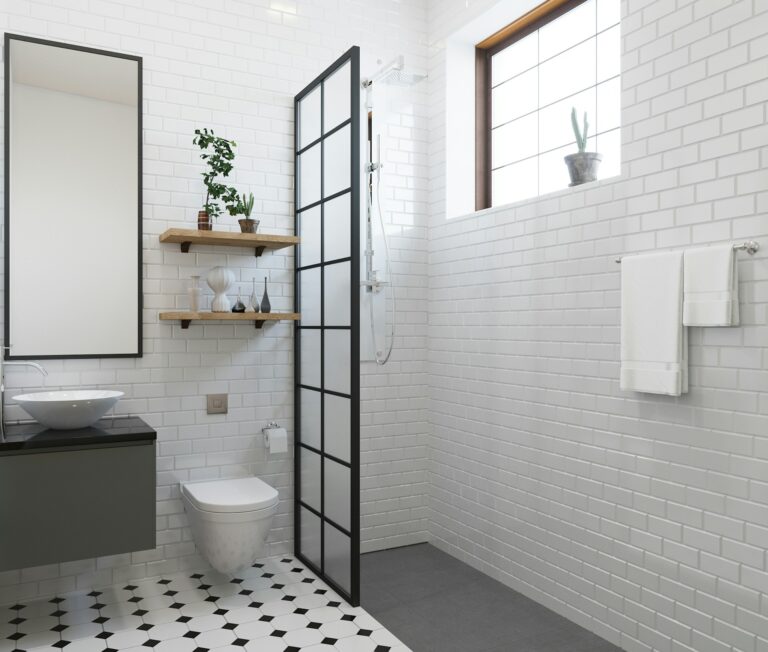
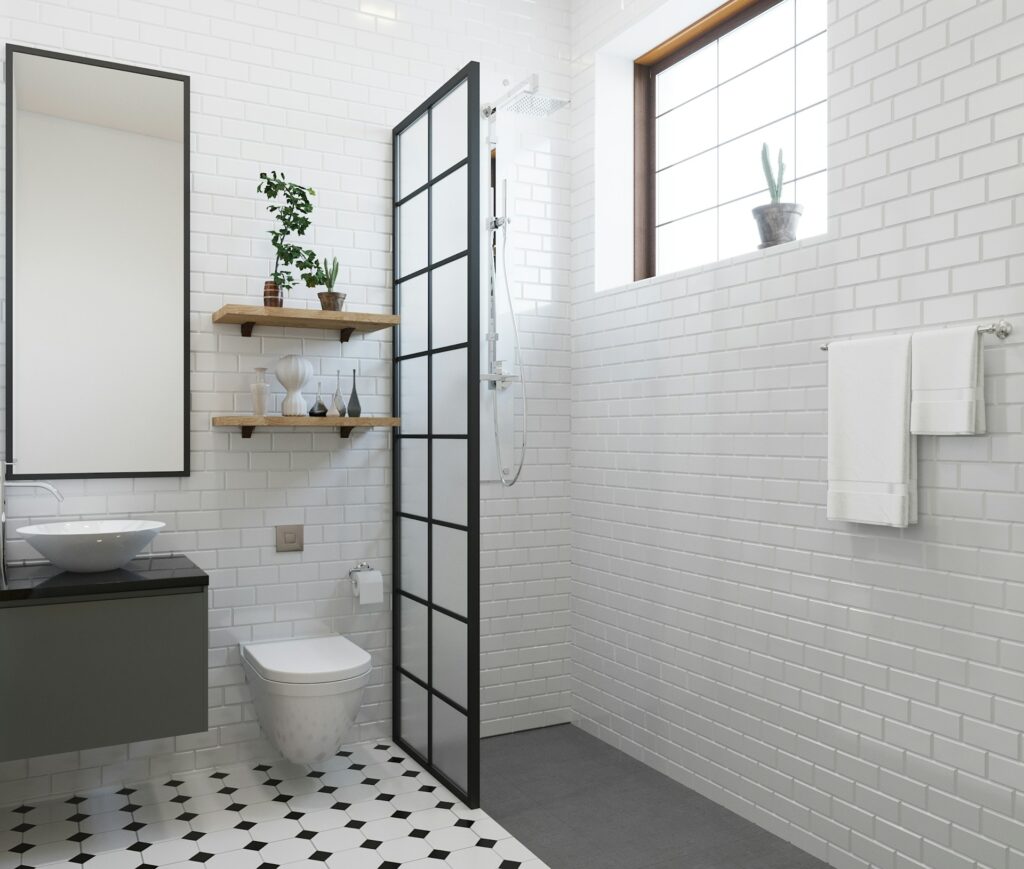
Invest in some stylish storage solutions to keep your essentials out of sight but within easy reach. Wall-mounted cabinets or shelves can take advantage of vertical space, and mirrored units serve a dual purpose, making the room feel larger while hiding clutter. Remember, the less you have on display, the more spacious your bathroom will feel.

Step 2: Choose The Right Colours & Lighting

Colour and light can dramatically affect how we perceive space. Light, airy colours traditionally make a room feel bigger and brighter, so consider painting your walls in soft pastels or neutral tones. If you’re feeling adventurous, a single feature wall with a bold pattern can draw the eye and add depth to the room without overwhelming it.

Good lighting is crucial in a small bathroom. Aim for a layered approach with a combination of task, ambient, and accent lighting. Bright, well-placed lights can make the bathroom feel open and inviting. Consider installing LED strip lights under medicine cabinets or shelves for a modern look that also creates the illusion of more space.

Step 3: Reflect On Mirrors

Mirrors are a small bathroom’s best friend. They reflect light and images, giving the illusion of extra space. Consider replacing a small mirror with a larger one, or installing a full-length mirror on the back of the door. For an added touch of luxury, heated anti-fog mirrors ensure that even after the hottest of showers, your reflection remains clear, further enhancing the sense of space.

Read: 7 smart ways to create a sense of space and natural light at home

Step 4: Smart Fittings & Fixtures

Next, the choice of fittings and fixtures can have a huge impact on the perception of space. Wall-hung toilets and floating vanities clear floor space, making the room appear larger. Clear glass shower screens are preferable to curtains or frosted glass, as they allow your eye to travel through the entire room without interruption.

Consider multi-functional furniture – a vanity unit with built-in storage can eliminate the need for additional cabinets. Also, think about the scale of your fixtures; opting for a slightly smaller sink or toilet can make a big difference in a cramped space.

Step 5: Opt For Sliding Doors

Traditional hinged doors can take up valuable space in a small bathroom. Every time you swing the door open, you’re eating into potential space that could be better utilised. A sliding door, on the other hand, glides neatly against the wall and requires no additional room to operate, helping optimise space.

Another excellent space-saving alternative are bifold doors, as they fold neatly to the side rather than swinging into the room, making them perfect for compact bathrooms.

Step 6: Tap Into Ingenious Tapware

In a compact bathroom, every centimetre counts, and this includes your choice of taps and spouts. Wall-mounted taps can free up precious space around the basin, giving you more room for essentials and reducing visual clutter. For the shower, a ceiling-mounted rain shower head can provide an indulgent showering experience without protruding into the space.

Step 7: Accessorise Wisely

The right accessories can make or break your space-saving efforts. Towel rails can double as door handles on cabinets, hooks can hang on the back of doors, and magnetic strips can keep metal accessories organised and off the countertops. Even the humble toilet roll holder can be integrated into a storage unit to free up space. Choose accessories that are both functional and stylish, and that contribute to the overall sense of space.

The Bottom Line

Transforming a small bathroom into a seemingly more spacious area doesn’t require knocking down walls or a complete overhaul. By decluttering, choosing the right colours and lighting, utilising mirrors effectively, and selecting smart fittings, you can create a bathroom that feels more like a personal spa than a closet.

Remember, the goal is to create a space that feels open, light, and serene. With these four simple steps, you can eke out every inch of your small bathroom, turning it into a comfortable and stylish retreat that belies its modest size. So, roll up your sleeves and start planning your bathroom revamp today – your very own tranquil oasis awaits!

5 Ideal Steps To Eating More Mindfully

Ironic, isn’t it? A meal can be the most nourishing, fulfilling and fun part of the day, the part you’ve planned, looked forward to and prepared so enthusiastically. Yet when that plate hits the table, we wolf it down as though eating’s an annoyance; an obstacle to our Twitter, tele or typing that we can’t wait to dispense with.

We’re doing it so wrong. By incorporating elements of mindfulness and meditation into our dinnertime, not only will we avoid digestion issues, but we can also enjoy a whole new appreciation of the pleasures of both food and of life. Moreover, it can help one on a journey to weight loss and maintaining a healthy weight. With that in mind, here are 5 IDEAL steps to eating more mindfully.

Consider Every Part Of The Process

That piece of mackerel didn’t simply swim up from the sink, gut, fillet and debone itself, propel the most pristine part of its body directly under your grill and then leap onto your plate, following a little forward roll through the salt. Now did it? Convoluted scene-setting aside, a useful way to eat with a greater awareness of the here and now is to show appreciation for every part of the process which brought the food to your dinner table.

The fishermen and women devote – and often risk – their lives to bring in the best catch each day, so give them a nod. An auctioneer gets up in the early hours of each morning and braves the smell of fish and sound of yelling to sell the product on. Show them some respect. A driver distributes the freshest stuff all over the country daily, promptly and with the lightest of touches when handling it, making sure the fish arrives safely at its destination. Think of them. A fishmonger possesses a lifetime’s worth of knowledge and is happy to dish out that wisdom on what’s best today. Thank them for it.

A chef or writer put their heart and soul into a collection of recipes from which you’ve got the tips for cooking your mackerel. And you, you, held the fish and this process in high enough esteem to cook it carefully. For heaven’s sake, eat it with the same deference.

A Screen Free Zone

Multitasking is the ultimate enemy of mindfulness. A way to embrace being in the present is by completing every single daily task with care and respect for the process. Indeed, a major aspect of the much-lauded Japanese productivity focused philosophy of Kaizen is that by completing each and every daily task with rigour and to your full potential, you will incrementally – even unknowingly – become the best version of yourself.

Harness this by giving a process as simple as eating and digesting the care and attention it deserves. This should start by eliminating all distractions from the dinner table. So, that’s phones placed well out of reach, T.Vs off, work banned from this sacred space, and only positive vibes and plentiful plates welcome.

Reminders To Realign Your Focus

We know what it’s like. There just aren’t enough hours in the day, or the food is just too damn tasty, and even if you’ve started your meal well-intentioned and mindful, after a minute you might catch yourself, mouth full, plate almost empty and little recollection of how anything tasted.

Well, just as mindfulness connoisseurs suggest using cues throughout the day (such as the sound of a door shutting, the smell of coffee or vibrating of your phone) as reminders to ‘take a minute’, so too can this be applied to your dinner.

We recommend that perhaps every time you notice the sound of a fork colliding with a knife, bring your focus back to the food. Or whenever you hear find yourself reaching for a glass of water (or wine, we’re not judging), remember too to reach deep into the present moment. The cue isn’t important, the response is.

Chopsticks

Have you ever been to a sushi restaurant and noticed that you’re eating in a more measured and graceful manner, picking up every grain of rice separately and considering every flavour with curiosity. Sure, that could be down to the low lights, elegant food and lightness of touch in the service, but most likely it’s because you’re eating with chopsticks.

Having to pick up items from the plate with precision and guide them to your mouth in a manner not guided by muscle memory makes for a more thoughtful approach to the meal. So, why not try to eat all of your meals at home with chopsticks, at least for a while, to get into the habit of mindful eating.

Serve All Your Senses

We all too often place undue emphasis on the taste of our meal. It’s time to bring all of the senses into play. Smell your food as though it was the first time you’d smelt anything, observe the miasma of competing scents which contribute to one whole aroma.

The Bottom Line

Taste with a childlike curiosity, noting each component of flavour and considering how they all interplay and compete to create an overarching profile in the mouth. Appreciate the texture of each grain of rice, or crumb of bread, without thinking about the next bite. Consider where the food came from, and show gratitude for those who worked so hard in producing it.

5 Quick Tips On How To Make The Ideal Pancake

Pancake Day is crêping up on us  and with it comes excitement as well as pressure to make those perfect pancakes – golden on the outside and light and fluffy on the inside!

Head Chef Steve Smith from Michelin Starred Bohemia has got you covered as he has shared his tips on how to make the pancakes of dreams this Shrove Tuesday.

Better Batter

Ensure that you have good batter by keeping all of the ingredients at room temperature. Mix the dry ingredients in one bowl and the wet ingredients in another. Incorporate the two bowls of ingredients by making a well in the dry ingredients and pouring in the wet mixture. Stir gently until all of the ingredients are combined and moist.

Don’t worry about the lumps in the batter! Once they are on the griddle they will cook out fine. If you overwork the batter the pancakes will turn out tough and chewy.

Rest The Batter

It may be difficult to resist but it is crucial to allow the batter to rest for a minimum of five minutes. This will give the gluten, which you have created from mixing the batter, time to relax and for the lumps in the batter to smooth out. This will give the pancakes a thick consistency and they will turn out fluffier. The rest period will give you time to clean up and prep your pancake toppings.

Add Flavour

If you are bored of your usual pancakes with lemon and sugar, add flavour into the batter instead. My favourite ingredients to add include spices, citrus zest, herbs, ginger, cinnamon, vanilla extract, chocolate chips, raisins, cheese or sweetcorn!

Make It Fun

Make shapes with your pancakes by pouring the batter into a metal pastry cutter or mould. Alternatively you can pour the batter into a squeeze bottle and draw your design directly onto the pan.

Keep Them Warm

Pancakes are best enjoyed fresh from the pan, but if you do make a whole batch at once keep them warm by arranging them in a single layer on an oiled cooking rack. Place them in a preheated oven at 80°C for a maximum of 15 minutes.

4 Ideal Recipes If You’re In The Mood For Mackerel

In the mood for mackerel? We’ve got some delicious recipes courtesy of Waitrose.com. Omega-3 rich and packed with essential nutrients, this beautifully iridescent sea specimen is ideal for a midweek fish dinner.

MACKEREL WITH SOY, GINGER & RHUBARB 

  • Preparation time: 5 minutes
  • Cooking time: 20-25 minutes
  • Serves 1

INGREDIENTS

  • 100g forced rhubarb
  • 1 whole medium mackerel, cleaned, head and tail removed
  • 2cm piece fresh ginger, peeled and shredded
  • 1 clove garlic, thinly sliced
  • ¼ tsp dried chilli flakes
  • 2 tsp soy sauce
  • 1 tsp soft brown sugar
  • 1 tbsp cider vinegar

METHOD

  1.  Preheat the oven to 190°C, gas mark 5. Oil a large piece of foil. Cut the rhubarb into 7cm lengths, then each length into long, thin slices. Arrange in the middle of the foil. Place the mackerel on top of the rhubarb.
  2.  Season the mackerel, then scatter over the ginger, garlic and chilli, pushing some into the cavity of the fish. Sprinkle the soy sauce, sugar and cider vinegar over the top. Fold in the sides of the foil and make a pleat along the top to make a neat parcel enclosing the fish.
  3. Place the parcel on a baking sheet and cook for 20-25 minutes until the fish is just cooked through. It should come easily away from the bone when you put a knife into the middle. Serve with steamed rice and stir-fried pak choi.

MACKEREL, BEAN & BEETROOT SALAD 

The beetroot gives a pretty pink colour to the dish. It’s best added just before serving. Hot smoked salmon or cooked shredded chicken also work well instead of the mackerel. 

  • Preparation time: 15 minutes
  • Total time: 15 minutes
  • Serves 4

INGREDIENTS

  • 250g peppered smoked mackerel fillets
  • 400g can cannellini beans, drained and rinsed
  • 250g pack tomatoes, quartered
  • 1 unwaxed lemon
  • 2 tbsp Greek Extra Virgin Olive Oil
  • 1 tbsp Greek honey
  • 250g baby Beetroot, quartered
  • ¼ x 20g pack tarragon, leaves only

METHOD

  1. Remove the skin and any bones from the mackerel and break into chunks.
  2. Mix with the beans and tomatoes.
  3. Whisk together the lemon juice, oil and honey and season well. Toss into the salad with the beetroot and tarragon. Lovely served with crusty bread. 

Read: 5 IDEAL recipes if you’re in the mood for butter beans

MACKEREL, PEA & PESTO JACKETS

  • Preparation time: 10 minutes
  • Cooking time: 1 hours
  • Serves: 2

INGREDIENTS 

  • 2 baking potatoes
  • 200g petits pois
  • 4 salad onions, thinly sliced
  • 30g soft cheese
  • 2 tbsp green pesto
  • Essential Waitrose Smoked Mackerel Fillets, flaked

METHOD

  1. Prick the potatoes and bake in an oven preheated to 200ºC, gas mark 6 for 1 hour or microwave for 8–10 minutes until tender.
  2. Meanwhile, cook the peas in a large pan of boiling water for 2 minutes then add the salad onions and drain immediately.
  3. Halve the jackets and scoop out the potato to leave a 5mm-thick shell. Roughly mash together the potato, soft cheese and pesto. Gently stir in the peas, salad onions and the mackerel.
  4. Spoon the filling back into the potato skins and serve immediately.

Read: How to Grill a Whole Fish on The BBQ in 6 Simple Steps

SWEET GLAZED MACKEREL WITH SEAWEED NOODLES 

  • Preparation time: 5 minutes
  • Cooking time: 10 minutes
  • Total time: 15 minutes
  • Serves: 2

INGREDIENTS

  • 1 tbsp sesame seeds
  • 2 sheets sushi nori
  • 2 frozen mackerel fillets
  • 1 tbsp mirin
  • 1 tsp reduced salt dark soy sauce
  • 1 tbsp clear honey
  • 1 tsp Japanese rice vinegar or white 
  • wine vinegar
  • 300g Singapore rice noodles
  • 175g spinach, chopped
  • 150ml fish stock

METHOD

  1. Heat a large frying pan and toast the sesame seeds for 1-2 minutes until golden. Remove onto a plate. Briefly toast the nori sheets in the pan, one at a time, until curled and crisp.
  2. Preheat the grill. Place the mackerel on a foil-lined grill rack, skin-side down. Mix the mirin, soy sauce, honey and vinegar. Reserve 2 tbsp, drizzling the rest over the fish. Grill for 8-10 minutes until cooked through, brushing once or twice with the glaze that collects around the fish.
  3. Put the noodles, spinach, stock and half the sesame seeds in the pan, plus half the nori, broken into pieces. Heat for 4-5 minutes, turning frequently until piping hot. Pile the noodles onto plates. Scatter with the remaining nori and sesame seeds, top with fish and serve drizzled with reserved glaze.

10 Ways To Modernise Your Bathroom Without A Full Remodel


The bathroom; is it a place to rest, replenish, relieve or refresh? Probably, as perhaps the most multi-functional room in the house, a little of all four.

Certainly, it’s where function takes precedence over frivolity; a space where the lines between practical and luxurious become blurred. You spend a surprising amount of time in here and as such, want to complete your, erm, tasks effectively and efficiently. This means the occasional need for a spruce up, to keep things running smoothly.

What doesn’t keep things running so smoothly, however, is a full and comprehensive renovation project happening in your home. Fortunately, there are plenty of smart and sparing ways to breathe fresh life into the space without tearing up the tiles and starting over. With that in mind, here are 10 ways to modernise your bathroom without a full remodel.

Strengthen Your Flow

We’ve all experienced one of those showers in the winter months, shivering under a stubborn drip and longing for the blast of forceful flow from the family home’s excellent plumbing. A weak, sporadic flow is the enemy of relaxation and cleanliness.

Giving your shower head and taps an upgrade will allow for a far more luxurious shower or bath experience, with a strong, even flow of water cleansing and healing in equal measure. It can also more environmentally efficient too, with no waiting (and wasting) around for the shower to get hot and vigorous. A double win!


Declutter Your Space

Although it’s traditionally the smallest, occupiable room in the house, this shouldn’t mean that you cram as much as you can into your bathroom. Sashaying around in your towel on a slippery wet surface certainly isn’t fun (or safe) with cupboards and clutter blocking your every move.

No, you want it to be a space where you can relax and wash away the stresses of the day. Upgrading in this instance, then, might conversely mean a move towards the minimalist; a transformative process and product, indeed.


Illuminate With A More Gentle Touch

There’s something about the stark, white lighting of the bathroom that doesn’t reflect well on our pasty frames. Catch a glimpse of yourself in the mirror post-soak and it’s either like you’ve seen a ghost or a lobster who’s spent too much time in the sun. What’s more, white walls and bright light are the most unforgiving on certain splashes and stains inevitably caused by careless members of the family.

The simple addition of a dimmer switch, or application of a few flickering candles, can completely change the mood of the room; from practical to pleasure at the pull of a switch. Or lighter. The addition of a mirror will bring both a sense of added space and more light.  You could even consider adding a bluetooth bathroom mirror with FM & DAB radio so you can singalong to music in the shower.


Add Some Art

Just because you excrete and exfoliate here, doesn’t mean the room should feel plain or functional. Add some art – something tasteful rather than comedic – to lift the feel of your bathroom and make it somewhere you enjoy spending time in. Leave the ‘amusing’ poo map posters to students and soft porn to Peter Stringfellow and opt for something aquatic and soothing. You can even add an artistic touch with wallpaper tiles (more on that in a moment).


Update Your Fixtures

As the professionals at Ability Bathe Devon suggest so sagely, sometimes it’s the smallest changes make the biggest difference. Swapping out old, dated taps, drawer pulls, and doorknobs for sleek, modern fixtures can instantly elevate the look of your bathroom. Choose finishes like matte black, brushed nickel, or even brass for a contemporary touch that catches the eye.

Read: 7 luxury alternatives to your traditional bathroom fixtures


Introduce Greenery

Plants can transform the atmosphere of a bathroom, adding both colour and a sense of tranquillity. Opt for species that thrive in humid environments, such as ferns, orchids, or peace lilies. Not only do they look great, but they also (possibly, perhaps, potentially) purify the air, making your bathroom feel fresher and more inviting.


Refresh With Paint

A fresh coat of paint can work wonders in modernising a space. Consider soft, neutral colours for a serene and spa-like feel, or perhaps a bold feature wall for a touch of drama. High-quality, moisture-resistant paint is a must to ensure longevity in the steamy bathroom environment.


Incorporate Technology

Modern bathrooms can benefit from the integration of technology. Consider installing a heated towel rail to ensure warm, dry towels year-round, or a touchless faucet for improved hygiene and convenience. Even a waterproof Bluetooth speaker system can add a touch of modernity, allowing you to enjoy your favourite tunes or podcasts while you soak or shower.


Invest In Smart Storage Solutions

Sure, we might have kinda already covered this point, but it’s so important it bears repeating; clutter is the nemesis of a modern aesthetic. By introducing smart storage solutions such as floating shelves, under-sink cabinets, or a bespoke vanity unit, you can keep your surfaces clear and your bathroom looking spacious and organised. Consider using baskets or containers to keep smaller items neatly tucked away.


Time To Retile

It seems like less than pristine tiles are the first part of the bathroom to betray either the age of the space or the (lack of) cleaning habits of the homeowner. Retiling may seem like a daunting task, but a spruce up of this part of the wall and/or flooring will make it feel like you’ve refurbished the whole damn room. And once the room feels as good as new, you can have a soak which will make you feel like a whole new person too.

The Bottom Line

Revitalising your bathroom needn’t be a matter of extensive renovation and exorbitant expense. With these ten creative and cost-effective strategies, you can infuse modern elegance and functionality into your bathroom, enhancing both its aesthetic appeal and your daily experience.

From updating fixtures to introducing smart technology, each suggestion is designed to maximise impact with minimal disruption. Remember, modernisation is not just about keeping up with trends; it’s about making smart choices that reflect your personal style and meet your needs. So, before you consider a full remodel, try these tips to transform your bathroom into a contemporary sanctuary that resonates with sophistication and serenity.

Tips For Cooking Well For Less From The Home Of ‘Cucina Povera’

Finding cheaper ways to prepare delicious, nutritious food is very much on our minds this winter.

Whilst Italy is recognised far and wide for its excellent cuisine, sometimes extravagant and often very humble, the country has ‘Cucina Povera’ to thank for a many of its celebrated dishes. 

Translating as ‘the kitchen of the poor’ or ‘peasant cooking’, cucina povera refers to cooking techniques and recipes that originate from Italy’s rural areas. That said, the phrase certainly shouldn’t be taken too literally; many of Italy’s most celebrated dishes come from this style of cuisine that makes the most of simple, seasonal ingredients, with the style of cooking reflective of the ingenuity of the cook rather than anything to do with their financial status.

The ‘cradle’ of cucina povera lies in central and southern Italy. Regions like Puglia, Tuscany and Campania once had large areas of rural, sometimes relatively barren landscapes, and it is from here that some of Italy’s most famous cucina povera dishes come.

Danilo Cortellini, author, founder of Tiramisoo Events and former head chef at the Italian Embassy in London, grew up in such humble, rural surroundings, and bases much of his cooking style on all that he learnt from his upbringing. Indeed, Cortellini tells us that because of his upbringing he is well aware of the importance of making each ingredient go further.

With his help, we share some simple, cost effective ways to make the most of your ingredients and keep the shopping bills down this winter. 

Buy In The Staples 

Cheap, calorific cooking based around carbs like pasta lies at the heart of ‘cucina povera’ cooking. Cortellini tells us that “every Italian kitchen has plenty of olive oil, dried pasta, fresh pasta and risotto rice [in their larder]”.

Read: What are some of the healthiest and most versatile cooking oils?

He continues; “I always have a piece of hard Italian cheese such as Grana Padano in my fridge, which can be used so many ways once you have learned how it works in recipes, not just grated over pasta. It keeps well for weeks in the fridge without changing flavour or texture.”

When it comes to storing your cheese, Cortellini tells us that he “always recommend storing in a sous vide bag or covering with cling film as you don’t want the cheese to oxidate. Think of it as a seasoning rather than an ingredient and you’ll find it elevates so many dishes and reduces the need for salt”.

Reduce Your Food Waste

Cucina povera cooking is all about making sure that no ingredient is wasted. So be sure to plan your meals for at least several days ahead before you go shopping to avoid buying too much and then having to throw food away.

Cortelling suggests to “organise a fridge and cupboard raid meals with your friends, partner or family – take all the ingredients that you haven’t used in a while or that are at risk of being thrown away and collectively agree what you’re going to cook in the coming days”.

He adds; “This is a great improv activity that stimulates both your creativity, saving money and doing your bit for the planet at the same time”.

If you have leftover herbs, salad leaves or greens in the fridge, turn them into a pesto. Is your bread bin full if stale bread? Then it’s ideal for pangrattato, otherwise known as ‘poor mans parmesan’. Other dishes that use up stale bread include pappa al pomodoro and ribollita, a Tuscan stew which mixes beans, kale, more greens and leftover stale bread.

Read: 6 IDEAL ways to save money on groceries.

Learn Some New Techniques

Cortellini tells us that “pickling, freezing, curing, and other preserving techniques might sound tedious but they can all be easily mastered. Learning these skills not only boosts your cooking confidence but helps your ingredients go much further. With the right jars and wrapping you can even use your new skills to create personalised and thrifty Christmas gifts.”

By pickling, curing or fermenting foods, you preserve them for a healthy length of time. You also create new flavours and textures from familiar ingredients that you may have gotten bored with.

Eat Seasonally & Grow Produce

For the rural regions of Italy, eating seasonally was once more out of necessity than choice. Still today, the benefits of shopping and eating with seasonality in mind are endless.

Items in season, whether asparagus in May, grouse in August or peaches in September, taste so much better. They are bright, vibrant and (potentially) more nutritionally sound. Secondly, it’s economically savvy. Ingredients at their best are plump and pound-for-pound better value for money. Thirdly, as fruit and vegetables taste so much better in season, you’ll be moved to cook with them more, leading to a healthier diet.

You could also consider growing some some of your own produce. Growing your own vegetables can be a great way to help the environment and also save some pennies. If you don’t have a big garden, then consider growing some herbs on your windowstill.

If you’re planning on growing your own fruit and vegetables, here are a few pointers on getting started.

Create Dishes With Fewer Ingredients 

Less is sometimes more.

“Basil and lemon are hugely popular ingredients in Italy – they add sweetness and acidity to a wide range of dishes. I recommend growing your own basil on your windowsill (outdoors and indoors) which is cheaper and involves less packaging than buying from the supermarket every week. A cheap and easy family meal is my bucatini cacio-e-pepe with Grana Padano, lemon and basil. and you can add extra lemon, basil, pepper or Grana Padano to taste.”

Using Cheaper Cuts of Meat

“Del porco non si butta via niente” , translated to “no part of the pig is thrown away”, is a famous Italian mantra that is still as relevant today as it was back in the day. Indeed, many fancy restaurants price themselves on nose to tail cooking. Quite simply, get into cooking with offal; it’s inexpensive, nutritionally sound, and full of flavour.

Use The Parts You Might Have Previously Thrown Away

From ‘Head to Tail’ to ‘Root to Shoot’ – cucina povera is a masterclass in not wasting anything. Think leftover vegetables for stock, rinds of parmesan as flavour bombs, and more…

Interestingly, Cortellini says whilst he wouldn’t recommend eating wax or cheese cloth, ”most cheeses have rinds that are perfectly edible and that can be a great addition to many dishes. I always use Grana Padano rinds in stocks and sauces and they are a treat in this delicious and nutritious Grana Padano, Spelt and Broad bean soup.”

He also shares an ingenious way to use your leftever parmesan rind; “a more unusual way to use the rind would be to make puffed bites into the microwave. Simply dry your piece of rind with a clean cloth, place it in a dish on a piece of parchment with the rind facing up and bake at maximum power for about 2 minutes to watch the magic happen then use as a crouton”.

With this in mind, check out our tips on how to avoid wasting food and turning anything left over into something downright delicious here.

More Than Just A Transit: 15 Of The Best Things To Do In Dar es Salaam, Tanzania

Dar es Salaam, a bustling metropolis, often serves as a mere stopover for travellers en route to the Serengeti or the paradisiacal islands of Zanzibar. However, those who choose to linger in this vibrant city will discover a tapestry of cultures, cuisines, and experiences that are quintessentially Tanzanian. With that in mind, here are 15 of the best things to do in Dar es Salaam that will transform your transit into an unforgettable part of your African adventure.

Getting There From The UK

Embarking on a journey from the United Kingdom to the bustling city of Dar es Salaam, Tanzania, is an adventure that begins with a flight across continents. For travelers setting out from the UK, several international airlines offer routes that typically connect through major European or Middle Eastern cities.

The most common departure points in the UK are London’s Heathrow and Gatwick airports, where direct flights to Julius Nyerere International Airport (DAR), Dar es Salaam’s main gateway, are available, although they may not be daily. If a direct flight isn’t an option, convenient one-stop connections can often be found via cities like Amsterdam, Dubai, or Istanbul, adding a brief layover to the journey.

Flight duration from the UK to Dar es Salaam usually ranges between 10 to 15 hours, depending on the route and length of any layovers. Prices for round-trip tickets vary widely based on the season, airline, and how far in advance you book, so it pays to plan ahead and keep an eye out for deals.

Upon arrival at Julius Nyerere International Airport, British citizens will need to obtain a Tanzania visa. This can be done prior to departure by applying online for an e-visa or upon arrival in Tanzania, though it’s recommended to secure it beforehand to avoid potential delays.

Once you’ve landed and passed through immigration, you’ll find yourself on the doorstep of this vibrant coastal metropolis, ready to explore the rich tapestry of culture, cuisine, and natural beauty that Dar es Salaam has to offer.

Discover The National Museum & House Of Culture

Begin your journey through Dar es Salaam with a visit to the National Museum & House of Culture. This museum offers a profound insight into Tanzania’s rich history, from its prehistoric past to its colonial era and the road to independence. The exhibits include fascinating archaeological finds, traditional crafts, and the vintage car collection of the nation’s first president, Julius Nyerere.


Stroll Through The Botanical Garden

In the same complex as the aforementioned museum, the Botanical Garden is a verdant oasis amidst the urban hustle. Established during the German colonial period, these gardens are home to a collection of indigenous plants and trees, including the enchanting flame tree and various orchid species. It’s a perfect spot for a leisurely stroll or a picnic in the shade of a baobab. 


Try Sekela Chicken From A Street Food Vendor 

Savour the authentic taste of Dar es Salaam with Sekela Chicken, a culinary delight marinated in a fusion of indigenous spices. This street-food gem, grilled to perfection, offers a succulent, smoky flavour that embodies the vibrant spirit of Tanzania. It’s a must-try for a genuine taste of local tradition and hospitality.


Explore Kivukoni Fish Market

For a taste of local life, head to the Kivukoni Fish Market at dawn. Witness the fishermen haul in their catch and the spirited bargaining that follows. It’s a sensory overload with the sights, sounds, and smells of the ocean’s bounty. For the culinary adventurers, it’s an opportunity to sample some of the freshest seafood in the city.


Take A Boat To Mbudya Island

Just off the coast, Mbudya Island is part of the Dar es Salaam Marine Reserve. This slice of paradise can be reached by a short boat ride, offering white sandy beaches and crystal-clear waters for snorkelling. Spend the day sunbathing, swimming, and enjoying fresh fish barbecued right on the beach.


Visit The Village Museum

The Village Museum is an open-air ethnographic museum showcasing traditional Tanzanian dwellings. It’s a unique opportunity to walk through authentically constructed homes from various ethnic groups and learn about their cultural practices. The museum also hosts regular dance and music performances.


Refresh Yourself With Some Tropical Juices

Visit a juice stand in Dar es Salaam to experience the city’s vibrant street culture and indulge in fresh, tropical flavours unique to the region. These stands offer a refreshing respite from the Tanzanian heat, serving a variety of freshly squeezed juices from local fruits like mangoes, passion fruit, and pineapples. 

It’s not just about quenching thirst; it’s a chance to engage with friendly locals, learn about the city’s produce, and enjoy a healthy, natural treat. Plus, supporting small businesses contributes to the local economy, making it a win-win for both tourists and the community.


Shop At Kariakoo Market

The Kariakoo Market is the heart of Dar es Salaam’s commerce. This sprawling market is where locals come to buy everything from fresh produce to textiles. Navigating the crowded aisles is an adventure in itself, and haggling is part of the experience. It’s a great place to pick up souvenirs, spices, and handcrafted items.

Read: The IDEAL guide to visiting the Selous Game Reserve, Tanzania


Relax At Coco Beach

Coco Beach, located on the Msasani Peninsula, is a popular weekend spot for both locals and tourists. The beach is lined with bars and food stalls serving local delicacies like grilled maize and cassava. The atmosphere is jovial, with live music often playing, and it’s a fantastic place to mingle with the locals and enjoy the coastal vibe.


Admire Art At The Nyumba Ya Sanaa

Nyumba ya Sanaa, meaning ‘House of Art’, is a cultural centre and gallery that supports local artists. Here you can admire and purchase a variety of artworks, including paintings, sculptures, and textiles. The centre also offers workshops for those interested in learning about Tanzanian art techniques.


Savour The Flavours At Slipway

The Slipway is Dar es Salaam’s premier shopping and dining complex, offering a range of restaurants with views over the Indian Ocean. It’s the perfect place to sample international and local cuisine while watching the sun dip below the horizon. Don’t miss the opportunity to try some Zanzibari food, which reflects the island’s blend of African, Arab, and Indian influences.


Attend A Performance At The National Theatre

The National Theatre in Dar es Salaam is the epicentre of performing arts in Tanzania. Attending a live performance here is not just an evening of entertainment, but also a deep dive into the country’s artistic talents. From traditional dances and drama to modern plays and musical performances, the theatre showcases the best of Tanzanian culture.


Visit The Askari Monument

Standing at the heart of the city is the Askari Monument, a significant historical statue that commemorates the African troops who fought as the Carrier Corps in World War I. The monument is a poignant reminder of Tanzania’s role in global history and offers a moment of reflection amidst the city’s bustle.


Enjoy The Views From The Azura Health & Fitness Club

Perfect for some R’n’R, visit the Azura Health & Fitness Club. Located on the top floor of the IT Plaza, the club offers breathtaking panoramic views of the city and the Indian Ocean. After a workout or a swim in the rooftop pool, you can relax in the café and soak in the urban skyline. After, head to High Spirit’s open-air lounge, also on the top floor of the IT Plaza. 

Photo by Kelvin Mbilinyi on Unsplash

Explore The Mwenge Woodcarvers Market

For those interested in local crafts, the Mwenge Woodcarvers Market is a must-visit. This open-air market is filled with artisans crafting and selling intricate wood carvings, from masks and statues to household items. It’s an excellent place for finding unique gifts and watching skilled craftsmen at work.


Take A Day Trip To Bagamoyo

Just a short drive from Dar es Salaam, the historic town of Bagamoyo is a fascinating day trip. Once a major trading port, Bagamoyo is steeped in history with ruins and relics from the 18th and 19th centuries. Visit the Bagamoyo Museum, the Caravan Serai, and the Old Fort to learn about the town’s past as a centre for ivory and slave trade.


Indulge In A Seafood Feast At Cape Town Fish Market

Cape Town Fish Market combines South African and Tanzanian seafood traditions to offer a delightful dining experience. With its location right by the ocean, you can enjoy fresh seafood dishes while taking in the sea breeze and the sound of waves. It’s a perfect spot for a romantic dinner or a family meal.


Experience Dar Es Salaam’s Nightlife

As the sun sets, Dar es Salaam comes alive with a vibrant and increasingly eclectic nightlife. The city boasts a variety of entertainment options, from laid-back lounges to energetic nightclubs. Experience the local music scene, enjoy live bands, or dance the night away to the latest East African beats.

The Bottom Line

Dar es Salaam is more than just a gateway to Tanzania’s famed wildlife and beaches; it’s a destination brimming with its own charms. By exploring its streets, engaging with its people, and indulging in its offerings, you’ll find that this city by the sea is a cultural gem waiting to be discovered. So, the next time you find yourself in Dar es Salaam, take a moment to delve deeper and let this vibrant city capture your heart.

Banishing Blue Monday: 9 Proactive Tips For Tackling The Winter Blues

As the calendar pages turn and we find ourselves in the heart of winter, the infamous ‘Blue Monday’ looms on the horizon. Dubbed the most depressing day of the year, typically falling on the third Monday of January, it’s a concept that resonates with many as the festive cheer fades and the reality of winter’s chill sets in. 

Banishing Blue Monday

It shouldn’t – and doesn’t – have to be this way. In fact, there are plenty of proactive steps you can take to keep your spirits high and the winter blues at bay. Here are 9 strategies to help you navigate through the frosty days with a spring in your step.

Reconceptualise This Time Of Year

January gets a bad rap in the UK, with funds running low and enthusiasm running even lower. For some, simply reframing the way we think about this barren month can help put an enduringly positive spin on things. 

With many Brits choosing to go dry, meat free and hermit-like right now, why not view January as a time to reset and rejuvenate, to get fit and to grow. With this sense of optimism driving everything you do this month, you’ll emerge blinking into the fresh, hopeful light of spring looking and feeling your best, with a bank balance bolstered and ready to be spent on having fun. Doesn’t that sound like just the ticket?

Embrace The Great Indoors

When the mercury plummets, it’s tempting to hibernate until spring. And for many (not just for the bears, bats, and hedgehogs, we should add!), this is a tried and tested method of seeing off a bleak time of year that shouldn’t be sniffed at.

But this bout of hibernation needn’t be one that’s shrouded in negativity. Instead, transforming your home into a cosy sanctuary can be a delightful way to combat the gloom. Invest in plush throws, light up some candles, and create a reading nook. A warm and inviting space can make the shorter days feel more intimate and less confining.

Find Your Inner Chef

Winter is the perfect time to explore new recipes and indulge in the art of cooking. The act of preparing and enjoying a meal can be incredibly therapeutic, and that’s even before we consider the nourishment and nutrition that a home cooked meal can provide. 

By embracing the fruits, vegetables and wild proteins of the season, you can touch base with the time of year in a measured, mellow way, learning new skills along the way. What’s not to love?

Keep Moving

Yes, the sofa’s call can be strong, but regular exercise is a proven mood booster. You don’t have to brave the cold for a jog if that’s not your cup of tea. There are plenty of indoor activities to get your heart rate up – from yoga to dance workouts, or even a brisk house-cleaning session. Find what you enjoy and make it a part of your routine.

Read: 5 IDEAL tips for creating a home gym with items you already own

Socialise Smartly

Social connections are vital for our mental health, especially when we’re prone to feeling isolated. Plan regular catch-ups with friends and family, whether it’s a coffee date, a video call, or joining a local club or class. The key is to maintain a sense of community, even when you’re wrapped up in layers of wool.

Learn Something New

The dark evenings are an opportunity to dive into a new hobby or skill. Always wanted to paint, play an instrument, or speak another language? Now’s the time! Engaging your brain in learning can be incredibly satisfying and a wonderful distraction from the dreariness outside.

Make Plans To Get Excited About

Sometimes, looking forward can help us manage the present. Start planning a holiday or a summer garden party. Having something to look forward to can lift your mood and remind you that the winter blues are only temporary.

Seek The Sunlight

Whenever the sun decides to grace us with its presence, make the most of it. A brisk walk in the middle of the day when the light is brightest can help combat SAD (Seasonal Affective Disorder). If natural light is scarce, consider a SAD lamp to simulate the sun’s effects.

Indeed, according to the NHS, whilst the precise cause of SAD isn’t yet understood, ‘’it’s often linked to reduced exposure to sunlight during the shorter autumn and winter days.’’ 

This may effect the brain’s production of melatonin, serotonin, and our circadian rhythm, all of which play a role in regulating our mood.

It’s essential, then, to make the most of the natural light whenever you can. The evenings haven’t yet fully drawn in, and neither should the curtains on another summer past. Sunlight is good for the soul, make no mistake, with research suggesting that the brain produces more serotonin (the brain’s natural antidepressant) on sunny rather than darker days. 

Seeking Professional Help If It’s Necessary

It’s important to acknowledge that sometimes, despite our best efforts, the weight of the winter blues can feel too heavy to lift alone. If you find that your low mood lingers persistently or deepens, it may be time to seek professional help. There’s a profound strength in recognising when you need support, and reaching out is the first step towards feeling better.

Your GP can be a gateway to the help you need, whether that’s one-to-one therapy, medication, or a combination of treatments tailored to your needs. Mental health is as crucial as physical health, and it deserves the same care and attention. Remember, asking for help is not a sign of weakness; it’s a courageous act of self-care.

In the UK, there are also numerous resources and charities such as MindSamaritans, and SANE that offer support and advice. You’re not alone, and with the right help, you can navigate through the winter’s challenges and emerge with renewed hope and resilience.

The Bottom Line

While ‘Blue Monday’ and the winter months can be challenging, they also offer a chance to slow down and focus on self-care. By adopting some of these proactive tips, you can turn the coldest season into a time of warmth and personal growth. 

Remember, if you’re struggling significantly with the winter blues, it’s important to reach out to a healthcare professional for support.

*This article is for informational purposes and is not a substitute for professional medical advice, diagnosis, or treatment. Always seek the advice of your GP or other qualified health provider with any questions you may have regarding a medical condition.*

The Best Vietnamese Restaurants In Paris

Paris, France. The city of love, lights, and… lip-smacking Vietnamese food? Indeed, due in part to a historical connection dating back to French colonialism in the 1800s, Vietnamese fare has found a second home in the heart of France. 

The intertwining of French and Vietnamese cuisines is indeed a legacy of colonial history, a fusion where baguettes meet bánh mì and pot-au-feu (possibly) crosses paths with phở. 

Indeed, the French influence on Vietnamese cooking is unmistakable, with the former’s techniques and buttery pastries blending seamlessly with the latter’s fresh herbs, rice noodles, and sometimes-warming, sometimes-fiery spicing. This culinary marriage has given birth to dishes that are celebrated worldwide for their unique flavours and satisfying textures, one of the world’s most potent testaments to the power of cultural exchange at the dining table.

A Thriving Culinary Community

Paris, a city that prides itself on its culinary excellence, has become a second home to a thriving Vietnamese community, the oldest in the Western World and one of the largest outside the motherland, and one which has woven its rich gastronomic tapestry into the silk of the city. 

The Vietnamese diaspora, having settled in Paris over various waves of migration, particularly after the Vietnam War, has established a vibrant presence, bringing with them the vibrant tastes and intoxicating smells of their homeland. 

This has led to the rise of Vietnamese restaurants that Phú Quốc-pepper the Parisian landscape, from the charming backstreets of the Le Marais to the bustling avenues of the 13th arrondissement, Paris’s own Asian quarter. Rather aptly, it’s in this arrondissement’s southeast that you’ll find some of the best Vietnamese restaurants in Paris. 

These eateries serve not just as places to savour a bowl of phở or a plate of spring rolls but as cultural hubs where the Vietnamese community and Parisians alike come together over shared meals. The result is a culinary scene that is as diverse as it is delicious, offering an array of experiences that range from street food staples to haute cuisine, all while maintaining the heart and soul of traditional Vietnamese fare. 

With an introduction that’s been bubbling away almost as long as an aunty’s mother stock, let’s get to it; here are the best Vietnamese restaurants in Paris.

Phở Tài, 13th Arrondissement

A comforting, brothy-based hug in that bustling 13th arrondissement from just two paragraphs prior, Phở Tài is not just any Vietnamese restaurant; it’s an institution. 

Chef Te’s Parisien love affair since 1968, this spot has been dishing out bowls of goodness for 55 years. Though obviously a good thing, it feels something of a travesty that those bowls have only earned phở Tai a Michelin Bib Gourmand award for the last six consecutive years. How about the remaining 49 years, Big Red Book? And how about an actual star to match that big beauty on the ol’ Cờ Tổ quốc? 

Hmmm, we’ve got ourselves in a bit of a quick pickle there. Better seek solace in one of the most life-affirming bowels out. Go for the headliner phở dặc biệt, which features thinly sliced, ultra-fatty brisket, chewy tendon, and bouncy beef balls. It’s an excessive, indulgent joy.

Expect to queue, but trust us, it’s worth the wait. The summer months offer a reprieve with extra seating on their covered terrace. It’s cosy, it’s faithful, and it’s absolutely delicious.

Read: 5 tips for making the best hanoi style phở bò

Bonjour Vietnam, 5th Arrondissement

Tucked in the heart of Paris’ 5th arrondissement, Bonjour Vietnam is a quaint culinary treasure that brings the essence of Hanoi – in all its verdant, rather than motorbike-choked, glory – to the City of Lights. 

With its cosy ambiance and a mere ten tables, this restaurant may be small, but it’s bursting with the authentic flavours and aromas of traditional Vietnamese cuisine. The beef phở here is a must-try, warming the soul with its delicate, complex broth, while dishes like crispy spring rolls and bò bún – a cold rice noodle salad of sorts – are crafted with the freshest, crispest ingredients. You’ll leave feeling both satiated and kinda cleansed, just as it should be. 

Just be sure to arrive early or reserve a table, as this popular spot fills up quickly, reflecting not only its local acclaim and the allure of its delectable menu, but also its central position close to many of Paris’s key sites including the Pantheon and the National Museum of Natural History, making it a popular lunch spot for alighting Paris bus tours. Brave the crowds; it’s worth it!

Dong Huong, Belleville

Over in Belleville, Dong Huong has been serving up Vietnamese delights for over a quarter of a century. This spacious and unpretentious locale offers a menu as large as its dining space, the expansive Southern Vietnamese tradition. From lemongrass chicken with a pronounced flavour of the grill to crispy turmeric pancakes, this is a light, vivacious rundown of streetfood classics found all over Ho Chi Minh City and beyond. 

That said, perhaps the highlight at Dong Huong is a dish rarely found in Vietnamese restaurants overseas – bánh đa cua. A thin yet rich, piquant yet savoury tomato and crab roe noodle soup, this is a truly killer version, At odds with the rest of the menu, it’s a Northern dish, hailing from the port city of Haiphong. But since we’re in Paris, who’s getting overly fussy about regionality anyway? Just gorgeous.

Banoi, 11th Arrondissement

For those who fancy a contemporary twist on Vietnamese classics, Banoi – meaning ‘grandmother’ – in the trendy 11th arrondissement is your go-to. 

With a snug and intimate setting, this modern Vietnamese restaurant serves a limited but creative menu, with flourishes from across South East Asia featured. Expect to see Thai tom kha soup, smoked salmon and cream cheese (not as incongruous as it sounds, with the Laughing Cow a lunch box staple in Vietnam), and other seemingly disparate elements coming together to, ultimately, delicious effect.

The signature dish here is, without doubt, the spring rolls. Fresh rather than fried, and as light and refreshing as you like, there’s usually 7 or 8 different versions on the menu, with the shrimp and green mango the pick of the bunch, for us. Priced keenly at just €3.80 a plate, these are Hanoi prices in one of the world’s most exclusive cities. Cheers to that – chúc sức khỏe!

Just remember, Banoi is a petite place, and space is at a premium. Expect to queue. Or, click-and-collect a portion and head to nearby Square du Temple for a seriously premium picnic experience.

Un Jour à Hanoï. 10th Arrondissement

Sitting pretty in Paris’s bustling 10th arrondissement, Un Jour à Hanoï offers a culinary escape from the madness of Paris, whisking you away to the heart of Vietnam for the length of a lunch. 

The restaurant’s warm ambiance, with its blend of French and Vietnamese decor, sets the stage for an authentic Hanoian dining experience. Patrons can start with sharp, enlivening appetisers like the crisp, perky papaya salad or the prawn-packed summer rolls, before diving into the star of the menu, the revered, elegant chả cá, a turmeric-marinated catfish dish that’s one of Hanoi’s proudest plates. The version here is excellent.

Cap off the meal with a potent Vietnamese coffee, served hot or iced, for a true taste of Hanoi’s café culture in the heart of Paris.

Hanoi Corner, 9th Arrondissement

Vietnam is a country where lunch is undoubtedly the main meal of the day, and for those who yearn for the authentic street food experience, Hanoi Corner is a must-visit. 

Located in the historic 9th arrondissement and open from 11am to 4pm in true Vietnamese shophouse style, this eatery offers a casual atmosphere that’s reminiscent of a Vietnamese street-side dining spot. 

The menu is a tribute to the street food of Vietnam, with dishes like Anthony Bourdain’s beloved bún chả (a Hanoian grilled pork with rice noodle dish that is only served at lunch) and nem rán (deep-fried spring rolls that pair beautifully with the aforementioned grilled pick) taking centre stage. The flavours are bold, the portions are generous, and the vibe is undeniably fun. 

For a quick lunch, the bánh mì selection here is some of the best in the city. Don’t miss out on the traditional phin coffee, of course; if you’ve got a little time to spare, that is!

Foyer Vietnam, Latin Quarter

On the edge of the always lively Latin Quarter, Foyer Vietnam is more than just a restaurant; it’s a meeting point for all those interested in Vietnamese culture, offering a taste of the country’s culinary history while promoting Vietnamese art and heritage. The atmosphere in this canteen-like space, now in its sixth decade, is a charming mix of a traditional Vietnamese home and a Parisian café, with long communal tables in a tight knit space providing a cosy, convivial backdrop for a damn good feed.

The menu at Foyer Vietnam is a reflection of the country’s diverse regional dishes, prepared with a homestyle touch that speaks of passed-down family recipes. Indulge in the comforting embrace of their bun bo hue, a super-spicy beef noodle soup that’s umami rich from shrimp paste, or savour the subtle sophistication of their banh cuon, intricate, delicate steamed rice rolls filled with minced pork and mushrooms. Do so while flicking through a Vietnamese magazine, and feel truly a part of the community here. 

Song Heng, 3rd Arrondissement

Tucked away near the Arts et Metiers metro station, this tiny treasure specialises in noodle soups and salads, namely phở and bò bún. And that’s it. 

Don’t let the simple decor and sparsely appointed menu fool you; the food here is seriously good, with the compact, one-bowl-wonder menu truly in keeping with Vietnam’s traditional shophouse-restaurants which tend to specialise in a single dish. Practice makes perfect, and these are precision bowls of the good stuff, make no mistake. Be prepared to share a table and enjoy the charm of this little gem.

Entre 2 Rives, 2nd Arrondissement

Located centrally in the 2nd arrondissement, Entre 2 Rives boasts a traditional red French bistro facade that opens up to a moody and minimalistic dining area serving gently contemporary Vietnamese food with little fanfare but much flavour. 

The service is rapid and friendly, making it the ideal lunch spot after a morning of exploring the Sentier area. If you’re looking to luxuriate a little while, take a seat on the outdoor terrace directly in front of the restaurant. This was food designed to be eaten on the street, after all. 

End, as we are, with a traditional Vietnamese ‘che’ dessert of tapioca balls and fresh fruit in an iced coconut broth. Heaven on a hot day. Or, on a cold day to be perfectly honest!

The Bottom Line

So there you have it; Vietnamese food of the highest order in the home of haute cuisine. Whether you’re in the mood for a steaming bowl of phở, crispy nem, or a refreshing bo bun, Paris has got you covered. Bon appétit, or as the Vietnamese would say, “Chúc ngon miệng!”

What Are 2024’s Leading Trends In Sustainable Fashion?

As we step into the year 2024 in our finest vegan trainers, the fashion industry is undergoing a transformative shift towards sustainability. The once-niche concept of eco-friendly attire is now at the forefront of consumer consciousness and industry innovation, with sustainable fashion now shaping the future of our wardrobes. With that in mind, here are this year’s leading trends in sustainable fashion.

Sustainable Materials Take Centre Stage

Perhaps unsurprisingly, one of the most significant trends in sustainable fashion for 2024 is the use of eco-friendly materials. Indeed, top fashion brands in the United Kingdom are increasingly incorporating organic cotton, hemp, Tencel, and recycled fibres into their products. 

Moreover, innovative alternatives like mushroom leather (mycelium), pineapple leather (Piñatex), and seaweed are gaining traction. These materials not only reduce environmental impact but also cater to the growing demand for cruelty-free and vegan options.

Increased Regulation & New Legislation

In 2024, the fashion industry is set to experience significant legislative changes aimed at promoting eco-friendly practices and addressing the environmental impact of fast fashion. 

One of the key pieces of legislation is the New York Fashion Sustainability and Social Accountability Act, also known as The Fashion Act. This proposed bill would require major fashion brands with over $100 million in revenue to disclose their environmental and social impacts, including their carbon footprint and supply chain practices, and take steps to reduce emissions and other environmental impacts.

Additionally, the EU is expected to introduce a ban on the destruction of unsold textiles and footwear products, along with requirements for product durability, reusability, and repairability. Digital product passports are also anticipated, which will provide greater transparency regarding how items are made.

The EU’s Strategy for Sustainable and Circular Textiles, passed in June 2023, outlines a vision for an industry that respects the environment and social rights, with up to 16 pieces of legislation under discussion and the first coming into force in 2024. The Ecodesign for Sustainable Products Regulation (ESPR), set to be fully effective by 2025, will establish minimum design standards for all products sold within the EU, focusing on recyclability, durability, and the use of hazardous substances.

In the United States, the FABRIC Act aims to improve labor rights for garment workers and encourage the reshoring of American garment manufacturing. This federal fashion bill represents a significant step towards more ethical production practices.

These upcoming regulations reflect a global shift towards sustainability in the fashion industry, with governments increasingly stepping in to mandate changes that companies have been slow to implement on their own. The focus on reducing the negative environmental impact of fashion, particularly fast fashion, is becoming more pronounced as consumer awareness grows and the urgency to address climate change intensifies.

Circular Economy: Resale & Takeback Programs

The circular economy is gaining momentum with the increase in resale and takeback services. A take-back scheme in the fashion industry is a sustainability initiative where companies encourage customers to return their used garments instead of disposing of them. These initiatives extend the lifespan of clothing, combatting the notorious waste problem in fashion. 

A few examples of key players in the fashion industry who participate in takeback schemes include Adidas and their ‘Choose To Give Back’ and Patagonia’s ‘Worn Wear’ programmes.

More Sustainable Dyeing Practices

The textile dyeing industry is undergoing a transformation towards sustainability. Traditionally, the dyeing process has been a significant source of pollution, with waterways in nations such as Bangladesh and China bearing the brunt, their colours altered by the efflux of chemicals. 

However, a surge of technological advancements is paving the way for a greener future. Innovations include Colorifix, employing bacterial dyes as utilised by Pangaia; Living Ink, which harnesses algae-based dyes featured in a collaboration between Nike and Billie Eilish; and Air-Ink, an inventive method that repurposes pollutants into dyes.

Embracing Zero-Waste Design

Zero-waste design is a revolutionary approach to fashion where designers create clothing with minimal to no fabric waste. This trend involves pattern making that uses 100% of a given material, ensuring that all offcuts are utilised or engineered in such a way that there is no leftover material. Brands are adopting this method not only to minimise their environmental footprint but also to innovate in design. The zero-waste philosophy is also extending to the packaging and shipping processes, with companies opting for biodegradable or reusable packaging.

Indeed, the concept of carbon neutrality is being re-evaluated in light of the realisation that offsetting alone isn’t sufficient. Brands are now looking to move beyond neutralisation, focusing on reducing their carbon footprint through local production and innovative materials. 

Read: Can fancy dress ever be truly sustainable?

Technology-Enhanced Sustainability

The integration of technology into sustainable fashion is becoming increasingly sophisticated. From blockchain for transparency to 3D printing for on-demand manufacturing, technology is enabling brands to reduce waste and improve efficiency. 

For example, 3D knitting technology allows for precise garment construction without excess material, and it can be used to produce made-to-order items, reducing overproduction. Additionally, apps and platforms that facilitate the tracking of a garment’s lifecycle are helping consumers make more informed choices about their purchases. 

Focus On Biodiversity

Preserving biodiversity has become a central theme in sustainable fashion. As the industry recognises the importance of maintaining diverse ecosystems, there is a growing trend towards supporting practices that protect wildlife and natural habitats. 

Fashion brands are increasingly sourcing materials from suppliers that prioritise the conservation of biodiversity, such as organic farms that provide habitat for pollinators and other wildlife. Moreover, some brands are actively contributing to conservation efforts by partnering with environmental organisations and funding projects that aim to restore natural ecosystems.

Fashion Forecast: A Blend of Science & Nature

Looking ahead to Spring/Summer 2024, the fashion forecast suggests a blend of fantastical themes, human communities, nostalgic stories, and the fusion of science with nature. AI continues to play a pivotal role in product development, with surreal references and historic influences remaining significant.

The Bottom Line

The year 2024 is a pivotal one for sustainable fashion. With a bright future ahead, the industry is embracing innovative materials, digital advancements, circular economy models, and stringent regulations to pave the way for a more sustainable and ethical future in fashion.

These trends reflect a broader commitment within the fashion industry to address its environmental impact and contribute to a more sustainable future. By focusing on zero-waste design, leveraging technology, and prioritising biodiversity, the fashion world is taking significant steps towards a more ethical and eco-conscious approach to style. 

As consumers, we have the power to support these trends by making conscious choices and advocating for change within the industry.